

-
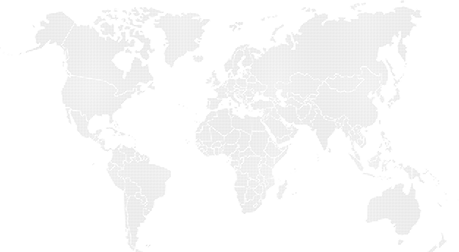
 Pakistan
Marketing Service Outlets
 Papua New Guinea
Marketing Service Outlets
 Egypt
Marketing Service Outlets
 Australia
Marketing Service Outlets
 Brazil
Marketing Service Outlets
 Colombia
Marketing Service Outlets
 Russia
Marketing Service Outlets
 Germany
Marketing Service Outlets
 Poland
Marketing Service Outlets
 the Philippines
Marketing Service Outlets
 Kazakhstan
Marketing Service Outlets
 Malaysia
Marketing Service Outlets
 America
Marketing Service Outlets
 Kyrgyzstan
Marketing Service Outlets
 Canada
Marketing Service Outlets
 Peru
Marketing Service Outlets
 Nigeria
Marketing Service Outlets
 Morocco
Marketing Service Outlets
 South Africa
Marketing Service Outlets
 Japan
Marketing Service Outlets
 Slovakia
Marketing Service Outlets
 New Zealand
Marketing Service Outlets
 Hungary
Marketing Service Outlets
 Thailand
Marketing Service Outlets
 Spain
Marketing Service Outlets
 Indonesia
Marketing Service Outlets
 Italy
Marketing Service Outlets
 Vietnam
Marketing Service Outlets
Steel Pipe ColumnSteel Pipe Column ConnectorsMain Beam | Secondary BeamPrefabricated StairsRound Pipe PileFlat Steel PileGroup PileCap PileNew Building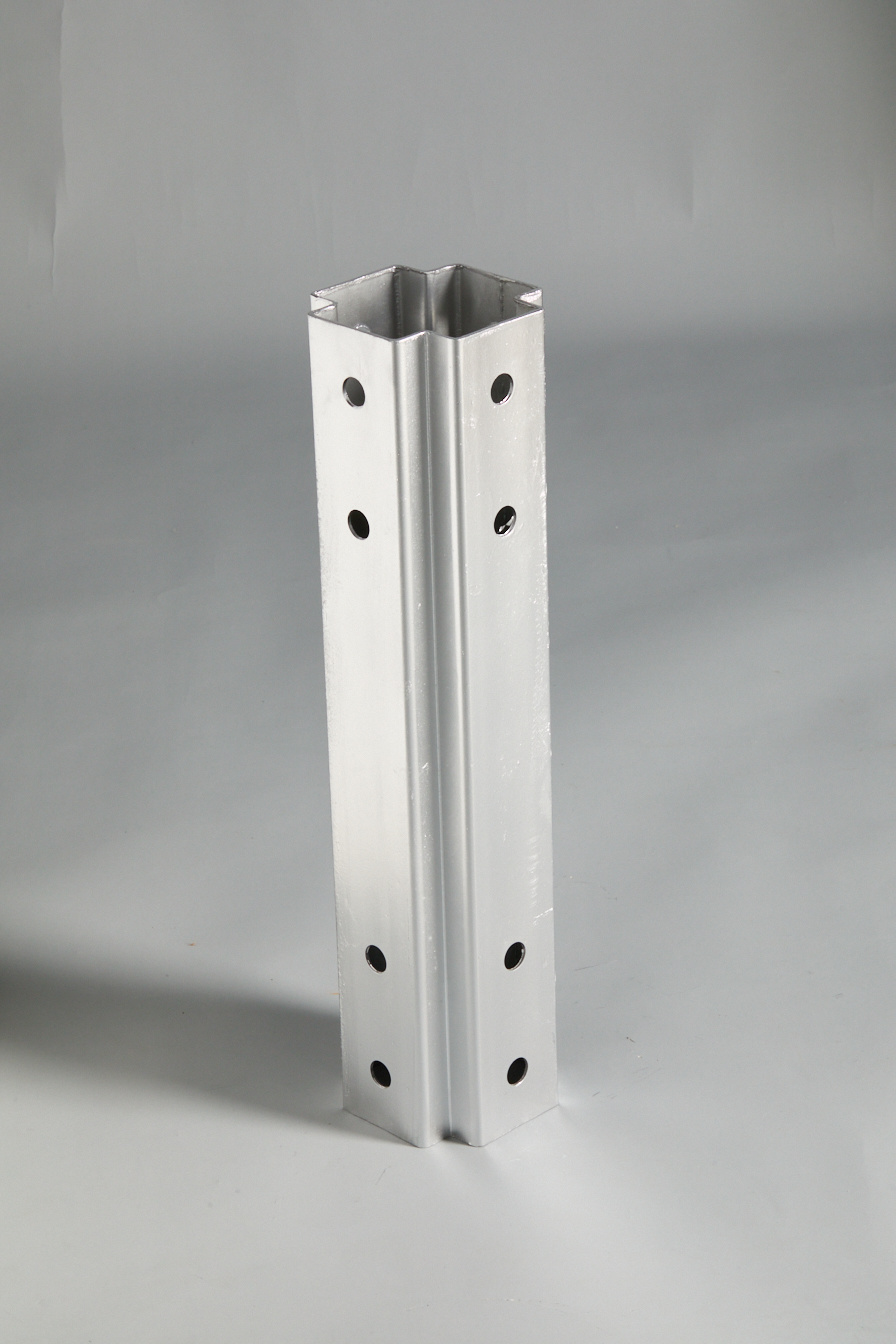
Cross column

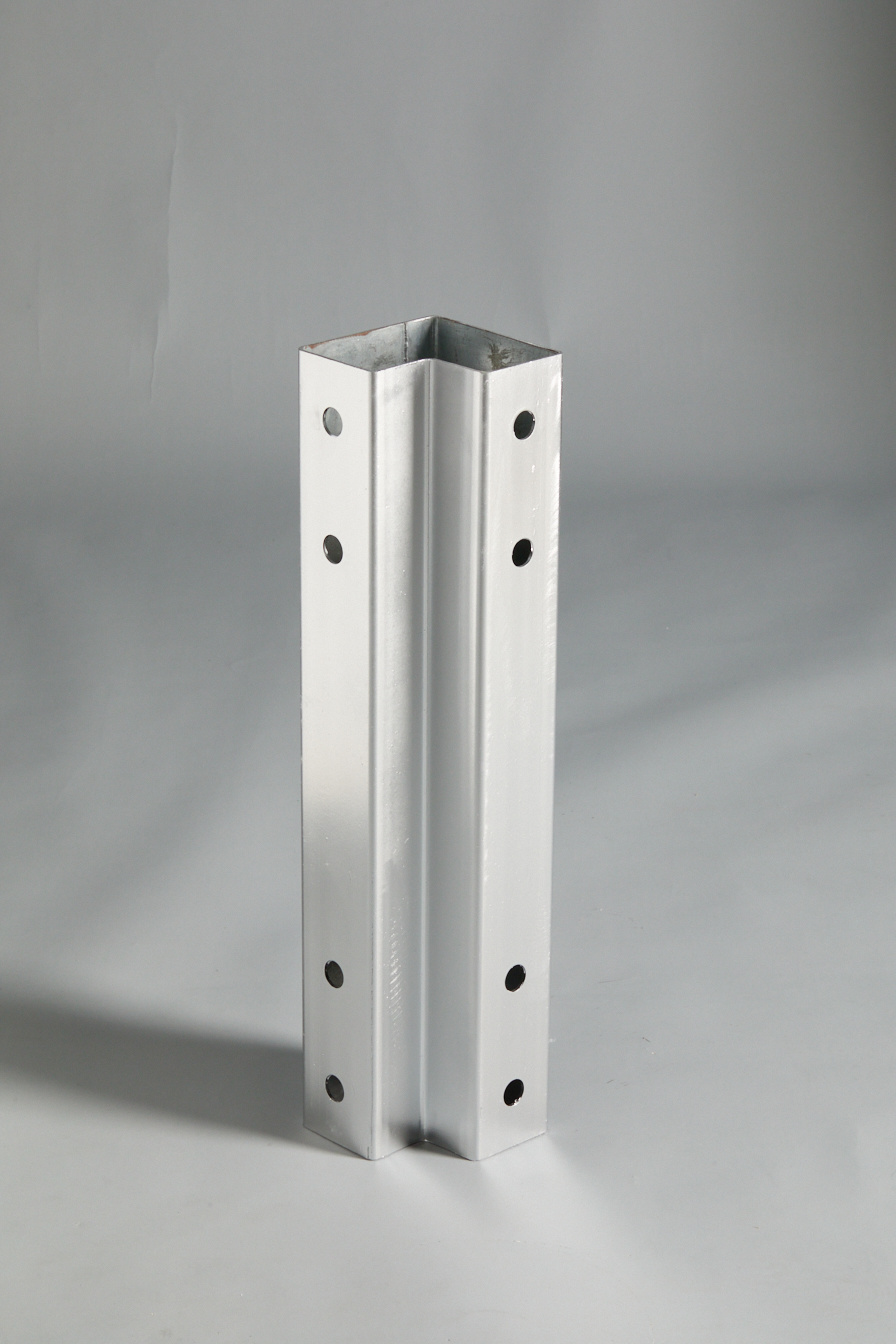
L-shaped column
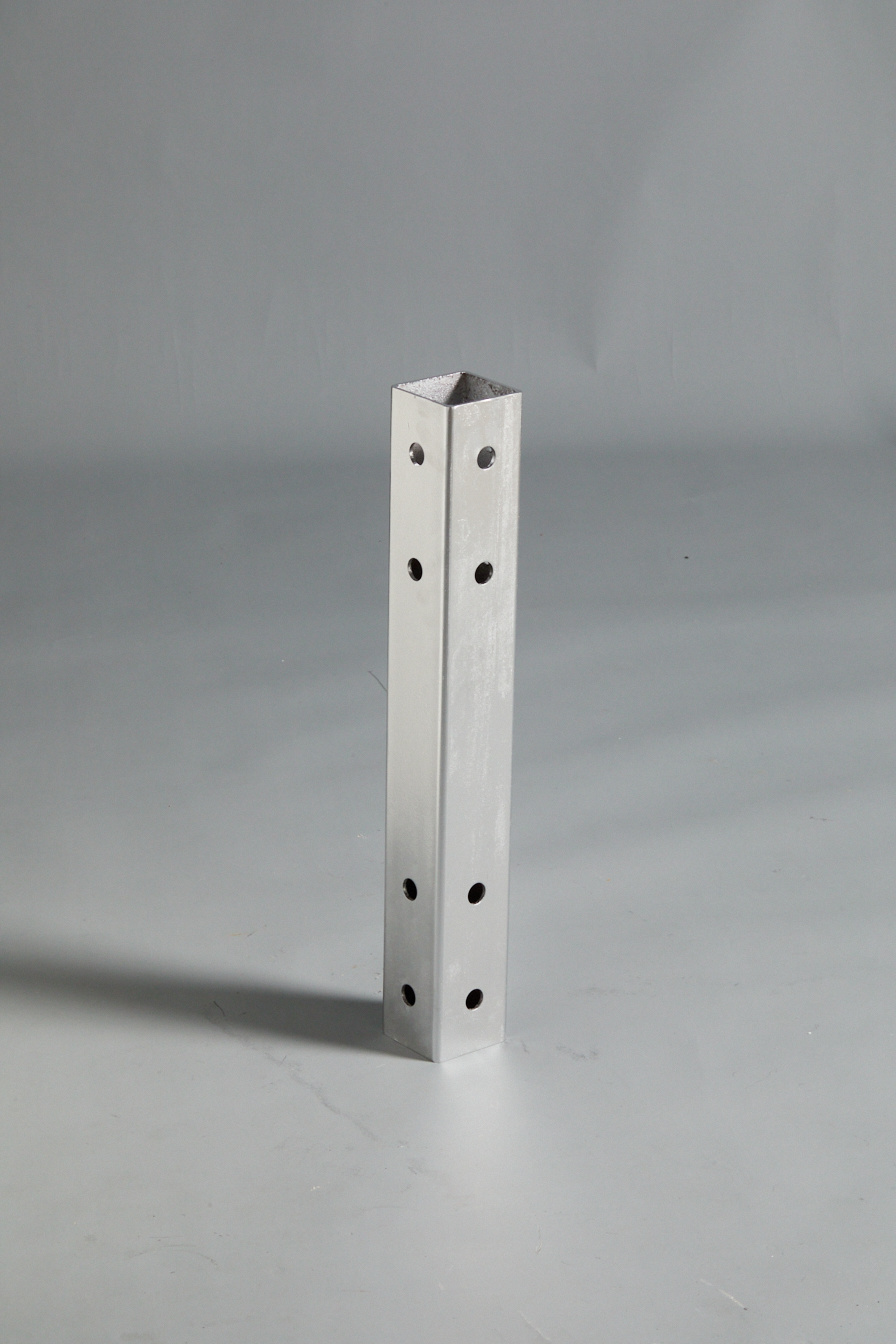
Square tube column

T-shaped column
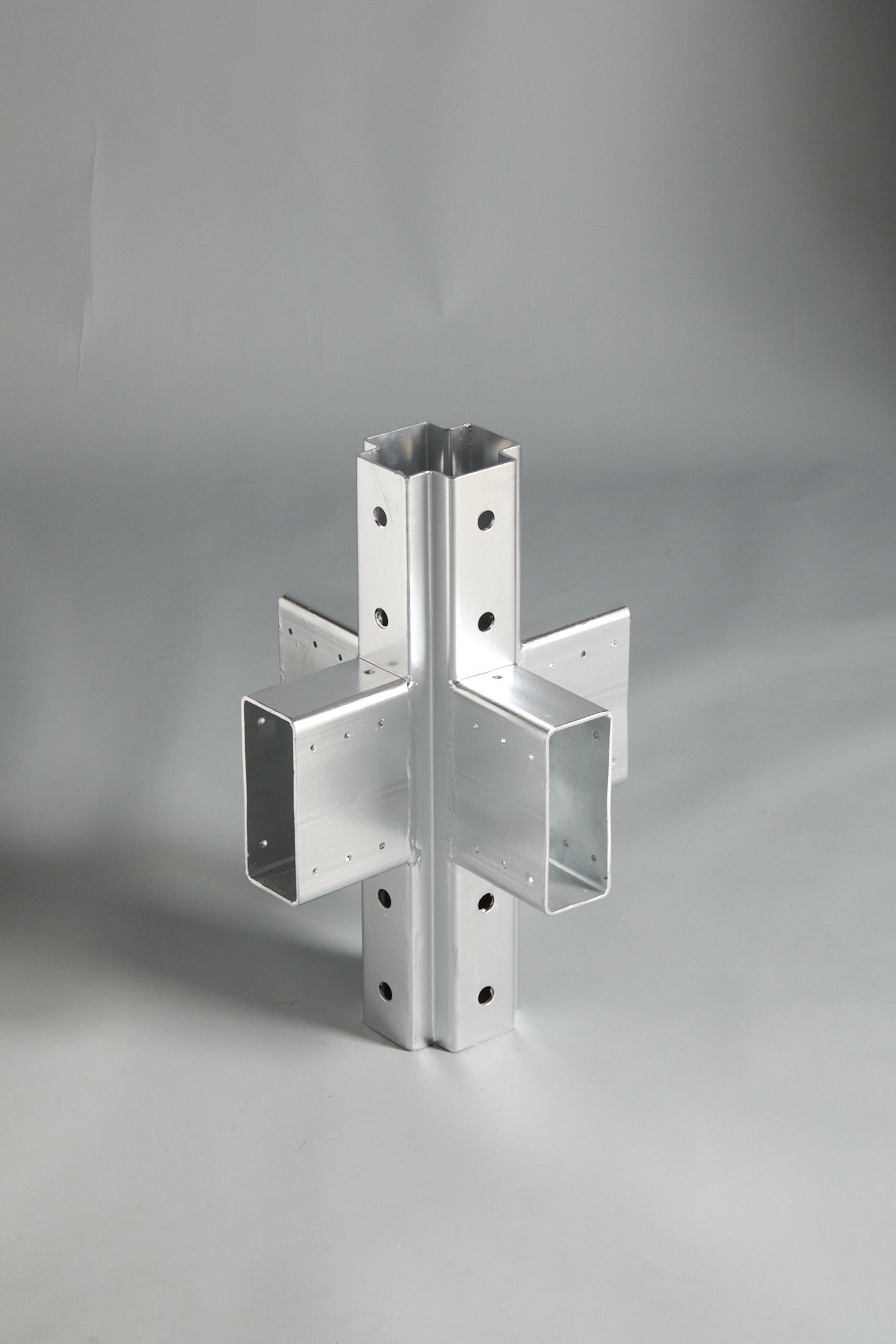
Cross column connector

L-shaped column connector

T-shaped column connector
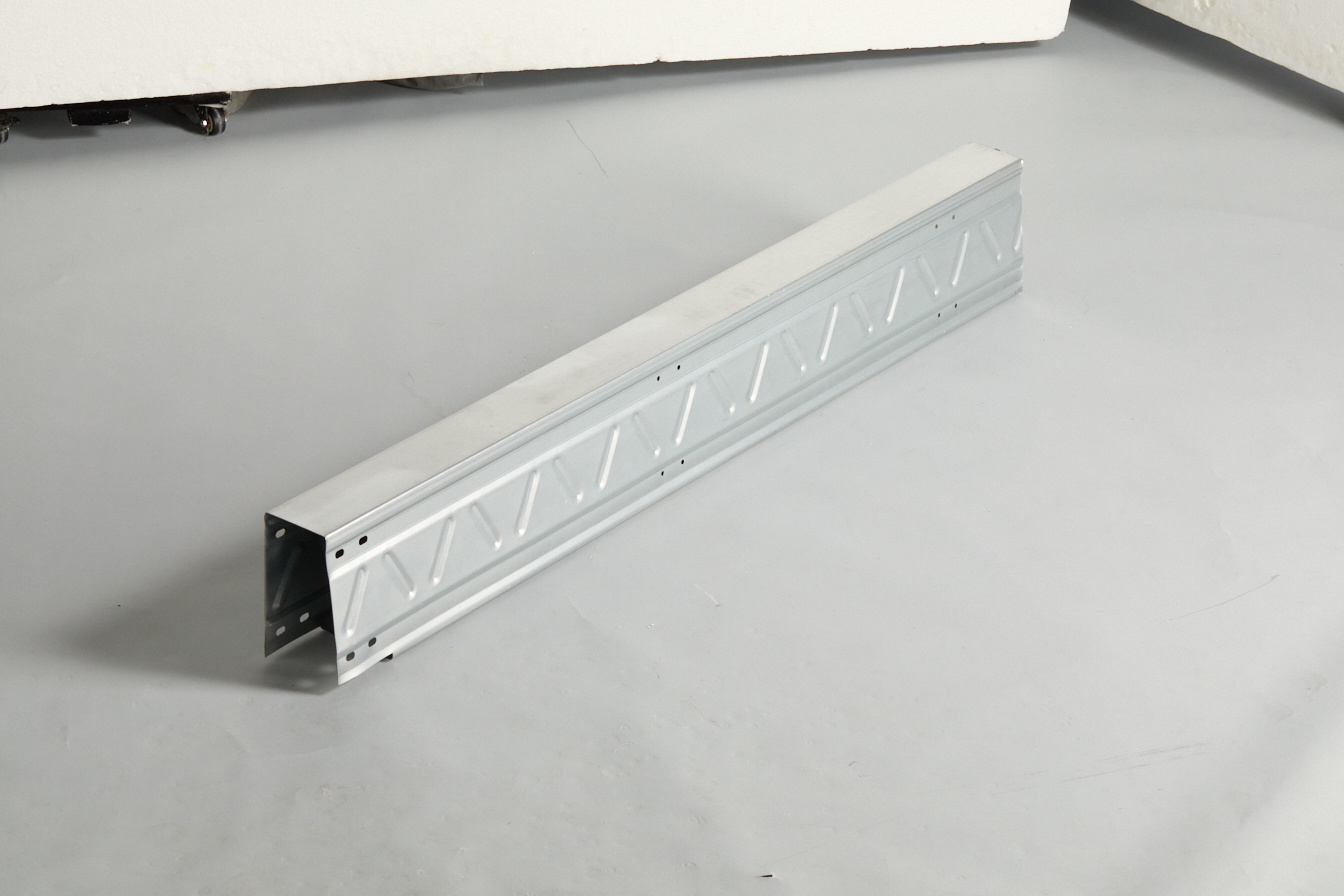
195 inner flipped edge - eight shaped reinforcing rib
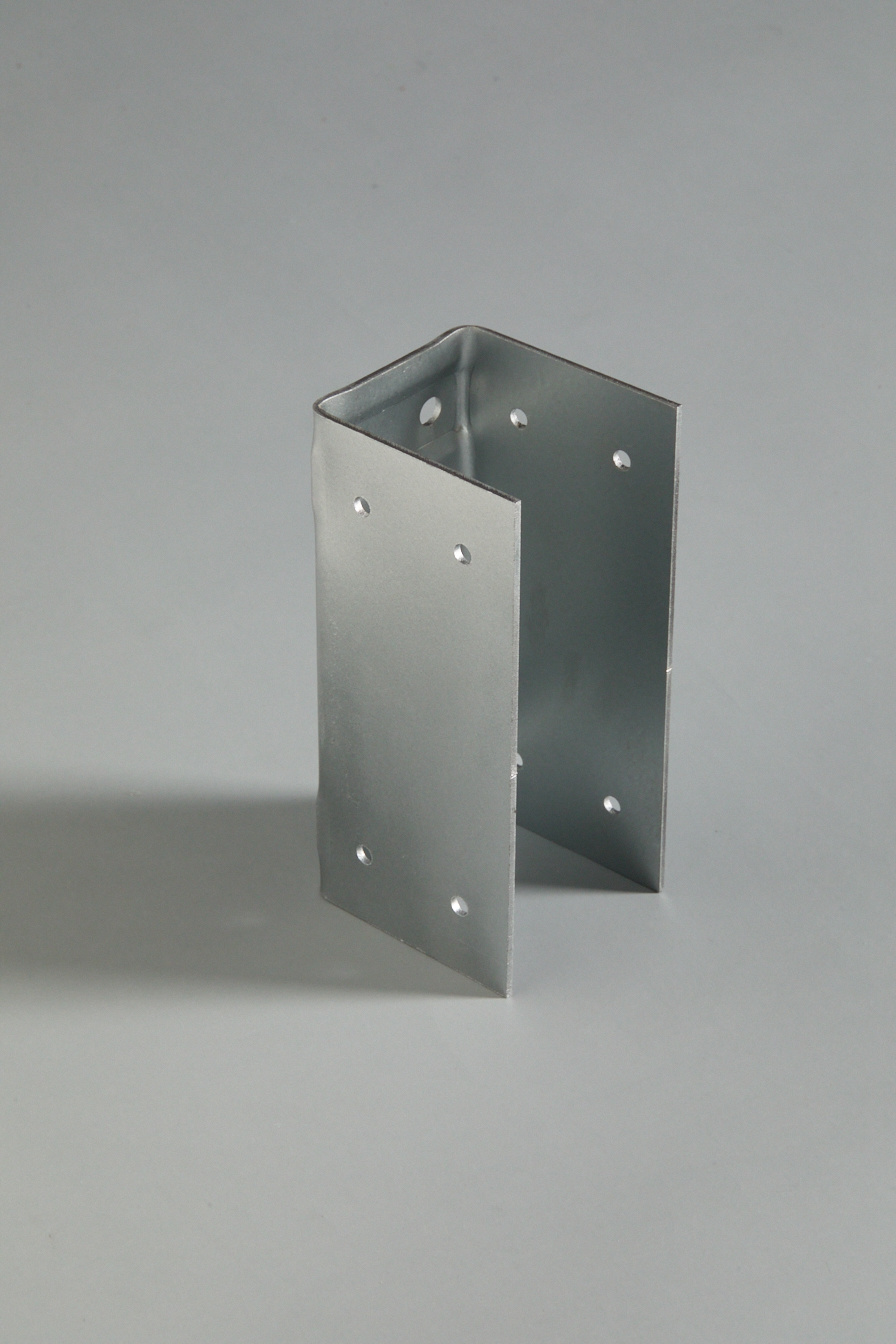
Frame small U connector
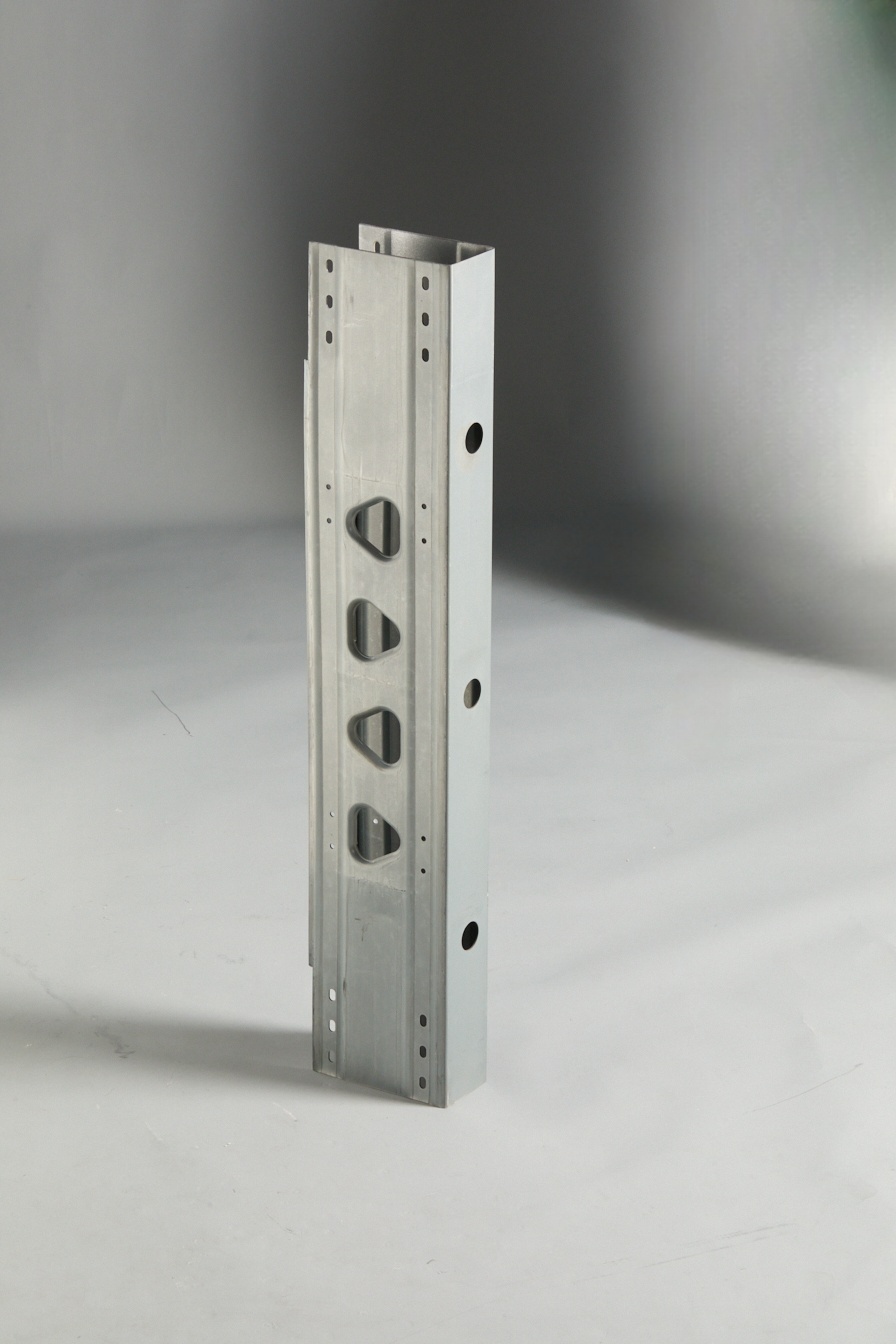
195 Inverted Edge - Triangle Reinforcement
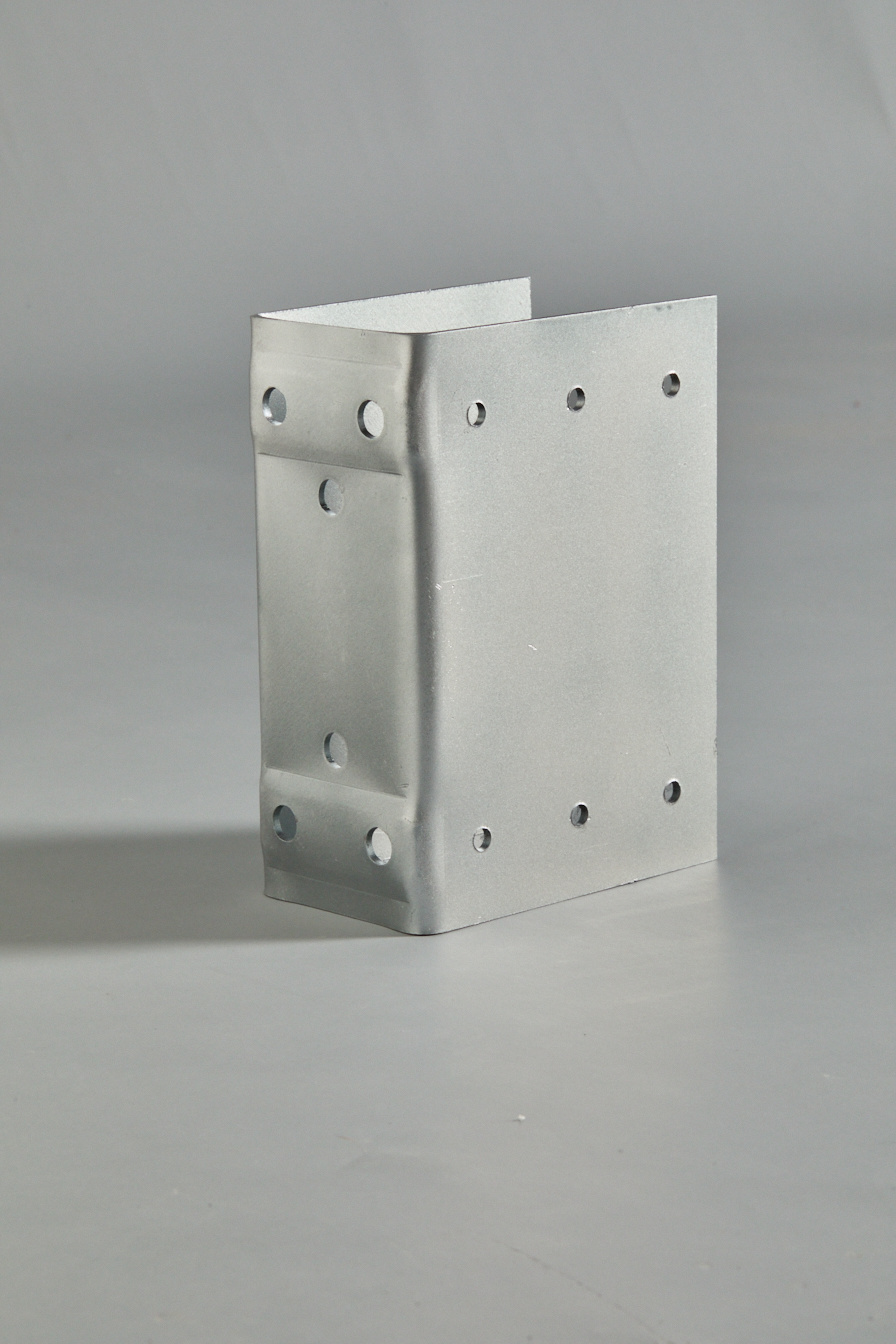
Frame large U connector
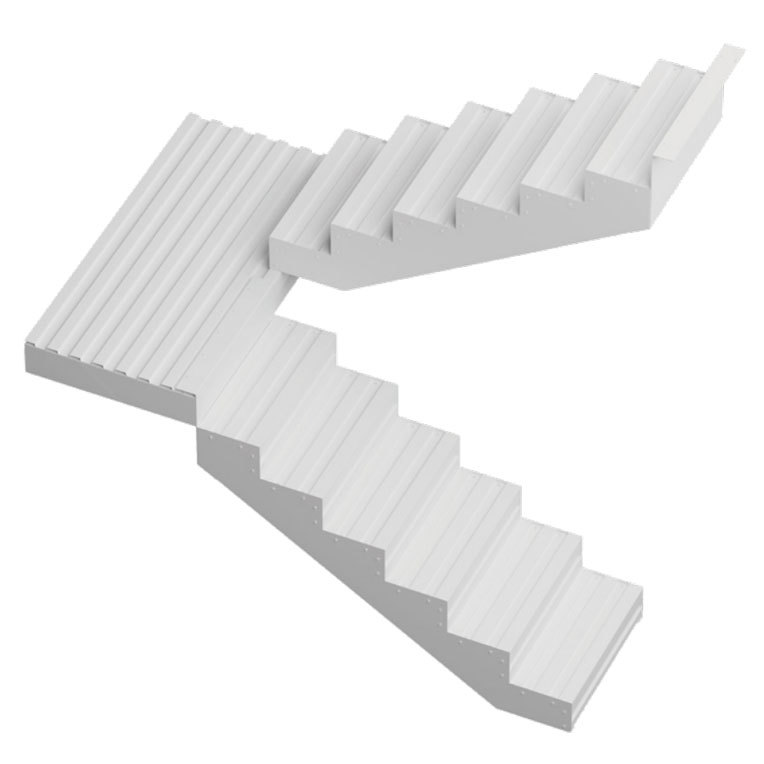
Prefabricated stairs
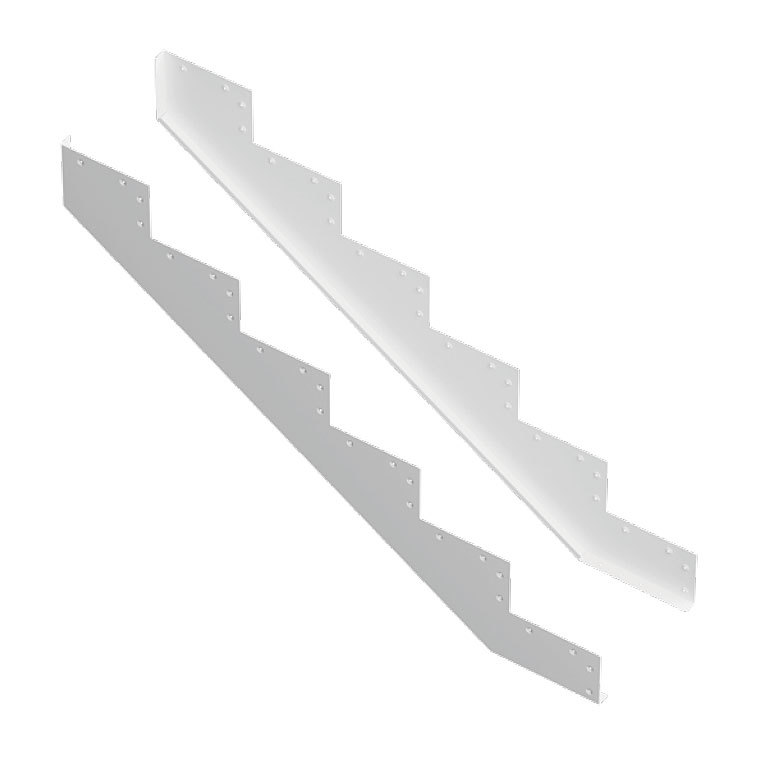
Staircase side panels
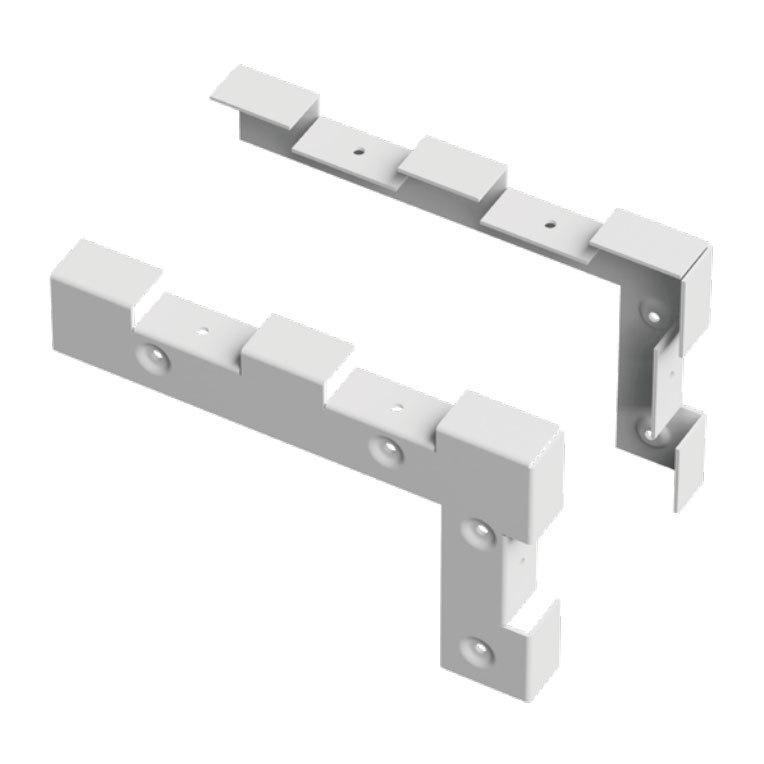
Staircase angle steel
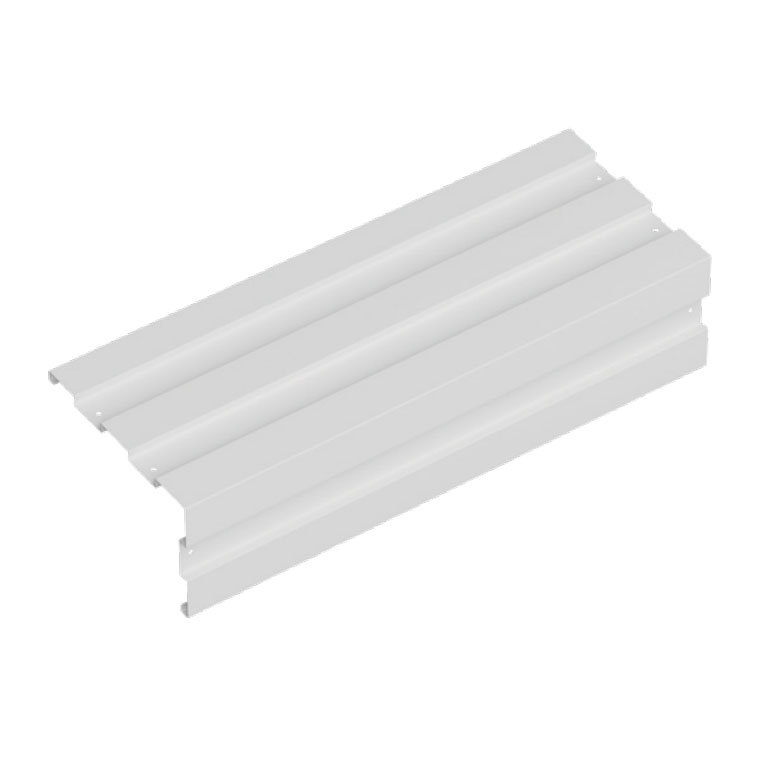
Stair steps
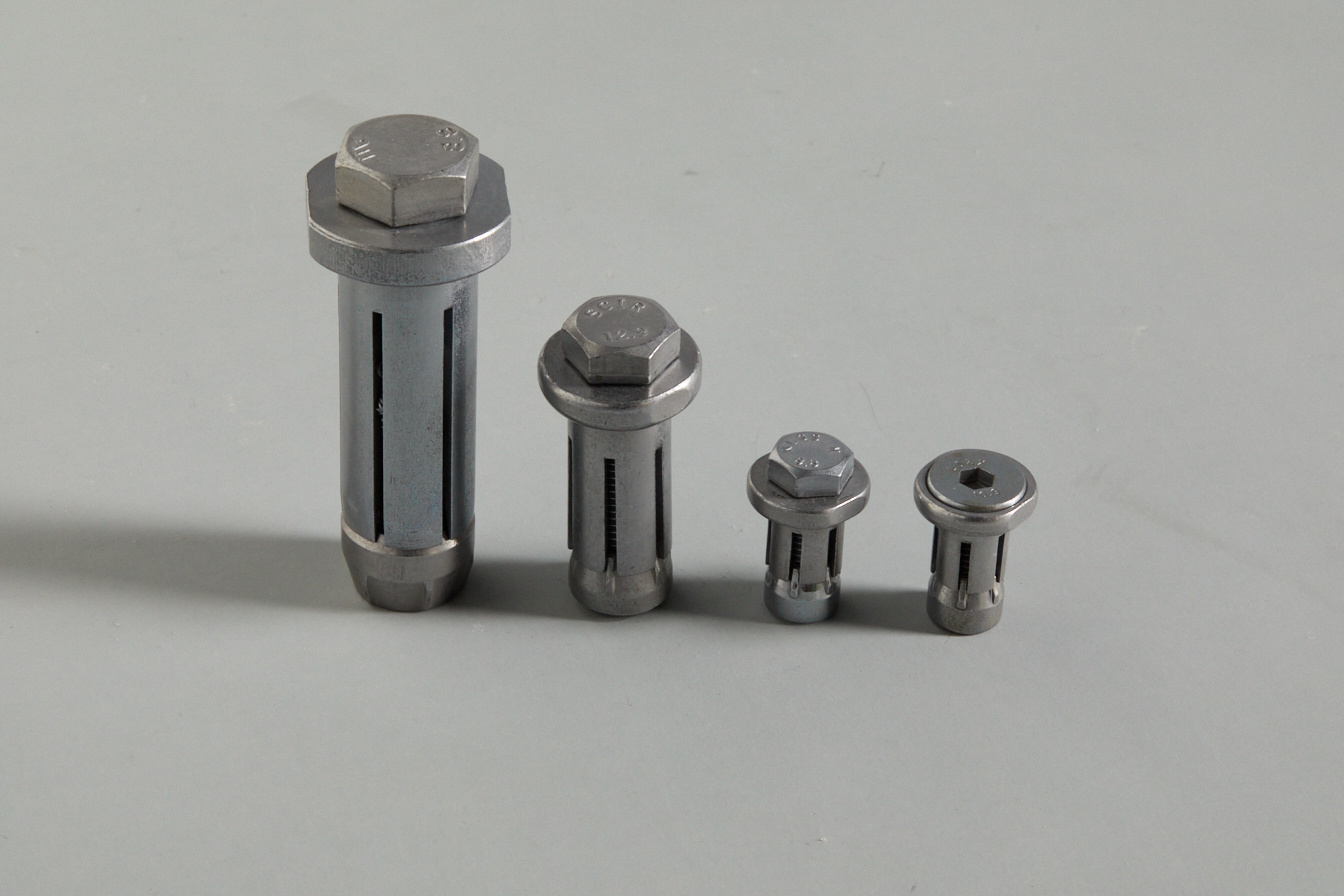
One-Way Bolt
Helical Pile System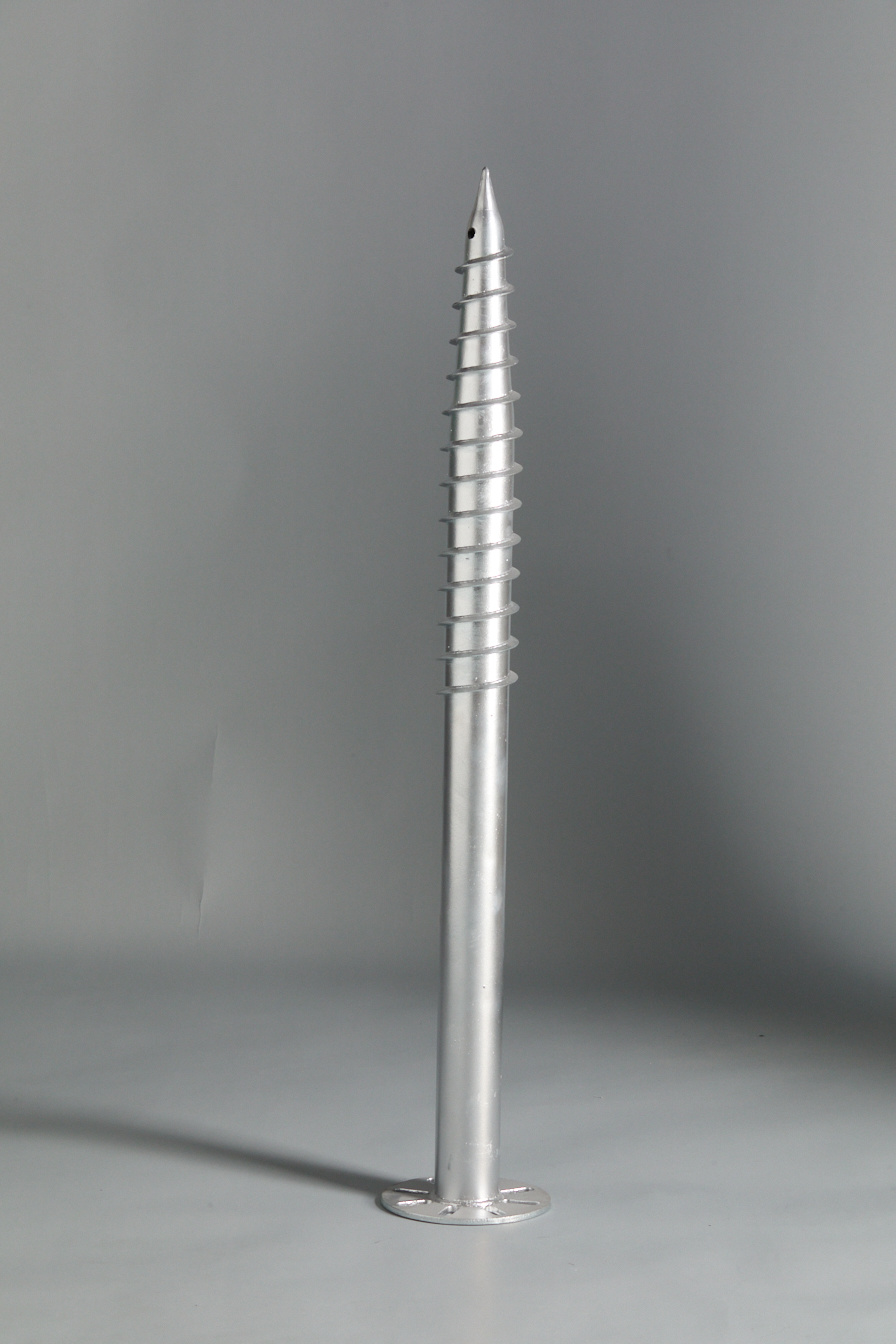
Round Pipe Screw Pile| Reliable Helical Pile Manufacturer| Patented Foundation Solution
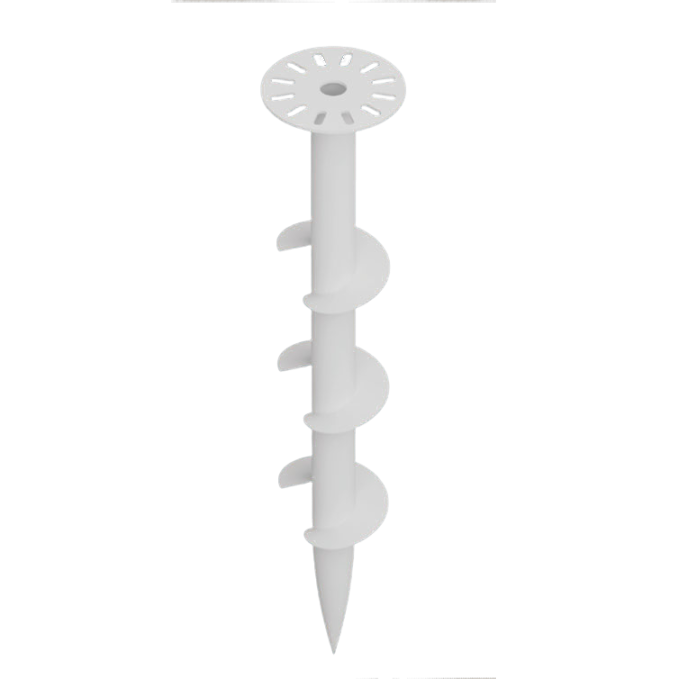
Screw Pile - 3 Blades - Round Pipe Pile
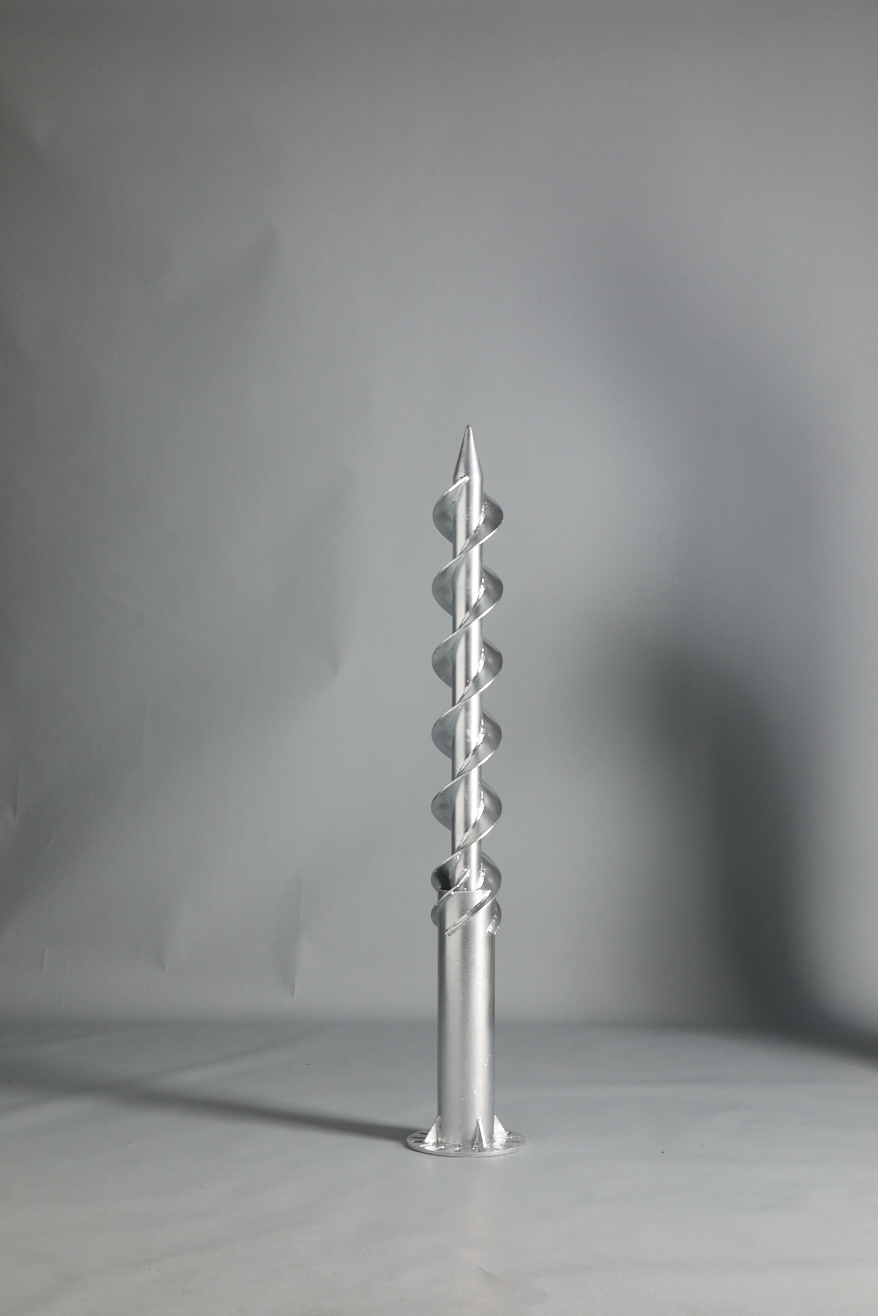
Double-Helix Screw Pile | Patented Foundation Solution
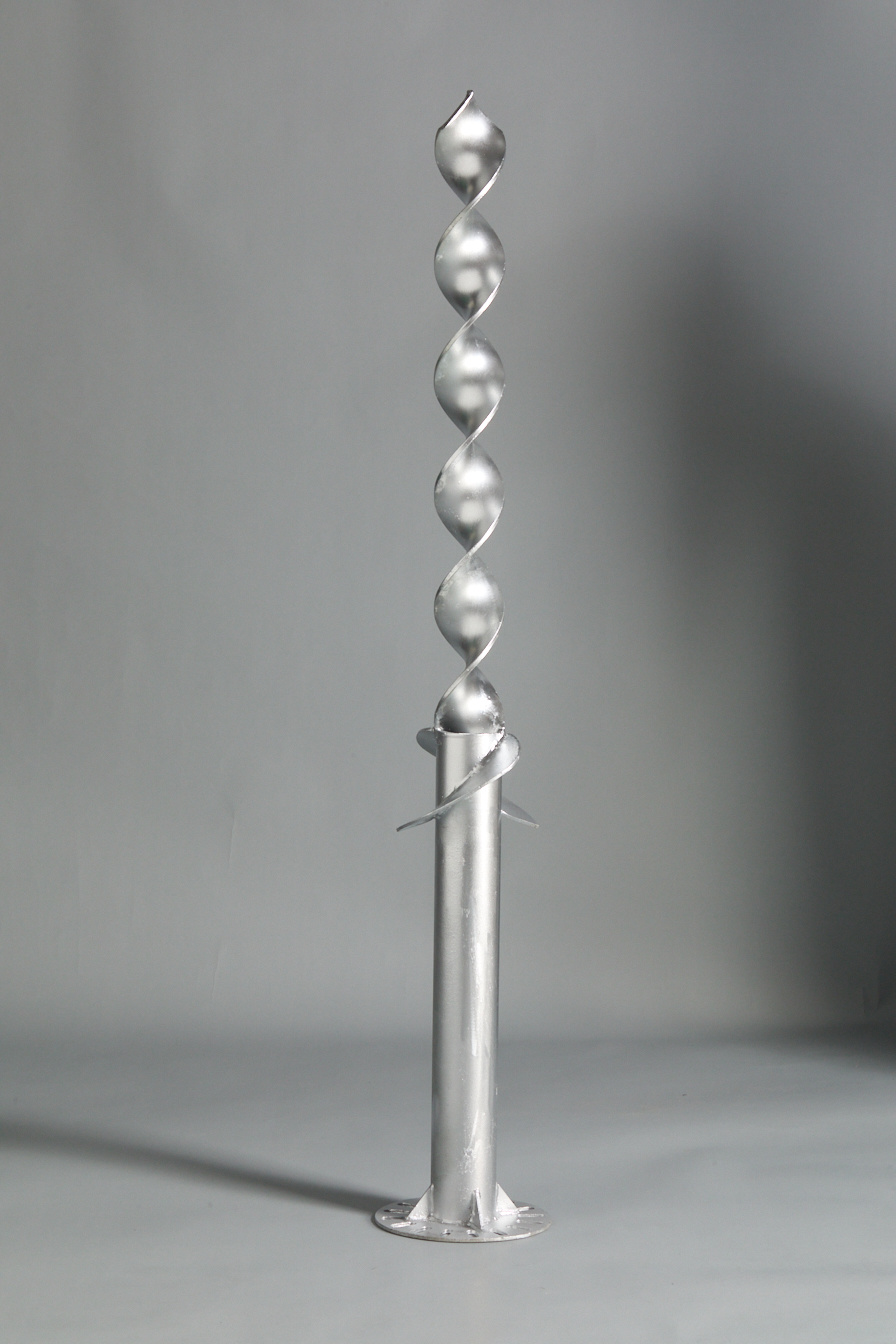
Screw Pile - Large Blade Flat Steel Pile
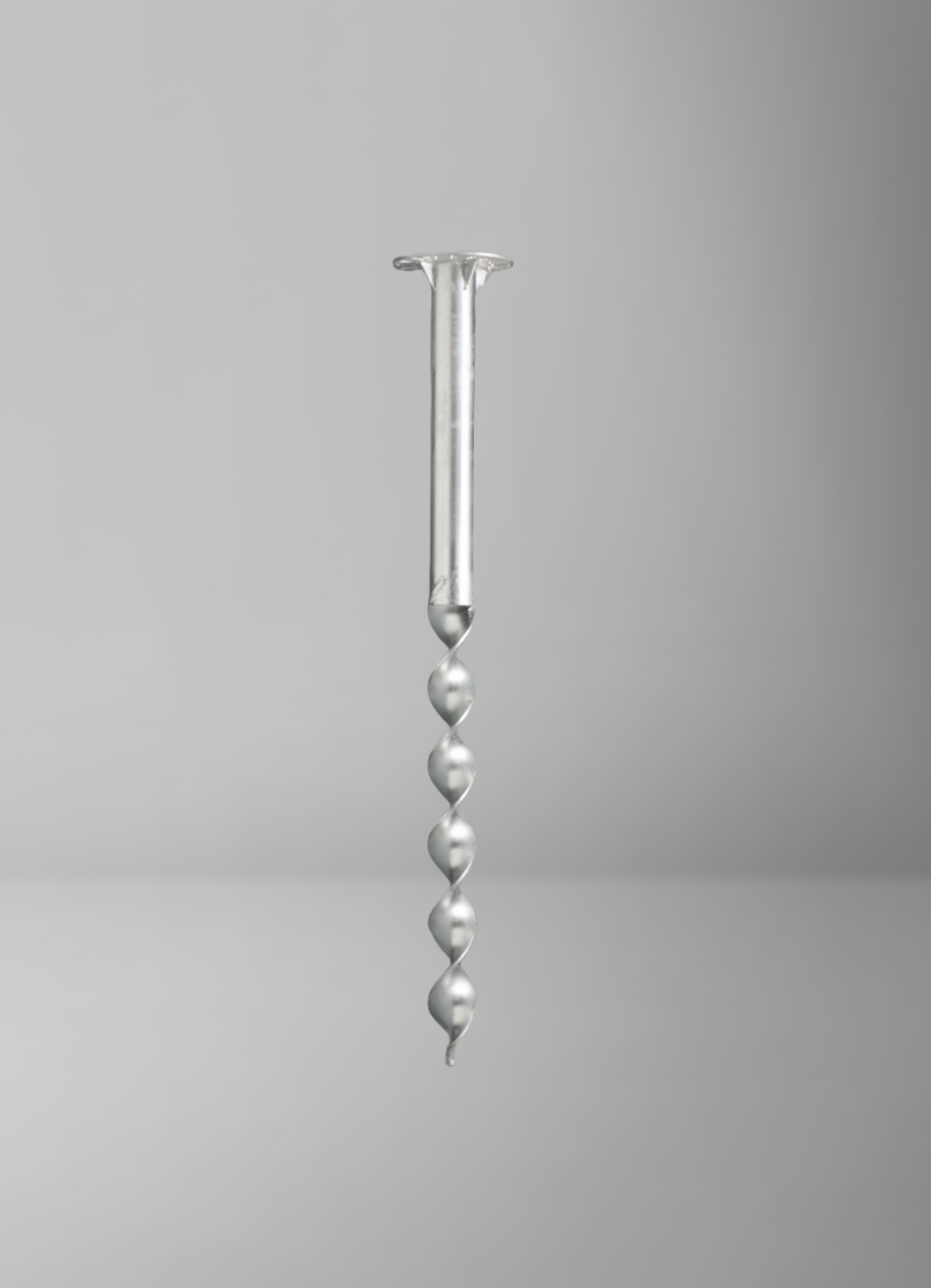
Flat Steel Screw Pile| Reliable Helical Pile Manufacturer| Patented Foundation Solution
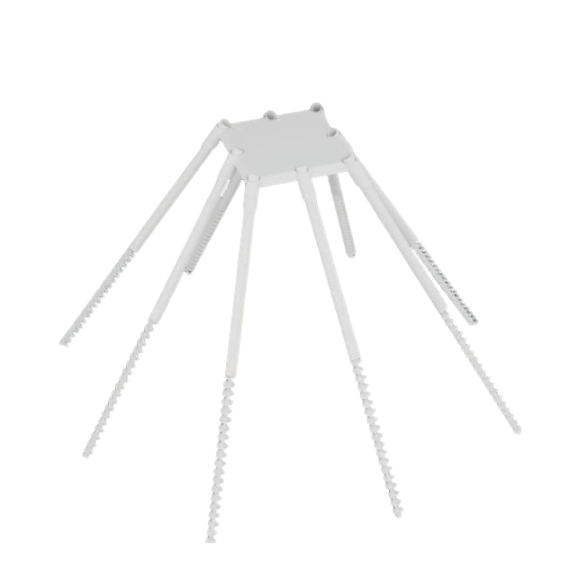
Eight-Pile Group Screw Piles| Reliable Helical Pile Manufacturer| Patented Foundation Solution
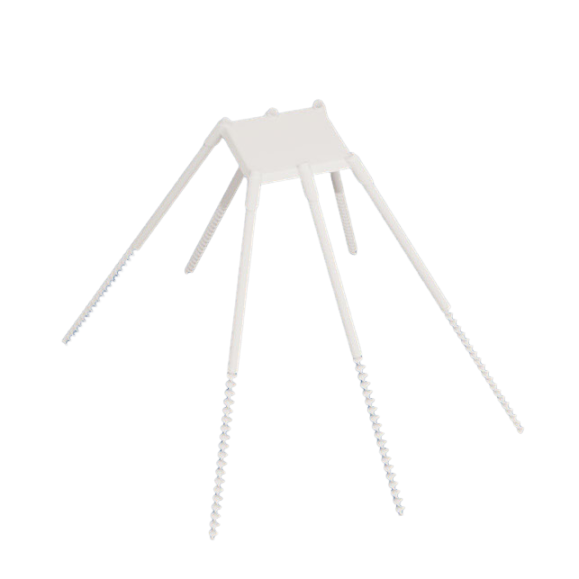
Six-Pile Group Screw Piles| Reliable Helical Pile Manufacturer| Patented Foundation Solution
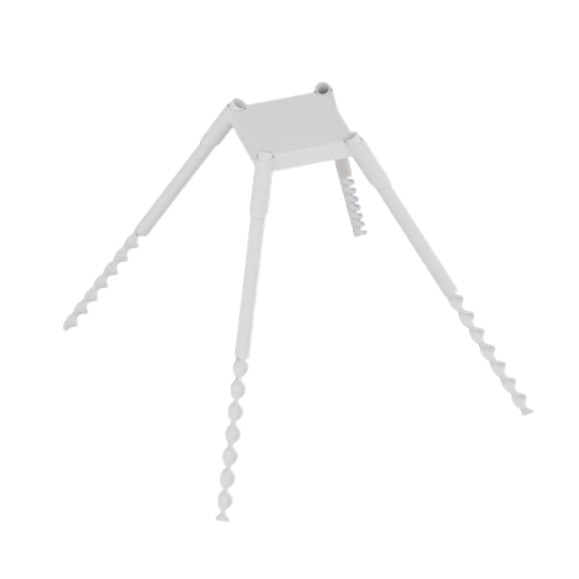
Four-Pile Group Screw Piles| Reliable Helical Pile Manufacturer| Patented Foundation Solution
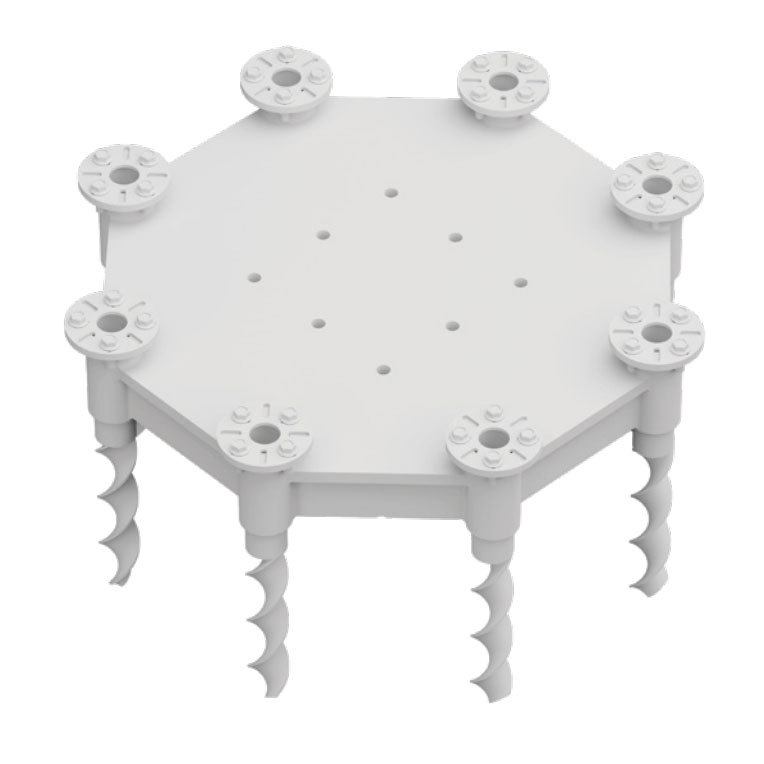
Eight-Pile Cap Screw Pile | Reliable Helical Pile Manufacturer| Patented Foundation Solution
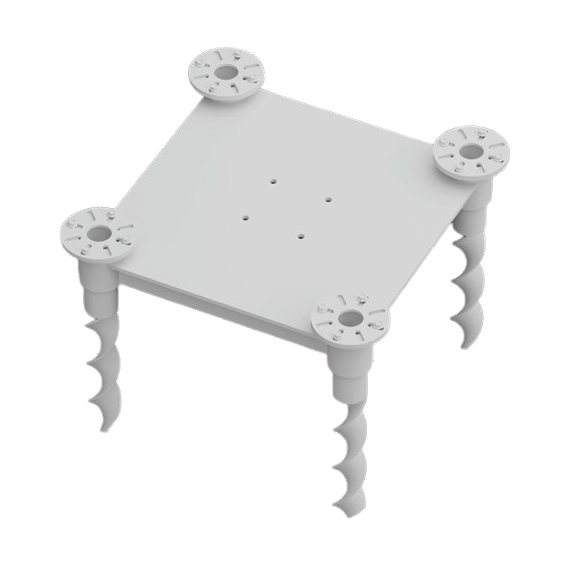
Four-Pile Cap Screw Pile | Reliable Helical Pile Manufacturer| Patented Foundation Solution
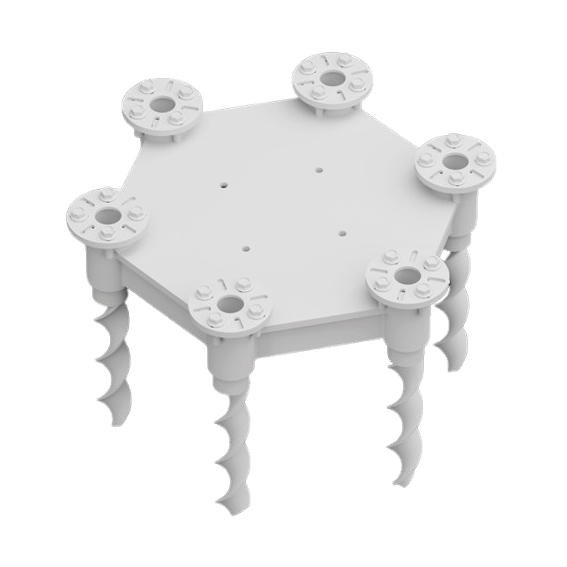
Six-Pile Cap Screw Pile | Reliable Helical Pile Manufacturer| Patented Foundation Solution
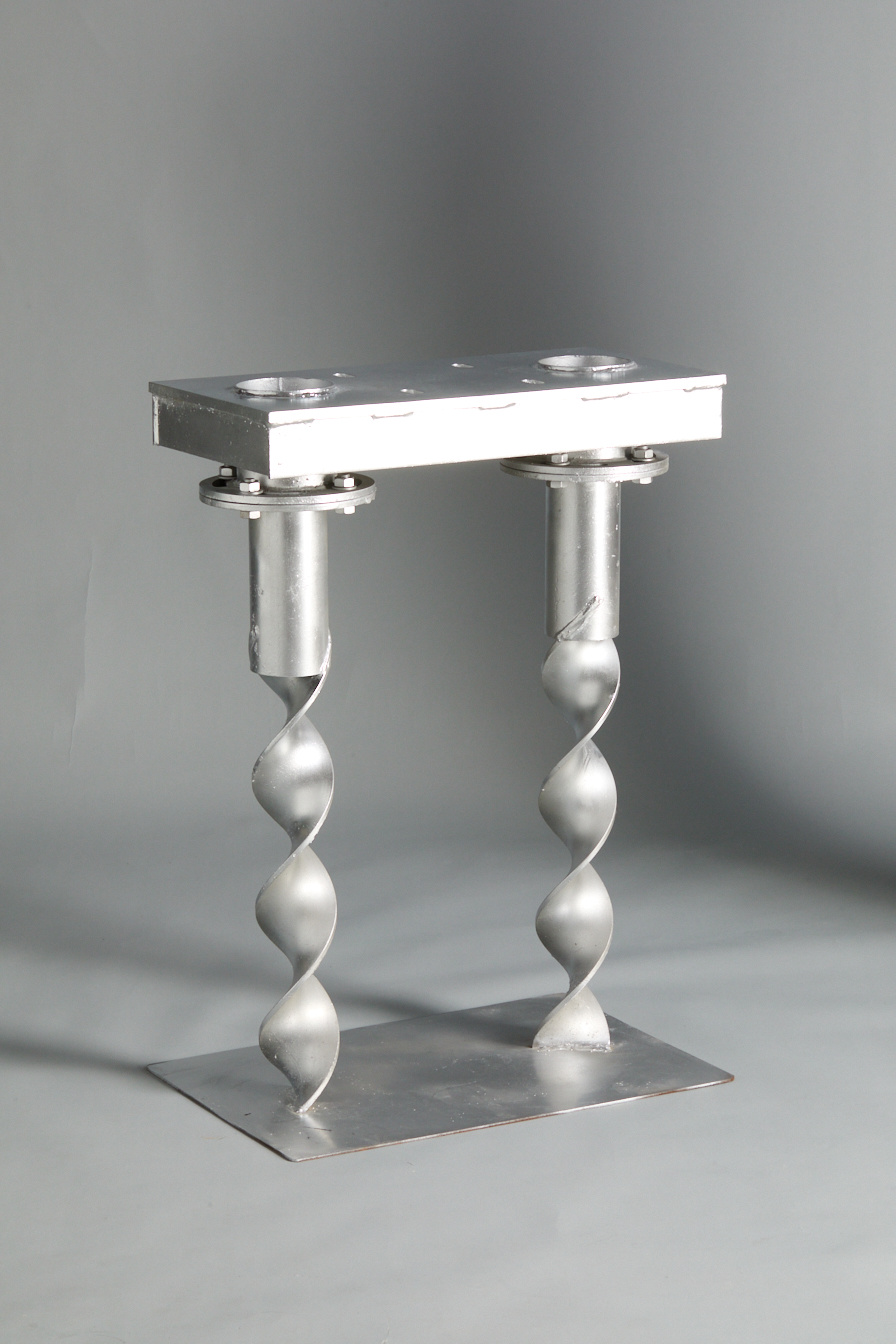
Two-Pile Cap Screw Pile | Reliable Helical Pile Manufacturer| Patented Foundation Solution
Steel Platform System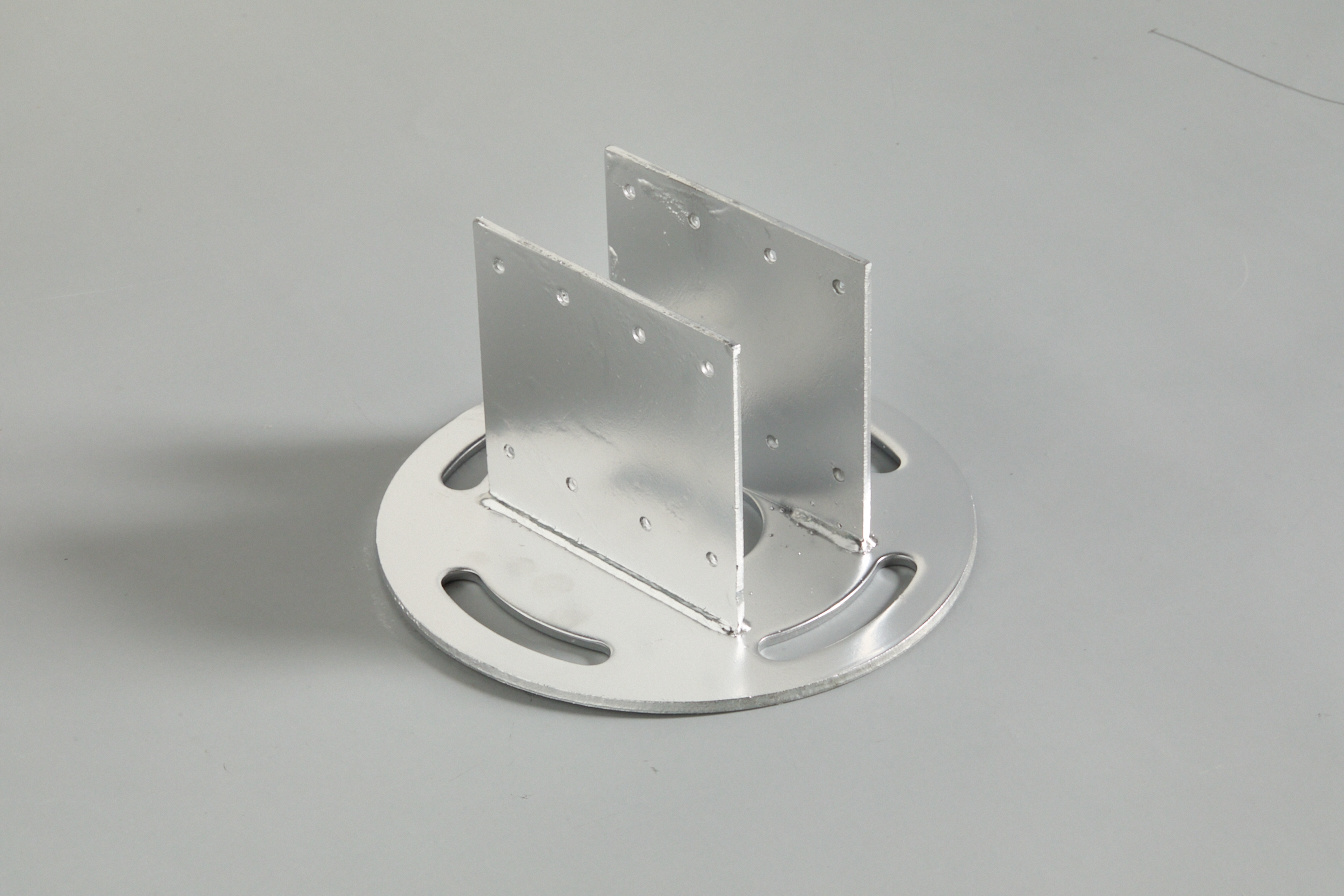
Spiral pile connectors
Small U connector
Large U connector
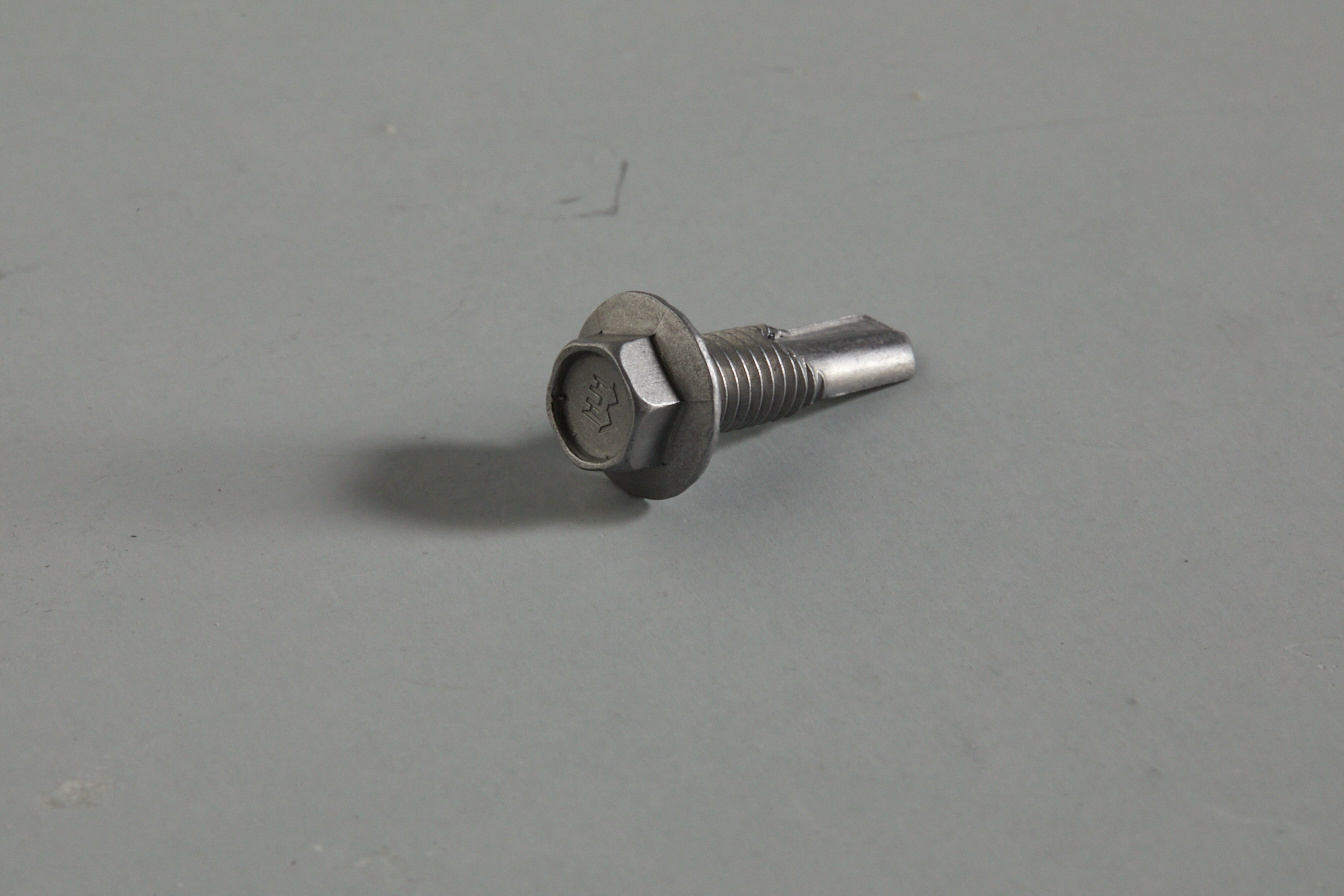
Hexagonal flange self drilling and self tapping screws
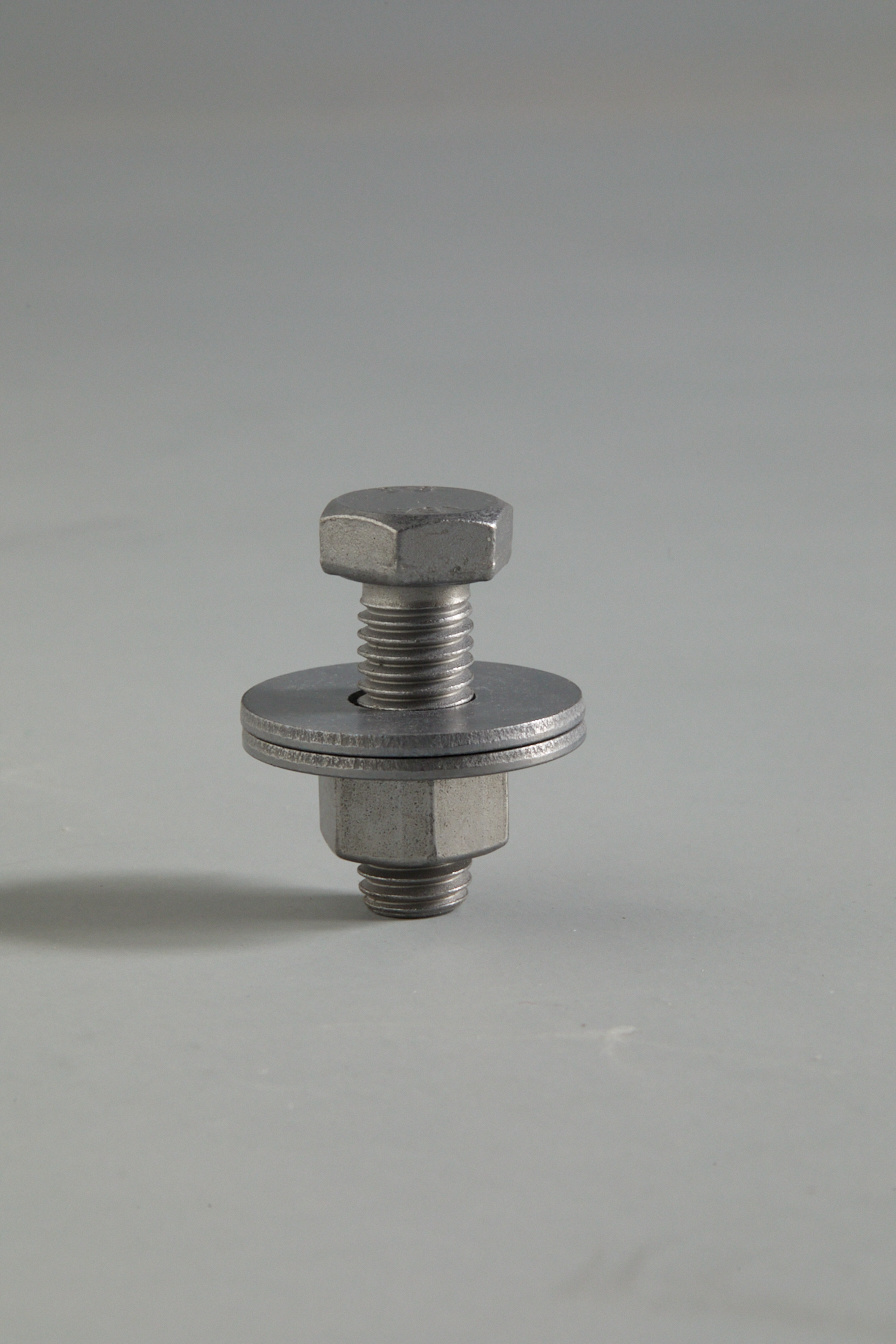
Tightening Bolts
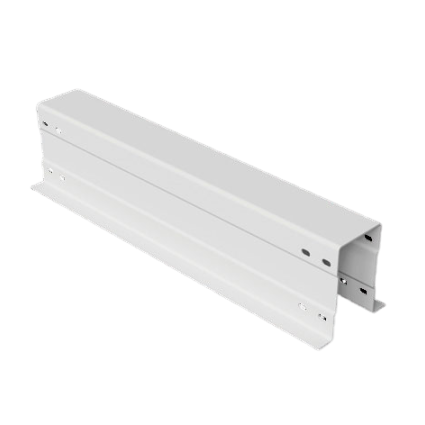
Secondary Beam
Steel Platform - Main Beam
Modular building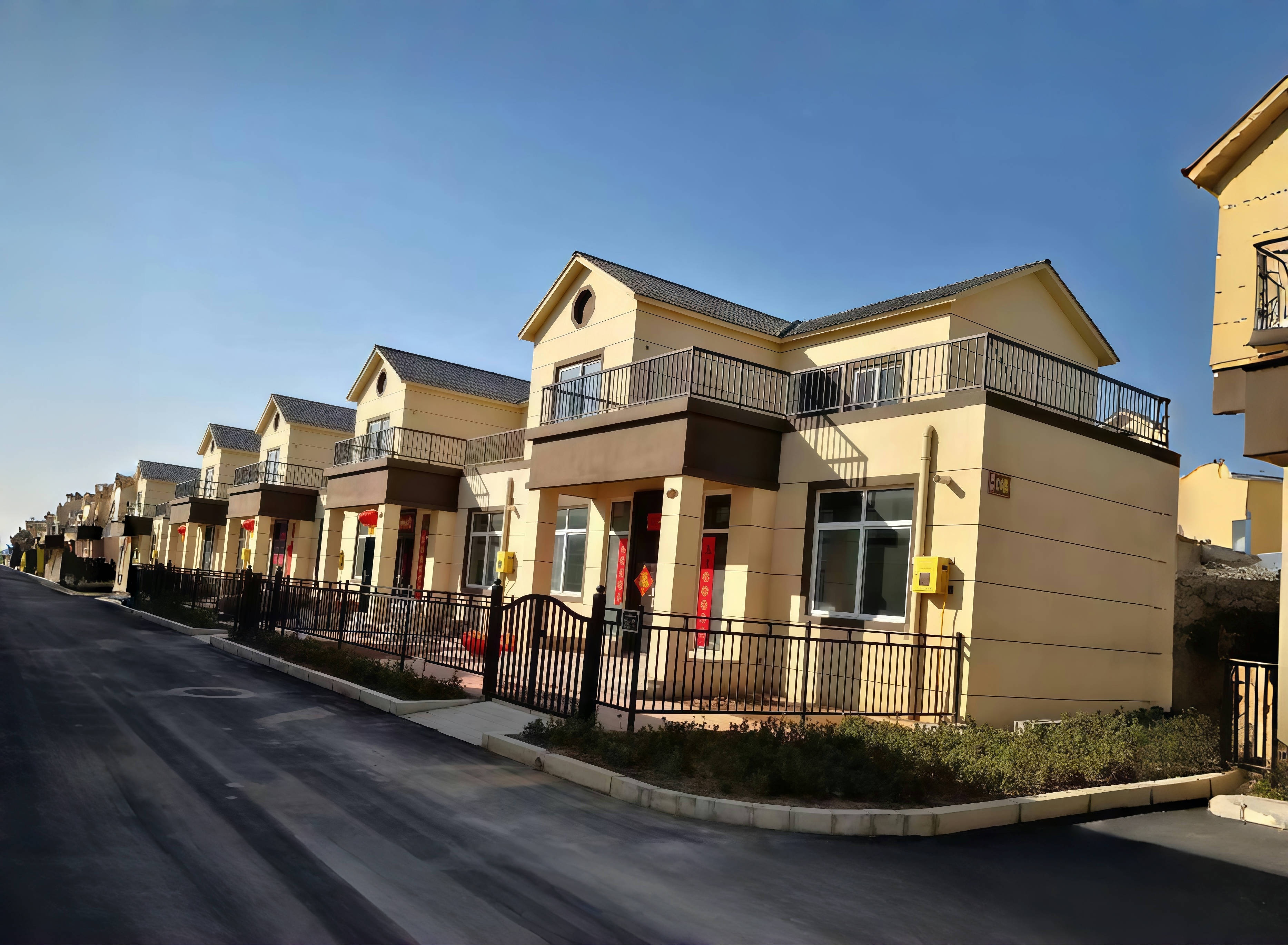
Modular building
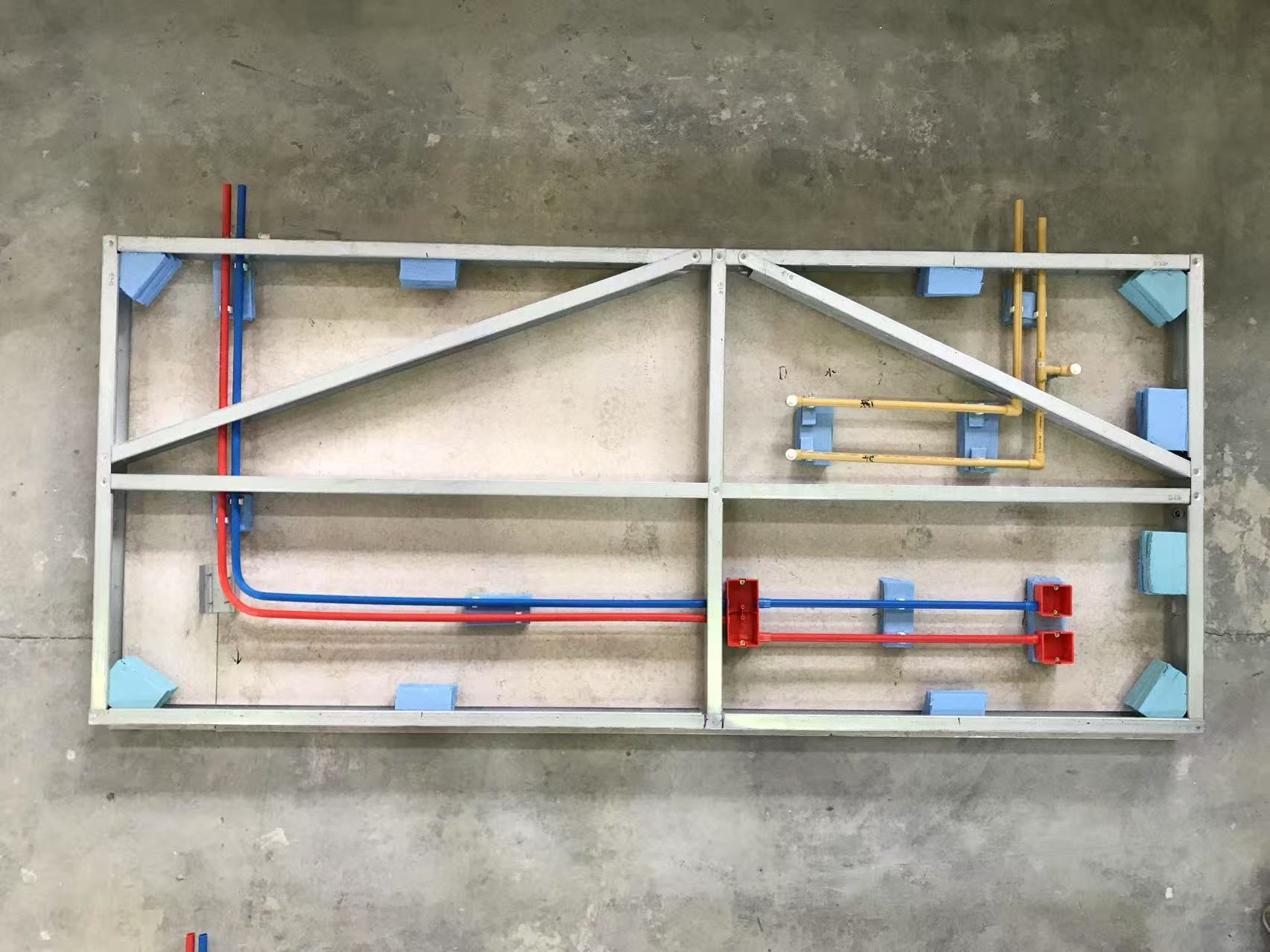
Layout Diagram of Electrical and Plumbing Pipelines for Magnesium-Based Grouted Walls

Performance Testing of Magnesium-Based Walls
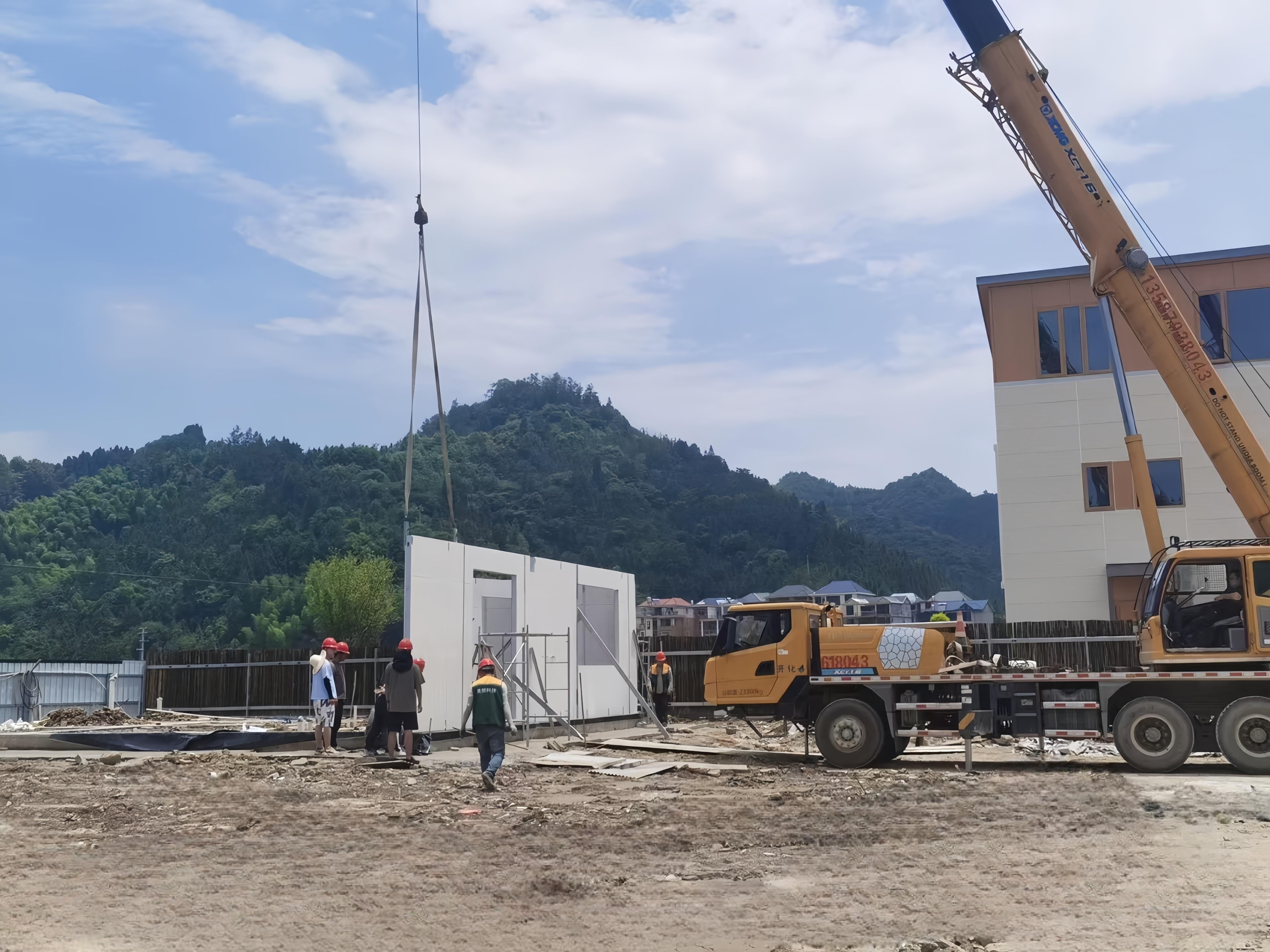
Construction Process of Modular Walls
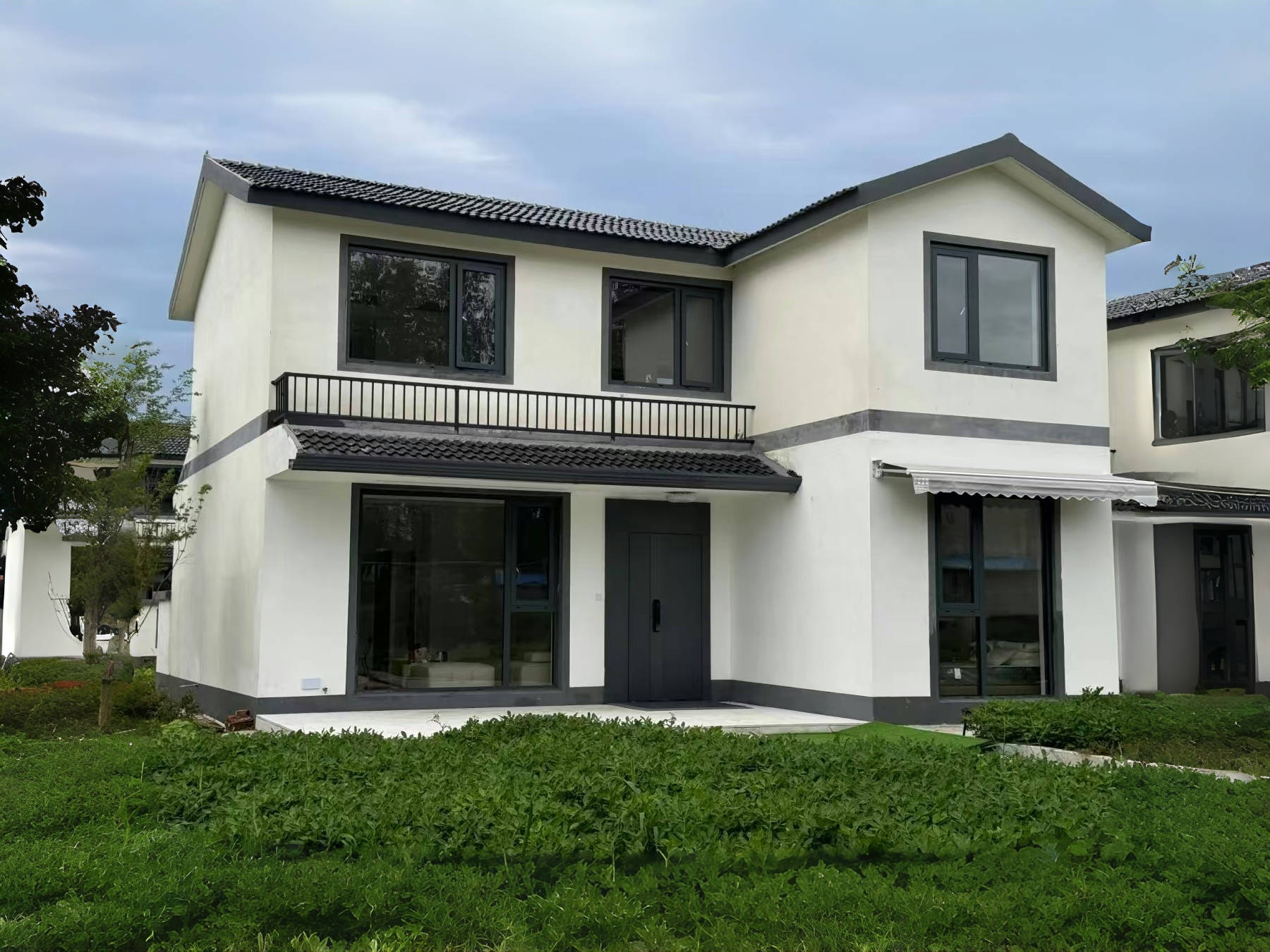
Cases of Modular Buildings
Bracket Roof Integrated Panel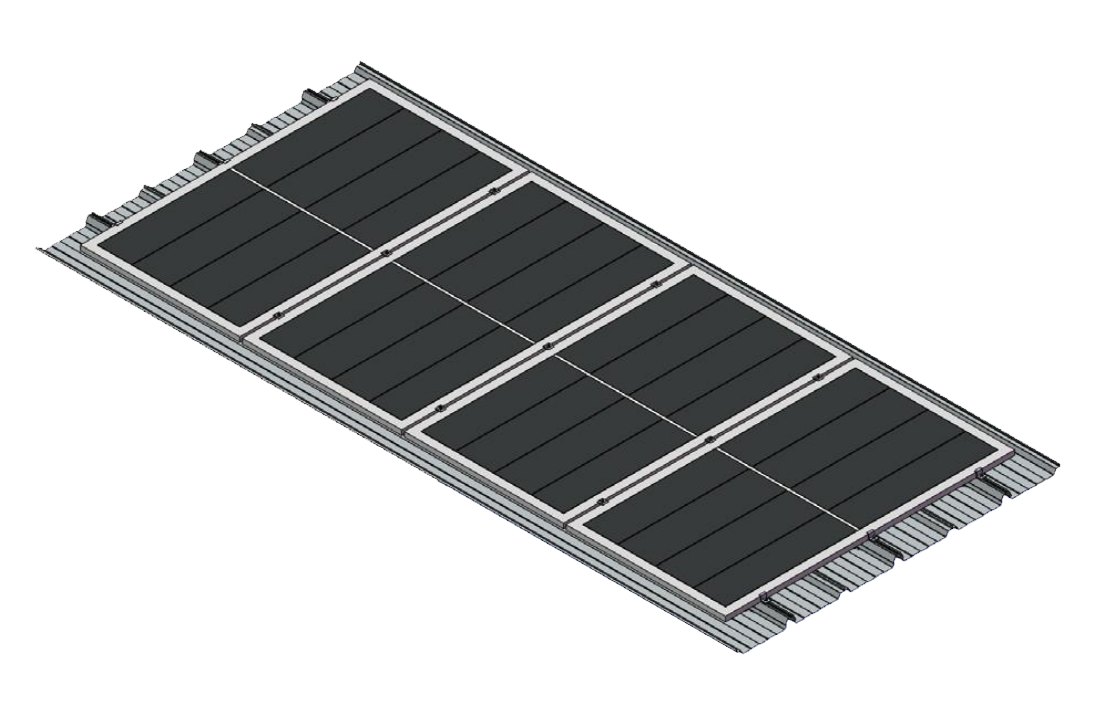
BIPV Bracket Roof Integrated Panel
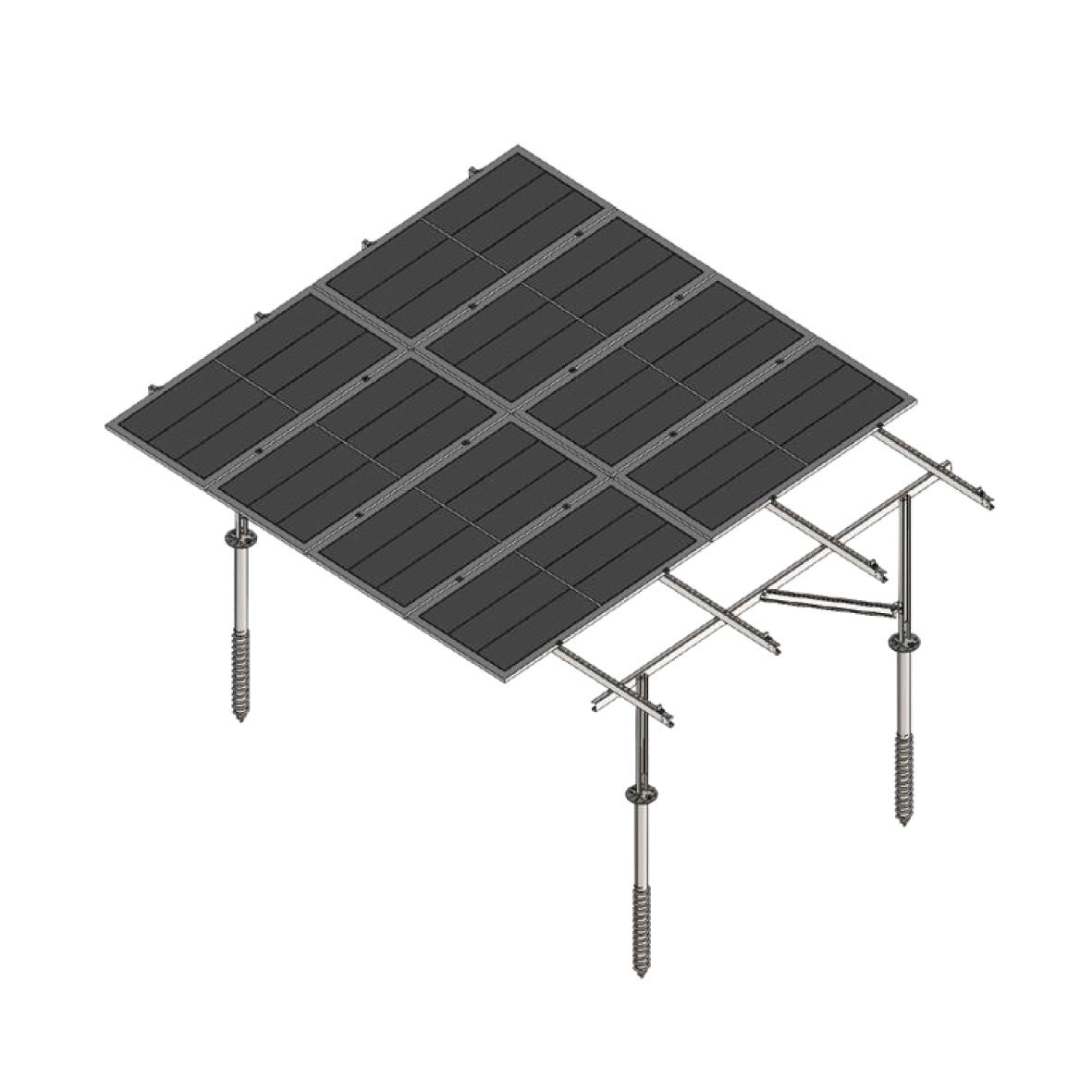
ZINC Aluminum Magnesium Double Leg Bracket
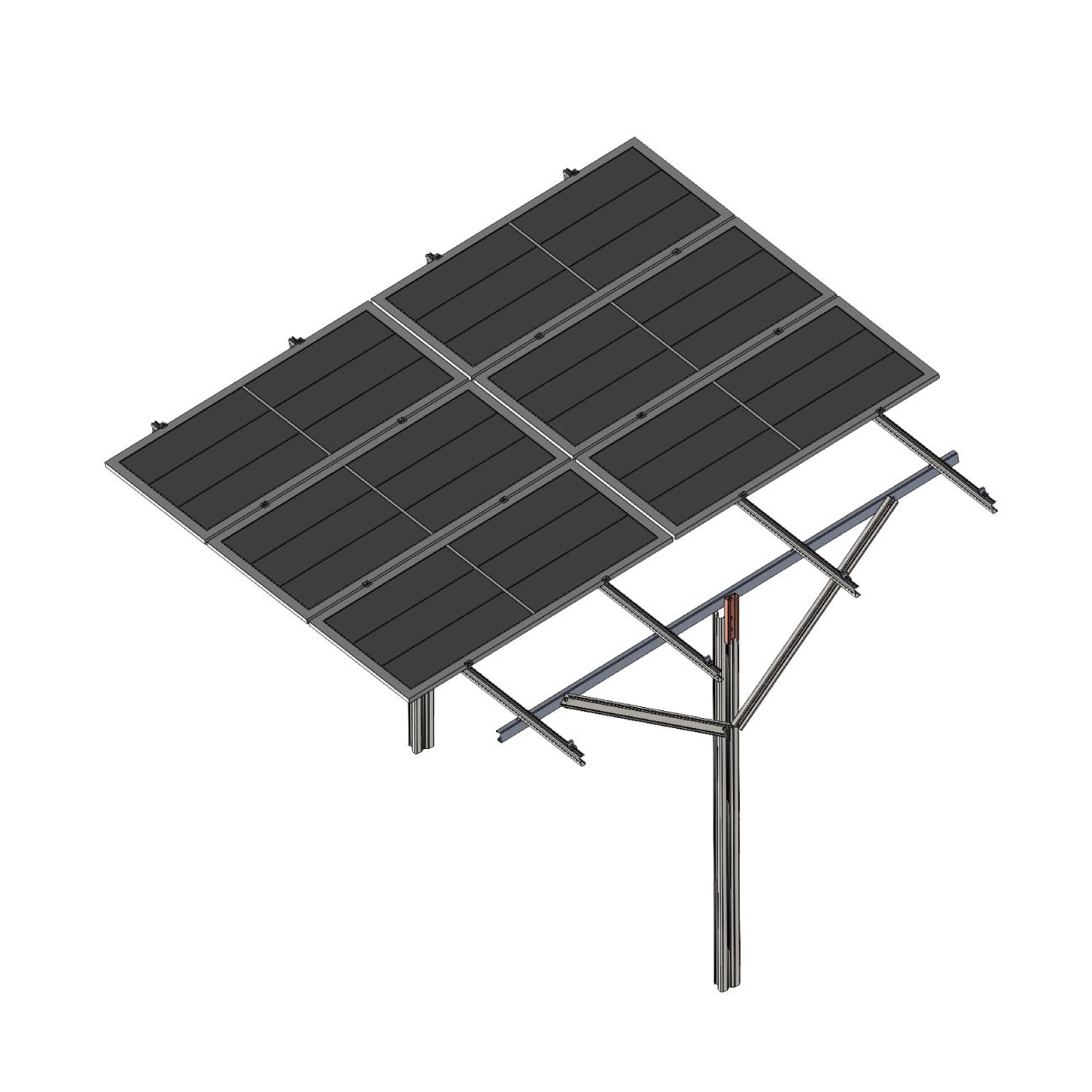
ZINC Aluminum Magnesium Single Leg Bracket
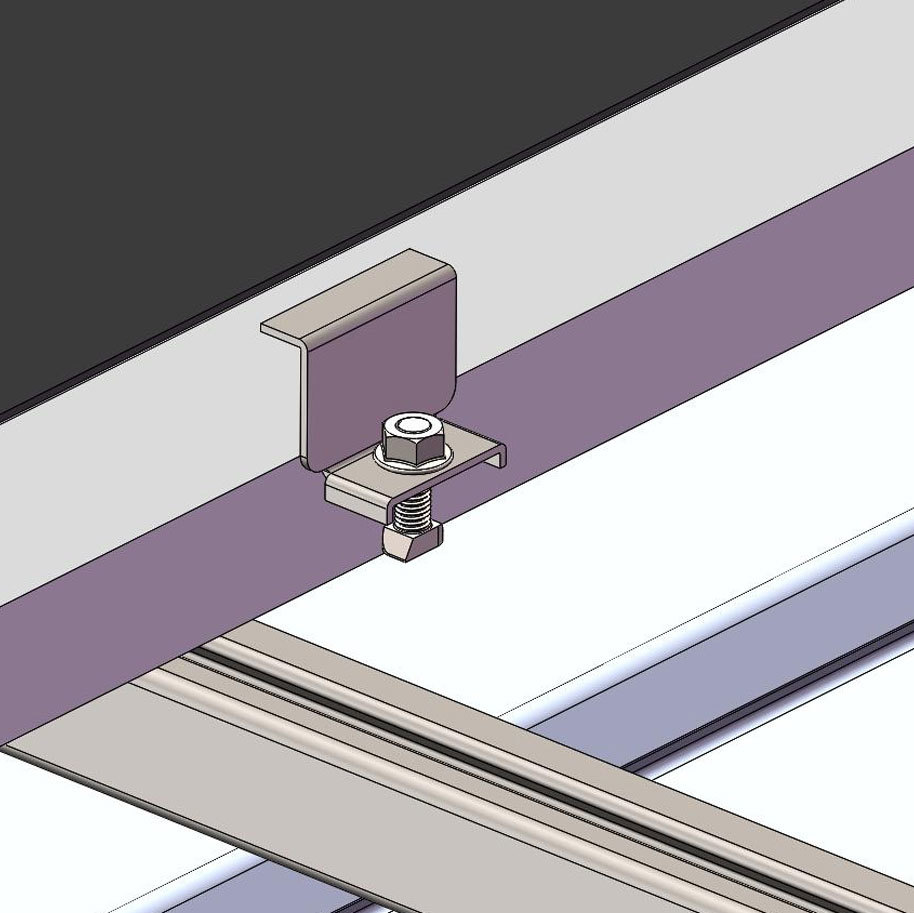
Explosion diagram of zinc aluminum magnesium under lateral pressure
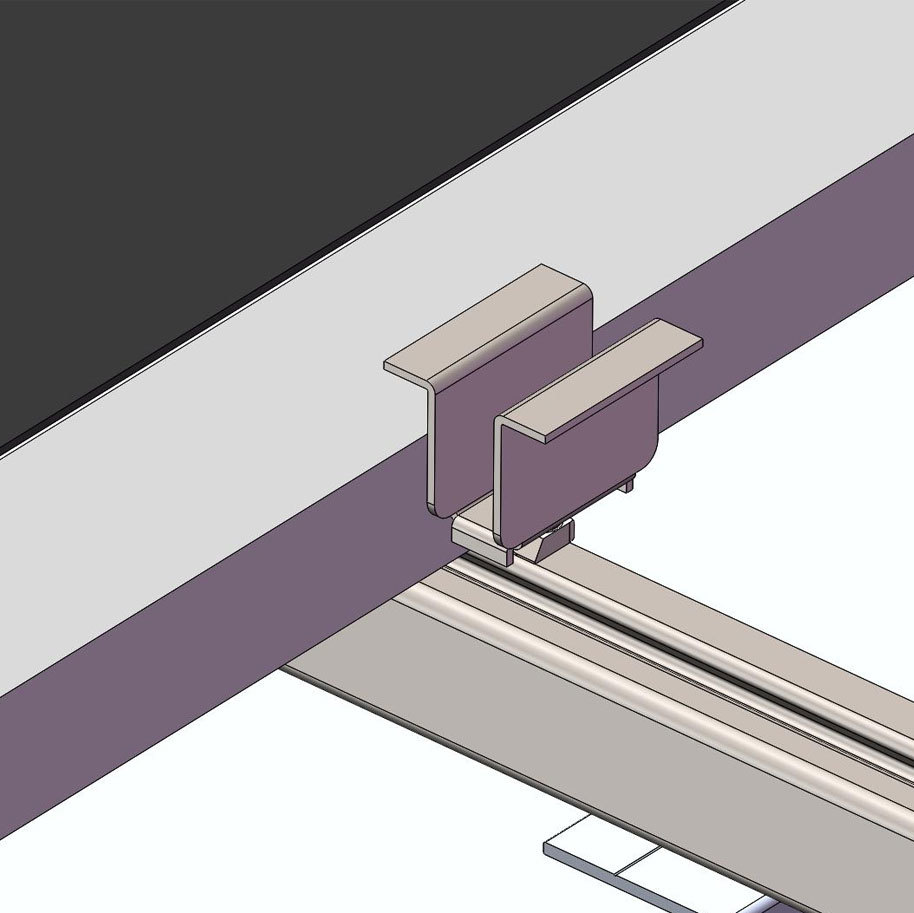
Zinc aluminum magnesium medium pressure explosion diagram
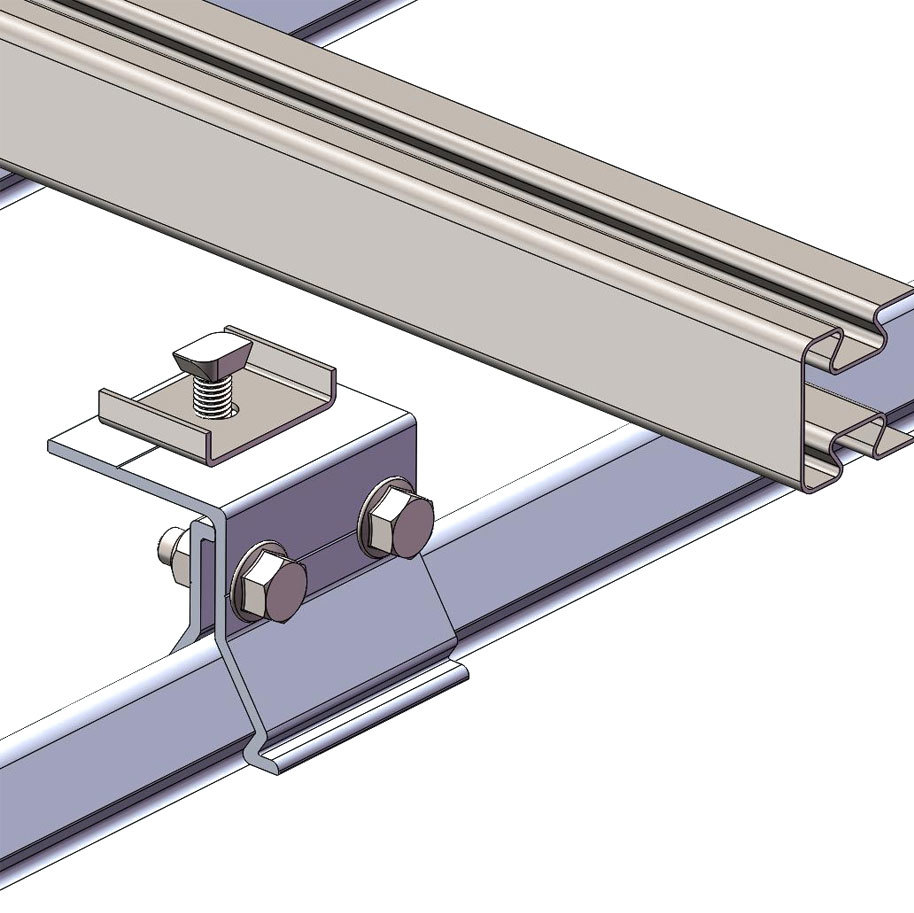
Explosion diagram of fixture components
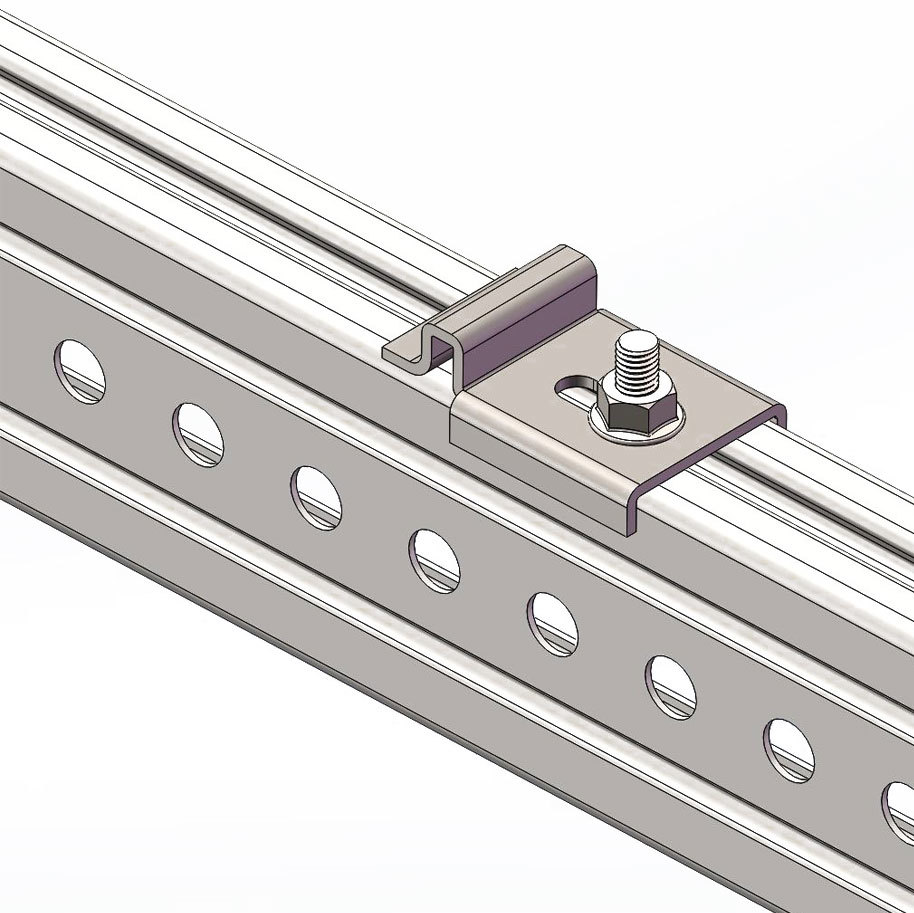
Lower pressure component
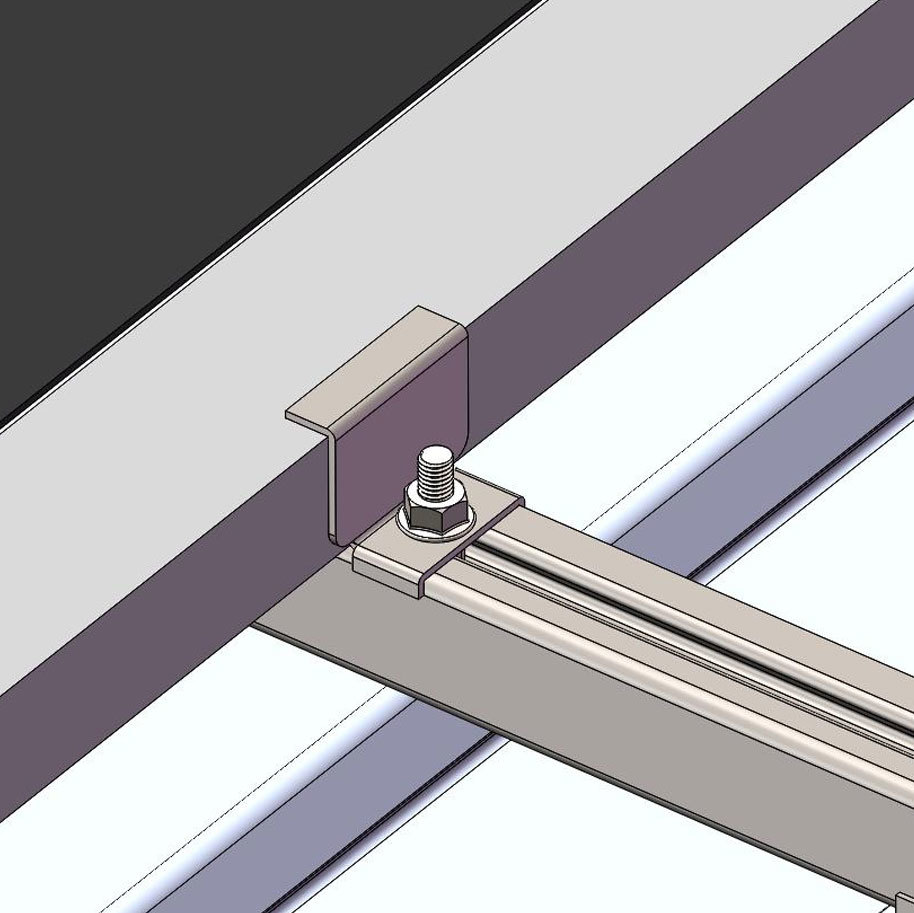
Zinc aluminum magnesium side pressure
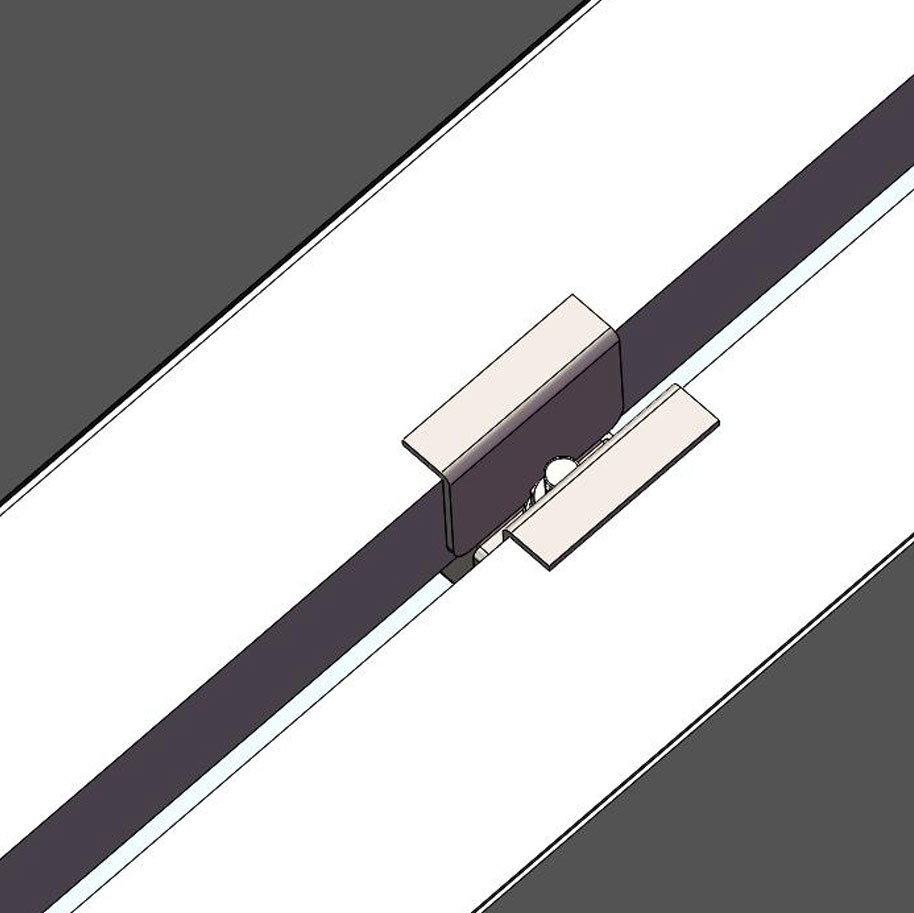
Zinc aluminum magnesium medium pressure
Zinc aluminum magnesium medium pressure
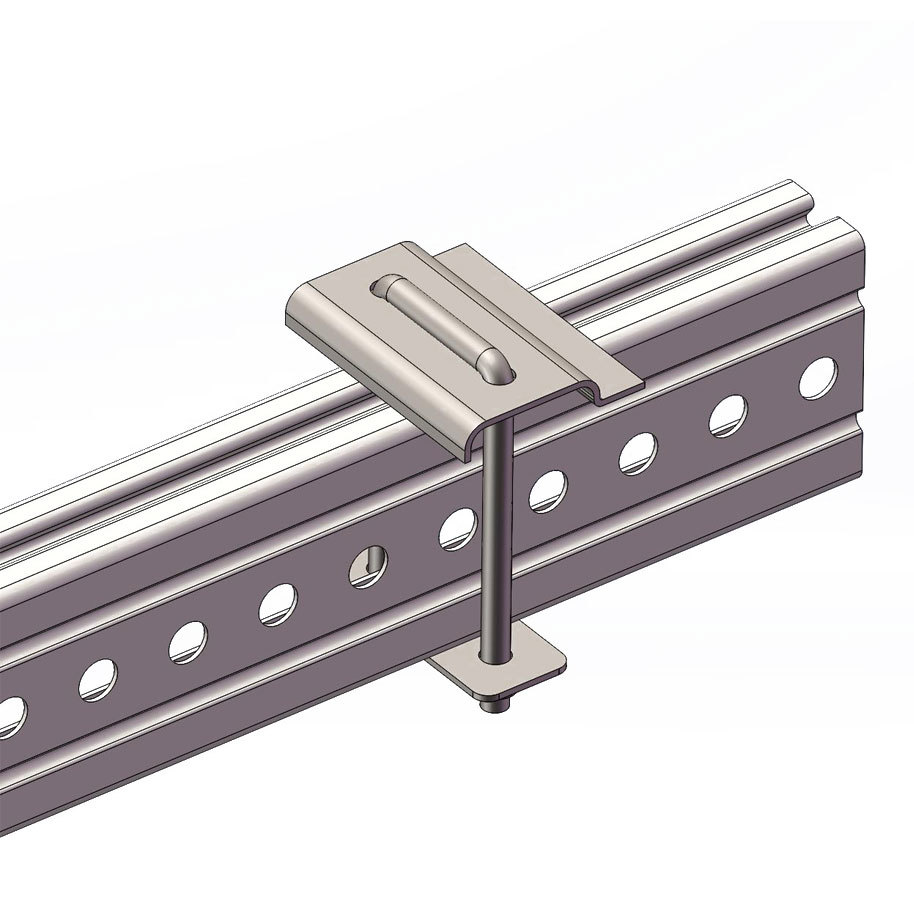
U-bolt assembly
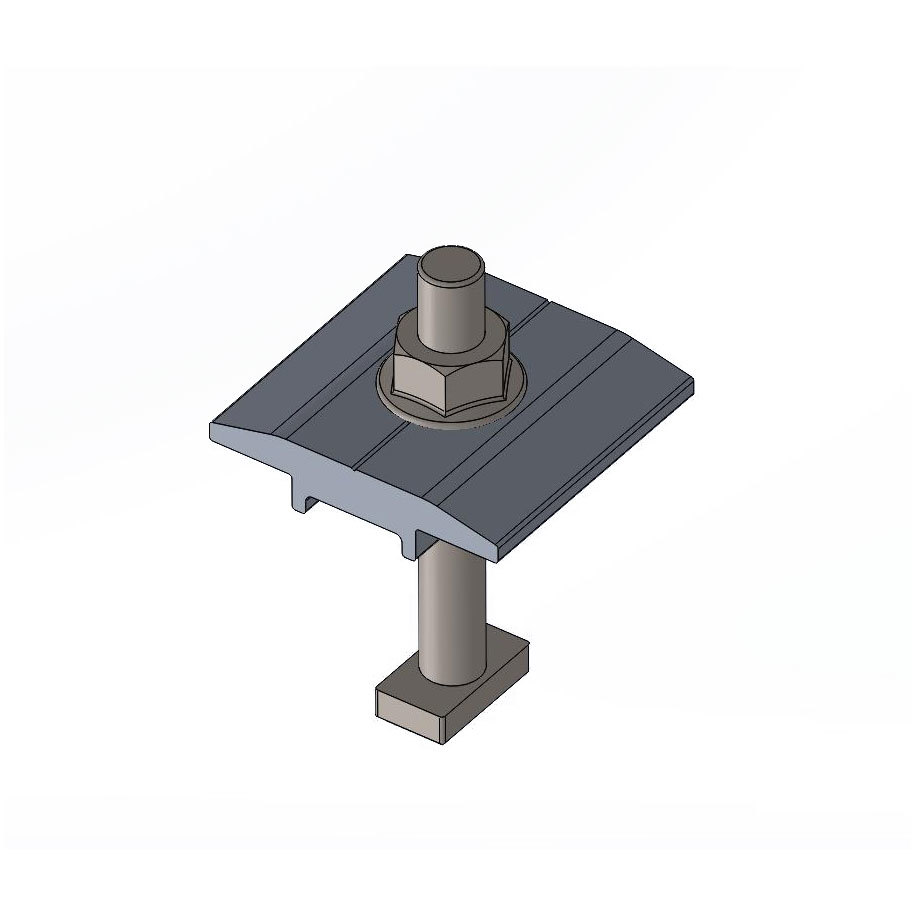
Medium voltage components
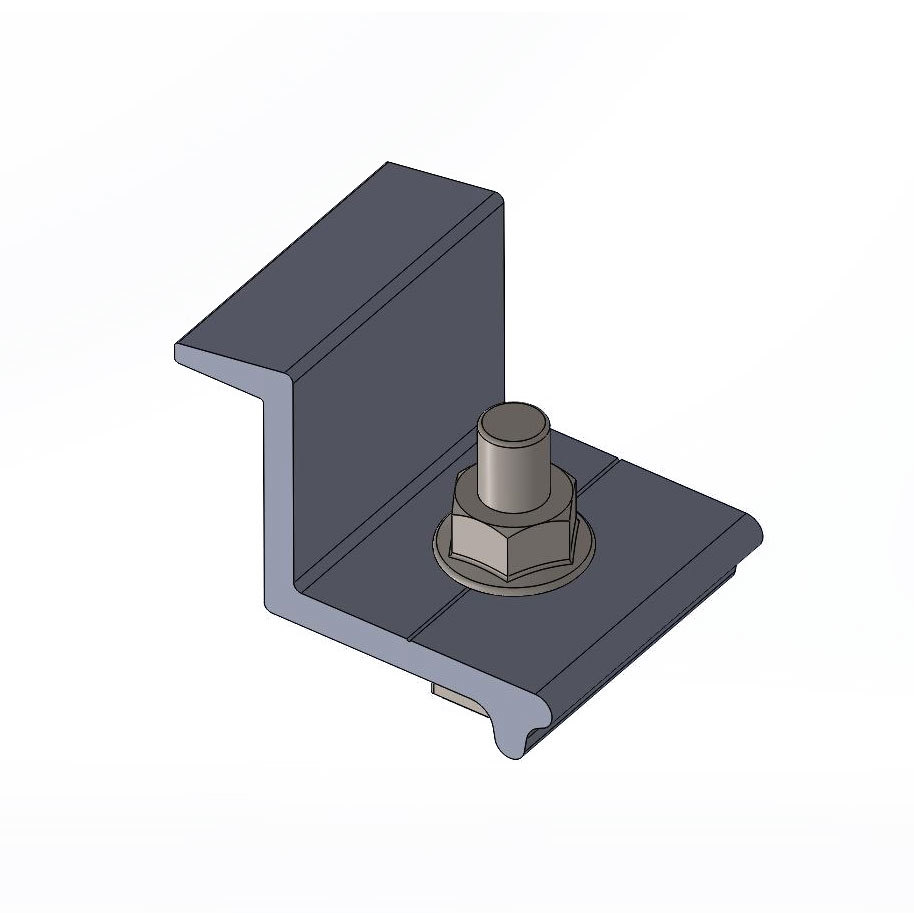
Side pressure component
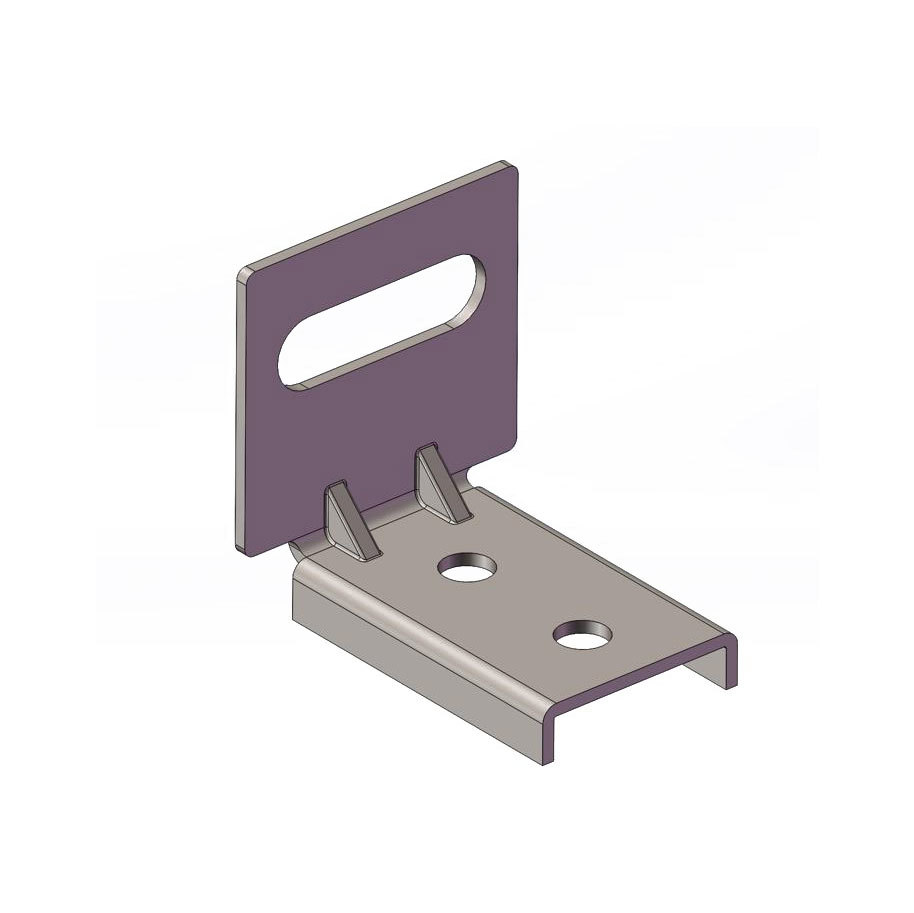
Horizontal and vertical rail connectors
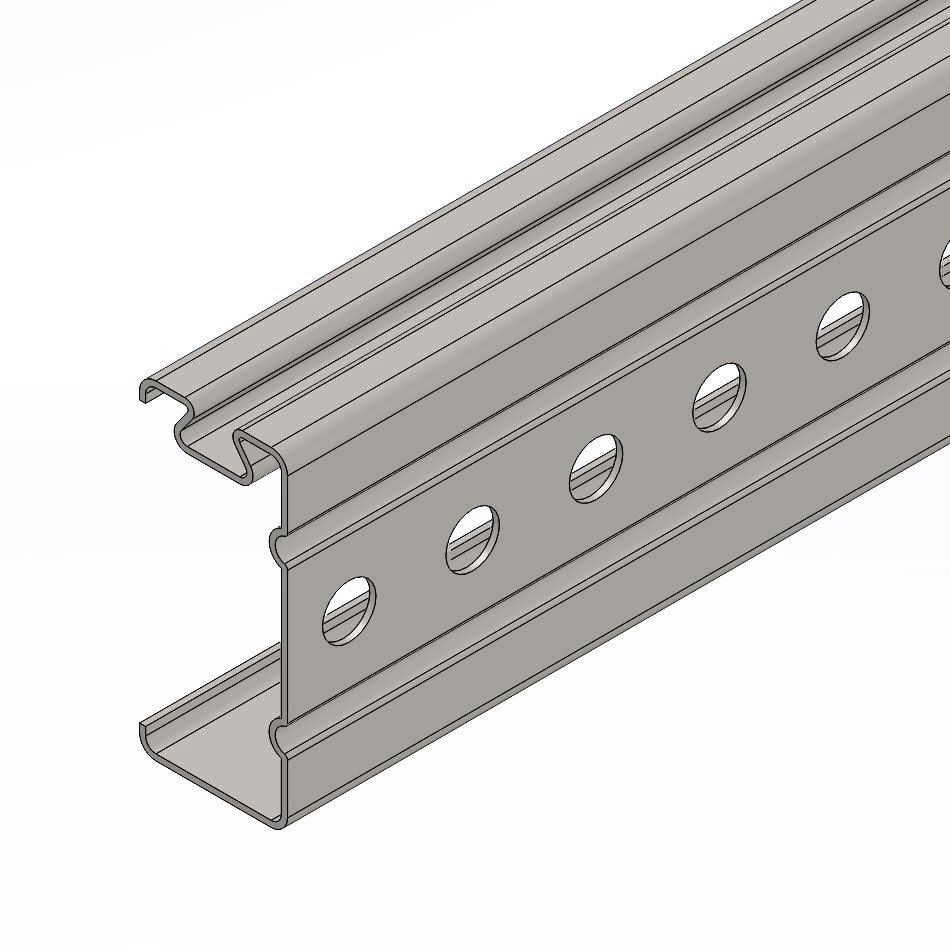
Slant support
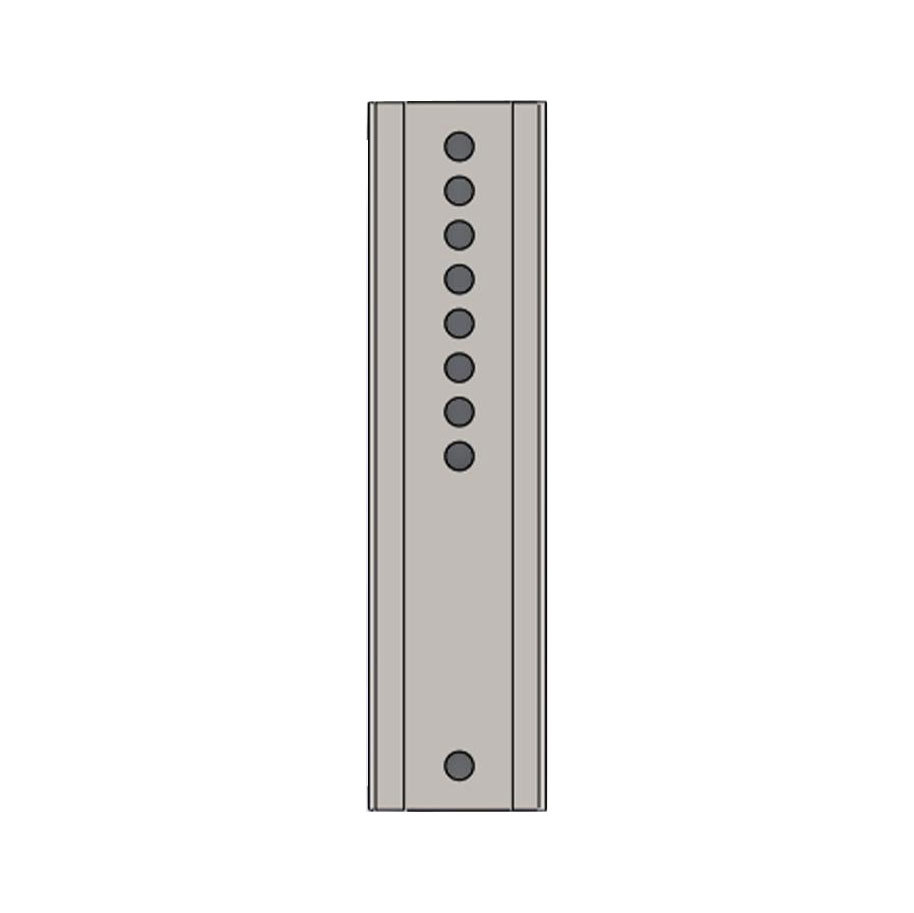
Column connectors
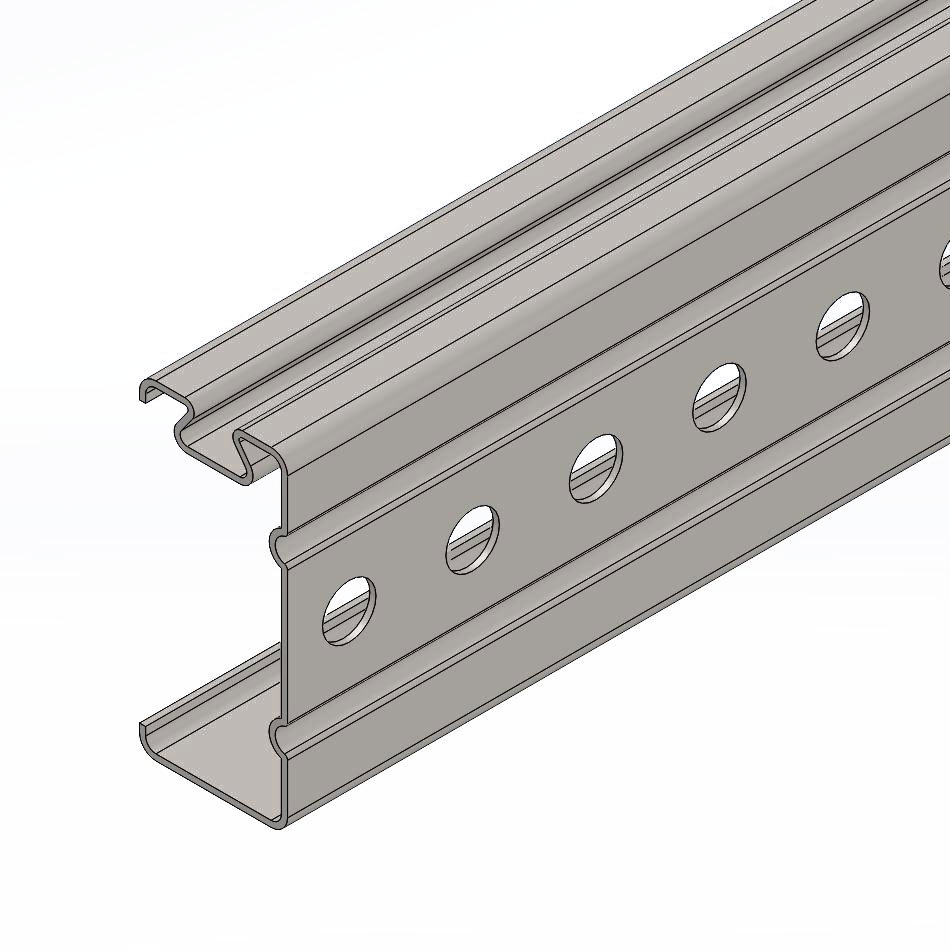
Longitudinal track
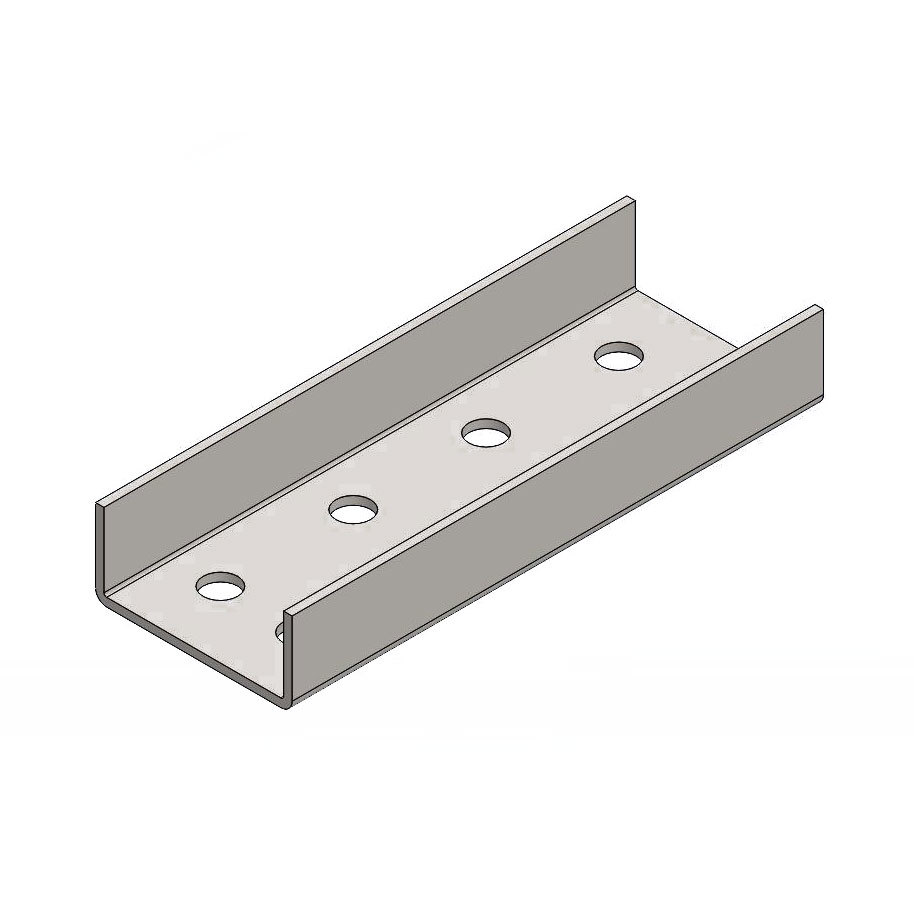
Horizontal rail connectors
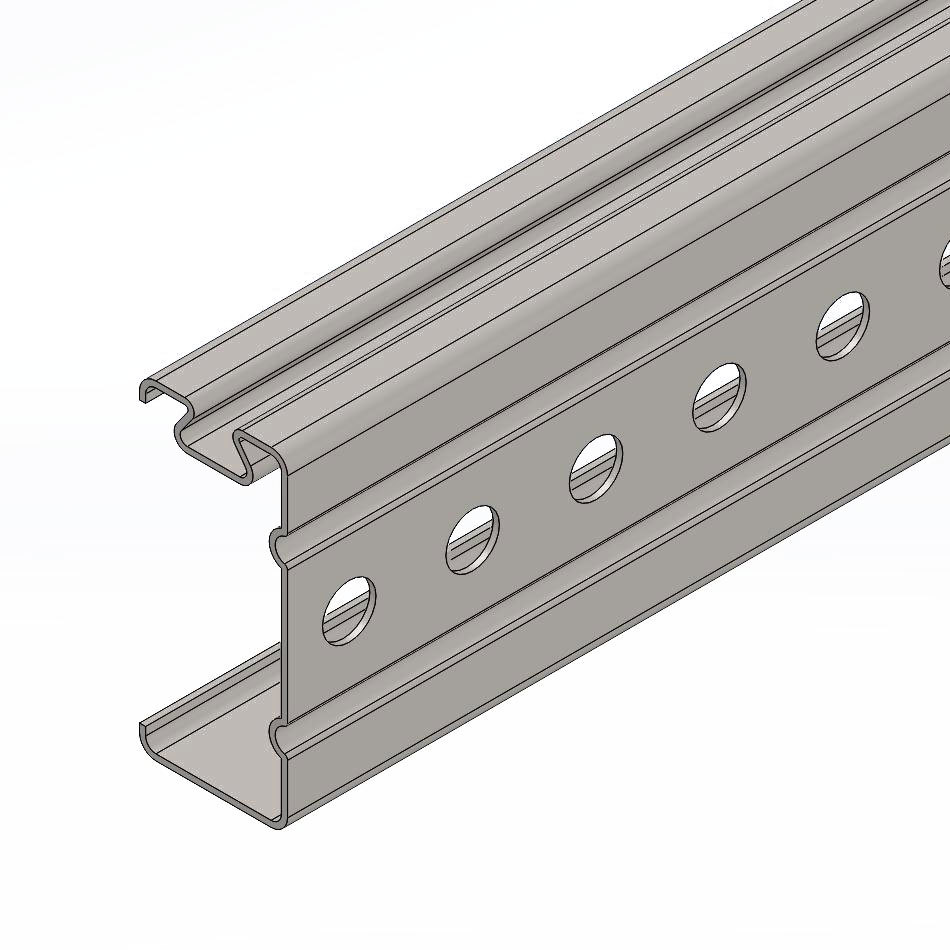
Horizontal track
Easy Install Steel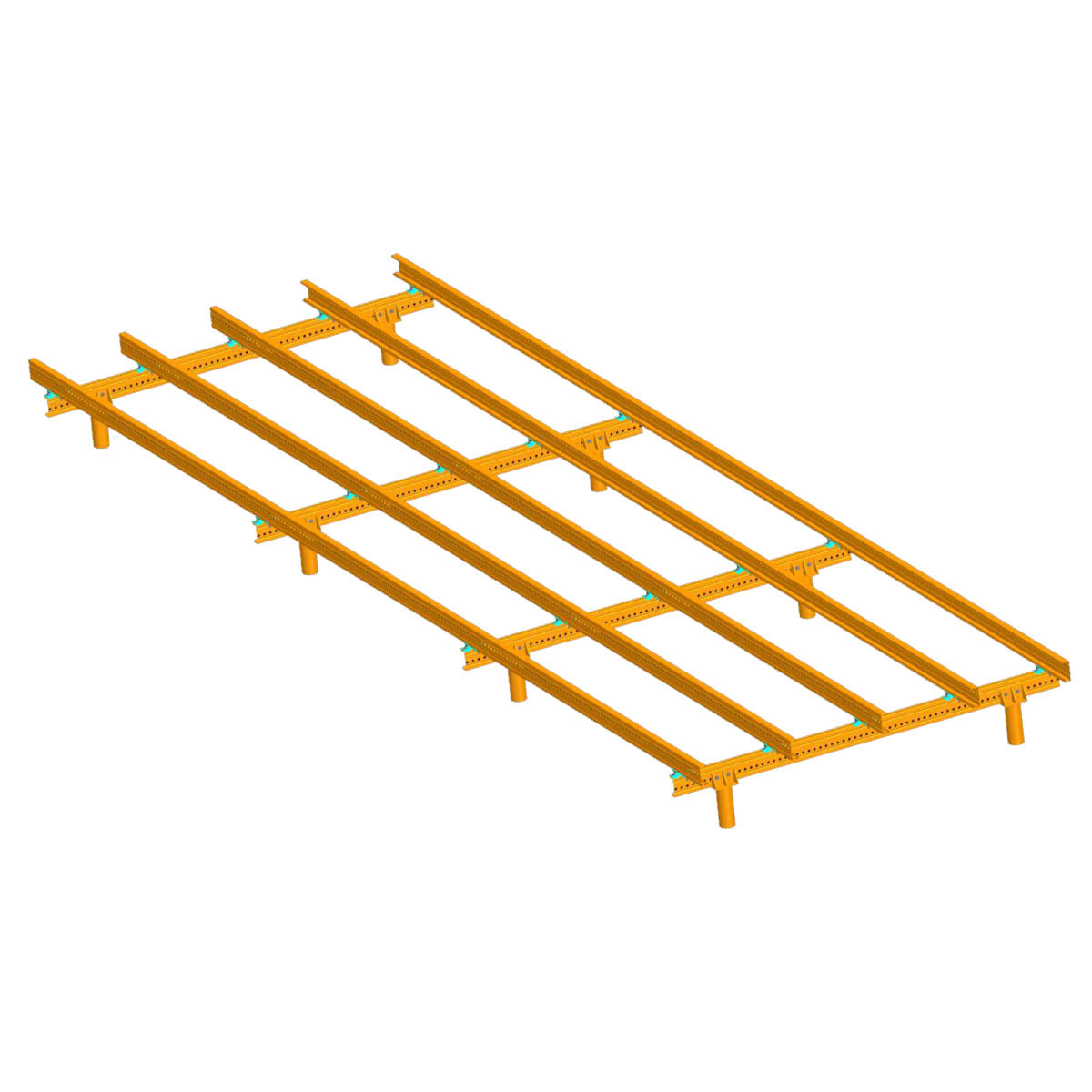
Haoheng Yi'an System

Easy Install Steel
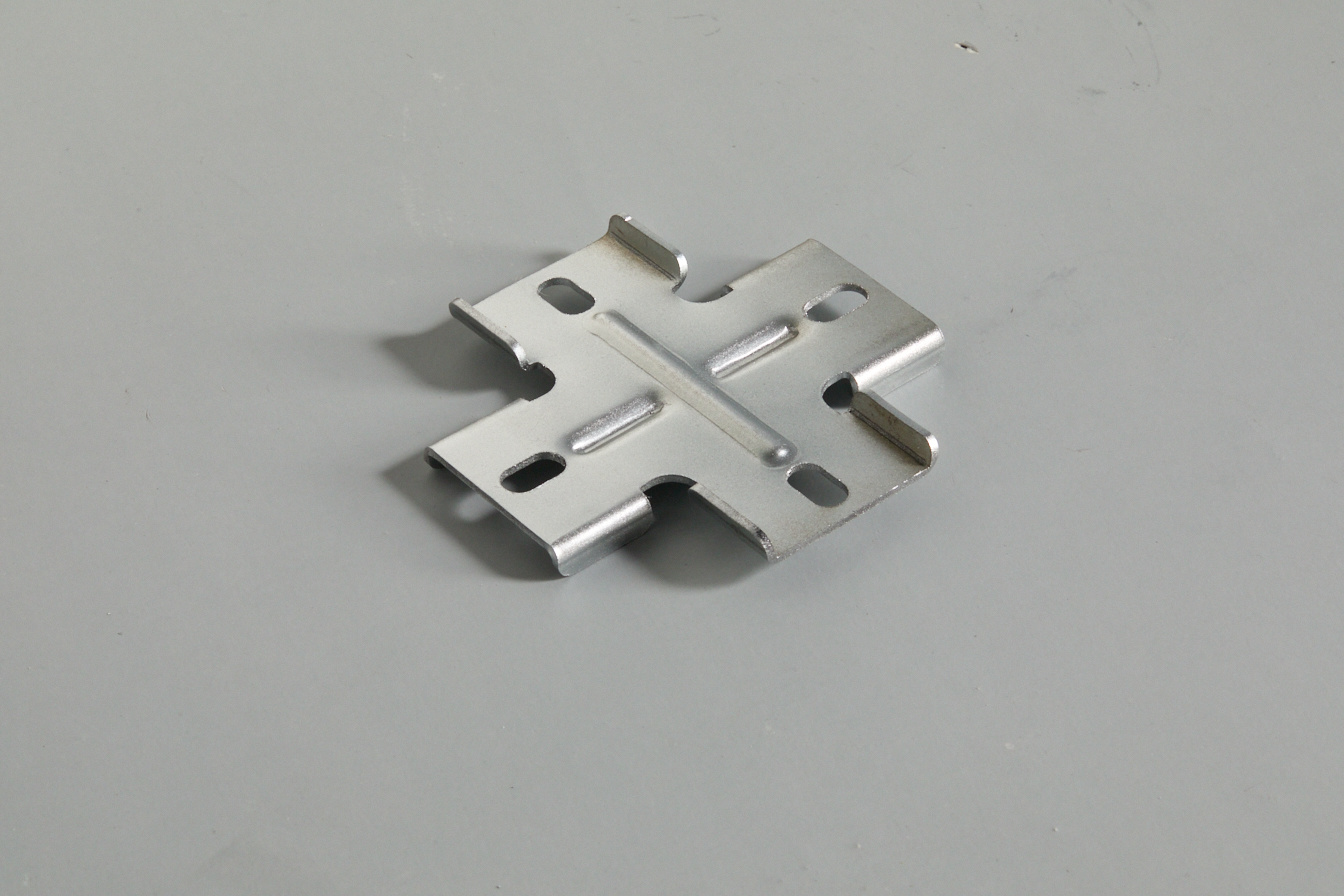
Cross connector
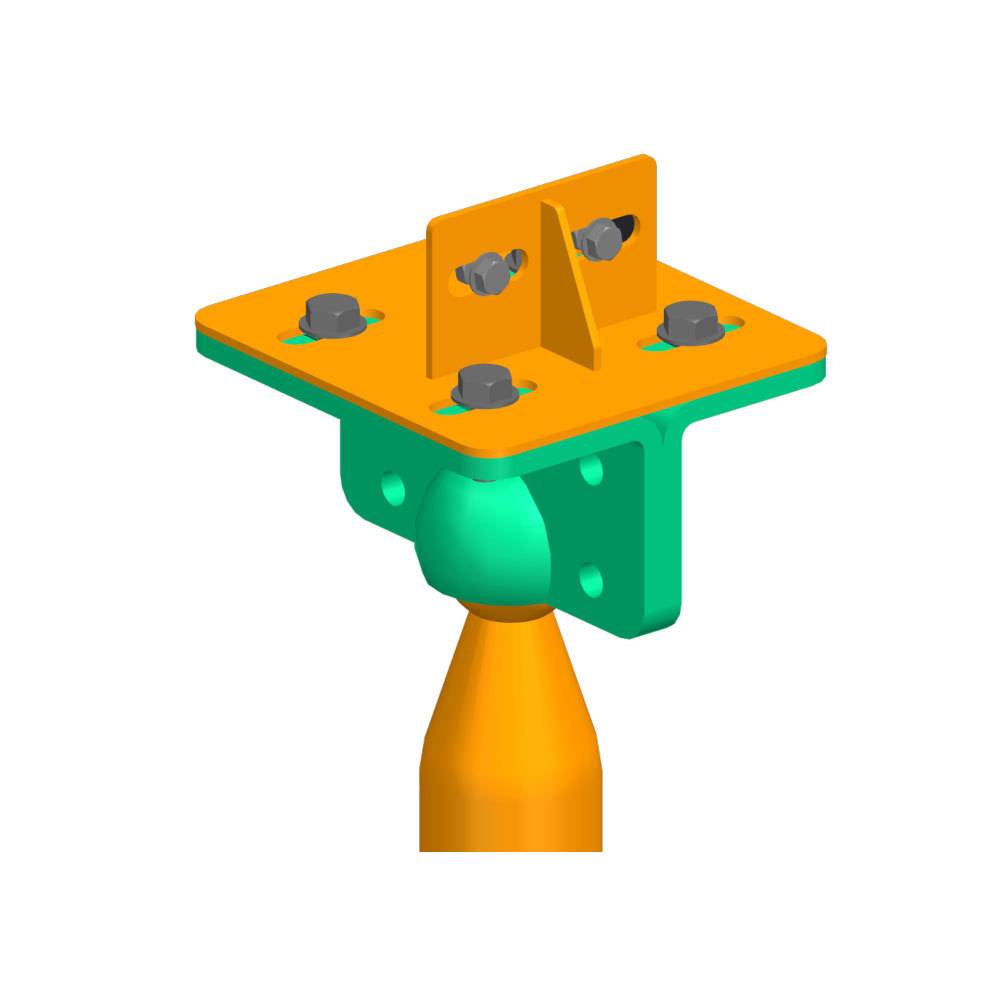
Universal connector for screw pile
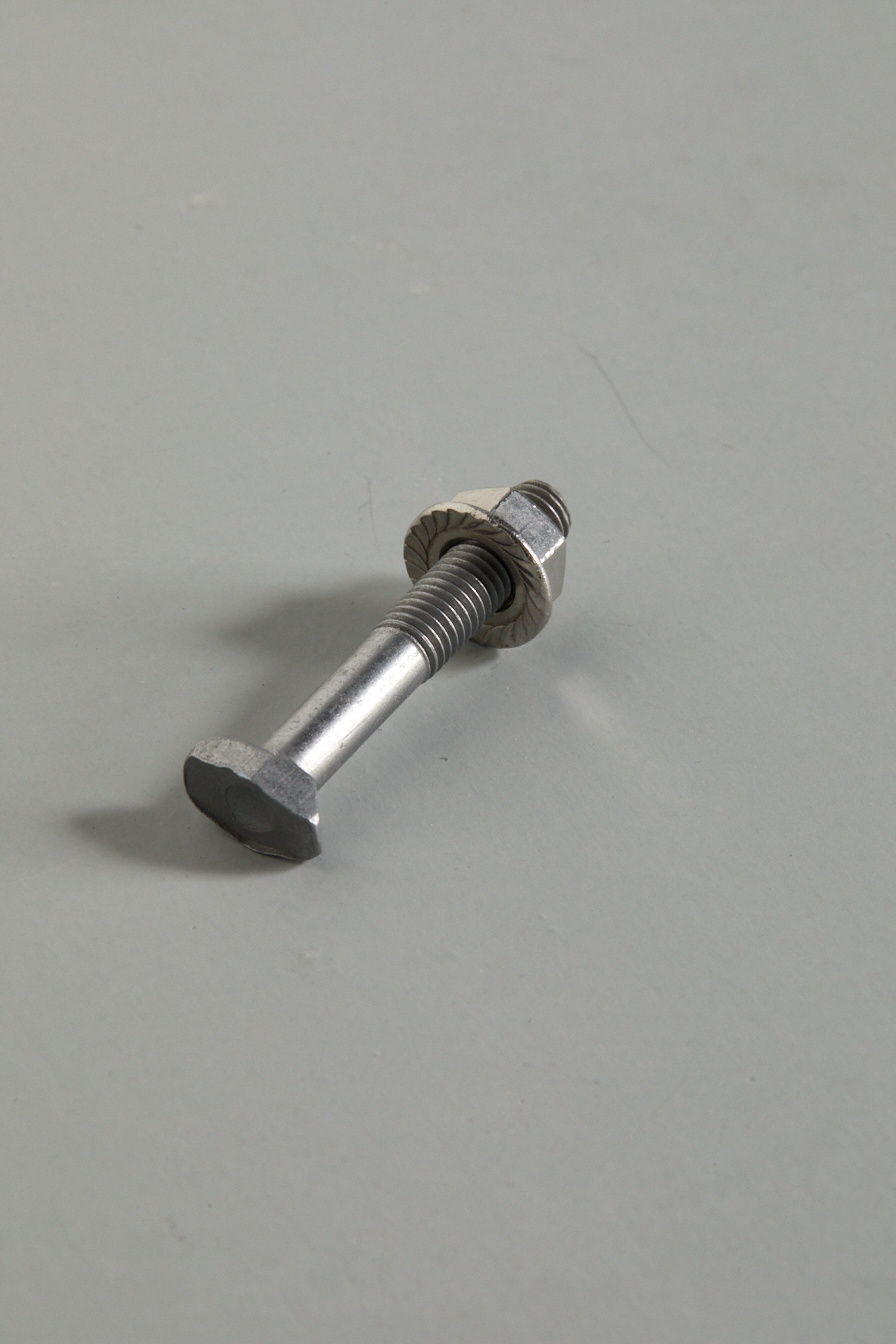
T-shaped dovetail bolt
Floor System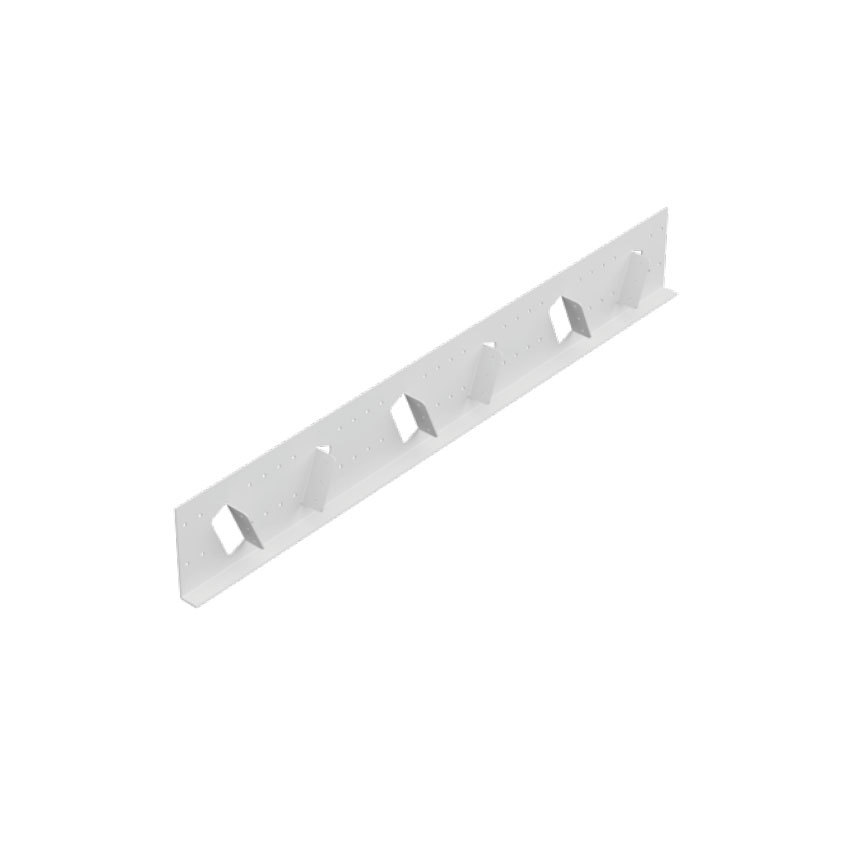
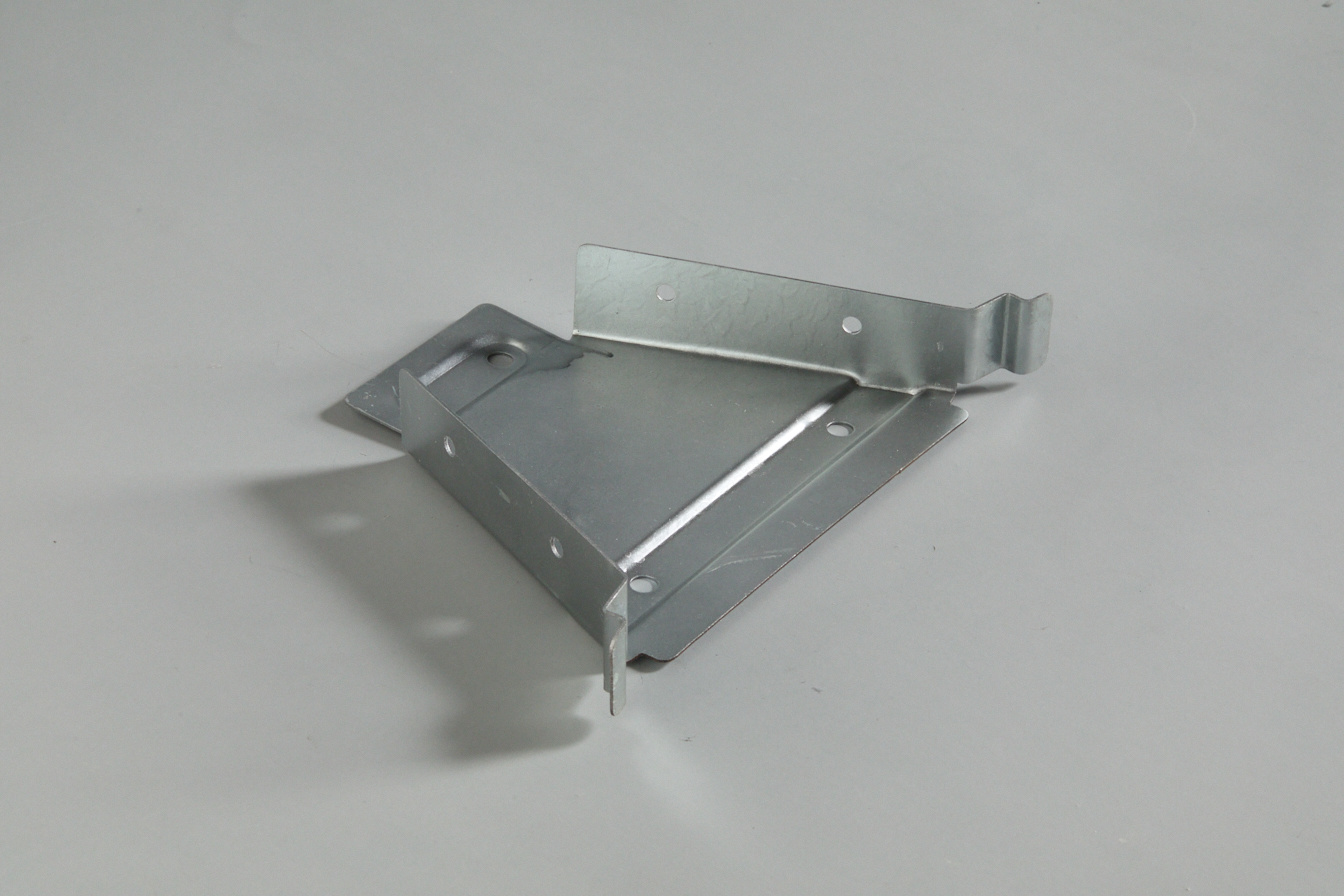
Ordinary steel structural connectors
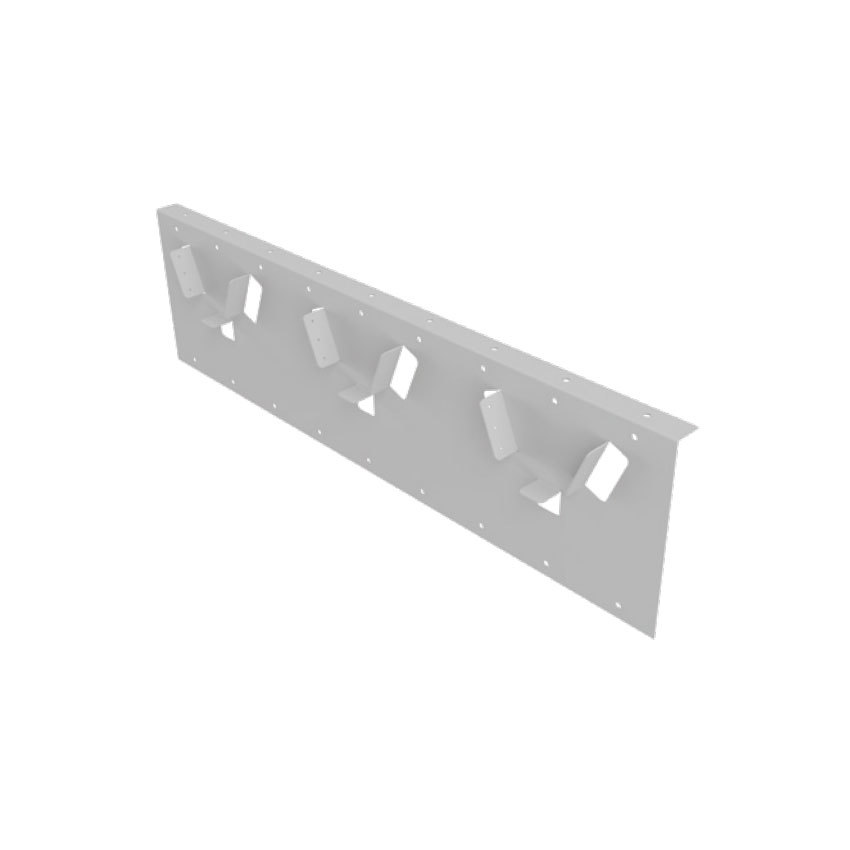
NEW BUILDING system connectors
Cold formed thin-walled steel structural connectors
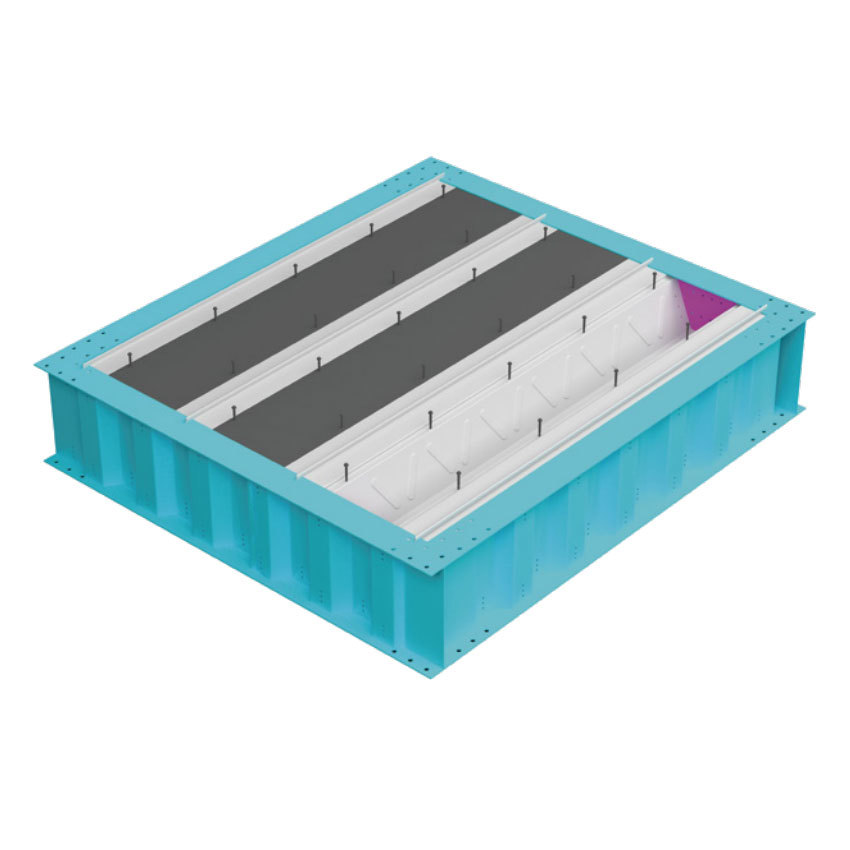
Corrugated I-beam+V-shaped floor beam
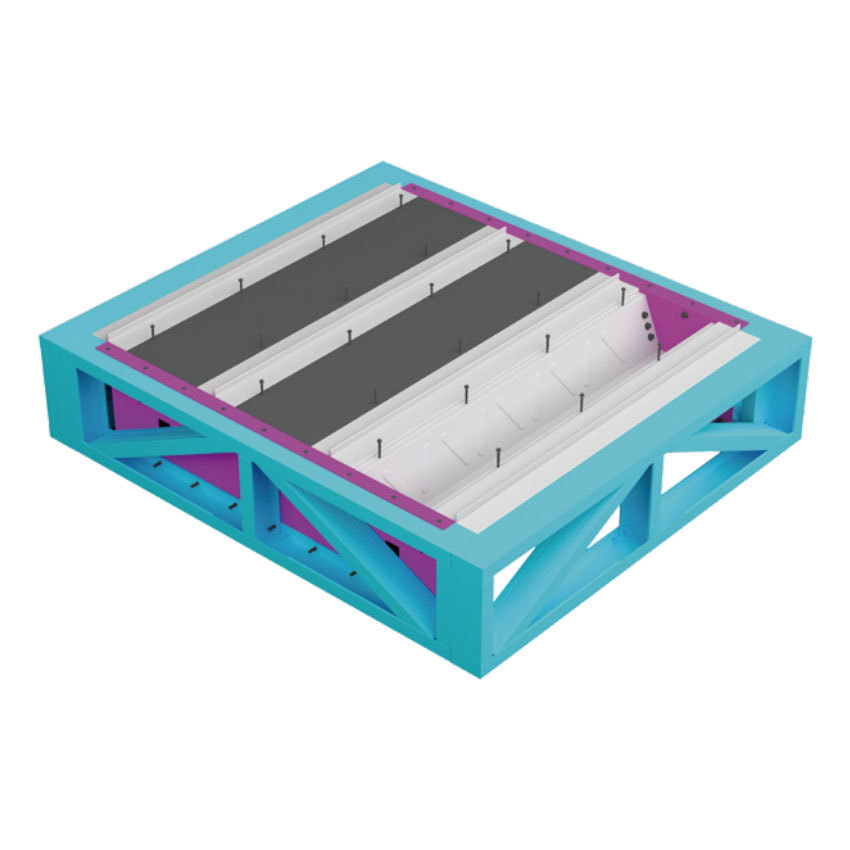
300 light steel truss+V-shaped floor beam

Steel wire gauze
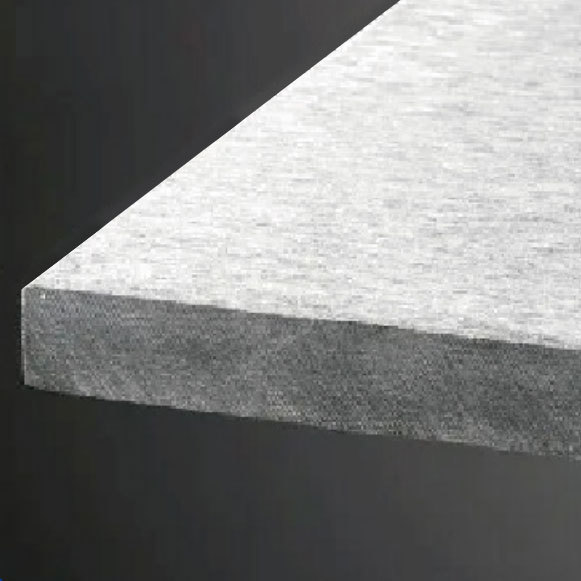
Plate
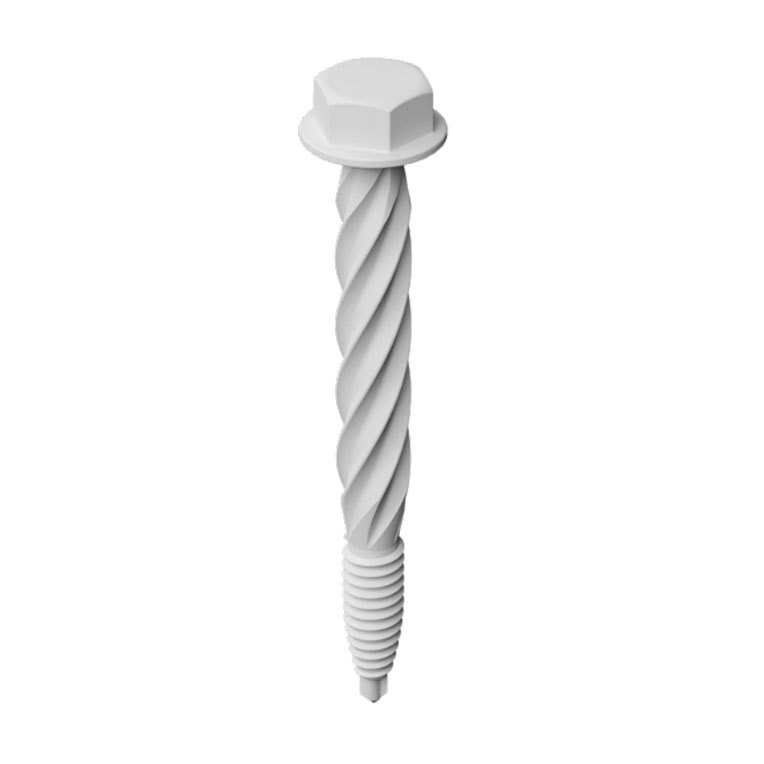
Shear stud
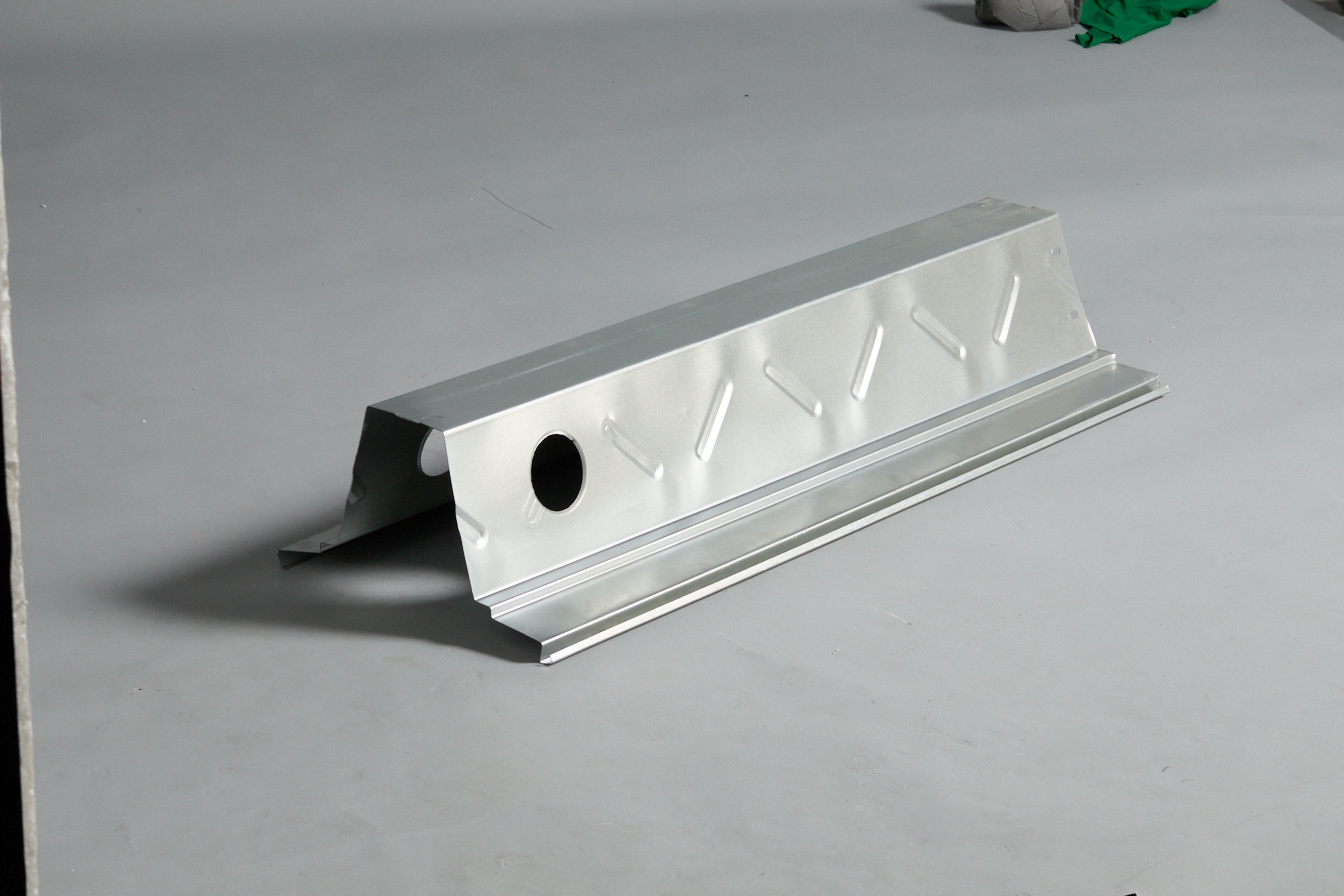
V-shaped floor beam
Magnesium stiffened wall panel
2026 Complete Guide to Magnesium-Steel Ecological Panel: Performance, Cost & Use Cases
Release Time:
2026-10-29
Source:
📋 Article Overview
This guide is built for architects, steel building contractors, and facility owners seeking reliable, low-maintenance cladding options. It draws on 12 years of on-site project testing and 2026 material performance data to eliminate guesswork when selecting panel types, calculating lifecycle costs, and planning installation workflows for new build and retrofit steel projects.
What Is a Magnesium-Steel Ecological Panel? Definition & Core Composition
Magnesium-Steel Ecological Panel is a high-corrosion-resistant, low-emission cladding material engineered for steel building exterior envelopes. In practice, this panel is engineered to balance long-term durability, environmental compliance, and aesthetic flexibility for a wide range of steel building types. Unlike thin decorative steel sheets, it is built to withstand decades of outdoor exposure without frequent repainting or repair.
Magnesium-Steel Ecological Panel refers to a cold-rolled steel substrate coated with a 55% aluminum, 43.4% zinc, and 1.6% magnesium alloy layer, paired with a low-VOC fluorocarbon or polyester topcoat to form a fully recyclable exterior cladding system. All production processes for this panel adhere to 2026 global environmental standards, with chromium-free passivation treatments, zero harmful volatile organic compound emissions during manufacturing, and 100% recyclability at the end of its service life. From 12 years of on-site project testing across coastal, industrial, and high-humidity climate zones, this panel reduces rust penetration rate by 72% compared with traditional 0.5mm galvanized steel sheets.
Core Structural Layers of the Panel
Every panel is constructed in 5 sequential layers to ensure consistent performance: 1) High-strength low-alloy steel substrate with yield strength ≥550MPa, delivering excellent wind load resistance; 2) Magnesium-aluminum-zinc alloy coating with a total weight range of 150-275g/㎡, forming the core corrosion protection barrier; 3) Chromium-free passivation layer to improve coating adhesion and environmental compliance; 4) Low-VOC topcoat (either PVDF or SMP formulation) to protect against UV damage and retain long-term color; 5) Thin protective polyethylene film to prevent surface scratches during transport and on-site handling.
How It Differs From Standard Decorative Steel Panels
A common misconception is that magnesium-steel ecological panels are identical to thin decorative steel sheets used for temporary construction hoardings. In practice, the difference lies in the alloy coating composition: standard decorative sheets use pure zinc coating, while the magnesium addition in ecological panels creates a self-healing oxide layer that seals cut edges, preventing rust creep even when panels are cut on-site to fit custom project dimensions. This feature eliminates the need for expensive touch-up paint after on-site cutting, reducing installation labor time by 30% compared with pure zinc coated panels.
Key Performance Benefits of Magnesium-Steel Ecological Panel in 2026
The core value of this panel lies in its 3x longer service life, 40% lower lifecycle cost, and fully recyclable material footprint compared with standard cladding options. These benefits translate directly to lower long-term operating costs for building owners, and fewer warranty claims for contractors.
Superior Corrosion Resistance Across Harsh Environments
In practical salt spray tests conducted in Haoheng Steel’s in-house lab in 2026, panels with 150g/㎡ magnesium-aluminum-zinc coating achieved 1000+ hours of no red rust, compared with 240 hours for equivalent thickness galvanized panels. Industry consensus from the International Galvanized Steel Association confirms that the added magnesium element forms a dense, self-healing oxide layer on cut edges, preventing rust creep even after on-site cutting during installation. This makes the panel ideal for coastal locations, chemical processing facilities, and high-humidity agricultural buildings where traditional panels fail within 5-10 years.
Low-Carbon, Eco-Friendly Production & End-of-Life Recyclability
From our supply chain tracking, 100% of the panel’s steel substrate and alloy coating can be recycled at the end of a 30+ year service life, reducing embodied carbon by 28% compared with sandwich panels with non-recyclable polyurethane cores. Recent 2026 data from the Steel Construction Institute shows that using these panels reduces a building’s total lifecycle carbon emissions by 12-18% for mid-size industrial facilities, helping projects meet green building certification requirements for LEED, BREEAM, and China Green Product standards.

Image Source: unsplash
Step-by-Step Installation Process for Magnesium-Steel Ecological Panel
Following a standardized installation workflow cuts on-site rework by 60% and preserves the panel’s 25-30 year performance warranty. Skipping even one step can lead to early water leakage, rust formation, or voided warranty coverage.
- Pre-installation preparation: Verify panel flatness, cut panels to required dimensions using metal shears (avoid angle grinders to prevent heat damage to the alloy coating), and clean all mounting rail surfaces to remove grease, rust, and construction debris.
- Rail fixing: Install galvanized steel purlins at 600mm on-center spacing, ensuring rail flatness tolerance is within 2mm per linear meter to prevent panel stress cracks and uneven surface appearance.
- Panel mounting: Secure each panel to purlins with self-drilling screws with integrated EPDM sealing washers, tightening torque to 10-12N·m to avoid over-compression of the sealing layer or under-tightening that causes water leakage.
- Sealing & edge treatment: Apply neutral, UV-resistant silicone sealant to all cut edges and panel joints, and install matching color aluminum trim to cover exposed fasteners for long-term water resistance and a clean, finished aesthetic.
Common Installation Mistakes to Avoid
From 87 on-site installation case reviews in 2025-2026, the most frequent warranty claims came from three avoidable mistakes: using uncoated carbon steel fasteners that rust, over-tightening screws that crush the EPDM seal, and skipping sealant application on cut edges. These issues lead to early rust formation within 2-3 years of installation, even when the panel itself meets full performance specifications.
Warranty Compliance Requirements for Project Teams
To qualify for Haoheng Steel’s 25-year material warranty, installation teams must follow the published standard workflow, retain all installation process photos for audit, and avoid drilling extra fasteners outside the panel’s designated mounting zone. Teams that do not follow these guidelines are not eligible for warranty coverage, even if the panel shows early material defects.
Performance Comparison: Magnesium-Steel Ecological Panel vs. Traditional Cladding Options
The comparative performance data below helps contractors quantify cost and durability differences across common cladding choices for steel buildings. All data is sourced from 2026 independent lab tests and real-world project maintenance records.
| Performance Metric | Magnesium-Steel Ecological Panel | Traditional Galvanized Steel Panel | Aluminum-Zinc Coated Steel Panel |
|---|---|---|---|
| Salt spray test (no red rust) | 1000+ hours | 240 hours | 500 hours |
| Expected service life (coastal environment) | 30+ years | 8-10 years | 18-20 years |
| Unit material cost (0.5mm thickness, 2026) | $12.5 /㎡ | $6.8 /㎡ | $9.2 /㎡ |
| Lifecycle maintenance cost (30 years) | $3.2 /㎡ | $18.7 /㎡ | $9.5 /㎡ |
| Recyclable material ratio | 100% | 100% | 100% |
When Is the Higher Upfront Cost Justified?
From project return-on-investment calculations, the magnesium-steel panel delivers a positive ROI for buildings located within 20km of coastlines, near industrial emission zones, or with a planned service life of more than 20 years. For low-humidity, inland storage facilities with a 10-year planned use cycle, lower-cost galvanized panels may be a more budget-aligned choice, as the long-term corrosion resistance of the ecological panel will not be fully utilized in these mild environments.
Color & Customization Flexibility
Practical experience from 2026 project orders shows that the panel is available in 28 standard RAL colors, with custom printed texture options (wood grain, stone grain) available for commercial building facade projects, matching the aesthetic flexibility of more expensive aluminum cladding at 40% lower material cost. The topcoat is also resistant to common staining from bird droppings, tree sap, and industrial dust, reducing required cleaning frequency to once per year.
“For low-carbon steel building projects targeting 2030 net-zero goals, high-performance, recyclable cladding materials like magnesium-steel ecological panels reduce upfront embodied carbon and cut long-term maintenance emissions, delivering measurable environmental returns over the building’s lifecycle.”
— 2026 Global Sustainable Construction Report, World Steel Association
Common Application Scenarios for Magnesium-Steel Ecological Panel
This panel is a versatile cladding solution suitable for 80% of standard steel building types across industrial, commercial, and agricultural sectors. It can be adapted for both wall and roof installations with simple hardware adjustments.
Industrial Facility Envelope Projects
From our project case studies, 62% of our 2025-2026 orders for this panel went to heavy industrial plants, food processing facilities, and chemical storage warehouses, where high corrosion resistance is critical to avoid frequent wall and roof repairs. Practical tests show the panel can withstand exposure to 0.5% concentration sulfuric acid fumes for 500+ hours without coating damage, making it ideal for facilities with regular chemical exposure.
Commercial & Agricultural Building Uses
For commercial logistics warehouses, retail building facades, and agricultural poultry or crop storage buildings, the panel’s low maintenance requirement reduces long-term operating costs. Notably, the panel’s smooth, non-porous surface makes it easy to clean to meet food safety or livestock biosecurity standards, a benefit that traditional porous fiber cement panels cannot match. For agricultural use cases, the panel also resists ammonia corrosion from livestock waste, which causes rapid rust on standard galvanized panels within 3-5 years.
Key Considerations When Sourcing Magnesium-Steel Ecological Panel for Your Project
Careful supplier vetting and material specification verification prevents common low-quality panel issues that cause early failure. The market currently has many low-quality imitations that use insufficient magnesium content to cut production costs, leading to performance that does not match advertised claims.
How to Verify Genuine Panel Quality
Many low-quality market offerings use thinner coating weights than advertised, leading to early rust. In practice, project teams can verify coating thickness with a handheld magnetic thickness gauge, and request mill test reports (MTR) from suppliers to confirm the magnesium content in the alloy layer, as panels with less than 1% magnesium will not deliver the advertised self-healing corrosion resistance. Reputable suppliers like Haoheng Steel provide full MTR documentation for every order, with third-party test reports available on request.
Total Cost of Ownership Calculation Tips
When comparing supplier quotes, always include expected maintenance costs, warranty coverage, and transport costs in the calculation, not just upfront material price. From our internal data, the lowest upfront quote often comes from suppliers offering no written warranty, leading to 3x higher long-term repair costs for building owners over the panel’s service life.
Frequently Asked Questions About Magnesium-Steel Ecological Panel
Q: What is the typical lead time for Magnesium-Steel Ecological Panel orders?
A: For standard stock sizes, the lead time is 7-10 working days. For custom cut sizes and special colors, the lead time is 15-20 working days, with expedited shipping available for urgent project schedules.
Q: Can Magnesium-Steel Ecological Panel be used for roof applications?
A: Yes, the panel is suitable for both wall and roof installations, with a minimum roof slope requirement of 5 degrees to ensure proper water drainage. It is rated for wind resistance up to 120km/h when installed to standard specifications.
Q: Does the panel’s coating fade over time?
A: Panels with PVDF topcoat have a color retention rating of 5 (per ASTM D2244 standard) after 15 years of outdoor exposure, meaning visible color change is less than 5%. SMP topcoat options have a 10-year color retention guarantee.
Q: Is this panel compatible with existing steel building retrofit projects?
A: Absolutely. The panel’s light weight (only 4.5kg/㎡ for 0.5mm thickness) makes it ideal for retrofit cladding, as it does not add excessive structural load to existing building frames during wall replacement upgrades.
This article was generated by AI and is for reference only.

HaoHeng Group
Address: Room 1808, Block A, Vanke Cloud City, Jiemei District, Xiamen City, Fujian Province
Business cooperation:
Copyright © HaoHeng (FuJian) Building Materials Technology Co, Ltd. All rights reserved