

-

 Pakistan
Marketing Service Outlets
 Papua New Guinea
Marketing Service Outlets
 Egypt
EgyptMarketing Service Outlets
 Australia
Marketing Service Outlets
 Brazil
Marketing Service Outlets
 Colombia
Marketing Service Outlets
 Russia
Marketing Service Outlets
 Germany
Marketing Service Outlets
 Poland
Marketing Service Outlets
 the Philippines
Marketing Service Outlets
 Kazakhstan
Marketing Service Outlets
 Malaysia
Marketing Service Outlets
 America
Marketing Service Outlets
 Kyrgyzstan
Marketing Service Outlets
 Canada
Marketing Service Outlets
 Peru
PeruMarketing Service Outlets
 Nigeria
Marketing Service Outlets
 Morocco
Marketing Service Outlets
 South Africa
Marketing Service Outlets
 Japan
JapanMarketing Service Outlets
 Slovakia
Marketing Service Outlets
 New Zealand
Marketing Service Outlets
 Hungary
Marketing Service Outlets
 Thailand
Marketing Service Outlets
 Spain
SpainMarketing Service Outlets
 Indonesia
Marketing Service Outlets
 Italy
ItalyMarketing Service Outlets
 Vietnam
Marketing Service Outlets
Steel Pipe ColumnSteel Pipe Column ConnectorsMain Beam | Secondary BeamPrefabricated StairsRound Pipe PileFlat Steel PileGroup PileCap PileNew Building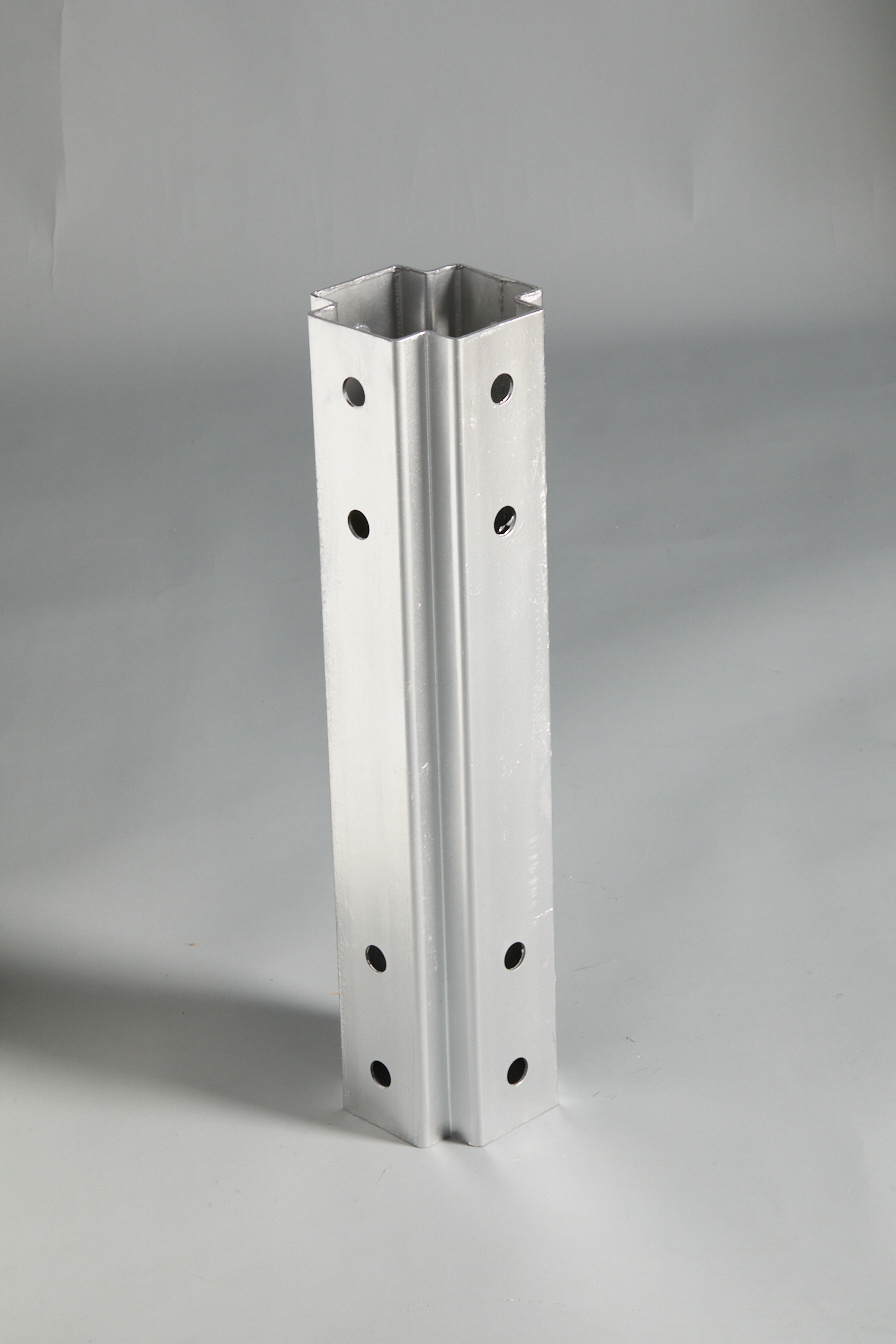
Cross column

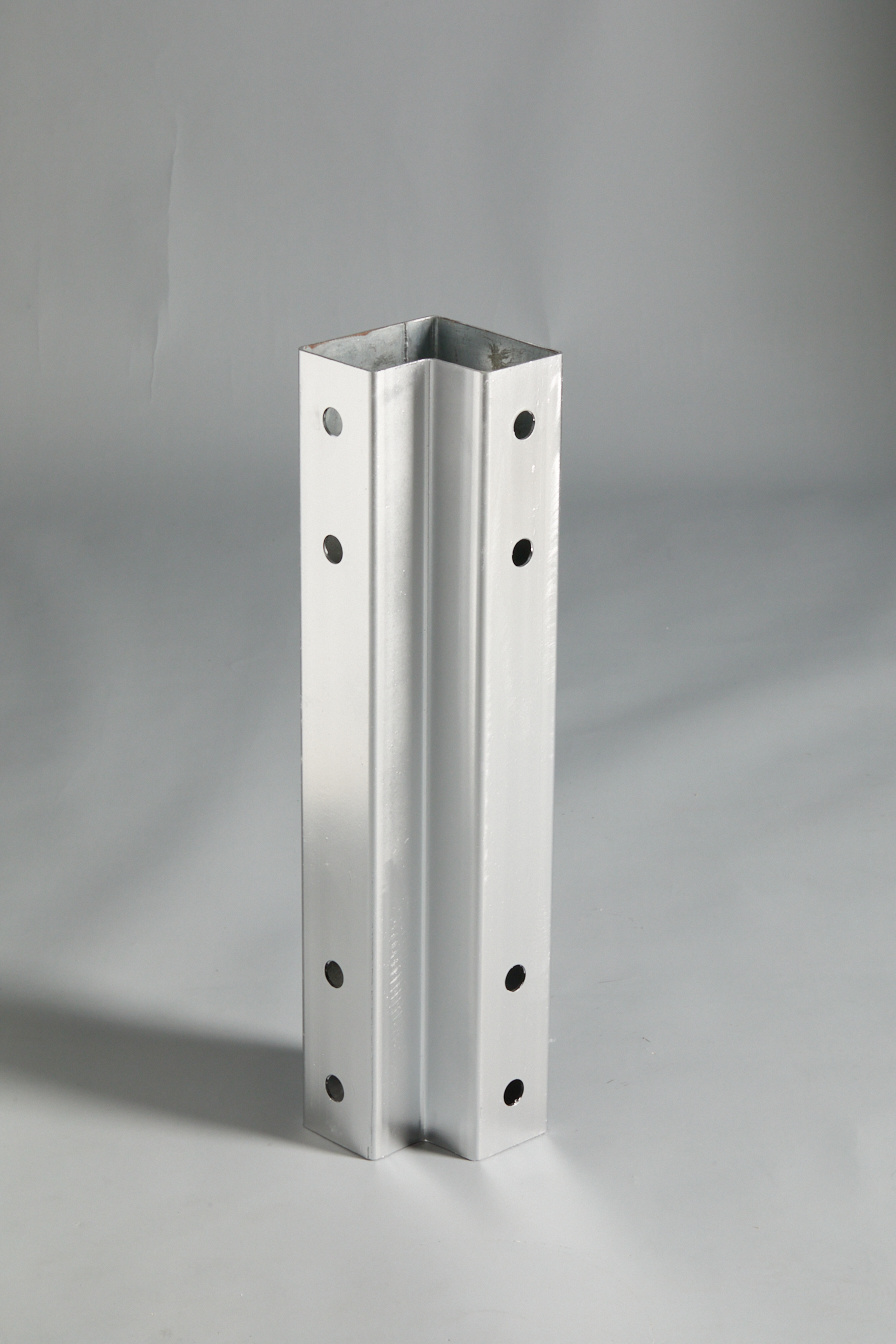
L-shaped column
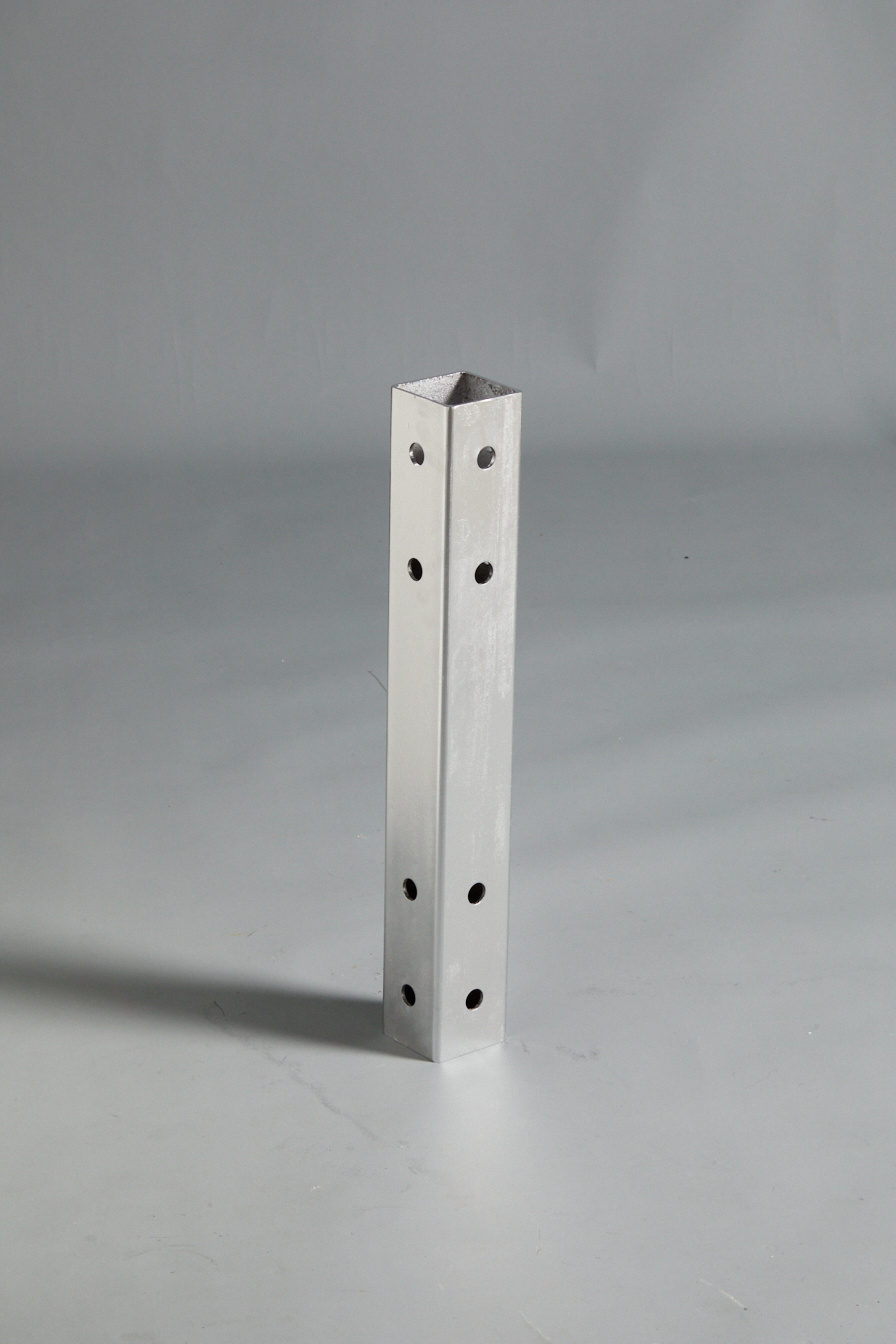
Square tube column

T-shaped column
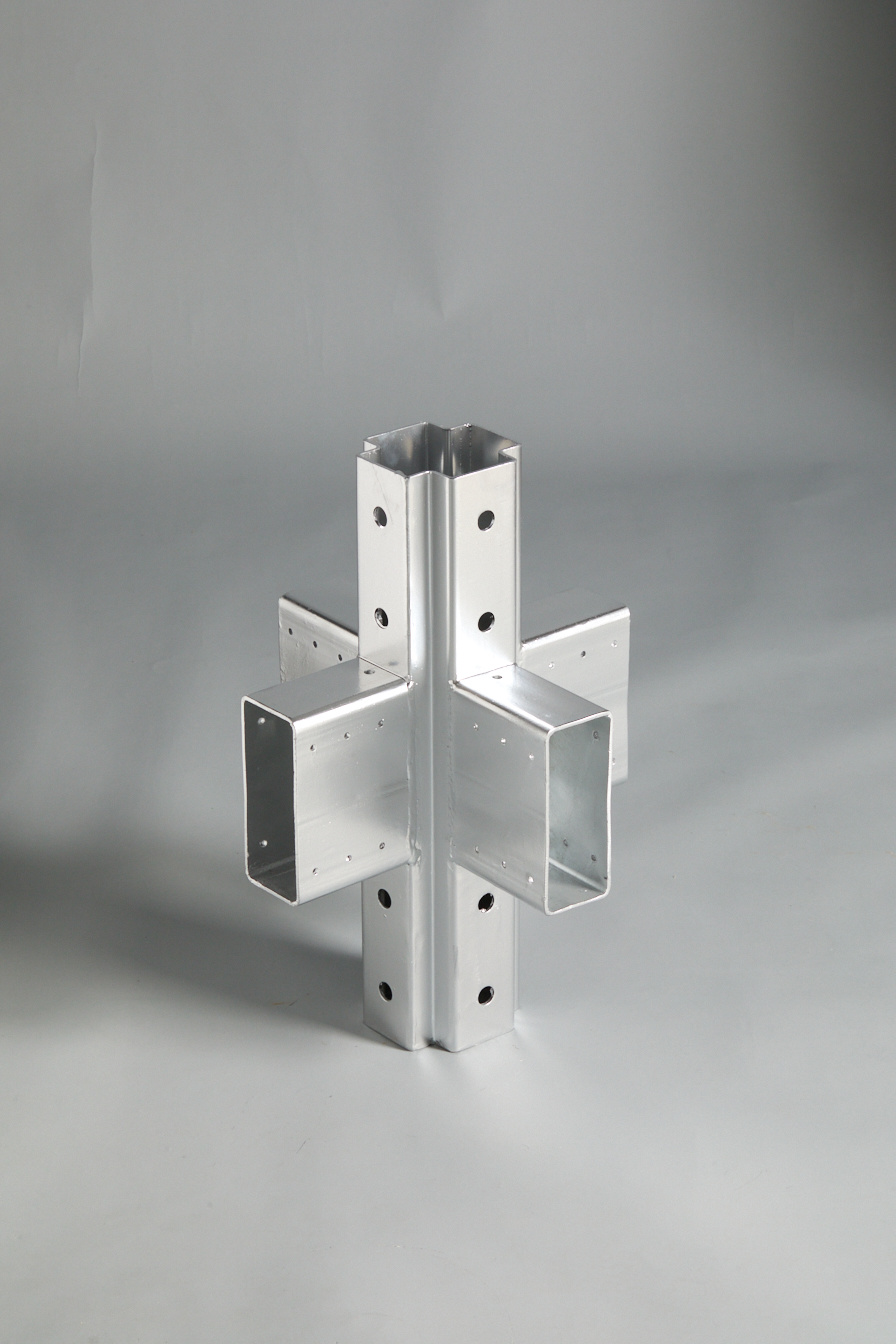
Cross column connector

L-shaped column connector

T-shaped column connector
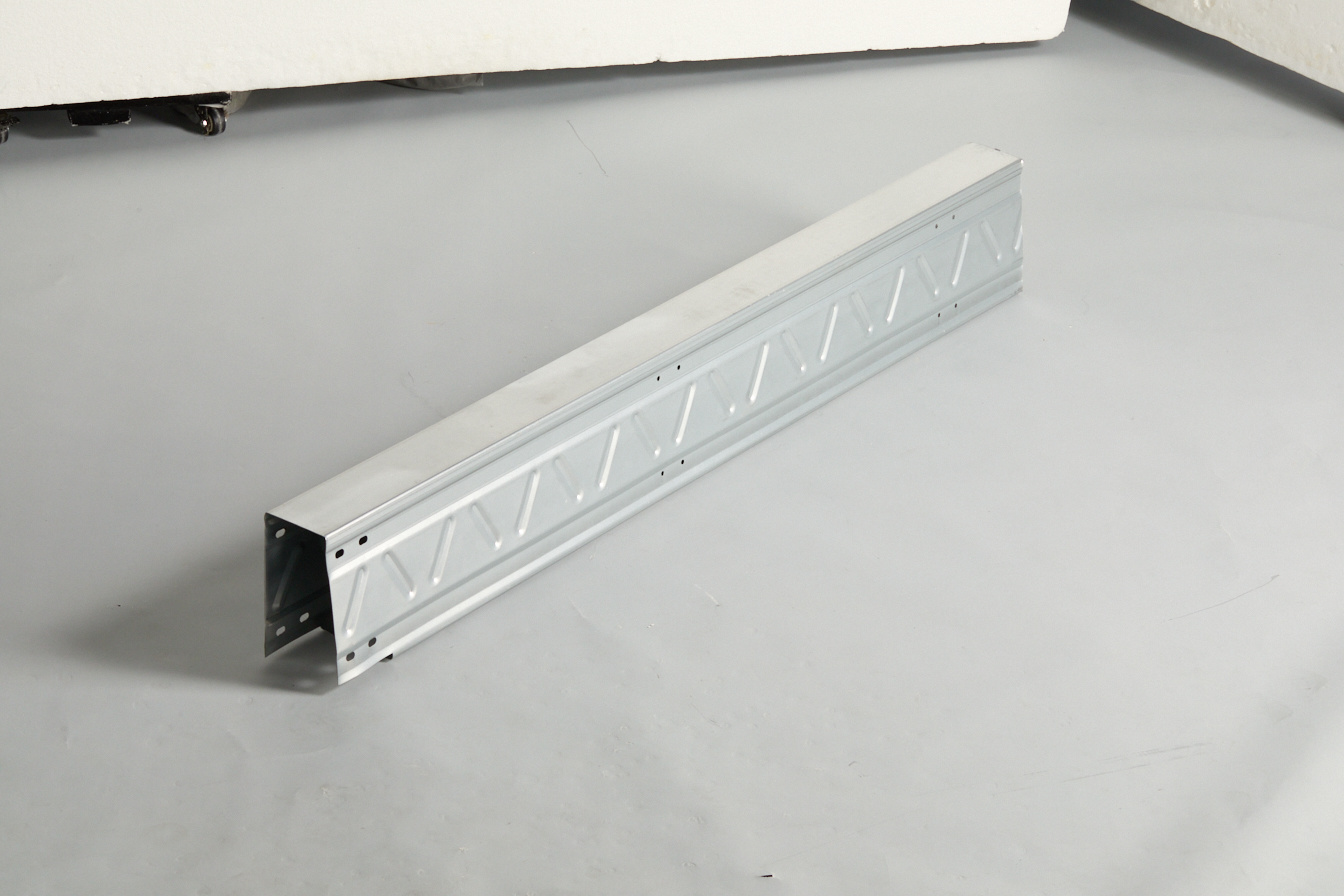
195 inner flipped edge - eight shaped reinforcing rib
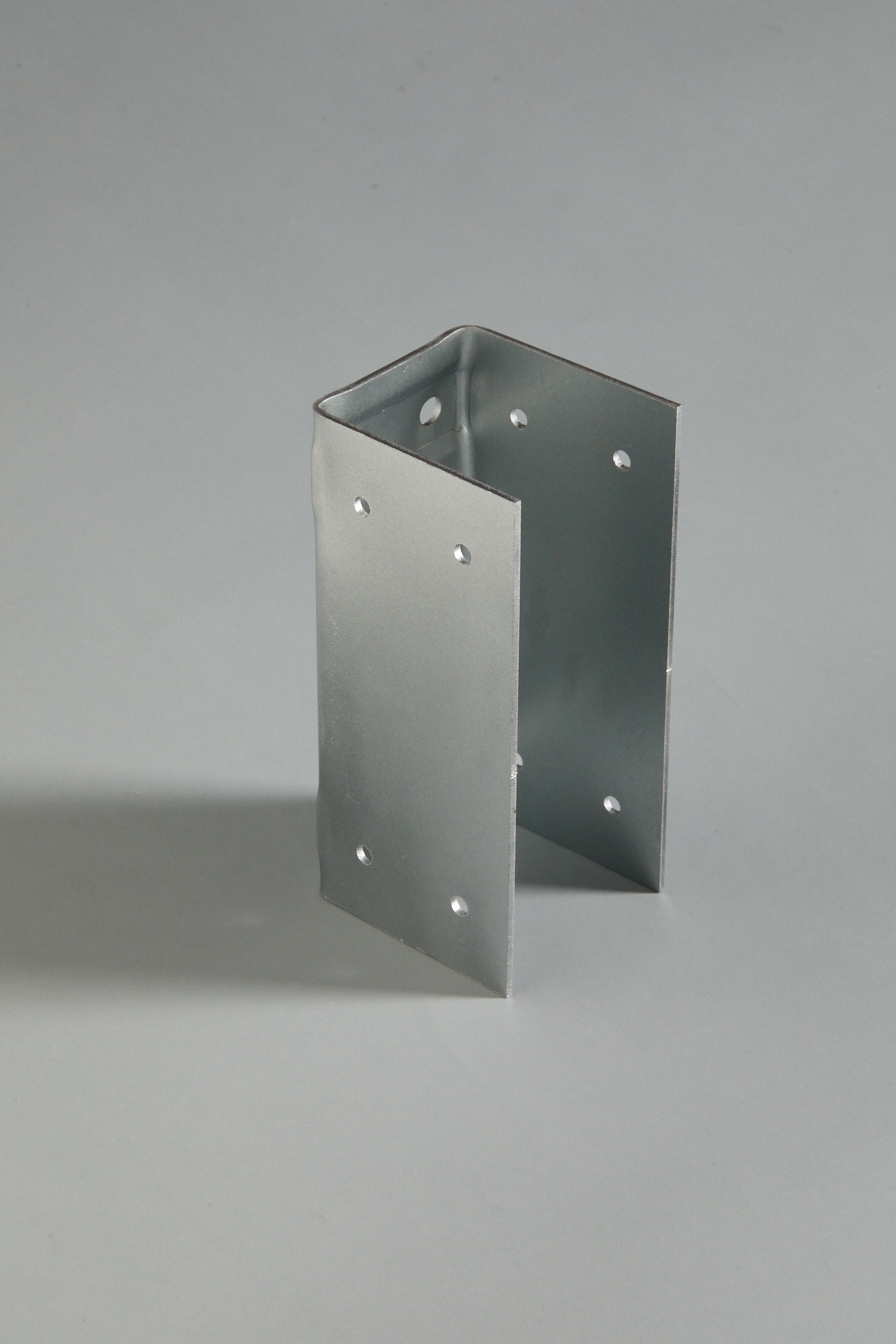
Frame small U connector
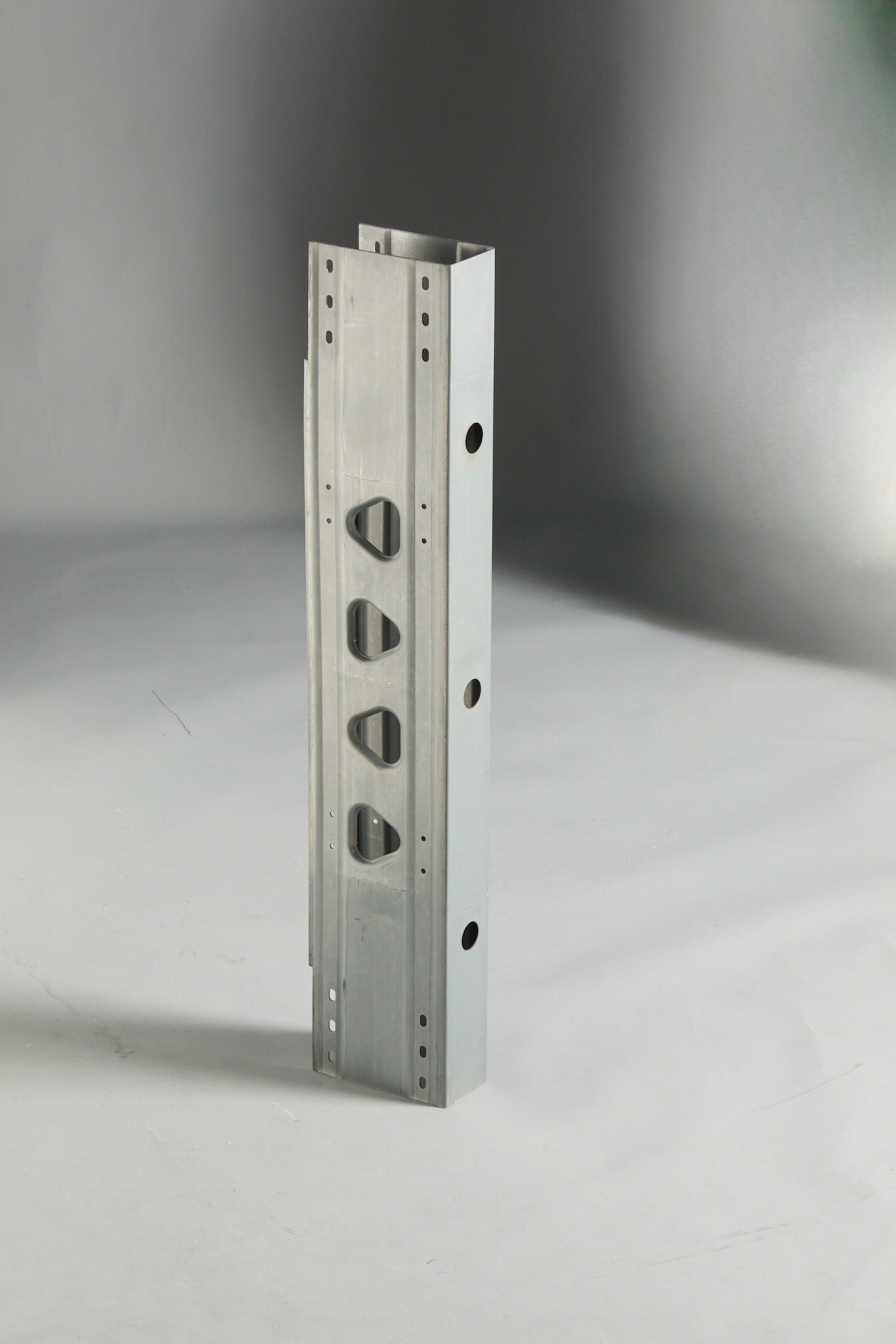
195 Inverted Edge - Triangle Reinforcement
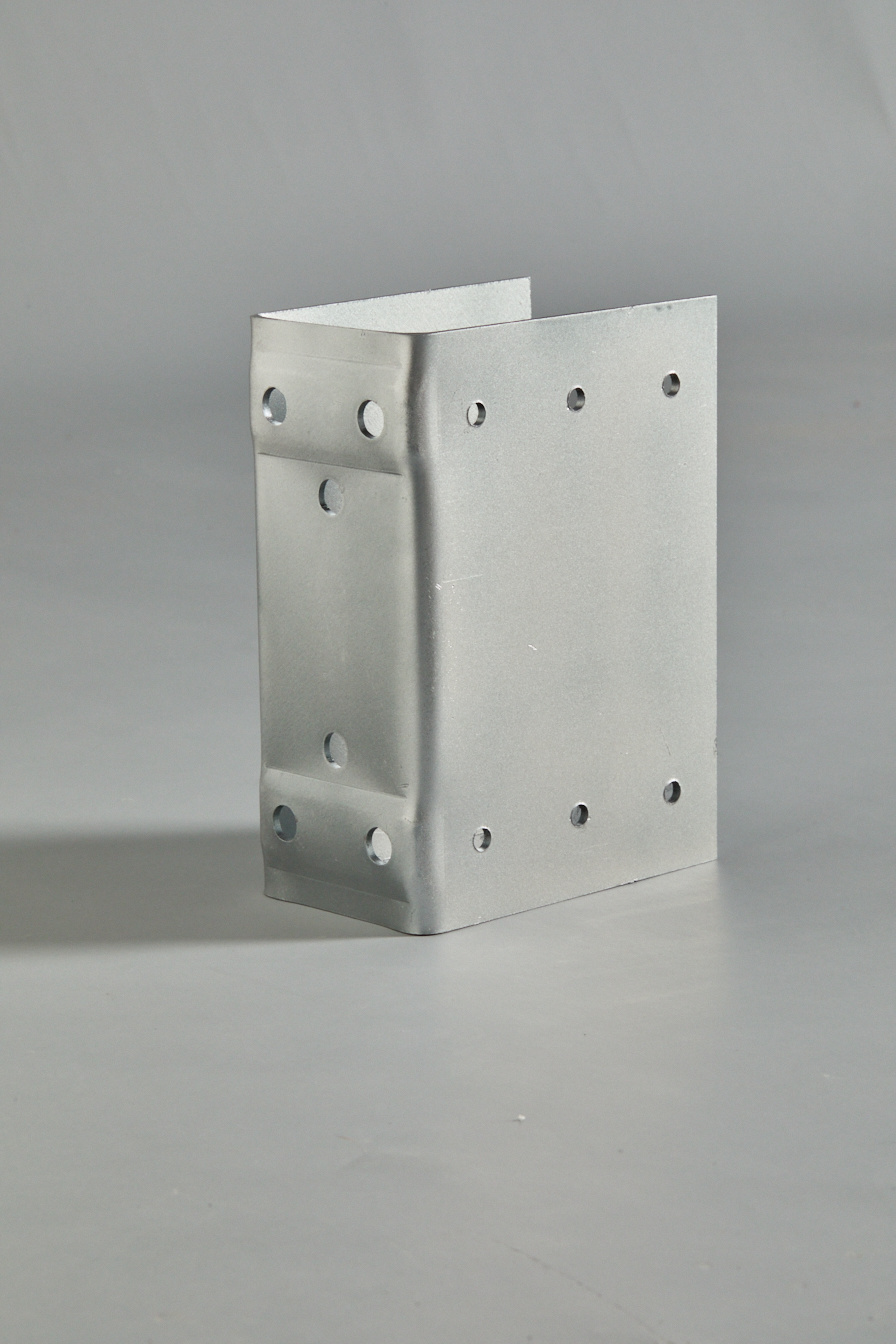
Frame large U connector
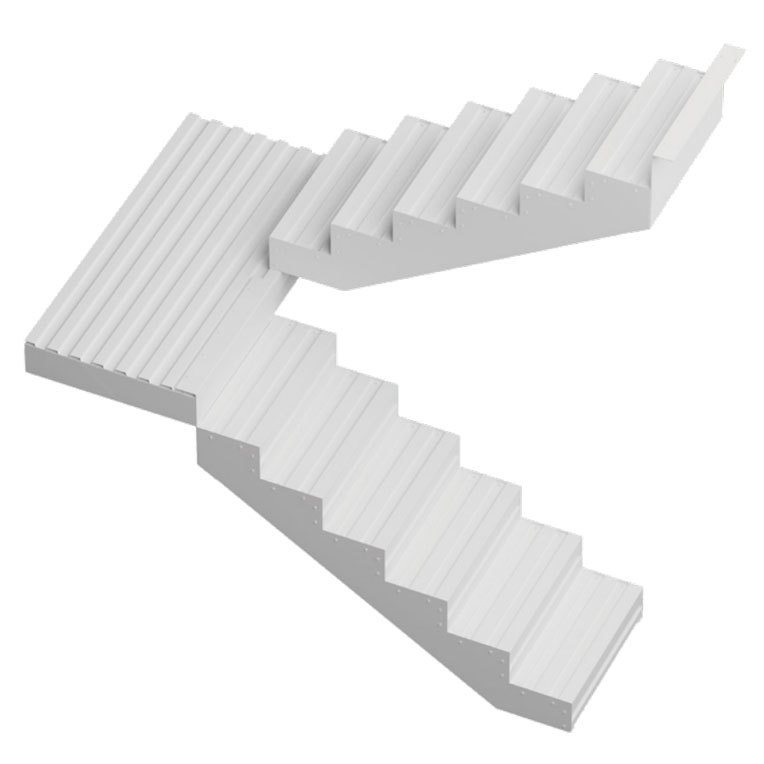
Prefabricated stairs
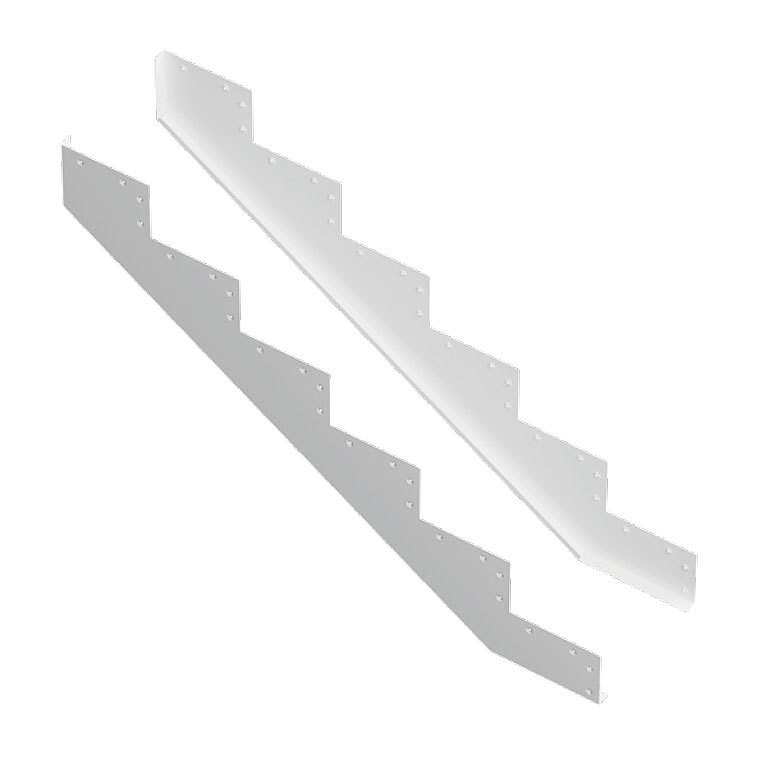
Staircase side panels
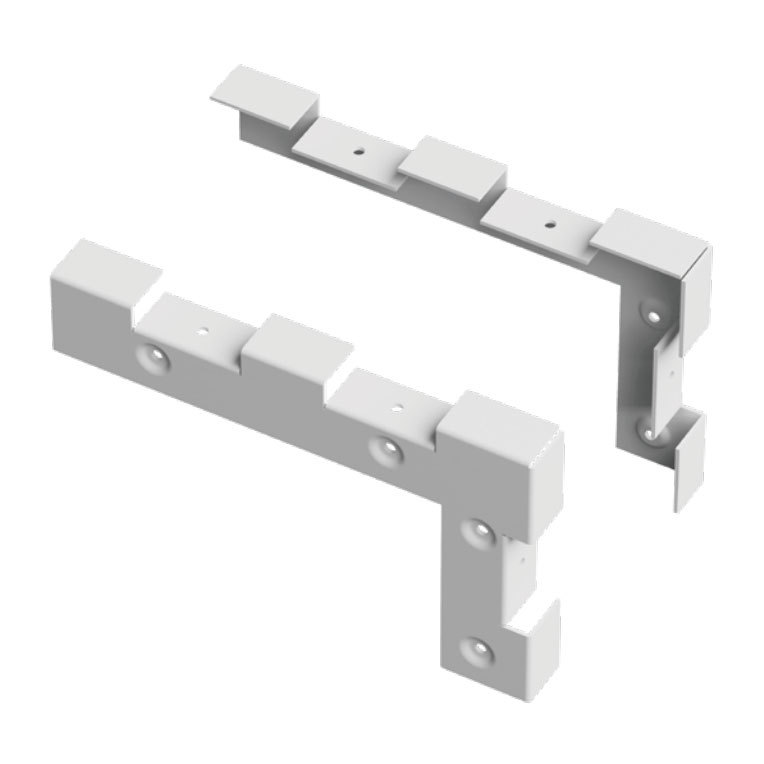
Staircase angle steel
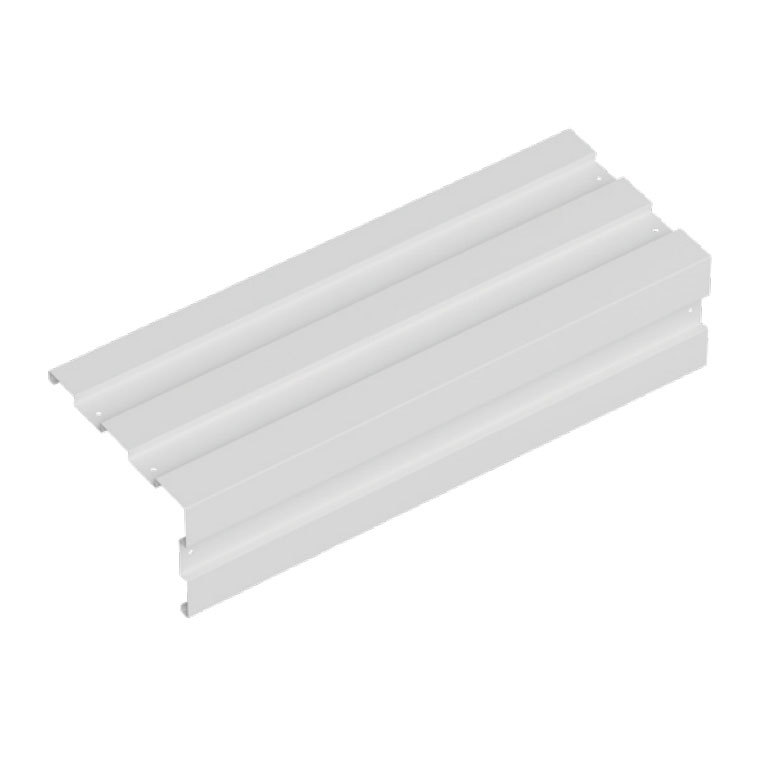
Stair steps
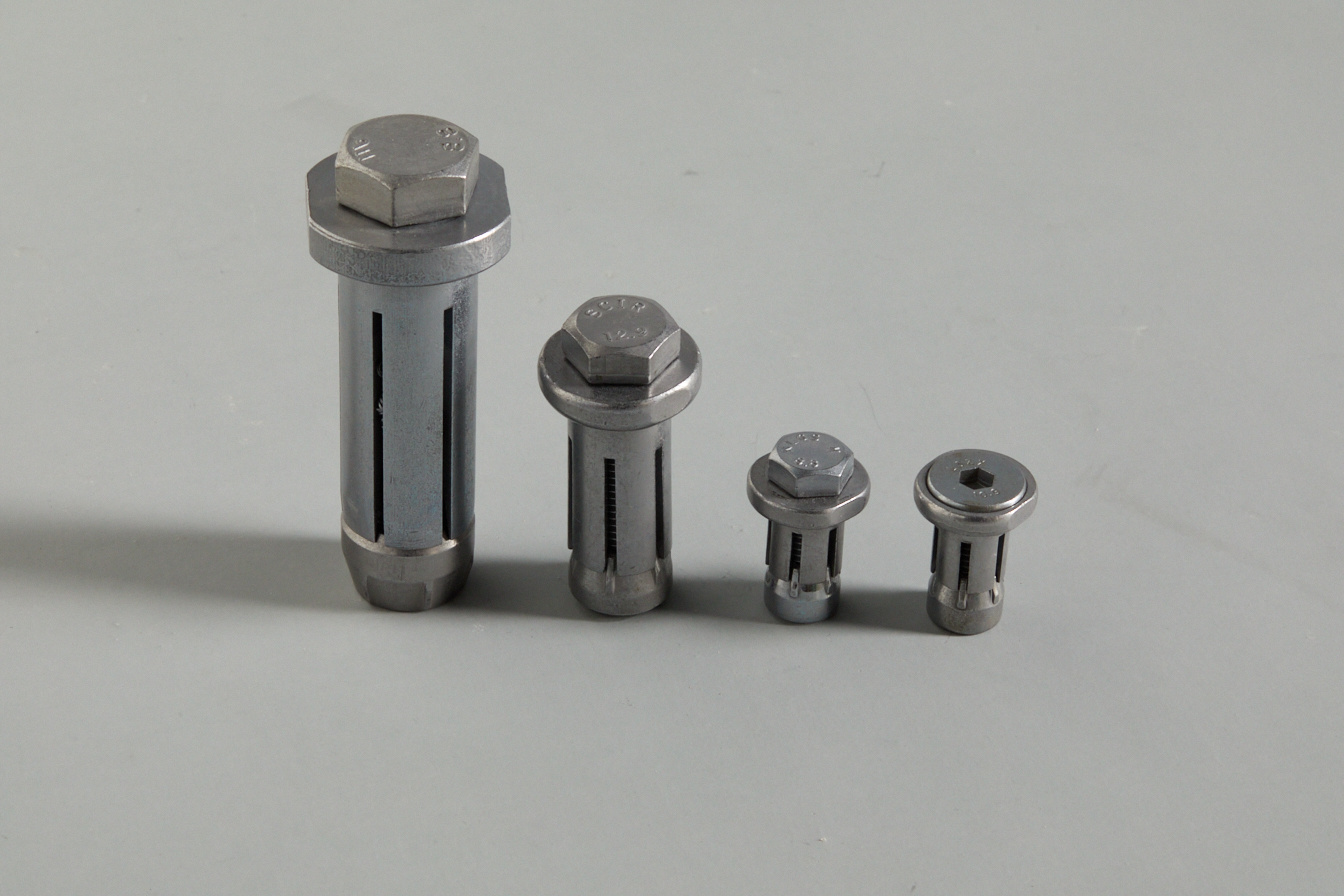
One-Way Bolt
Helical Pile System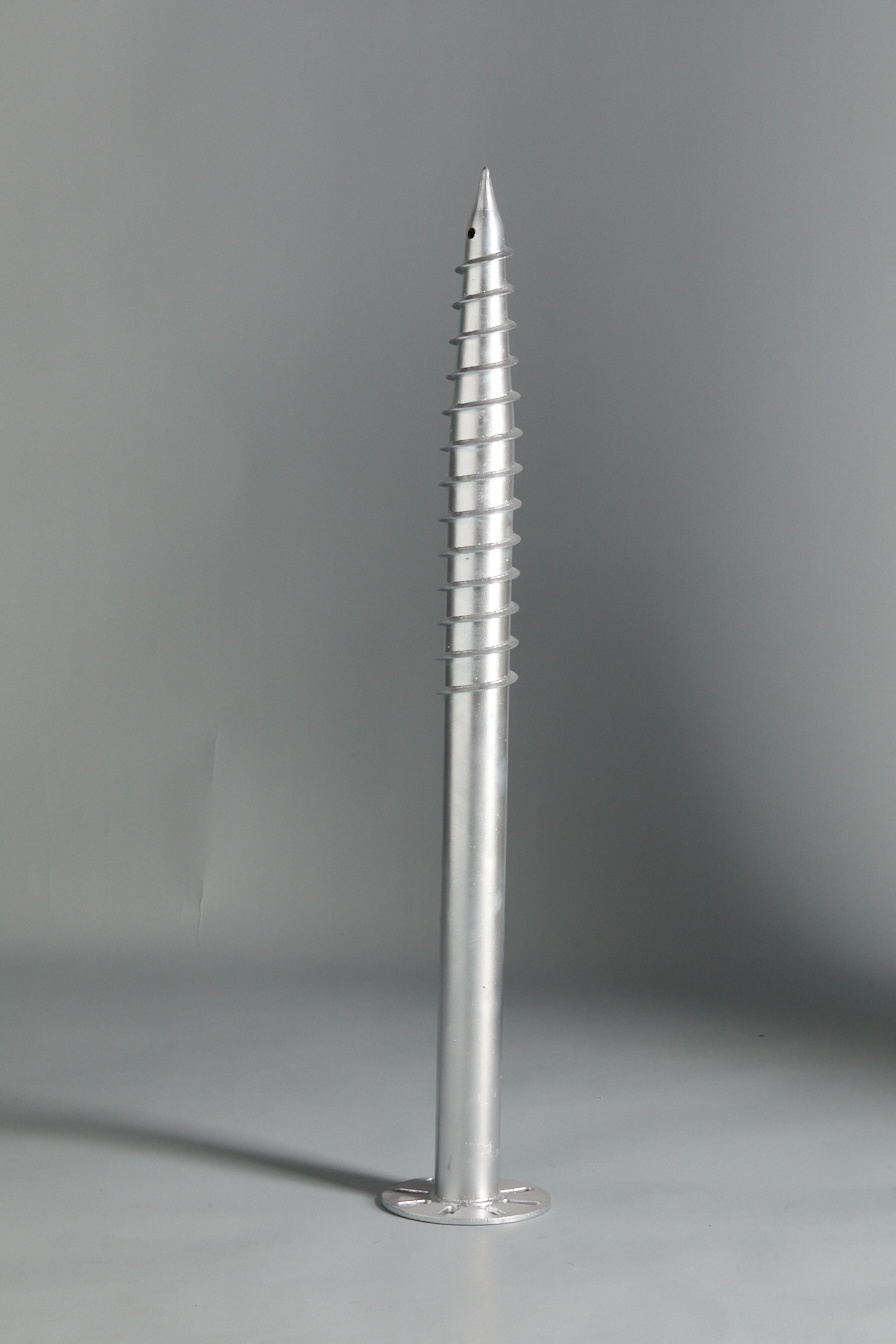
Round Pipe Screw Pile| Reliable Helical Pile Manufacturer| Patented Foundation Solution
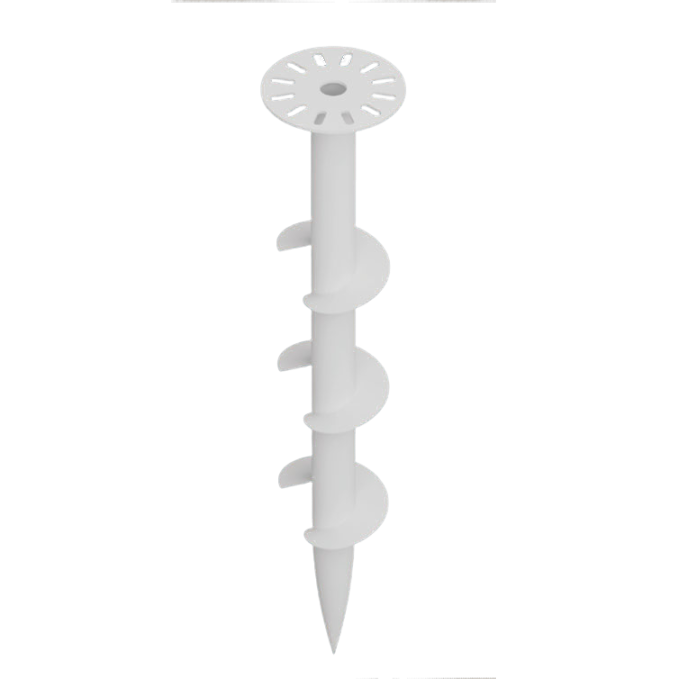
Screw Pile - 3 Blades - Round Pipe Pile
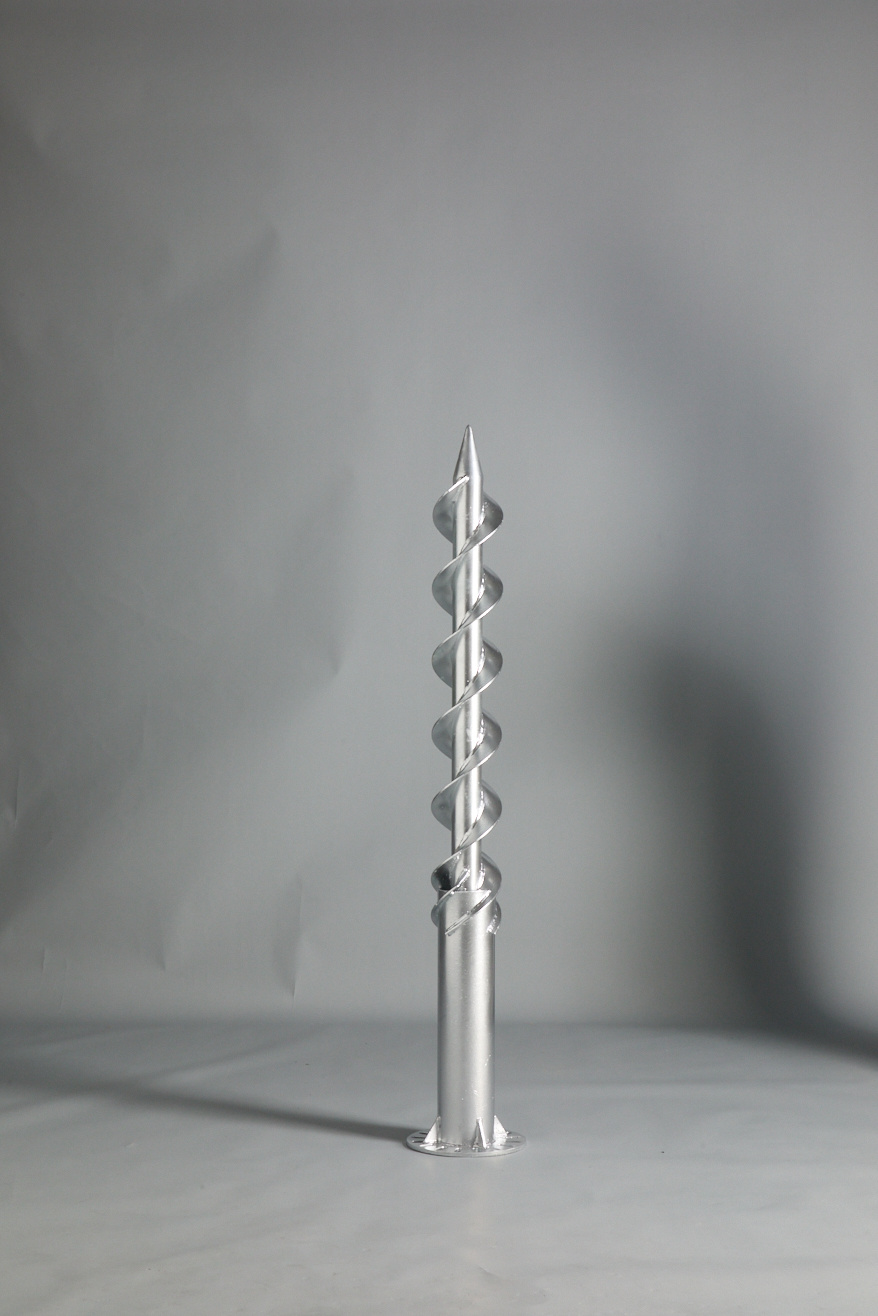
Double-Helix Screw Pile | Patented Foundation Solution
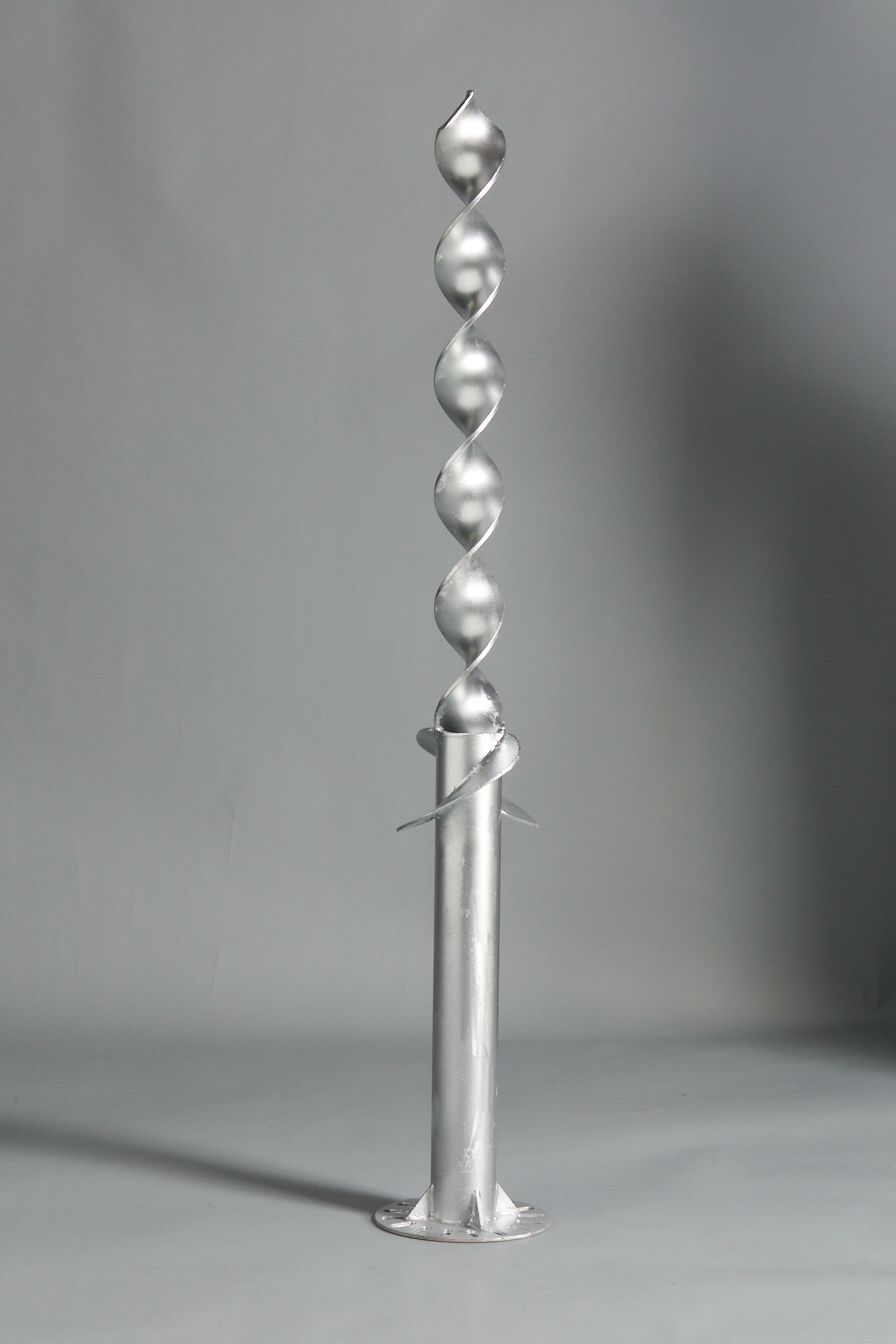
Screw Pile - Large Blade Flat Steel Pile
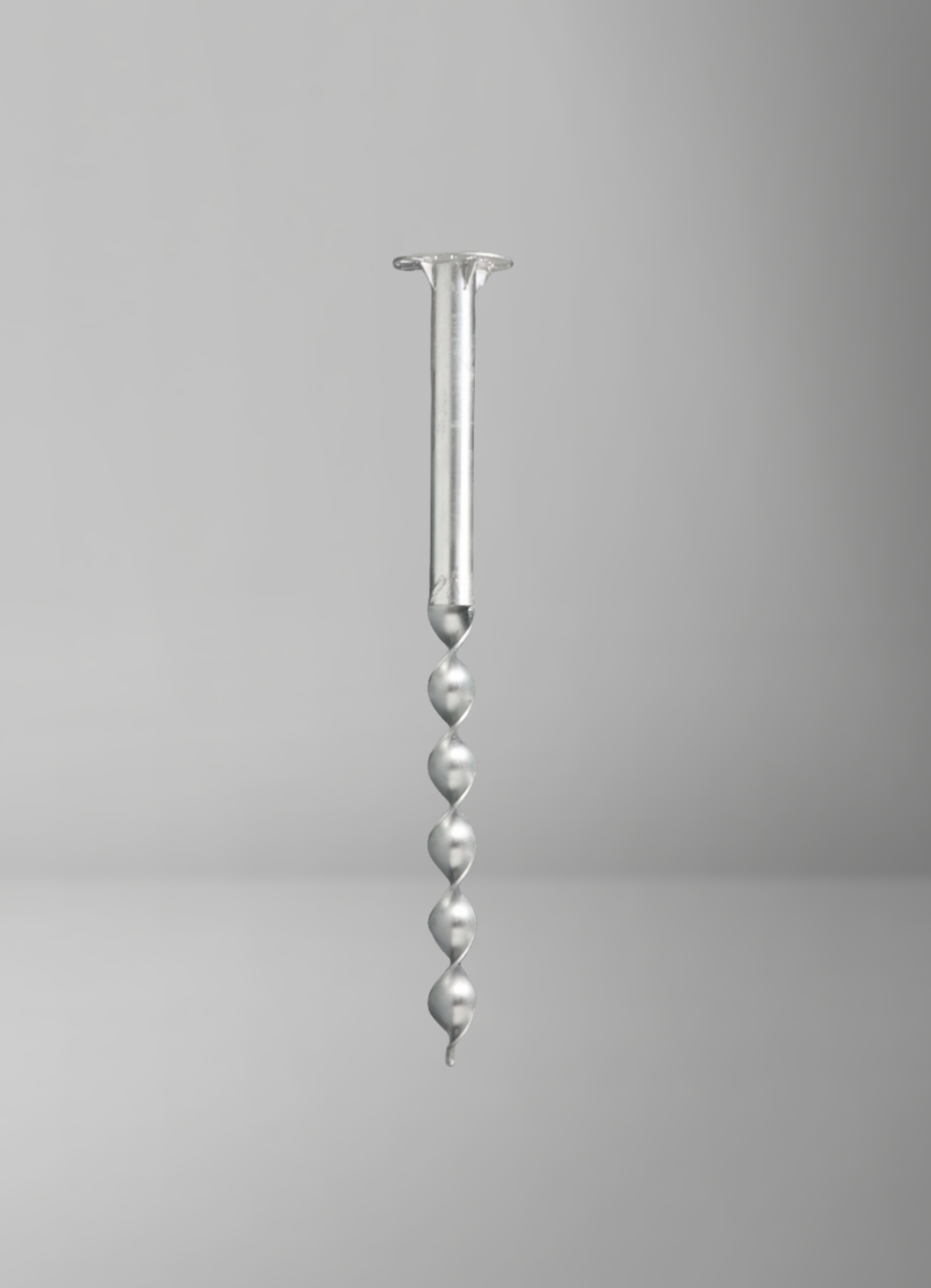
Flat Steel Screw Pile| Reliable Helical Pile Manufacturer| Patented Foundation Solution
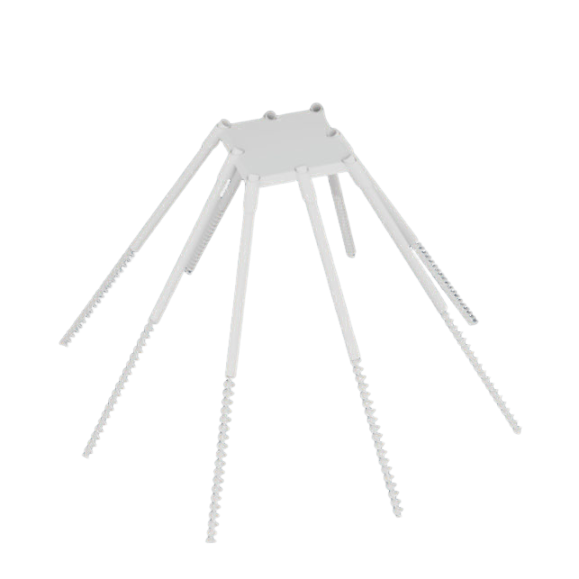
Eight-Pile Group Screw Piles| Reliable Helical Pile Manufacturer| Patented Foundation Solution
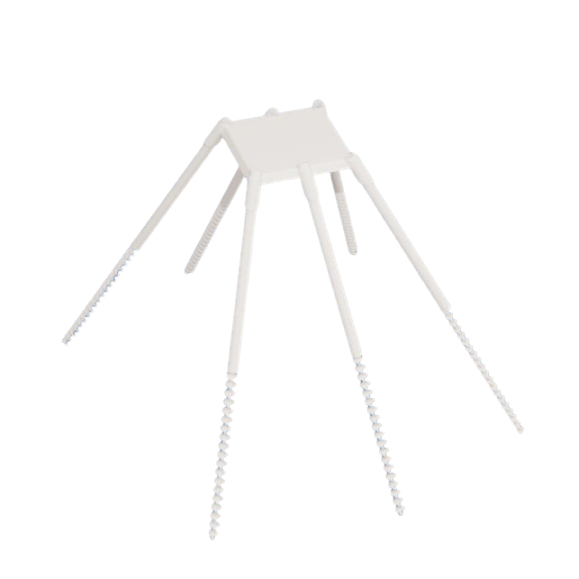
Six-Pile Group Screw Piles| Reliable Helical Pile Manufacturer| Patented Foundation Solution
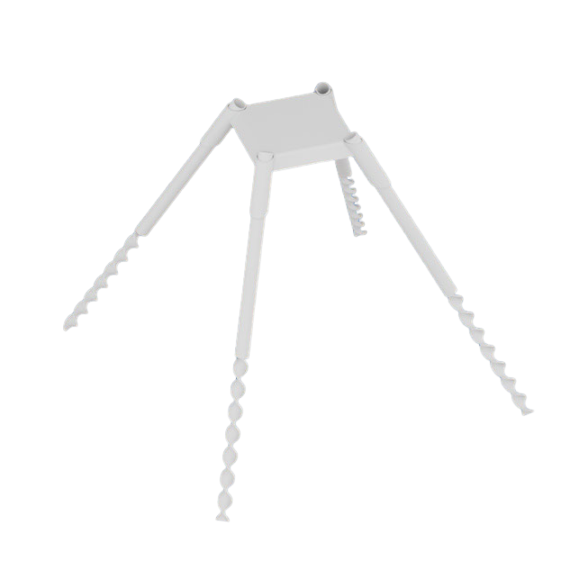
Four-Pile Group Screw Piles| Reliable Helical Pile Manufacturer| Patented Foundation Solution
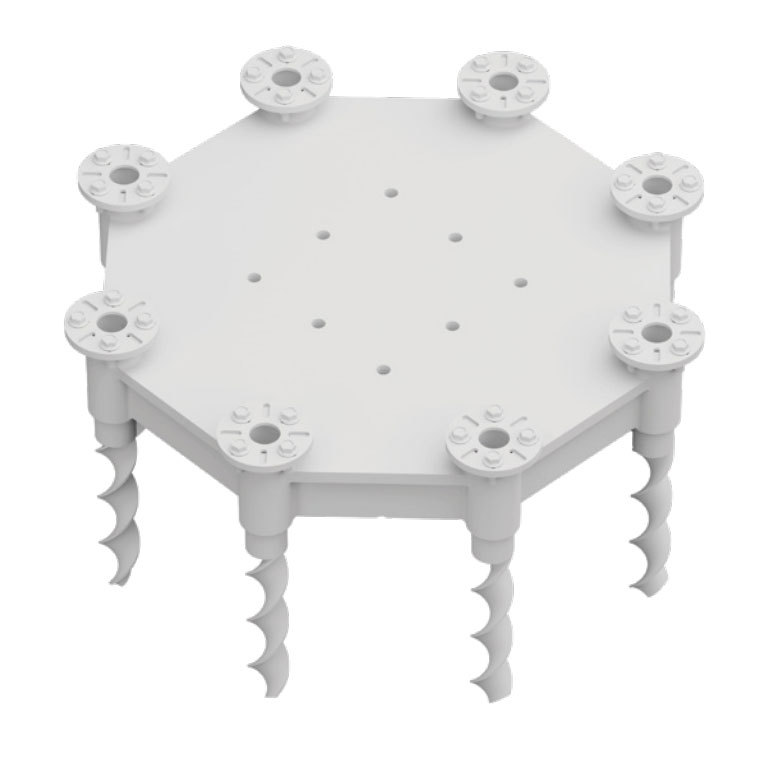
Eight-Pile Cap Screw Pile | Reliable Helical Pile Manufacturer| Patented Foundation Solution
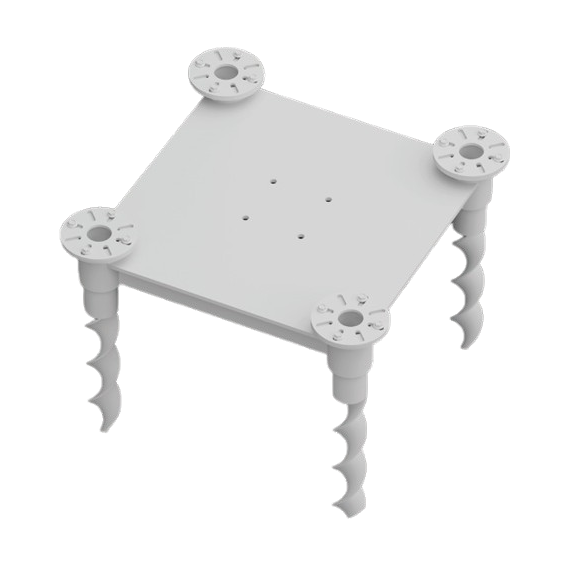
Four-Pile Cap Screw Pile | Reliable Helical Pile Manufacturer| Patented Foundation Solution
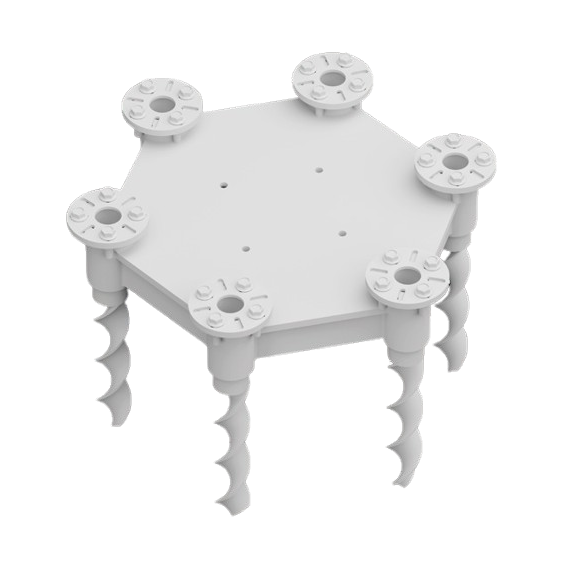
Six-Pile Cap Screw Pile | Reliable Helical Pile Manufacturer| Patented Foundation Solution
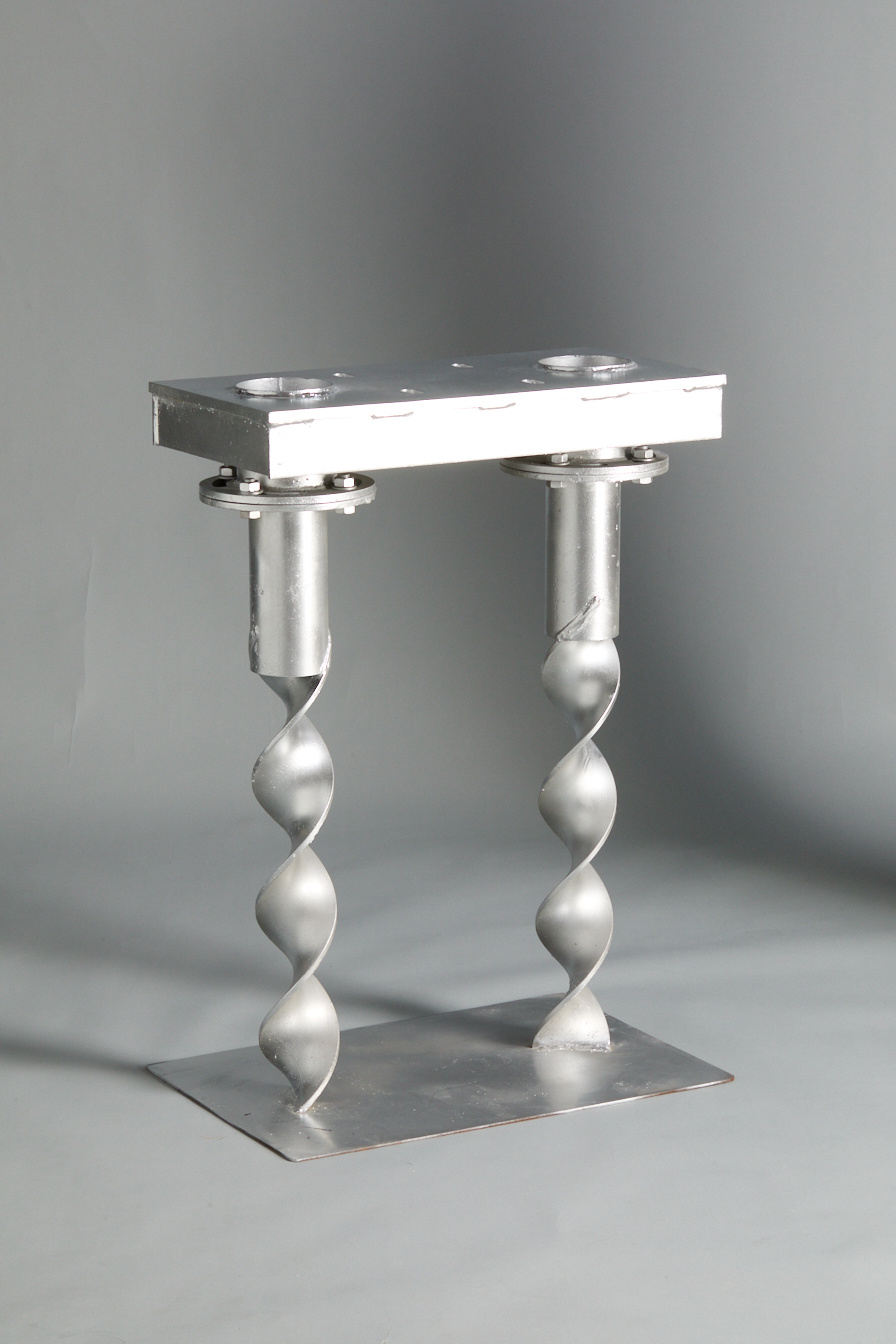
Two-Pile Cap Screw Pile | Reliable Helical Pile Manufacturer| Patented Foundation Solution
Steel Platform System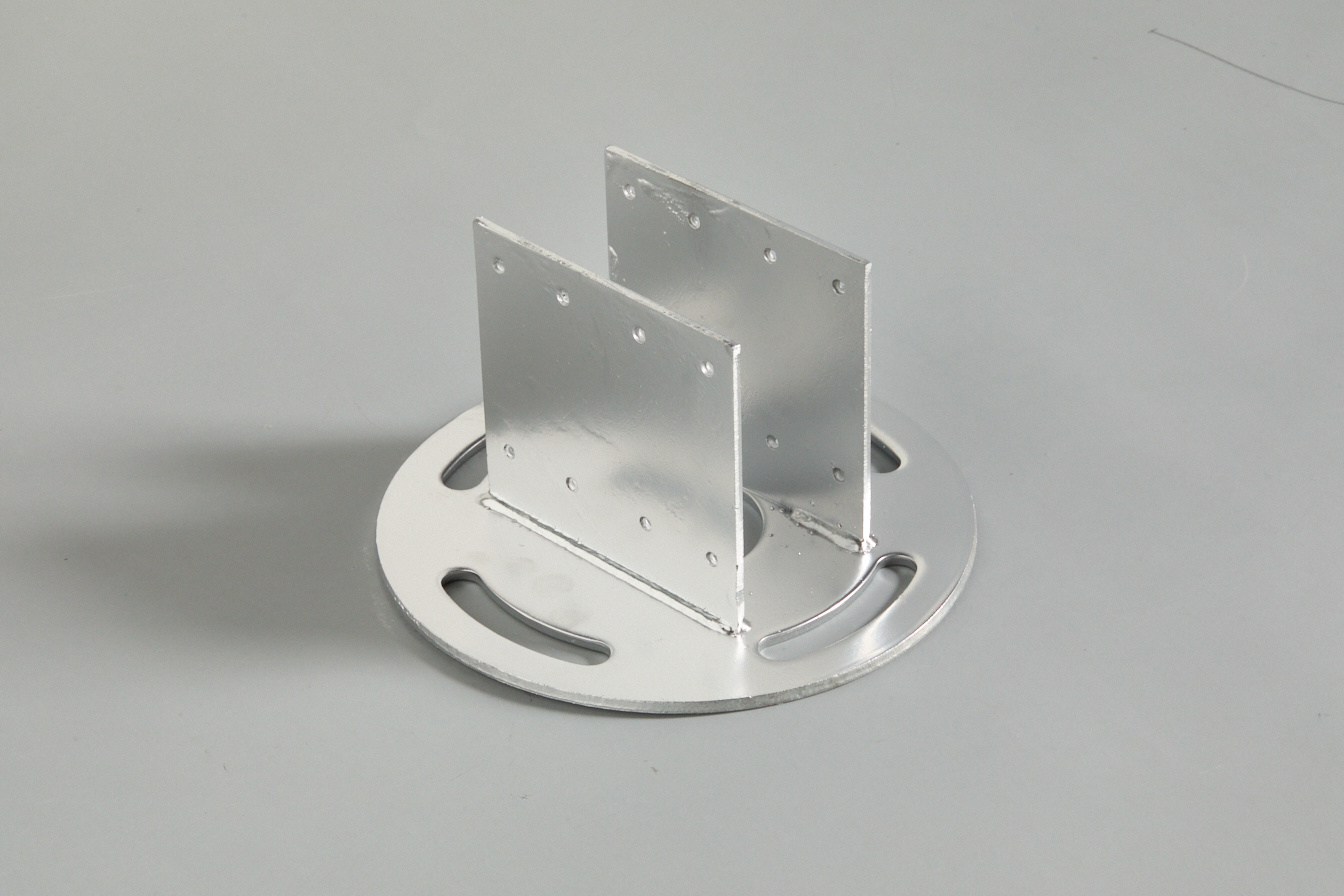
Spiral pile connectors
Small U connector
Large U connector
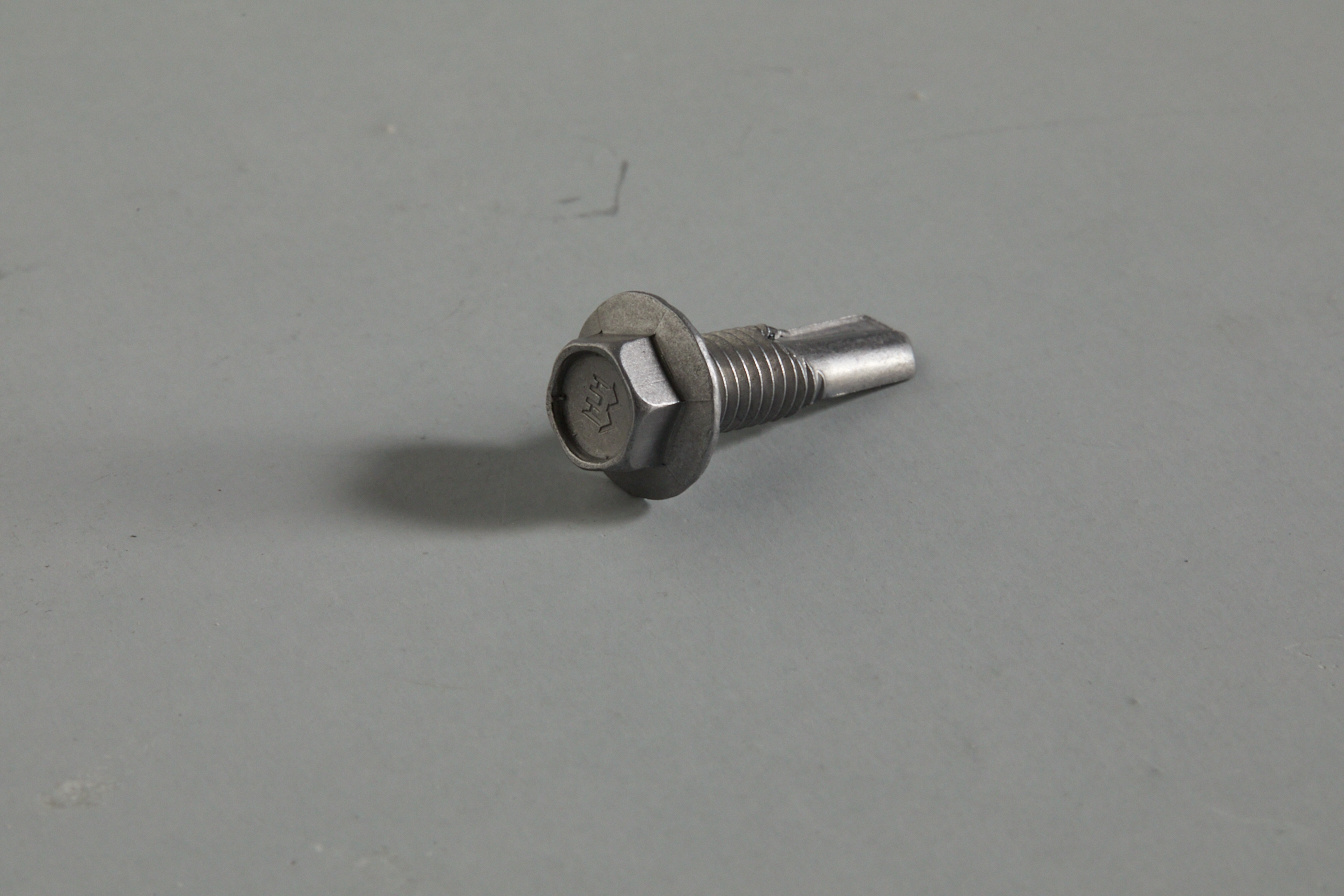
Hexagonal flange self drilling and self tapping screws
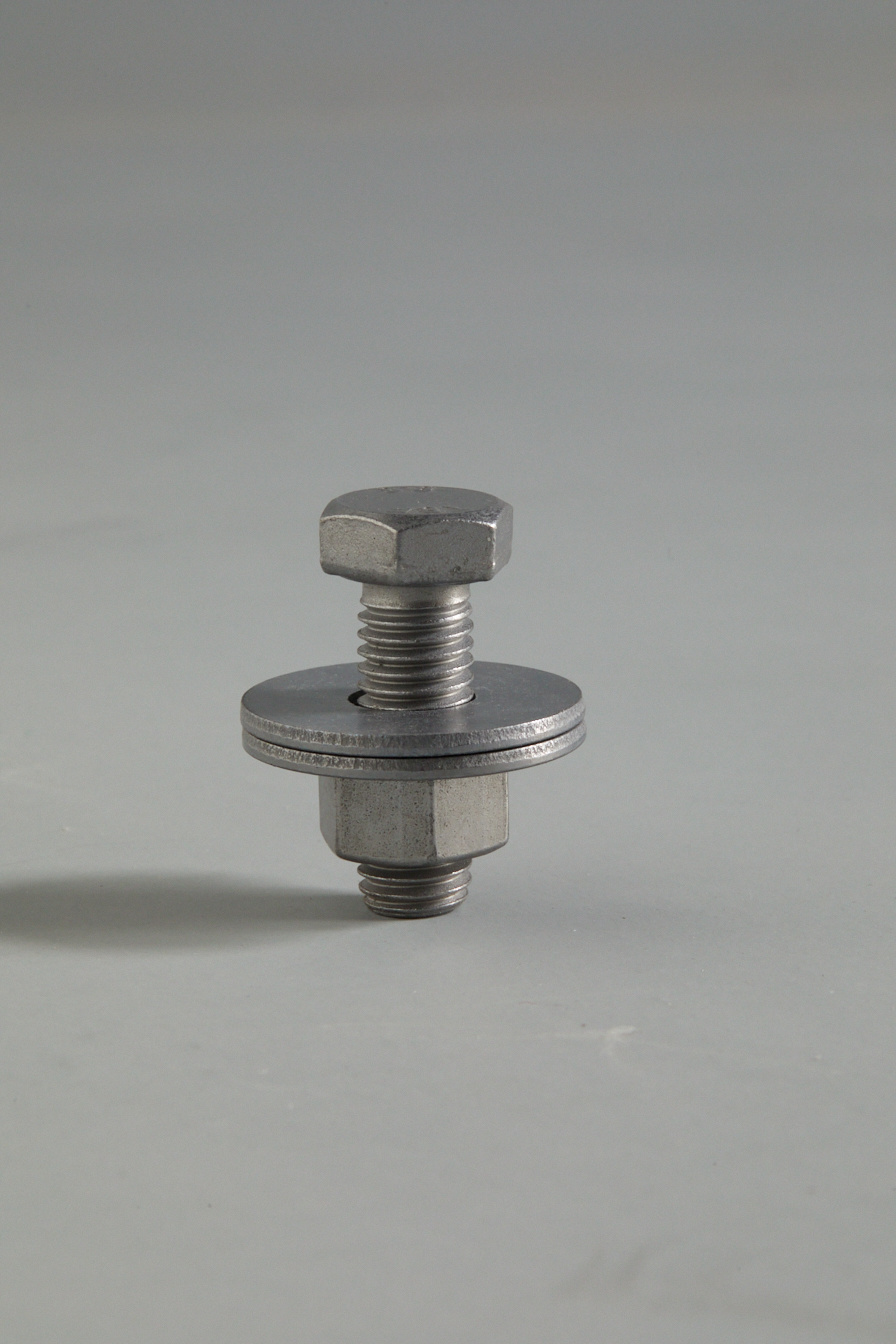
Tightening Bolts
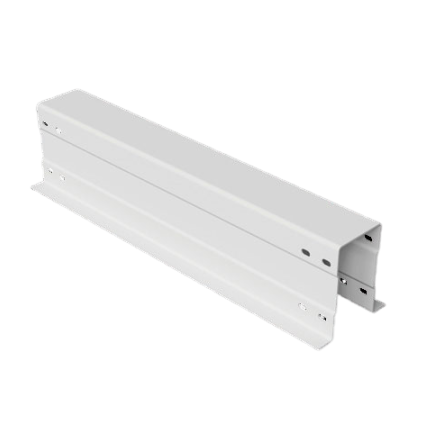
Secondary Beam
Steel Platform - Main Beam
Modular building
Modular building
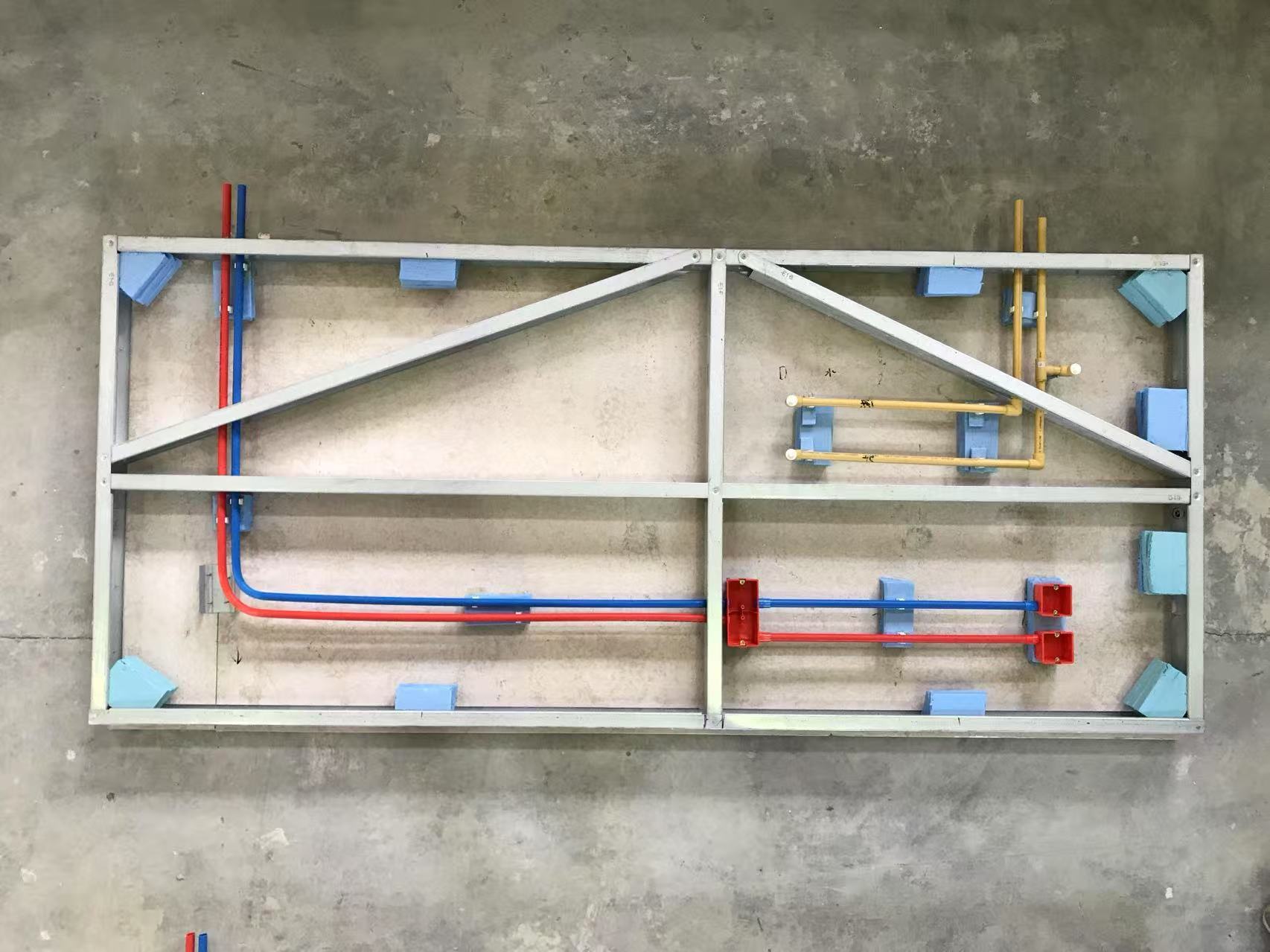
Layout Diagram of Electrical and Plumbing Pipelines for Magnesium-Based Grouted Walls

Performance Testing of Magnesium-Based Walls
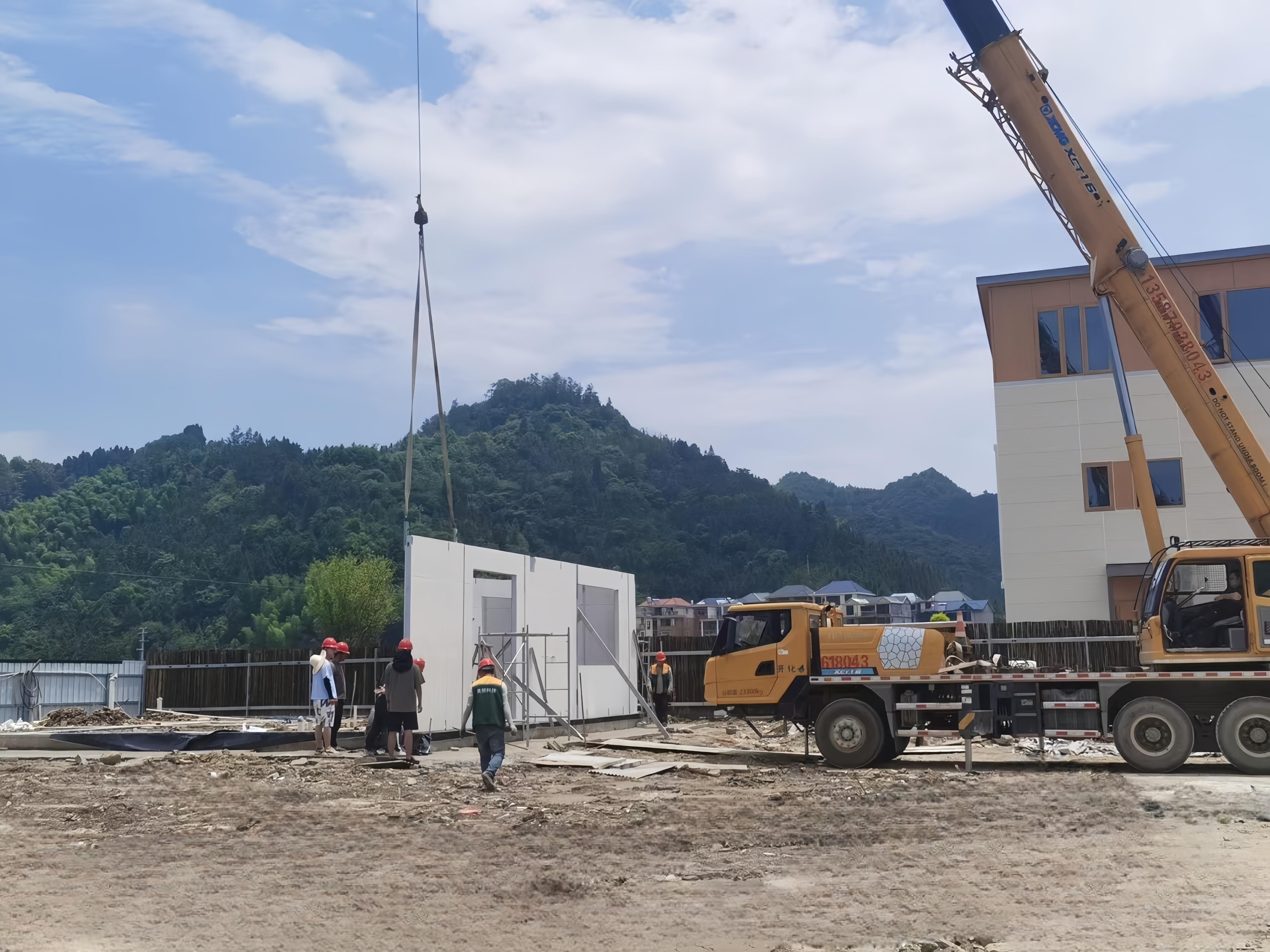
Construction Process of Modular Walls

Cases of Modular Buildings
Bracket Roof Integrated Panel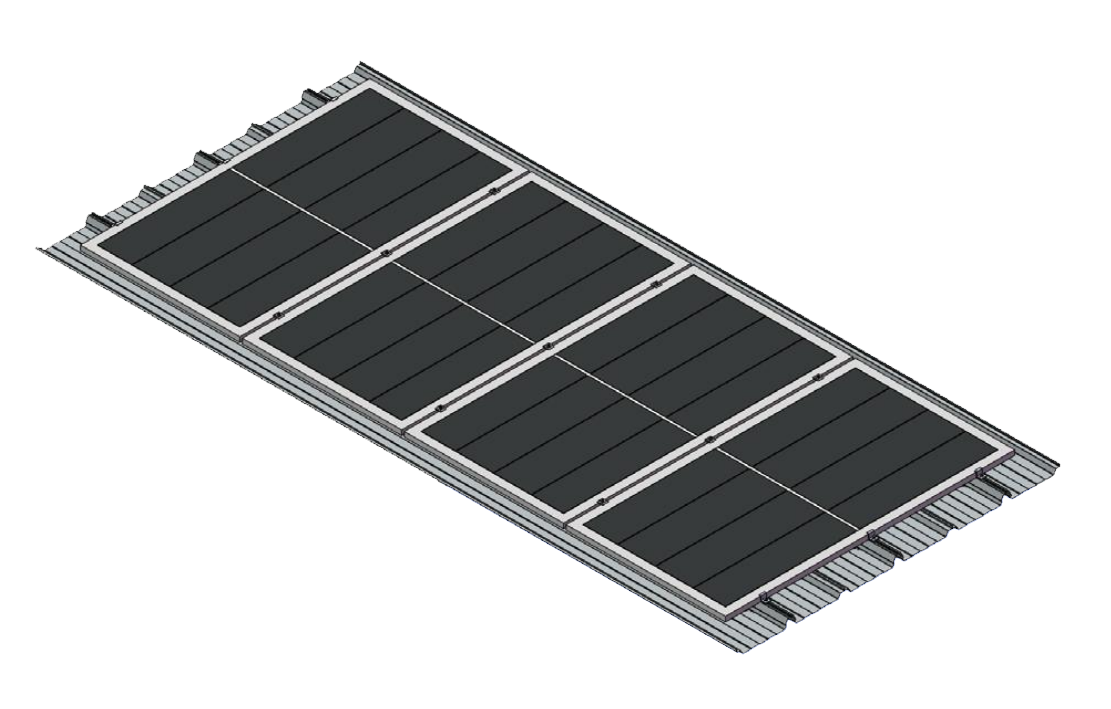
BIPV Bracket Roof Integrated Panel
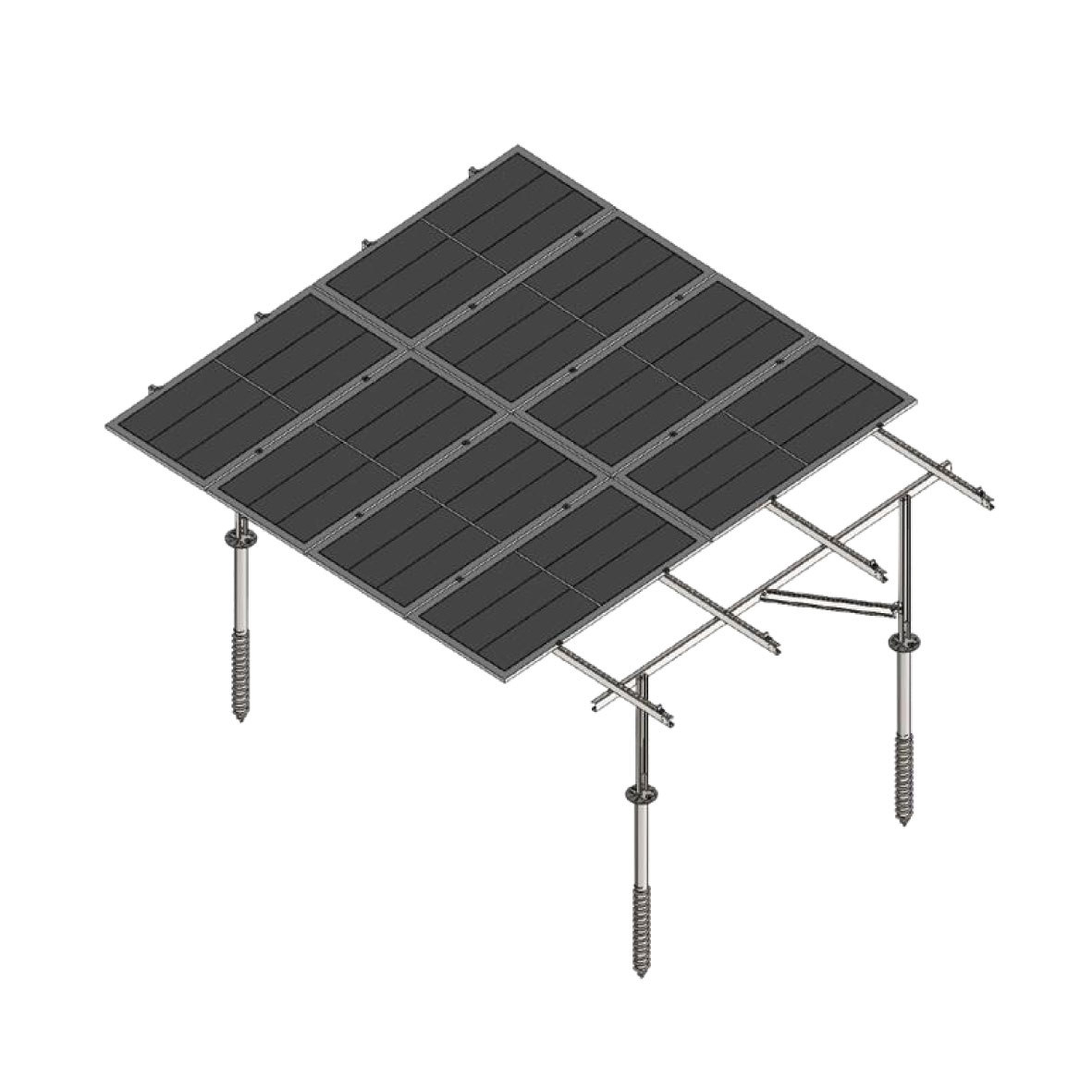
ZINC Aluminum Magnesium Double Leg Bracket
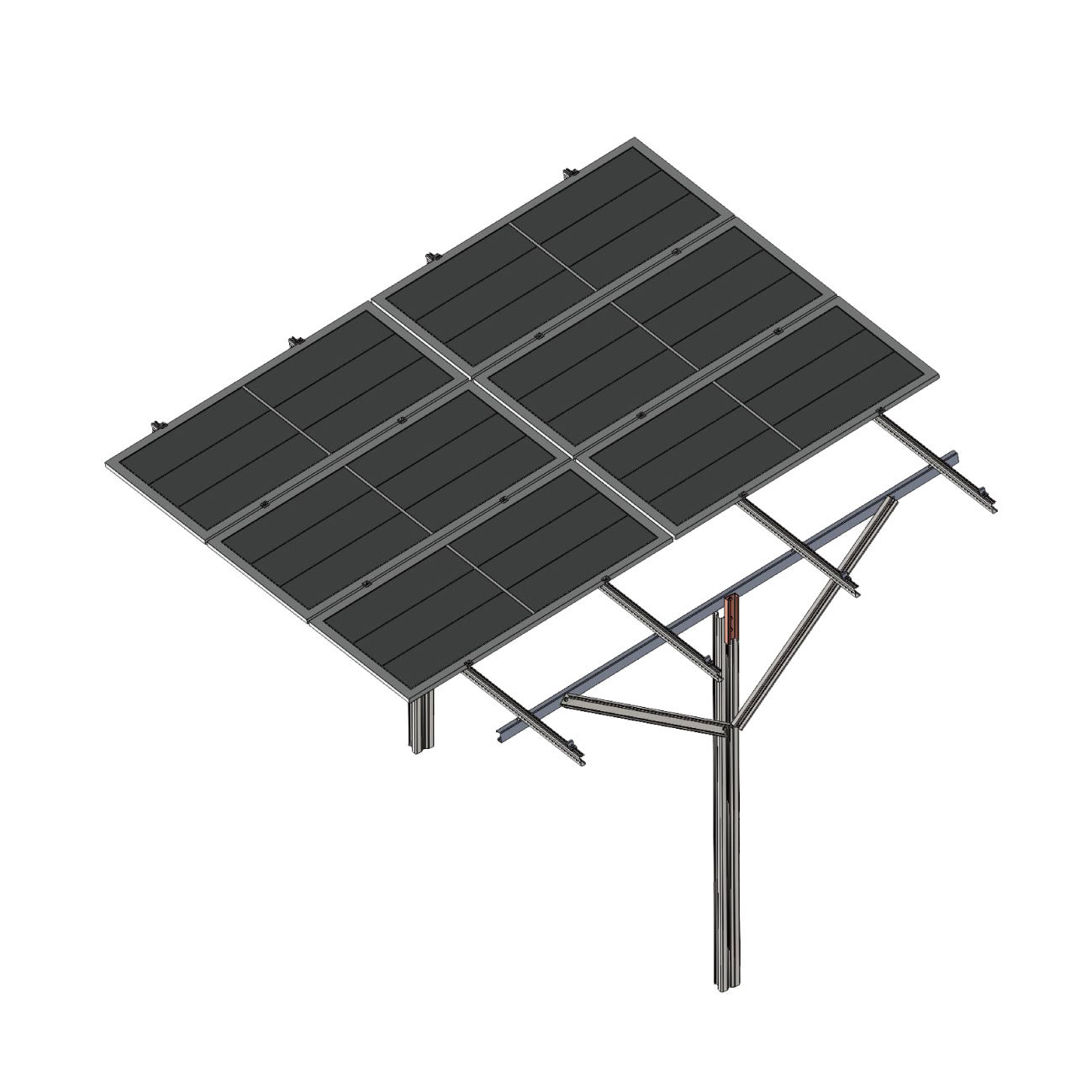
ZINC Aluminum Magnesium Single Leg Bracket
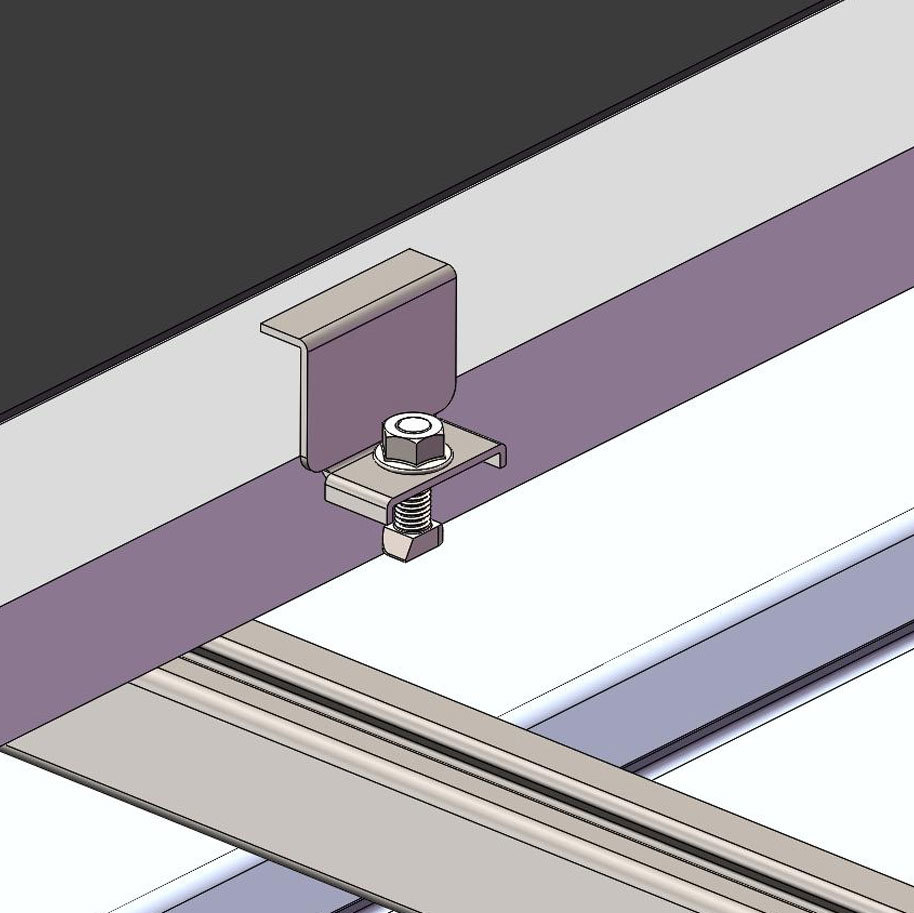
Explosion diagram of zinc aluminum magnesium under lateral pressure
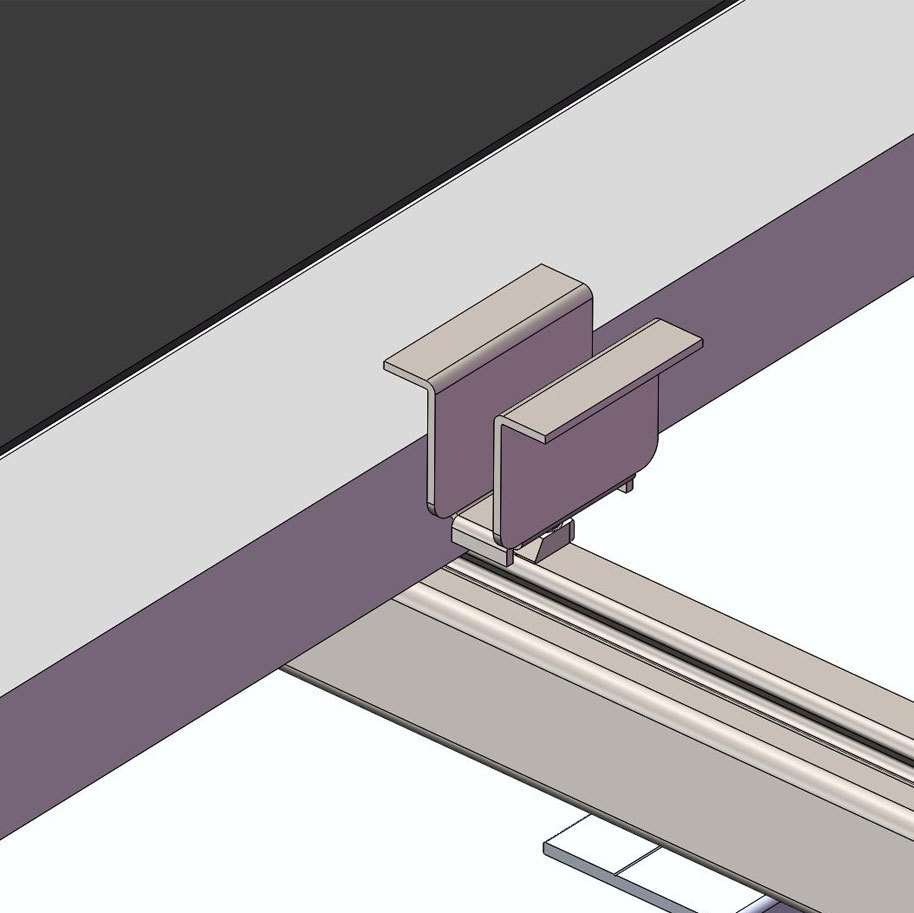
Zinc aluminum magnesium medium pressure explosion diagram
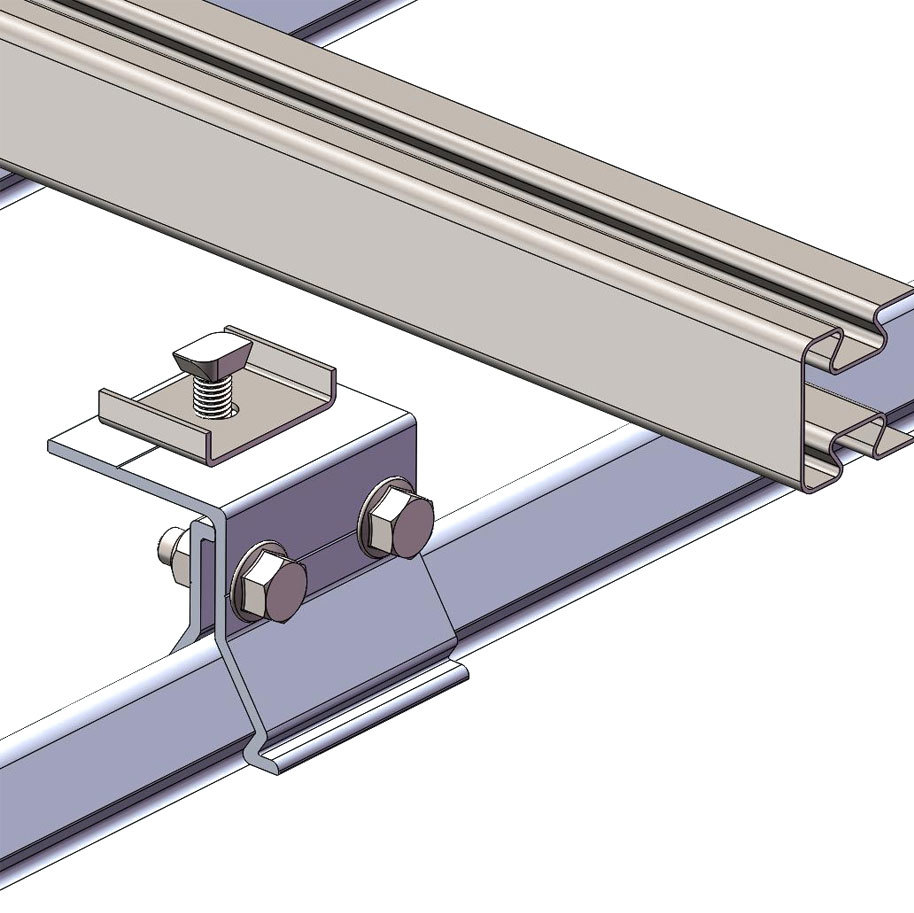
Explosion diagram of fixture components
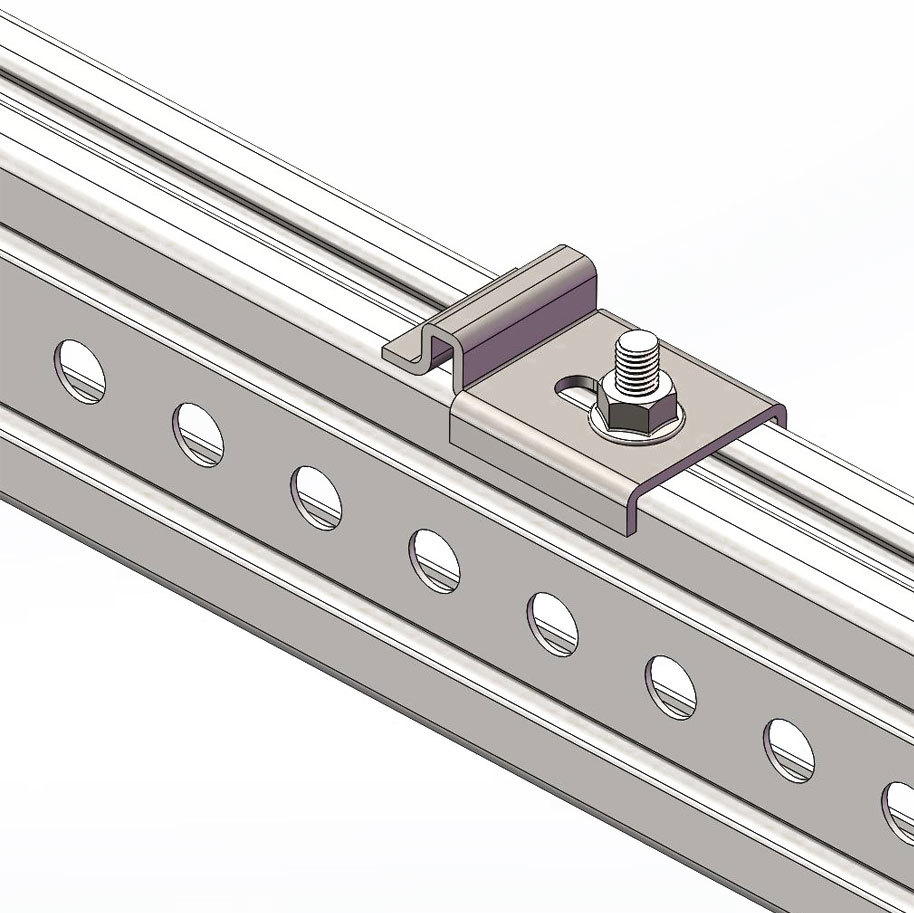
Lower pressure component
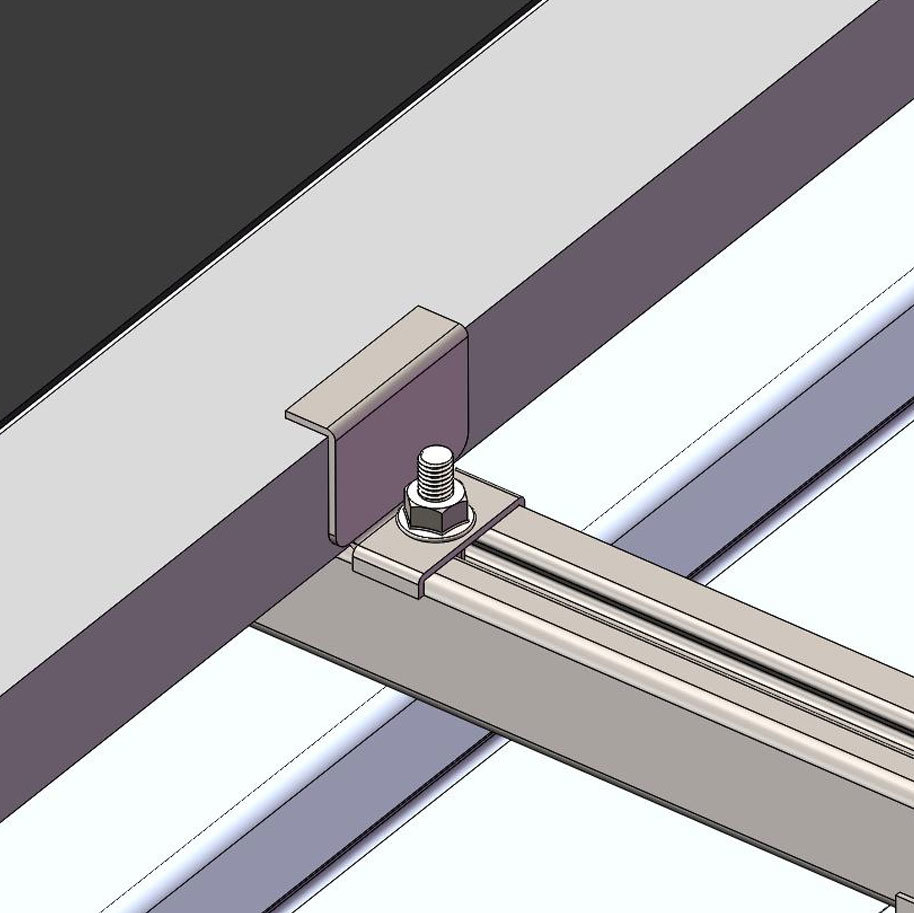
Zinc aluminum magnesium side pressure
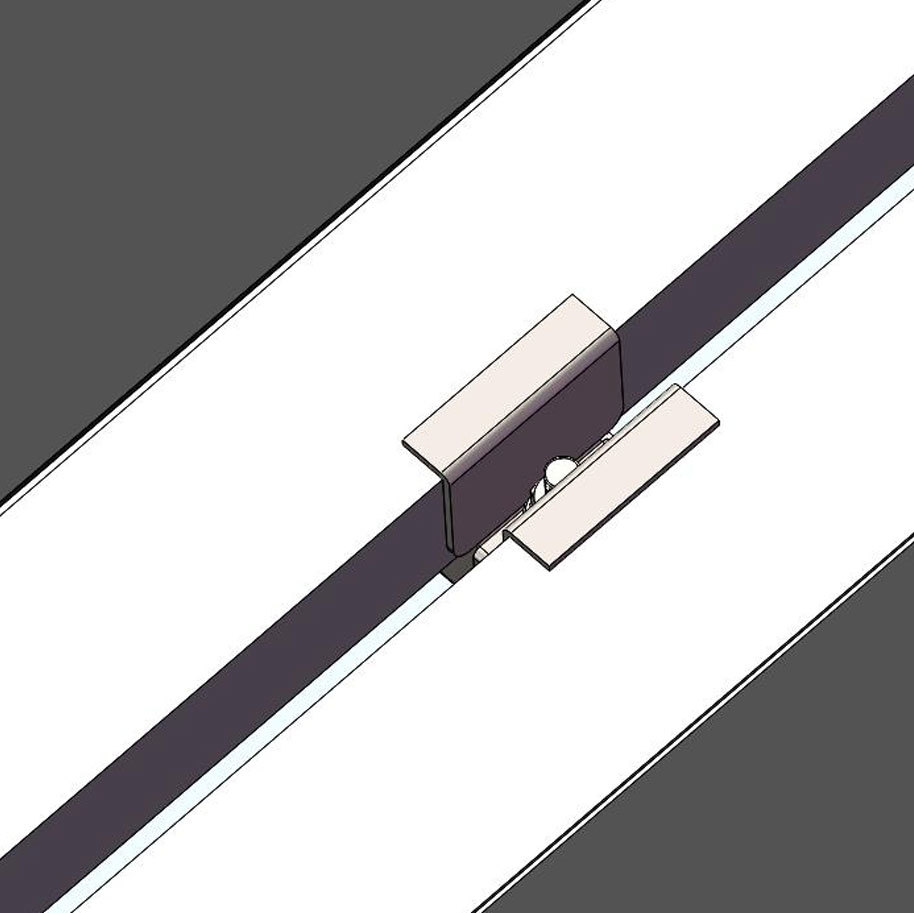
Zinc aluminum magnesium medium pressure
Zinc aluminum magnesium medium pressure
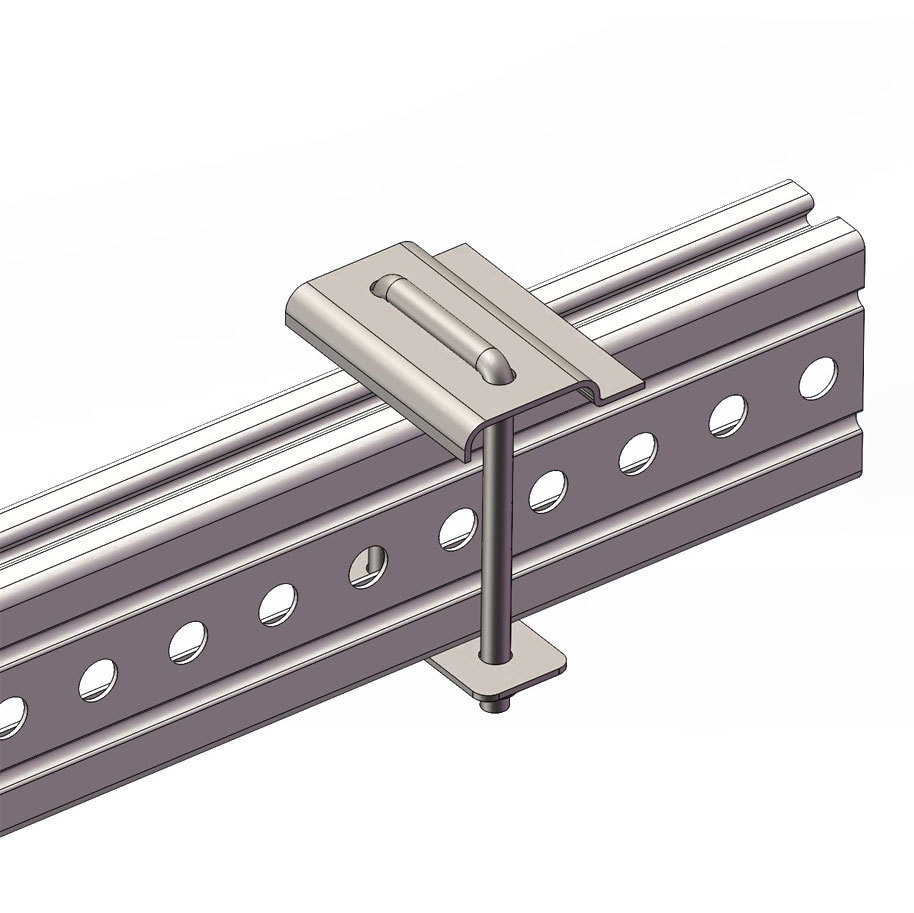
U-bolt assembly
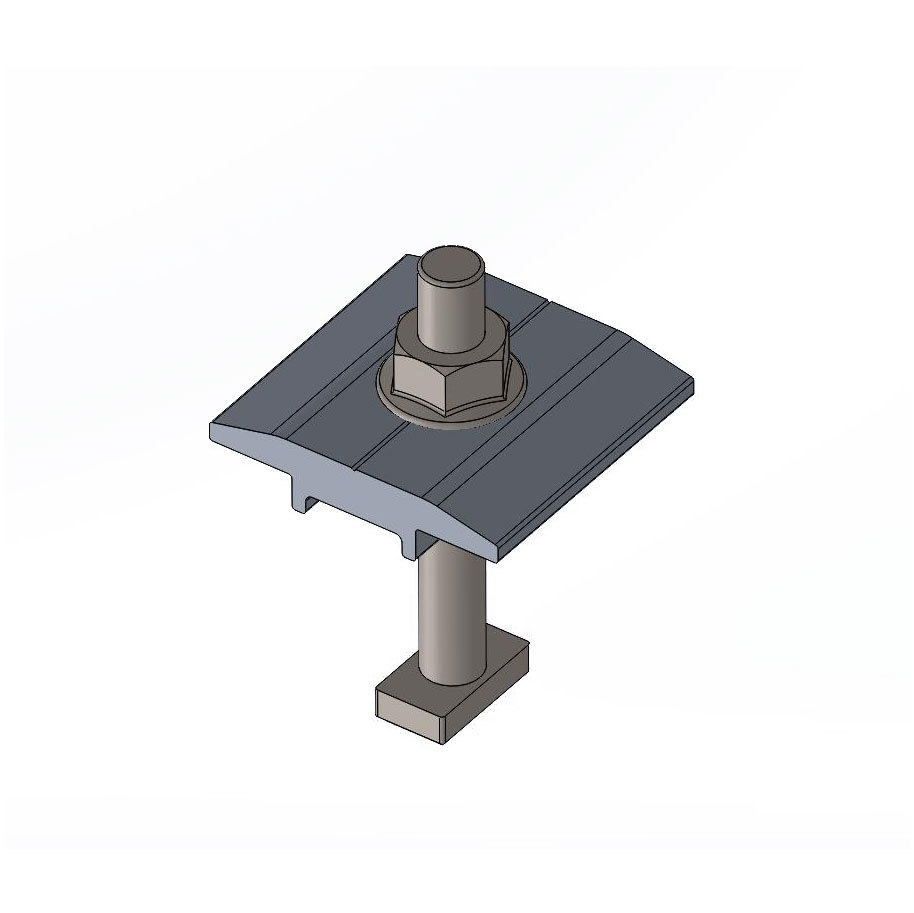
Medium voltage components
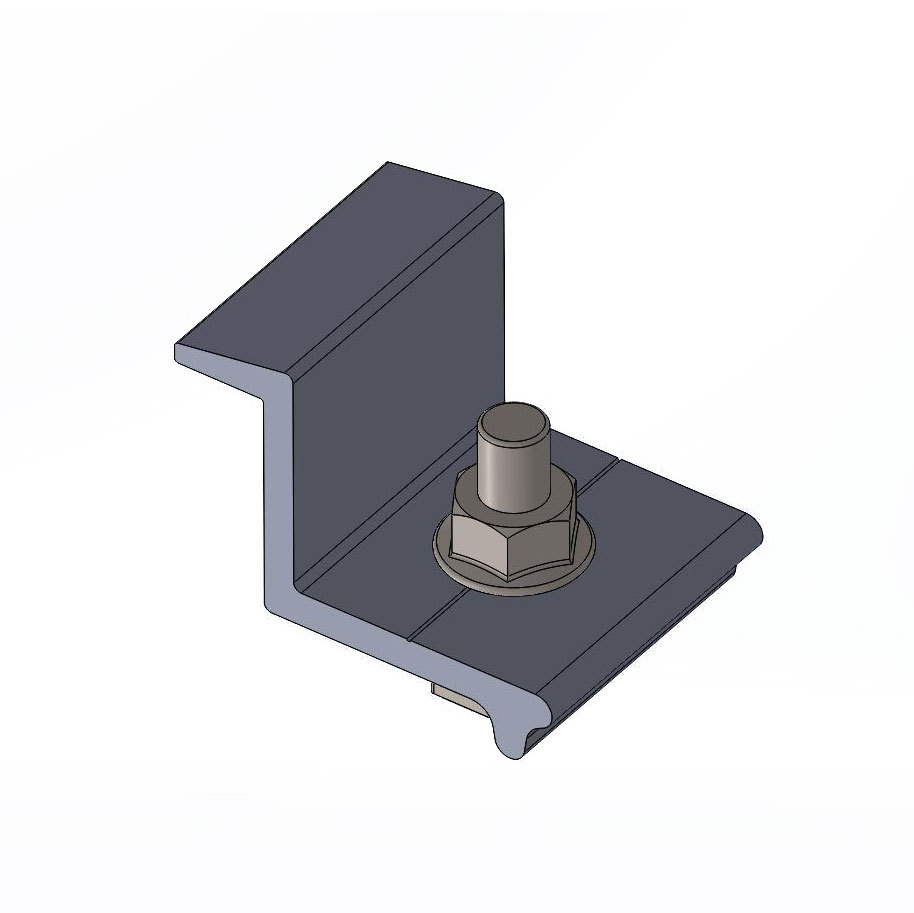
Side pressure component
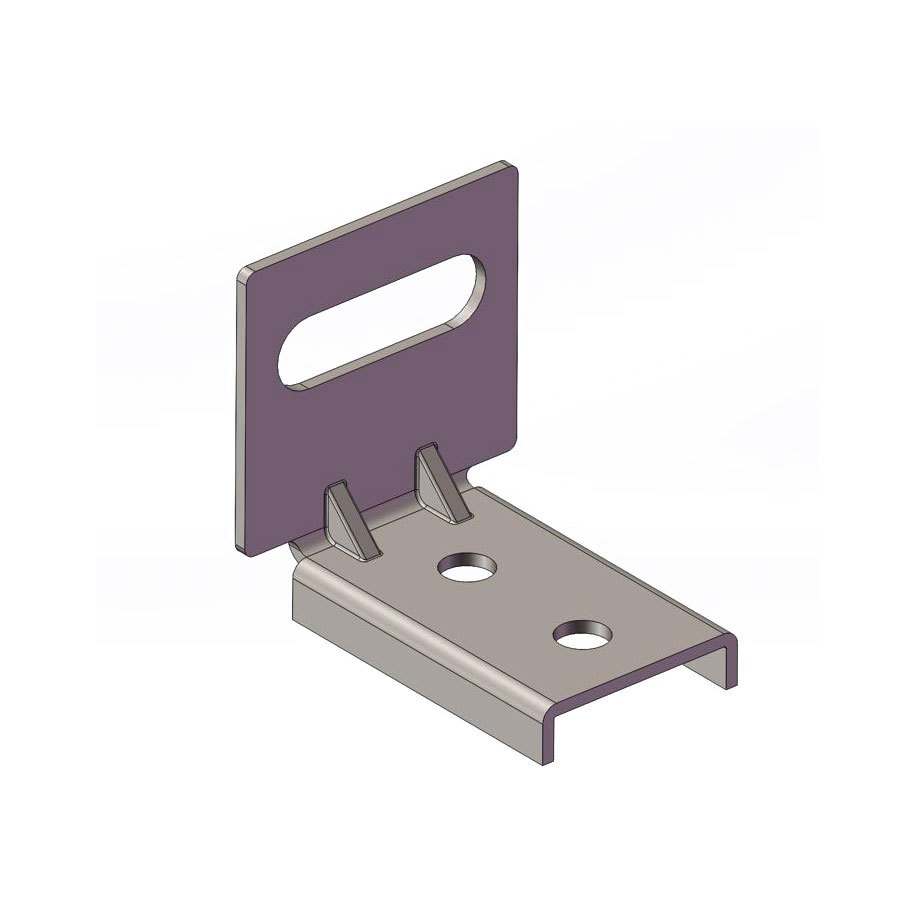
Horizontal and vertical rail connectors
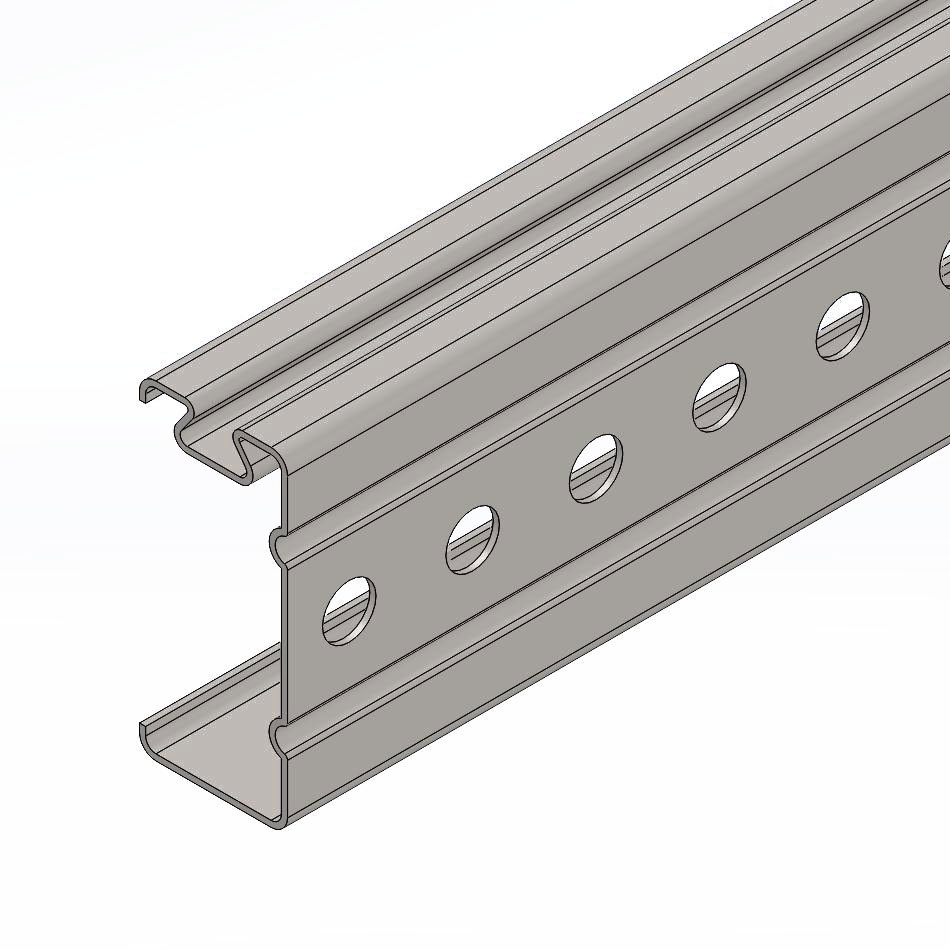
Slant support
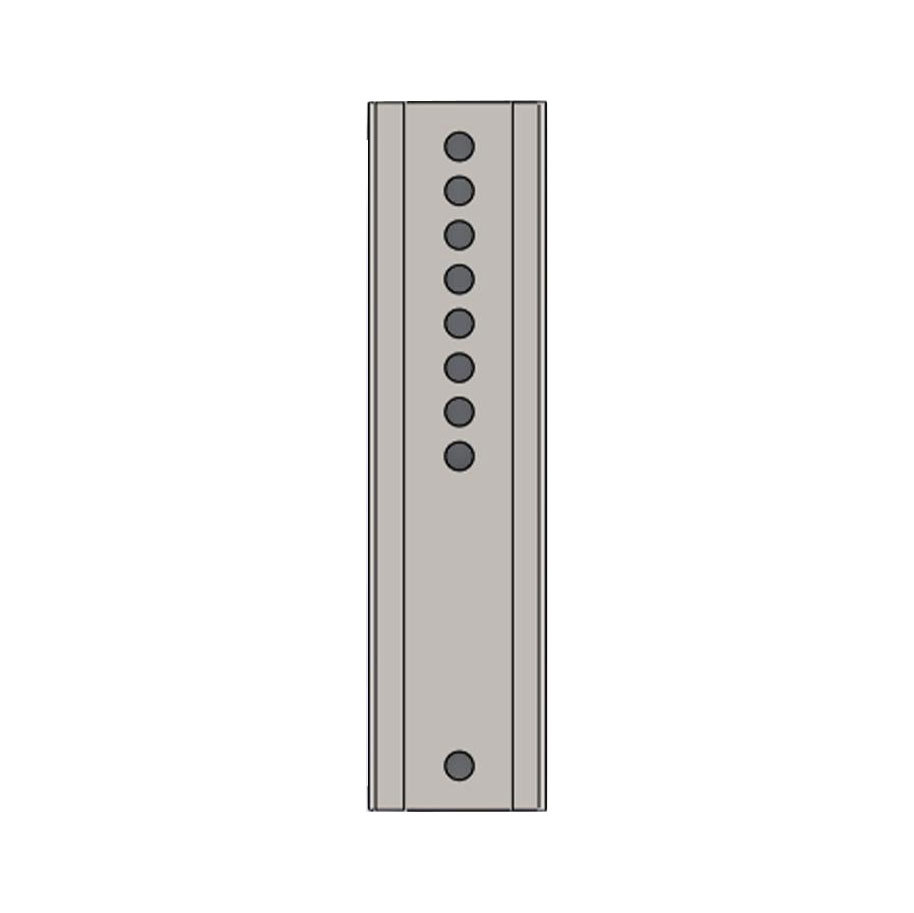
Column connectors
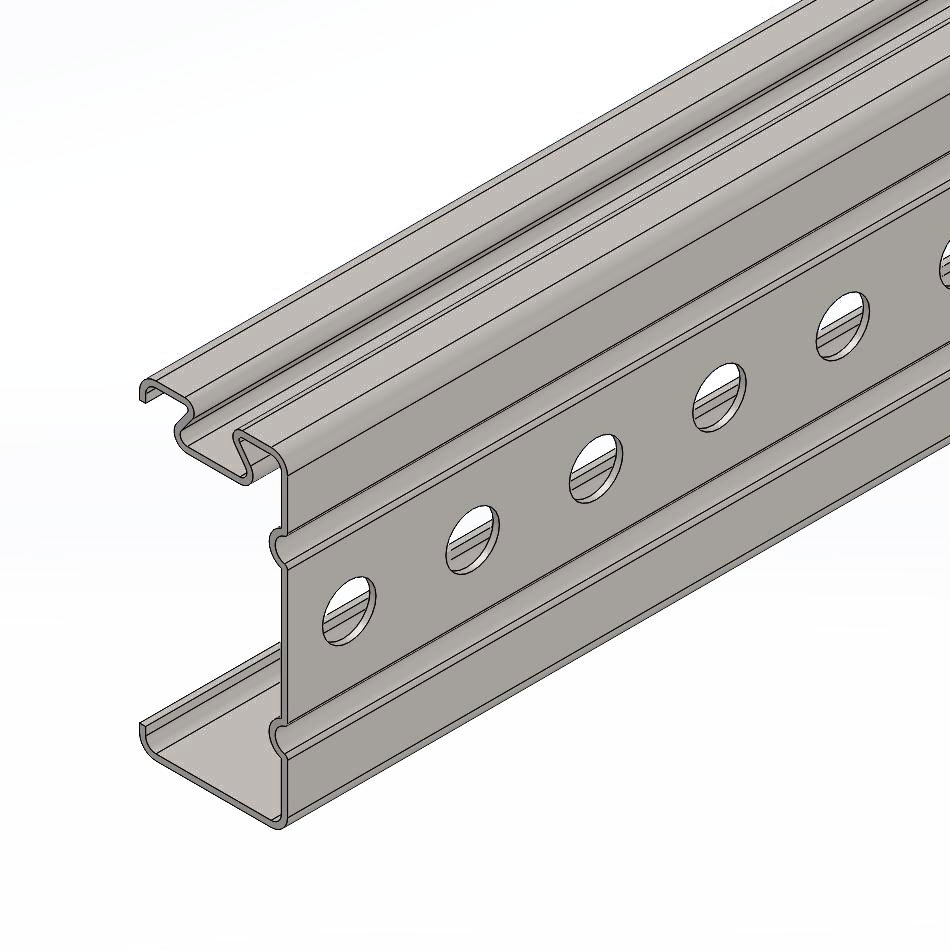
Longitudinal track
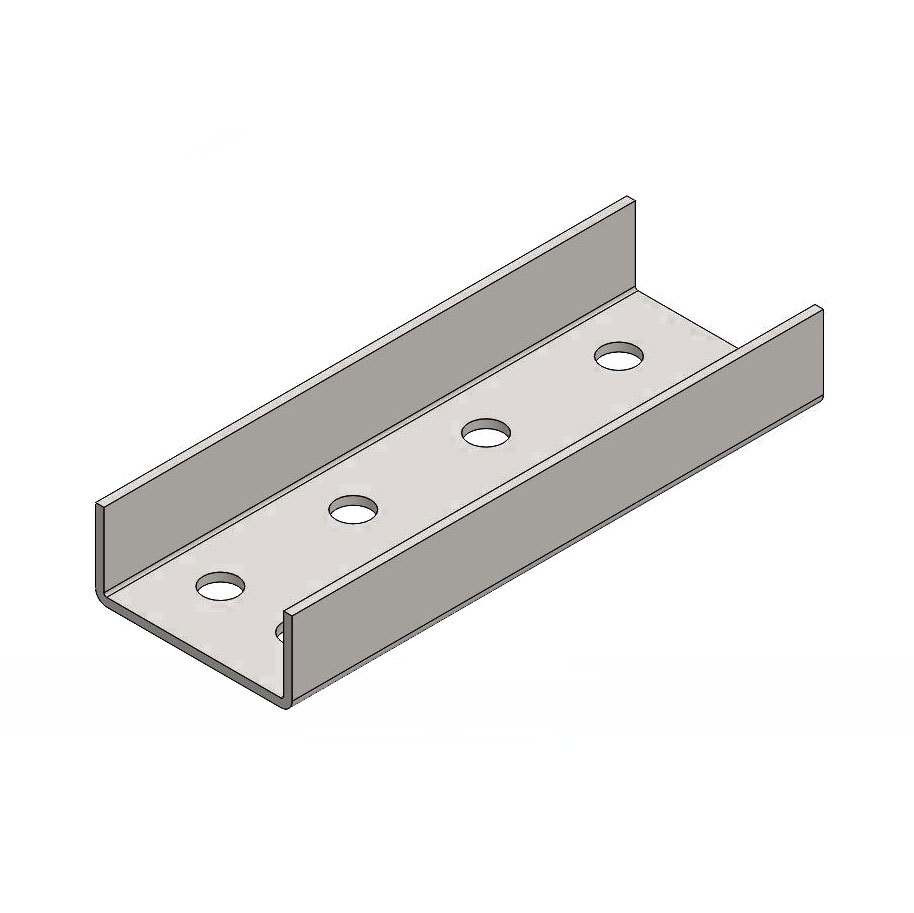
Horizontal rail connectors
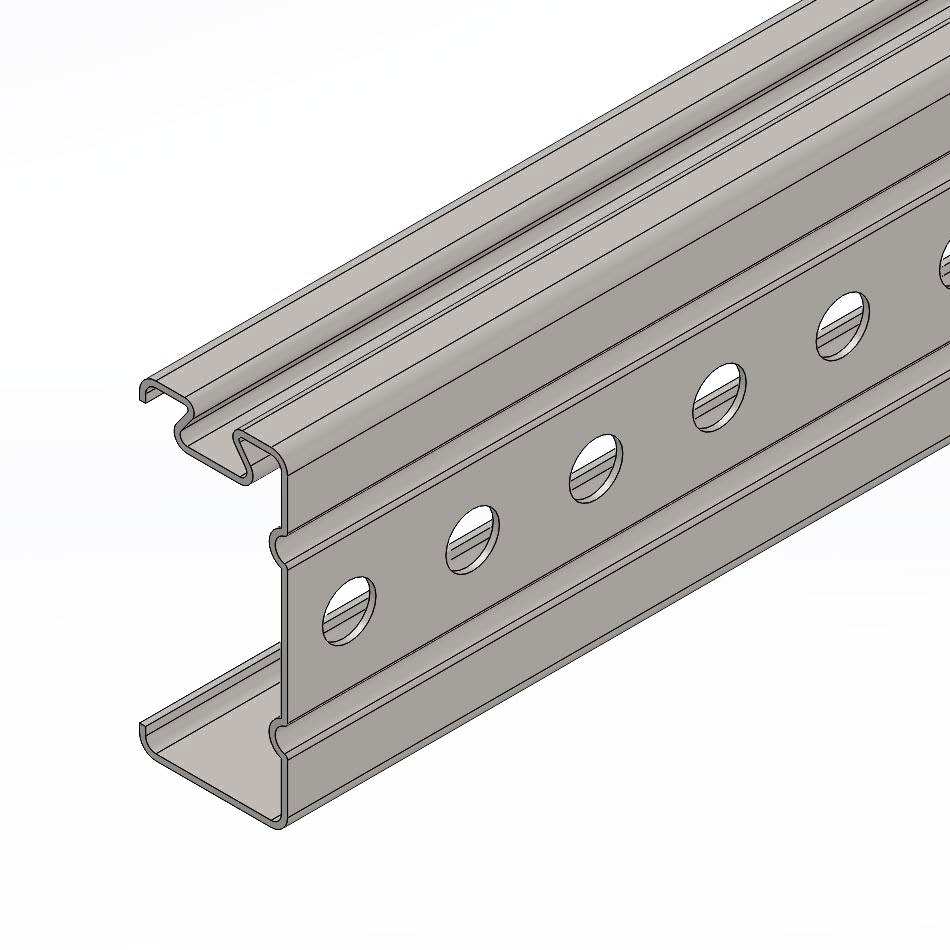
Horizontal track
Easy Install Steel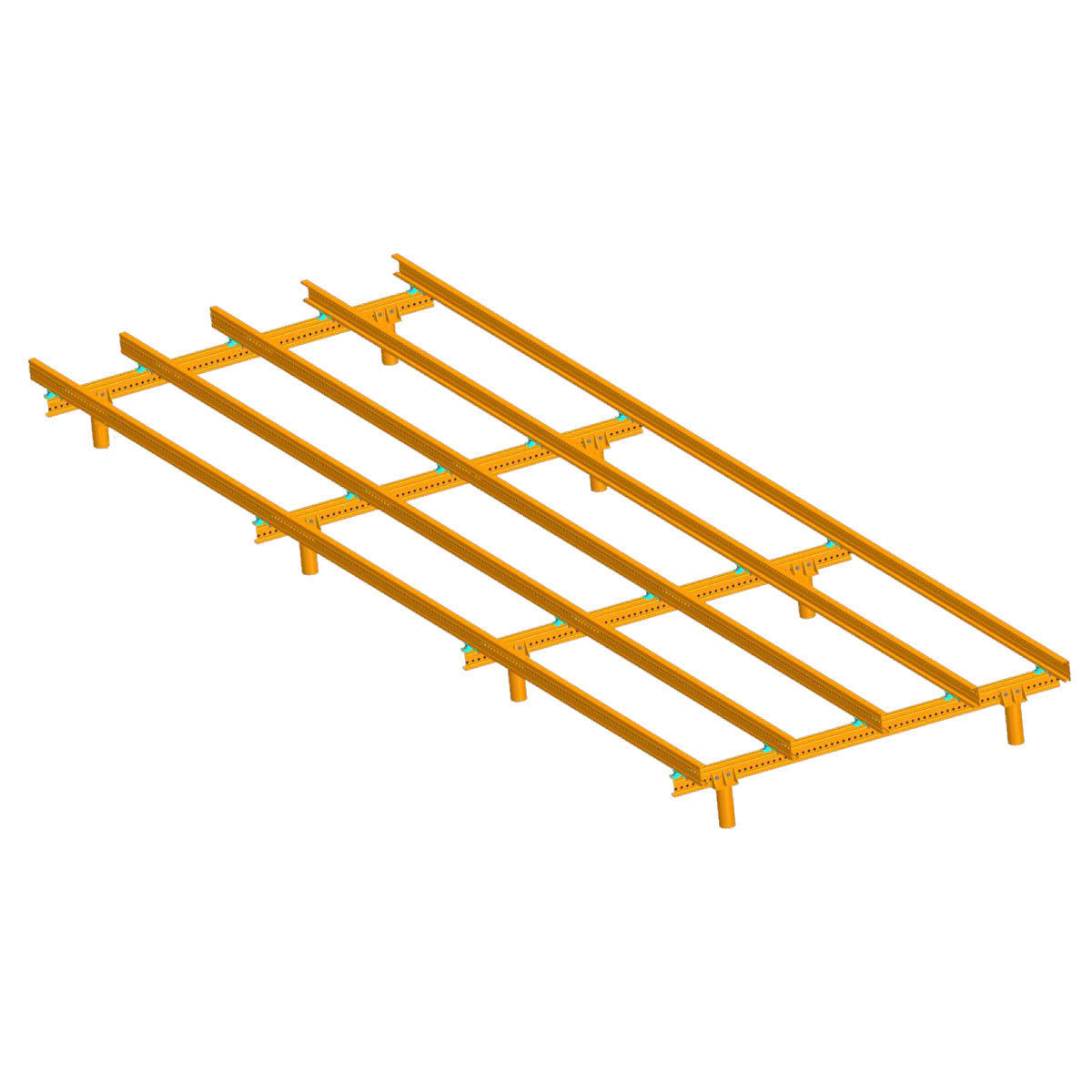
Haoheng Yi'an System

Easy Install Steel
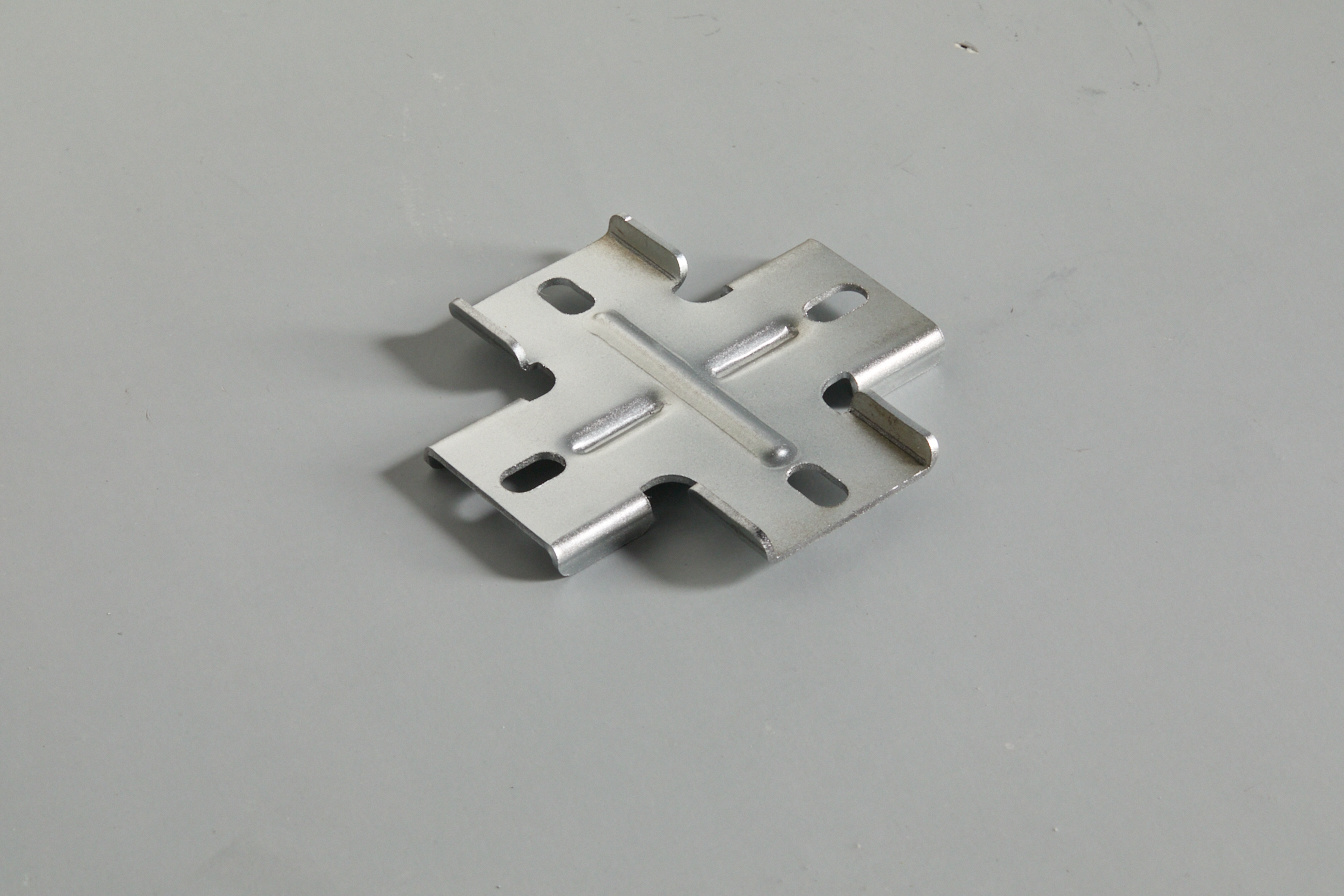
Cross connector
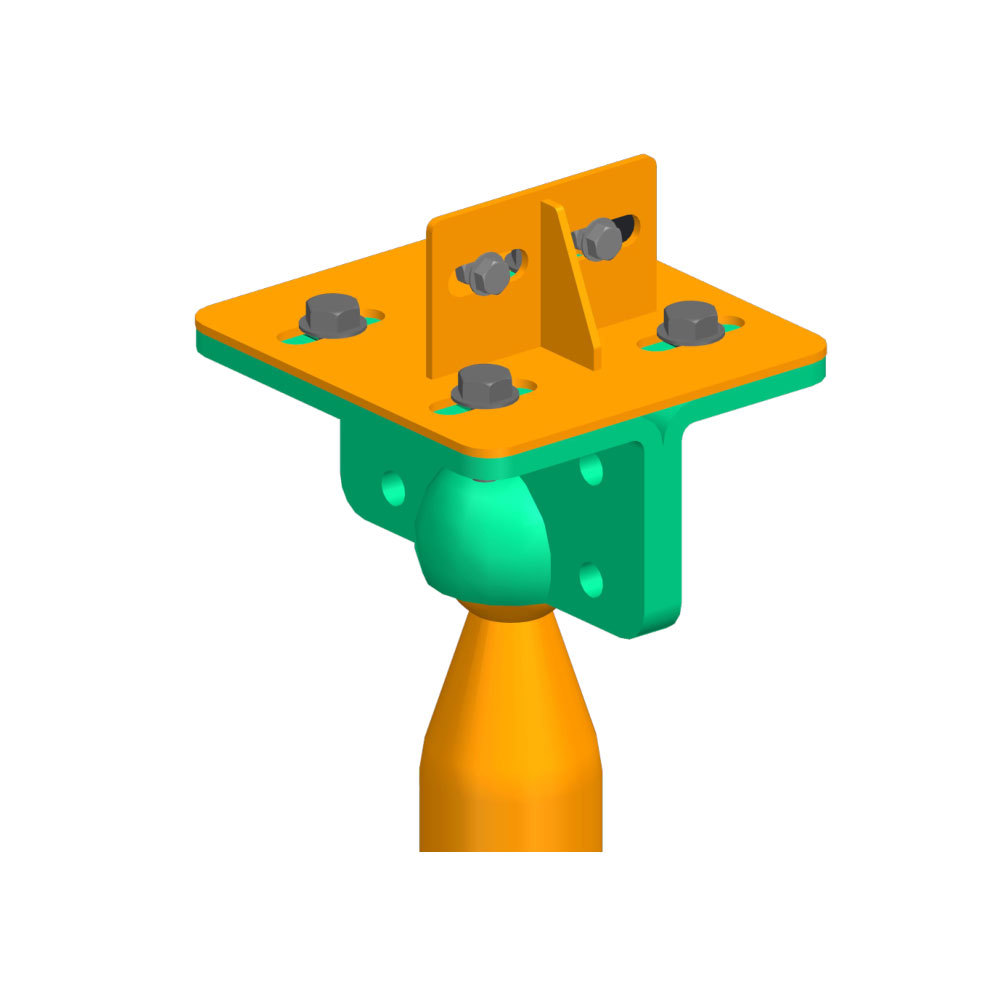
Universal connector for screw pile
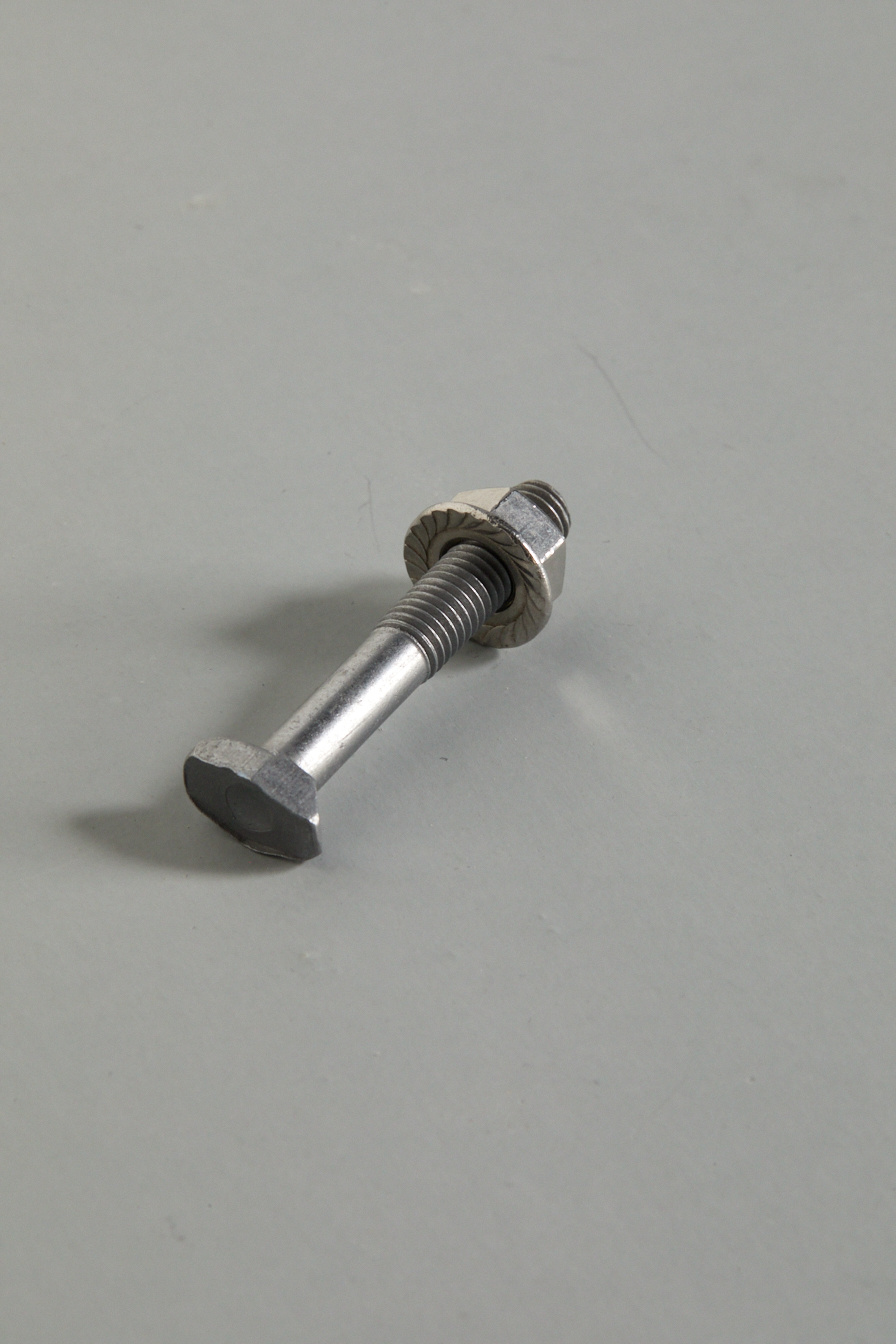
T-shaped dovetail bolt
Floor System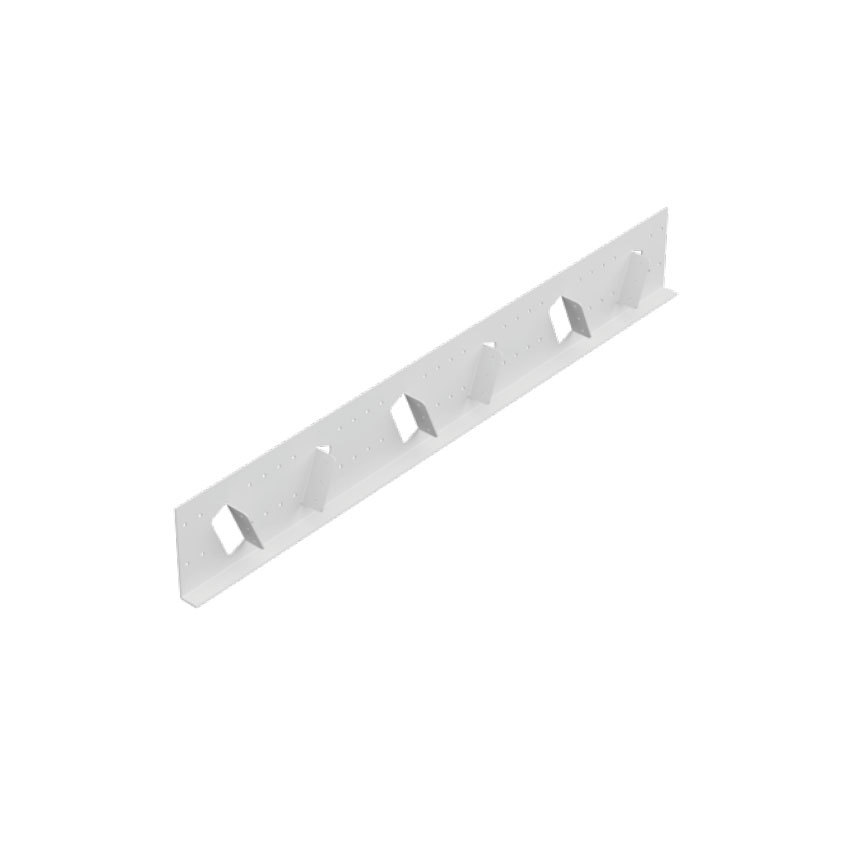
Ordinary steel structural connectors
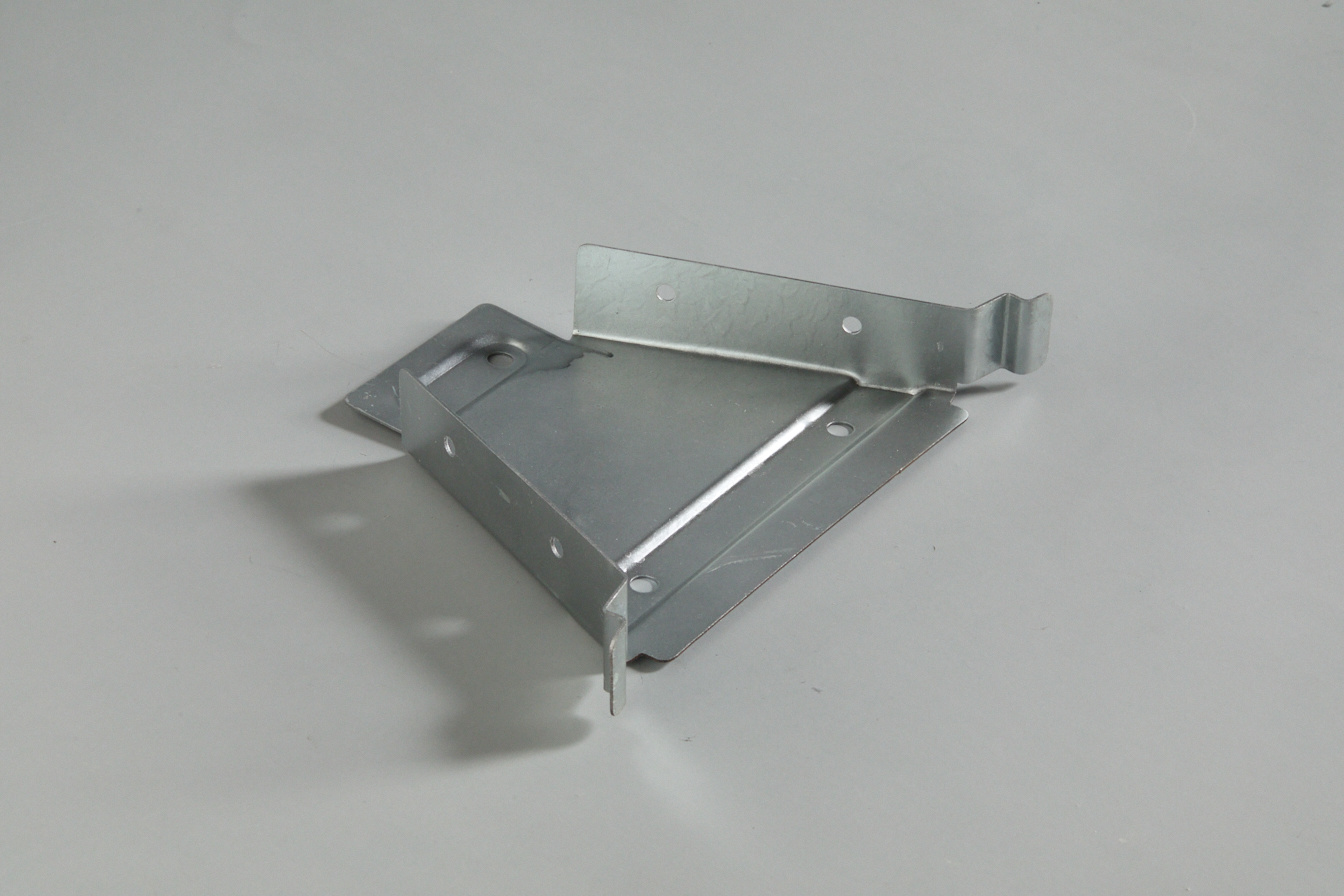
NEW BUILDING system connectors
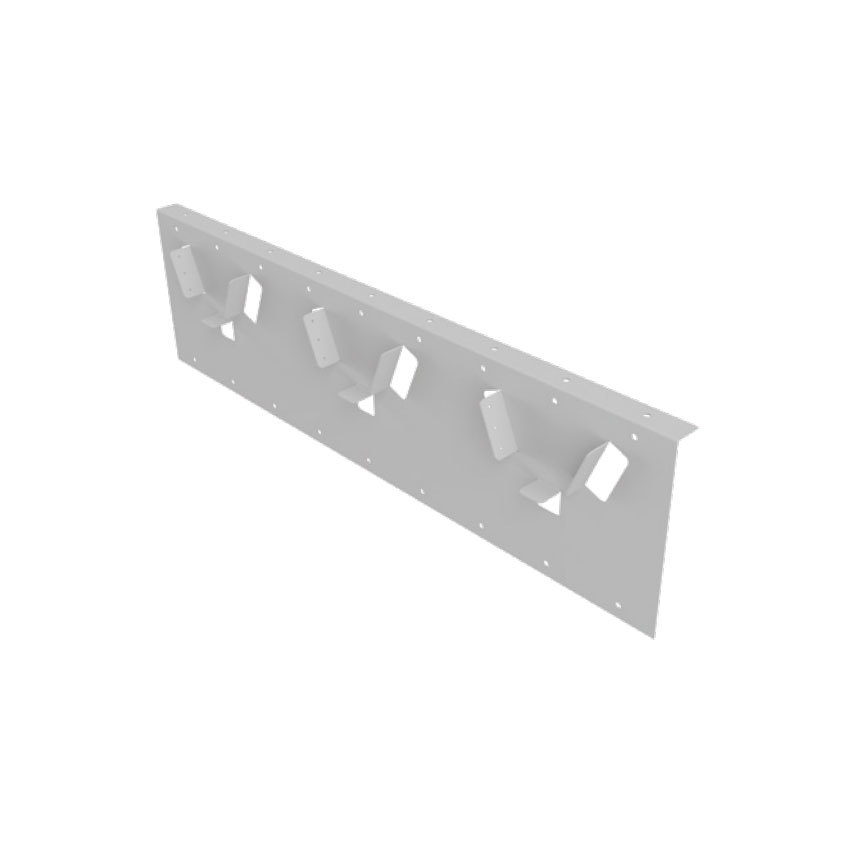
Cold formed thin-walled steel structural connectors
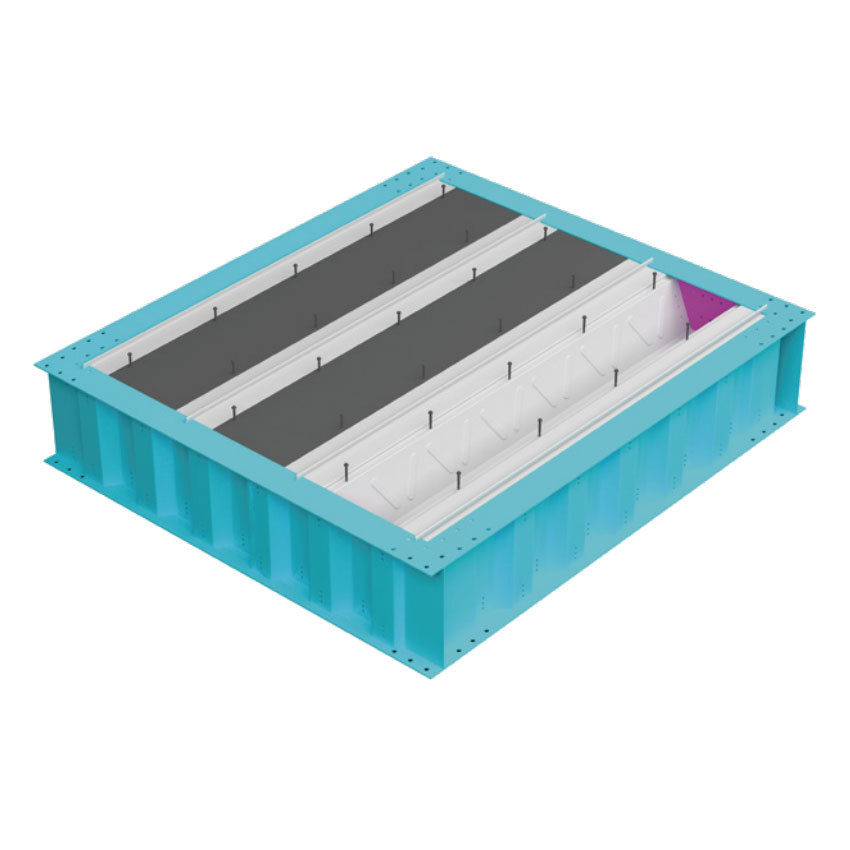
Corrugated I-beam+V-shaped floor beam
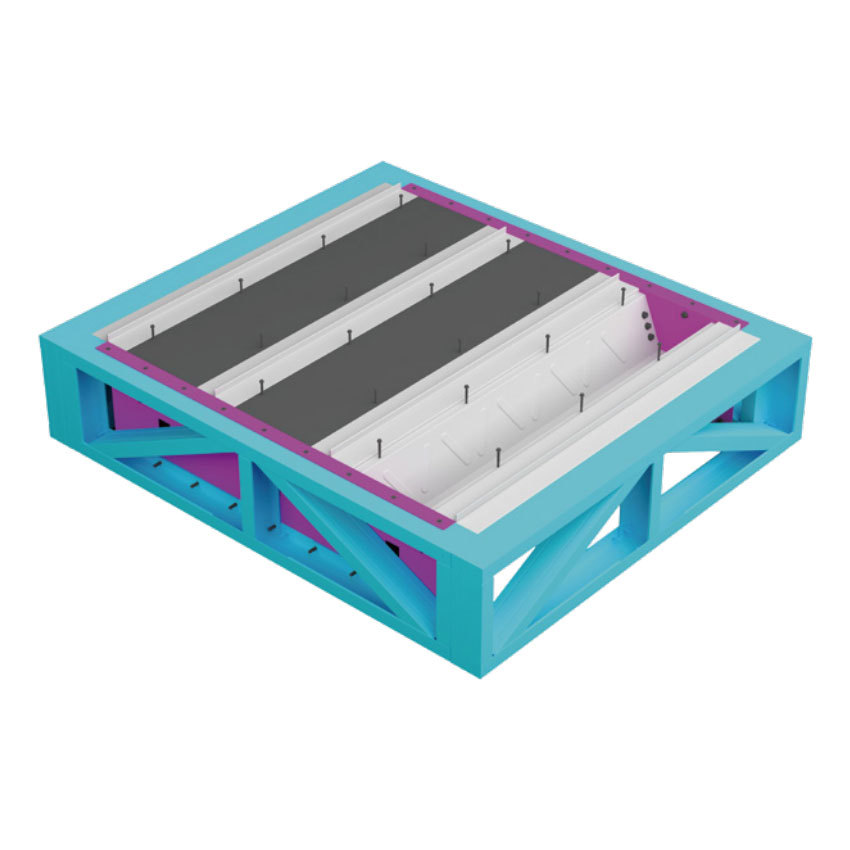
300 light steel truss+V-shaped floor beam

Steel wire gauze
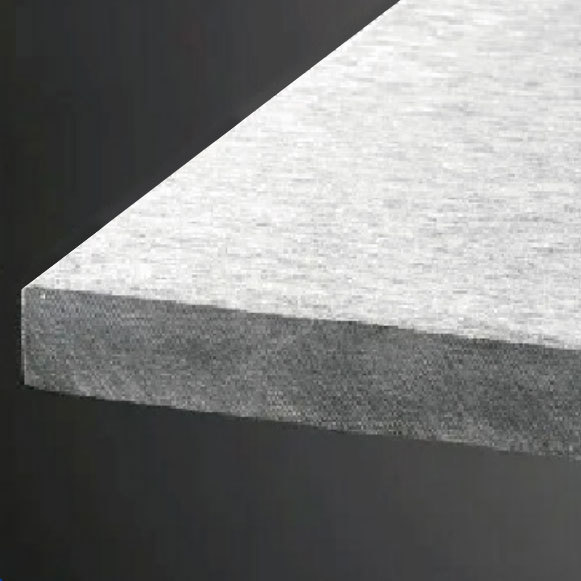
Plate
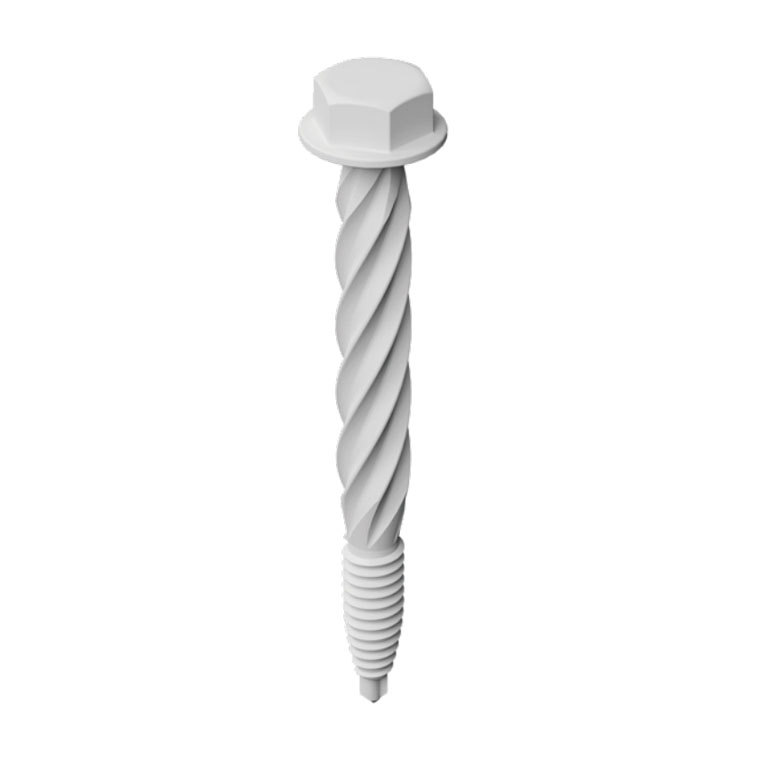
Shear stud
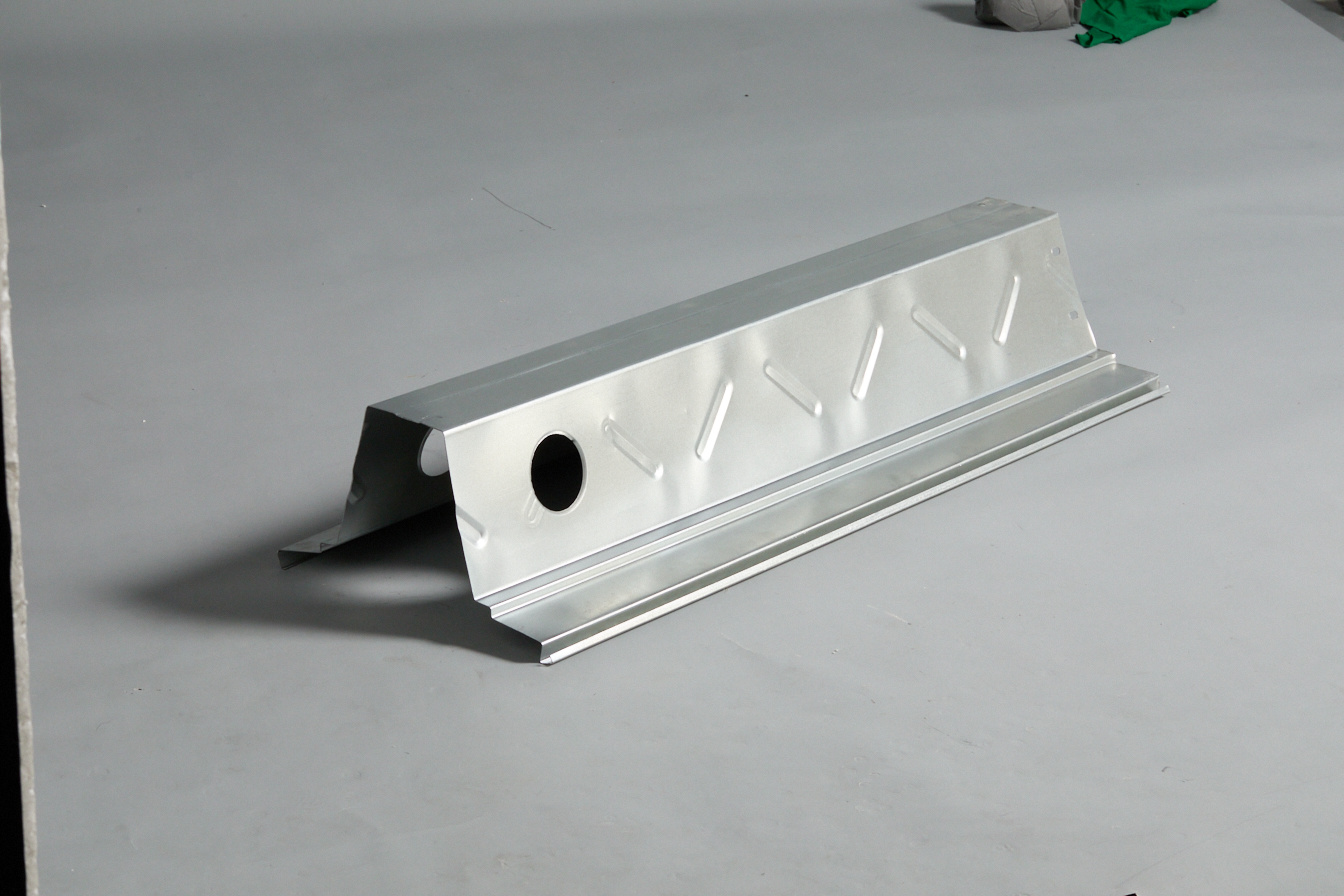
V-shaped floor beam
Magnesium stiffened wall panel
Maximize Structural Integrity with T-Shaped Column Connectors: A Comprehensive Guide
Release Time:
2024-08-23
Source:
Maximize Structural Integrity with T-Shaped Column Connectors
Table of Contents
- Introduction to T-Shaped Column Connectors
- Why T-Shaped Connectors Are Crucial for Structural Integrity
- Benefits of Using T-Shaped Column Connectors
- Design Considerations for T-Shaped Column Connectors
- Installation Techniques for Optimal Performance
- Real-World Applications of T-Shaped Column Connectors
- Maintenance Tips for Longevity
- Conclusion: Ensuring Stability with T-Shaped Connectors
- Frequently Asked Questions
Introduction to T-Shaped Column Connectors
In the realm of construction, the integrity and durability of structures are paramount. **T-shaped column connectors** play a significant role in enhancing this integrity by providing robust support for columns, beams, and other structural components. These connectors are specifically designed to maintain stability, reduce the risk of failure, and ensure that buildings withstand the stresses of daily use, environmental factors, and potential natural disasters.
Why T-Shaped Connectors Are Crucial for Structural Integrity
Structural integrity is essential for the safety and longevity of any building. T-shaped column connectors contribute to this integrity by distributing loads evenly across the framework. This distribution helps prevent localized stress, which can cause structural failure. Moreover, these connectors enhance the overall rigidity of the structure, making it more resilient to lateral forces such as wind and seismic activity.
Load-Bearing Capacity
One of the primary functions of T-shaped column connectors is to increase the load-bearing capacity of structures. By connecting columns to beams effectively, these connectors create a unified system that can handle greater weight without compromising safety. This capability is especially important in high-rise buildings where the weight of multiple floors must be supported.
Resistance to Movement
T-shaped connectors also provide resistance to lateral movement. This resistance is crucial in earthquake-prone areas, where buildings are subjected to side-to-side forces. The design of T-shaped connectors ensures that columns remain securely fastened, preventing shifts that could lead to catastrophic failure.
Benefits of Using T-Shaped Column Connectors
The adoption of T-shaped column connectors in construction projects comes with a plethora of benefits, including:
Enhanced Stability
T-shaped connectors create a stable framework that minimizes the risk of structural deformation over time. This stability is essential for maintaining the aesthetic and functional qualities of a building.
Cost-Effectiveness
While the initial investment in T-shaped column connectors may seem high, their long-term benefits outweigh the costs. By reducing the risk of structural failures, these connectors save money on repairs and potential legal liabilities.
Versatility in Design
T-shaped column connectors are versatile and can be used in various construction styles, from residential homes to commercial skyscrapers. Their adaptability makes them an excellent choice for diverse architectural designs.
Improved Construction Speed
Using T-shaped connectors can streamline the construction process. Their ease of installation allows builders to complete projects faster while maintaining high safety standards.
Design Considerations for T-Shaped Column Connectors
When integrating T-shaped column connectors into a construction project, several design considerations must be taken into account:
Material Selection
The choice of material for T-shaped connectors is crucial. Common materials include steel, aluminum, and reinforced polymer composites. Each material offers different advantages in terms of strength, weight, and corrosion resistance.
Connector Sizing
The size of the T-shaped connectors must be carefully calculated based on the expected loads and the dimensions of the columns and beams they will connect. Proper sizing ensures optimal performance and structural integrity.
Installation Layout
The layout of T-shaped connectors within the structural design plays a significant role in their effectiveness. A well-planned installation layout will maximize load distribution and enhance overall stability.
Installation Techniques for Optimal Performance
Proper installation of T-shaped column connectors is crucial for achieving their full potential in enhancing structural integrity.
Preparation of Surfaces
Before installation, it is essential to prepare the surfaces of the columns and beams. This preparation may include cleaning, leveling, and ensuring that all surfaces are free of debris to promote strong bonding.
Using the Right Tools
Using appropriate tools is vital for the successful installation of T-shaped connectors. Equipment such as torque wrenches, drills, and alignment jigs can facilitate an accurate and secure installation.
Inspection and Quality Control
Once installed, it’s important to conduct inspections to verify that the connectors are secure and properly aligned. Regular quality control checks ensure that any issues are identified and addressed promptly.
Real-World Applications of T-Shaped Column Connectors
T-shaped column connectors find application across various types of construction projects:
Residential Buildings
In residential construction, T-shaped connectors are used to create open floor plans by supporting large spans without the need for numerous load-bearing walls.
Commercial Structures
For commercial buildings and warehouses, T-shaped connectors offer the necessary support for heavy equipment and storage systems, ensuring safety and functionality.
Bridges and Infrastructure
T-shaped connectors are also employed in bridges and other infrastructure projects. Their ability to withstand significant loads and stresses makes them ideal for these robust applications.
Maintenance Tips for Longevity
To maximize the lifespan and effectiveness of T-shaped column connectors, consider the following maintenance tips:
Regular Inspections
Conduct regular inspections to check for signs of wear, corrosion, or loosening. Early detection of issues allows for timely repairs.
Cleaning
Keeping connectors clean and free from debris is essential for maintaining their integrity. Dirt and moisture can lead to corrosion and deterioration over time.
Reinforcement When Necessary
In some cases, additional reinforcement may be necessary if structural loads exceed original estimates. Consulting with a structural engineer can help determine the best course of action.
Conclusion: Ensuring Stability with T-Shaped Connectors
In conclusion, **T-shaped column connectors** are invaluable in modern construction, contributing significantly to the structural integrity of various buildings and infrastructures. Their ability to enhance load-bearing capacity, resist lateral movement, and provide stability makes them a preferred choice for architects and engineers. By understanding their benefits, design considerations, and installation techniques, professionals can ensure that their projects meet the highest standards of safety and durability.
Frequently Asked Questions
What are T-shaped column connectors made of?
T-shaped column connectors can be made from various materials, including steel, aluminum, and reinforced composites. The choice depends on the specific application and required strength.
How do T-shaped connectors improve structural integrity?
T-shaped connectors improve structural integrity by distributing loads evenly and providing resistance to lateral forces, reducing the risk of structural failure.
Can T-shaped column connectors be used in residential buildings?
Yes, T-shaped column connectors are commonly used in residential buildings, particularly for creating open spaces and supporting large spans.
What is the typical lifespan of T-shaped column connectors?
With proper maintenance and installation, T-shaped column connectors can last for decades, making them a durable choice for construction.
Are there any specific regulations governing the use of T-shaped connectors?
Yes, local building codes and regulations may specify requirements for the use of T-shaped connectors, particularly in seismic or high-wind areas. Always consult with a structural engineer or local authority for compliance.
Related Information

HaoHeng Group
Address: Room 1808, Block A, Vanke Cloud City, Jiemei District, Xiamen City, Fujian Province
Business cooperation:
Copyright © HaoHeng (FuJian) Building Materials Technology Co, Ltd. All rights reserved