

-

 Pakistan
Marketing Service Outlets
 Papua New Guinea
Marketing Service Outlets
 Egypt
EgyptMarketing Service Outlets
 Australia
Marketing Service Outlets
 Brazil
Marketing Service Outlets
 Colombia
Marketing Service Outlets
 Russia
Marketing Service Outlets
 Germany
Marketing Service Outlets
 Poland
Marketing Service Outlets
 the Philippines
Marketing Service Outlets
 Kazakhstan
Marketing Service Outlets
 Malaysia
Marketing Service Outlets
 America
Marketing Service Outlets
 Kyrgyzstan
Marketing Service Outlets
 Canada
Marketing Service Outlets
 Peru
PeruMarketing Service Outlets
 Nigeria
Marketing Service Outlets
 Morocco
Marketing Service Outlets
 South Africa
Marketing Service Outlets
 Japan
JapanMarketing Service Outlets
 Slovakia
Marketing Service Outlets
 New Zealand
Marketing Service Outlets
 Hungary
Marketing Service Outlets
 Thailand
Marketing Service Outlets
 Spain
SpainMarketing Service Outlets
 Indonesia
Marketing Service Outlets
 Italy
ItalyMarketing Service Outlets
 Vietnam
Marketing Service Outlets
Steel Pipe ColumnSteel Pipe Column ConnectorsMain Beam | Secondary BeamPrefabricated StairsRound Pipe PileFlat Steel PileGroup PileCap PileNew Building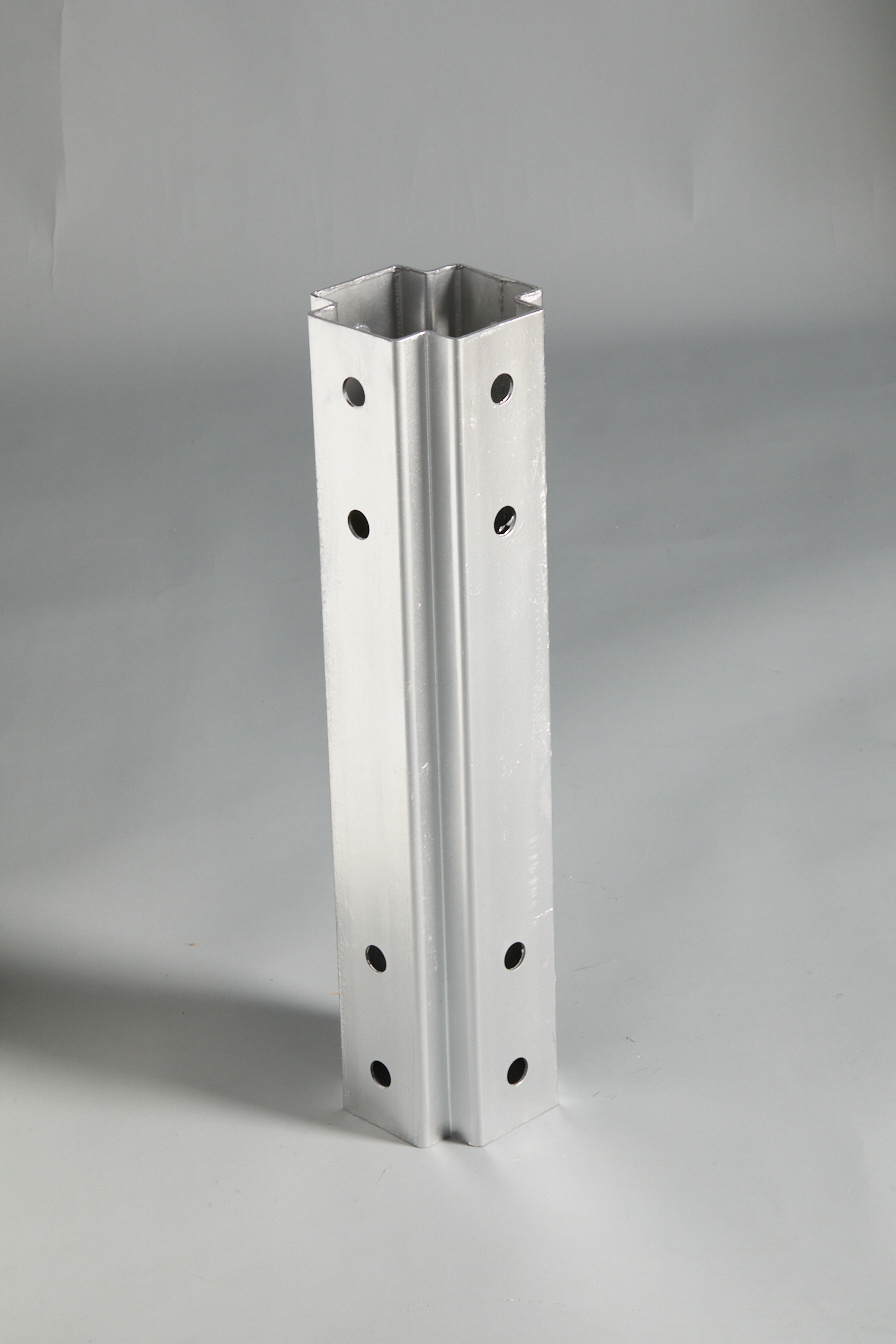
Cross column

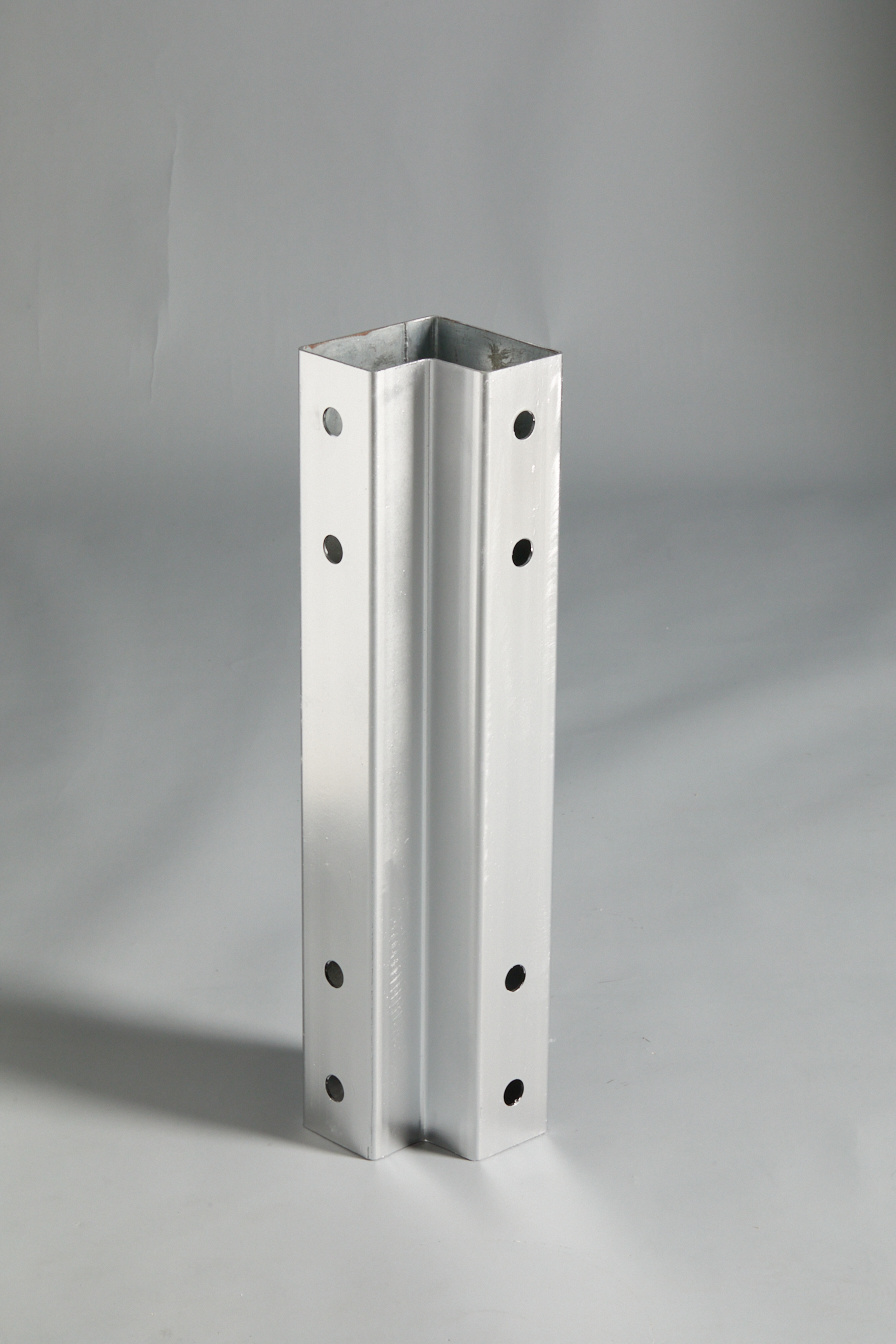
L-shaped column
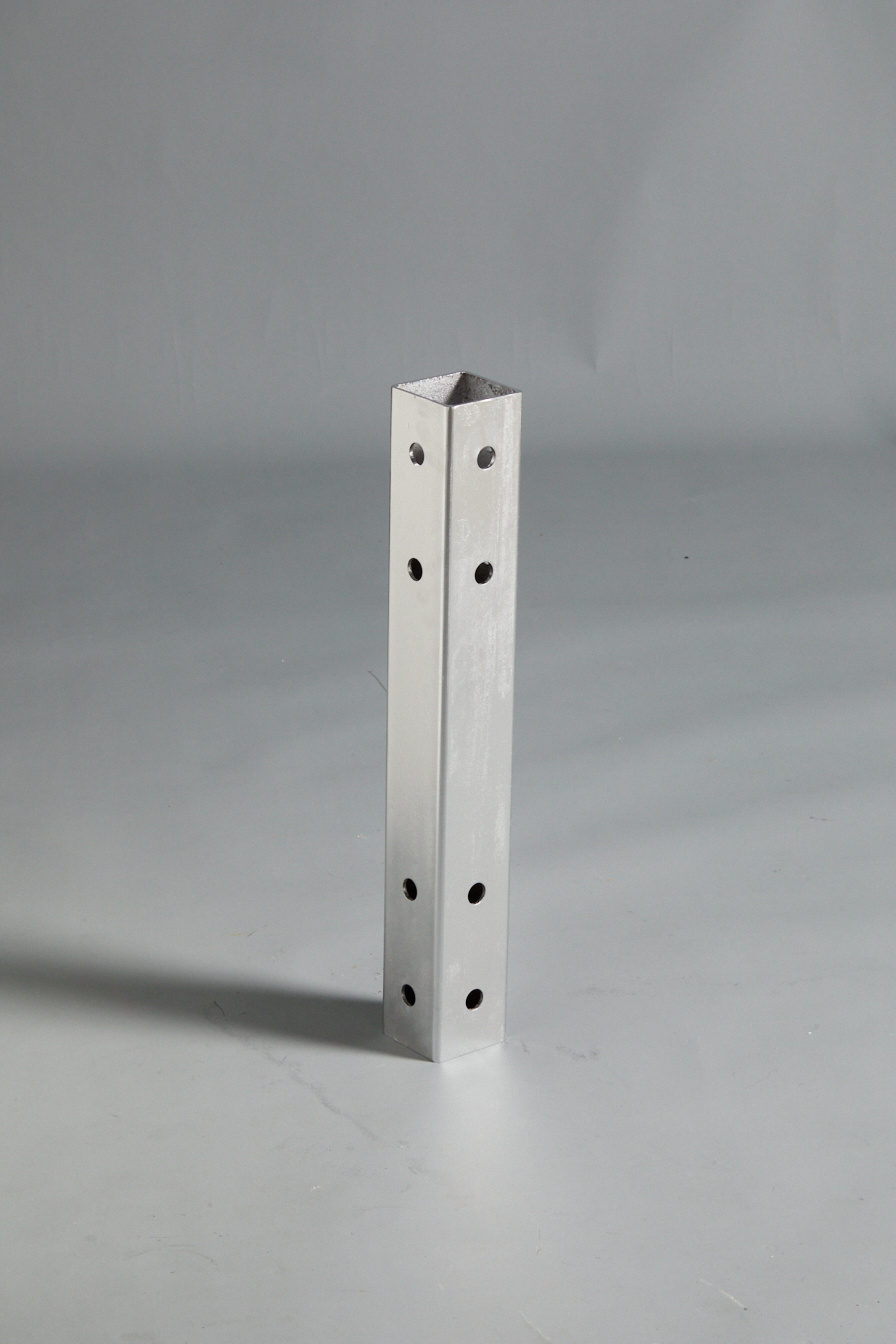
Square tube column

T-shaped column
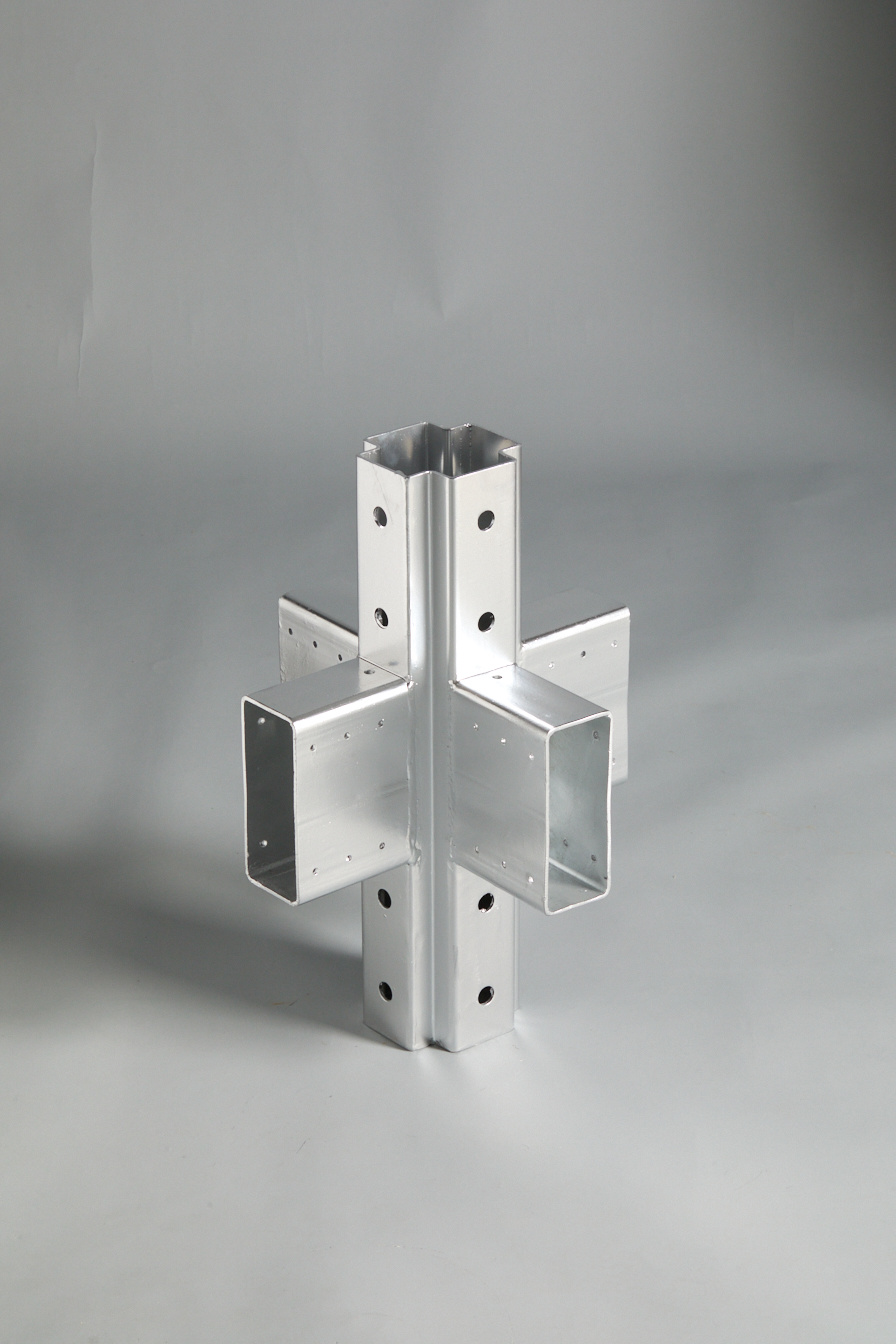
Cross column connector

L-shaped column connector

T-shaped column connector
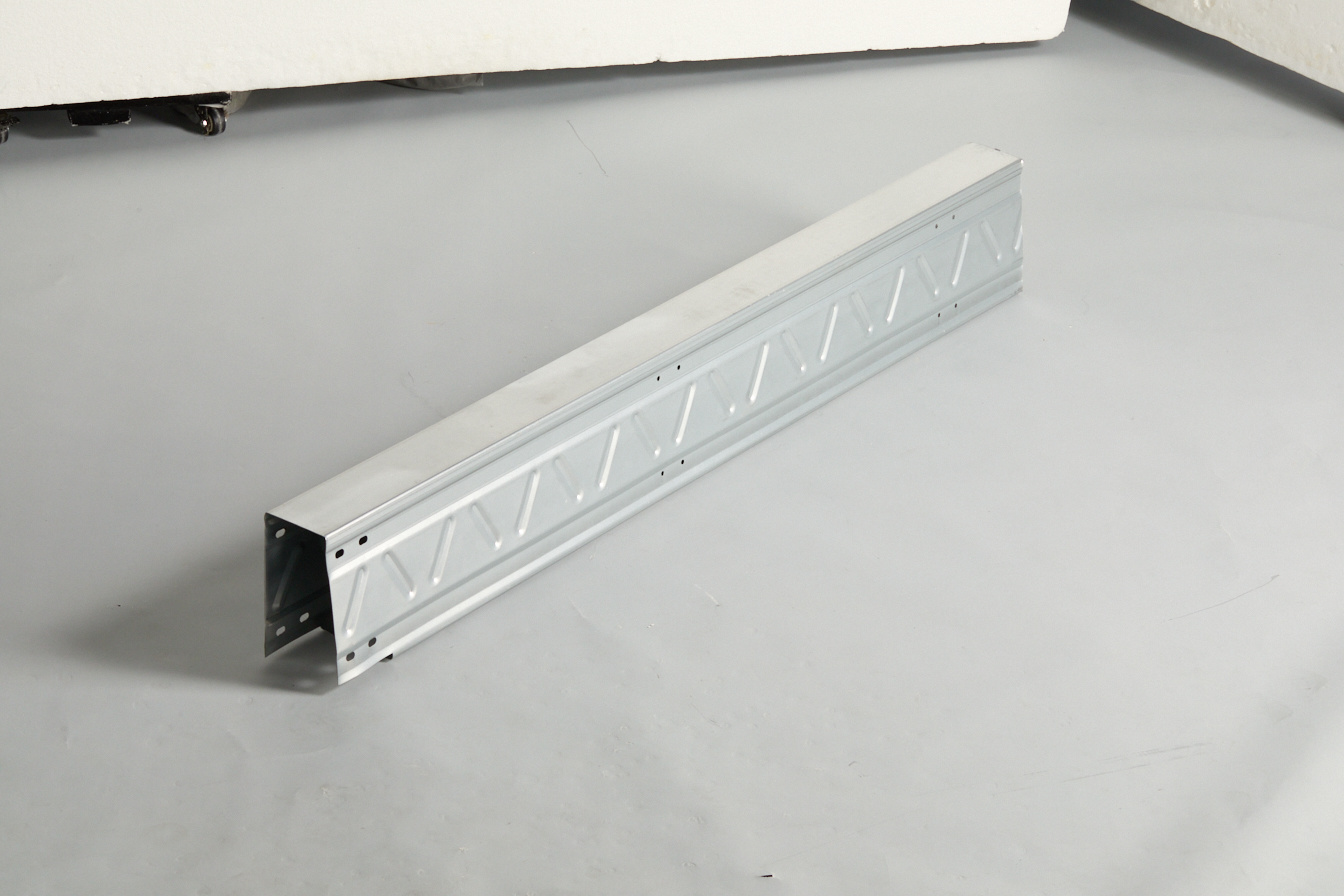
195 inner flipped edge - eight shaped reinforcing rib
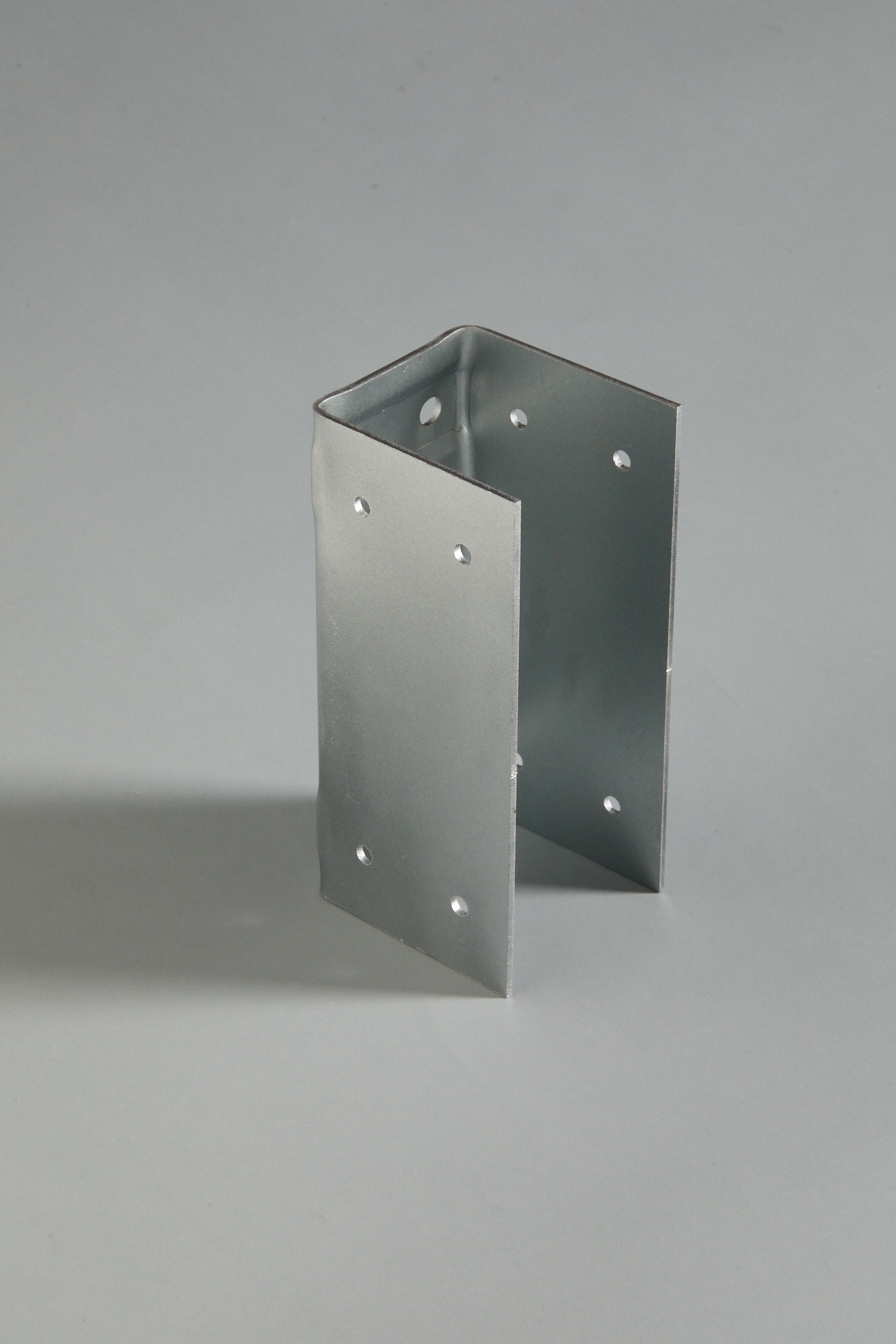
Frame small U connector
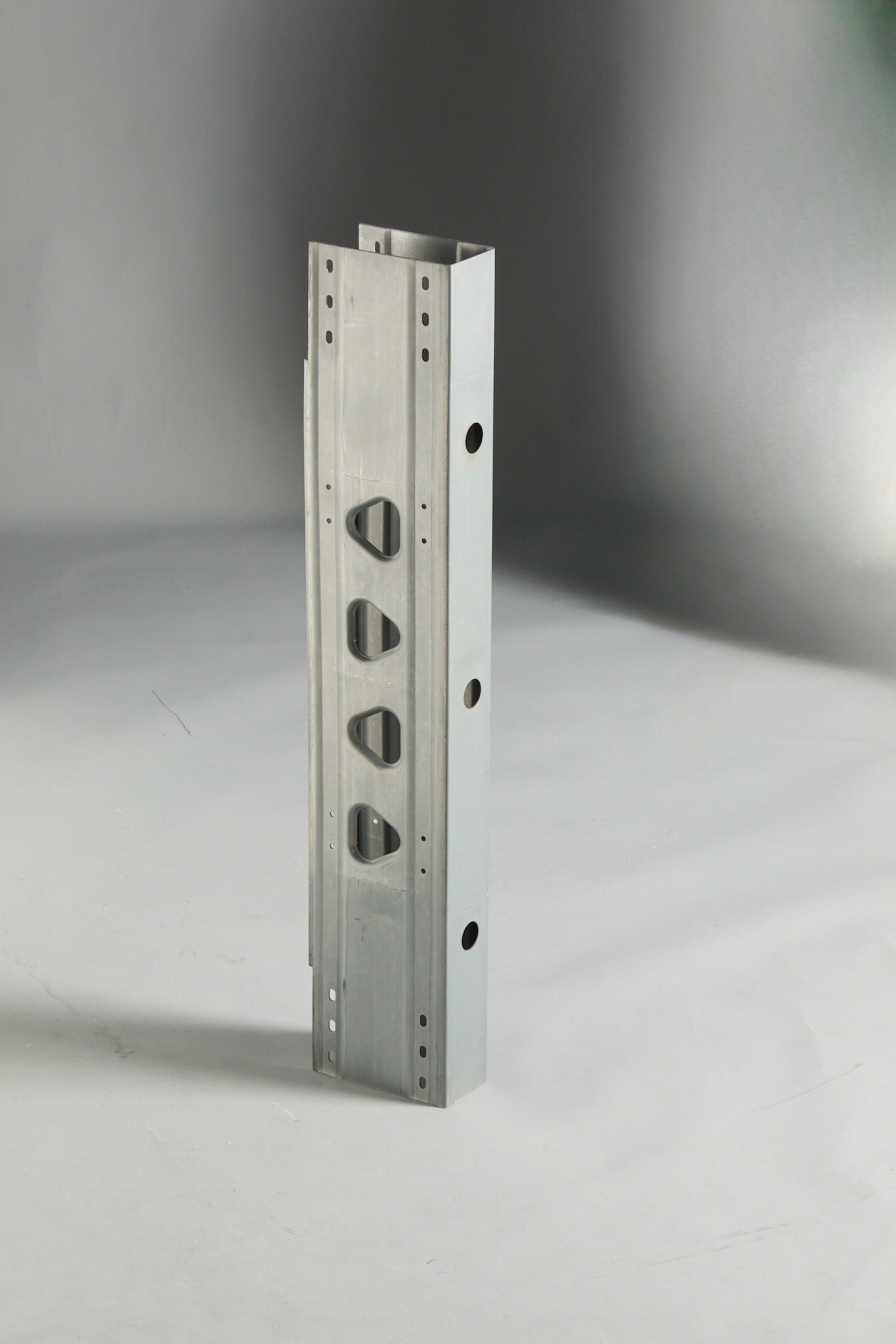
195 Inverted Edge - Triangle Reinforcement
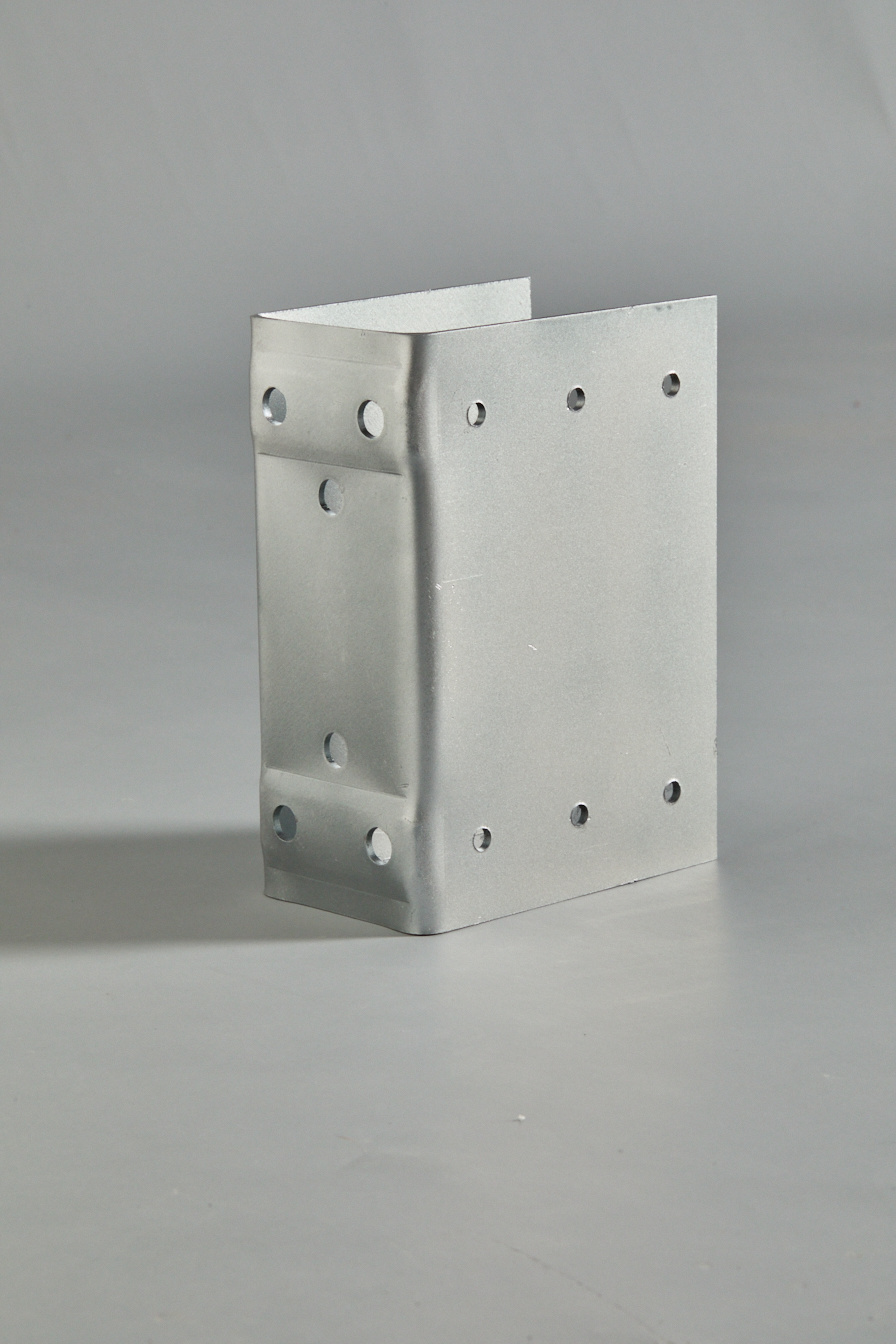
Frame large U connector
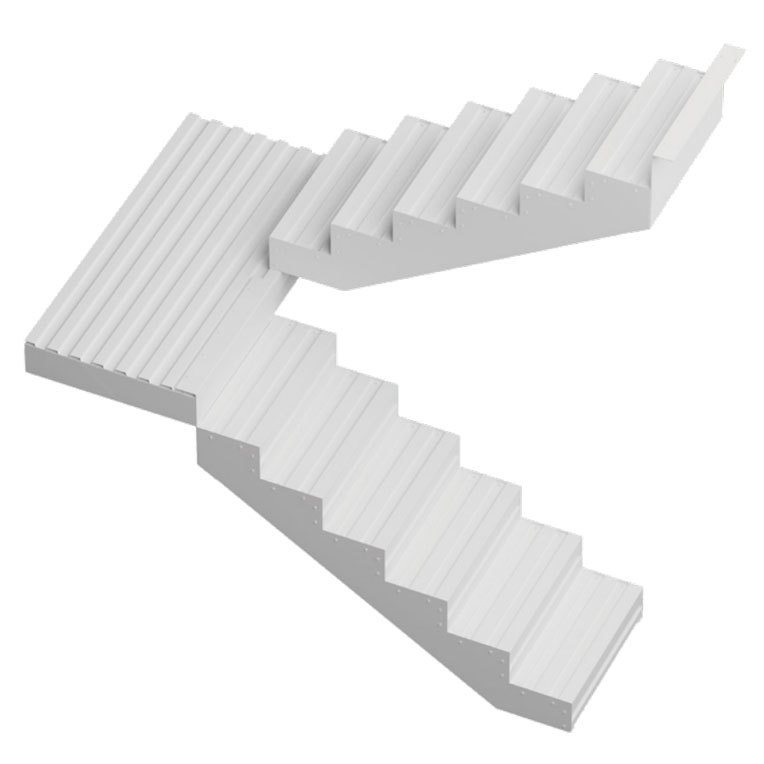
Prefabricated stairs
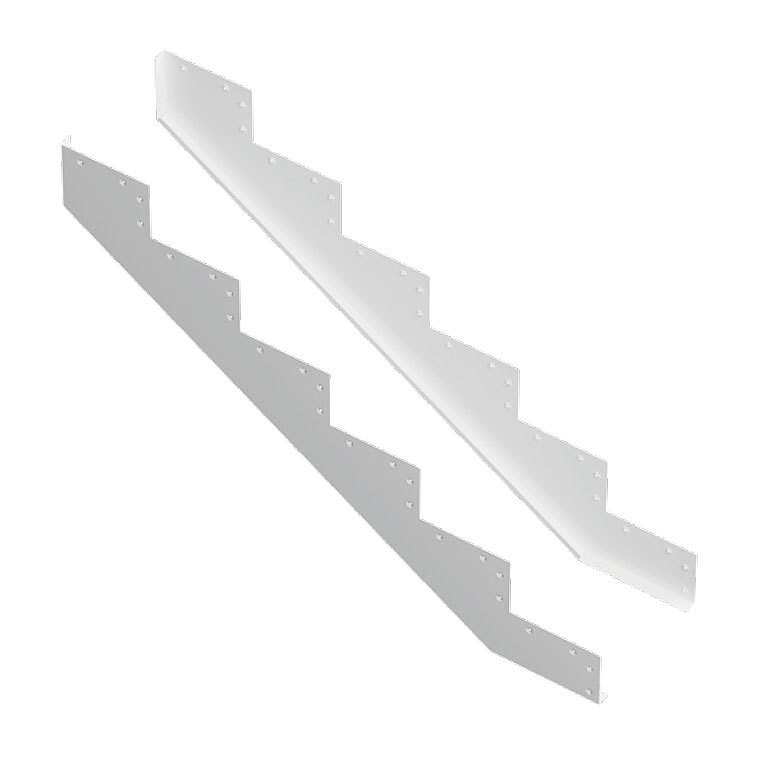
Staircase side panels
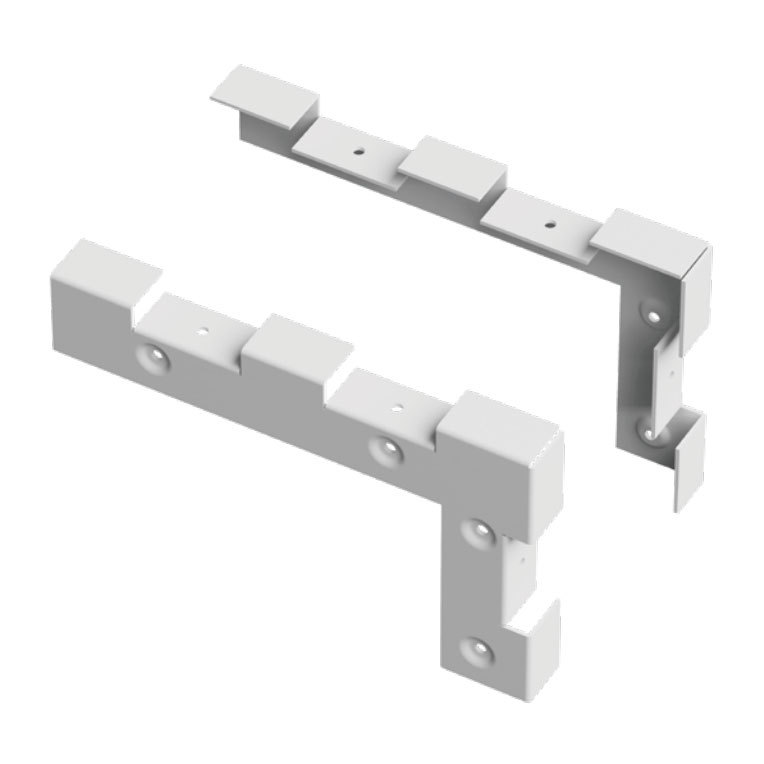
Staircase angle steel
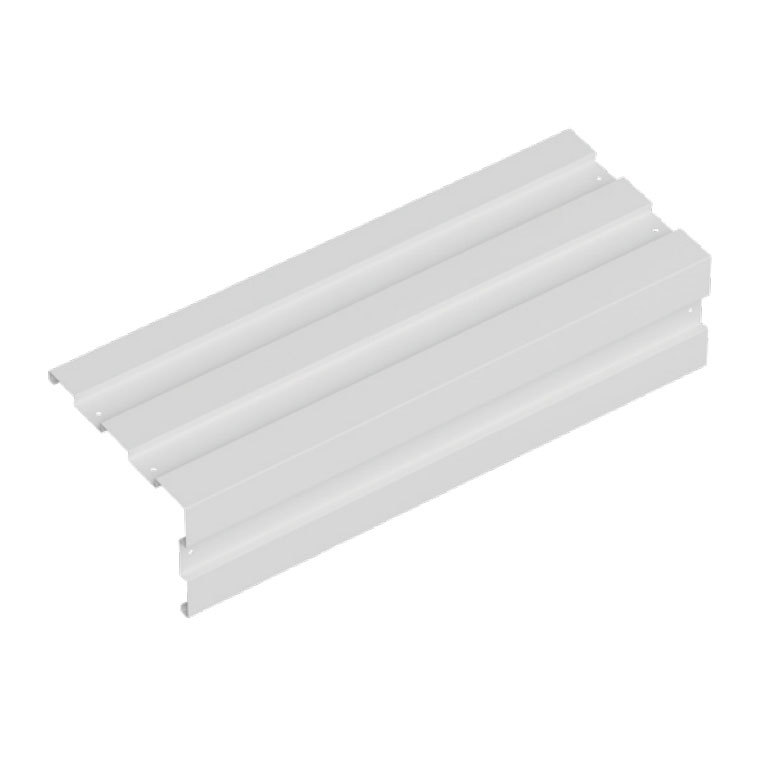
Stair steps
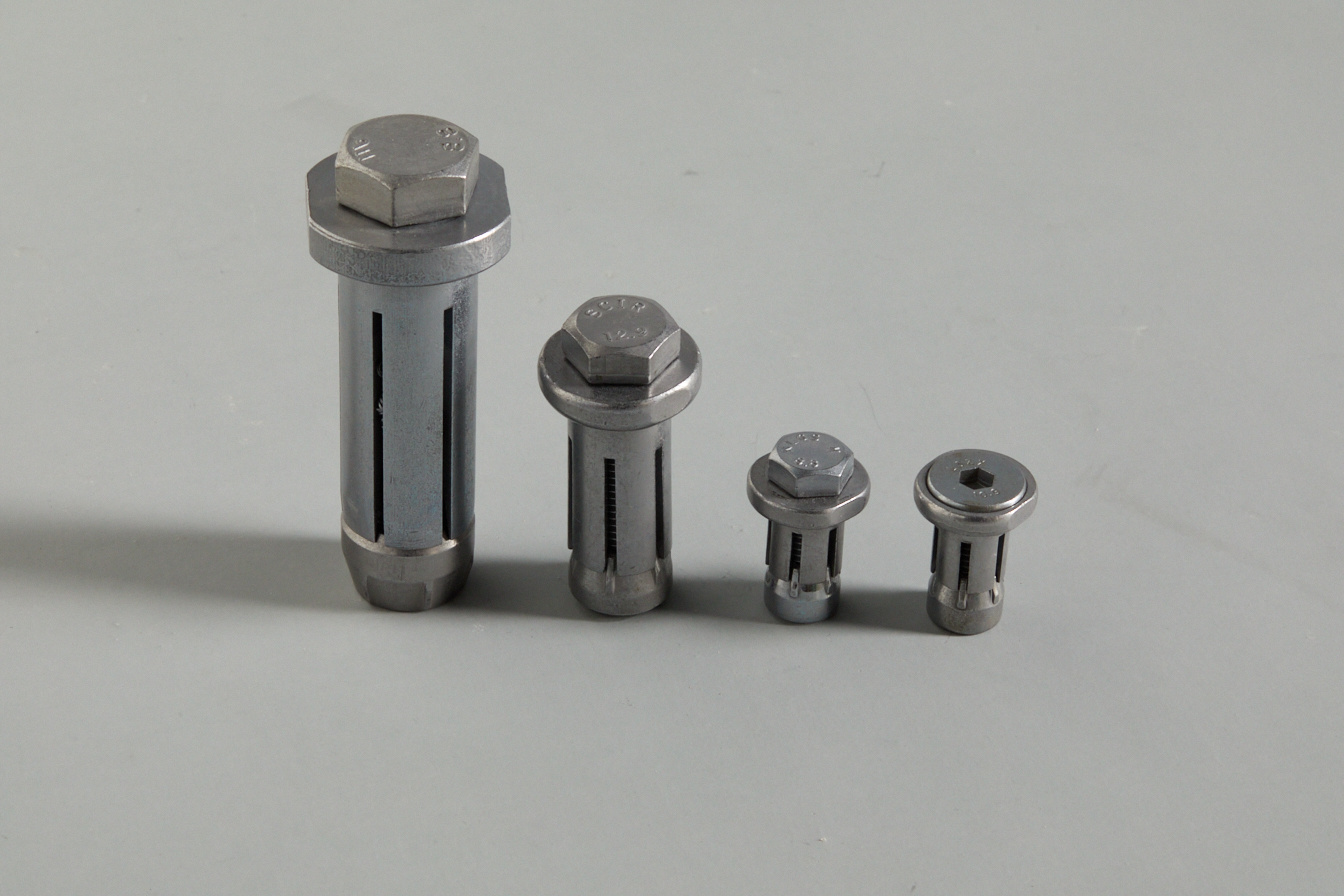
One-Way Bolt
Helical Pile System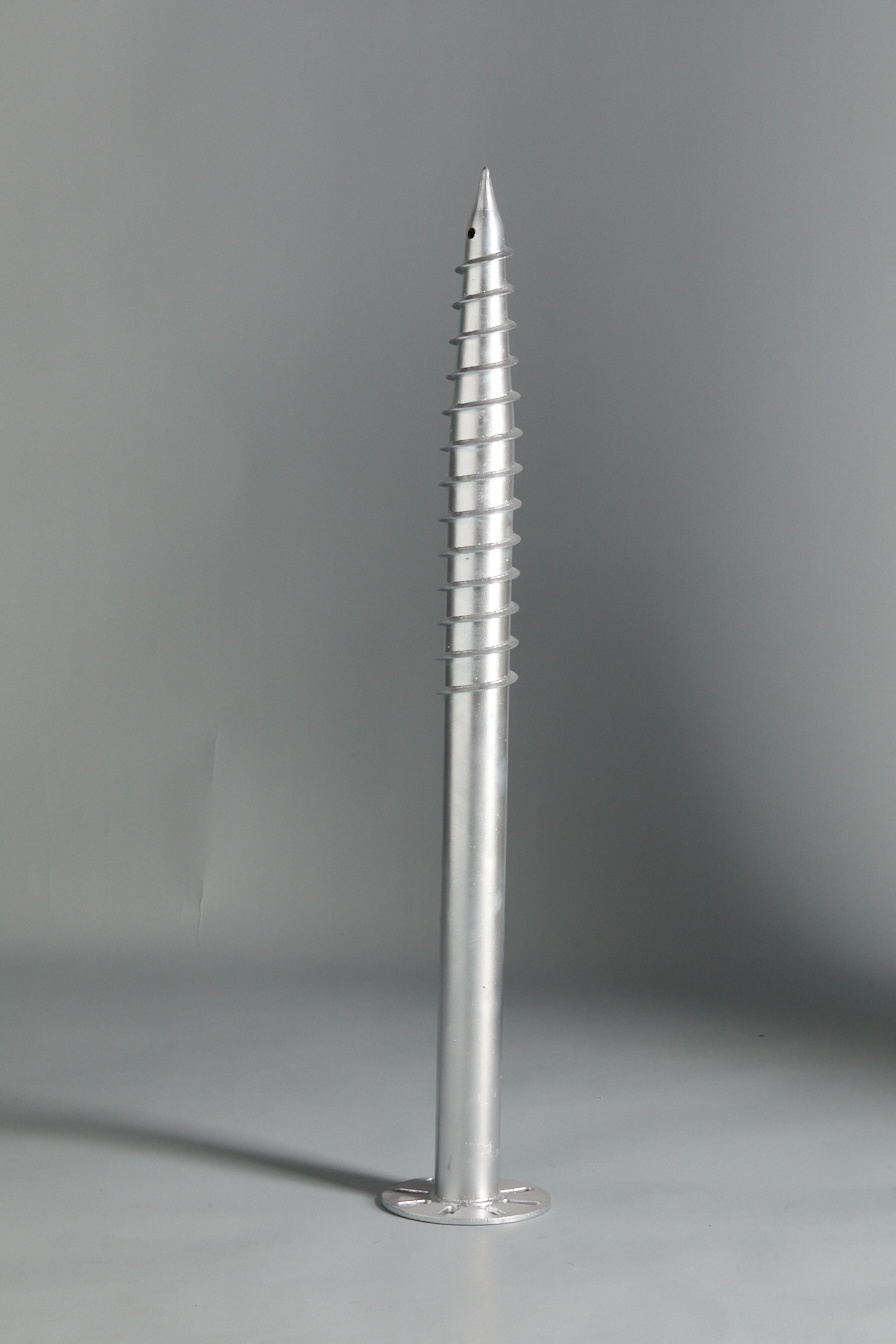
Round Pipe Screw Pile| Reliable Helical Pile Manufacturer| Patented Foundation Solution
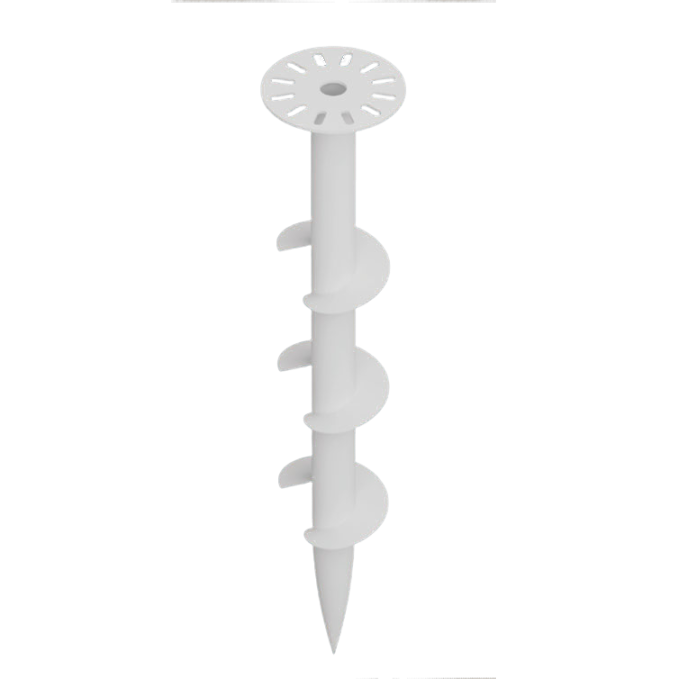
Screw Pile - 3 Blades - Round Pipe Pile
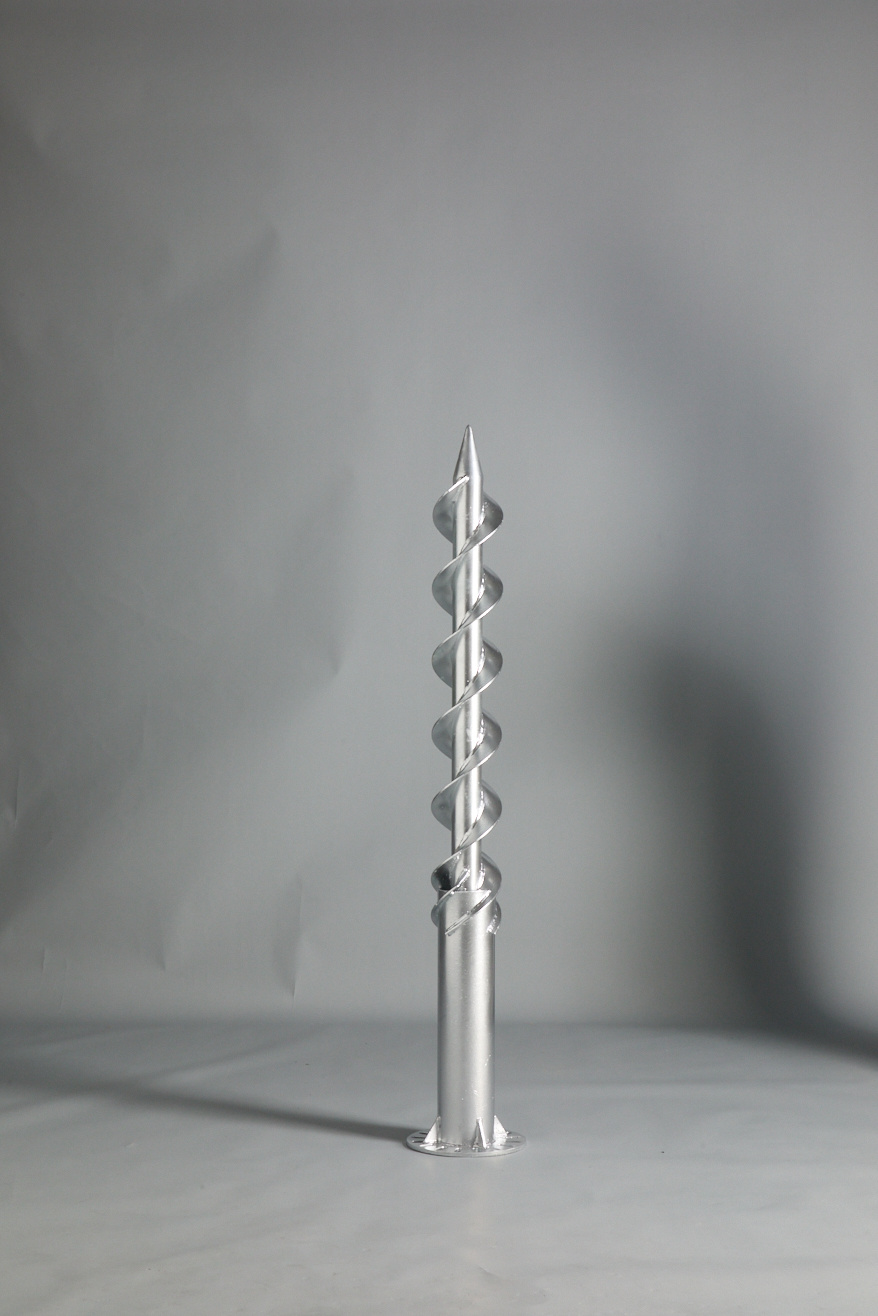
Double-Helix Screw Pile | Patented Foundation Solution
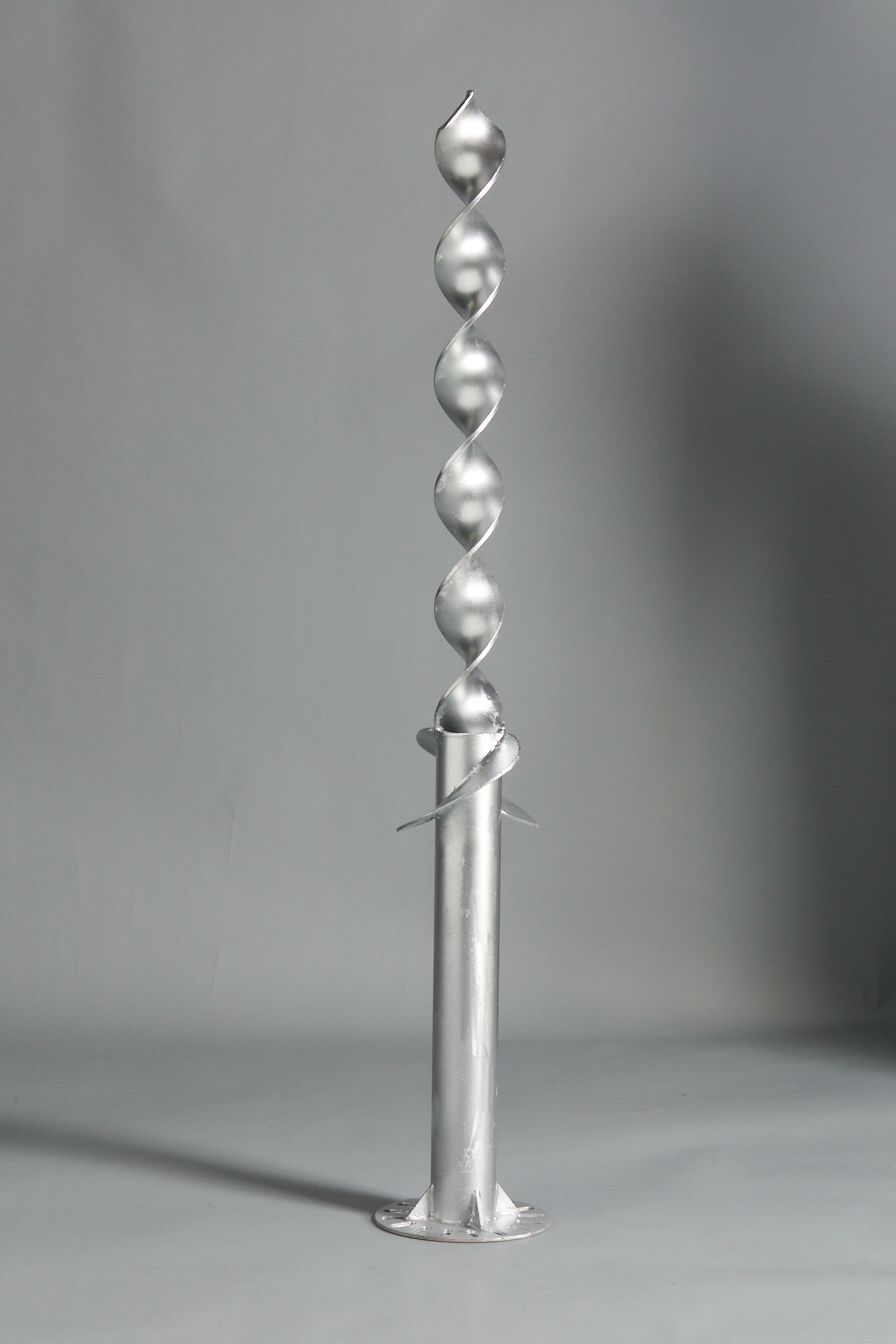
Screw Pile - Large Blade Flat Steel Pile
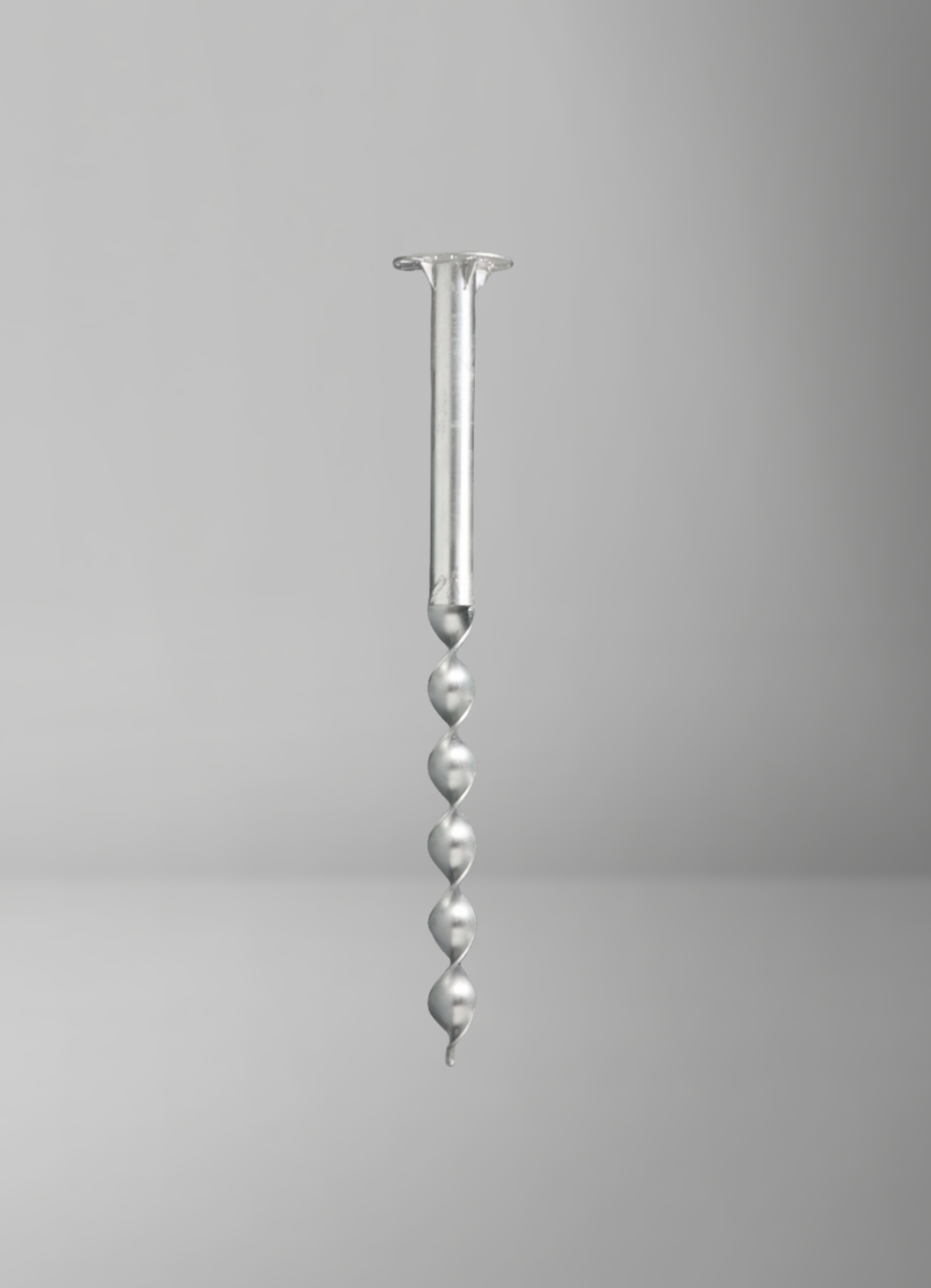
Flat Steel Screw Pile| Reliable Helical Pile Manufacturer| Patented Foundation Solution
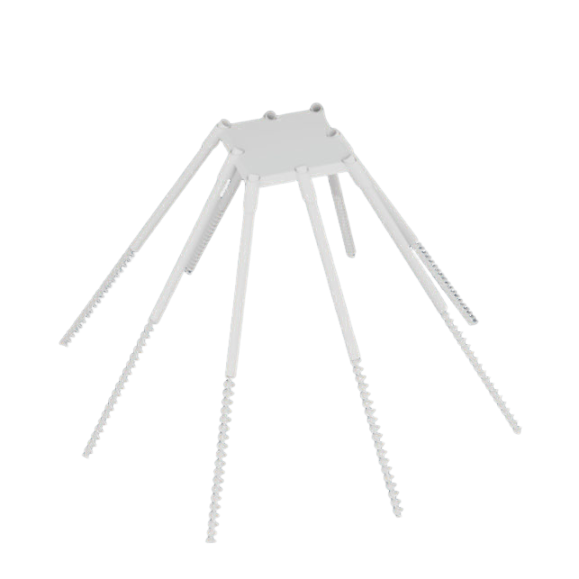
Eight-Pile Group Screw Piles| Reliable Helical Pile Manufacturer| Patented Foundation Solution
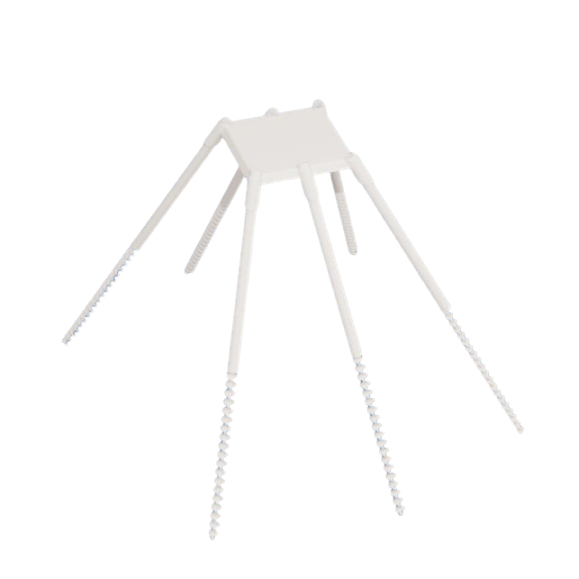
Six-Pile Group Screw Piles| Reliable Helical Pile Manufacturer| Patented Foundation Solution
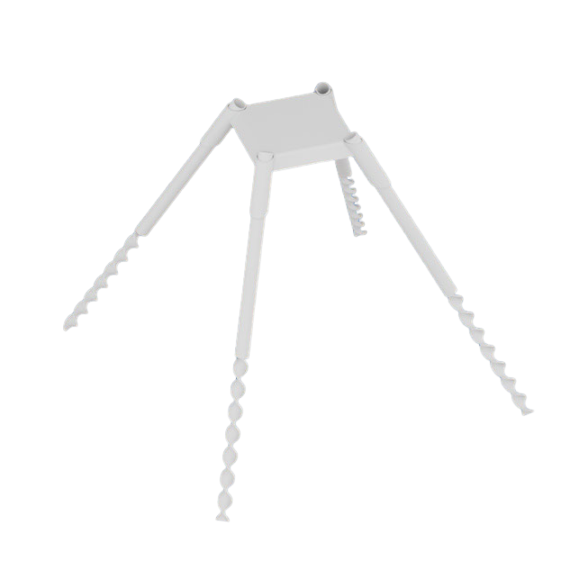
Four-Pile Group Screw Piles| Reliable Helical Pile Manufacturer| Patented Foundation Solution
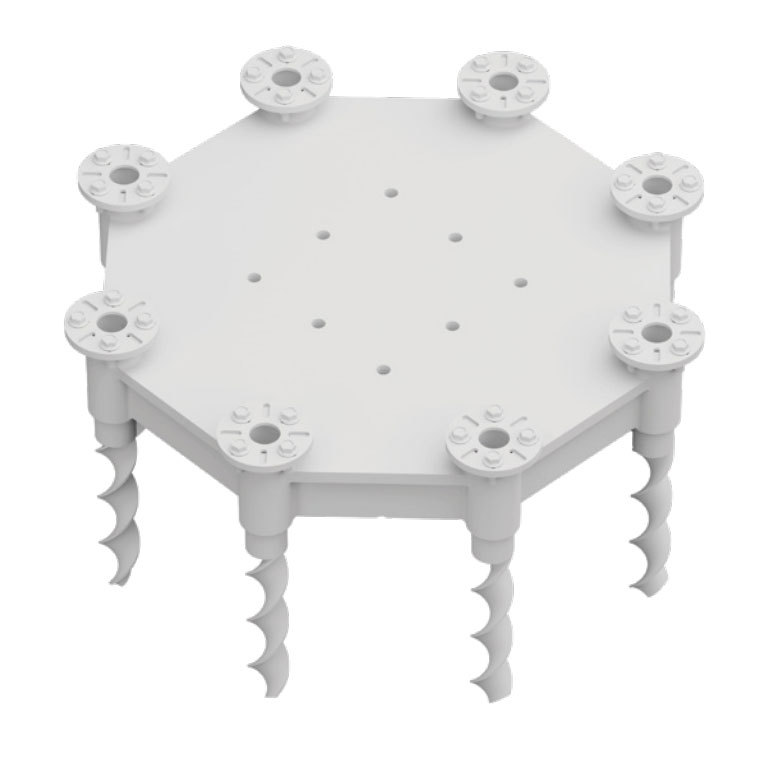
Eight-Pile Cap Screw Pile | Reliable Helical Pile Manufacturer| Patented Foundation Solution
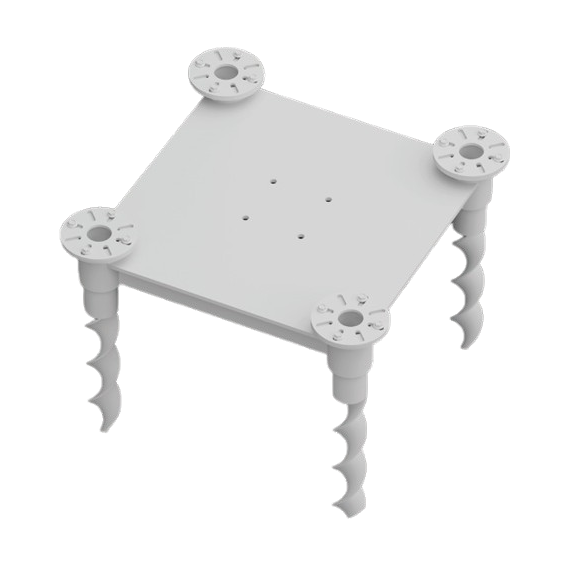
Four-Pile Cap Screw Pile | Reliable Helical Pile Manufacturer| Patented Foundation Solution
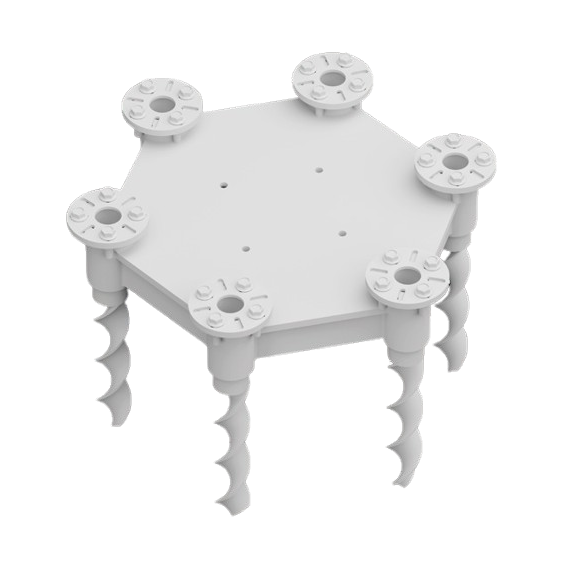
Six-Pile Cap Screw Pile | Reliable Helical Pile Manufacturer| Patented Foundation Solution
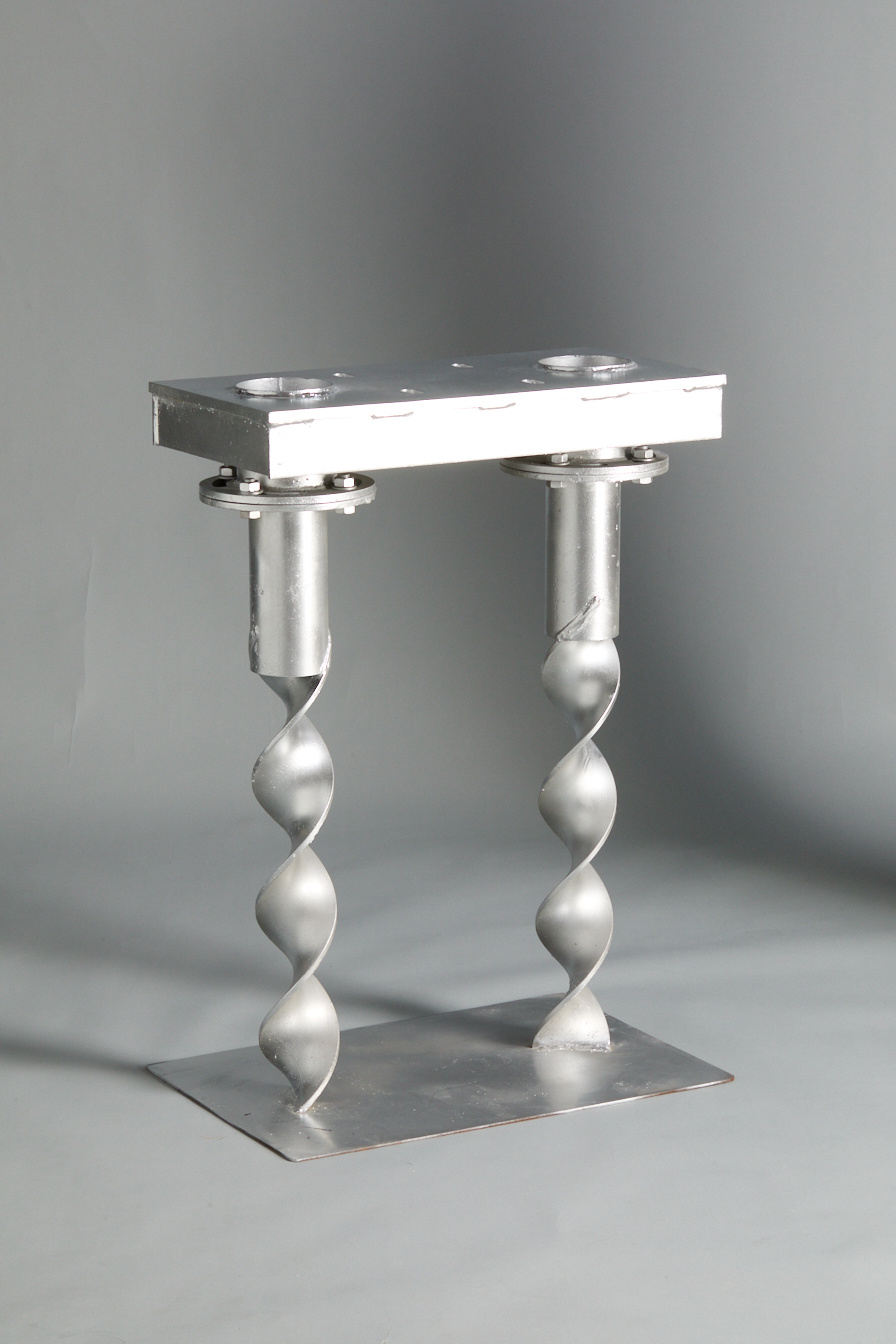
Two-Pile Cap Screw Pile | Reliable Helical Pile Manufacturer| Patented Foundation Solution
Steel Platform System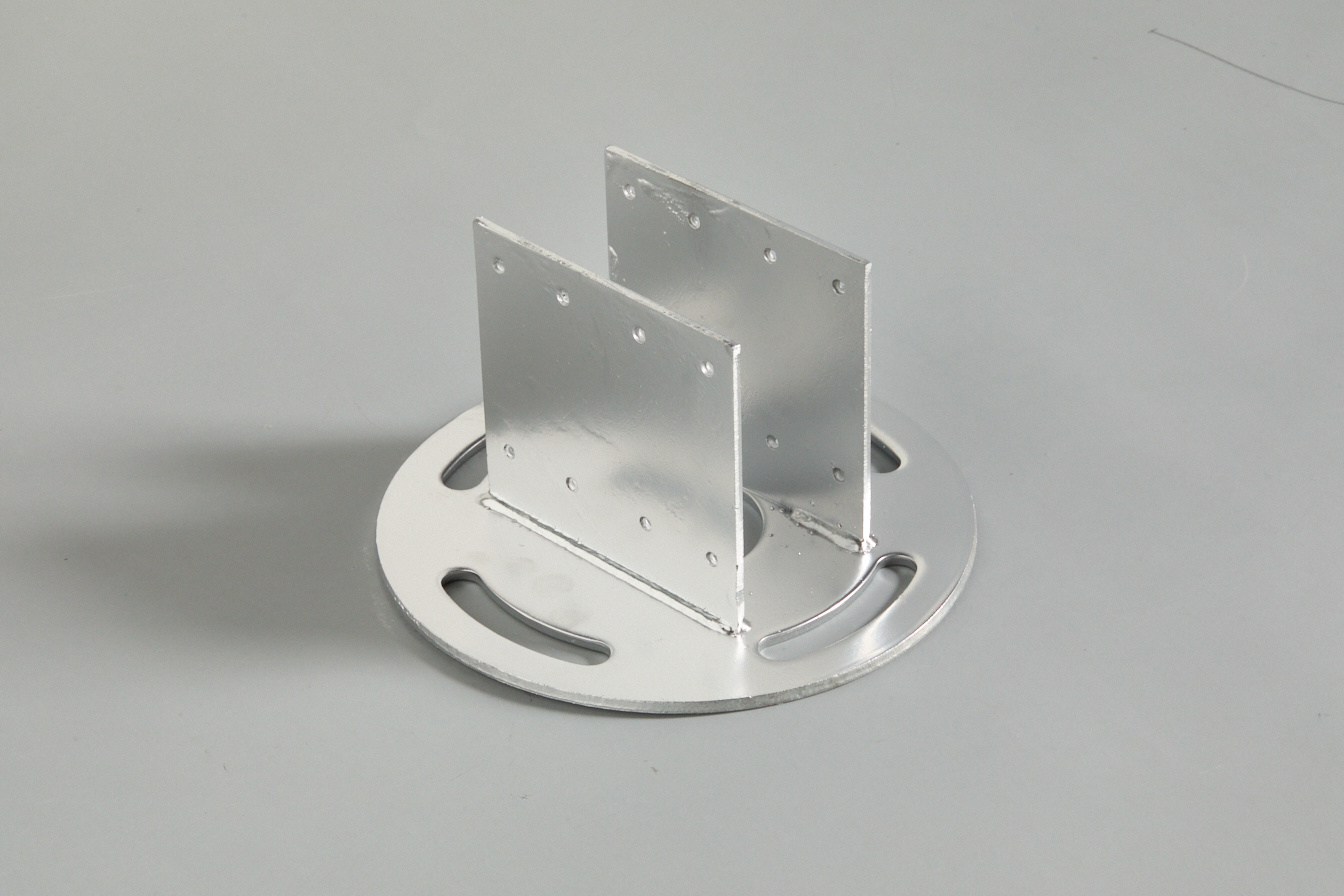
Spiral pile connectors
Small U connector
Large U connector
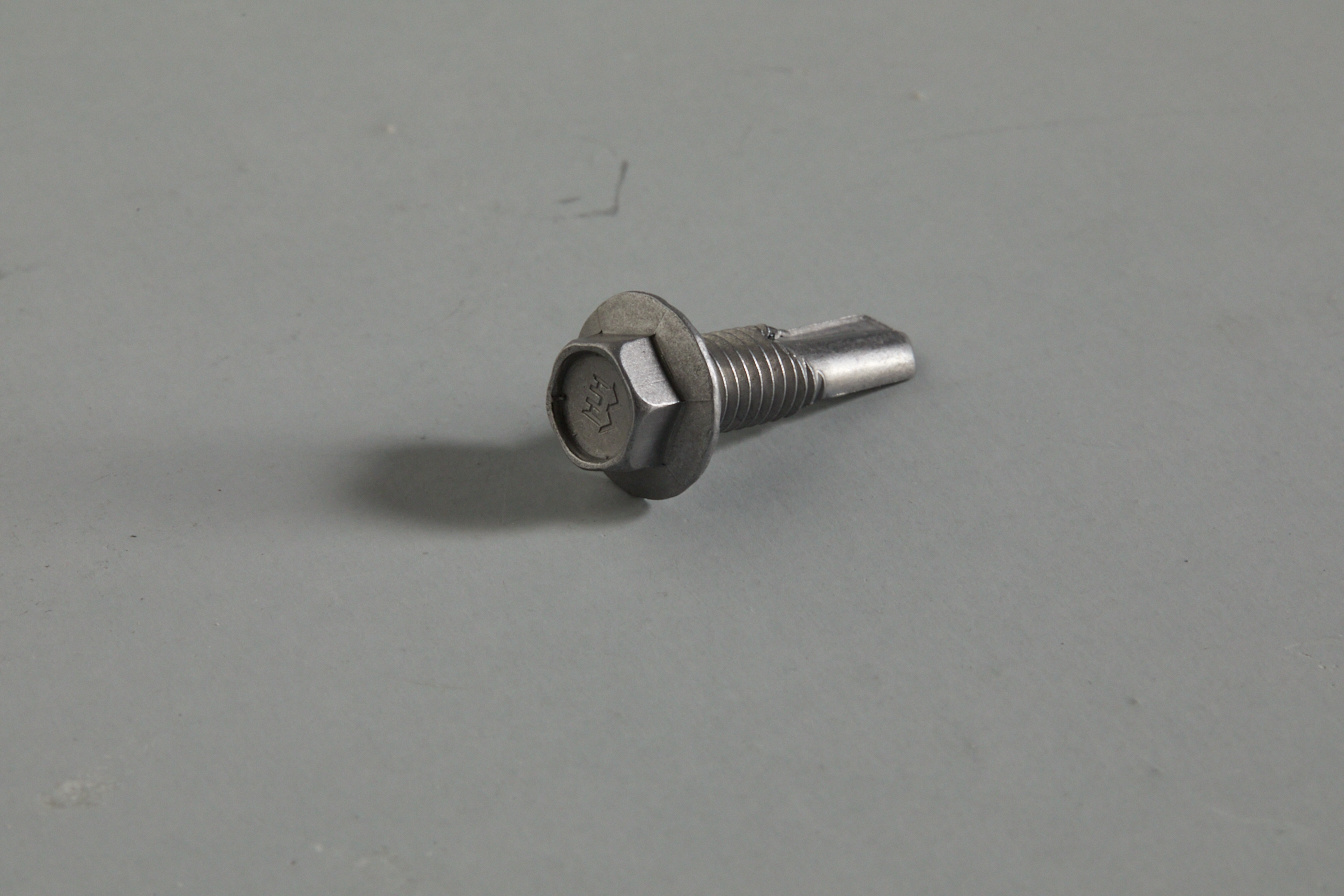
Hexagonal flange self drilling and self tapping screws
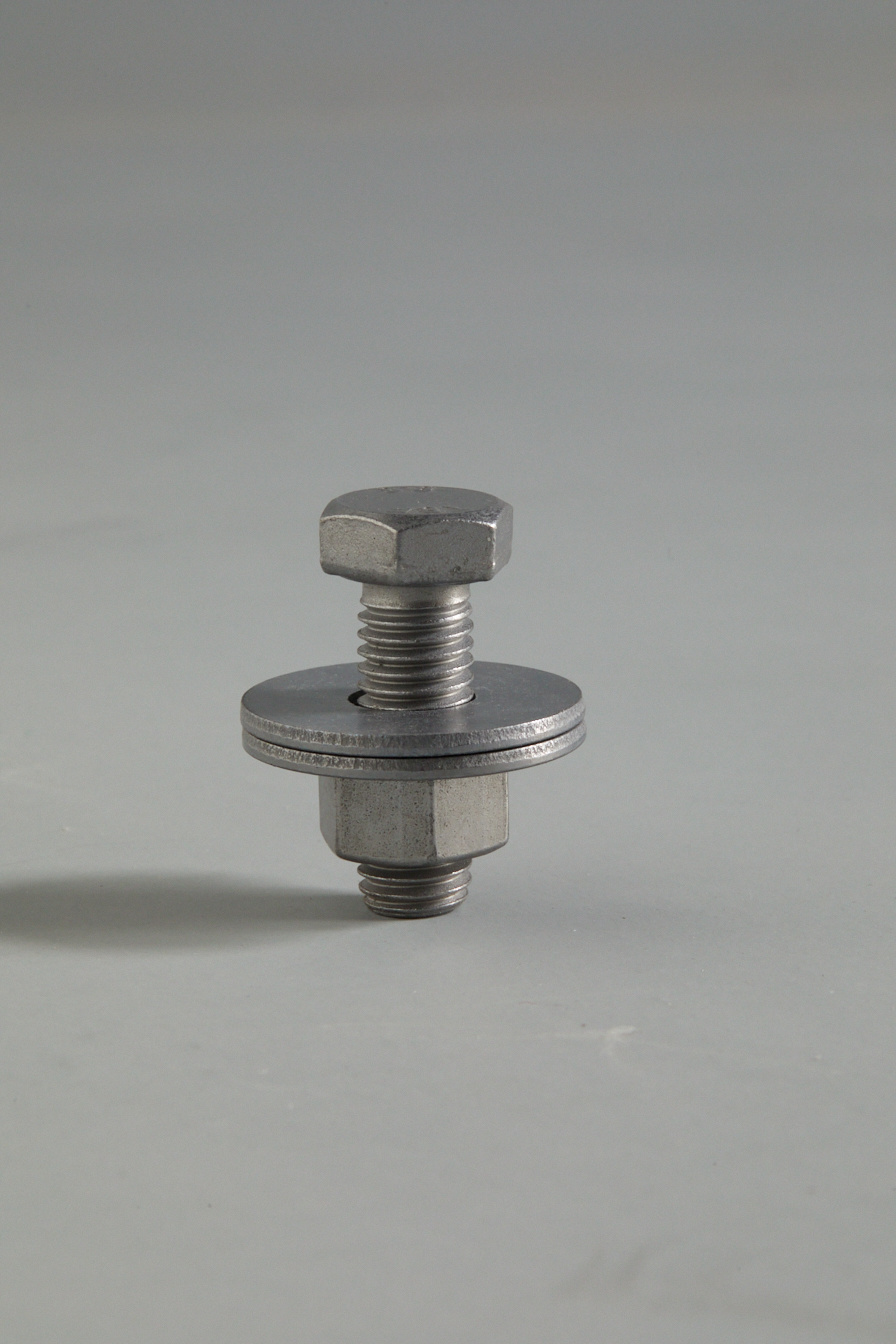
Tightening Bolts
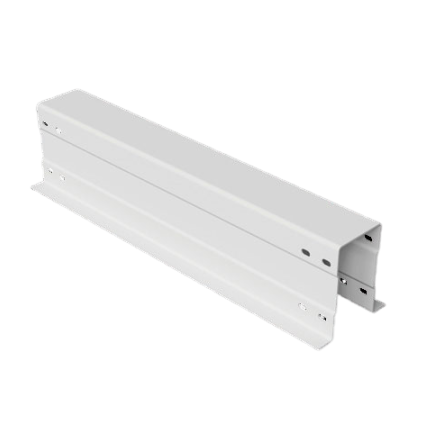
Secondary Beam
Steel Platform - Main Beam
Modular building
Modular building
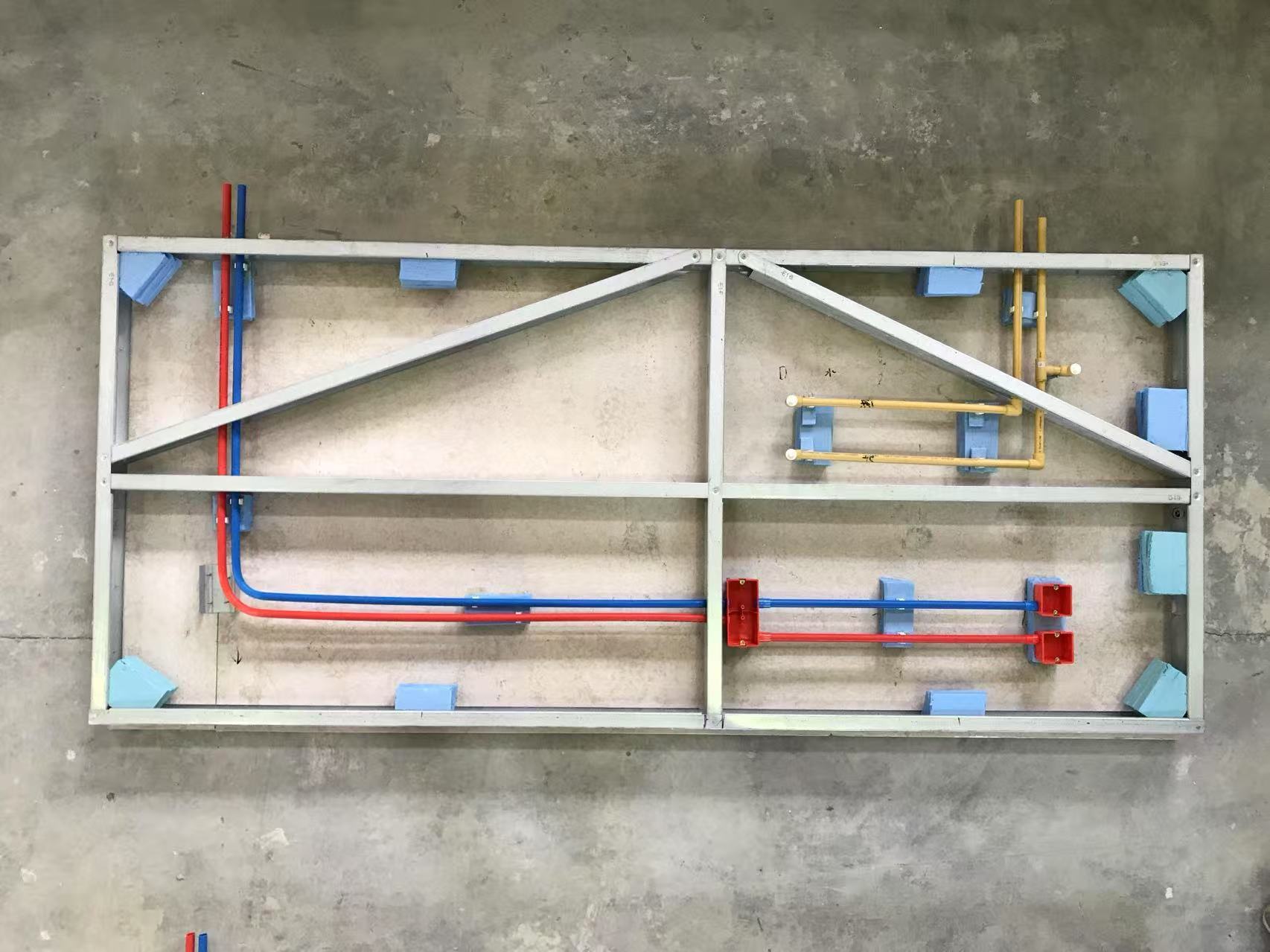
Layout Diagram of Electrical and Plumbing Pipelines for Magnesium-Based Grouted Walls

Performance Testing of Magnesium-Based Walls
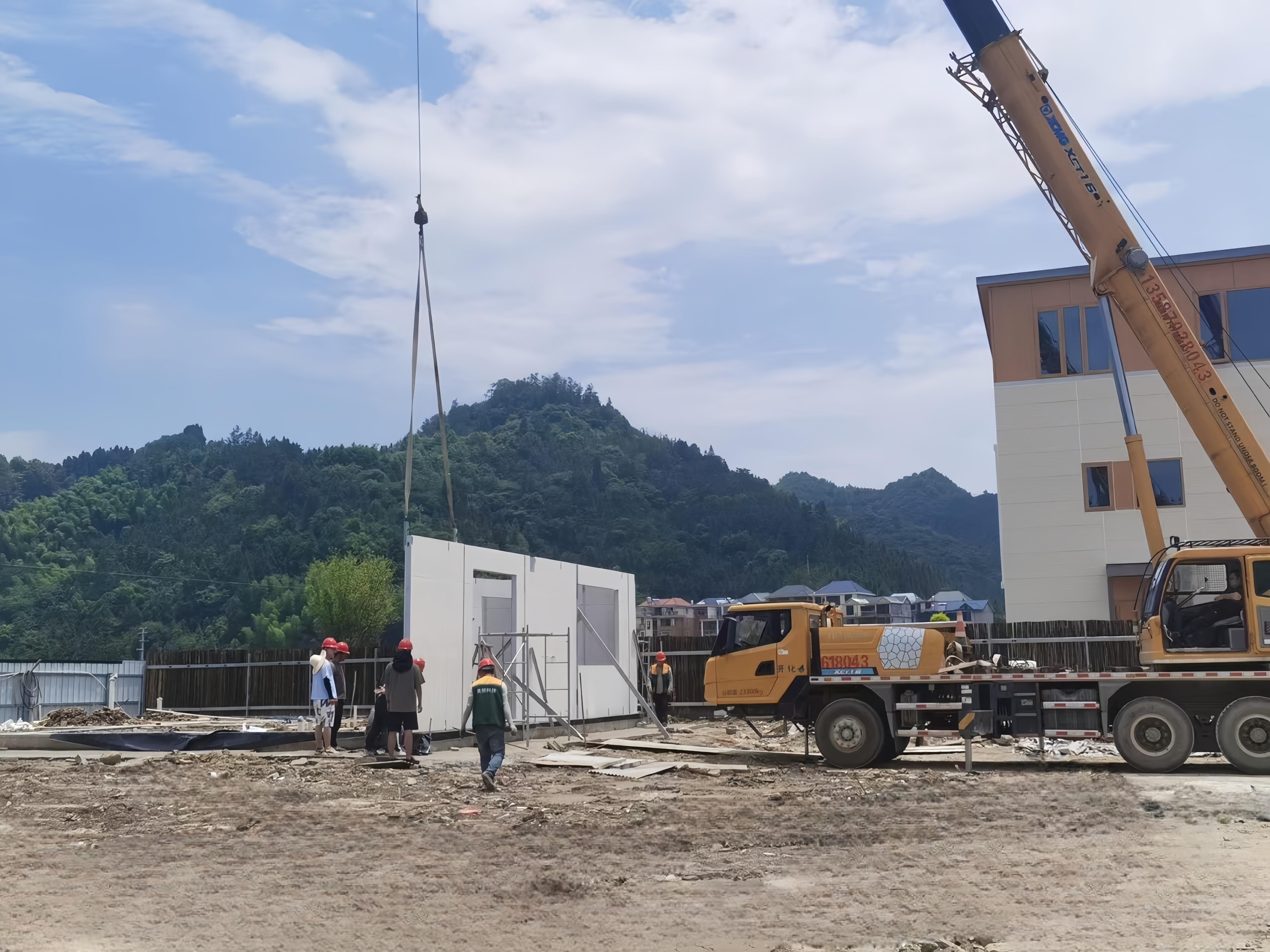
Construction Process of Modular Walls
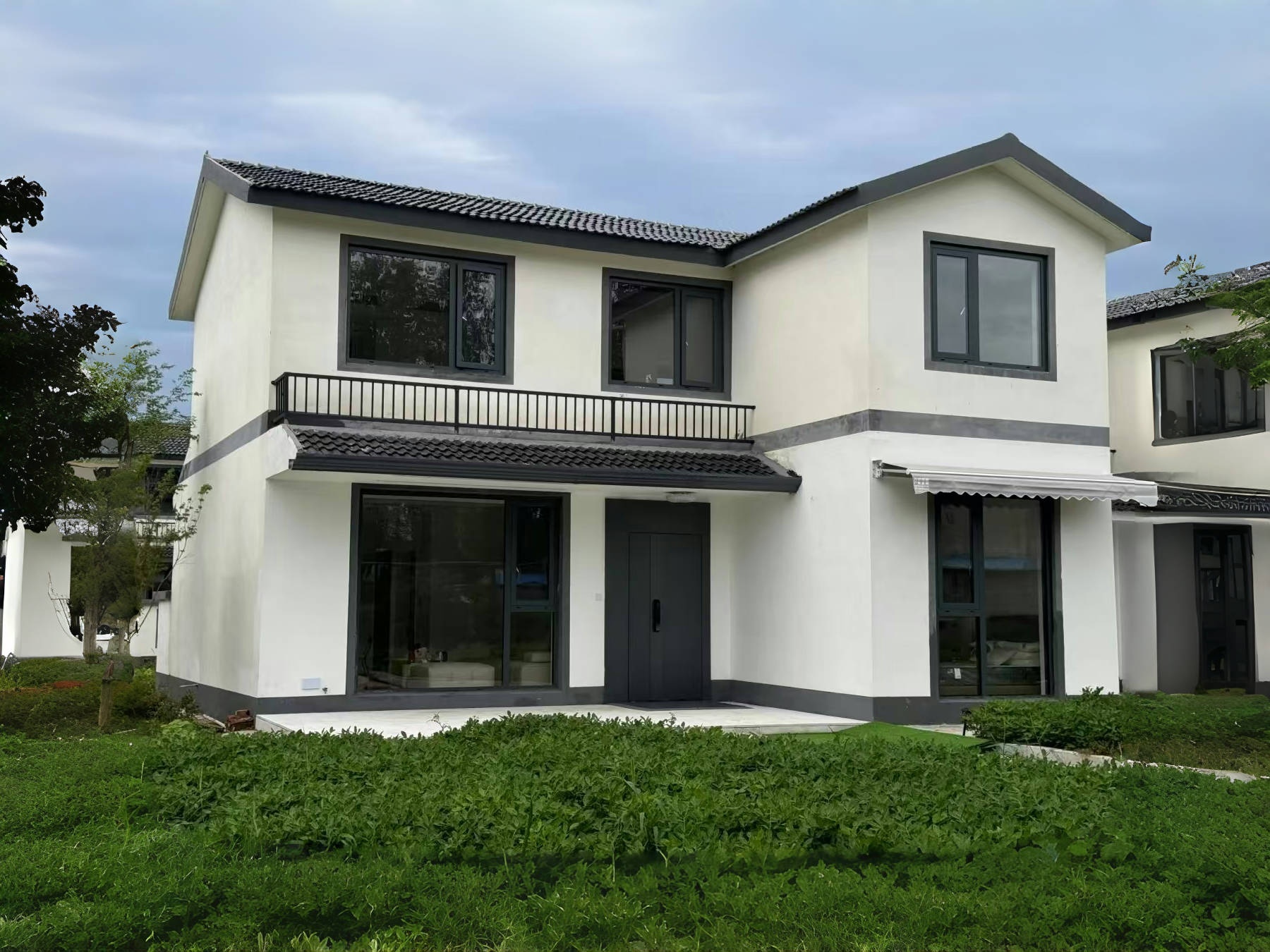
Cases of Modular Buildings
Bracket Roof Integrated Panel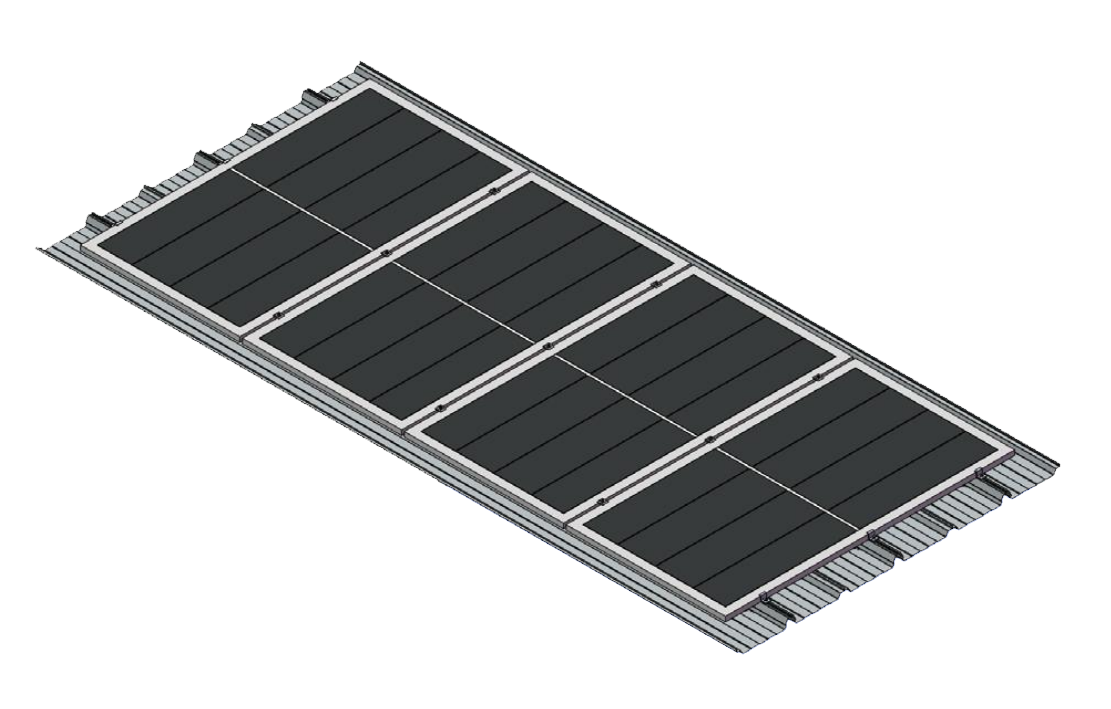
BIPV Bracket Roof Integrated Panel
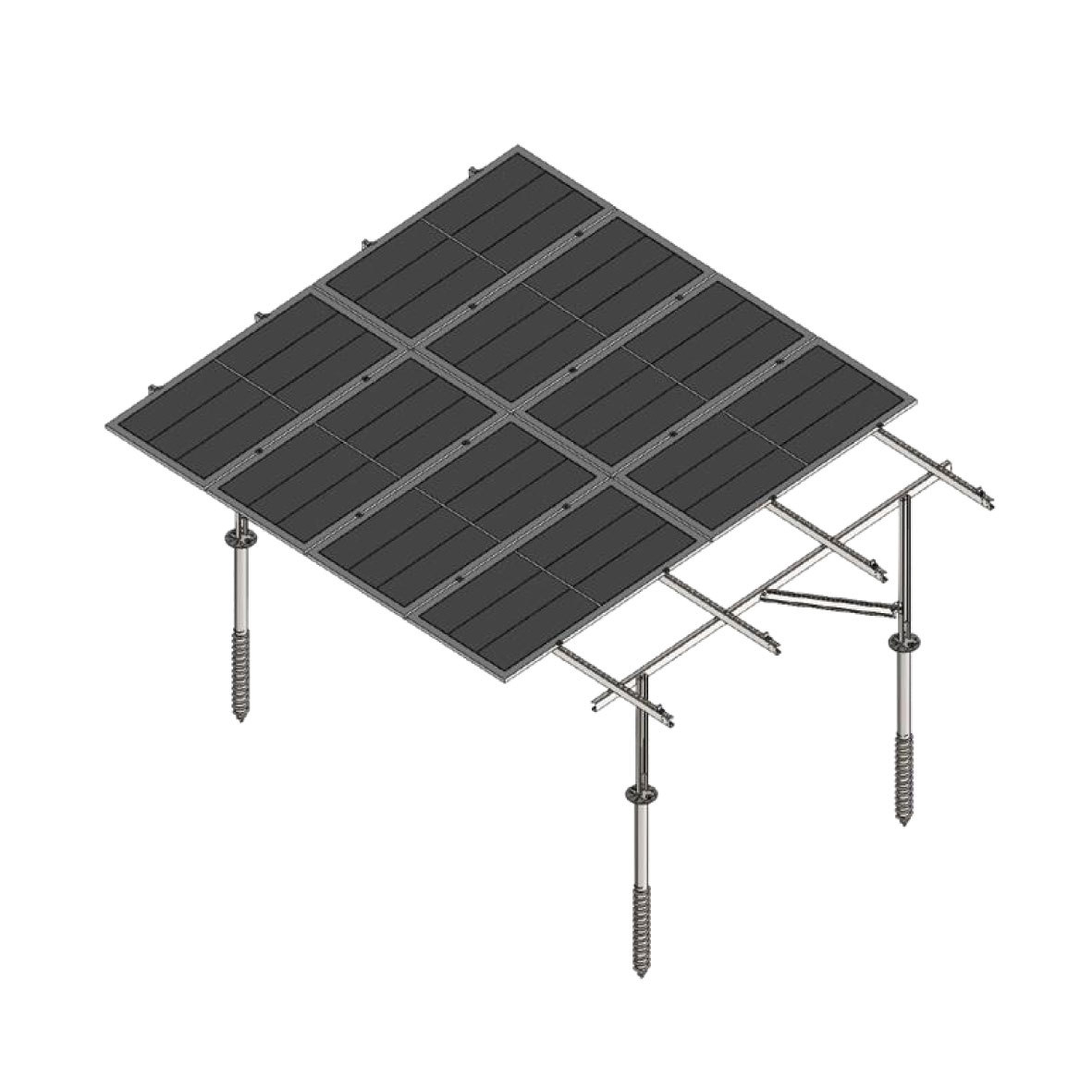
ZINC Aluminum Magnesium Double Leg Bracket
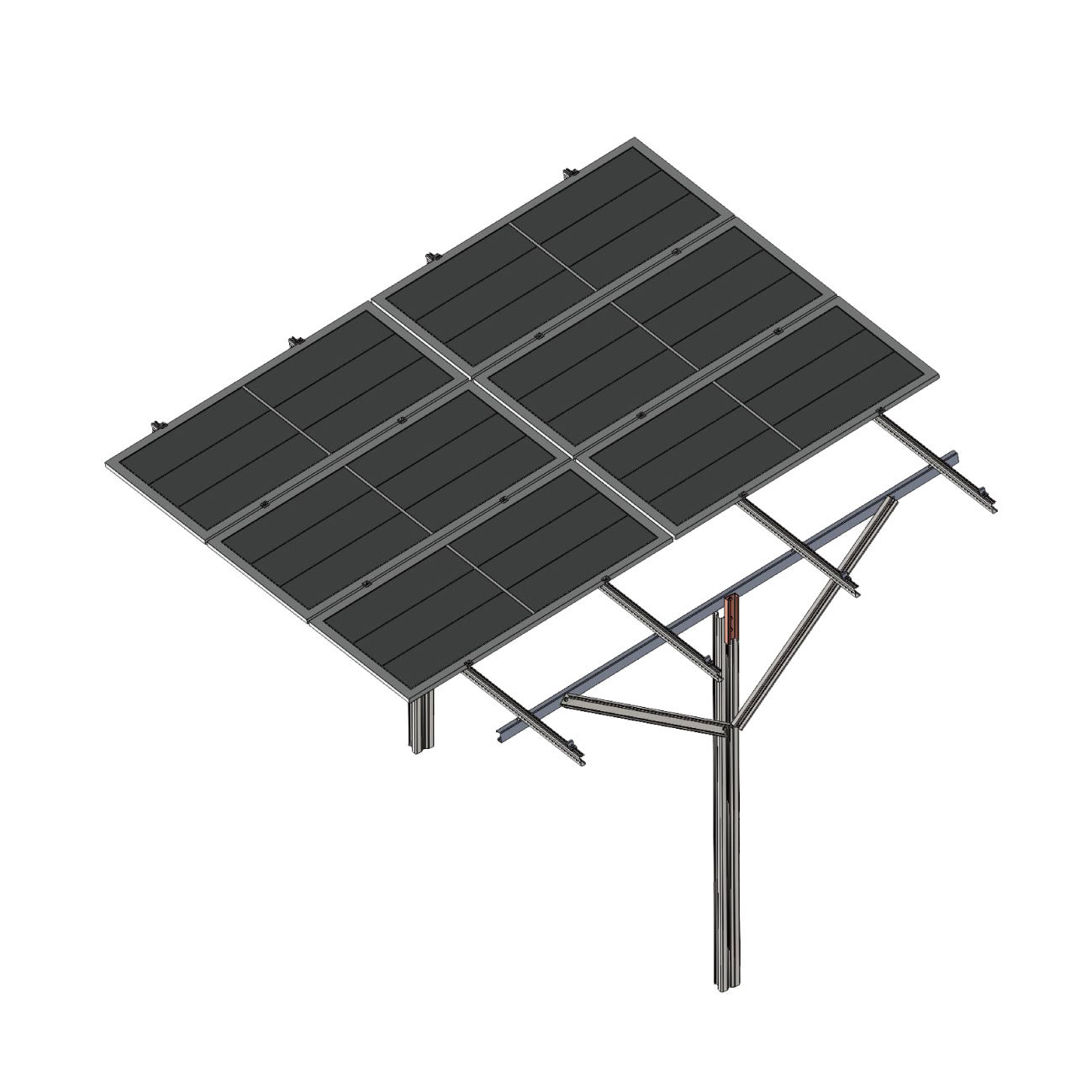
ZINC Aluminum Magnesium Single Leg Bracket
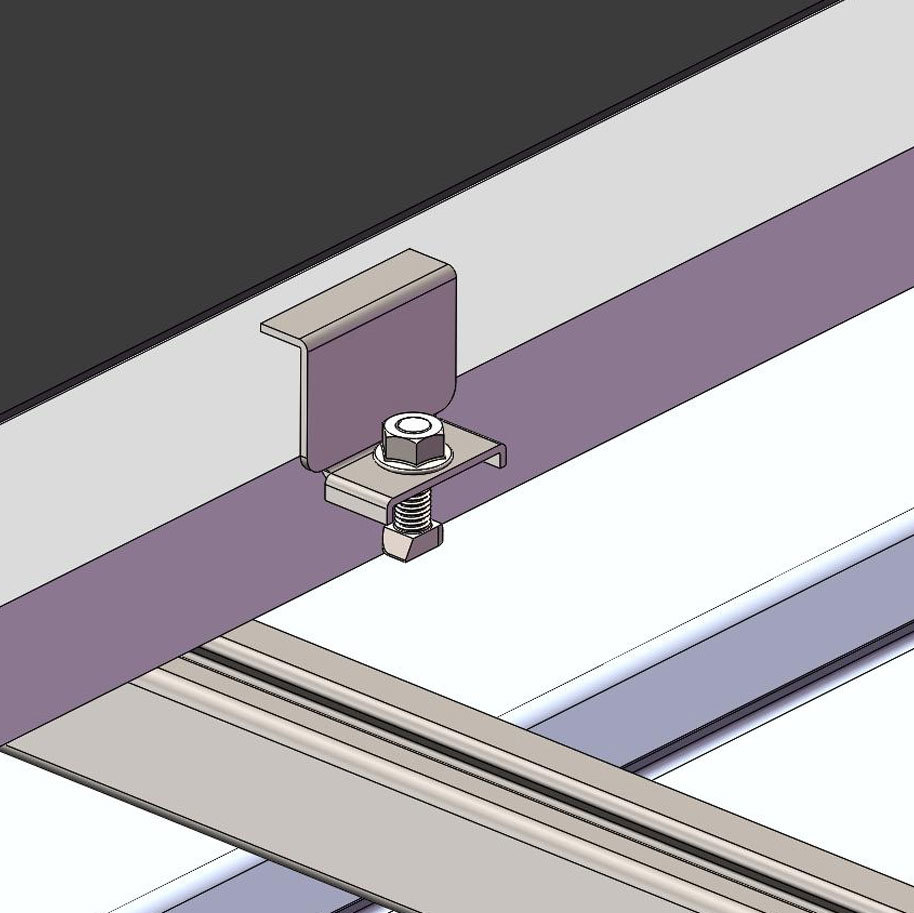
Explosion diagram of zinc aluminum magnesium under lateral pressure
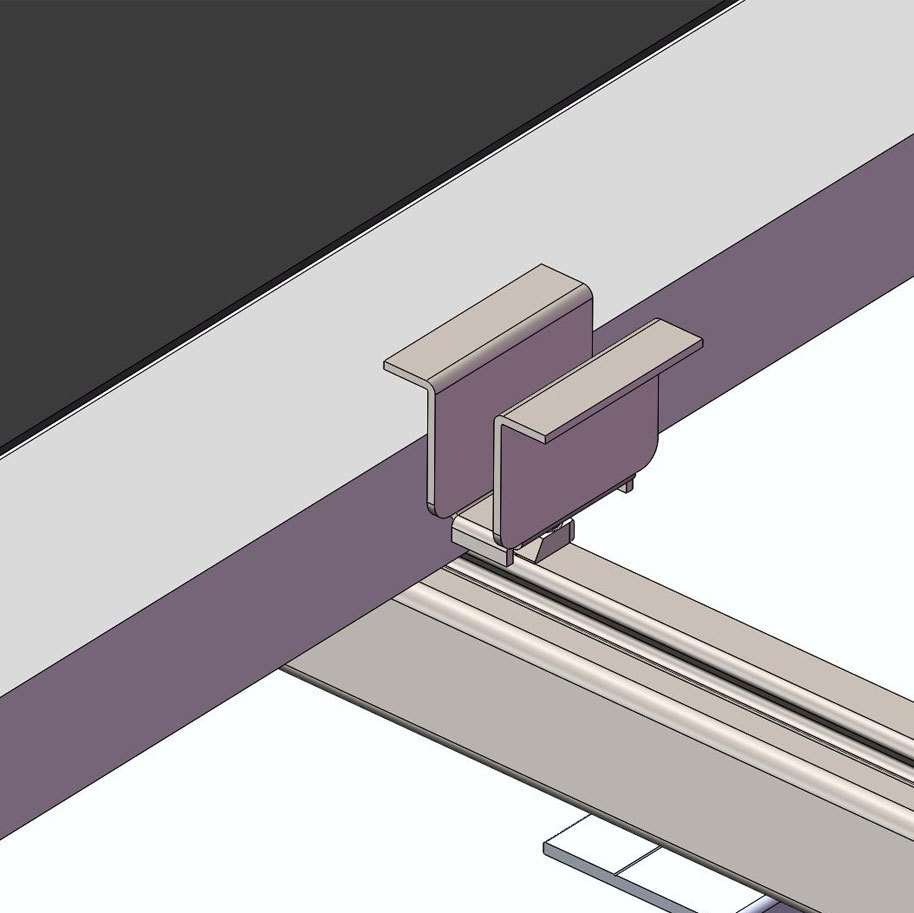
Zinc aluminum magnesium medium pressure explosion diagram
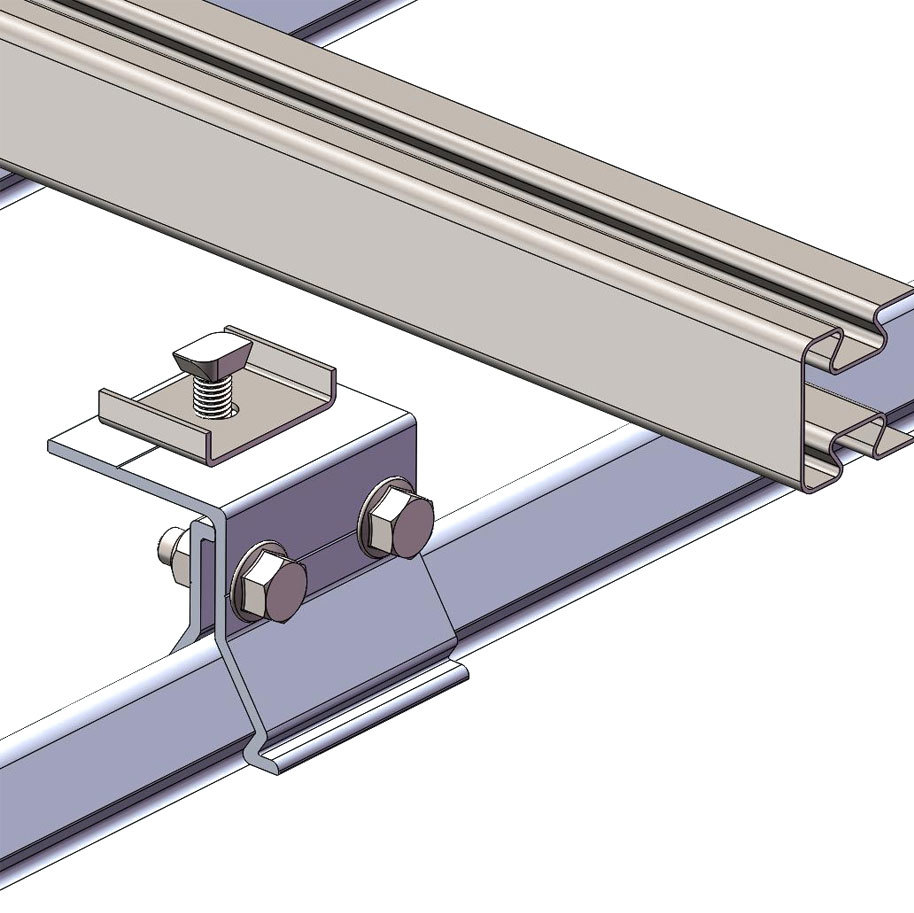
Explosion diagram of fixture components
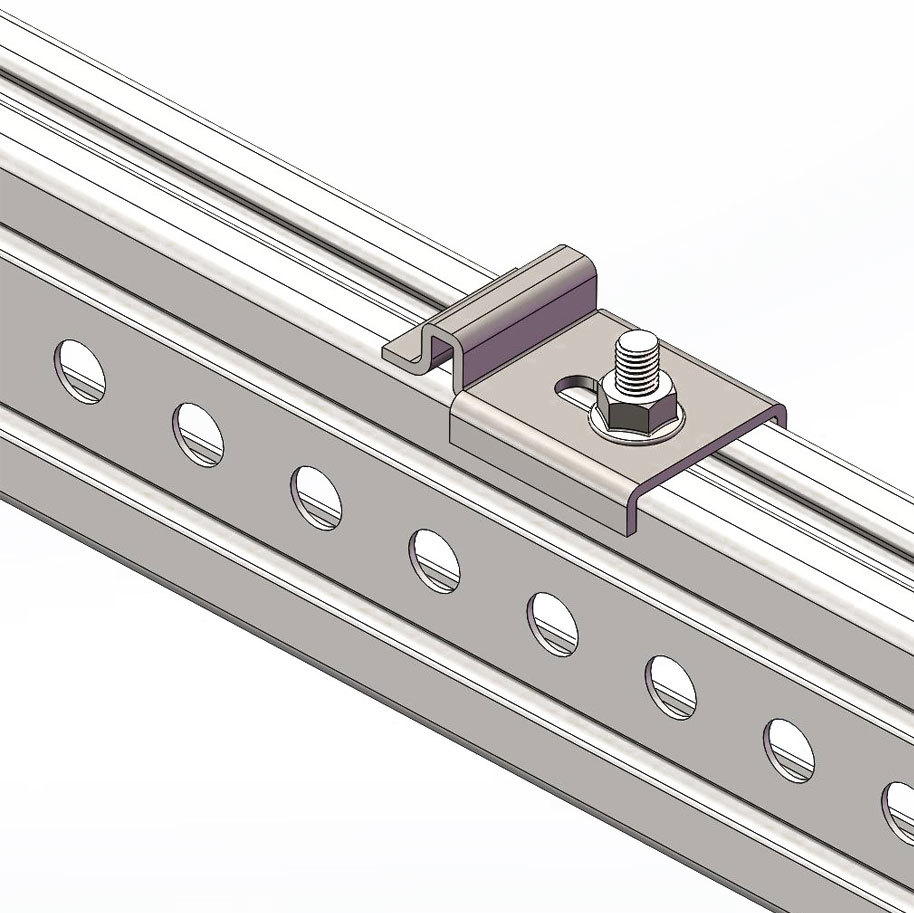
Lower pressure component
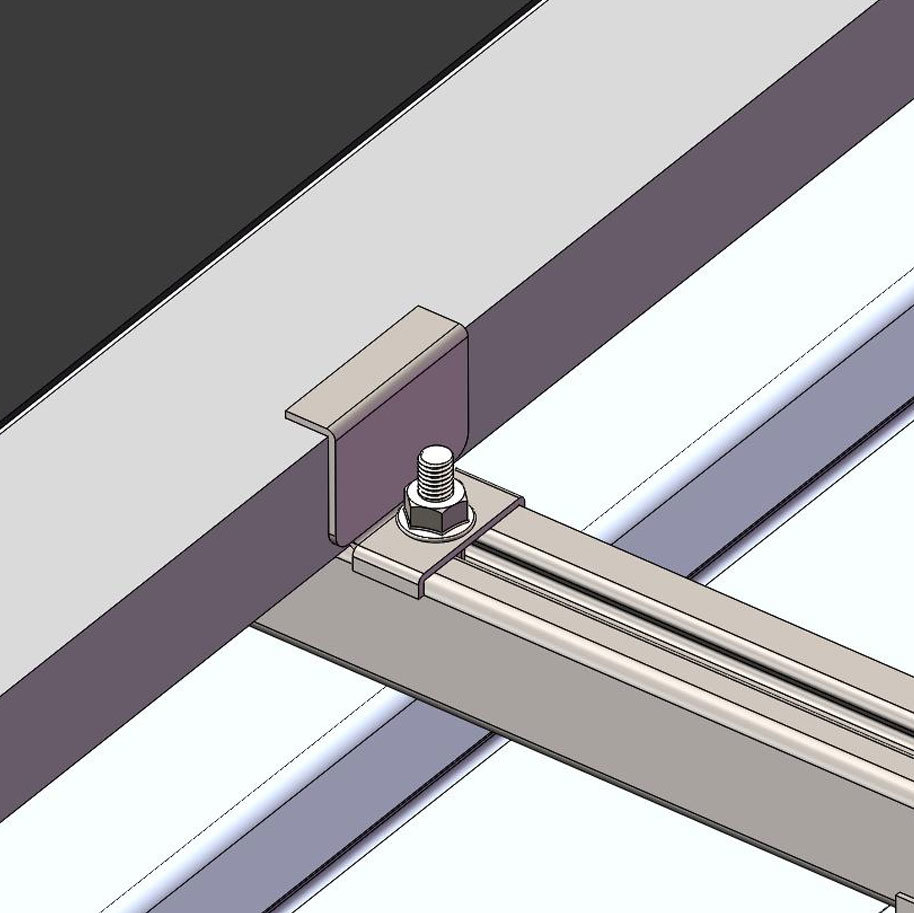
Zinc aluminum magnesium side pressure
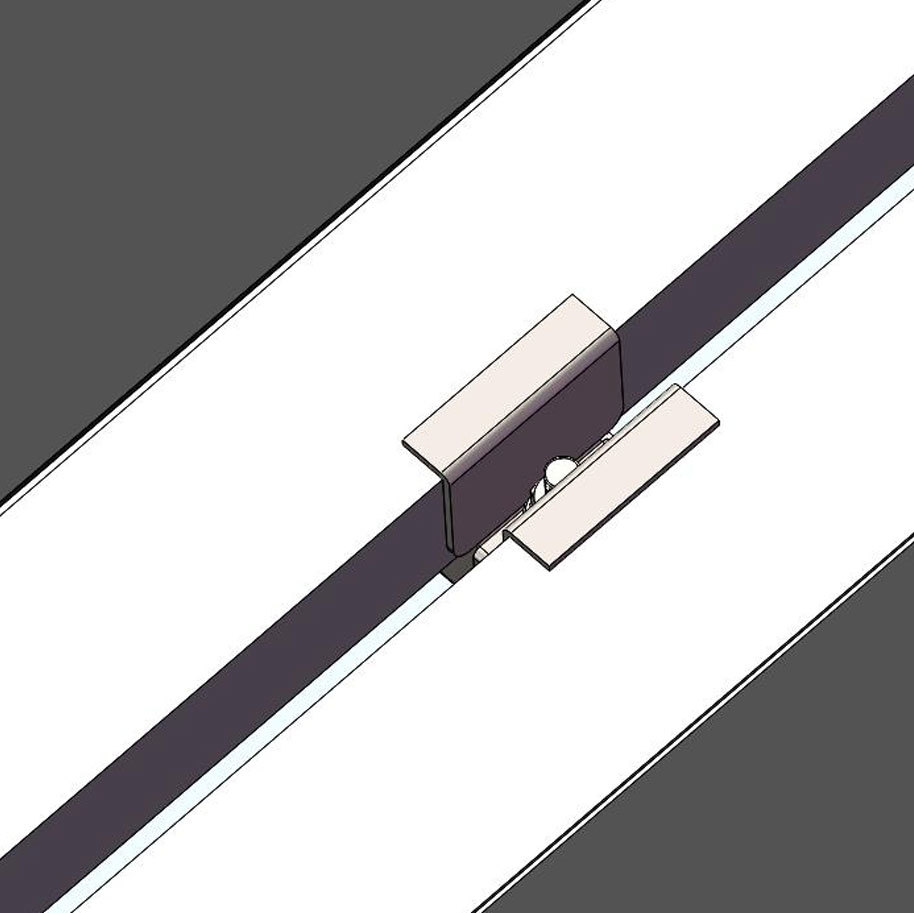
Zinc aluminum magnesium medium pressure
Zinc aluminum magnesium medium pressure
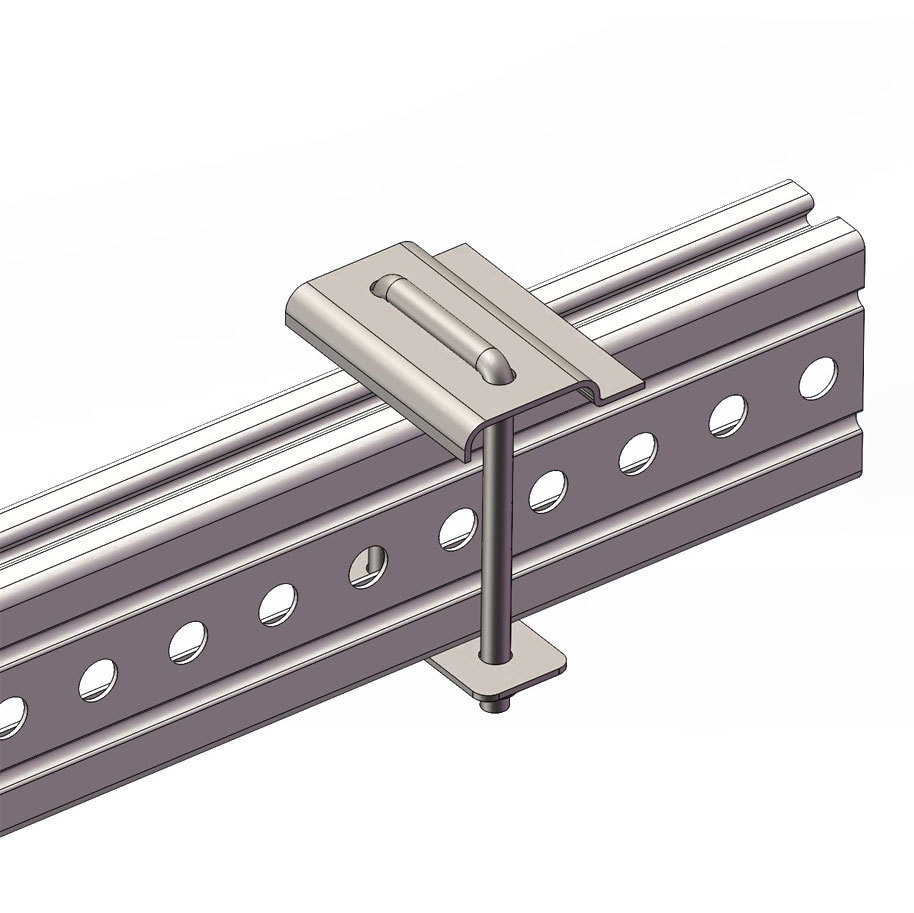
U-bolt assembly
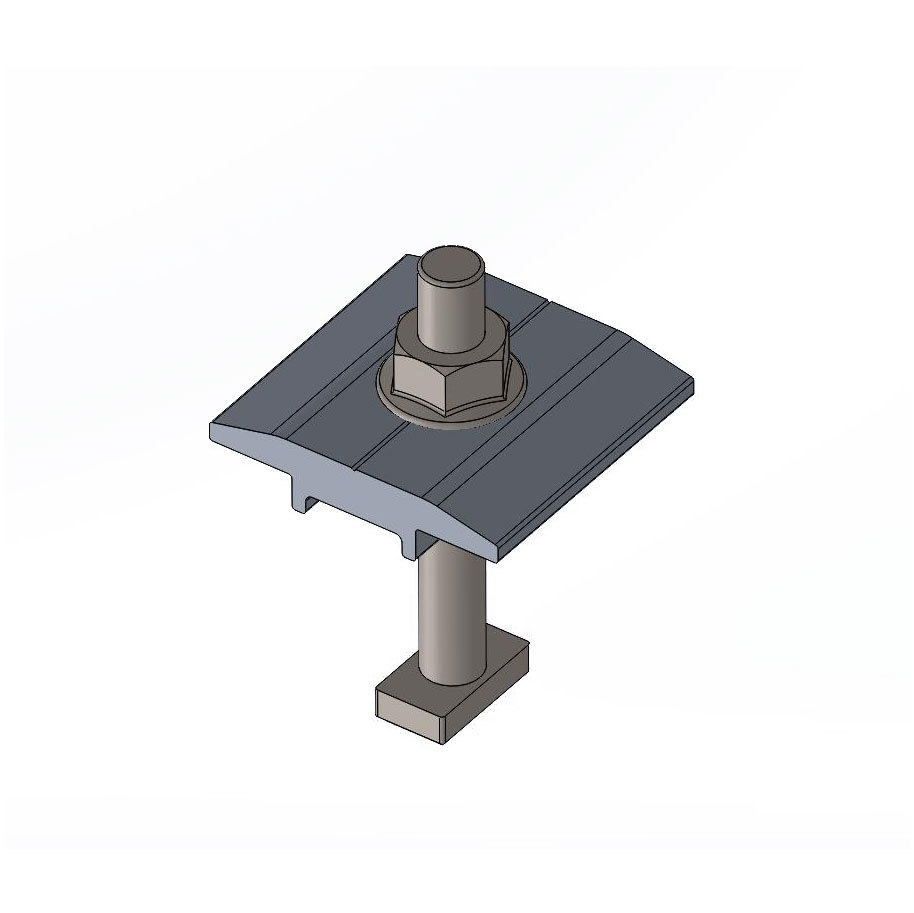
Medium voltage components
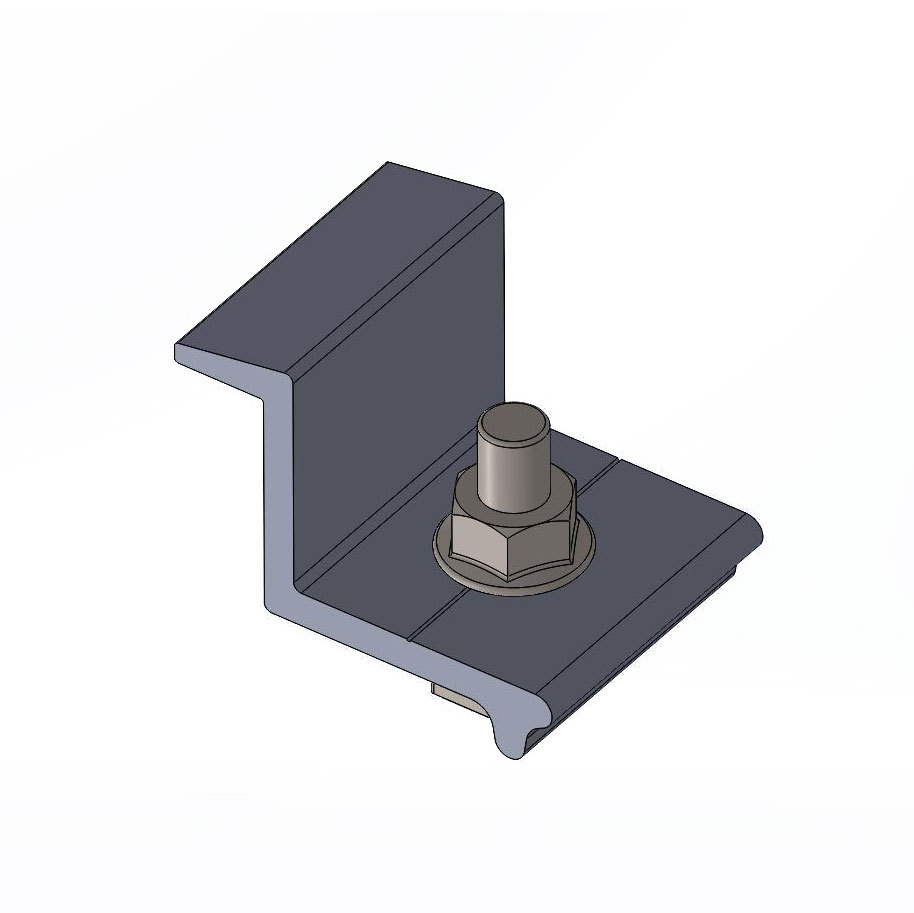
Side pressure component
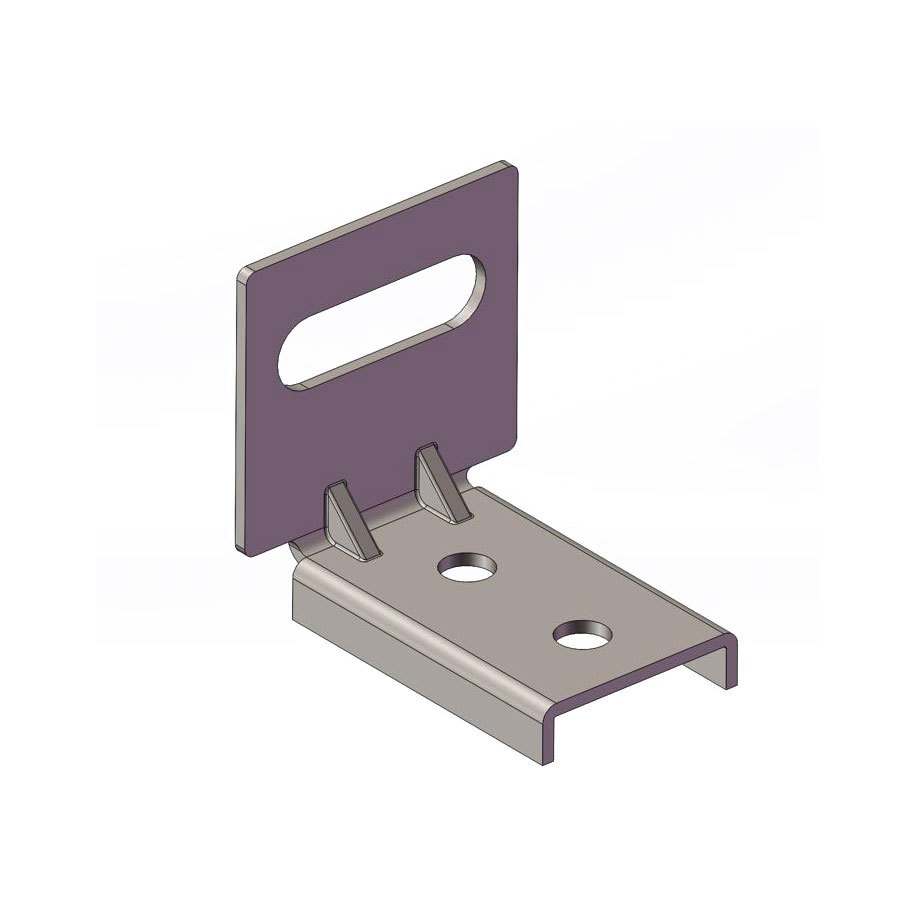
Horizontal and vertical rail connectors
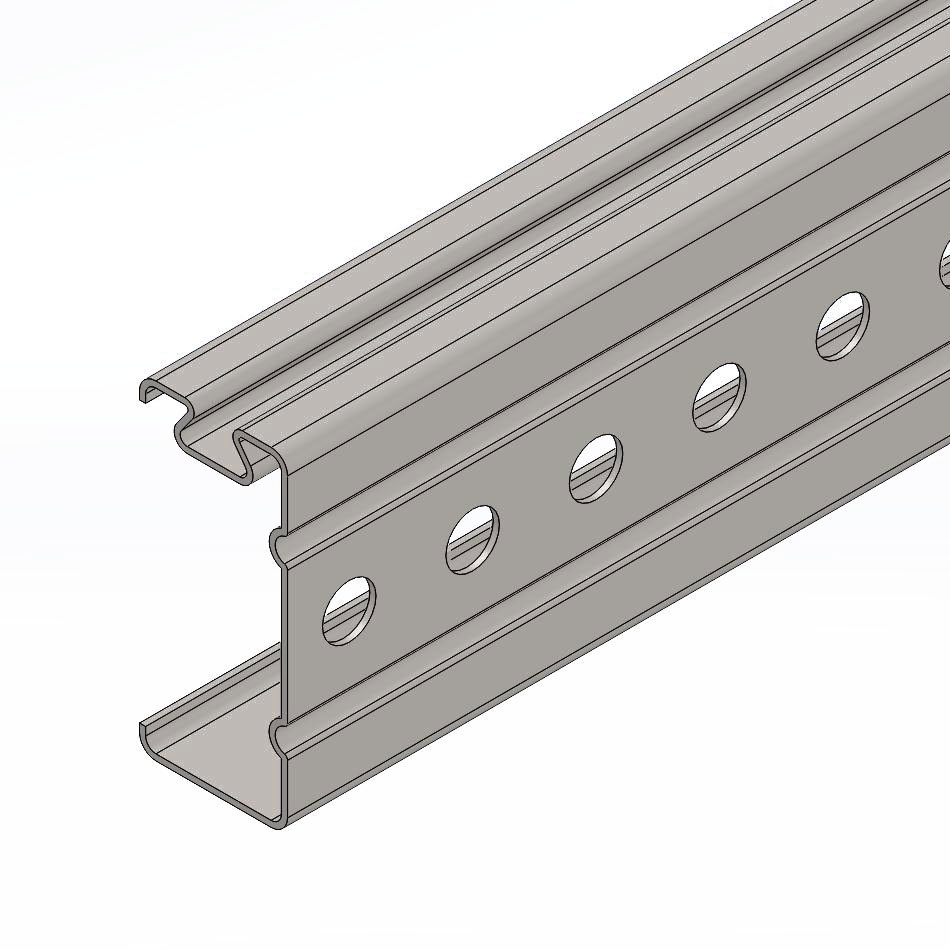
Slant support
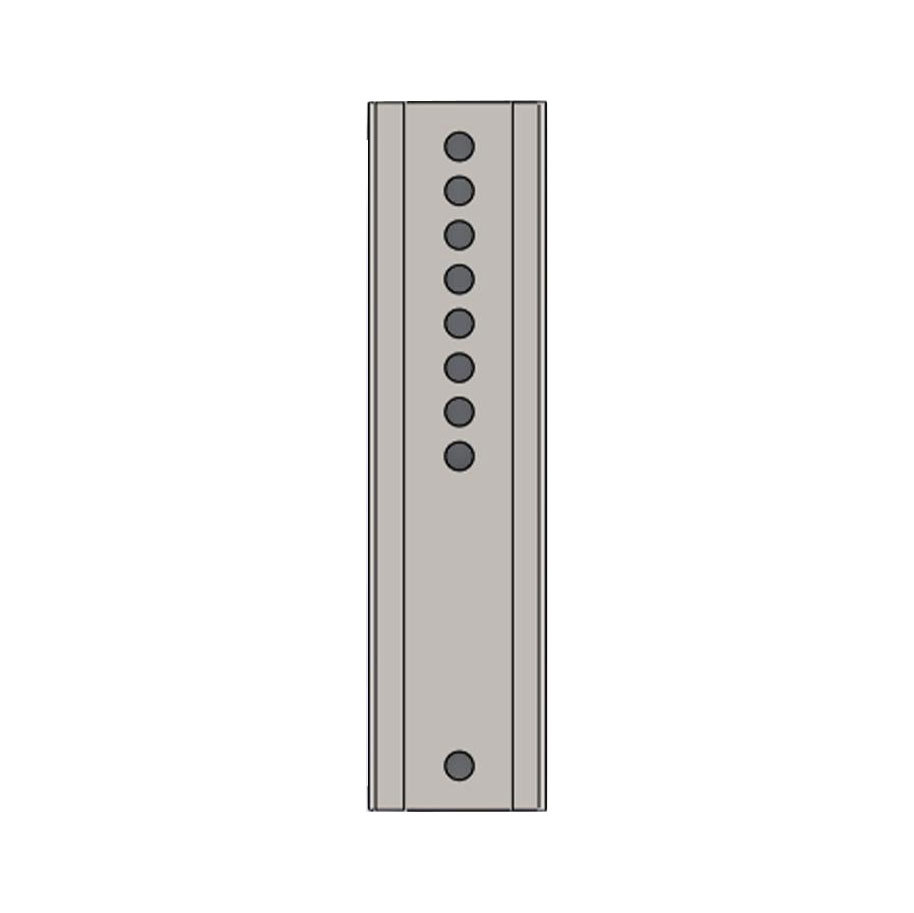
Column connectors
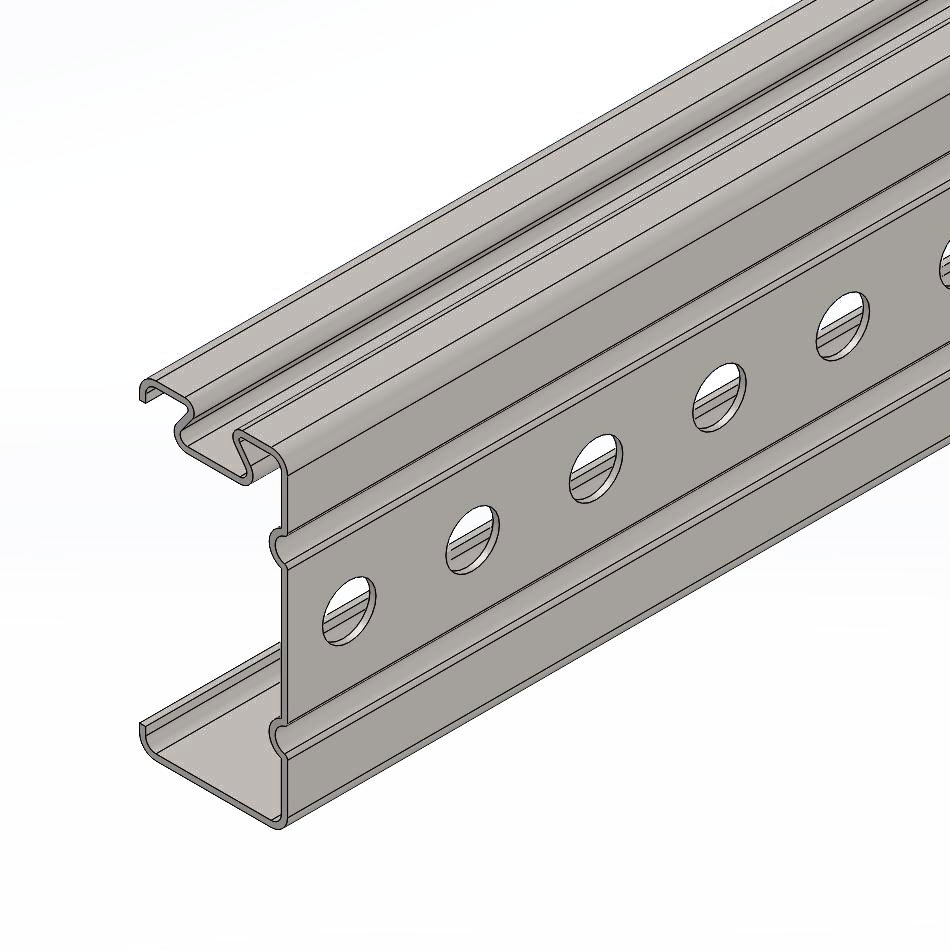
Longitudinal track
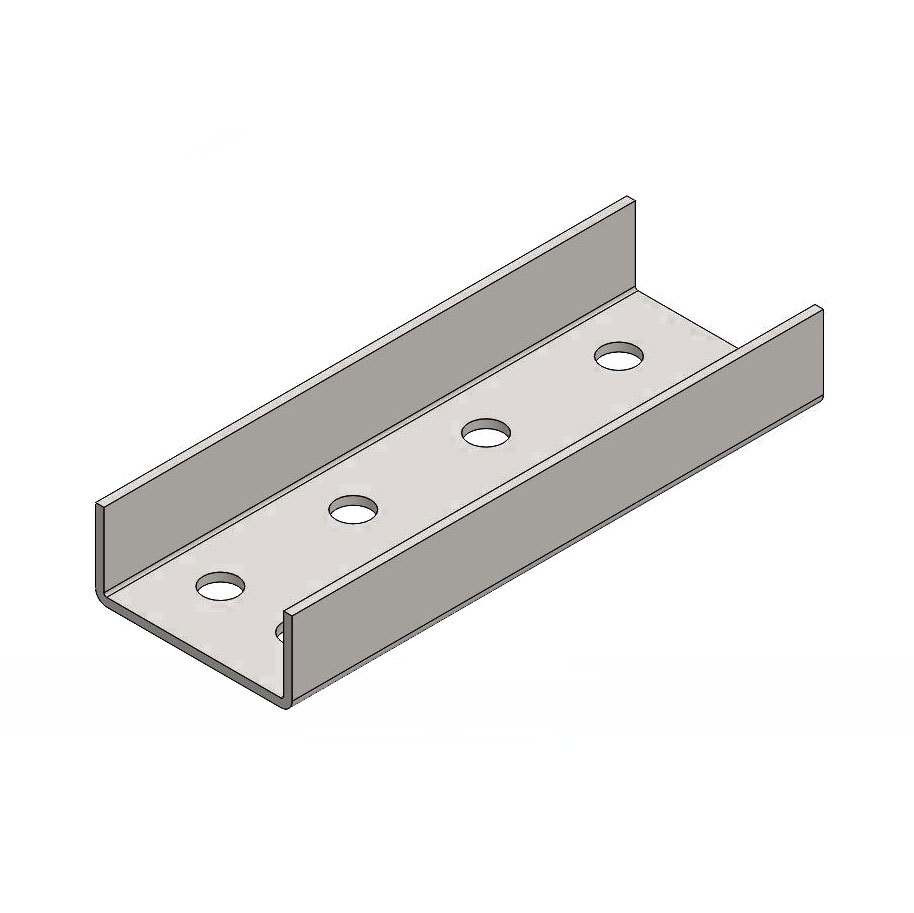
Horizontal rail connectors
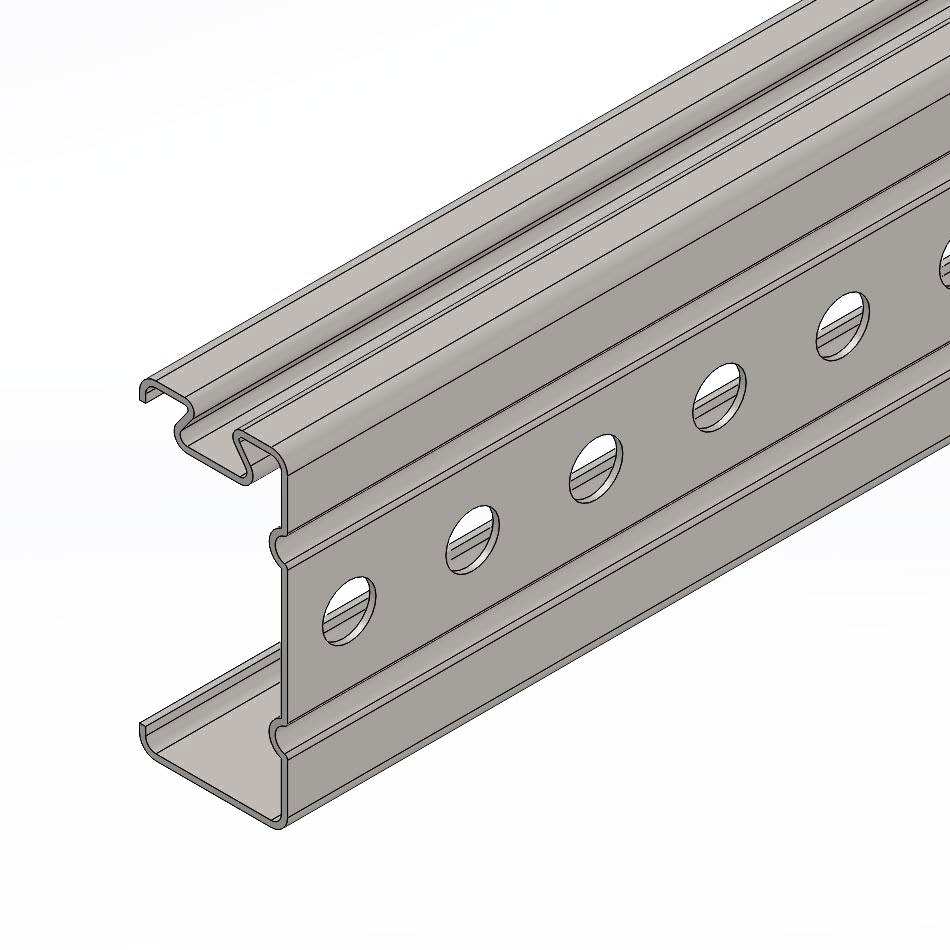
Horizontal track
Easy Install Steel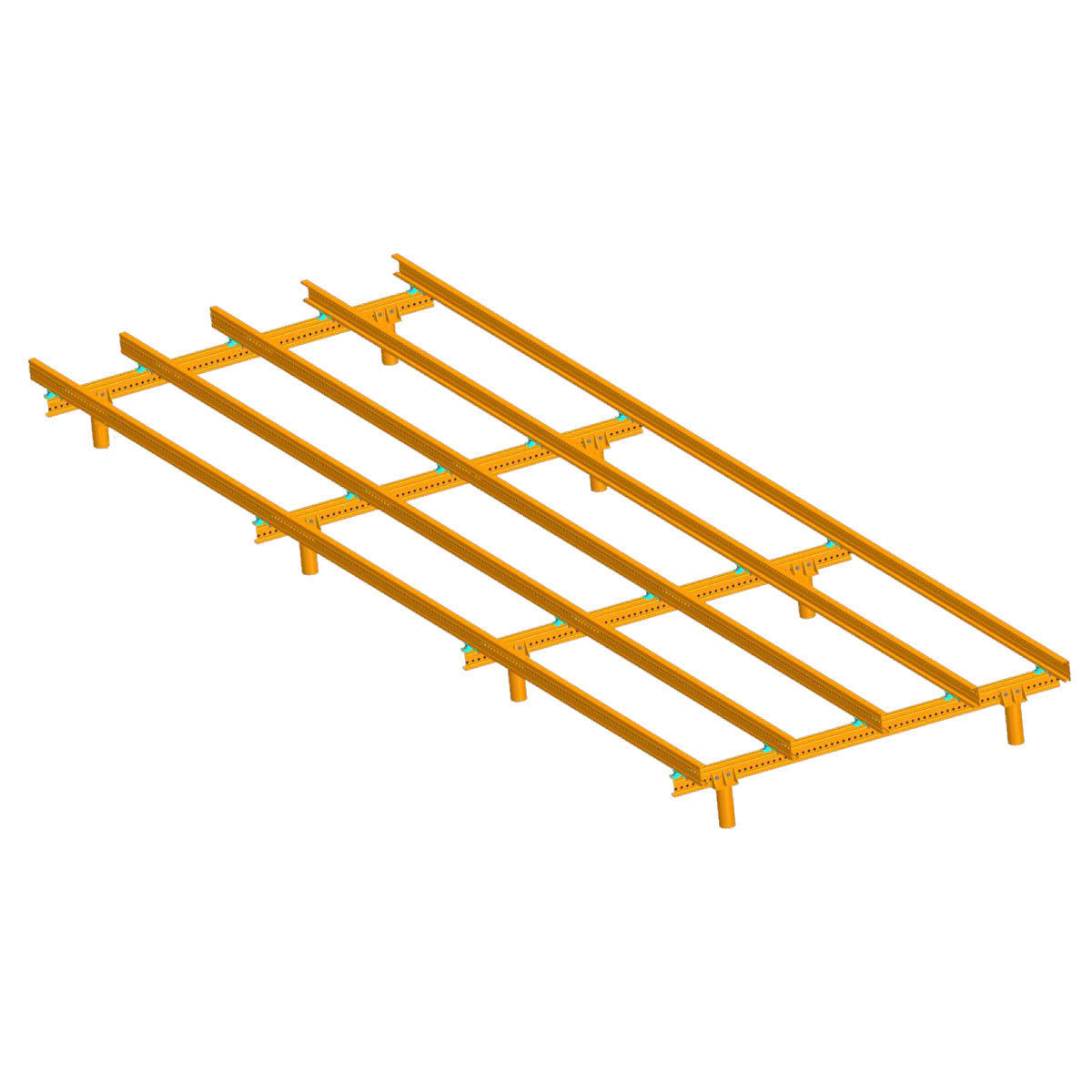
Haoheng Yi'an System

Easy Install Steel
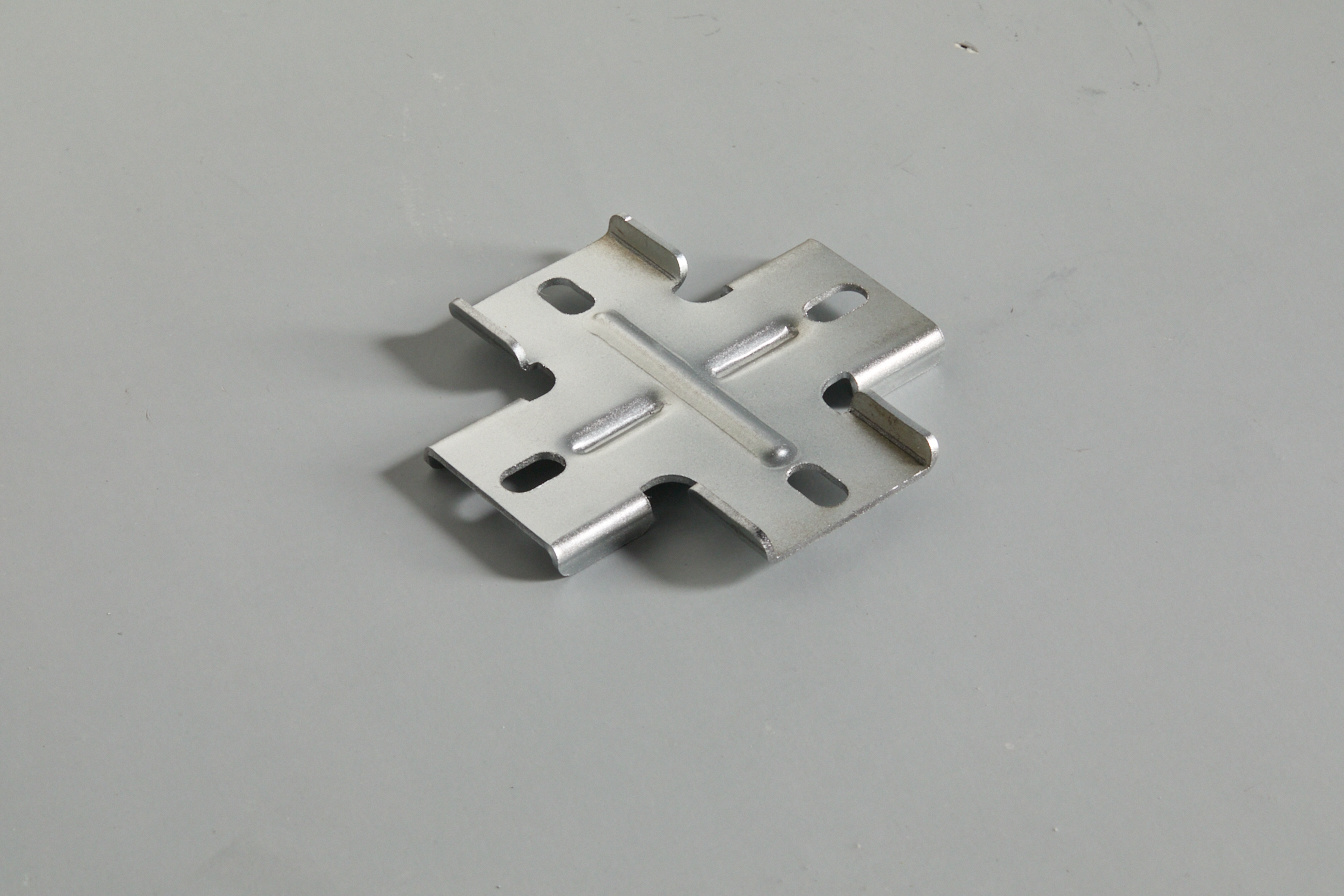
Cross connector
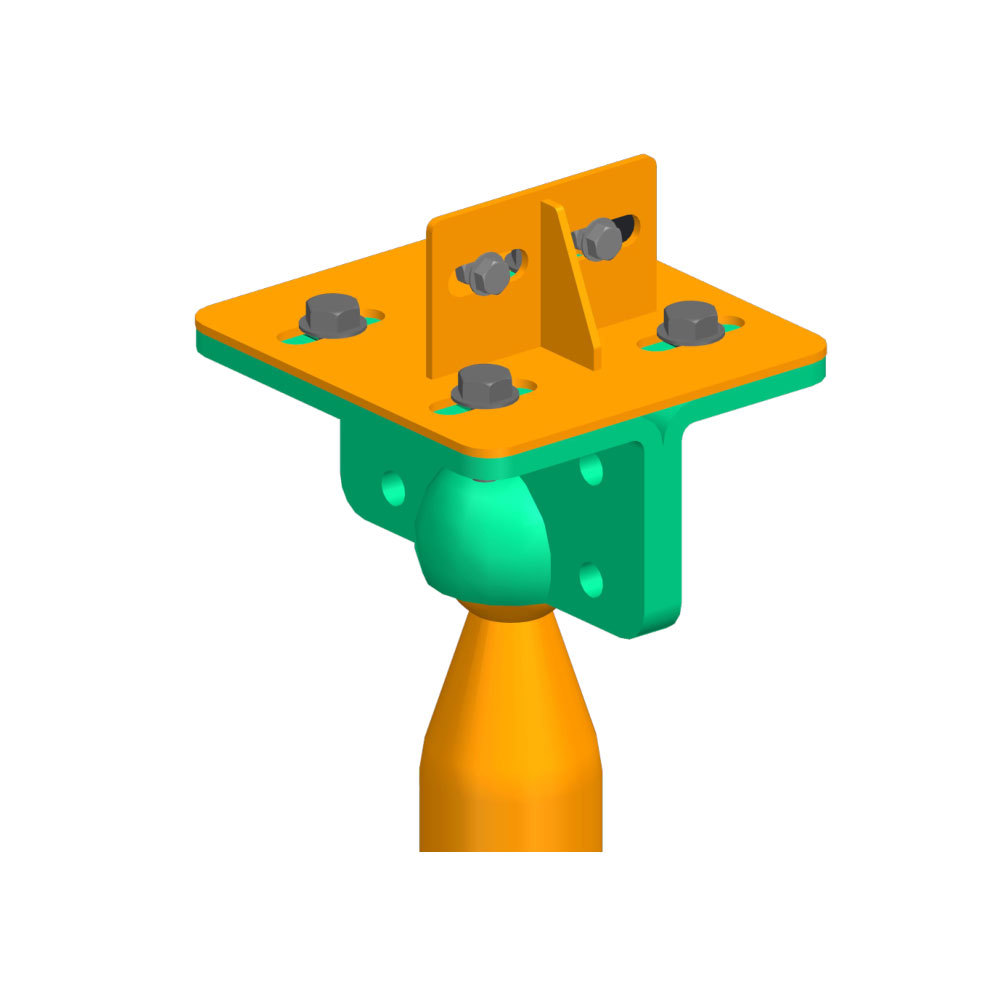
Universal connector for screw pile
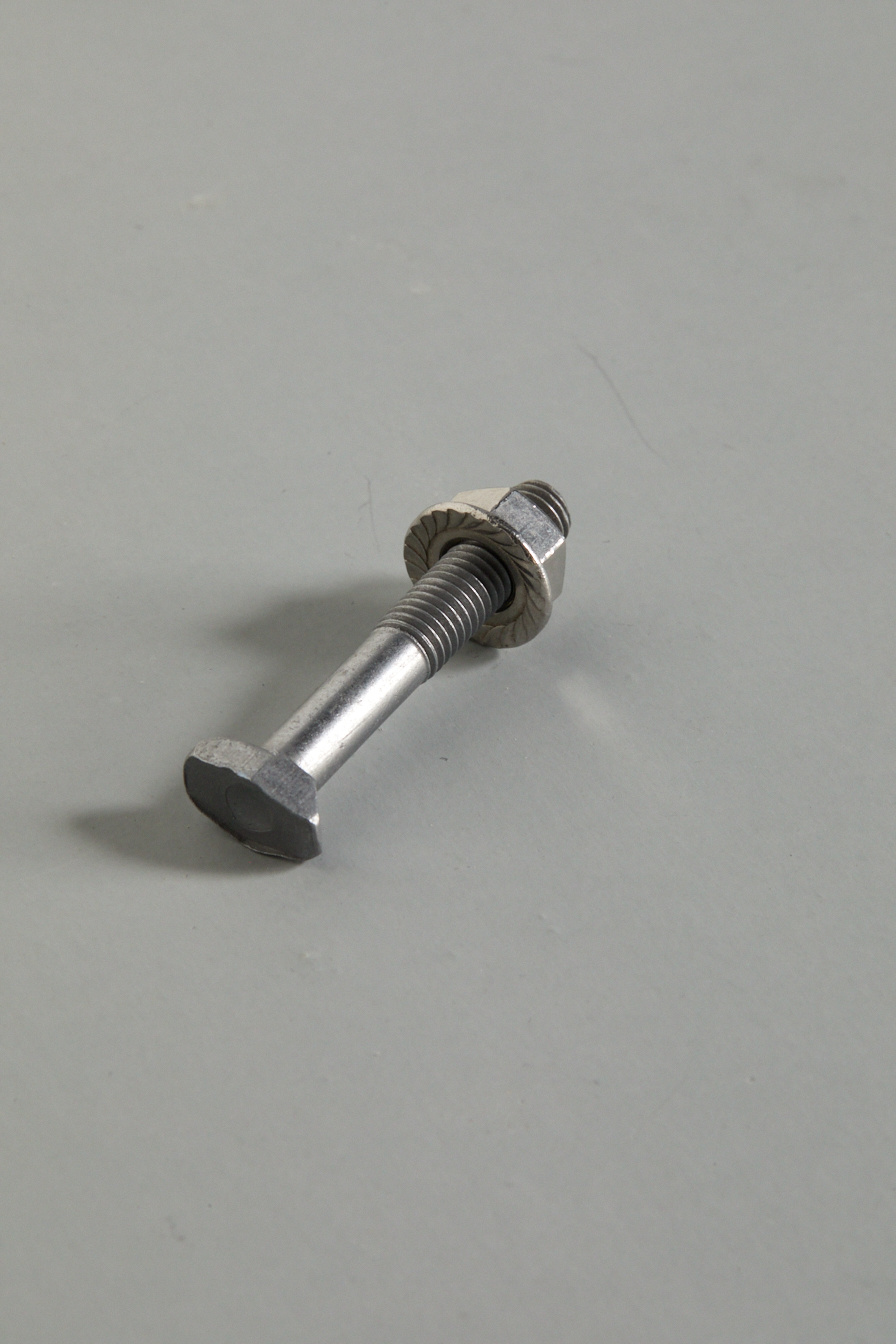
T-shaped dovetail bolt
Floor System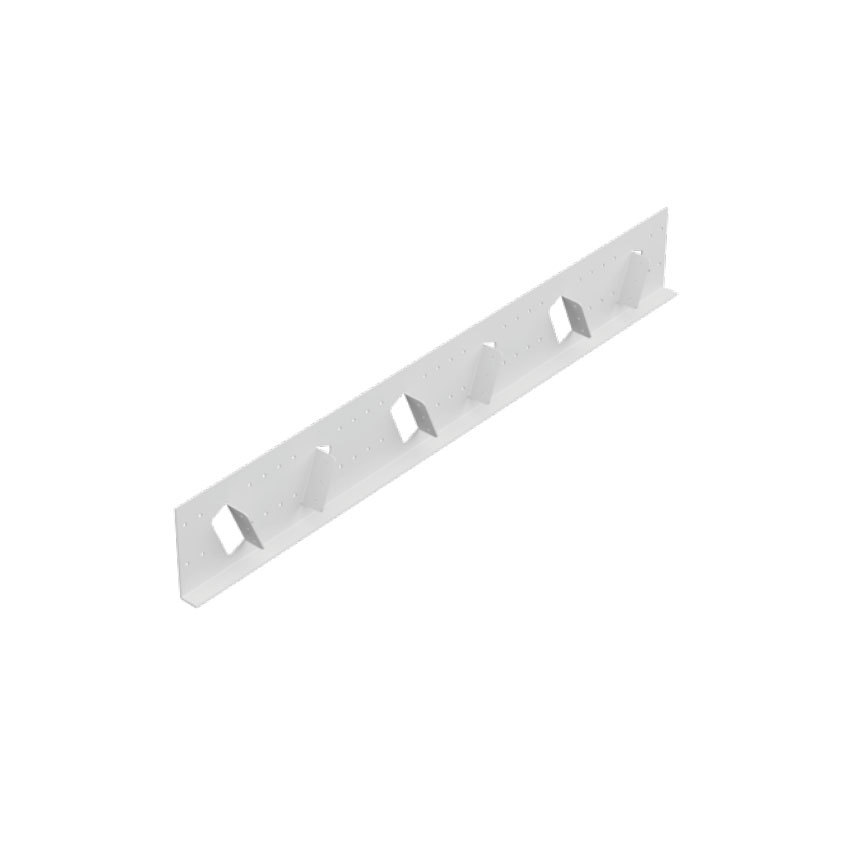
Ordinary steel structural connectors
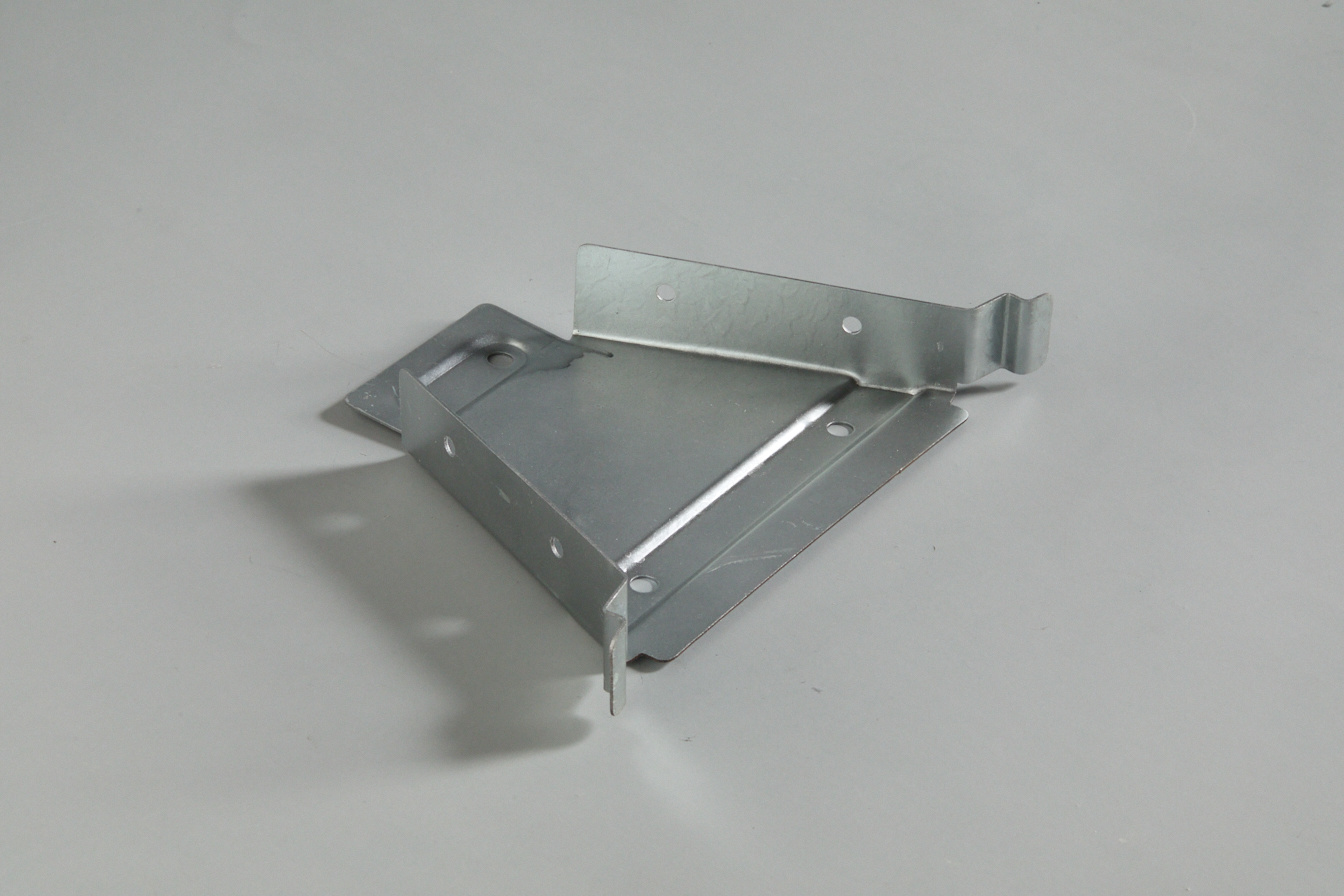
NEW BUILDING system connectors
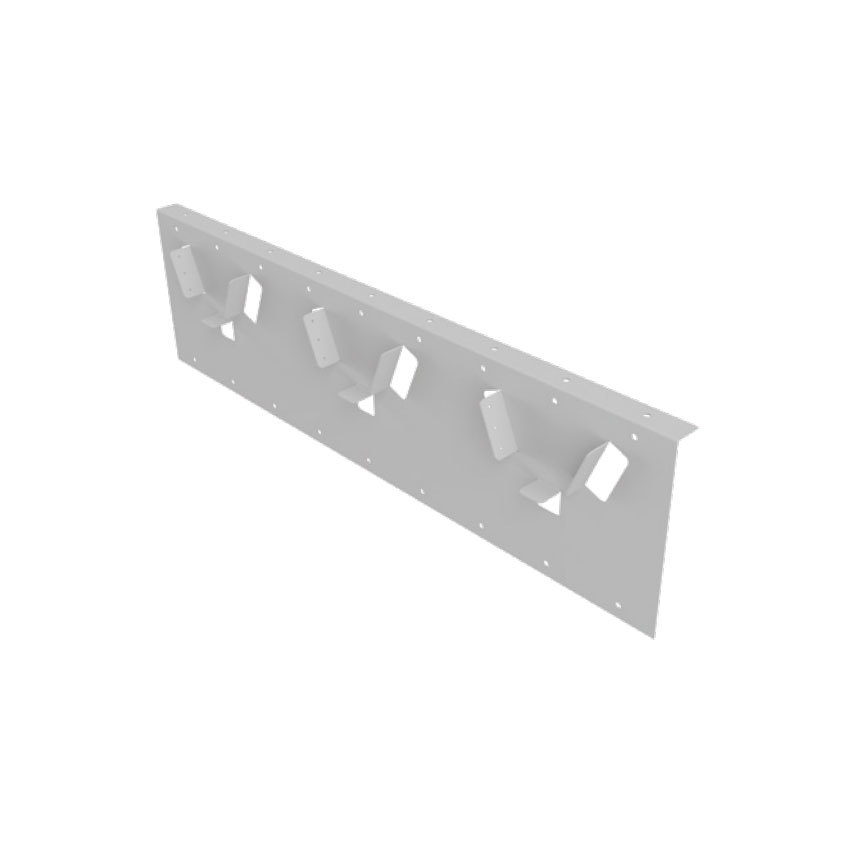
Cold formed thin-walled steel structural connectors
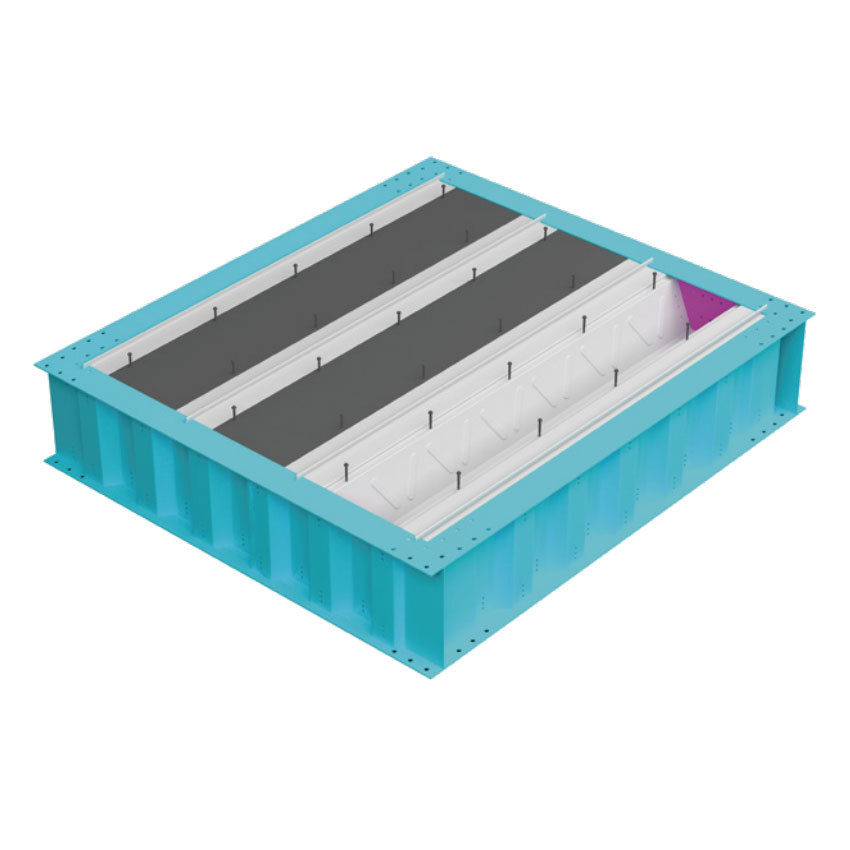
Corrugated I-beam+V-shaped floor beam
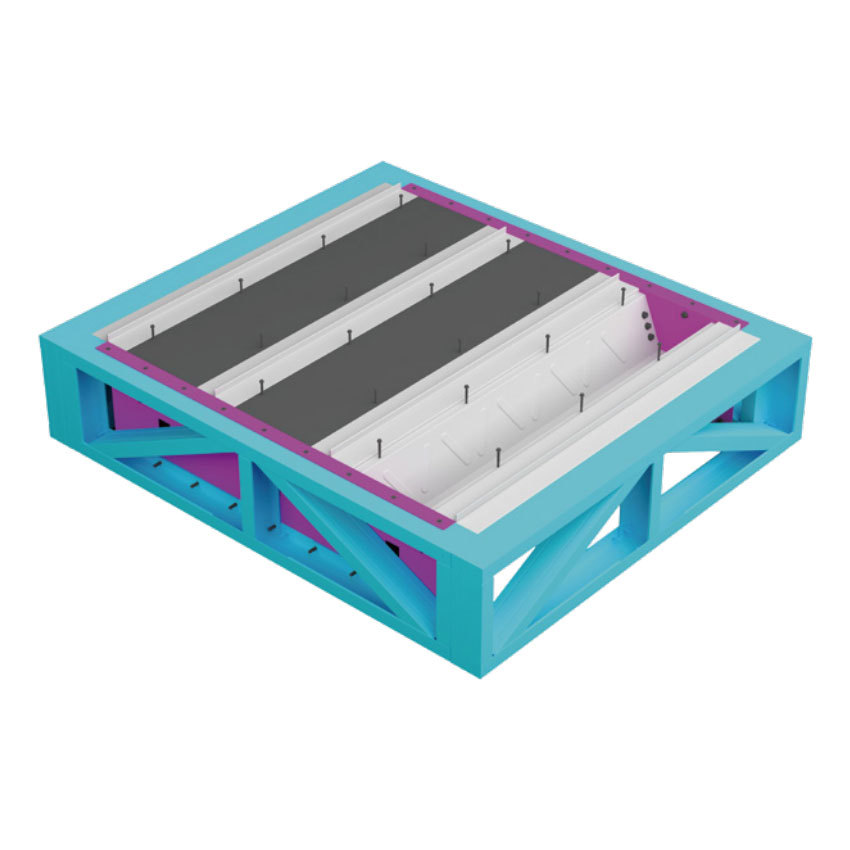
300 light steel truss+V-shaped floor beam

Steel wire gauze
Plate
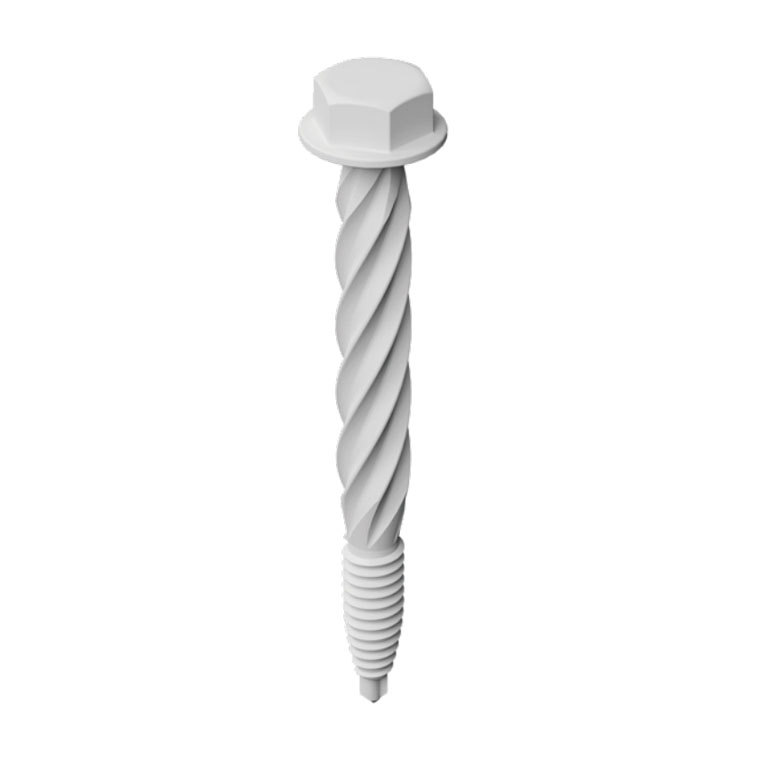
Shear stud
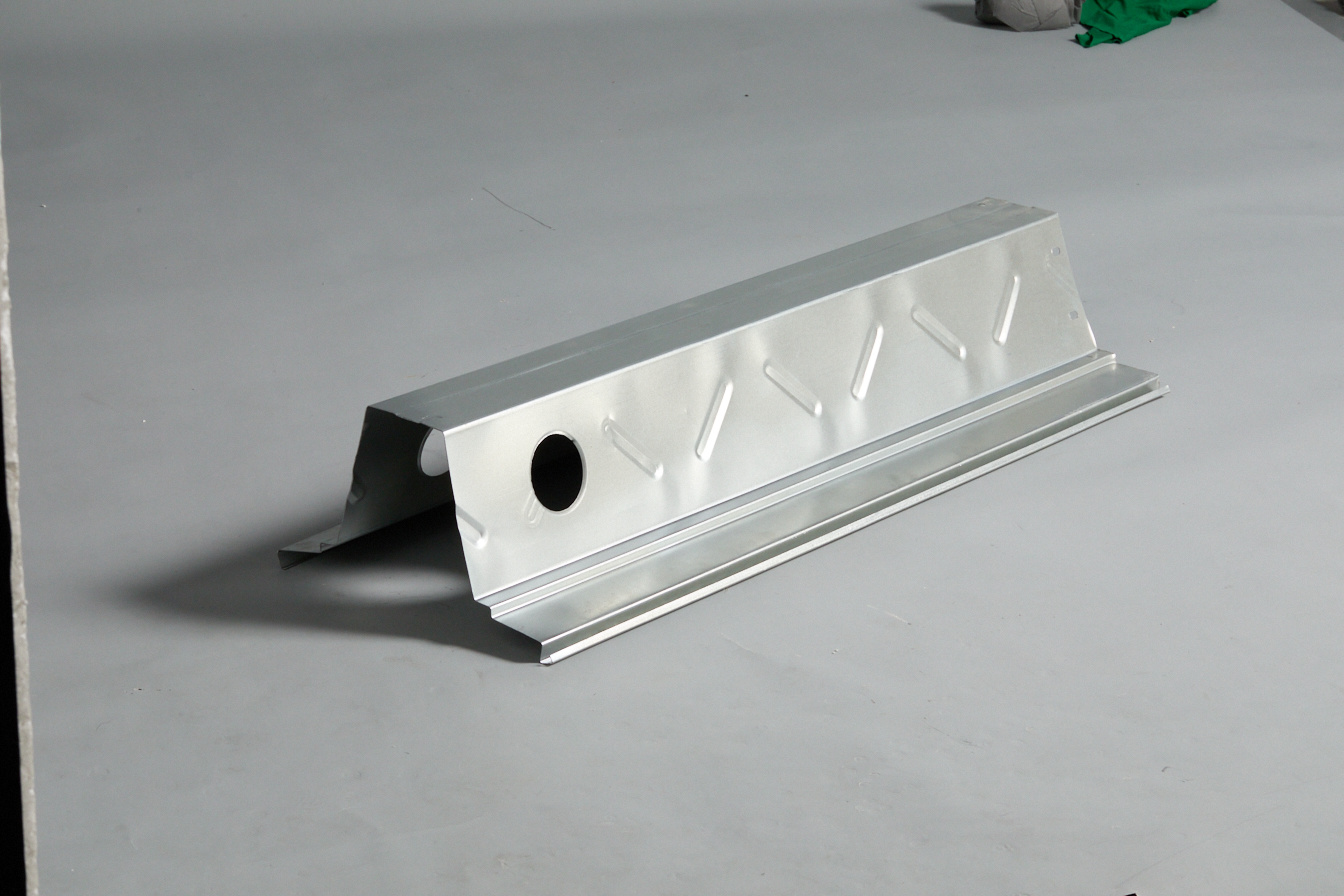
V-shaped floor beam
Magnesium stiffened wall panel
Essential Benefits of Using T-Shaped Column Connectors in Modern Construction
Release Time:
2024-09-02
Source:
Essential Benefits of Using T-Shaped Column Connectors in Modern Construction
Table of Contents
- 1. Introduction to T-Shaped Column Connectors
- 2. Enhancing Structural Integrity with T-Shaped Connectors
- 3. Installation Efficiency and Speed
- 4. Design Flexibility in Architectural Planning
- 5. Optimizing Load Distribution
- 6. Material Compatibility and Versatility
- 7. Cost-Effectiveness of T-Shaped Connectors
- 8. Environmental Benefits of Using T-Shaped Connectors
- 9. Case Studies: Successful Applications of T-Shaped Connectors
- 10. Frequently Asked Questions
- 11. Conclusion
1. Introduction to T-Shaped Column Connectors
In the realm of modern construction, the choice of materials and components significantly influences both the durability of structures and the efficiency of their assembly. Among these components, **T-shaped column connectors** have garnered attention for their unique design and functional benefits. These connectors play a crucial role in joining columns, beams, and other structural elements, ensuring stability and promoting seamless construction processes. This article aims to explore the essential benefits of T-shaped column connectors, shedding light on their impact on construction efficiency, structural integrity, and overall project success.
2. Enhancing Structural Integrity with T-Shaped Connectors
**Structural integrity** is a fundamental consideration in construction. T-shaped column connectors contribute significantly to the overall strength and stability of a building. By providing robust connections between vertical and horizontal elements, these connectors help distribute loads evenly across the structure.
- **Improved Load Distribution**: When forces act on a structure, they must be effectively distributed to prevent localized stress that could lead to failure. T-shaped connectors facilitate this by ensuring that loads are transferred smoothly between connected components, enhancing the overall resilience of the building.
- **Resistance to Lateral Forces**: Buildings are often subjected to lateral forces from wind and seismic activity. T-shaped connectors enhance the structure's ability to withstand these forces, minimizing the risk of deformation or collapse.
- **Reduced Material Fatigue**: Properly designed connectors reduce the fatigue experienced by materials over time. By distributing stresses more evenly, T-shaped connectors prolong the lifespan of structural components.
3. Installation Efficiency and Speed
Another key benefit of T-shaped column connectors is their ability to streamline the installation process. In a field where time is money, efficient assembly can significantly impact overall project costs and timelines.
- **Quick Assembly**: The design of T-shaped column connectors allows for rapid assembly, making it easier for construction teams to join structural elements quickly. This efficiency can lead to shorter project timelines and reduced labor costs.
- **Fewer Components Needed**: T-shaped connectors often eliminate the need for additional fastening elements, simplifying the installation process. Fewer components mean less time spent on logistics and inventory management.
- **Reduced Construction Errors**: The intuitive design of T-shaped connectors minimizes the potential for installation errors. This reduces the risk of costly rework and project delays.
4. Design Flexibility in Architectural Planning
In modern architecture, design flexibility is paramount. T-shaped column connectors offer architects and engineers the ability to create innovative and diverse building designs without compromising structural integrity.
- **Versatile Design Options**: The unique shape of T-shaped connectors allows for various configurations, enabling architects to explore creative designs that meet aesthetic and functional requirements.
- **Adaptability to Complex Structures**: Whether constructing multi-story buildings, bridges, or industrial facilities, T-shaped connectors can adapt to complex structural needs, providing the support necessary for different architectural styles.
- **Integration with Other Systems**: T-shaped connectors can be easily integrated with various construction systems, enhancing design capabilities and promoting a cohesive finish.
5. Optimizing Load Distribution
Effective load distribution is critical in construction, and T-shaped column connectors excel in this area. Understanding how these connectors work to optimize load distribution can help architects and engineers design safer structures.
- **Balanced Load Transfer**: T-shaped connectors facilitate a balanced load transfer between connected elements, reducing the risk of overloading any specific component. This balance is crucial for maintaining the overall stability of the structure.
- **Enhanced Connection Strength**: The geometry of T-shaped connectors provides a strong connection point that can handle significant loads without compromising integrity. This strength is vital for high-rise buildings and structures subject to dynamic forces.
- **Prevention of Structural Weakness**: By ensuring even load distribution, T-shaped connectors help prevent structural weaknesses that could arise from improper load handling. This proactive approach to design enhances the longevity of the building.
6. Material Compatibility and Versatility
T-shaped column connectors are compatible with various materials, making them a versatile option for different construction projects. Their adaptability to various materials allows for greater design creativity and performance.
- **Compatibility with Steel and Wood**: T-shaped connectors can be effectively used with both steel and wood frame constructions, providing flexibility in material selection based on project requirements.
- **Suitable for Pre-Engineered Systems**: Many pre-engineered construction systems can incorporate T-shaped connectors, streamlining the construction process and reducing lead times.
- **Corrosion and Weather Resistance**: Many T-shaped connectors are available with protective coatings that enhance their durability in various environmental conditions, ensuring long-term performance.
7. Cost-Effectiveness of T-Shaped Connectors
Cost management is a crucial aspect of construction projects. T-shaped column connectors can contribute to cost savings in multiple ways.
- **Reduced Labor Costs**: The efficiency of installing T-shaped connectors minimizes the time and labor required for assembly, leading to lower overall labor costs.
- **Minimized Material Waste**: The streamlined design and fewer components reduce material waste, contributing to a more sustainable construction process.
- **Long-Term Savings**: Investing in high-quality T-shaped connectors can lead to long-term savings by minimizing maintenance and repair costs due to enhanced structural integrity and durability.
8. Environmental Benefits of Using T-Shaped Connectors
In today's construction landscape, sustainability is more than a trend; it's a necessity. T-shaped column connectors can play a role in reducing the environmental impact of construction.
- **Sustainable Material Options**: Many manufacturers offer T-shaped connectors made from recycled or sustainably sourced materials, reducing the ecological footprint of construction projects.
- **Energy Efficiency in Assembly**: The quick installation process minimizes energy consumption on-site, contributing to a more environmentally friendly construction process.
- **Support for Sustainable Design Practices**: T-shaped connectors enable architects to design buildings that meet green building standards, promoting sustainability in construction.
9. Case Studies: Successful Applications of T-Shaped Connectors
To understand the practical benefits of T-shaped column connectors, it's helpful to explore real-world applications where they have been successfully implemented.
- **High-Rise Residential Building**: In a recent high-rise residential project, T-shaped connectors were used to join columns and beams efficiently. The result was a structurally sound building completed ahead of schedule, with significant savings in labor costs.
- **Commercial Space Construction**: A commercial facility utilized T-shaped connectors to achieve an open floor plan. The connectors allowed for the removal of unnecessary walls while maintaining structural integrity, providing flexibility for future modifications.
- **Bridge Engineering**: In bridge construction, T-shaped column connectors have been employed to enhance load distribution and resistance to lateral forces, demonstrating their effectiveness in critical infrastructure projects.
10. Frequently Asked Questions
1. What are T-shaped column connectors?
T-shaped column connectors are structural components designed to join columns and beams in construction, providing strength and stability to buildings.
2. How do T-shaped connectors enhance structural integrity?
They distribute loads evenly across connected elements, improving the overall strength and resistance to lateral forces, thus enhancing structural integrity.
3. Are T-shaped connectors suitable for all types of construction materials?
Yes, T-shaped connectors are compatible with various materials, including steel and wood, making them versatile for different construction projects.
4. What are the cost benefits of using T-shaped connectors?
T-shaped connectors can reduce labor costs, minimize material waste, and offer long-term savings through enhanced durability and structural integrity.
5. Can T-shaped connectors contribute to sustainable construction practices?
Absolutely! Many T-shaped connectors are made from sustainable materials, and their efficient installation processes reduce energy consumption on-site.
11. Conclusion
In conclusion, T-shaped column connectors represent a vital advancement in modern construction, offering a multitude of benefits that enhance structural integrity, installation efficiency, and design flexibility. Their ability to optimize load distribution, material compatibility, and cost-effectiveness makes them an invaluable choice for builders and architects alike. As the construction industry increasingly prioritizes sustainability and efficiency, T-shaped column connectors will undoubtedly play a significant role in shaping the future of building design and construction practices. Whether for high-rise buildings, commercial spaces, or critical infrastructure, the advantages of T-shaped connectors provide a winning solution for modern construction challenges. Embracing these innovative components is not just a choice—it's a commitment to quality and sustainability in the built environment.
Related Information

HaoHeng Group
Address: Room 1808, Block A, Vanke Cloud City, Jiemei District, Xiamen City, Fujian Province
Business cooperation:
Copyright © HaoHeng (FuJian) Building Materials Technology Co, Ltd. All rights reserved