

-

 Pakistan
Marketing Service Outlets
 Papua New Guinea
Marketing Service Outlets
 Egypt
EgyptMarketing Service Outlets
 Australia
Marketing Service Outlets
 Brazil
Marketing Service Outlets
 Colombia
Marketing Service Outlets
 Russia
Marketing Service Outlets
 Germany
Marketing Service Outlets
 Poland
Marketing Service Outlets
 the Philippines
Marketing Service Outlets
 Kazakhstan
Marketing Service Outlets
 Malaysia
Marketing Service Outlets
 America
Marketing Service Outlets
 Kyrgyzstan
Marketing Service Outlets
 Canada
Marketing Service Outlets
 Peru
PeruMarketing Service Outlets
 Nigeria
Marketing Service Outlets
 Morocco
Marketing Service Outlets
 South Africa
Marketing Service Outlets
 Japan
JapanMarketing Service Outlets
 Slovakia
Marketing Service Outlets
 New Zealand
Marketing Service Outlets
 Hungary
Marketing Service Outlets
 Thailand
Marketing Service Outlets
 Spain
SpainMarketing Service Outlets
 Indonesia
Marketing Service Outlets
 Italy
ItalyMarketing Service Outlets
 Vietnam
Marketing Service Outlets
Steel Pipe ColumnSteel Pipe Column ConnectorsMain Beam | Secondary BeamPrefabricated StairsRound Pipe PileFlat Steel PileGroup PileCap PileNew Building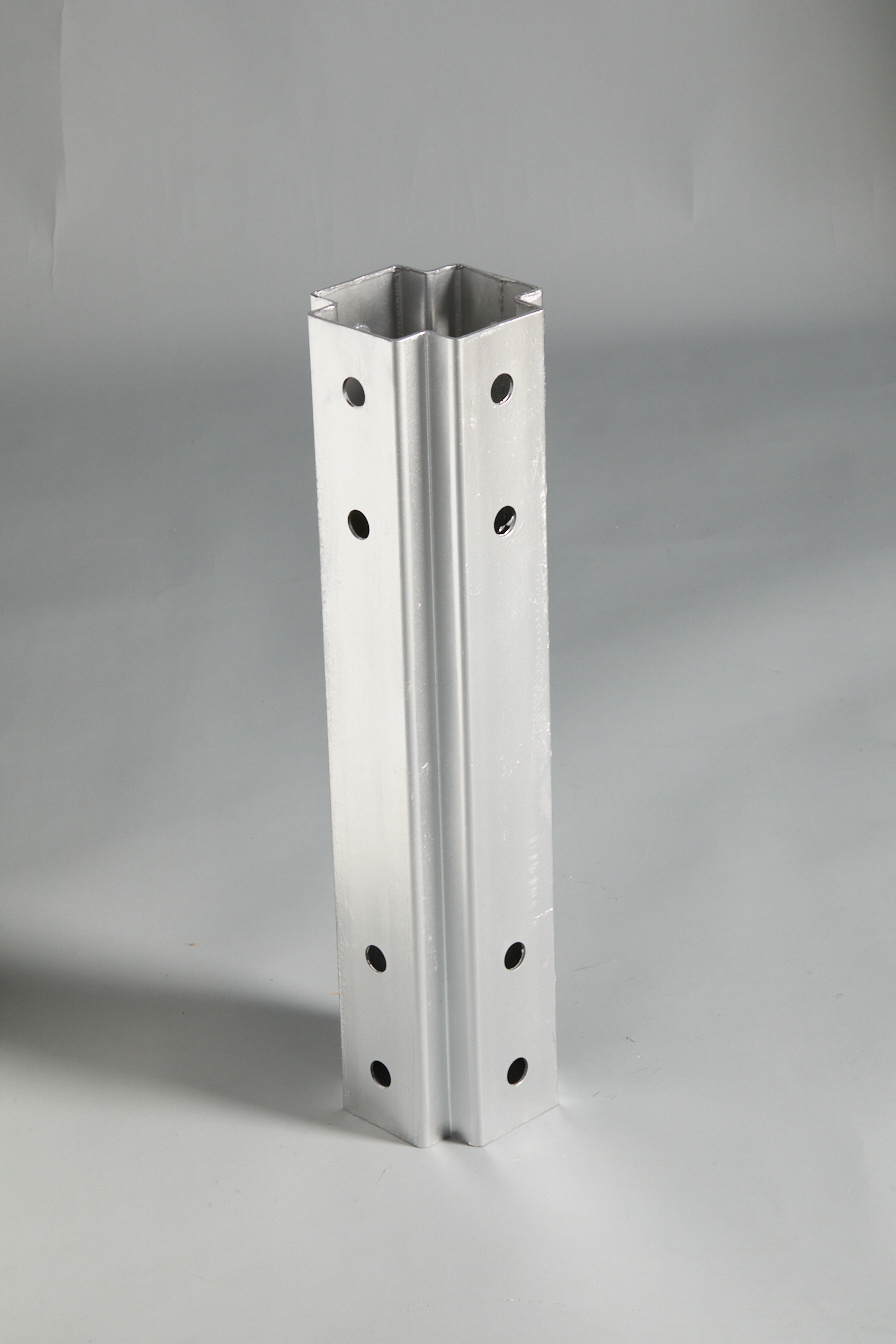
Cross column

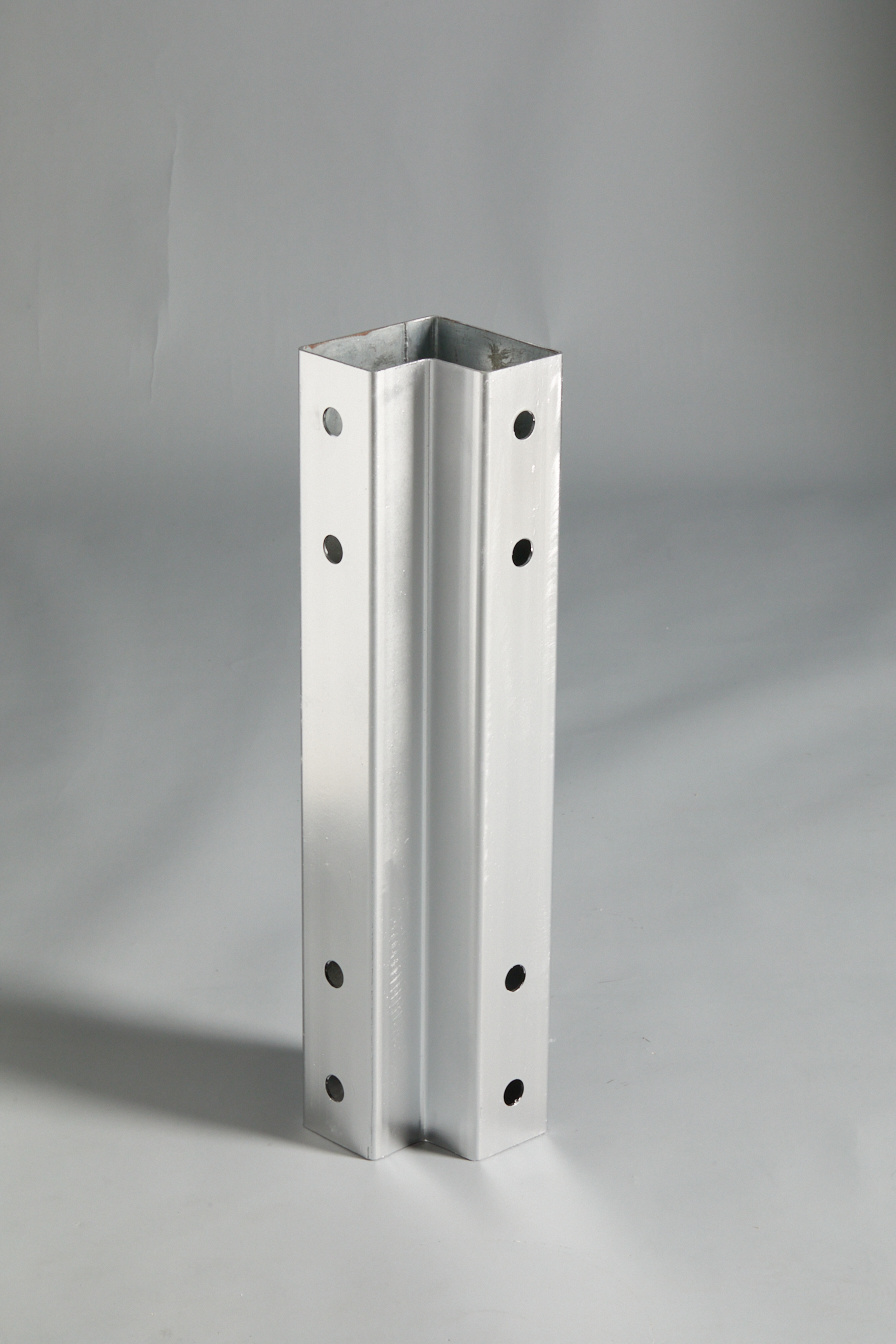
L-shaped column
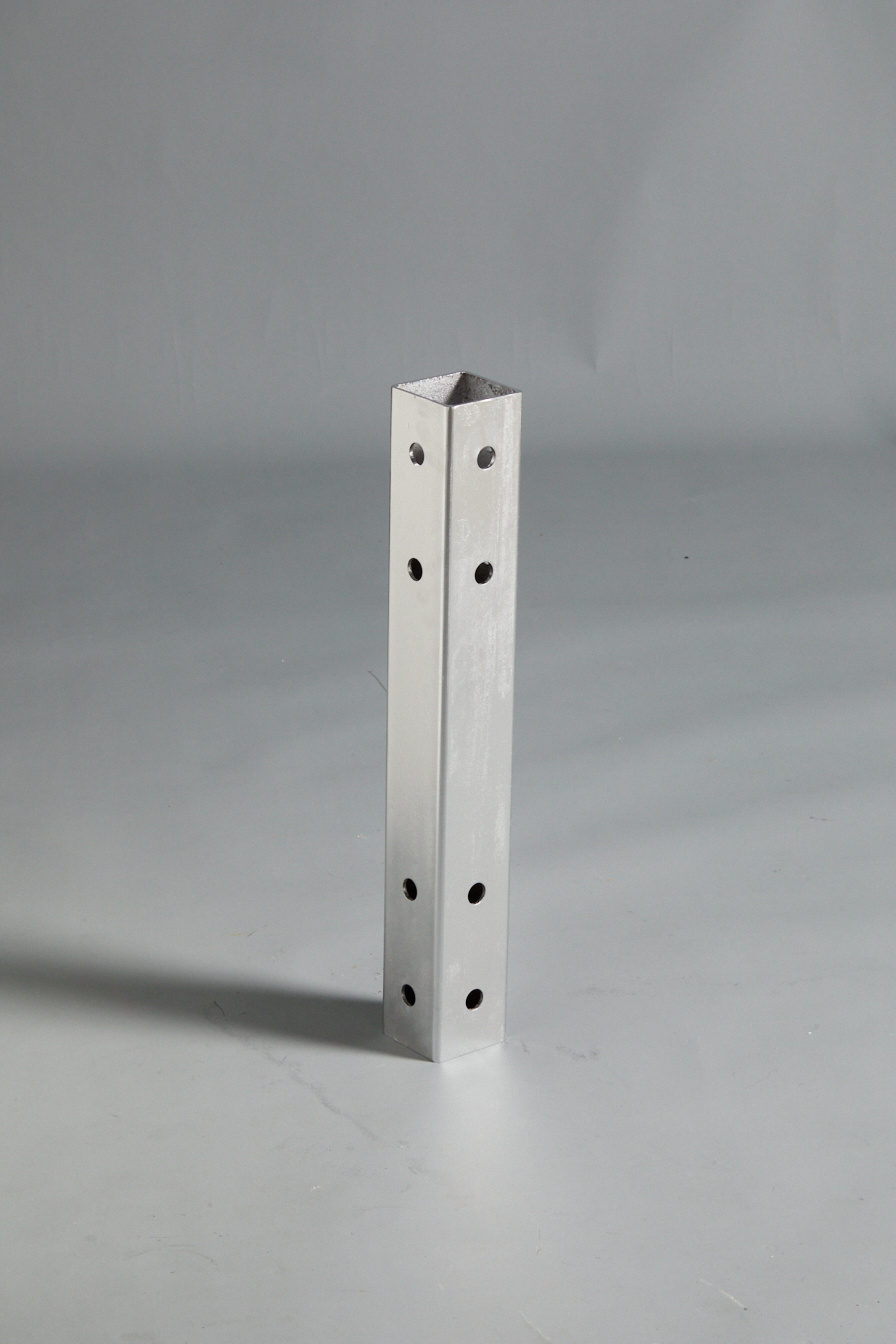
Square tube column

T-shaped column
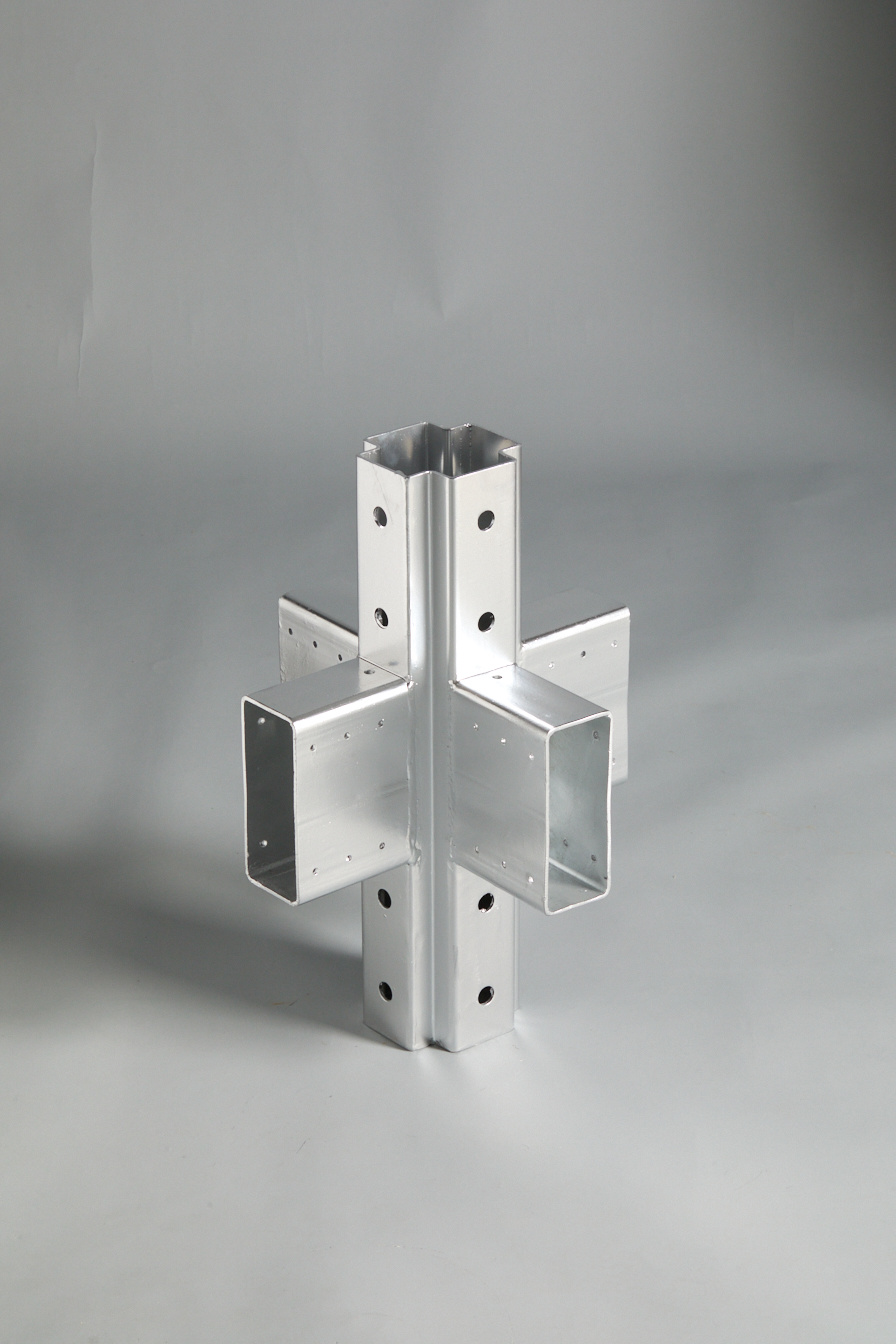
Cross column connector

L-shaped column connector

T-shaped column connector
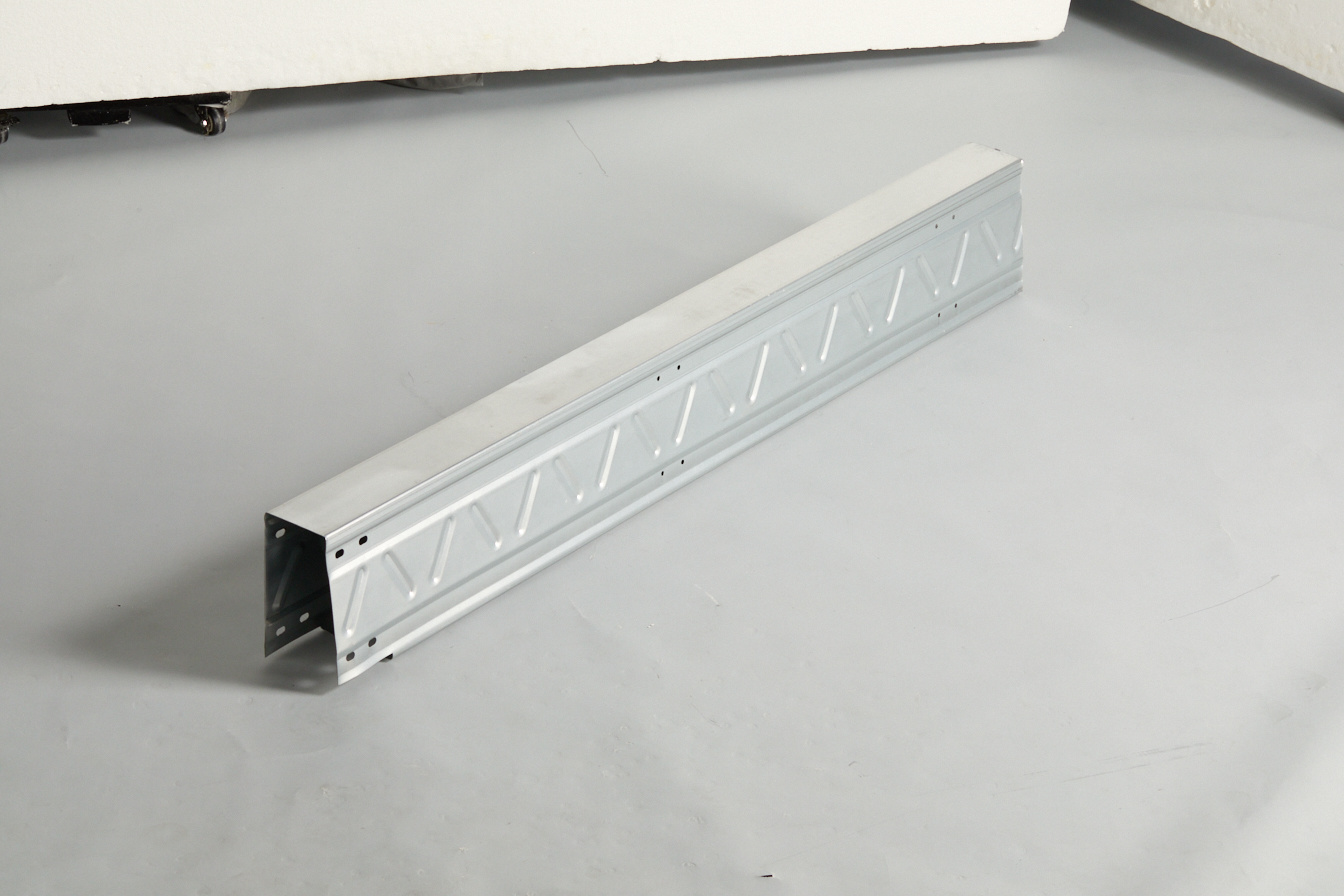
195 inner flipped edge - eight shaped reinforcing rib
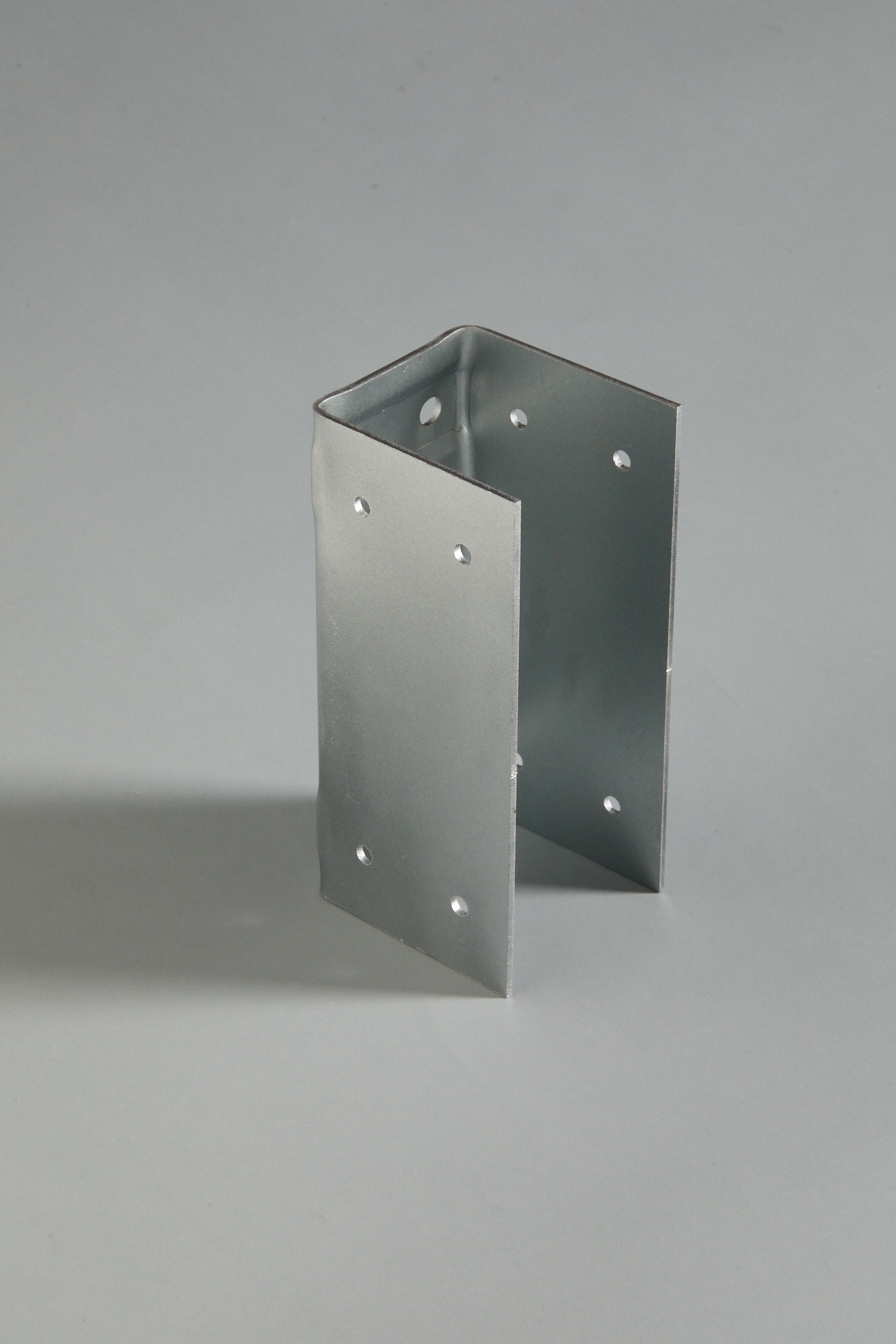
Frame small U connector
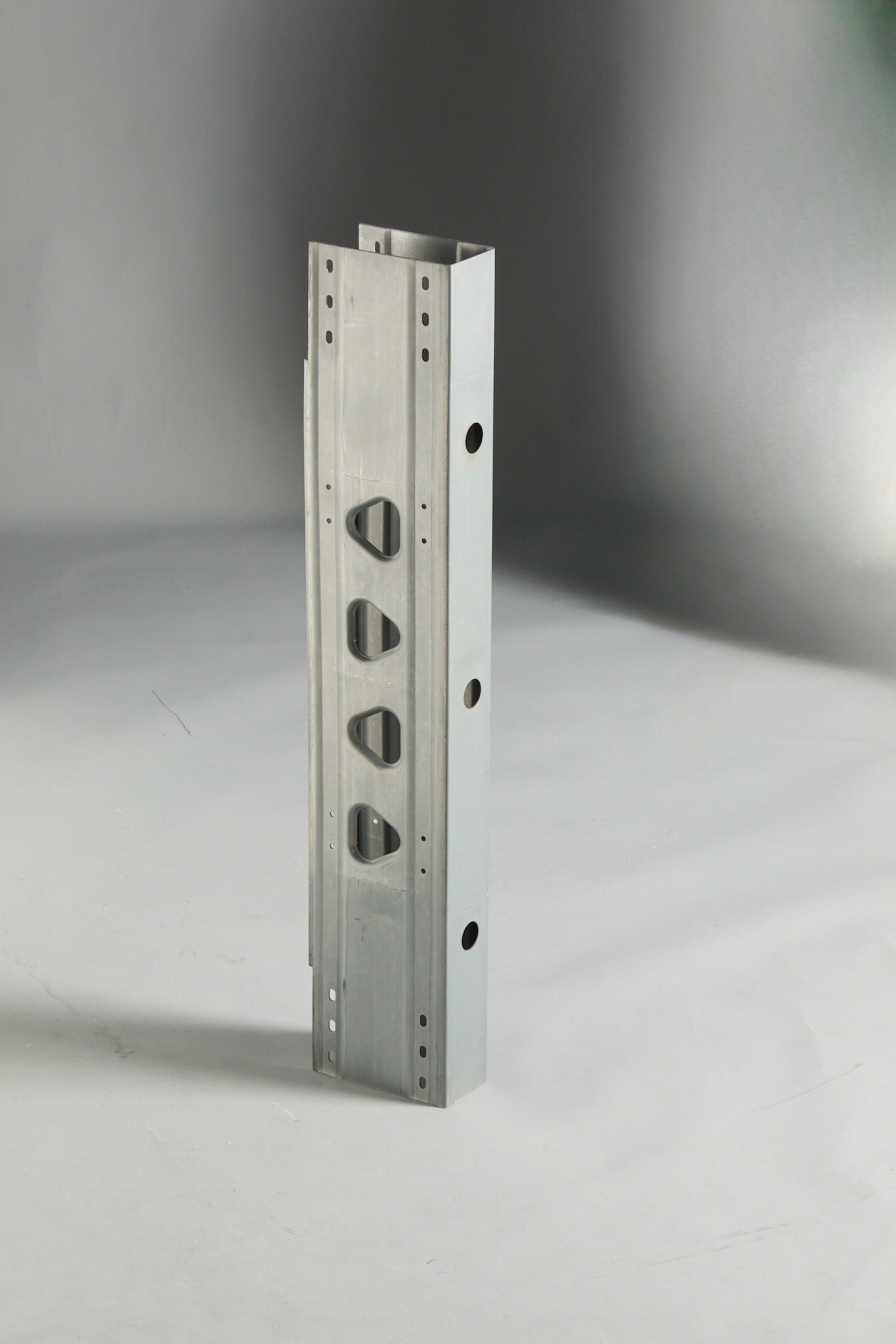
195 Inverted Edge - Triangle Reinforcement
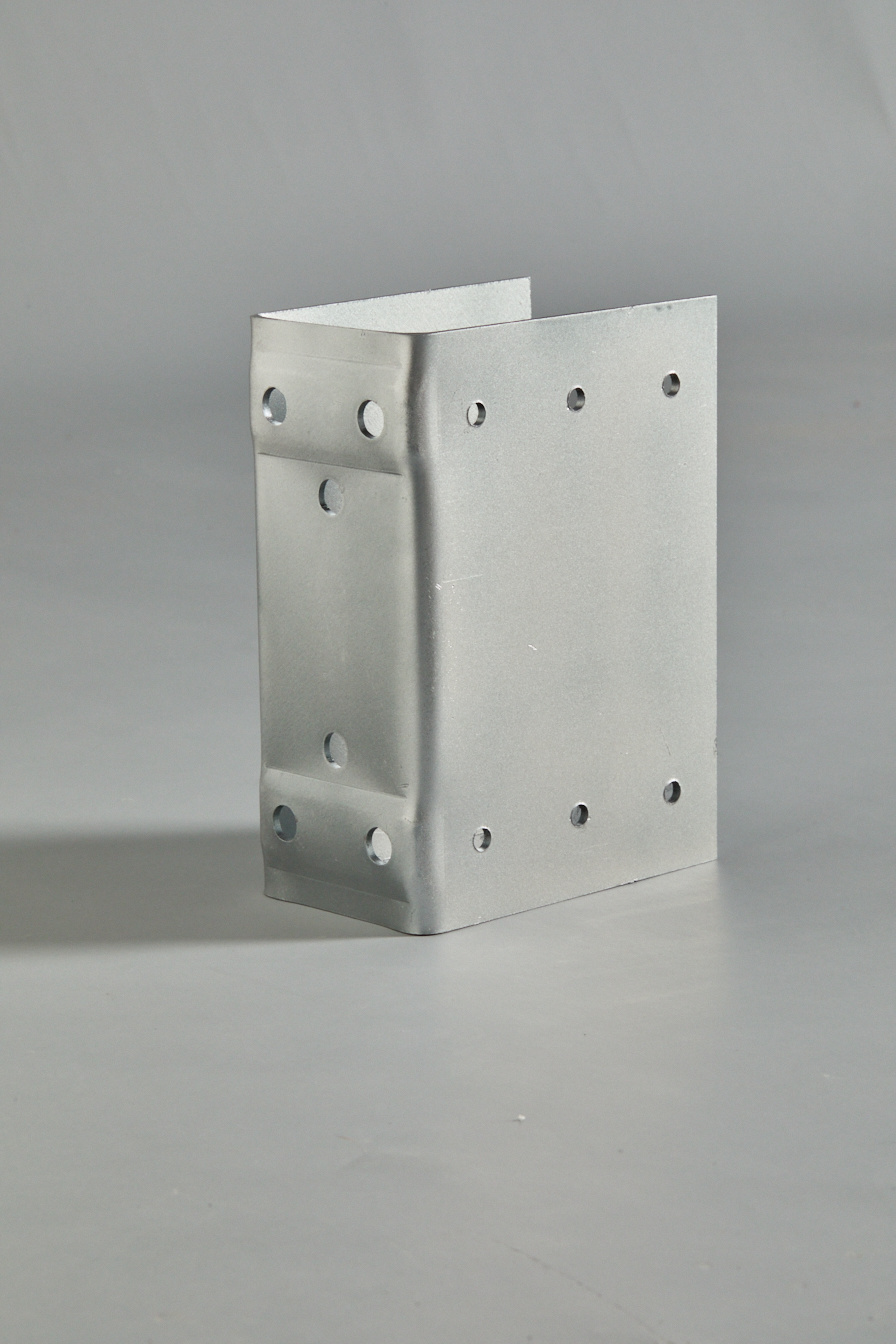
Frame large U connector
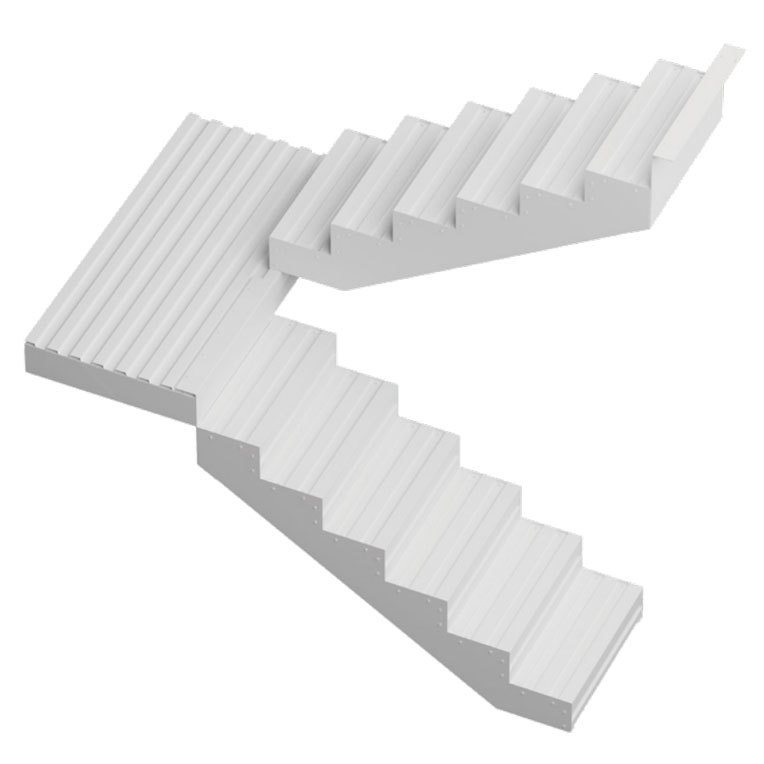
Prefabricated stairs
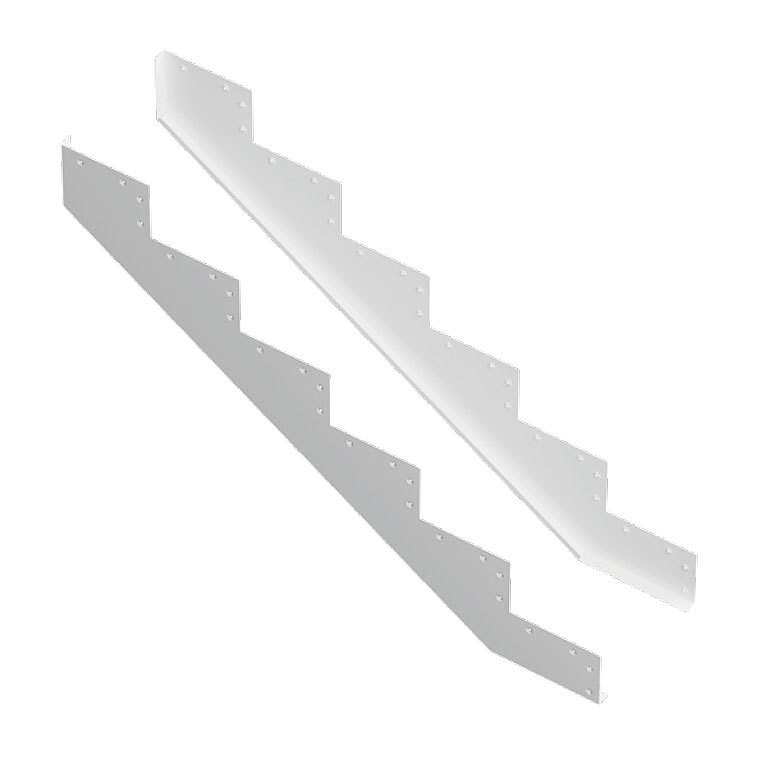
Staircase side panels
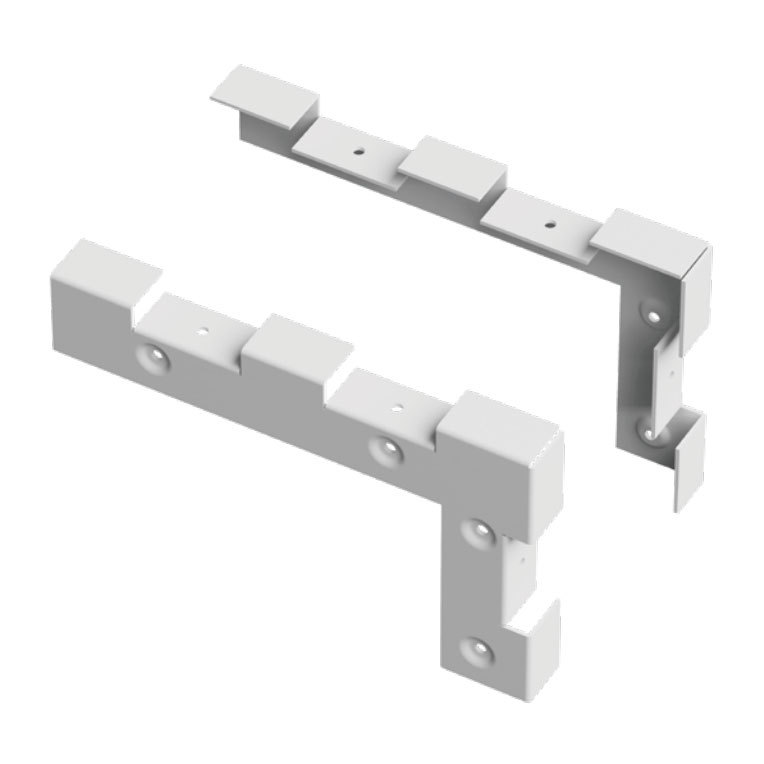
Staircase angle steel
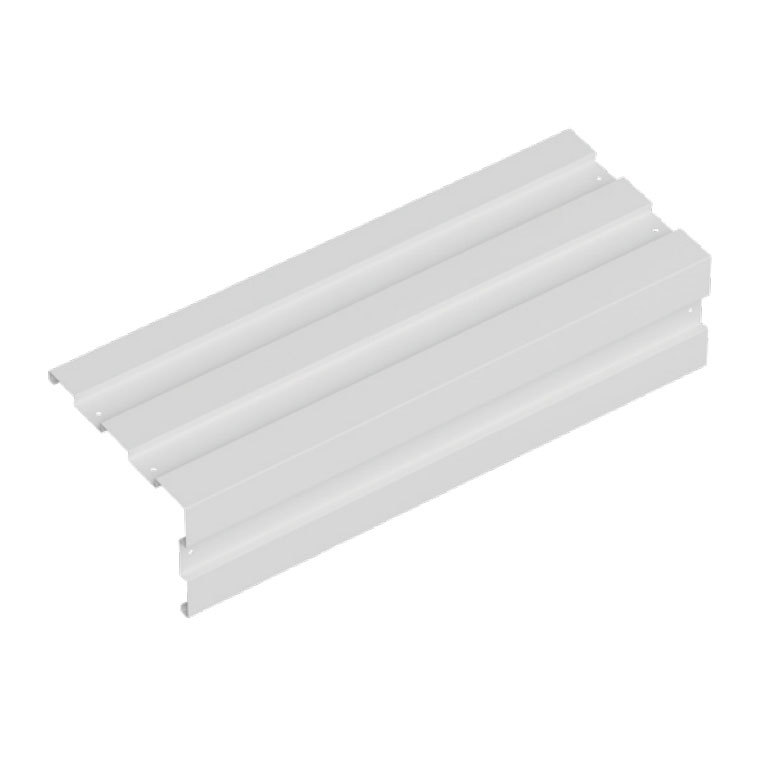
Stair steps
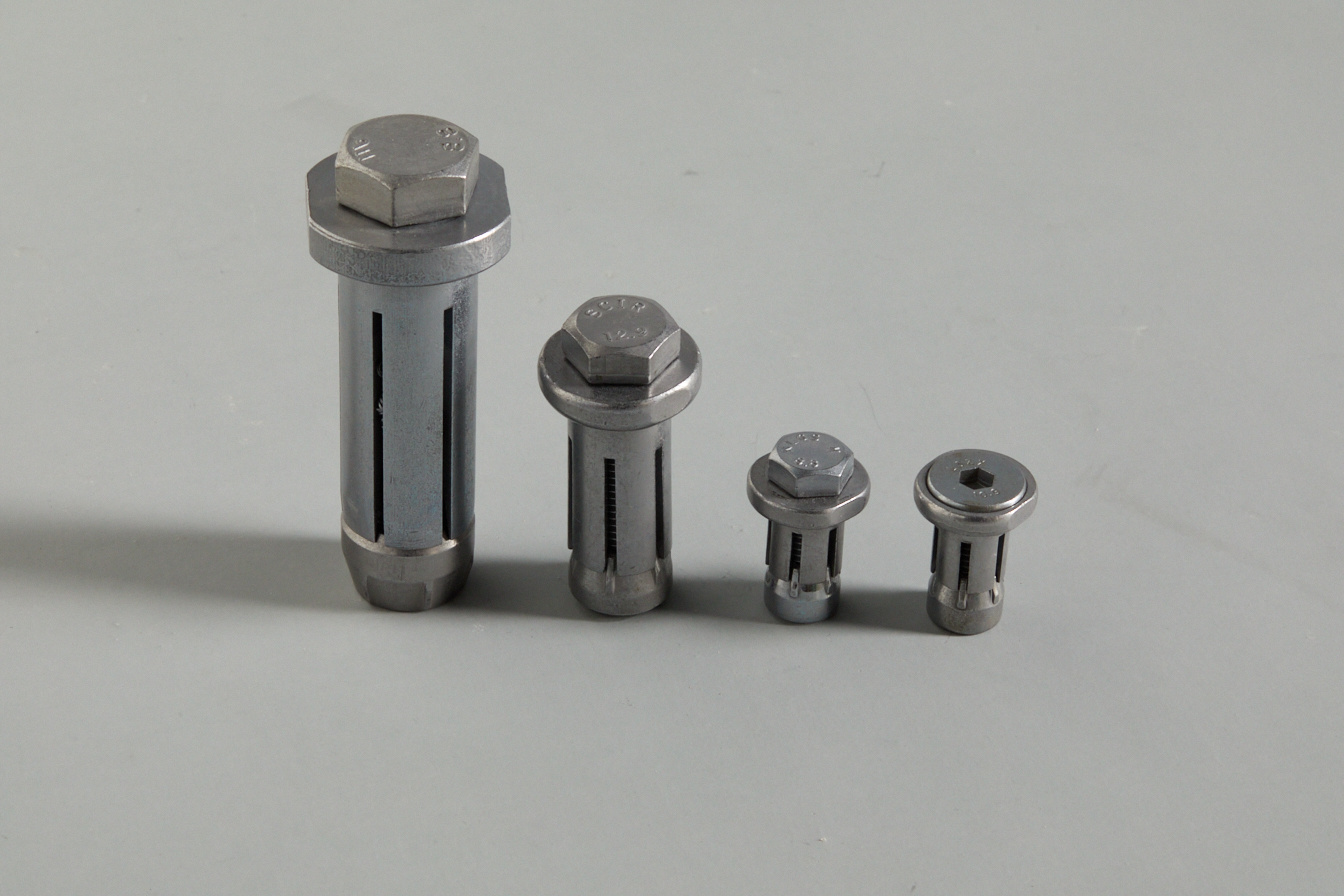
One-Way Bolt
Helical Pile System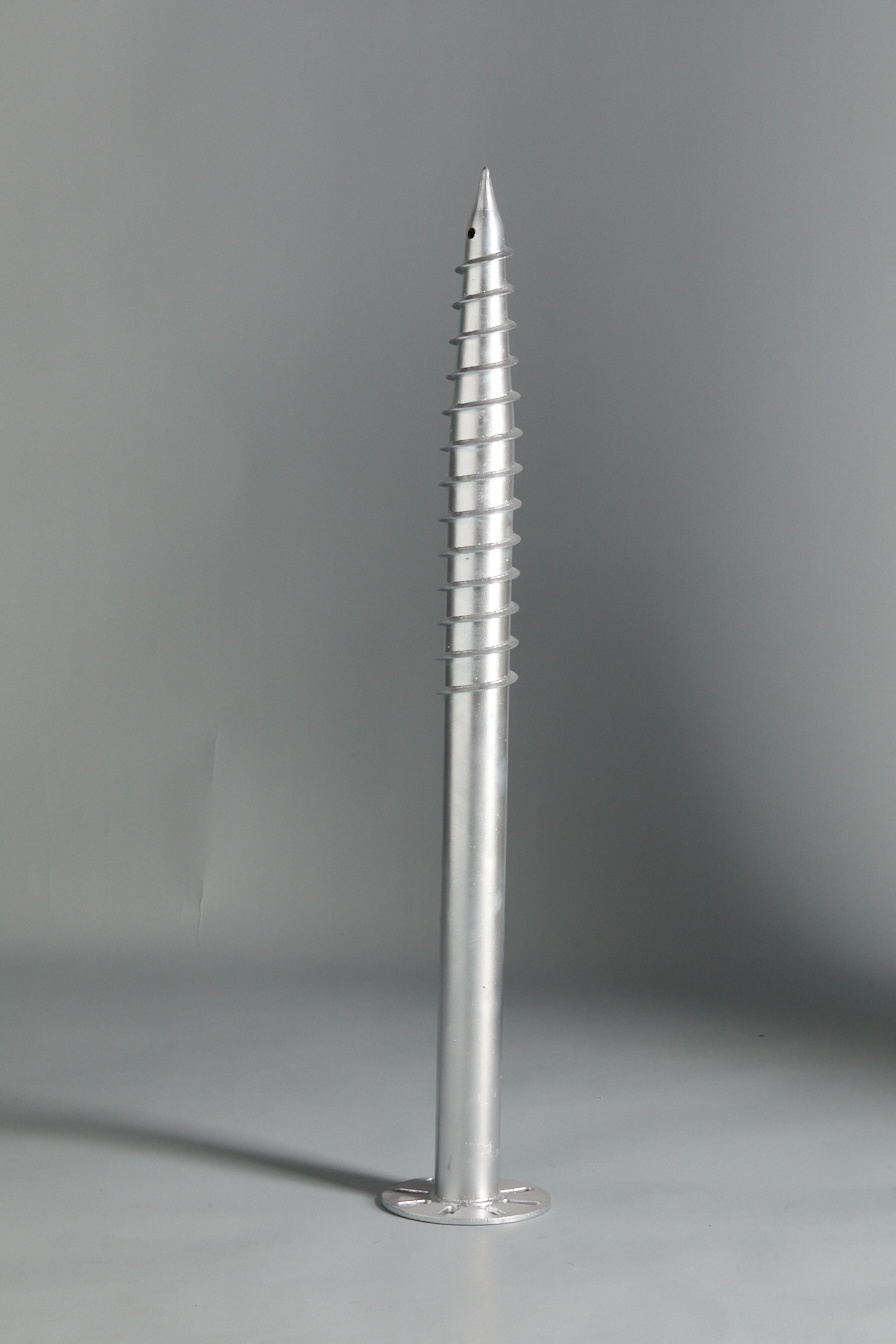
Round Pipe Screw Pile| Reliable Helical Pile Manufacturer| Patented Foundation Solution
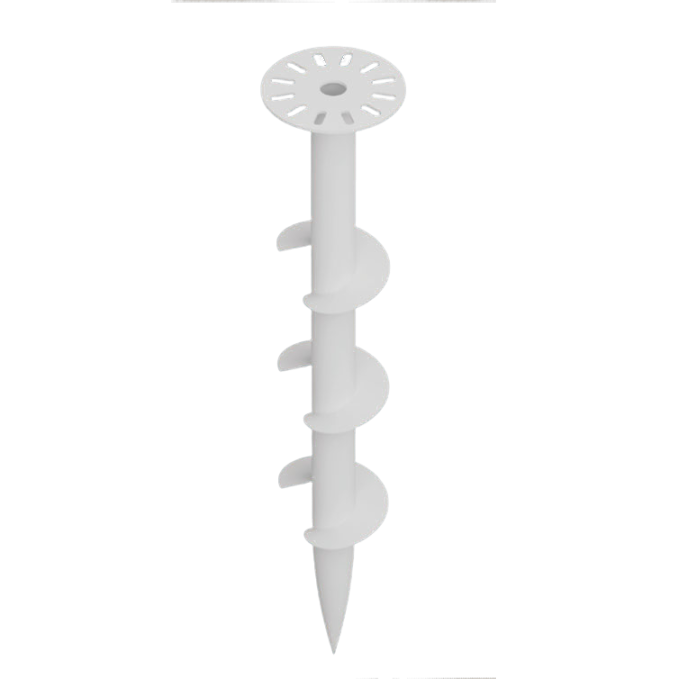
Screw Pile - 3 Blades - Round Pipe Pile
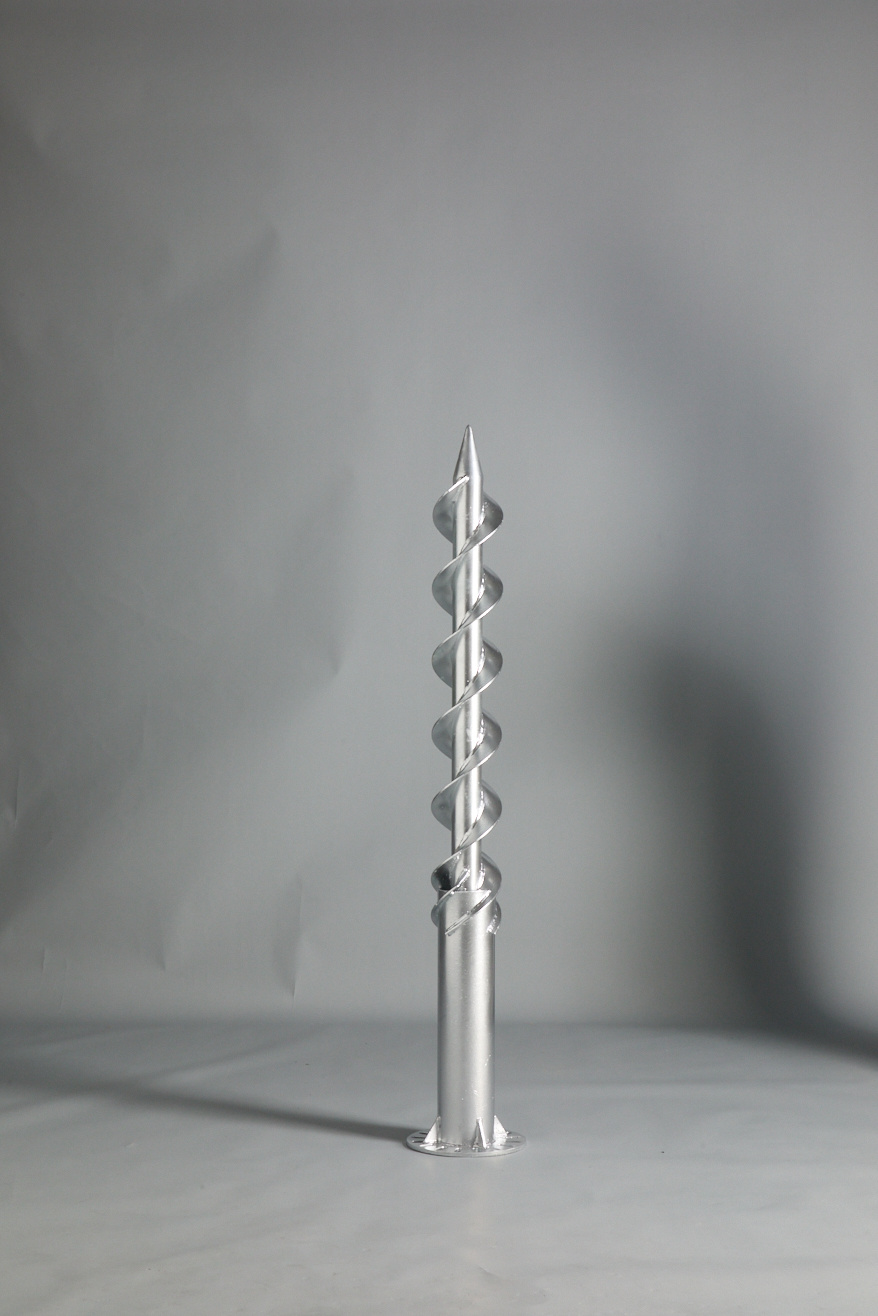
Double-Helix Screw Pile | Patented Foundation Solution
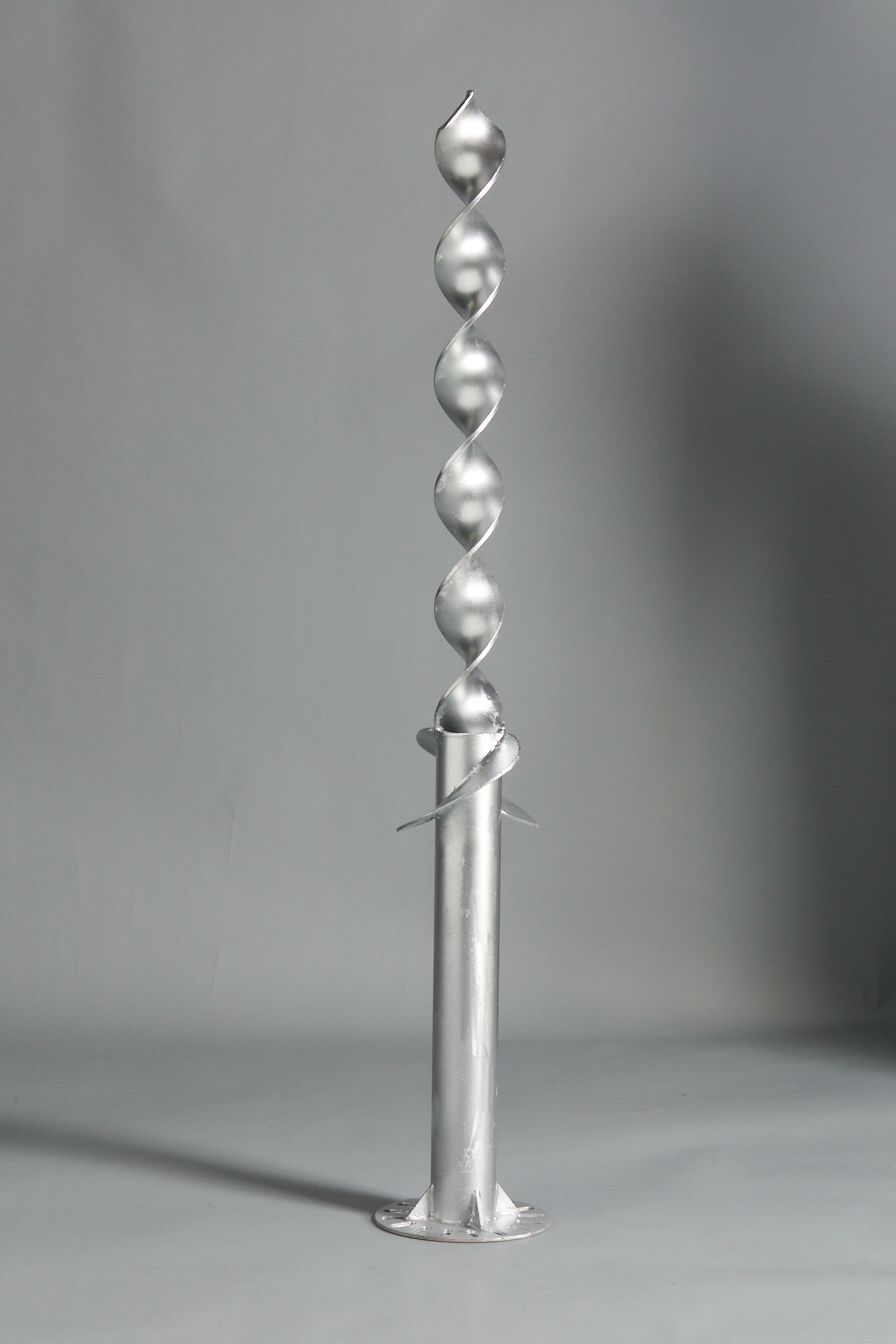
Screw Pile - Large Blade Flat Steel Pile
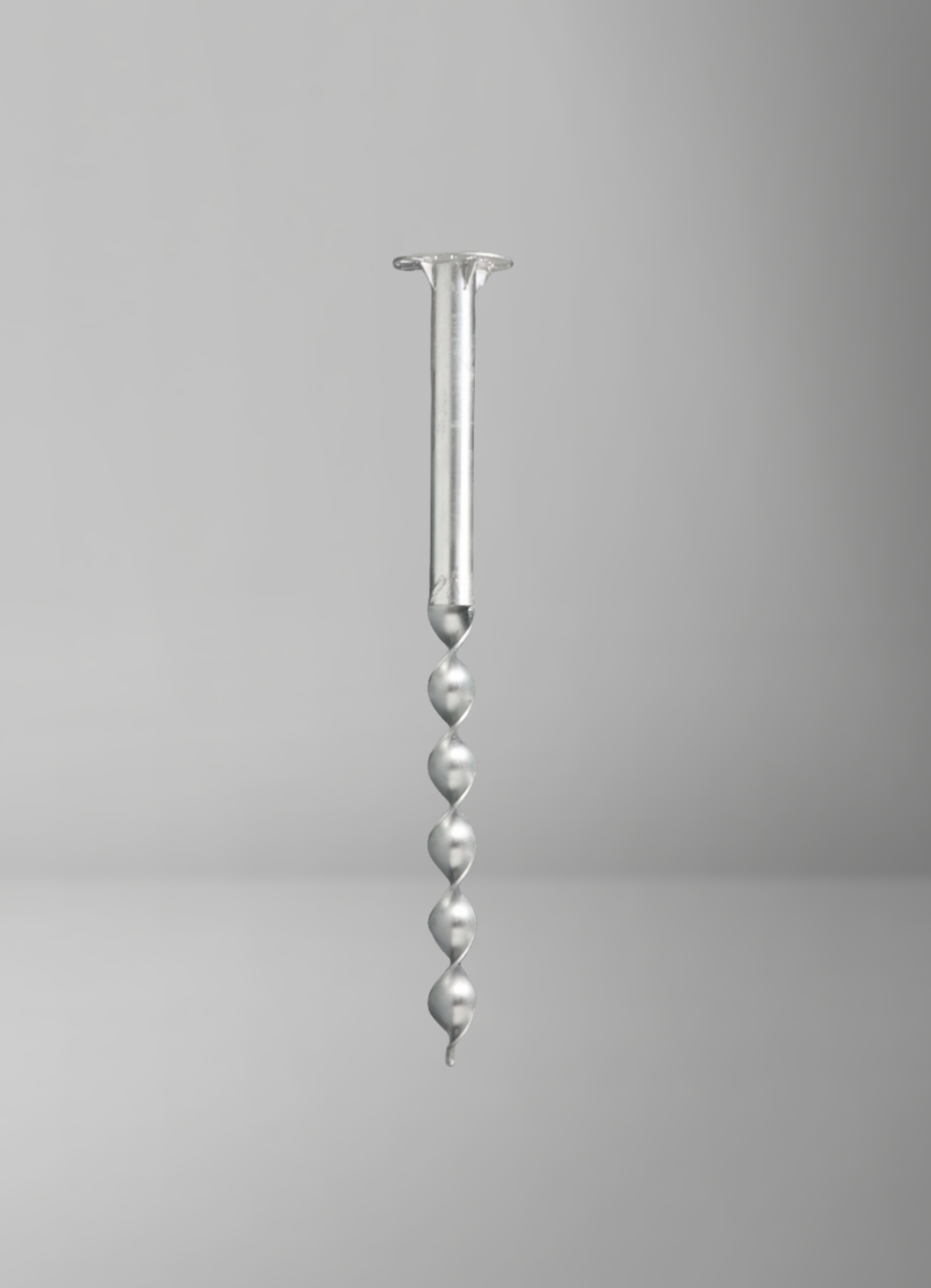
Flat Steel Screw Pile| Reliable Helical Pile Manufacturer| Patented Foundation Solution
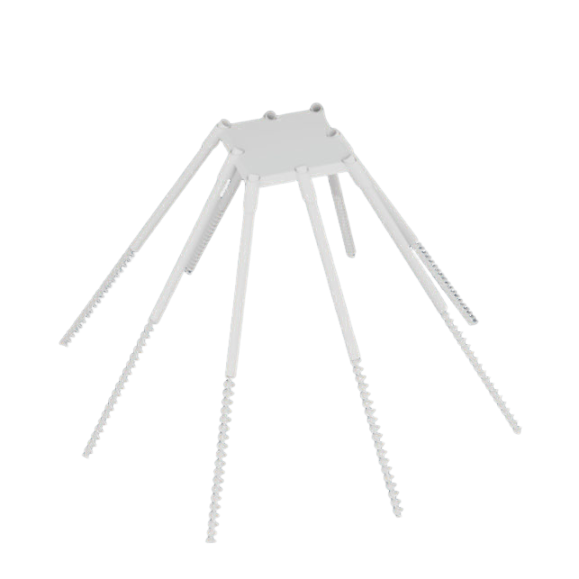
Eight-Pile Group Screw Piles| Reliable Helical Pile Manufacturer| Patented Foundation Solution
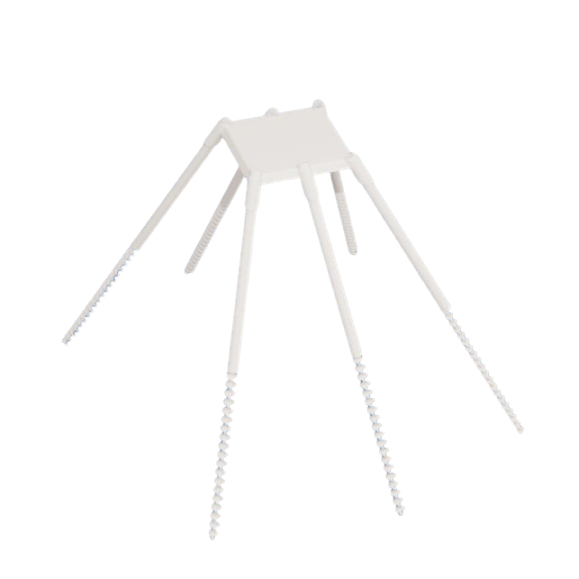
Six-Pile Group Screw Piles| Reliable Helical Pile Manufacturer| Patented Foundation Solution
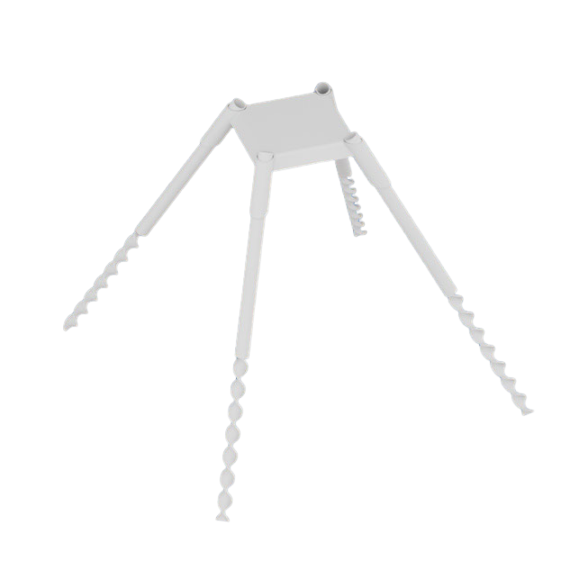
Four-Pile Group Screw Piles| Reliable Helical Pile Manufacturer| Patented Foundation Solution
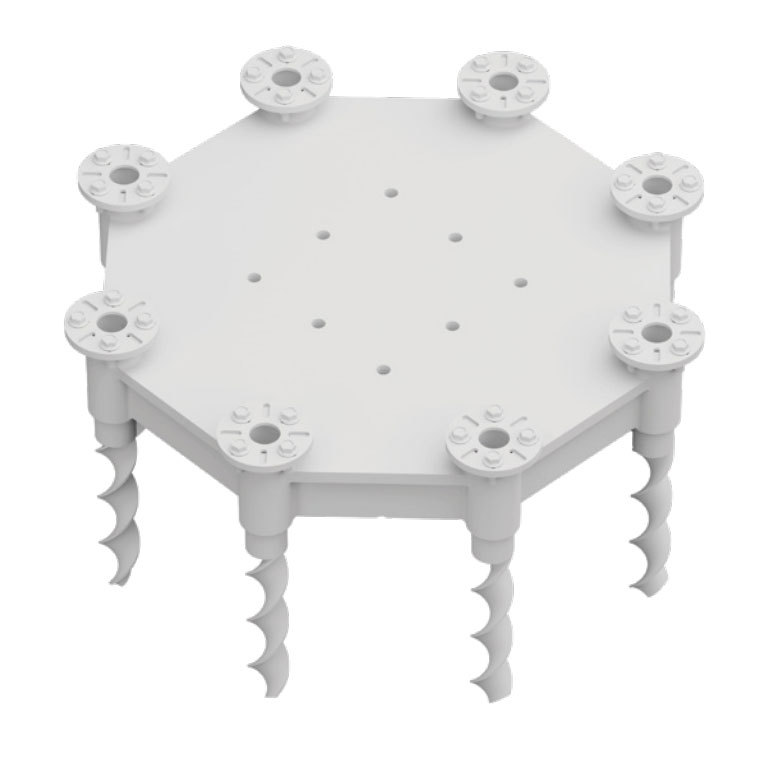
Eight-Pile Cap Screw Pile | Reliable Helical Pile Manufacturer| Patented Foundation Solution
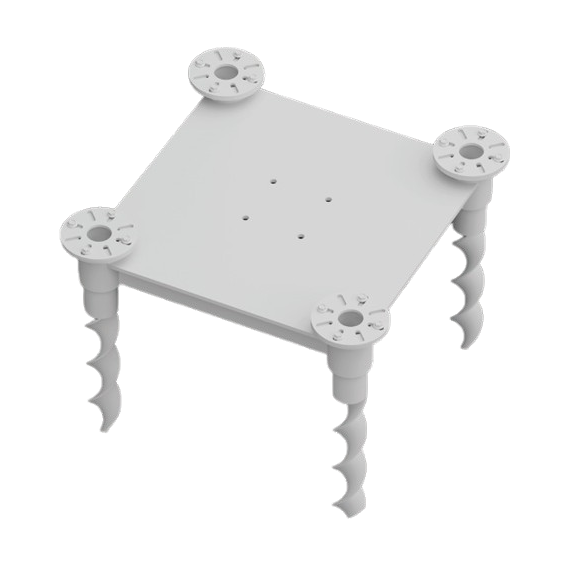
Four-Pile Cap Screw Pile | Reliable Helical Pile Manufacturer| Patented Foundation Solution
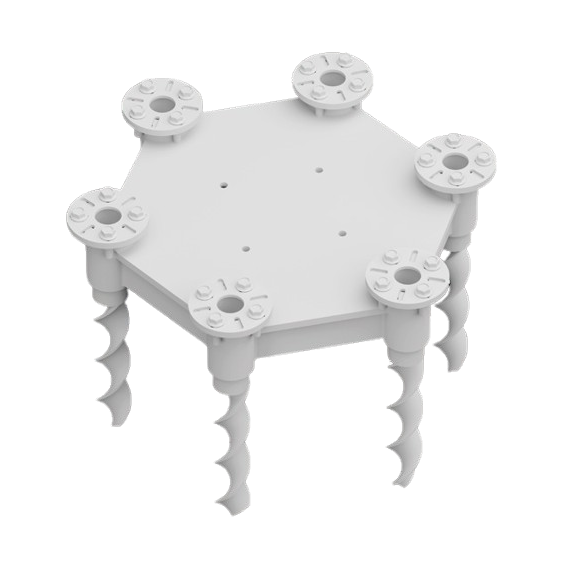
Six-Pile Cap Screw Pile | Reliable Helical Pile Manufacturer| Patented Foundation Solution
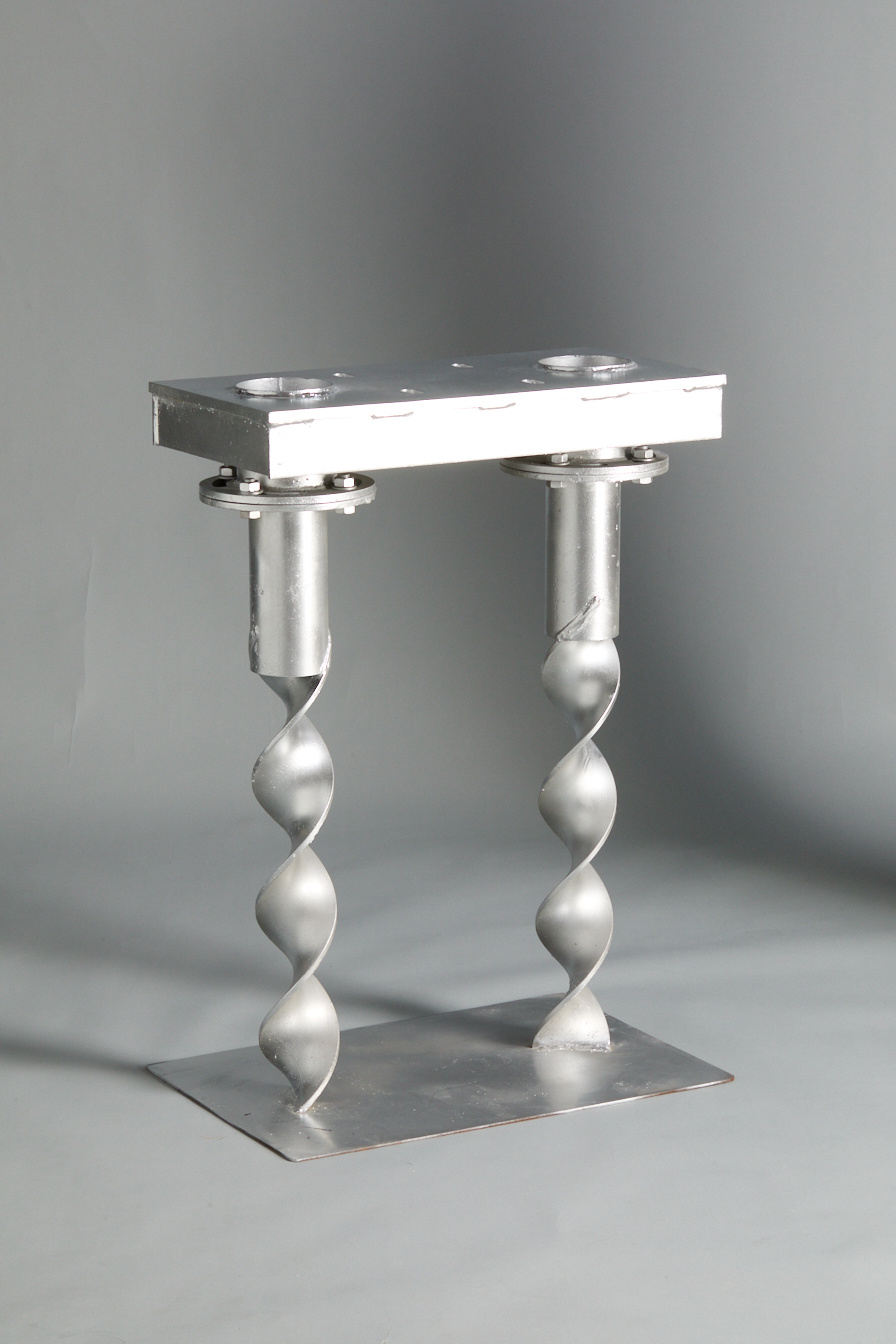
Two-Pile Cap Screw Pile | Reliable Helical Pile Manufacturer| Patented Foundation Solution
Steel Platform System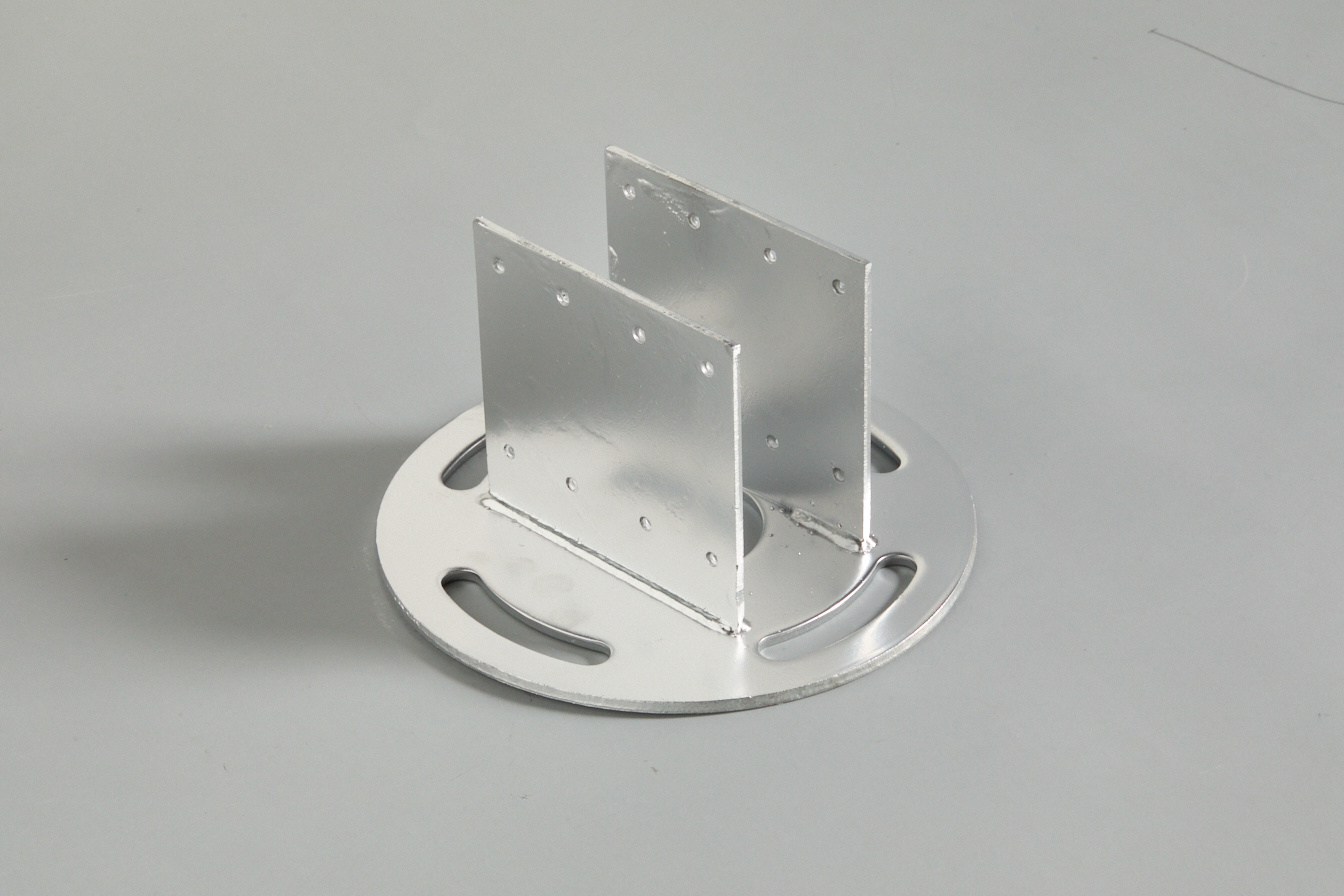
Spiral pile connectors
Small U connector
Large U connector
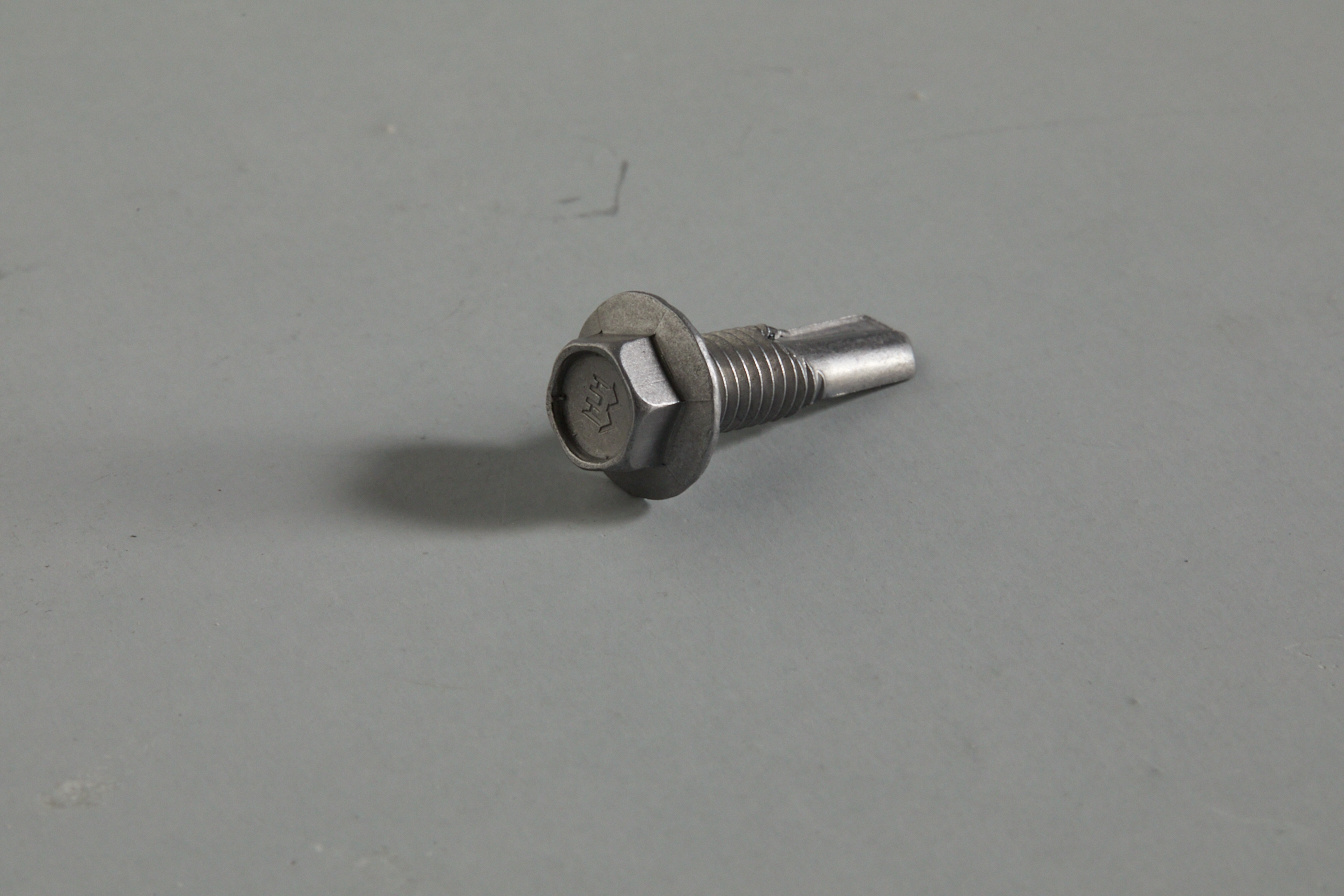
Hexagonal flange self drilling and self tapping screws
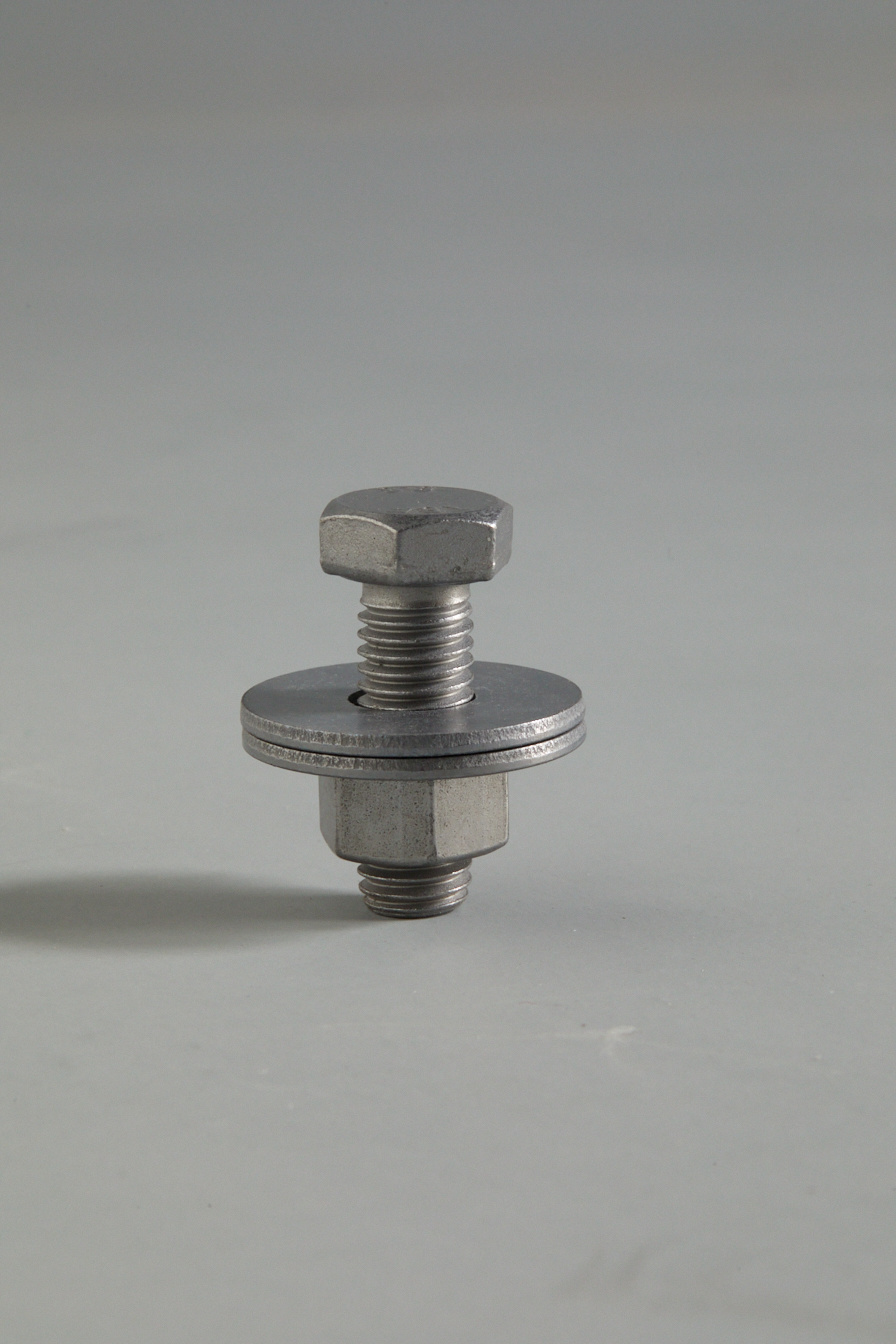
Tightening Bolts
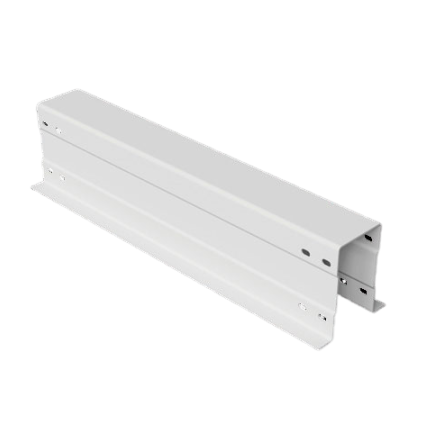
Secondary Beam
Steel Platform - Main Beam
Modular building
Modular building
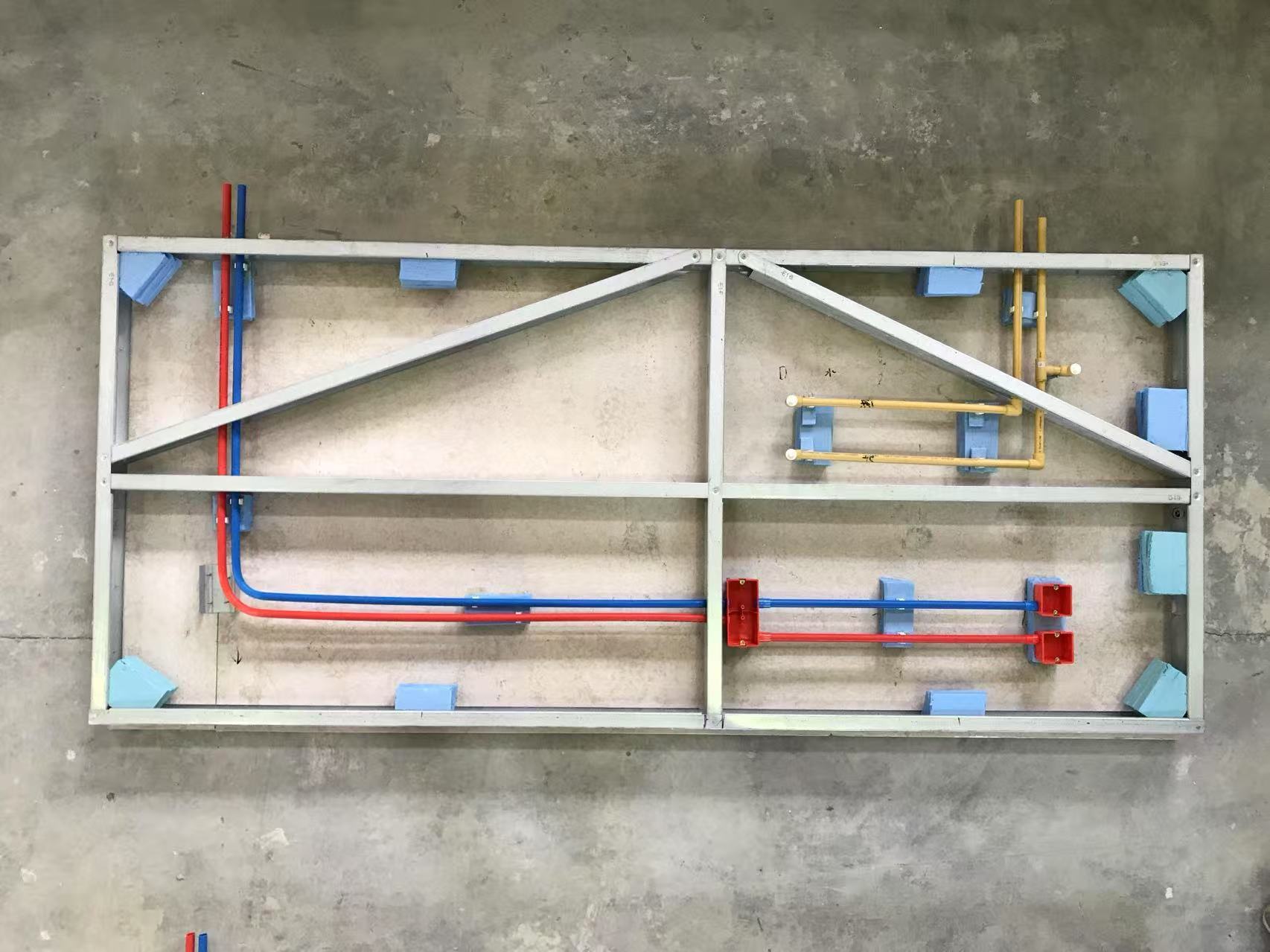
Layout Diagram of Electrical and Plumbing Pipelines for Magnesium-Based Grouted Walls

Performance Testing of Magnesium-Based Walls
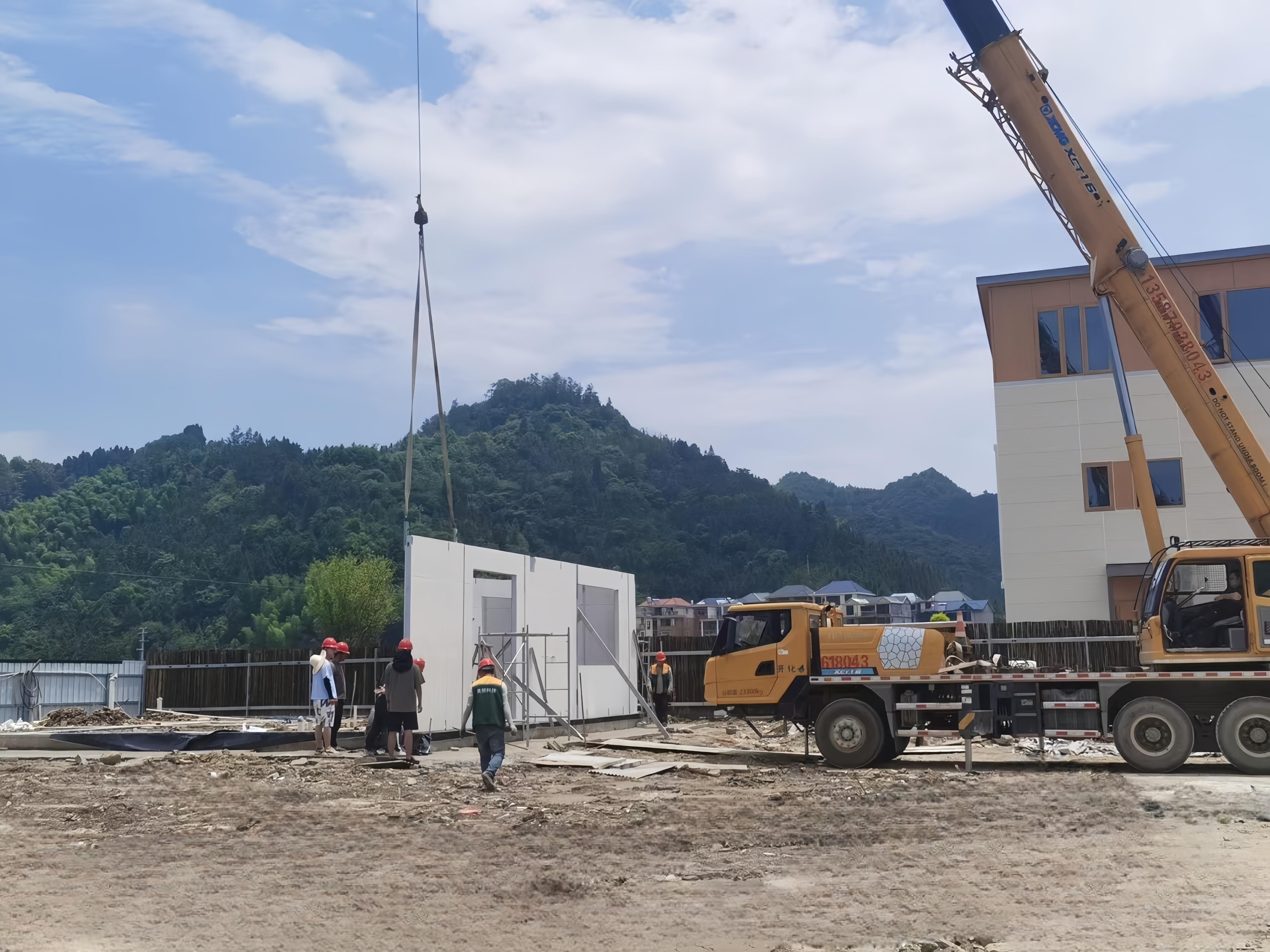
Construction Process of Modular Walls
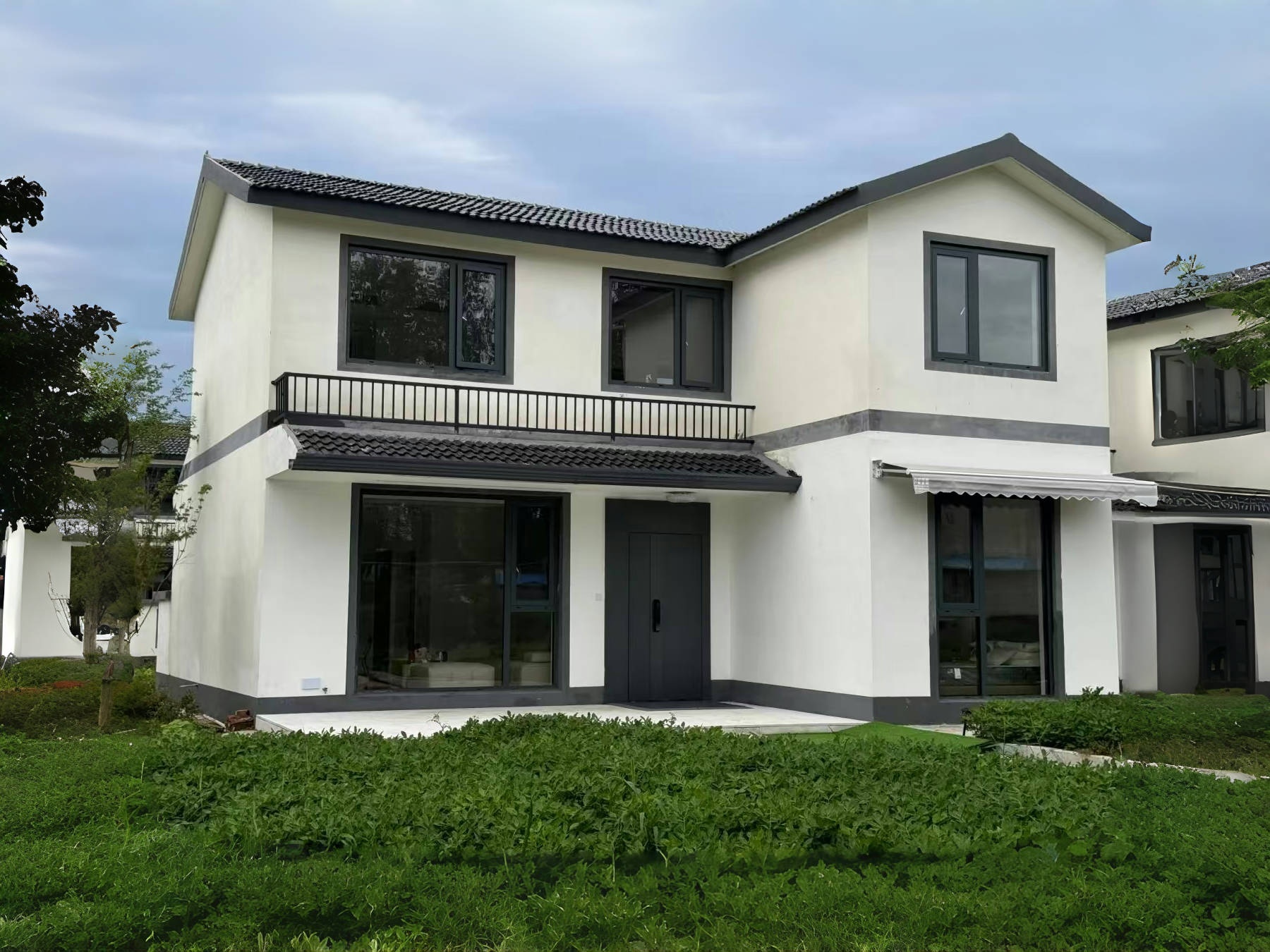
Cases of Modular Buildings
Bracket Roof Integrated Panel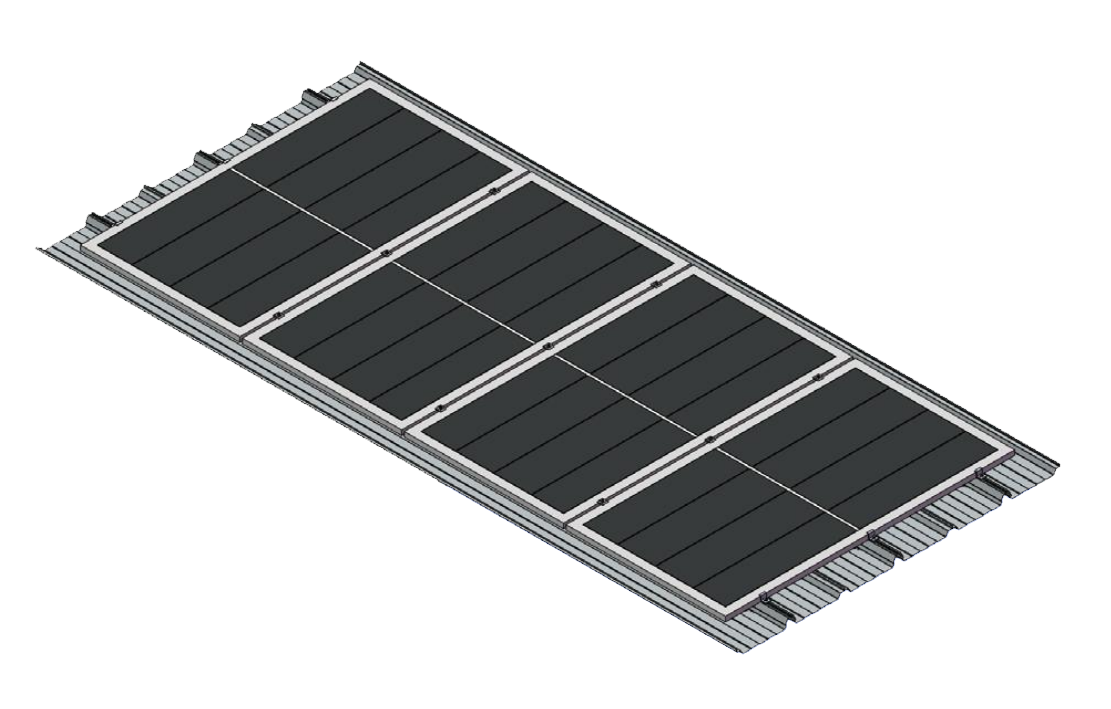
BIPV Bracket Roof Integrated Panel
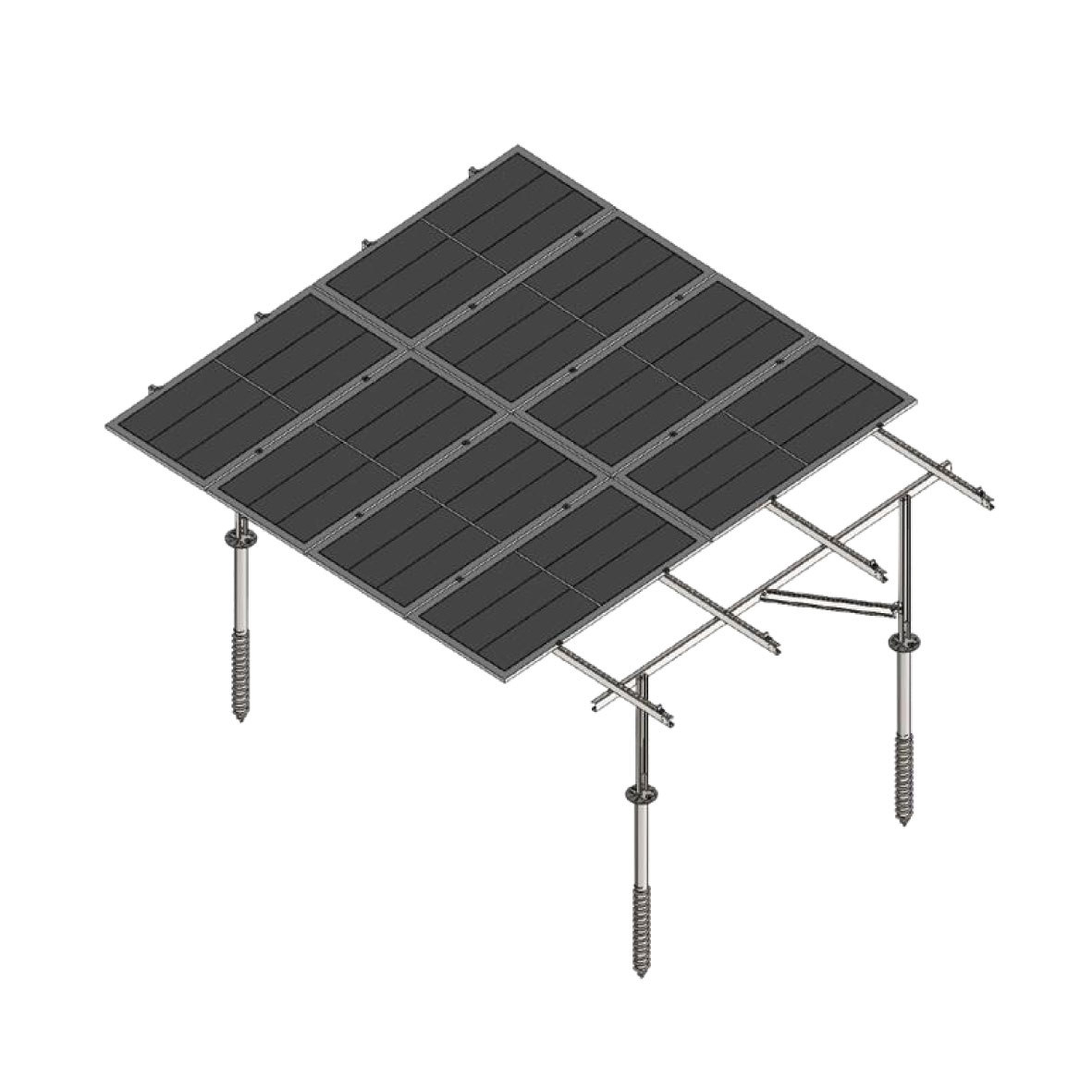
ZINC Aluminum Magnesium Double Leg Bracket
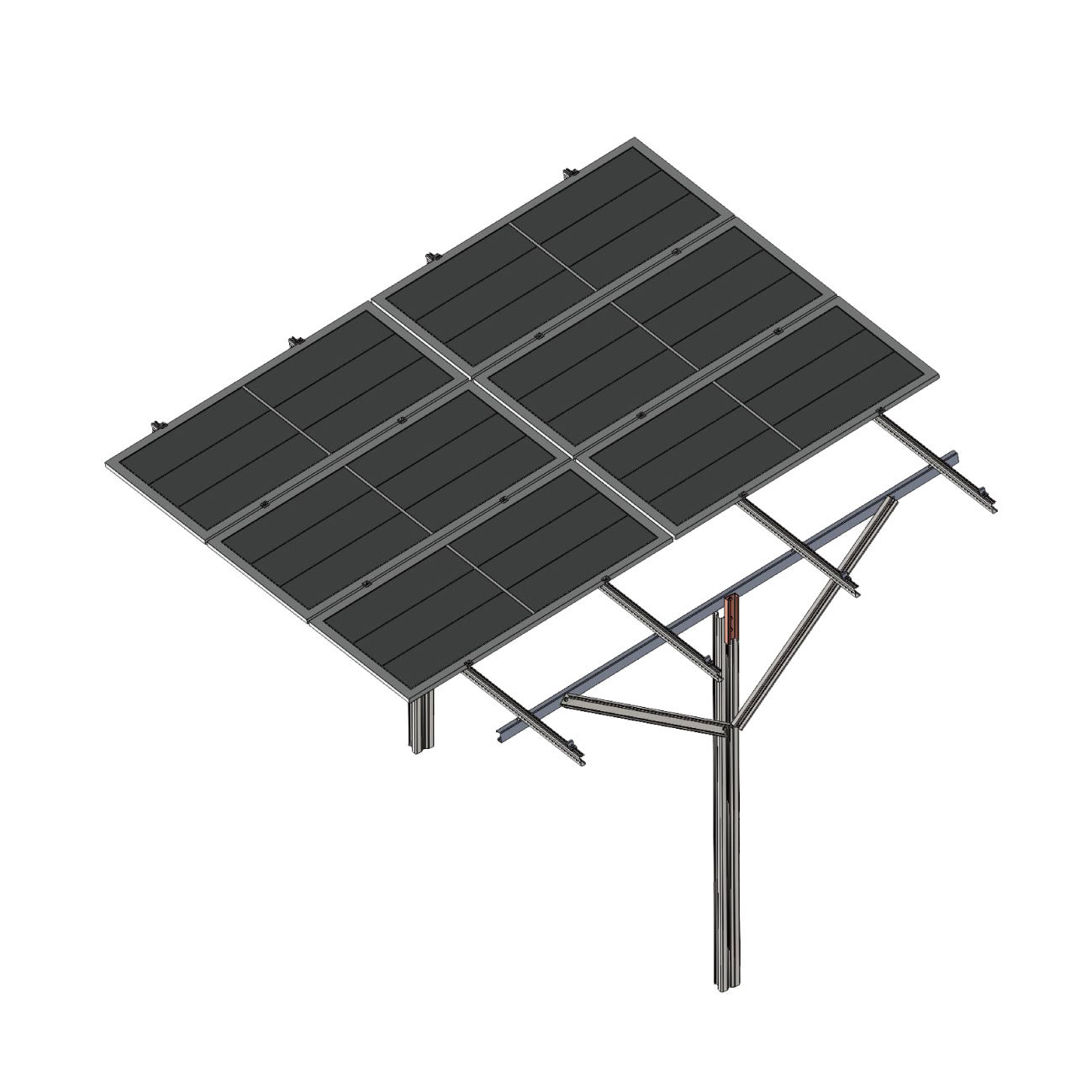
ZINC Aluminum Magnesium Single Leg Bracket
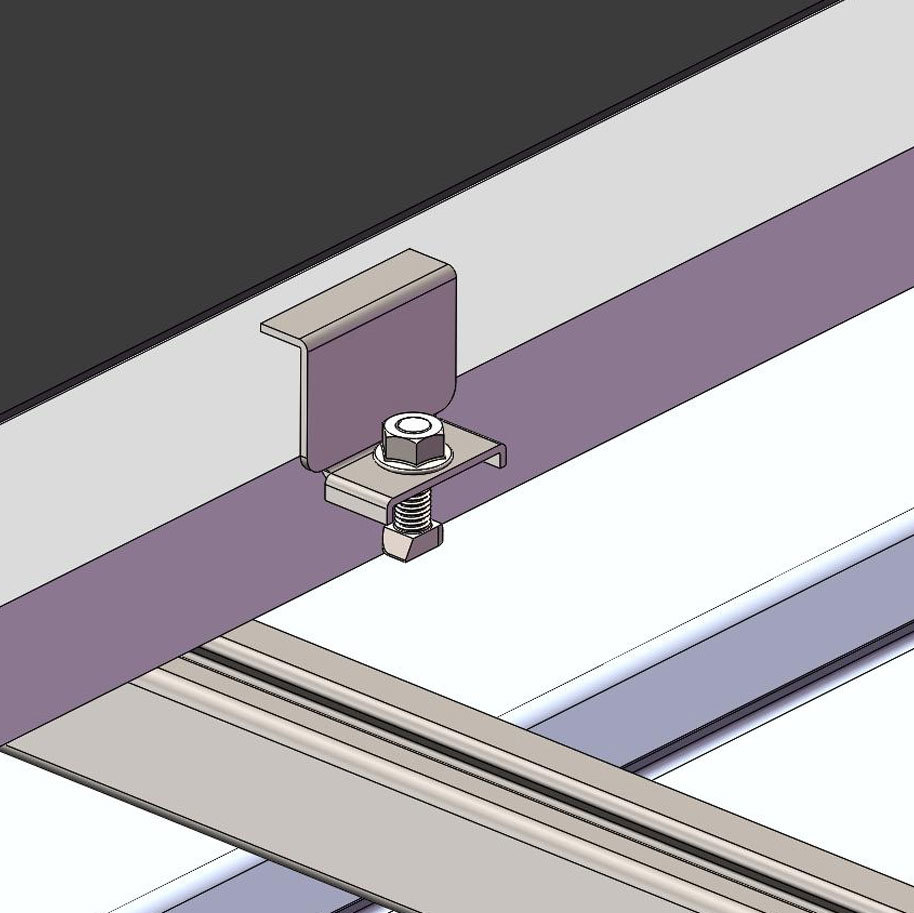
Explosion diagram of zinc aluminum magnesium under lateral pressure
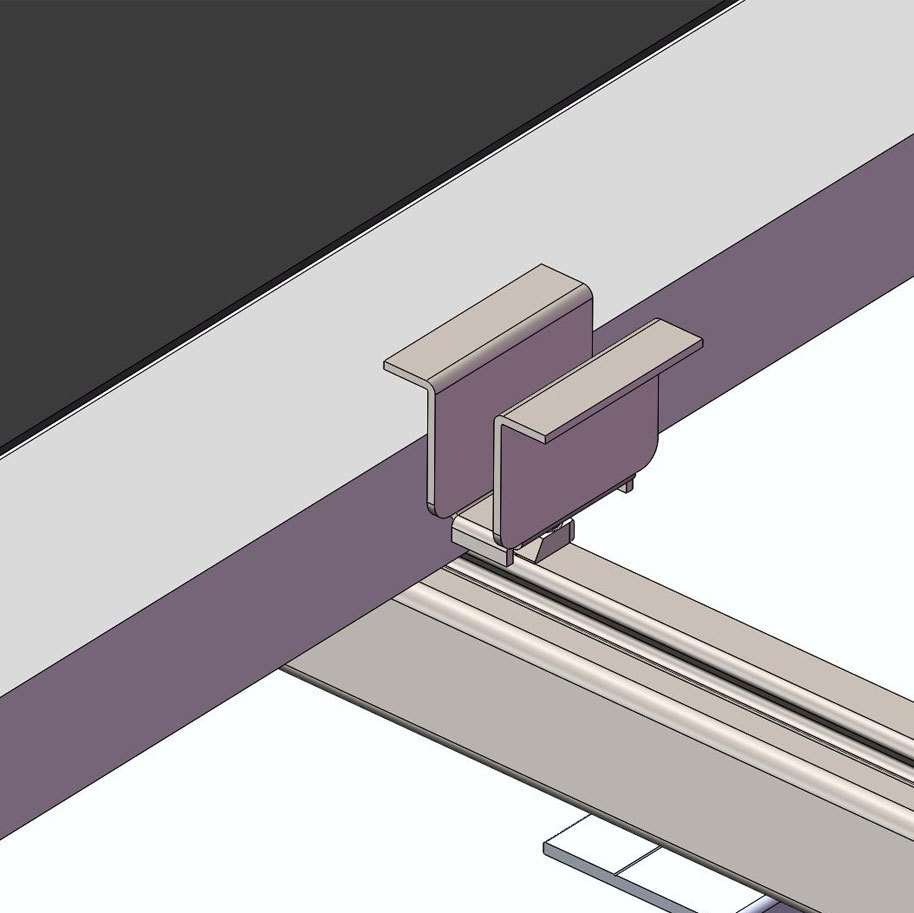
Zinc aluminum magnesium medium pressure explosion diagram
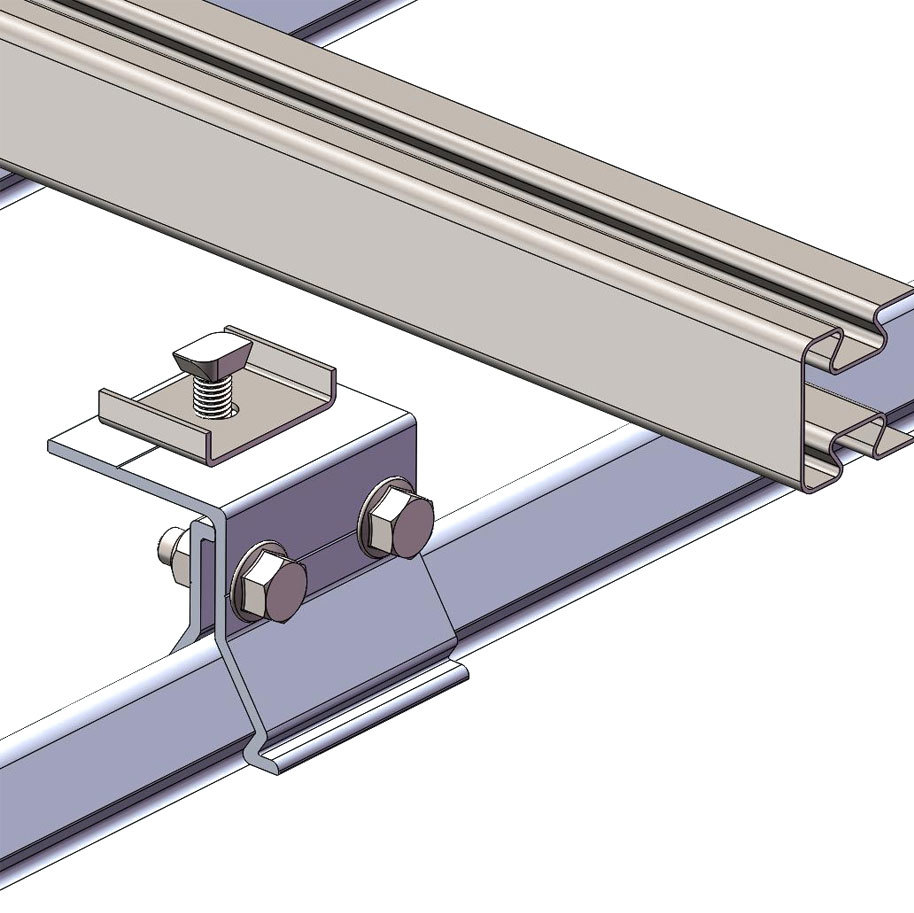
Explosion diagram of fixture components
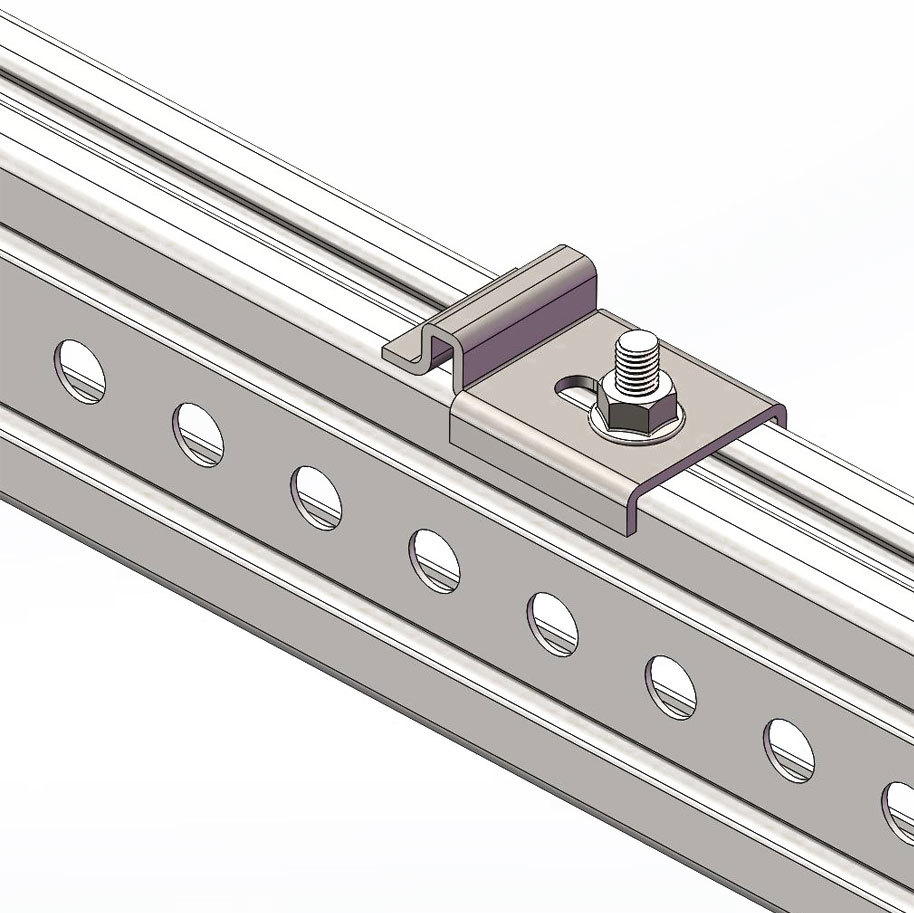
Lower pressure component
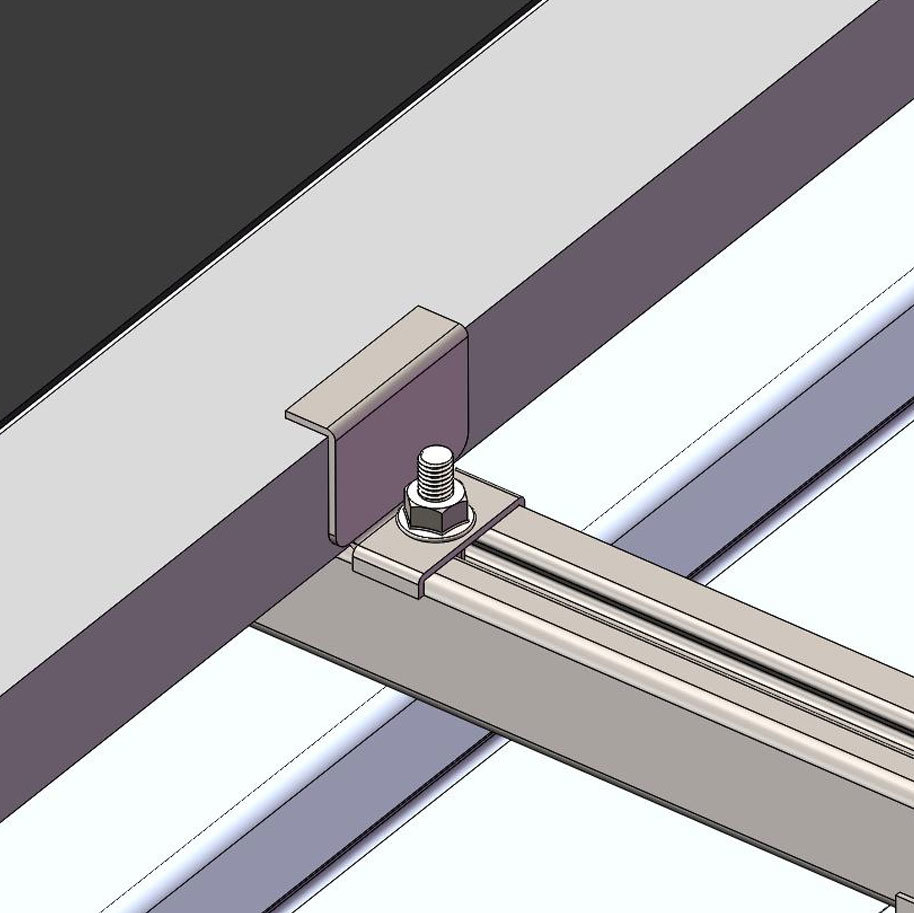
Zinc aluminum magnesium side pressure
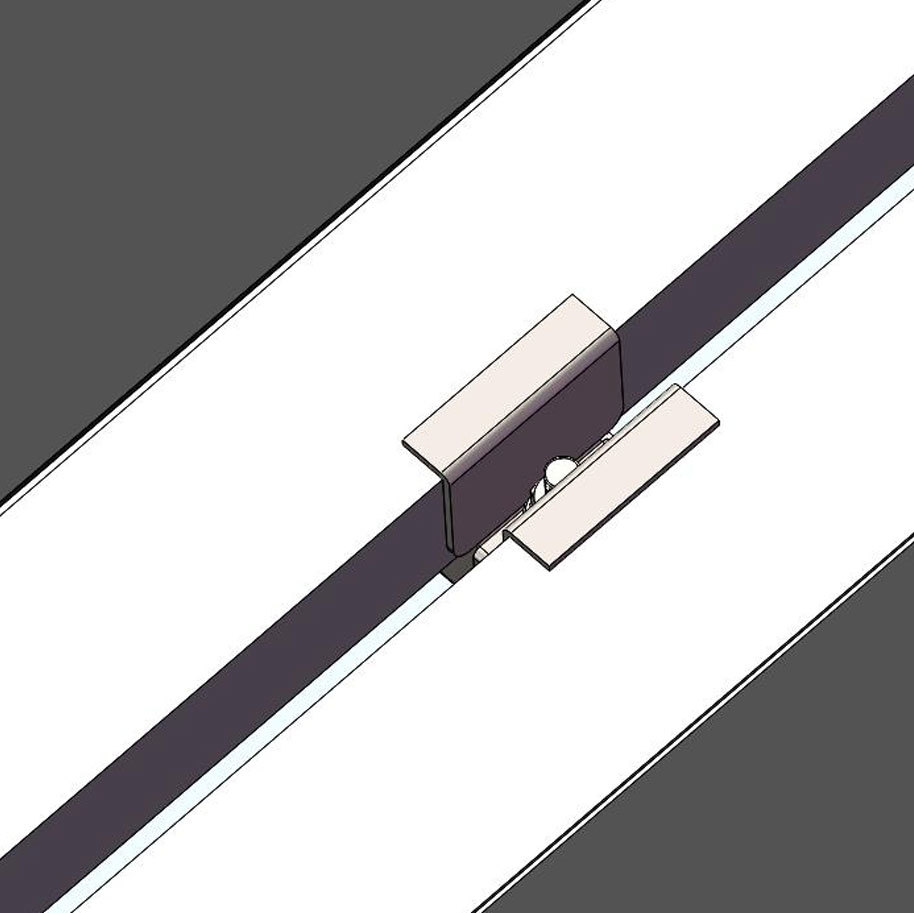
Zinc aluminum magnesium medium pressure
Zinc aluminum magnesium medium pressure
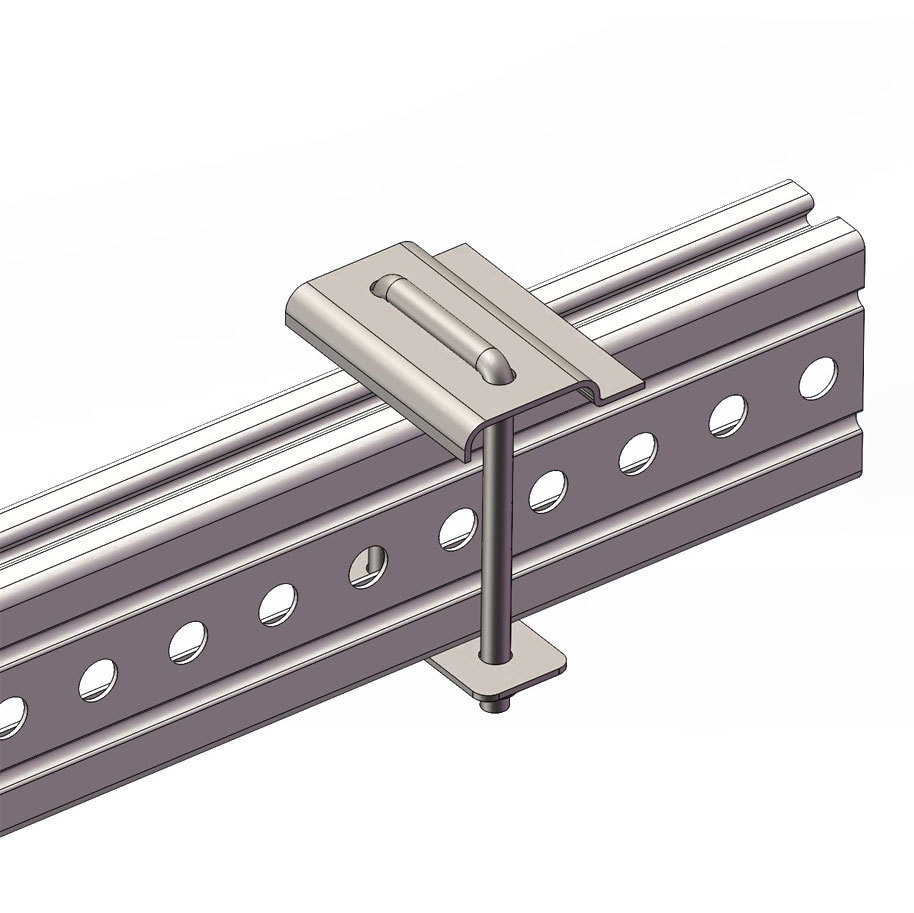
U-bolt assembly
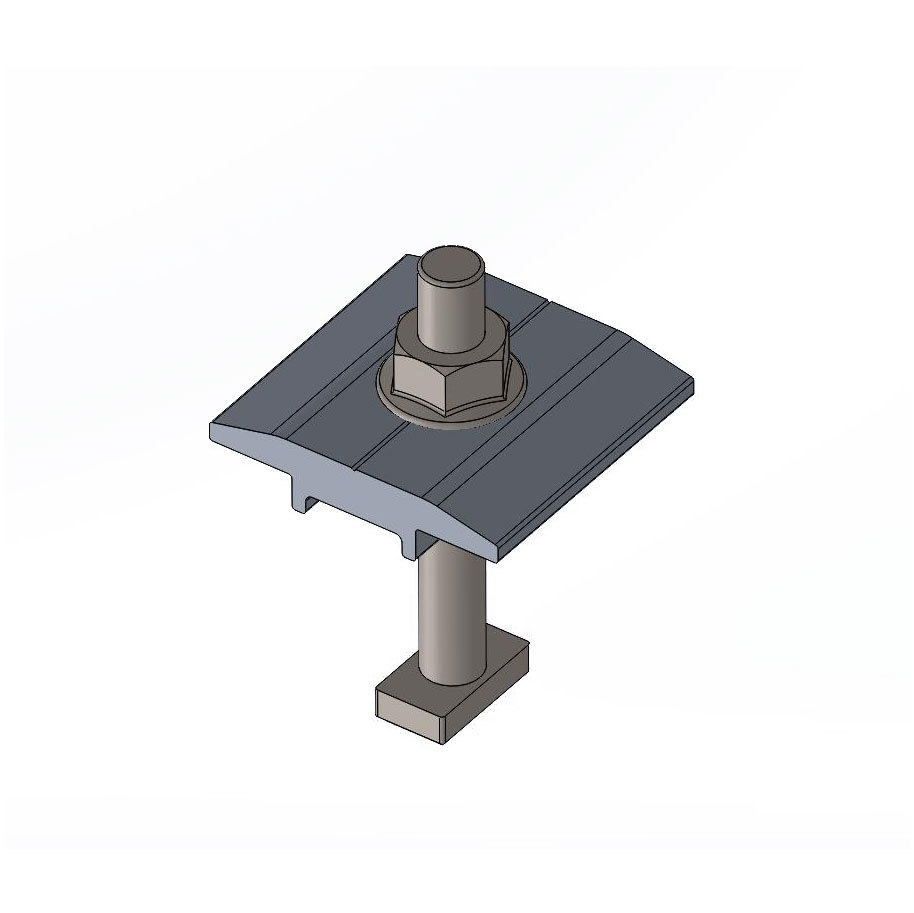
Medium voltage components
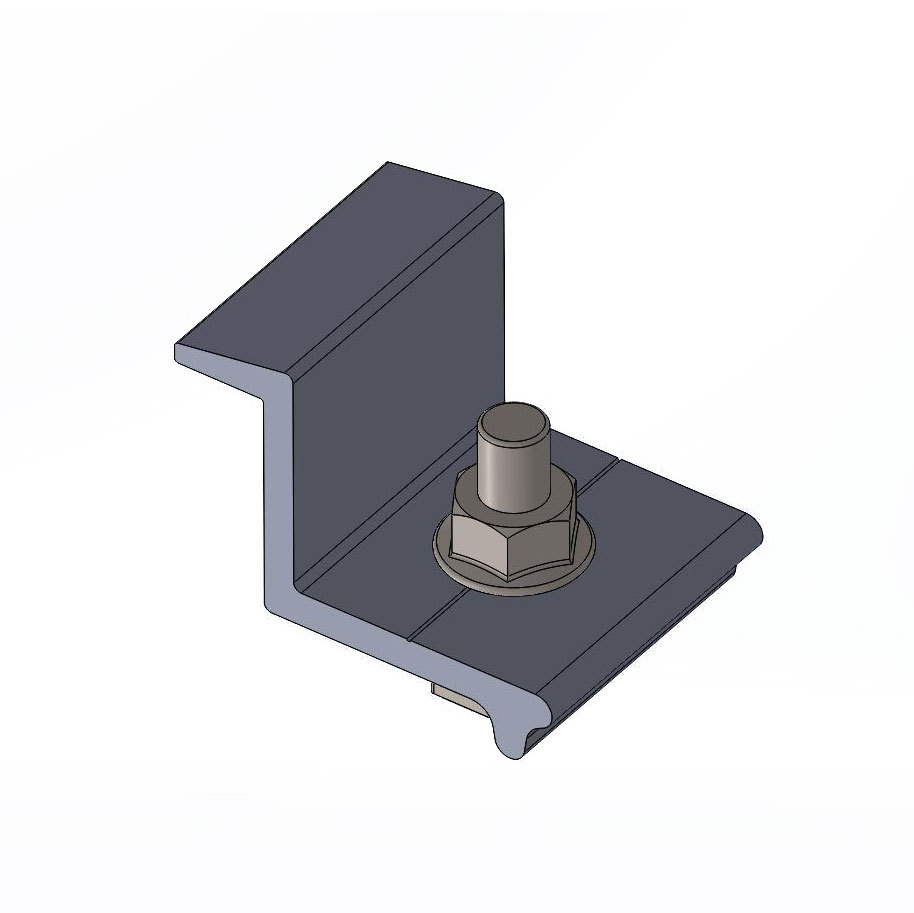
Side pressure component
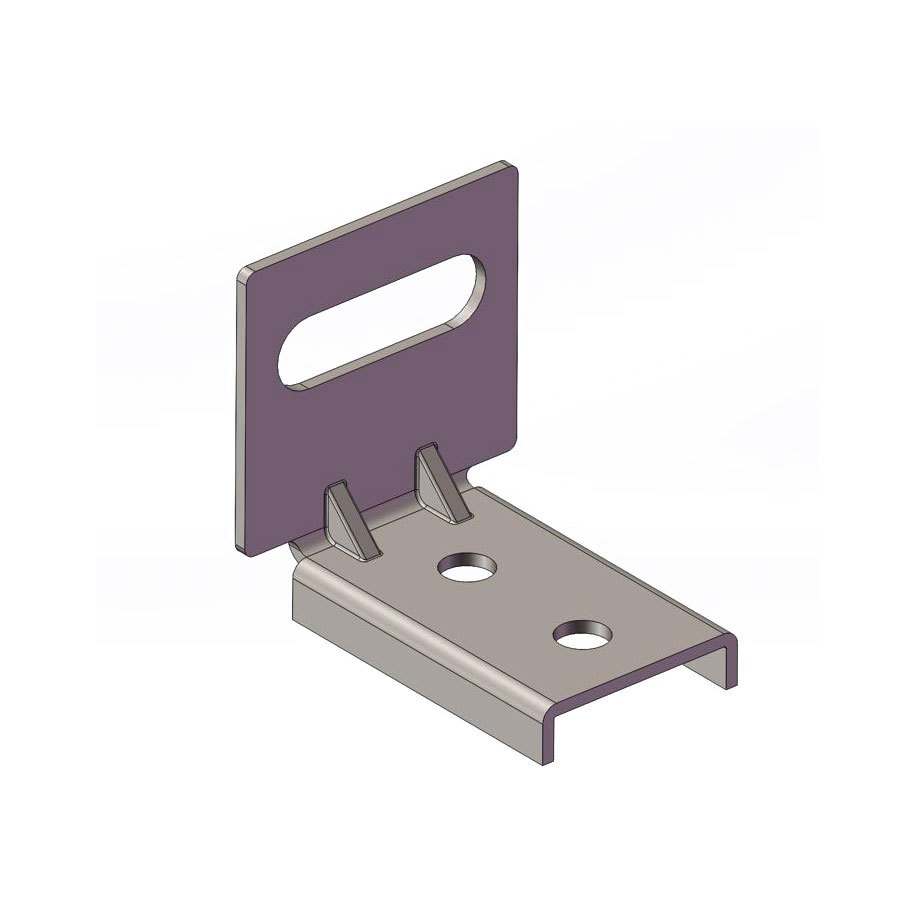
Horizontal and vertical rail connectors
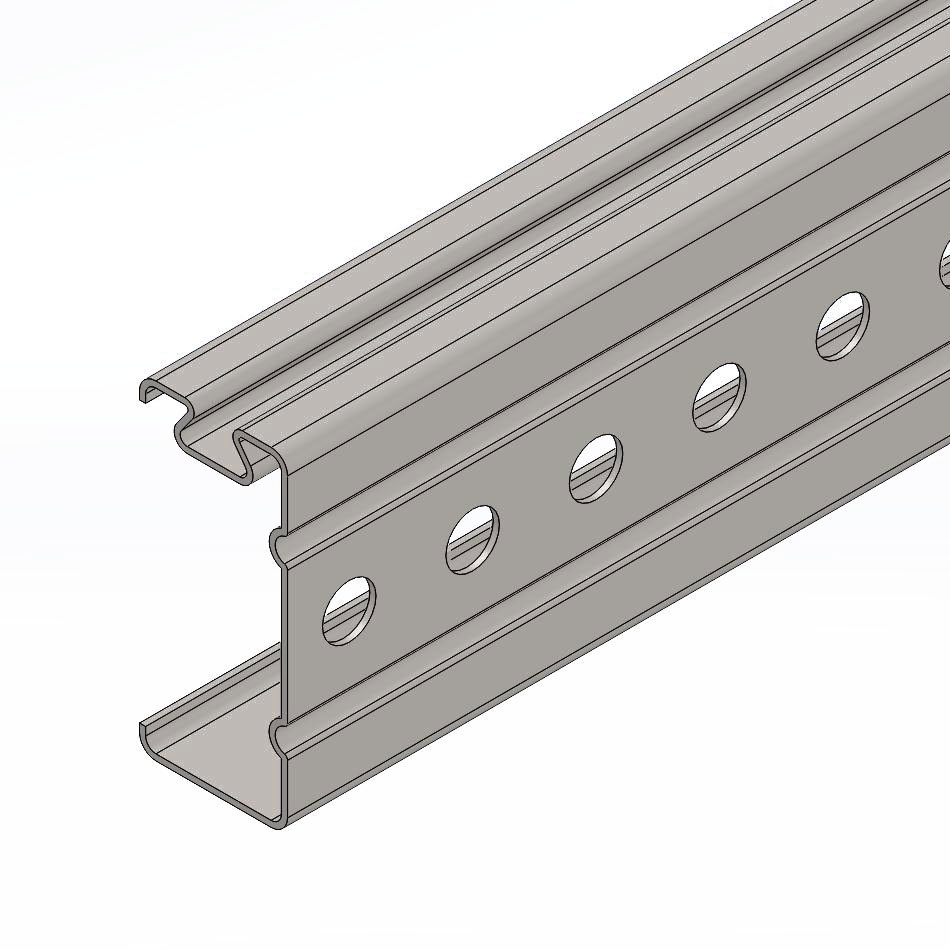
Slant support
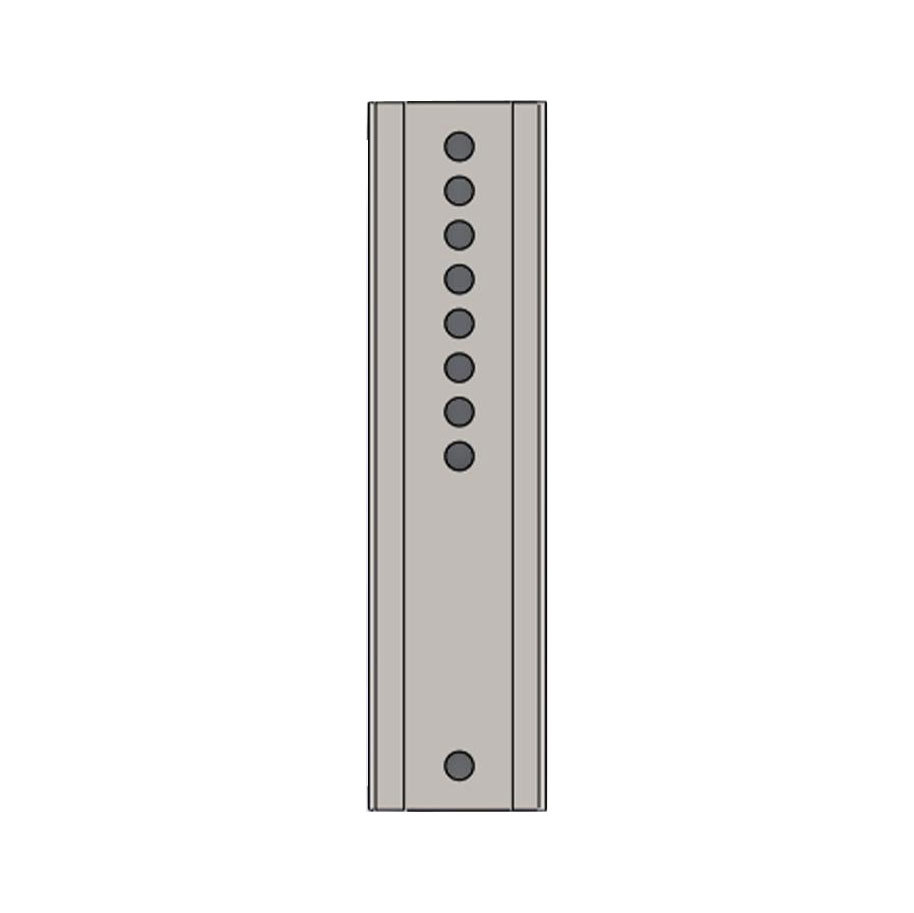
Column connectors
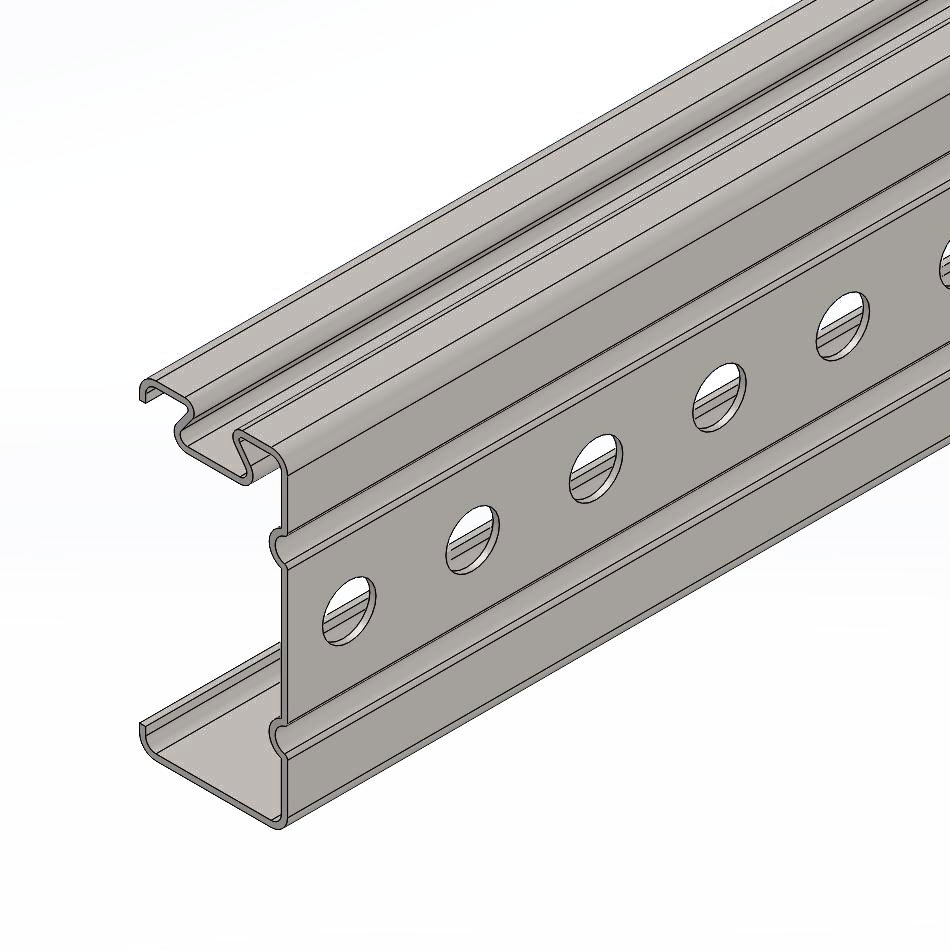
Longitudinal track
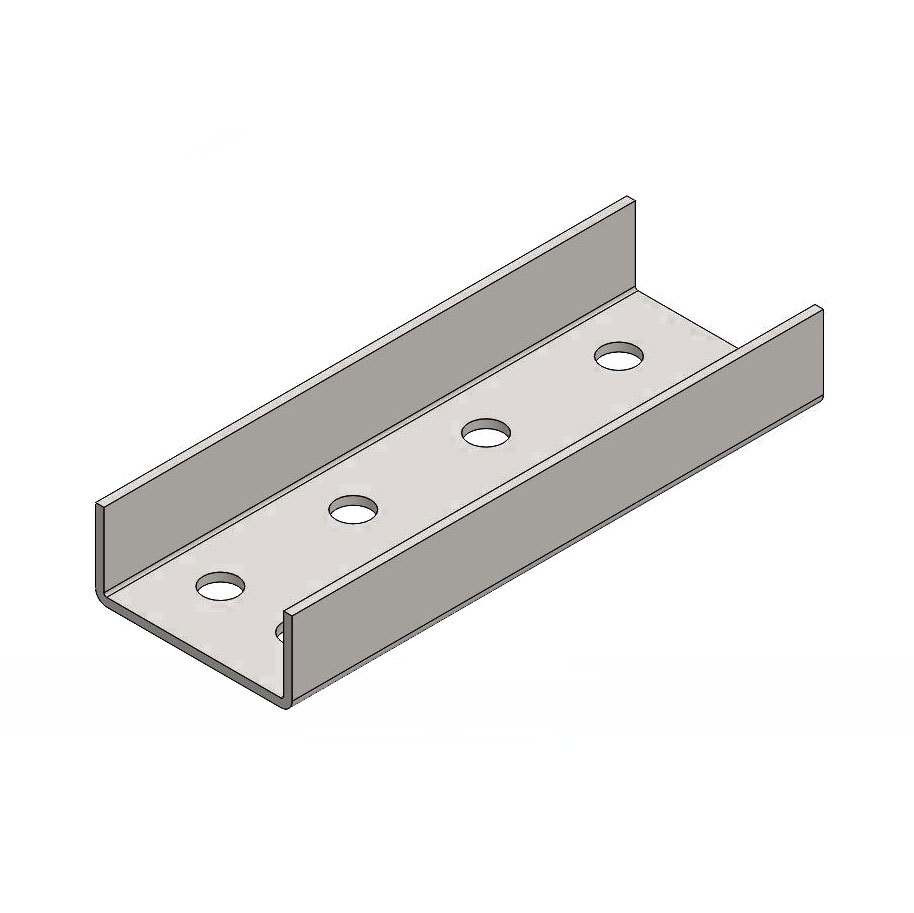
Horizontal rail connectors
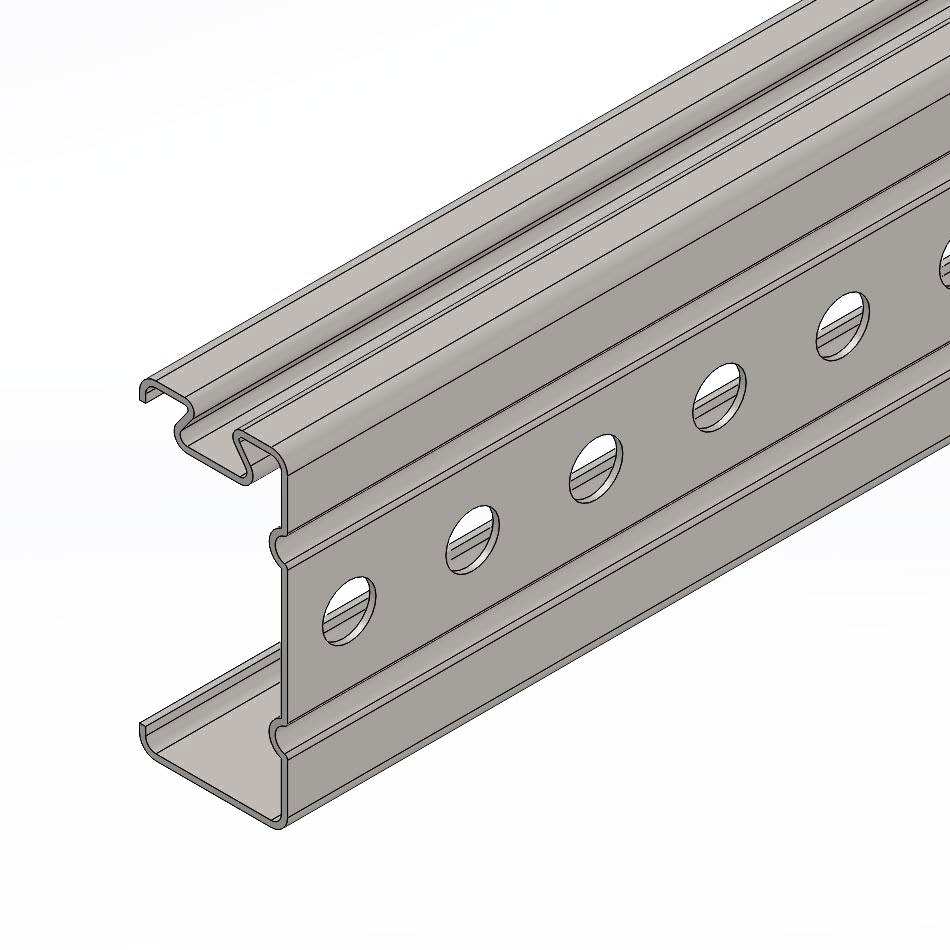
Horizontal track
Easy Install Steel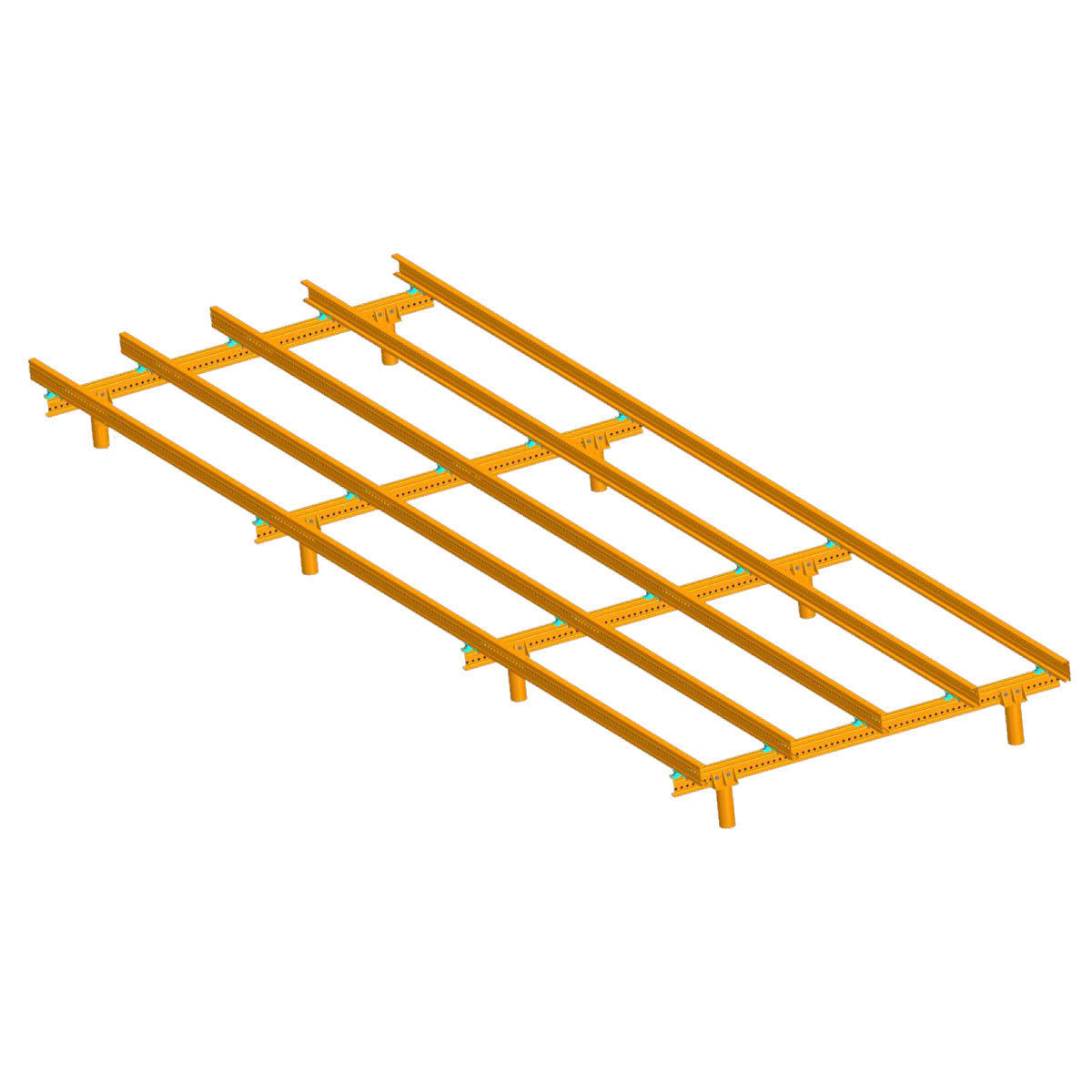
Haoheng Yi'an System

Easy Install Steel
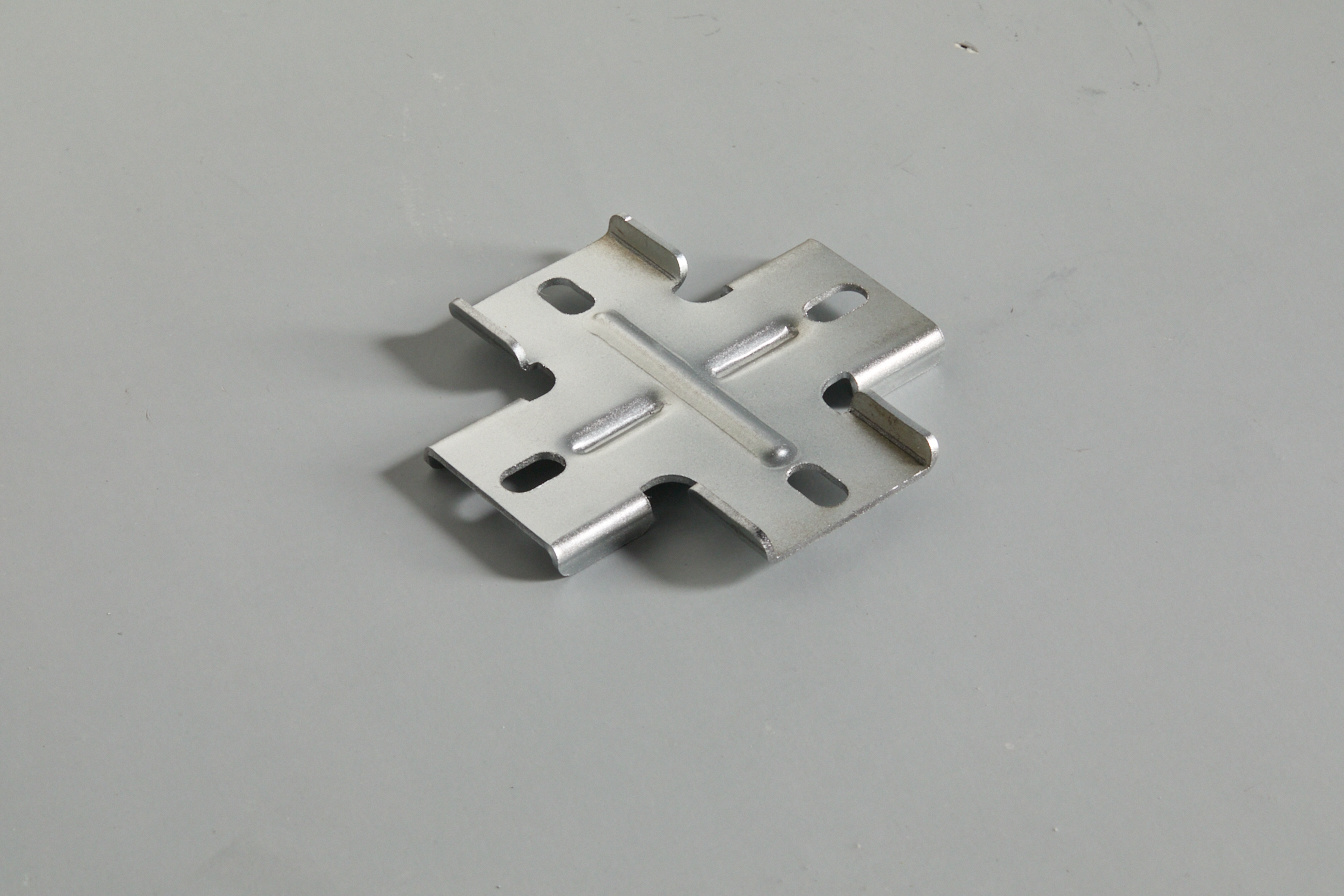
Cross connector
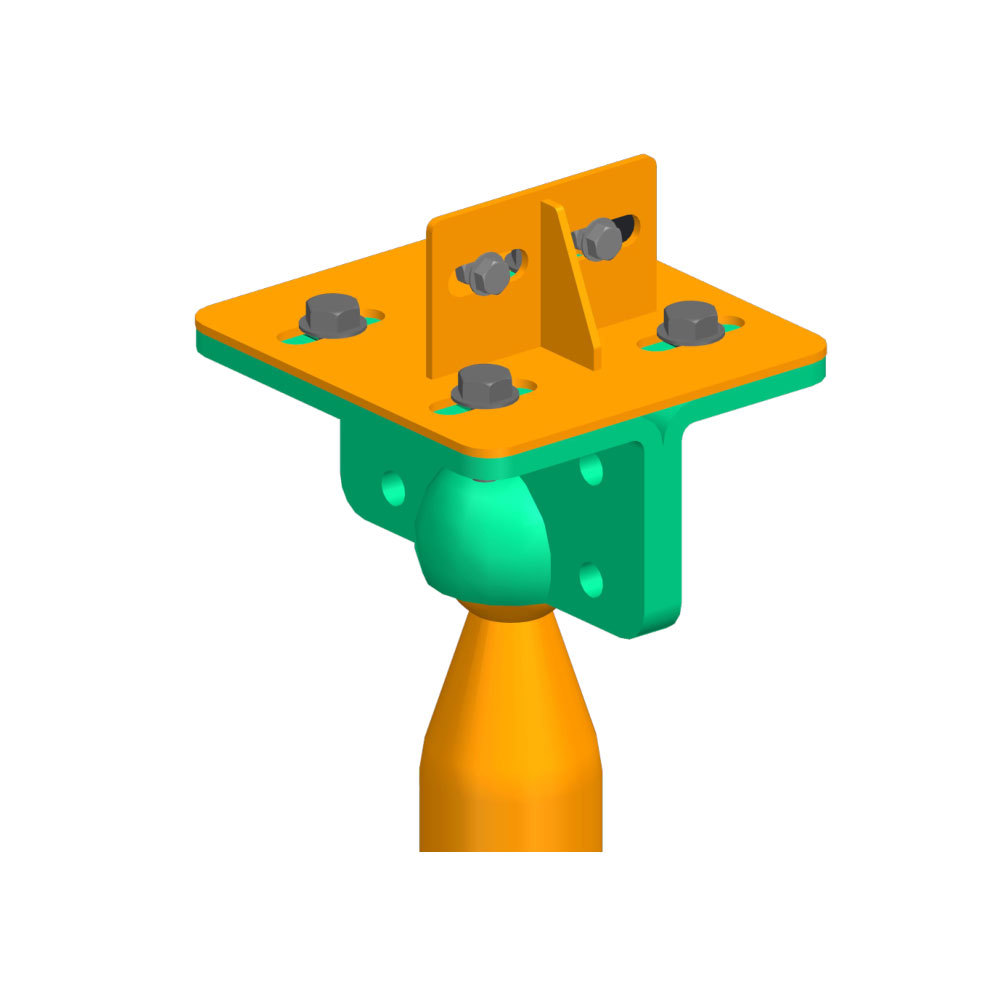
Universal connector for screw pile
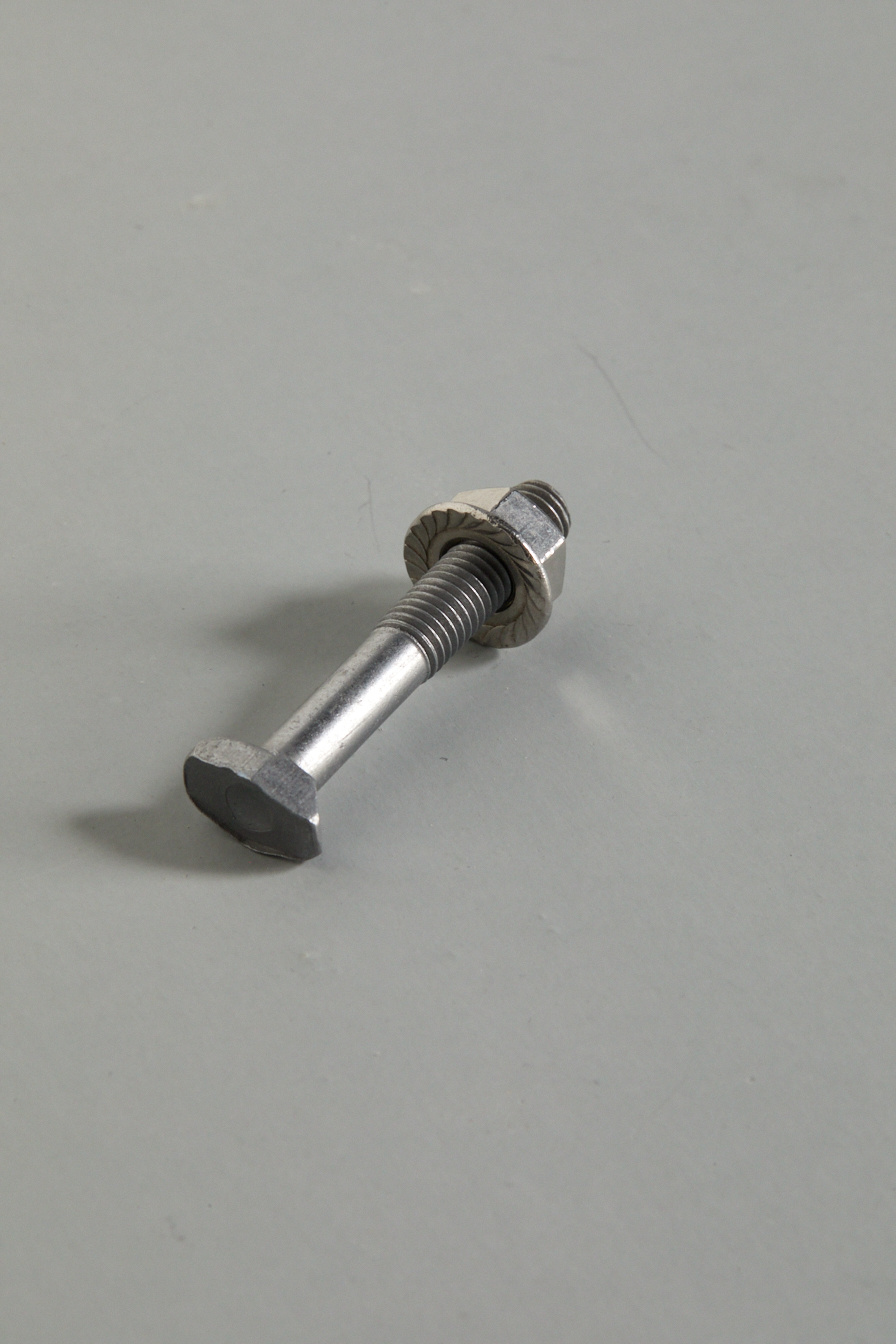
T-shaped dovetail bolt
Floor System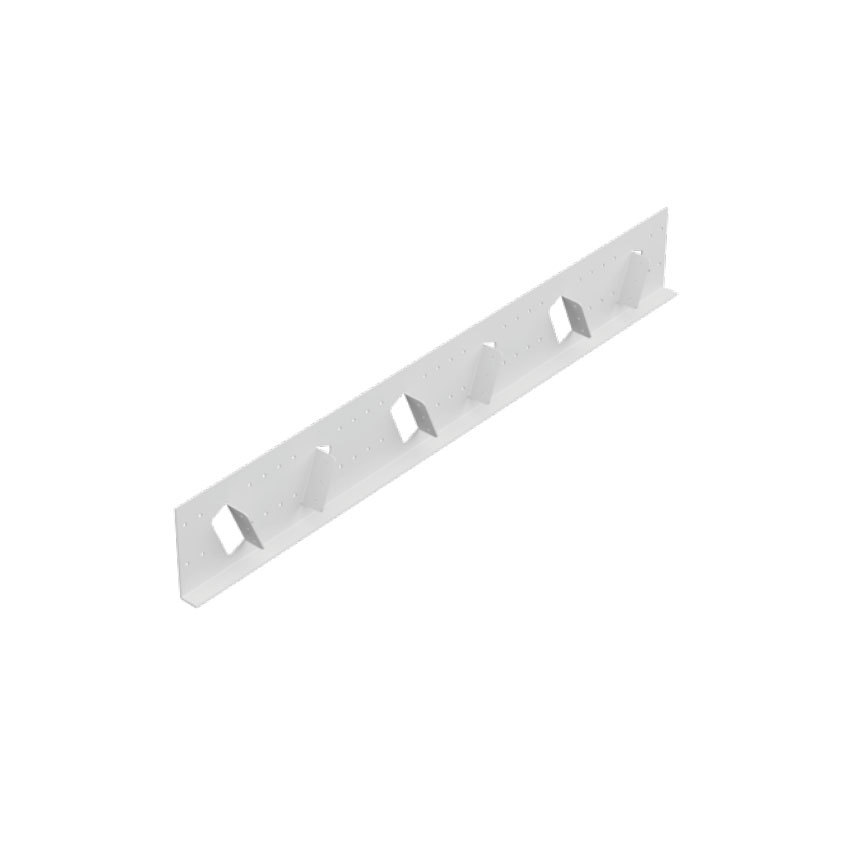
Ordinary steel structural connectors
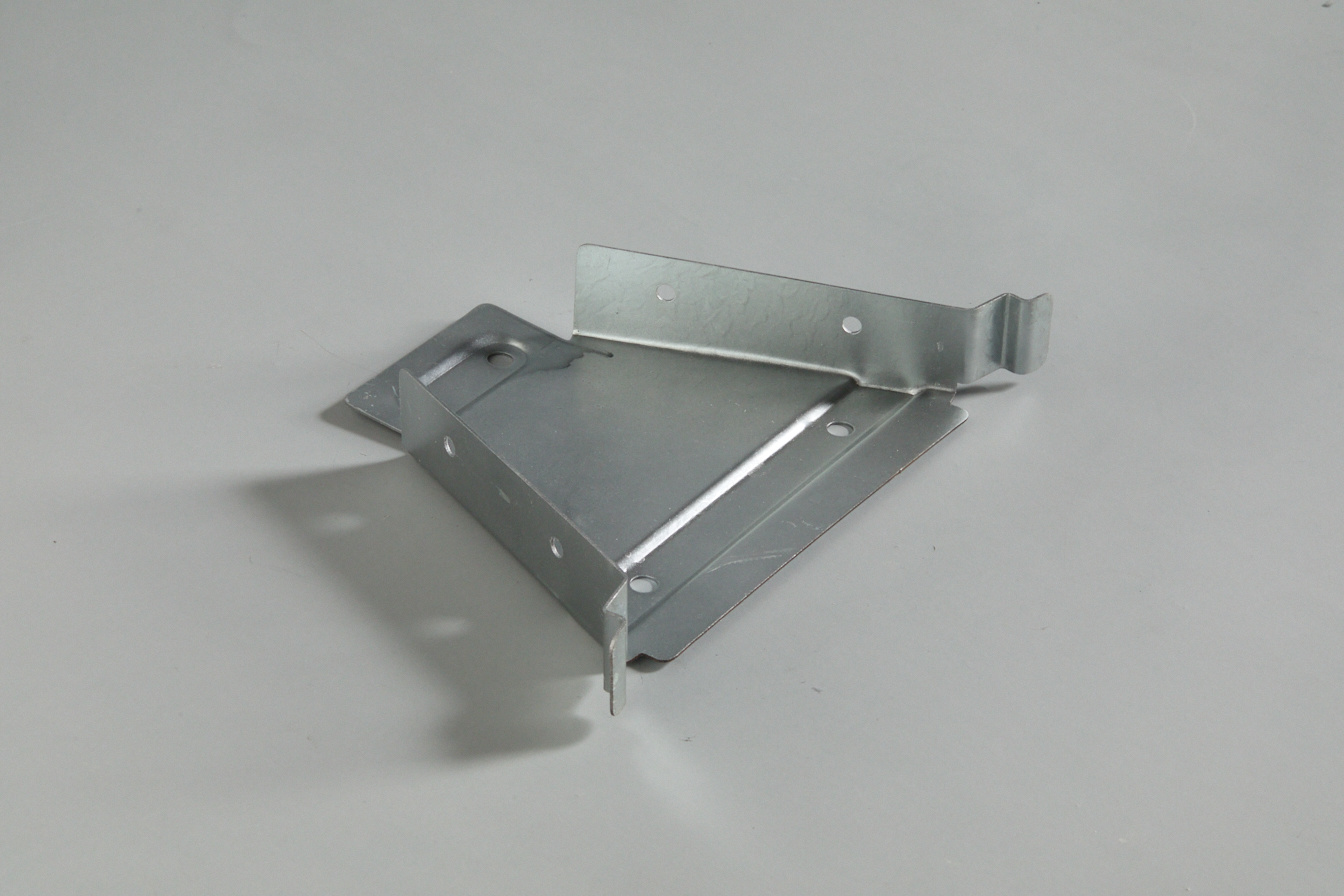
NEW BUILDING system connectors
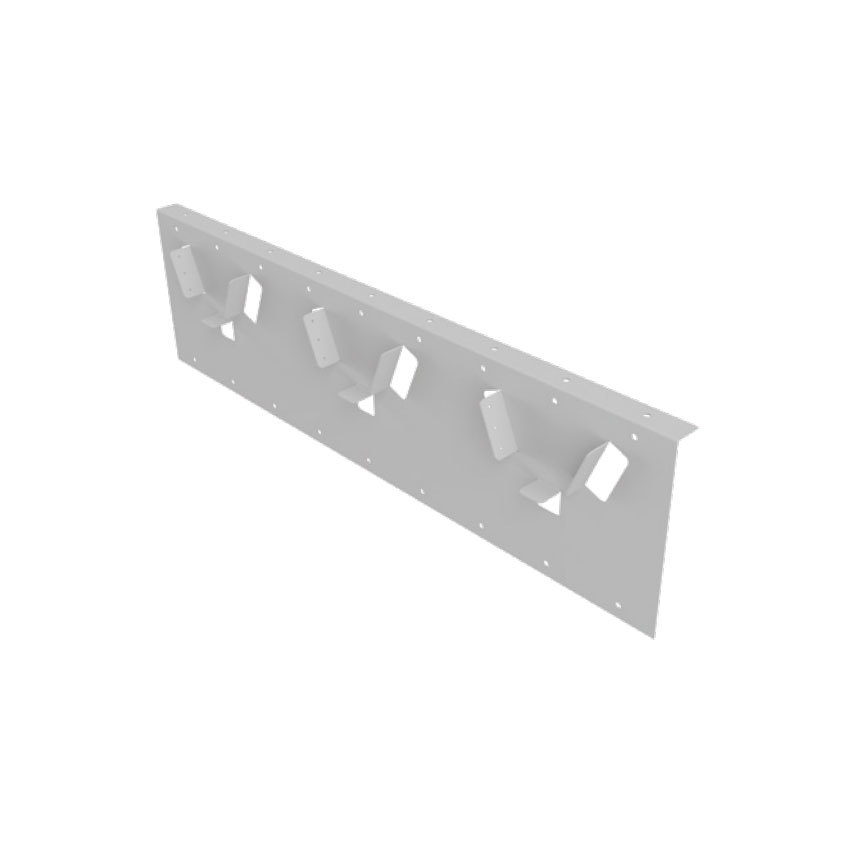
Cold formed thin-walled steel structural connectors
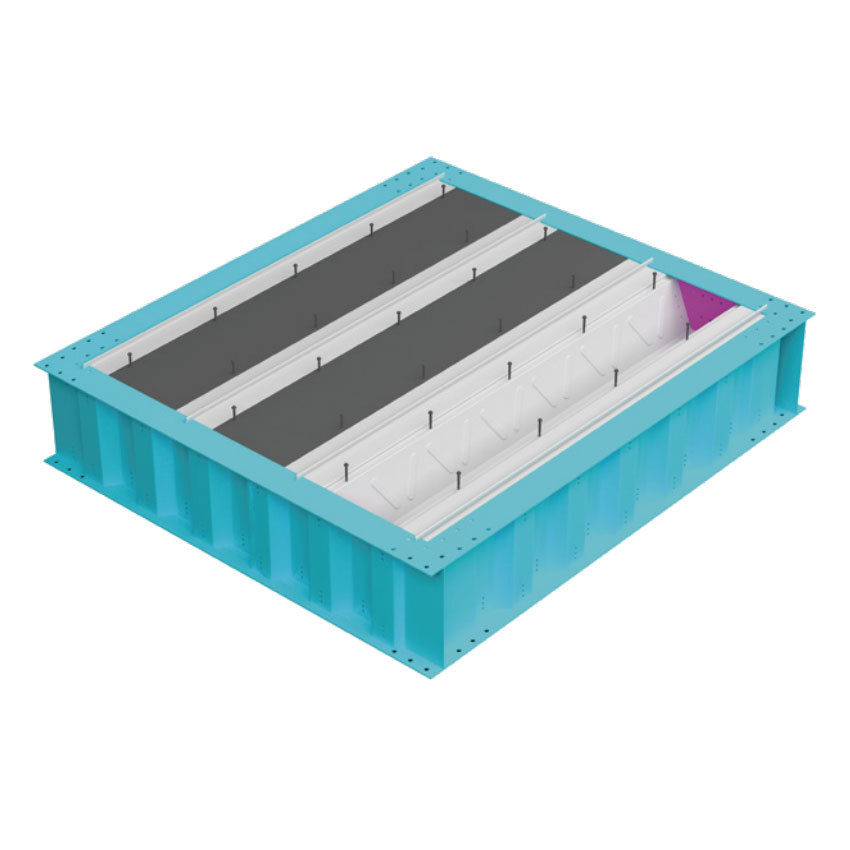
Corrugated I-beam+V-shaped floor beam
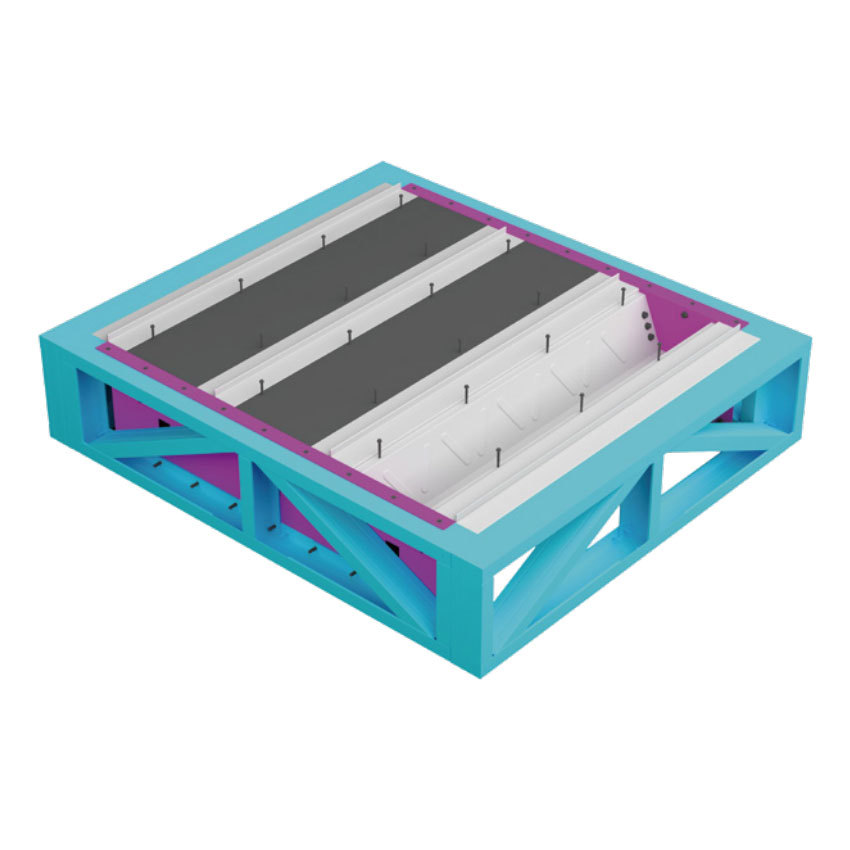
300 light steel truss+V-shaped floor beam
Steel wire gauze
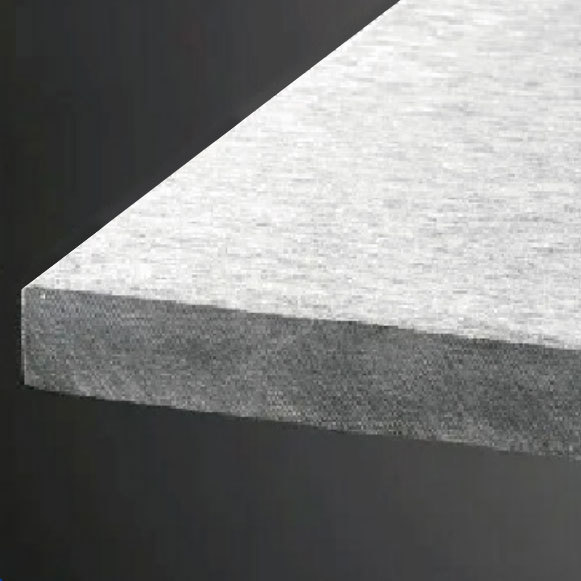
Plate
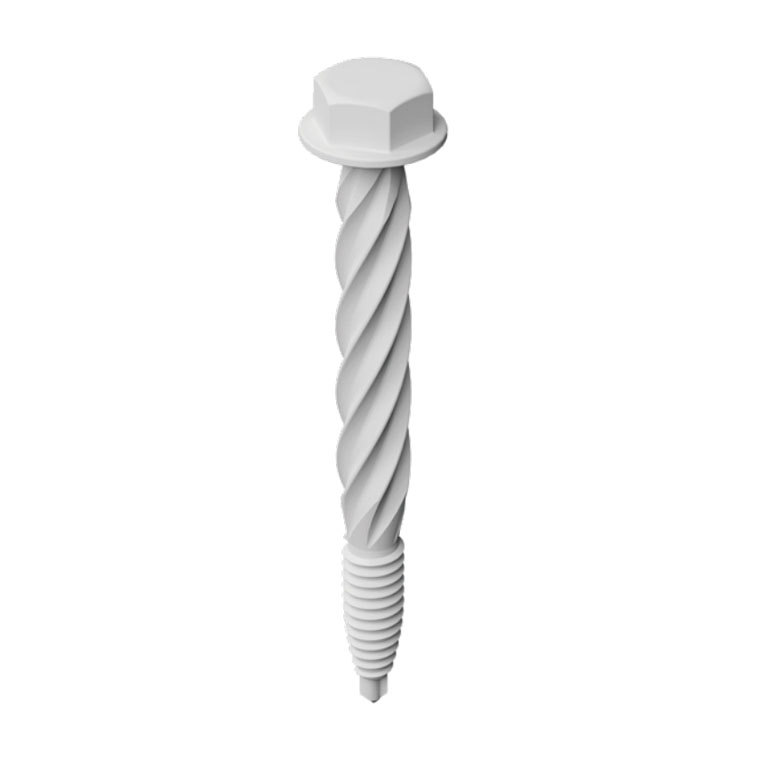
Shear stud
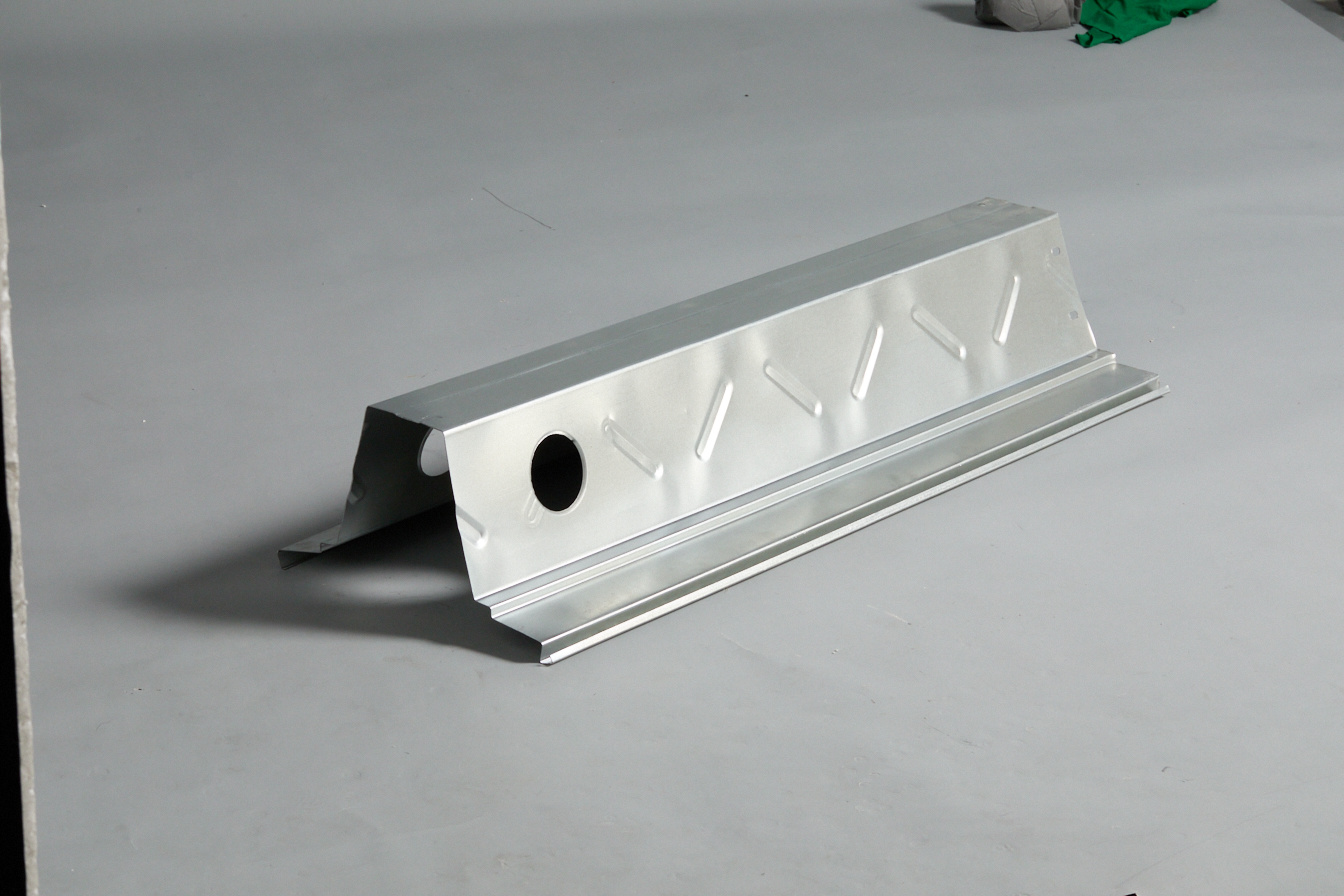
V-shaped floor beam
Magnesium stiffened wall panel
Why Cross Columns Are Essential for Modern Building Codes
Release Time:
2024-09-12
Source:
Why Cross Columns Are Essential for Modern Building Codes
Table of Contents
- 1. Introduction to Cross Columns in Modern Architecture
- 2. Understanding Cross Columns
- 3. Benefits of Using Cross Columns
- 3.1 Enhancing Structural Integrity
- 3.2 Optimizing Load Distribution
- 3.3 Earthquake Resistance and Safety
- 4. Compliance with Modern Building Codes
- 5. Design Considerations for Cross Columns
- 6. Installation Techniques for Cross Columns
- 7. Common Mistakes in Cross Column Design
- 8. Frequently Asked Questions
- 9. Conclusion
1. Introduction to Cross Columns in Modern Architecture
Cross columns play a pivotal role in the structural framework of modern buildings. As architectural designs shift towards more ambitious and complex forms, the integration of cross columns not only meets aesthetic goals but also aligns with essential safety regulations. This article will explore the indispensable nature of cross columns within contemporary building codes, focusing on their benefits, compliance requirements, and design implications.
2. Understanding Cross Columns
Cross columns are vertical structural elements that intersect with other beams and columns in a building. They serve to reinforce the overall stability of the structure by absorbing and redistributing loads effectively. Typically found in multistory buildings, cross columns can be designed from various materials, including steel, concrete, and wood, tailored to meet specific architectural needs.
3. Benefits of Using Cross Columns
Cross columns provide multiple advantages that enhance the overall performance and safety of buildings.
3.1 Enhancing Structural Integrity
The primary purpose of cross columns is to enhance the structural integrity of a building. By providing additional support and stability, they reduce the risk of structural failure. This is especially critical in high-rise buildings where weight distribution is a significant concern. Cross columns help to minimize sway and vibrations, providing a more secure environment for occupants.
3.2 Optimizing Load Distribution
Cross columns efficiently distribute loads across the building structure. By transferring weight from upper floors to the foundation, they minimize stress on individual beams and columns. This optimized load distribution is vital for maintaining the building's longevity and performance, particularly in areas prone to heavy snowfall, high winds, or seismic activities.
3.3 Earthquake Resistance and Safety
In regions susceptible to earthquakes, cross columns serve as a crucial safety feature. Their design allows for better energy absorption during seismic events, reducing the likelihood of catastrophic building collapse. Cross columns create a more resilient structure that can withstand dynamic forces, making them essential in earthquake-prone areas.
4. Compliance with Modern Building Codes
Meeting modern building codes is paramount for any construction project. Cross columns are integral to these codes, which are designed to ensure the safety, sustainability, and resilience of buildings.
4.1 Key Regulatory Requirements
Understanding regulatory requirements related to cross columns is essential for architects and builders. These codes often specify the dimensions, materials, and placement of cross columns to ensure they perform their intended function effectively. Compliance with these regulations helps prevent legal issues and enhances the overall safety of the structure.
4.2 Understanding Local Building Codes
Local building codes can vary significantly from one jurisdiction to another. It’s crucial to engage with local authorities to ensure that the design and implementation of cross columns meet specific regional codes. This may require adjustments to design plans to align with local seismic, wind load, and material specifications.
5. Design Considerations for Cross Columns
Designing cross columns requires careful consideration of various factors to ensure they integrate seamlessly into the building's overall architecture.
- **Material Selection**: The choice of material significantly affects the performance of cross columns. Steel offers strength and flexibility, while concrete provides durability and compressive strength. The selection should align with the building's specific requirements and environmental conditions.
- **Sizing and Placement**: Proper sizing and placement of cross columns are critical for optimal load distribution. Collaborating with structural engineers during the design phase will help determine the best dimensions and locations for cross columns.
- **Aesthetic Integration**: Cross columns can also contribute to a building's aesthetic appeal. Thoughtful design can make these structural elements a focal point, enhancing the overall architectural vision without compromising safety.
6. Installation Techniques for Cross Columns
The installation of cross columns is a complex process that requires precision and expertise. Key techniques include:
- **Foundation Preparation**: A robust foundation is essential for anchoring cross columns. Adequate site preparation and the use of suitable materials will ensure the stability of the columns.
- **Alignment and Leveling**: Ensuring that cross columns are perfectly aligned and level is vital for their performance. This process involves using advanced tools and techniques to achieve precise measurements.
- **Reinforcement**: Reinforcing cross columns with additional materials, such as rebar in concrete designs, can enhance their strength and durability. Proper reinforcement techniques should be followed to meet regulatory standards.
7. Common Mistakes in Cross Column Design
Avoiding common pitfalls in cross column design is crucial for ensuring safety and compliance:
- **Underestimating Load Requirements**: One of the most significant mistakes is failing to accurately calculate load requirements. This can lead to inadequate support and potential structural failure.
- **Neglecting Local Codes**: Ignoring local building codes during the design process can result in costly redesigns and delays. Always consult with local authorities and experts to ensure compliance.
- **Inadequate Communication with Engineers**: Failing to communicate effectively with structural engineers can lead to misunderstandings and design flaws. Collaboration is key to successful cross column integration.
8. Frequently Asked Questions
1. What role do cross columns play in building safety?
Cross columns enhance structural integrity, optimize load distribution, and improve resistance to seismic activities, thereby significantly contributing to building safety.
2. Are there specific building codes that govern the use of cross columns?
Yes, modern building codes include regulations that specify the dimensions, materials, and placement of cross columns to ensure they perform effectively.
3. How do cross columns improve earthquake resistance?
Cross columns absorb and redistribute forces during an earthquake, reducing the risk of structural failure and enhancing safety in seismic zones.
4. What materials are commonly used for cross columns?
Common materials for cross columns include steel, concrete, and wood, each chosen based on the specific needs of the building and its environmental context.
5. Can the design of cross columns be customized for aesthetic purposes?
Absolutely! Cross columns can be designed to enhance the architectural appeal of a building while maintaining their structural integrity.
9. Conclusion
In summary, cross columns are an essential component of modern building codes, serving pivotal roles in structural integrity, load distribution, and safety, especially in earthquake-prone areas. Their design requires careful consideration of material, sizing, and placement to ensure compliance with local regulations. As we continue to push the boundaries of architectural design, understanding and effectively integrating cross columns will remain crucial in creating safe, durable, and aesthetically pleasing buildings.
Related Information

HaoHeng Group
Address: Room 1808, Block A, Vanke Cloud City, Jiemei District, Xiamen City, Fujian Province
Business cooperation:
Copyright © HaoHeng (FuJian) Building Materials Technology Co, Ltd. All rights reserved