

-

 Pakistan
Marketing Service Outlets
 Papua New Guinea
Marketing Service Outlets
 Egypt
EgyptMarketing Service Outlets
 Australia
Marketing Service Outlets
 Brazil
Marketing Service Outlets
 Colombia
Marketing Service Outlets
 Russia
Marketing Service Outlets
 Germany
Marketing Service Outlets
 Poland
Marketing Service Outlets
 the Philippines
Marketing Service Outlets
 Kazakhstan
Marketing Service Outlets
 Malaysia
Marketing Service Outlets
 America
Marketing Service Outlets
 Kyrgyzstan
Marketing Service Outlets
 Canada
Marketing Service Outlets
 Peru
PeruMarketing Service Outlets
 Nigeria
Marketing Service Outlets
 Morocco
Marketing Service Outlets
 South Africa
Marketing Service Outlets
 Japan
JapanMarketing Service Outlets
 Slovakia
Marketing Service Outlets
 New Zealand
Marketing Service Outlets
 Hungary
Marketing Service Outlets
 Thailand
Marketing Service Outlets
 Spain
SpainMarketing Service Outlets
 Indonesia
Marketing Service Outlets
 Italy
ItalyMarketing Service Outlets
 Vietnam
Marketing Service Outlets
Steel Pipe ColumnSteel Pipe Column ConnectorsMain Beam | Secondary BeamPrefabricated StairsRound Pipe PileFlat Steel PileGroup PileCap PileNew Building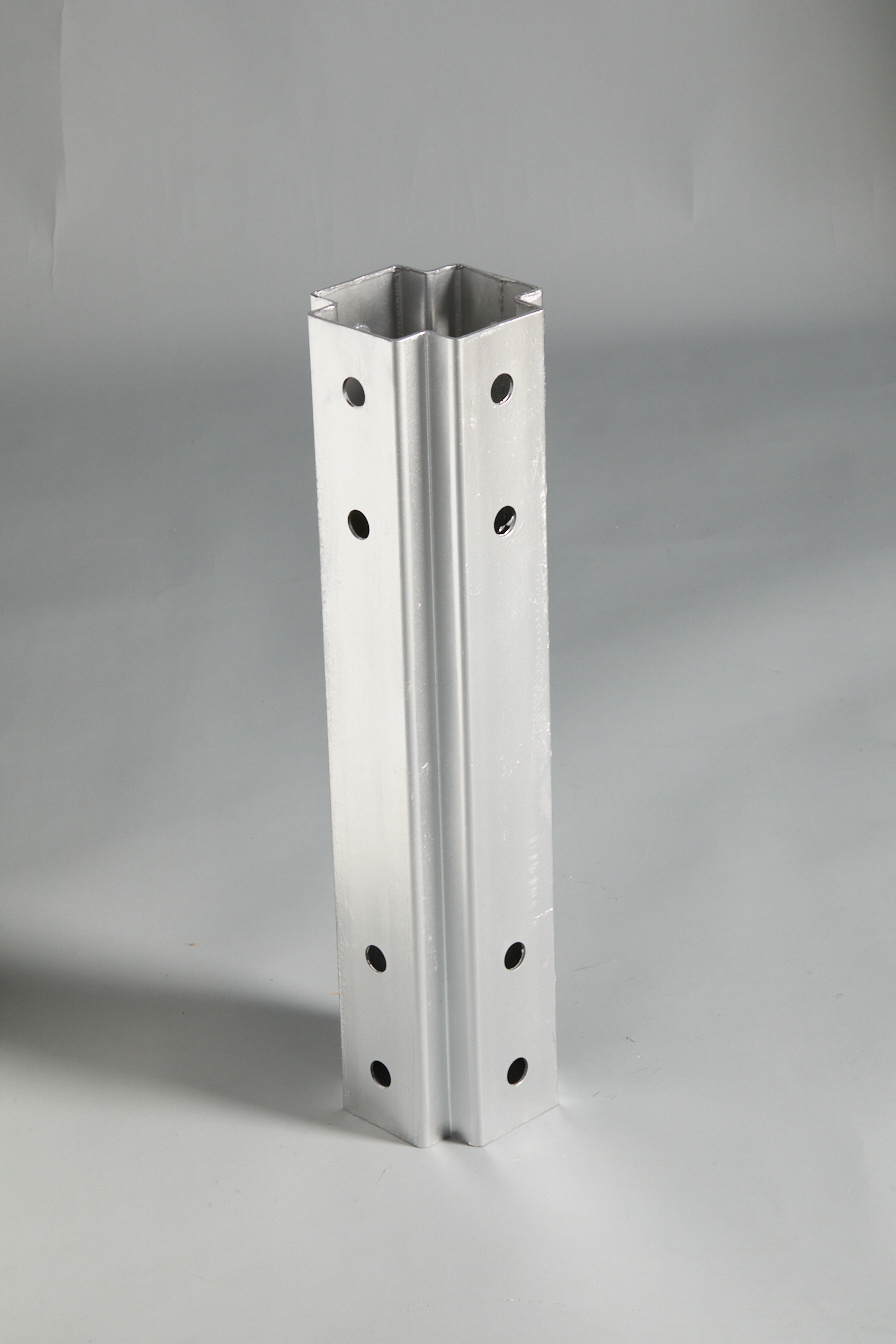
Cross column

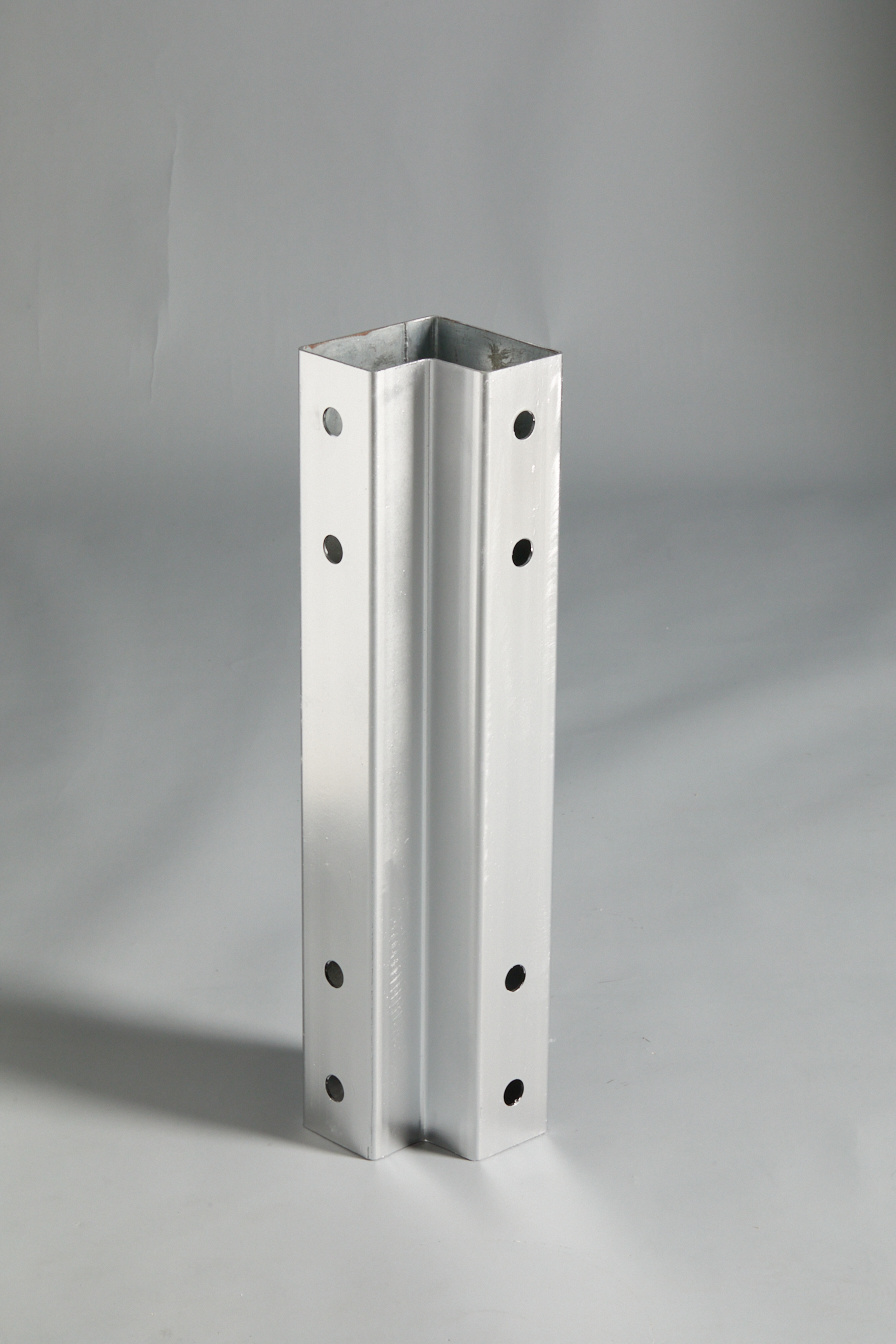
L-shaped column
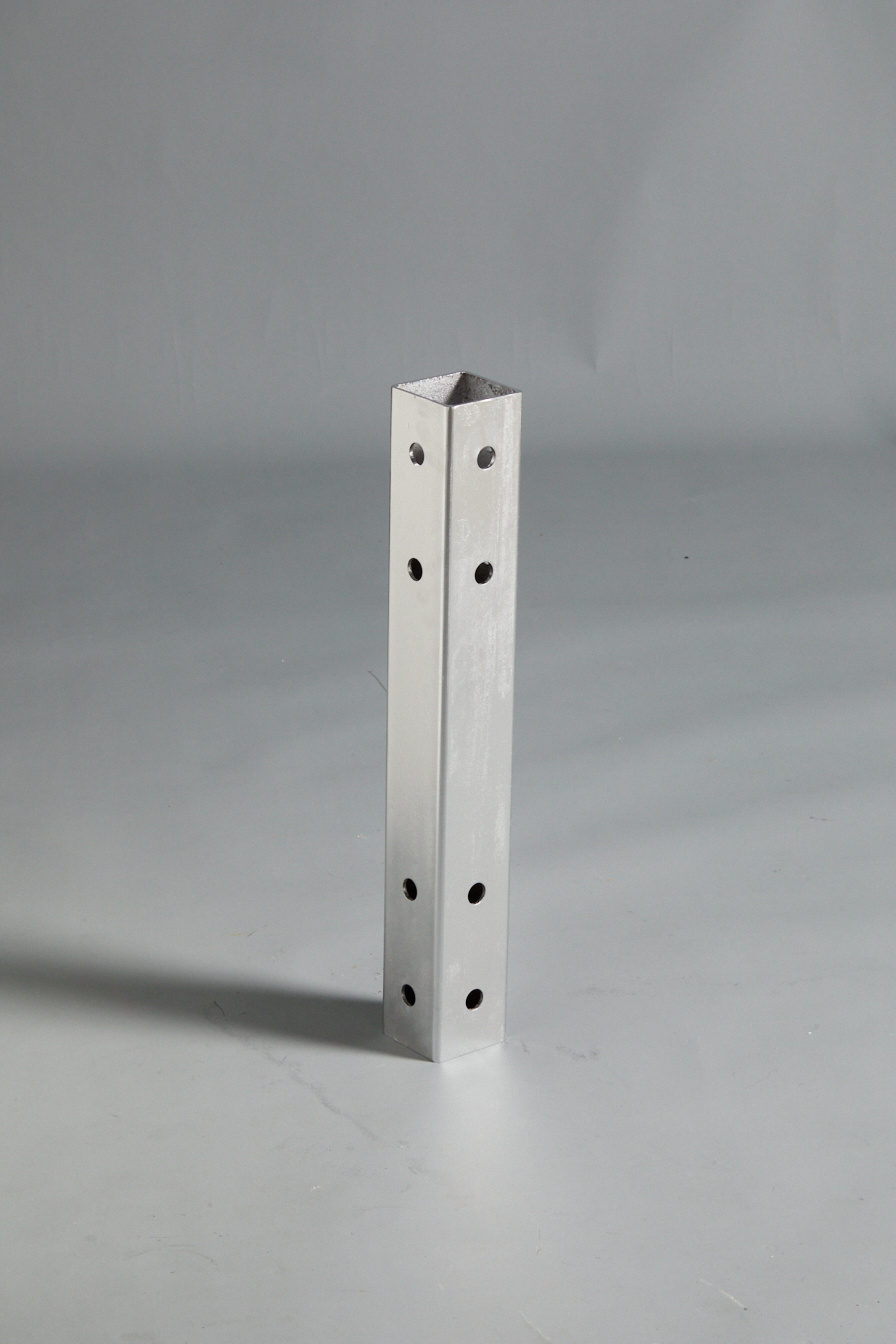
Square tube column

T-shaped column
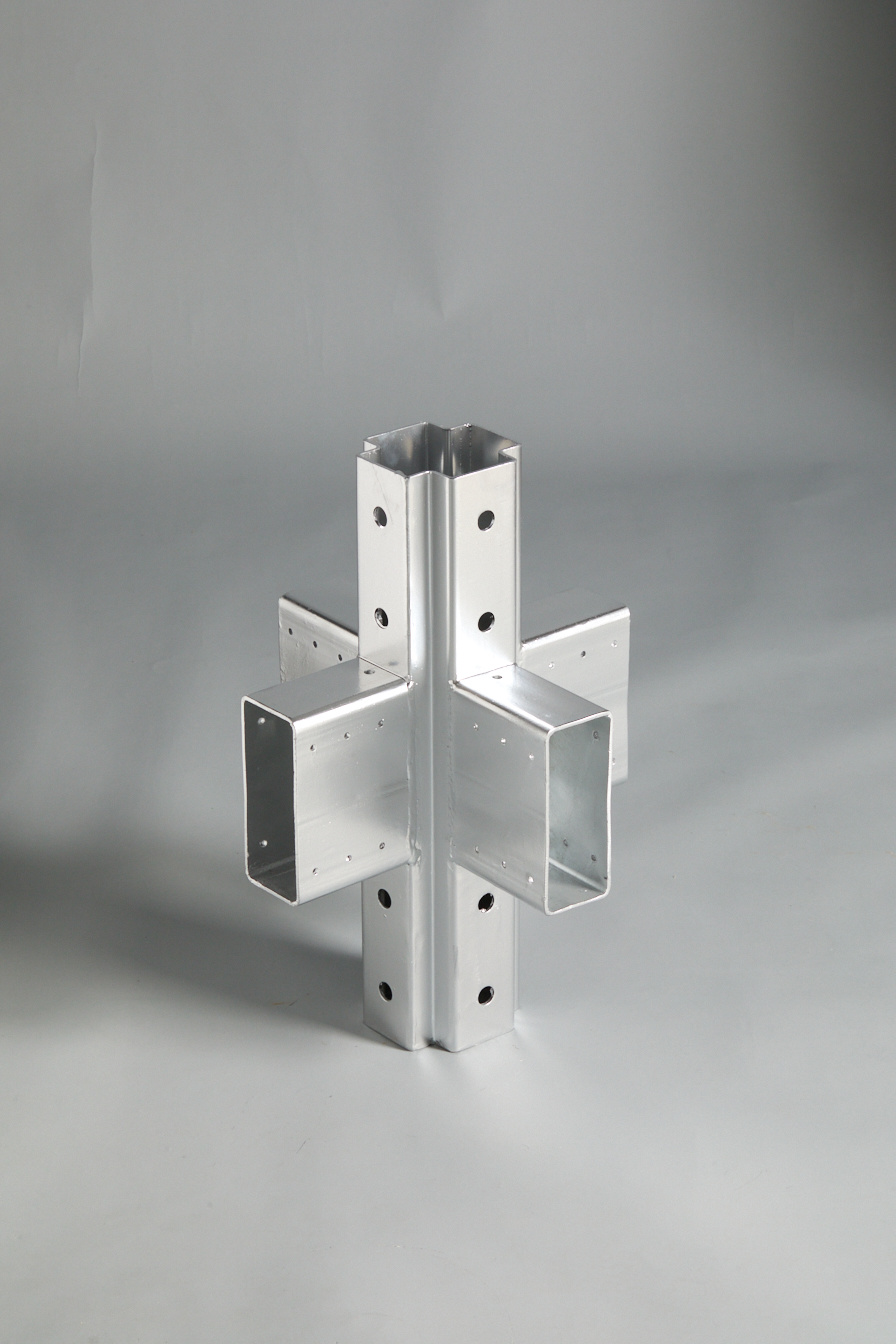
Cross column connector

L-shaped column connector

T-shaped column connector
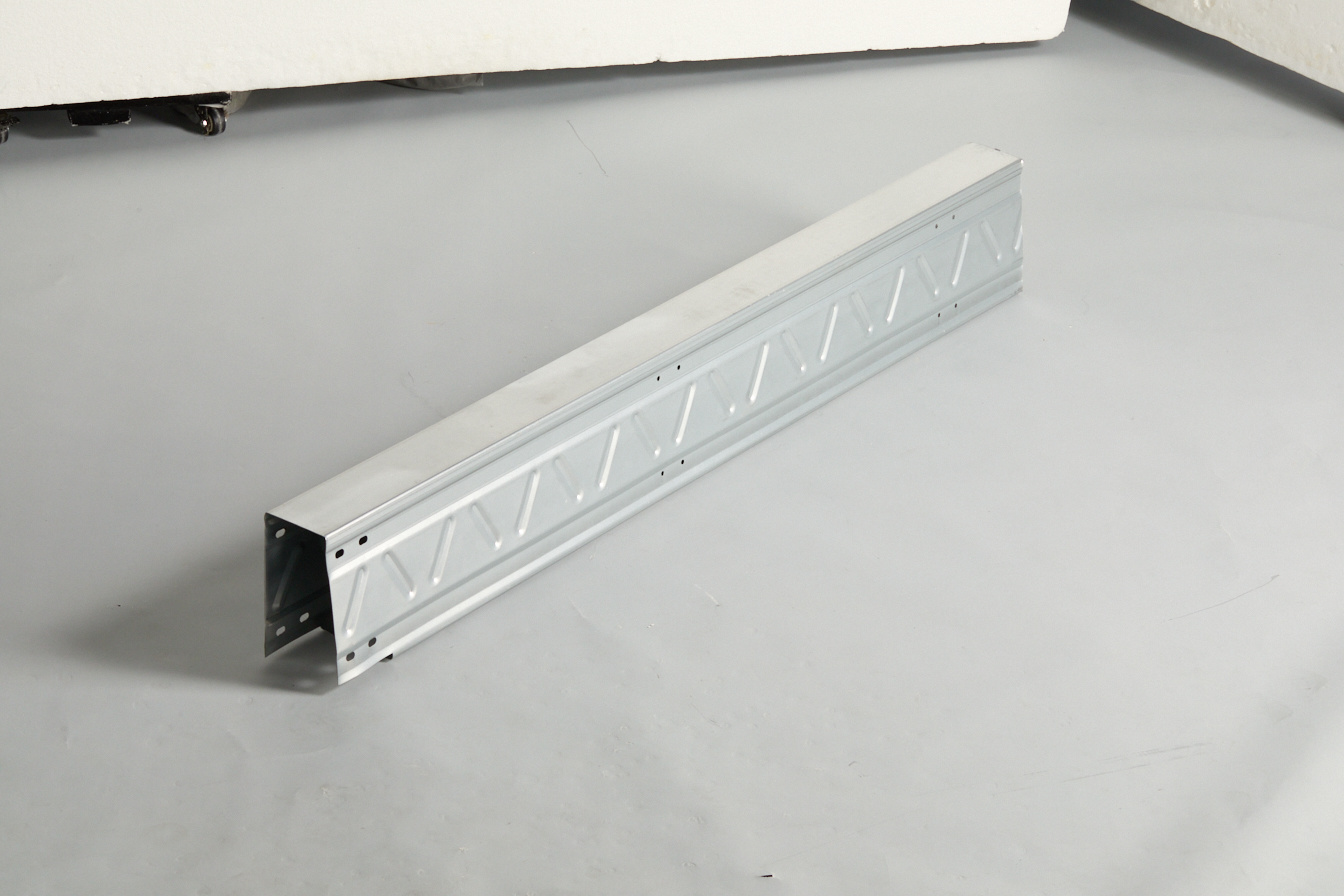
195 inner flipped edge - eight shaped reinforcing rib
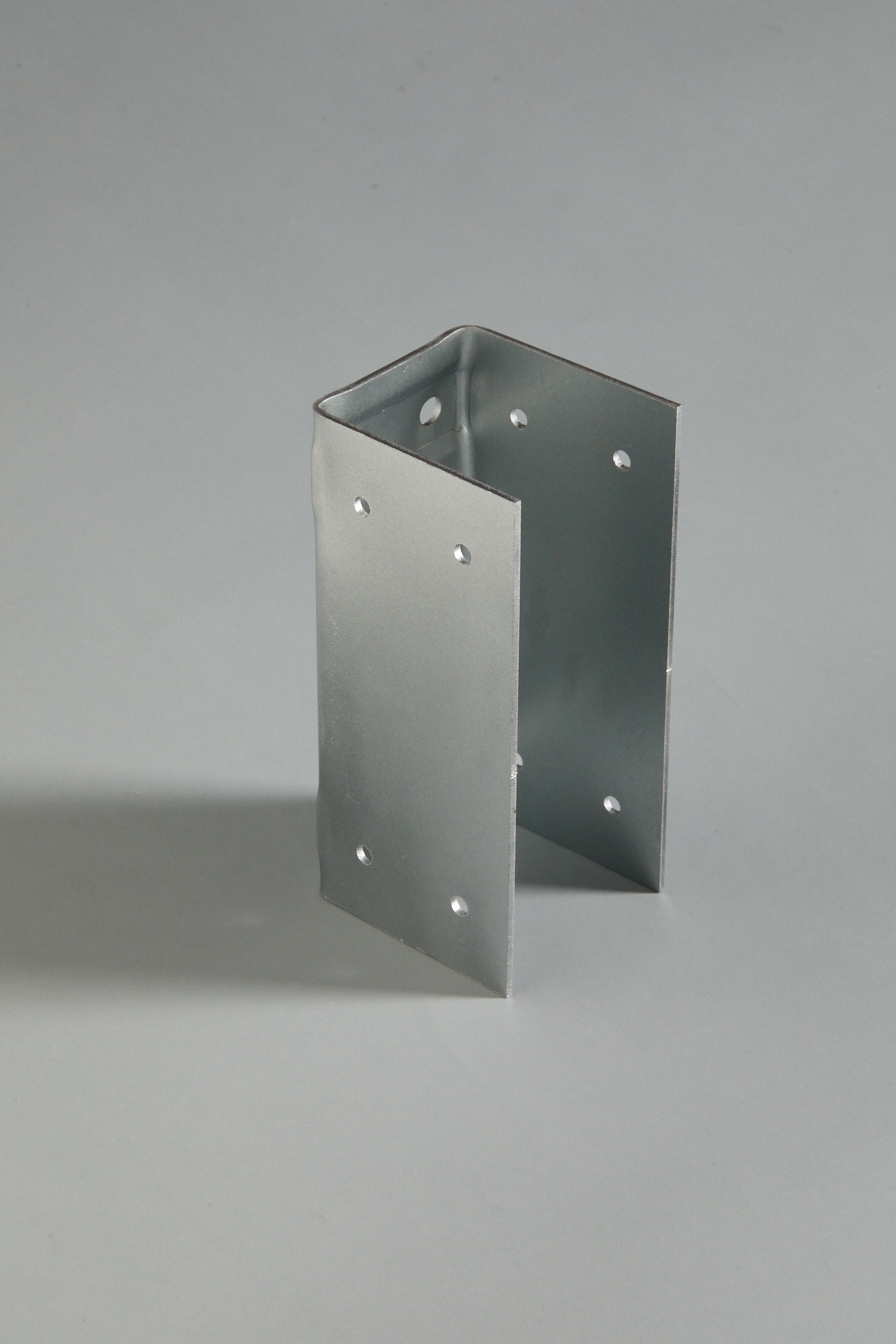
Frame small U connector
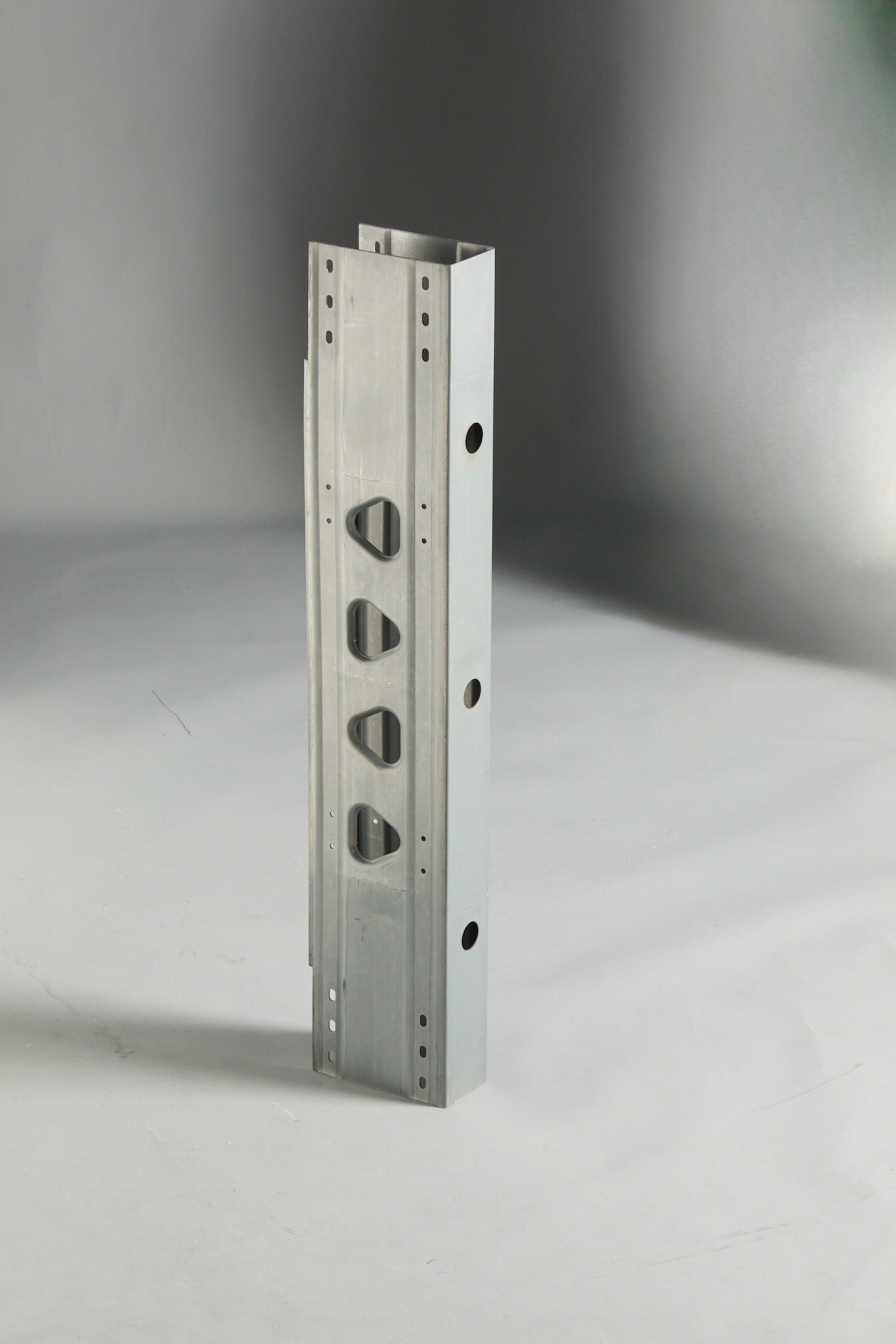
195 Inverted Edge - Triangle Reinforcement
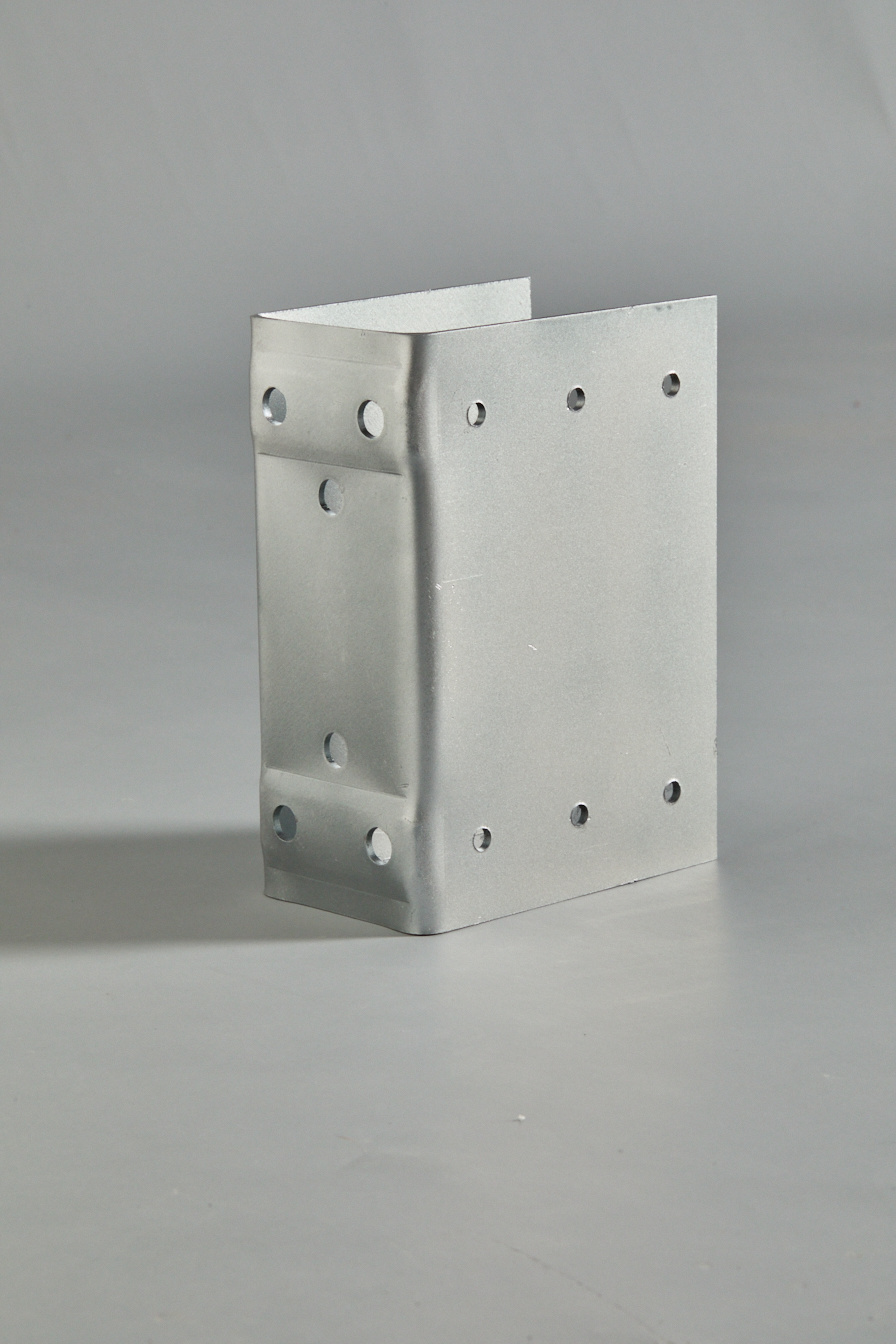
Frame large U connector
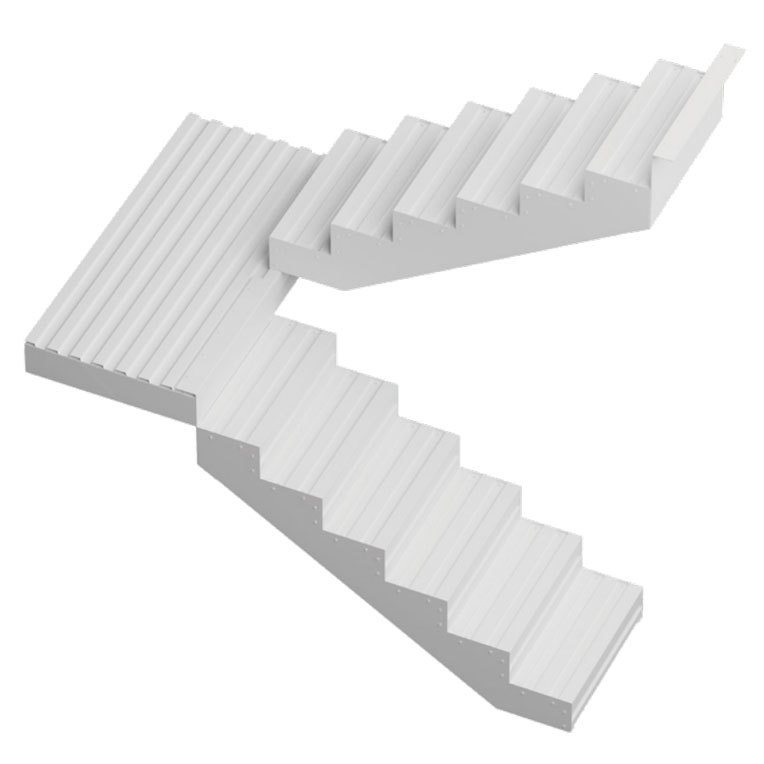
Prefabricated stairs
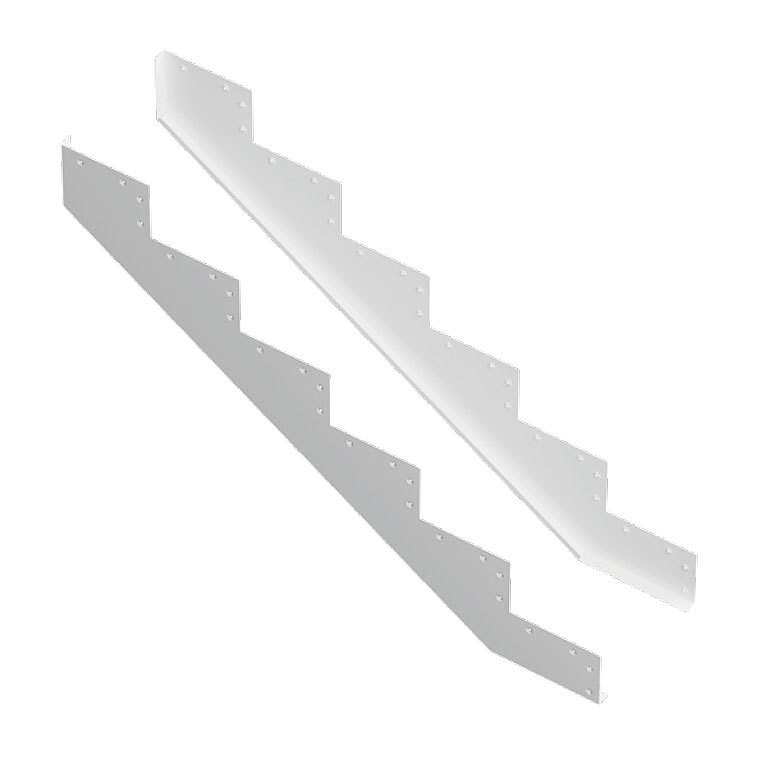
Staircase side panels
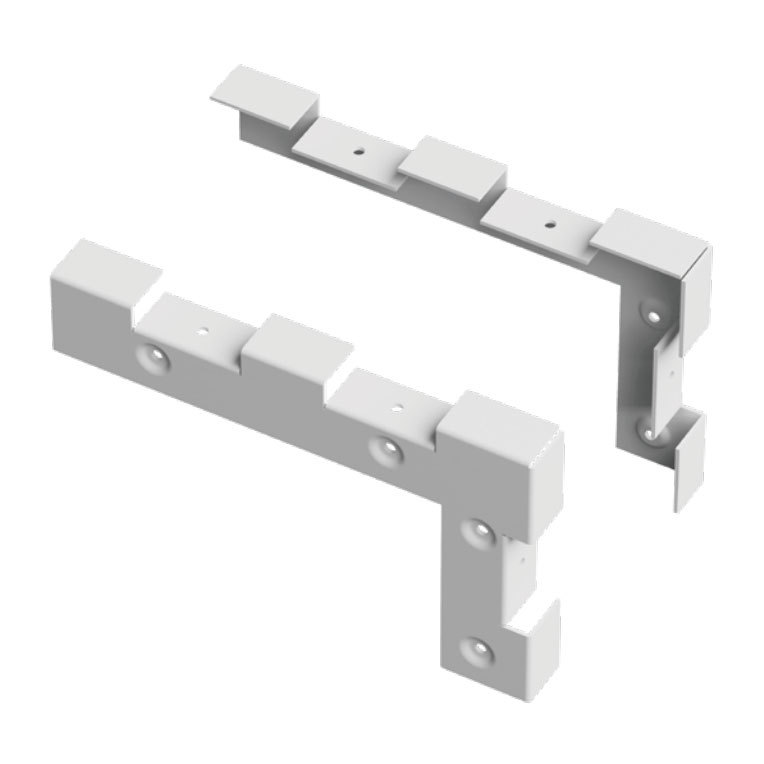
Staircase angle steel
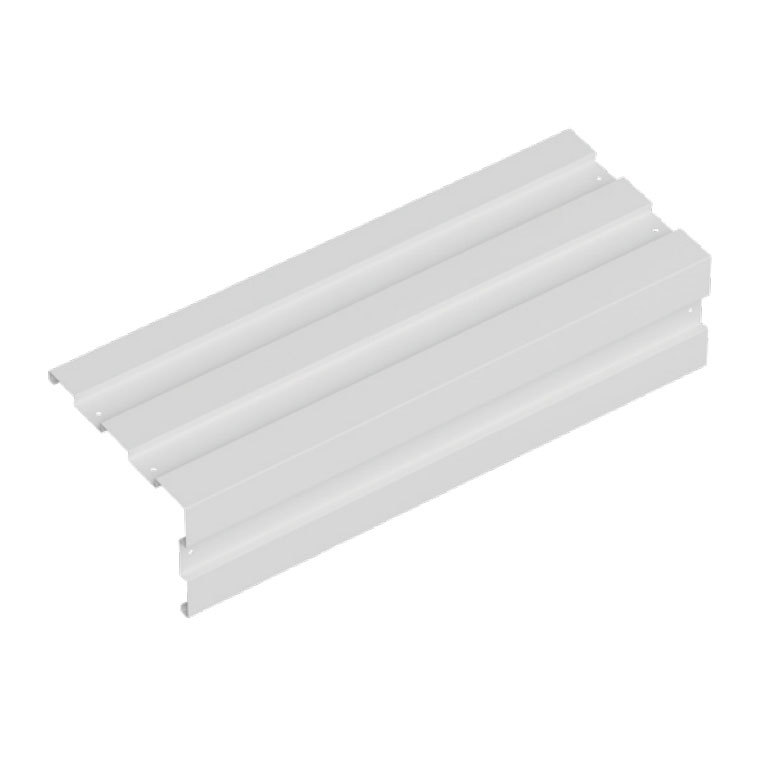
Stair steps
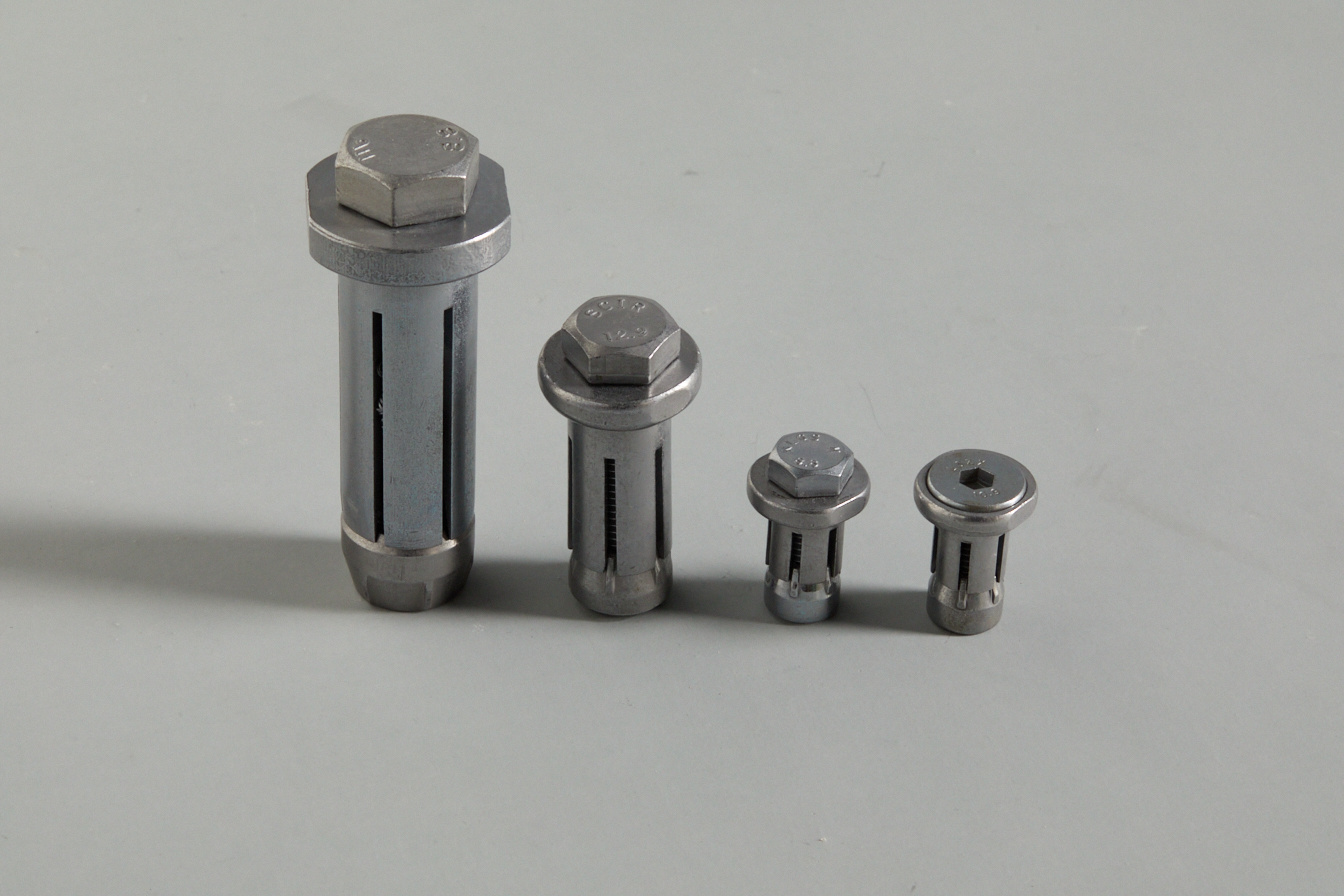
One-Way Bolt
Helical Pile System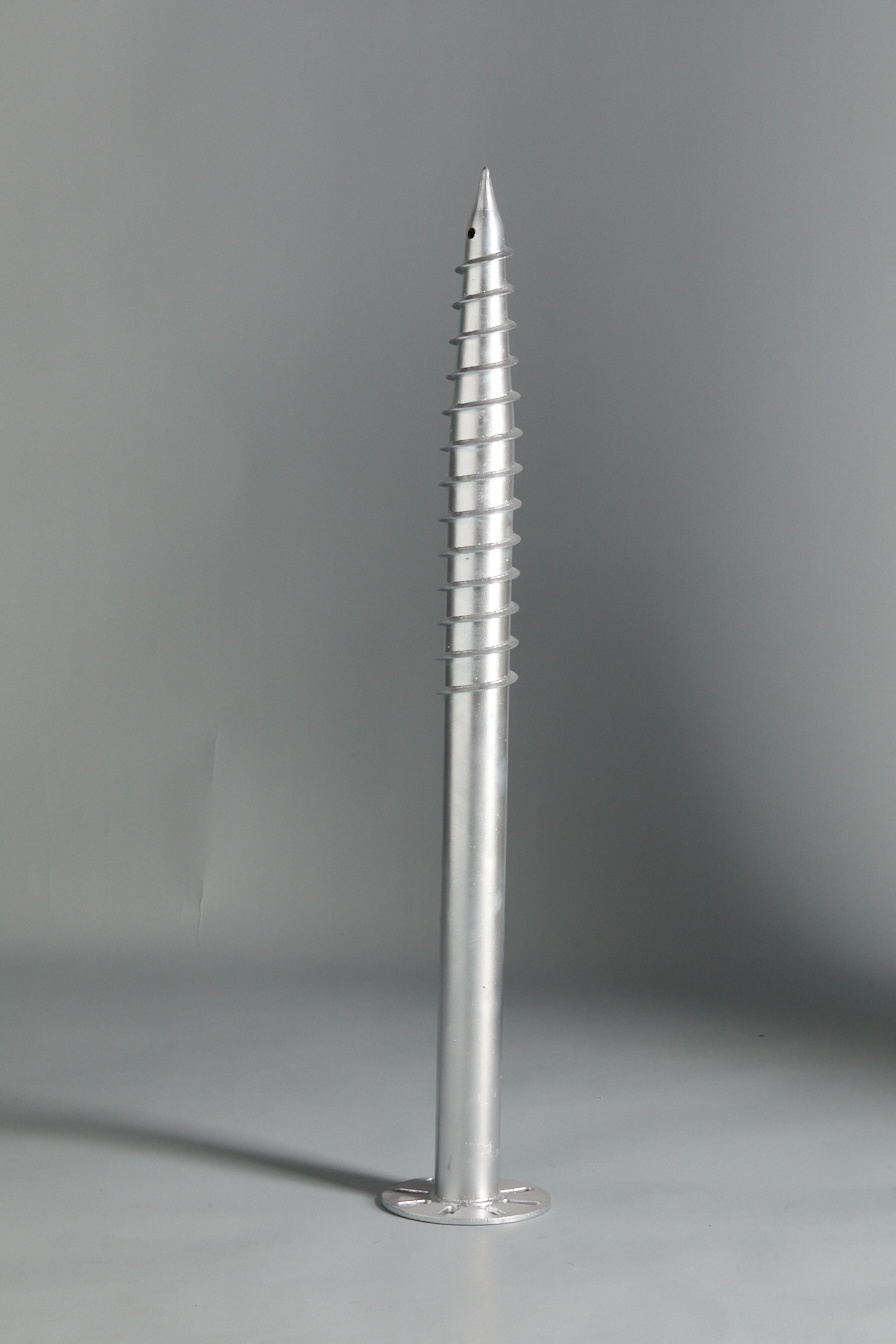
Round Pipe Screw Pile| Reliable Helical Pile Manufacturer| Patented Foundation Solution
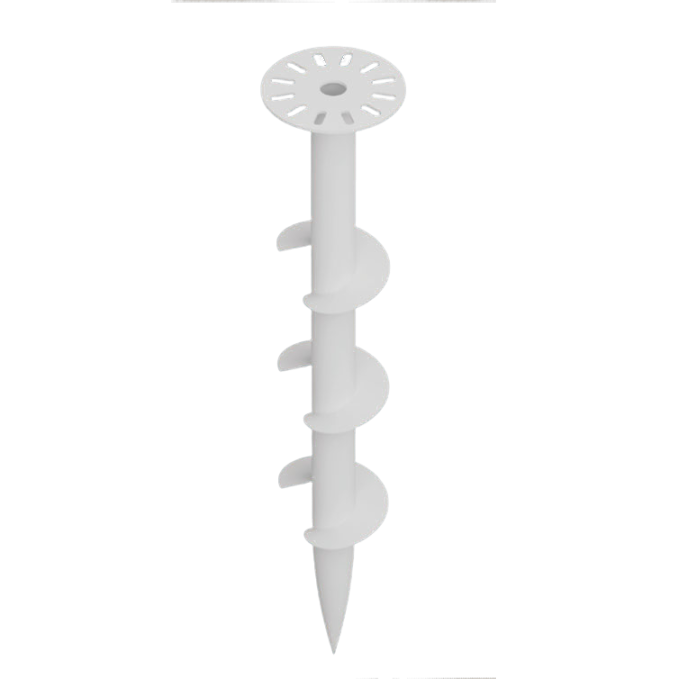
Screw Pile - 3 Blades - Round Pipe Pile
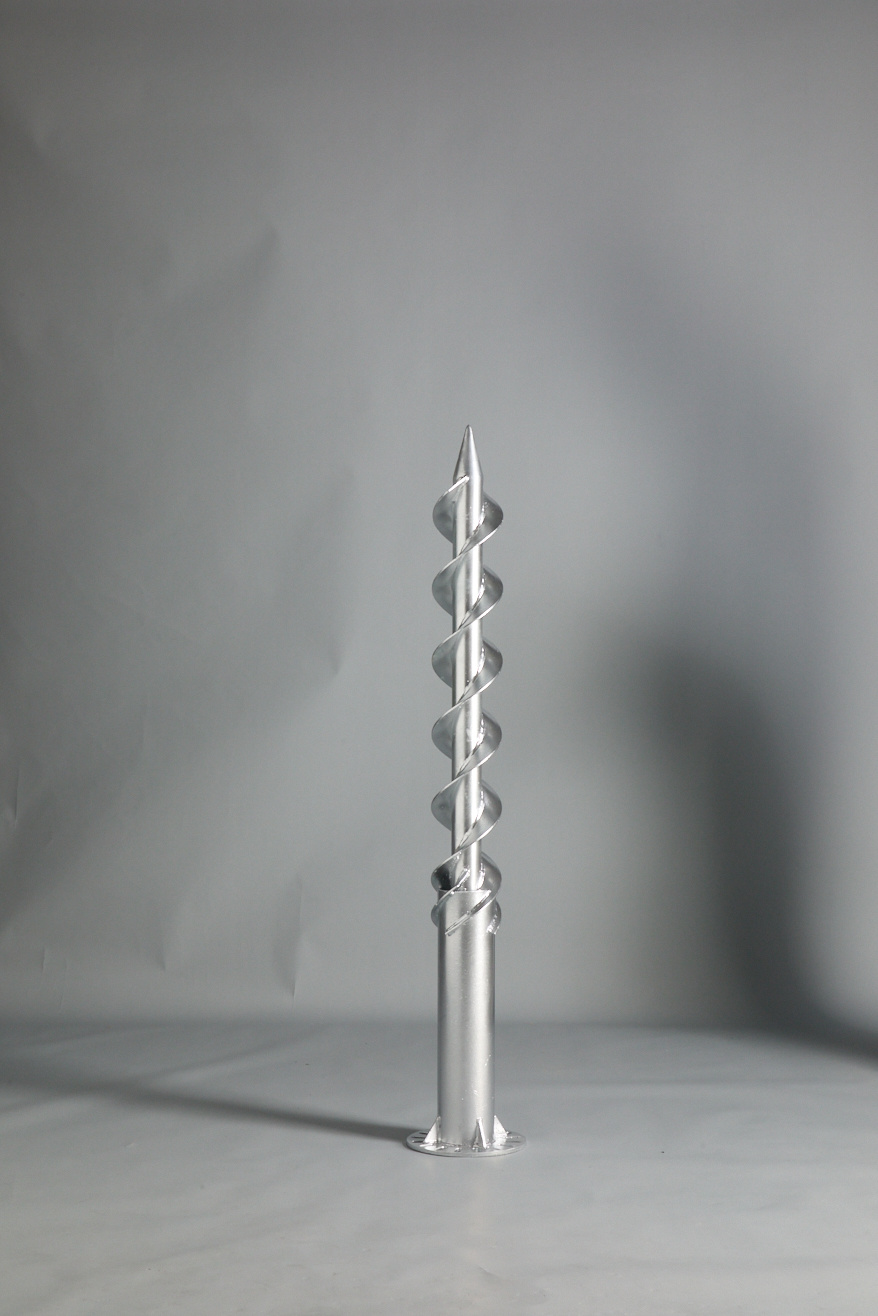
Double-Helix Screw Pile | Patented Foundation Solution
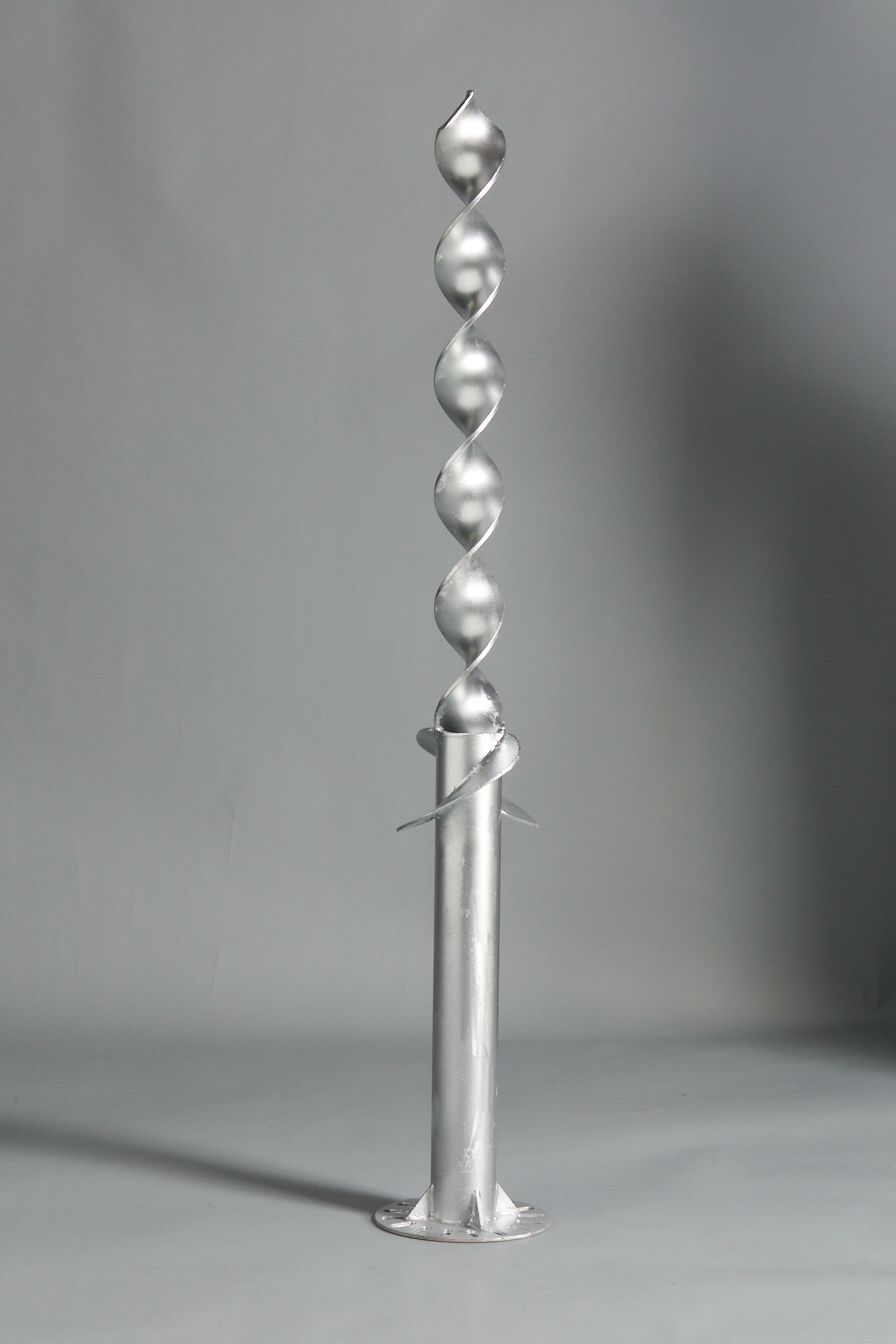
Screw Pile - Large Blade Flat Steel Pile
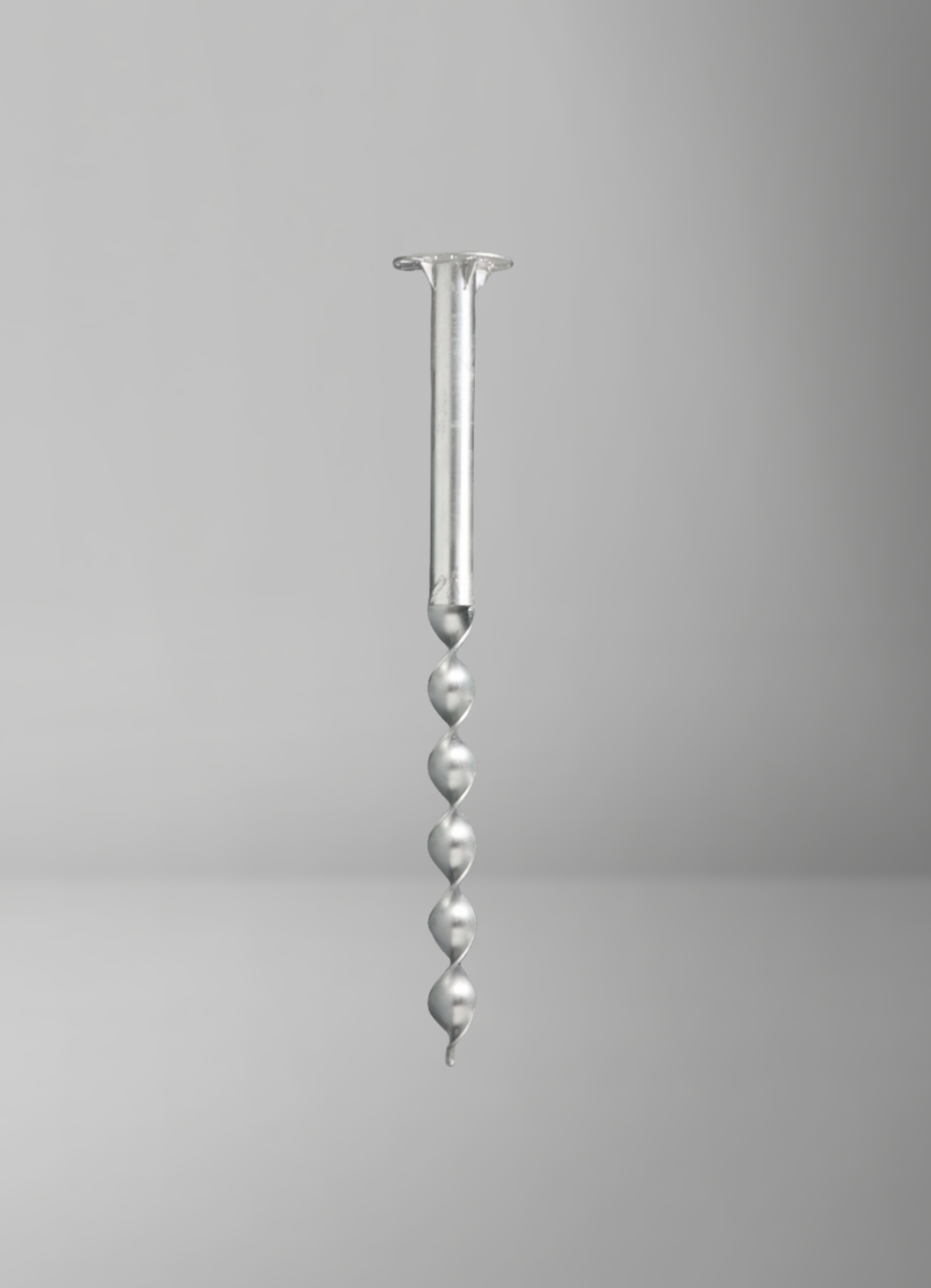
Flat Steel Screw Pile| Reliable Helical Pile Manufacturer| Patented Foundation Solution
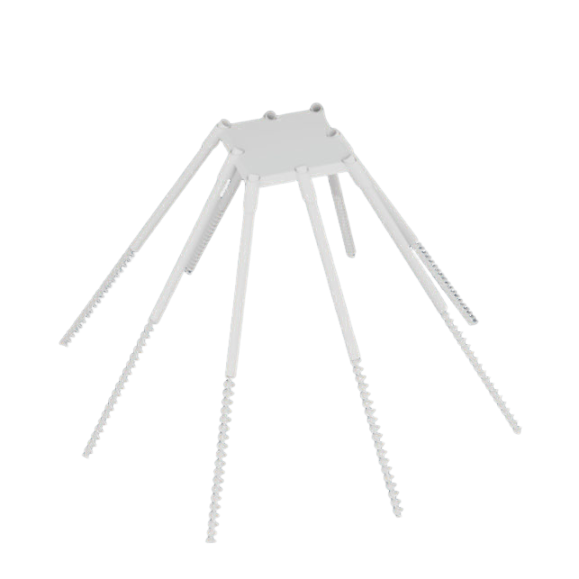
Eight-Pile Group Screw Piles| Reliable Helical Pile Manufacturer| Patented Foundation Solution
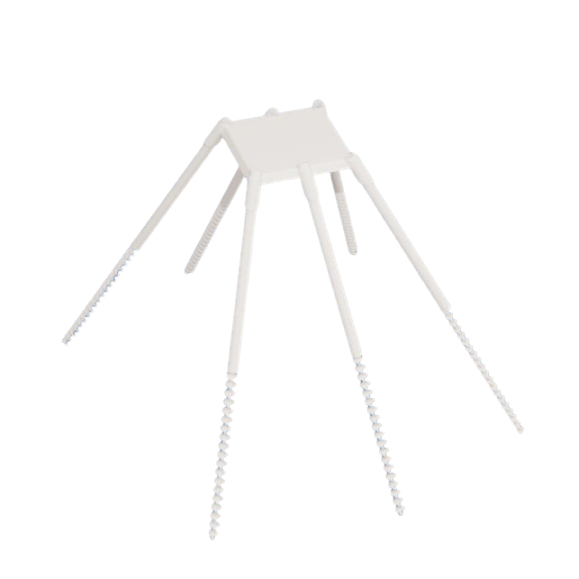
Six-Pile Group Screw Piles| Reliable Helical Pile Manufacturer| Patented Foundation Solution
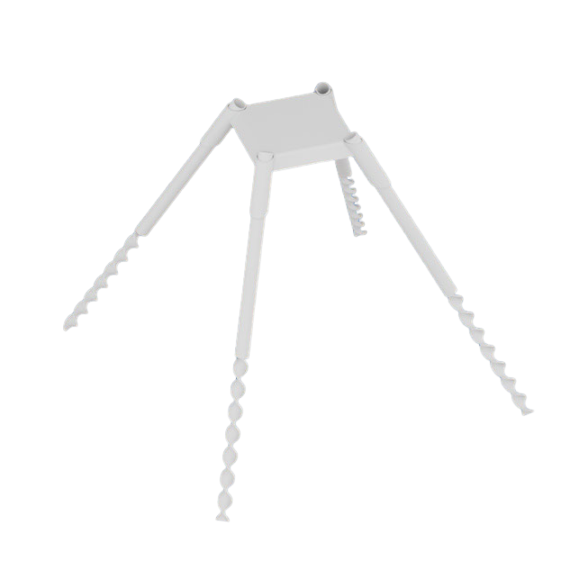
Four-Pile Group Screw Piles| Reliable Helical Pile Manufacturer| Patented Foundation Solution
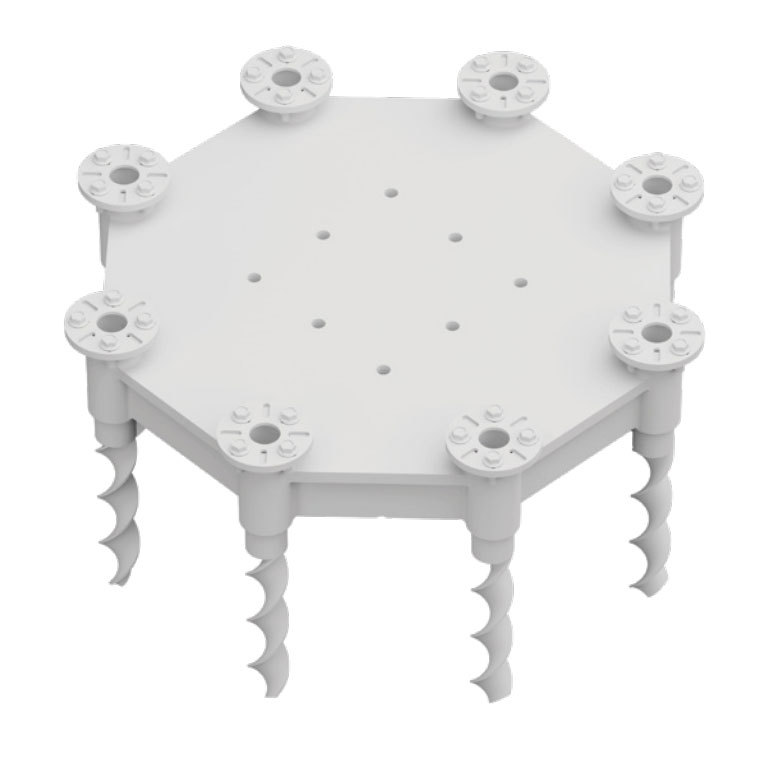
Eight-Pile Cap Screw Pile | Reliable Helical Pile Manufacturer| Patented Foundation Solution
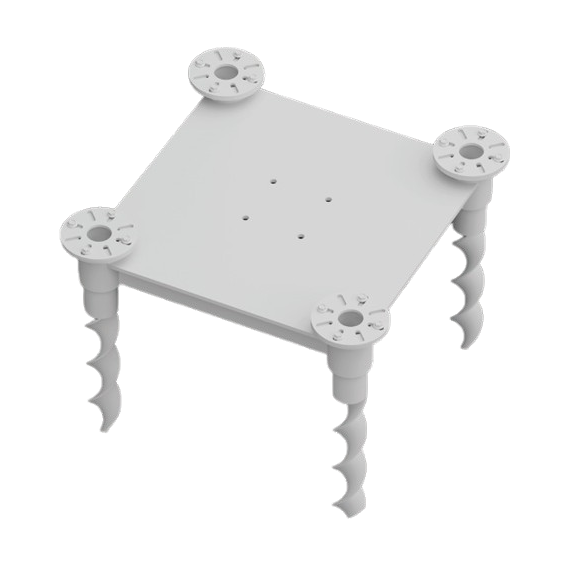
Four-Pile Cap Screw Pile | Reliable Helical Pile Manufacturer| Patented Foundation Solution
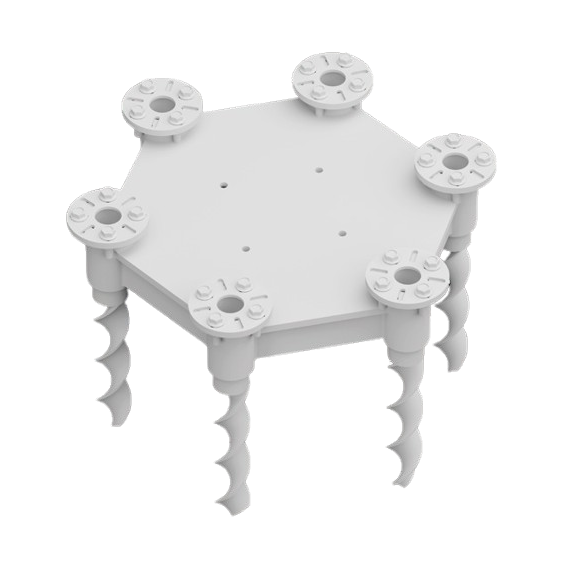
Six-Pile Cap Screw Pile | Reliable Helical Pile Manufacturer| Patented Foundation Solution
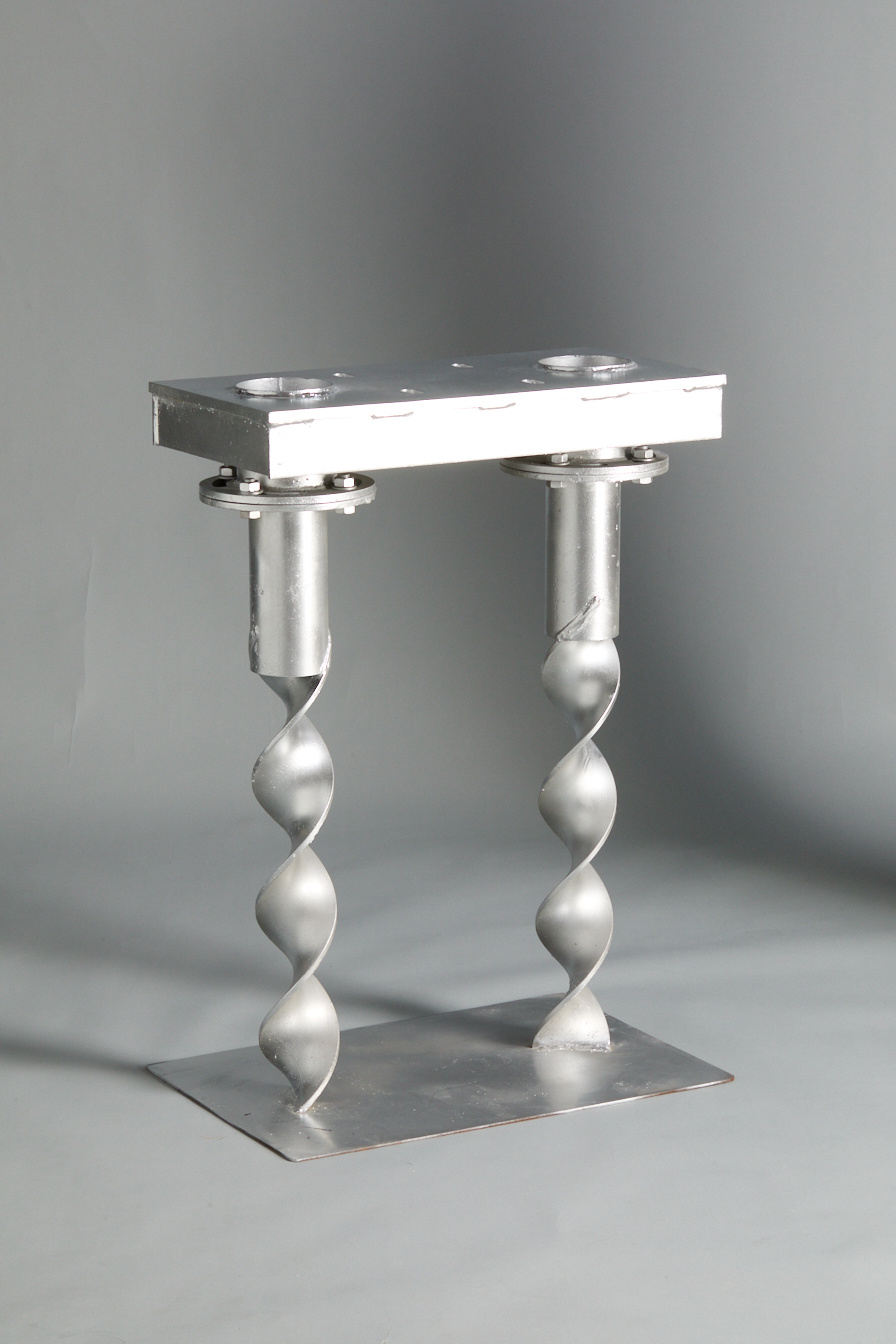
Two-Pile Cap Screw Pile | Reliable Helical Pile Manufacturer| Patented Foundation Solution
Steel Platform System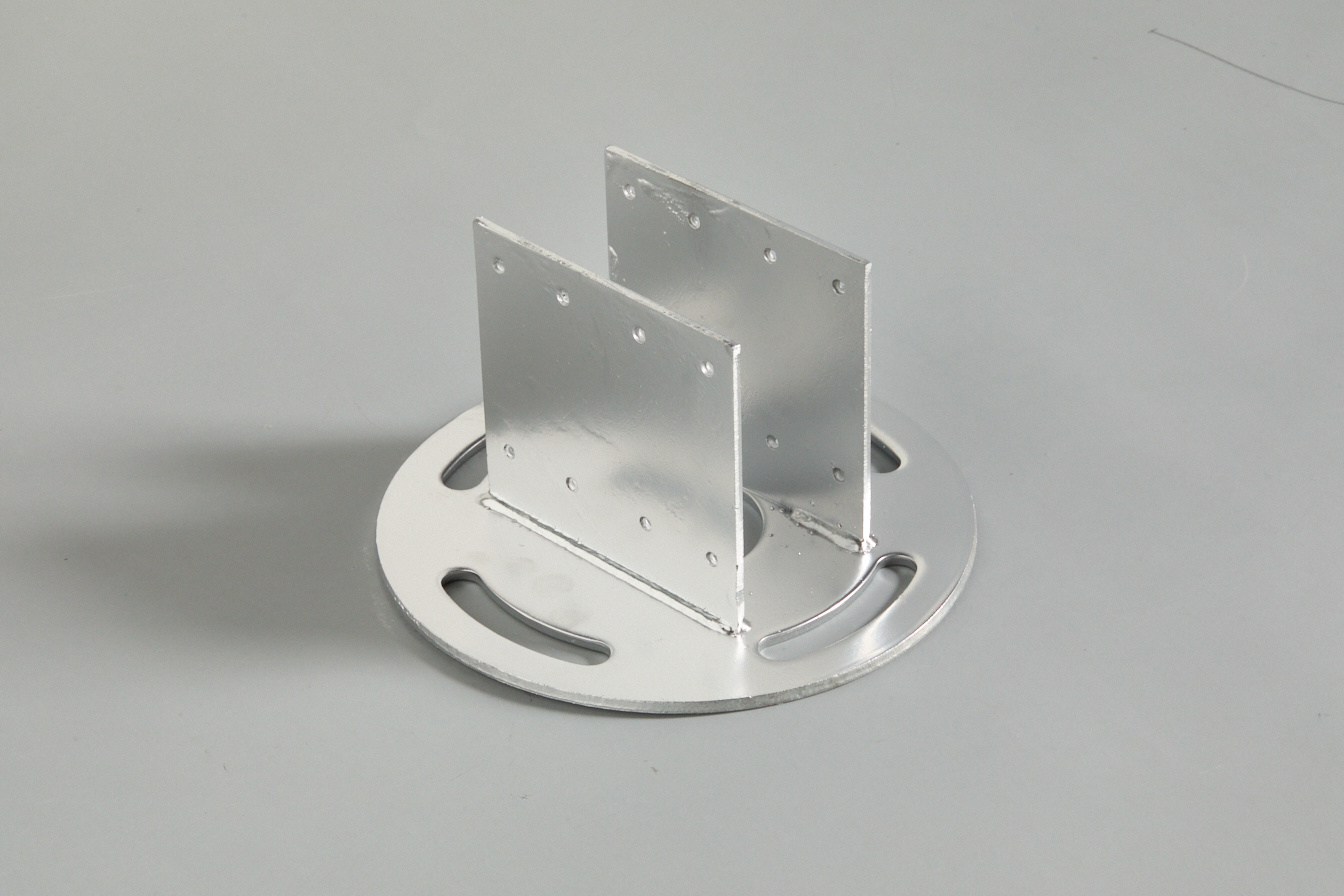
Spiral pile connectors
Small U connector
Large U connector
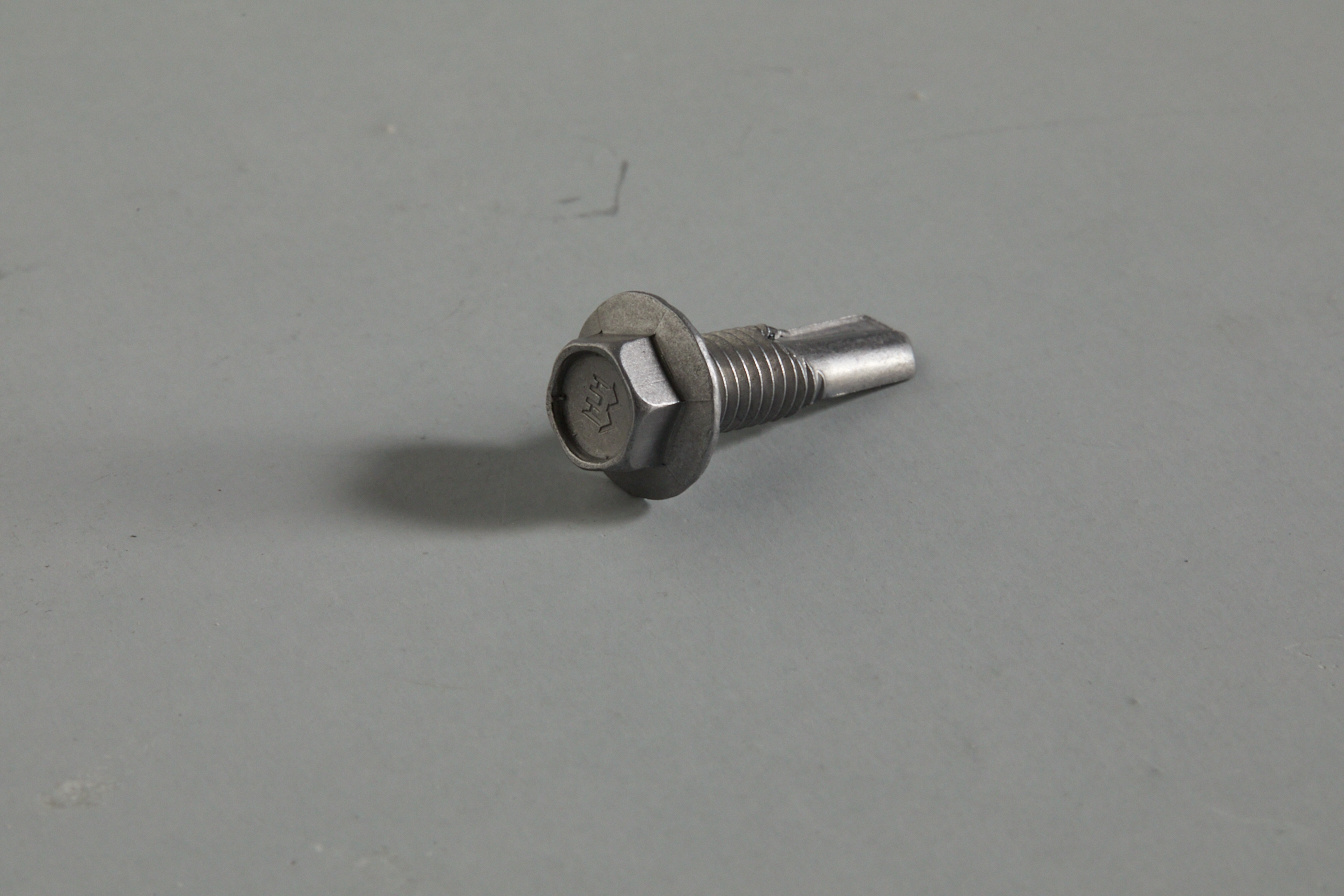
Hexagonal flange self drilling and self tapping screws
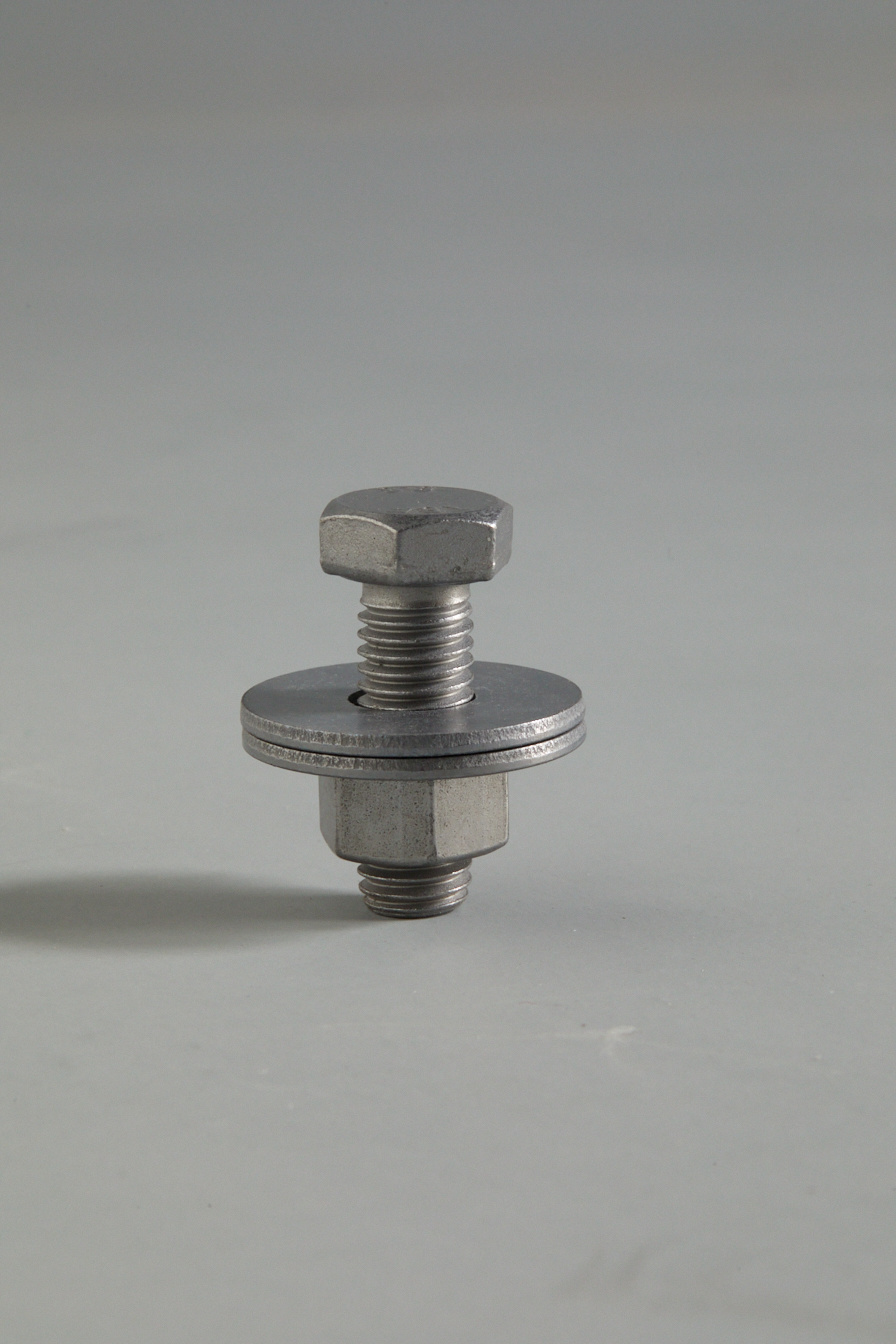
Tightening Bolts
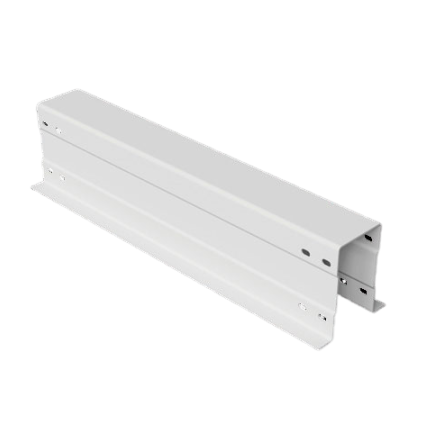
Secondary Beam
Steel Platform - Main Beam
Modular building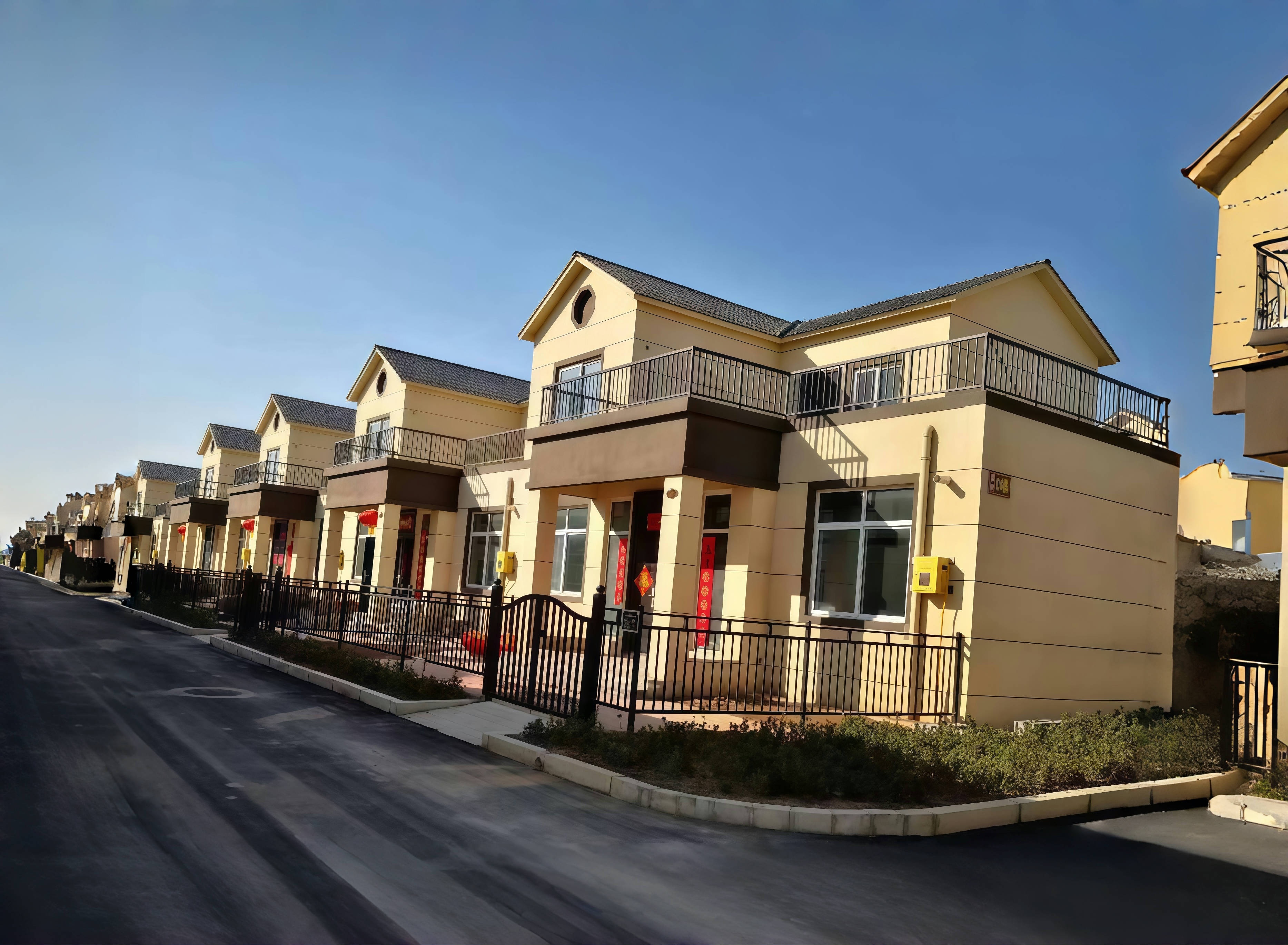
Modular building
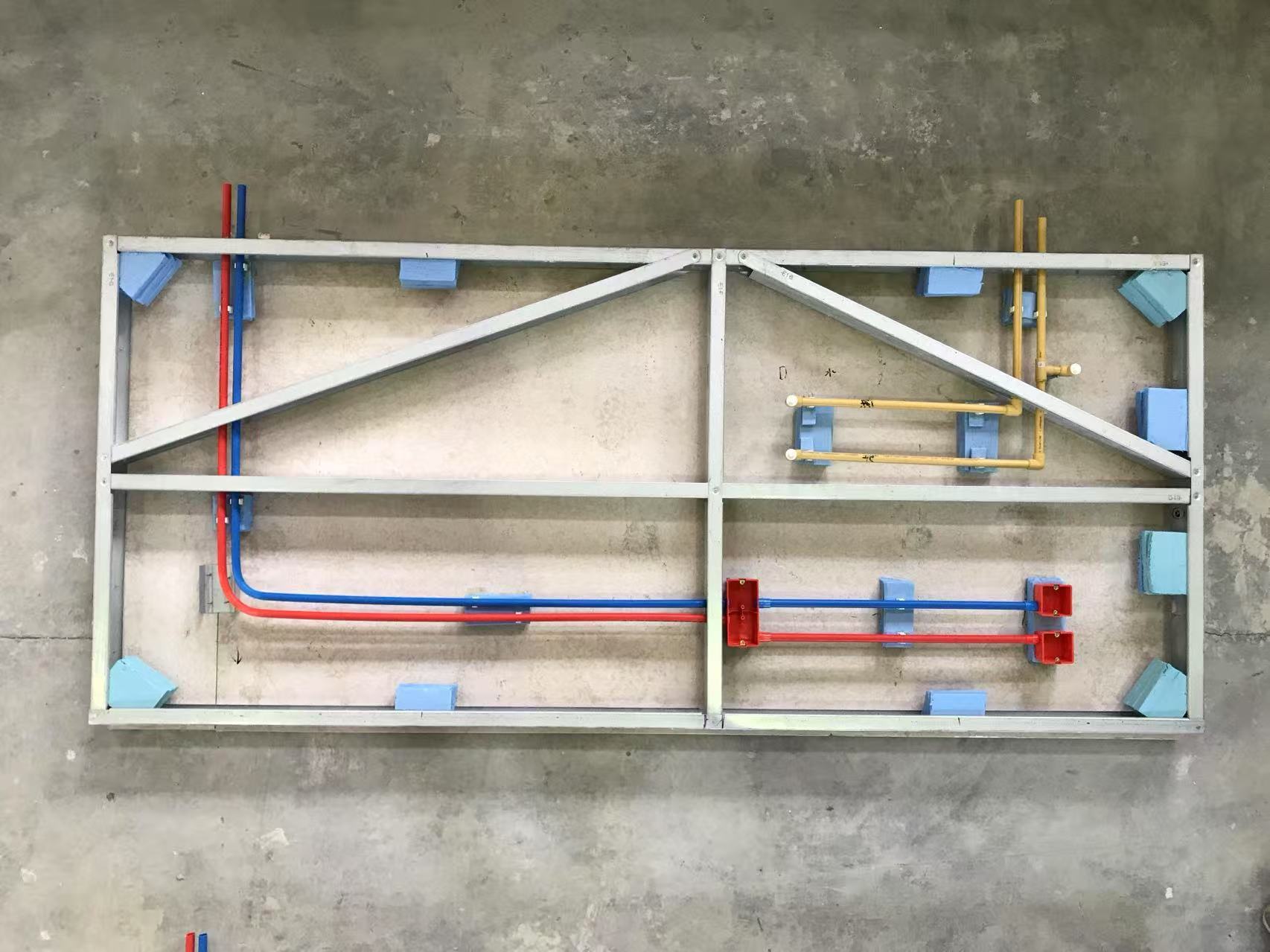
Layout Diagram of Electrical and Plumbing Pipelines for Magnesium-Based Grouted Walls

Performance Testing of Magnesium-Based Walls
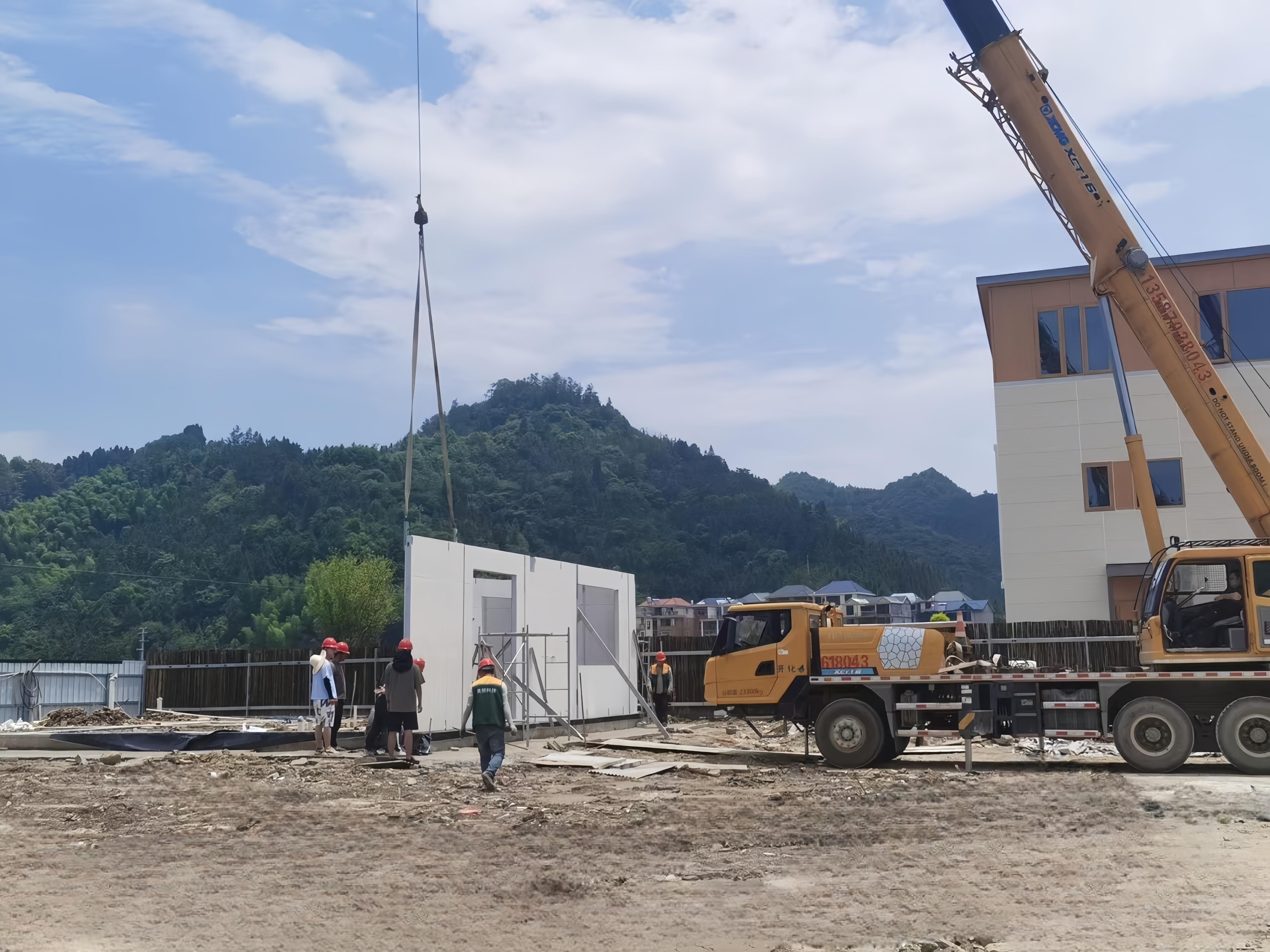
Construction Process of Modular Walls
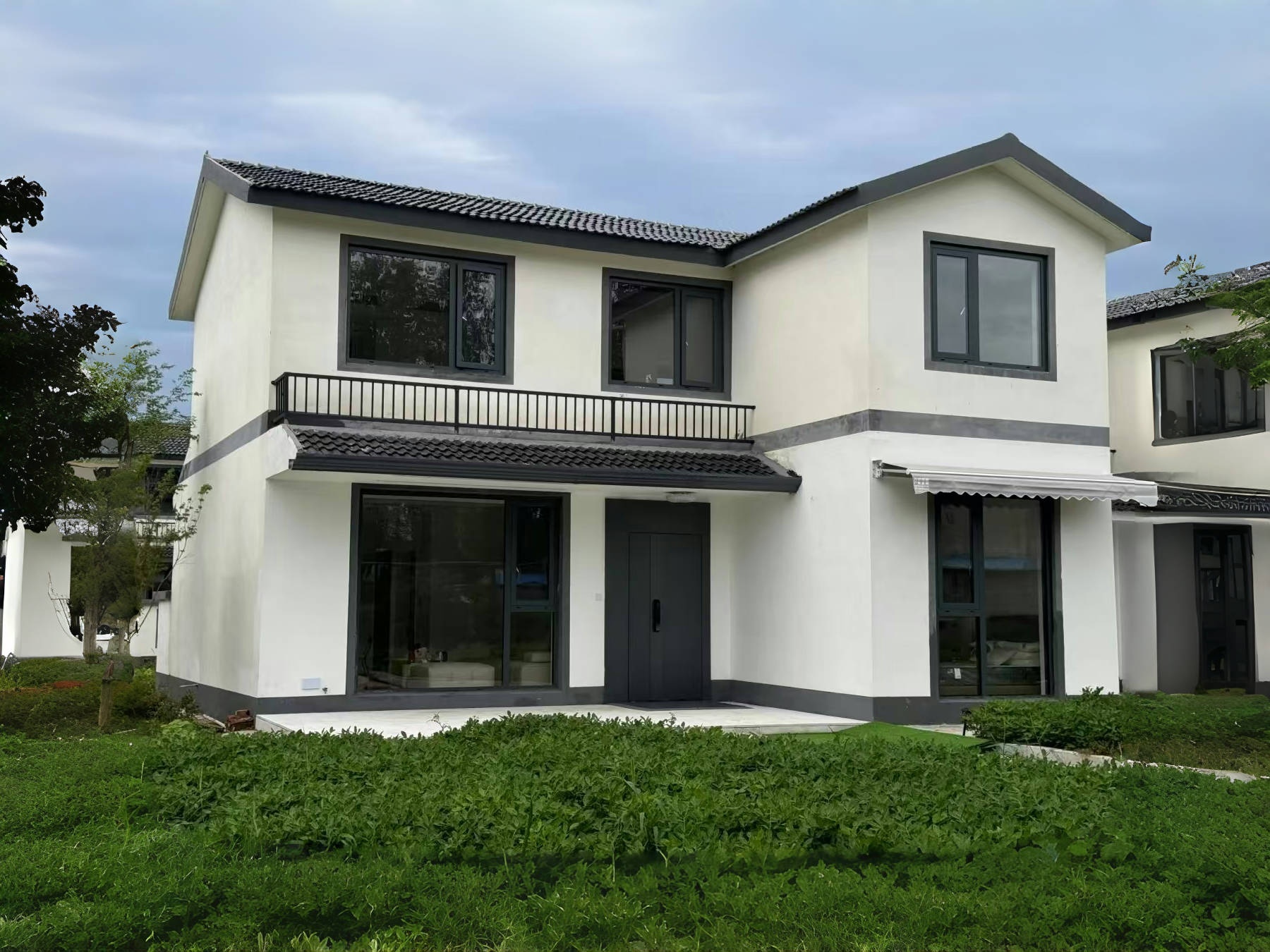
Cases of Modular Buildings
Bracket Roof Integrated Panel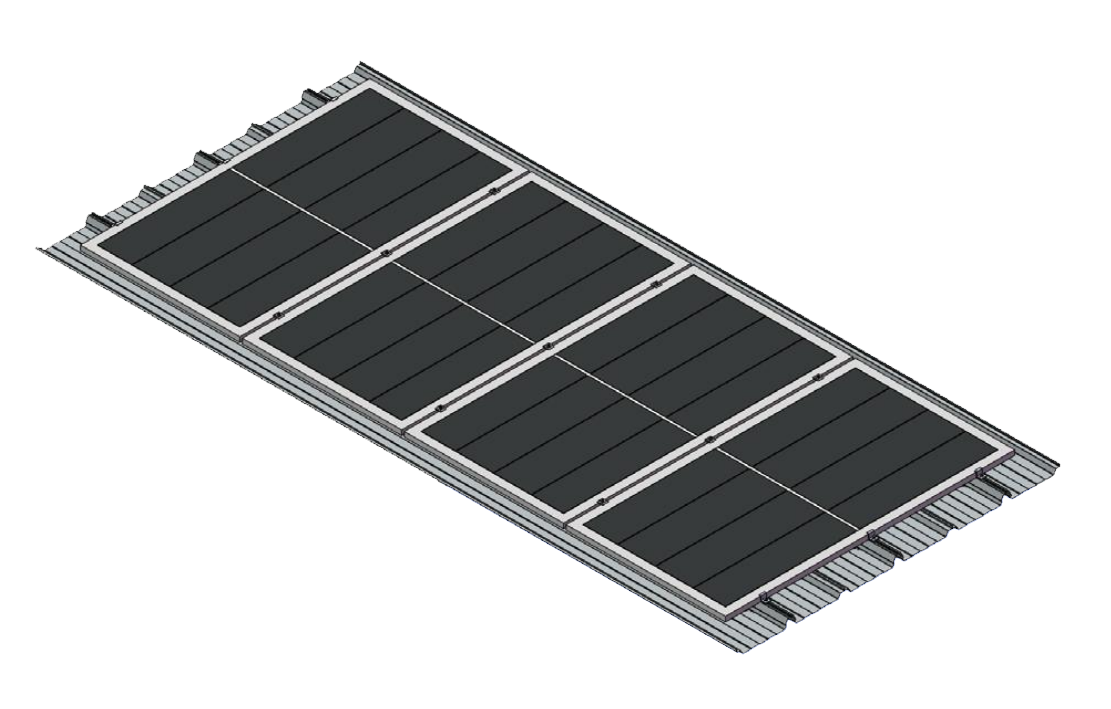
BIPV Bracket Roof Integrated Panel
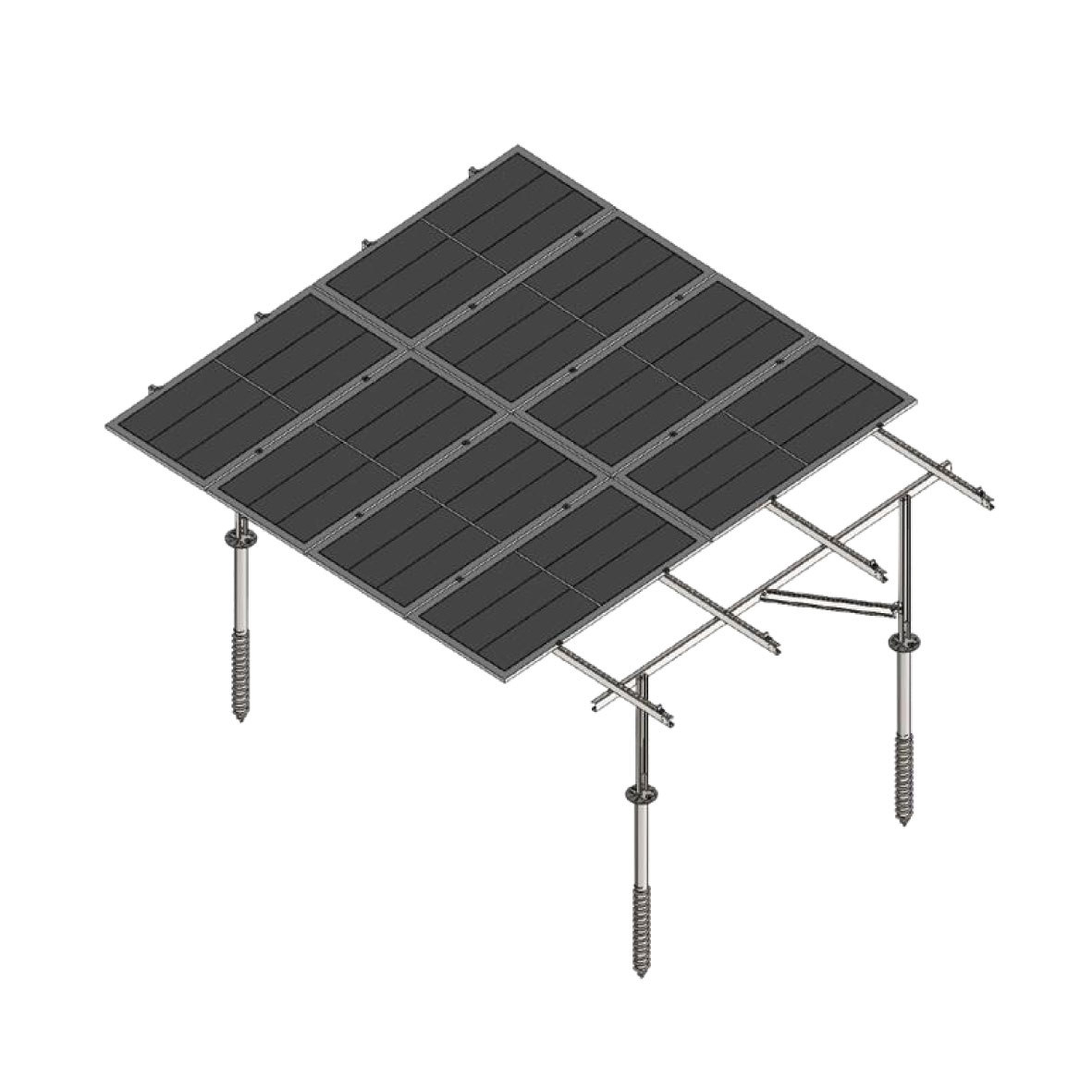
ZINC Aluminum Magnesium Double Leg Bracket
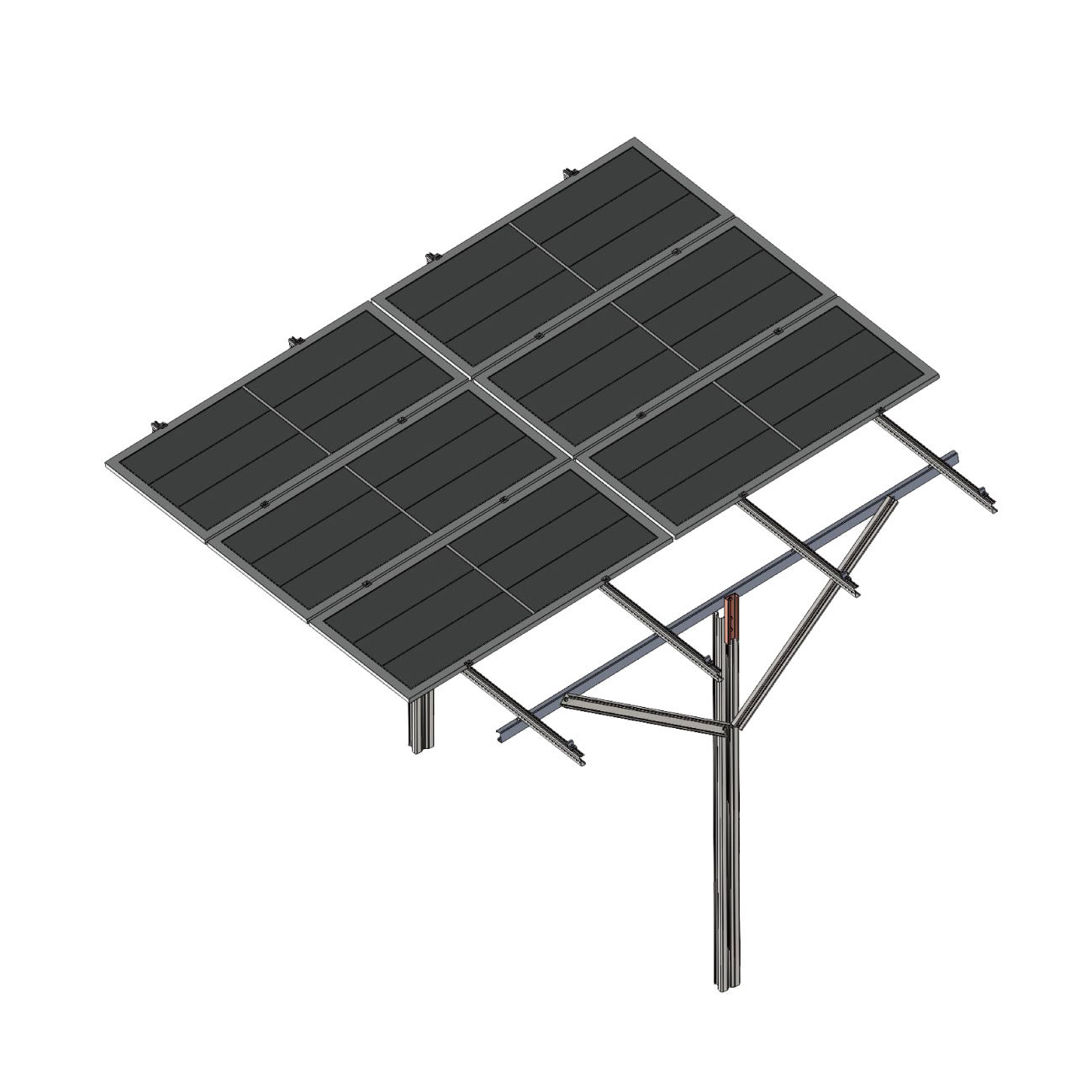
ZINC Aluminum Magnesium Single Leg Bracket
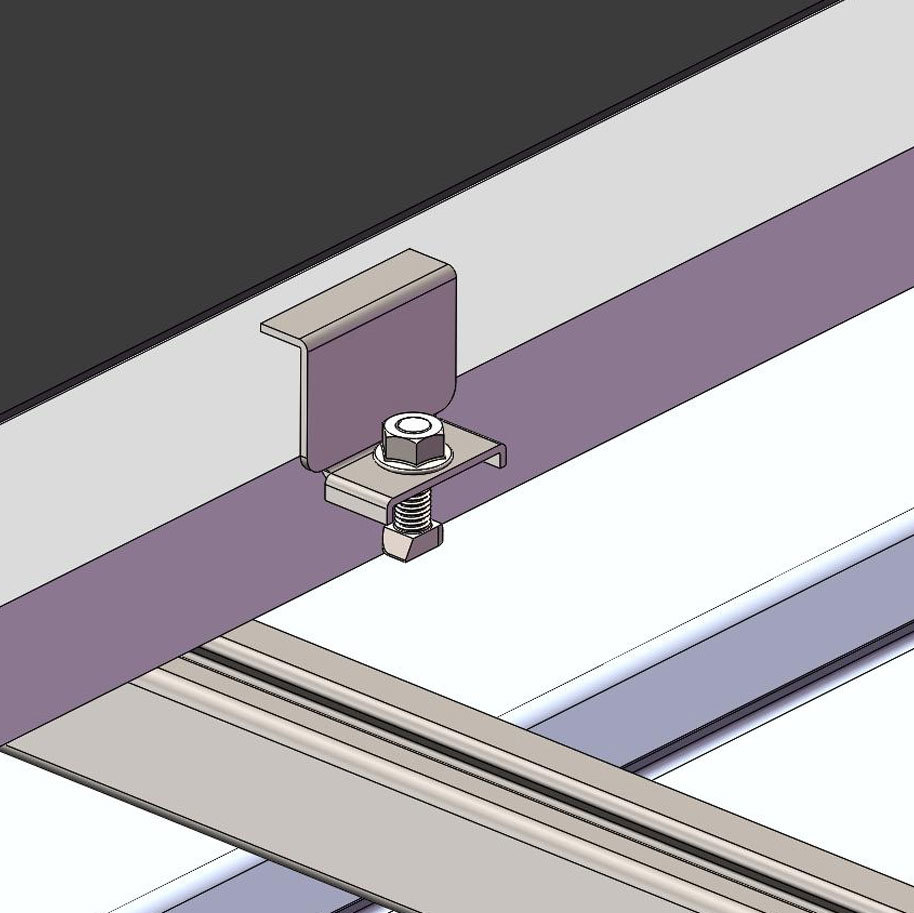
Explosion diagram of zinc aluminum magnesium under lateral pressure
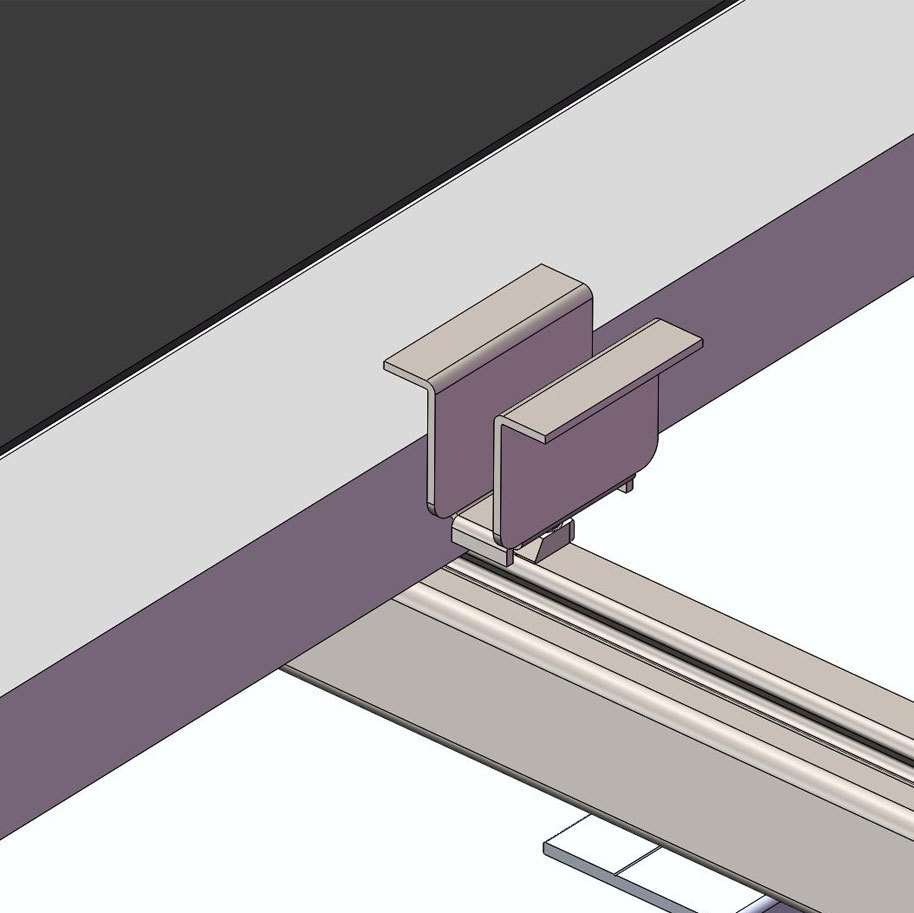
Zinc aluminum magnesium medium pressure explosion diagram
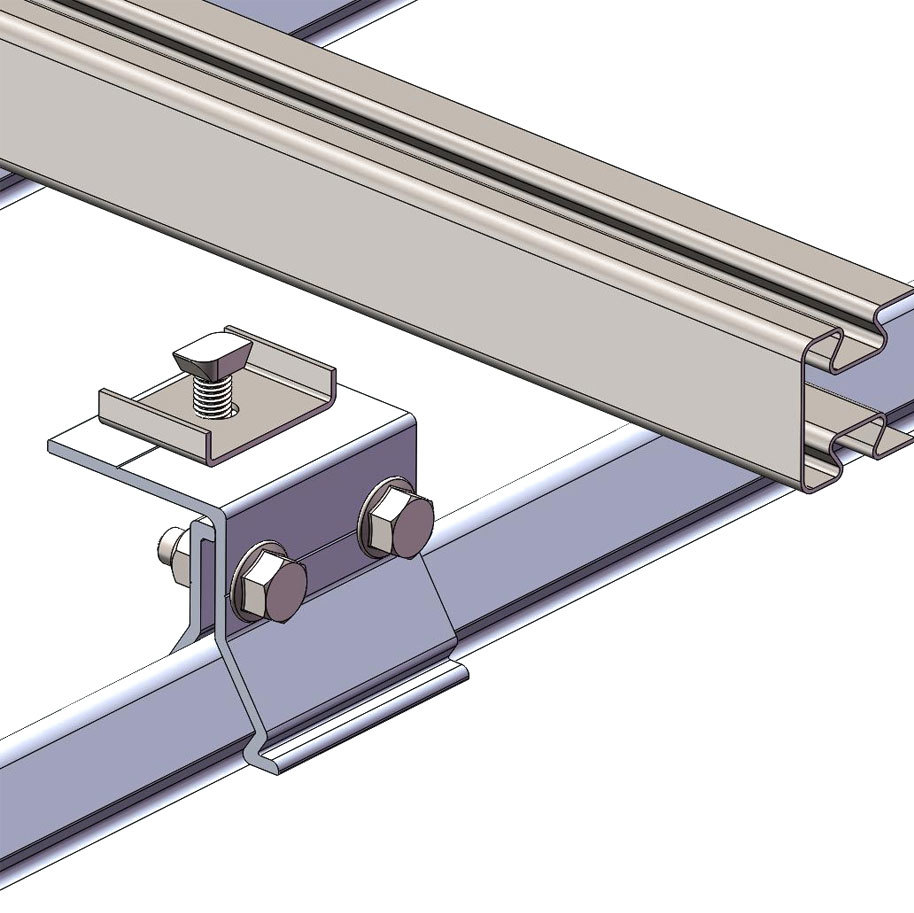
Explosion diagram of fixture components
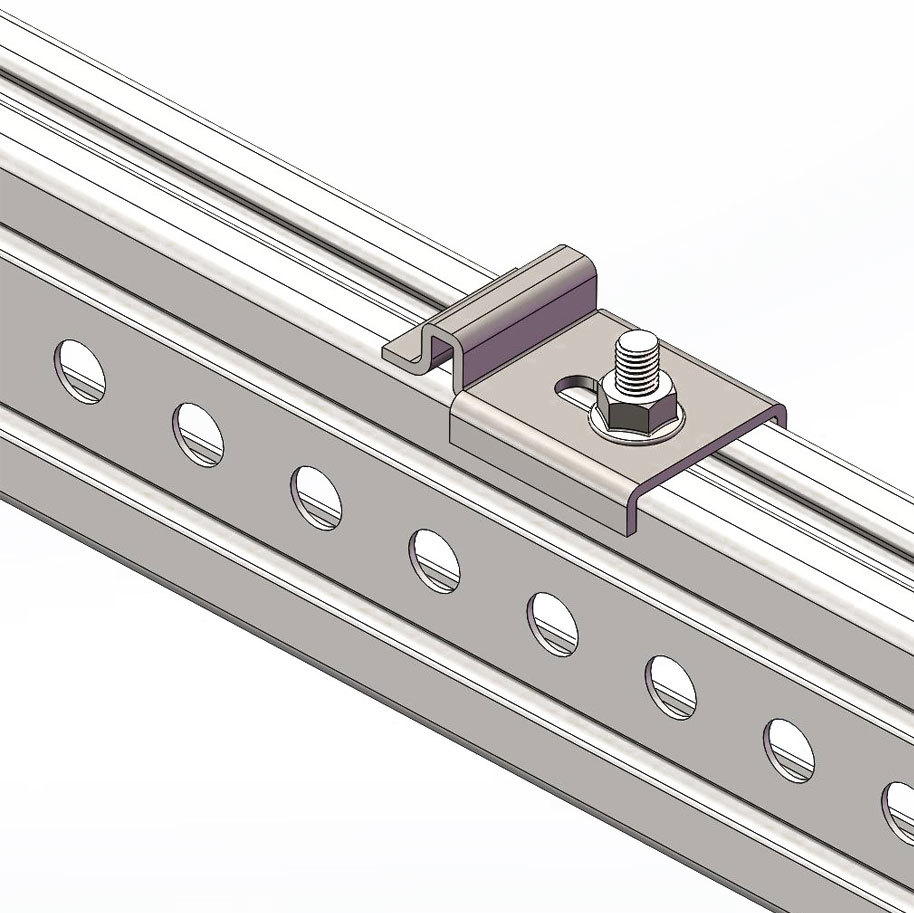
Lower pressure component
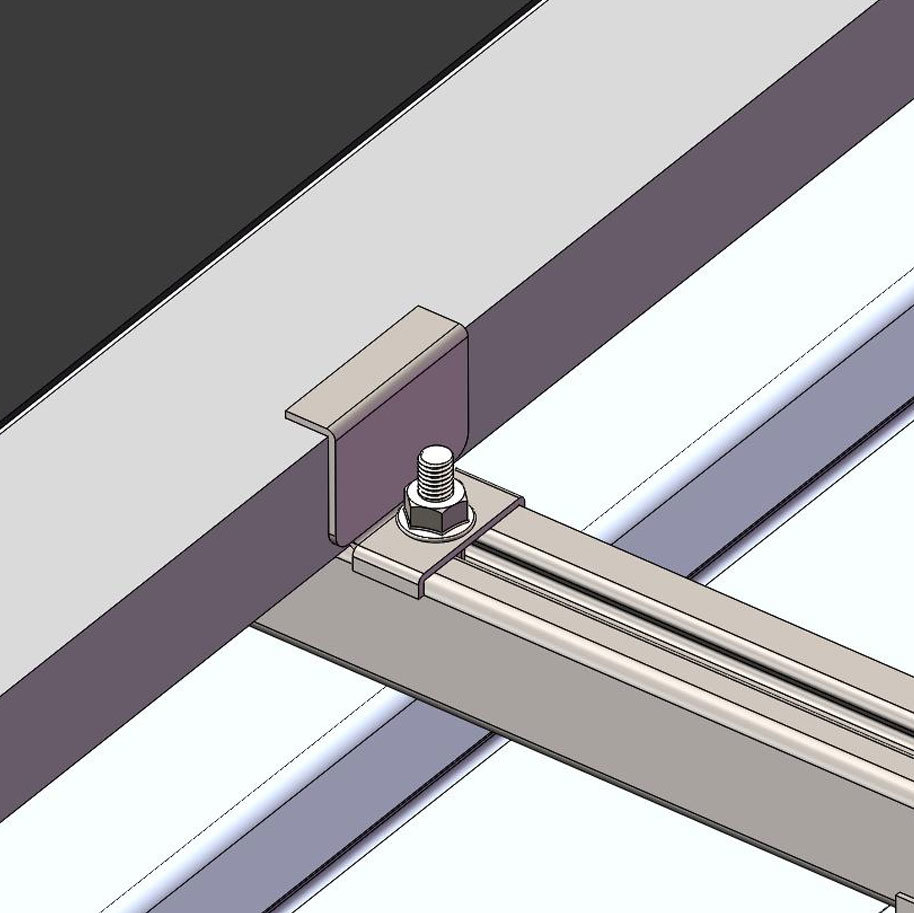
Zinc aluminum magnesium side pressure
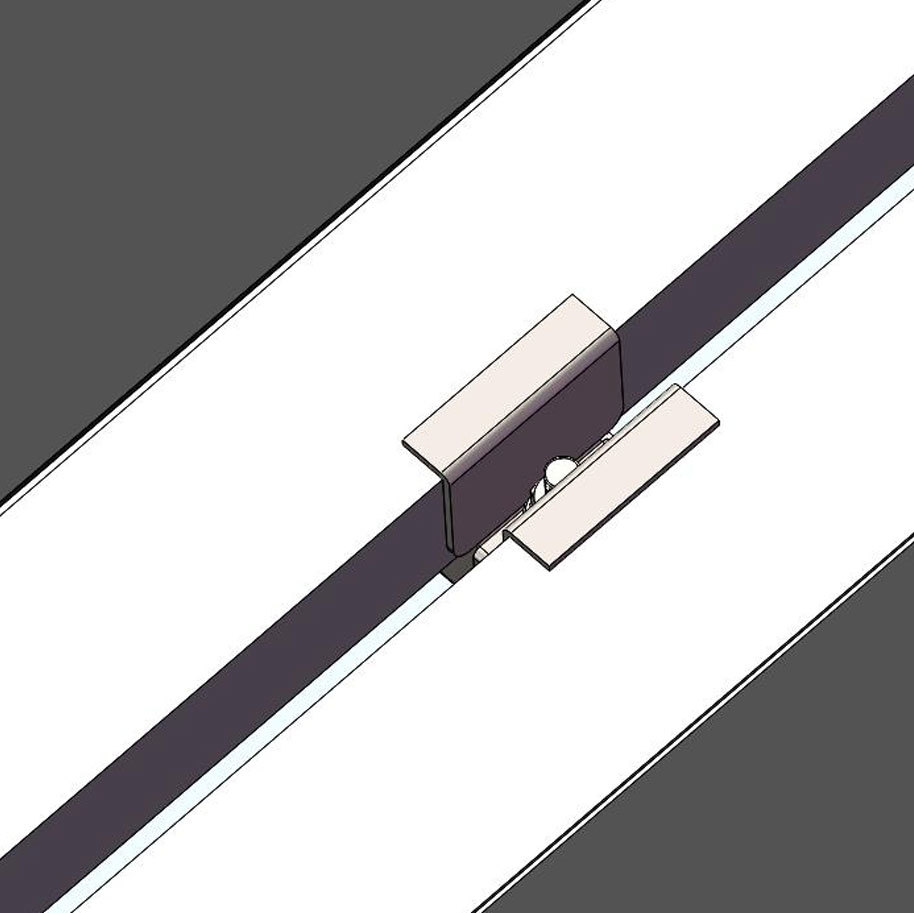
Zinc aluminum magnesium medium pressure
Zinc aluminum magnesium medium pressure
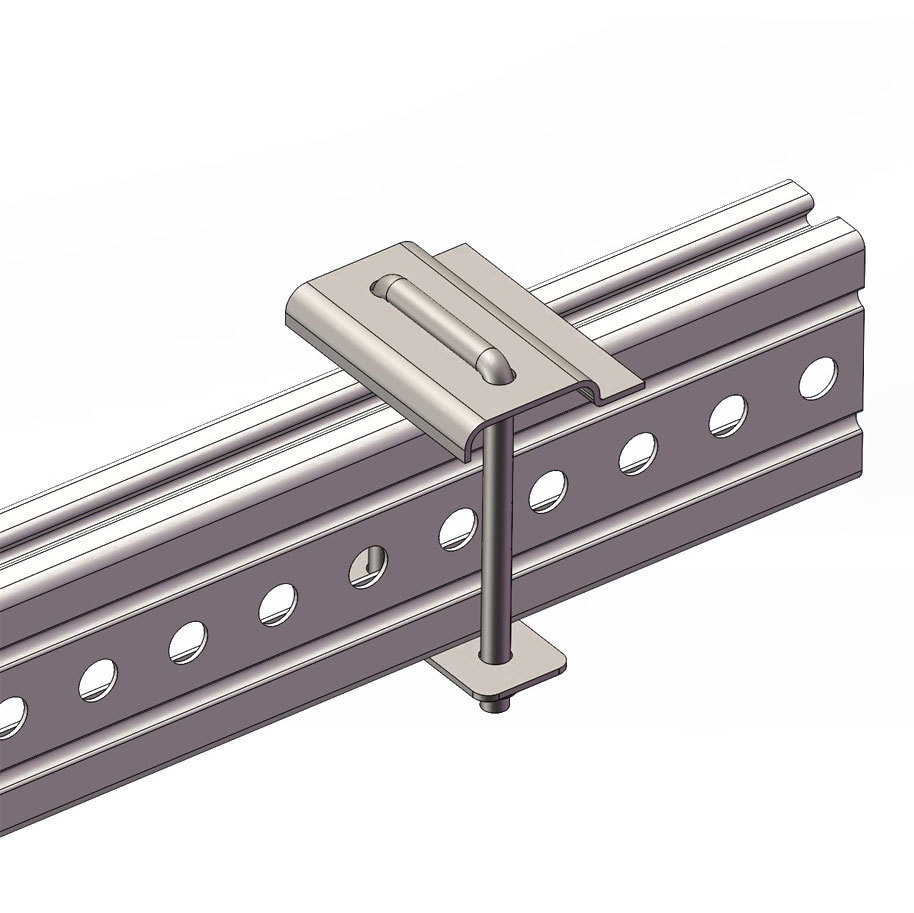
U-bolt assembly
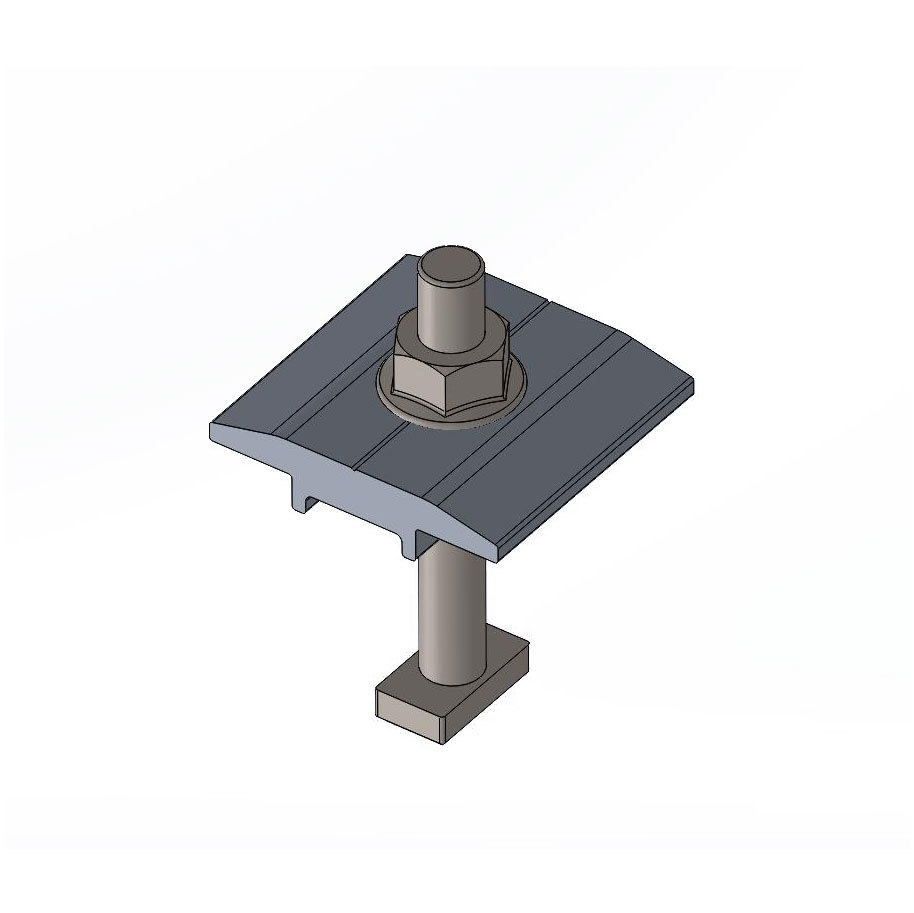
Medium voltage components
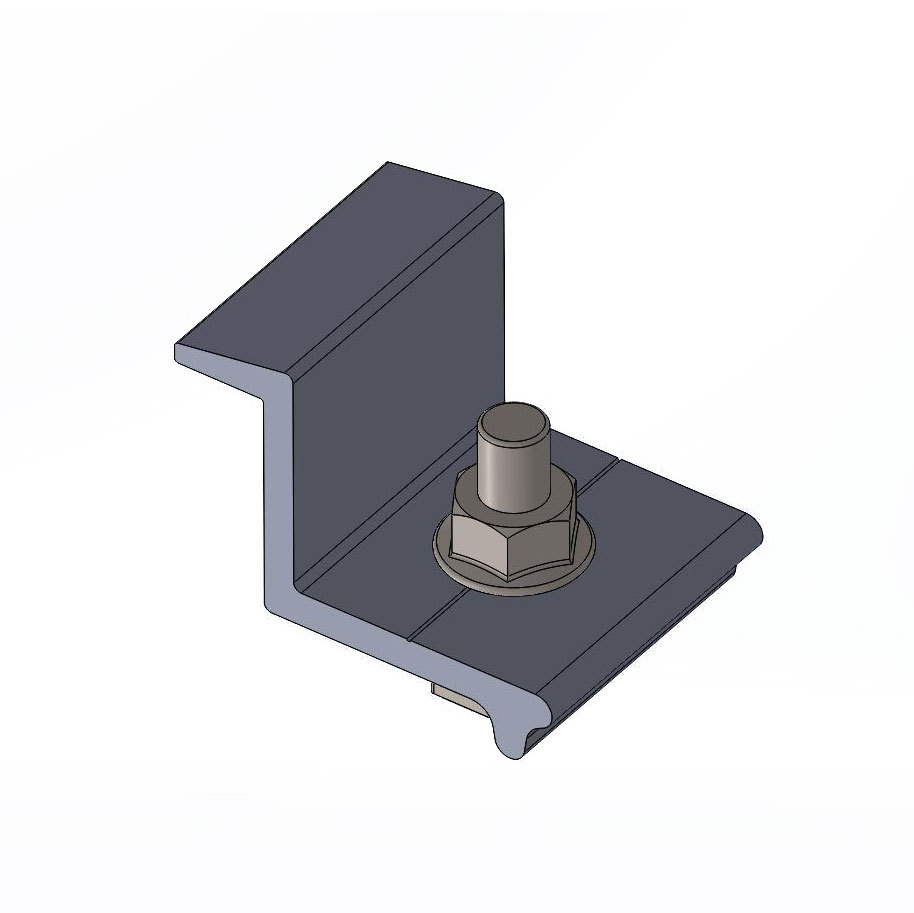
Side pressure component
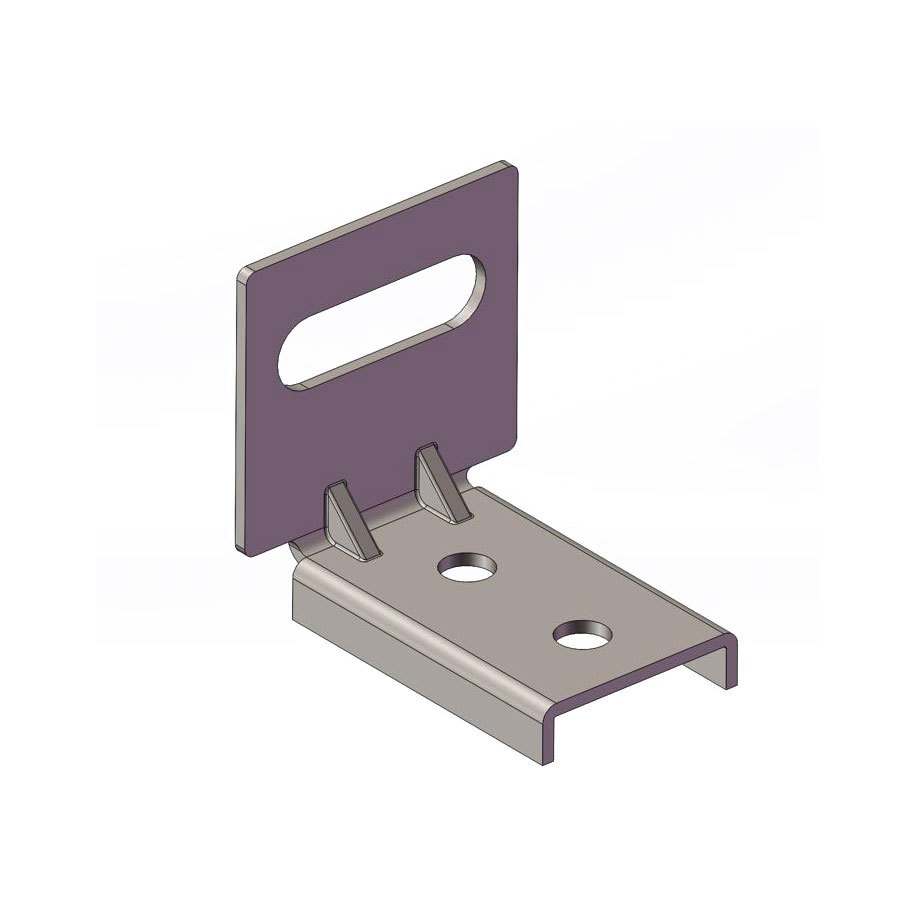
Horizontal and vertical rail connectors
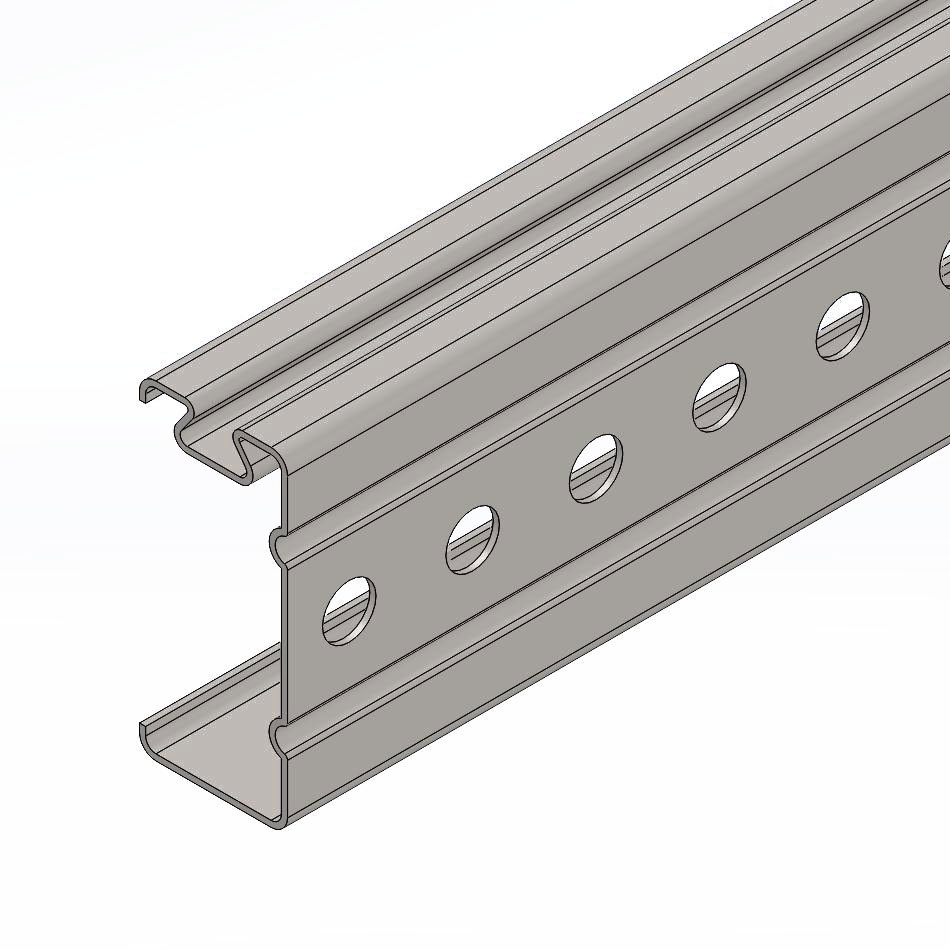
Slant support
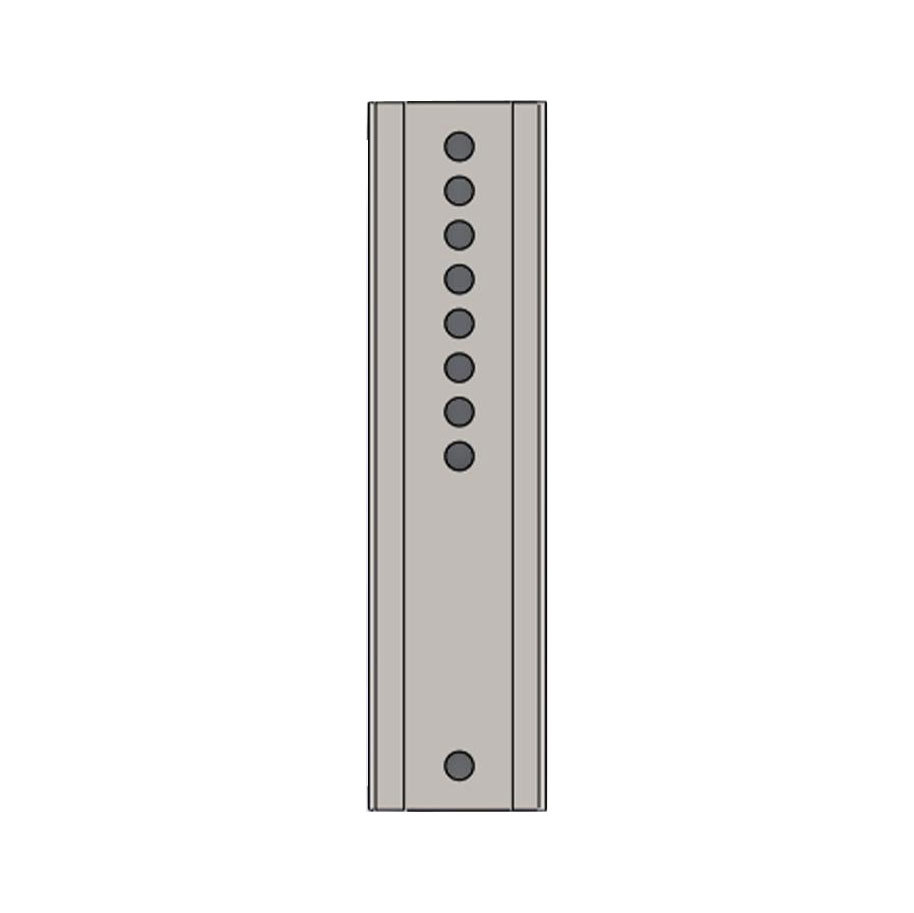
Column connectors
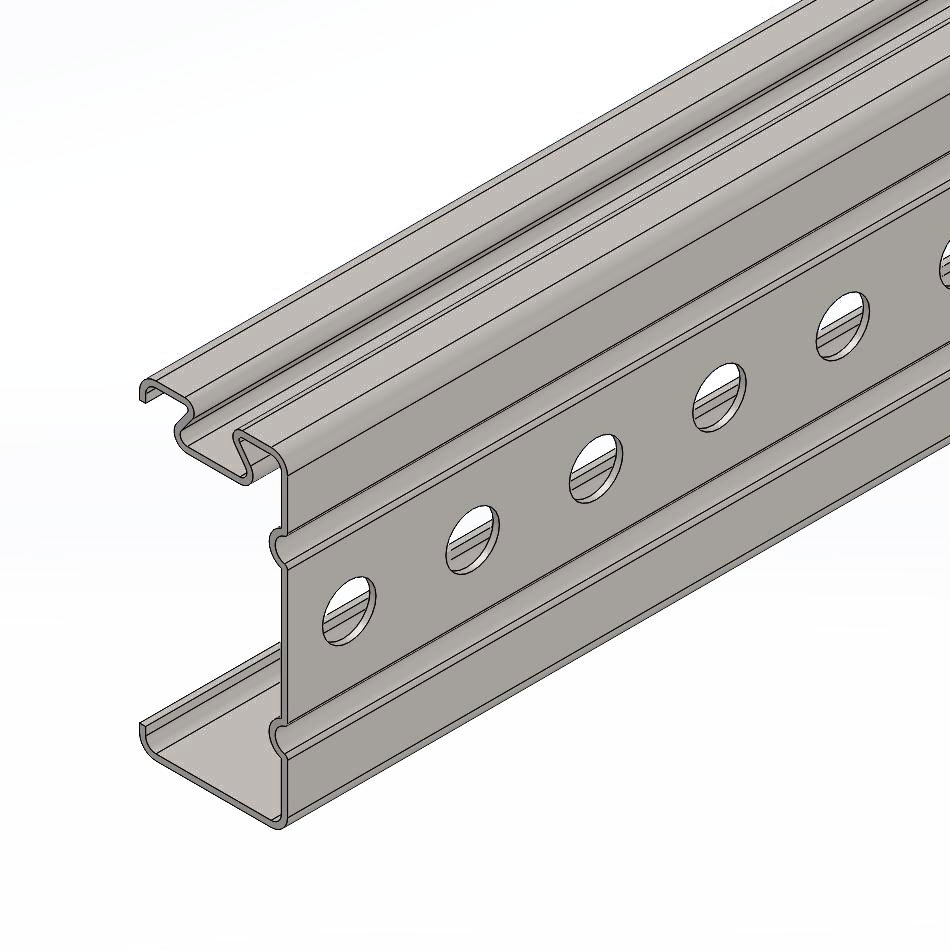
Longitudinal track
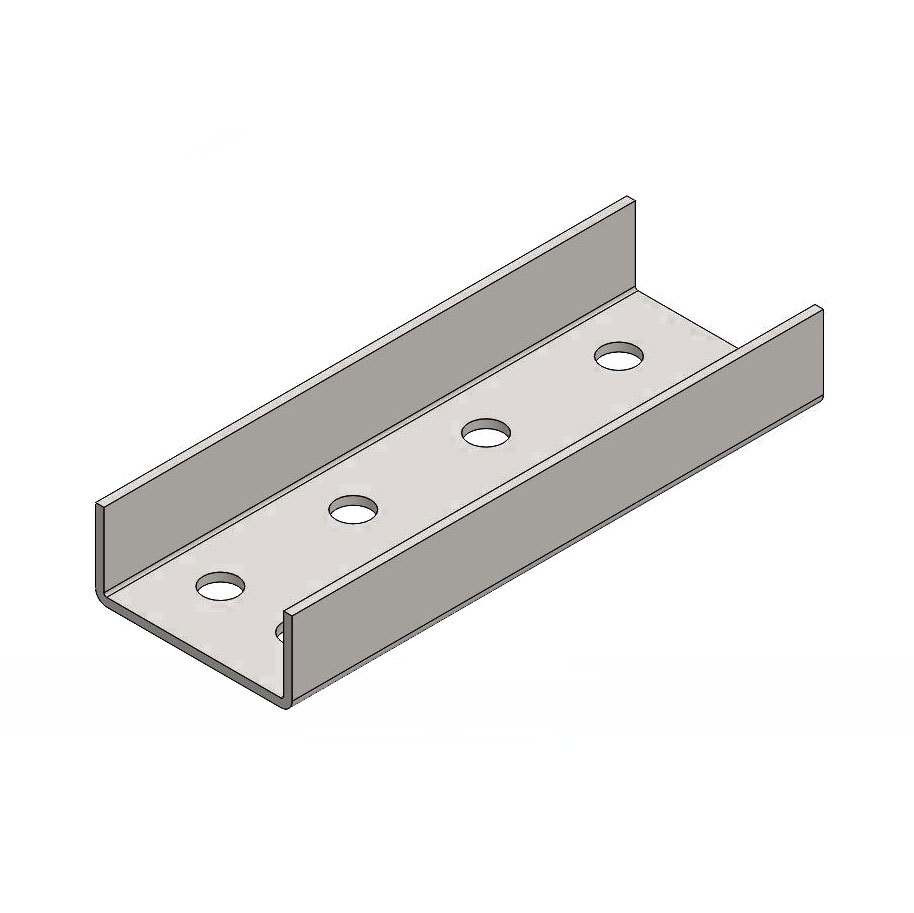
Horizontal rail connectors
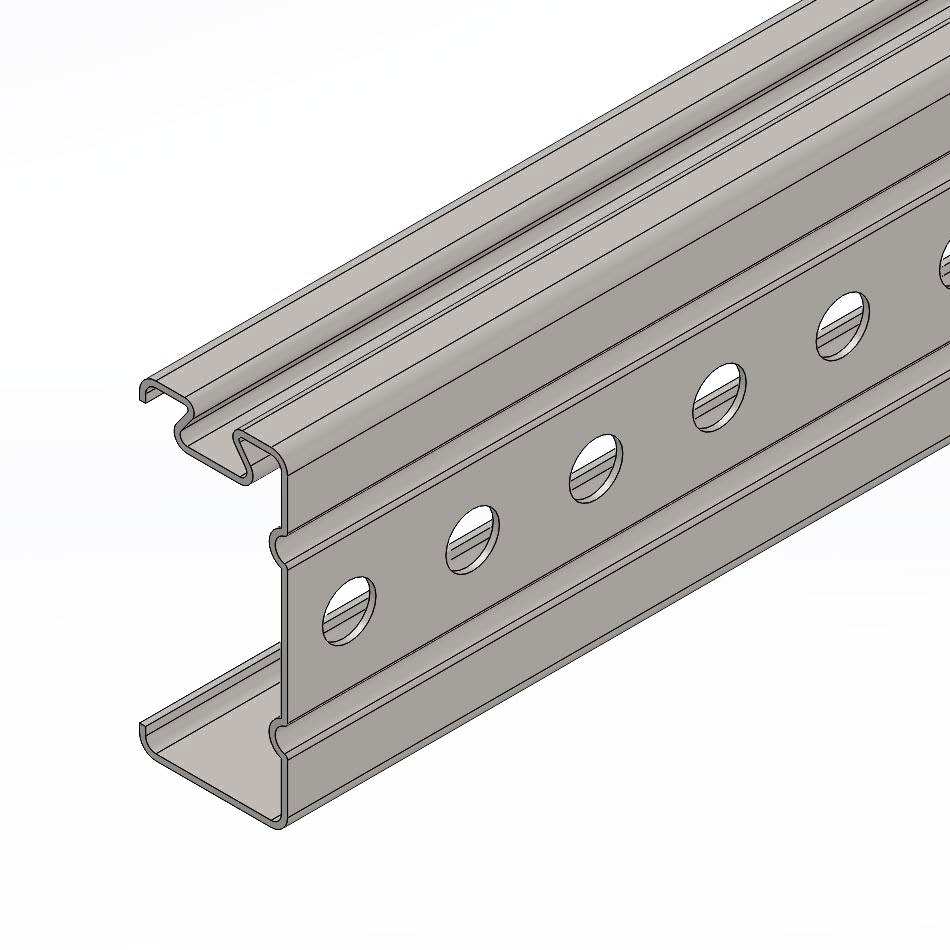
Horizontal track
Easy Install Steel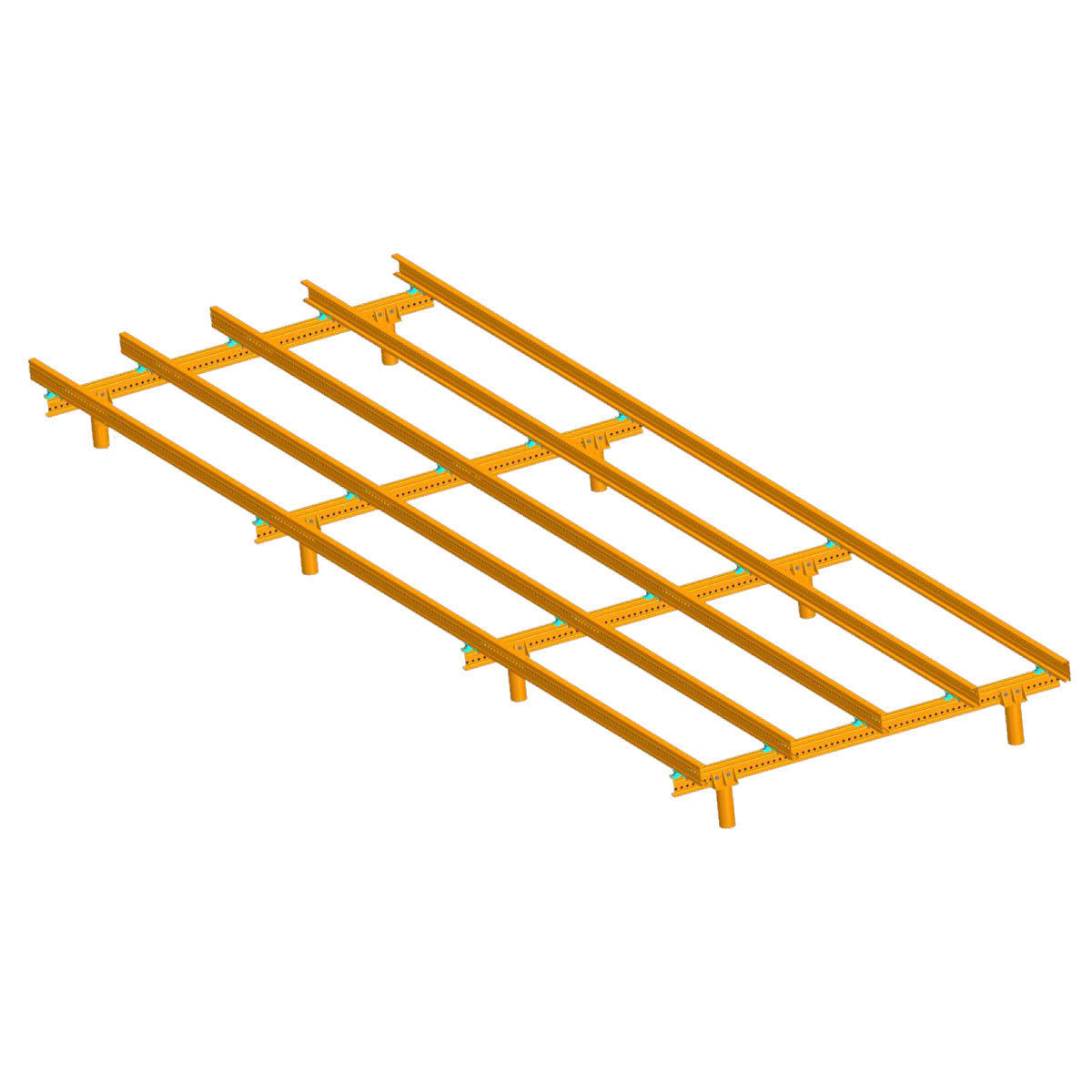
Haoheng Yi'an System

Easy Install Steel
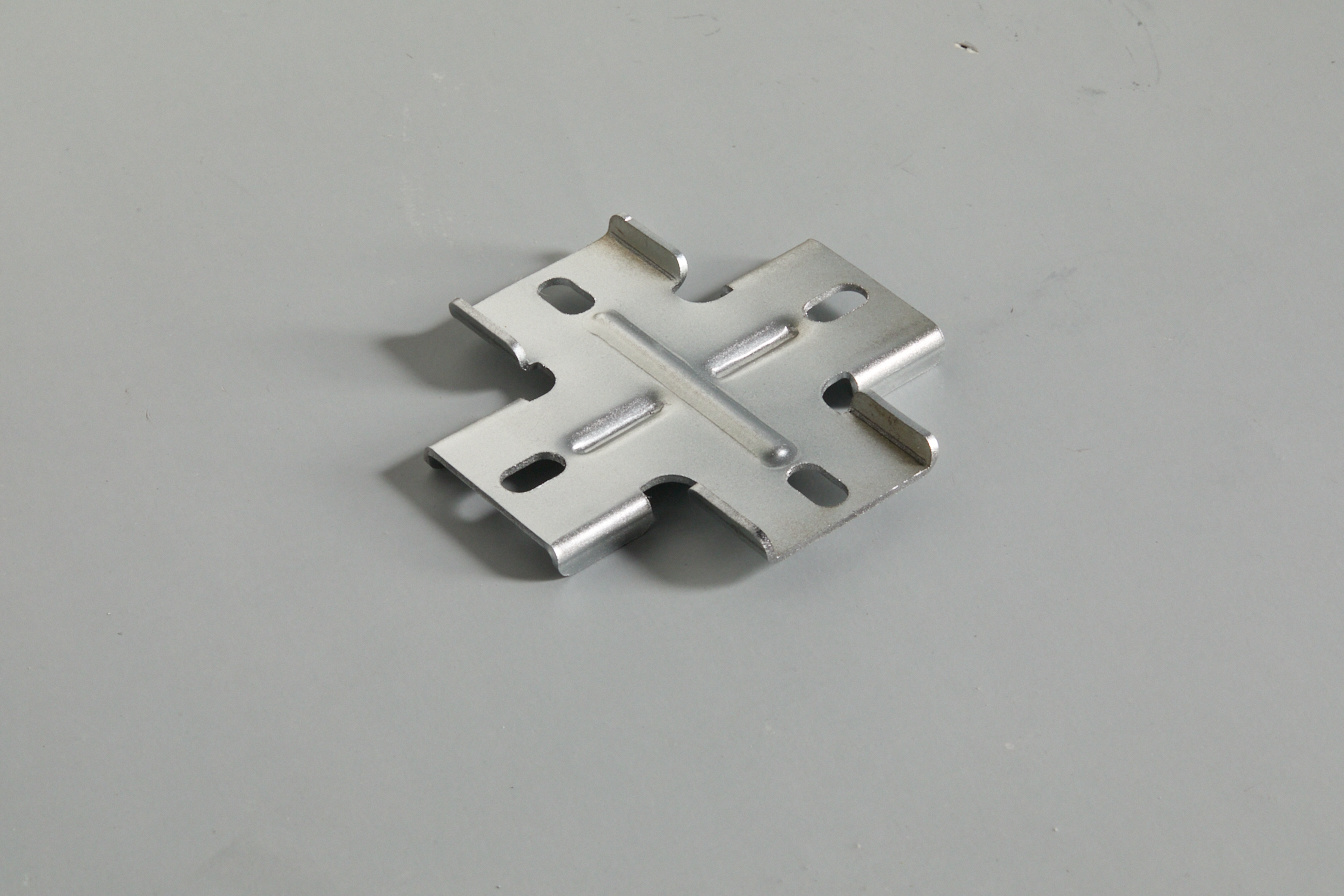
Cross connector
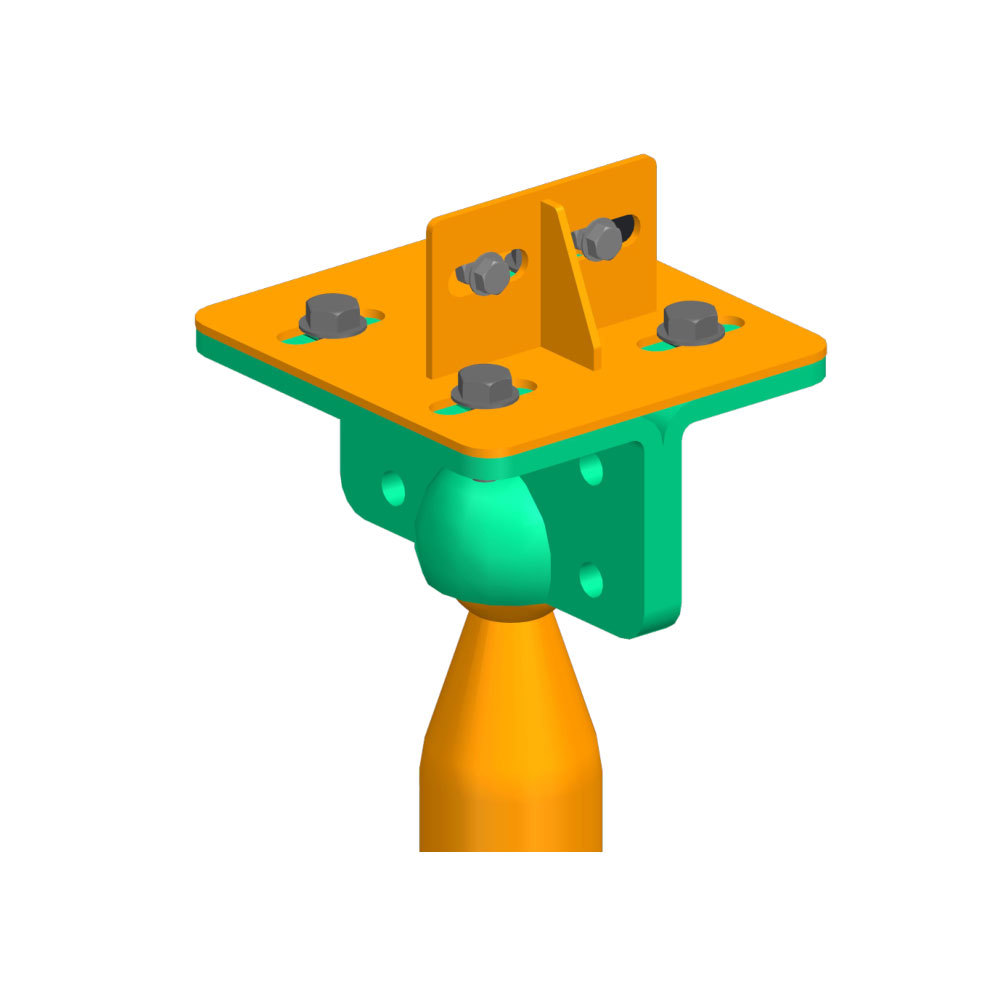
Universal connector for screw pile
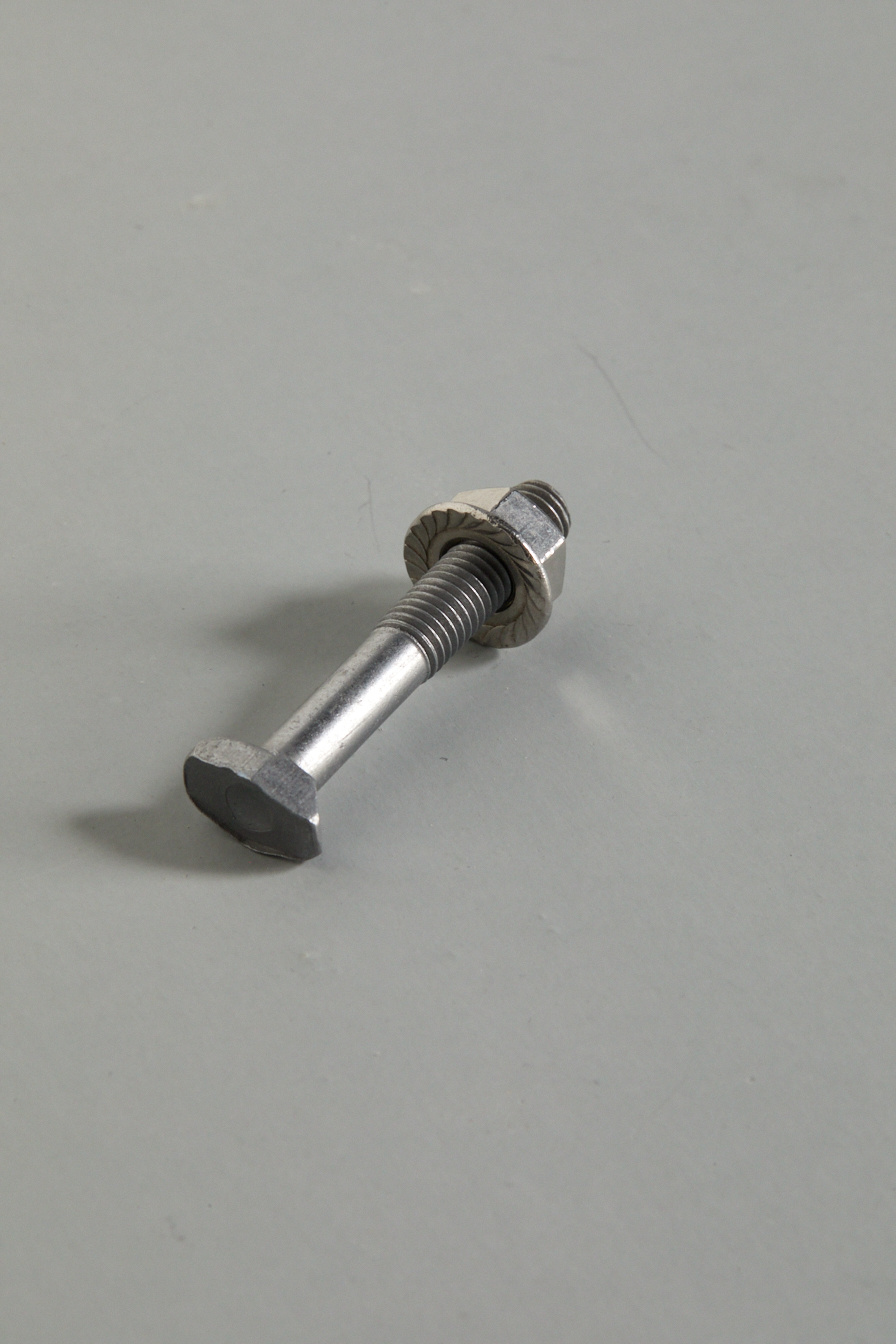
T-shaped dovetail bolt
Floor System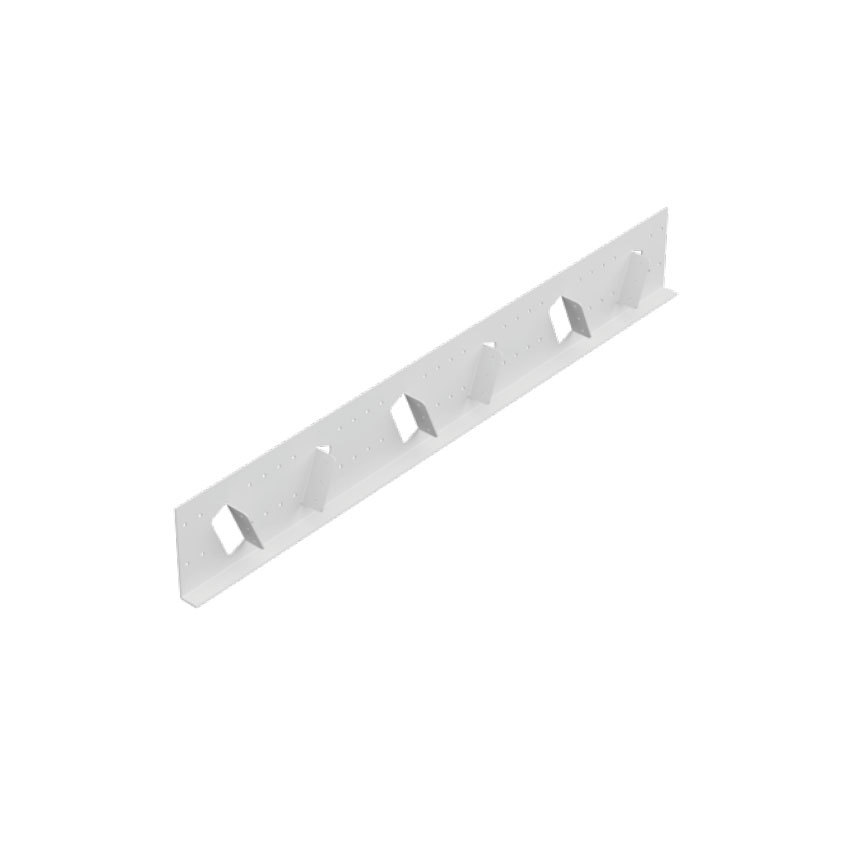
Ordinary steel structural connectors
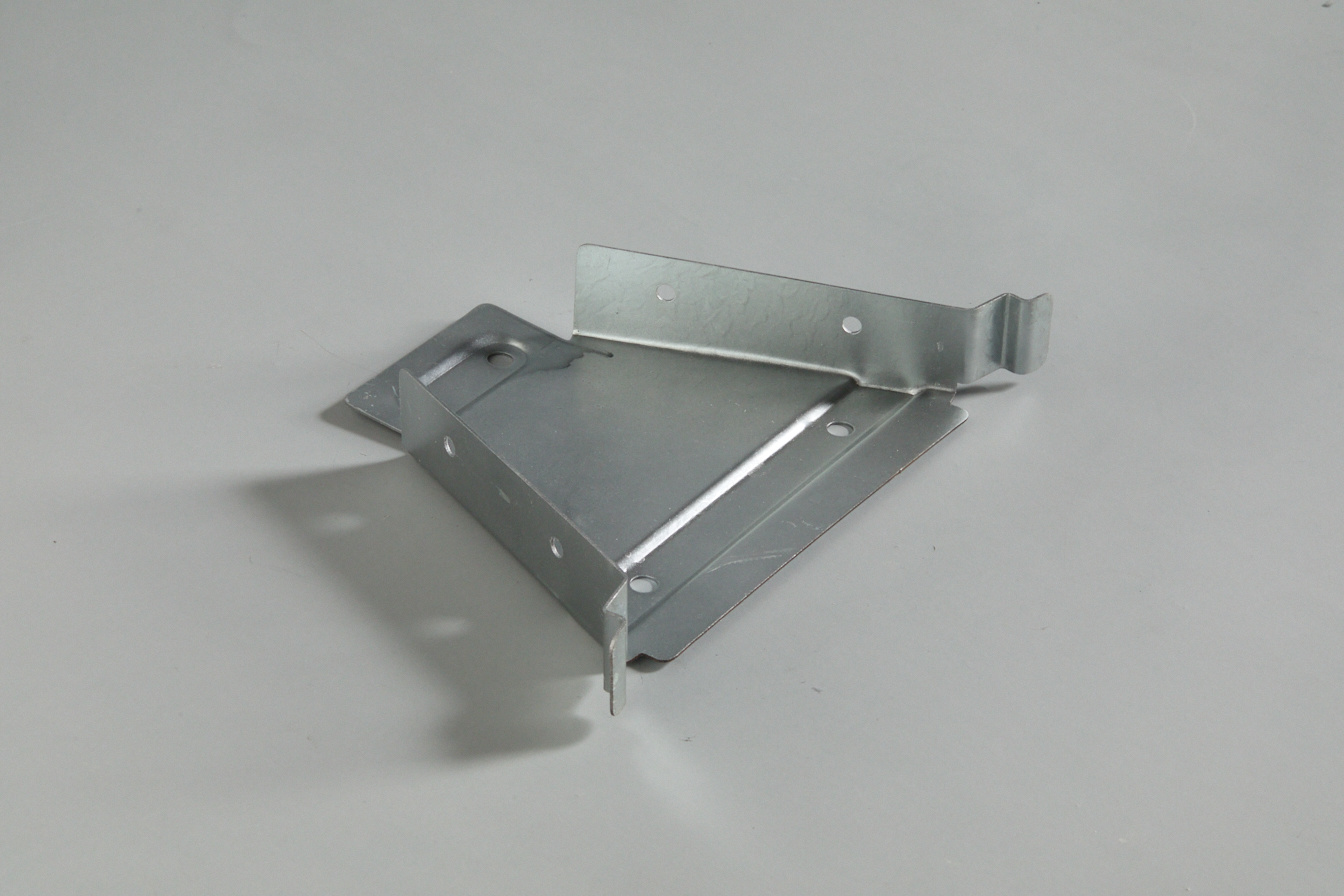
NEW BUILDING system connectors
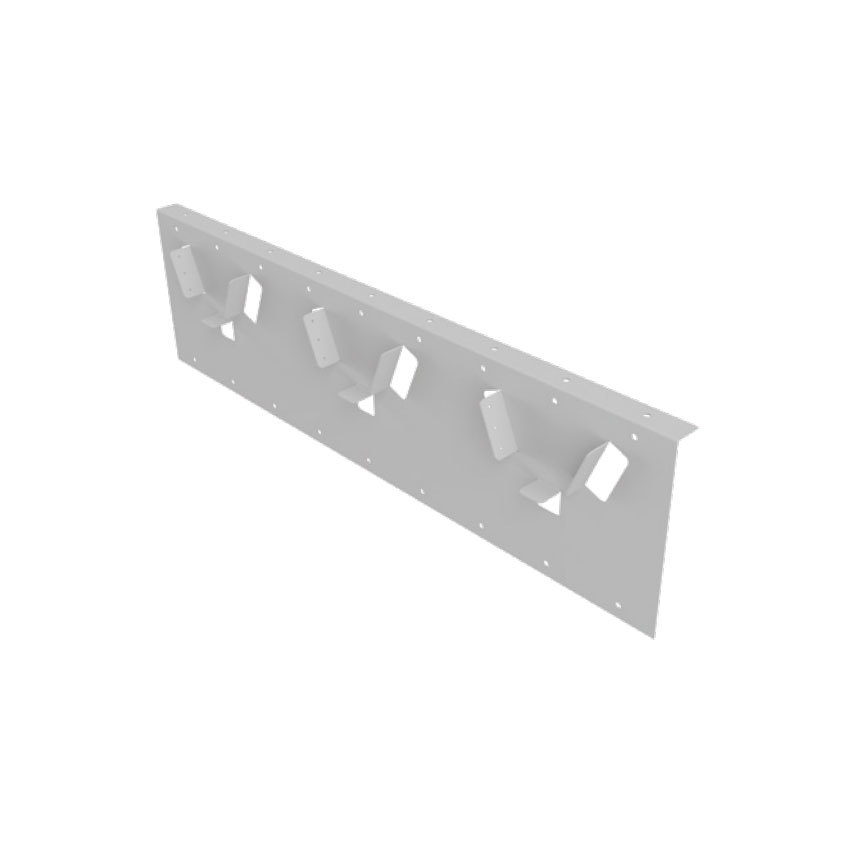
Cold formed thin-walled steel structural connectors
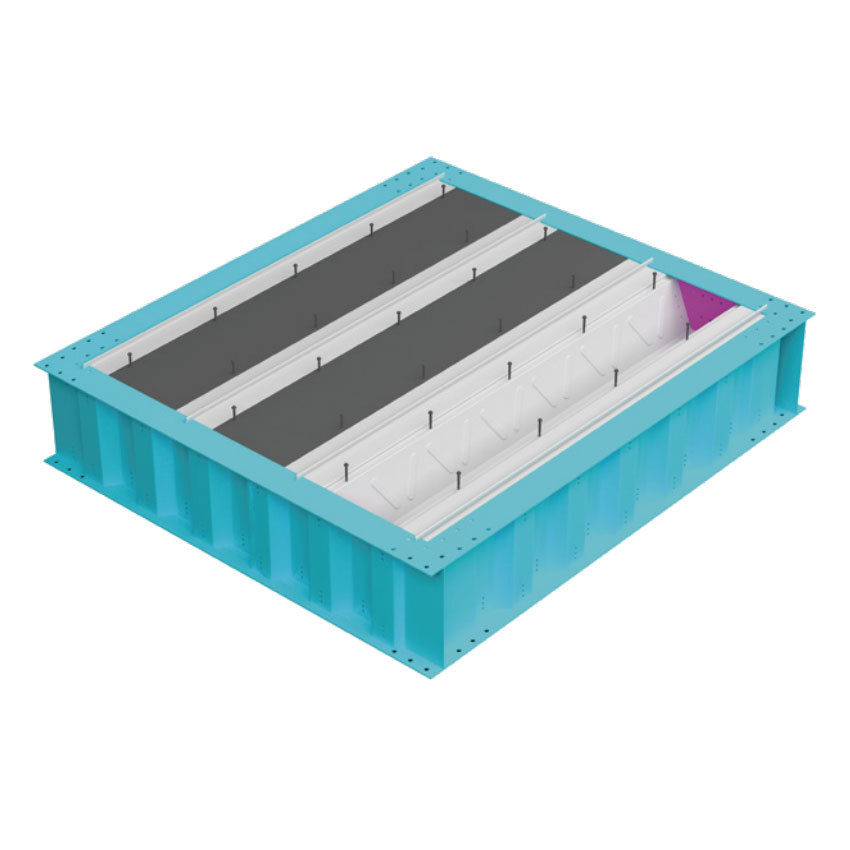
Corrugated I-beam+V-shaped floor beam
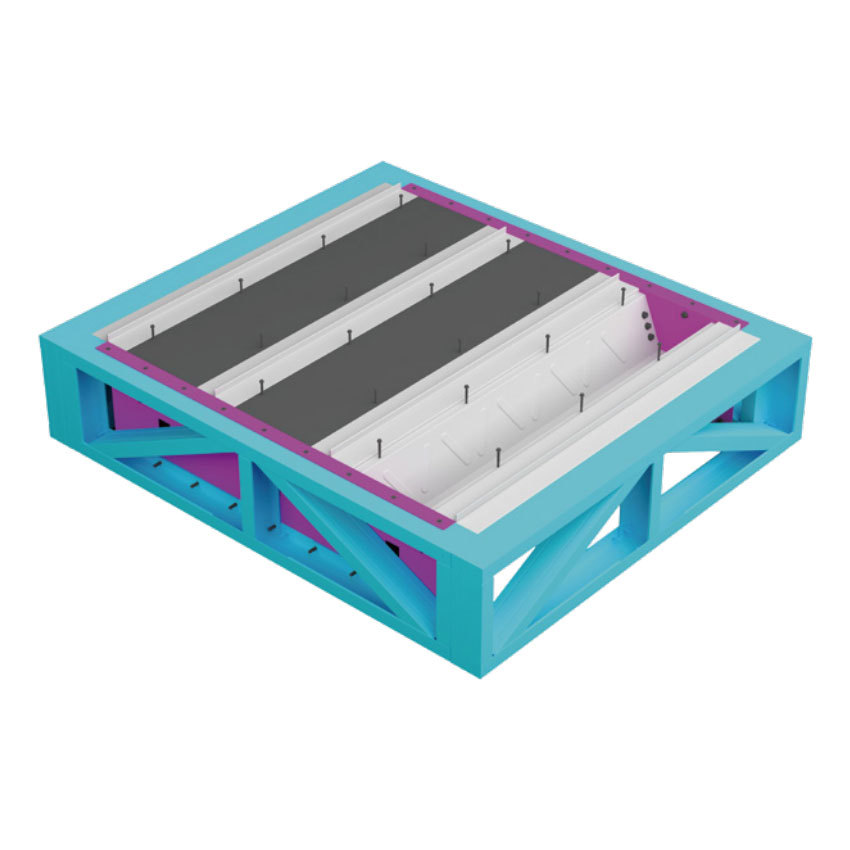
300 light steel truss+V-shaped floor beam
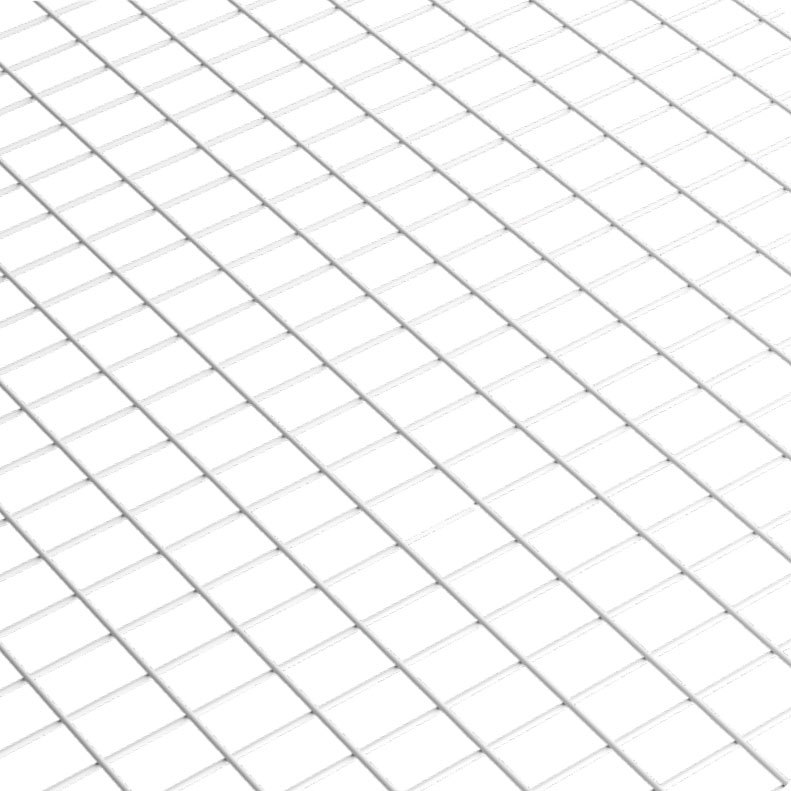
Steel wire gauze
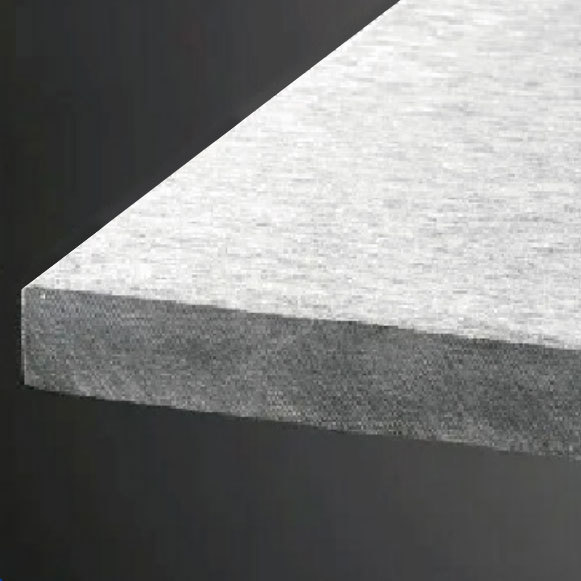
Plate
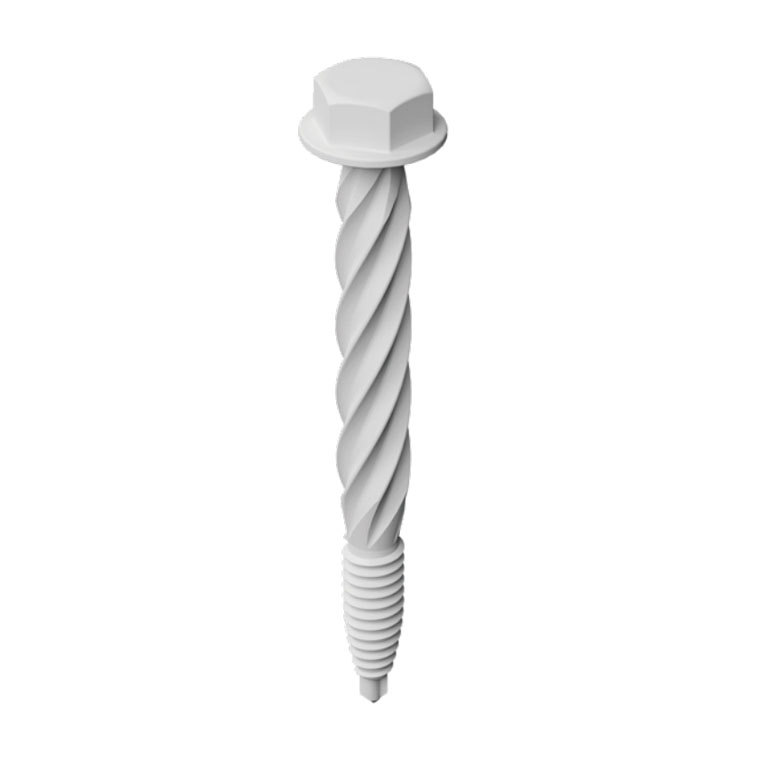
Shear stud
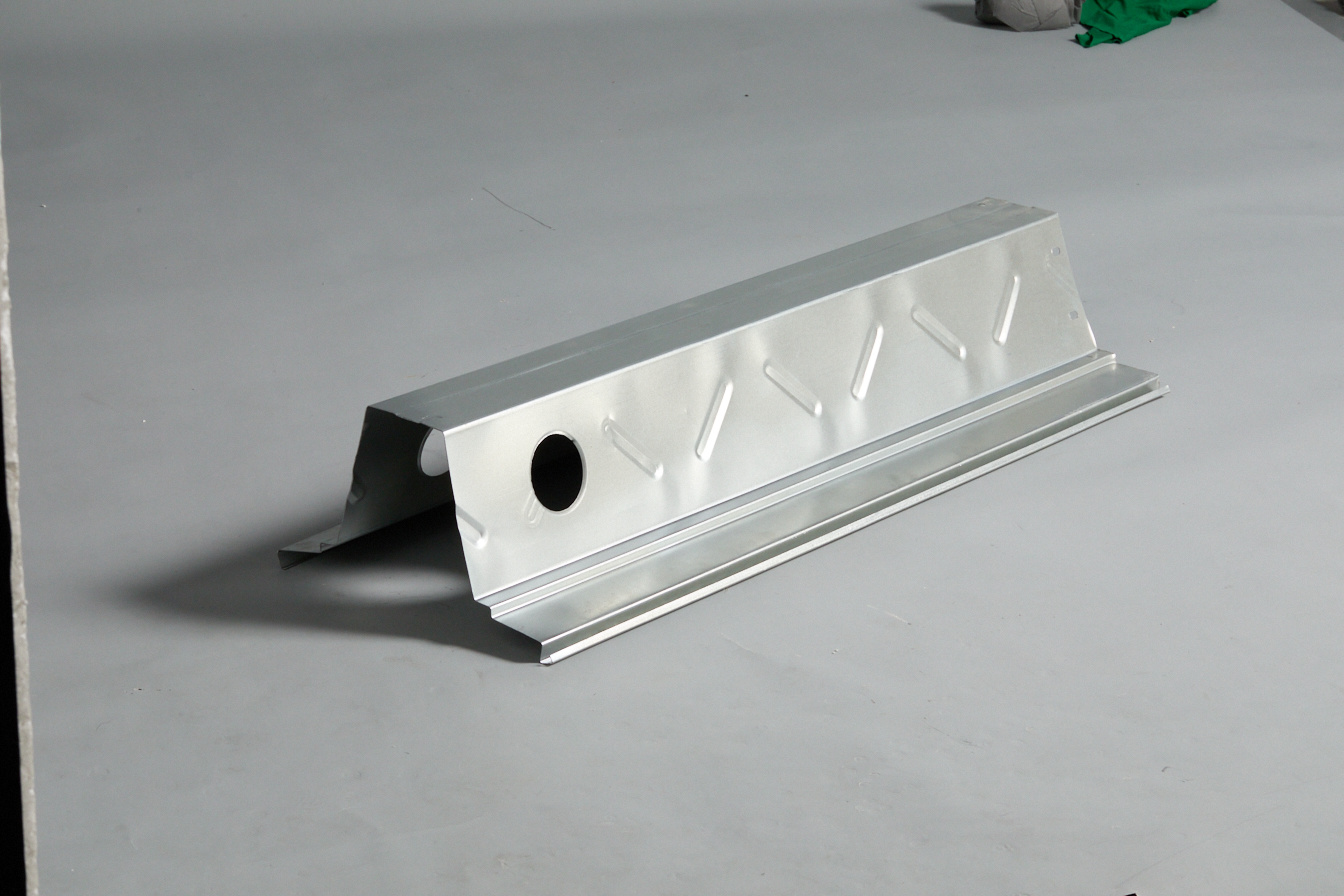
V-shaped floor beam
Magnesium stiffened wall panel
Why T-Shaped Columns Are Revolutionizing Modern Architecture
Release Time:
2024-10-22
Source:
Why T-Shaped Columns Are Revolutionizing Modern Architecture
Table of Contents
- 1. Introduction to T-Shaped Columns
- 2. What Are T-Shaped Columns?
- 3. Benefits of T-Shaped Columns in Modern Architecture
- 3.1 Structural Integrity and Stability
- 3.2 Design Flexibility and Aesthetics
- 3.3 Material Efficiency and Sustainability
- 4. Applications of T-Shaped Columns in Modern Construction
- 4.1 T-Shaped Columns in Residential Buildings
- 4.2 T-Shaped Columns in Commercial Structures
- 4.3 Innovative Uses in Public Spaces
- 5. Future Trends in T-Shaped Column Design
- 6. Challenges and Considerations
- 7. Frequently Asked Questions
- 8. Conclusion
1. Introduction to T-Shaped Columns
In recent years, **T-shaped columns** have emerged as a revolutionary element in modern architecture. These unique structural components not only enhance the aesthetic appeal of buildings but also improve their overall functionality and safety. As architects and engineers explore innovative solutions to meet the demands of contemporary construction, T-shaped columns are gaining popularity for their versatility and effectiveness.
2. What Are T-Shaped Columns?
T-shaped columns are vertical structural elements shaped like the letter "T." They consist of a vertical stem and a horizontal flange, providing a robust and stable support system for various architectural designs. The design of T-shaped columns allows them to efficiently distribute loads and resist lateral forces, making them ideal for modern buildings that require additional strength and stability.
3. Benefits of T-Shaped Columns in Modern Architecture
The adoption of T-shaped columns brings numerous advantages to architects, builders, and property owners. Below, we delve into the key benefits that make T-shaped columns a game-changer in the construction industry.
3.1 Structural Integrity and Stability
One of the primary benefits of T-shaped columns is their exceptional **structural integrity**. The unique geometry of T-shaped columns allows for better load distribution, reducing the risk of structural failure. This is particularly important in areas prone to natural disasters, such as earthquakes or high winds, where buildings need to withstand significant lateral forces. The stability offered by T-shaped columns ensures that buildings remain safe and secure for their occupants.
3.2 Design Flexibility and Aesthetics
T-shaped columns also contribute to **design flexibility**. Architects can utilize these columns to create open and spacious interior layouts without compromising structural support. The sleek lines and minimalist appearance of T-shaped columns enhance the aesthetic appeal of modern architecture, allowing for creative design solutions that can adapt to various styles—from contemporary to industrial.
3.3 Material Efficiency and Sustainability
In the context of **sustainability**, T-shaped columns promote material efficiency. By utilizing fewer materials while maintaining structural strength, architects can reduce waste and lower construction costs. This efficiency not only benefits the environment but also aligns with the growing demand for sustainable building practices. As the industry moves towards greener solutions, T-shaped columns emerge as a responsible choice.
4. Applications of T-Shaped Columns in Modern Construction
T-shaped columns are versatile and can be employed in various applications across different sectors. Let's explore some of the most common uses of these innovative structural elements.
4.1 T-Shaped Columns in Residential Buildings
In residential architecture, T-shaped columns can create open-concept living spaces that are both functional and visually appealing. By supporting large spans, these columns allow for expansive areas free of intrusive structural walls. Homeowners appreciate the seamless flow of space, which enhances both the comfort and aesthetics of their living environments.
4.2 T-Shaped Columns in Commercial Structures
Commercial buildings, such as offices and retail spaces, also benefit from T-shaped columns. The ability to create flexible layouts allows businesses to adapt their spaces to meet changing needs. Furthermore, the aesthetic quality of T-shaped columns can elevate a commercial building’s profile, making it more appealing to clients and customers.
4.3 Innovative Uses in Public Spaces
T-shaped columns are not limited to residential or commercial applications; they are also being incorporated into public spaces. Parks, museums, and cultural centers have started using T-shaped columns to create striking structures that challenge conventional design norms. These columns can serve as functional elements, such as supporting roofs or canopies, while also contributing to the overall visual impact of the space.
5. Future Trends in T-Shaped Column Design
As technology and design strategies evolve, the future of T-shaped columns looks promising. Innovations in materials, such as high-performance concrete and composites, will likely enhance the strength and durability of these columns. Moreover, advancements in design software enable architects to explore more complex and unique configurations, pushing the boundaries of what T-shaped columns can achieve.
Sustainability will continue to be a significant focus in the construction industry. As more architects and builders prioritize eco-friendly materials and methods, T-shaped columns will play a crucial role in achieving these objectives. Their efficiency in material usage aligns perfectly with the trend toward minimizing environmental impact.
Additionally, the integration of smart technologies into construction may lead to the development of T-shaped columns that can monitor structural health and ensure safety over time. This innovation could revolutionize how we approach building maintenance and safety assessments.
6. Challenges and Considerations
While T-shaped columns offer numerous advantages, they also present certain challenges that architects and builders must consider. One significant challenge is the complexity of design and fabrication. Crafting T-shaped columns requires precise engineering and skilled labor to ensure that they meet safety and performance standards.
Additionally, the cost of specialized materials and construction techniques may deter some developers from adopting T-shaped columns in their projects. However, the long-term benefits in terms of durability and reduced maintenance costs may outweigh these initial expenses.
7. Frequently Asked Questions
1. What materials are commonly used for T-shaped columns?
T-shaped columns can be constructed from various materials, including reinforced concrete, steel, and composite materials. The choice of material often depends on the specific structural requirements and design considerations.
2. Are T-shaped columns suitable for all types of buildings?
While T-shaped columns are versatile, their suitability depends on the building's design, functional requirements, and structural considerations. Consulting with an architect or structural engineer can help determine the best approach for a specific project.
3. How do T-shaped columns compare to traditional columns?
T-shaped columns provide improved load distribution and stability compared to traditional round columns. They also offer greater design flexibility, allowing for more open interior spaces.
4. Can T-shaped columns be used in earthquake-prone areas?
Yes, T-shaped columns are known for their structural integrity and stability, making them a suitable choice for buildings in earthquake-prone areas. Their design helps distribute lateral forces effectively.
5. What is the future of T-shaped column technology?
The future of T-shaped columns includes advancements in materials, design technologies, and integration of smart systems for monitoring structural health. These developments will enhance their efficiency, sustainability, and overall performance.
8. Conclusion
T-shaped columns are undoubtedly revolutionizing modern architecture by offering unique advantages in terms of structural integrity, design flexibility, and material efficiency. Their applications in residential, commercial, and public spaces reflect the growing demand for innovative solutions in the construction industry. As we embrace new technologies and sustainable practices, T-shaped columns will play a pivotal role in shaping the future of architectural design. Their potential offers architects and builders the opportunity to create stunning, functional spaces that meet the needs of a dynamic world.
Previous Page
Related Information

HaoHeng Group
Address: Room 1808, Block A, Vanke Cloud City, Jiemei District, Xiamen City, Fujian Province
Business cooperation:
Copyright © HaoHeng (FuJian) Building Materials Technology Co, Ltd. All rights reserved