

-

 Pakistan
Marketing Service Outlets
 Papua New Guinea
Marketing Service Outlets
 Egypt
EgyptMarketing Service Outlets
 Australia
Marketing Service Outlets
 Brazil
Marketing Service Outlets
 Colombia
Marketing Service Outlets
 Russia
Marketing Service Outlets
 Germany
Marketing Service Outlets
 Poland
Marketing Service Outlets
 the Philippines
Marketing Service Outlets
 Kazakhstan
Marketing Service Outlets
 Malaysia
Marketing Service Outlets
 America
Marketing Service Outlets
 Kyrgyzstan
Marketing Service Outlets
 Canada
Marketing Service Outlets
 Peru
PeruMarketing Service Outlets
 Nigeria
Marketing Service Outlets
 Morocco
Marketing Service Outlets
 South Africa
Marketing Service Outlets
 Japan
JapanMarketing Service Outlets
 Slovakia
Marketing Service Outlets
 New Zealand
Marketing Service Outlets
 Hungary
Marketing Service Outlets
 Thailand
Marketing Service Outlets
 Spain
SpainMarketing Service Outlets
 Indonesia
Marketing Service Outlets
 Italy
ItalyMarketing Service Outlets
 Vietnam
Marketing Service Outlets
Steel Pipe ColumnSteel Pipe Column ConnectorsMain Beam | Secondary BeamPrefabricated StairsRound Pipe PileFlat Steel PileGroup PileCap PileNew Building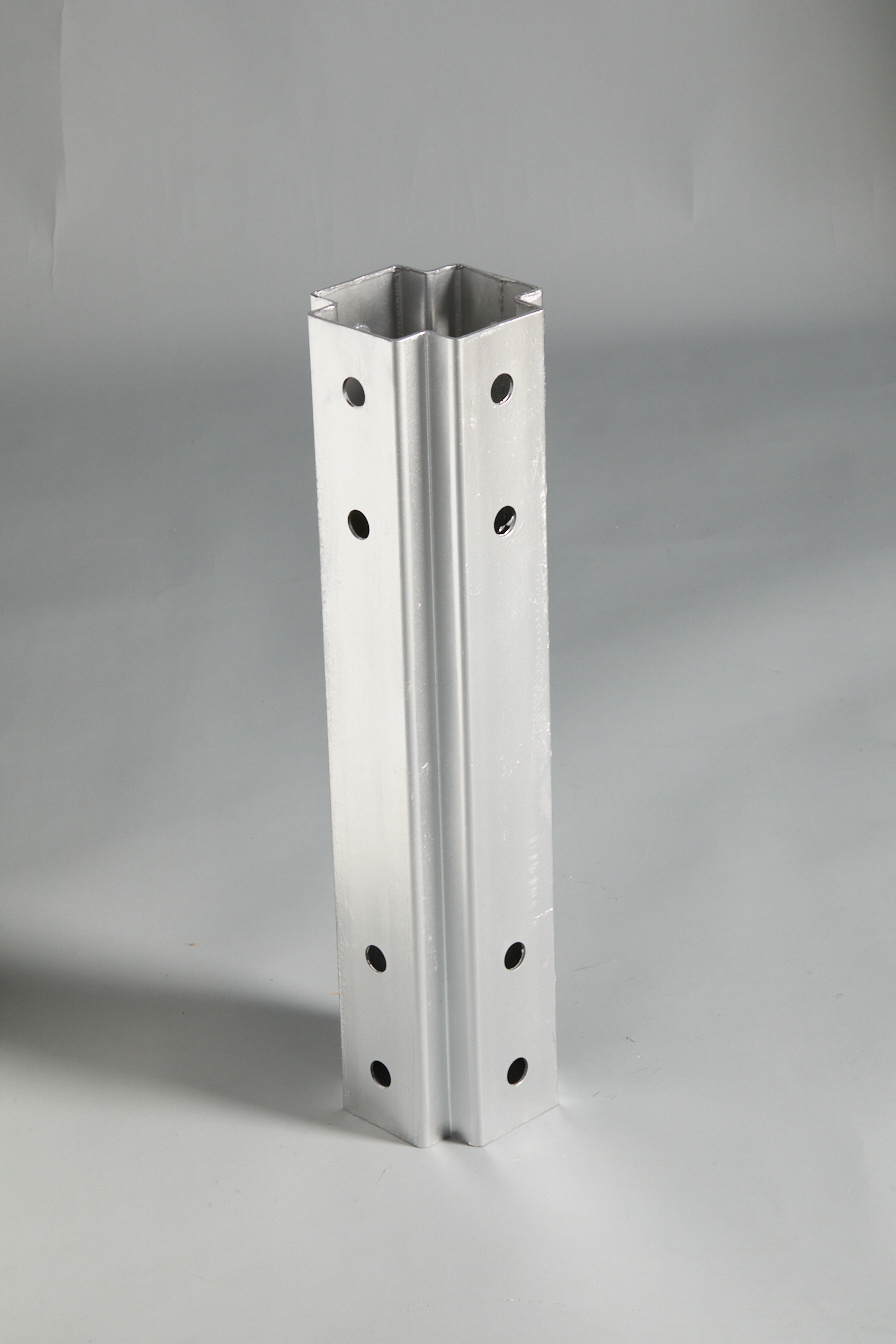
Cross column

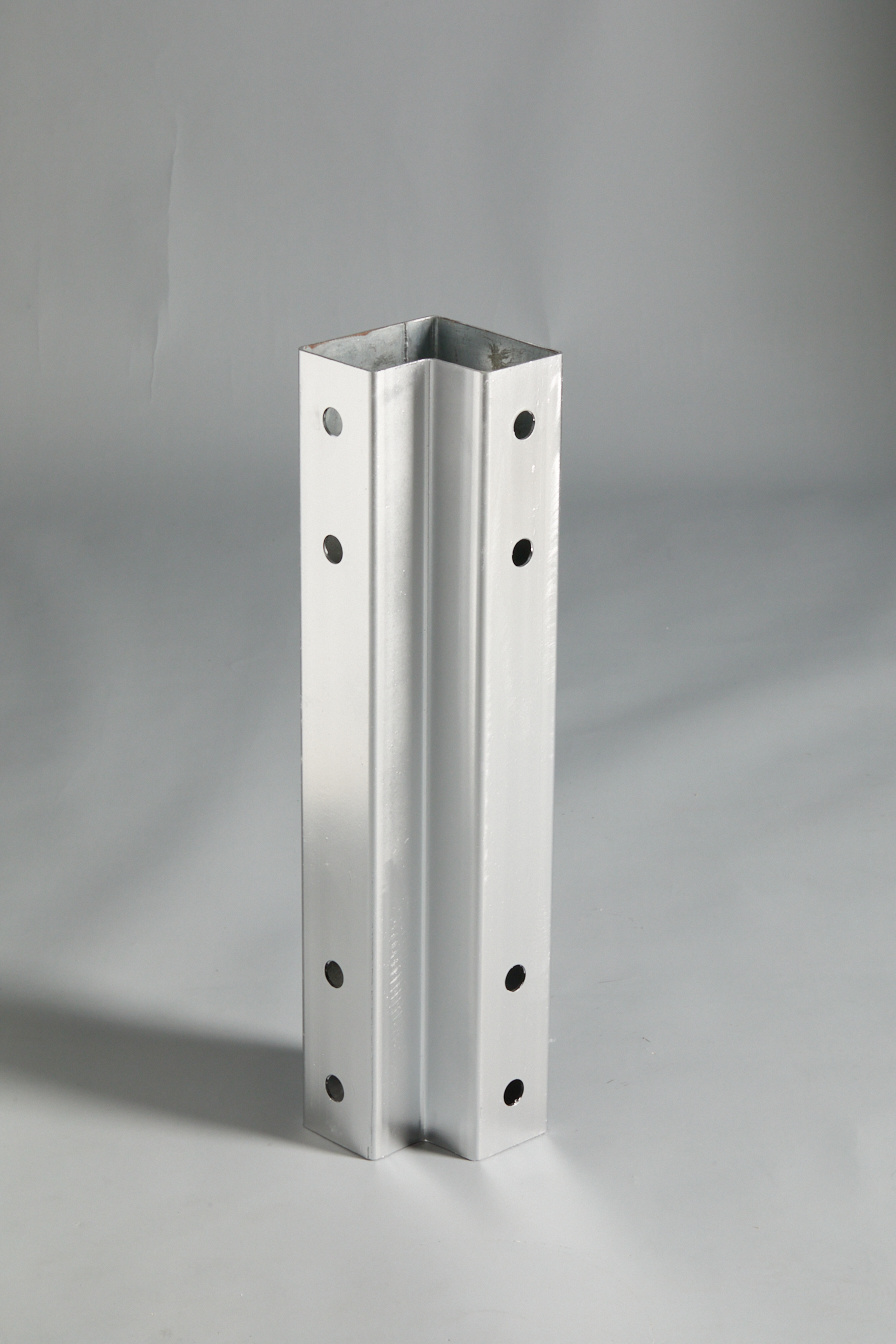
L-shaped column
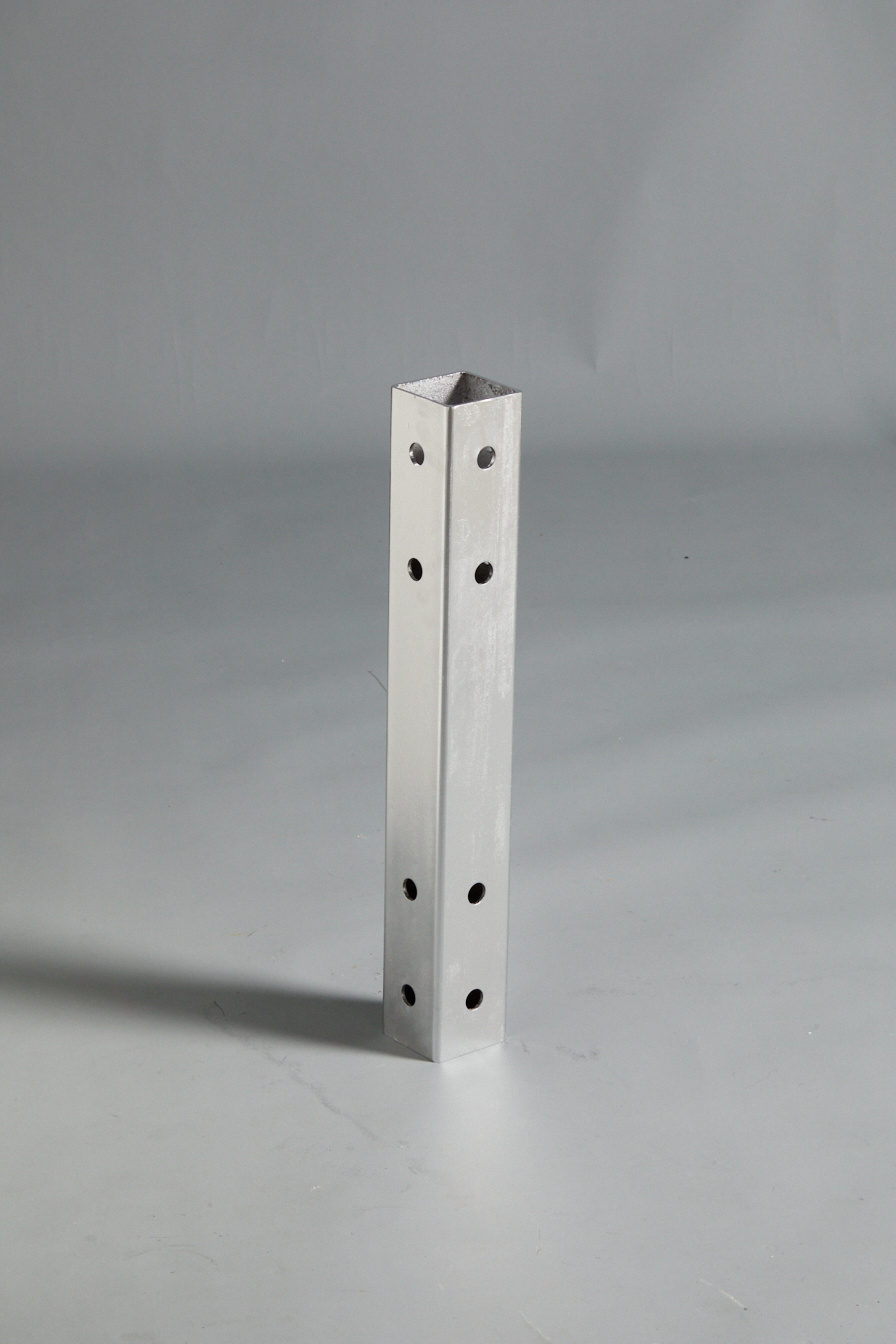
Square tube column

T-shaped column
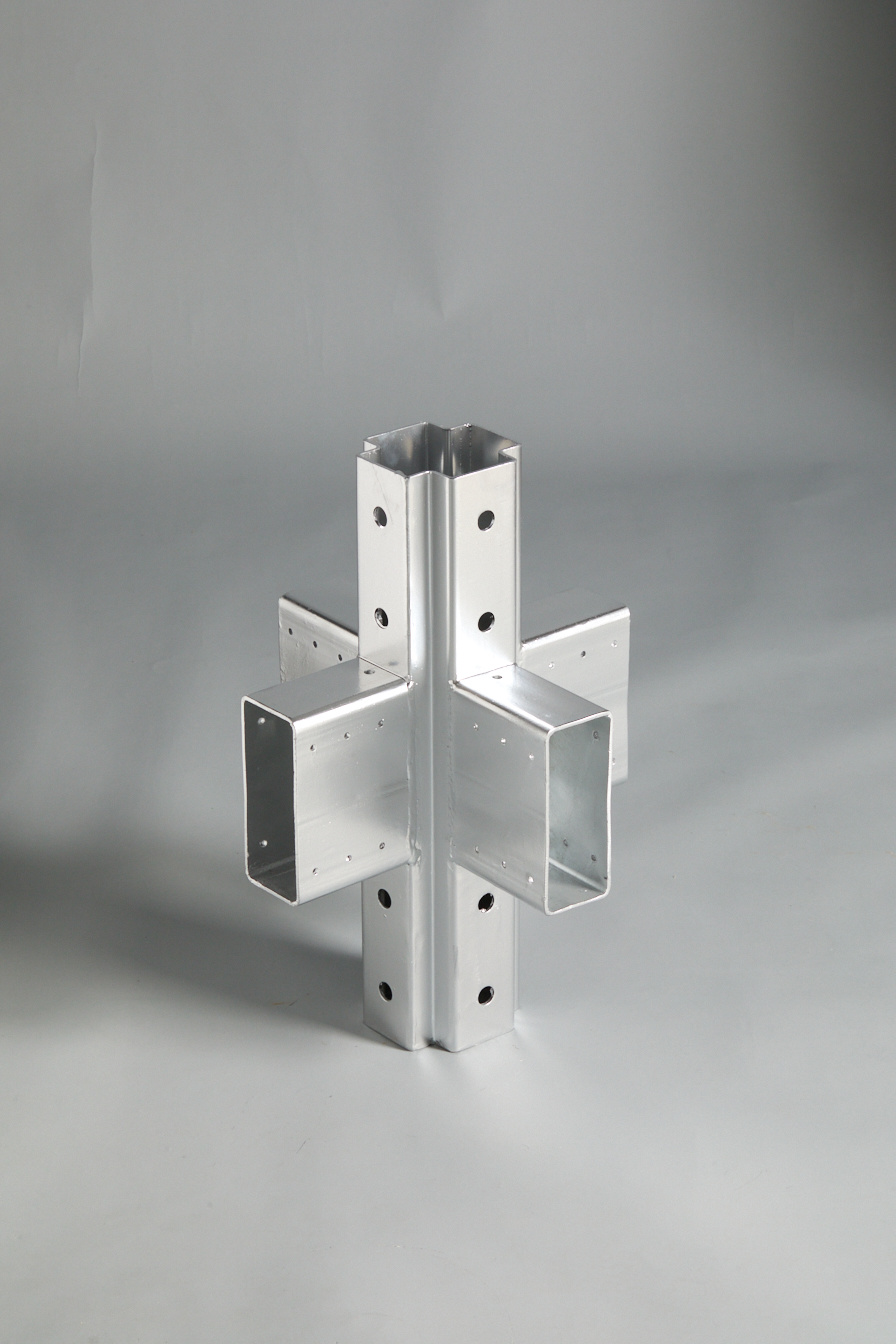
Cross column connector

L-shaped column connector

T-shaped column connector
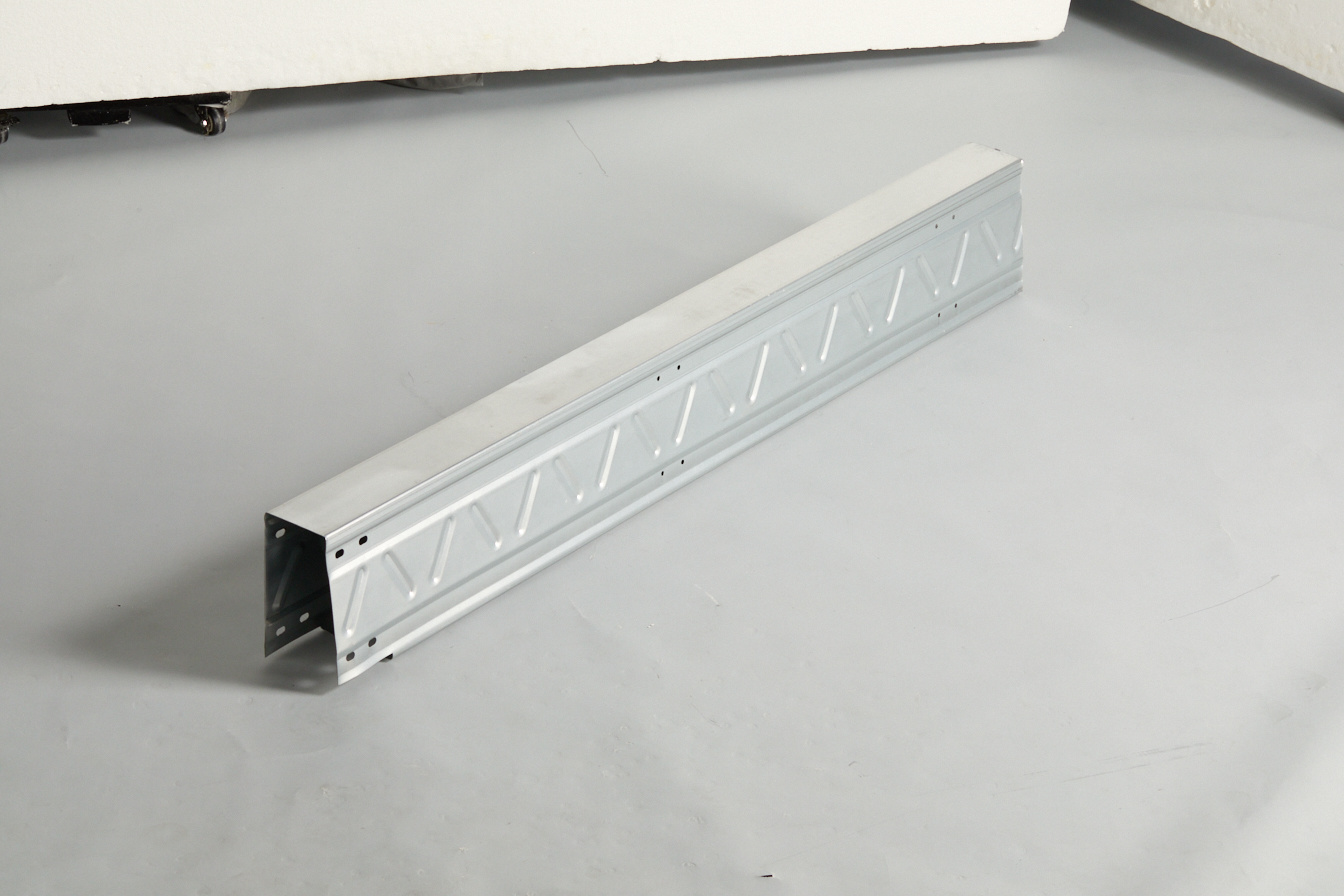
195 inner flipped edge - eight shaped reinforcing rib
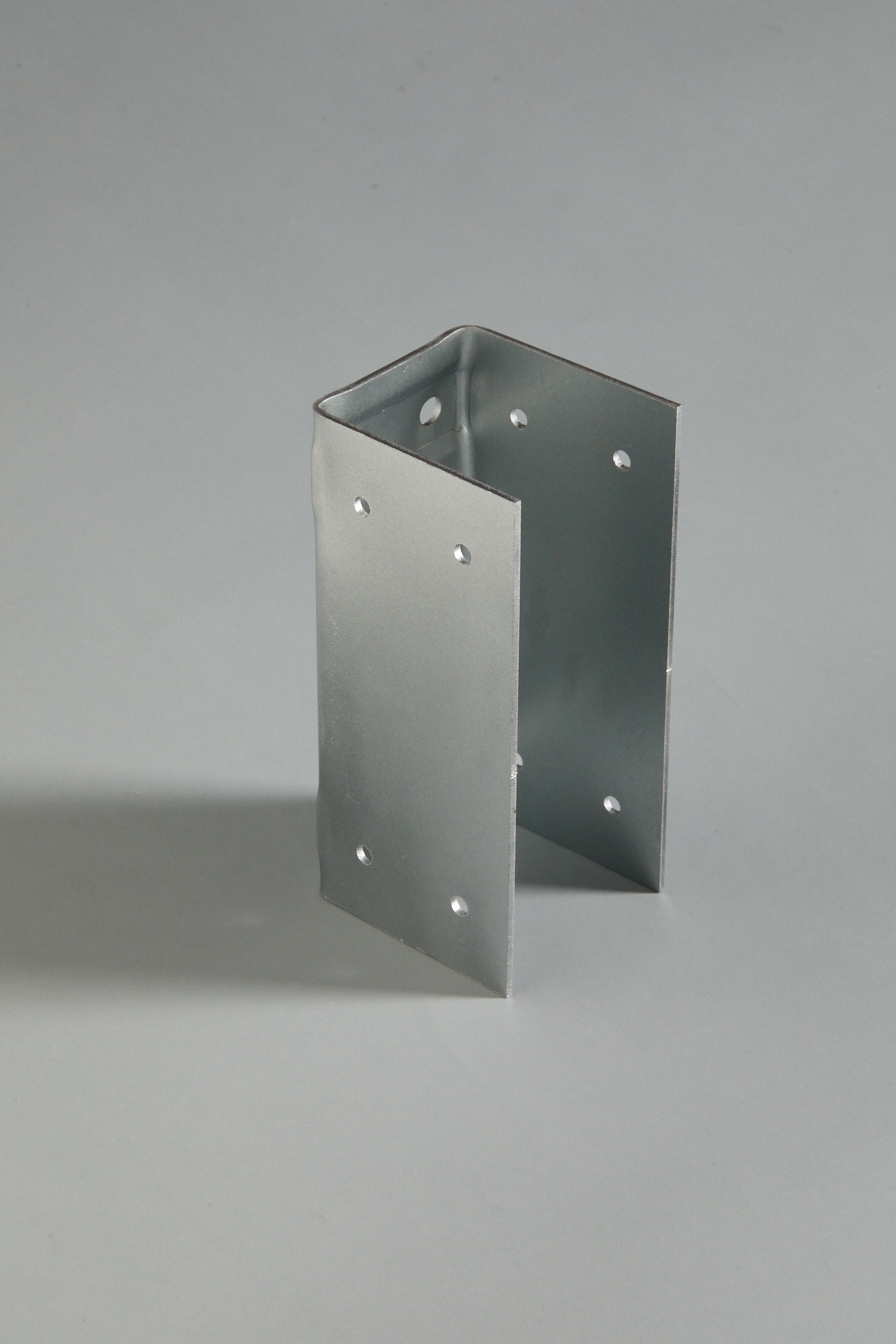
Frame small U connector
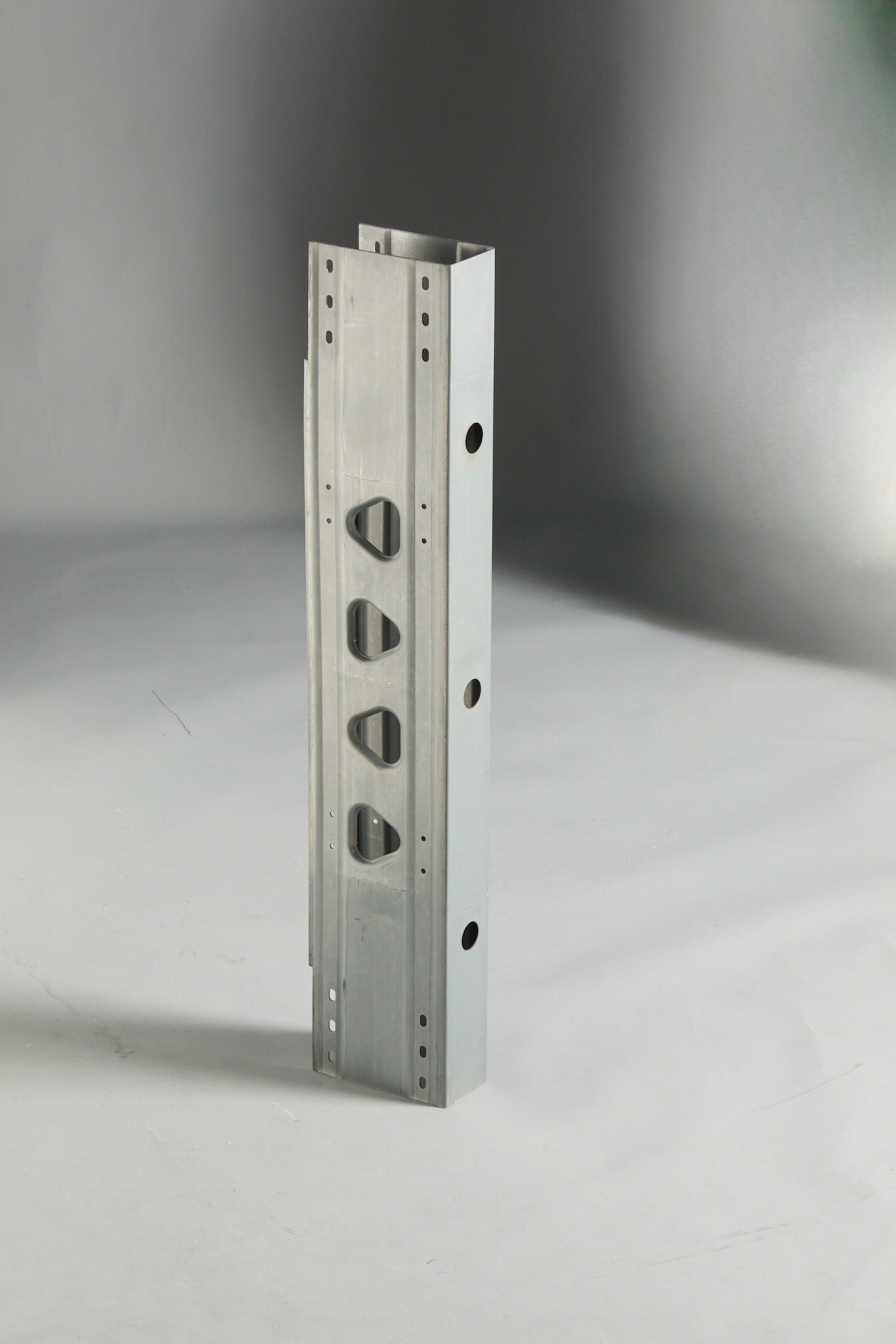
195 Inverted Edge - Triangle Reinforcement
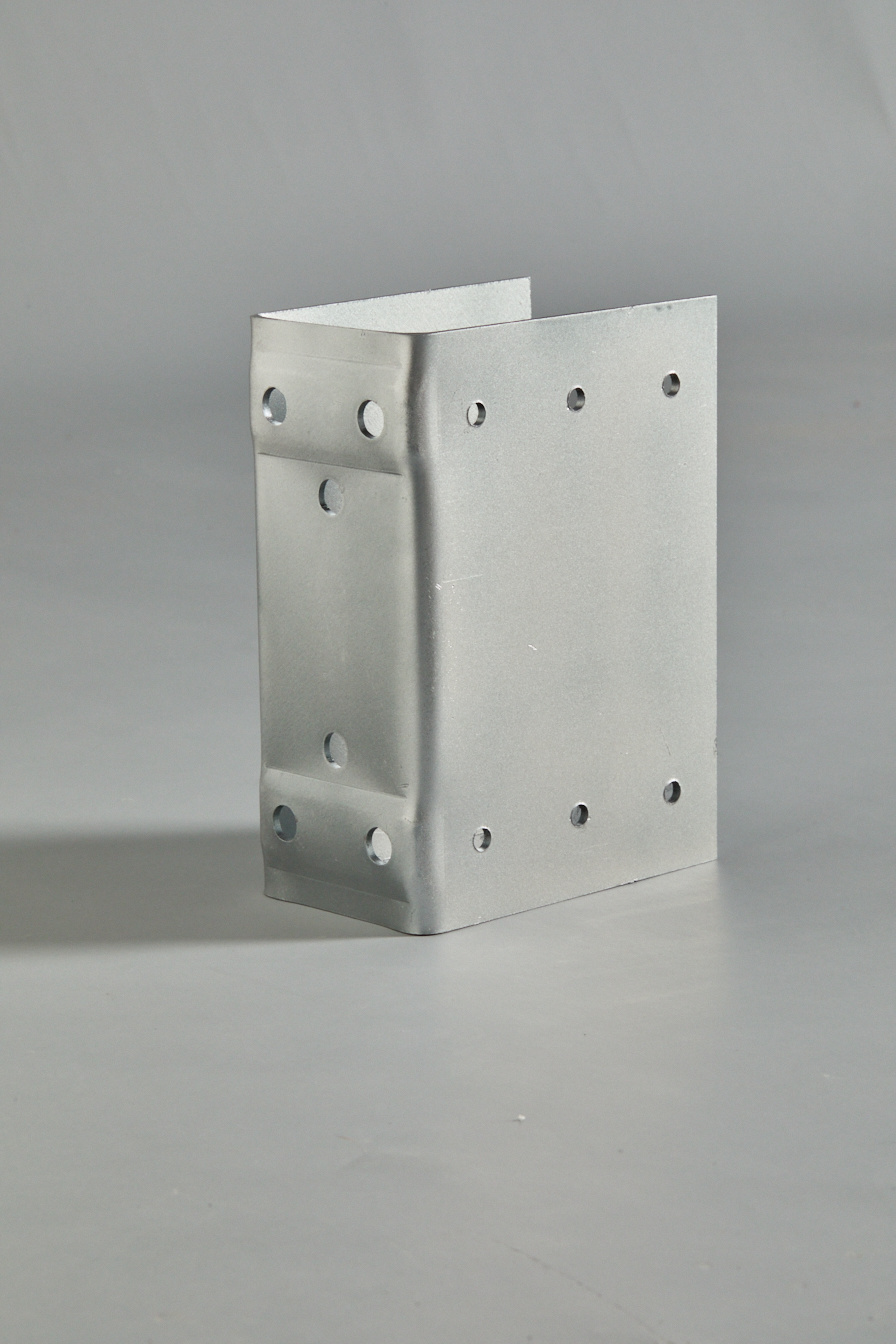
Frame large U connector
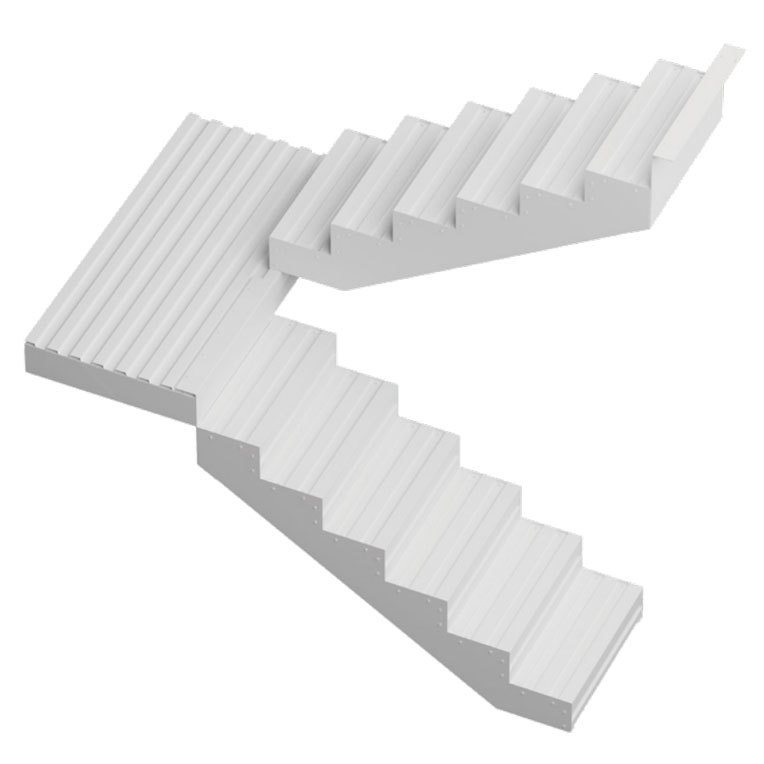
Prefabricated stairs
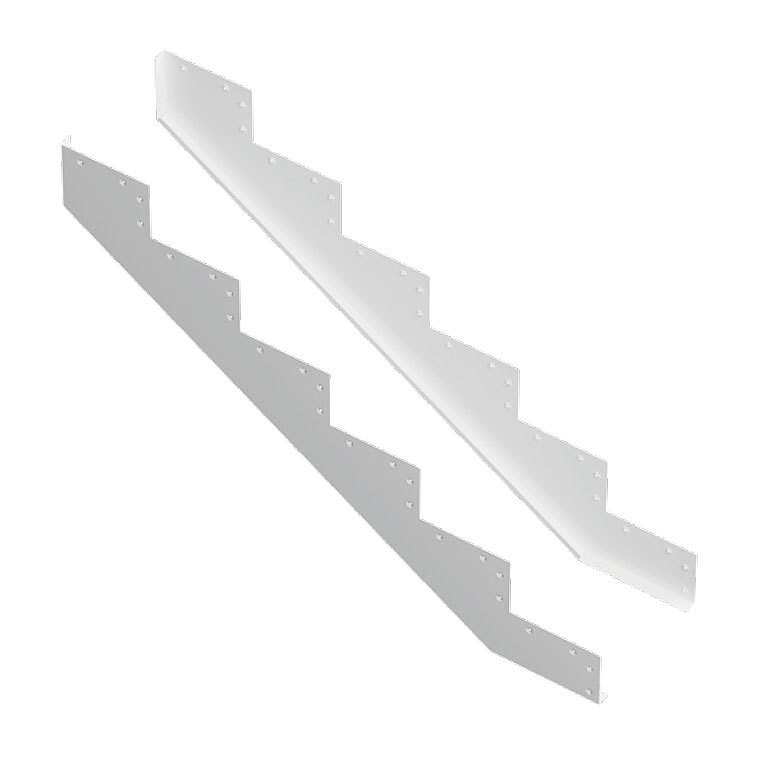
Staircase side panels
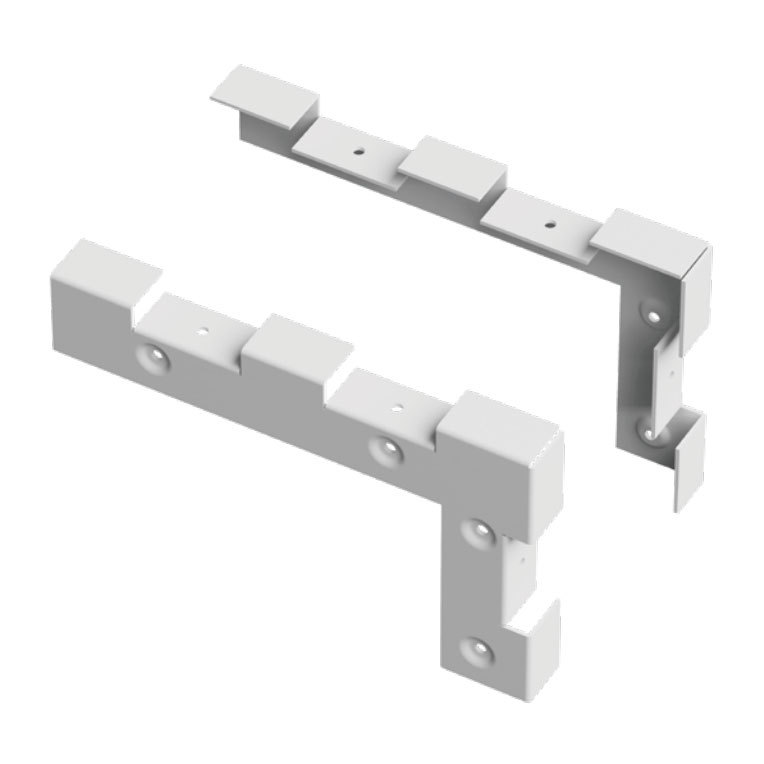
Staircase angle steel
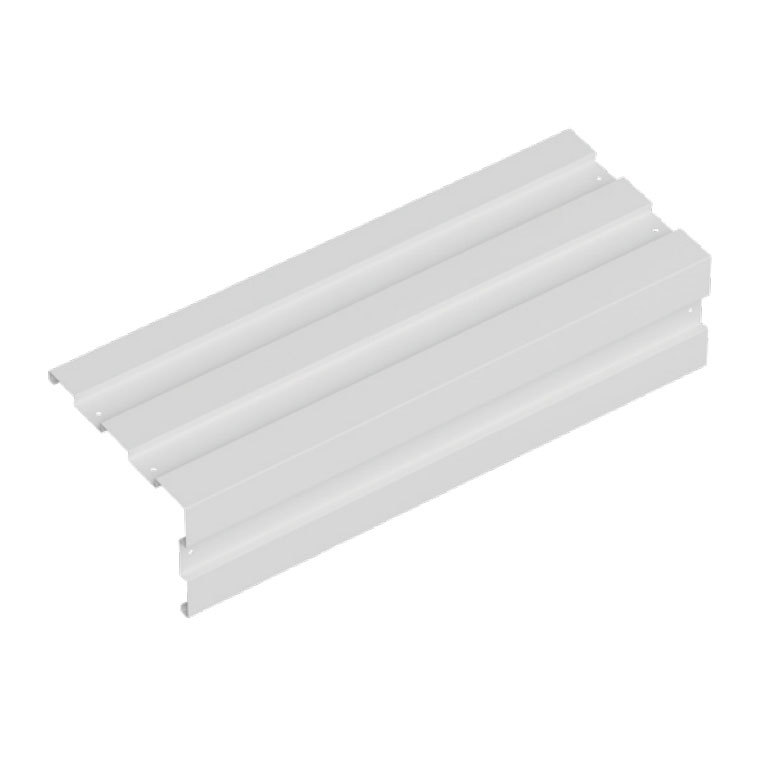
Stair steps
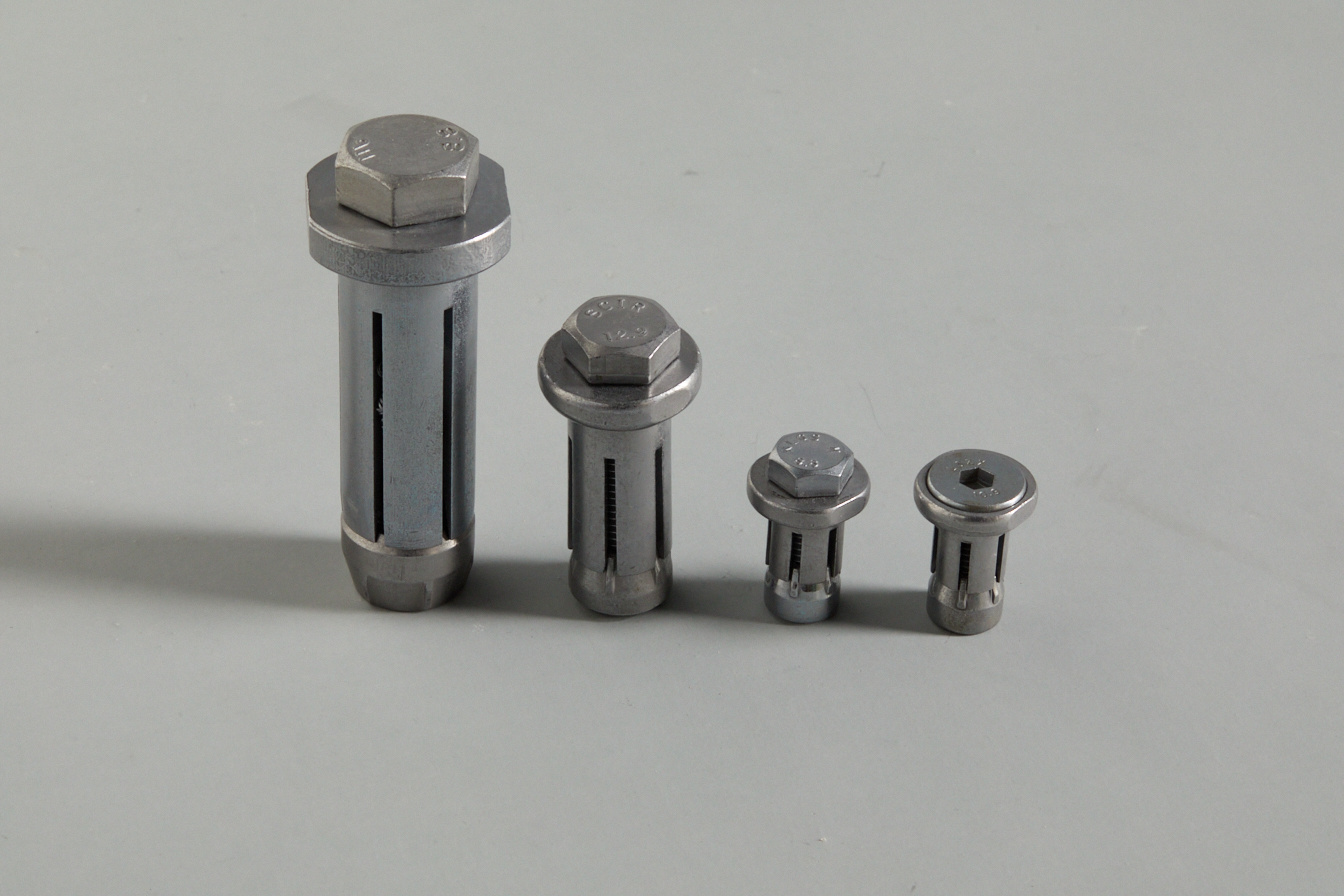
One-Way Bolt
Helical Pile System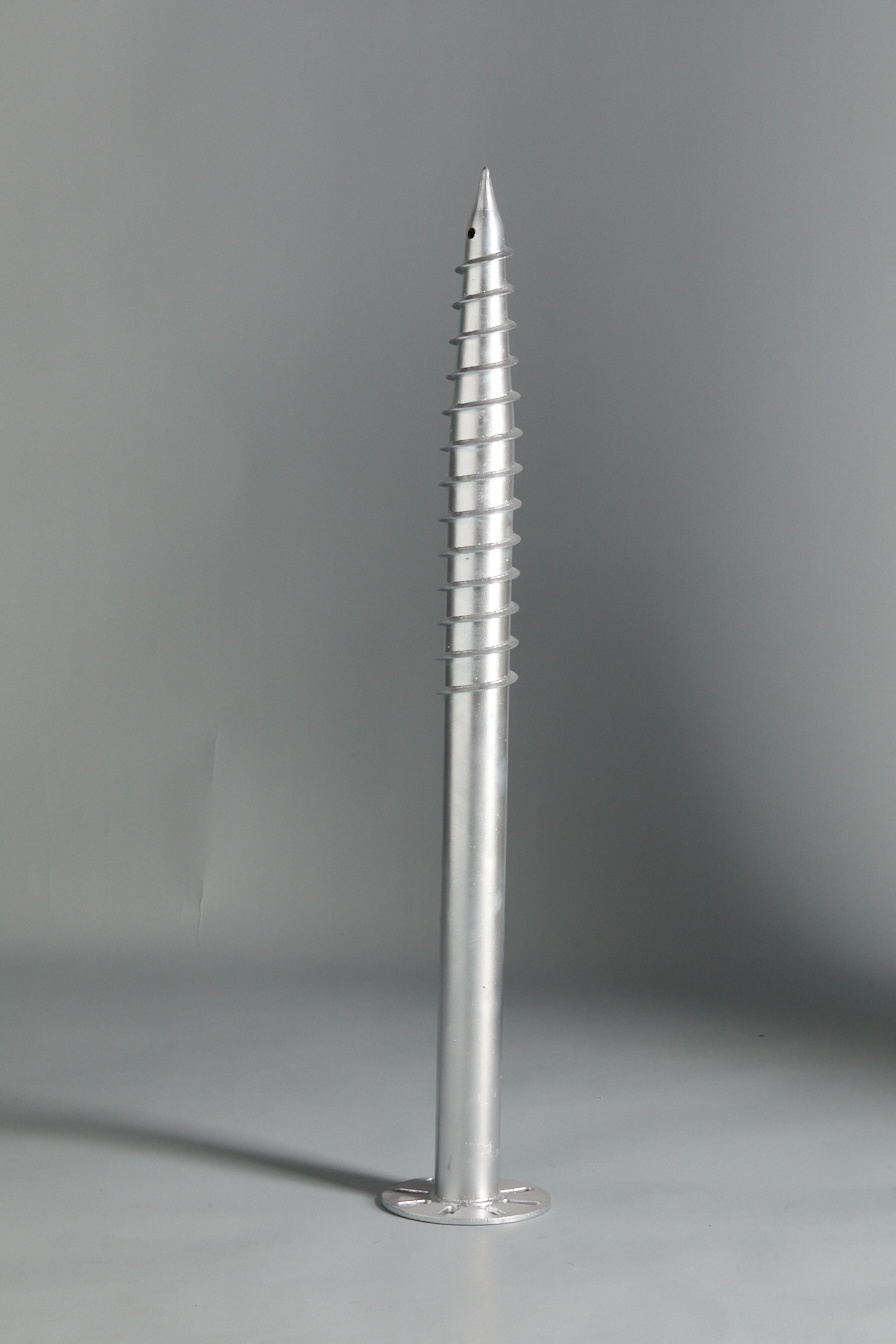
Round Pipe Screw Pile| Reliable Helical Pile Manufacturer| Patented Foundation Solution
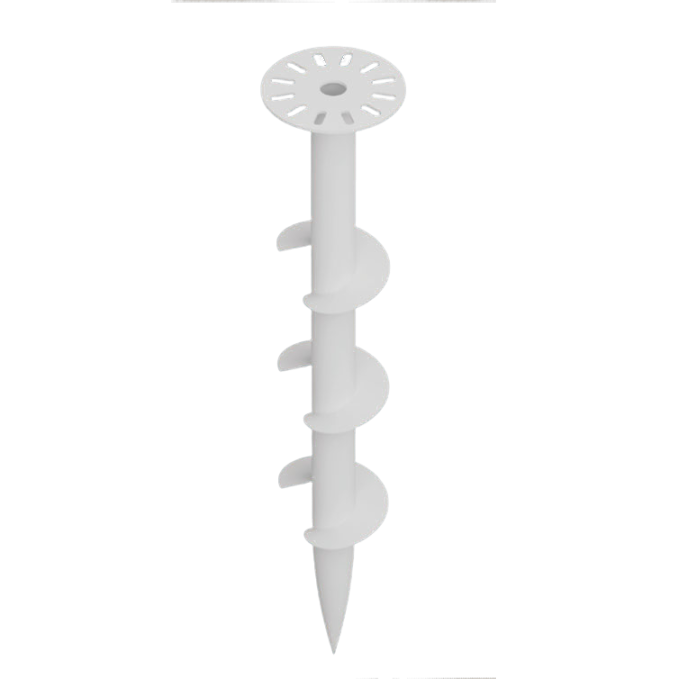
Screw Pile - 3 Blades - Round Pipe Pile
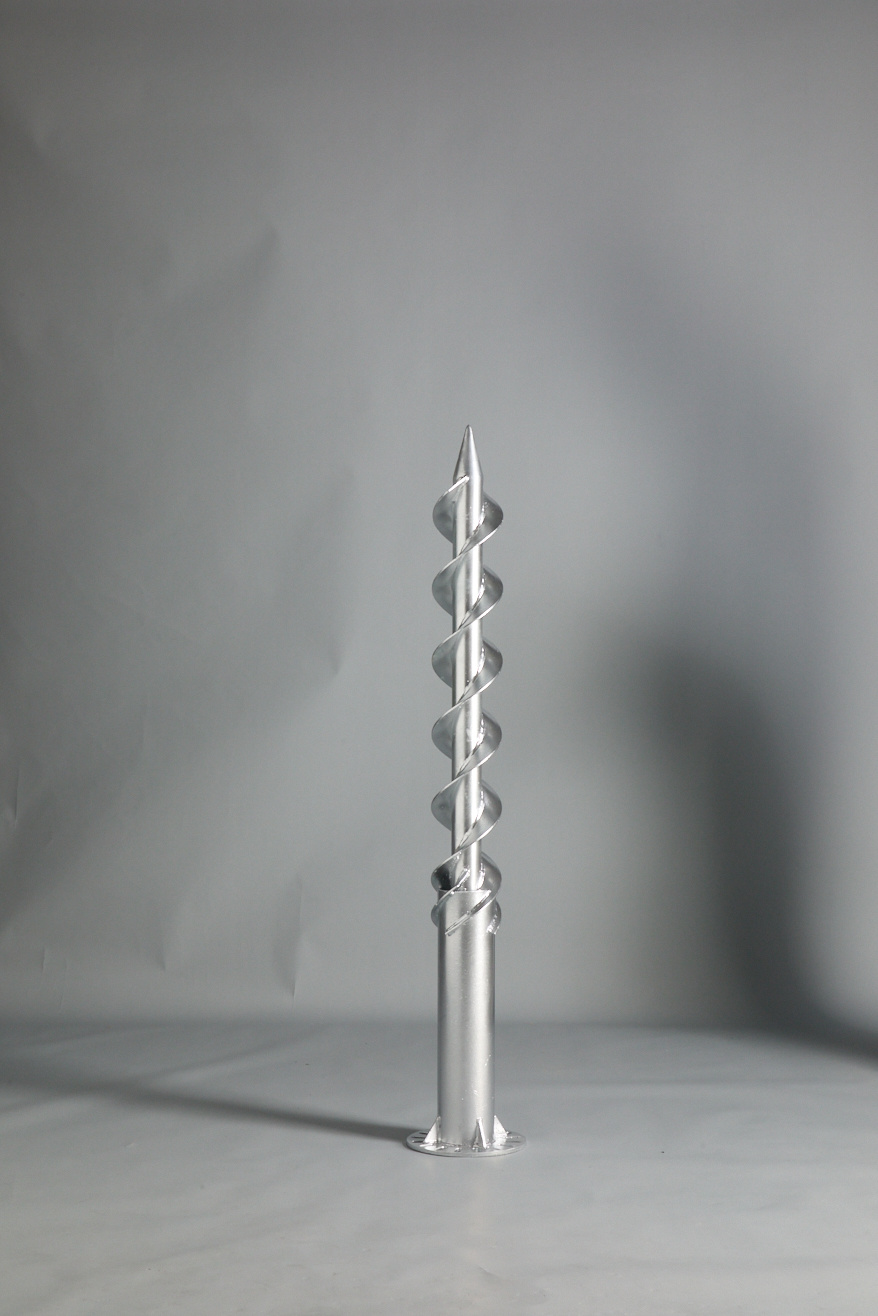
Double-Helix Screw Pile | Patented Foundation Solution
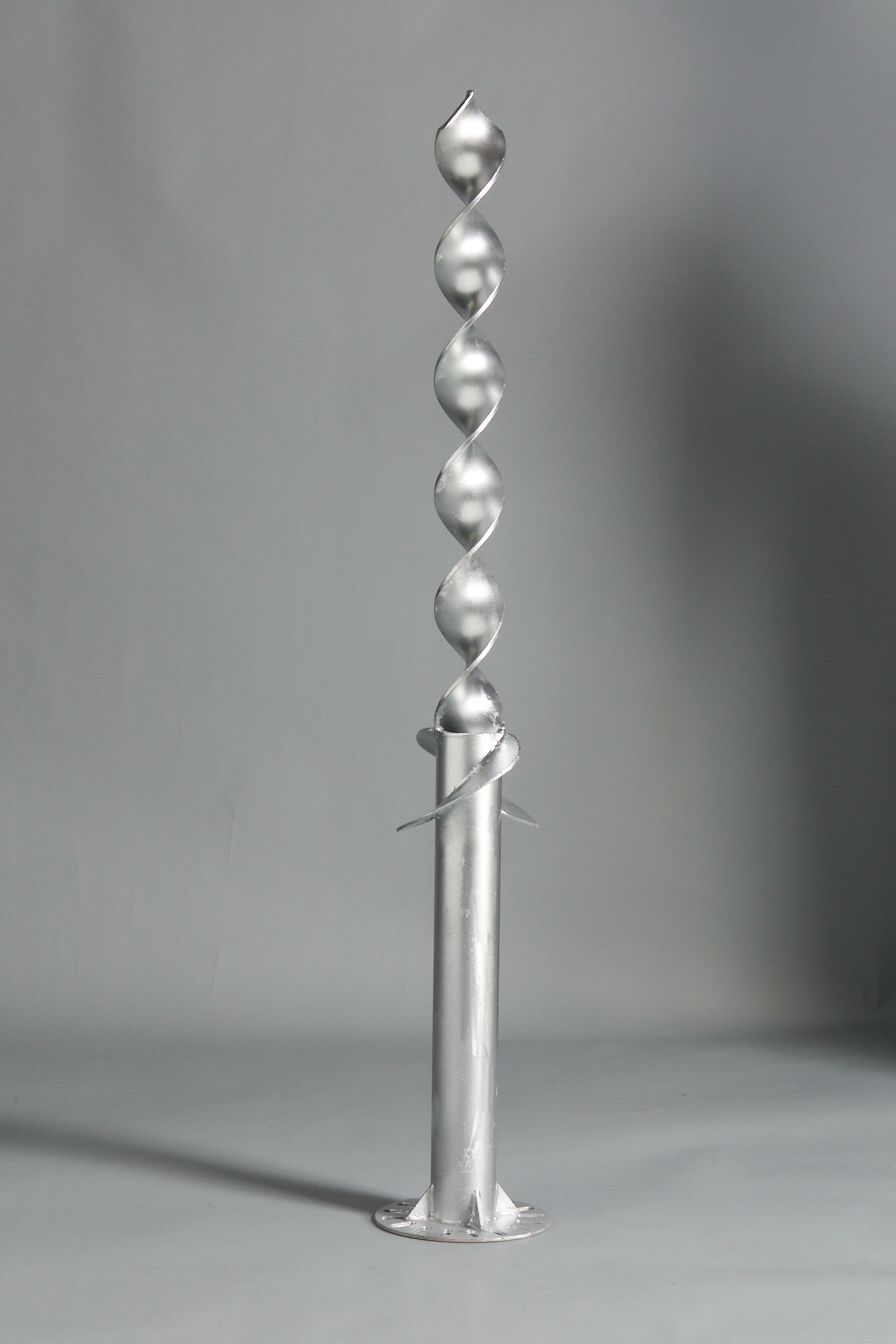
Screw Pile - Large Blade Flat Steel Pile
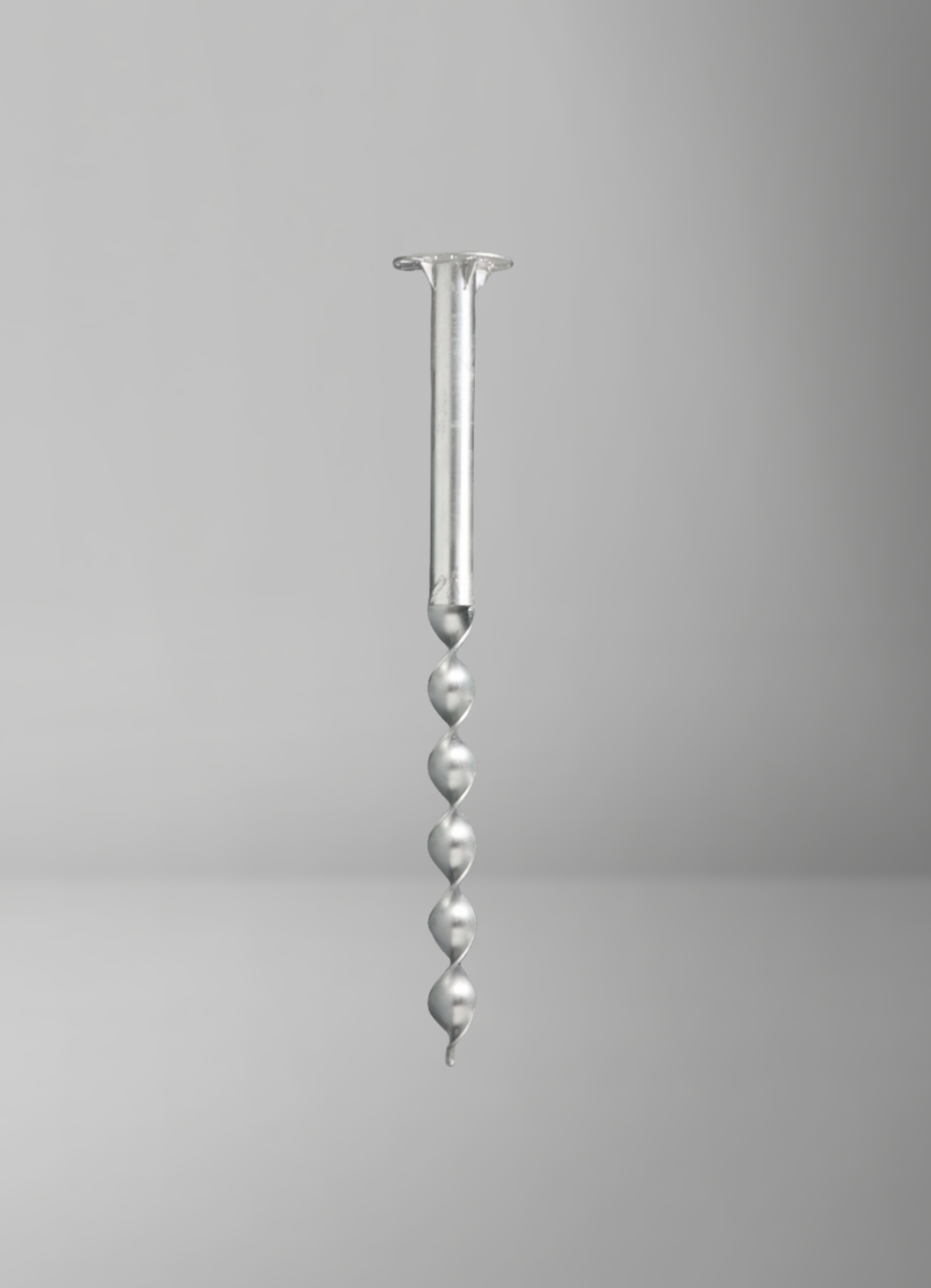
Flat Steel Screw Pile| Reliable Helical Pile Manufacturer| Patented Foundation Solution
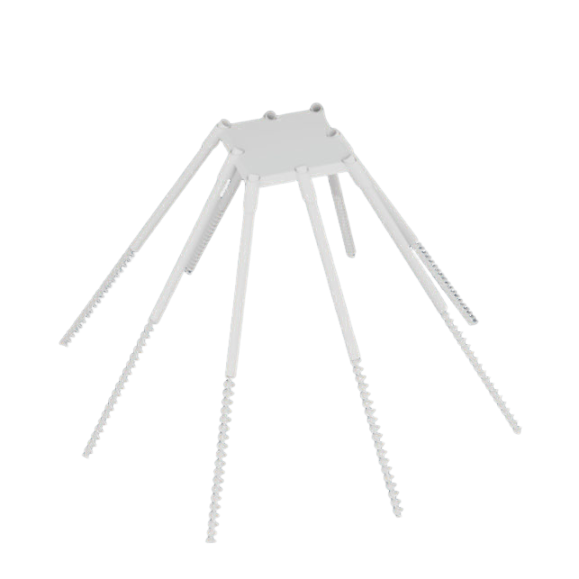
Eight-Pile Group Screw Piles| Reliable Helical Pile Manufacturer| Patented Foundation Solution
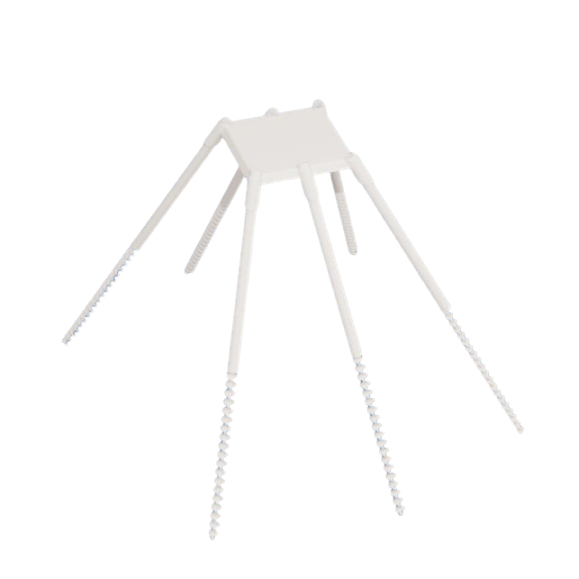
Six-Pile Group Screw Piles| Reliable Helical Pile Manufacturer| Patented Foundation Solution
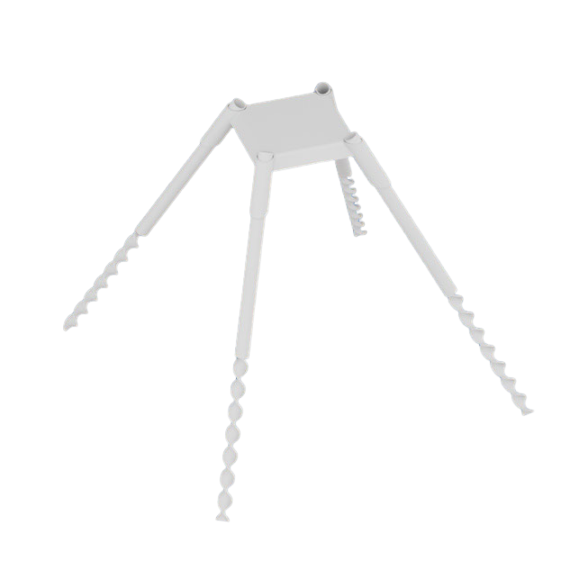
Four-Pile Group Screw Piles| Reliable Helical Pile Manufacturer| Patented Foundation Solution
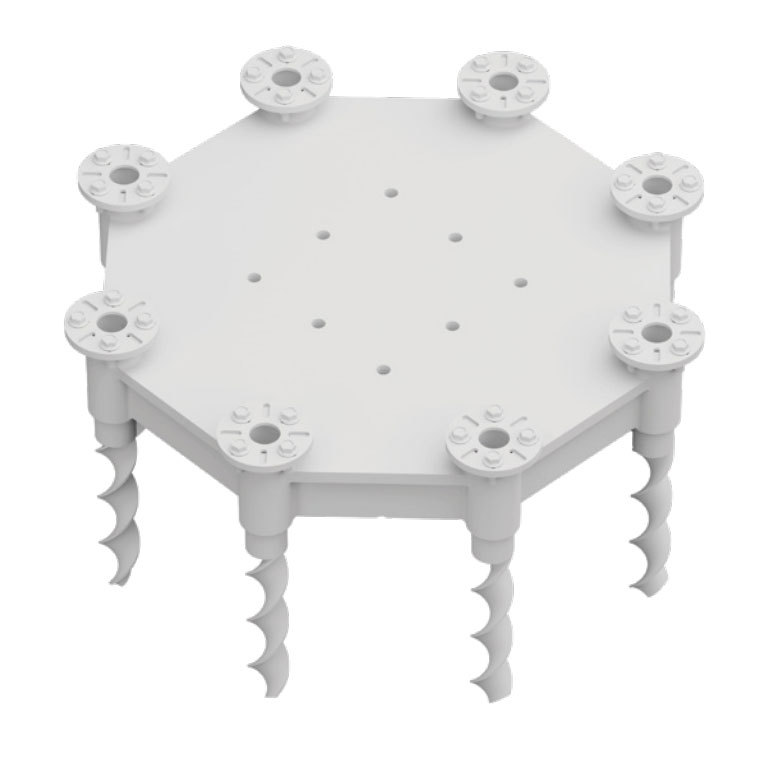
Eight-Pile Cap Screw Pile | Reliable Helical Pile Manufacturer| Patented Foundation Solution
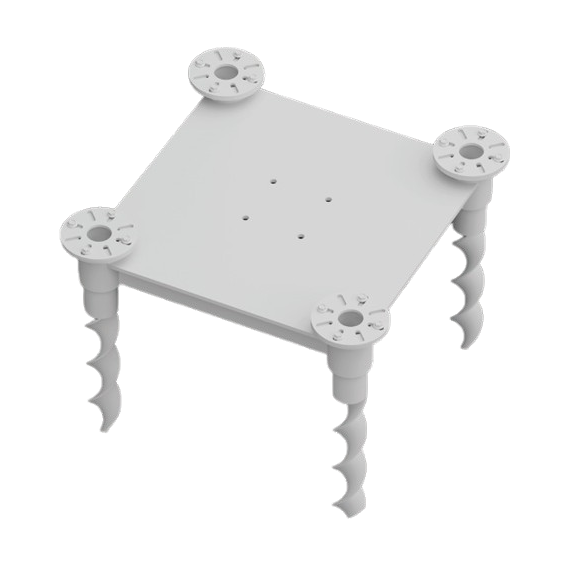
Four-Pile Cap Screw Pile | Reliable Helical Pile Manufacturer| Patented Foundation Solution
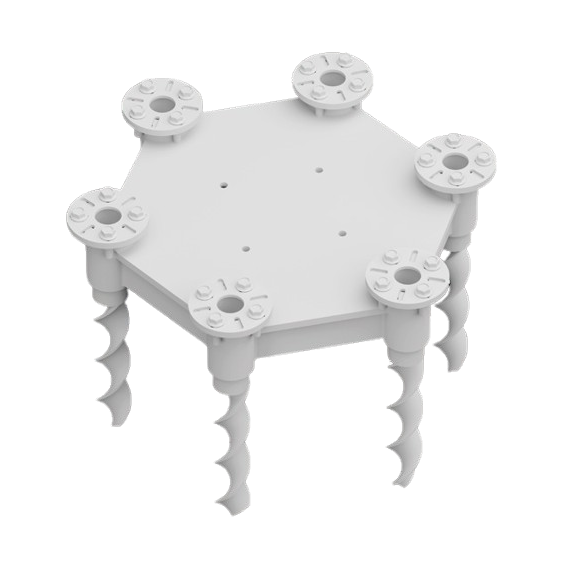
Six-Pile Cap Screw Pile | Reliable Helical Pile Manufacturer| Patented Foundation Solution
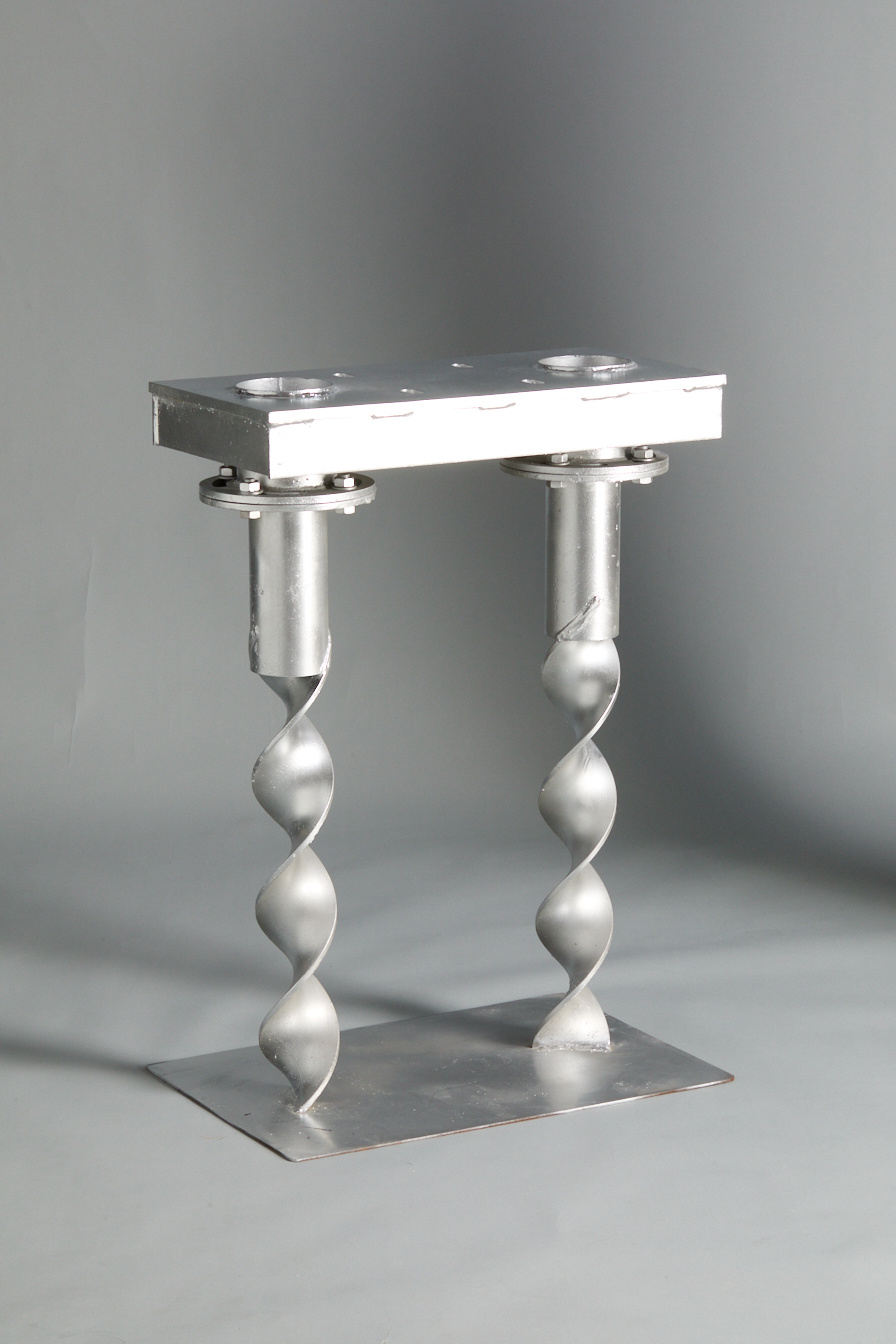
Two-Pile Cap Screw Pile | Reliable Helical Pile Manufacturer| Patented Foundation Solution
Steel Platform System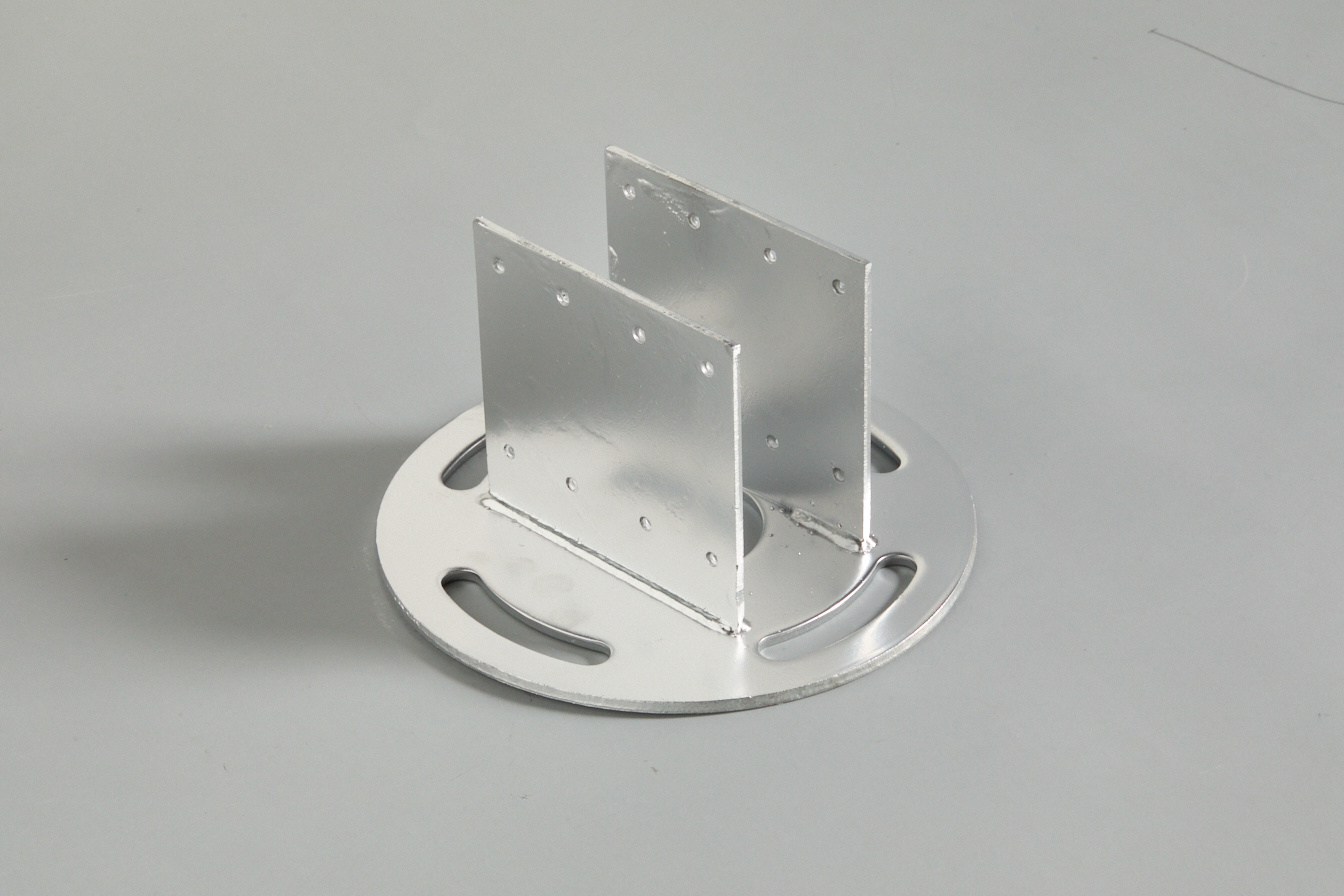
Spiral pile connectors
Small U connector
Large U connector
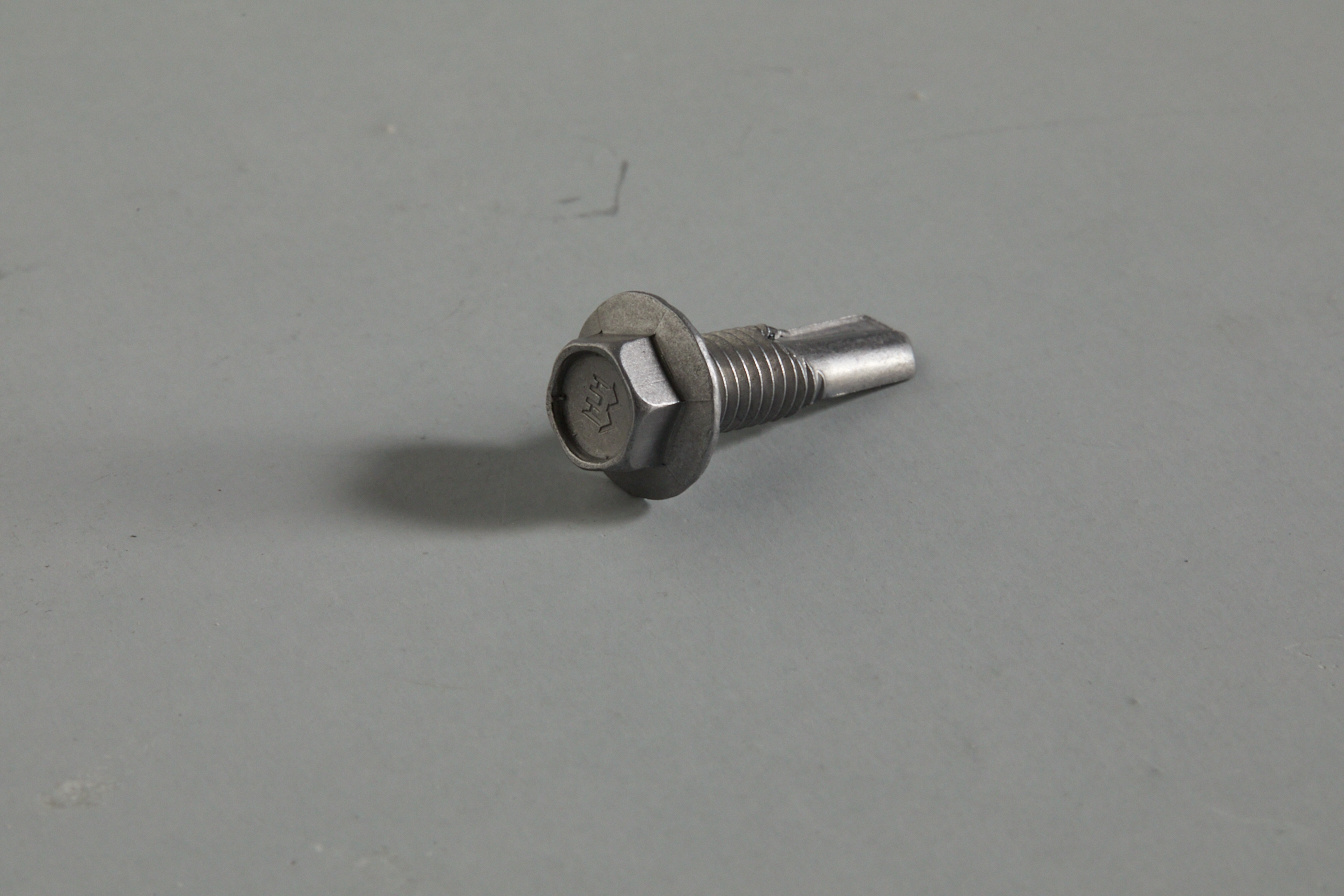
Hexagonal flange self drilling and self tapping screws
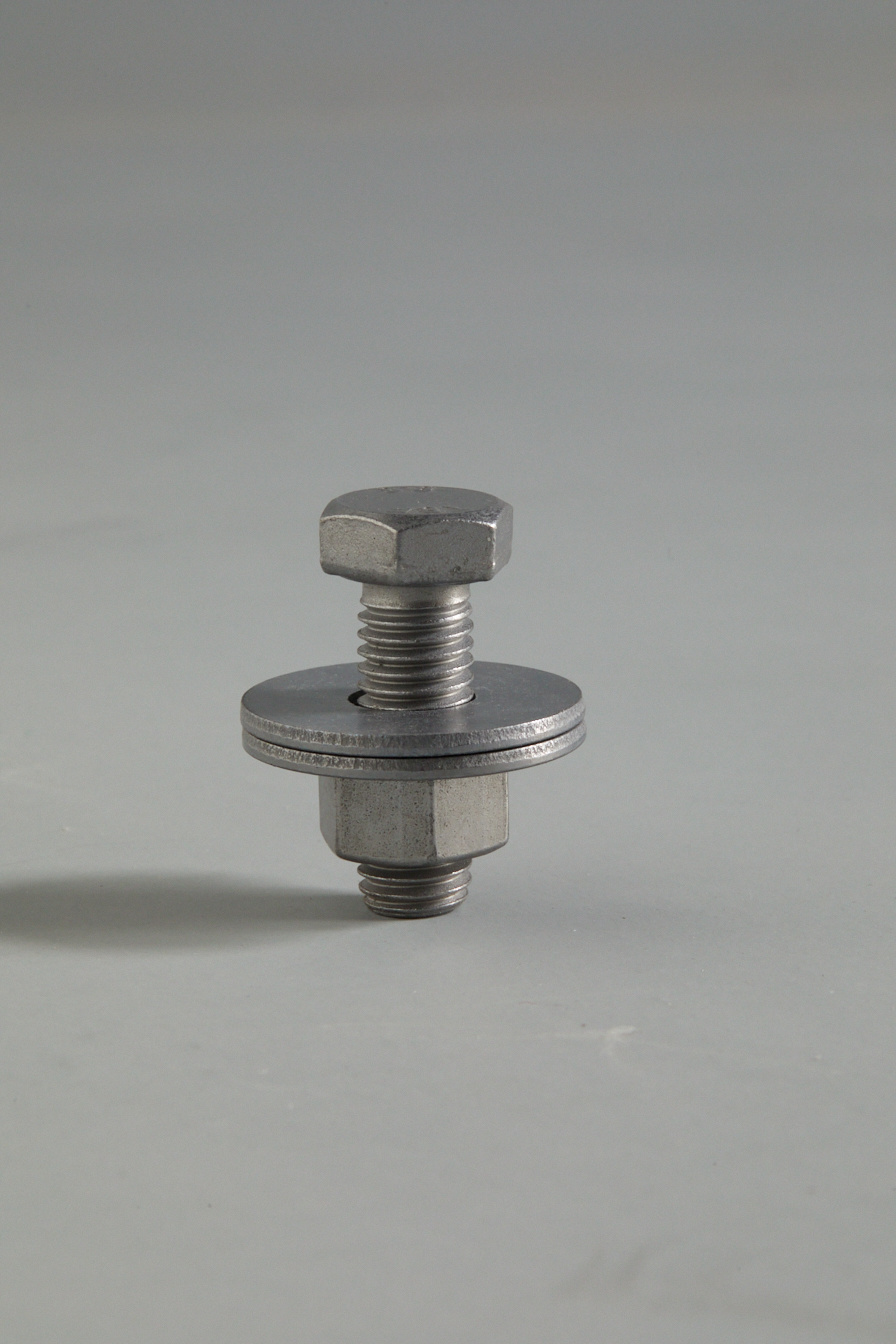
Tightening Bolts
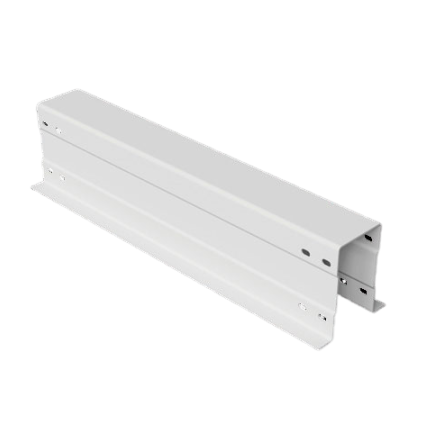
Secondary Beam
Steel Platform - Main Beam
Modular building
Modular building
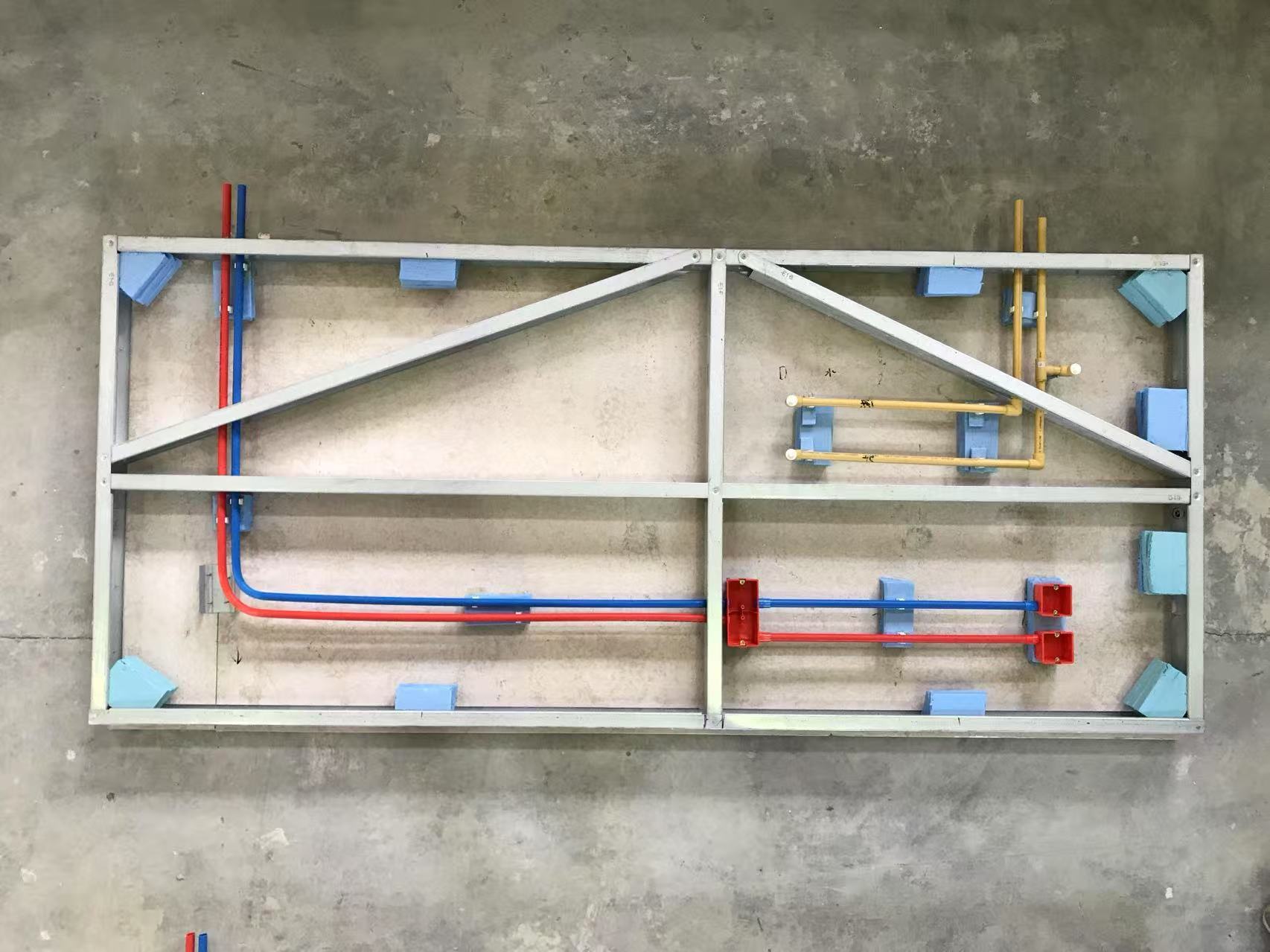
Layout Diagram of Electrical and Plumbing Pipelines for Magnesium-Based Grouted Walls

Performance Testing of Magnesium-Based Walls
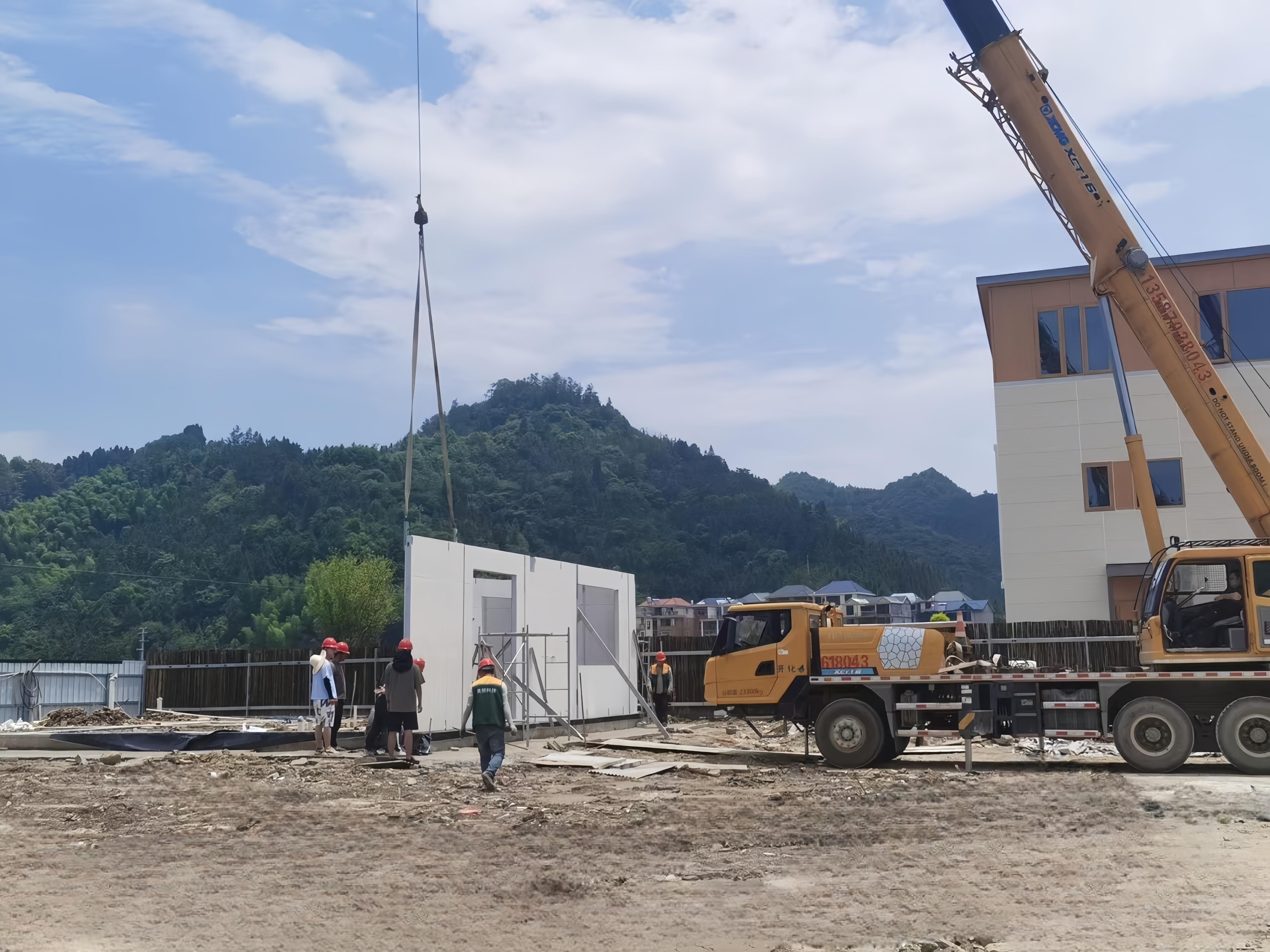
Construction Process of Modular Walls
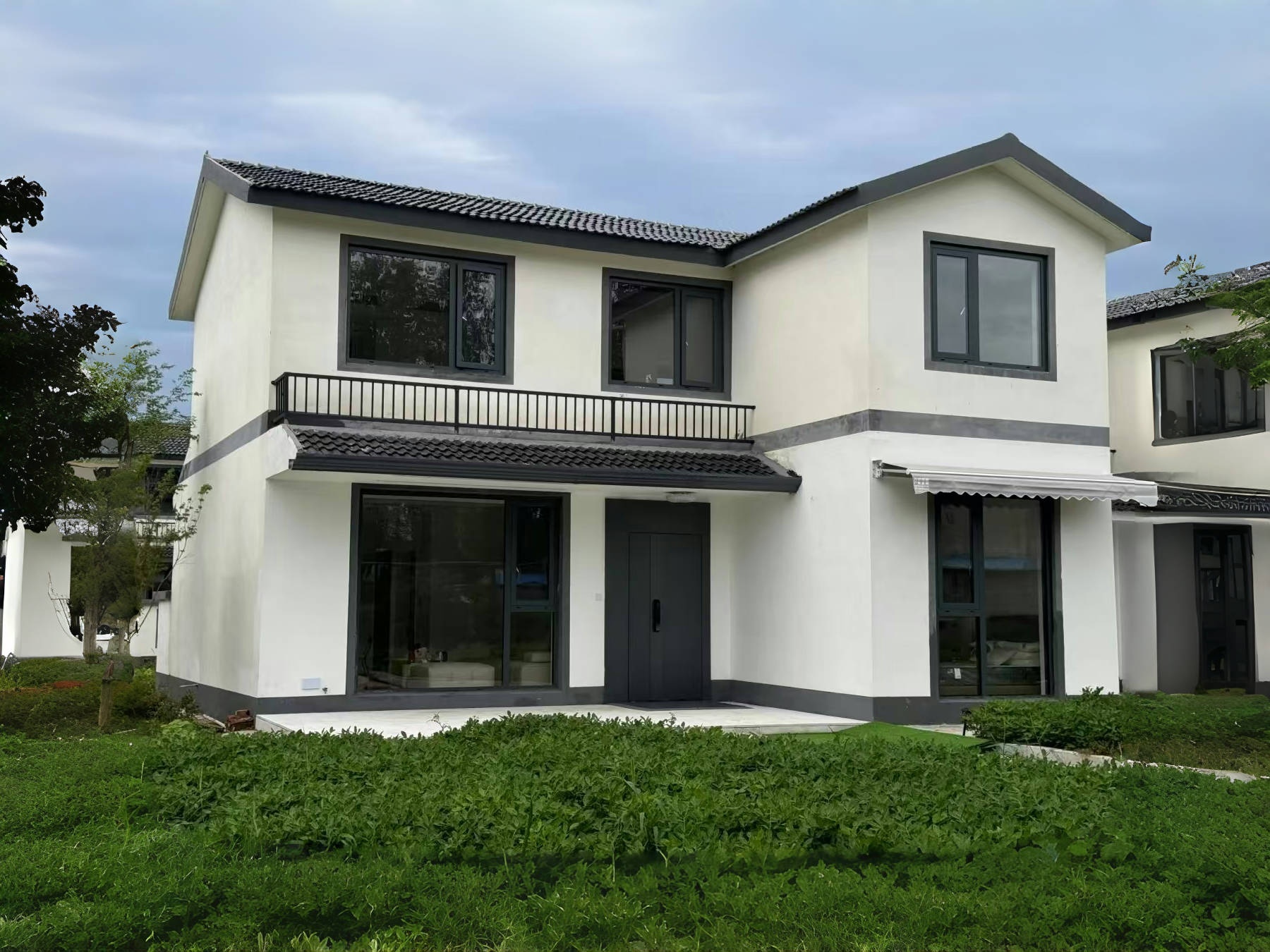
Cases of Modular Buildings
Bracket Roof Integrated Panel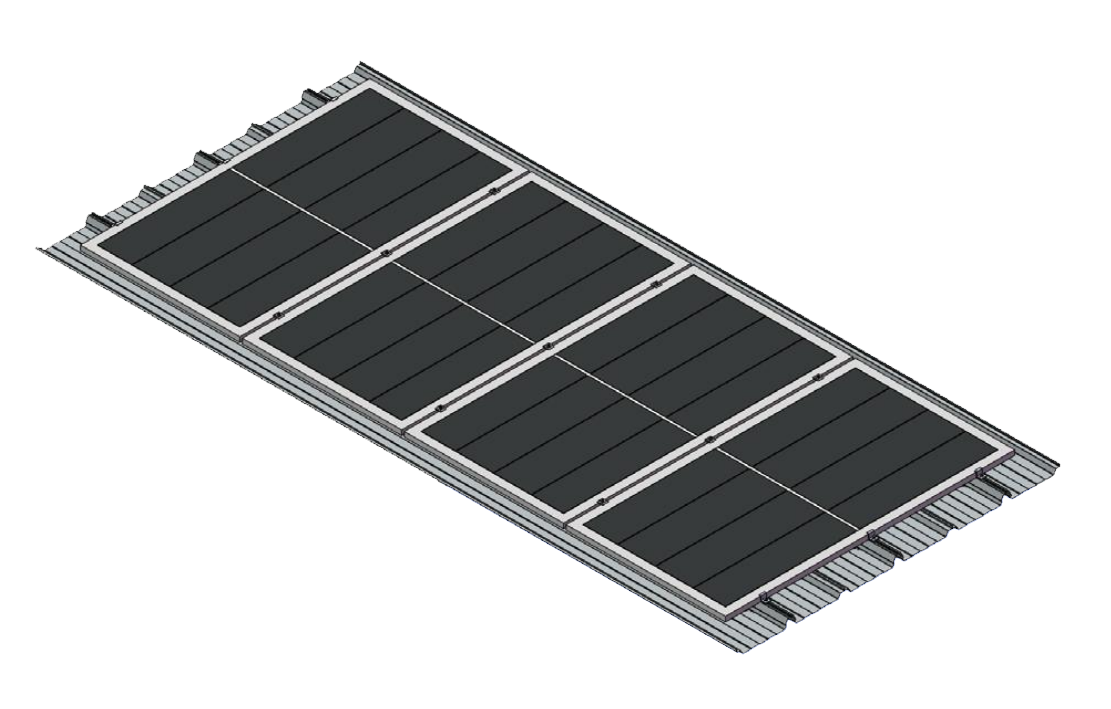
BIPV Bracket Roof Integrated Panel
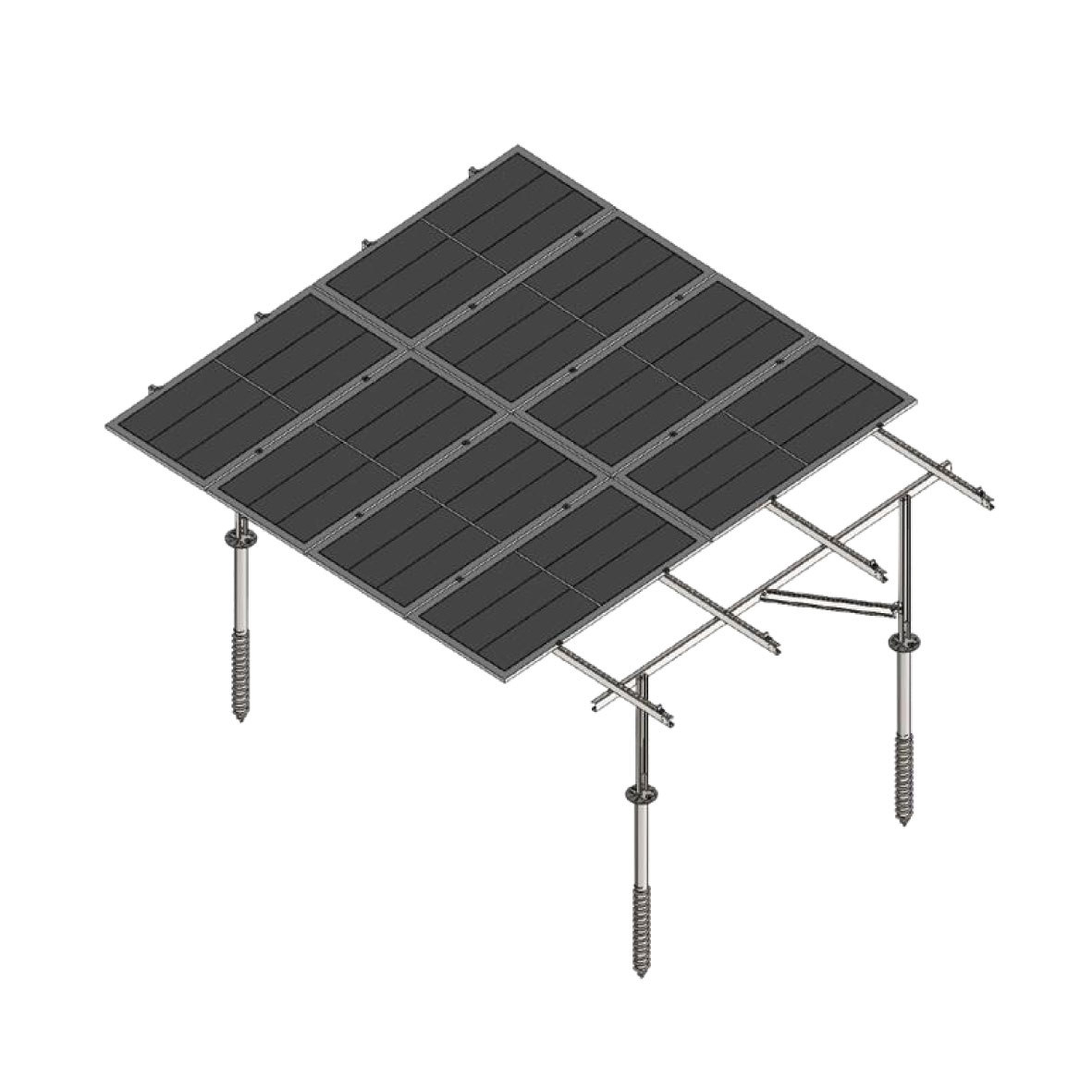
ZINC Aluminum Magnesium Double Leg Bracket
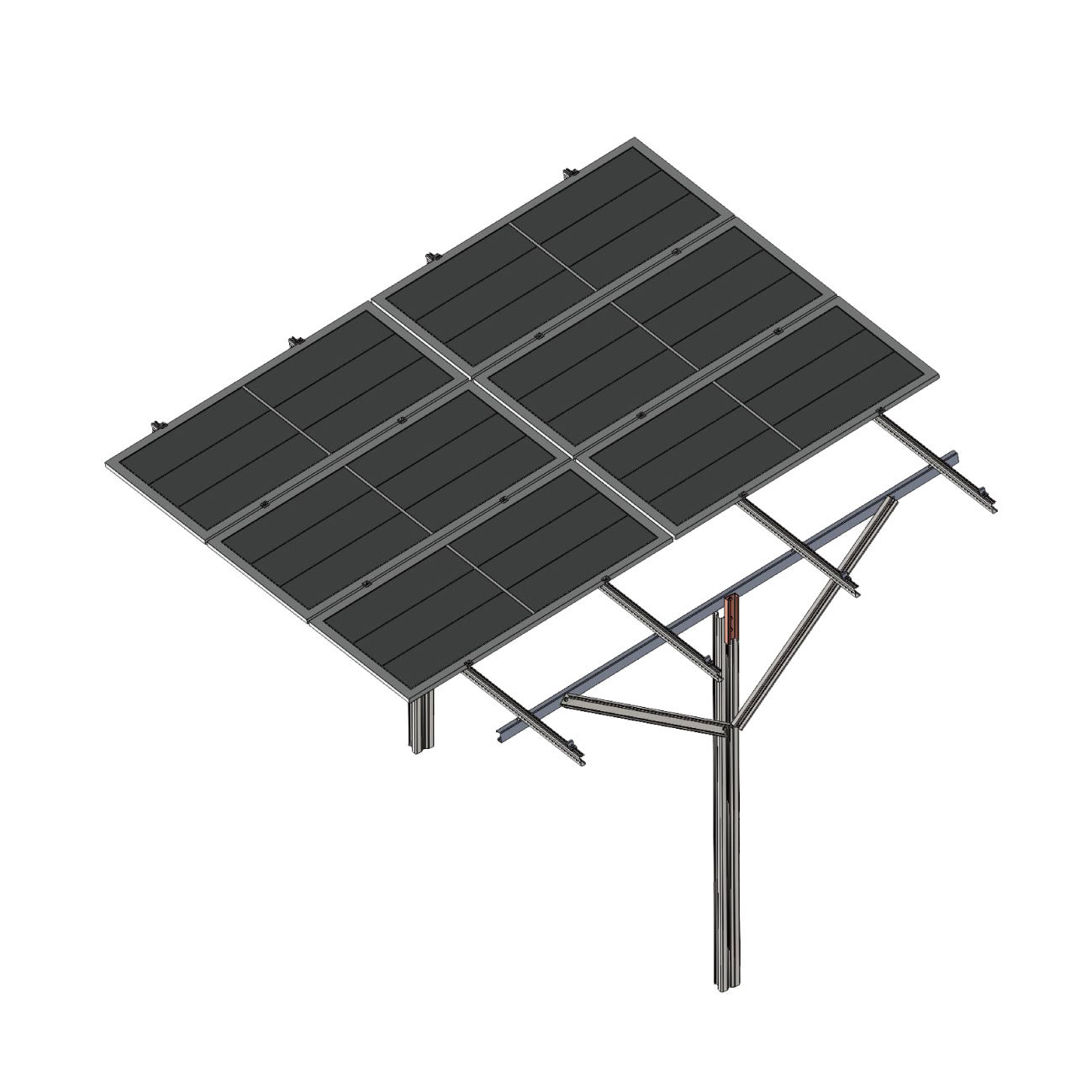
ZINC Aluminum Magnesium Single Leg Bracket
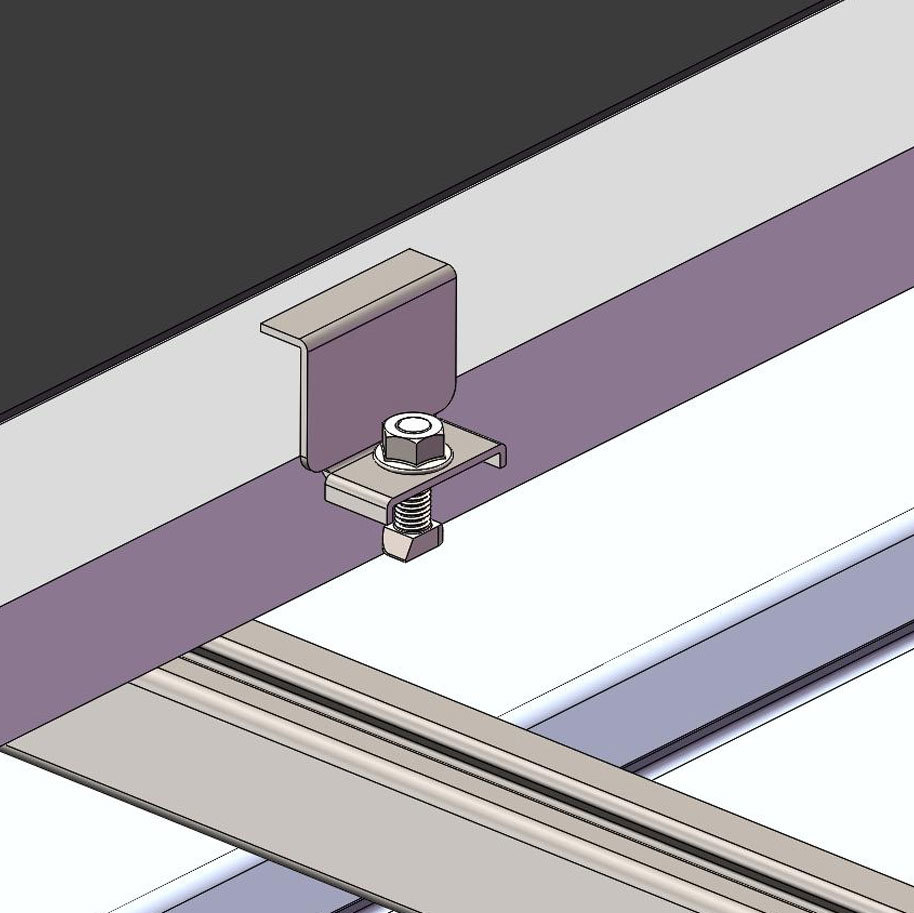
Explosion diagram of zinc aluminum magnesium under lateral pressure
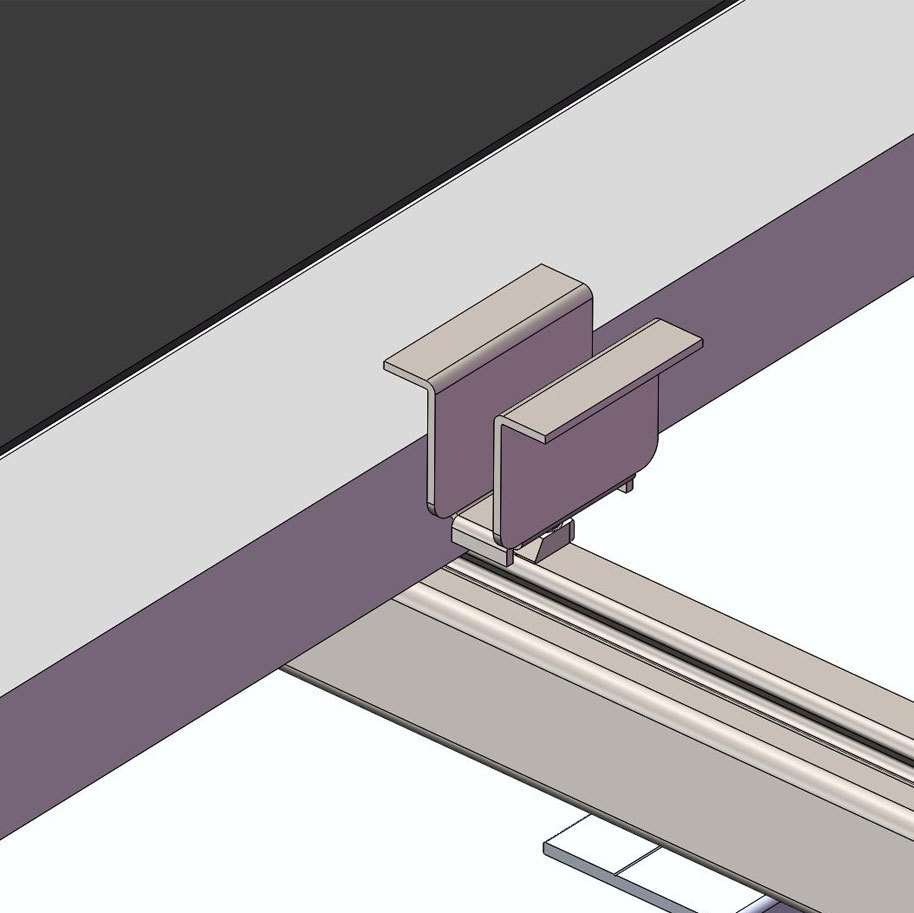
Zinc aluminum magnesium medium pressure explosion diagram
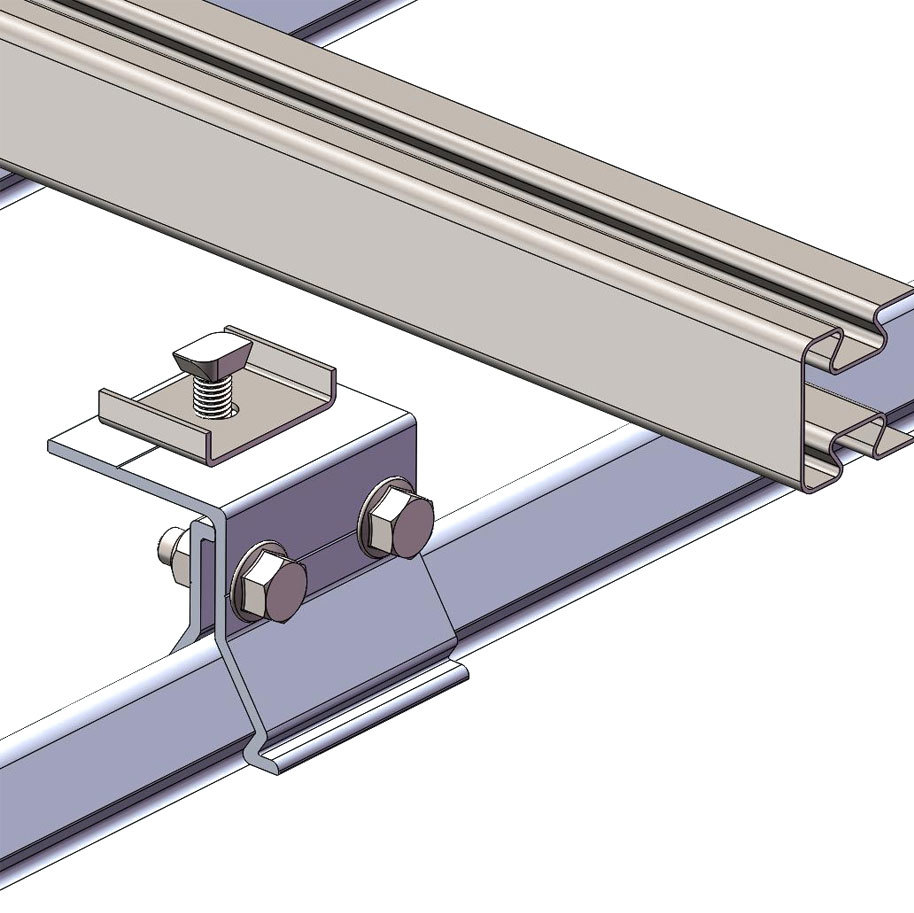
Explosion diagram of fixture components
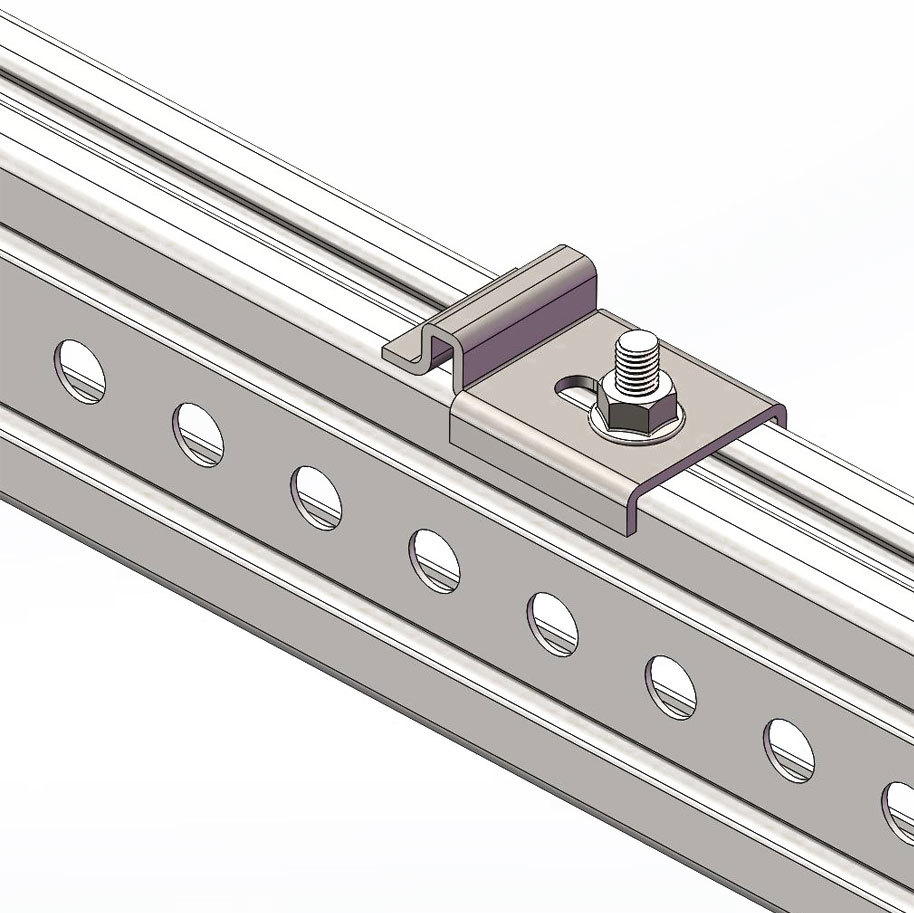
Lower pressure component
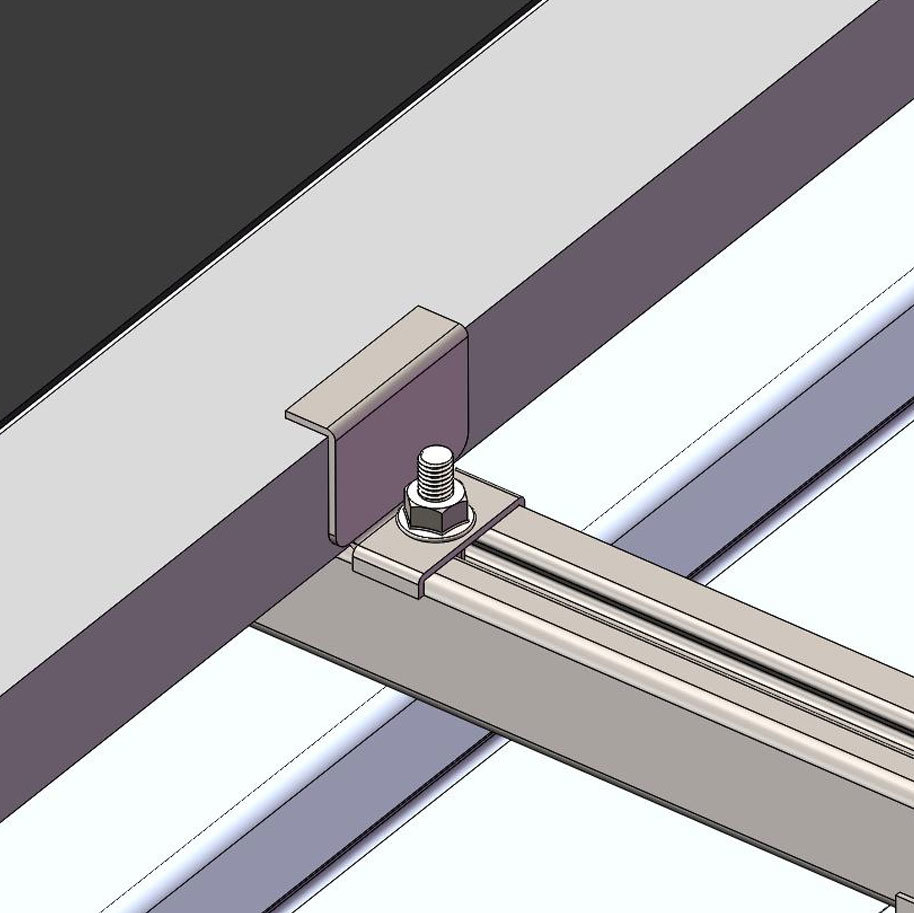
Zinc aluminum magnesium side pressure
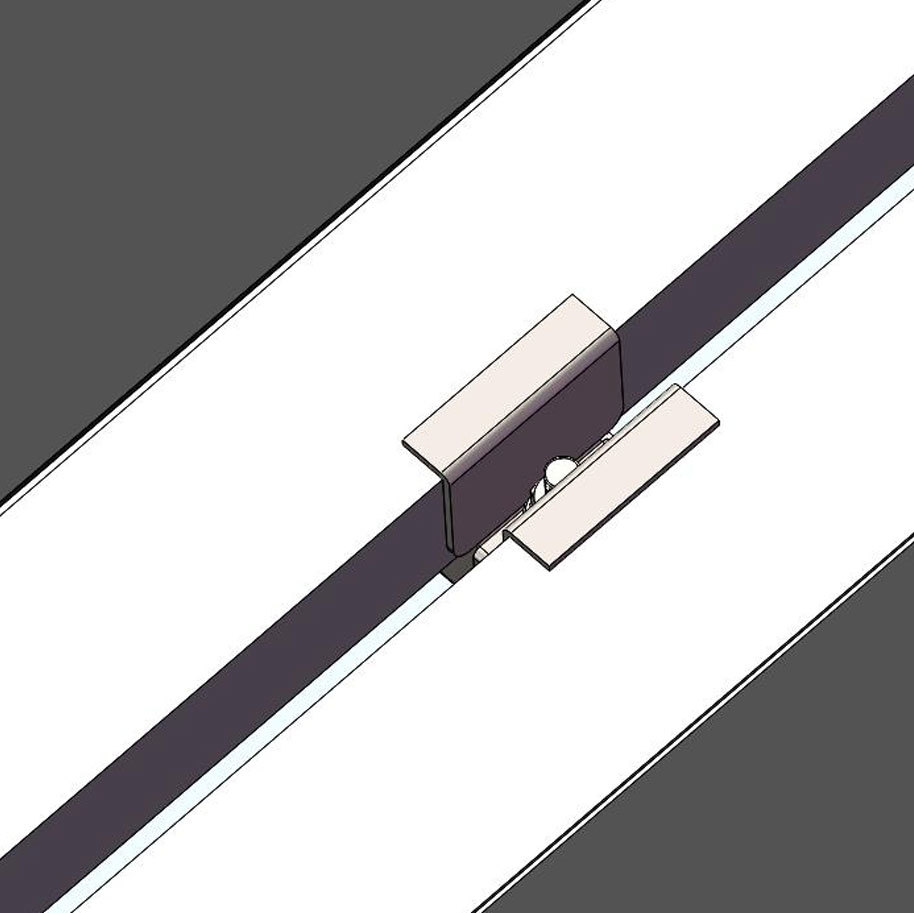
Zinc aluminum magnesium medium pressure
Zinc aluminum magnesium medium pressure
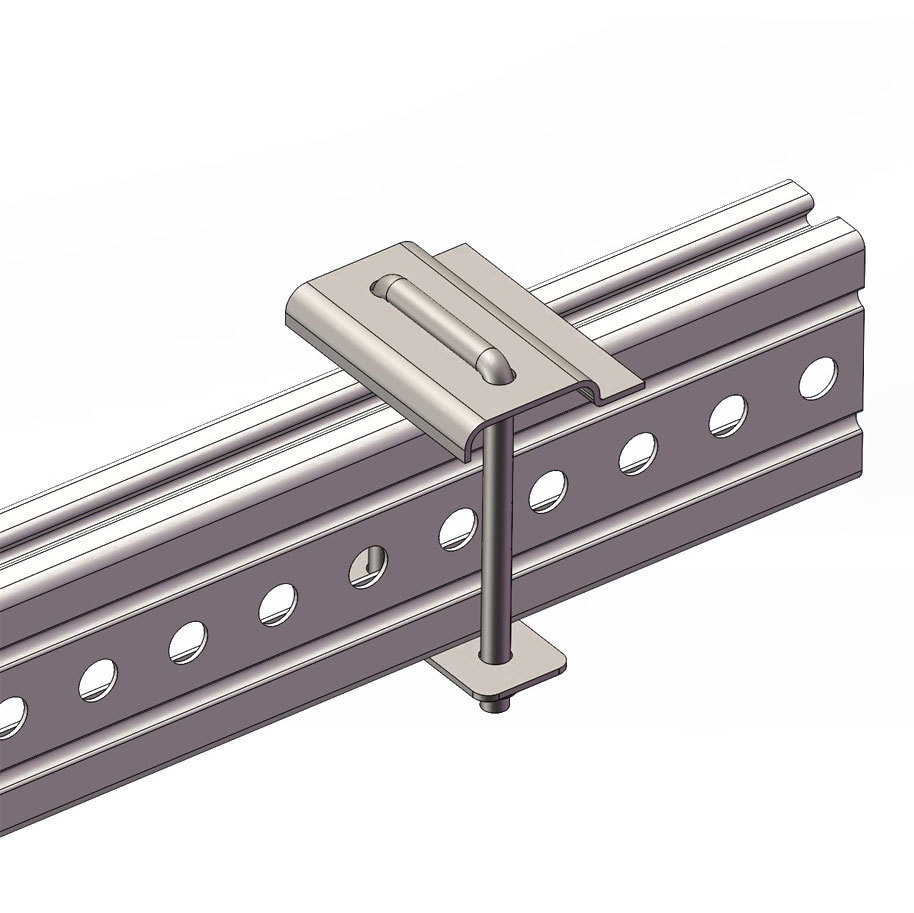
U-bolt assembly
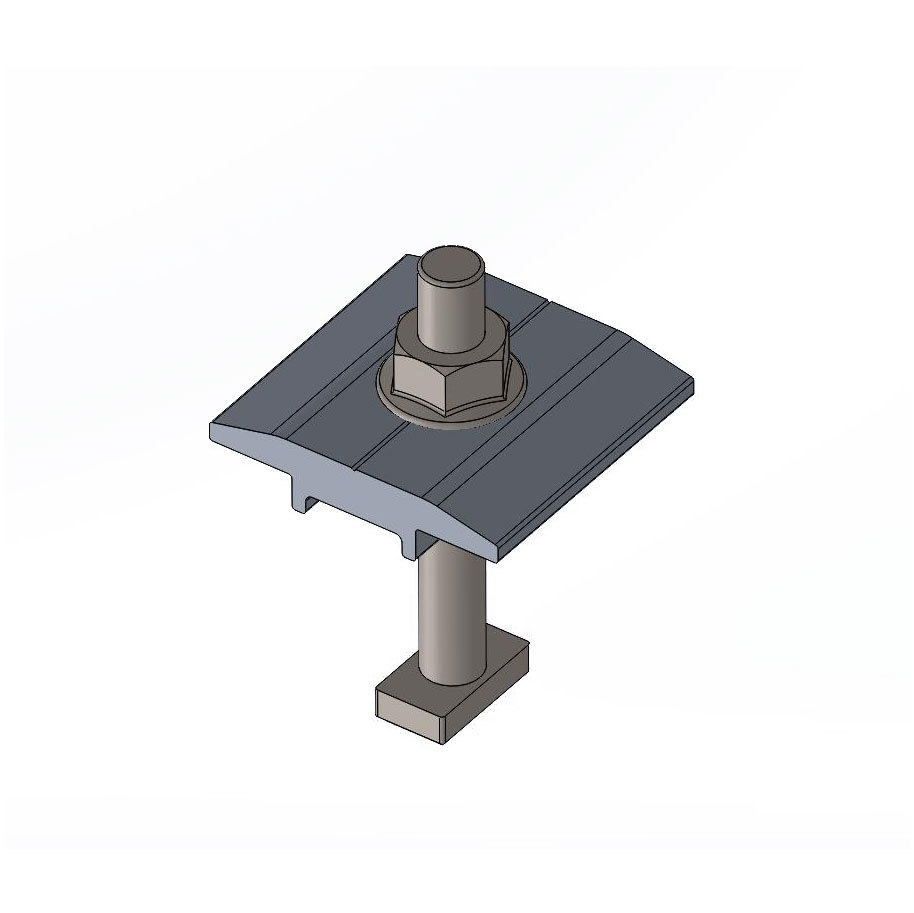
Medium voltage components
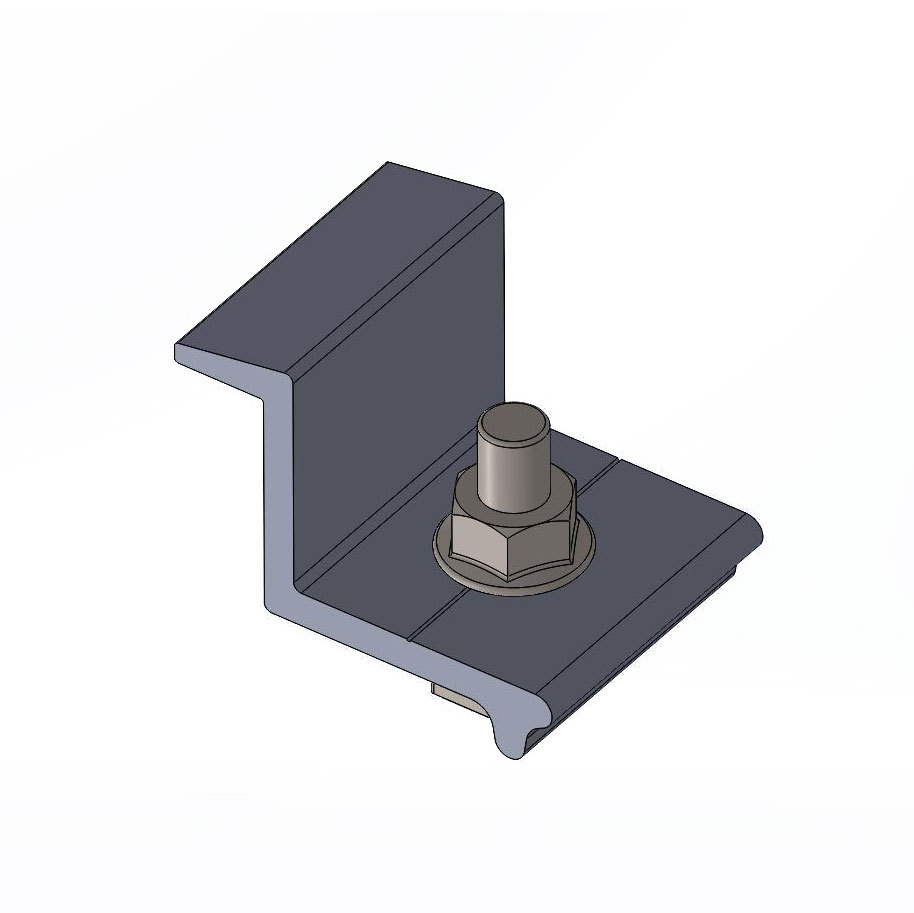
Side pressure component
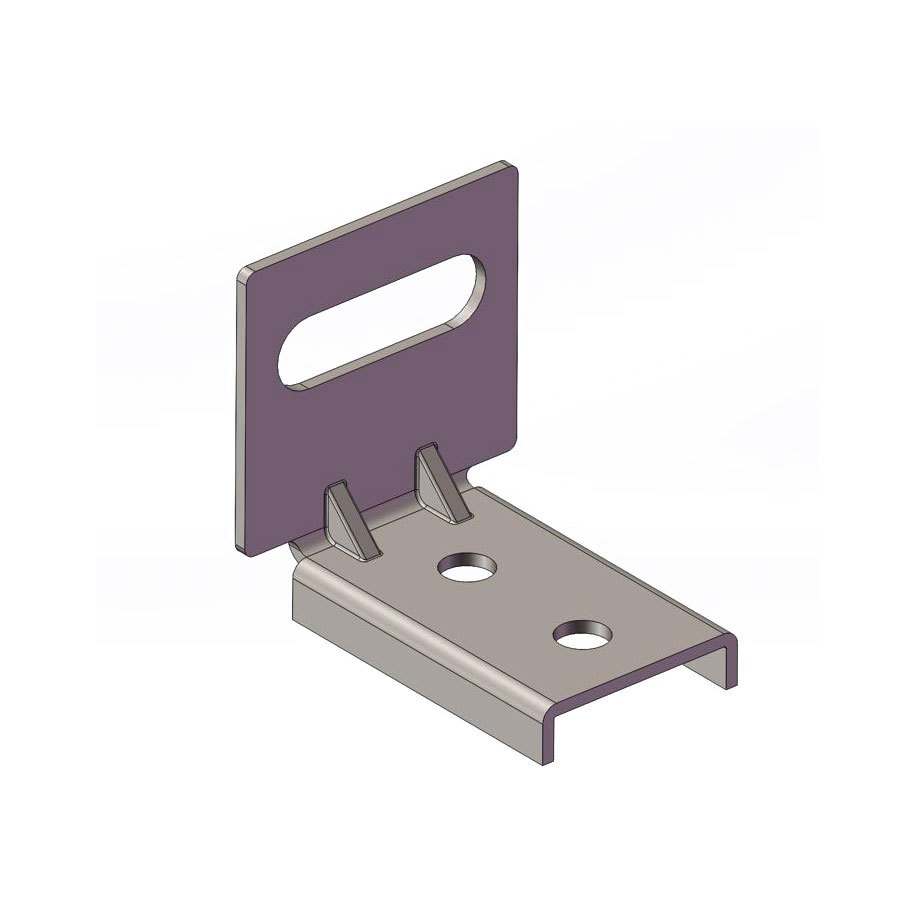
Horizontal and vertical rail connectors
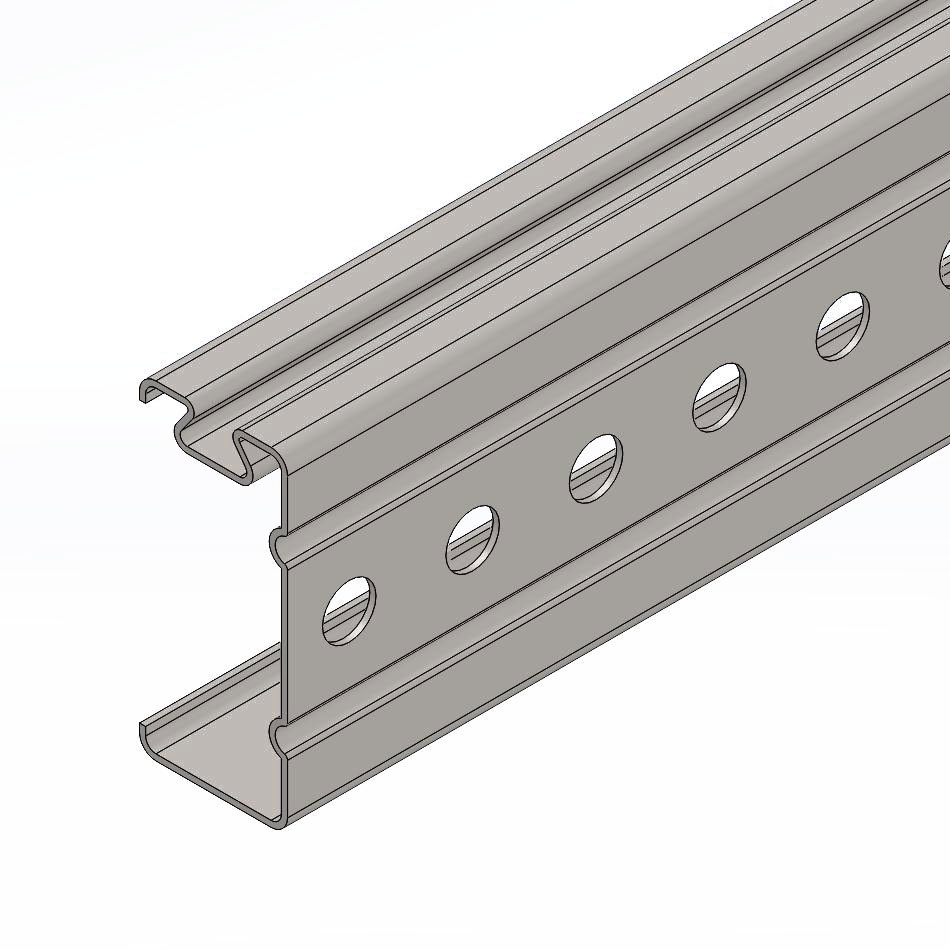
Slant support
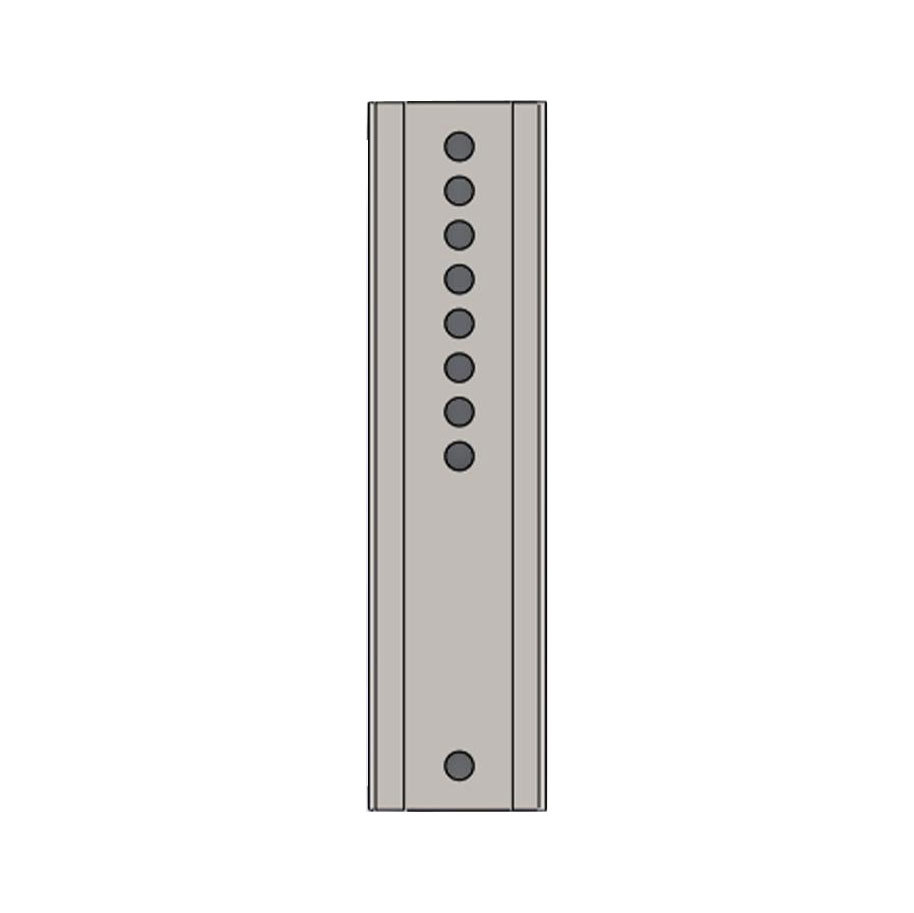
Column connectors
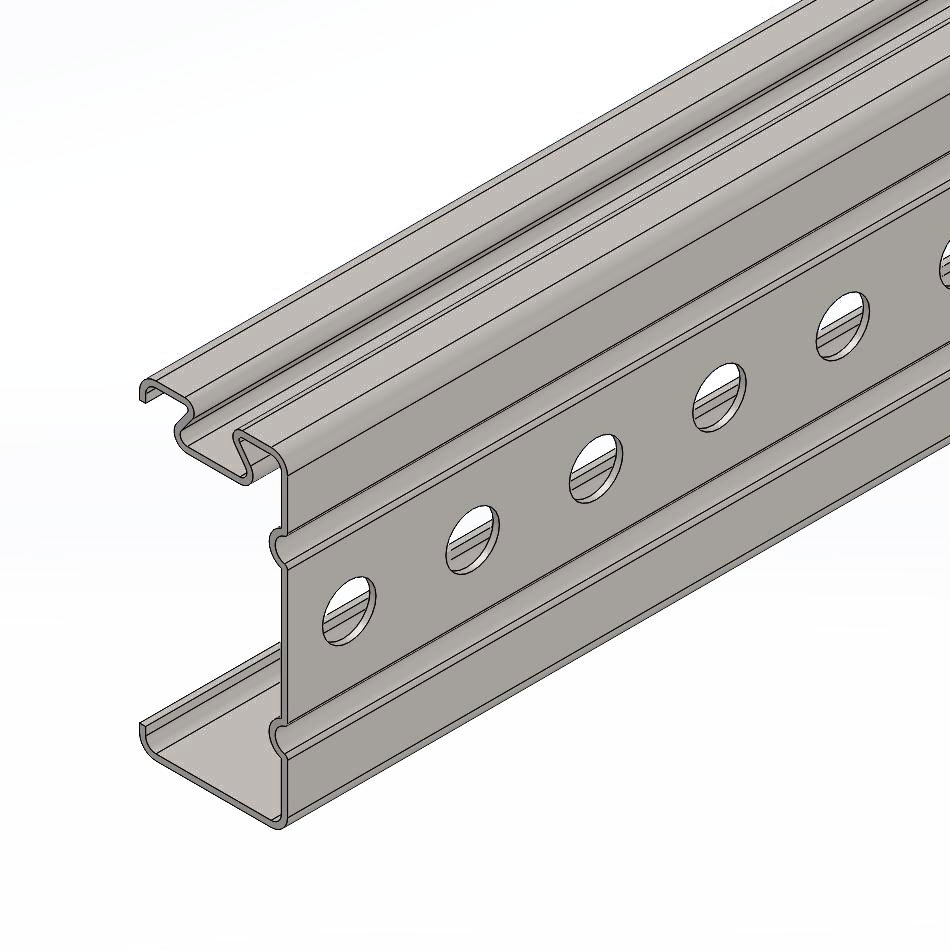
Longitudinal track
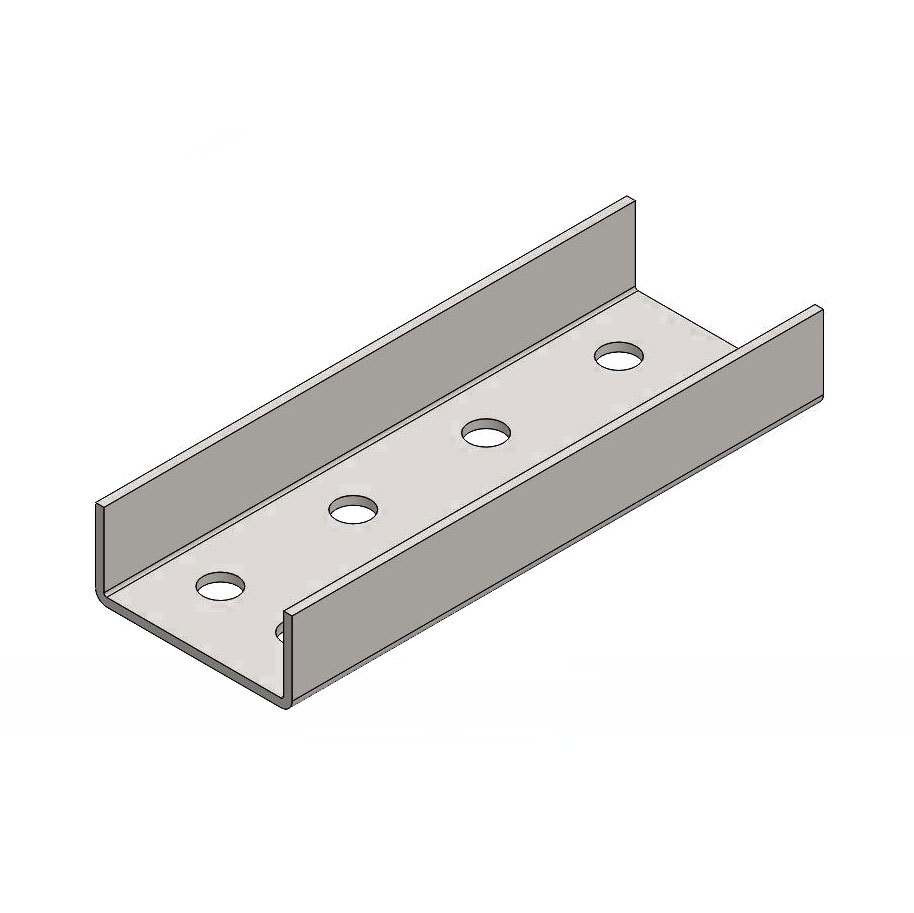
Horizontal rail connectors
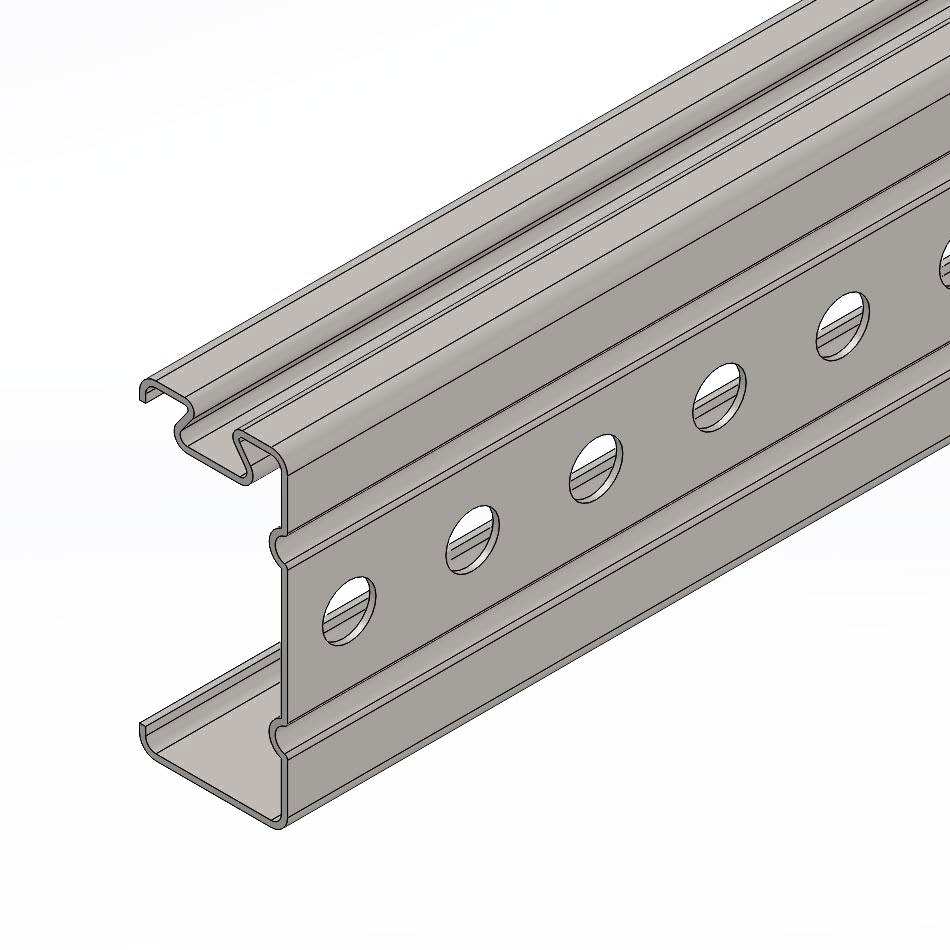
Horizontal track
Easy Install Steel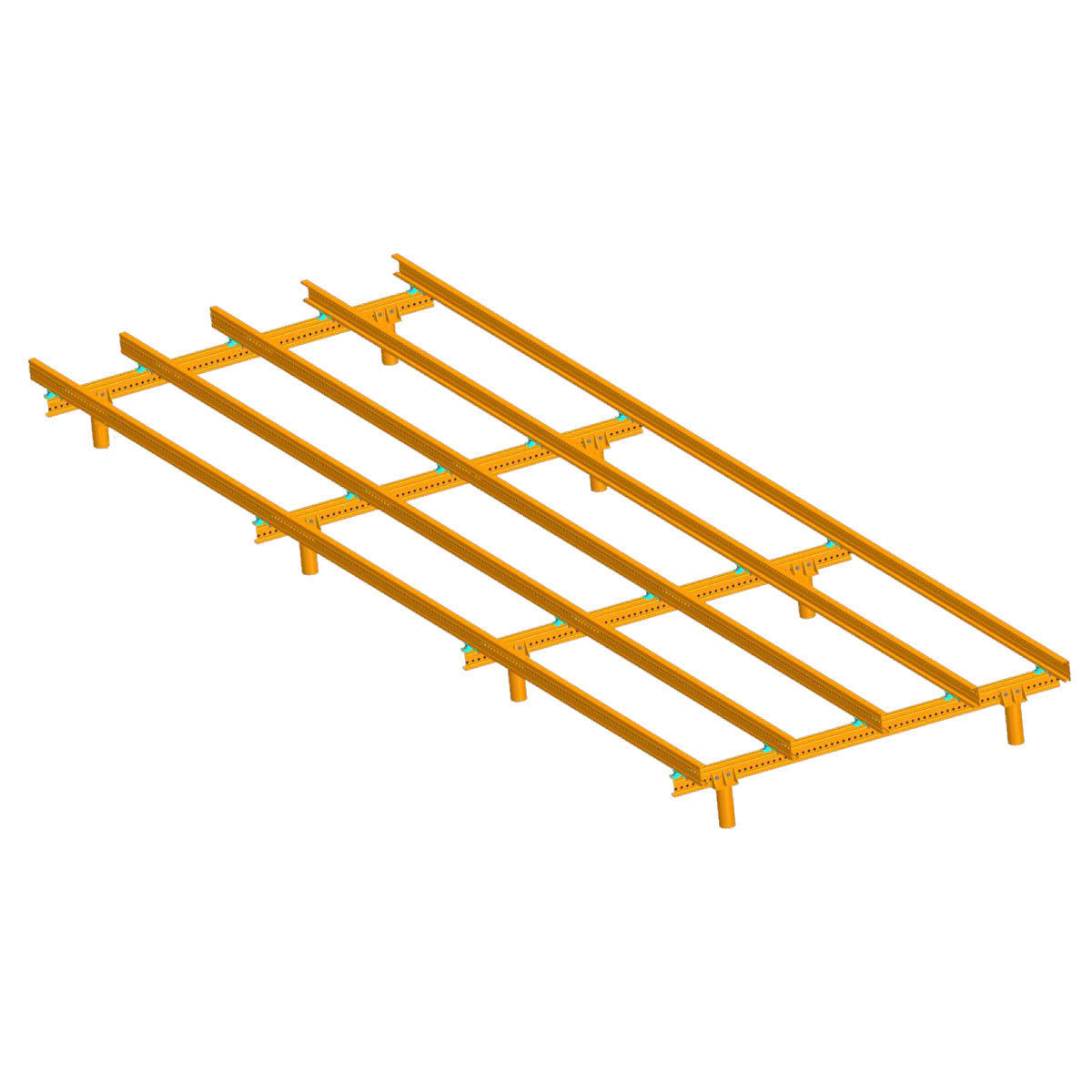
Haoheng Yi'an System

Easy Install Steel
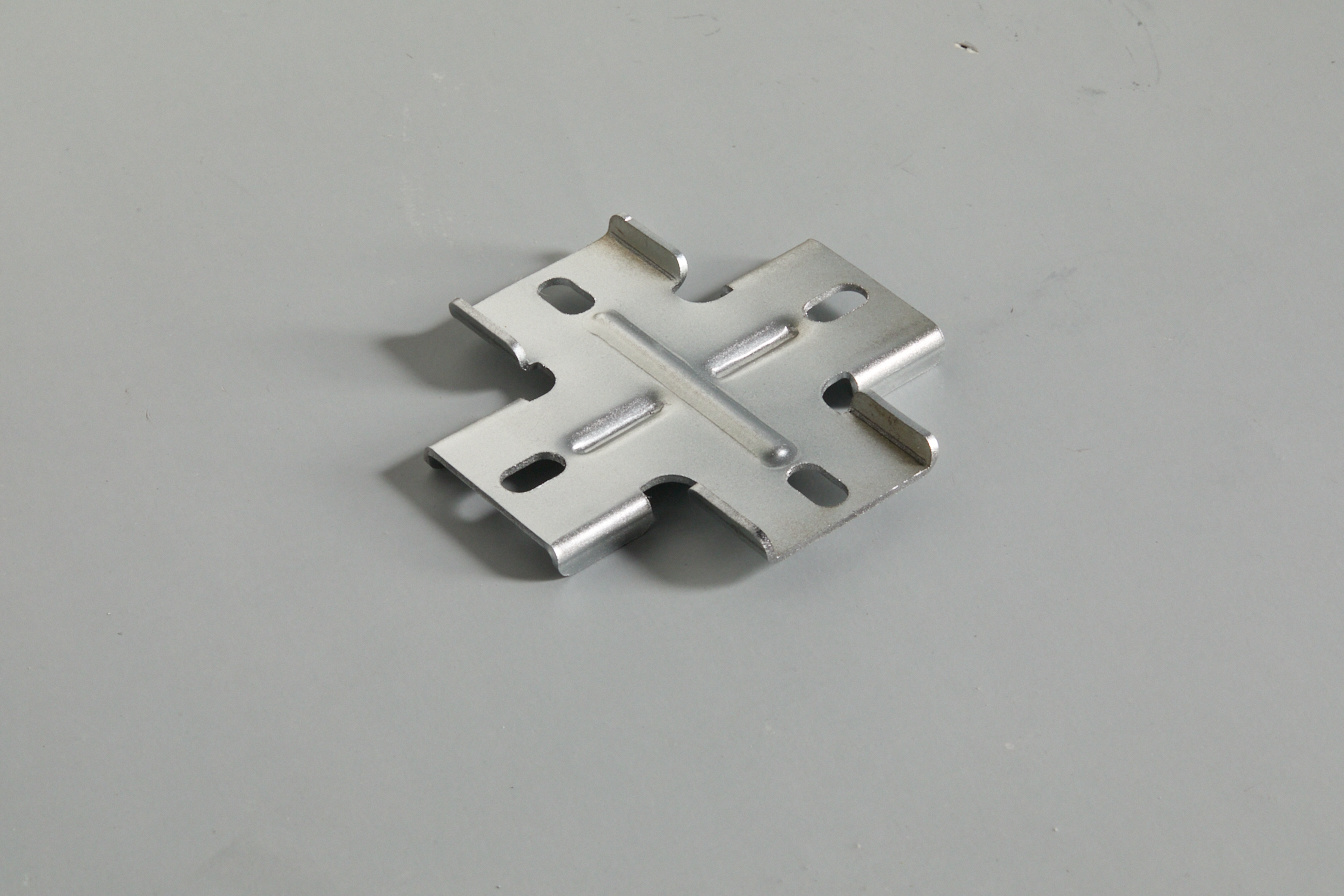
Cross connector
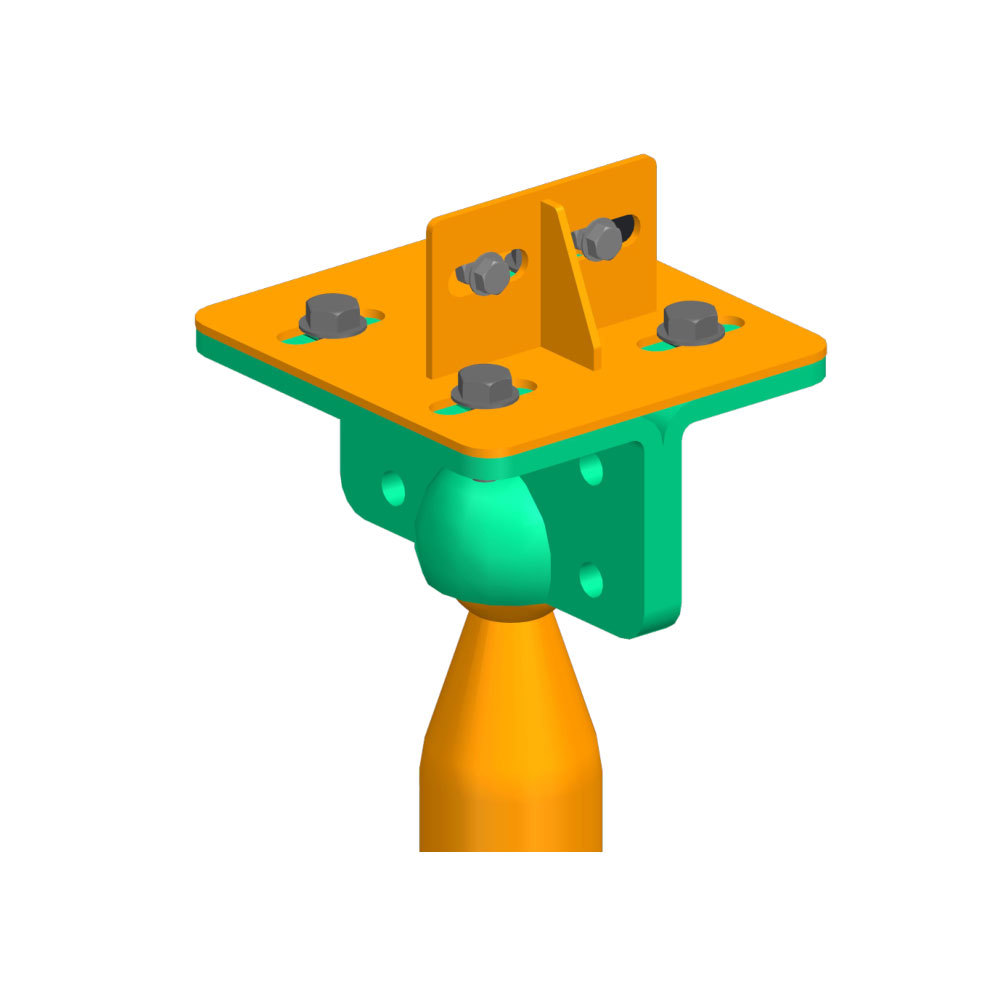
Universal connector for screw pile
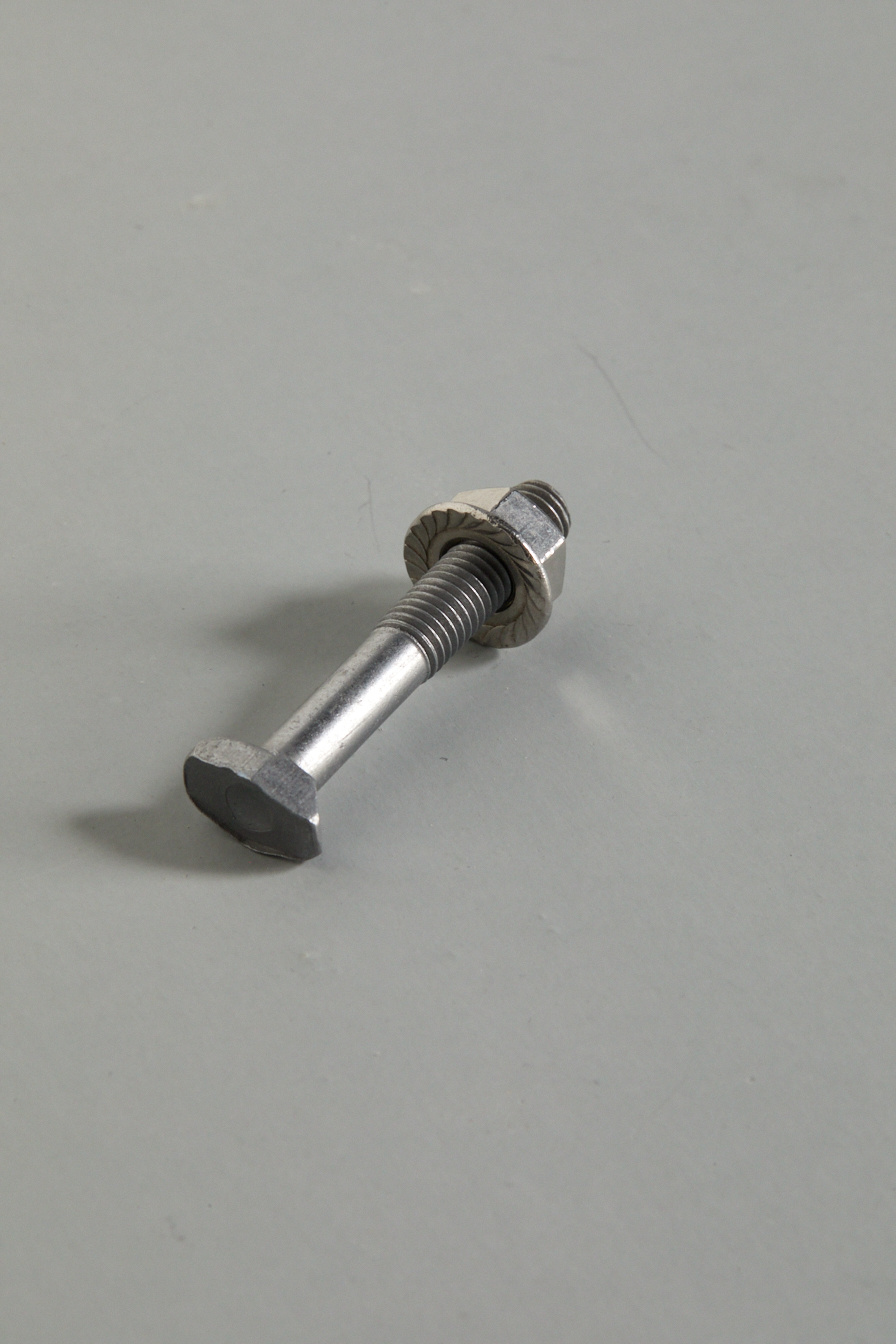
T-shaped dovetail bolt
Floor System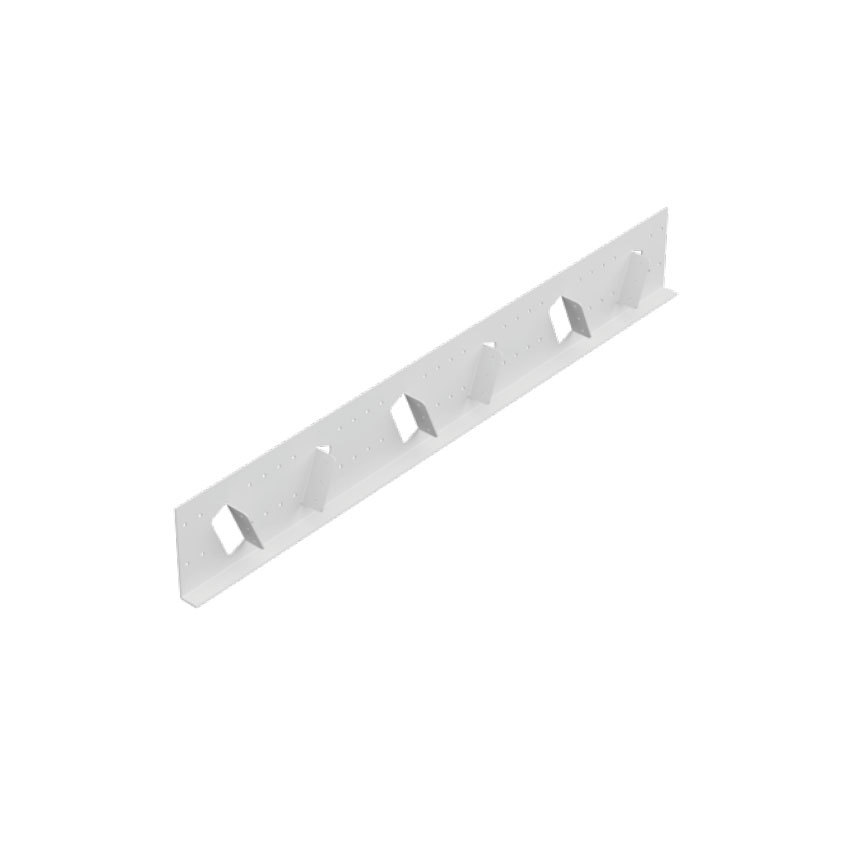
Ordinary steel structural connectors
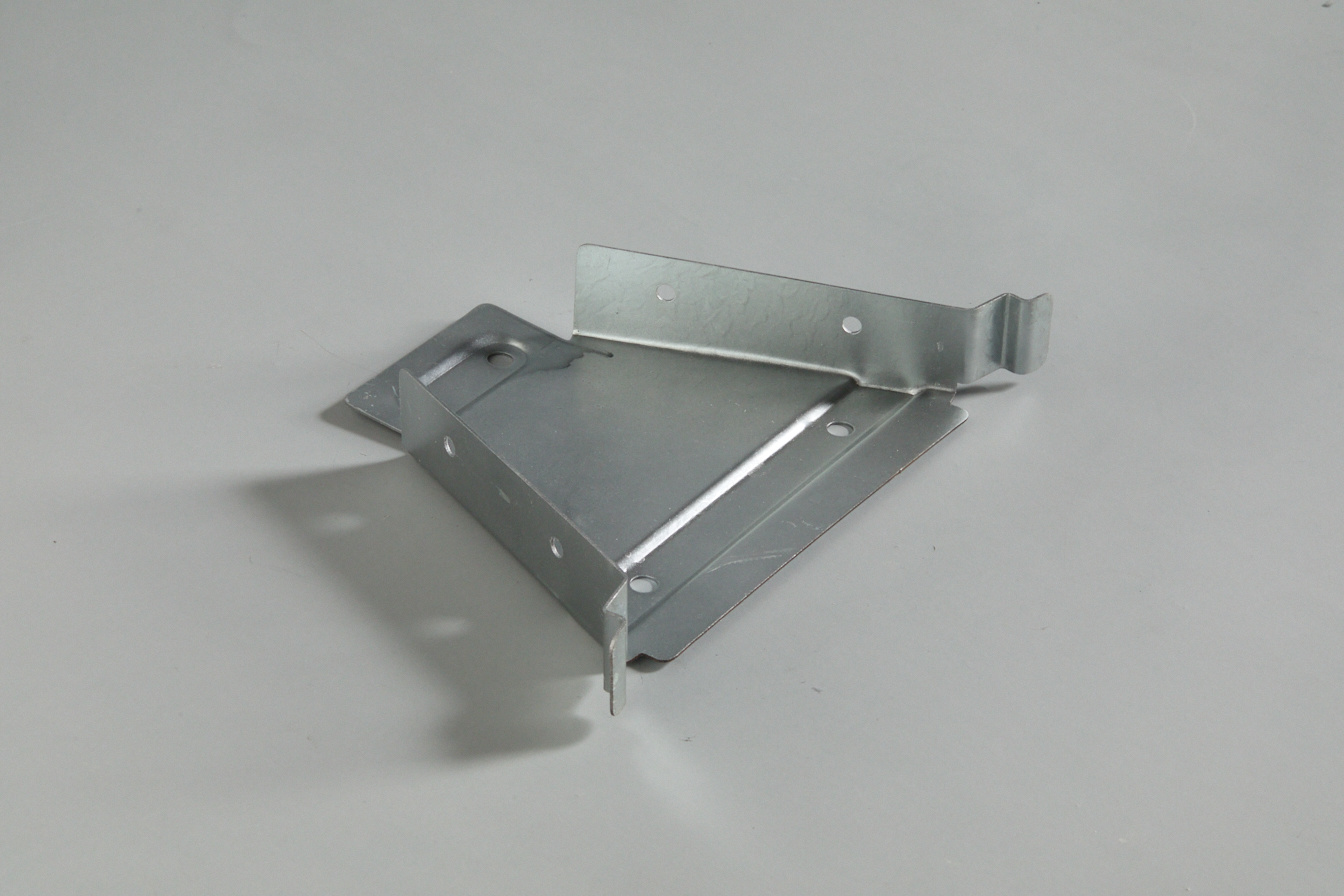
NEW BUILDING system connectors
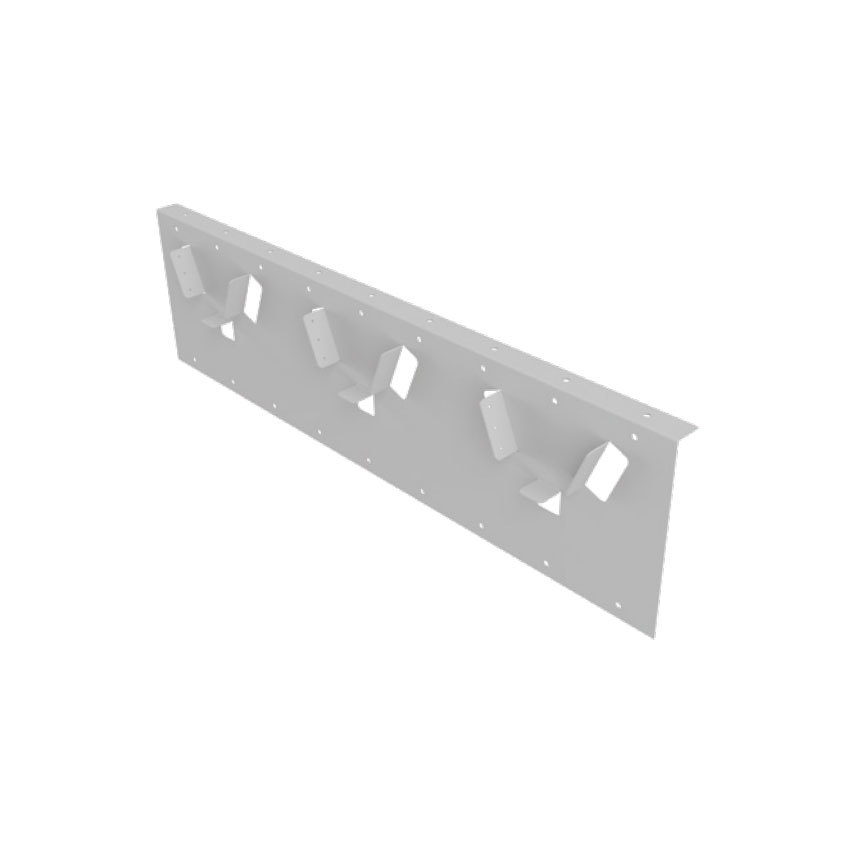
Cold formed thin-walled steel structural connectors
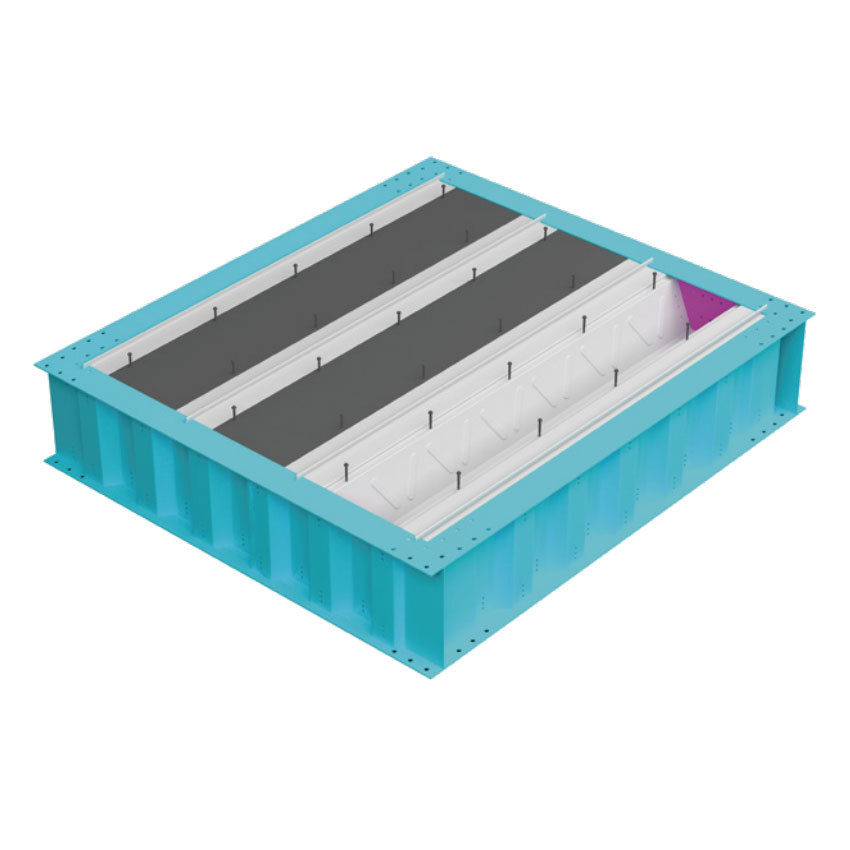
Corrugated I-beam+V-shaped floor beam
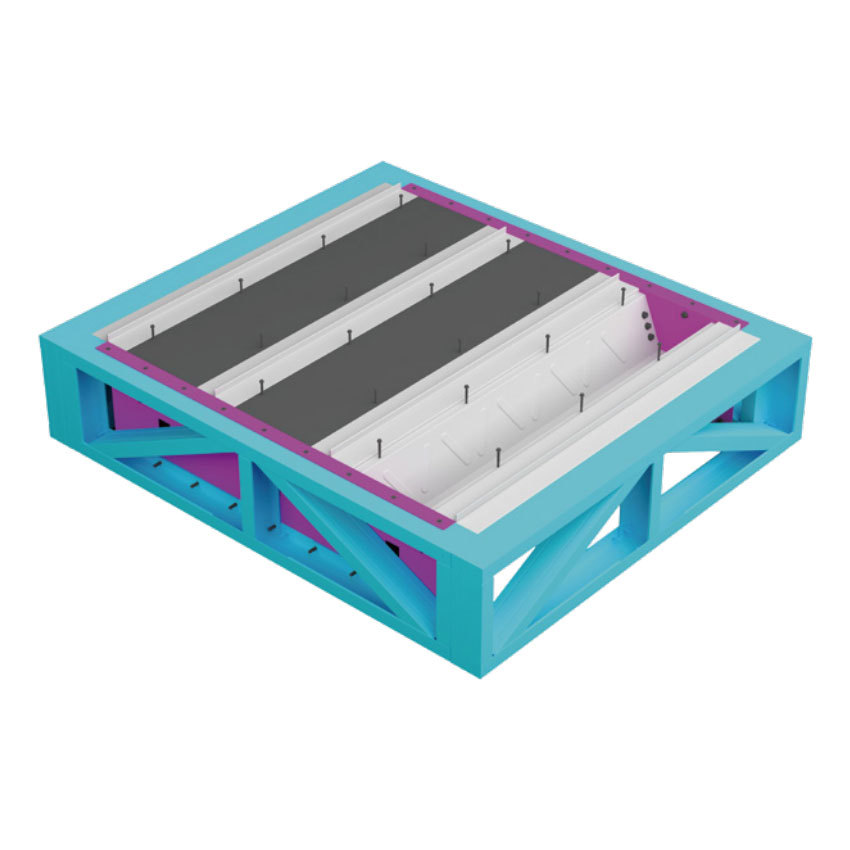
300 light steel truss+V-shaped floor beam

Steel wire gauze
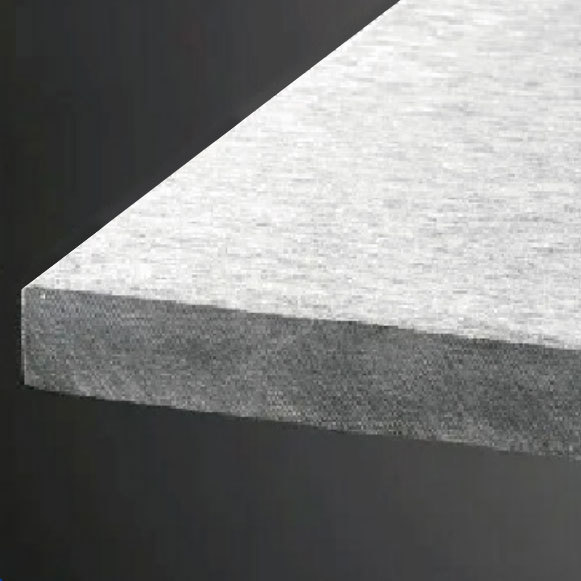
Plate
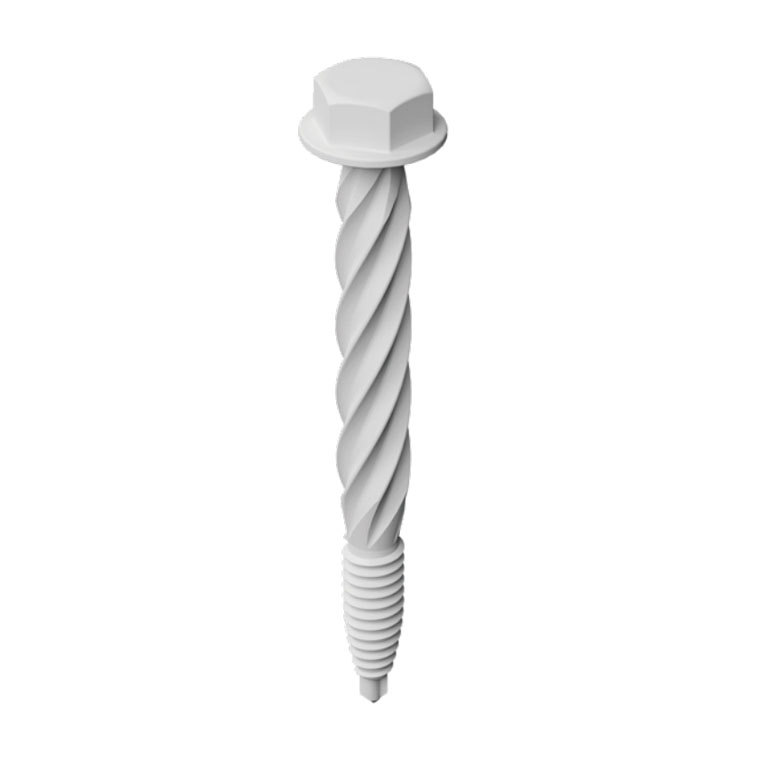
Shear stud
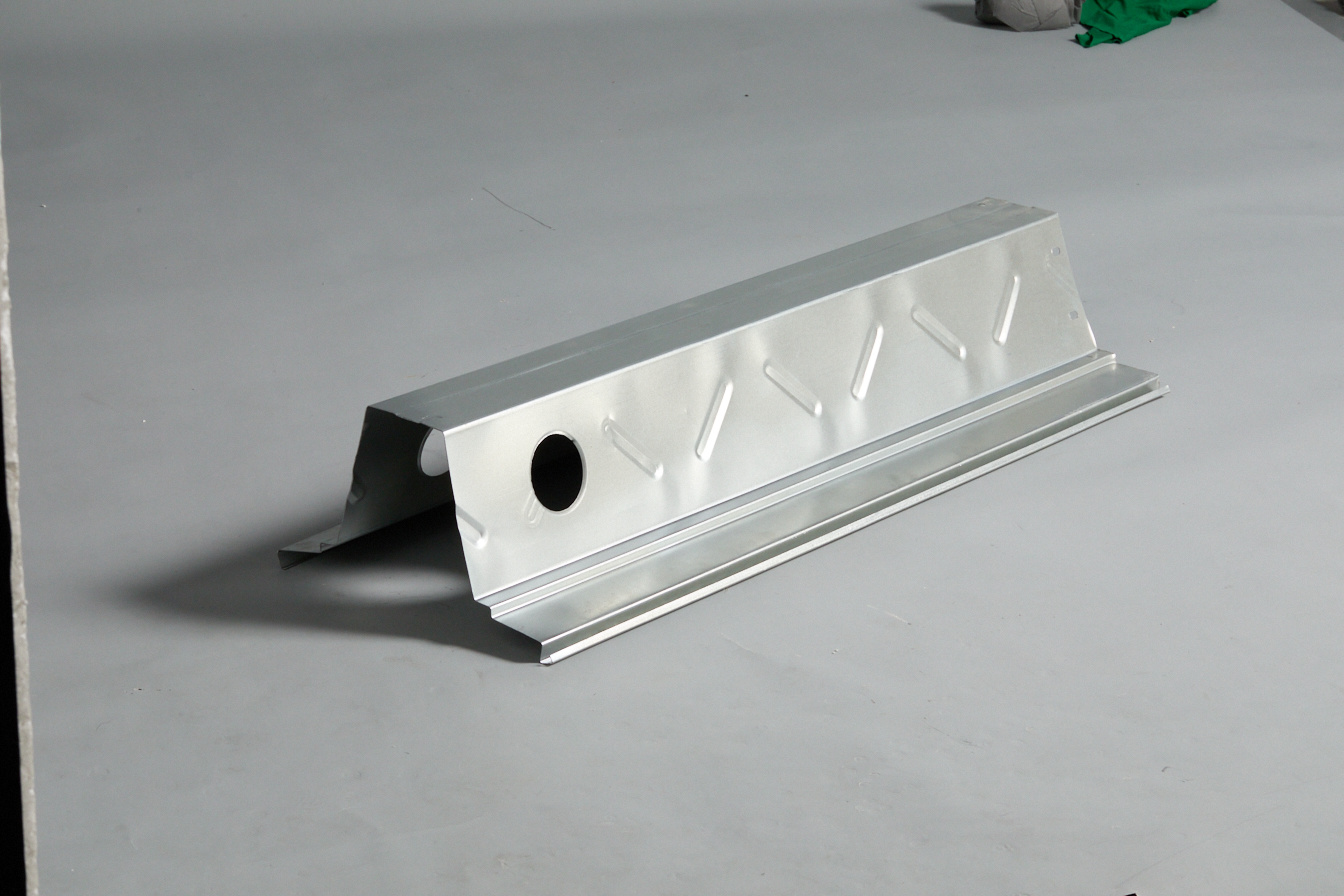
V-shaped floor beam
Magnesium stiffened wall panel
Digging Deeper: Understanding the Role of Spiral Pile Connectors in Modern Architecture
Release Time:
2025-01-14
Source:
Digging Deeper: Understanding the Role of Spiral Pile Connectors in Modern Architecture
Table of Contents
- What Are Spiral Pile Connectors?
- Historical Context of Spiral Pile Connectors
- Benefits of Spiral Pile Connectors in Construction
- Application and Use Cases
- Engineering Considerations
- Future Trends in Spiral Pile Technology
- Sustainability and Spiral Pile Connectors
- Frequently Asked Questions (FAQs)
- Conclusion
What Are Spiral Pile Connectors?
Spiral pile connectors are innovative structural components utilized in modern architecture to provide exceptional stability and support for various constructions. These connectors, often made from high-strength steel, feature a helical design that allows them to be efficiently driven into the ground, creating an anchor point that is resistant to lateral and vertical forces.
The design of spiral pile connectors is integral to their effectiveness. The helical shape facilitates easy installation in diverse soil types, making them suitable for both residential and commercial projects. They are particularly advantageous in environments where traditional foundations may not be feasible due to soil instability or high water tables.
Historical Context of Spiral Pile Connectors
The use of pile foundations in construction dates back centuries, but the advent of spiral pile connectors has revolutionized the industry. Initially developed in the late 20th century, spiral pile technology was championed for its efficiency and structural integrity. Over the years, advancements in materials and engineering techniques have enhanced their performance, making them a preferred choice in modern architecture.
Historically, traditional pile foundations faced challenges such as extended installation times and the need for extensive site preparation. Spiral pile connectors emerged as a solution to these problems, allowing for quicker installation and reduced labor costs. This evolution paved the way for more ambitious architectural projects that require robust foundational support.
Benefits of Spiral Pile Connectors in Construction
Enhanced Load-Bearing Capacity
One of the most significant advantages of spiral pile connectors is their enhanced load-bearing capacity. Due to their helical design, these connectors distribute weight across a larger surface area, reducing the pressure on the soil beneath. This characteristic makes them ideal for supporting heavy structures.
Quick Installation Process
The installation of spiral pile connectors is notably faster than traditional methods. The helical shape allows for easy penetration into the ground, significantly reducing site disruption and labor costs. As a result, construction timelines are shortened, enabling projects to progress more swiftly.
Versatility in Various Soil Conditions
Spiral pile connectors excel in diverse soil conditions, including clay, sandy, and rocky terrains. Their ability to adapt to different environments makes them a versatile choice for architects and engineers, expanding the possibilities for construction in challenging locations.
Reduced Environmental Impact
Utilizing spiral pile connectors can lead to a reduced environmental impact compared to traditional foundations. Their installation requires less excavation and site preparation, minimizing disturbance to the surrounding ecosystem. This makes them a sustainable choice for modern construction projects.
Application and Use Cases
Residential Construction
In residential construction, spiral pile connectors are employed in various applications, from foundational support for homes to anchoring decks and patios. Their adaptability ensures that they can accommodate various design aesthetics while providing robust stability.
Commercial Projects
For commercial projects, spiral pile connectors are increasingly used in high-rise buildings and complex structures. Their ability to support substantial loads while maintaining a compact footprint makes them invaluable in urban environments where space is limited.
Infrastructure Development
Spiral pile connectors play a crucial role in infrastructure development, including bridges, highways, and railways. Their reliable performance under dynamic loads enhances the safety and longevity of critical infrastructure components.
Engineering Considerations
When incorporating spiral pile connectors into architectural designs, several engineering considerations must be taken into account. Proper load calculations, soil analysis, and environmental assessments are essential to ensure optimal performance.
Engineers must also consider the installation process, as the efficiency of spiral pile connectors relies on precise driving techniques. Collaborating with experienced contractors who understand the intricacies of this technology can enhance the overall success of the project.
Future Trends in Spiral Pile Technology
The future of spiral pile technology looks promising, with ongoing advancements in materials science and engineering practices. Innovations such as smart sensors integrated into spiral pile connectors may enable real-time monitoring of structural integrity, enhancing safety and maintenance protocols.
Moreover, as the construction industry continues to embrace sustainability, the demand for environmentally friendly solutions like spiral pile connectors is expected to rise. This trend aligns with global efforts to reduce carbon footprints and adopt greener building practices.
Sustainability and Spiral Pile Connectors
Sustainability is a critical consideration in modern architecture, and spiral pile connectors contribute positively to this goal. Their reduced need for excavation and site disruption translates to less waste and lower energy consumption during installation.
Additionally, the longevity and durability of spiral pile connectors mean fewer replacements are needed over a structure's lifespan, further decreasing environmental impact. Embracing these sustainable practices can enhance a project's overall credibility and appeal to environmentally conscious stakeholders.
Frequently Asked Questions (FAQs)
1. What materials are spiral pile connectors made from?
Spiral pile connectors are typically made from high-strength steel, which provides the necessary durability and load-bearing capacity for various construction applications.
2. Are spiral pile connectors suitable for all types of soil?
Yes, spiral pile connectors are versatile and can be installed in various soil conditions, including clay, sand, and gravel, making them suitable for diverse construction projects.
3. How do spiral pile connectors compare to traditional foundations?
Spiral pile connectors offer several advantages over traditional foundations, including quicker installation, enhanced load-bearing capacity, and reduced environmental impact.
4. Can spiral pile connectors be used in seismic areas?
Yes, spiral pile connectors are designed to withstand lateral loads, making them suitable for use in seismic regions. Their helical design provides stability during ground movement.
5. What are the maintenance requirements for spiral pile connectors?
Spiral pile connectors generally require minimal maintenance due to their durable materials. However, regular inspections are recommended to ensure structural integrity over time.
Conclusion
In summary, spiral pile connectors play a pivotal role in modern architecture, providing innovative solutions for foundational stability, load-bearing capacity, and environmental sustainability. As we further explore the capabilities of this technology, it is clear that spiral pile connectors will continue to shape the future of construction. Their versatility and efficiency make them an essential consideration for architects, engineers, and builders committed to excellence in design and construction practices. Embracing these advancements not only enhances structural integrity but also aligns with the growing global emphasis on sustainable building solutions.
Related Information

HaoHeng Group
Address: Room 1808, Block A, Vanke Cloud City, Jiemei District, Xiamen City, Fujian Province
Business cooperation:
Copyright © HaoHeng (FuJian) Building Materials Technology Co, Ltd. All rights reserved