

-

 Pakistan
Marketing Service Outlets
 Papua New Guinea
Marketing Service Outlets
 Egypt
EgyptMarketing Service Outlets
 Australia
Marketing Service Outlets
 Brazil
Marketing Service Outlets
 Colombia
Marketing Service Outlets
 Russia
Marketing Service Outlets
 Germany
Marketing Service Outlets
 Poland
Marketing Service Outlets
 the Philippines
Marketing Service Outlets
 Kazakhstan
Marketing Service Outlets
 Malaysia
Marketing Service Outlets
 America
Marketing Service Outlets
 Kyrgyzstan
Marketing Service Outlets
 Canada
Marketing Service Outlets
 Peru
PeruMarketing Service Outlets
 Nigeria
Marketing Service Outlets
 Morocco
Marketing Service Outlets
 South Africa
Marketing Service Outlets
 Japan
JapanMarketing Service Outlets
 Slovakia
Marketing Service Outlets
 New Zealand
Marketing Service Outlets
 Hungary
Marketing Service Outlets
 Thailand
Marketing Service Outlets
 Spain
SpainMarketing Service Outlets
 Indonesia
Marketing Service Outlets
 Italy
ItalyMarketing Service Outlets
 Vietnam
Marketing Service Outlets
Steel Pipe ColumnSteel Pipe Column ConnectorsMain Beam | Secondary BeamPrefabricated StairsRound Pipe PileFlat Steel PileGroup PileCap PileNew Building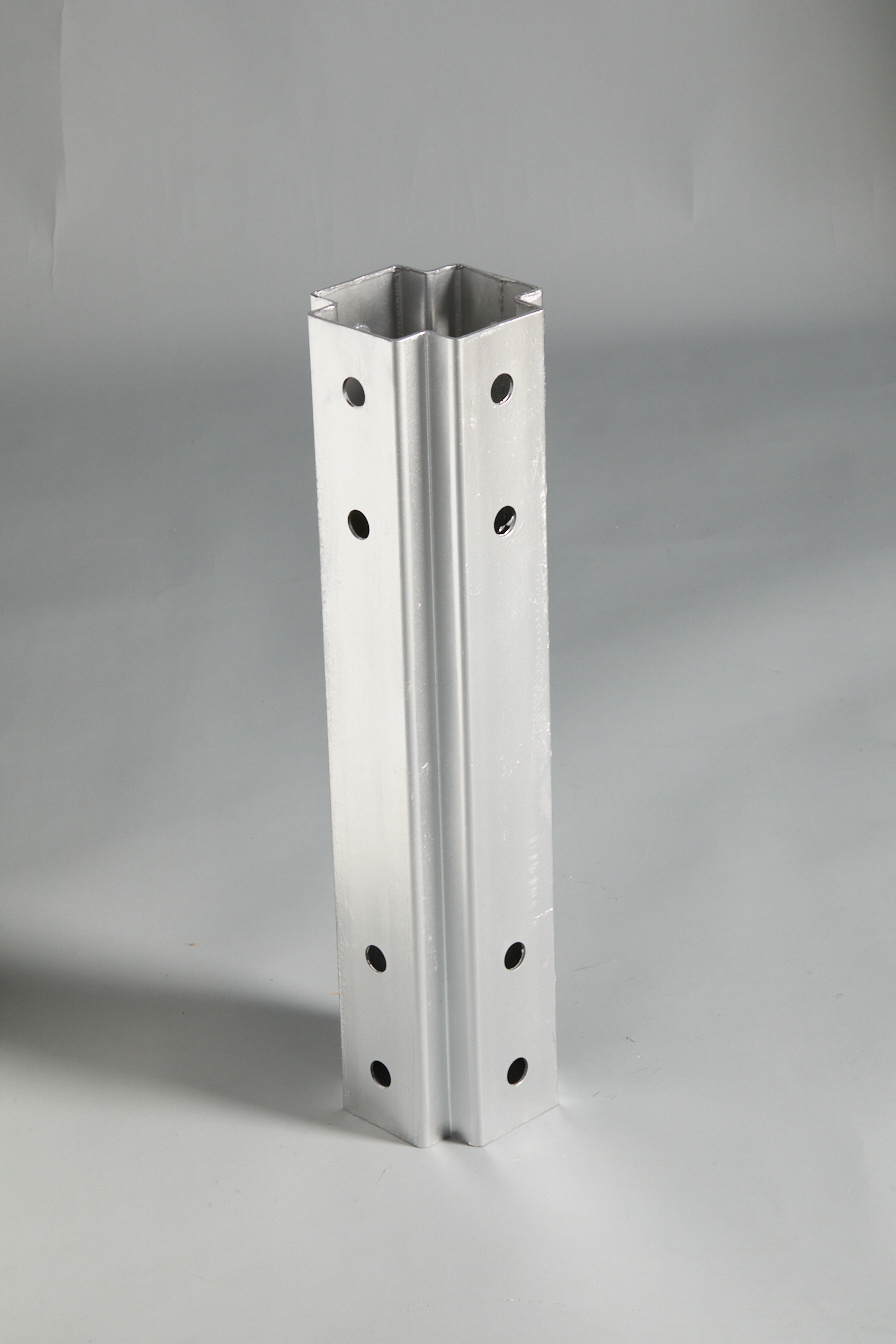
Cross column

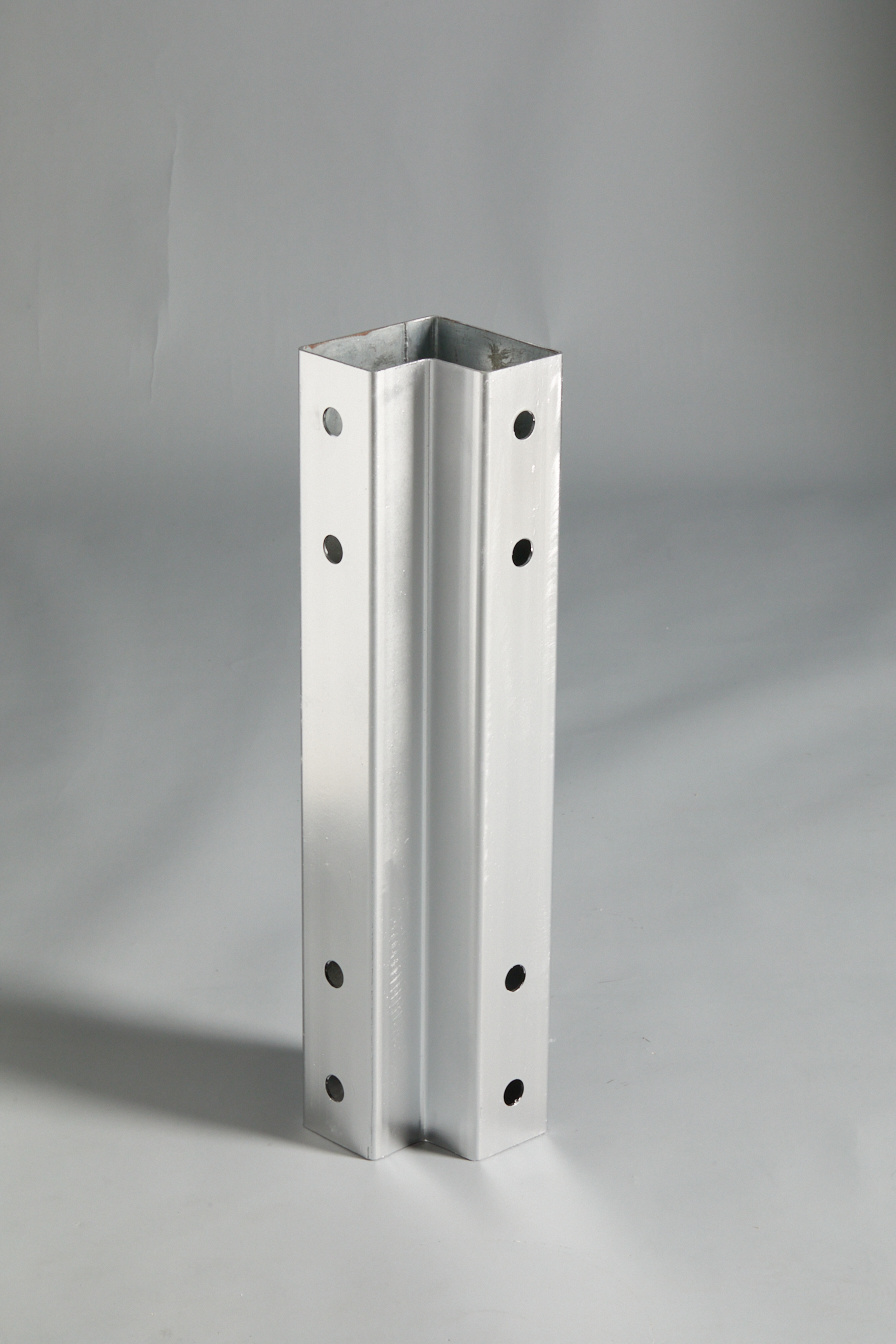
L-shaped column
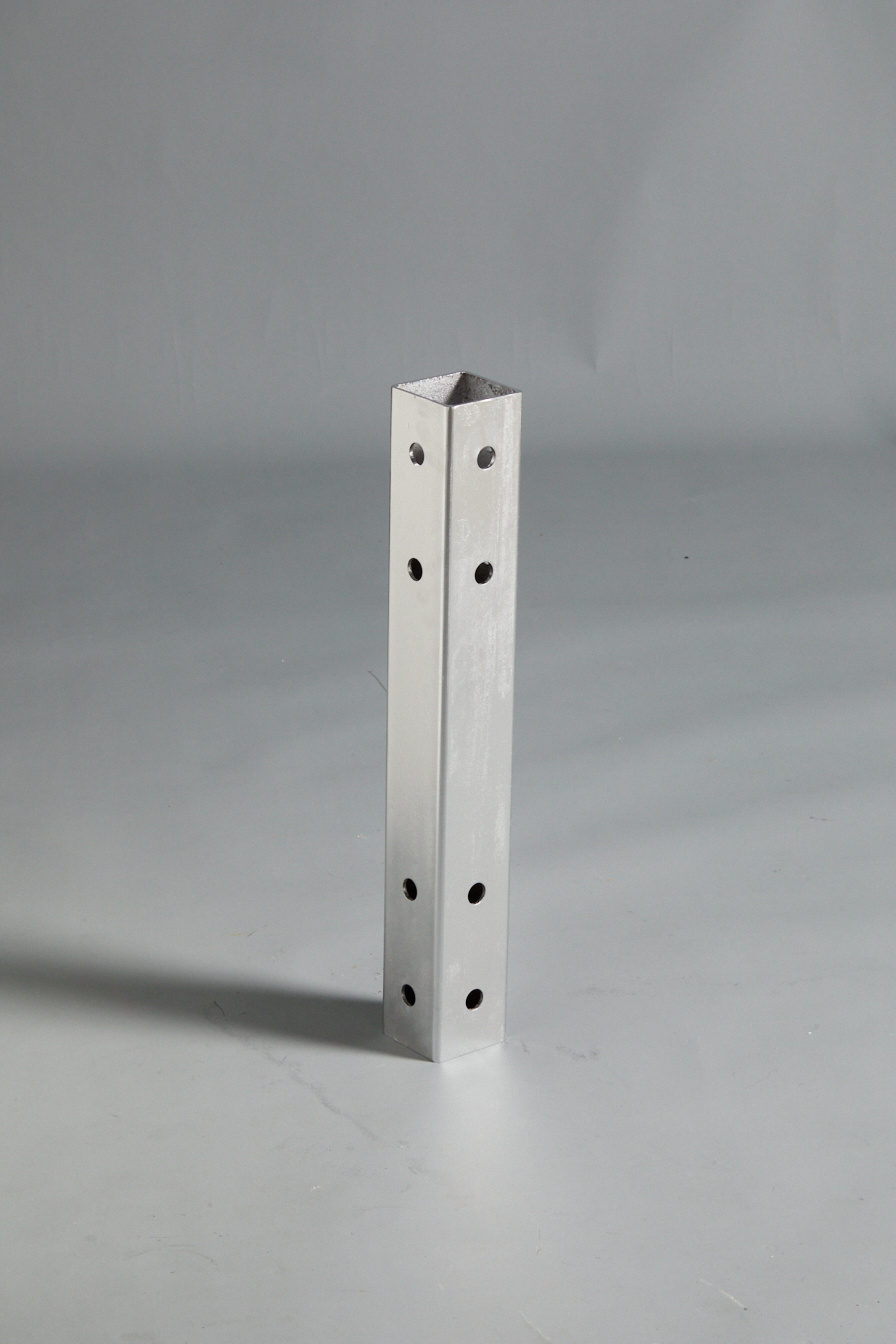
Square tube column

T-shaped column
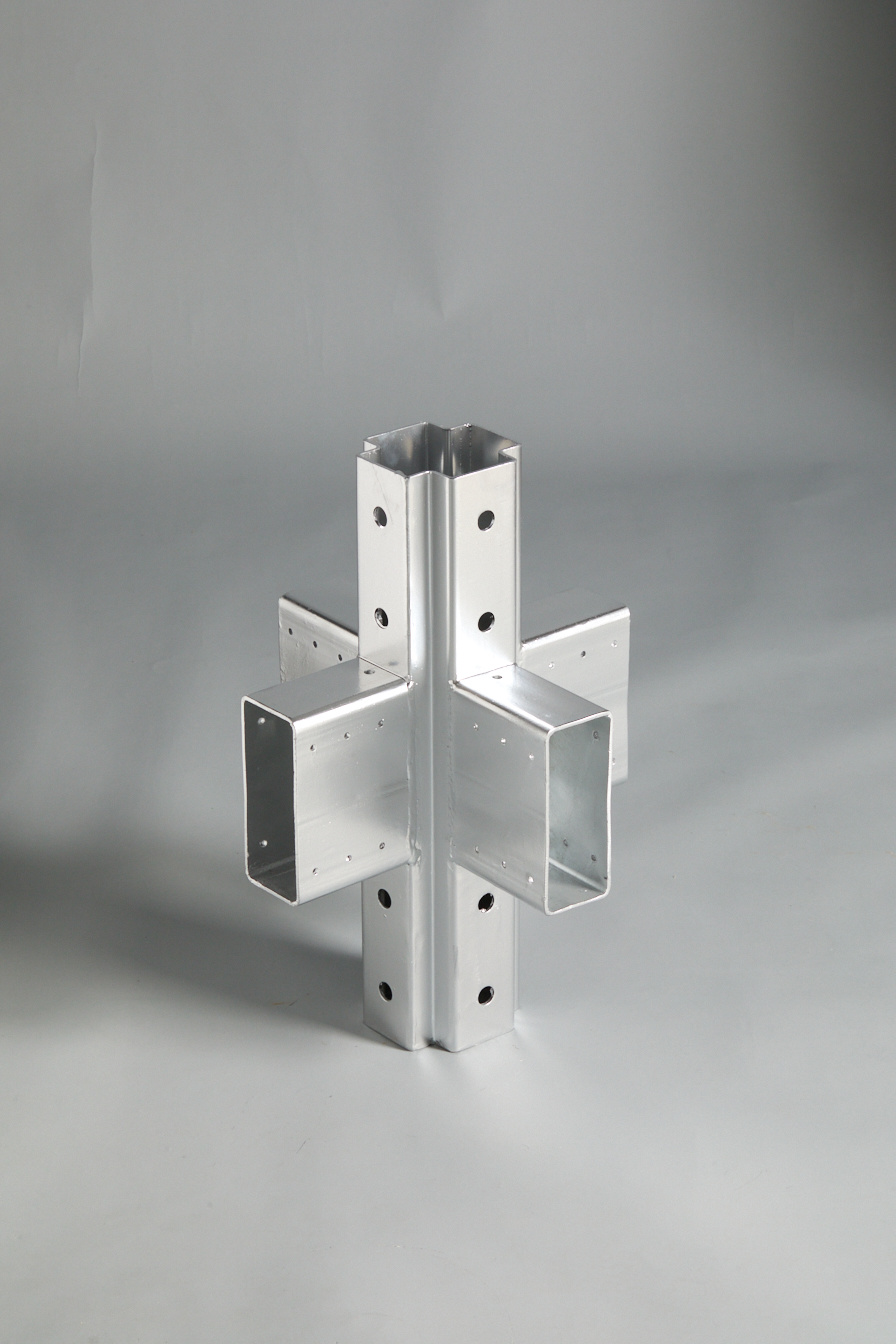
Cross column connector

L-shaped column connector

T-shaped column connector
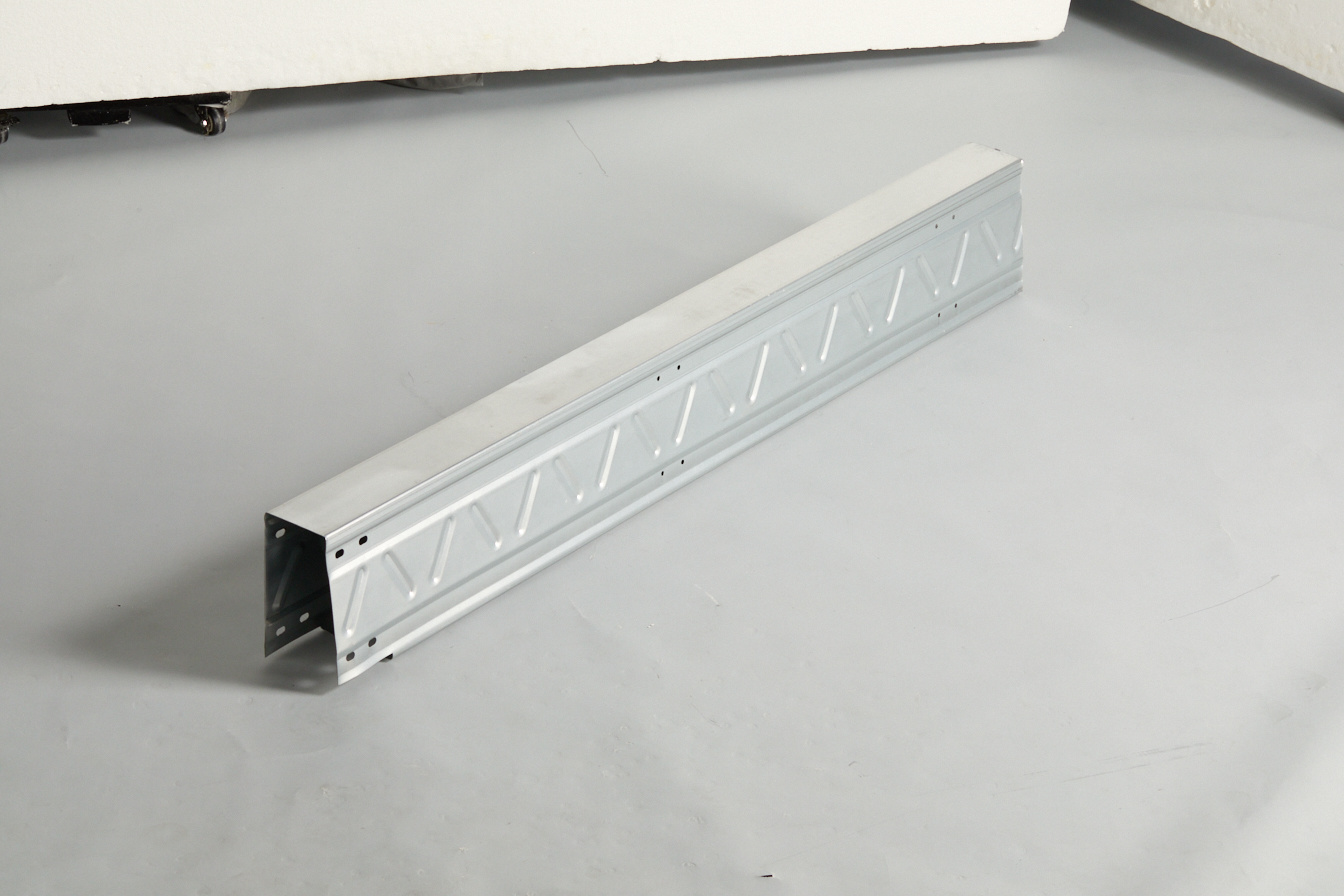
195 inner flipped edge - eight shaped reinforcing rib
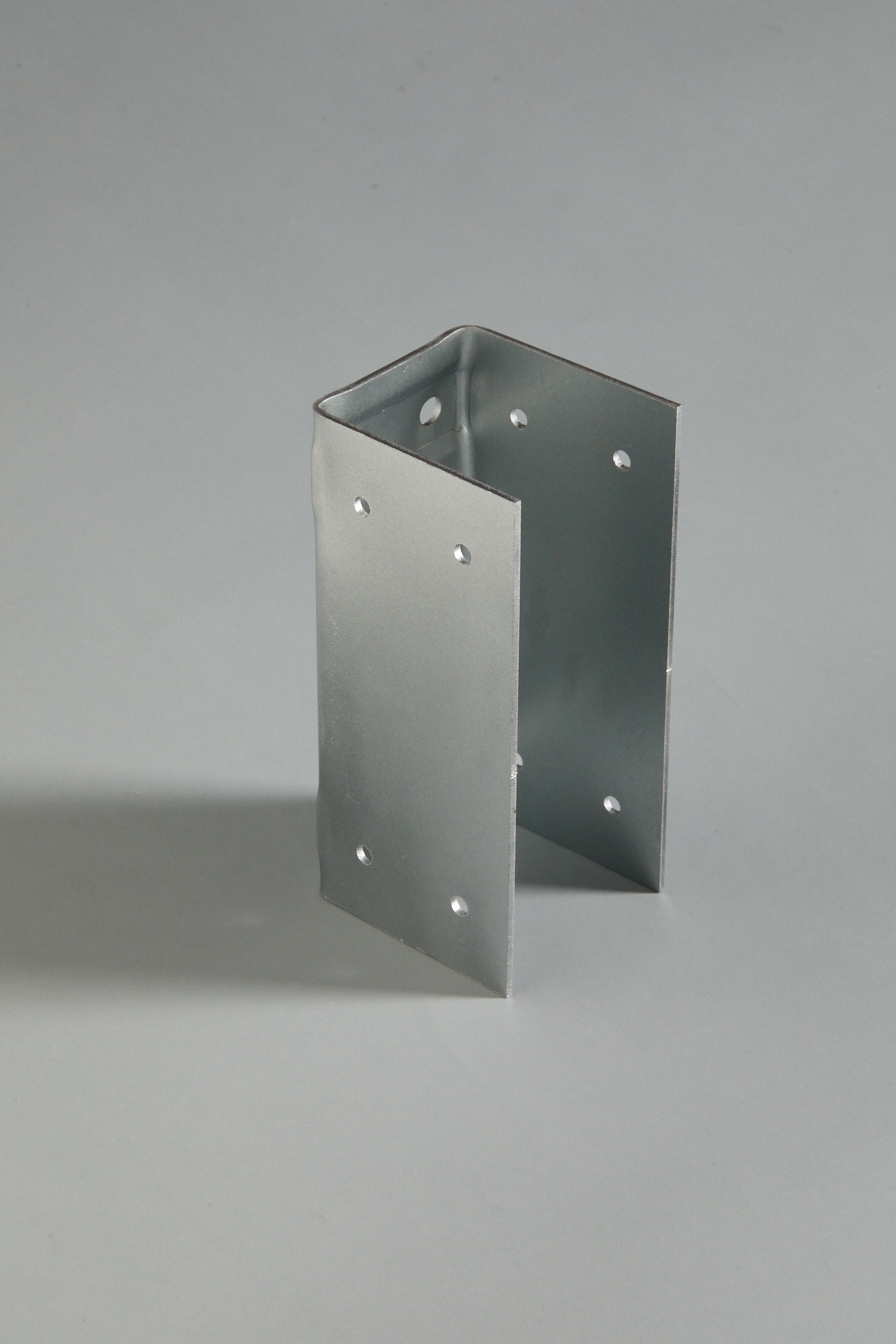
Frame small U connector
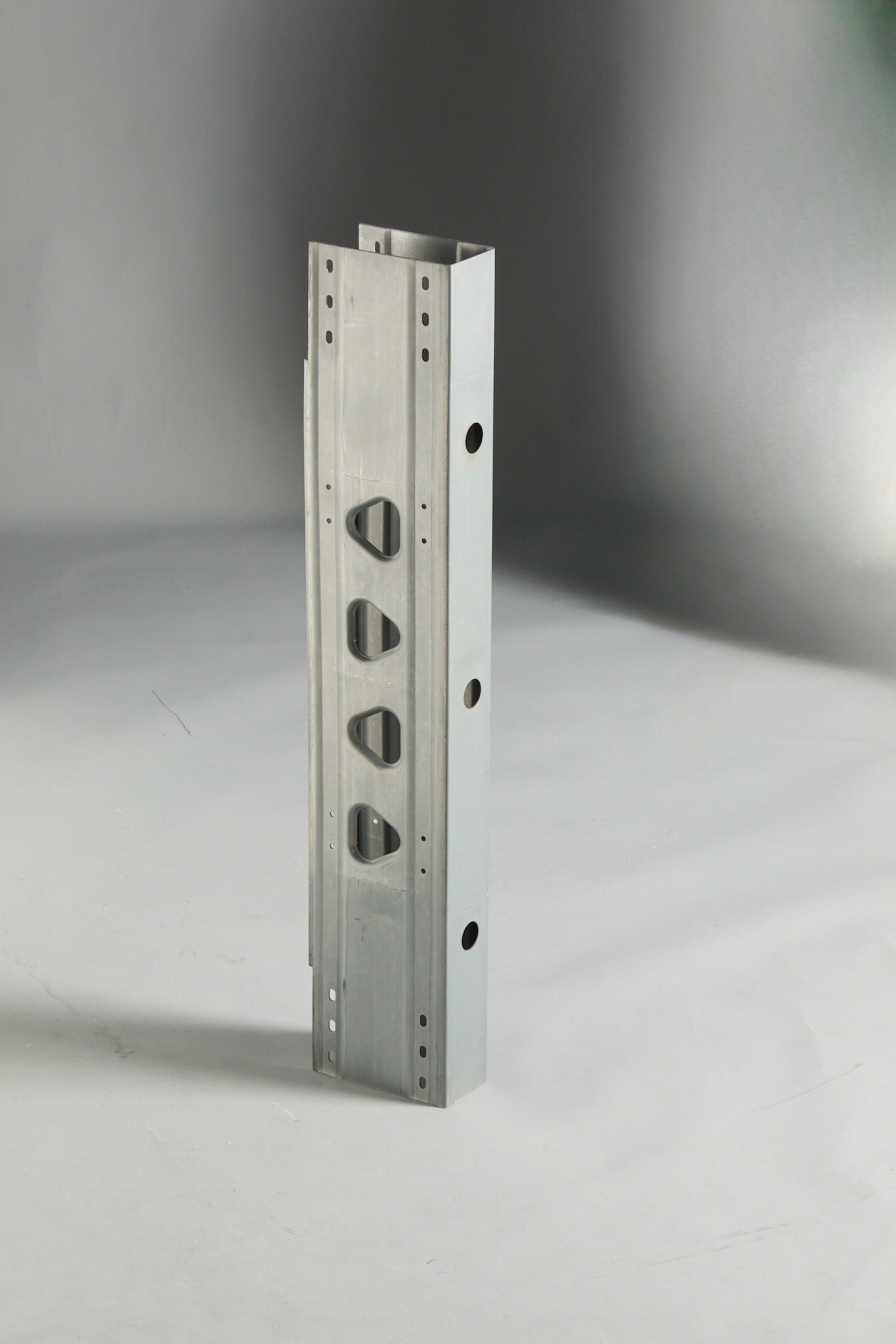
195 Inverted Edge - Triangle Reinforcement
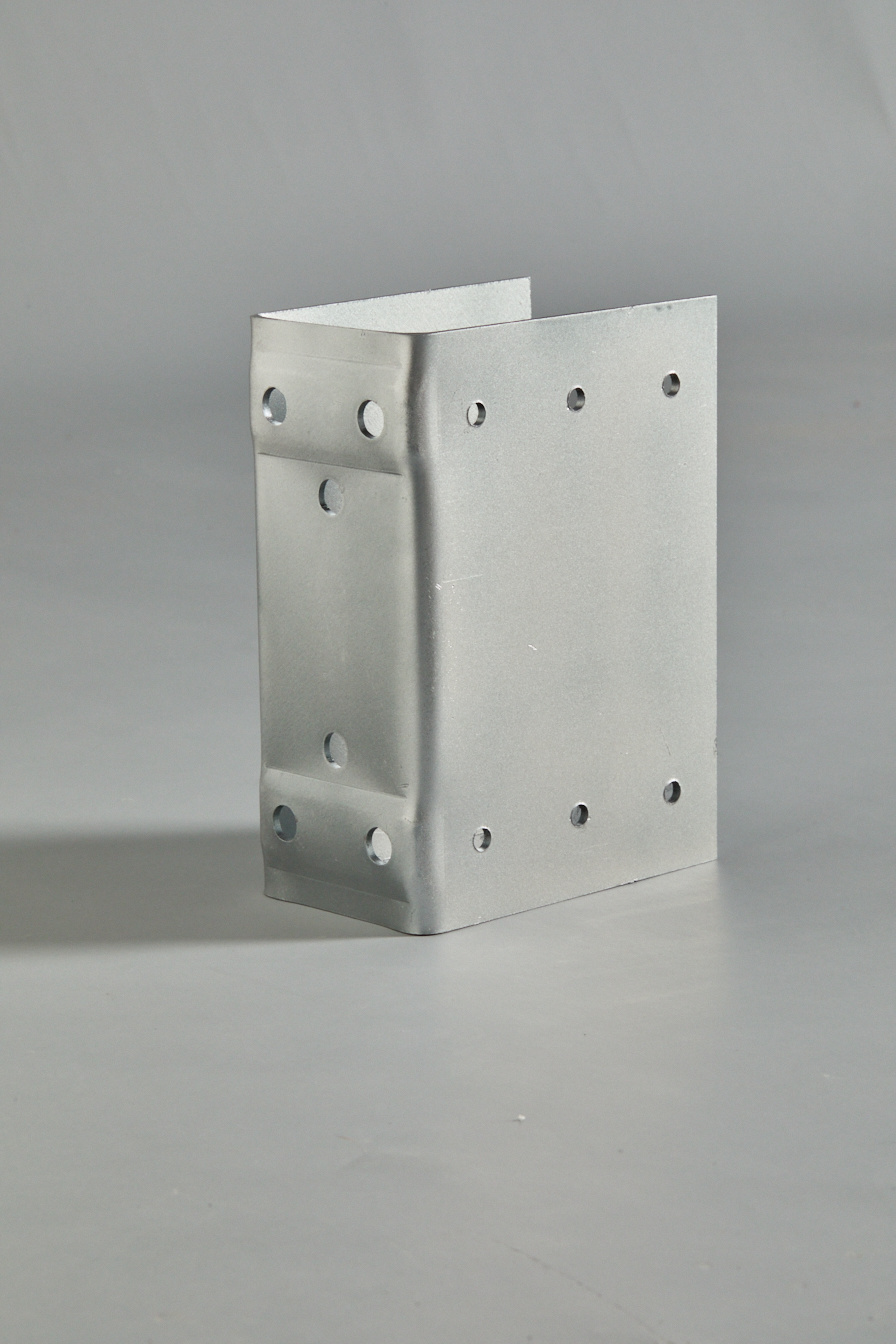
Frame large U connector
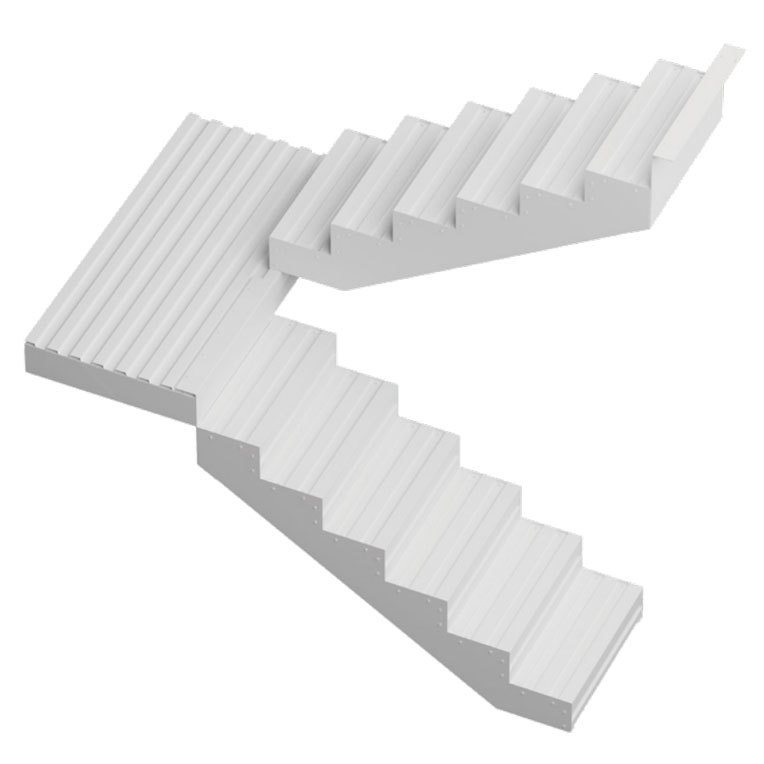
Prefabricated stairs
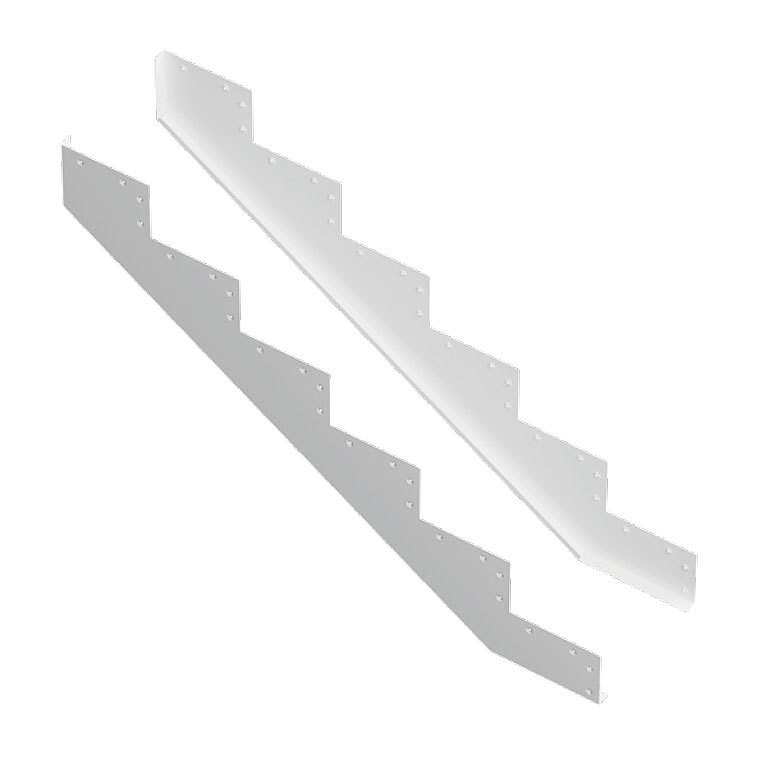
Staircase side panels
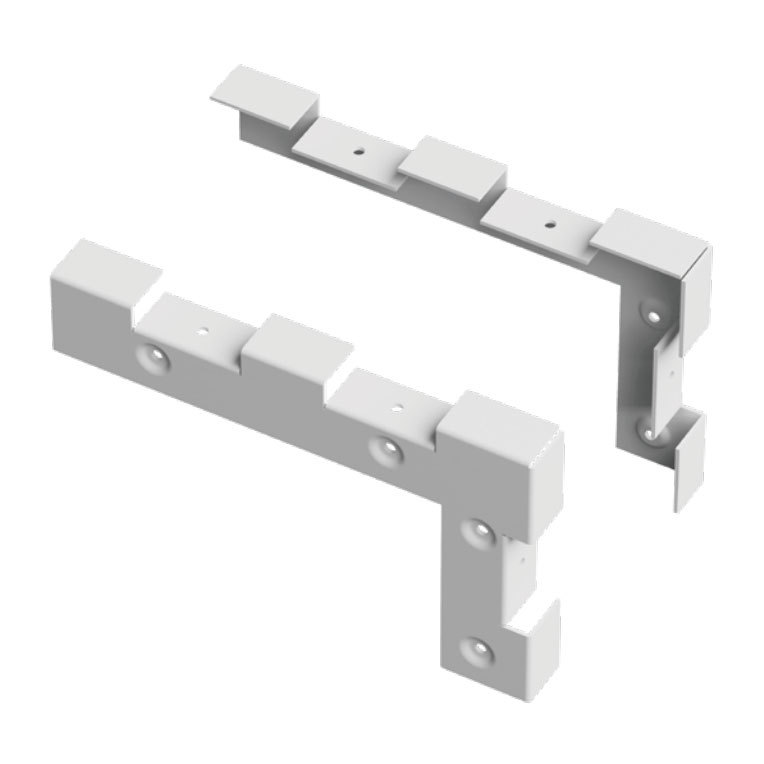
Staircase angle steel
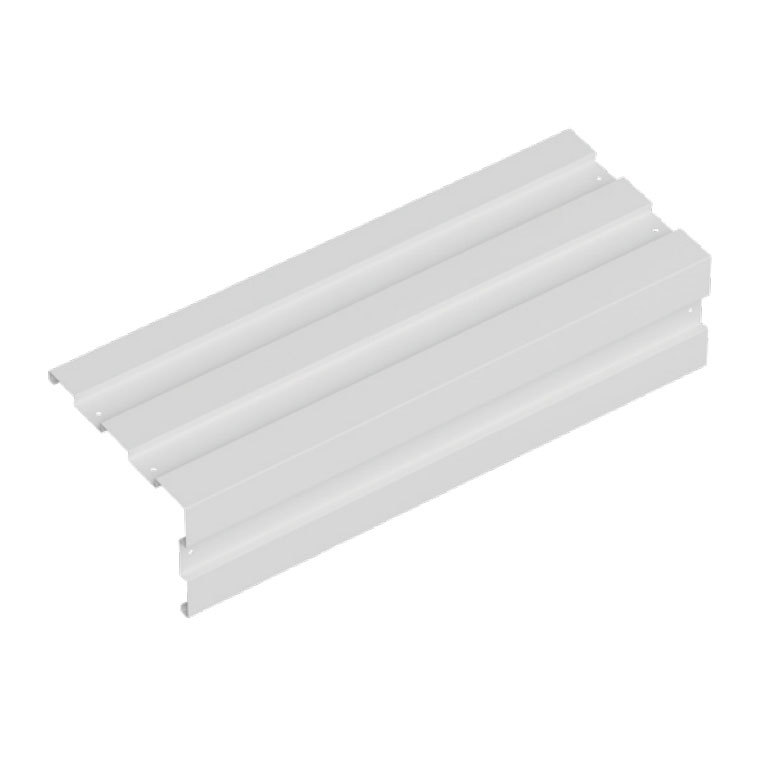
Stair steps
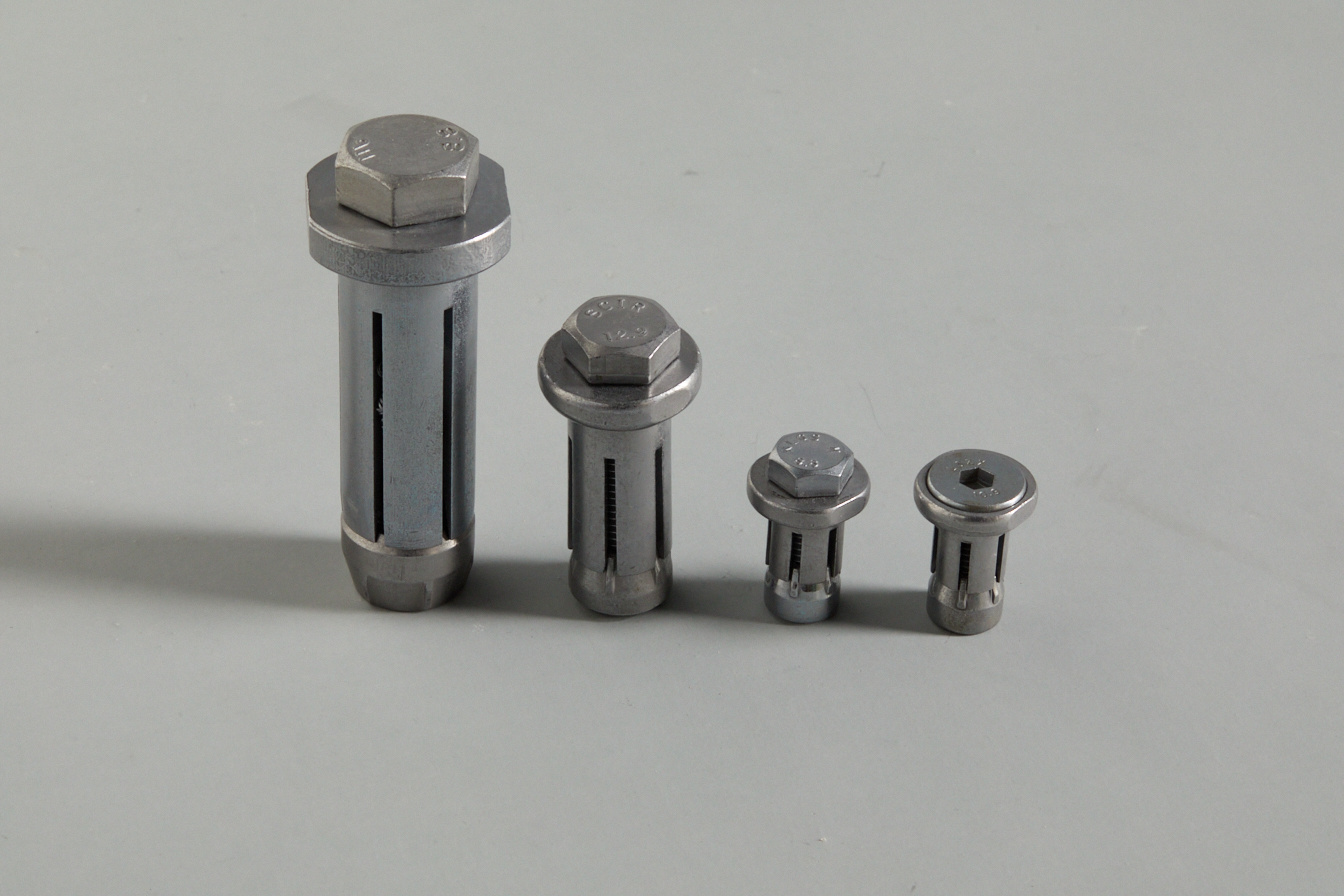
One-Way Bolt
Helical Pile System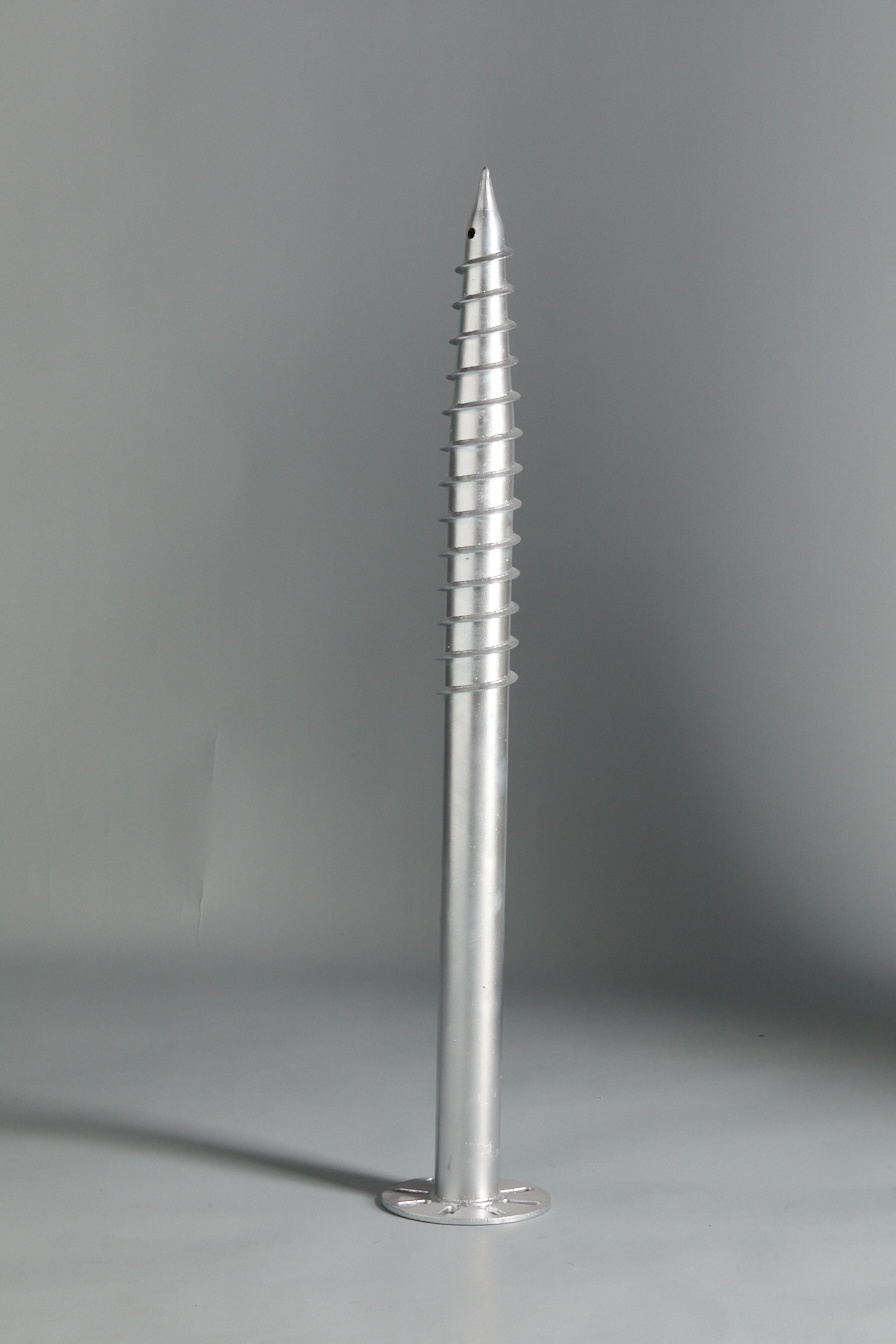
Round Pipe Screw Pile| Reliable Helical Pile Manufacturer| Patented Foundation Solution
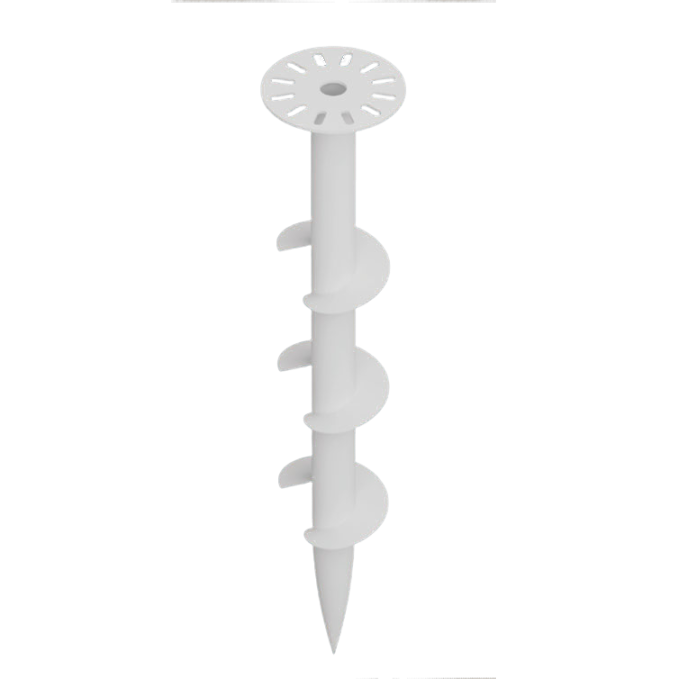
Screw Pile - 3 Blades - Round Pipe Pile
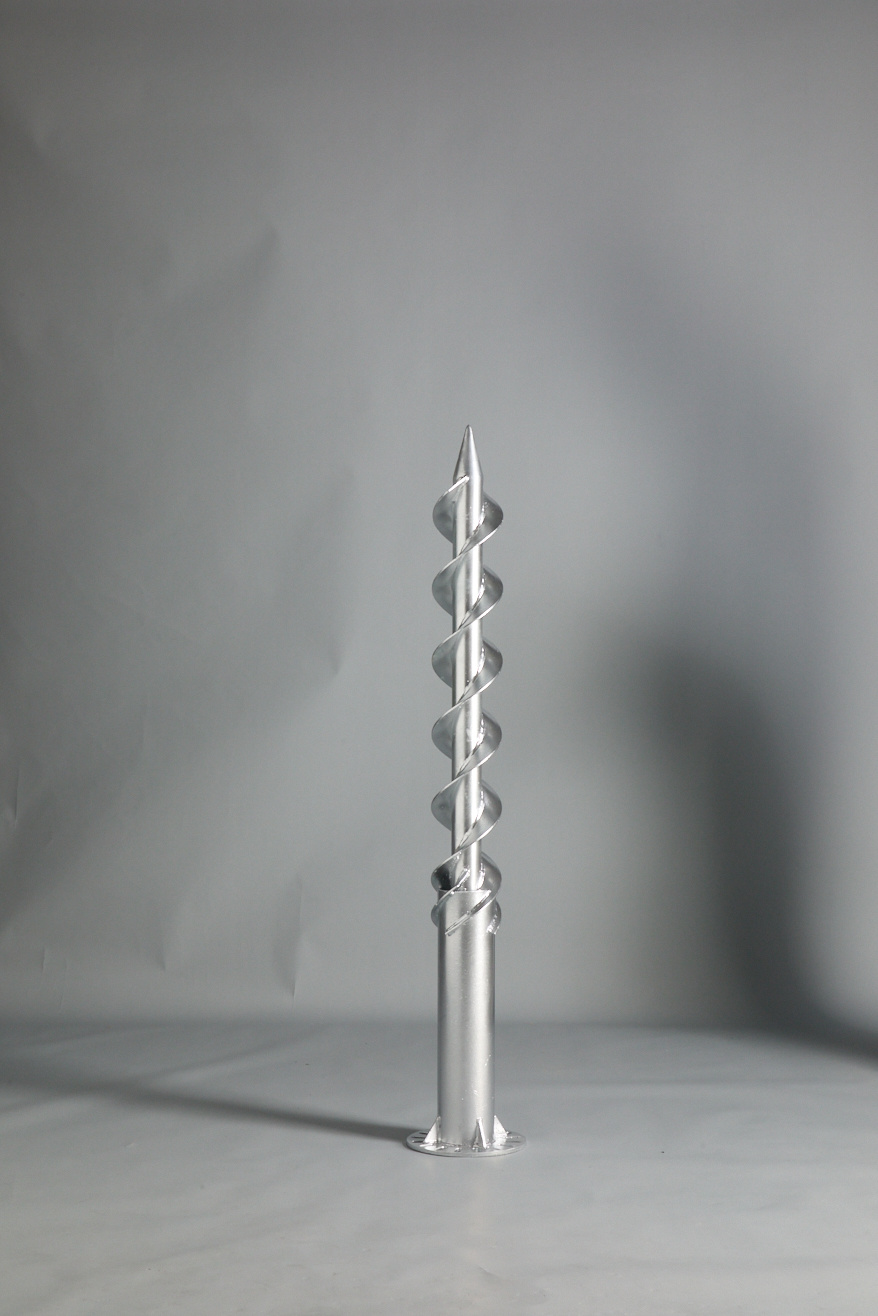
Double-Helix Screw Pile | Patented Foundation Solution
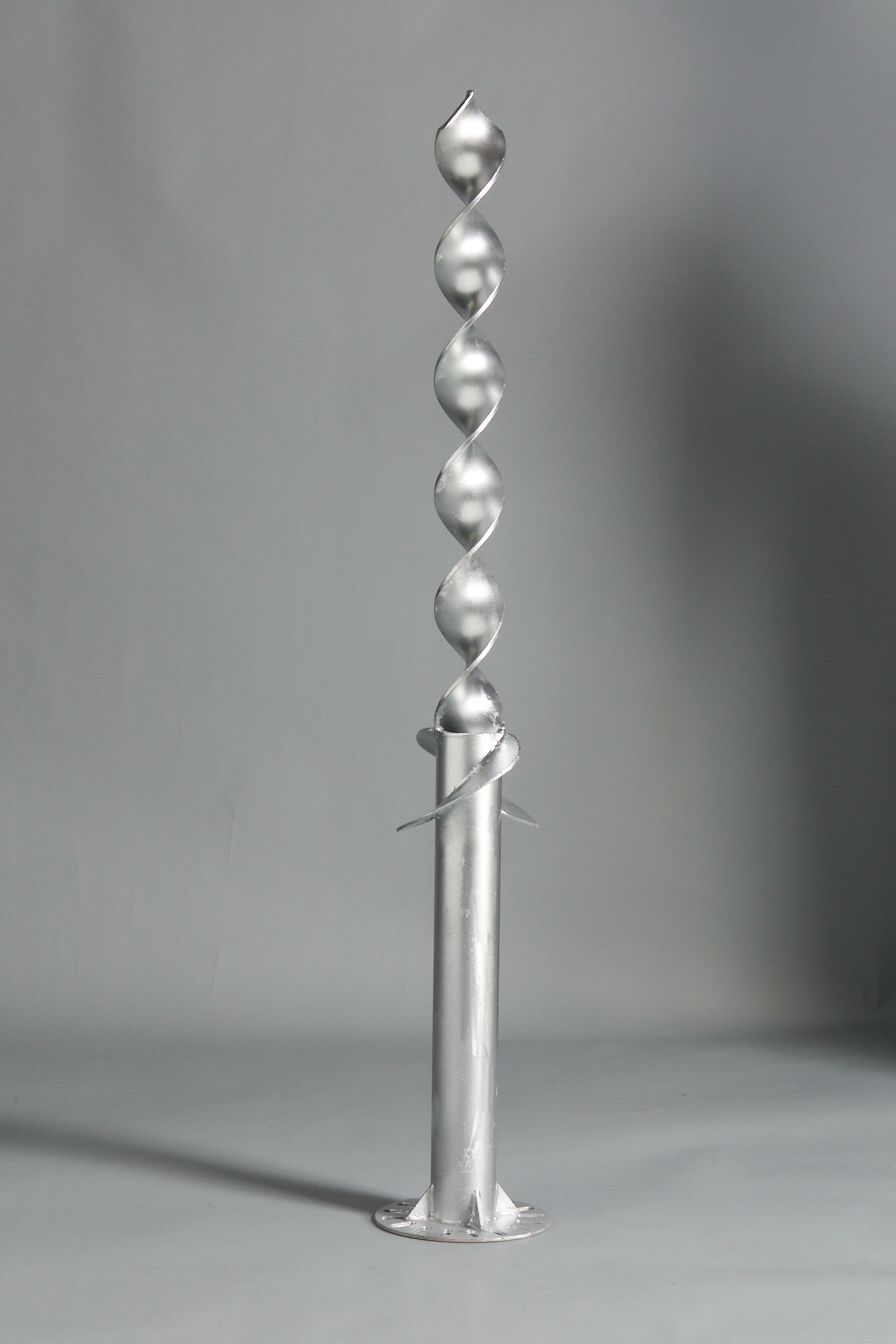
Screw Pile - Large Blade Flat Steel Pile
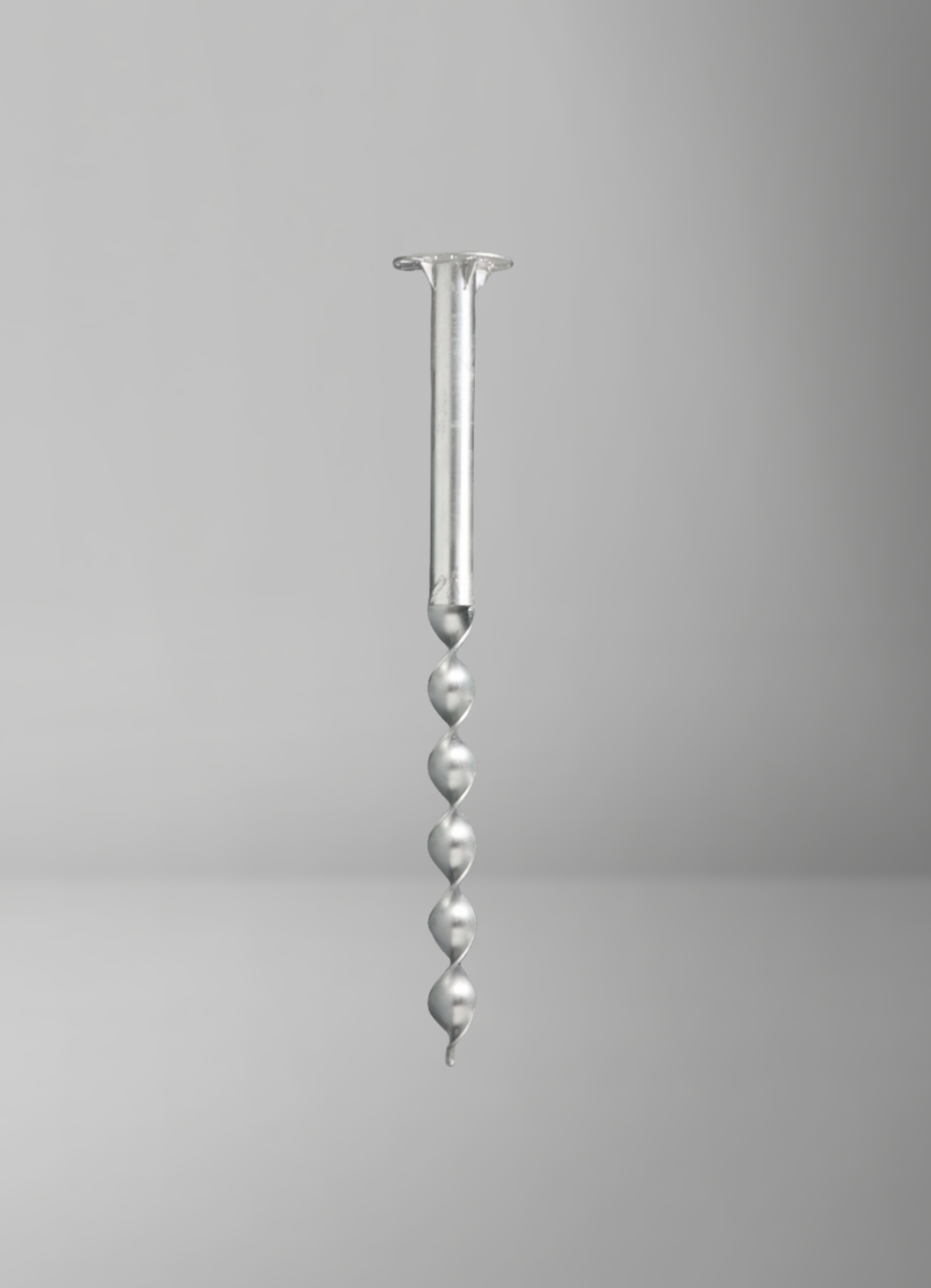
Flat Steel Screw Pile| Reliable Helical Pile Manufacturer| Patented Foundation Solution
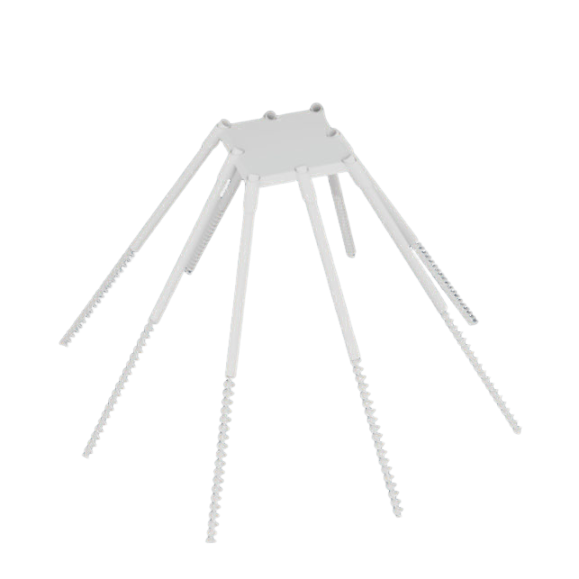
Eight-Pile Group Screw Piles| Reliable Helical Pile Manufacturer| Patented Foundation Solution
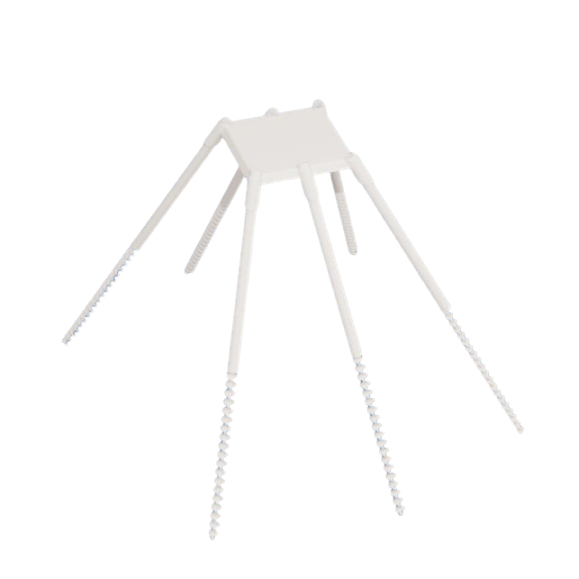
Six-Pile Group Screw Piles| Reliable Helical Pile Manufacturer| Patented Foundation Solution
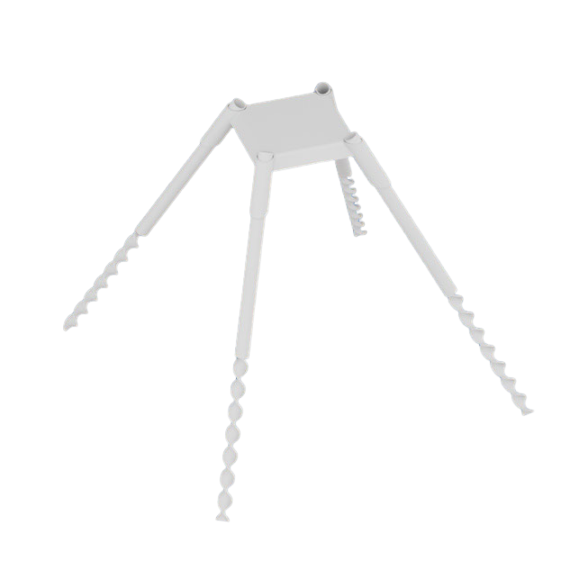
Four-Pile Group Screw Piles| Reliable Helical Pile Manufacturer| Patented Foundation Solution
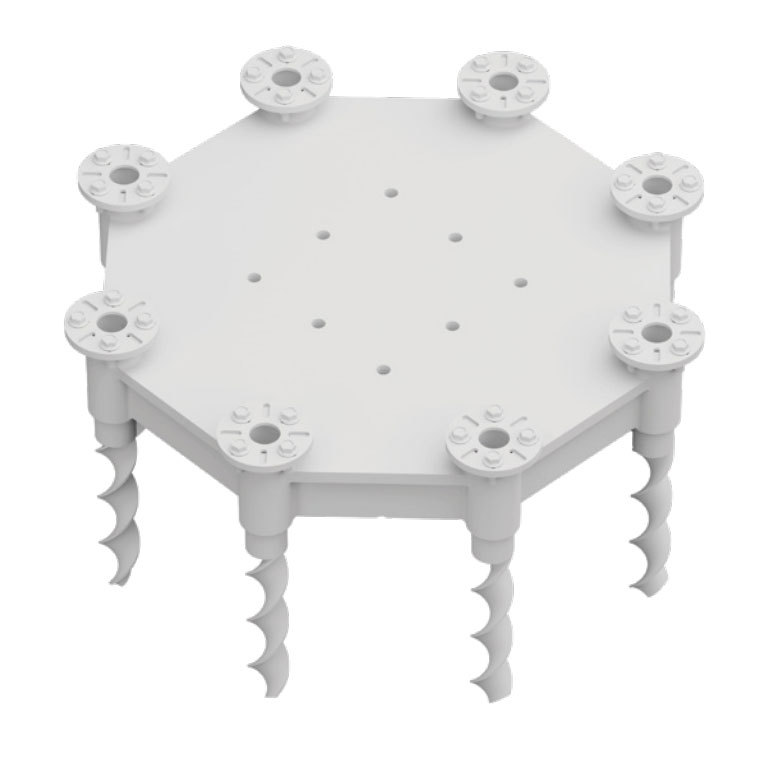
Eight-Pile Cap Screw Pile | Reliable Helical Pile Manufacturer| Patented Foundation Solution
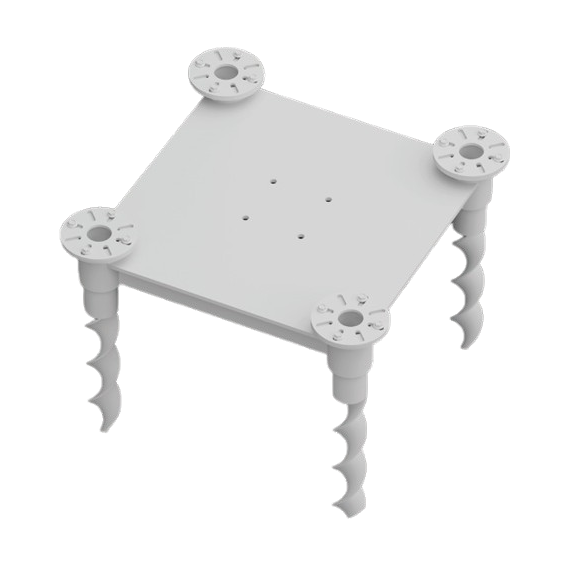
Four-Pile Cap Screw Pile | Reliable Helical Pile Manufacturer| Patented Foundation Solution
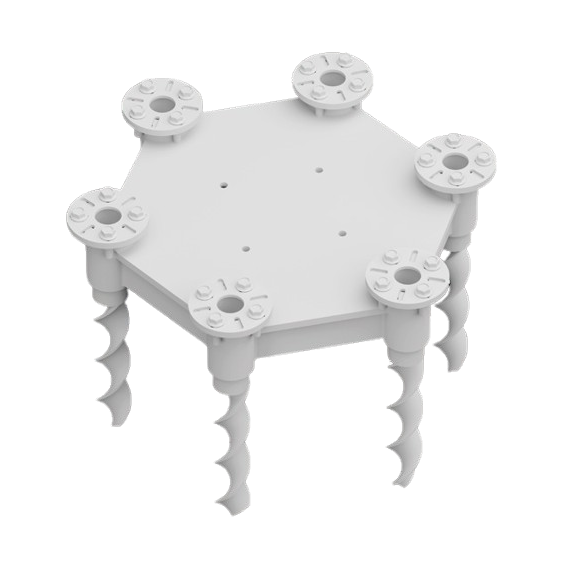
Six-Pile Cap Screw Pile | Reliable Helical Pile Manufacturer| Patented Foundation Solution
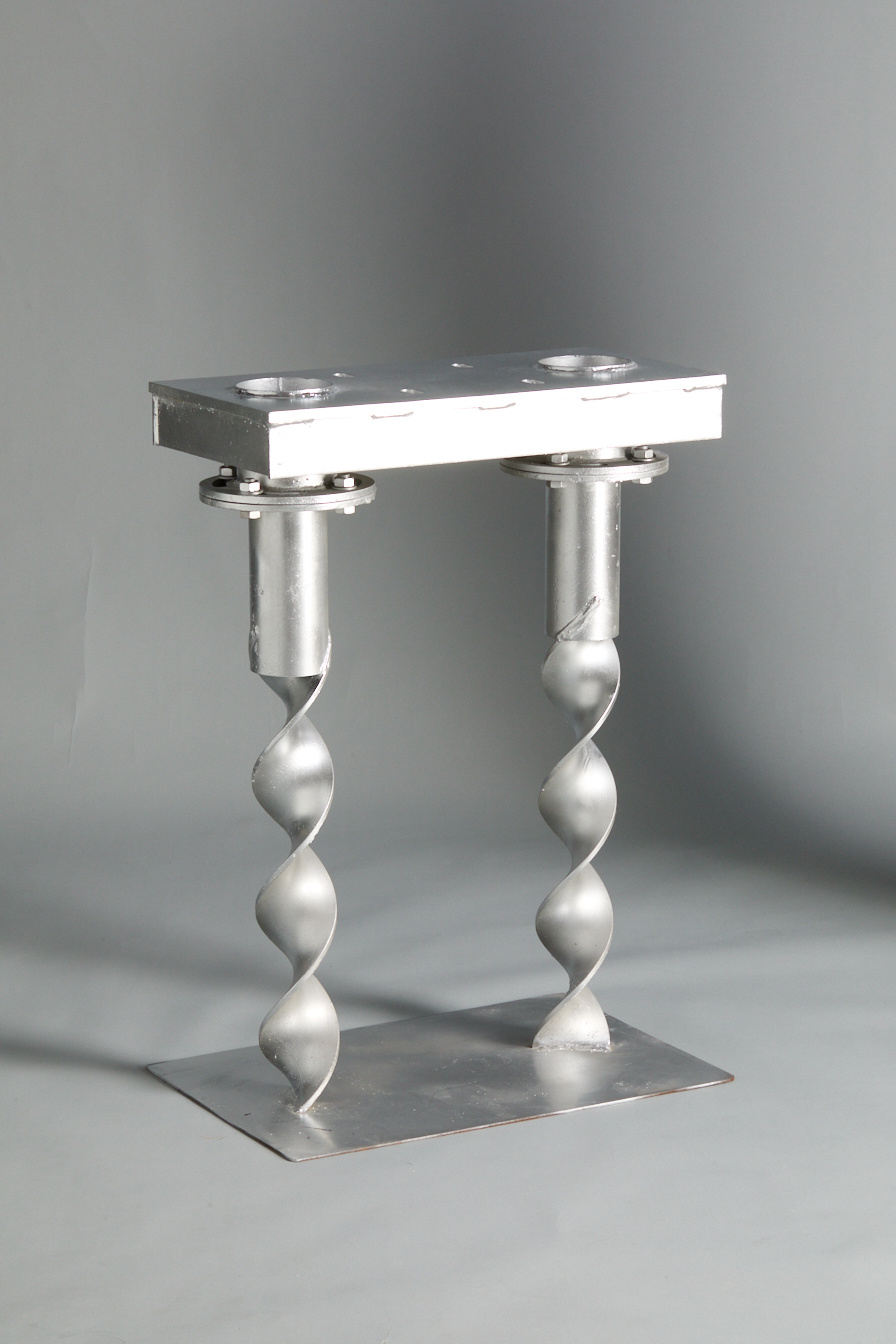
Two-Pile Cap Screw Pile | Reliable Helical Pile Manufacturer| Patented Foundation Solution
Steel Platform System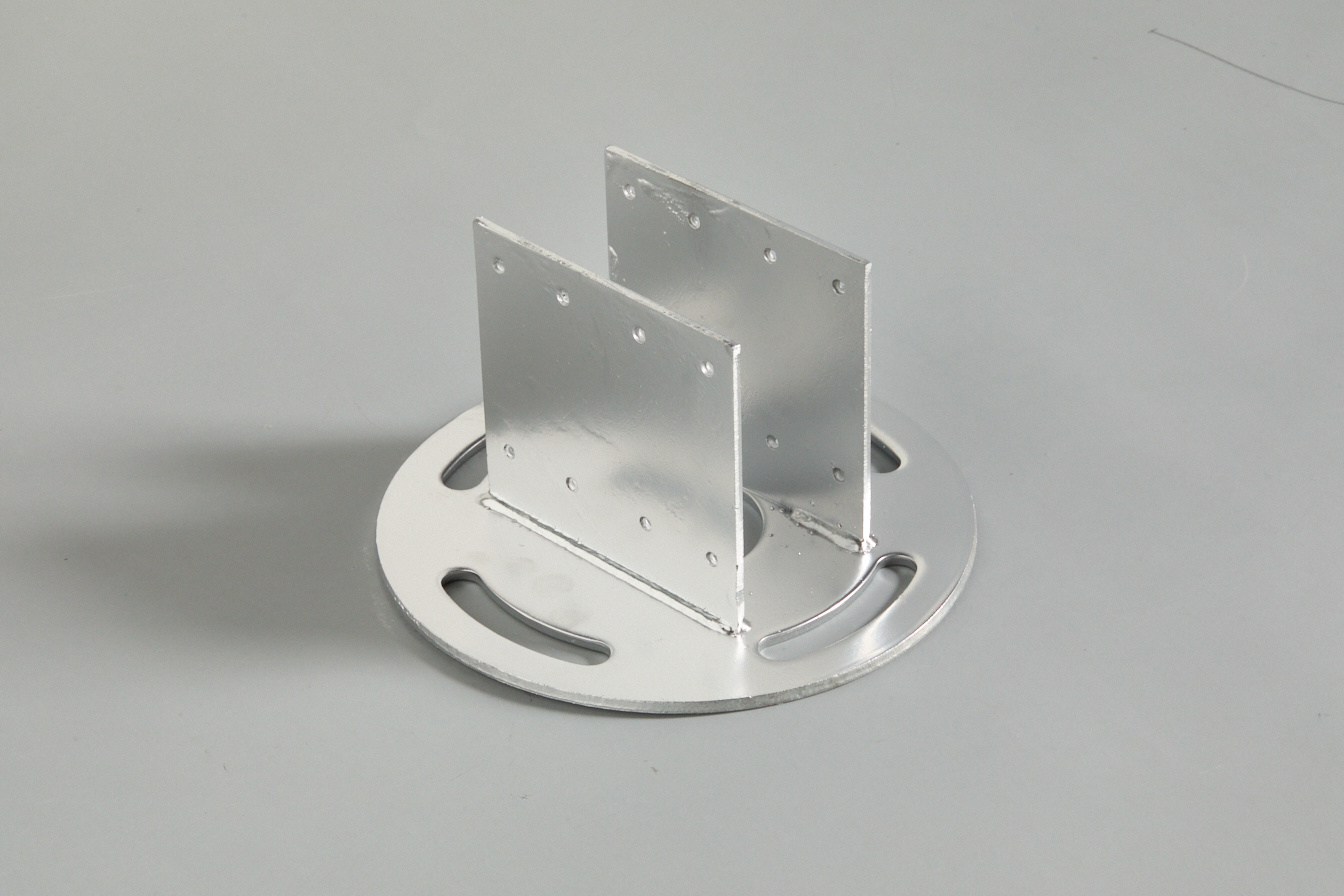
Spiral pile connectors
Small U connector
Large U connector
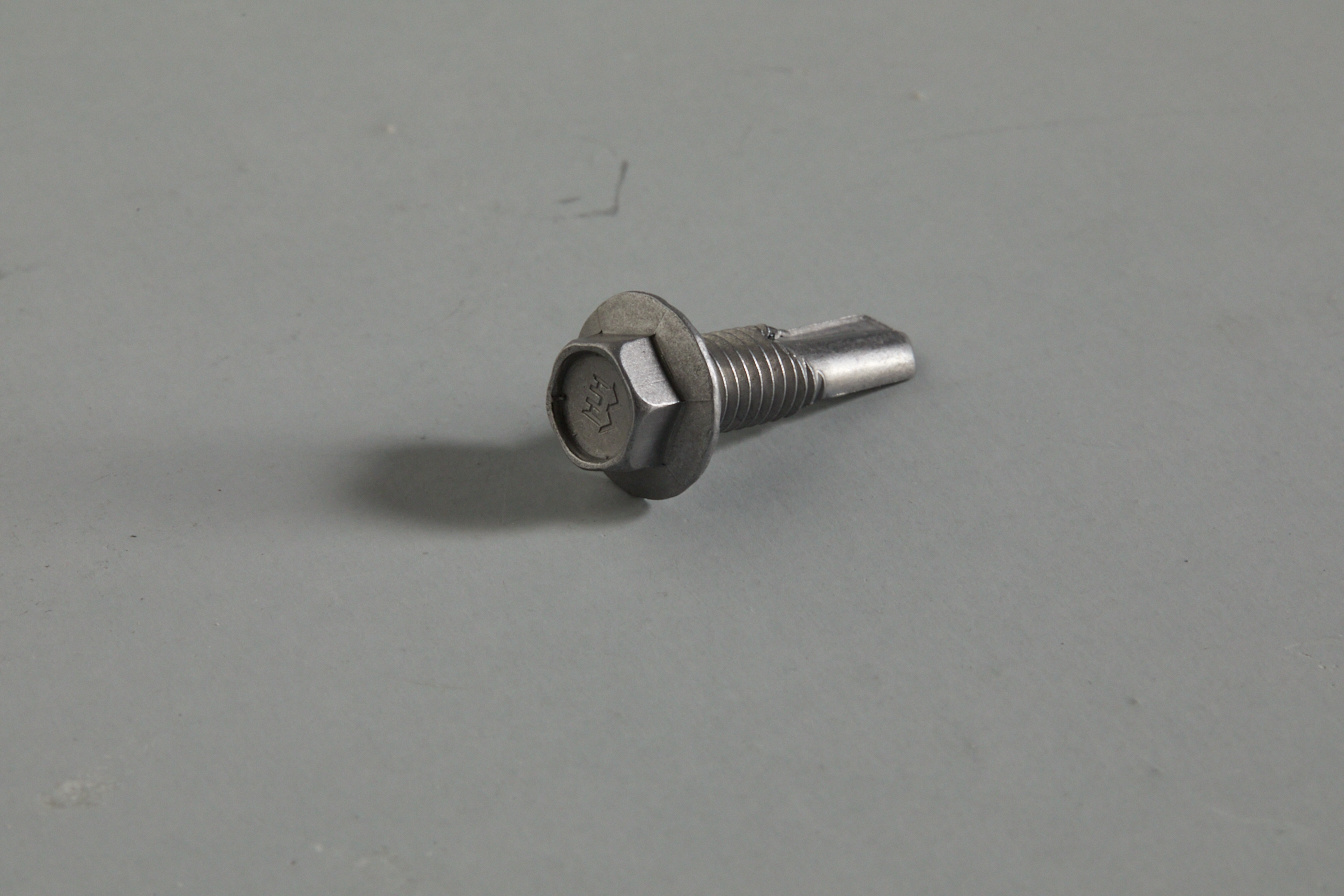
Hexagonal flange self drilling and self tapping screws
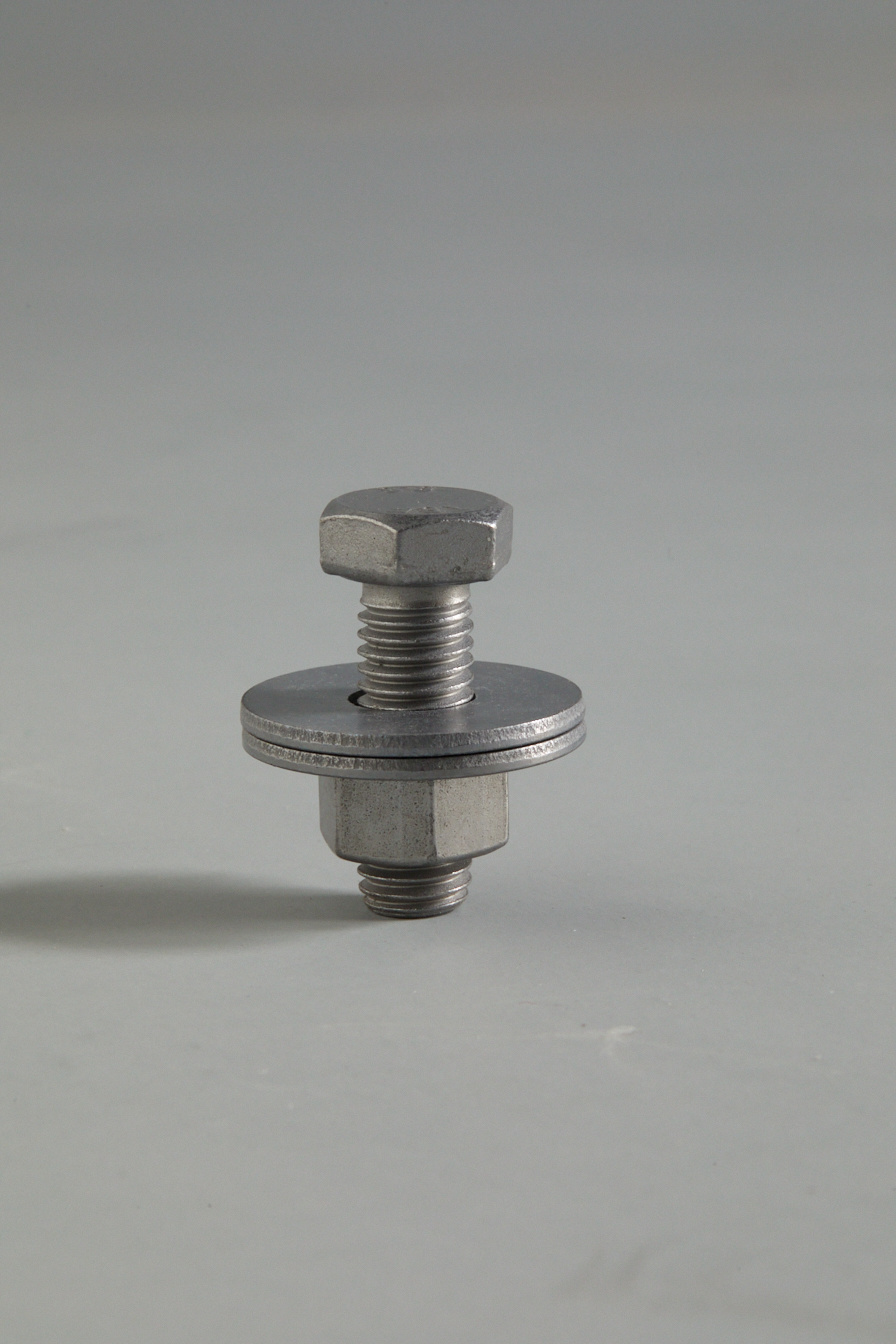
Tightening Bolts
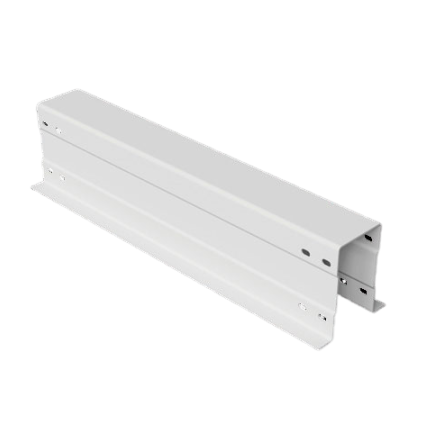
Secondary Beam
Steel Platform - Main Beam
Modular building
Modular building
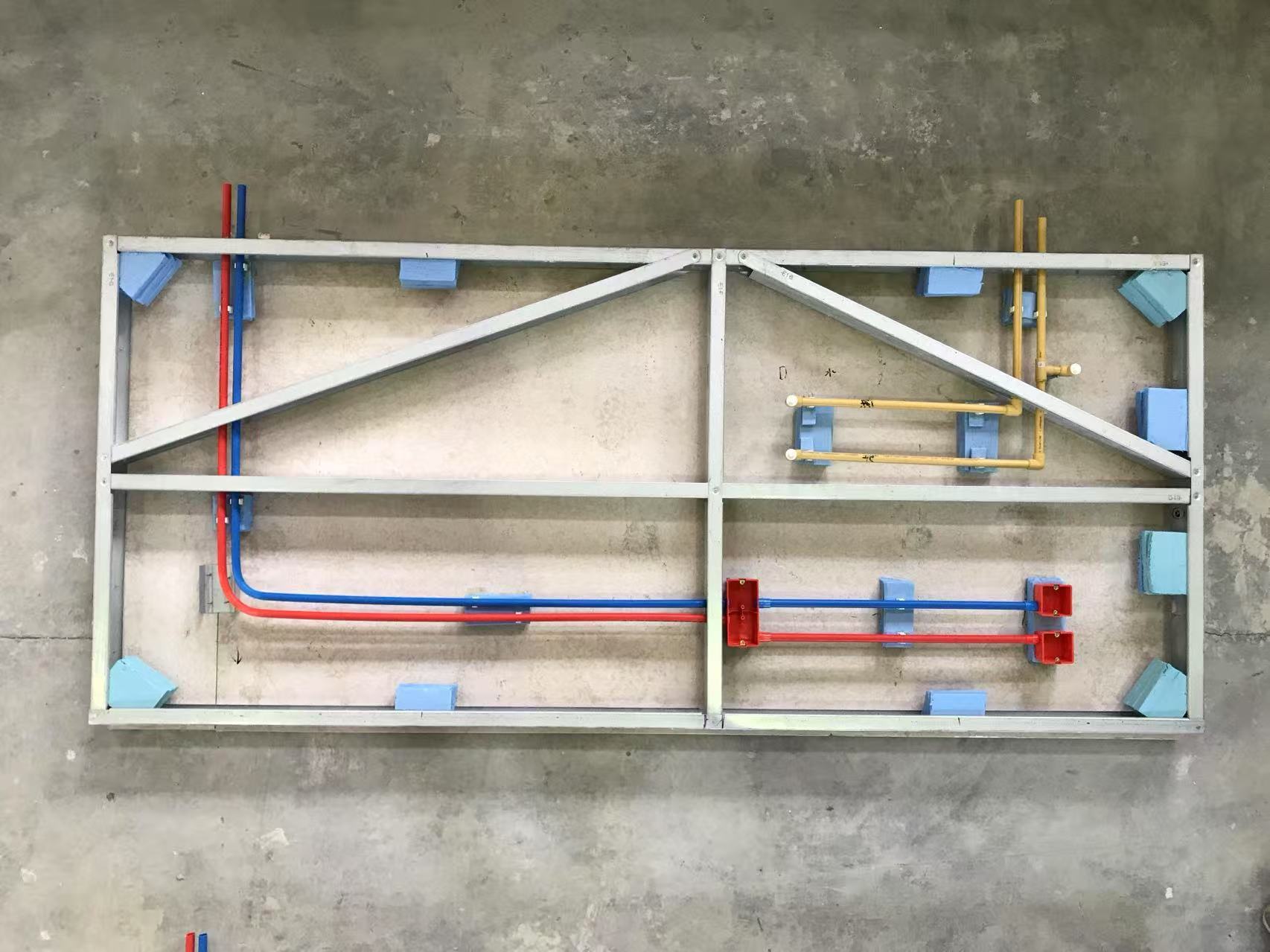
Layout Diagram of Electrical and Plumbing Pipelines for Magnesium-Based Grouted Walls

Performance Testing of Magnesium-Based Walls
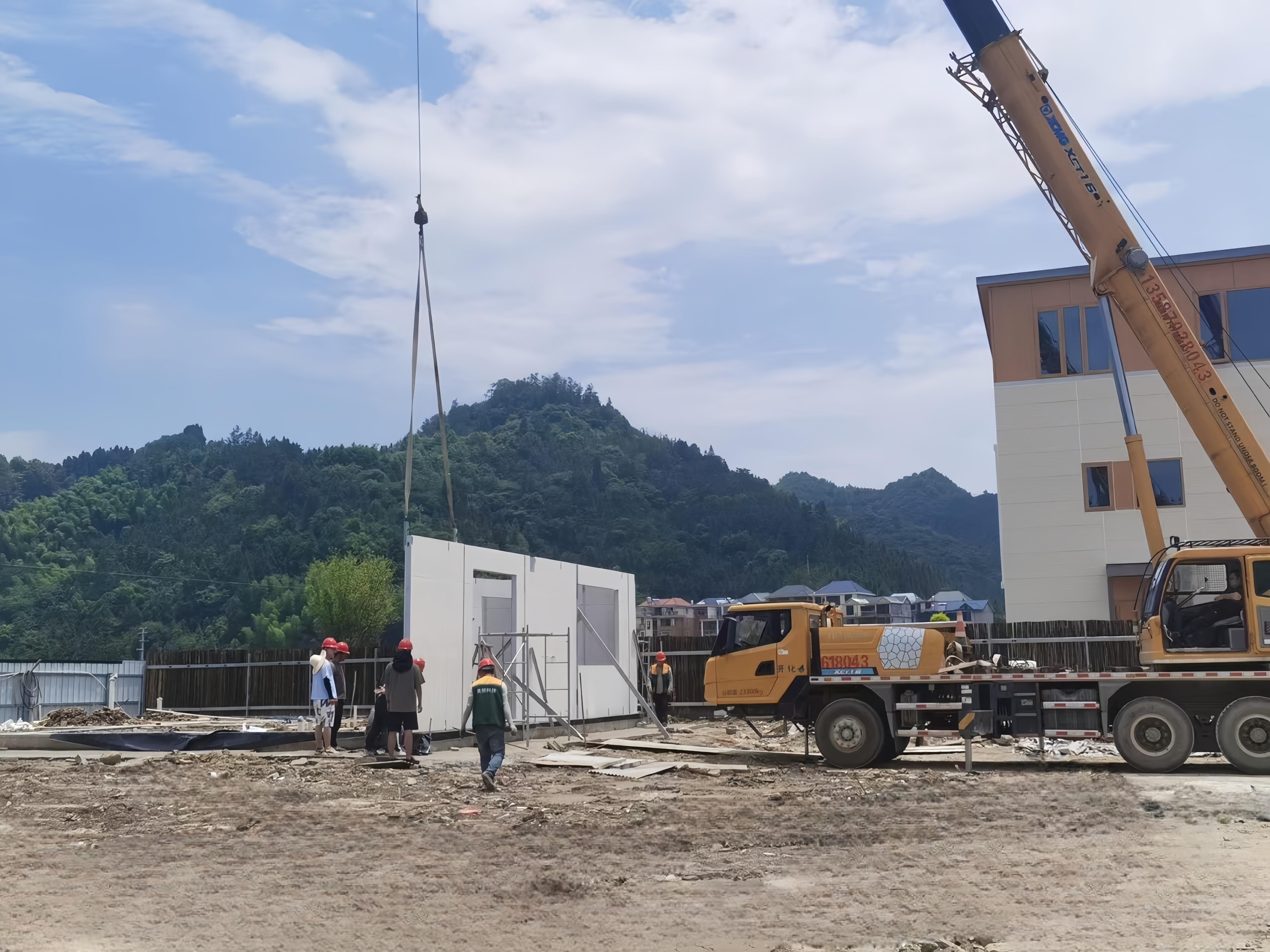
Construction Process of Modular Walls
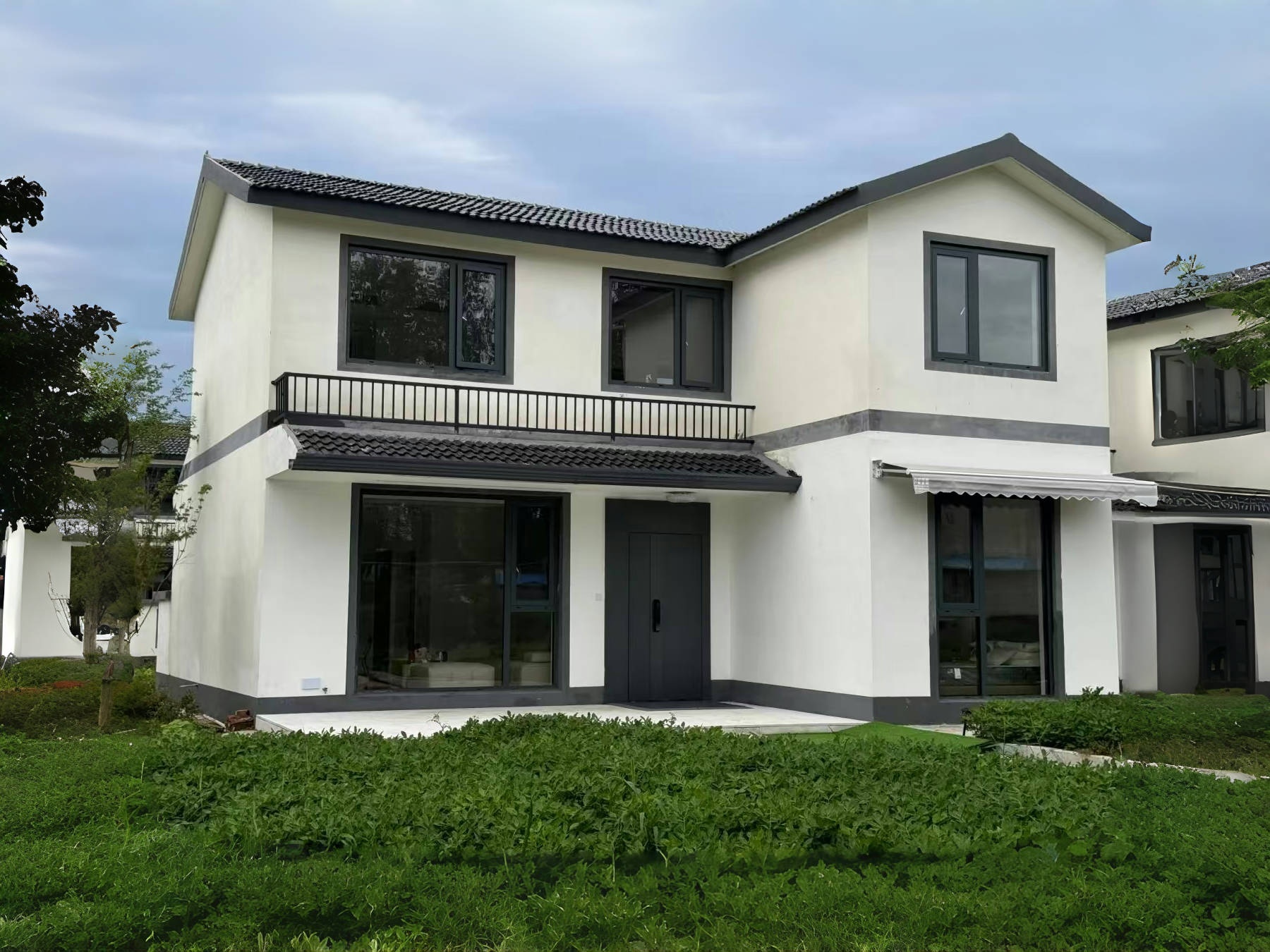
Cases of Modular Buildings
Bracket Roof Integrated Panel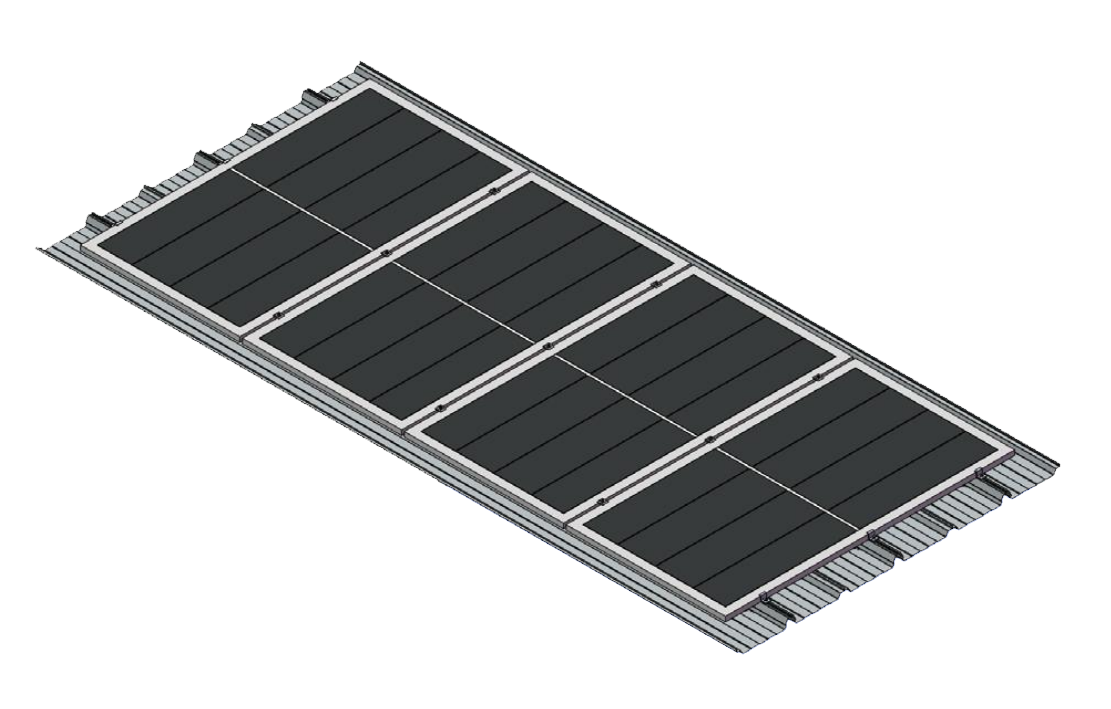
BIPV Bracket Roof Integrated Panel
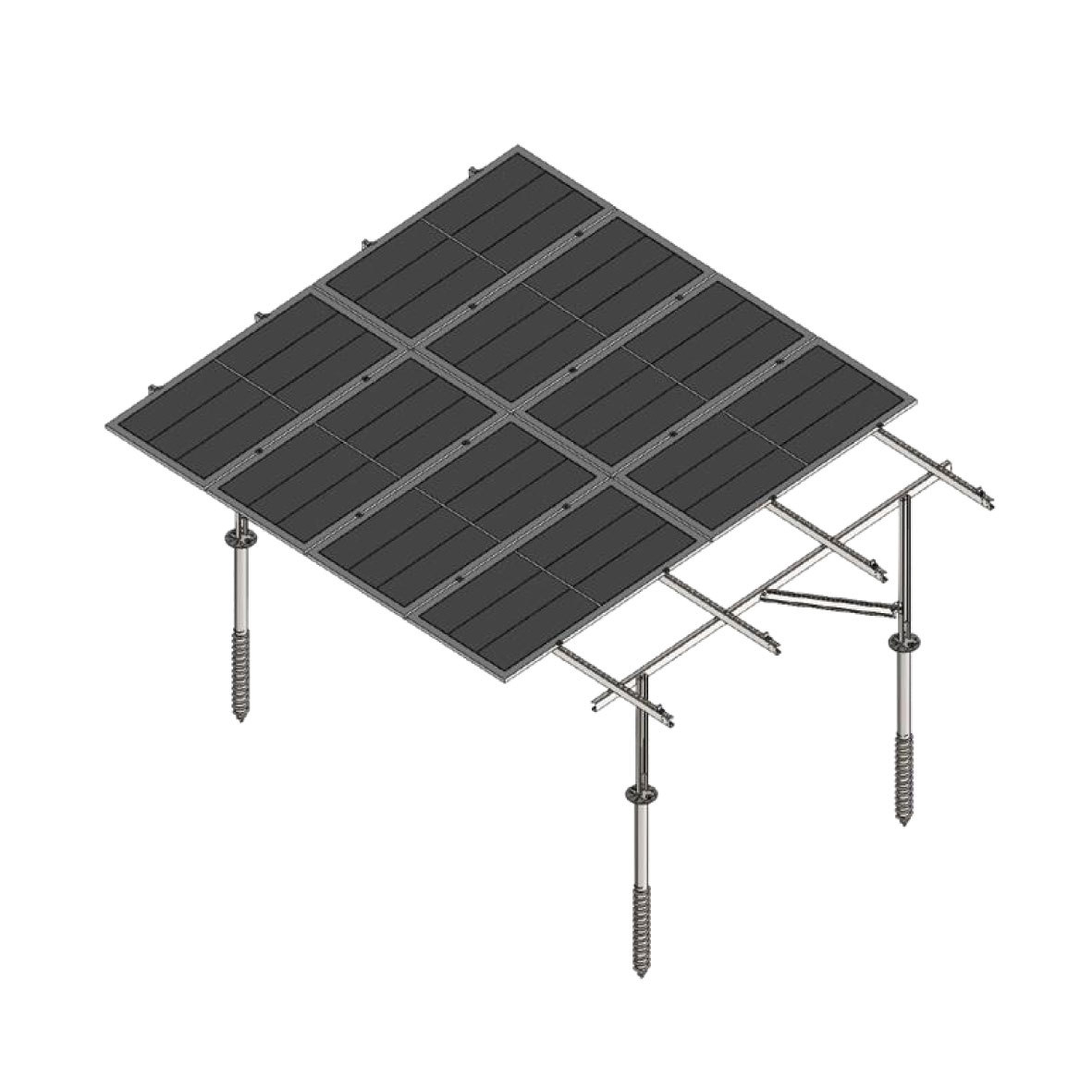
ZINC Aluminum Magnesium Double Leg Bracket
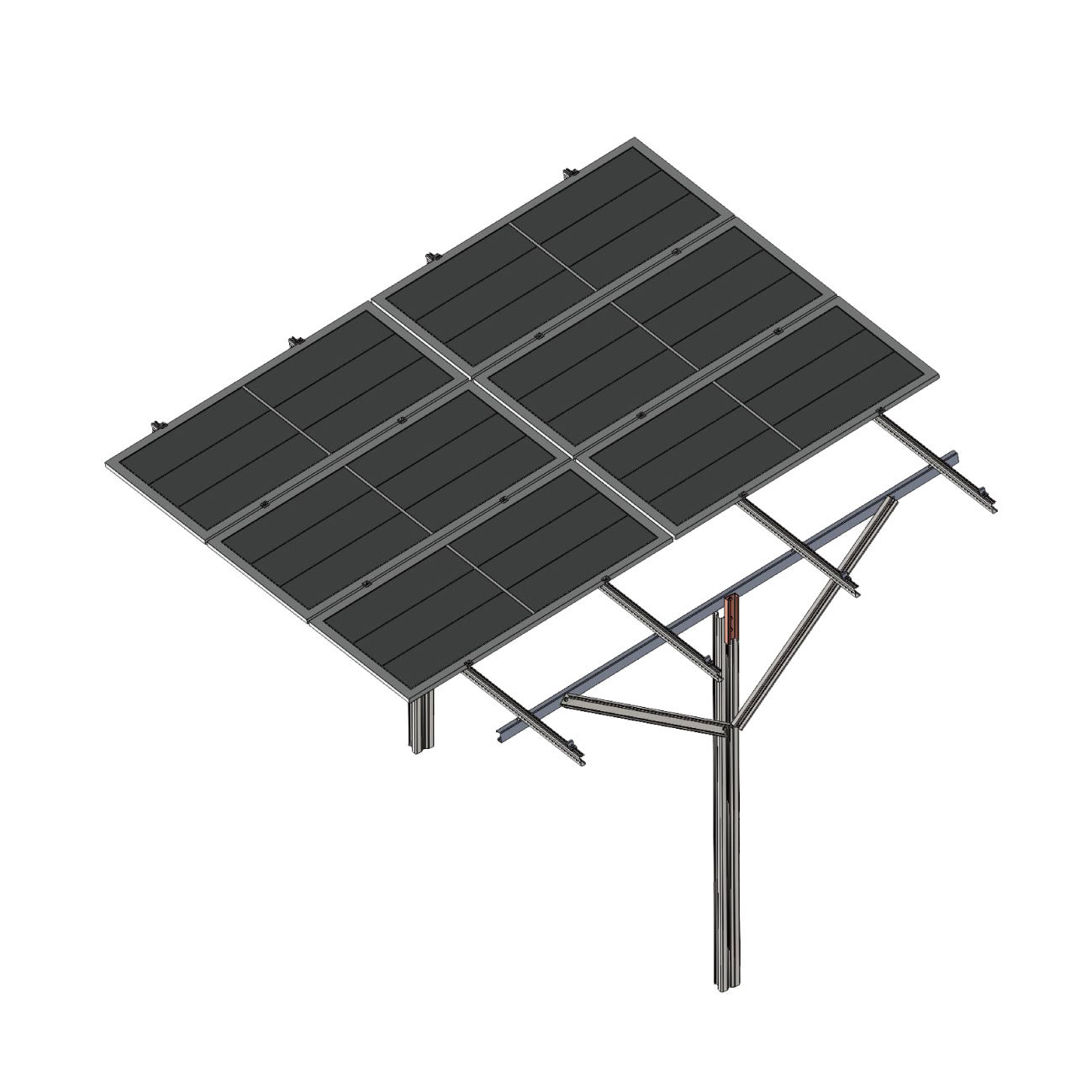
ZINC Aluminum Magnesium Single Leg Bracket
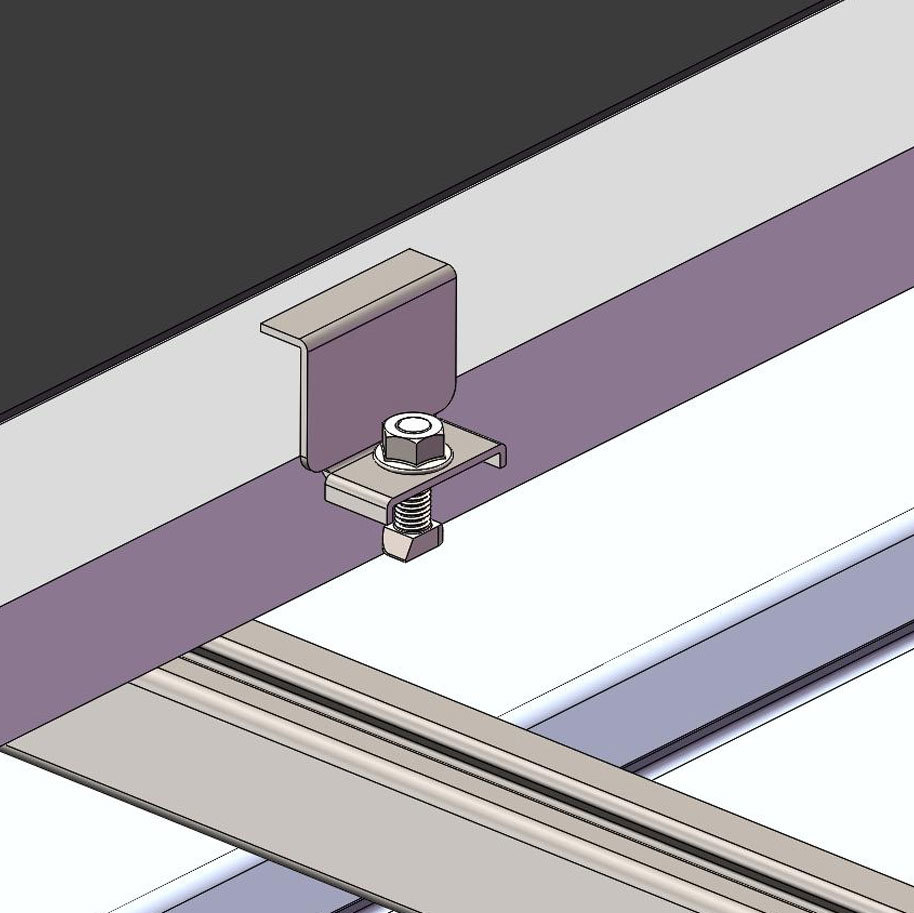
Explosion diagram of zinc aluminum magnesium under lateral pressure
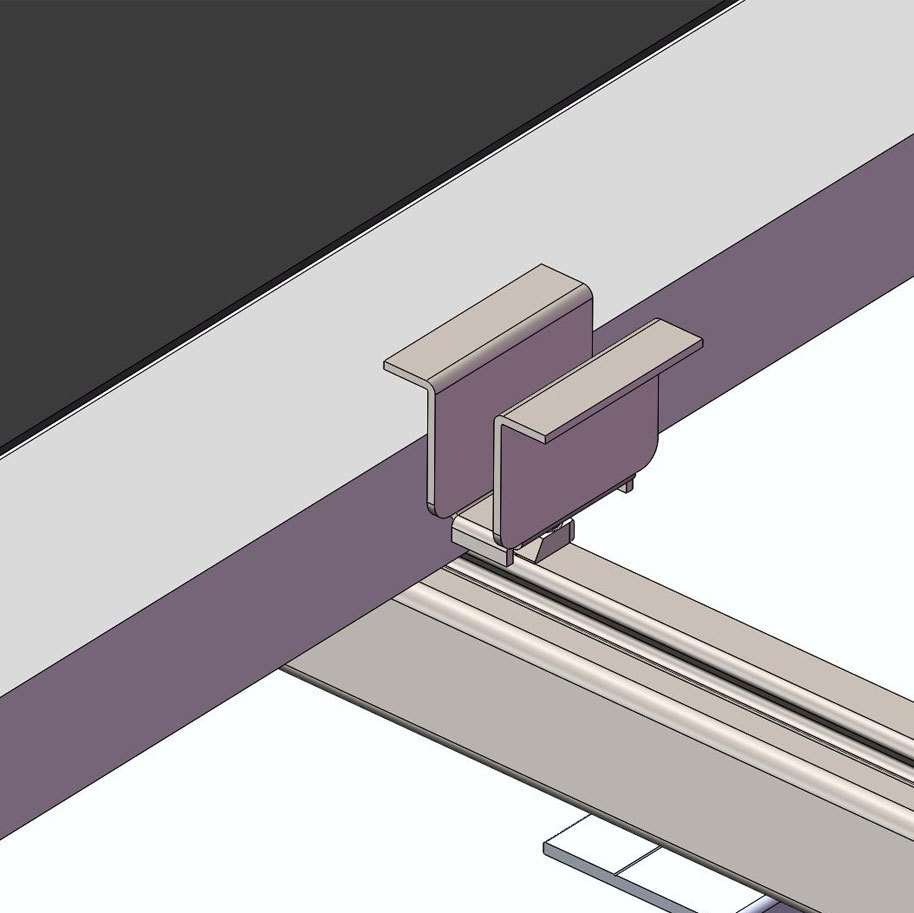
Zinc aluminum magnesium medium pressure explosion diagram
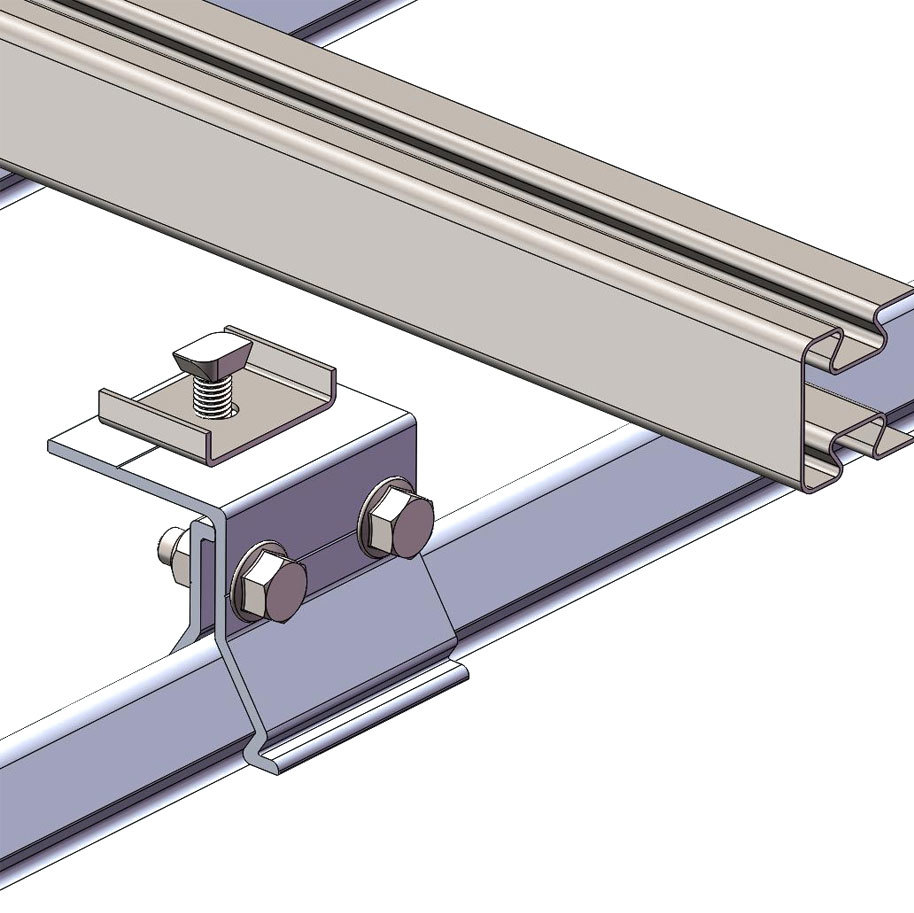
Explosion diagram of fixture components
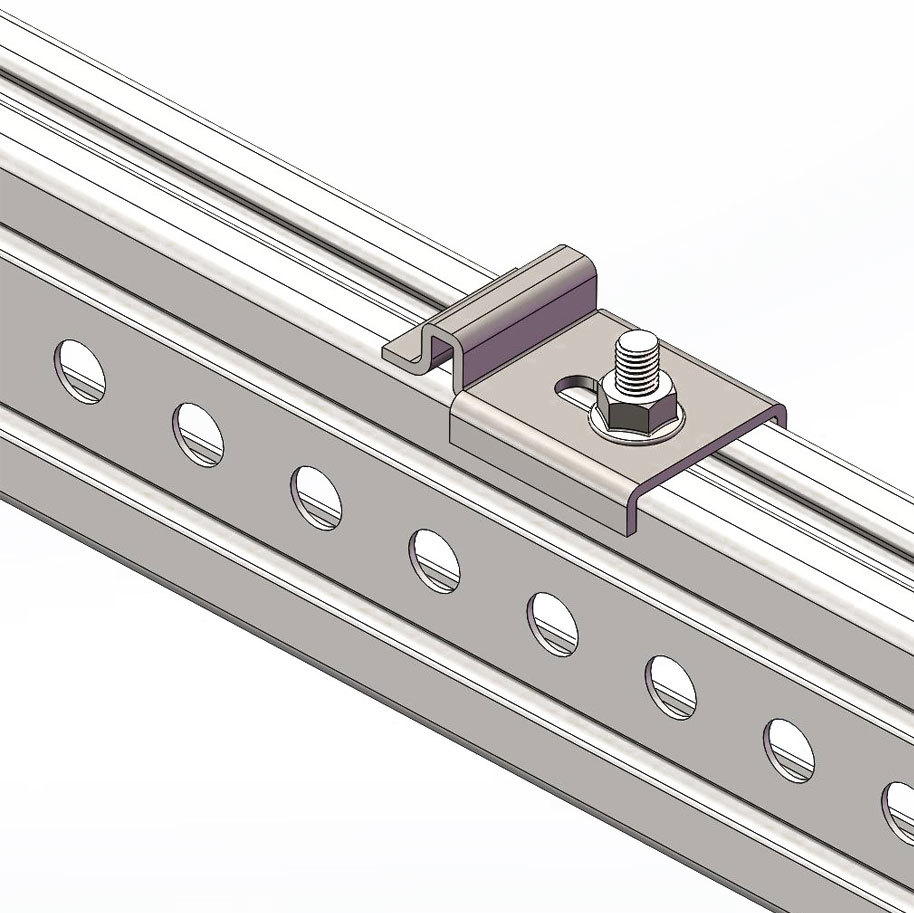
Lower pressure component
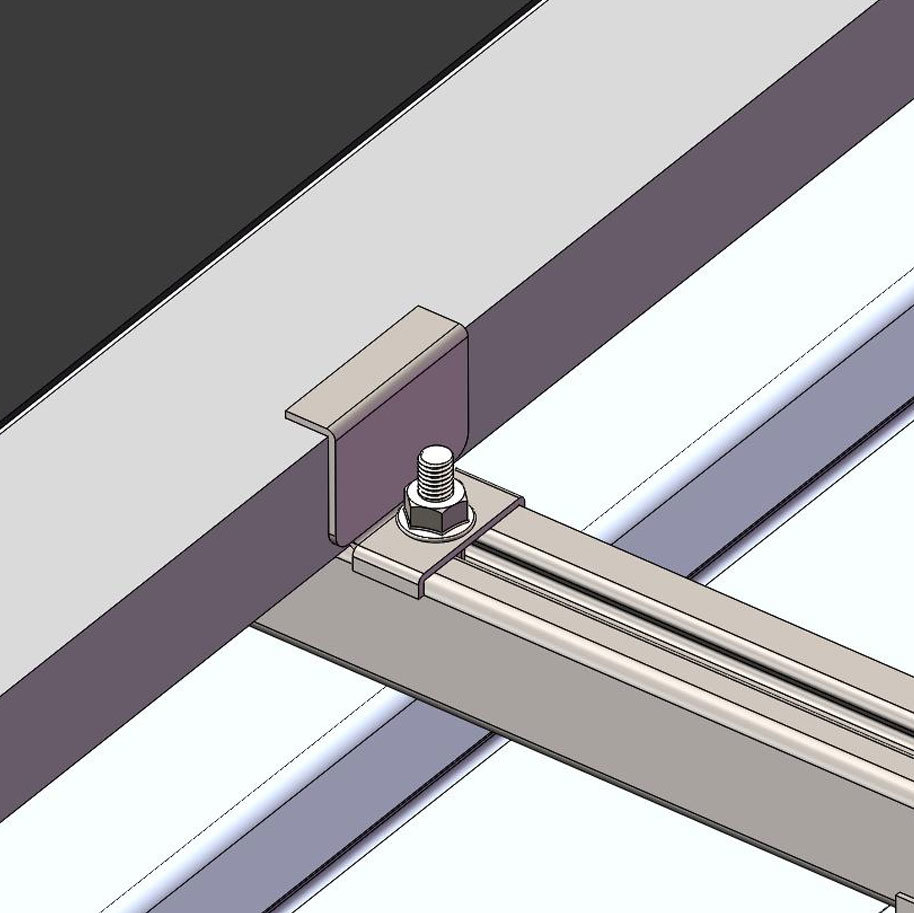
Zinc aluminum magnesium side pressure
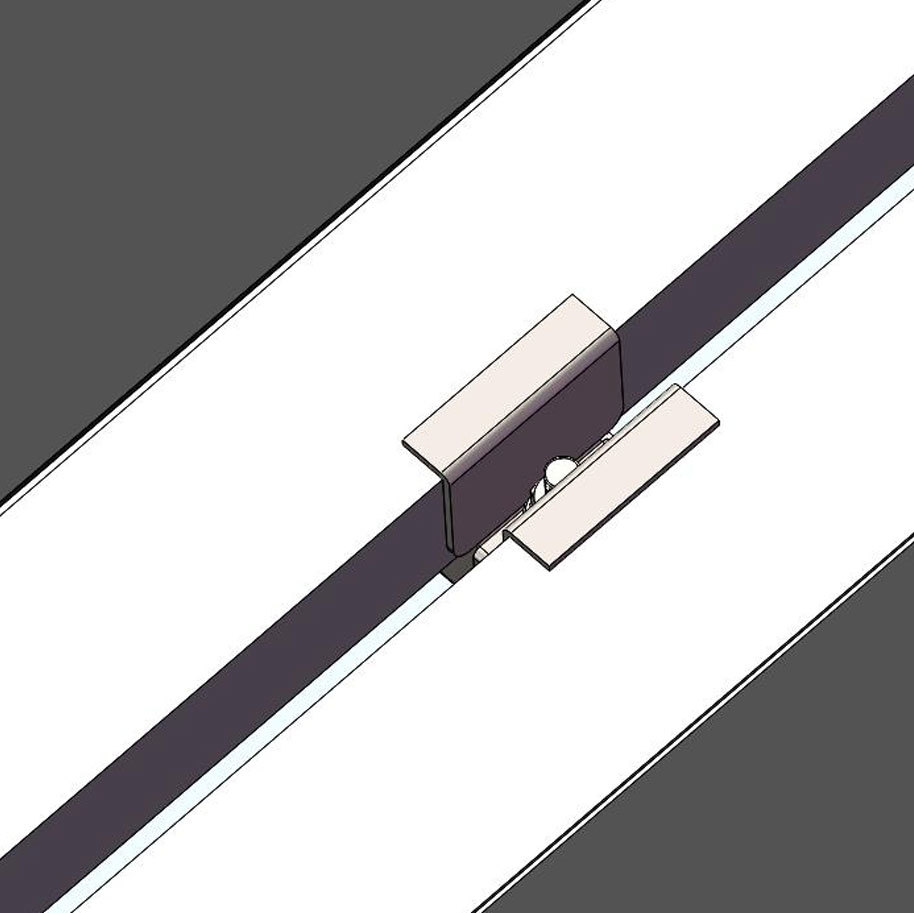
Zinc aluminum magnesium medium pressure
Zinc aluminum magnesium medium pressure
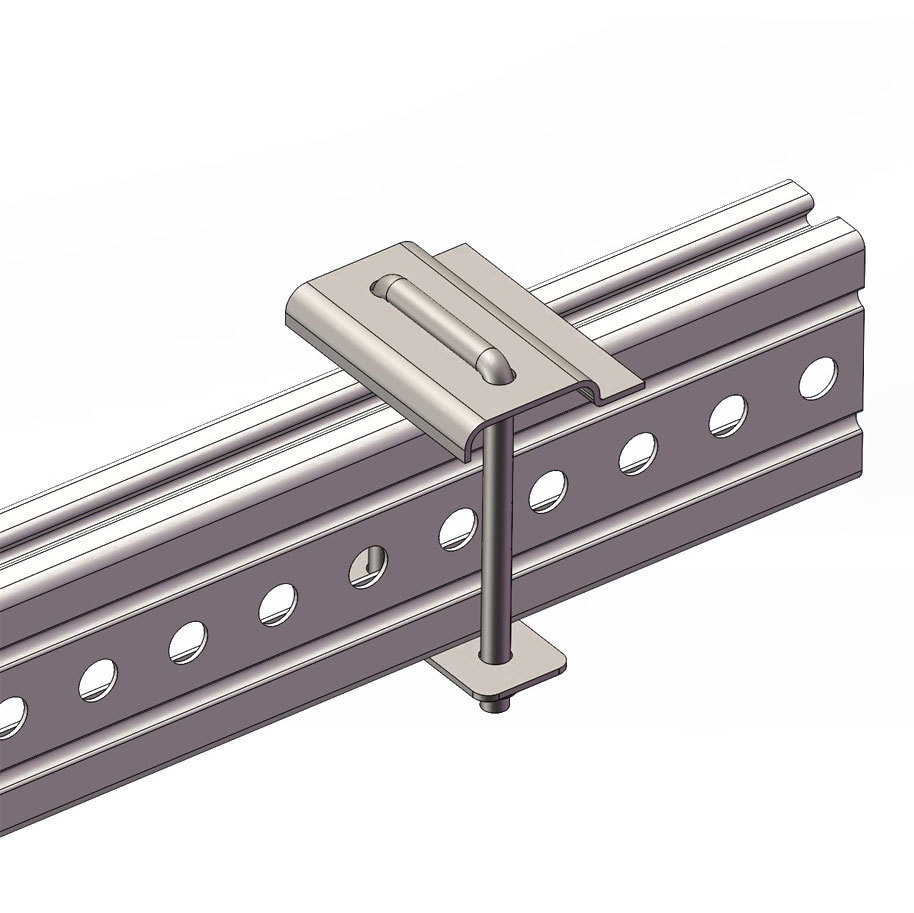
U-bolt assembly
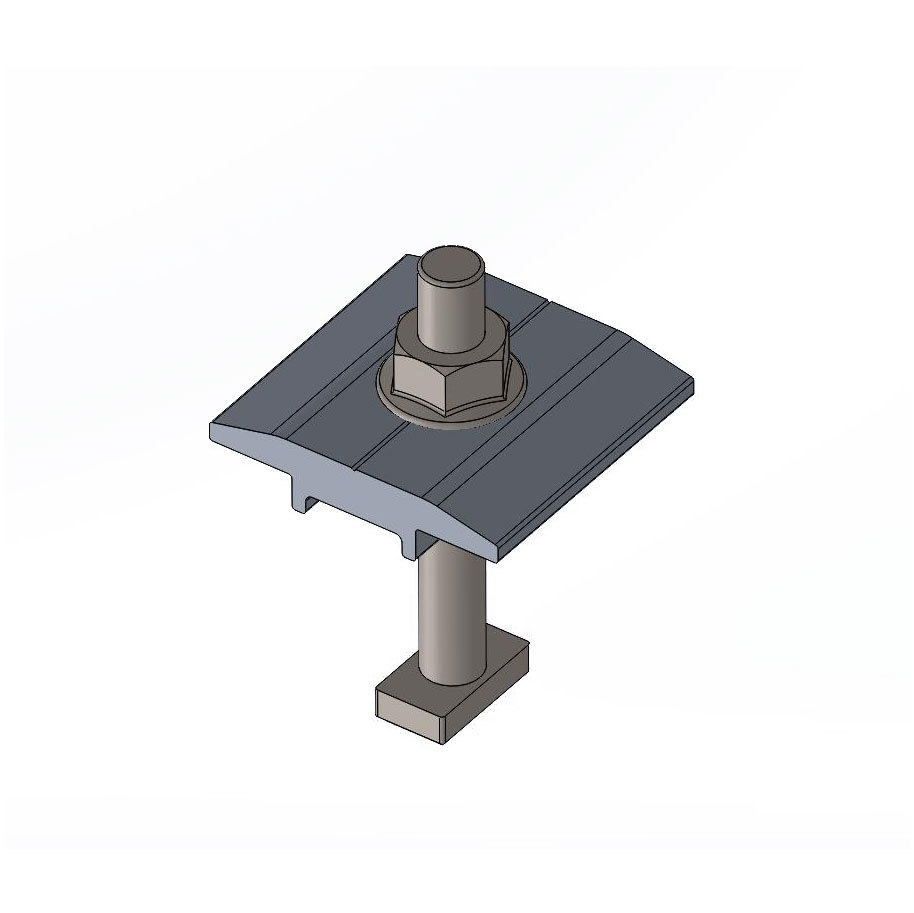
Medium voltage components
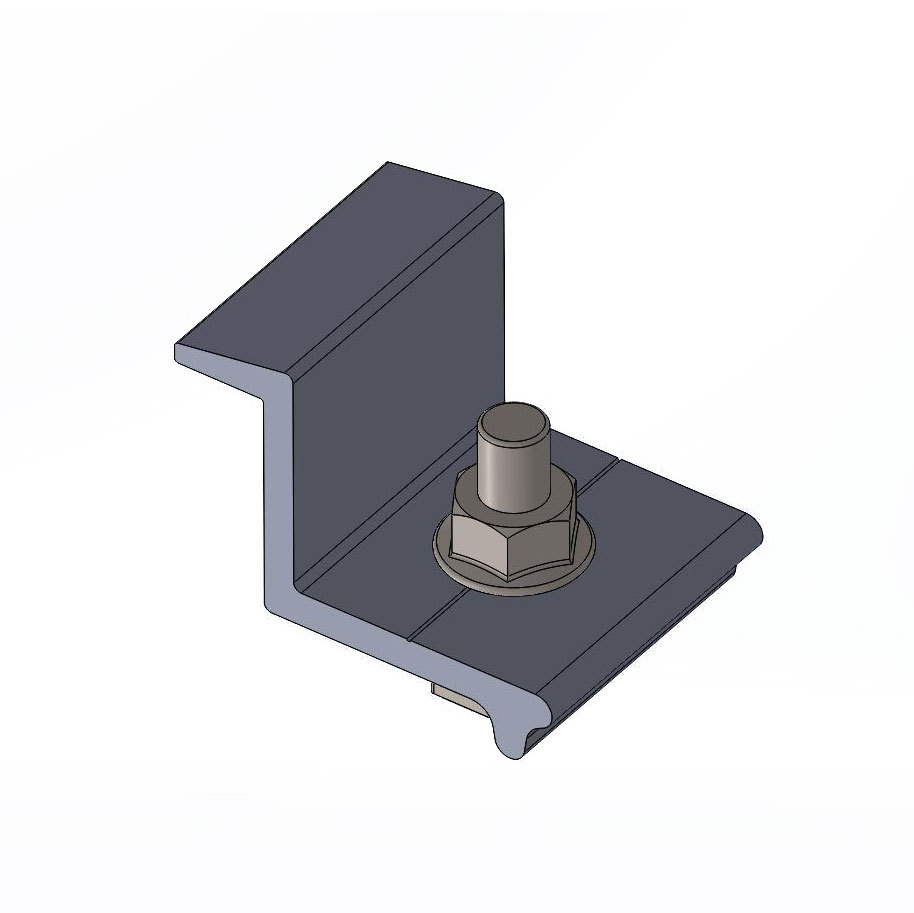
Side pressure component
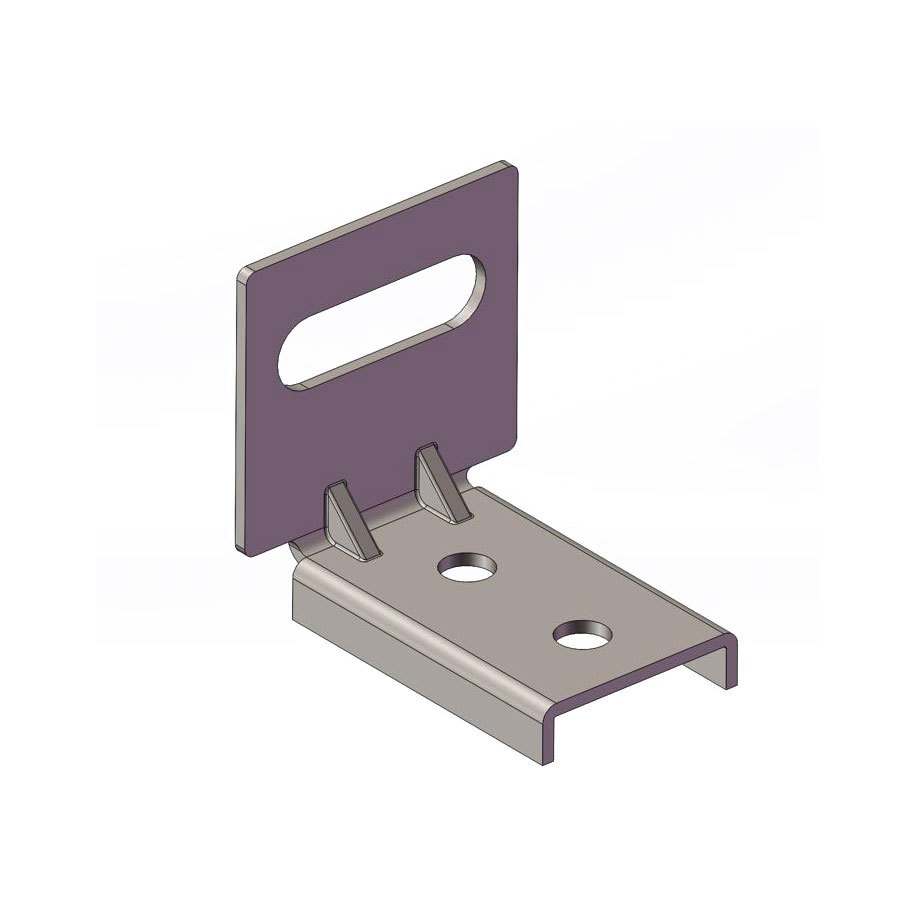
Horizontal and vertical rail connectors
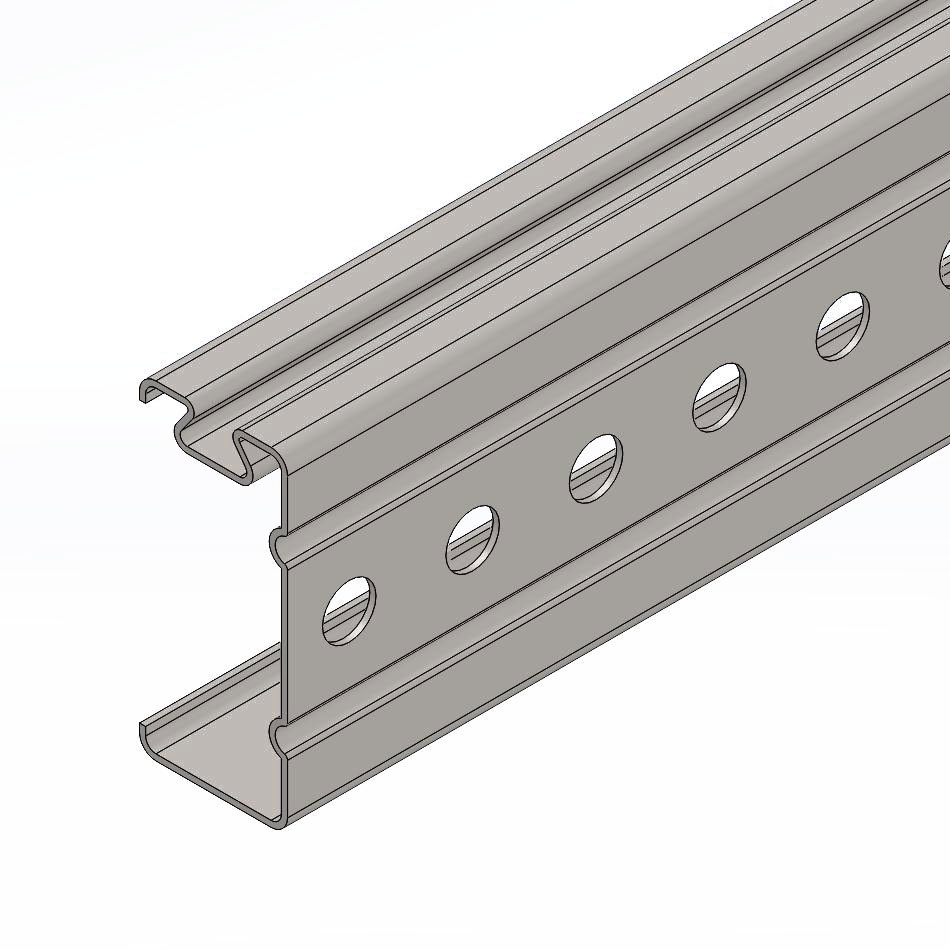
Slant support
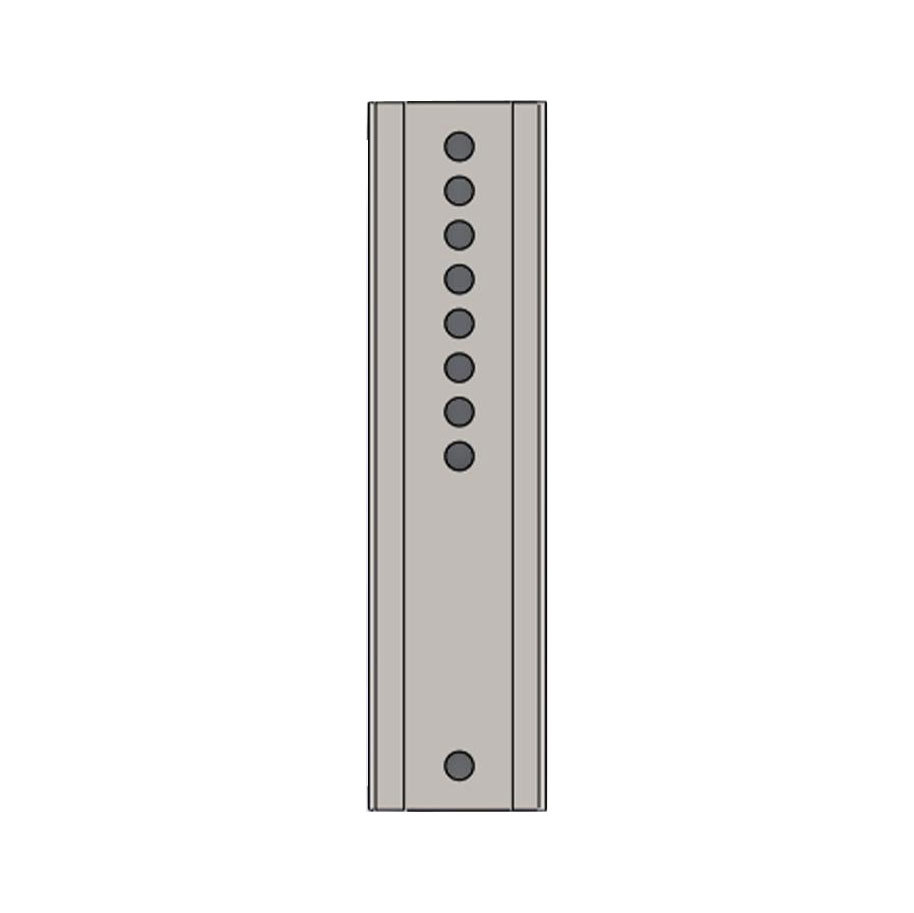
Column connectors
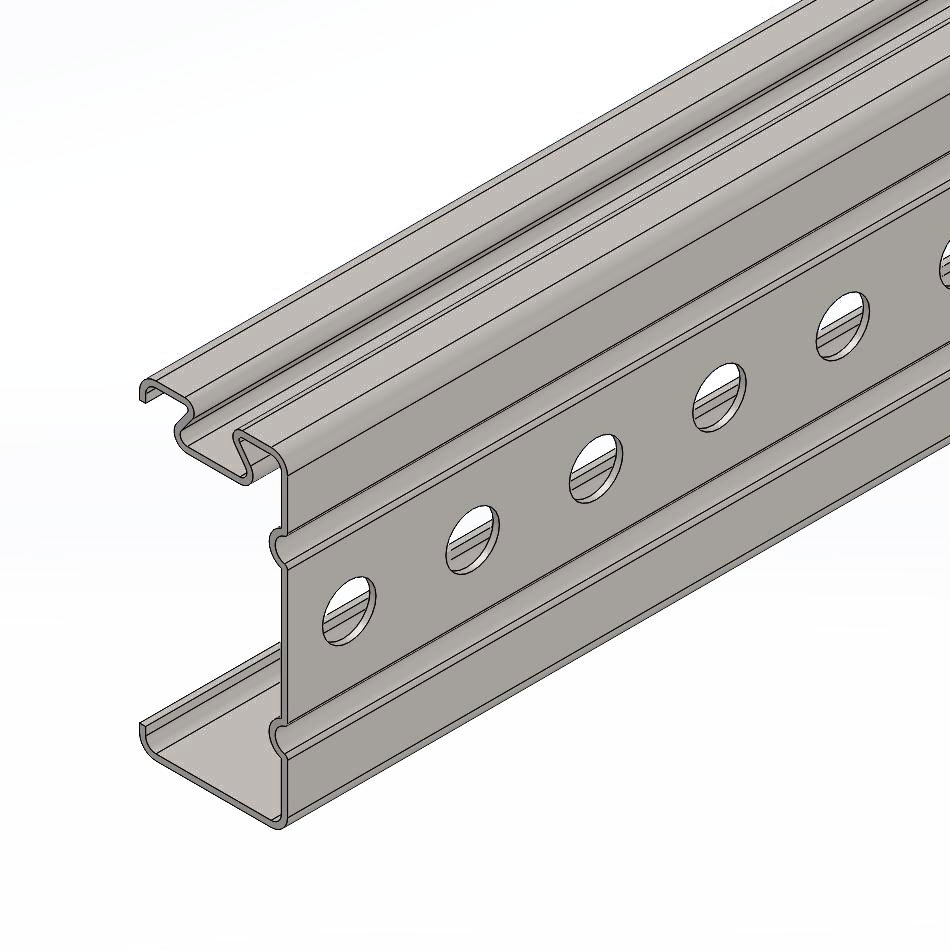
Longitudinal track
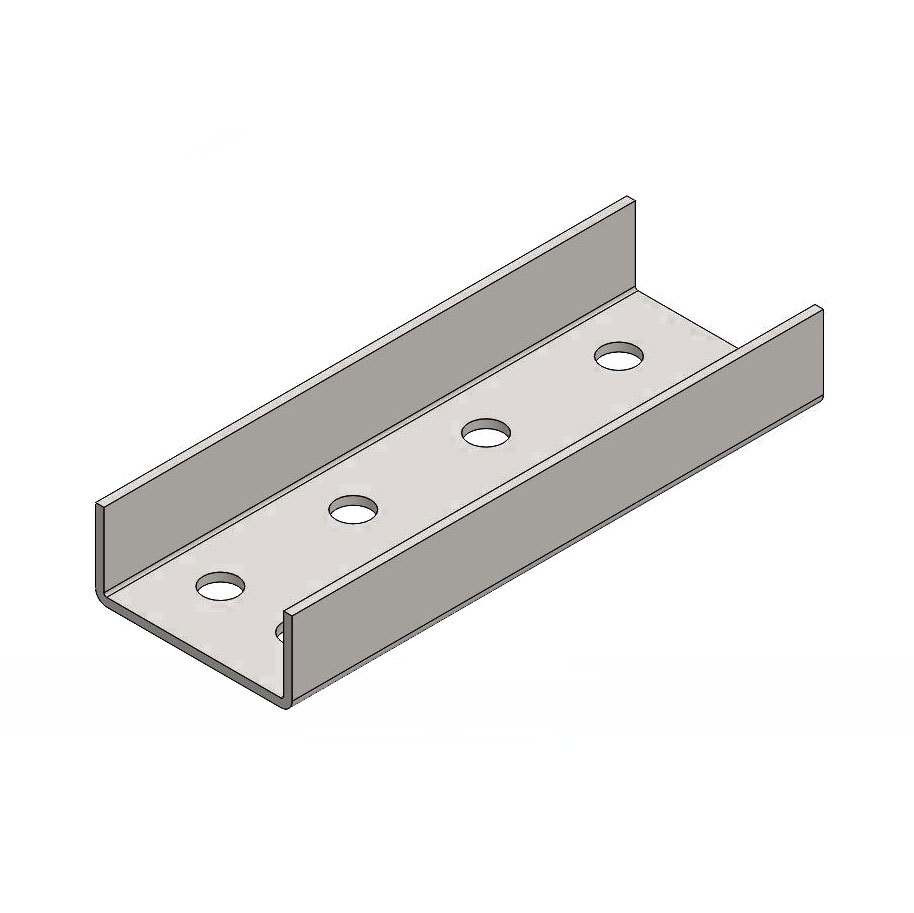
Horizontal rail connectors
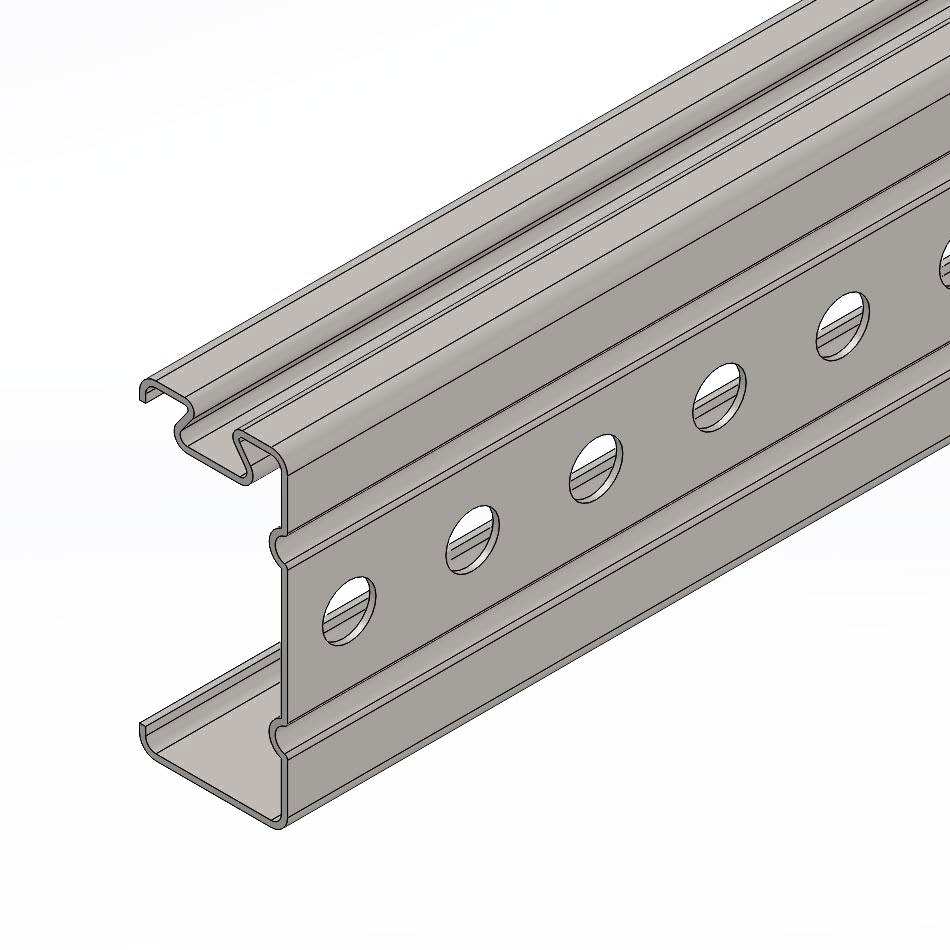
Horizontal track
Easy Install Steel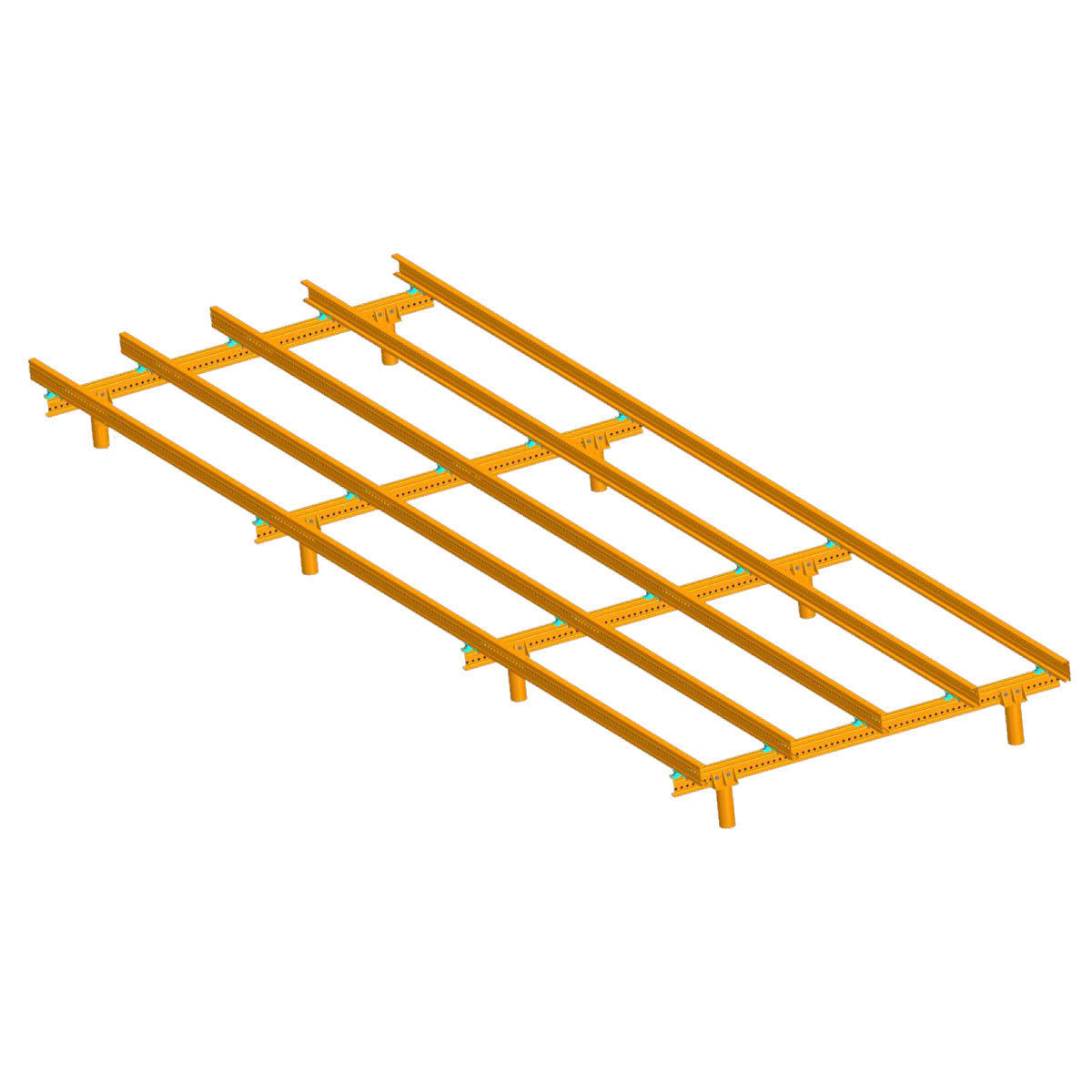
Haoheng Yi'an System

Easy Install Steel
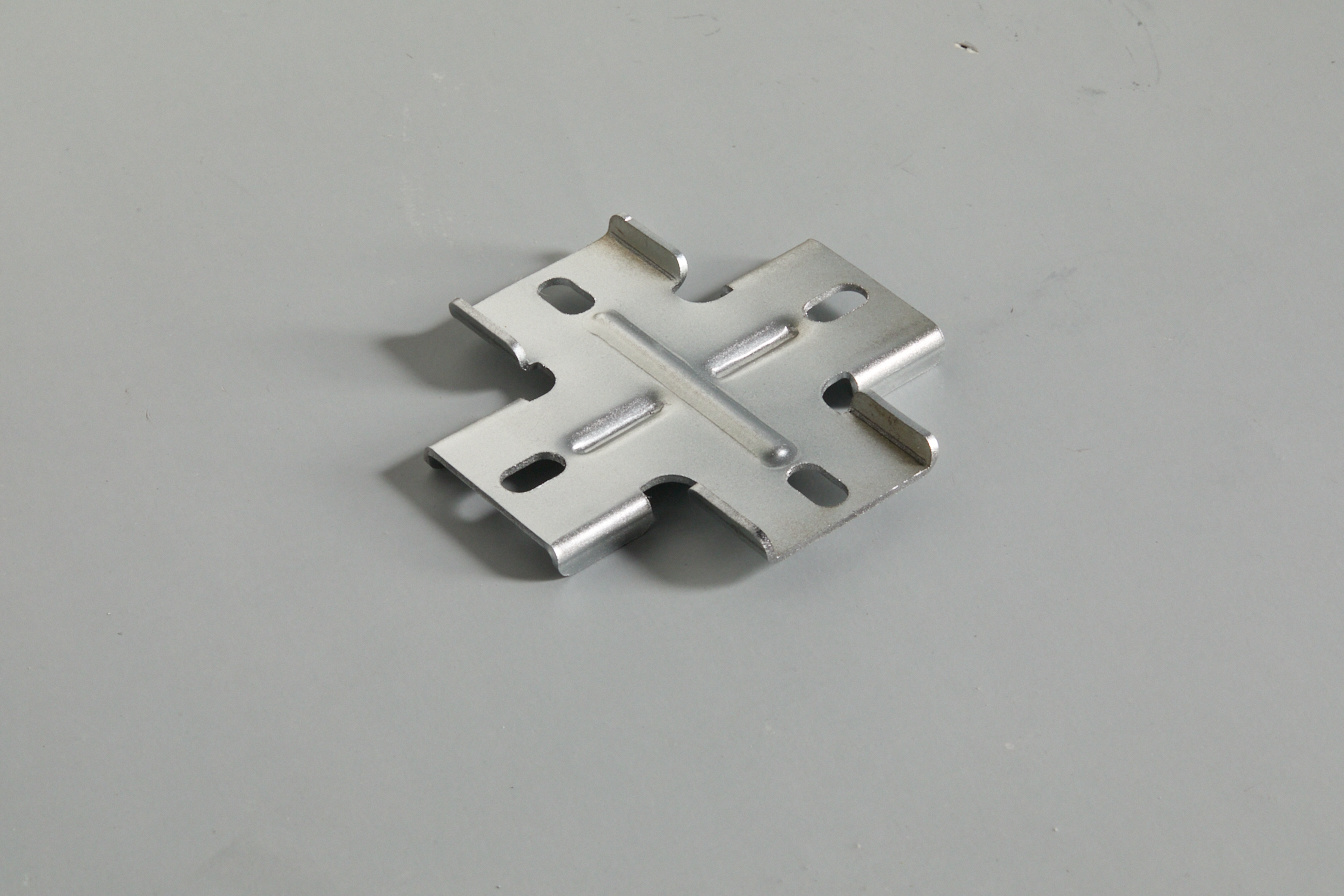
Cross connector
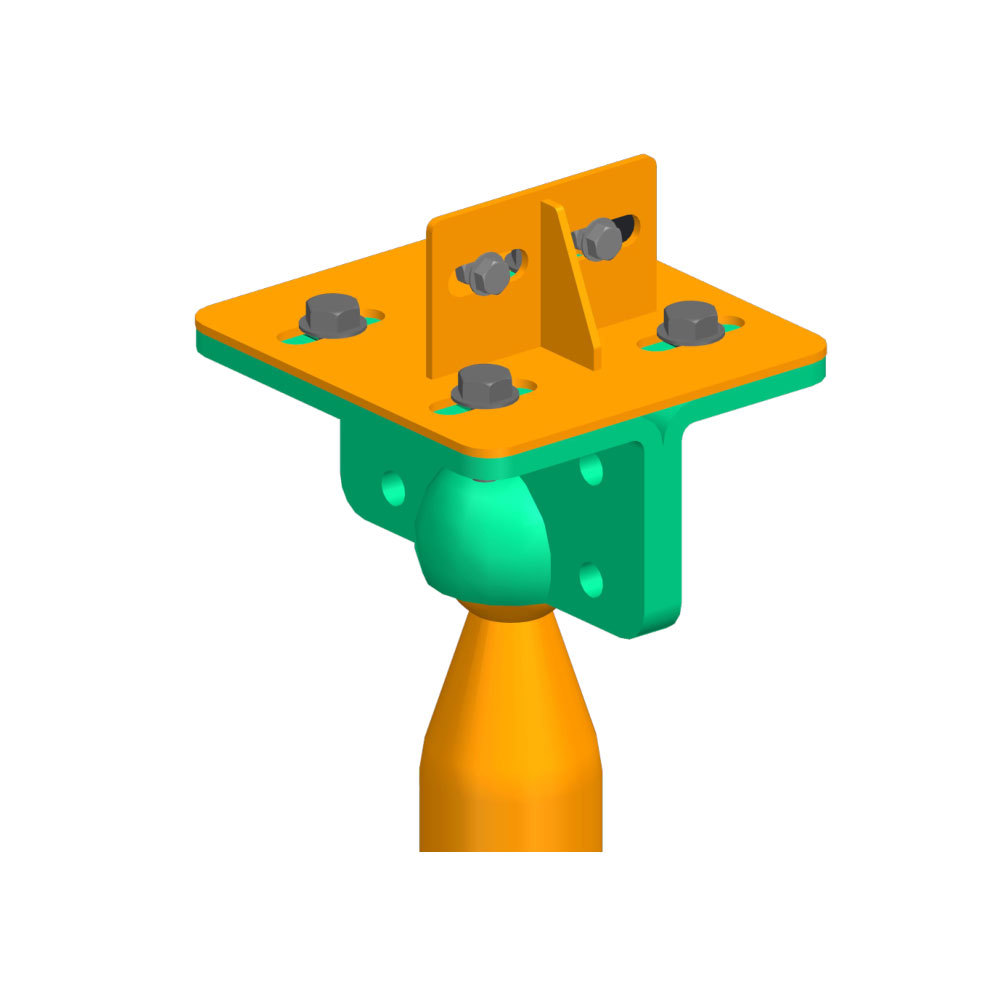
Universal connector for screw pile
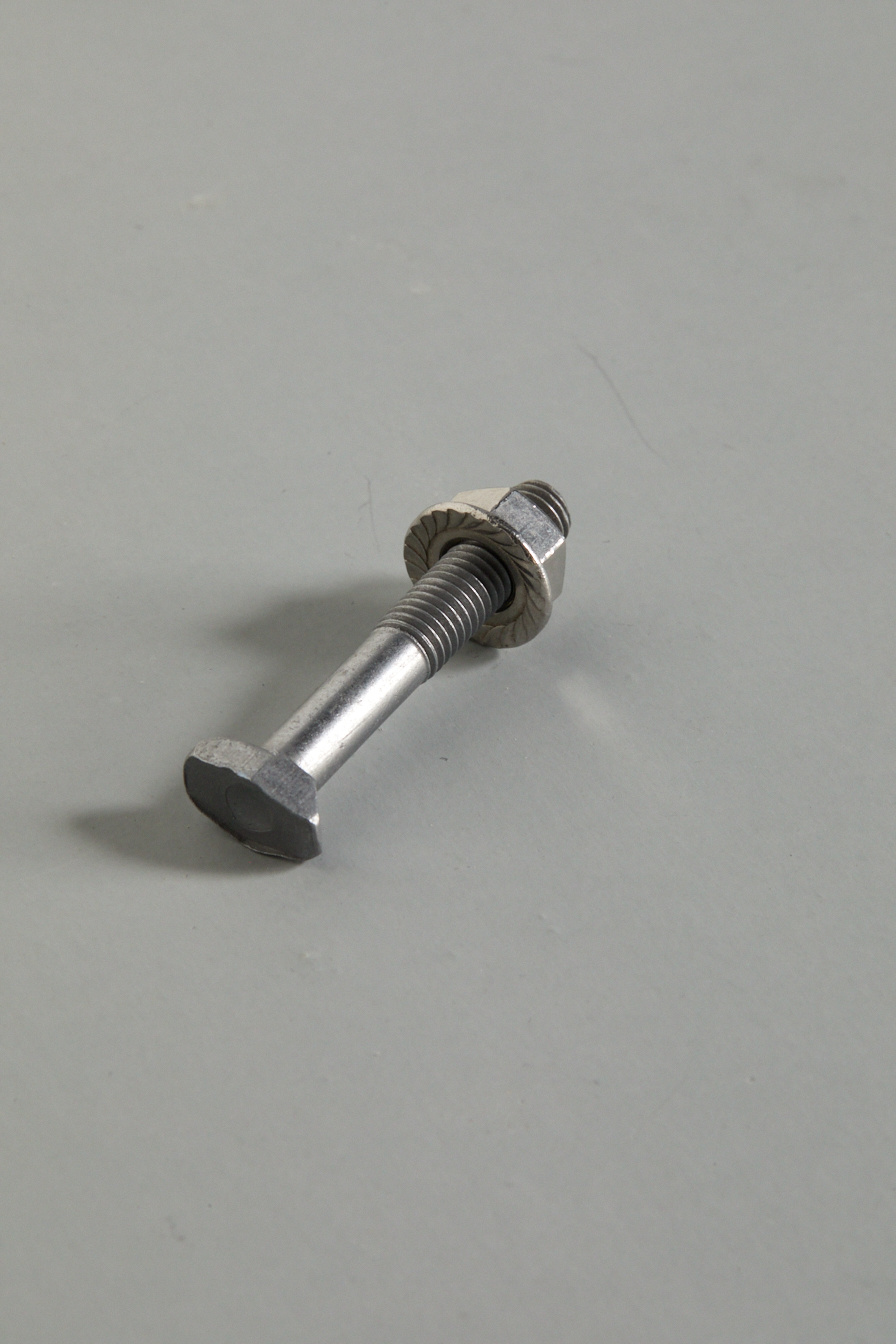
T-shaped dovetail bolt
Floor System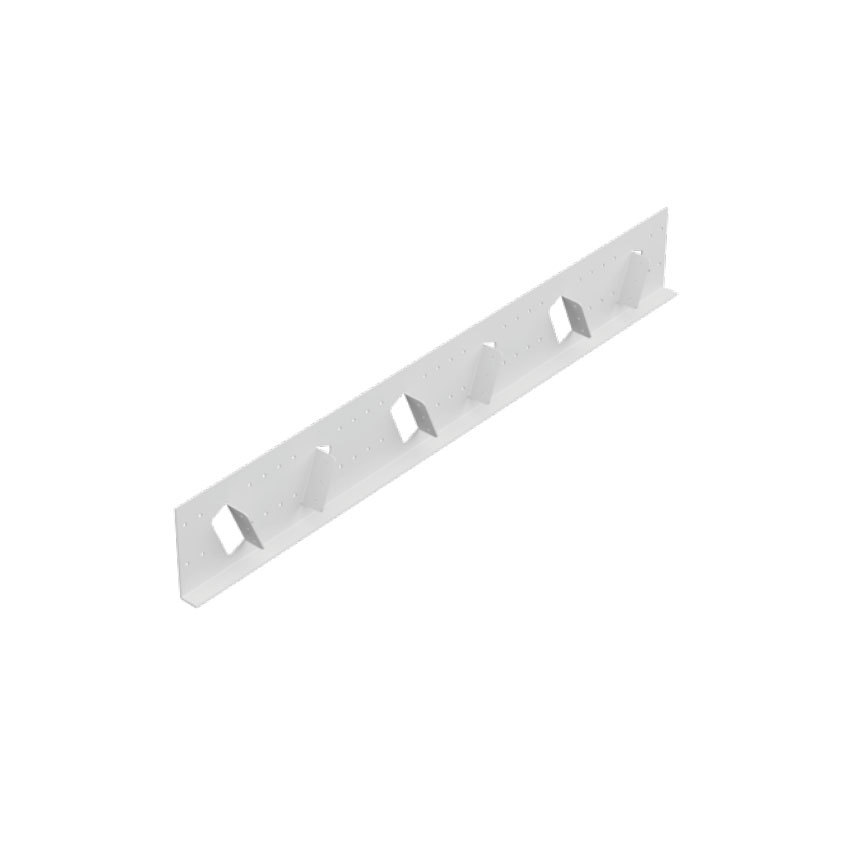
Ordinary steel structural connectors
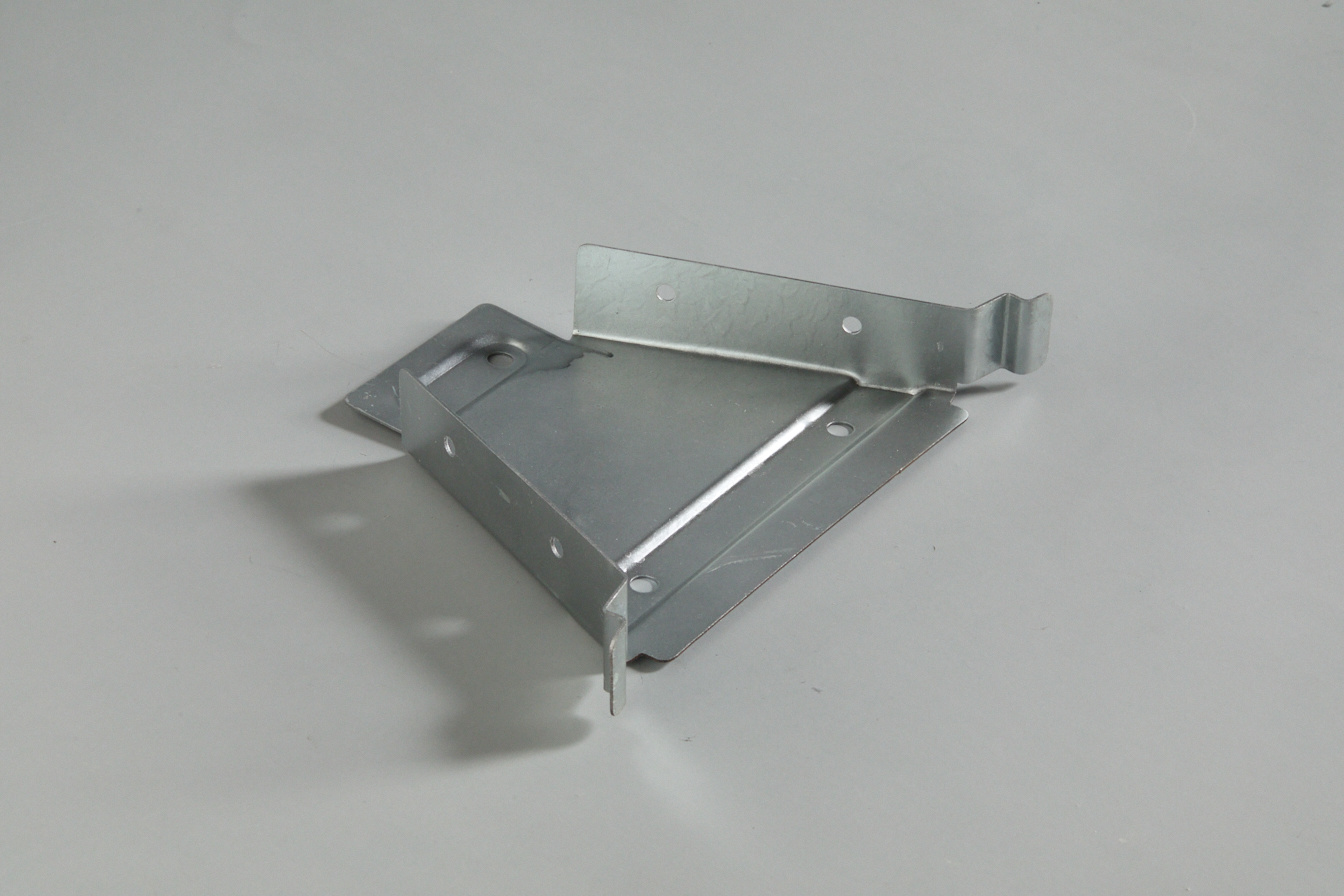
NEW BUILDING system connectors
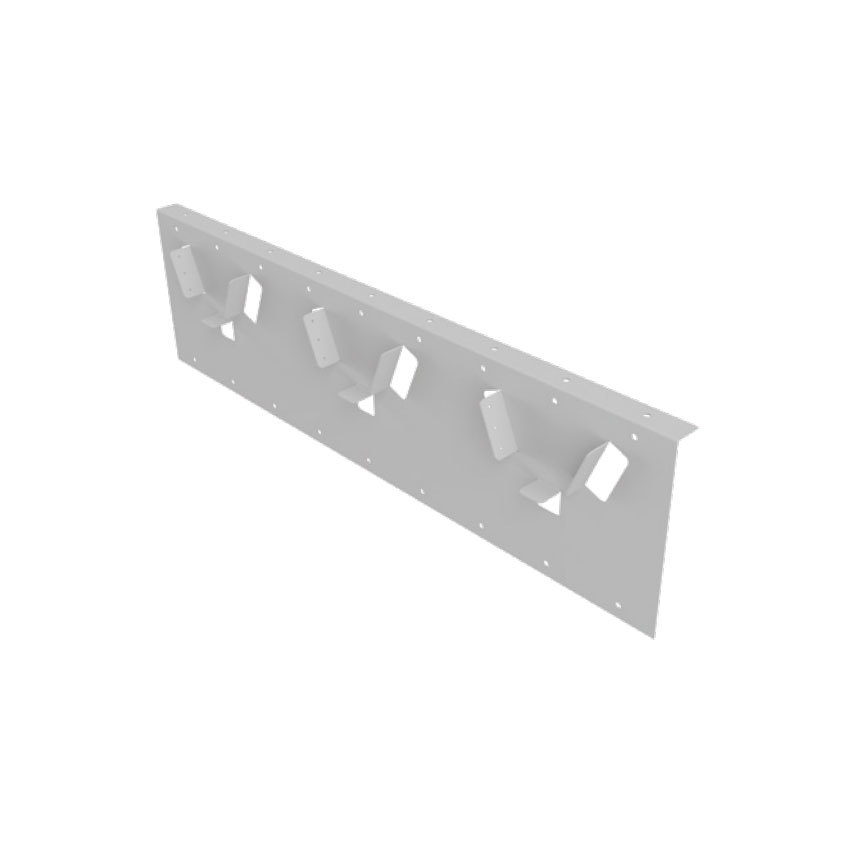
Cold formed thin-walled steel structural connectors
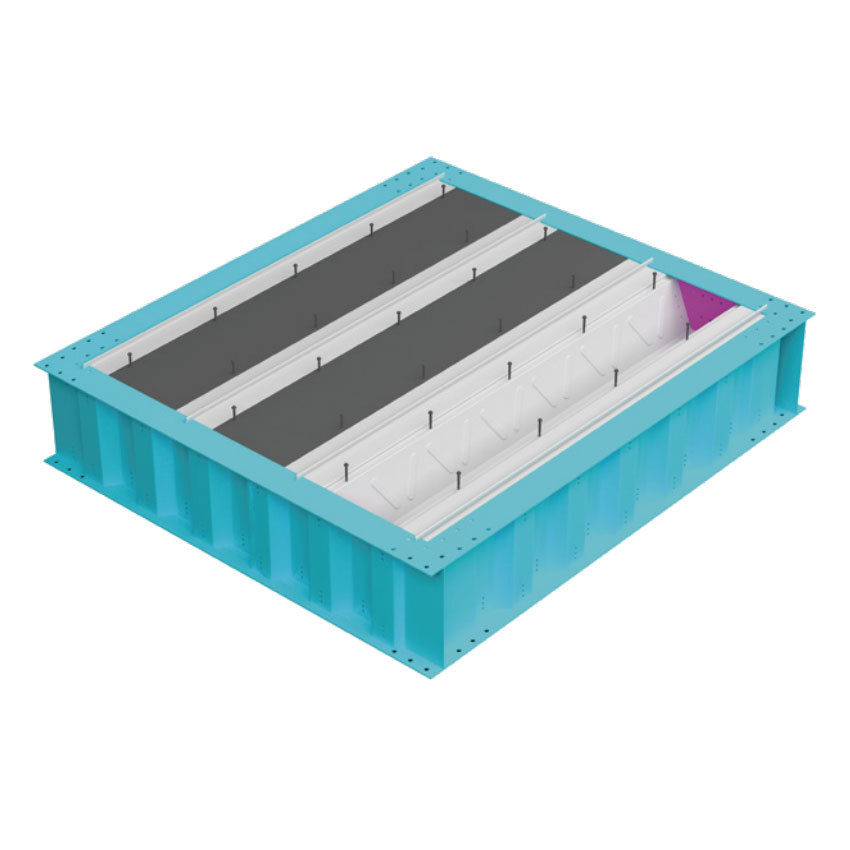
Corrugated I-beam+V-shaped floor beam
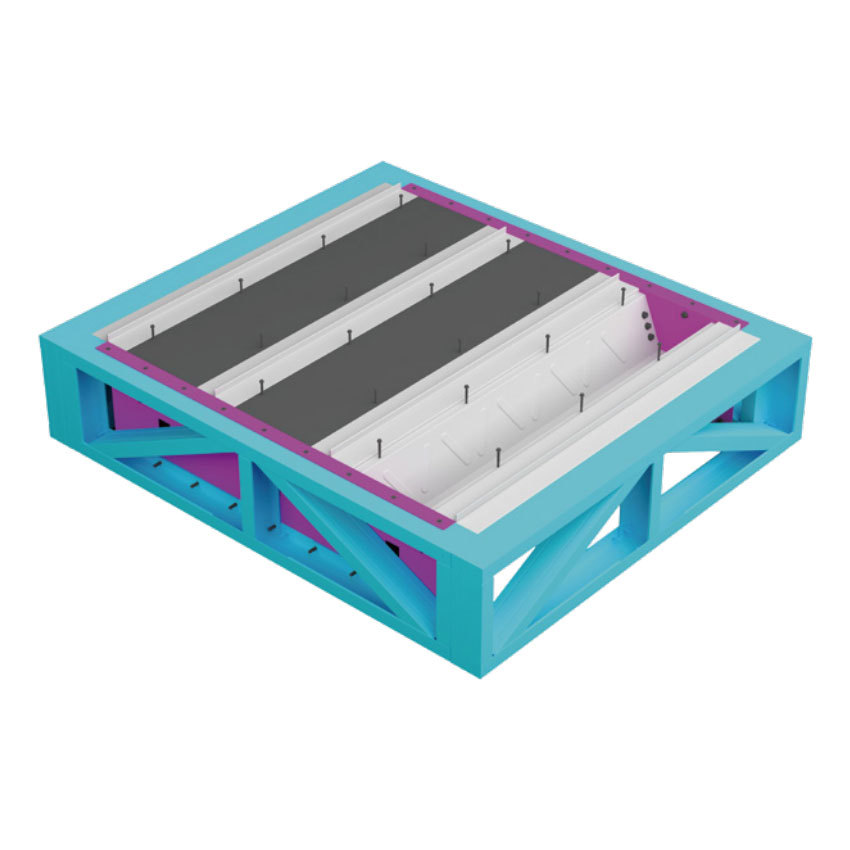
300 light steel truss+V-shaped floor beam

Steel wire gauze
Plate
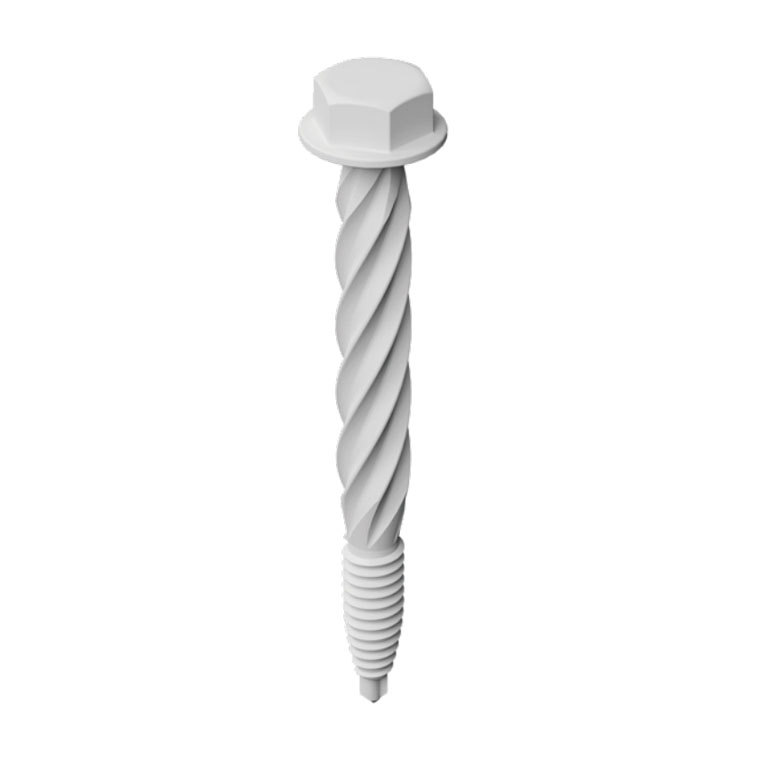
Shear stud
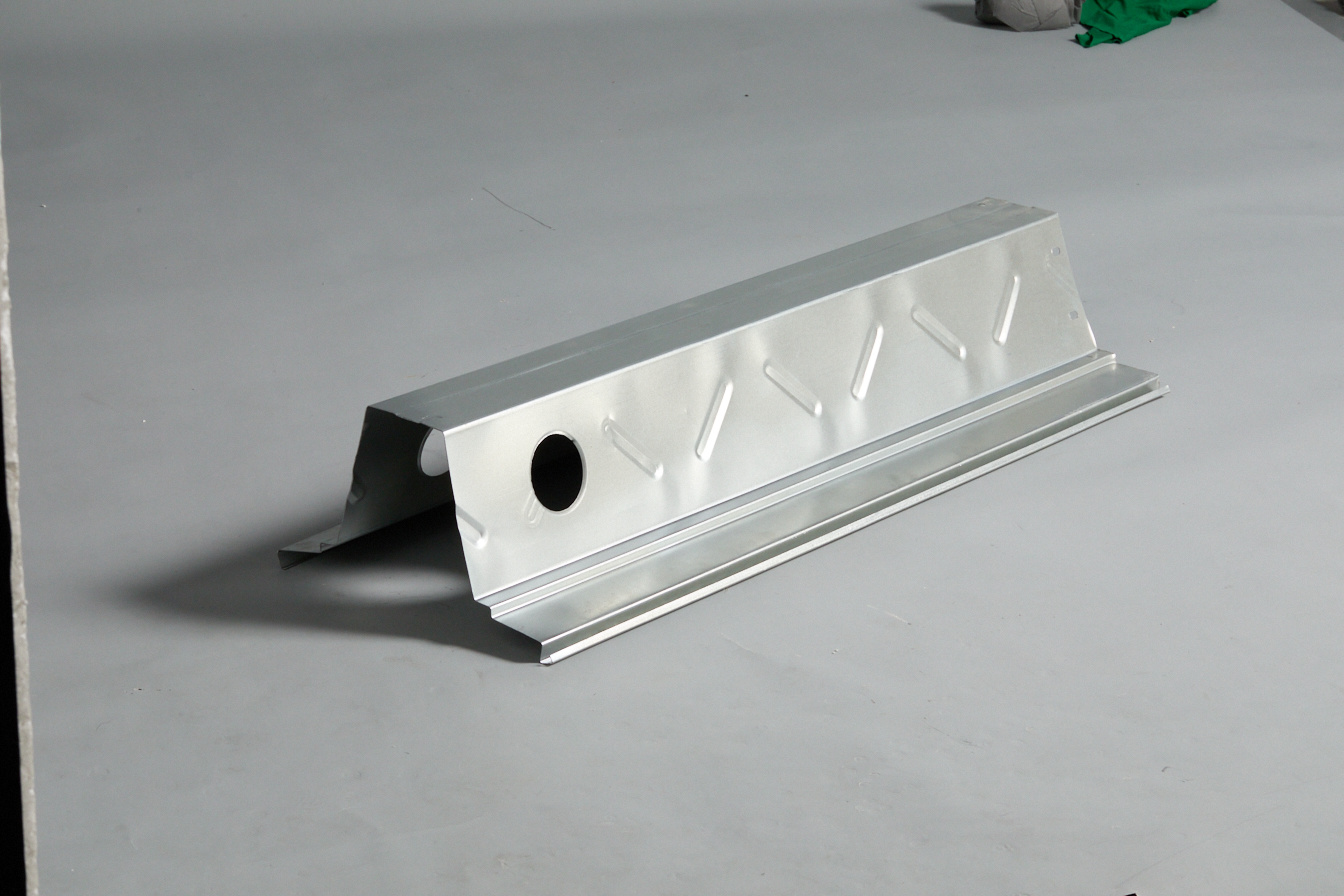
V-shaped floor beam
Magnesium stiffened wall panel
Top Applications of Eight Shaped Reinforcing Ribs in Modern Architecture
Release Time:
2025-02-07
Source:
Top Applications of Eight Shaped Reinforcing Ribs in Modern Architecture
Introduction to Eight Shaped Reinforcing Ribs
In the ever-evolving world of architecture, **structural innovation** plays a crucial role in redefining how buildings are designed and constructed. The **eight-shaped reinforcing rib** is one such advancement, offering unique applications that enhance both stability and aesthetics in modern architecture. This article explores the various **applications of these innovative ribs**, examining how they contribute to the overall integrity and design of contemporary structures.
Understanding the Design of Eight Shaped Reinforcing Ribs
Eight-shaped reinforcing ribs are characterized by their distinctive form, which resembles the number eight. This shape provides several advantages in terms of **load distribution** and **structural integrity**. The design optimally channels forces throughout a structure, making it ideal for a wide range of applications in modern architecture.
The Engineering Benefits of Eight Shaped Ribs
One of the primary reasons architects and engineers opt for eight-shaped reinforcing ribs is their ability to enhance load-bearing capacity. By utilizing this unique shape, the ribs:
1. Improve Load Distribution
The eight-shaped profile allows for better distribution of stress and load across different sections of a structure. This results in reduced strain on individual components, thereby increasing the overall durability of the building.
2. Enhance Stability
These ribs provide exceptional stability, particularly in high-rise buildings where wind and seismic forces can impose significant challenges. The geometry of the ribs helps to create a balanced framework, ensuring that structures can withstand external pressures.
3. Facilitate Lightweight Construction
Despite their robust performance, eight-shaped reinforcing ribs can be designed to be lightweight. This characteristic allows architects to create innovative designs without compromising on structural integrity.
Applications in Structural Design
The versatility of eight-shaped reinforcing ribs allows for various applications in architectural design. Here are some notable uses:
1. High-Rise Buildings
In urban settings, high-rise buildings encounter unique challenges due to their height and exposure to wind forces. The incorporation of eight-shaped ribs enhances the **aerodynamics** of these structures, allowing them to sway less under wind pressure and maintain stability.
2. Bridges and Overpasses
Bridges require solutions that can handle dynamic loads from vehicles and pedestrians. Eight-shaped ribs can be integrated into the design of bridges to ensure they can endure these forces over time, enhancing both safety and performance.
3. Stadiums and Auditoriums
Large public venues, such as stadiums and auditoriums, benefit from the aesthetic and structural features of eight-shaped ribs. These ribs can create expansive, open spaces while providing the necessary support for roofs and seating areas.
4. Residential Structures
In residential architecture, eight-shaped ribs can be utilized in both interior and exterior applications. They can be designed to enhance the aesthetic appeal while providing structural support for unique design elements.
5. Industrial Facilities
In industrial settings, where large machinery and equipment can impose significant loads, eight-shaped reinforcing ribs offer the strength needed to maintain safety and functionality throughout the facility.
Aesthetic Contributions of Eight Shaped Ribs
Beyond their structural advantages, eight-shaped ribs also play a significant role in enhancing the visual appeal of modern architecture.
1. Unique Architectural Features
The distinctive shape of eight-shaped ribs can be used to create **eye-catching architectural details**. They can be incorporated into facades, creating dynamic patterns and textures that draw attention and add character to buildings.
2. Integration with Natural Lighting
Eight-shaped ribs can be designed to create openings that allow natural light to filter through, which can greatly enhance the ambiance of interior spaces. This integration with lighting can improve energy efficiency and occupant comfort.
3. Green Building Practices
As the demand for sustainable design grows, eight-shaped ribs can be adapted to incorporate **green building practices**. Their structural efficiency allows for the use of environmentally friendly materials, contributing to more sustainable construction methods.
Case Studies: Successful Applications of Eight Shaped Ribs
Several modern architectural projects have successfully integrated eight-shaped reinforcing ribs into their designs. Below are a few noteworthy examples:
1. The Burj Khalifa, Dubai
The **Burj Khalifa**, the tallest building in the world, employs innovative structural techniques, including eight-shaped ribs, to manage wind forces and enhance stability. This design has allowed for its record-breaking height.
2. Beijing National Stadium (Bird’s Nest)
The **Bird’s Nest**, home to the 2008 Beijing Olympics, utilizes eight-shaped ribs to create its iconic structure. The ribs not only provide crucial support but also contribute to the aesthetic appeal that made the stadium a world-renowned landmark.
3. The Sydney Opera House
While not traditionally associated with eight-shaped ribs, the engineering principles behind its design share similarities. The use of structural ribs in the roof design showcases how modern architecture can push boundaries using innovative shapes.
Future Trends in the Use of Eight Shaped Ribs
As technology advances, the applications of eight-shaped reinforcing ribs in architecture are expected to evolve further. We foresee the following trends:
1. Advanced Materials
With the emergence of new materials such as carbon fiber and advanced composites, eight-shaped ribs will likely become even lighter and stronger, allowing for more ambitious architectural designs.
2. Parametric Design
The rise of parametric design tools will enable architects to optimize the use of eight-shaped ribs in their projects, allowing for more flexible and creative architectural solutions.
3. Enhanced Sustainability
The push for sustainability will likely drive innovations in the use of eight-shaped ribs, focusing on materials and designs that minimize environmental impact while maximizing structural efficiency.
Frequently Asked Questions
1. What are eight-shaped reinforcing ribs?
Eight-shaped reinforcing ribs are structural elements designed in the shape of the number eight, enhancing load distribution and stability in construction.
2. Where are eight-shaped ribs commonly used?
They are commonly used in high-rise buildings, bridges, stadiums, residential structures, and industrial facilities.
3. What are the benefits of using eight-shaped ribs in architecture?
The benefits include improved load distribution, enhanced stability, aesthetics, and the ability to create lightweight structures.
4. Can eight-shaped ribs be integrated into green building practices?
Yes, the structural efficiency of eight-shaped ribs allows for the use of sustainable materials, contributing to eco-friendly construction practices.
5. How do modern technologies influence the use of eight-shaped ribs?
Advanced materials and design tools allow for more innovative uses of eight-shaped ribs, enhancing their functionality and aesthetic appeal while supporting sustainable design initiatives.
Conclusion
The applications of eight-shaped reinforcing ribs in modern architecture represent a significant advancement in structural design. Their unique shape, combined with engineering benefits, offers solutions that enhance the stability, safety, and aesthetics of contemporary buildings. From high-rise structures to public venues, these ribs are revolutionizing how we think about architectural design in the 21st century. As we look toward the future, the integration of advanced materials and sustainable practices will only expand the potential of eight-shaped ribs, making them a cornerstone of modern architectural innovation.
Related Information

HaoHeng Group
Address: Room 1808, Block A, Vanke Cloud City, Jiemei District, Xiamen City, Fujian Province
Business cooperation:
Copyright © HaoHeng (FuJian) Building Materials Technology Co, Ltd. All rights reserved