

-

 Pakistan
Marketing Service Outlets
 Papua New Guinea
Marketing Service Outlets
 Egypt
EgyptMarketing Service Outlets
 Australia
Marketing Service Outlets
 Brazil
Marketing Service Outlets
 Colombia
Marketing Service Outlets
 Russia
Marketing Service Outlets
 Germany
Marketing Service Outlets
 Poland
Marketing Service Outlets
 the Philippines
Marketing Service Outlets
 Kazakhstan
Marketing Service Outlets
 Malaysia
Marketing Service Outlets
 America
Marketing Service Outlets
 Kyrgyzstan
Marketing Service Outlets
 Canada
Marketing Service Outlets
 Peru
PeruMarketing Service Outlets
 Nigeria
Marketing Service Outlets
 Morocco
Marketing Service Outlets
 South Africa
Marketing Service Outlets
 Japan
JapanMarketing Service Outlets
 Slovakia
Marketing Service Outlets
 New Zealand
Marketing Service Outlets
 Hungary
Marketing Service Outlets
 Thailand
Marketing Service Outlets
 Spain
SpainMarketing Service Outlets
 Indonesia
Marketing Service Outlets
 Italy
ItalyMarketing Service Outlets
 Vietnam
Marketing Service Outlets
Steel Pipe ColumnSteel Pipe Column ConnectorsMain Beam | Secondary BeamPrefabricated StairsRound Pipe PileFlat Steel PileGroup PileCap PileNew Building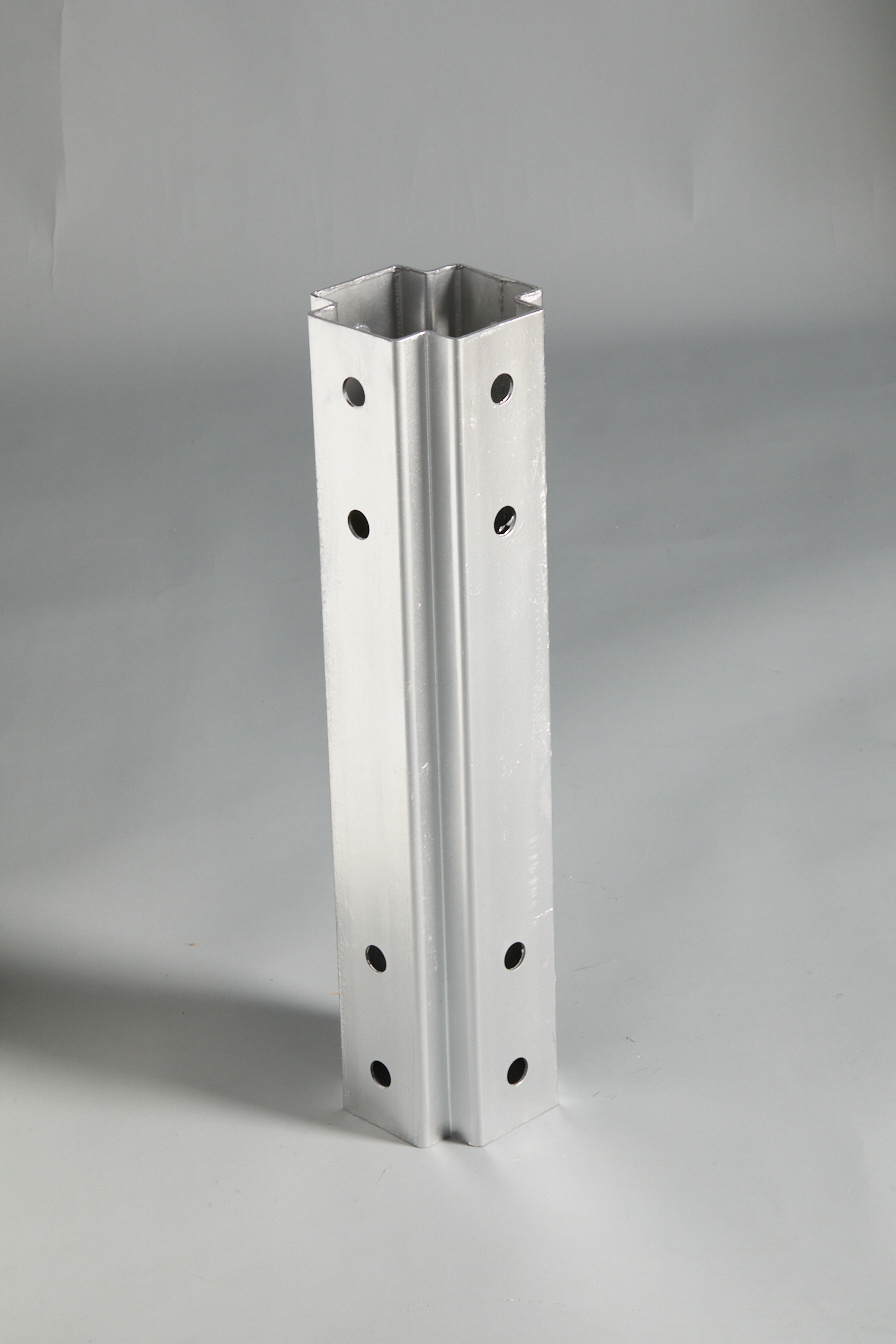
Cross column

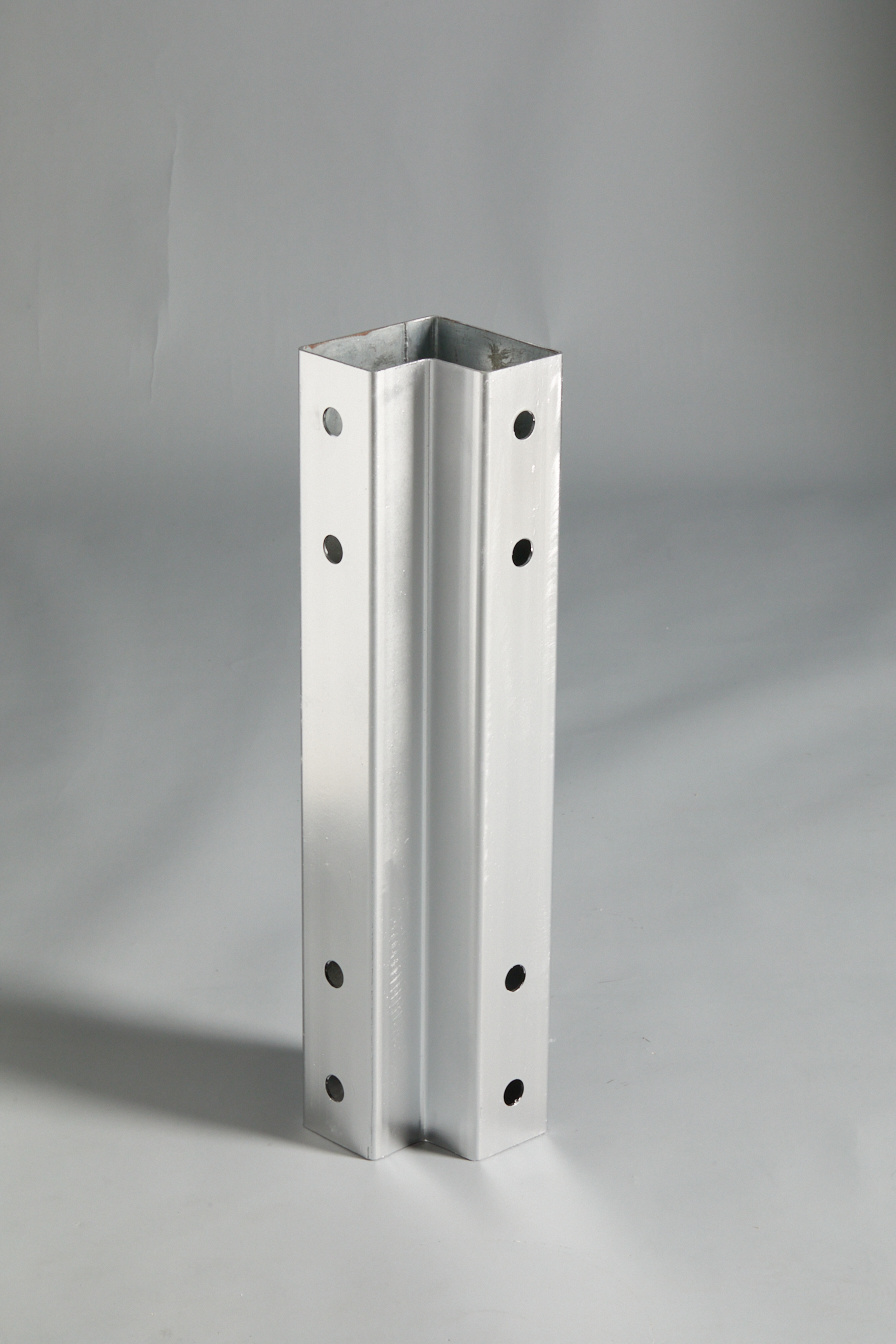
L-shaped column
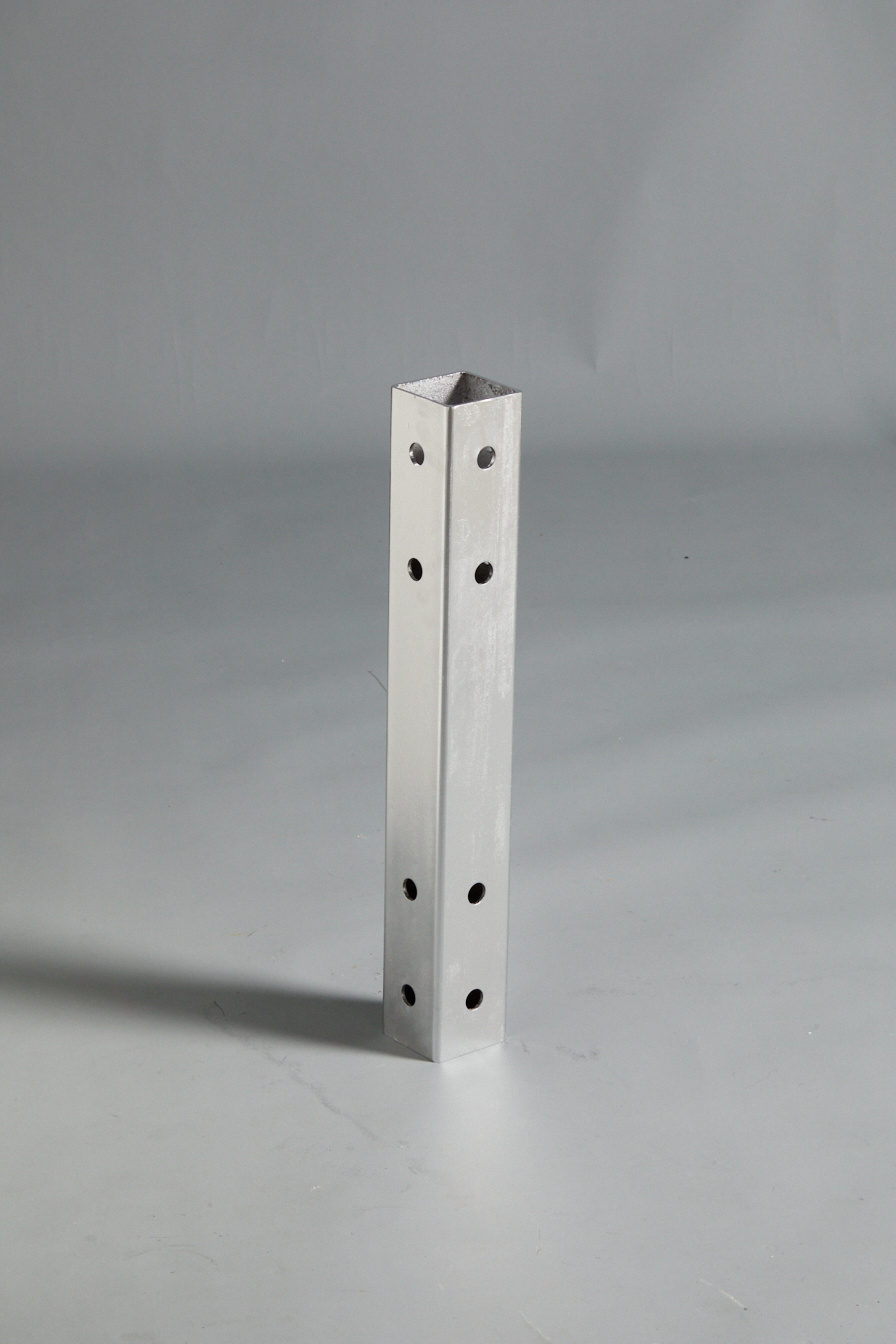
Square tube column

T-shaped column
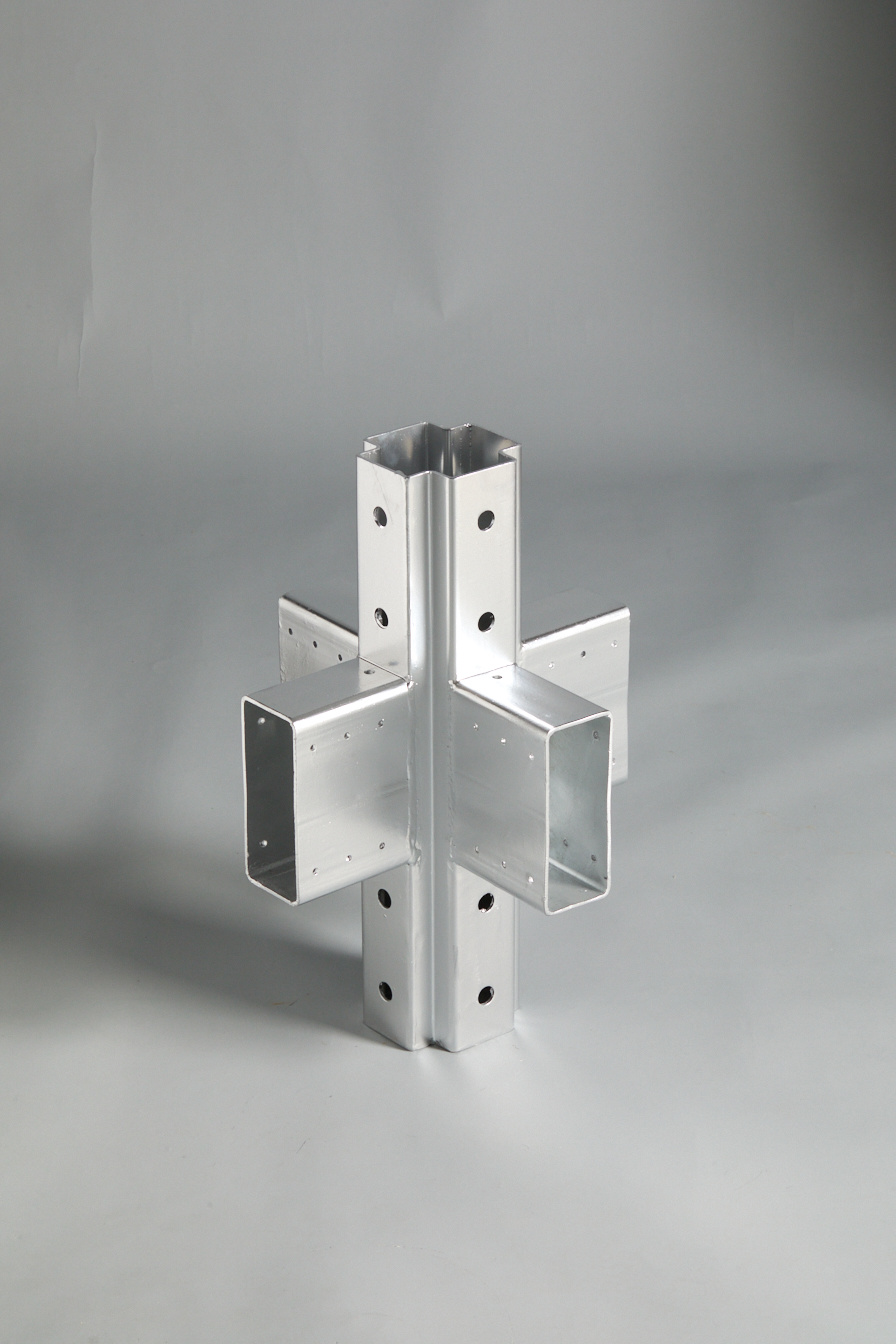
Cross column connector

L-shaped column connector

T-shaped column connector
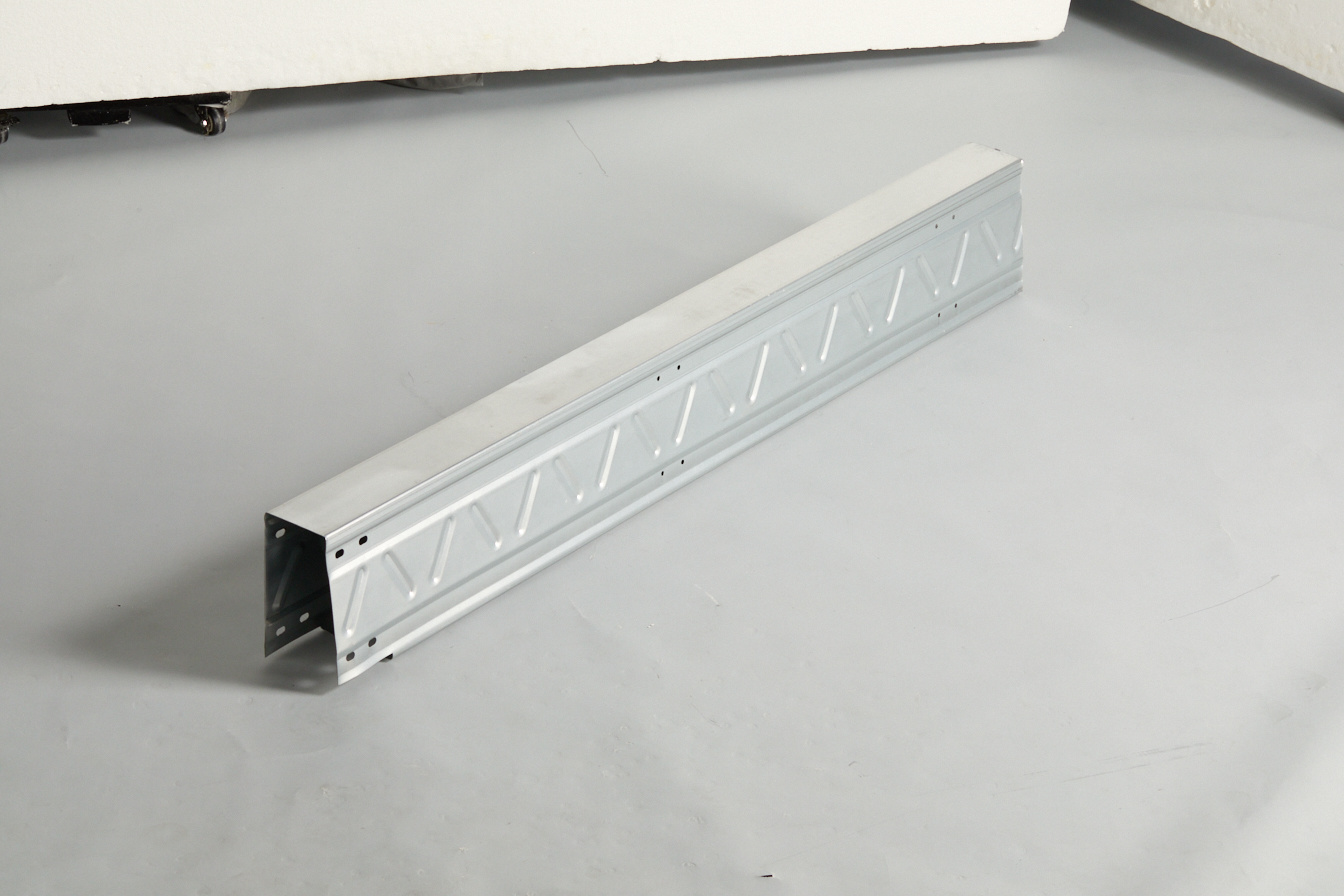
195 inner flipped edge - eight shaped reinforcing rib
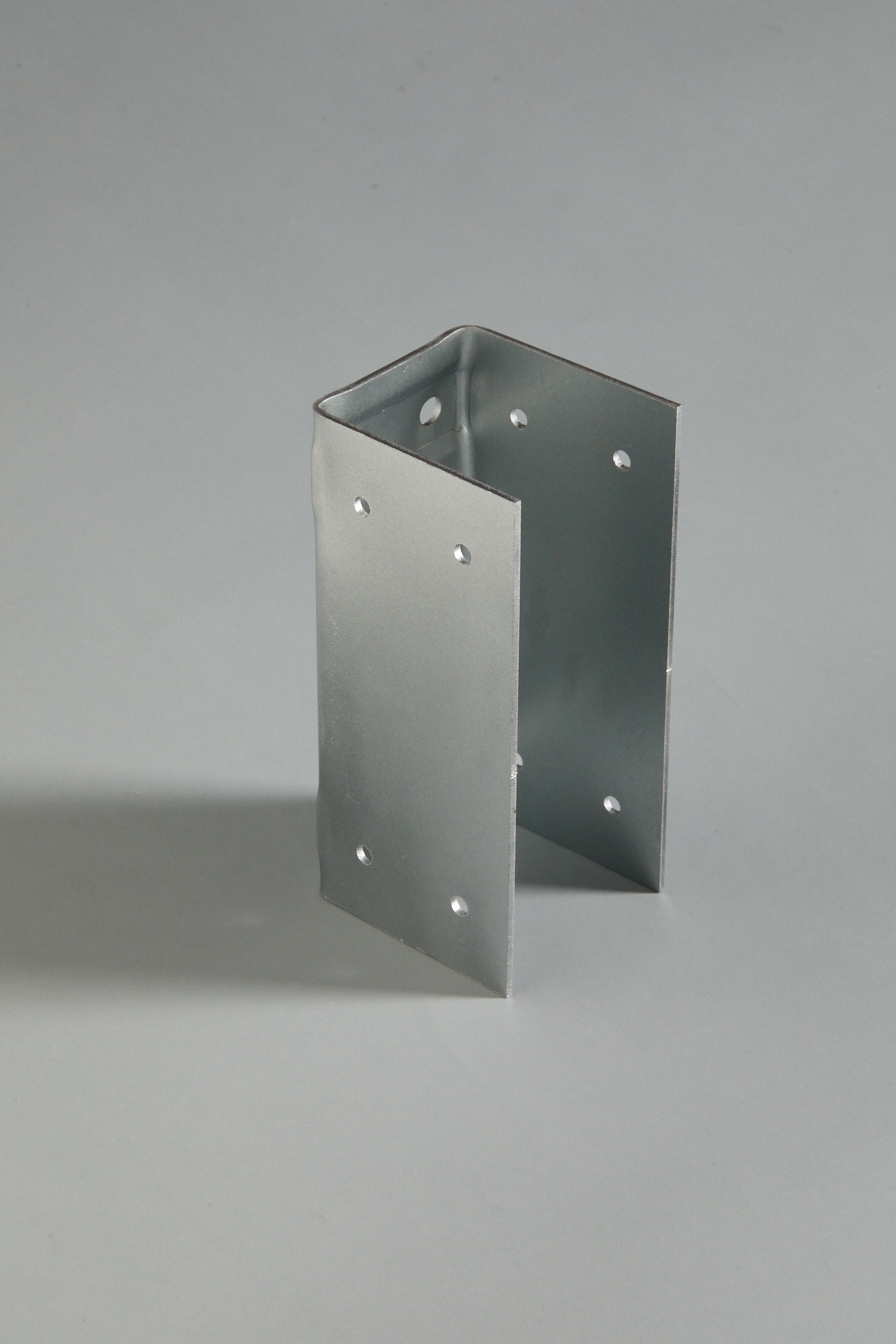
Frame small U connector
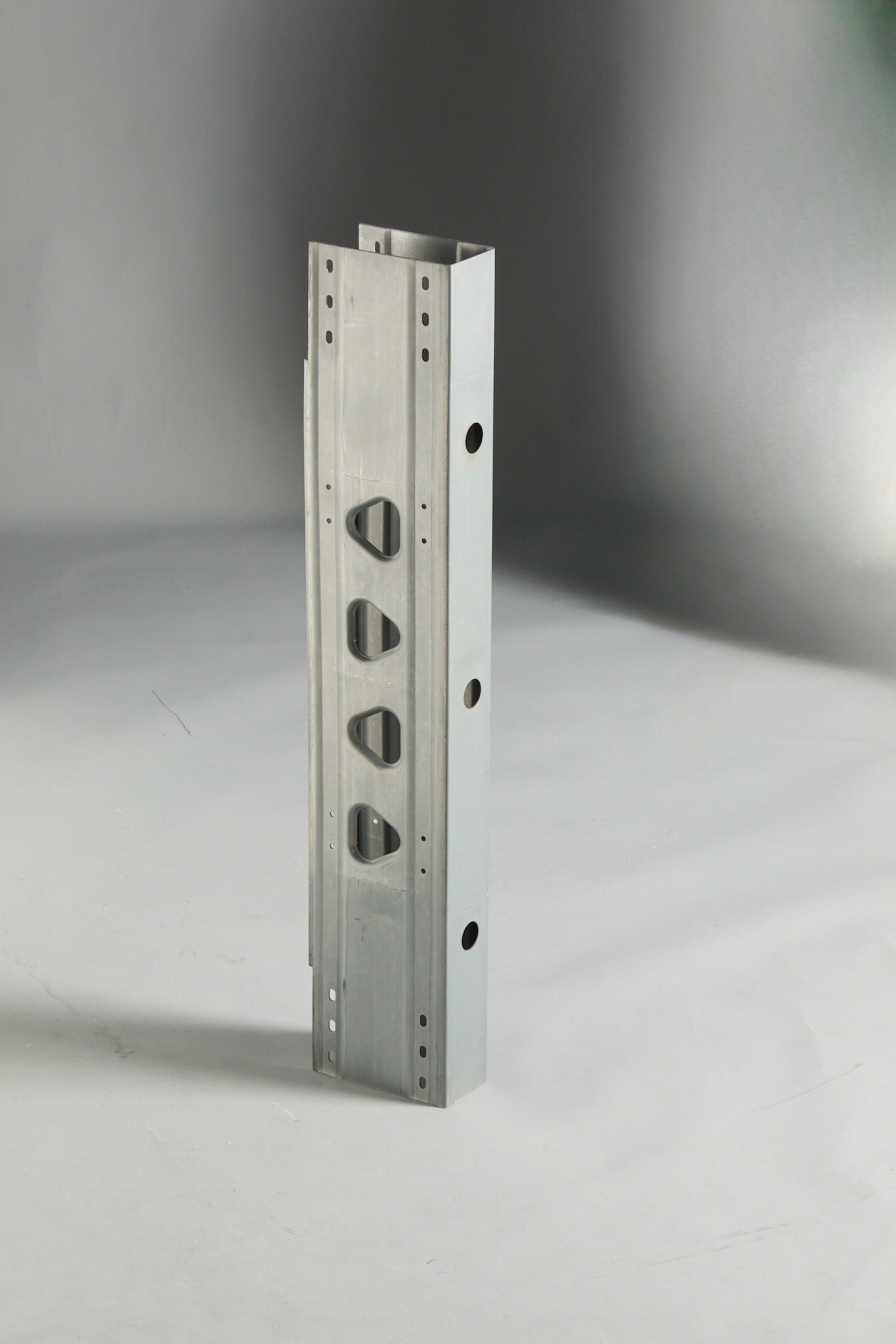
195 Inverted Edge - Triangle Reinforcement
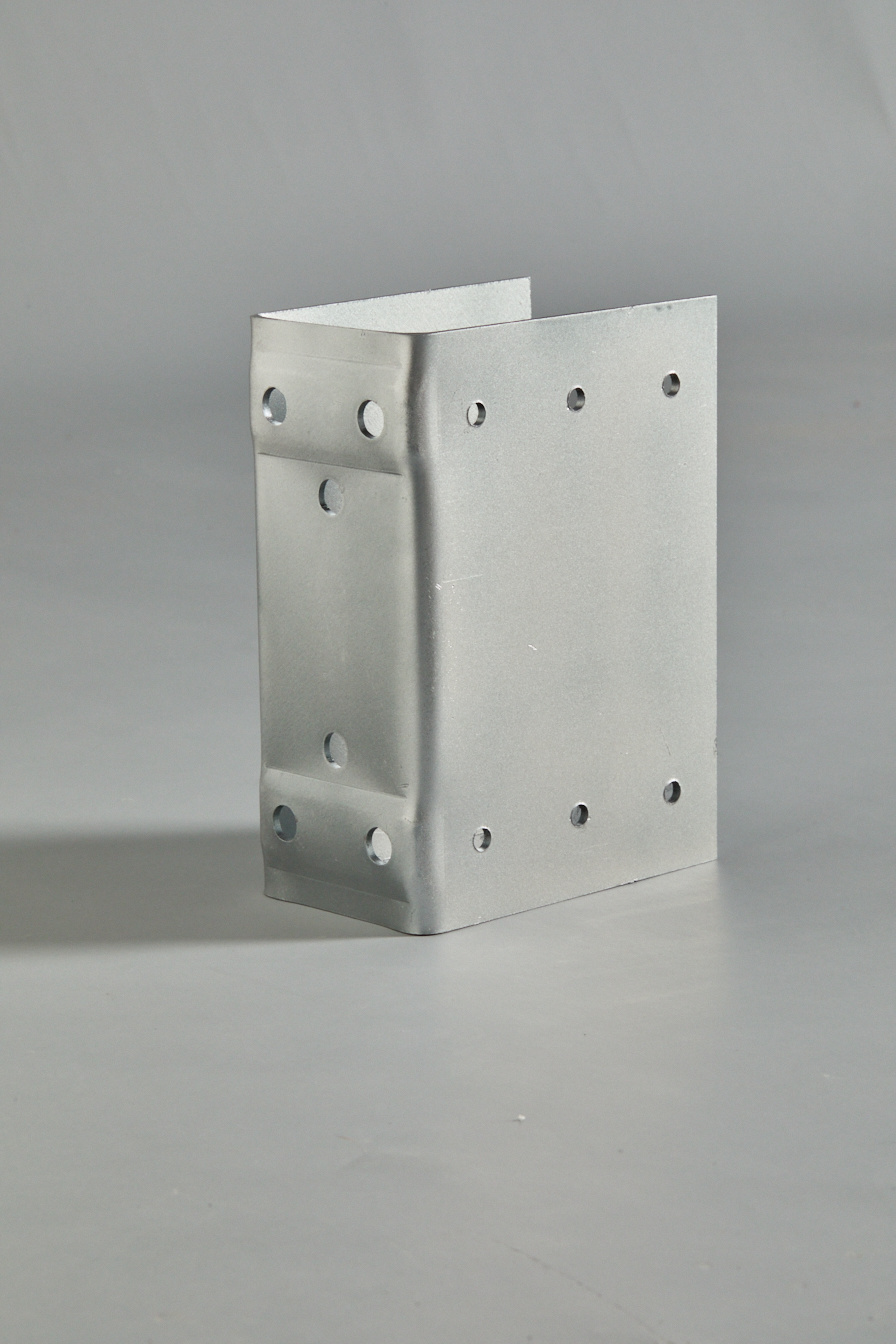
Frame large U connector
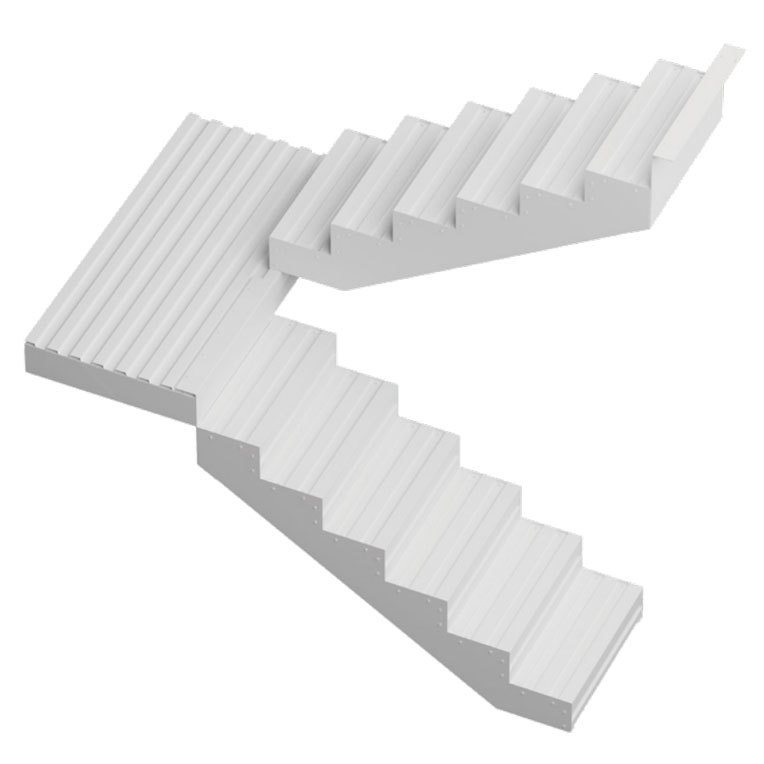
Prefabricated stairs
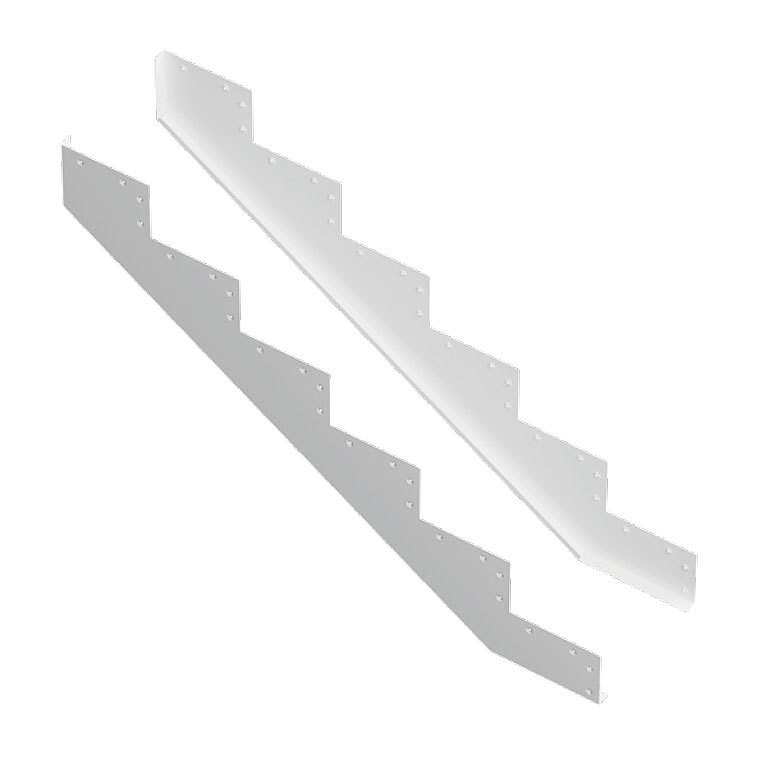
Staircase side panels
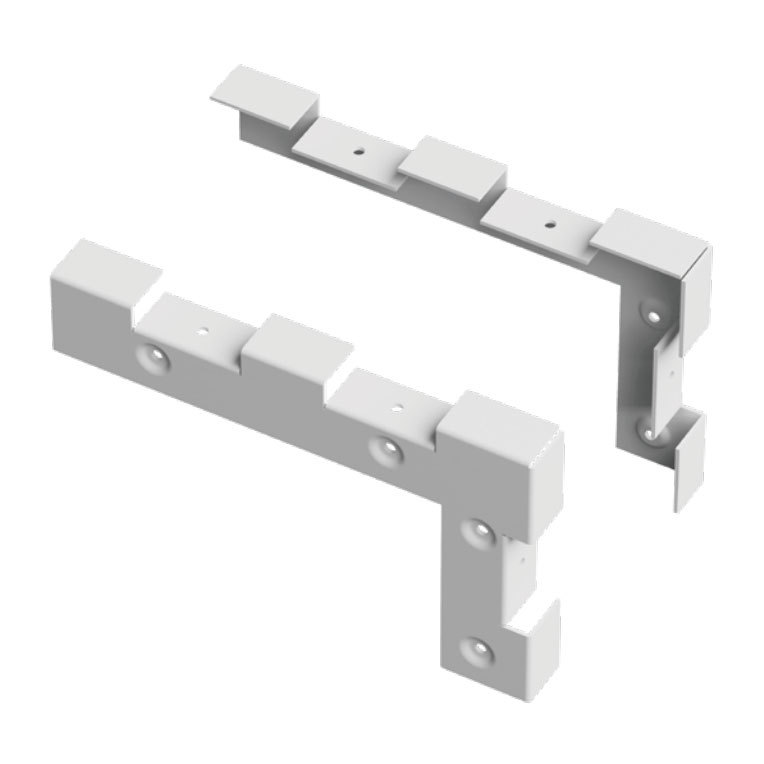
Staircase angle steel
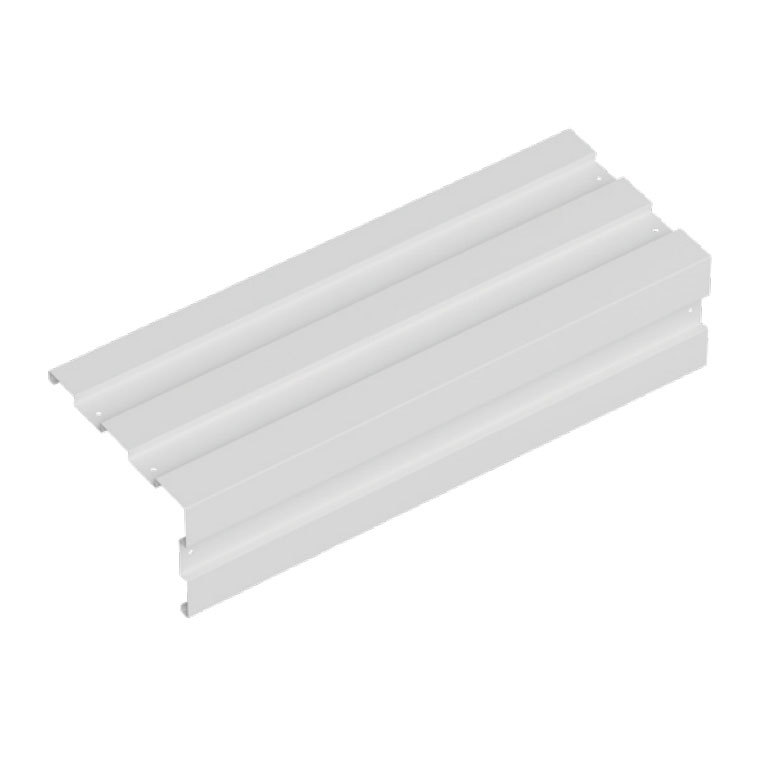
Stair steps
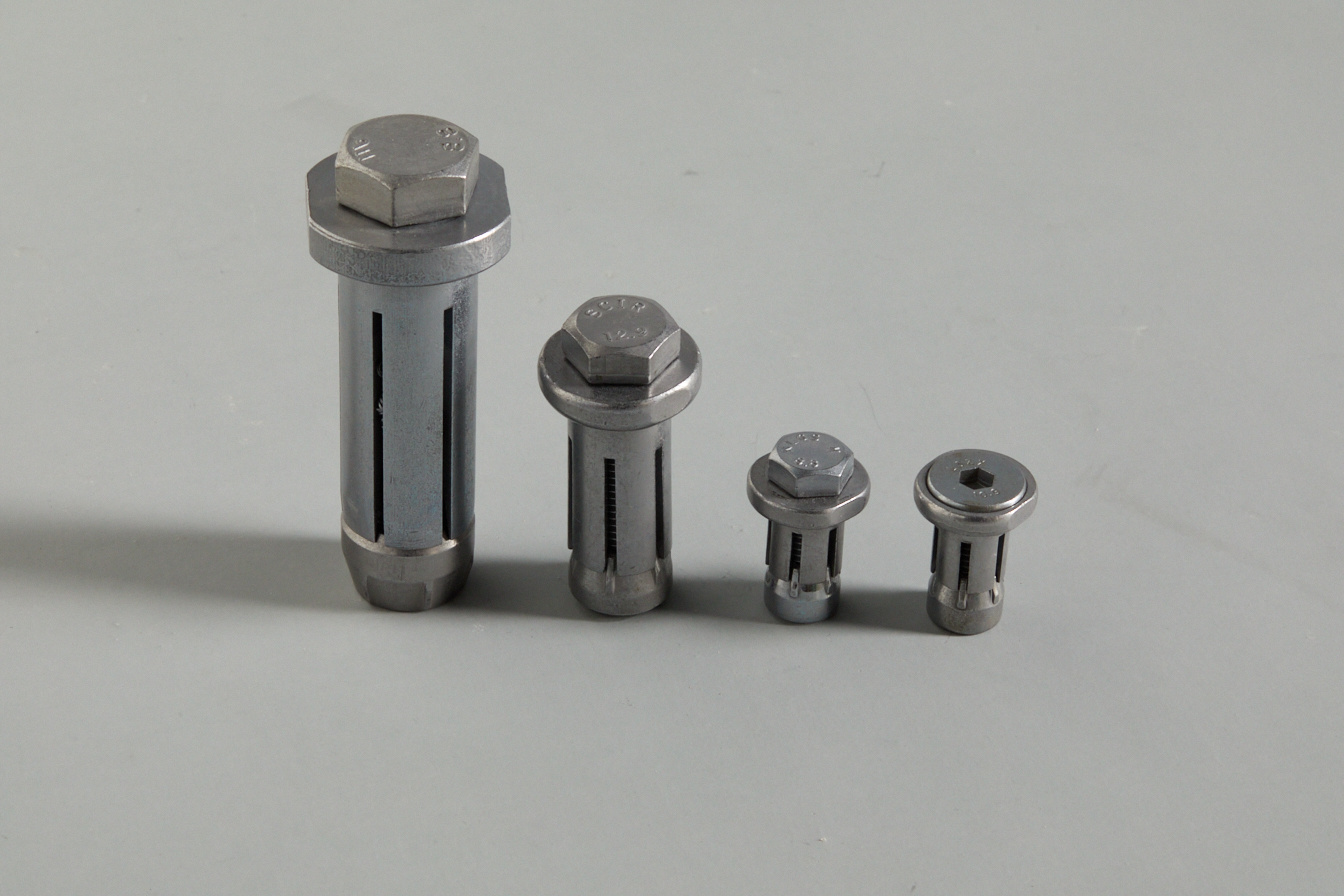
One-Way Bolt
Helical Pile System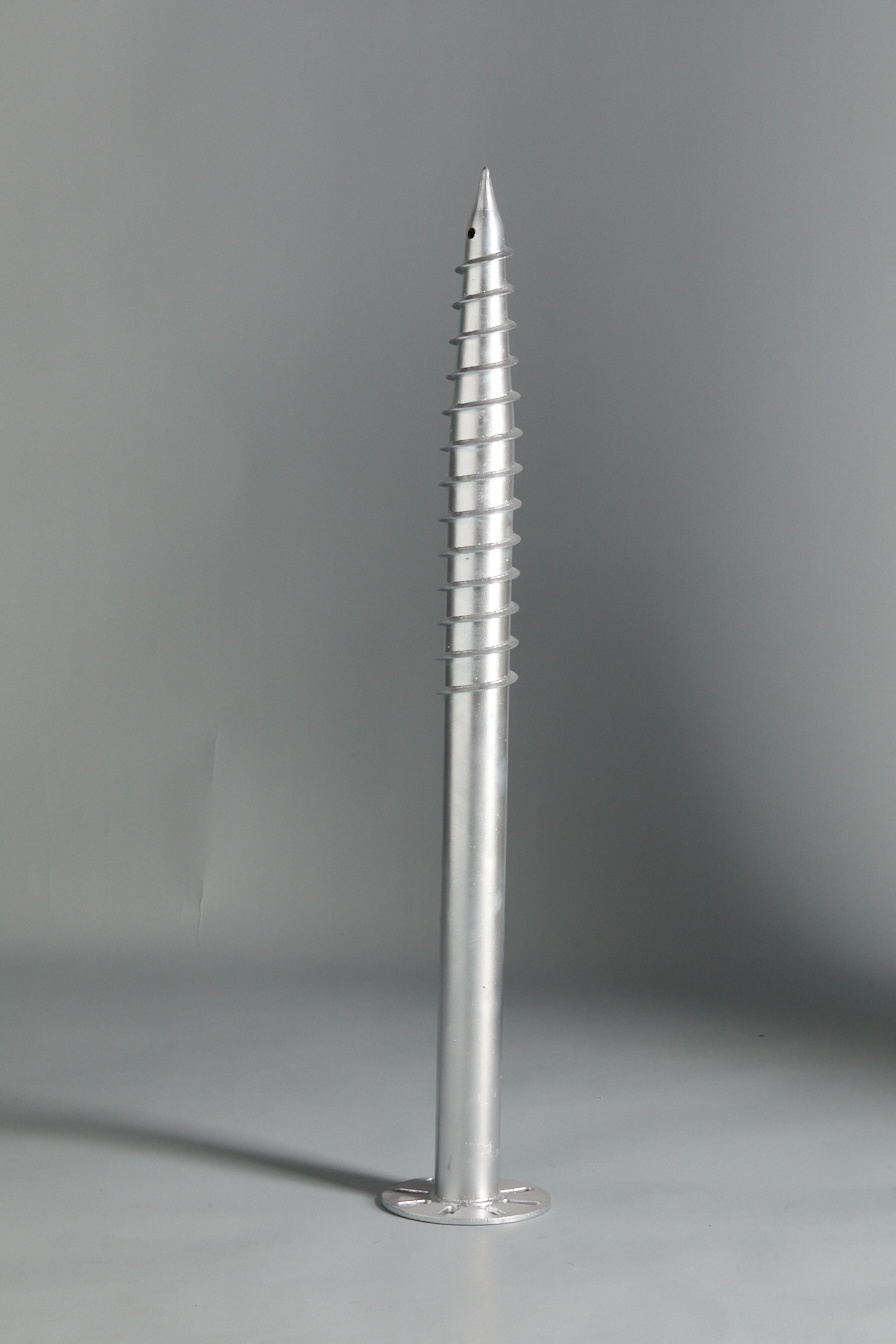
Round Pipe Screw Pile| Reliable Helical Pile Manufacturer| Patented Foundation Solution
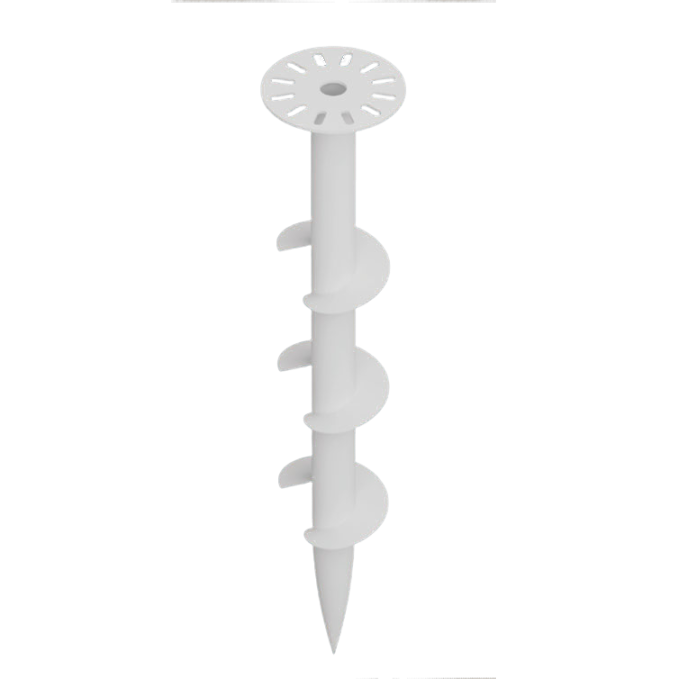
Screw Pile - 3 Blades - Round Pipe Pile
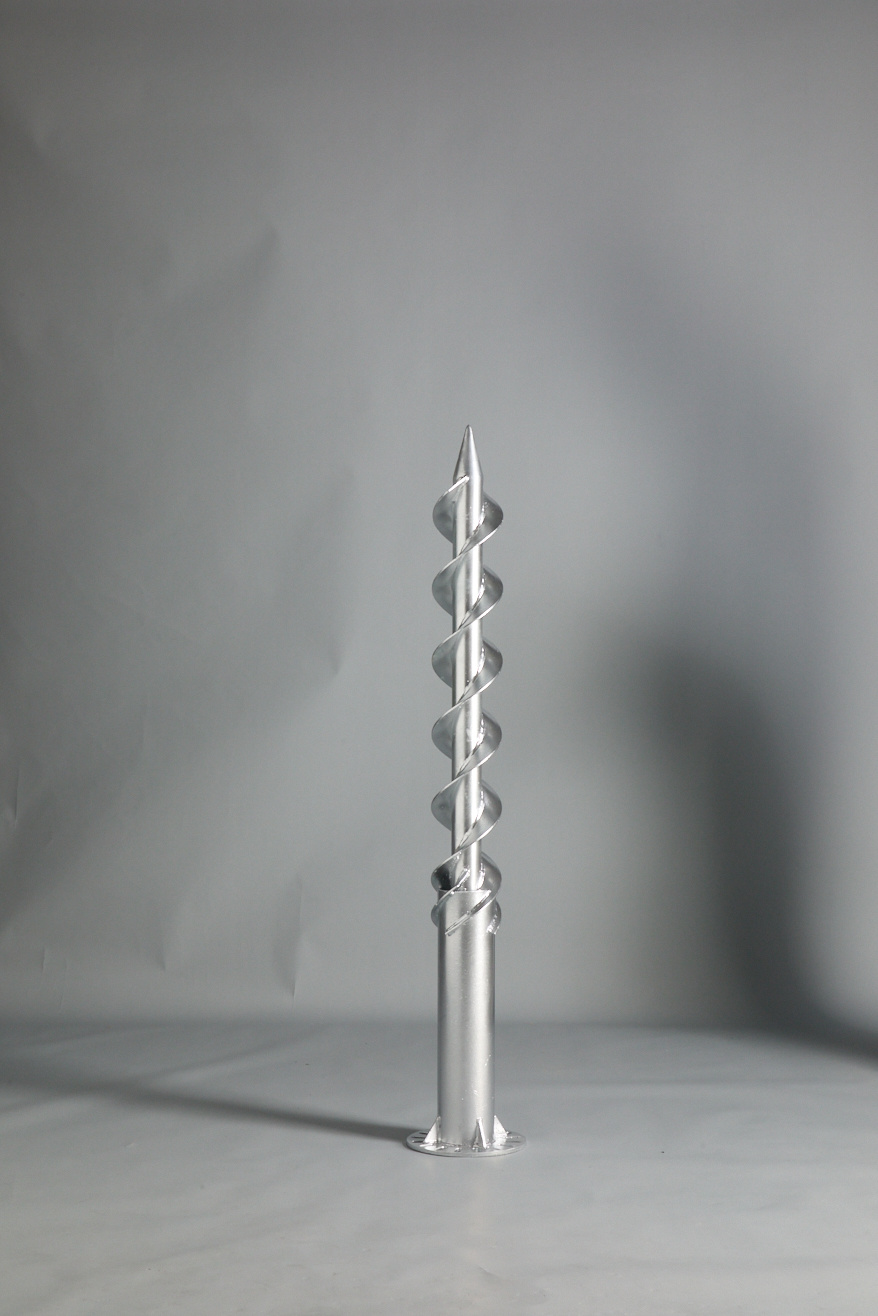
Double-Helix Screw Pile | Patented Foundation Solution
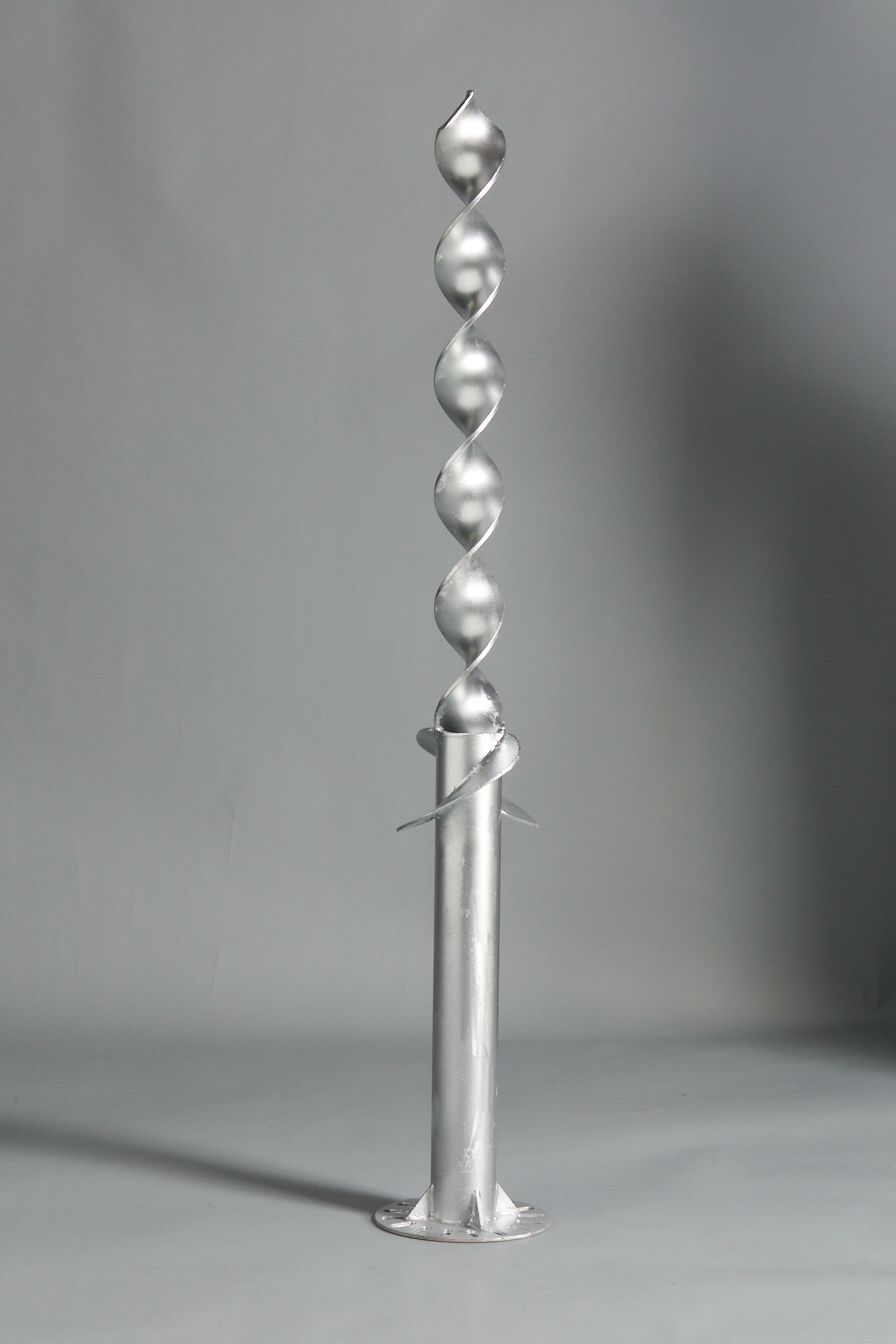
Screw Pile - Large Blade Flat Steel Pile
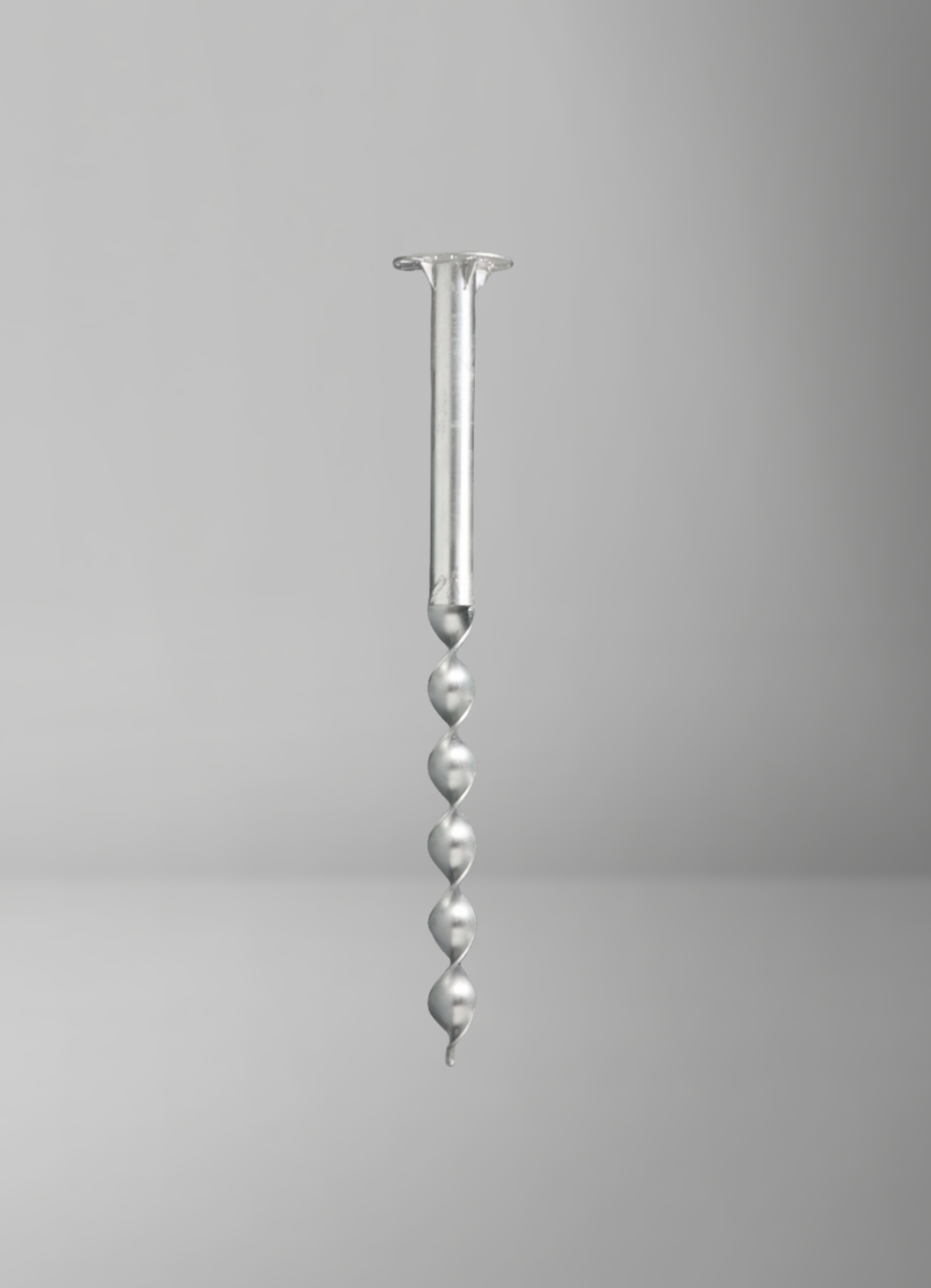
Flat Steel Screw Pile| Reliable Helical Pile Manufacturer| Patented Foundation Solution
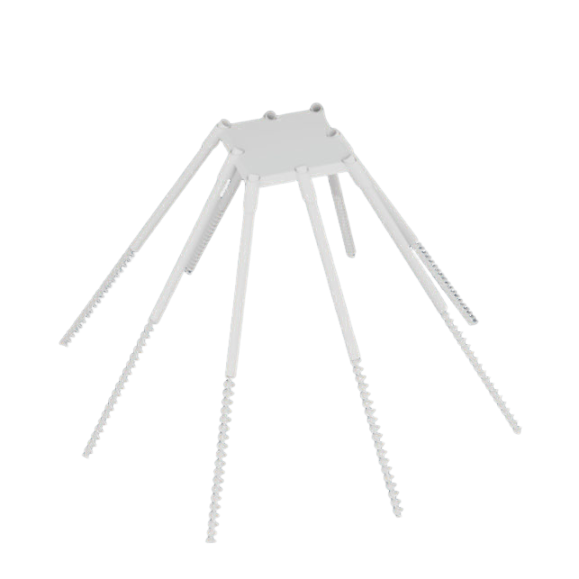
Eight-Pile Group Screw Piles| Reliable Helical Pile Manufacturer| Patented Foundation Solution
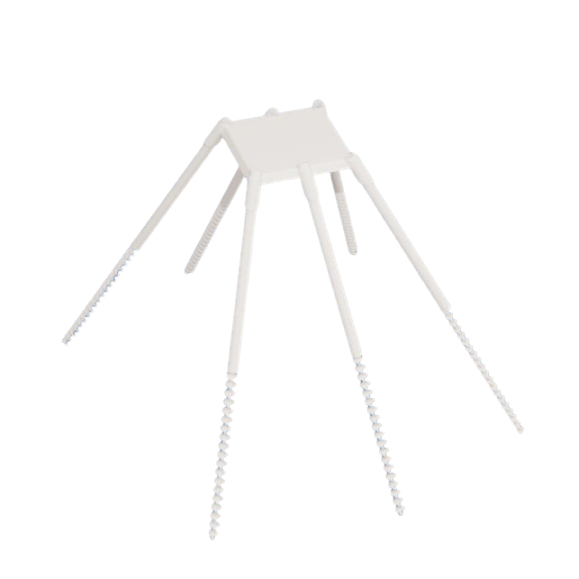
Six-Pile Group Screw Piles| Reliable Helical Pile Manufacturer| Patented Foundation Solution
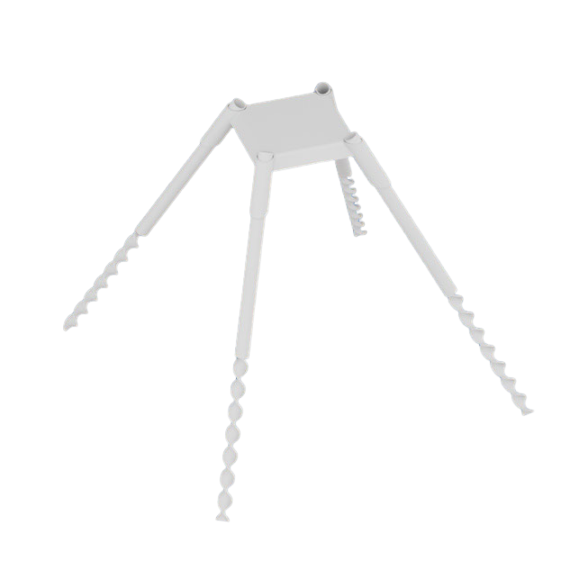
Four-Pile Group Screw Piles| Reliable Helical Pile Manufacturer| Patented Foundation Solution
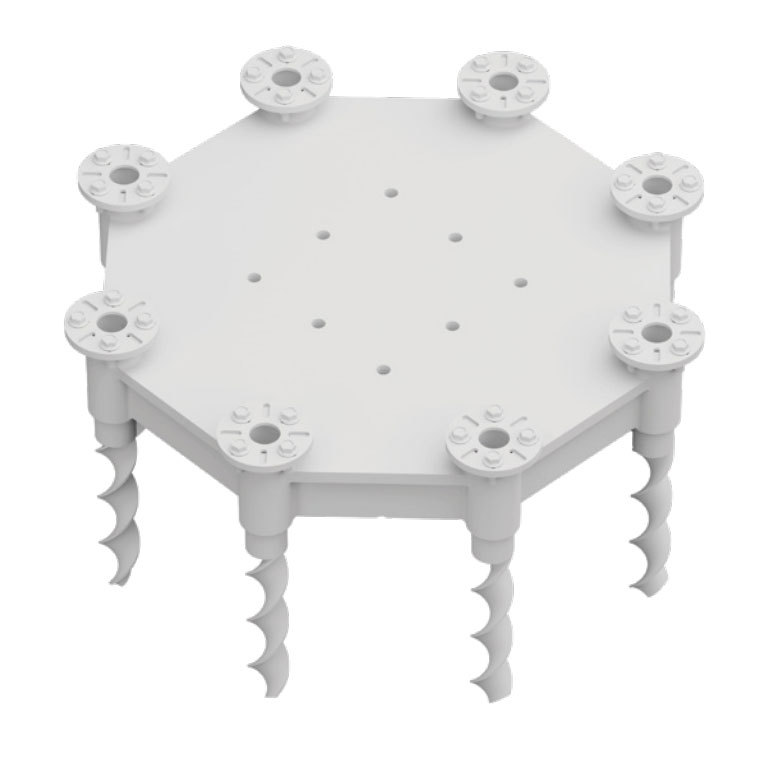
Eight-Pile Cap Screw Pile | Reliable Helical Pile Manufacturer| Patented Foundation Solution
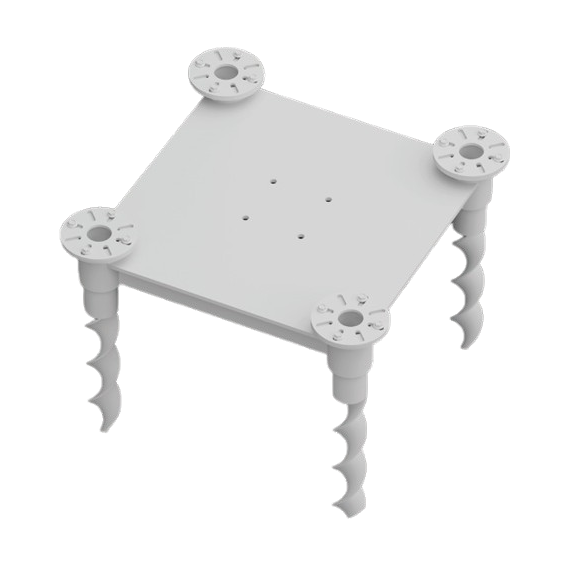
Four-Pile Cap Screw Pile | Reliable Helical Pile Manufacturer| Patented Foundation Solution
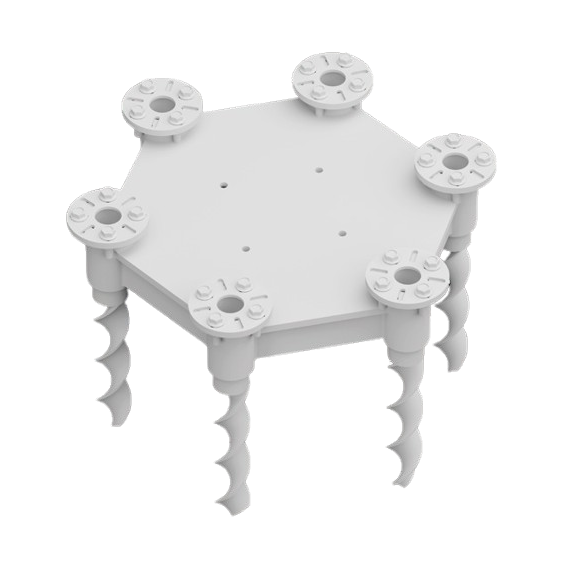
Six-Pile Cap Screw Pile | Reliable Helical Pile Manufacturer| Patented Foundation Solution
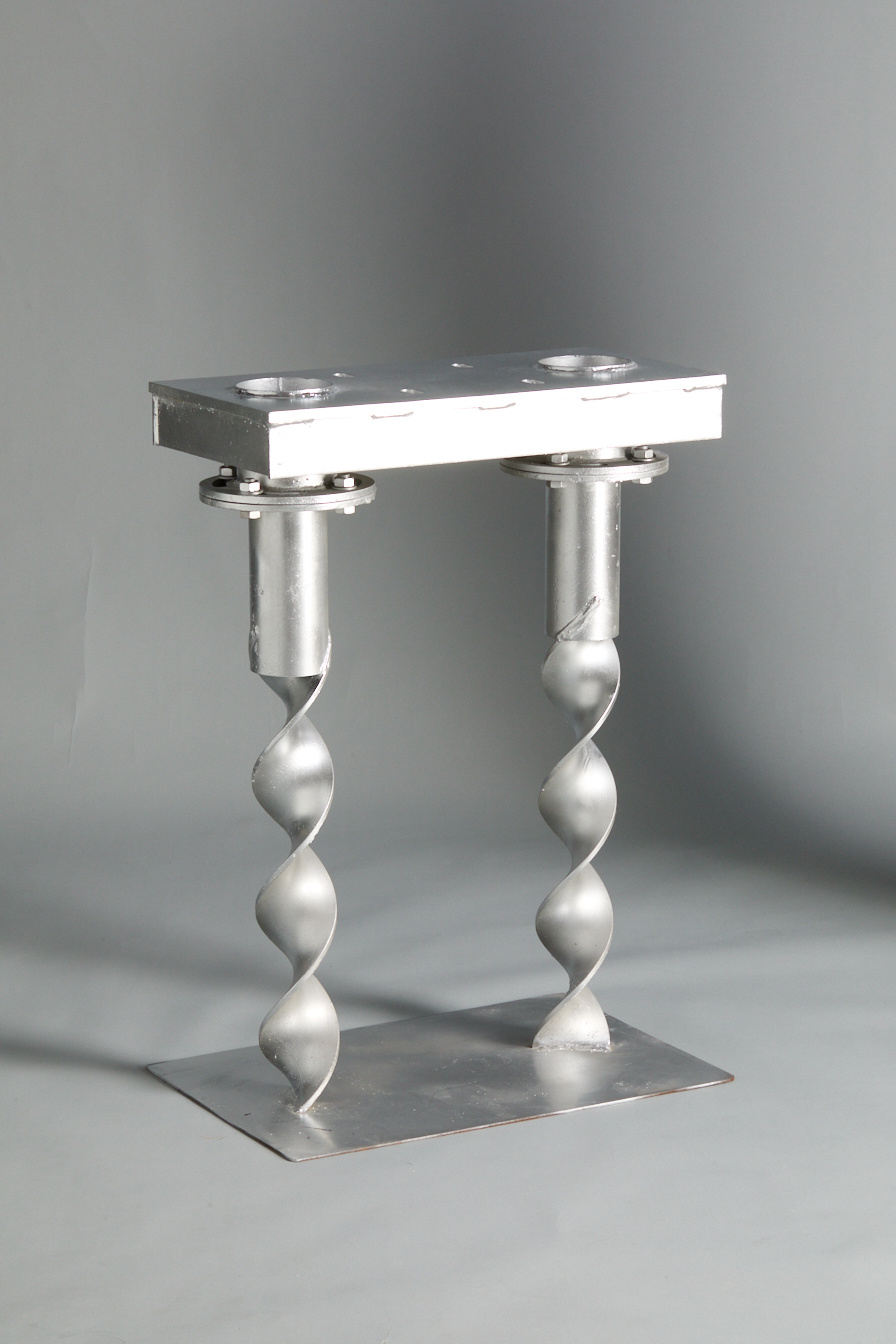
Two-Pile Cap Screw Pile | Reliable Helical Pile Manufacturer| Patented Foundation Solution
Steel Platform System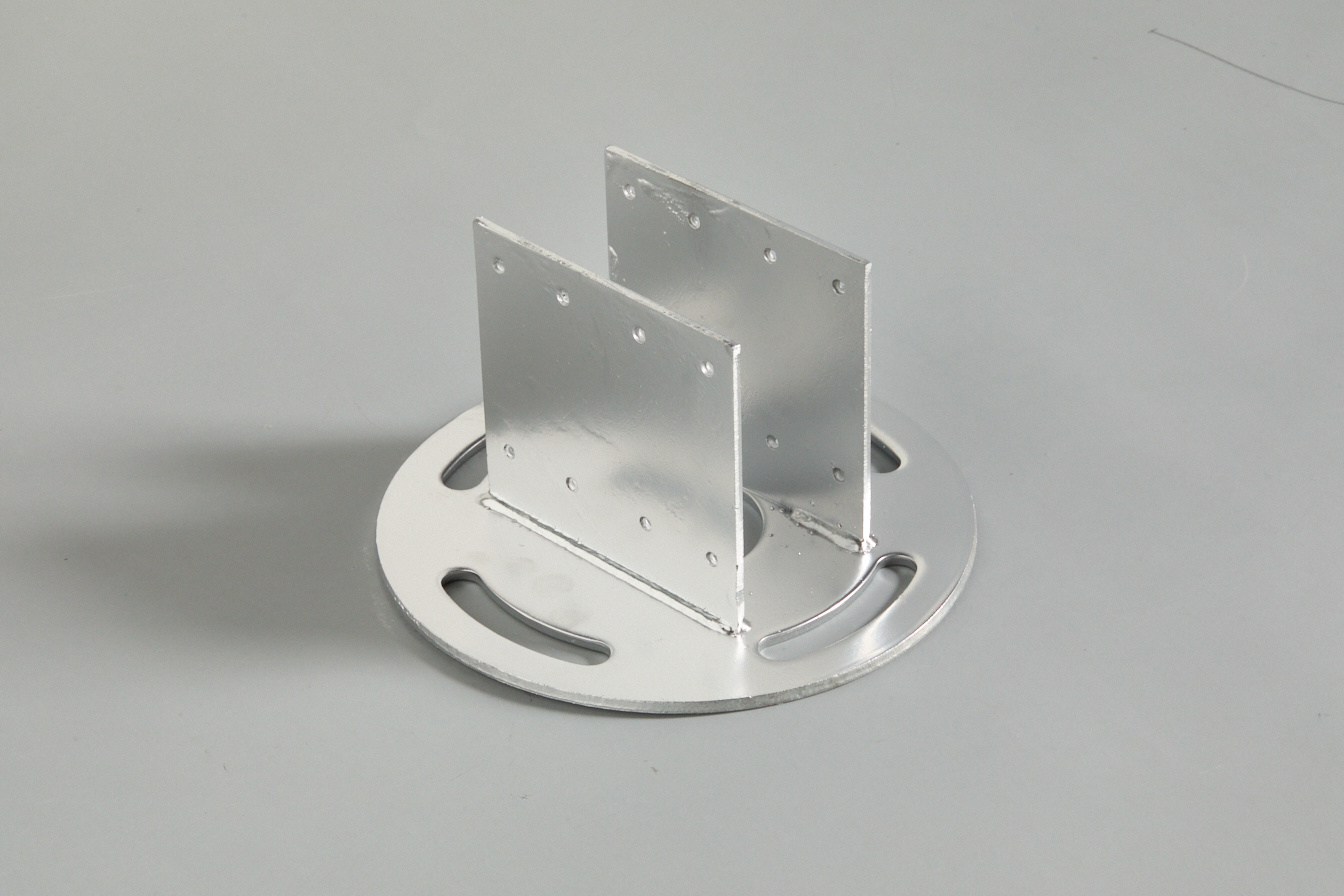
Spiral pile connectors
Small U connector
Large U connector
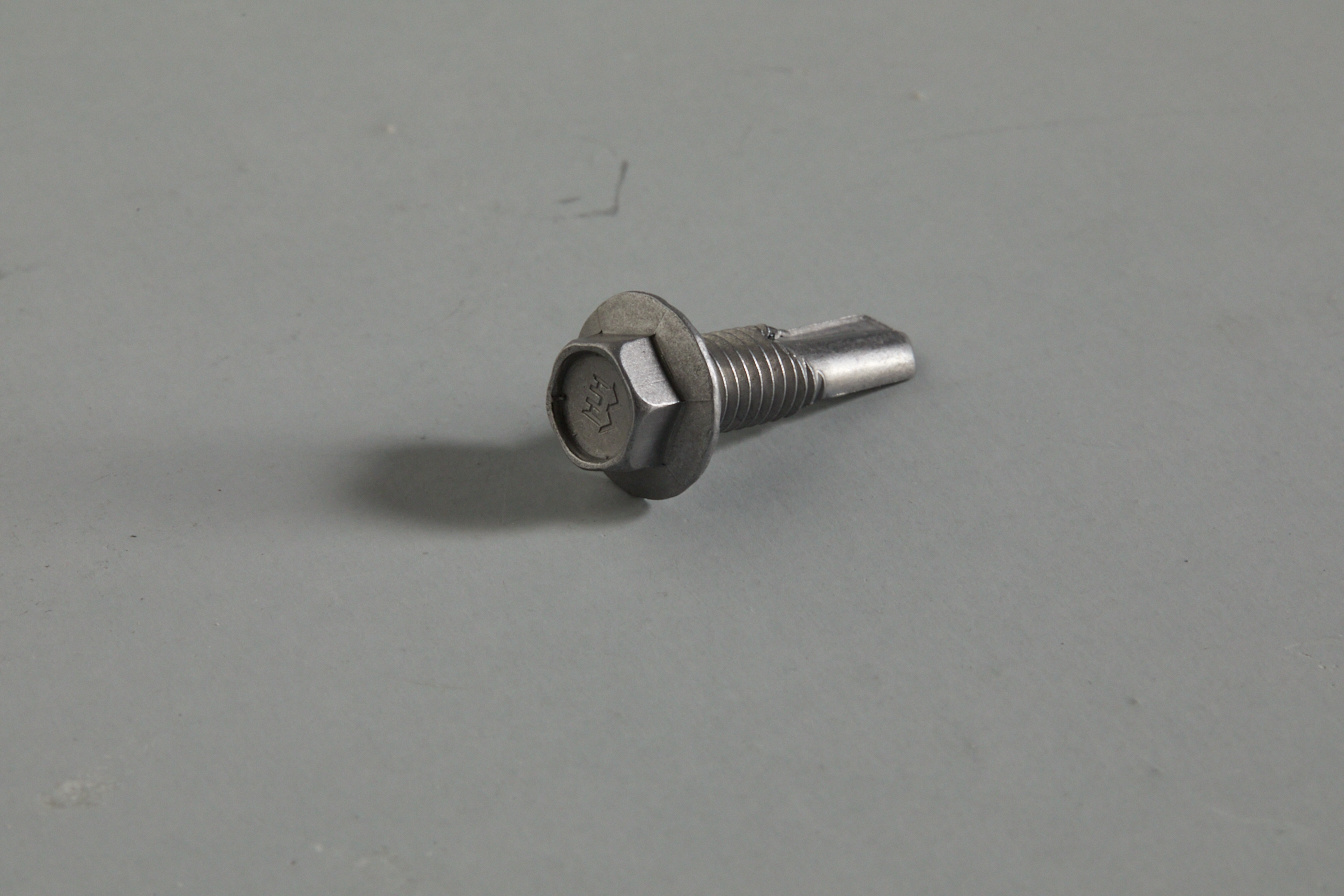
Hexagonal flange self drilling and self tapping screws
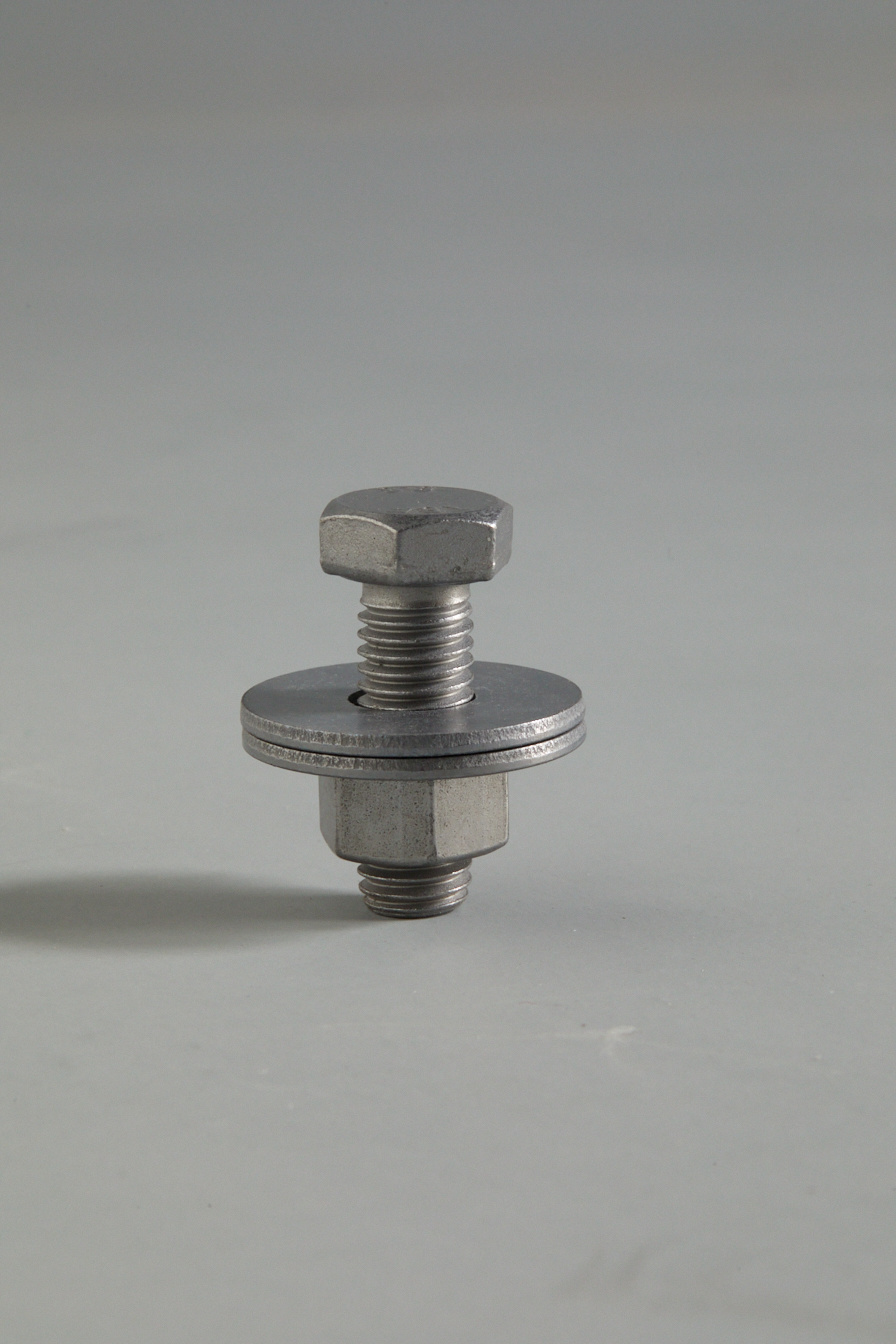
Tightening Bolts
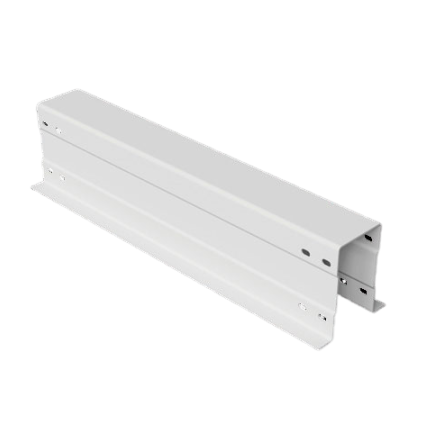
Secondary Beam
Steel Platform - Main Beam
Modular building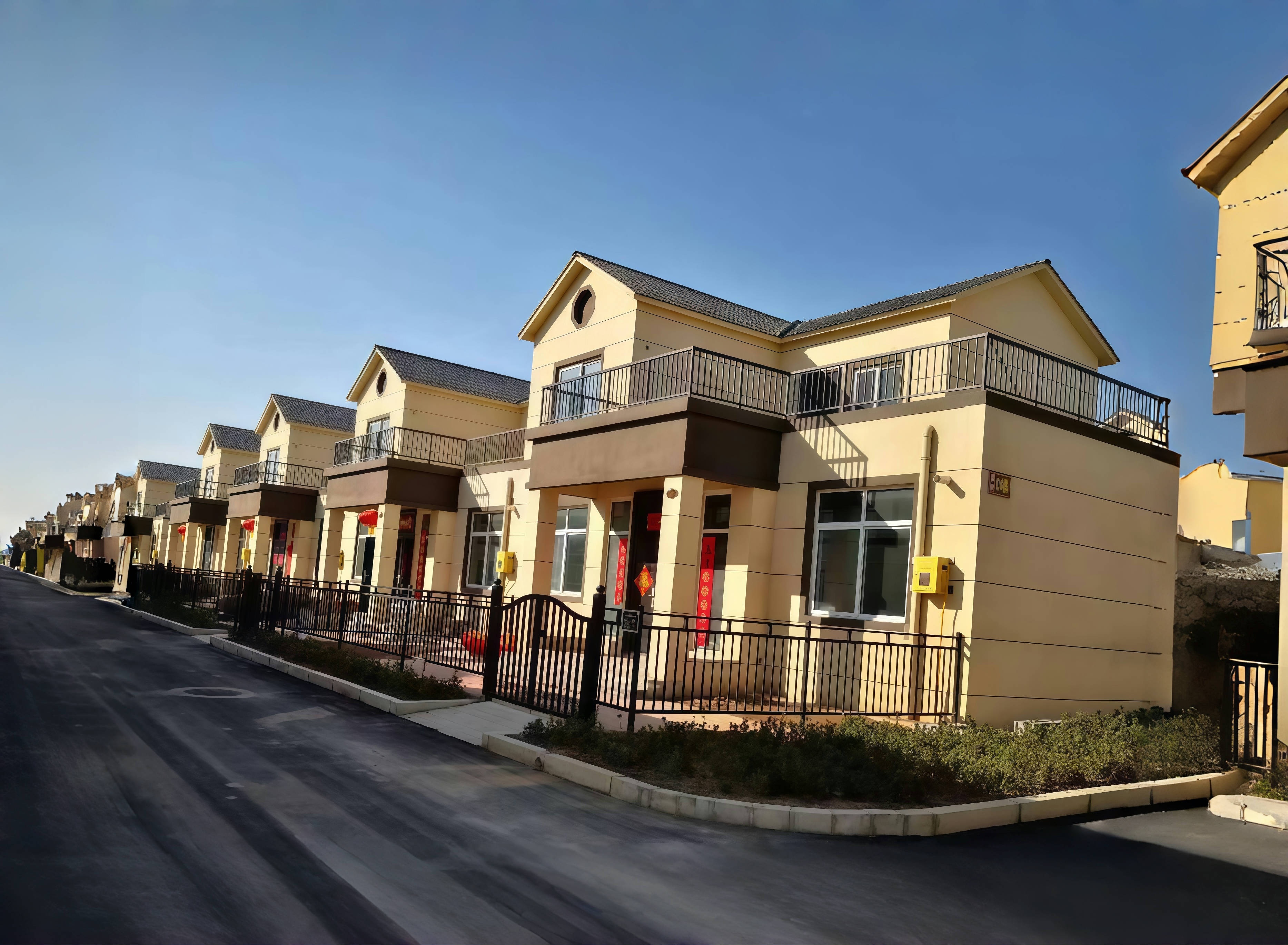
Modular building
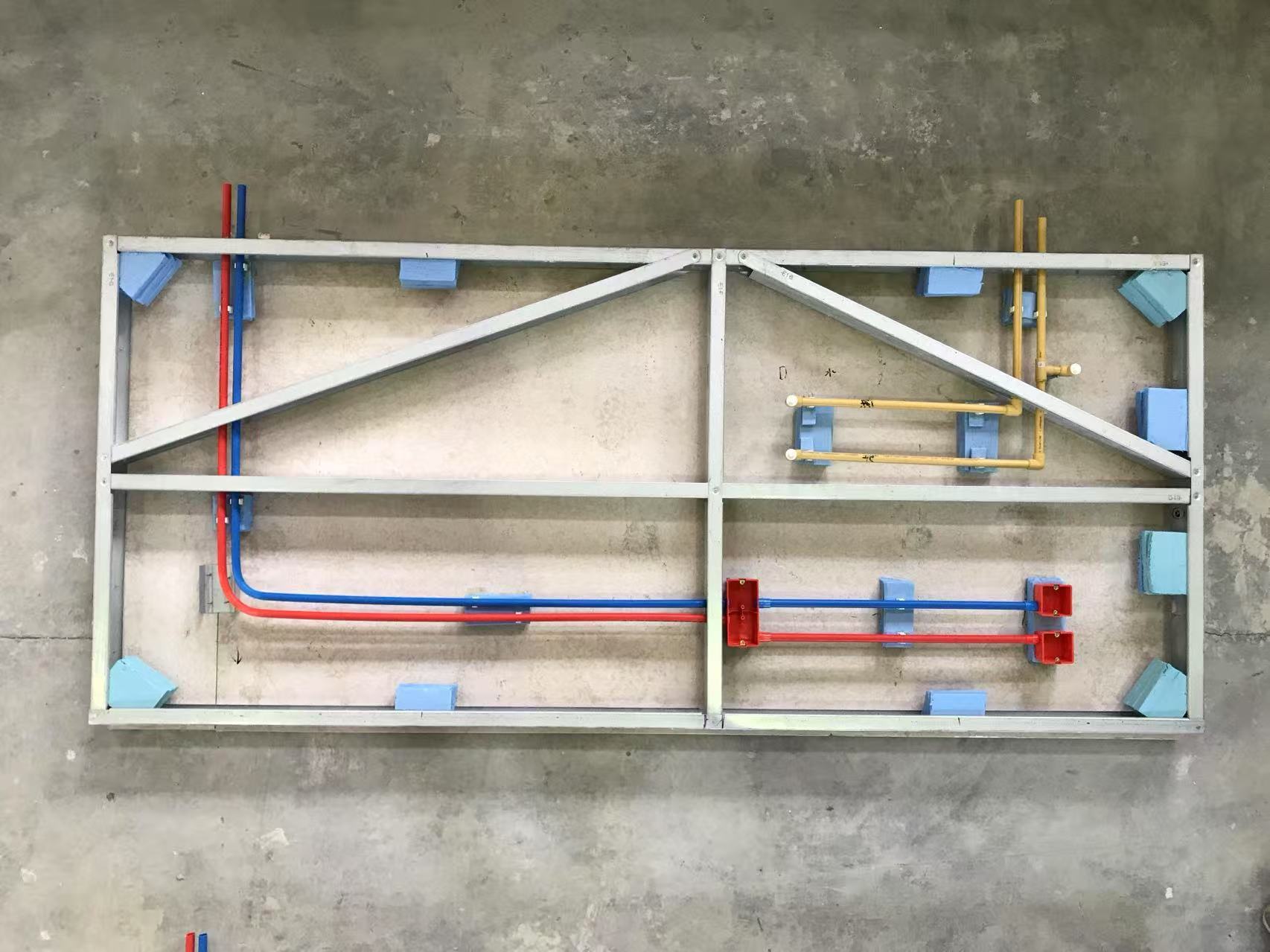
Layout Diagram of Electrical and Plumbing Pipelines for Magnesium-Based Grouted Walls

Performance Testing of Magnesium-Based Walls
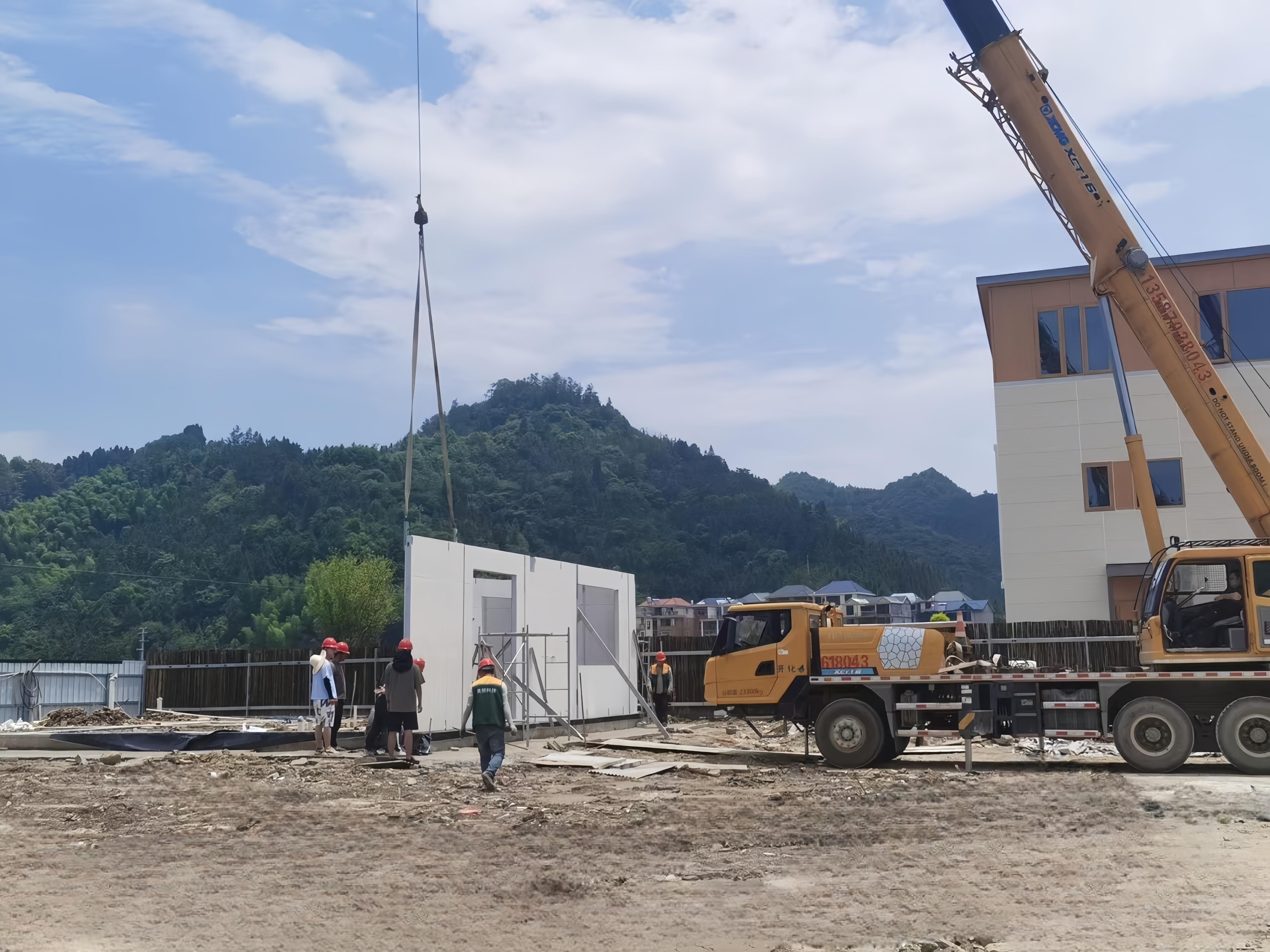
Construction Process of Modular Walls
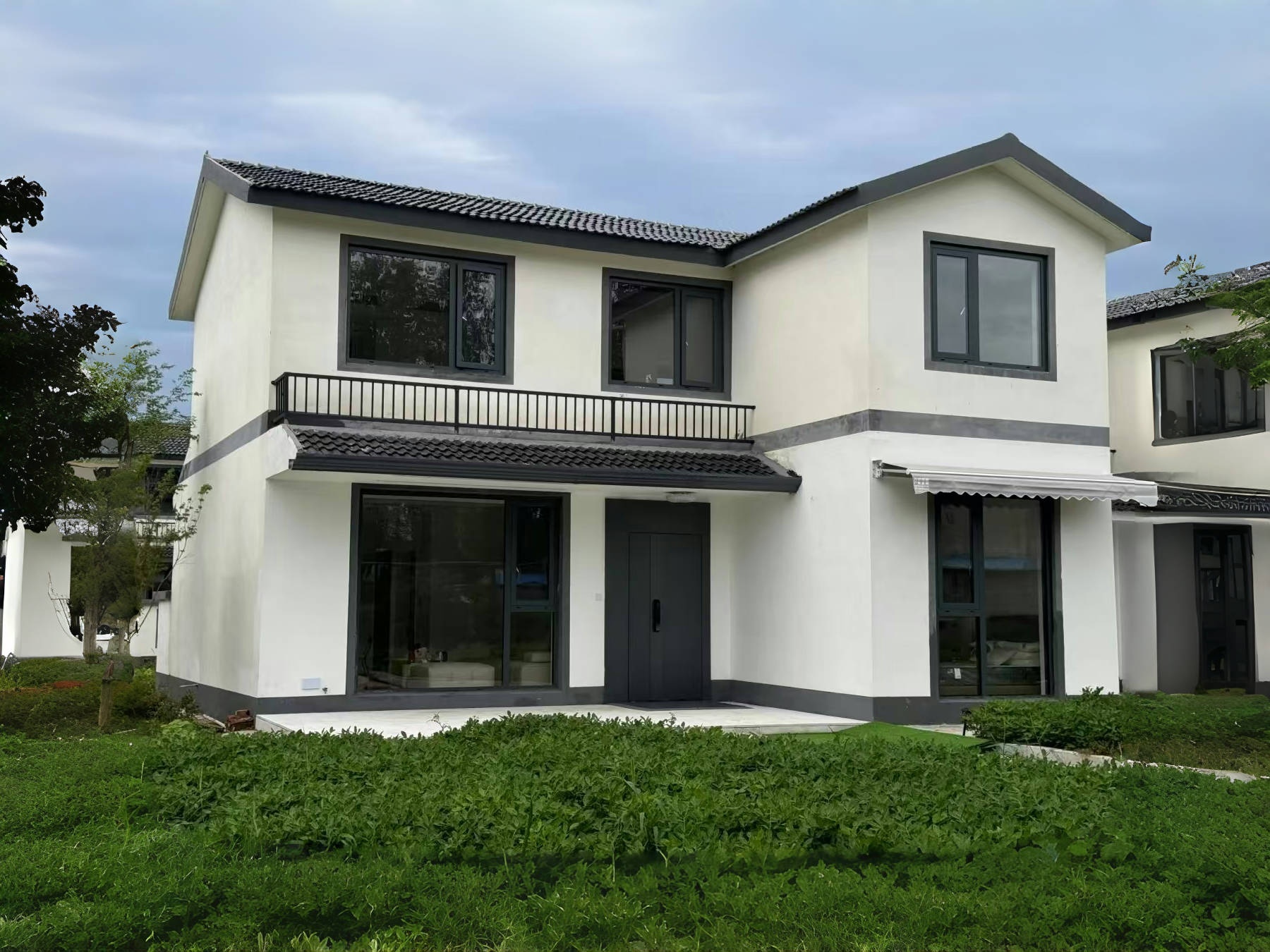
Cases of Modular Buildings
Bracket Roof Integrated Panel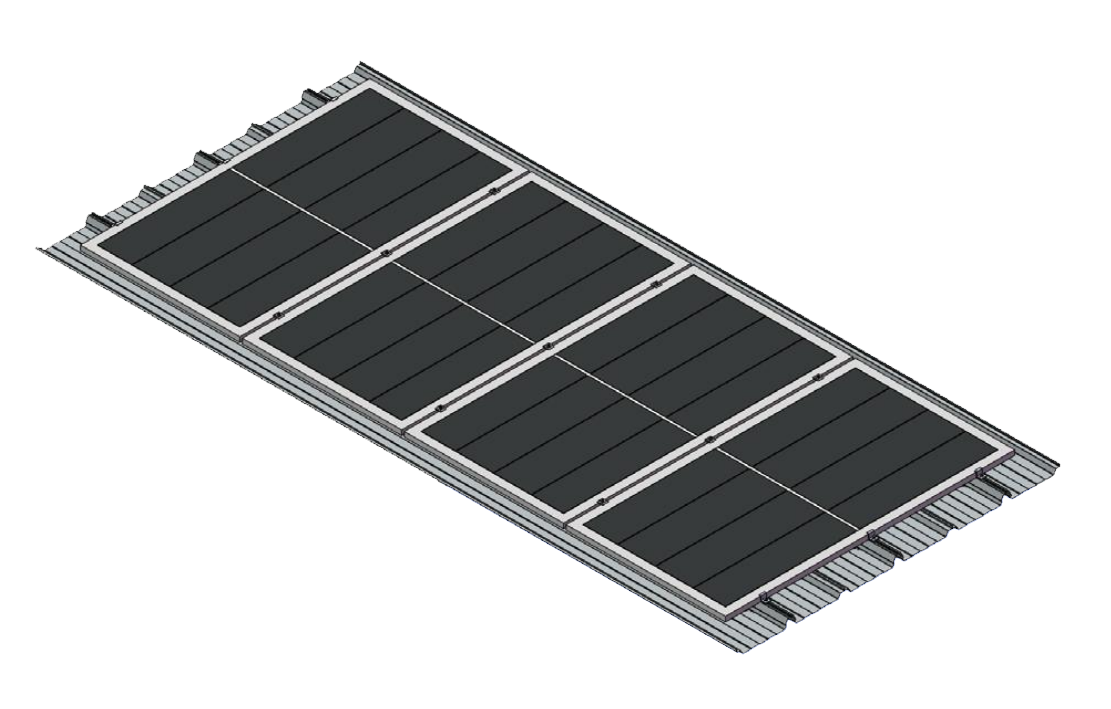
BIPV Bracket Roof Integrated Panel
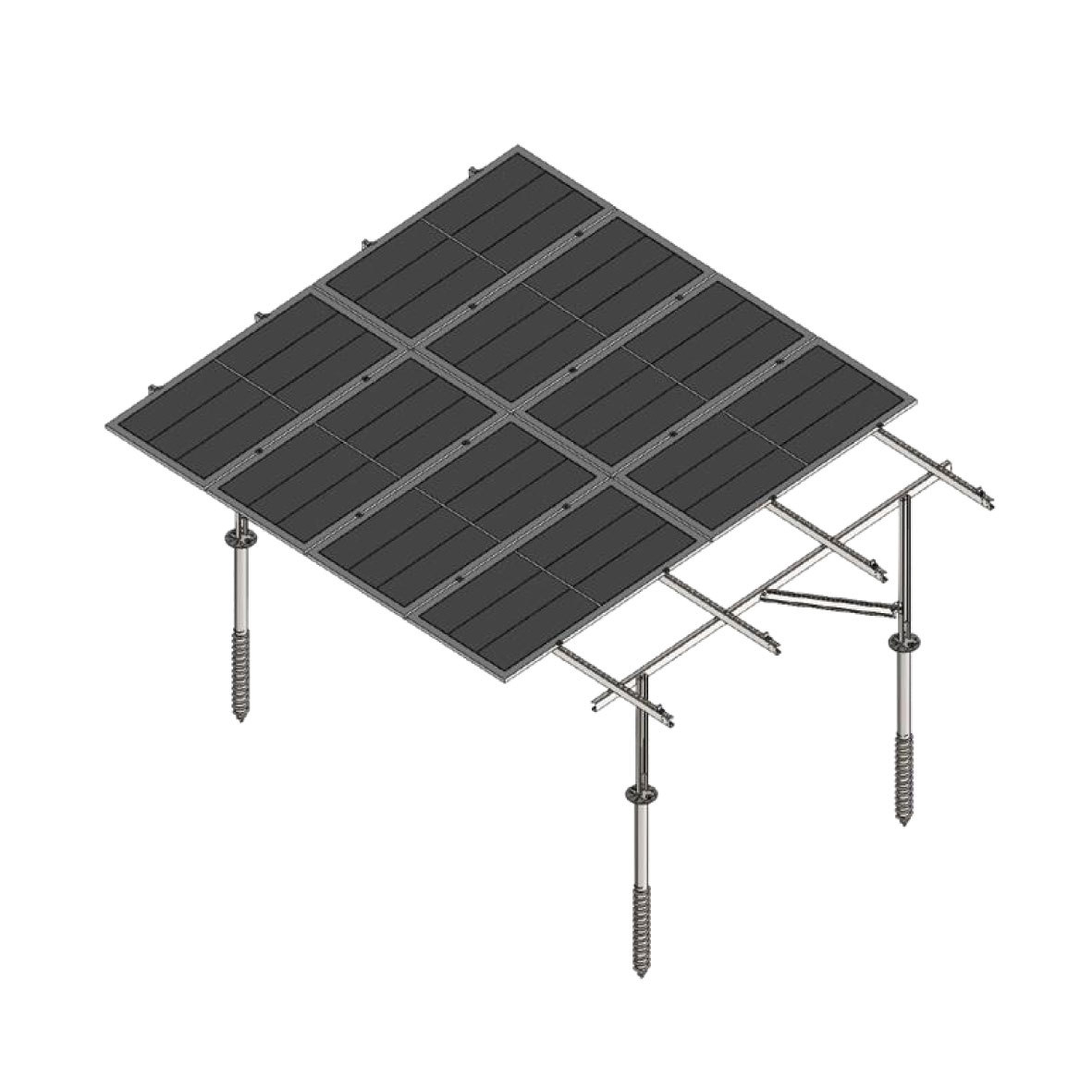
ZINC Aluminum Magnesium Double Leg Bracket
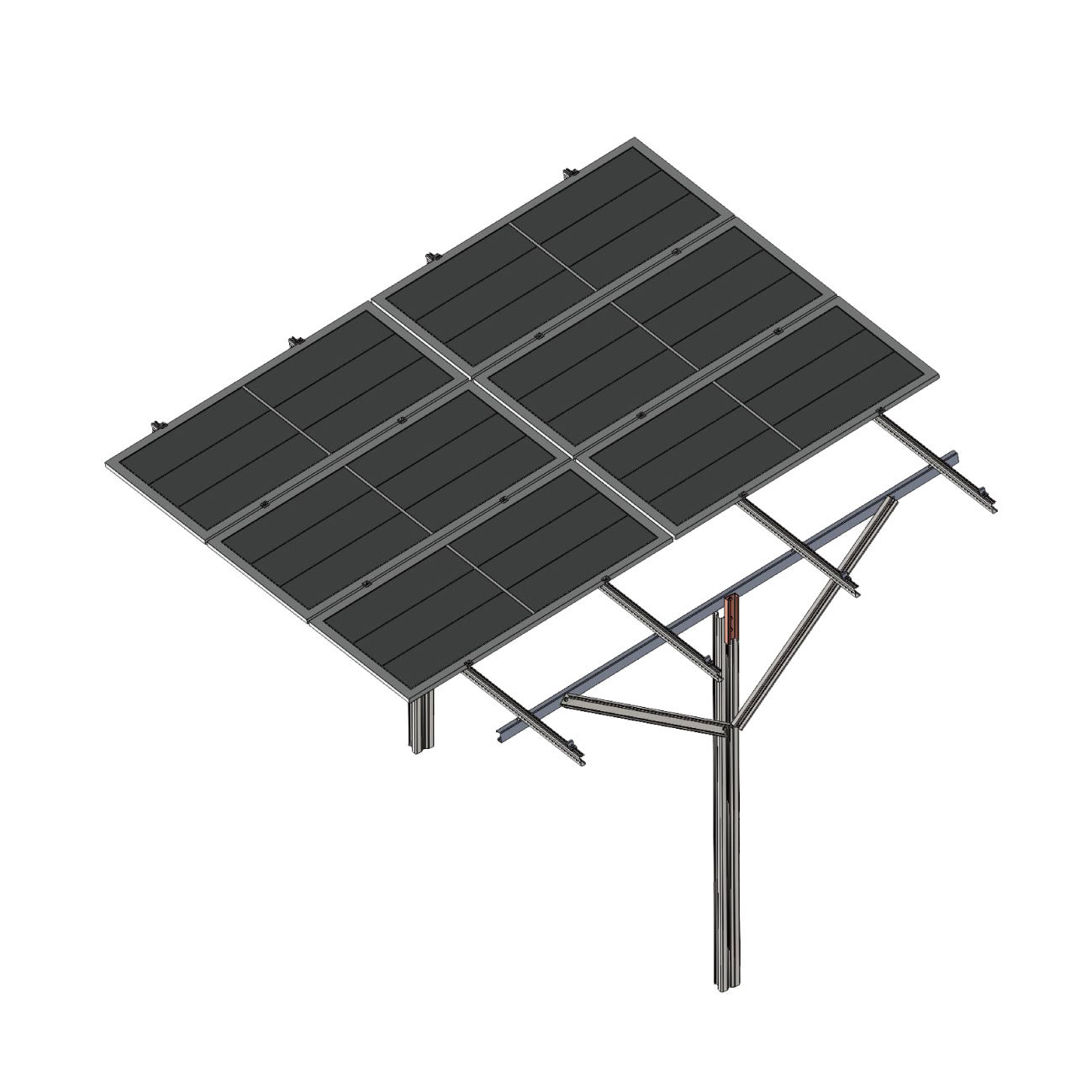
ZINC Aluminum Magnesium Single Leg Bracket
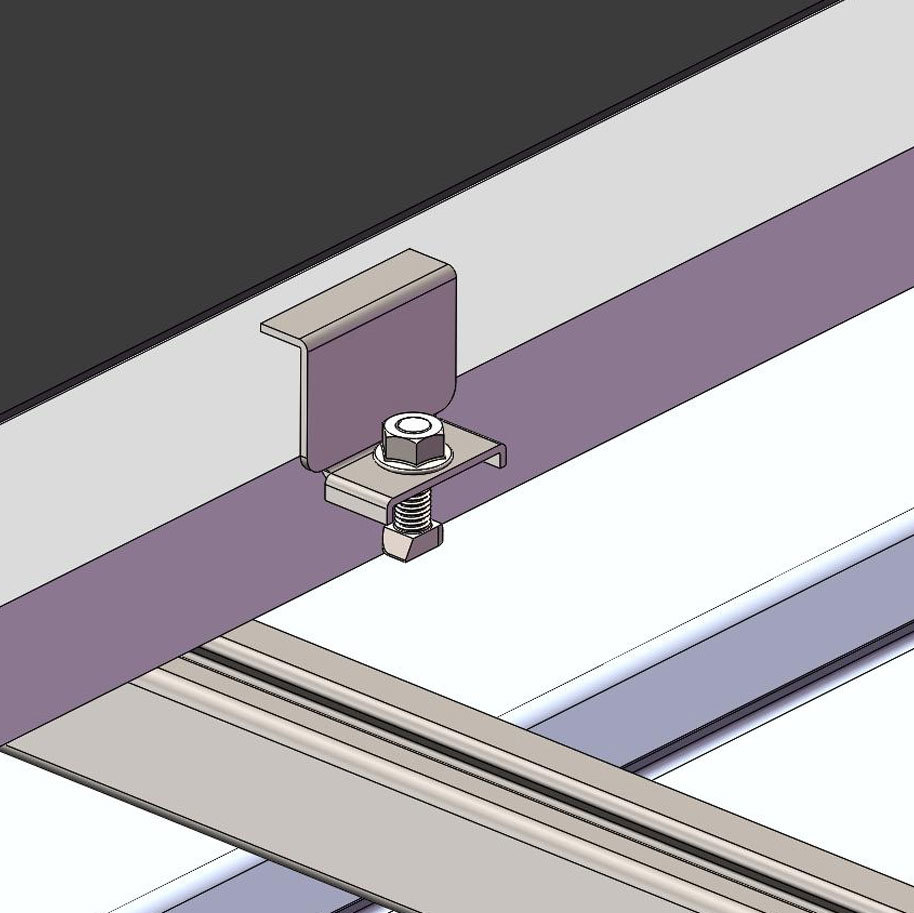
Explosion diagram of zinc aluminum magnesium under lateral pressure
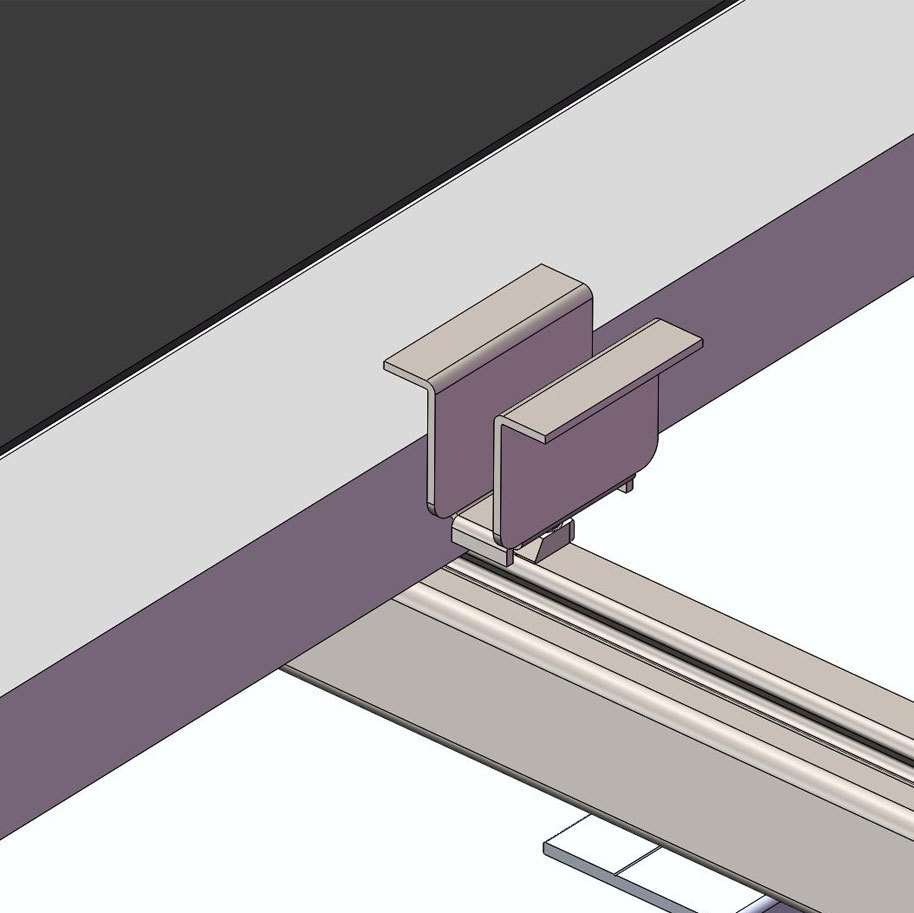
Zinc aluminum magnesium medium pressure explosion diagram
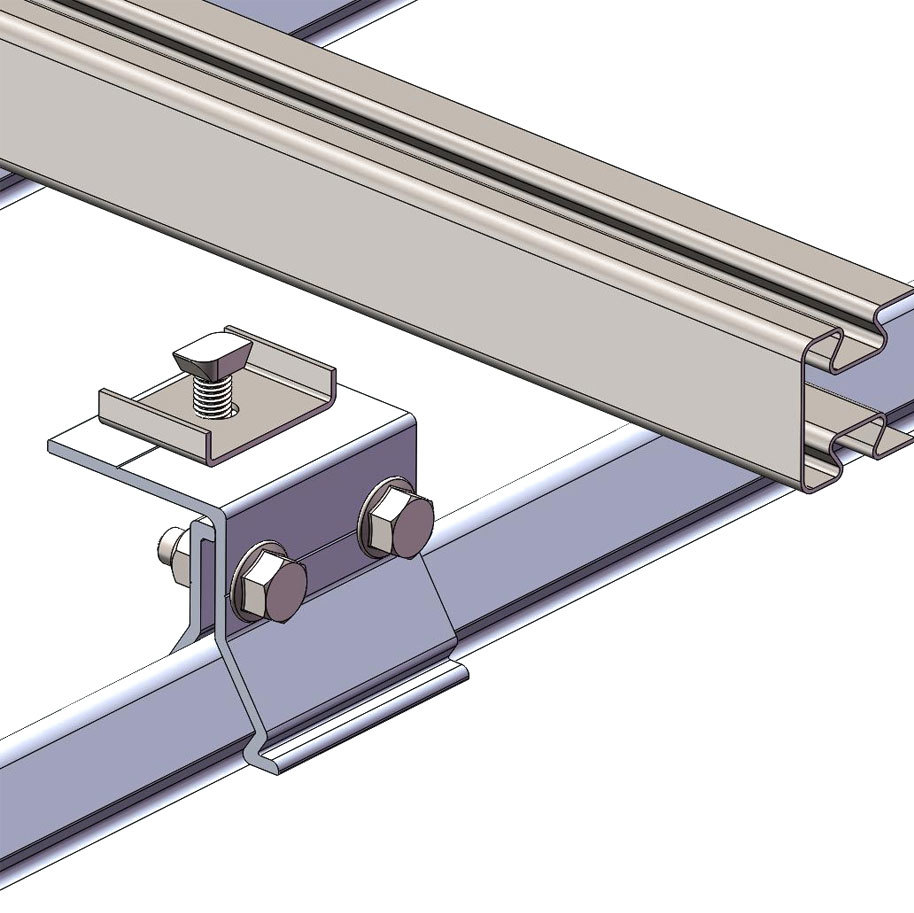
Explosion diagram of fixture components
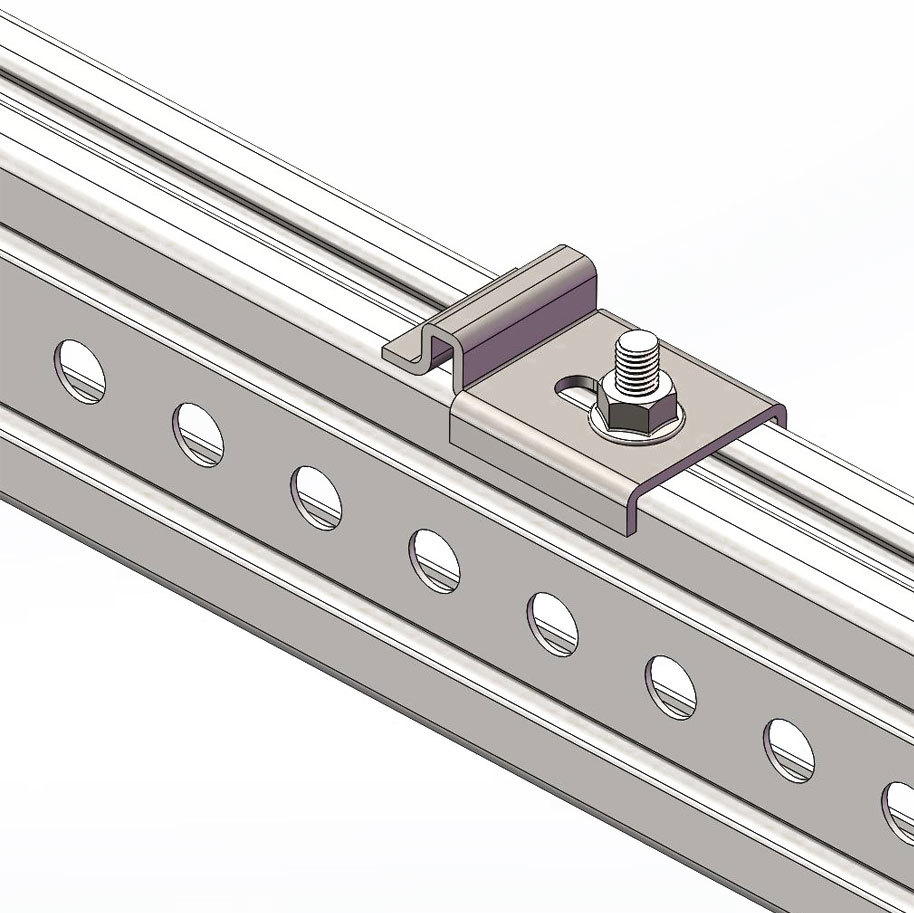
Lower pressure component
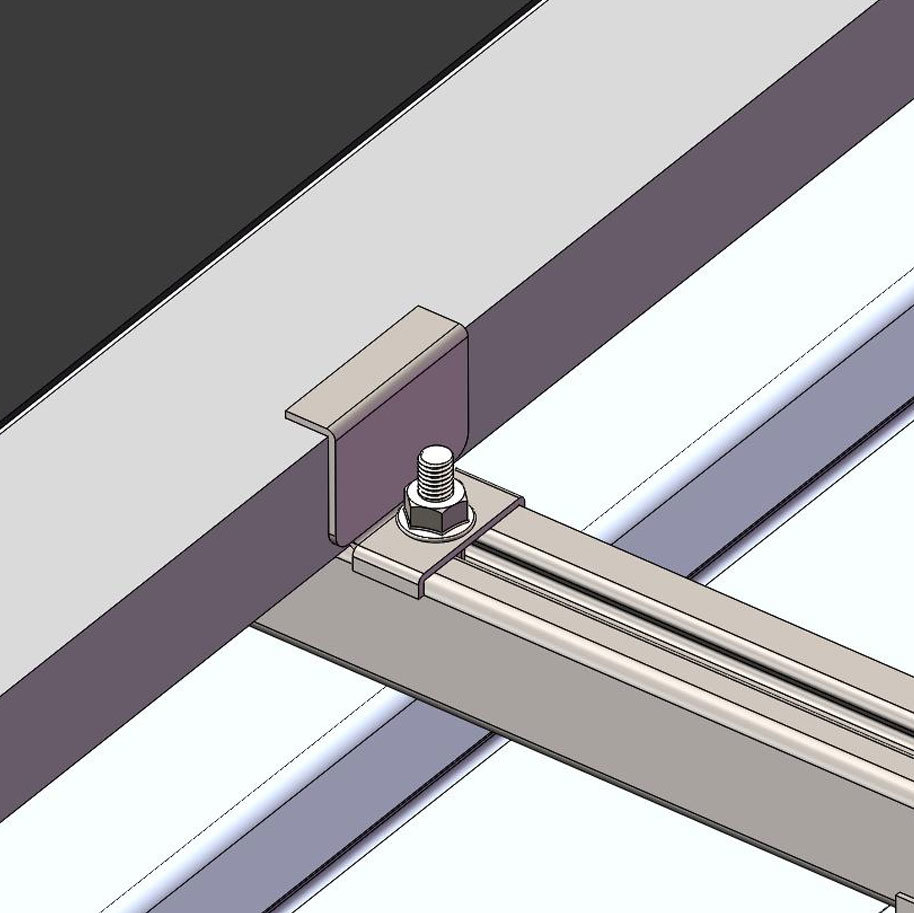
Zinc aluminum magnesium side pressure
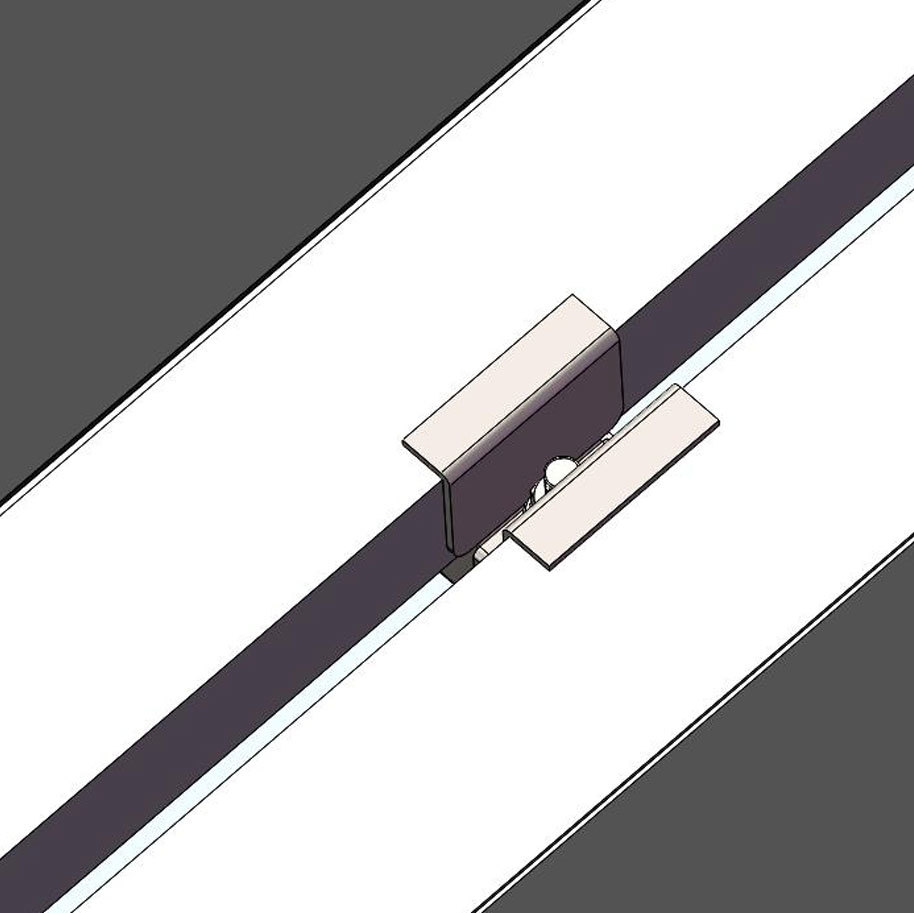
Zinc aluminum magnesium medium pressure
Zinc aluminum magnesium medium pressure
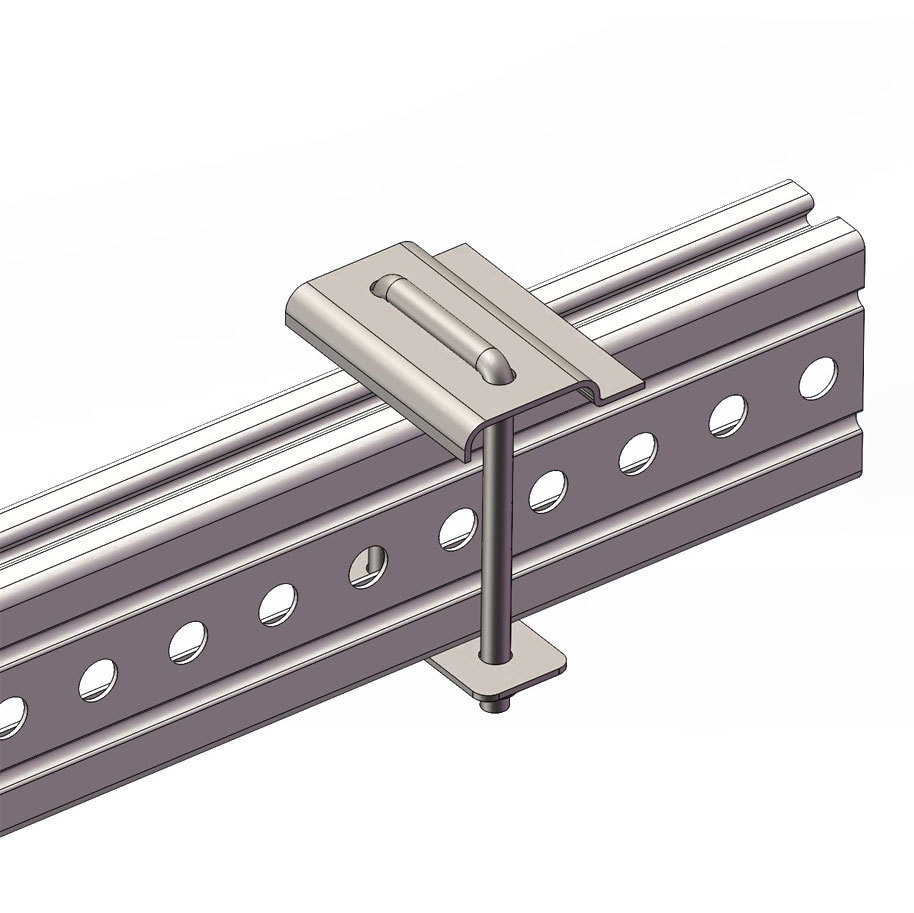
U-bolt assembly
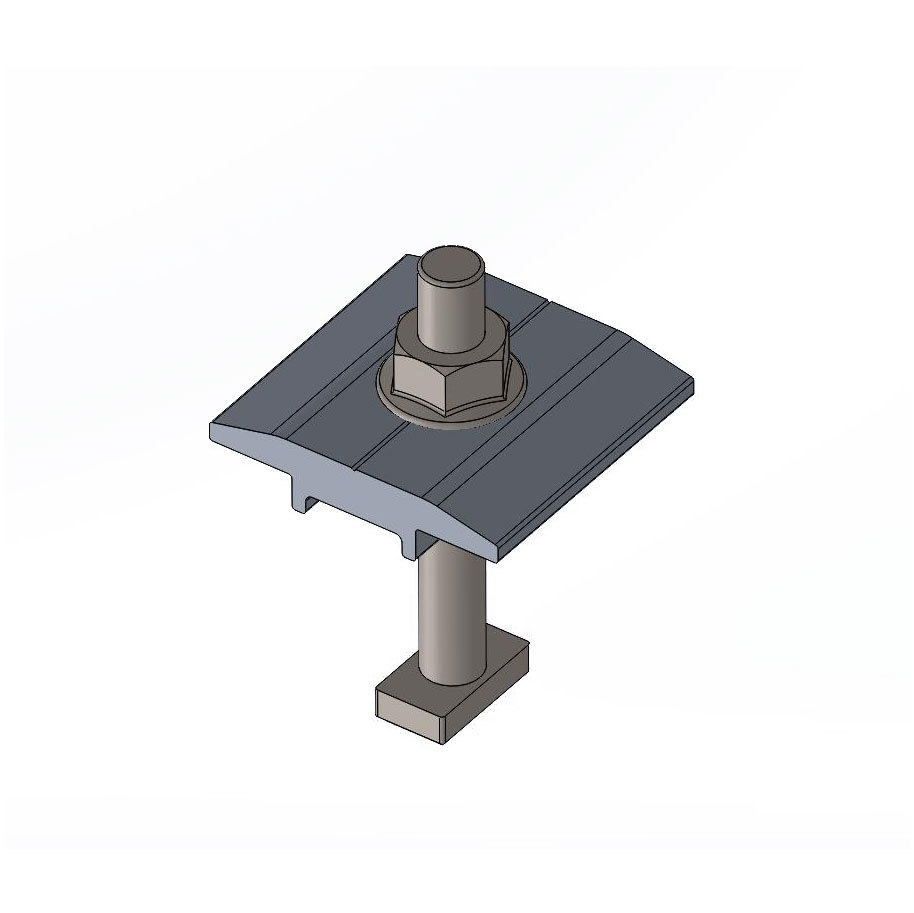
Medium voltage components
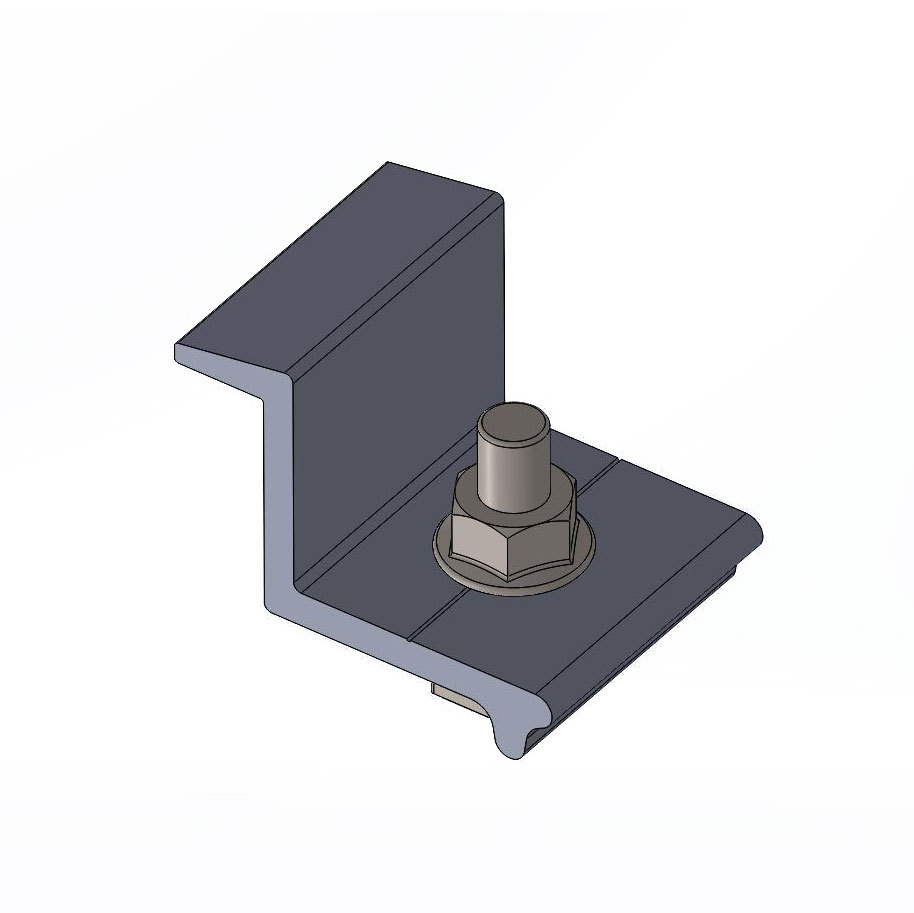
Side pressure component
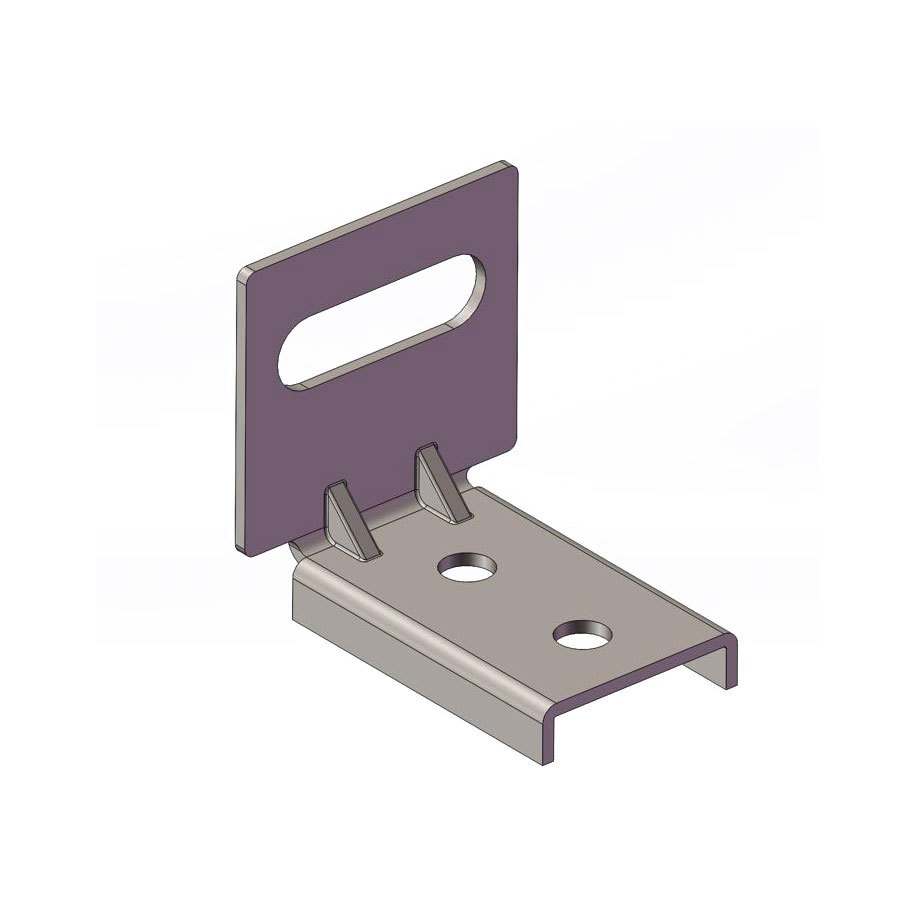
Horizontal and vertical rail connectors
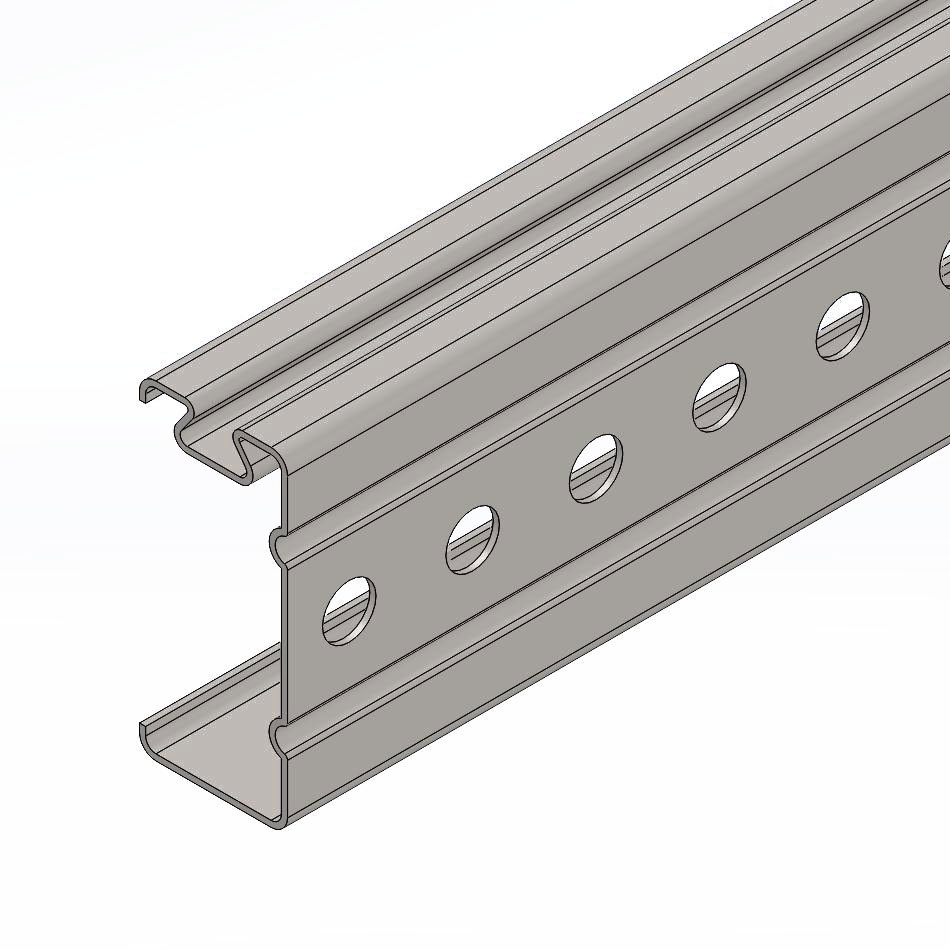
Slant support
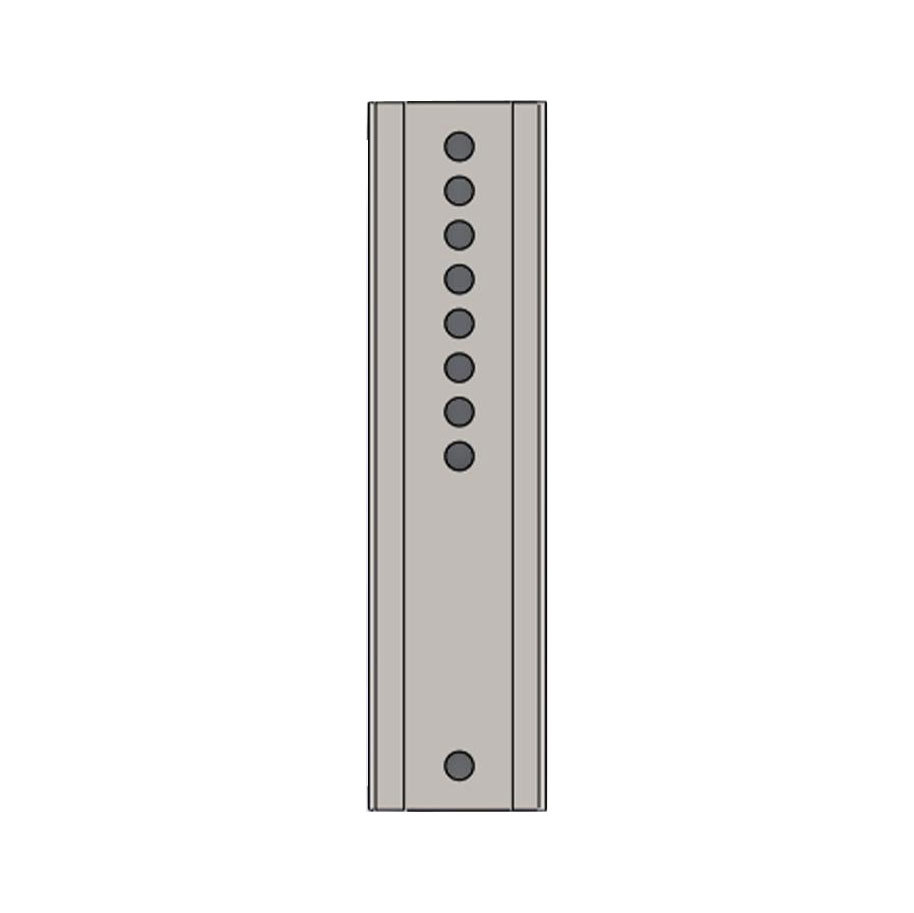
Column connectors
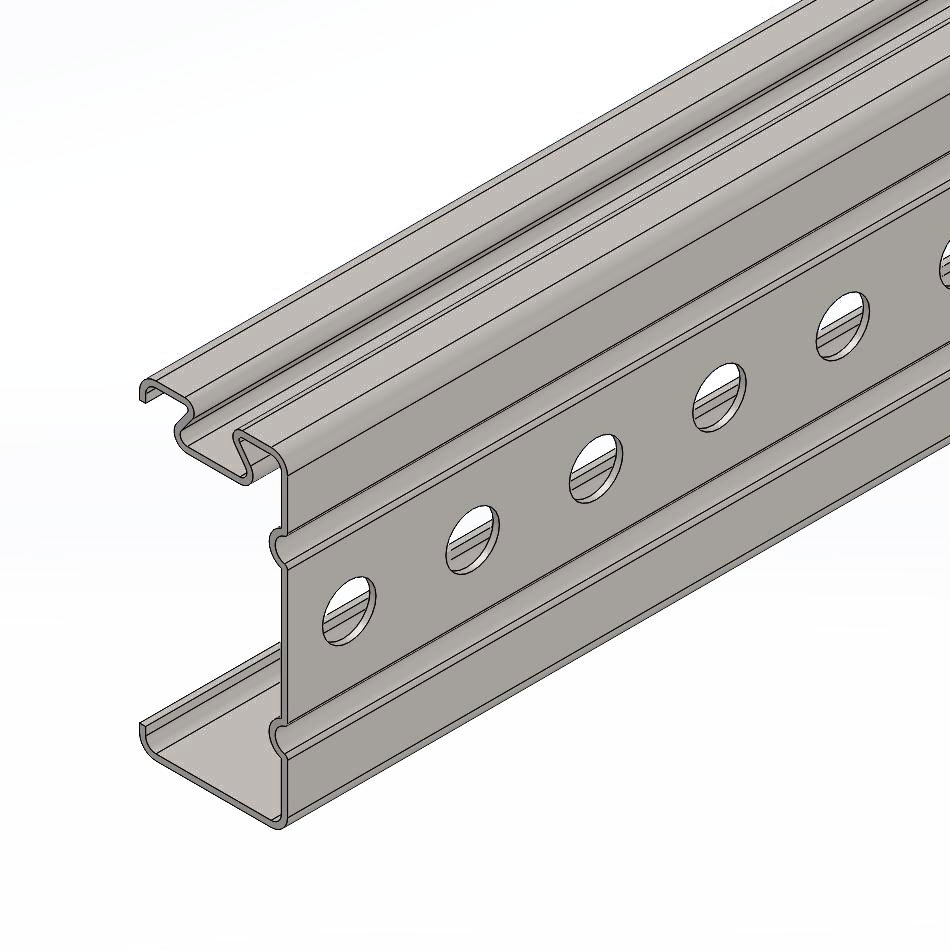
Longitudinal track
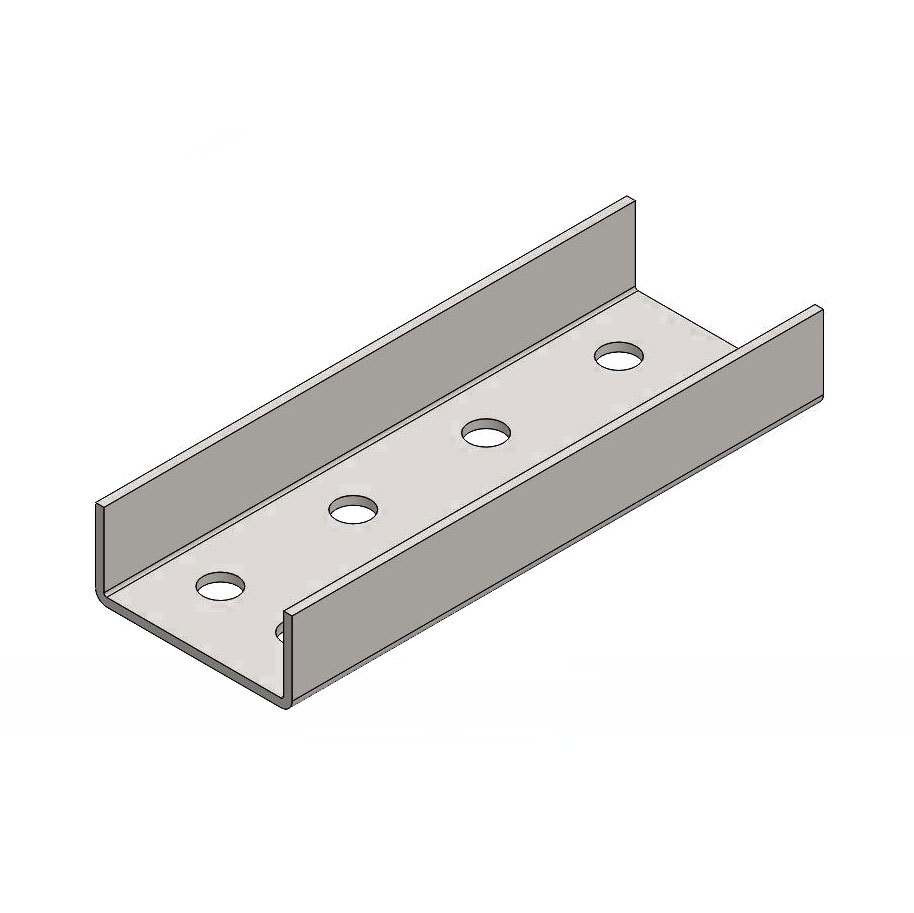
Horizontal rail connectors
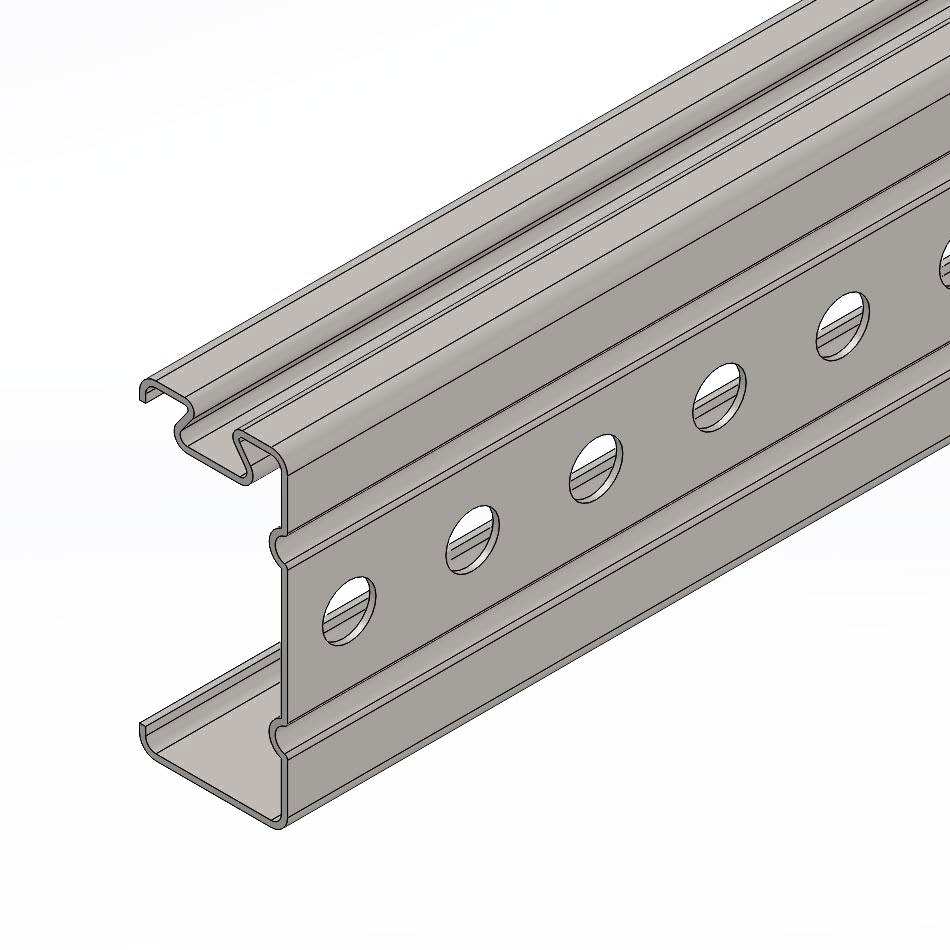
Horizontal track
Easy Install Steel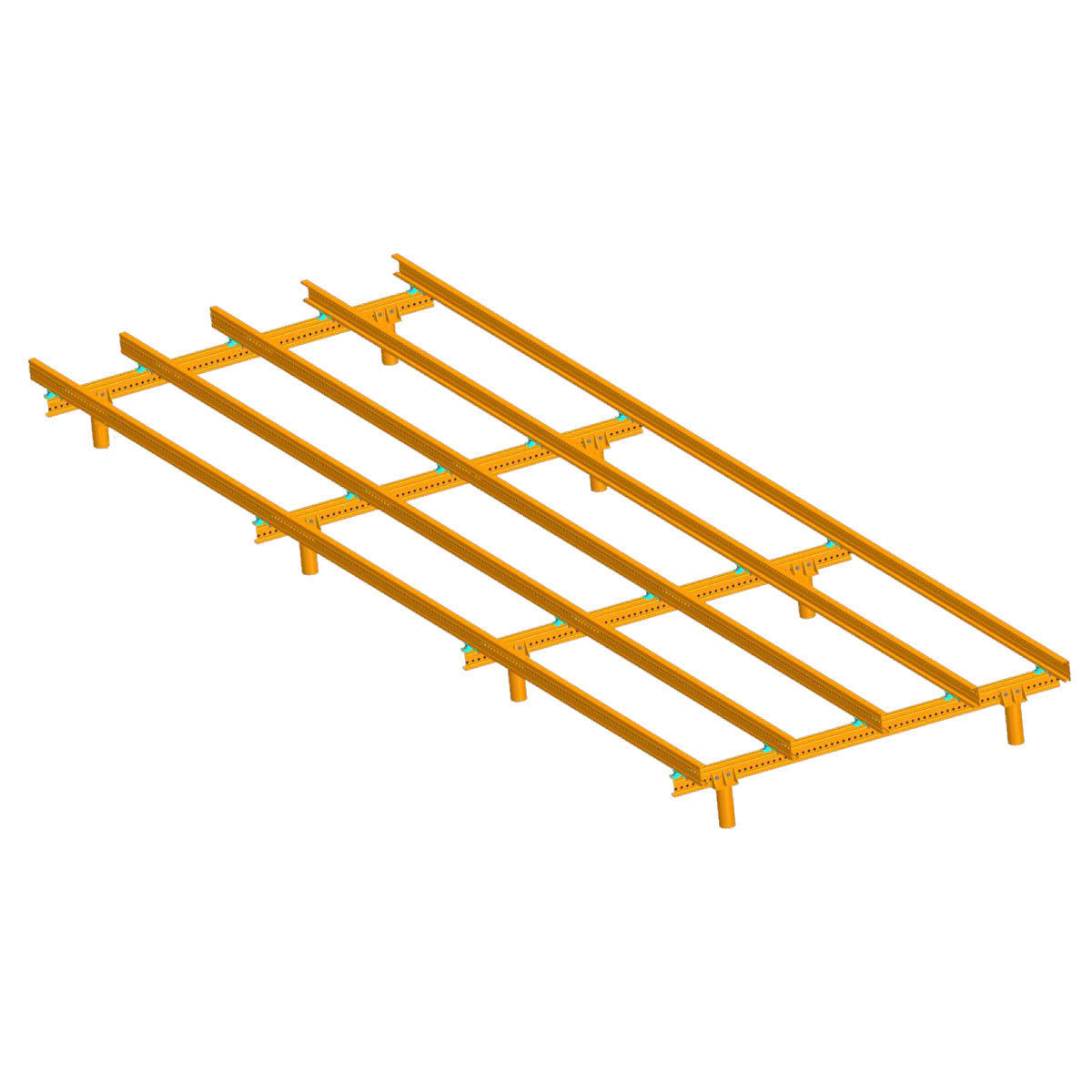
Haoheng Yi'an System

Easy Install Steel
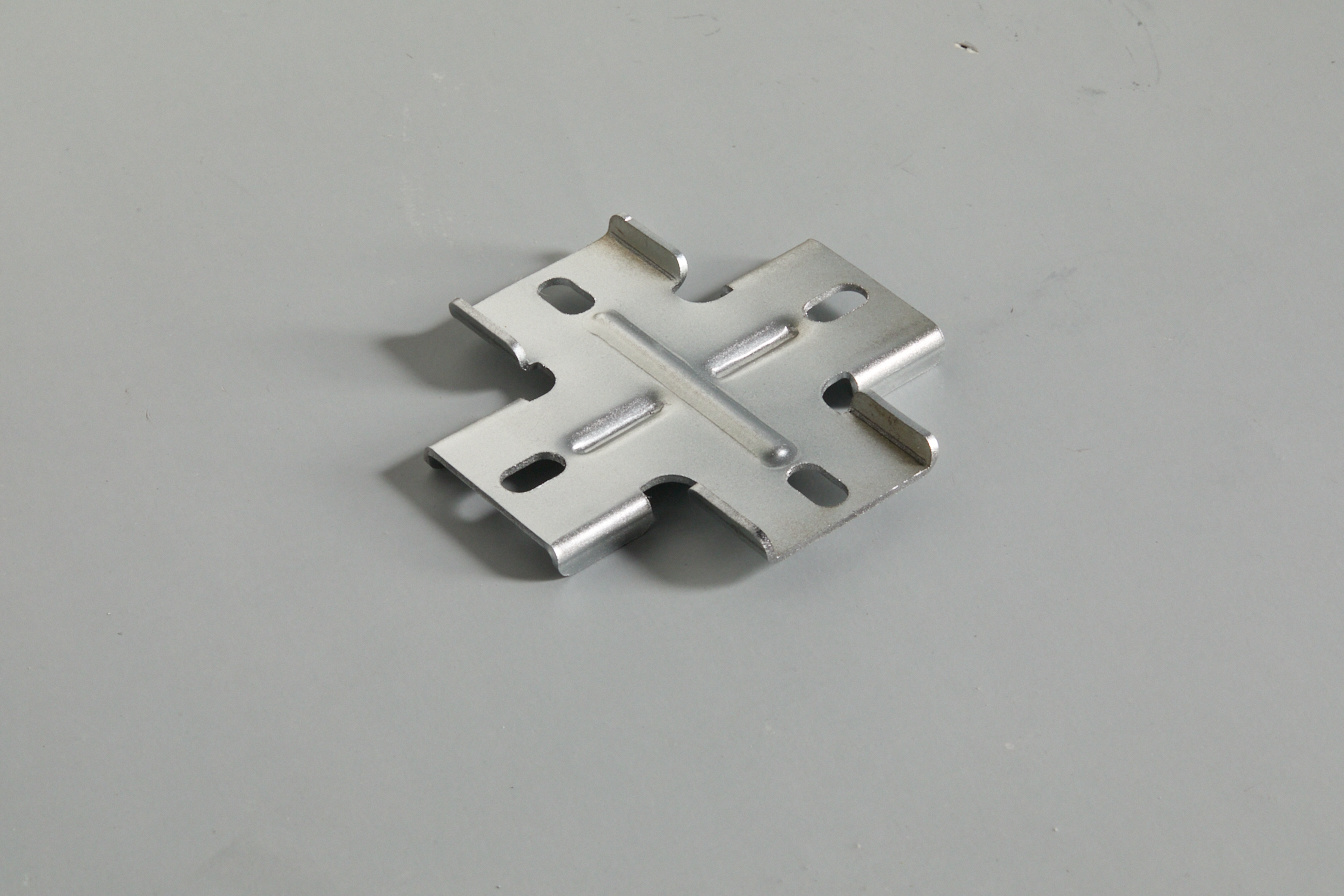
Cross connector
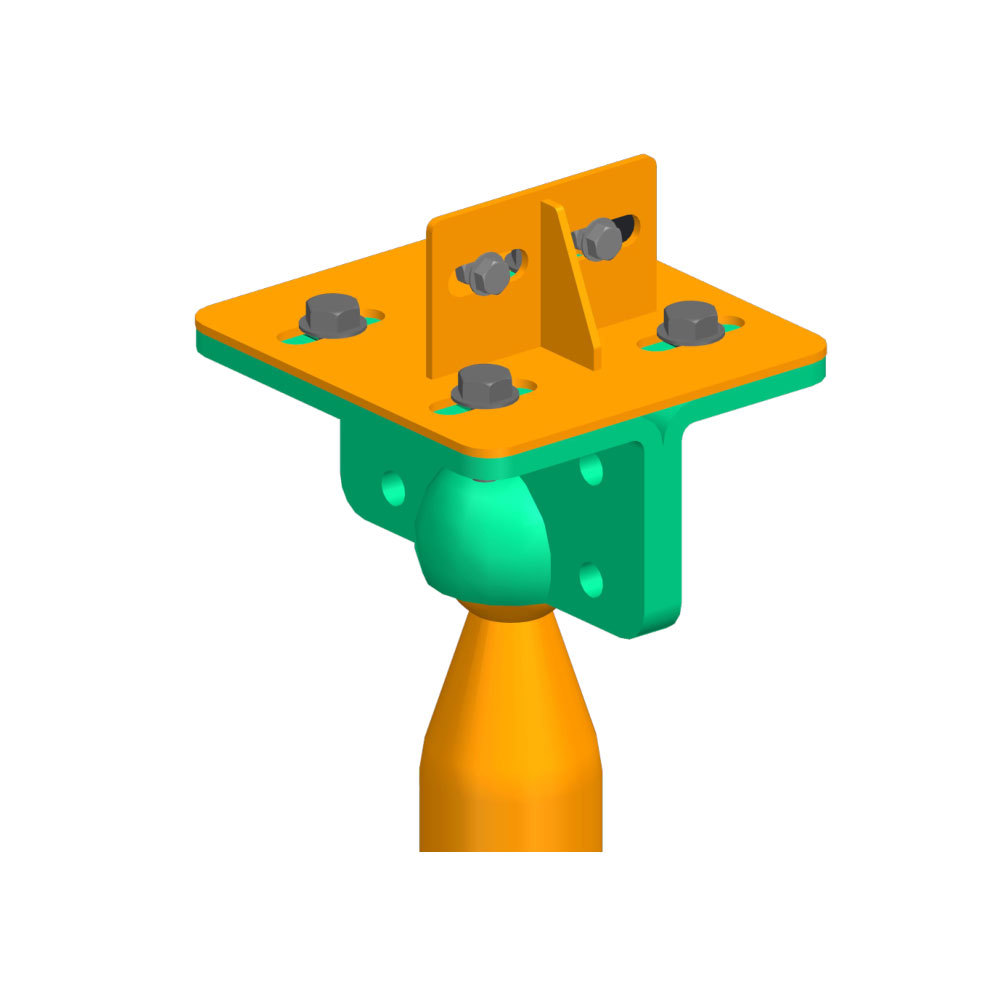
Universal connector for screw pile
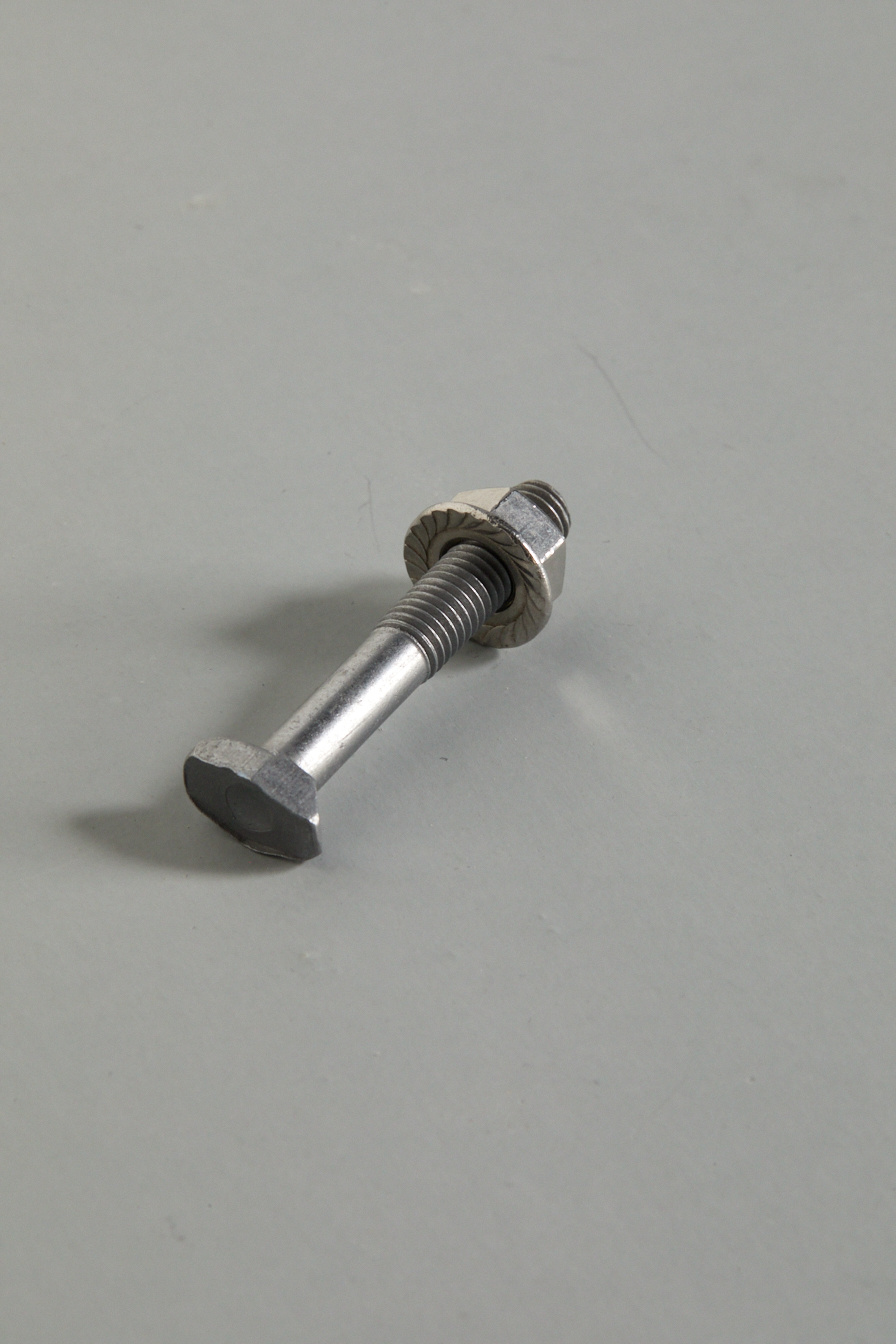
T-shaped dovetail bolt
Floor System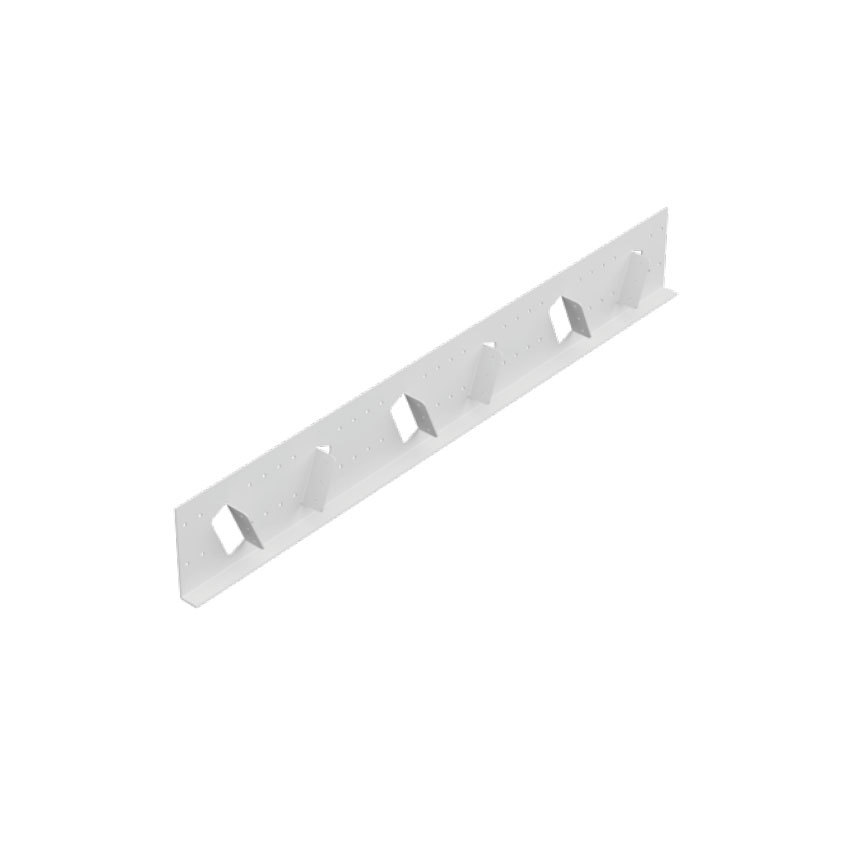
Ordinary steel structural connectors
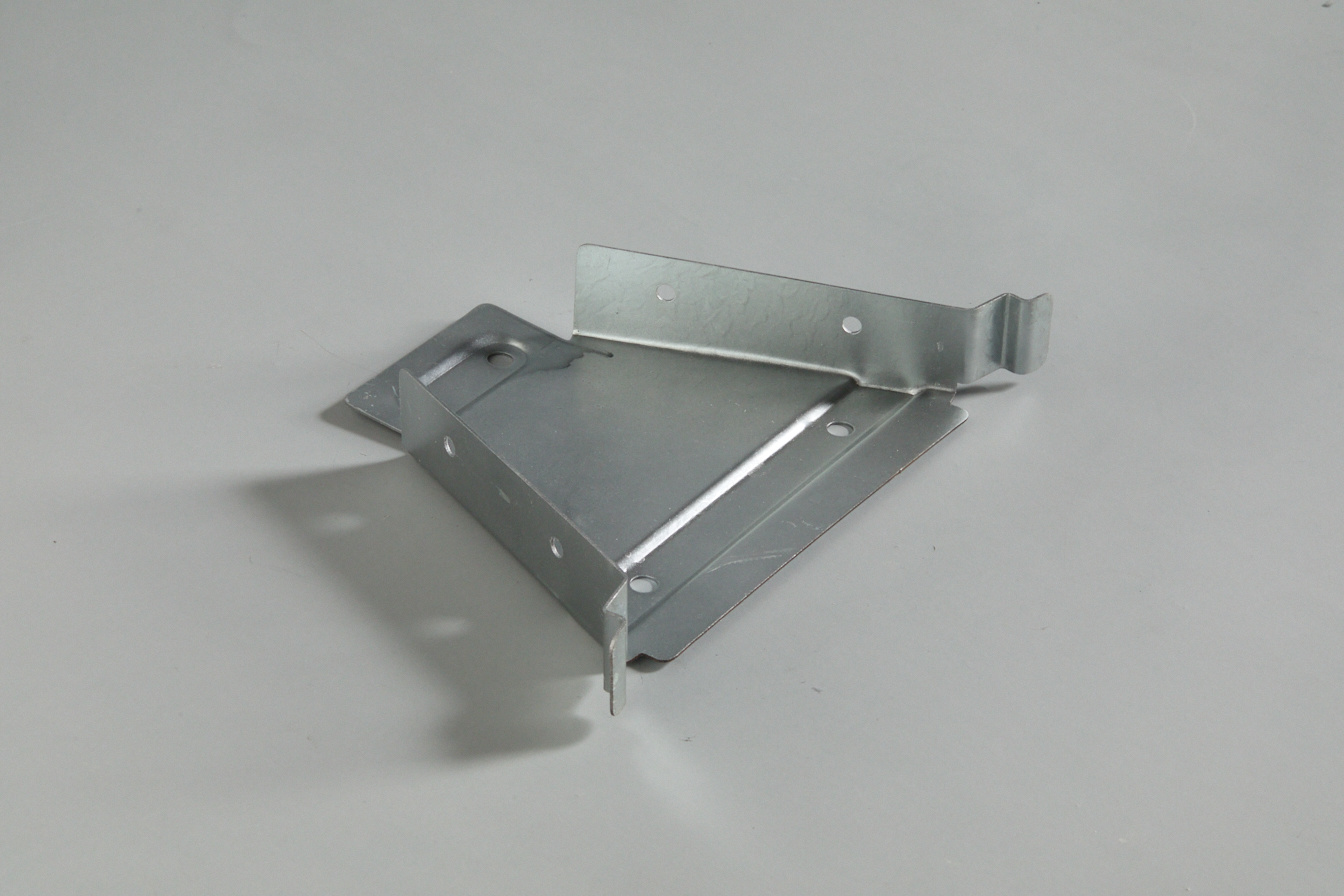
NEW BUILDING system connectors
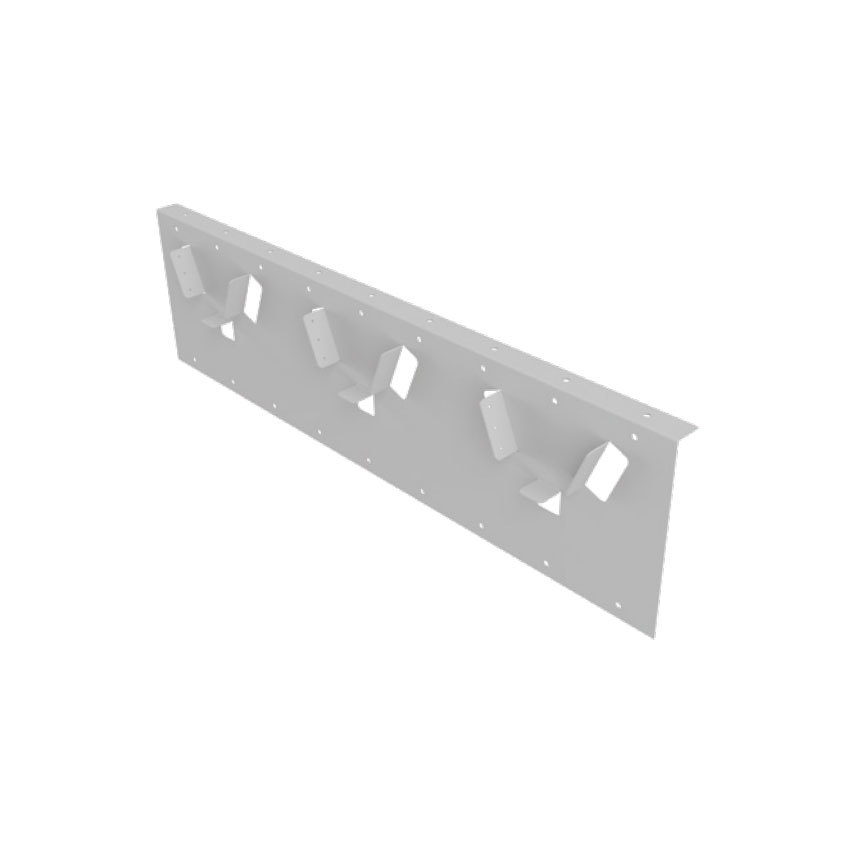
Cold formed thin-walled steel structural connectors
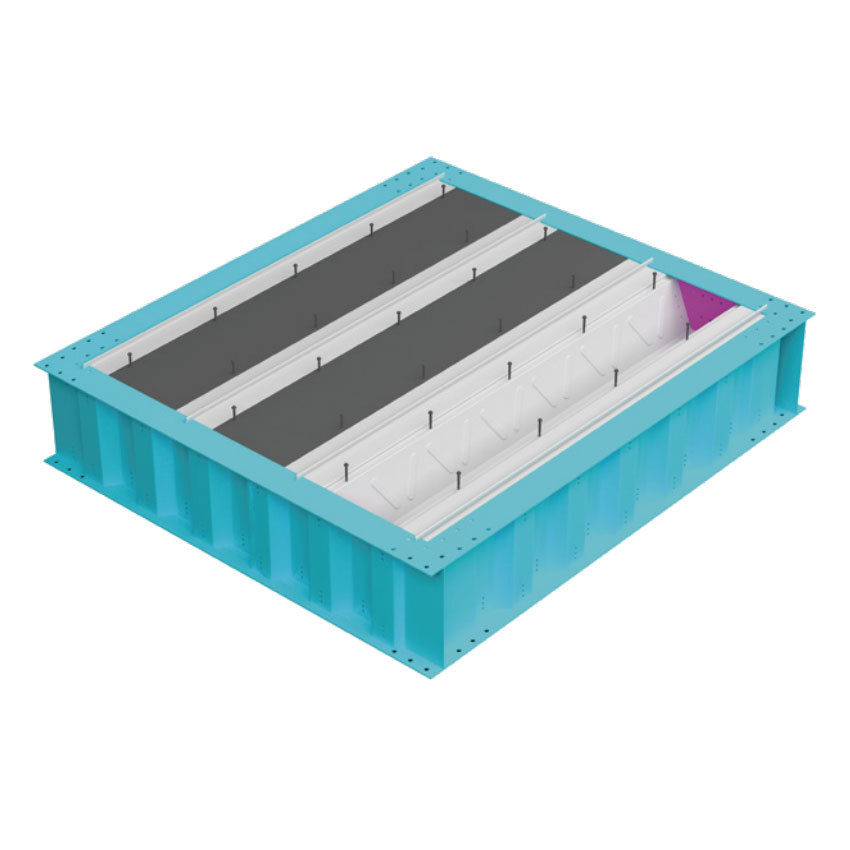
Corrugated I-beam+V-shaped floor beam
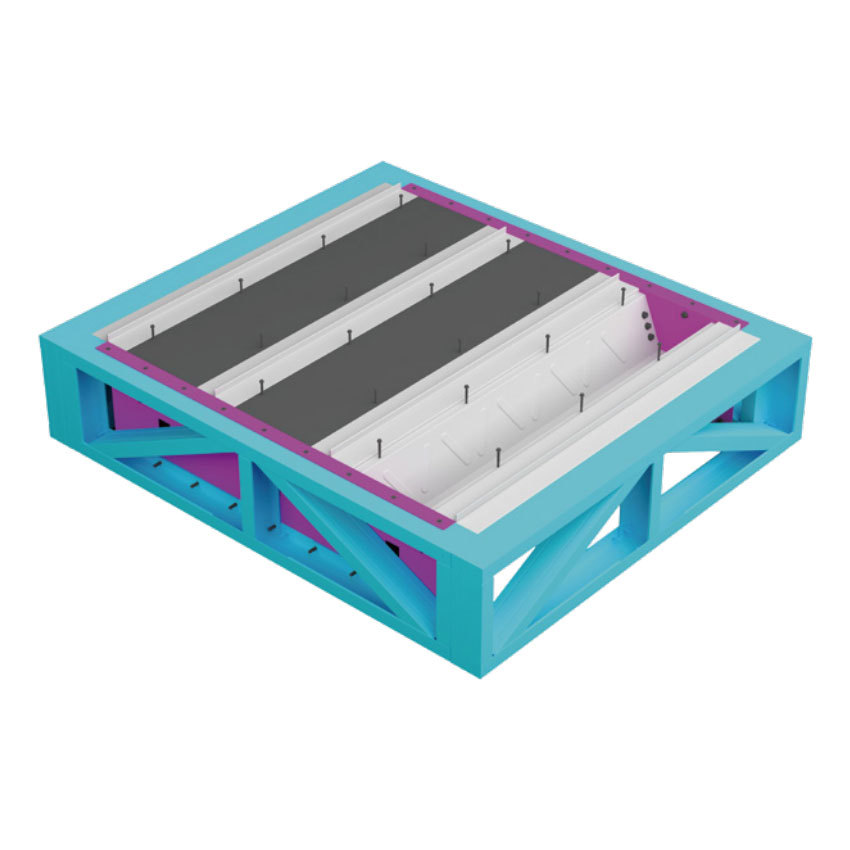
300 light steel truss+V-shaped floor beam
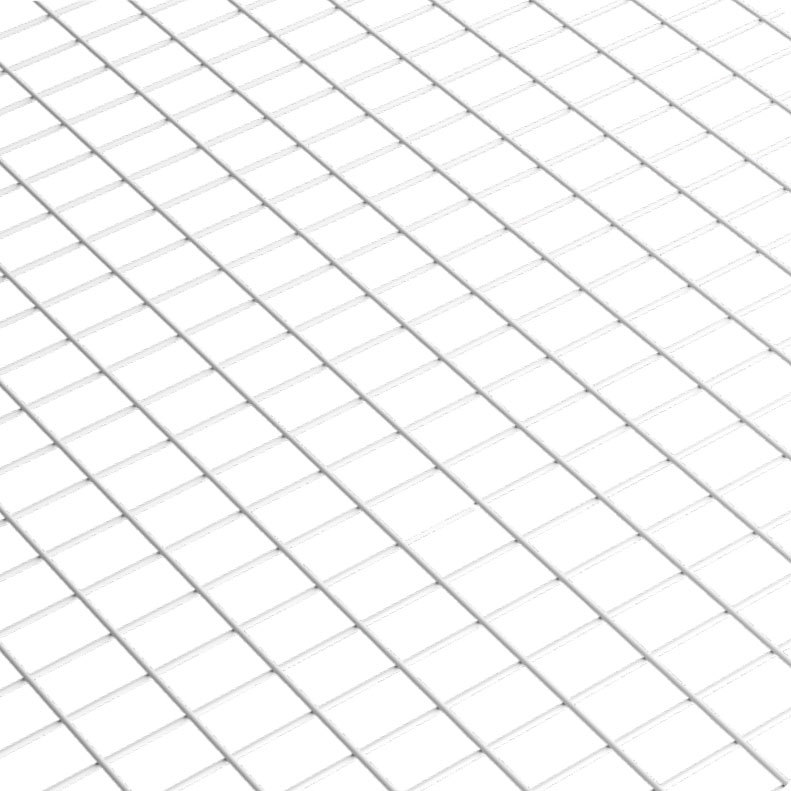
Steel wire gauze
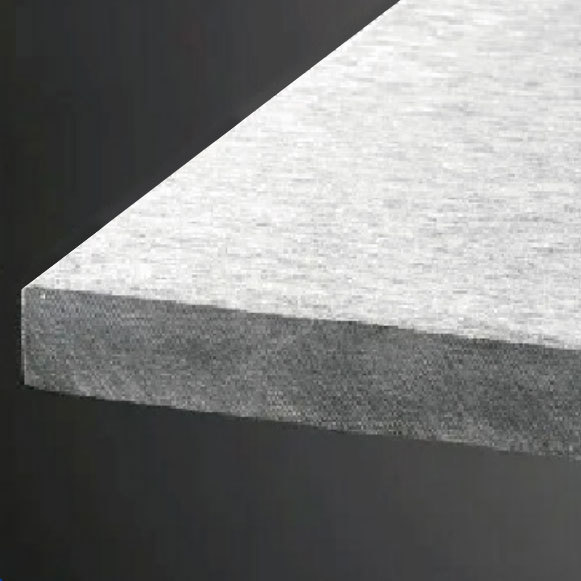
Plate
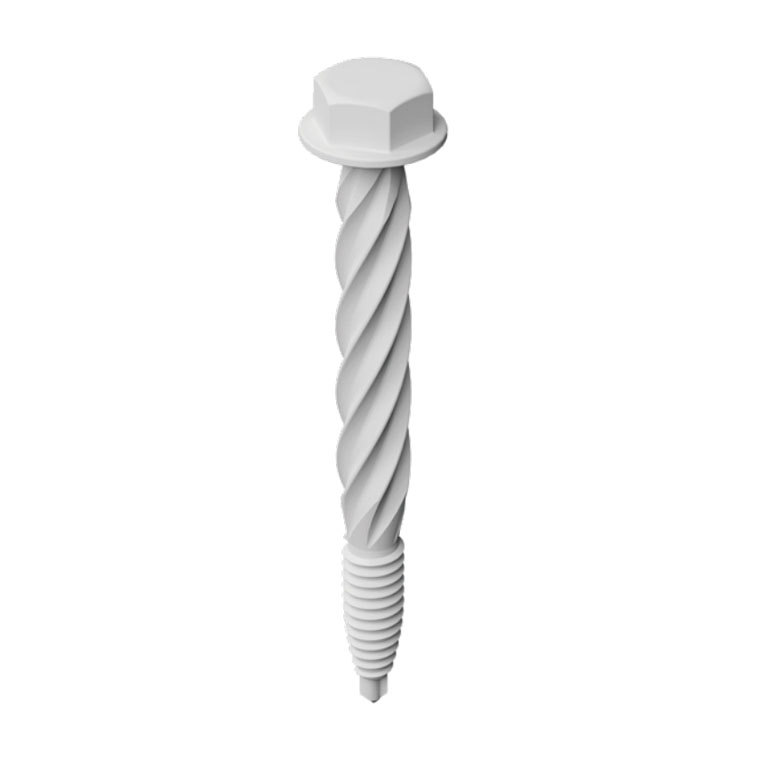
Shear stud
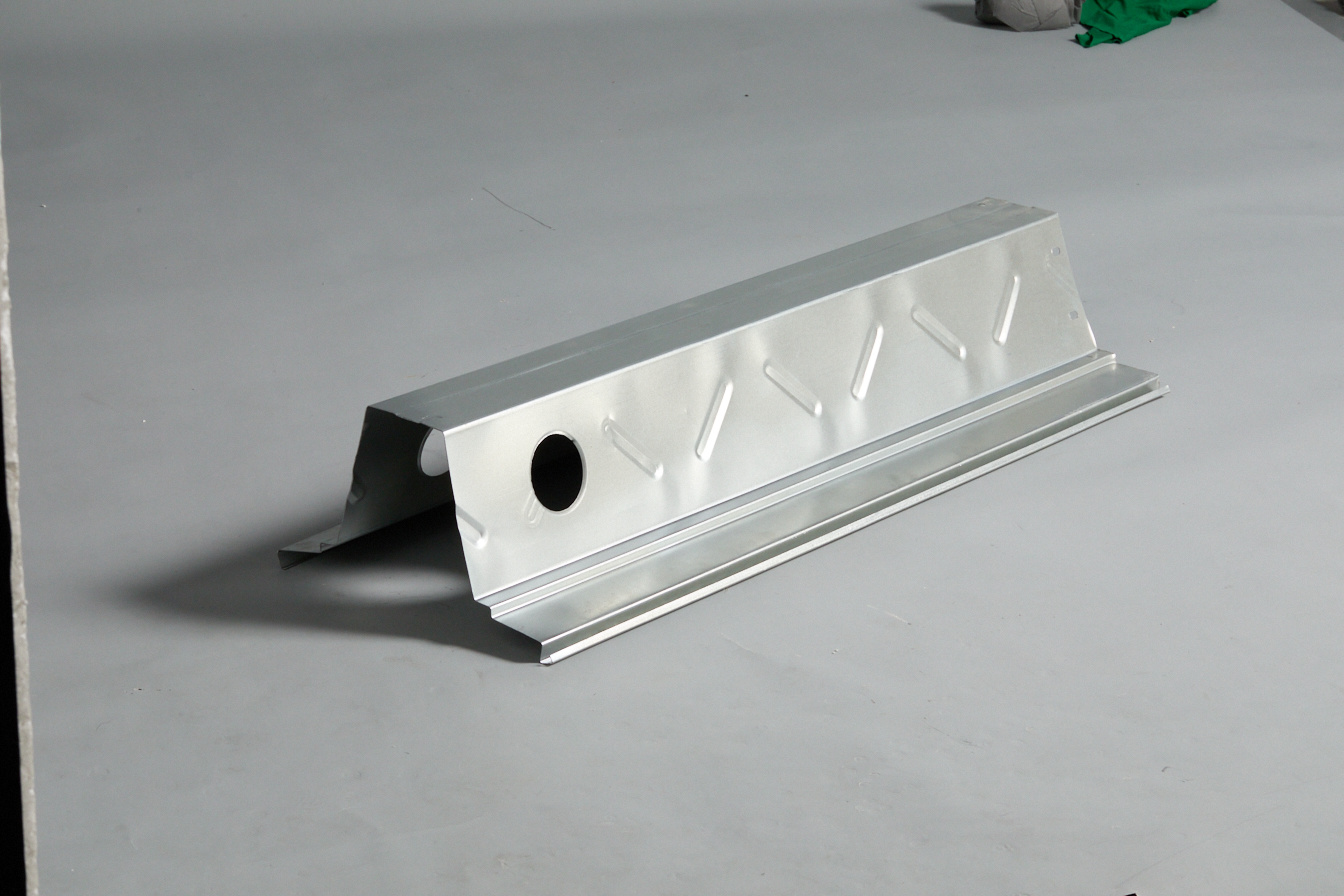
V-shaped floor beam
Magnesium stiffened wall panel
Unlocking the Secrets: How Steel Structures Work
Release Time:
2025-11-28
Source:
Introduction to Steel Structures
Have you ever gazed up at a towering skyscraper and wondered, "How on earth do they hold that up?" Well, the answer often lies in the magic of steel structure engineering. These robust frameworks are the backbone of many architectural marvels, and their workings are as impressive as the buildings they support.
What is a Steel Structure?
In simple terms, a steel structure is a construction framework made primarily of steel. Think of it as the skeleton of a building that provides support and stability. The use of steel allows for flexibility in design and the ability to create larger spans compared to traditional materials like wood or concrete. This is crucial for modern architecture, where open spaces are all the rage!
The Components of Steel Structures
So, what goes into a steel structure? Here are some key components you should know:
- Beams: Horizontal members that support loads from the roof and floors.
- Columns: Vertical elements that transfer loads down to the foundation.
- Braces: Diagonal members that provide stability and resist lateral forces.
- Connections: The joints where beams and columns meet, crucial for structural integrity.
How Does It Work? The Mechanics Behind Steel Structures
Now, let's dive into the nitty-gritty of how these components work together. The key to a stable steel structure lies in how forces are distributed throughout the framework. When a load is applied (like people walking on a floor), it causes stress that travels through the beams and columns. This stress is then redistributed across the structure, ensuring that no single element bears the brunt of the load.
Moreover, the interplay between tension and compression is critical. For instance, when a beam is pushed down, it experiences compression, while the braces might be under tension, pulling them tight. This clever balancing act keeps everything in harmony.
The Benefits of Steel Structures
Why choose a steel structure over other materials? Here are a few reasons:
- Durability: Steel is resistant to rot, pests, and weather damage, making it a long-lasting choice.
- Speed of Construction: Steel components can be prefabricated, allowing for quicker assembly on site.
- Design Flexibility: Architects love steel for its ability to create bold designs and expansive spaces.
Sustainability in Steel Structures
Hold on a minute! You might be wondering about the environmental impact of using steel. The good news is that steel is one of the most recycled materials on the planet. Manufacturers can produce new steel from recycled scrap, reducing the need for raw materials and energy use. Plus, many steel structures are designed to be energy-efficient, incorporating features like natural lighting and insulation.
Conclusion: The Future of Steel Structures
As we move further into the 21st century, the demand for innovative and sustainable architecture is on the rise. The steel structure is poised to play a pivotal role in this evolution. With advancements in technology and design, we can expect to see even more breathtaking structures that push the boundaries of what's possible. So next time you pass by a steel-framed building, take a moment to appreciate the engineering genius that went into making it stand tall!
Related Information

HaoHeng Group
Address: Room 1808, Block A, Vanke Cloud City, Jiemei District, Xiamen City, Fujian Province
Business cooperation:
Copyright © HaoHeng (FuJian) Building Materials Technology Co, Ltd. All rights reserved