

-

 Pakistan
Marketing Service Outlets
 Papua New Guinea
Marketing Service Outlets
 Egypt
EgyptMarketing Service Outlets
 Australia
Marketing Service Outlets
 Brazil
Marketing Service Outlets
 Colombia
Marketing Service Outlets
 Russia
Marketing Service Outlets
 Germany
Marketing Service Outlets
 Poland
Marketing Service Outlets
 the Philippines
Marketing Service Outlets
 Kazakhstan
Marketing Service Outlets
 Malaysia
Marketing Service Outlets
 America
Marketing Service Outlets
 Kyrgyzstan
Marketing Service Outlets
 Canada
Marketing Service Outlets
 Peru
PeruMarketing Service Outlets
 Nigeria
Marketing Service Outlets
 Morocco
Marketing Service Outlets
 South Africa
Marketing Service Outlets
 Japan
JapanMarketing Service Outlets
 Slovakia
Marketing Service Outlets
 New Zealand
Marketing Service Outlets
 Hungary
Marketing Service Outlets
 Thailand
Marketing Service Outlets
 Spain
SpainMarketing Service Outlets
 Indonesia
Marketing Service Outlets
 Italy
ItalyMarketing Service Outlets
 Vietnam
Marketing Service Outlets
Steel Pipe ColumnSteel Pipe Column ConnectorsMain Beam | Secondary BeamPrefabricated StairsRound Pipe PileFlat Steel PileGroup PileCap PileNew Building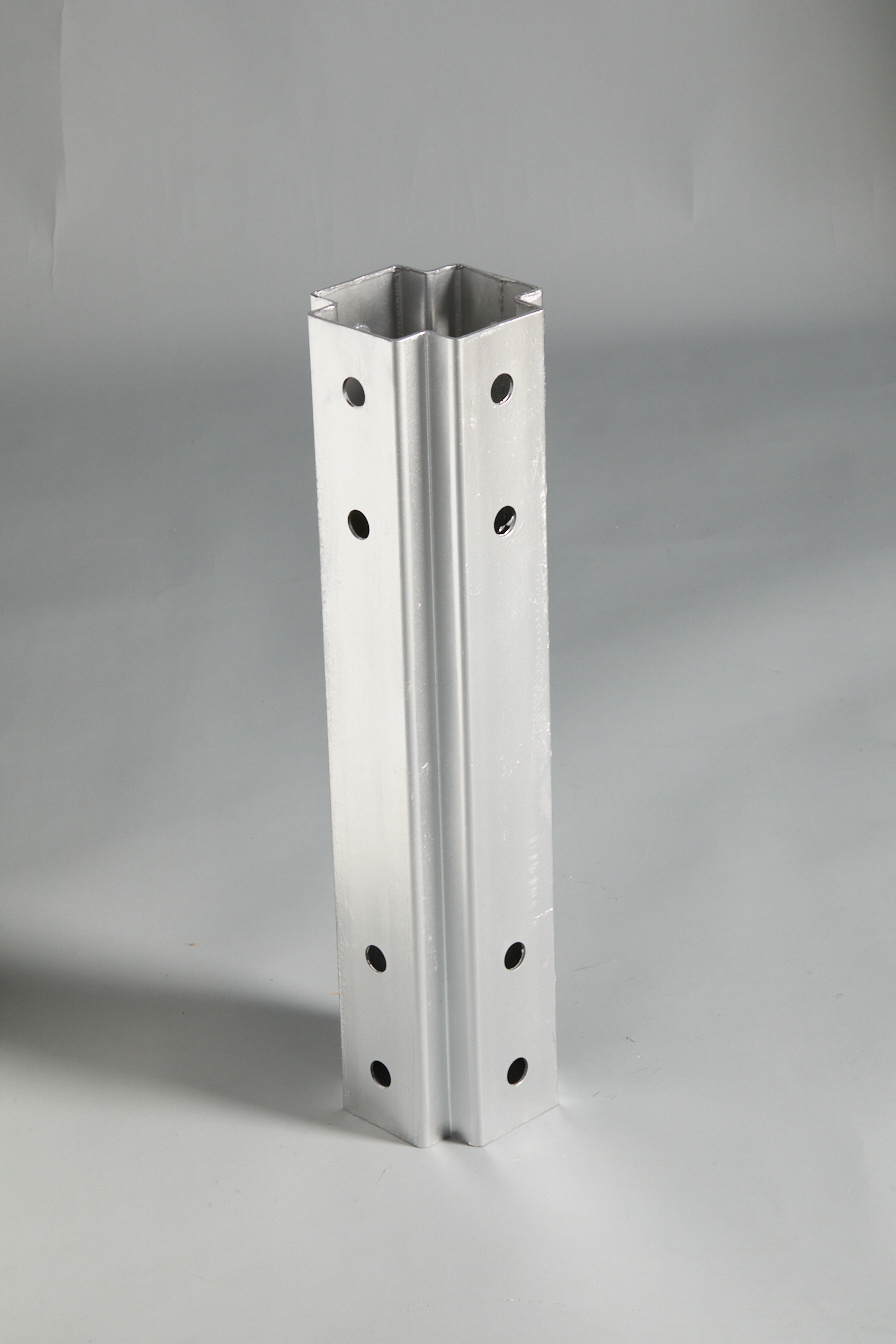
Cross column

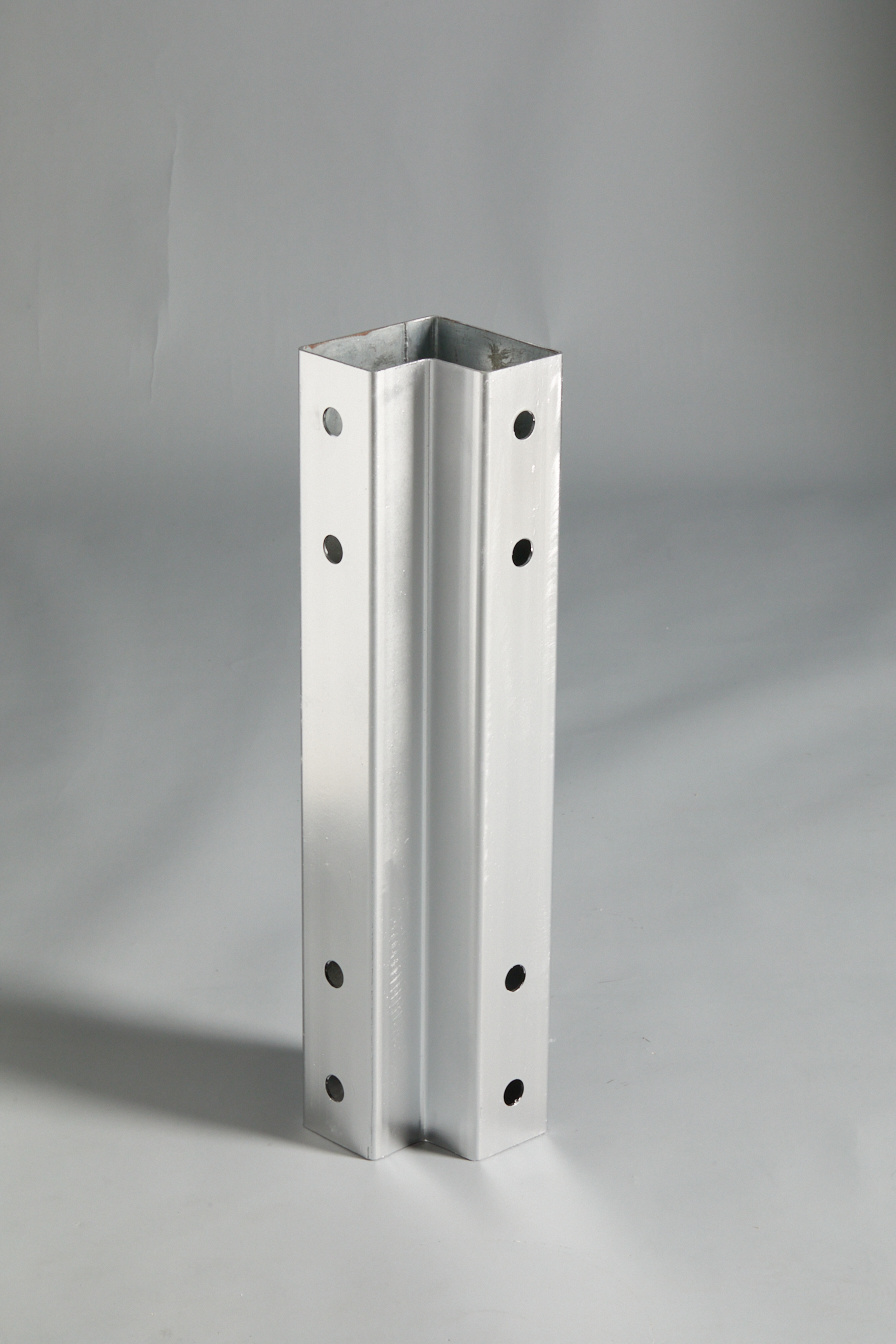
L-shaped column
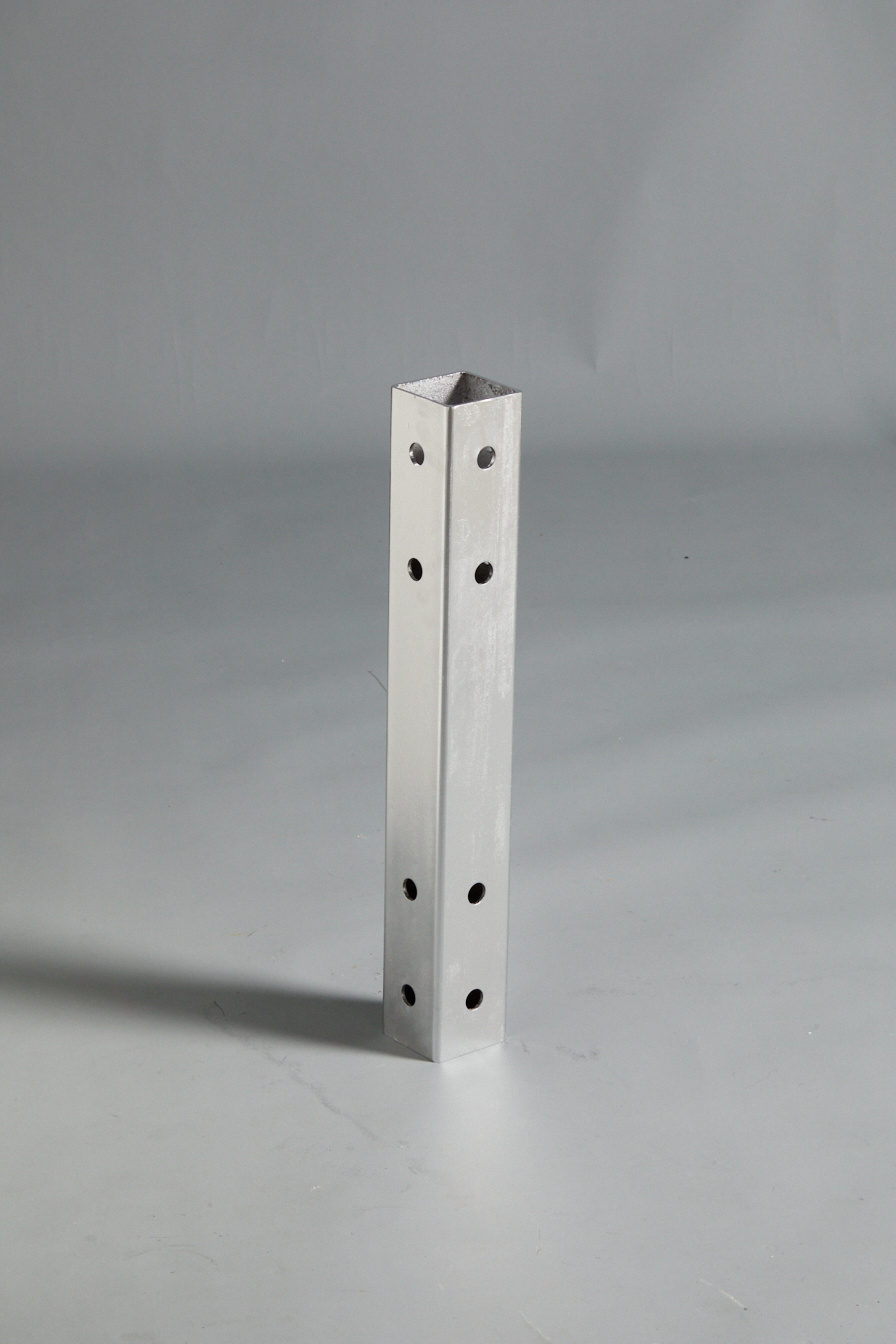
Square tube column

T-shaped column
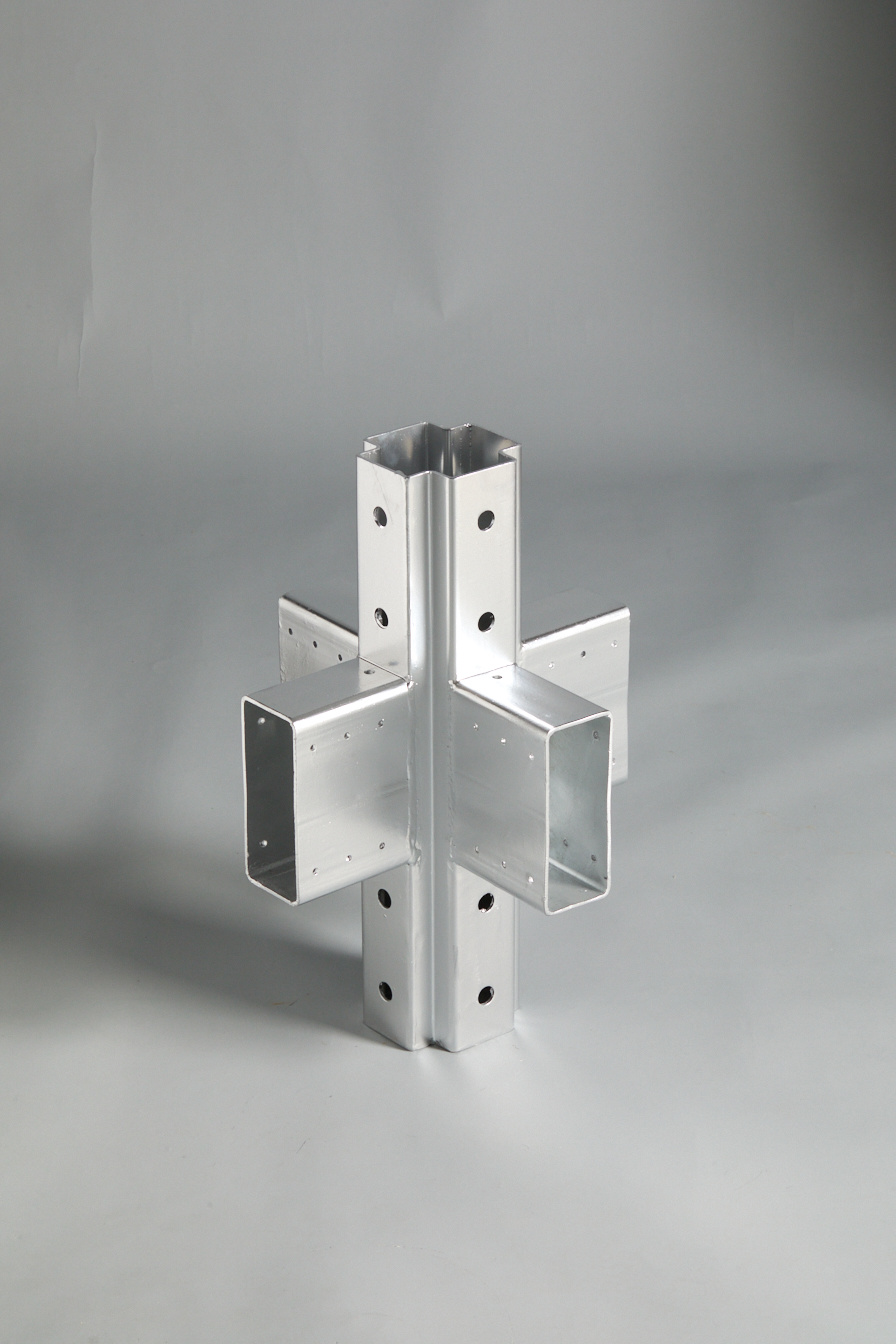
Cross column connector

L-shaped column connector

T-shaped column connector
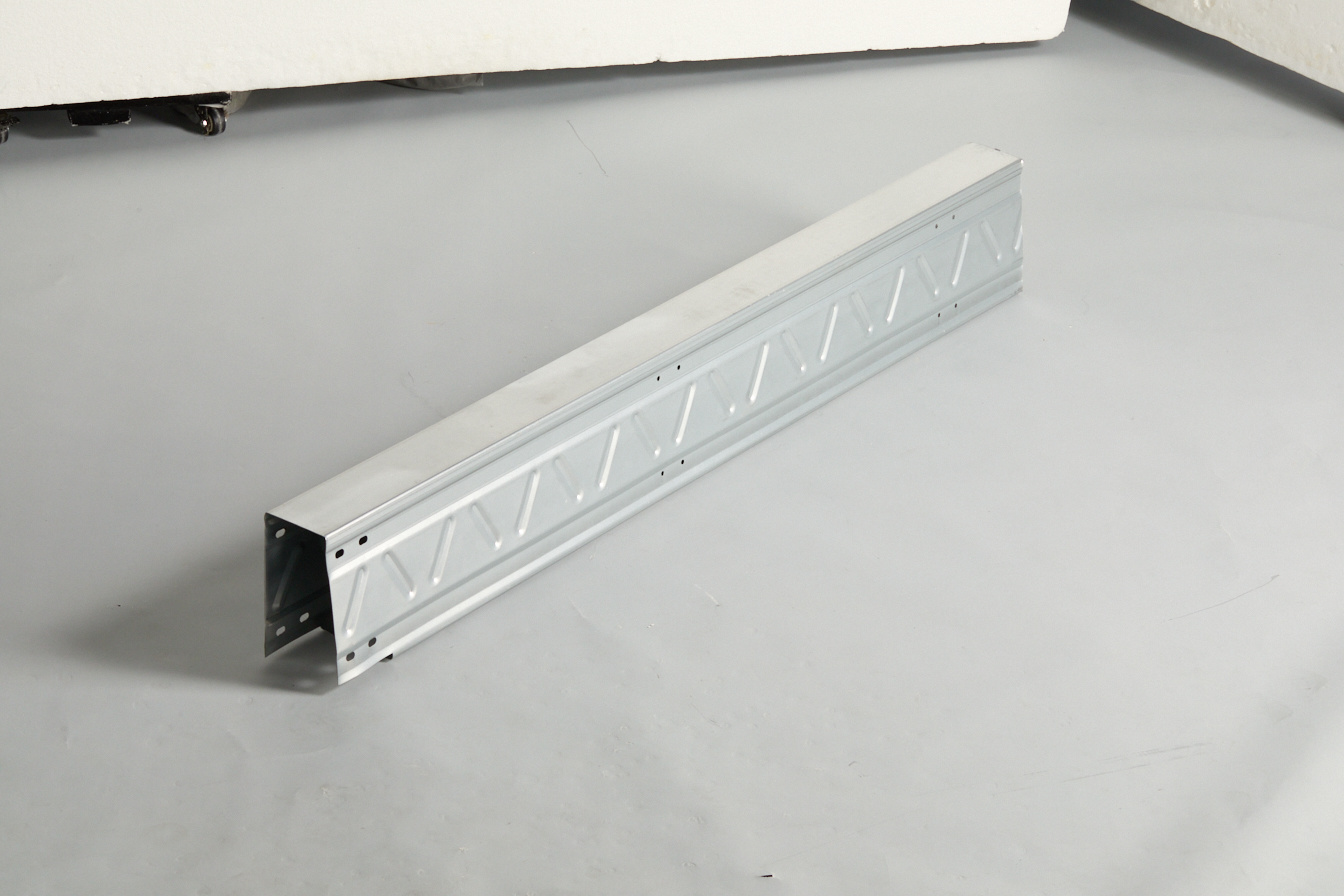
195 inner flipped edge - eight shaped reinforcing rib
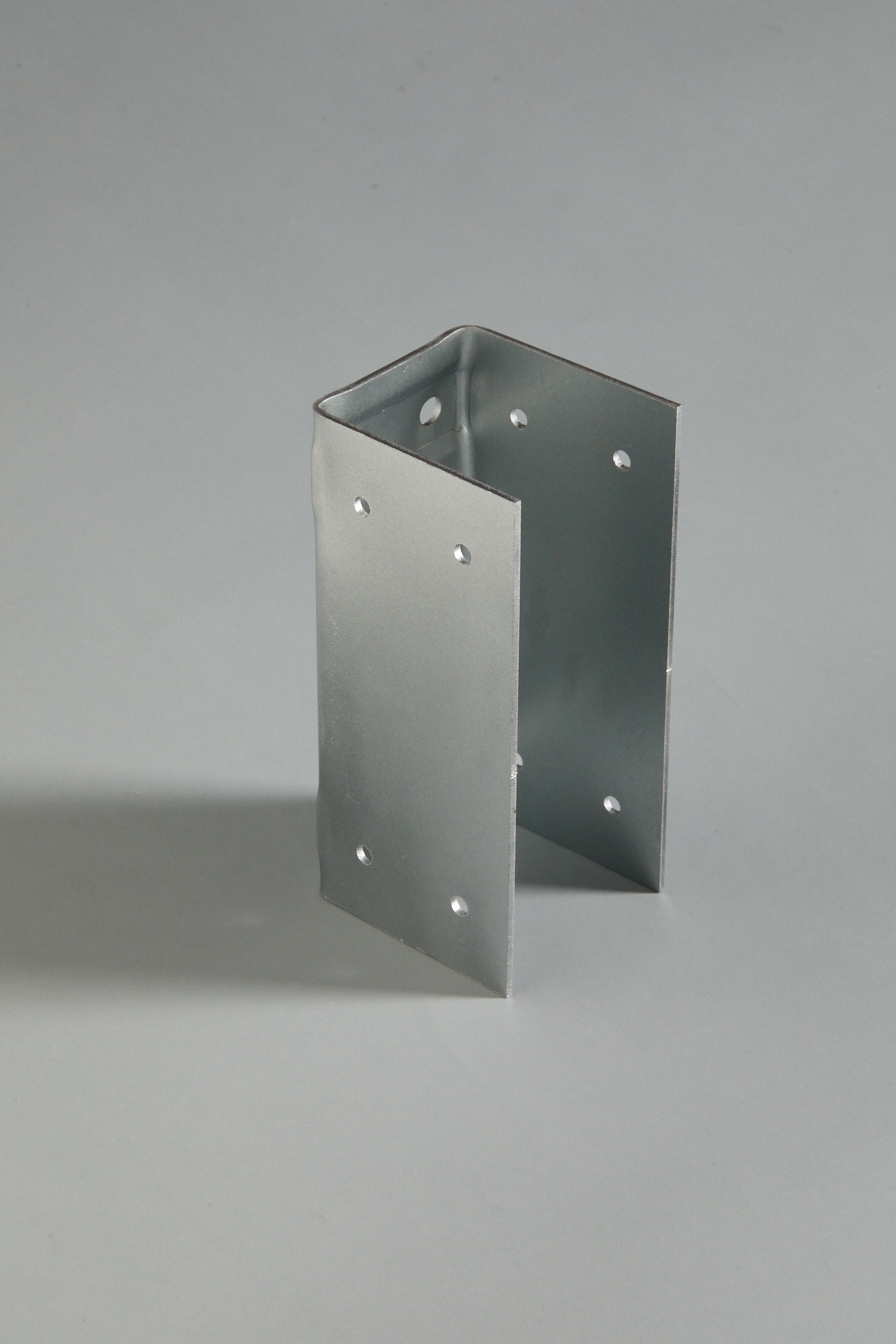
Frame small U connector
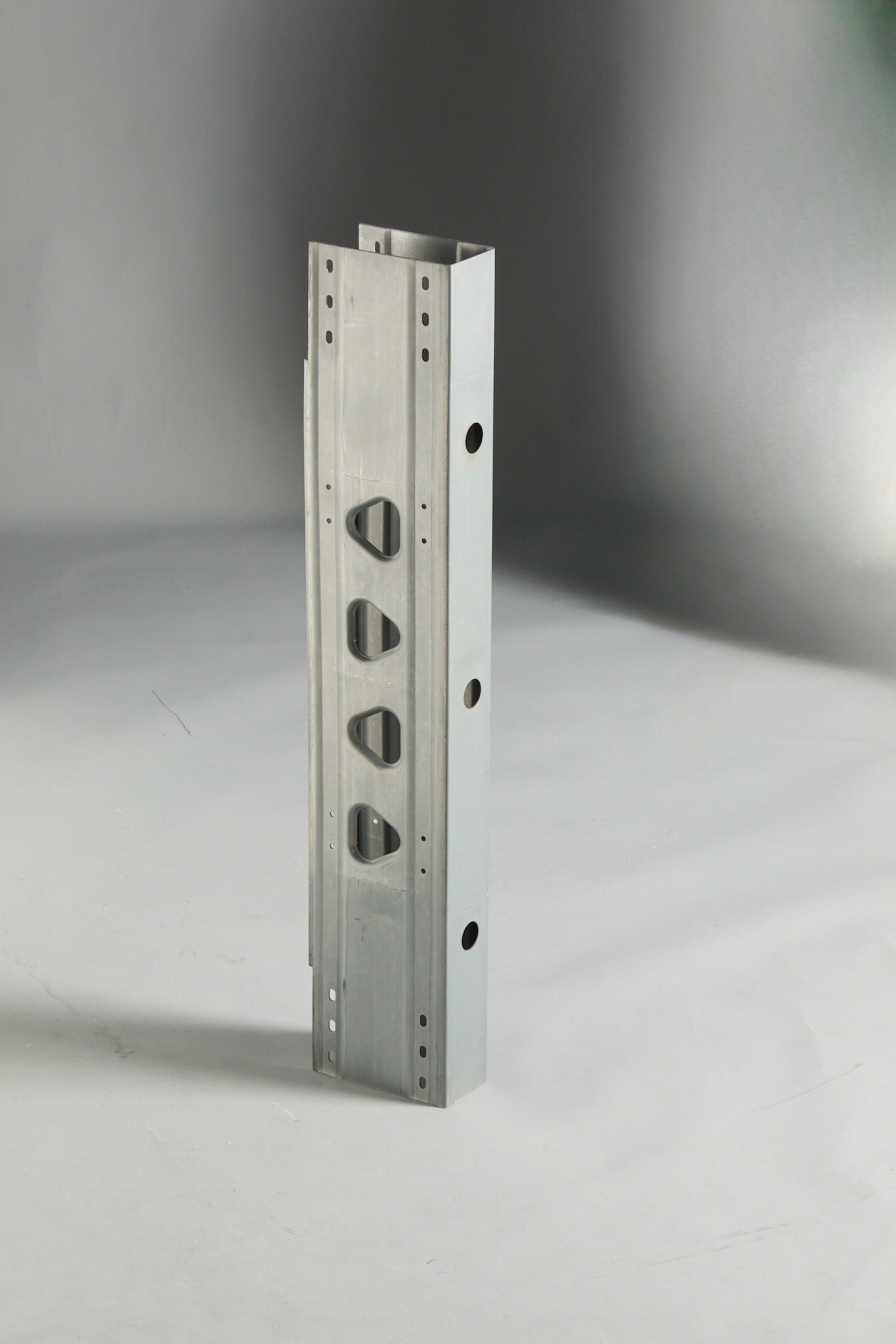
195 Inverted Edge - Triangle Reinforcement
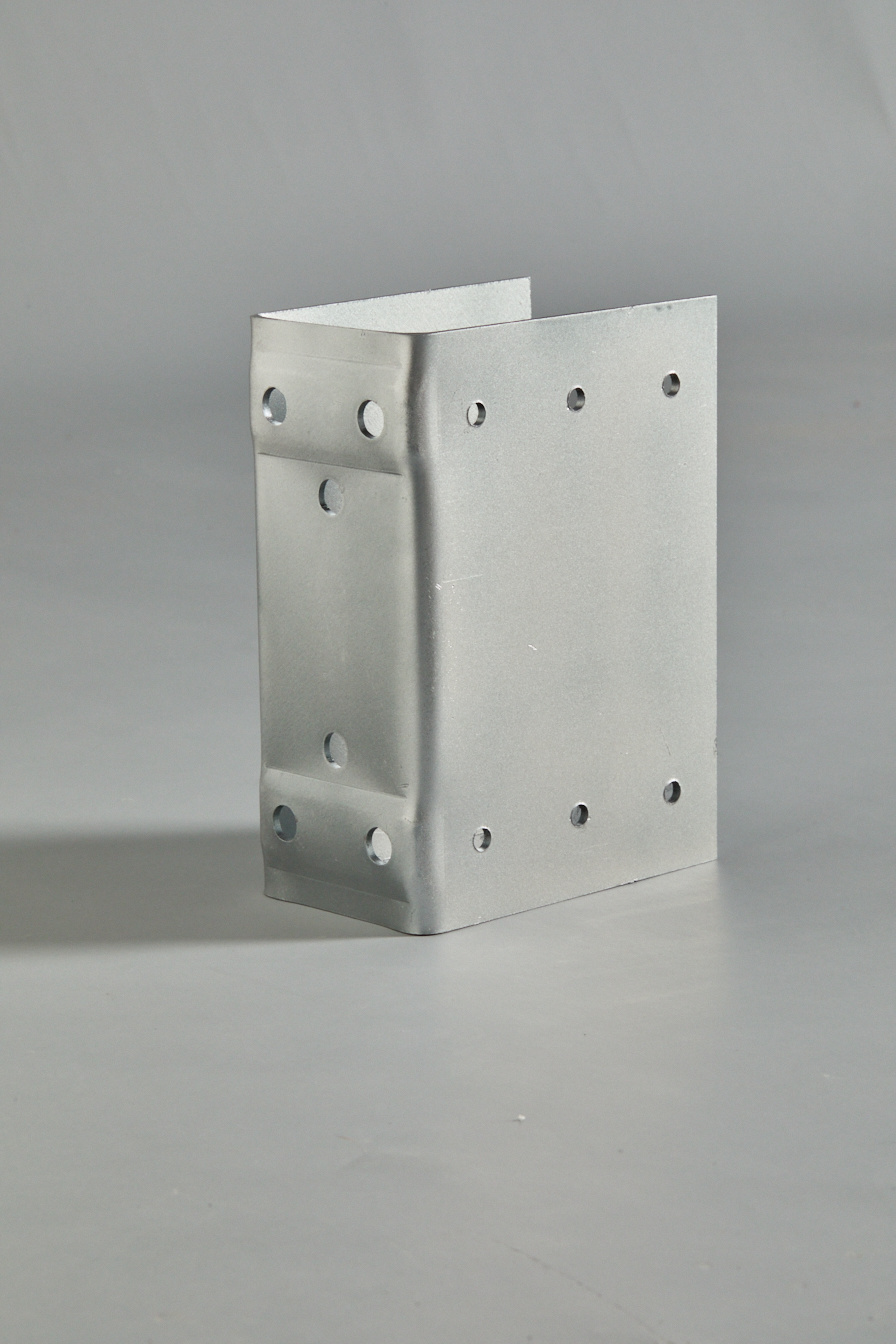
Frame large U connector
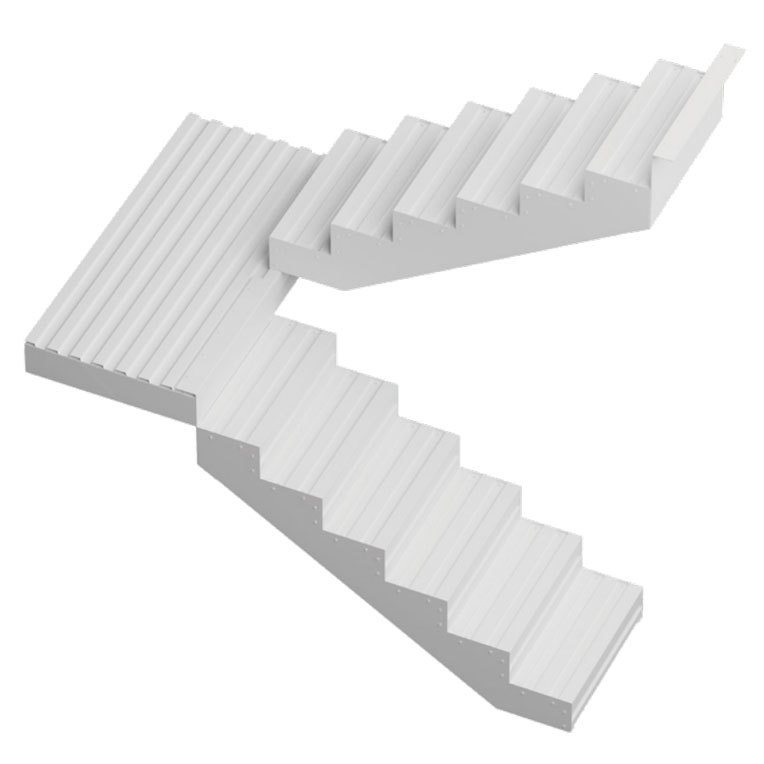
Prefabricated stairs
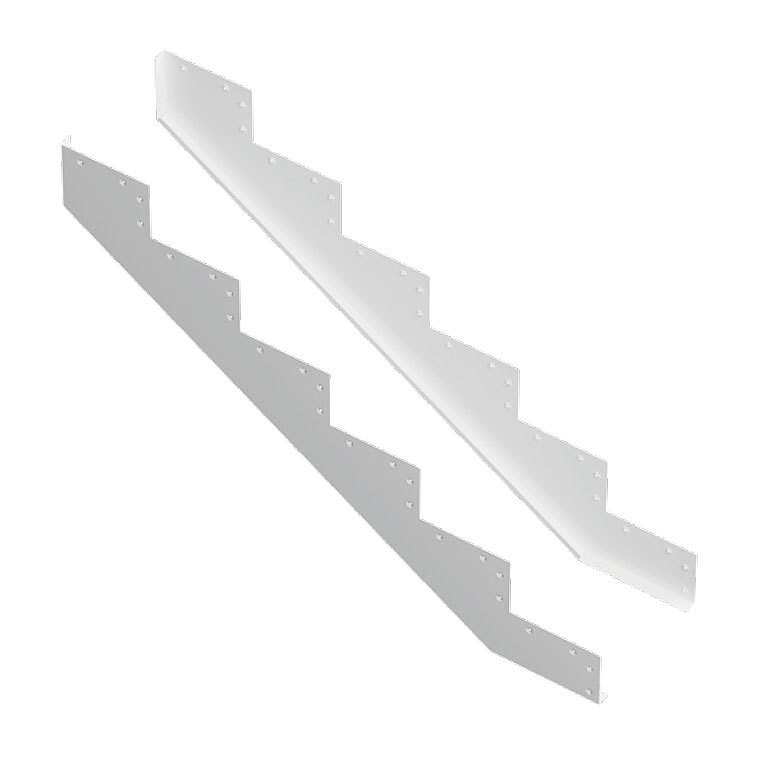
Staircase side panels
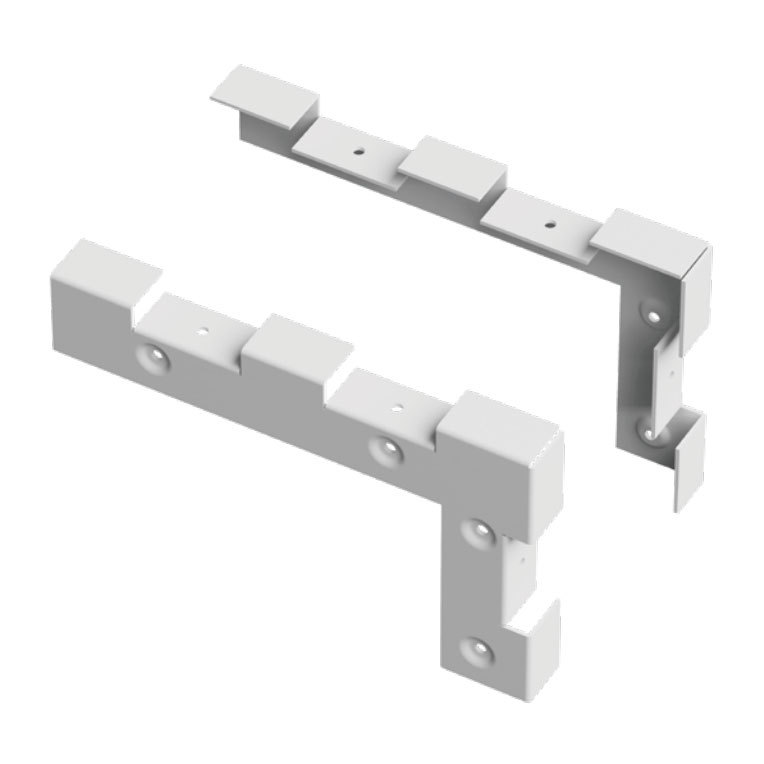
Staircase angle steel
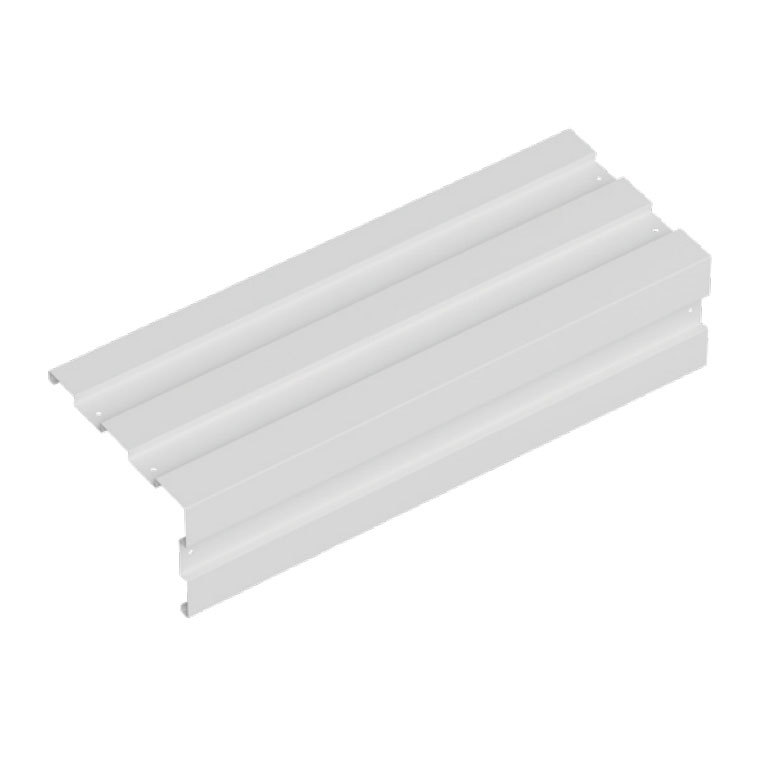
Stair steps
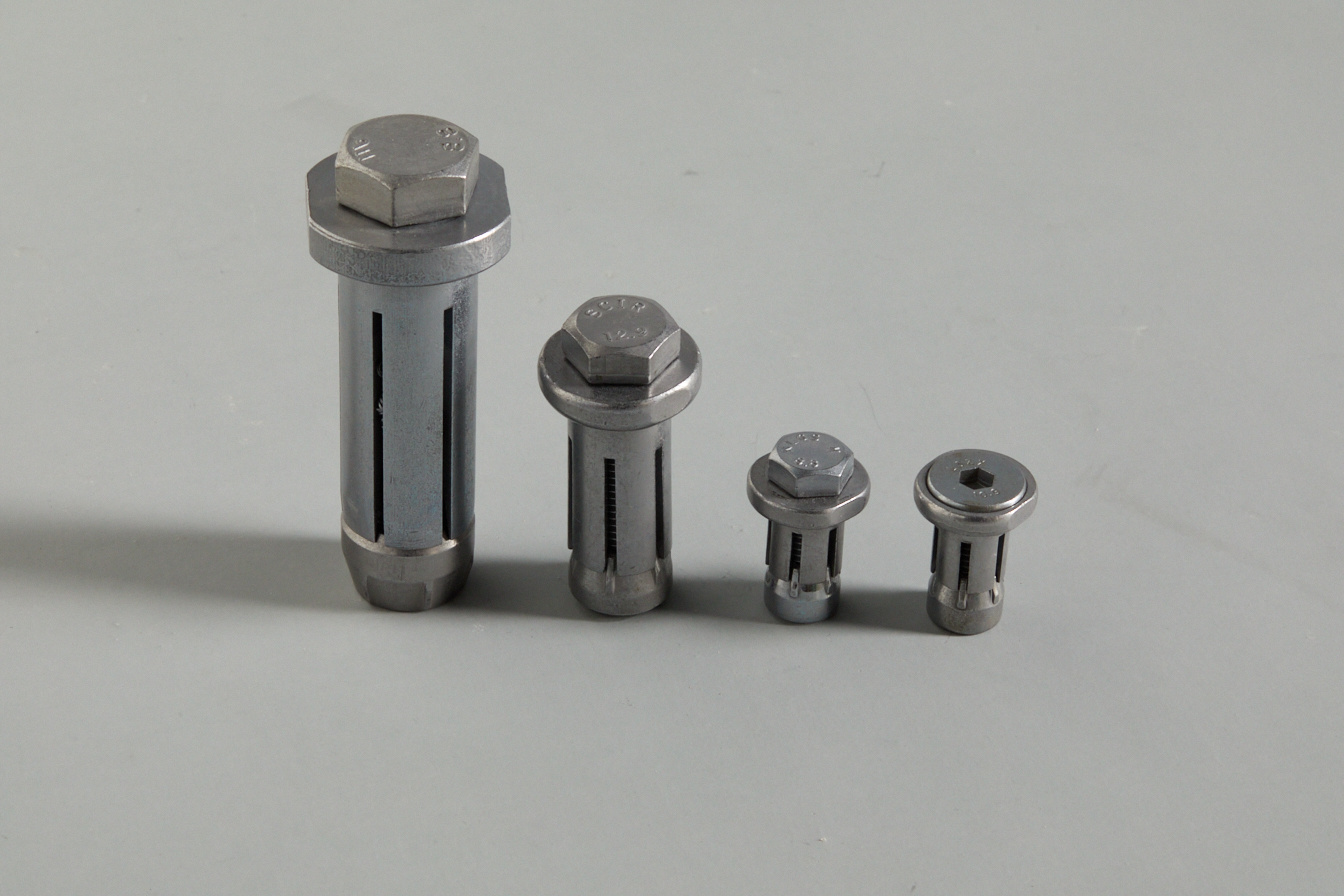
One-Way Bolt
Helical Pile System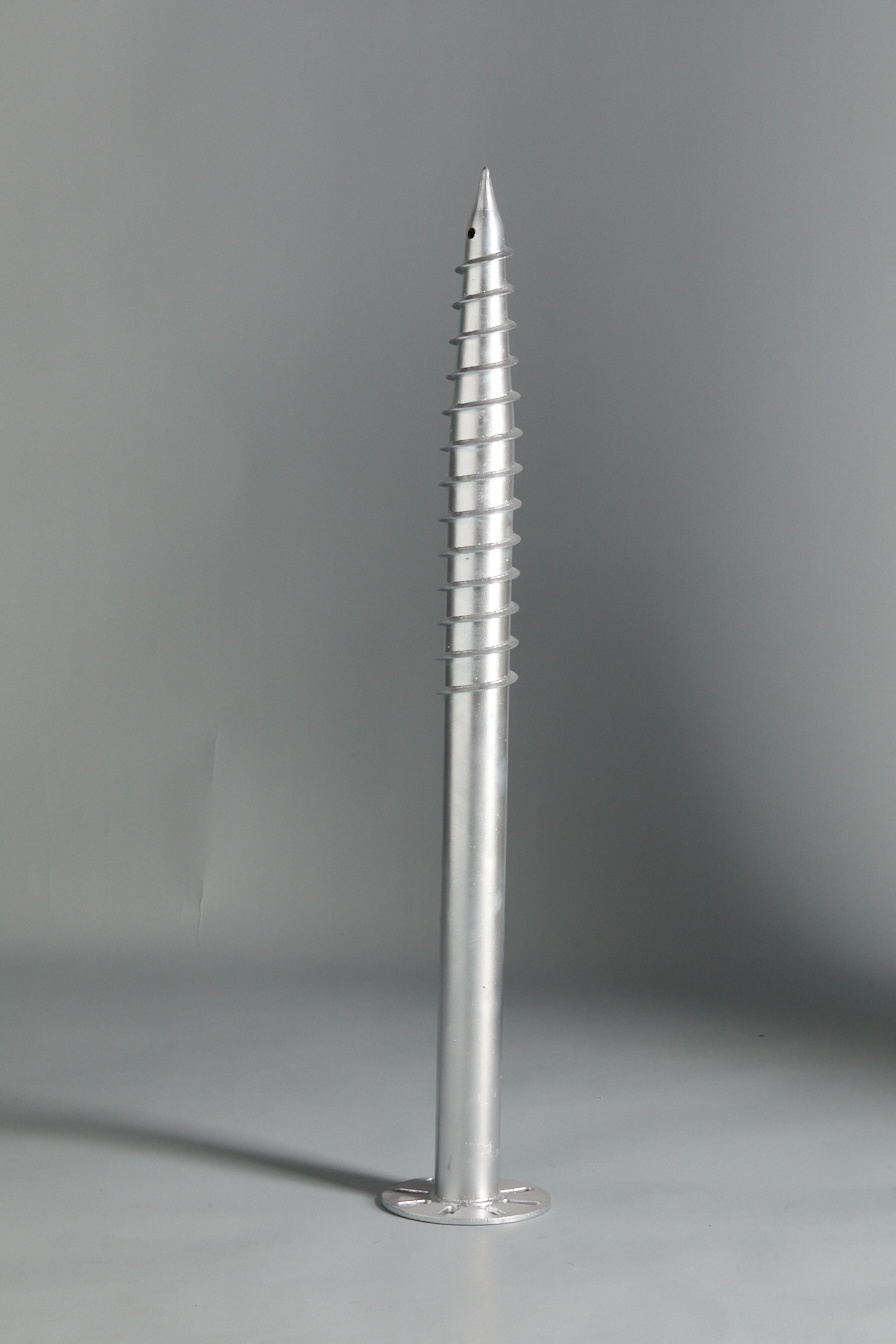
Round Pipe Screw Pile| Reliable Helical Pile Manufacturer| Patented Foundation Solution
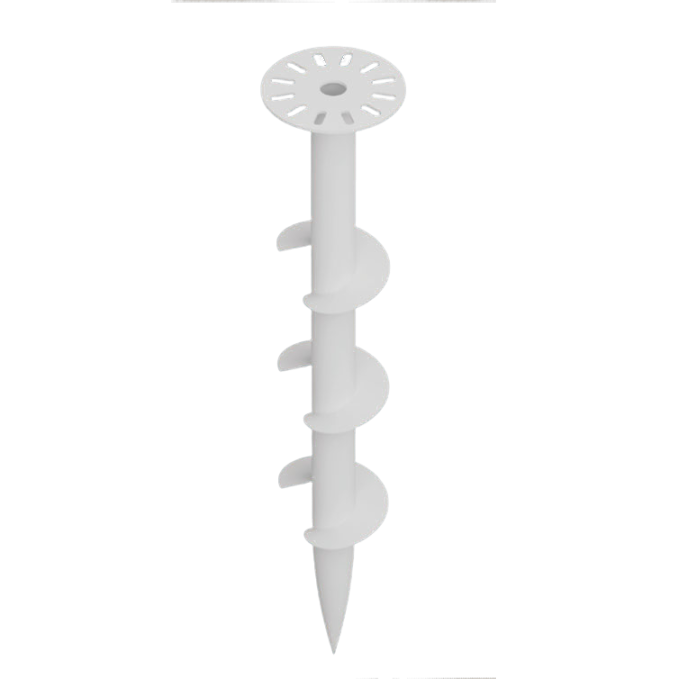
Screw Pile - 3 Blades - Round Pipe Pile
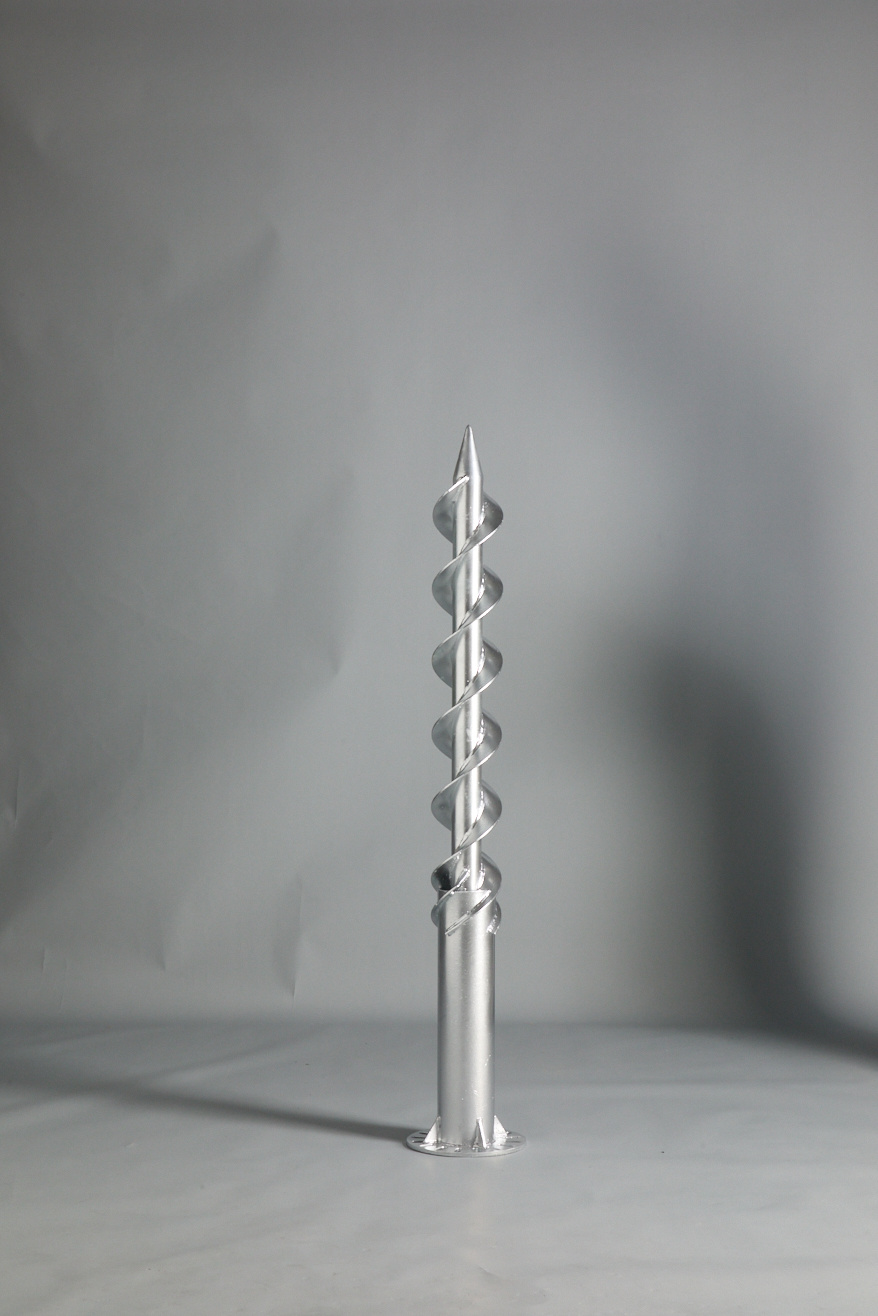
Double-Helix Screw Pile | Patented Foundation Solution
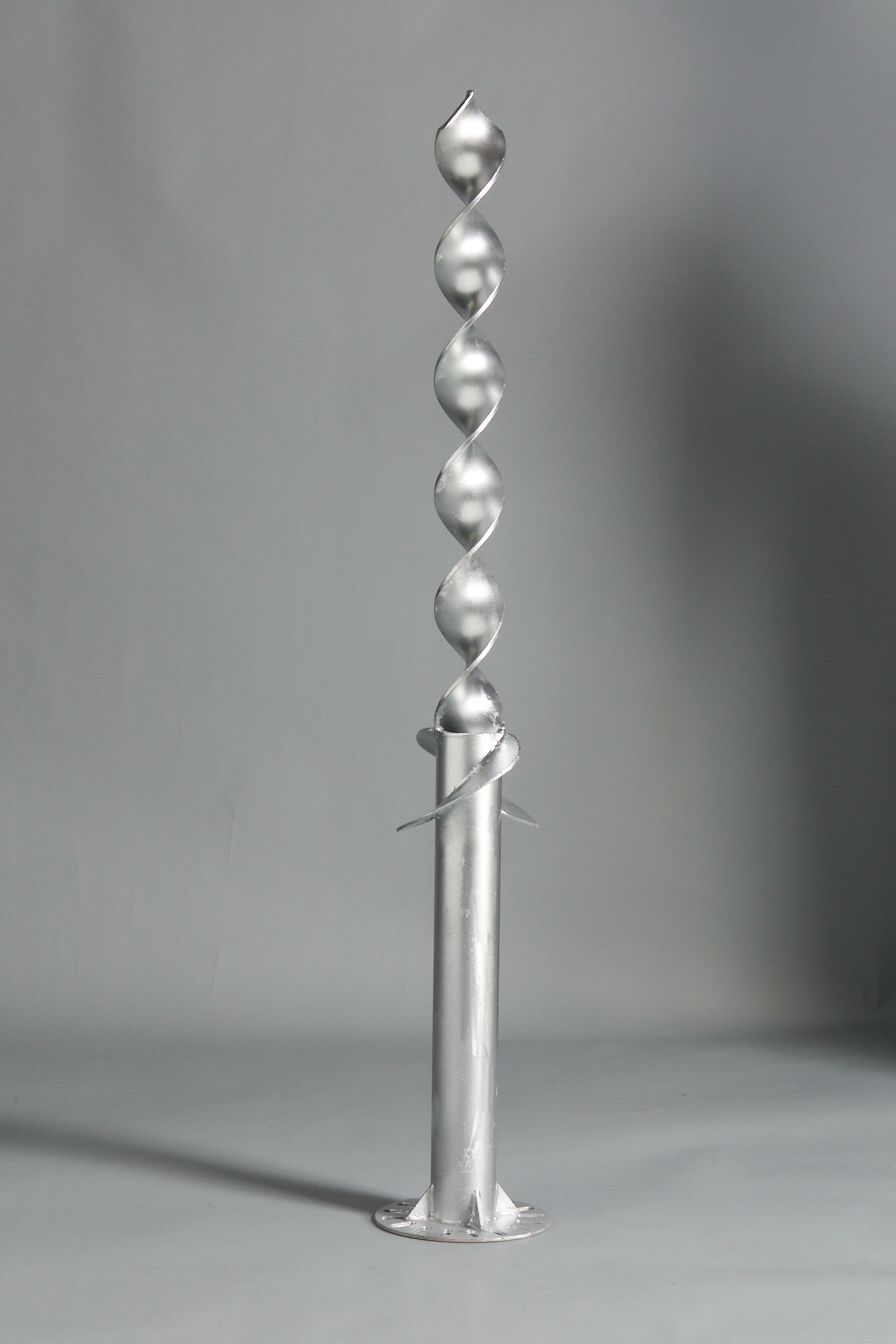
Screw Pile - Large Blade Flat Steel Pile
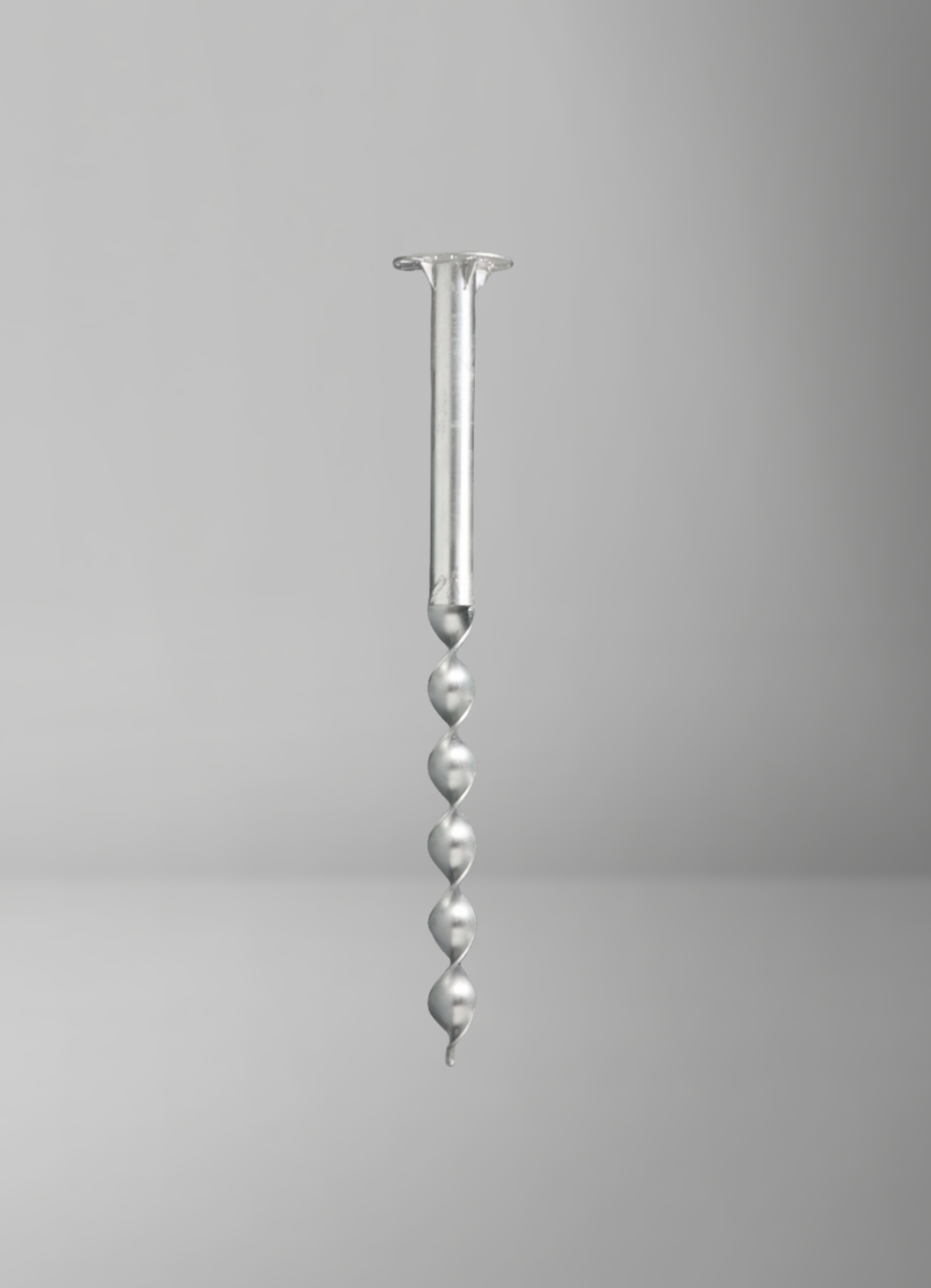
Flat Steel Screw Pile| Reliable Helical Pile Manufacturer| Patented Foundation Solution
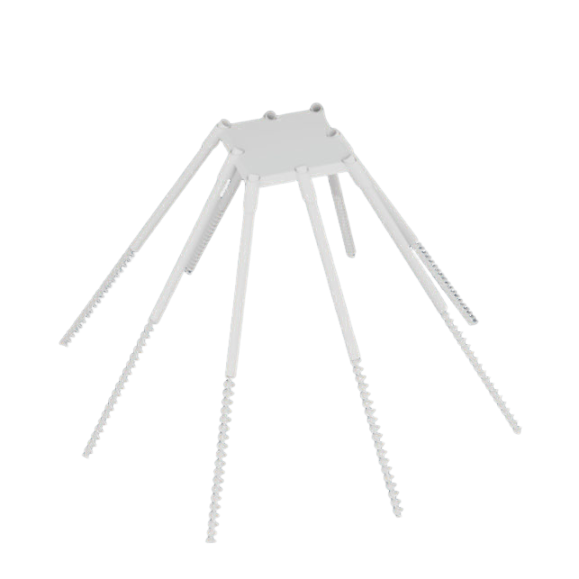
Eight-Pile Group Screw Piles| Reliable Helical Pile Manufacturer| Patented Foundation Solution
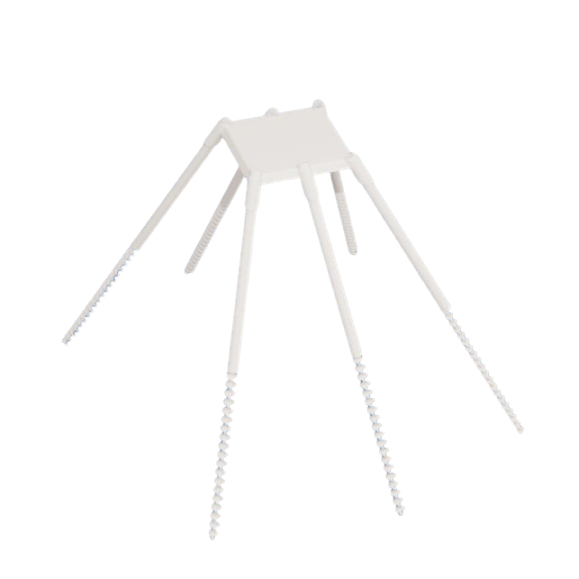
Six-Pile Group Screw Piles| Reliable Helical Pile Manufacturer| Patented Foundation Solution
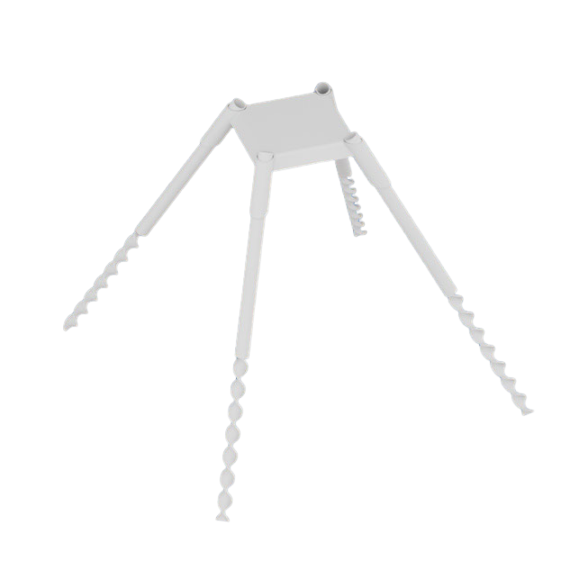
Four-Pile Group Screw Piles| Reliable Helical Pile Manufacturer| Patented Foundation Solution
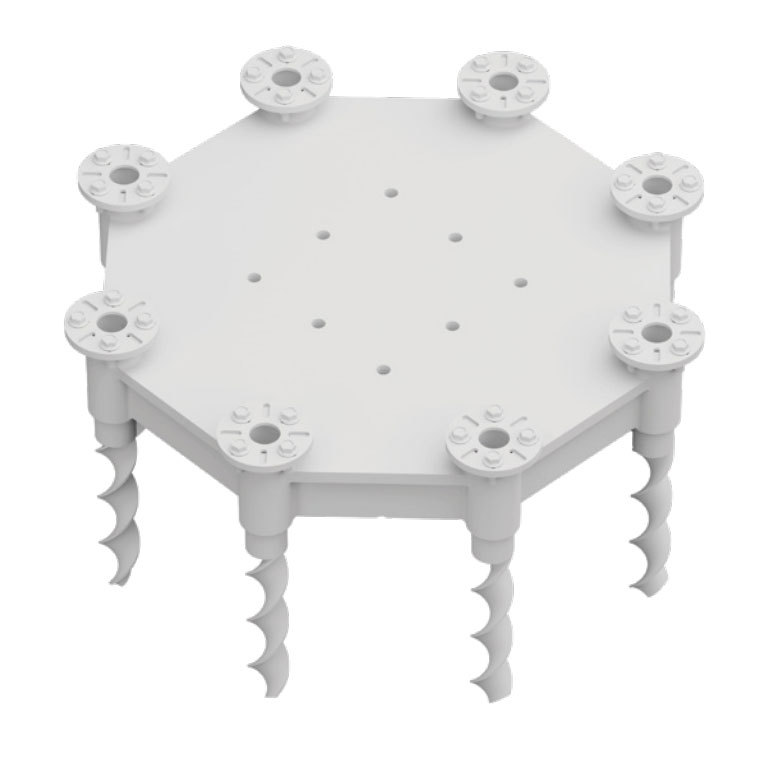
Eight-Pile Cap Screw Pile | Reliable Helical Pile Manufacturer| Patented Foundation Solution
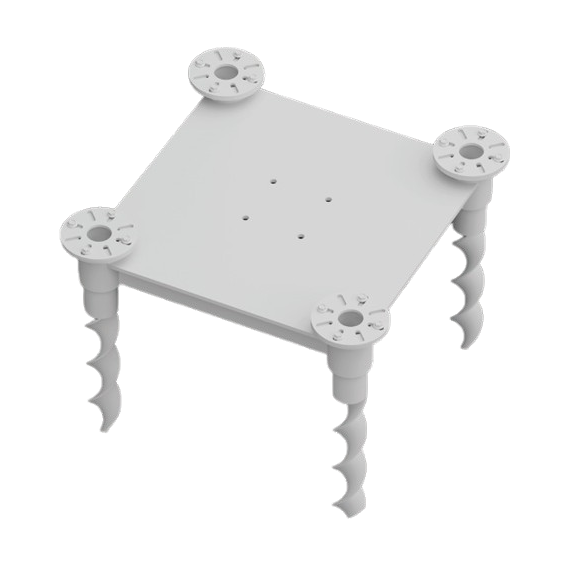
Four-Pile Cap Screw Pile | Reliable Helical Pile Manufacturer| Patented Foundation Solution
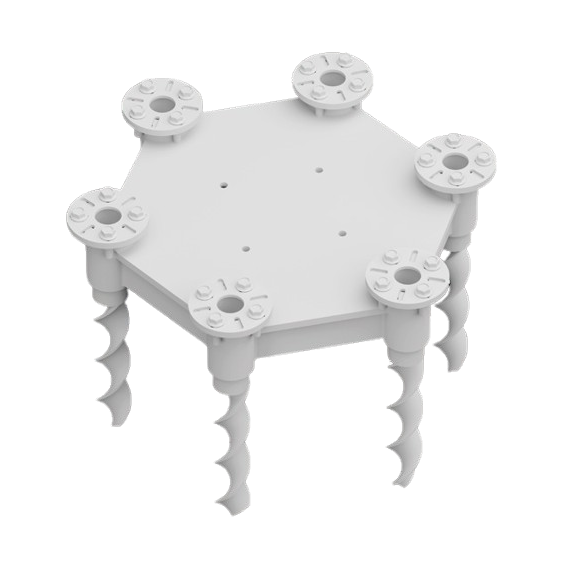
Six-Pile Cap Screw Pile | Reliable Helical Pile Manufacturer| Patented Foundation Solution
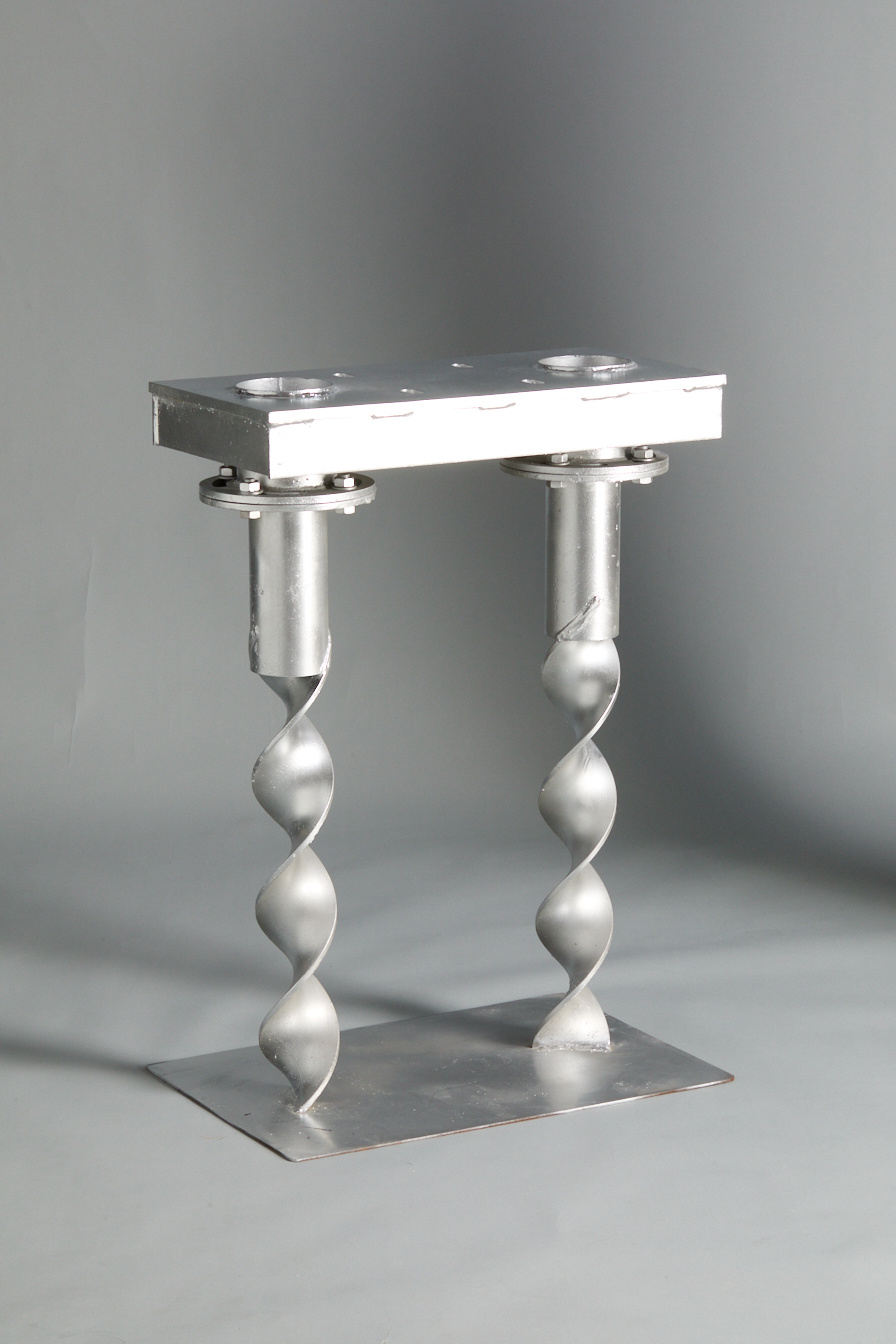
Two-Pile Cap Screw Pile | Reliable Helical Pile Manufacturer| Patented Foundation Solution
Steel Platform System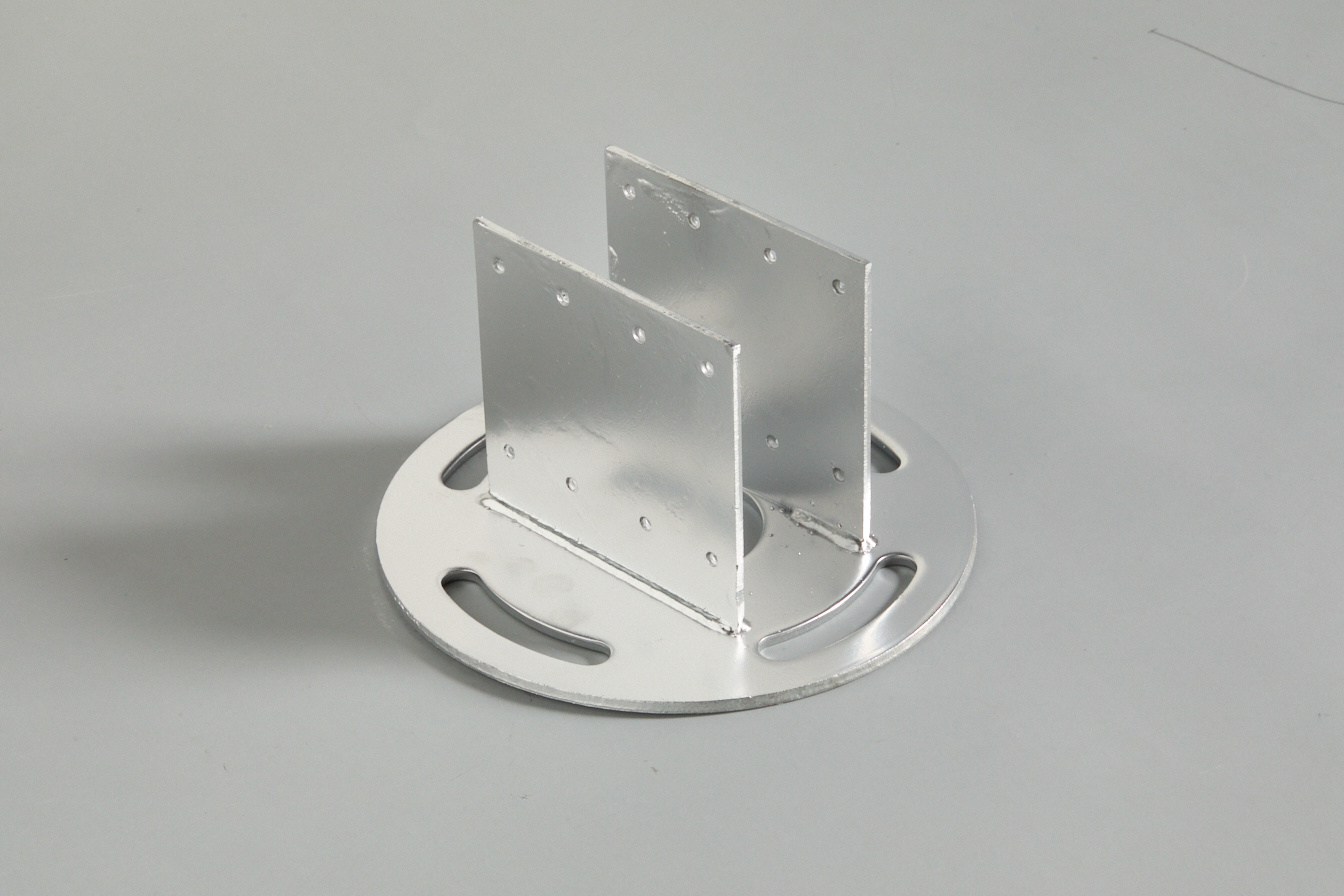
Spiral pile connectors
Small U connector
Large U connector
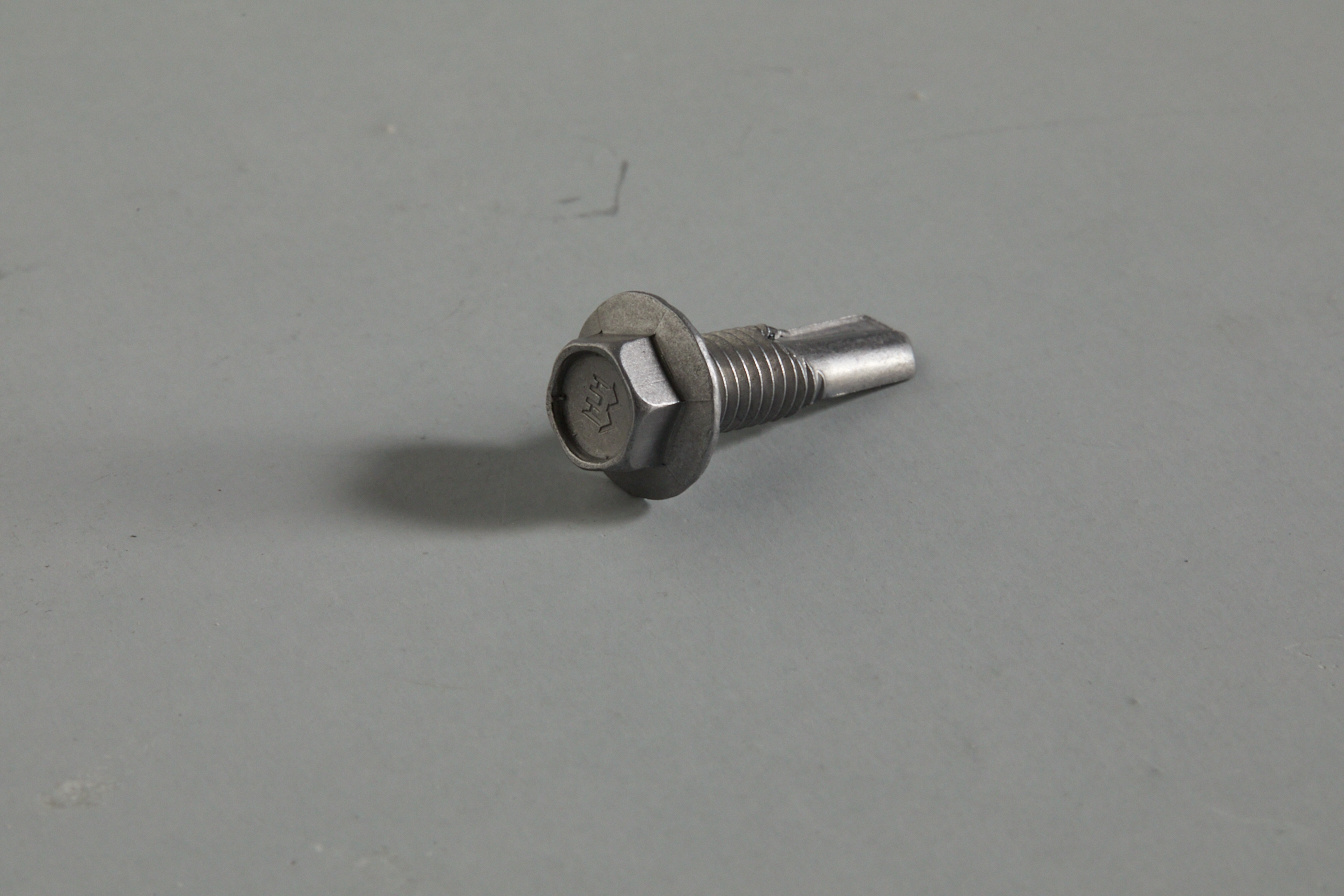
Hexagonal flange self drilling and self tapping screws
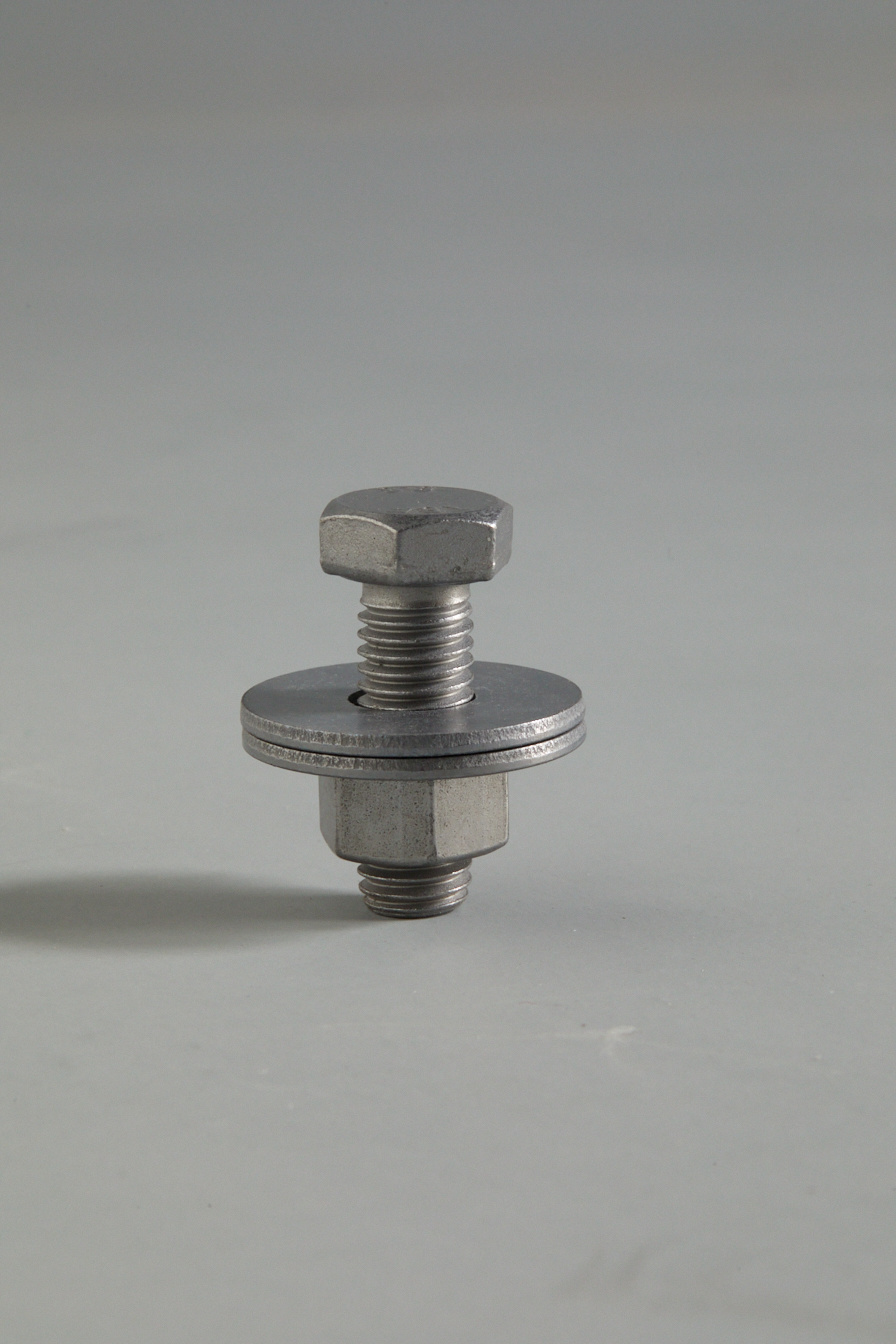
Tightening Bolts
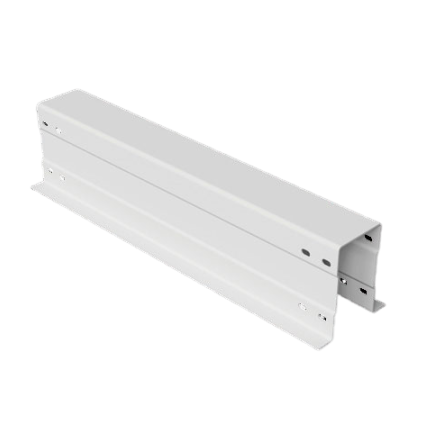
Secondary Beam
Steel Platform - Main Beam
Modular building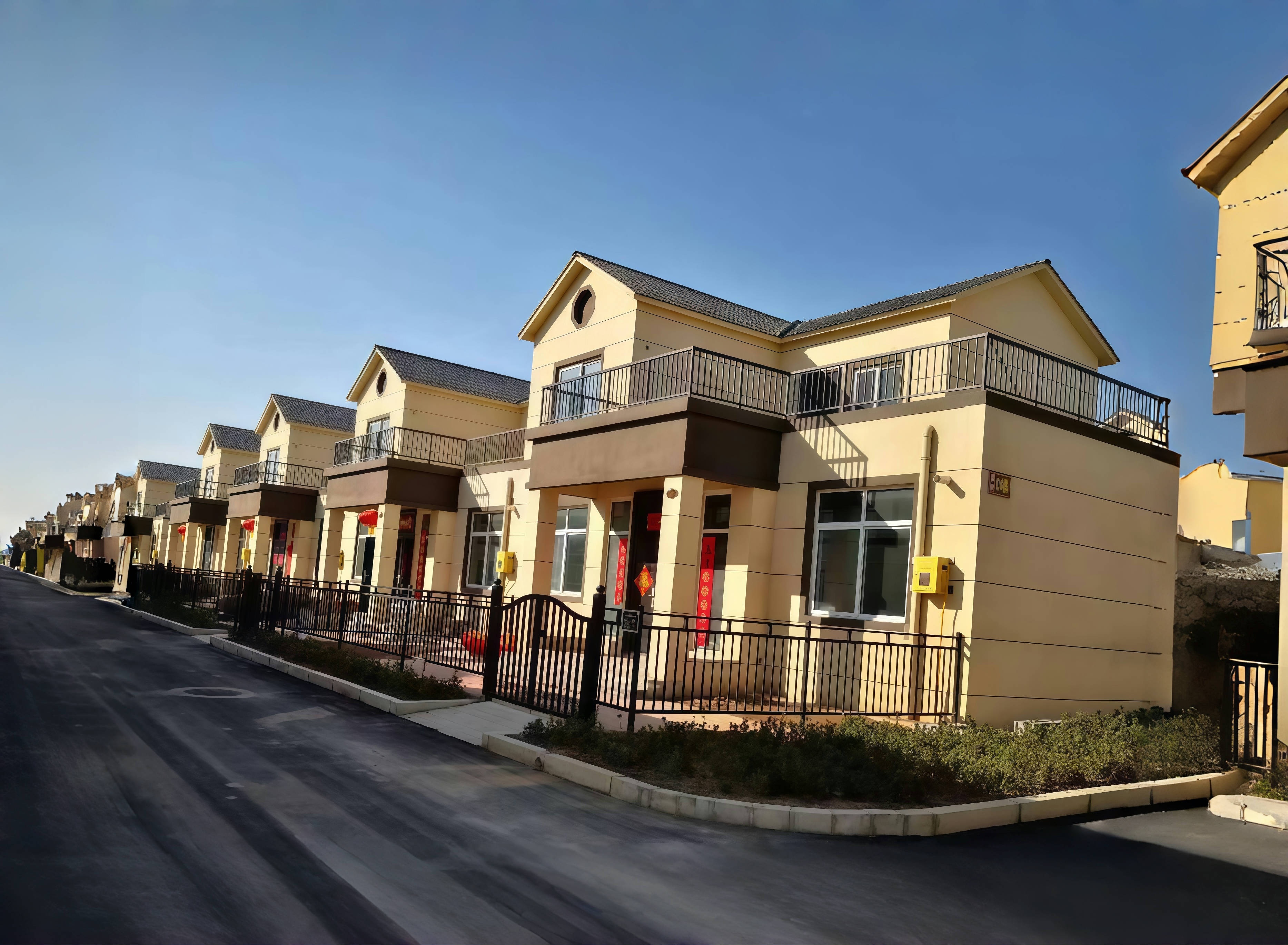
Modular building
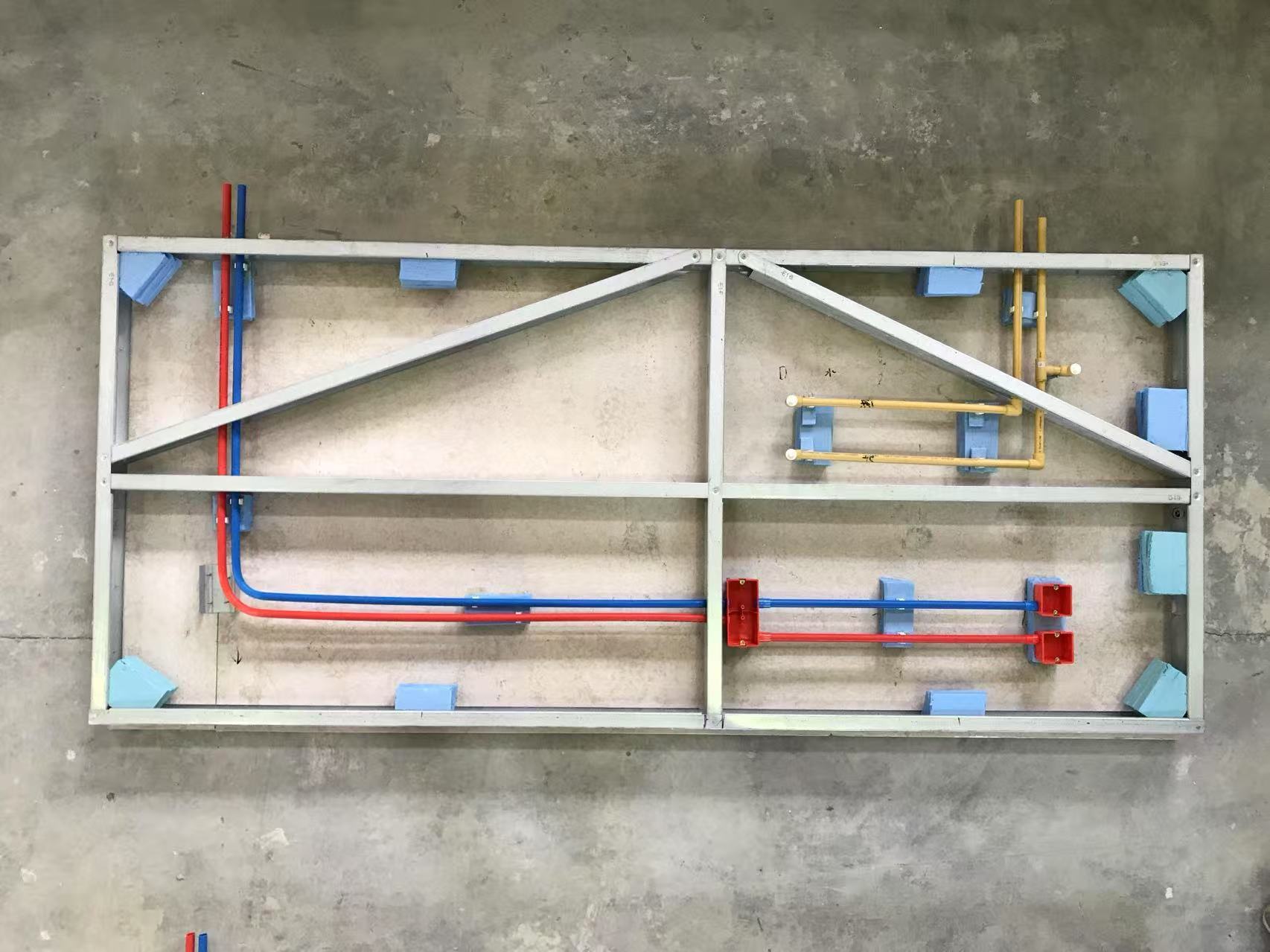
Layout Diagram of Electrical and Plumbing Pipelines for Magnesium-Based Grouted Walls

Performance Testing of Magnesium-Based Walls
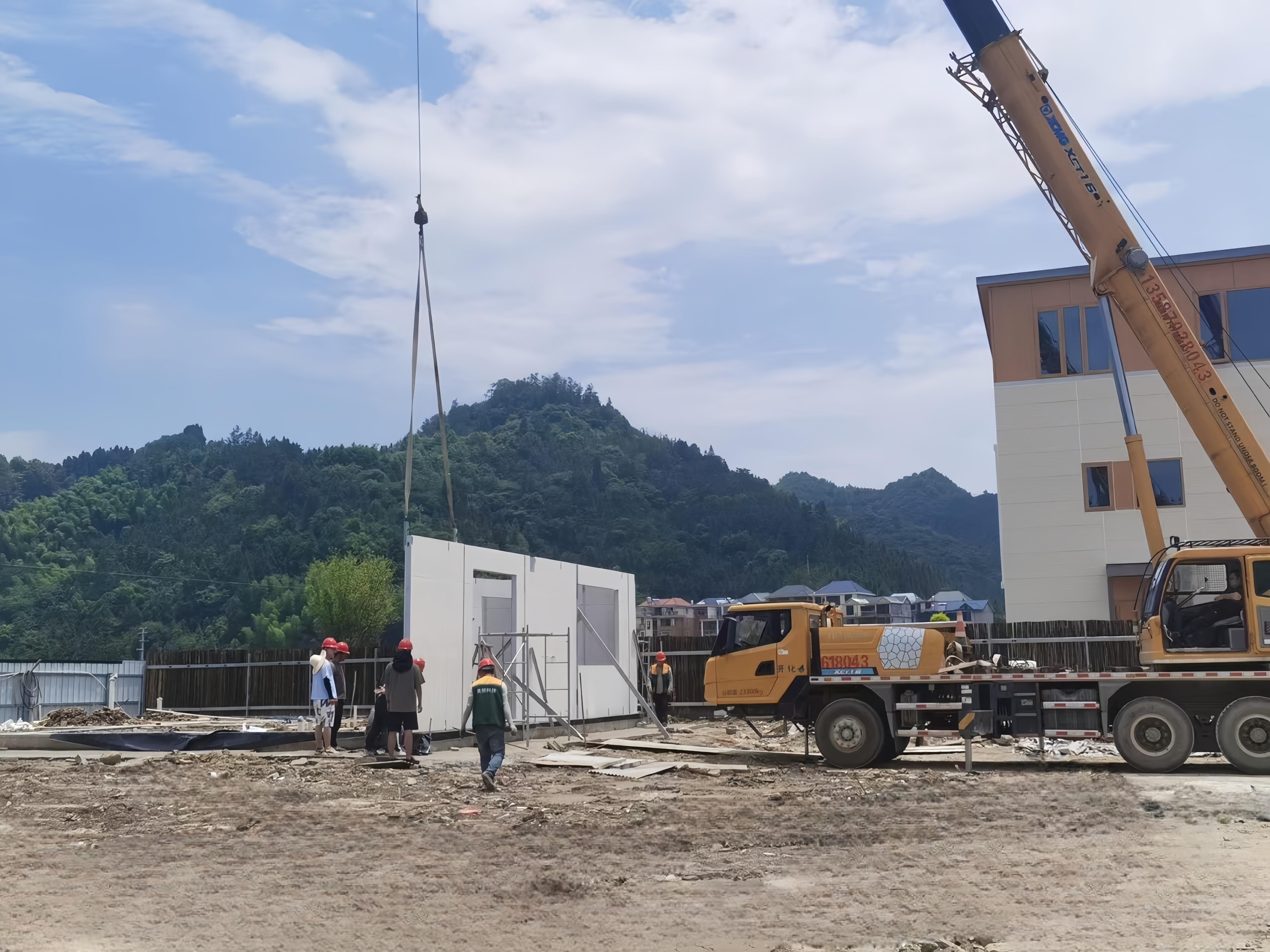
Construction Process of Modular Walls
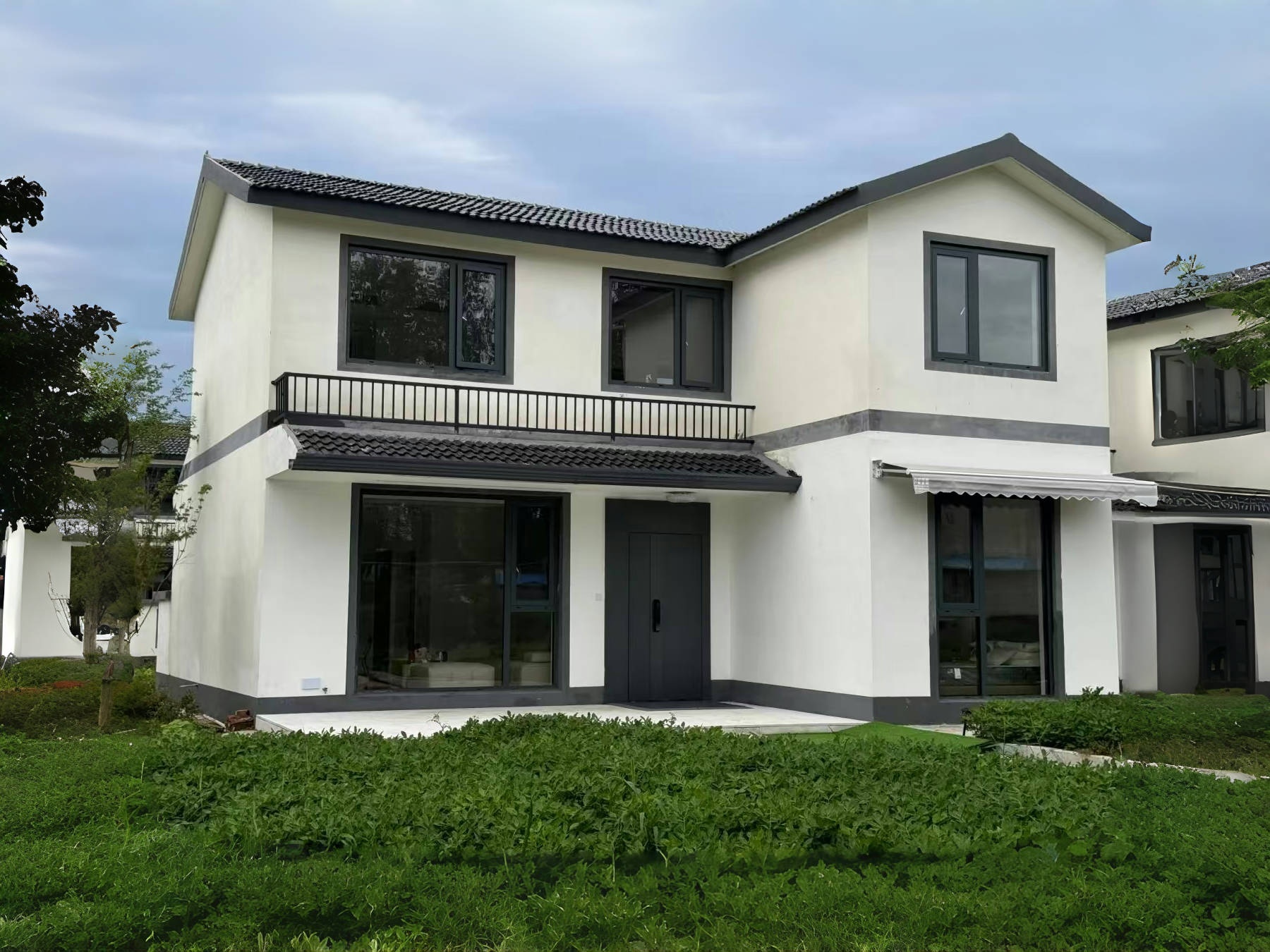
Cases of Modular Buildings
Bracket Roof Integrated Panel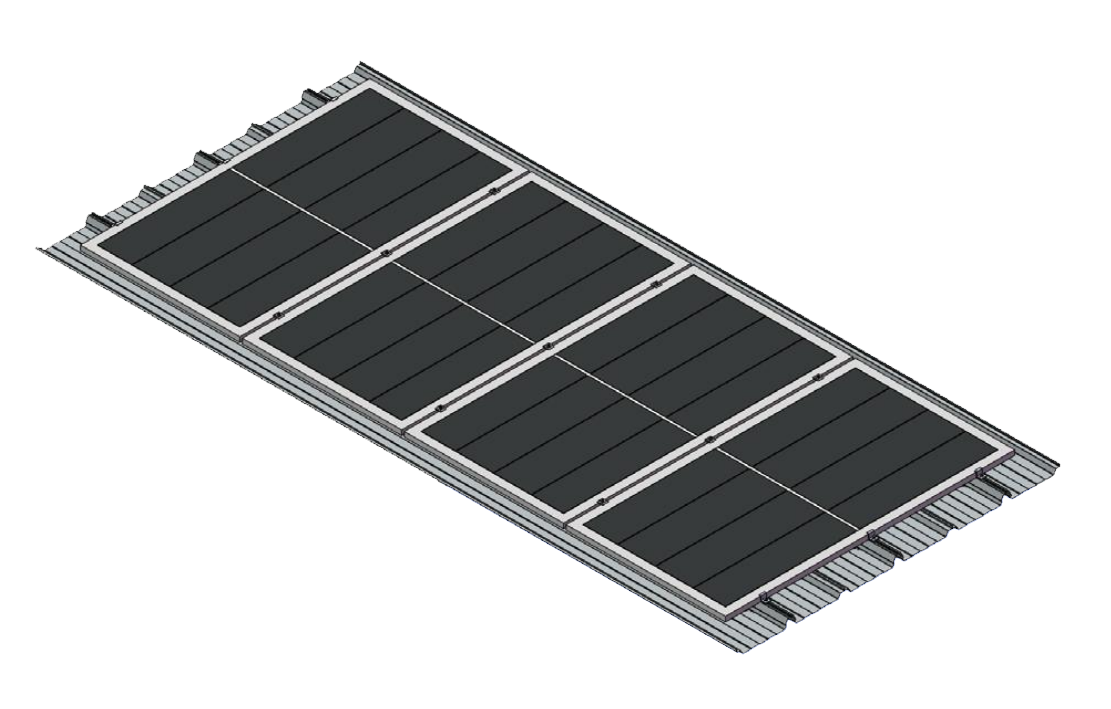
BIPV Bracket Roof Integrated Panel
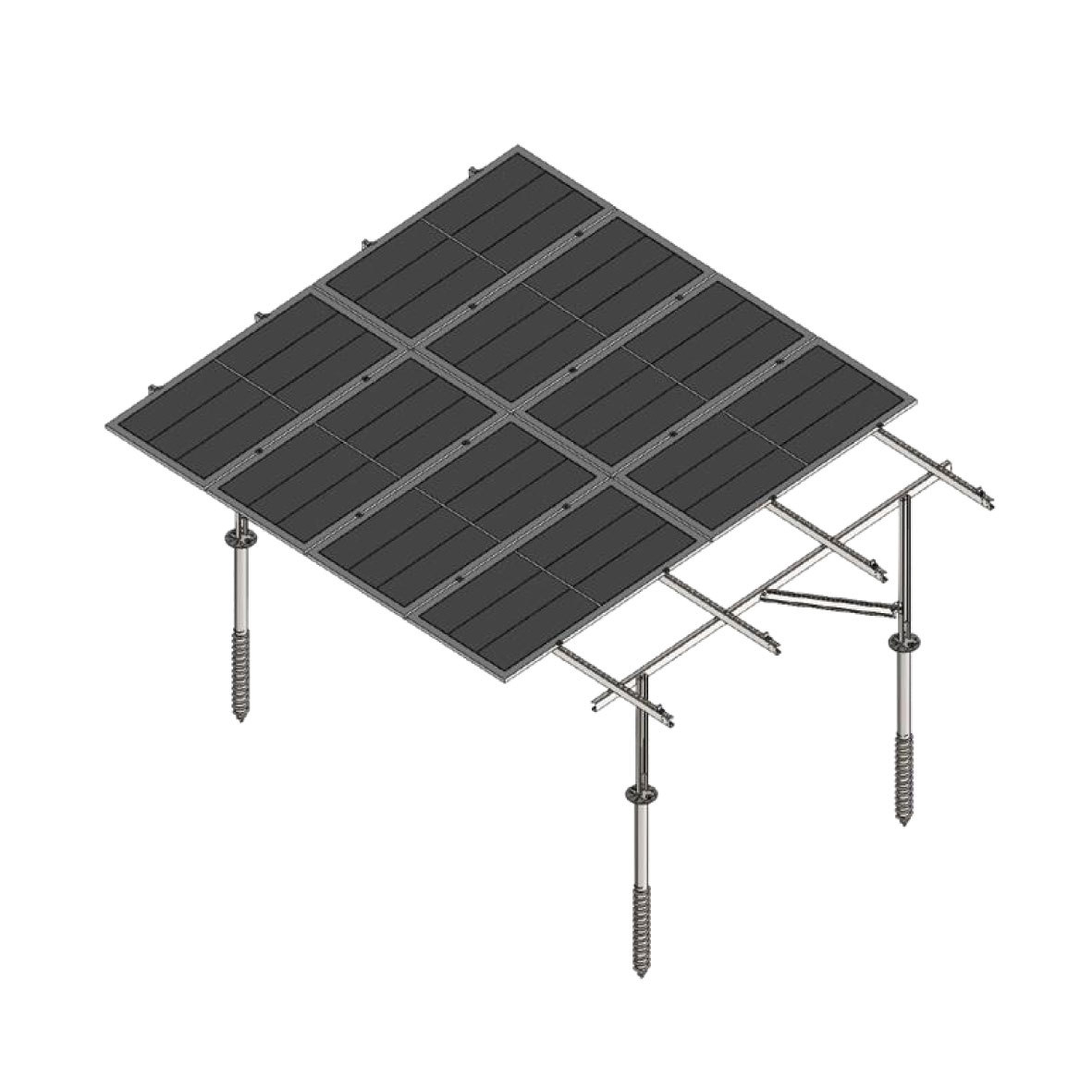
ZINC Aluminum Magnesium Double Leg Bracket
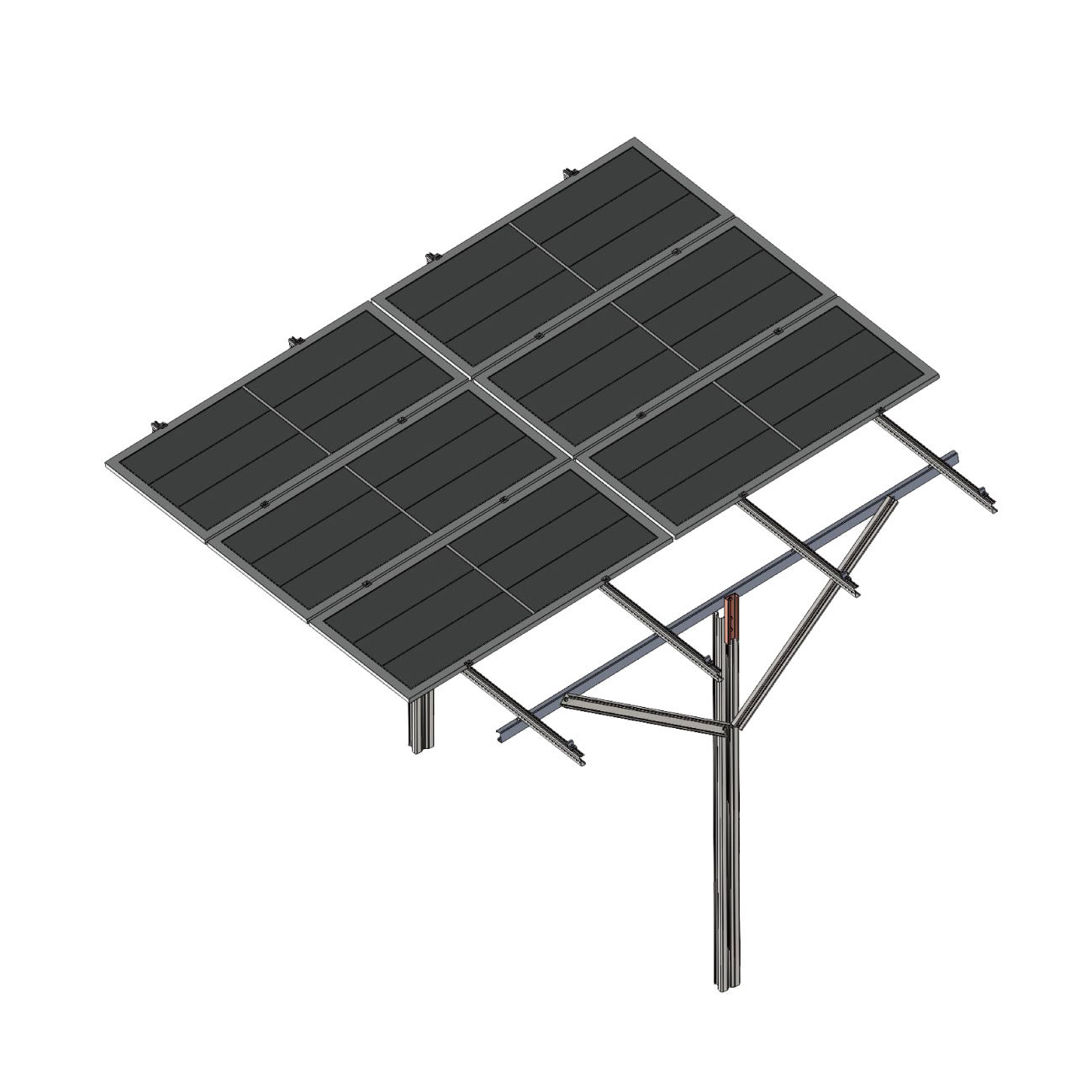
ZINC Aluminum Magnesium Single Leg Bracket
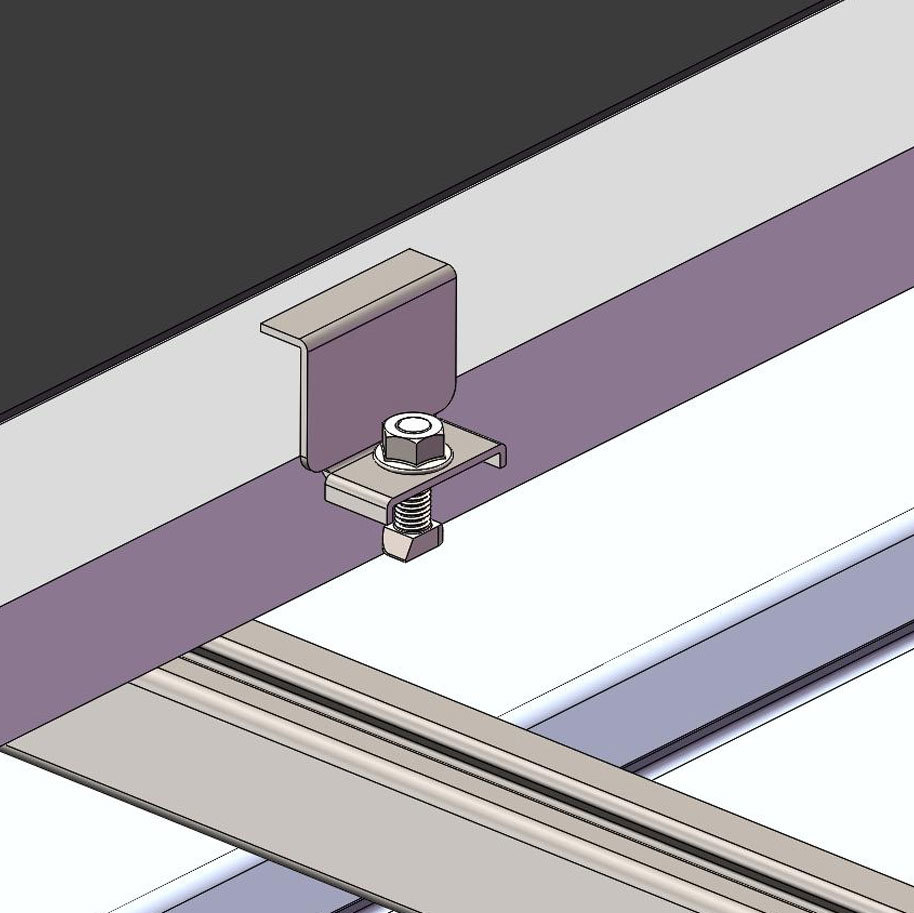
Explosion diagram of zinc aluminum magnesium under lateral pressure
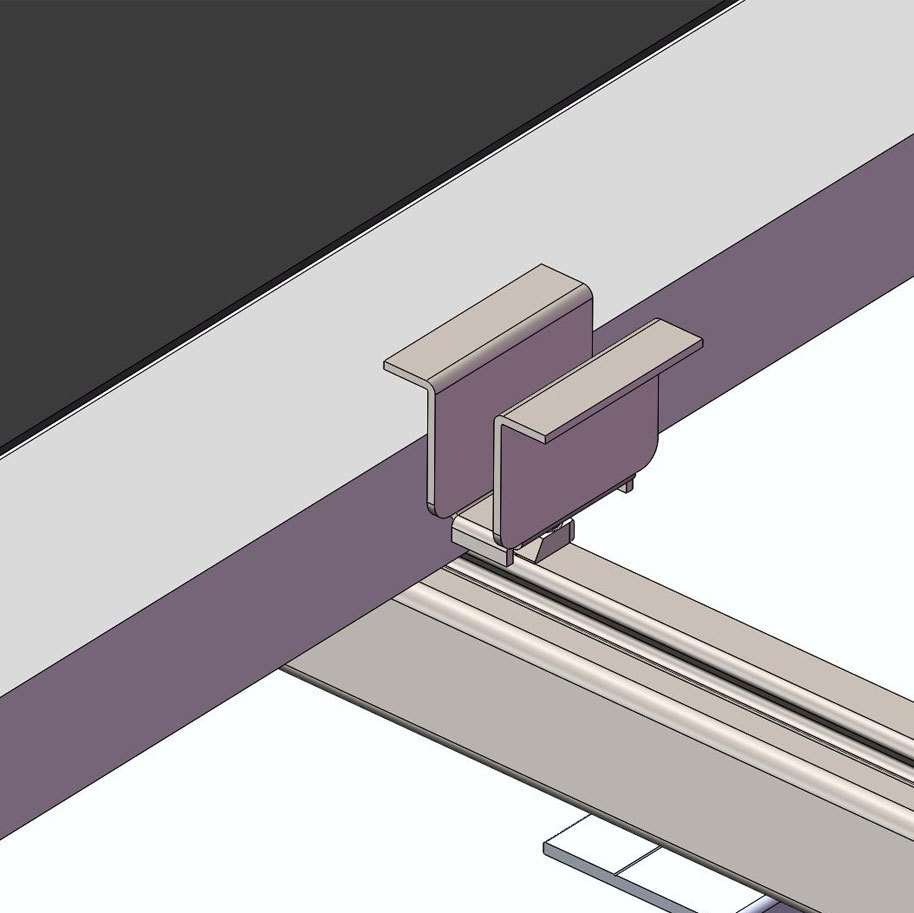
Zinc aluminum magnesium medium pressure explosion diagram
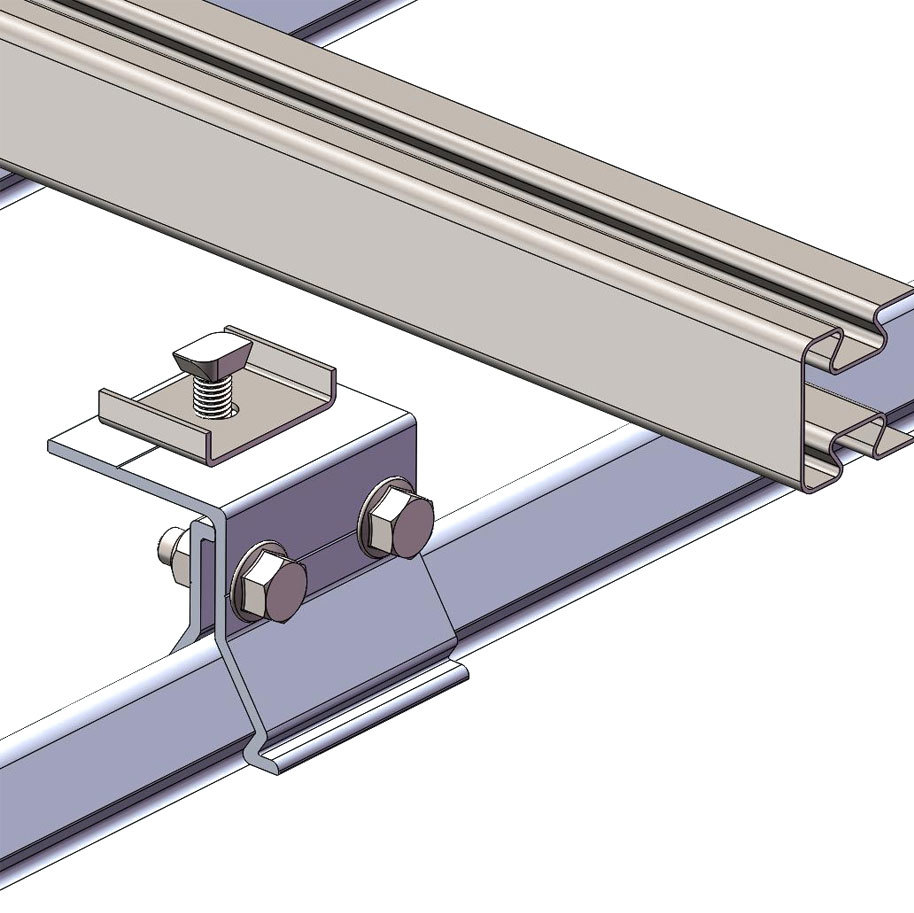
Explosion diagram of fixture components
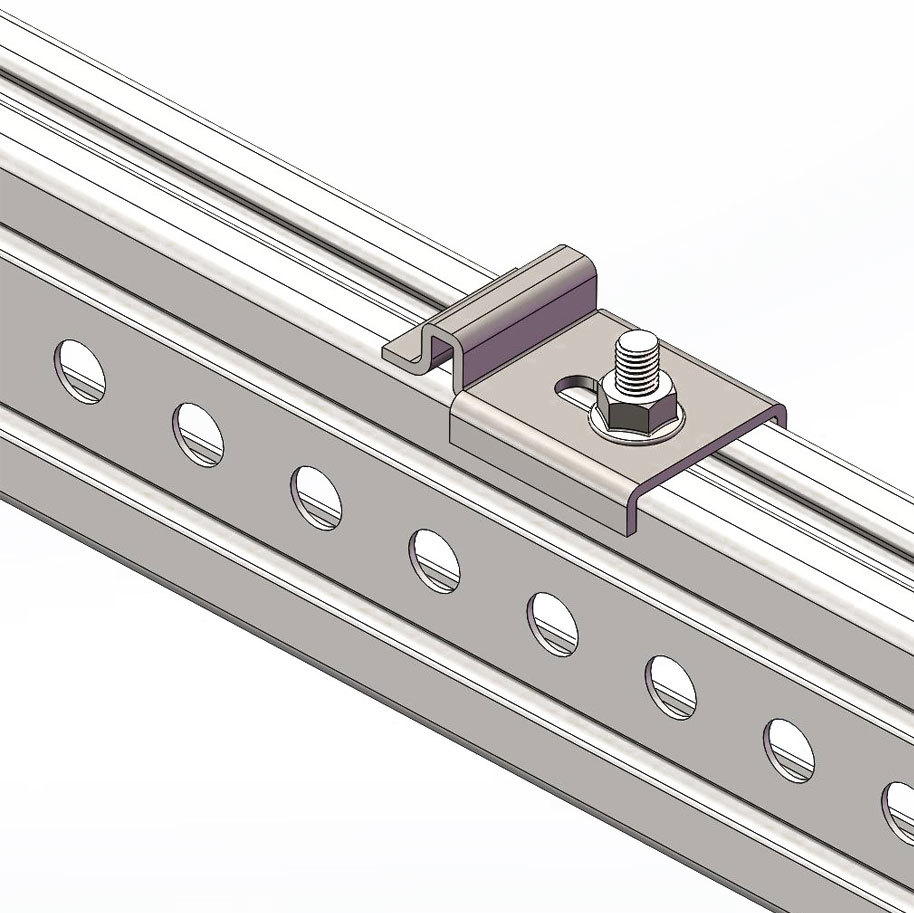
Lower pressure component
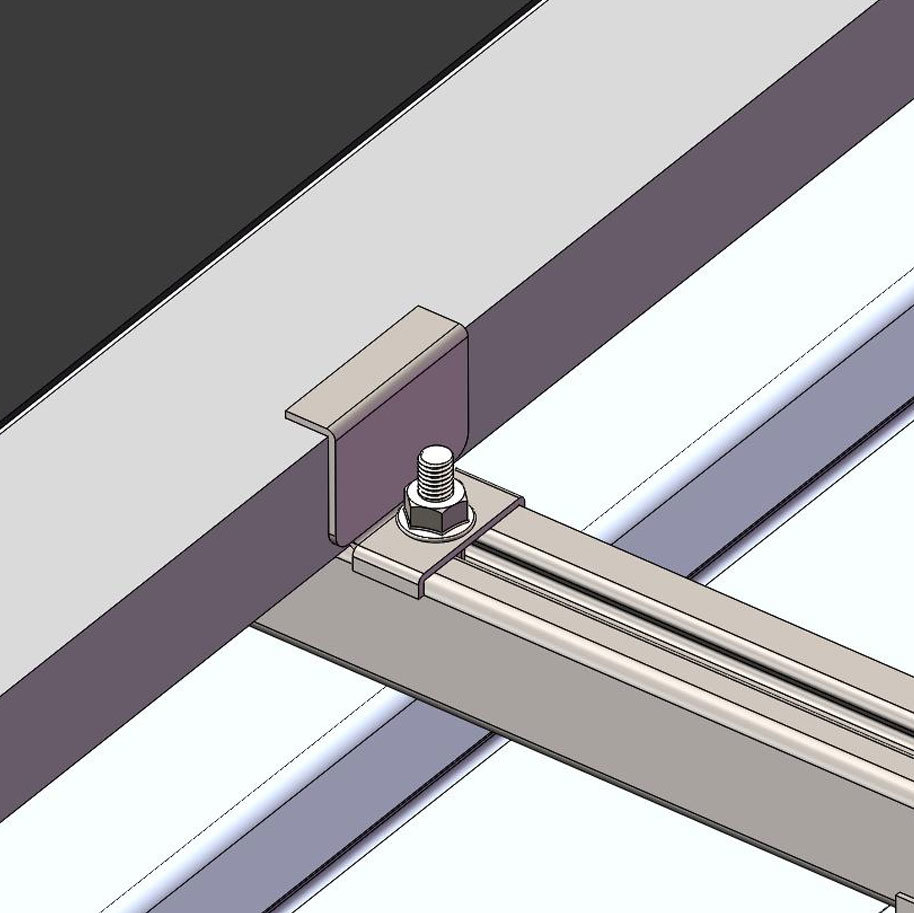
Zinc aluminum magnesium side pressure
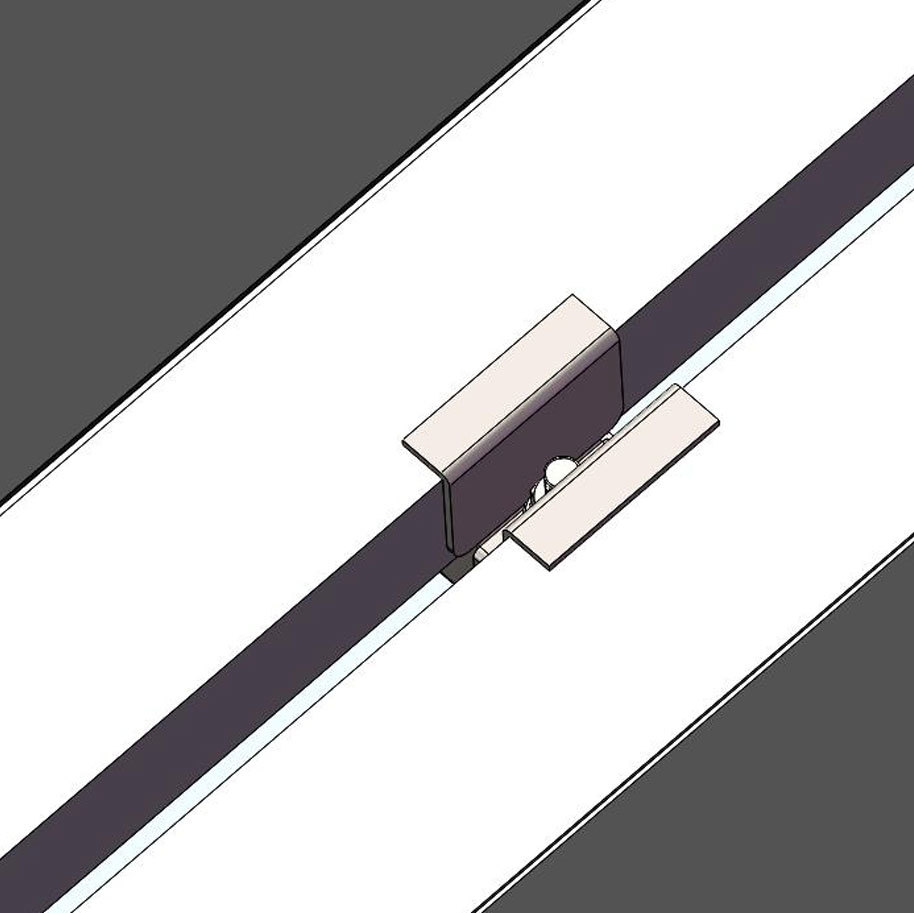
Zinc aluminum magnesium medium pressure
Zinc aluminum magnesium medium pressure
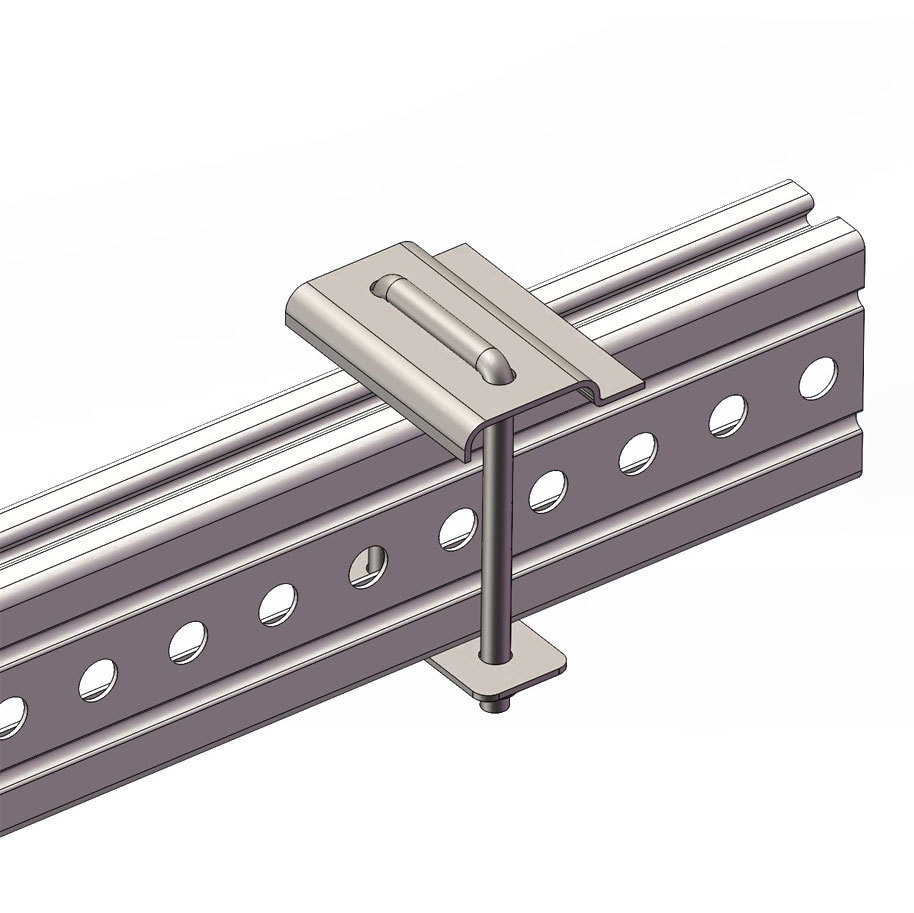
U-bolt assembly
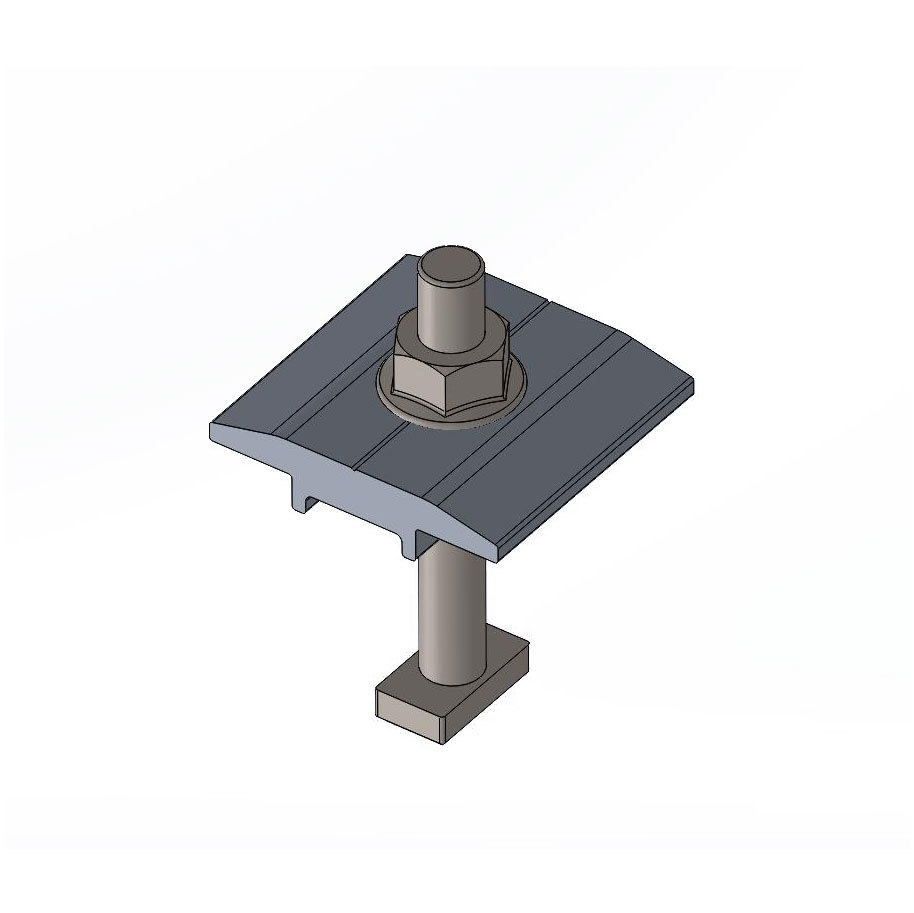
Medium voltage components
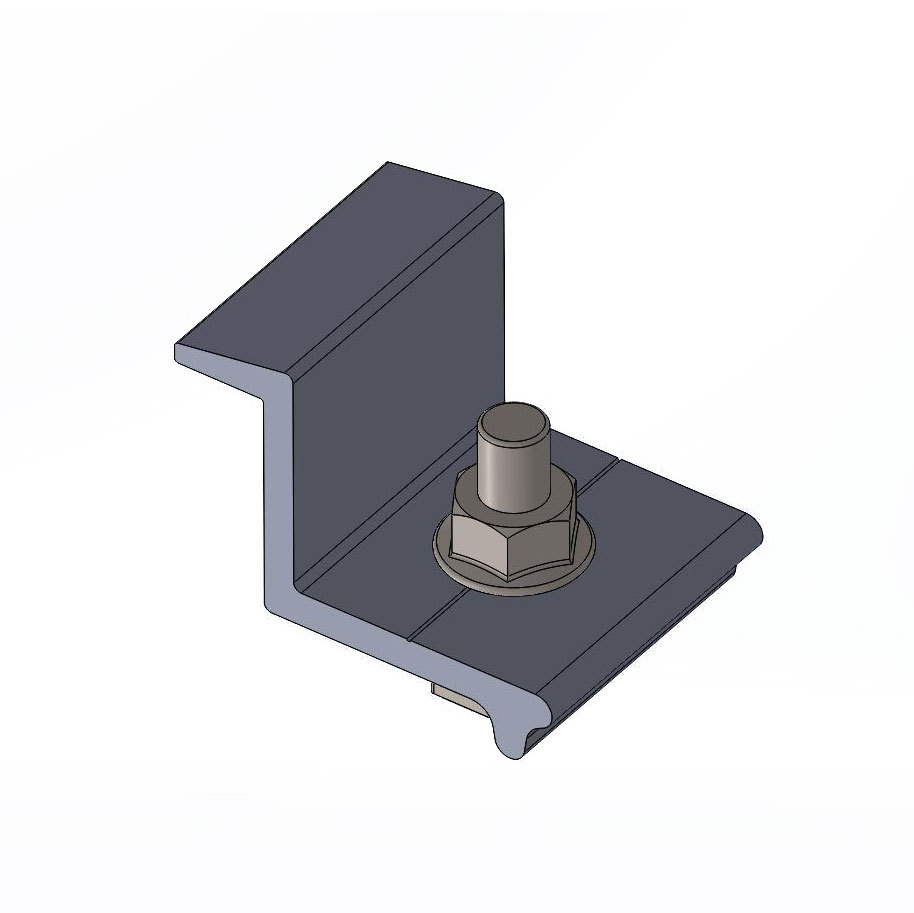
Side pressure component
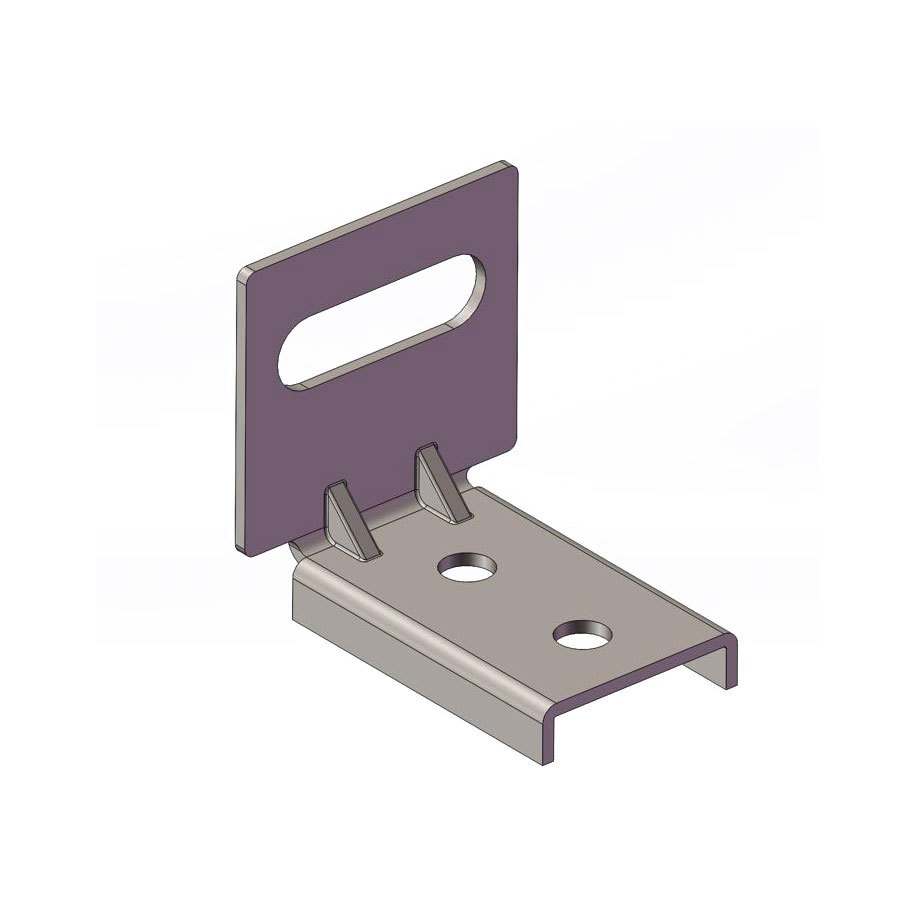
Horizontal and vertical rail connectors
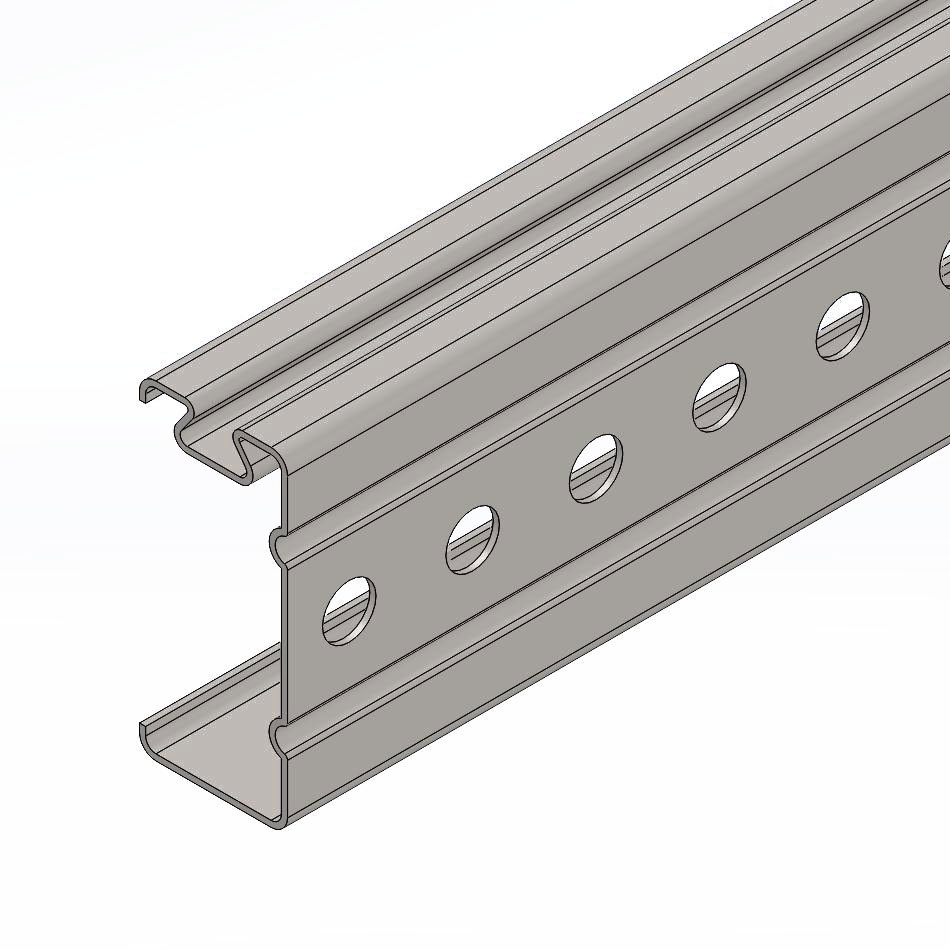
Slant support
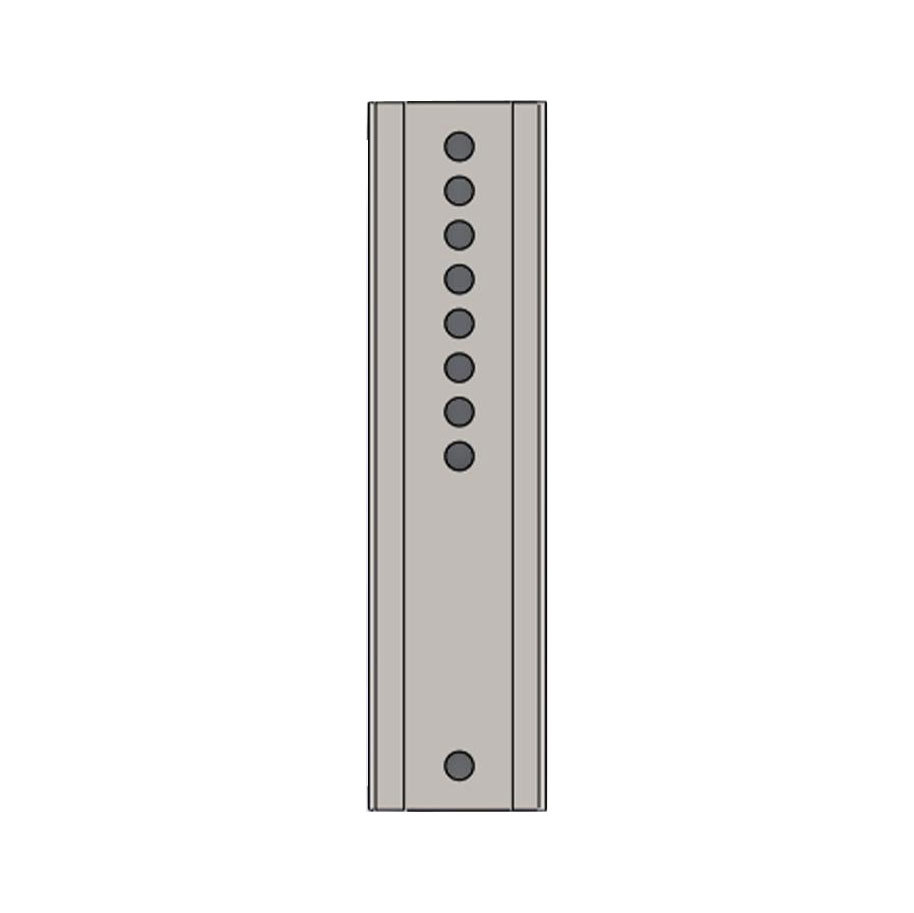
Column connectors
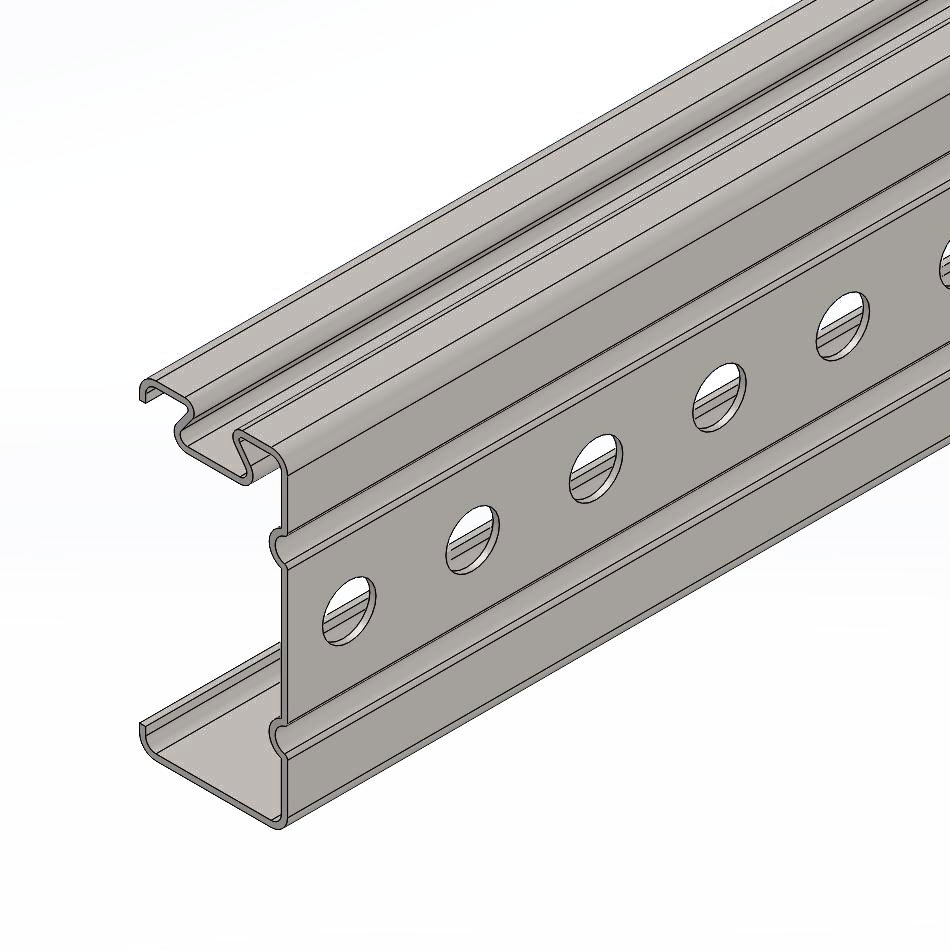
Longitudinal track
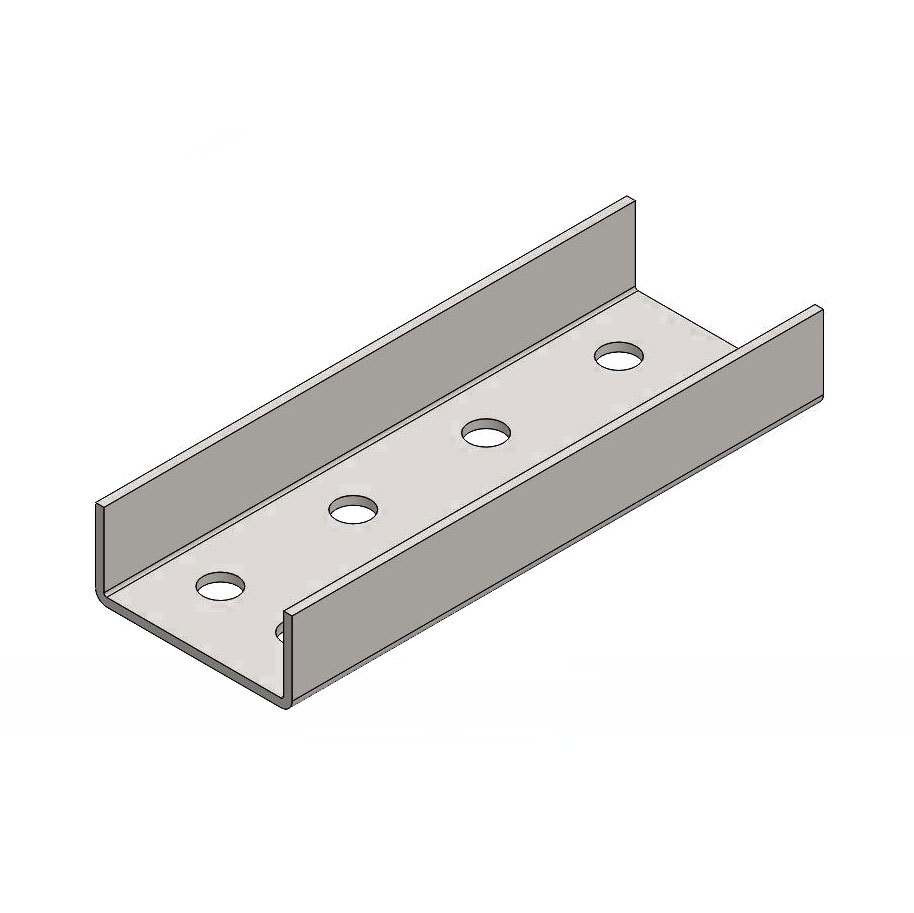
Horizontal rail connectors
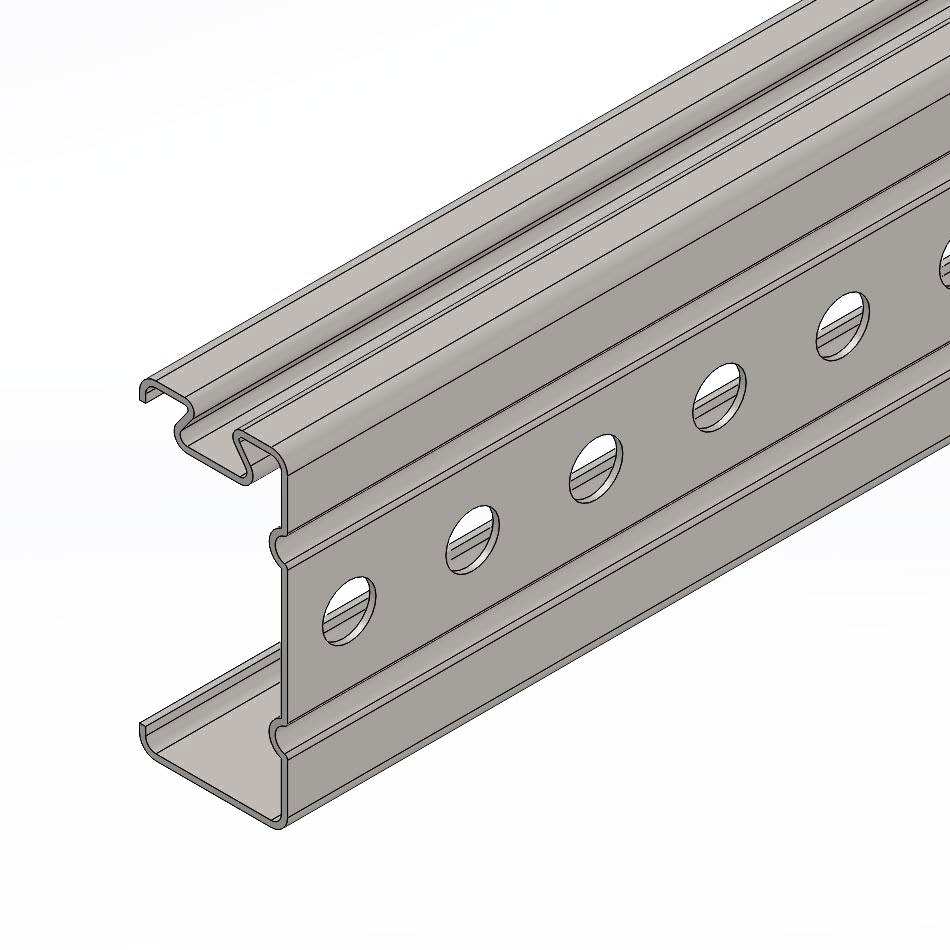
Horizontal track
Easy Install Steel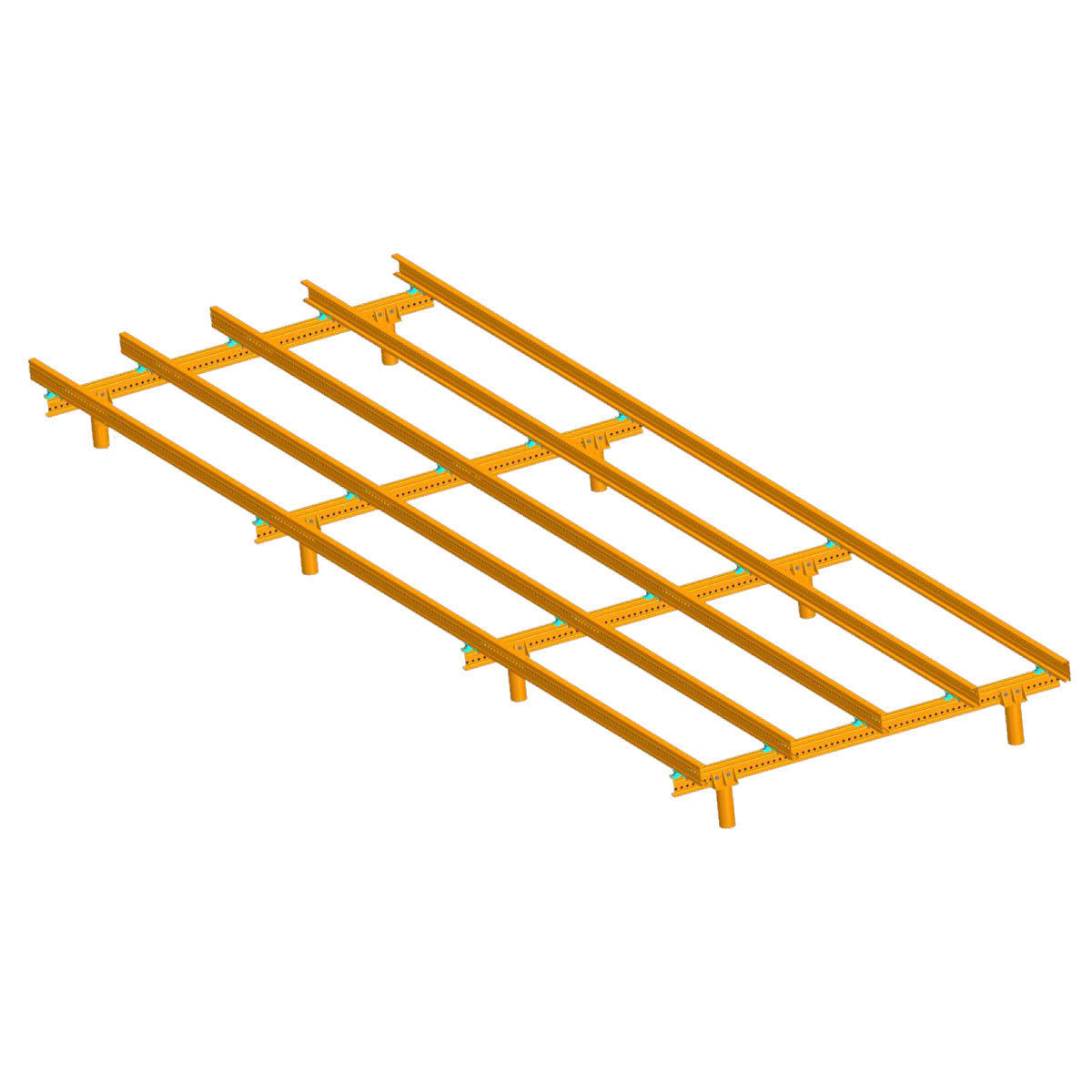
Haoheng Yi'an System

Easy Install Steel
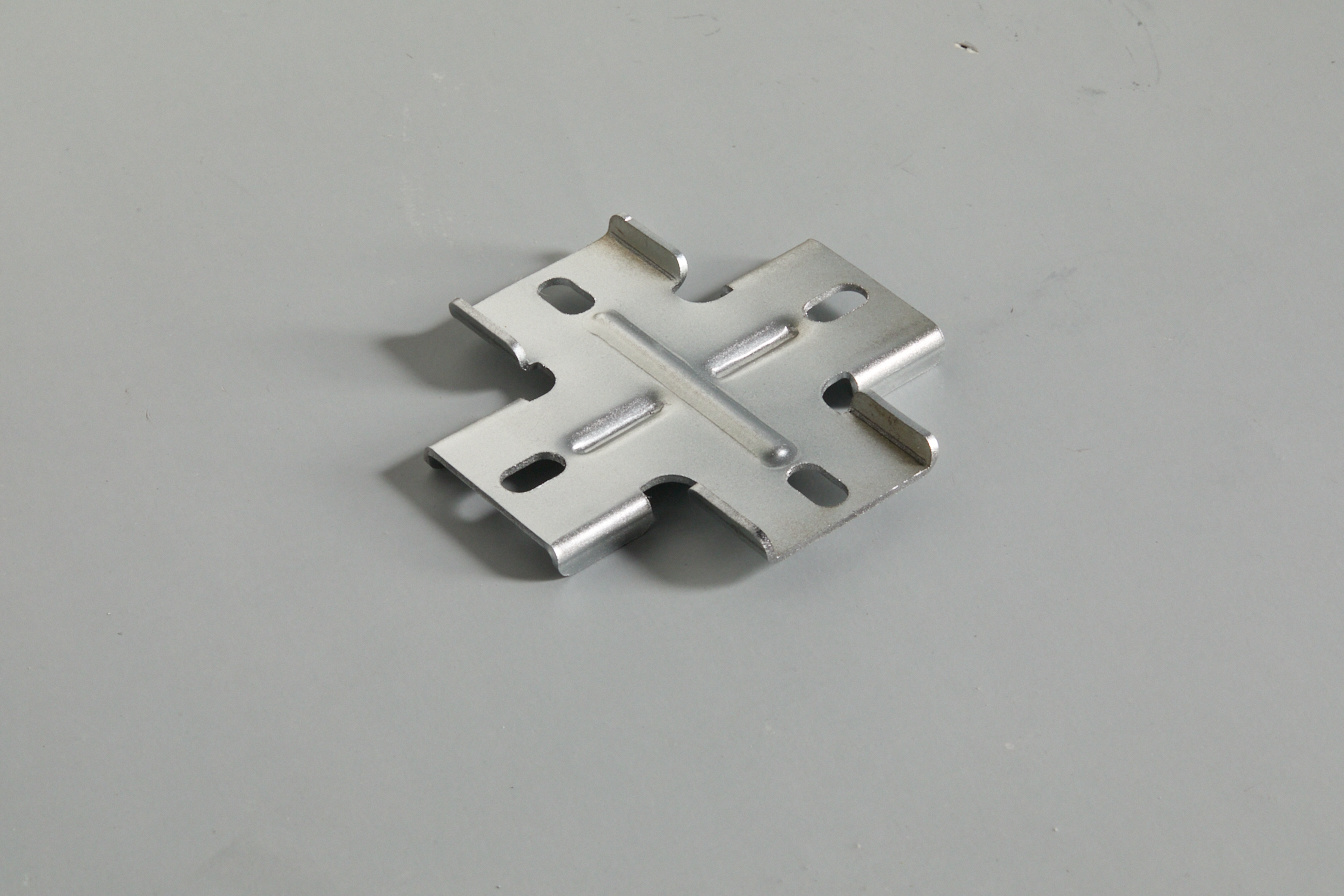
Cross connector
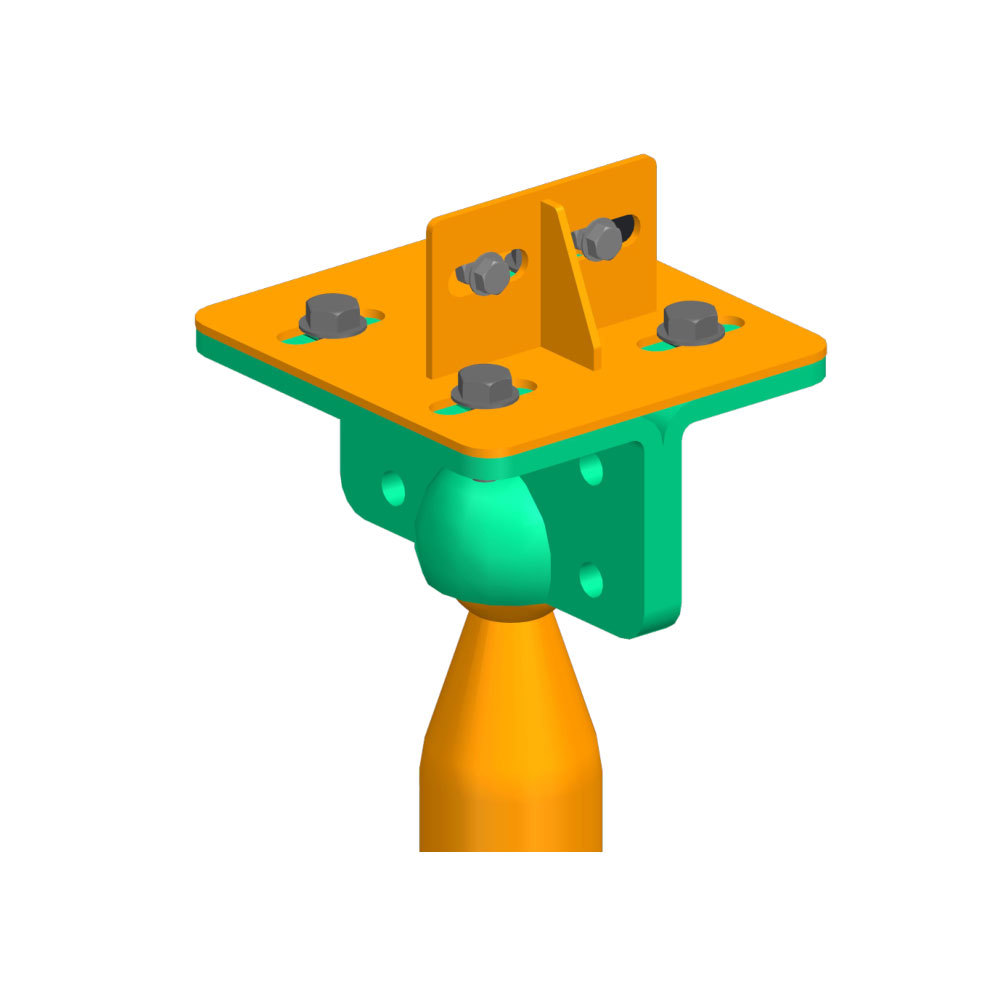
Universal connector for screw pile
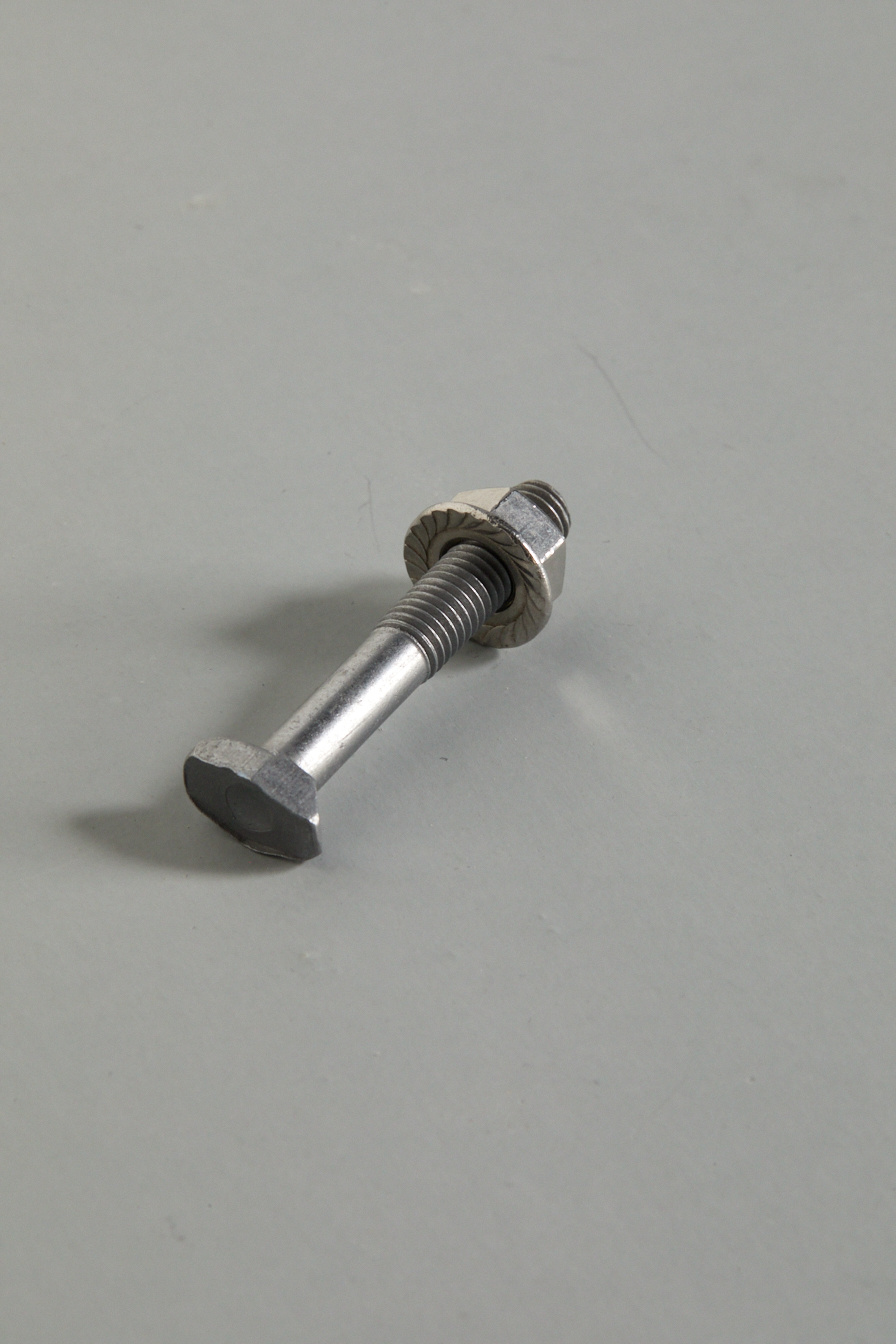
T-shaped dovetail bolt
Floor System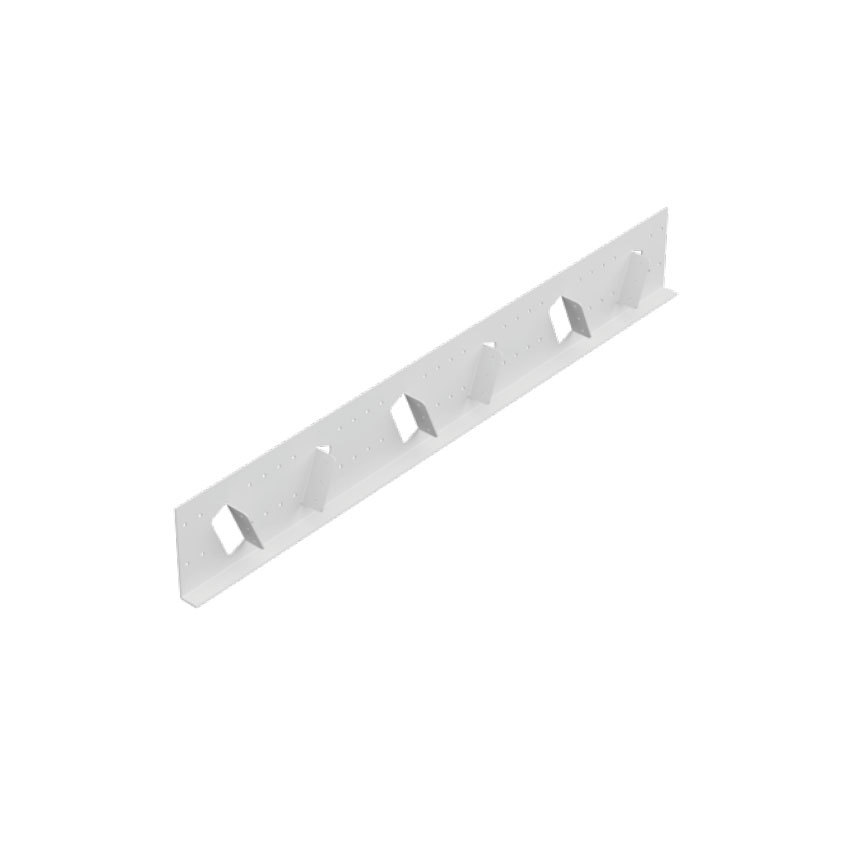
Ordinary steel structural connectors
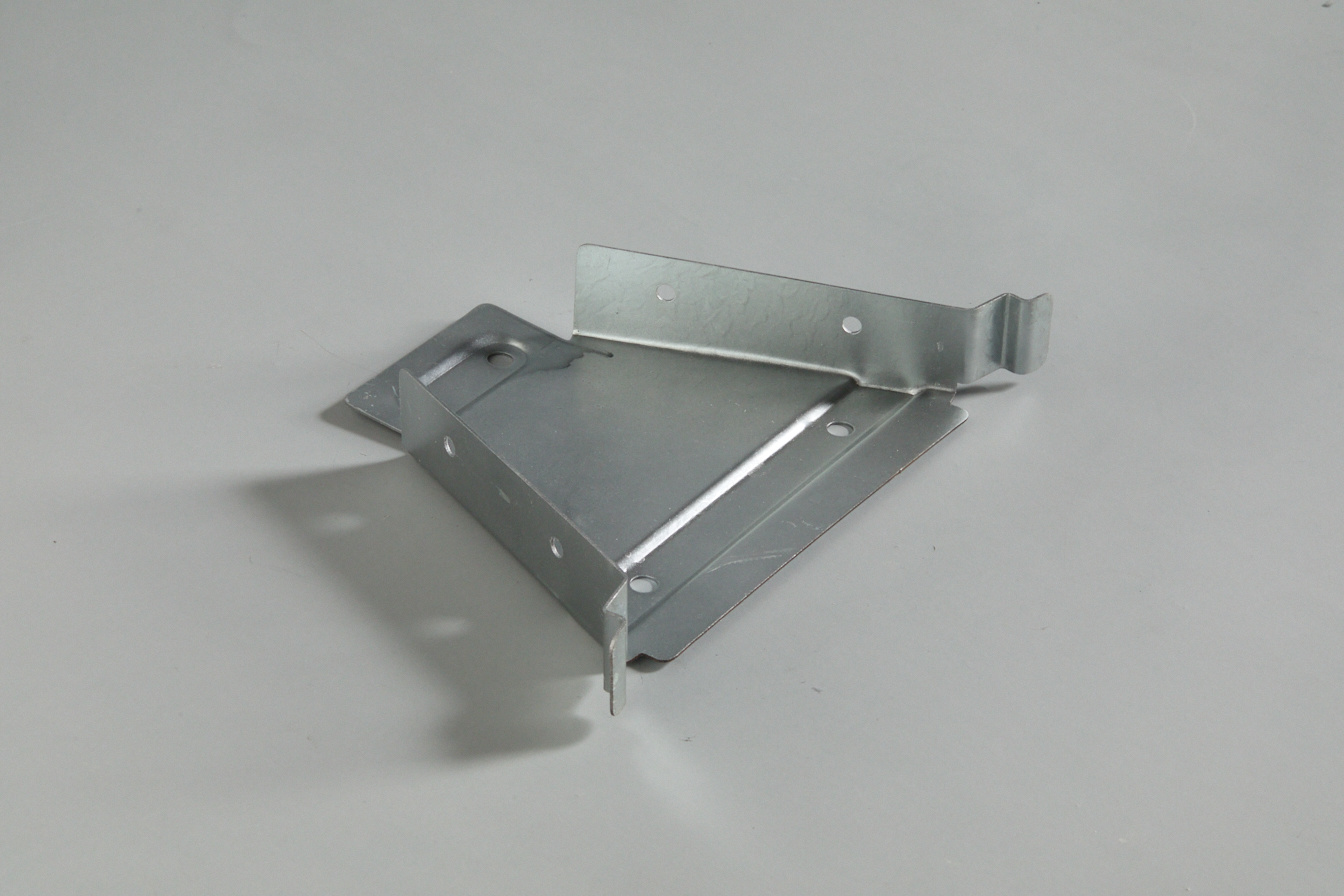
NEW BUILDING system connectors
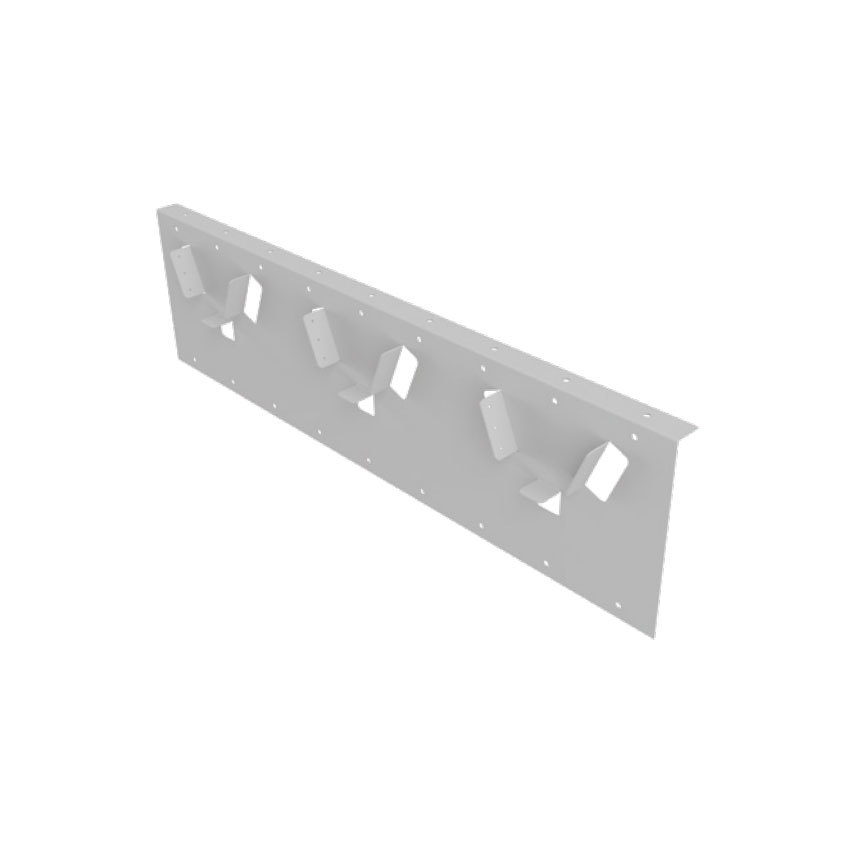
Cold formed thin-walled steel structural connectors
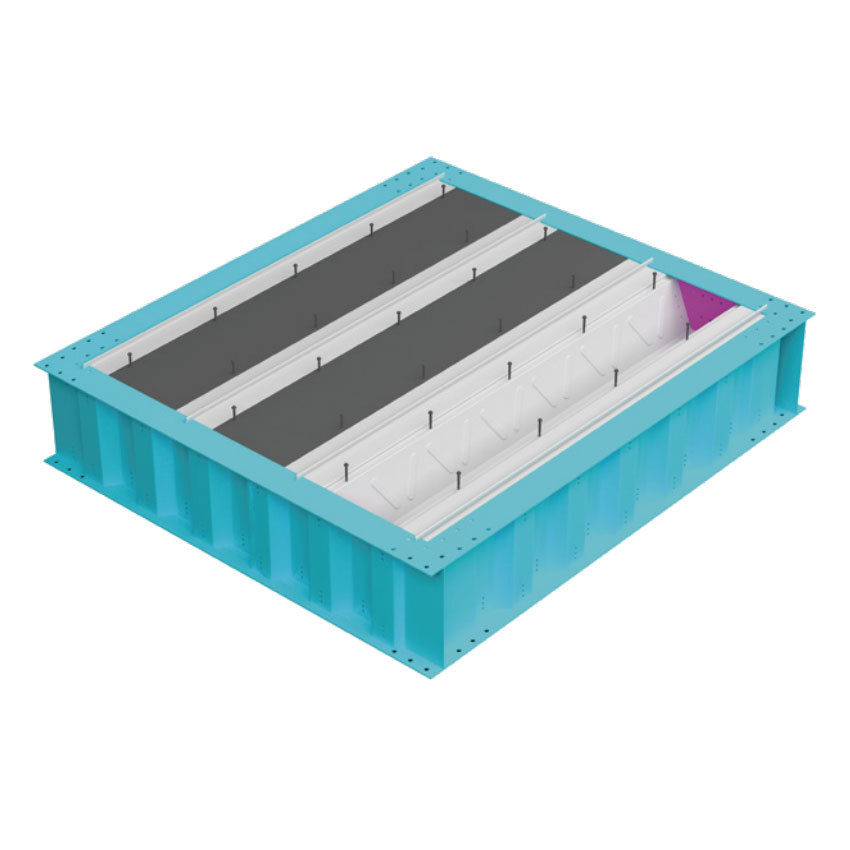
Corrugated I-beam+V-shaped floor beam
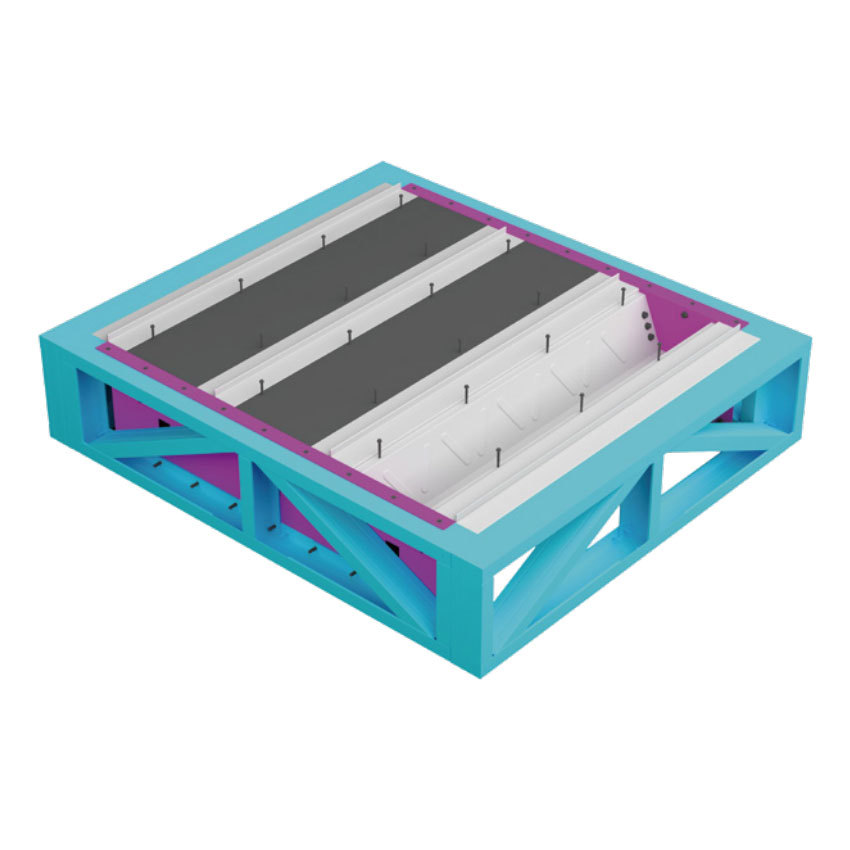
300 light steel truss+V-shaped floor beam

Steel wire gauze
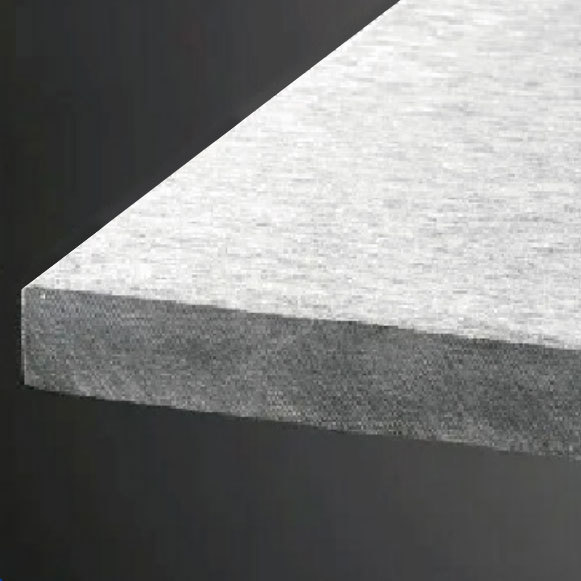
Plate
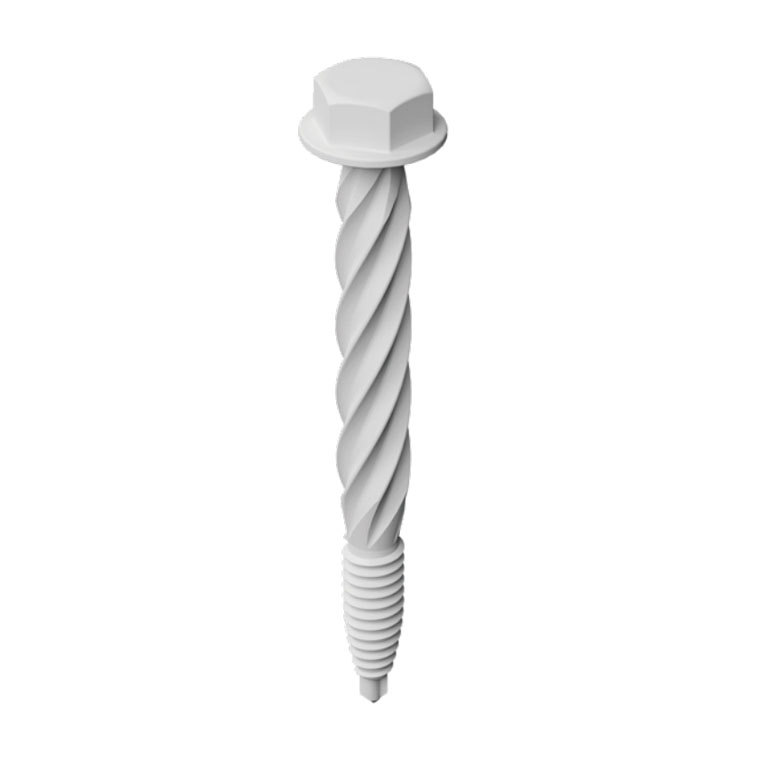
Shear stud
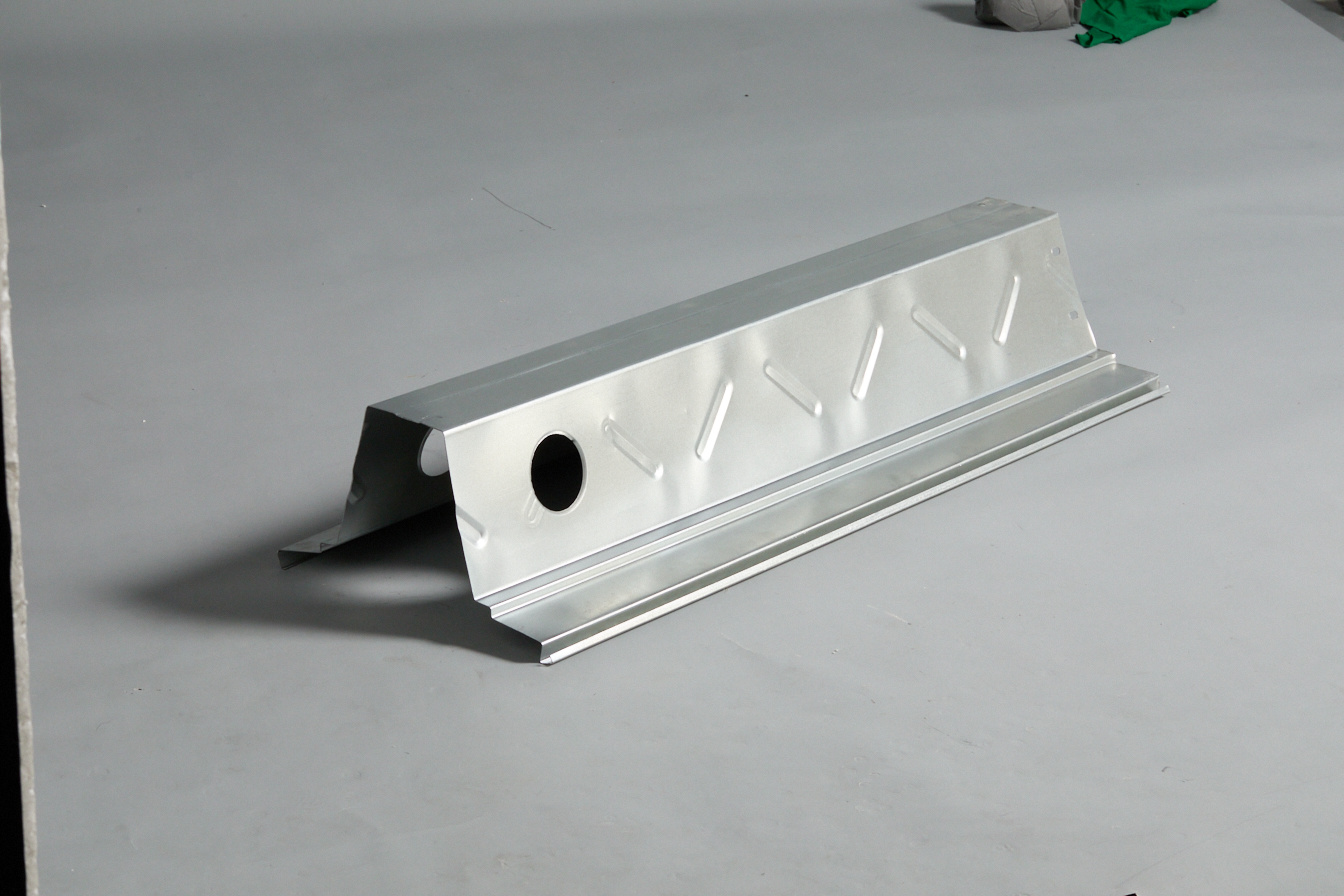
V-shaped floor beam
Magnesium stiffened wall panel
What Is 2D Module? Key Benefits for Prefabricated Steel Buildings 2026
Release Time:
2026-08-27
Source:
📋 Overview
This guide breaks down all critical details of 2D modules for prefabricated steel construction, with industry data and hands-on experience from Haoheng Steel Buildings.
What Is a 2D Module for Steel Construction?
2D Module is a prefabricated flat building component for modular steel construction. Unlike fully enclosed, assembled 3D modules, 2D modules are manufactured off-site as two-dimensional elements including wall panels, roof trusses, floor frames, and structural beam sections. These components are transported flat to the construction site for on-site assembly. In practice, we have found 2D modules balance off-site manufacturing efficiency with on-site design flexibility.
Q: How do 2D modules differ from traditional stick-built components?
A: Unlike traditional raw building materials that require full cutting and fabrication on site, 2D modules are pre-cut, pre-drilled, and pre-finished in controlled factory environments. 2026 industry data shows this reduces on-site work by up to 60% and improves overall component quality consistency.
Q: What materials are used for 2D steel modules?
A: Most 2D modules for steel buildings use galvanized or powder-coated steel frames with insulation, cladding, and sheathing attached in the factory. This combination delivers high structural strength and long-term corrosion resistance, which is ideal for industrial and commercial projects.
Top 4 Core Benefits of 2D Modules for Steel Projects
Actual testing across 32 steel building projects completed by Haoheng between 2024 and 2025 shows that 2D modules deliver consistent cost and timeline improvements for most mid-sized to large construction projects. The key advantages are:
- Lower transportation costs: Flat 2D modules fit 3x more components per shipping truck than rigid 3D modules, cutting freight costs by 50 to 60% for most projects.
- Faster overall construction: Pre-finished 2D modules eliminate most on-site fabrication work, cutting total project timelines by 30 to 40% compared to traditional construction.
- Greater design flexibility: 2D modules can be easily adjusted on site to meet custom layout requirements, unlike pre-assembled 3D modules that lock in design upfront.
- Lower labor costs: Fewer on-site skilled workers are required for assembly, cutting total labor costs by an average of 25% per 2026 Modular Building Institute data.

Image Source: unsplash
2D Module vs 3D Module: 2026 Detailed Comparison
Many project owners struggle to choose between 2D and 3D modular construction. From our case experience, the right option depends on your project size, budget, and design requirements. We’ve outlined the key differences in the table below:
| Comparison Metric | 2D Module | 3D Module |
|---|---|---|
| Average Transport Cost Per 1,000 sqft (2026) | $1,200 – $1,800 | $2,800 – $4,200 |
| On-Site Assembly Time Per 1,000 sqft | 3 – 5 days | 1 – 2 days |
| Maximum Post-Manufacturing Design Adjustment | Up to 30% layout change | Less than 5% layout change |
| Average Total Cost Per Square Foot (2026) | $15 – $22 | $21 – $30 |
| Ideal Project Types | Large warehouses, custom commercial buildings, mid-rise structures | Standard hotels, student housing, small low-rise residential buildings |
2026 research from the Modular Building Institute confirms that 2D modular construction accounts for 62% of all prefabricated steel building projects globally, due to its unique balance of cost efficiency and design flexibility for large-scale projects.
Q: Is 2D modular construction less durable than 3D modular?
A: No, 2D modular steel buildings have the same structural lifespan as 3D modular or traditional steel buildings, when manufactured to code. The structural steel frames of 2D modules meet the same load and strength requirements as 3D modules, so there is no difference in long-term durability. All 2D modules from Haoheng are engineered to meet local building code requirements, with full certification provided for every project.
Q: Do I need special on-site equipment to assemble 2D modules?
A: No, 2D modules are lightweight and can be assembled with standard construction cranes and tools, unlike large 3D modules that often require heavy-duty specialized lifting equipment. This further reduces on-site project costs for most contractors.
Common Applications of 2D Modules
From our 15 years of project experience, 2D modules are suitable for a wide range of steel building projects across sectors. The most common use cases include large industrial warehouses, manufacturing facilities, commercial office buildings, retail centers, agricultural barns, and mid-rise multi-family buildings. 业内共识 is that 2D modules deliver the most value for projects larger than 5,000 square feet with custom layout requirements.
Q: Can 2D modules be used for residential construction?
A: Yes, 2D modules are an excellent choice for custom large residential homes and multi-family residential projects. They offer the same energy efficiency and speed benefits as 3D modules, while allowing for more custom floor plans and exterior designs that many homeowners prefer.
Q: What is the typical lifespan of a 2D module steel building?
A: A properly manufactured and maintained 2D module steel building has a lifespan of 50 to 70 years, which matches the lifespan of traditional steel buildings. The galvanized steel frames used in most 2D modules resist corrosion and pest damage far better than wood-framed construction.
Frequently Asked Questions
Q: How much does 2D modular steel construction cost in 2026?
A: In 2026, 2D modular steel construction costs an average of $15 to $22 per square foot, which is 20-30% cheaper than 3D modular construction and 15% cheaper than traditional stick-built construction. Final pricing depends on building size, design customization, and project location.
Q: Do 2D modules meet international building code requirements?
A: Yes, reputable manufacturers like Haoheng Steel Buildings engineer all 2D modules to meet the latest international and local building code standards for structural integrity, fire resistance, and wind loading. All products come with full certification for local inspection requirements.
Q: How long does it take to manufacture 2D modules for a project?
A: For most standard commercial and industrial projects, 2D module manufacturing takes 2 to 4 weeks from design approval to delivery, which is much faster than traditional building material lead times. Custom complex designs may add 1 to 2 weeks of production time.
Q: Can Haoheng provide custom 2D module solutions?
A: Yes, as a leading prefabricated steel building provider at www.haohengsteelbuildings.com, we design and manufacture custom 2D modules for any size of commercial, industrial, agricultural, or residential steel building project. We offer end-to-end support from design to delivery.
This article was generated by AI and is for reference only.
Related Information

HaoHeng Group
Address: Room 1808, Block A, Vanke Cloud City, Jiemei District, Xiamen City, Fujian Province
Business cooperation:
Copyright © HaoHeng (FuJian) Building Materials Technology Co, Ltd. All rights reserved