

-

 Pakistan
Marketing Service Outlets
 Papua New Guinea
Marketing Service Outlets
 Egypt
EgyptMarketing Service Outlets
 Australia
Marketing Service Outlets
 Brazil
Marketing Service Outlets
 Colombia
Marketing Service Outlets
 Russia
Marketing Service Outlets
 Germany
Marketing Service Outlets
 Poland
Marketing Service Outlets
 the Philippines
Marketing Service Outlets
 Kazakhstan
Marketing Service Outlets
 Malaysia
Marketing Service Outlets
 America
Marketing Service Outlets
 Kyrgyzstan
Marketing Service Outlets
 Canada
Marketing Service Outlets
 Peru
PeruMarketing Service Outlets
 Nigeria
Marketing Service Outlets
 Morocco
Marketing Service Outlets
 South Africa
Marketing Service Outlets
 Japan
JapanMarketing Service Outlets
 Slovakia
Marketing Service Outlets
 New Zealand
Marketing Service Outlets
 Hungary
Marketing Service Outlets
 Thailand
Marketing Service Outlets
 Spain
SpainMarketing Service Outlets
 Indonesia
Marketing Service Outlets
 Italy
ItalyMarketing Service Outlets
 Vietnam
Marketing Service Outlets
Steel Pipe ColumnSteel Pipe Column ConnectorsMain Beam | Secondary BeamPrefabricated StairsRound Pipe PileFlat Steel PileGroup PileCap PileNew Building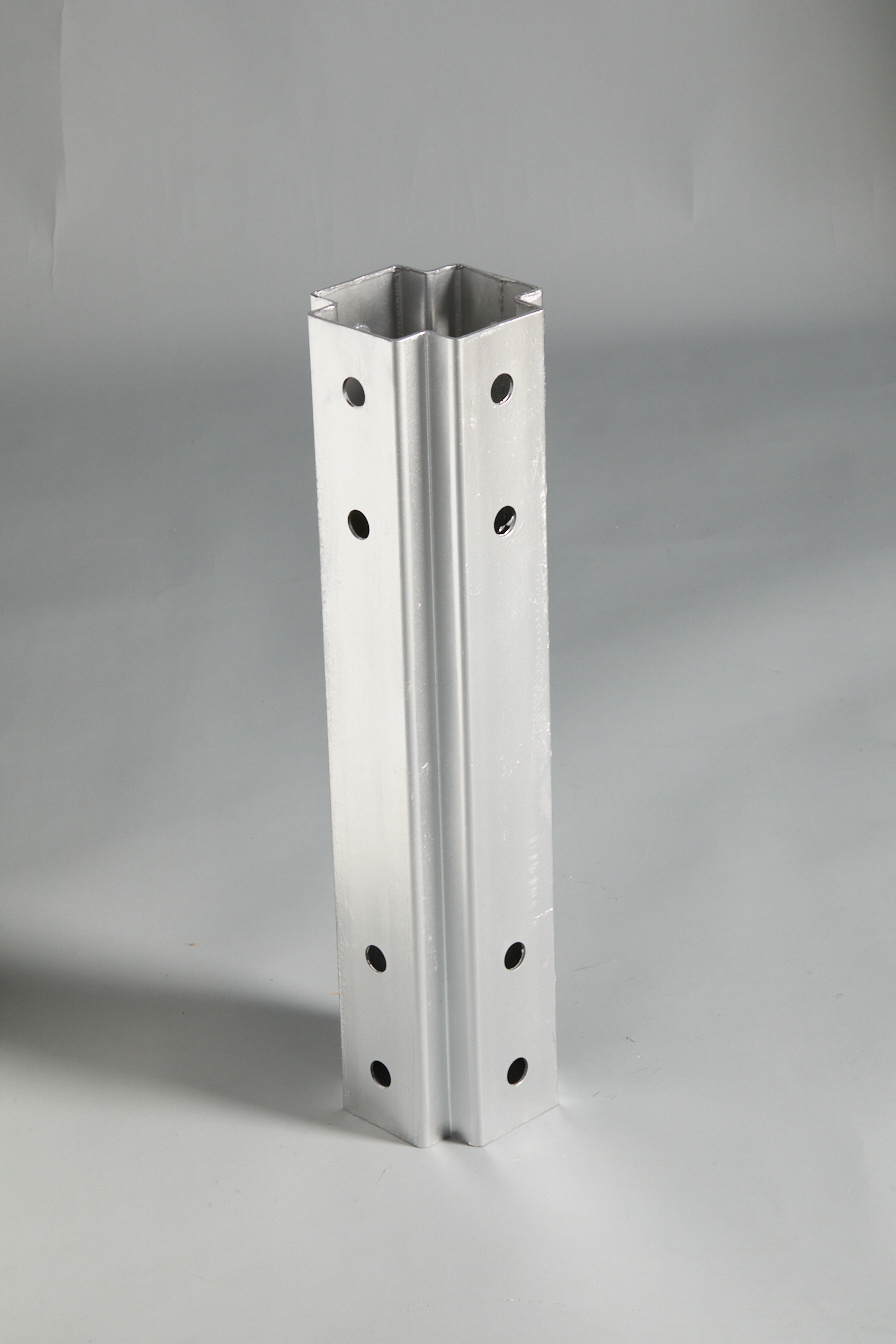
Cross column

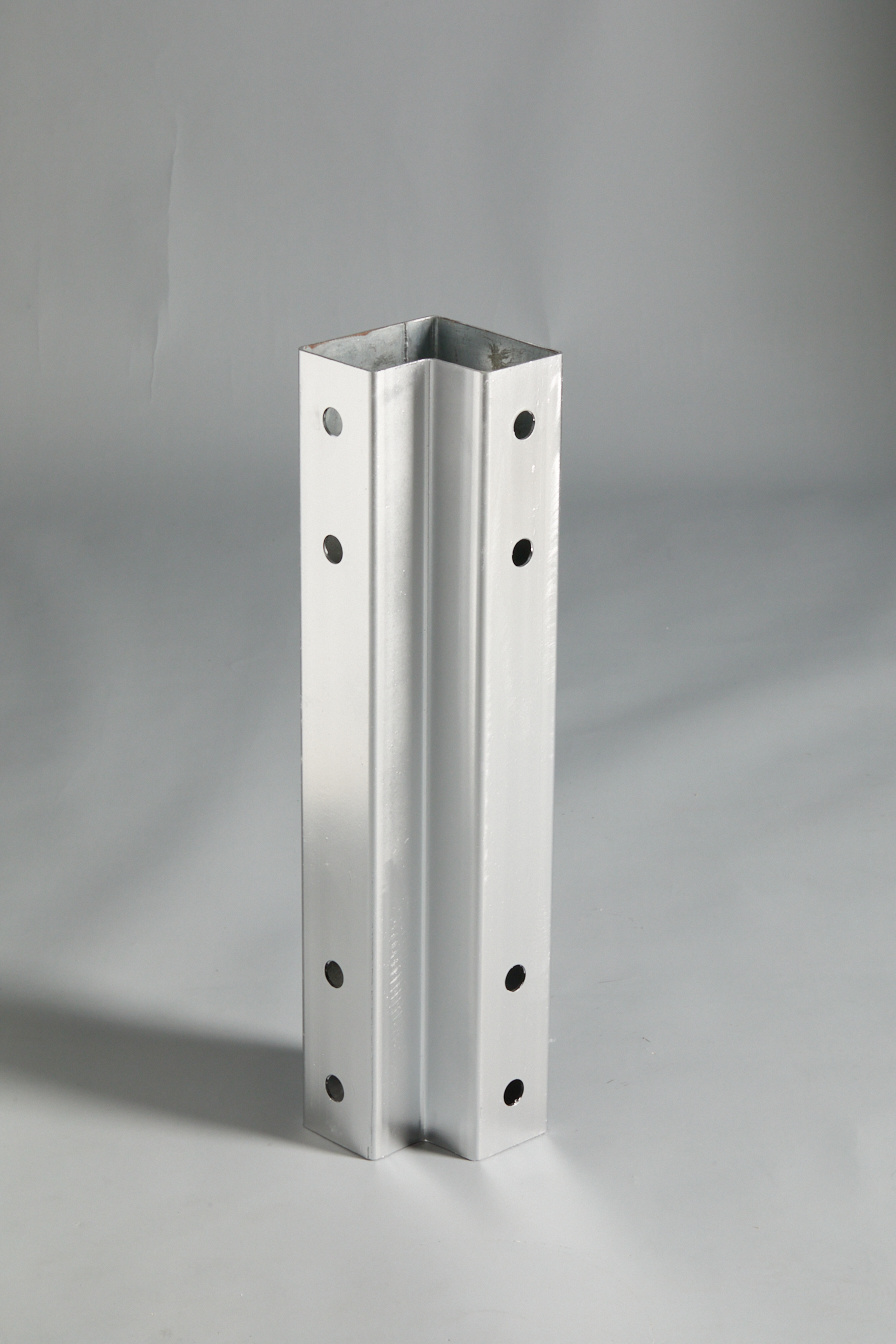
L-shaped column
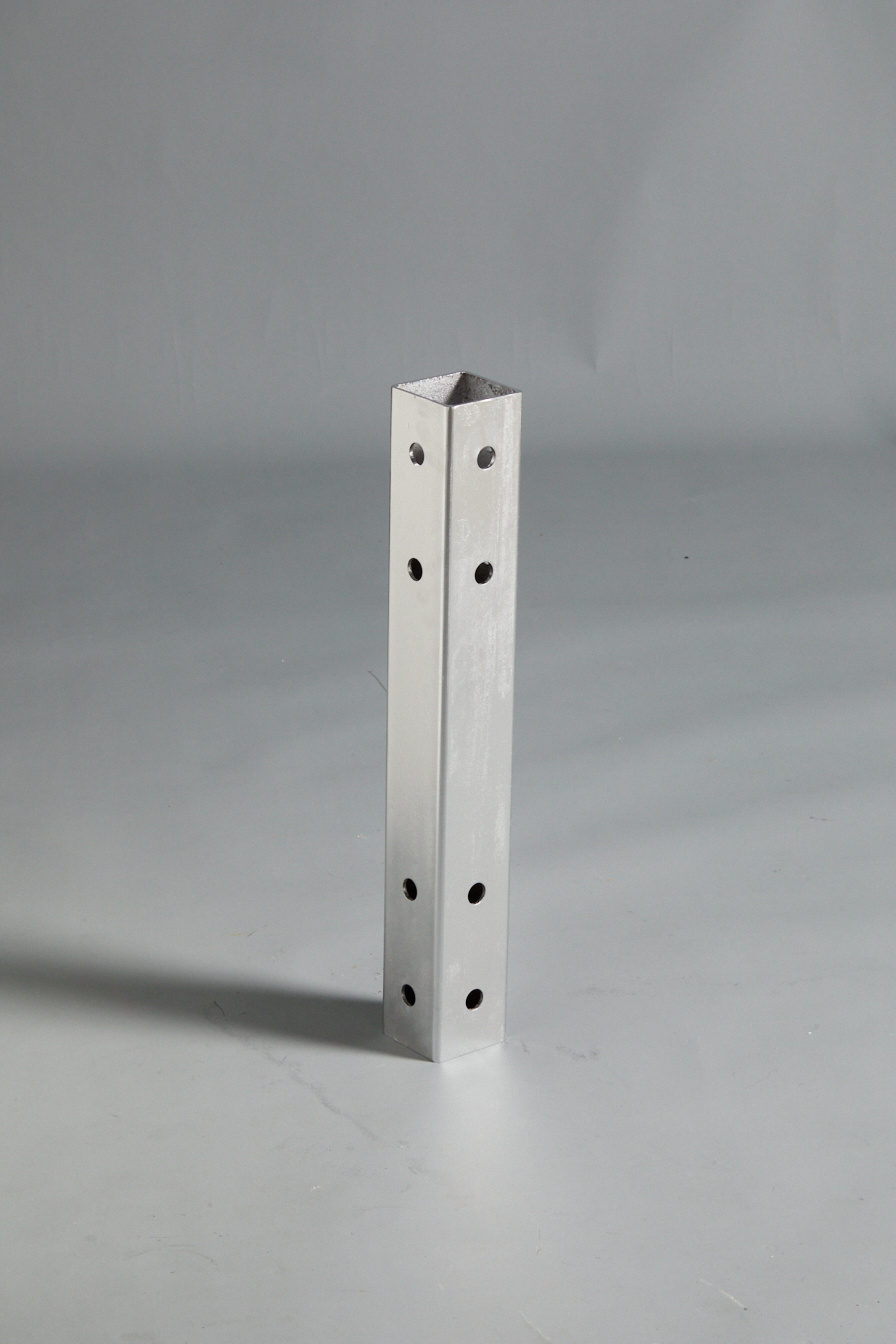
Square tube column

T-shaped column
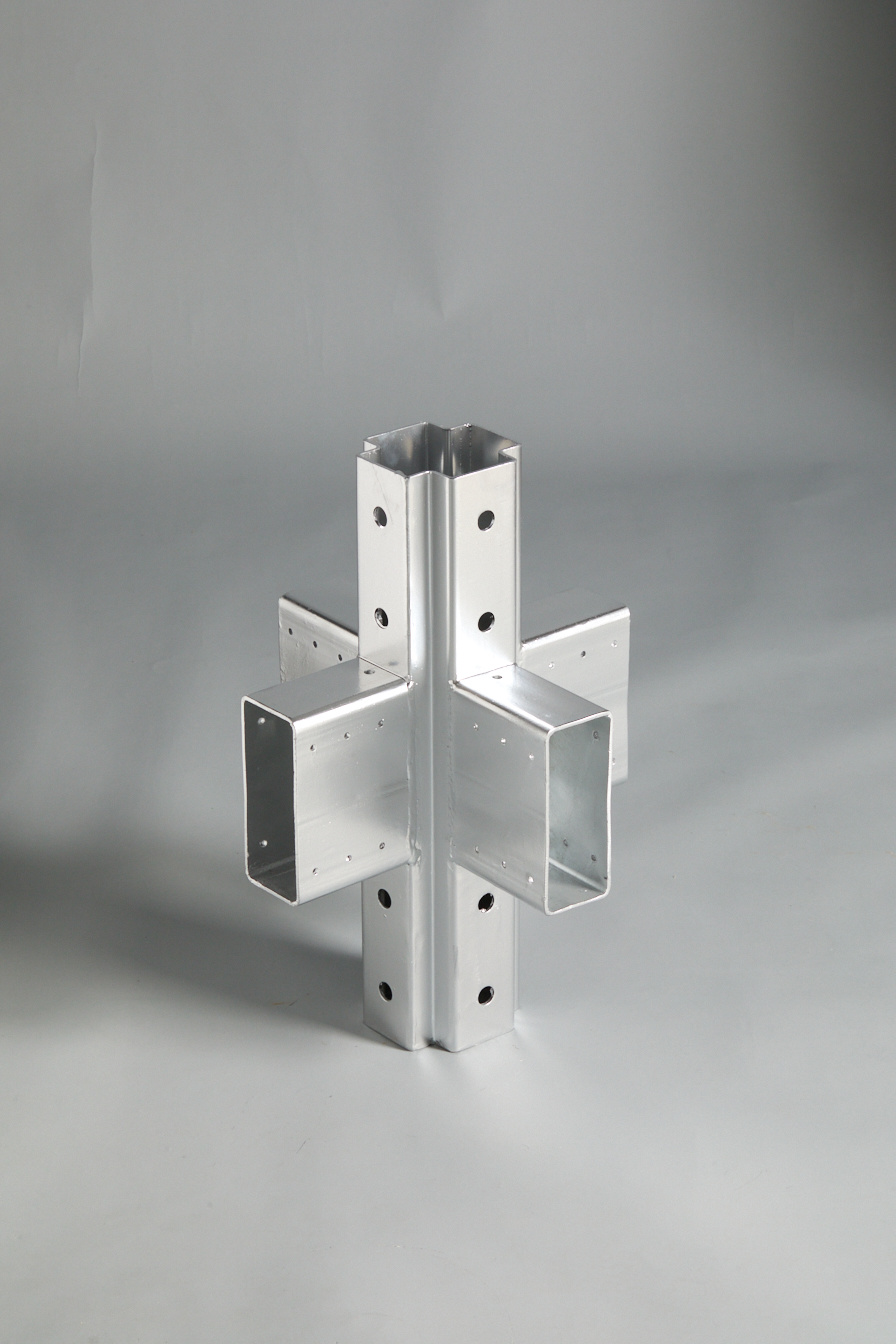
Cross column connector

L-shaped column connector

T-shaped column connector
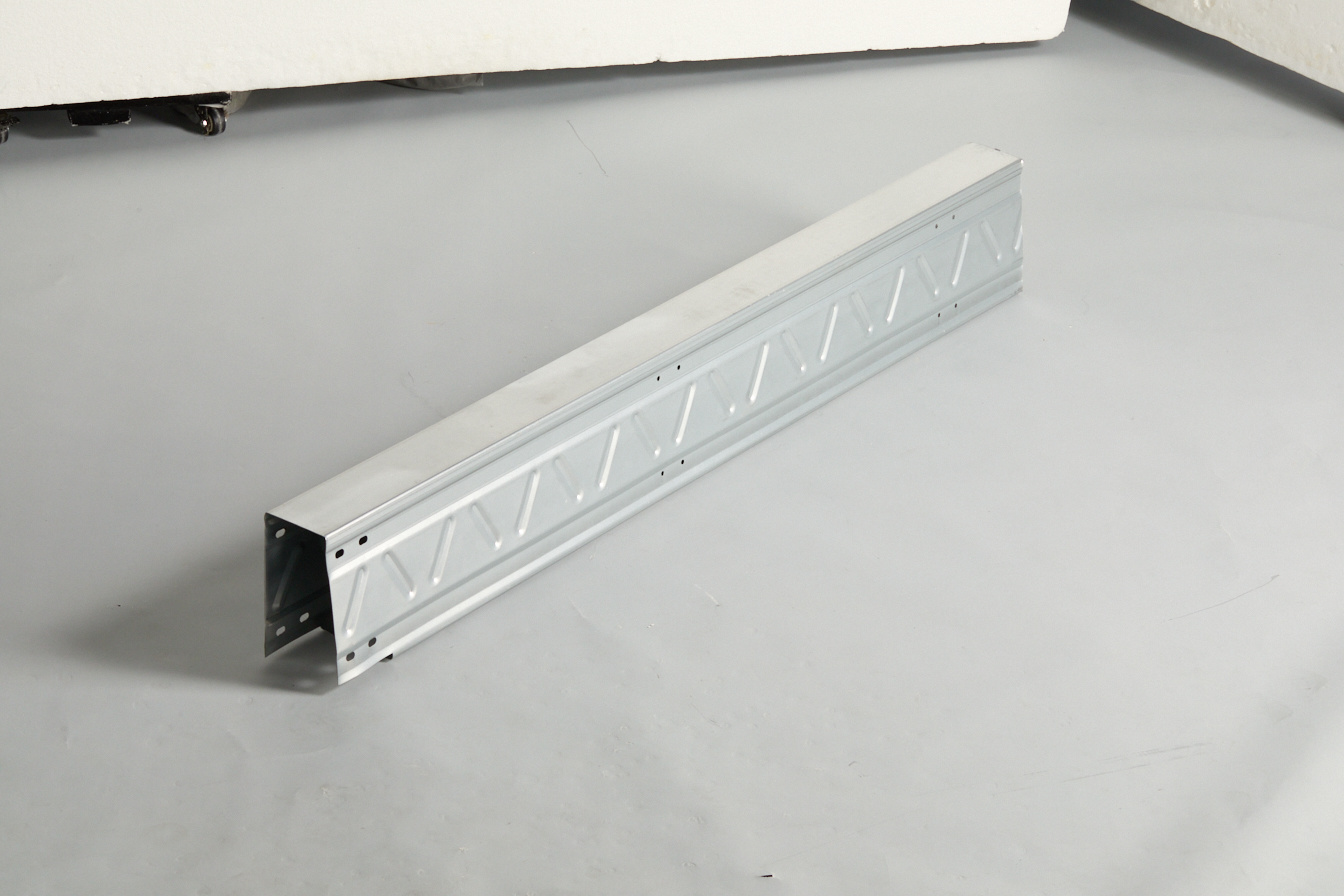
195 inner flipped edge - eight shaped reinforcing rib
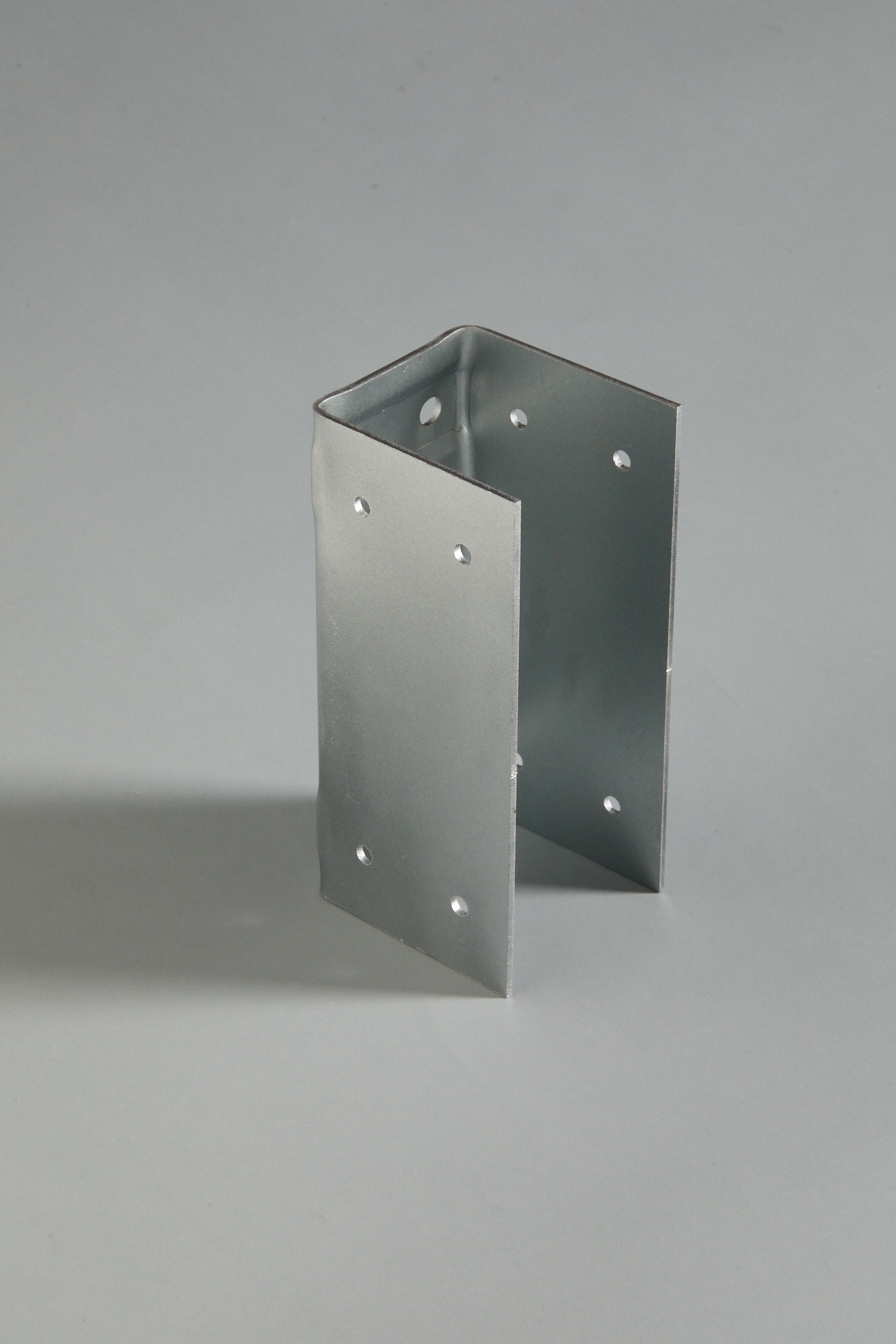
Frame small U connector
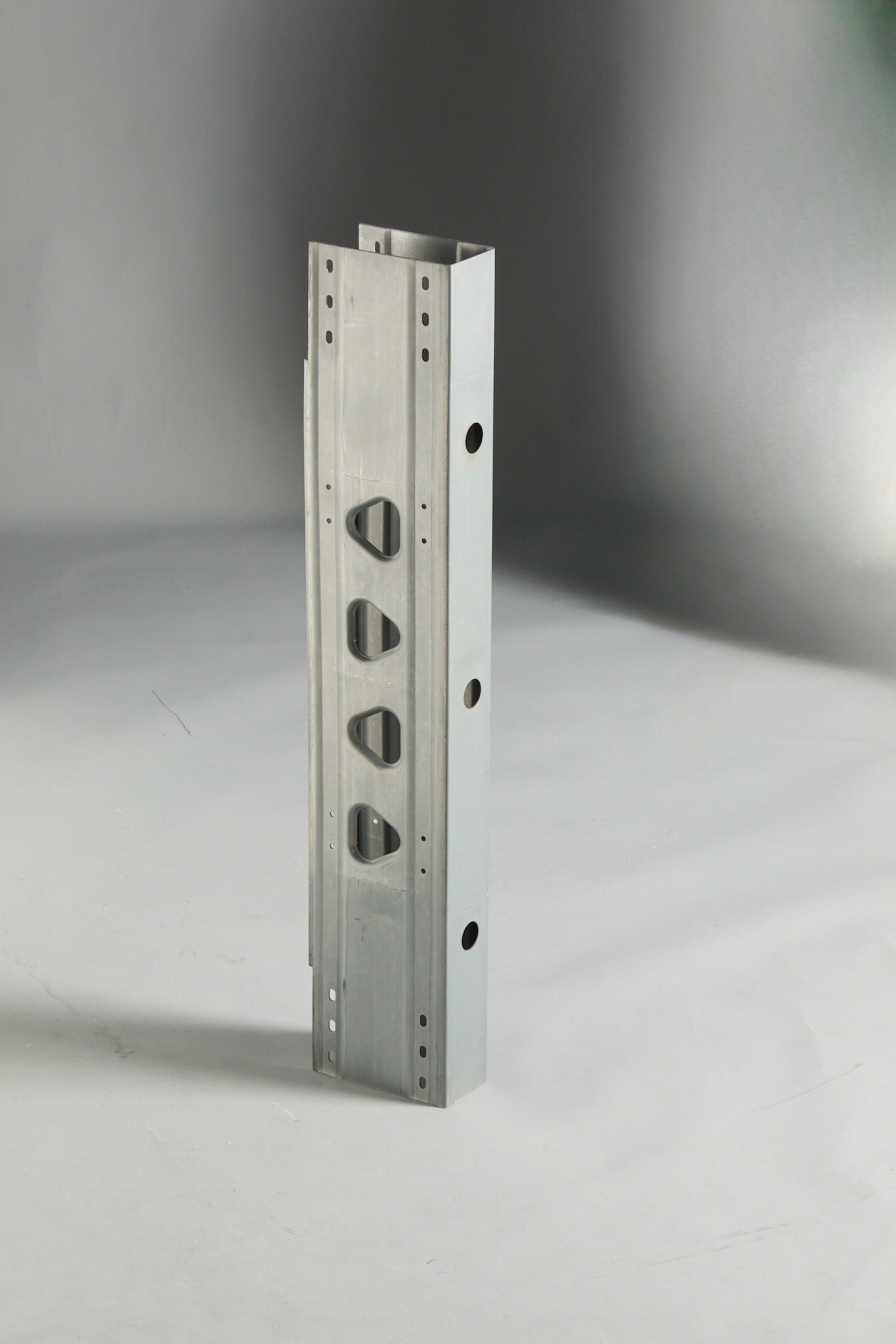
195 Inverted Edge - Triangle Reinforcement
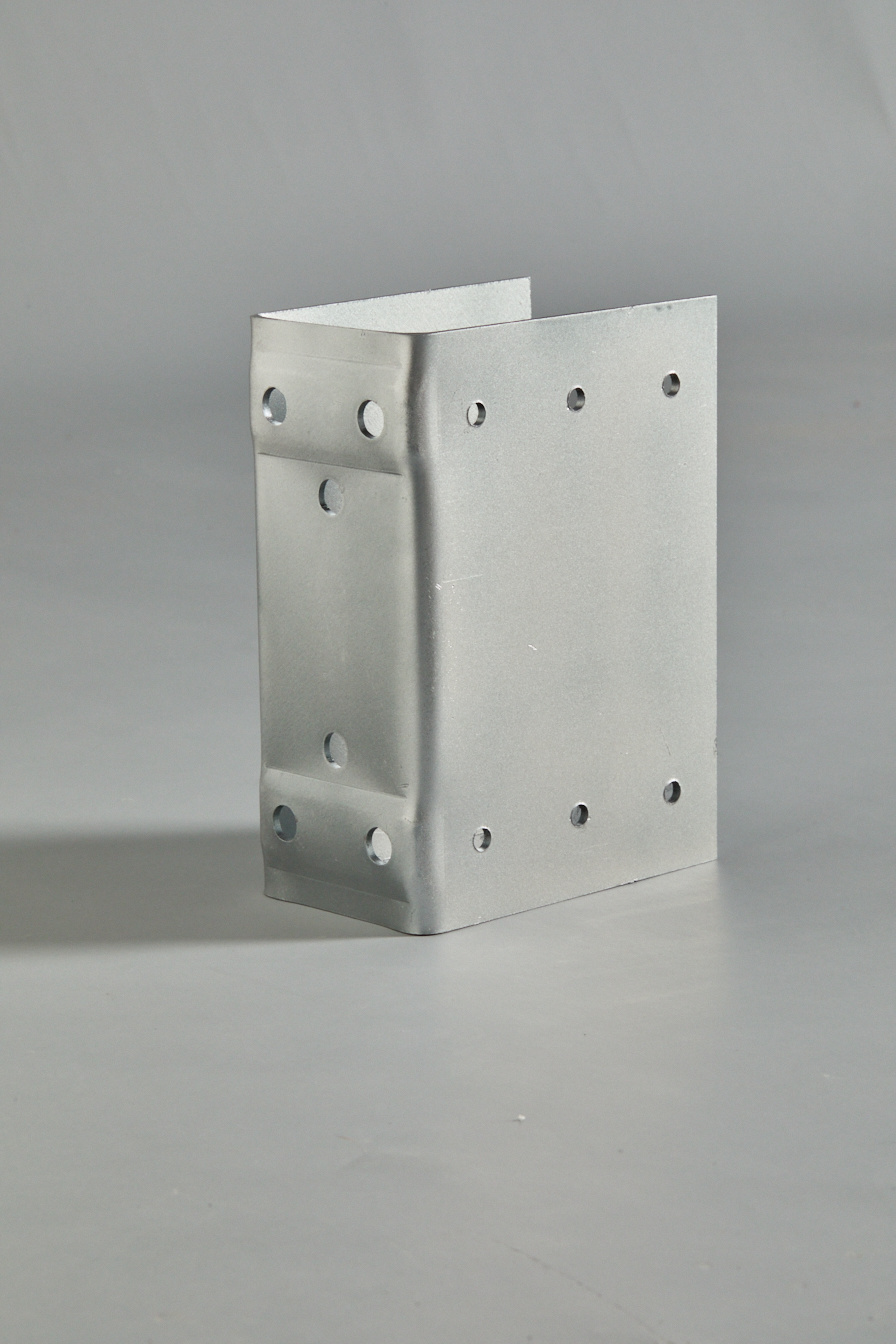
Frame large U connector
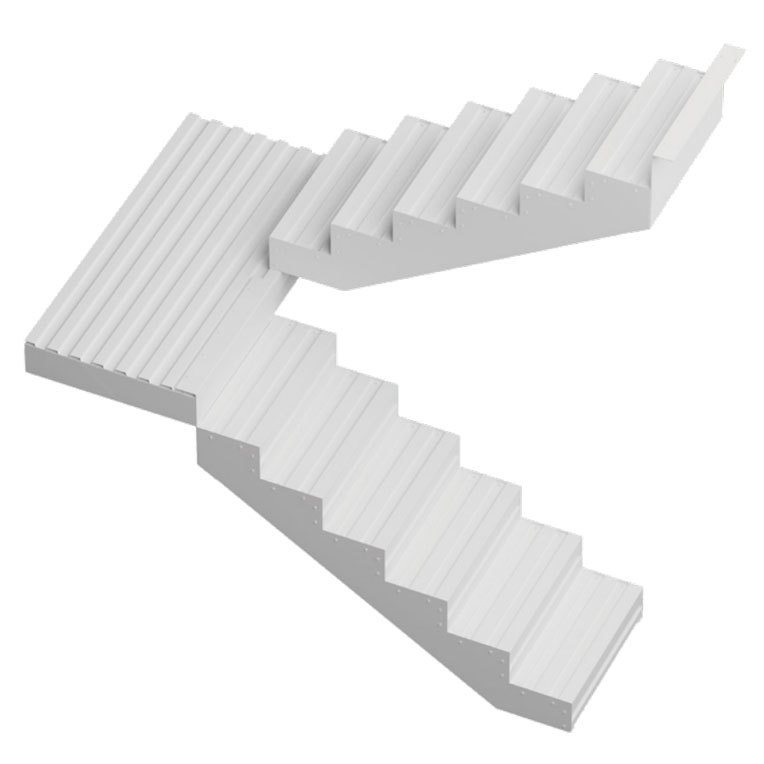
Prefabricated stairs
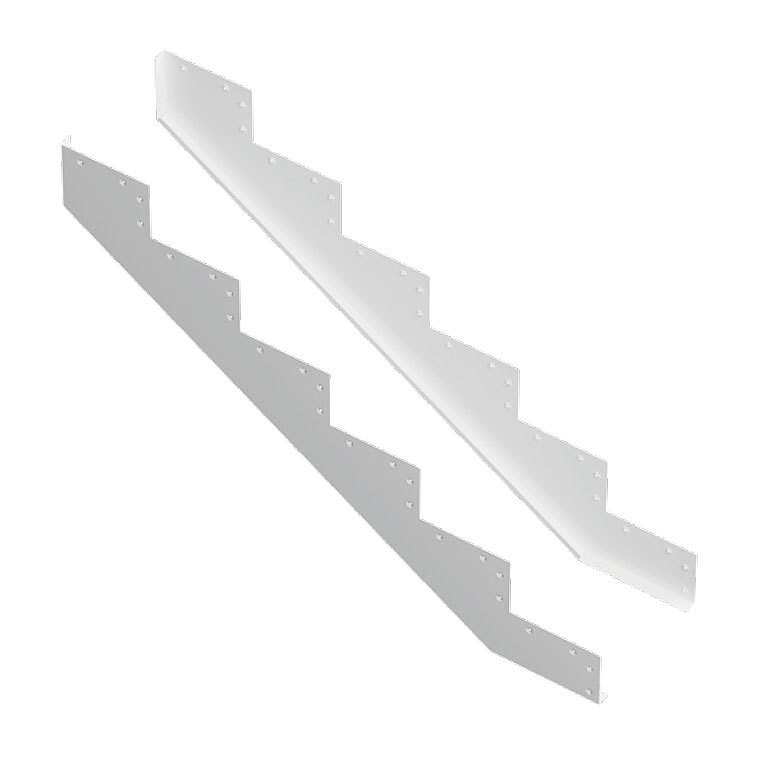
Staircase side panels
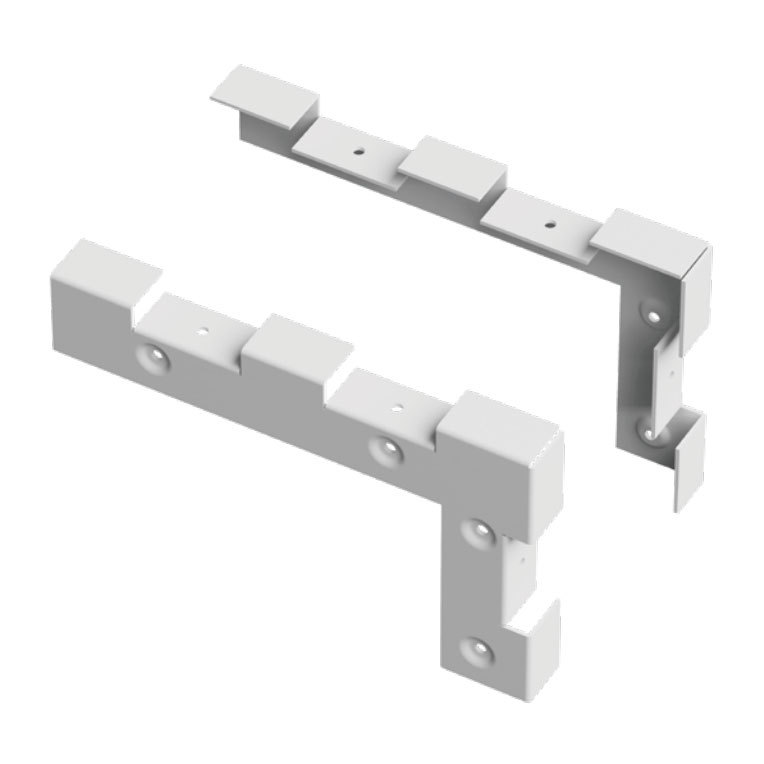
Staircase angle steel
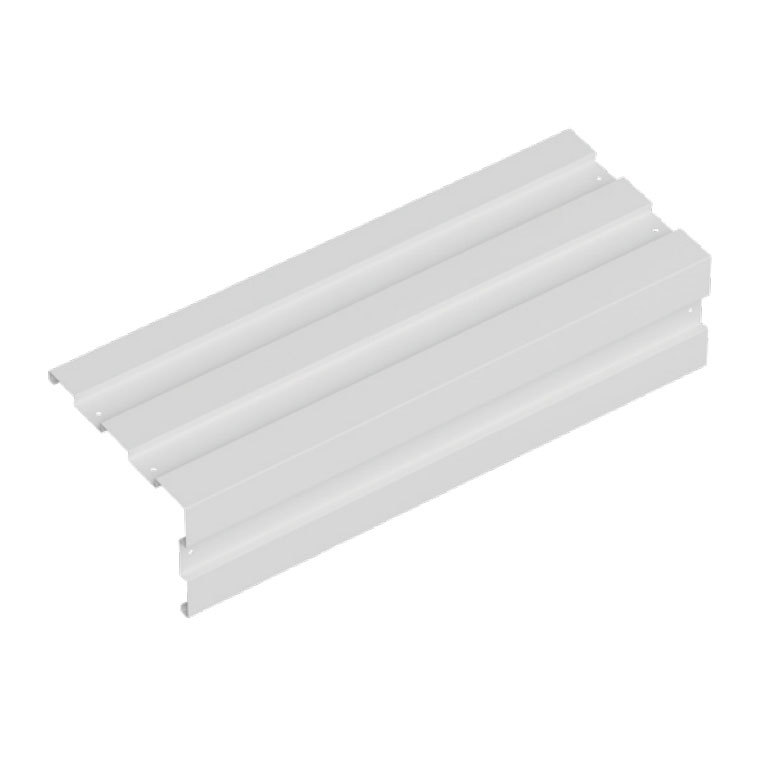
Stair steps
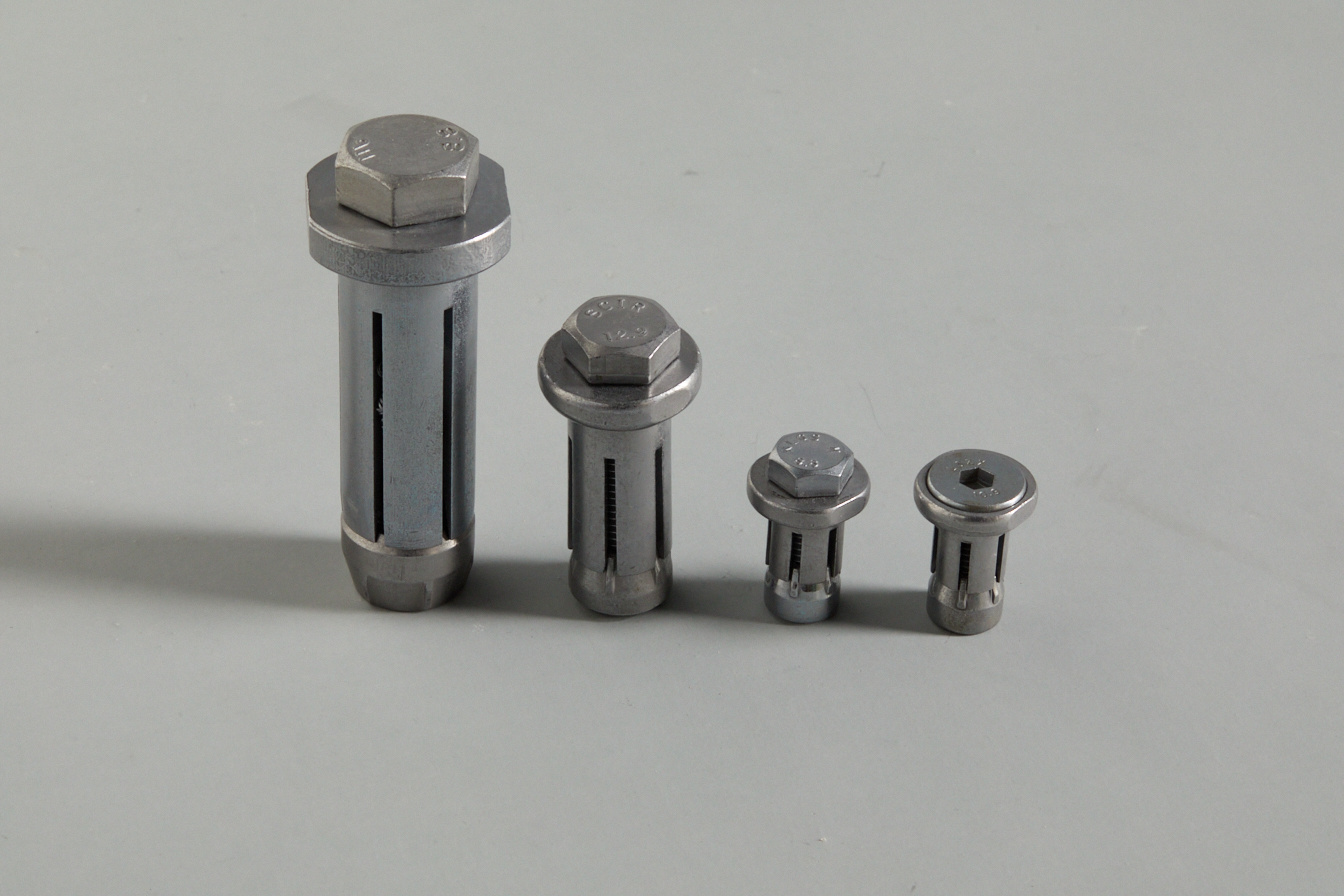
One-Way Bolt
Helical Pile System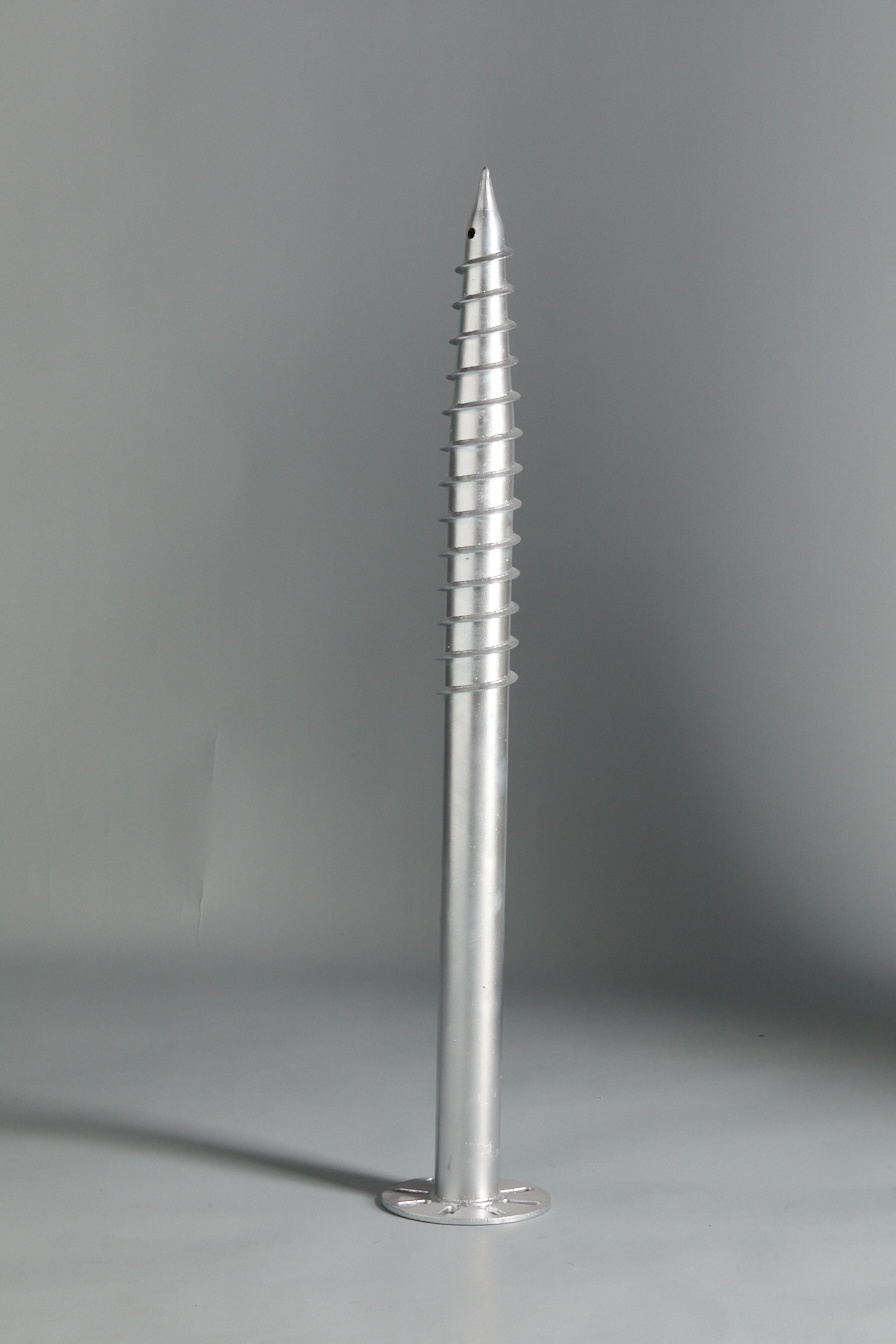
Round Pipe Screw Pile| Reliable Helical Pile Manufacturer| Patented Foundation Solution
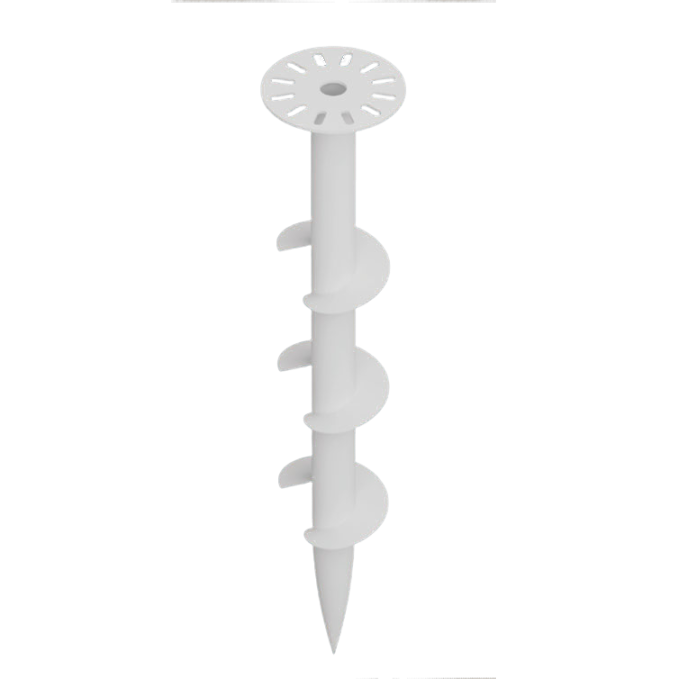
Screw Pile - 3 Blades - Round Pipe Pile
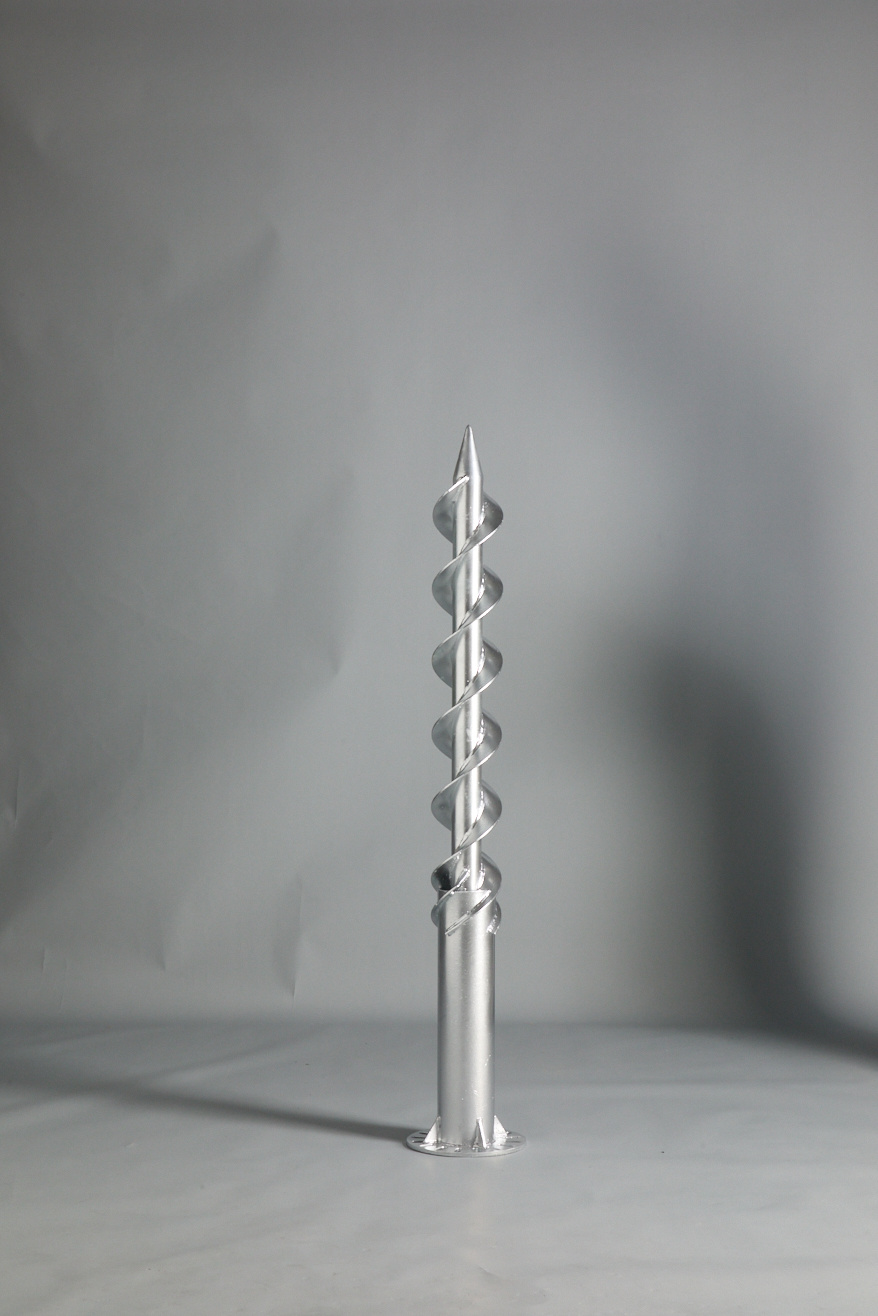
Double-Helix Screw Pile | Patented Foundation Solution
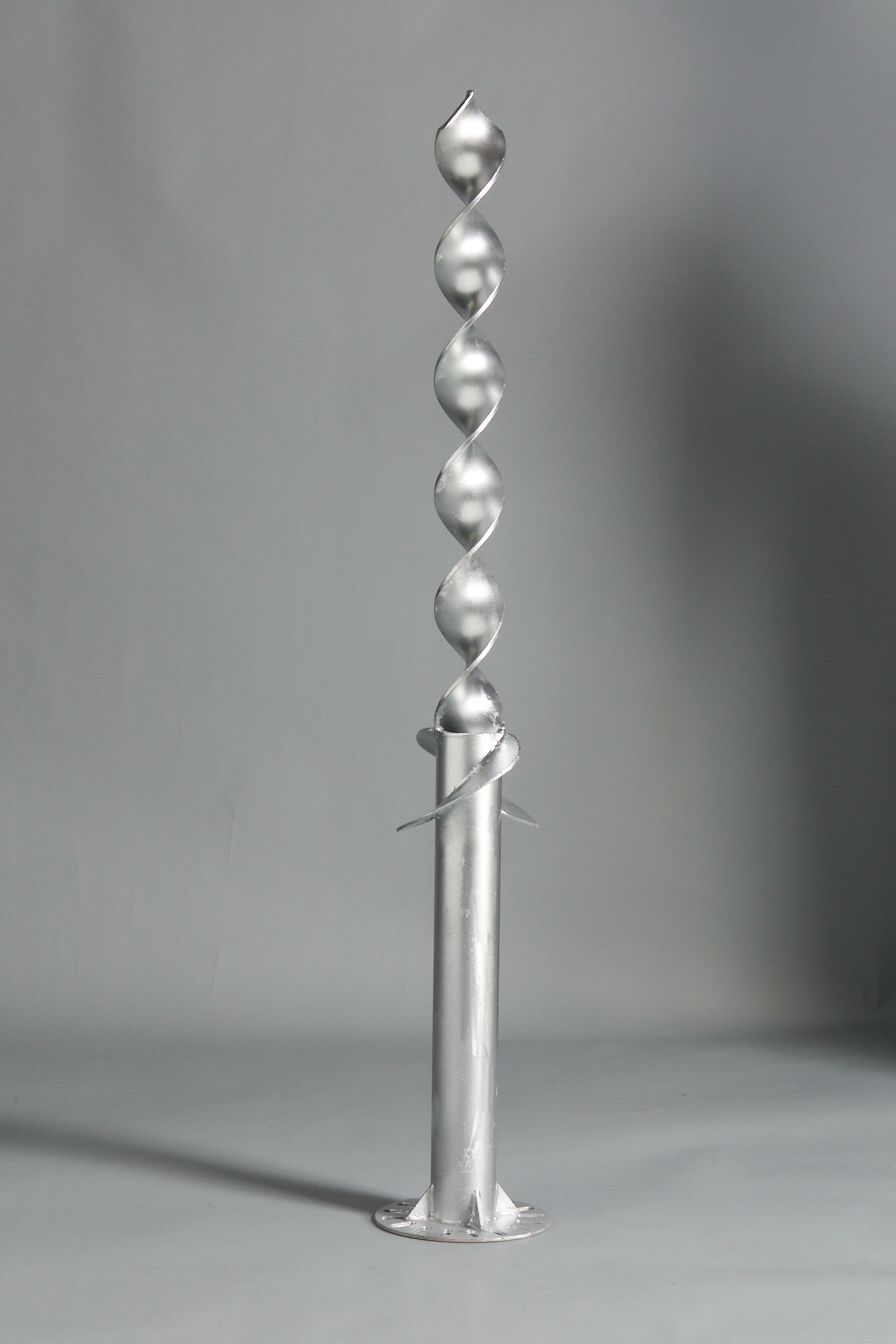
Screw Pile - Large Blade Flat Steel Pile
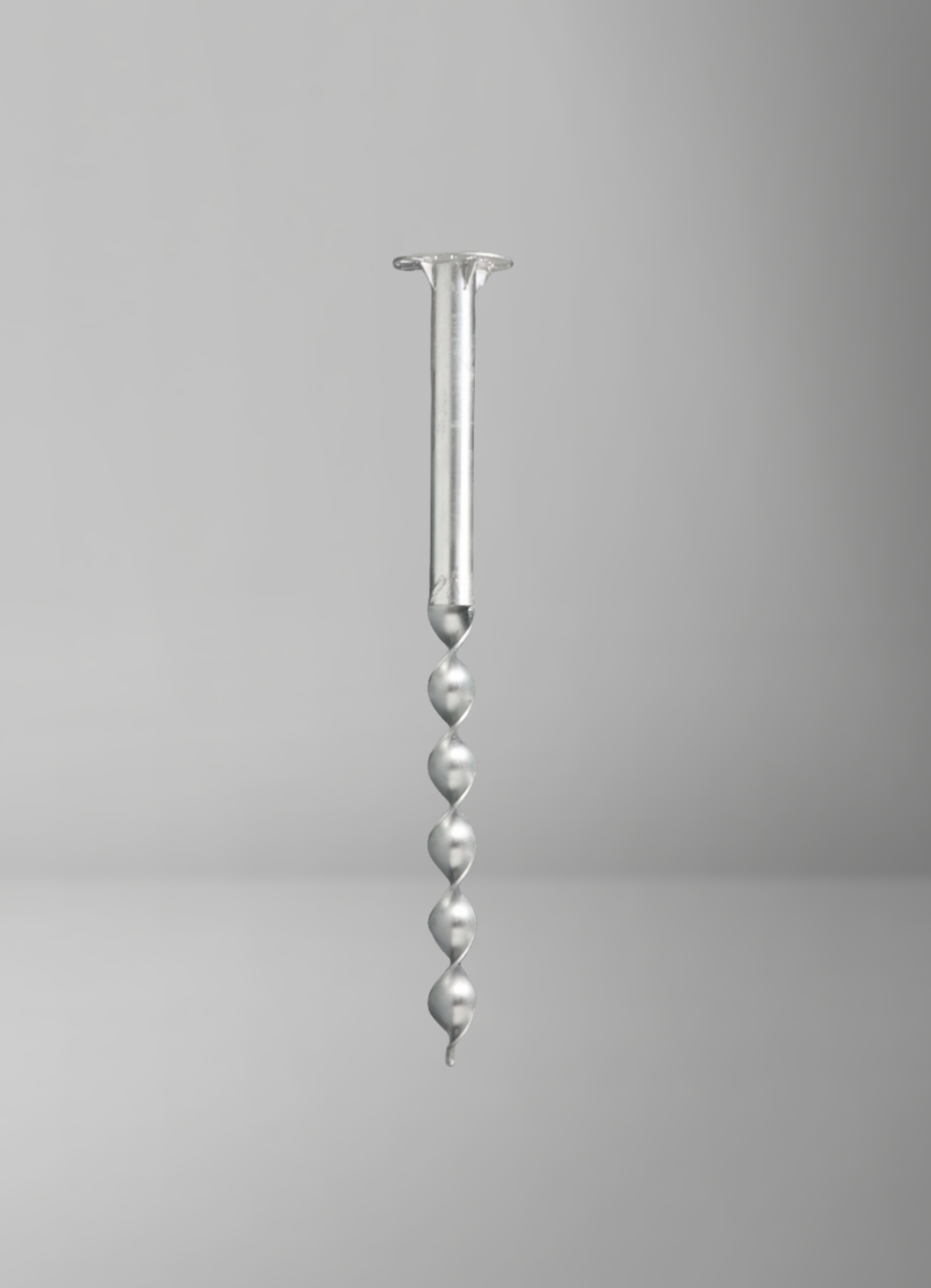
Flat Steel Screw Pile| Reliable Helical Pile Manufacturer| Patented Foundation Solution
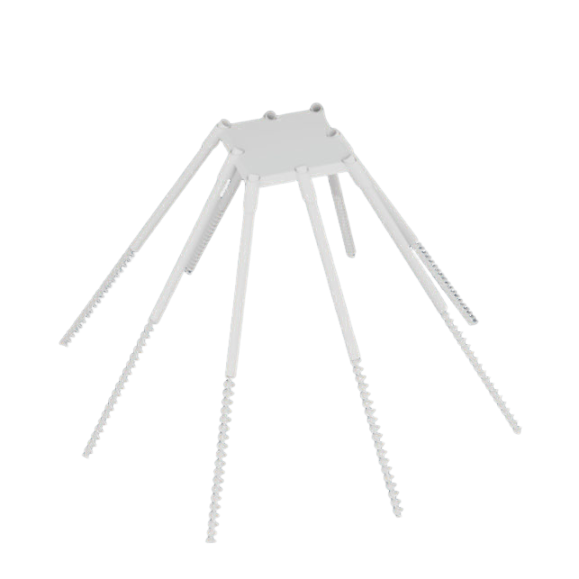
Eight-Pile Group Screw Piles| Reliable Helical Pile Manufacturer| Patented Foundation Solution
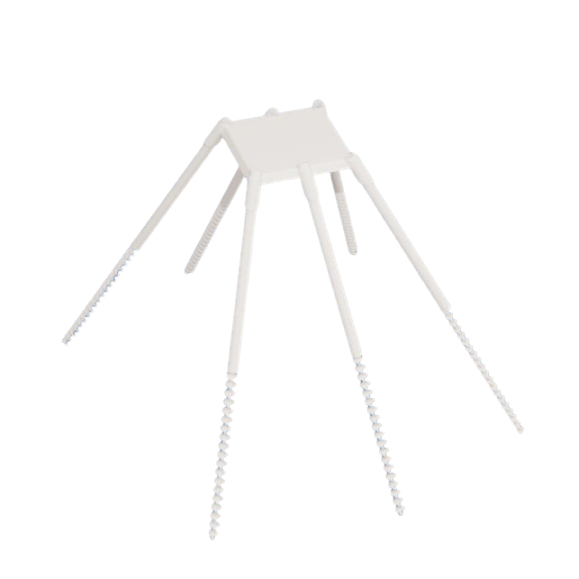
Six-Pile Group Screw Piles| Reliable Helical Pile Manufacturer| Patented Foundation Solution
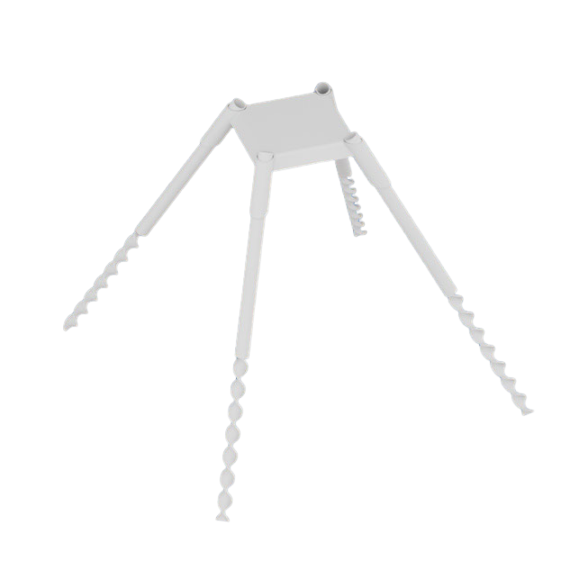
Four-Pile Group Screw Piles| Reliable Helical Pile Manufacturer| Patented Foundation Solution
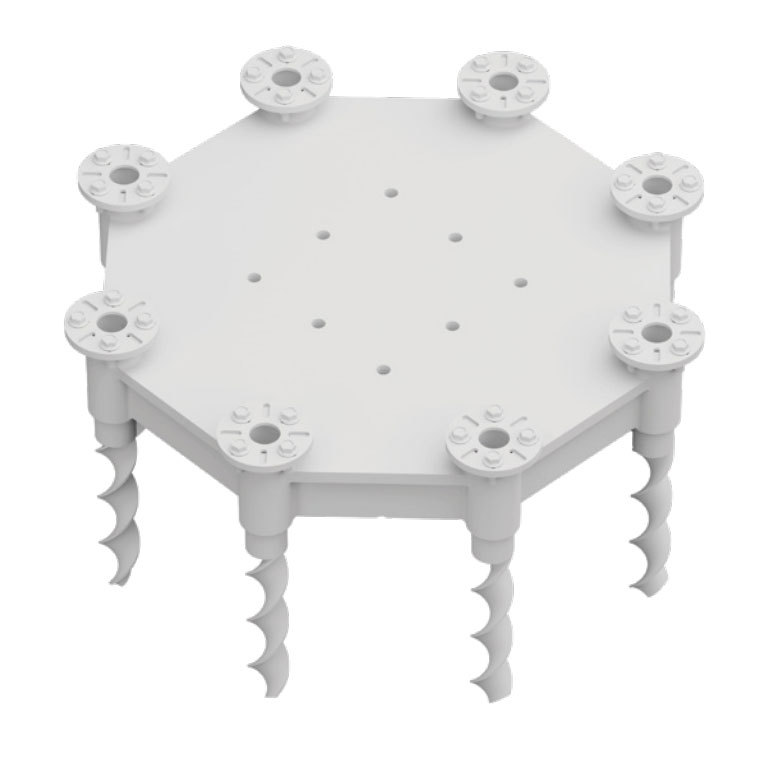
Eight-Pile Cap Screw Pile | Reliable Helical Pile Manufacturer| Patented Foundation Solution
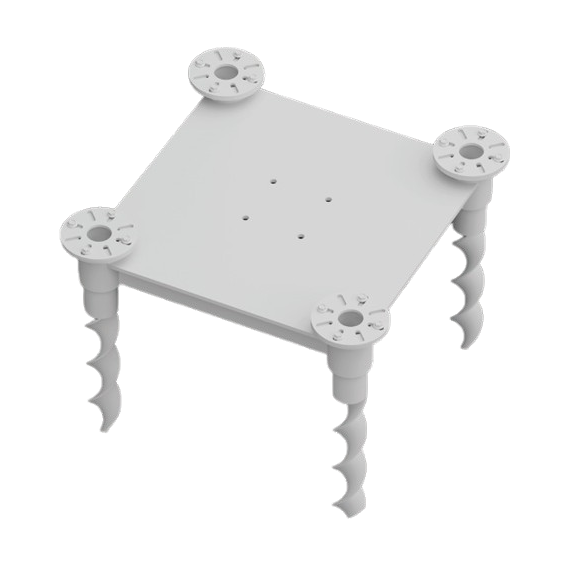
Four-Pile Cap Screw Pile | Reliable Helical Pile Manufacturer| Patented Foundation Solution
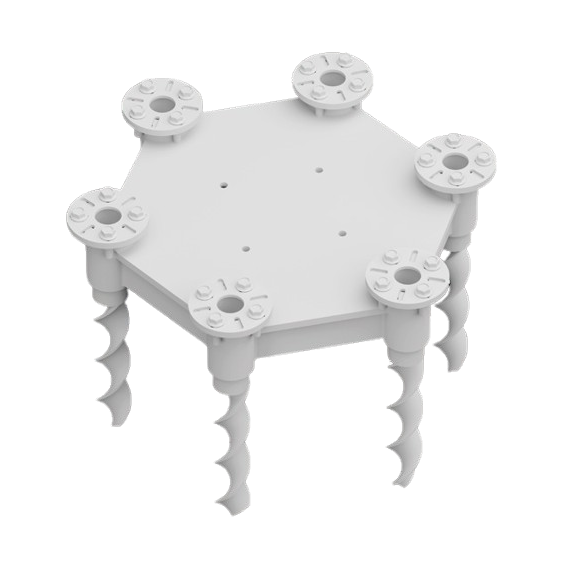
Six-Pile Cap Screw Pile | Reliable Helical Pile Manufacturer| Patented Foundation Solution
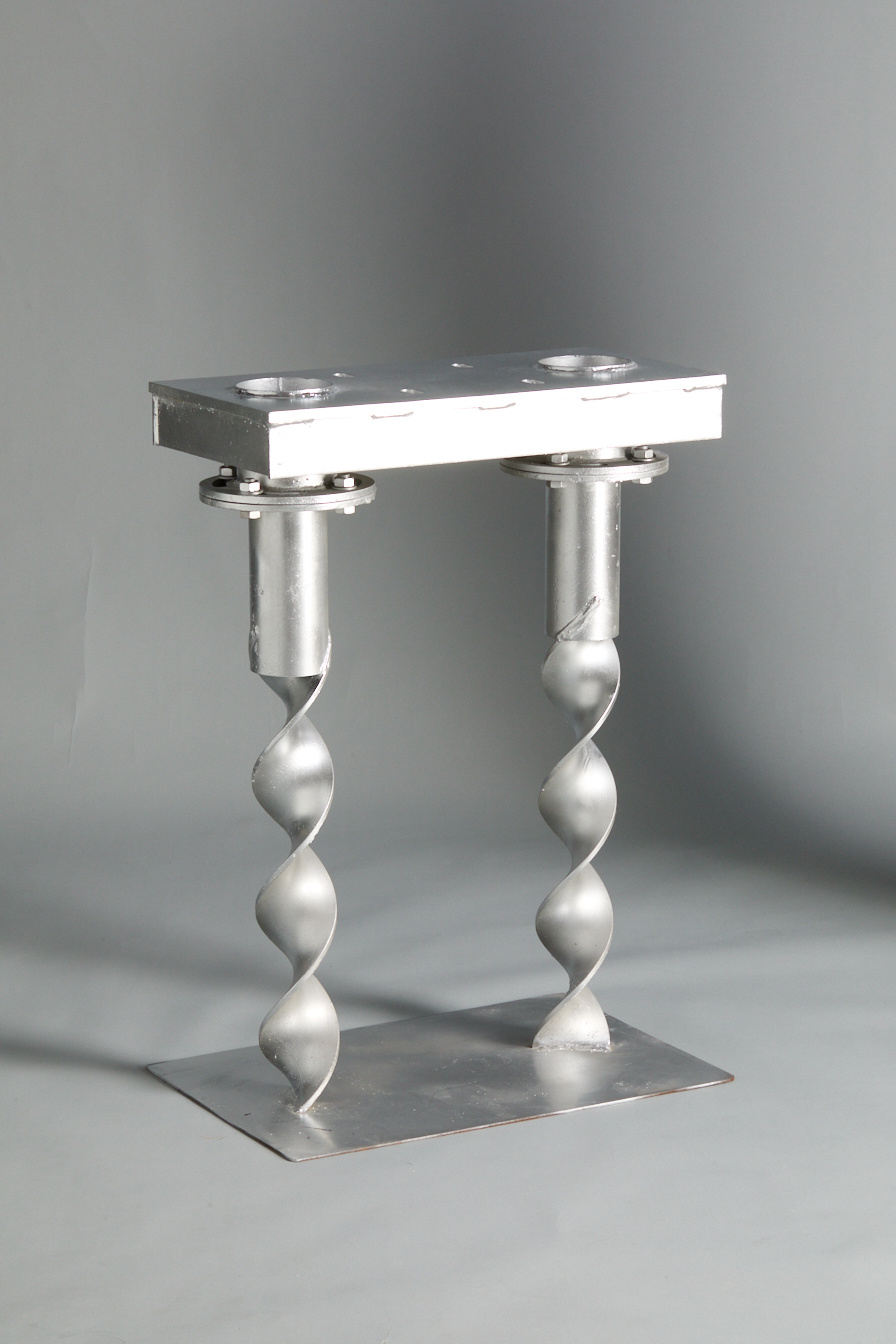
Two-Pile Cap Screw Pile | Reliable Helical Pile Manufacturer| Patented Foundation Solution
Steel Platform System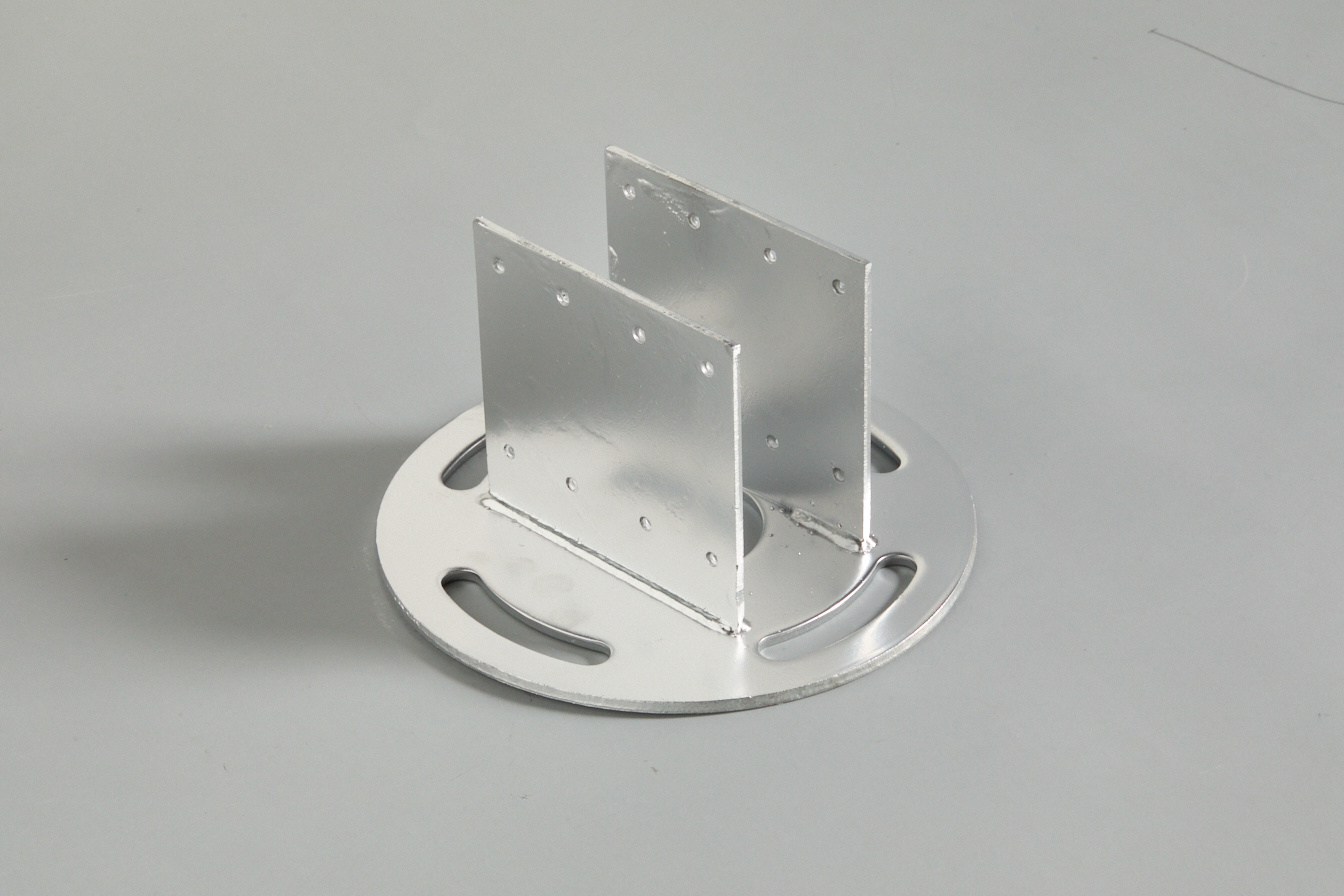
Spiral pile connectors
Small U connector
Large U connector
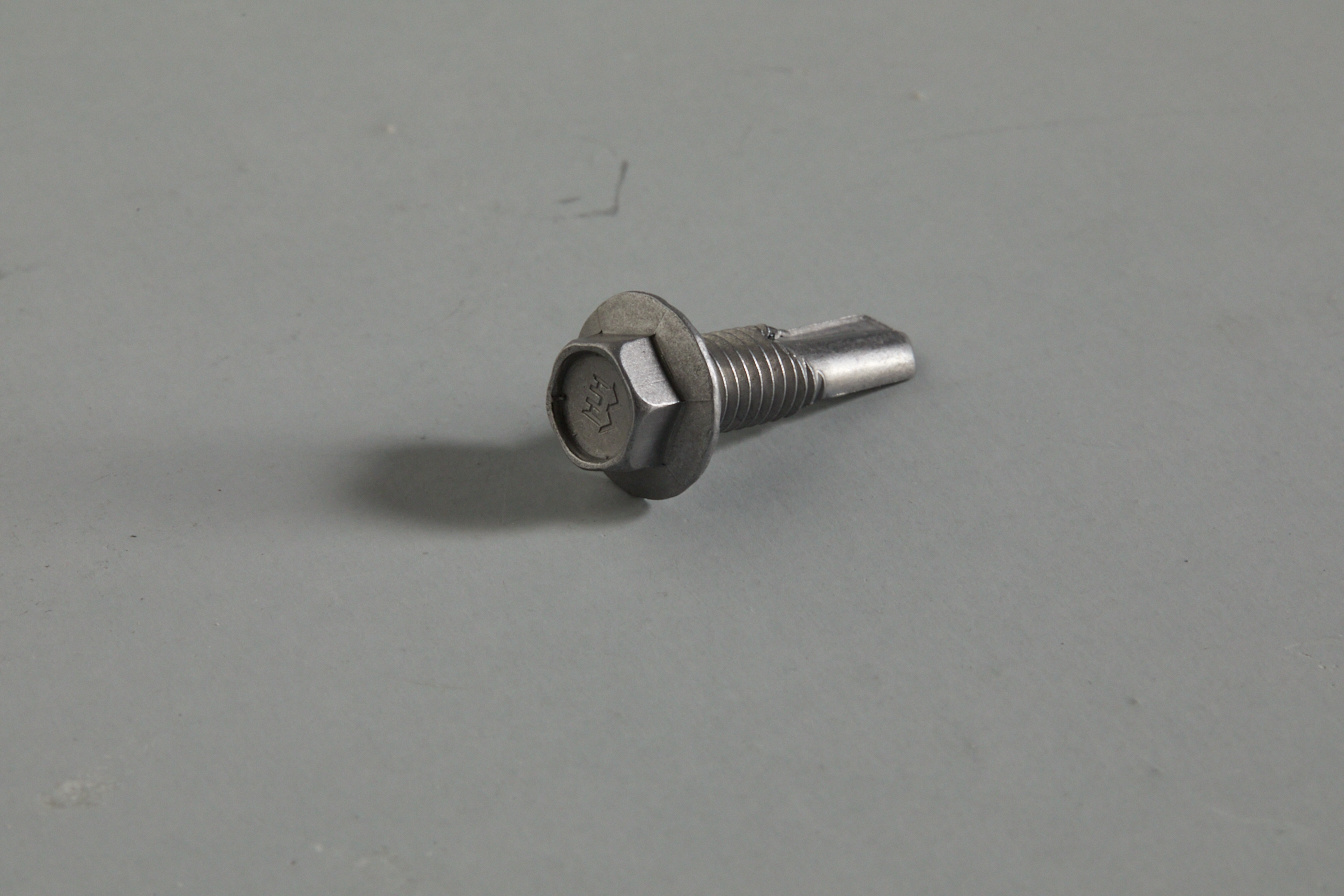
Hexagonal flange self drilling and self tapping screws
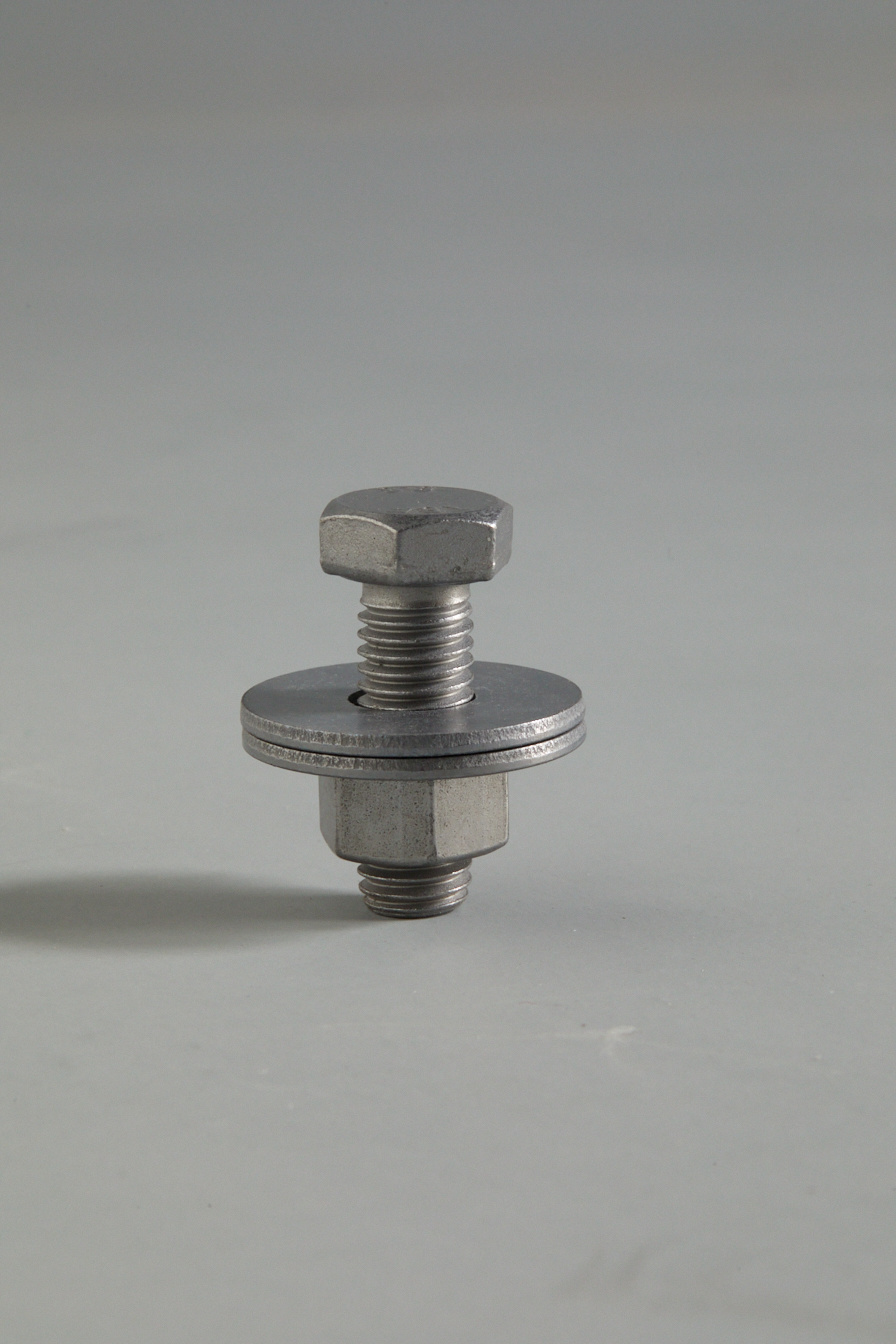
Tightening Bolts
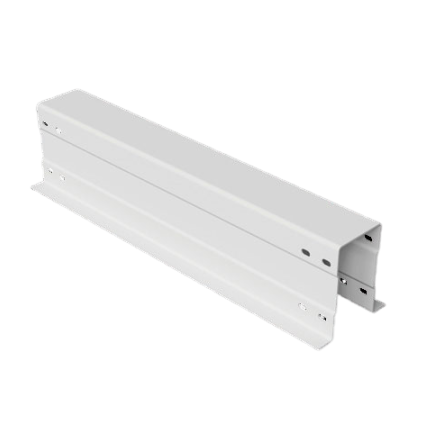
Secondary Beam
Steel Platform - Main Beam
Modular building
Modular building
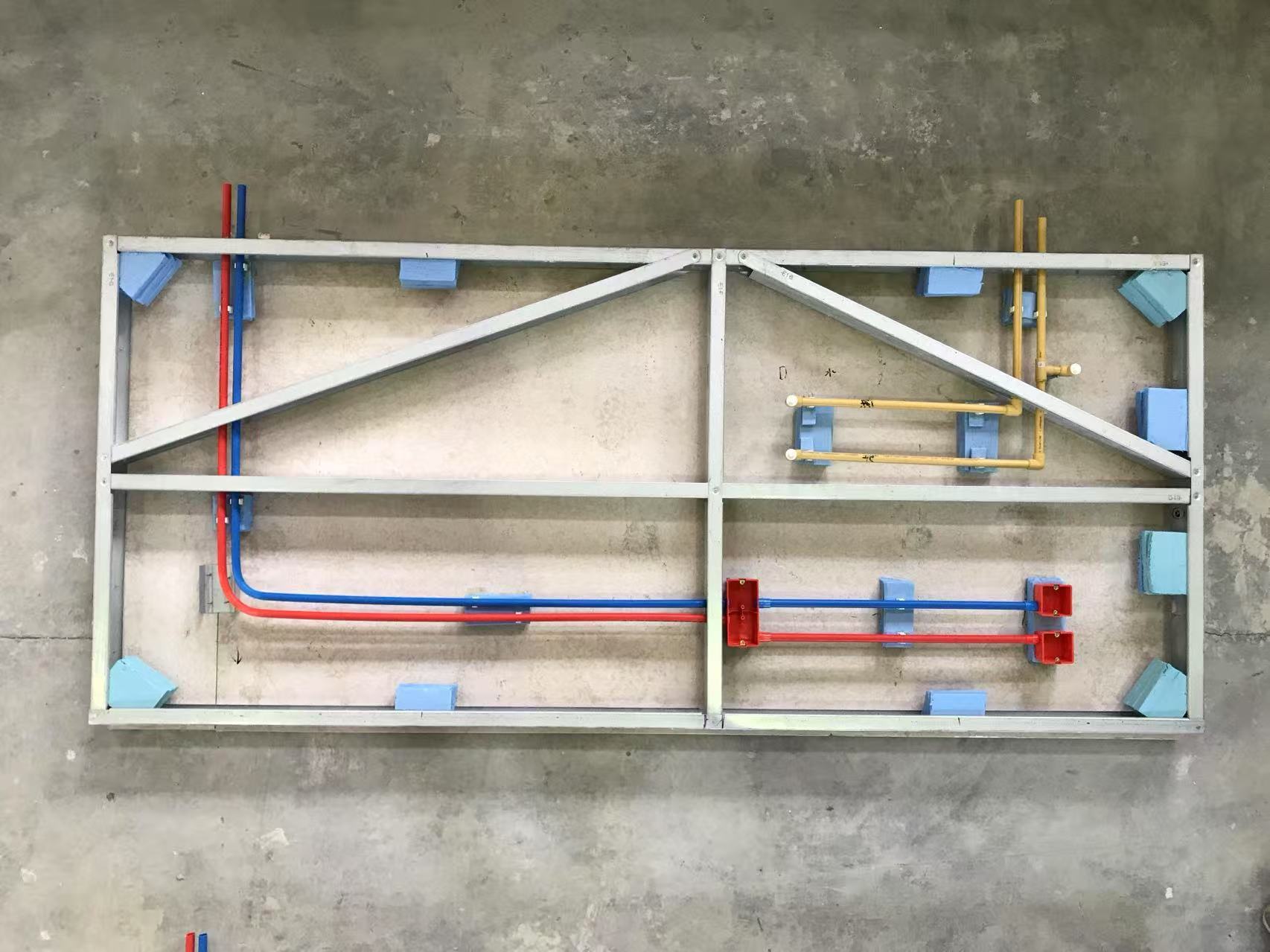
Layout Diagram of Electrical and Plumbing Pipelines for Magnesium-Based Grouted Walls

Performance Testing of Magnesium-Based Walls
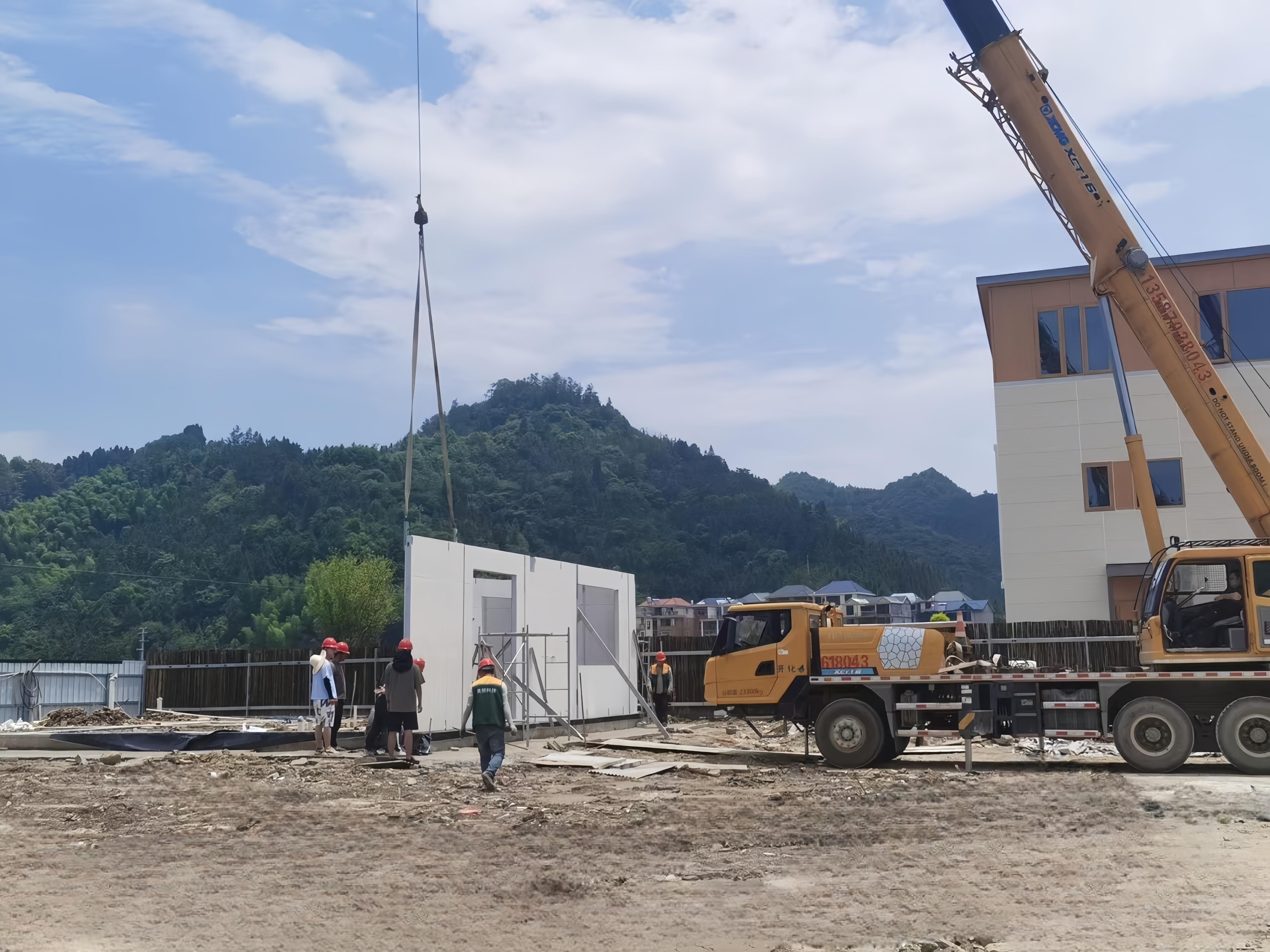
Construction Process of Modular Walls

Cases of Modular Buildings
Bracket Roof Integrated Panel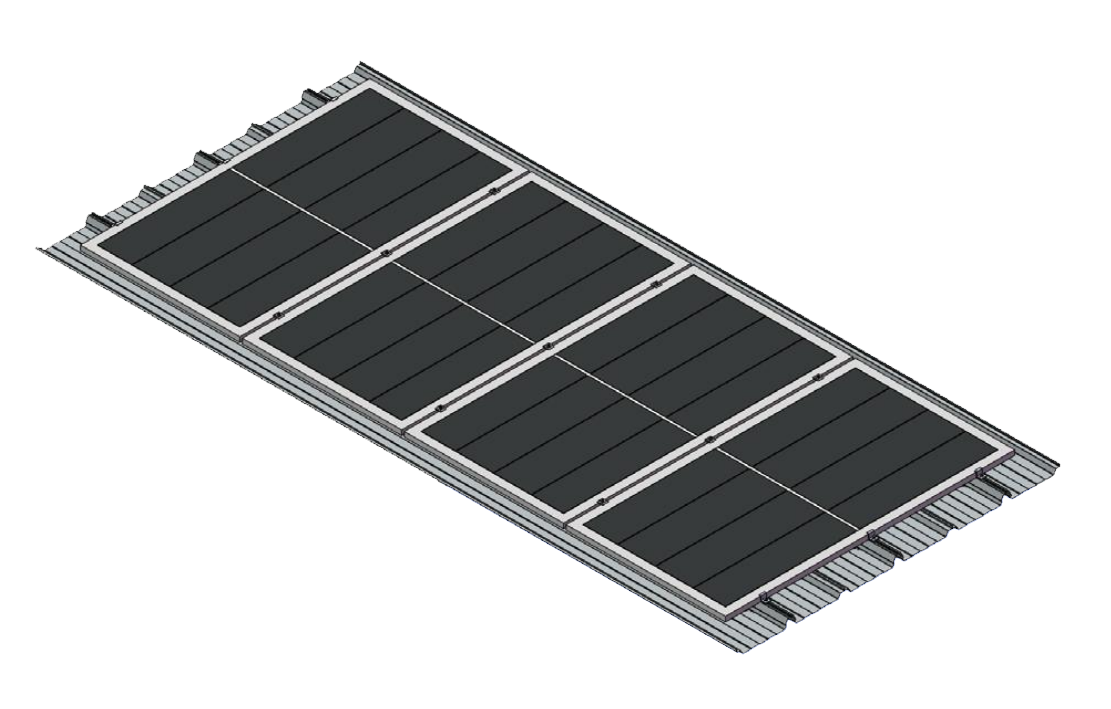
BIPV Bracket Roof Integrated Panel
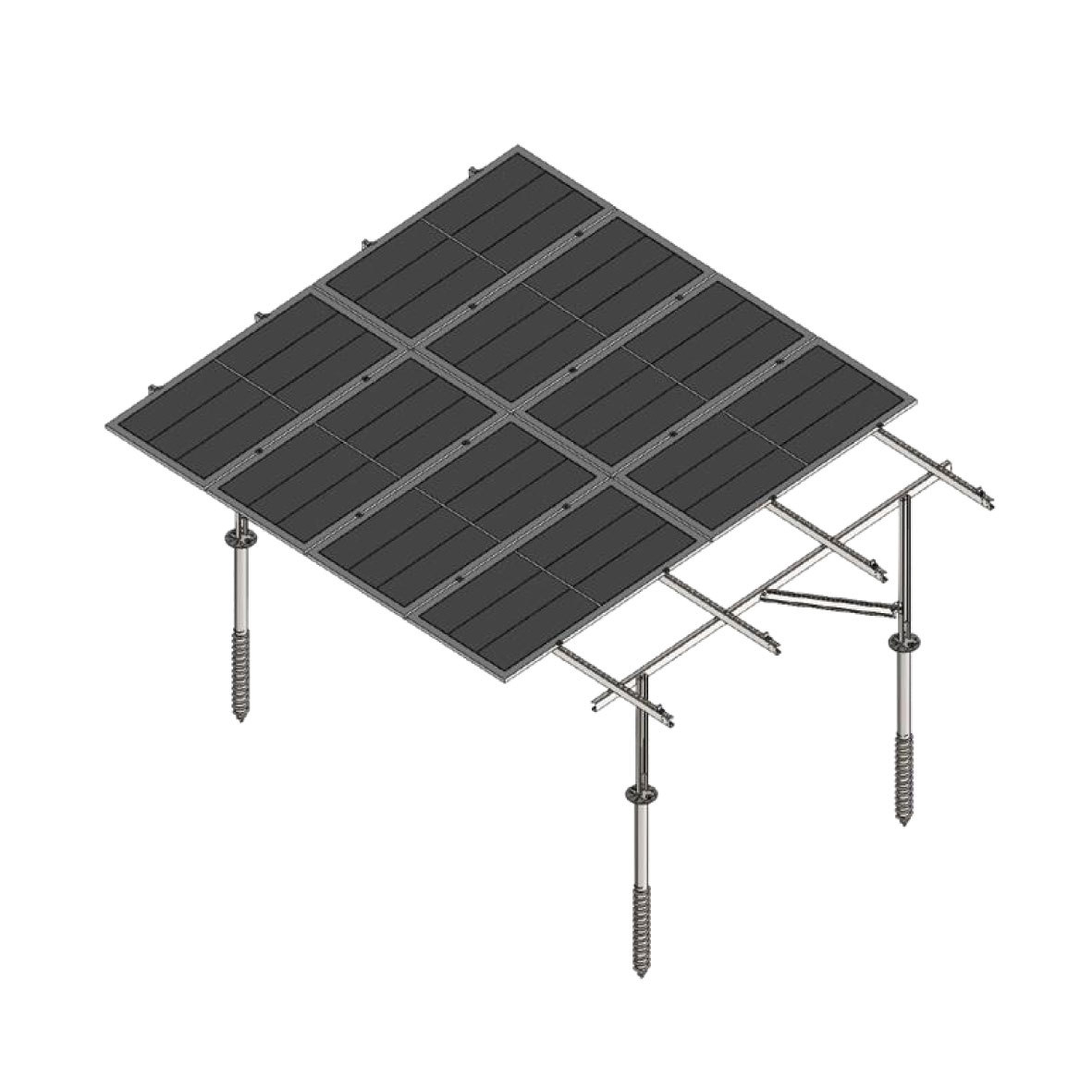
ZINC Aluminum Magnesium Double Leg Bracket
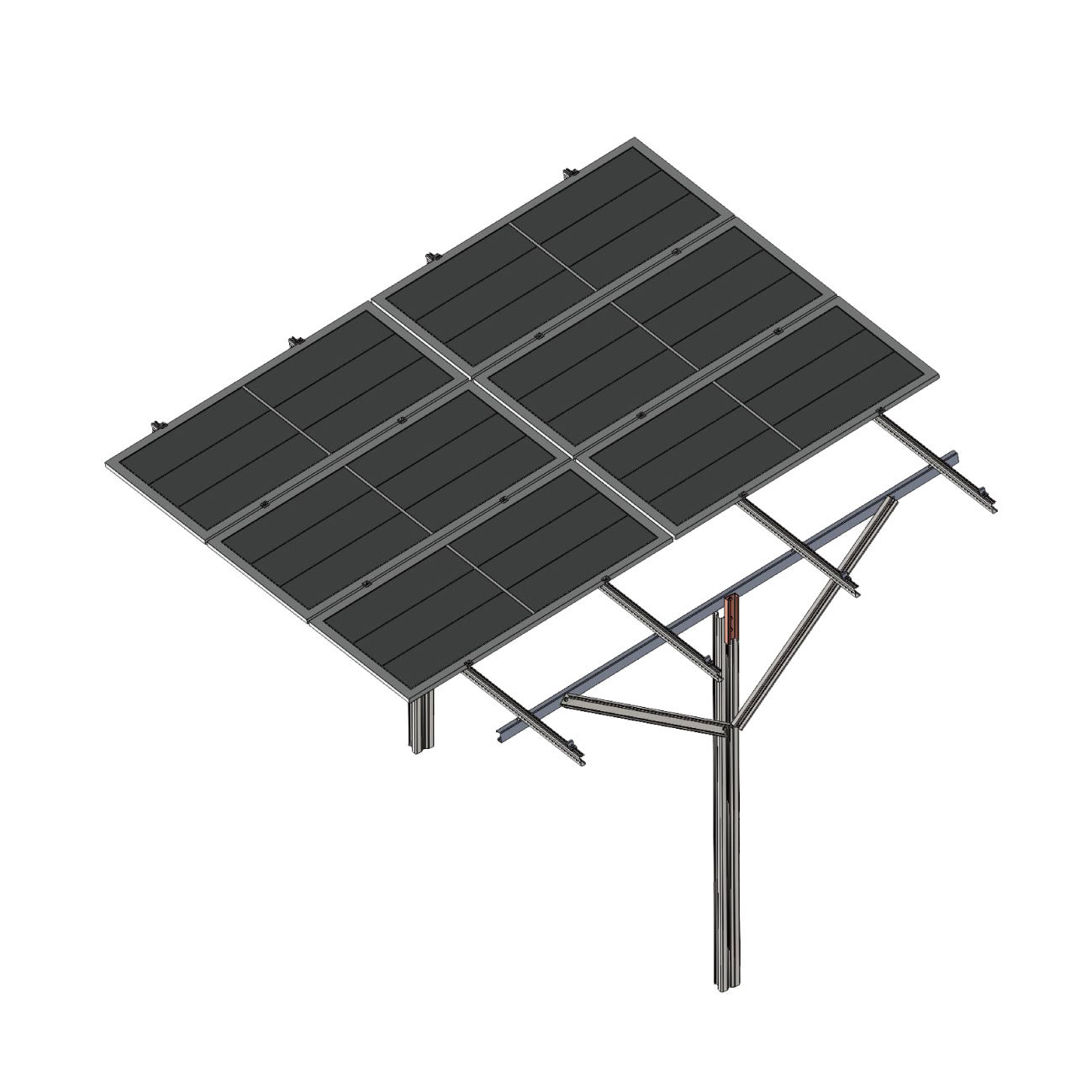
ZINC Aluminum Magnesium Single Leg Bracket
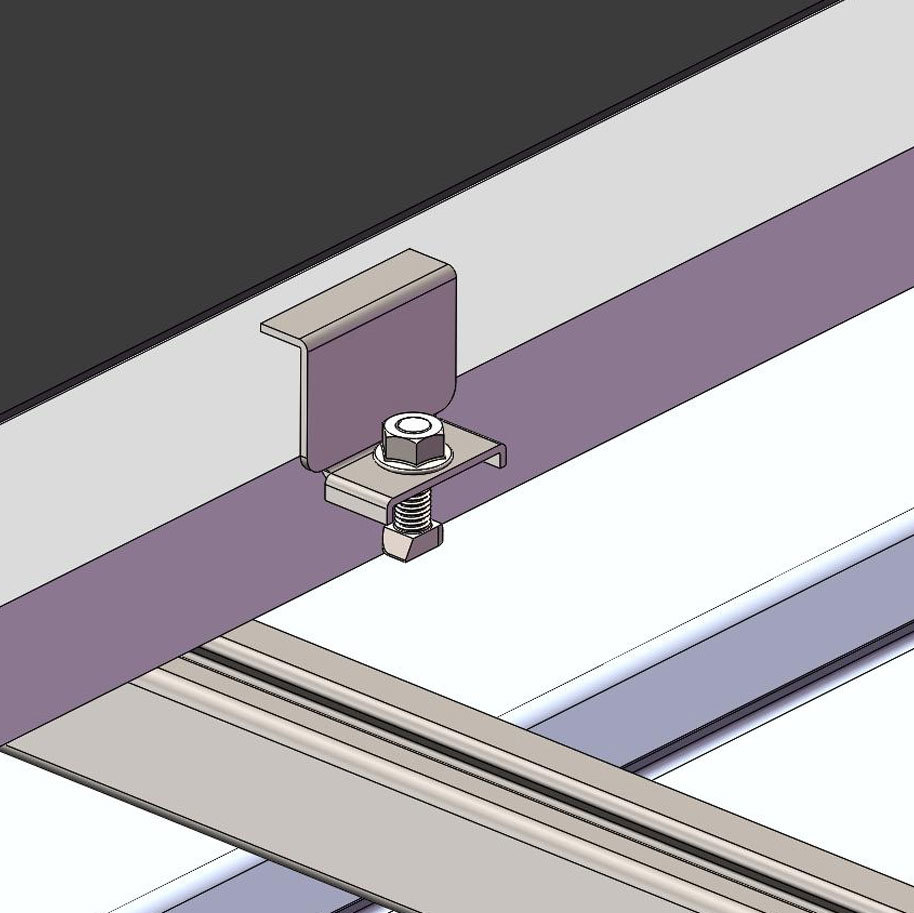
Explosion diagram of zinc aluminum magnesium under lateral pressure
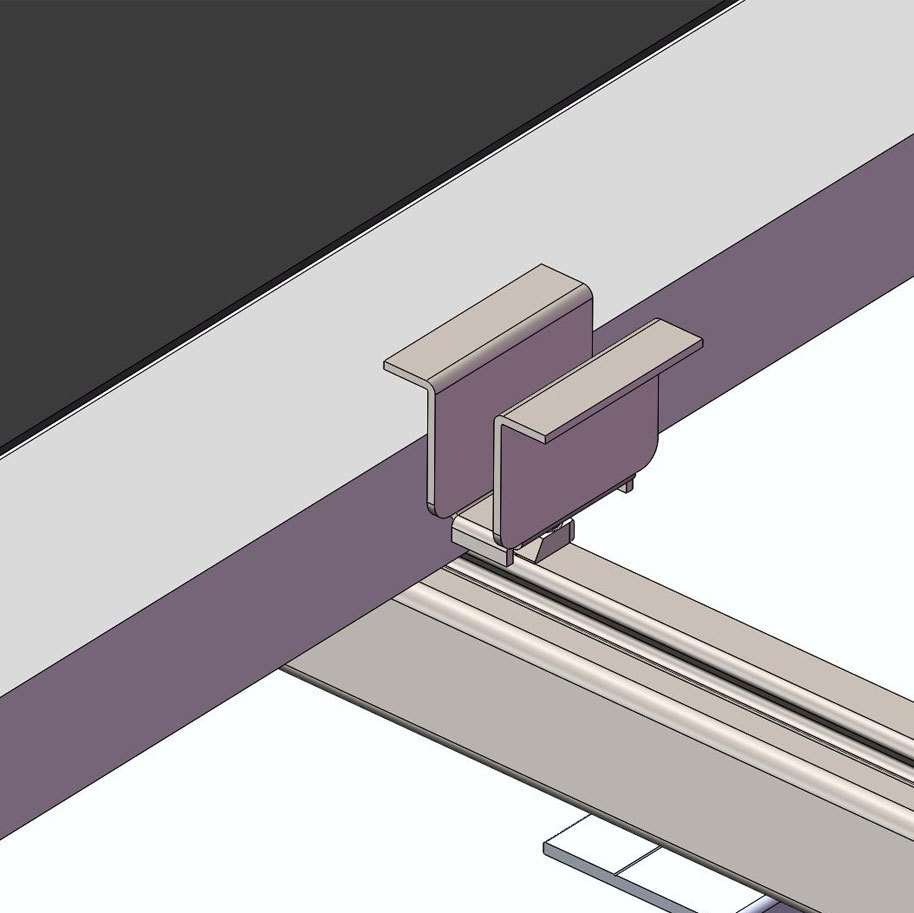
Zinc aluminum magnesium medium pressure explosion diagram
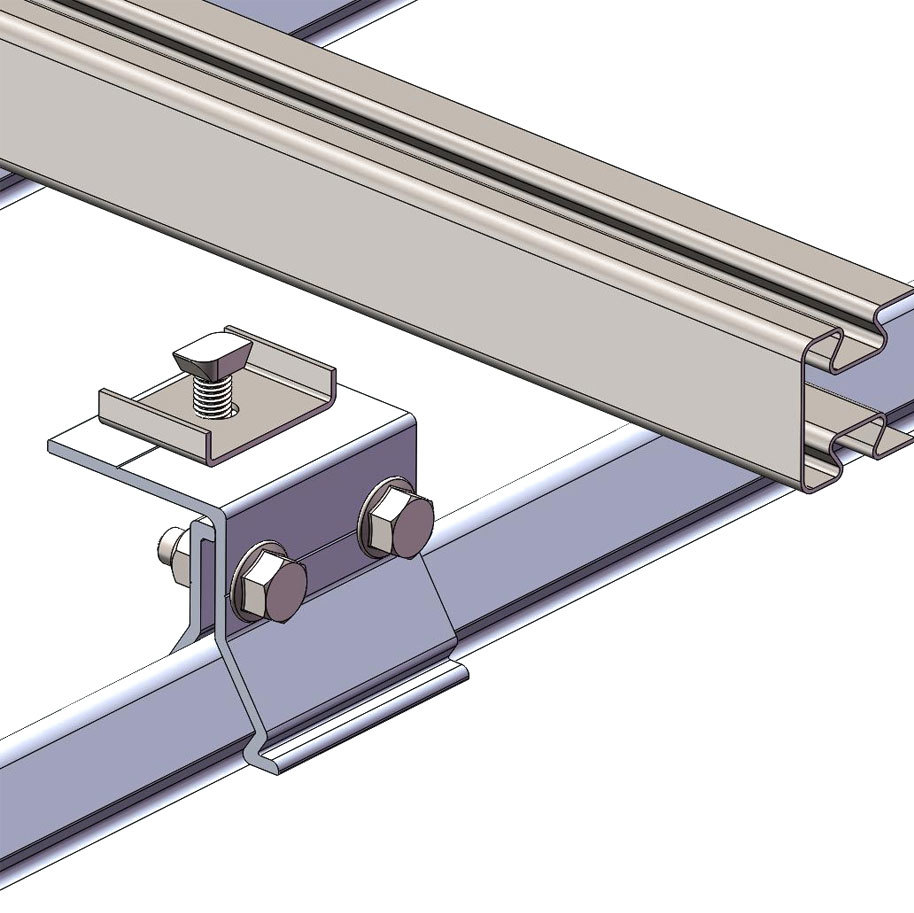
Explosion diagram of fixture components
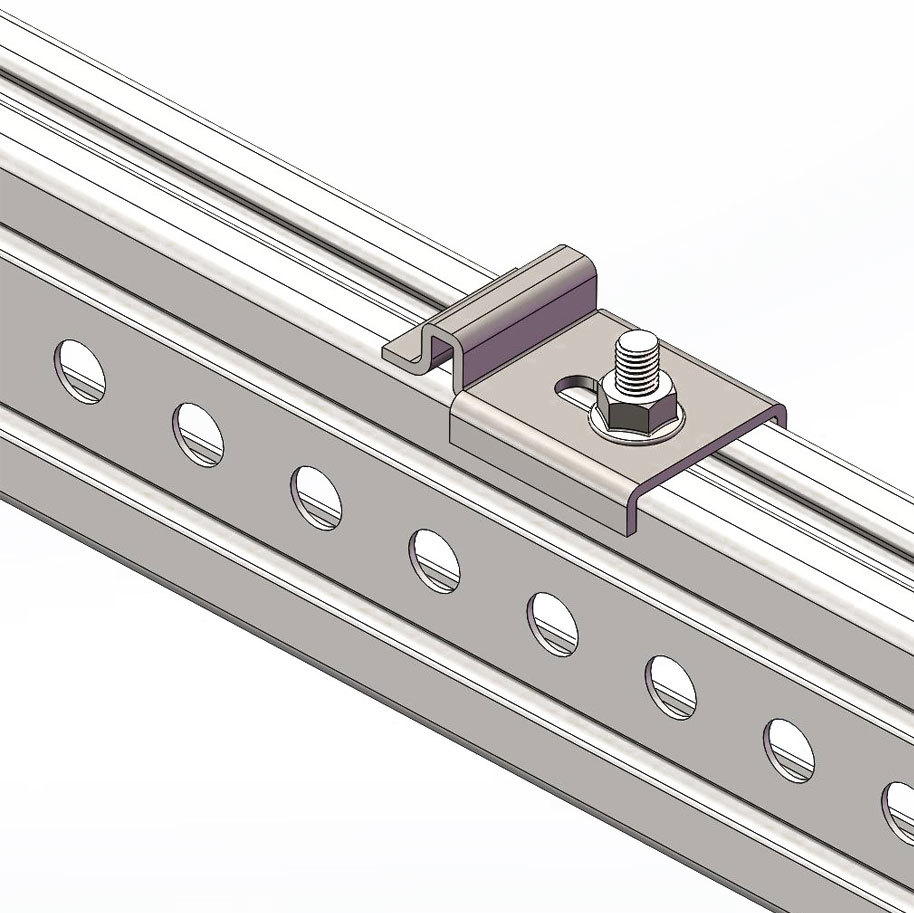
Lower pressure component
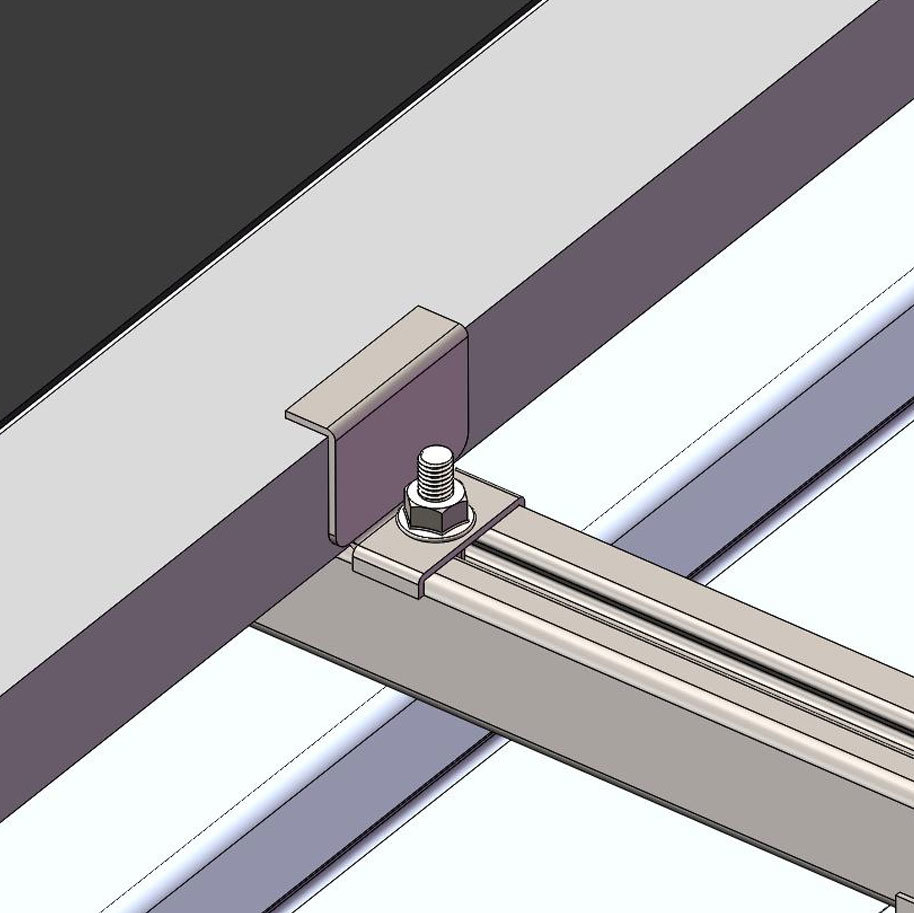
Zinc aluminum magnesium side pressure
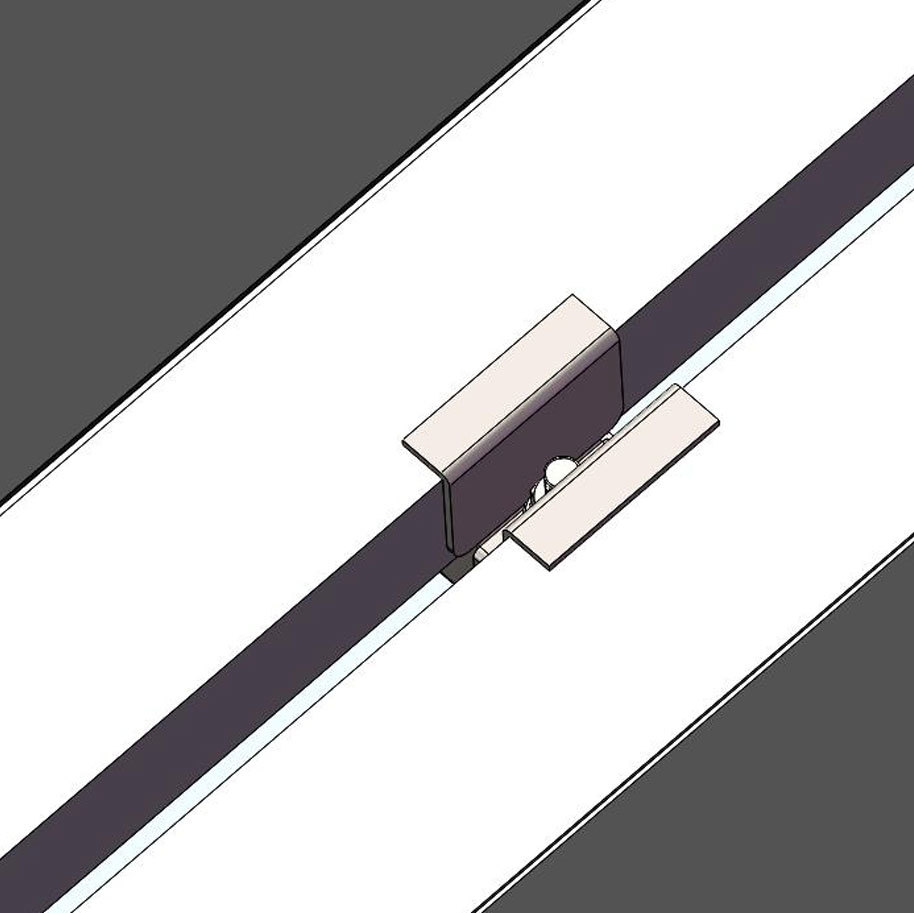
Zinc aluminum magnesium medium pressure
Zinc aluminum magnesium medium pressure
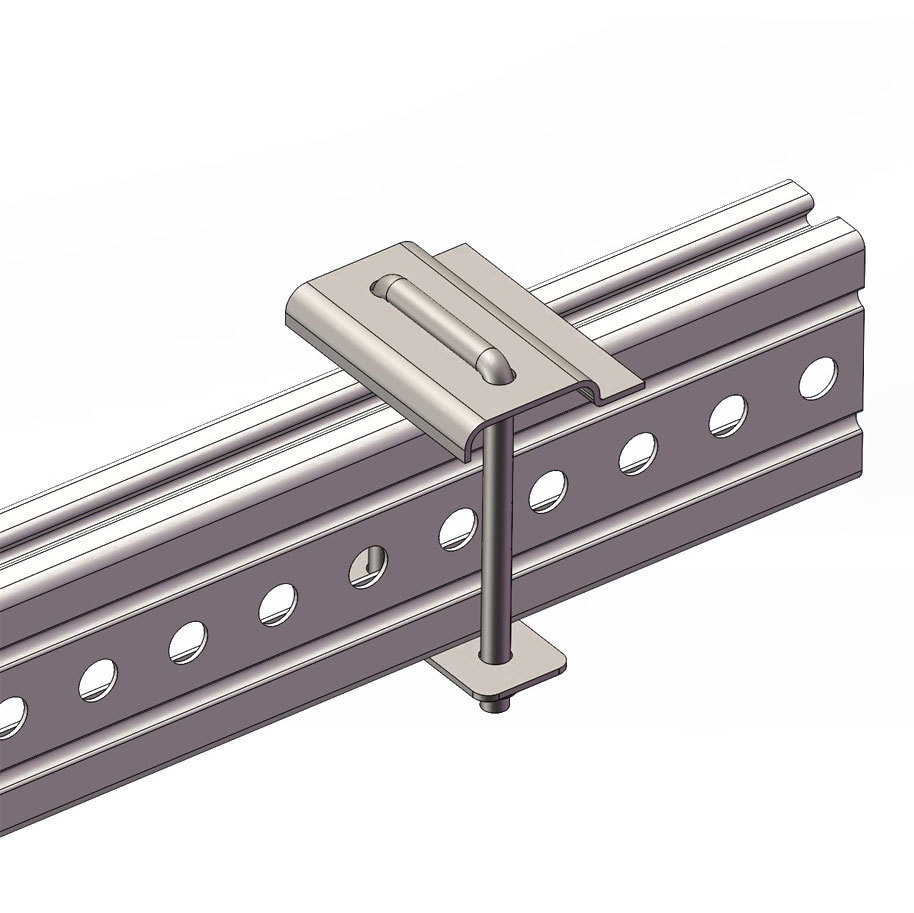
U-bolt assembly
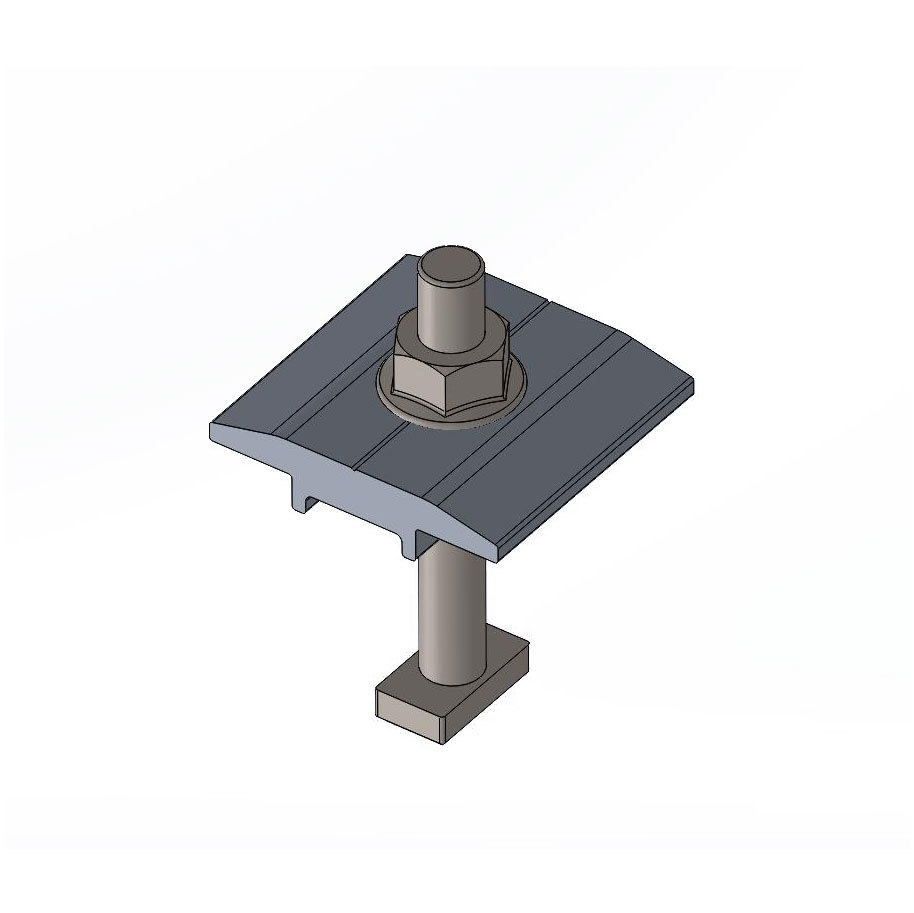
Medium voltage components
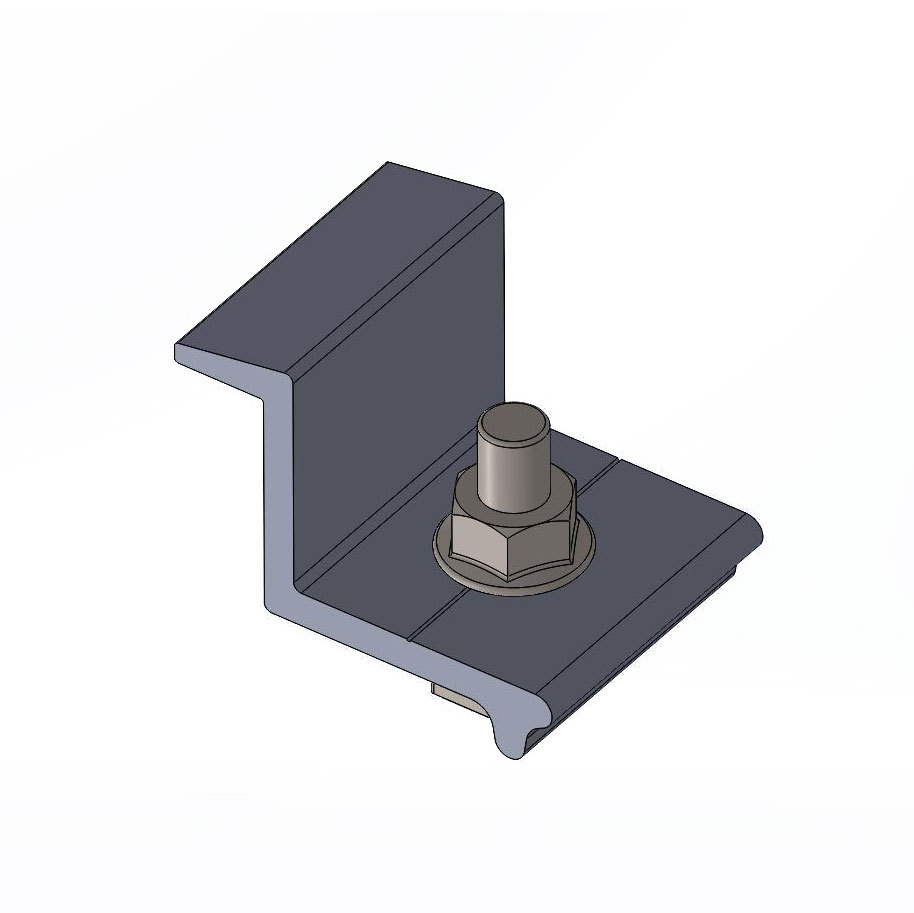
Side pressure component
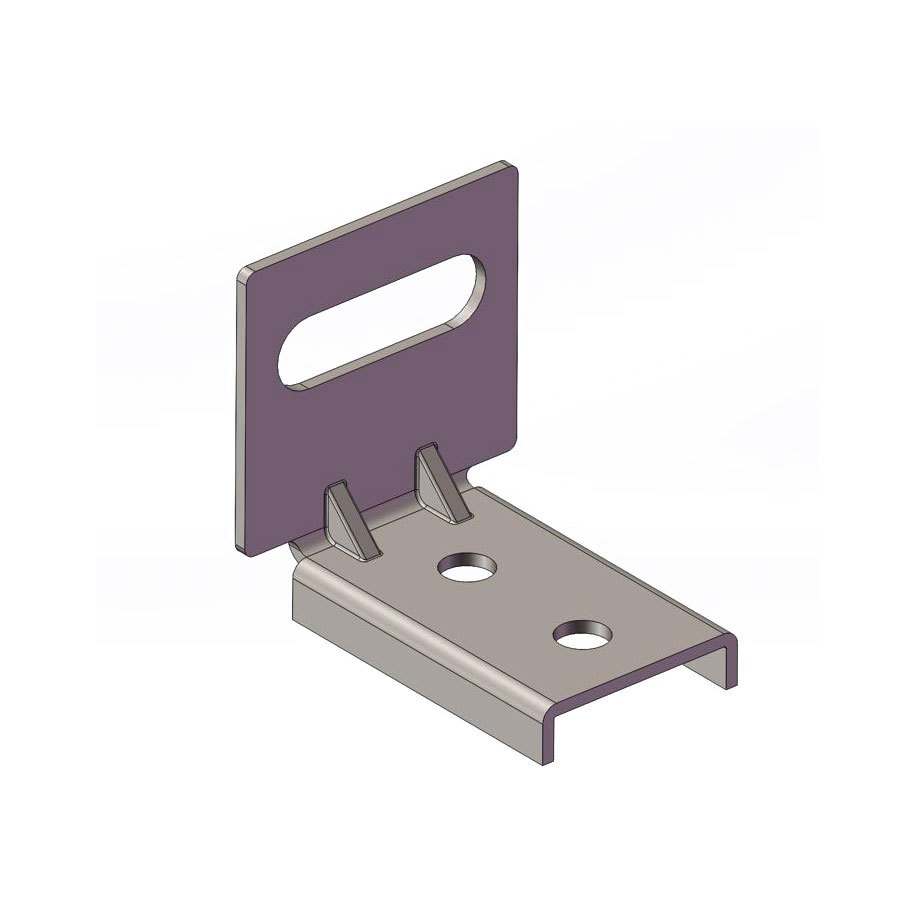
Horizontal and vertical rail connectors
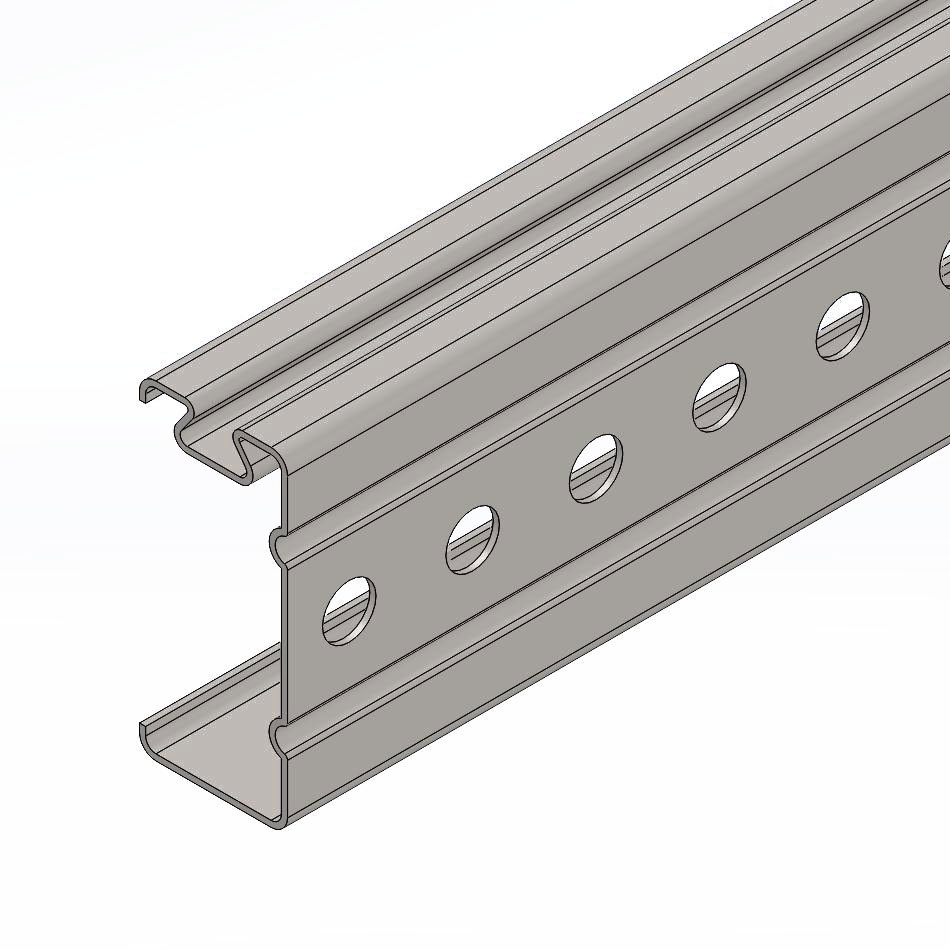
Slant support
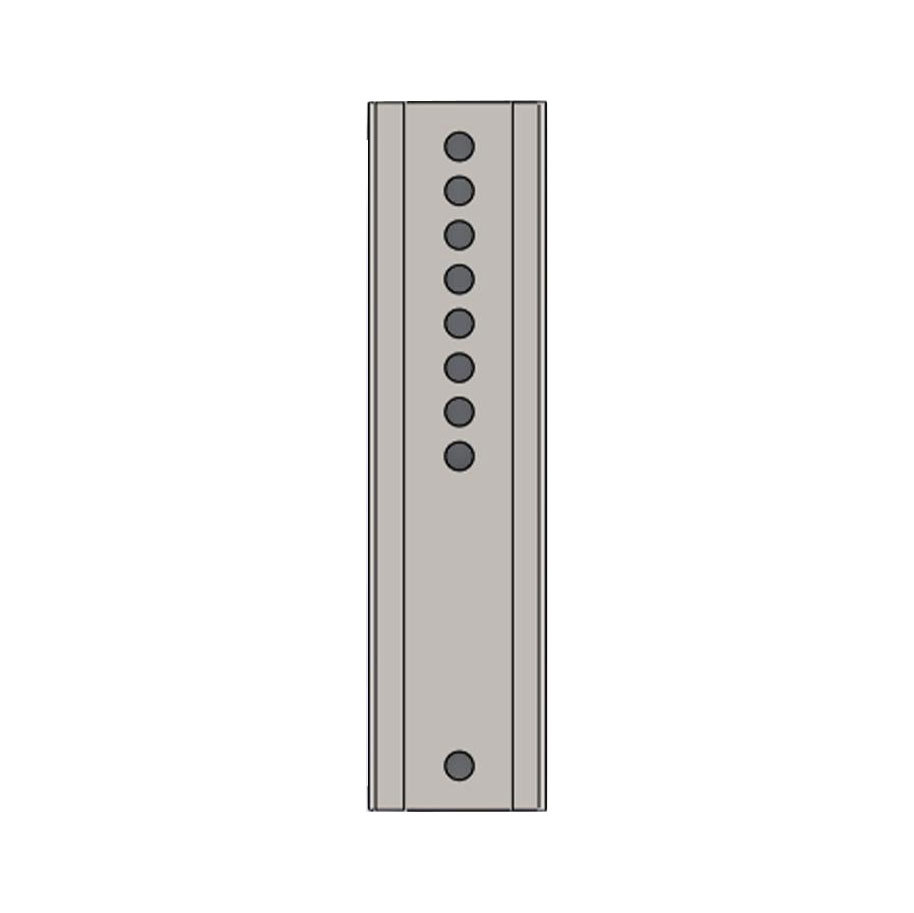
Column connectors
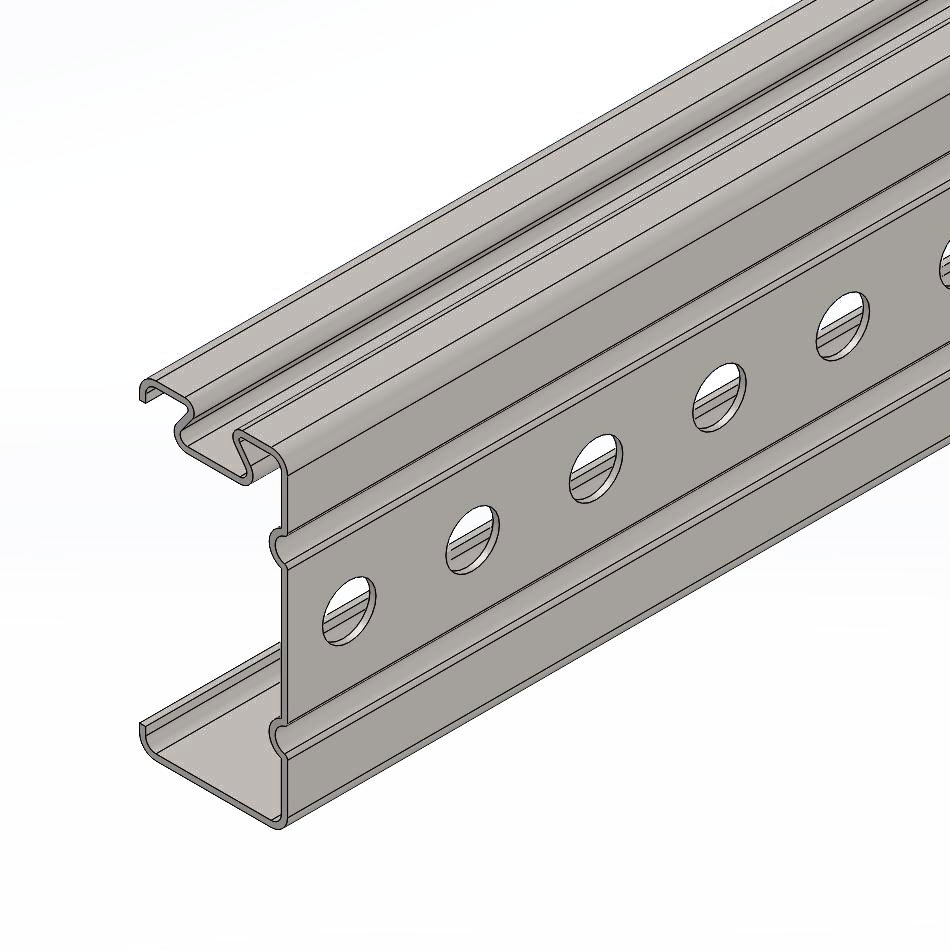
Longitudinal track
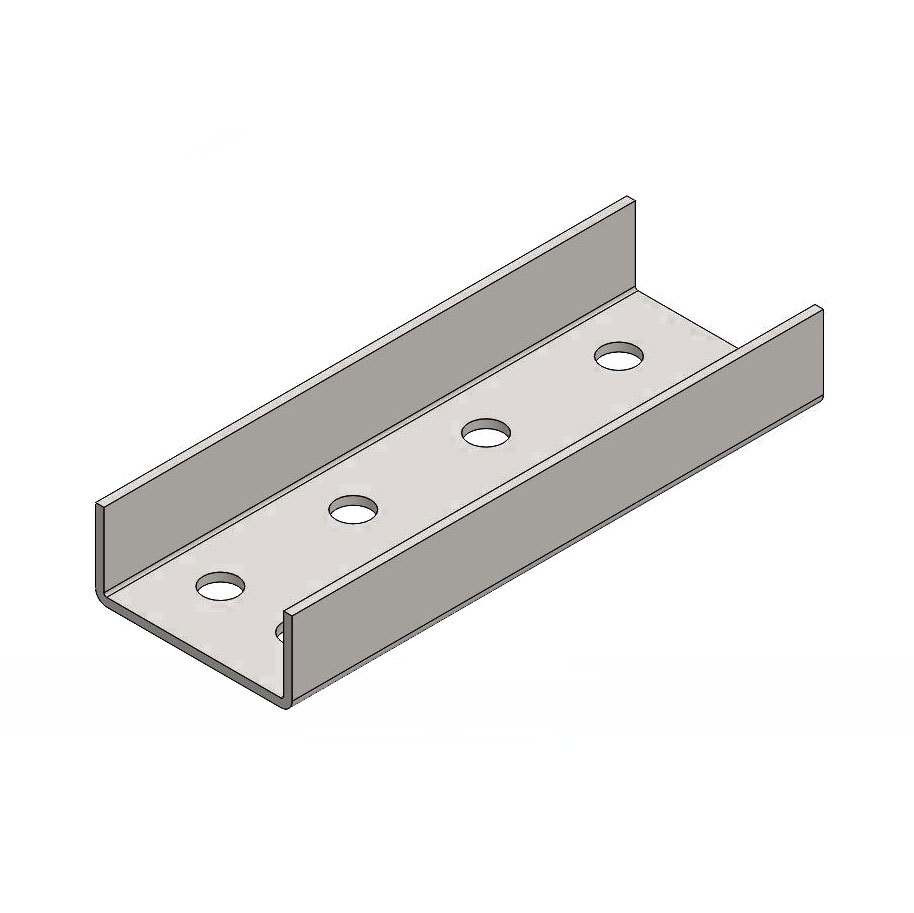
Horizontal rail connectors
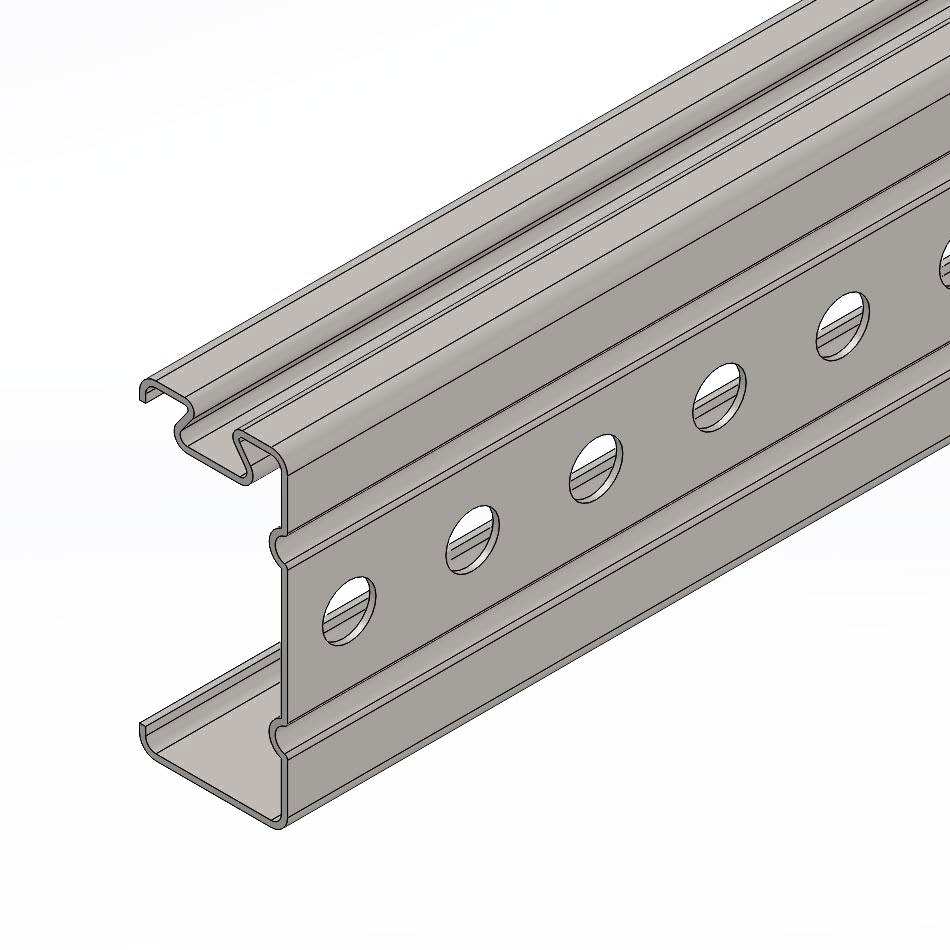
Horizontal track
Easy Install Steel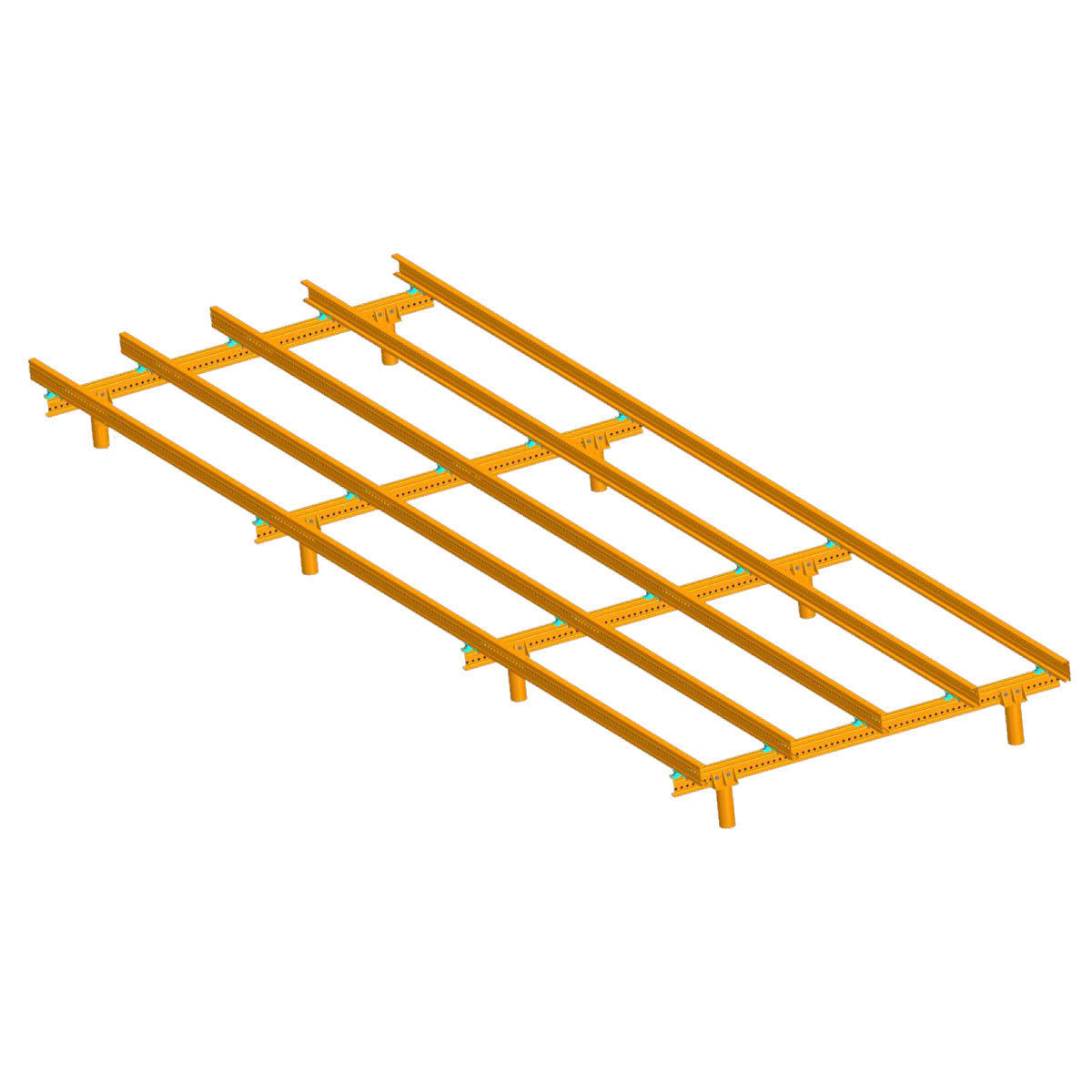
Haoheng Yi'an System

Easy Install Steel
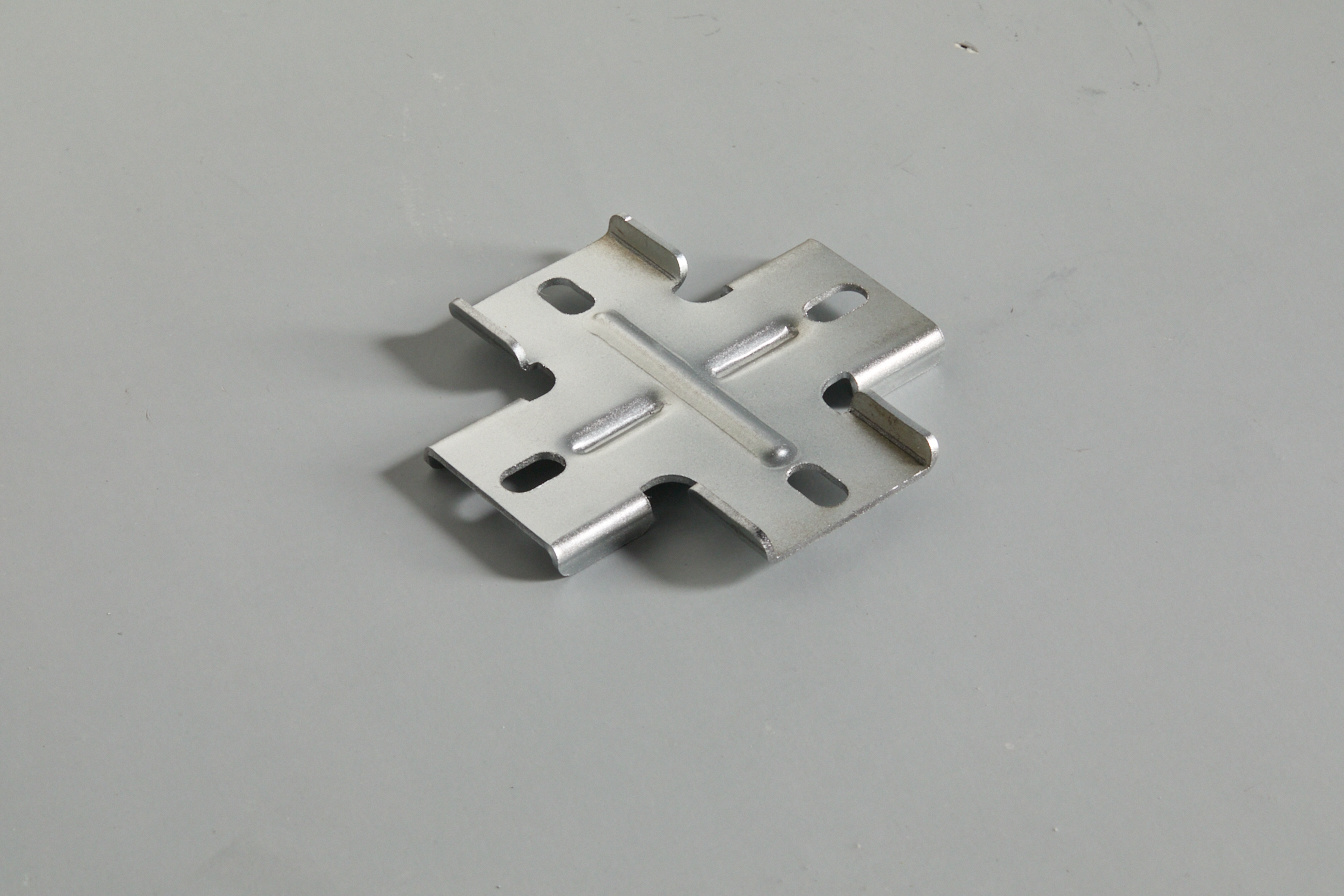
Cross connector
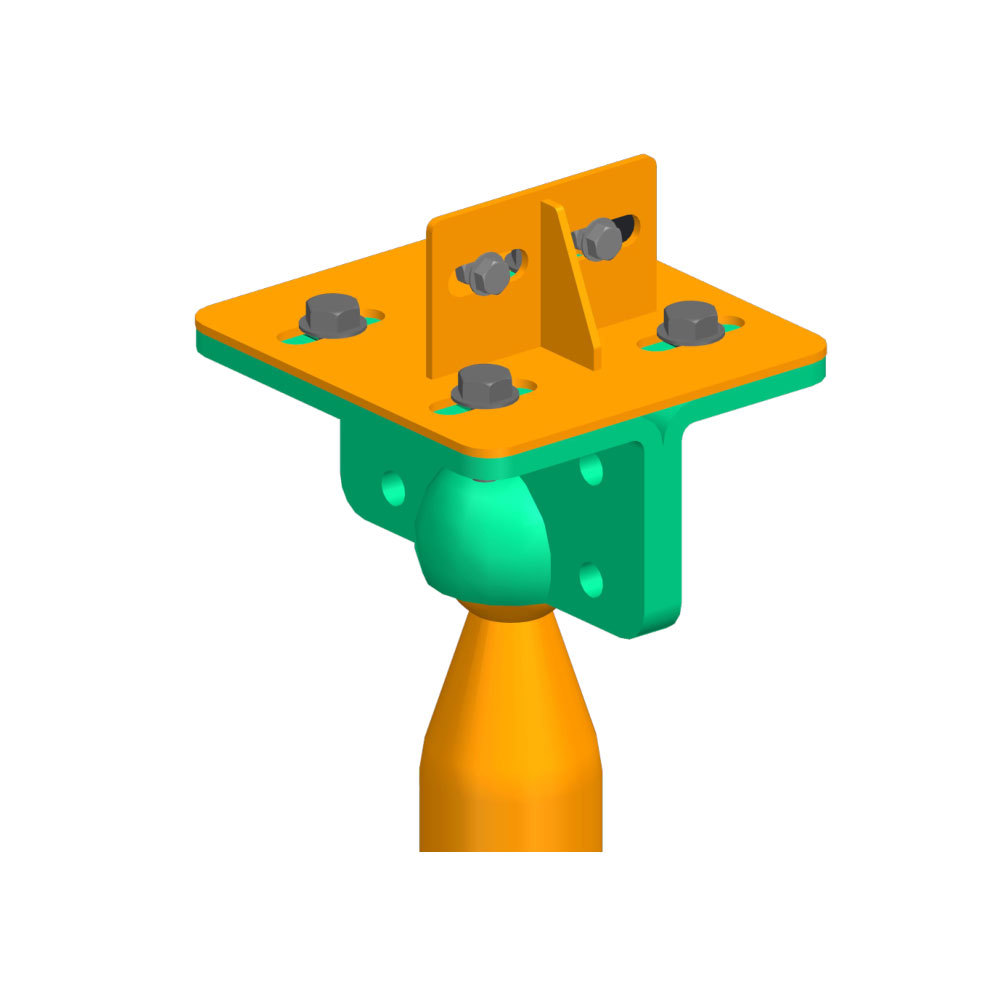
Universal connector for screw pile
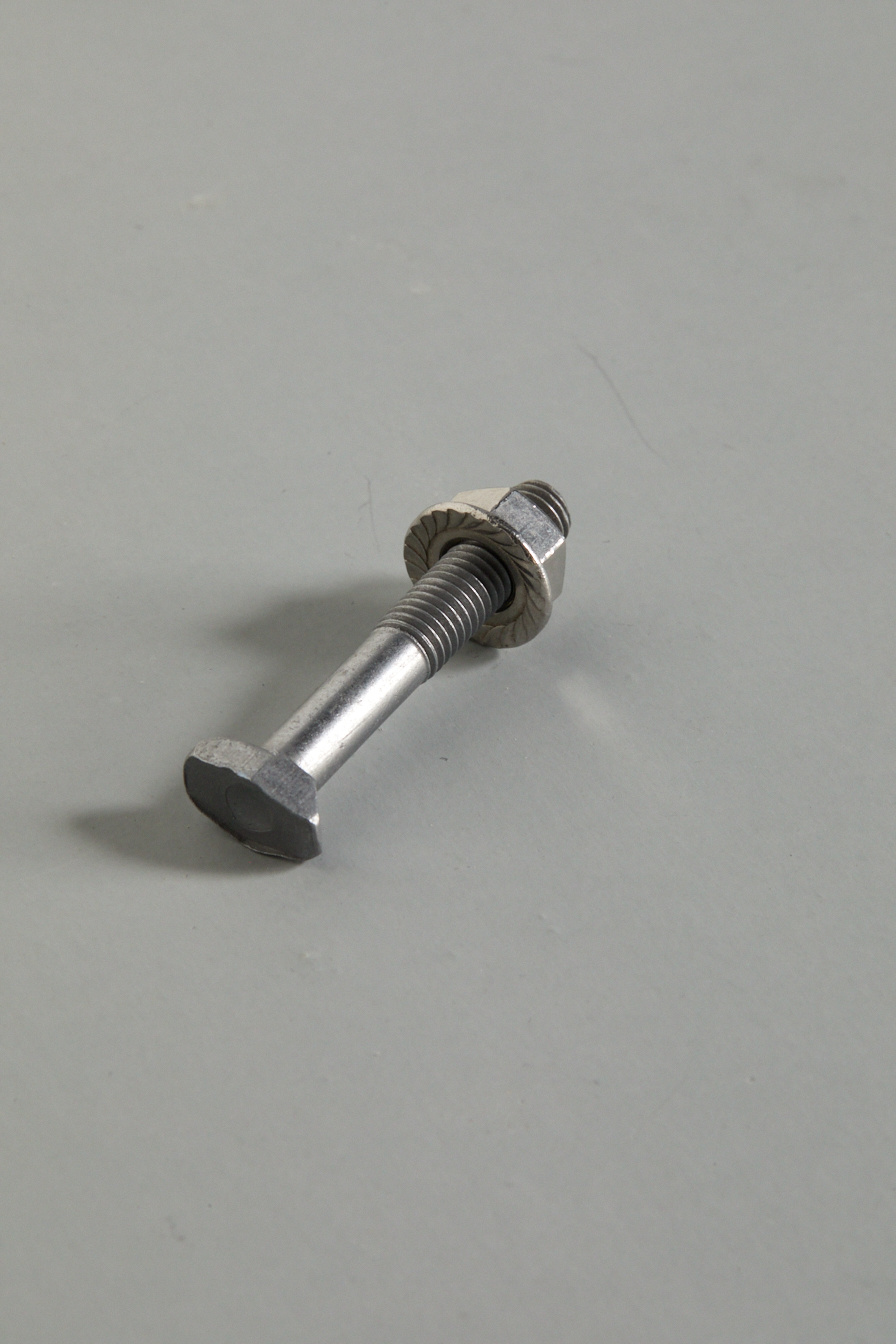
T-shaped dovetail bolt
Floor System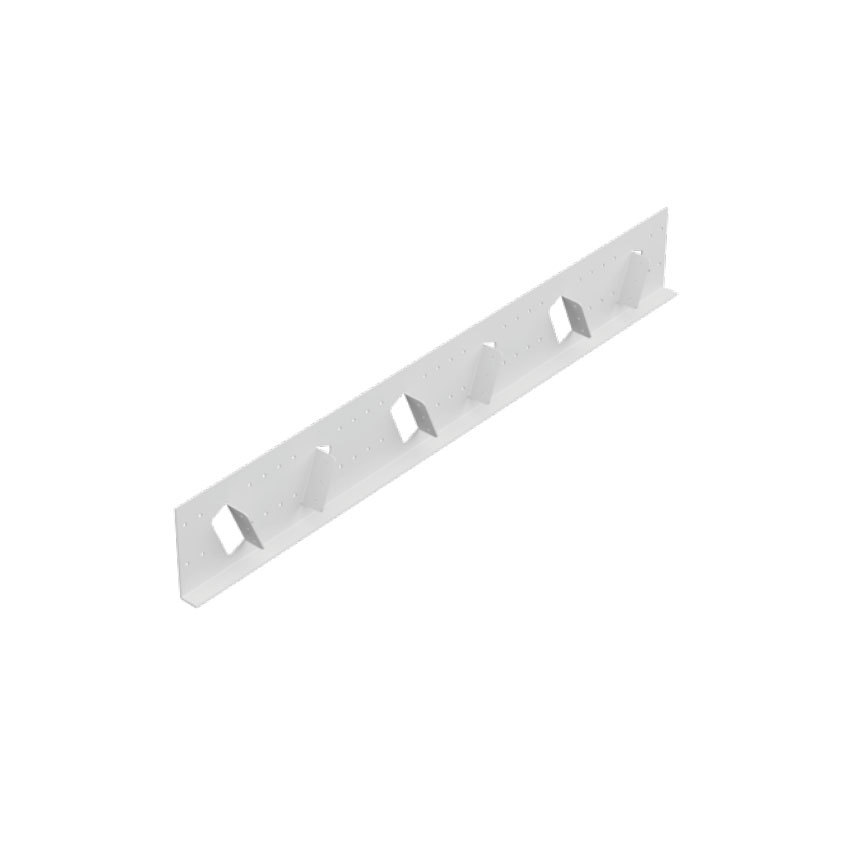
Ordinary steel structural connectors
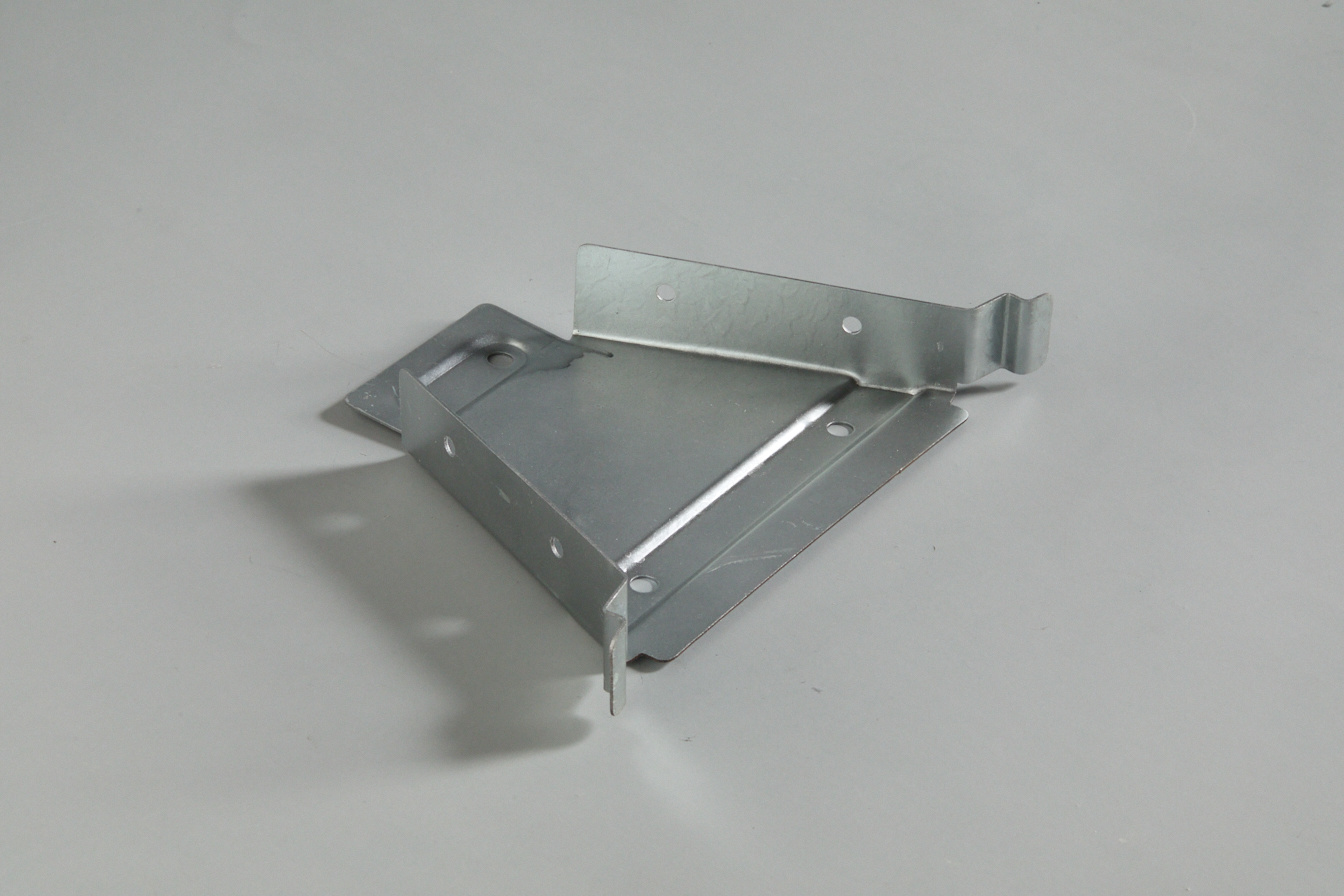
NEW BUILDING system connectors
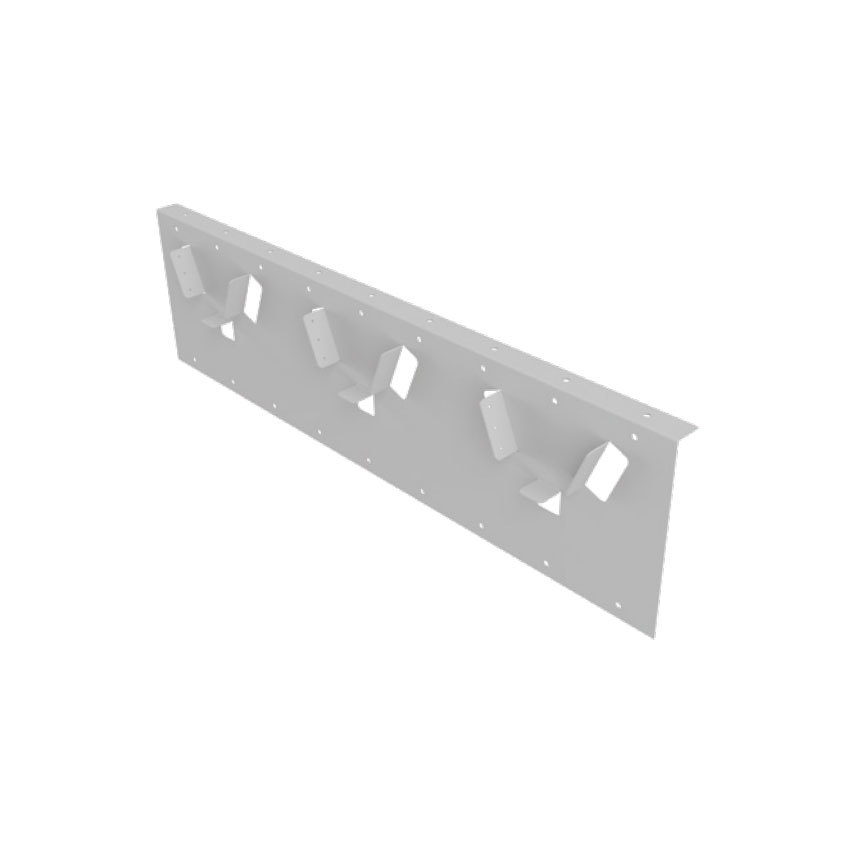
Cold formed thin-walled steel structural connectors
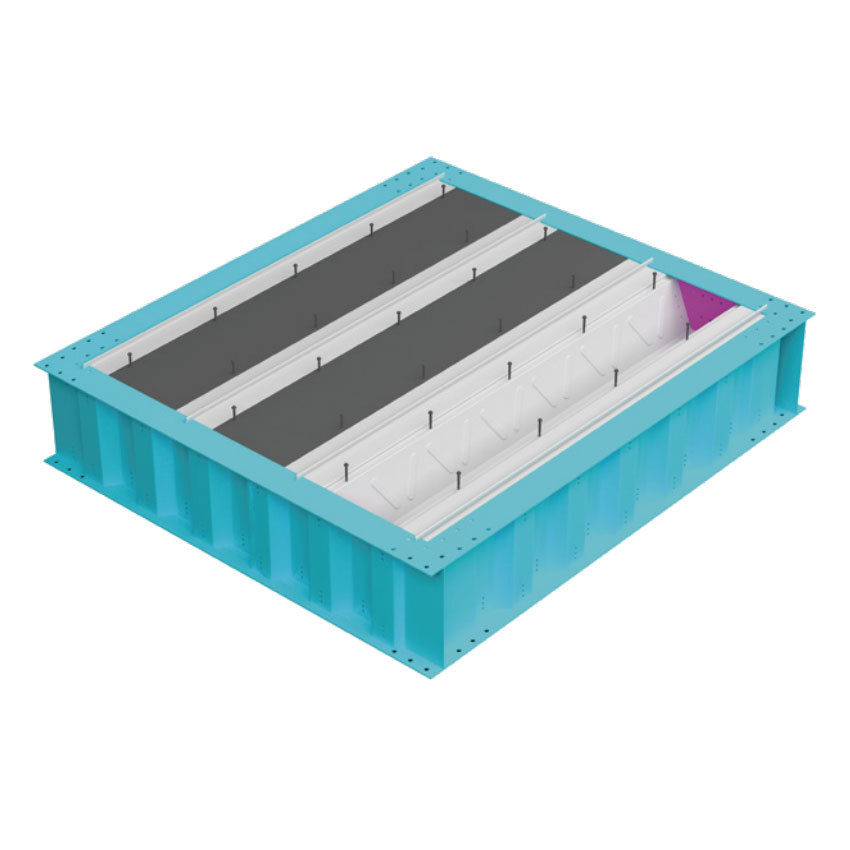
Corrugated I-beam+V-shaped floor beam
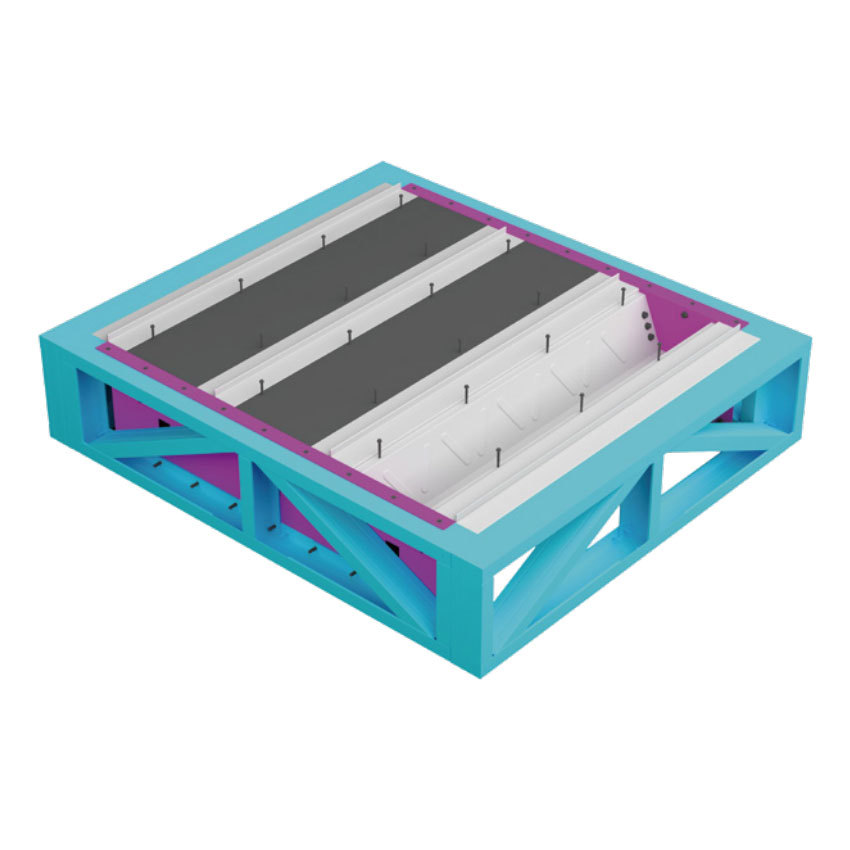
300 light steel truss+V-shaped floor beam

Steel wire gauze
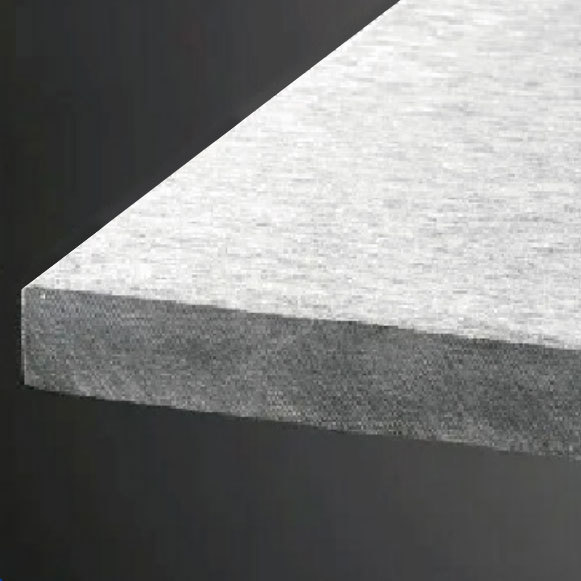
Plate
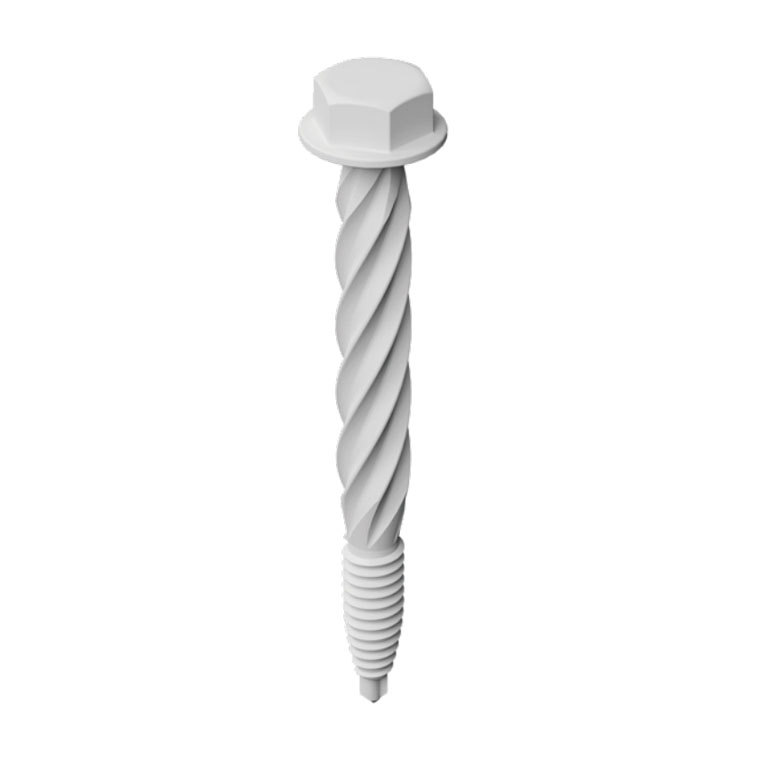
Shear stud
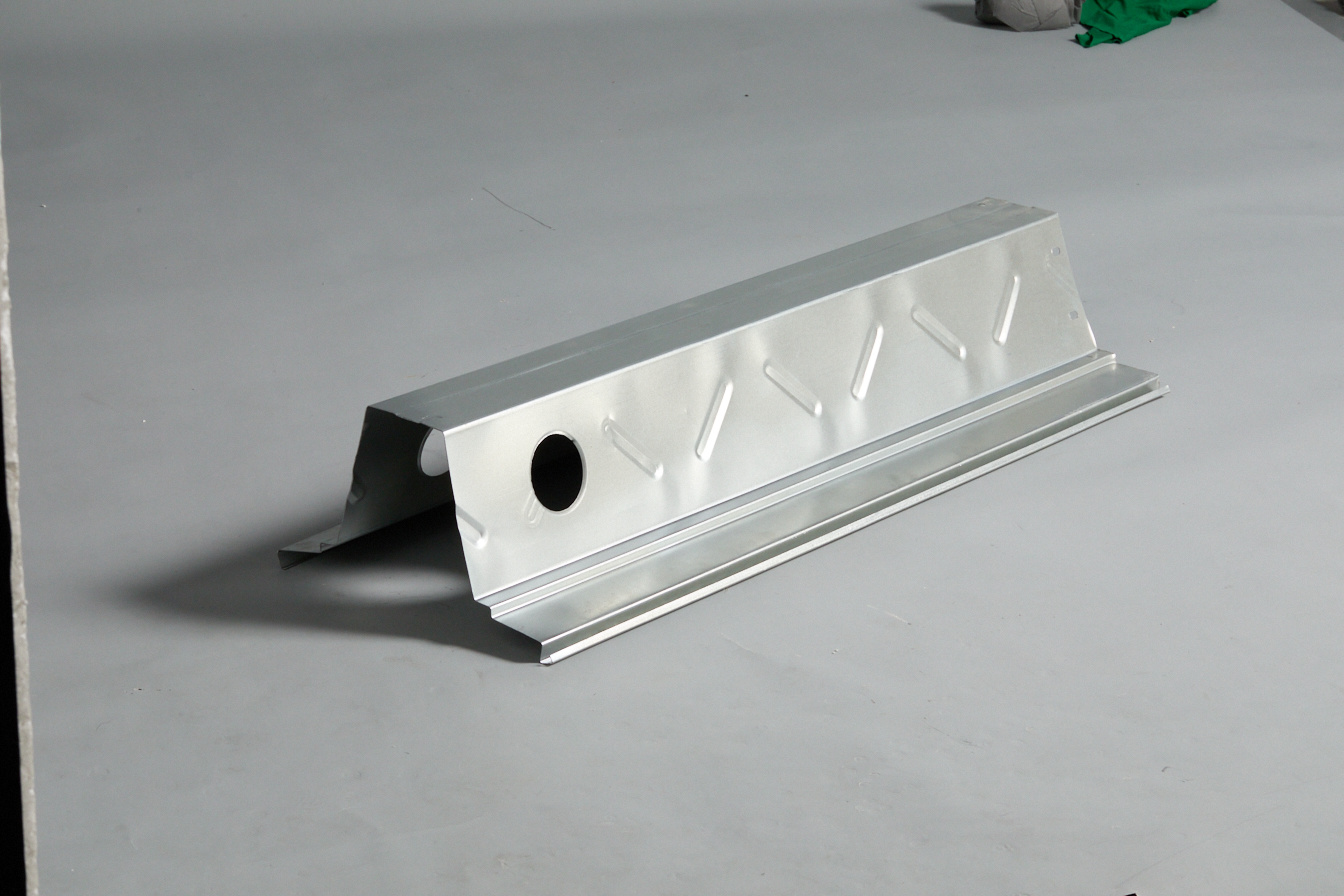
V-shaped floor beam
Magnesium stiffened wall panel
Enhancing Structural Integrity: How Cross Column Connectors Work
Release Time:
2024-05-06
Source:
In the world of construction and architecture, ensuring the structural integrity of buildings is paramount. One key component that plays a significant role in this process is cross column connectors. These connectors are essential for providing stability and strength to a building's structure, ensuring that it can withstand various external forces and loads.
**What are Cross Column Connectors?**
Cross column connectors are mechanical elements that are used to connect two or more columns in a building's structure. These connectors are typically made of steel or other high-strength materials and are designed to transfer loads between columns, providing additional support and stability to the building.
**How Do Cross Column Connectors Work?**
Cross column connectors work by transferring loads from one column to another, distributing the forces evenly across the structure. This helps prevent excessive stress on individual columns, reducing the risk of structural failure. By connecting multiple columns together, cross column connectors help create a more stable and rigid structure that can better withstand external forces such as wind, earthquakes, and other environmental factors.
**Benefits of Cross Column Connectors**
- Improved structural integrity: By connecting columns together, cross column connectors help improve the overall stability and strength of a building's structure.
- Enhanced safety: The use of cross column connectors can help reduce the risk of structural failure, enhancing the safety of the building and its occupants.
- Increased durability: Buildings equipped with cross column connectors are better able to withstand various external forces and loads, increasing their longevity and durability.
**Types of Cross Column Connectors**
There are several types of cross column connectors available, each designed for specific applications and structural requirements. Some common types include:
- Welded plate connectors
- Bolted plate connectors
- Shear plate connectors
- Moment-resisting connectors
**FAQs**
1. What is the purpose of cross column connectors?
Cross column connectors are used to connect columns in a building's structure, providing additional support and stability.
2. How do cross column connectors work?
Cross column connectors transfer loads between columns, distributing forces evenly across the structure to prevent excessive stress on individual columns.
3. What are the benefits of using cross column connectors?
Using cross column connectors can improve structural integrity, enhance safety, and increase durability of a building's structure.
4. What are some common types of cross column connectors?
Common types of cross column connectors include welded plate connectors, bolted plate connectors, shear plate connectors, and moment-resisting connectors.
**Conclusion**
In conclusion, cross column connectors play a crucial role in enhancing the structural integrity of buildings by providing stability, strength, and support to the overall structure. By understanding how these connectors work and their benefits, architects and builders can ensure that their buildings are safe, durable, and able to withstand various external forces. Incorporating cross column connectors into the design and construction process can result in a more stable and resilient structure that will stand the test of time.

HaoHeng Group
Address: Room 1808, Block A, Vanke Cloud City, Jiemei District, Xiamen City, Fujian Province
Business cooperation:
Copyright © HaoHeng (FuJian) Building Materials Technology Co, Ltd. All rights reserved