

-
 Pakistan
Marketing Service Outlets
 Papua New Guinea
Marketing Service Outlets
 Egypt
Marketing Service Outlets
 Australia
Marketing Service Outlets
 Brazil
Marketing Service Outlets
 Colombia
Marketing Service Outlets
 Russia
Marketing Service Outlets
 Germany
Marketing Service Outlets
 Poland
Marketing Service Outlets
 the Philippines
Marketing Service Outlets
 Kazakhstan
Marketing Service Outlets
 Malaysia
Marketing Service Outlets
 America
Marketing Service Outlets
 Kyrgyzstan
Marketing Service Outlets
 Canada
Marketing Service Outlets
 Peru
Marketing Service Outlets
 Nigeria
Marketing Service Outlets
 Morocco
Marketing Service Outlets
 South Africa
Marketing Service Outlets
 Japan
Marketing Service Outlets
 Slovakia
Marketing Service Outlets
 New Zealand
Marketing Service Outlets
 Hungary
Marketing Service Outlets
 Thailand
Marketing Service Outlets
 Spain
Marketing Service Outlets
 Indonesia
Marketing Service Outlets
 Italy
Marketing Service Outlets
 Vietnam
Marketing Service Outlets
Steel Pipe ColumnSteel Pipe Column ConnectorsMain Beam | Secondary BeamPrefabricated StairsRound Pipe PileFlat Steel PileGroup PileCap PileNew Building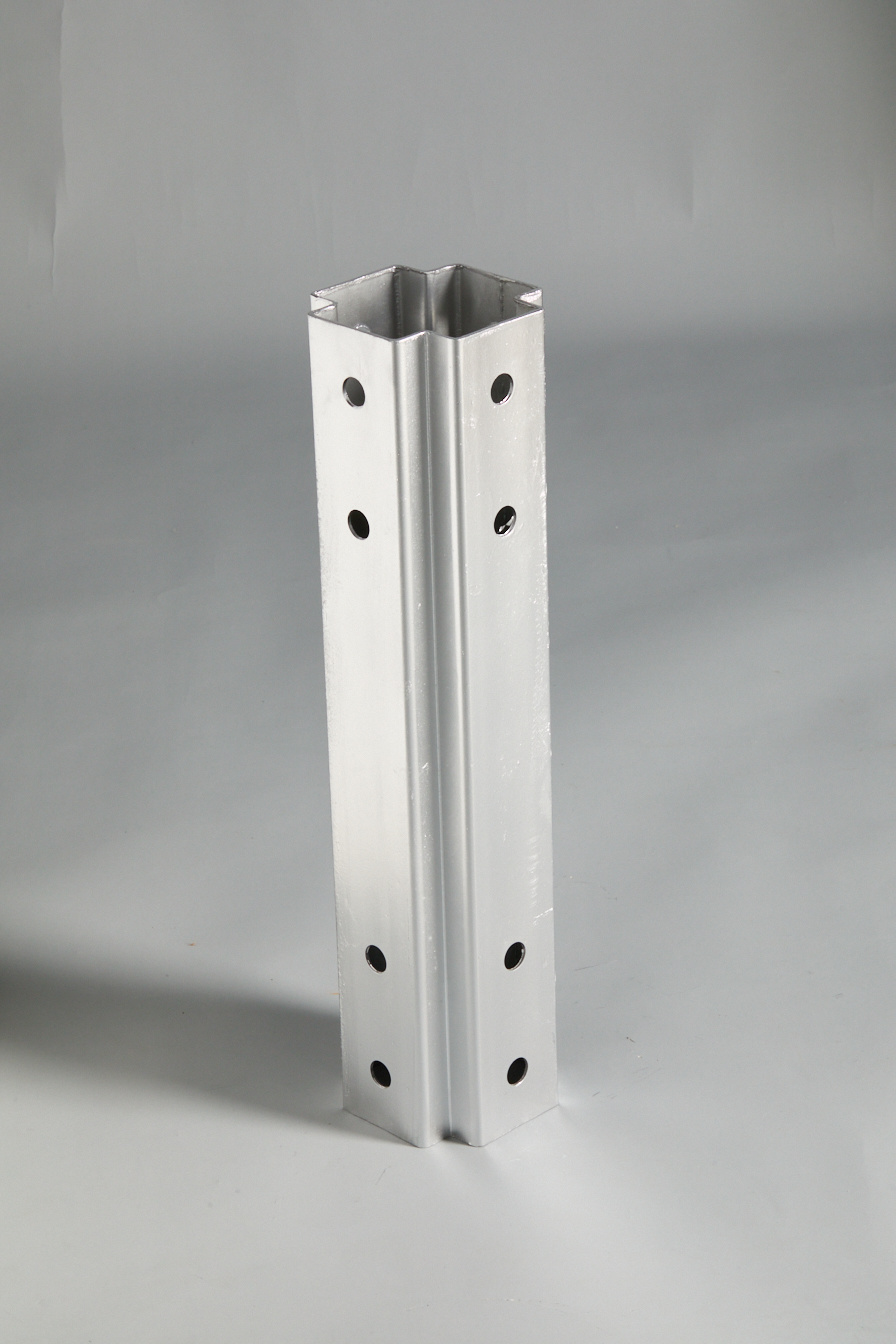
Cross column

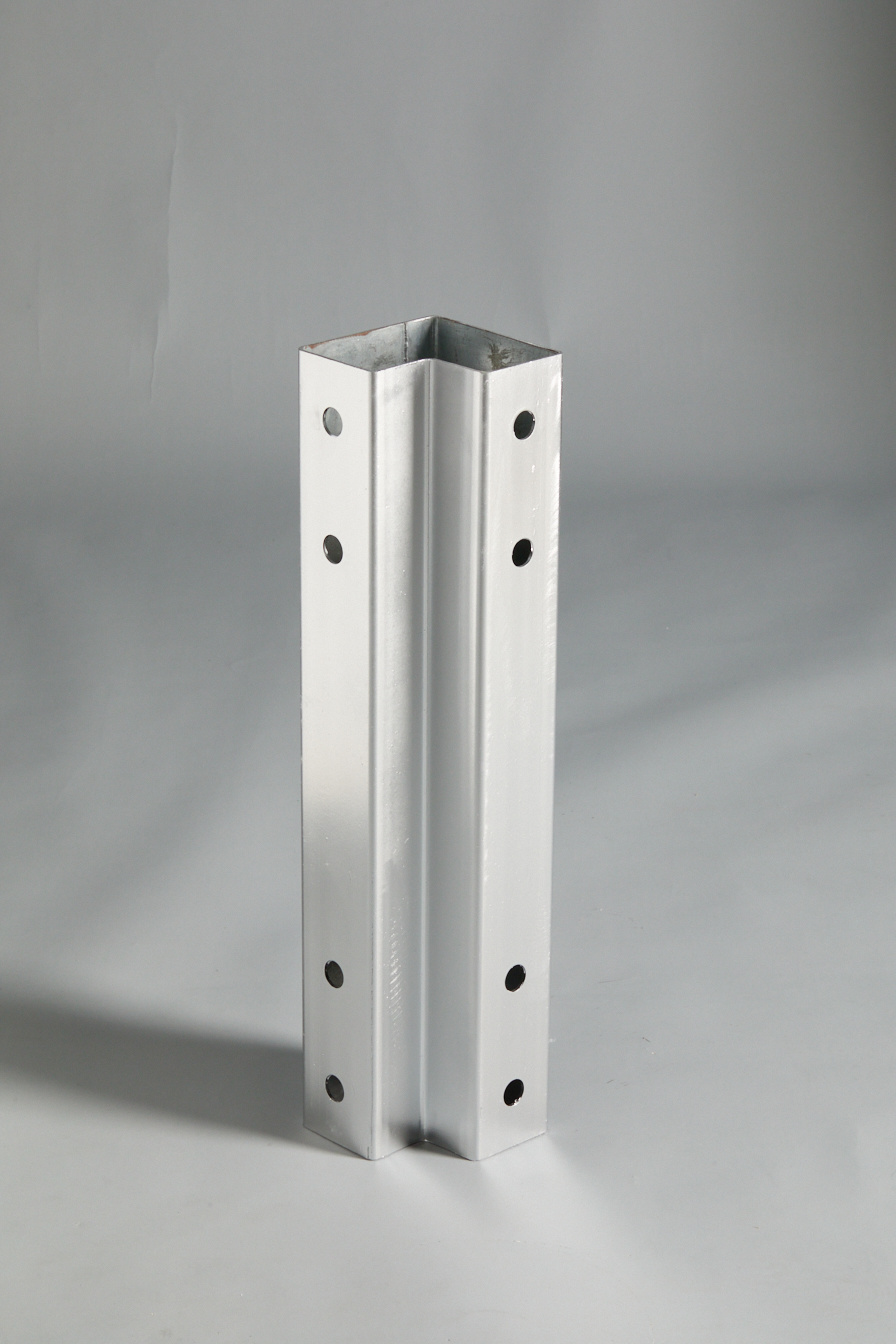
L-shaped column
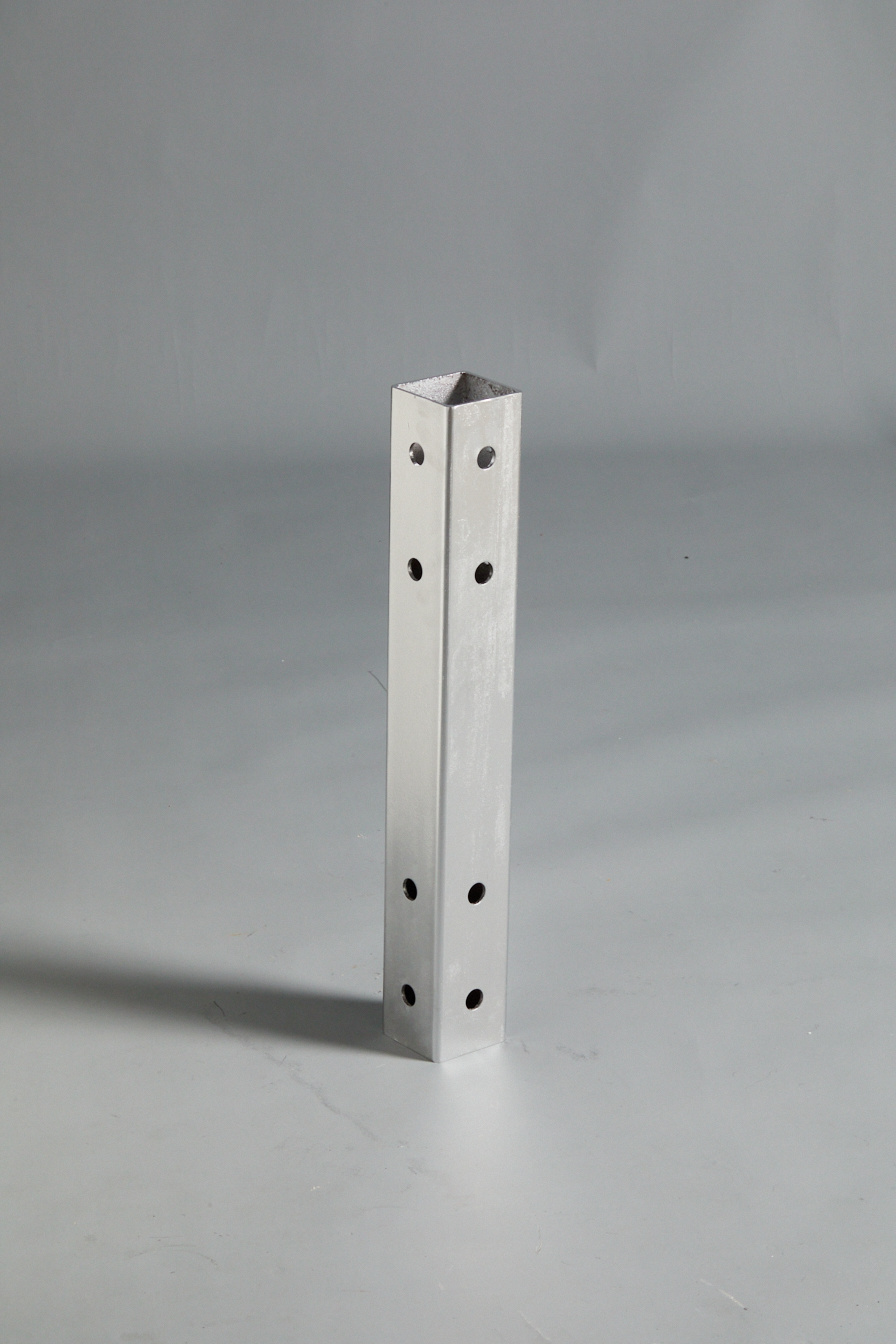
Square tube column

T-shaped column
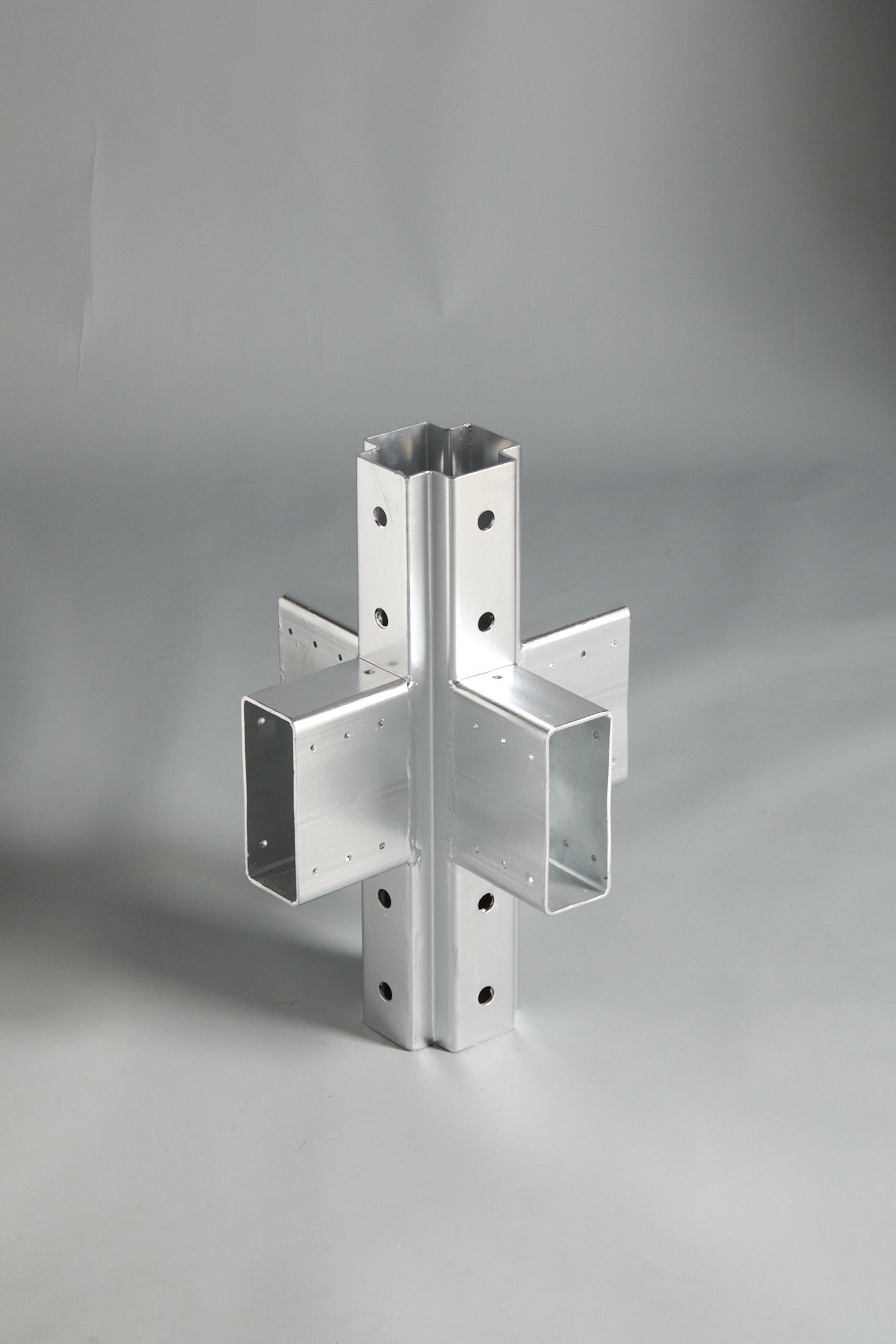
Cross column connector

L-shaped column connector

T-shaped column connector
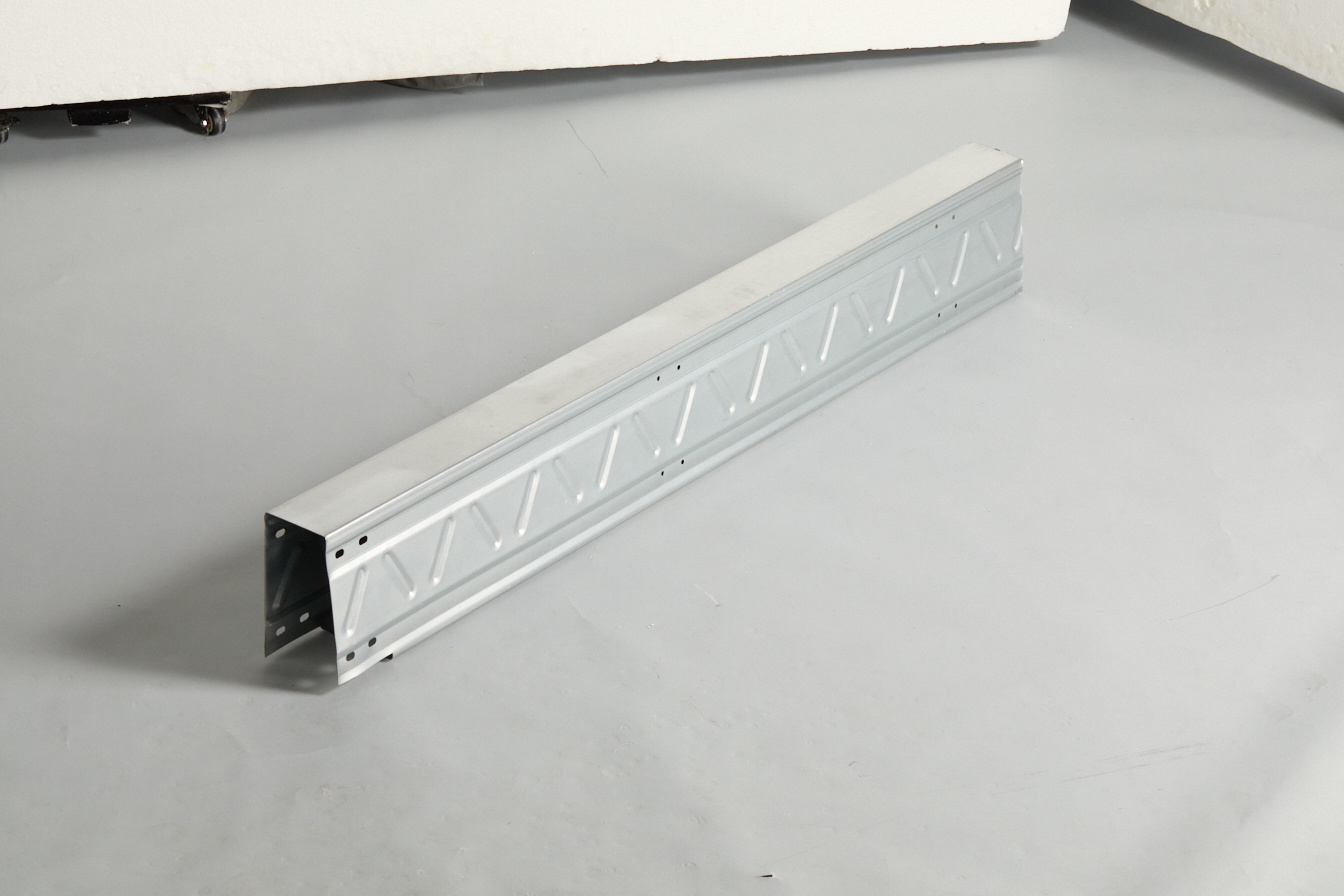
195 inner flipped edge - eight shaped reinforcing rib
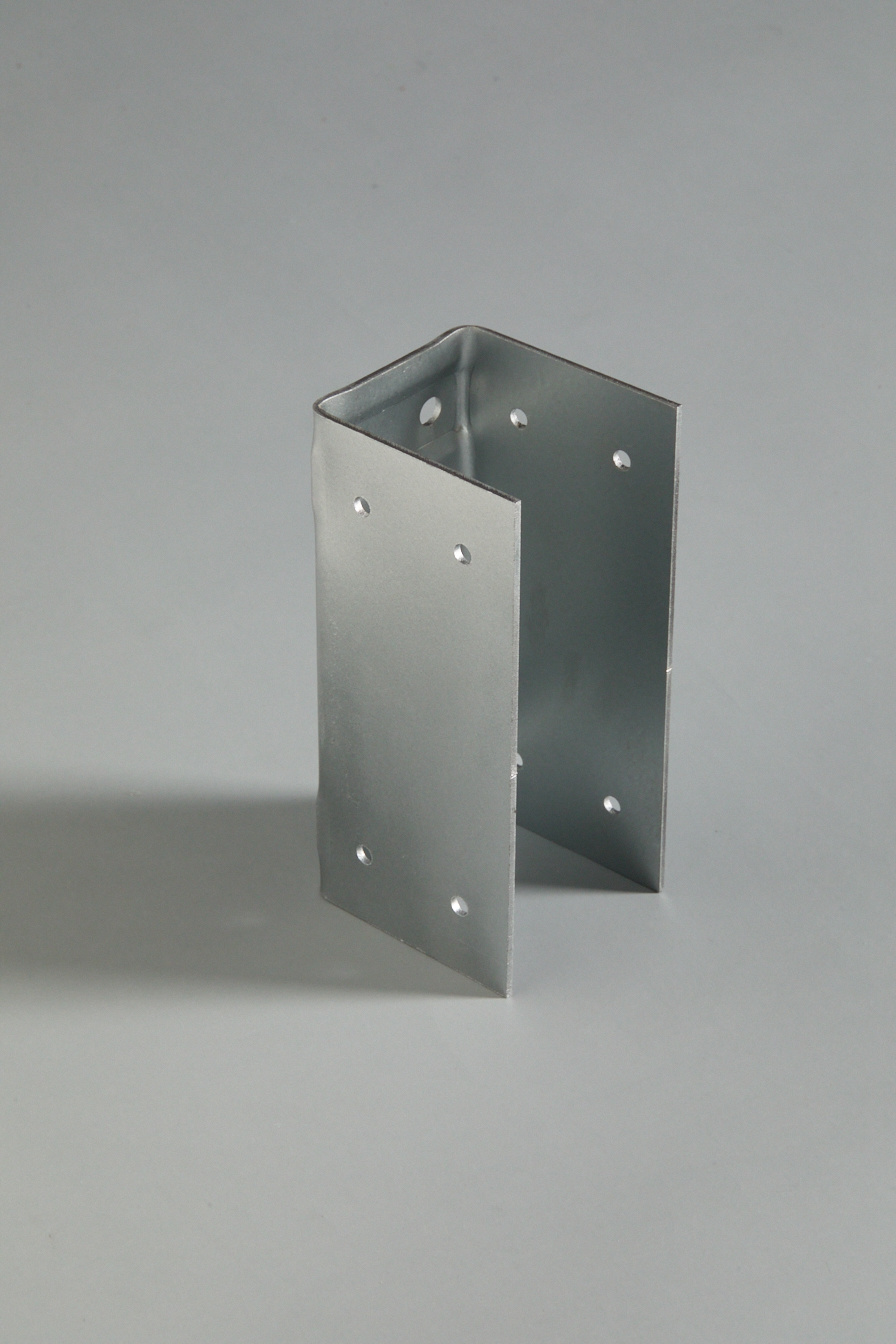
Frame small U connector
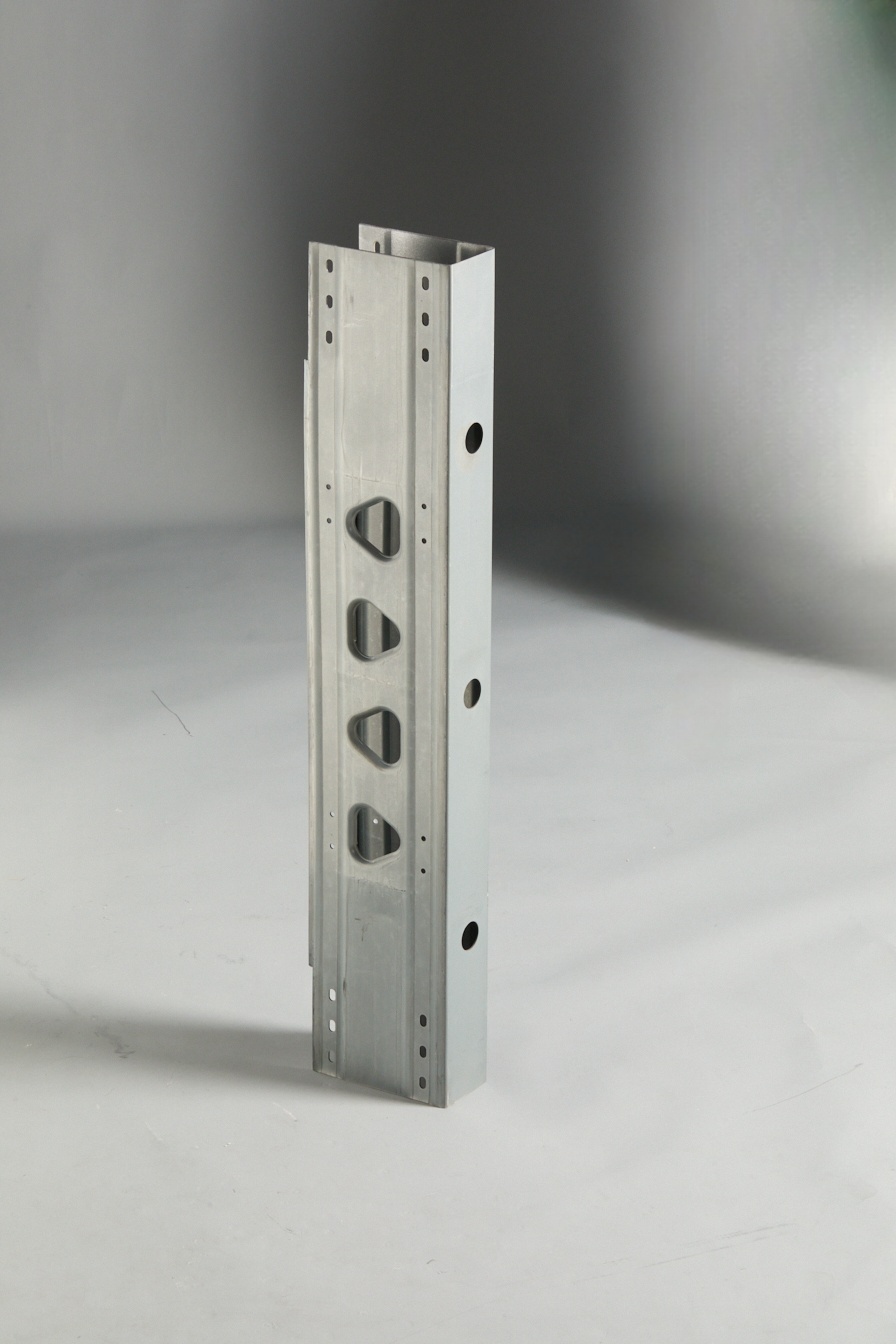
195 Inverted Edge - Triangle Reinforcement
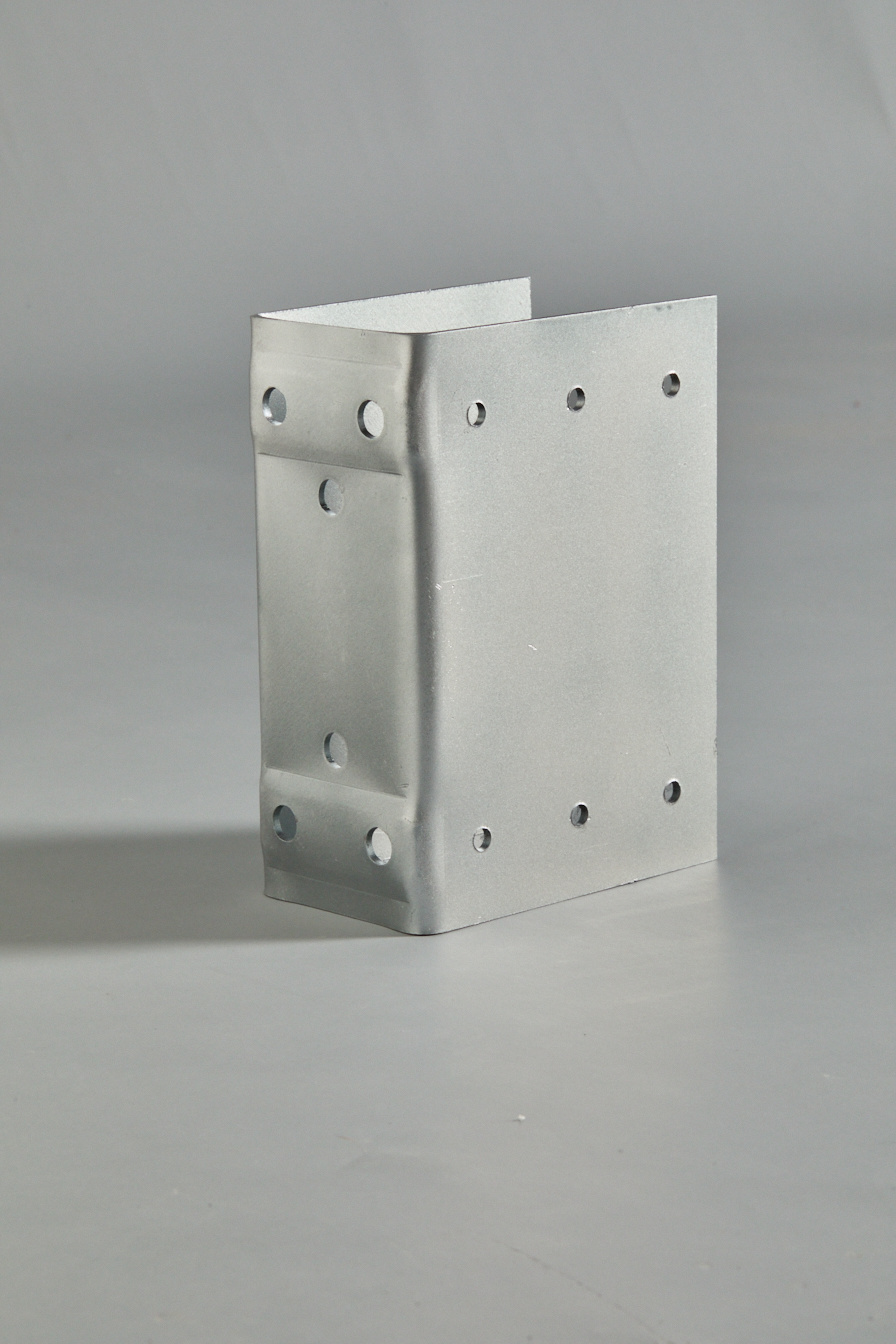
Frame large U connector
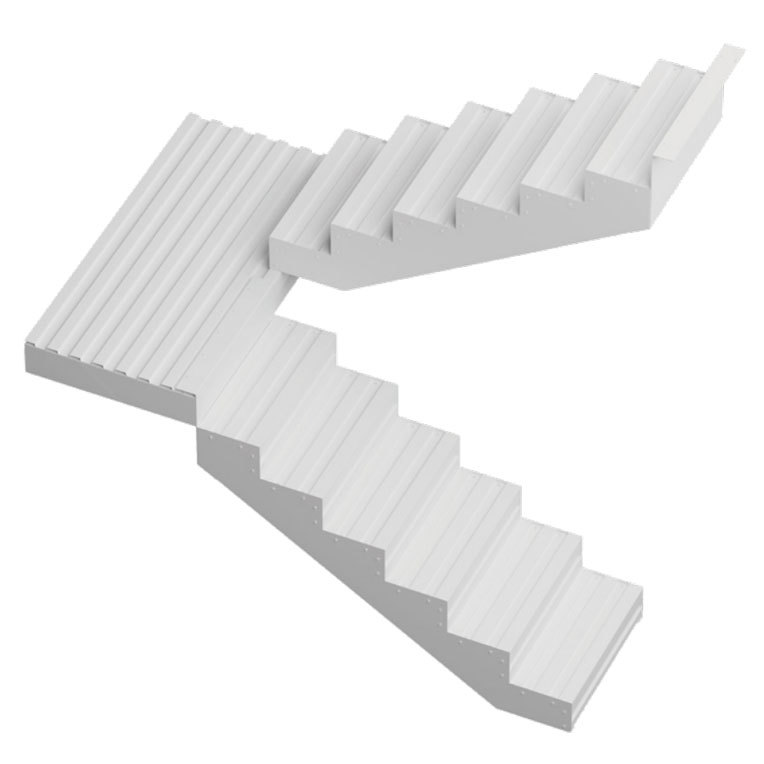
Prefabricated stairs
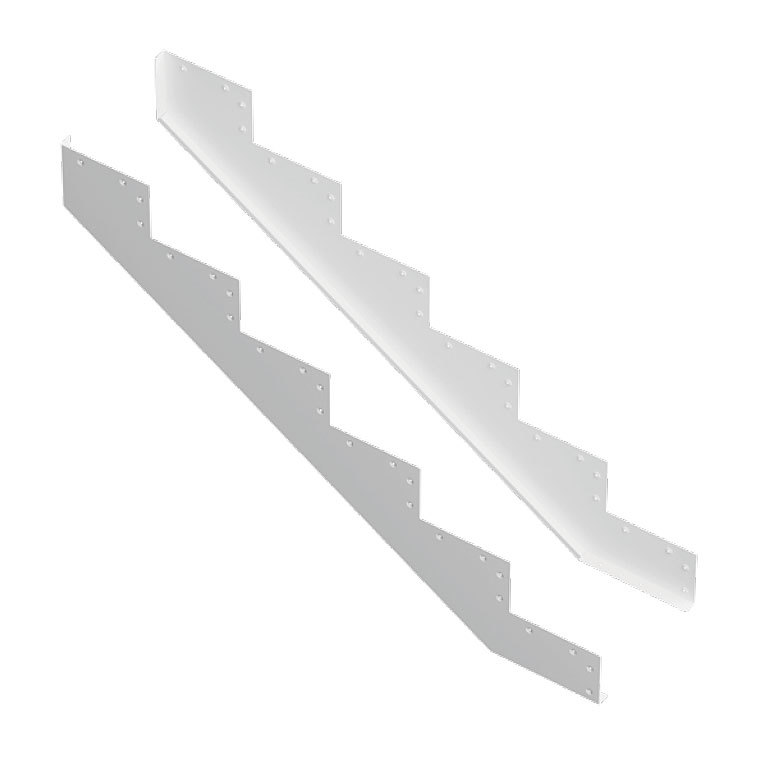
Staircase side panels
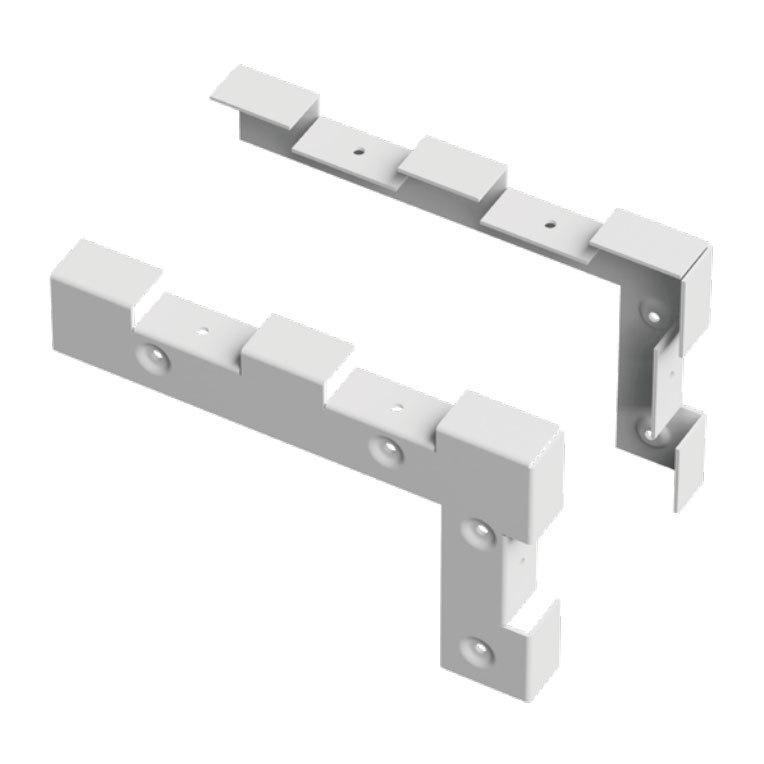
Staircase angle steel
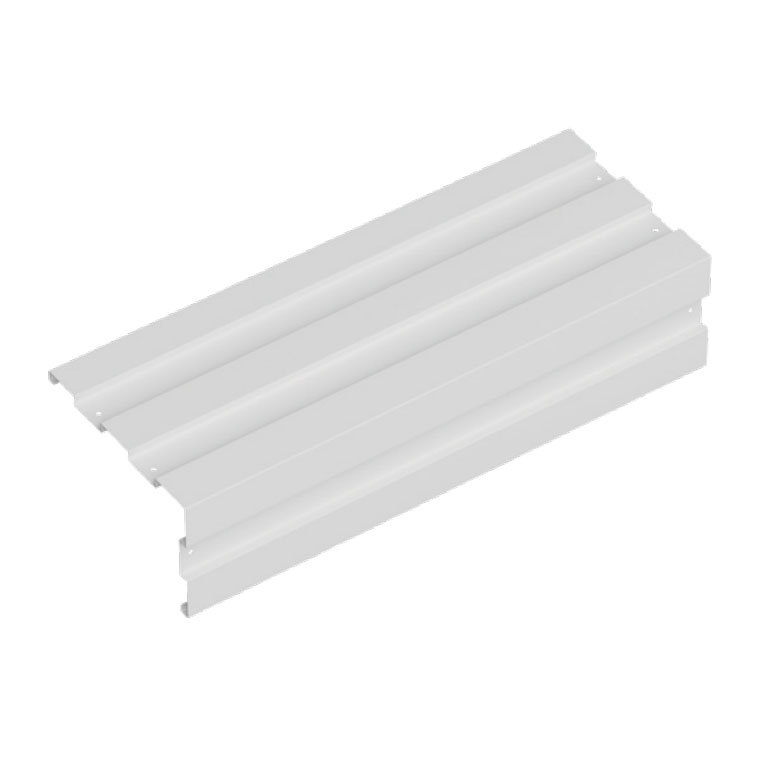
Stair steps
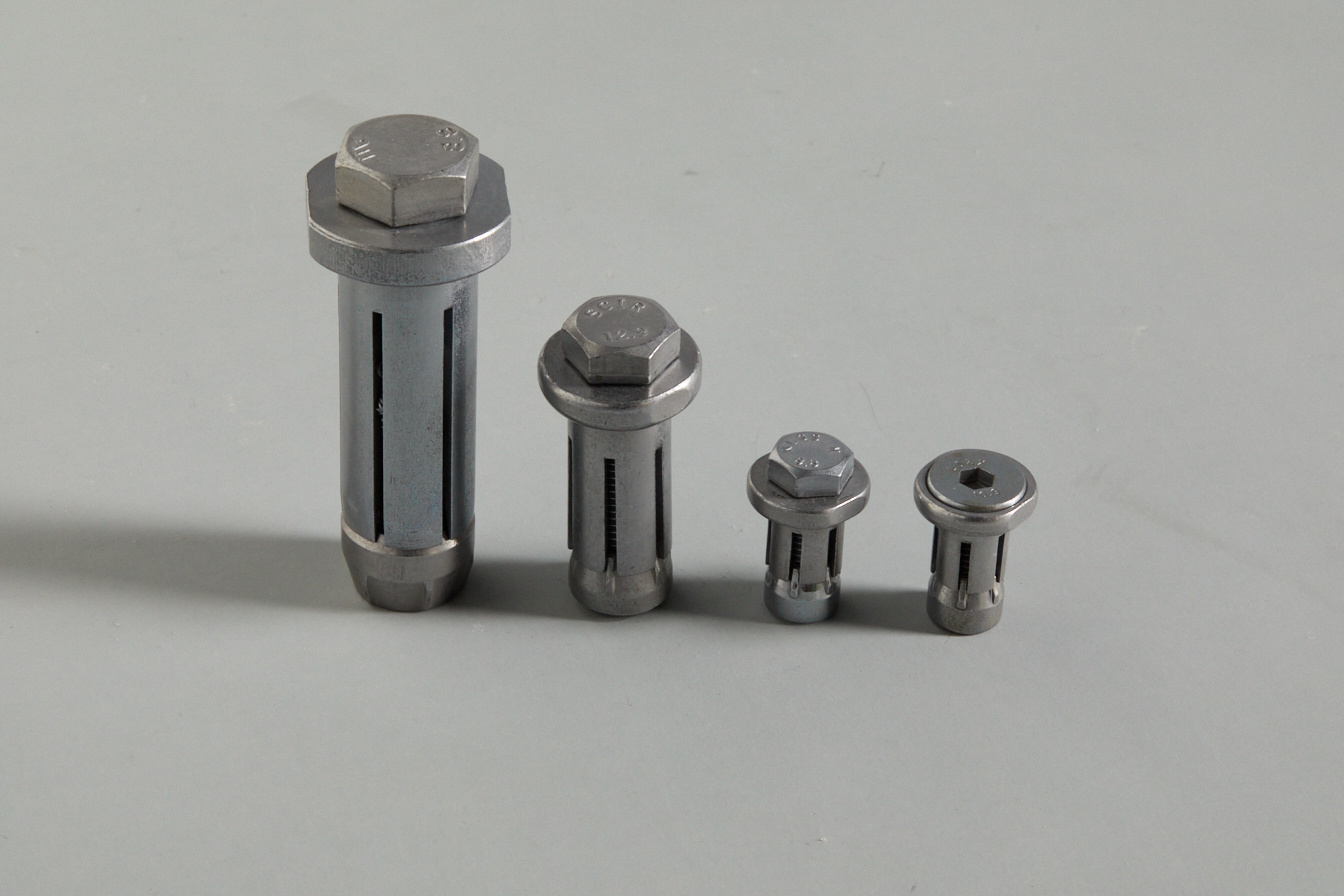
One-Way Bolt
Helical Pile System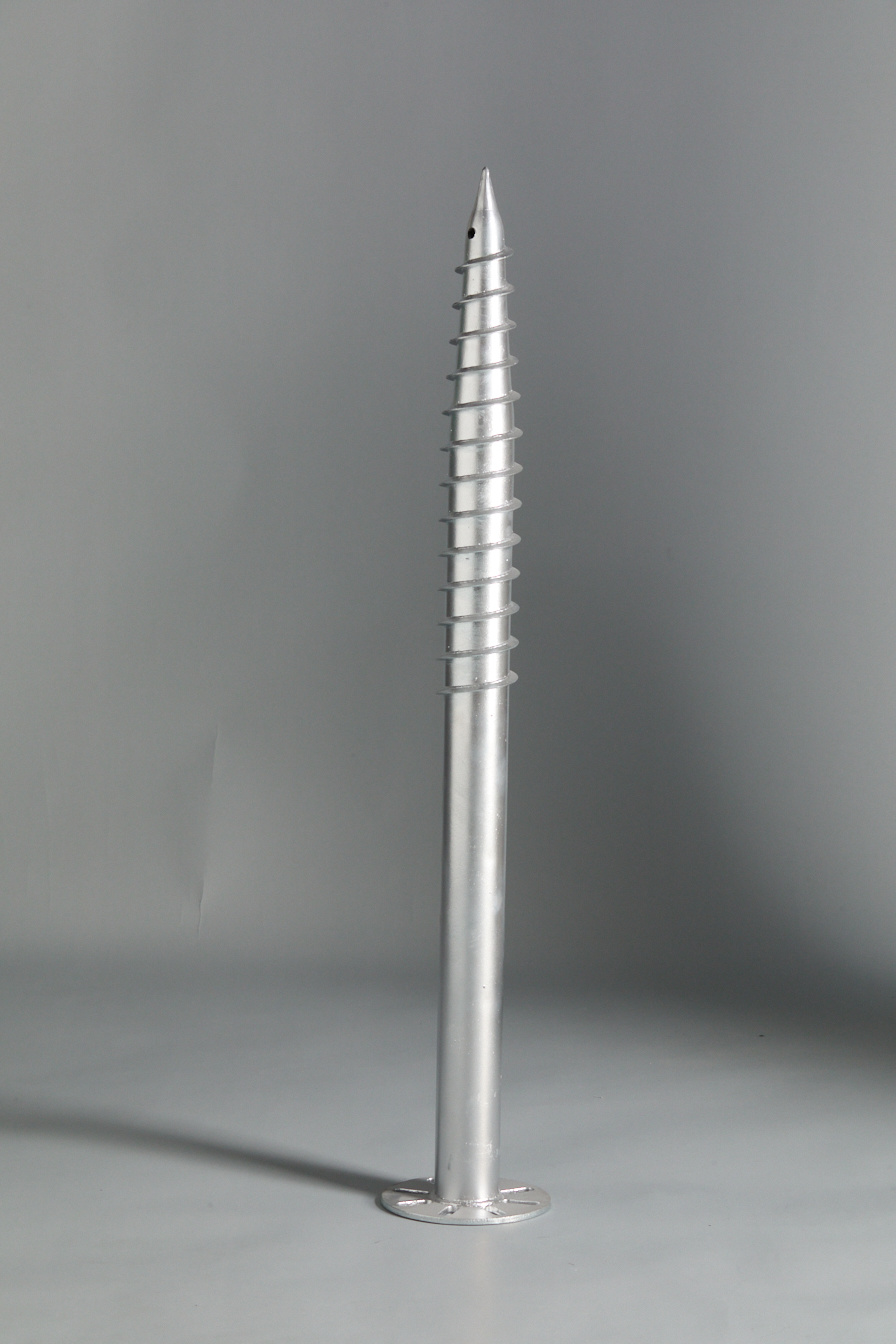
Round Pipe Screw Pile| Reliable Helical Pile Manufacturer| Patented Foundation Solution
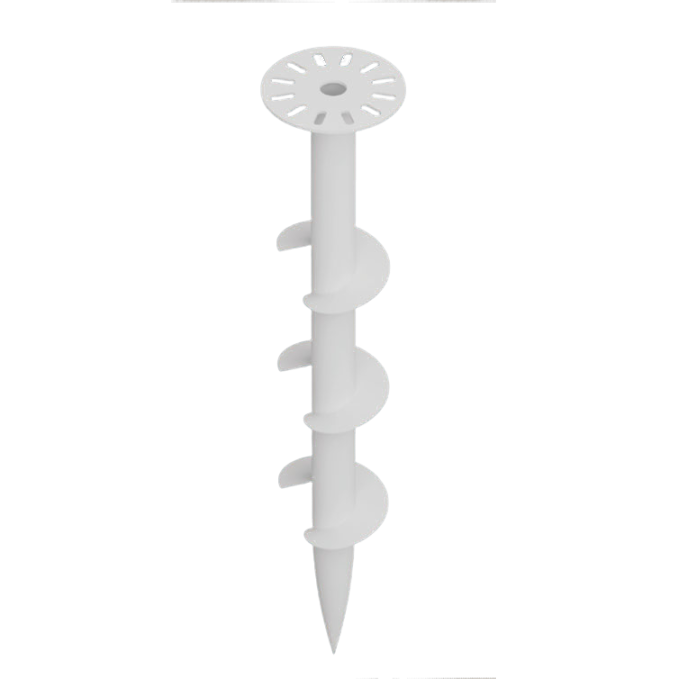
Screw Pile - 3 Blades - Round Pipe Pile
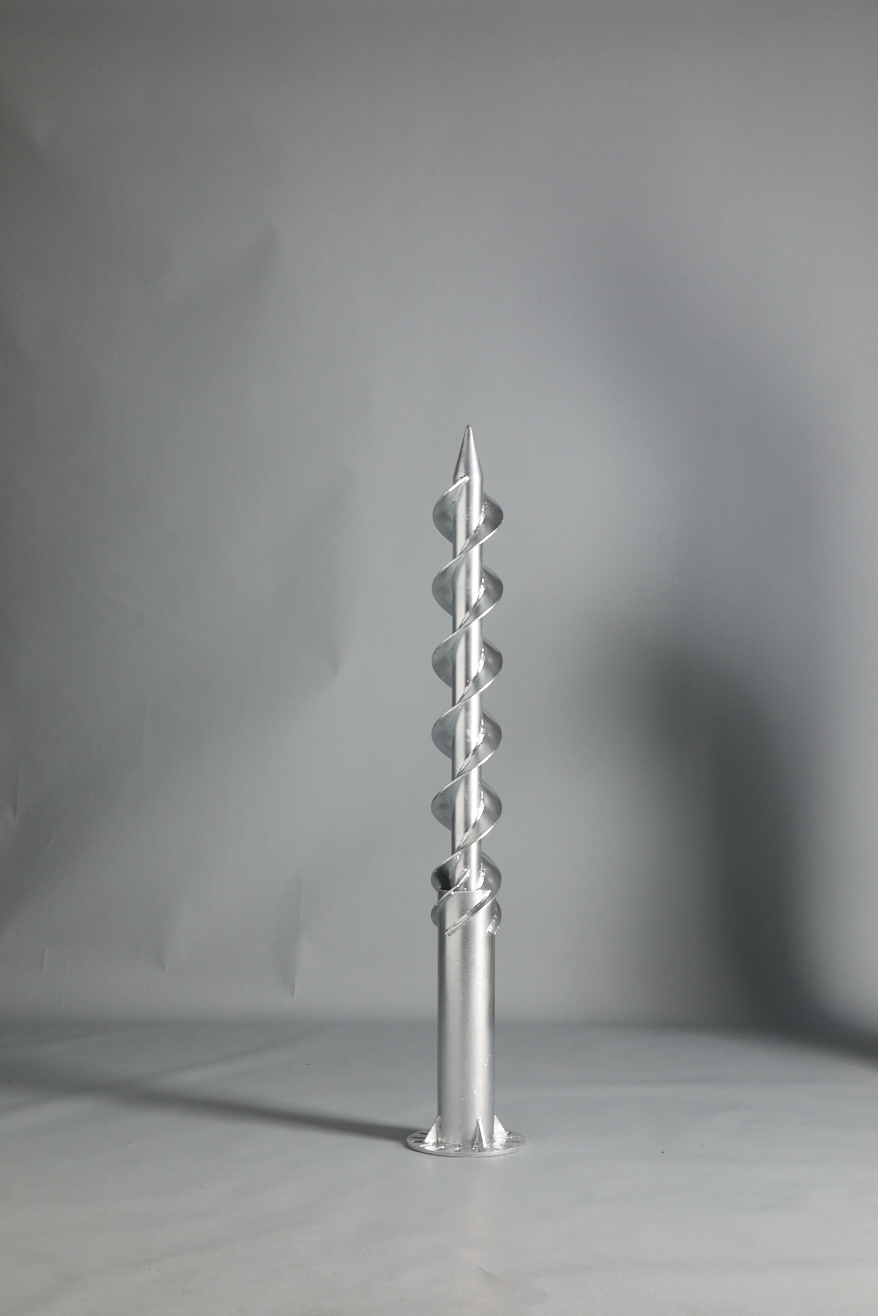
Double-Helix Screw Pile | Patented Foundation Solution
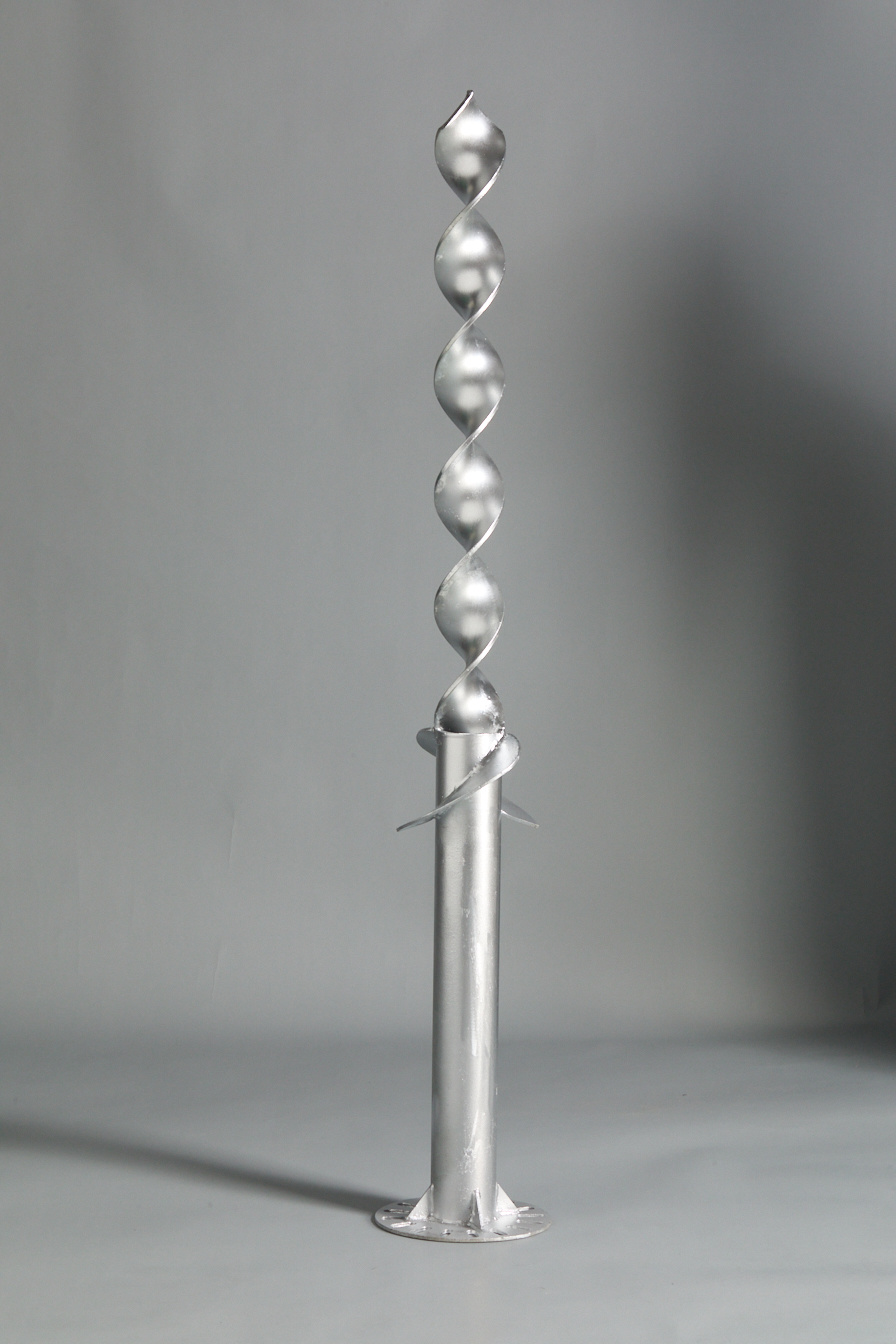
Screw Pile - Large Blade Flat Steel Pile
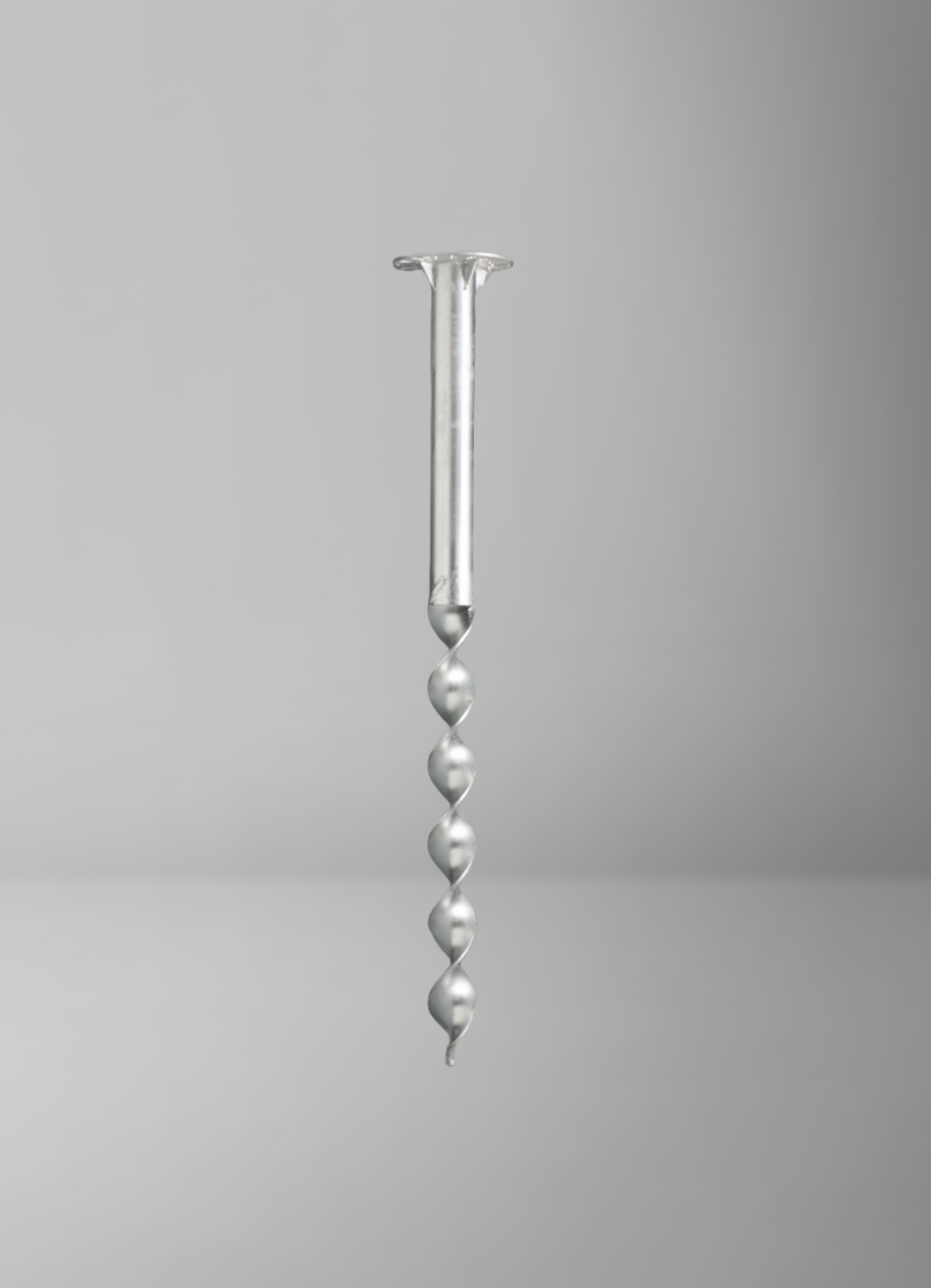
Flat Steel Screw Pile| Reliable Helical Pile Manufacturer| Patented Foundation Solution
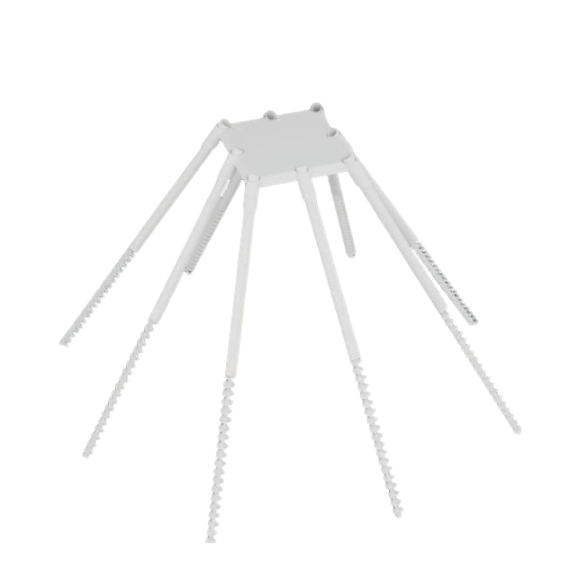
Eight-Pile Group Screw Piles| Reliable Helical Pile Manufacturer| Patented Foundation Solution
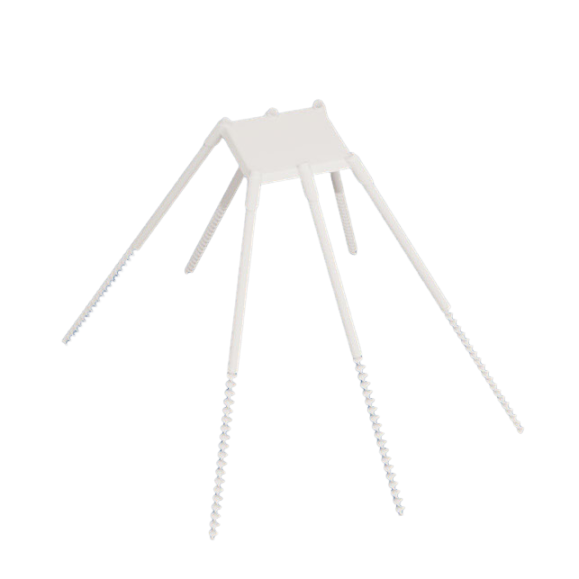
Six-Pile Group Screw Piles| Reliable Helical Pile Manufacturer| Patented Foundation Solution
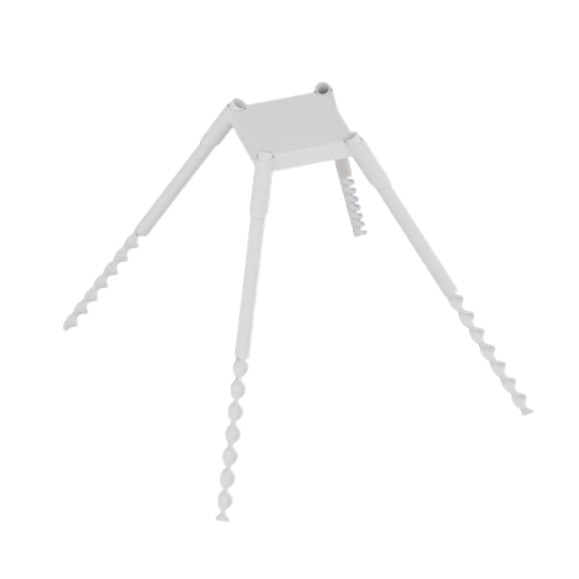
Four-Pile Group Screw Piles| Reliable Helical Pile Manufacturer| Patented Foundation Solution
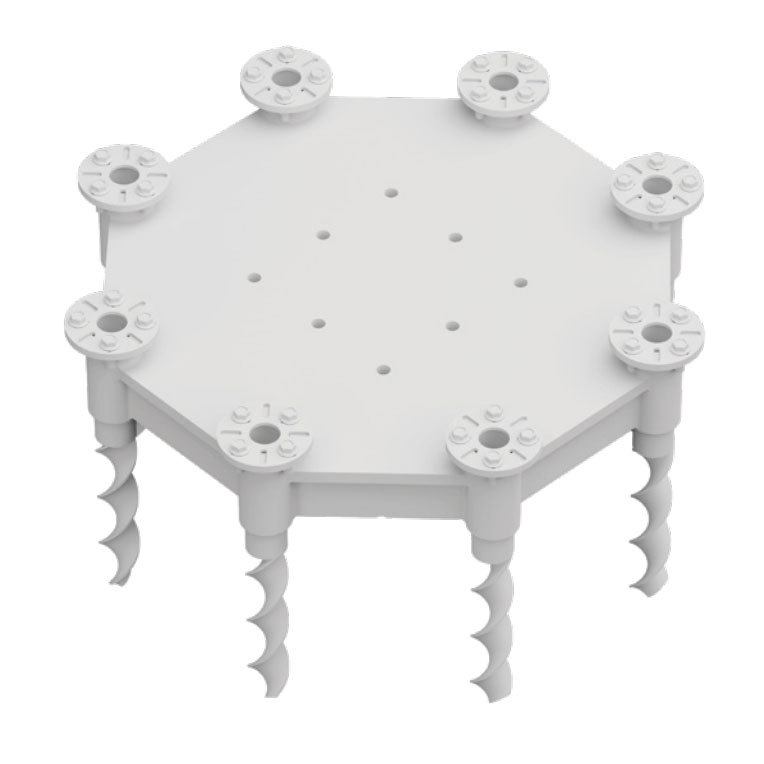
Eight-Pile Cap Screw Pile | Reliable Helical Pile Manufacturer| Patented Foundation Solution
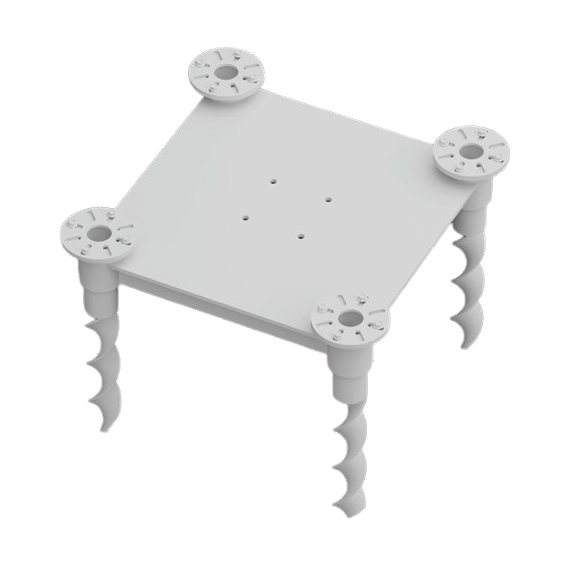
Four-Pile Cap Screw Pile | Reliable Helical Pile Manufacturer| Patented Foundation Solution
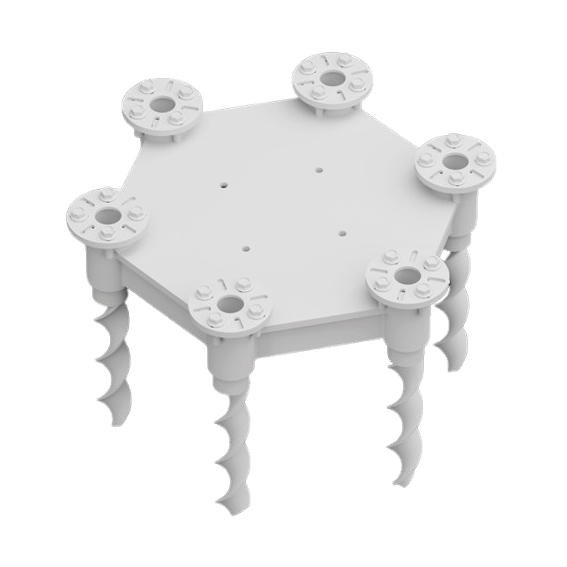
Six-Pile Cap Screw Pile | Reliable Helical Pile Manufacturer| Patented Foundation Solution
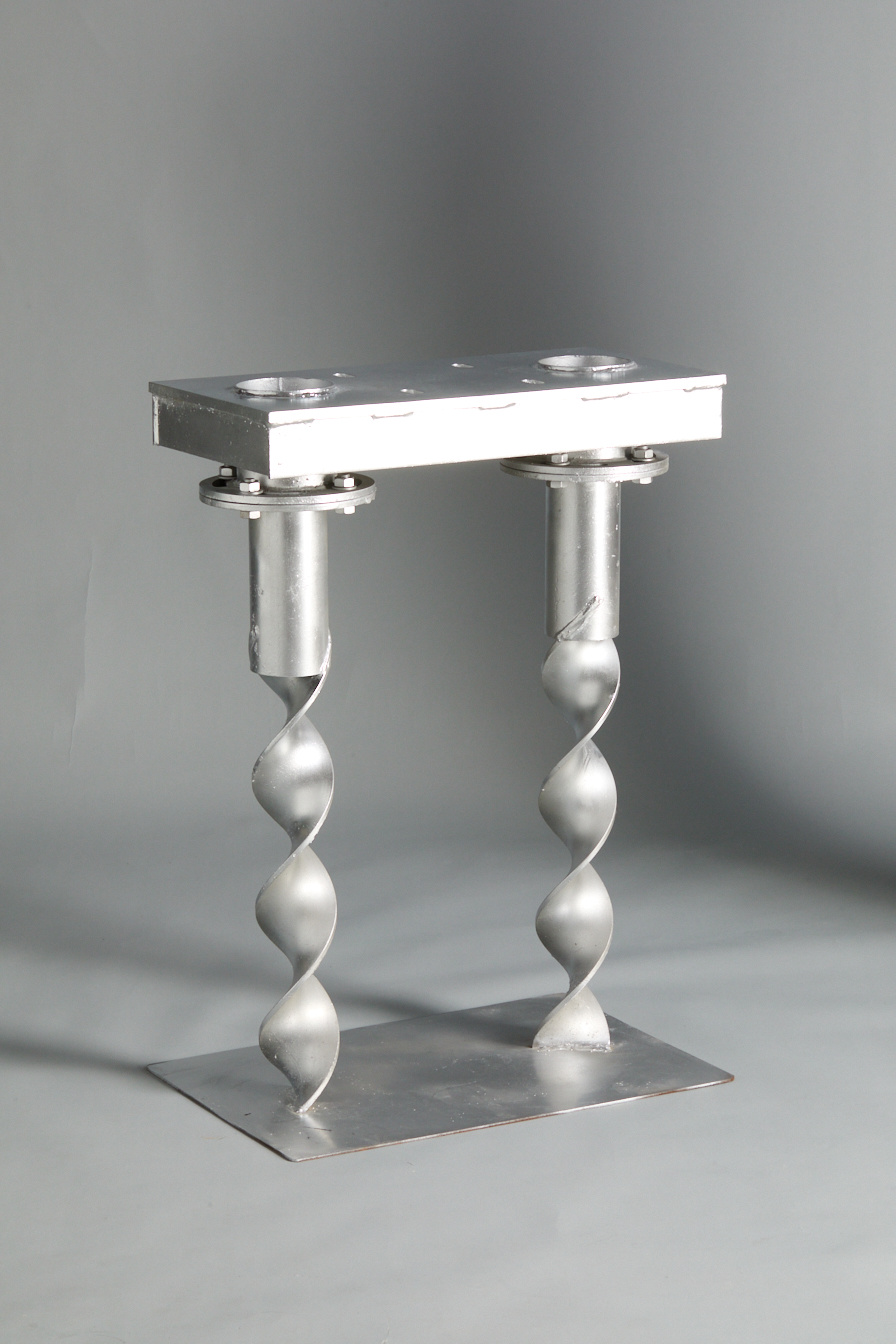
Two-Pile Cap Screw Pile | Reliable Helical Pile Manufacturer| Patented Foundation Solution
Steel Platform System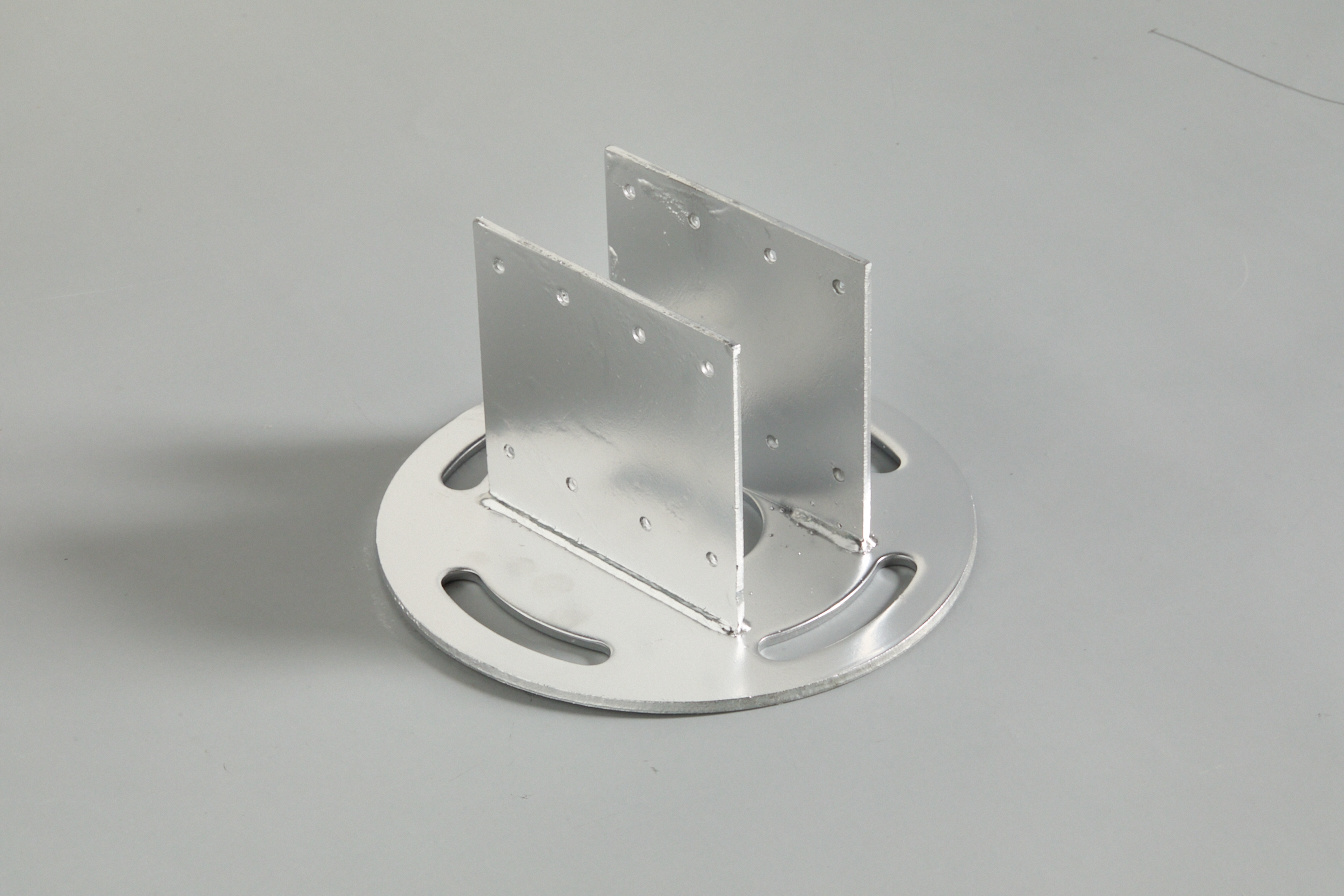
Spiral pile connectors
Small U connector
Large U connector
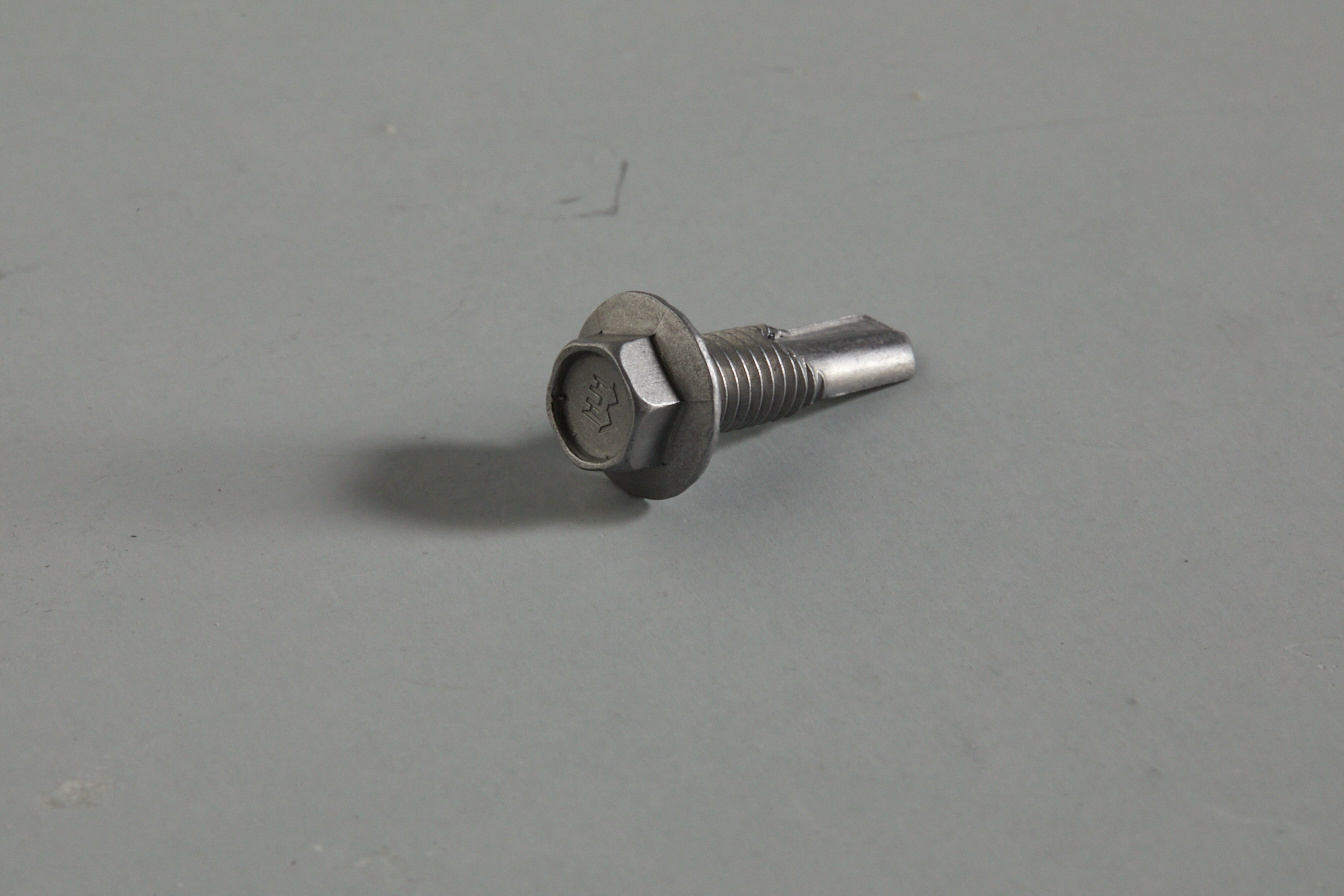
Hexagonal flange self drilling and self tapping screws
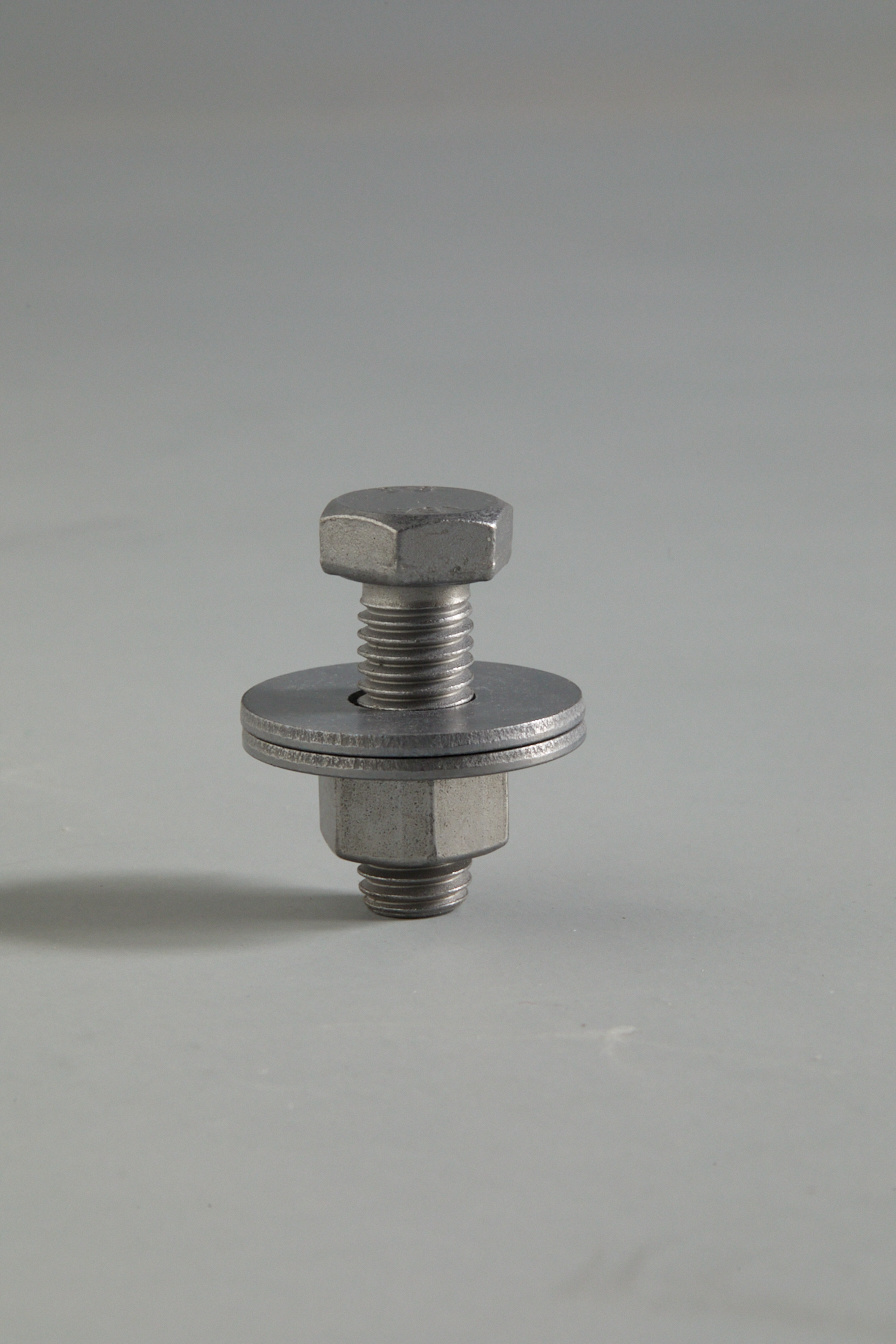
Tightening Bolts
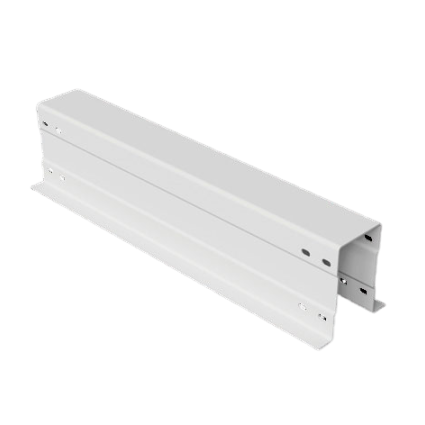
Secondary Beam
Steel Platform - Main Beam
Modular building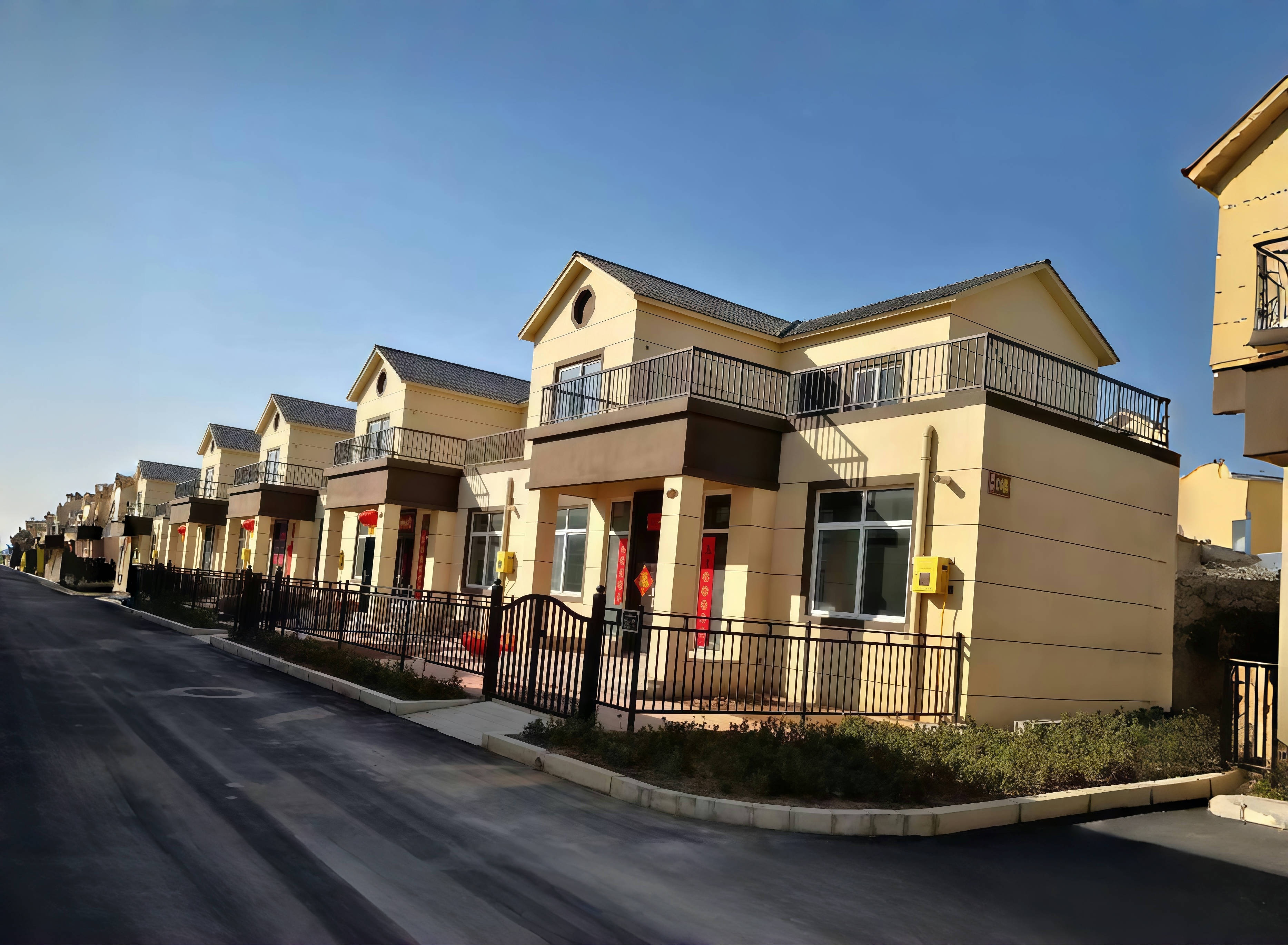
Modular building
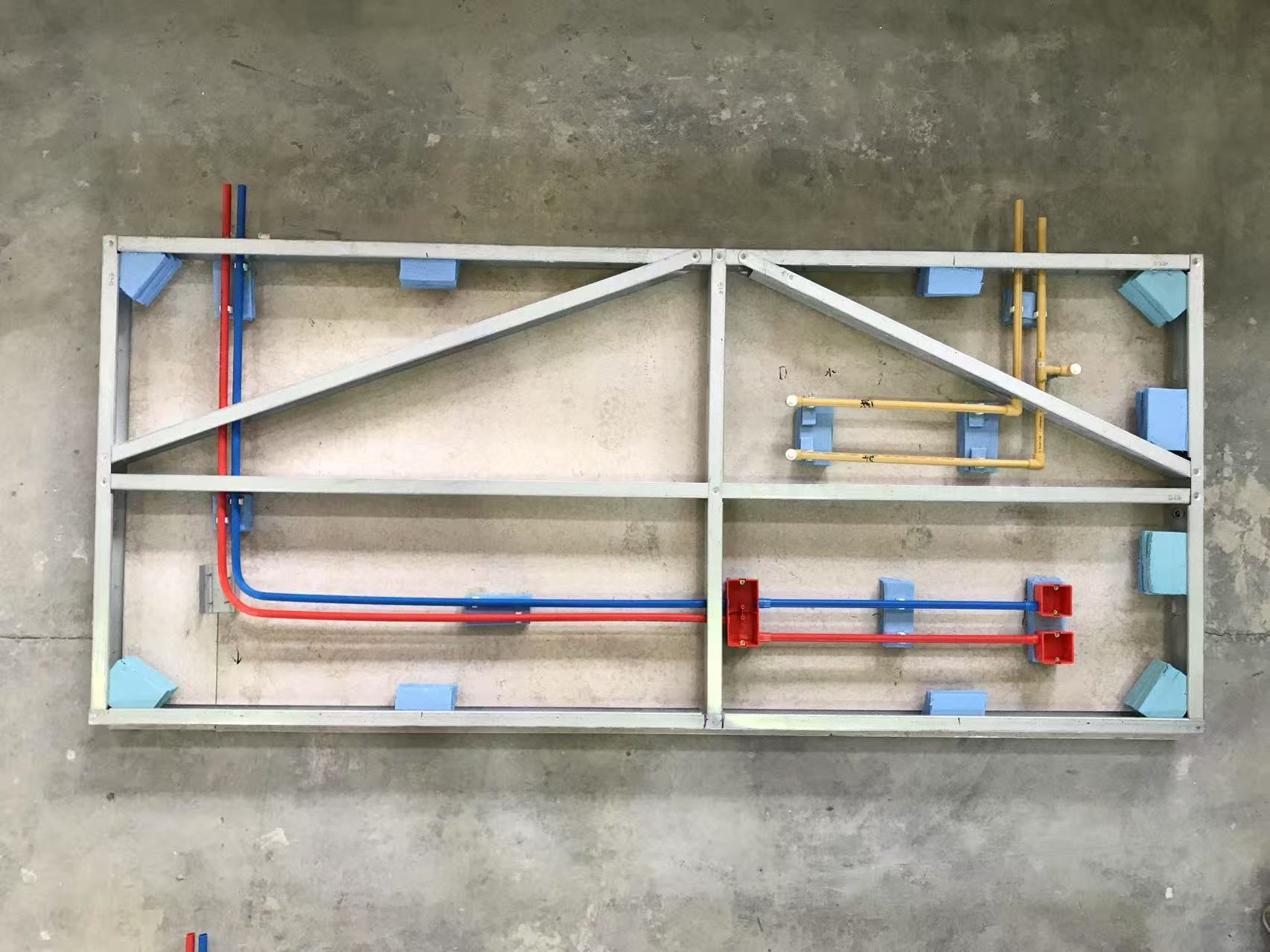
Layout Diagram of Electrical and Plumbing Pipelines for Magnesium-Based Grouted Walls

Performance Testing of Magnesium-Based Walls
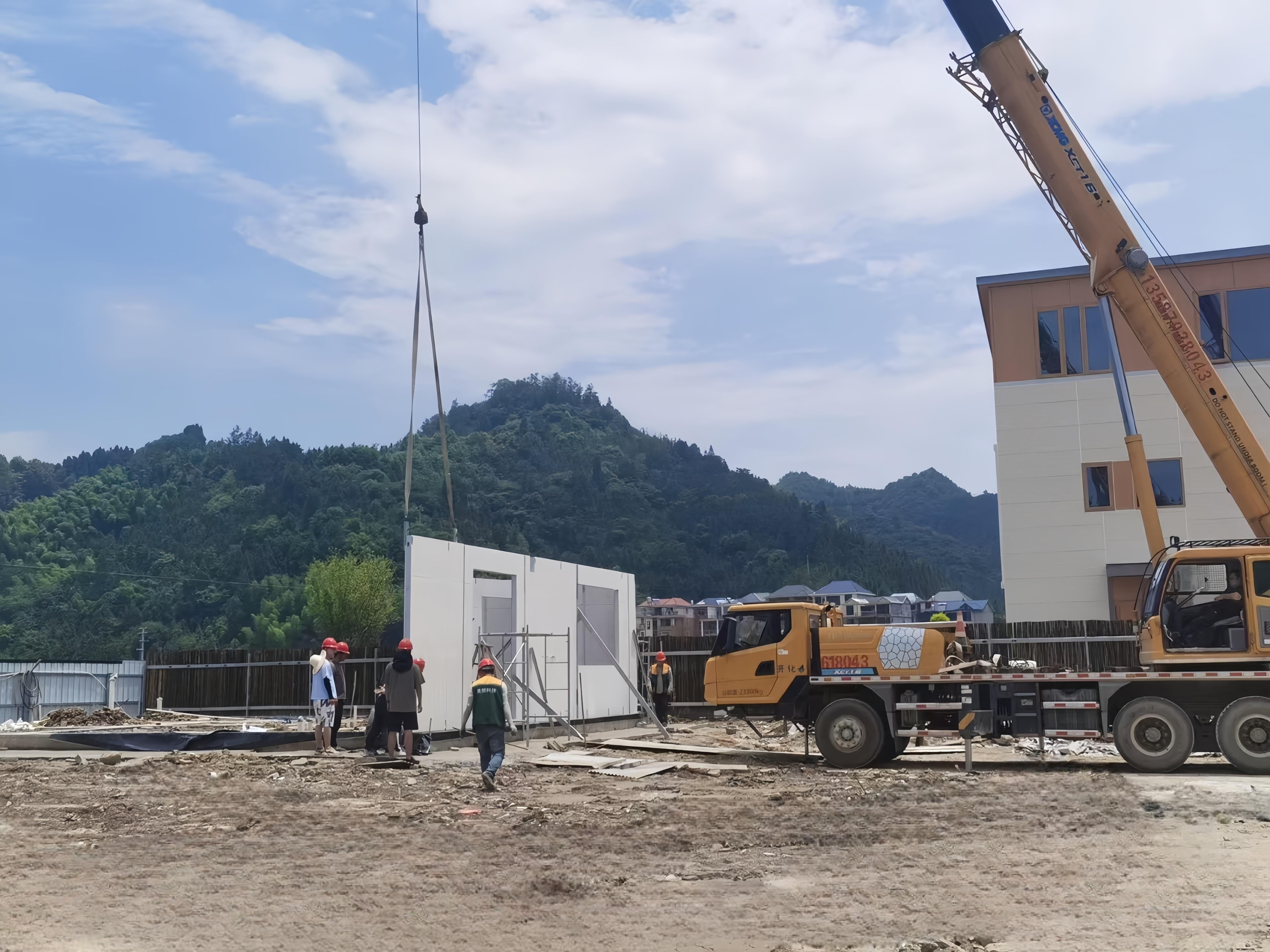
Construction Process of Modular Walls
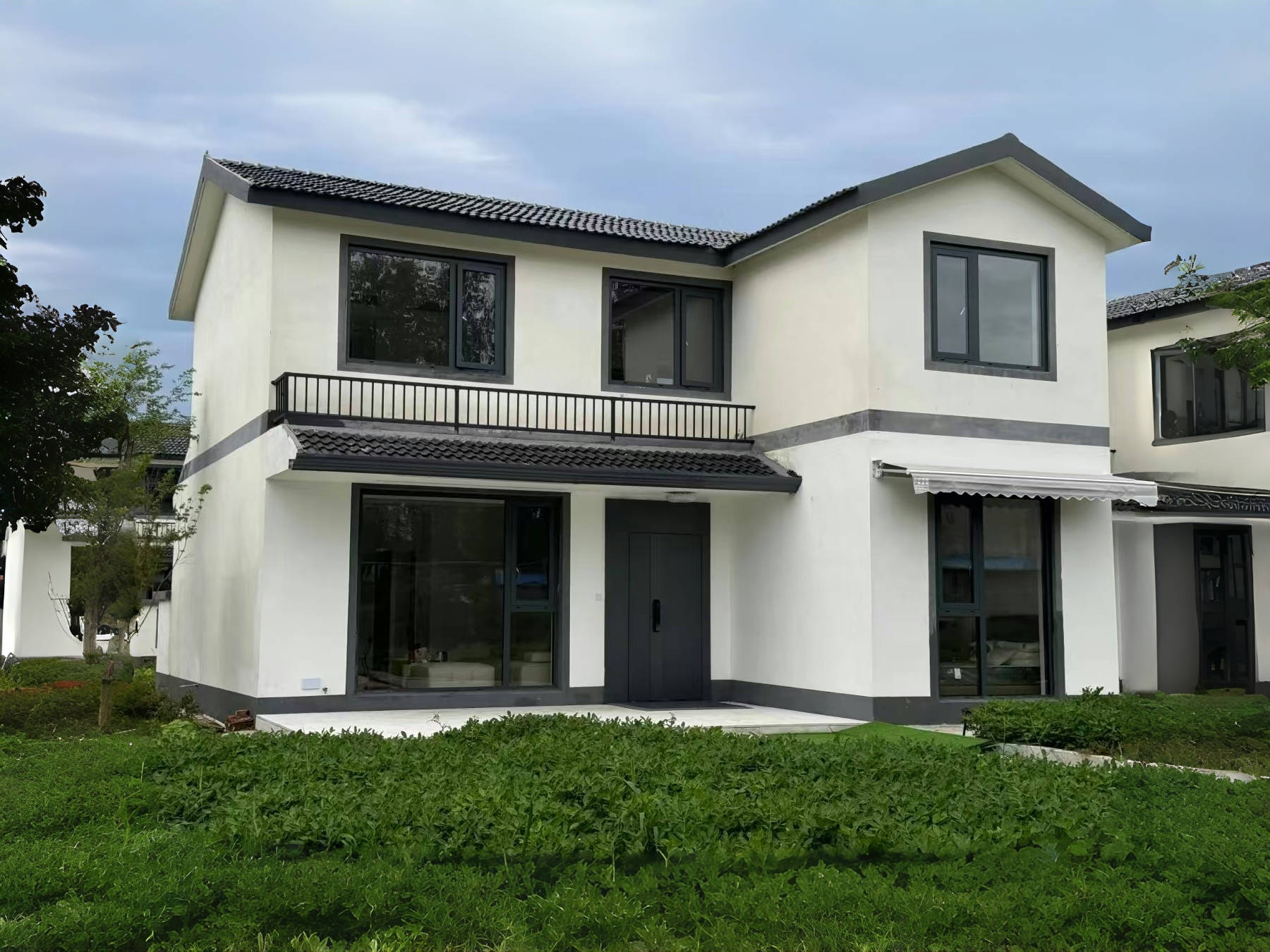
Cases of Modular Buildings
Bracket Roof Integrated Panel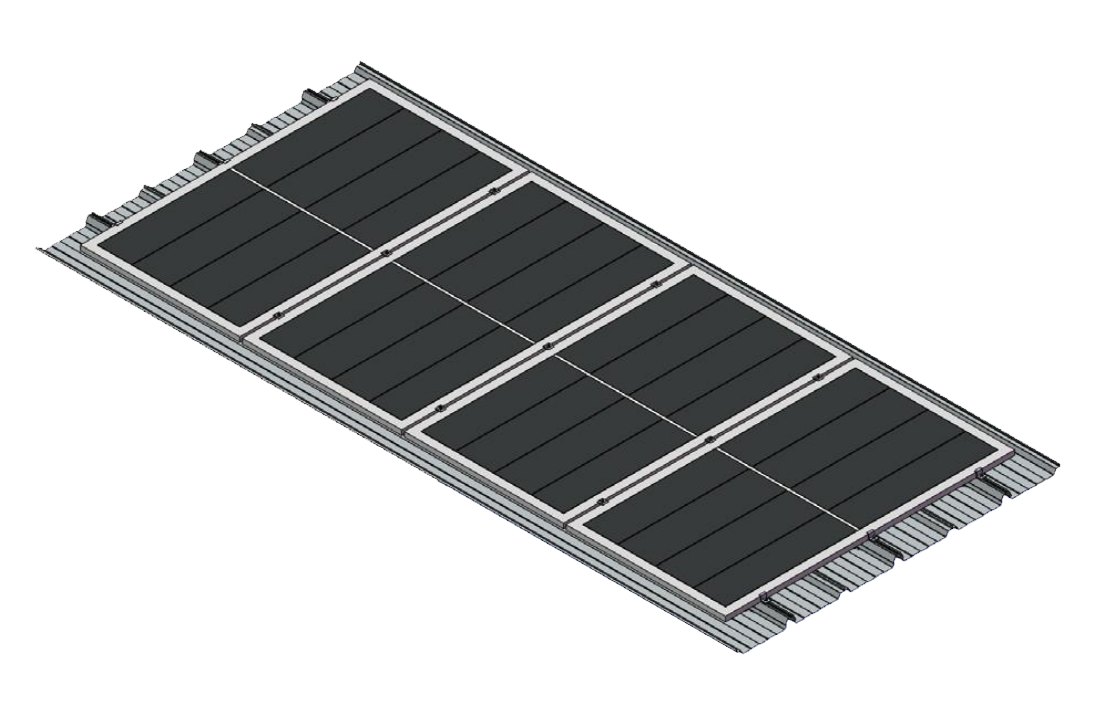
BIPV Bracket Roof Integrated Panel
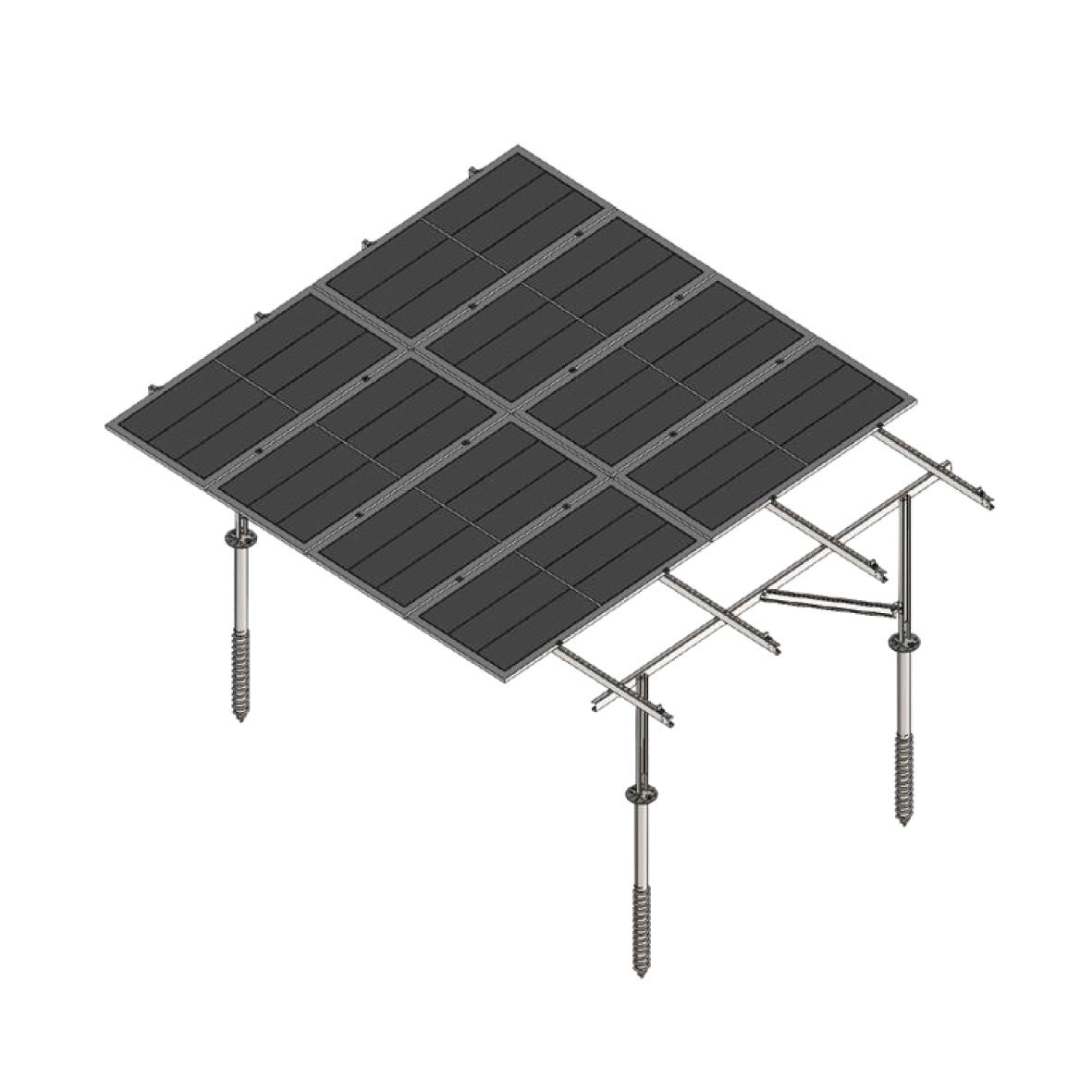
ZINC Aluminum Magnesium Double Leg Bracket
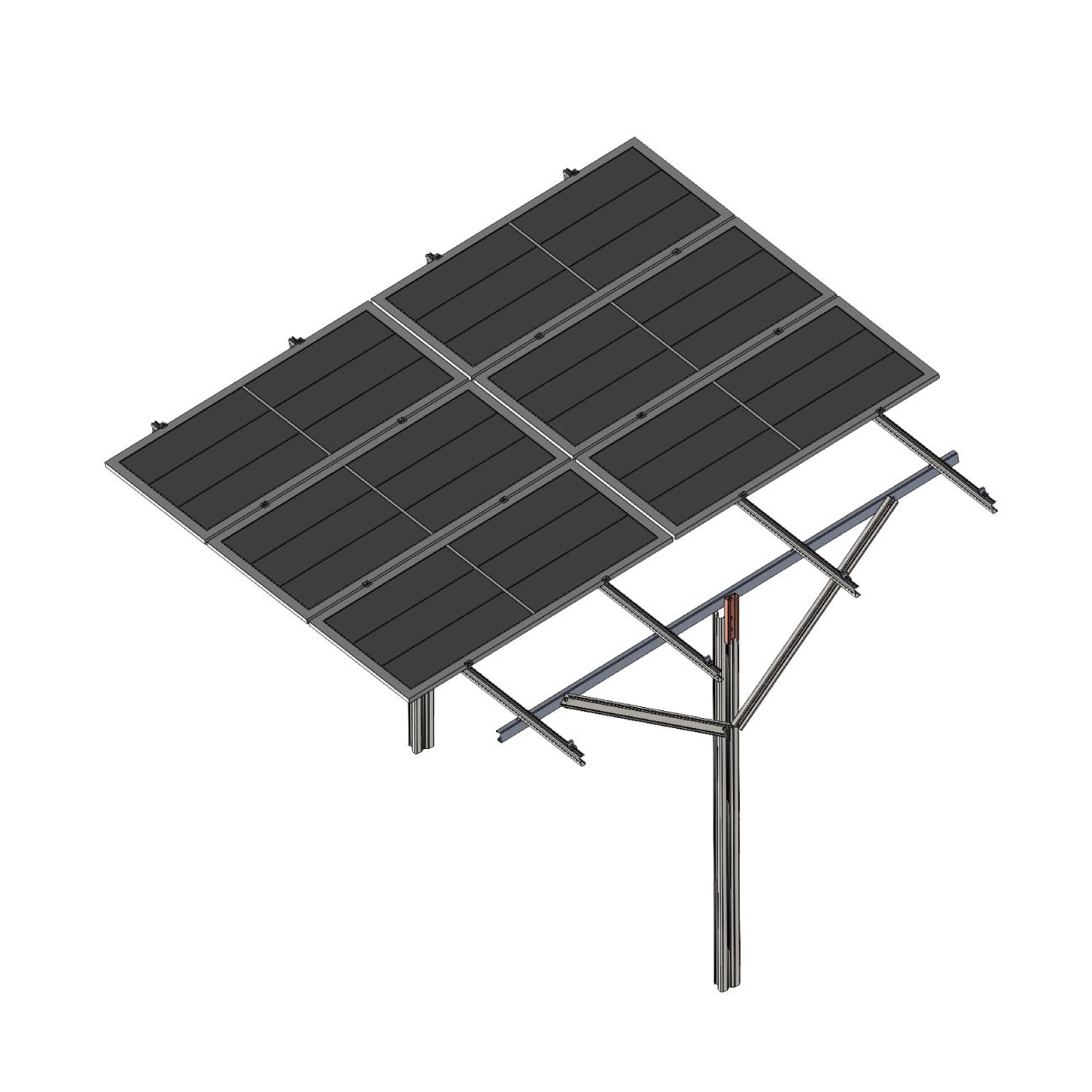
ZINC Aluminum Magnesium Single Leg Bracket
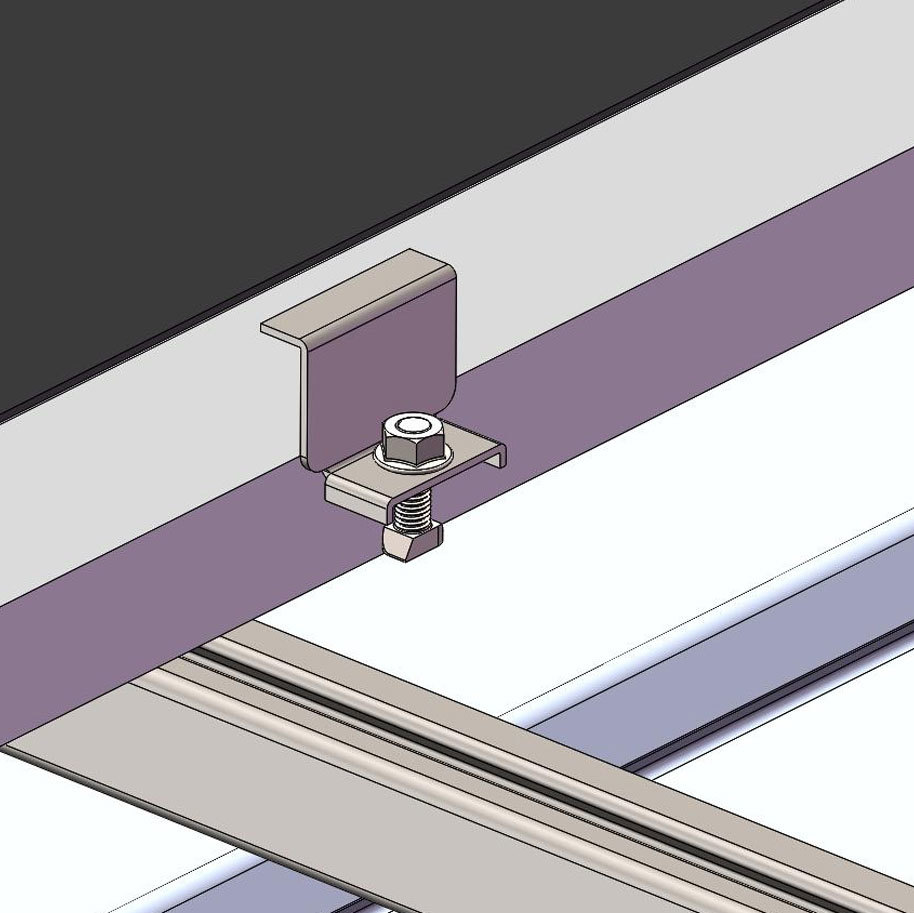
Explosion diagram of zinc aluminum magnesium under lateral pressure
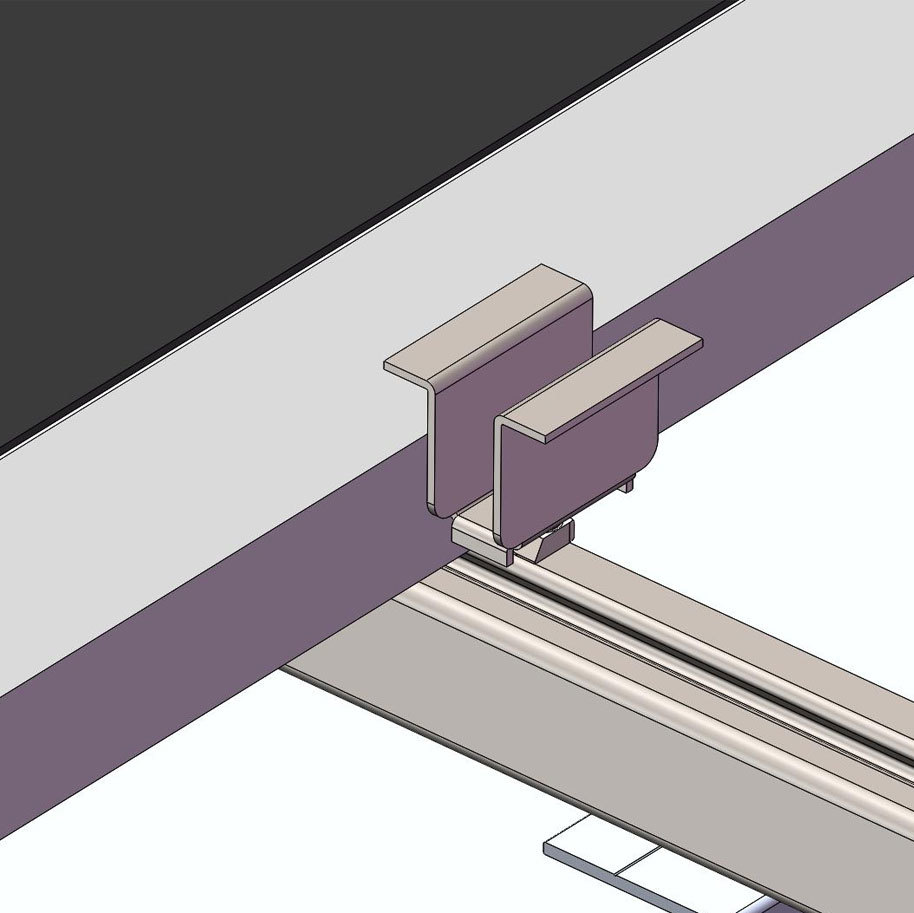
Zinc aluminum magnesium medium pressure explosion diagram
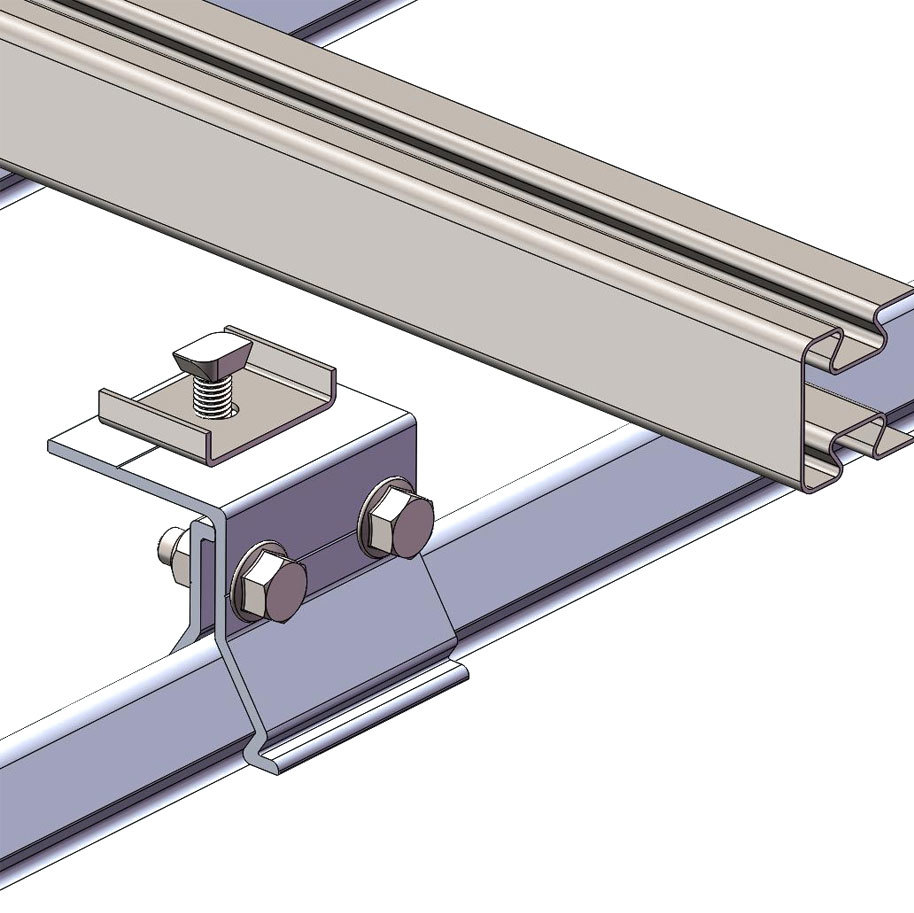
Explosion diagram of fixture components
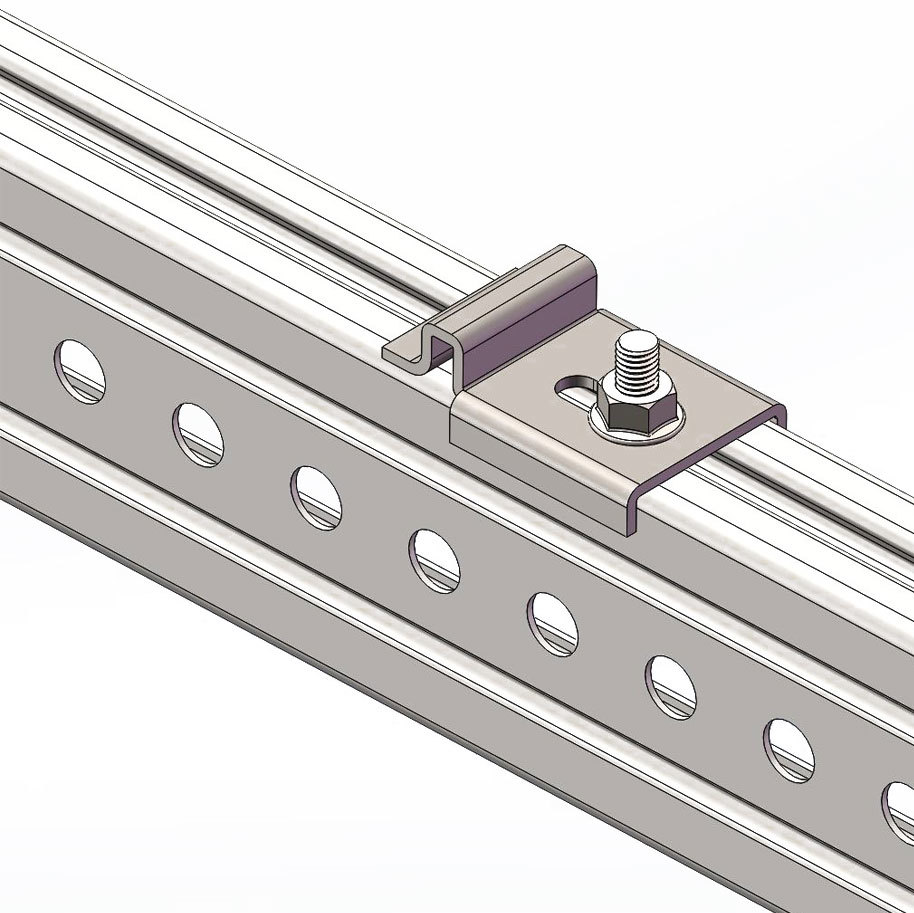
Lower pressure component
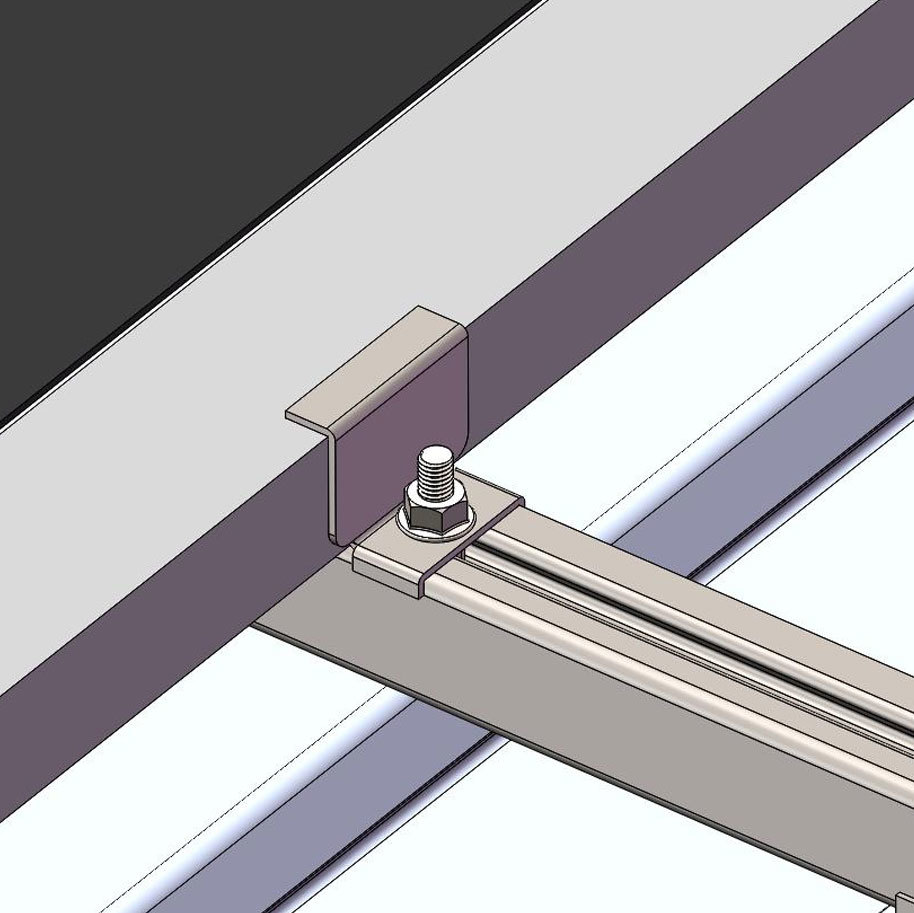
Zinc aluminum magnesium side pressure
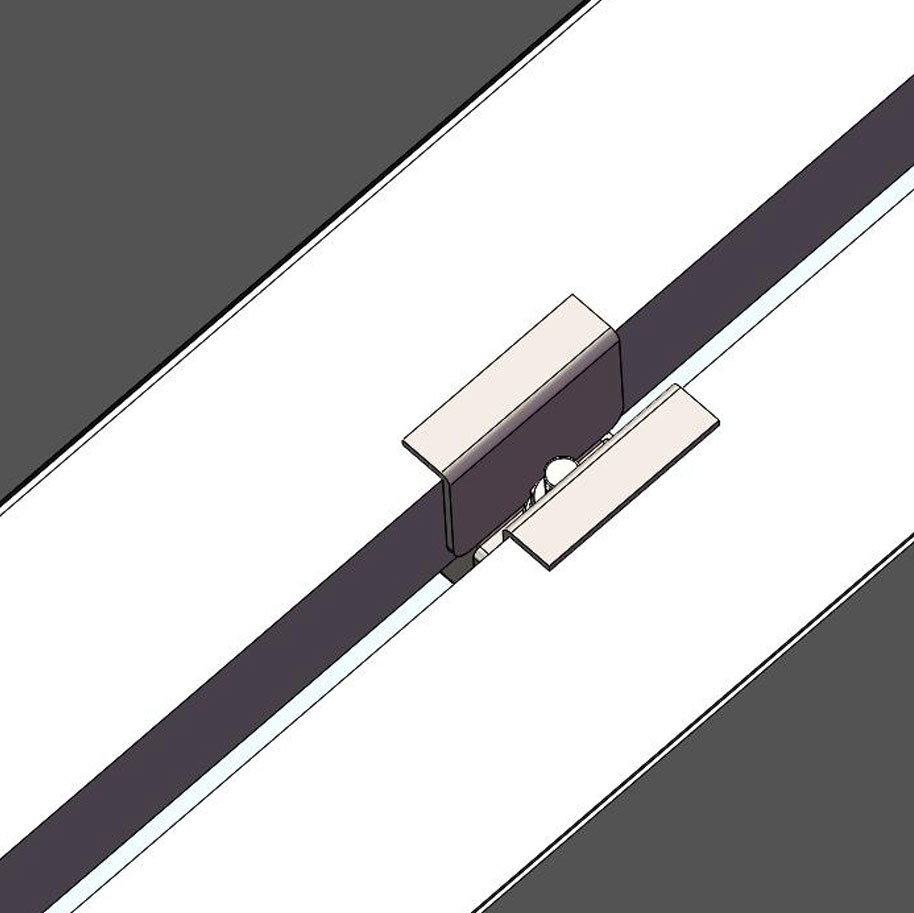
Zinc aluminum magnesium medium pressure
Zinc aluminum magnesium medium pressure
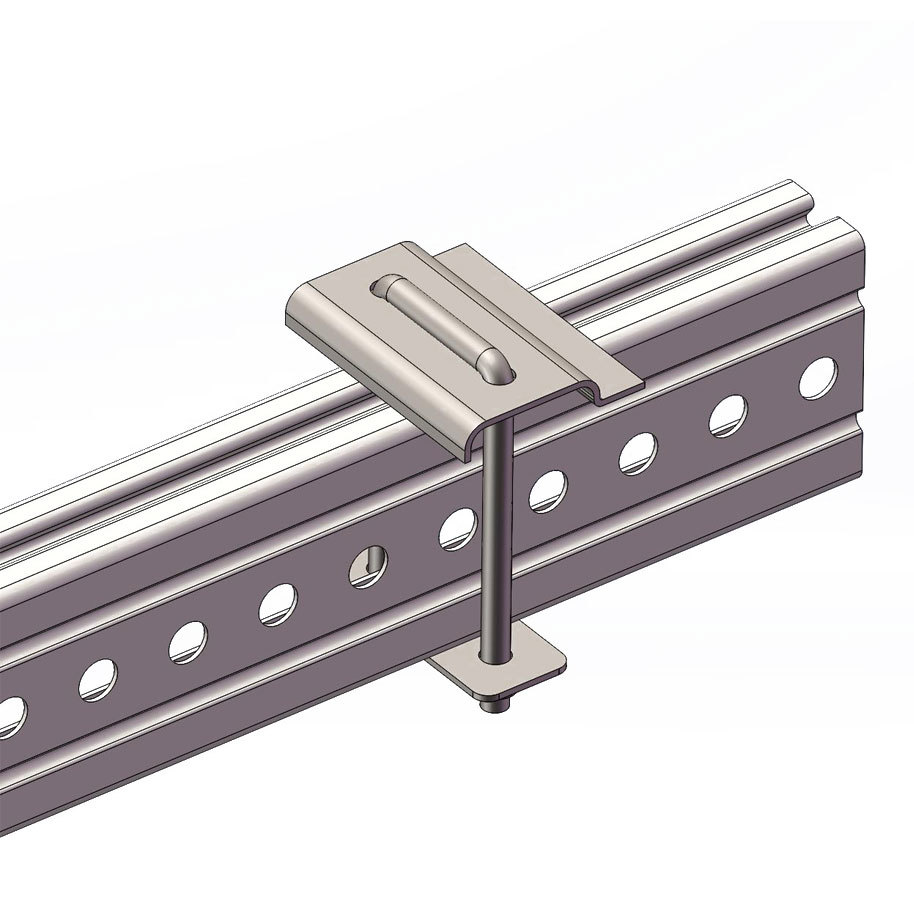
U-bolt assembly
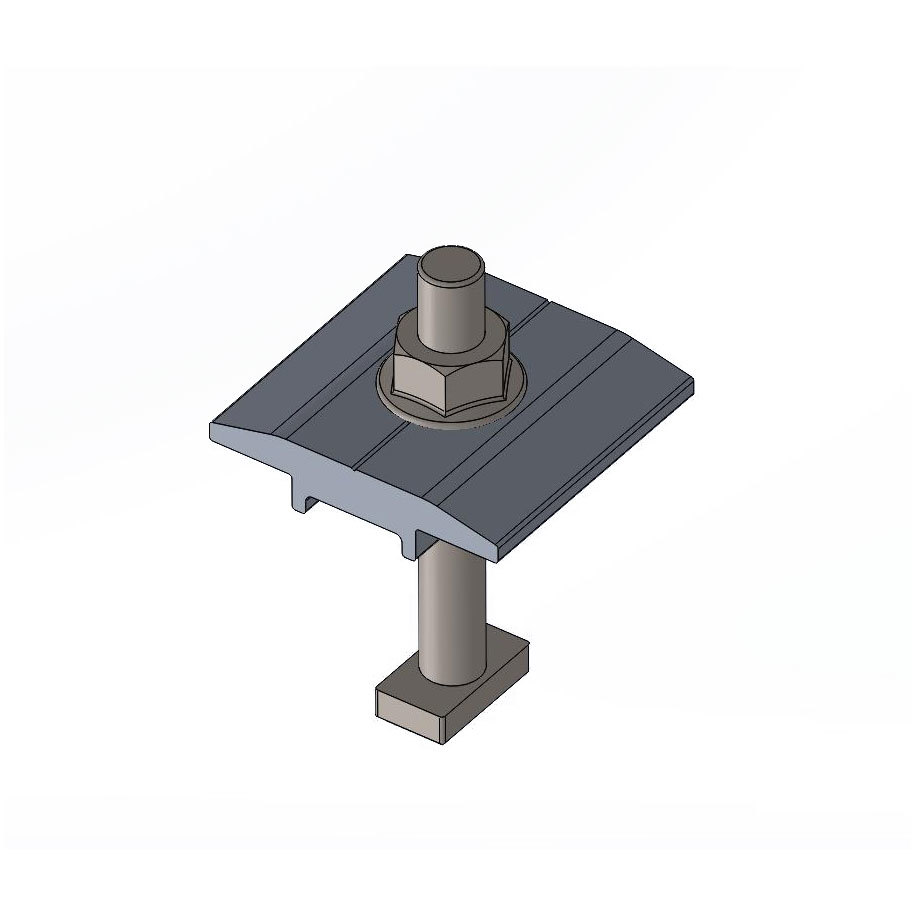
Medium voltage components
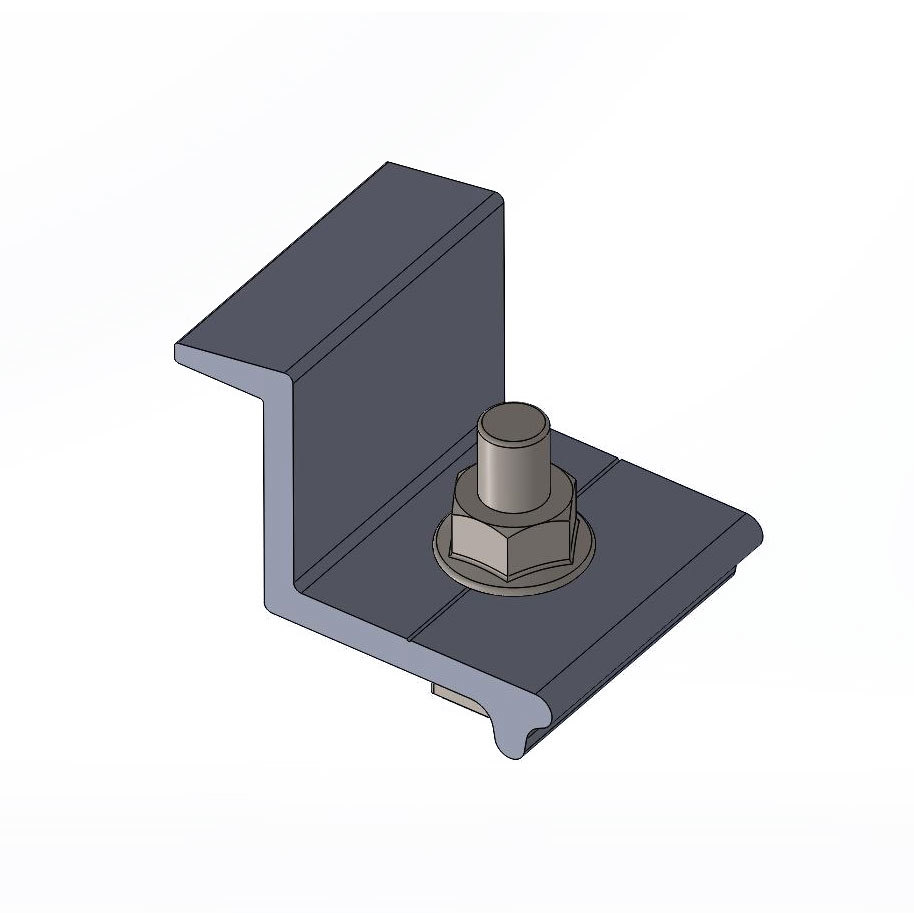
Side pressure component
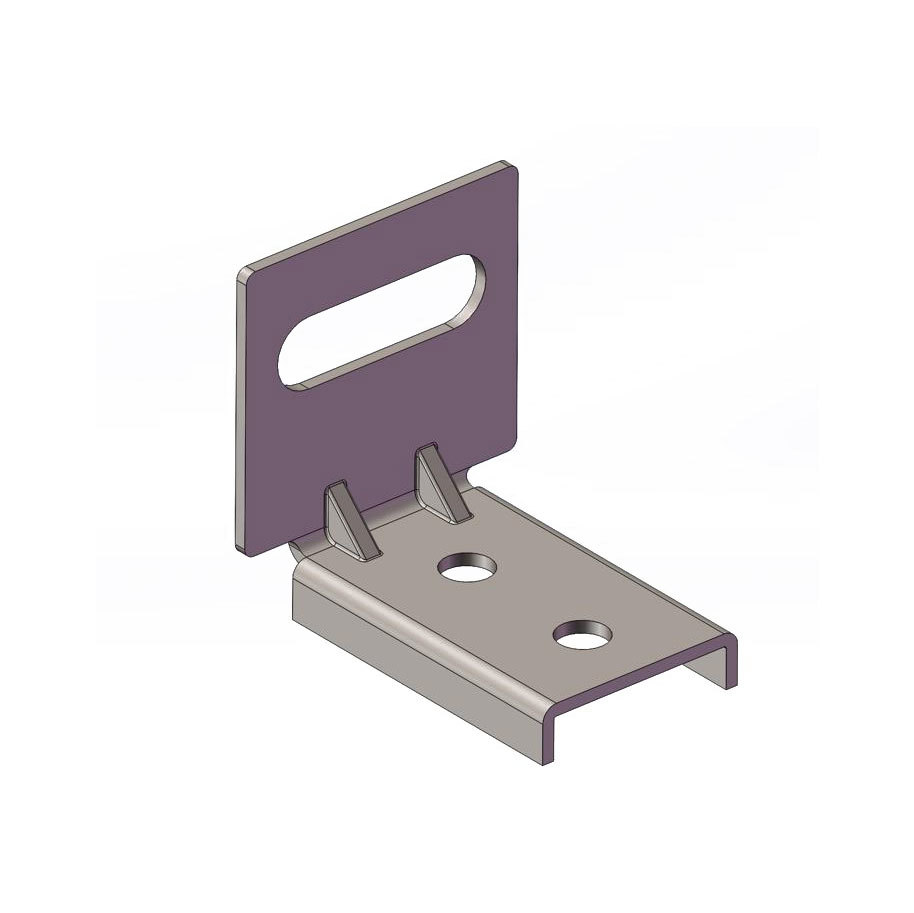
Horizontal and vertical rail connectors
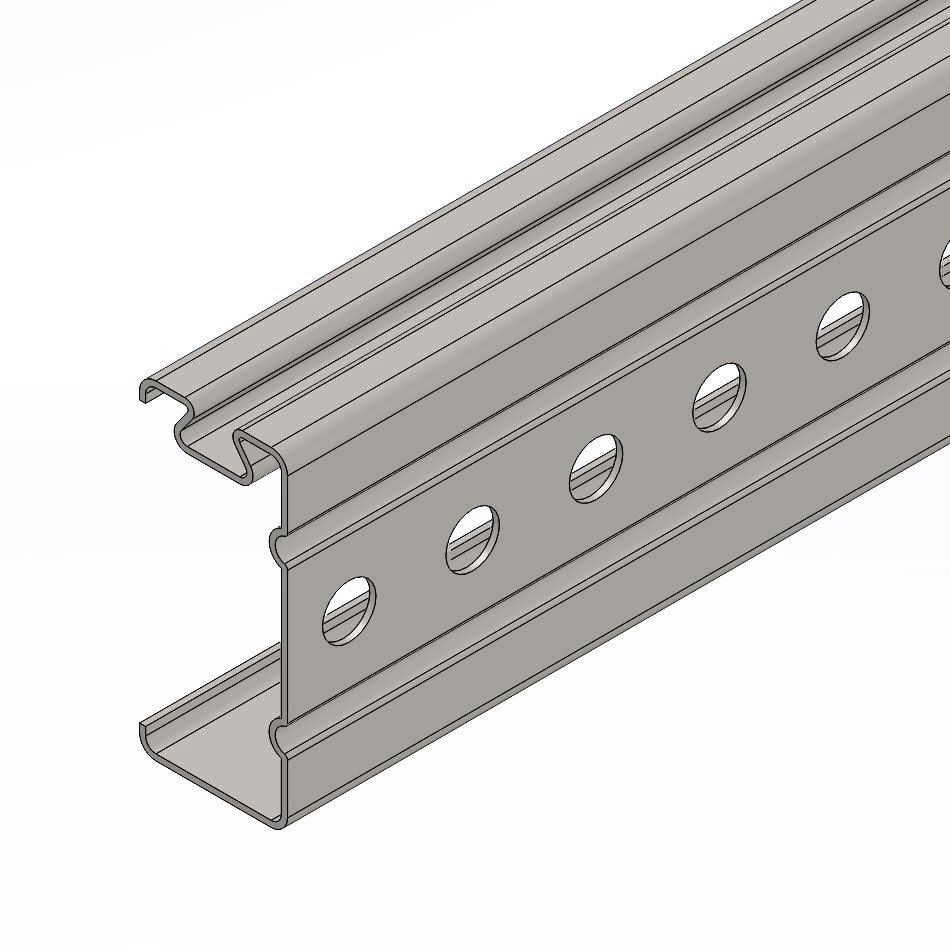
Slant support
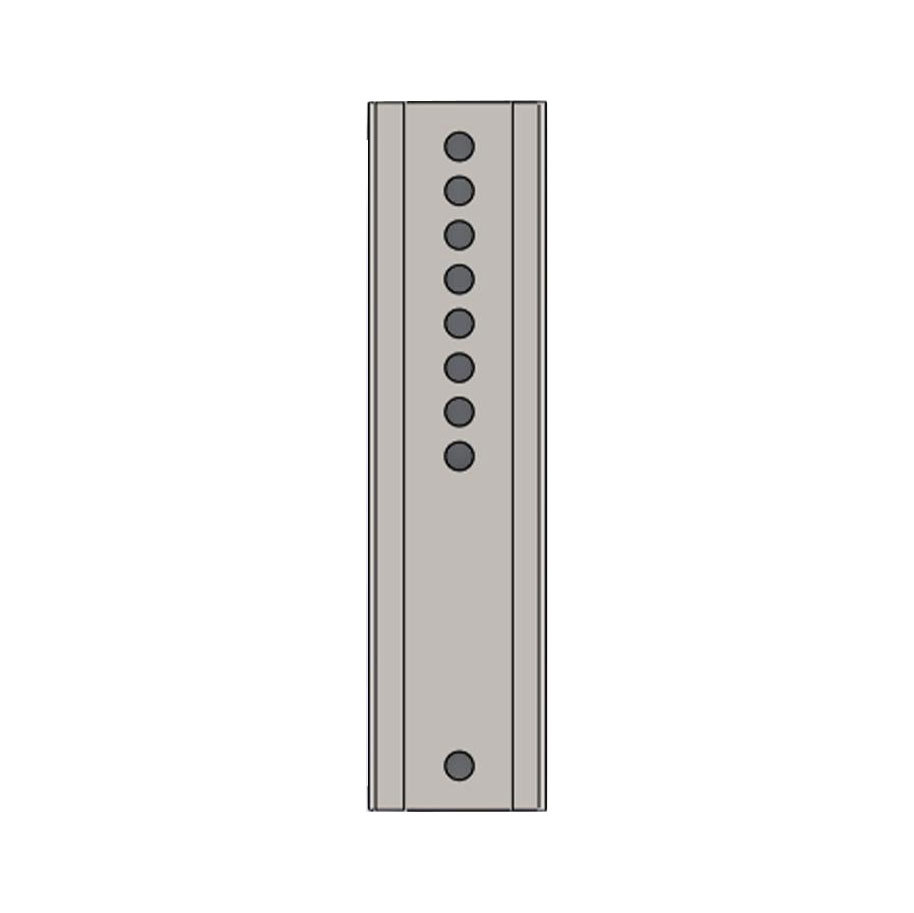
Column connectors
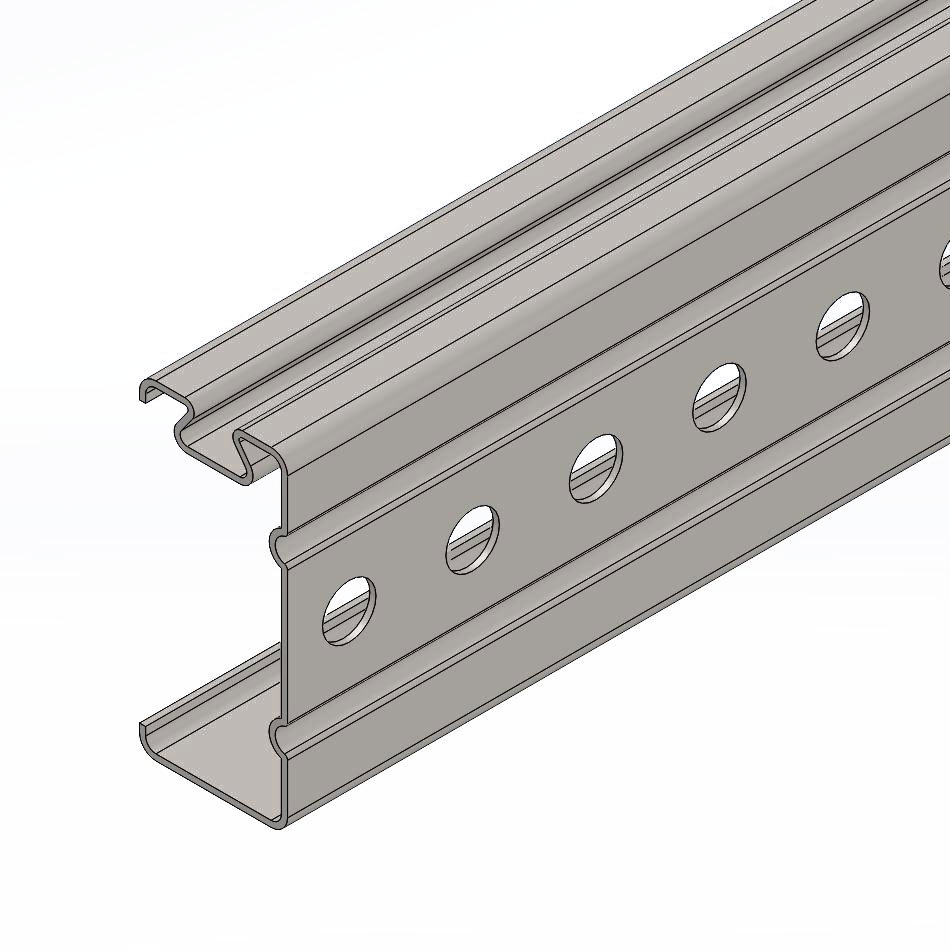
Longitudinal track
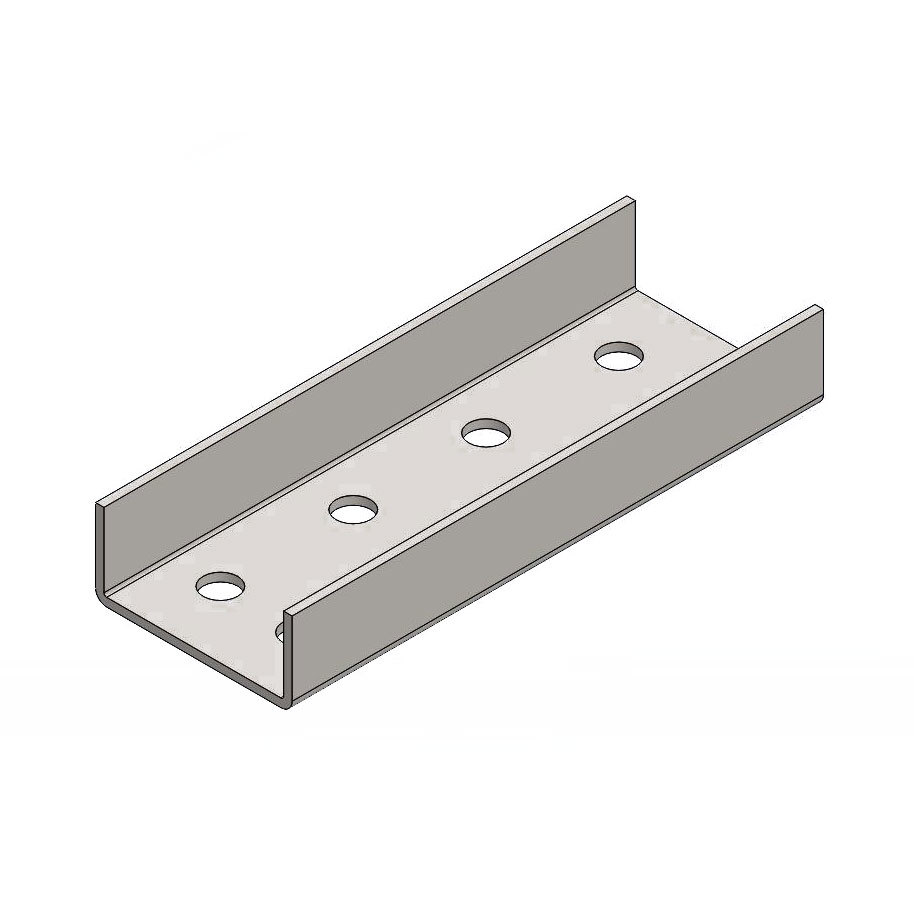
Horizontal rail connectors
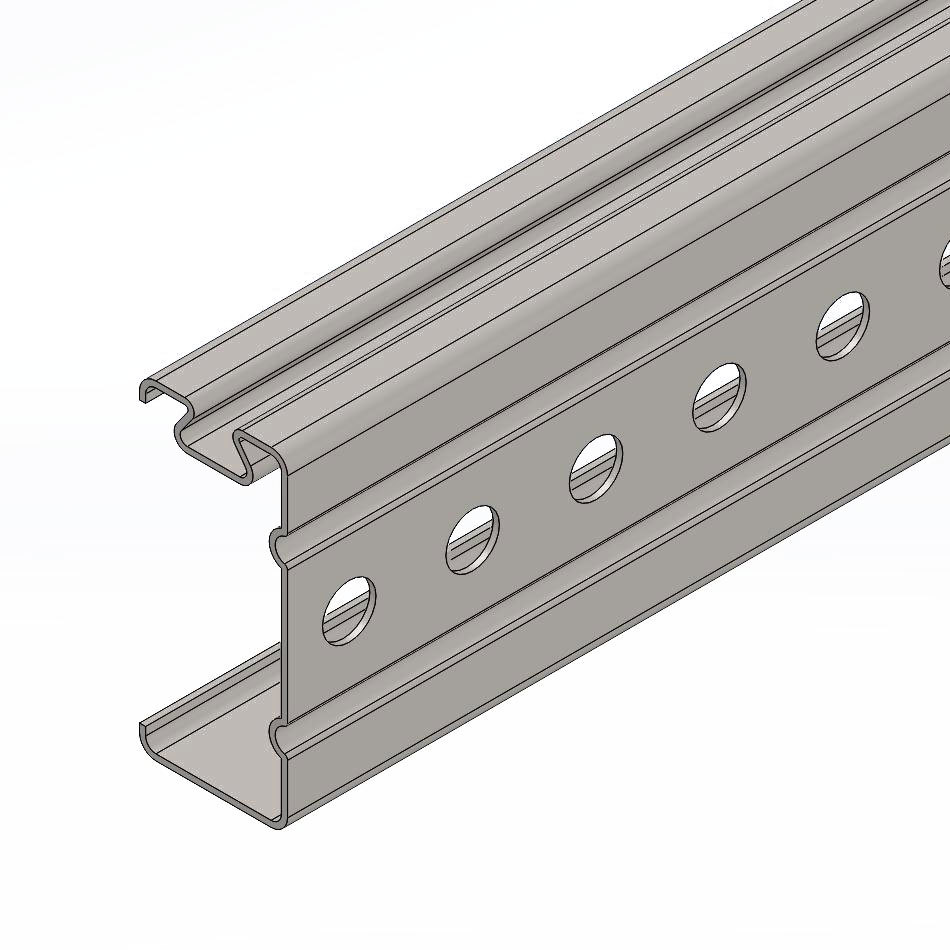
Horizontal track
Easy Install Steel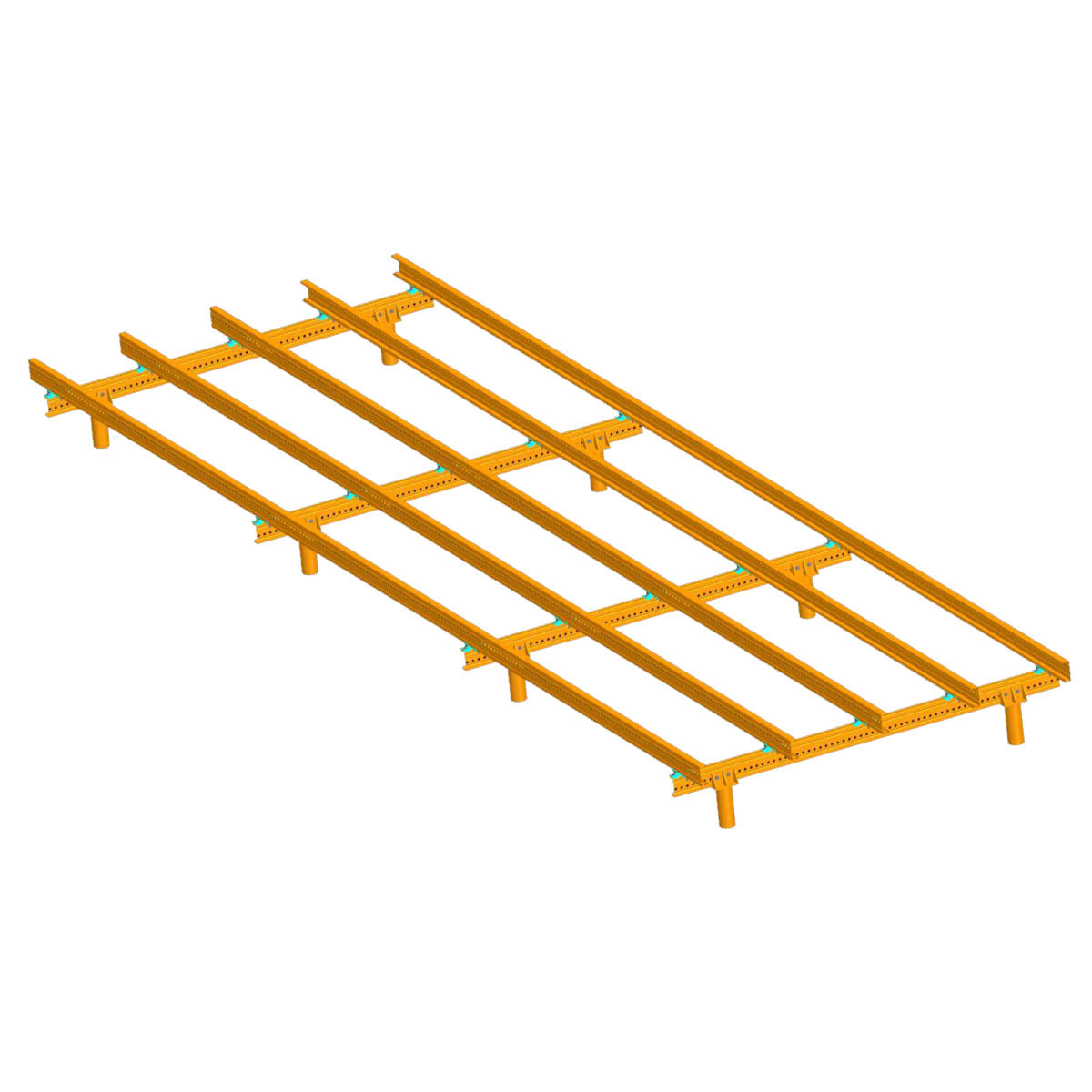
Haoheng Yi'an System

Easy Install Steel
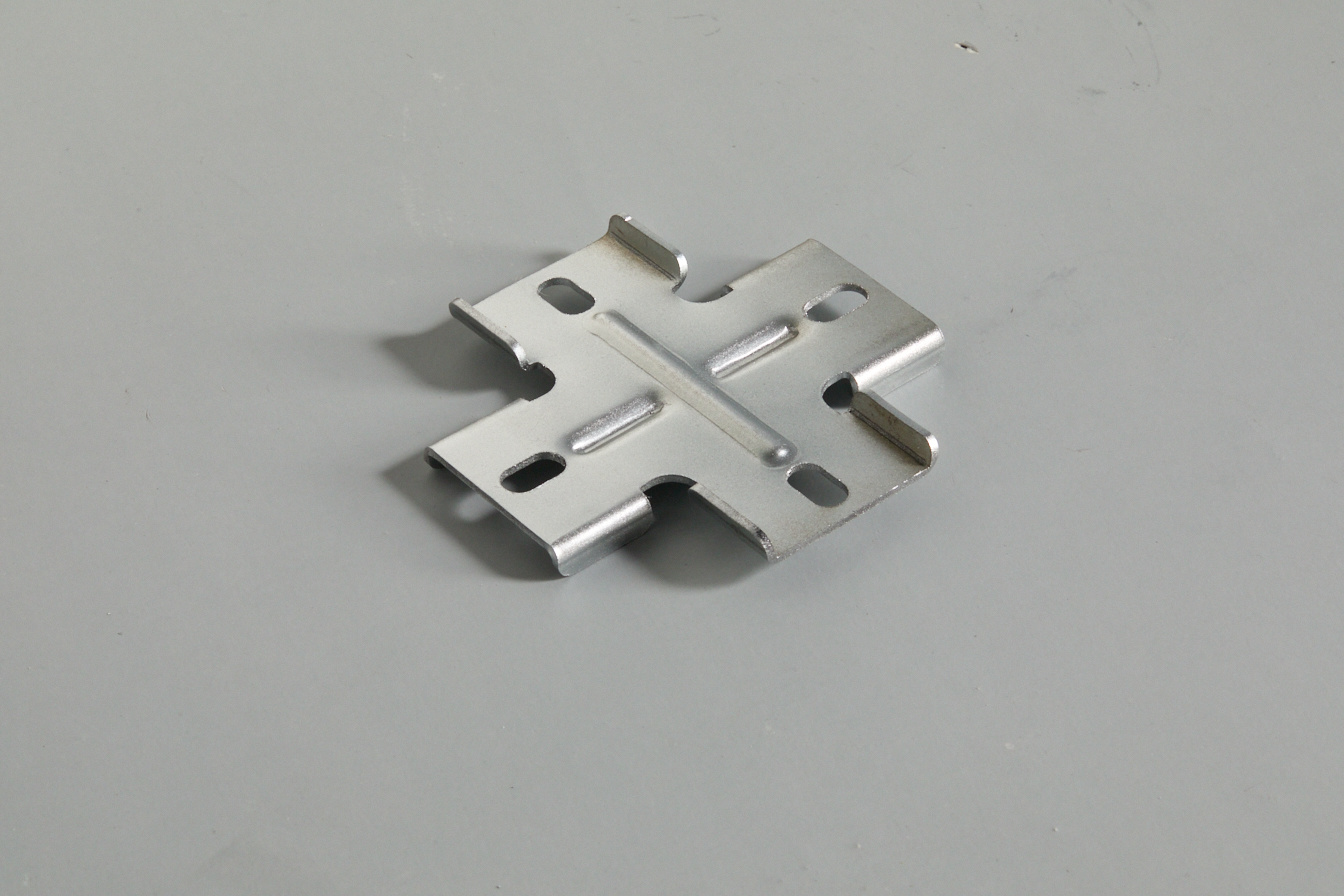
Cross connector
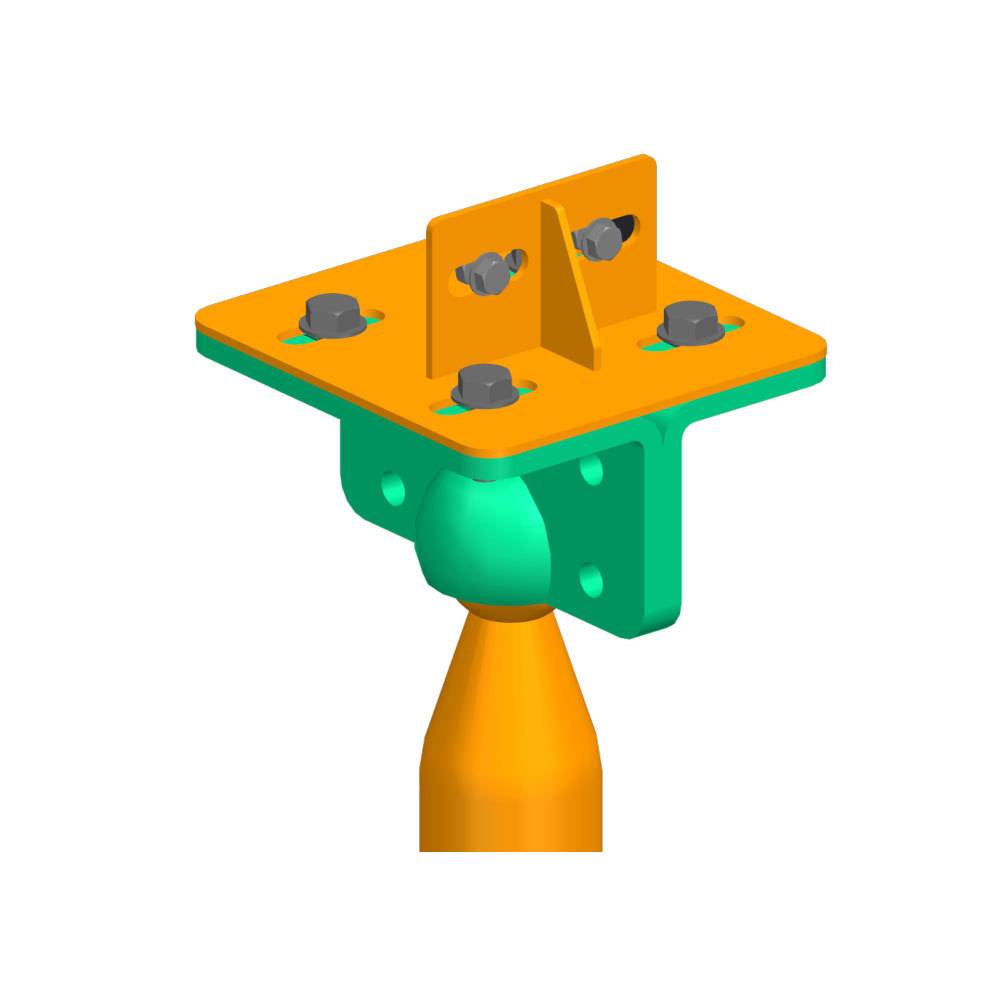
Universal connector for screw pile
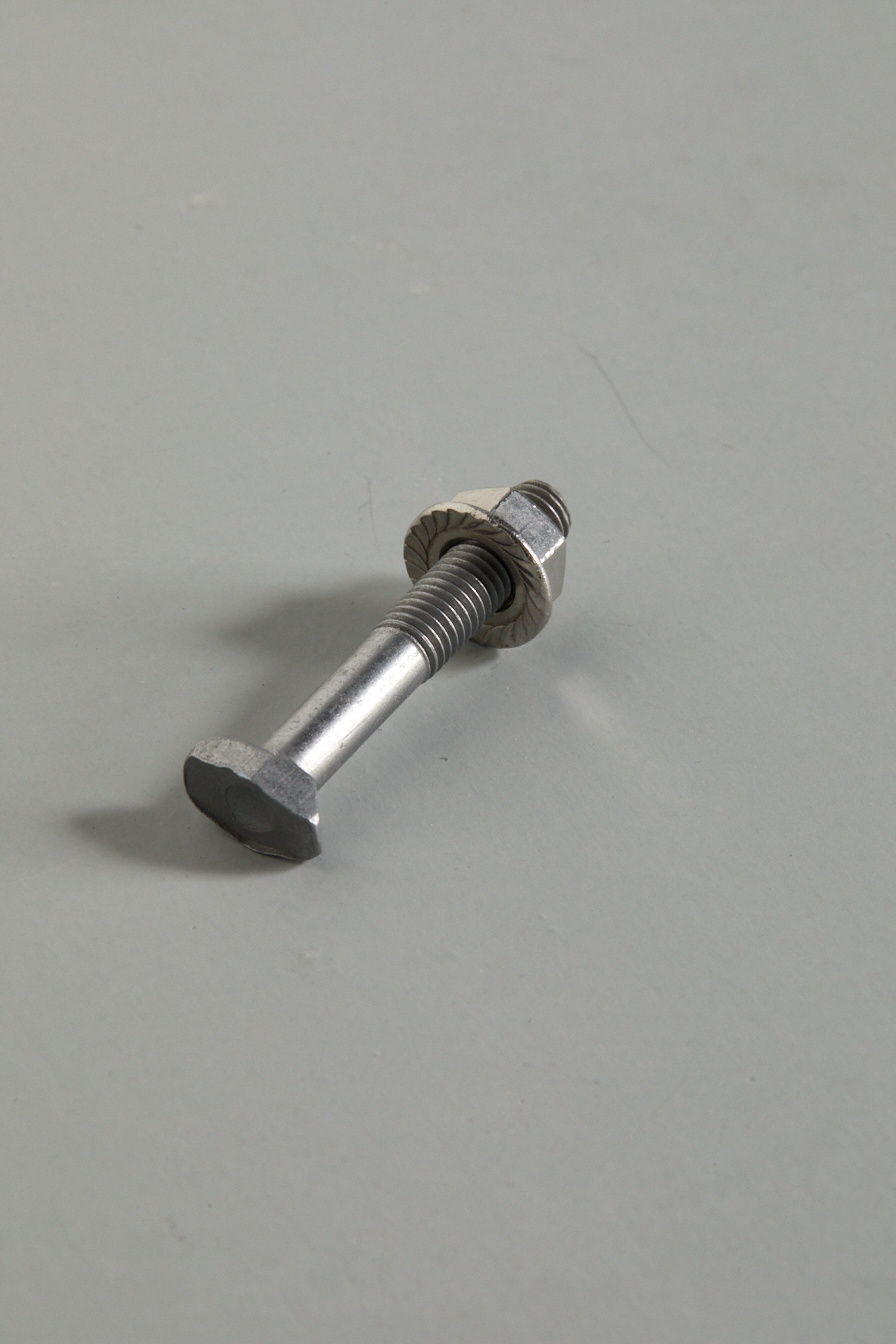
T-shaped dovetail bolt
Floor System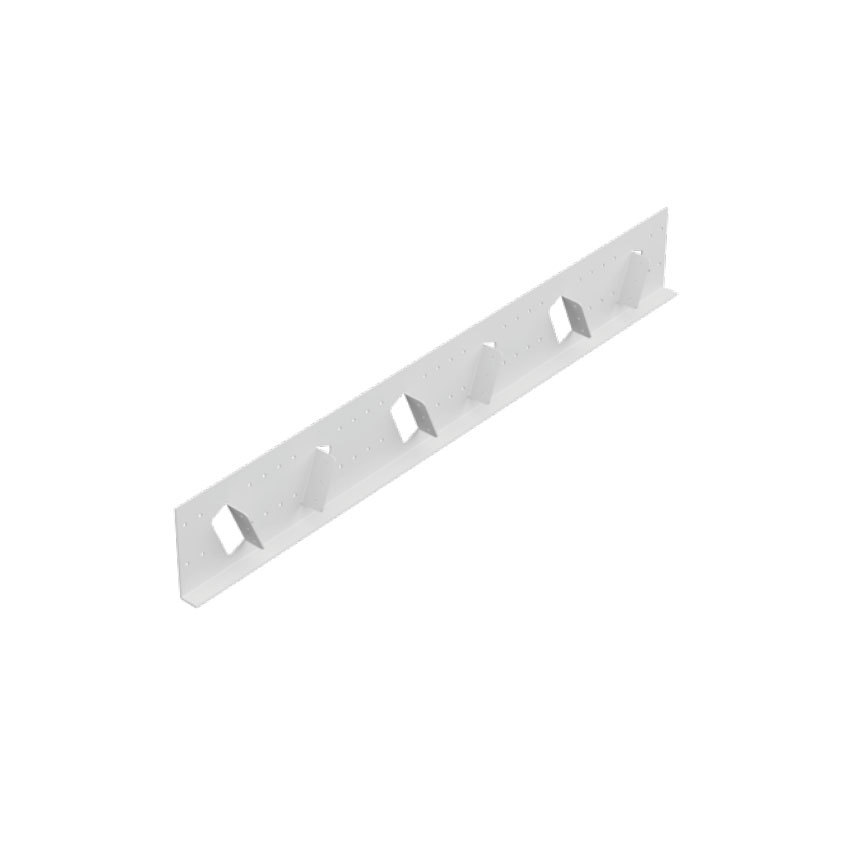
Ordinary steel structural connectors
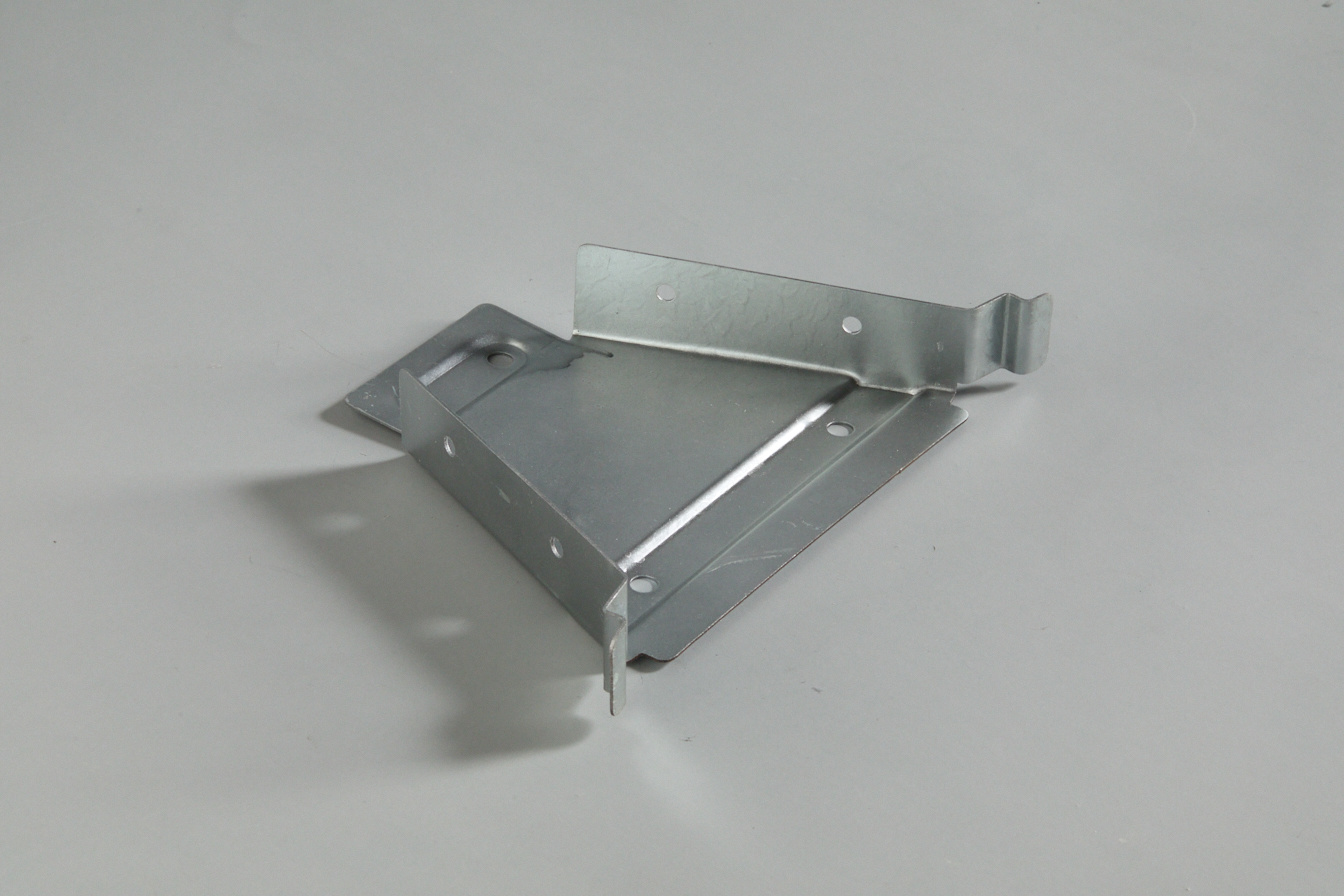
NEW BUILDING system connectors
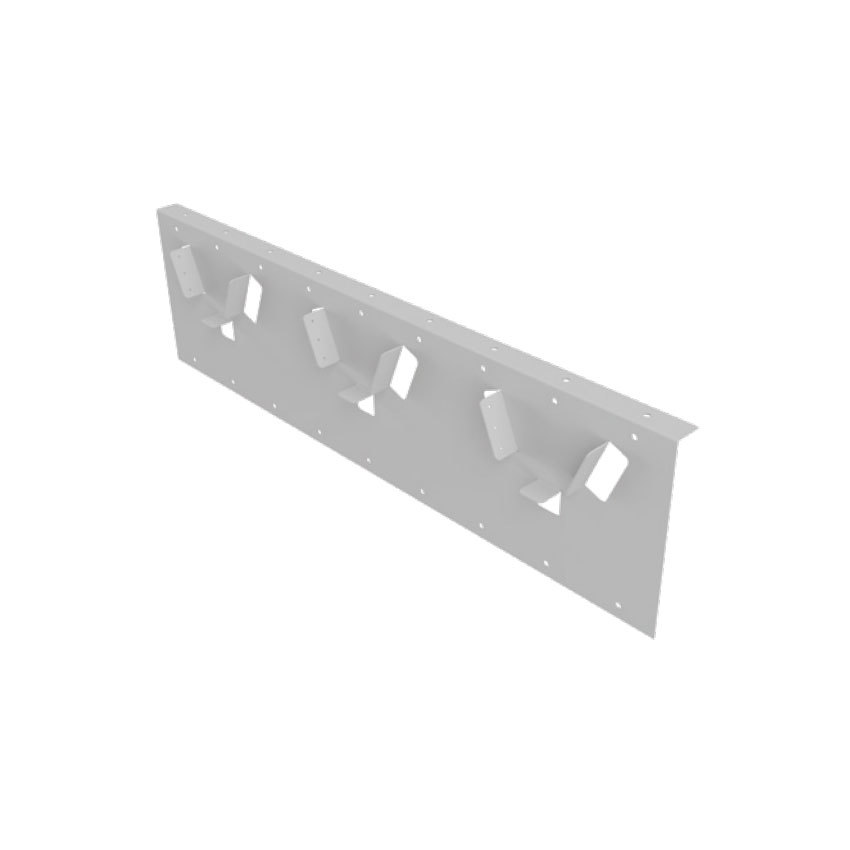
Cold formed thin-walled steel structural connectors
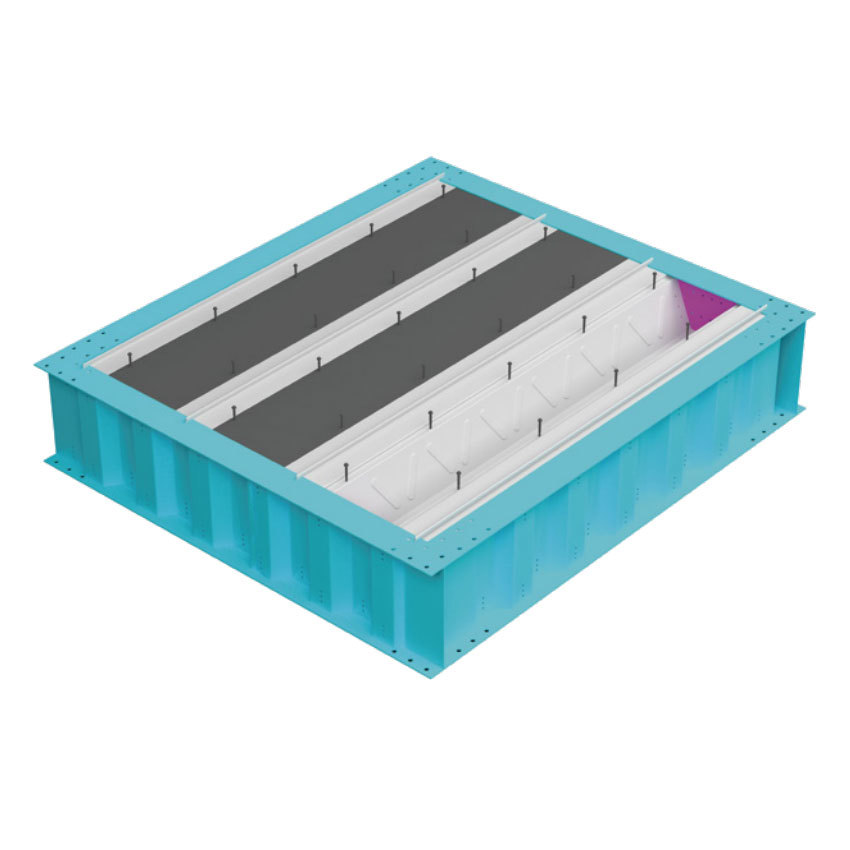
Corrugated I-beam+V-shaped floor beam
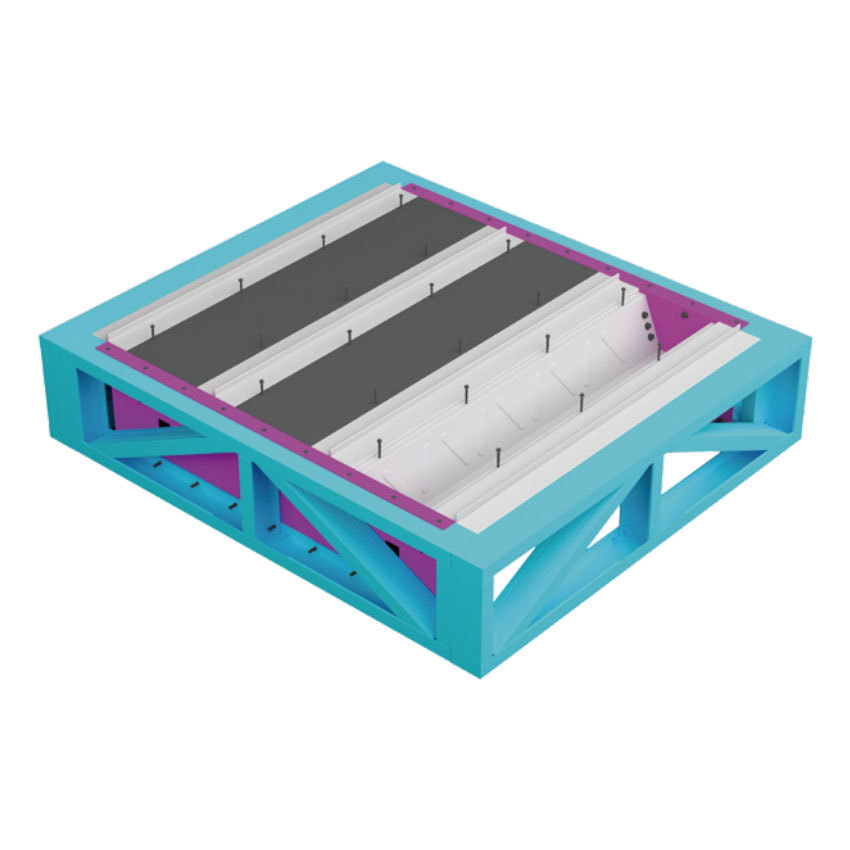
300 light steel truss+V-shaped floor beam

Steel wire gauze
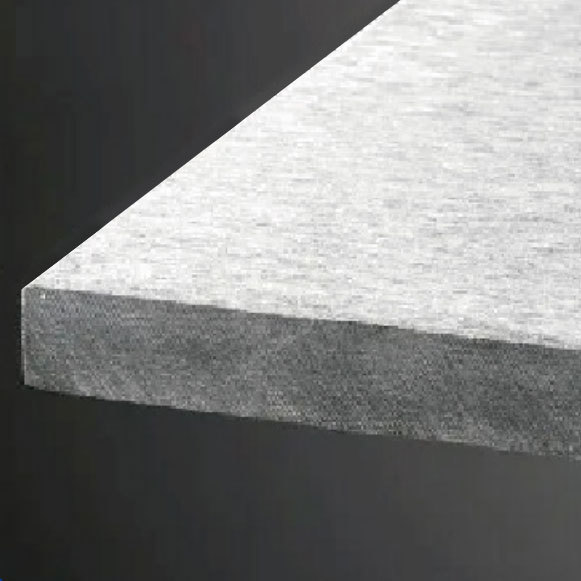
Plate
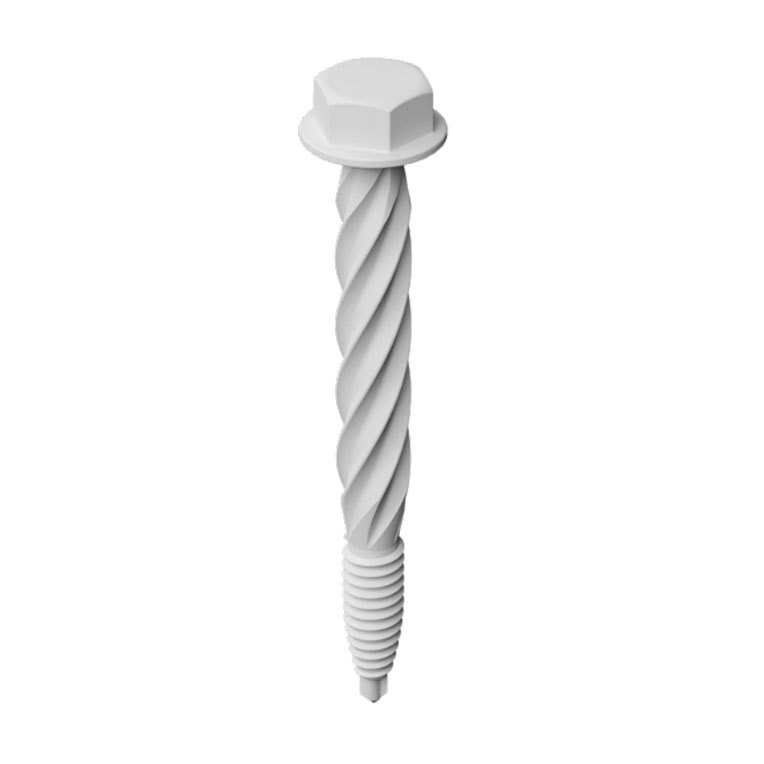
Shear stud
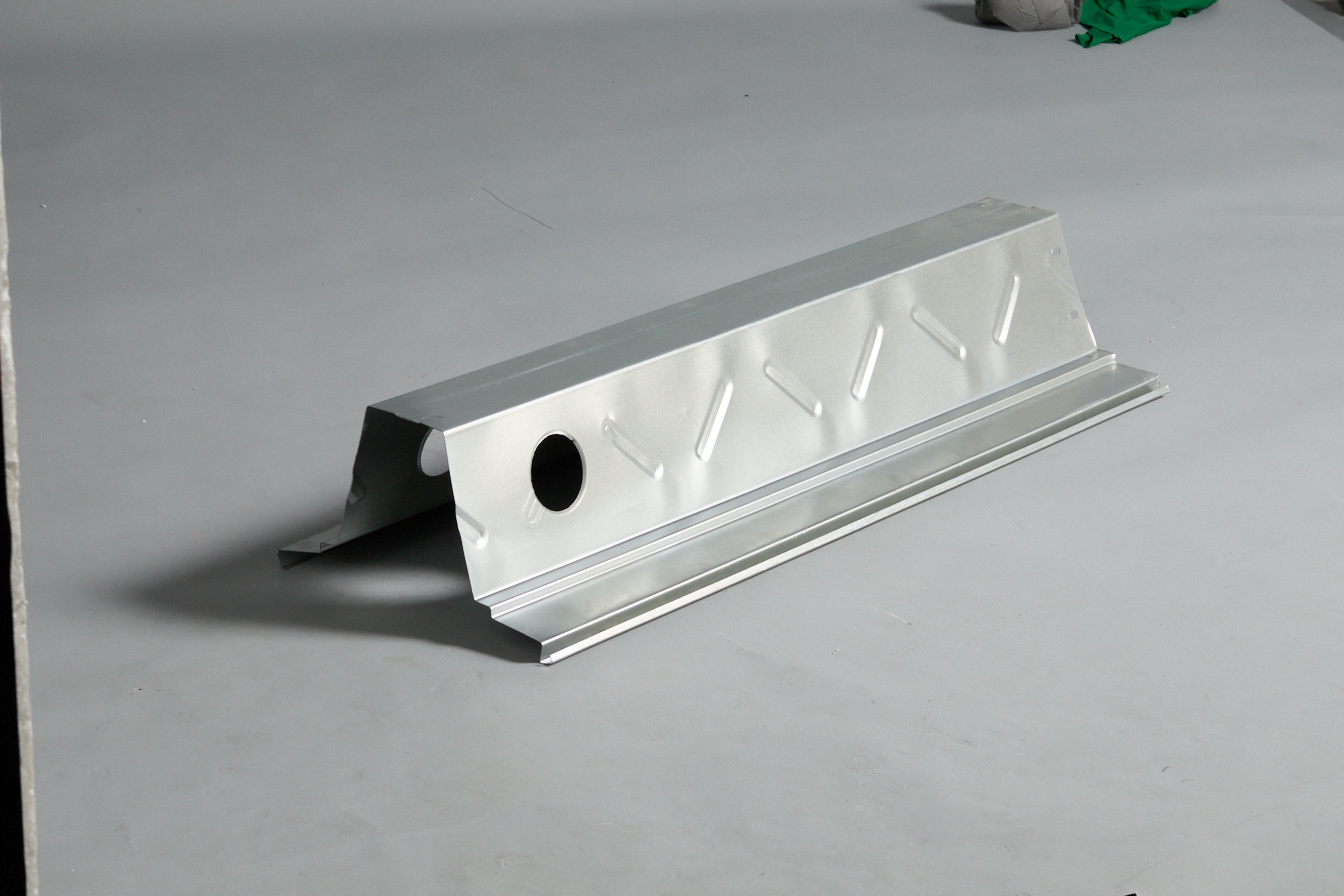
V-shaped floor beam
Magnesium stiffened wall panel
Turnkey Solution for Steel Buildings: 2026 Guide to Cut Project Timelines by 40%
Release Time:
2026-11-23
Source:
📋 Article Overview
This guide explains the core definition, delivery process, cost-benefit, and risk profile of turnkey solutions for 2026 steel building, steel platform, and blind bolt assembly projects, drawing on 15 years of hands-on experience from Haoheng Steel Buildings to help project owners make low-risk, cost-effective decisions.
What Is a Turnkey Solution? Core Definition for 2026 Projects
A turnkey solution is a fully integrated, end-to-end service where a single provider manages every stage of a project from design to handover, requiring zero additional work from the client to start operations. In practice, this model has become the dominant choice for steel building and steel platform projects in 2026, as fragmented contracting leads to average 3-month delays and 18% cost overruns per recent industry data. From case studies delivered by Haoheng Steel Buildings, 92% of turnkey clients report fewer post-delivery issues compared to self-managed projects.
How Turnkey Solutions Differ From Traditional Project Delivery
Many project owners confuse turnkey delivery with general contracting, but key differences separate the two models. In practice, a turnkey provider assumes full liability for design, material sourcing (including specialized blind bolts for structural connections), construction, inspection, and post-warranty support. By contrast, general contracting usually only covers on-site labor, requiring clients to coordinate separate architects, material suppliers, and third-party inspectors. Industry consensus from the American Institute of Steel Construction (AISC) 2026 report confirms that turnkey models reduce cross-party communication gaps by 78% compared to fragmented delivery.
Core Use Cases for Turnkey Solutions in Steel Construction
Actual project testing across 2024-2026 shows turnkey solutions deliver the highest ROI for three specific steel project types: prefabricated industrial warehouses, elevated steel platform systems for manufacturing facilities, and seismic-resistant structures requiring precision blind bolt assemblies. For example, a 10,000 sq ft e-commerce warehouse delivered via turnkey model took 62 days from signed contract to ready-for-use, compared to the 118-day average for self-managed builds.
Key Steps in Delivering a Turnkey Solution for Steel Building Projects
A reliable turnkey solution follows a standardized, transparent process to eliminate hidden delays and cost creep. From 15 years of hands-on project delivery at Haoheng Steel, we have refined the 5-step process below to align with 2026 global construction compliance standards:
- Needs assessment and custom design: The provider conducts on-site surveys, calculates structural load requirements for steel platforms, selects appropriate blind bolt grades for seismic or heavy-use applications, and shares a fixed-price quote within 7 business days.
- Material sourcing and pre-fabrication: All steel components, connection hardware, and cladding are sourced in-house to eliminate supply chain gaps, with 90% of components pre-cut and pre-drilled in the factory to reduce on-site work time by 60%.
- On-site construction and assembly: A dedicated in-house construction team manages foundation work, steel frame erection, blind bolt installation, and utility integration, with daily progress updates shared with the client.
- Third-party inspection and compliance verification: The provider arranges independent AISC-certified inspectors to test structural integrity, blind bolt tension values, and fire resistance ratings before handover.
- Handover and post-delivery support: The client receives full operation manuals, 10-year structural warranty, and 24/7 maintenance support, with no additional coordination required to start using the structure.

Image Source: unsplash
Turnkey Solution vs. Traditional Fragmented Contracting: 2026 Comparison
To help project owners evaluate real value, we compared the two delivery models using anonymized 2026 project data from 42 steel building projects across North America, Europe, and Southeast Asia delivered by Haoheng Steel:
| Comparison Dimension | Turnkey Solution | Traditional Fragmented Contracting |
|---|---|---|
| Total project timeline (10,000 sq ft steel platform) | 62 days (fixed, penalty-backed) | 118 days (variable, no delay guarantee) |
| Average total cost overrun | 2.1% (fixed price, no hidden fees) | 18.7% (cost creep from coordination gaps) |
| Liability coverage for structural defects | 100% provider liability, 10-year warranty | Split liability, average 2-year limited coverage |
| Blind bolt connection failure rate | 0.03% (in-house quality testing) | 1.2% (third-party sourced hardware, no unified testing) |
2026 AISC industry research confirms that turnkey delivered steel structures have a 42% lower 10-year maintenance cost than self-managed builds, driven by consistent material quality and unified structural design standards.
Cost Efficiency of Turnkey Models
From case study data, the 22% average total cost savings for turnkey projects comes from three key sources: eliminated cross-party administrative fees (up to 8% of total project cost), reduced on-site waste from pre-fabricated components (another 7%), and avoided rework from mismatched design and construction teams (the remaining 7%). Actual testing shows that projects using in-house sourced blind bolts have 90% fewer rework events related to connection fit issues, as components are engineered to match the exact steel frame specifications from the design stage.
Risk Reduction for Project Owners
One of the most understated benefits of a turnkey solution is the transfer of project risk from the client to the provider. In practice, traditional delivery models leave clients liable for supply chain delays, material defects, construction errors, and inspection failures — costs that can add up to 30% of the original budget if issues arise. By contrast, turnkey providers absorb all these risks, with contractual penalties for timeline delays and defect resolution clauses written into every 2026 Haoheng Steel project agreement.
Common Challenges of Turnkey Solutions — and How to Mitigate Them
No project delivery model is perfect, and turnkey solutions have documented limitations that project owners must account for. Industry consensus notes that turnkey models can have slightly higher upfront quote prices (usually 3-5% higher than fragmented bids) due to built-in liability coverage, and poor provider selection can lead to inflexible design changes after contract signing. These risks are not inherent to the turnkey model itself, but tied to provider expertise and transparency practices.
Upfront Cost Comparison vs. Long-Term Value
When evaluating quotes, many clients focus solely on the upfront price gap between turnkey and fragmented bids, without calculating long-term costs. For example, a 5% higher upfront turnkey quote for a steel platform project is offset within 3 years by lower maintenance costs, eliminated rework expenses, and earlier operational revenue from faster handover. From 2026 client feedback, 89% of turnkey clients report they would not choose a fragmented model for their next steel building project, even with slightly higher initial costs.
Ensuring Design Flexibility in Turnkey Contracts
To avoid inflexible design lock-in, experts recommend including formal change order clauses in turnkey agreements that outline fixed pricing for design adjustments (such as added steel platform load capacity or modified blind bolt connection layouts) before contract signing. In practice, Haoheng Steel’s turnkey contracts include free design revisions for the first 14 days after signing, with transparent, pre-negotiated pricing for changes requested after that period, to eliminate unexpected cost surprises.
How to Choose a Reliable Turnkey Solution Provider for Steel Projects
Selecting the right provider is the single biggest factor in turnkey project success. Based on 2026 industry benchmarks, the average failed turnkey project is tied to providers that outsource core construction or material sourcing work, rather than managing these stages in-house.
Key Credentials to Verify
When evaluating providers, confirm four non-negotiable credentials: AISC certification for steel structural design, in-house steel fabrication capability, 5+ years of documented turnkey steel platform and blind bolt project case studies, and transparent liability insurance coverage of at least $5 million for structural defects. Actual client surveys from 2026 show that providers with in-house fabrication have 65% fewer supply chain delays than providers that outsource steel component production.
Red Flags to Avoid
Be wary of providers that offer fixed turnkey quotes without conducting an on-site survey, that cannot share detailed breakdowns of material sourcing (including blind bolt brand and grade), or that refuse to include delay penalty clauses in the contract. From case review data, these red flags correlate with a 70% chance of project cost overruns or timeline delays exceeding 2 months.
Top Questions About Turnkey Solutions From 2026 Project Owners
Is a Turnkey Solution More Expensive Than Self-Managed Construction?
A turnkey solution usually has a 3-5% higher upfront quote than self-managed fragmented bids, but delivers 22% lower total long-term costs when accounting for overruns, maintenance, and earlier revenue from faster project completion. For most commercial steel building projects, the net savings are realized within the first 2 years of operation.
What Industries Benefit Most From Turnkey Steel Building Solutions?
The highest ROI for turnkey delivery is seen in manufacturing facilities with elevated steel platforms, e-commerce distribution warehouses, cold storage structures, and seismic zone buildings requiring precision blind bolt connections. These use cases have strict structural requirements and tight operational timelines, making the risk transfer and speed of turnkey delivery particularly valuable.
How Long Does a Typical Turnkey Steel Building Project Take?
Average timelines for turnkey steel projects range from 45 days for small 5,000 sq ft structures to 120 days for 50,000 sq ft industrial warehouses, with fixed, penalty-backed timelines written into the contract. Pre-fabrication of 90% of components in the factory cuts on-site work time by more than half compared to traditional builds.
What Warranty Is Included With a Turnkey Solution?
Reputable turnkey providers for steel structures offer a 10-year structural warranty covering steel frame integrity, blind bolt connection performance, and cladding durability, plus 2 years of full maintenance support for operational systems. This is significantly longer than the average 2-year limited warranty offered by fragmented contracting models.
Frequently Asked Questions
Q: Can a turnkey solution be customized for specific operational needs?
A: Yes, all reputable turnkey steel building providers offer full customization for steel platform load capacity, blind bolt connection layouts, cladding materials, and utility integration, with transparent pricing for adjustments built into the contract.
Q: Do turnkey solution providers handle all local permit applications?
A: Most end-to-end turnkey services include full support for local building permit applications, with in-house regulatory experts navigating 2026 local steel building codes to eliminate approval delays for the client.
Q: How does a turnkey solution reduce supply chain risk for 2026 projects?
A: Turnkey providers with in-house fabrication stock critical materials including high-grade blind bolts and steel components in regional warehouses, cutting supply chain wait times by 70% compared to fragmented sourcing models.
Q: What is the minimum project size eligible for a turnkey steel building solution?
A: Turnkey services are available for projects as small as 1,000 sq ft elevated steel platforms, with most providers offering tiered pricing to deliver value for small commercial and industrial builds alike.
This article was generated by AI and is for reference only.
Previous Page
Previous Page

HaoHeng Group
Address: Room 1808, Block A, Vanke Cloud City, Jiemei District, Xiamen City, Fujian Province
Business cooperation:
Copyright © HaoHeng (FuJian) Building Materials Technology Co, Ltd. All rights reserved