

-

 Pakistan
Marketing Service Outlets
 Papua New Guinea
Marketing Service Outlets
 Egypt
EgyptMarketing Service Outlets
 Australia
Marketing Service Outlets
 Brazil
Marketing Service Outlets
 Colombia
Marketing Service Outlets
 Russia
Marketing Service Outlets
 Germany
Marketing Service Outlets
 Poland
Marketing Service Outlets
 the Philippines
Marketing Service Outlets
 Kazakhstan
Marketing Service Outlets
 Malaysia
Marketing Service Outlets
 America
Marketing Service Outlets
 Kyrgyzstan
Marketing Service Outlets
 Canada
Marketing Service Outlets
 Peru
PeruMarketing Service Outlets
 Nigeria
Marketing Service Outlets
 Morocco
Marketing Service Outlets
 South Africa
Marketing Service Outlets
 Japan
JapanMarketing Service Outlets
 Slovakia
Marketing Service Outlets
 New Zealand
Marketing Service Outlets
 Hungary
Marketing Service Outlets
 Thailand
Marketing Service Outlets
 Spain
SpainMarketing Service Outlets
 Indonesia
Marketing Service Outlets
 Italy
ItalyMarketing Service Outlets
 Vietnam
Marketing Service Outlets
Steel Pipe ColumnSteel Pipe Column ConnectorsMain Beam | Secondary BeamPrefabricated StairsRound Pipe PileFlat Steel PileGroup PileCap PileNew Building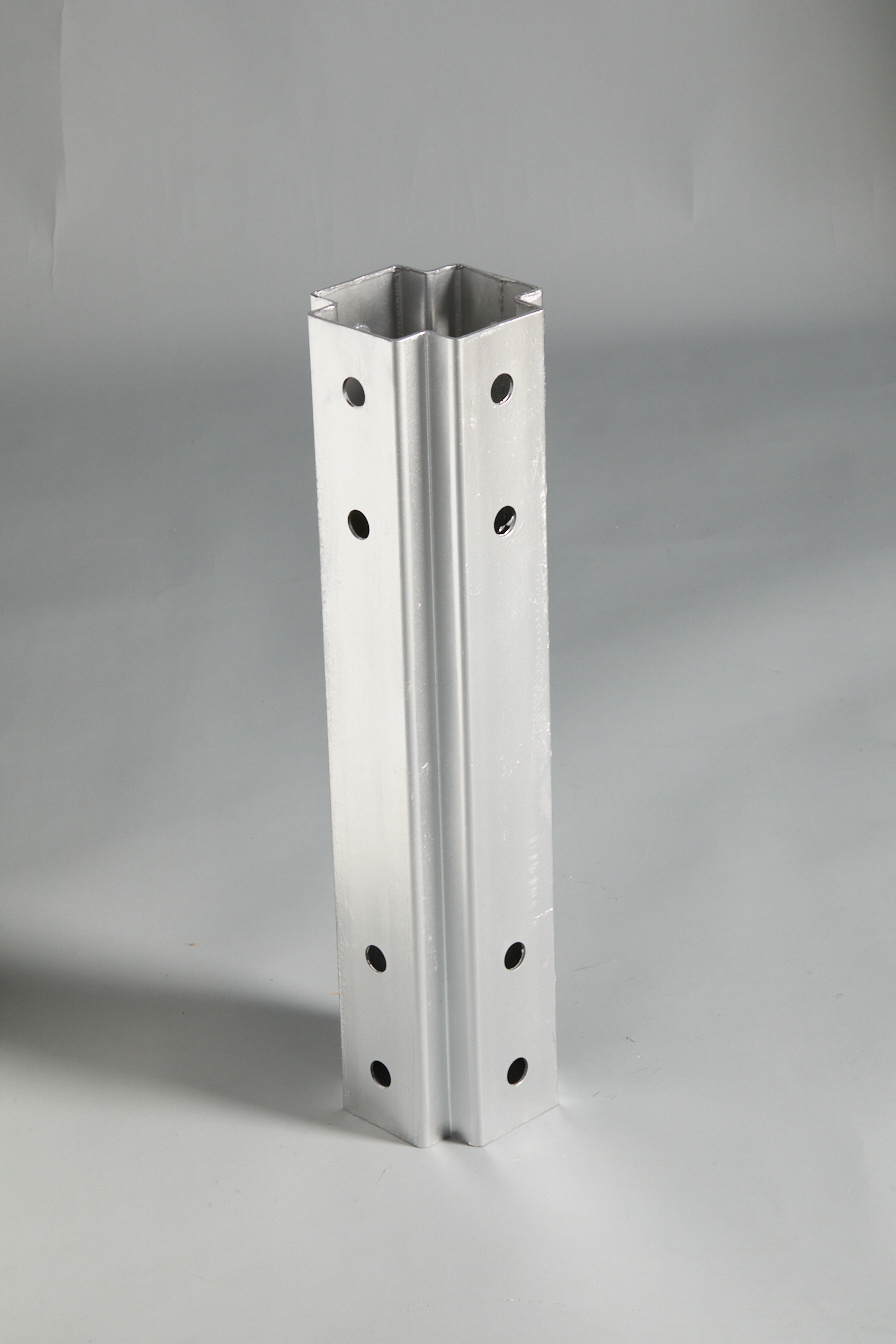
Cross column

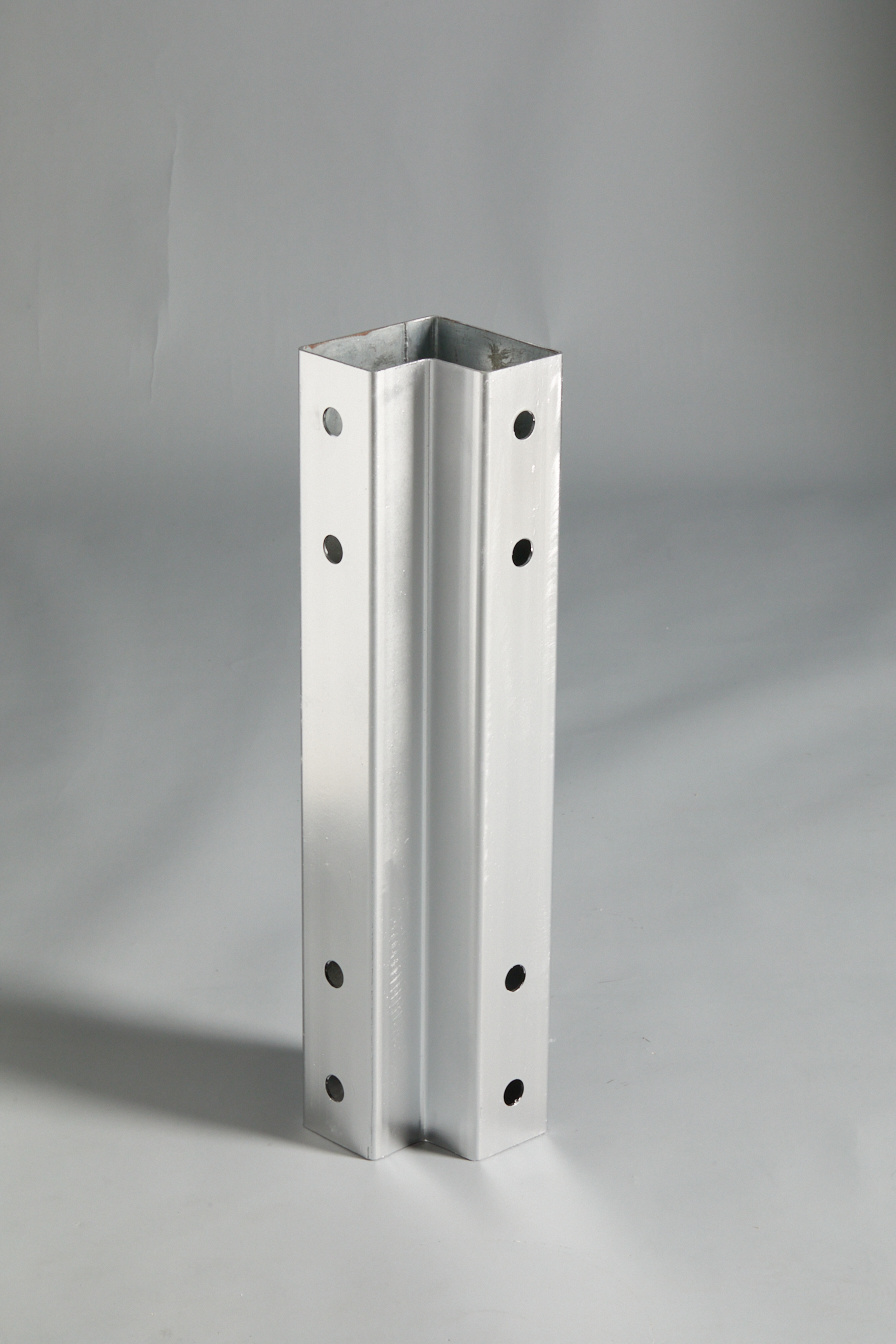
L-shaped column
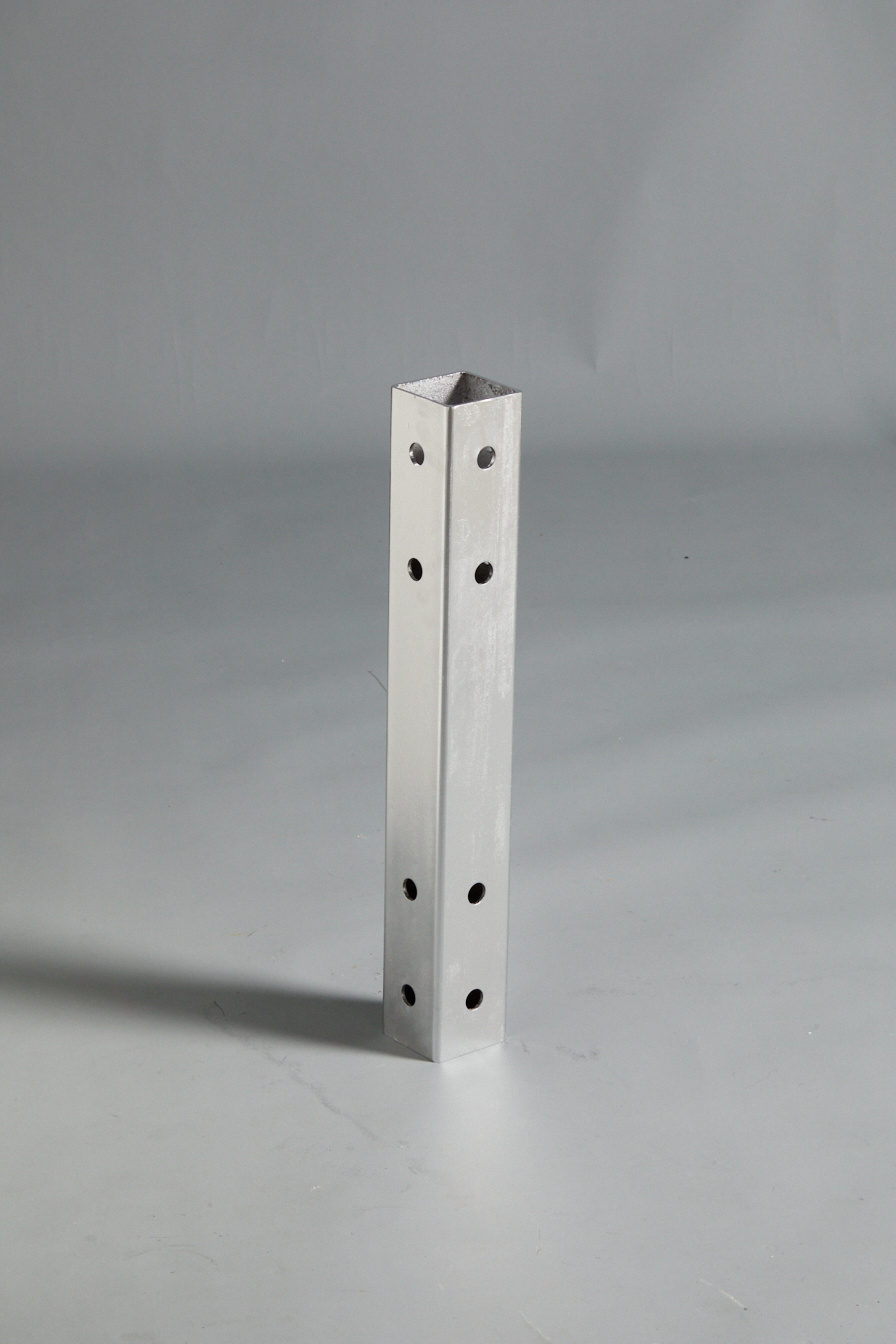
Square tube column

T-shaped column
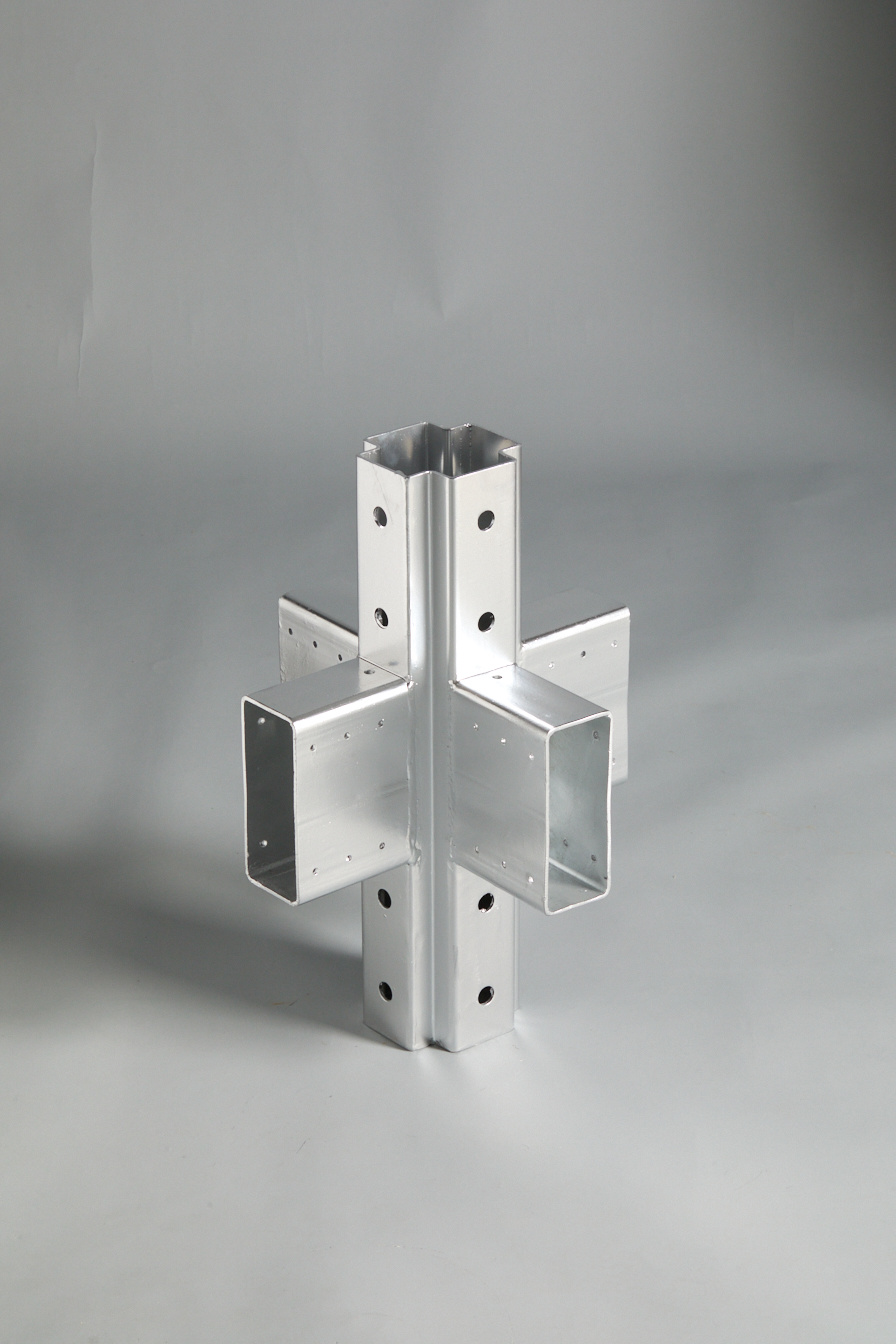
Cross column connector

L-shaped column connector

T-shaped column connector
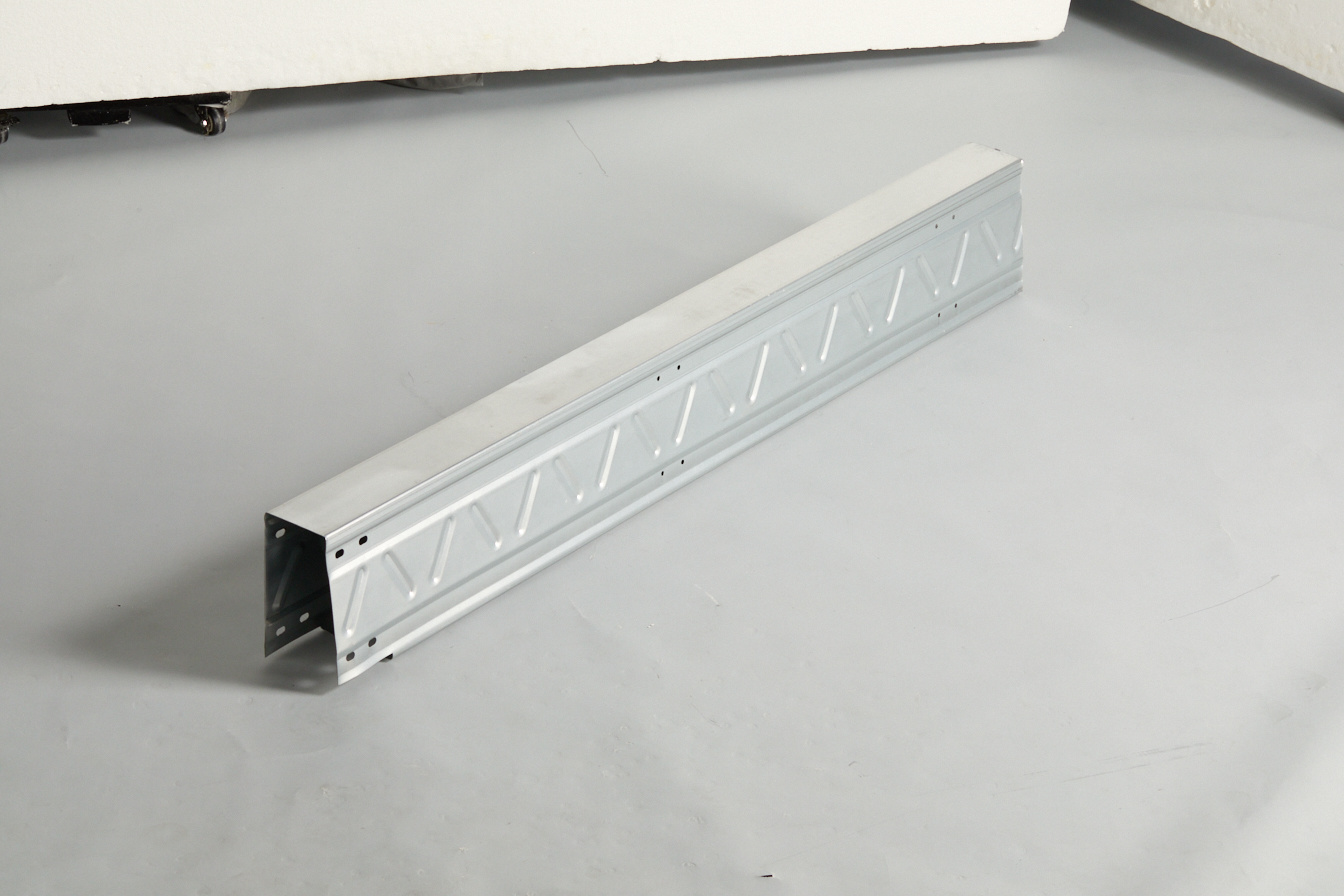
195 inner flipped edge - eight shaped reinforcing rib
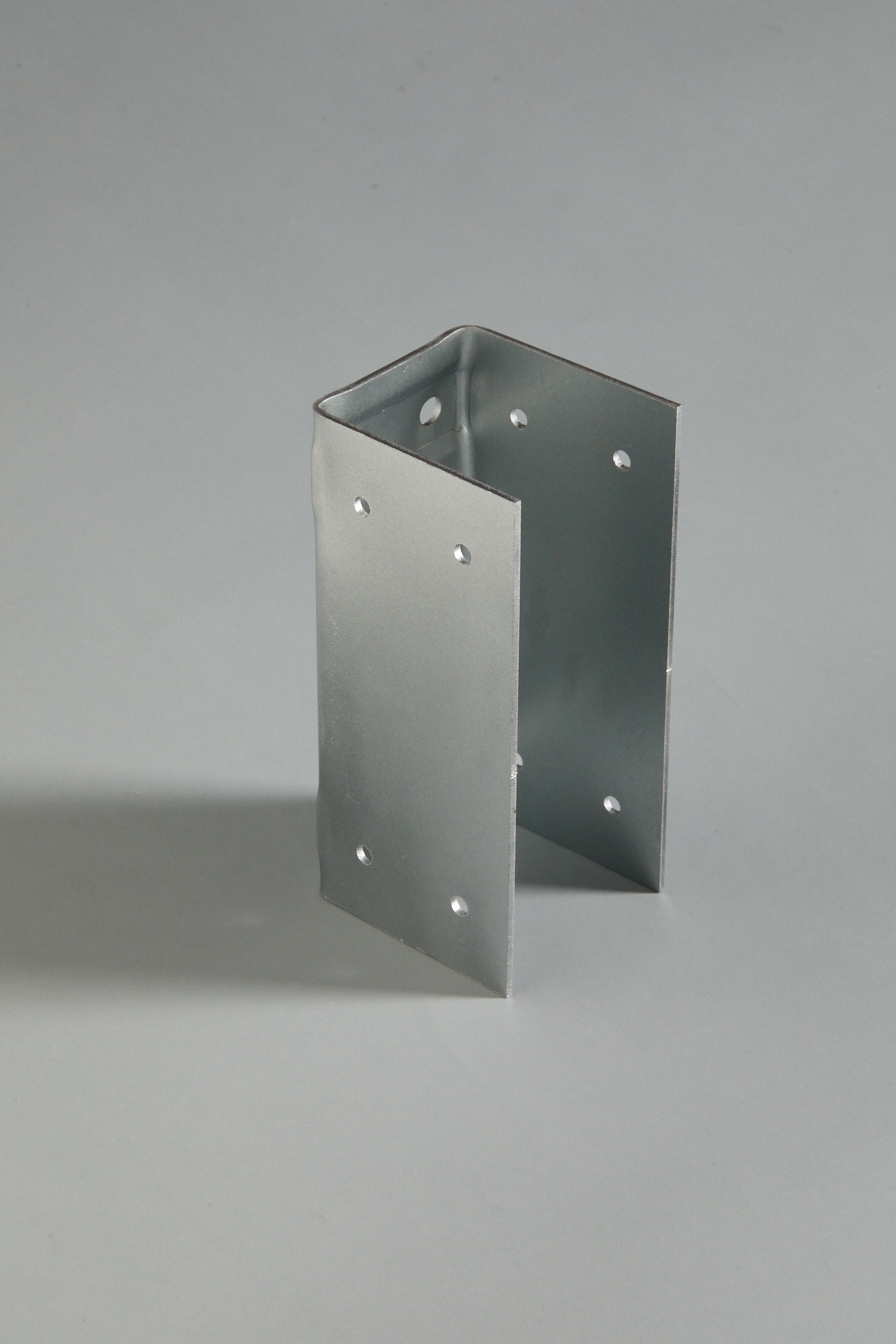
Frame small U connector
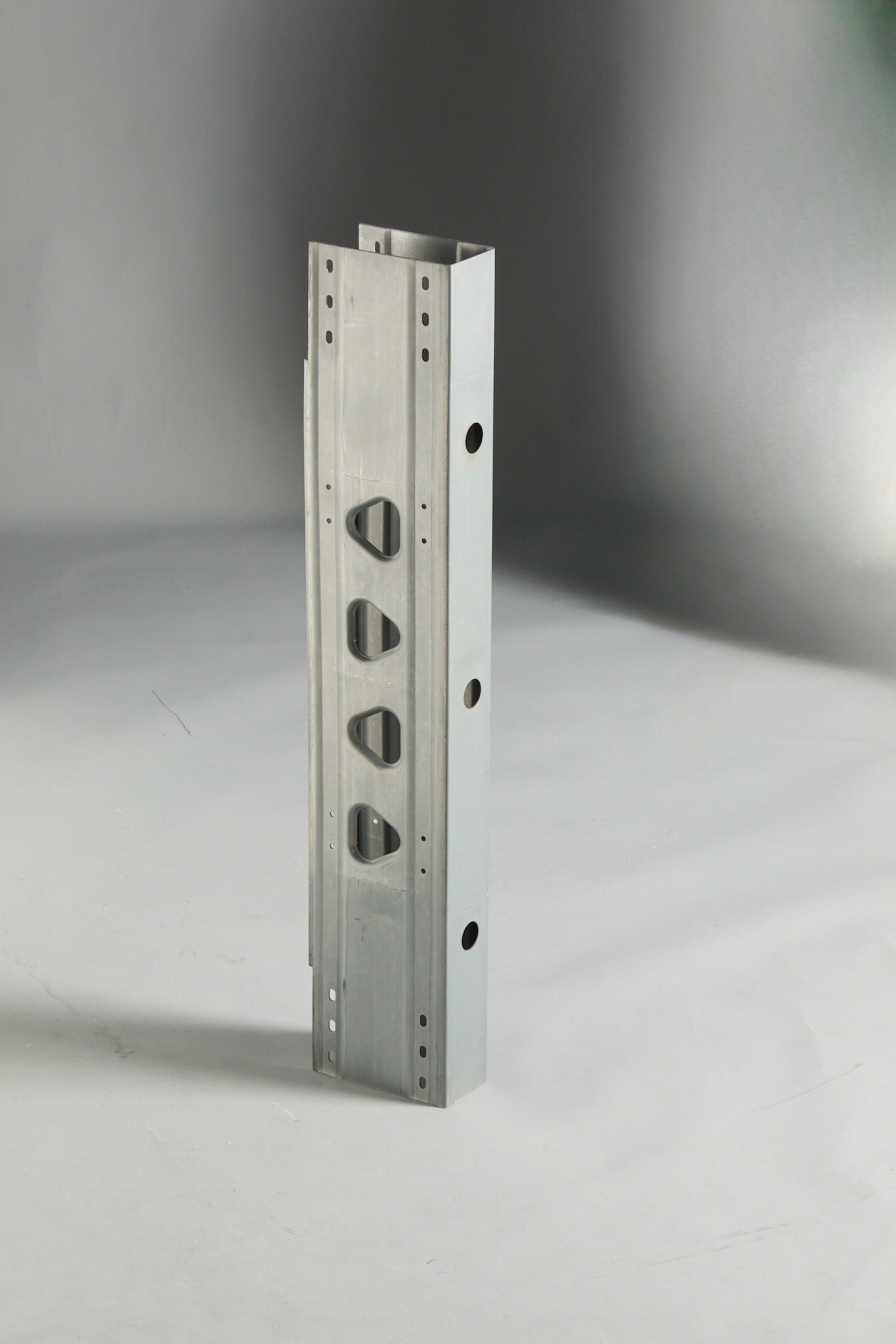
195 Inverted Edge - Triangle Reinforcement
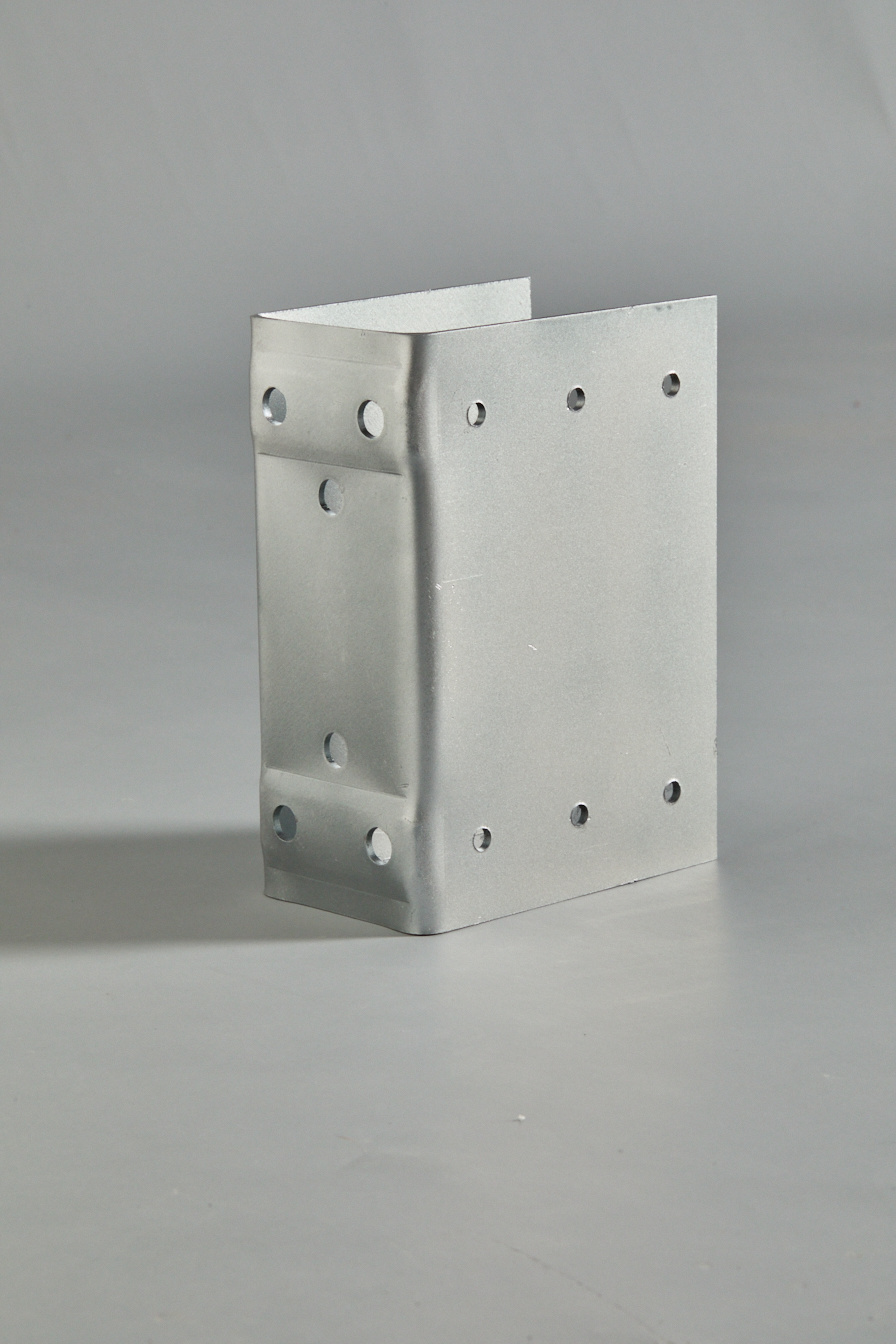
Frame large U connector
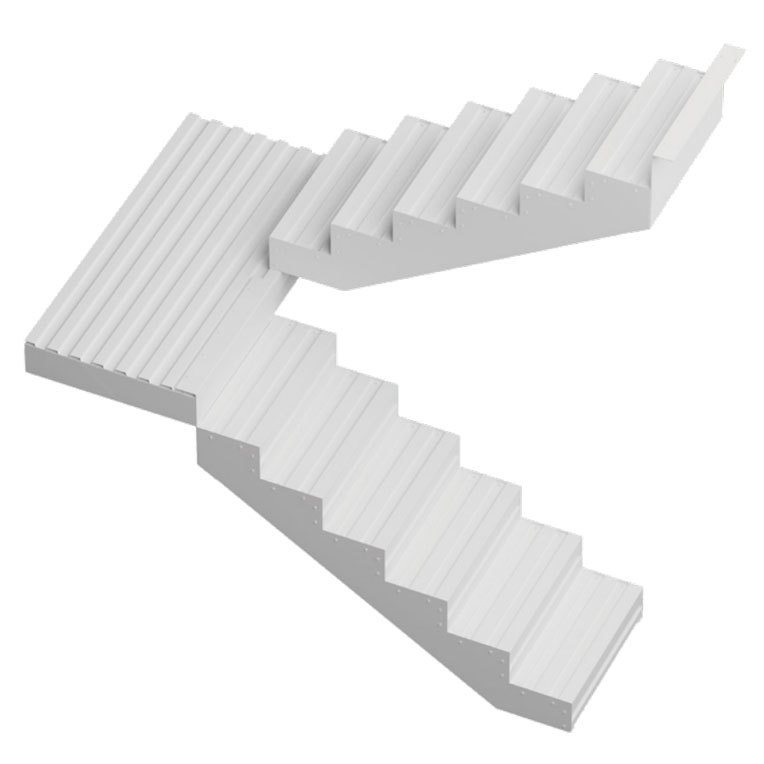
Prefabricated stairs
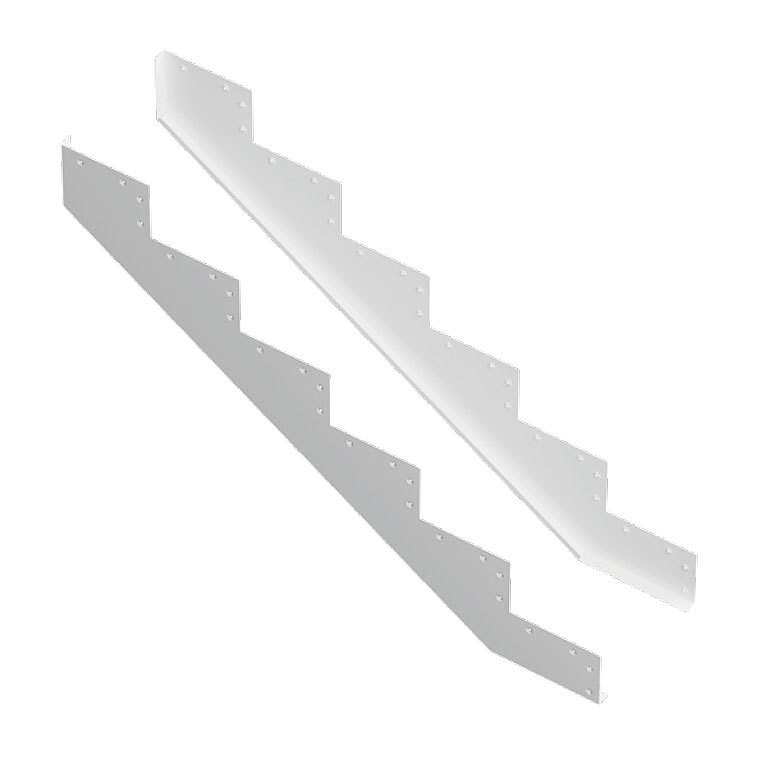
Staircase side panels
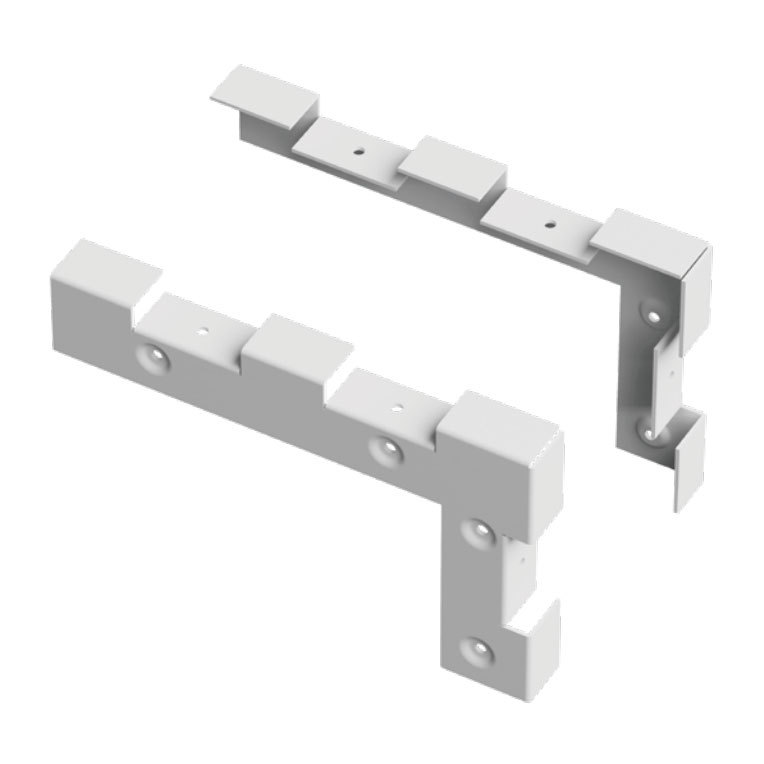
Staircase angle steel
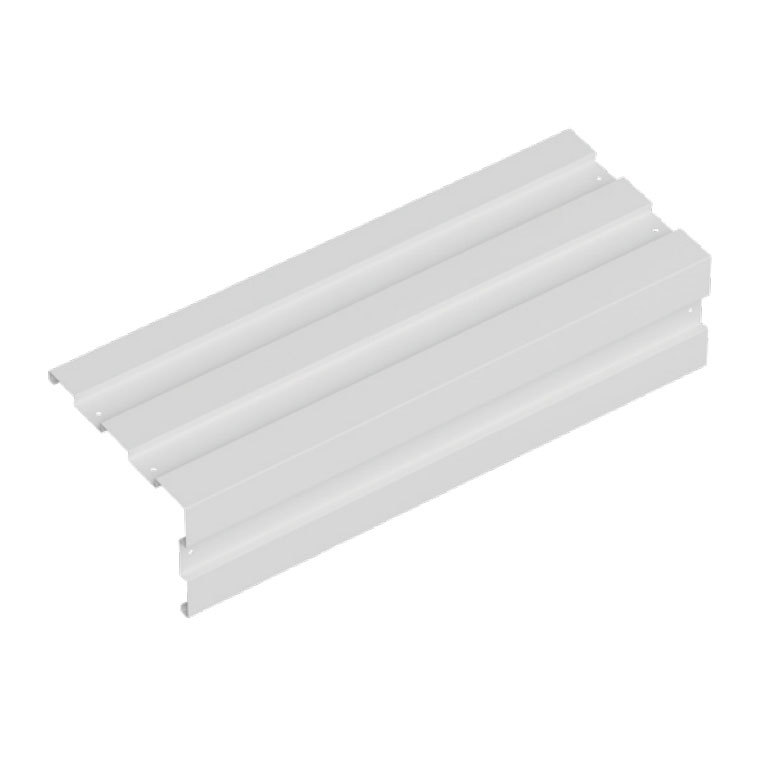
Stair steps
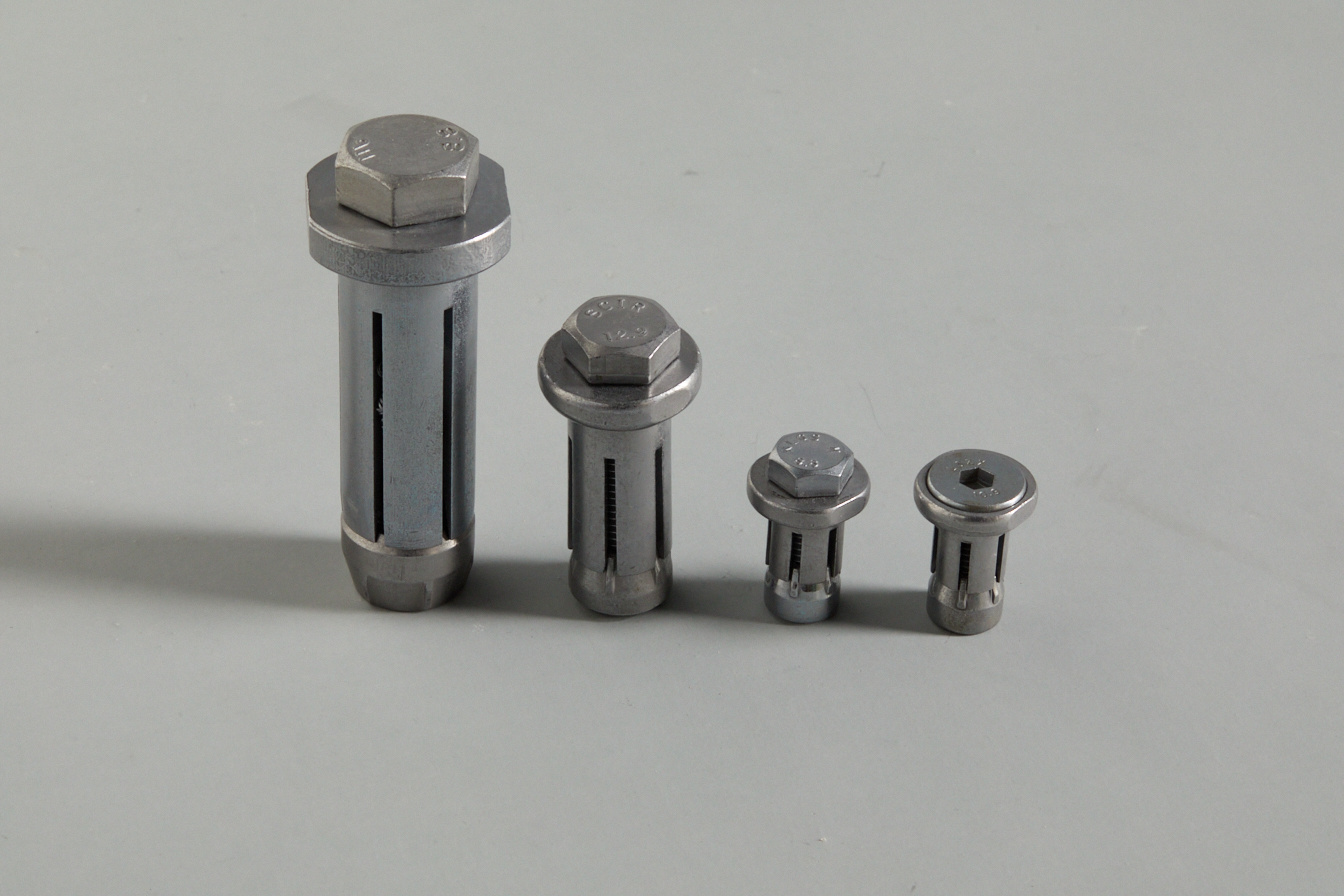
One-Way Bolt
Helical Pile System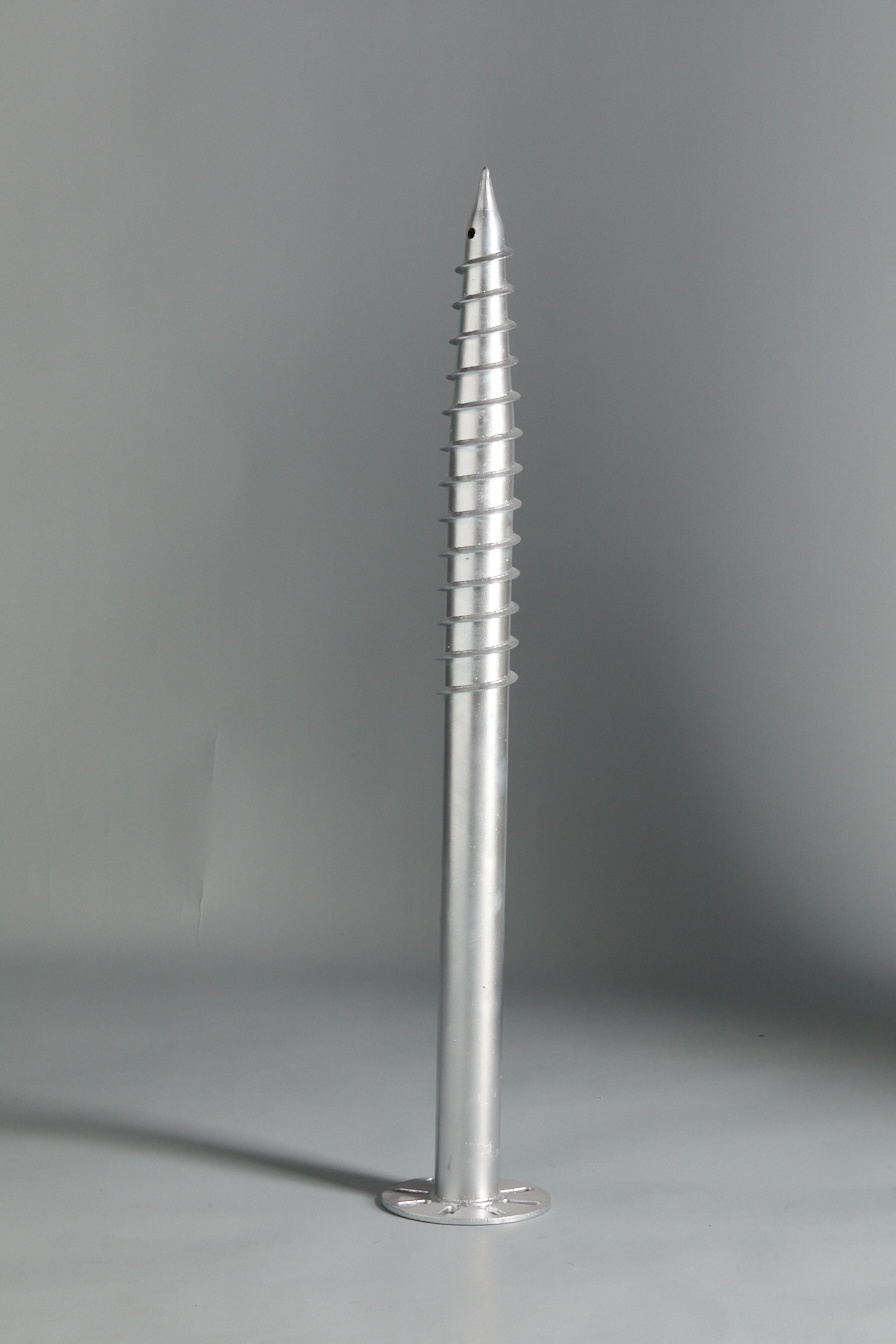
Round Pipe Screw Pile| Reliable Helical Pile Manufacturer| Patented Foundation Solution
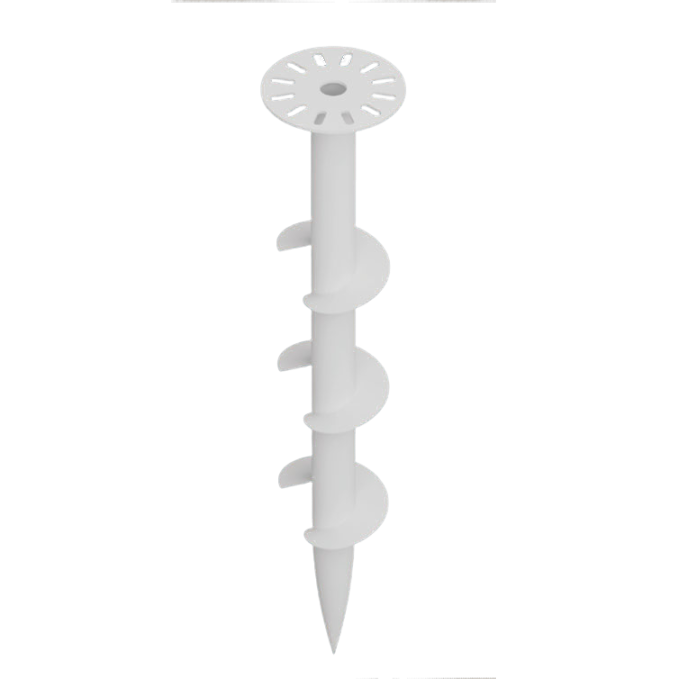
Screw Pile - 3 Blades - Round Pipe Pile
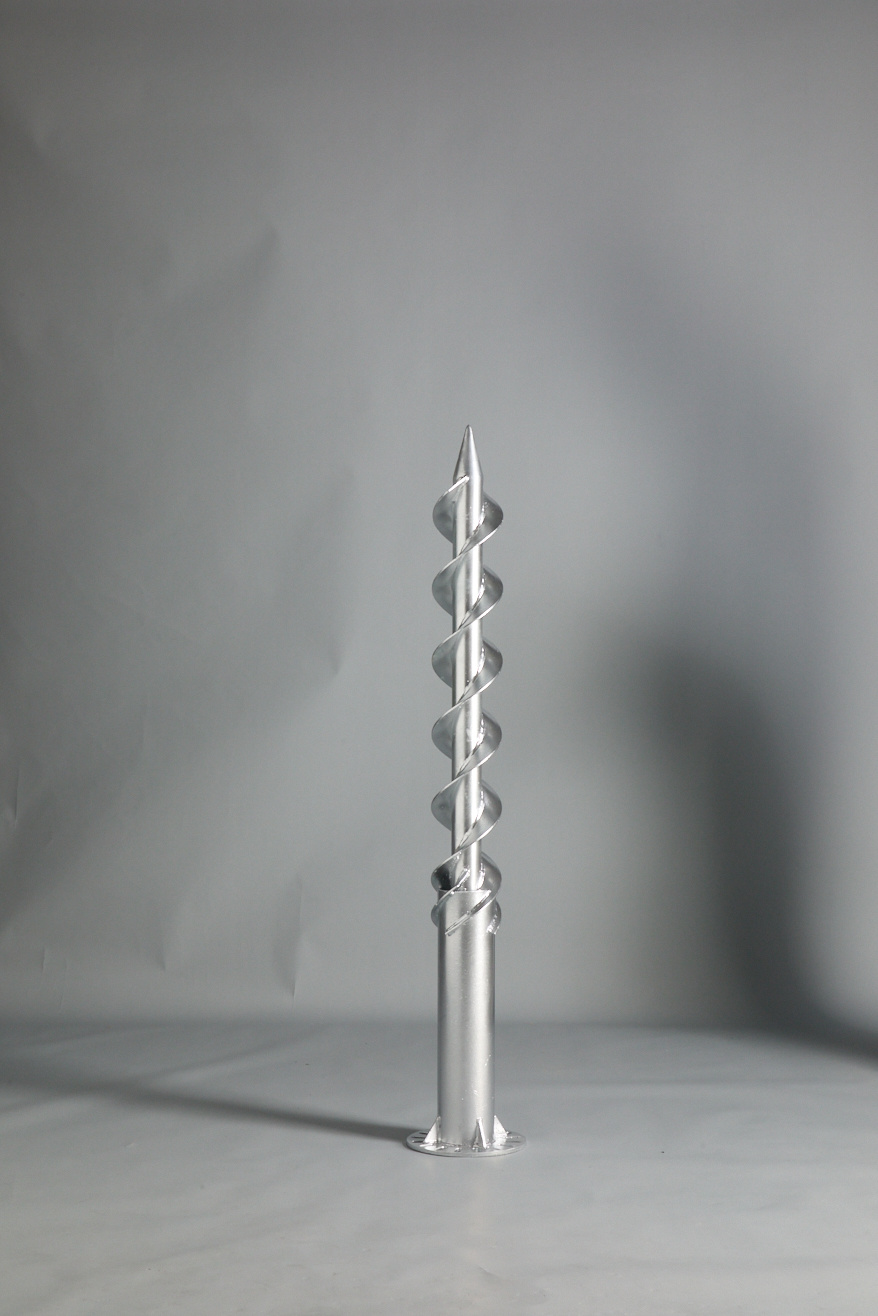
Double-Helix Screw Pile | Patented Foundation Solution
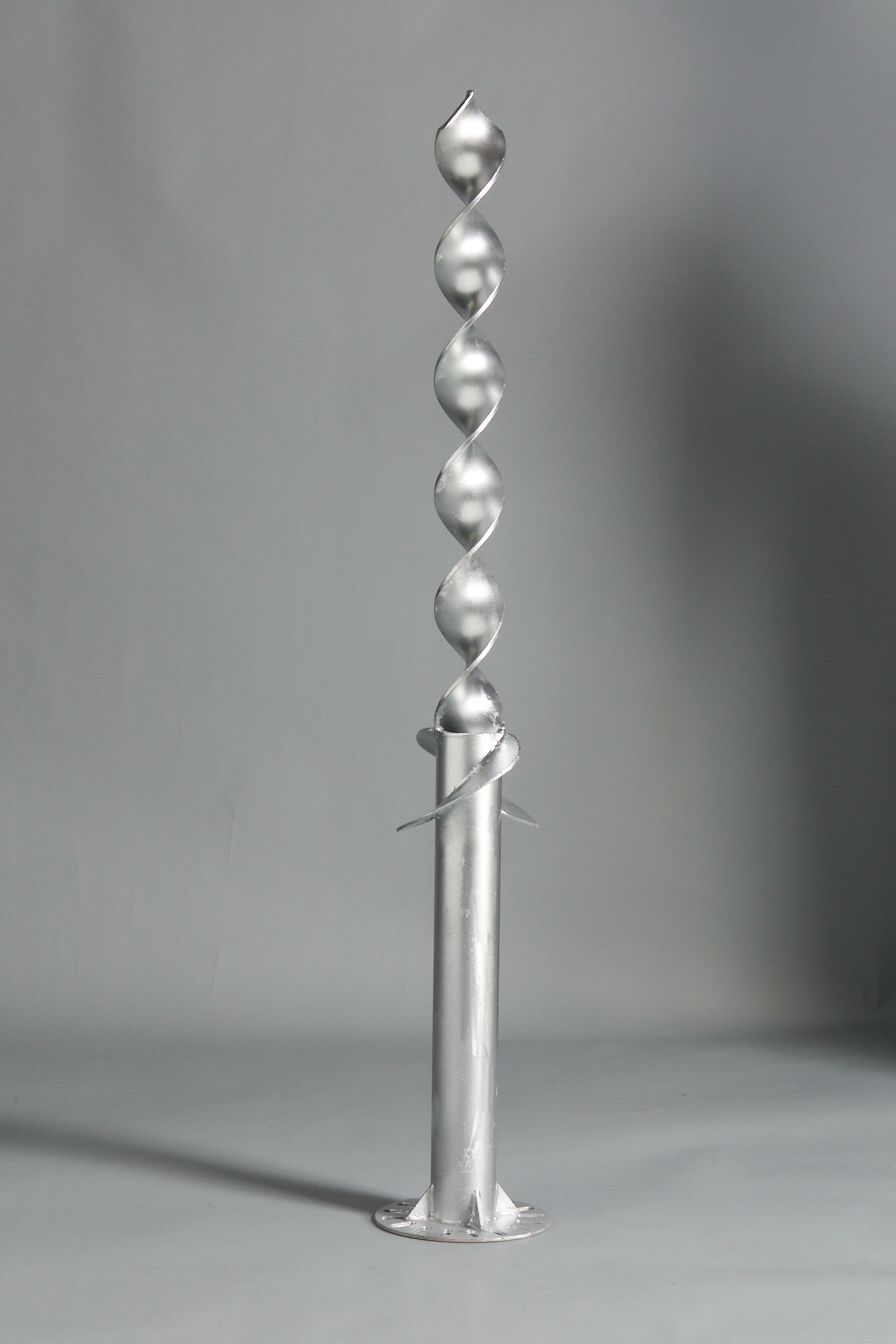
Screw Pile - Large Blade Flat Steel Pile
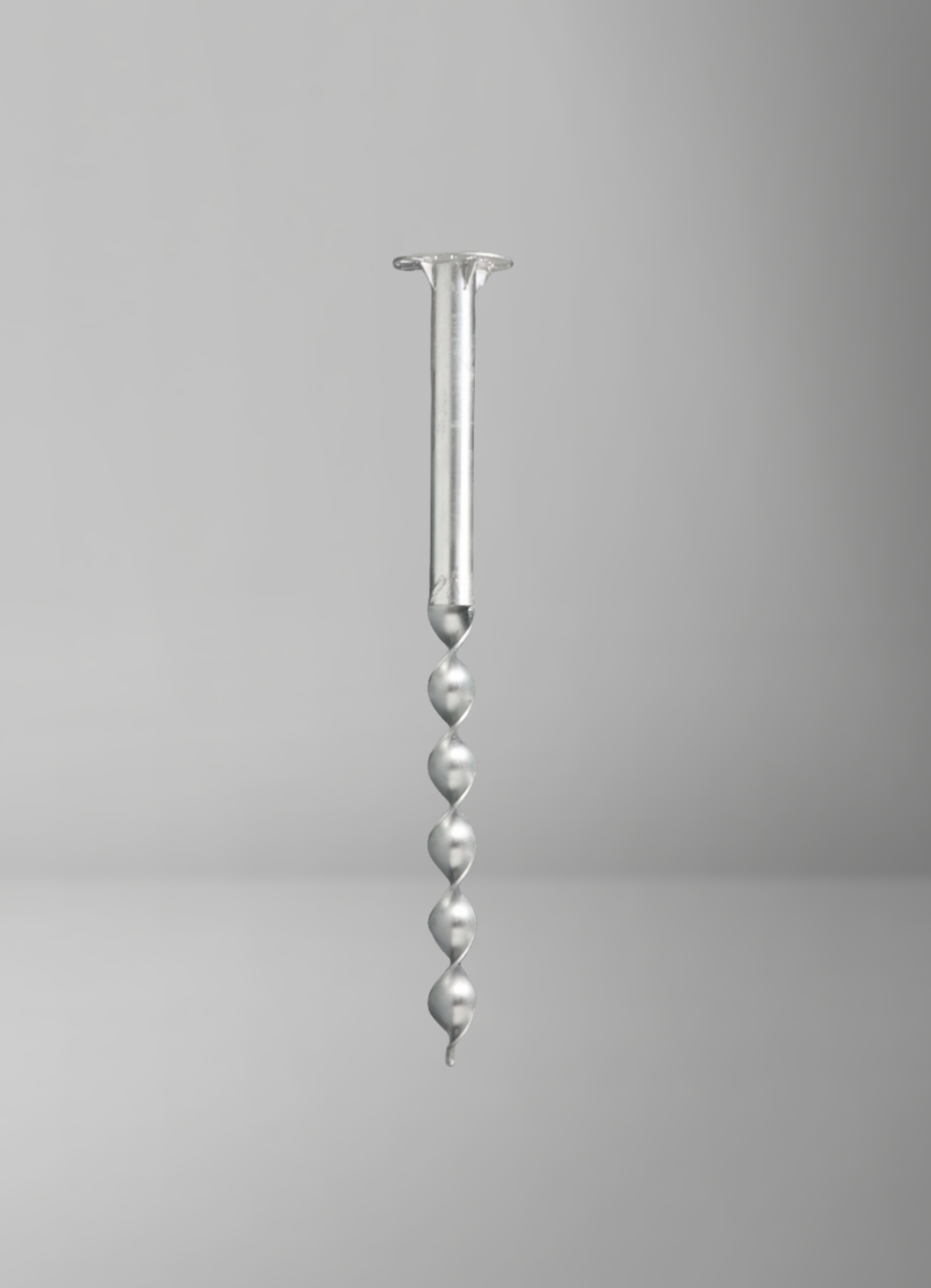
Flat Steel Screw Pile| Reliable Helical Pile Manufacturer| Patented Foundation Solution
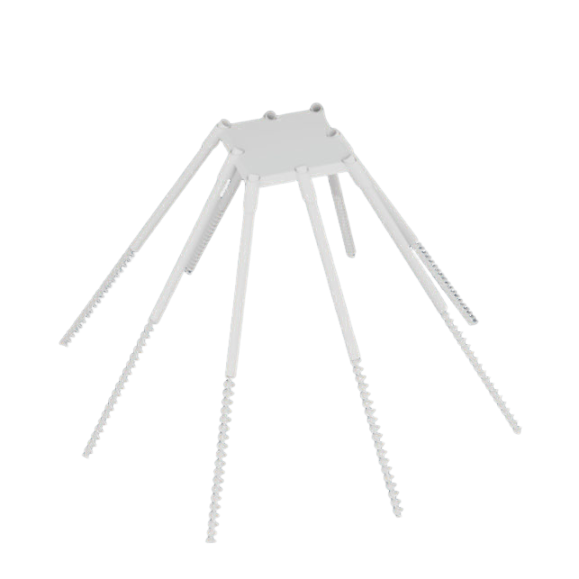
Eight-Pile Group Screw Piles| Reliable Helical Pile Manufacturer| Patented Foundation Solution
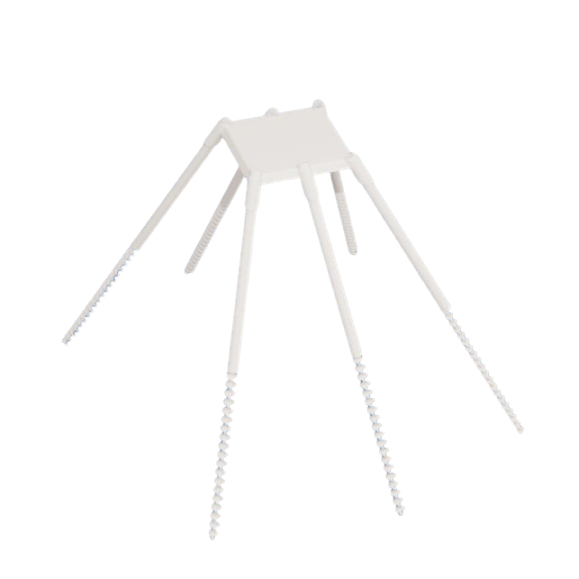
Six-Pile Group Screw Piles| Reliable Helical Pile Manufacturer| Patented Foundation Solution
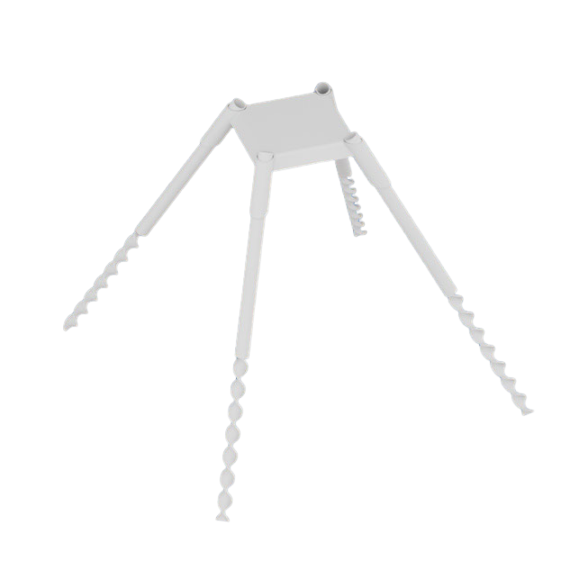
Four-Pile Group Screw Piles| Reliable Helical Pile Manufacturer| Patented Foundation Solution
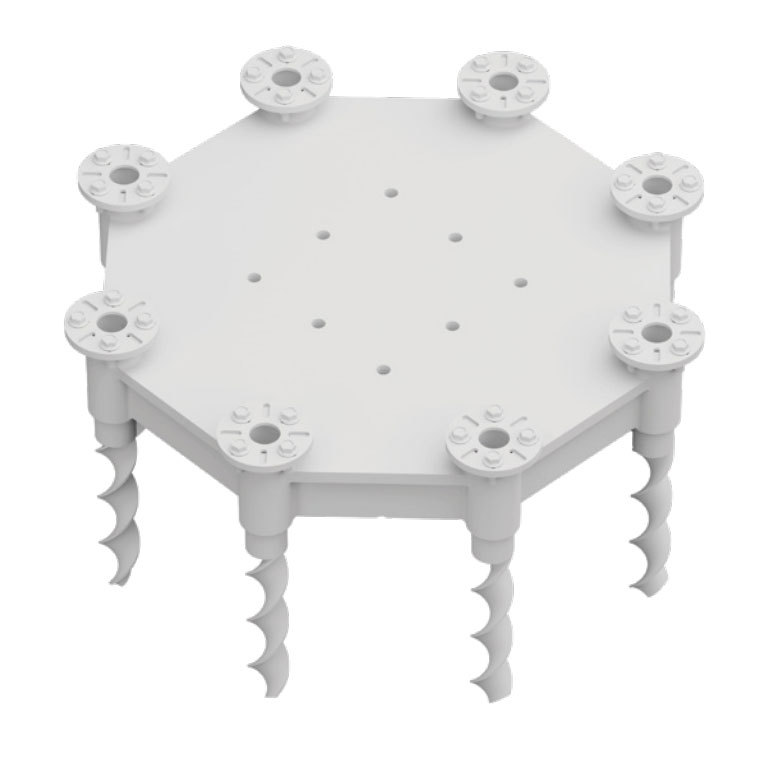
Eight-Pile Cap Screw Pile | Reliable Helical Pile Manufacturer| Patented Foundation Solution
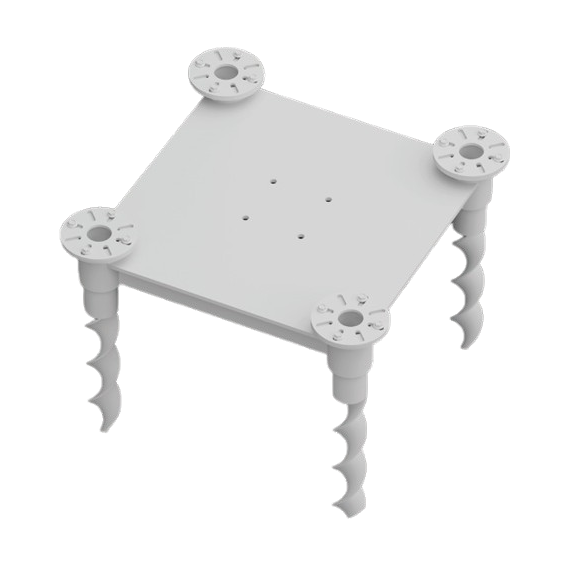
Four-Pile Cap Screw Pile | Reliable Helical Pile Manufacturer| Patented Foundation Solution
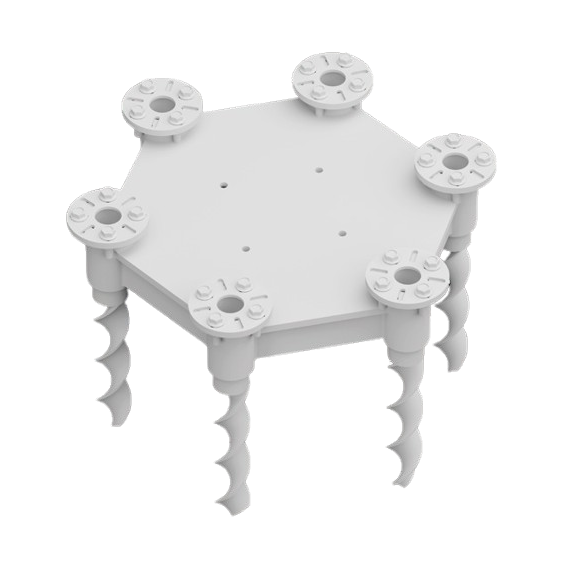
Six-Pile Cap Screw Pile | Reliable Helical Pile Manufacturer| Patented Foundation Solution
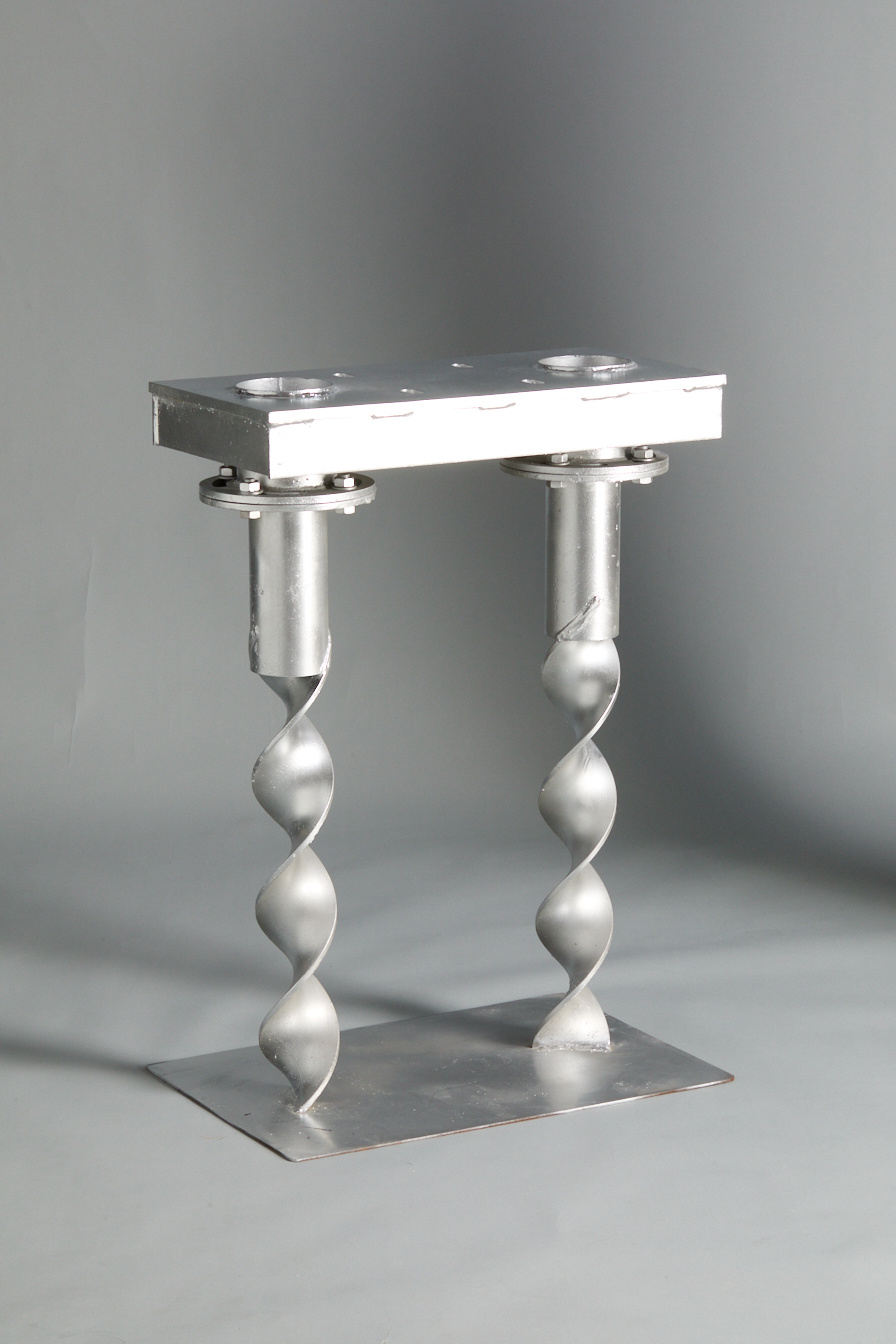
Two-Pile Cap Screw Pile | Reliable Helical Pile Manufacturer| Patented Foundation Solution
Steel Platform System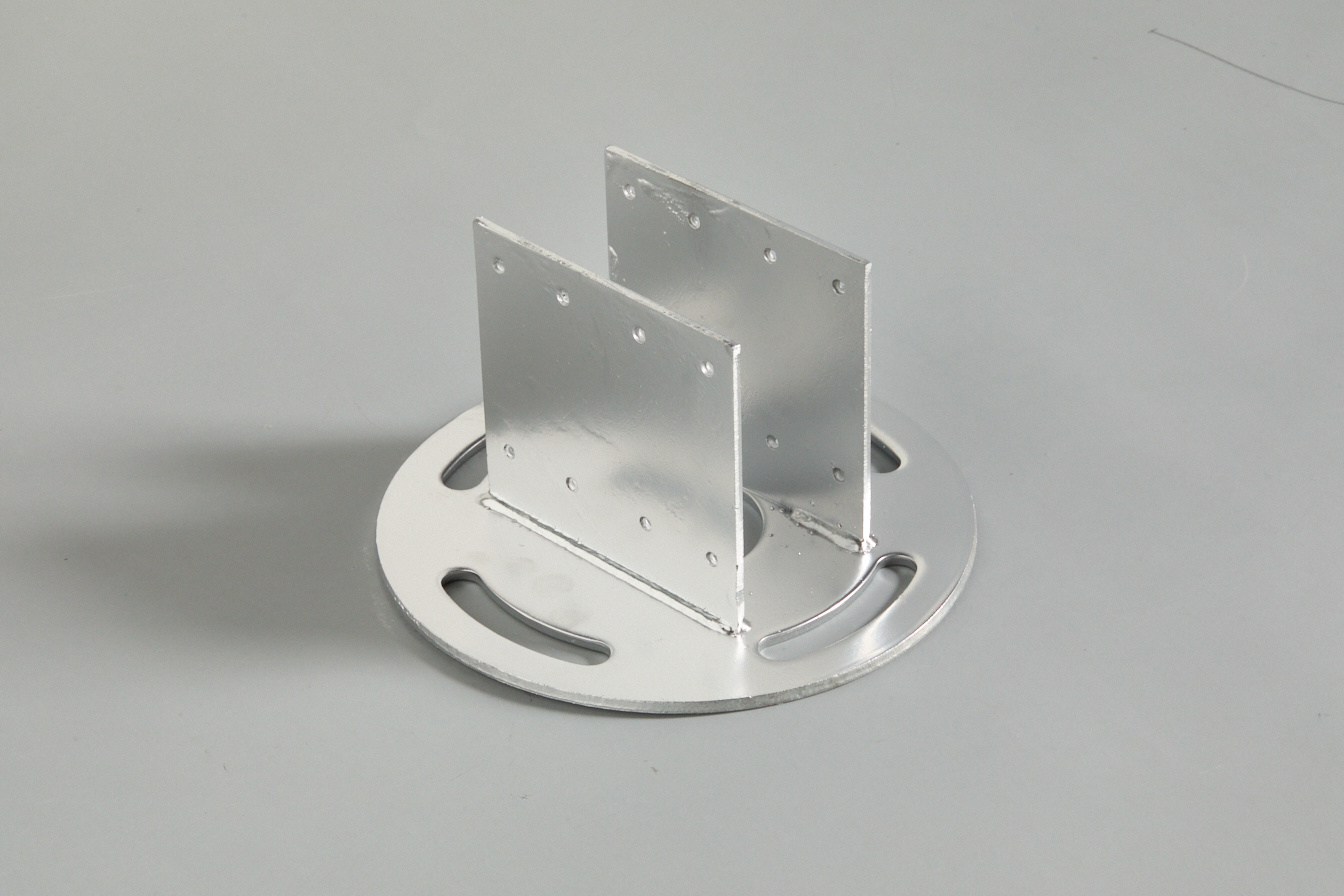
Spiral pile connectors
Small U connector
Large U connector
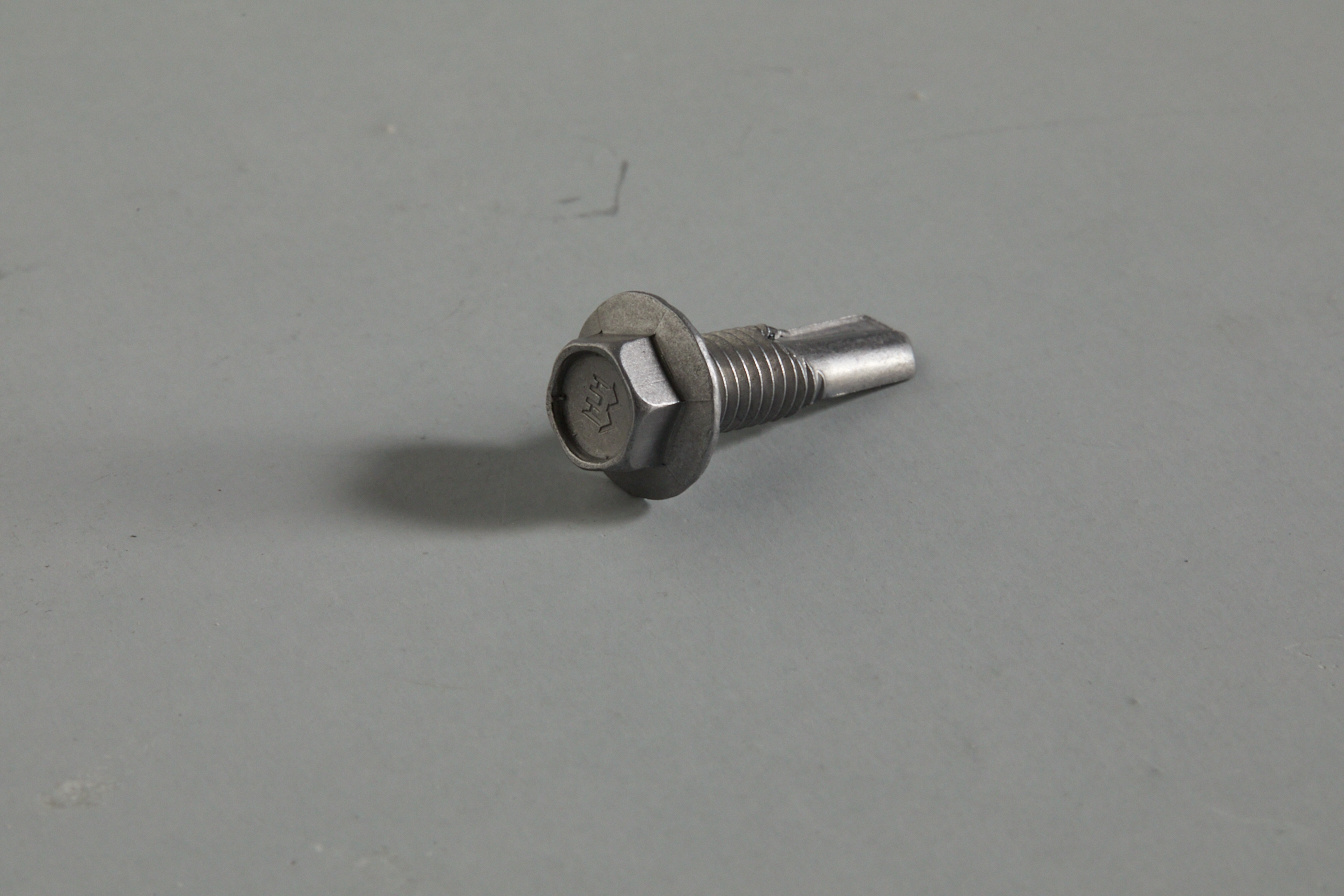
Hexagonal flange self drilling and self tapping screws
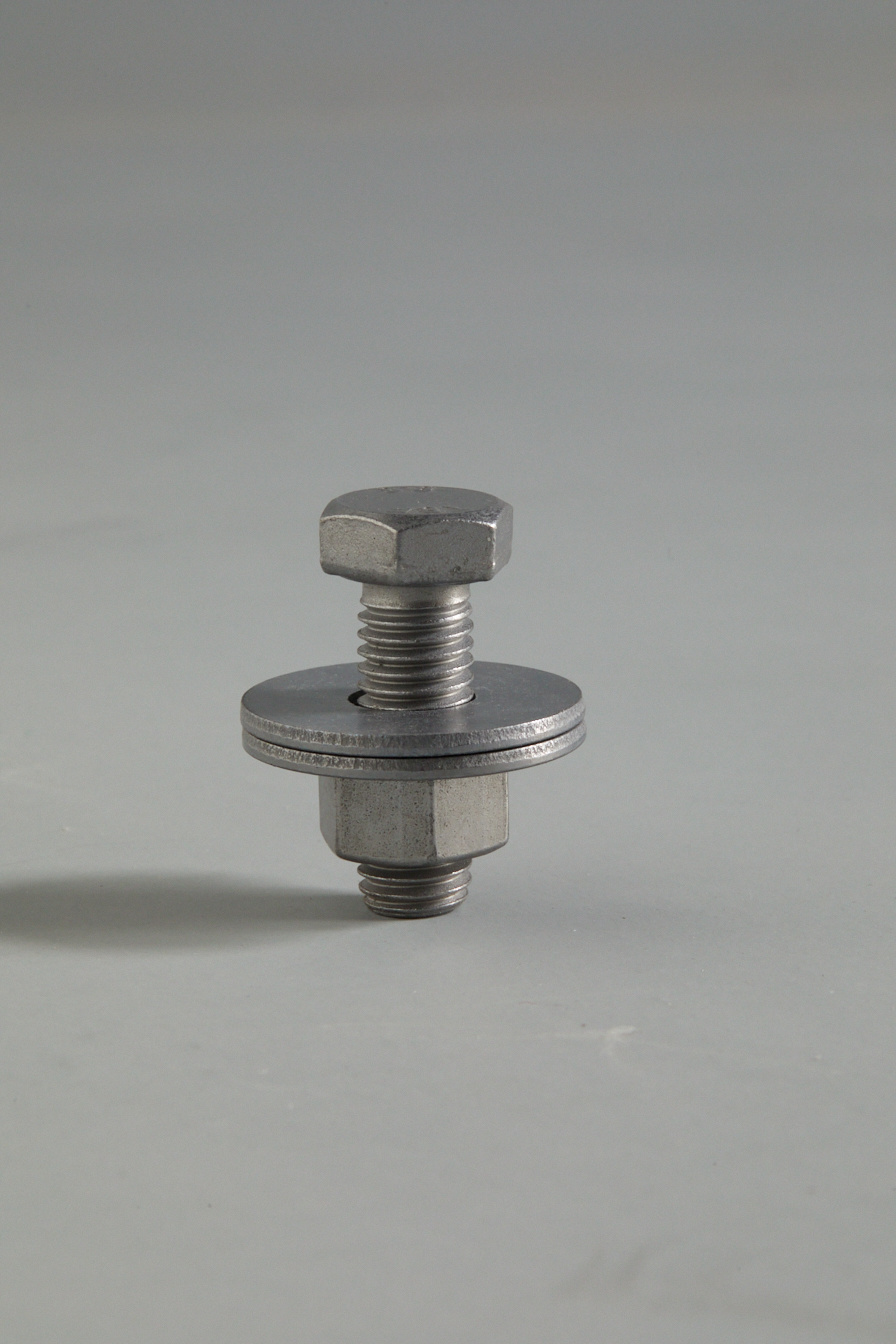
Tightening Bolts
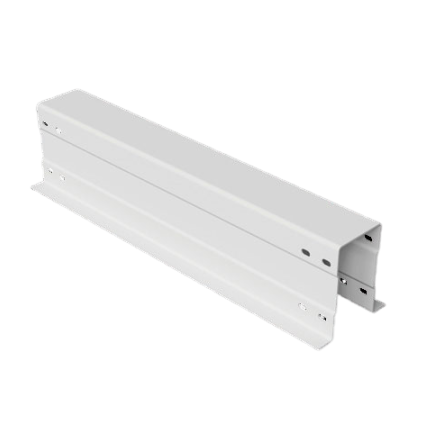
Secondary Beam
Steel Platform - Main Beam
Modular building
Modular building
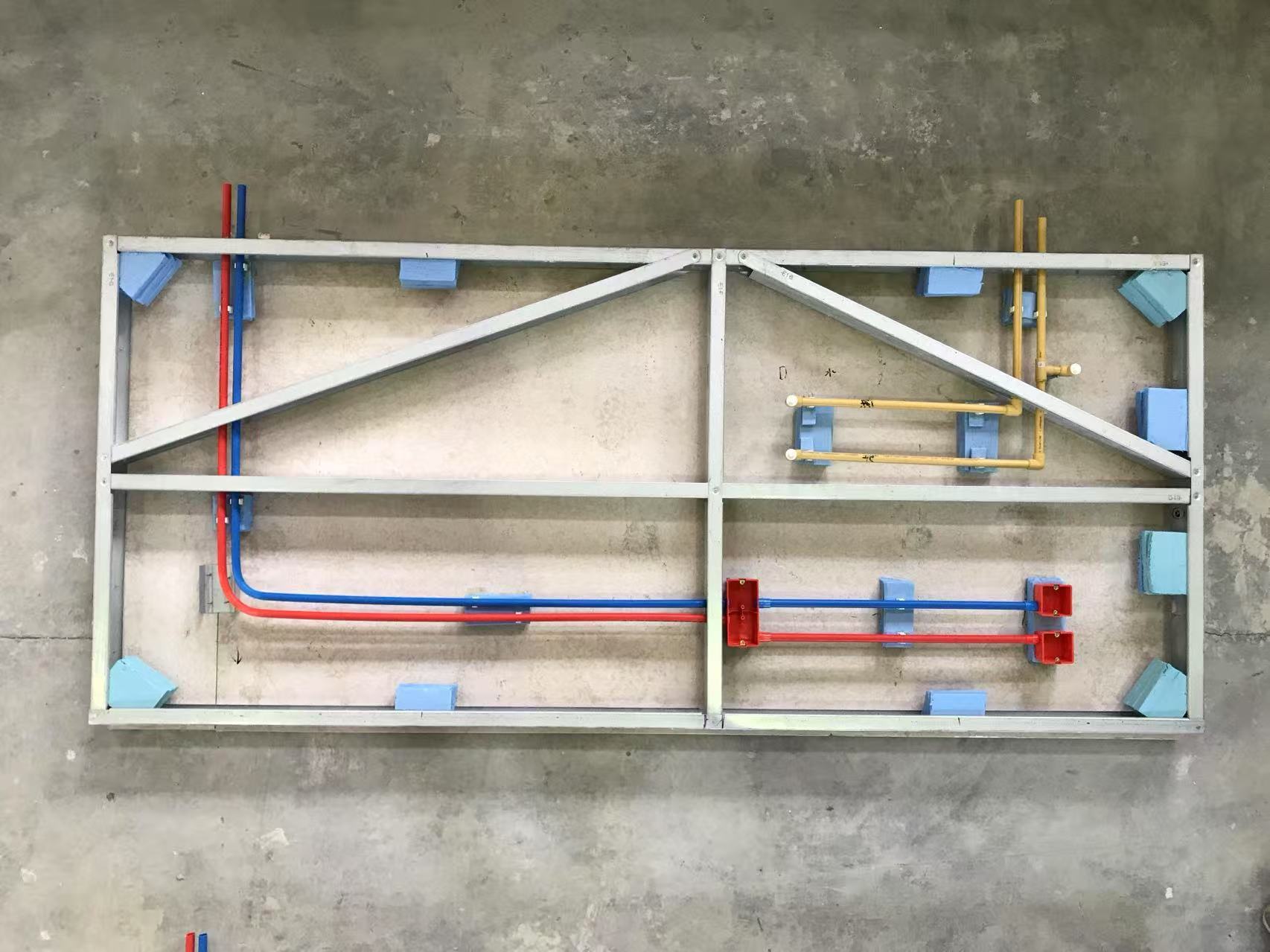
Layout Diagram of Electrical and Plumbing Pipelines for Magnesium-Based Grouted Walls

Performance Testing of Magnesium-Based Walls
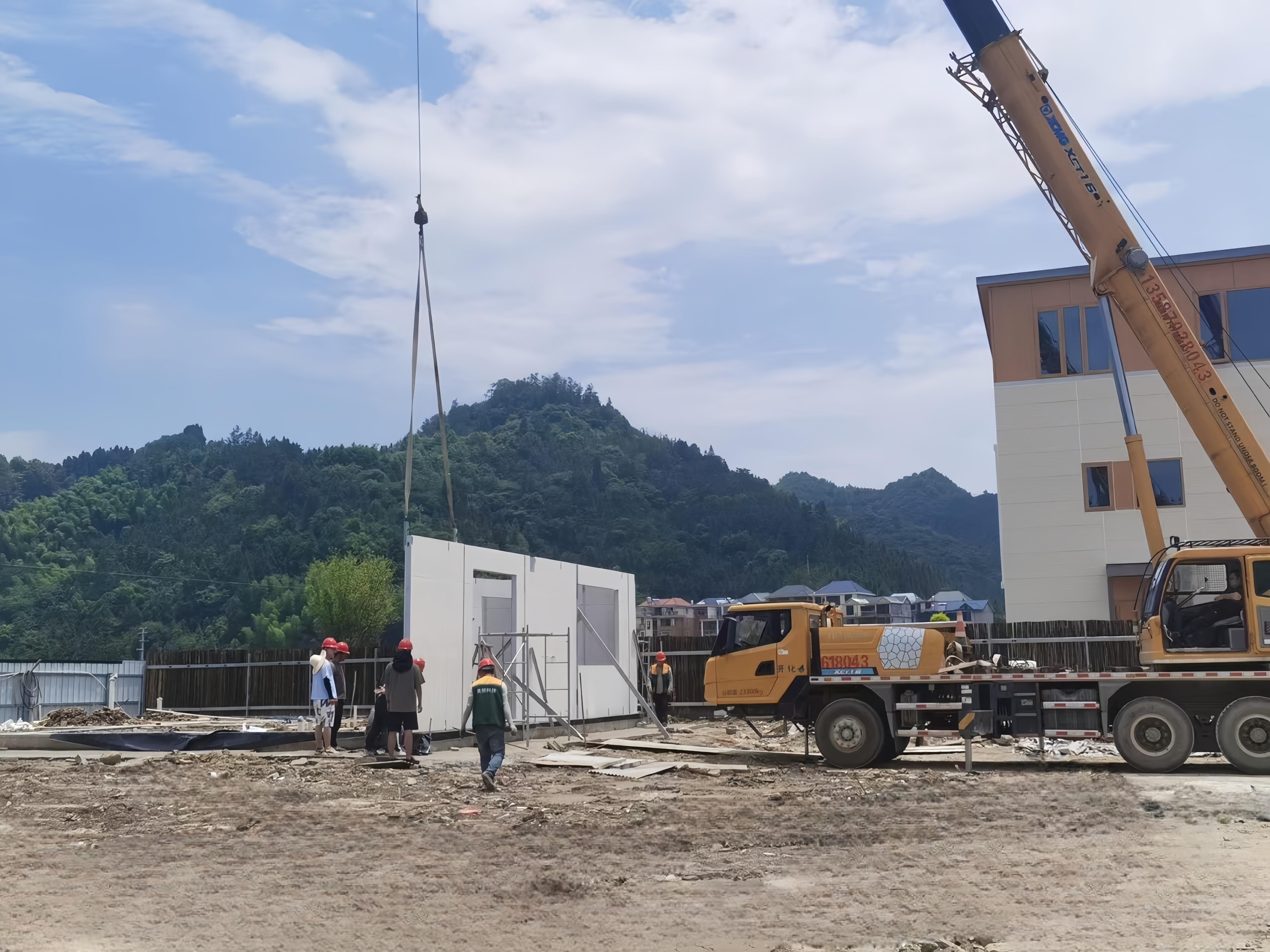
Construction Process of Modular Walls
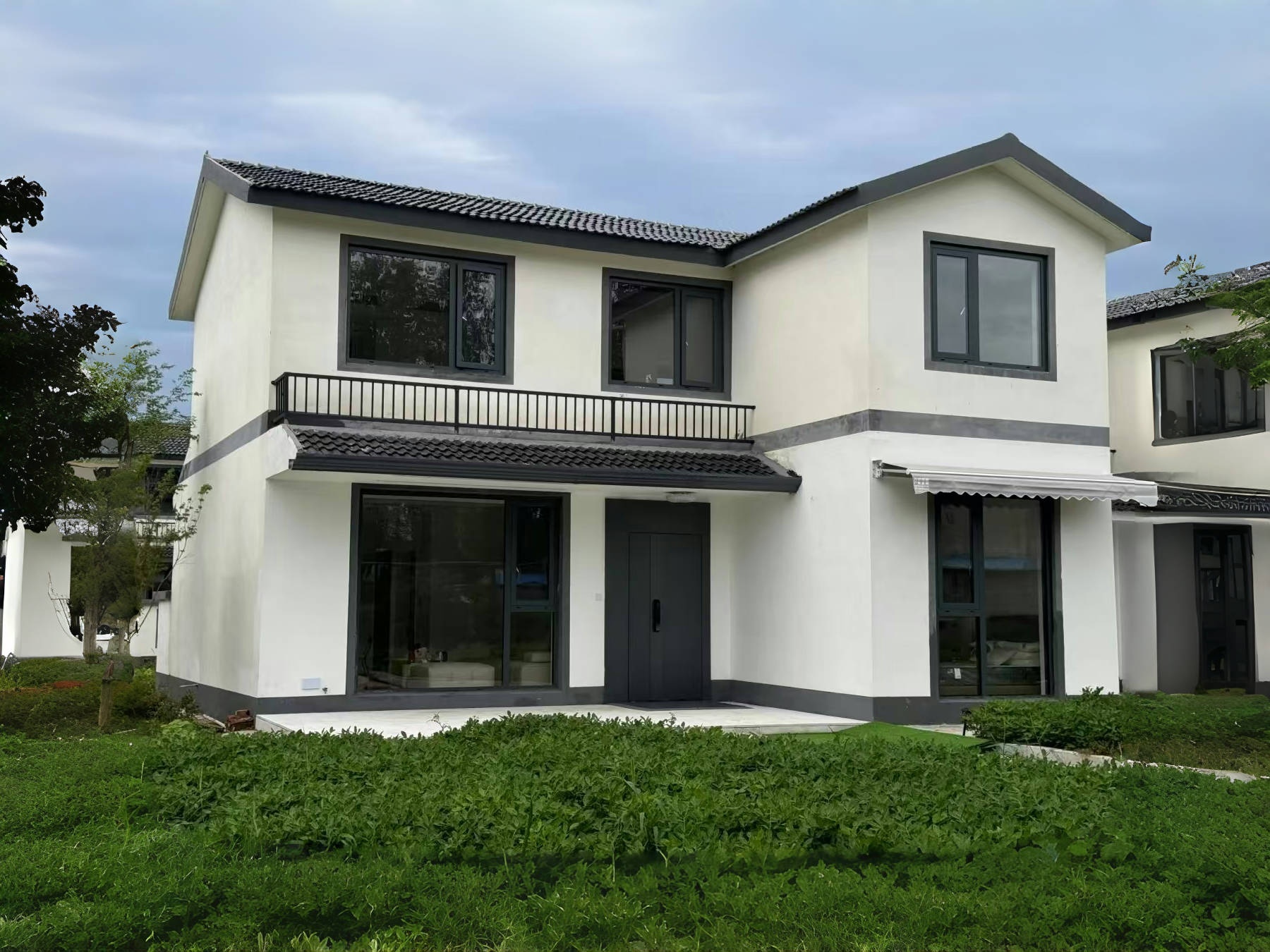
Cases of Modular Buildings
Bracket Roof Integrated Panel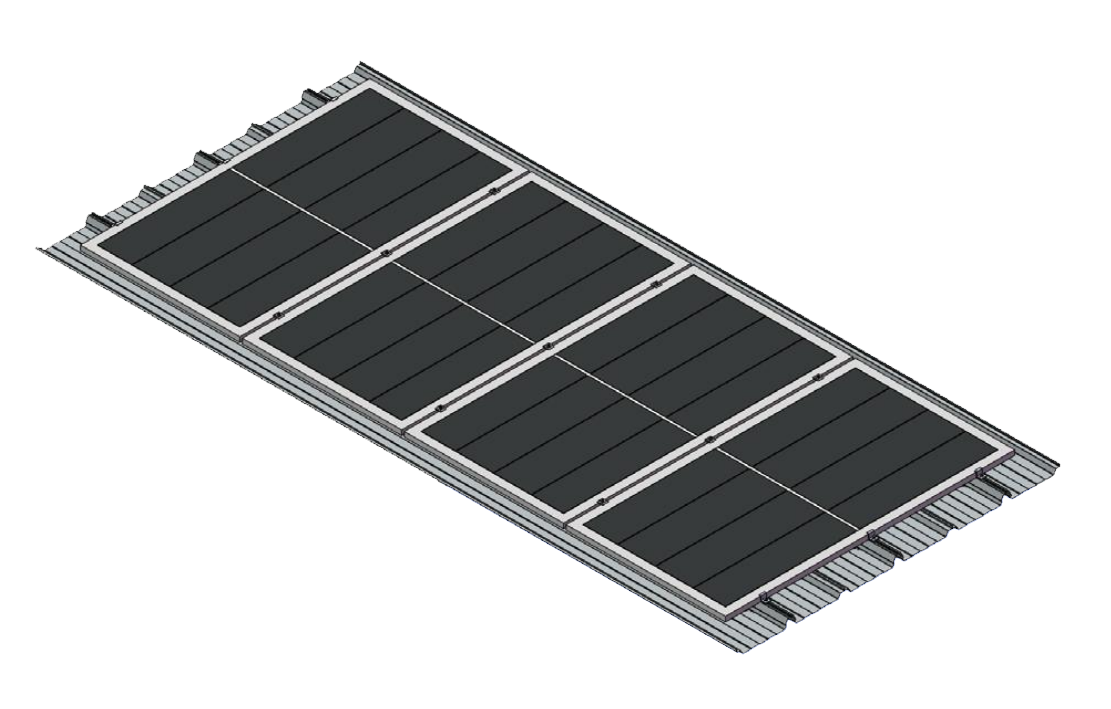
BIPV Bracket Roof Integrated Panel
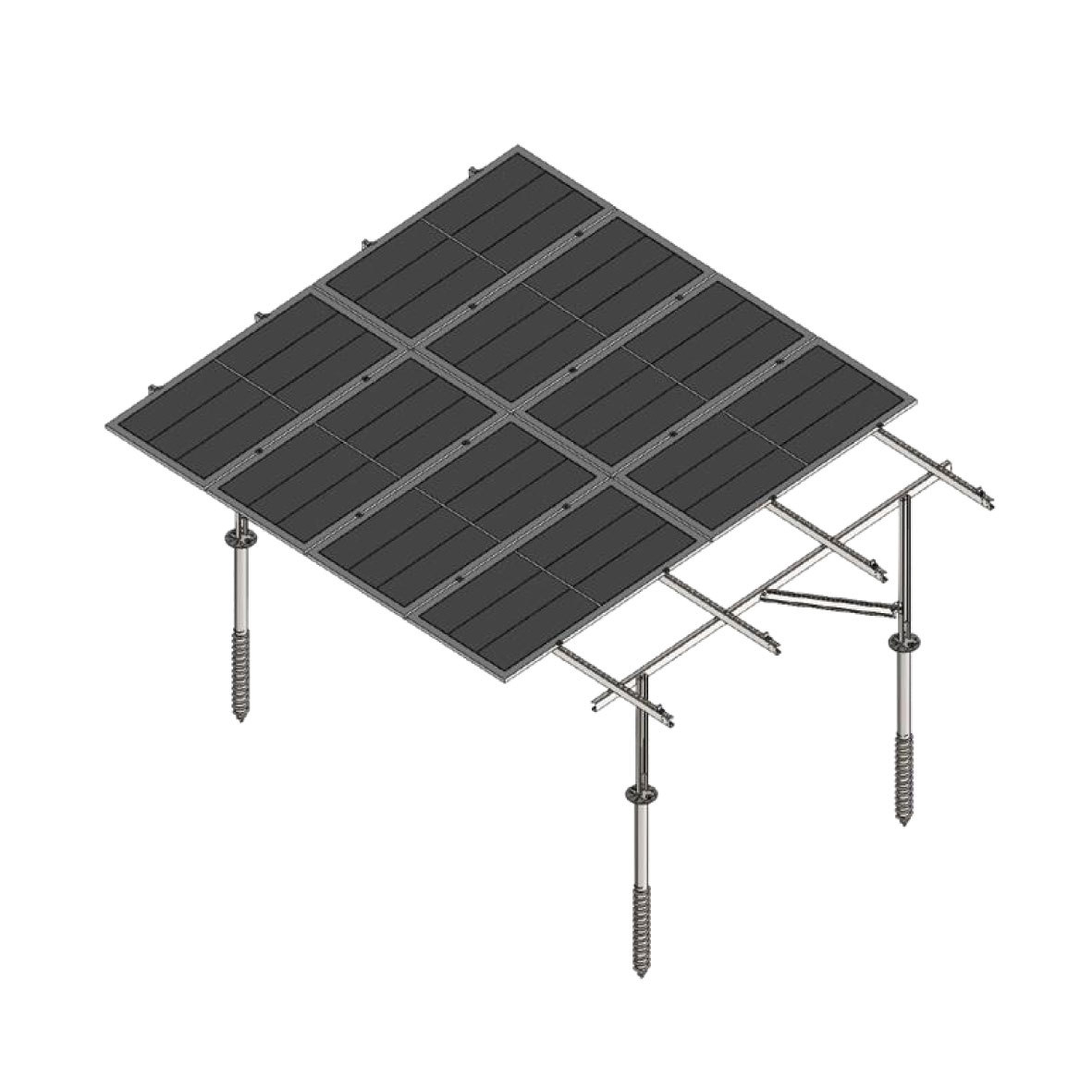
ZINC Aluminum Magnesium Double Leg Bracket
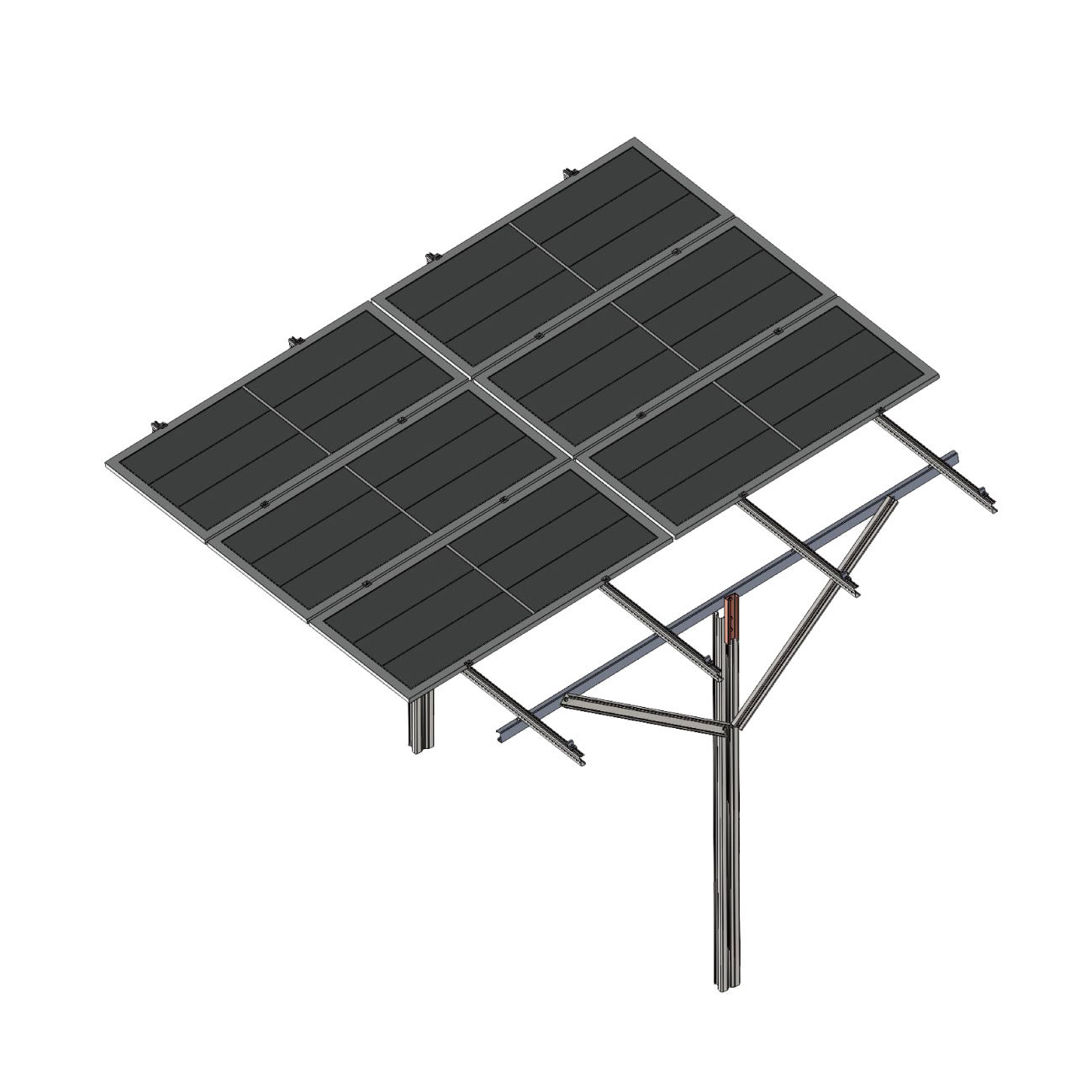
ZINC Aluminum Magnesium Single Leg Bracket
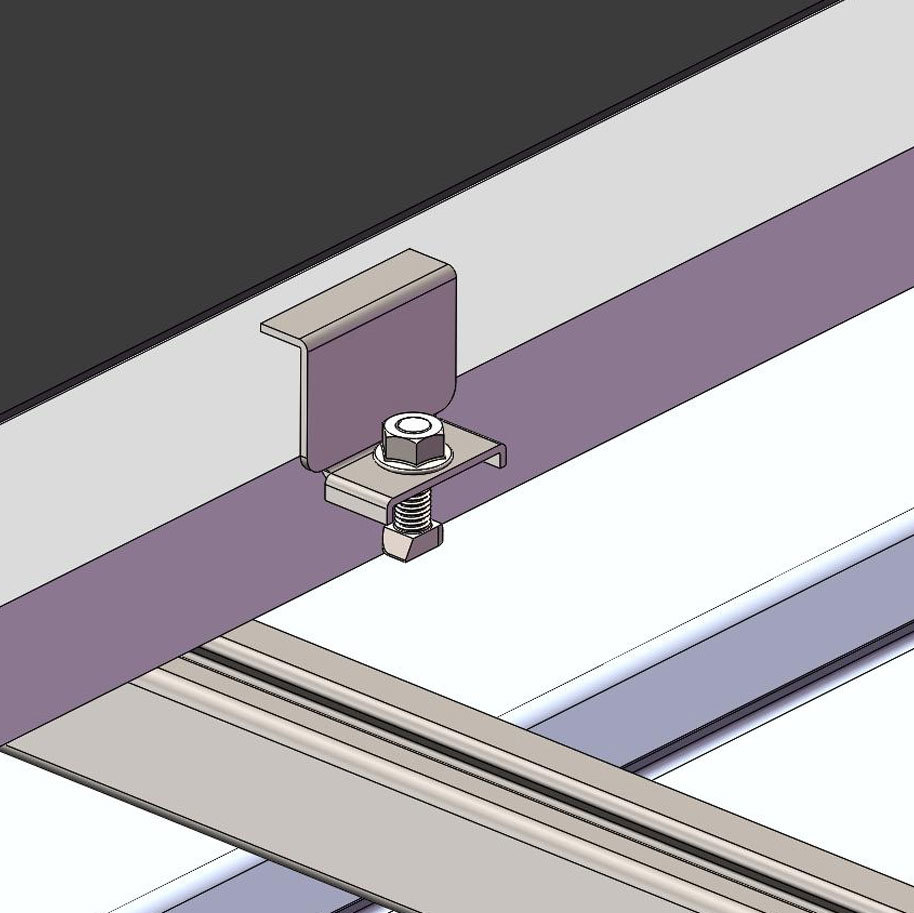
Explosion diagram of zinc aluminum magnesium under lateral pressure
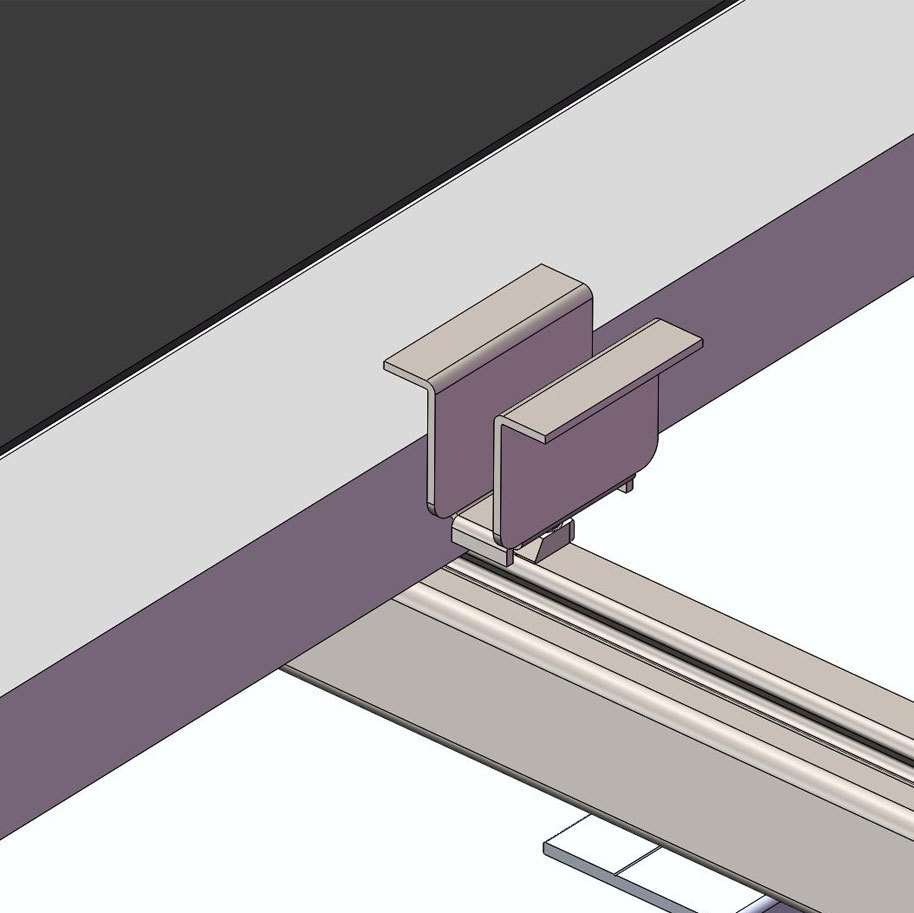
Zinc aluminum magnesium medium pressure explosion diagram
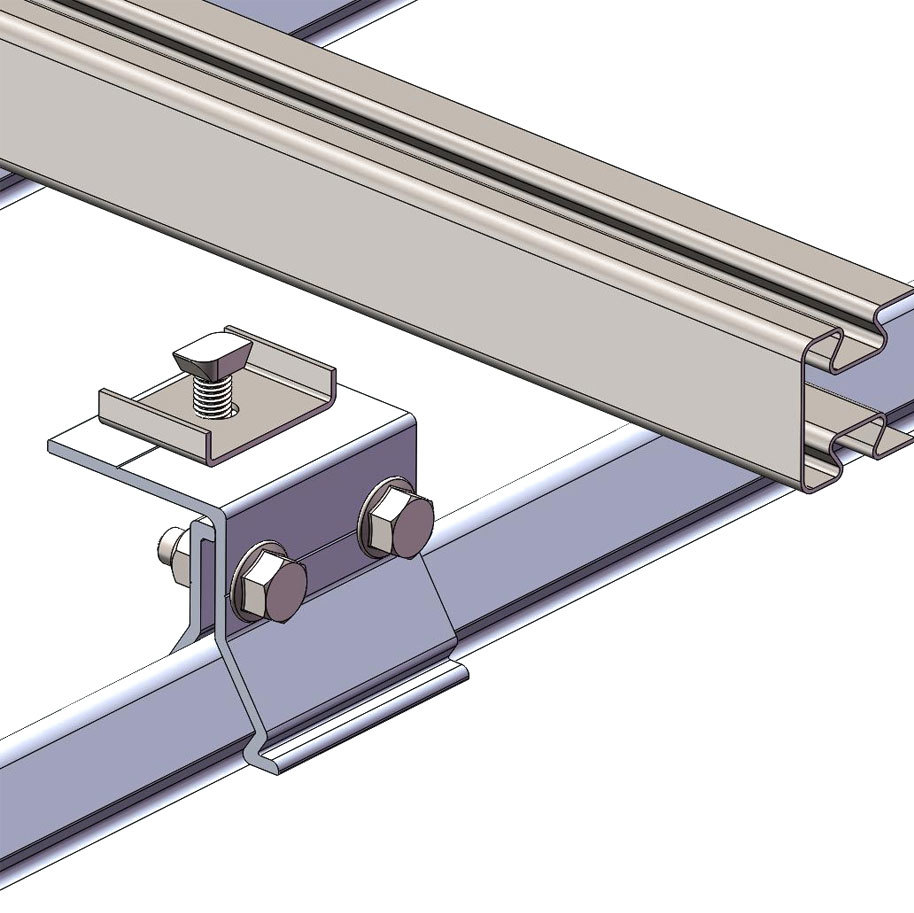
Explosion diagram of fixture components
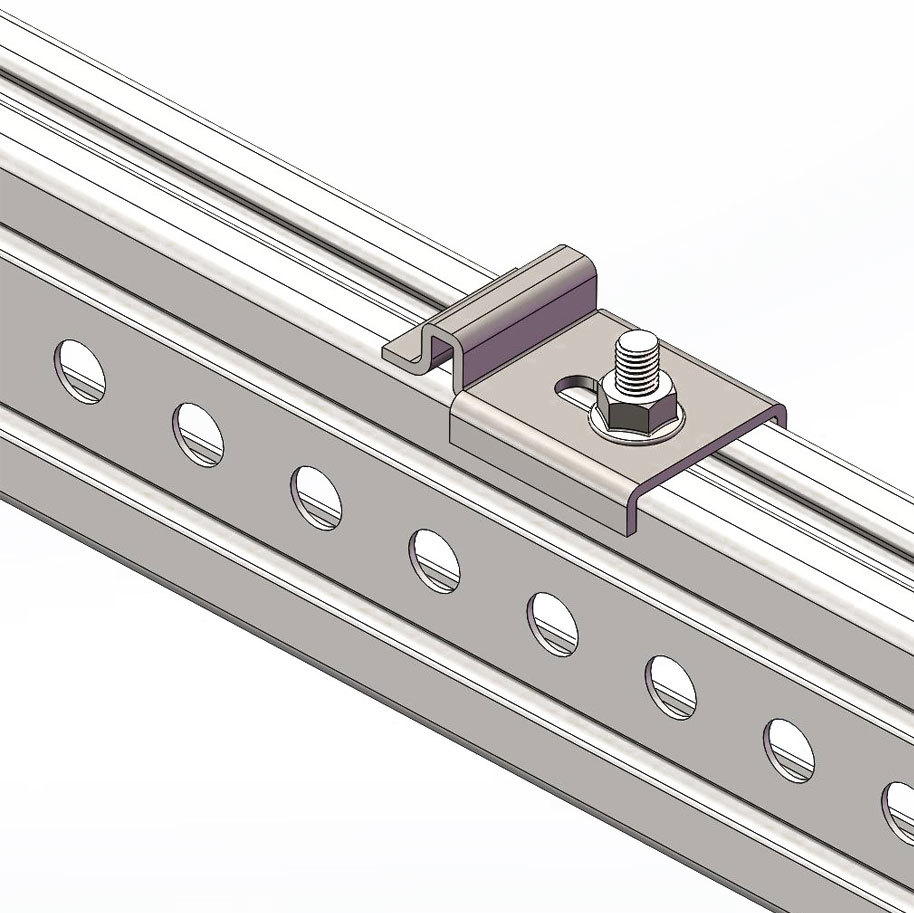
Lower pressure component
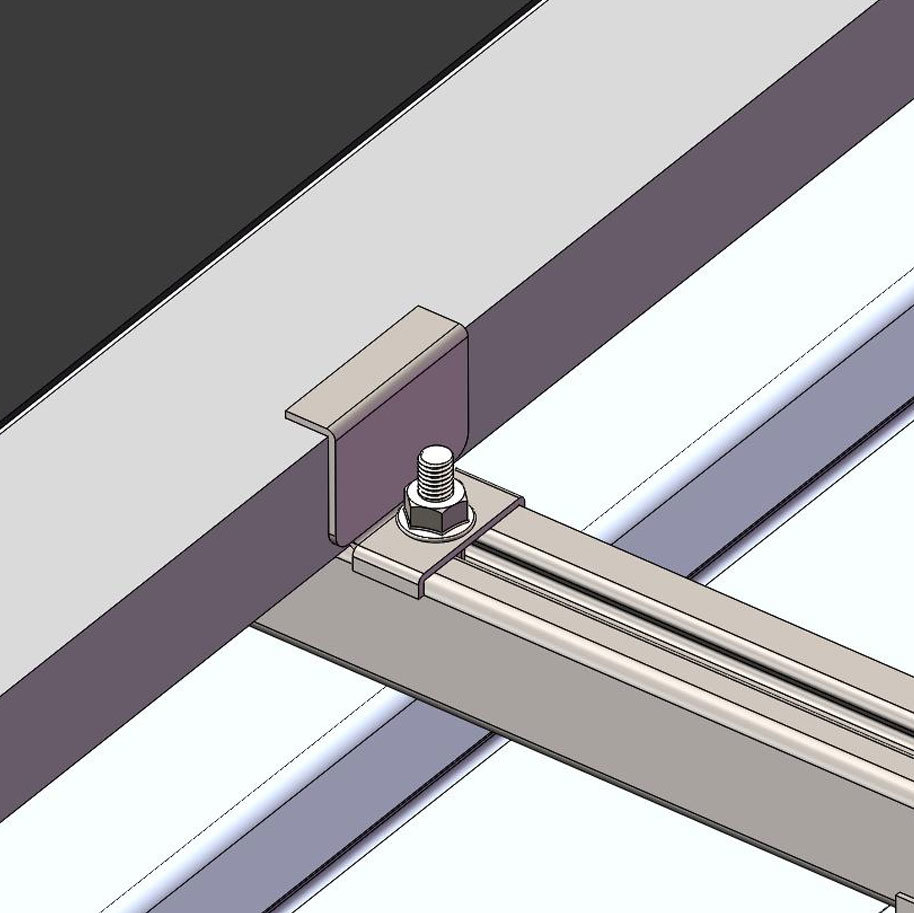
Zinc aluminum magnesium side pressure
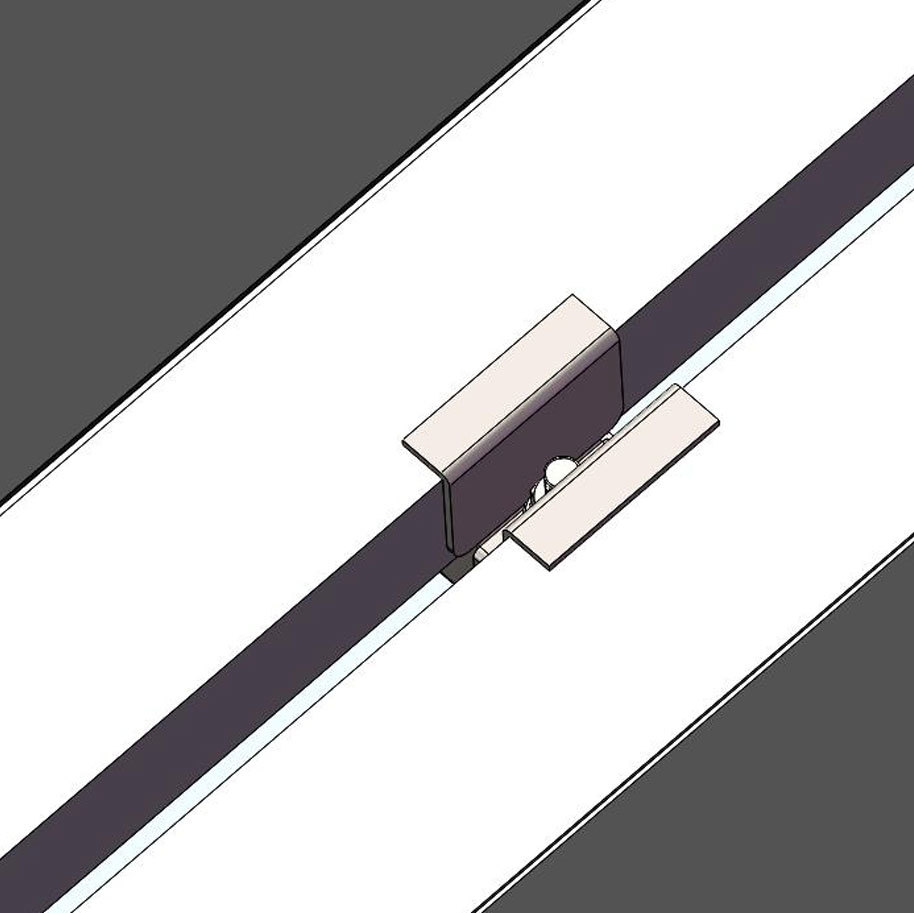
Zinc aluminum magnesium medium pressure
Zinc aluminum magnesium medium pressure
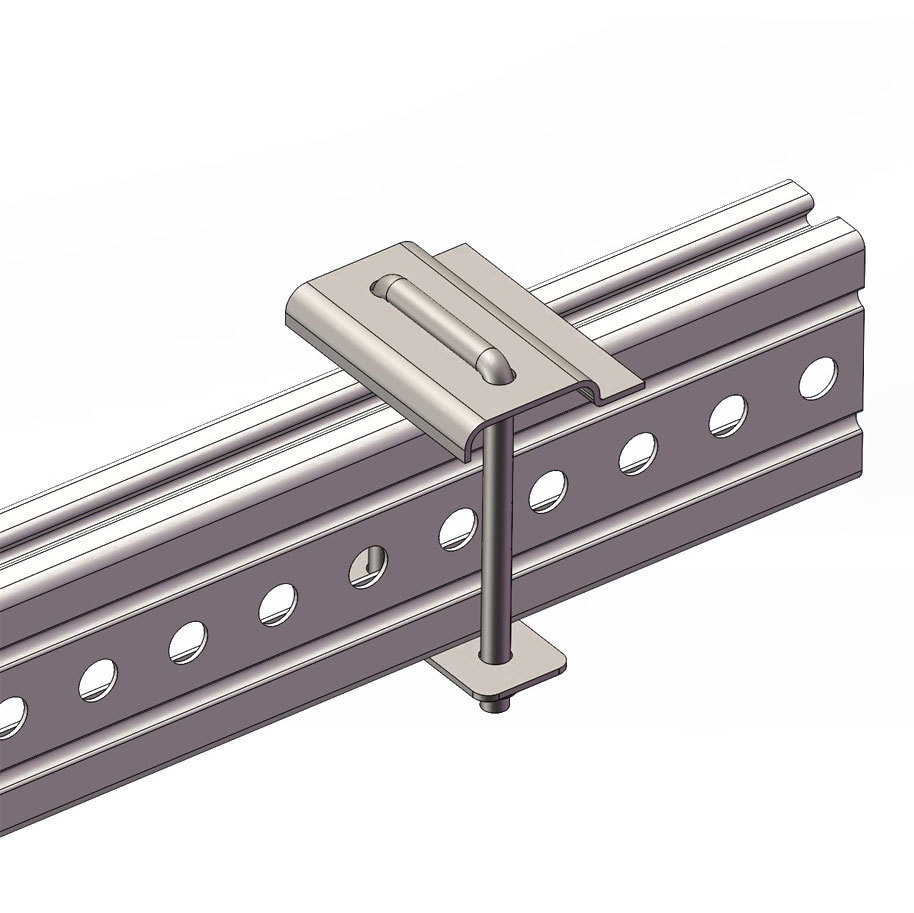
U-bolt assembly
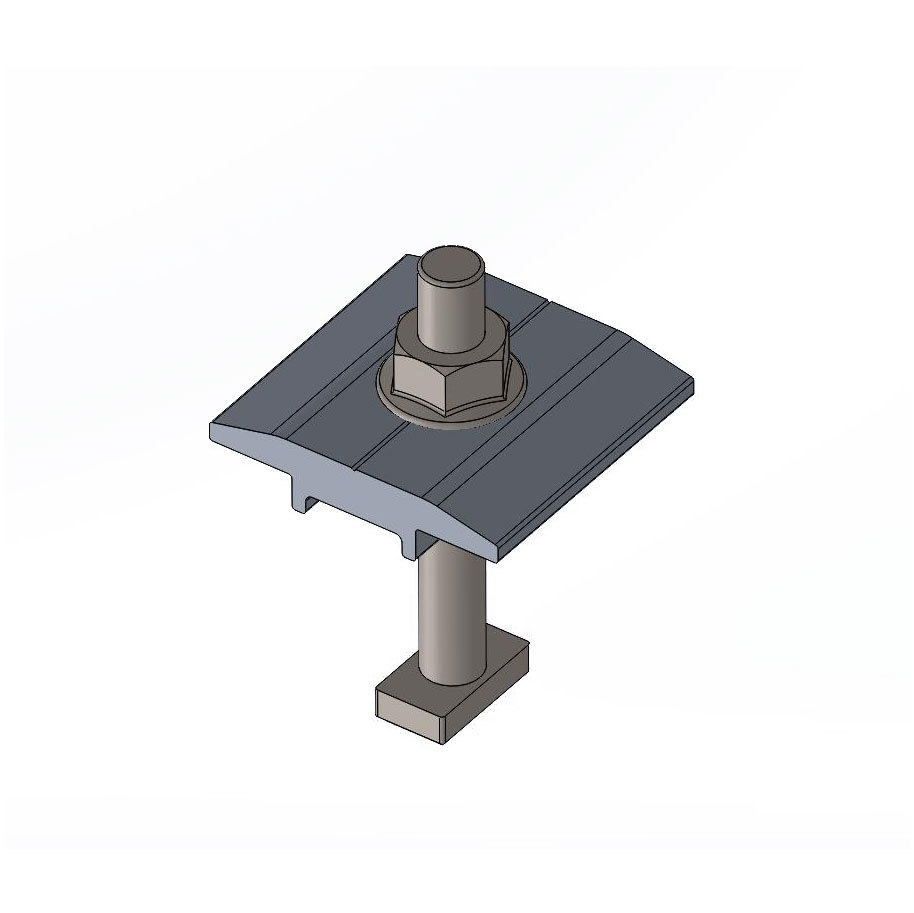
Medium voltage components
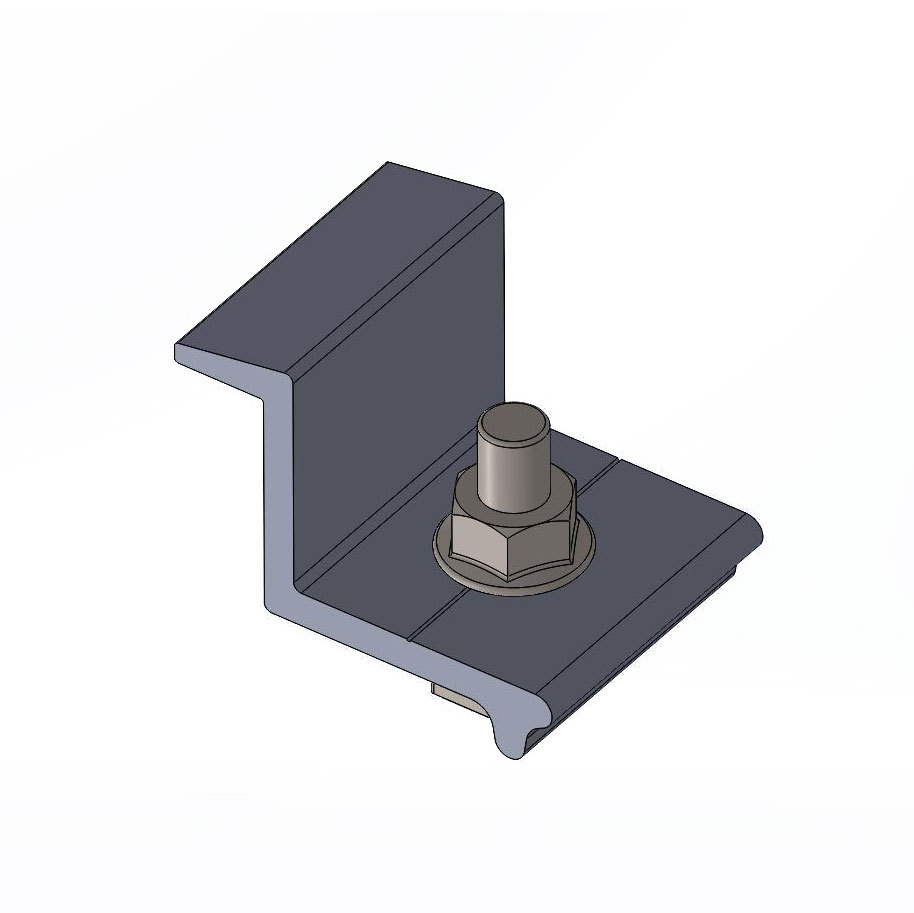
Side pressure component
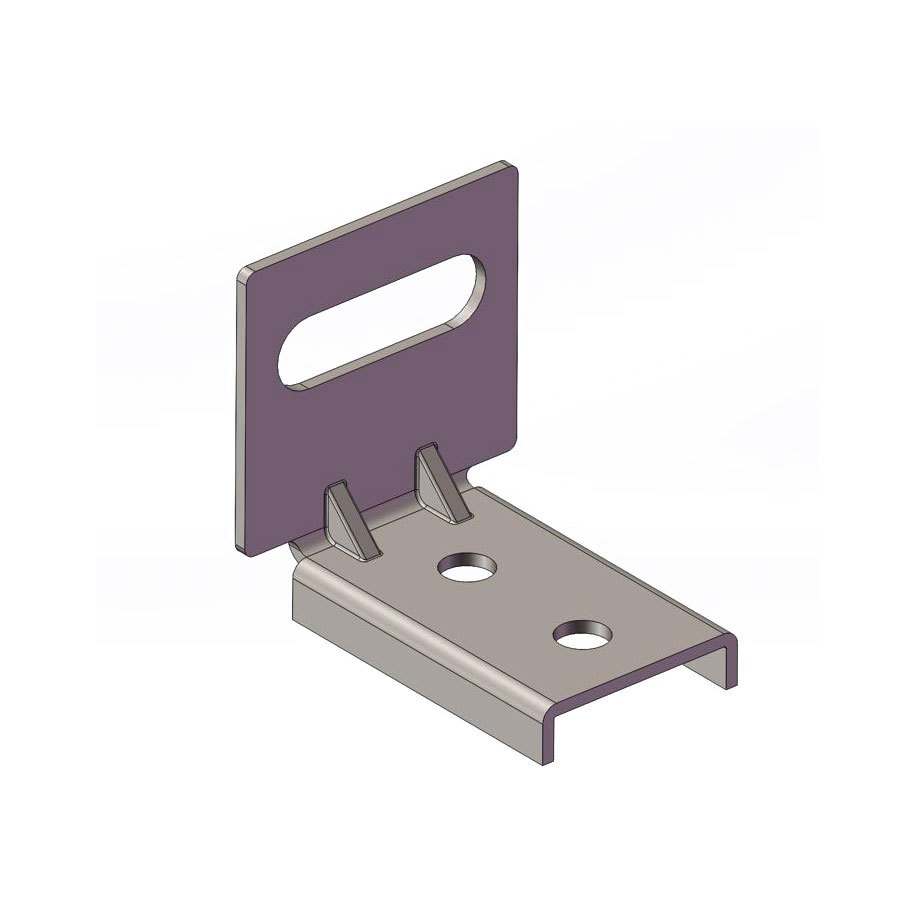
Horizontal and vertical rail connectors
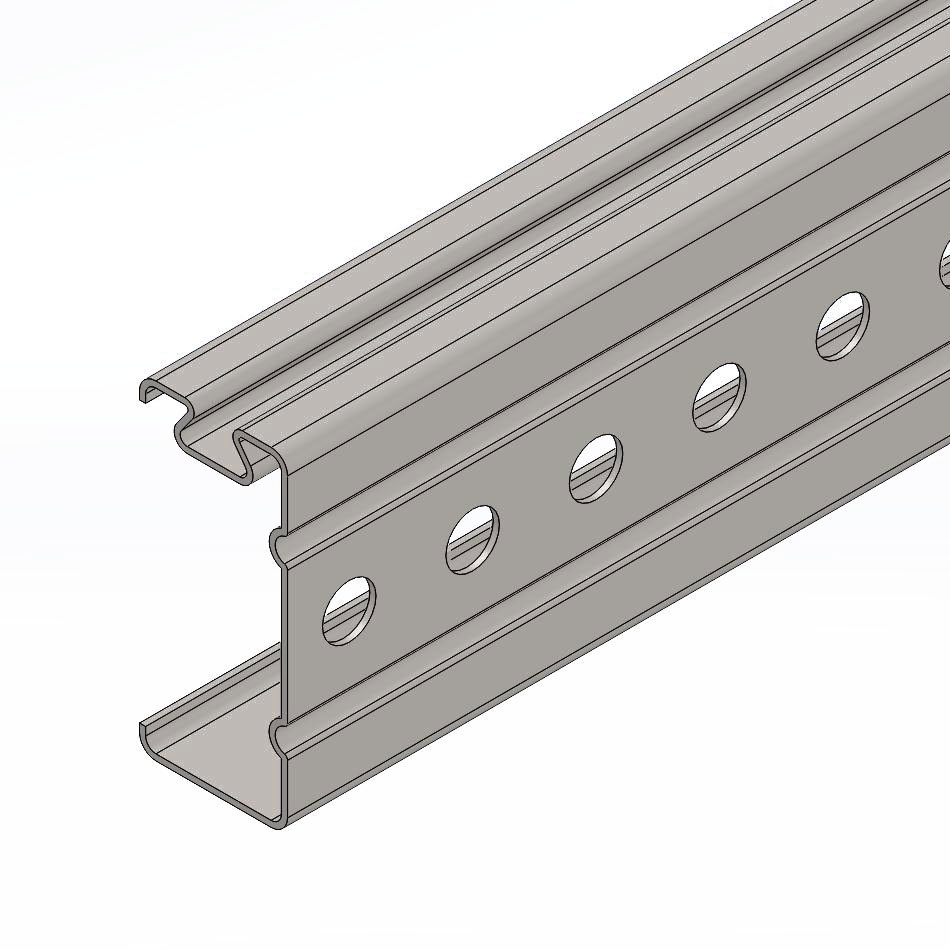
Slant support
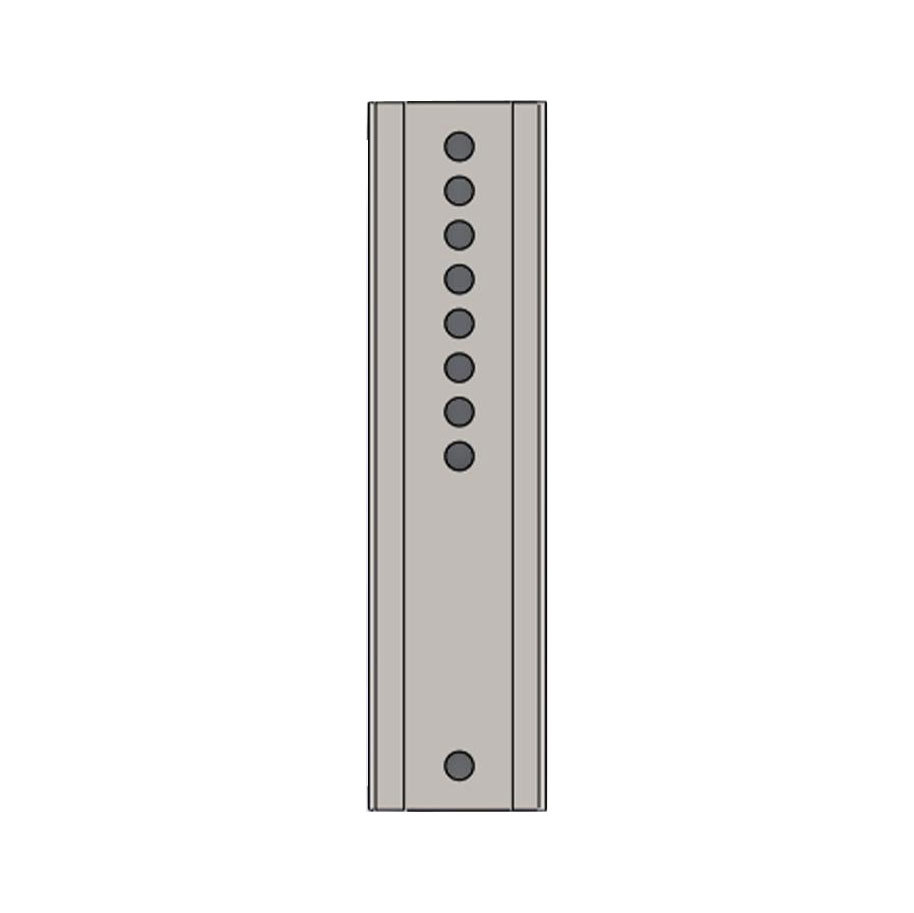
Column connectors
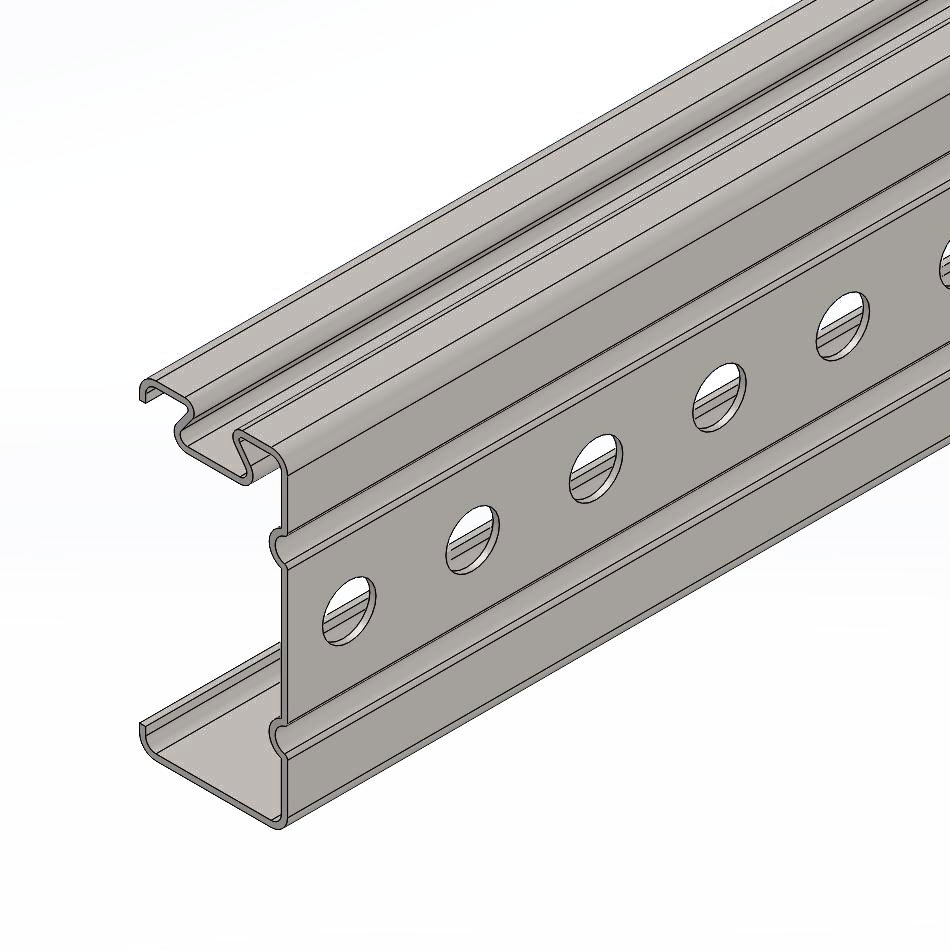
Longitudinal track
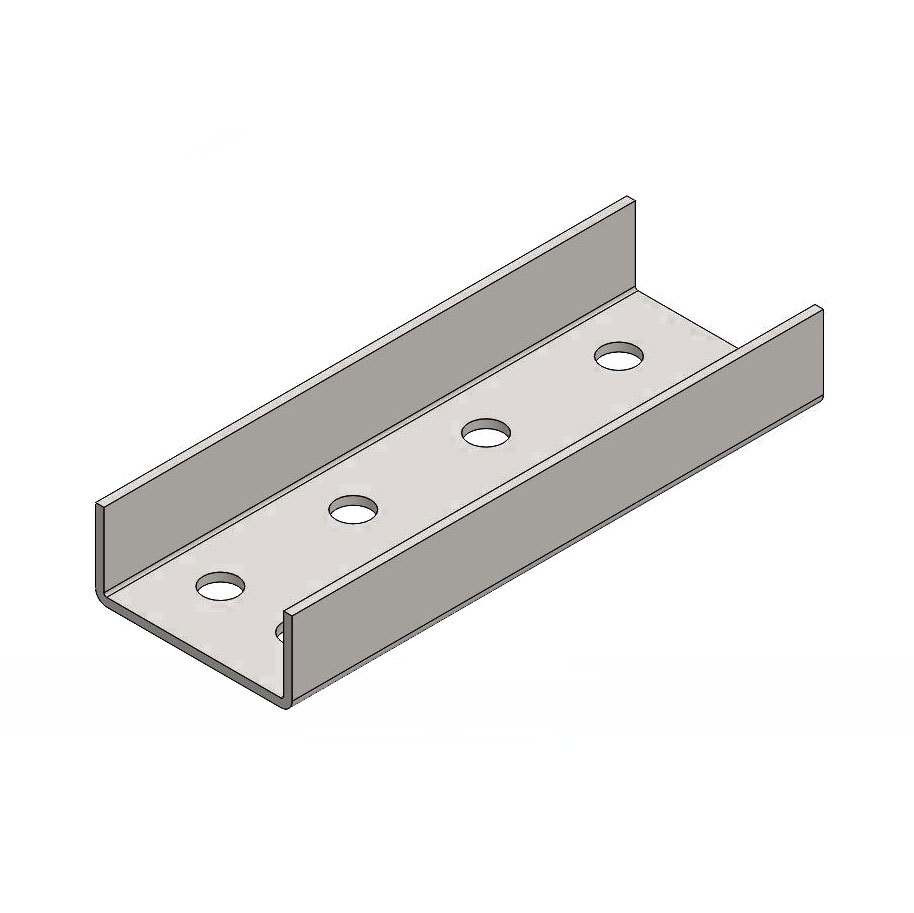
Horizontal rail connectors
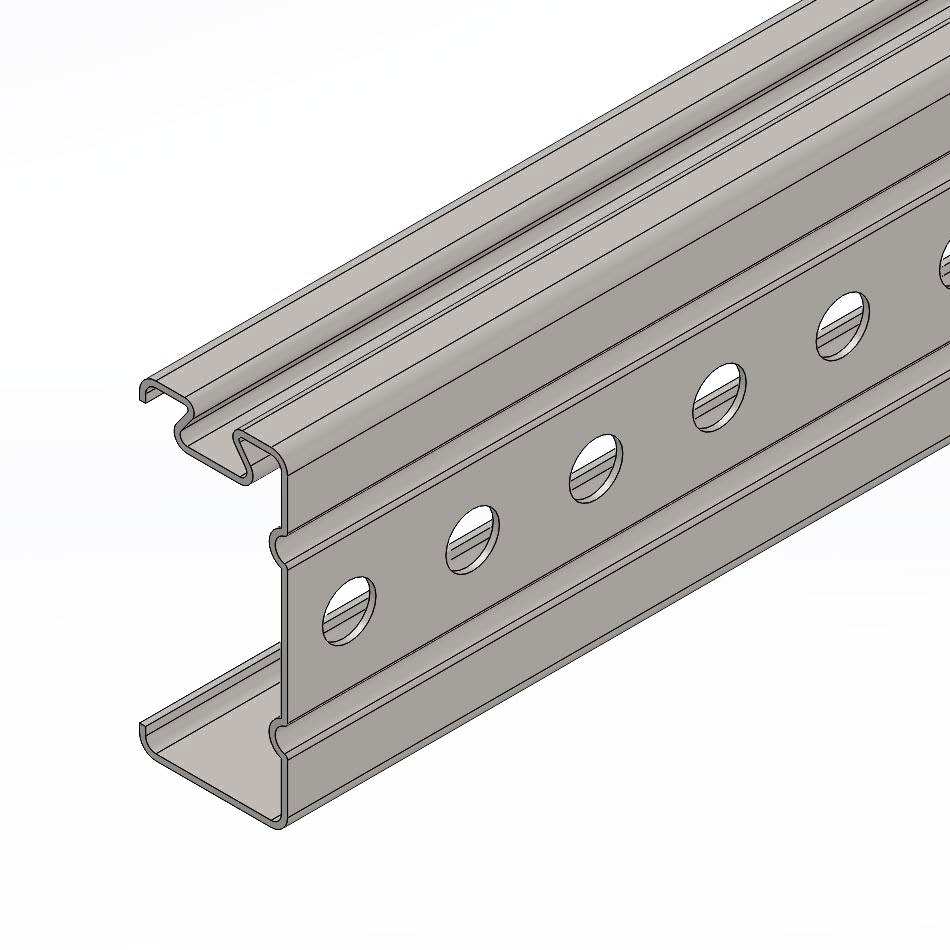
Horizontal track
Easy Install Steel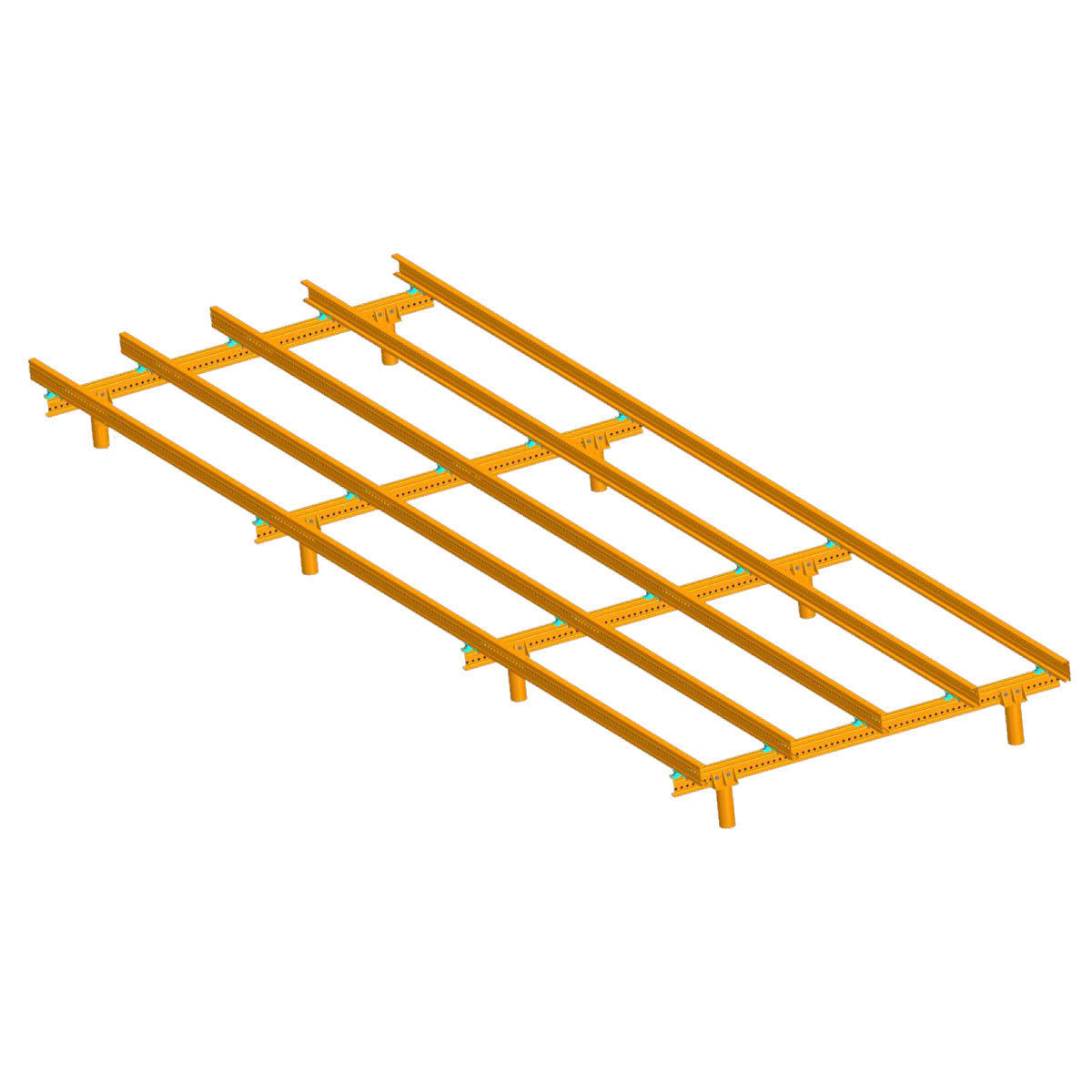
Haoheng Yi'an System

Easy Install Steel
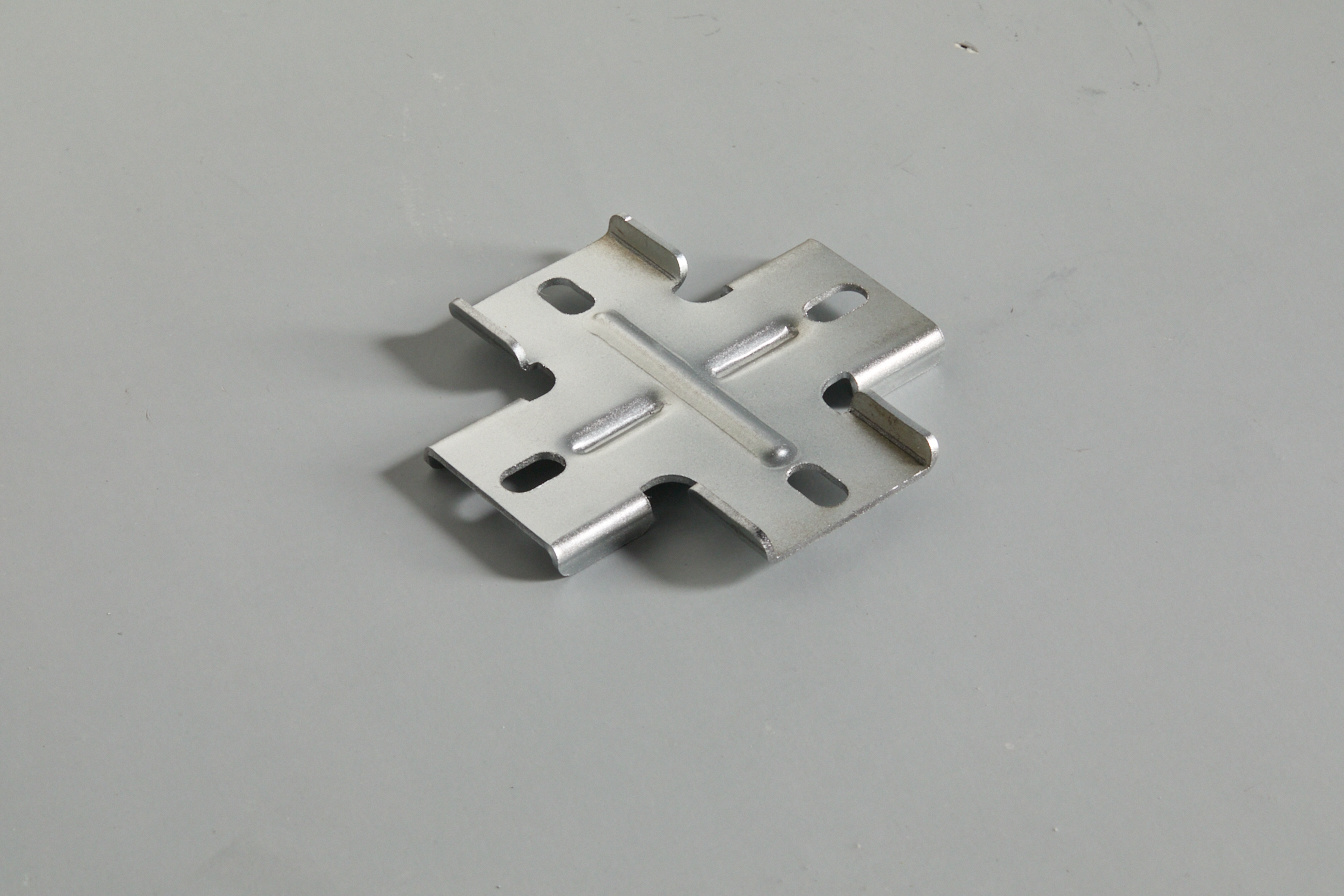
Cross connector
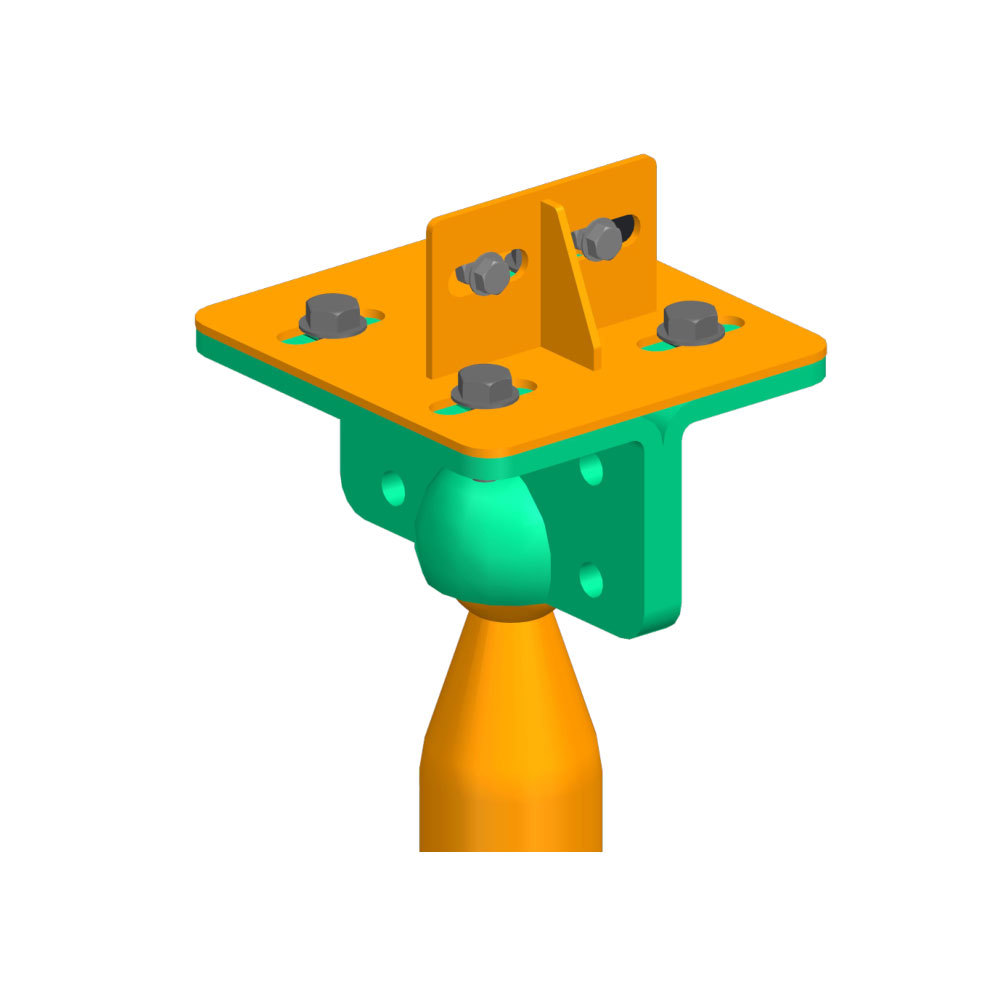
Universal connector for screw pile
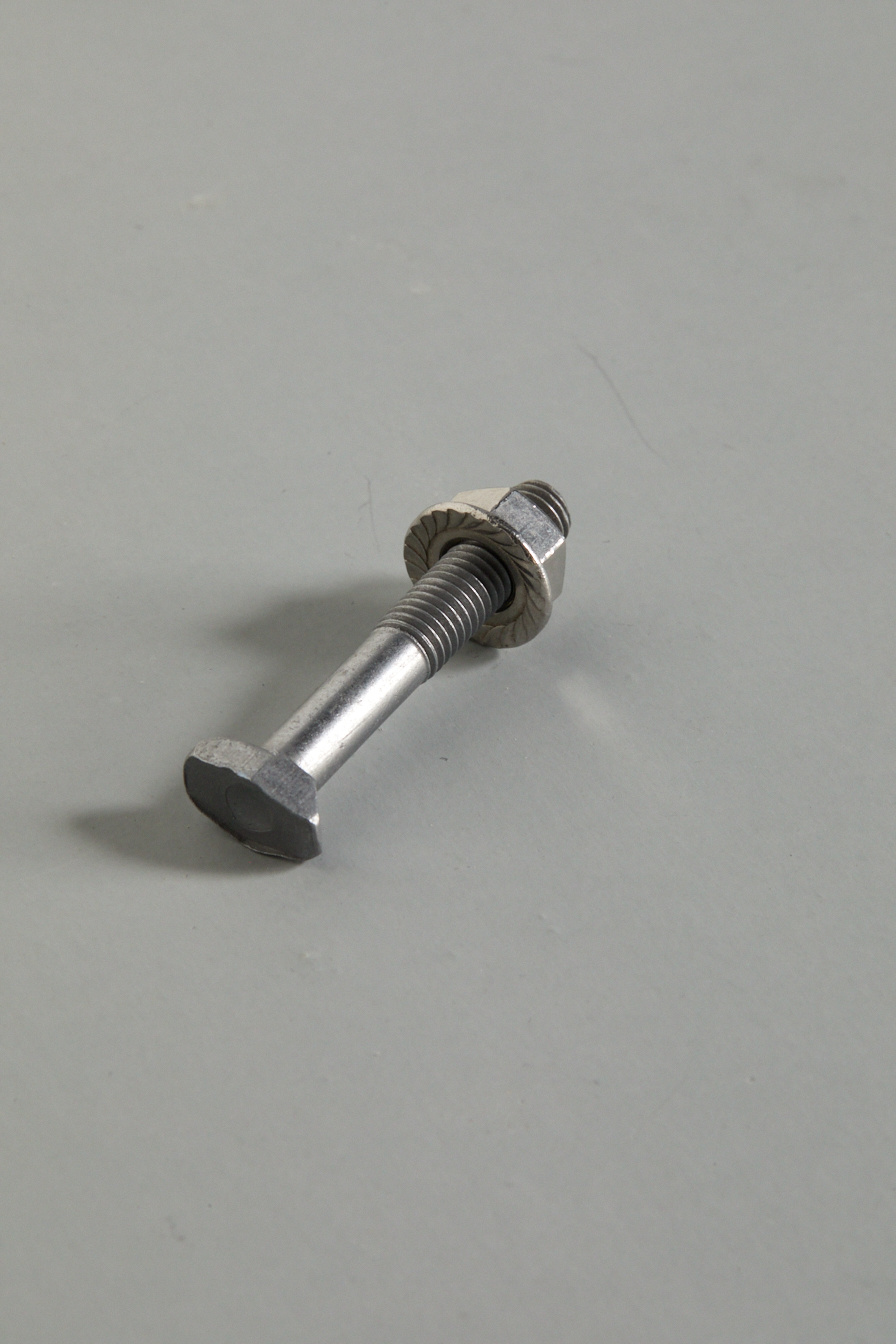
T-shaped dovetail bolt
Floor System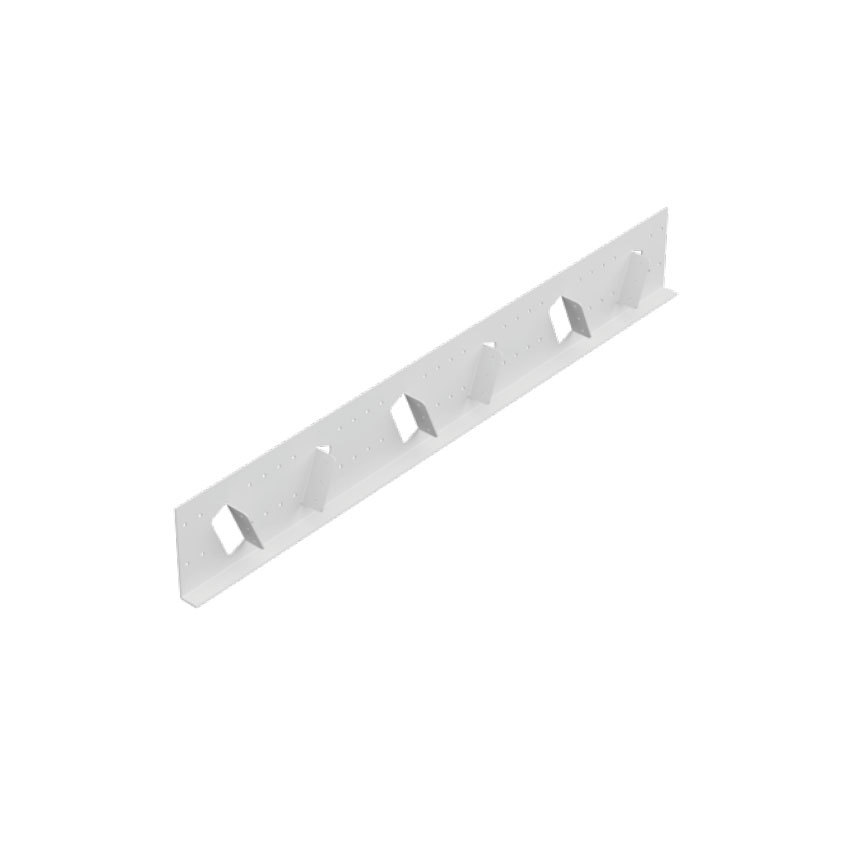
Ordinary steel structural connectors
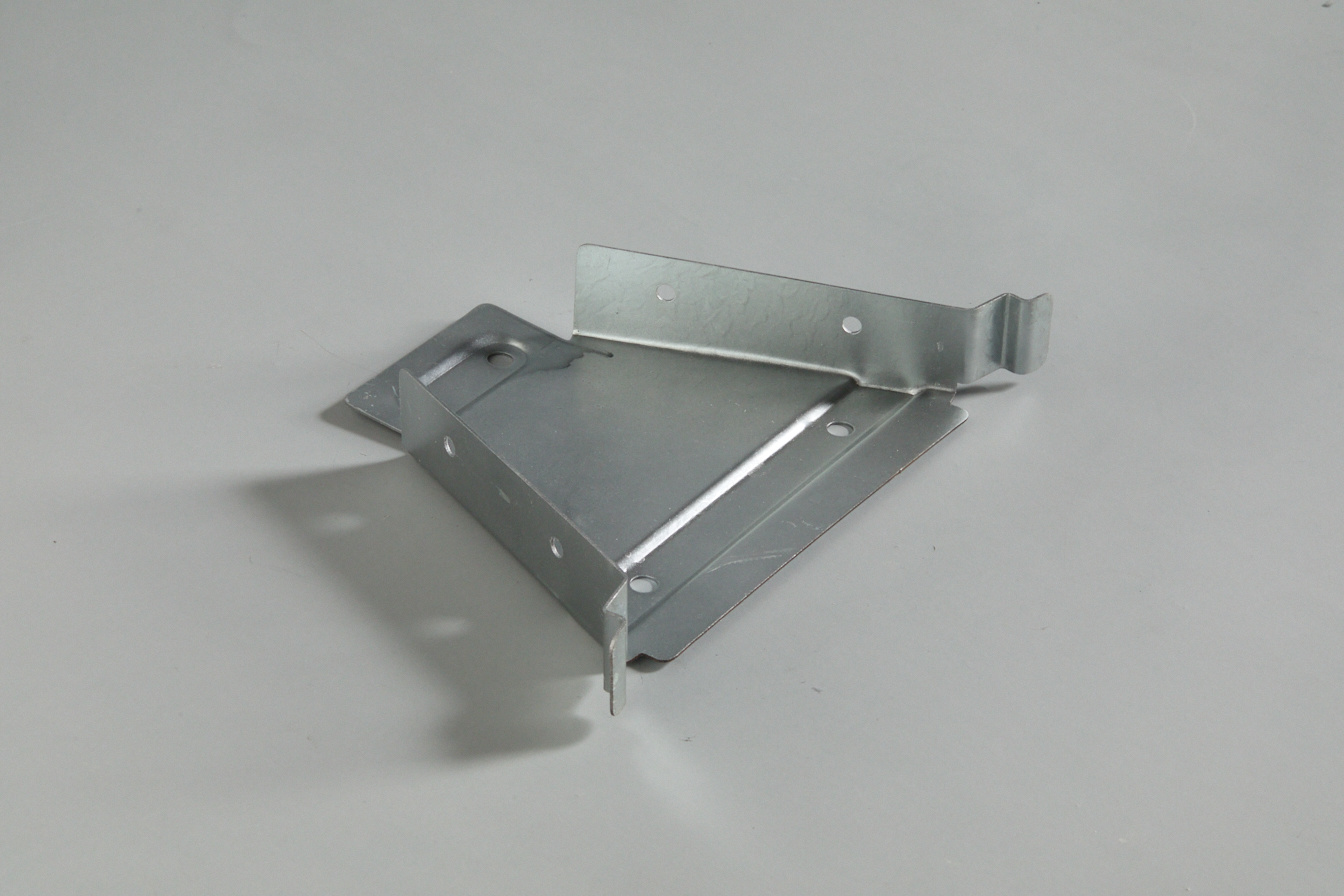
NEW BUILDING system connectors
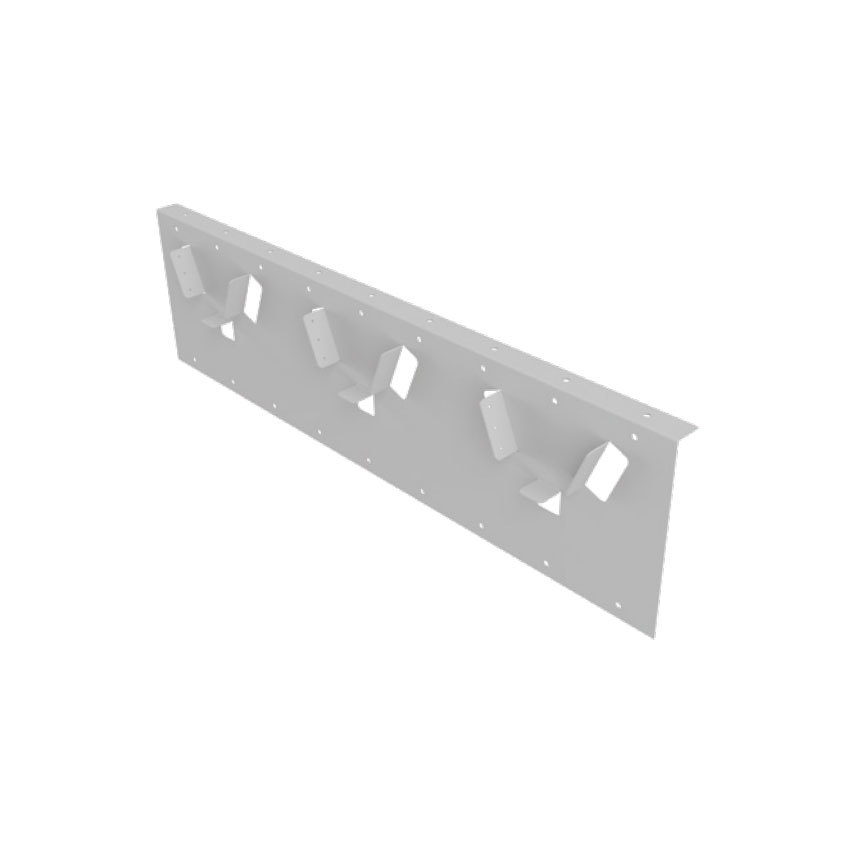
Cold formed thin-walled steel structural connectors
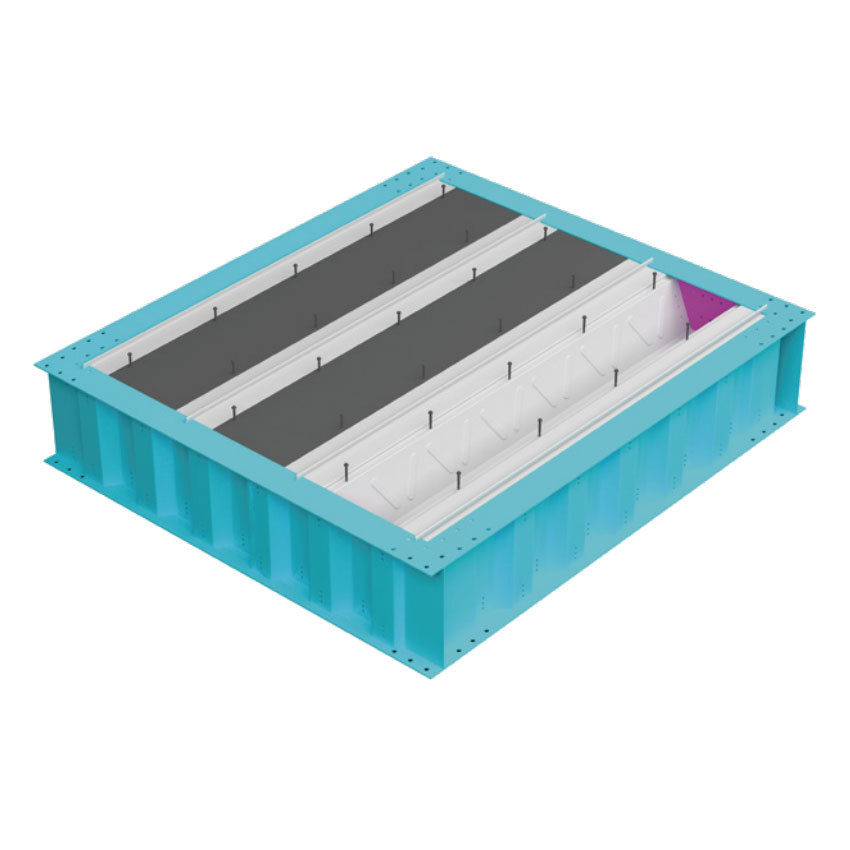
Corrugated I-beam+V-shaped floor beam
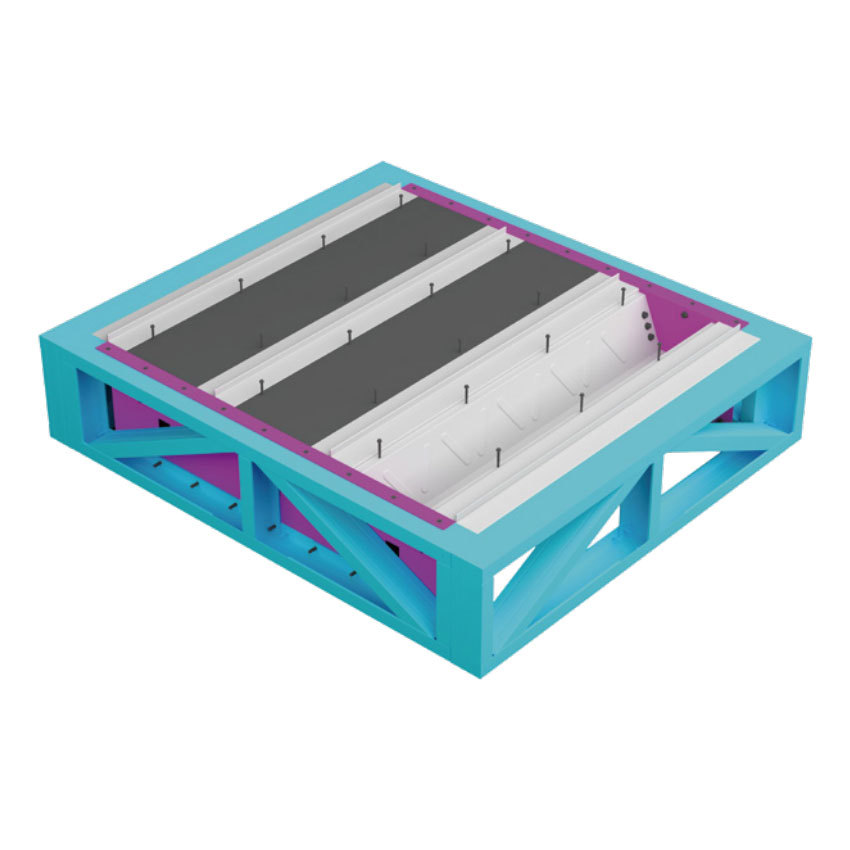
300 light steel truss+V-shaped floor beam

Steel wire gauze
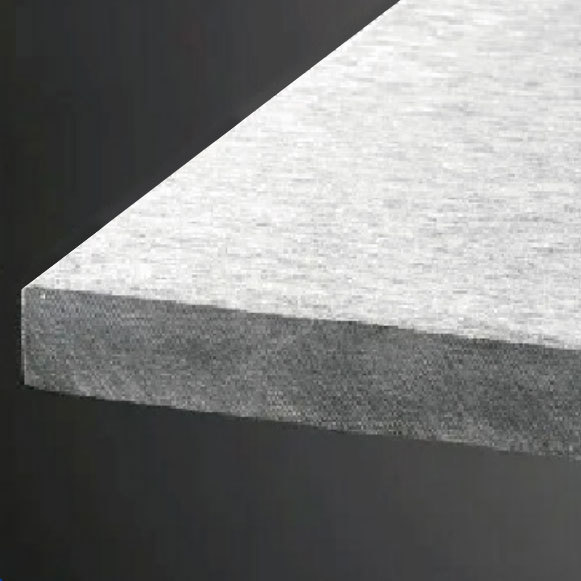
Plate
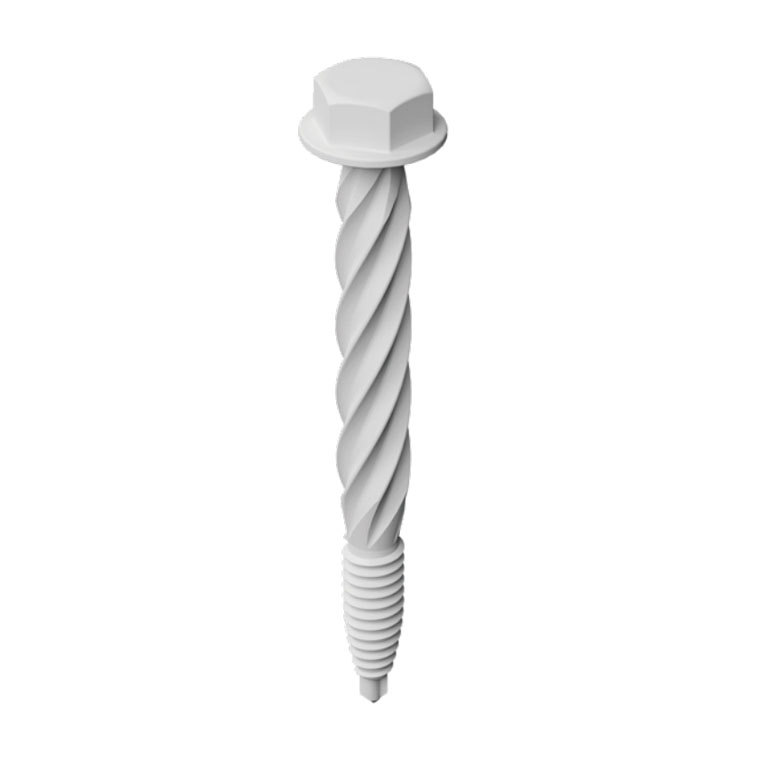
Shear stud
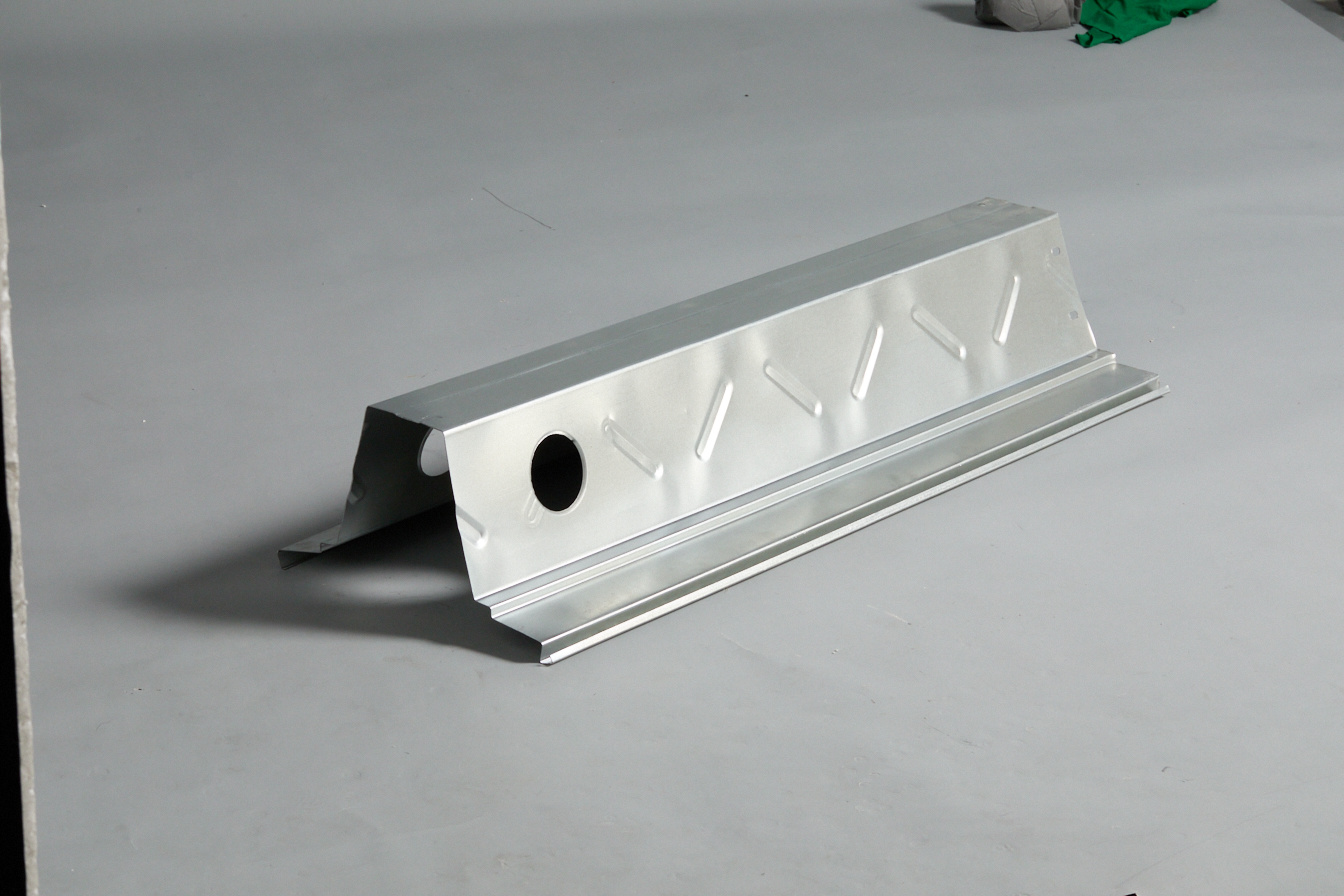
V-shaped floor beam
Magnesium stiffened wall panel
Securing Structures: The Advantages of Using Spiral Pile Connectors in Construction
Release Time:
2024-08-12
Source:
Securing Structures: The Advantages of Using Spiral Pile Connectors in Construction
Table of Contents
- 1. Introduction to Spiral Pile Connectors
- 2. Understanding Spiral Pile Connectors
- 3. Key Benefits of Using Spiral Pile Connectors
- 3.1 Enhanced Structural Integrity
- 3.2 Improved Load Distribution
- 3.3 Cost-Effectiveness
- 3.4 Minimal Environmental Impact
- 3.5 Ease of Installation
- 4. Applications of Spiral Pile Connectors in Construction
- 5. The Installation Process of Spiral Pile Connectors
- 6. Common Issues and Solutions
- 7. Frequently Asked Questions
- 8. Conclusion
1. Introduction to Spiral Pile Connectors
In the construction industry, the **integrity of structures** is paramount. As buildings and infrastructure age, the need for reliable and strong connections becomes increasingly important. Spiral pile connectors have emerged as a **revolutionary solution**, providing robust anchorage in various soil conditions. With their unique design and application, these connectors offer numerous advantages that enhance both safety and performance in construction projects.
2. Understanding Spiral Pile Connectors
Spiral pile connectors consist of **helical steel plates** that are welded to a central shaft, forming a helical structure designed to be driven into the ground. These connectors are primarily used to anchor and stabilize structures, including **buildings, bridges, and retaining walls**.
The helical shape allows for easier penetration into different soil types, making it suitable for sites with challenging geology. Their design reduces the need for extensive excavation and minimizes disruption to the surrounding environment.
3. Key Benefits of Using Spiral Pile Connectors
3.1 Enhanced Structural Integrity
One of the most significant advantages of spiral pile connectors is their ability to improve the overall **structural integrity** of a building. By providing a deeper foundation, they enhance the load-bearing capacity and reduce the risk of settlement. This is particularly important in areas with poor soil conditions where traditional foundations may fail.
3.2 Improved Load Distribution
Spiral pile connectors excel at **distributing loads** evenly across a broader area. This even distribution reduces stress on individual components, prolonging the lifespan of the structure and minimizing maintenance costs. By efficiently handling vertical and lateral loads, spiral pile connectors offer superior performance compared to conventional foundation systems.
3.3 Cost-Effectiveness
While the initial investment in spiral pile connectors may be higher than traditional methods, the long-term savings are notable. Their durability and reduced maintenance needs contribute to lower overall project costs. Additionally, the speed of installation can lead to significant savings in labor and time, helping to keep construction projects on schedule.
3.4 Minimal Environmental Impact
In today's construction landscape, **environmental sustainability** is a critical consideration. Spiral pile connectors create minimal disturbance to the ground, significantly reducing soil erosion and environmental degradation. Their installation process requires less excavation, preserving the natural landscape and reducing the carbon footprint associated with heavy machinery.
3.5 Ease of Installation
The installation of spiral pile connectors is a streamlined process. Unlike traditional foundations that require extensive excavation and curing time, spiral piles can be installed rapidly using specialized machinery. This efficiency enables construction teams to complete projects faster and with less disruption, making them an ideal choice for various applications.
4. Applications of Spiral Pile Connectors in Construction
Spiral pile connectors are versatile and can be used in numerous applications, including:
- **Residential buildings**: Providing stable foundations for homes, especially in areas with unstable soil.
- **Commercial structures**: Supporting larger buildings that require robust anchorage.
- **Retaining walls**: Enhancing stability and preventing soil erosion in landscaping projects.
- **Bridges and overpasses**: Offering essential support for heavy loads and traffic.
- **Solar panel installations**: Providing stable foundations for solar arrays in diverse terrains.
5. The Installation Process of Spiral Pile Connectors
The installation process for spiral pile connectors involves several key steps:
1. **Site Assessment**: Conducting a thorough geotechnical analysis to determine soil conditions and necessary pile specifications.
2. **Design Planning**: Developing a design that accounts for load requirements and environmental factors.
3. **Equipment Preparation**: Utilizing specialized drilling equipment designed for spiral pile installation.
4. **Installation**: Driving the spiral piles into the ground at predetermined locations, ensuring they reach the required depth for optimal stability.
5. **Connection**: Attaching the spiral connectors to the structural elements, completing the anchorage system.
6. **Inspection**: Conducting quality assurance checks to ensure each connection meets safety standards.
6. Common Issues and Solutions
While spiral pile connectors are highly effective, some common issues may arise:
- **Soil Resistance**: In extremely strong soils, installation may require additional torque. Solutions involve using higher torque equipment or pre-drilling to ease installation.
- **Puddle Water Accumulation**: Poor drainage can lead to water pooling. Ensuring proper drainage systems are in place can mitigate this issue.
- **Material Corrosion**: Over time, spiral piles may face corrosion. Using galvanized or coated materials can enhance longevity and protect against environmental factors.
7. Frequently Asked Questions
What are spiral pile connectors made of?
Spiral pile connectors are typically made from high-strength steel to ensure durability and load-bearing capacity.
Can spiral pile connectors be used in all soil types?
Yes, spiral pile connectors are designed to work in various soil conditions, including clay, sand, and gravel.
How deep can spiral piles be installed?
The depth of installation varies based on soil conditions and load requirements but can reach significant depths to ensure stability.
What is the lifespan of spiral pile connectors?
With proper installation and protection against corrosion, spiral pile connectors can last for several decades.
Are spiral piles cost-effective compared to traditional foundations?
While the upfront costs may be higher, the long-term savings in maintenance and installation time make spiral piles a cost-effective solution.
8. Conclusion
In conclusion, spiral pile connectors represent a modern, efficient solution for securing structures in diverse construction projects. Their ability to enhance structural integrity, improve load distribution, and minimize environmental impact makes them an attractive choice for builders and engineers alike. By understanding the advantages and applications of these innovative connectors, construction professionals can ensure the safety and longevity of their projects, paving the way for a more stable future in the industry. Embracing the technology of spiral pile connectors could very well redefine how we approach foundation and anchorage systems in construction.

HaoHeng Group
Address: Room 1808, Block A, Vanke Cloud City, Jiemei District, Xiamen City, Fujian Province
Business cooperation:
Copyright © HaoHeng (FuJian) Building Materials Technology Co, Ltd. All rights reserved