

-

 Pakistan
Marketing Service Outlets
 Papua New Guinea
Marketing Service Outlets
 Egypt
EgyptMarketing Service Outlets
 Australia
Marketing Service Outlets
 Brazil
Marketing Service Outlets
 Colombia
Marketing Service Outlets
 Russia
Marketing Service Outlets
 Germany
Marketing Service Outlets
 Poland
Marketing Service Outlets
 the Philippines
Marketing Service Outlets
 Kazakhstan
Marketing Service Outlets
 Malaysia
Marketing Service Outlets
 America
Marketing Service Outlets
 Kyrgyzstan
Marketing Service Outlets
 Canada
Marketing Service Outlets
 Peru
PeruMarketing Service Outlets
 Nigeria
Marketing Service Outlets
 Morocco
Marketing Service Outlets
 South Africa
Marketing Service Outlets
 Japan
JapanMarketing Service Outlets
 Slovakia
Marketing Service Outlets
 New Zealand
Marketing Service Outlets
 Hungary
Marketing Service Outlets
 Thailand
Marketing Service Outlets
 Spain
SpainMarketing Service Outlets
 Indonesia
Marketing Service Outlets
 Italy
ItalyMarketing Service Outlets
 Vietnam
Marketing Service Outlets
Steel Pipe ColumnSteel Pipe Column ConnectorsMain Beam | Secondary BeamPrefabricated StairsRound Pipe PileFlat Steel PileGroup PileCap PileNew Building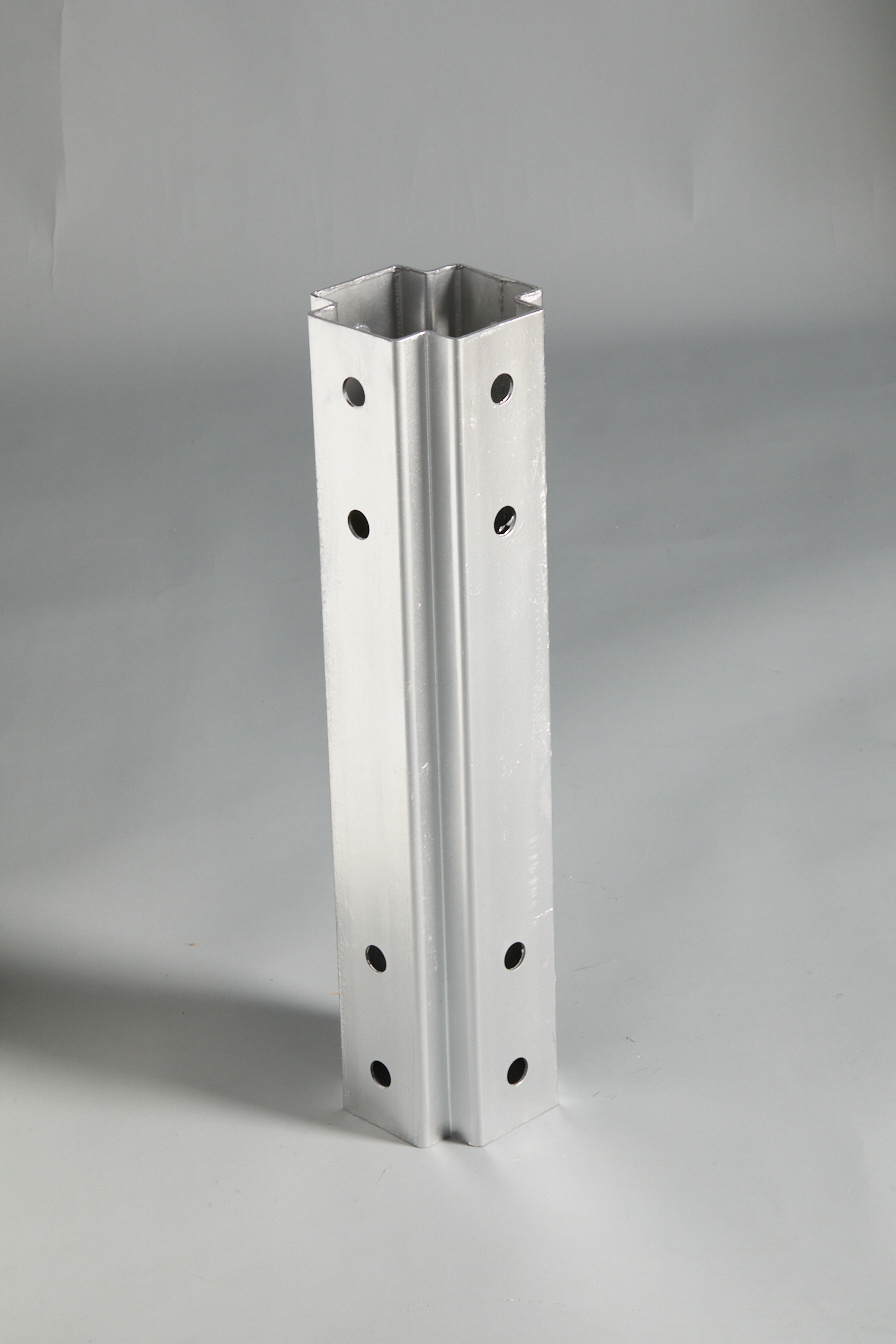
Cross column

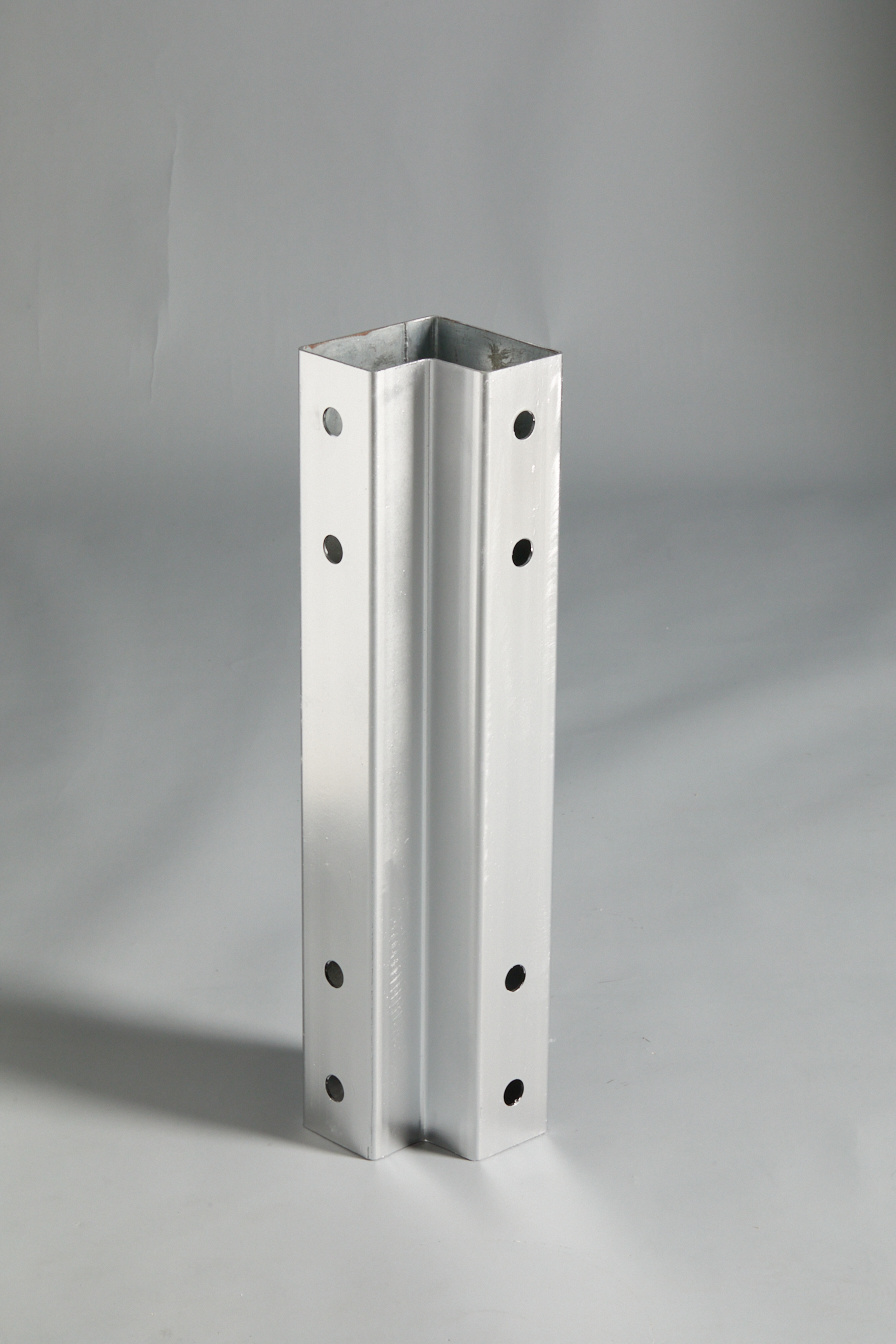
L-shaped column
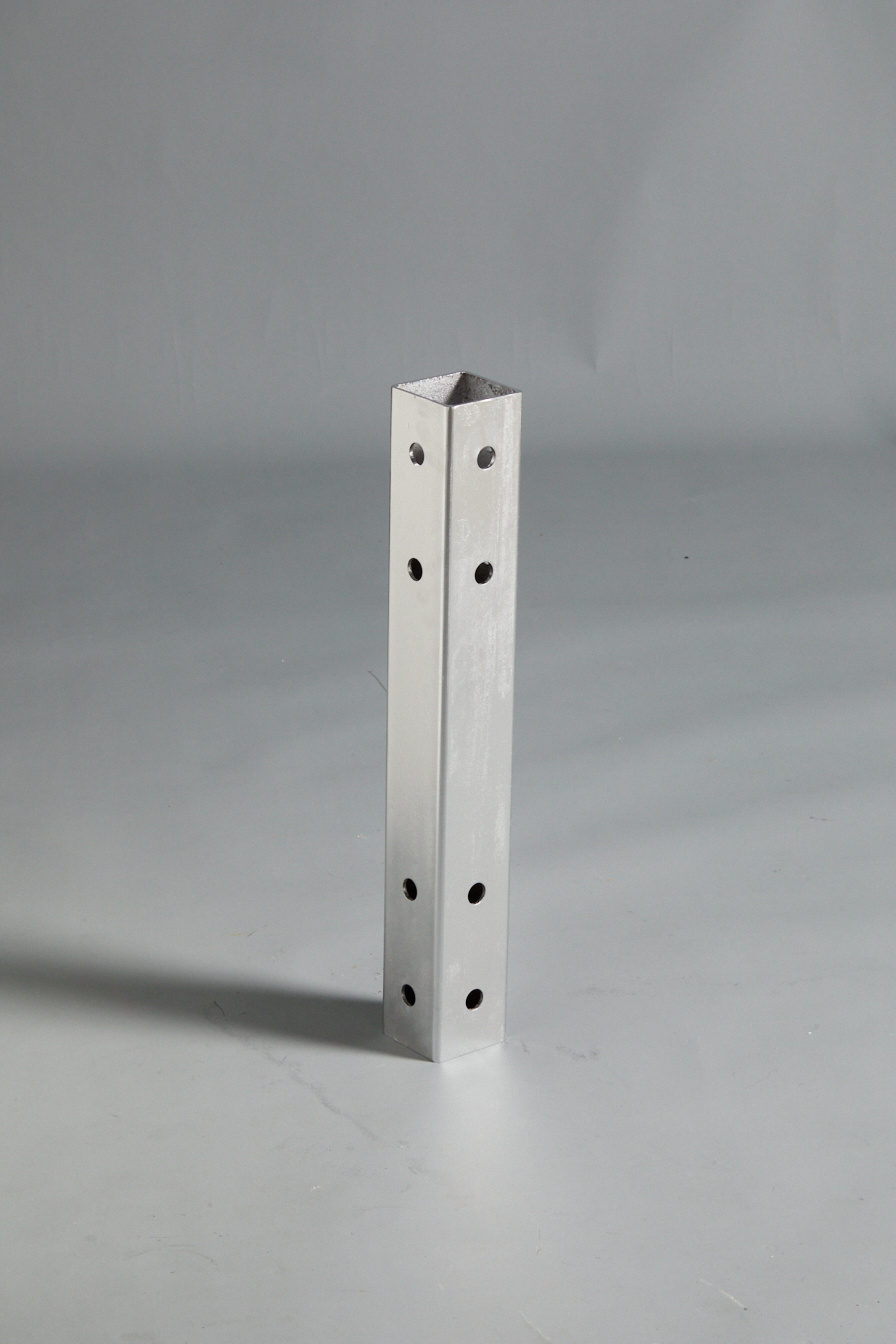
Square tube column

T-shaped column
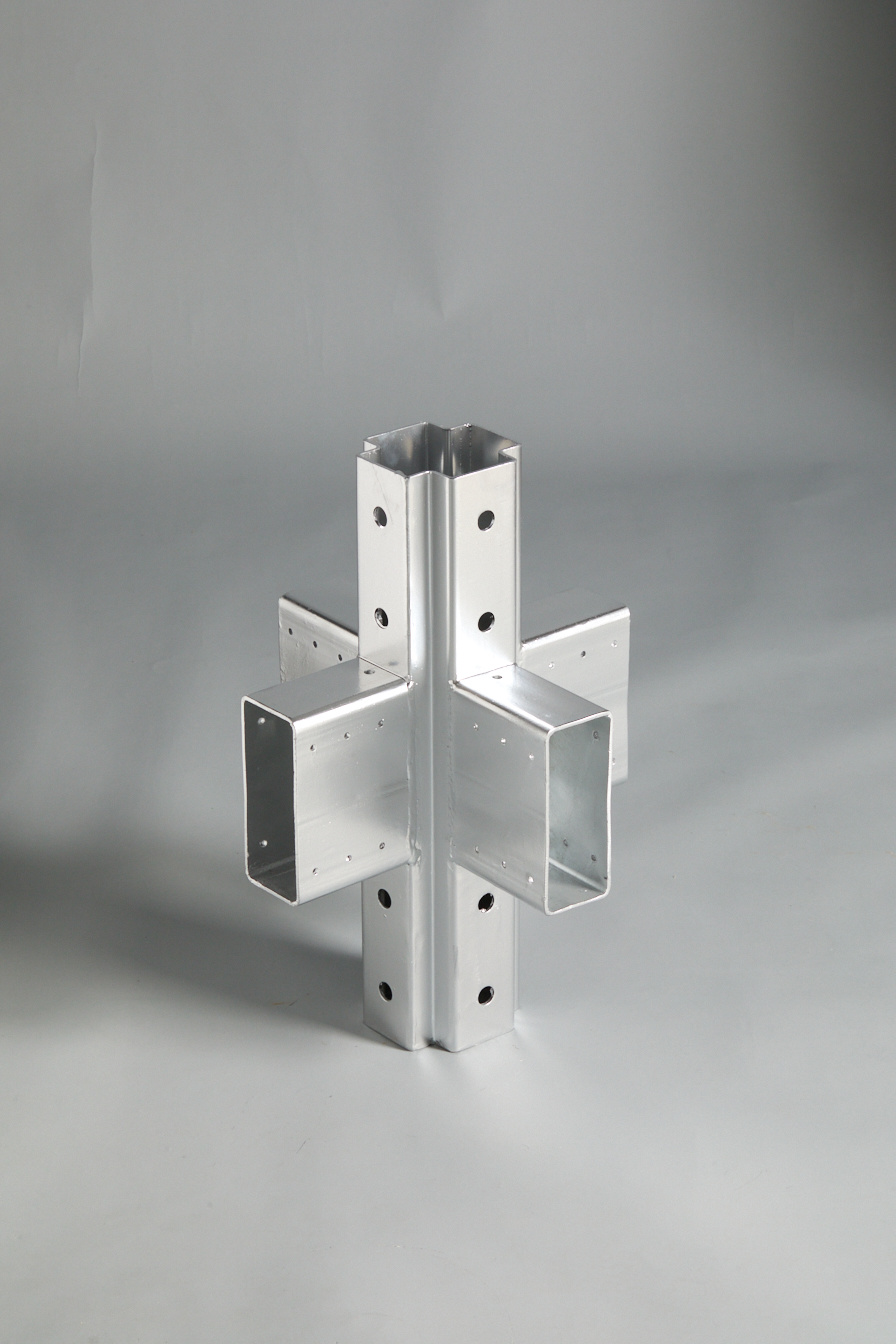
Cross column connector

L-shaped column connector

T-shaped column connector
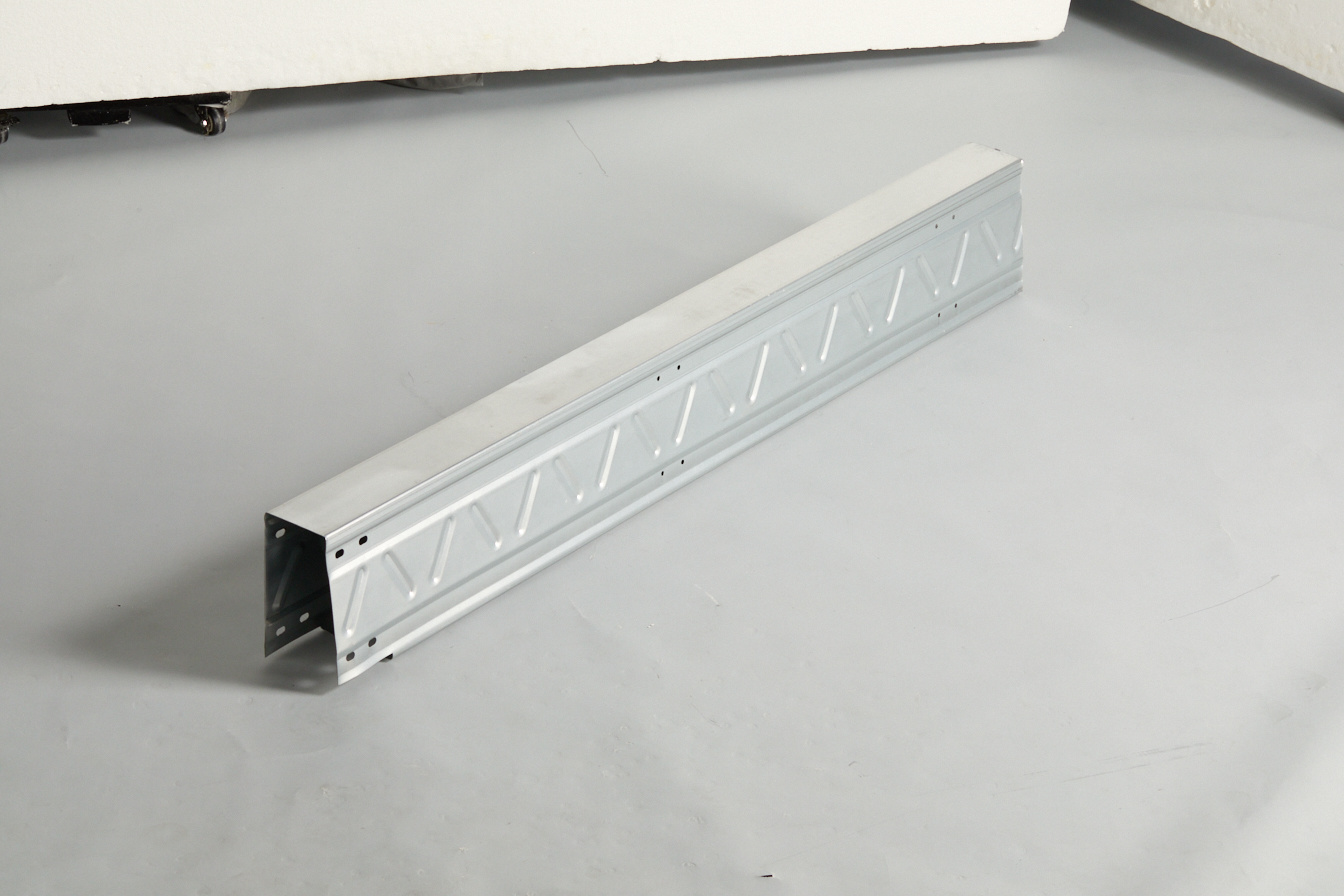
195 inner flipped edge - eight shaped reinforcing rib
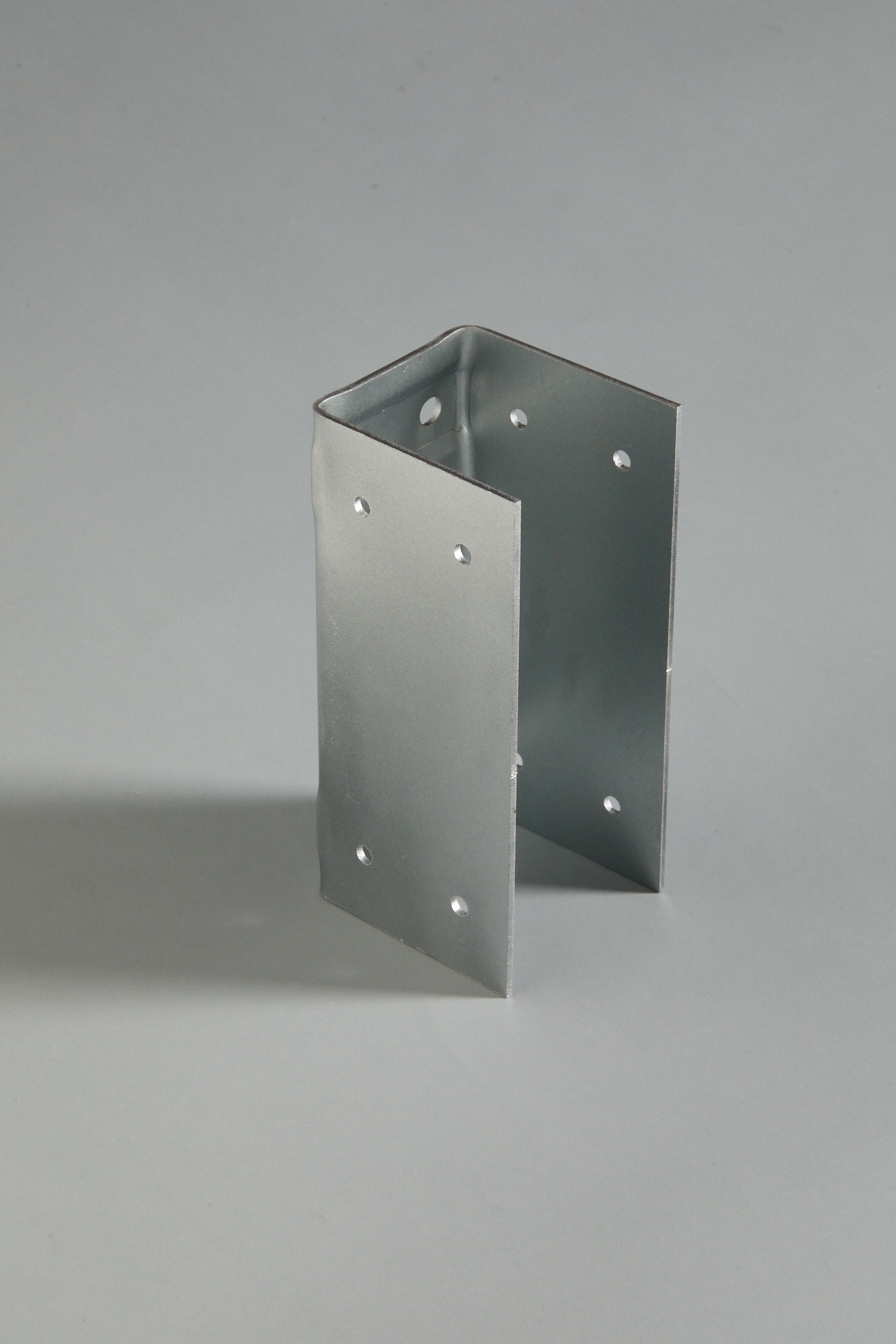
Frame small U connector
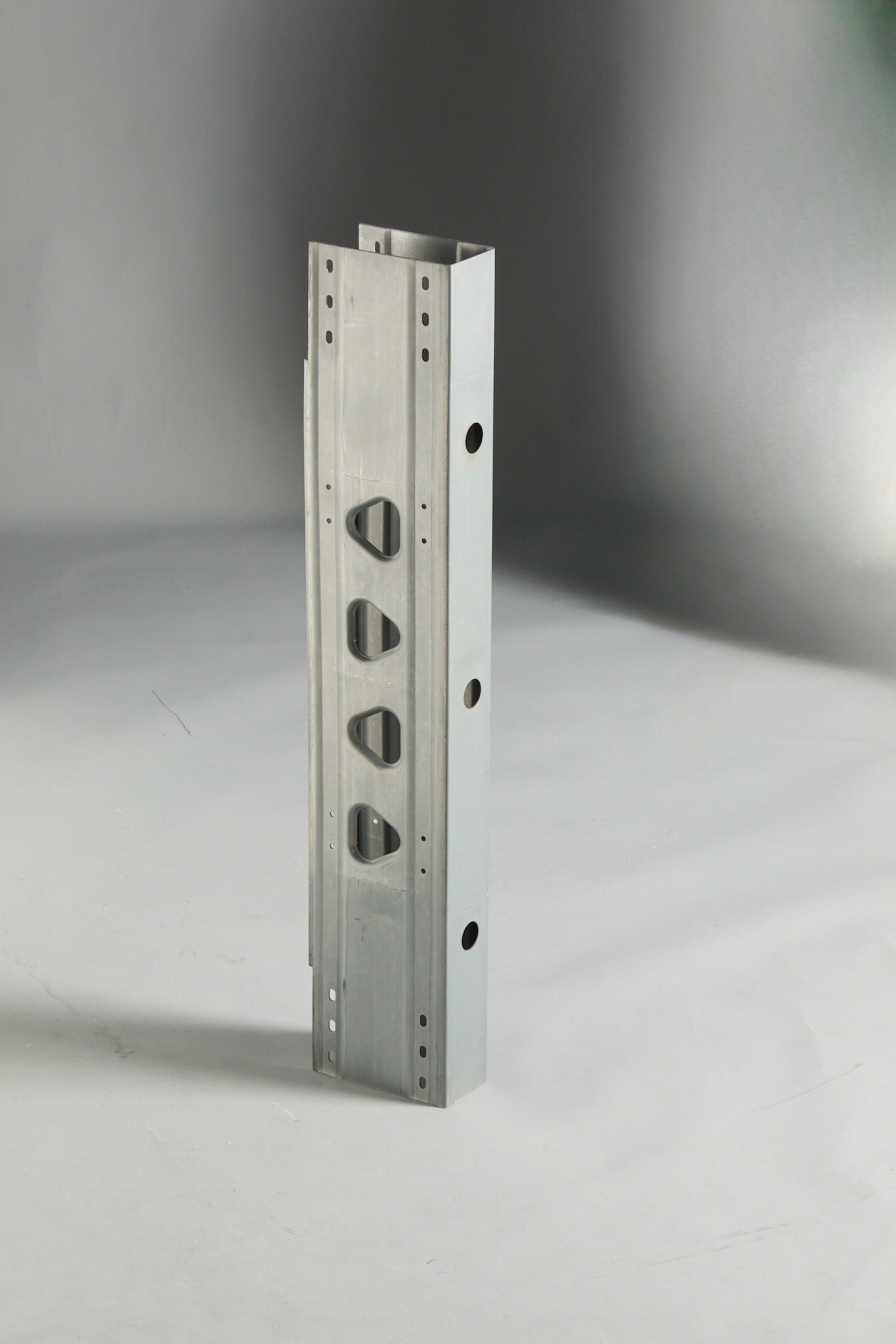
195 Inverted Edge - Triangle Reinforcement
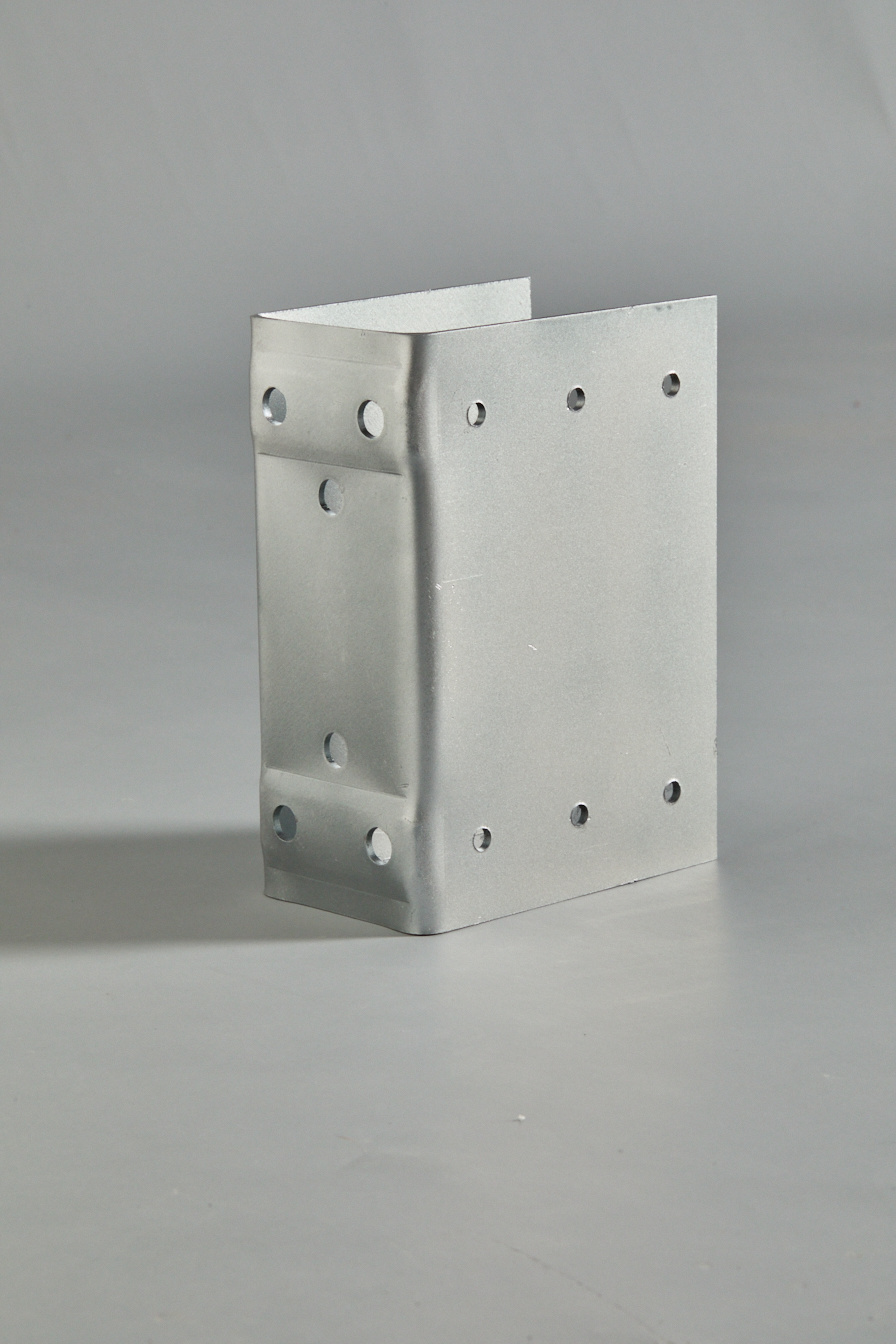
Frame large U connector
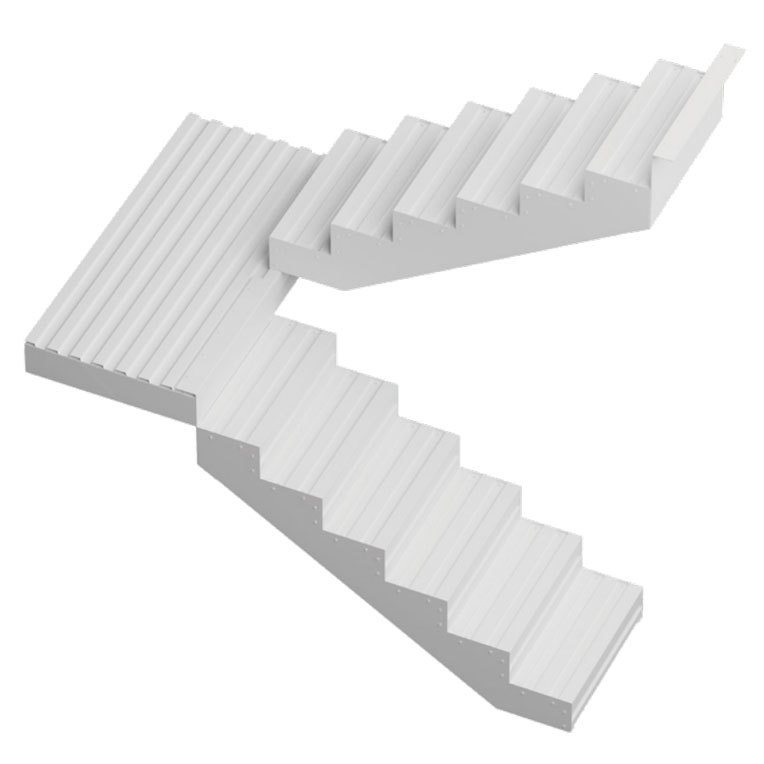
Prefabricated stairs
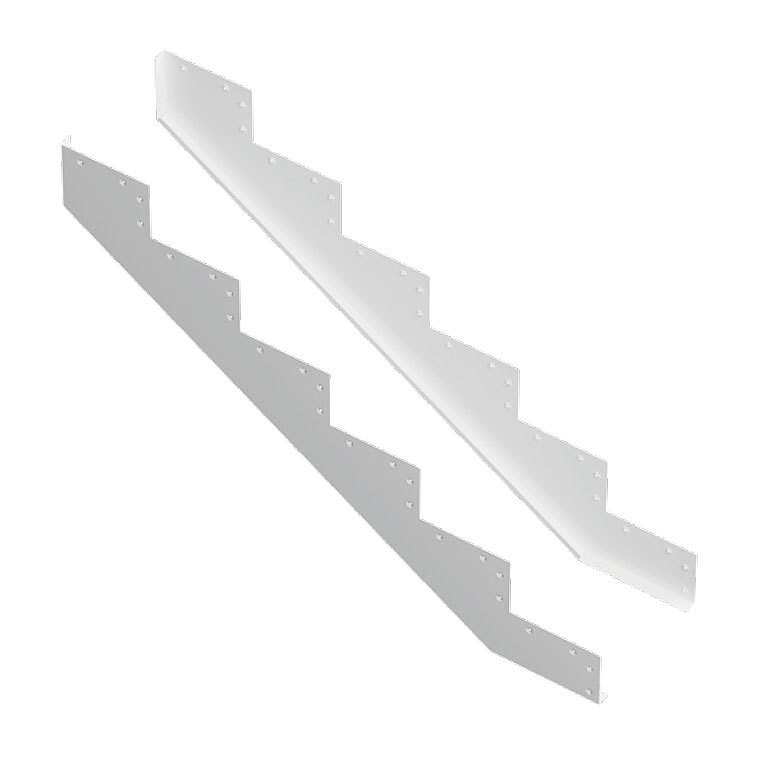
Staircase side panels
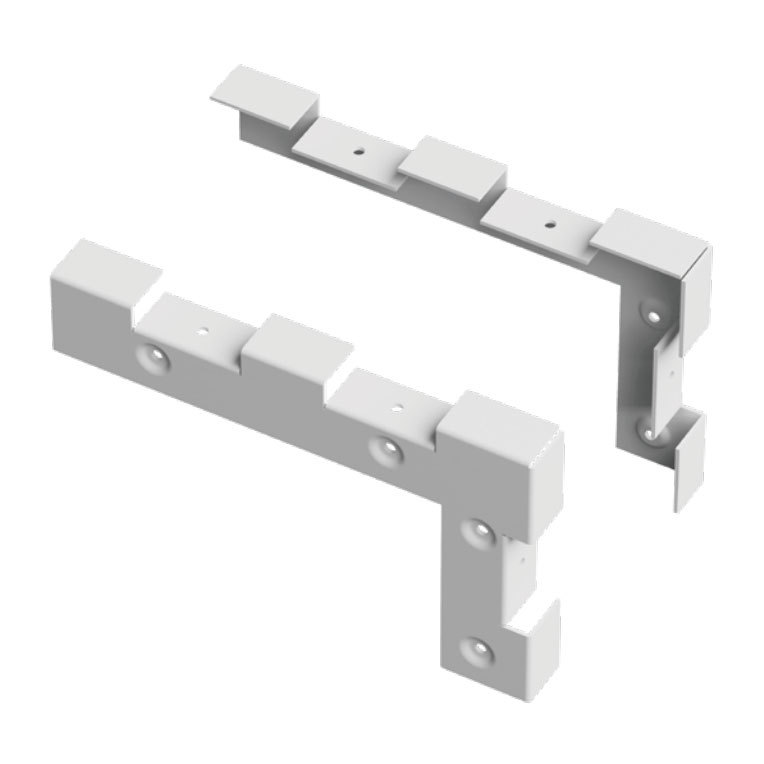
Staircase angle steel
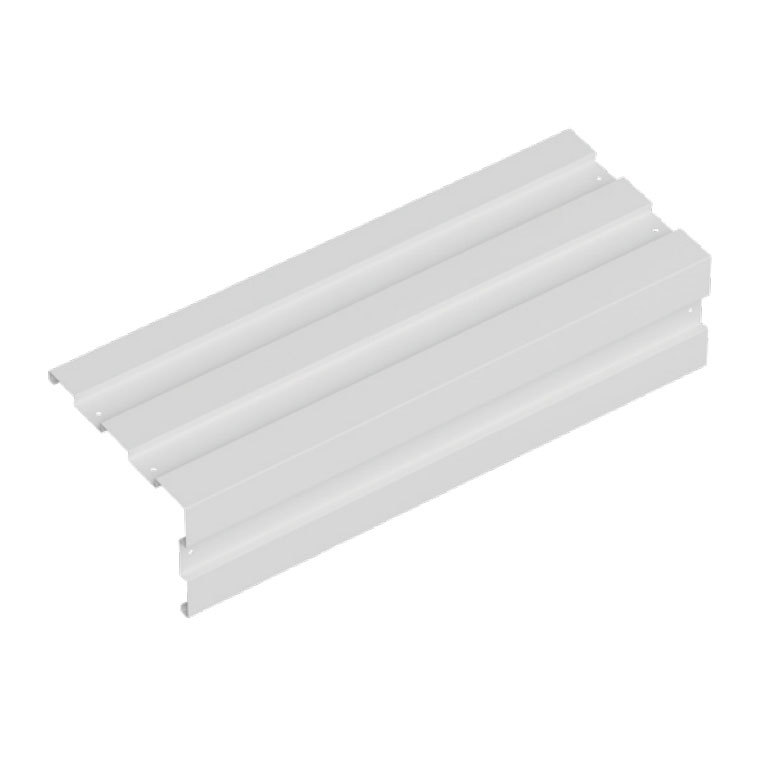
Stair steps
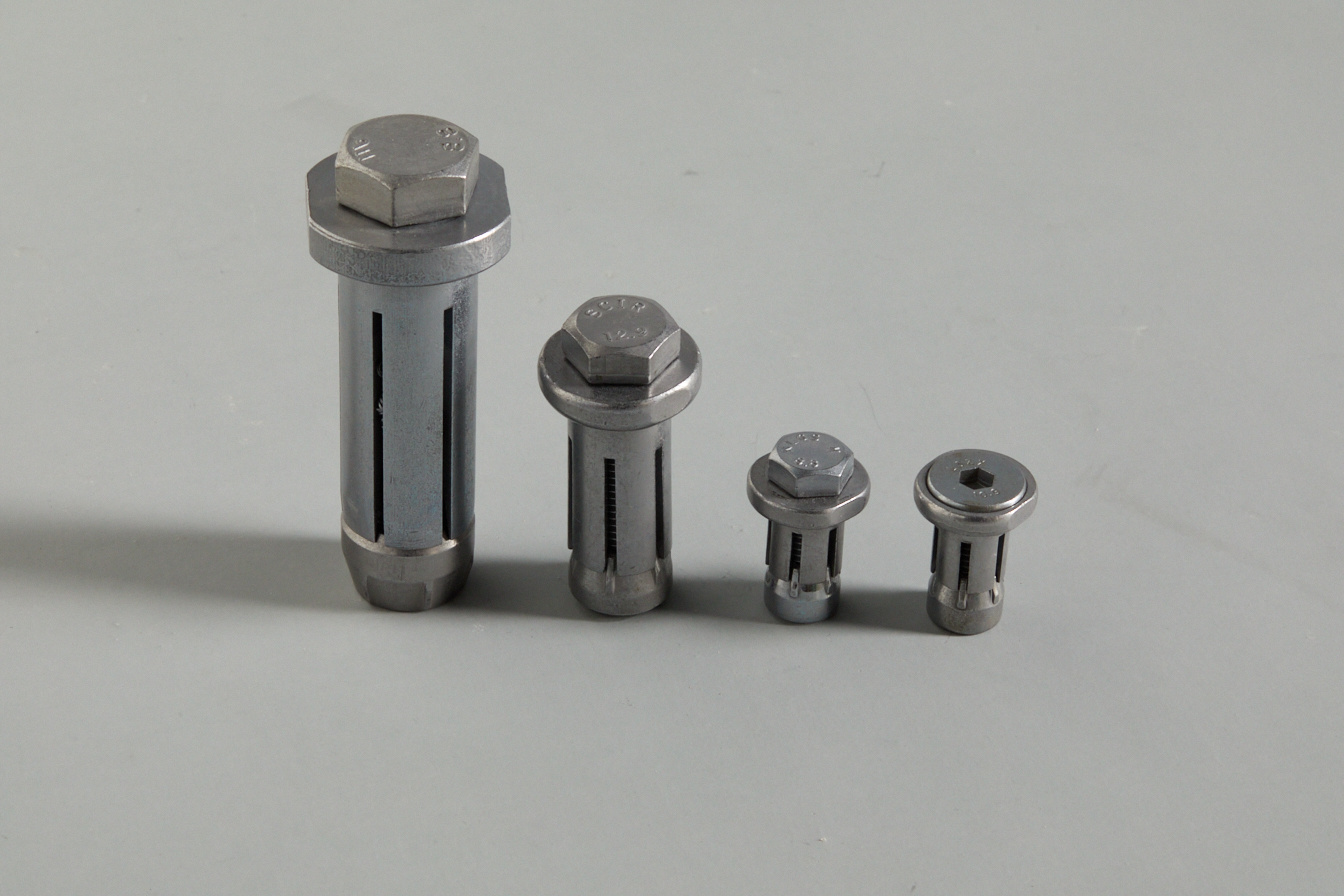
One-Way Bolt
Helical Pile System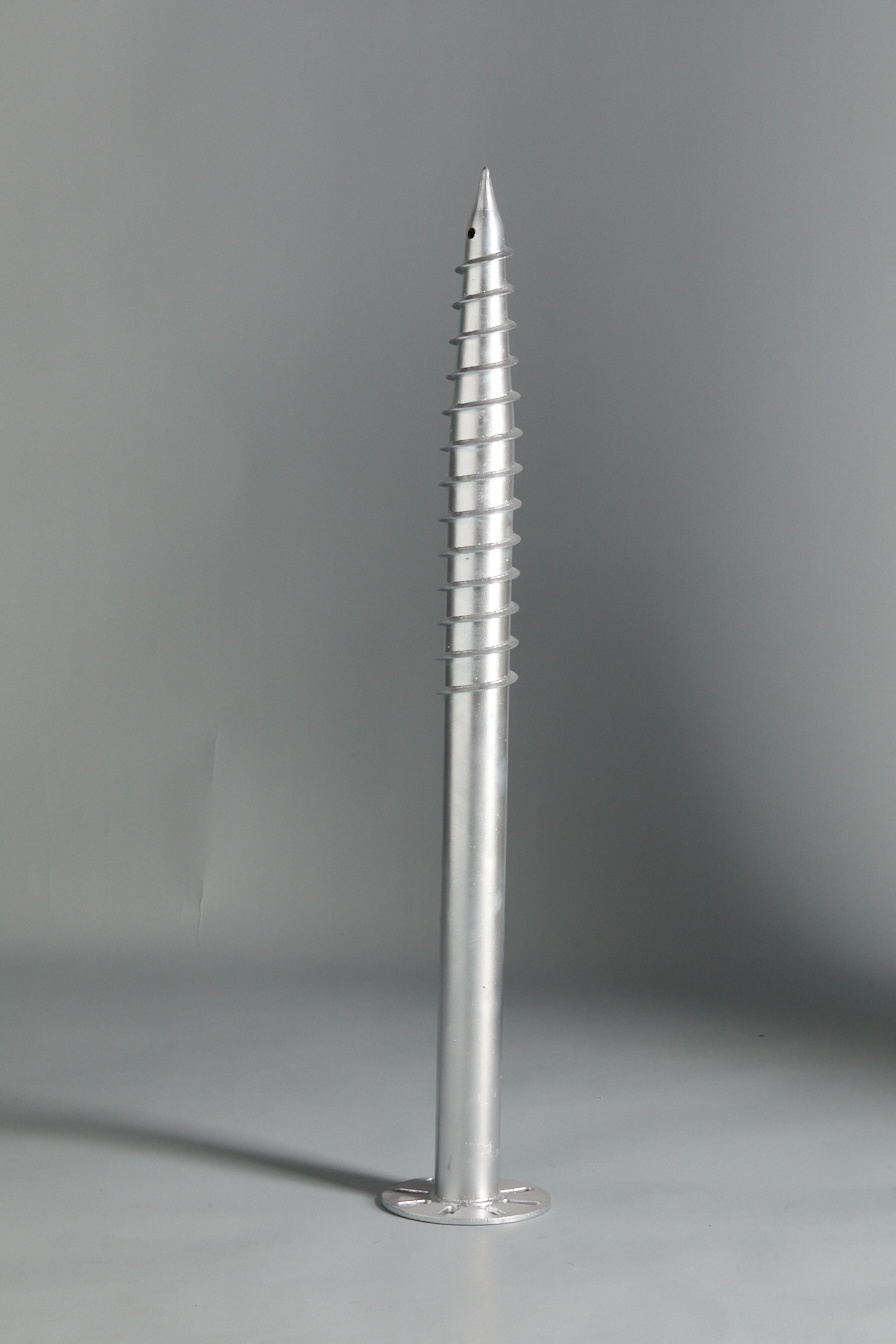
Round Pipe Screw Pile| Reliable Helical Pile Manufacturer| Patented Foundation Solution
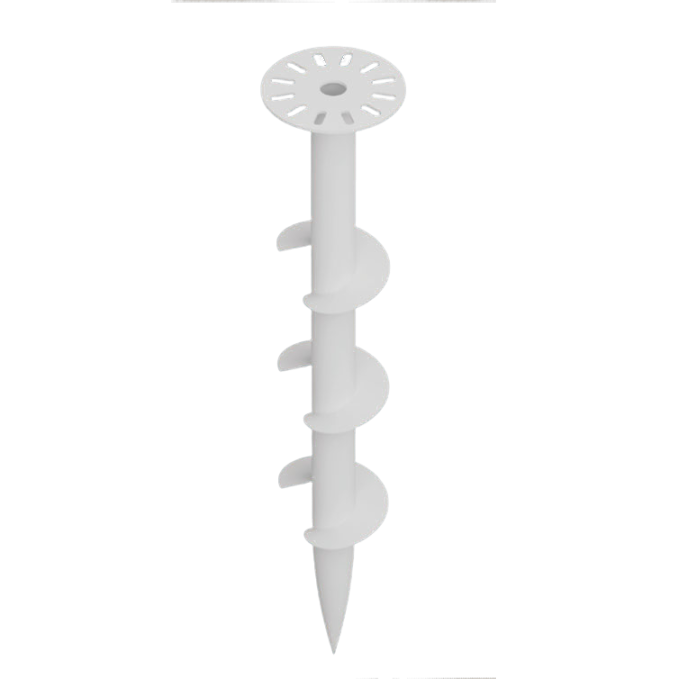
Screw Pile - 3 Blades - Round Pipe Pile
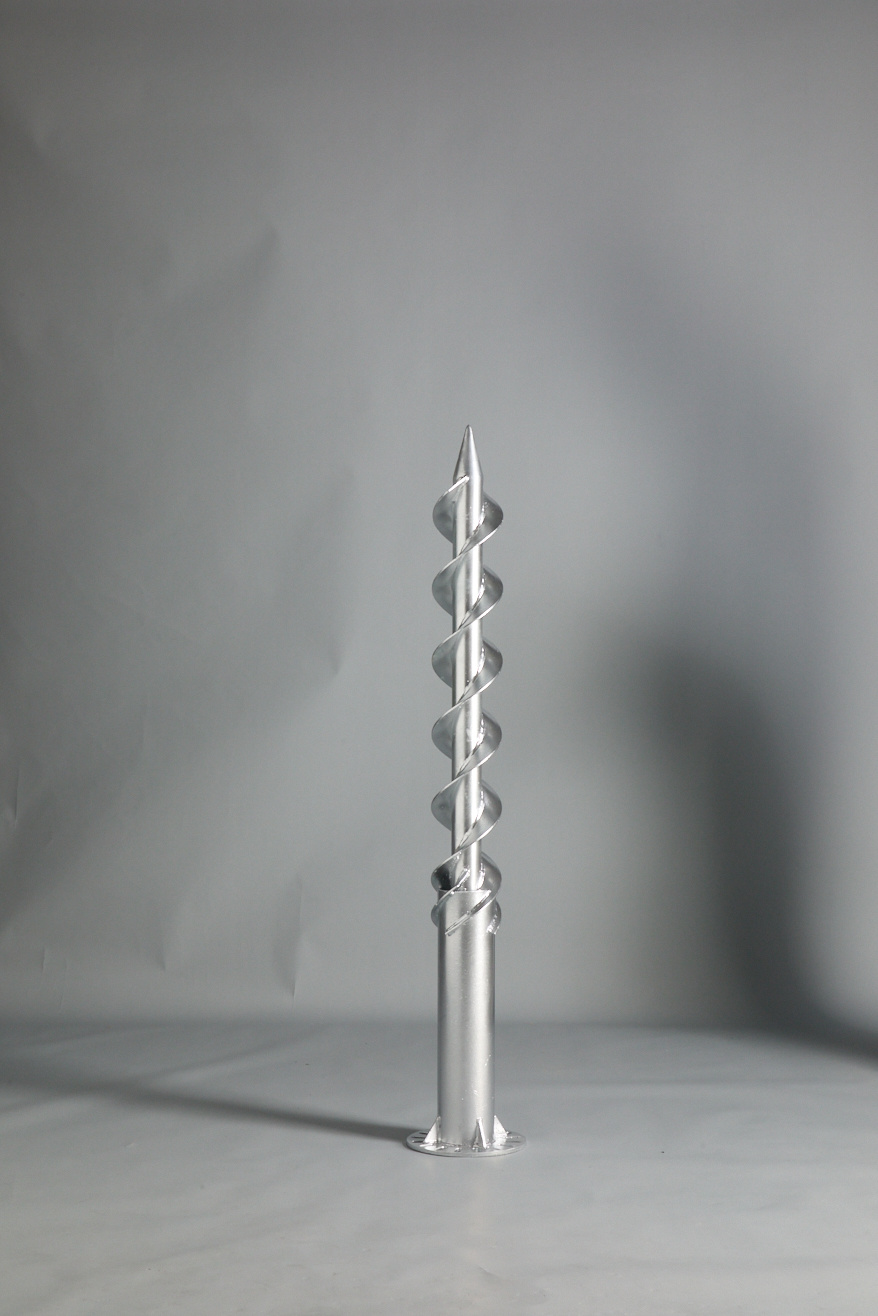
Double-Helix Screw Pile | Patented Foundation Solution
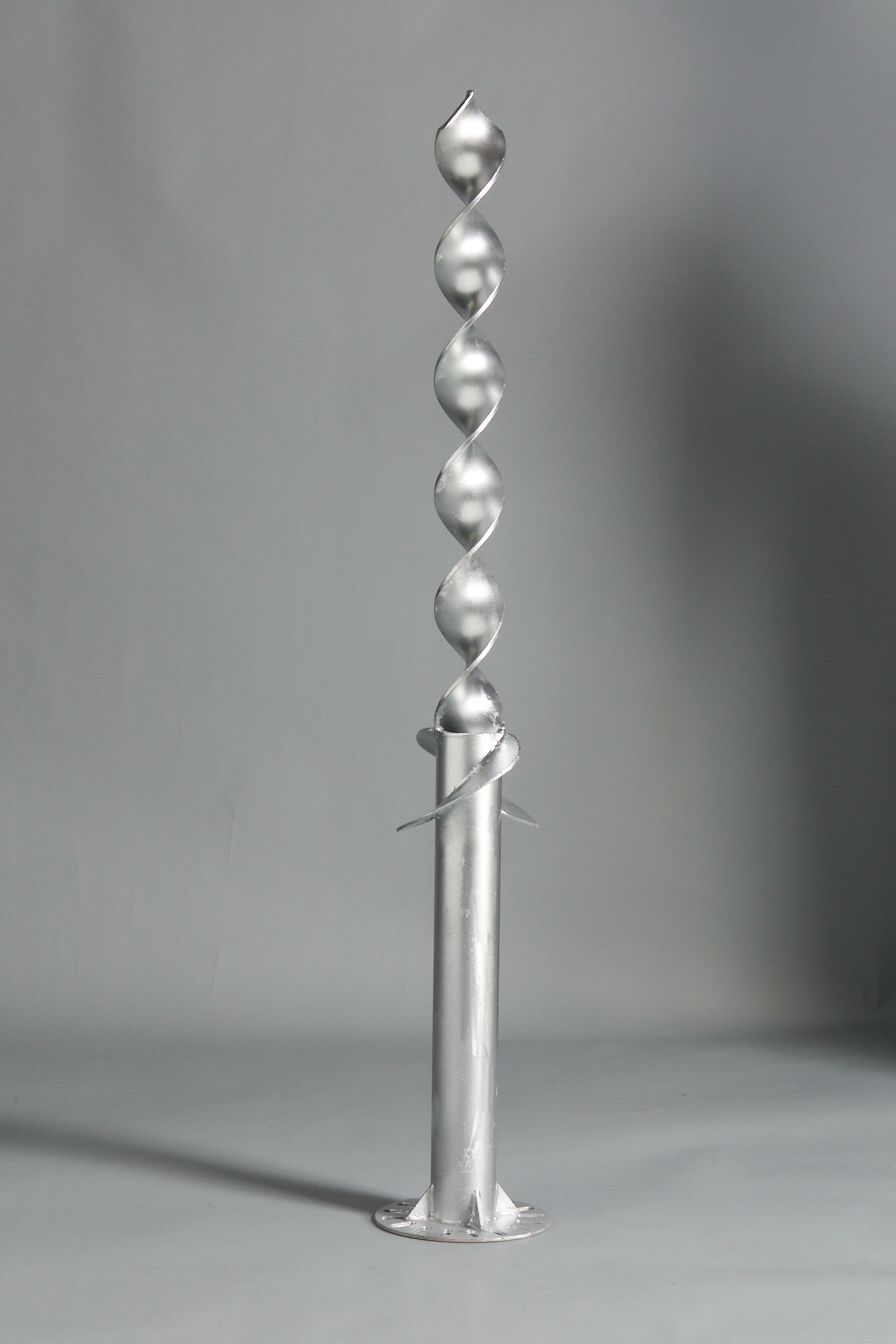
Screw Pile - Large Blade Flat Steel Pile
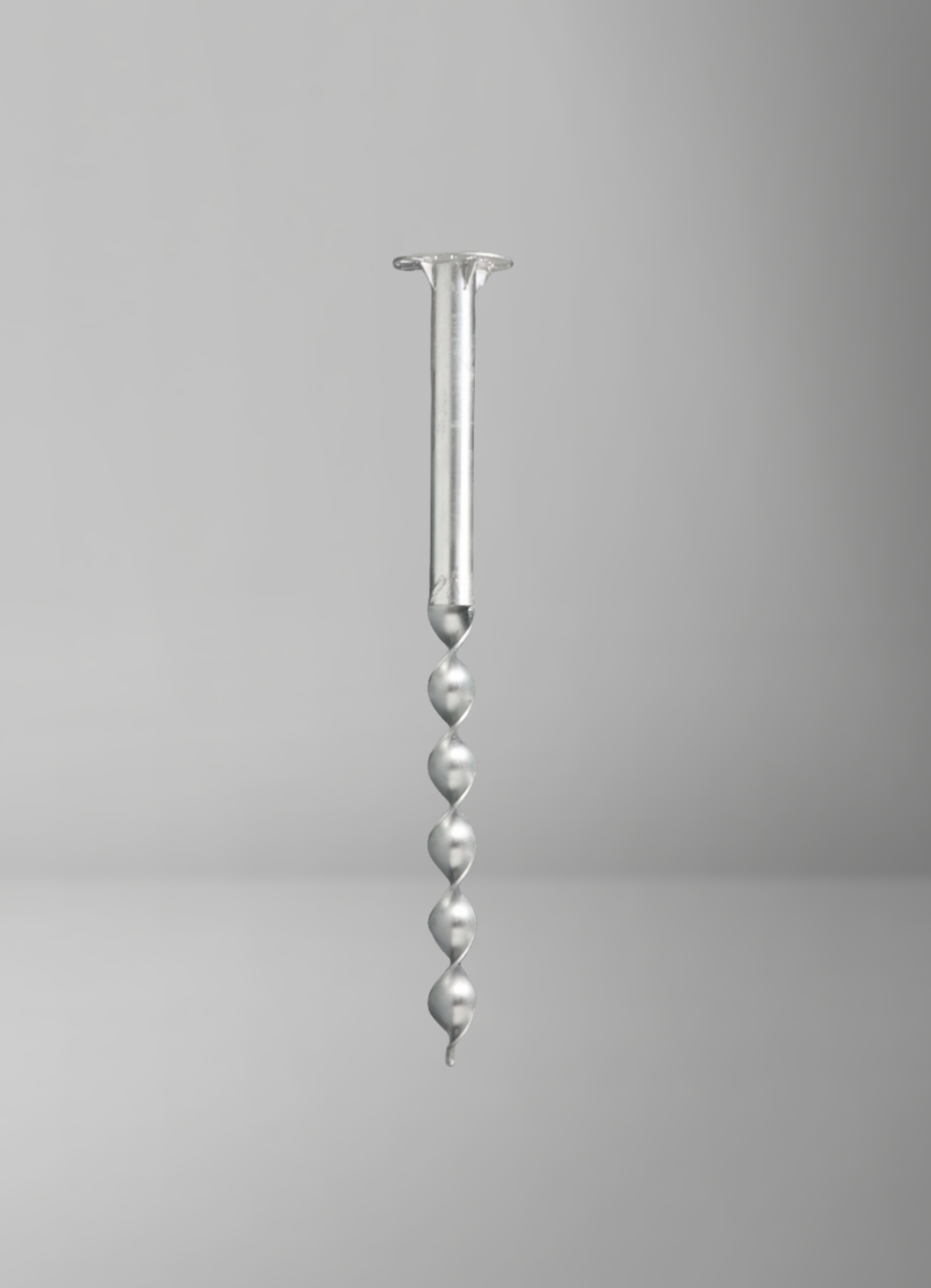
Flat Steel Screw Pile| Reliable Helical Pile Manufacturer| Patented Foundation Solution
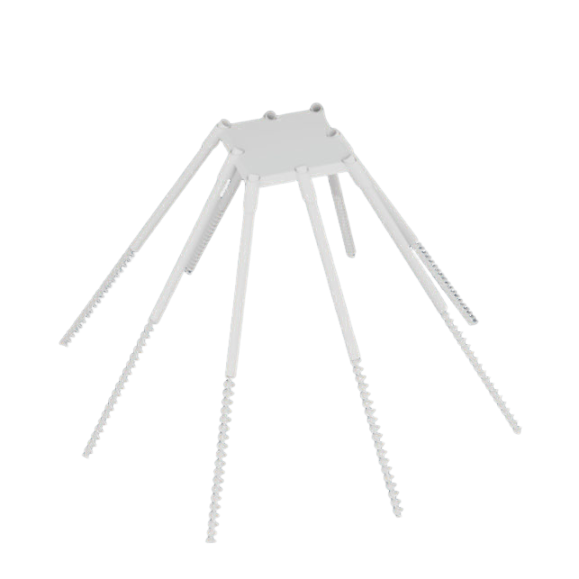
Eight-Pile Group Screw Piles| Reliable Helical Pile Manufacturer| Patented Foundation Solution
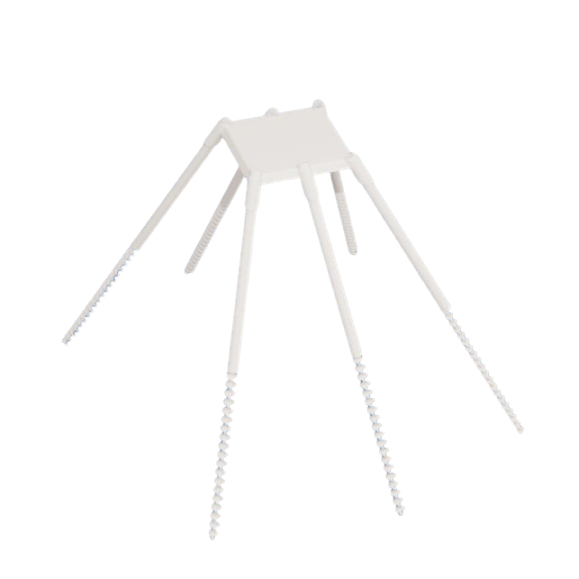
Six-Pile Group Screw Piles| Reliable Helical Pile Manufacturer| Patented Foundation Solution
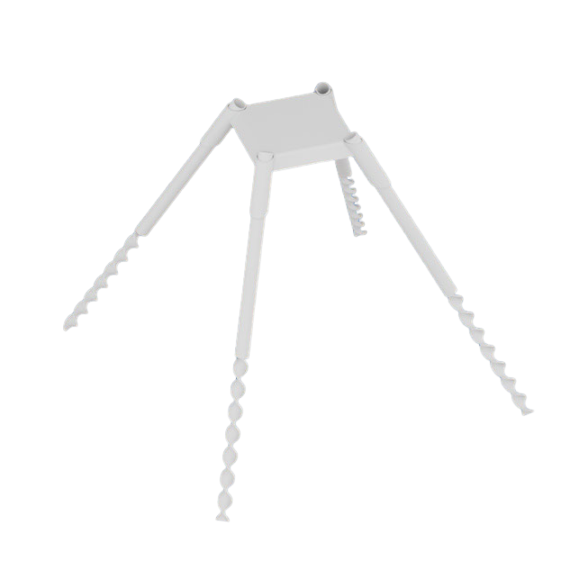
Four-Pile Group Screw Piles| Reliable Helical Pile Manufacturer| Patented Foundation Solution
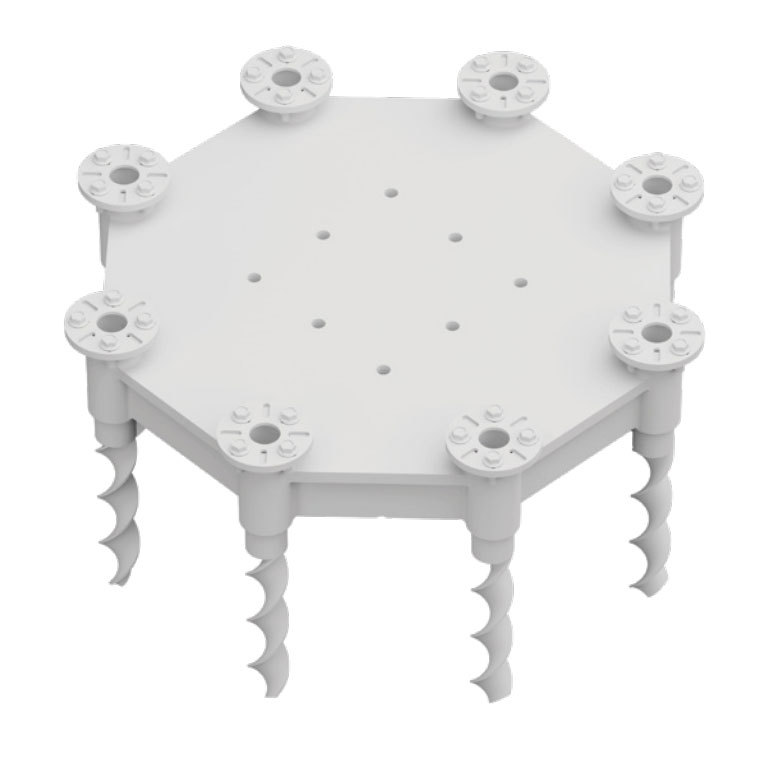
Eight-Pile Cap Screw Pile | Reliable Helical Pile Manufacturer| Patented Foundation Solution
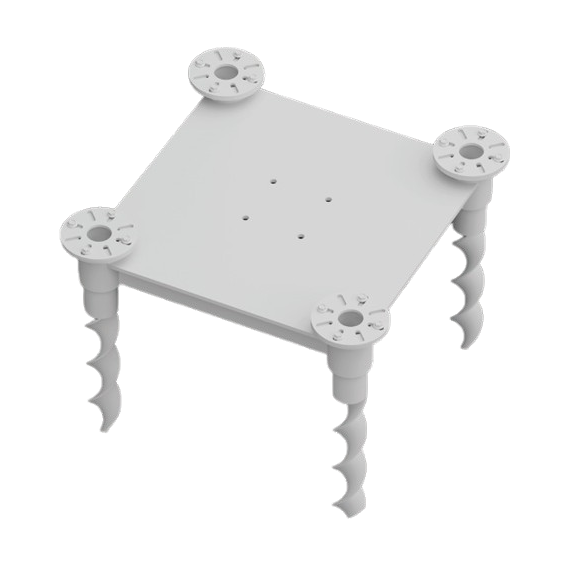
Four-Pile Cap Screw Pile | Reliable Helical Pile Manufacturer| Patented Foundation Solution
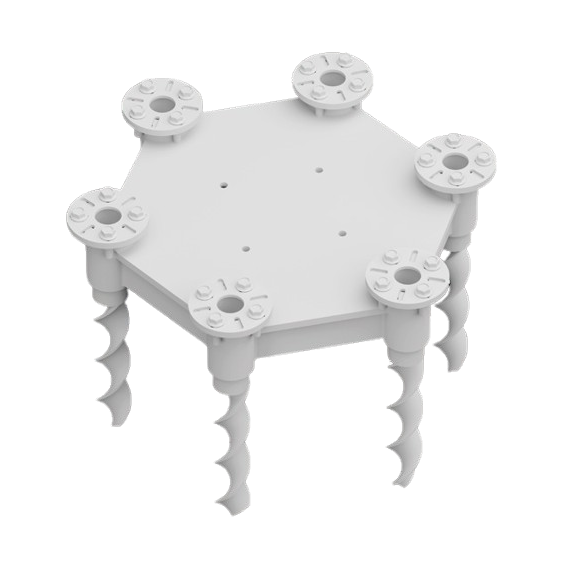
Six-Pile Cap Screw Pile | Reliable Helical Pile Manufacturer| Patented Foundation Solution
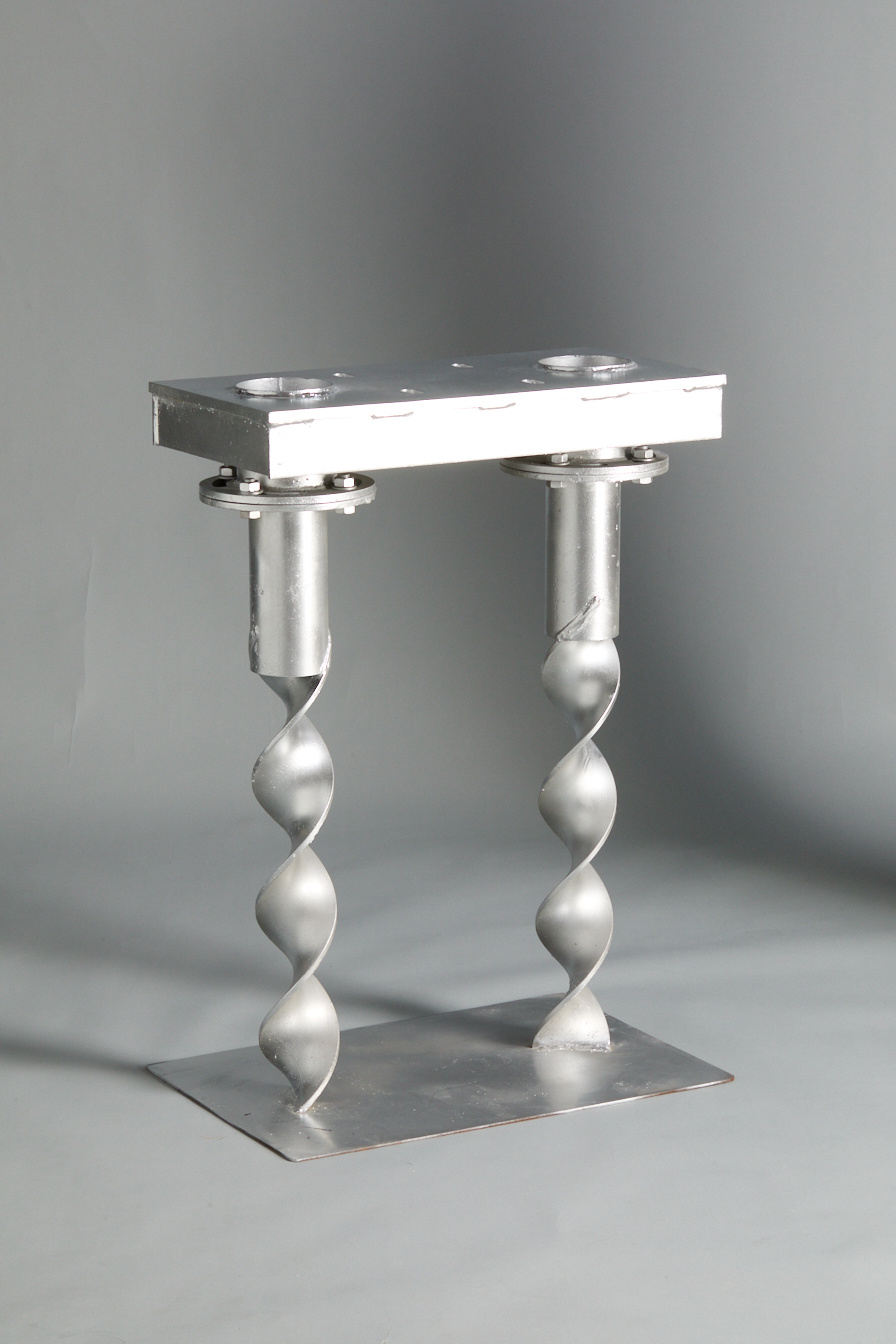
Two-Pile Cap Screw Pile | Reliable Helical Pile Manufacturer| Patented Foundation Solution
Steel Platform System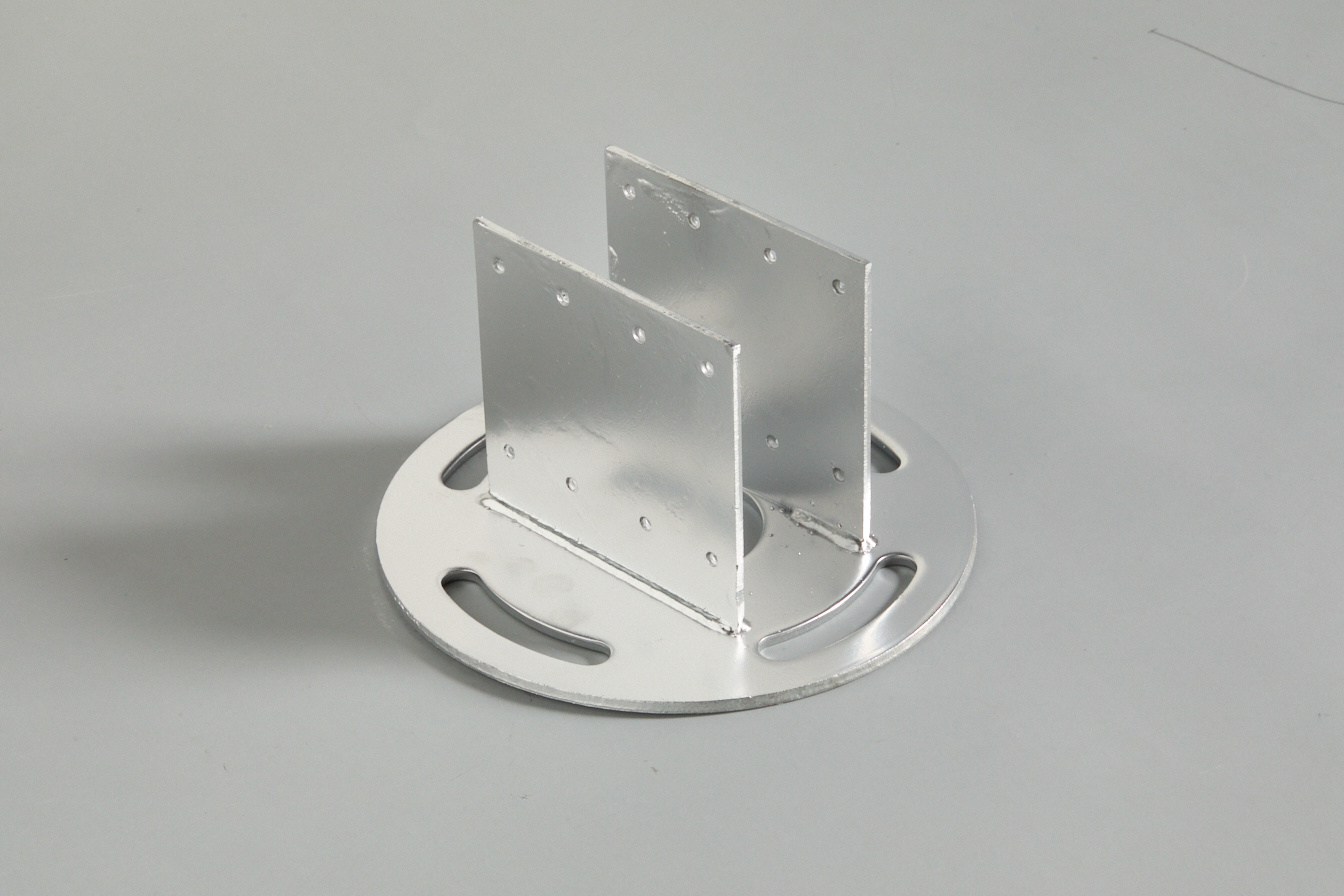
Spiral pile connectors
Small U connector
Large U connector
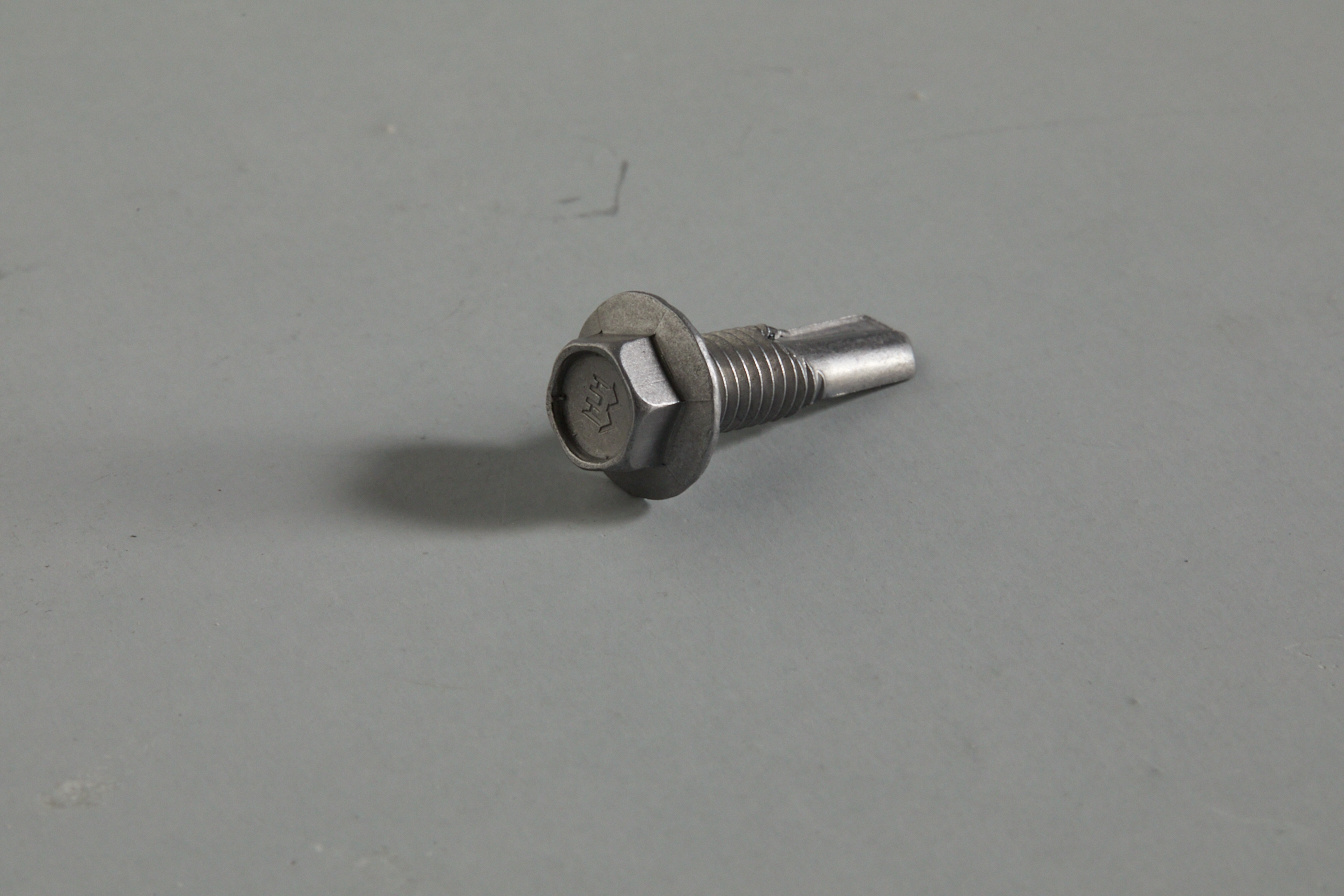
Hexagonal flange self drilling and self tapping screws
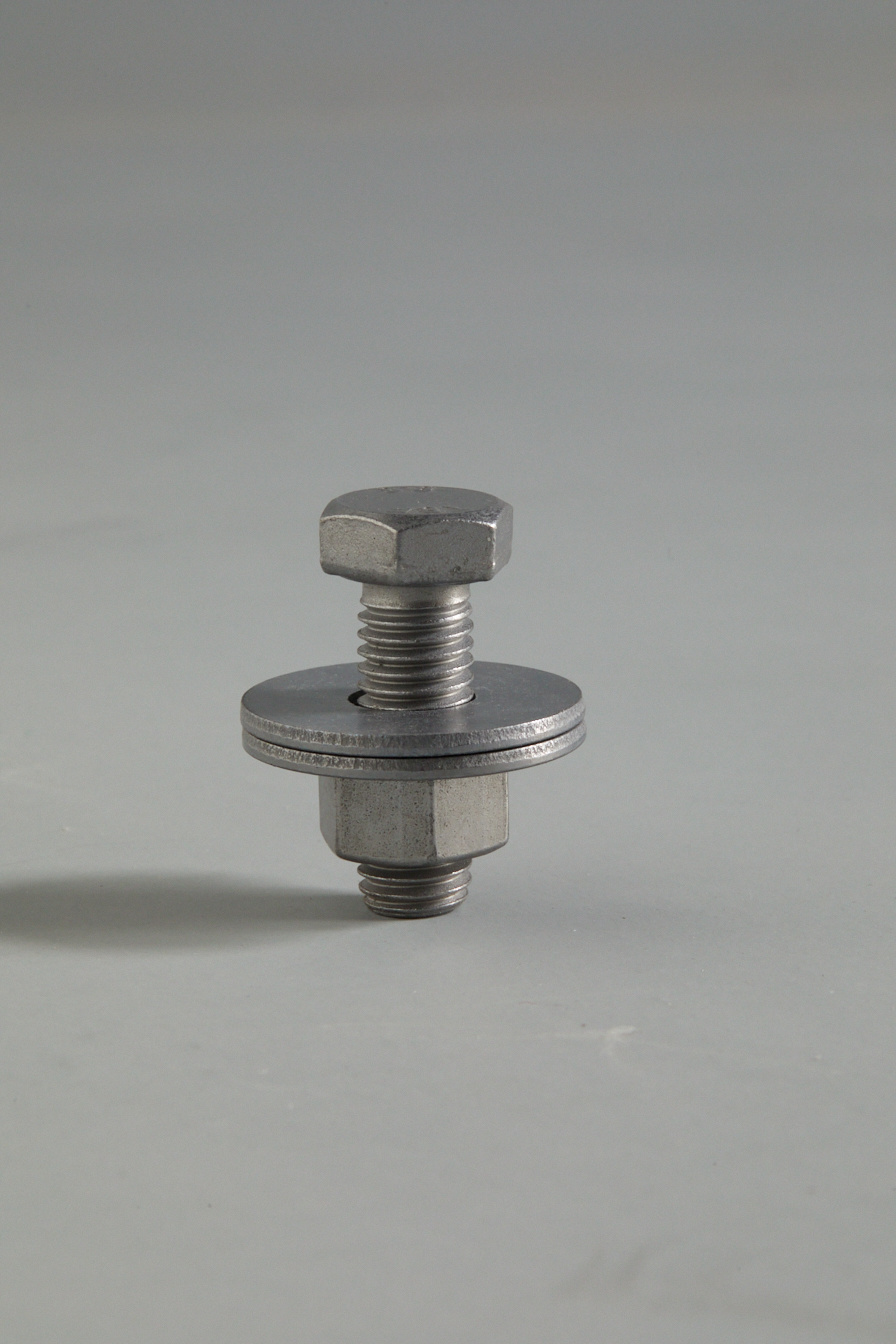
Tightening Bolts
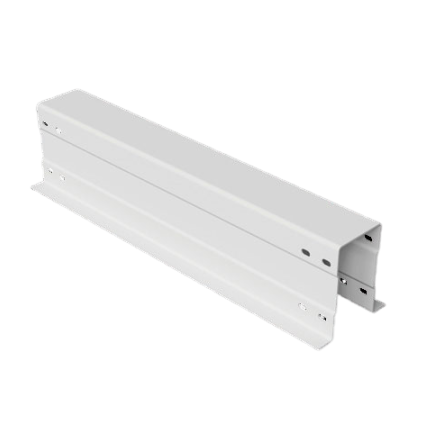
Secondary Beam
Steel Platform - Main Beam
Modular building
Modular building
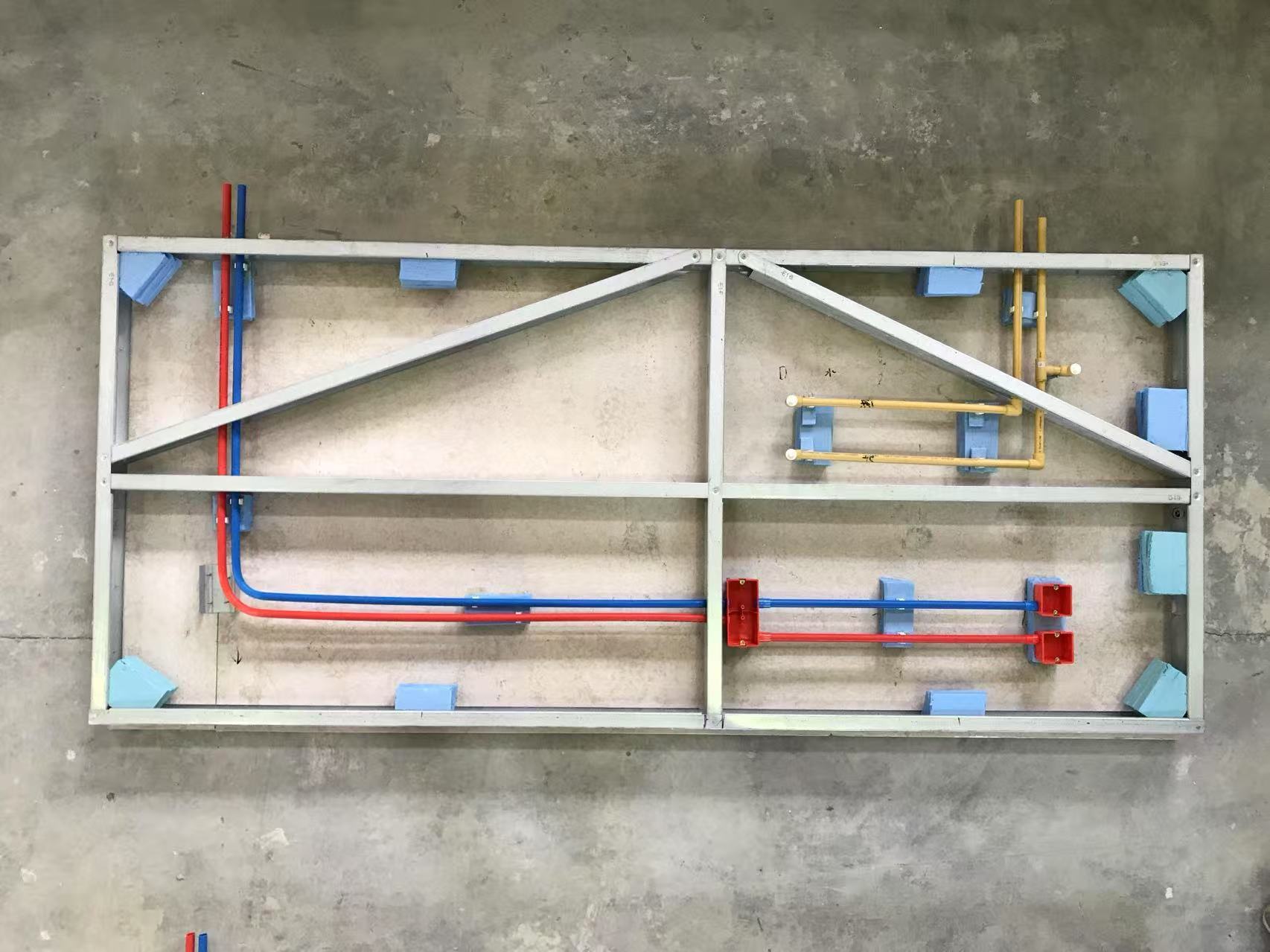
Layout Diagram of Electrical and Plumbing Pipelines for Magnesium-Based Grouted Walls

Performance Testing of Magnesium-Based Walls
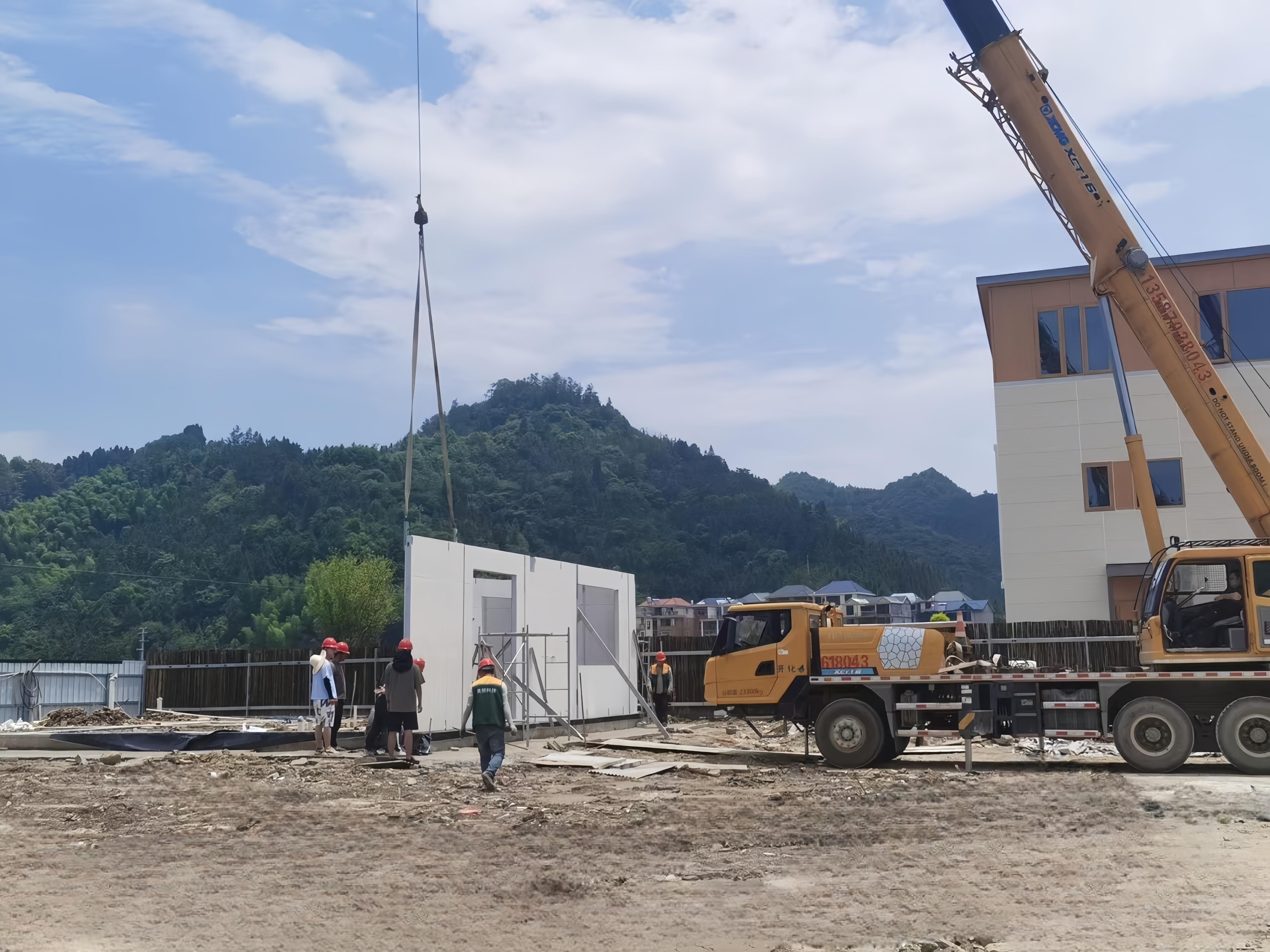
Construction Process of Modular Walls
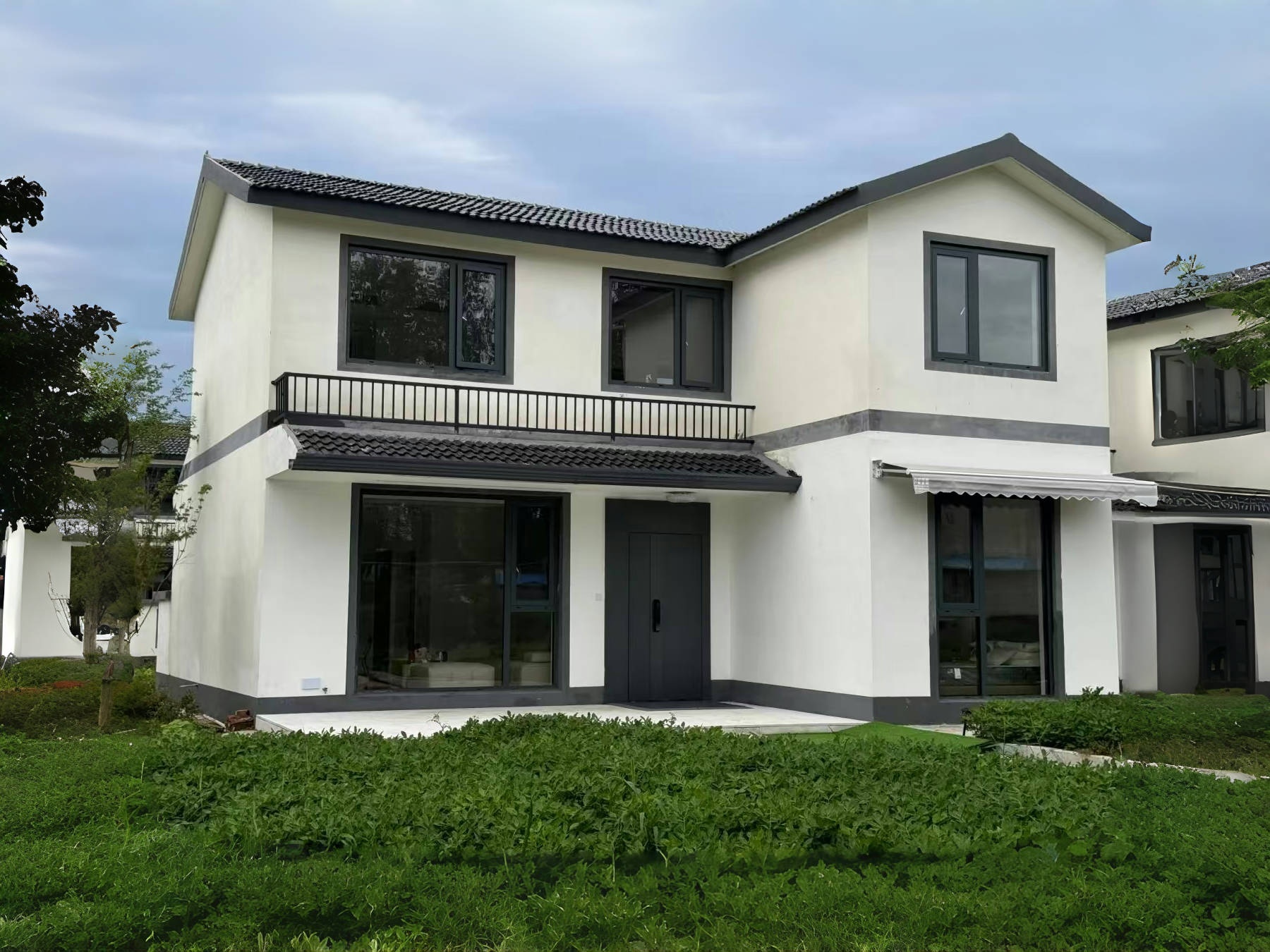
Cases of Modular Buildings
Bracket Roof Integrated Panel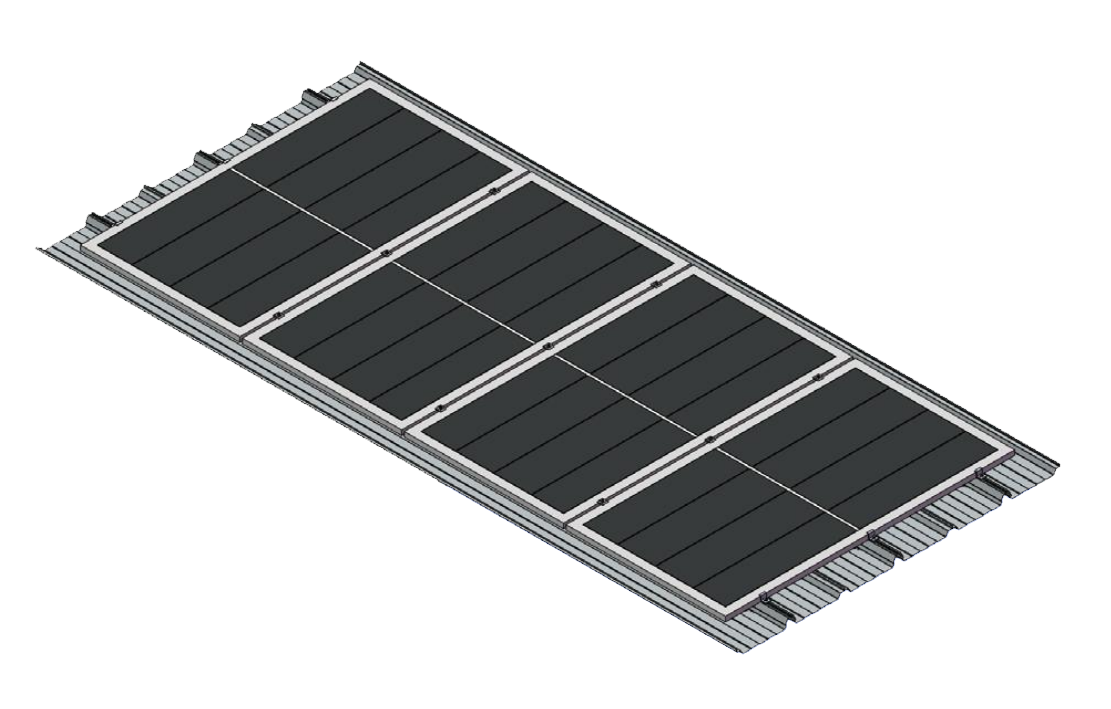
BIPV Bracket Roof Integrated Panel
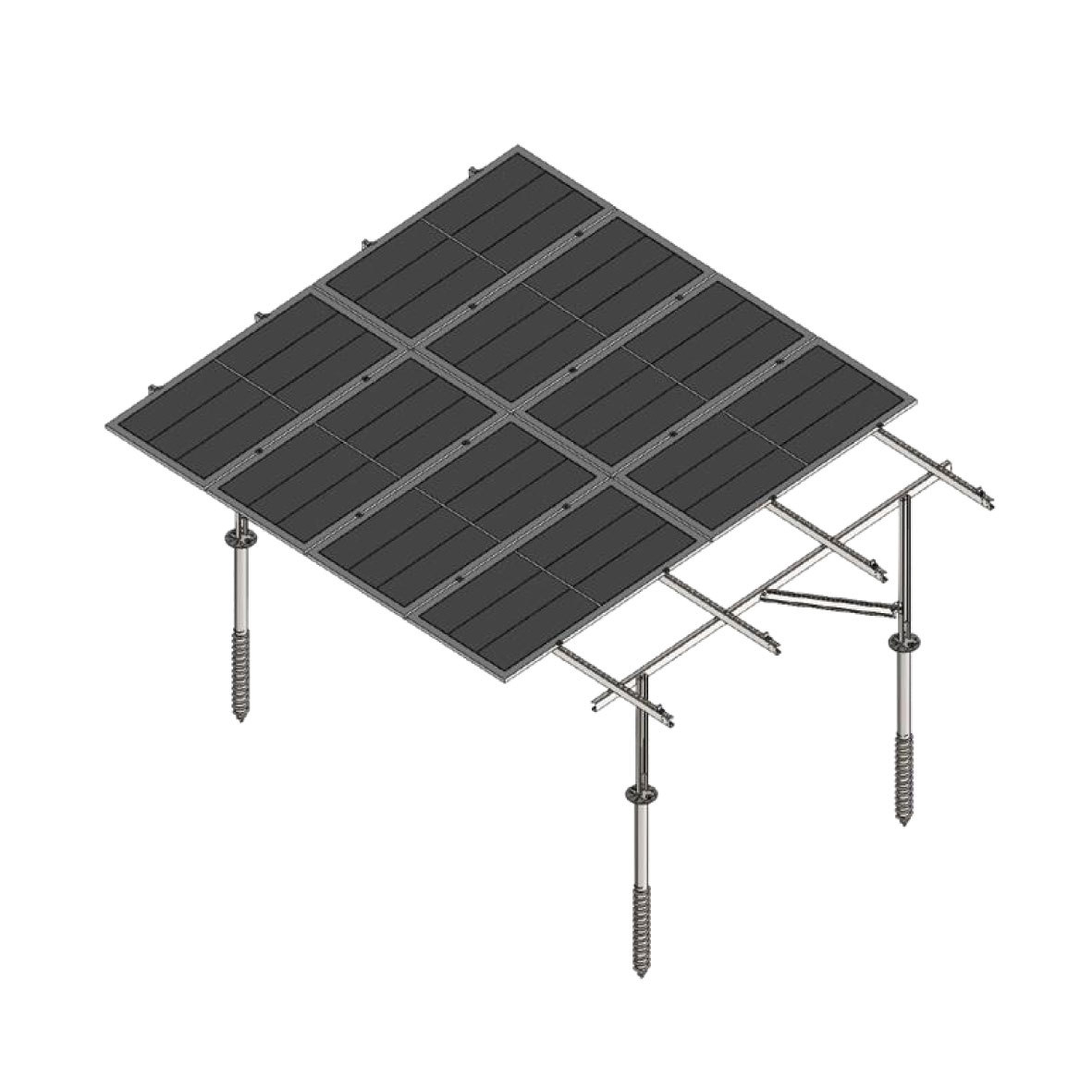
ZINC Aluminum Magnesium Double Leg Bracket
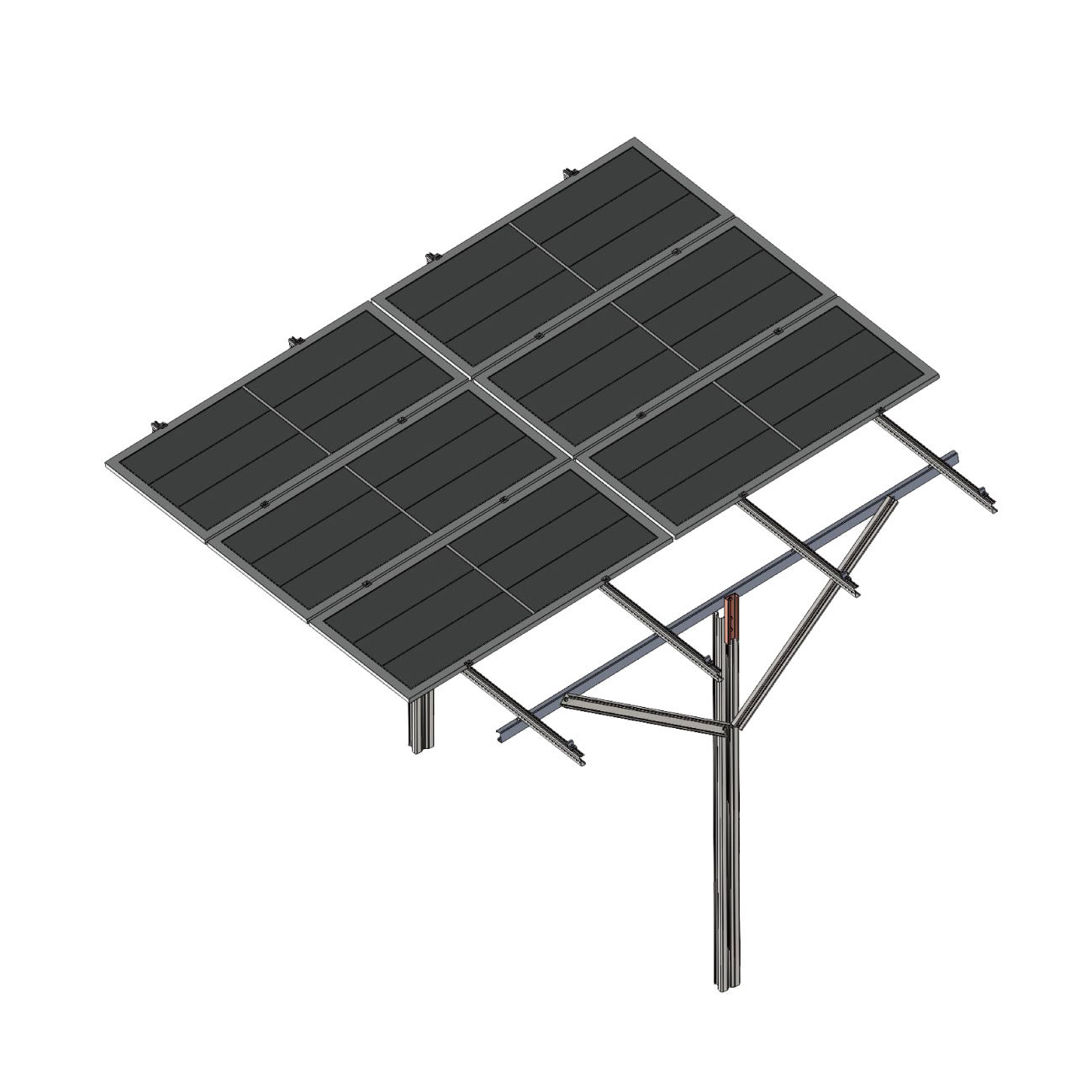
ZINC Aluminum Magnesium Single Leg Bracket
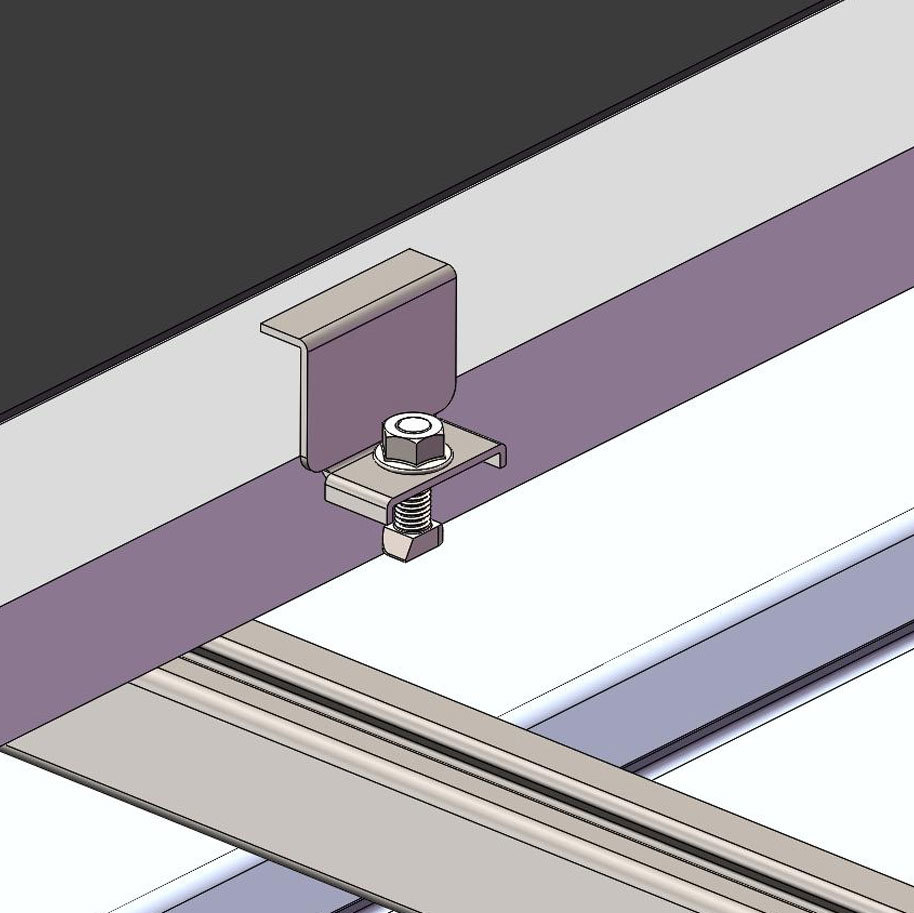
Explosion diagram of zinc aluminum magnesium under lateral pressure
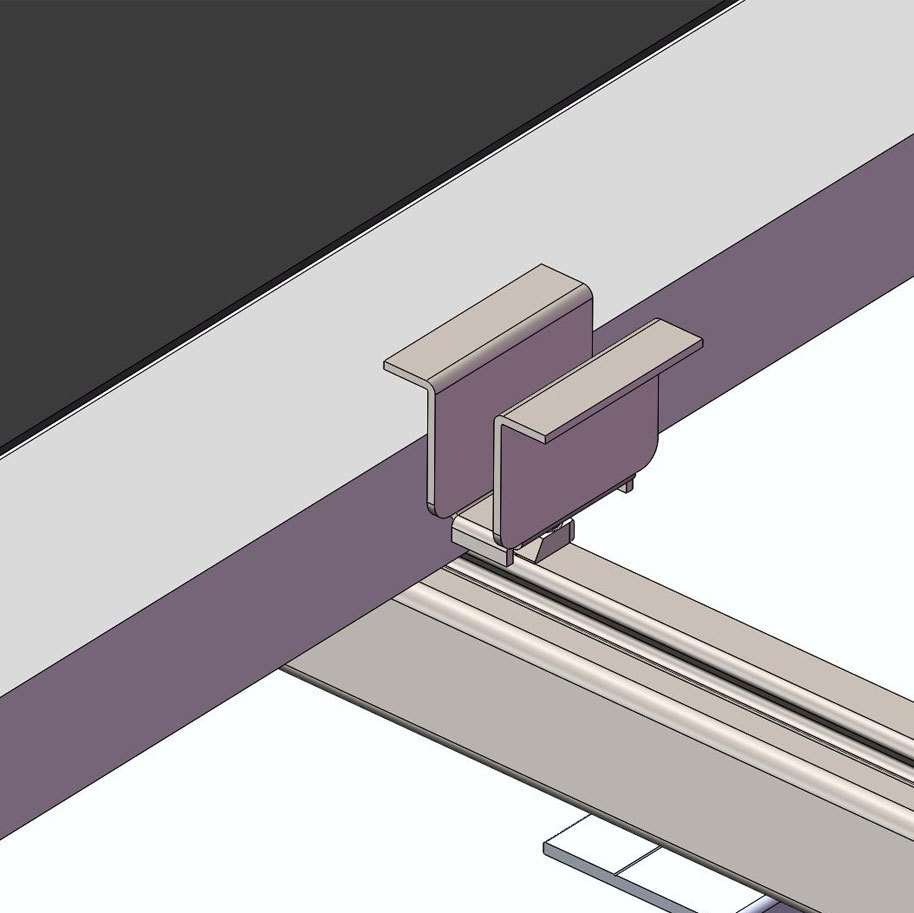
Zinc aluminum magnesium medium pressure explosion diagram
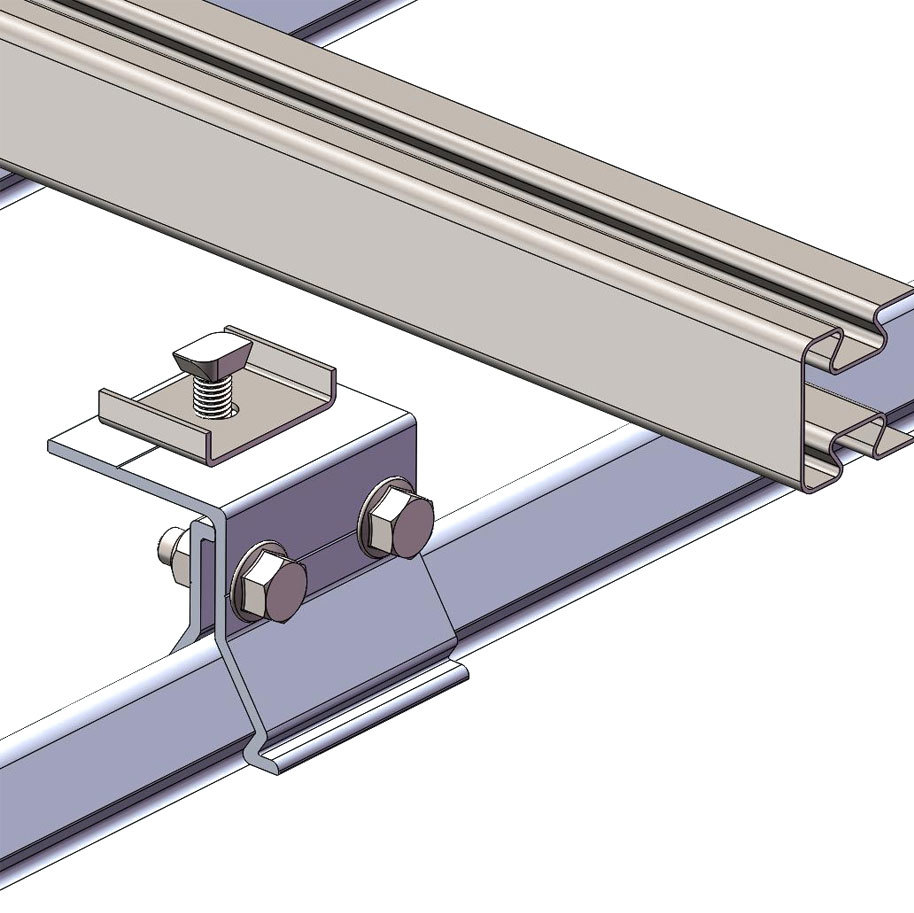
Explosion diagram of fixture components
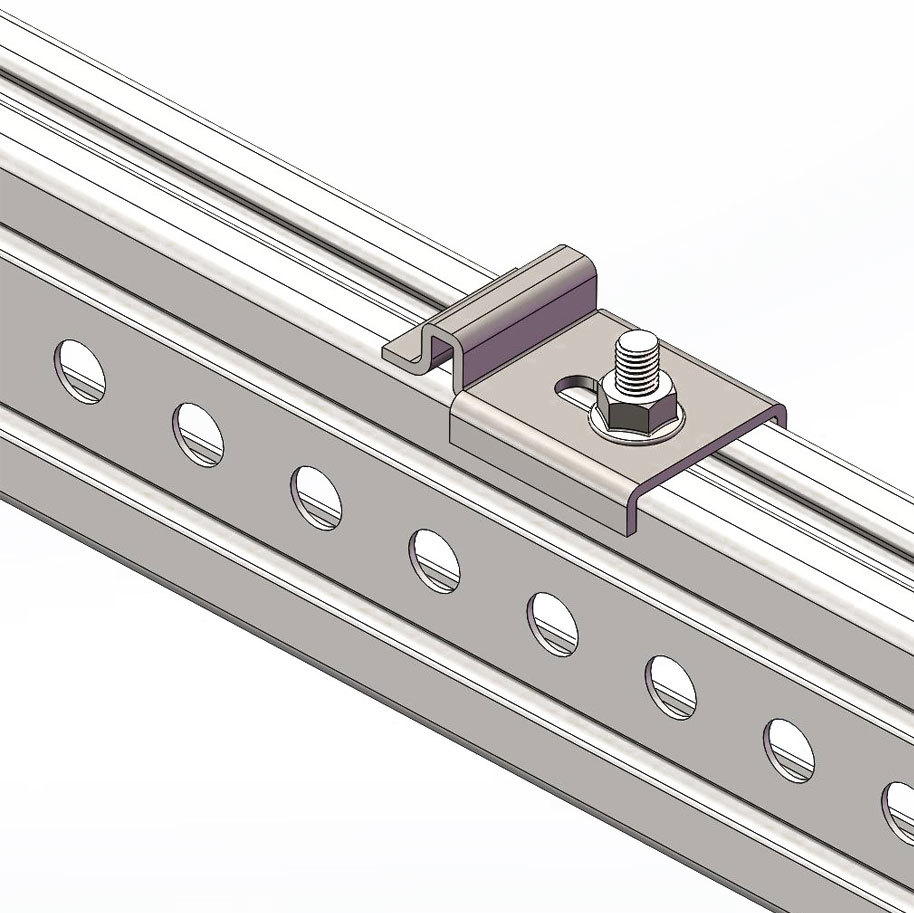
Lower pressure component
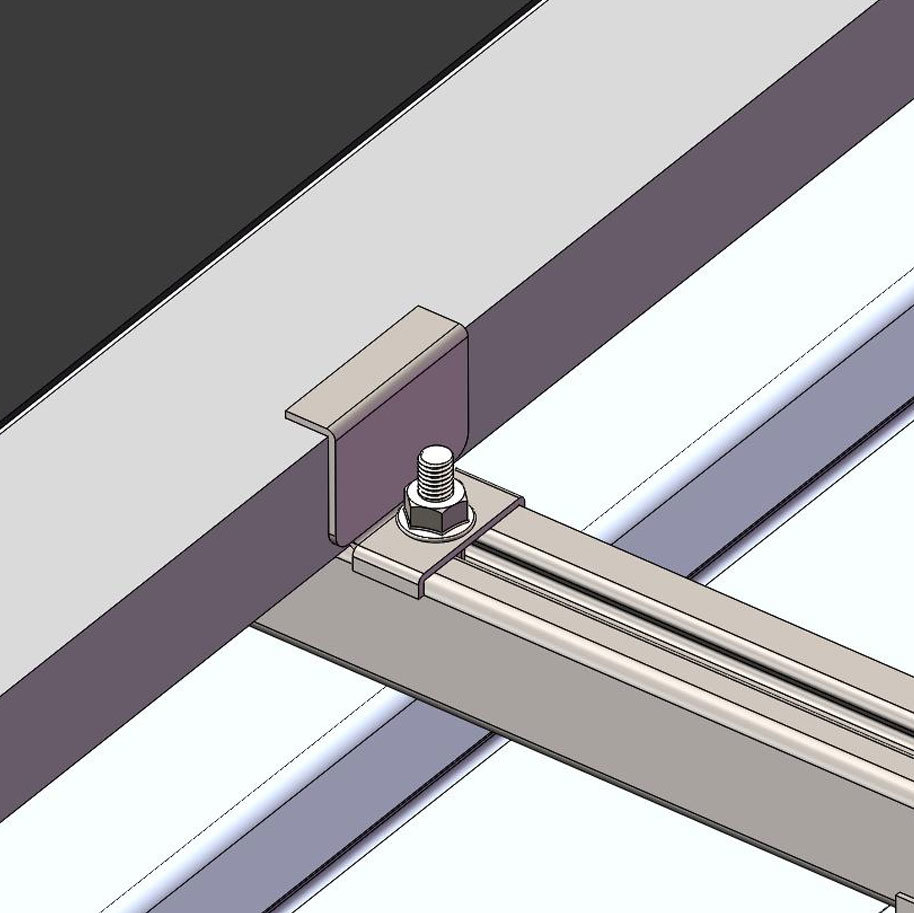
Zinc aluminum magnesium side pressure
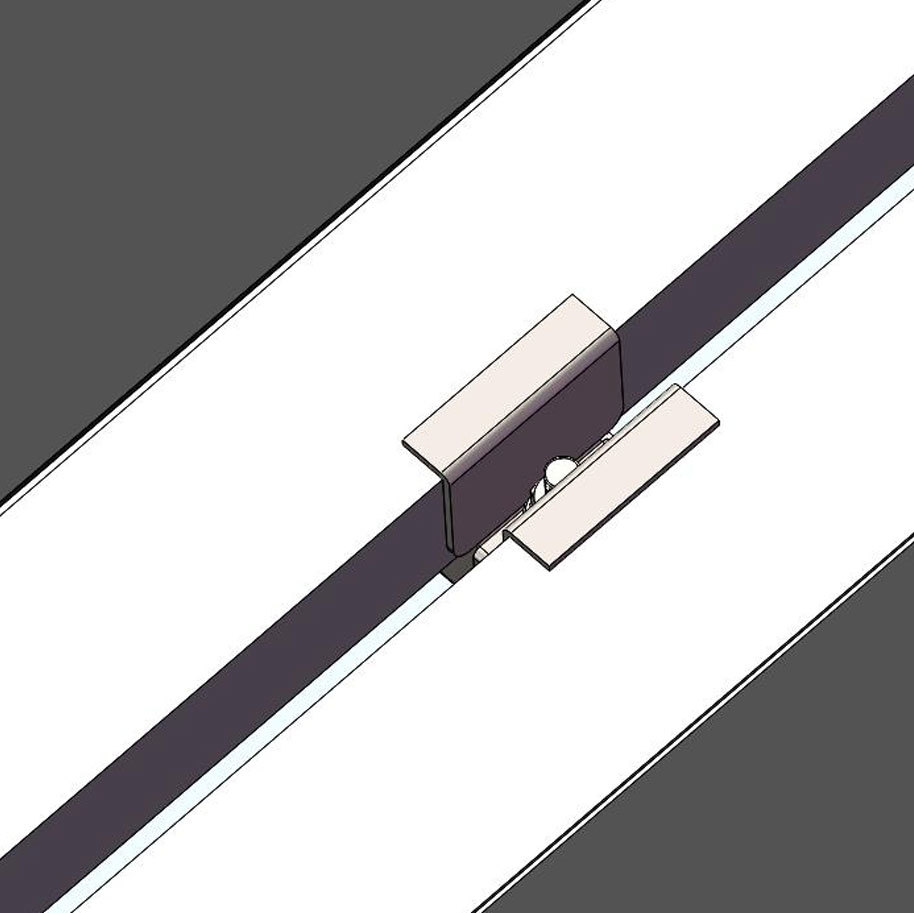
Zinc aluminum magnesium medium pressure
Zinc aluminum magnesium medium pressure
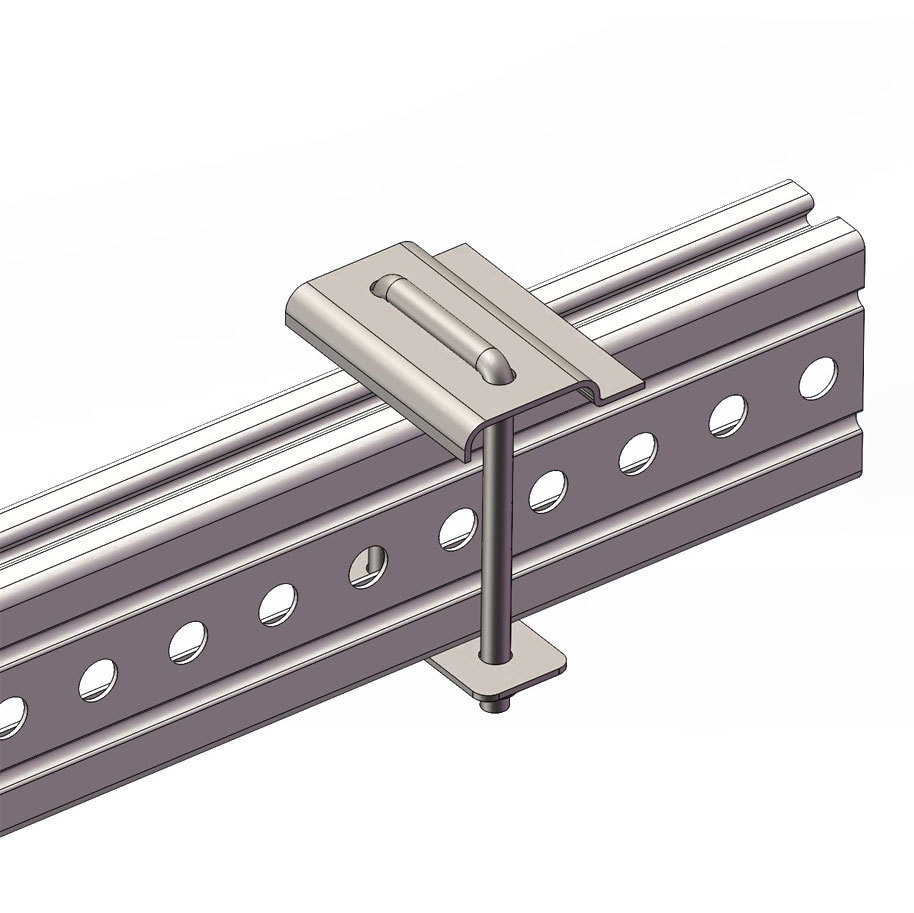
U-bolt assembly
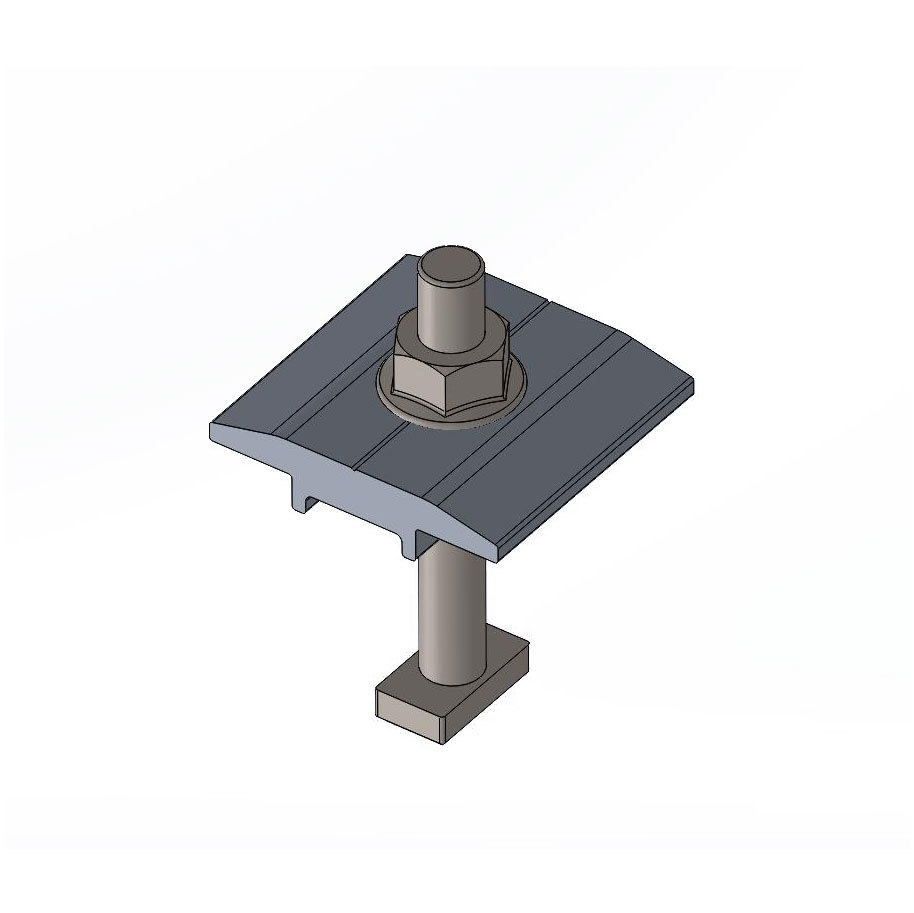
Medium voltage components
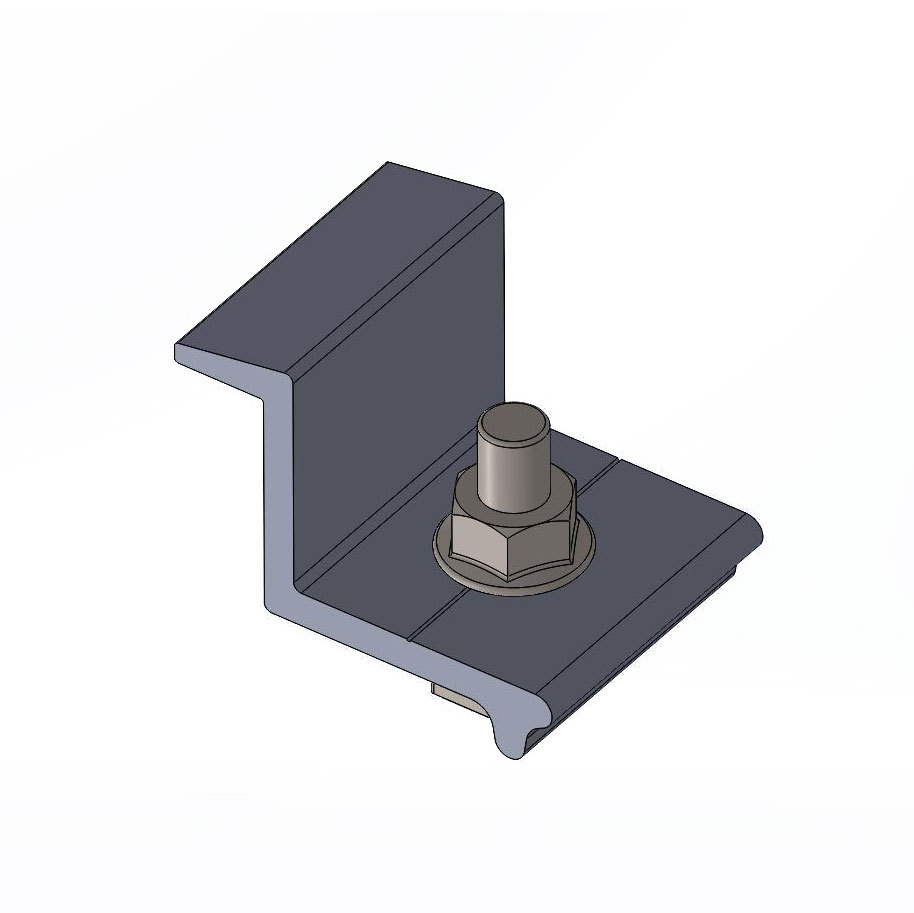
Side pressure component
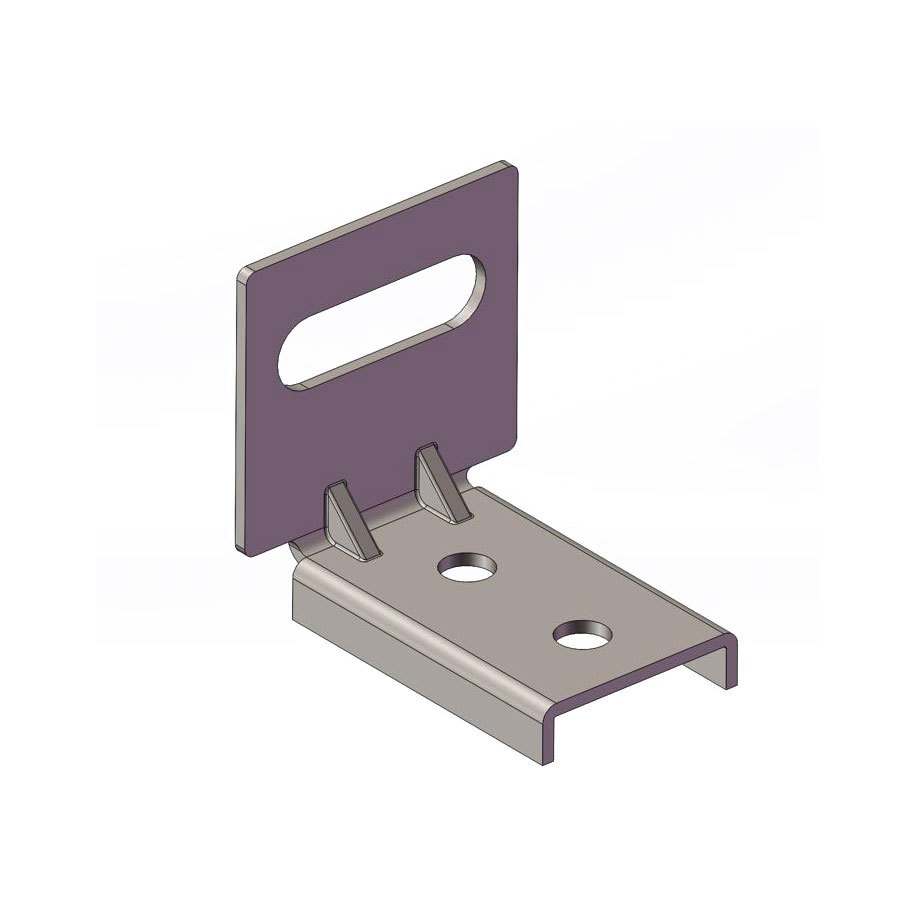
Horizontal and vertical rail connectors
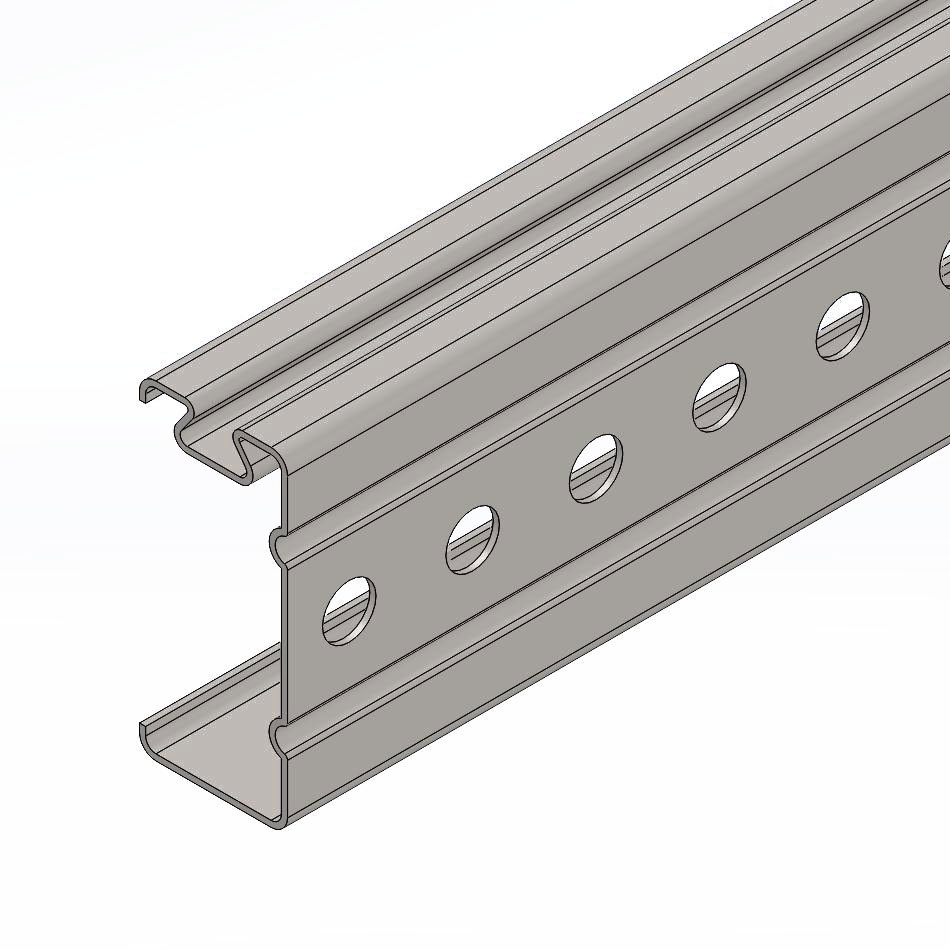
Slant support
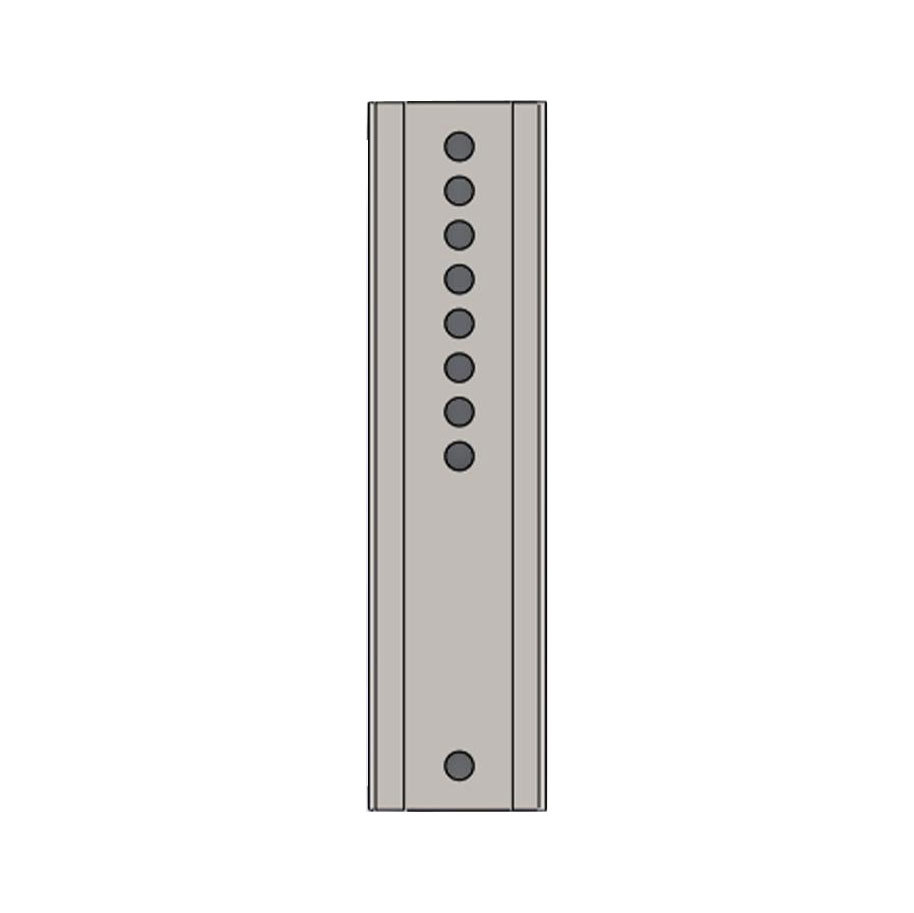
Column connectors
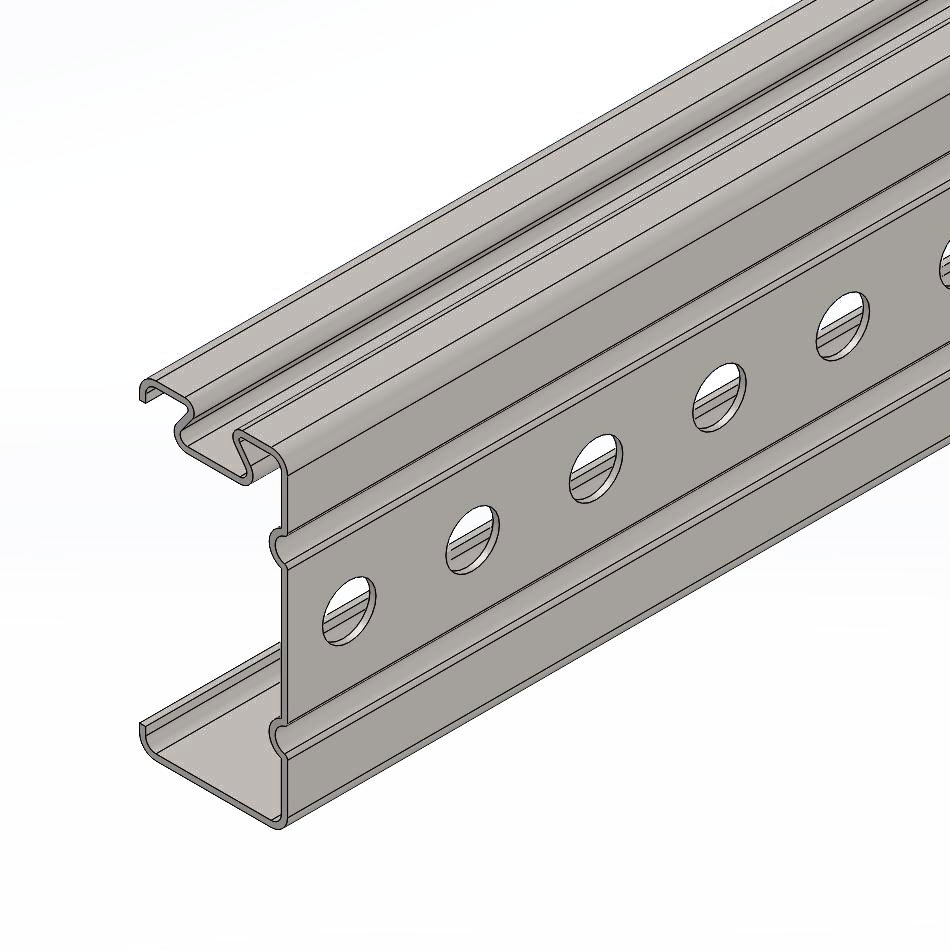
Longitudinal track
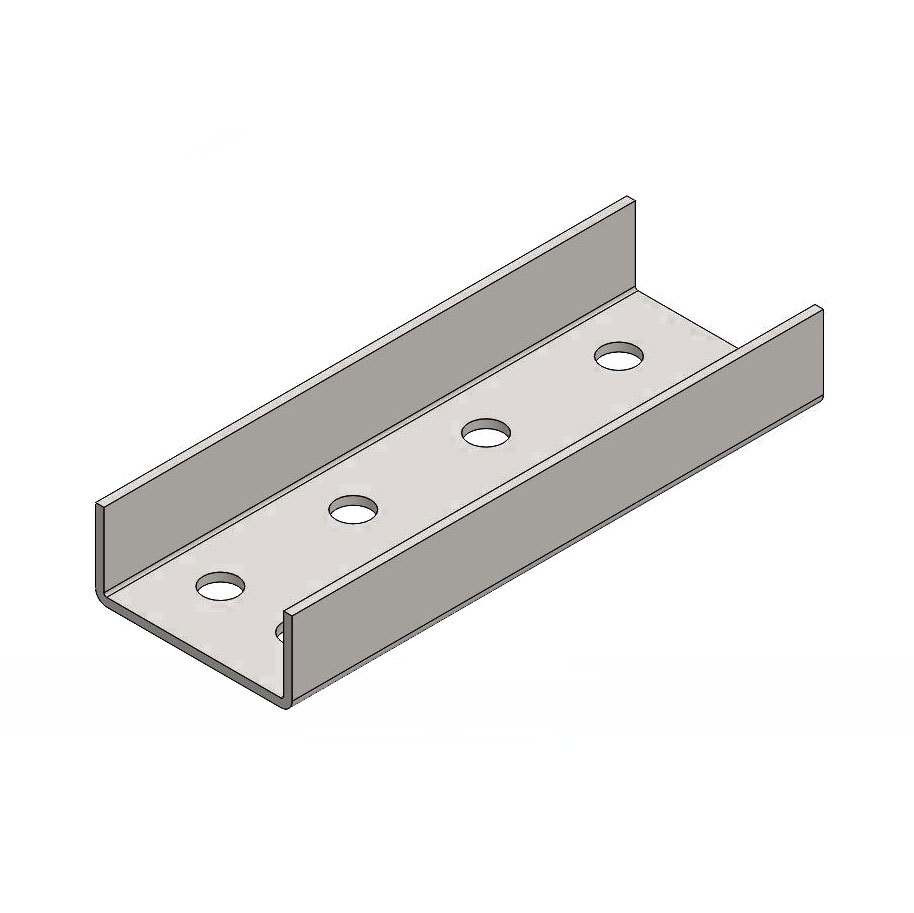
Horizontal rail connectors
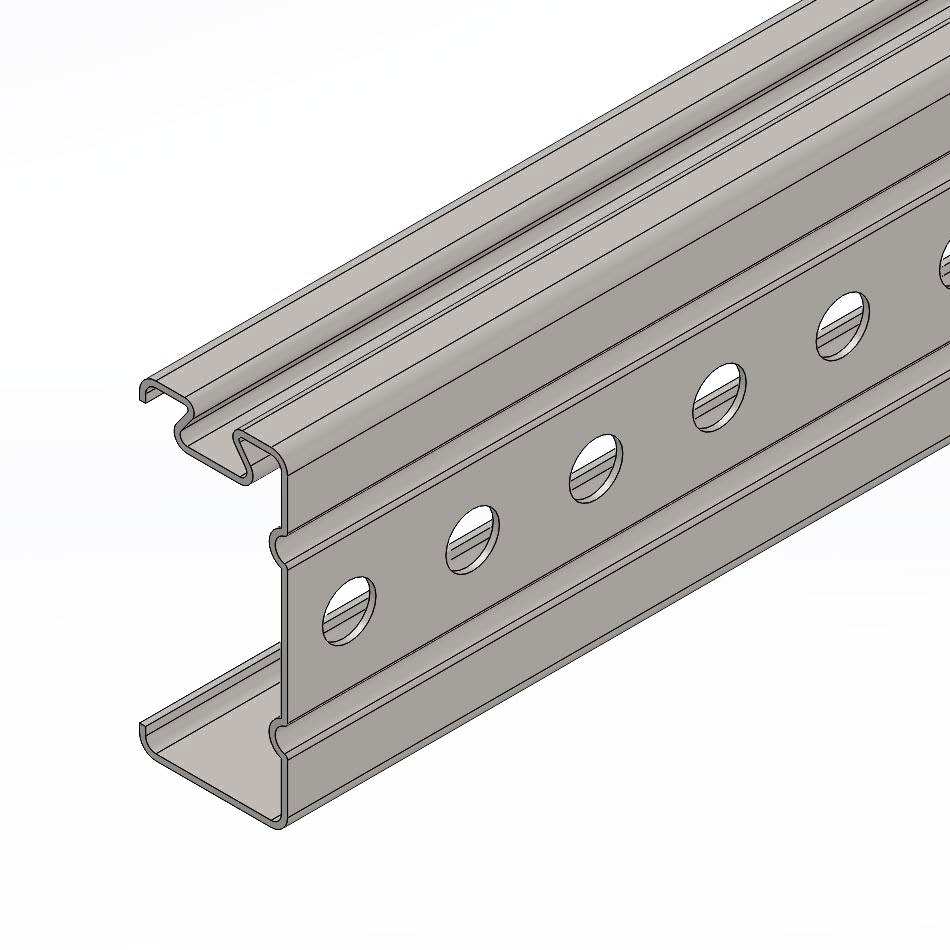
Horizontal track
Easy Install Steel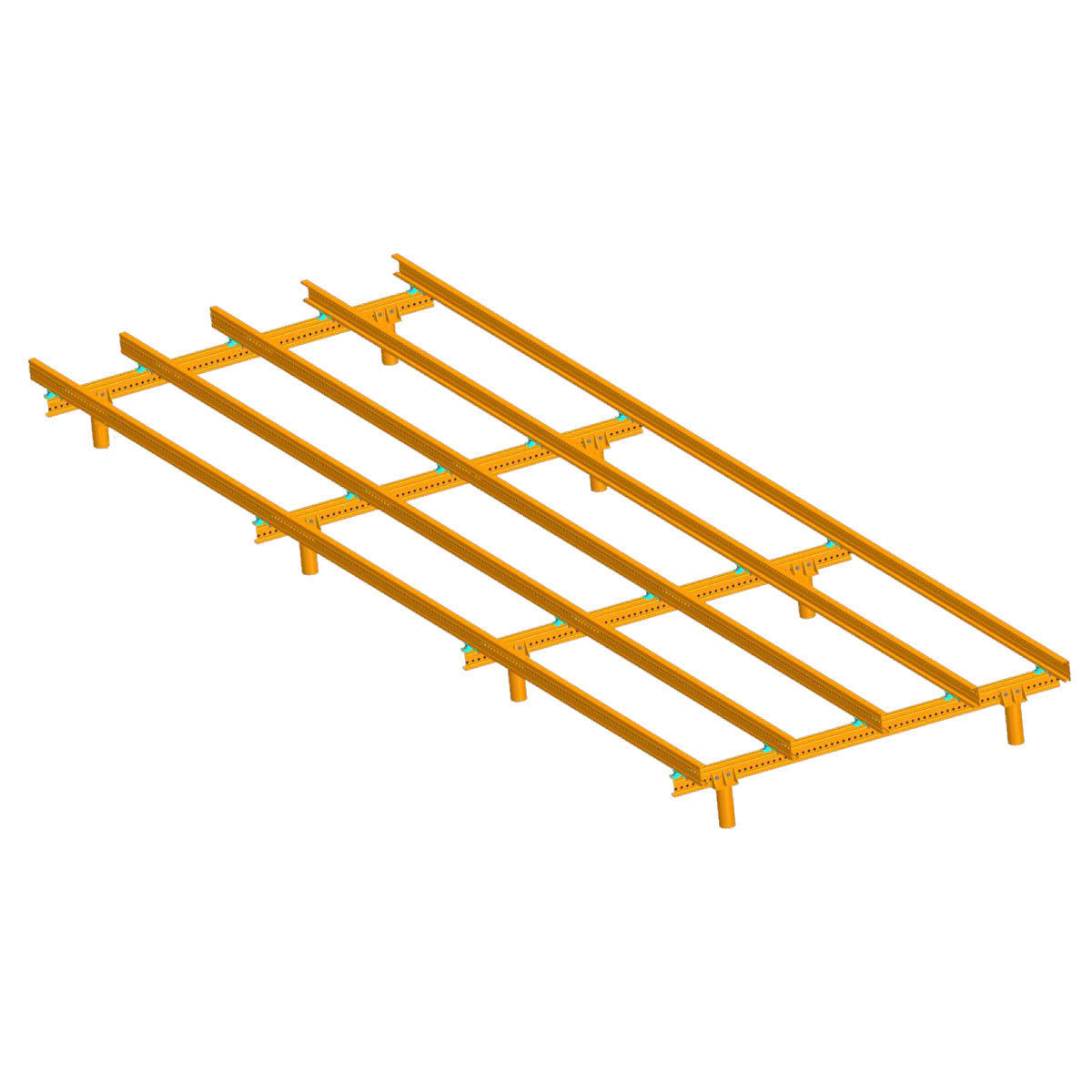
Haoheng Yi'an System

Easy Install Steel
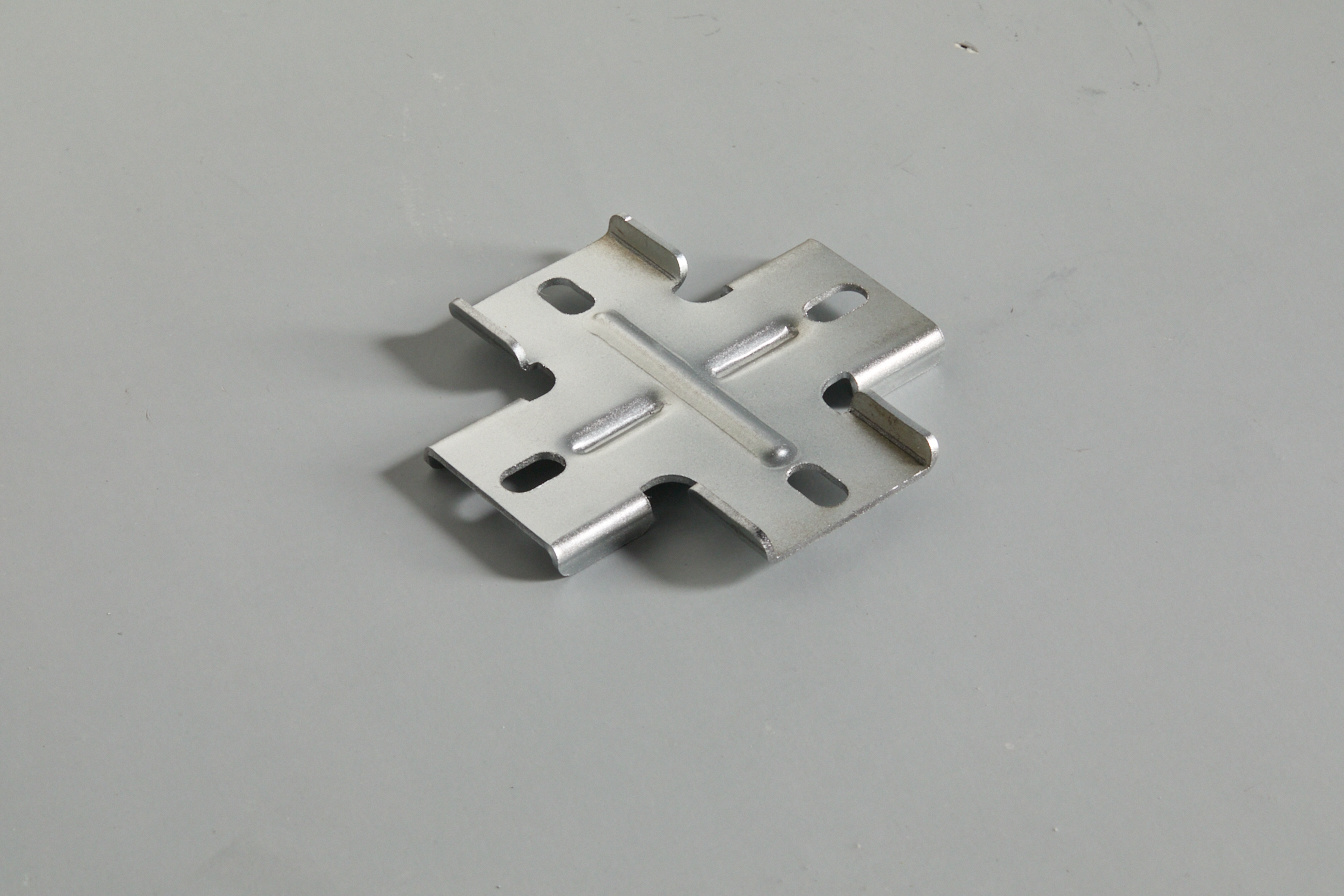
Cross connector
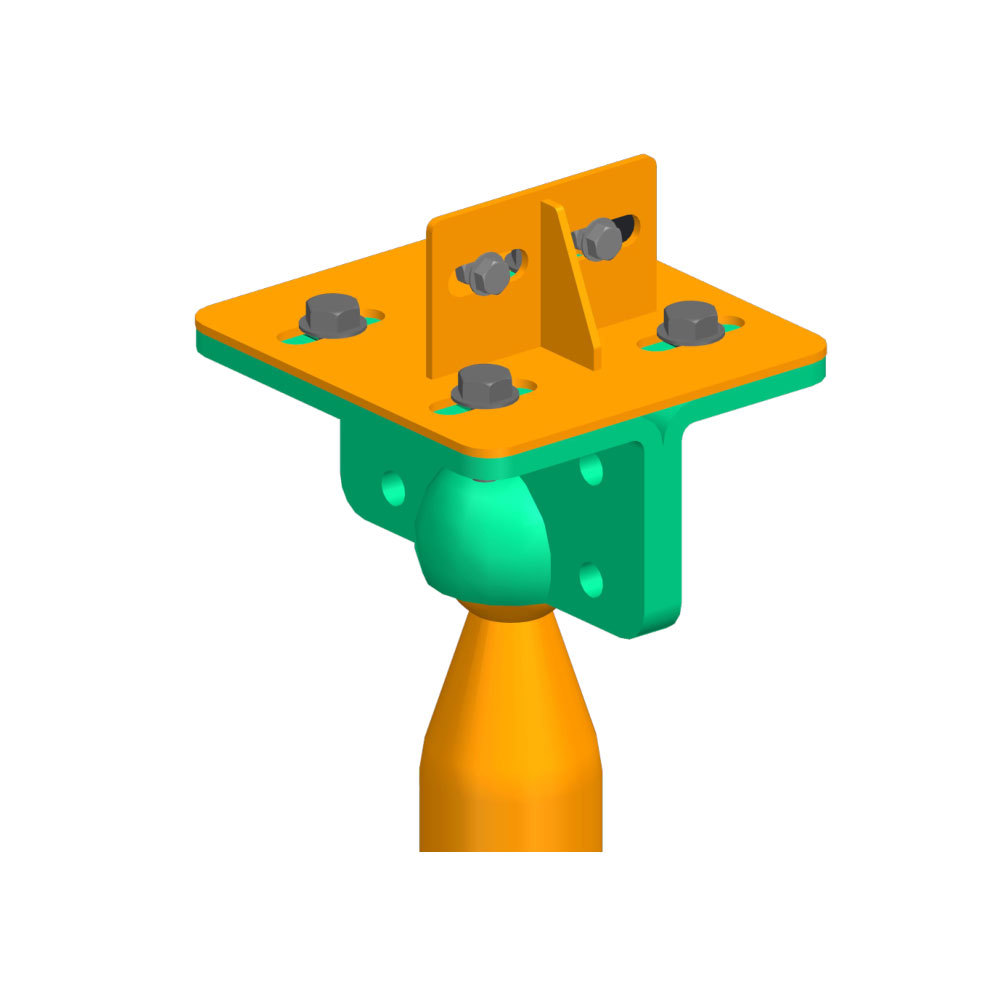
Universal connector for screw pile
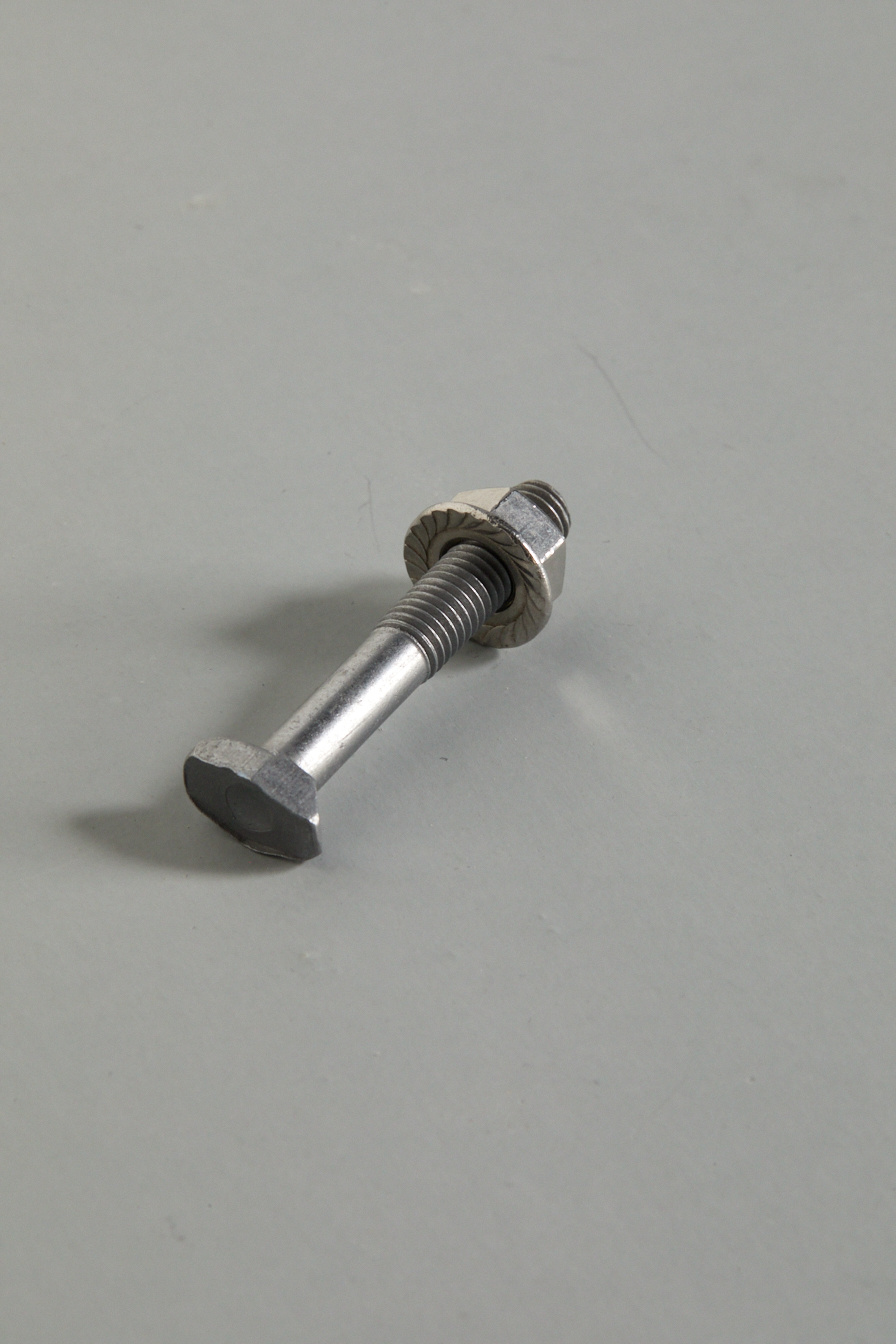
T-shaped dovetail bolt
Floor System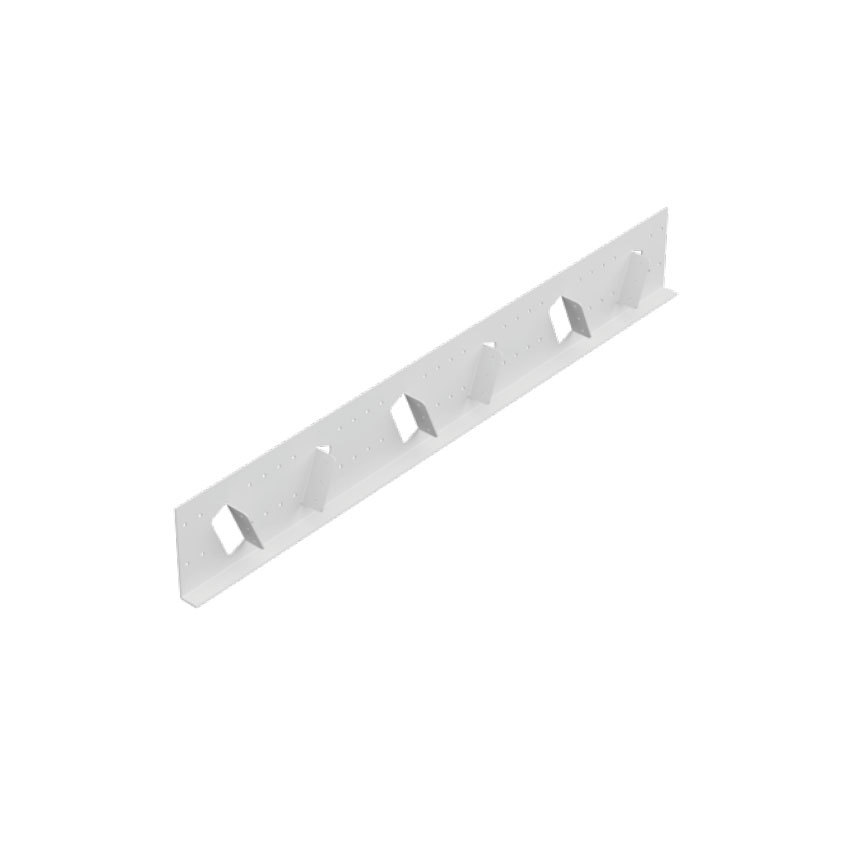
Ordinary steel structural connectors
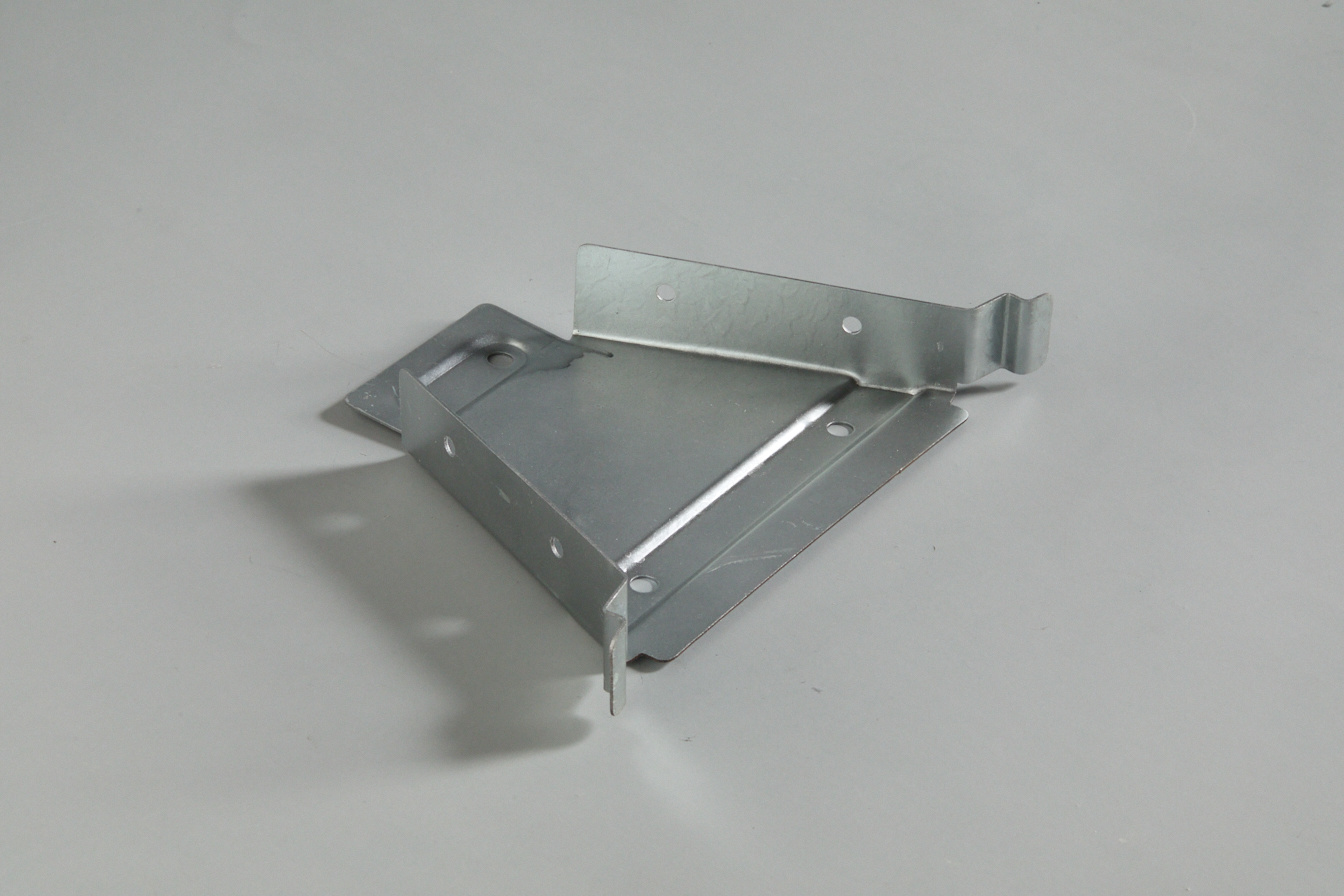
NEW BUILDING system connectors
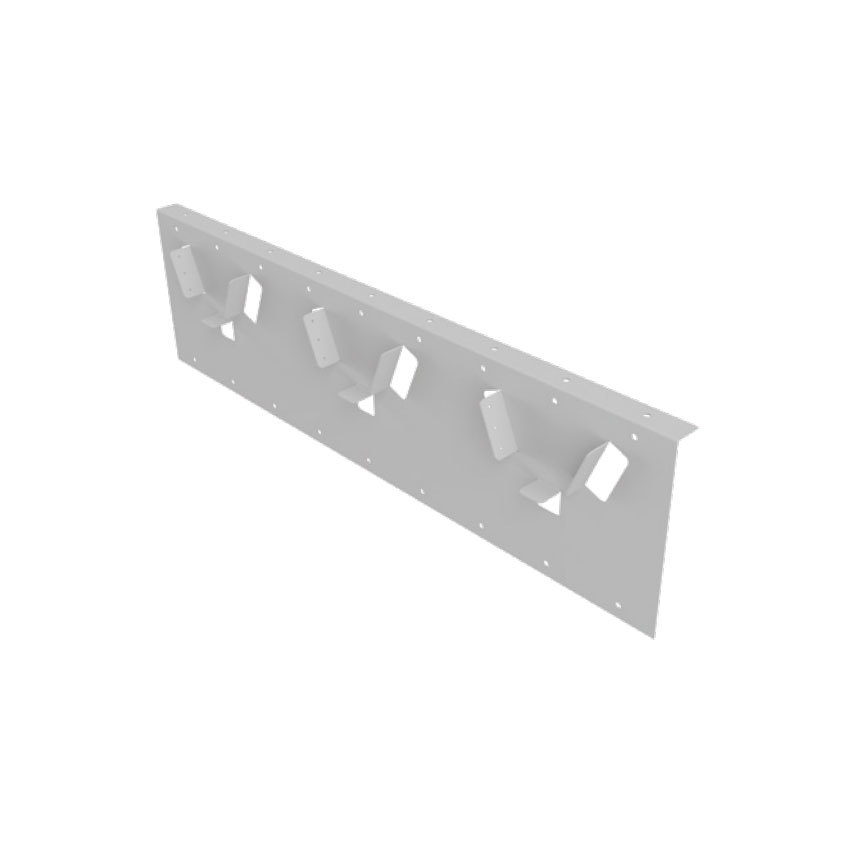
Cold formed thin-walled steel structural connectors
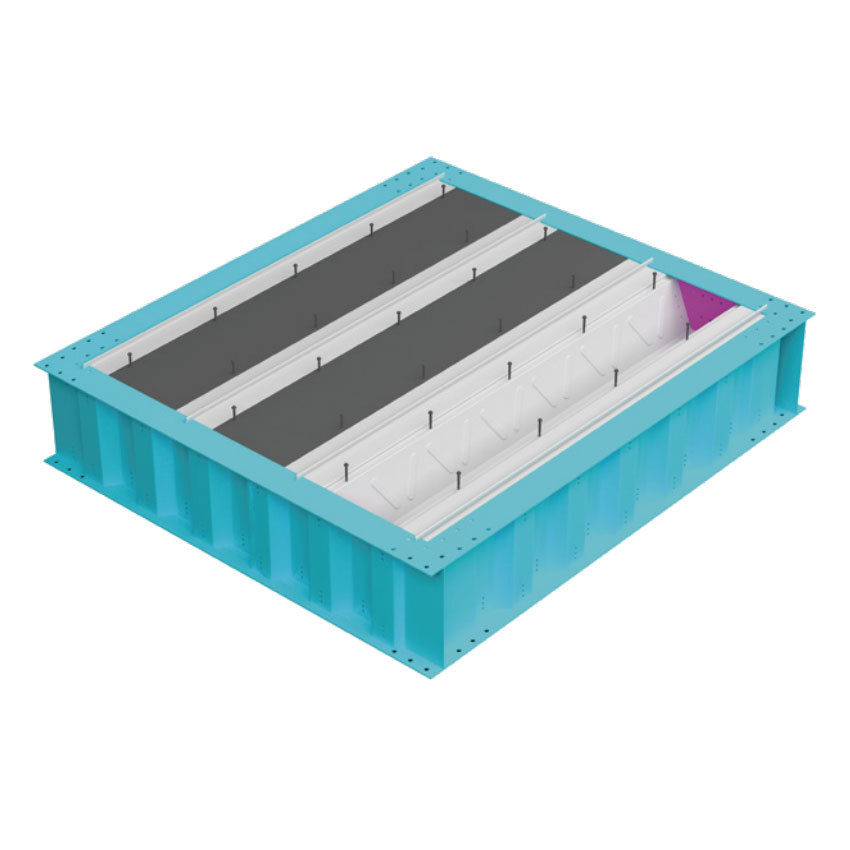
Corrugated I-beam+V-shaped floor beam
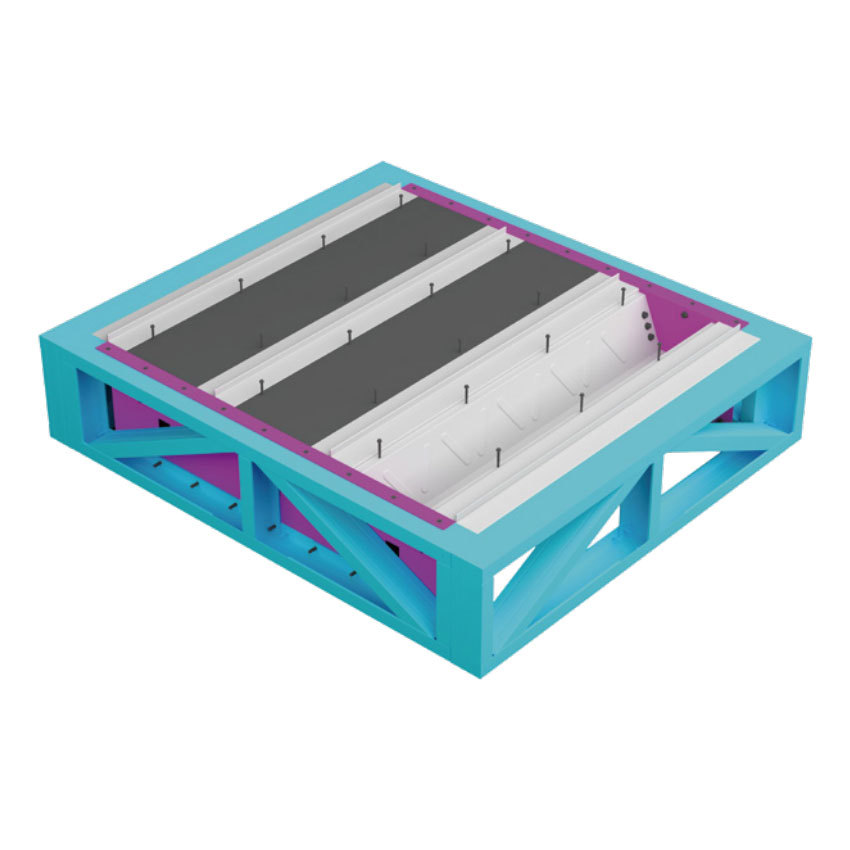
300 light steel truss+V-shaped floor beam

Steel wire gauze
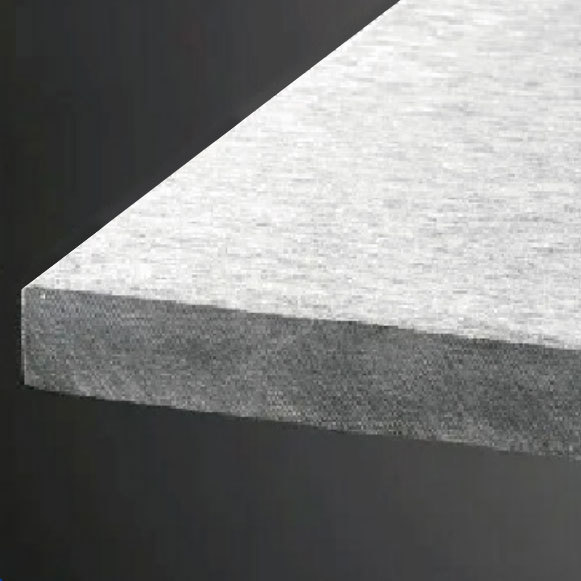
Plate
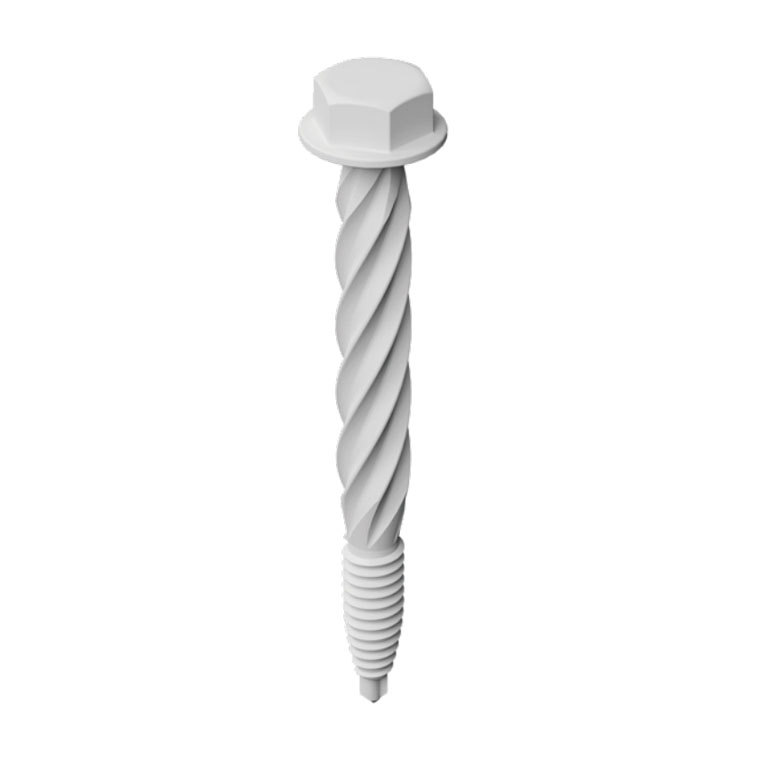
Shear stud
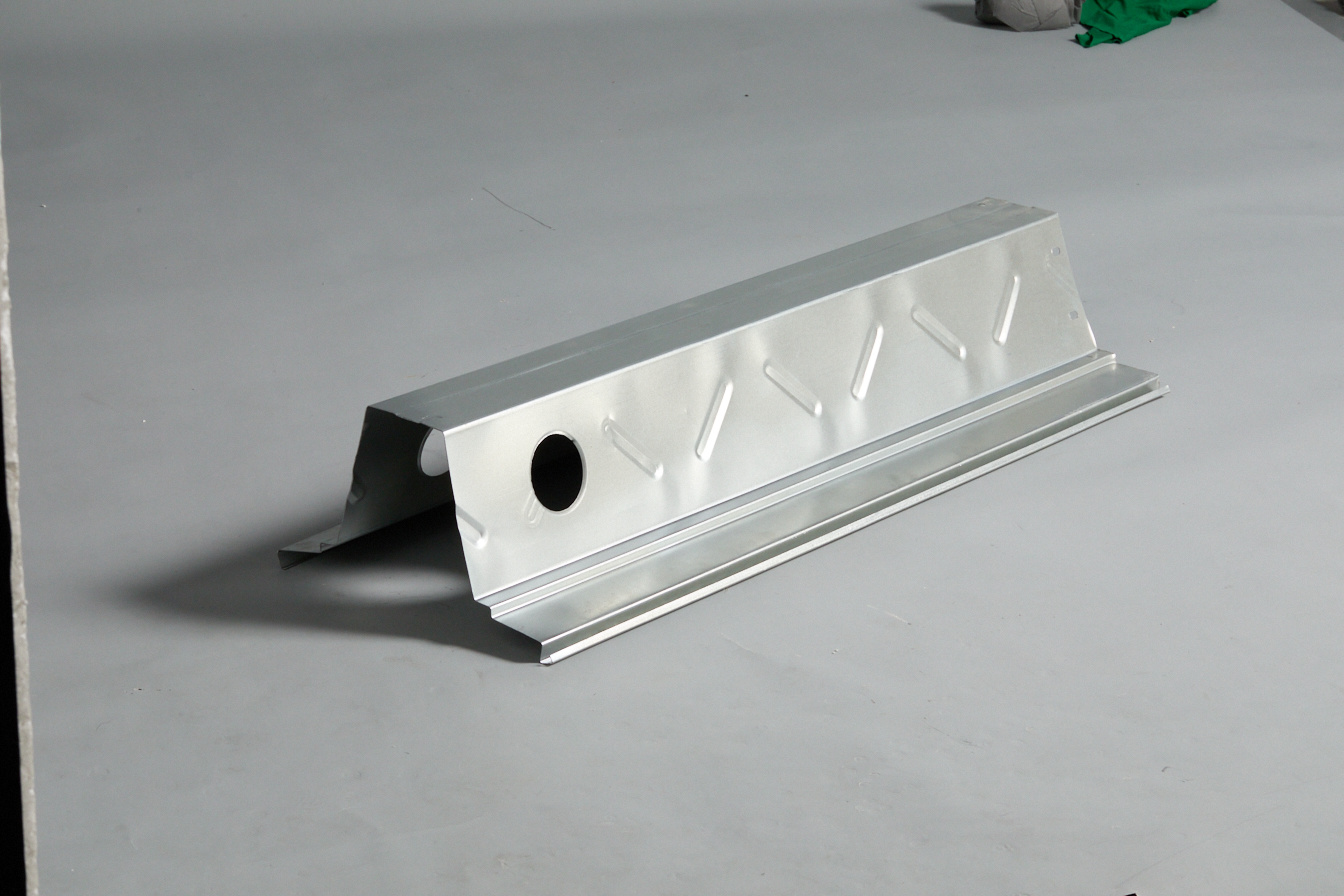
V-shaped floor beam
Magnesium stiffened wall panel
Customizing Cross Columns to Elevate Your Architectural Design
Release Time:
2024-09-22
Source:
Customizing Cross Columns to Elevate Your Architectural Design
Table of Contents
- 1. Introduction to Cross Columns in Architecture
- 2. The Importance of Customizing Cross Columns
- 3. Design Options for Cross Columns
- 4. Selecting Materials for Cross Columns
- 5. Finishing Techniques to Enhance Aesthetics
- 6. Proper Installation of Custom Cross Columns
- 7. Case Studies of Custom Cross Columns in Action
- 8. Frequently Asked Questions
- 9. Conclusion
1. Introduction to Cross Columns in Architecture
Cross columns are pivotal structural elements that not only support buildings but also contribute significantly to their aesthetic appeal. These architectural features often serve as a intersection point for various spaces, integrating functionality with beauty. Whether used in commercial or residential projects, customizing cross columns allows architects and designers to create unique visual statements while ensuring structural integrity.
2. The Importance of Customizing Cross Columns
Customizing cross columns is essential for several reasons:
- **Structural Flexibility**: Tailoring columns to specific design requirements ensures they meet the unique loads and stresses of the building.
- **Aesthetic Appeal**: Customized columns can enhance the overall architectural style, making a strong visual impact.
- **Cohesiveness**: By harmonizing cross columns with other design elements, a cohesive look is achieved, enhancing the overall architectural vision.
Incorporating customized cross columns allows for a more unique approach to architectural design, making each project a true reflection of the client's vision.
3. Design Options for Cross Columns
When it comes to designing cross columns, a multitude of options exists to align with your architectural vision:
3.1. Traditional Designs
Traditional cross column designs often feature classical elements such as fluted surfaces or ornate capitals. These designs evoke a sense of timelessness and grandeur.
3.2. Modern Aesthetics
Conversely, modern designs prioritize clean lines and minimalism. Incorporating materials such as glass and steel can create a sleek, contemporary look that enhances urban architecture.
3.3. Customized Shapes
Going beyond conventional shapes, customized cross columns can take on unique forms, such as curves or geometric patterns. These designs can serve as focal points in a building’s interior or exterior.
3.4. Functional Enhancements
Columns can also be designed with functionality in mind, incorporating integrated lighting or storage solutions that maximize space utilization while maintaining an architecturally pleasing appearance.
4. Selecting Materials for Cross Columns
The choice of materials for cross columns plays a significant role in both their performance and aesthetics. Here are key materials to consider:
4.1. Concrete
Concrete is a popular choice for its strength and versatility. It can be molded into various shapes and is suitable for both functional and decorative applications.
4.2. Wood
Wooden columns add warmth and character, making them ideal for residential designs. They can be treated or stained for additional durability and aesthetic appeal.
4.3. Metal
Steel and aluminum offer durability and a modern look. Metal columns are often used in commercial applications, where strength and sleek design are essential.
4.4. Composite Materials
Composite materials combine the benefits of different substances, providing durability and lightweight properties. They can be designed to mimic the appearance of wood or stone, offering aesthetic flexibility.
5. Finishing Techniques to Enhance Aesthetics
Finishing techniques can dramatically transform the appearance of cross columns. Consider the following options:
5.1. Painting
A fresh coat of paint can invigorate the look of any column, allowing for complete customization according to the desired aesthetic.
5.2. Staining
Staining can enhance the natural beauty of wood, highlighting its grain and texture while providing protection against environmental factors.
5.3. Texturing
Textured finishes, such as roughcast or stucco, can add depth and interest to concrete columns, making them visually striking.
5.4. Decorative Cladding
Consider adding decorative cladding to cross columns. Materials such as stone veneer or decorative panels can elevate their appearance and integrate them further into the architectural vision.
6. Proper Installation of Custom Cross Columns
The installation process of custom cross columns is critical to their performance and longevity. Follow best practices to ensure a successful installation:
6.1. Site Preparation
Proper site preparation is essential. Ensure that the foundation is stable and level, and that all necessary measurements are taken accurately.
6.2. Structural Assessment
Before installation, conduct a structural assessment to confirm that the chosen design meets all load-bearing requirements.
6.3. Use of Skilled Labor
Employ skilled labor for installation. Experienced contractors will ensure that columns are not only installed correctly but also aligned with the aesthetic goals of the project.
6.4. Safety Precautions
Always observe safety precautions during installation to protect workers and ensure the integrity of the structure.
7. Case Studies of Custom Cross Columns in Action
Examining real-world examples can provide valuable insights into the potential of customized cross columns:
7.1. Urban Commercial Complex
In a bustling urban area, a newly constructed commercial complex utilized large, modern cross columns made from steel and glass. The columns not only provided essential support but also created a striking facade that drew attention and enhanced the overall design.
7.2. Residential Retreat
A recent residential project featured custom wooden cross columns that complemented the natural surroundings. Stained to enhance their texture, these columns added warmth and character to the home, seamlessly integrating it with its environment.
7.3. Cultural Center
In a cultural center, ornate cross columns were designed with intricate carvings inspired by local heritage. These columns served as a focal point in the main atrium, creating a sense of place and community.
8. Frequently Asked Questions
8.1. What are cross columns used for?
Cross columns provide structural support and enhance the aesthetic appeal of architectural designs.
8.2. How can I customize cross columns?
Customizing cross columns involves choosing unique designs, materials, and finishes to align with your architectural vision.
8.3. What materials are best for cross columns?
The best materials include concrete, wood, metal, and composite materials, depending on the desired strength and aesthetic.
8.4. How do I ensure proper installation of cross columns?
Proper installation requires accurate site preparation, structural assessment, skilled labor, and adherence to safety precautions.
8.5. Can cross columns be used in both residential and commercial designs?
Yes, cross columns can be customized for both residential and commercial applications, enhancing the functionality and beauty of any space.
9. Conclusion
Customizing cross columns is a powerful way to elevate architectural design, blending structural integrity with aesthetic appeal. By selecting the right materials, design options, and finishing techniques, architects and designers can create cross columns that not only serve their purpose but also leave a lasting impression. Whether you are working on a commercial project or a private residence, the possibilities for customization are endless. Embrace the art of customization and let your architectural vision shine through every cross column you design.
Previous Page

HaoHeng Group
Address: Room 1808, Block A, Vanke Cloud City, Jiemei District, Xiamen City, Fujian Province
Business cooperation:
Copyright © HaoHeng (FuJian) Building Materials Technology Co, Ltd. All rights reserved