

-

 Pakistan
Marketing Service Outlets
 Papua New Guinea
Marketing Service Outlets
 Egypt
Marketing Service Outlets
 Australia
Marketing Service Outlets
 Brazil
Marketing Service Outlets
 Colombia
Marketing Service Outlets
 Russia
Marketing Service Outlets
 Germany
Marketing Service Outlets
 Poland
Marketing Service Outlets
 the Philippines
Marketing Service Outlets
 Kazakhstan
Marketing Service Outlets
 Malaysia
Marketing Service Outlets
 America
Marketing Service Outlets
 Kyrgyzstan
Marketing Service Outlets
 Canada
Marketing Service Outlets
 Peru
Marketing Service Outlets
 Nigeria
Marketing Service Outlets
 Morocco
Marketing Service Outlets
 South Africa
Marketing Service Outlets
 Japan
Marketing Service Outlets
 Slovakia
Marketing Service Outlets
 New Zealand
Marketing Service Outlets
 Hungary
Marketing Service Outlets
 Thailand
Marketing Service Outlets
 Spain
Marketing Service Outlets
 Indonesia
Marketing Service Outlets
 Italy
Marketing Service Outlets
 Vietnam
Marketing Service Outlets
Steel Pipe ColumnSteel Pipe Column ConnectorsMain Beam | Secondary BeamPrefabricated StairsRound Pipe PileFlat Steel PileGroup PileCap PileNew Building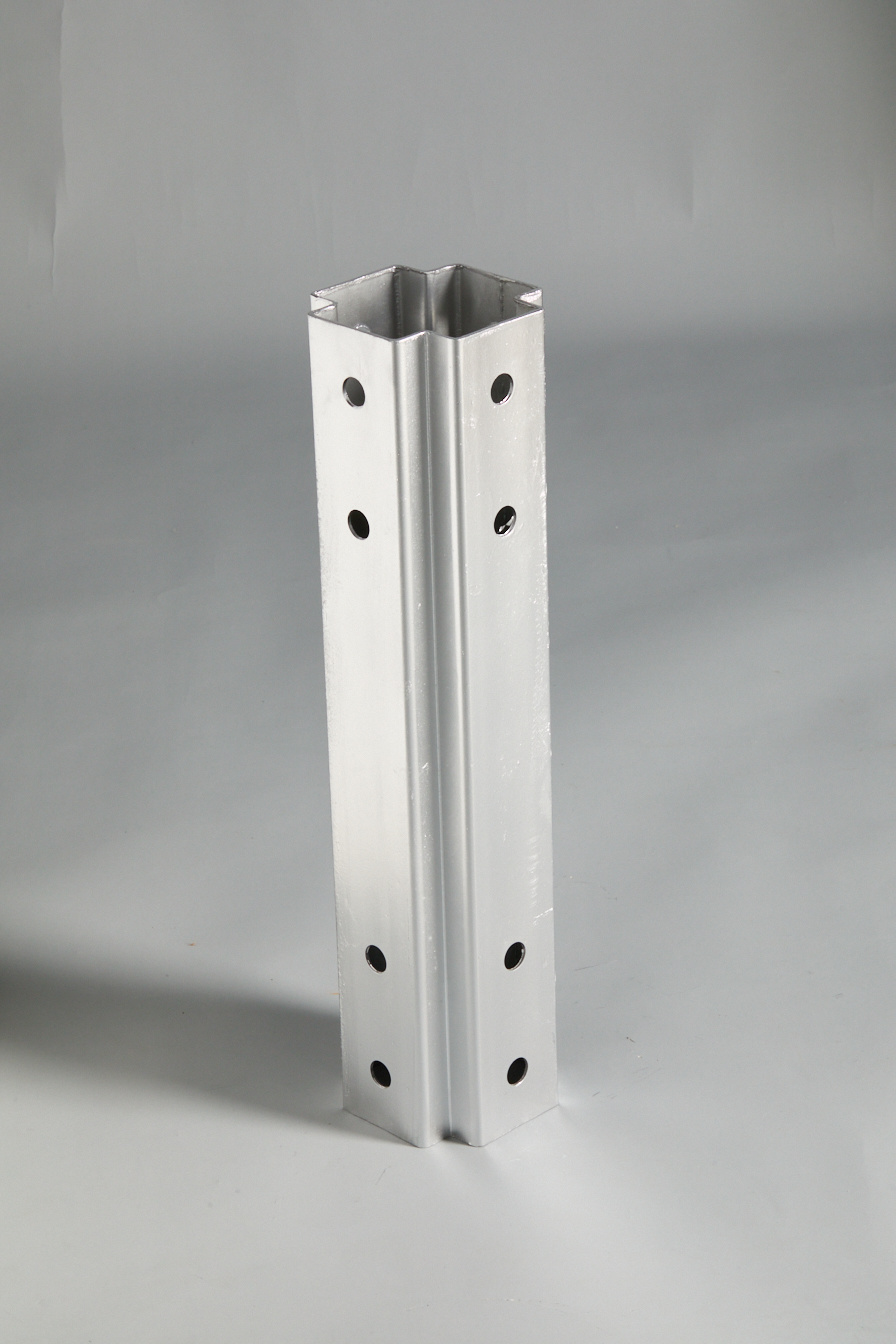
Cross column

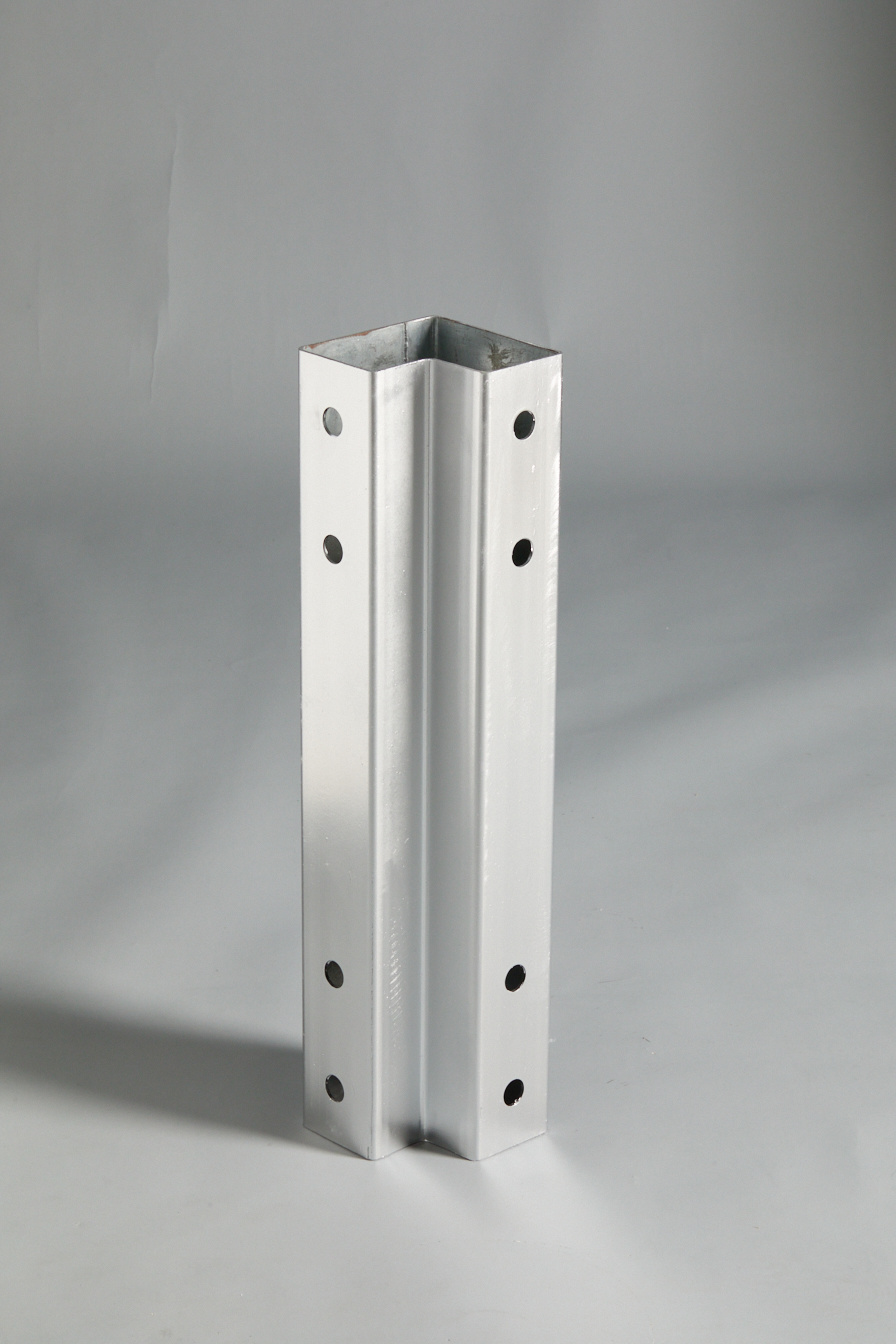
L-shaped column
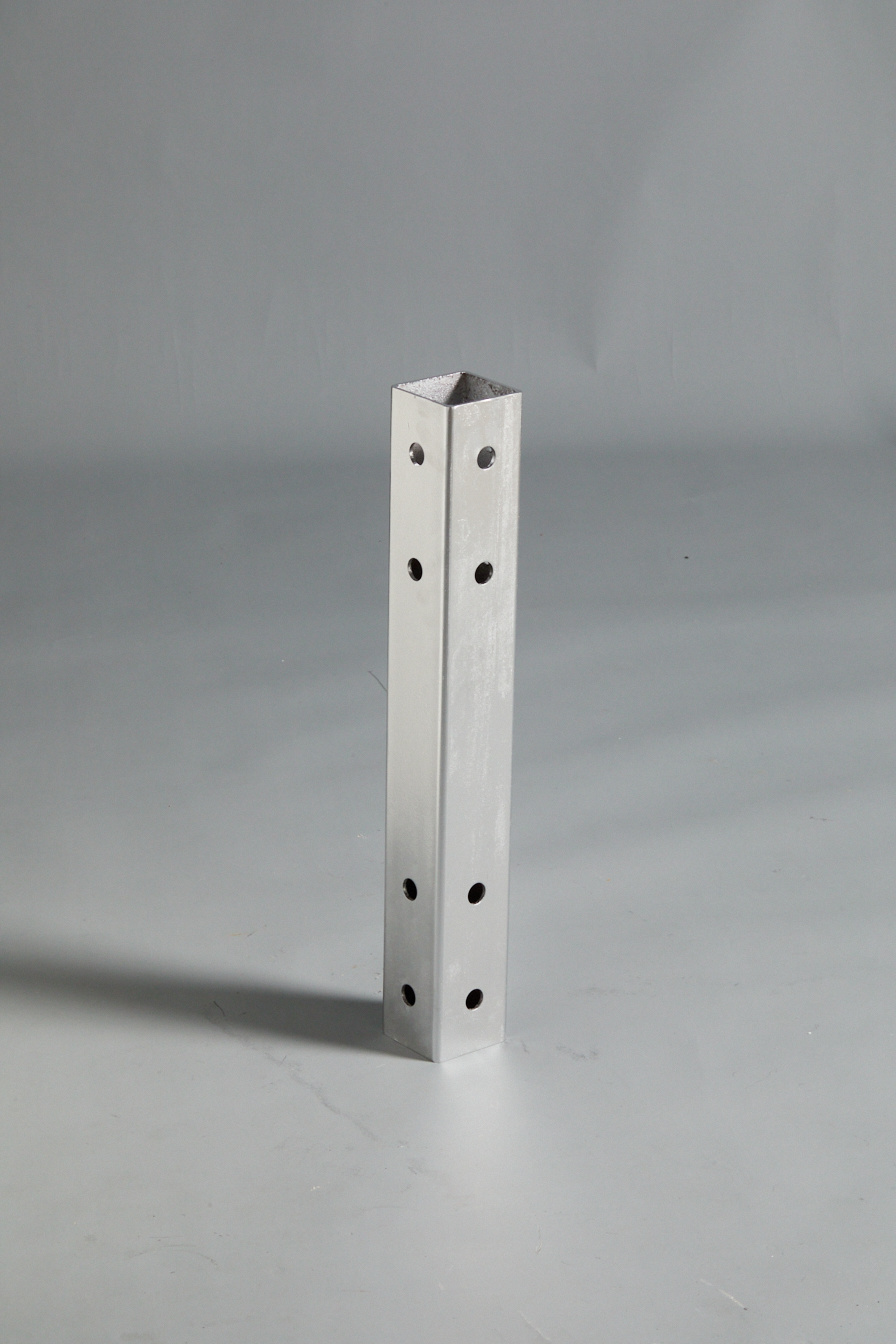
Square tube column

T-shaped column
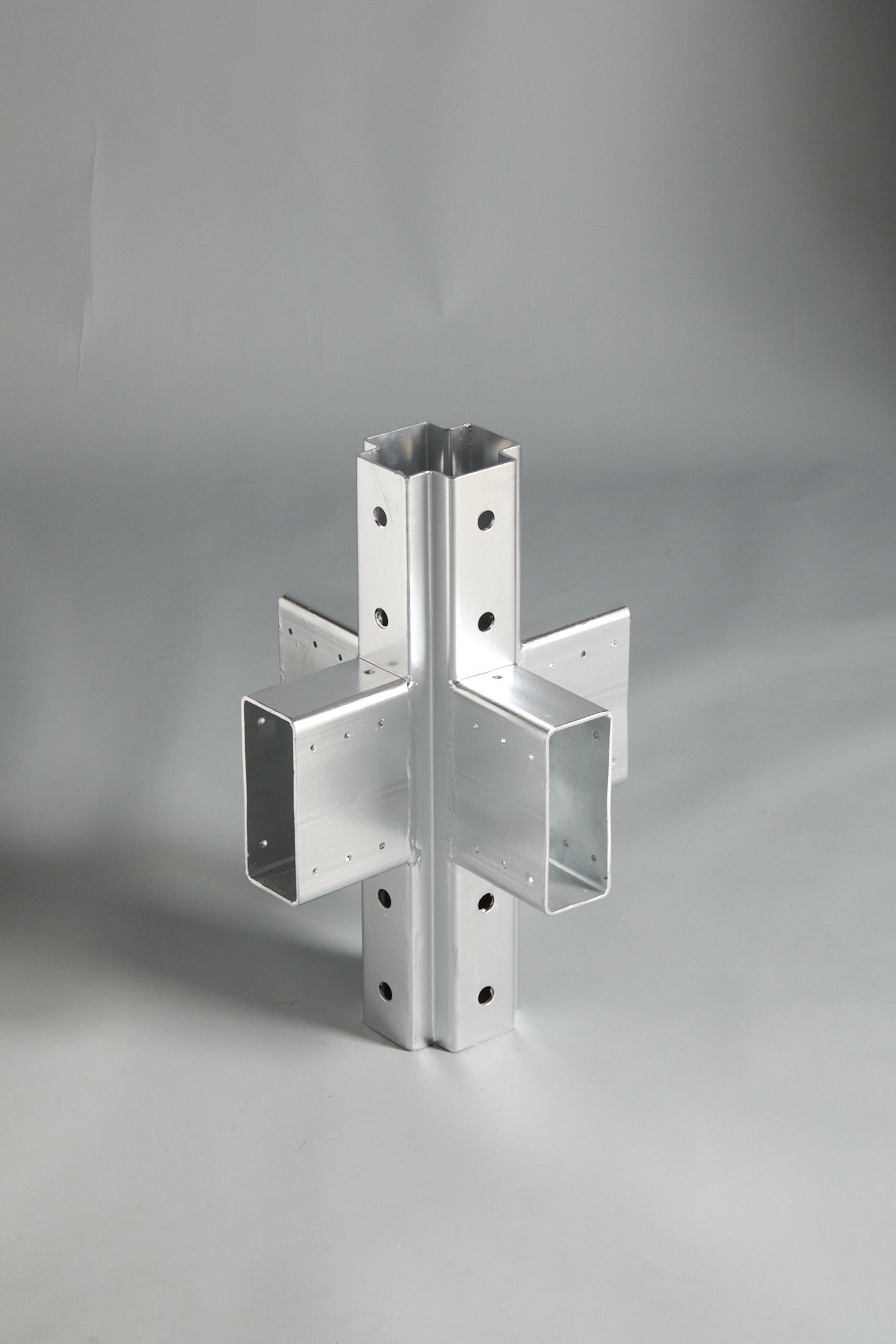
Cross column connector

L-shaped column connector

T-shaped column connector
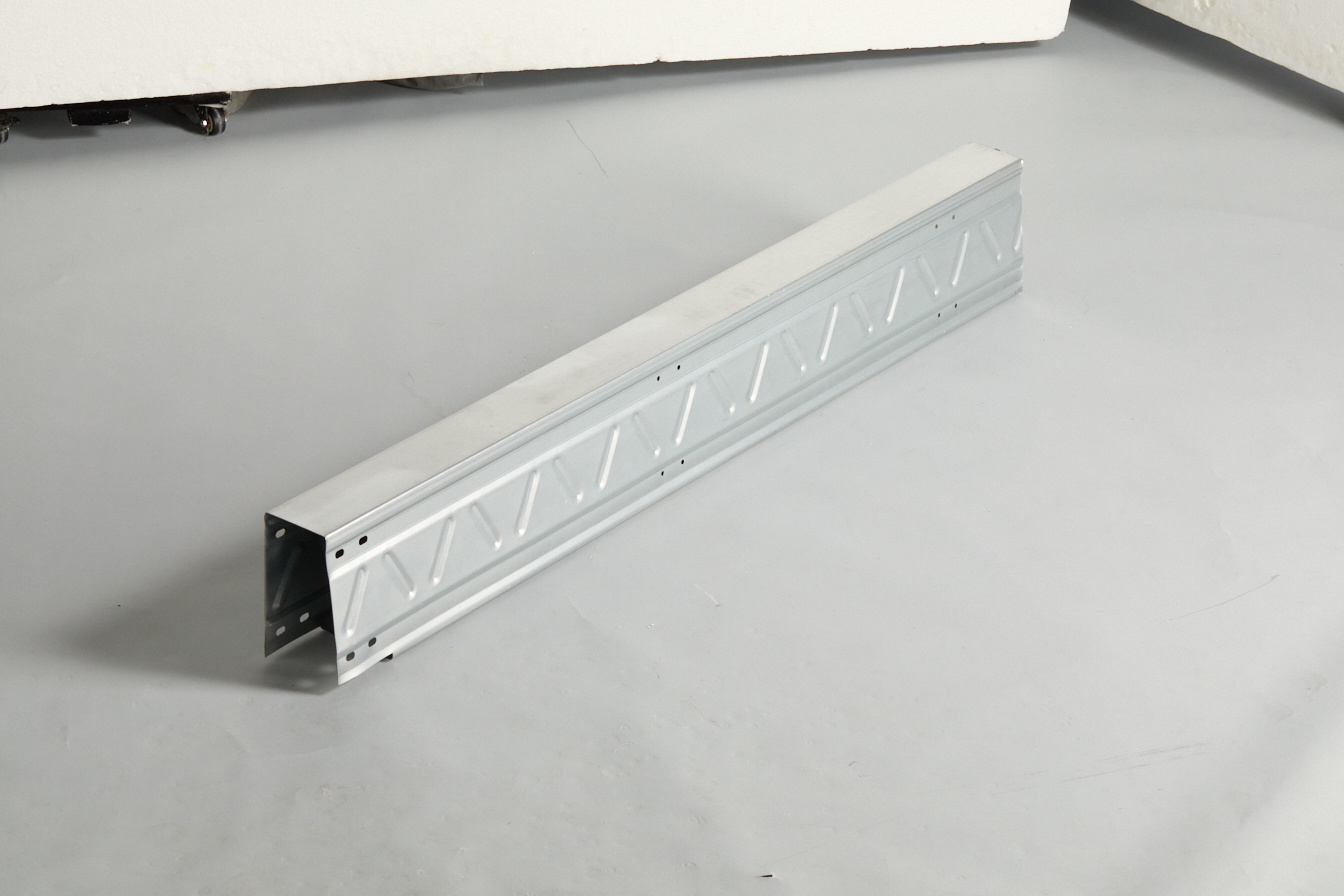
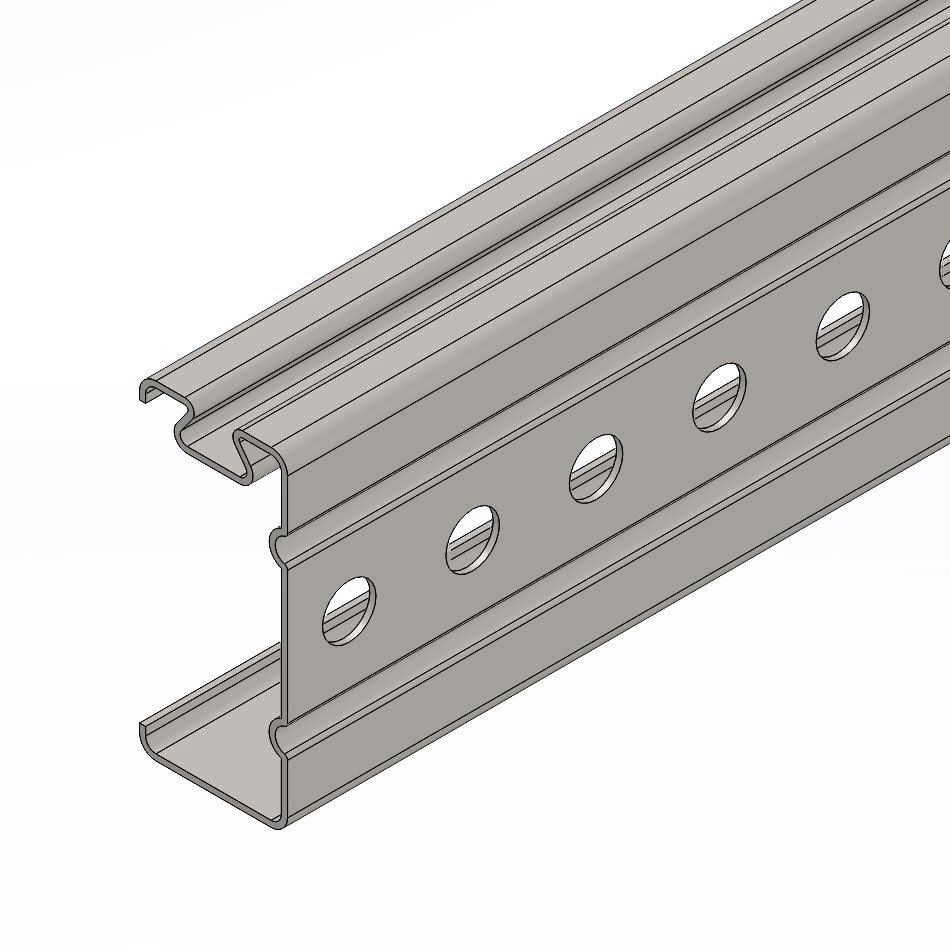
195 inner flipped edge - eight shaped reinforcing rib
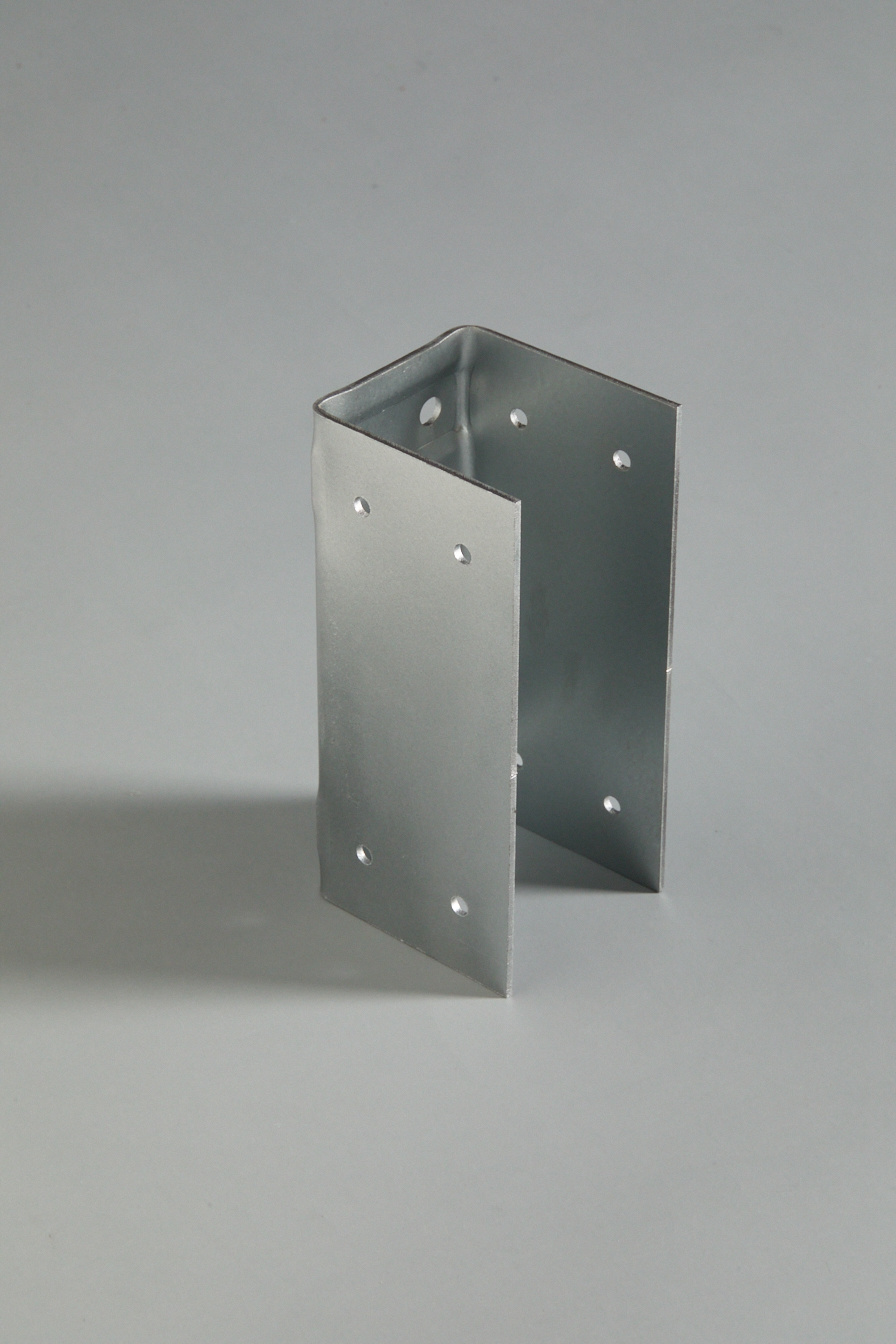
Frame small U connector
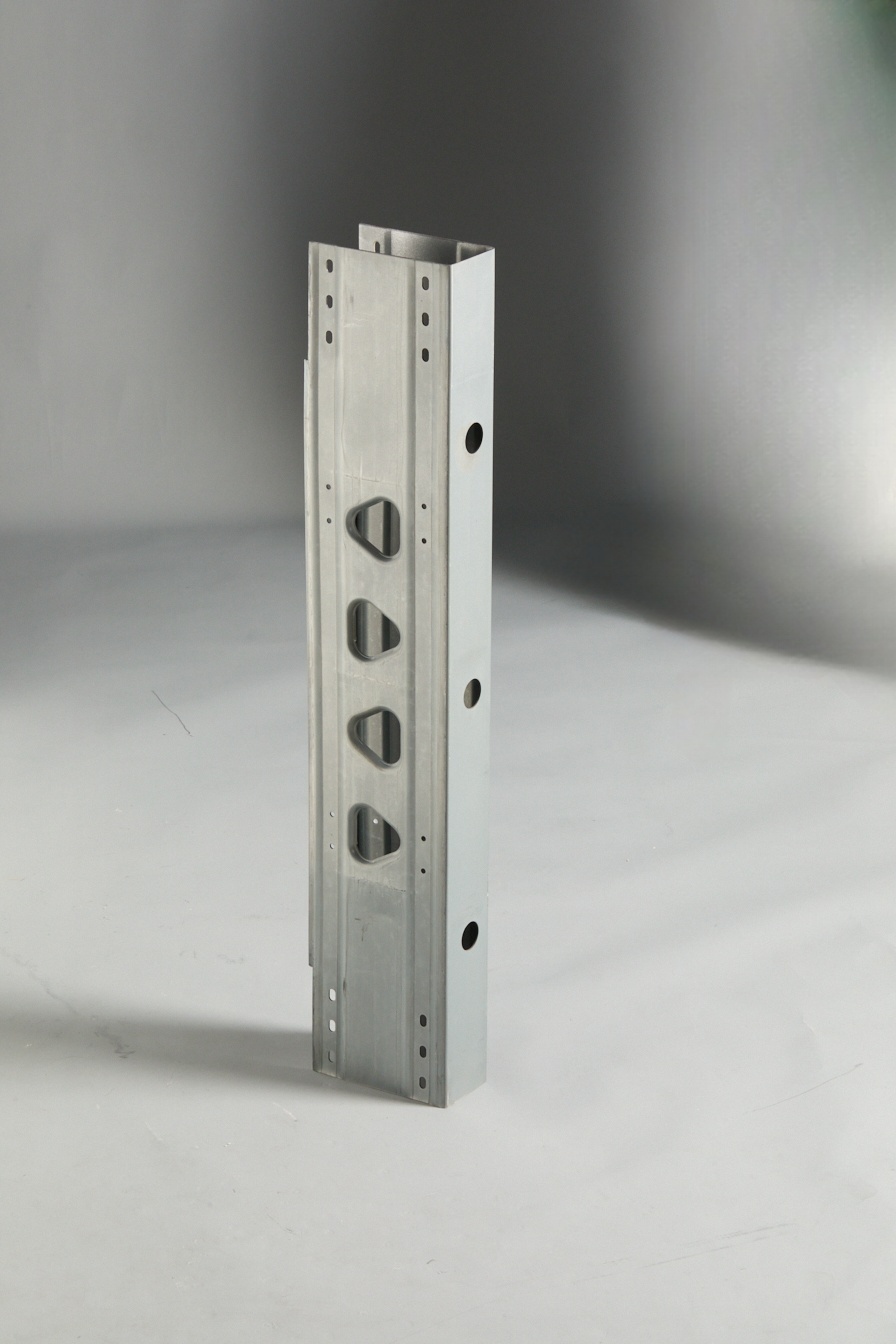
195 Inverted Edge - Triangle Reinforcement
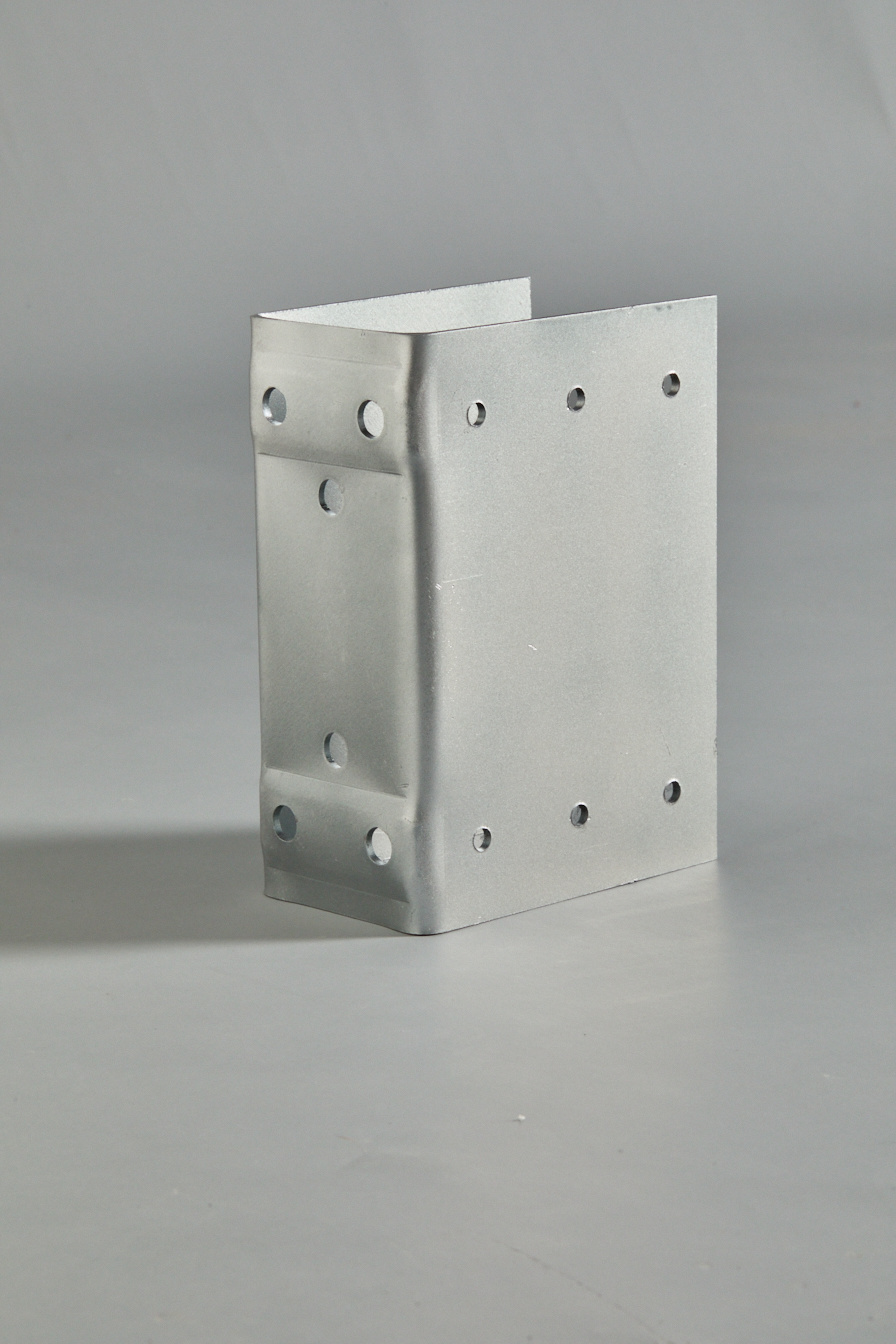
Frame large U connector
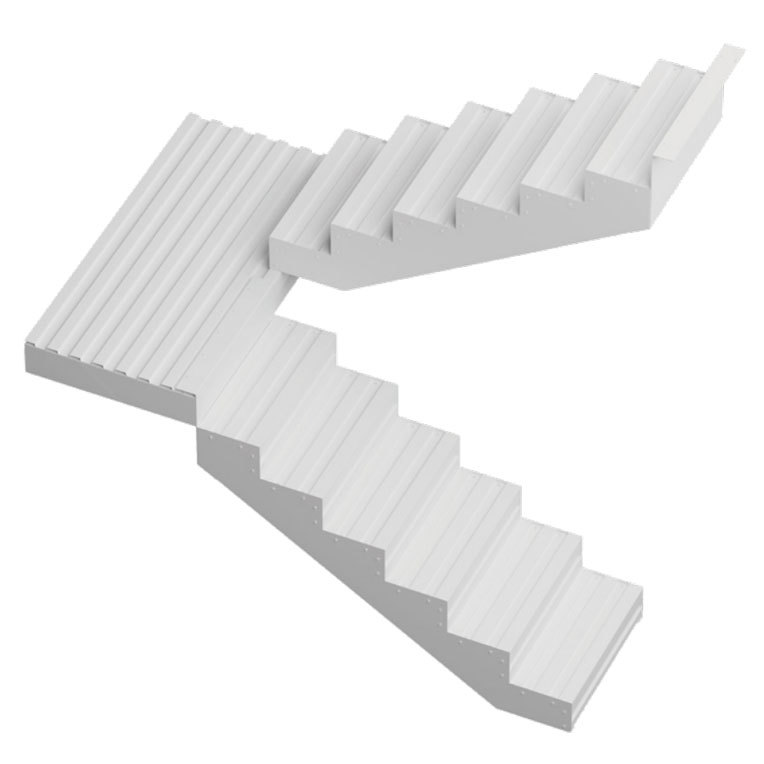
Prefabricated stairs
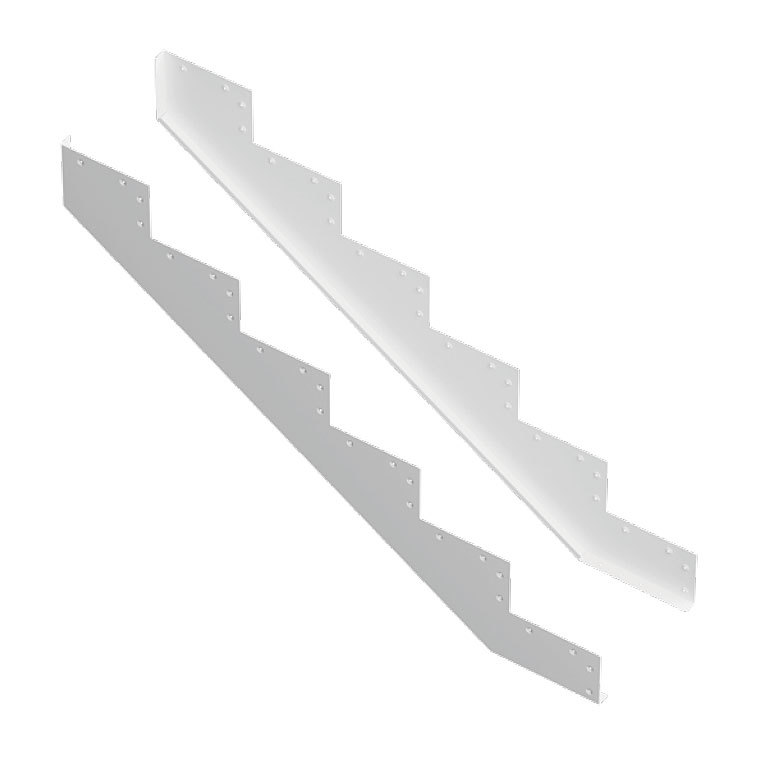
Staircase side panels
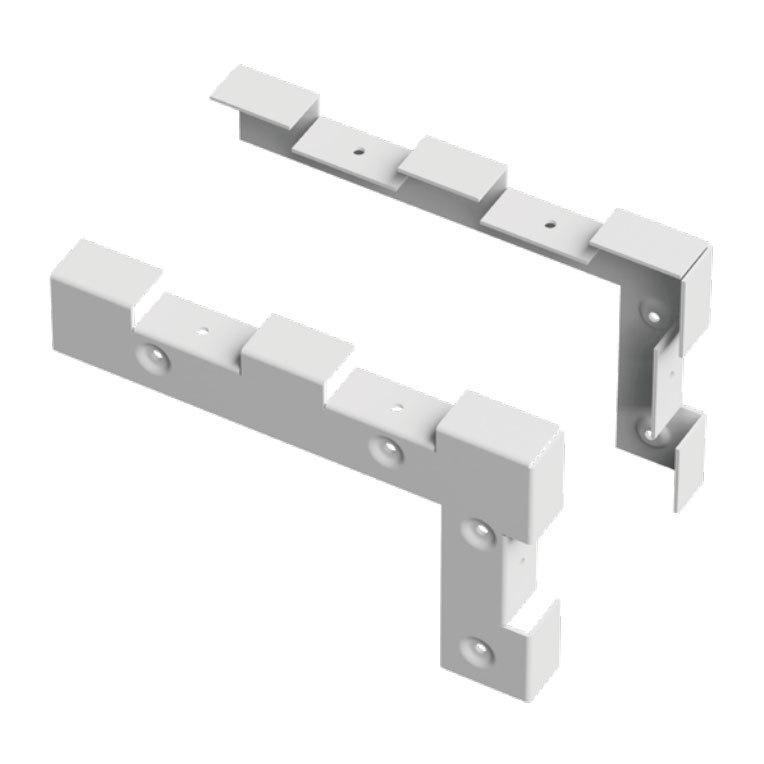
Staircase angle steel
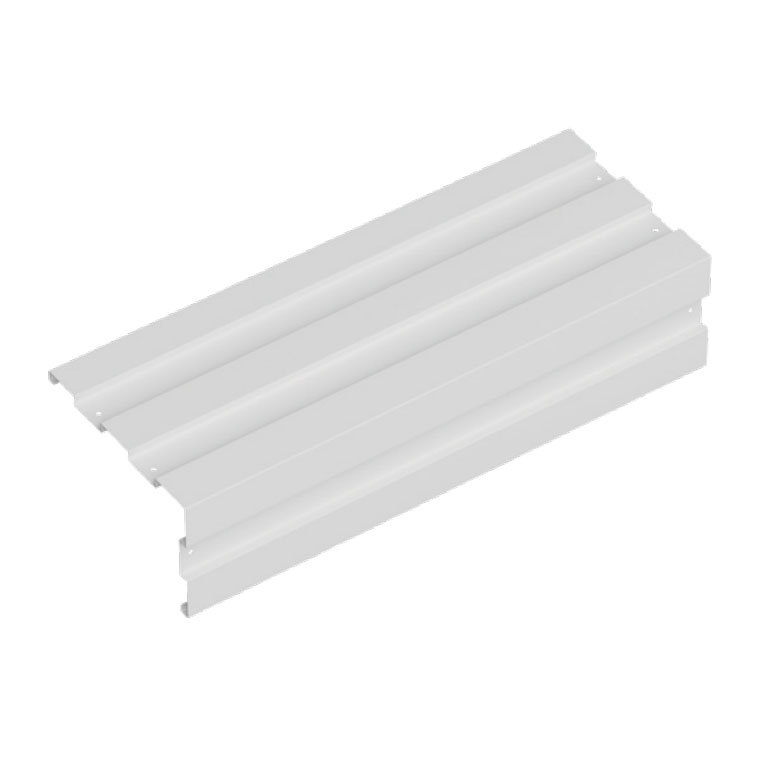
Stair steps
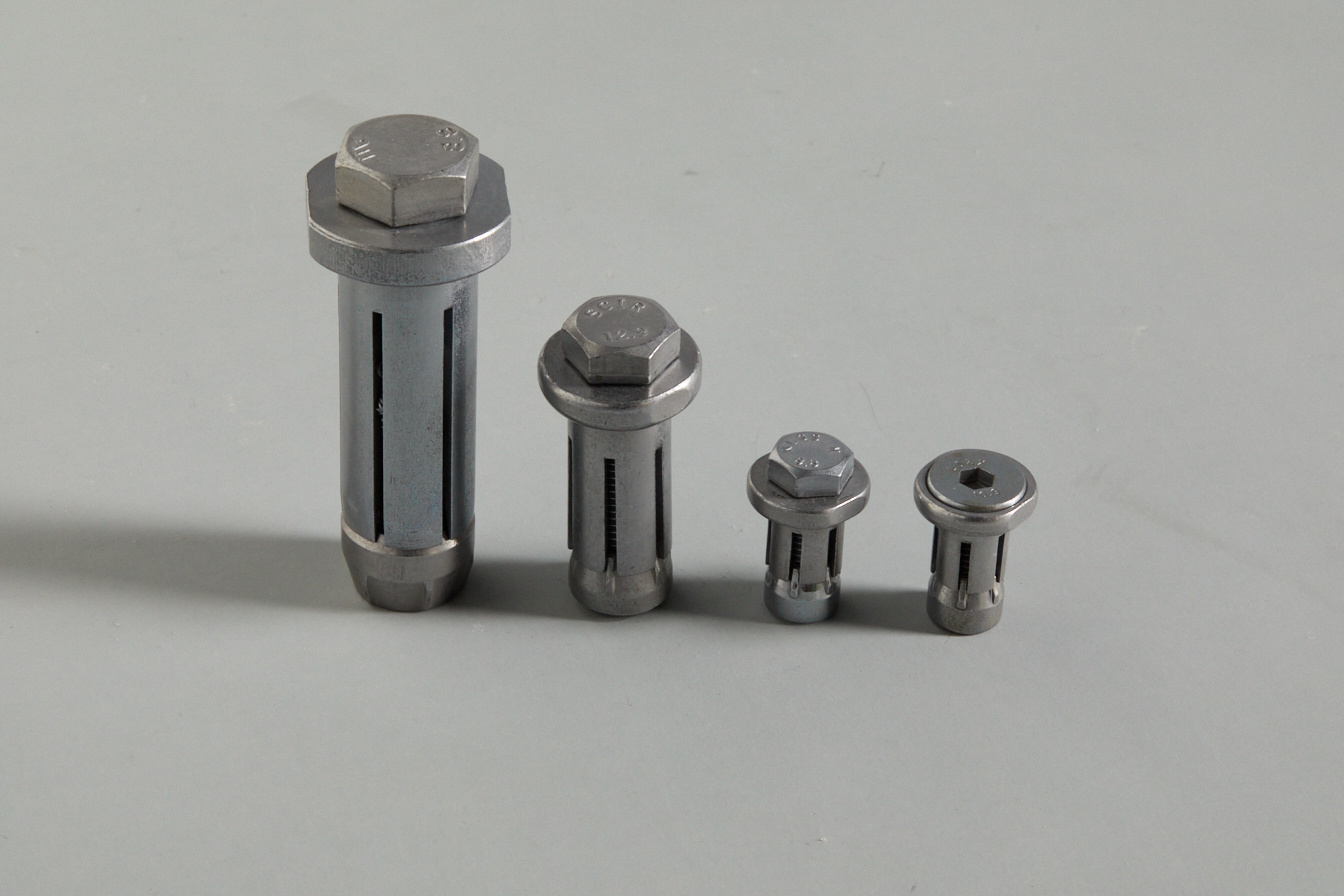
One-Way Bolt
Helical Pile System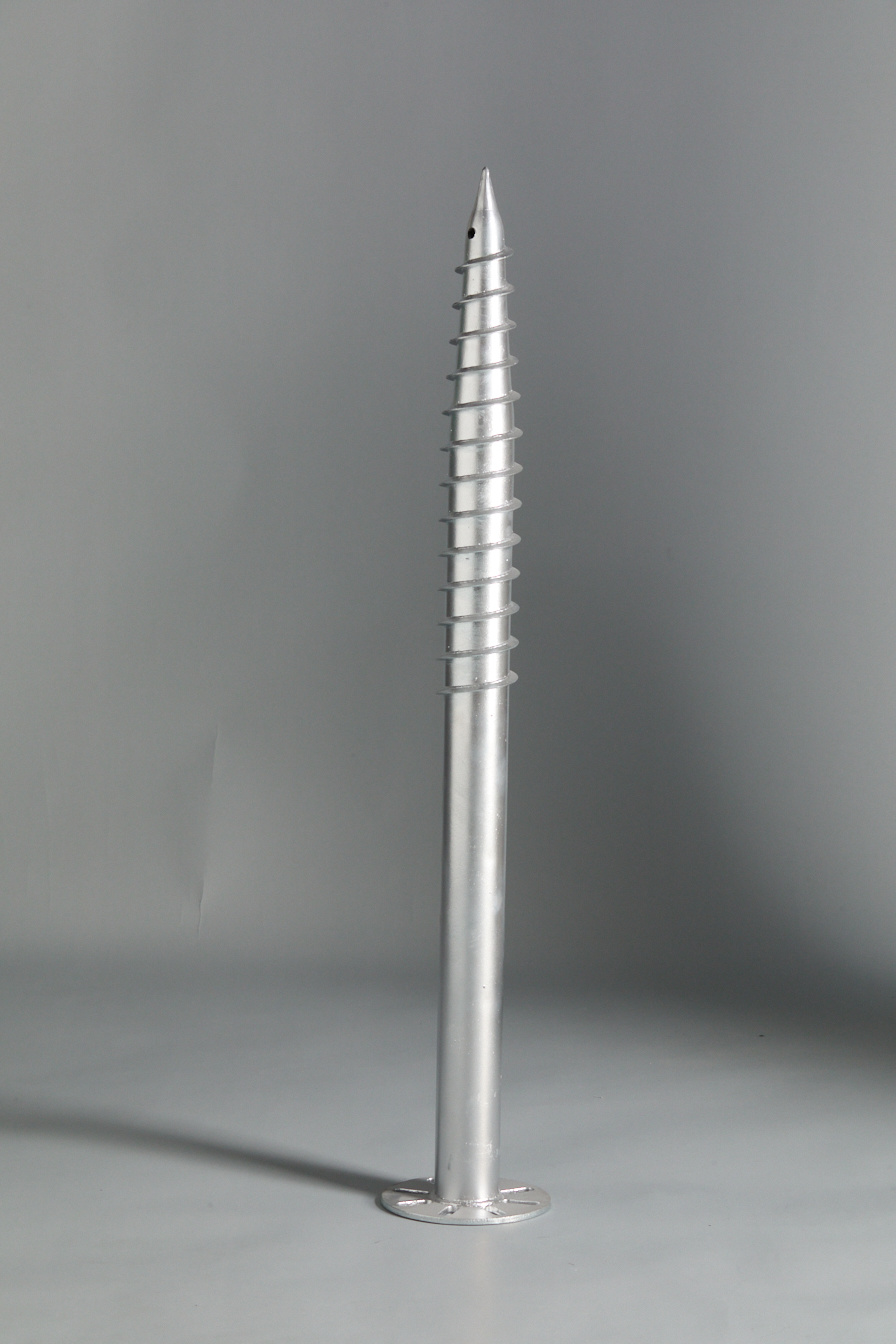
Round Pipe Screw Pile| Reliable Helical Pile Manufacturer| Patented Foundation Solution
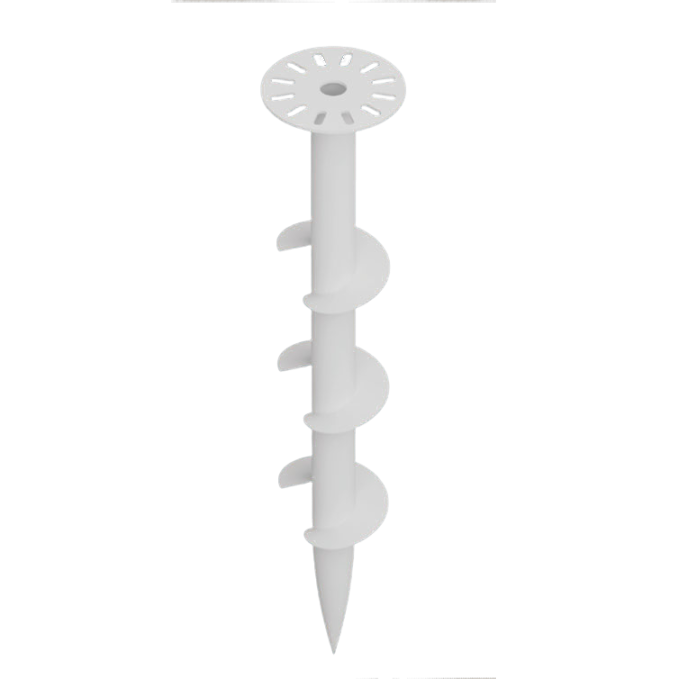
Screw Pile - 3 Blades - Round Pipe Pile
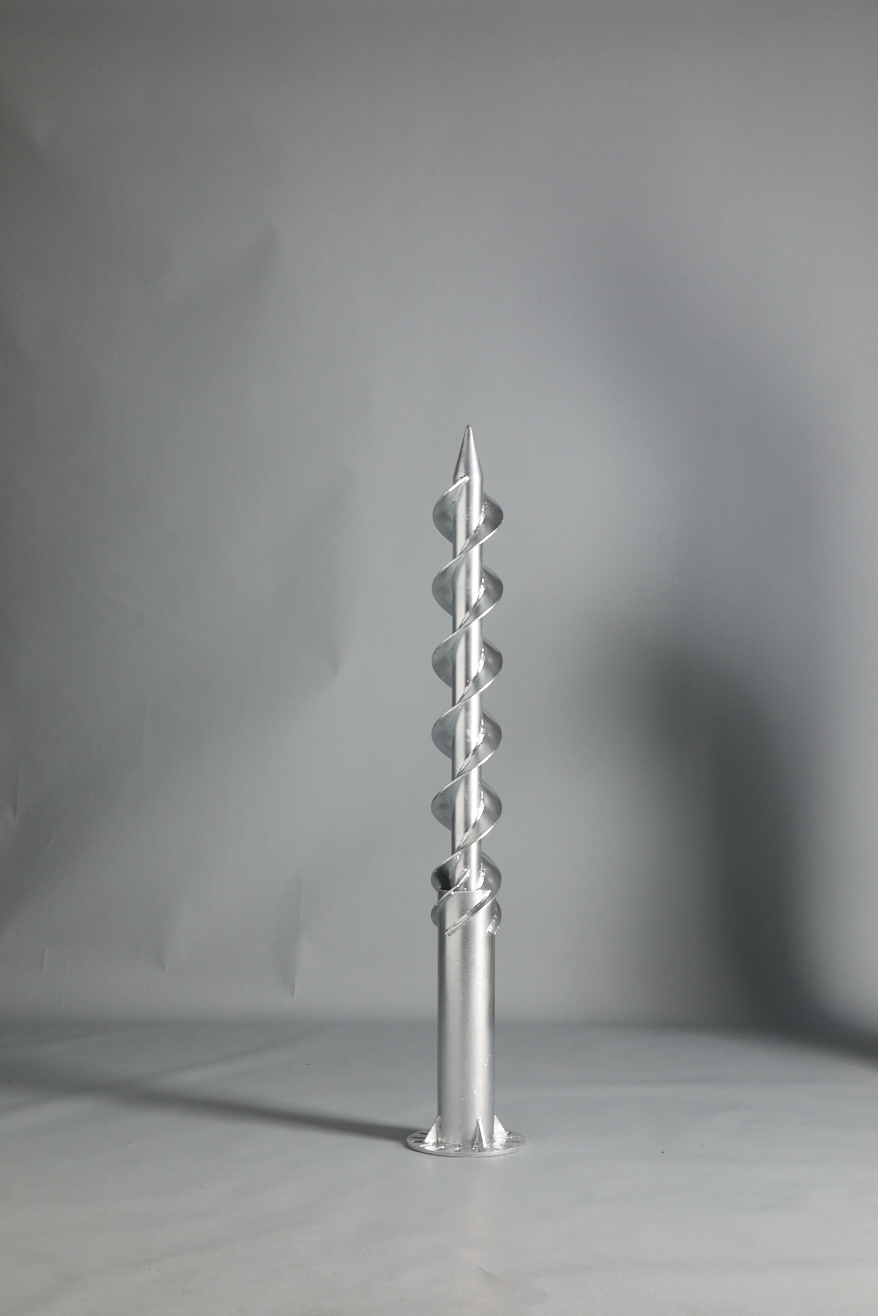
Double-Helix Screw Pile | Patented Foundation Solution
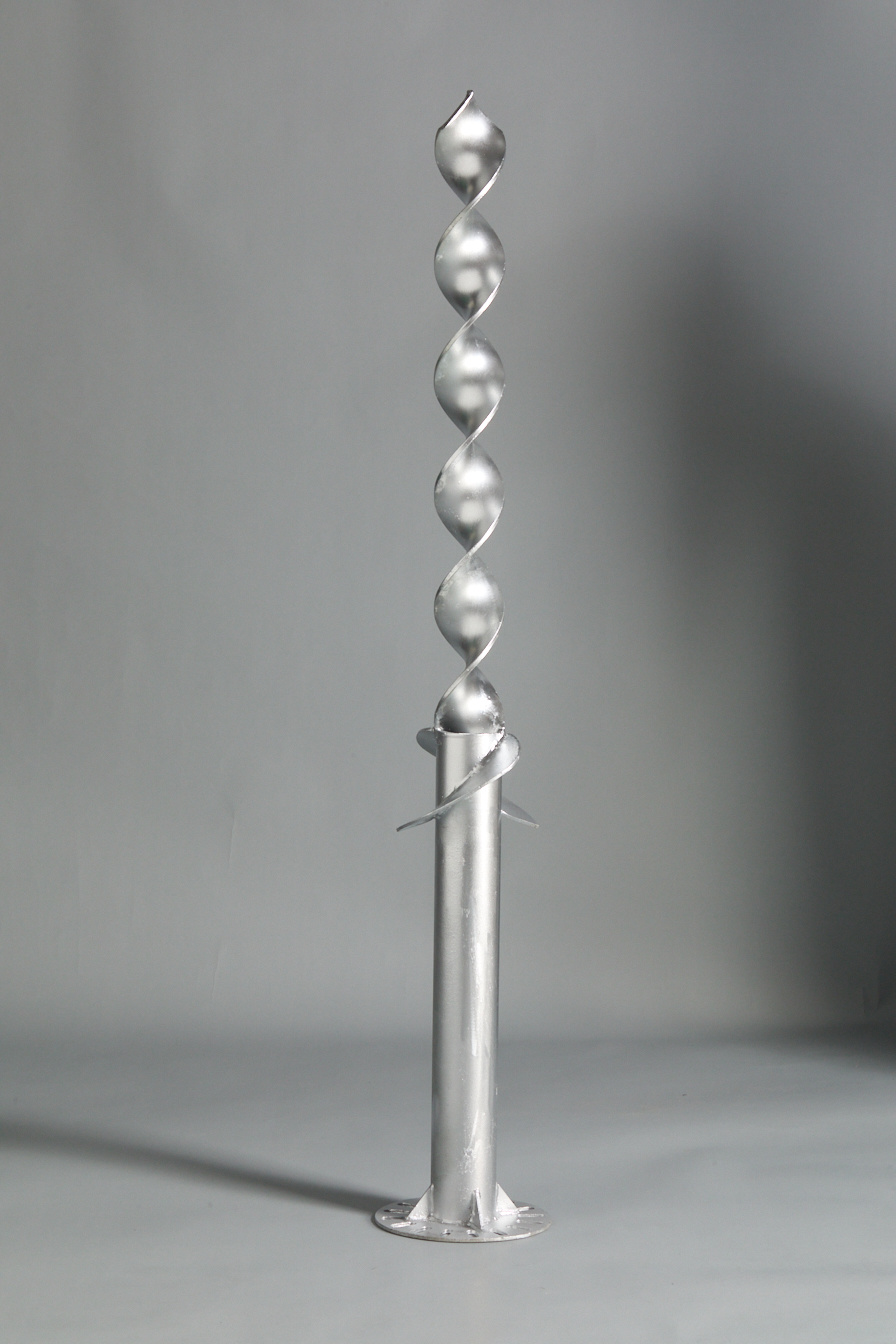
Screw Pile - Large Blade Flat Steel Pile
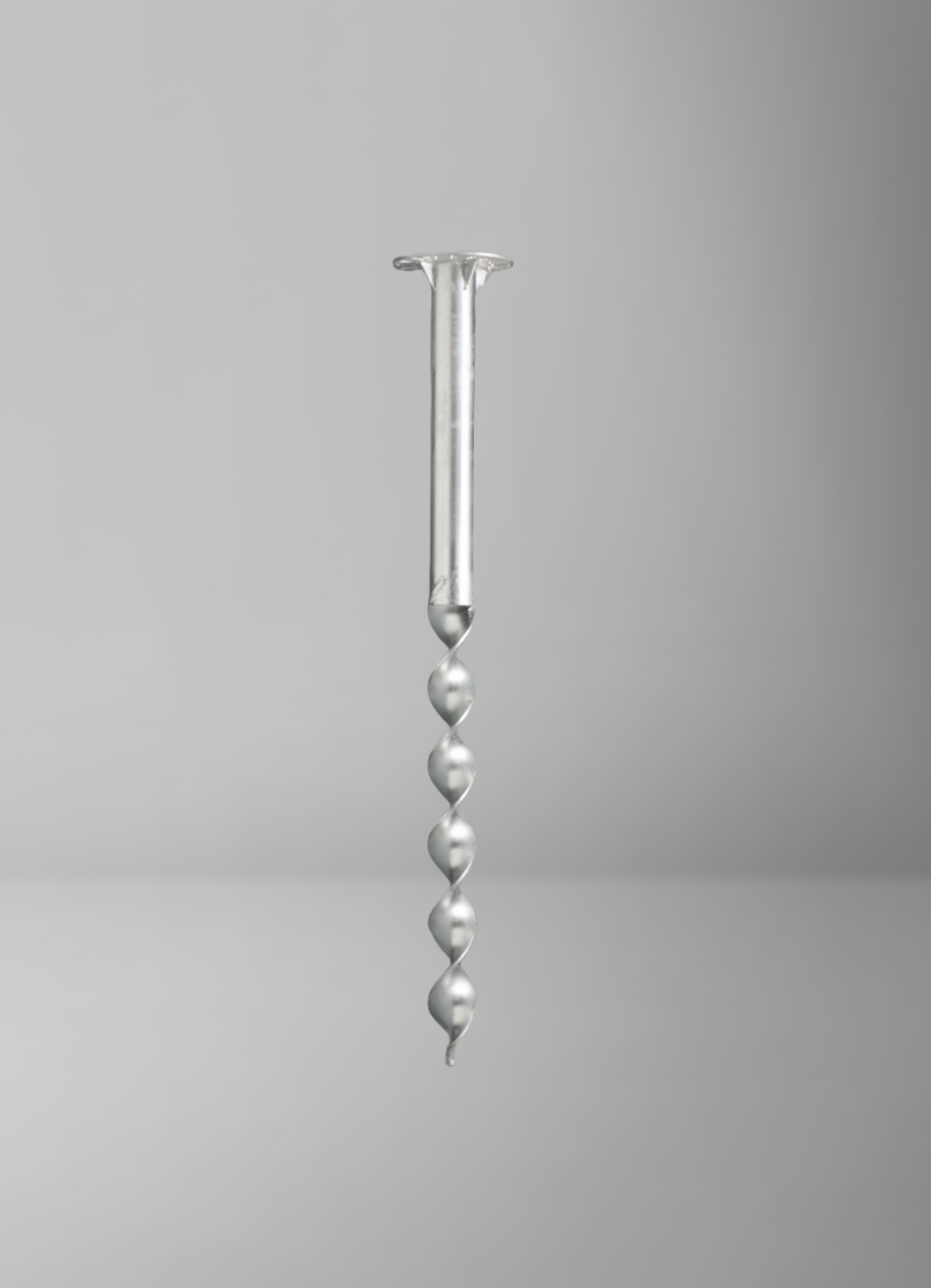
Flat Steel Screw Pile| Reliable Helical Pile Manufacturer| Patented Foundation Solution
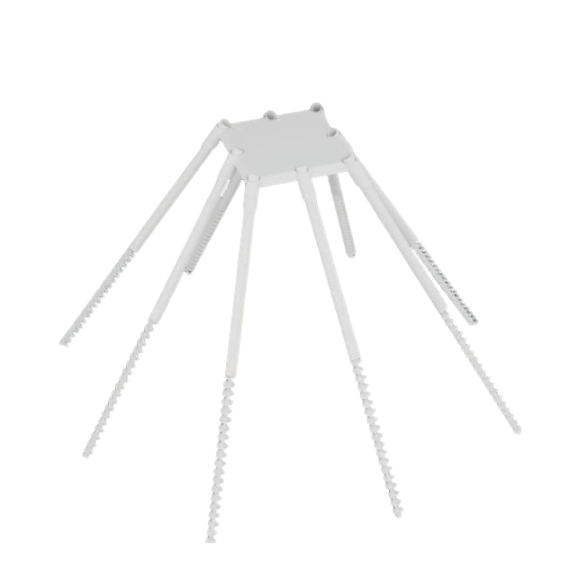
Eight-Pile Group Screw Piles| Reliable Helical Pile Manufacturer| Patented Foundation Solution
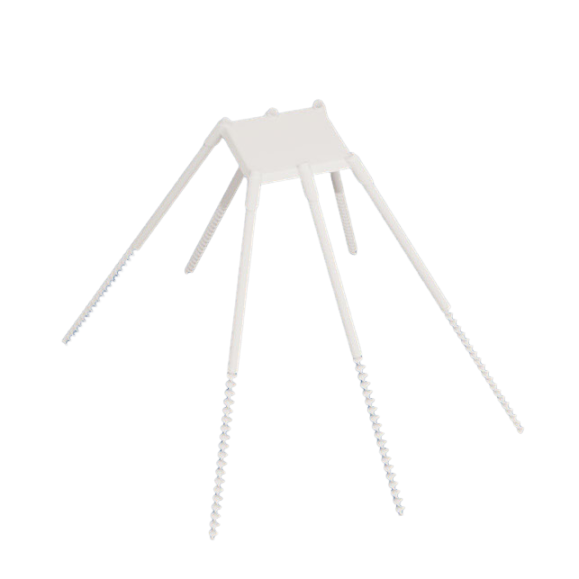
Six-Pile Group Screw Piles| Reliable Helical Pile Manufacturer| Patented Foundation Solution
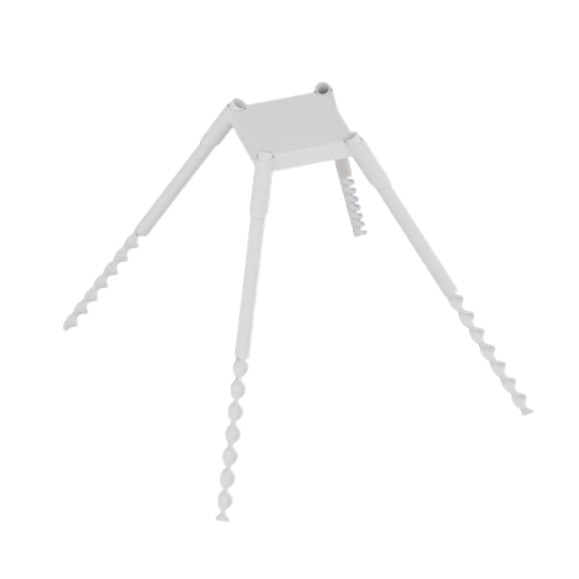
Four-Pile Group Screw Piles| Reliable Helical Pile Manufacturer| Patented Foundation Solution
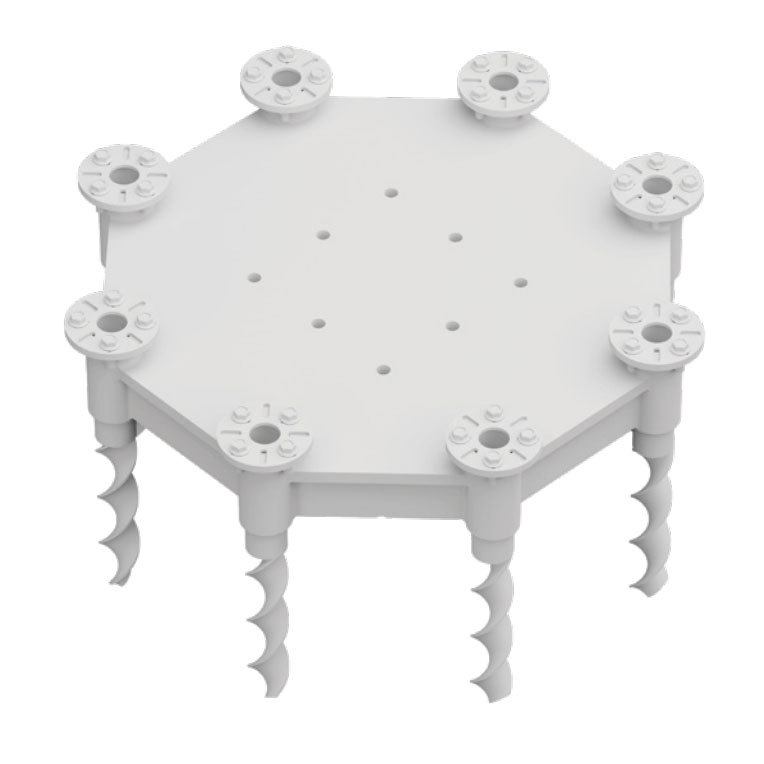
Eight-Pile Cap Screw Pile | Reliable Helical Pile Manufacturer| Patented Foundation Solution
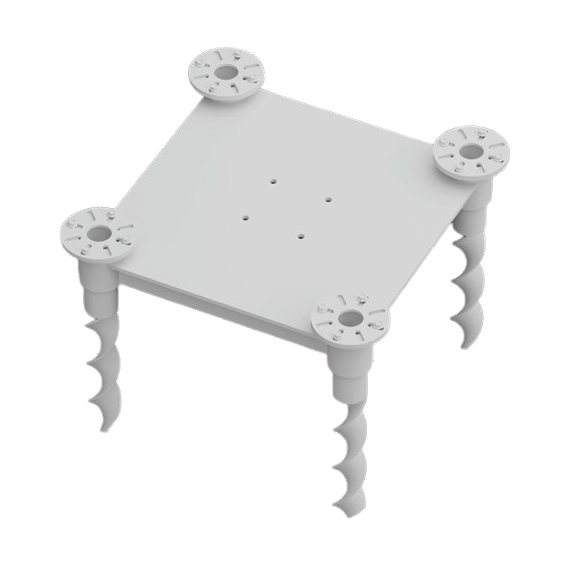
Four-Pile Cap Screw Pile | Reliable Helical Pile Manufacturer| Patented Foundation Solution
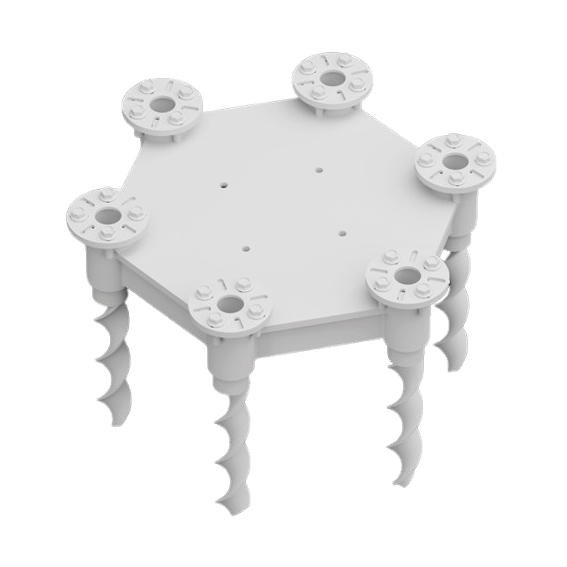
Six-Pile Cap Screw Pile | Reliable Helical Pile Manufacturer| Patented Foundation Solution
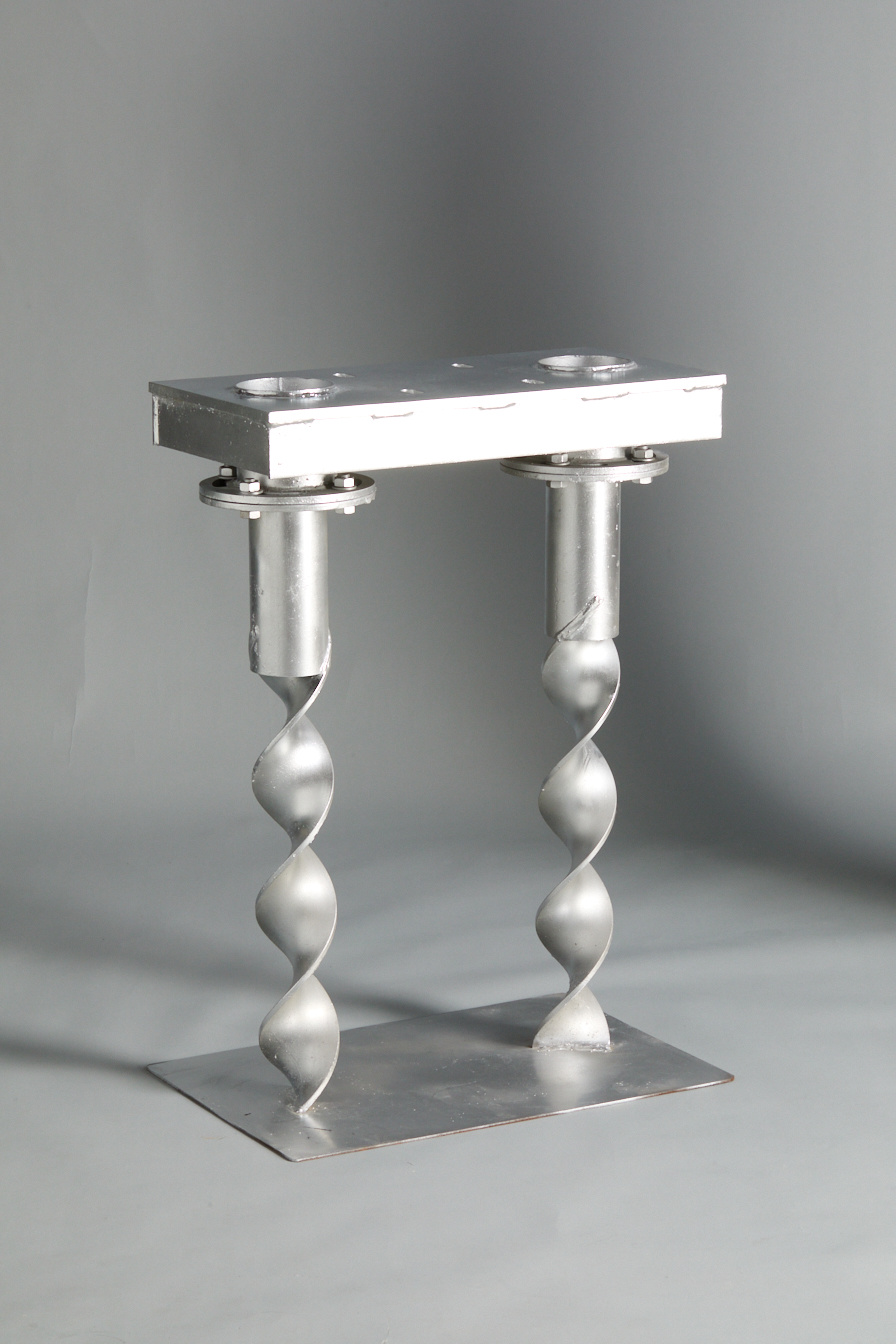
Two-Pile Cap Screw Pile | Reliable Helical Pile Manufacturer| Patented Foundation Solution
Steel Platform System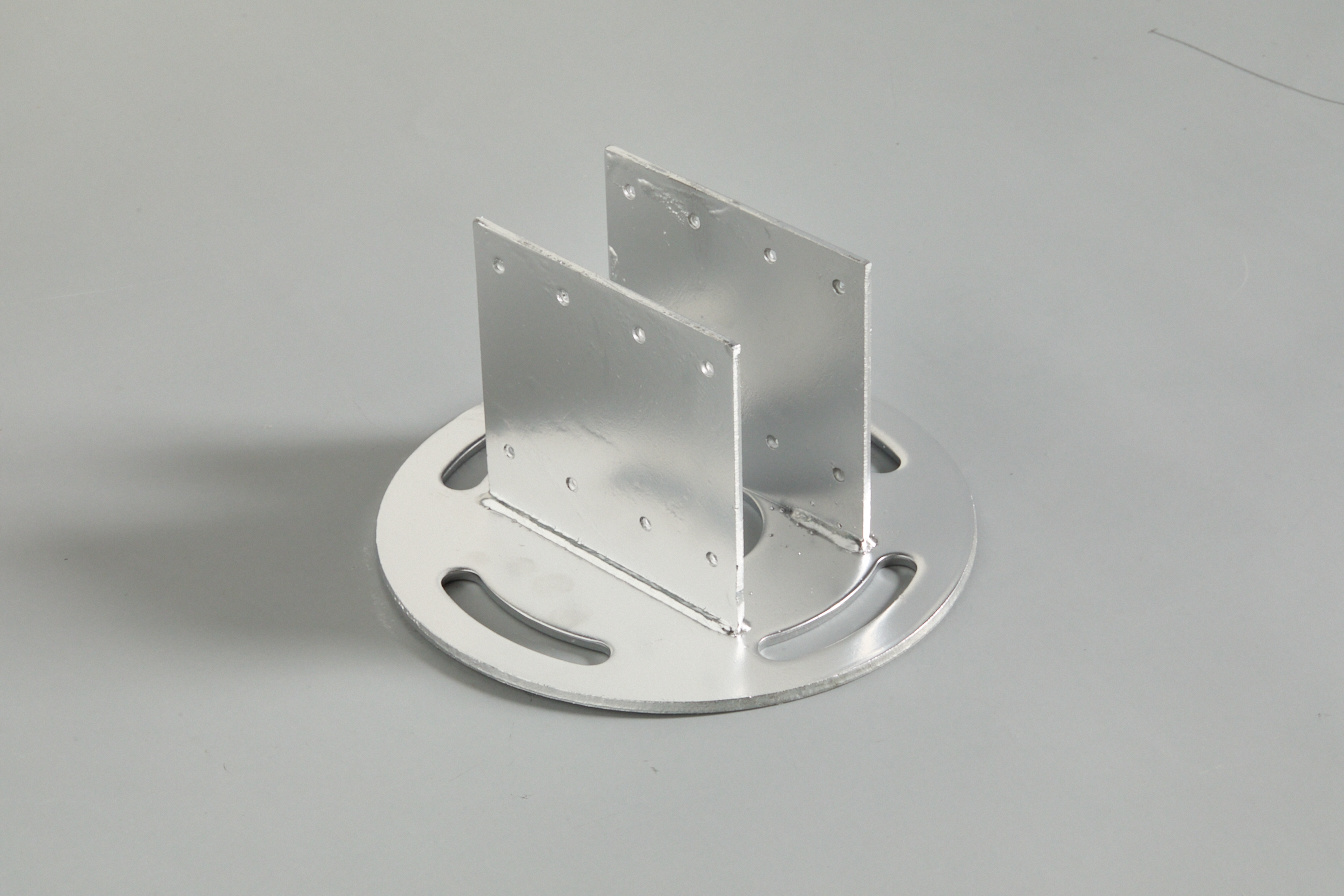
Spiral pile connectors
Small U connector
Large U connector
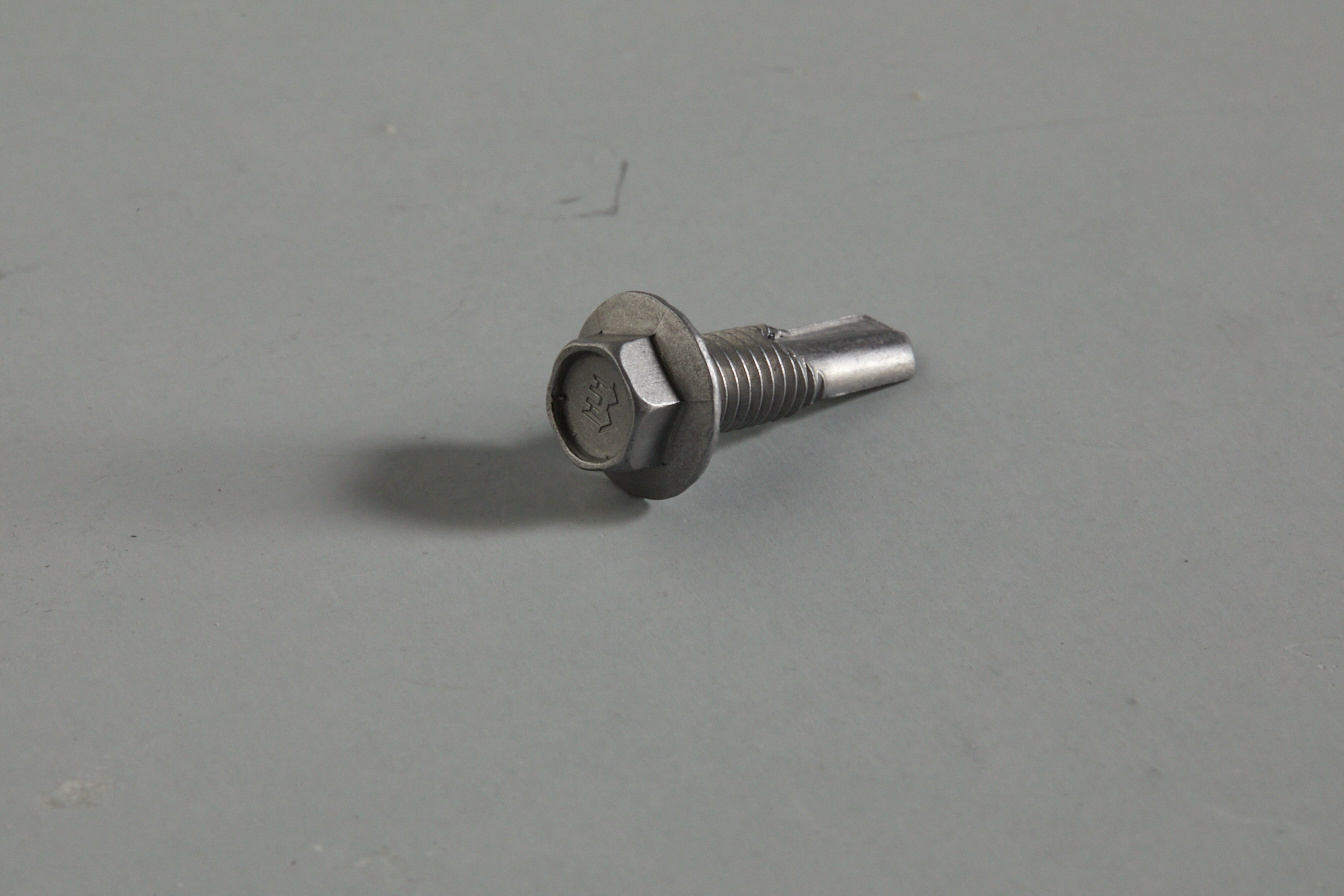
Hexagonal flange self drilling and self tapping screws
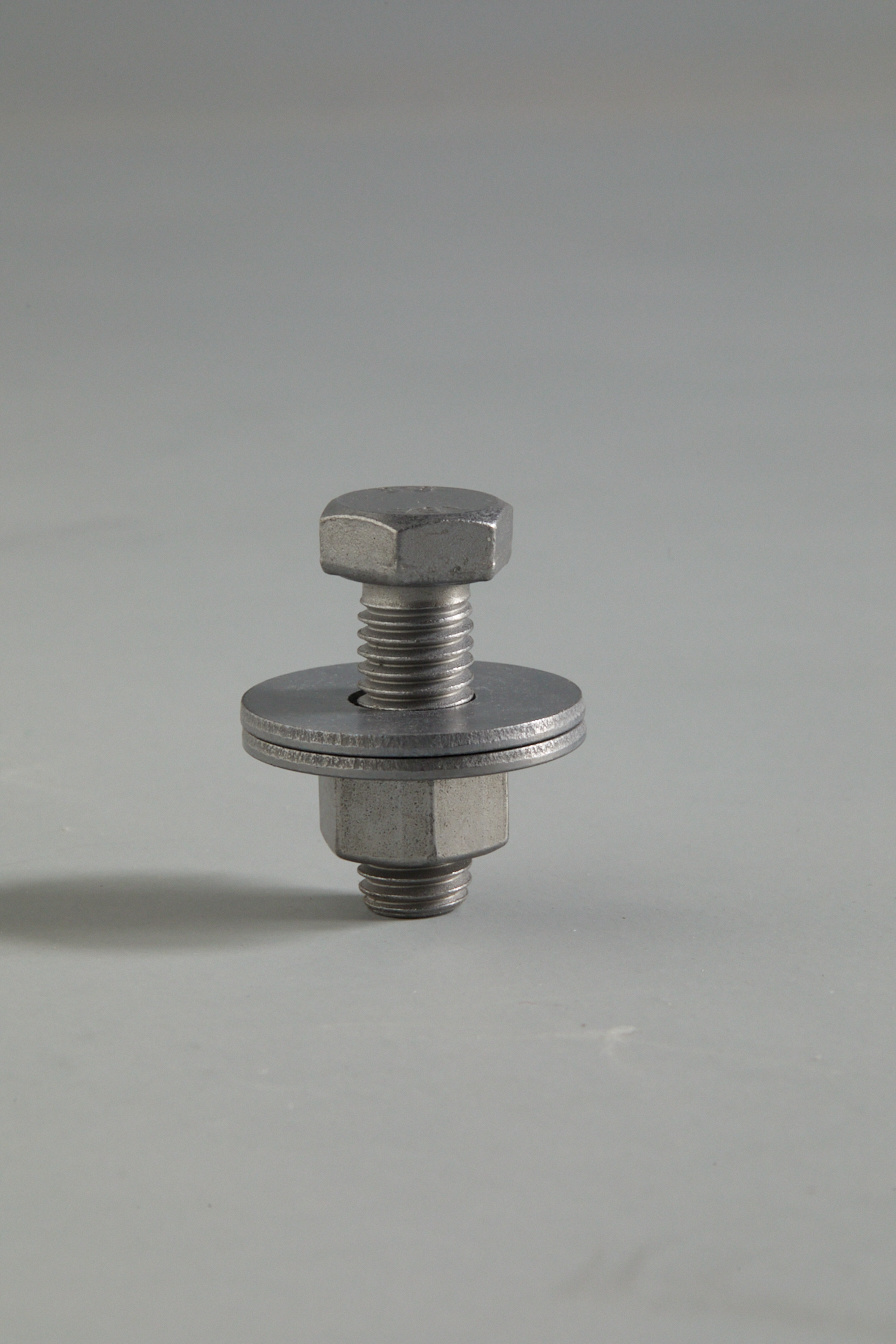
Tightening Bolts
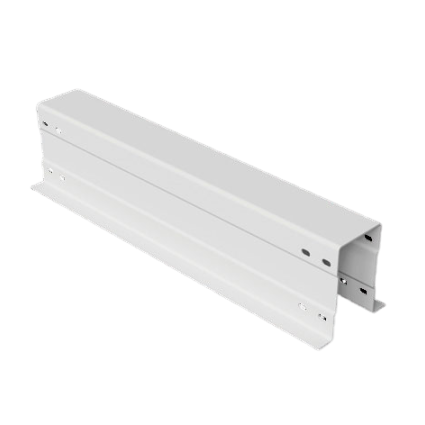
Secondary Beam
Steel Platform - Main Beam
Modular building
Modular building
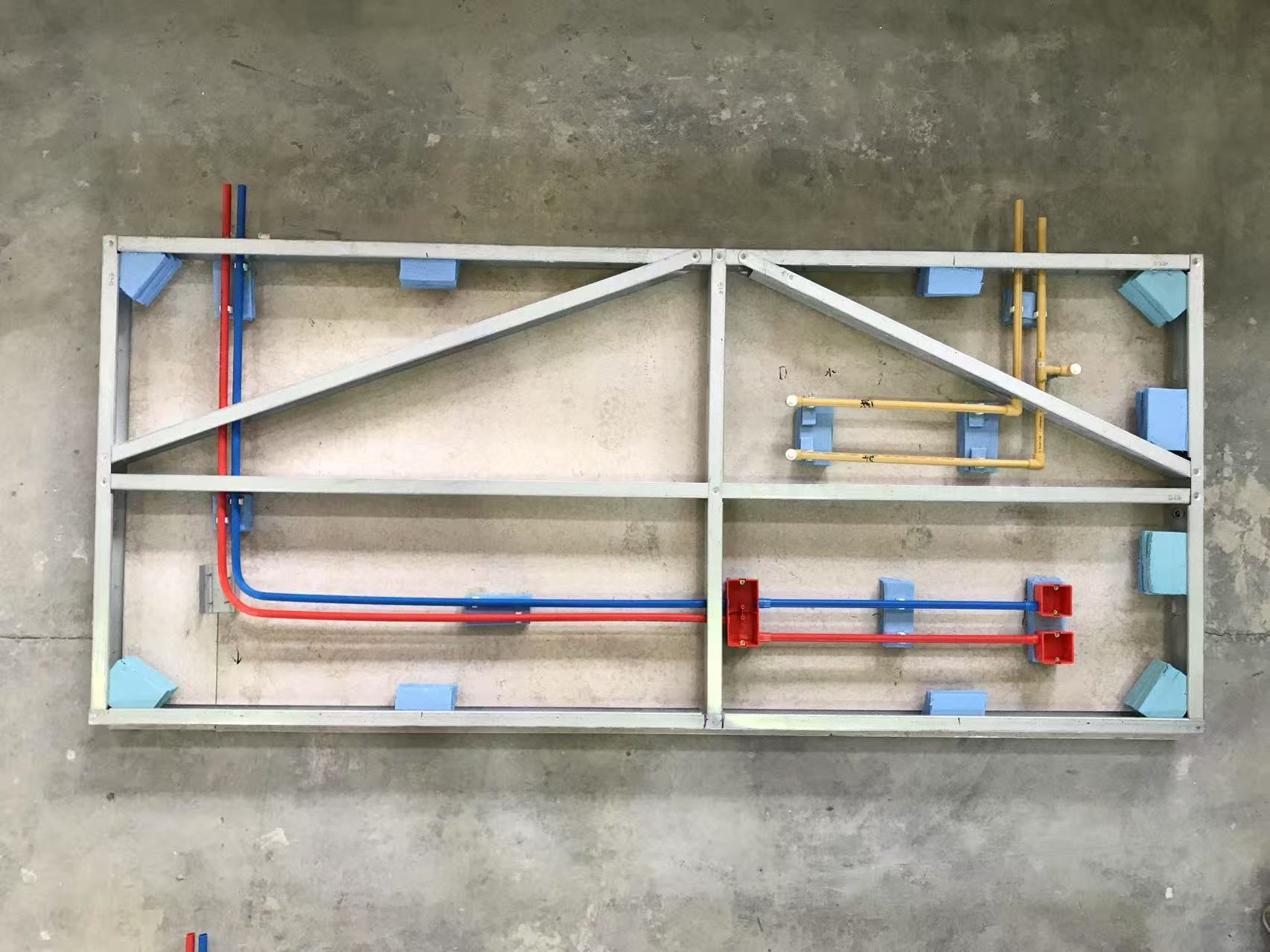
Layout Diagram of Electrical and Plumbing Pipelines for Magnesium-Based Grouted Walls

Performance Testing of Magnesium-Based Walls
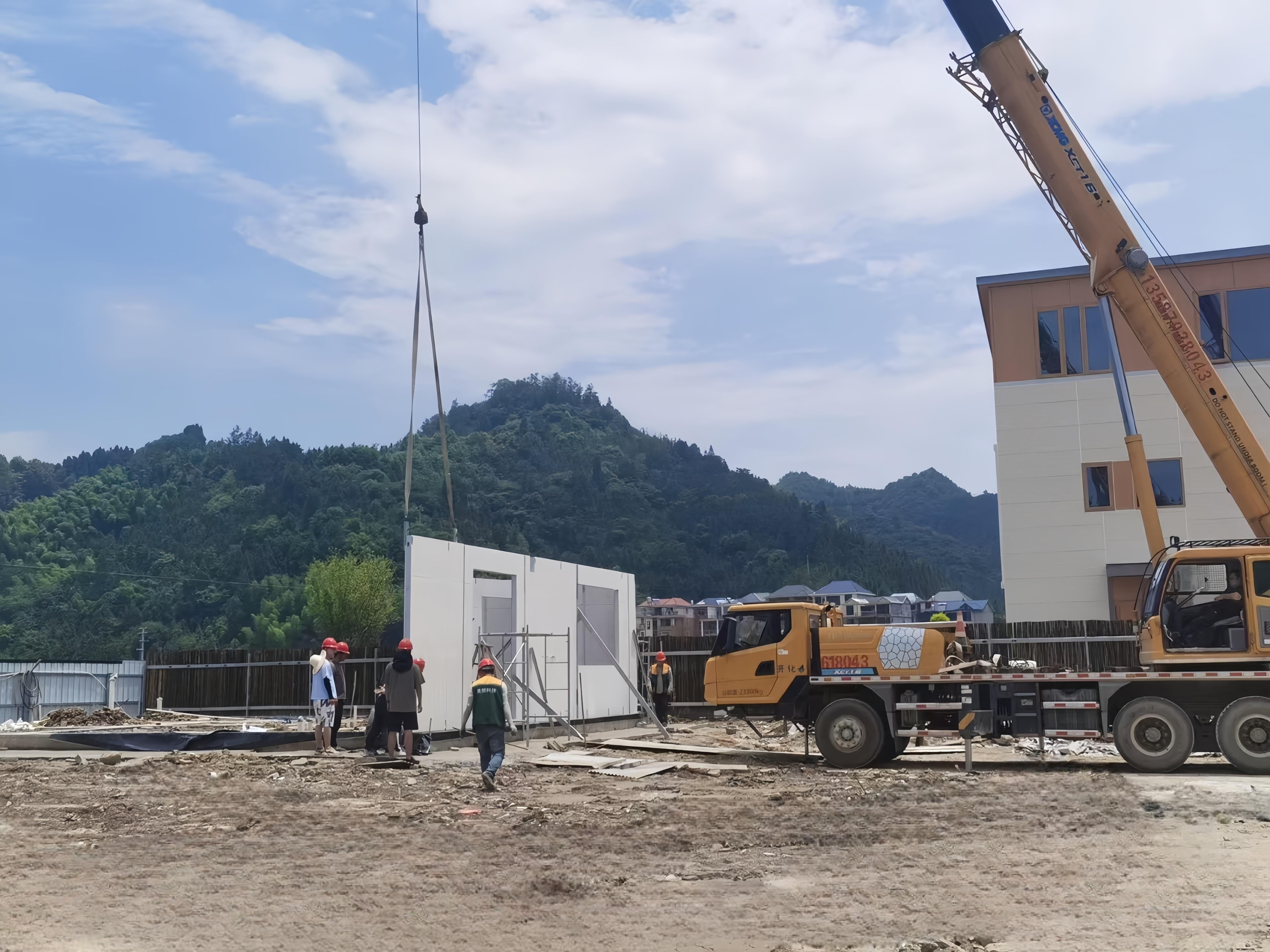
Construction Process of Modular Walls

Cases of Modular Buildings
Bracket Roof Integrated Panel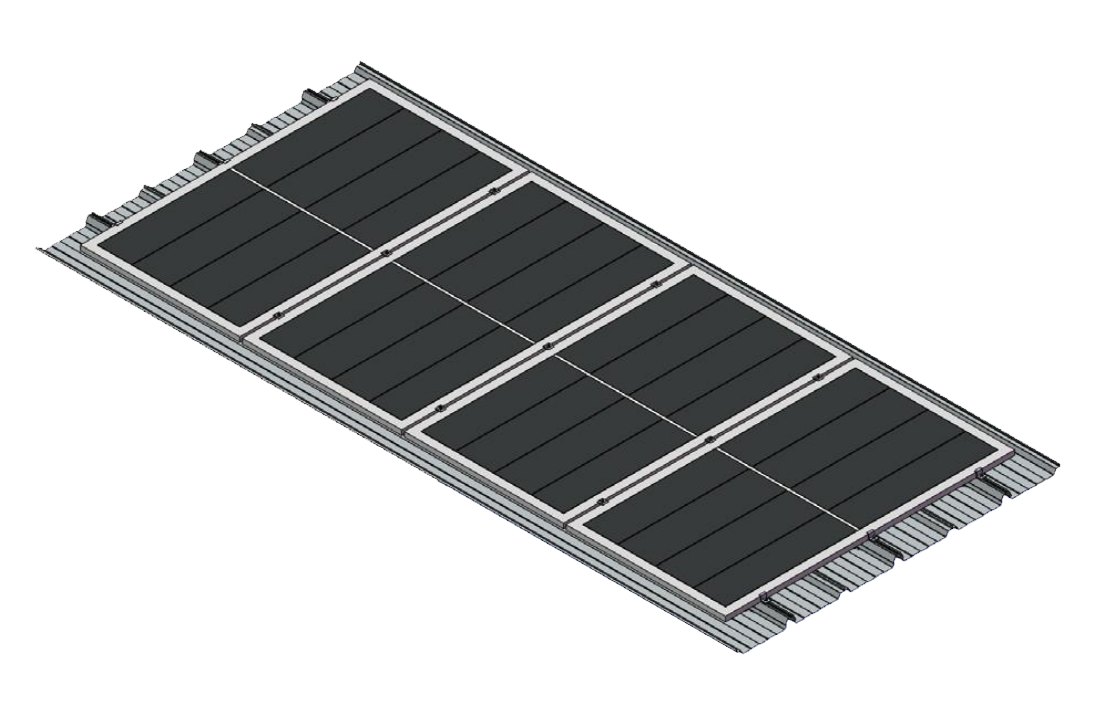
BIPV Bracket Roof Integrated Panel
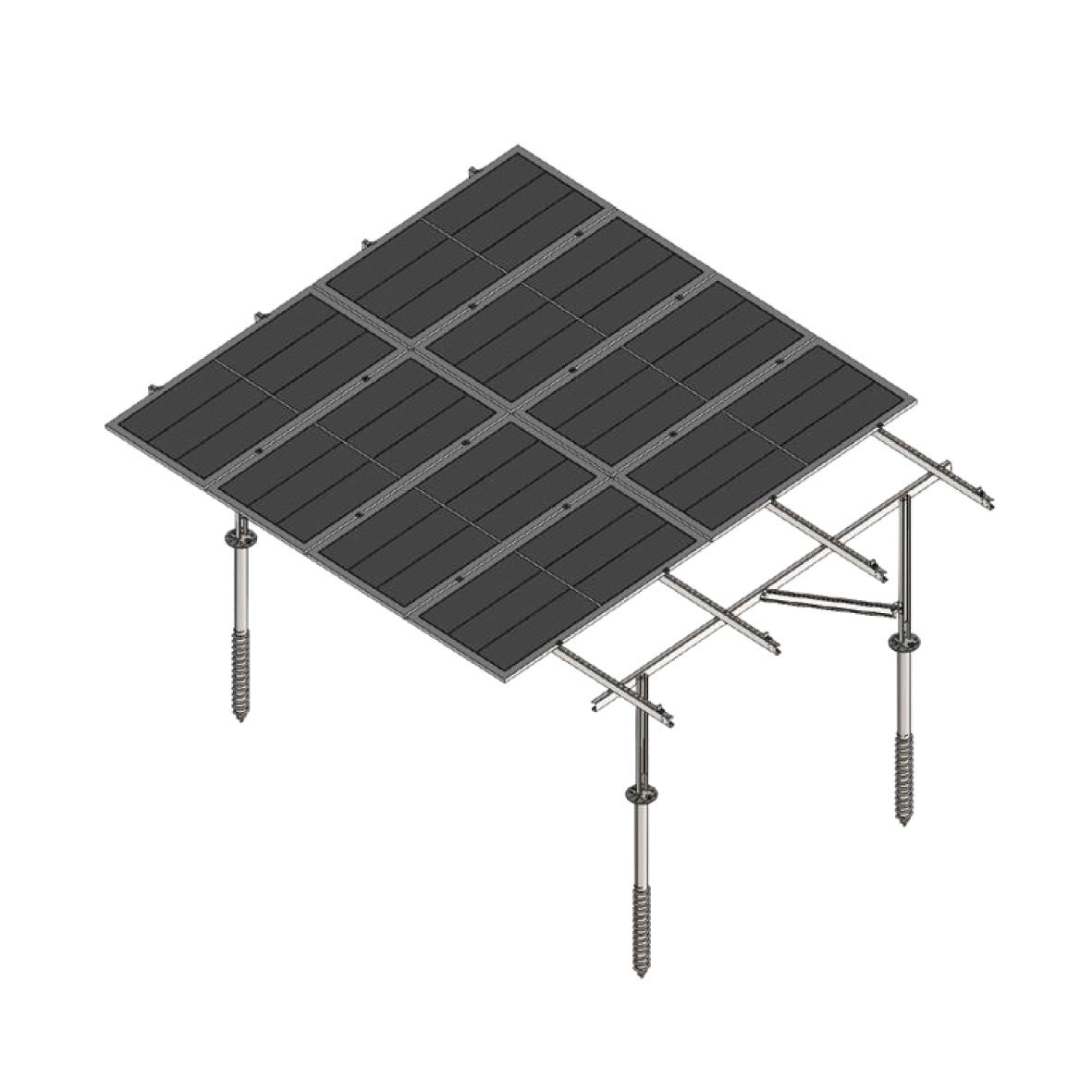
ZINC Aluminum Magnesium Double Leg Bracket
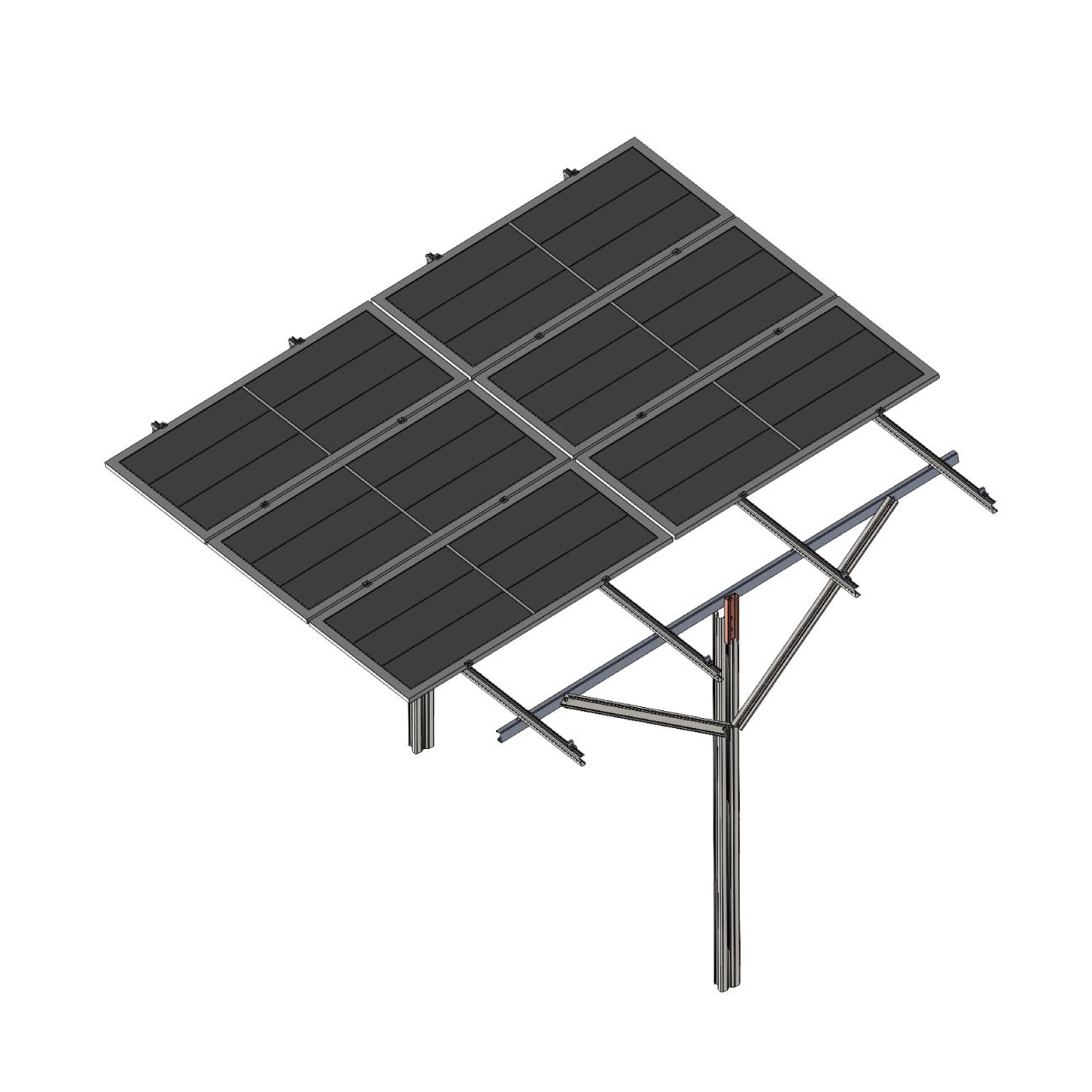
ZINC Aluminum Magnesium Single Leg Bracket
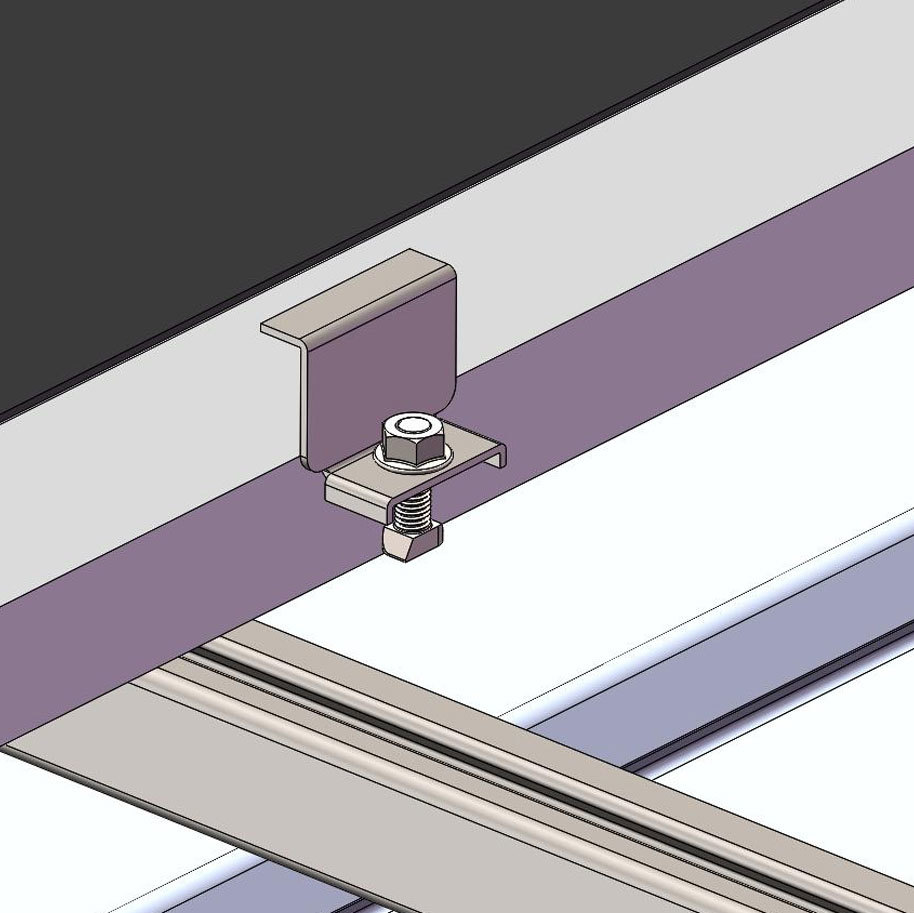
Explosion diagram of zinc aluminum magnesium under lateral pressure
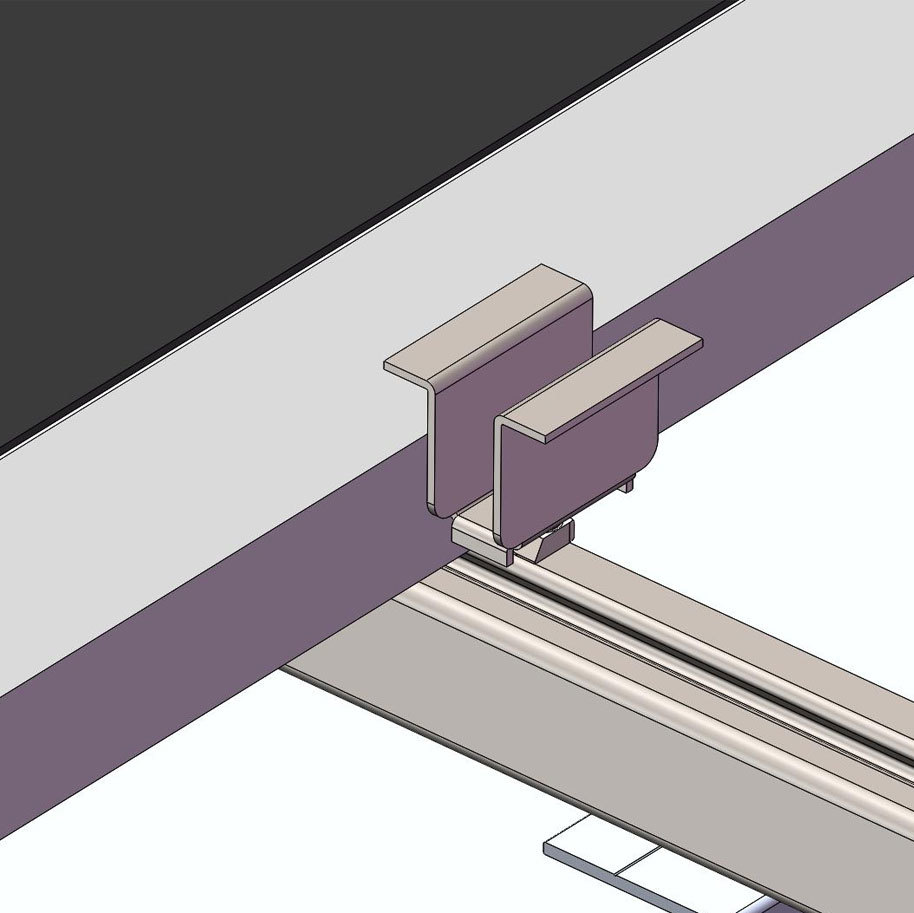
Zinc aluminum magnesium medium pressure explosion diagram
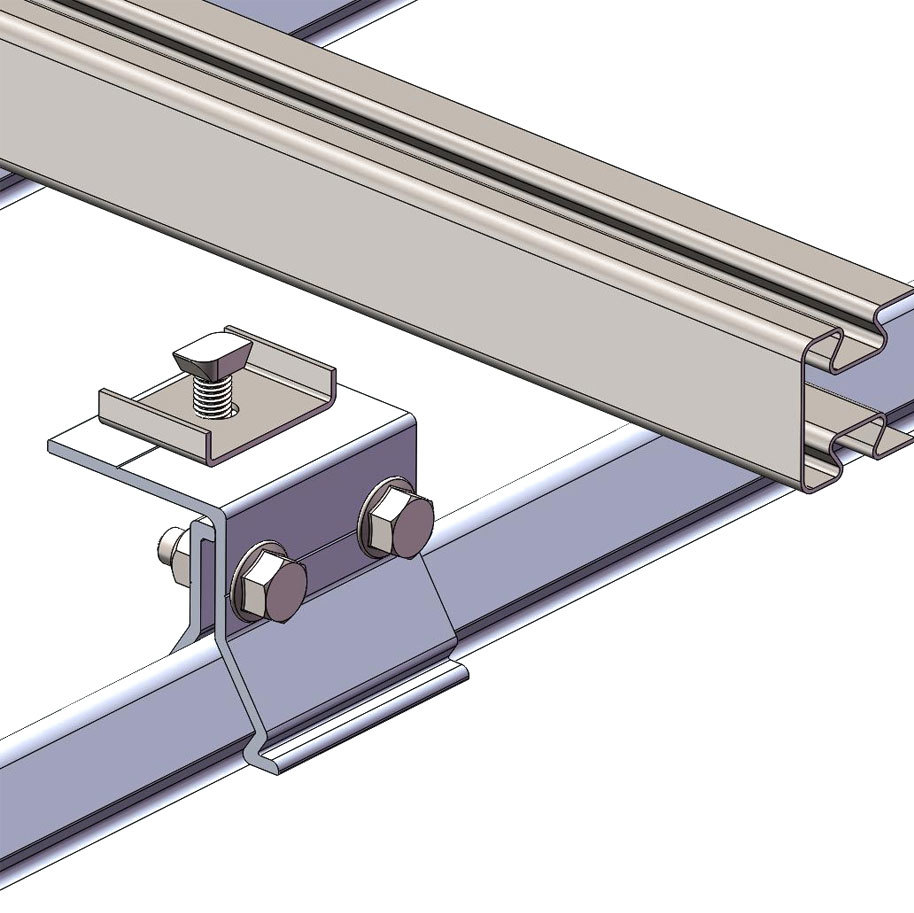
Explosion diagram of fixture components
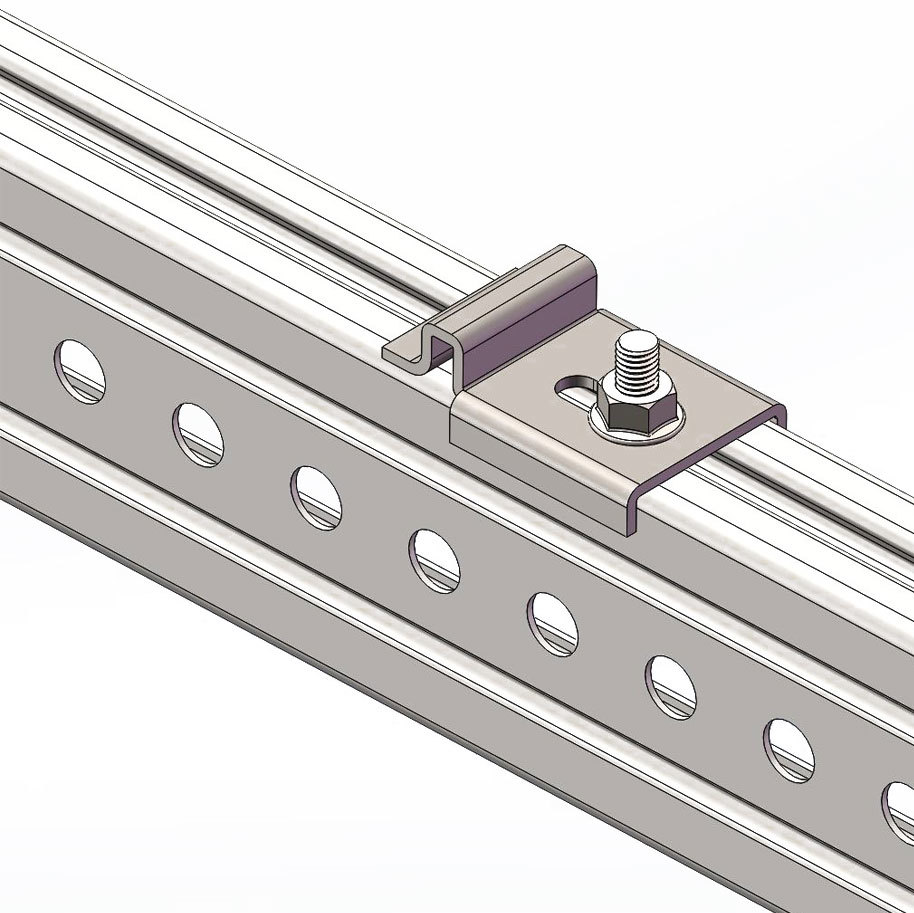
Lower pressure component
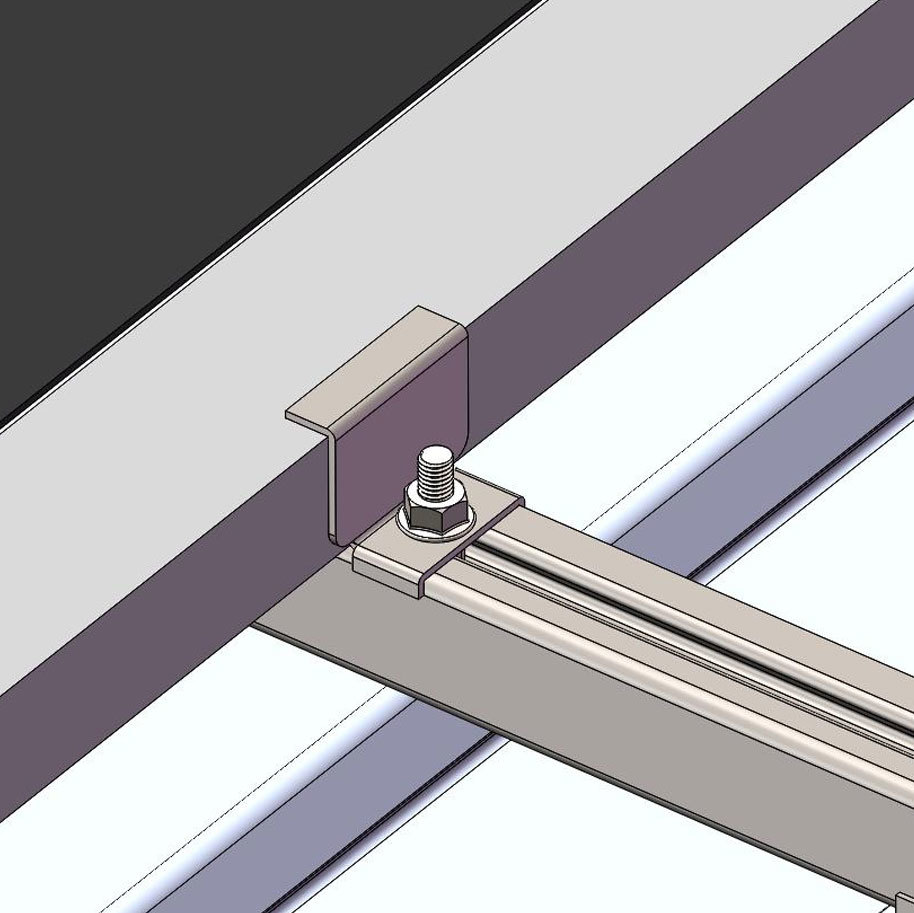
Zinc aluminum magnesium side pressure
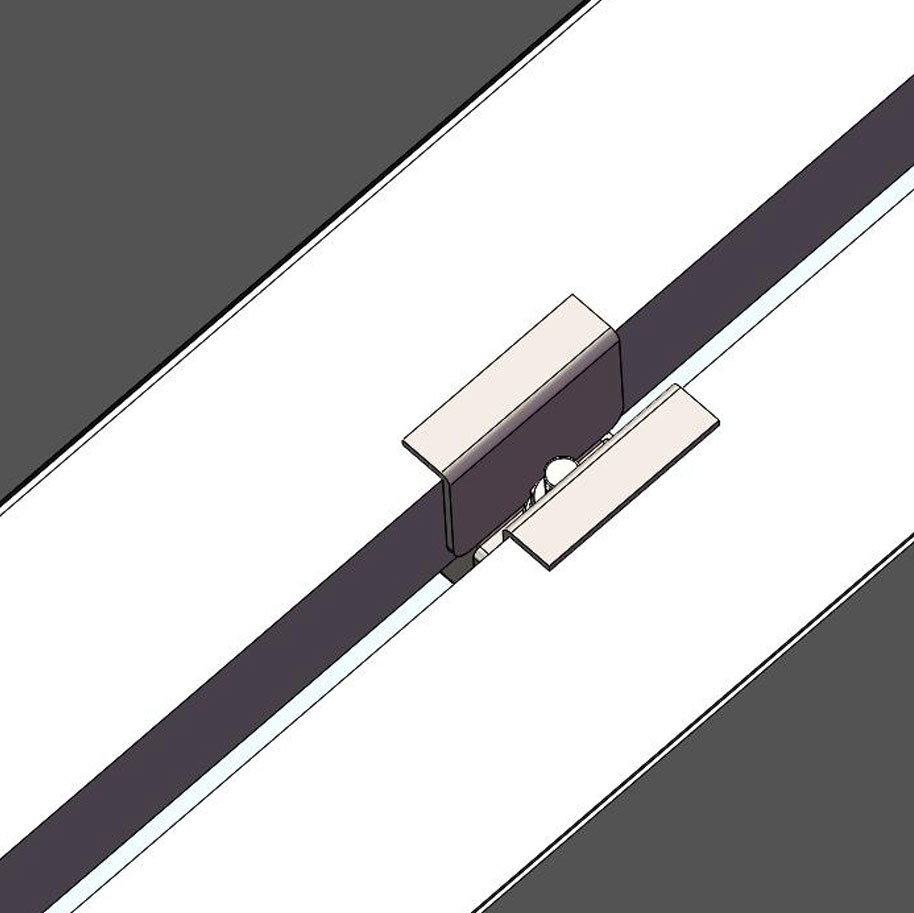
Zinc aluminum magnesium medium pressure
Zinc aluminum magnesium medium pressure
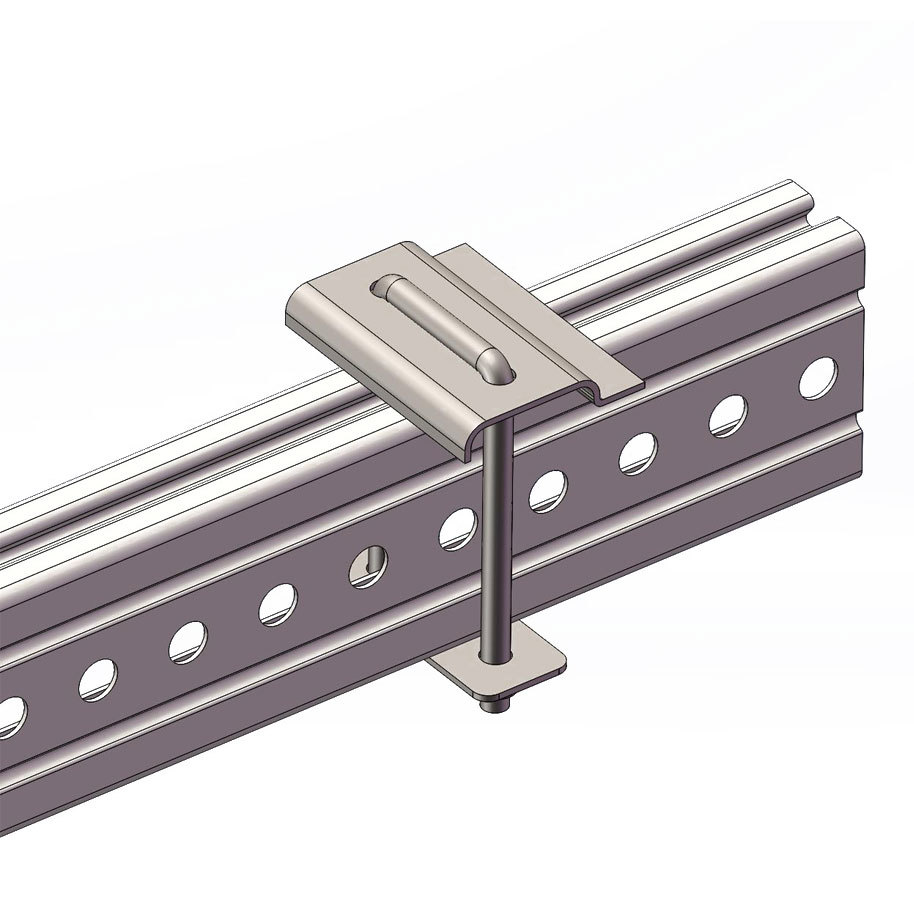
U-bolt assembly
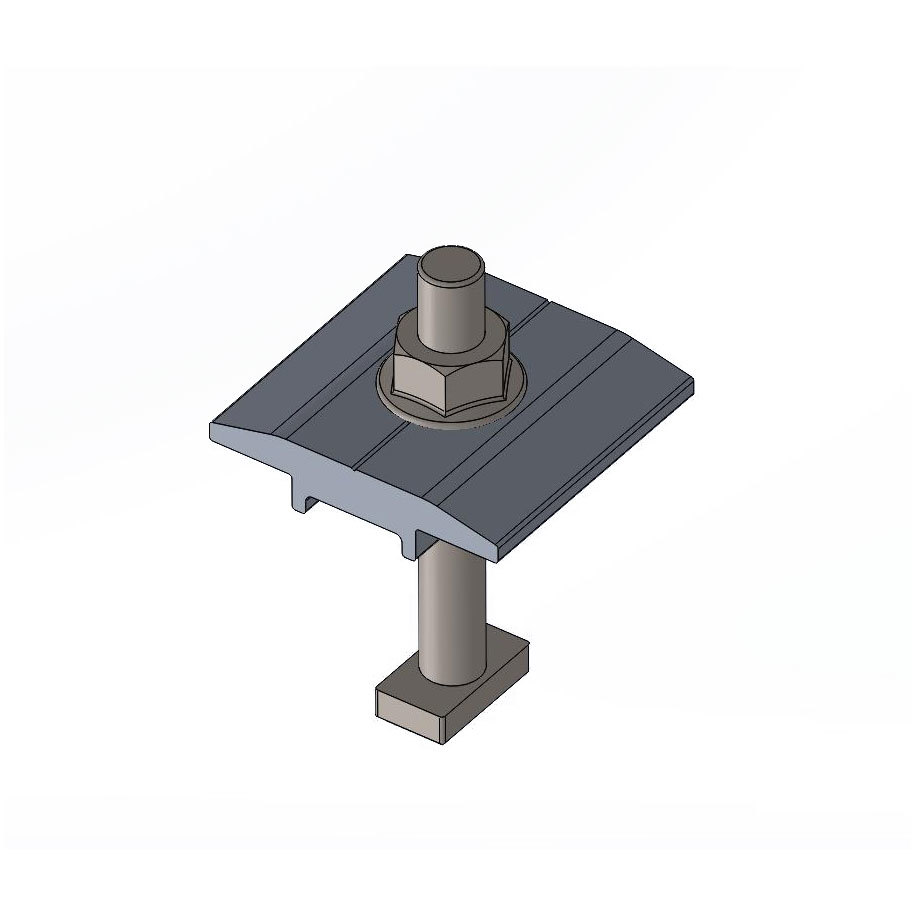
Medium voltage components
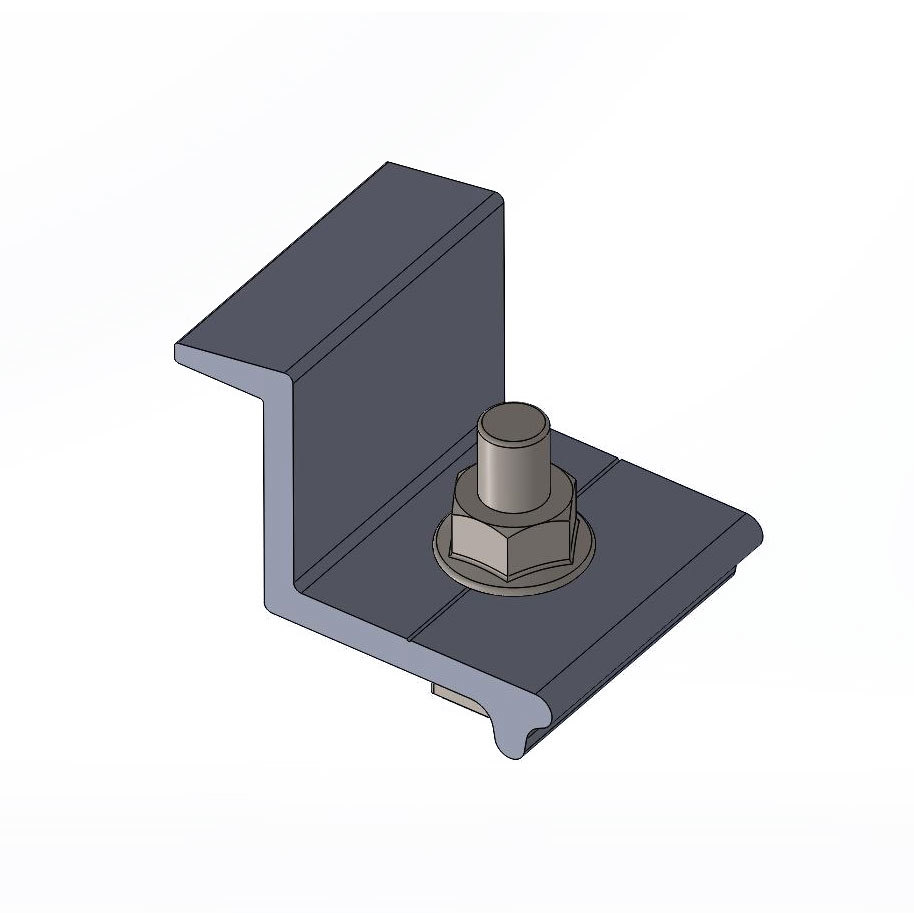
Side pressure component
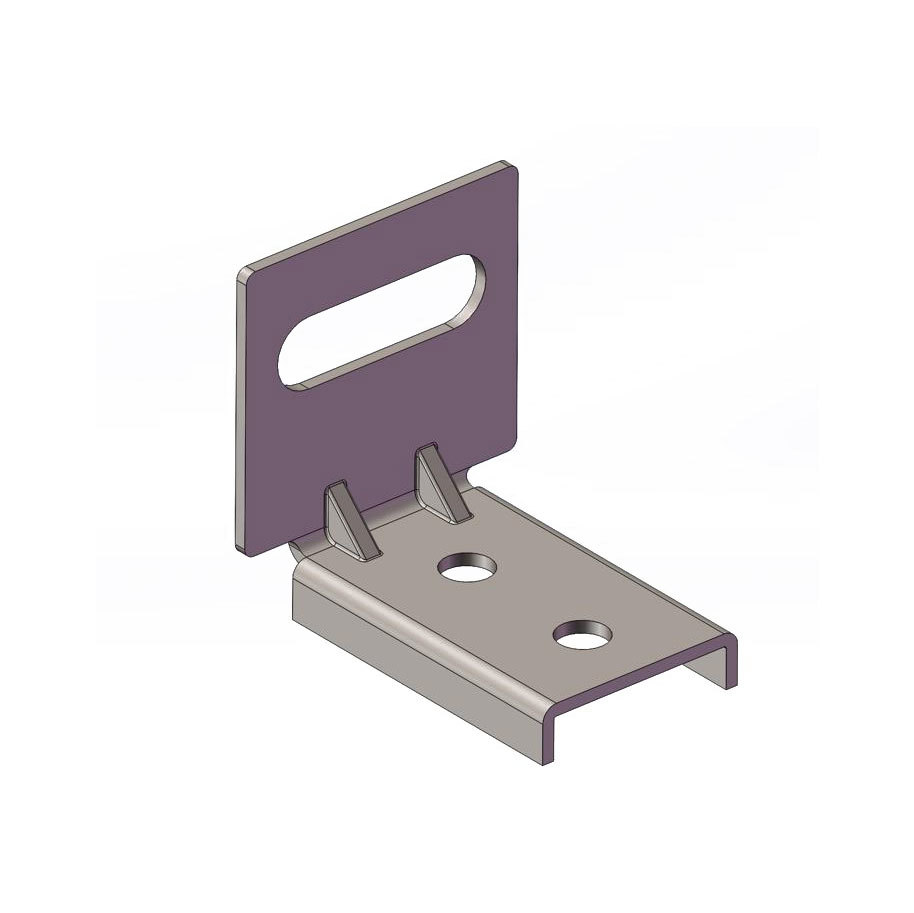
Horizontal and vertical rail connectors
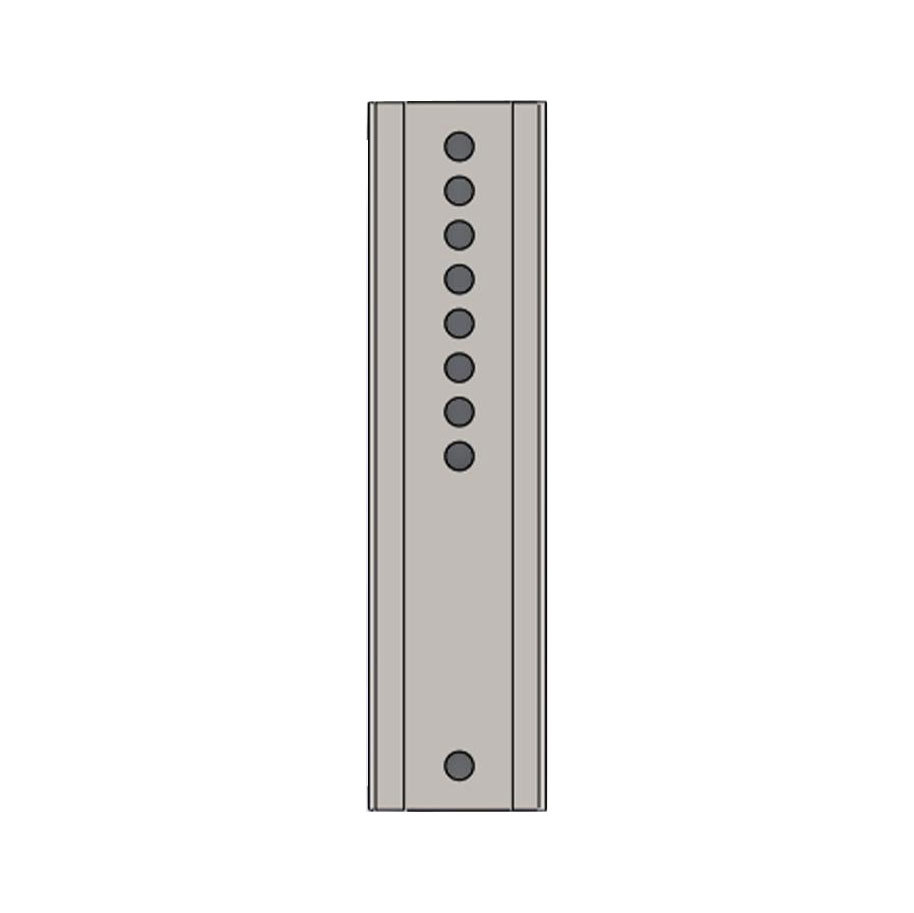
Slant support
Column connectors
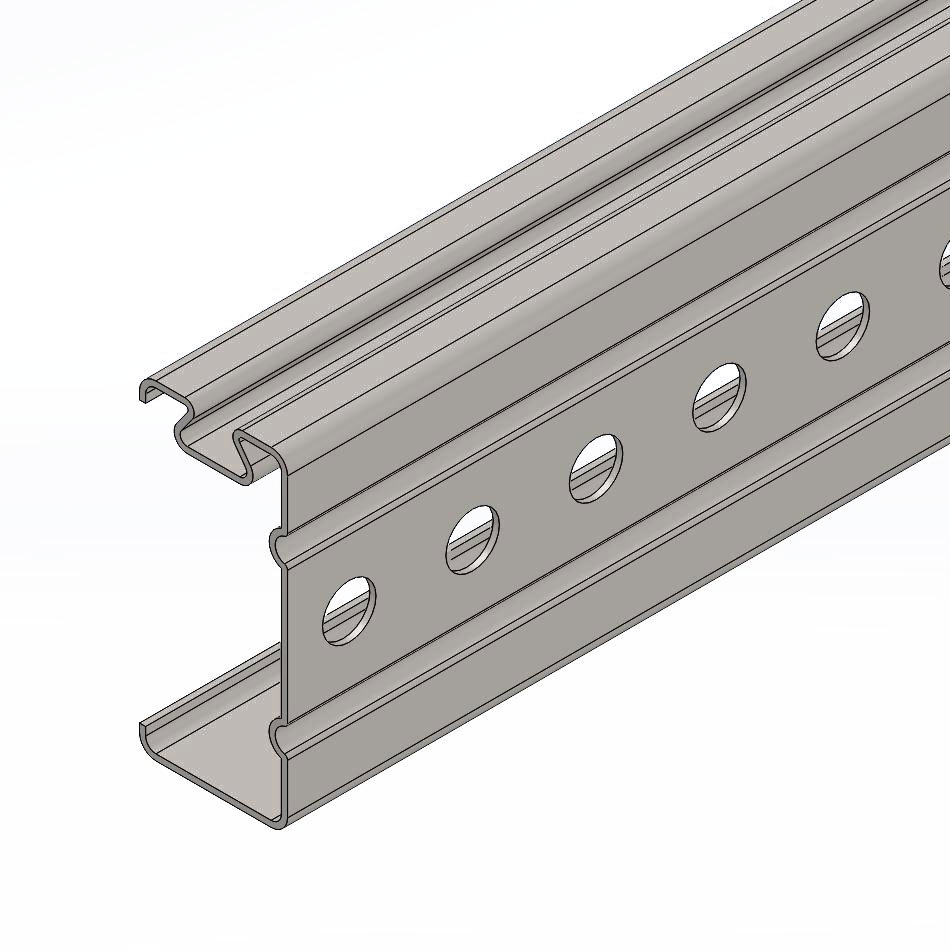
Longitudinal track
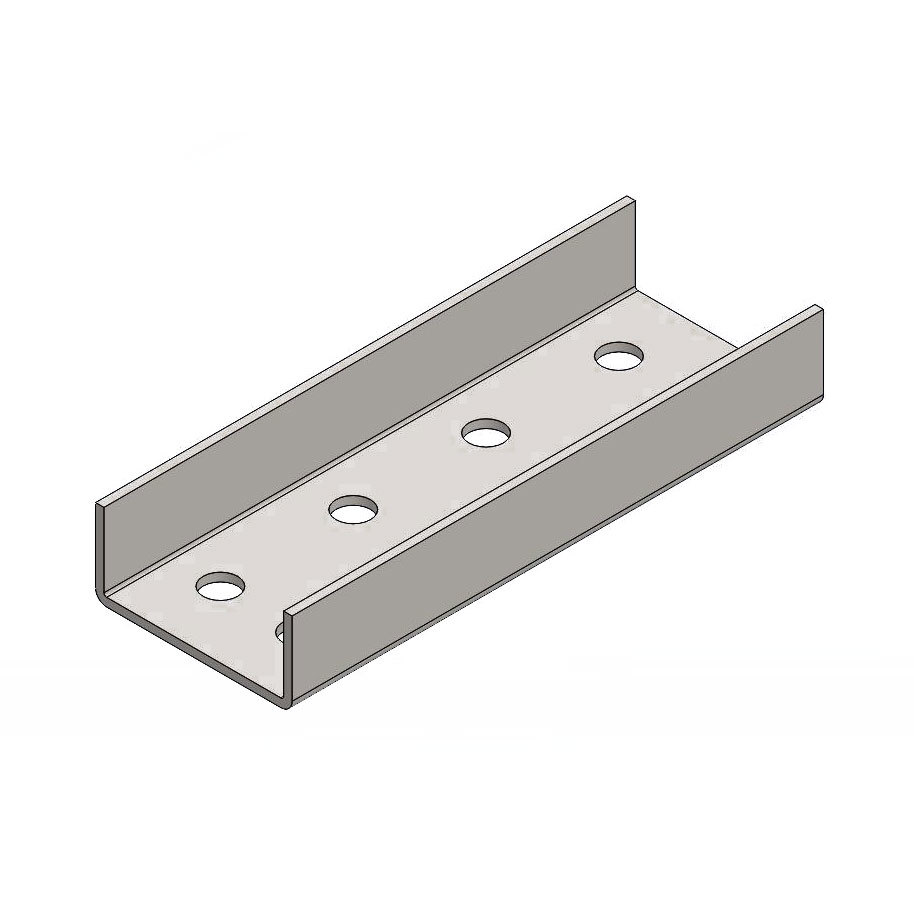
Horizontal rail connectors
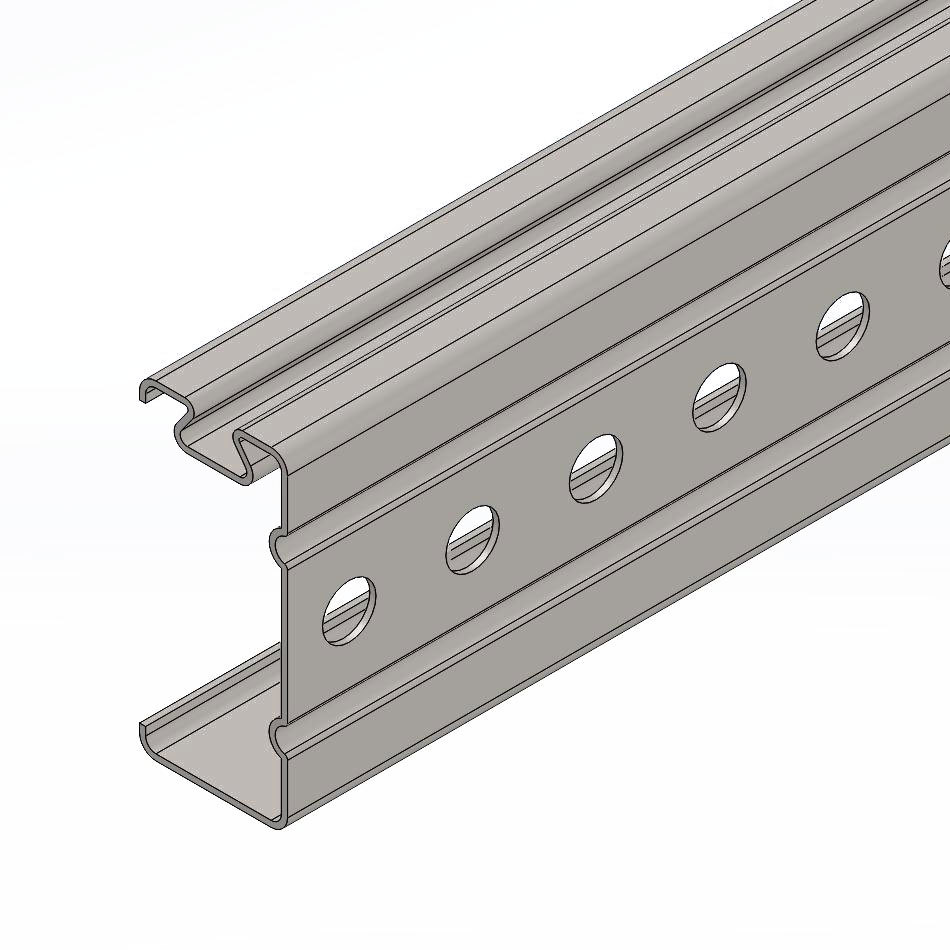
Horizontal track
Easy Install Steel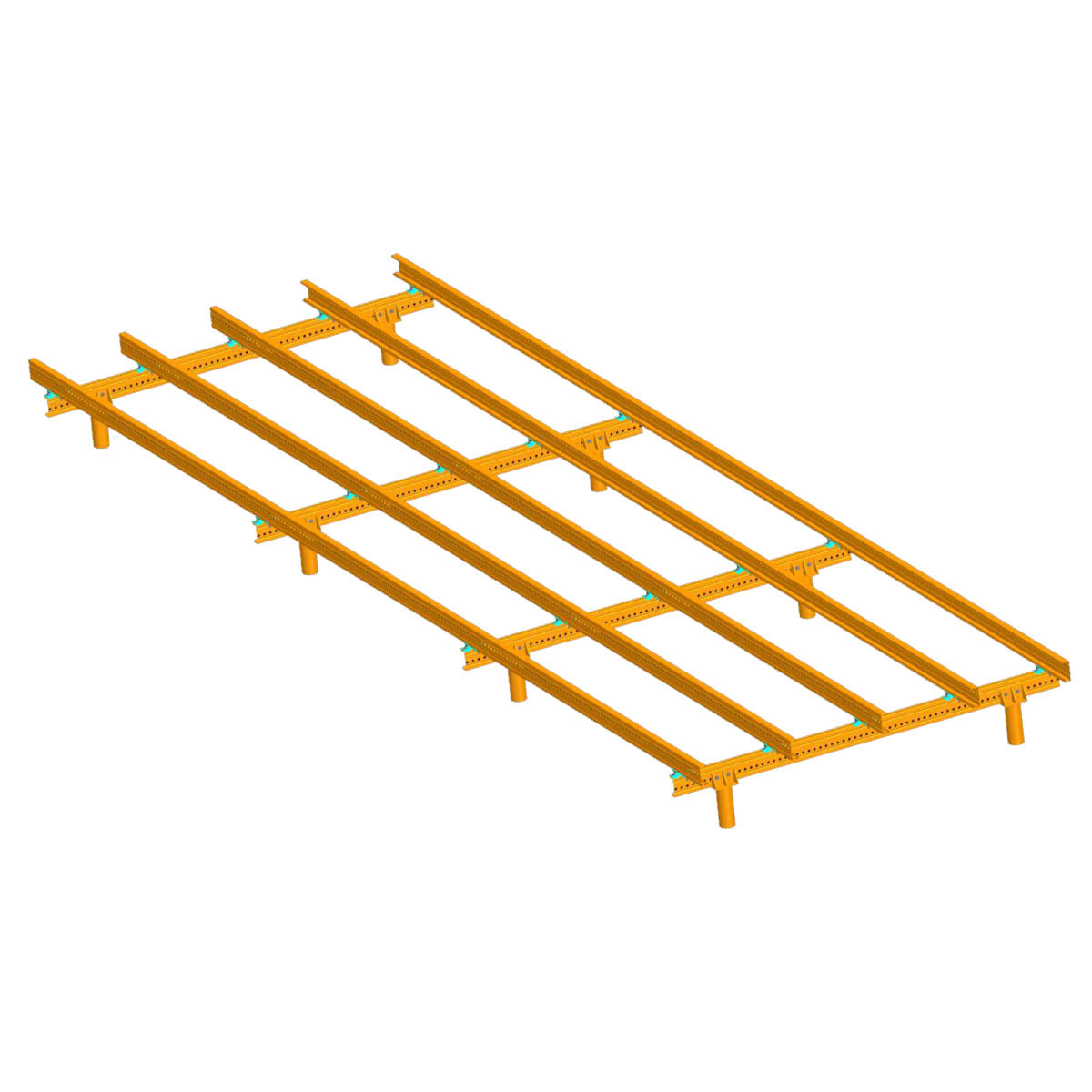
Haoheng Yi'an System

Easy Install Steel
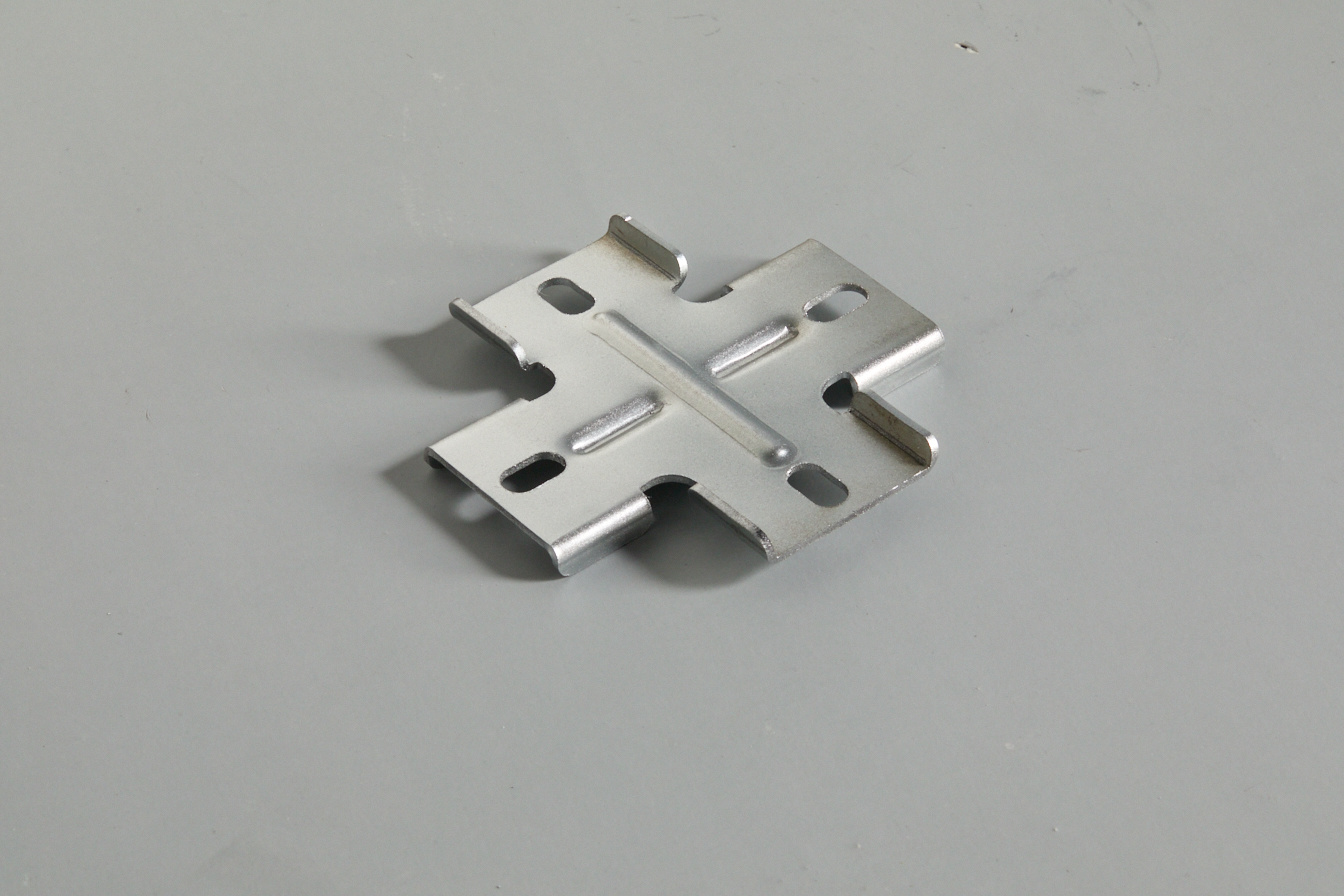
Cross connector
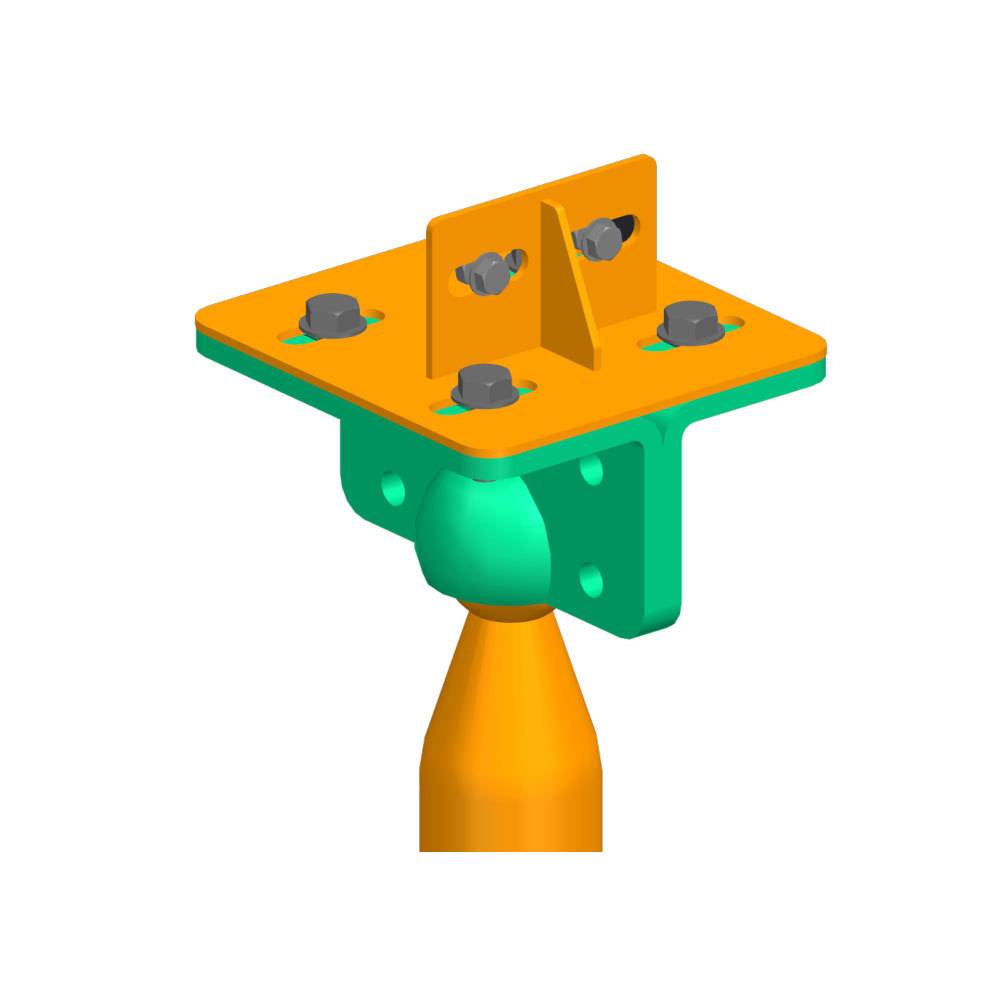
Universal connector for screw pile
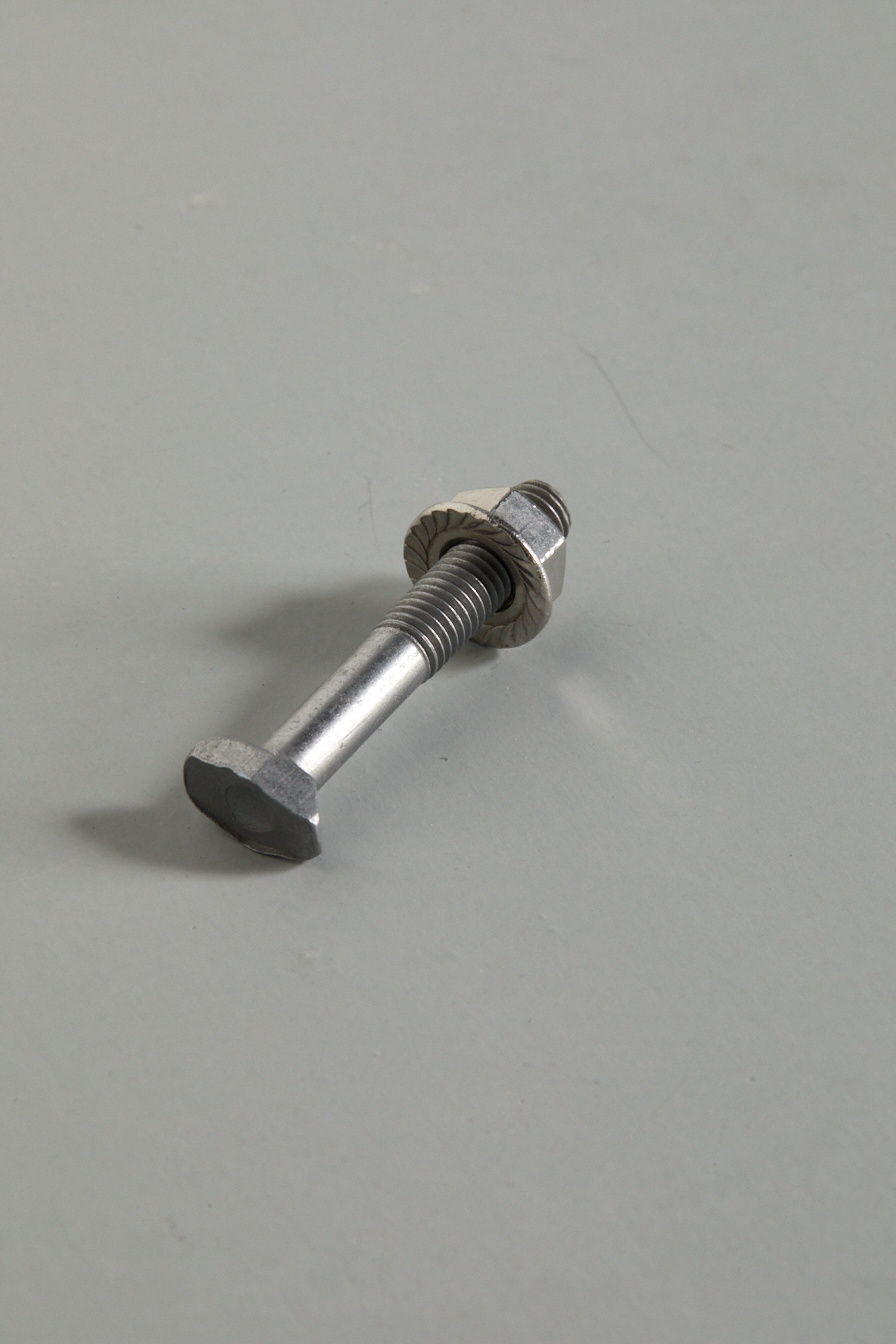
T-shaped dovetail bolt
Floor System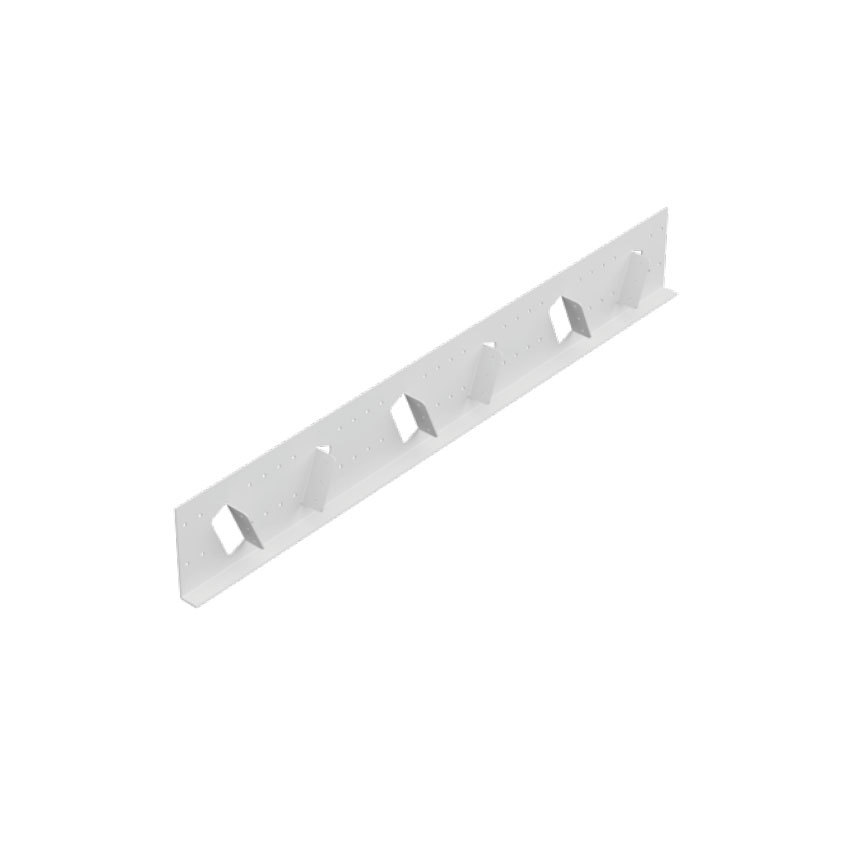
Ordinary steel structural connectors
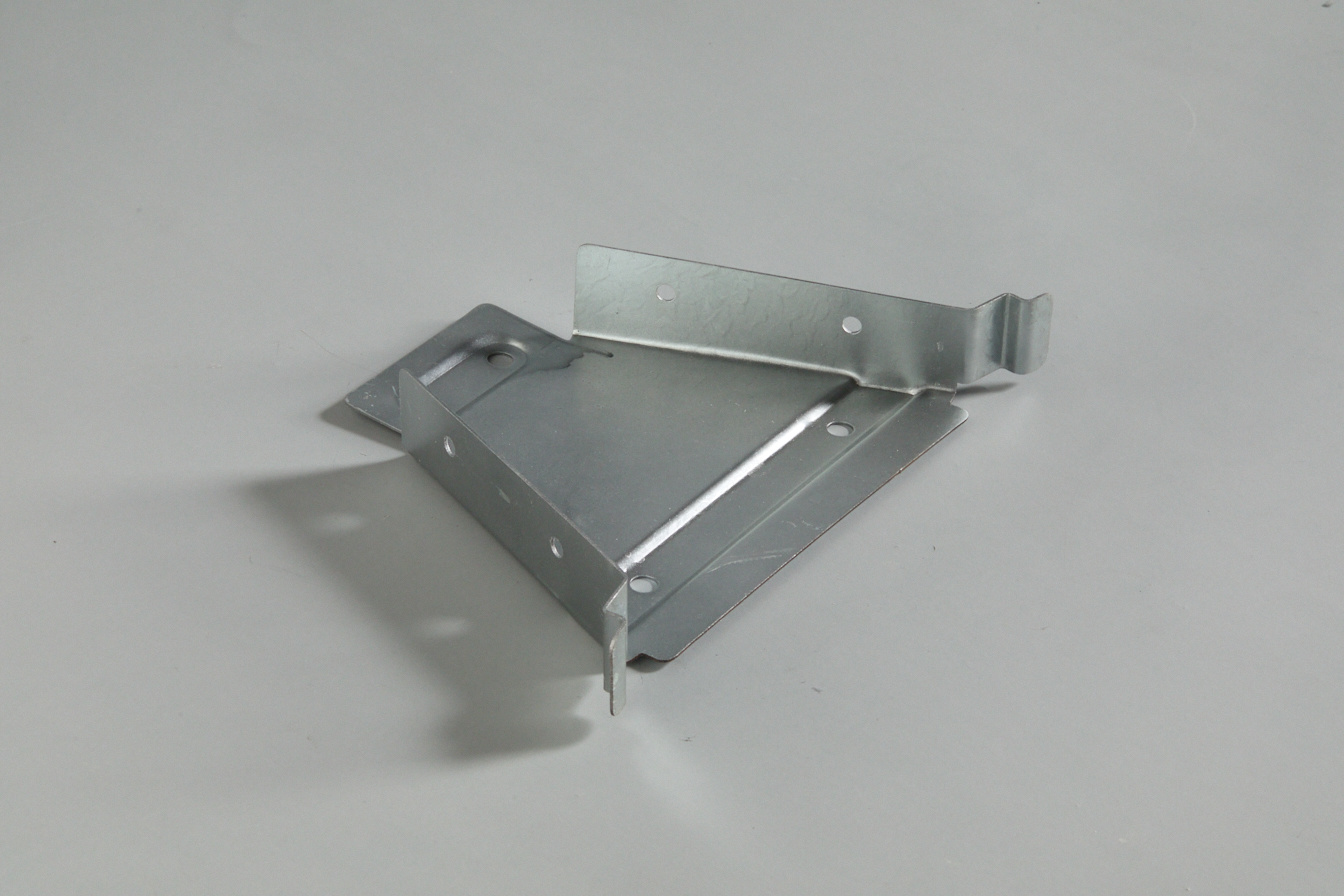
NEW BUILDING system connectors
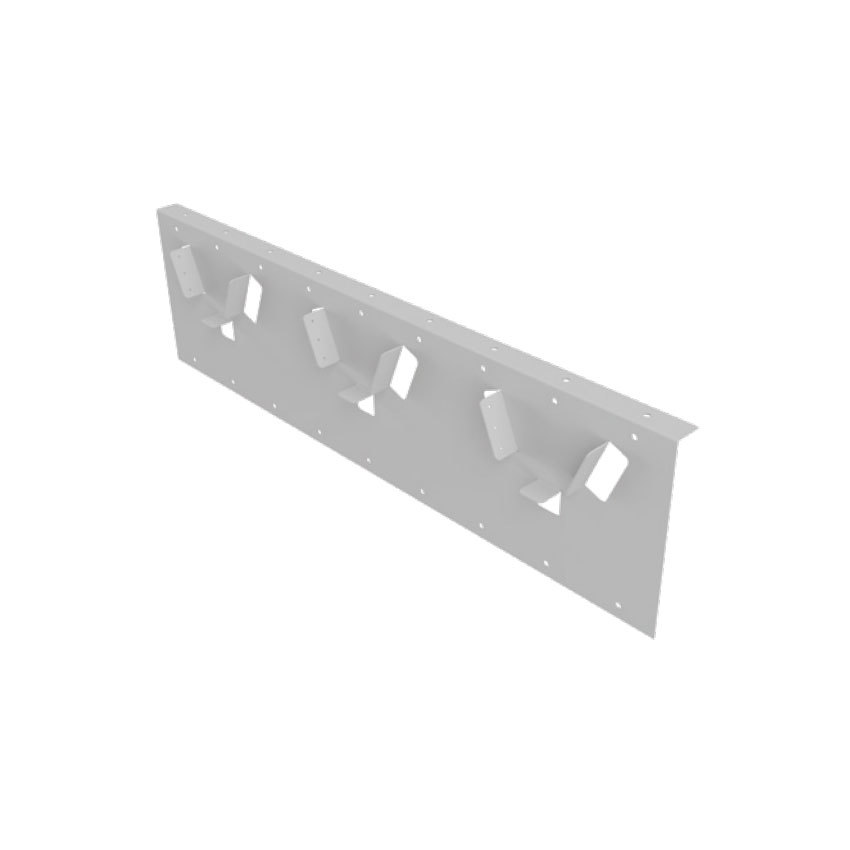
Cold formed thin-walled steel structural connectors
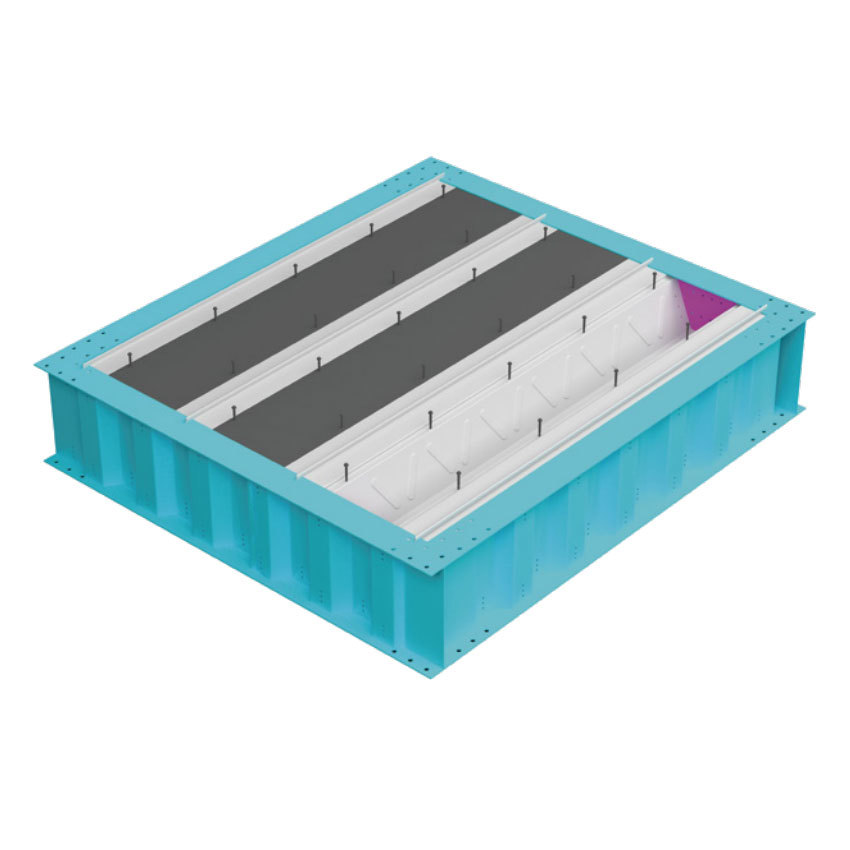
Corrugated I-beam+V-shaped floor beam
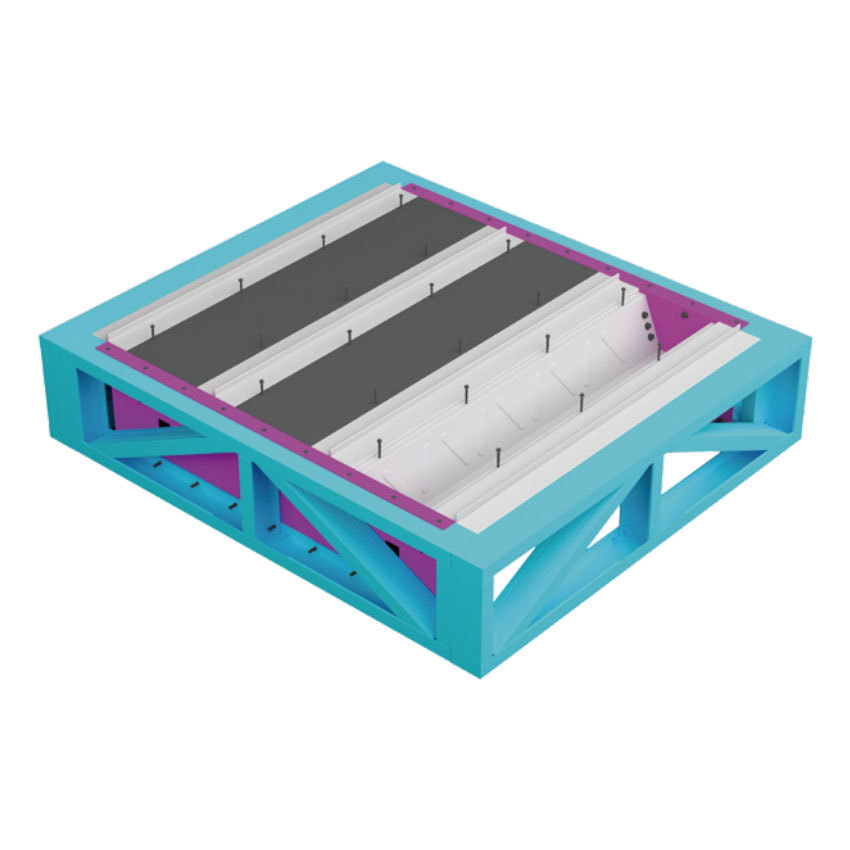
300 light steel truss+V-shaped floor beam

Steel wire gauze
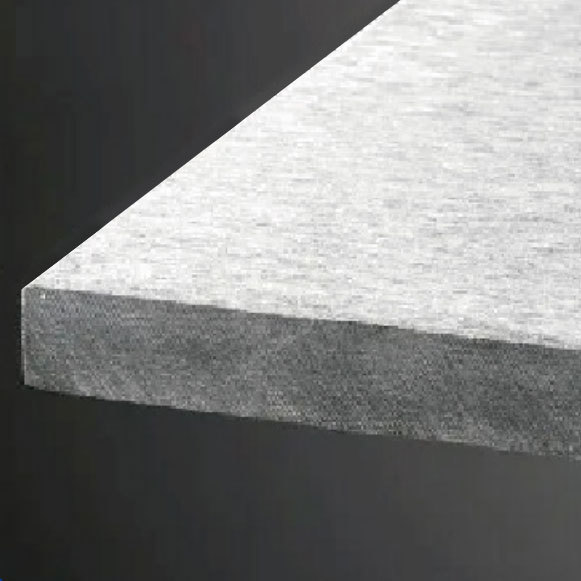
Plate
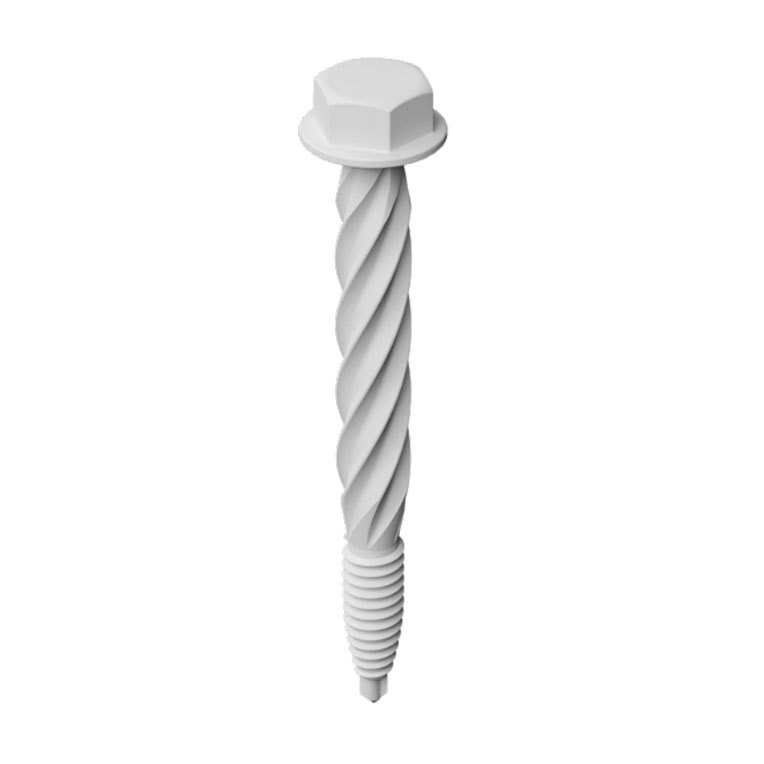
Shear stud
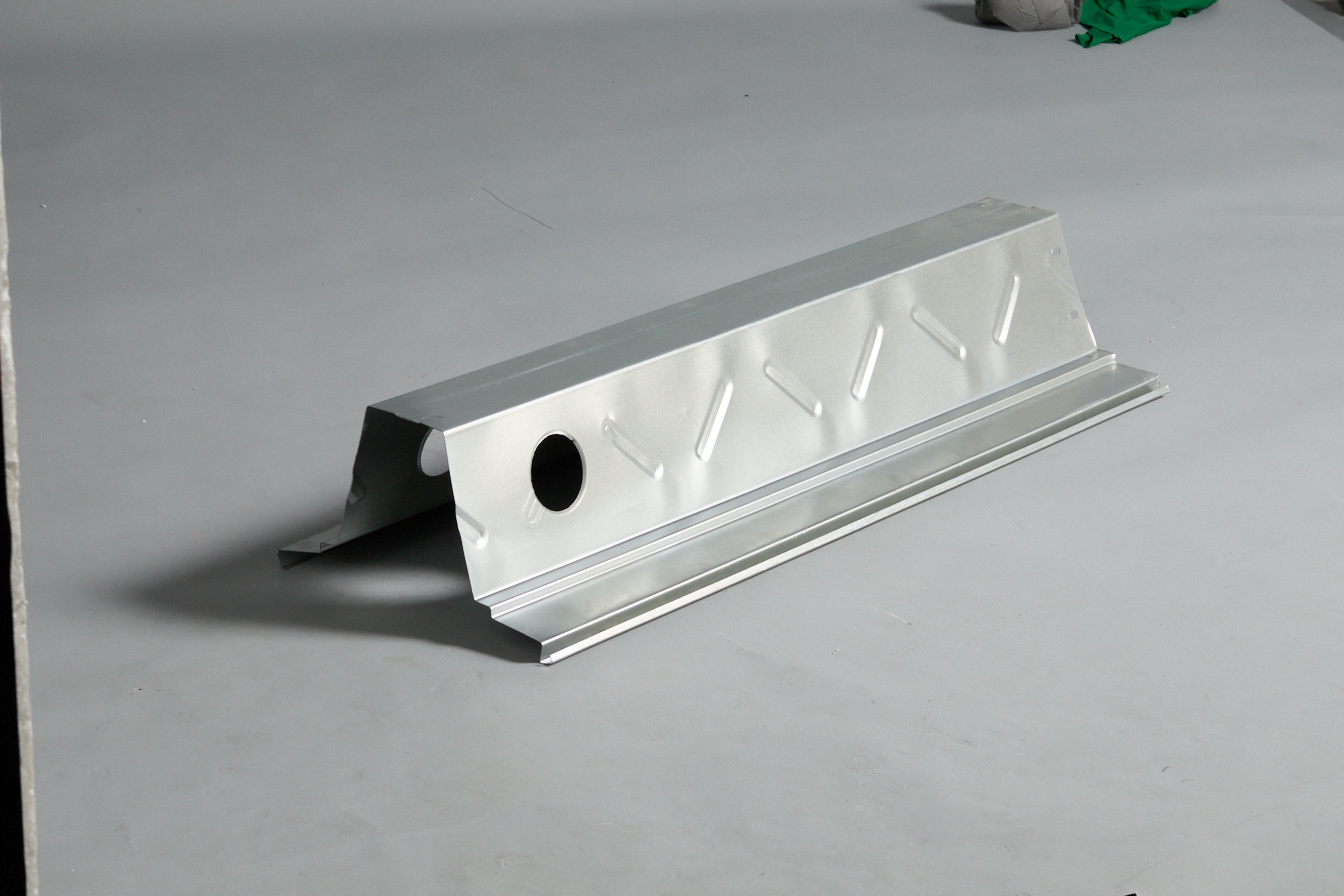
V-shaped floor beam
Magnesium stiffened wall panel
Why Eight Shaped Reinforcing Ribs Are a Game Changer for Building Materials
Release Time:
2024-11-21
Source:
Why Eight Shaped Reinforcing Ribs Are a Game Changer for Building Materials
Table of Contents
- Introduction to Eight Shaped Reinforcing Ribs
- The Innovative Design and Structure
- Benefits of Eight Shaped Reinforcing Ribs
- Applications in Modern Construction
- Comparison with Traditional Reinforcement Methods
- Installation Process and Best Practices
- The Future of Eight Shaped Reinforcing Ribs
- Frequently Asked Questions
- Conclusion
Introduction to Eight Shaped Reinforcing Ribs
In the ever-evolving construction industry, the need for innovative solutions to enhance the strength and durability of building materials is paramount. One of the most groundbreaking developments in this field is the introduction of **eight-shaped reinforcing ribs**. This unique design not only optimizes structural integrity but also offers significant advantages over traditional reinforcement methods. In this article, we will delve into the specifics of these innovative ribs, their applications, and their transformative impact on the construction sector.
The Innovative Design and Structure
Eight-shaped reinforcing ribs are characterized by their distinctive geometry, which resembles the number "8". This design provides multiple advantages, particularly in terms of load distribution and stress management. The ribs are typically made from high-strength materials, ensuring that they can withstand significant loads and resist deformation.
The two primary components of the eight-shaped rib are the horizontal and vertical sections, which work in tandem to create a compression-resisting framework. This unique structure allows for efficient stress transfer throughout the material, making it ideal for a variety of construction applications.
Material Composition
The choice of materials for constructing eight-shaped reinforcing ribs is critical. High-strength steel, fiberglass, and composite materials are commonly used due to their superior tensile strength and durability. These materials not only enhance the performance of the ribs but also contribute to the overall sustainability of construction projects.
Engineering Advantages
From an engineering perspective, the eight-shaped design minimizes the likelihood of failure under extreme conditions. The ribs' geometry allows for greater flexibility and resilience, effectively absorbing shocks and vibrations. This is particularly important in areas prone to seismic activity or heavy loads, where traditional reinforcement methods may fall short.
Benefits of Eight Shaped Reinforcing Ribs
The adoption of eight-shaped reinforcing ribs in construction offers a multitude of benefits, making them a game changer in the industry. Here are some of the most significant advantages:
Enhanced Structural Integrity
The unique geometry of eight-shaped ribs significantly improves the **structural integrity** of building materials. By distributing loads evenly, these ribs reduce the risk of localized failures, leading to safer and more reliable structures.
Reduced Material Usage
In many cases, using eight-shaped ribs allows for the reduction of material usage in construction. Their efficient design means that less reinforcement is needed to achieve the same strength, leading to cost savings and a smaller environmental footprint.
Improved Durability and Longevity
Buildings reinforced with eight-shaped ribs exhibit greater durability and longevity compared to those using traditional methods. The improved resistance to cracking and deformation ensures that structures can withstand the test of time, reducing maintenance costs.
Ease of Installation
The installation process for eight-shaped reinforcing ribs is relatively straightforward, allowing for faster construction timelines. This efficiency is particularly beneficial for large-scale projects where time and labor costs can significantly impact overall budgets.
Versatile Applications
These ribs are adaptable to a wide range of construction applications, from residential buildings to commercial high-rises and infrastructure projects. Their versatility makes them an attractive option for architects and engineers seeking innovative solutions to meet diverse project requirements.
Applications in Modern Construction
Eight-shaped reinforcing ribs are making waves in various aspects of construction. Their applications extend across multiple sectors, including:
Residential Construction
In residential projects, eight-shaped ribs provide homeowners with peace of mind by ensuring that their homes are built to withstand environmental stresses. This is especially important in areas prone to earthquakes or severe weather.
Commercial Buildings
For commercial buildings, the structural efficiency offered by eight-shaped reinforcing ribs contributes to aesthetic design possibilities while ensuring safety and durability. Their ability to support larger open spaces makes them ideal for modern architectural designs.
Infrastructure Projects
In infrastructure, such as bridges and tunnels, these ribs play a significant role in enhancing load-bearing capacities, thereby prolonging the lifespan of critical structures and reducing the frequency of repairs.
Comparison with Traditional Reinforcement Methods
When comparing eight-shaped reinforcing ribs to traditional reinforcement methods, the advantages become clear. Traditional methods often rely on uniform reinforcement bars, which can lead to stress concentrations and potential failure points.
Performance Under Load
Eight-shaped ribs outperform standard reinforcement techniques in load-bearing capacities. Their unique geometry facilitates better distribution of forces, mitigating the risks associated with uneven loading.
Cost-Effectiveness
While the initial investment in eight-shaped ribs may be higher than traditional methods, the long-term benefits, including reduced material usage and lower maintenance costs, make them a more cost-effective solution in the long run.
Sustainability Benefits
The environmental impact of construction is a growing concern. By utilizing eight-shaped reinforcing ribs, builders can decrease their carbon footprint through reduced material use and enhanced building longevity.
Installation Process and Best Practices
Successfully integrating eight-shaped reinforcing ribs into a construction project involves careful planning and execution. Here are some best practices to ensure optimal results:
Pre-Installation Planning
Thorough planning is essential before installation. This includes assessing the specific project requirements, load expectations, and environmental factors that could influence the performance of the ribs.
Proper Alignment and Spacing
During installation, it is crucial to ensure that the ribs are correctly aligned and spaced. Proper alignment maximizes their load distribution capabilities, while adequate spacing prevents potential interference with other construction components.
Quality Control and Inspection
Implementing a robust quality control process during installation is vital. Regular inspections can help identify any issues early on, ensuring that the integrity of the structure is maintained throughout the construction process.
The Future of Eight Shaped Reinforcing Ribs
As the construction industry continues to evolve, the future of eight-shaped reinforcing ribs looks promising. Ongoing research and development are focused on enhancing their performance and expanding their applications.
Innovations in Material Science
Advancements in material science are likely to lead to even stronger and lighter versions of eight-shaped ribs, further improving their effectiveness in various construction scenarios.
Integration with Smart Technologies
The integration of smart technologies, such as sensors and monitoring systems, could revolutionize how we assess the performance of eight-shaped reinforcing ribs in real time, allowing for proactive maintenance and safety checks.
Frequently Asked Questions
1. What are eight-shaped reinforcing ribs?
Eight-shaped reinforcing ribs are structural components designed with a unique geometry that enhances load distribution and structural integrity in building materials.
2. What materials are used to make eight-shaped ribs?
They are commonly made from high-strength steel, fiberglass, and composite materials, ensuring durability and resistance to deformation.
3. How do eight-shaped ribs compare to traditional reinforcement methods?
Eight-shaped ribs provide better load distribution, reduced material usage, and improved durability compared to traditional reinforcement techniques.
4. What are the main benefits of using eight-shaped ribs in construction?
The benefits include enhanced structural integrity, improved durability, reduced material usage, and faster installation times.
5. In what types of construction projects can eight-shaped ribs be used?
They are versatile and can be used in residential buildings, commercial structures, and infrastructure projects like bridges and tunnels.
Conclusion
In summary, eight-shaped reinforcing ribs are undoubtedly a **game changer** in the realm of building materials. Their innovative design not only enhances the performance of structures but also offers significant benefits in terms of cost, sustainability, and ease of installation. As the construction industry continues to seek solutions that prioritize safety and efficiency, eight-shaped ribs are poised to become a standard in modern construction practices. By embracing these advancements, we pave the way for safer, more resilient buildings that stand the test of time.
Related Information

HaoHeng Group
Address: Room 1808, Block A, Vanke Cloud City, Jiemei District, Xiamen City, Fujian Province
Business cooperation:
Copyright © HaoHeng (FuJian) Building Materials Technology Co, Ltd. All rights reserved