

-

 Pakistan
Marketing Service Outlets
 Papua New Guinea
Marketing Service Outlets
 Egypt
Marketing Service Outlets
 Australia
Marketing Service Outlets
 Brazil
Marketing Service Outlets
 Colombia
Marketing Service Outlets
 Russia
Marketing Service Outlets
 Germany
Marketing Service Outlets
 Poland
Marketing Service Outlets
 the Philippines
Marketing Service Outlets
 Kazakhstan
Marketing Service Outlets
 Malaysia
Marketing Service Outlets
 America
Marketing Service Outlets
 Kyrgyzstan
Marketing Service Outlets
 Canada
Marketing Service Outlets
 Peru
Marketing Service Outlets
 Nigeria
Marketing Service Outlets
 Morocco
Marketing Service Outlets
 South Africa
Marketing Service Outlets
 Japan
Marketing Service Outlets
 Slovakia
Marketing Service Outlets
 New Zealand
Marketing Service Outlets
 Hungary
Marketing Service Outlets
 Thailand
Marketing Service Outlets
 Spain
Marketing Service Outlets
 Indonesia
Marketing Service Outlets
 Italy
Marketing Service Outlets
 Vietnam
Marketing Service Outlets
Steel Pipe ColumnSteel Pipe Column ConnectorsMain Beam | Secondary BeamPrefabricated StairsRound Pipe PileFlat Steel PileGroup PileCap PileNew Building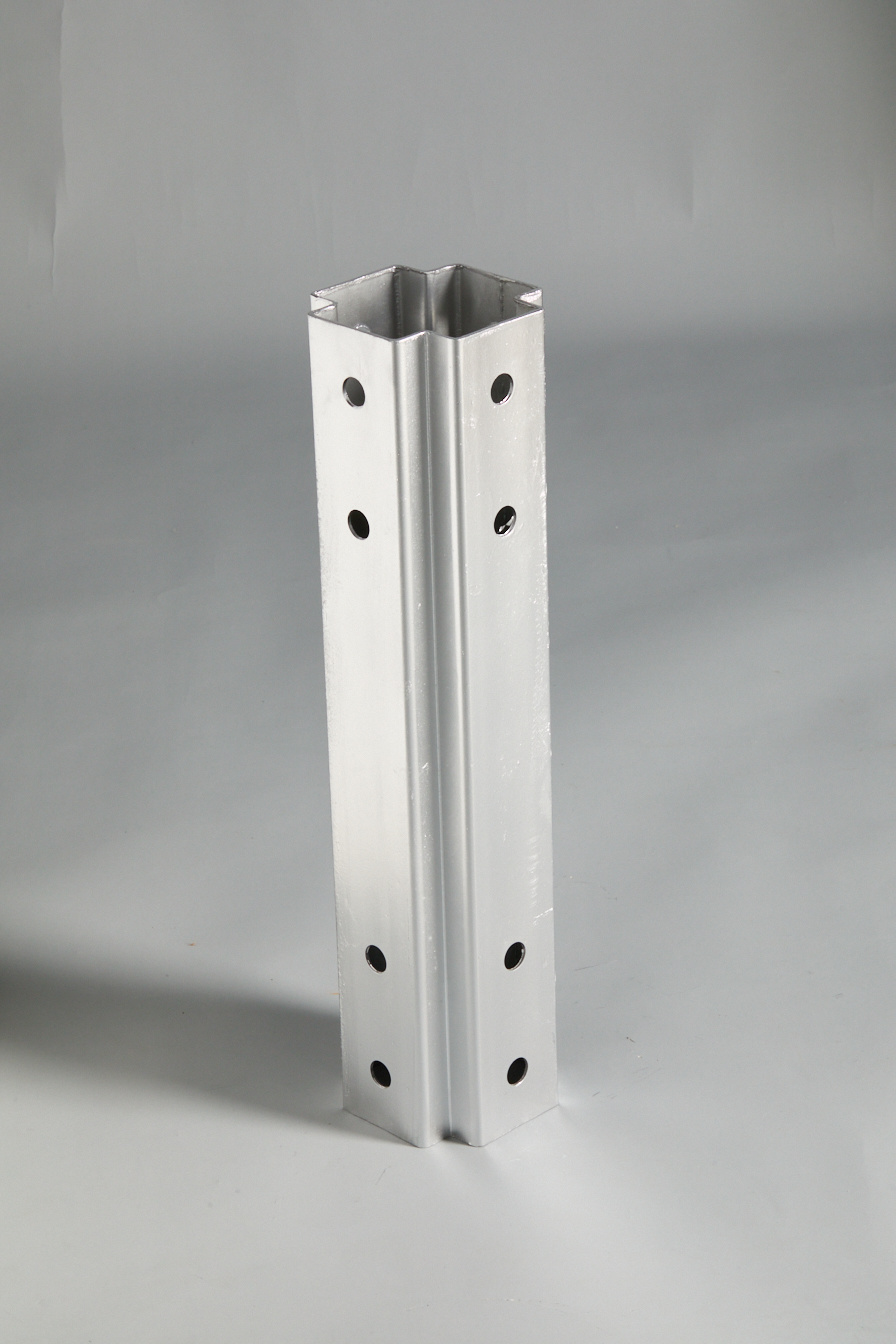
Cross column

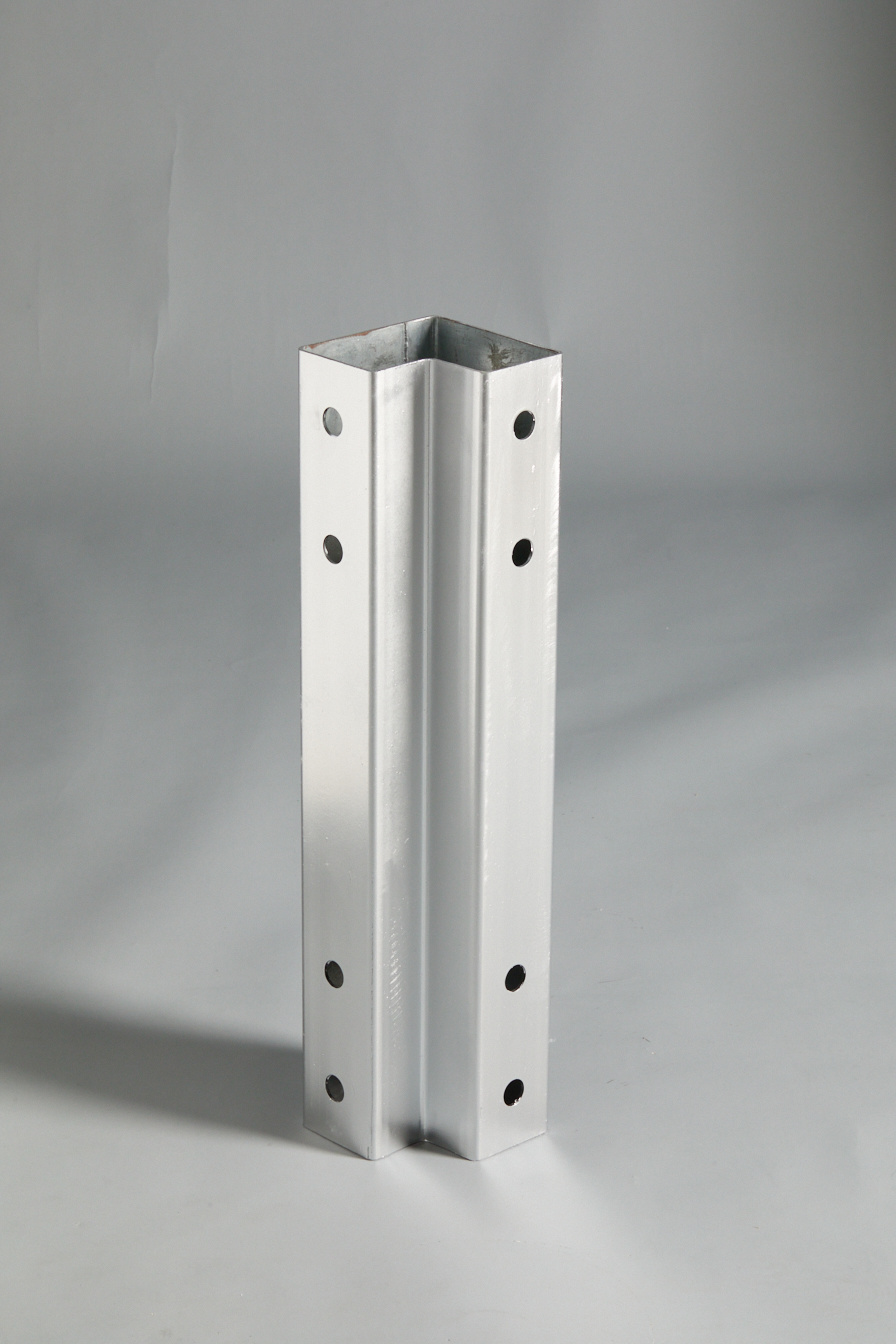
L-shaped column
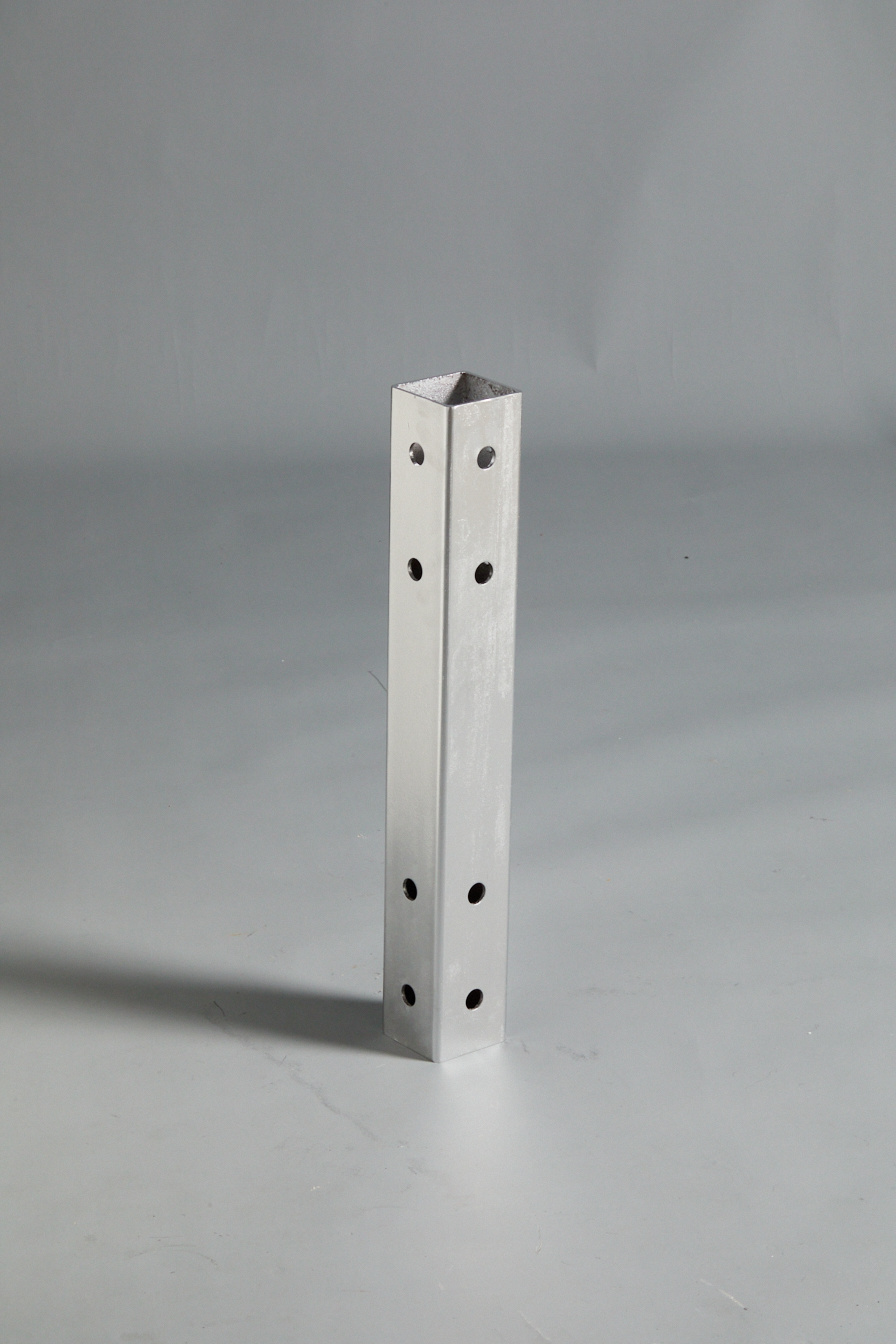
Square tube column

T-shaped column
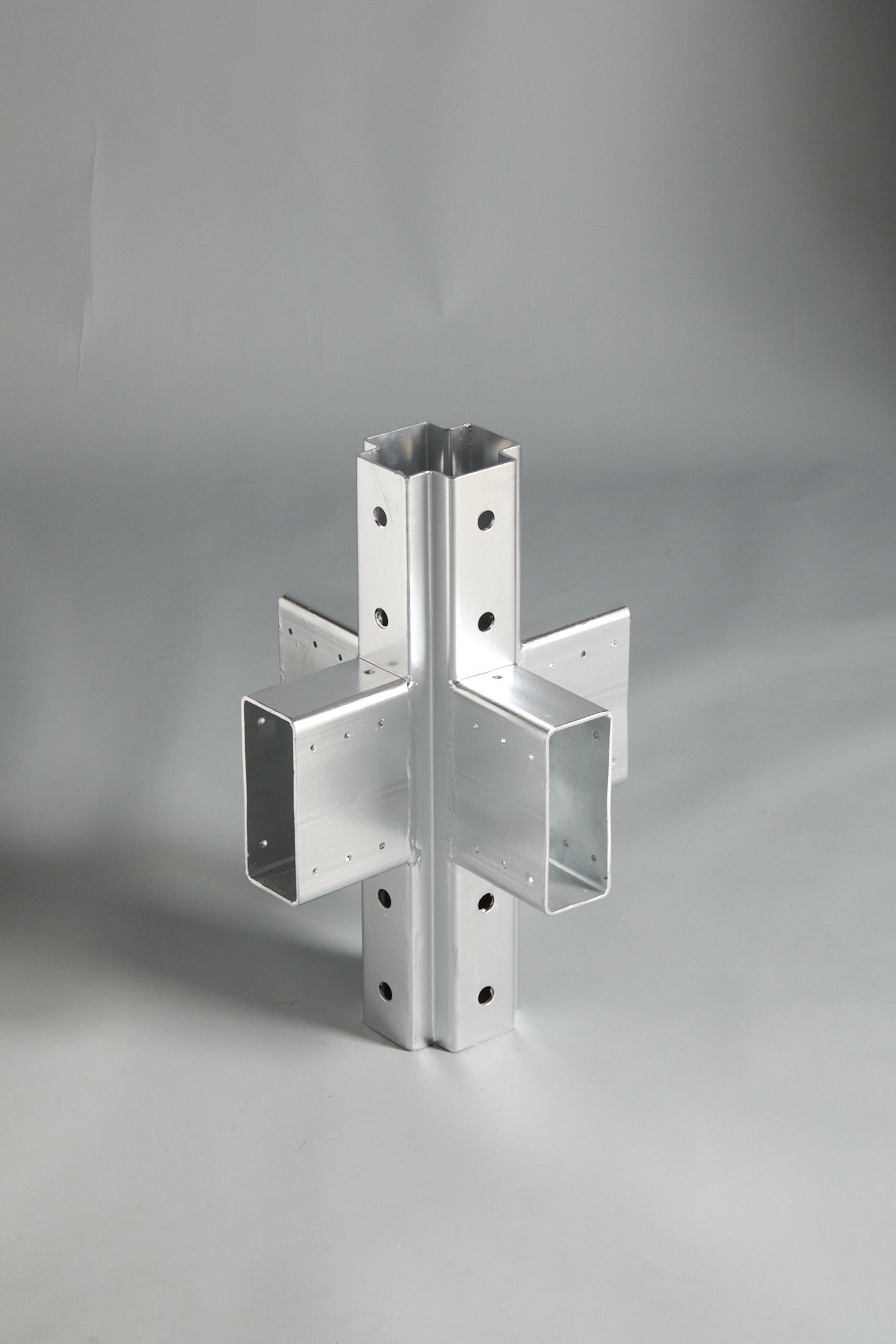
Cross column connector

L-shaped column connector

T-shaped column connector
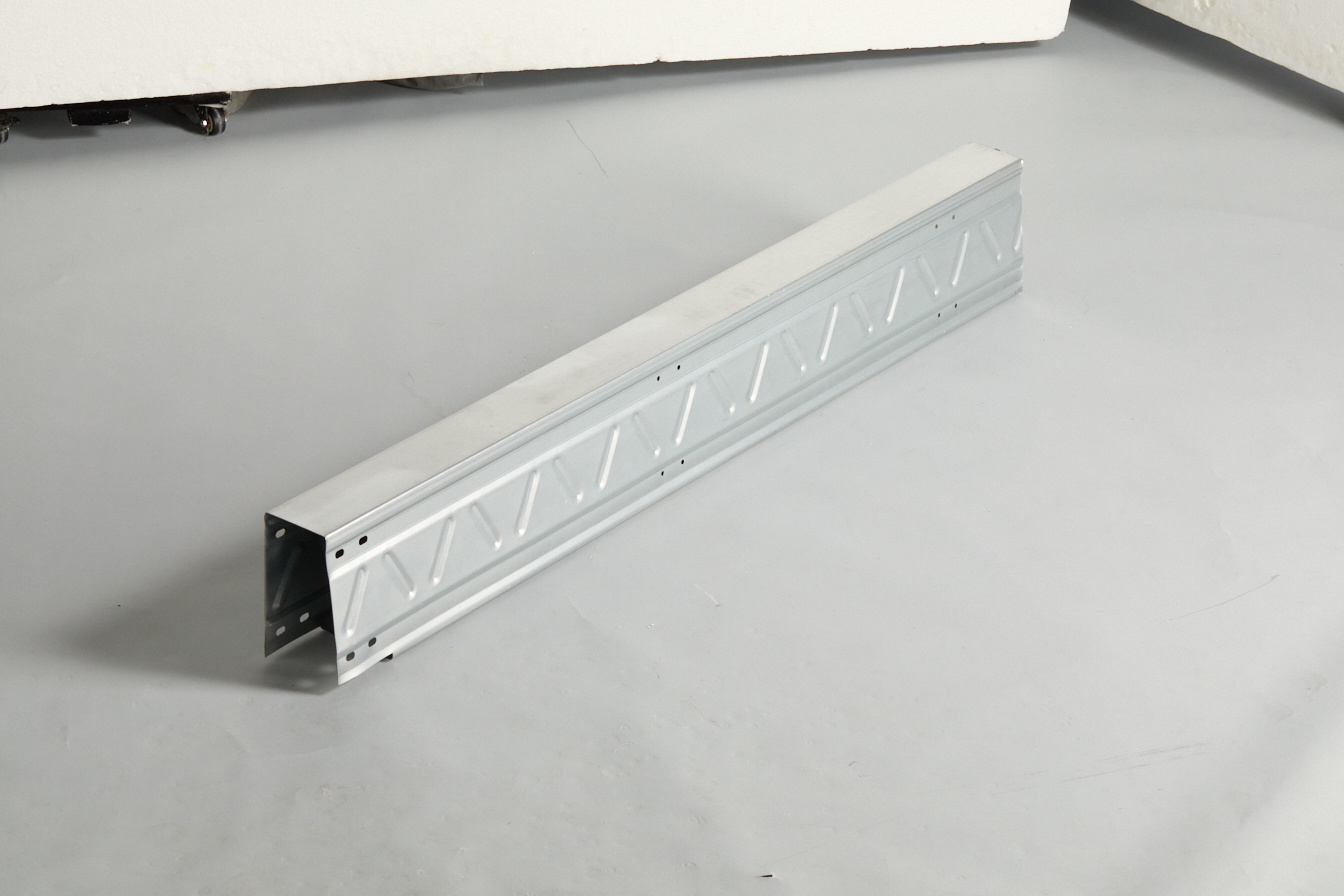
195 inner flipped edge - eight shaped reinforcing rib
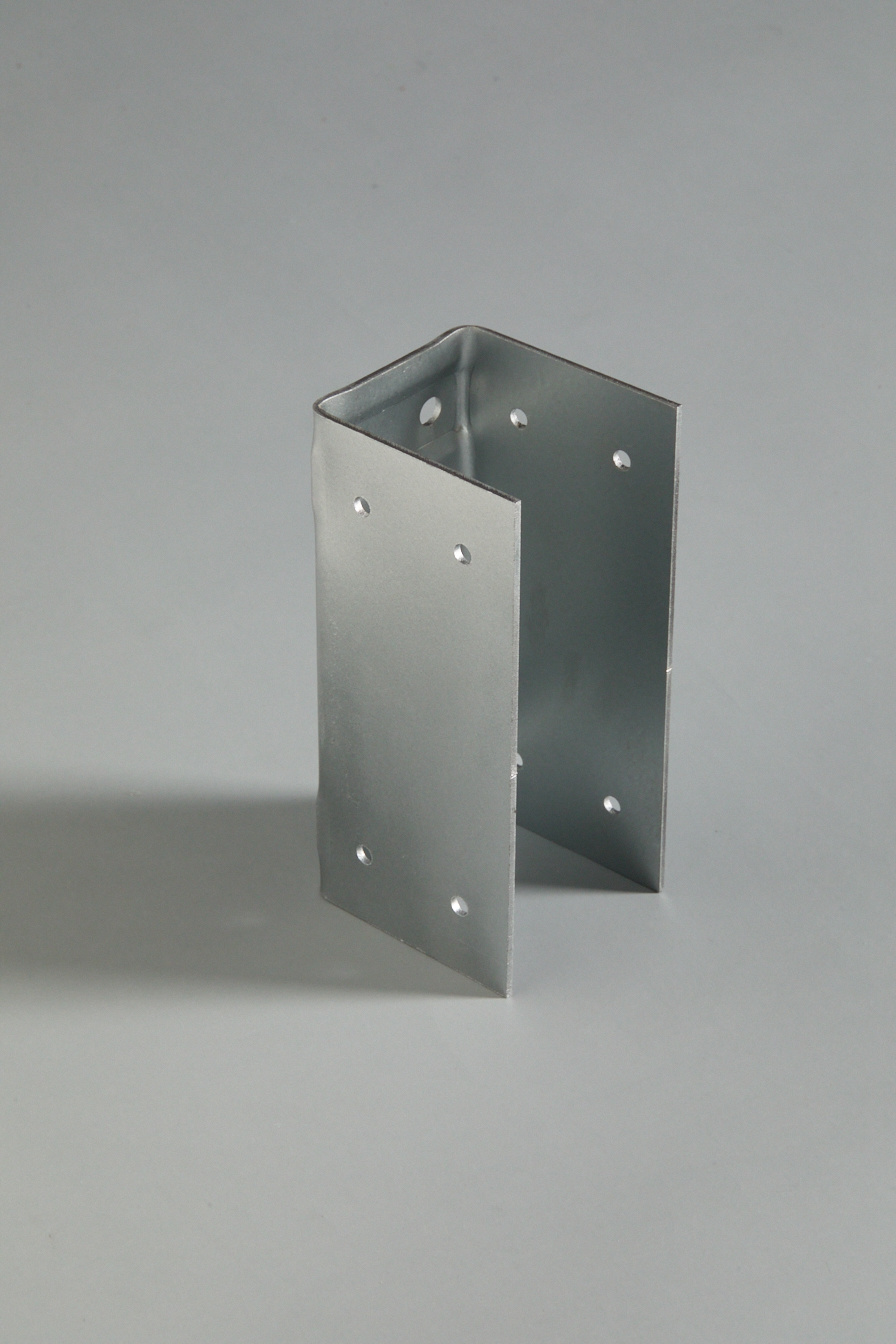
Frame small U connector
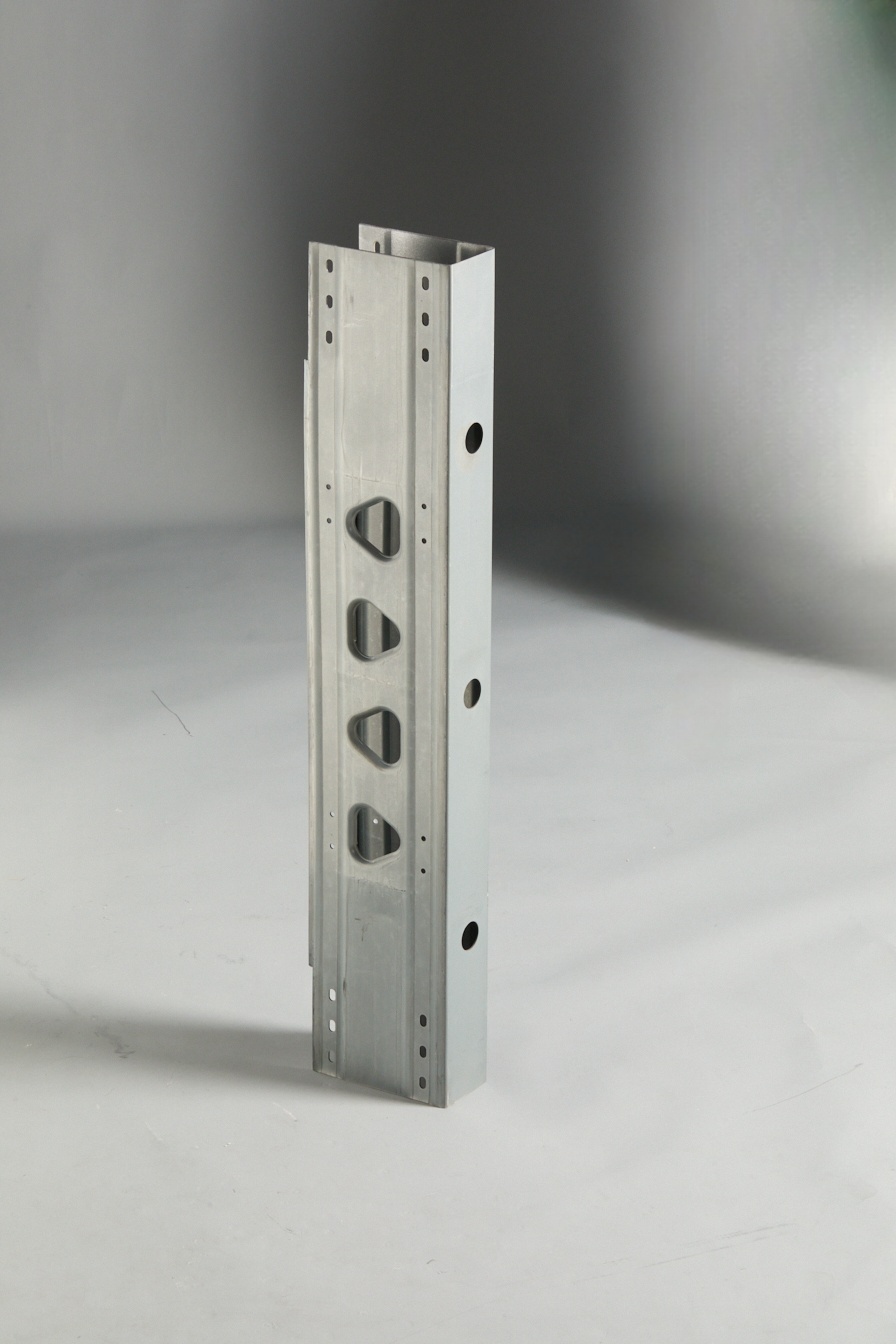
195 Inverted Edge - Triangle Reinforcement
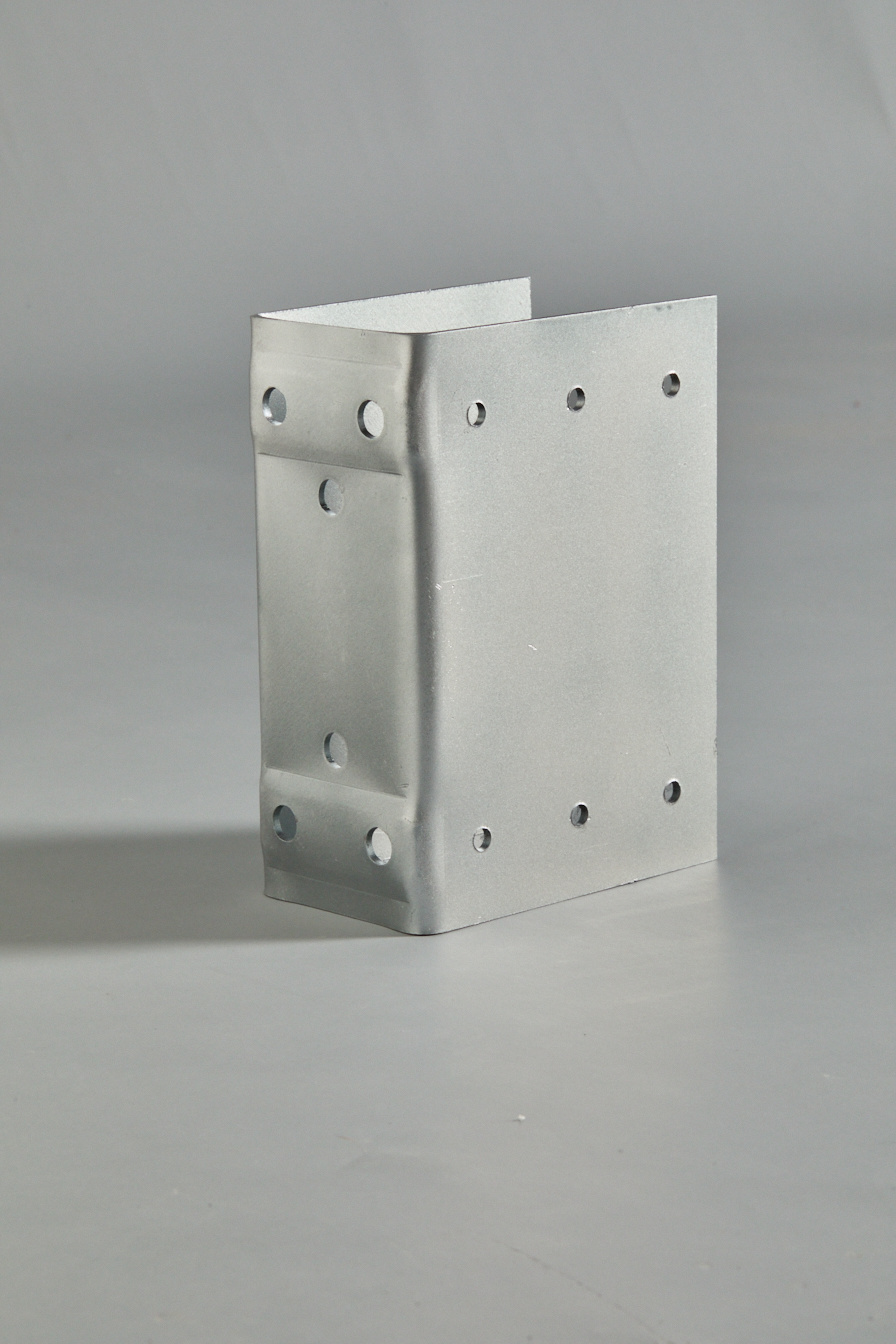
Frame large U connector
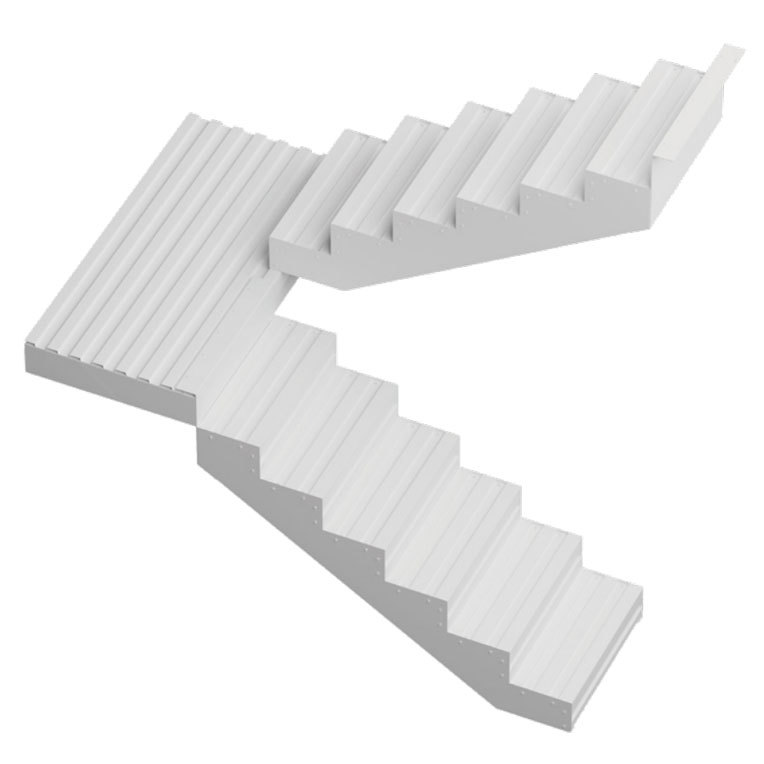
Prefabricated stairs
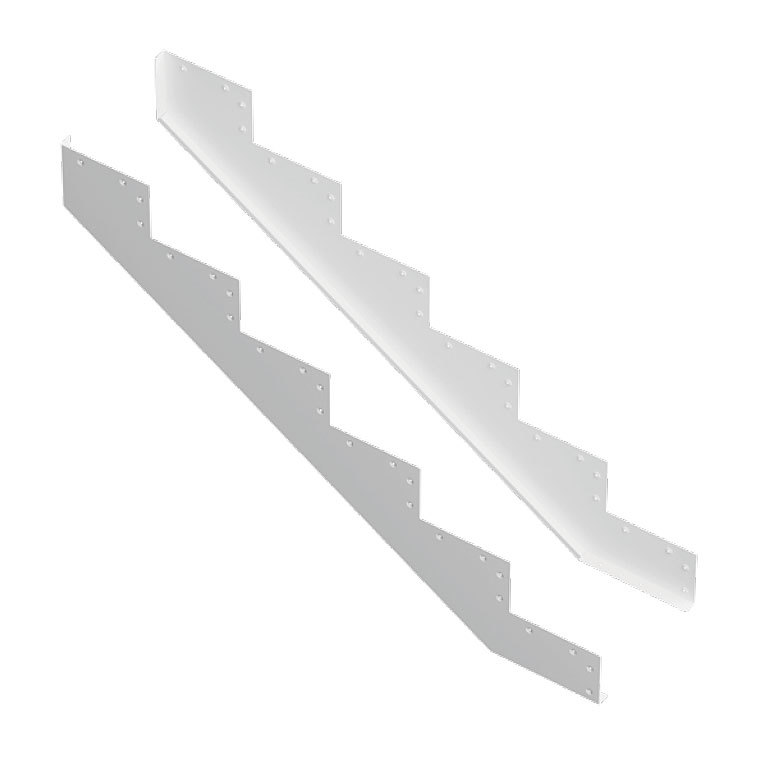
Staircase side panels
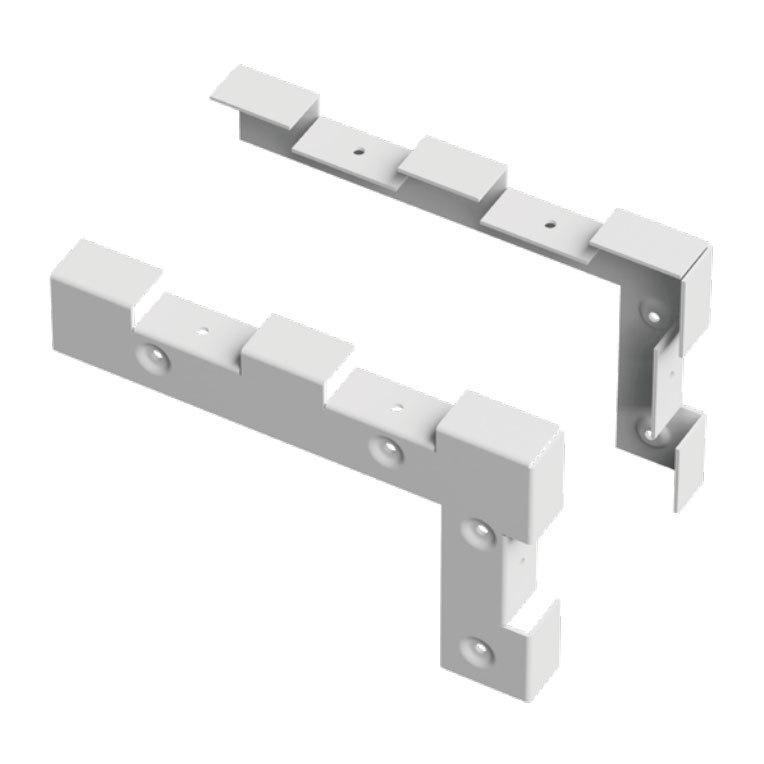
Staircase angle steel
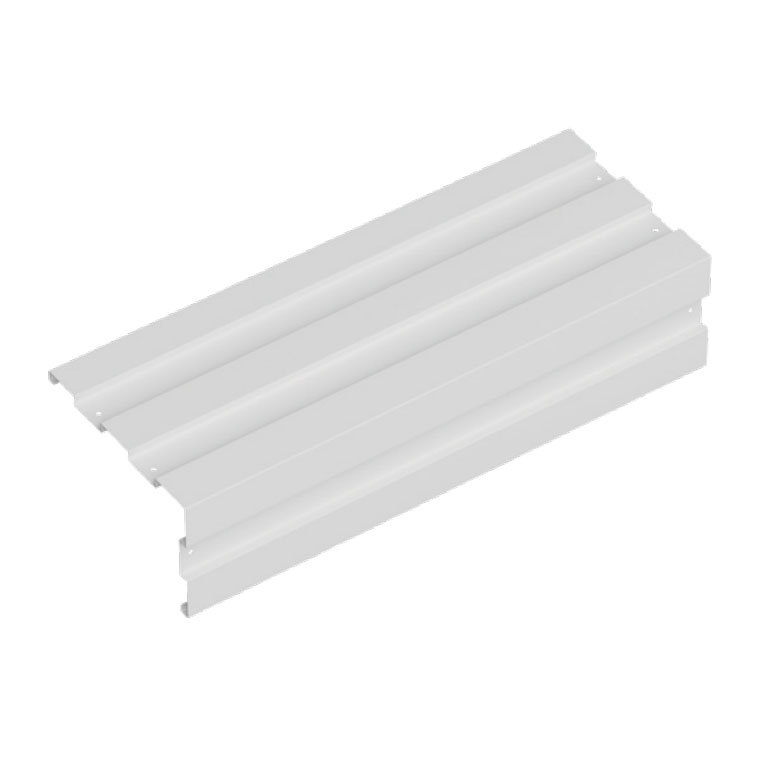
Stair steps
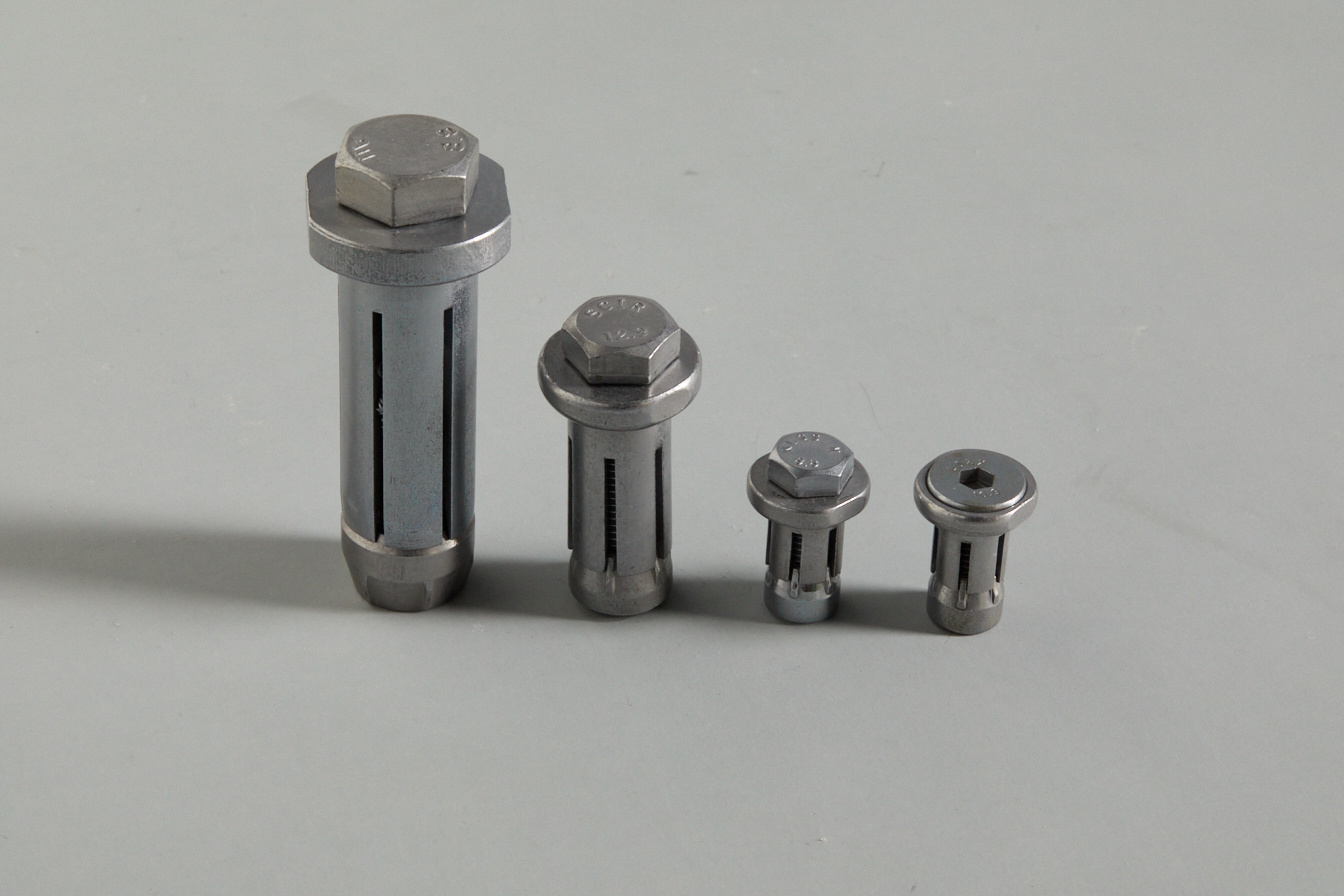
One-Way Bolt
Helical Pile System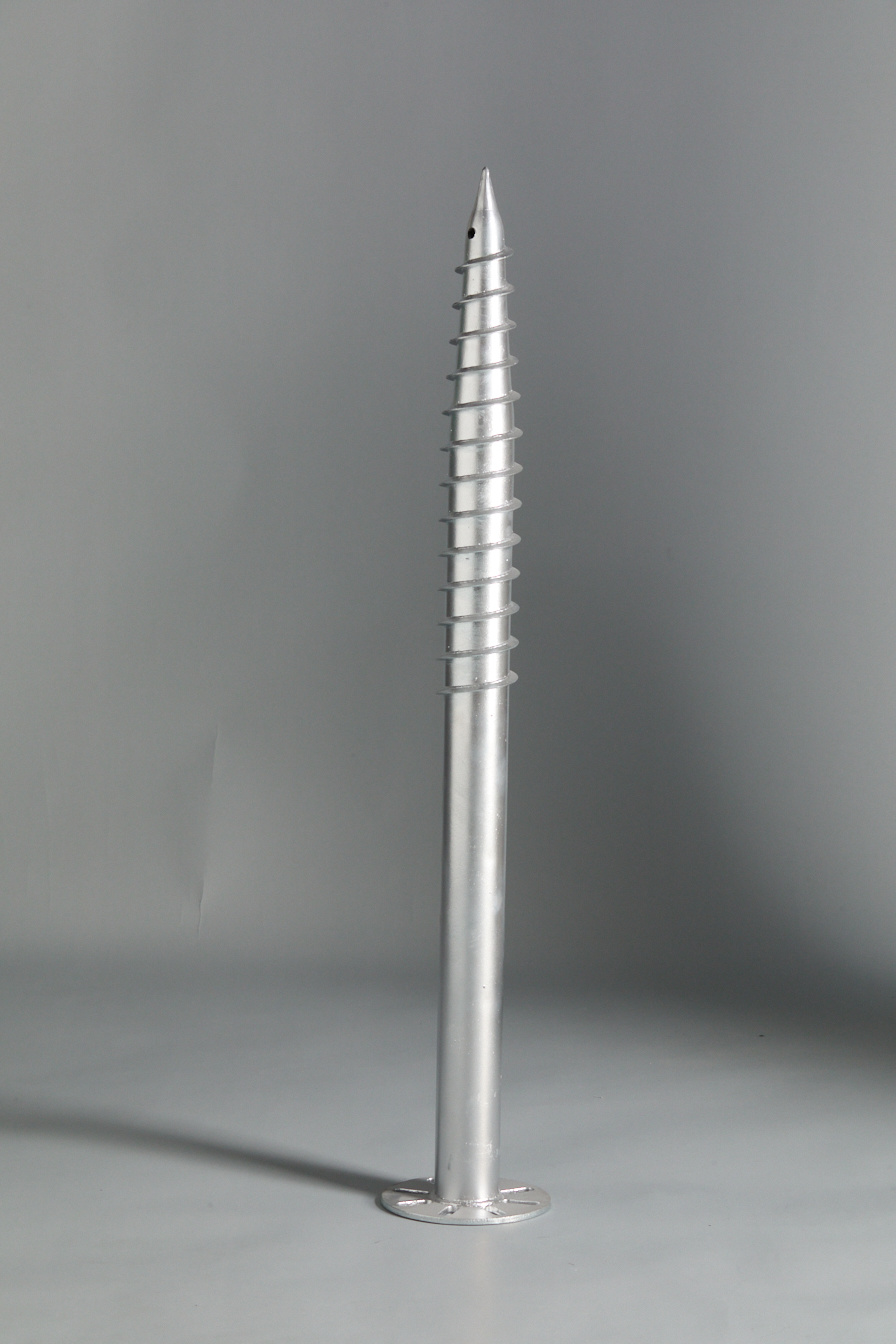
Round Pipe Screw Pile| Reliable Helical Pile Manufacturer| Patented Foundation Solution
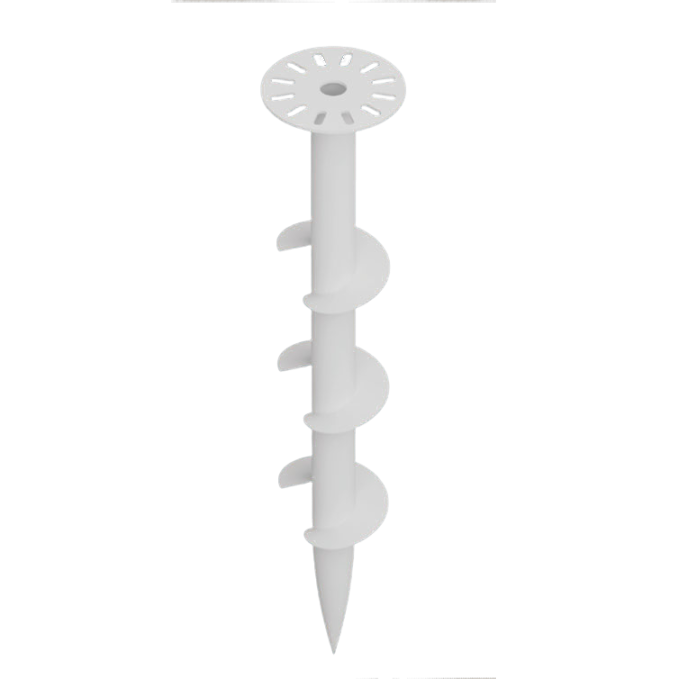
Screw Pile - 3 Blades - Round Pipe Pile
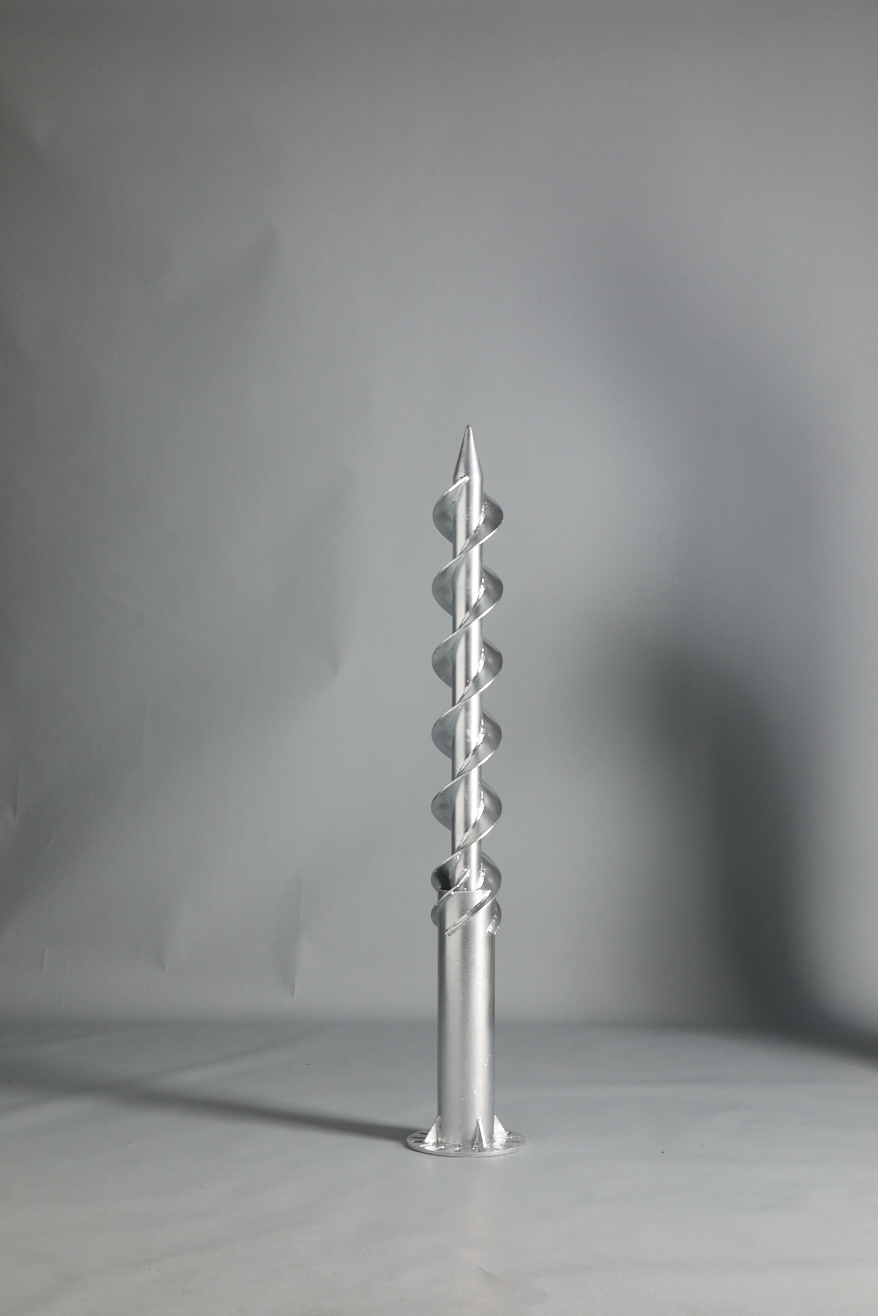
Double-Helix Screw Pile | Patented Foundation Solution
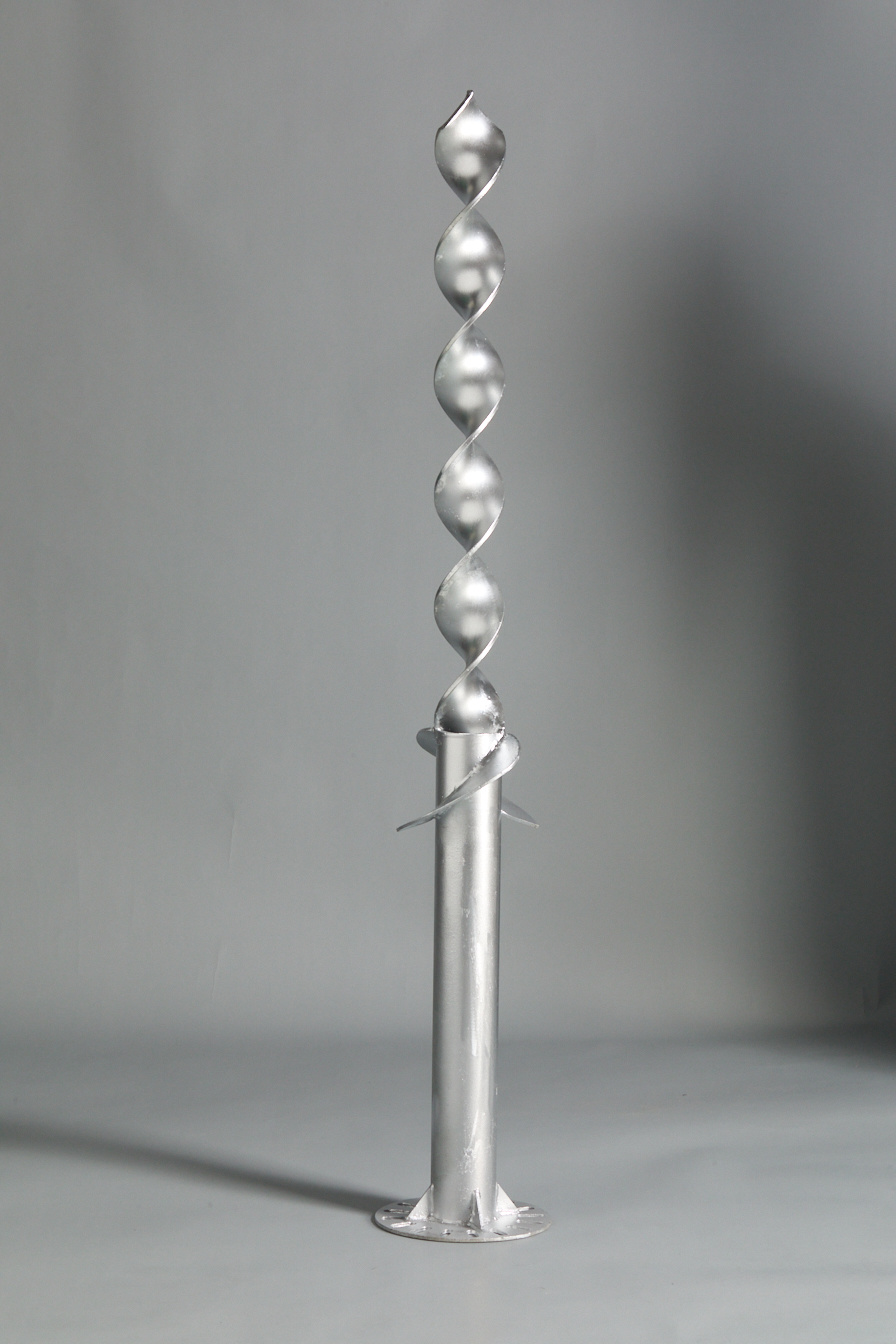
Screw Pile - Large Blade Flat Steel Pile
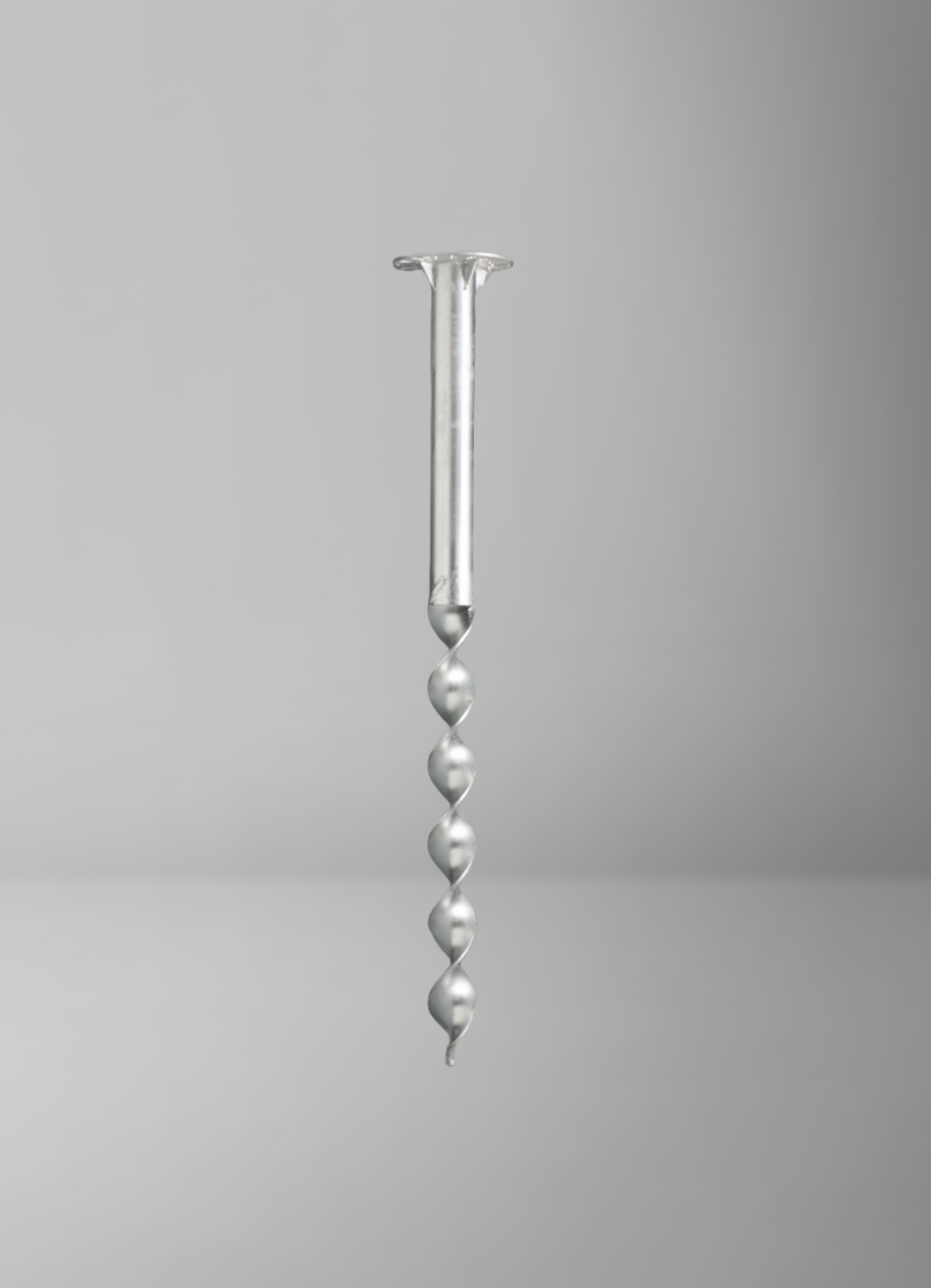
Flat Steel Screw Pile| Reliable Helical Pile Manufacturer| Patented Foundation Solution
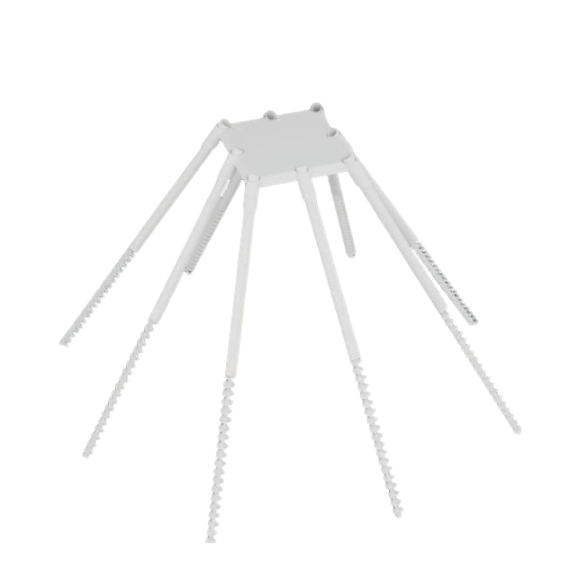
Eight-Pile Group Screw Piles| Reliable Helical Pile Manufacturer| Patented Foundation Solution
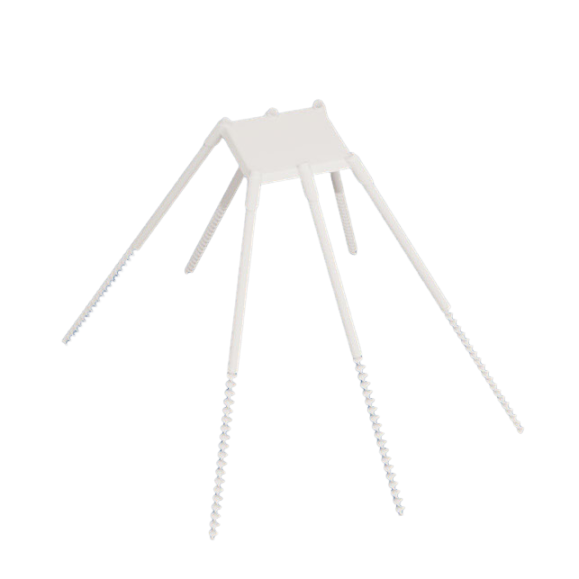
Six-Pile Group Screw Piles| Reliable Helical Pile Manufacturer| Patented Foundation Solution
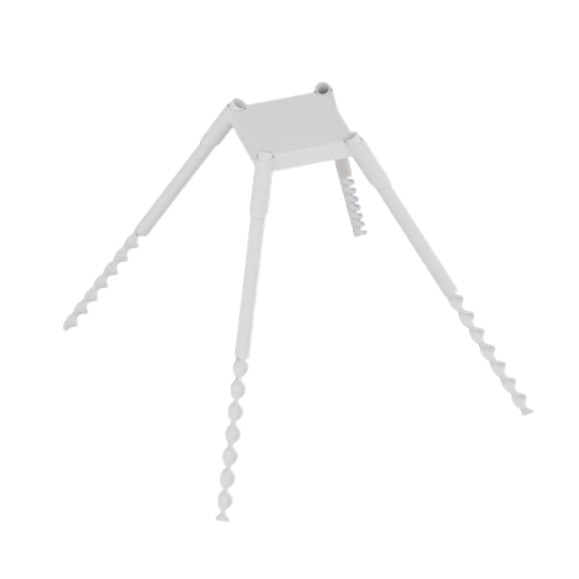
Four-Pile Group Screw Piles| Reliable Helical Pile Manufacturer| Patented Foundation Solution
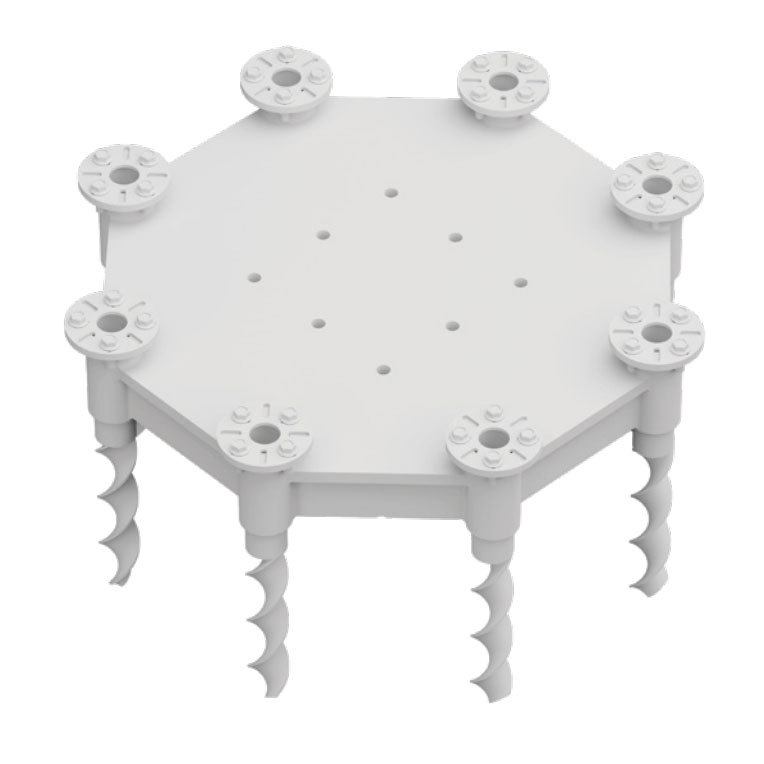
Eight-Pile Cap Screw Pile | Reliable Helical Pile Manufacturer| Patented Foundation Solution
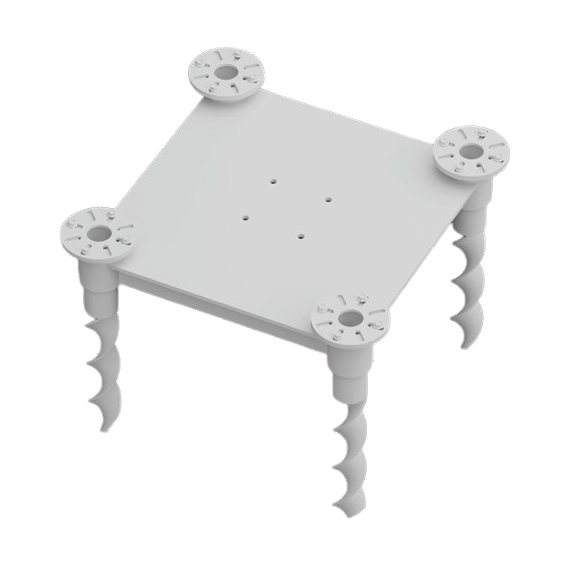
Four-Pile Cap Screw Pile | Reliable Helical Pile Manufacturer| Patented Foundation Solution
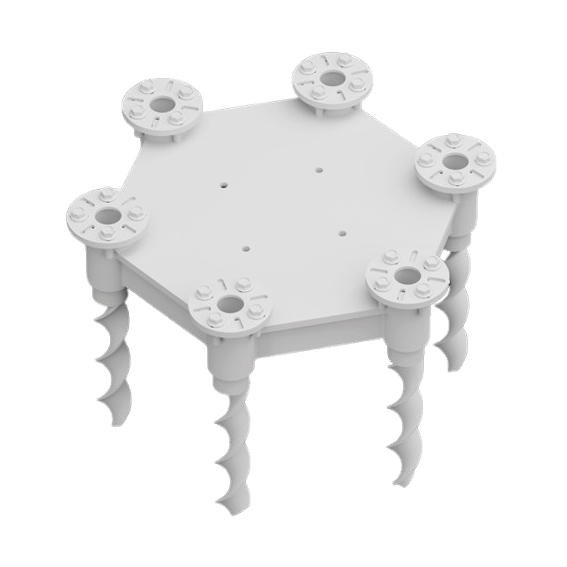
Six-Pile Cap Screw Pile | Reliable Helical Pile Manufacturer| Patented Foundation Solution
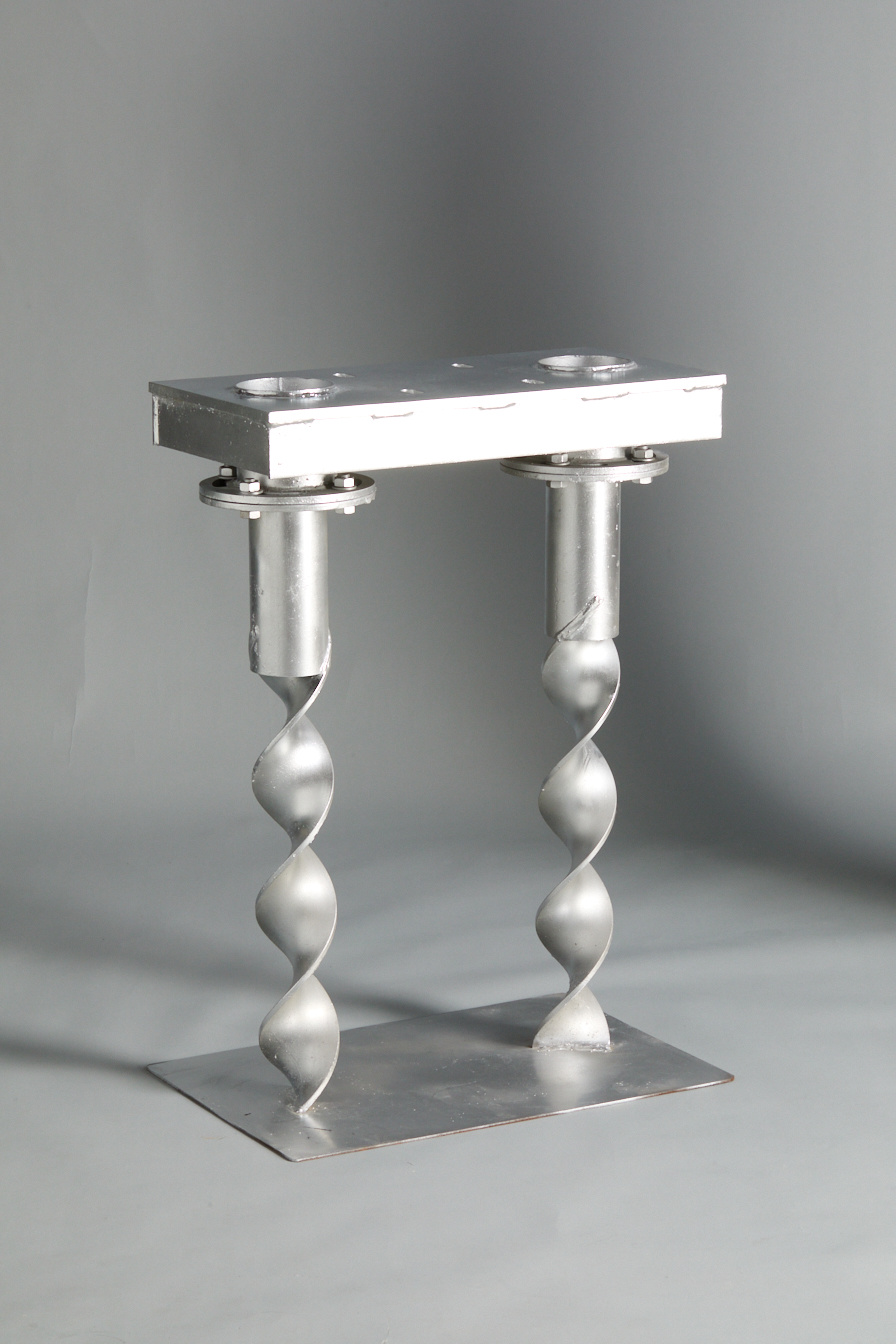
Two-Pile Cap Screw Pile | Reliable Helical Pile Manufacturer| Patented Foundation Solution
Steel Platform System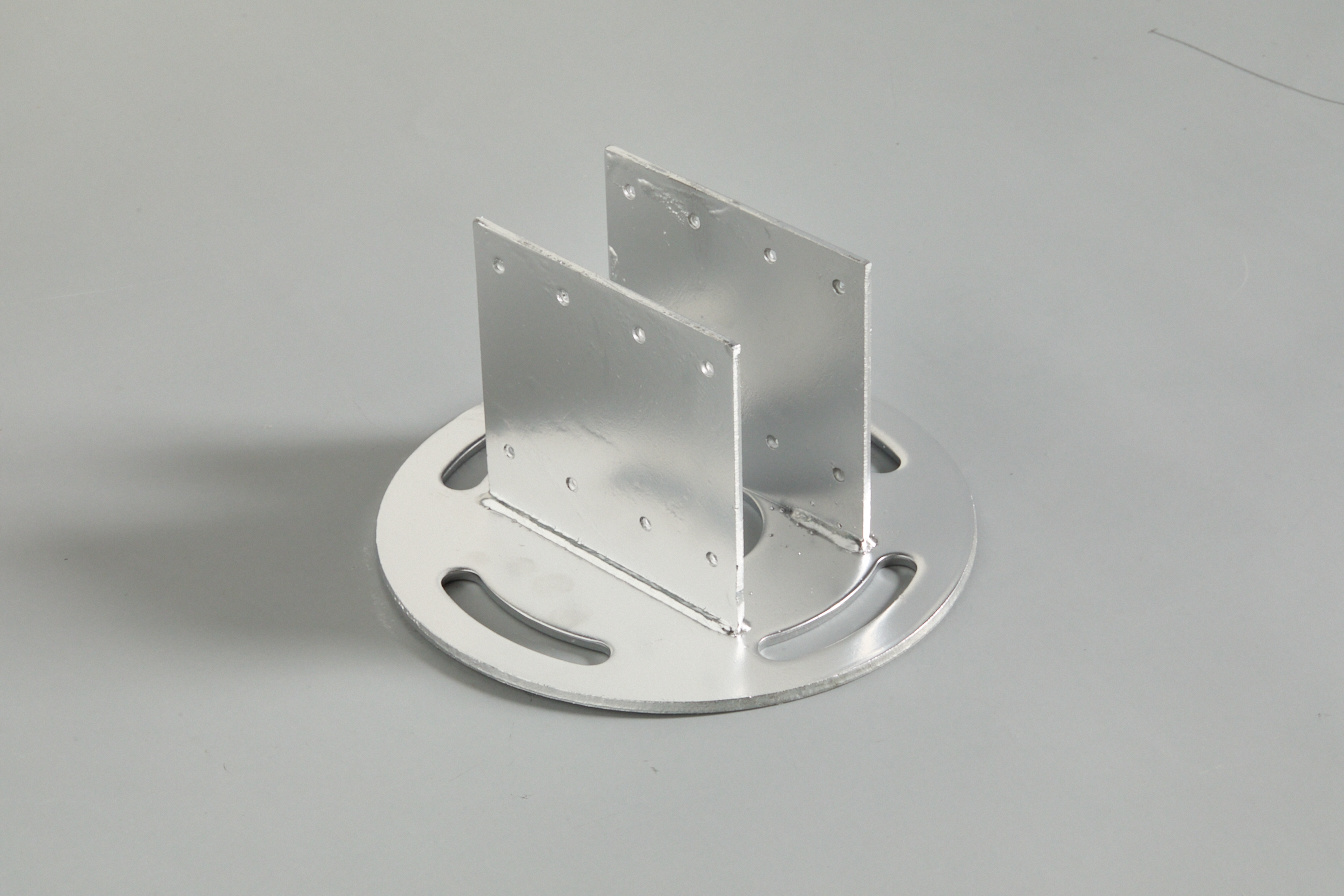
Spiral pile connectors
Small U connector
Large U connector
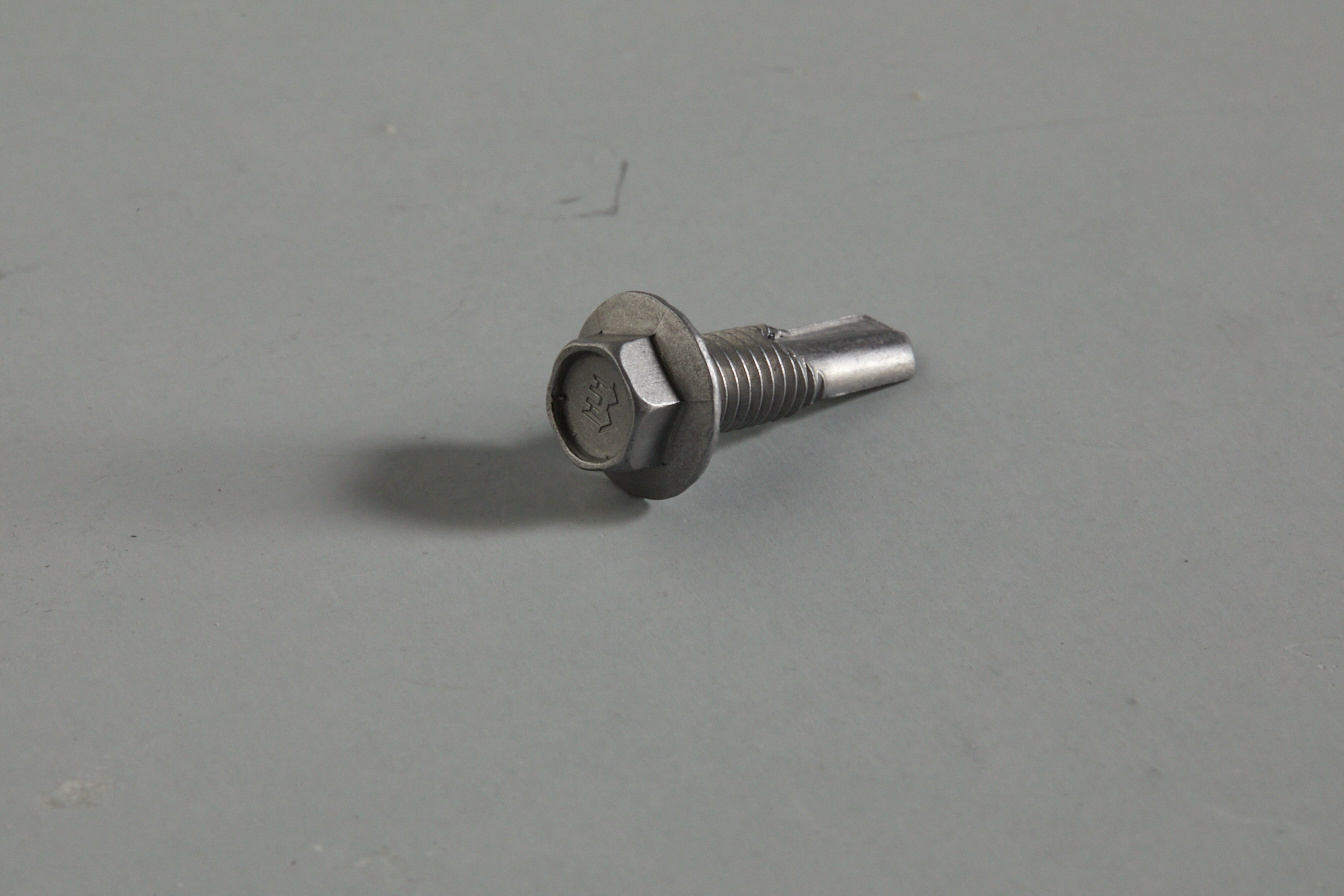
Hexagonal flange self drilling and self tapping screws
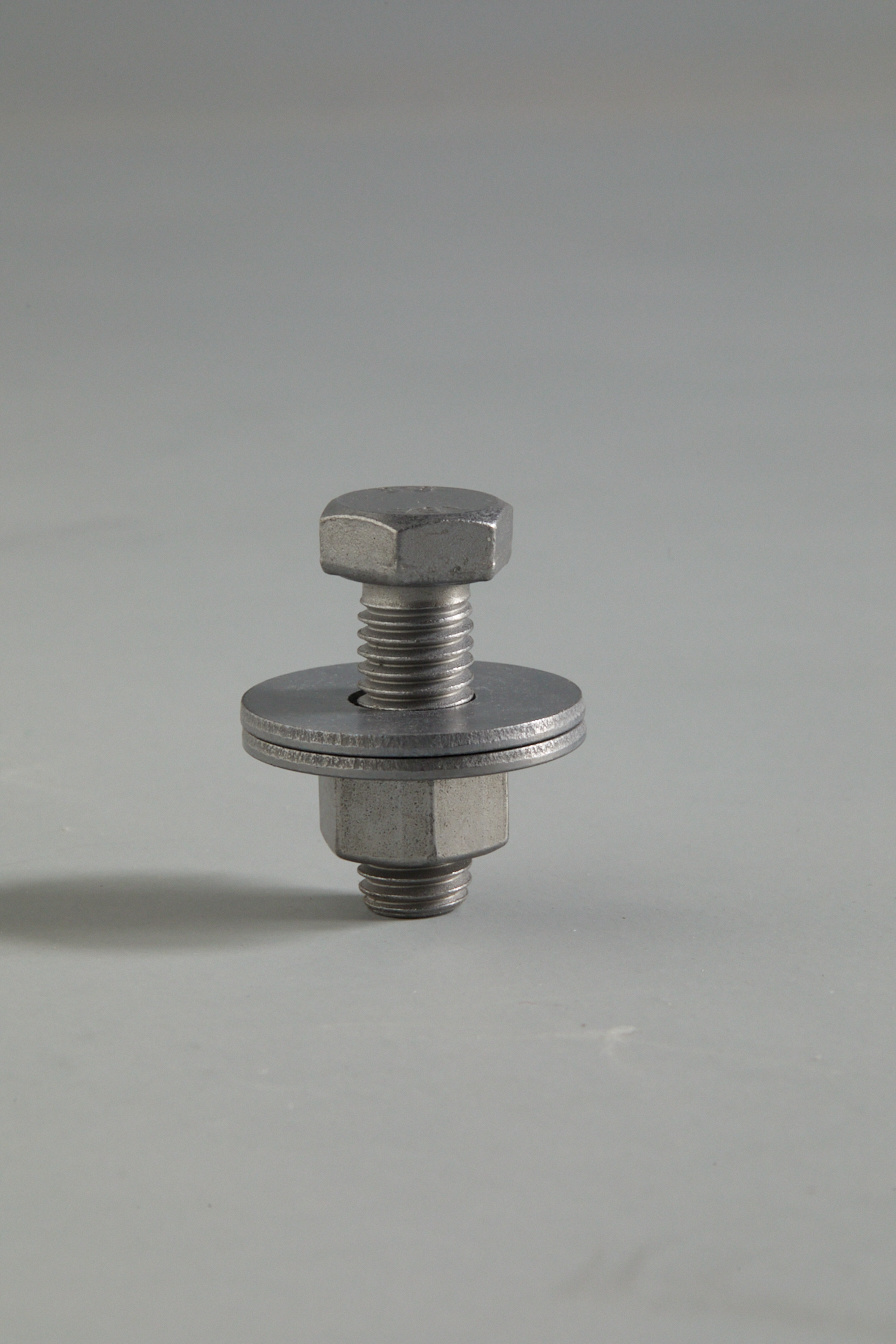
Tightening Bolts
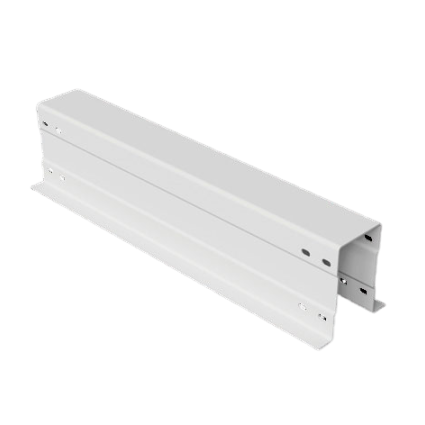
Secondary Beam
Steel Platform - Main Beam
Modular building
Modular building
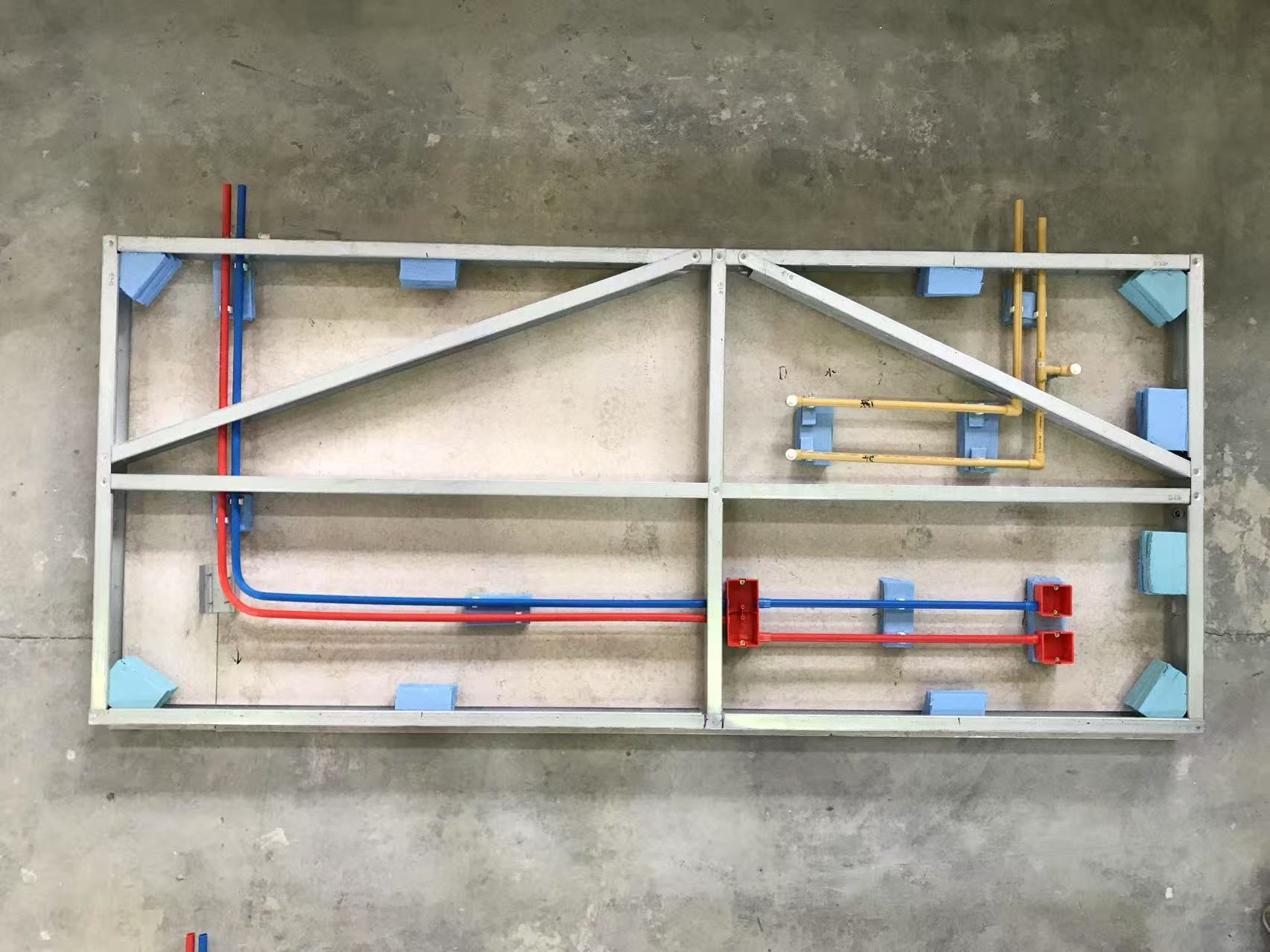
Layout Diagram of Electrical and Plumbing Pipelines for Magnesium-Based Grouted Walls

Performance Testing of Magnesium-Based Walls
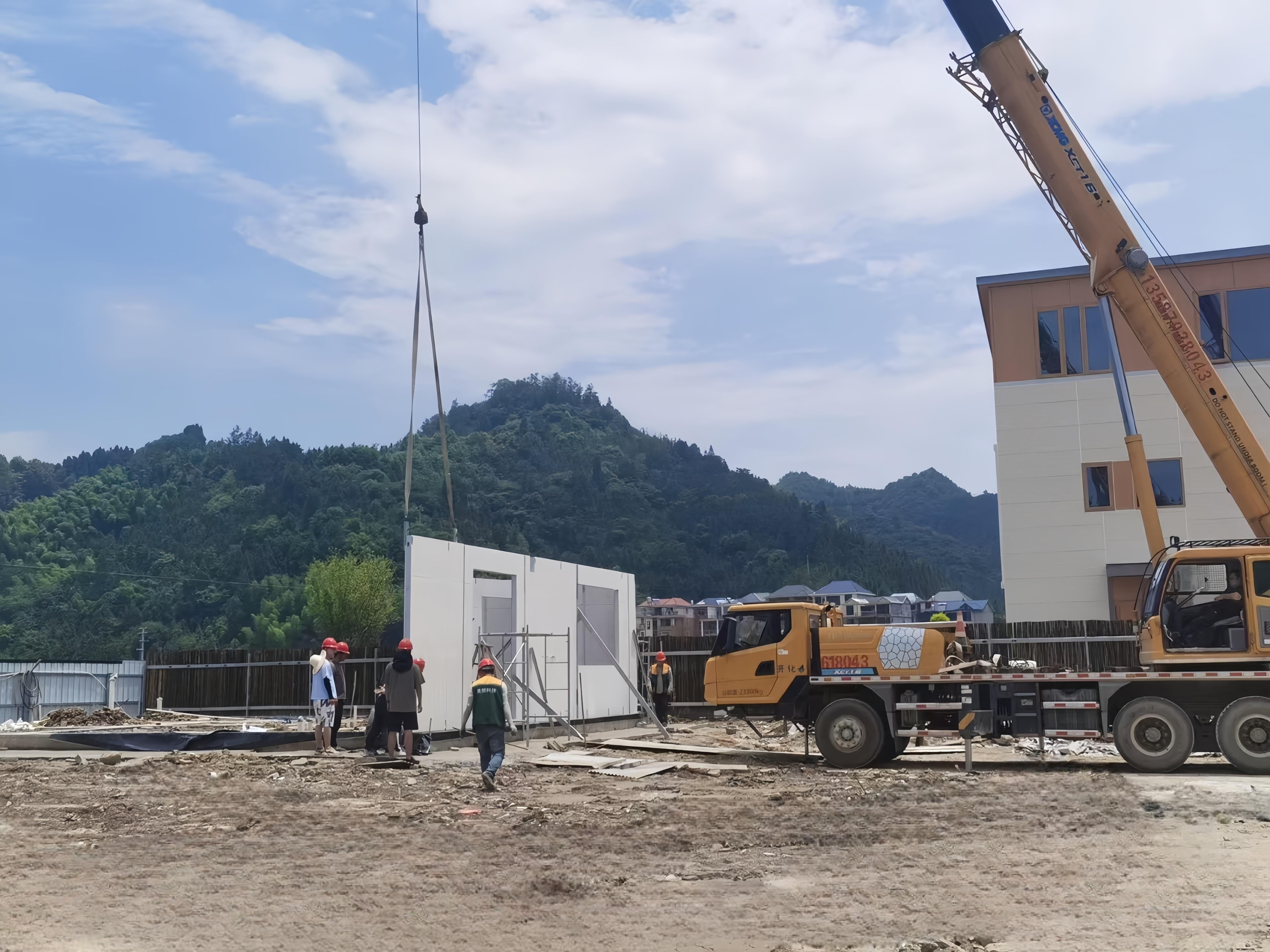
Construction Process of Modular Walls
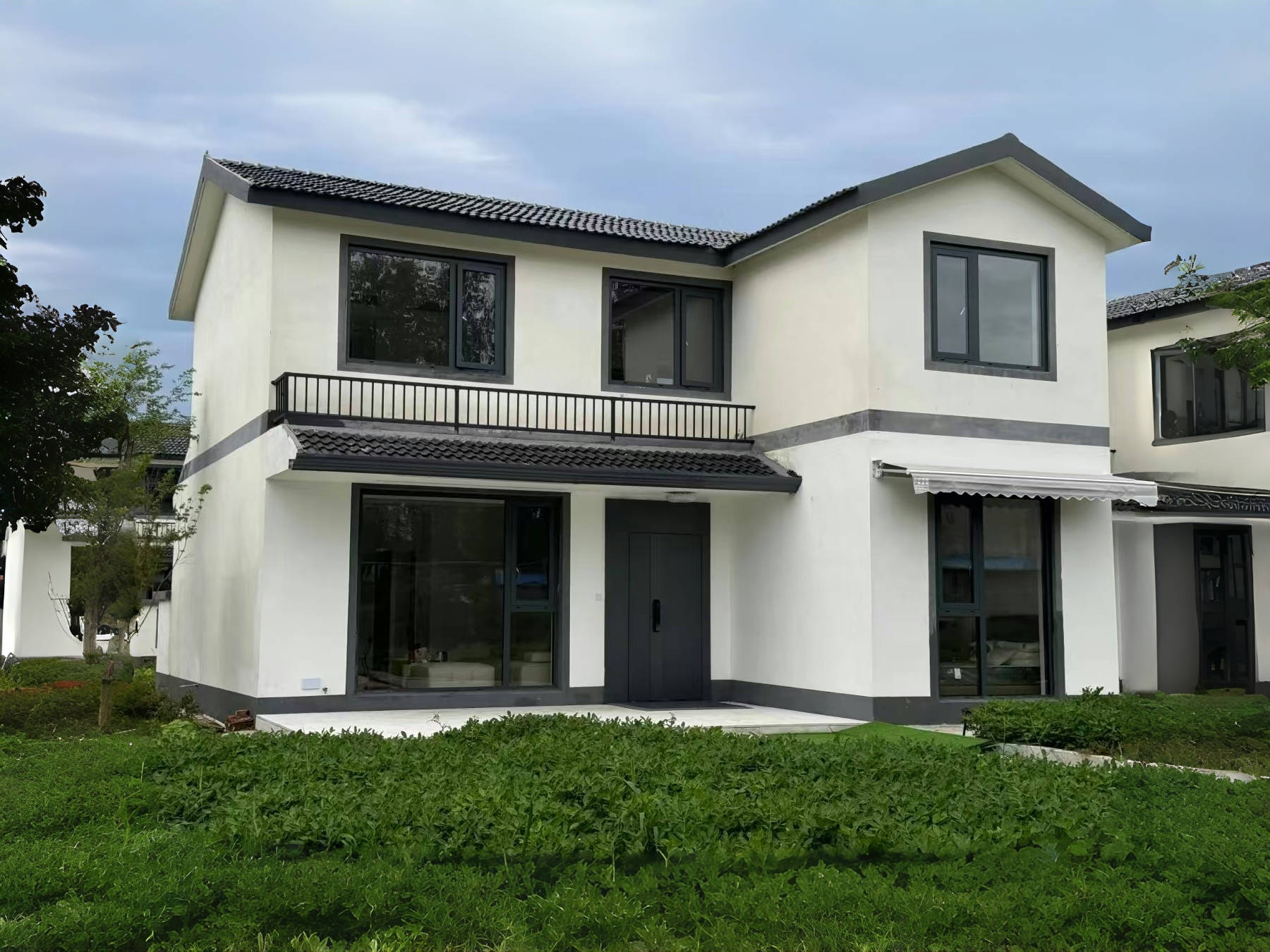
Cases of Modular Buildings
Bracket Roof Integrated Panel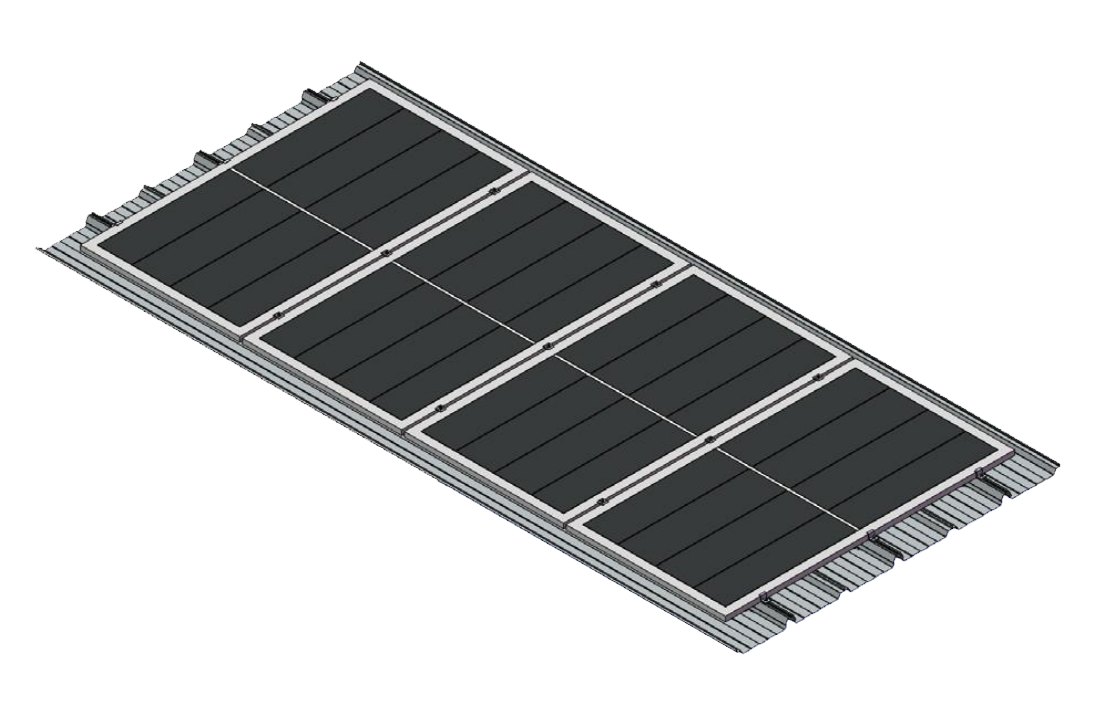
BIPV Bracket Roof Integrated Panel
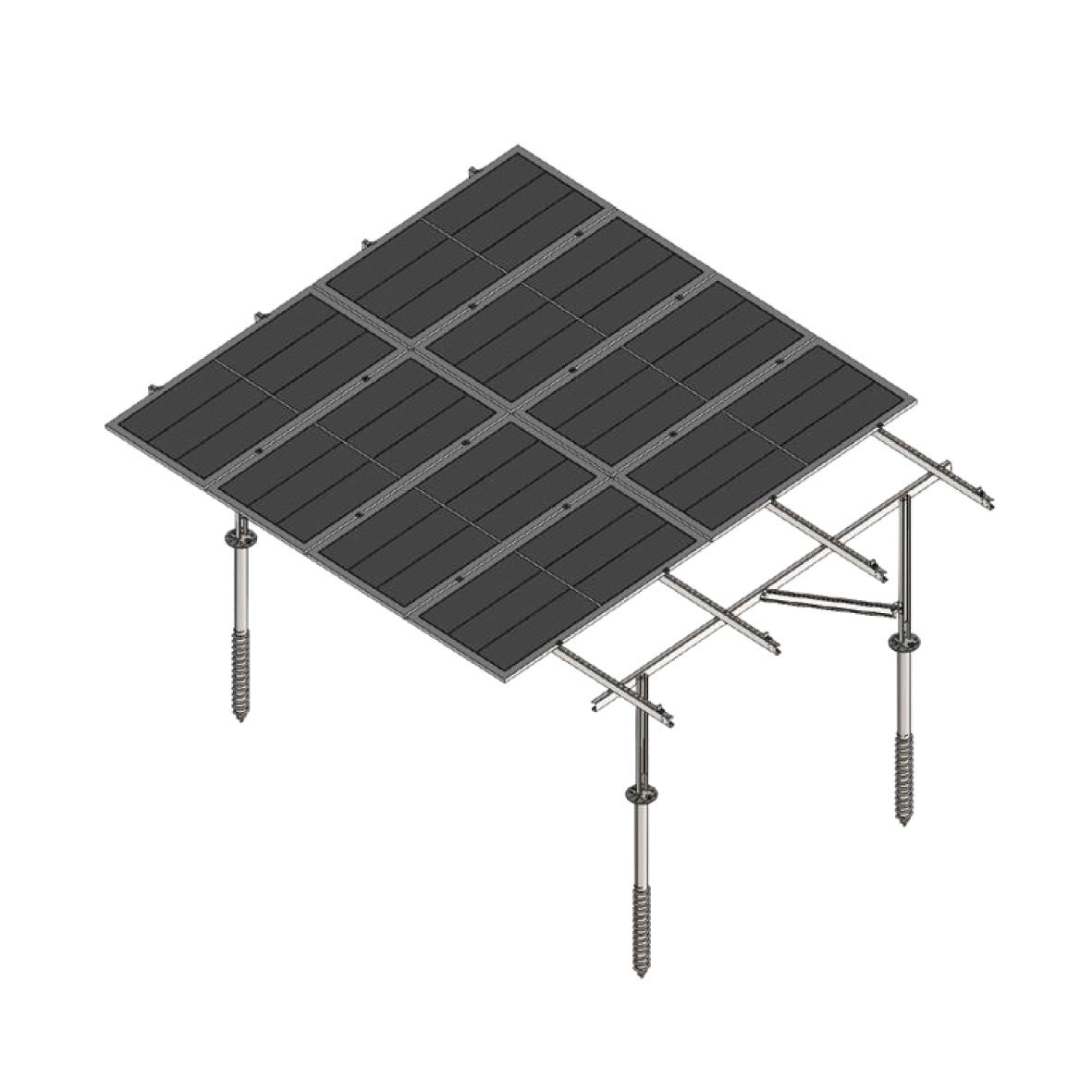
ZINC Aluminum Magnesium Double Leg Bracket
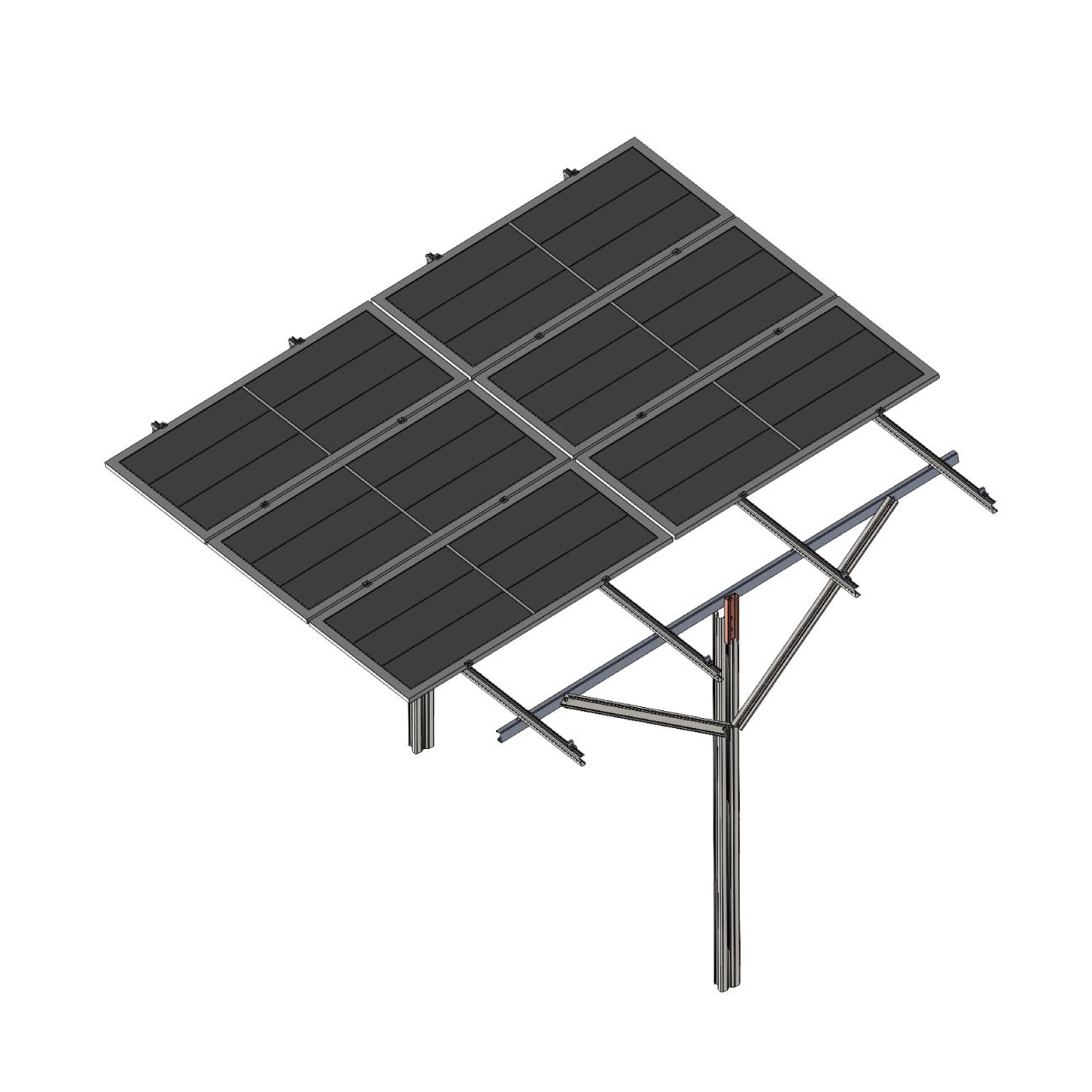
ZINC Aluminum Magnesium Single Leg Bracket
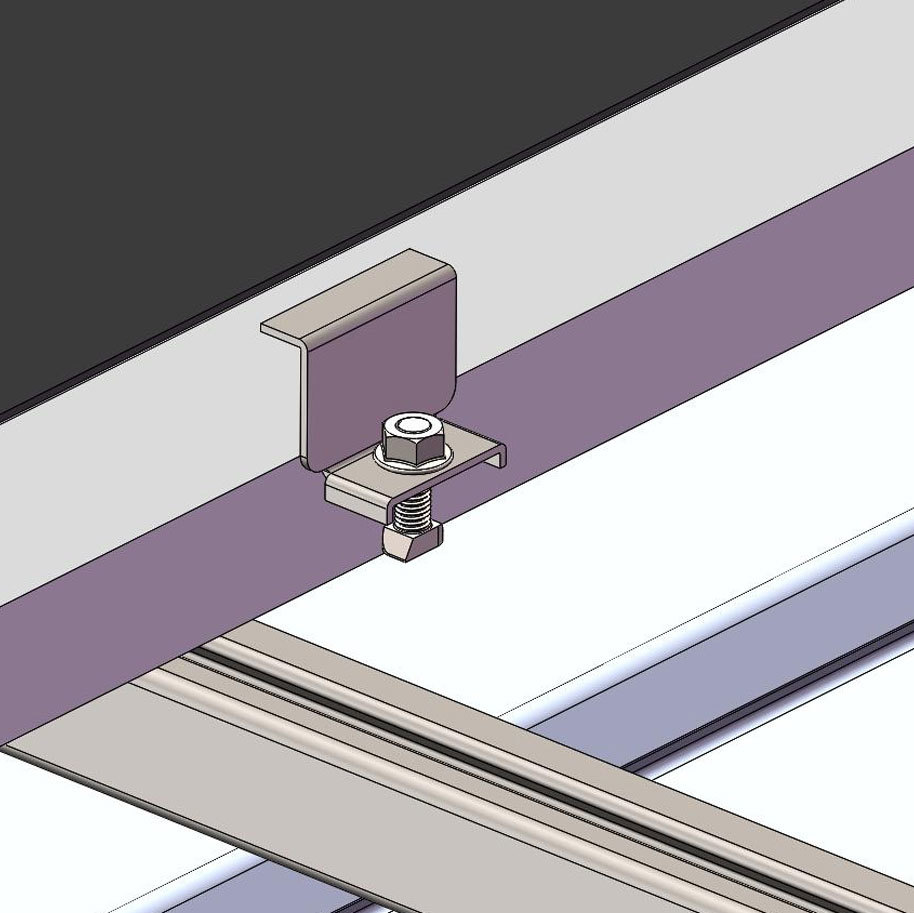
Explosion diagram of zinc aluminum magnesium under lateral pressure
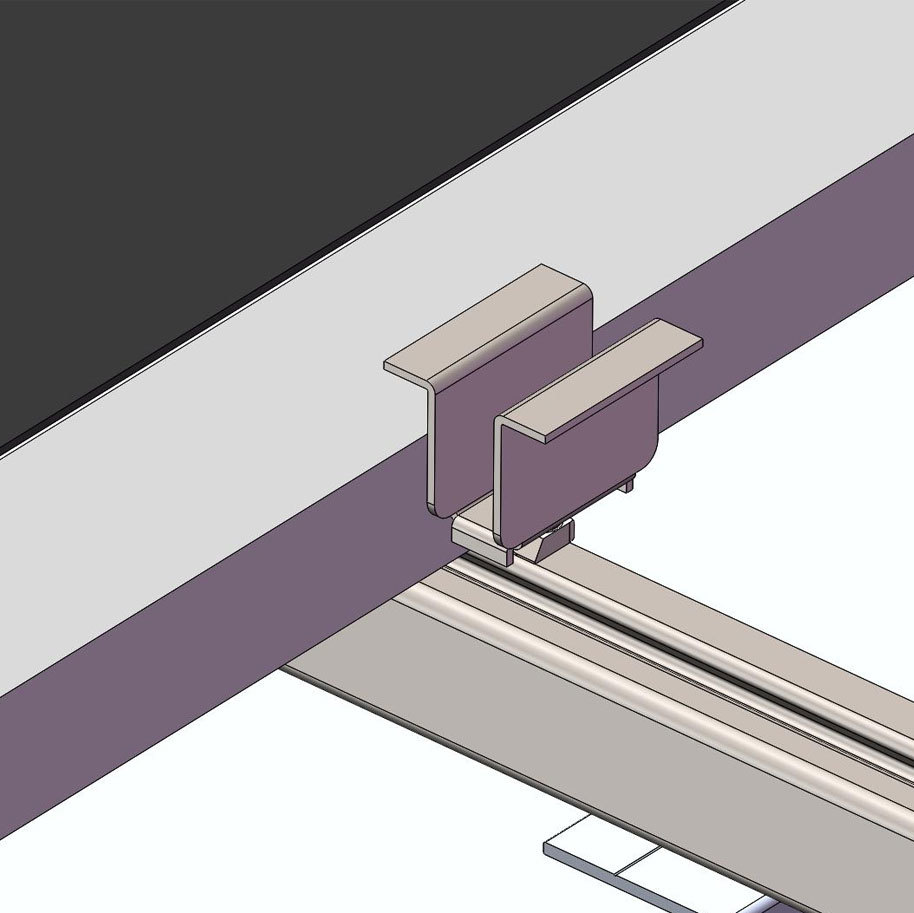
Zinc aluminum magnesium medium pressure explosion diagram
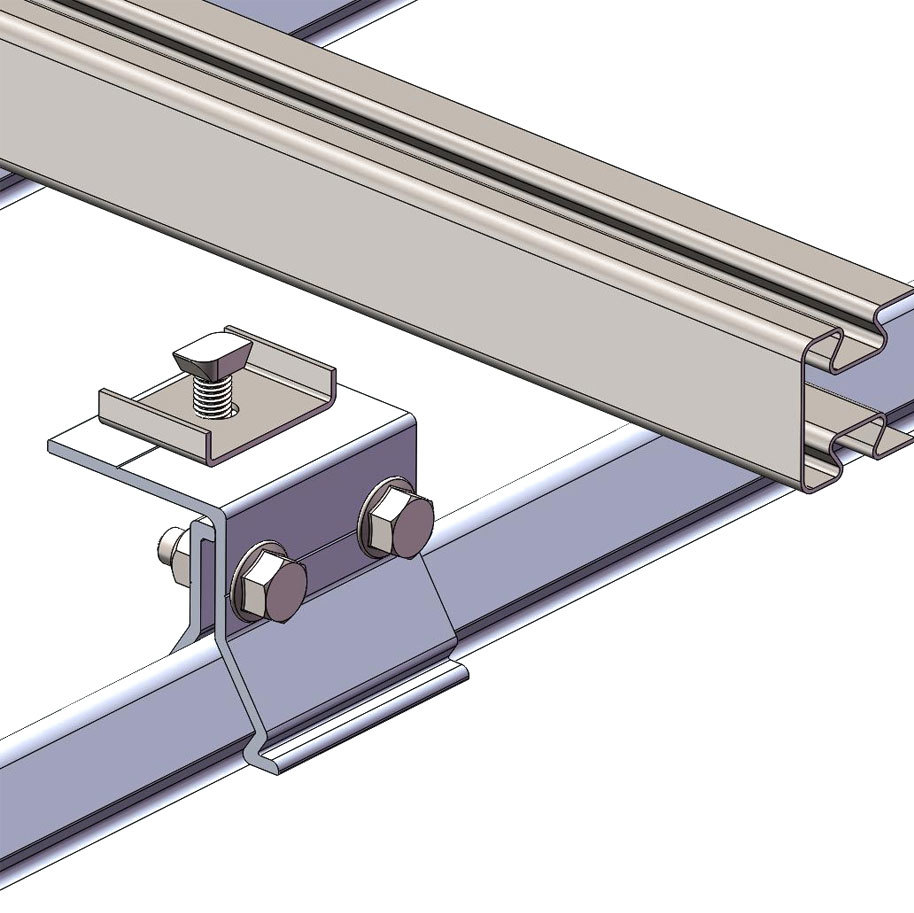
Explosion diagram of fixture components
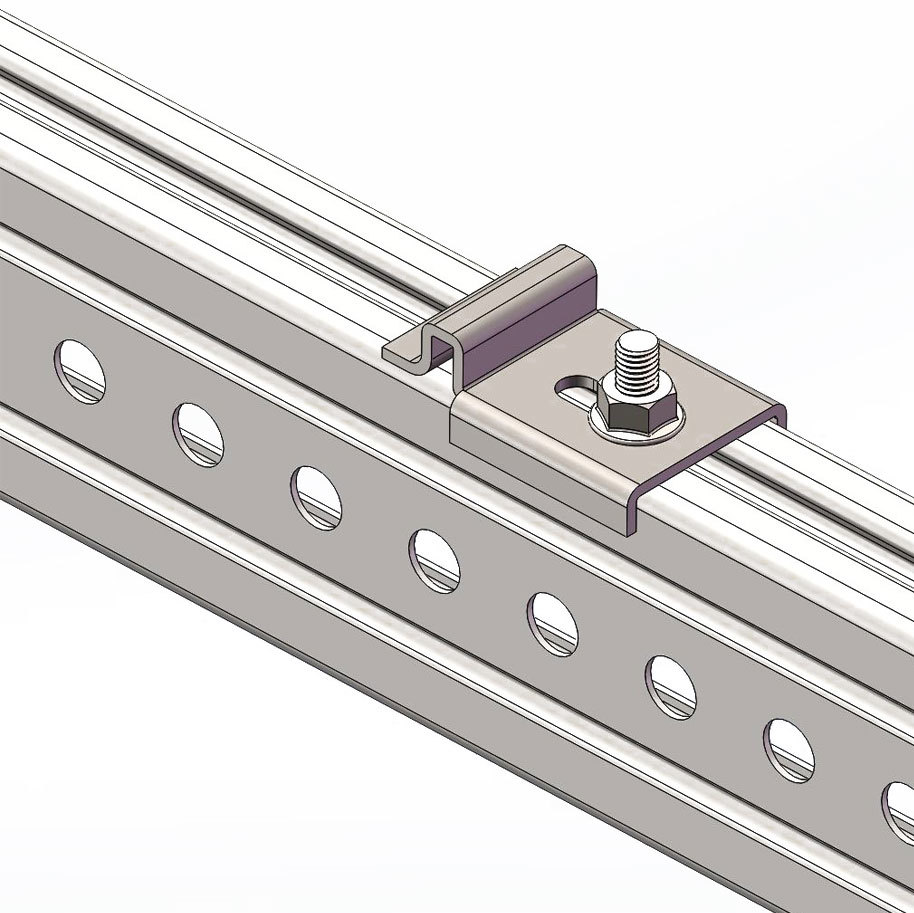
Lower pressure component
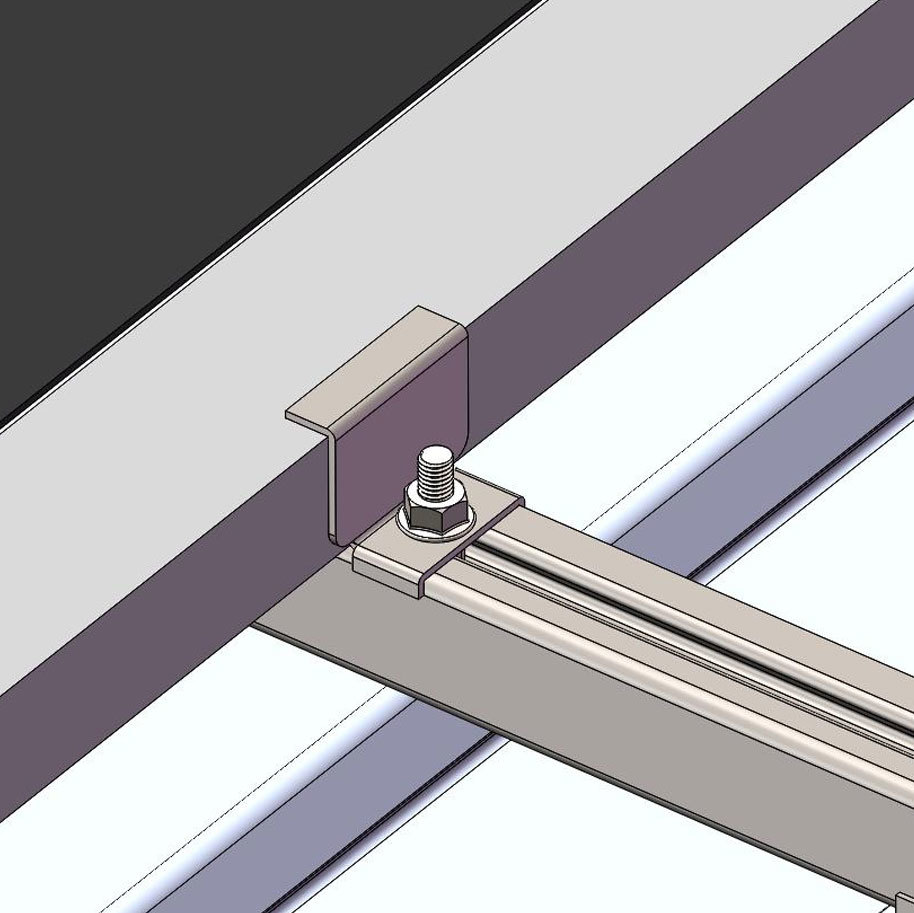
Zinc aluminum magnesium side pressure
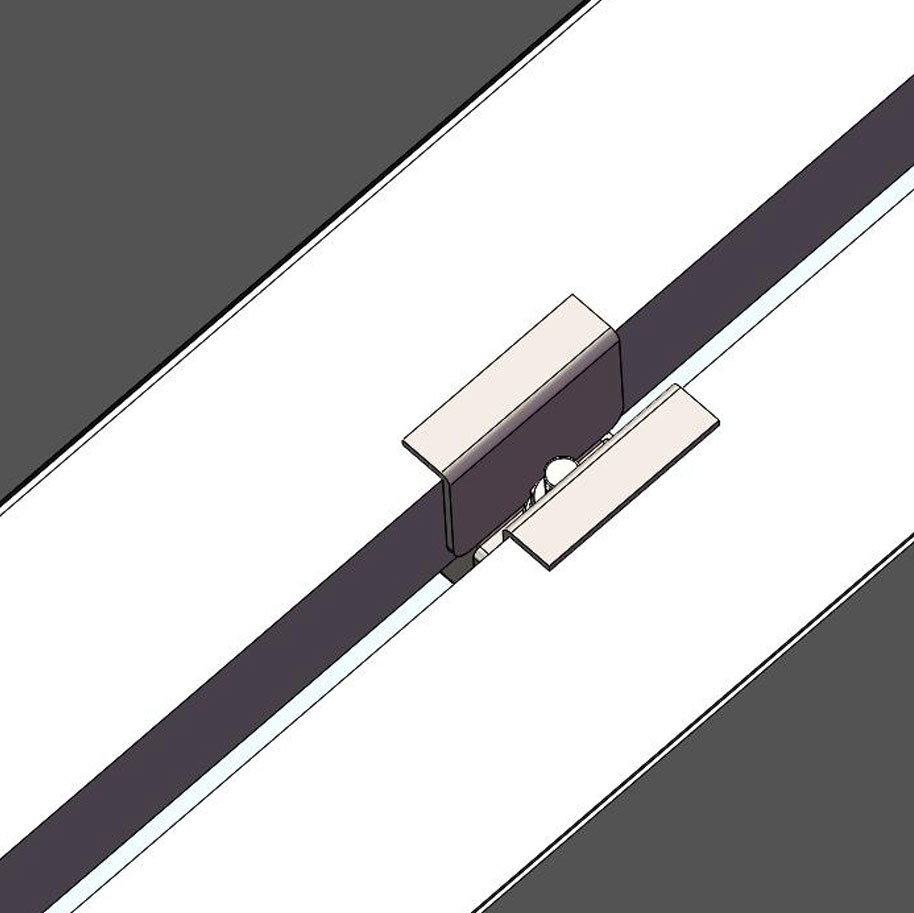
Zinc aluminum magnesium medium pressure
Zinc aluminum magnesium medium pressure
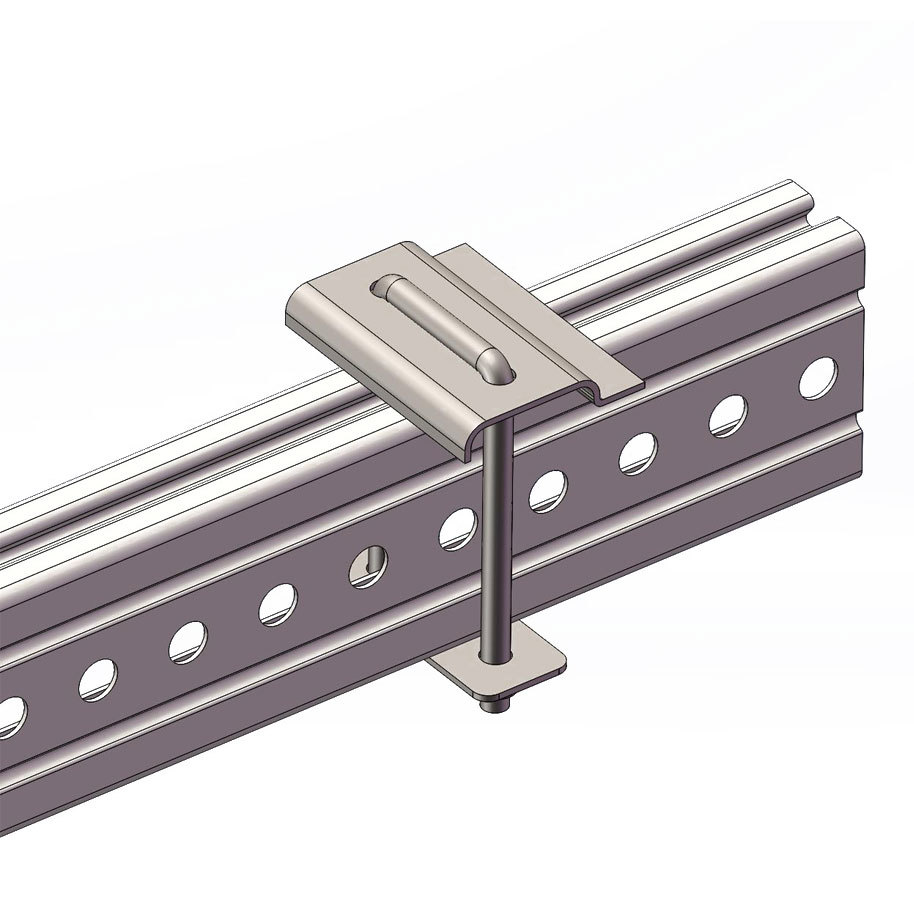
U-bolt assembly
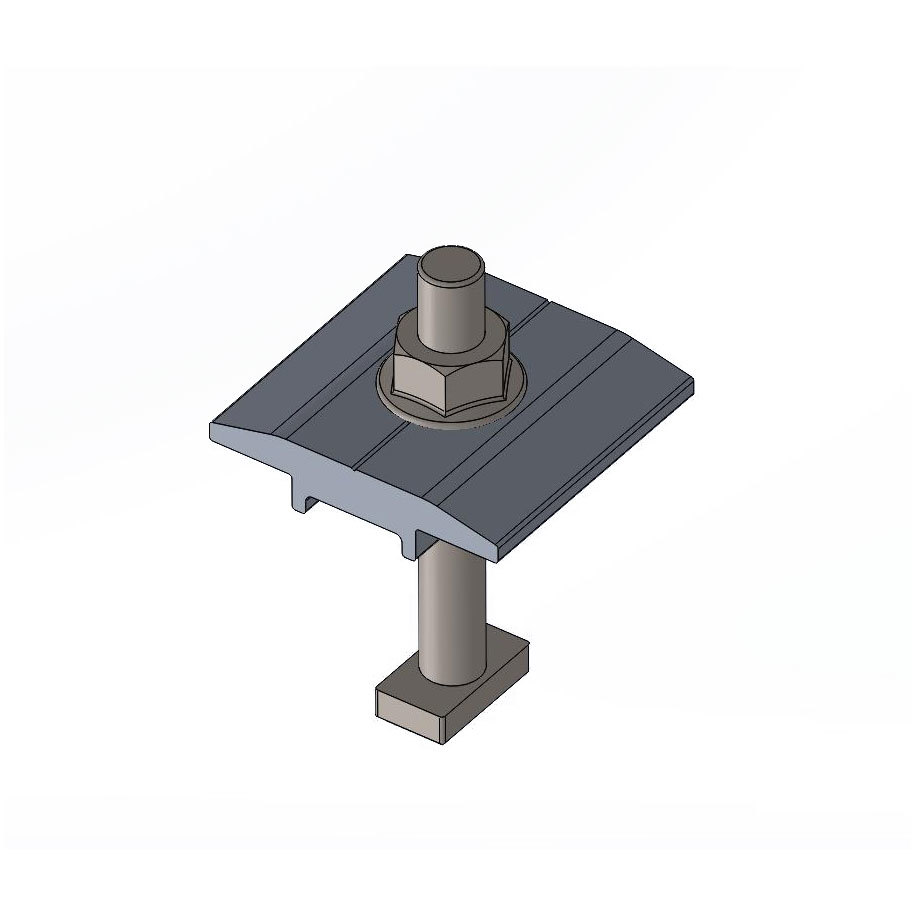
Medium voltage components
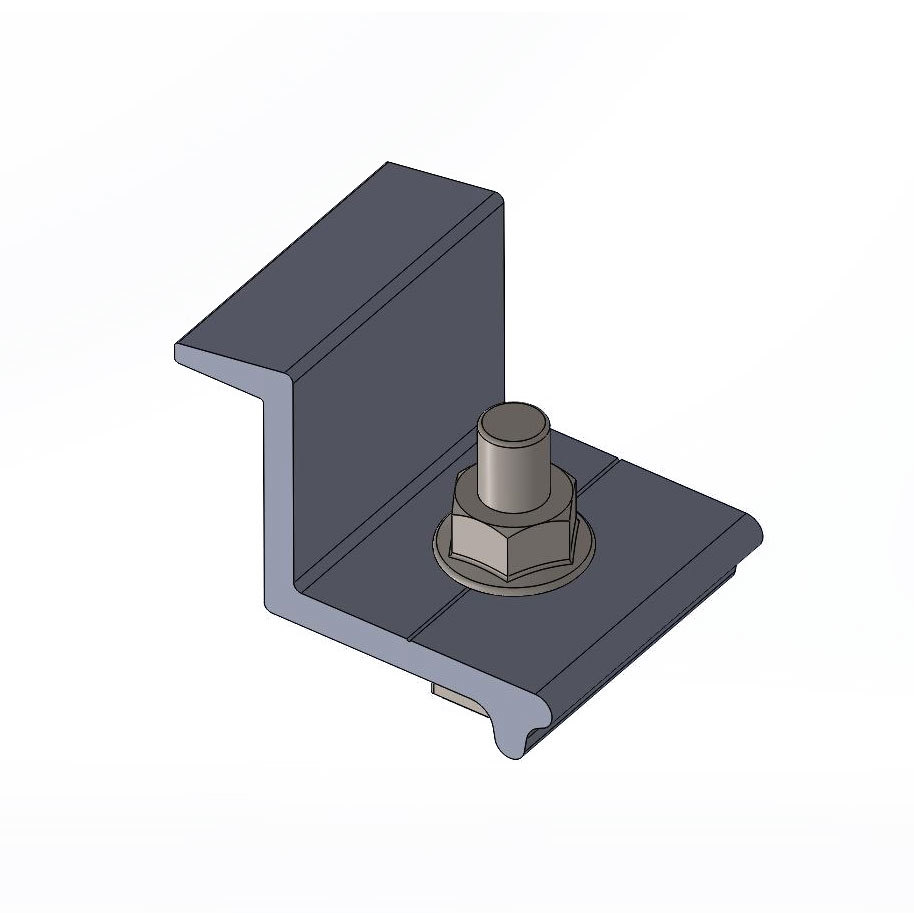
Side pressure component
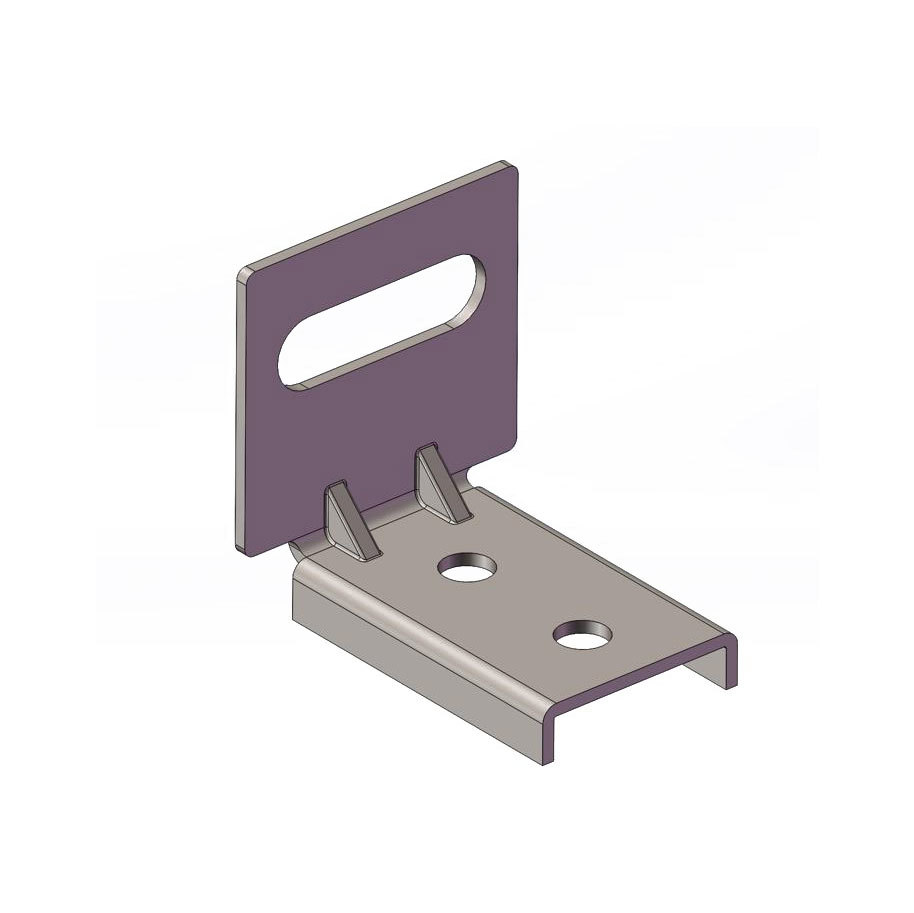
Horizontal and vertical rail connectors
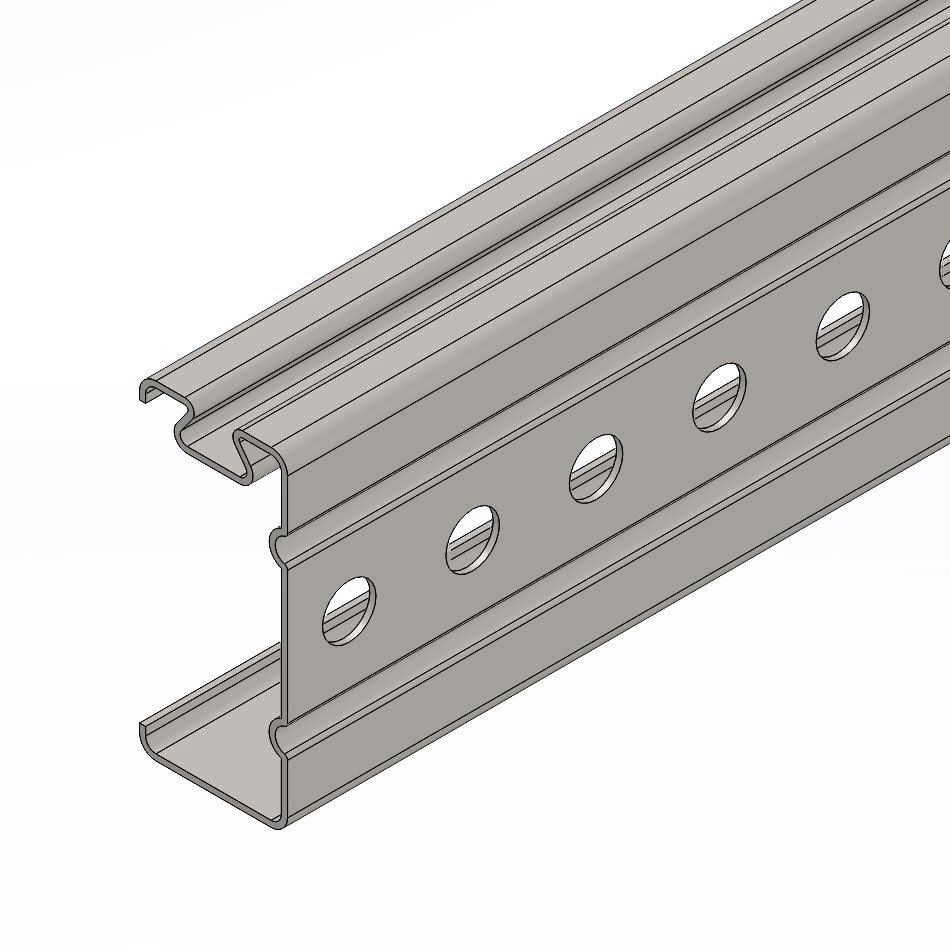
Slant support
Column connectors
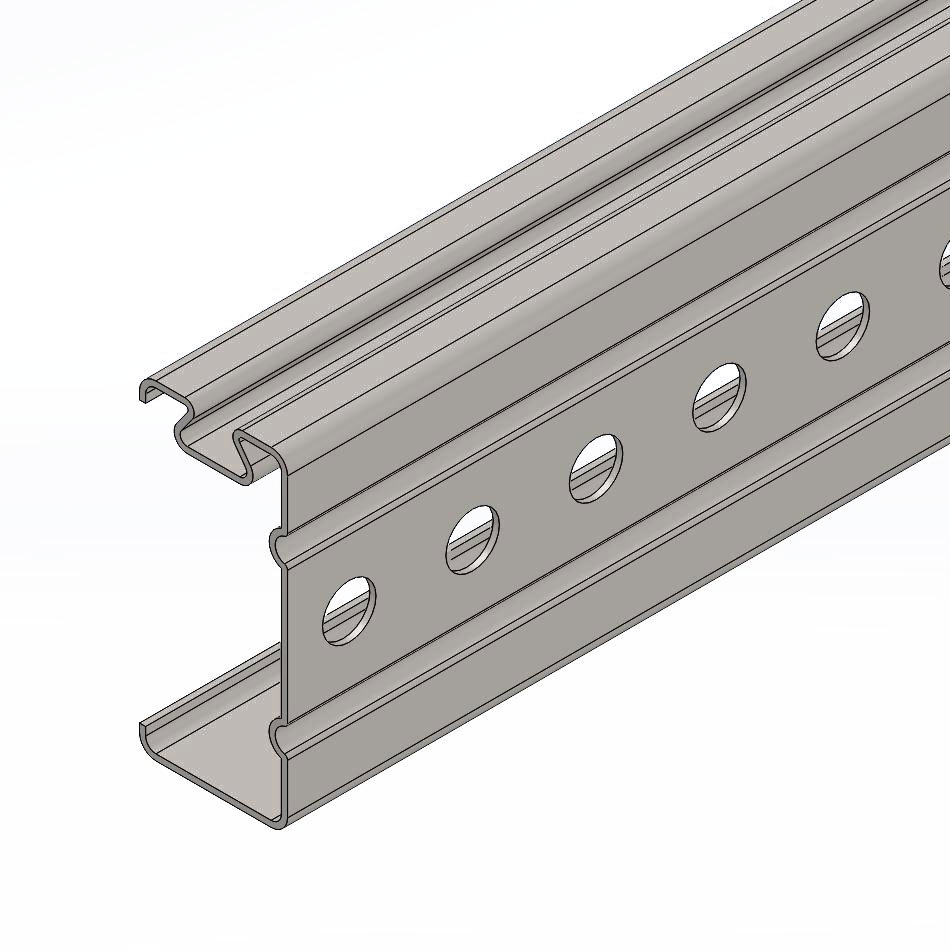
Longitudinal track
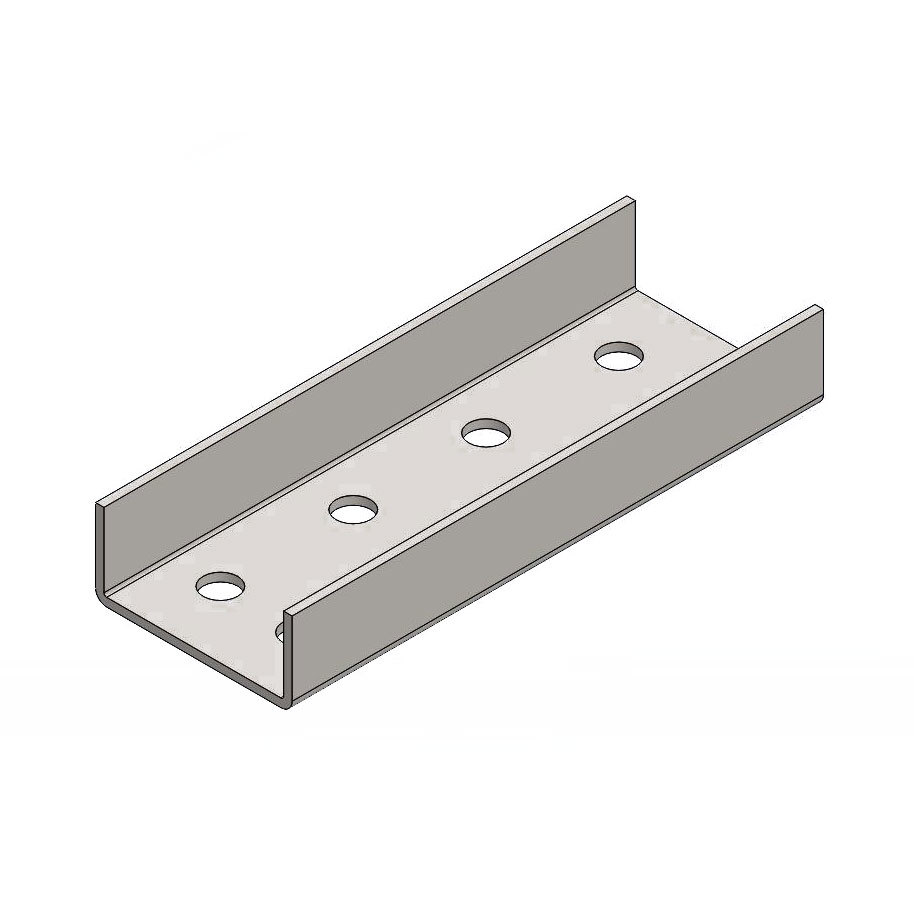
Horizontal rail connectors
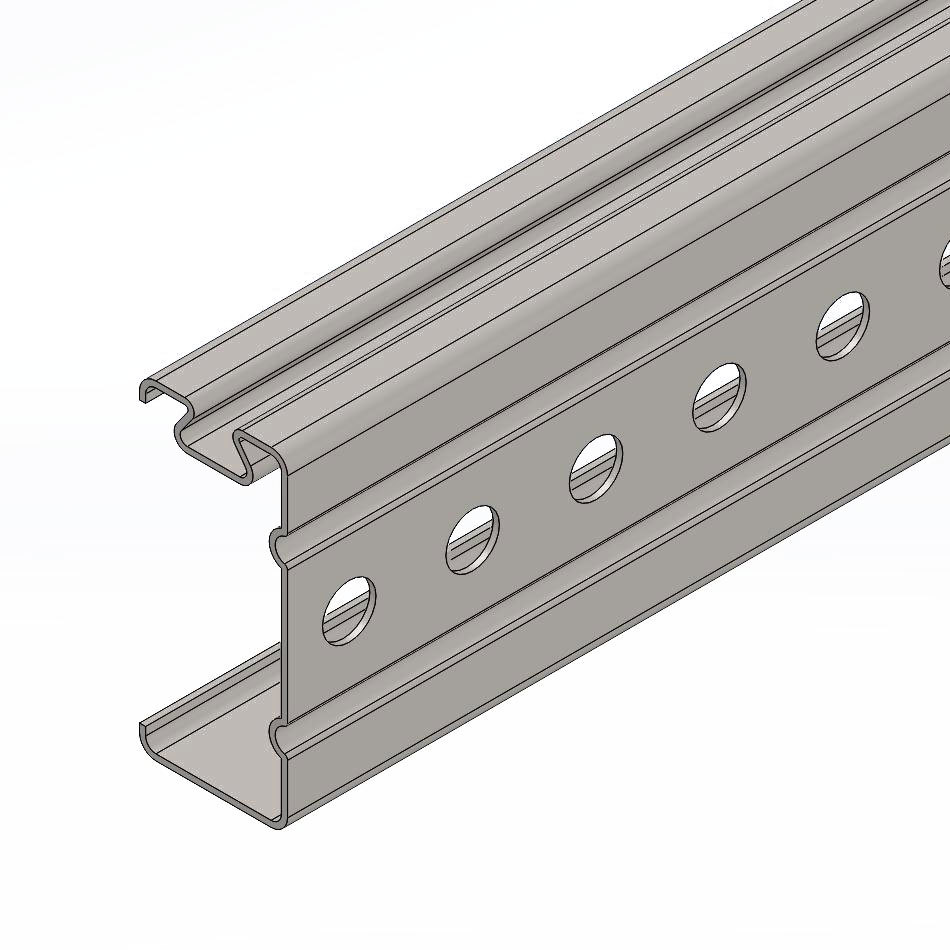
Horizontal track
Easy Install Steel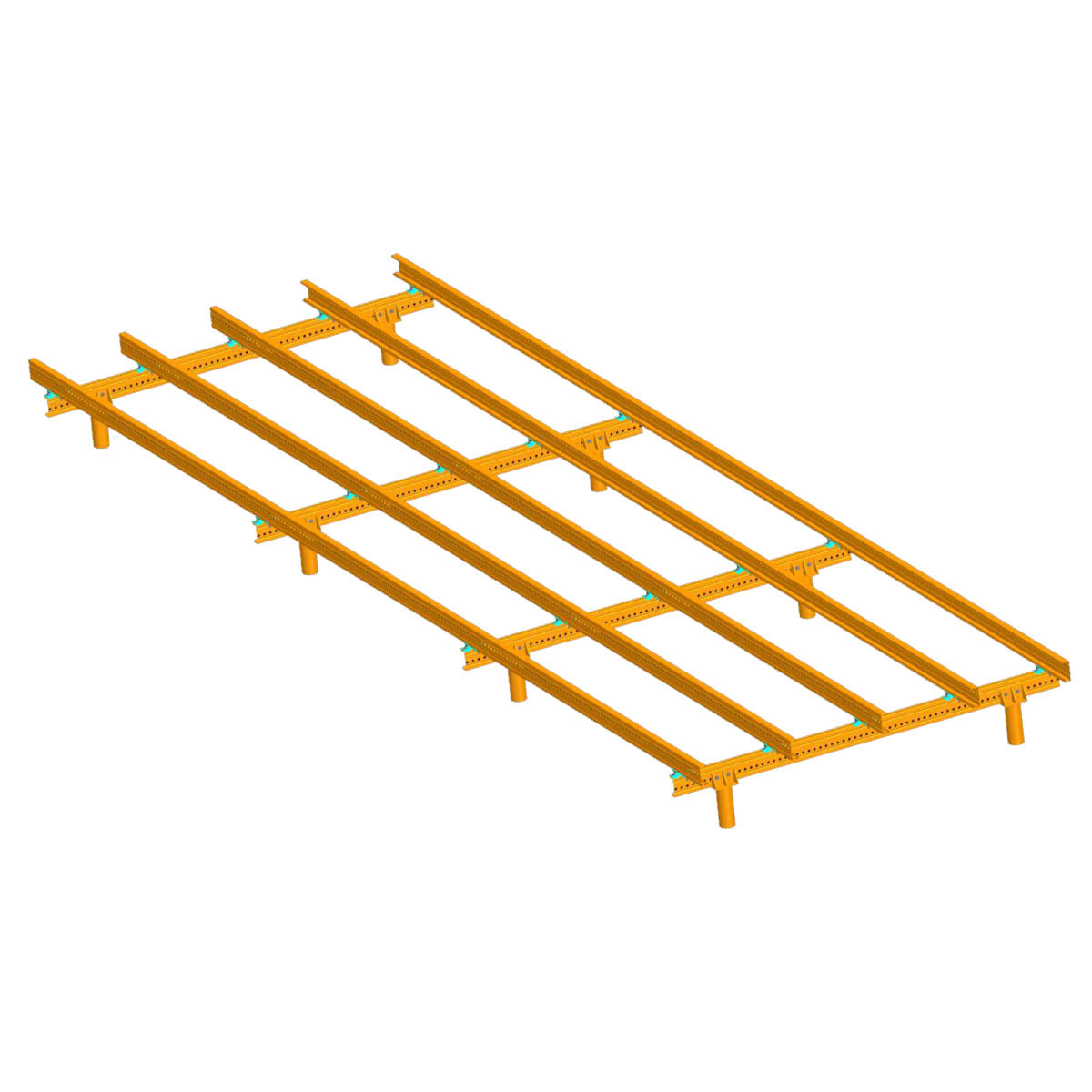
Haoheng Yi'an System

Easy Install Steel
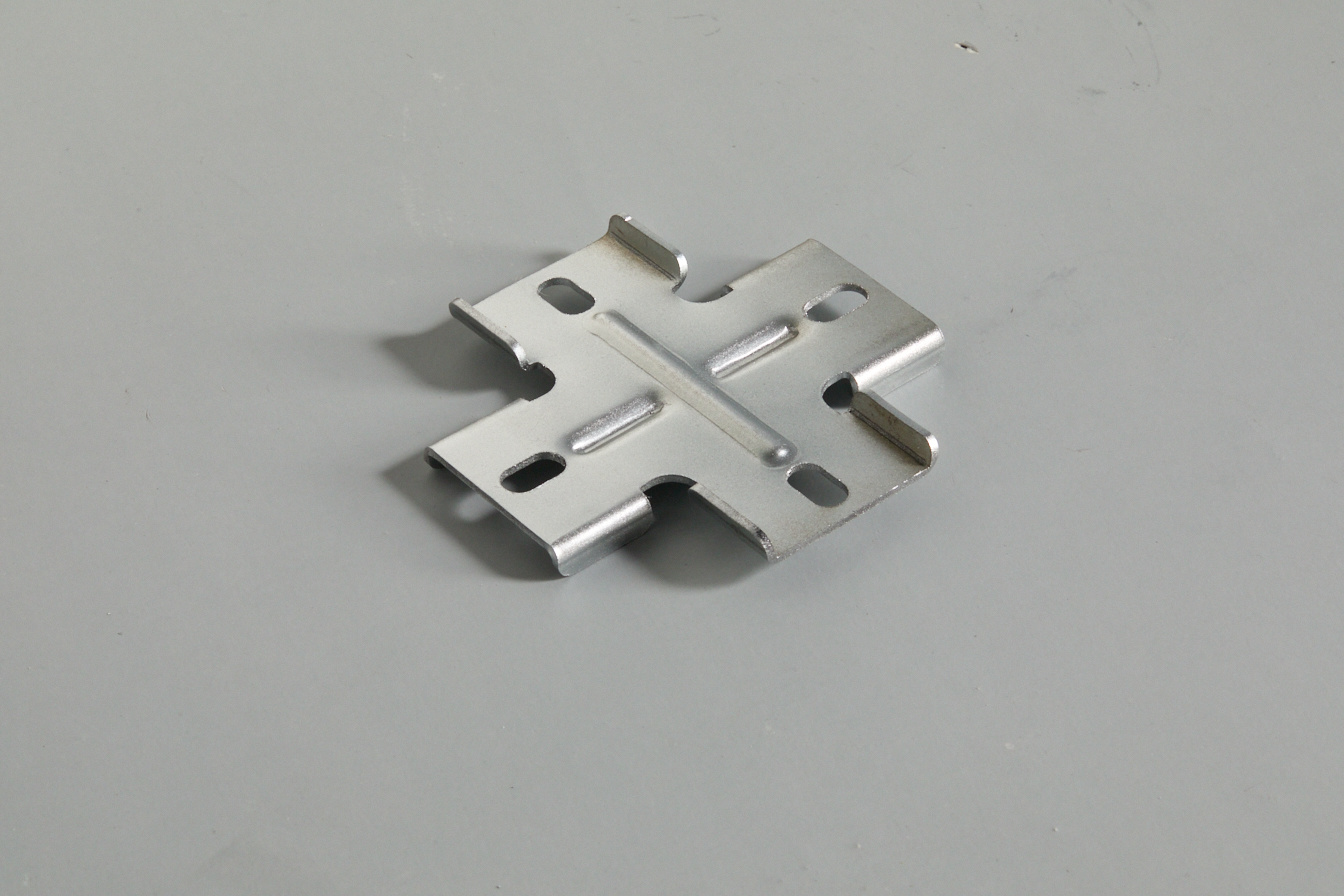
Cross connector
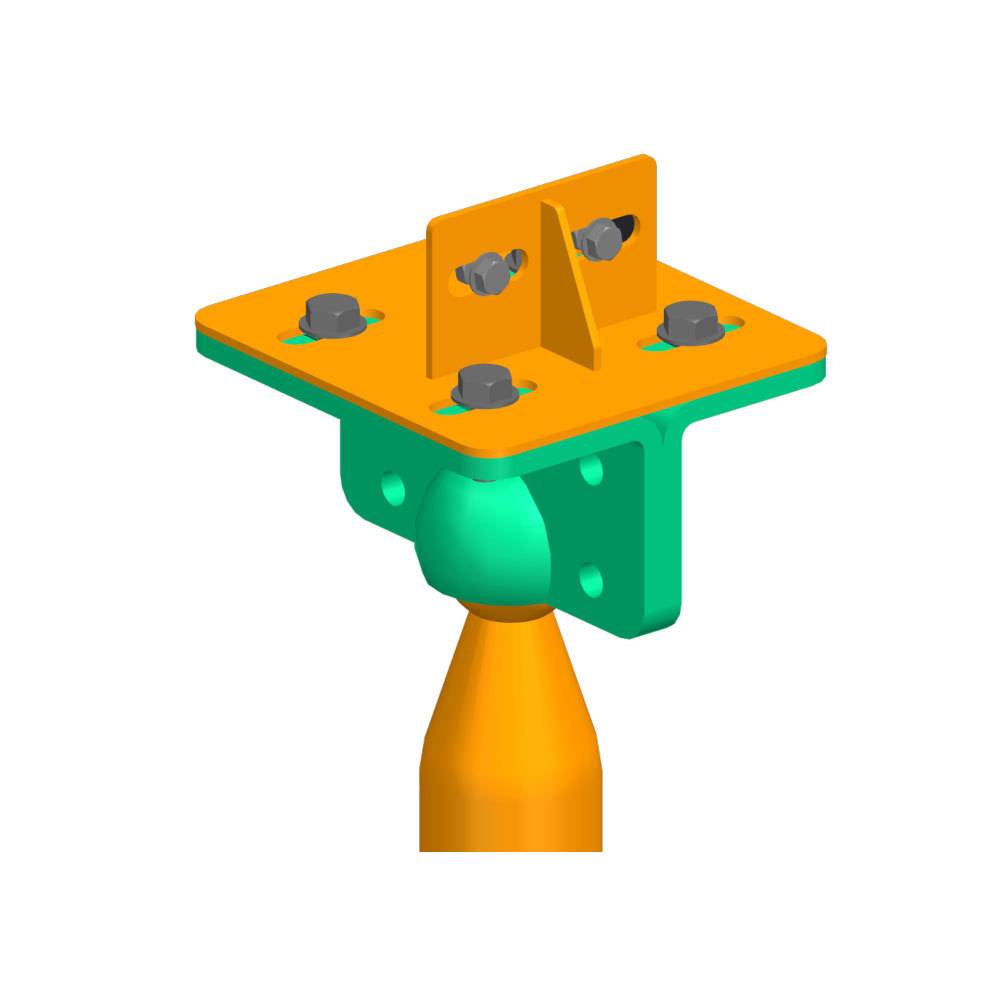
Universal connector for screw pile
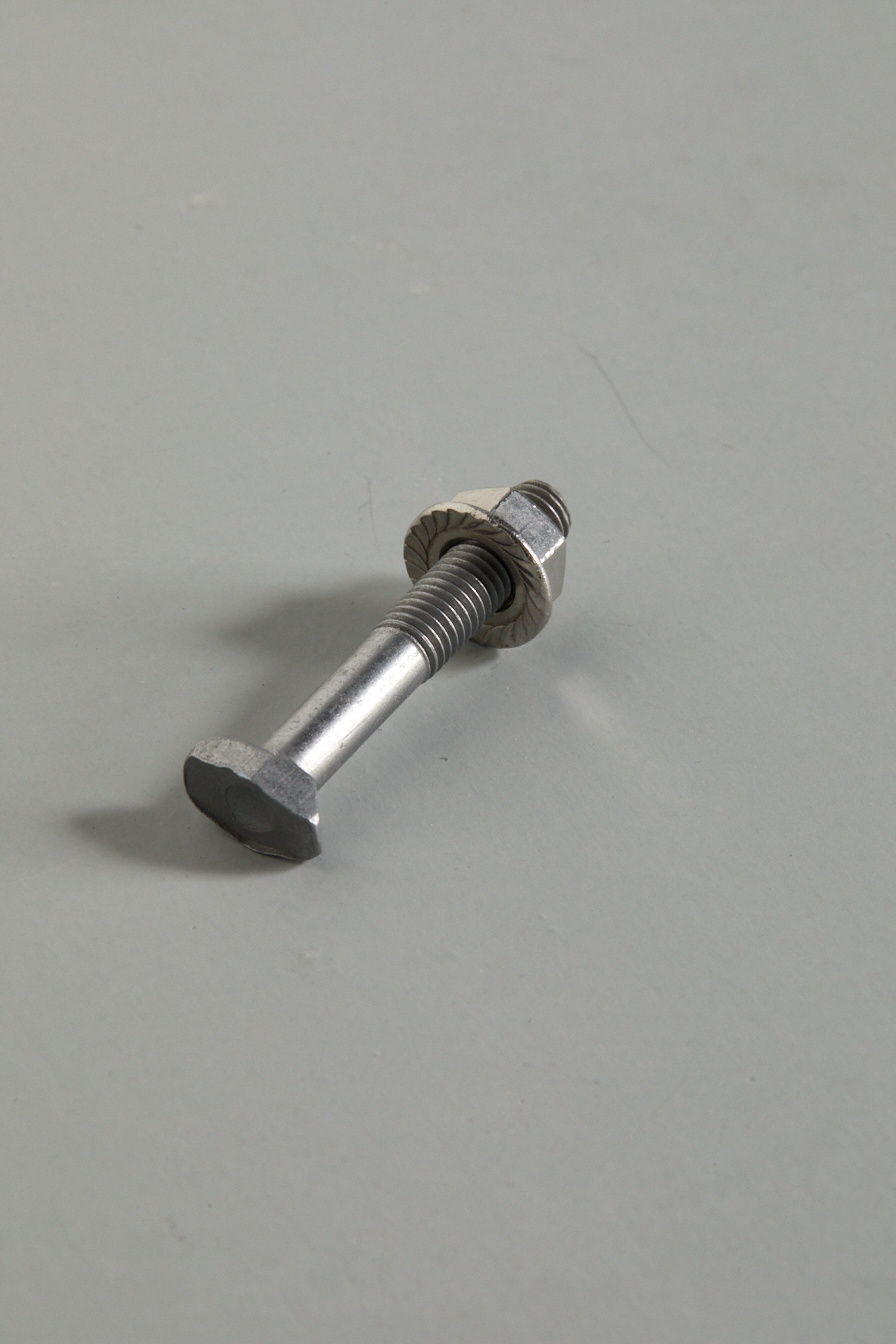
T-shaped dovetail bolt
Floor System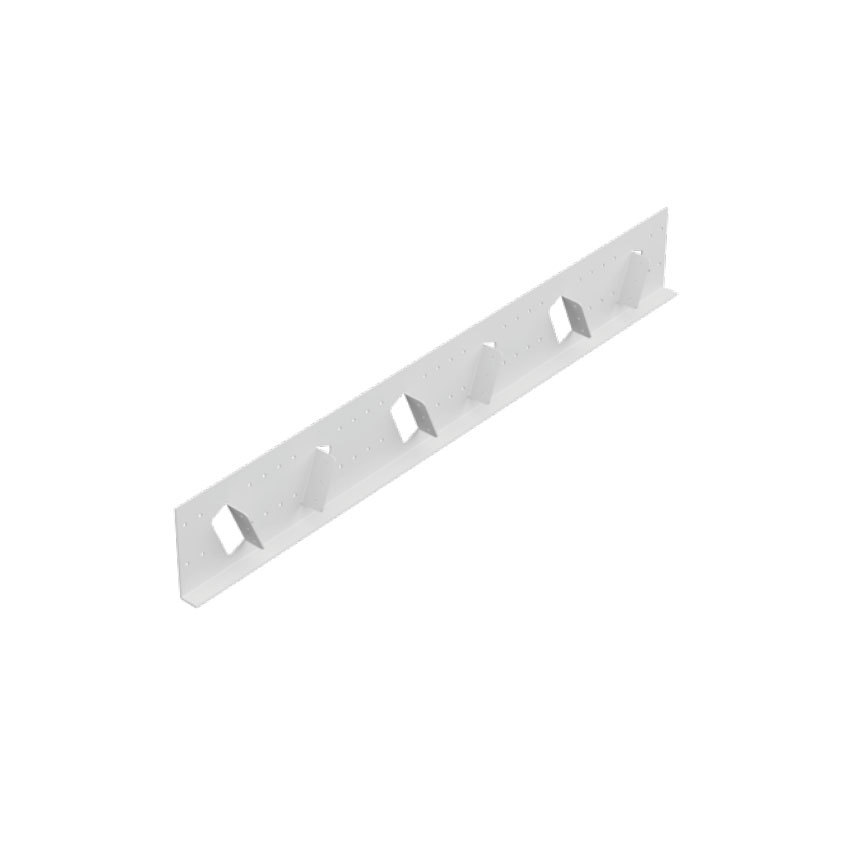
Ordinary steel structural connectors
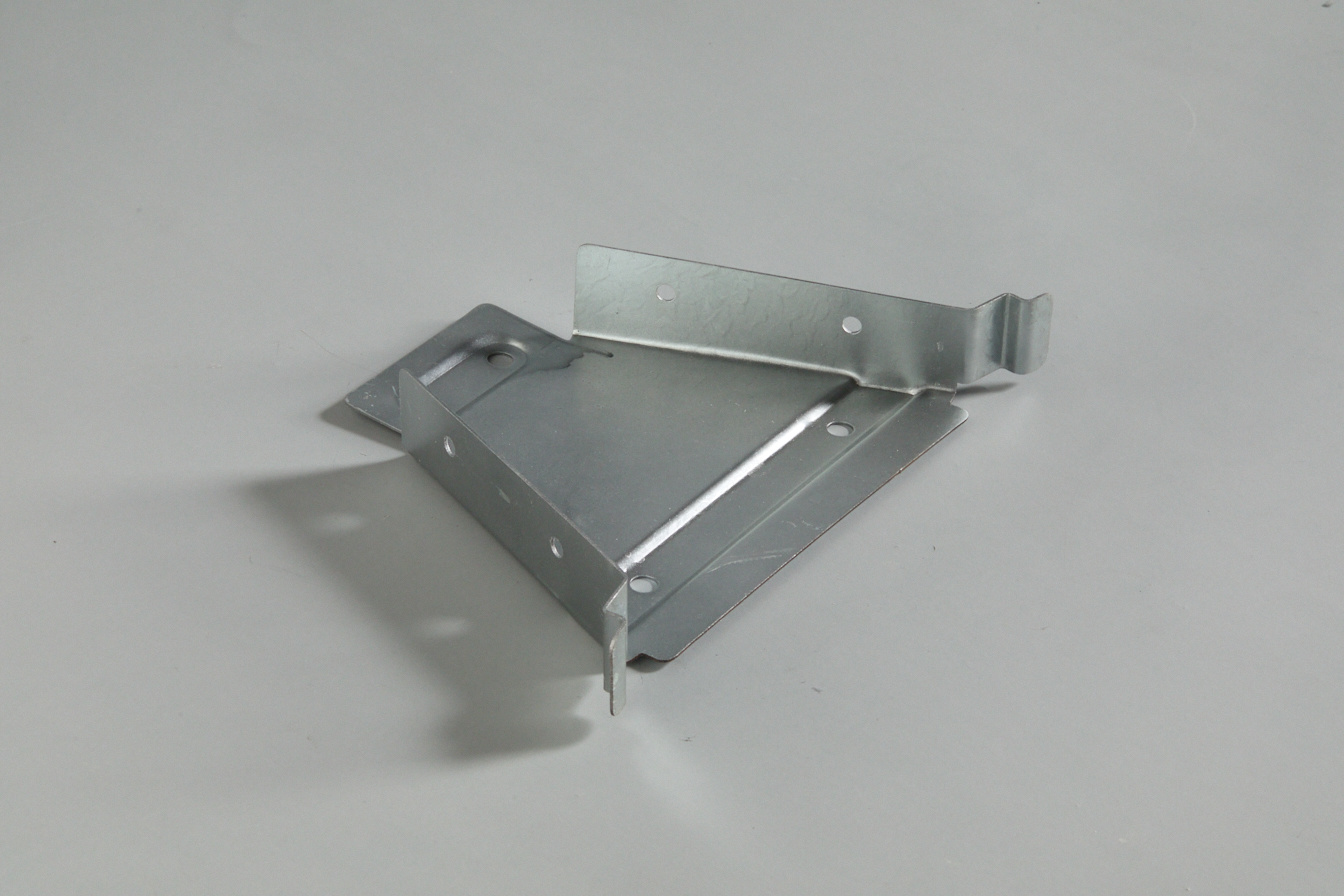
NEW BUILDING system connectors
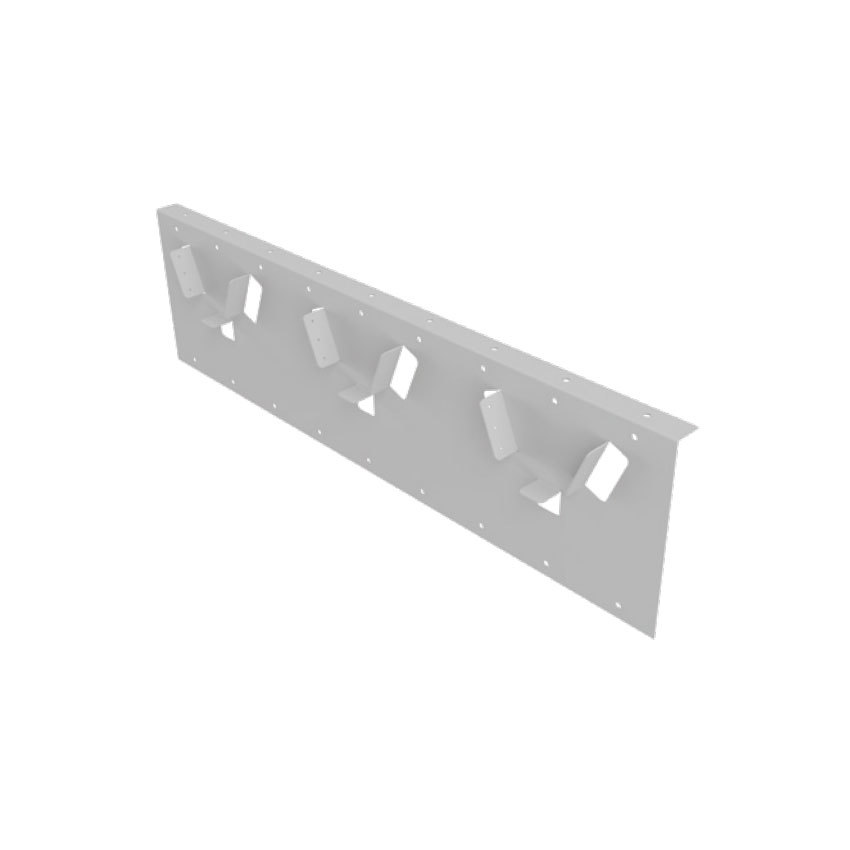
Cold formed thin-walled steel structural connectors
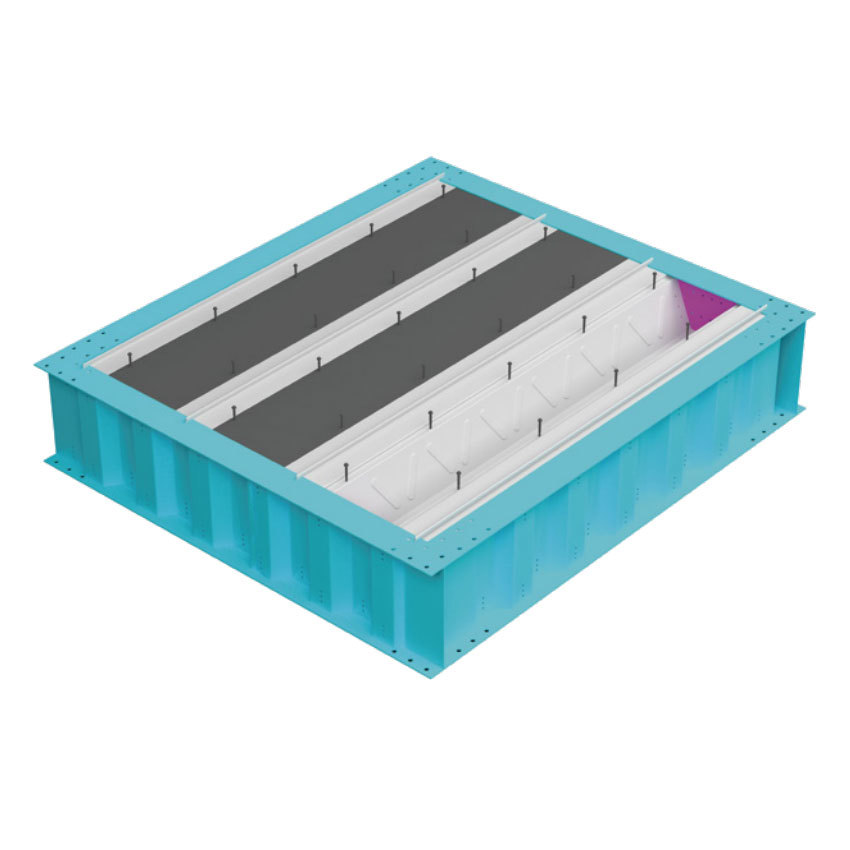
Corrugated I-beam+V-shaped floor beam
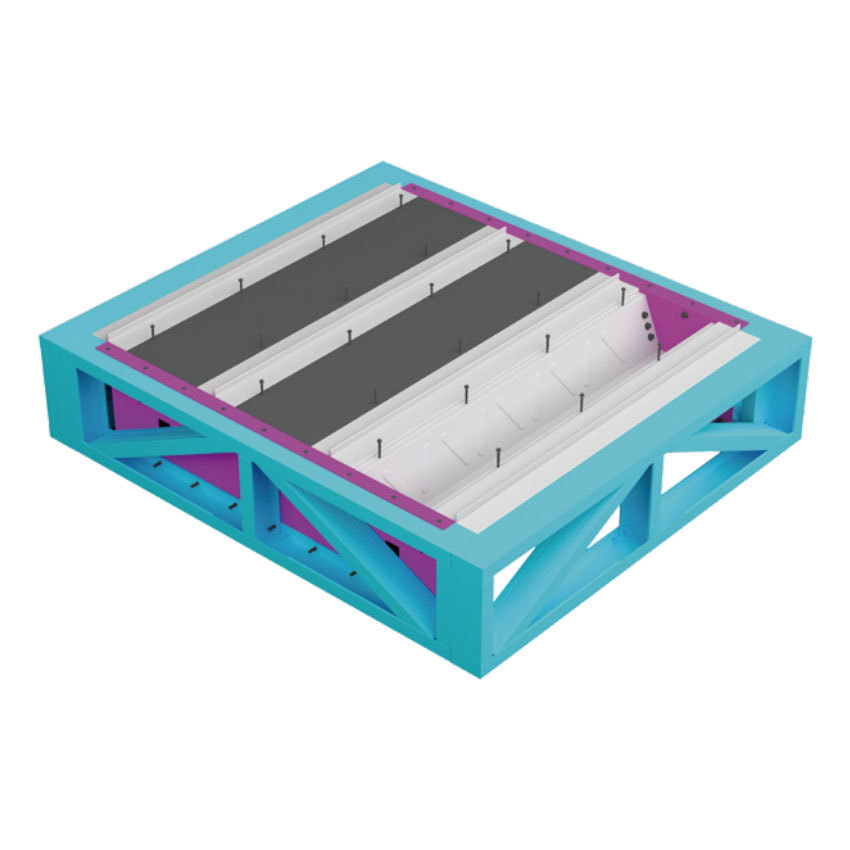
300 light steel truss+V-shaped floor beam

Steel wire gauze
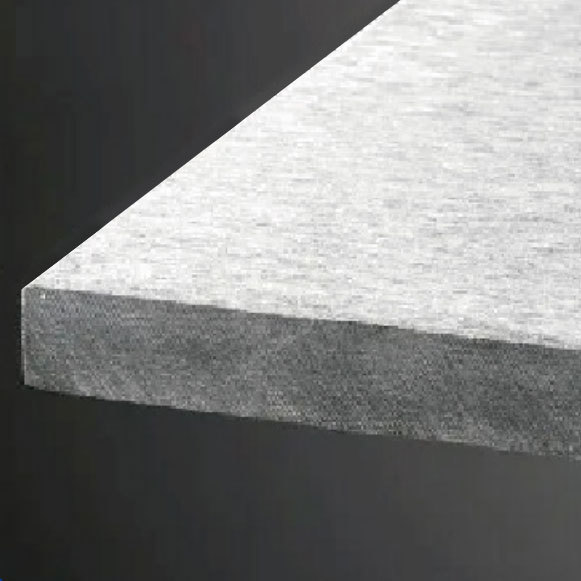
Plate
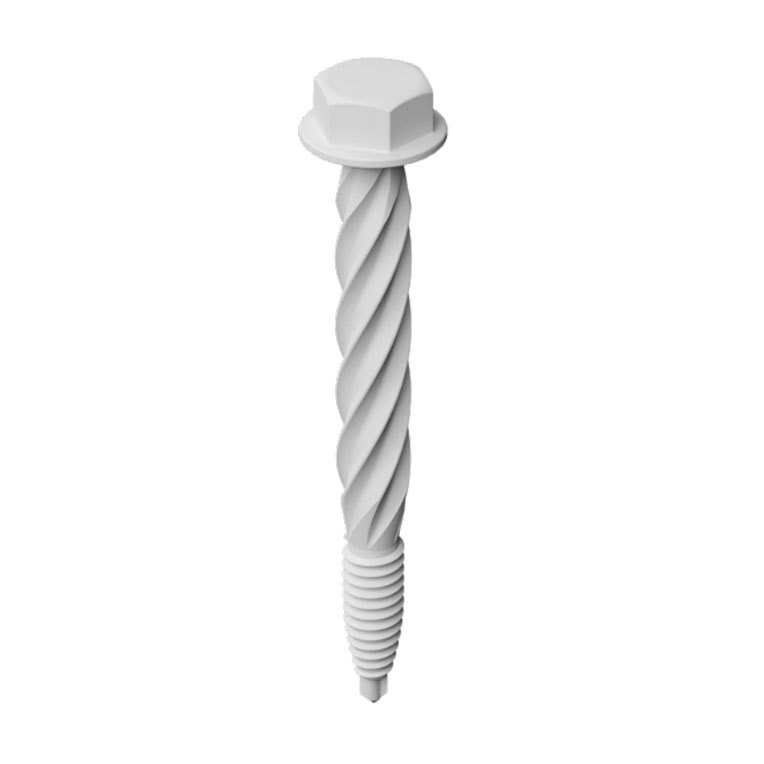
Shear stud
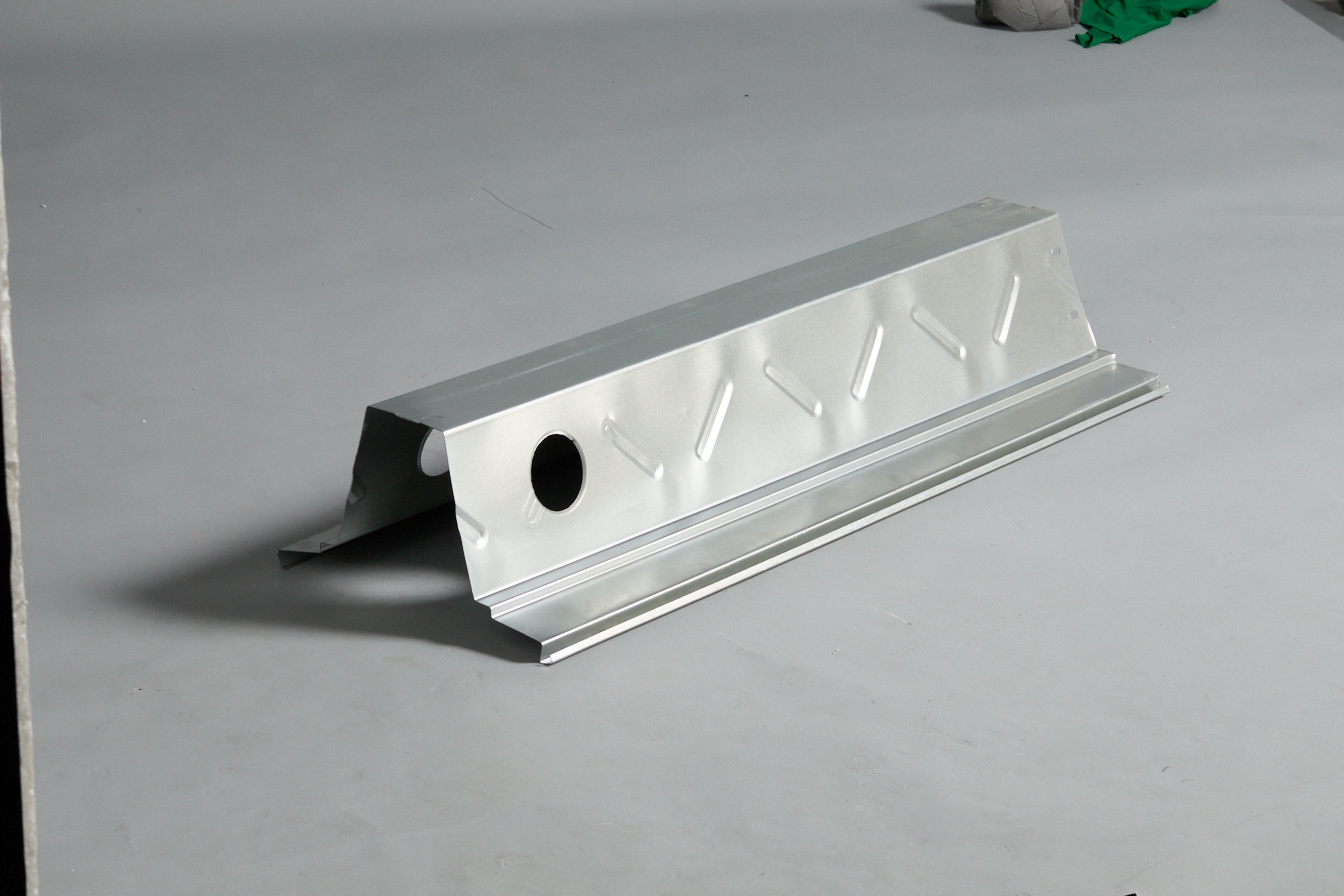
V-shaped floor beam
Magnesium stiffened wall panel
How T-Shaped Column Connectors Enhance Your Building's Design
Release Time:
2024-12-17
Source:
How T-Shaped Column Connectors Enhance Your Building's Design
Introduction to T-Shaped Column Connectors
T-shaped column connectors have emerged as an essential element in modern architectural design. These connectors not only improve the structural integrity of buildings but also add an aesthetic appeal that enhances the overall design. In this article, we will explore how T-shaped column connectors contribute to better building design, examining their functionality, benefits, and practical applications.
The Role of Column Connectors in Architecture
Column connectors serve the fundamental purpose of joining vertical columns to horizontal beams or slabs. Their significance is especially pronounced in modern construction, where innovative architectural designs often challenge traditional building techniques. T-shaped column connectors provide a unique solution that meets both structural needs and design aspirations.
Understanding T-Shaped Column Connectors
T-shaped column connectors consist of a horizontal arm that intersects with a vertical post, forming a 'T' shape. This design offers numerous advantages over traditional column connectors, particularly in terms of load distribution and stability. T-shaped connectors are typically made from durable materials like steel or reinforced concrete, ensuring long-lasting performance.
Benefits of Using T-Shaped Column Connectors
When considering the integration of T-shaped column connectors into your building design, several benefits stand out:
1. Enhanced Structural Stability
T-shaped column connectors distribute loads more effectively than traditional connectors. By providing a wider surface area for load transfer, they minimize stress concentrations, reducing the risk of structural failure. This feature is particularly beneficial in high-rise buildings and areas susceptible to seismic activity.
2. Improved Aesthetic Appeal
In addition to their functional benefits, T-shaped column connectors can enhance the visual appeal of a building. Their unique shape allows for creative design possibilities, enabling architects to incorporate them as decorative elements rather than merely functional supports. This versatility gives buildings a distinctive character.
3. Design Flexibility
Architects and designers appreciate the flexibility that T-shaped column connectors offer. They can be used in various materials and finishes, allowing for seamless integration into different architectural styles. Whether you are opting for a modern minimalist look or a more traditional aesthetic, T-shaped connectors can adapt to suit your vision.
4. Quick and Efficient Installation
T-shaped column connectors are designed for easy installation, reducing construction time and labor costs. Their straightforward design allows for quicker assembly, enabling contractors to complete projects on schedule without compromising quality.
5. Cost-Effectiveness
Investing in T-shaped column connectors can result in long-term cost savings. Their durability and reduced risk of structural issues translate to lower maintenance costs over the building's lifespan. Additionally, their efficient installation can help keep project budgets in check.
Applications of T-Shaped Column Connectors in Modern Construction
T-shaped column connectors are versatile and suitable for various applications in contemporary architecture. Their functionality and design benefits make them ideal for different types of structures.
Residential Buildings
In residential construction, T-shaped column connectors can enhance the visual appeal of living spaces while providing the necessary structural support. Whether used in open-concept designs or multi-story homes, these connectors enable architects to create functional and aesthetically pleasing layouts.
Commercial Buildings
In commercial architecture, the use of T-shaped column connectors allows for expansive floor plans and open spaces. They can support large spans without the need for intrusive columns, creating a more inviting and versatile environment for businesses.
Public Infrastructure
T-shaped column connectors are increasingly being used in public infrastructure projects such as bridges and transportation hubs. Their robust design ensures safety while accommodating the architectural demands of modern infrastructure.
Industrial Facilities
In industrial applications, T-shaped column connectors provide the strength needed to support heavy machinery and equipment. Their ability to handle substantial loads makes them ideal for warehouses, manufacturing plants, and distribution centers.
Design Considerations When Using T-Shaped Column Connectors
While T-shaped column connectors offer numerous advantages, there are several design considerations to keep in mind to maximize their potential:
Load Calculations
Accurate load calculations are essential when integrating T-shaped column connectors into your designs. Understanding the forces and moments acting on the connectors helps ensure that they are adequately sized and positioned to support the structure effectively.
Material Selection
Choosing the right material for T-shaped column connectors is crucial for optimizing performance and durability. Common materials include steel, reinforced concrete, and composite materials. Each has its benefits and limitations, so it's essential to consider the specific requirements of your project.
Integration with Other Structural Elements
Designing T-shaped column connectors requires careful consideration of how they will interact with other structural components, such as beams and slabs. Ensuring proper alignment and load transfer is vital to maintain structural integrity.
Installation Best Practices for T-Shaped Column Connectors
To ensure the successful installation of T-shaped column connectors, follow these best practices:
1. Pre-Construction Planning
Thorough pre-construction planning is critical to the successful integration of T-shaped column connectors. Collaborate with architects, engineers, and contractors to develop a comprehensive installation strategy that addresses potential challenges.
2. Quality Control
Implementing quality control measures during the installation process helps ensure that T-shaped column connectors are correctly positioned and secured. Regular inspections should be conducted to assess alignment and load transfer.
3. Training and Safety
Providing adequate training for construction personnel is essential to ensure safe installation practices. Proper training minimizes the risk of accidents and ensures that the connectors are installed according to design specifications.
Case Studies: Successful Implementation of T-Shaped Column Connectors
Examining real-world applications can provide valuable insights into the advantages of T-shaped column connectors. Here are a few notable case studies:
1. Urban High-Rise Development
In a recent urban high-rise project, architects employed T-shaped column connectors to achieve an open floor plan that maximized natural light. The connectors allowed for large spans, creating versatile spaces while maintaining structural integrity.
2. Innovative Commercial Space
A new commercial office building utilized T-shaped column connectors to create an inviting lobby with soaring ceilings. The connectors were strategically placed to support the architectural design while enhancing aesthetic appeal.
3. Sustainable Infrastructure Project
In a sustainable public infrastructure project, T-shaped column connectors were used to support a pedestrian bridge. Their durability and design flexibility enabled the creation of a visually striking structure that integrates seamlessly with the surrounding environment.
Future Trends in T-Shaped Column Connectors
As architectural design continues to evolve, T-shaped column connectors are expected to play an increasingly important role in building construction. Emerging trends include:
1. Eco-Friendly Materials
The construction industry is moving towards more sustainable practices. Future T-shaped column connectors may incorporate eco-friendly materials, reducing the environmental impact of building projects.
2. Advanced Design Software
The use of advanced design software will enable architects and engineers to optimize T-shaped column connectors for specific projects, improving performance and aesthetics.
3. Integration with Smart Technologies
As smart building technologies become more prevalent, T-shaped column connectors may be designed to integrate with sensor technologies, providing real-time data on structural performance and safety.
FAQs About T-Shaped Column Connectors
1. What materials are commonly used for T-shaped column connectors?
T-shaped column connectors are typically made from durable materials such as steel, reinforced concrete, and composite materials, depending on the project's specific needs.
2. How do T-shaped column connectors contribute to building safety?
By effectively distributing loads and reducing stress concentrations, T-shaped column connectors enhance the structural stability of buildings, minimizing the risk of failure.
3. Can T-shaped column connectors be used in residential construction?
Yes, T-shaped column connectors are versatile and can be used in residential buildings to provide structural support while enhancing aesthetic appeal.
4. What are the installation requirements for T-shaped column connectors?
Proper installation requires careful planning, quality control measures, and trained personnel to ensure that the connectors are positioned and secured correctly.
5. Are there any design limitations when using T-shaped column connectors?
While T-shaped column connectors offer flexibility, design limitations may arise based on load calculations, material selection, and integration with other structural elements.
Conclusion
T-shaped column connectors are an innovative solution that enhances both the structural integrity and aesthetic appeal of modern buildings. Their numerous benefits, including improved load distribution, design flexibility, and quick installation, make them a valuable addition to any architectural project. As the construction industry continues to evolve, T-shaped column connectors will undoubtedly play a vital role in shaping the future of building design. Embracing these connectors can lead to safer, more visually stunning structures that stand the test of time.
Related Information

HaoHeng Group
Address: Room 1808, Block A, Vanke Cloud City, Jiemei District, Xiamen City, Fujian Province
Business cooperation:
Copyright © HaoHeng (FuJian) Building Materials Technology Co, Ltd. All rights reserved