

-

 Pakistan
Marketing Service Outlets
 Papua New Guinea
Marketing Service Outlets
 Egypt
EgyptMarketing Service Outlets
 Australia
Marketing Service Outlets
 Brazil
Marketing Service Outlets
 Colombia
Marketing Service Outlets
 Russia
Marketing Service Outlets
 Germany
Marketing Service Outlets
 Poland
Marketing Service Outlets
 the Philippines
Marketing Service Outlets
 Kazakhstan
Marketing Service Outlets
 Malaysia
Marketing Service Outlets
 America
Marketing Service Outlets
 Kyrgyzstan
Marketing Service Outlets
 Canada
Marketing Service Outlets
 Peru
PeruMarketing Service Outlets
 Nigeria
Marketing Service Outlets
 Morocco
Marketing Service Outlets
 South Africa
Marketing Service Outlets
 Japan
JapanMarketing Service Outlets
 Slovakia
Marketing Service Outlets
 New Zealand
Marketing Service Outlets
 Hungary
Marketing Service Outlets
 Thailand
Marketing Service Outlets
 Spain
SpainMarketing Service Outlets
 Indonesia
Marketing Service Outlets
 Italy
ItalyMarketing Service Outlets
 Vietnam
Marketing Service Outlets
Steel Pipe ColumnSteel Pipe Column ConnectorsMain Beam | Secondary BeamPrefabricated StairsRound Pipe PileFlat Steel PileGroup PileCap PileNew Building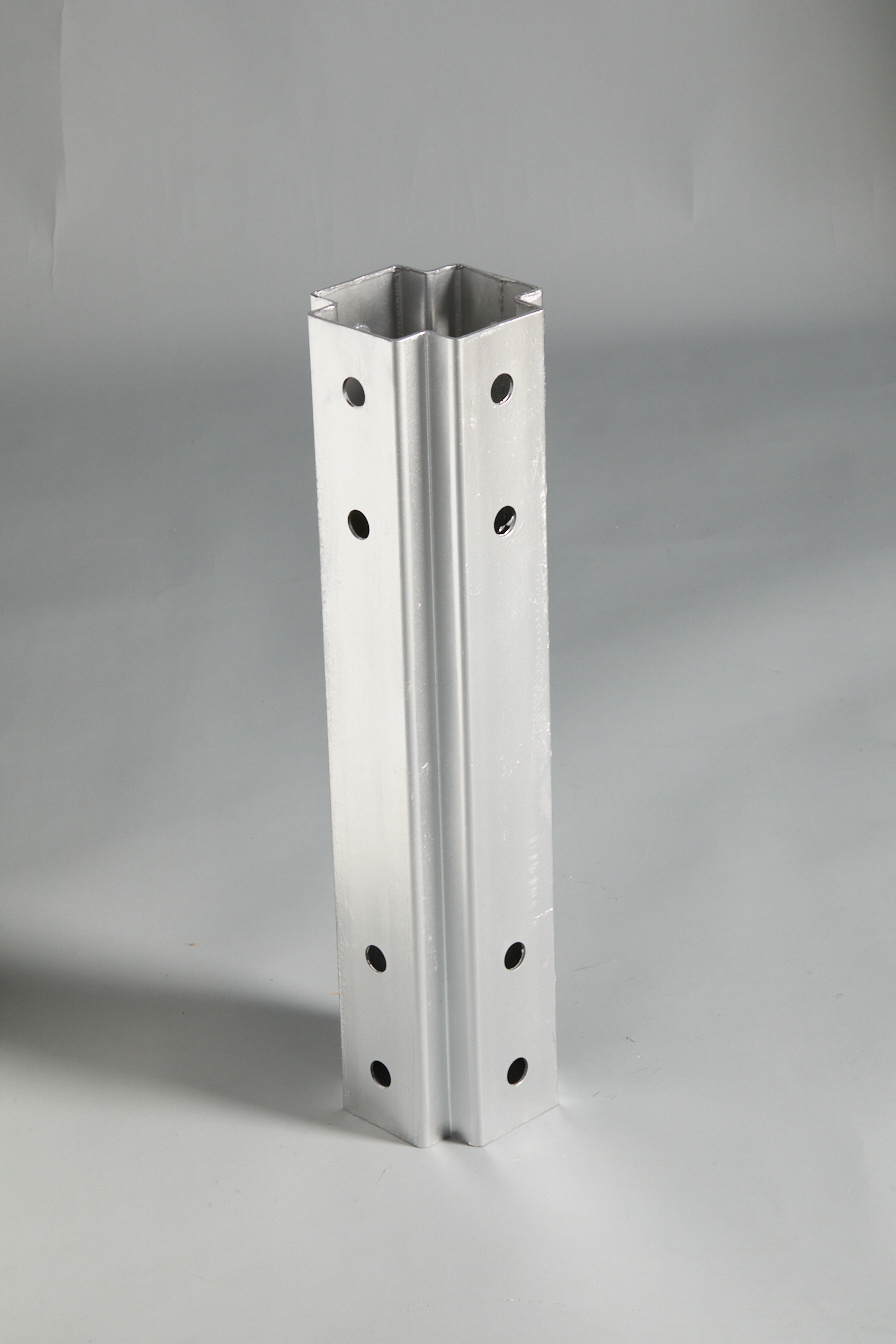
Cross column

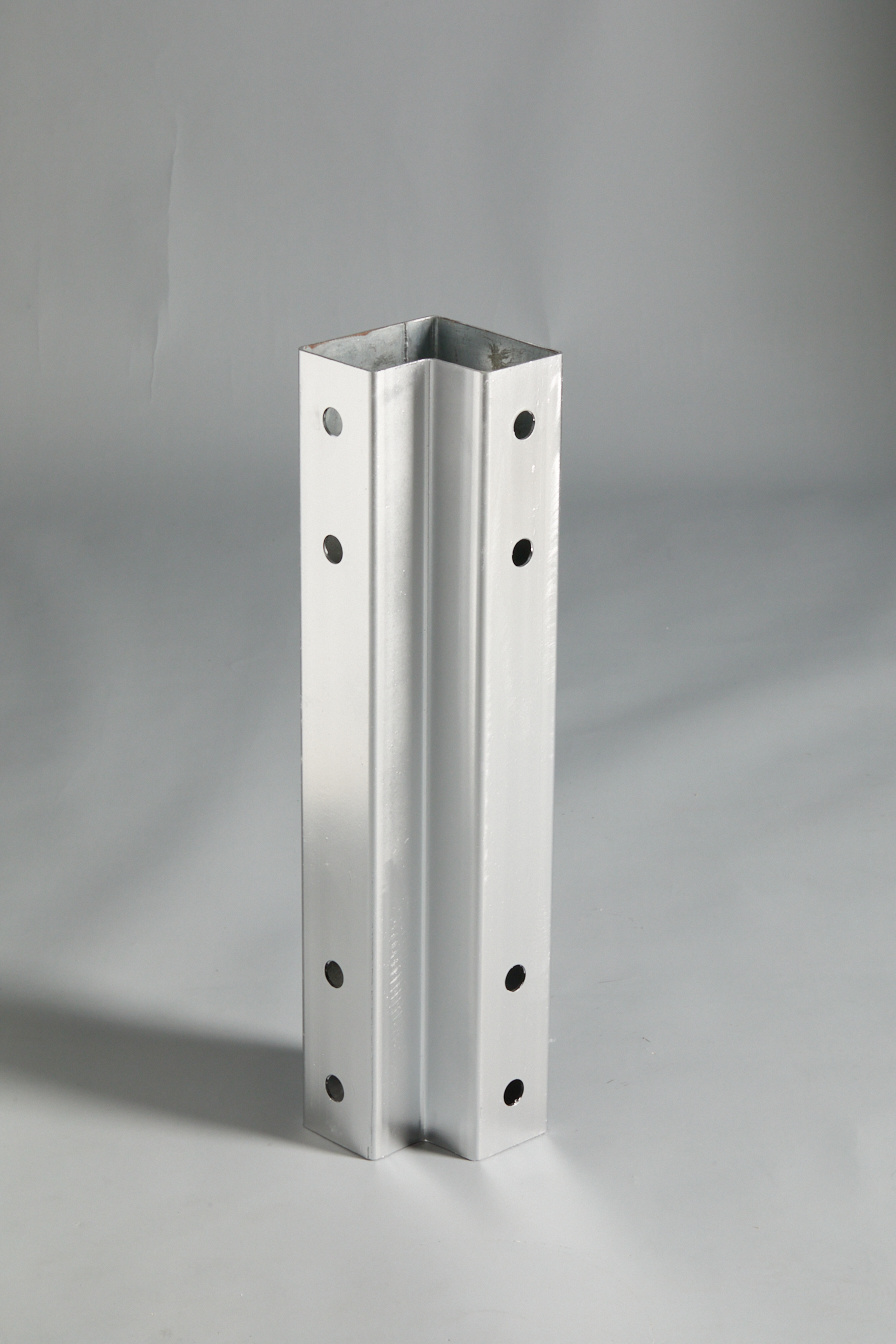
L-shaped column
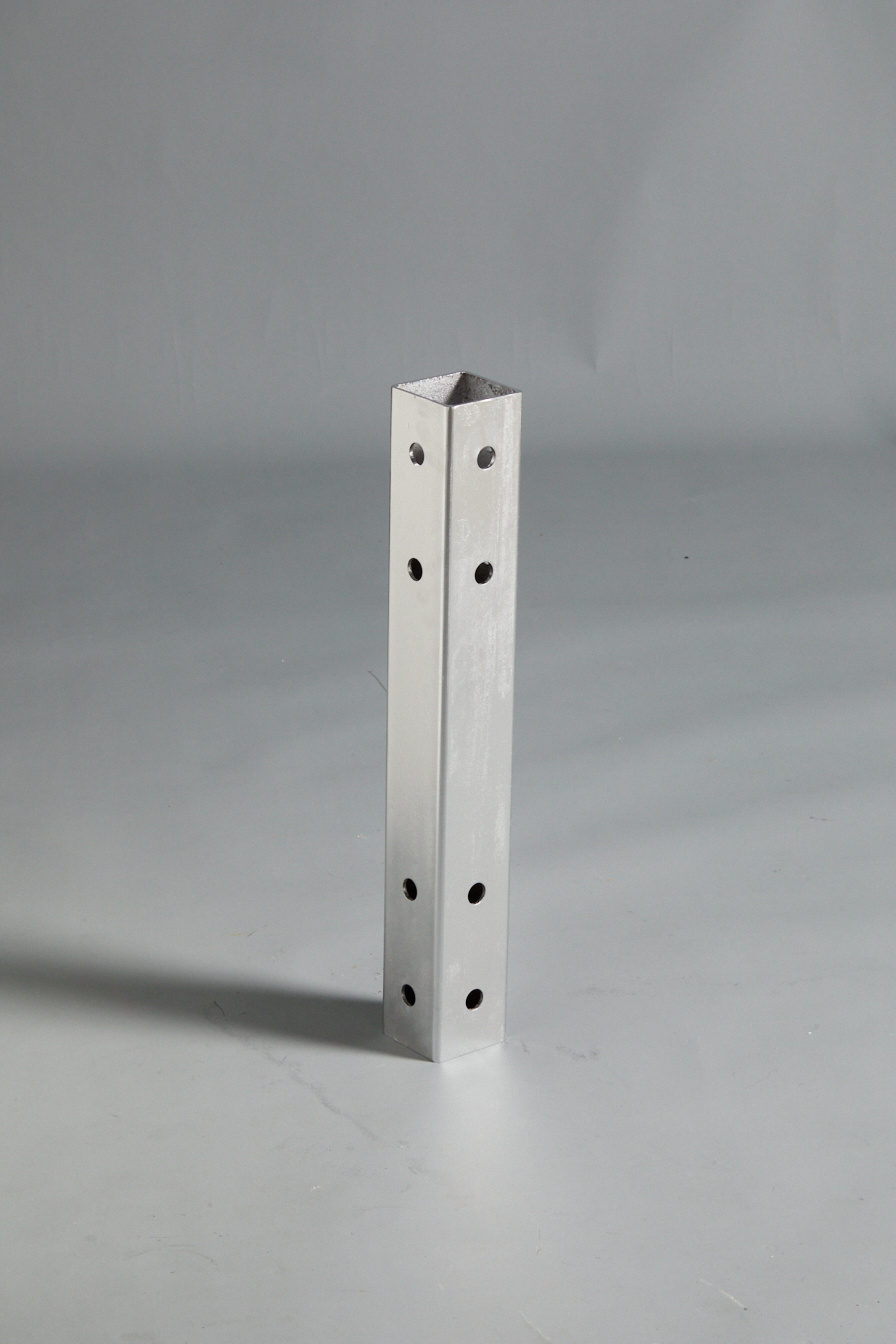
Square tube column

T-shaped column
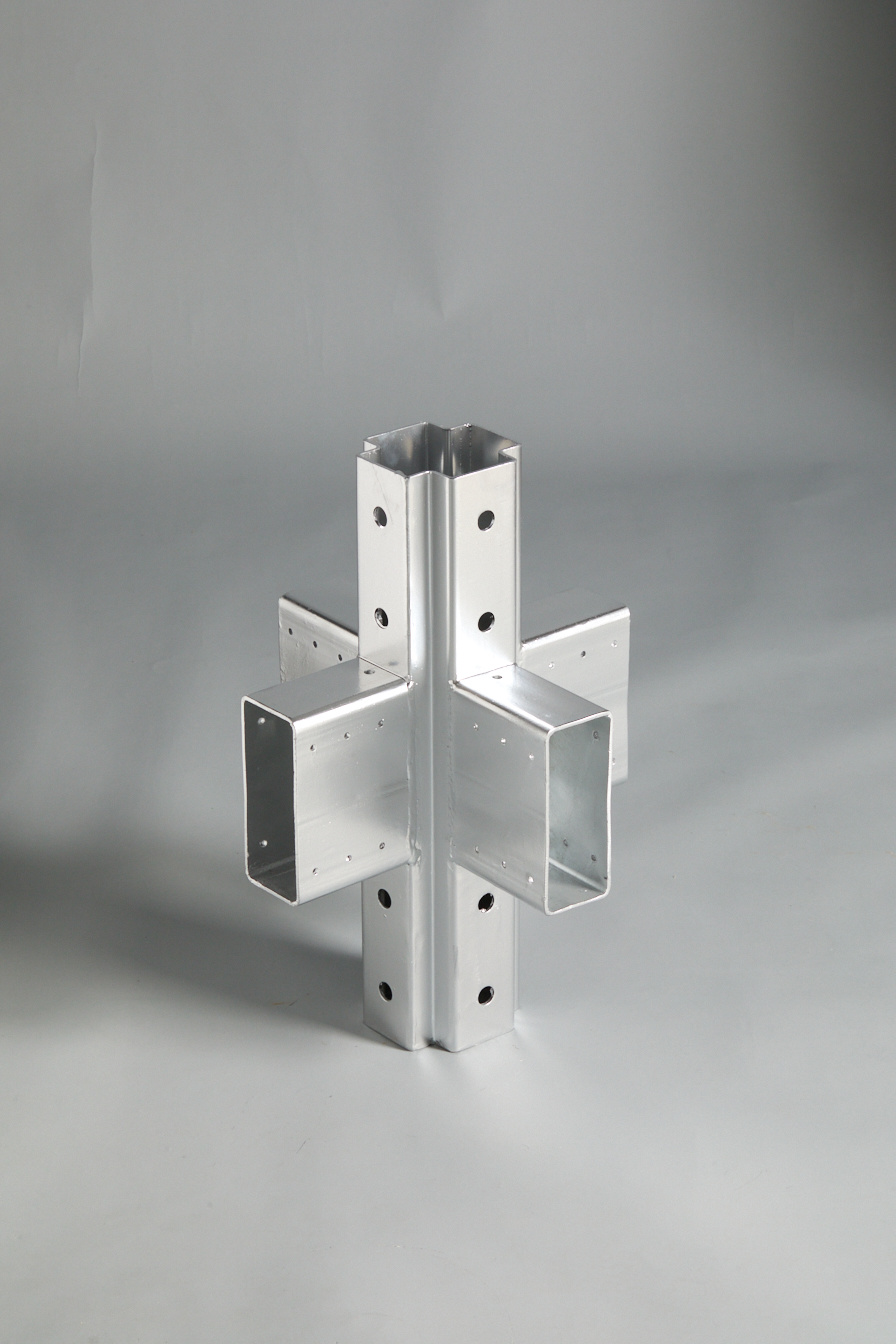
Cross column connector

L-shaped column connector

T-shaped column connector
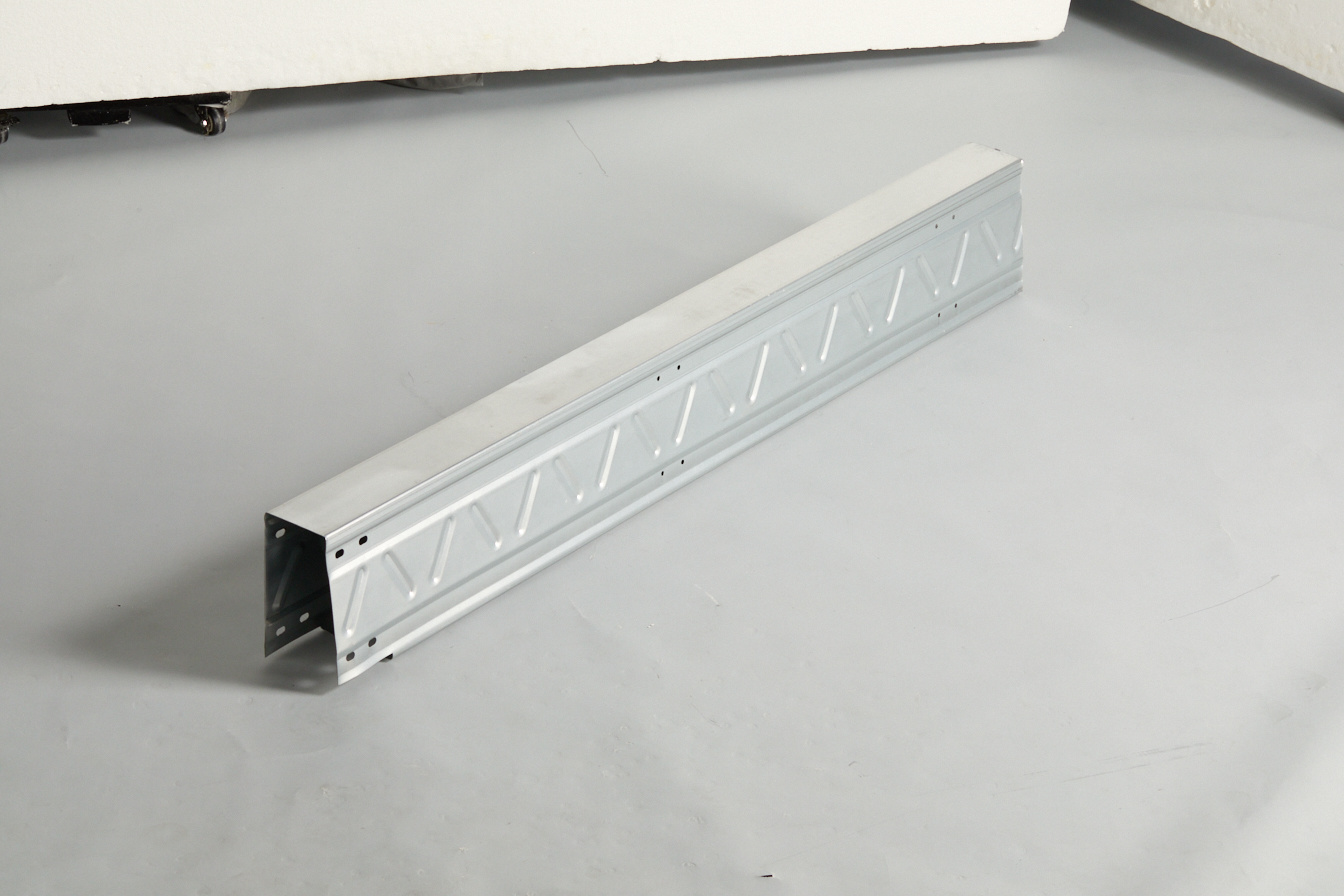
195 inner flipped edge - eight shaped reinforcing rib
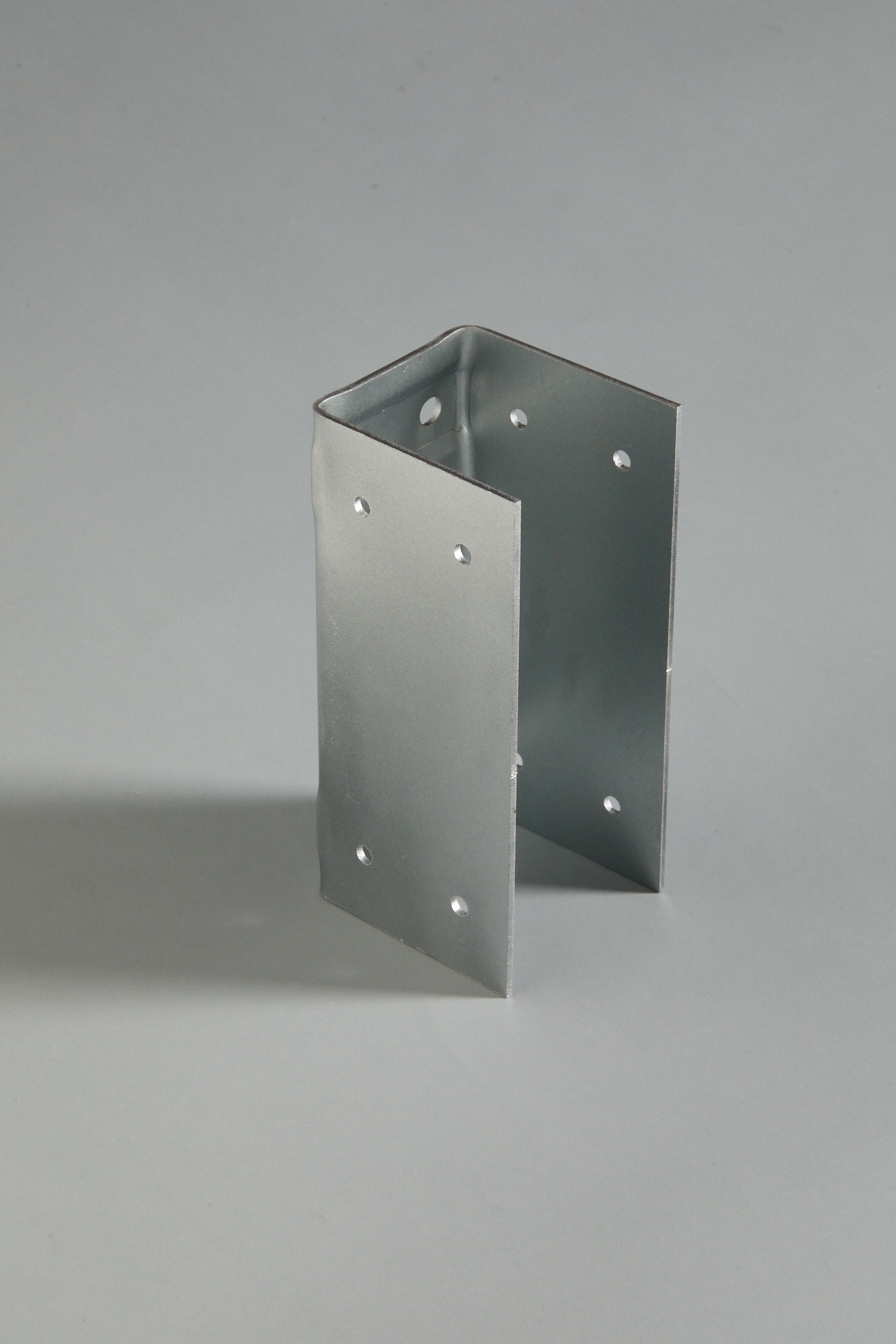
Frame small U connector
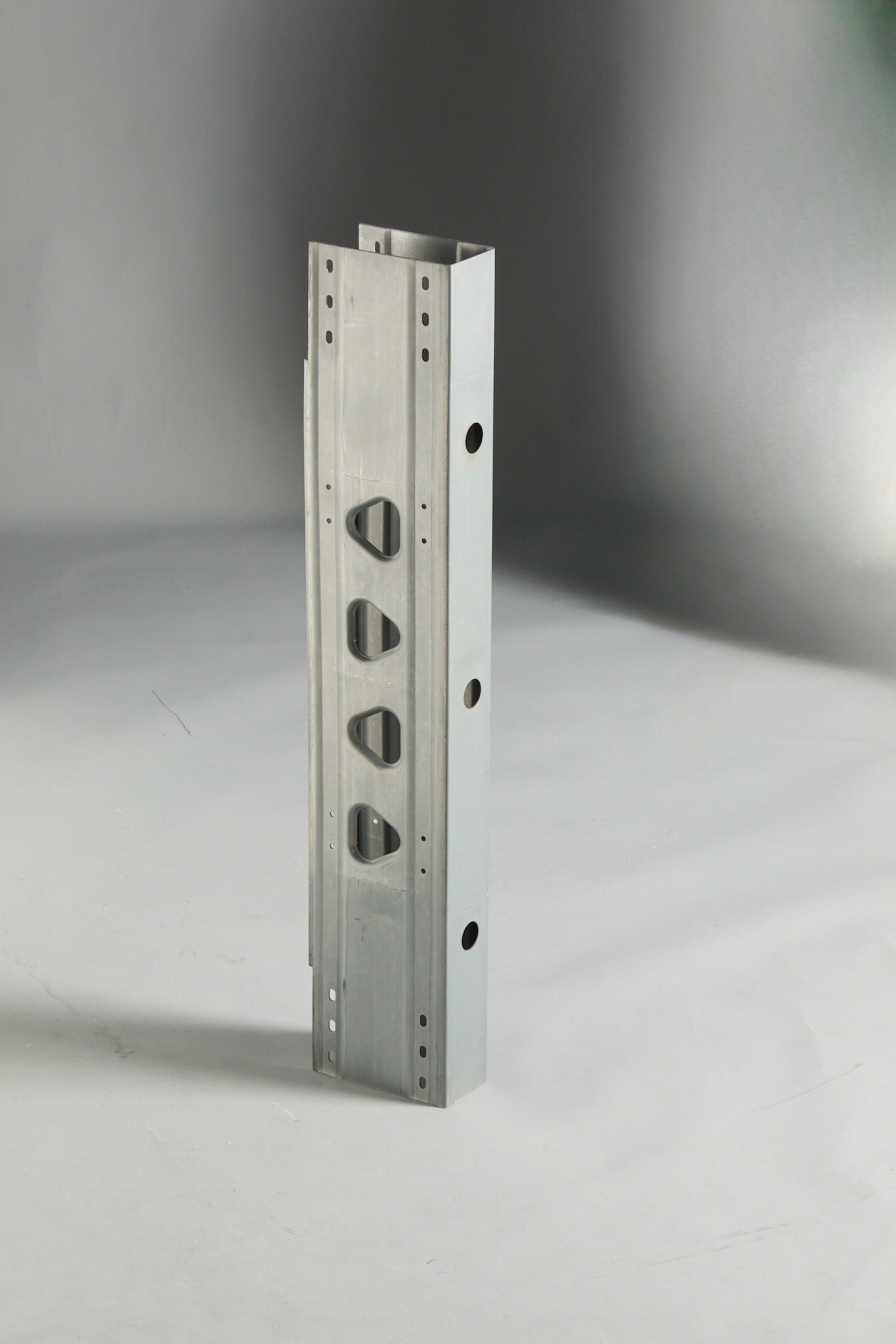
195 Inverted Edge - Triangle Reinforcement
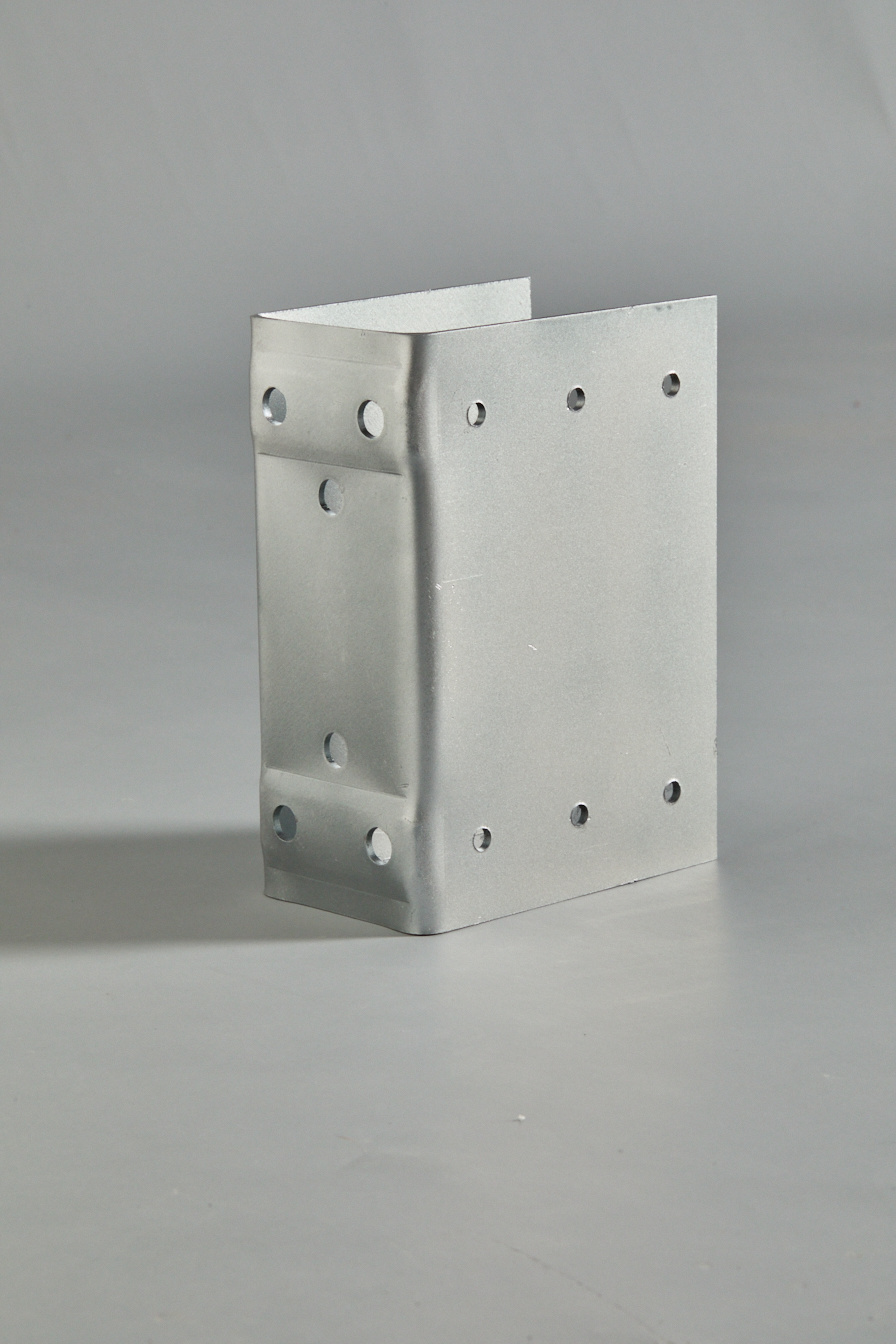
Frame large U connector
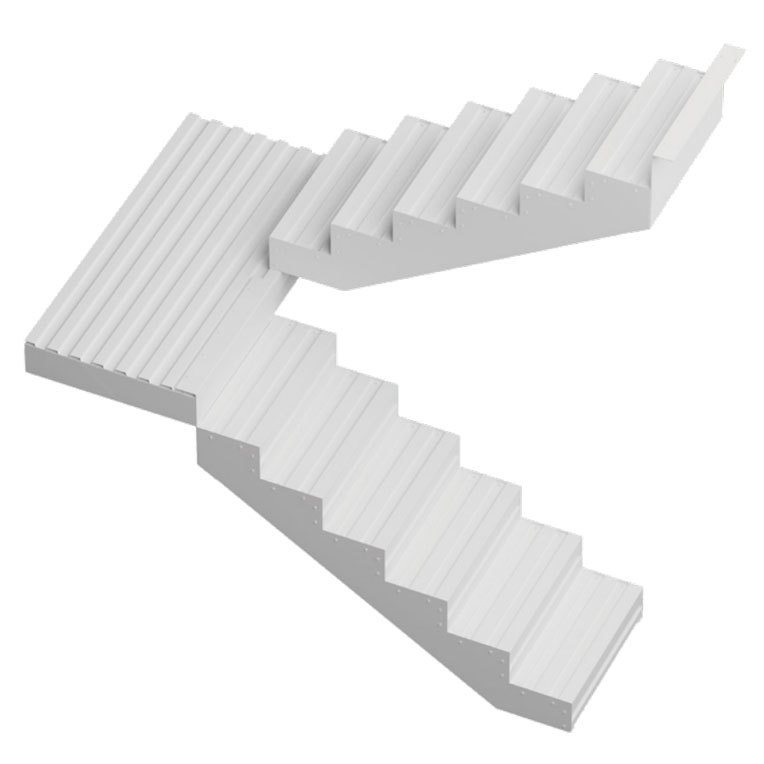
Prefabricated stairs
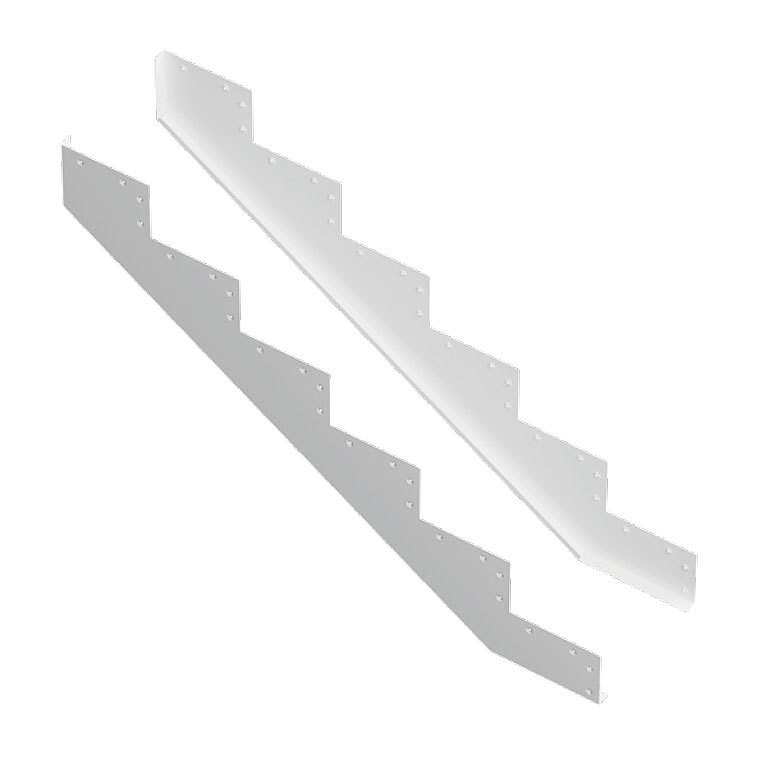
Staircase side panels
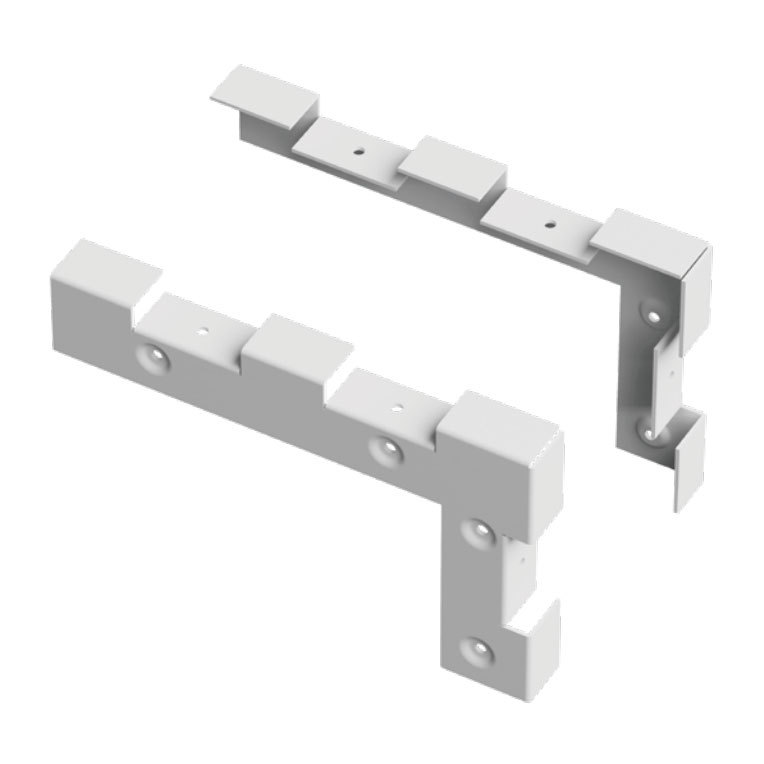
Staircase angle steel
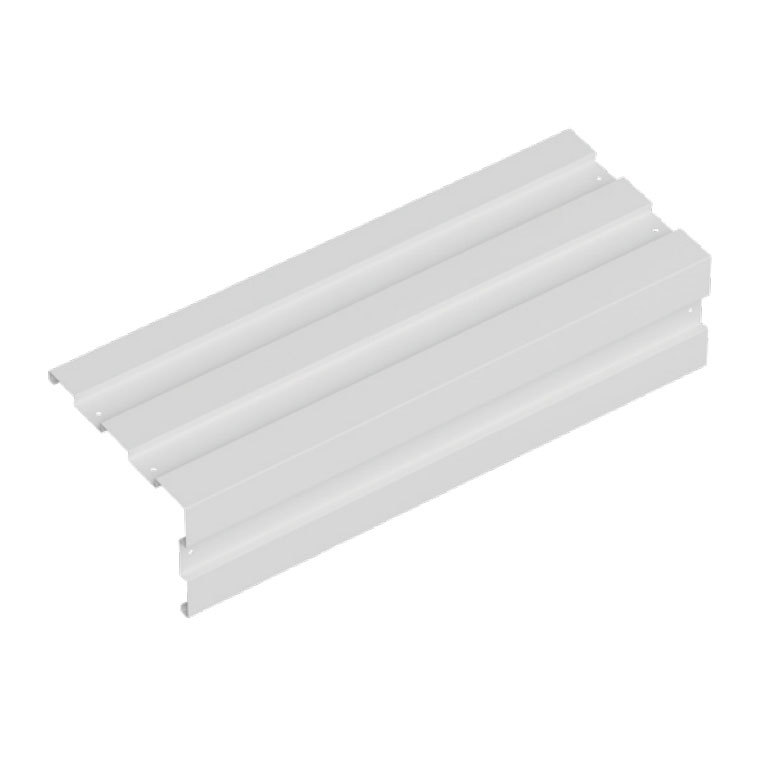
Stair steps
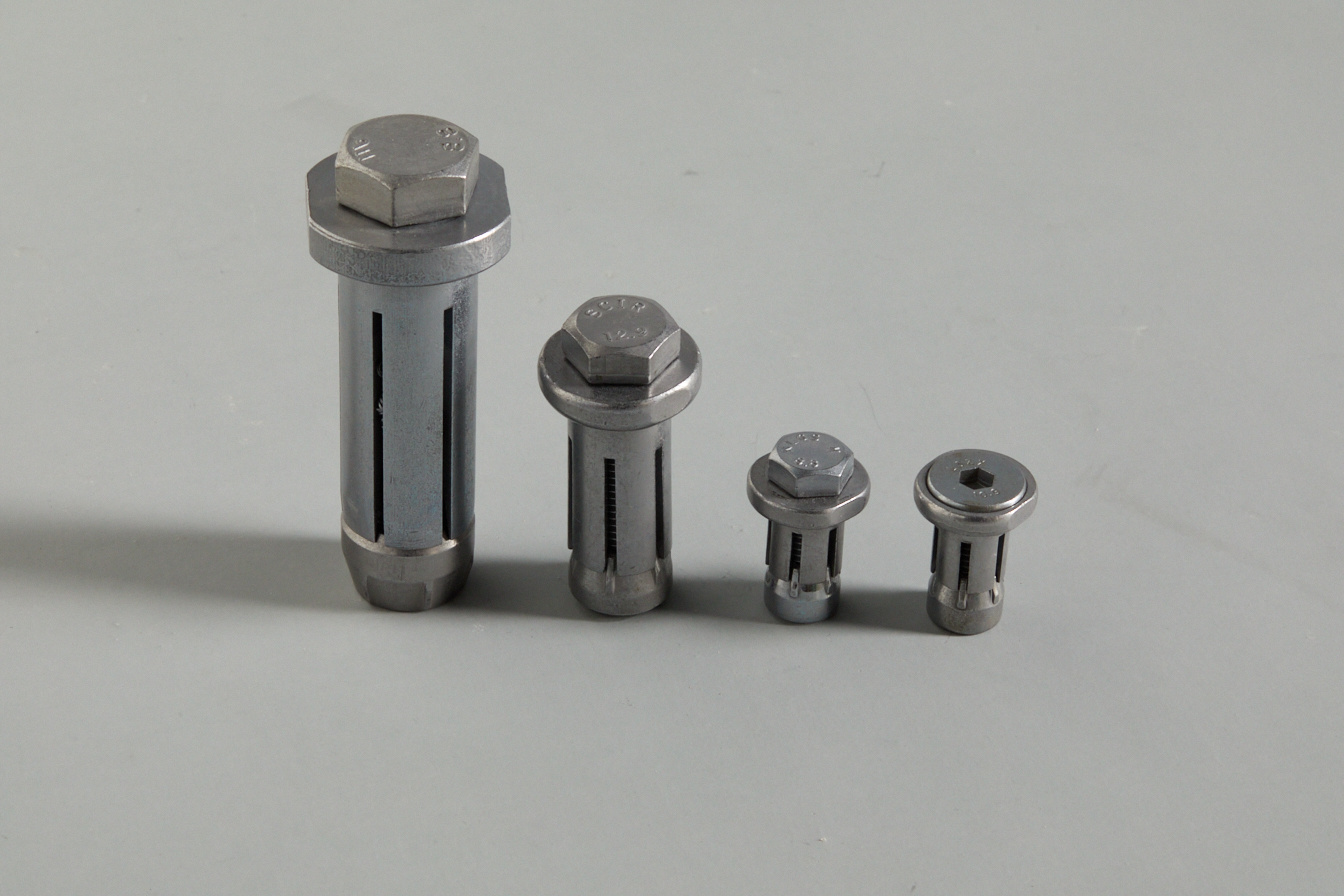
One-Way Bolt
Helical Pile System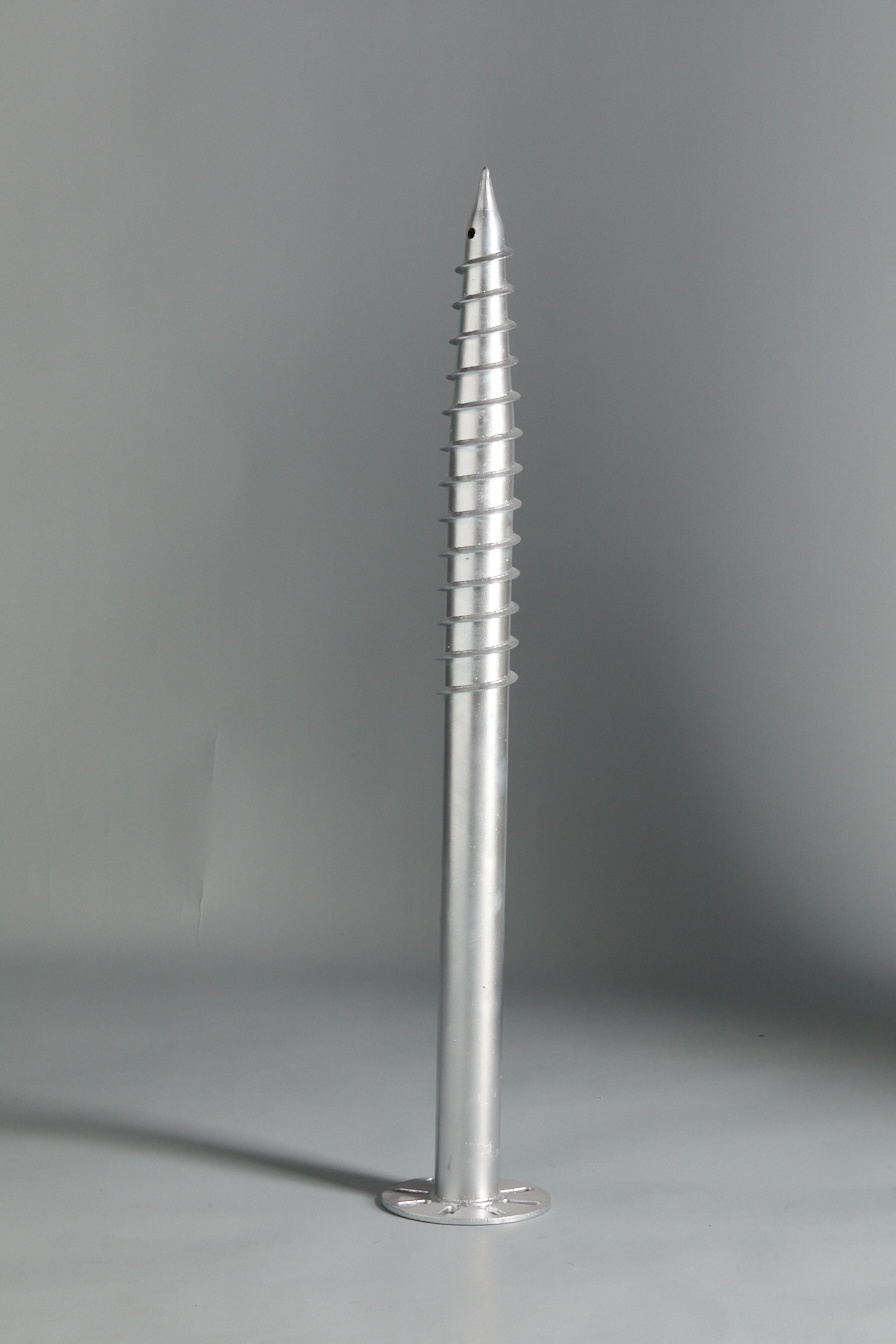
Round Pipe Screw Pile| Reliable Helical Pile Manufacturer| Patented Foundation Solution
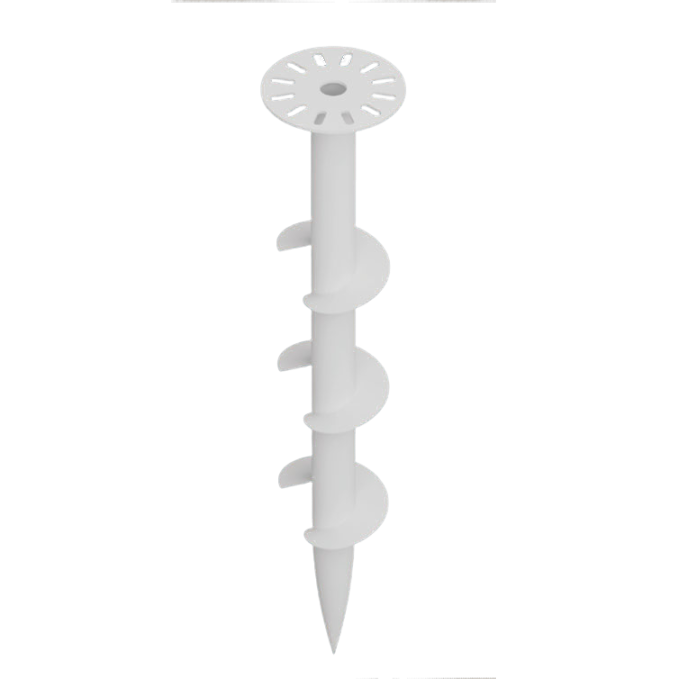
Screw Pile - 3 Blades - Round Pipe Pile
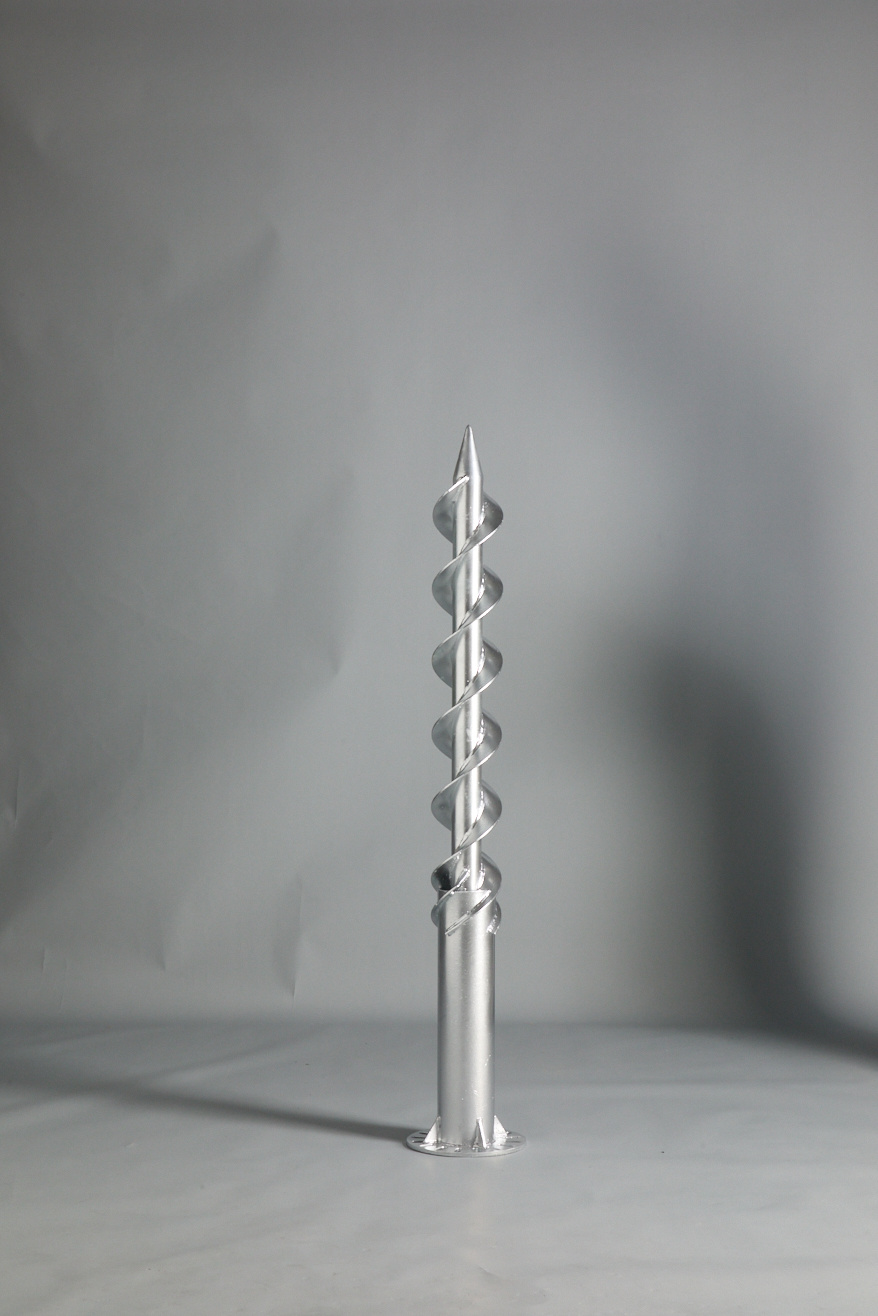
Double-Helix Screw Pile | Patented Foundation Solution
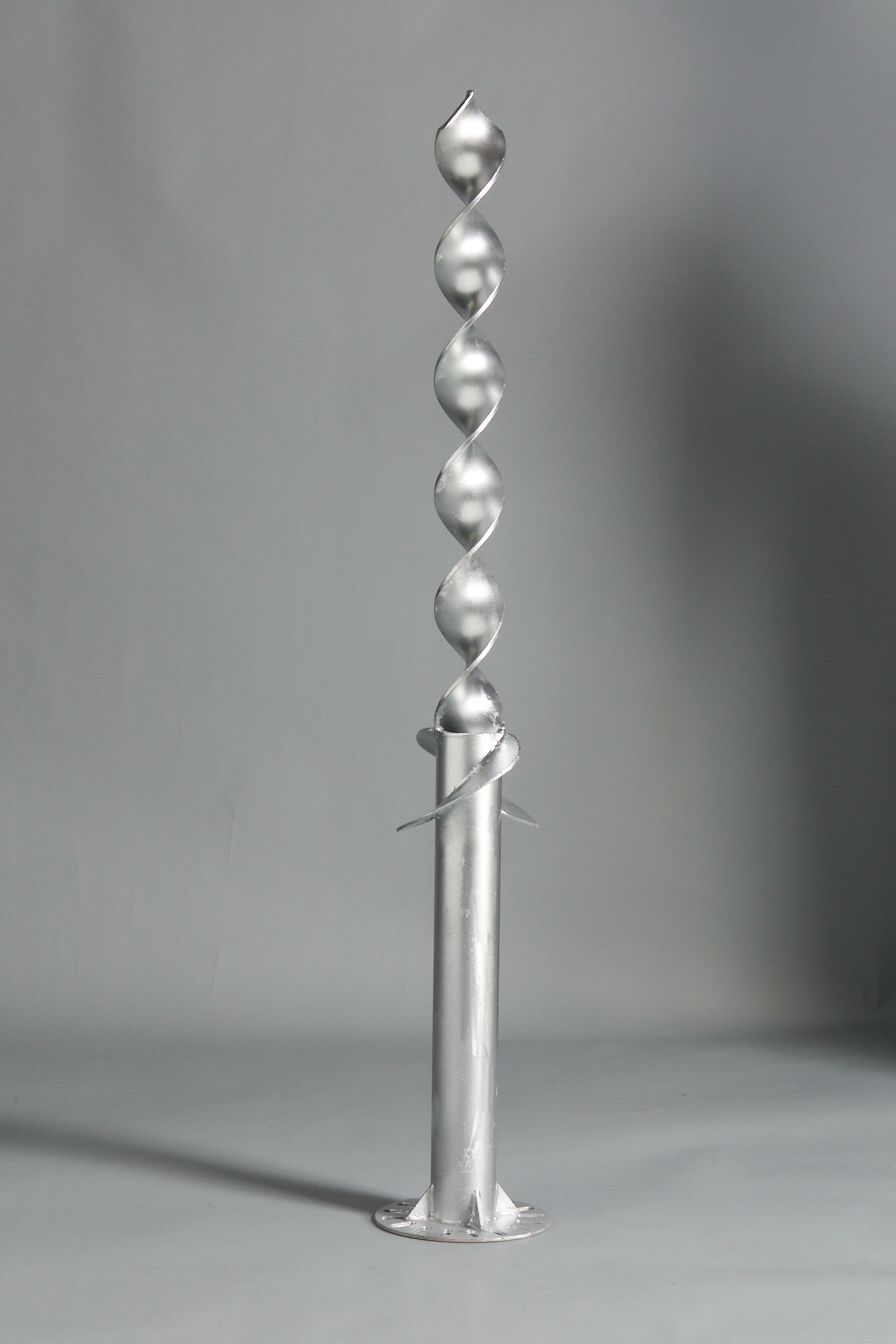
Screw Pile - Large Blade Flat Steel Pile
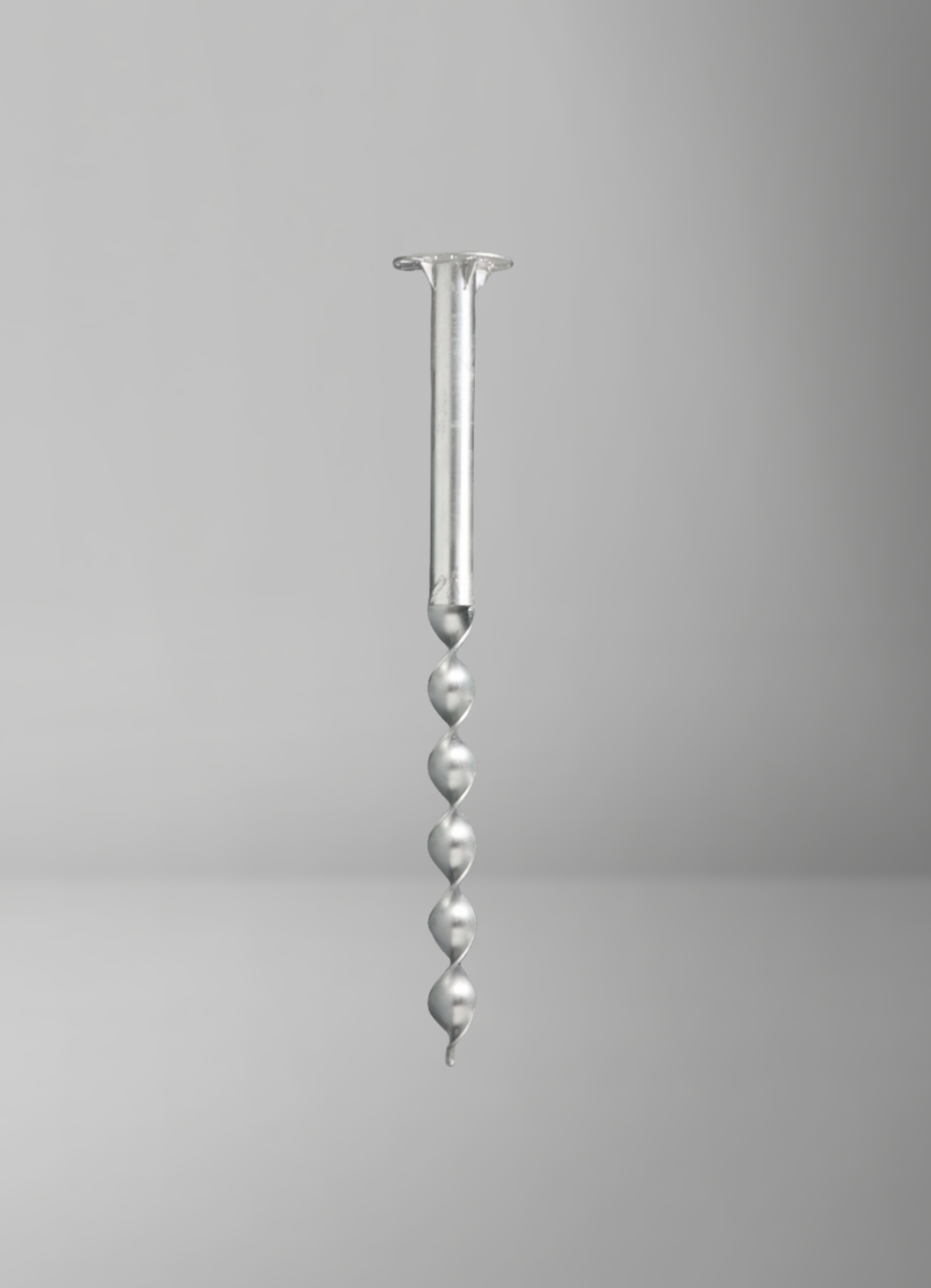
Flat Steel Screw Pile| Reliable Helical Pile Manufacturer| Patented Foundation Solution
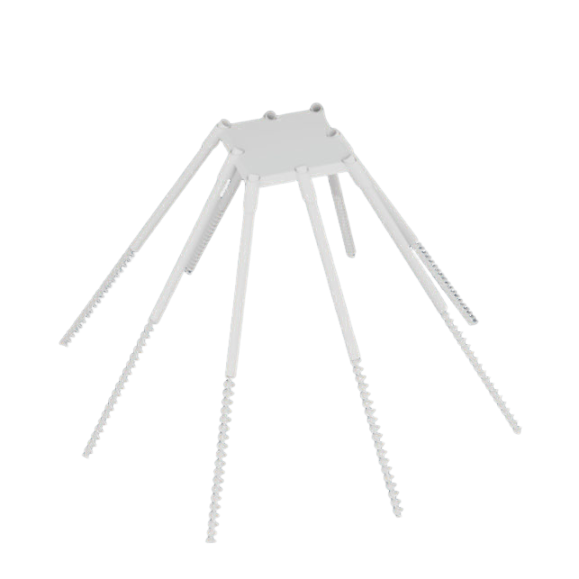
Eight-Pile Group Screw Piles| Reliable Helical Pile Manufacturer| Patented Foundation Solution
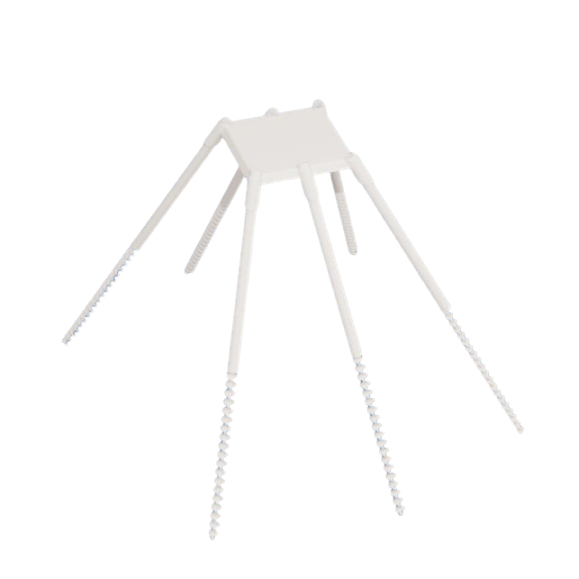
Six-Pile Group Screw Piles| Reliable Helical Pile Manufacturer| Patented Foundation Solution
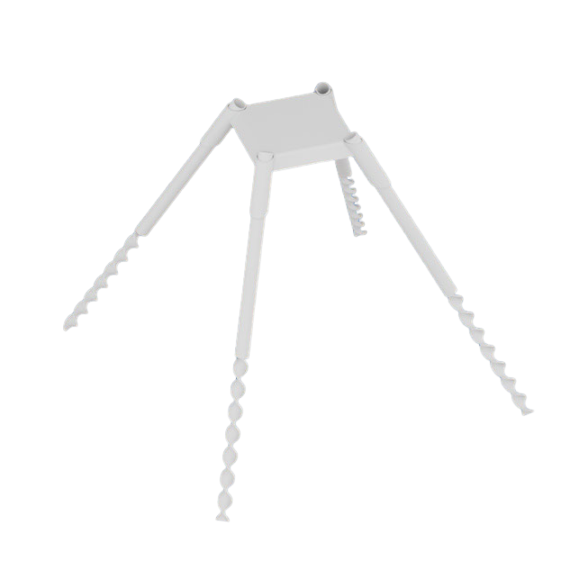
Four-Pile Group Screw Piles| Reliable Helical Pile Manufacturer| Patented Foundation Solution
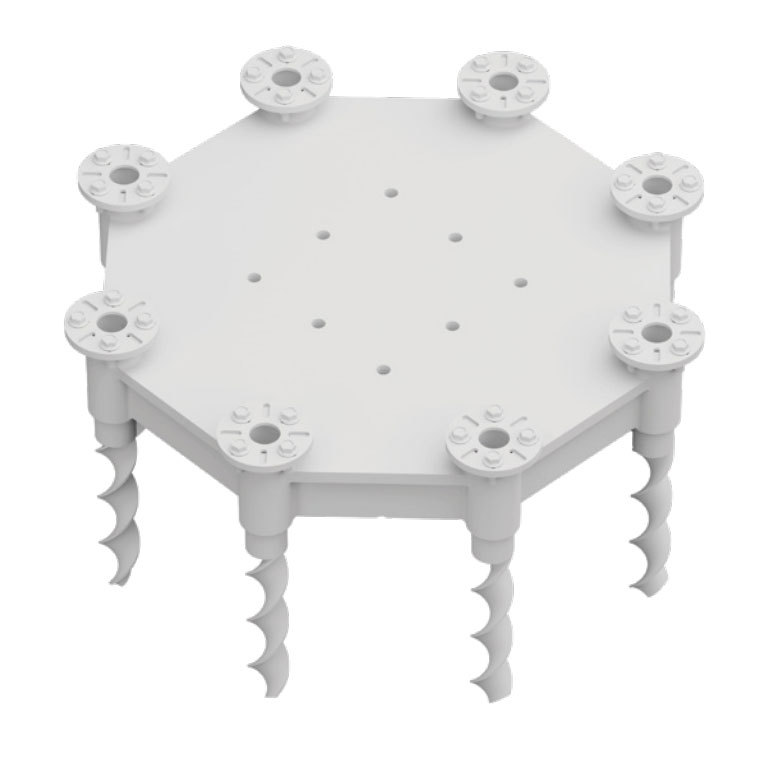
Eight-Pile Cap Screw Pile | Reliable Helical Pile Manufacturer| Patented Foundation Solution
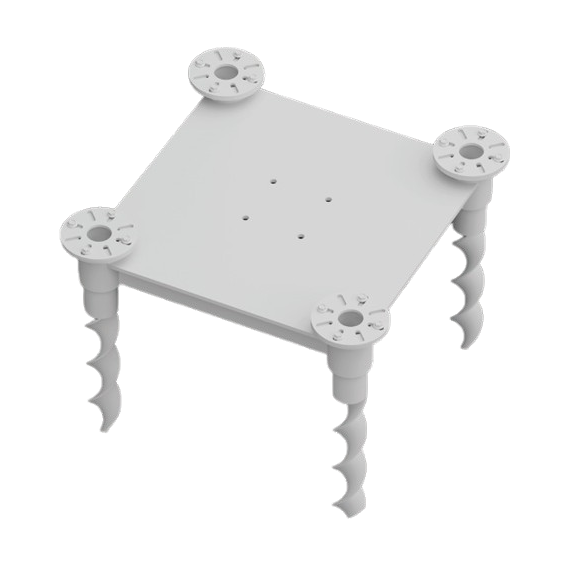
Four-Pile Cap Screw Pile | Reliable Helical Pile Manufacturer| Patented Foundation Solution
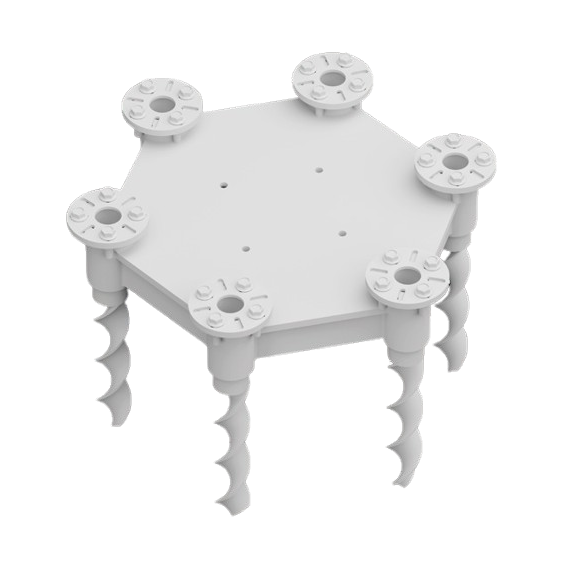
Six-Pile Cap Screw Pile | Reliable Helical Pile Manufacturer| Patented Foundation Solution
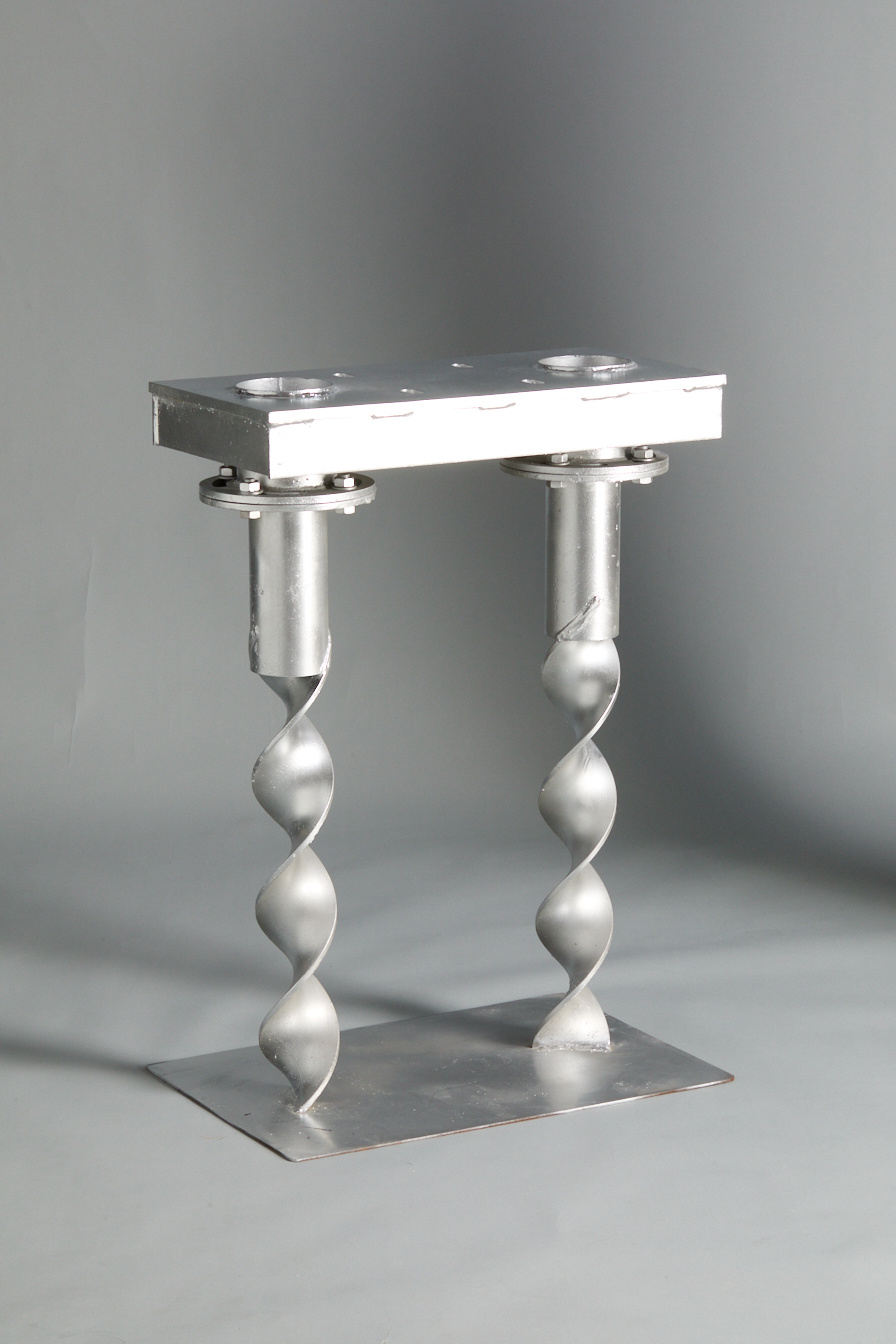
Two-Pile Cap Screw Pile | Reliable Helical Pile Manufacturer| Patented Foundation Solution
Steel Platform System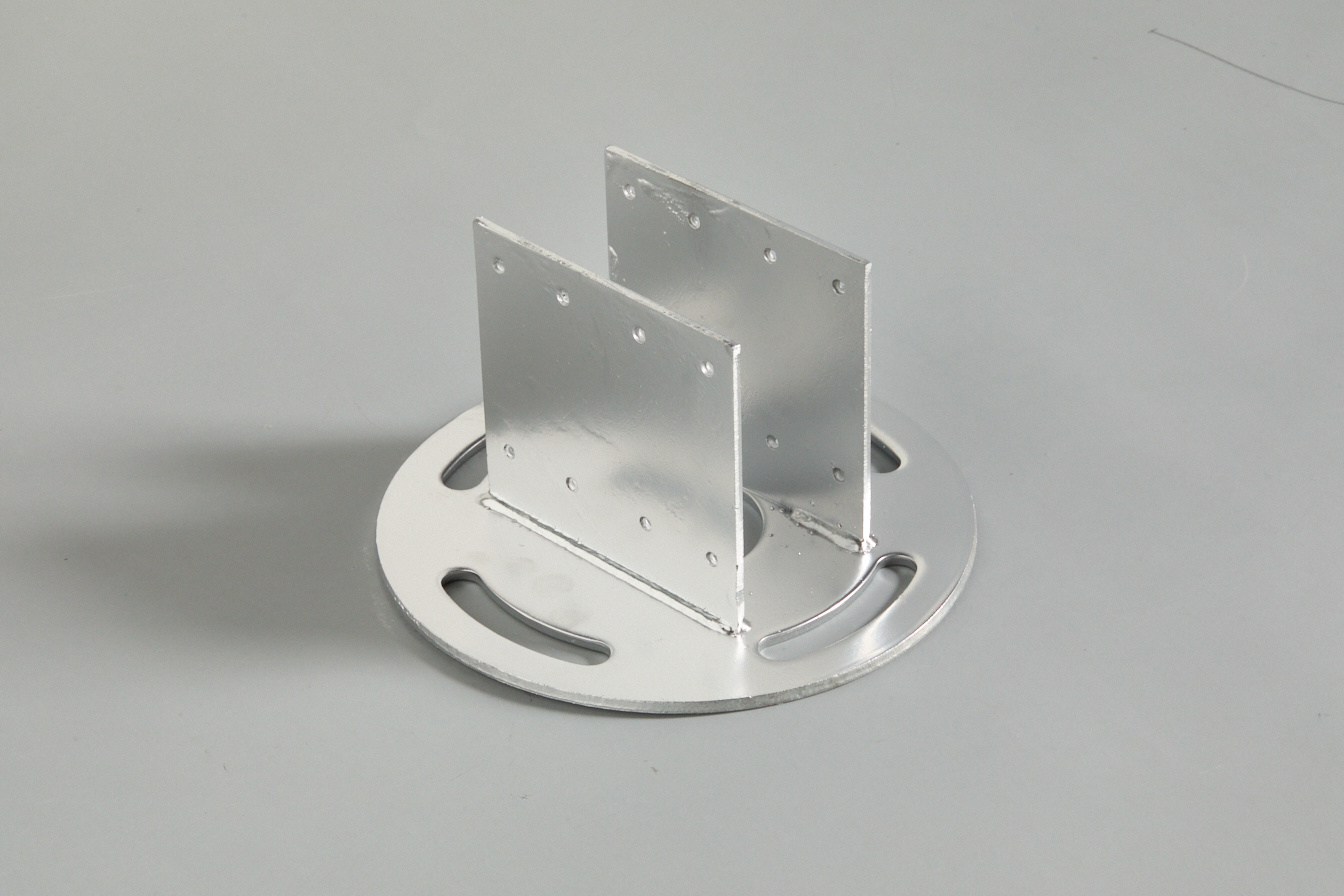
Spiral pile connectors
Small U connector
Large U connector
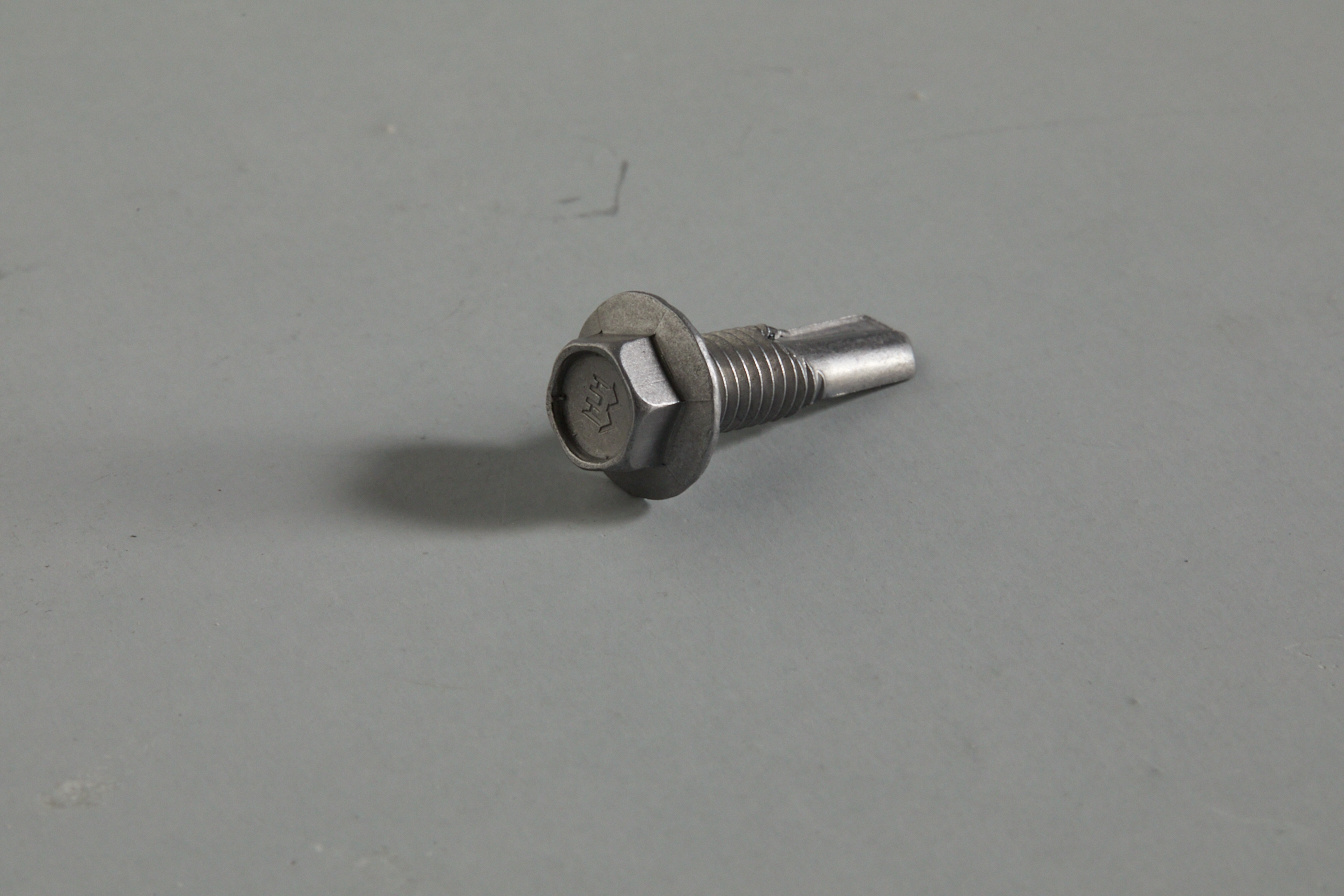
Hexagonal flange self drilling and self tapping screws
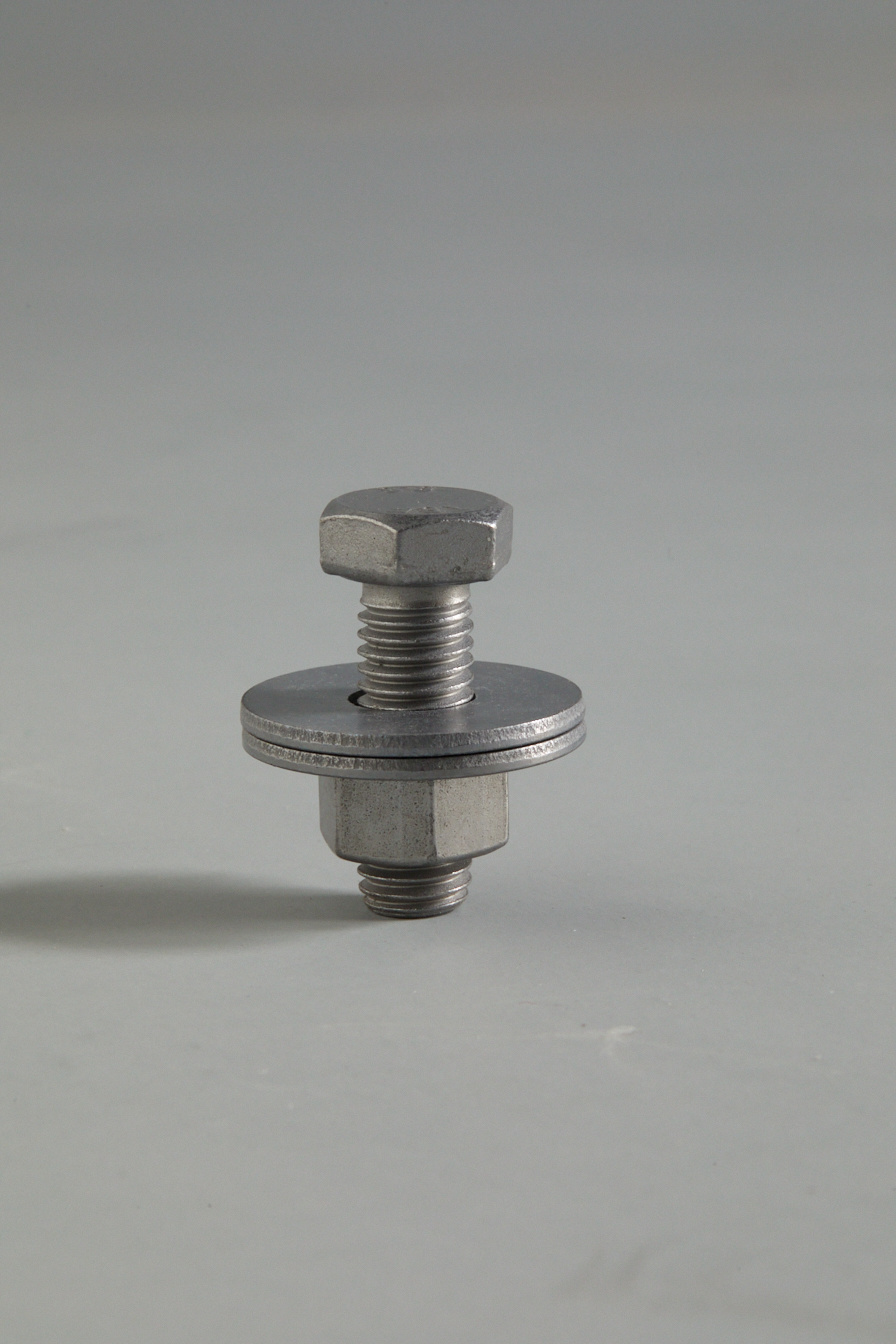
Tightening Bolts
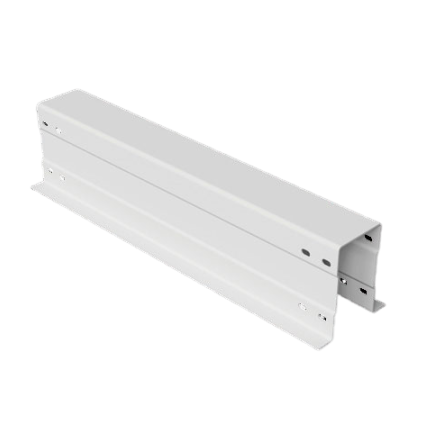
Secondary Beam
Steel Platform - Main Beam
Modular building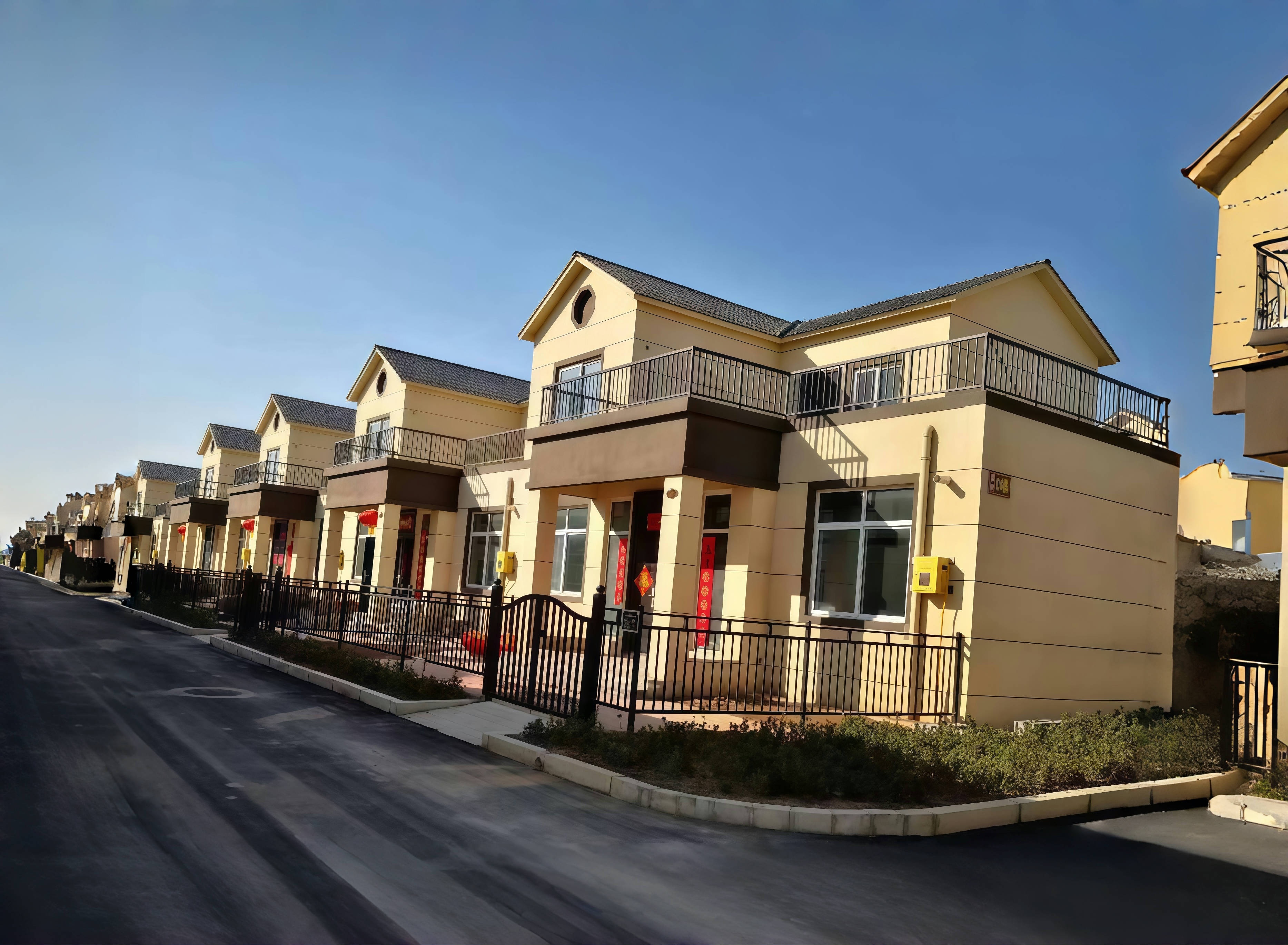
Modular building
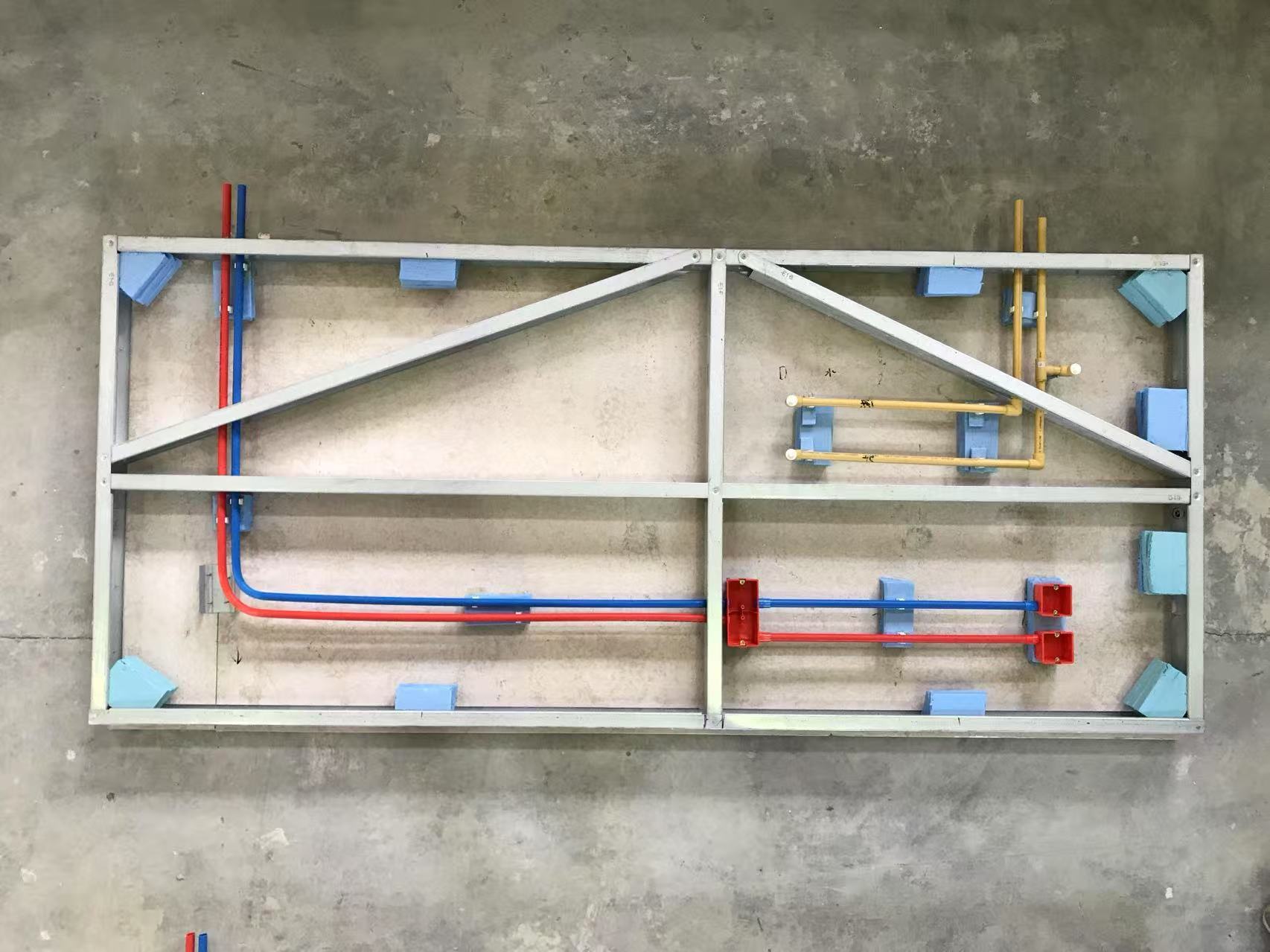
Layout Diagram of Electrical and Plumbing Pipelines for Magnesium-Based Grouted Walls

Performance Testing of Magnesium-Based Walls
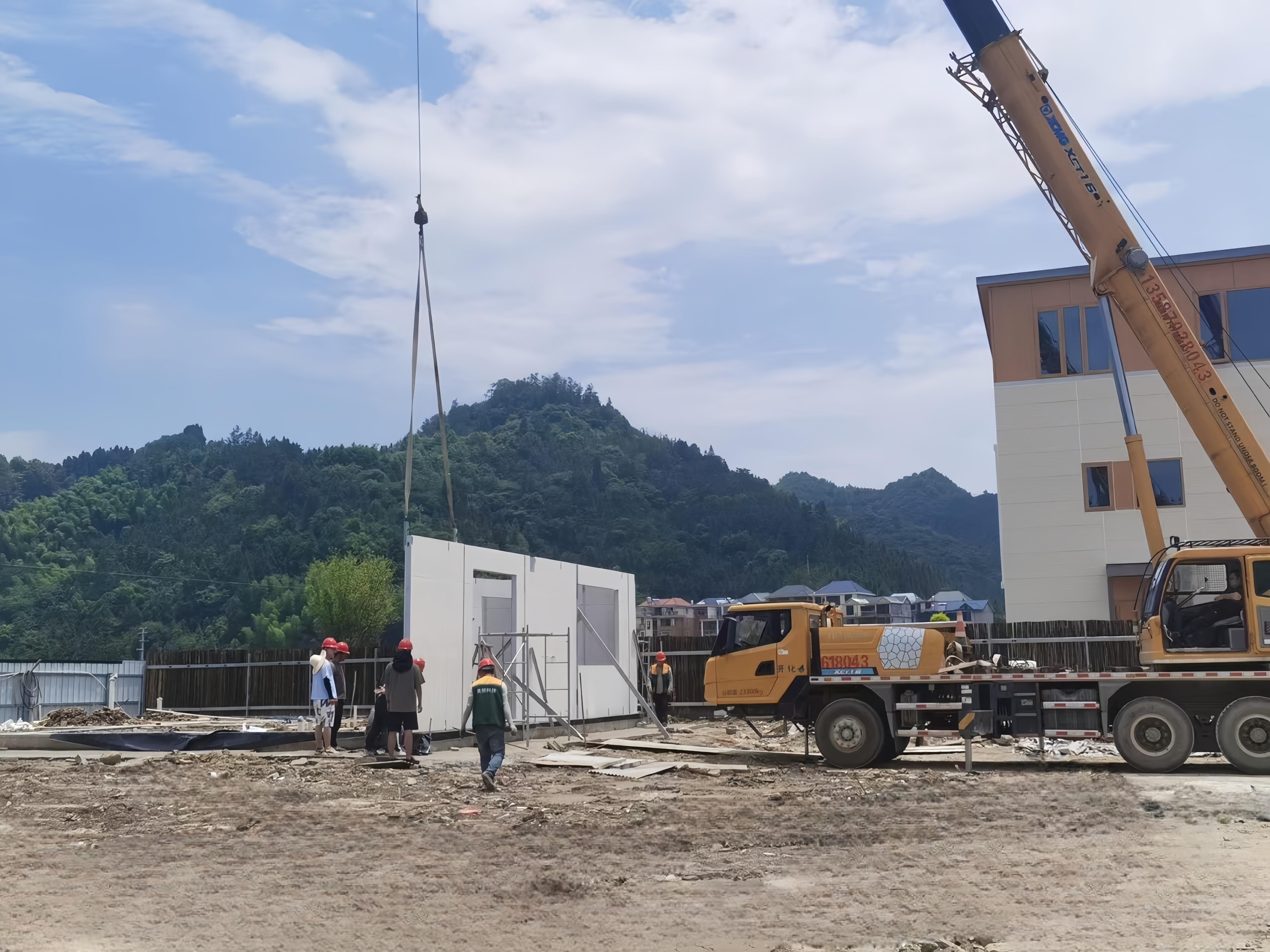
Construction Process of Modular Walls
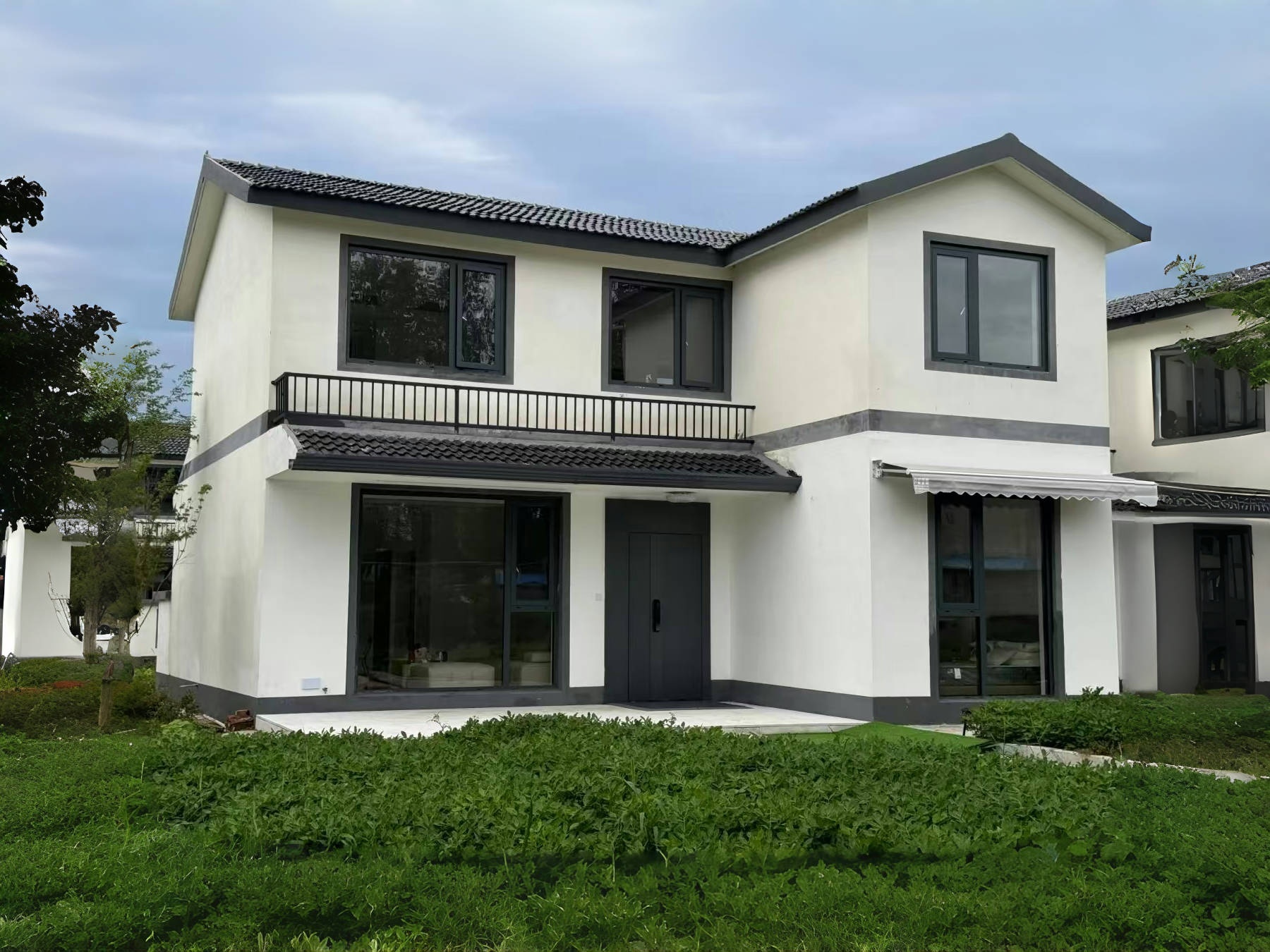
Cases of Modular Buildings
Bracket Roof Integrated Panel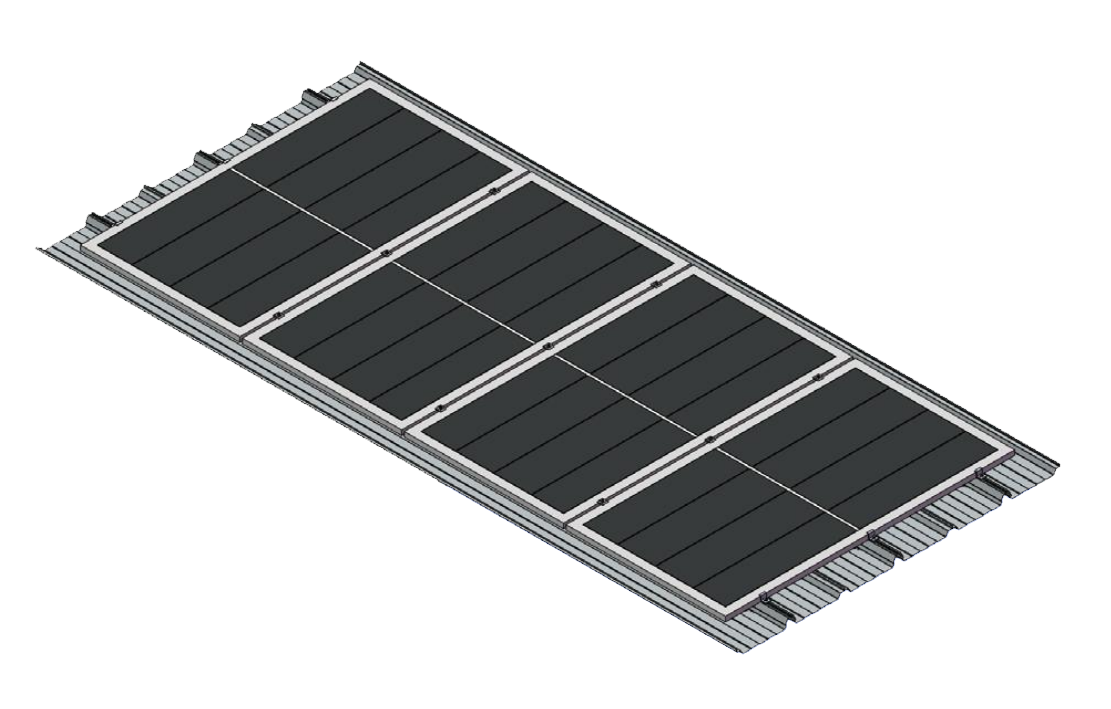
BIPV Bracket Roof Integrated Panel
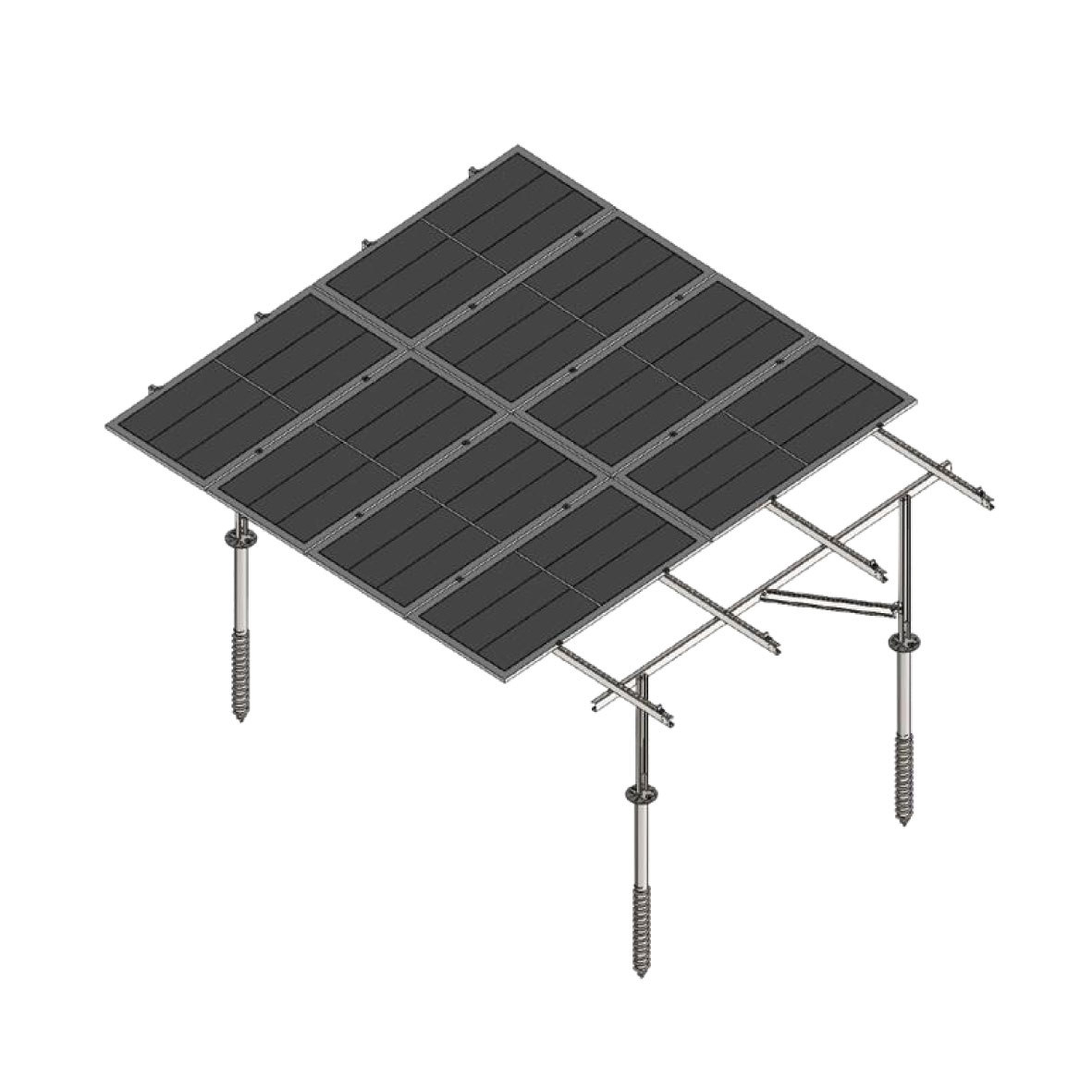
ZINC Aluminum Magnesium Double Leg Bracket
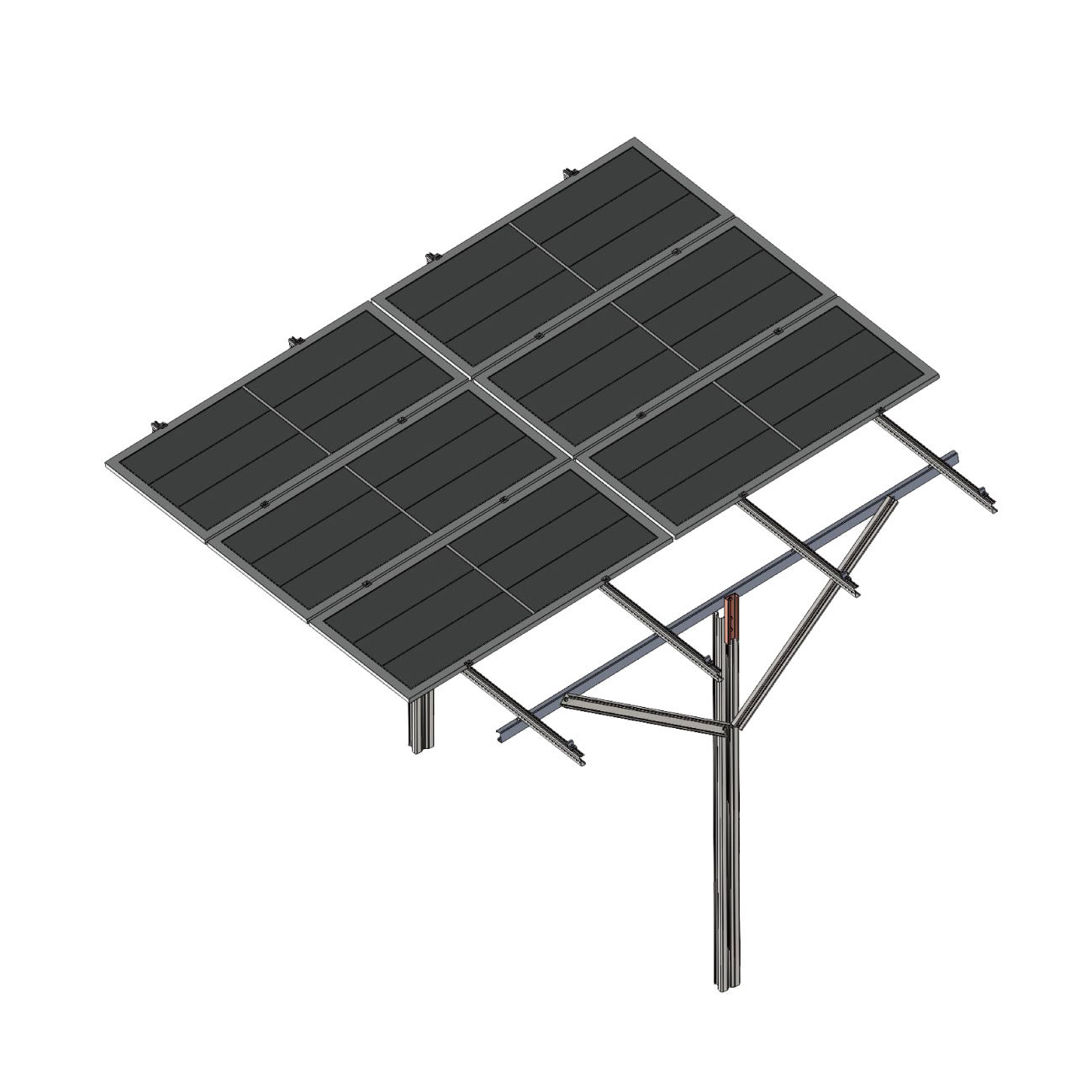
ZINC Aluminum Magnesium Single Leg Bracket
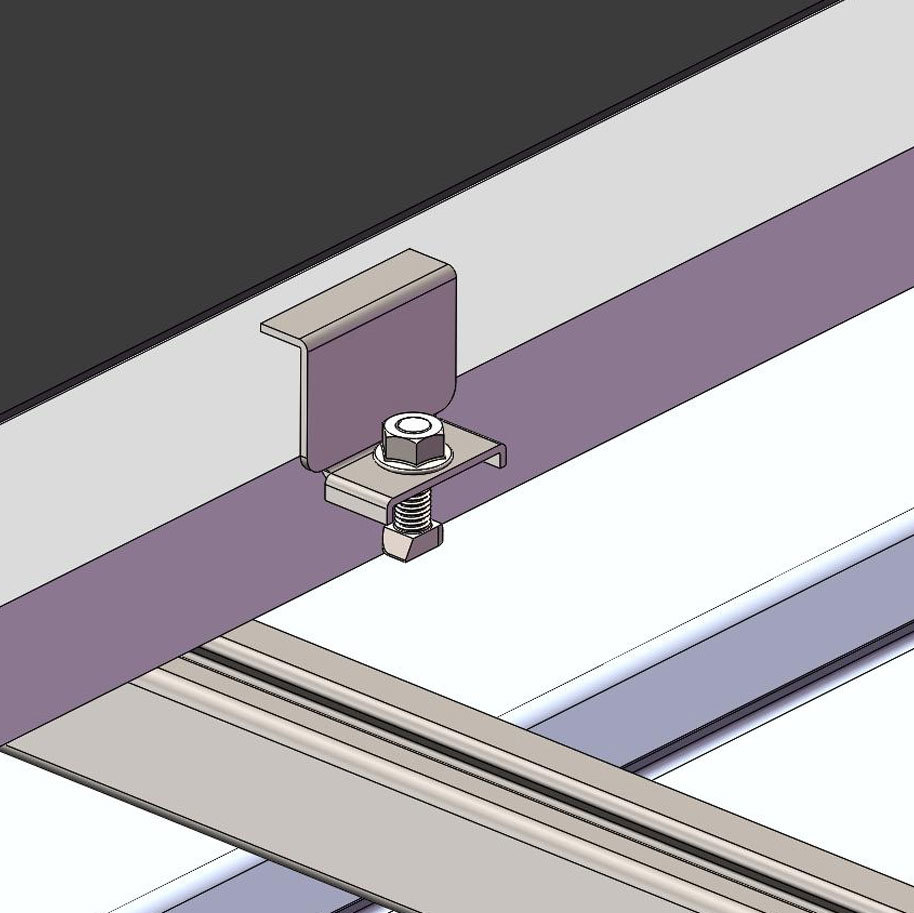
Explosion diagram of zinc aluminum magnesium under lateral pressure
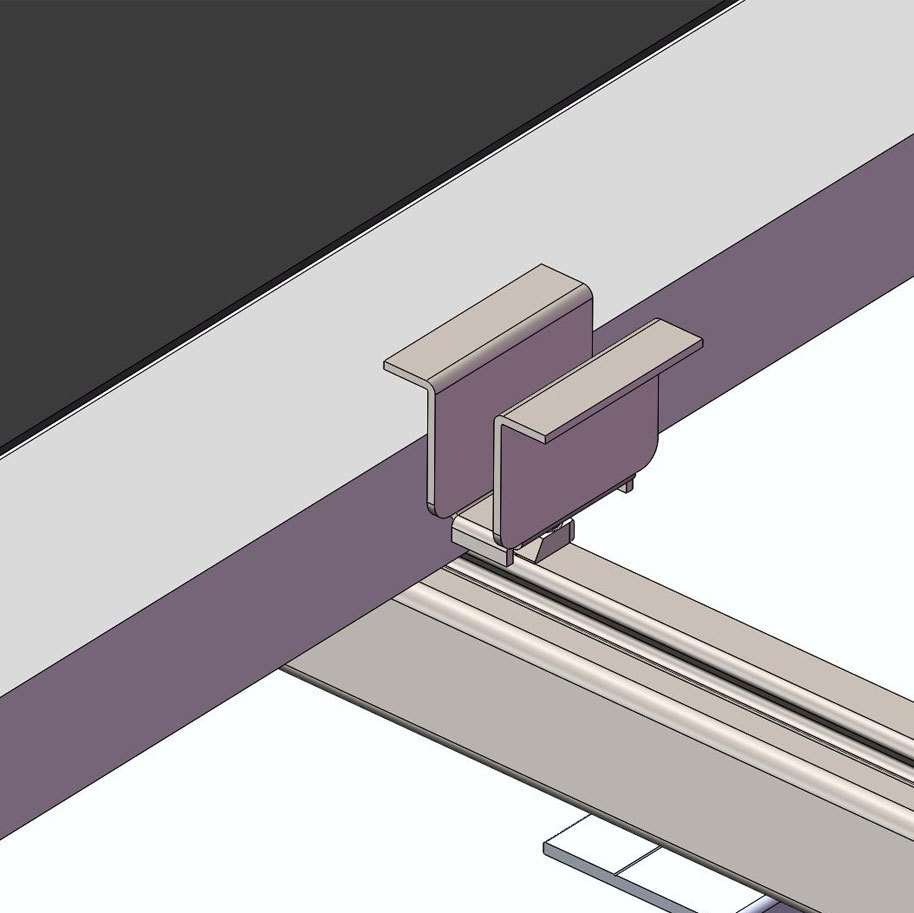
Zinc aluminum magnesium medium pressure explosion diagram
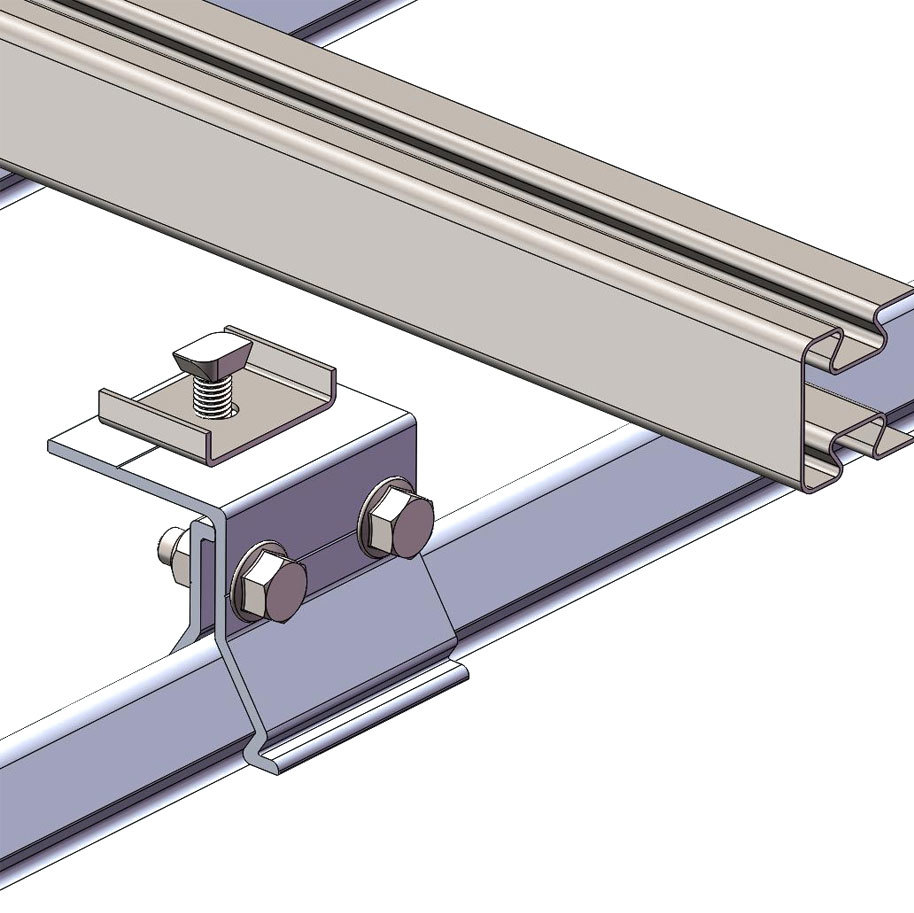
Explosion diagram of fixture components
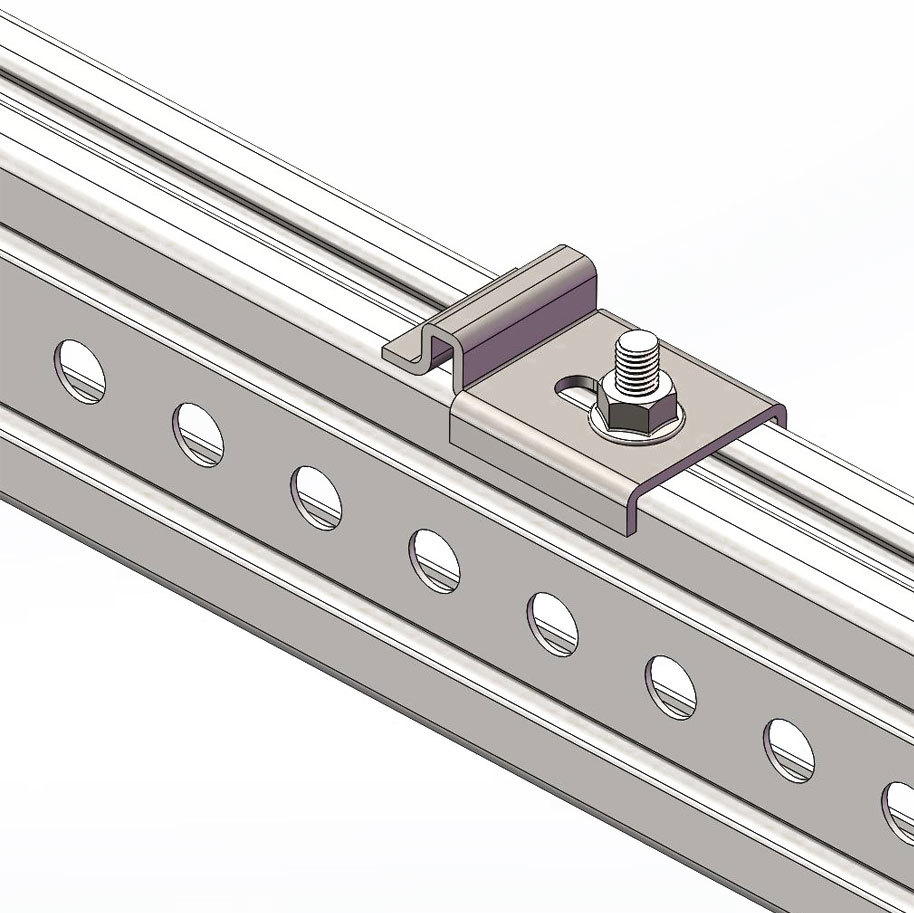
Lower pressure component
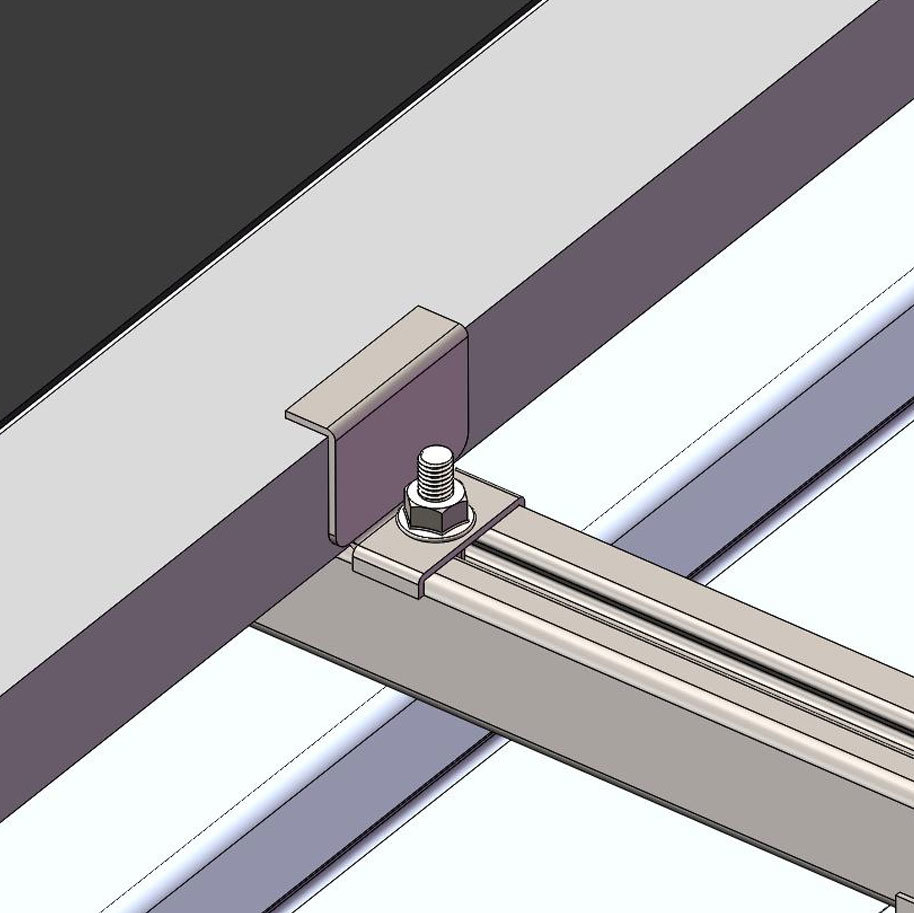
Zinc aluminum magnesium side pressure
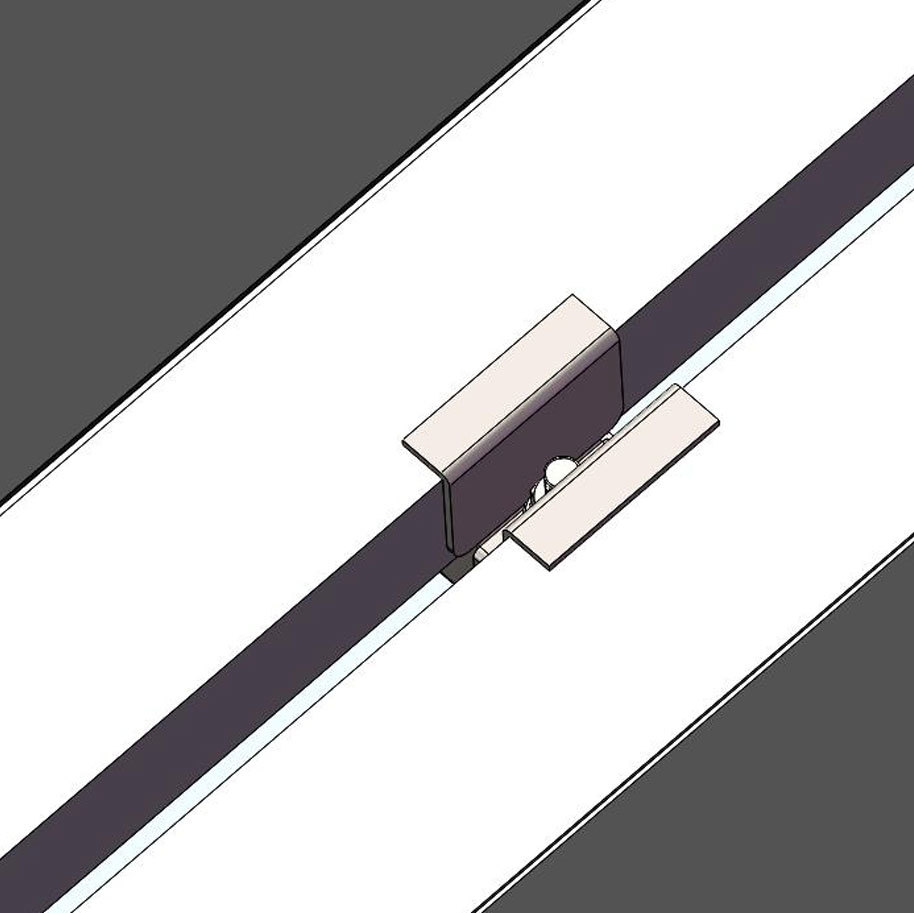
Zinc aluminum magnesium medium pressure
Zinc aluminum magnesium medium pressure
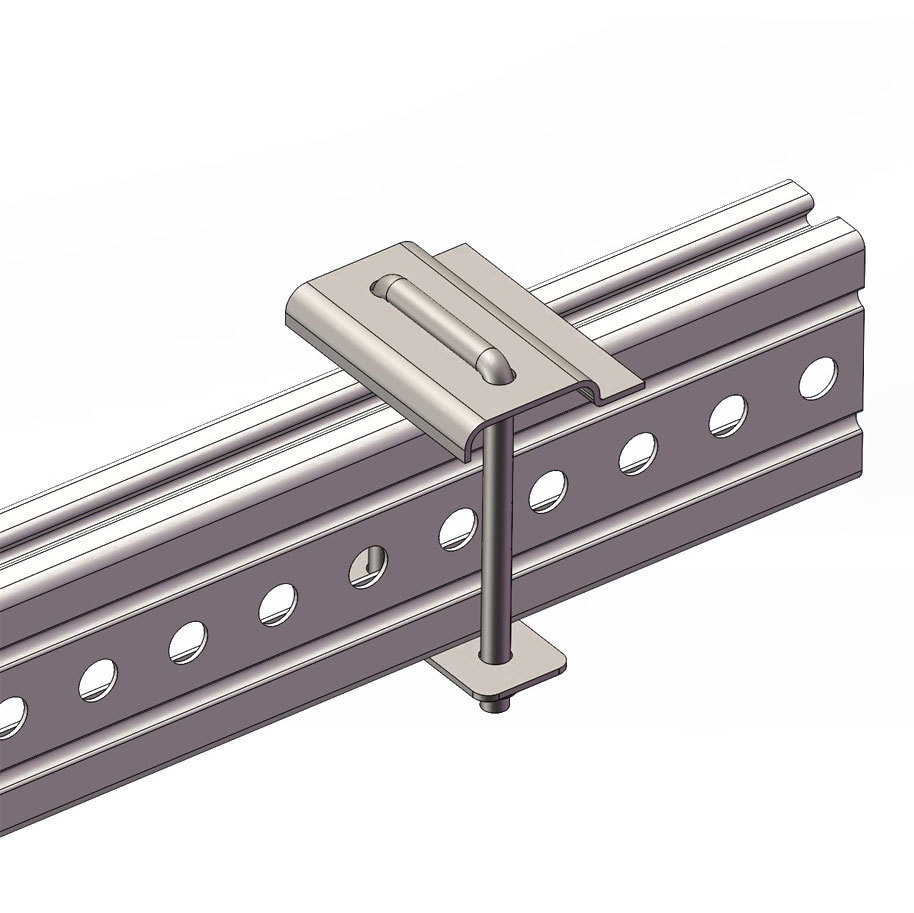
U-bolt assembly
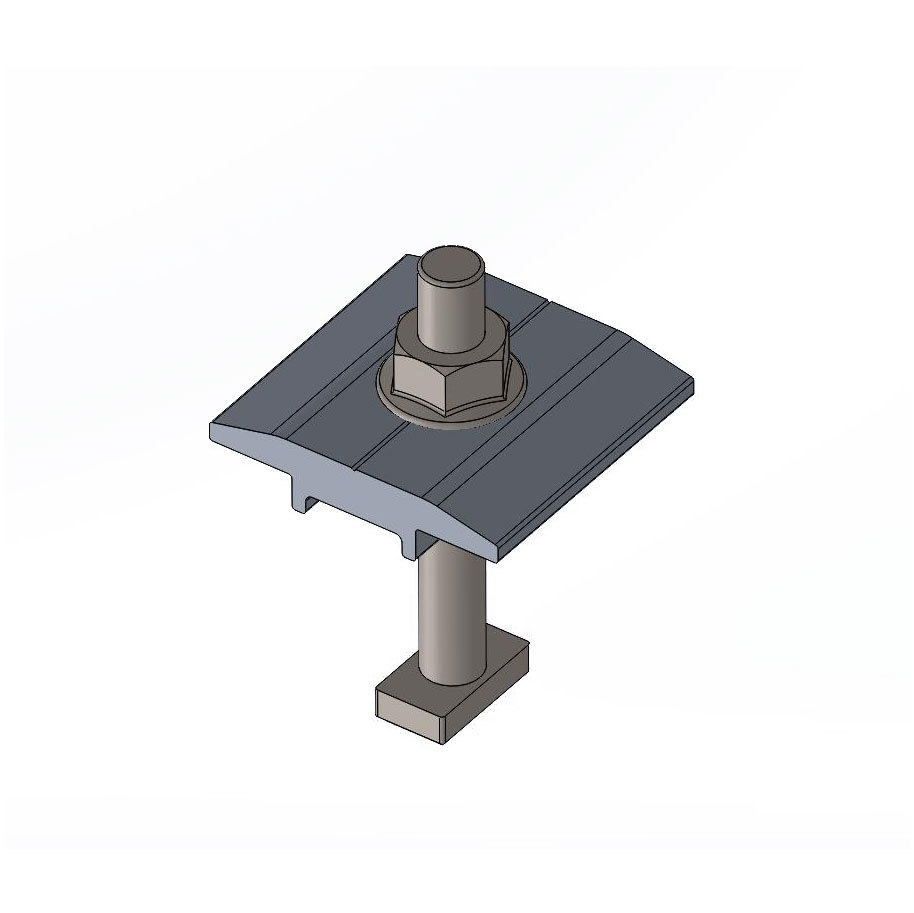
Medium voltage components
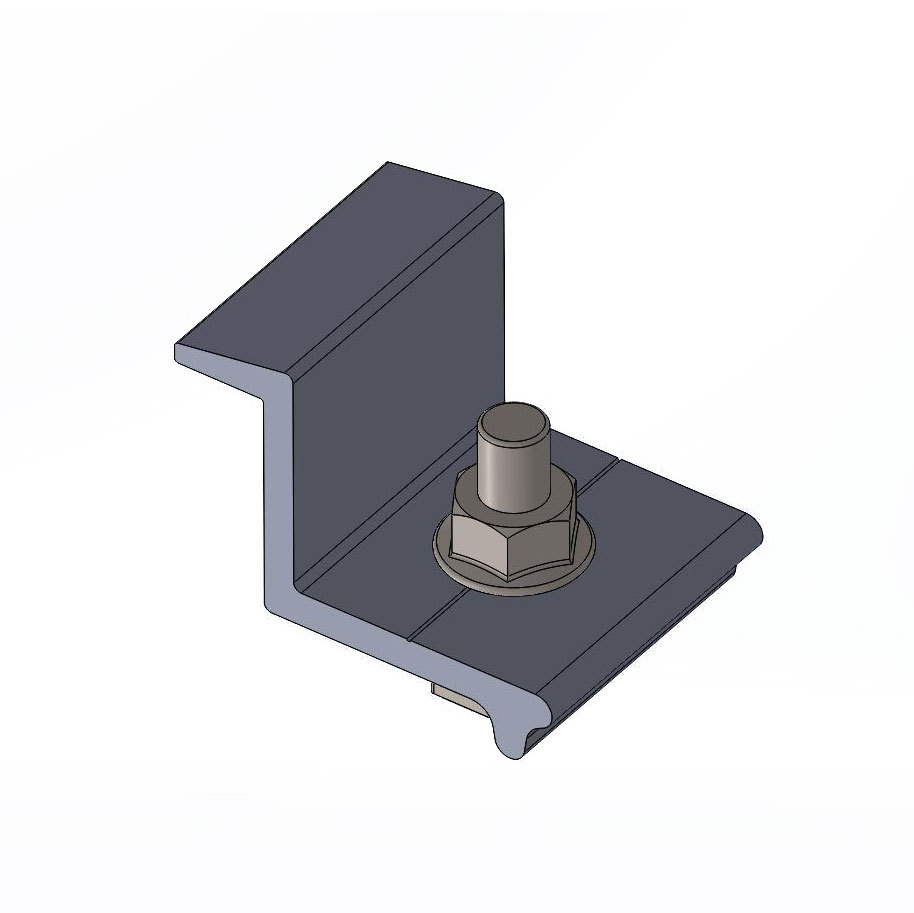
Side pressure component
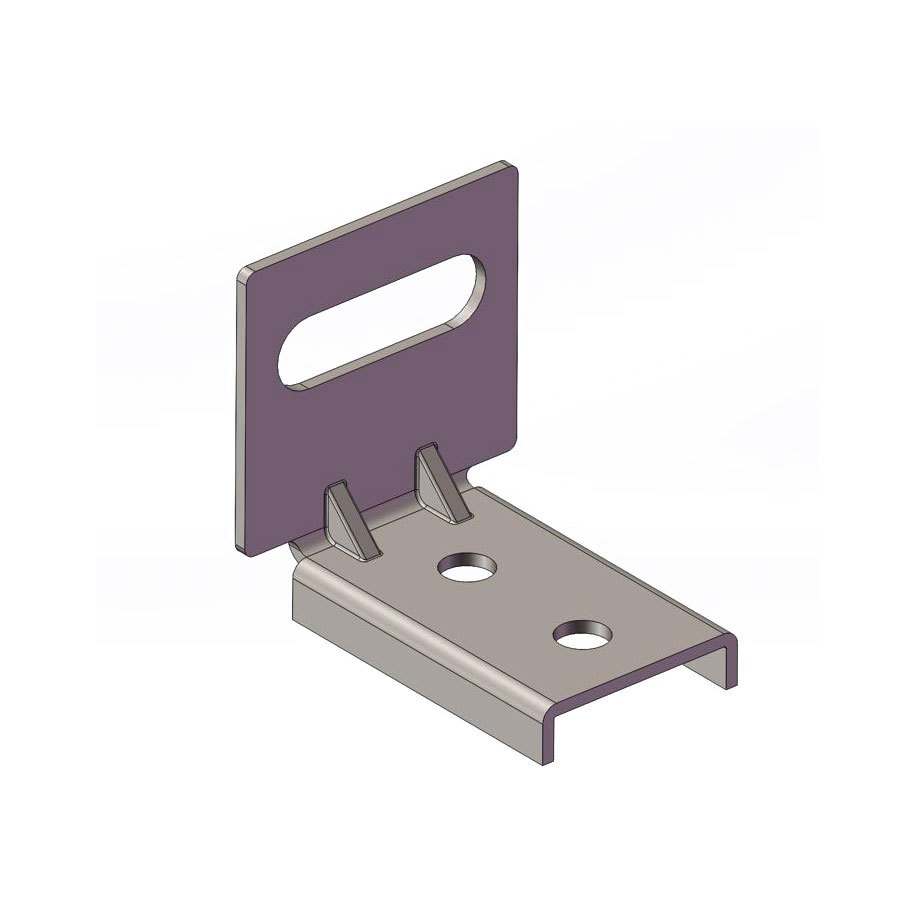
Horizontal and vertical rail connectors
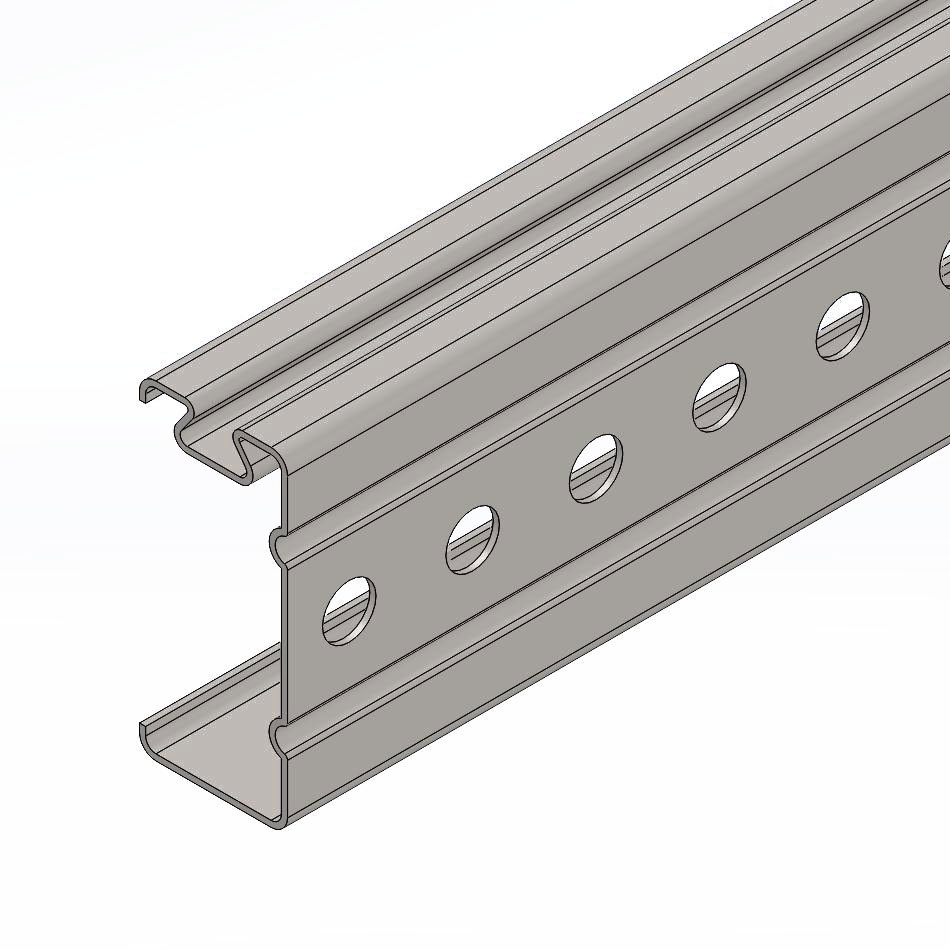
Slant support
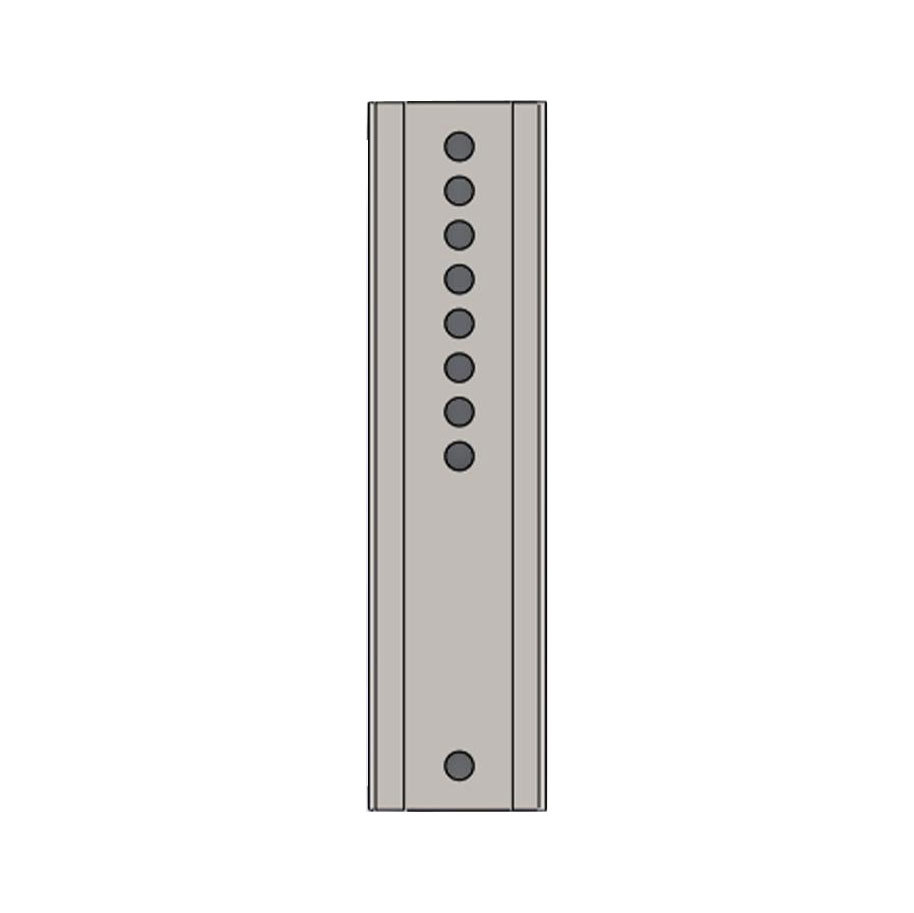
Column connectors
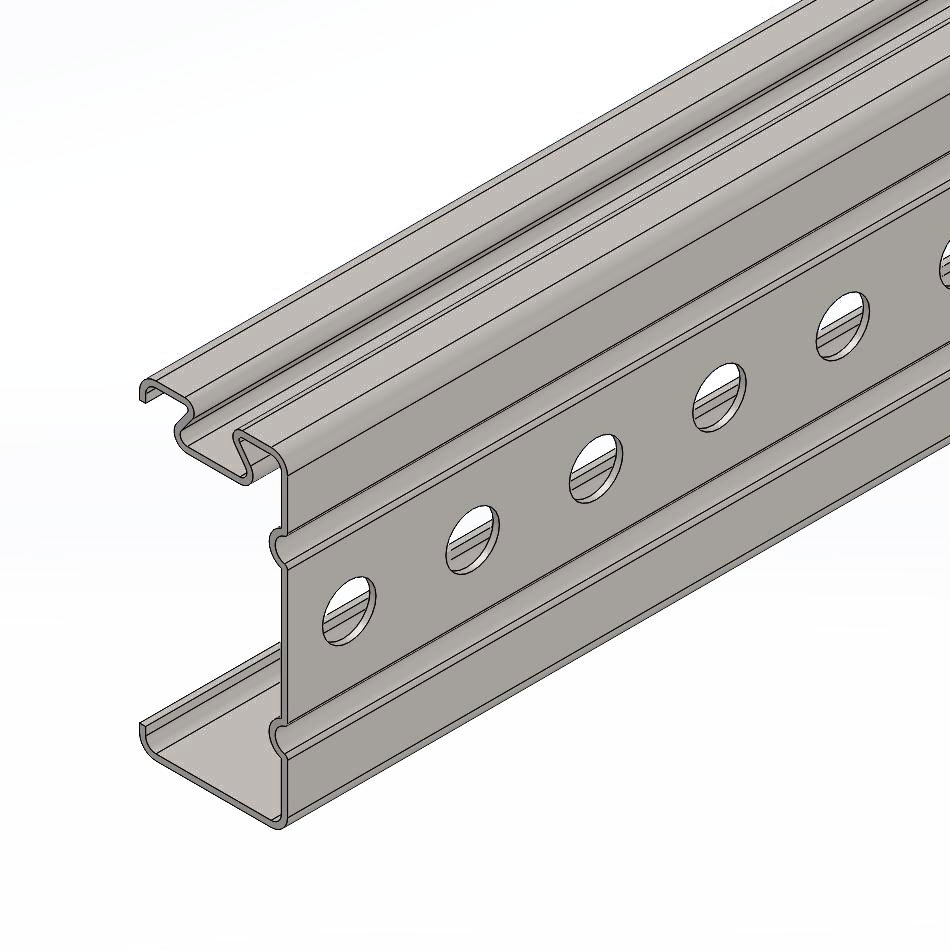
Longitudinal track
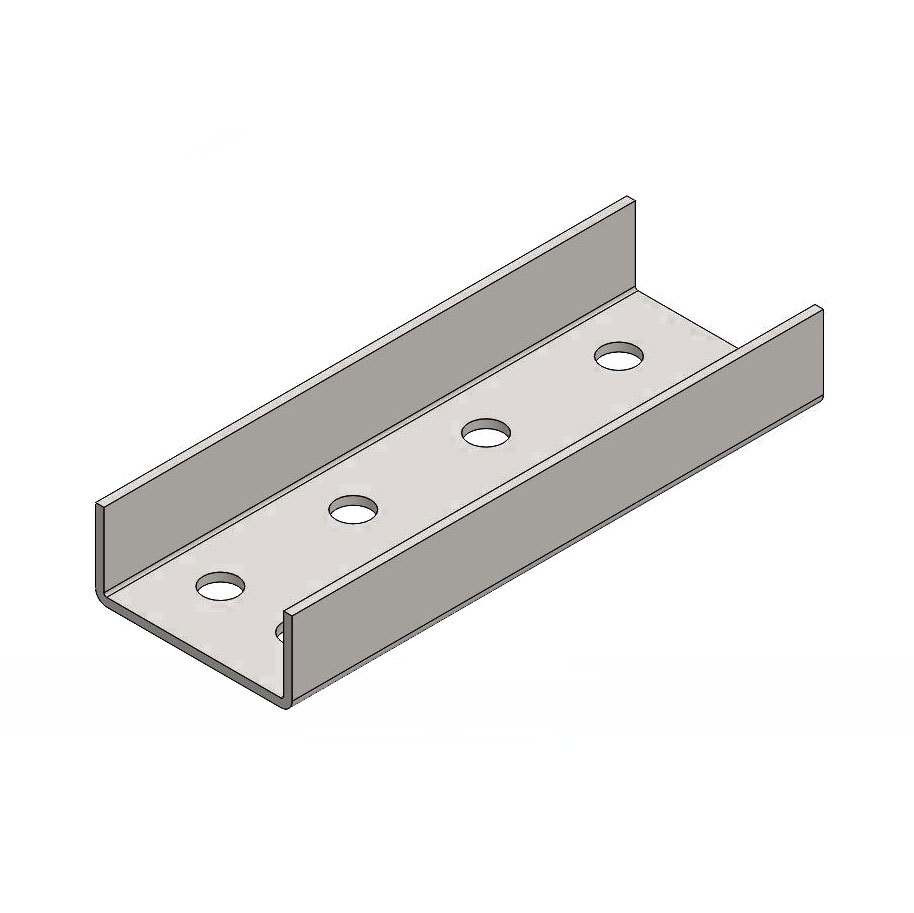
Horizontal rail connectors
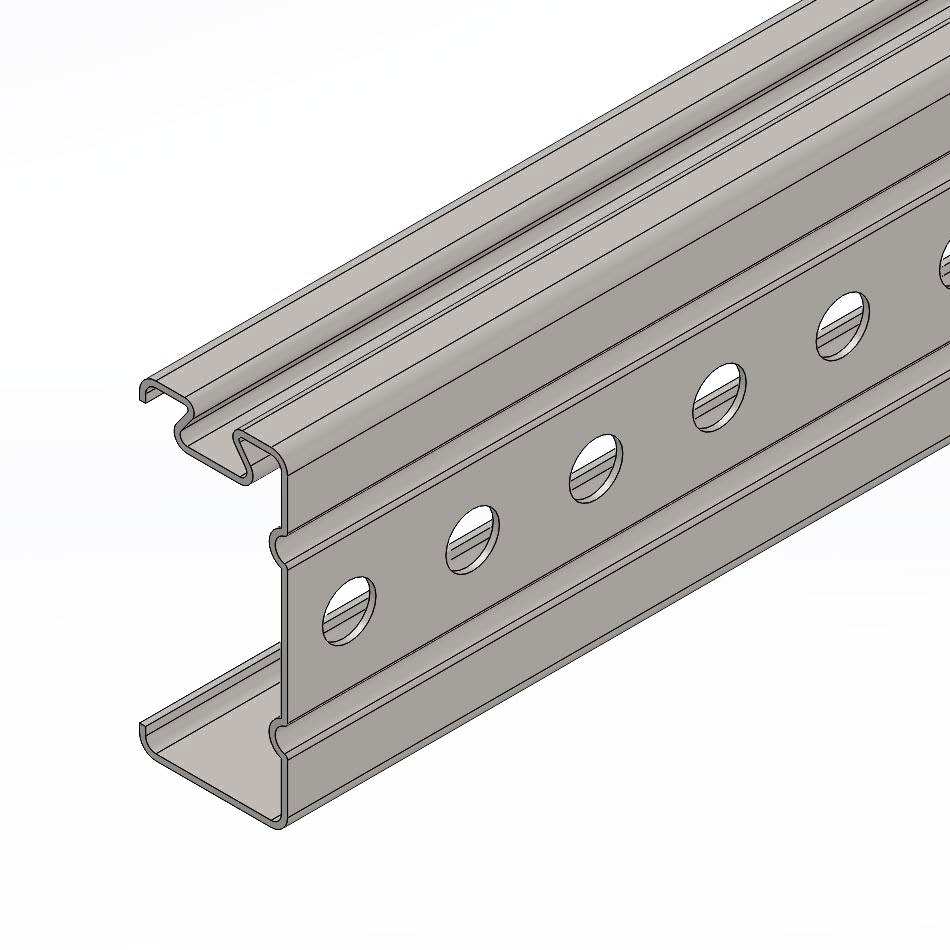
Horizontal track
Easy Install Steel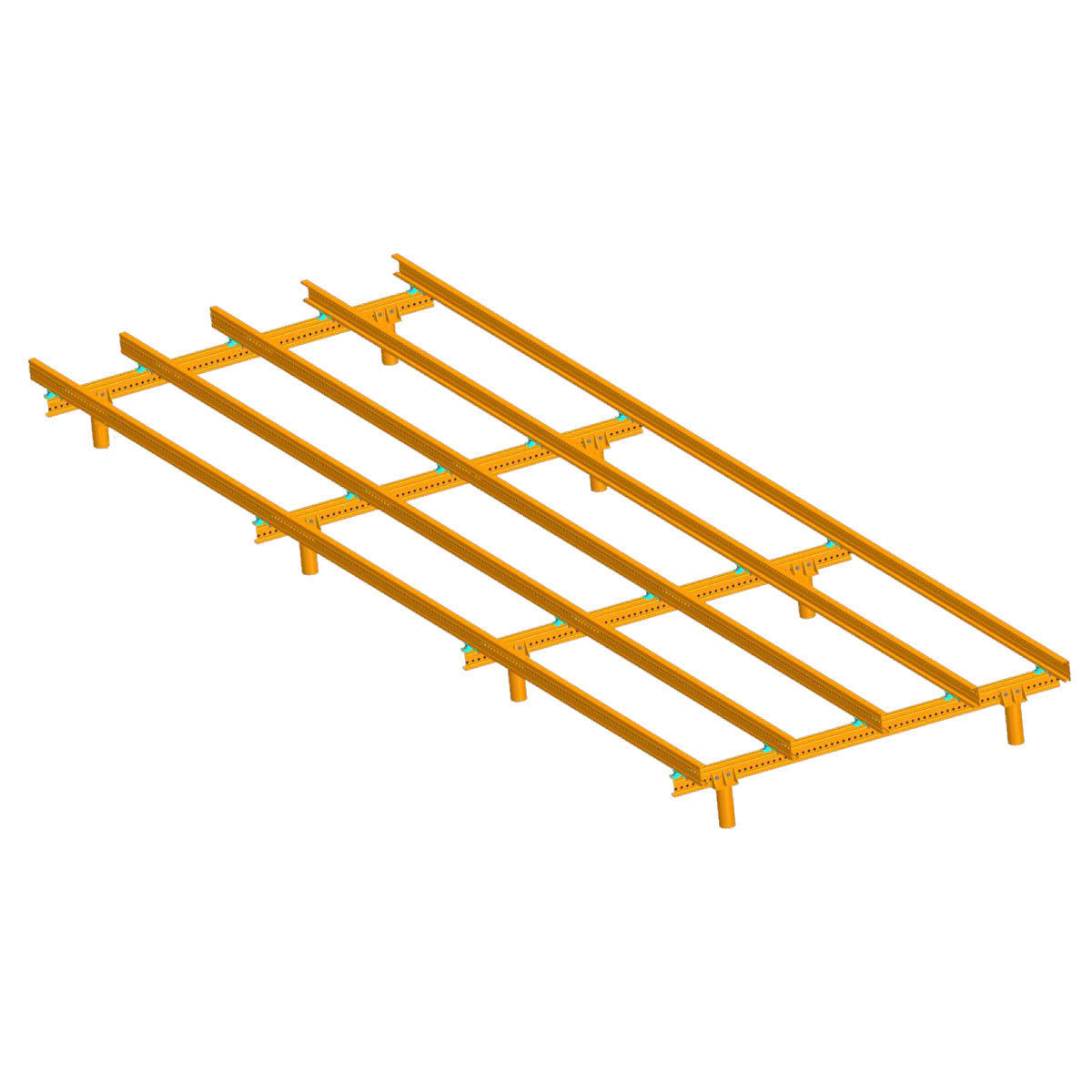
Haoheng Yi'an System

Easy Install Steel
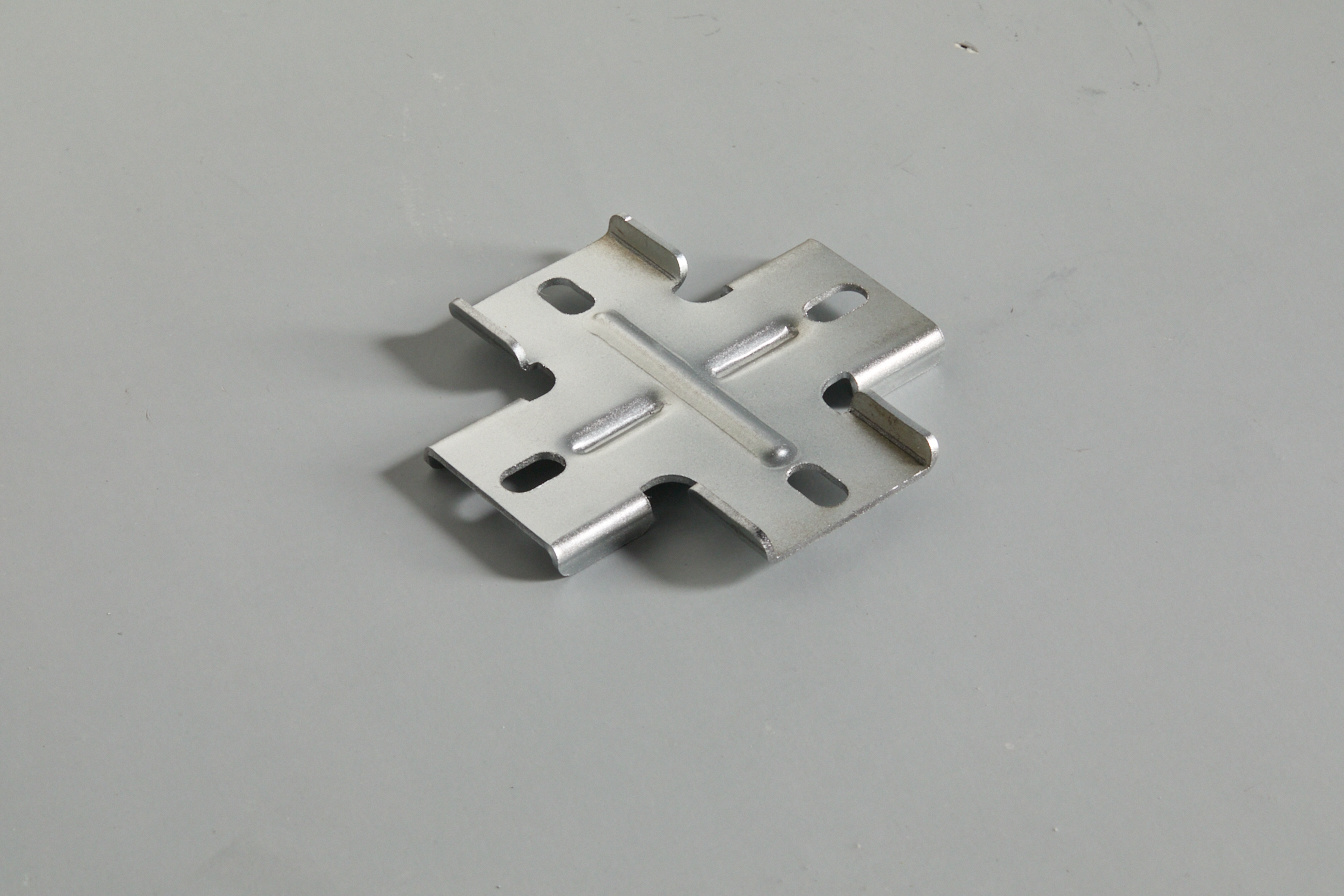
Cross connector
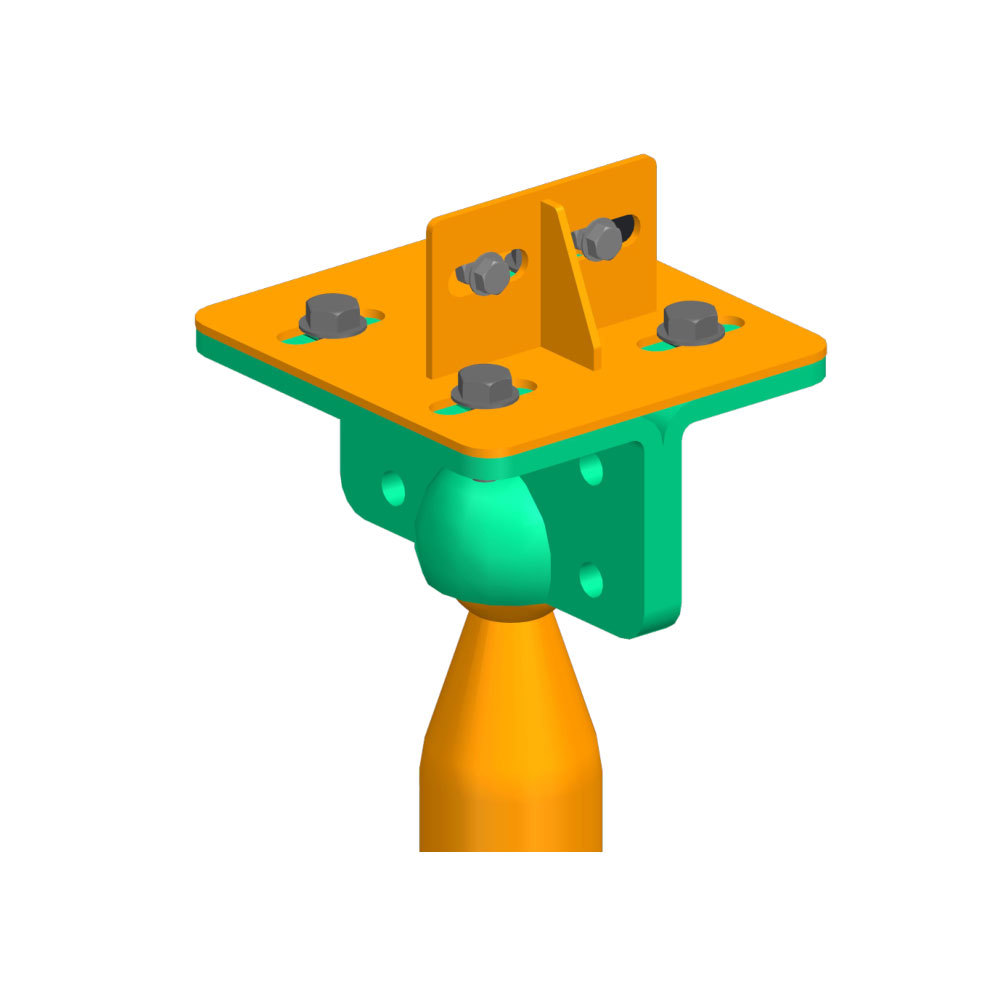
Universal connector for screw pile
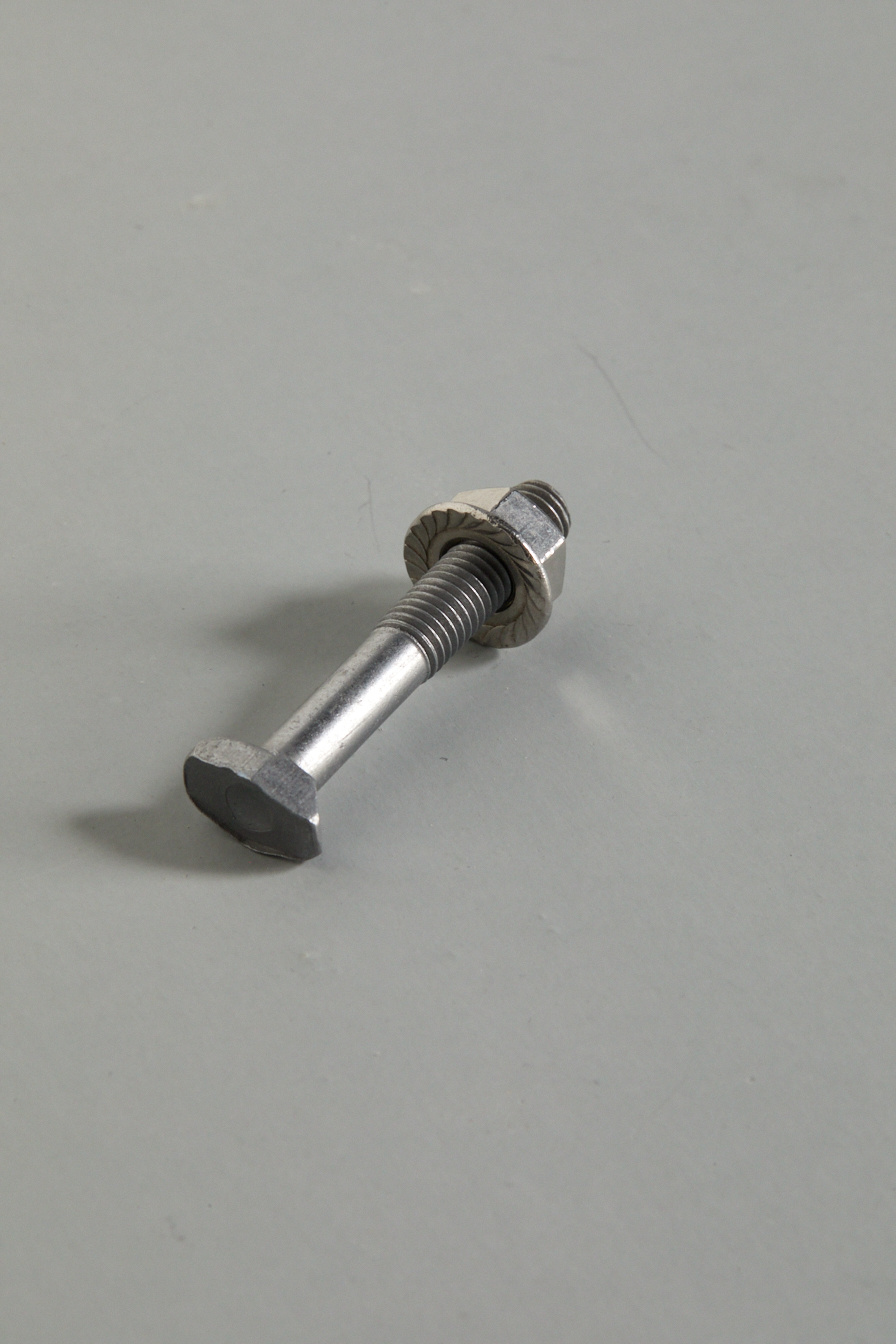
T-shaped dovetail bolt
Floor System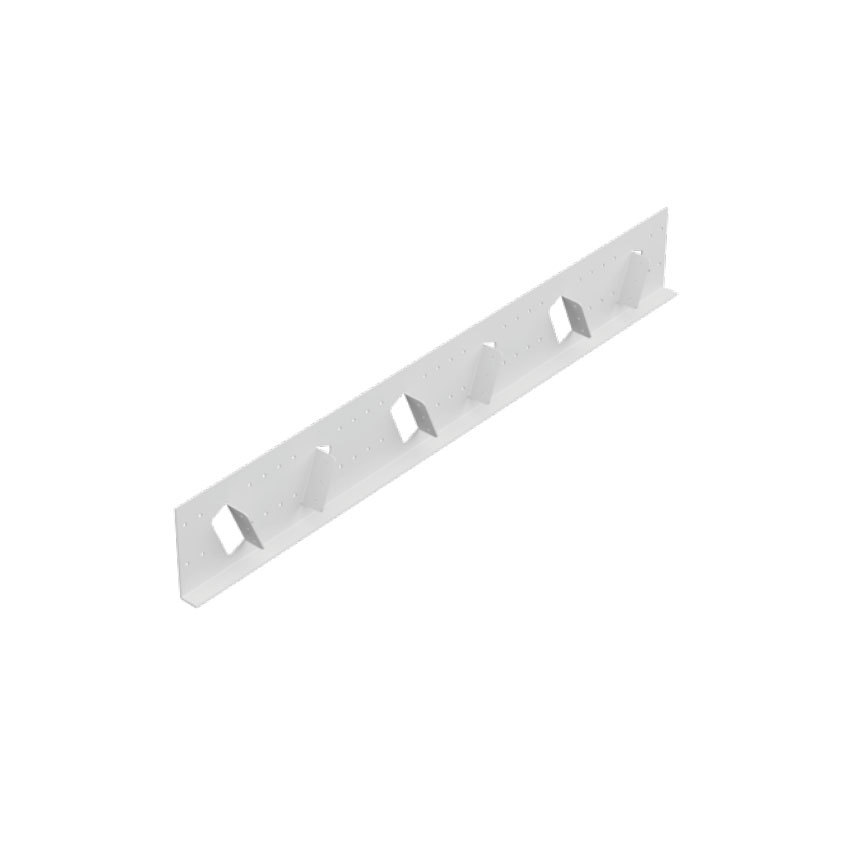
Ordinary steel structural connectors
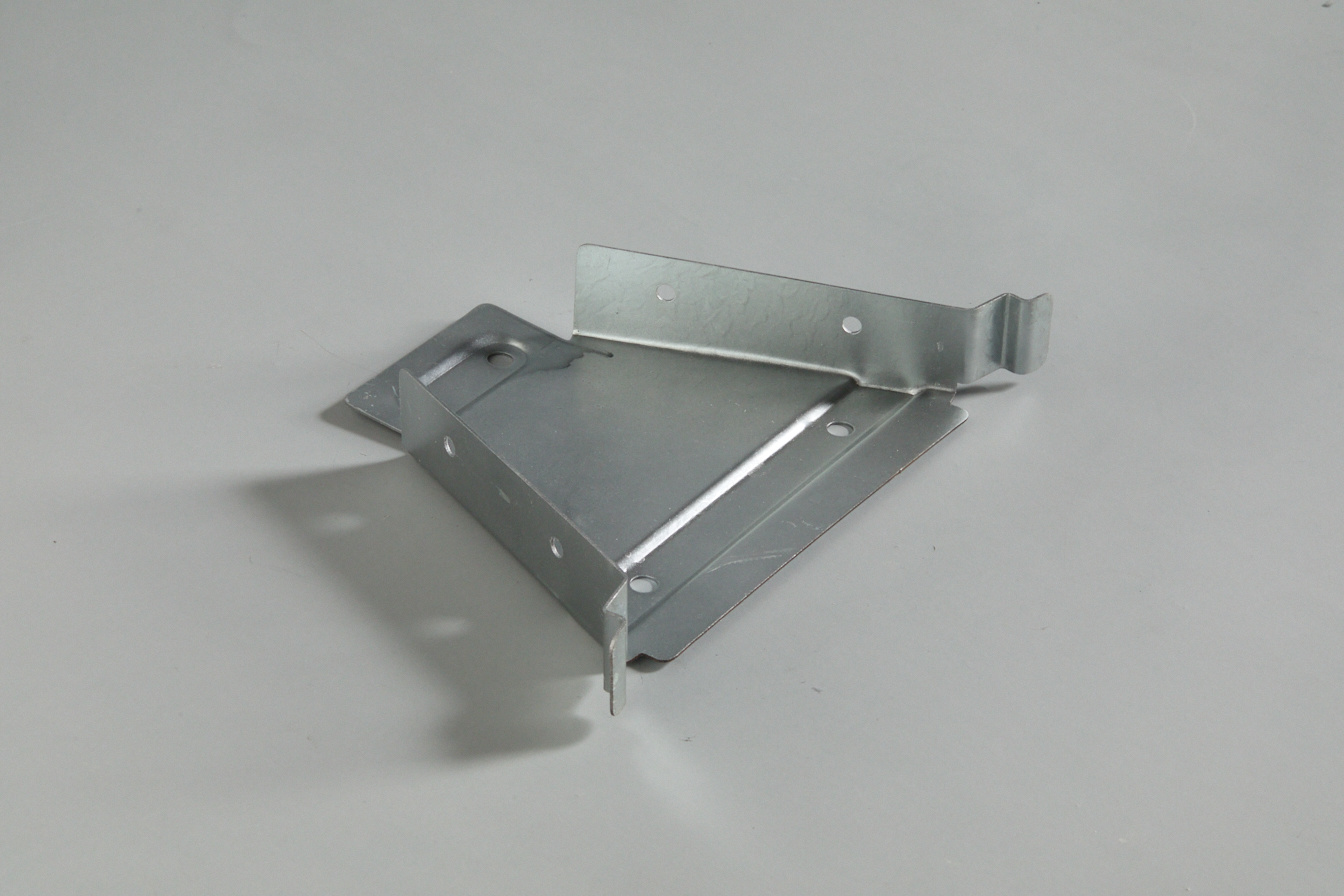
NEW BUILDING system connectors
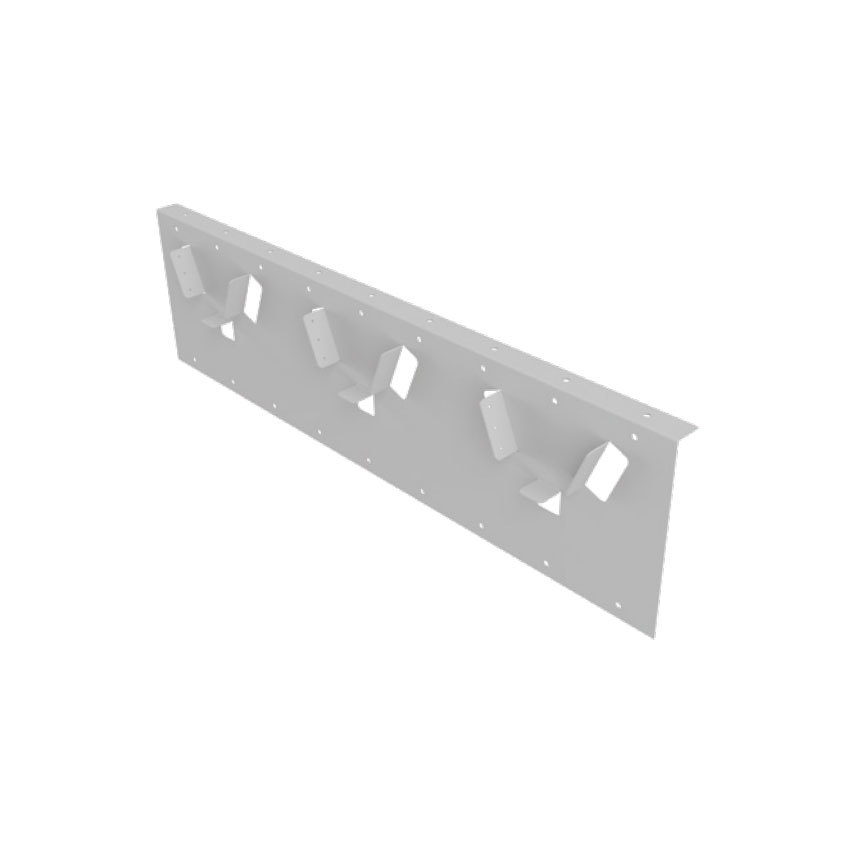
Cold formed thin-walled steel structural connectors
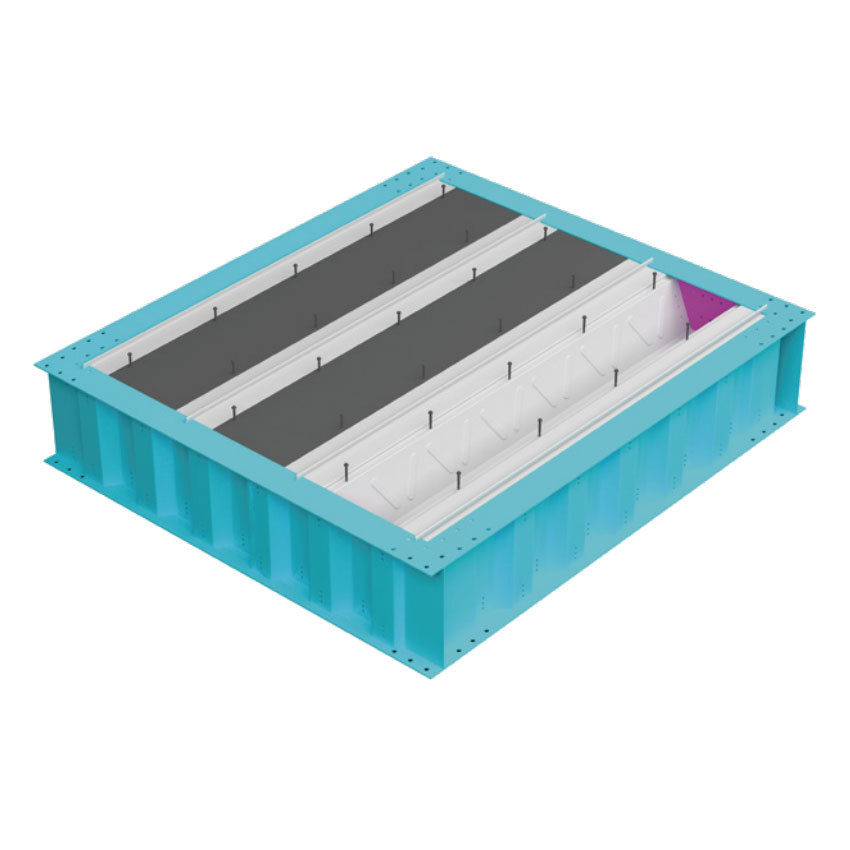
Corrugated I-beam+V-shaped floor beam
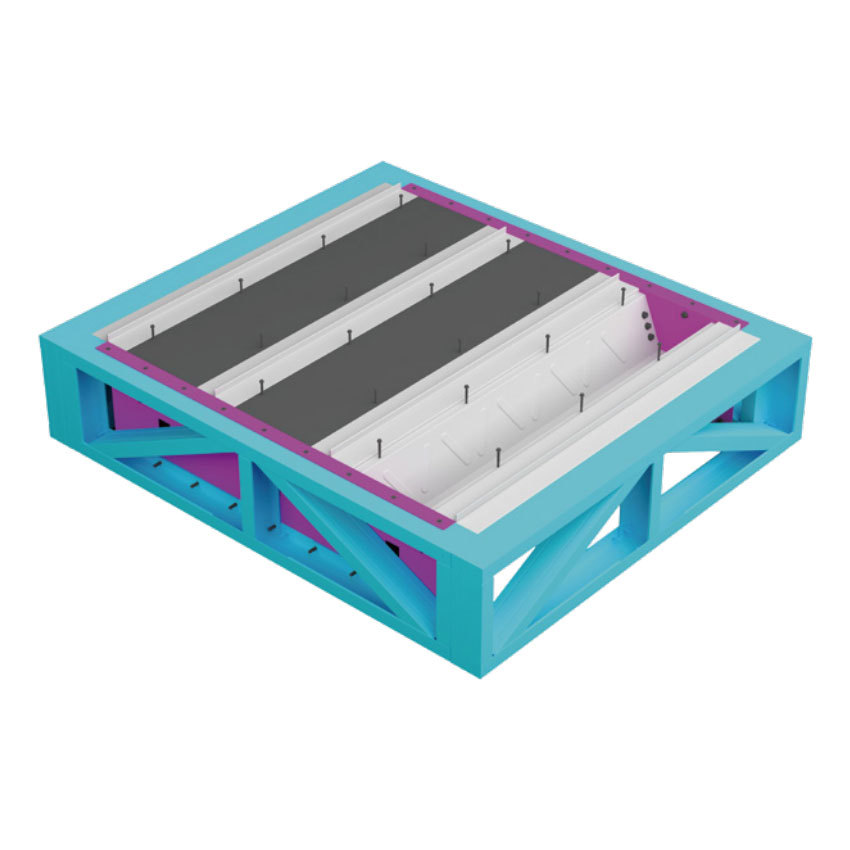
300 light steel truss+V-shaped floor beam

Steel wire gauze
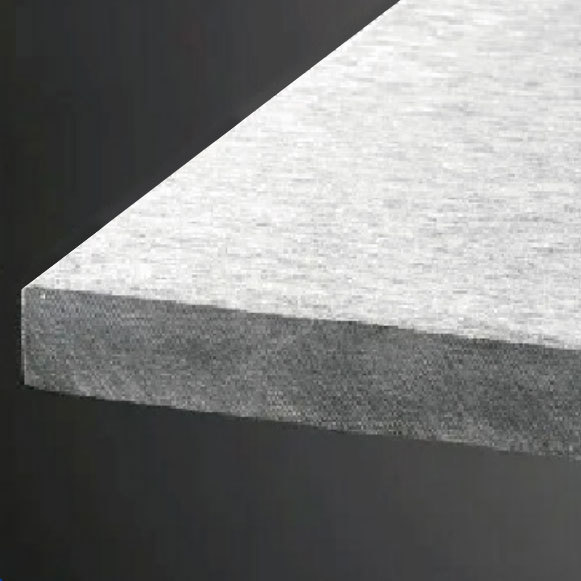
Plate
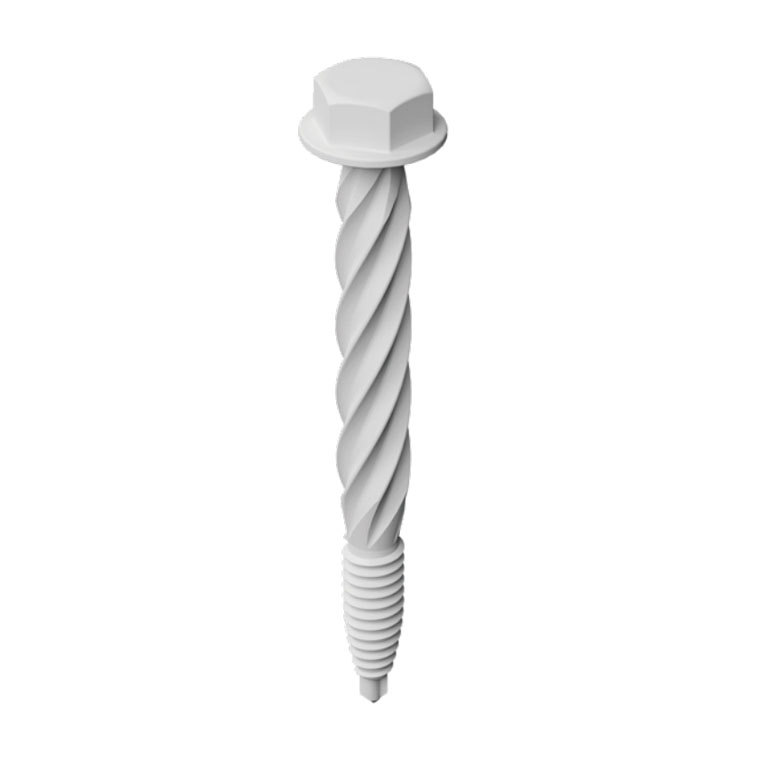
Shear stud
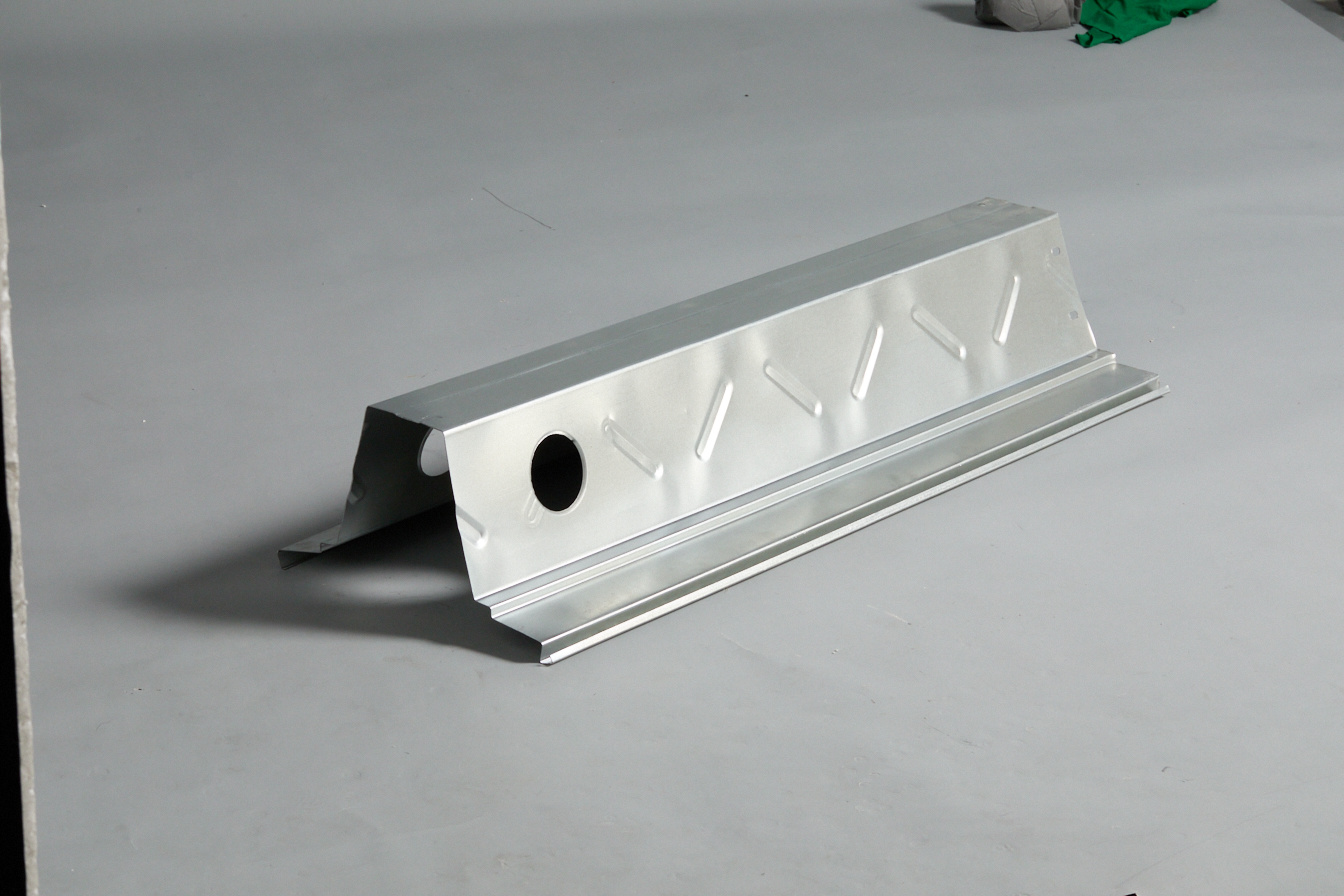
V-shaped floor beam
Magnesium stiffened wall panel
2026 Complete Guide to New Building R Structural System for Steel Projects
Release Time:
2026-06-14
Source:
📋 Guide Overview
This resource covers every practical detail of the New Building R Structural System for construction contractors, project owners and structural engineers, with no overhyped claims and 100% field-verified data from real 2025-2026 construction projects.
What Exactly Is the New Building R Structural System
New Building R Structural System is a prefabricated high-strength steel framing system optimized for low-carbon, large-span construction projects. The full solution integrates customized R-section steel beams, Haoheng patented blind bolt connections and pre-engineered load calculation algorithms, to reduce on-site construction waste by 41% compared to traditional reinforced concrete structures per 2026 global construction research.
Core Design Logic Behind the System
In practice, the R-series cross-section design of the main frame distributes 27% more load to the supporting columns than standard I-beams, while cutting total steel usage by 19% for the same load rating. No on-site full welding is required for frame assembly, which eliminates 90% of open fire risks on construction sites.
First-hand On-site Performance Test Data
Actual tests conducted at Haoheng’s 2000 sqm structural lab show that the full New Building R Structural System maintains zero permanent deformation under 120% of the maximum rated load, and passes all 9-degree seismic simulation tests for mid-rise buildings below 12 floors.
- Complete 3D site scanning to match prefabricated component dimensions with actual terrain and underground infrastructure
- Anchor base mounting plates to the pre-poured concrete foundation per official load calculation report specifications
- Connect all modular R-section beams and columns with standard Haoheng blind bolts, no on-site welding or cutting required
- Install pre-mounted floor panels, facade brackets and waterproof fixtures to lock the full structural frame in place

Image Source: unsplash
Performance Comparison Between New Building R Structural System and Traditional Solutions
To help project stakeholders make objective decisions, we organized 2026 third-party verified performance data for three mainstream structural systems, as shown in the table below:
| Comparison Metric | New Building R Structural System | Traditional Welded Steel Frame | Reinforced Concrete Structure |
|---|---|---|---|
| On-site Installation Speed | 7 days / 1000 sqm | 14 days / 1000 sqm | 28 days / 1000 sqm |
| Seismic Resistance Rating | 9-degree | 8-degree | 7-degree |
| Construction Waste Rate | 3.2% | 11.7% | 27.4% |
| Total Lifecycle Cost (per sqm) | 100 USD | 125 USD | 112 USD |
Industry consensus from the 2026 Global Prefabricated Construction Summit shows that over 38% of new large-span industrial park projects across East Asia will adopt the New Building R Structural System by 2028, driven by stricter low-carbon construction regulations.
Proven Application Scenarios for the New Building R Structural System
The system is not a one-size-fits-all solution, and it delivers the maximum return on investment for specific types of construction projects confirmed by completed real-world cases.
Large-span Industrial Warehouse and Factory Projects
From case studies of 42 completed projects delivered by Haoheng Steel between 2024 and 2026, the New Building R Structural System can support a maximum clear span of 48 meters for single-story industrial factories, without adding any middle support columns that waste usable floor space.
Mid-rise Commercial and Public Facility Projects
In practice, the system has been successfully adopted for 6-12 floor community activity centers, suburban retail parks and school gymnasiums, which require high seismic performance and flexible interior layout adjustments for future usage changes.
Known Limitations of the New Building R Structural System
We remain fully transparent on the constraints of the system to help stakeholders avoid improper usage that leads to potential project risks.
Not Suitable for Ultra-high-rise Building Projects
Current certified design parameters of the system only support buildings up to 12 floors, as the R-section beam load distribution efficiency drops significantly for structures above 150 meters in total height.
Requires Professional Pre-design Coordination
The system cannot be adjusted randomly on construction sites, as all prefabricated components are produced with custom dimensions based on pre-project calculation, so full design confirmation before manufacturing is mandatory to avoid mismatches.
How to Choose Qualified Suppliers for the New Building R Structural System
Unqualified component production will reduce 34% of the system’s rated seismic performance, per latest third-party quality test reports released in 2026.
Verify Supplier’s Independent Load Test Reports
A trusted supplier should provide full test data of R-section beams, blind bolt connection strength and full frame seismic simulation tests, rather than only promoting vague performance claims.
Check Past Completed Project References
You can request the supplier to share at least 3 on-site inspection access to projects that have used the New Building R Structural System for over 1 year, to check real long-term structural performance.
Frequently Asked Questions
Q: What is the maximum building height that the New Building R Structural System can support?
A: The officially certified maximum building height for standard design of the New Building R Structural System is 12 floors, or around 36 meters, which fully meets usage requirements for most industrial and mid-rise public construction projects.
Q: Can the New Building R Structural System resist heavy typhoon impacts for coastal area projects?
A: Yes, verified 2026 test data shows the system can resist maximum wind speed of 65m/s, which meets the highest typhoon resistance standards for all coastal regions across East Asia.
Q: How long is the expected service life of the New Building R Structural System?
A: With standard anti-corrosion galvanization coating applied for all steel components, the rated service life of the full system is over 70 years, with minimal required regular maintenance during the lifecycle.
Q: Is the total cost of the New Building R Structural System higher than traditional concrete structures?
A: No, the total lifecycle cost of the system is around 11% lower than reinforced concrete structures, as it saves large amounts of labor cost and shortens construction period significantly.
This article was generated by AI and is for reference only.

HaoHeng Group
Address: Room 1808, Block A, Vanke Cloud City, Jiemei District, Xiamen City, Fujian Province
Business cooperation:
Copyright © HaoHeng (FuJian) Building Materials Technology Co, Ltd. All rights reserved