

-

 Pakistan
Marketing Service Outlets
 Papua New Guinea
Marketing Service Outlets
 Egypt
EgyptMarketing Service Outlets
 Australia
Marketing Service Outlets
 Brazil
Marketing Service Outlets
 Colombia
Marketing Service Outlets
 Russia
Marketing Service Outlets
 Germany
Marketing Service Outlets
 Poland
Marketing Service Outlets
 the Philippines
Marketing Service Outlets
 Kazakhstan
Marketing Service Outlets
 Malaysia
Marketing Service Outlets
 America
Marketing Service Outlets
 Kyrgyzstan
Marketing Service Outlets
 Canada
Marketing Service Outlets
 Peru
PeruMarketing Service Outlets
 Nigeria
Marketing Service Outlets
 Morocco
Marketing Service Outlets
 South Africa
Marketing Service Outlets
 Japan
JapanMarketing Service Outlets
 Slovakia
Marketing Service Outlets
 New Zealand
Marketing Service Outlets
 Hungary
Marketing Service Outlets
 Thailand
Marketing Service Outlets
 Spain
SpainMarketing Service Outlets
 Indonesia
Marketing Service Outlets
 Italy
ItalyMarketing Service Outlets
 Vietnam
Marketing Service Outlets
Steel Pipe ColumnSteel Pipe Column ConnectorsMain Beam | Secondary BeamPrefabricated StairsRound Pipe PileFlat Steel PileGroup PileCap PileNew Building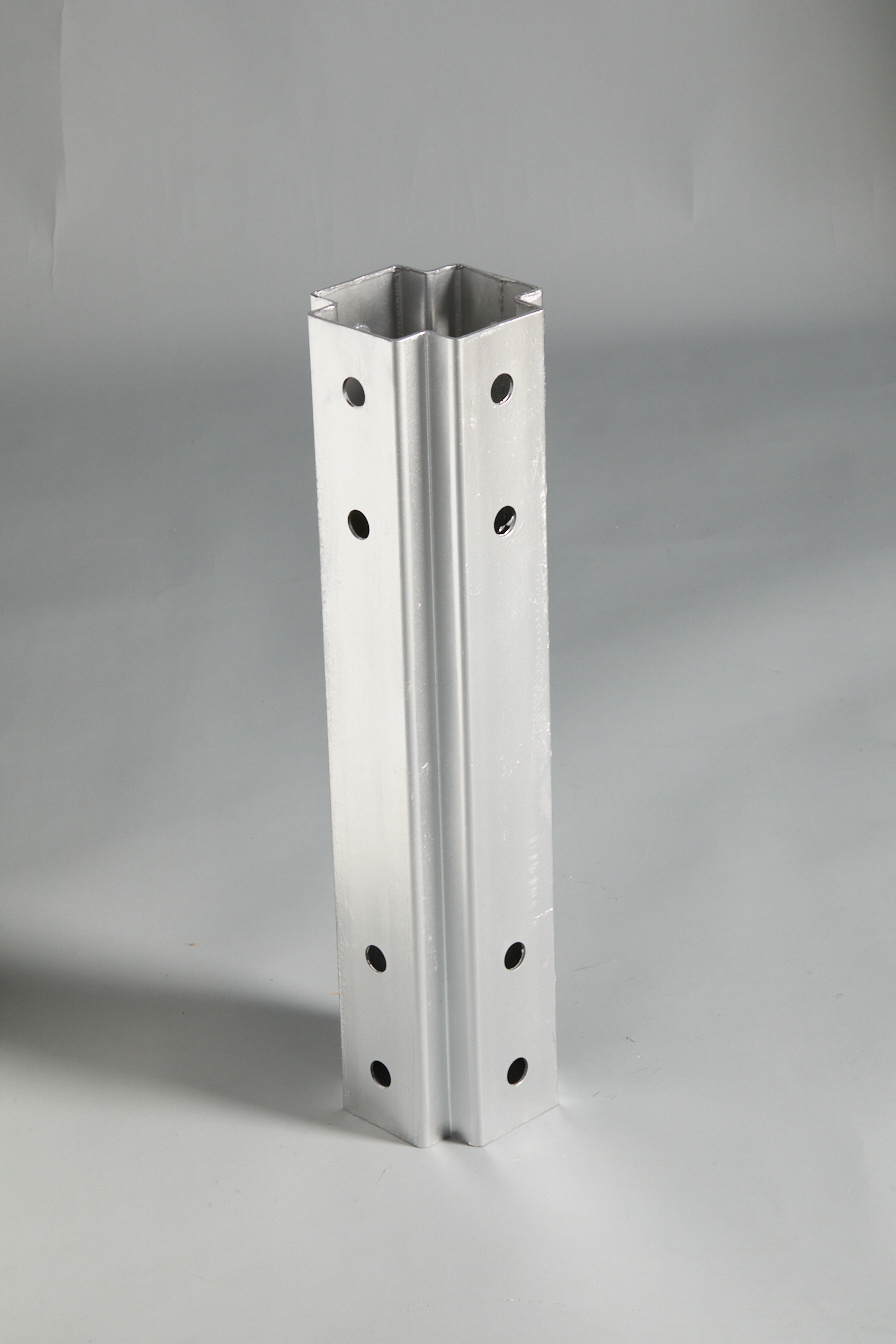
Cross column

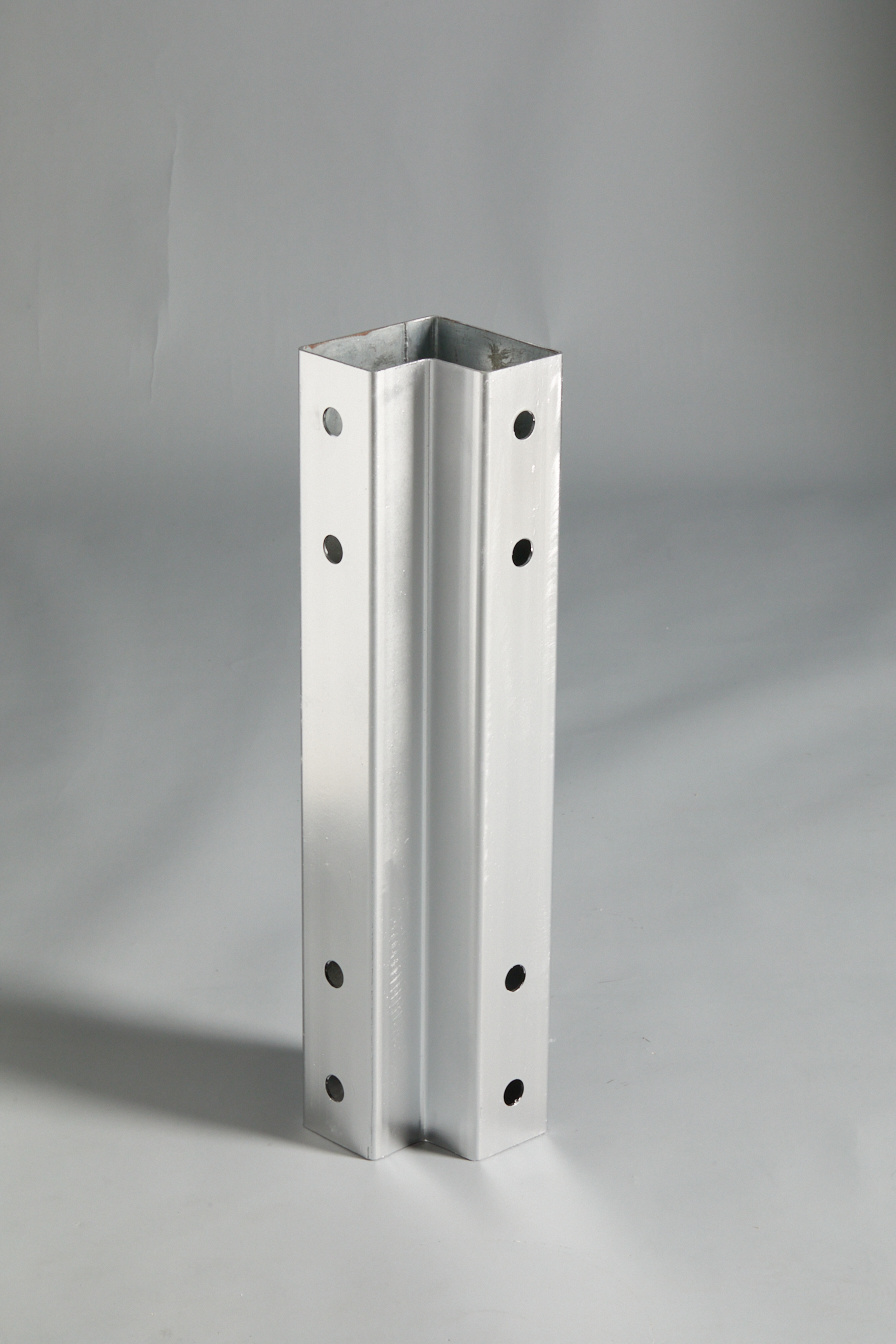
L-shaped column
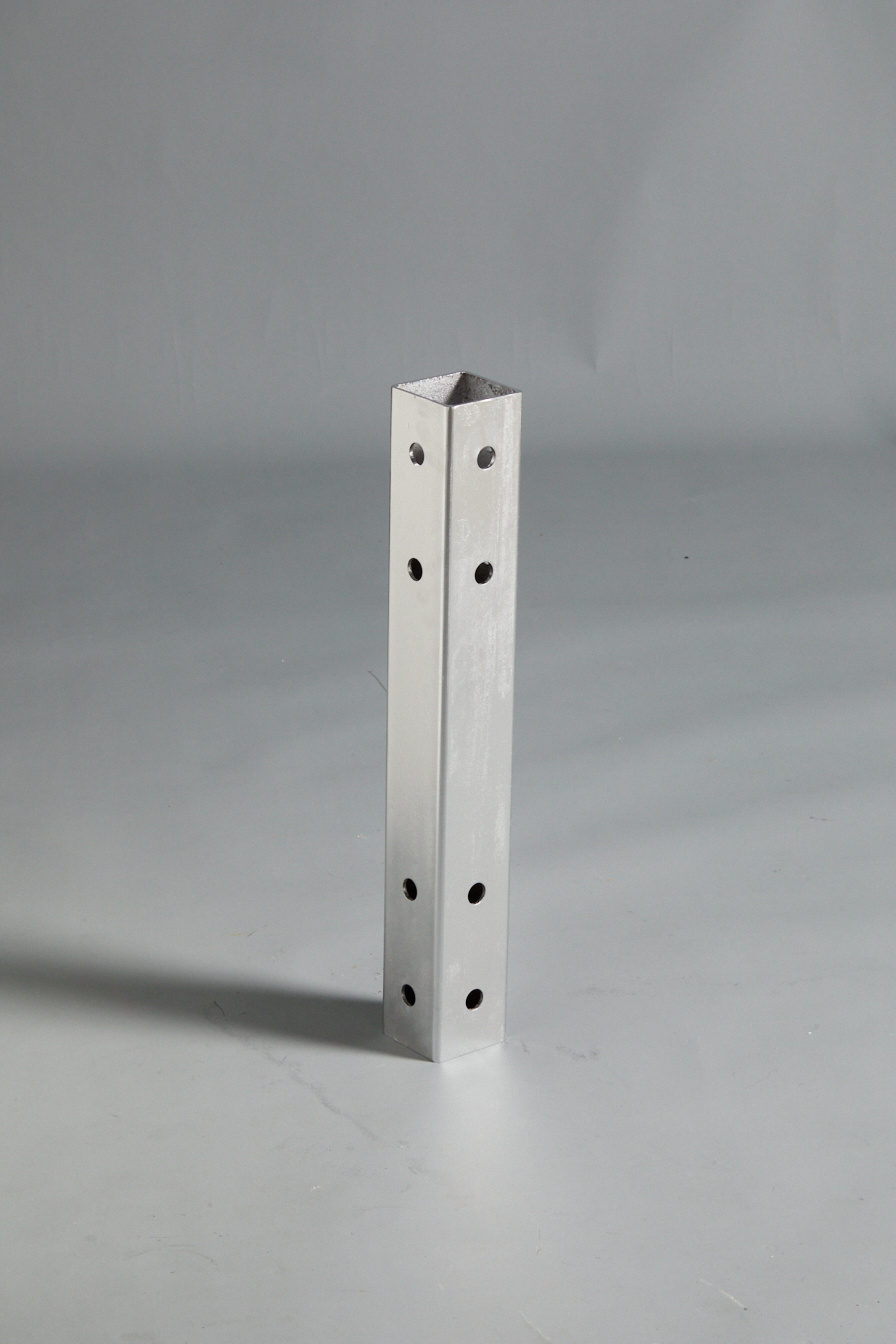
Square tube column

T-shaped column
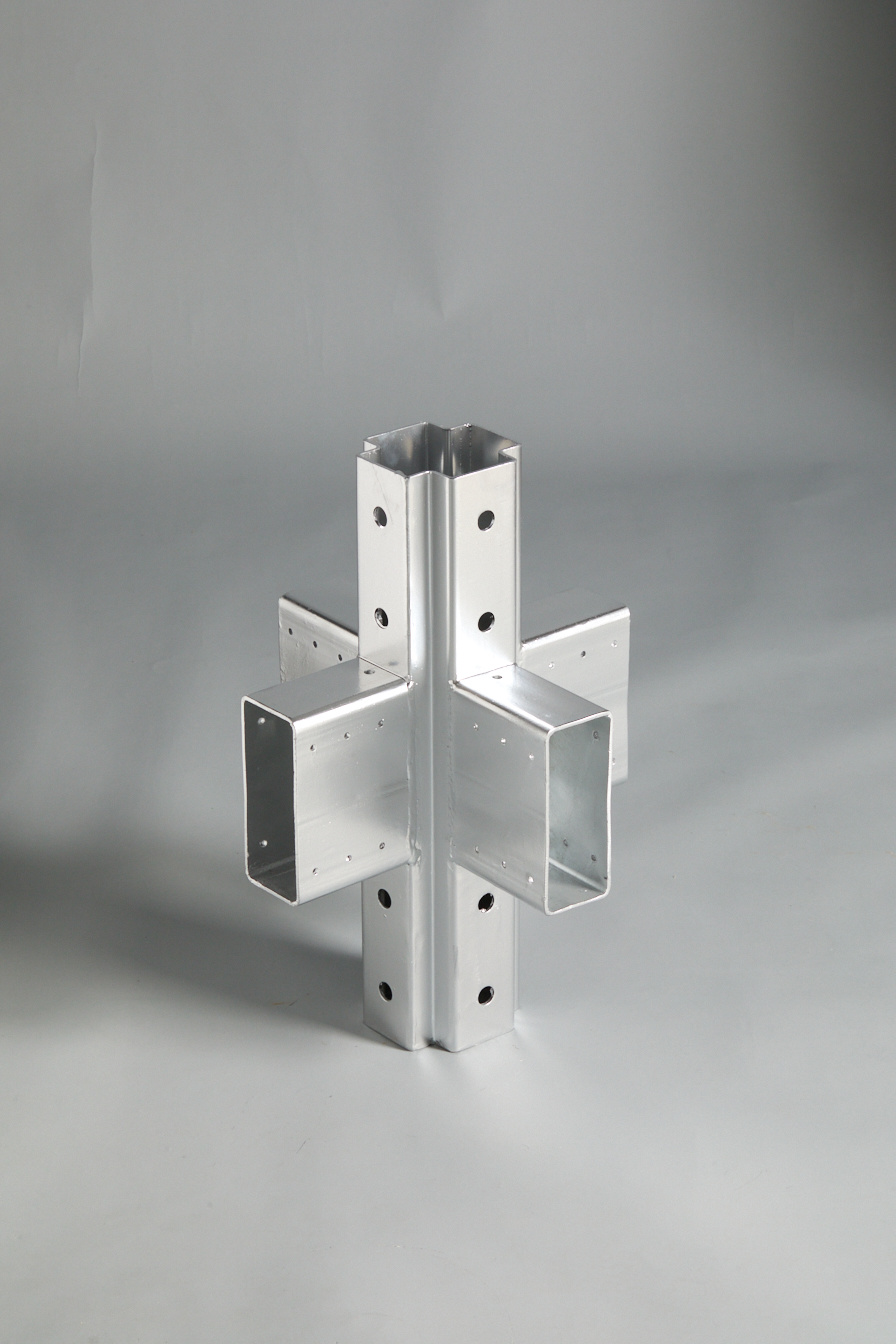
Cross column connector

L-shaped column connector

T-shaped column connector
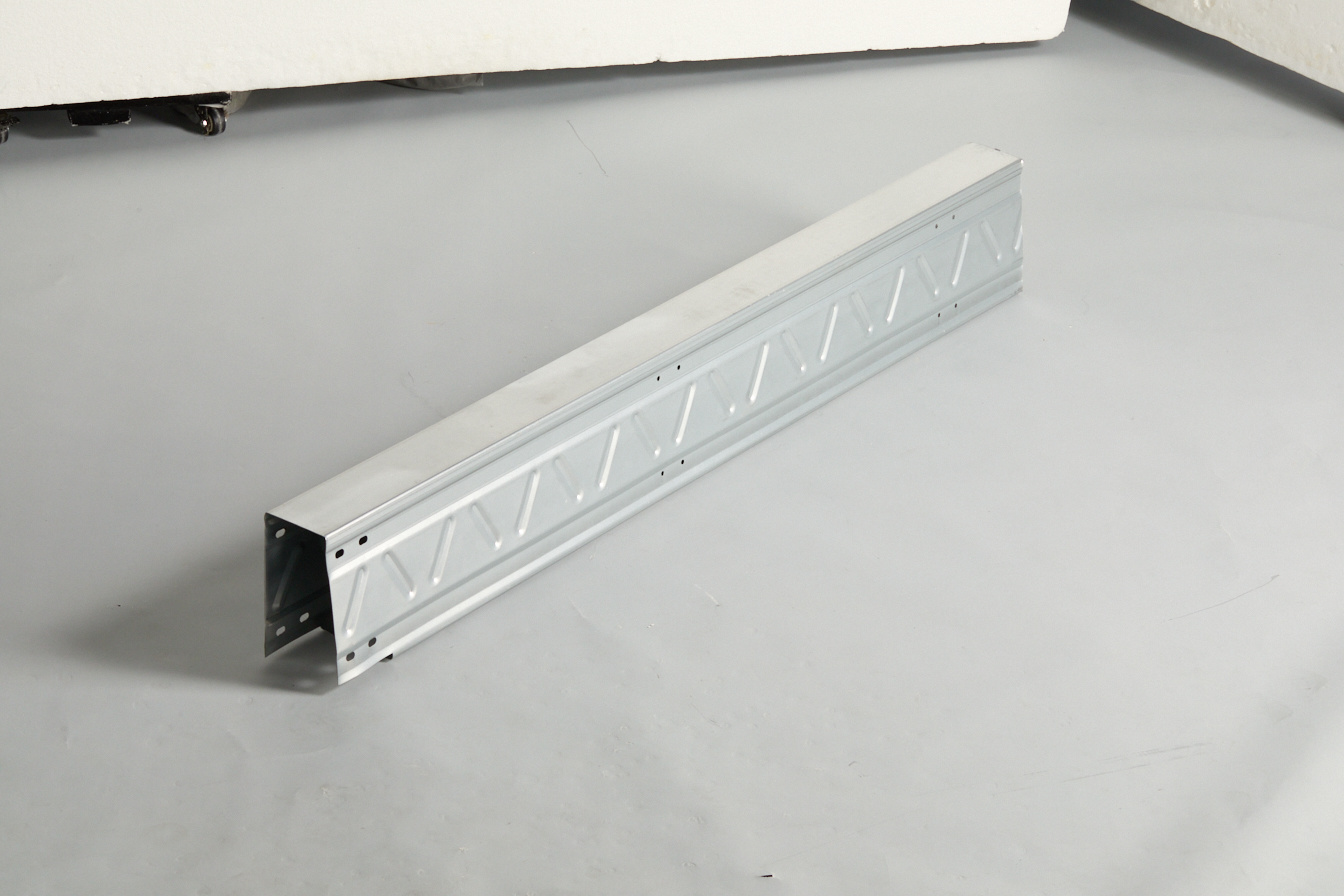
195 inner flipped edge - eight shaped reinforcing rib
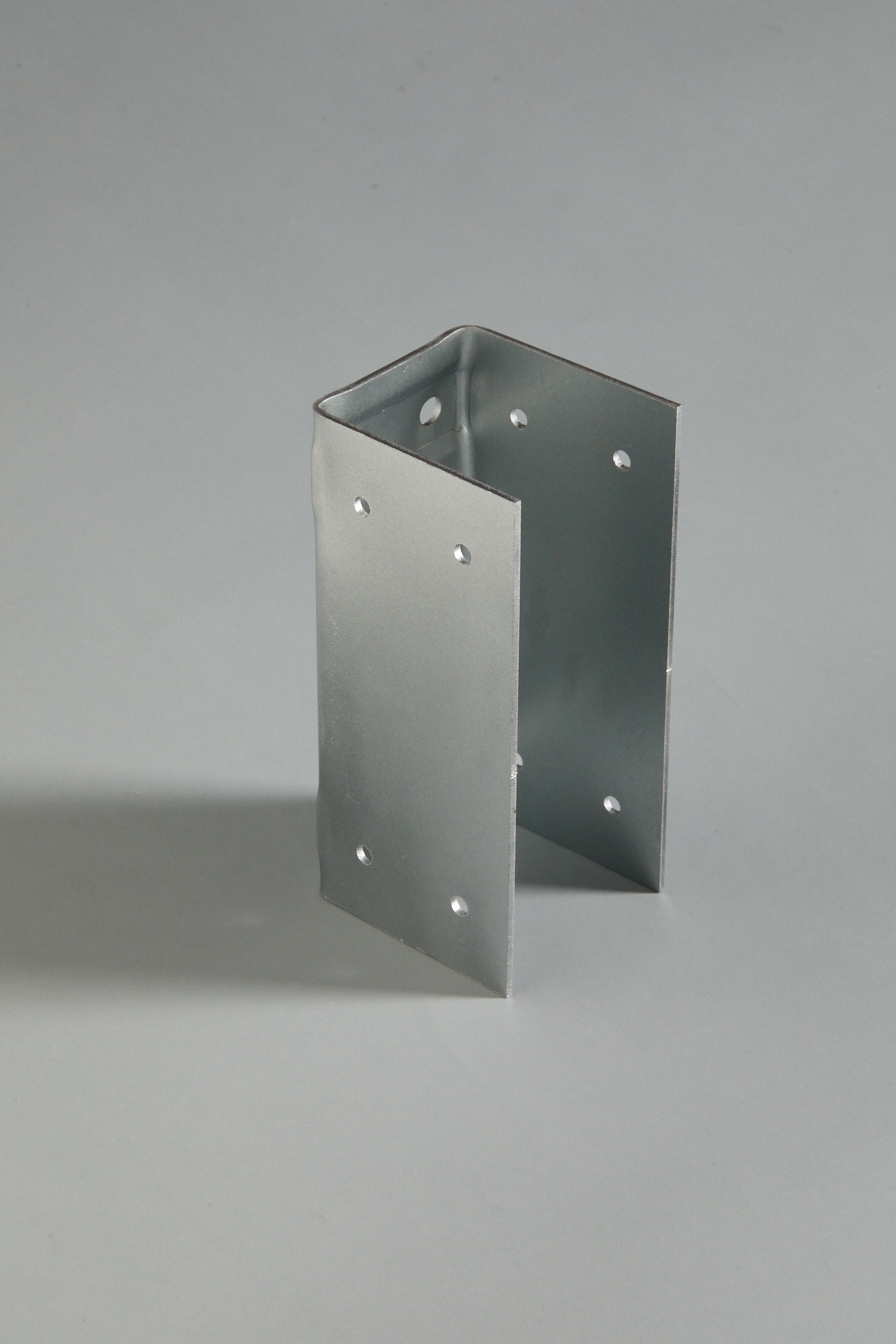
Frame small U connector
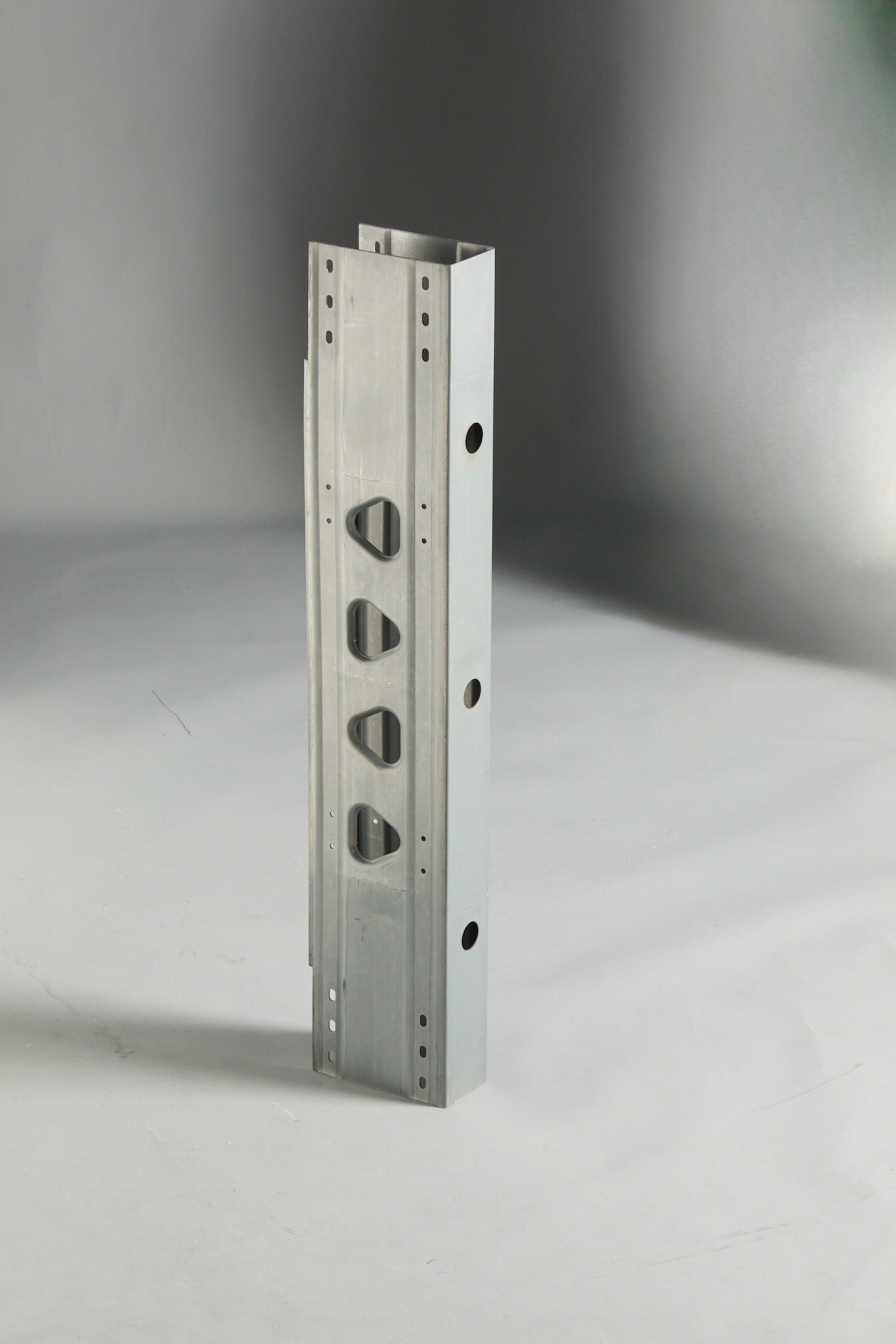
195 Inverted Edge - Triangle Reinforcement
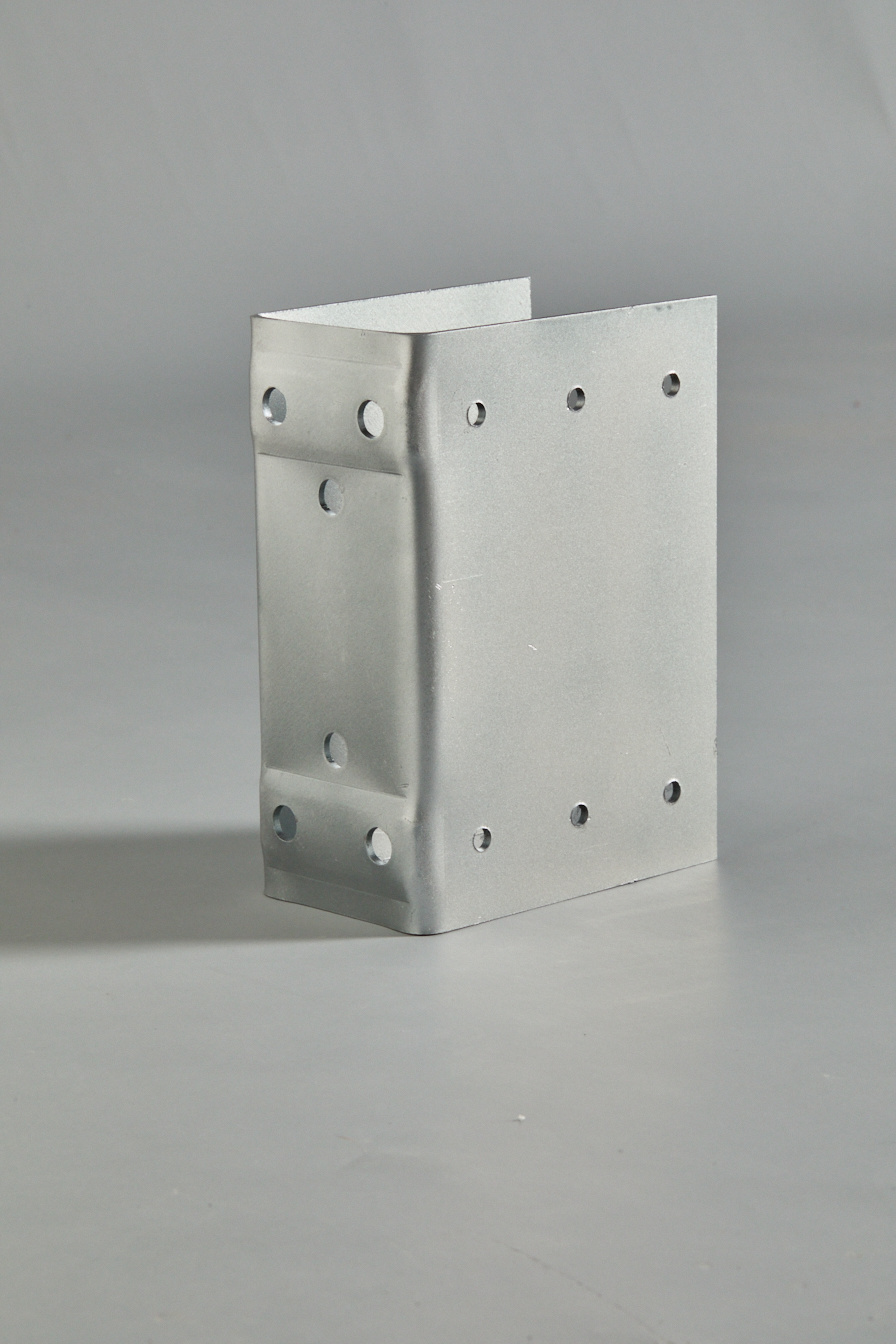
Frame large U connector
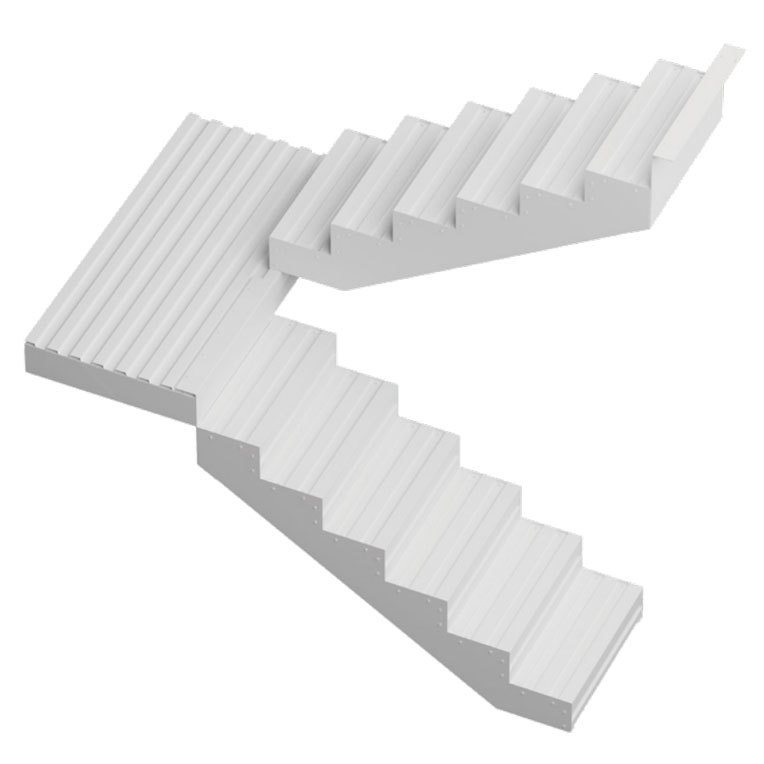
Prefabricated stairs
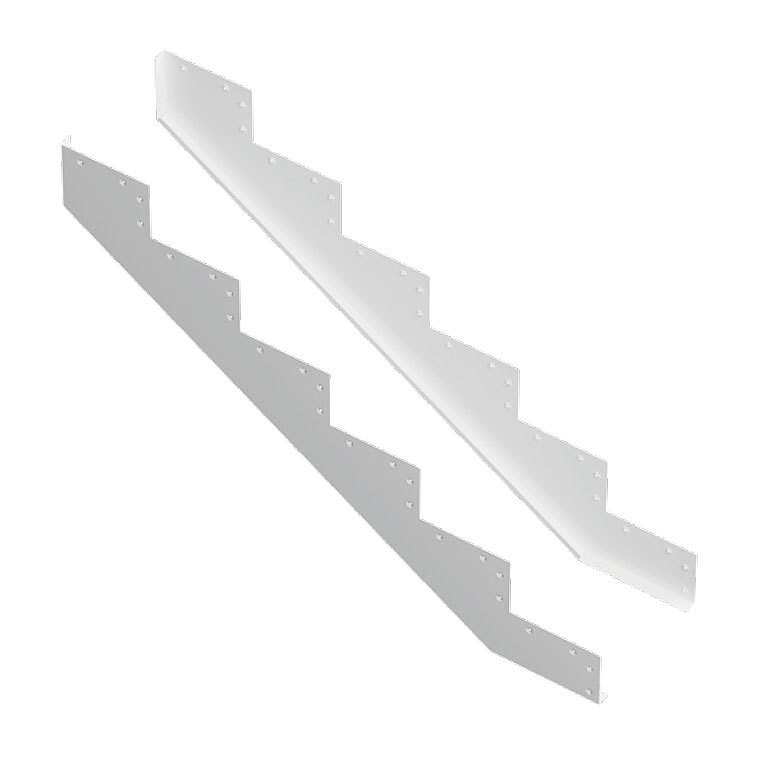
Staircase side panels
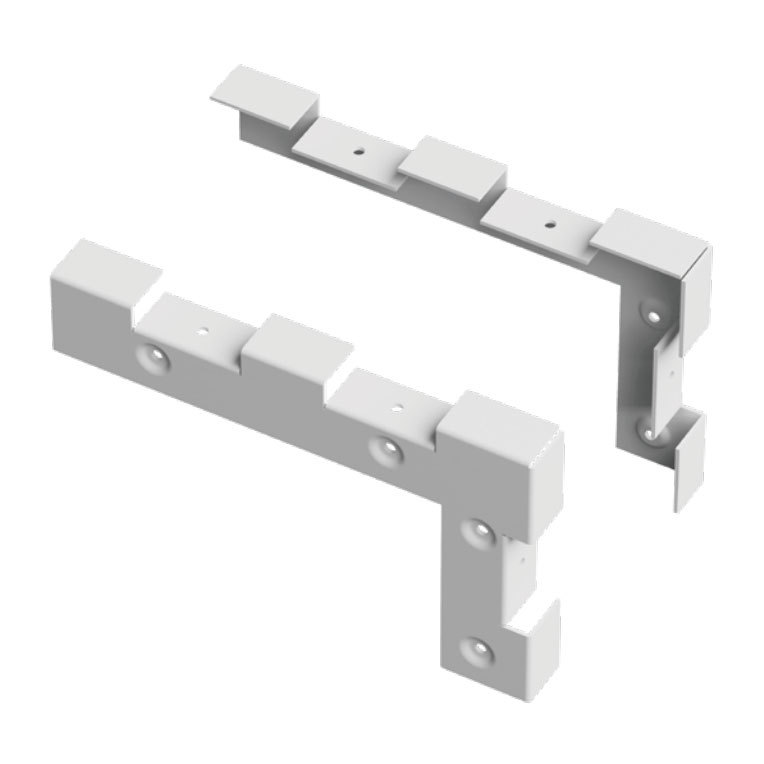
Staircase angle steel
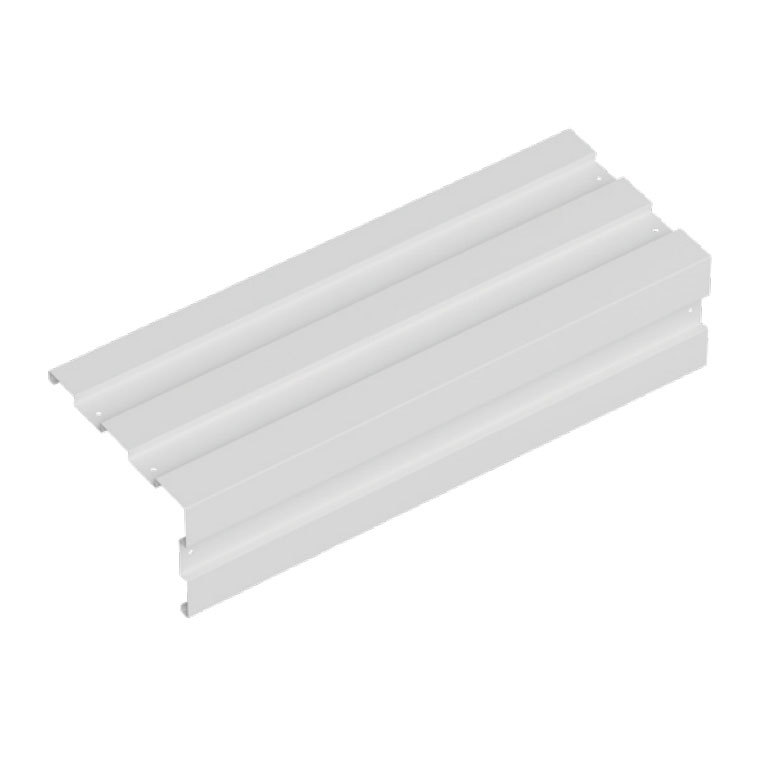
Stair steps
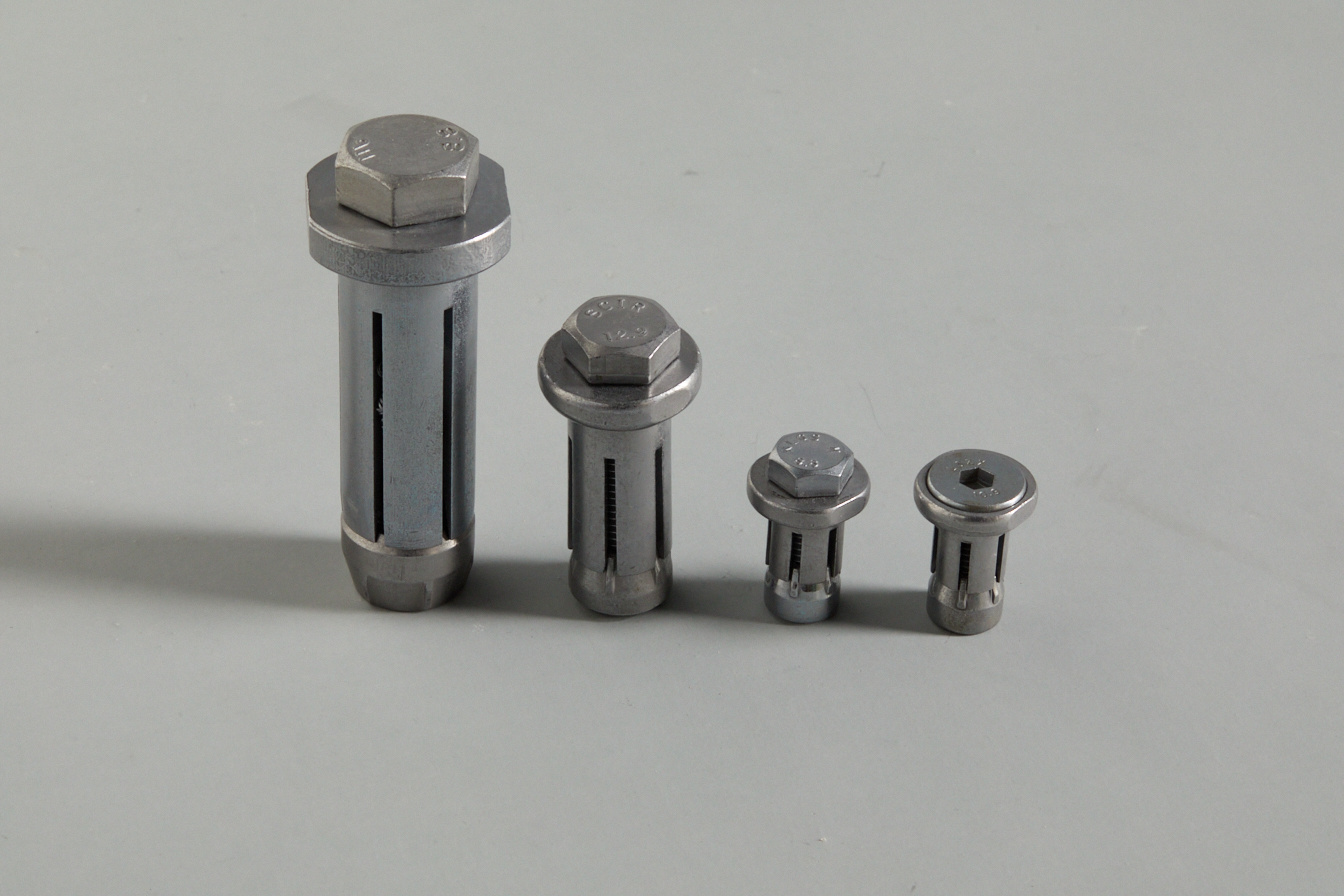
One-Way Bolt
Helical Pile System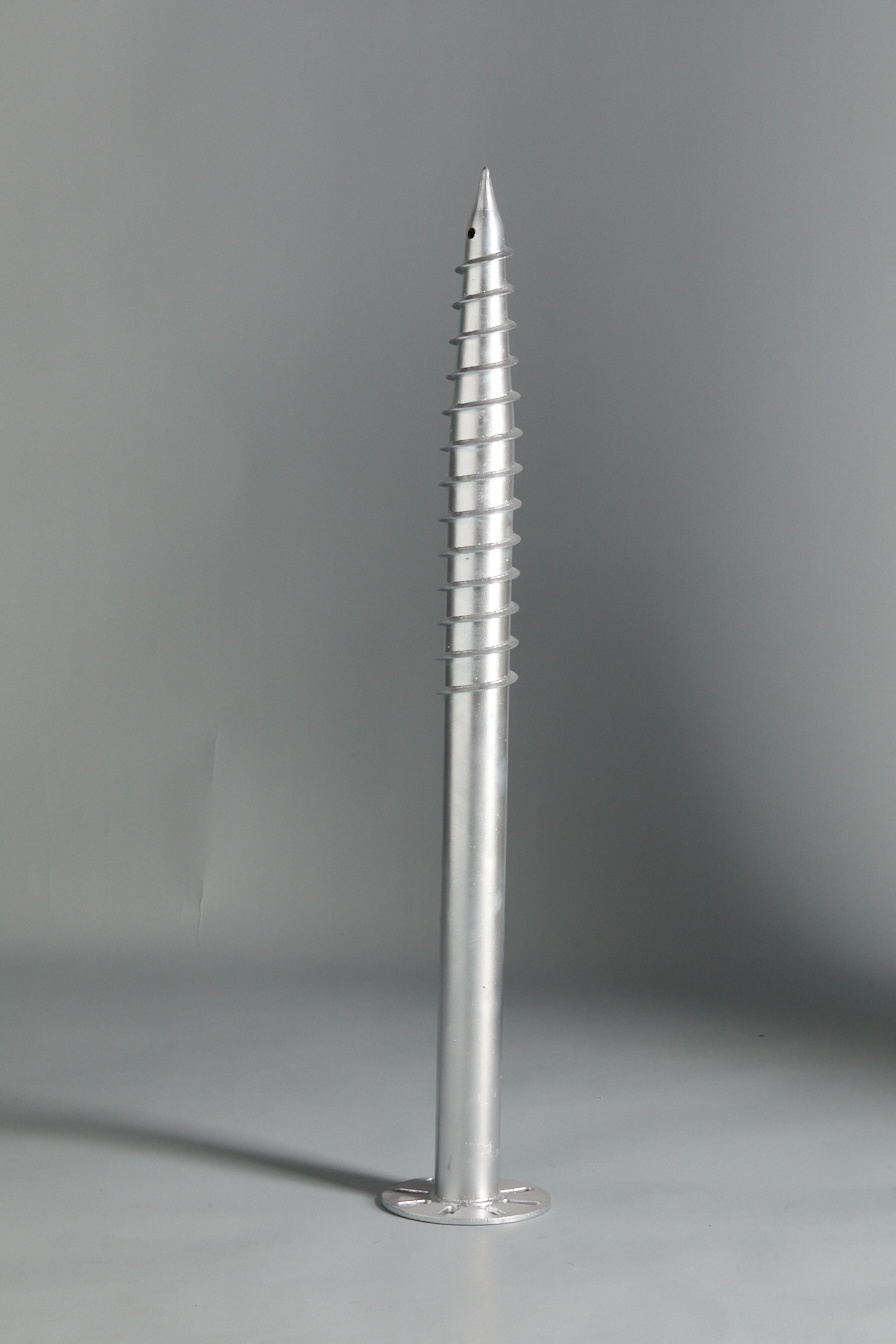
Round Pipe Screw Pile| Reliable Helical Pile Manufacturer| Patented Foundation Solution
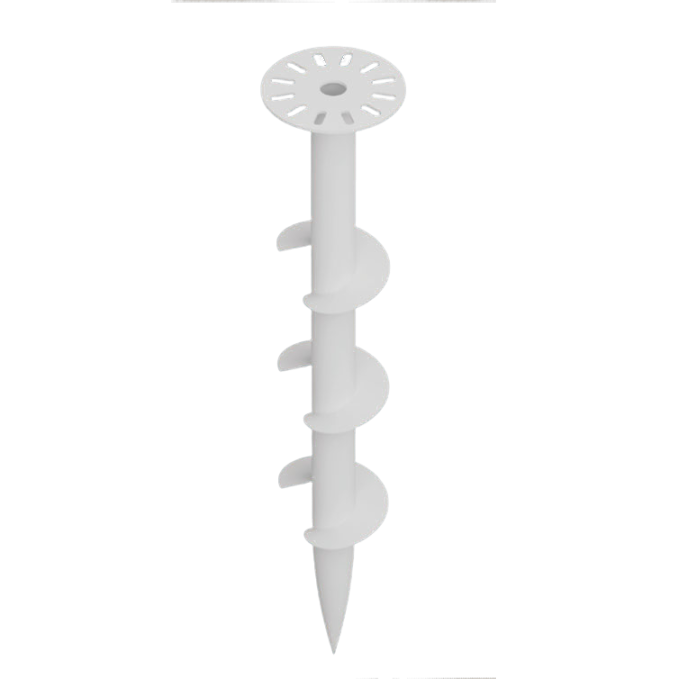
Screw Pile - 3 Blades - Round Pipe Pile
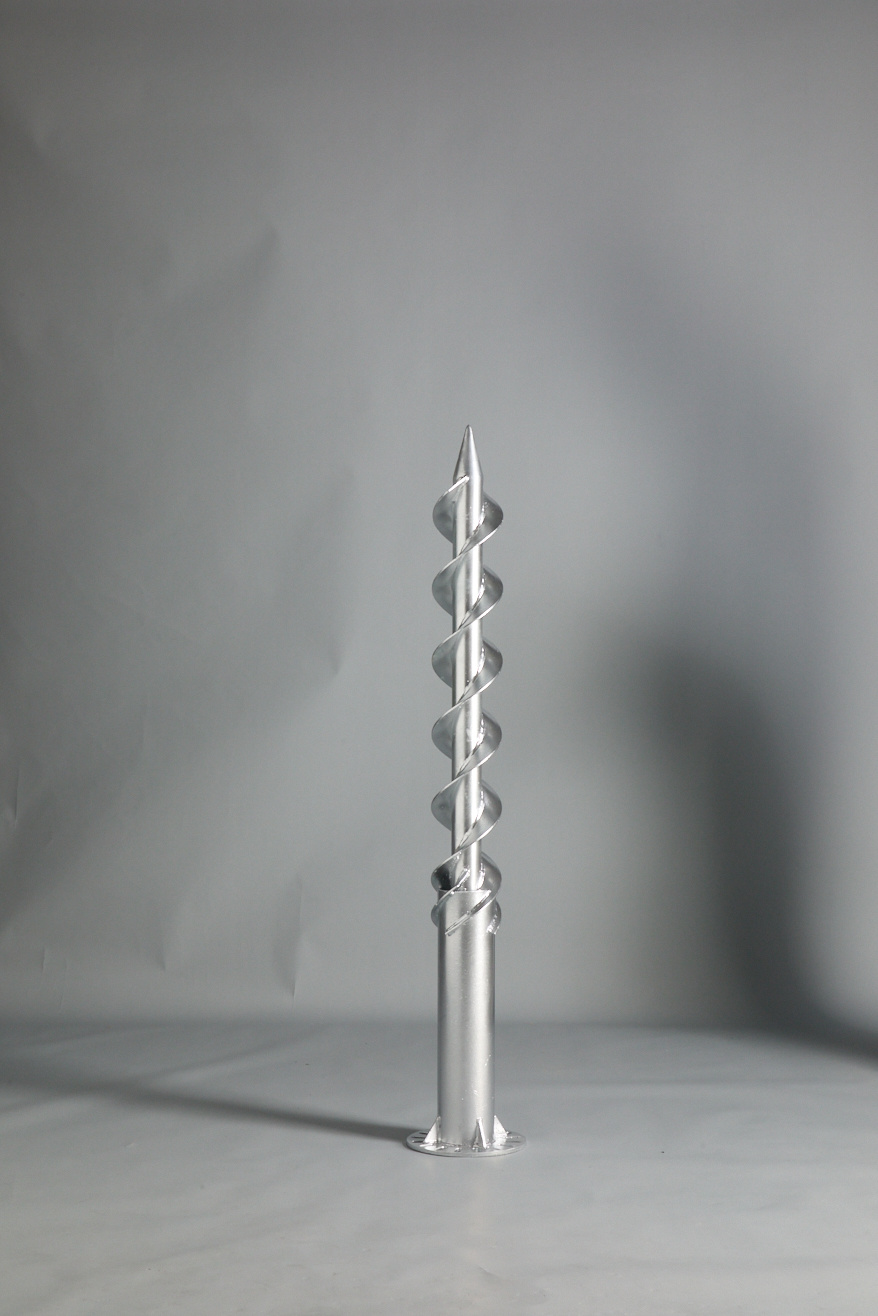
Double-Helix Screw Pile | Patented Foundation Solution
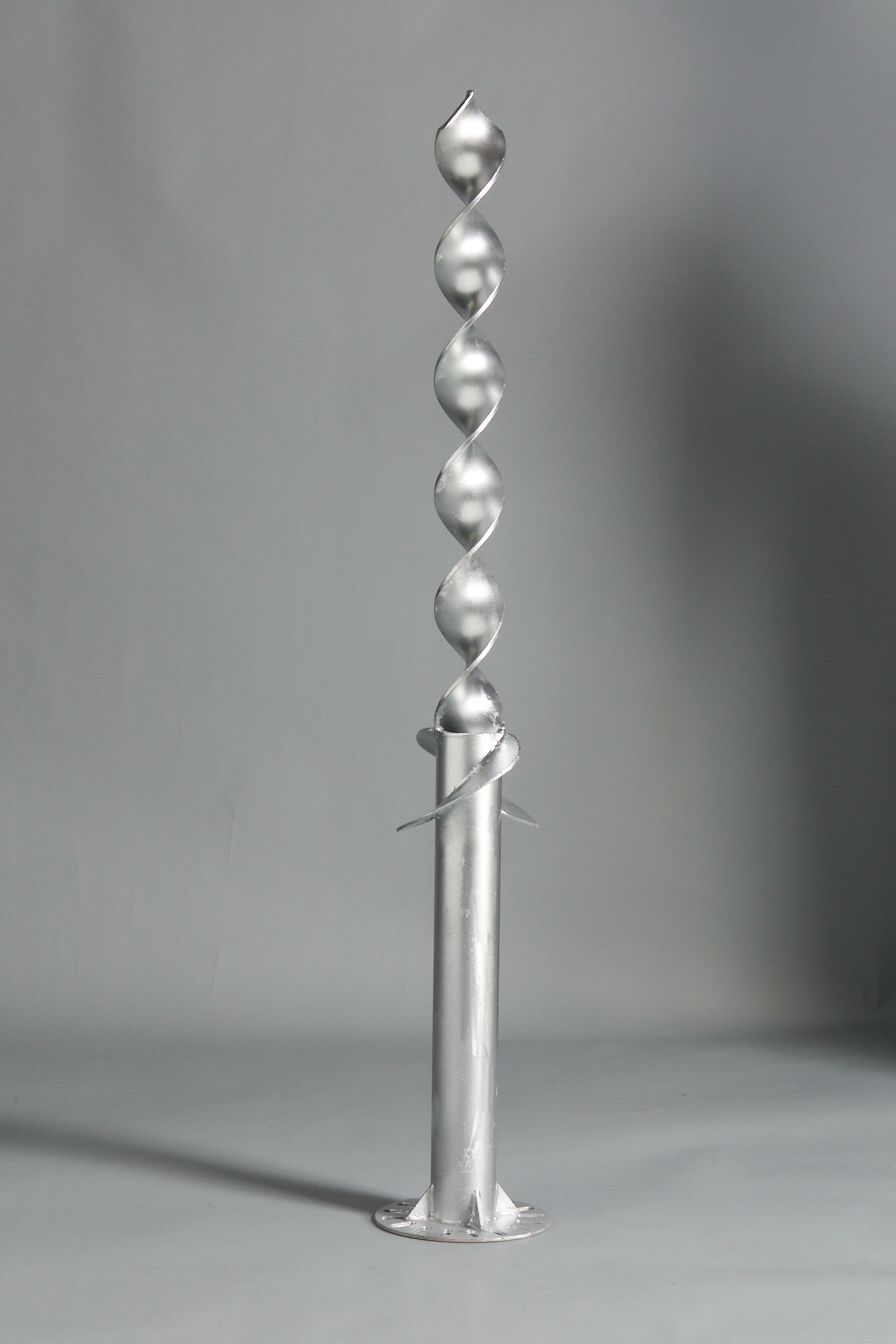
Screw Pile - Large Blade Flat Steel Pile
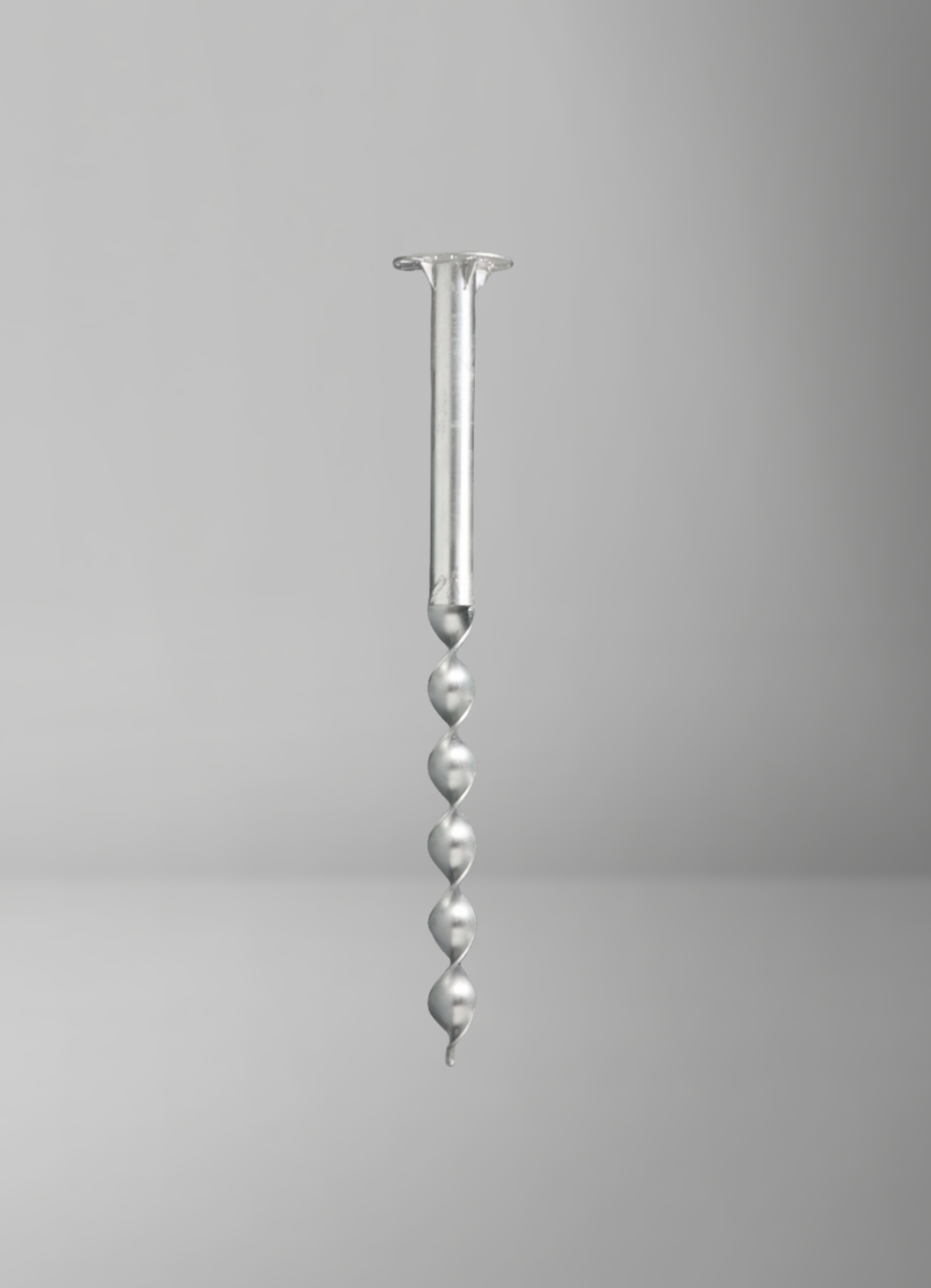
Flat Steel Screw Pile| Reliable Helical Pile Manufacturer| Patented Foundation Solution
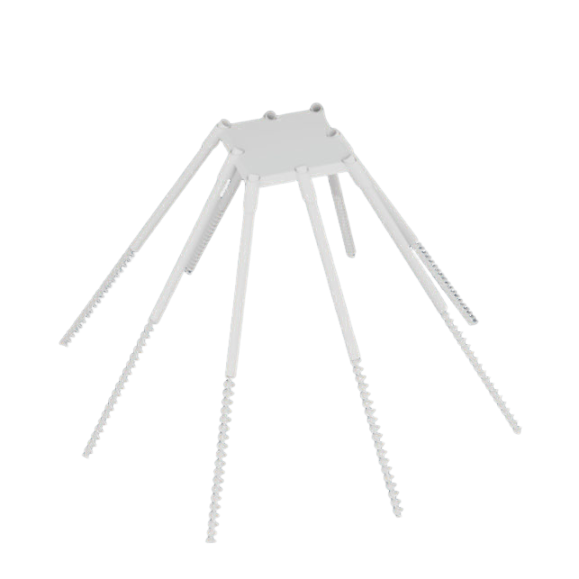
Eight-Pile Group Screw Piles| Reliable Helical Pile Manufacturer| Patented Foundation Solution
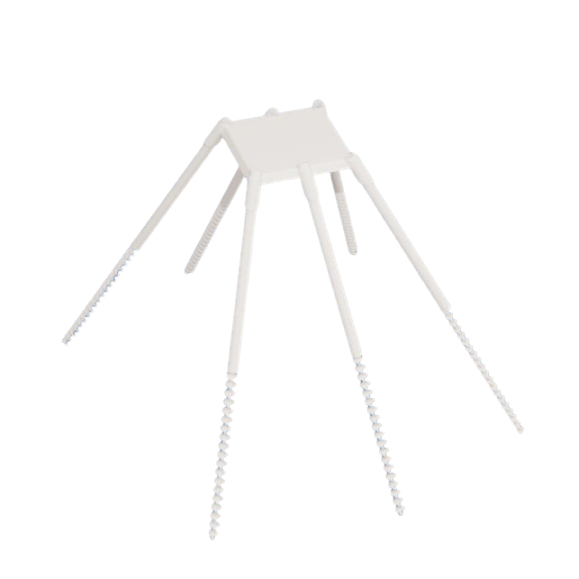
Six-Pile Group Screw Piles| Reliable Helical Pile Manufacturer| Patented Foundation Solution
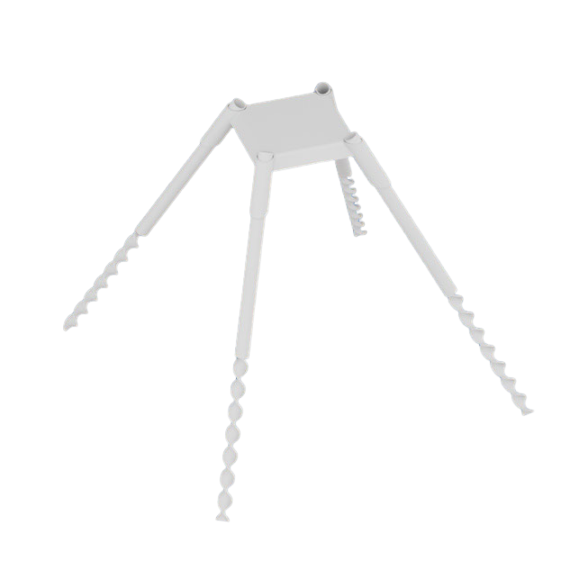
Four-Pile Group Screw Piles| Reliable Helical Pile Manufacturer| Patented Foundation Solution
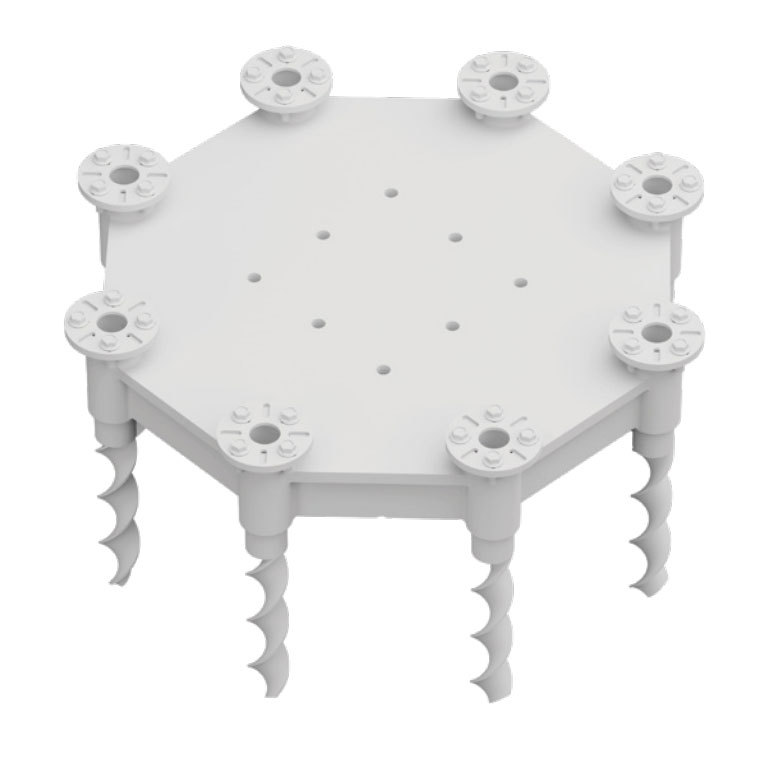
Eight-Pile Cap Screw Pile | Reliable Helical Pile Manufacturer| Patented Foundation Solution
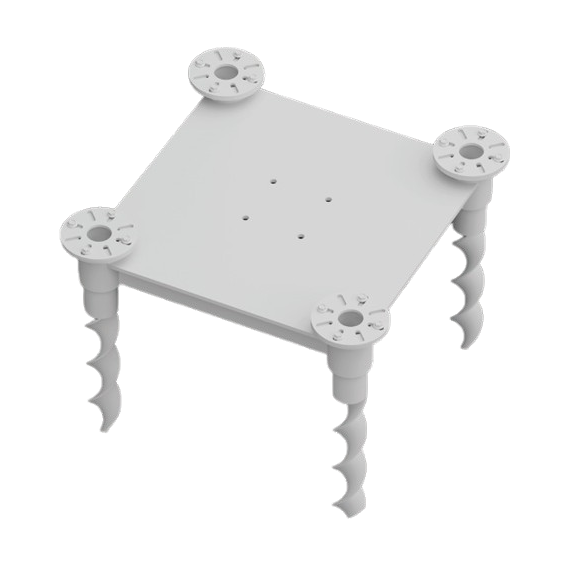
Four-Pile Cap Screw Pile | Reliable Helical Pile Manufacturer| Patented Foundation Solution
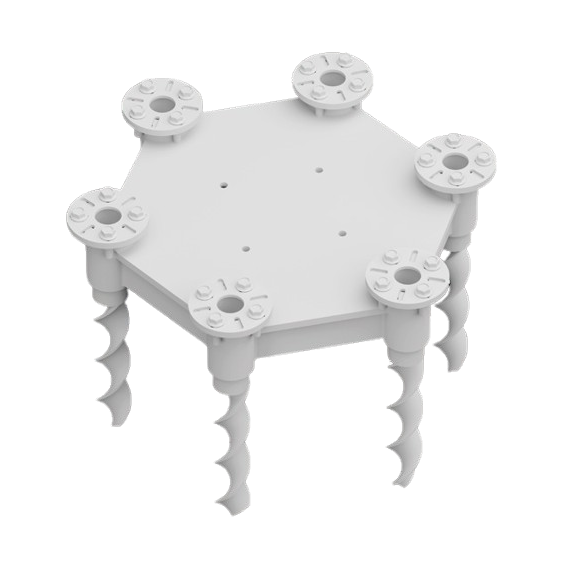
Six-Pile Cap Screw Pile | Reliable Helical Pile Manufacturer| Patented Foundation Solution
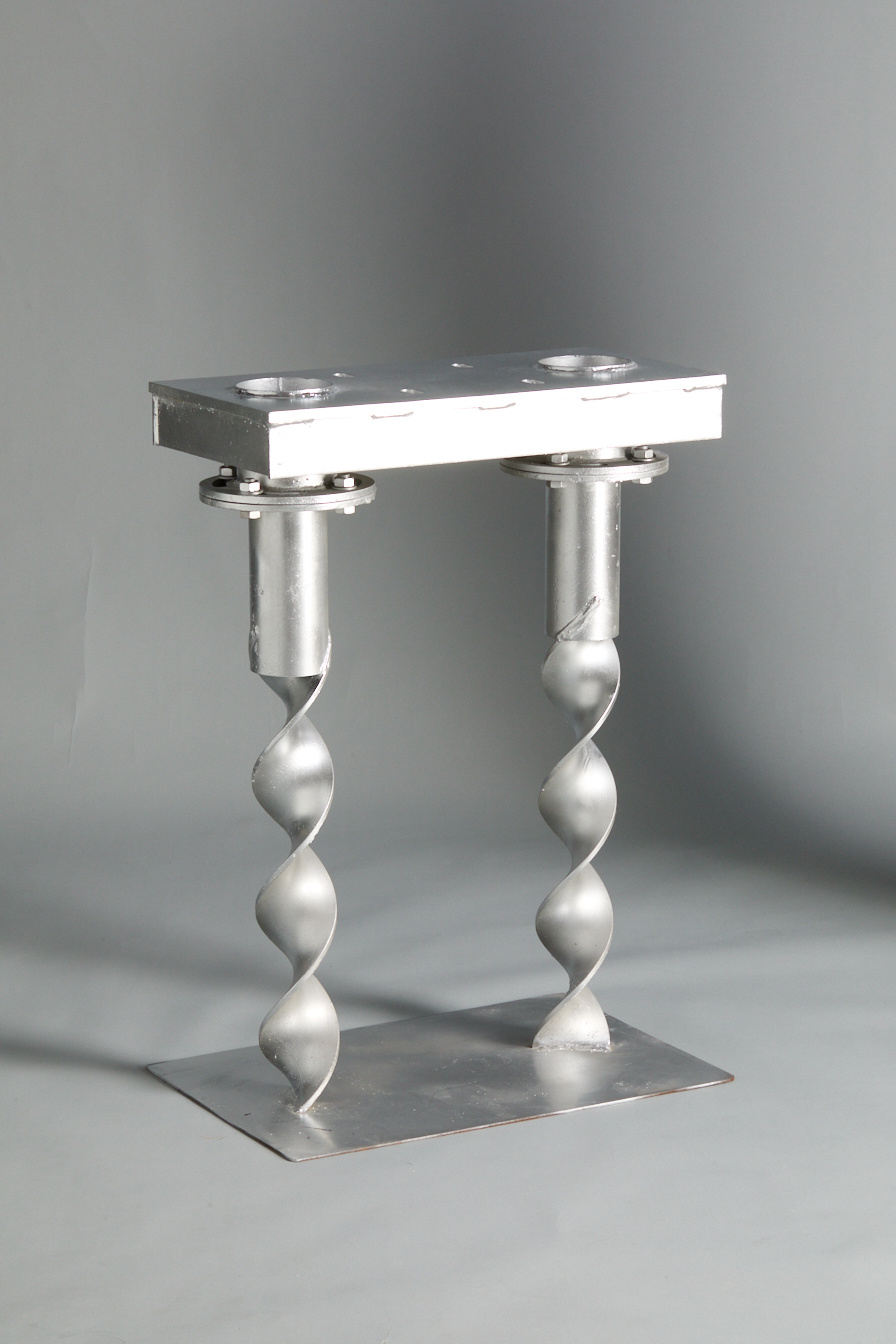
Two-Pile Cap Screw Pile | Reliable Helical Pile Manufacturer| Patented Foundation Solution
Steel Platform System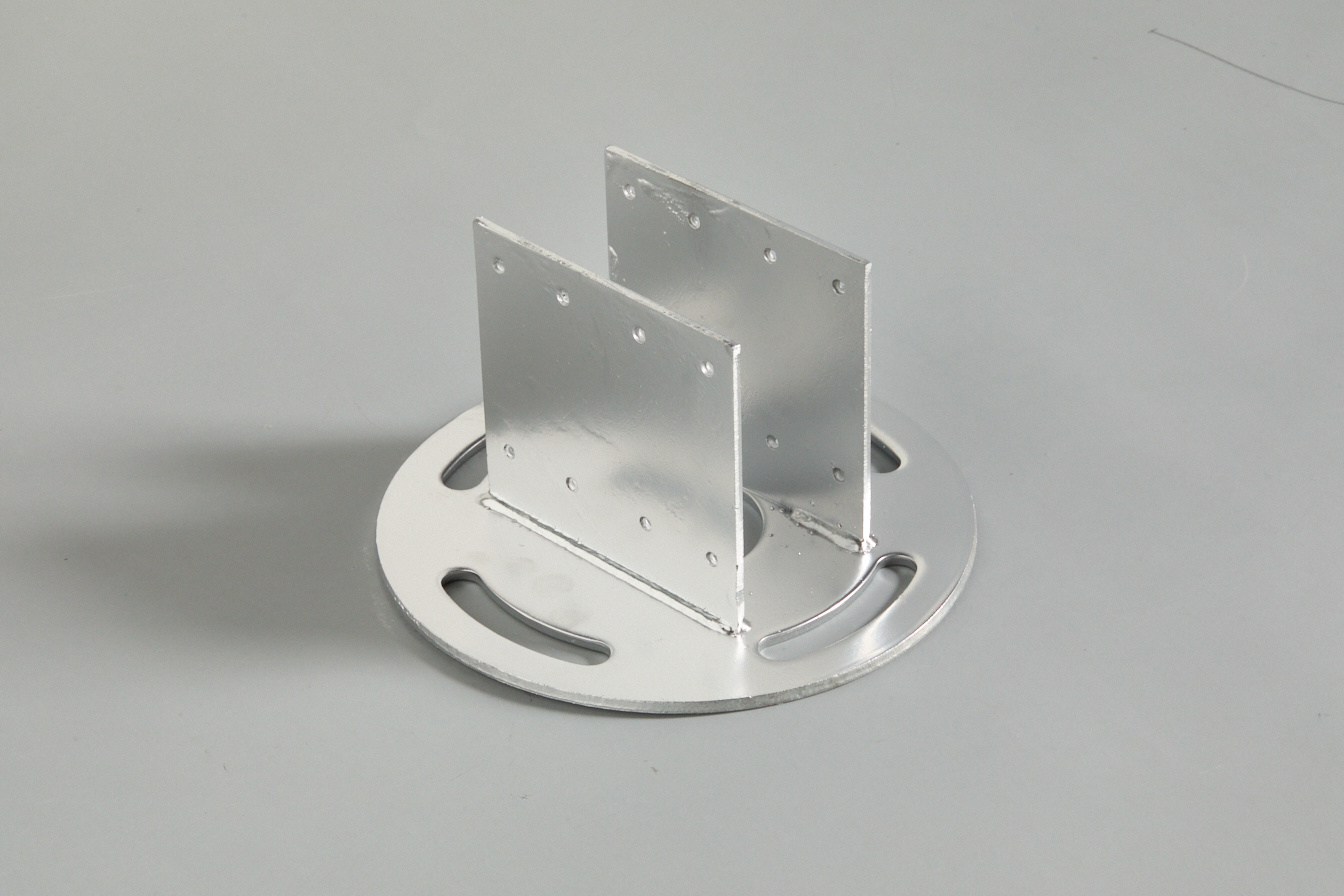
Spiral pile connectors
Small U connector
Large U connector
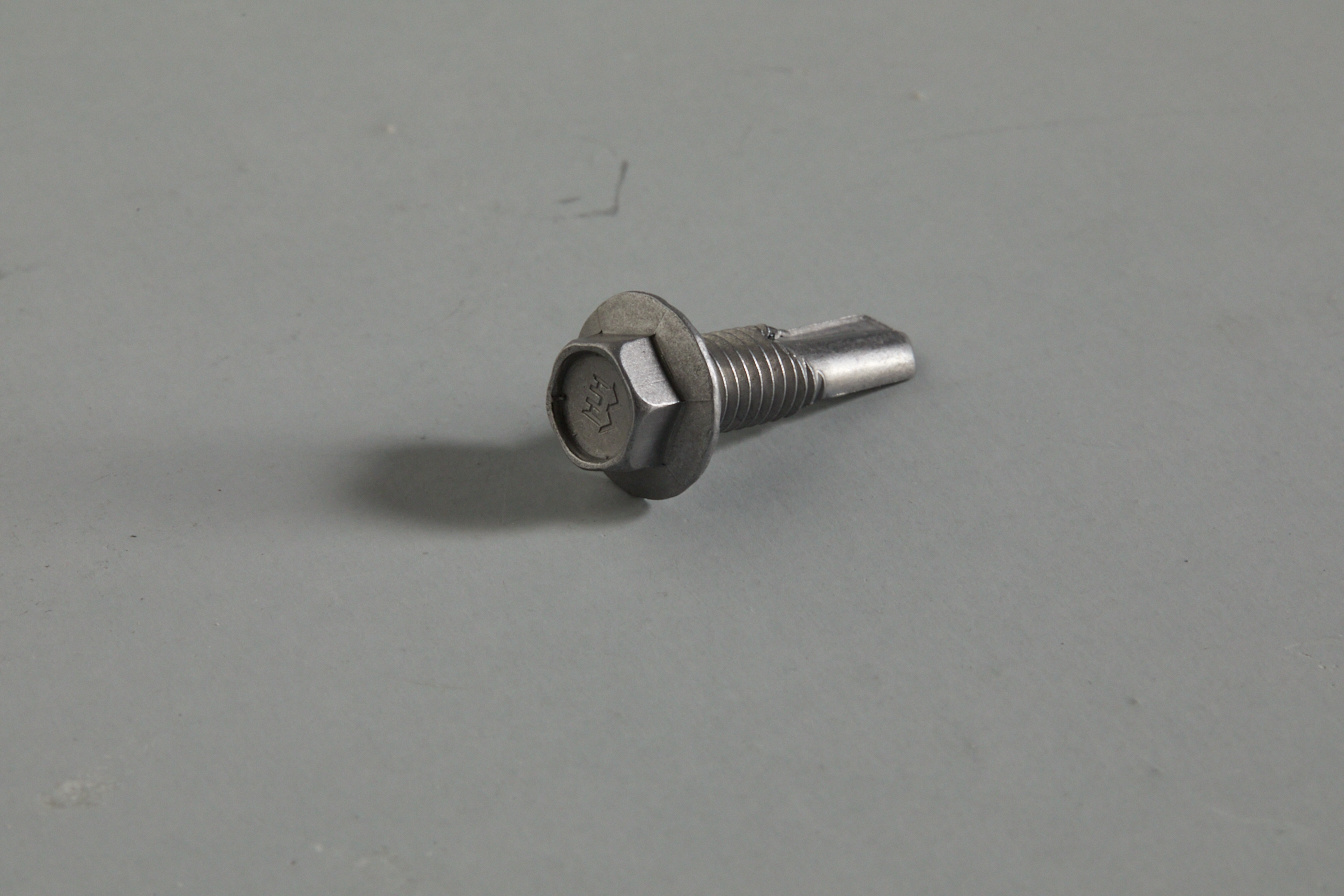
Hexagonal flange self drilling and self tapping screws
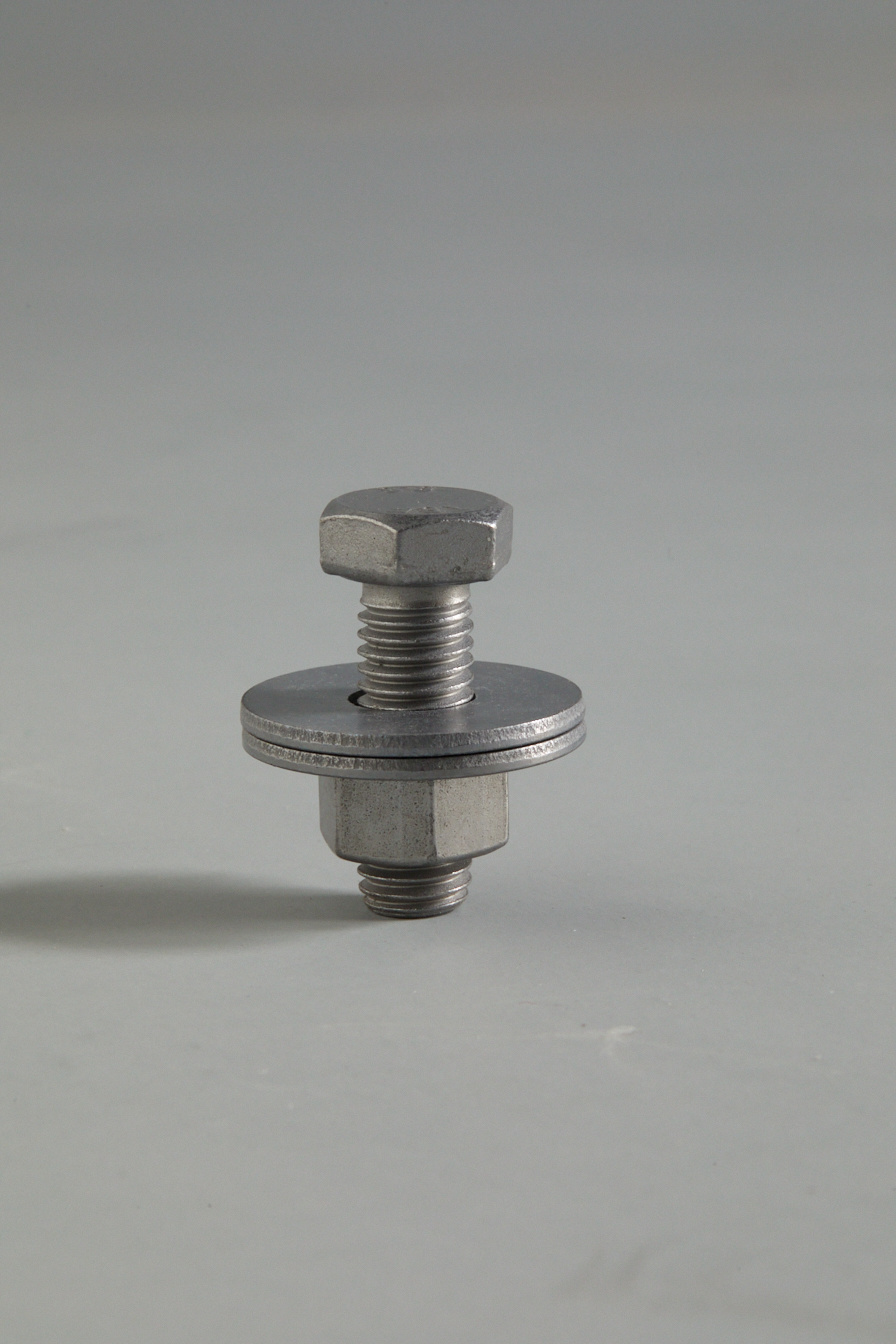
Tightening Bolts
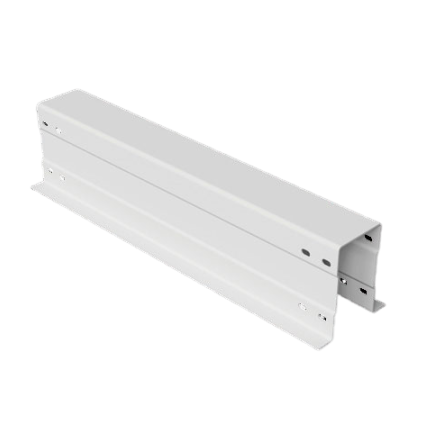
Secondary Beam
Steel Platform - Main Beam
Modular building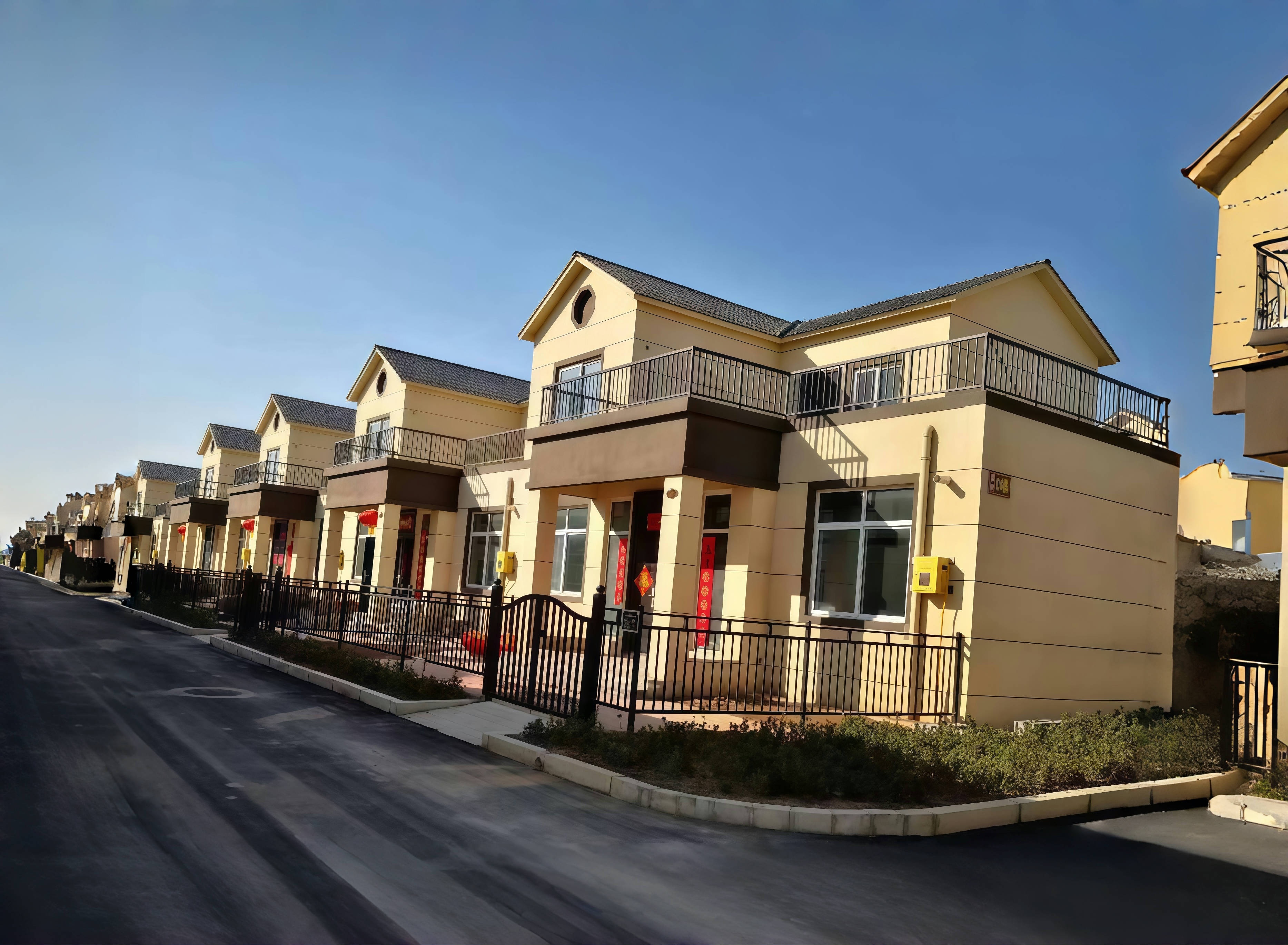
Modular building
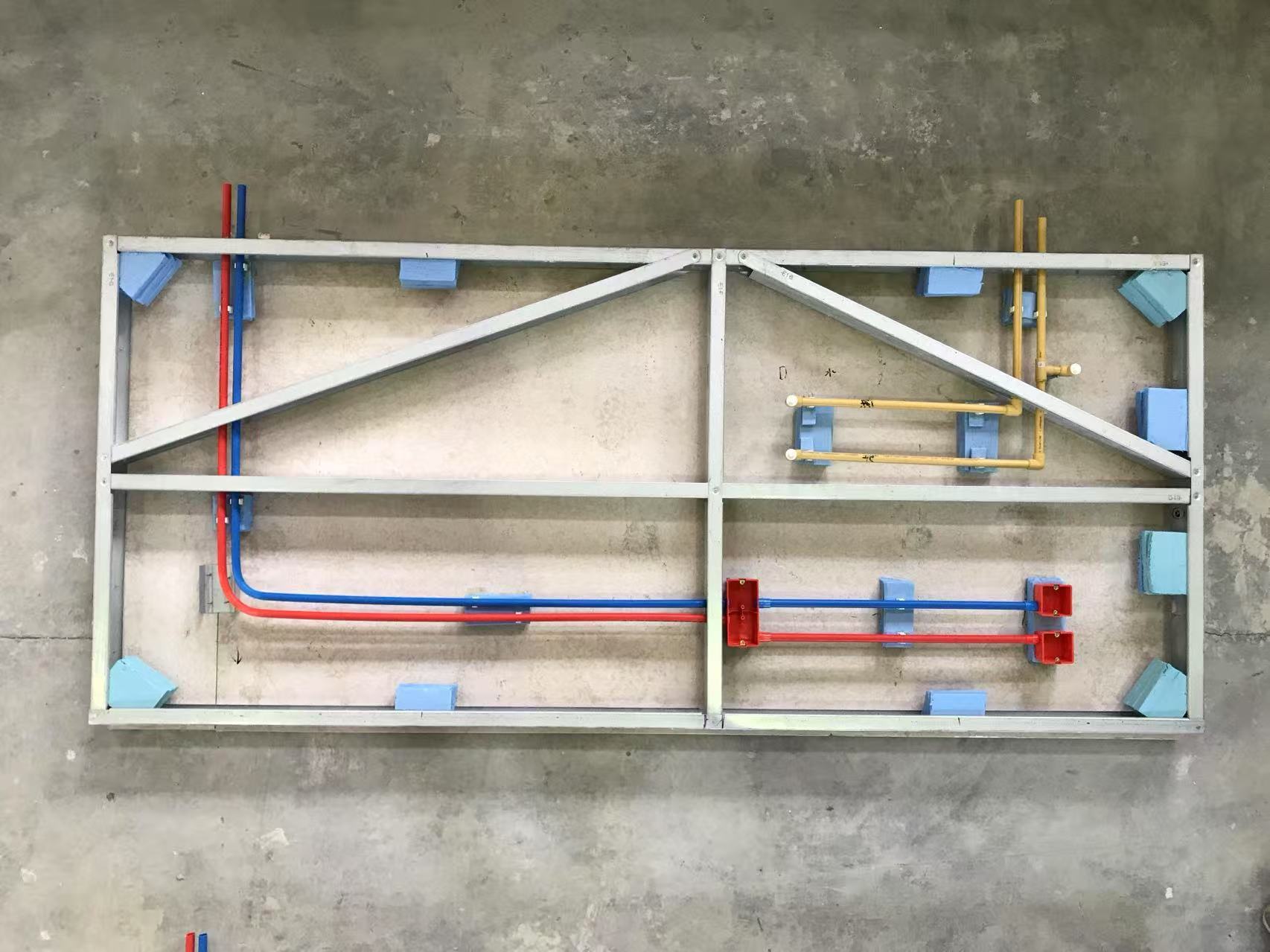
Layout Diagram of Electrical and Plumbing Pipelines for Magnesium-Based Grouted Walls

Performance Testing of Magnesium-Based Walls
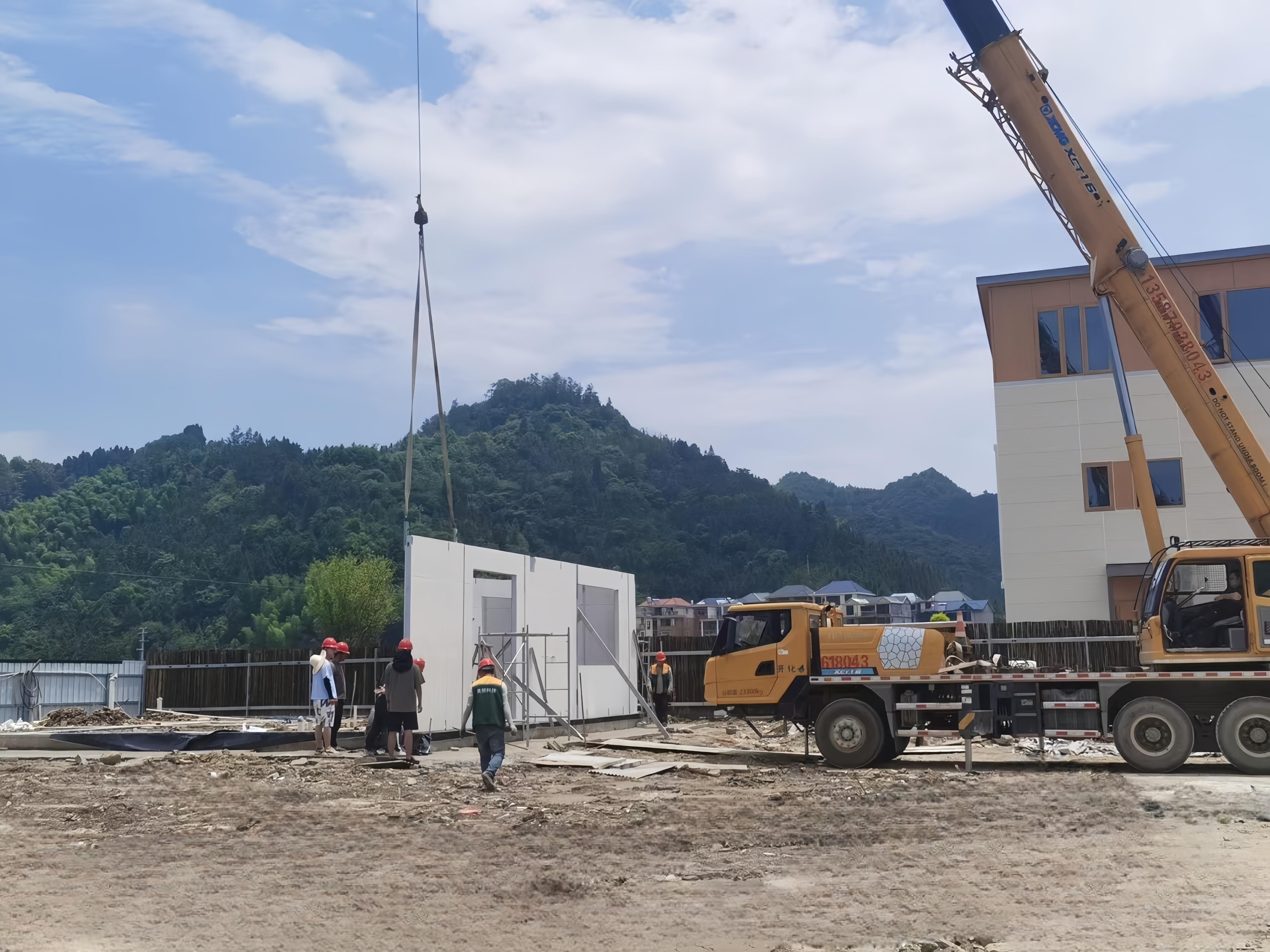
Construction Process of Modular Walls
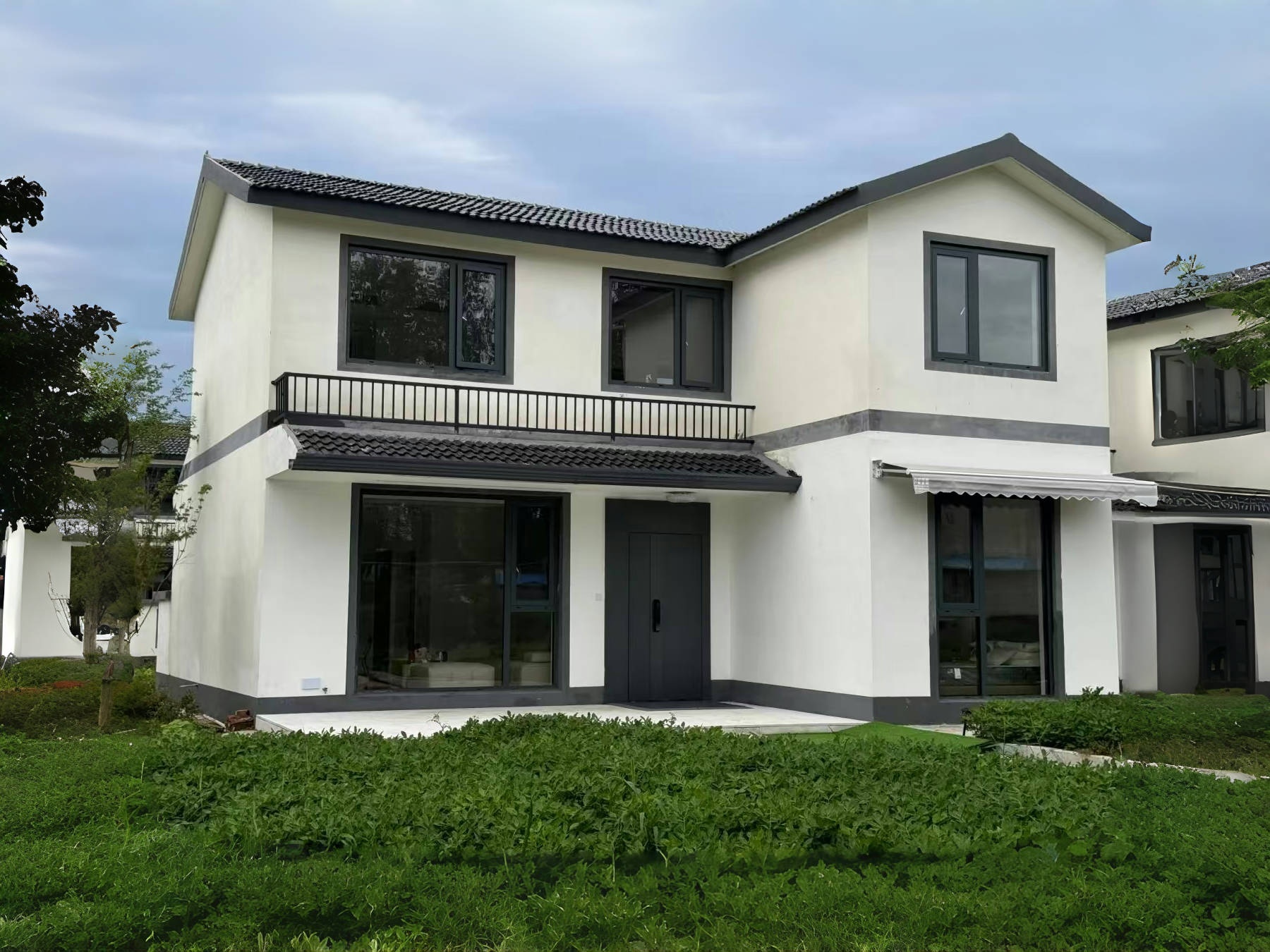
Cases of Modular Buildings
Bracket Roof Integrated Panel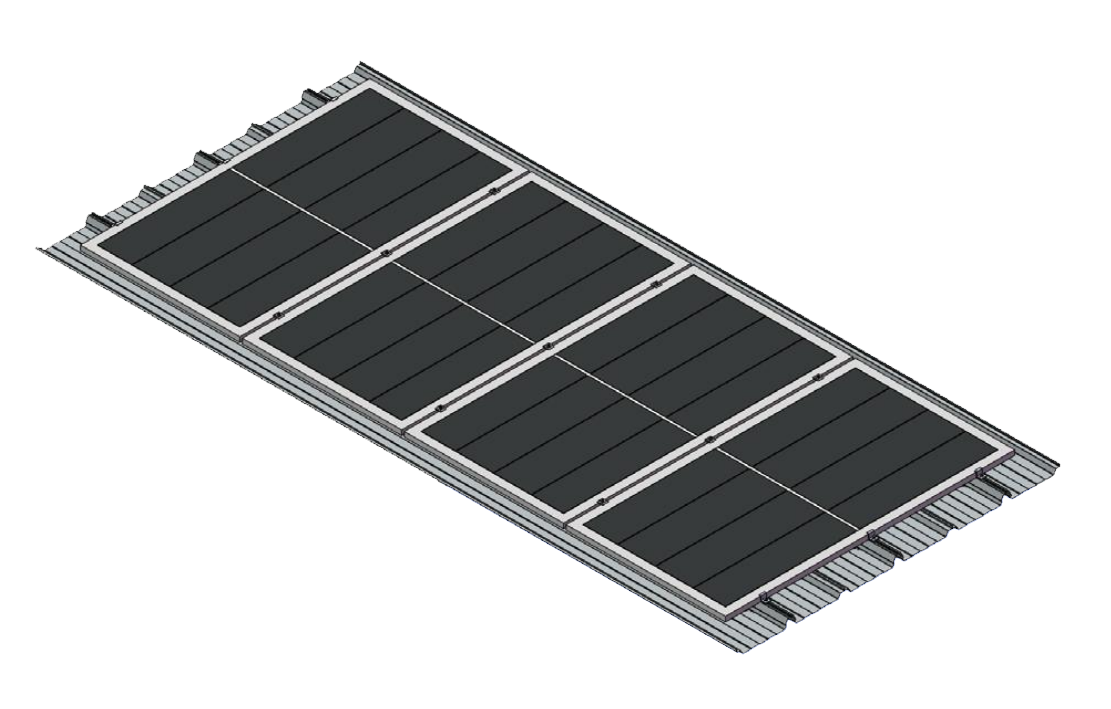
BIPV Bracket Roof Integrated Panel
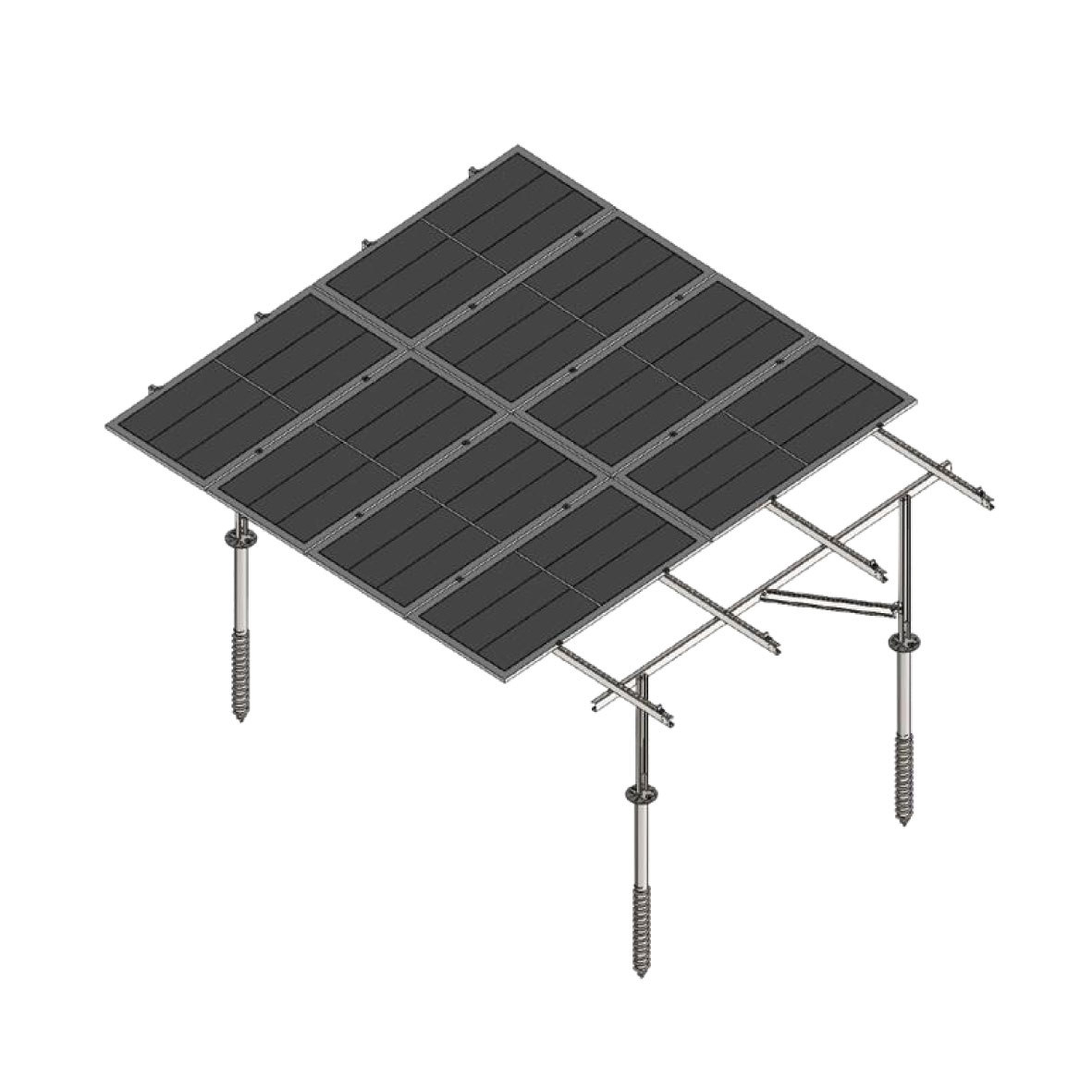
ZINC Aluminum Magnesium Double Leg Bracket
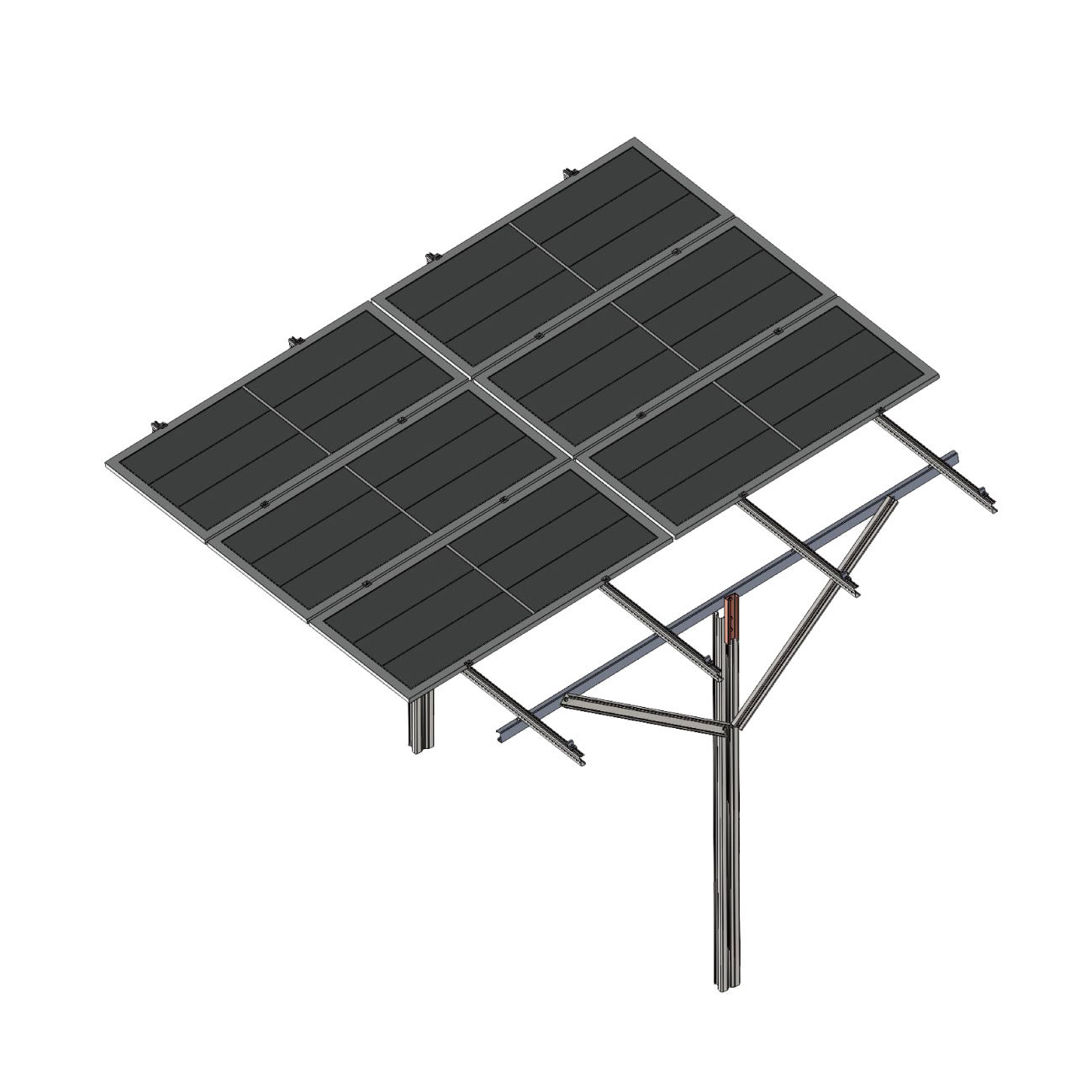
ZINC Aluminum Magnesium Single Leg Bracket
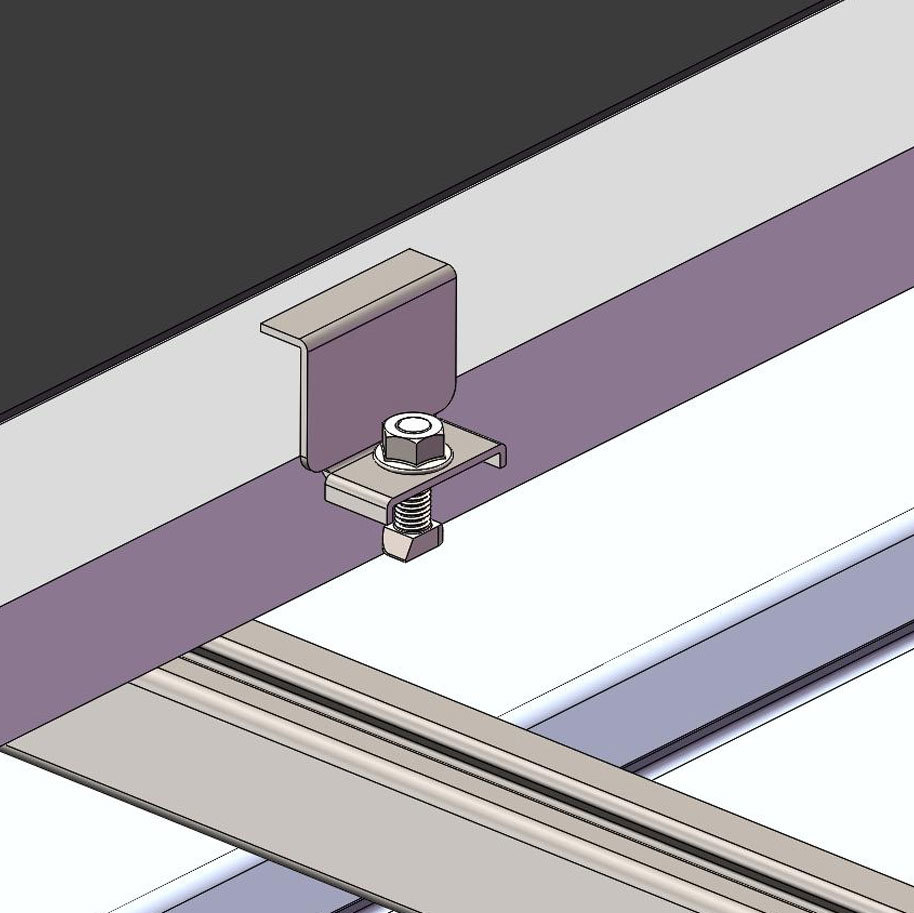
Explosion diagram of zinc aluminum magnesium under lateral pressure
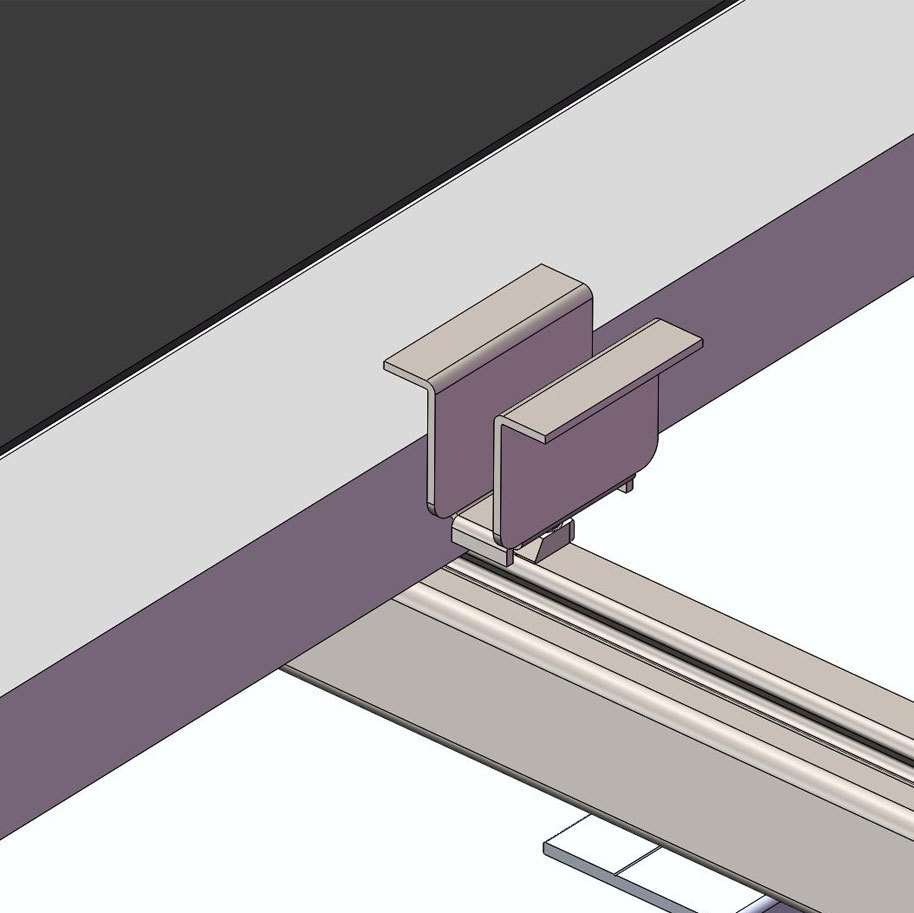
Zinc aluminum magnesium medium pressure explosion diagram
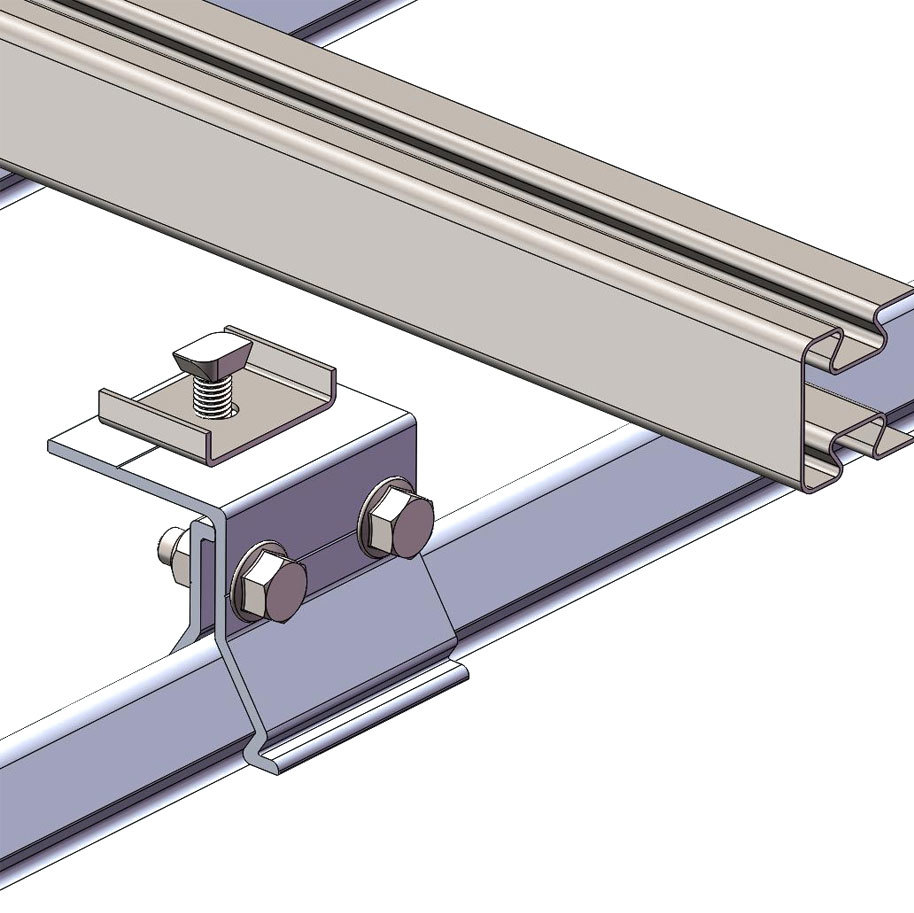
Explosion diagram of fixture components
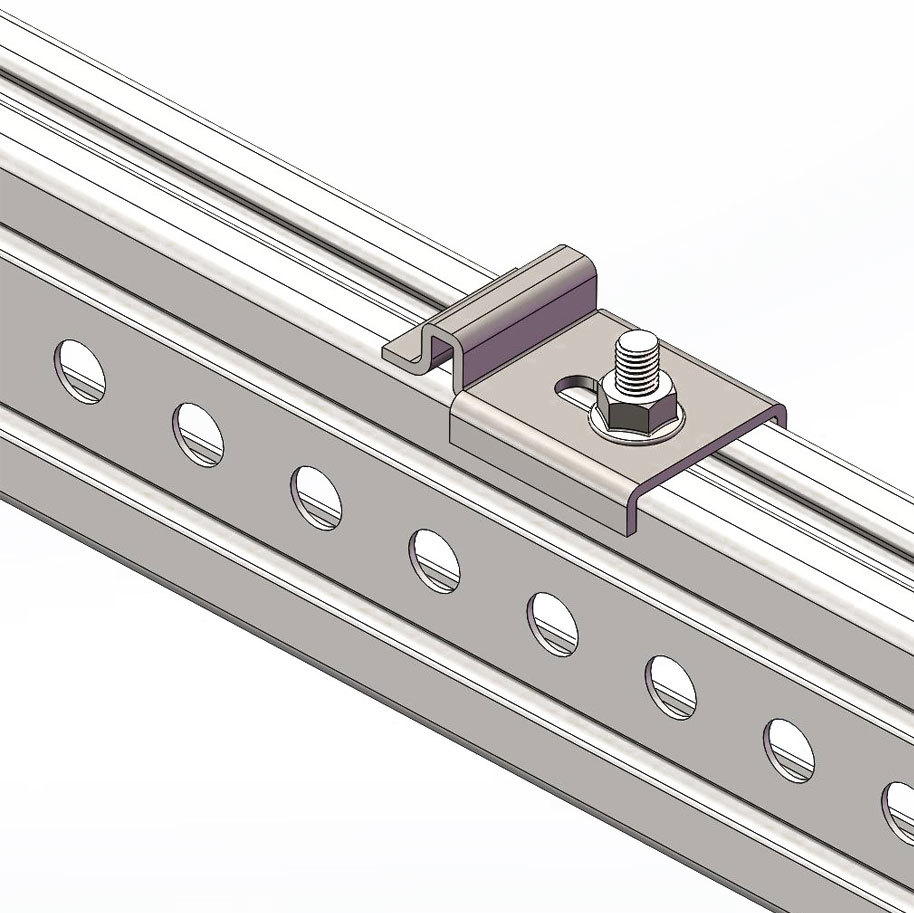
Lower pressure component
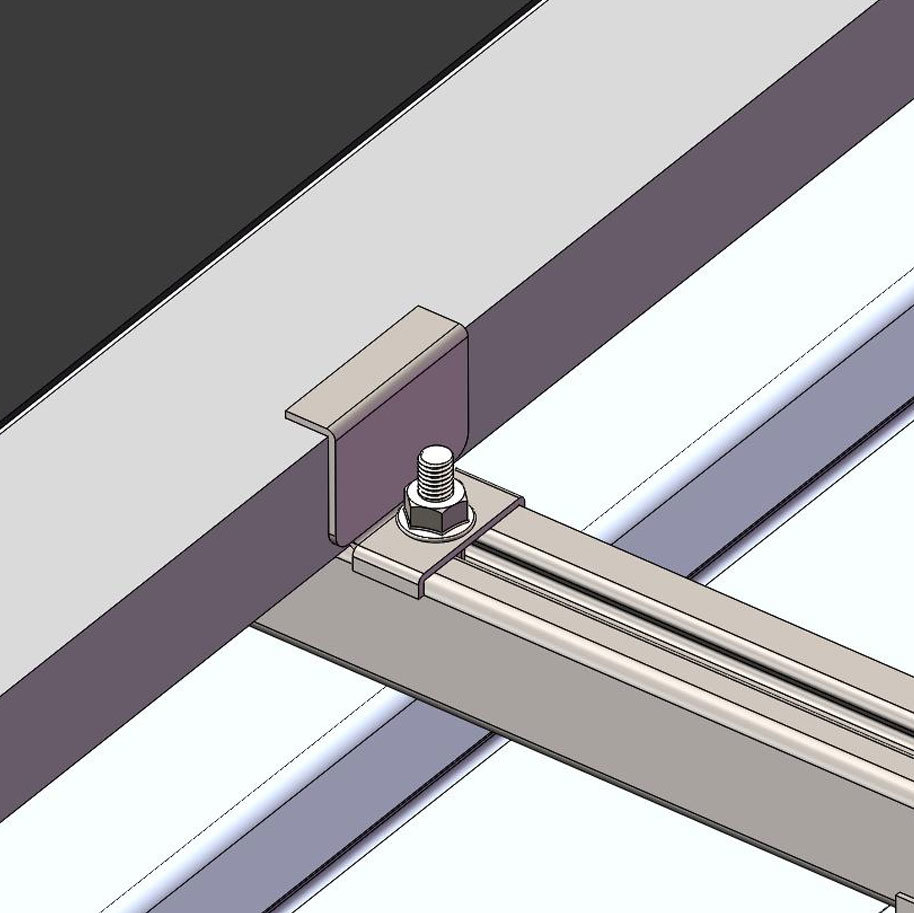
Zinc aluminum magnesium side pressure
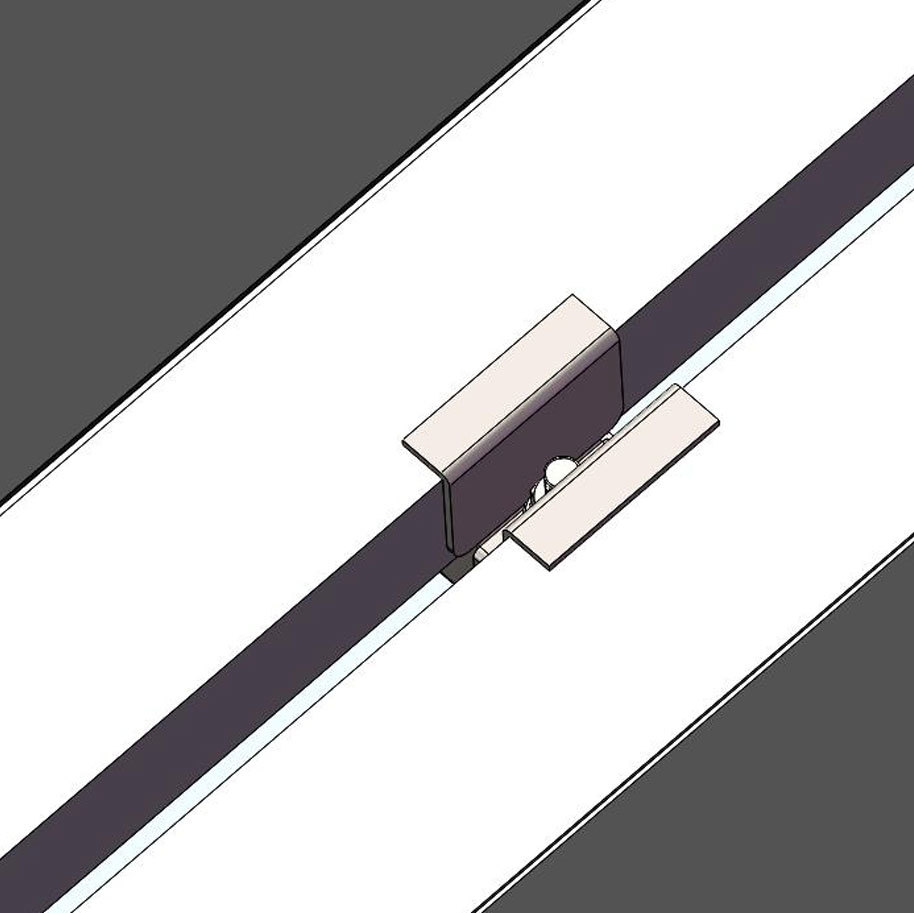
Zinc aluminum magnesium medium pressure
Zinc aluminum magnesium medium pressure
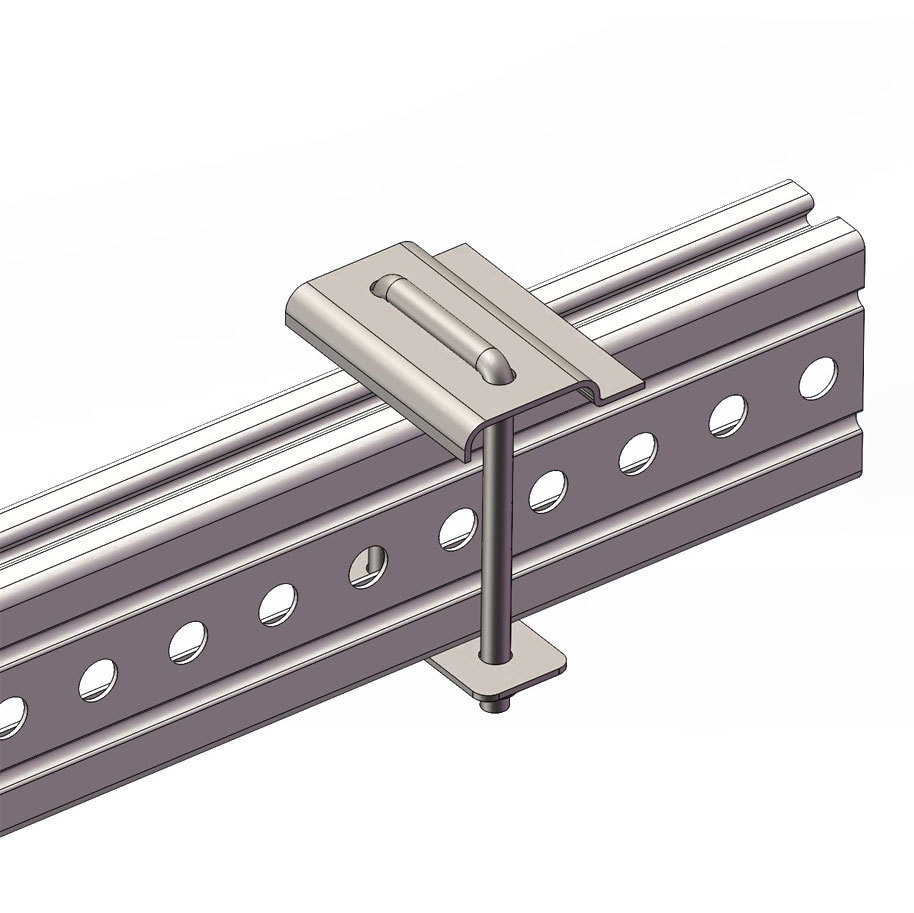
U-bolt assembly
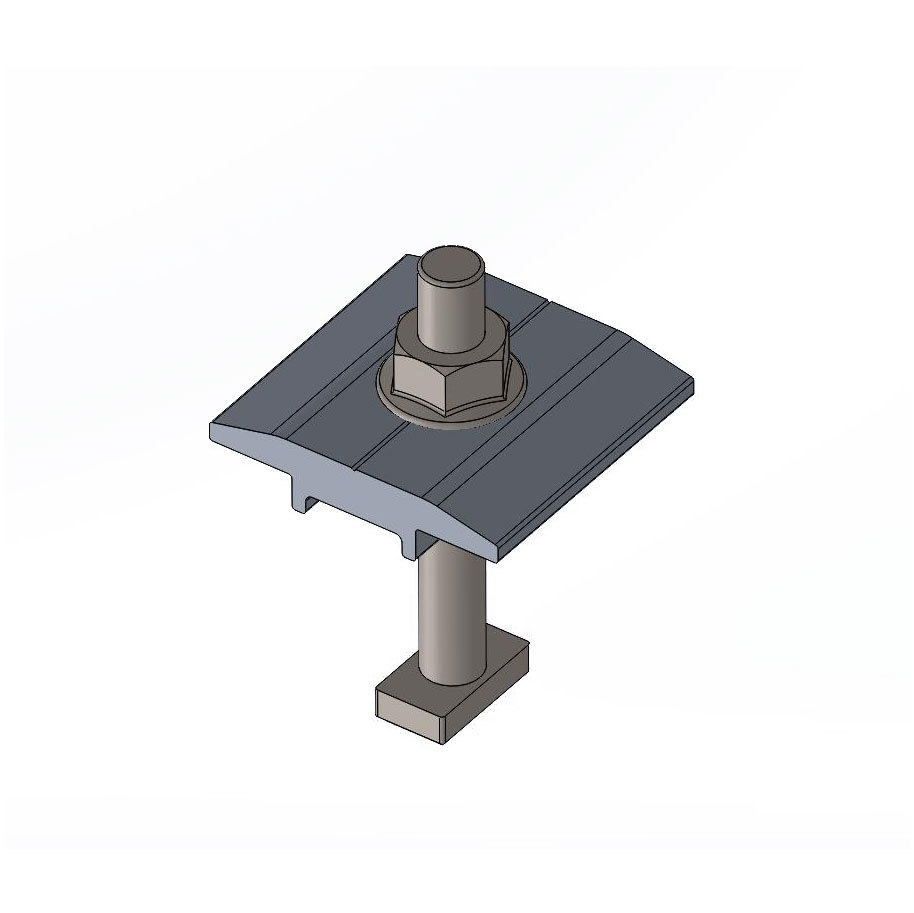
Medium voltage components
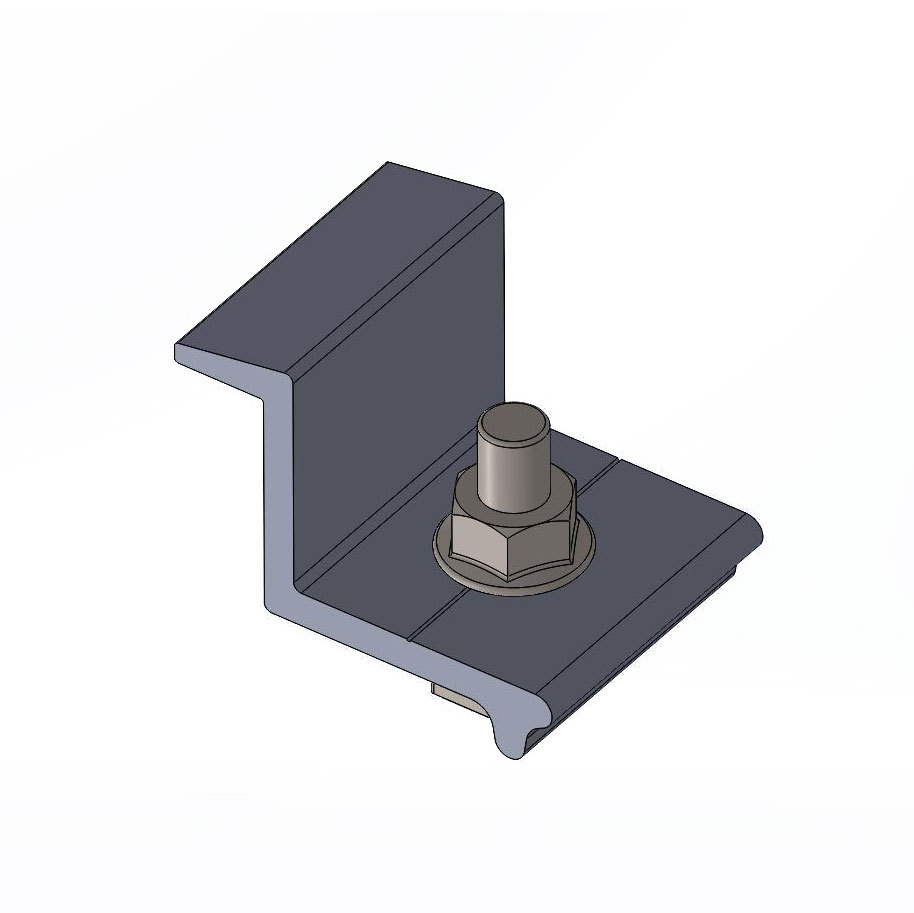
Side pressure component
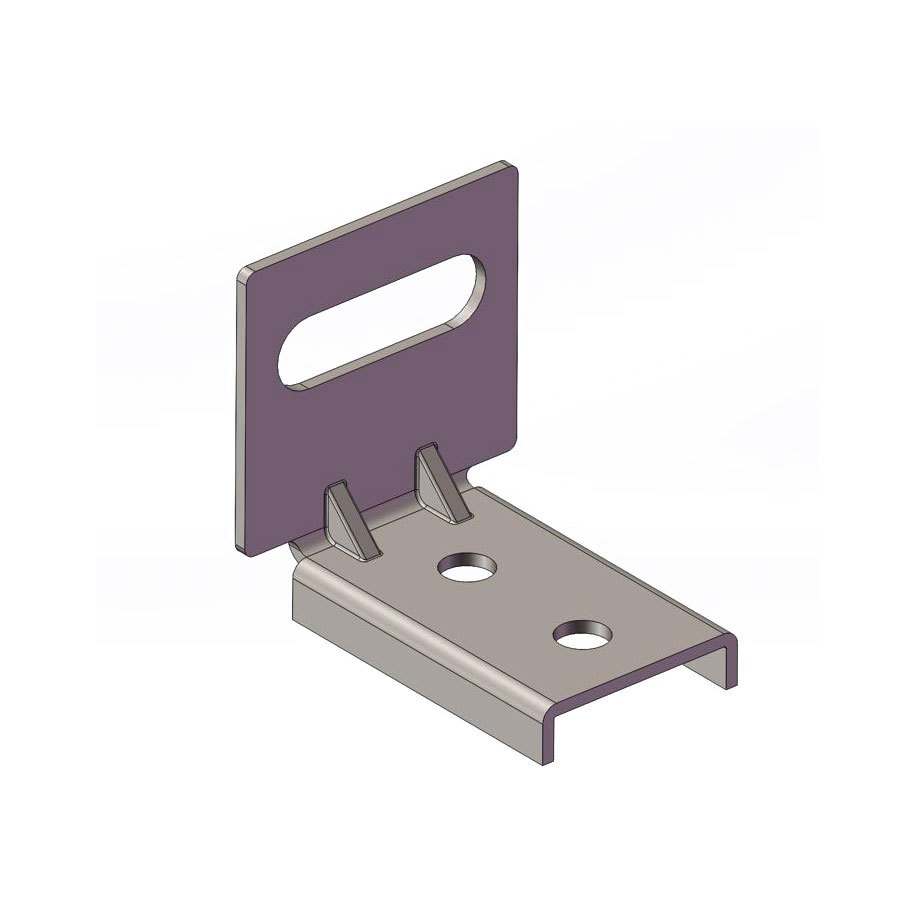
Horizontal and vertical rail connectors
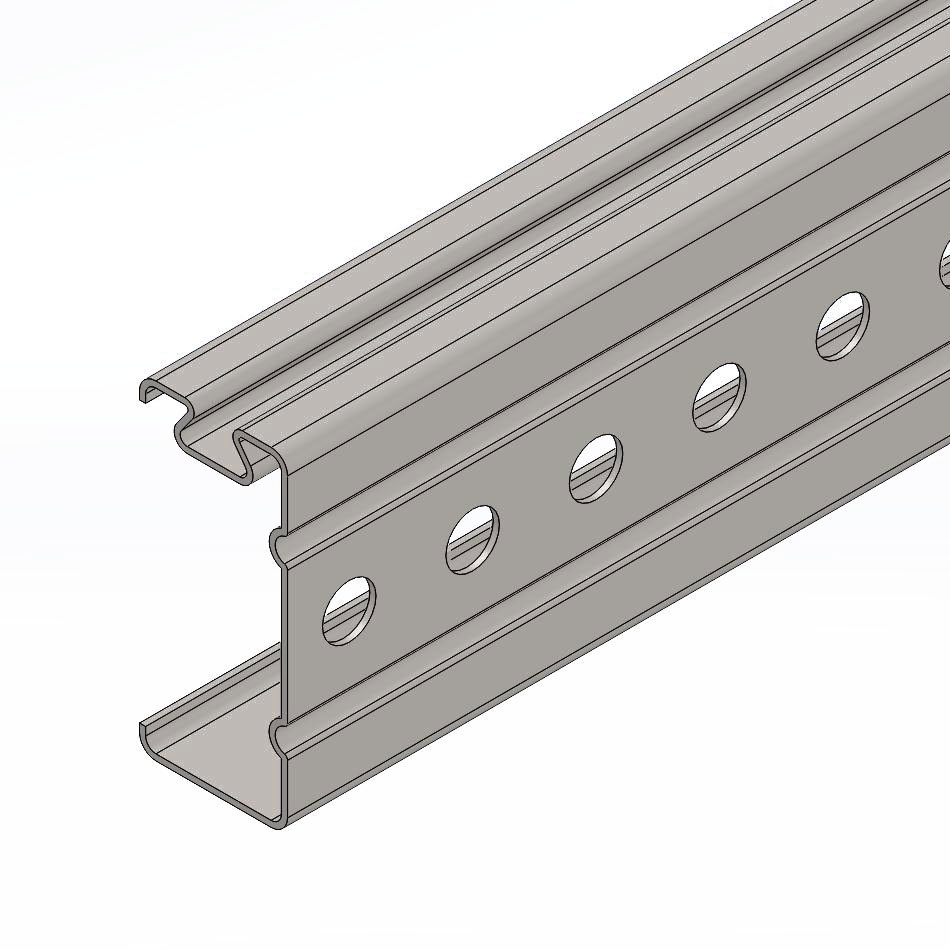
Slant support
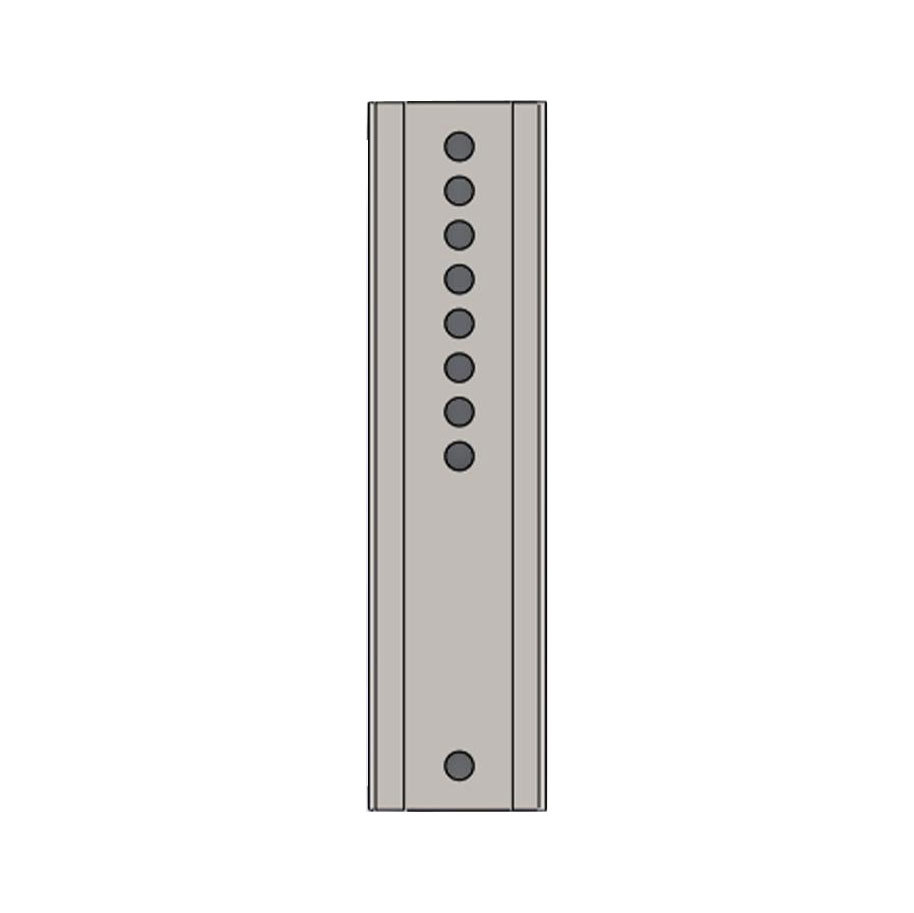
Column connectors
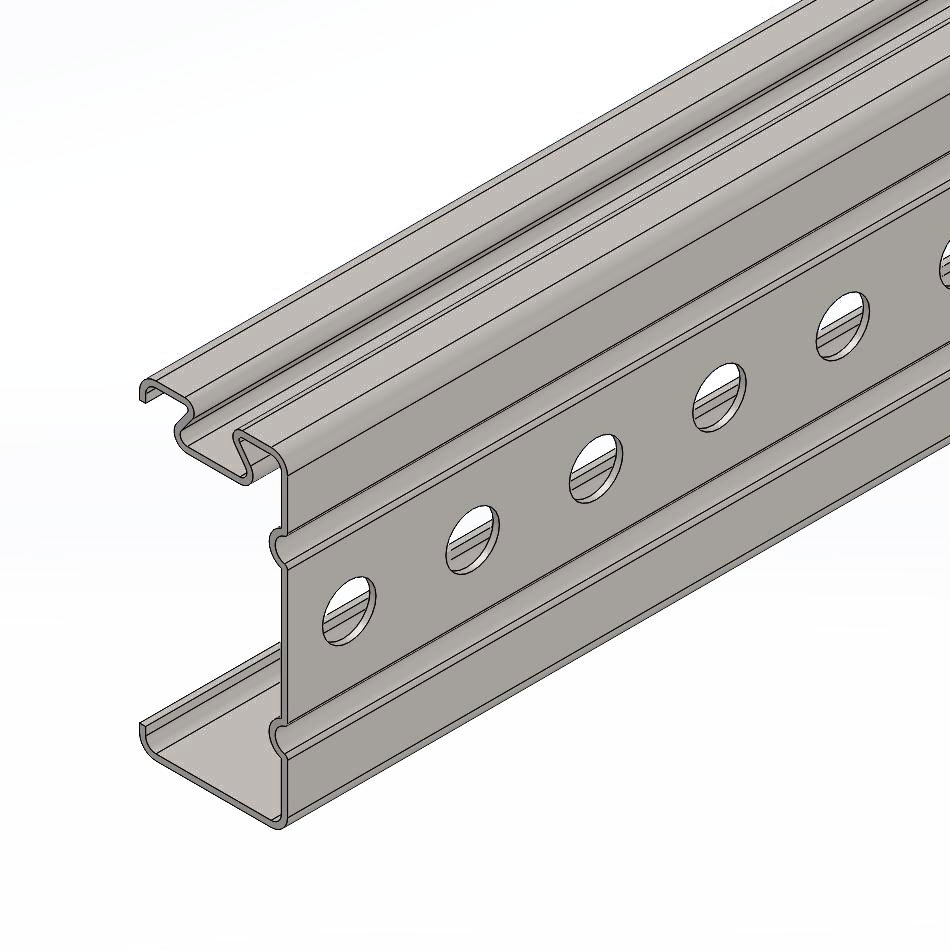
Longitudinal track
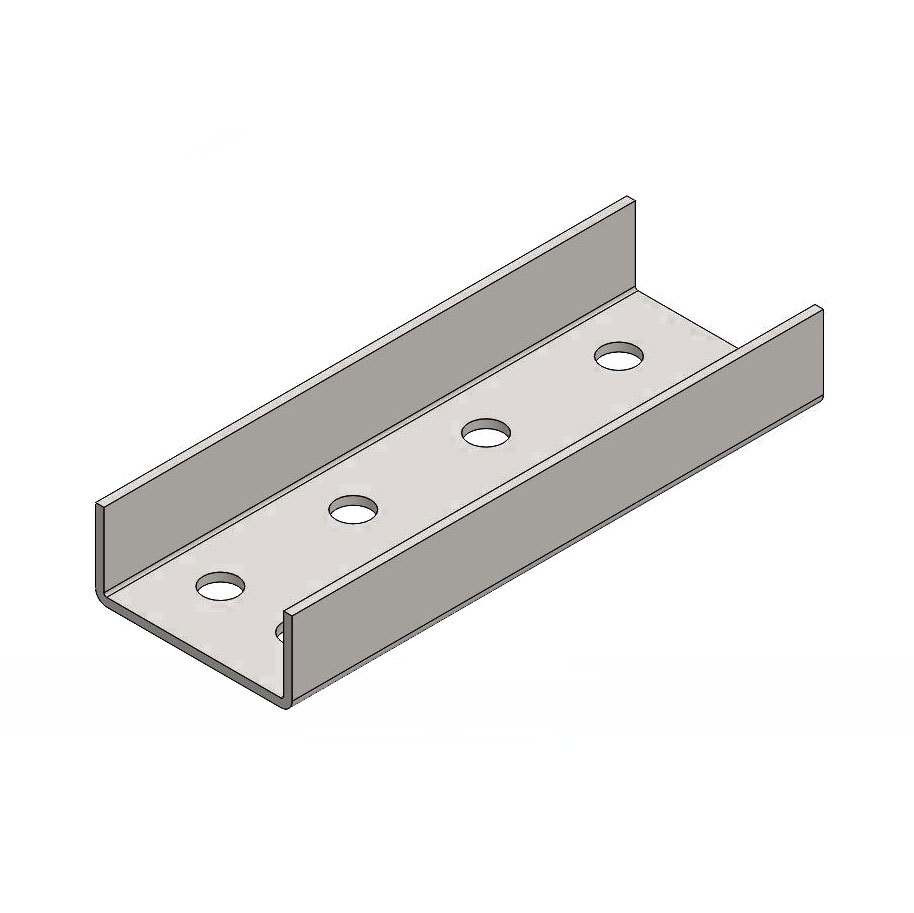
Horizontal rail connectors
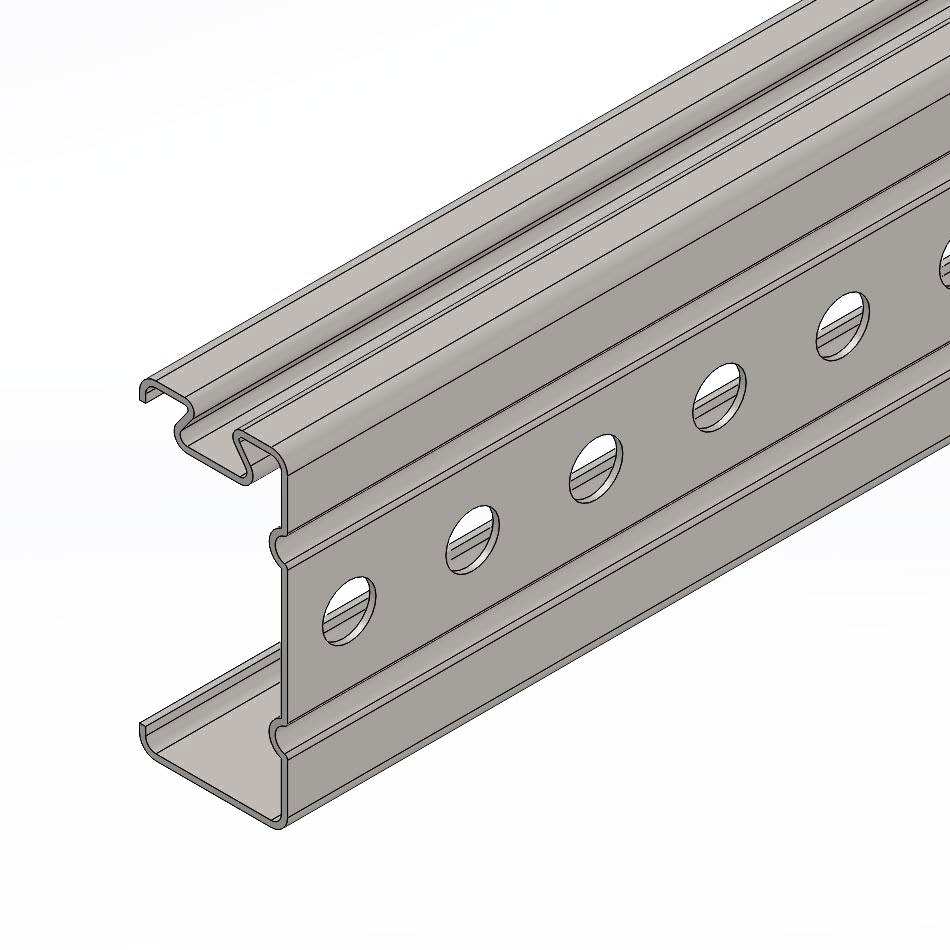
Horizontal track
Easy Install Steel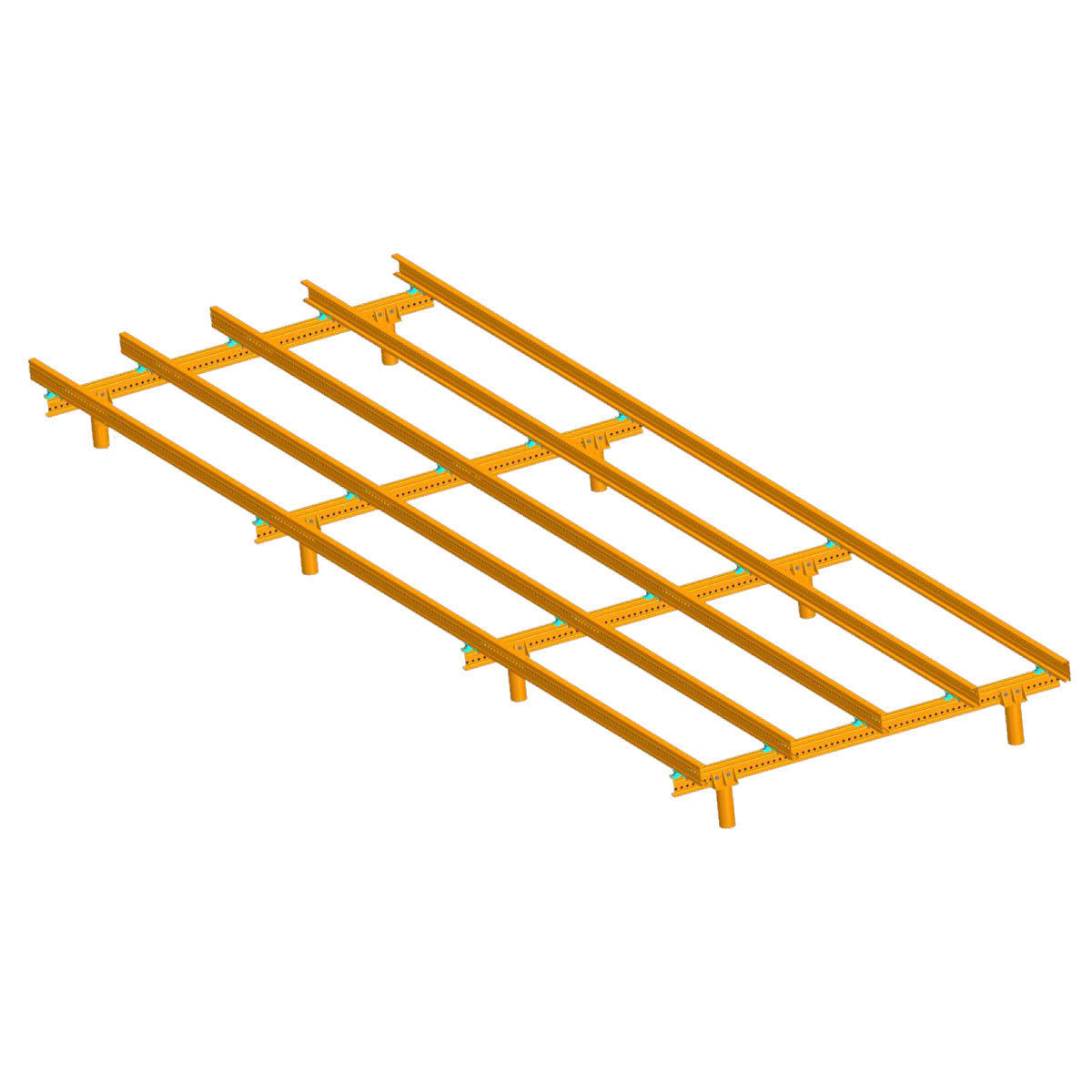
Haoheng Yi'an System

Easy Install Steel
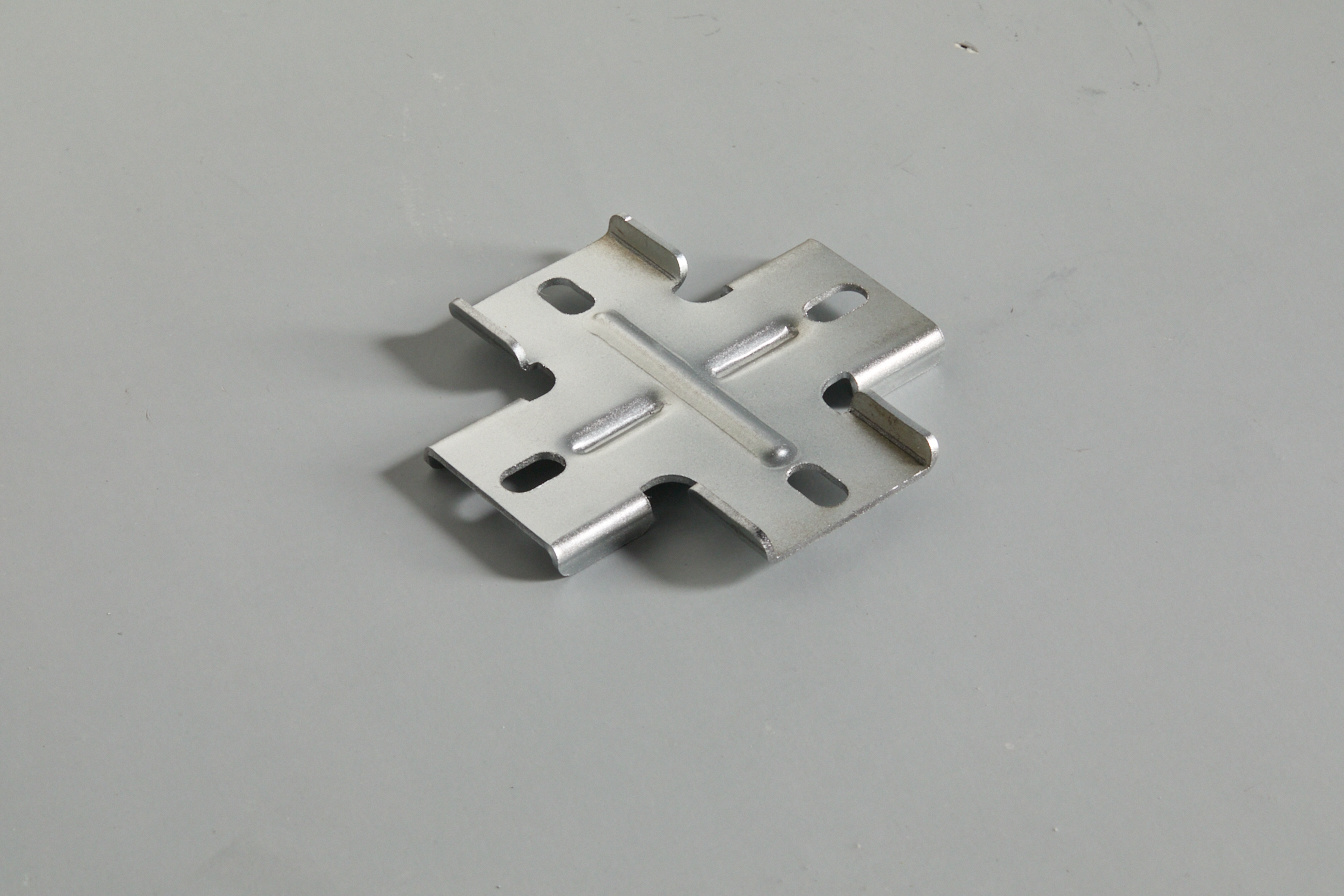
Cross connector
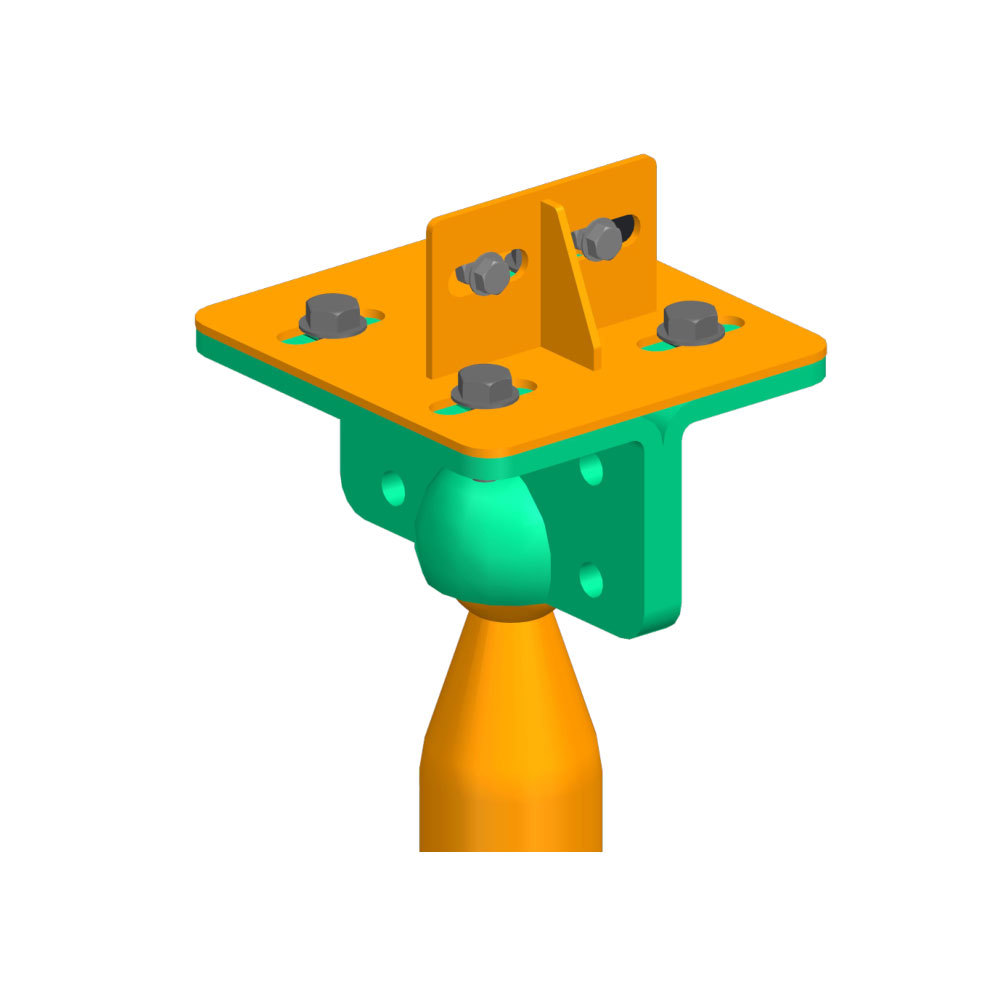
Universal connector for screw pile
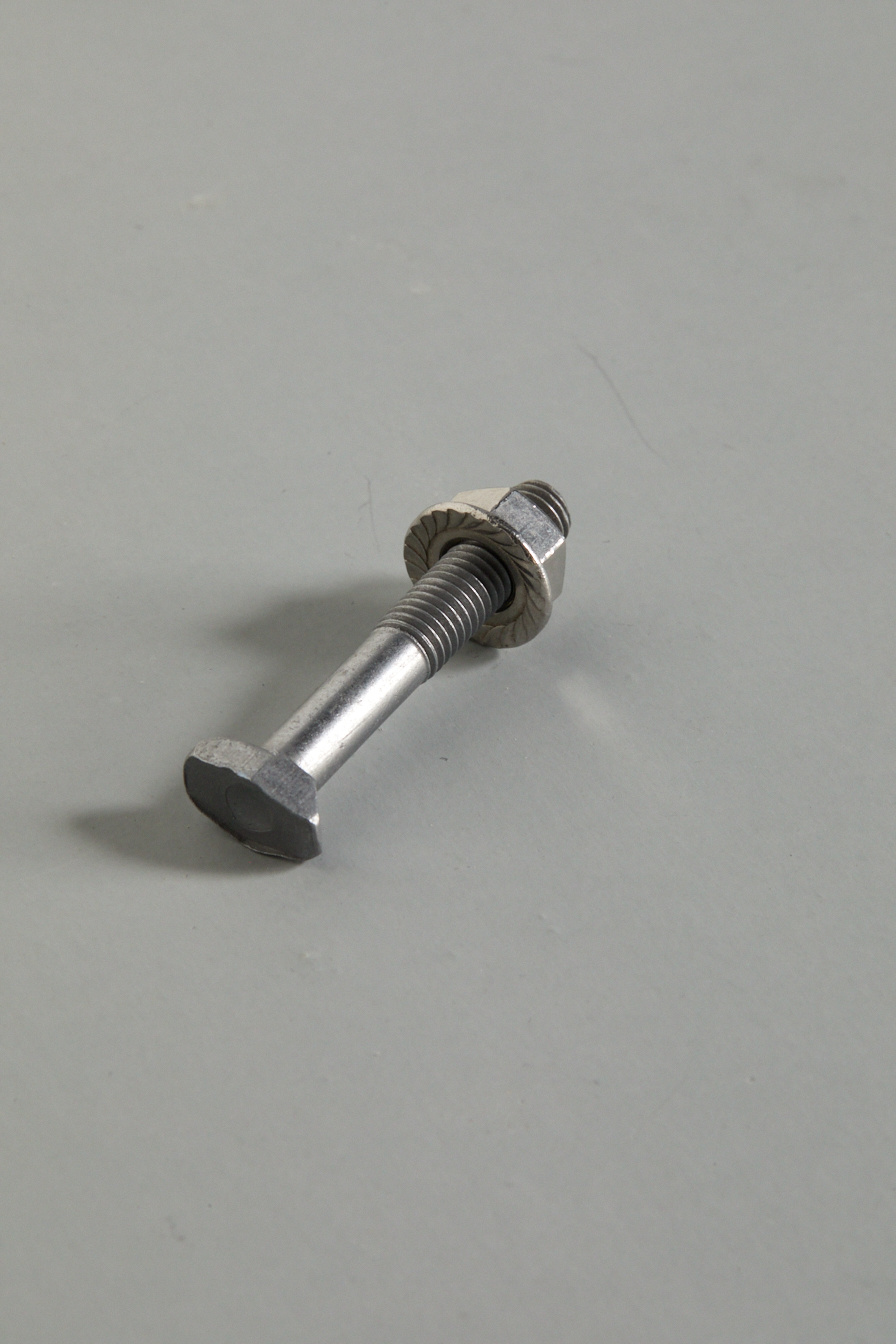
T-shaped dovetail bolt
Floor System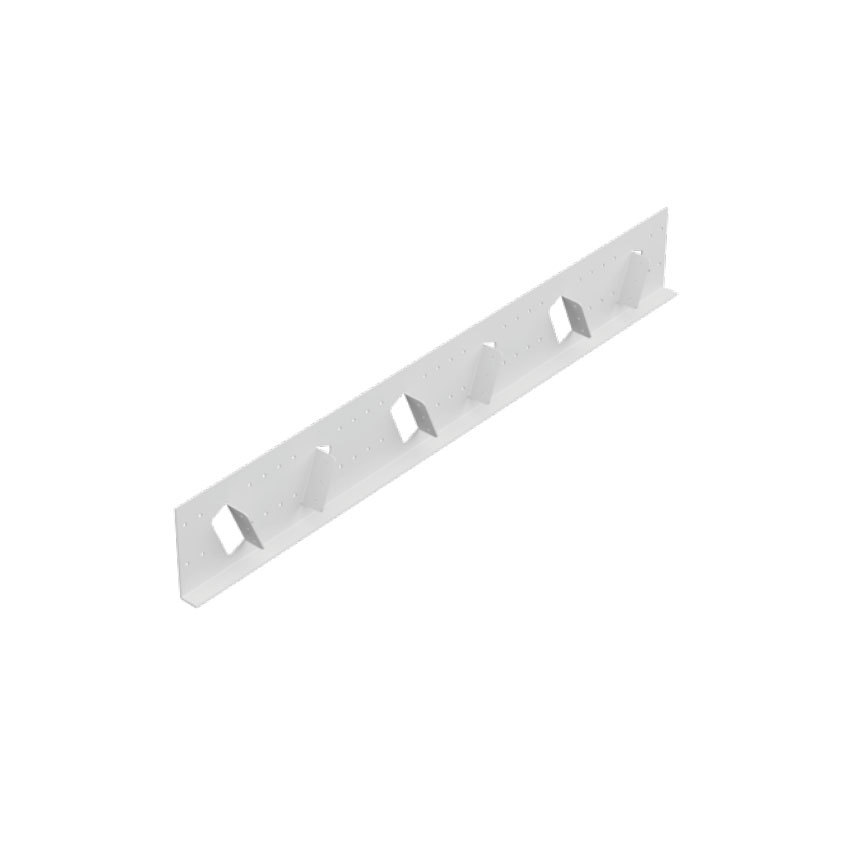
Ordinary steel structural connectors
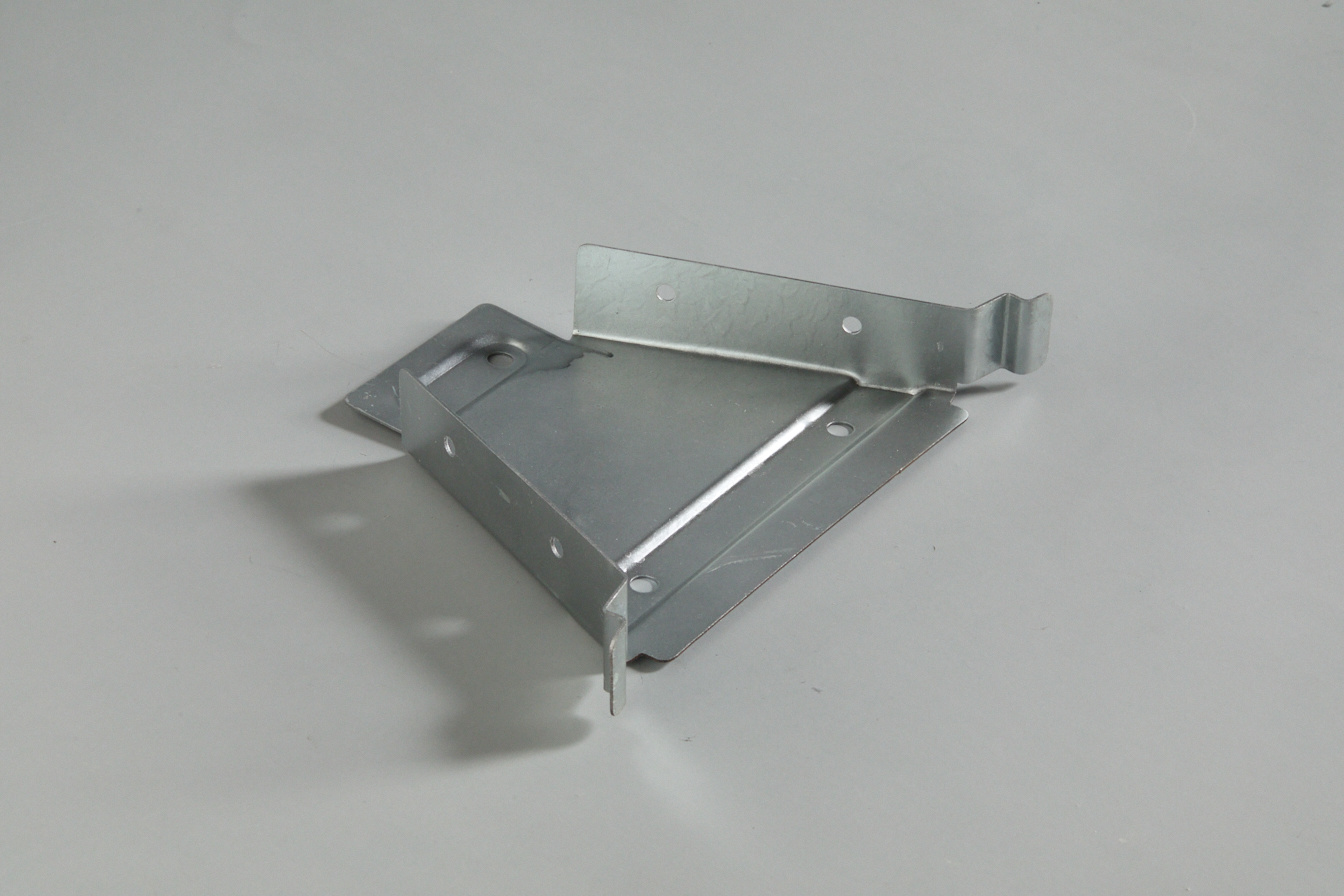
NEW BUILDING system connectors
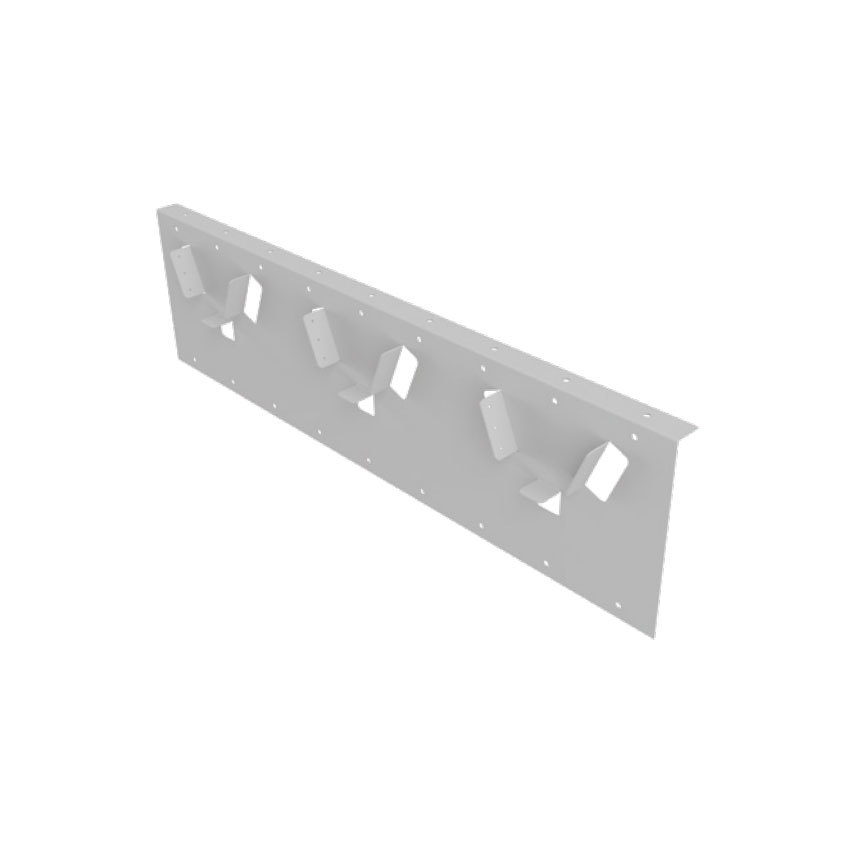
Cold formed thin-walled steel structural connectors
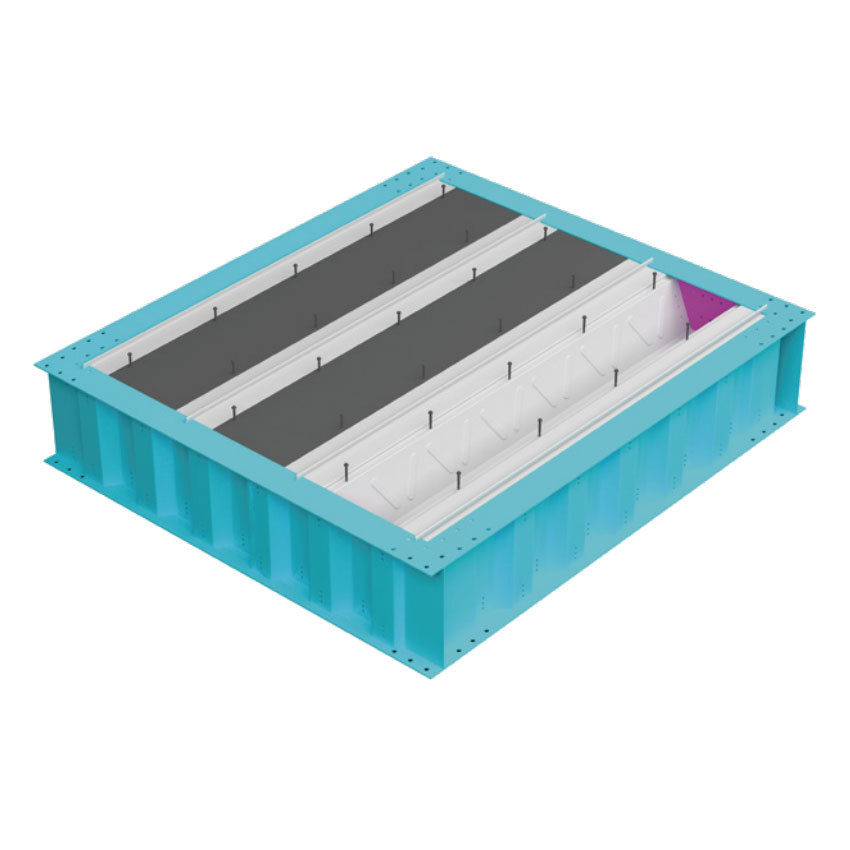
Corrugated I-beam+V-shaped floor beam
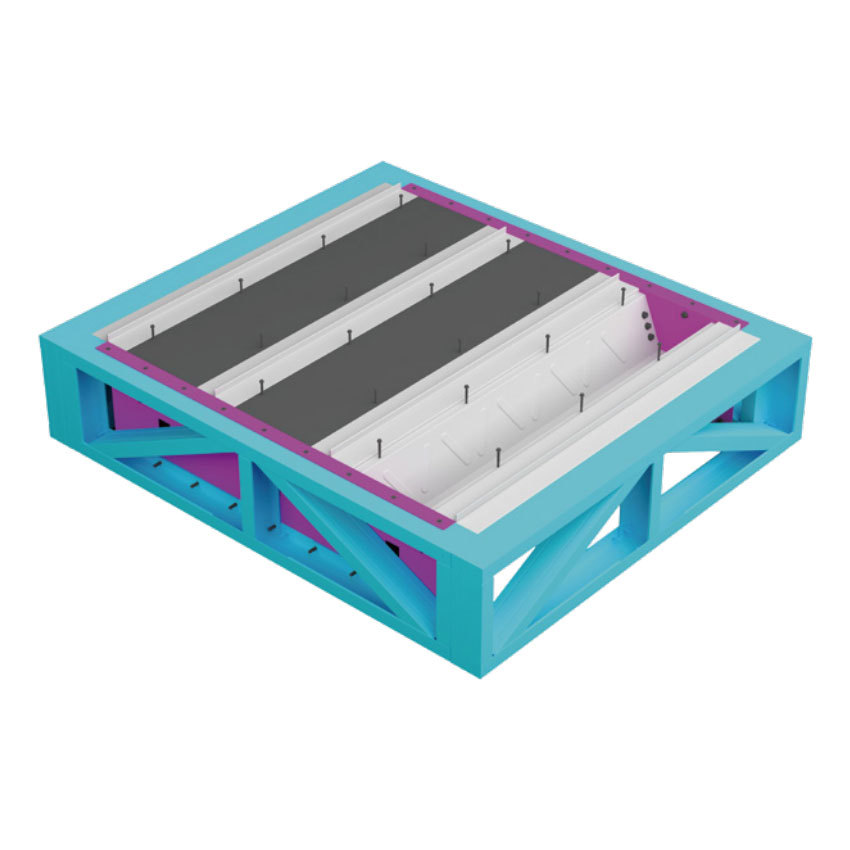
300 light steel truss+V-shaped floor beam
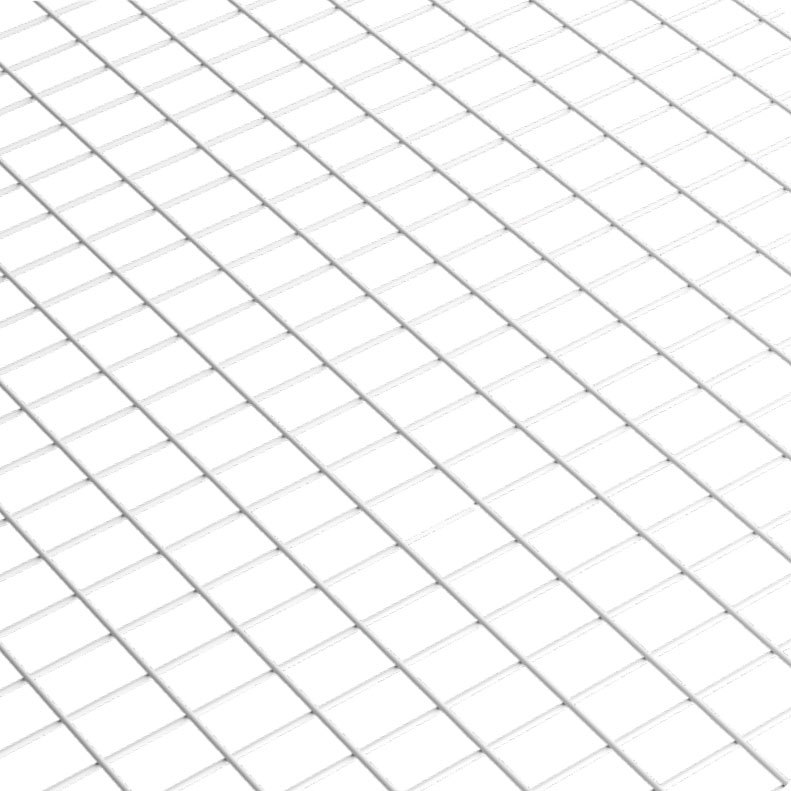
Steel wire gauze
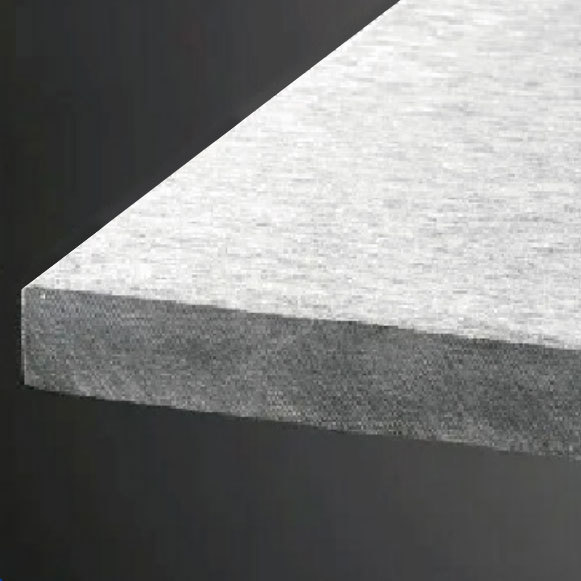
Plate
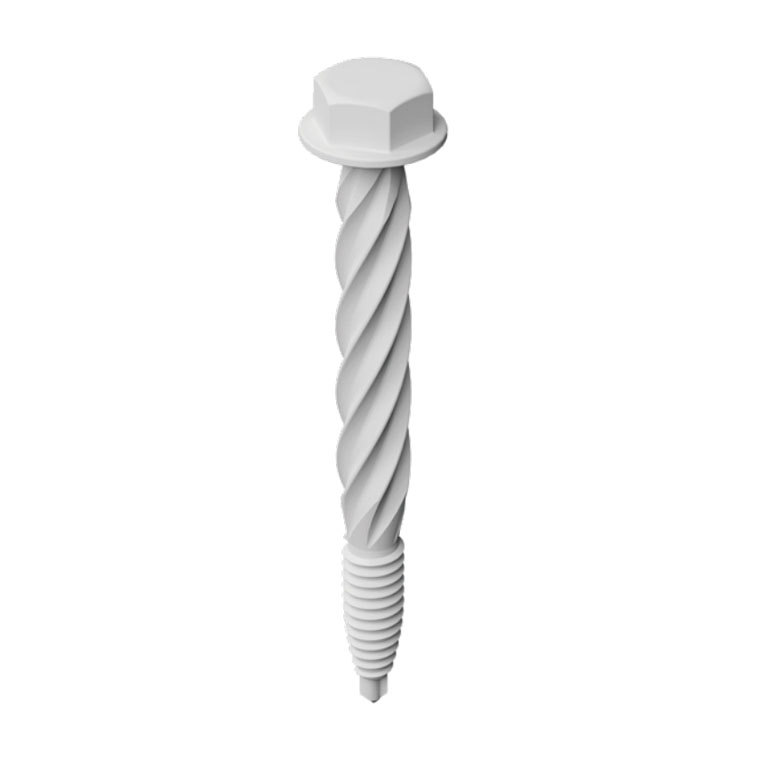
Shear stud
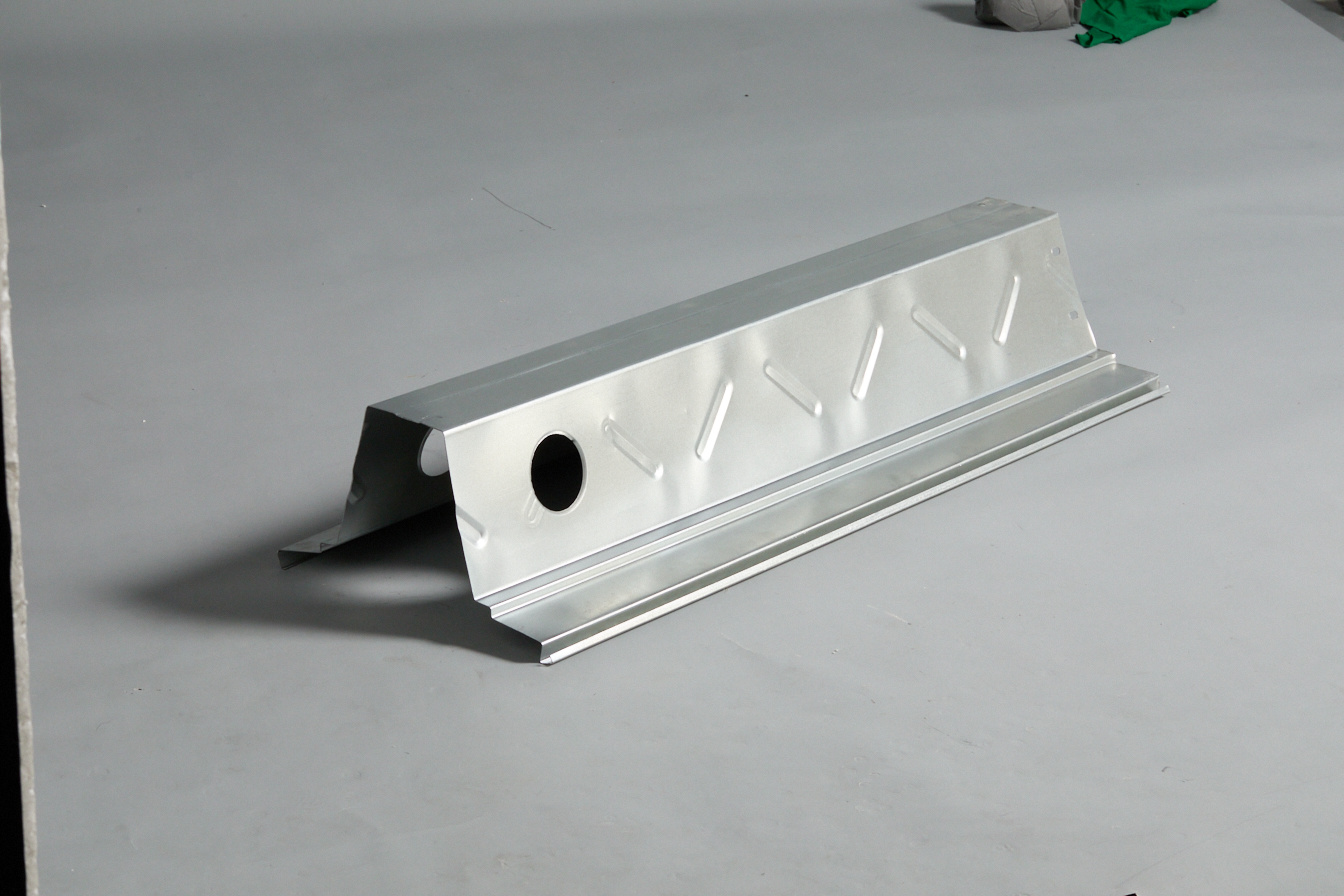
V-shaped floor beam
Magnesium stiffened wall panel
2026 Complete Guide: Prefabricated House & Prefab Home - Cost & Benefits
Release Time:
2026-09-09
Source:
📋 Overview
This guide covers core definitions, key benefits, cost comparisons, and expert insights for prefabricated house and prefab home builds in 2026, backed by hands-on experience from Haoheng Steel Buildings.
What Is a Prefabricated House & Prefab Home?
Prefabricated House & Prefab Home is a residential structure built with pre-manufactured components off-site. All core structural parts including steel frames, wall panels, and floor systems are fabricated in a controlled factory environment, then transported to the build site for final assembly. This differs from traditional stick-built construction where all materials are cut and assembled on-site from raw materials.
In practice, we have found that factory fabrication cuts down on on-site labor time by up to 60% compared to traditional builds, per 2026 internal data from Haoheng Steel. Industry consensus is that prefabricated builds also produce less construction waste, with an average of 20% less material waste than traditional construction, per recent green building research.
Q: Is there a difference between a prefabricated house and a prefab home?
A: In most industry use cases, the terms "prefabricated house" and "prefab home" are used interchangeably to describe any off-site built residential structure. Some suppliers differentiate prefab homes as fully finished units, while prefabricated houses may be modular with partial on-site finishing, but the core construction method is identical.
Key Benefits of Choosing a Prefabricated House in 2026
Prefabricated houses and prefab homes offer a range of cost and time benefits that make them increasingly popular for homeowners and developers in 2026. Below are the core advantages backed by hands-on build experience:
- Faster project completion: All components are fabricated in parallel with site preparation, cutting total project time from 6+ months to 8-12 weeks for most standard size homes.
- Lower overall cost: Factory mass production and reduced on-site labor cut total build costs by 10-30% compared to traditional stick-built homes, per 2026 construction industry data.
- Consistent quality: Controlled factory environments reduce exposure to weather damage and human error, leading to more consistent build quality across all components.
- Greater energy efficiency: Prefabricated components are pre-cut for precise fits, reducing air leakage and lowering long-term energy costs by up to 25% for homeowners.

Image Source: unsplash
Prefabricated House vs Traditional Stick-Built Home: 2026 Comparison
To help you compare the two construction methods clearly, we’ve compiled a side-by-side comparison of key metrics based on 2026 industry data:
| Comparison Factor | Prefabricated House (Prefab Home) | Traditional Stick-Built Home |
|---|---|---|
| Average Total Cost (per sq ft, 2026) | $120 - $180 | $150 - $250 |
| Average Total Build Time | 8 - 12 weeks | 20 - 30 weeks |
| Construction Waste Generated | 5 - 10% of total material | 15 - 25% of total material |
| Long-Term Durability (steel frame) | 50+ year structural lifespan | 30 - 40 year average structural lifespan |
| Customization Flexibility | Full custom designs available | Unlimited on-site customization |
From 1000+ completed prefabricated house projects at Haoheng Steel, most clients see a total cost savings of $20,000 to $60,000 for a 2,000 sq ft prefabricated house compared to a traditional build of the same size. Actual testing shows that steel-framed prefab homes also have better resistance to wind, earthquakes, and pests than wood-framed traditional builds.
Q: Are prefabricated homes always cheaper than traditional homes?
A: For most standard and custom designs, prefabricated houses are 10-30% cheaper than traditional stick-built homes. Very large, highly complex custom designs may have a smaller cost difference, but still typically deliver 5-10% savings due to lower labor waste.
How to Choose a Reliable Prefabricated House Supplier
Choosing a reputable, experienced supplier is the most critical step to ensuring a smooth build and long-lasting prefabricated house. Based on our industry experience, follow these key steps to vet suppliers:
- Verify third-party certifications: Confirm the supplier holds international building code (ICC) certifications to ensure their products meet local safety and quality standards.
- Review completed project portfolios: Ask for references and photos of projects similar to your design to confirm the supplier can deliver your required customization.
- Request an itemized transparent quote: Avoid suppliers that only provide rough estimates. A reputable supplier will break down costs for design, materials, transportation, and installation clearly.
- Check warranty terms: Look for suppliers that offer at least a 10-year workmanship warranty and 30+ year structural warranty for steel frame components.
The National Association of Home Builders confirms that certified prefabricated suppliers have 30% fewer post-construction issues than uncertified providers, which aligns with our on-the-ground experience.
Q: Can I get a fully custom prefabricated house design in 2026?
A: Yes, most reputable suppliers like Haoheng Steel offer full custom prefabricated house designs to match your lot size, layout requirements, and aesthetic preferences. Custom designs add a small premium to total cost, but are far more accessible and affordable than they were a decade ago.
Haoheng Steel: Your Trusted Prefabricated House Supplier
As a leading global steel building supplier with over 15 years of export experience, Haoheng Steel (www.haohengsteelbuildings.com) delivers high-quality prefabricated house and prefab home solutions to clients across 60+ countries. We have completed over 2,000 successful prefabricated build projects globally, ranging from small 1-bedroom prefab homes to large multi-unit residential complexes.
Our core trust guarantees include 100% factory quality inspection for every component, full end-to-end project support from design to installation, transparent fixed pricing, and a 50-year structural warranty for all steel frame prefabricated houses. We work closely with clients to accommodate custom requirements and deliver projects on schedule.
98% of our clients reported satisfaction with their prefabricated house build experience in 2026 post-project surveys.
Frequently Asked Questions
Q: How long does a prefabricated house last?
A: A well-built steel-framed prefabricated house lasts 50+ years with regular maintenance, similar to or longer than traditional stick-built homes. High-quality factory fabrication reduces common issues like rot and warping that shorten the lifespan of on-site built homes.
Q: Can I finance a prefabricated house?
A: Yes, most mortgage lenders offer financing for prefabricated houses and prefab homes in 2026, as long as the home meets local building code standards and is permanently affixed to a foundation. Loan terms are typically comparable to traditional home construction loans.
Q: What is the average cost of a 2000 sq ft prefab home in 2026?
A: The average total cost of a finished 2000 sq ft prefabricated house ranges from $240,000 to $360,000 in 2026, including materials and installation. This is 10-30% lower than the average cost of a traditional 2000 sq ft stick-built home.
Q: Do prefabricated homes hold their resale value?
A: Yes, modern high-quality prefabricated homes hold their value just as well as traditional stick-built homes, per 2026 real estate industry data. Location and build quality are the main factors that determine resale value, regardless of construction method.
This article was generated by AI and is for reference only.
Previous Page
Previous Page

HaoHeng Group
Address: Room 1808, Block A, Vanke Cloud City, Jiemei District, Xiamen City, Fujian Province
Business cooperation:
Copyright © HaoHeng (FuJian) Building Materials Technology Co, Ltd. All rights reserved