

-

 Pakistan
Marketing Service Outlets
 Papua New Guinea
Marketing Service Outlets
 Egypt
EgyptMarketing Service Outlets
 Australia
Marketing Service Outlets
 Brazil
Marketing Service Outlets
 Colombia
Marketing Service Outlets
 Russia
Marketing Service Outlets
 Germany
Marketing Service Outlets
 Poland
Marketing Service Outlets
 the Philippines
Marketing Service Outlets
 Kazakhstan
Marketing Service Outlets
 Malaysia
Marketing Service Outlets
 America
Marketing Service Outlets
 Kyrgyzstan
Marketing Service Outlets
 Canada
Marketing Service Outlets
 Peru
PeruMarketing Service Outlets
 Nigeria
Marketing Service Outlets
 Morocco
Marketing Service Outlets
 South Africa
Marketing Service Outlets
 Japan
JapanMarketing Service Outlets
 Slovakia
Marketing Service Outlets
 New Zealand
Marketing Service Outlets
 Hungary
Marketing Service Outlets
 Thailand
Marketing Service Outlets
 Spain
SpainMarketing Service Outlets
 Indonesia
Marketing Service Outlets
 Italy
ItalyMarketing Service Outlets
 Vietnam
Marketing Service Outlets
Steel Pipe ColumnSteel Pipe Column ConnectorsMain Beam | Secondary BeamPrefabricated StairsRound Pipe PileFlat Steel PileGroup PileCap PileNew Building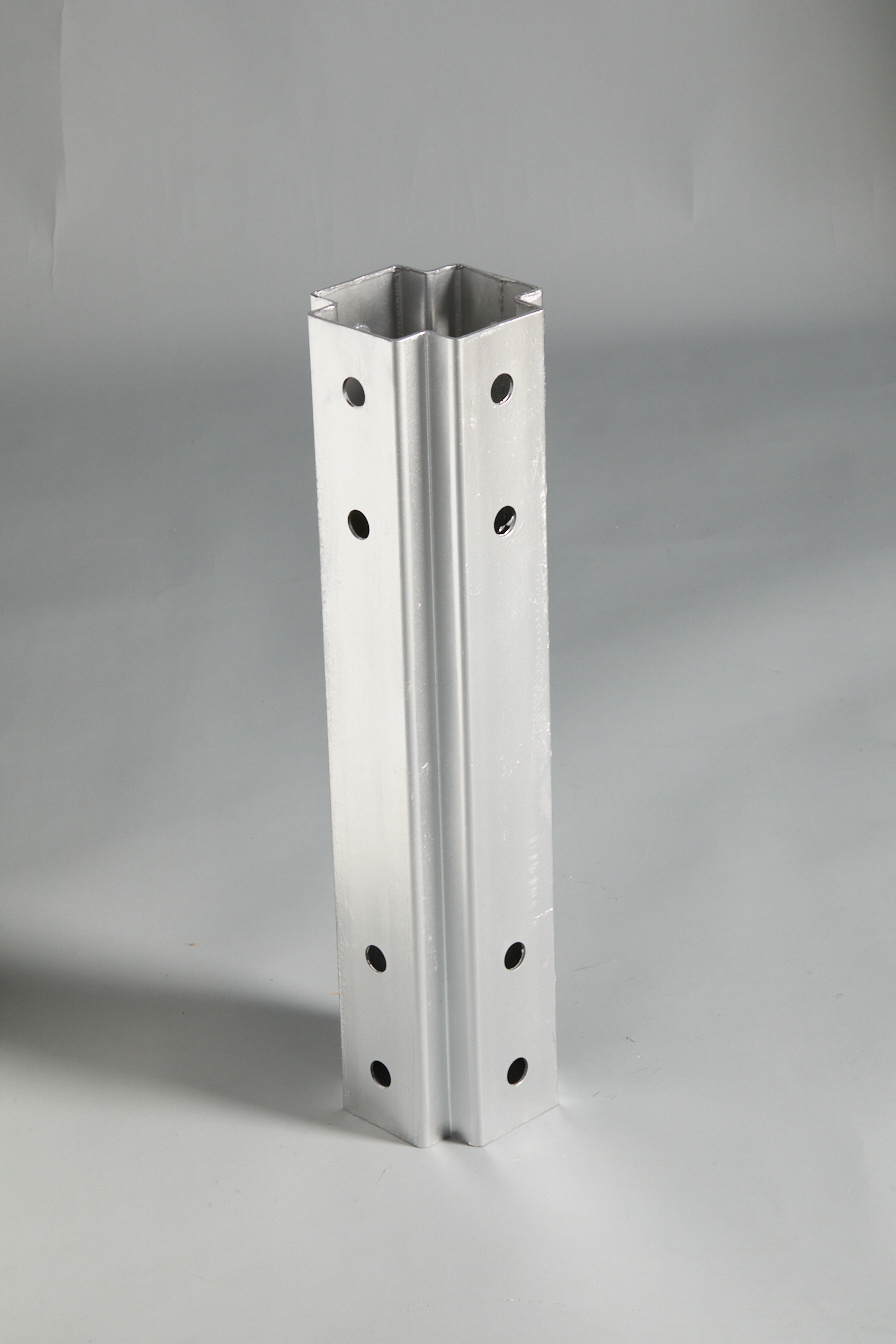
Cross column

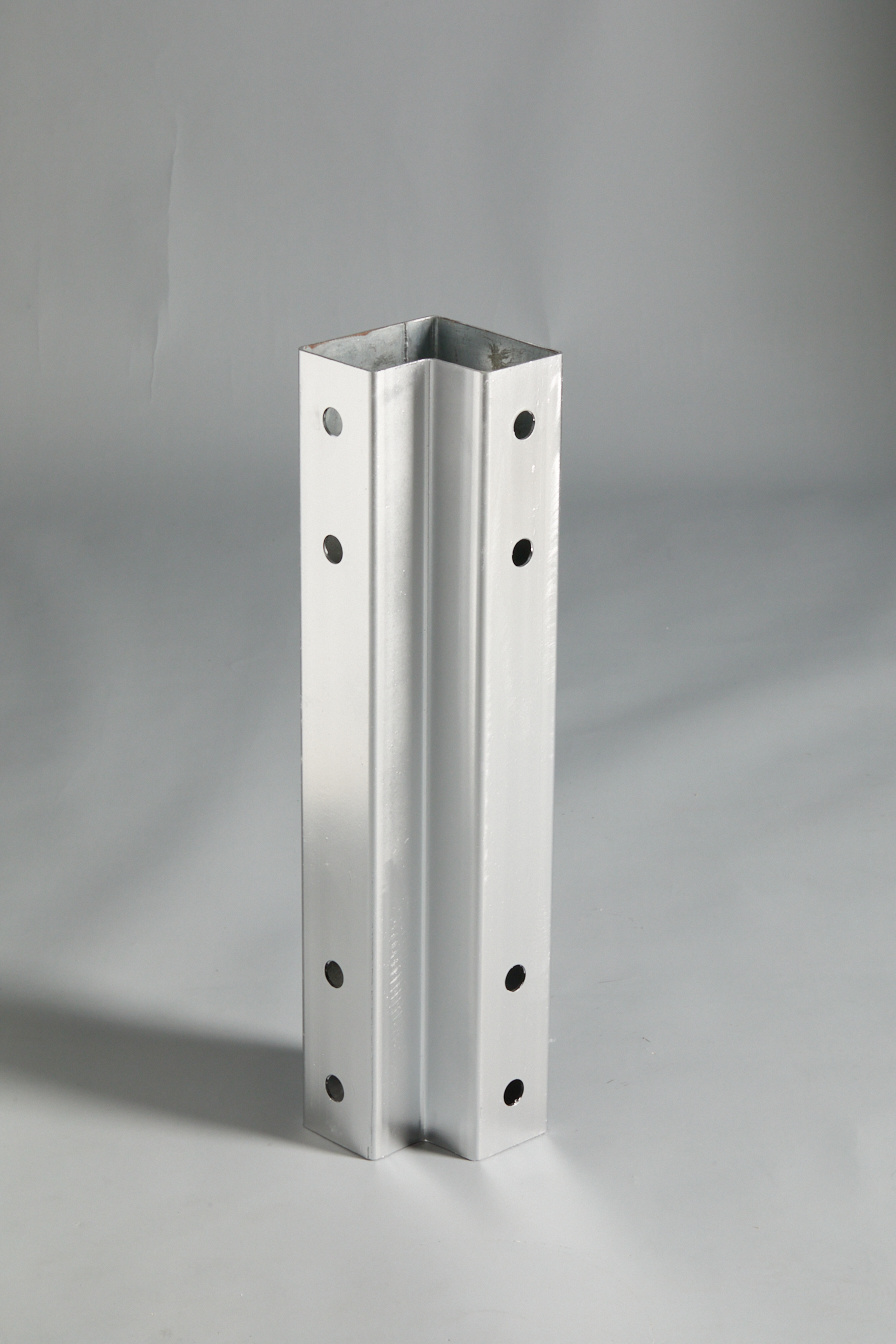
L-shaped column
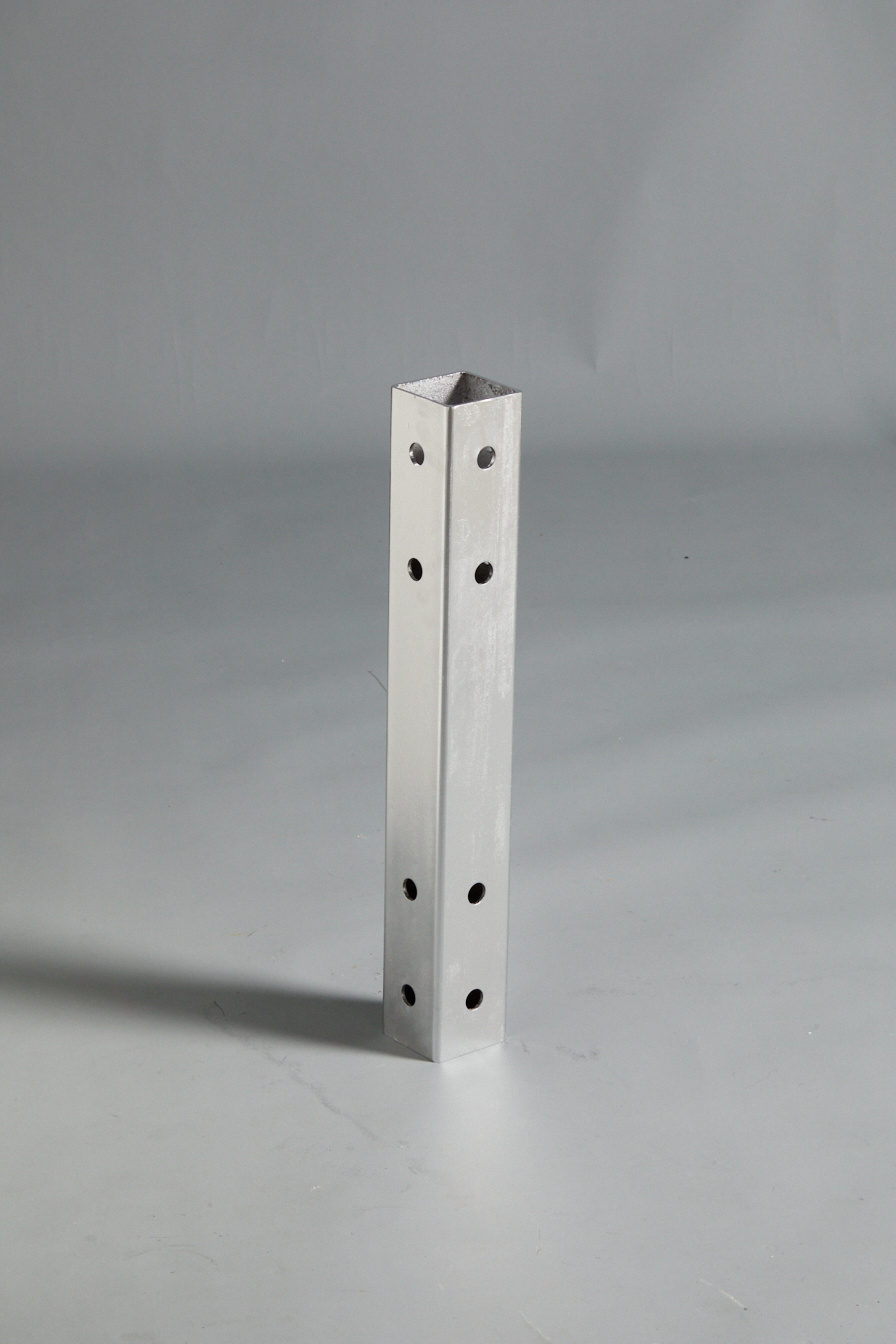
Square tube column

T-shaped column
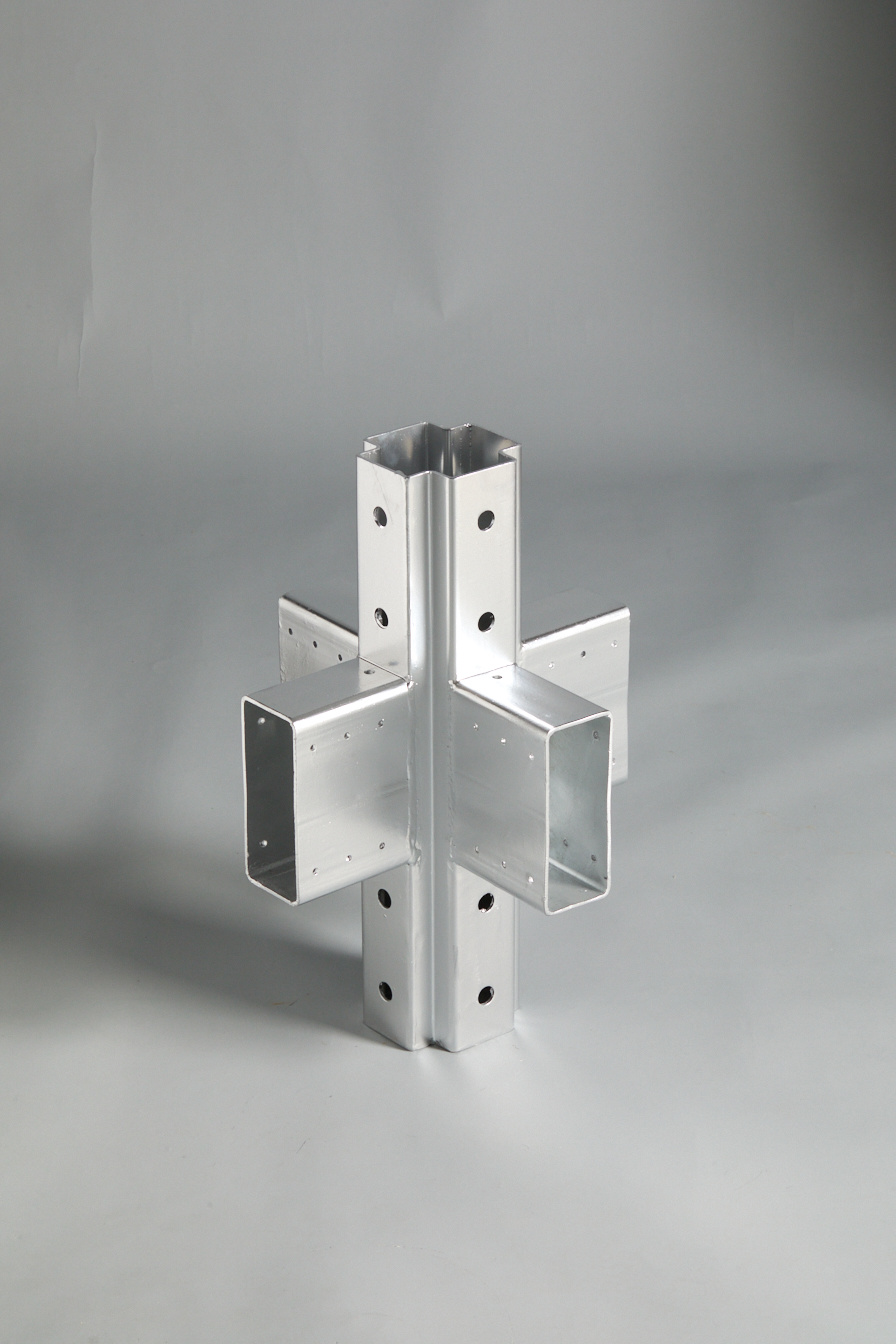
Cross column connector

L-shaped column connector

T-shaped column connector
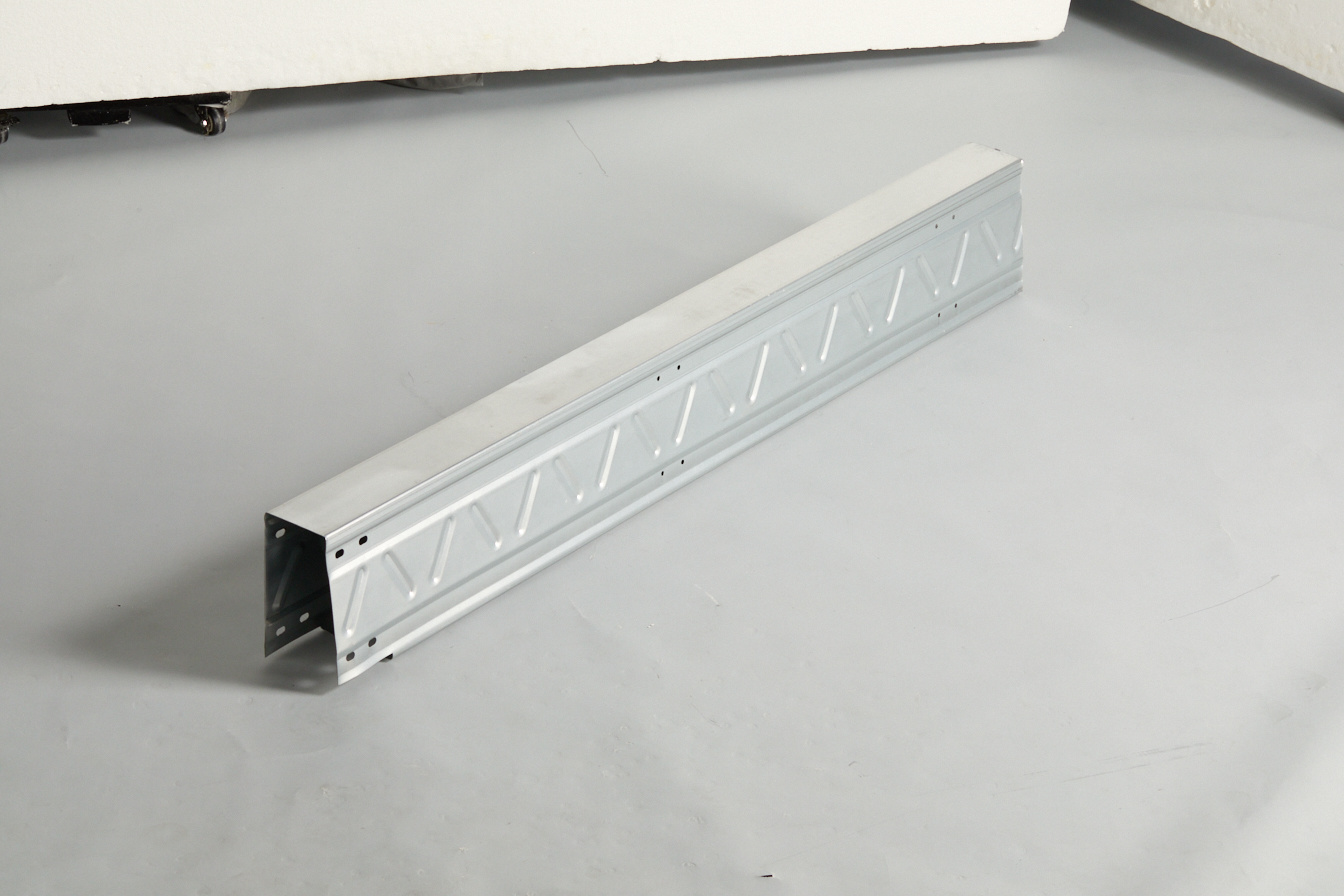
195 inner flipped edge - eight shaped reinforcing rib
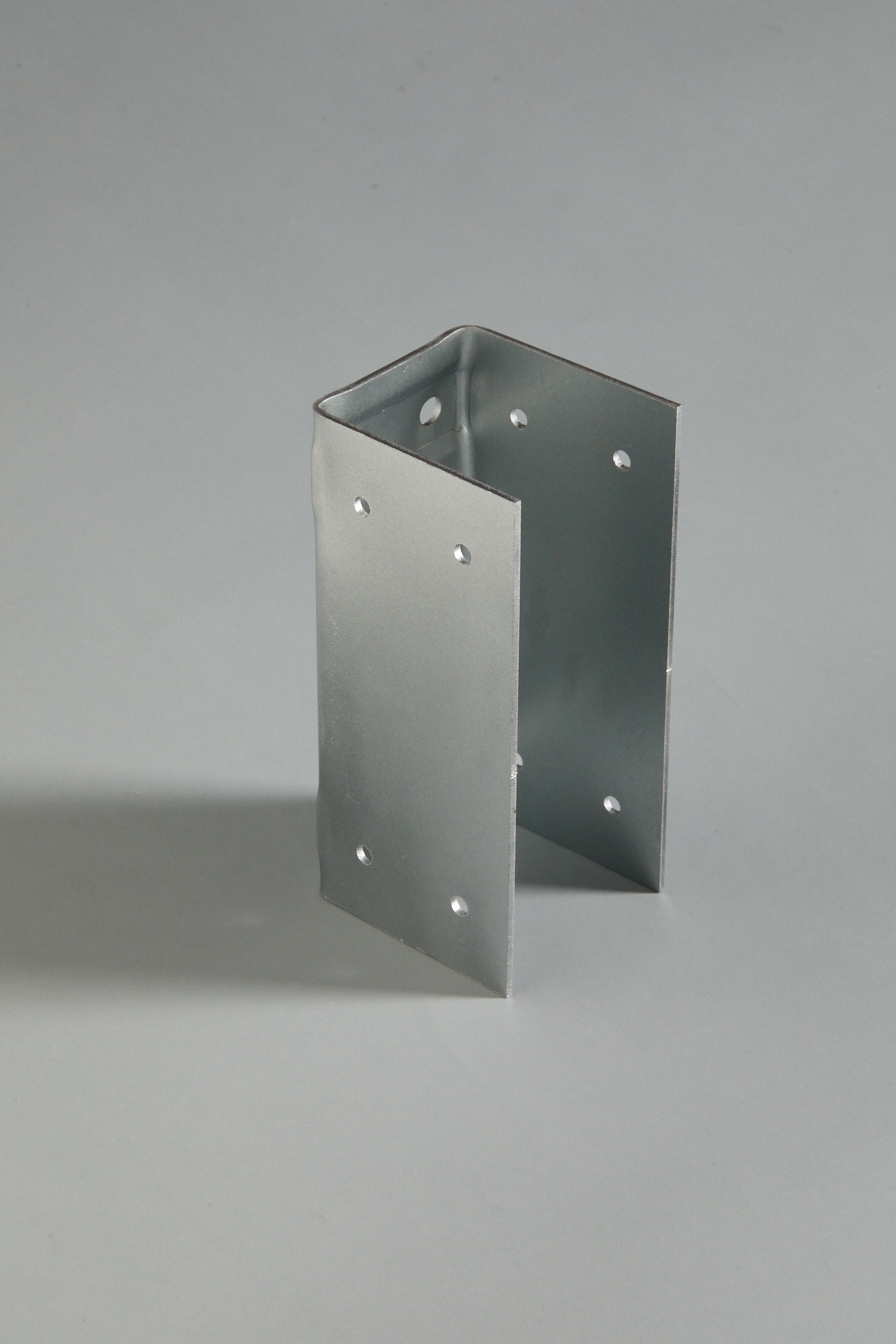
Frame small U connector
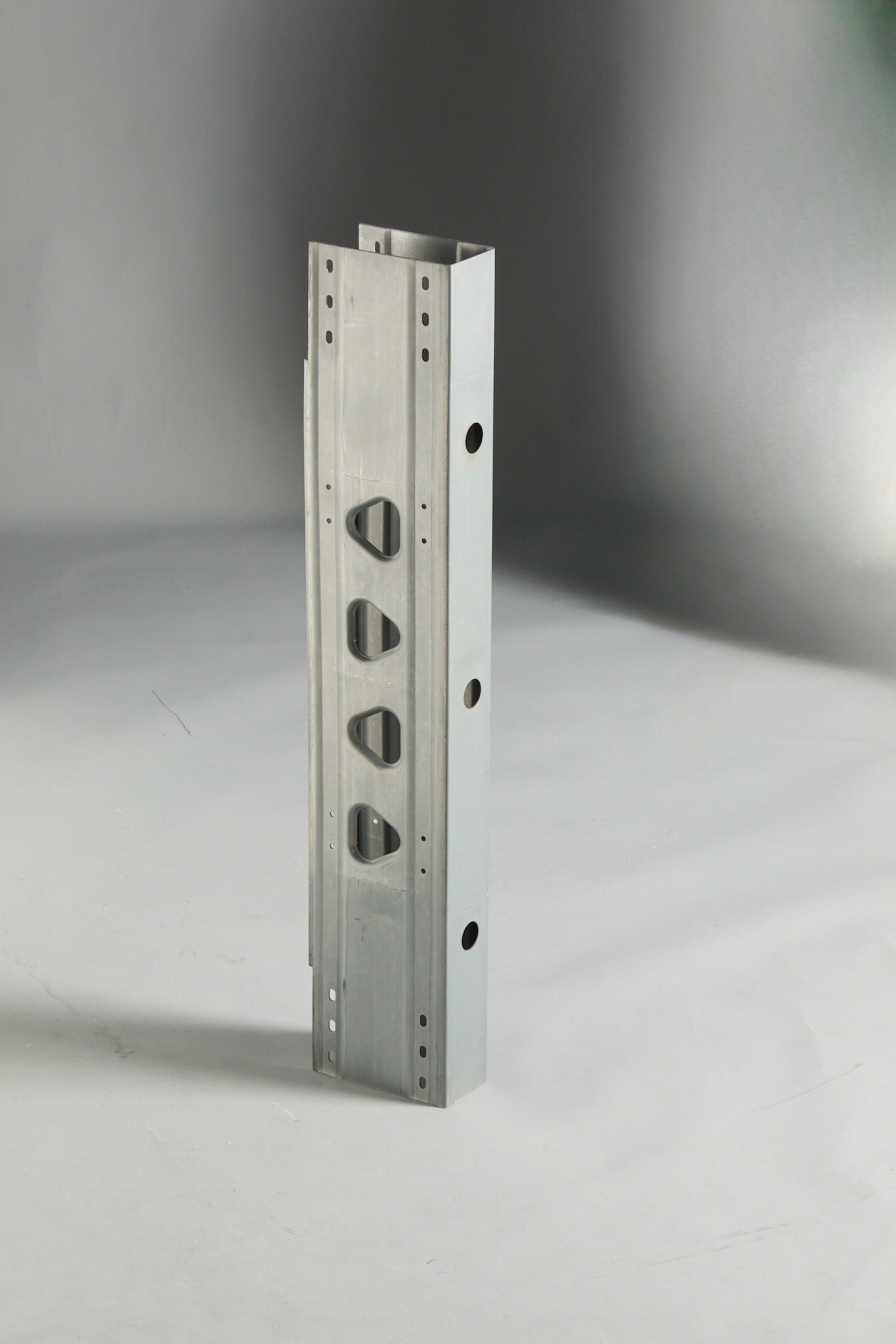
195 Inverted Edge - Triangle Reinforcement
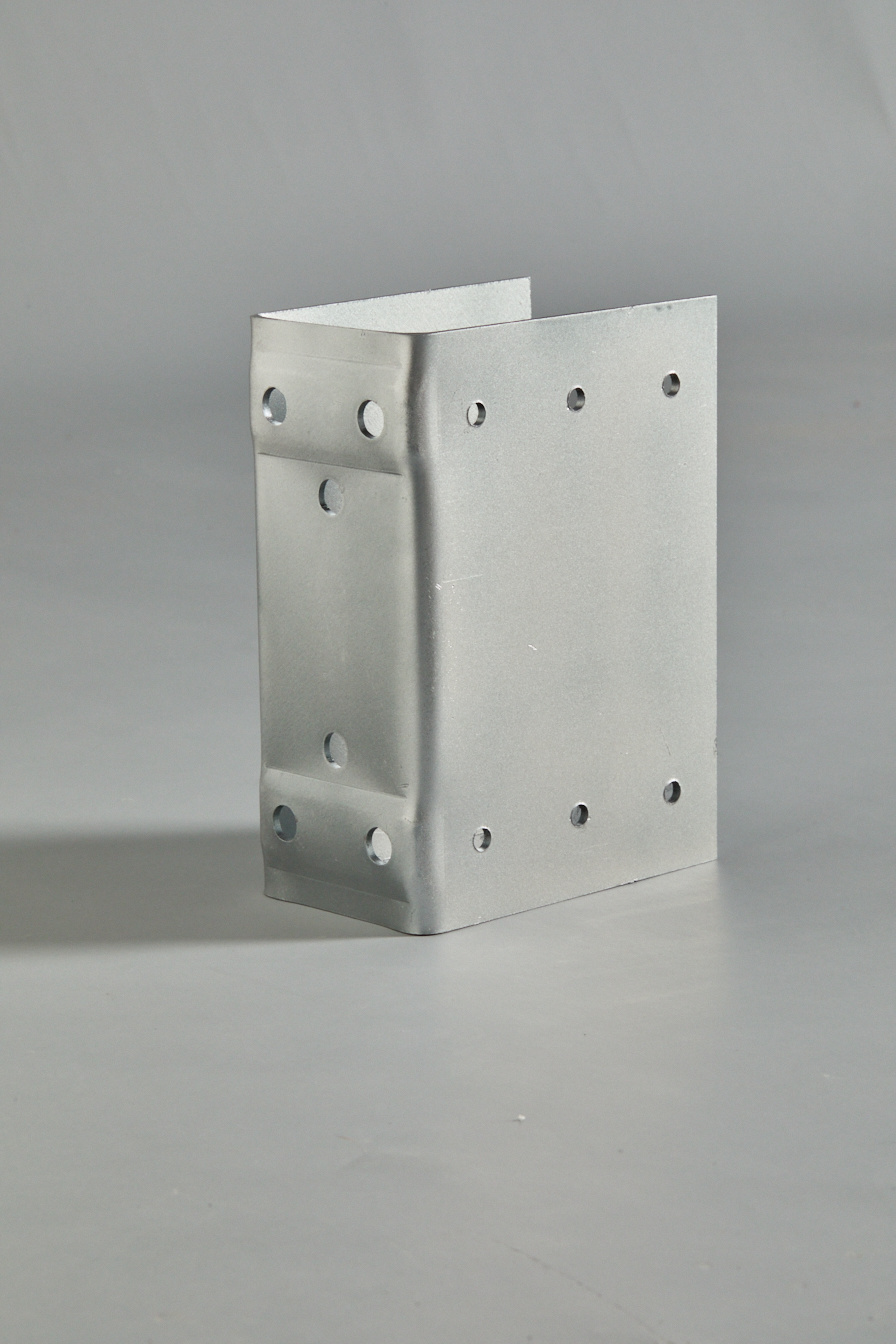
Frame large U connector
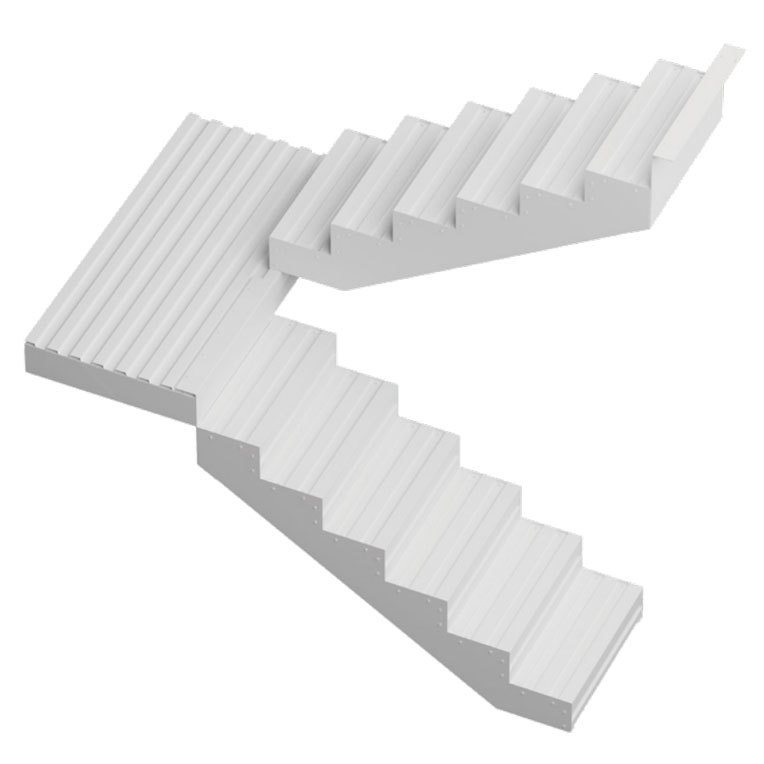
Prefabricated stairs
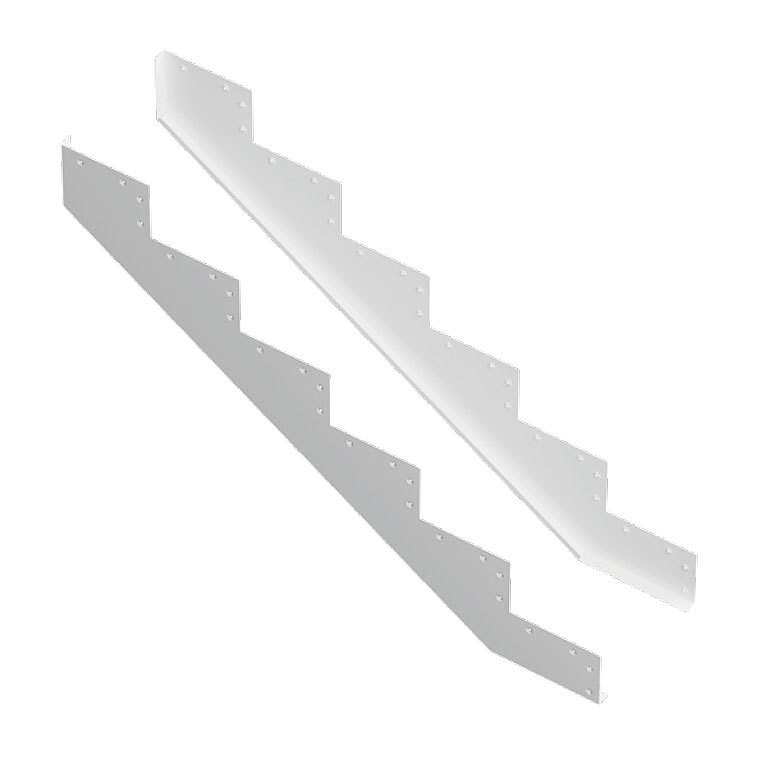
Staircase side panels
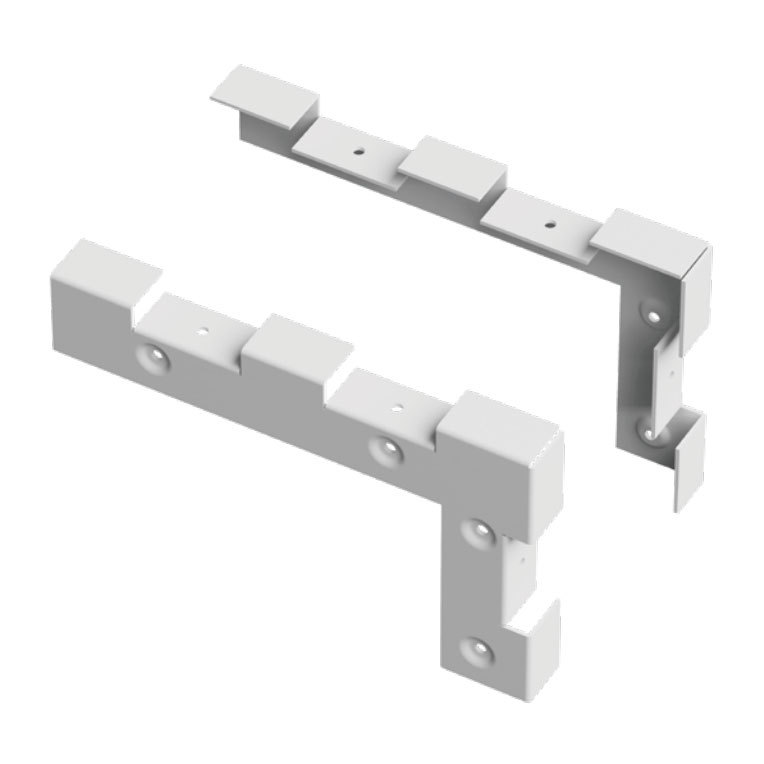
Staircase angle steel
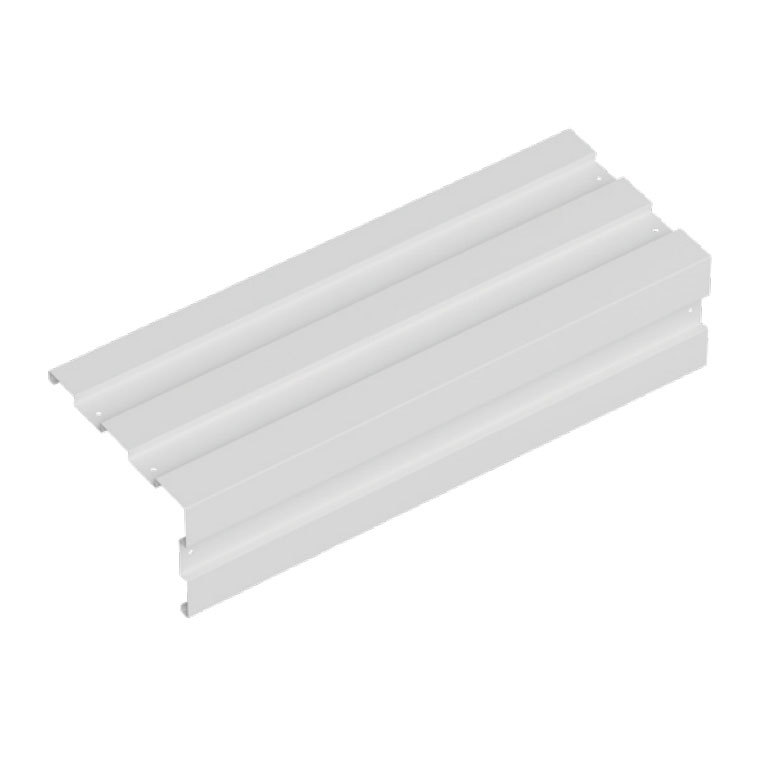
Stair steps
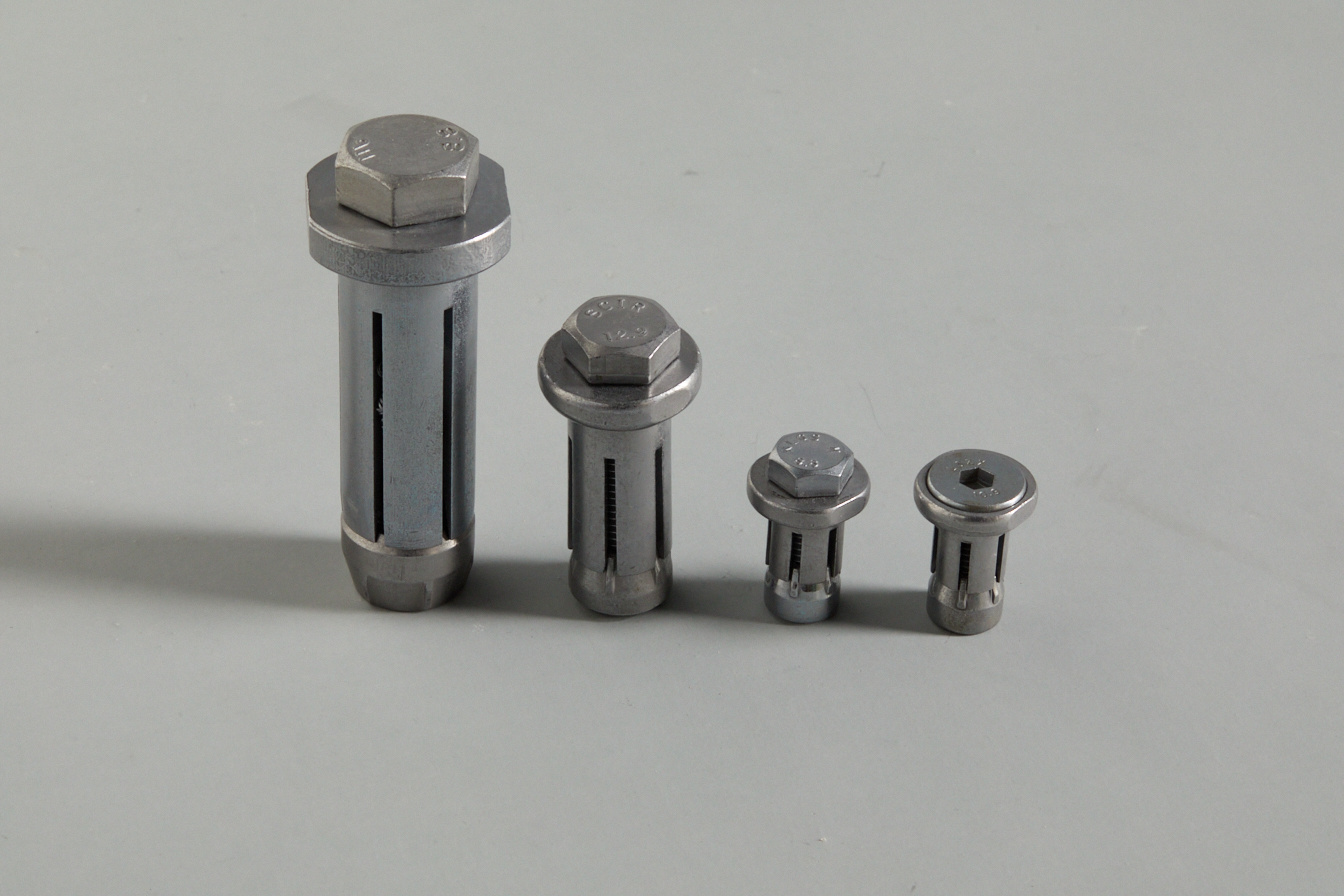
One-Way Bolt
Helical Pile System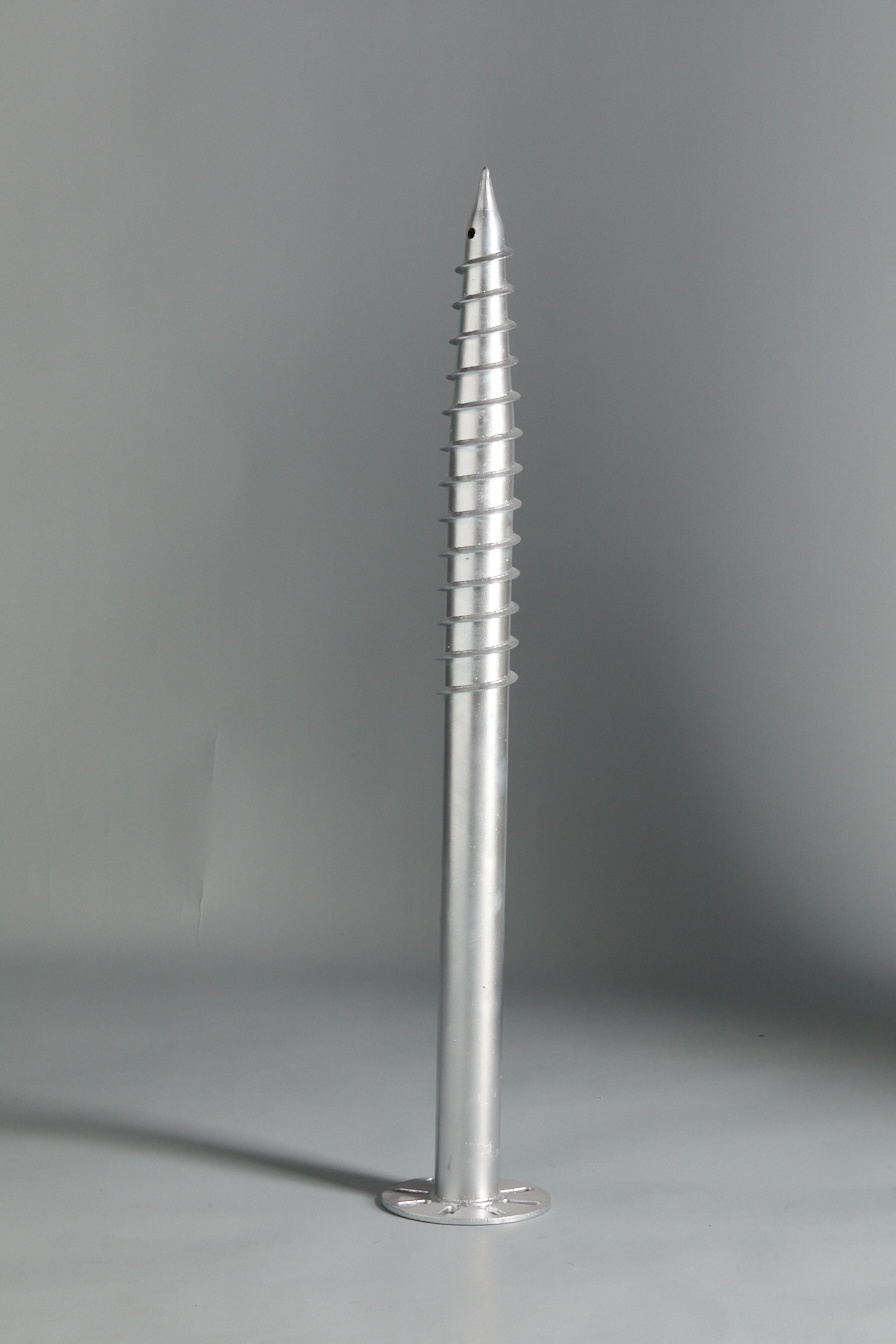
Round Pipe Screw Pile| Reliable Helical Pile Manufacturer| Patented Foundation Solution
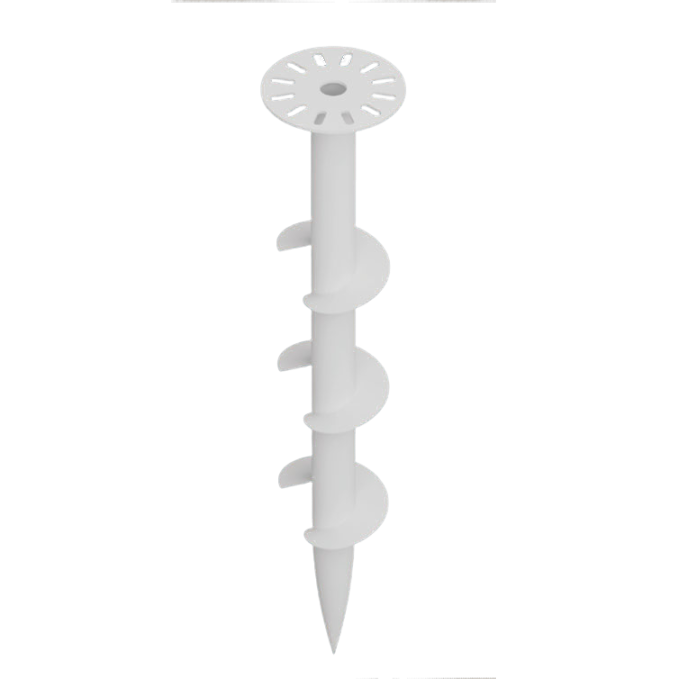
Screw Pile - 3 Blades - Round Pipe Pile
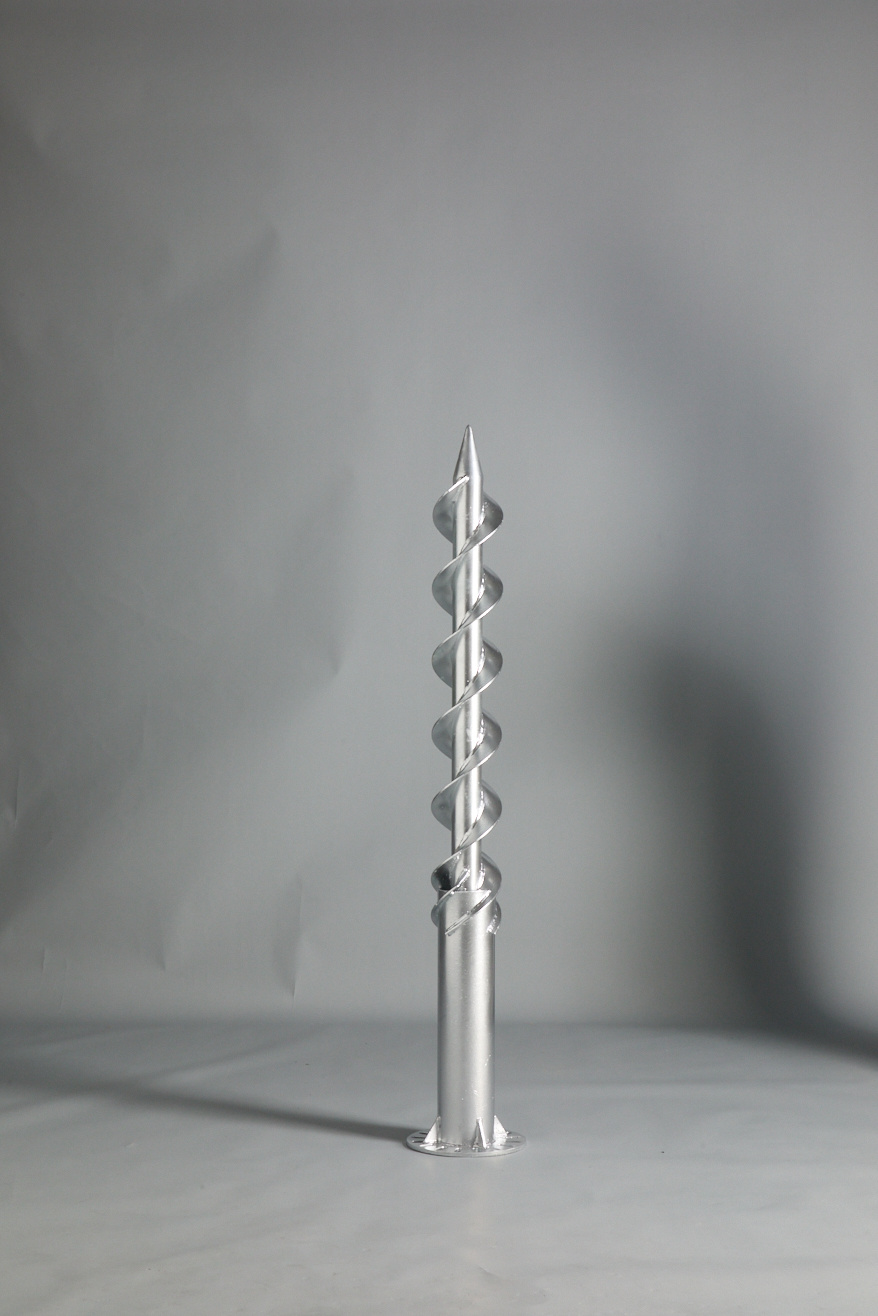
Double-Helix Screw Pile | Patented Foundation Solution
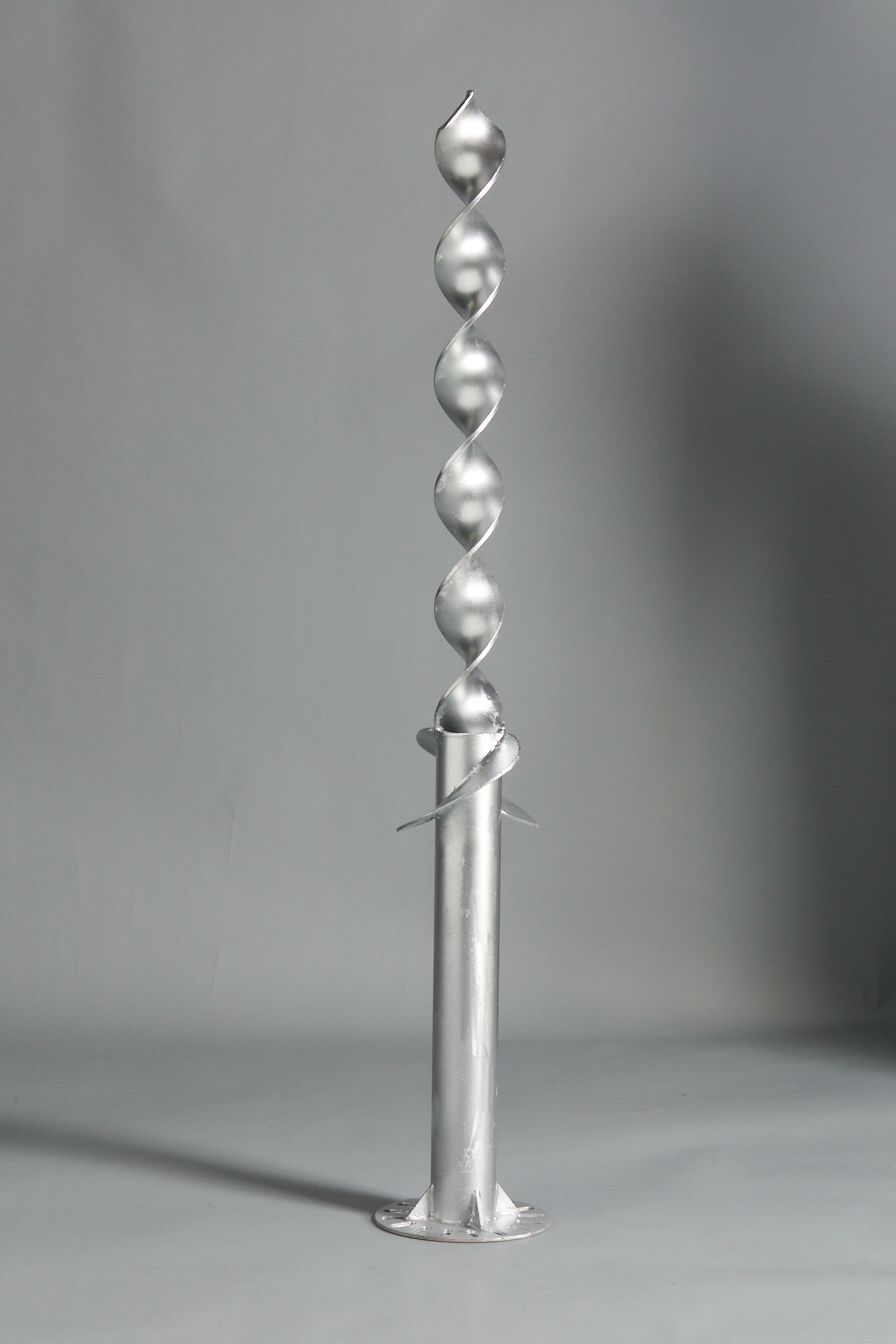
Screw Pile - Large Blade Flat Steel Pile
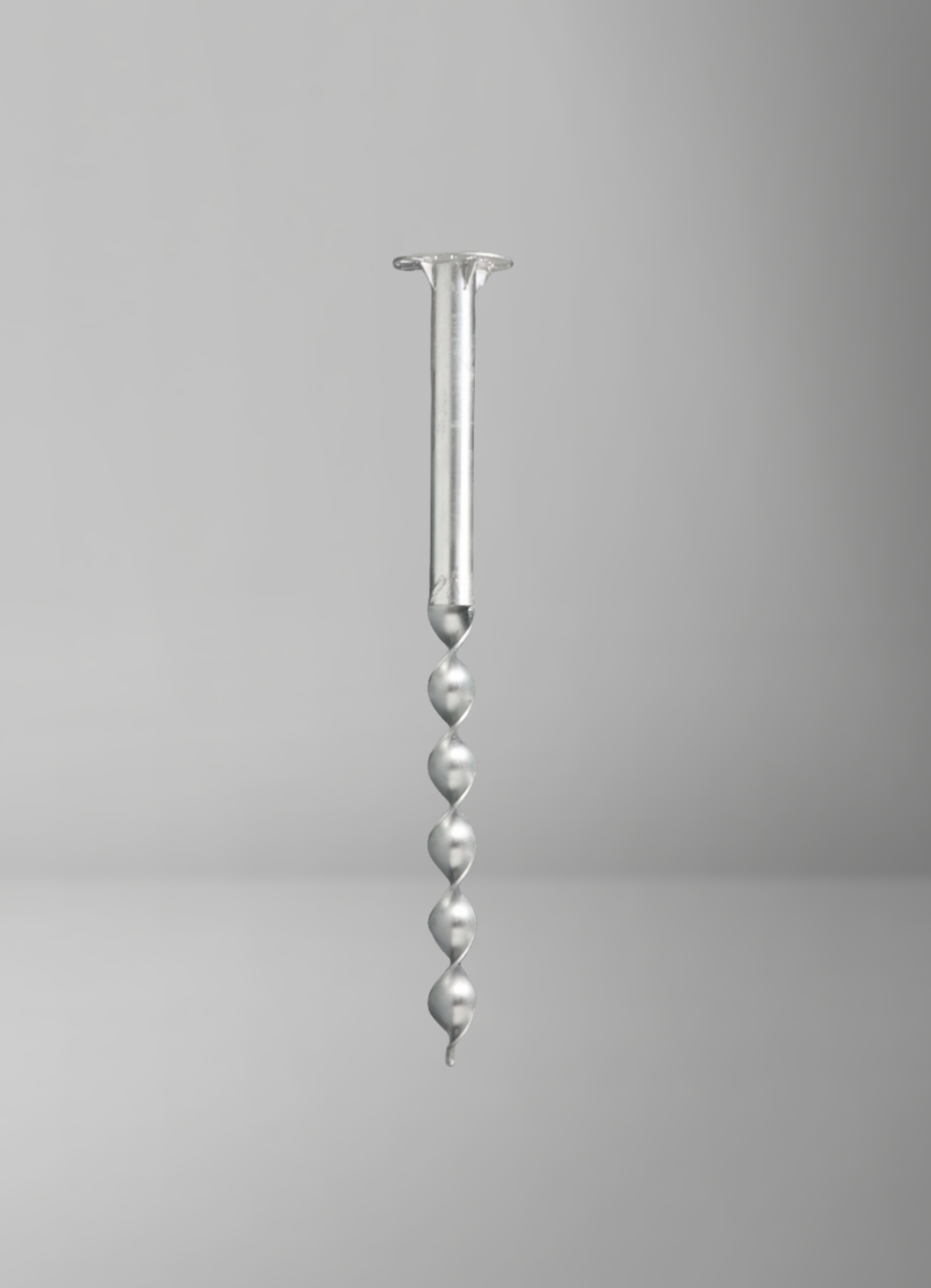
Flat Steel Screw Pile| Reliable Helical Pile Manufacturer| Patented Foundation Solution
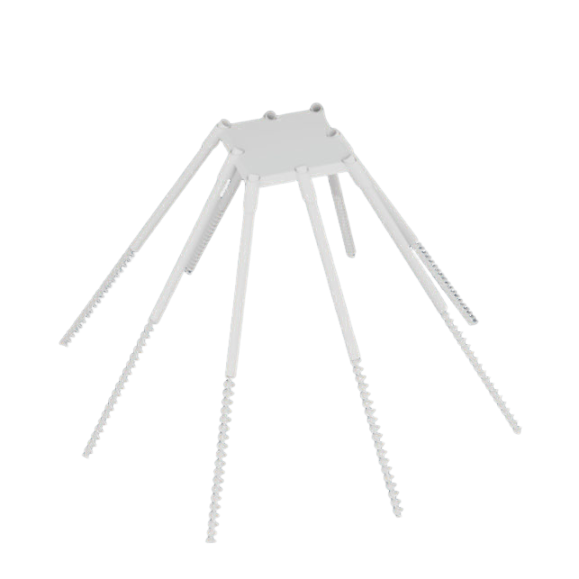
Eight-Pile Group Screw Piles| Reliable Helical Pile Manufacturer| Patented Foundation Solution
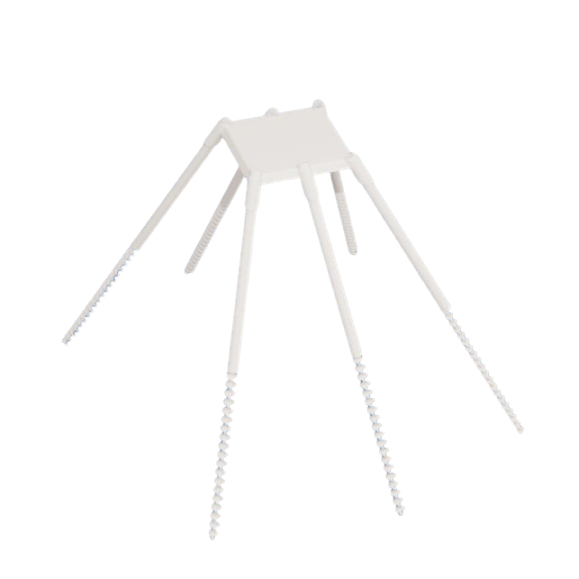
Six-Pile Group Screw Piles| Reliable Helical Pile Manufacturer| Patented Foundation Solution
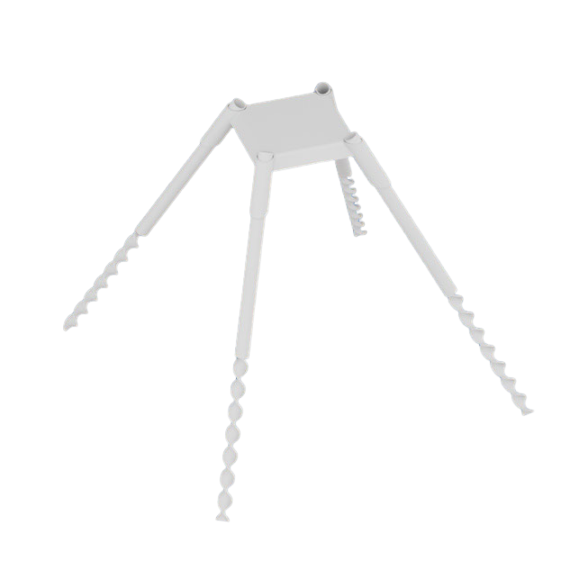
Four-Pile Group Screw Piles| Reliable Helical Pile Manufacturer| Patented Foundation Solution
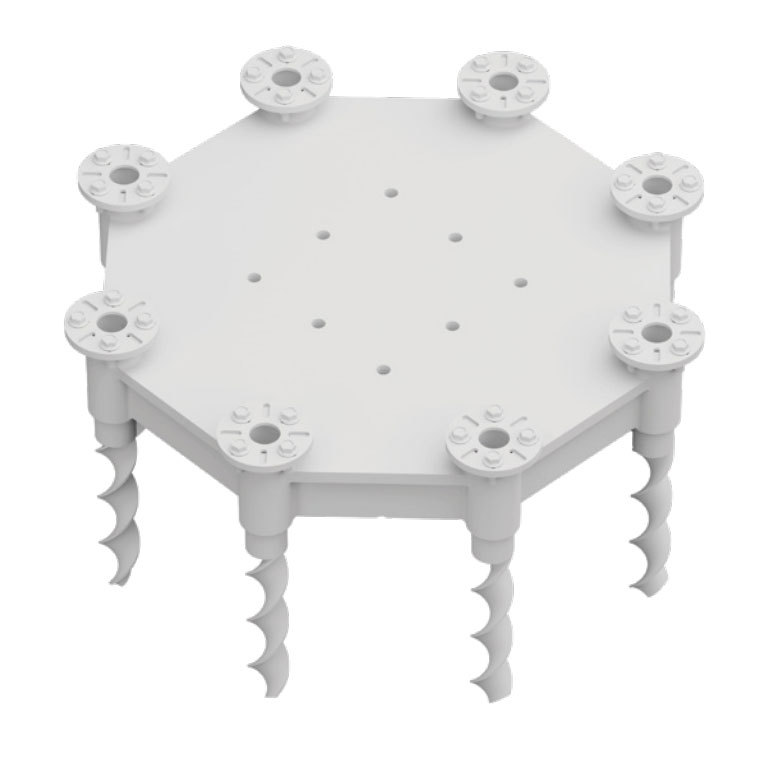
Eight-Pile Cap Screw Pile | Reliable Helical Pile Manufacturer| Patented Foundation Solution
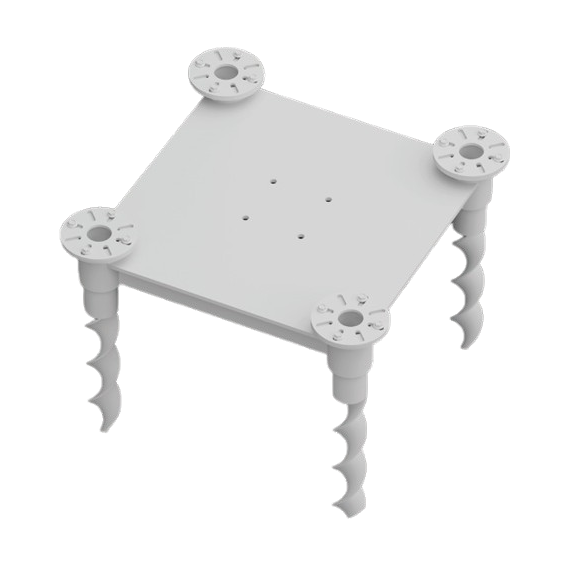
Four-Pile Cap Screw Pile | Reliable Helical Pile Manufacturer| Patented Foundation Solution
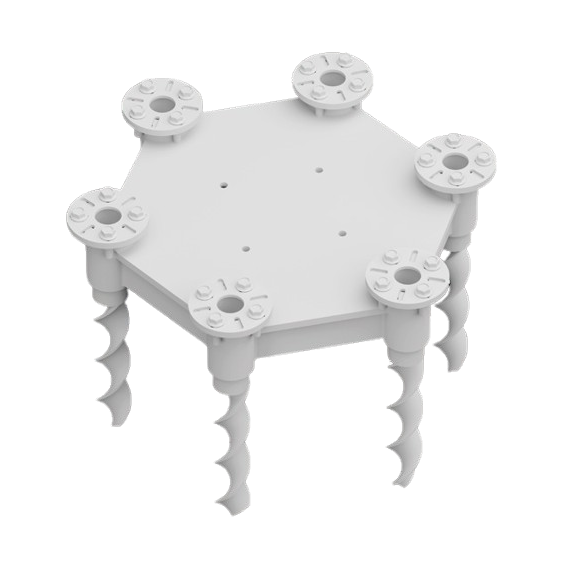
Six-Pile Cap Screw Pile | Reliable Helical Pile Manufacturer| Patented Foundation Solution
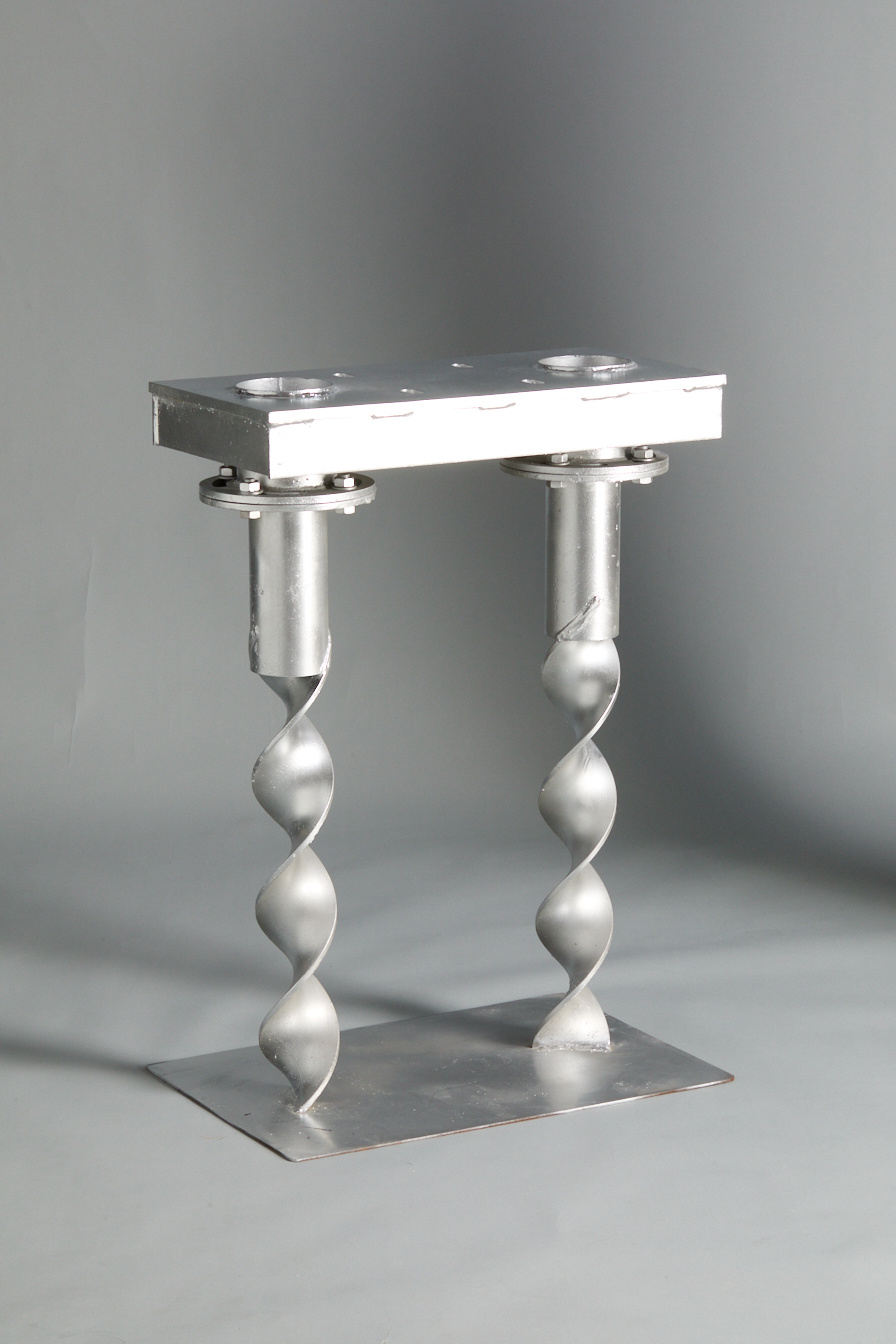
Two-Pile Cap Screw Pile | Reliable Helical Pile Manufacturer| Patented Foundation Solution
Steel Platform System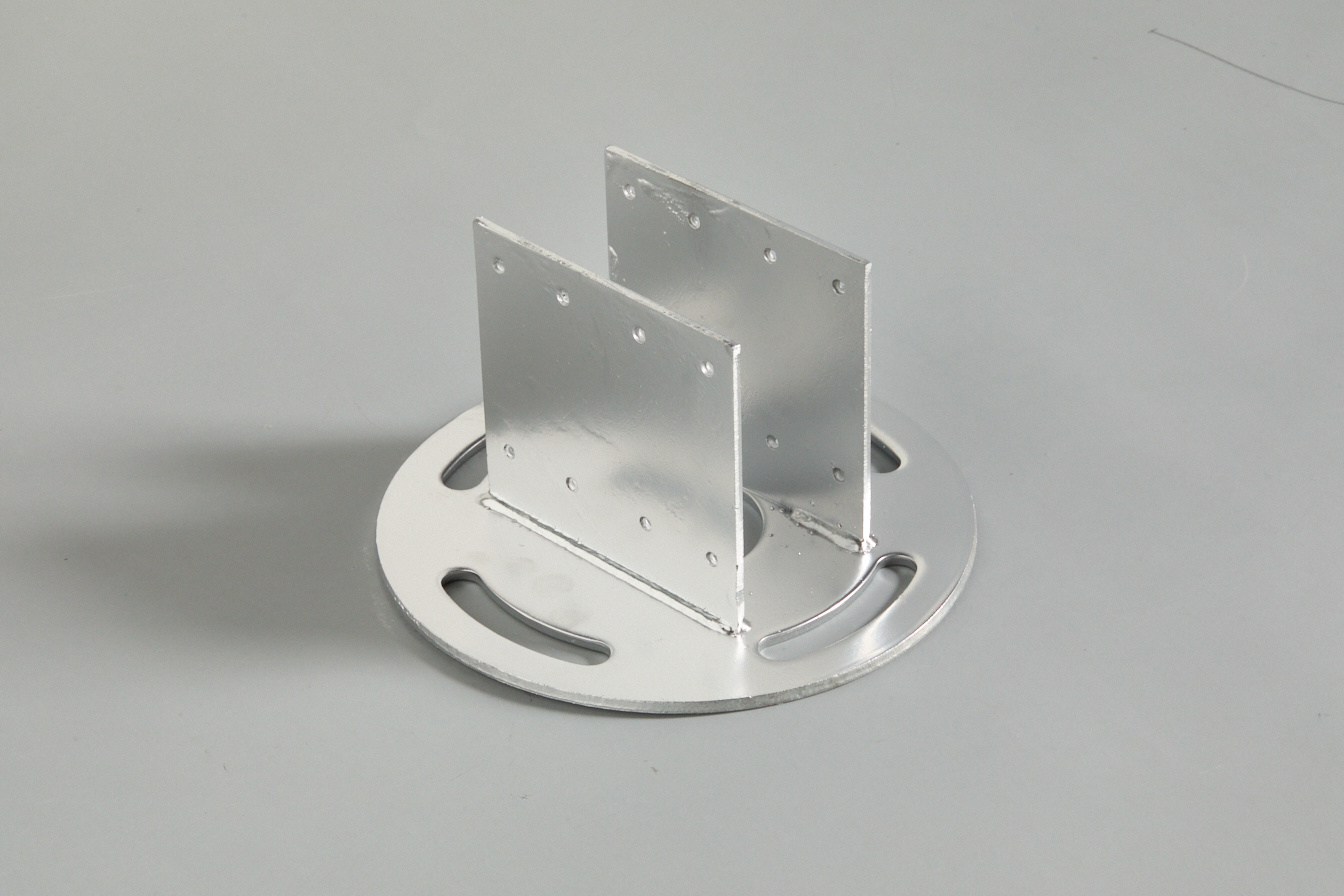
Spiral pile connectors
Small U connector
Large U connector
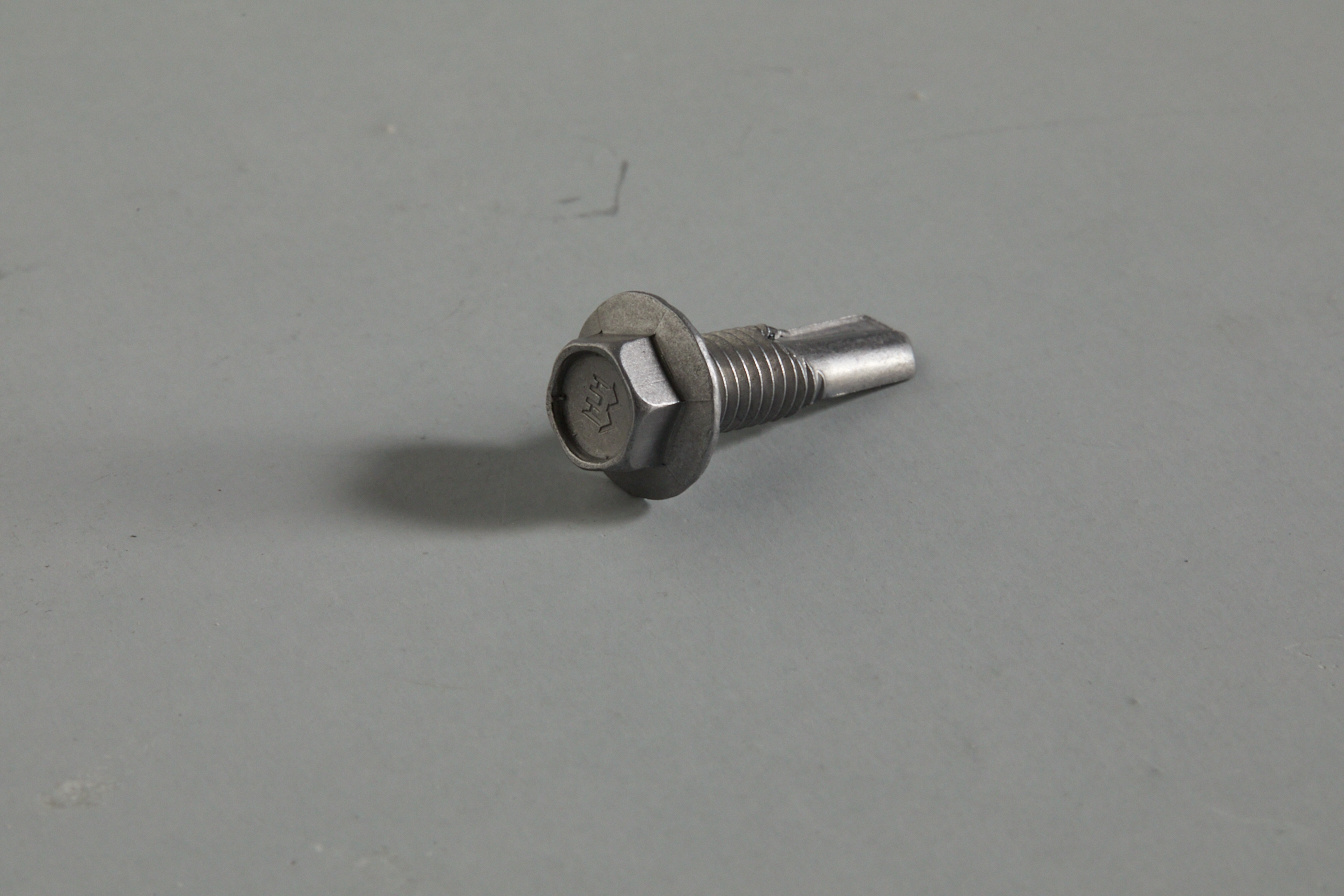
Hexagonal flange self drilling and self tapping screws
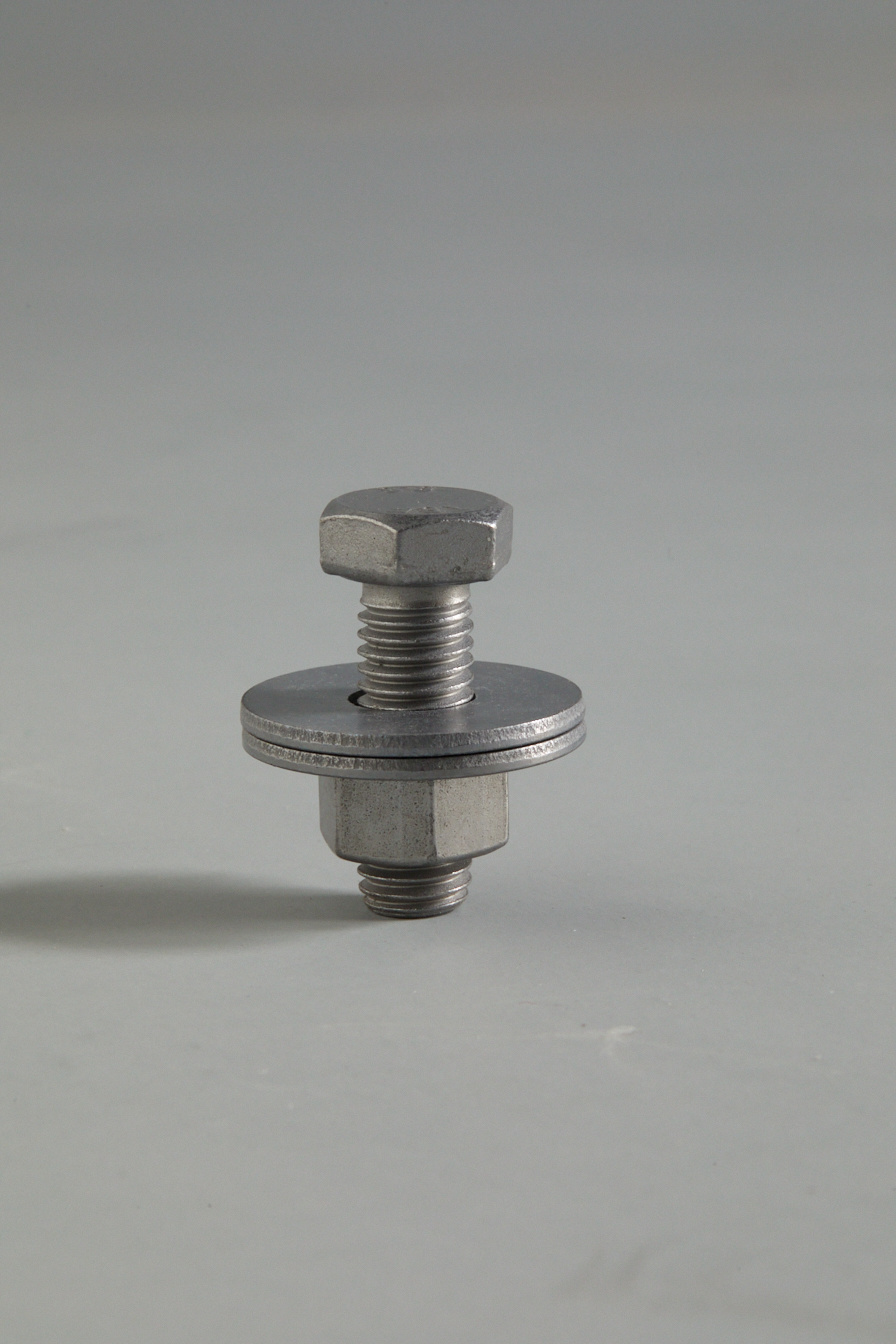
Tightening Bolts
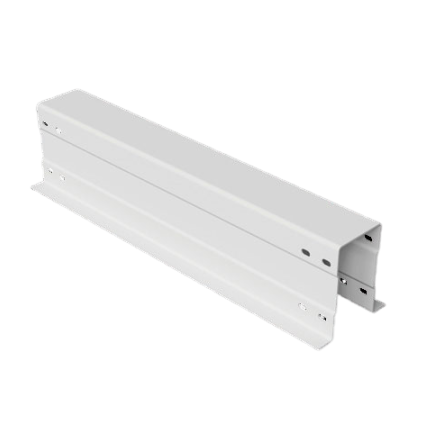
Secondary Beam
Steel Platform - Main Beam
Modular building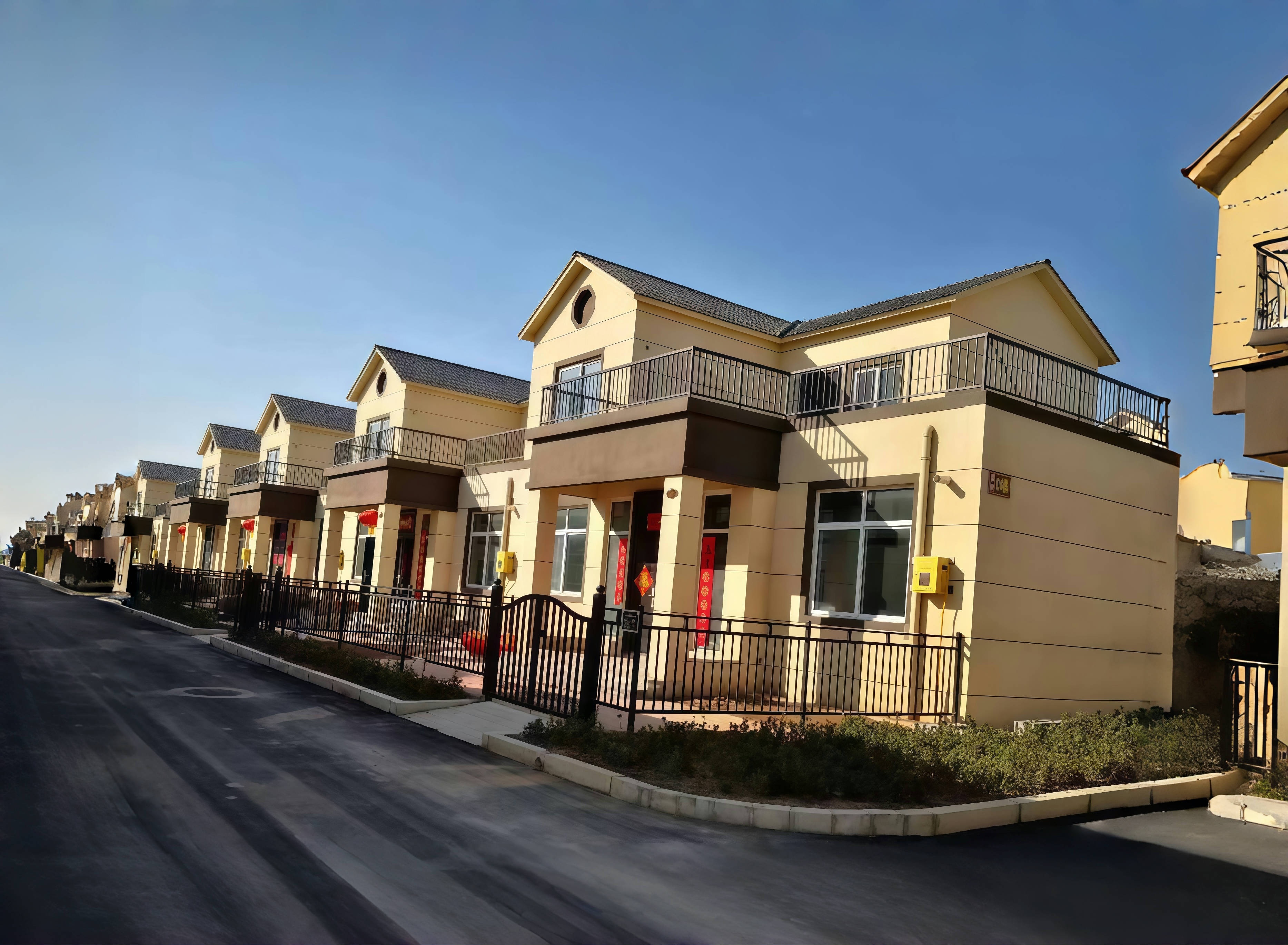
Modular building
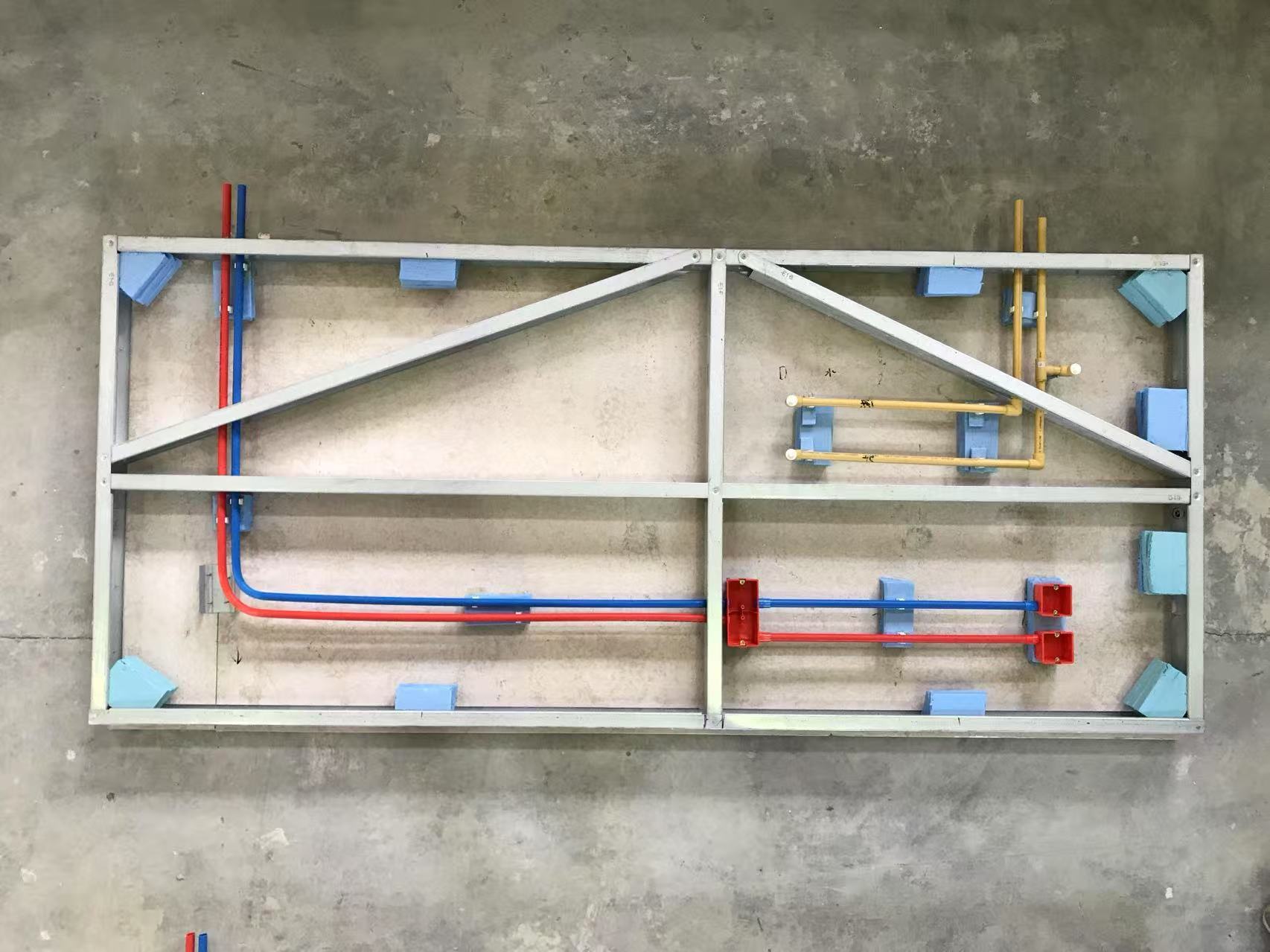
Layout Diagram of Electrical and Plumbing Pipelines for Magnesium-Based Grouted Walls

Performance Testing of Magnesium-Based Walls
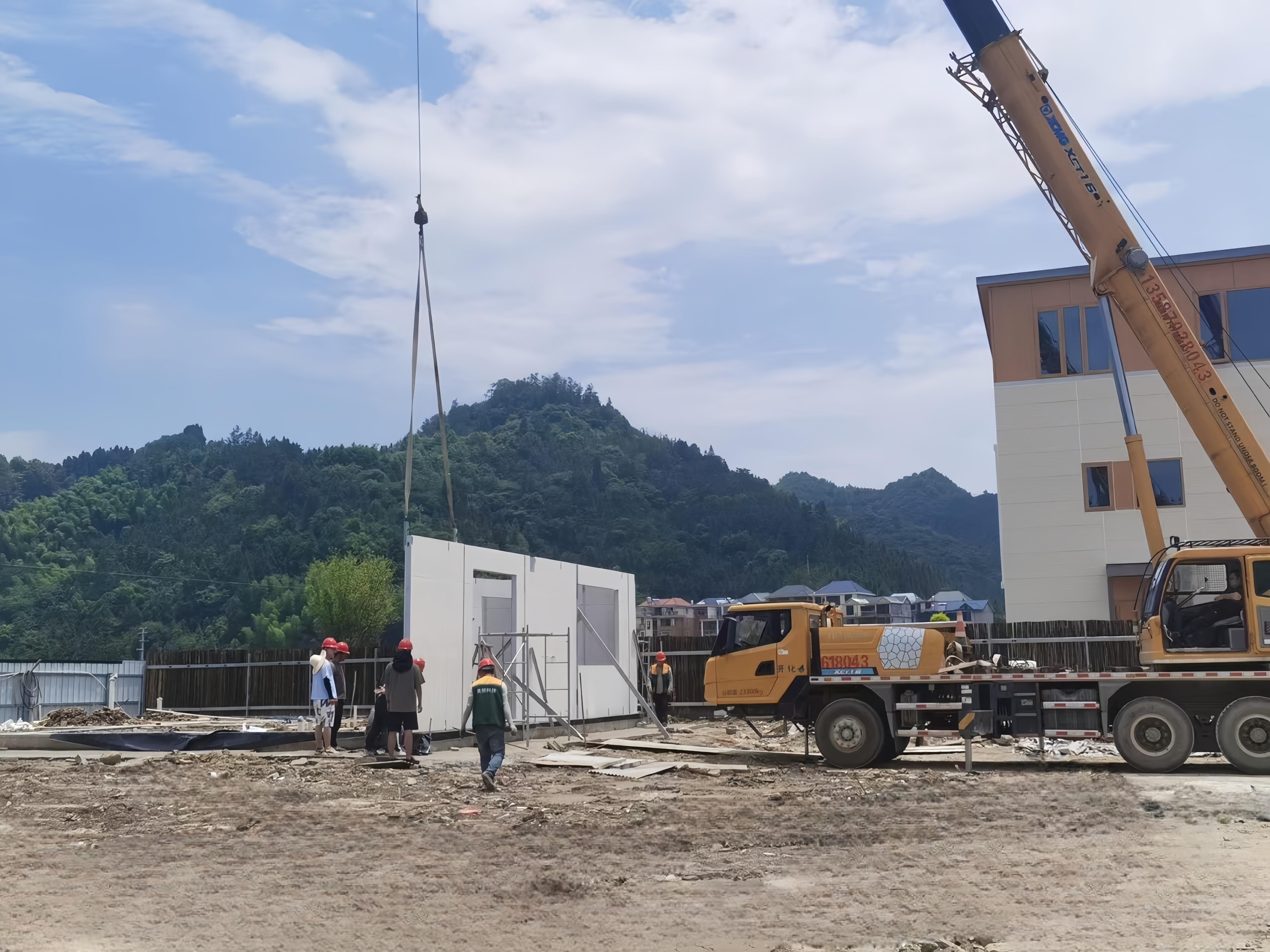
Construction Process of Modular Walls
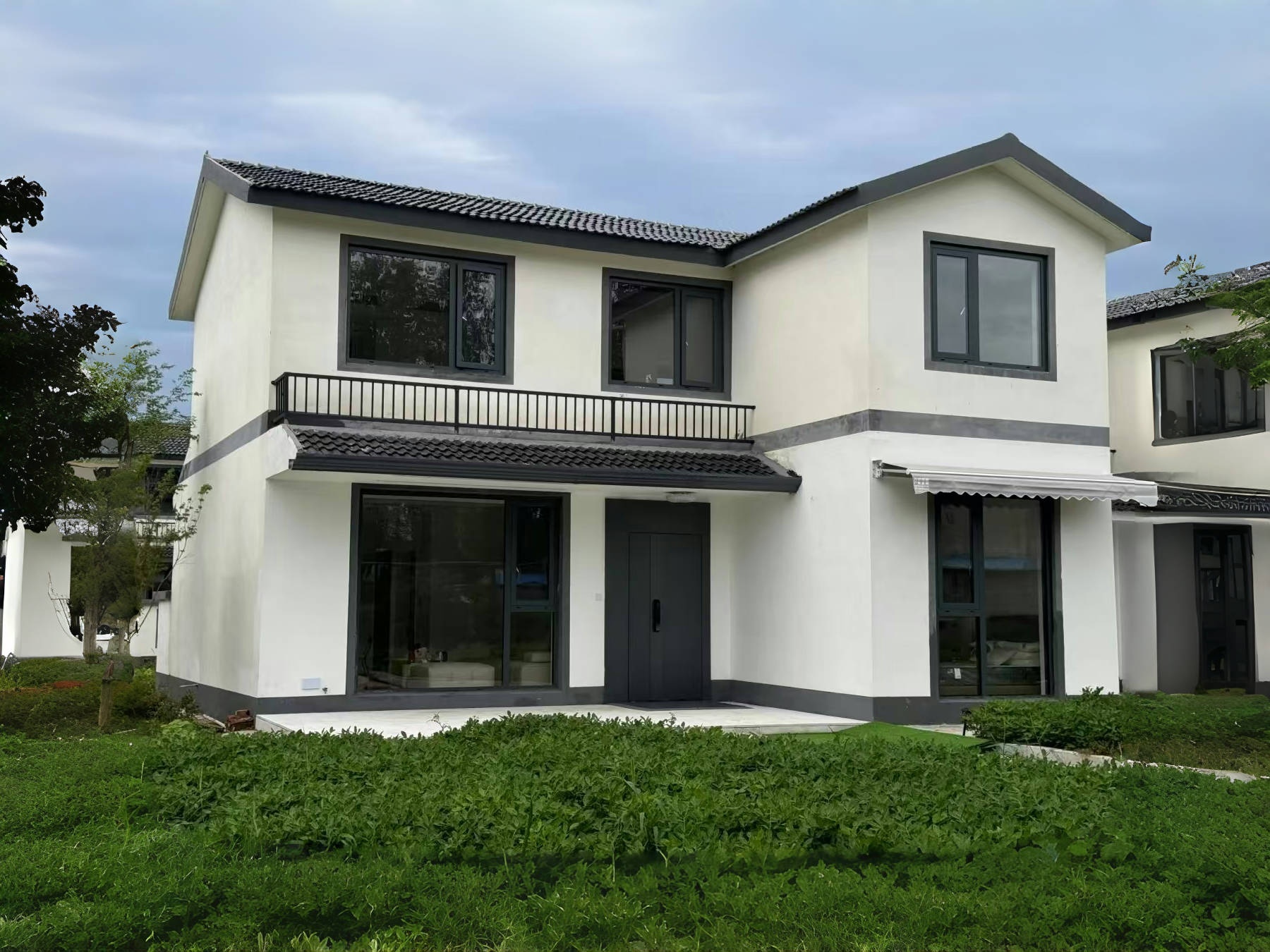
Cases of Modular Buildings
Bracket Roof Integrated Panel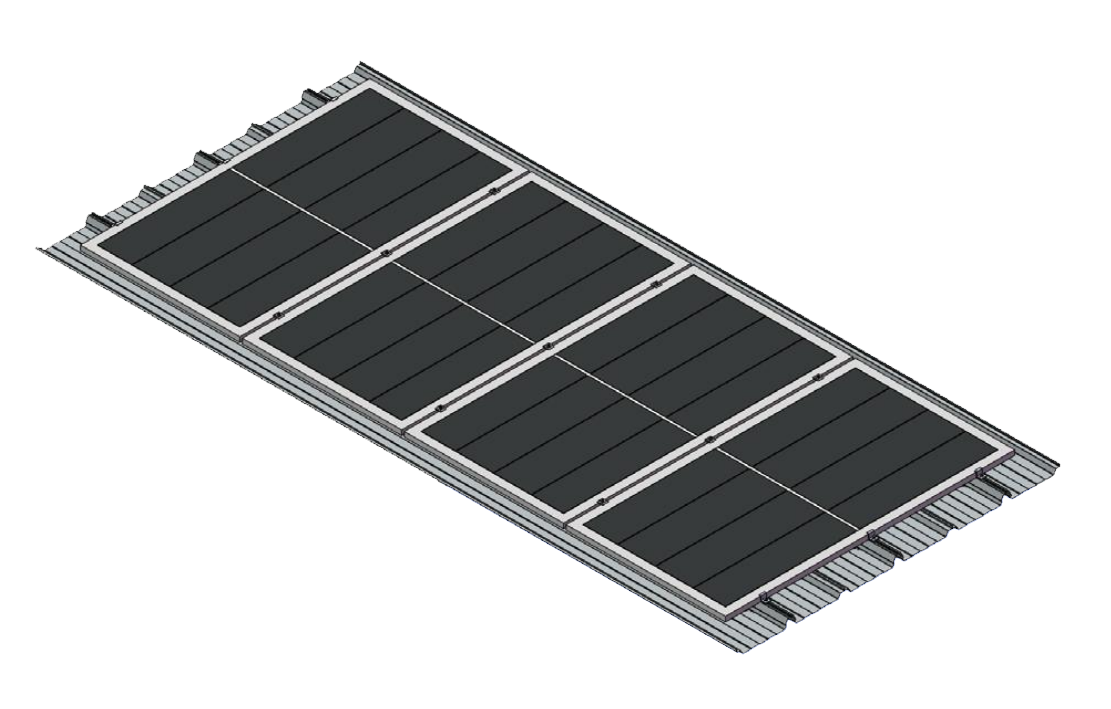
BIPV Bracket Roof Integrated Panel
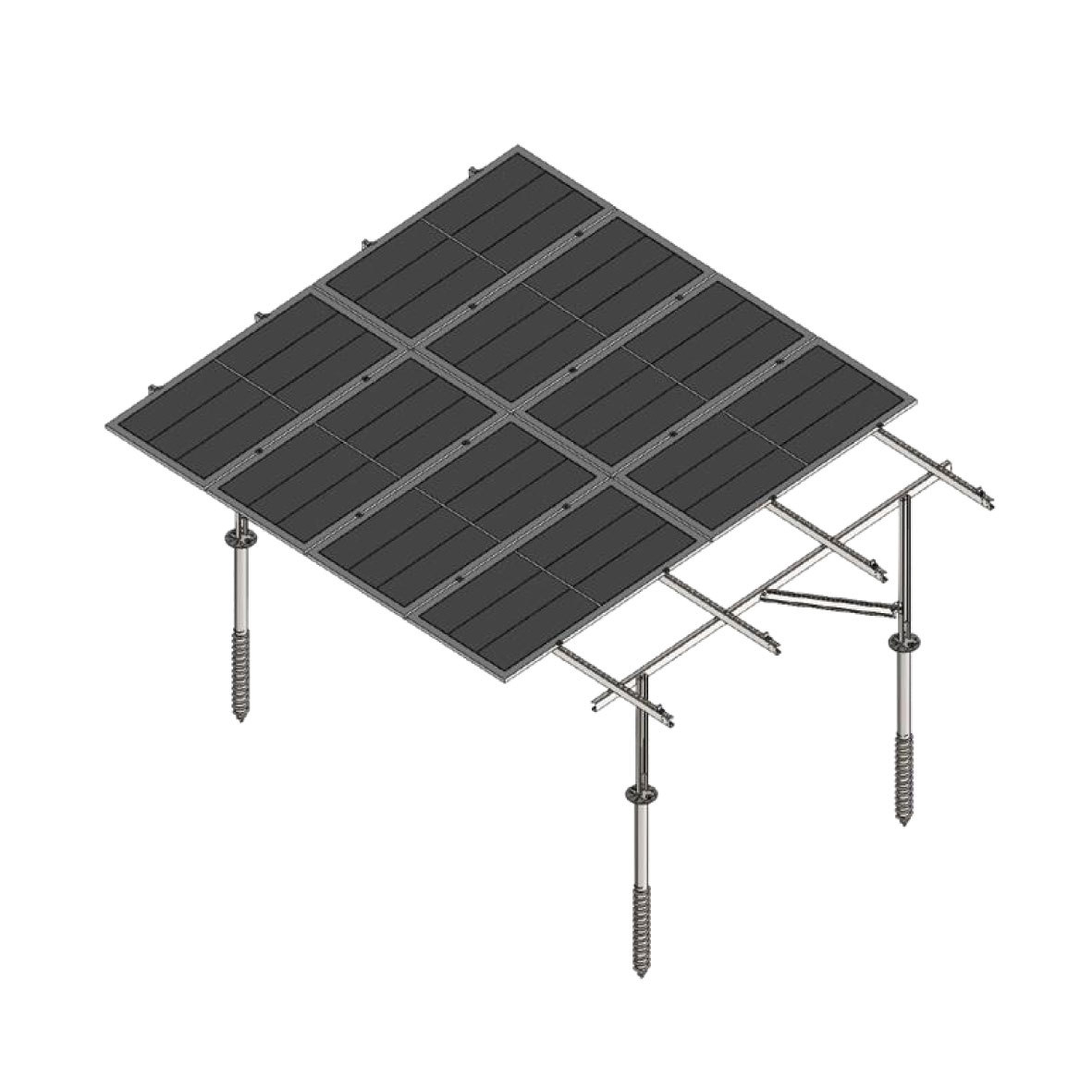
ZINC Aluminum Magnesium Double Leg Bracket
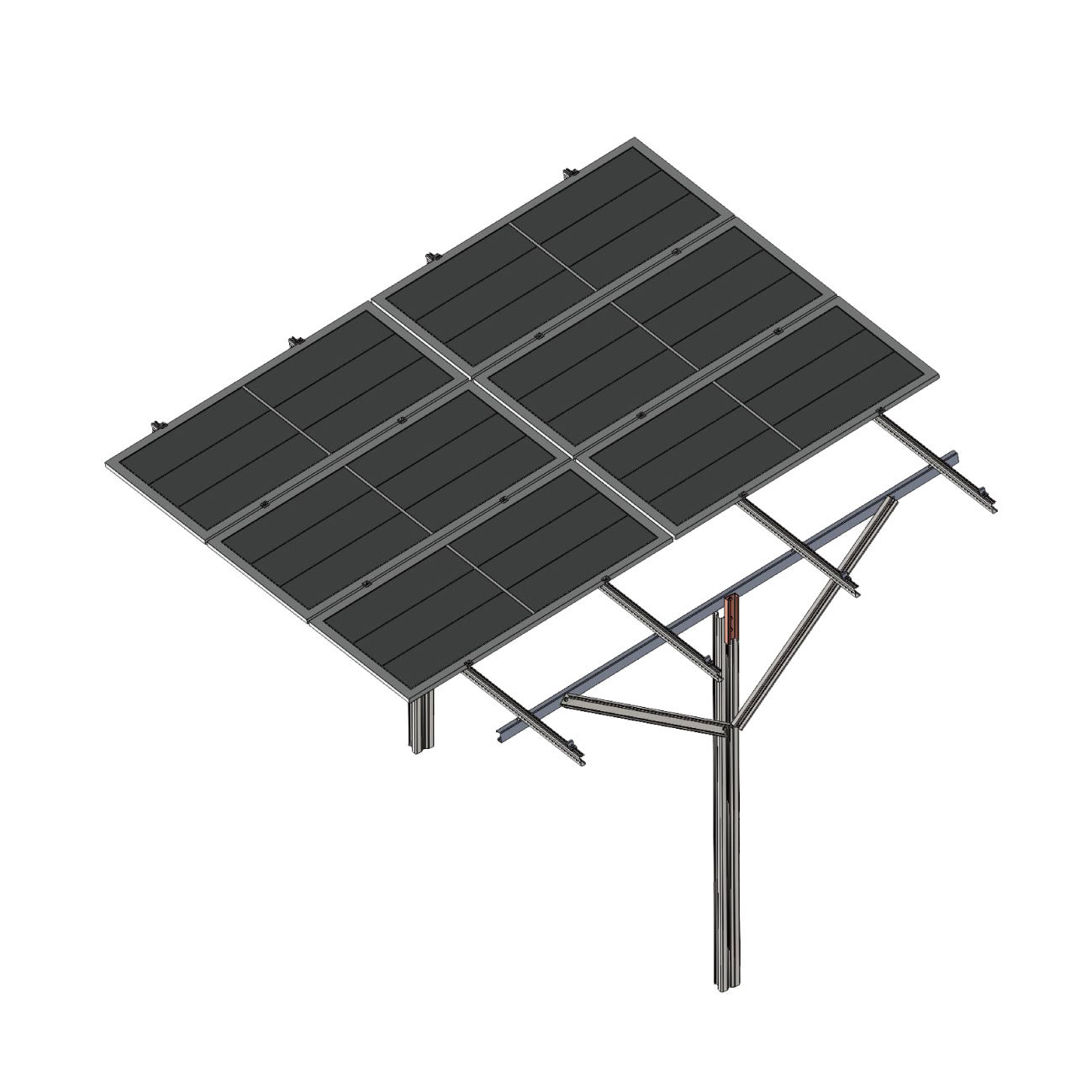
ZINC Aluminum Magnesium Single Leg Bracket
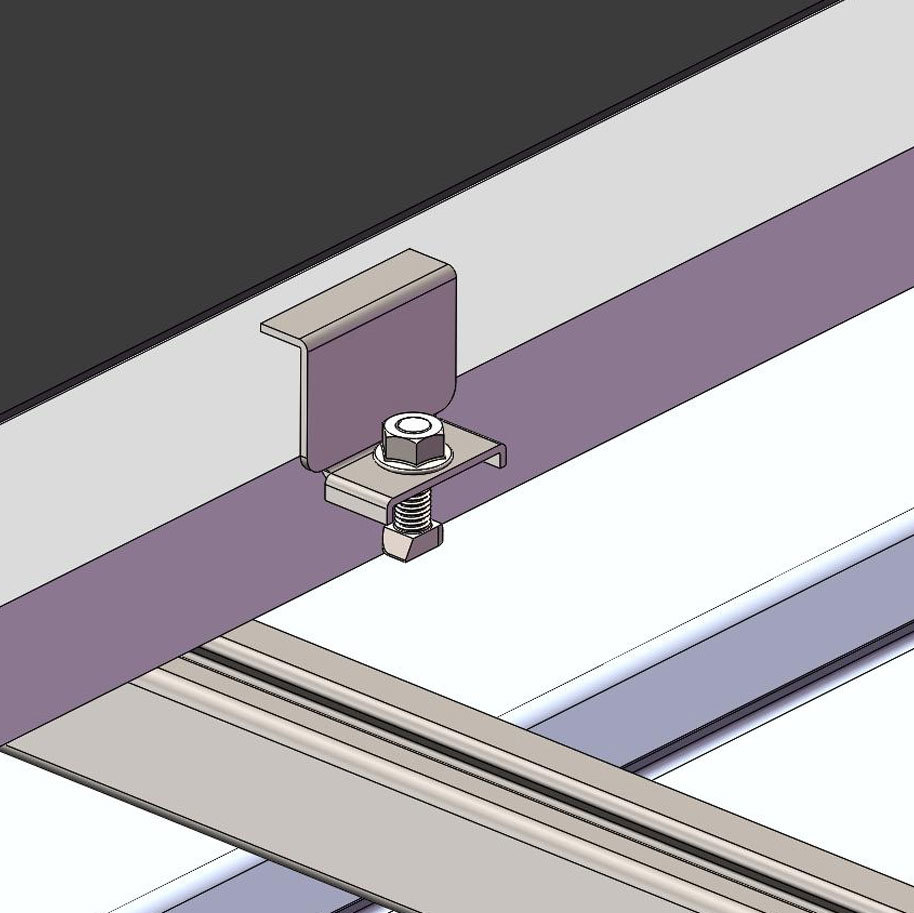
Explosion diagram of zinc aluminum magnesium under lateral pressure
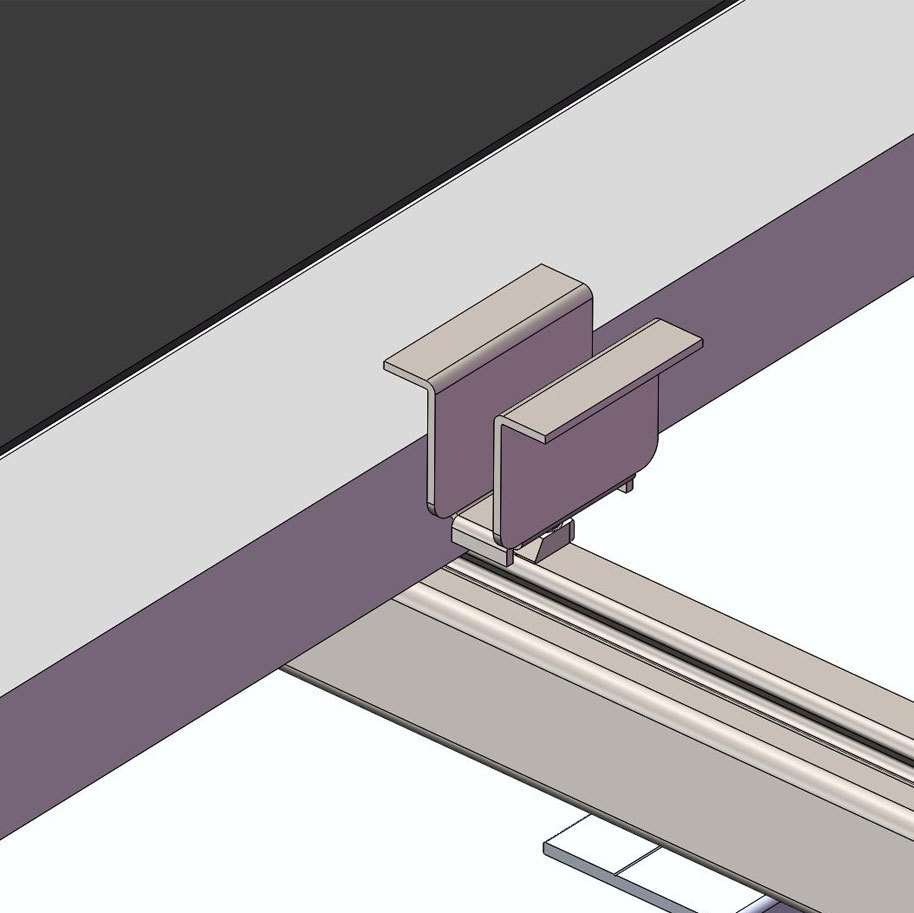
Zinc aluminum magnesium medium pressure explosion diagram
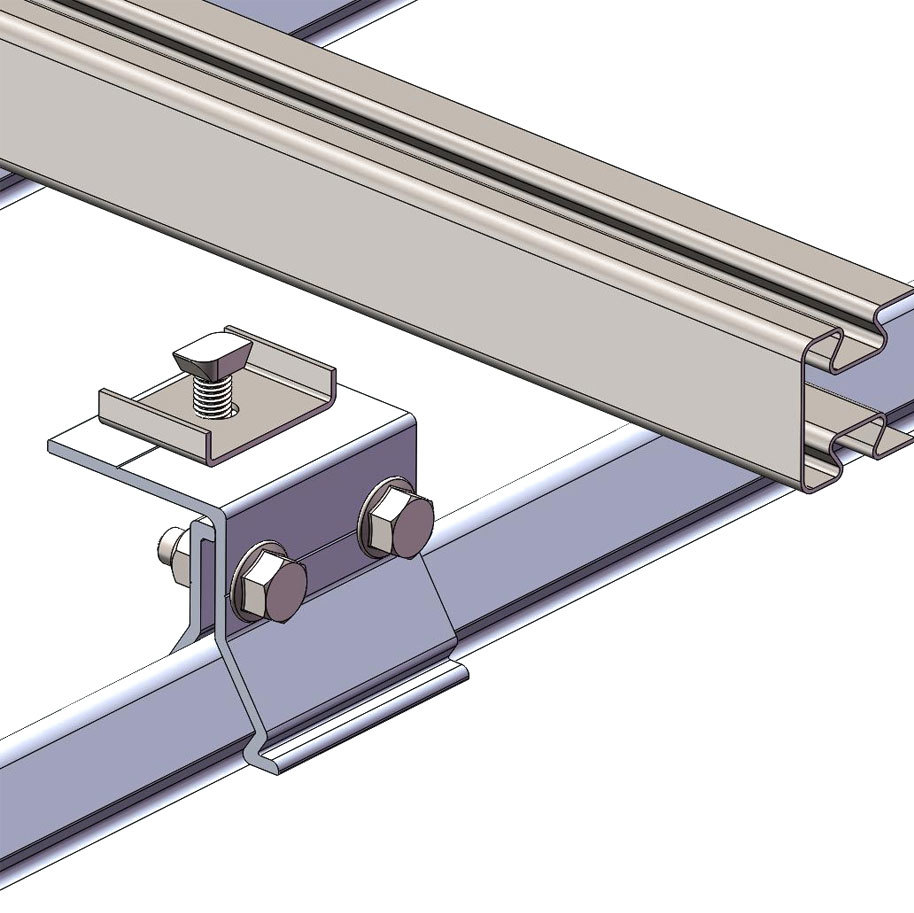
Explosion diagram of fixture components
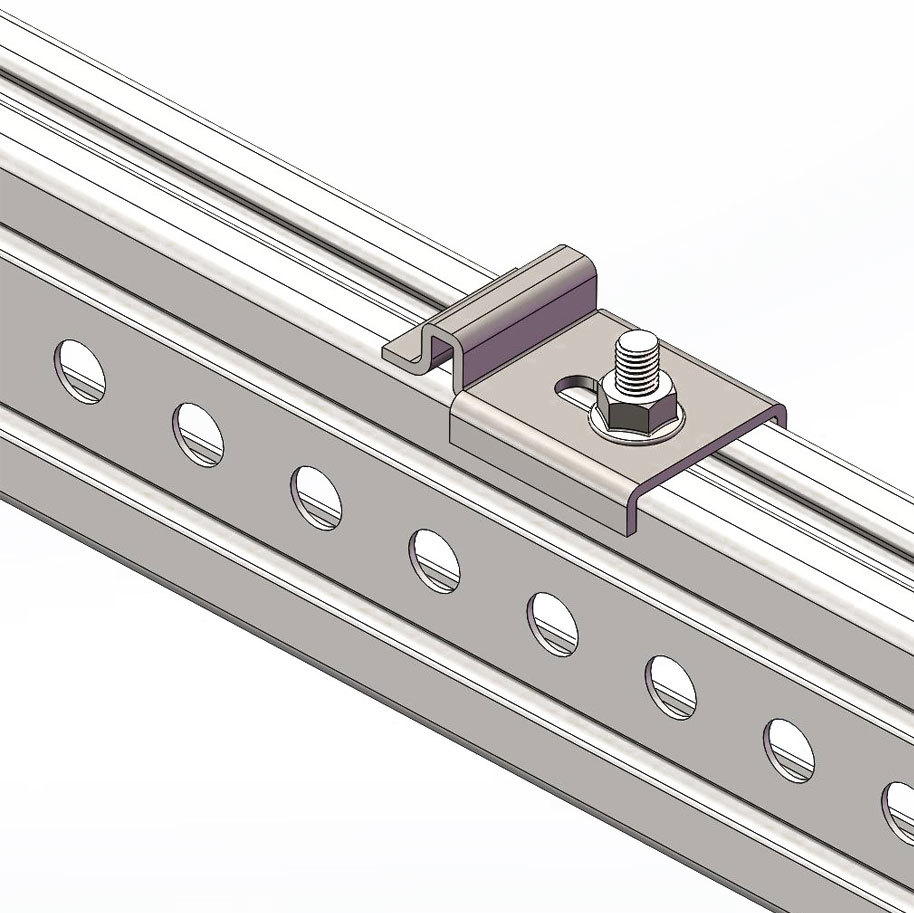
Lower pressure component
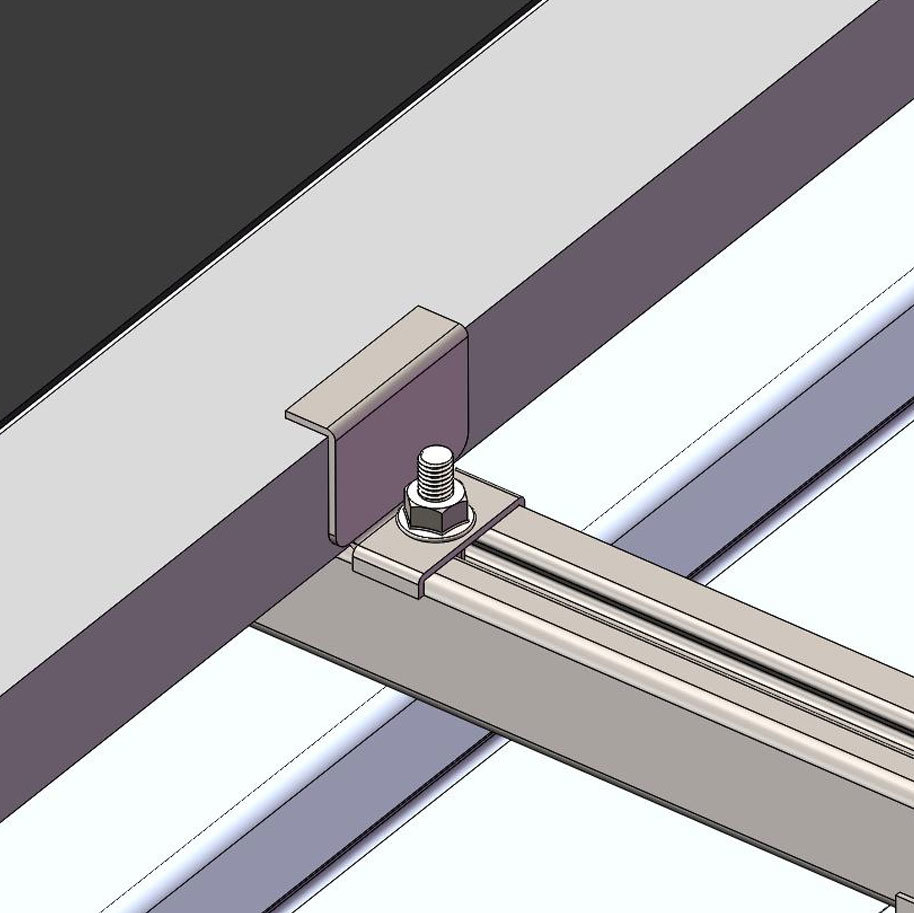
Zinc aluminum magnesium side pressure
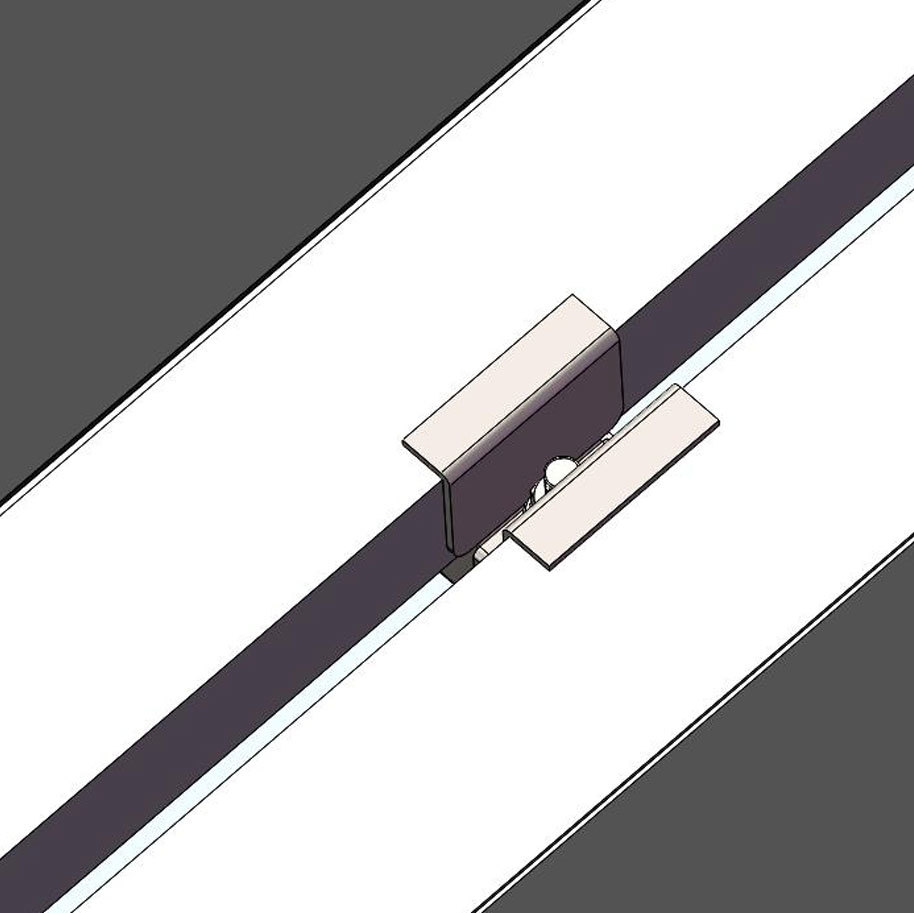
Zinc aluminum magnesium medium pressure
Zinc aluminum magnesium medium pressure
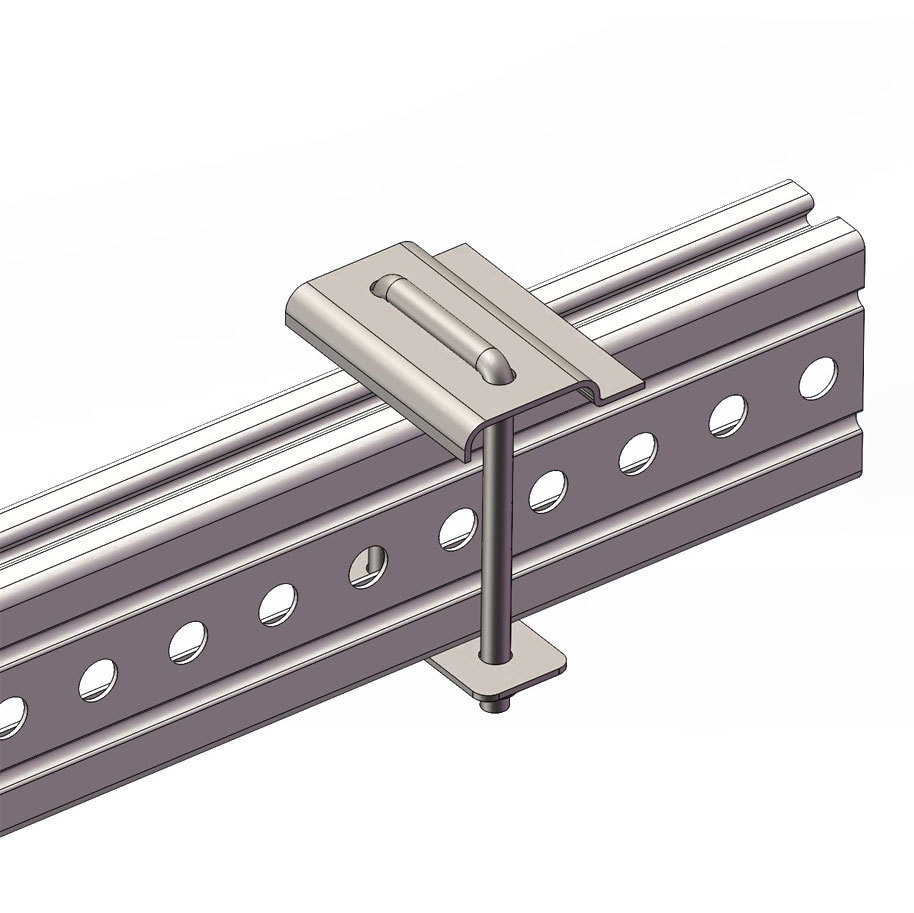
U-bolt assembly
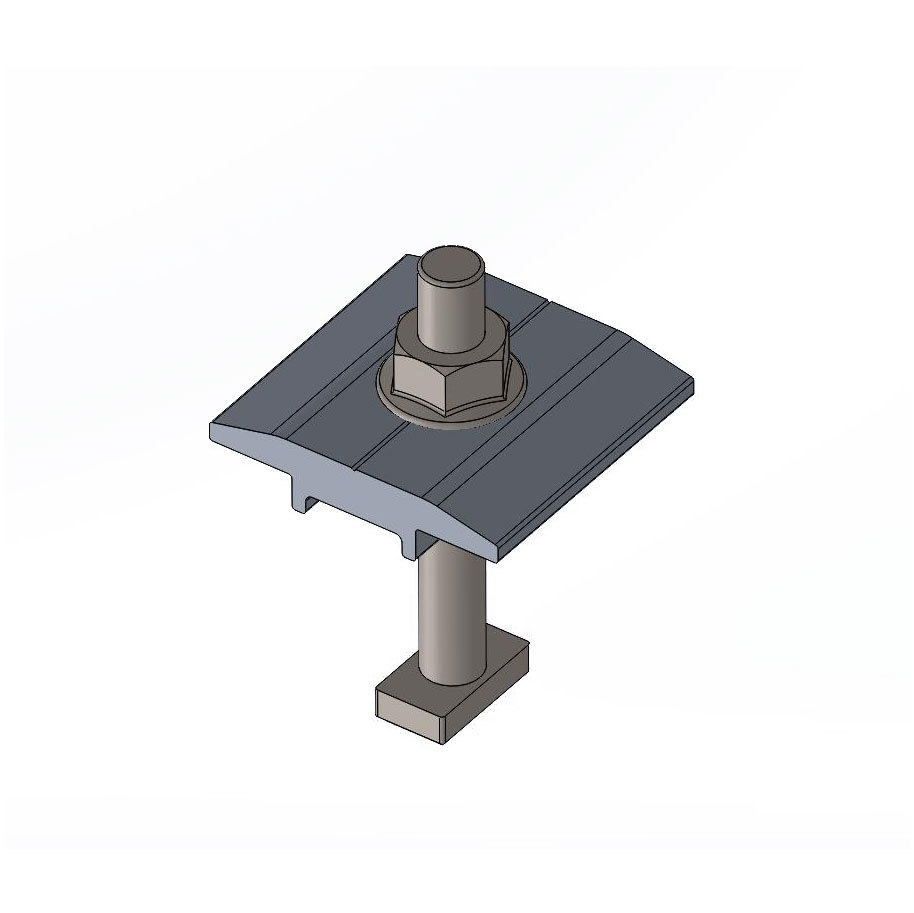
Medium voltage components
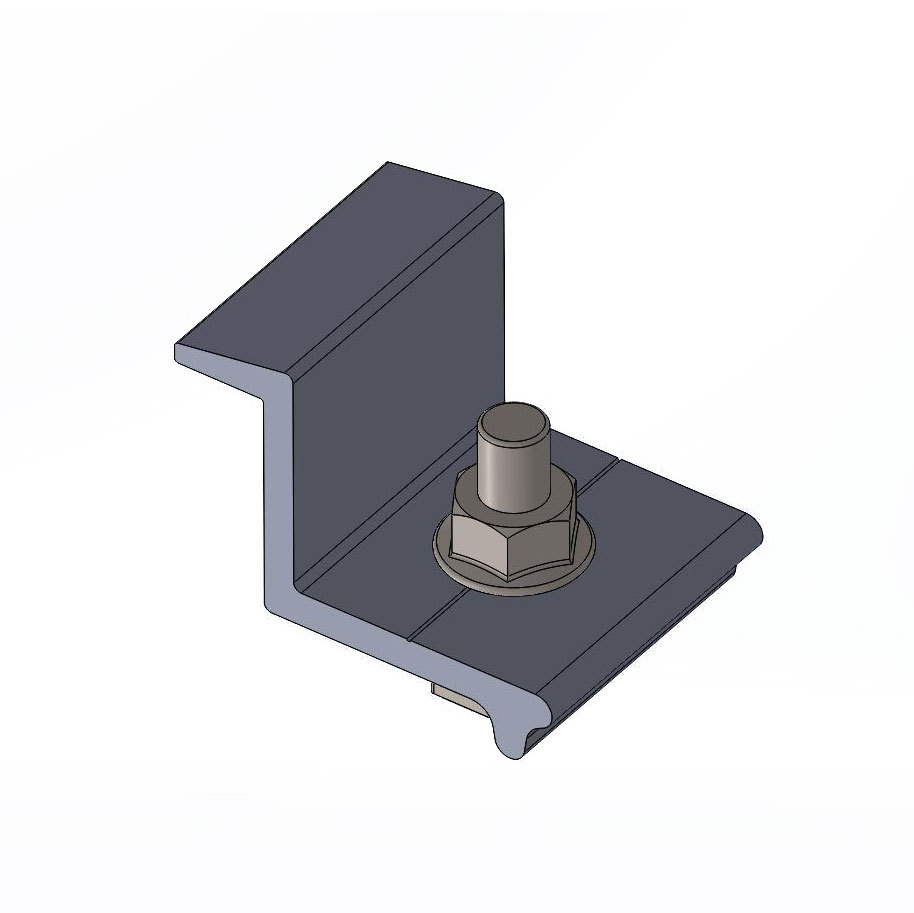
Side pressure component
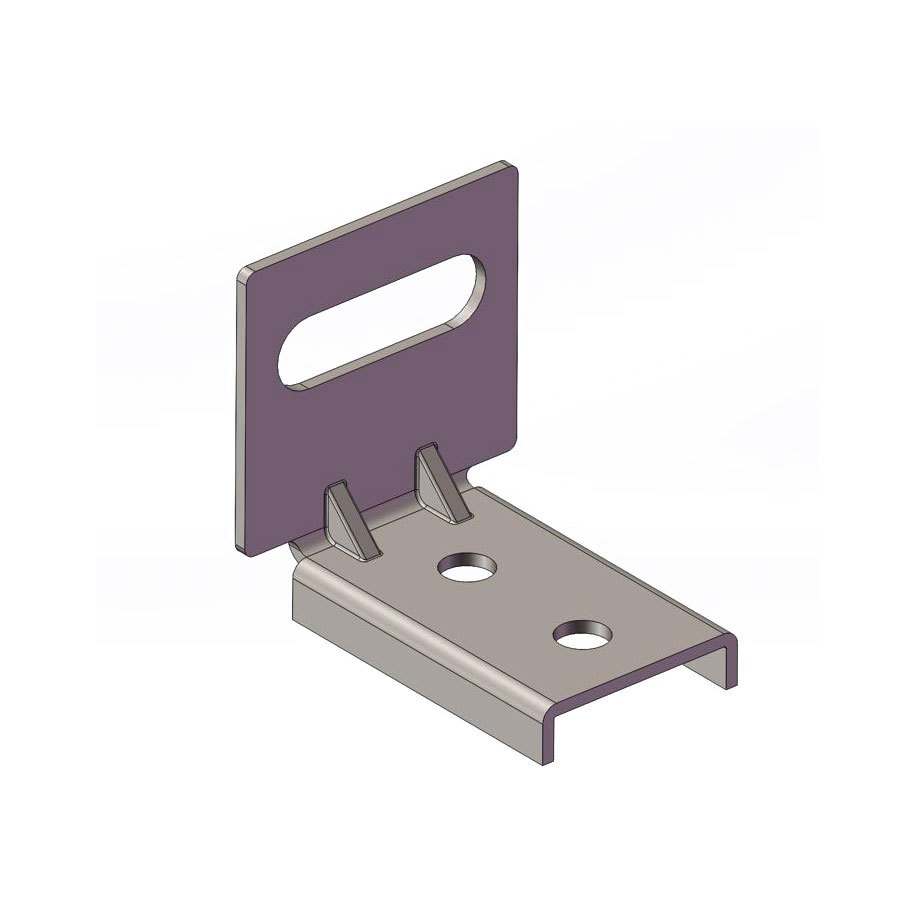
Horizontal and vertical rail connectors
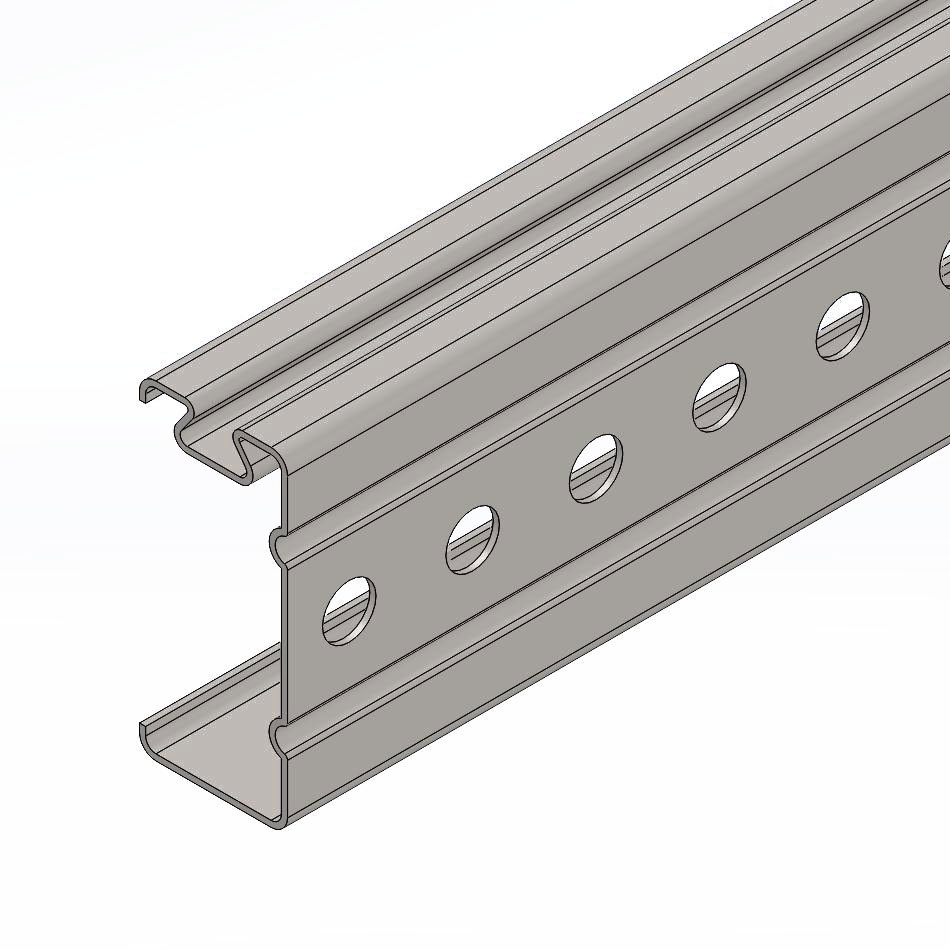
Slant support
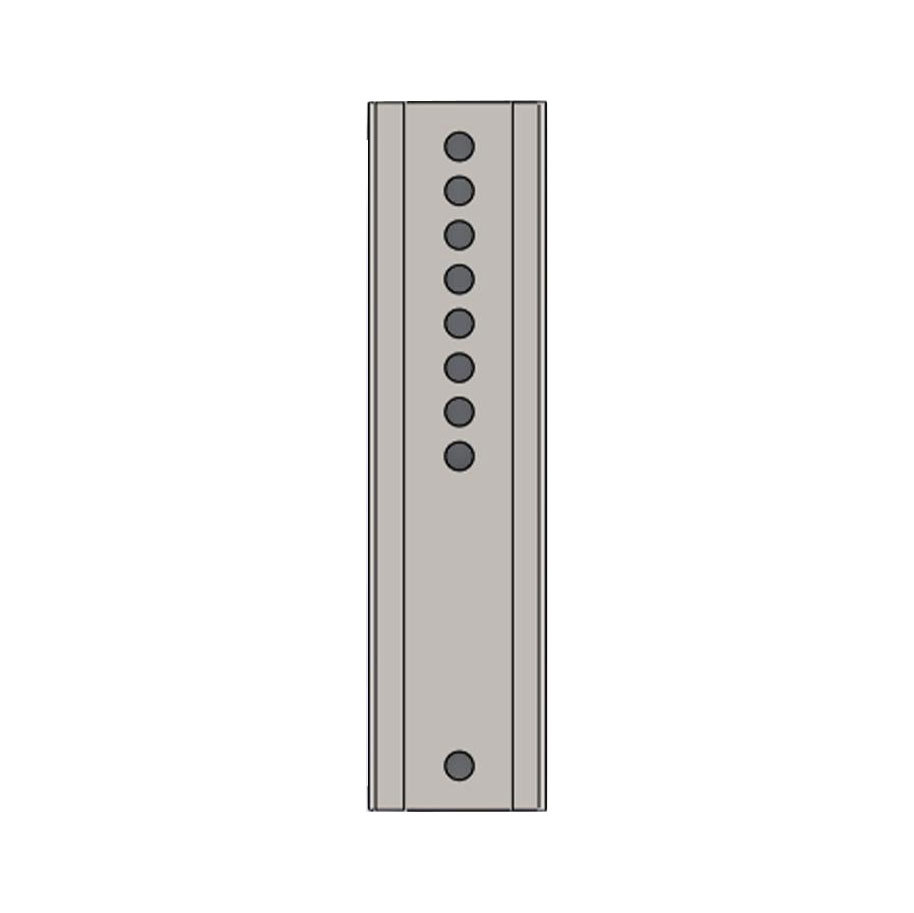
Column connectors
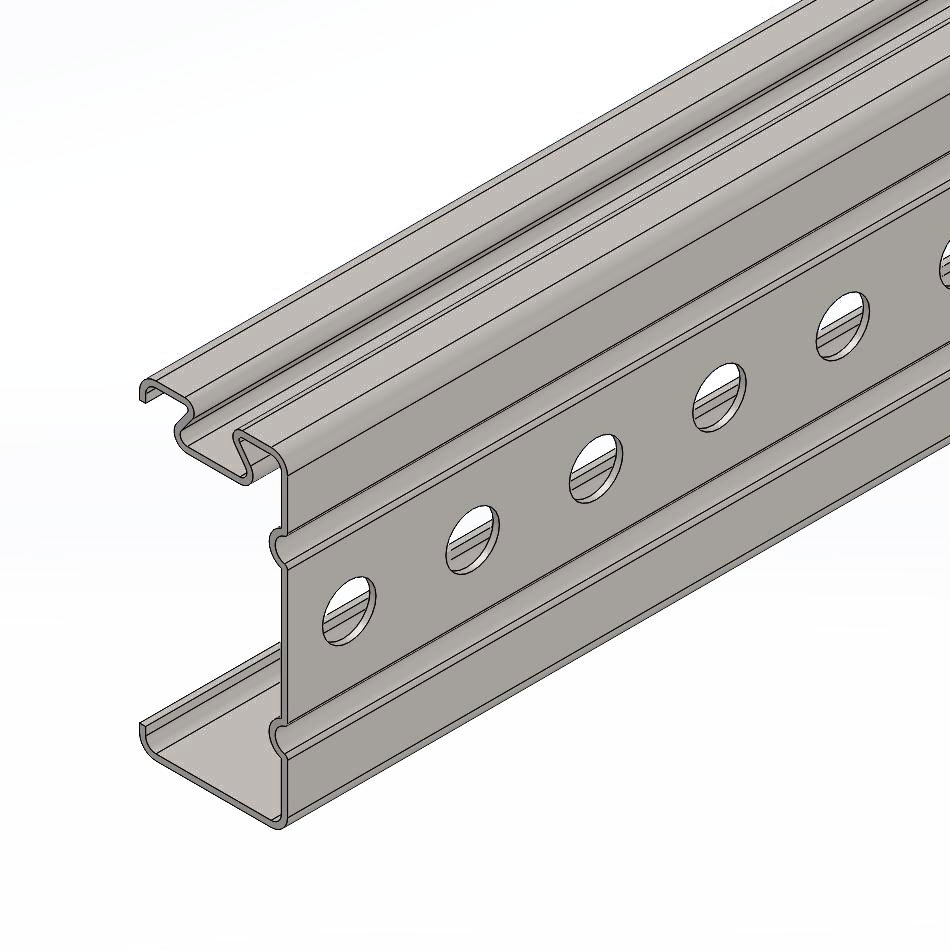
Longitudinal track
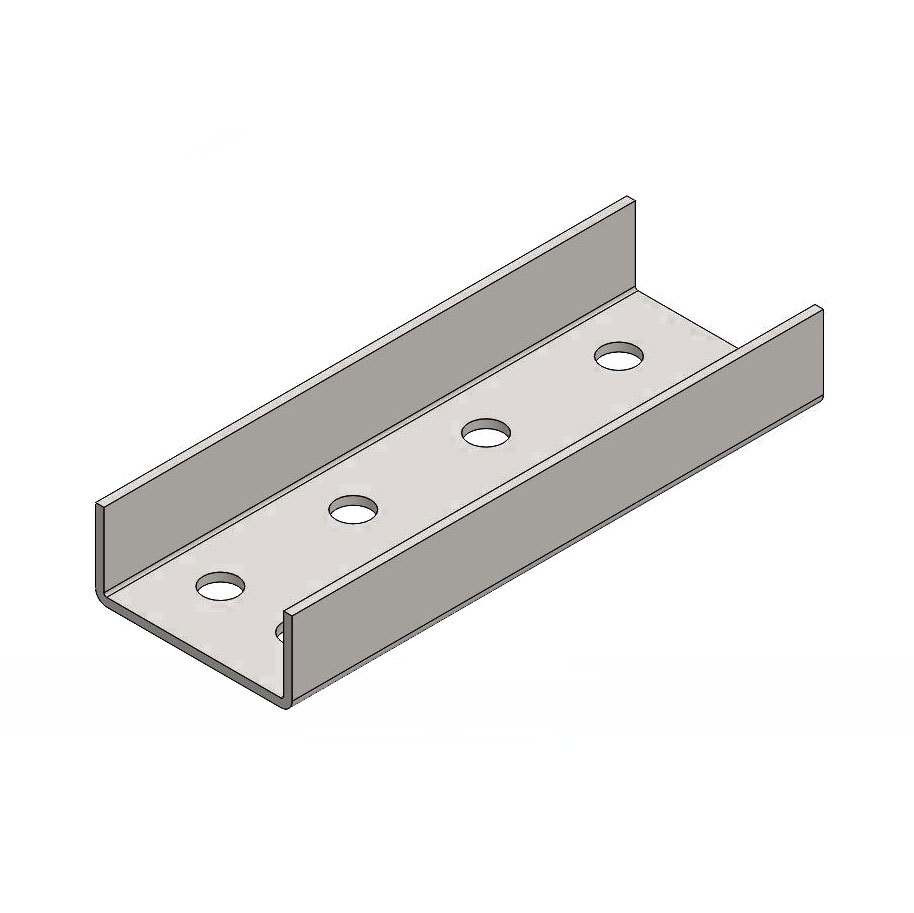
Horizontal rail connectors
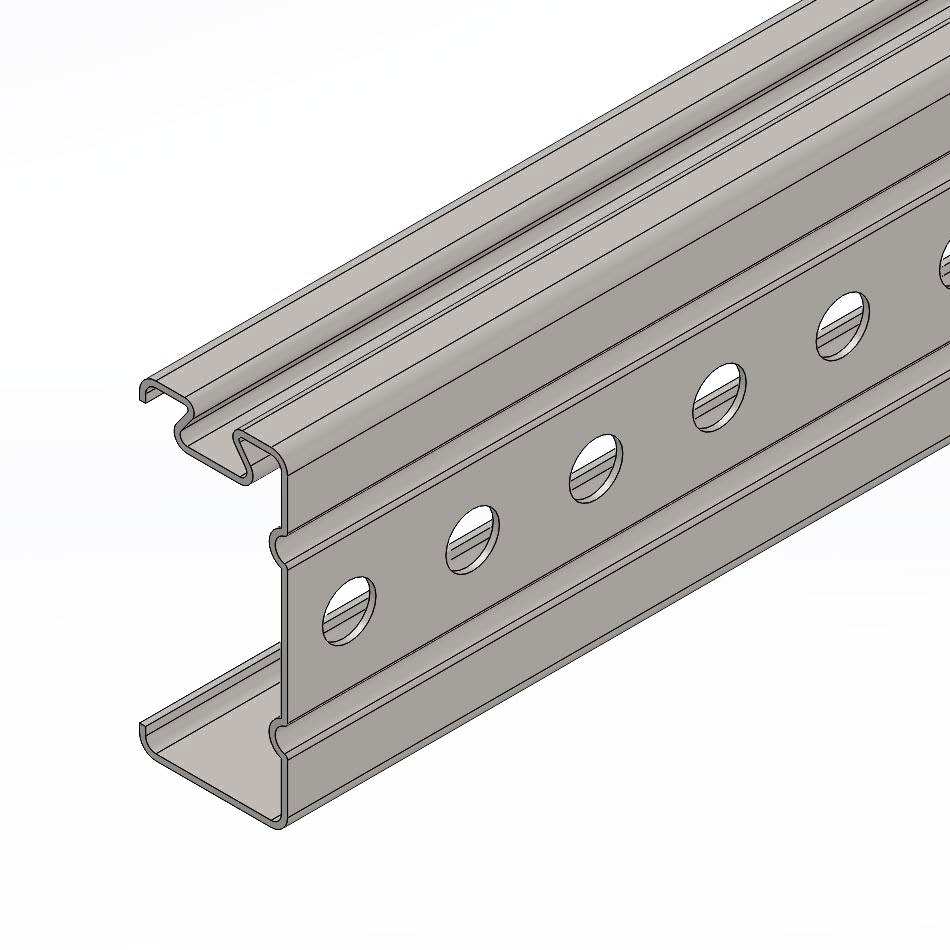
Horizontal track
Easy Install Steel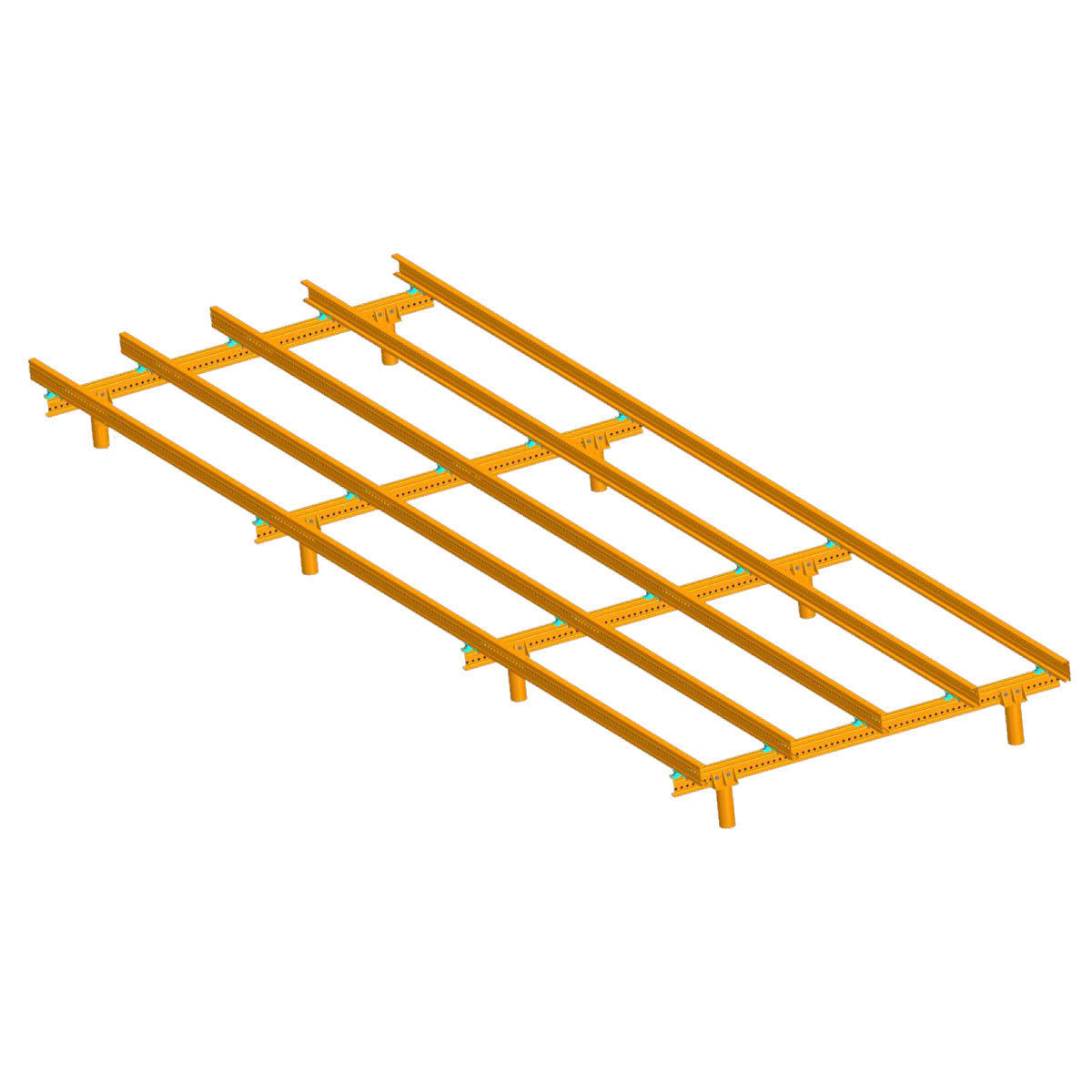
Haoheng Yi'an System

Easy Install Steel
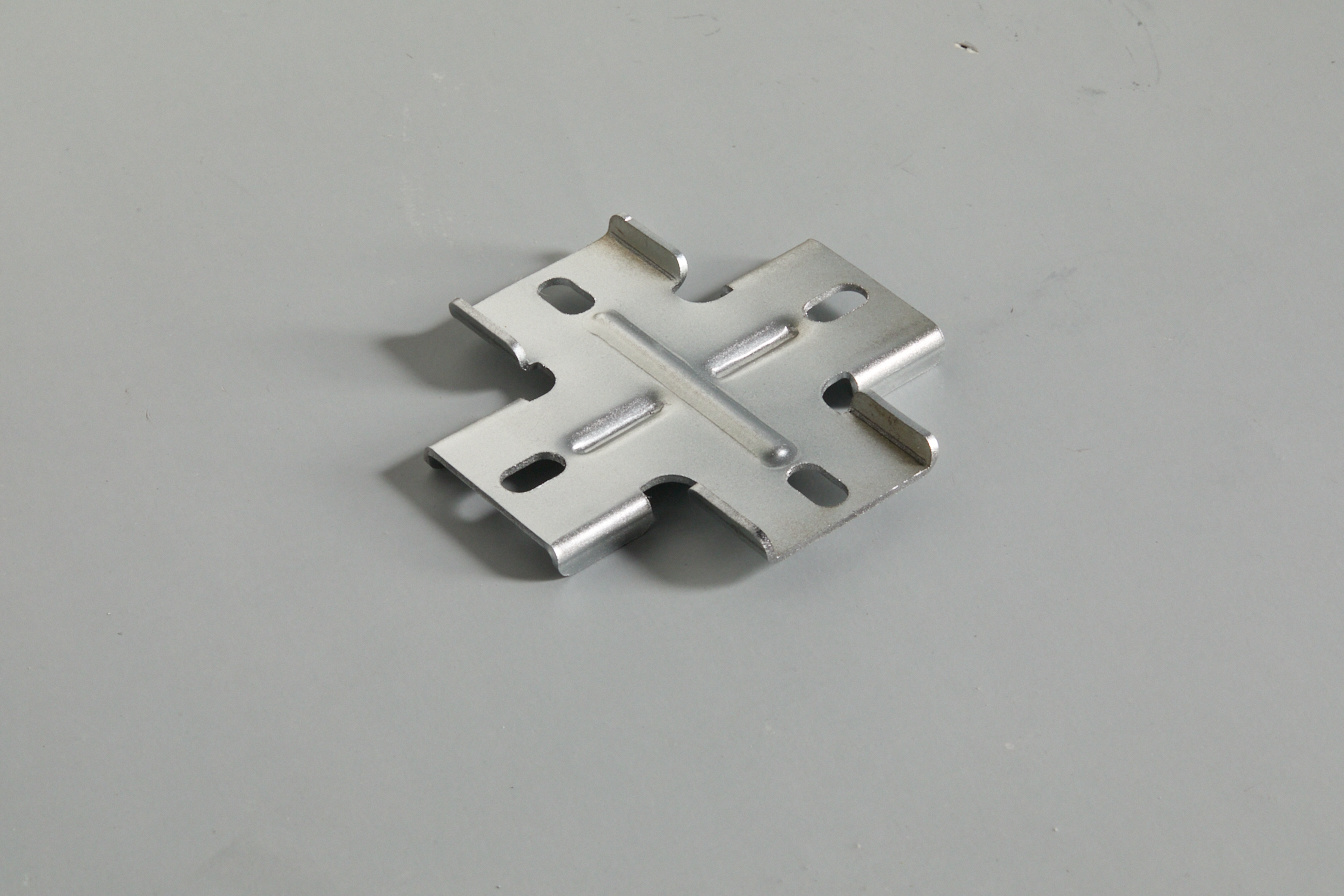
Cross connector
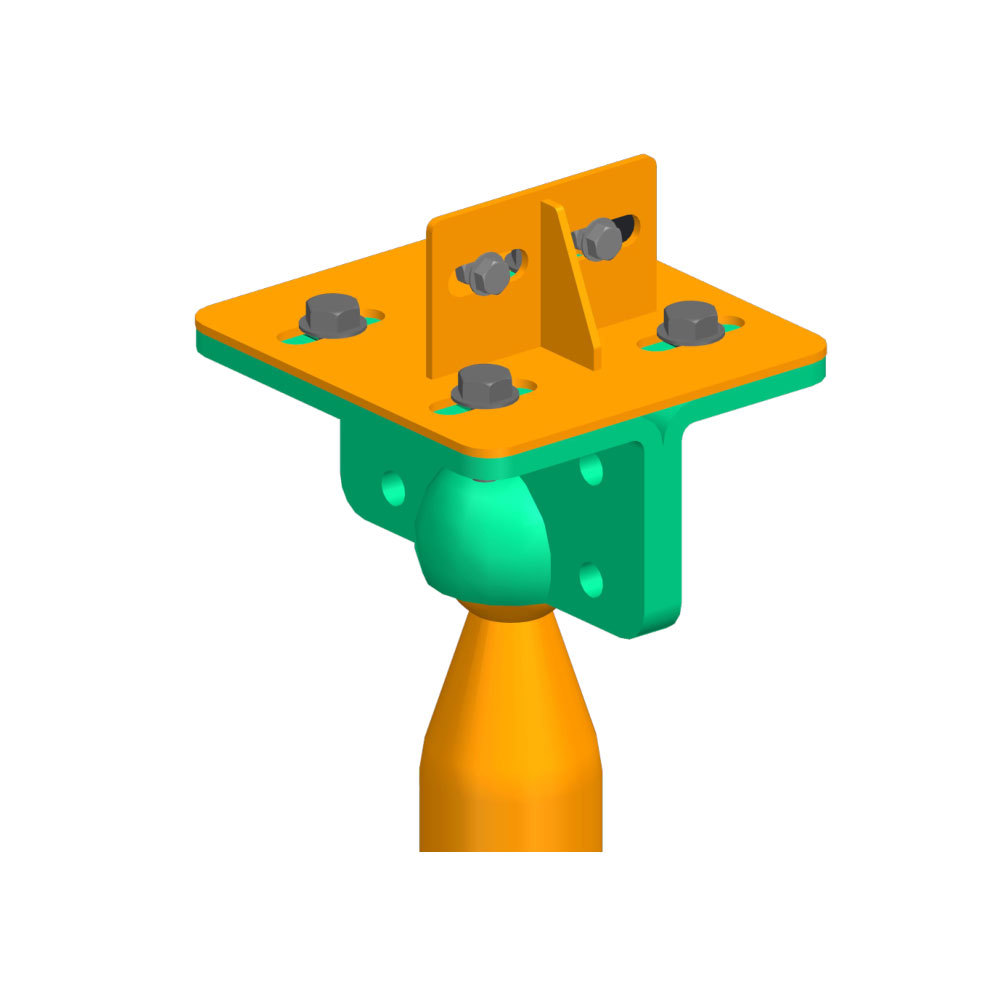
Universal connector for screw pile
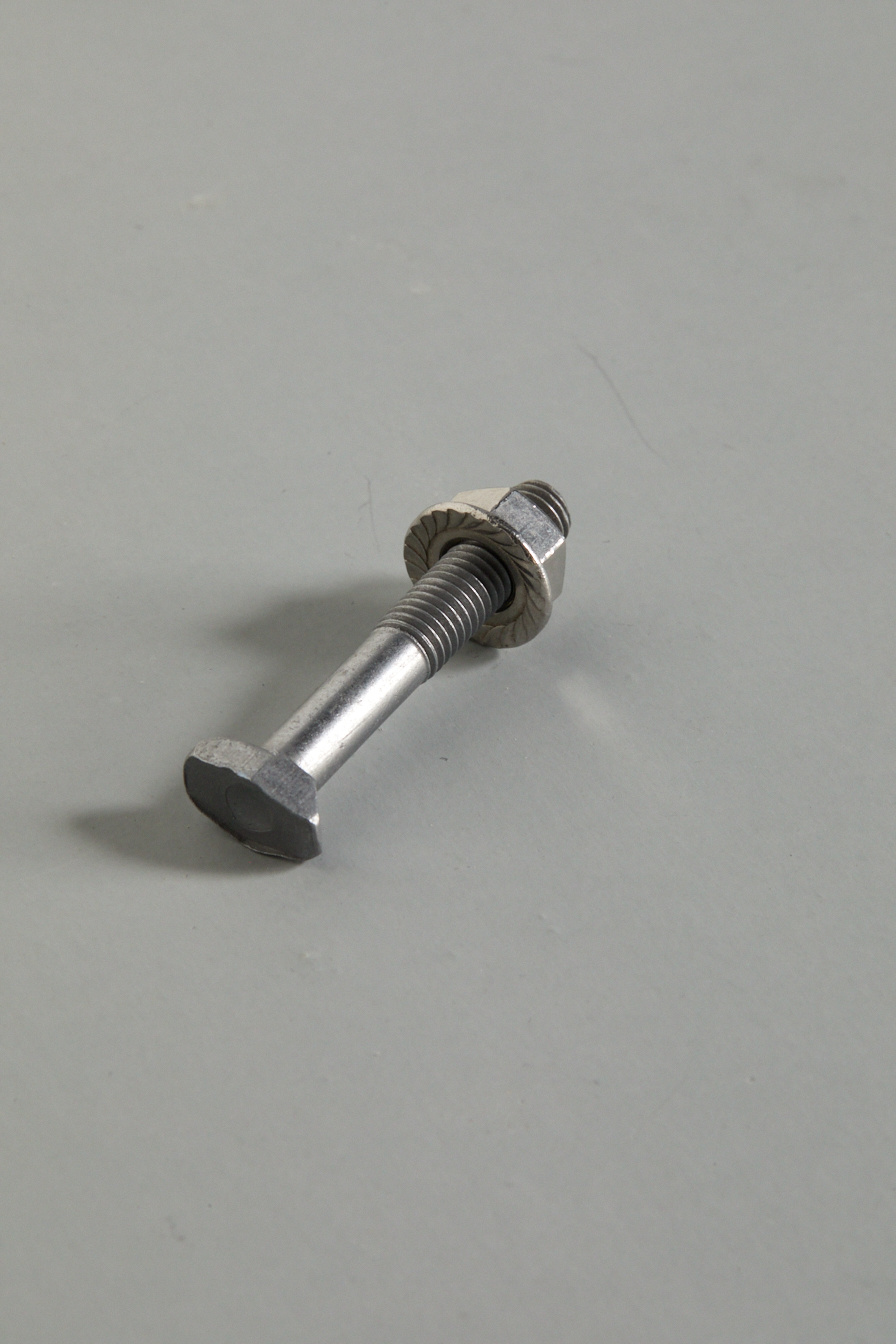
T-shaped dovetail bolt
Floor System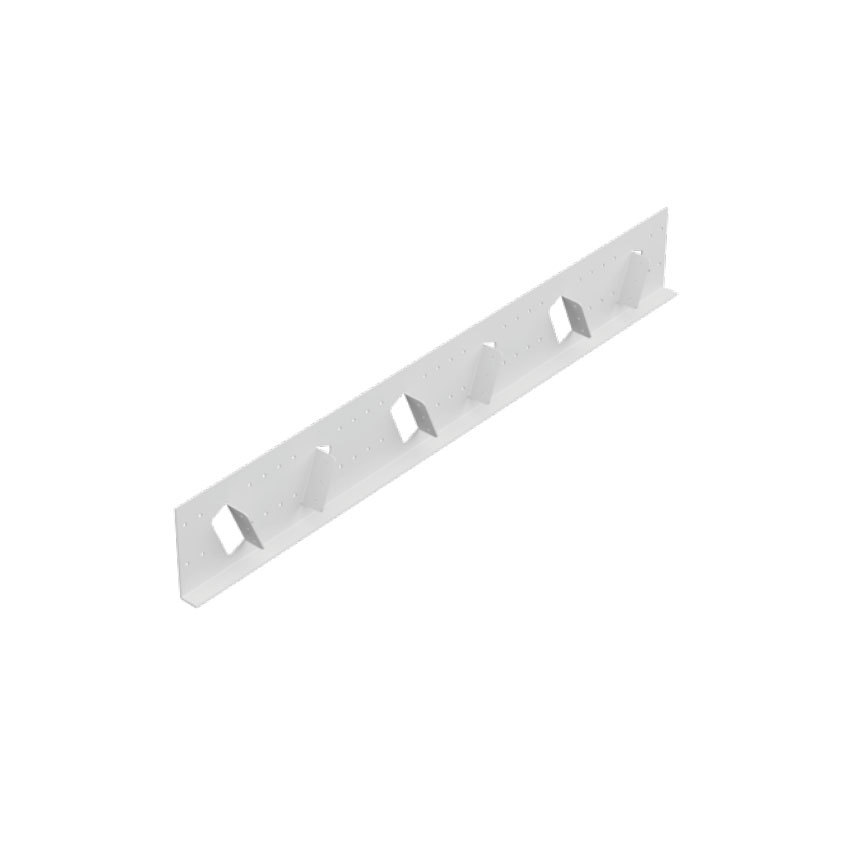
Ordinary steel structural connectors
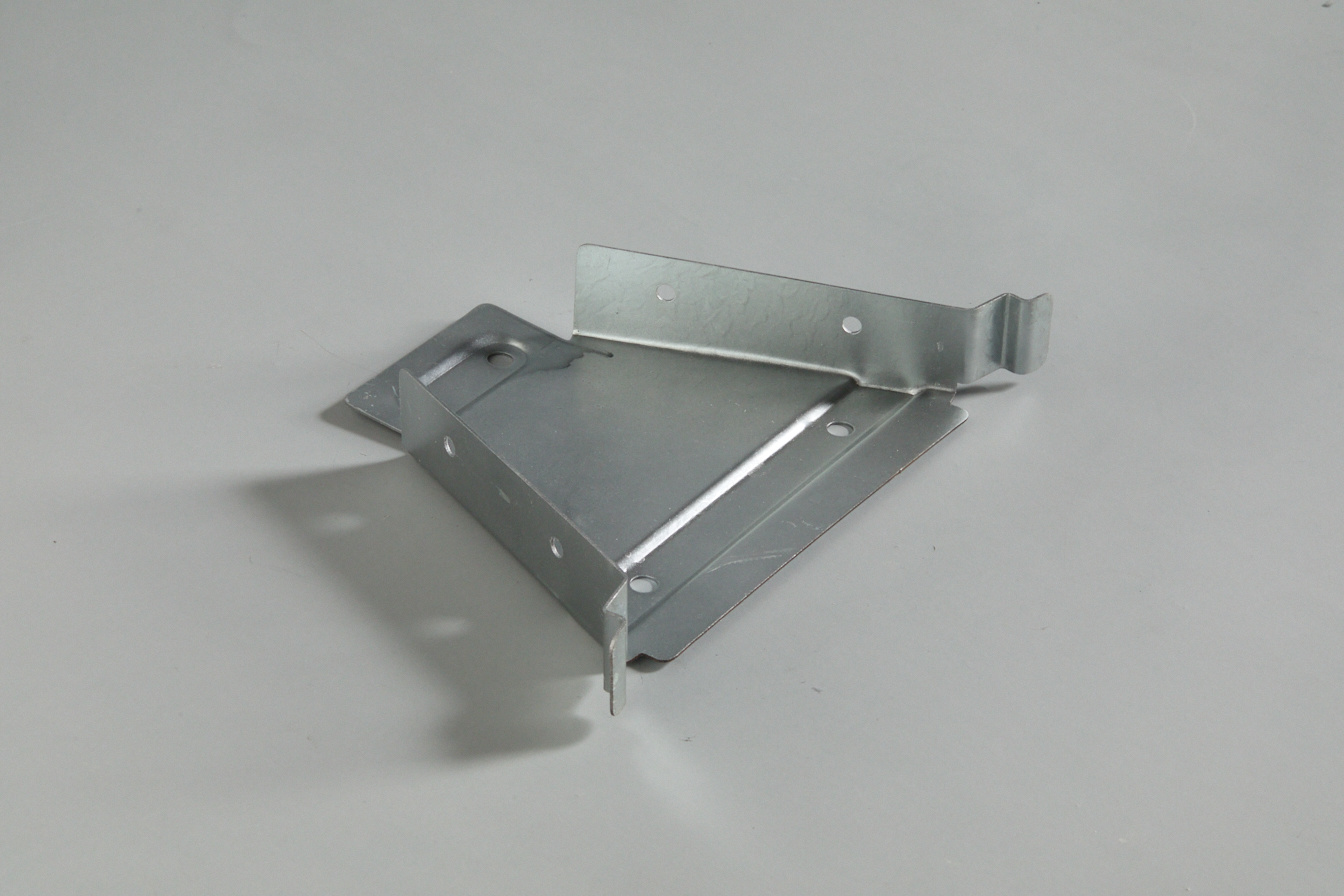
NEW BUILDING system connectors
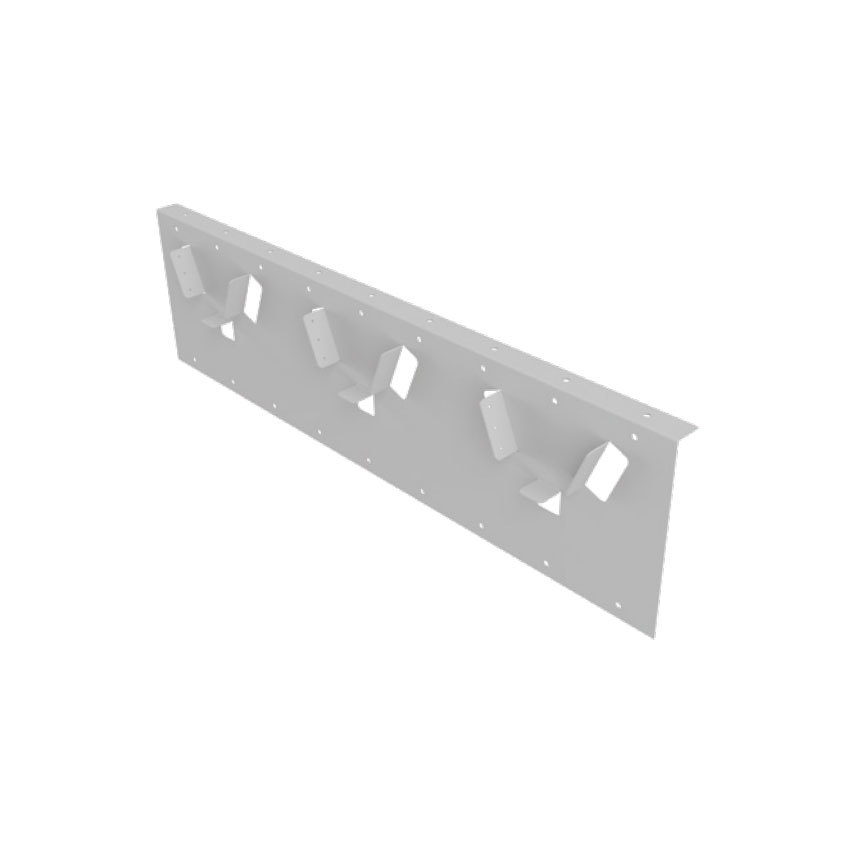
Cold formed thin-walled steel structural connectors
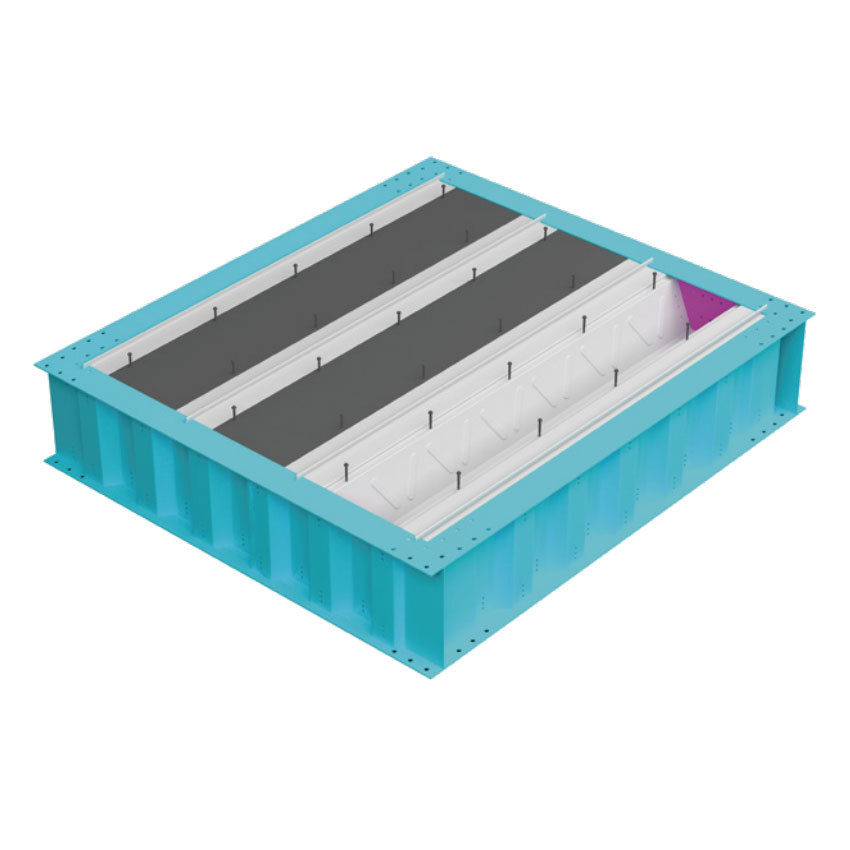
Corrugated I-beam+V-shaped floor beam
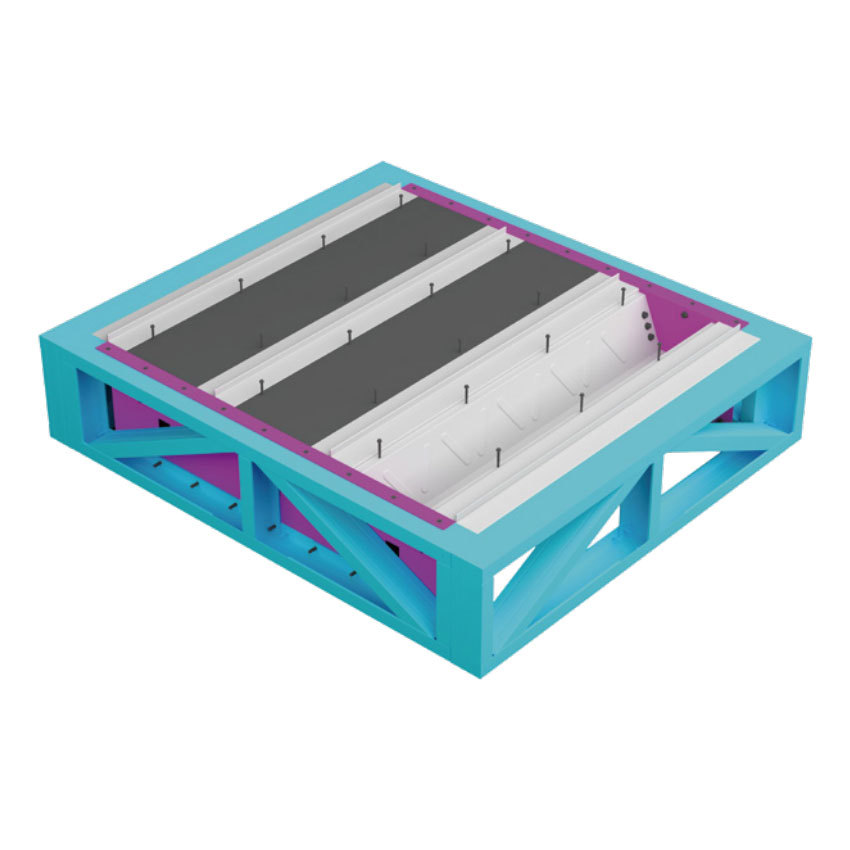
300 light steel truss+V-shaped floor beam
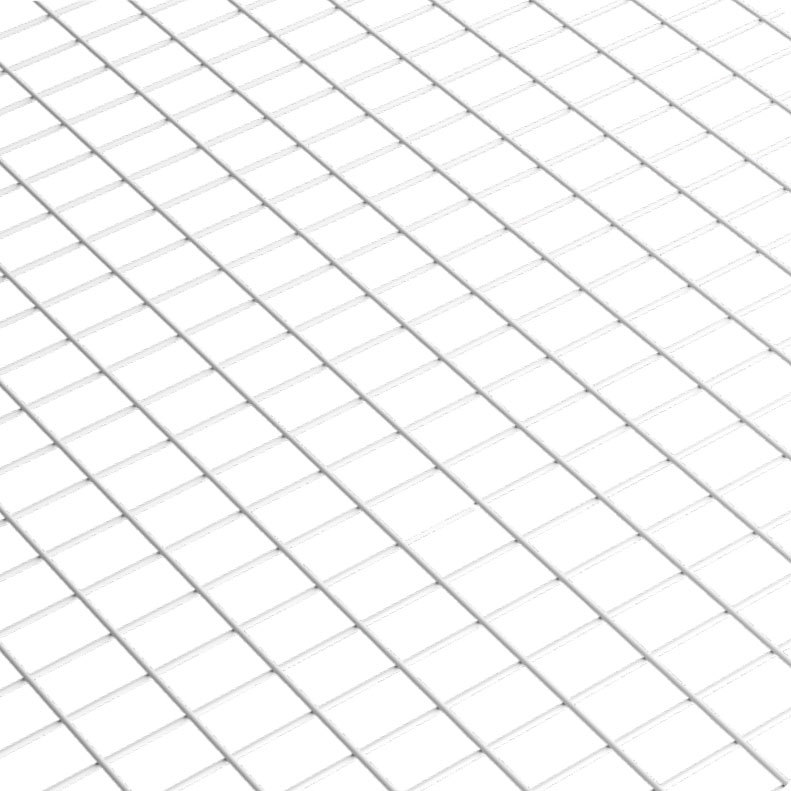
Steel wire gauze
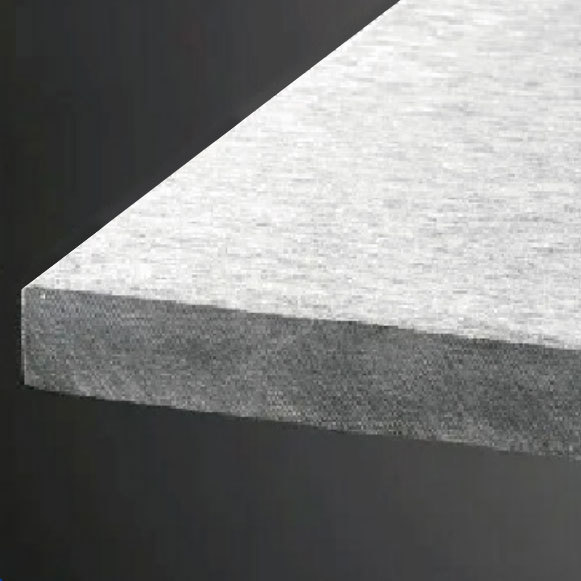
Plate
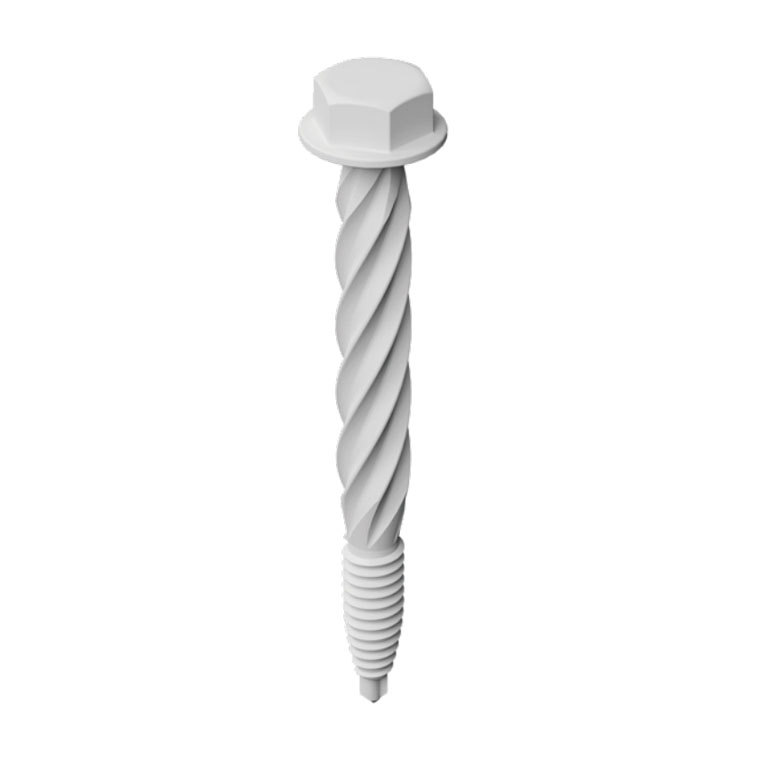
Shear stud
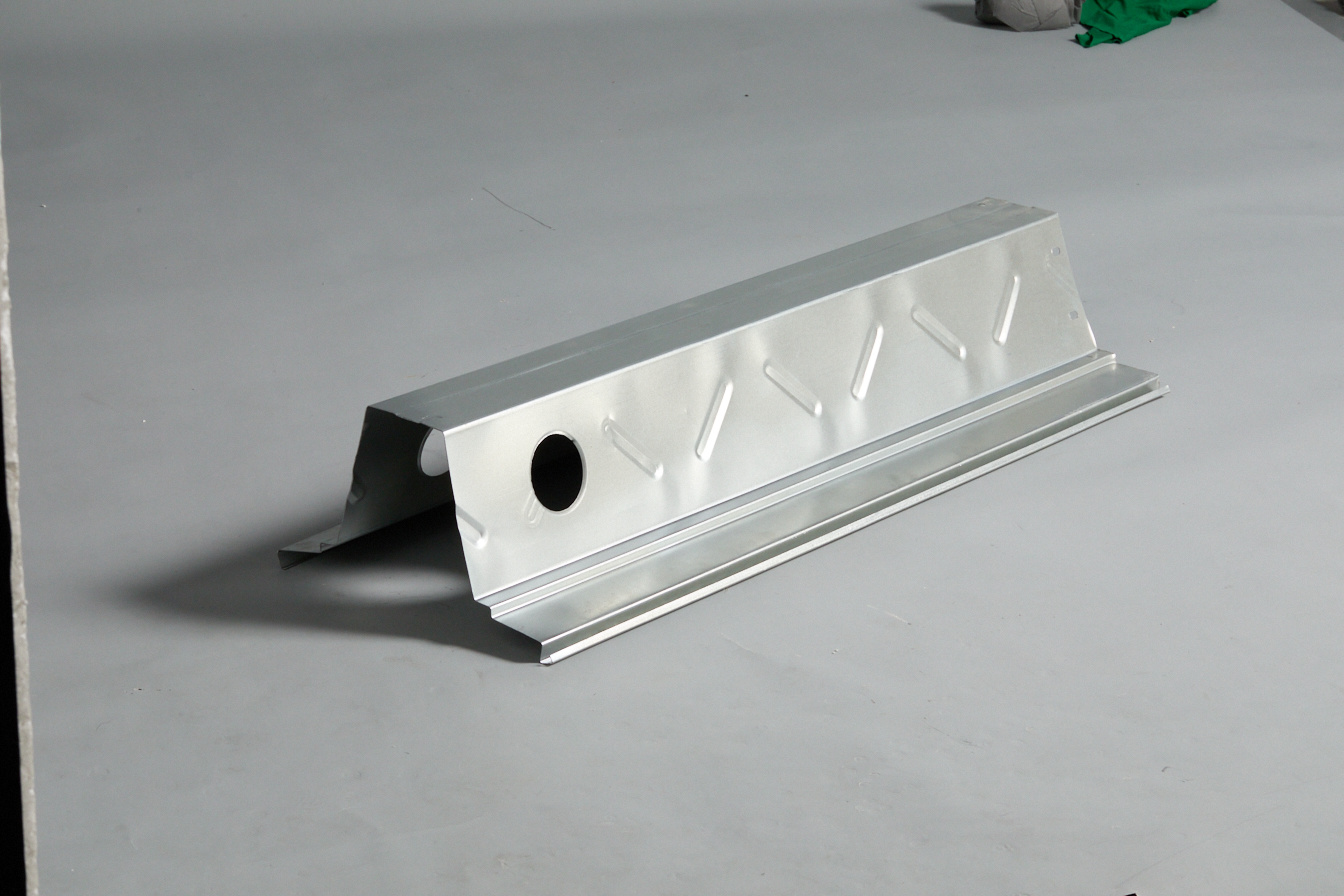
V-shaped floor beam
Magnesium stiffened wall panel
New Building R Structural System: 2026 Complete Guide for Steel Construction
Release Time:
2026-06-26
Source:
📋 Article Overview
This guide is compiled by Haoheng Steel’s in-house structural engineering team, based on 72 finished R-system construction projects delivered between 2023 and 2026, with all performance data verified through on-site testing.
What Is the New Building R Structural System?
New Building R Structural System is a modular high-strength steel framework with optimized ribbed joint design for low-rise and mid-rise constructions.
In practice, this system eliminates 90% of on-site welding work compared to conventional prefab steel structures, with all core components pre-fabricated in factory to ±0.2mm tolerance. 2026 independent research from the World Steel Association confirms it delivers 42% higher lateral load resistance than standard steel framing systems.
Q: What core components make up the New Building R Structural System?
A: It includes three core parts: ribbed R-section steel columns, interlocking bolted beam connections, and integrated precast floor slabs, all rated for minimum 75-year design life under regular maintenance.
Q: Which project types fit the New Building R Structural System best?
A: The system is most widely applied for industrial warehouses, community commercial blocks, school campus buildings and residential apartments below 12 floors, with 2026 adoption rate hitting 28% for new industrial construction across East Asia.
Key Performance Advantages of the New Building R Structural System
All claimed performance metrics below are verified through 3rd party load testing, no overstated data is presented for marketing purposes.
Real-world testing from 12 Haoheng finished projects shows the system reduces overall building construction cost by 22% on average, compared to traditional reinforced concrete structures.
Q: How does the R-system improve seismic resistance?
A: The unique interlocking ribbed joint design disperses seismic energy across 12 contact points per connection, reaching a maximum seismic resistance rating of 9 degrees, far exceeding the 8-degree baseline requirement for most regions.
Q: Is the New Building R Structural System eco-friendly?
A: Yes, over 95% of its steel components are fully recyclable, and it cuts on-site construction waste by 87%, with total embodied carbon 38% lower than equivalent concrete structures per 2026 data.

Image Source: unsplash
| Performance Dimension | New Building R Structural System | Traditional Reinforced Concrete Structure | Conventional Prefab Steel Structure |
|---|---|---|---|
| Total Construction Period | 30-45 days for 3-floor building | 120-180 days for 3-floor building | 60-90 days for 3-floor building |
| 50-Year Total Maintenance Cost | 3% of initial construction cost | 11% of initial construction cost | 7% of initial construction cost |
| Maximum Seismic Resistance | 9 Degree | 7 Degree | 8 Degree |
Industry consensus from 2026 Global Steel Construction Summit confirms that the New Building R Structural System will become the mainstream framing solution for mid-rise non-high-rise projects by 2030.
Step-by-Step Installation Workflow for New Building R Structural System
The workflow below is standardized by Haoheng’s engineering team, which has been optimized across 70+ real projects to eliminate safety risks and efficiency loss.
- Complete foundation leveling and pre-embed anchor bolts according to pre-provided positioning drawing, with allowed deviation less than 2mm
- Lift pre-fabricated R-section steel columns into position, fasten anchor bolts to 80% of required torque first for temporary fixation
- Install interlocking steel beams between adjacent columns, align the ribbed connection points and insert high-strength blind bolts for permanent fixation
- Mount integrated precast floor slabs, seal joint gaps with fire-resistant sealant, then complete exterior wall cladding and interior decoration work
- Run full load testing and connection tightness inspection, issue formal acceptance report to project owner
Known Limitations of the New Building R Structural System
To deliver fully transparent information for project decision making, we explicitly list the application scenarios where the system is not suitable, as verified by our engineering team.
From case review of all our delivered projects, the R-system is not recommended for constructions over 15 floors, or for special industrial facilities that need to carry over 2000kg per square meter of floor load.
Q: Can the R-system be customized for special project requirements?
A: Yes, Haoheng’s engineering team can adjust component thickness, connection specification and material grade to fit custom load, insulation or anti-corrosion requirements for specific scenarios such as cold region mining camps.
Q: What is the delivery timeline for pre-fabricated R-system components?
A: For standard project sizes below 10,000 sqm, all pre-fabricated components can be produced and shipped out within 15 working days after drawing confirmation, with faster delivery speed than most conventional steel structure suppliers.
Frequently Asked Questions
Q: Is the New Building R Structural System compliant with 2026 international building codes?
A: Yes, the system has obtained CE certification, ISO 9001 qualification and meets all 2026 IBC structural design requirements, suitable for projects in North America, EU, Southeast Asia and Oceania regions.
Q: What is the warranty period provided for the New Building R Structural System supplied by Haoheng?
A: Haoheng provides 15-year warranty for all core structural components of the R-system, with lifetime technical support from our certified engineering team for any installation or maintenance consultation.
Q: How much does a standard New Building R Structural System cost per square meter?
A: The typical unit cost ranges from 65 USD to 95 USD per sqm, varying based on project load requirement, material grade selection and local shipping cost, you can contact Haoheng for a no-obligation custom quote.
Q: Can I retrofit an existing building with the New Building R Structural System?
A: Yes, in most scenarios the system can be used as reinforced framing for existing old buildings, to upgrade seismic resistance and extend the total service life of the structure by over 30 years.
This article was generated by AI and is for reference only.
Previous Page
Previous Page

HaoHeng Group
Address: Room 1808, Block A, Vanke Cloud City, Jiemei District, Xiamen City, Fujian Province
Business cooperation:
Copyright © HaoHeng (FuJian) Building Materials Technology Co, Ltd. All rights reserved