

-

 Pakistan
Marketing Service Outlets
 Papua New Guinea
Marketing Service Outlets
 Egypt
Marketing Service Outlets
 Australia
Marketing Service Outlets
 Brazil
Marketing Service Outlets
 Colombia
Marketing Service Outlets
 Russia
Marketing Service Outlets
 Germany
Marketing Service Outlets
 Poland
Marketing Service Outlets
 the Philippines
Marketing Service Outlets
 Kazakhstan
Marketing Service Outlets
 Malaysia
Marketing Service Outlets
 America
Marketing Service Outlets
 Kyrgyzstan
Marketing Service Outlets
 Canada
Marketing Service Outlets
 Peru
Marketing Service Outlets
 Nigeria
Marketing Service Outlets
 Morocco
Marketing Service Outlets
 South Africa
Marketing Service Outlets
 Japan
Marketing Service Outlets
 Slovakia
Marketing Service Outlets
 New Zealand
Marketing Service Outlets
 Hungary
Marketing Service Outlets
 Thailand
Marketing Service Outlets
 Spain
Marketing Service Outlets
 Indonesia
Marketing Service Outlets
 Italy
Marketing Service Outlets
 Vietnam
Marketing Service Outlets
Steel Pipe ColumnSteel Pipe Column ConnectorsMain Beam | Secondary BeamPrefabricated StairsRound Pipe PileFlat Steel PileGroup PileCap PileNew Building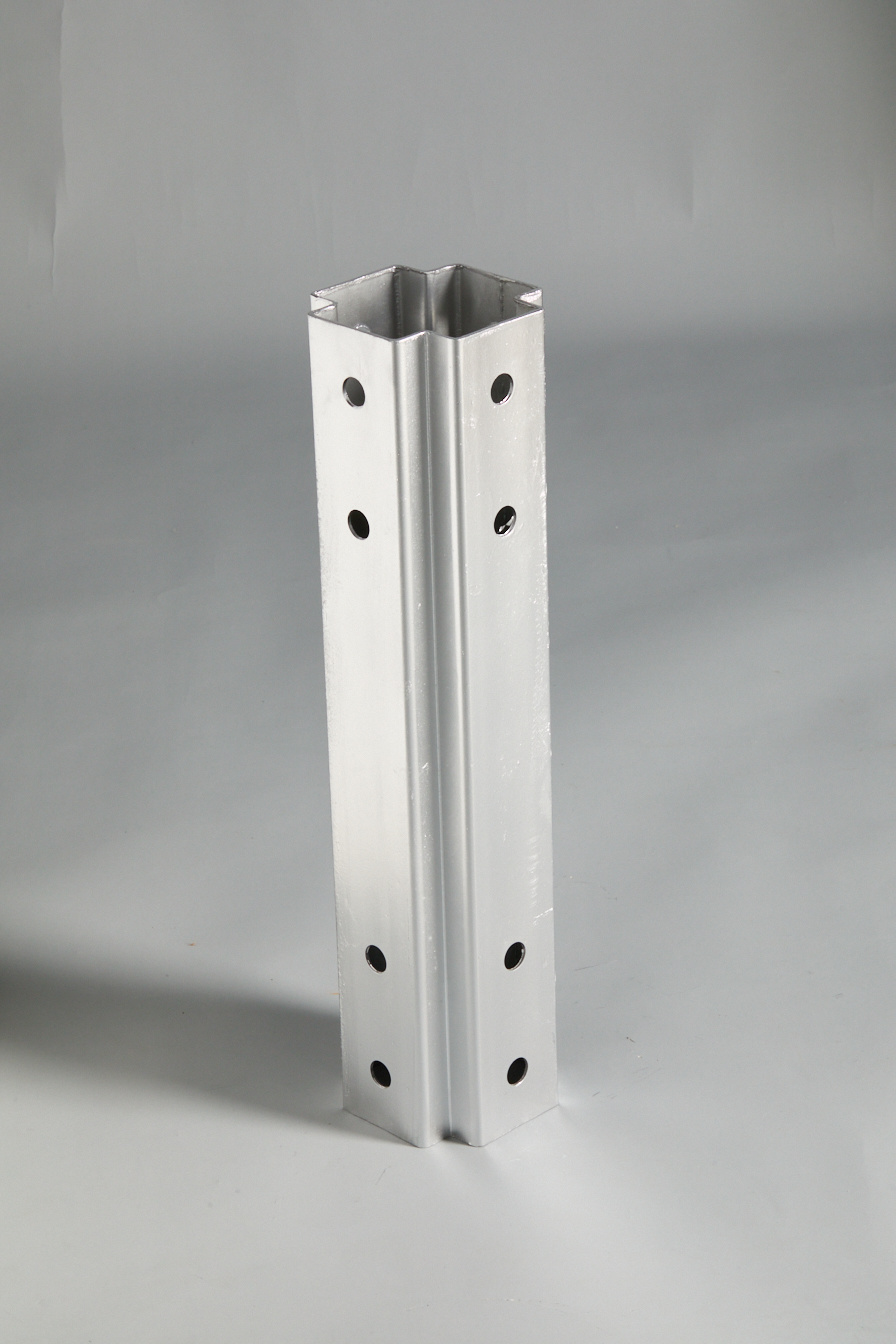
Cross column

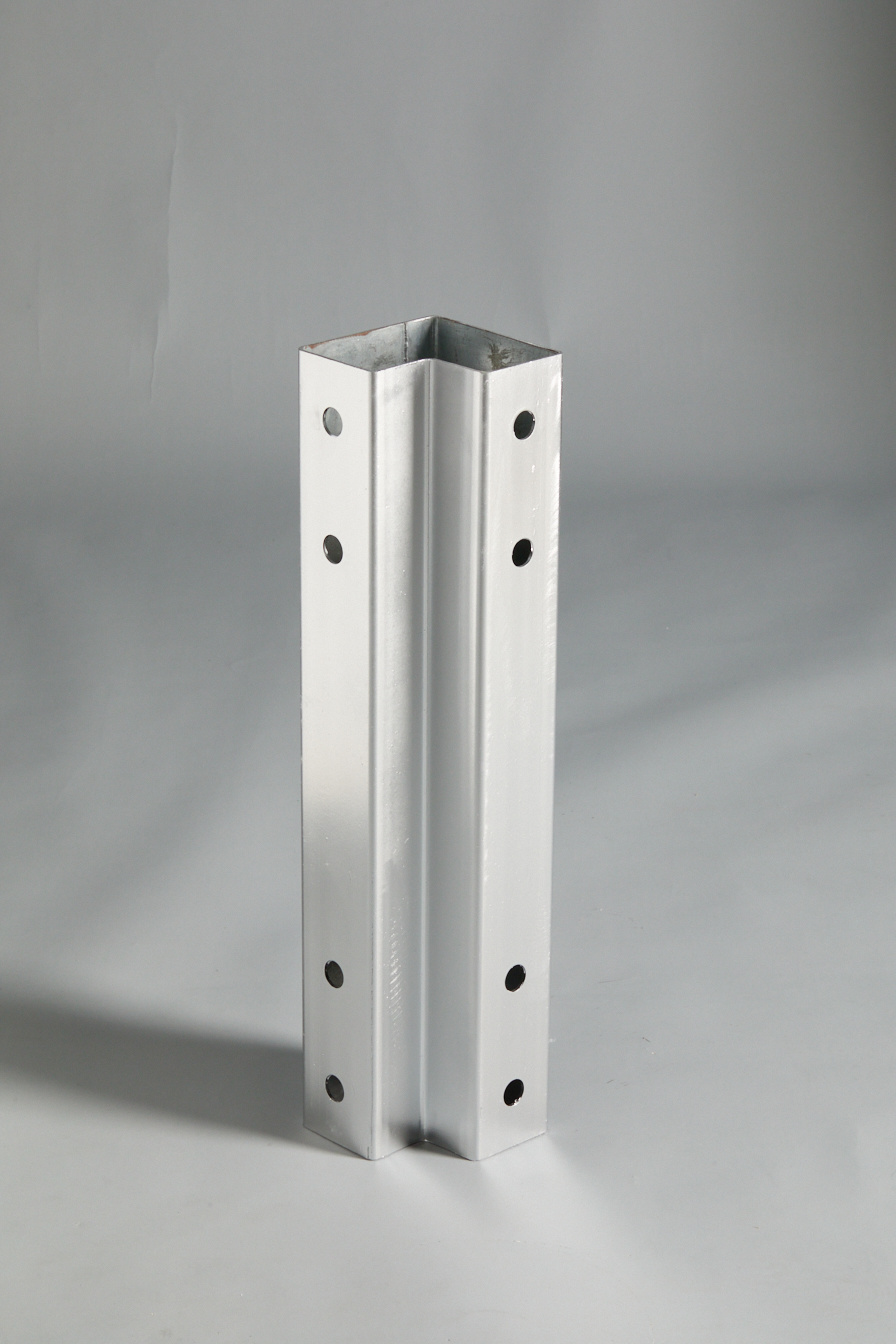
L-shaped column
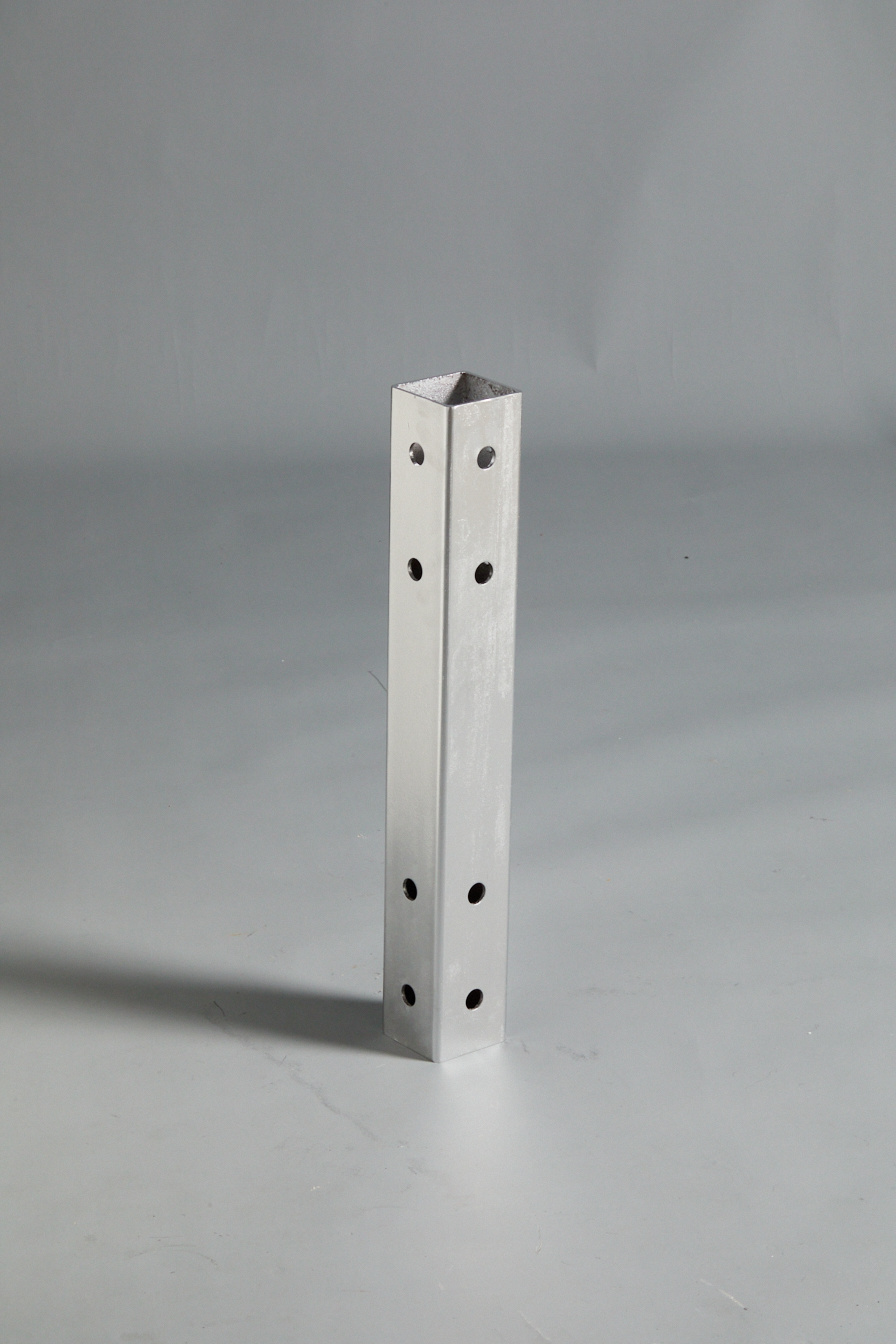
Square tube column

T-shaped column
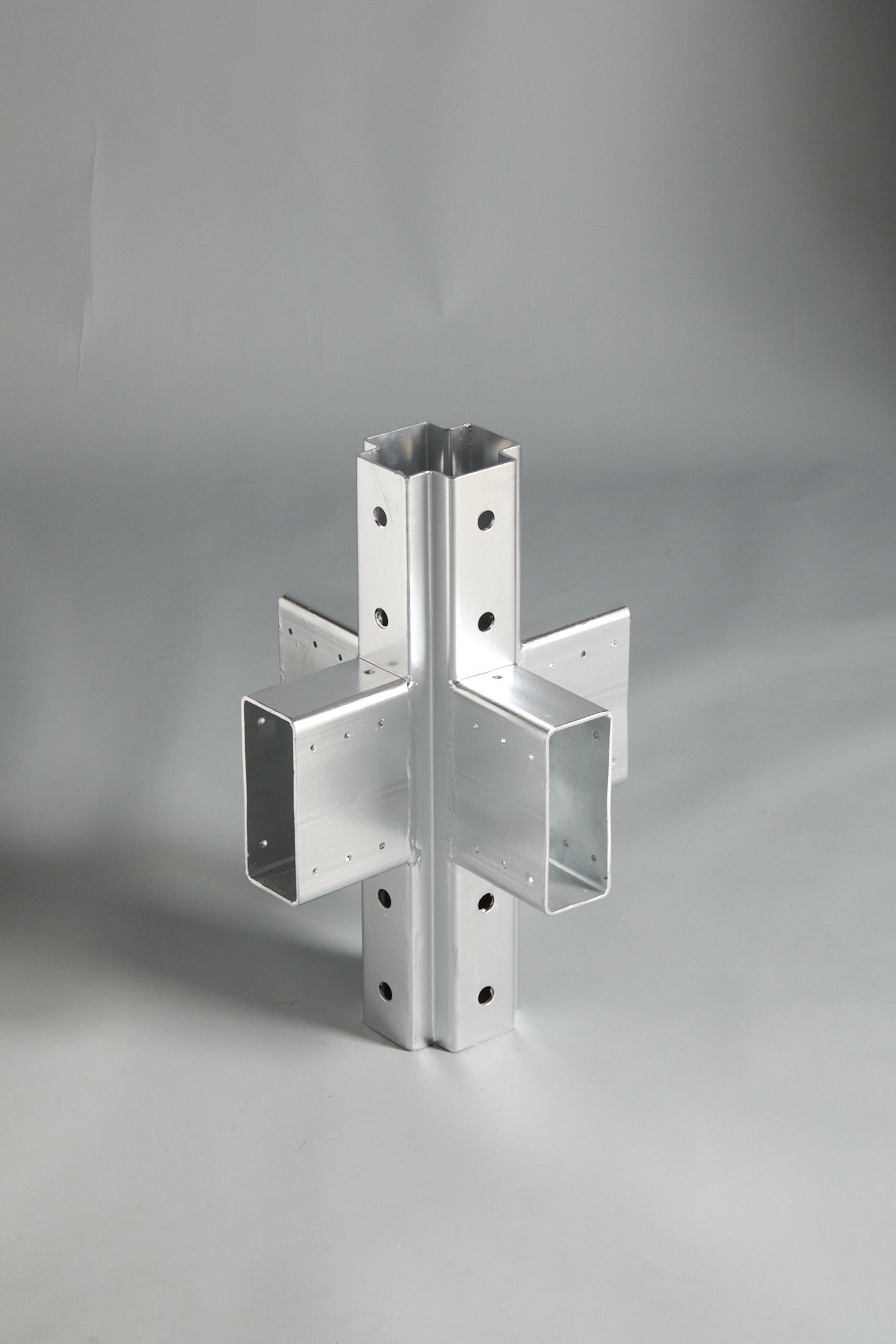
Cross column connector

L-shaped column connector

T-shaped column connector
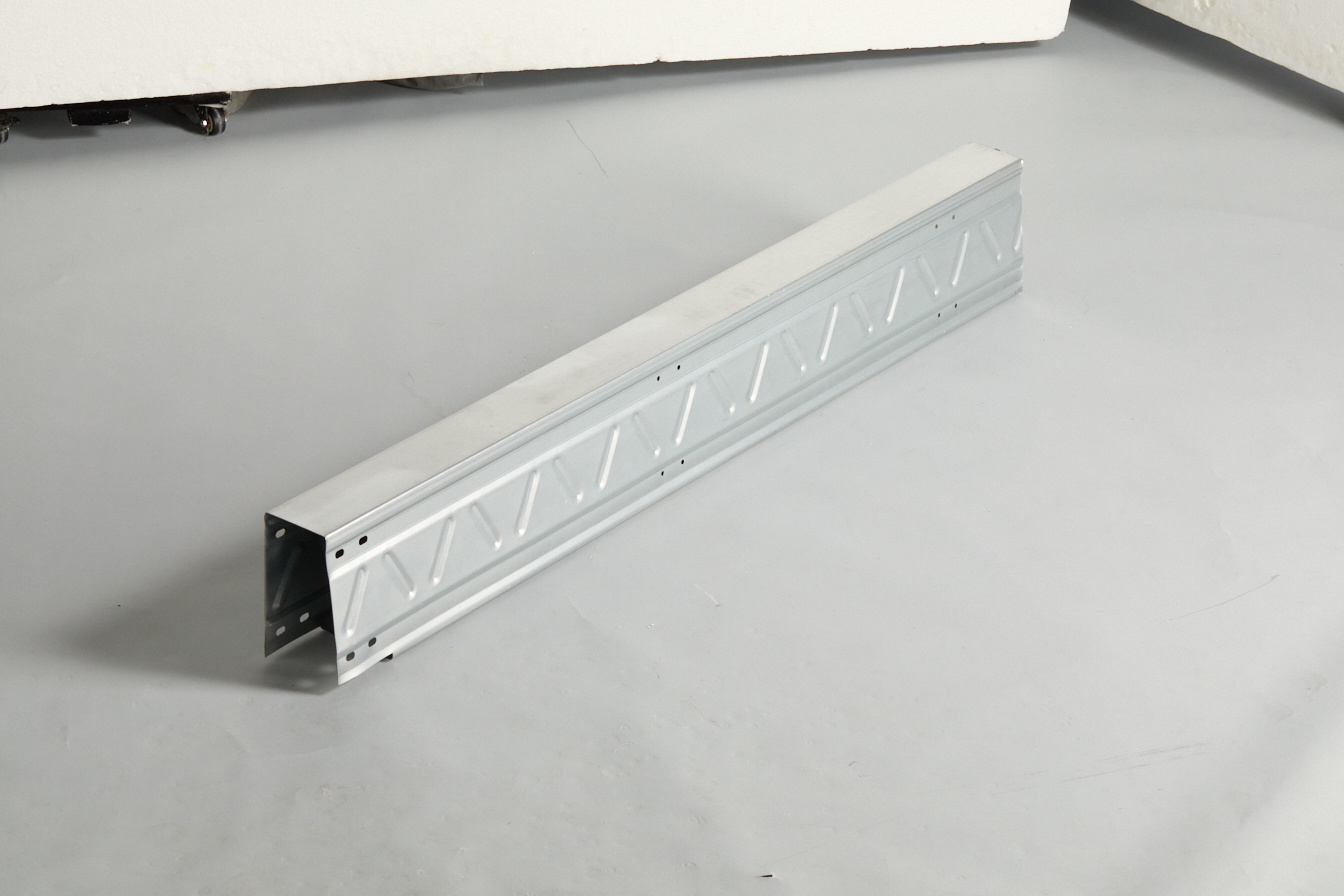
195 inner flipped edge - eight shaped reinforcing rib
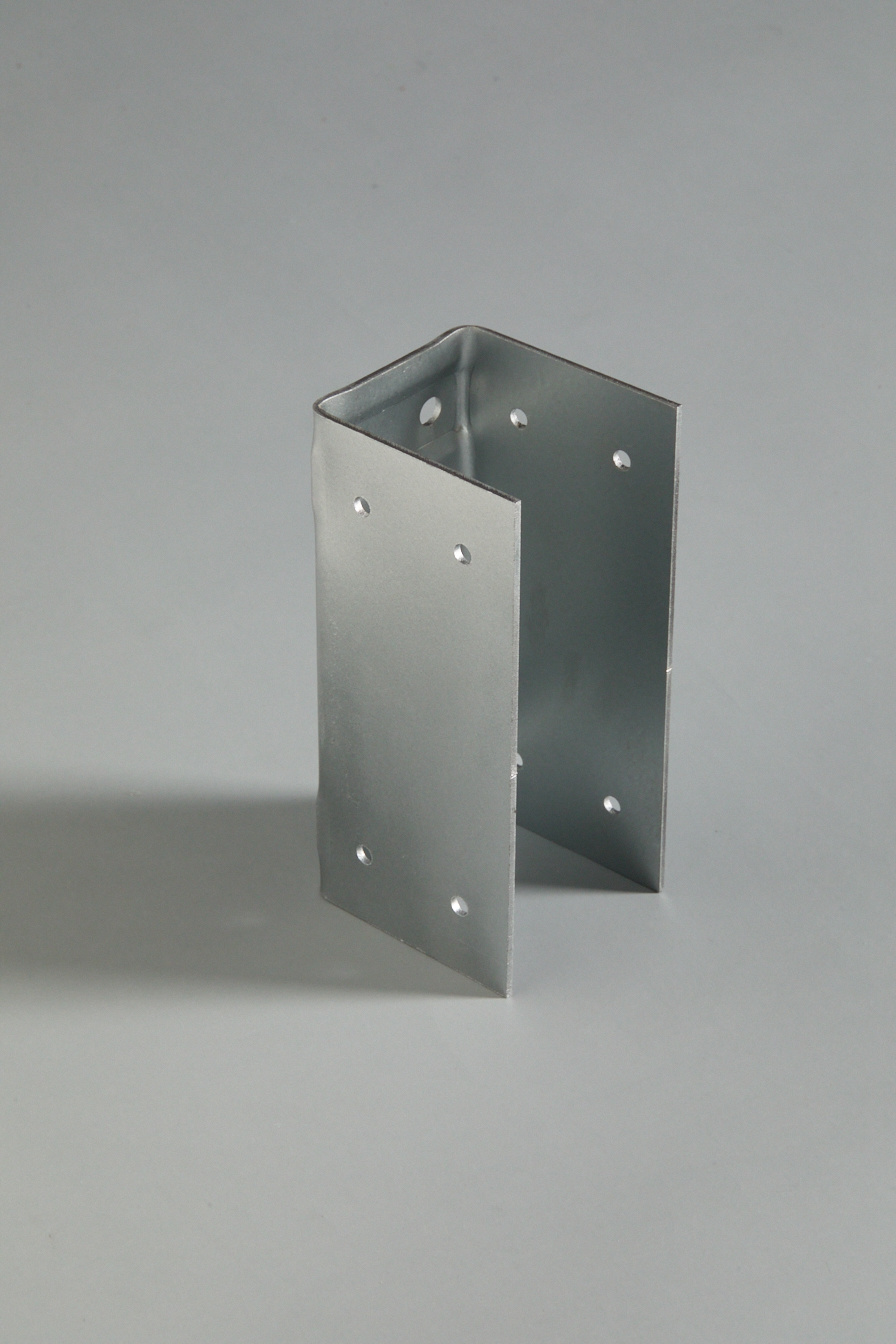
Frame small U connector
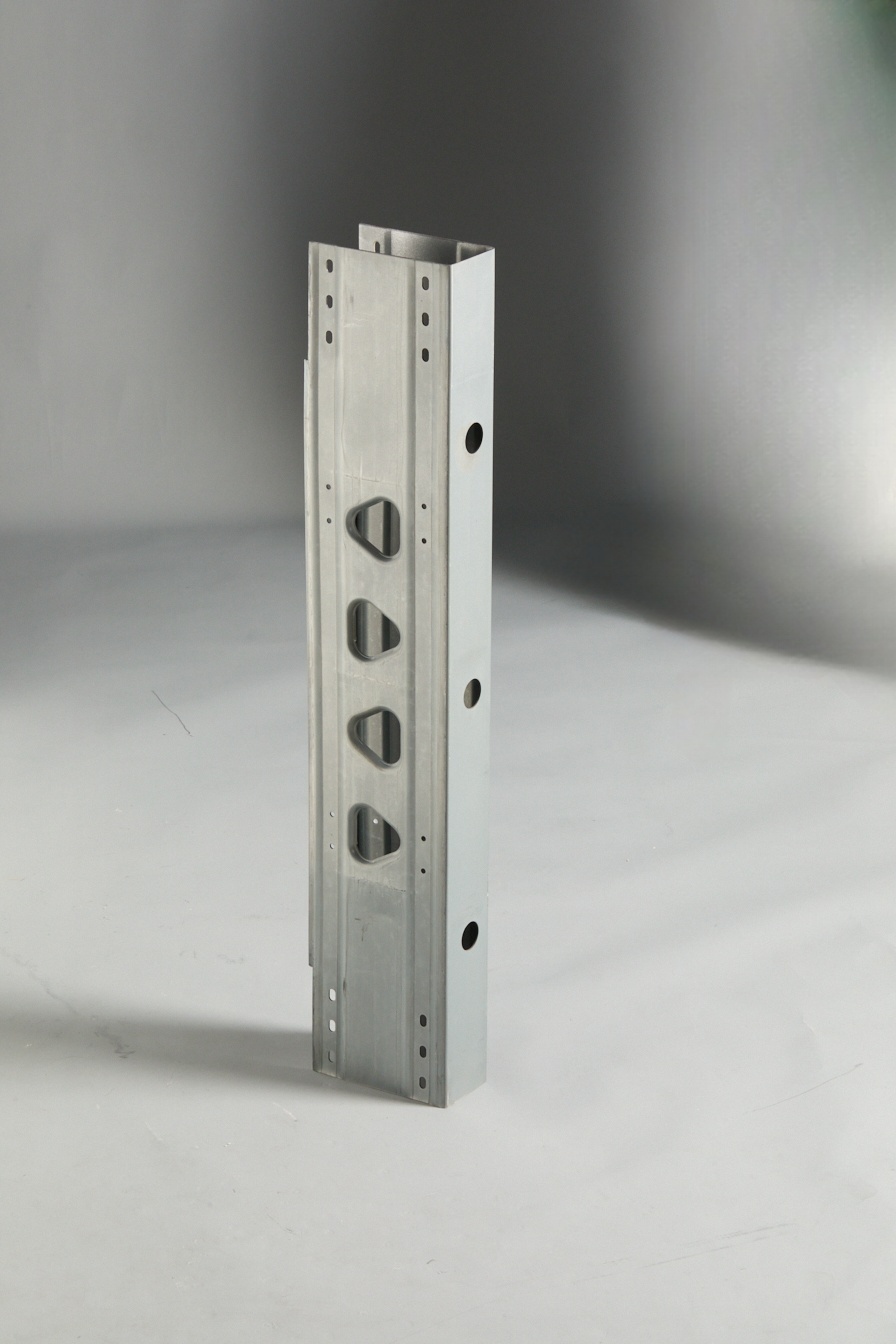
195 Inverted Edge - Triangle Reinforcement
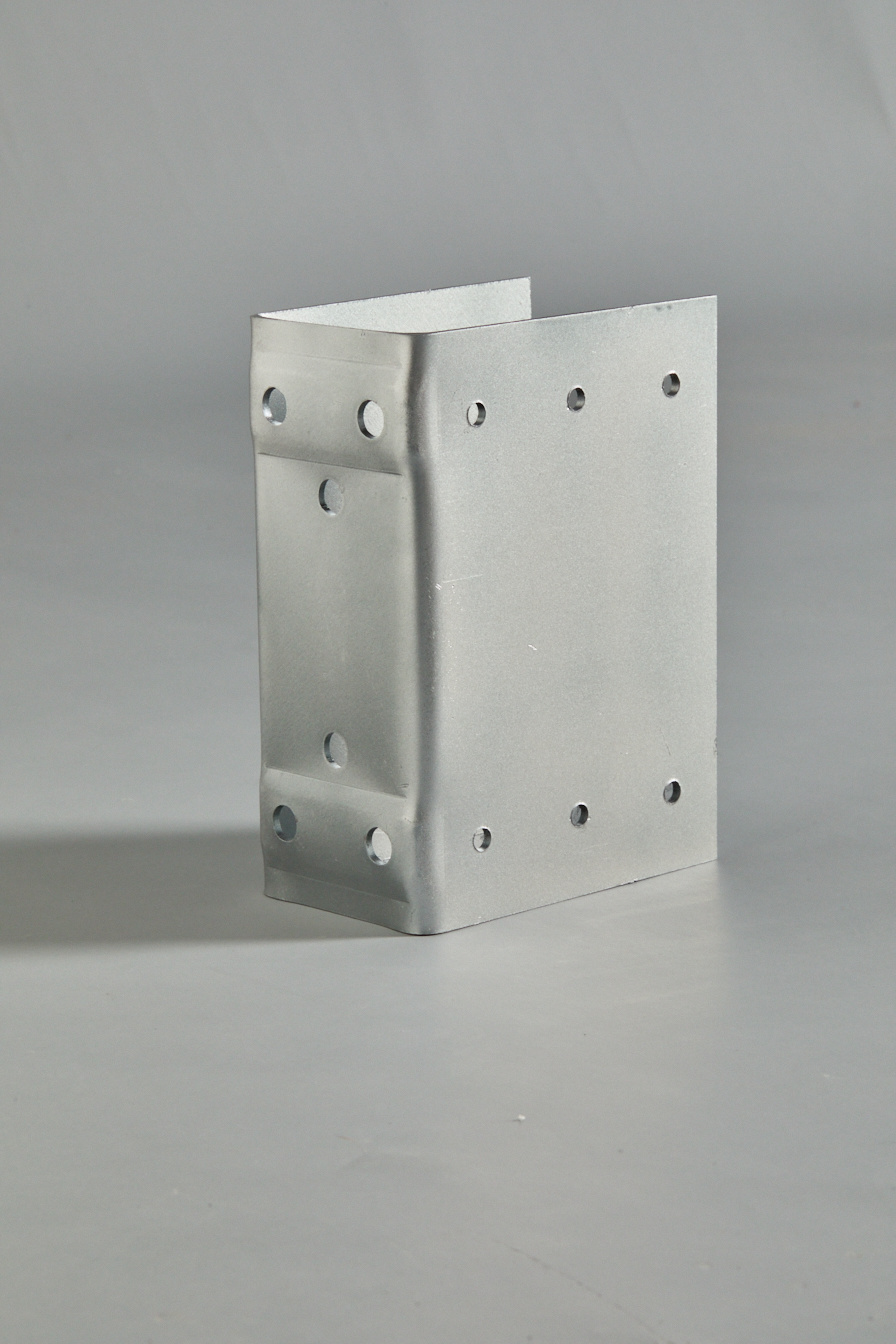
Frame large U connector
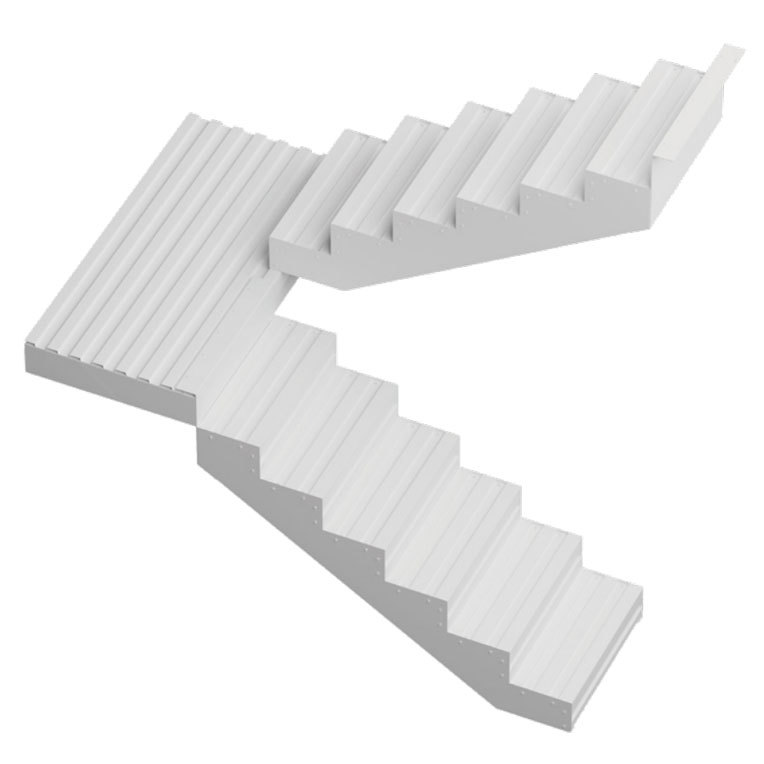
Prefabricated stairs
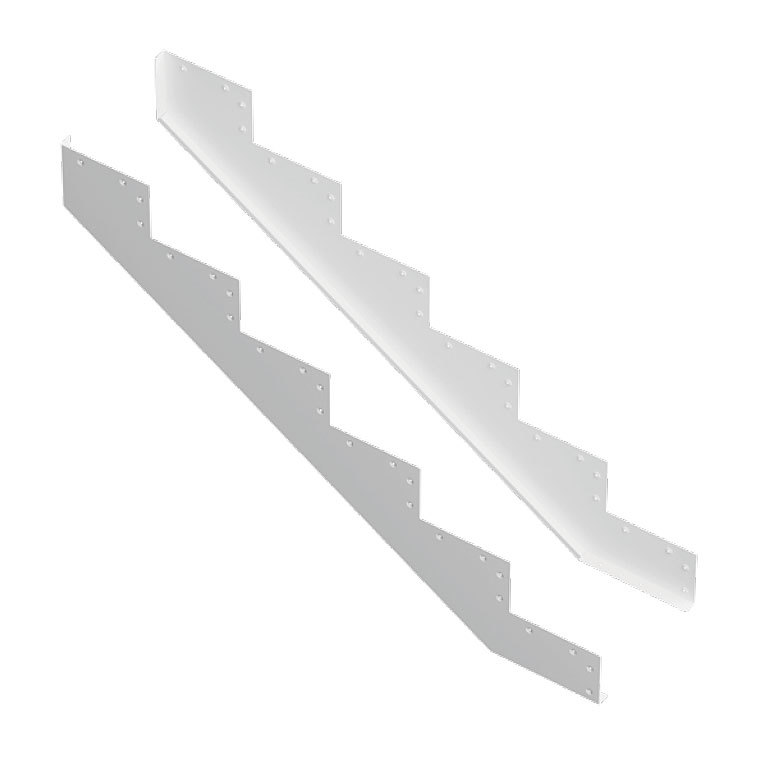
Staircase side panels
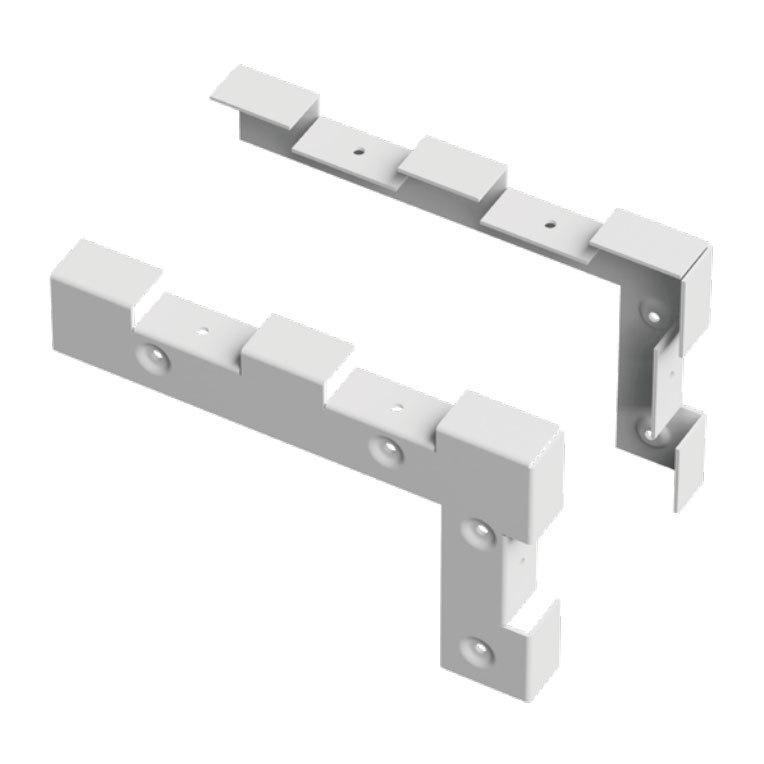
Staircase angle steel
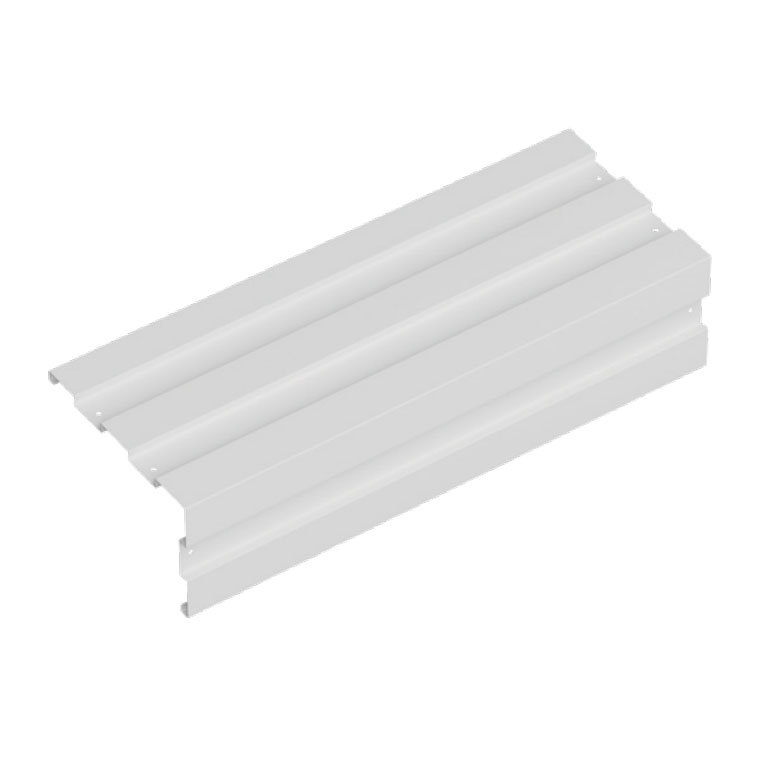
Stair steps
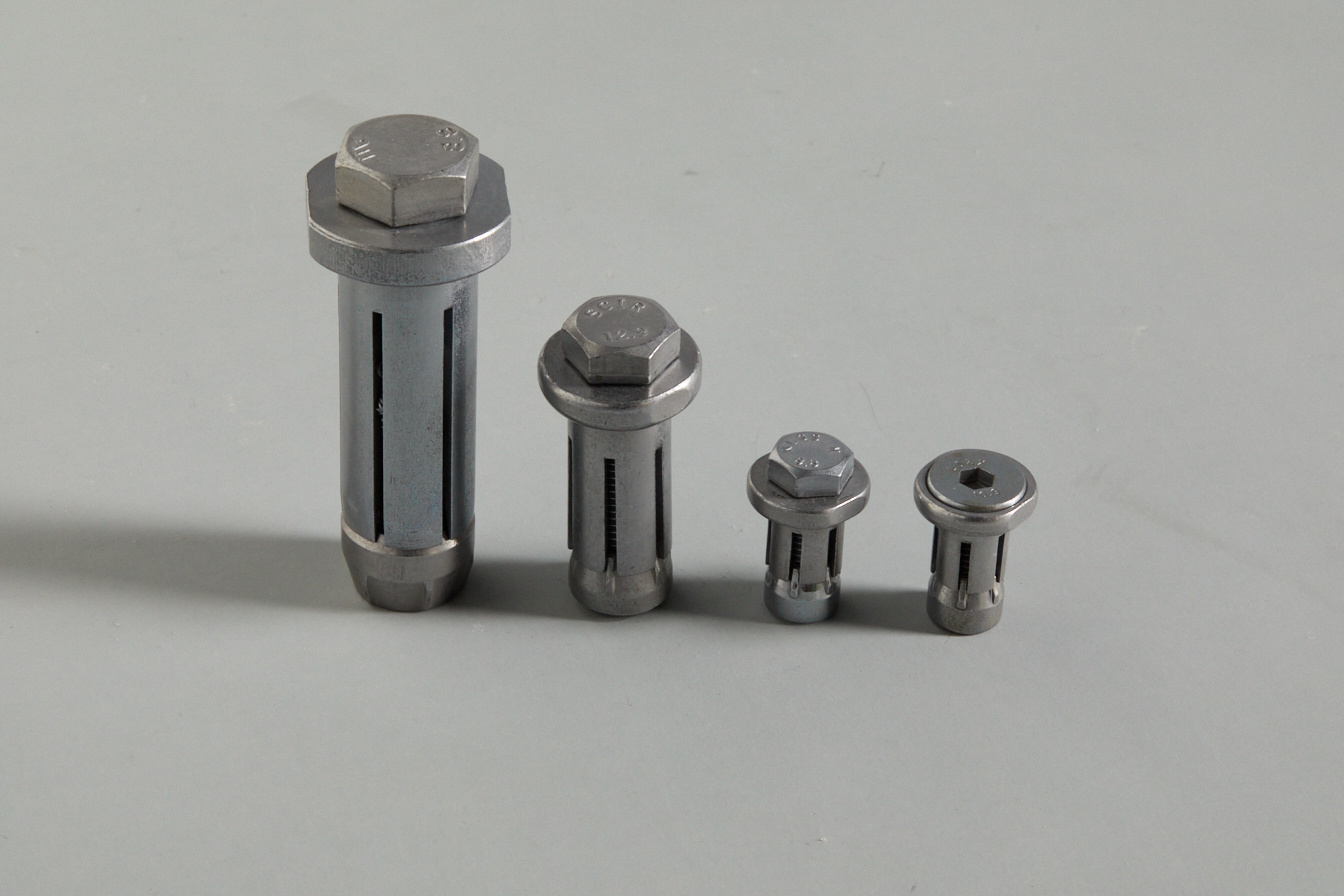
One-Way Bolt
Helical Pile System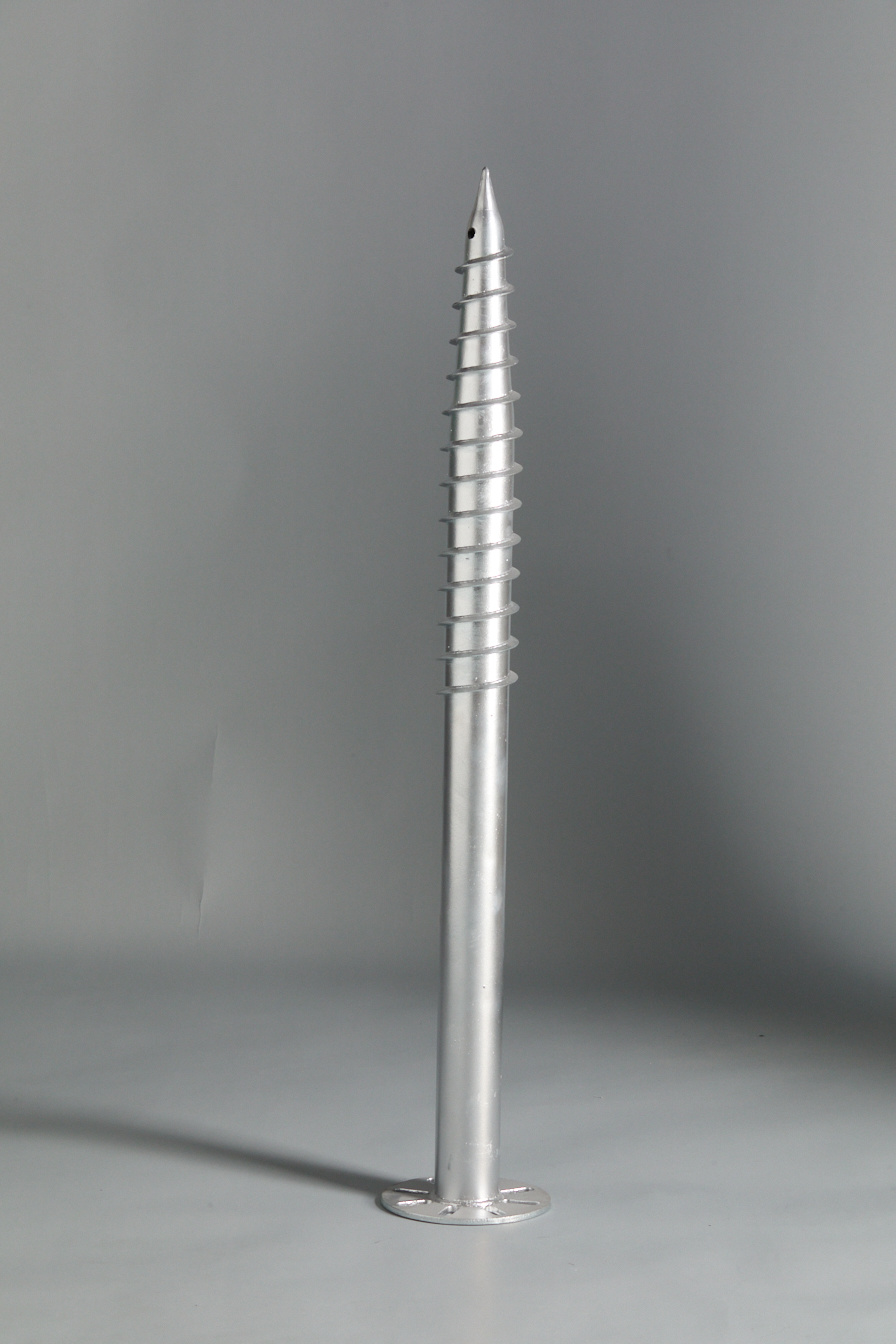
Round Pipe Screw Pile| Reliable Helical Pile Manufacturer| Patented Foundation Solution
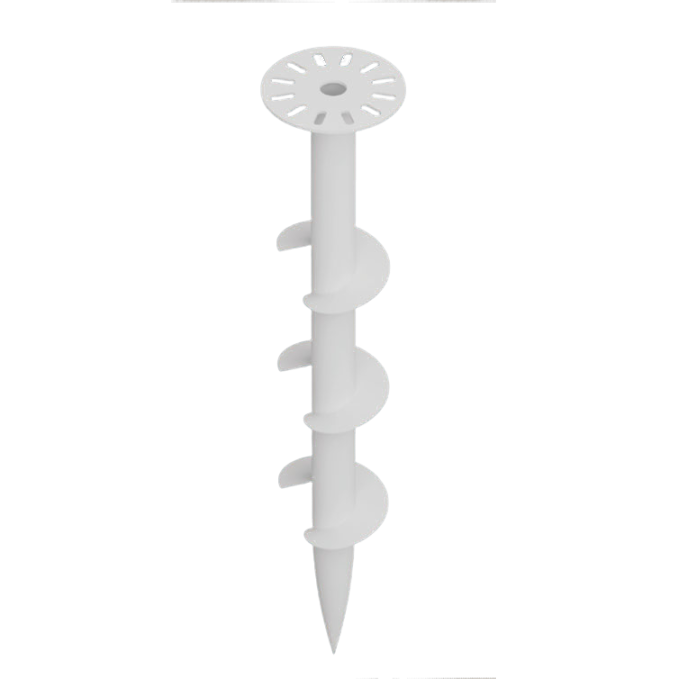
Screw Pile - 3 Blades - Round Pipe Pile
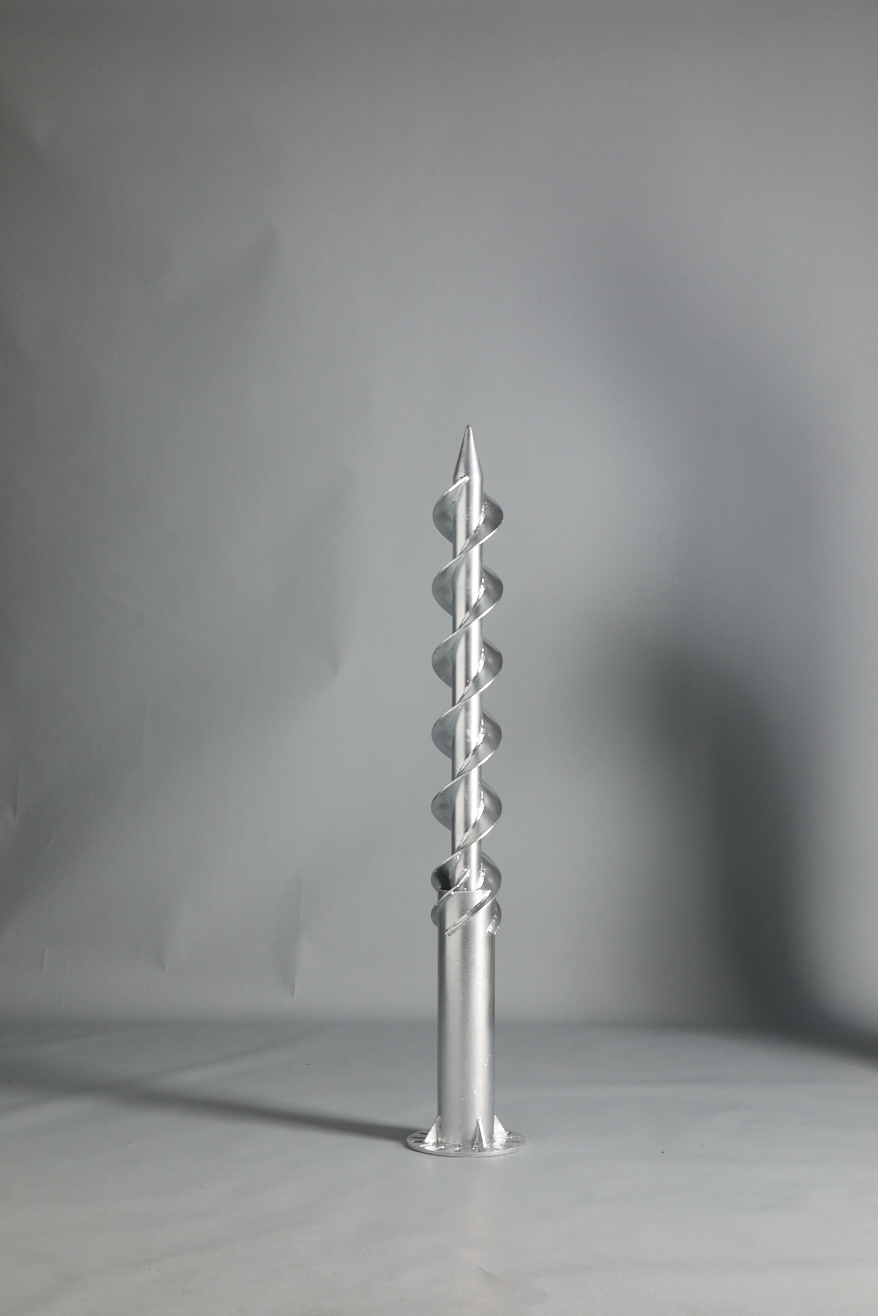
Double-Helix Screw Pile | Patented Foundation Solution
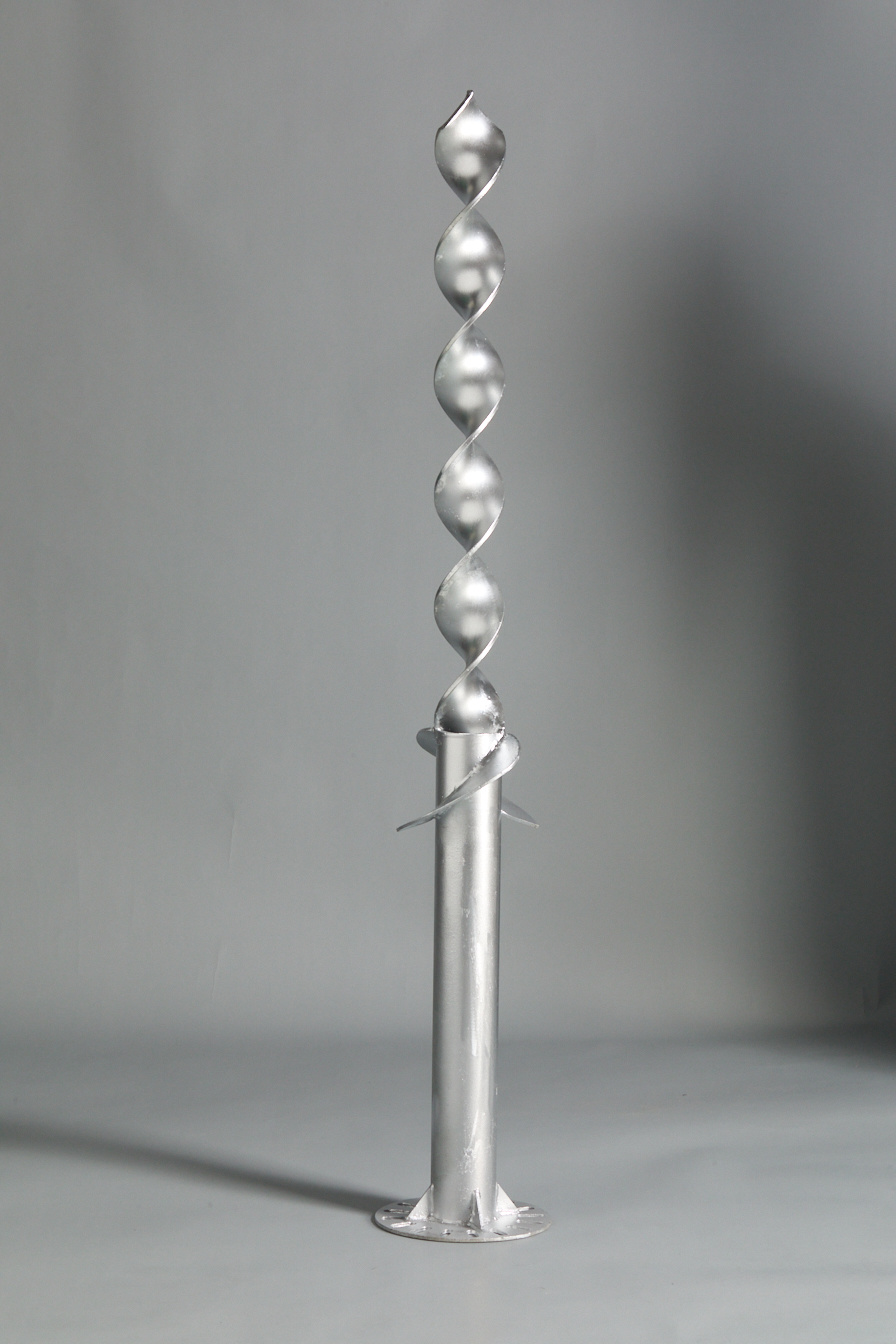
Screw Pile - Large Blade Flat Steel Pile

Flat Steel Screw Pile| Reliable Helical Pile Manufacturer| Patented Foundation Solution
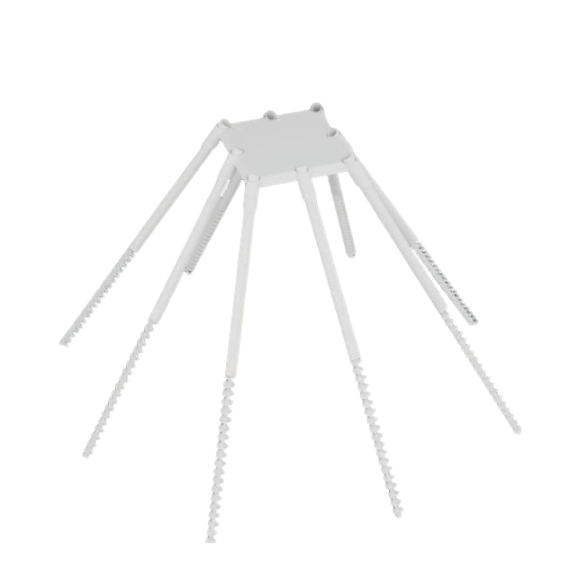
Eight-Pile Group Screw Piles| Reliable Helical Pile Manufacturer| Patented Foundation Solution
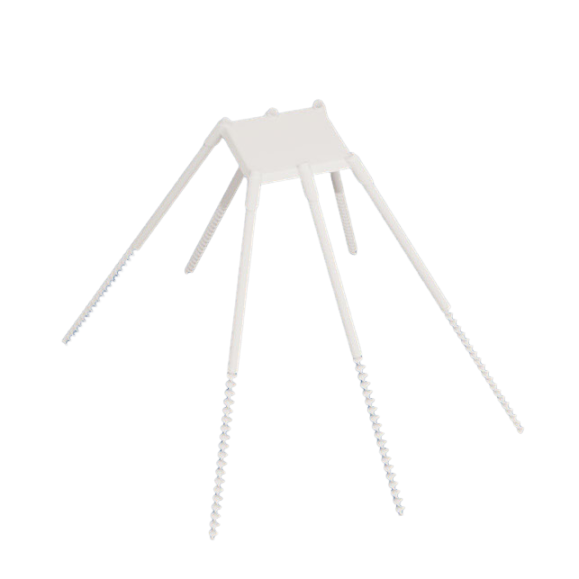
Six-Pile Group Screw Piles| Reliable Helical Pile Manufacturer| Patented Foundation Solution
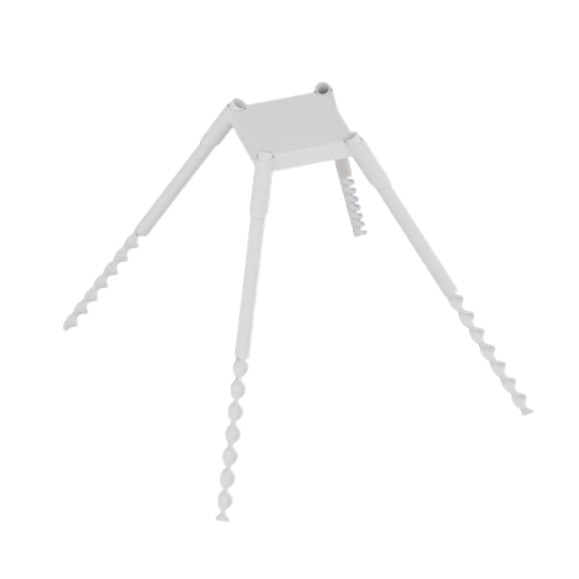
Four-Pile Group Screw Piles| Reliable Helical Pile Manufacturer| Patented Foundation Solution
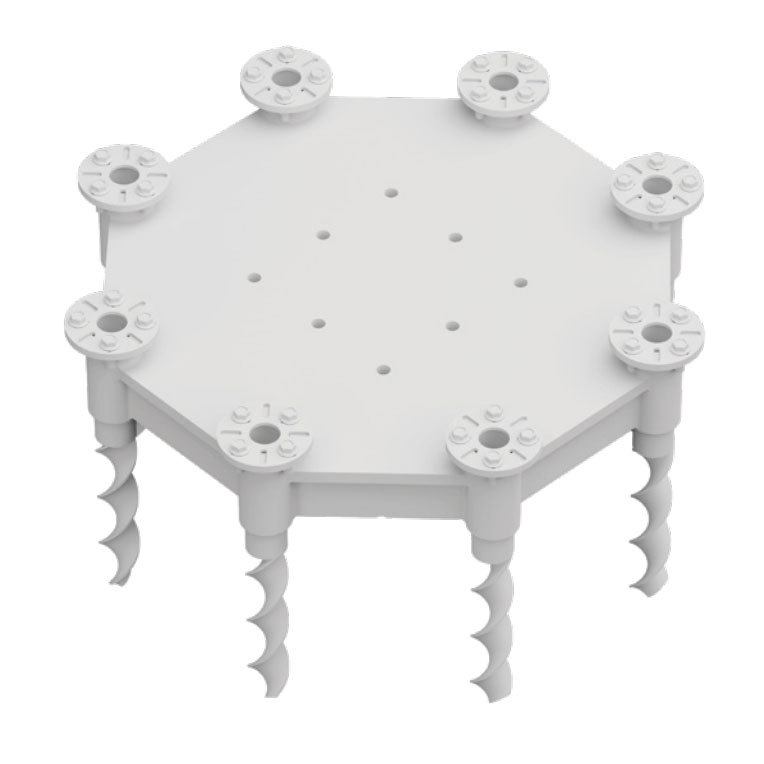
Eight-Pile Cap Screw Pile | Reliable Helical Pile Manufacturer| Patented Foundation Solution
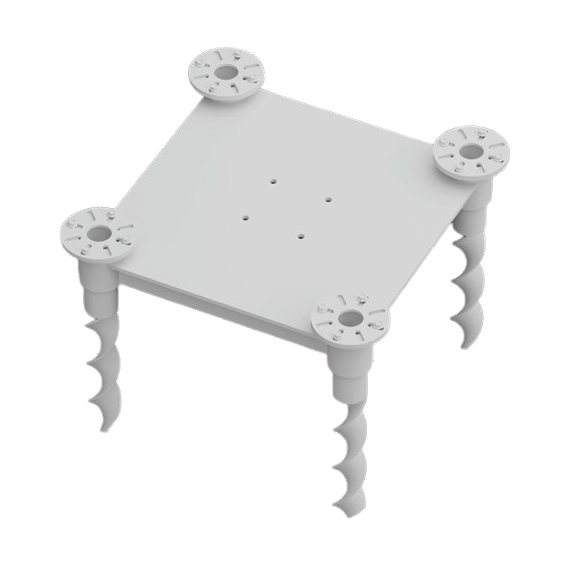
Four-Pile Cap Screw Pile | Reliable Helical Pile Manufacturer| Patented Foundation Solution
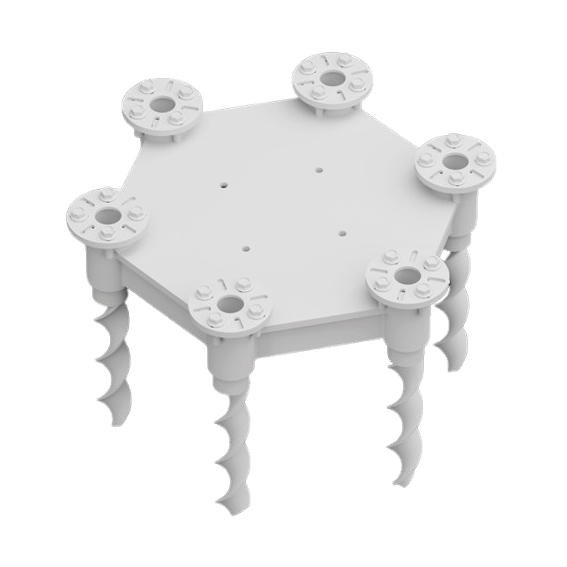
Six-Pile Cap Screw Pile | Reliable Helical Pile Manufacturer| Patented Foundation Solution

Two-Pile Cap Screw Pile | Reliable Helical Pile Manufacturer| Patented Foundation Solution
Steel Platform System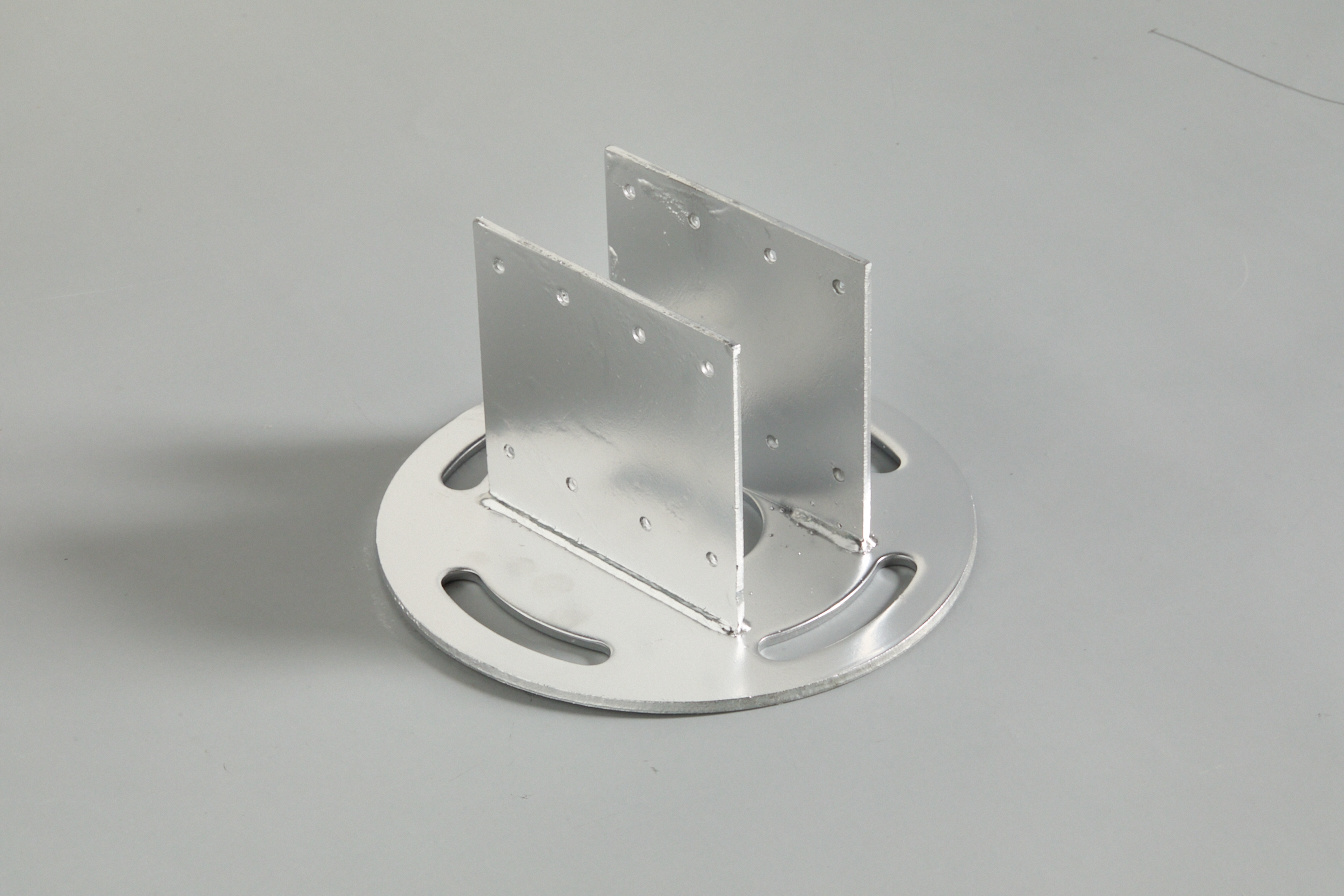
Spiral pile connectors
Small U connector
Large U connector

Hexagonal flange self drilling and self tapping screws

Tightening Bolts
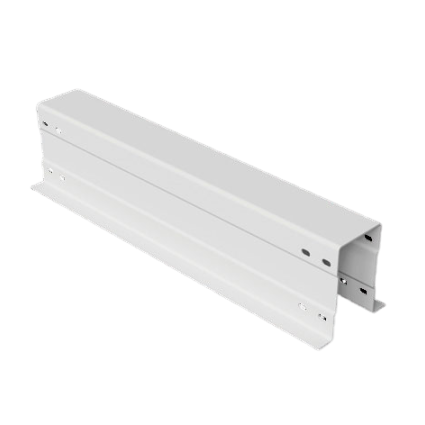
Secondary Beam
Steel Platform - Main Beam
Modular building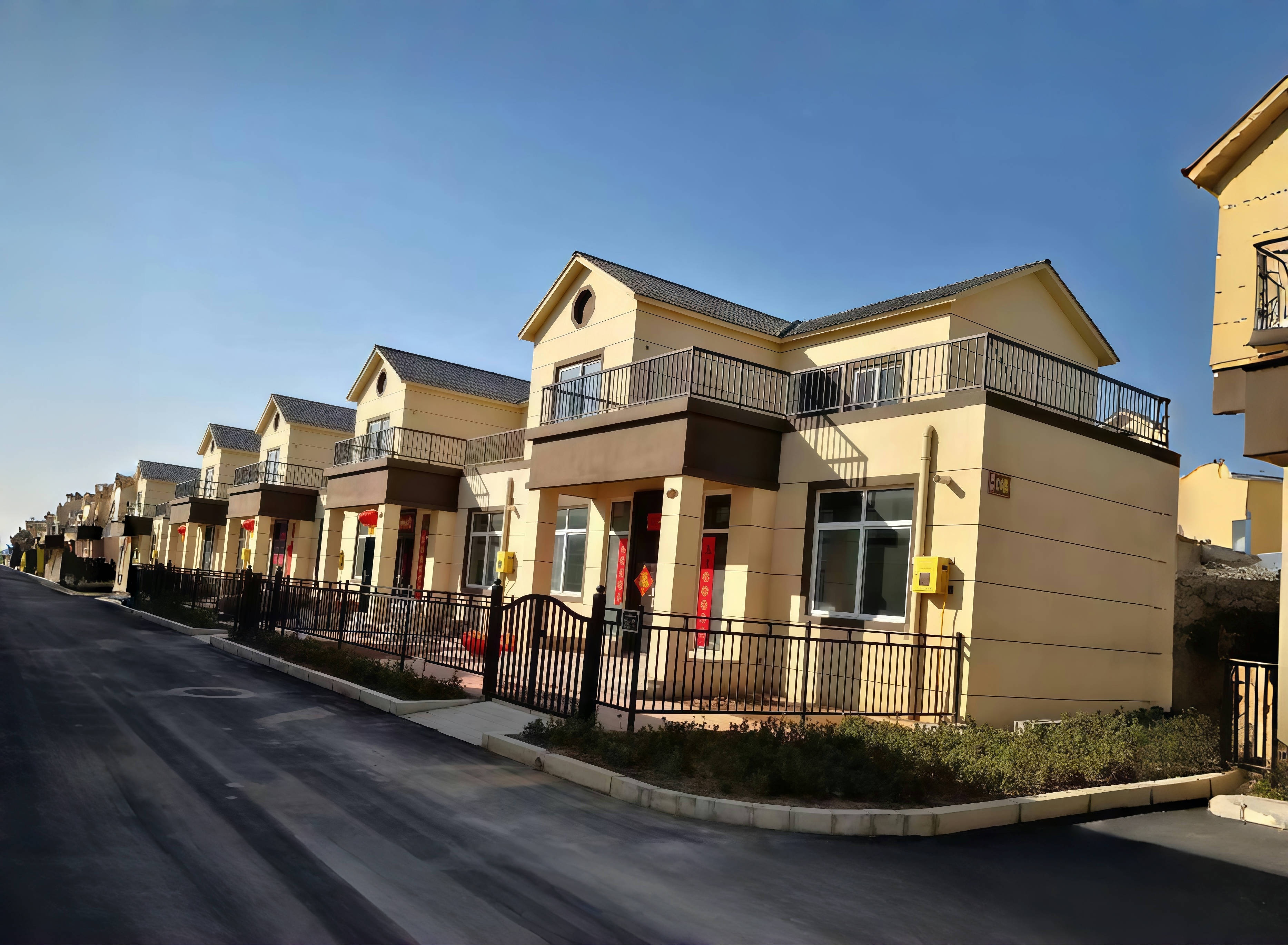
Modular building
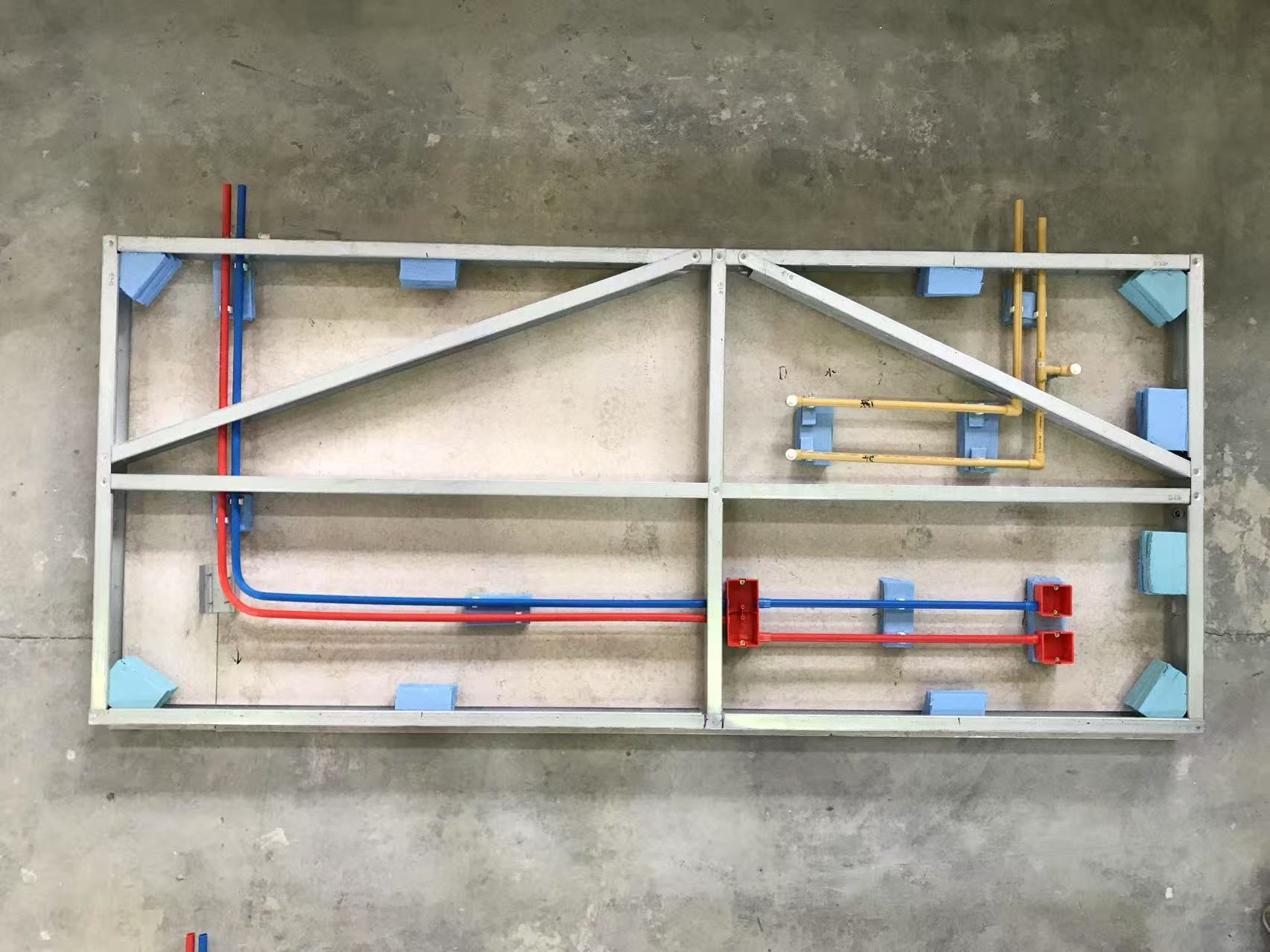
Layout Diagram of Electrical and Plumbing Pipelines for Magnesium-Based Grouted Walls

Performance Testing of Magnesium-Based Walls
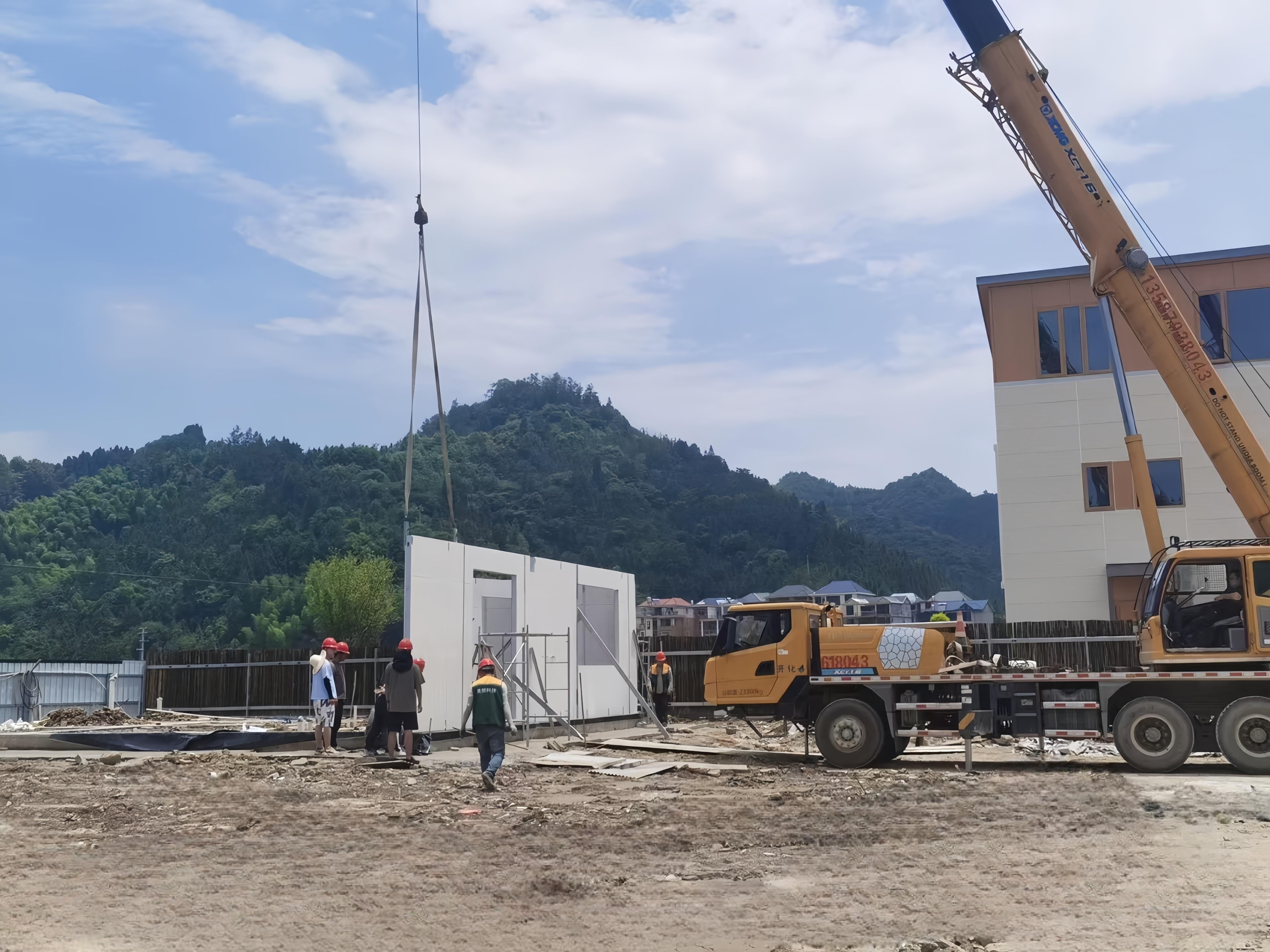
Construction Process of Modular Walls
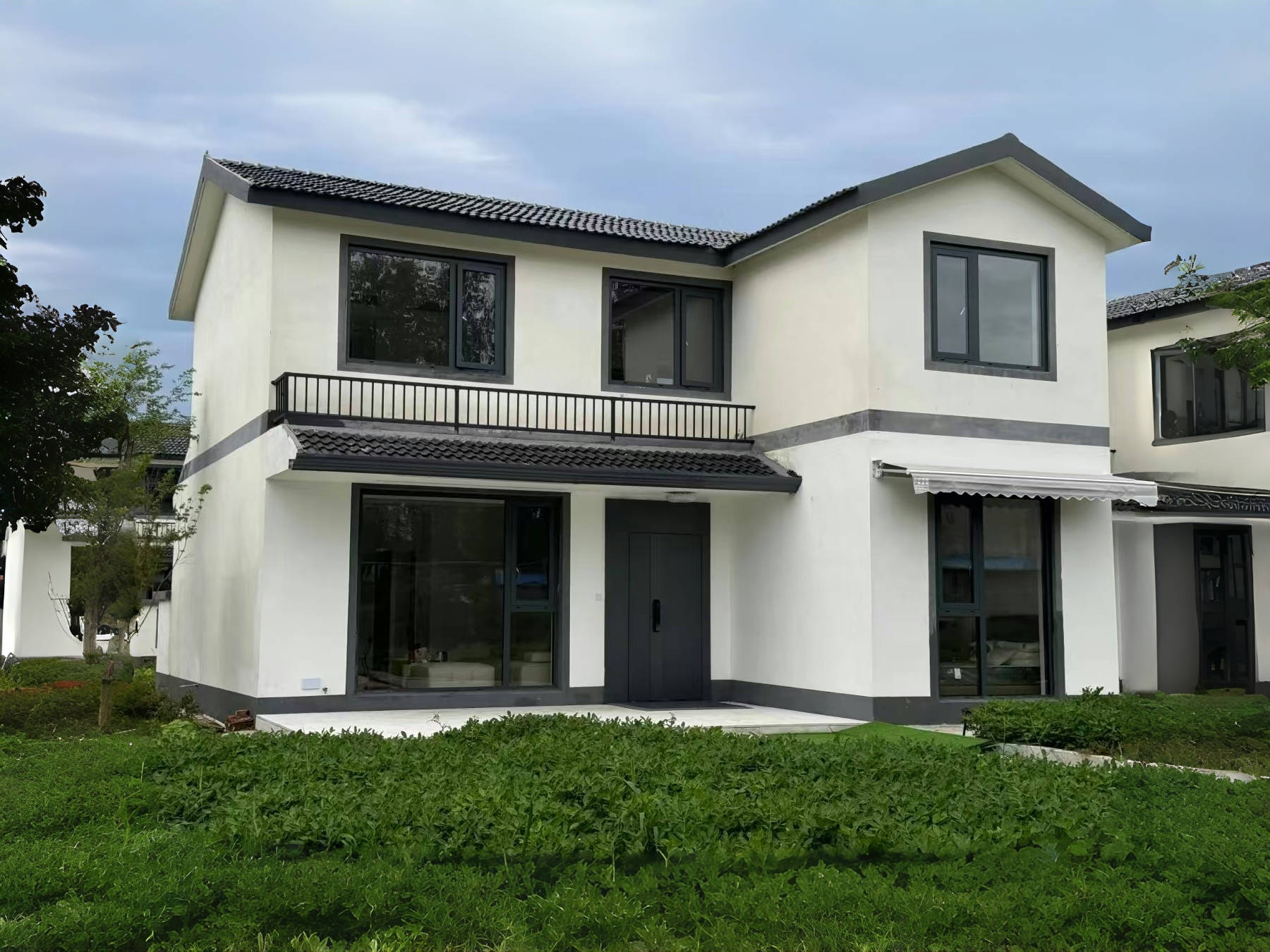
Cases of Modular Buildings
Bracket Roof Integrated Panel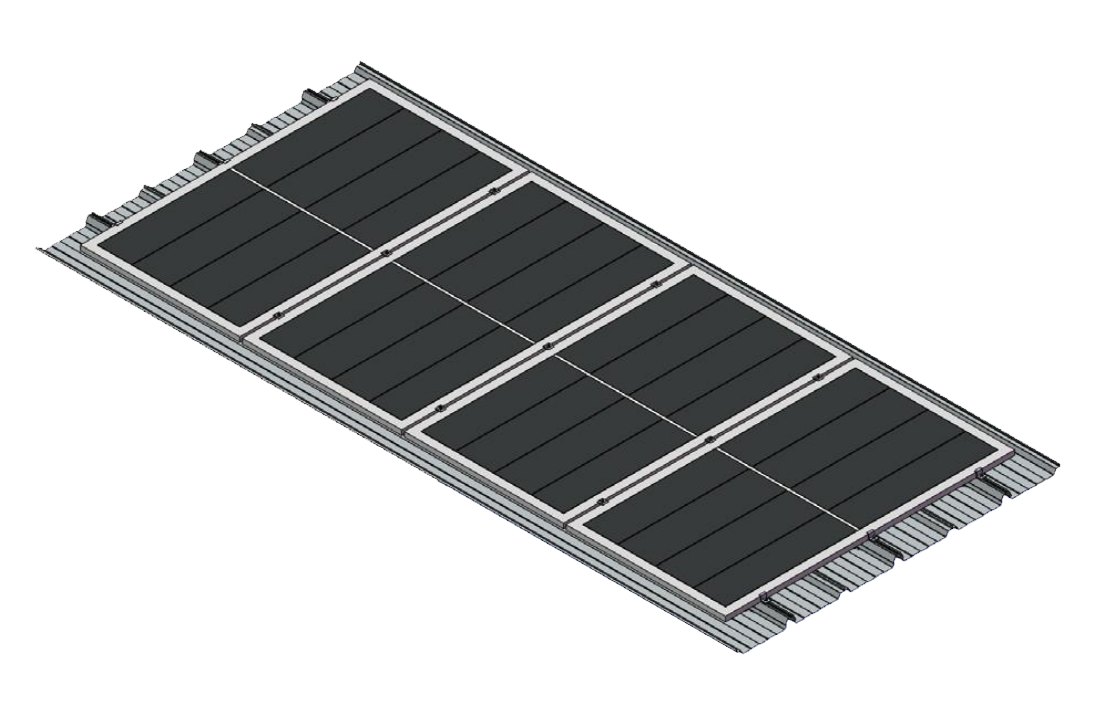
BIPV Bracket Roof Integrated Panel
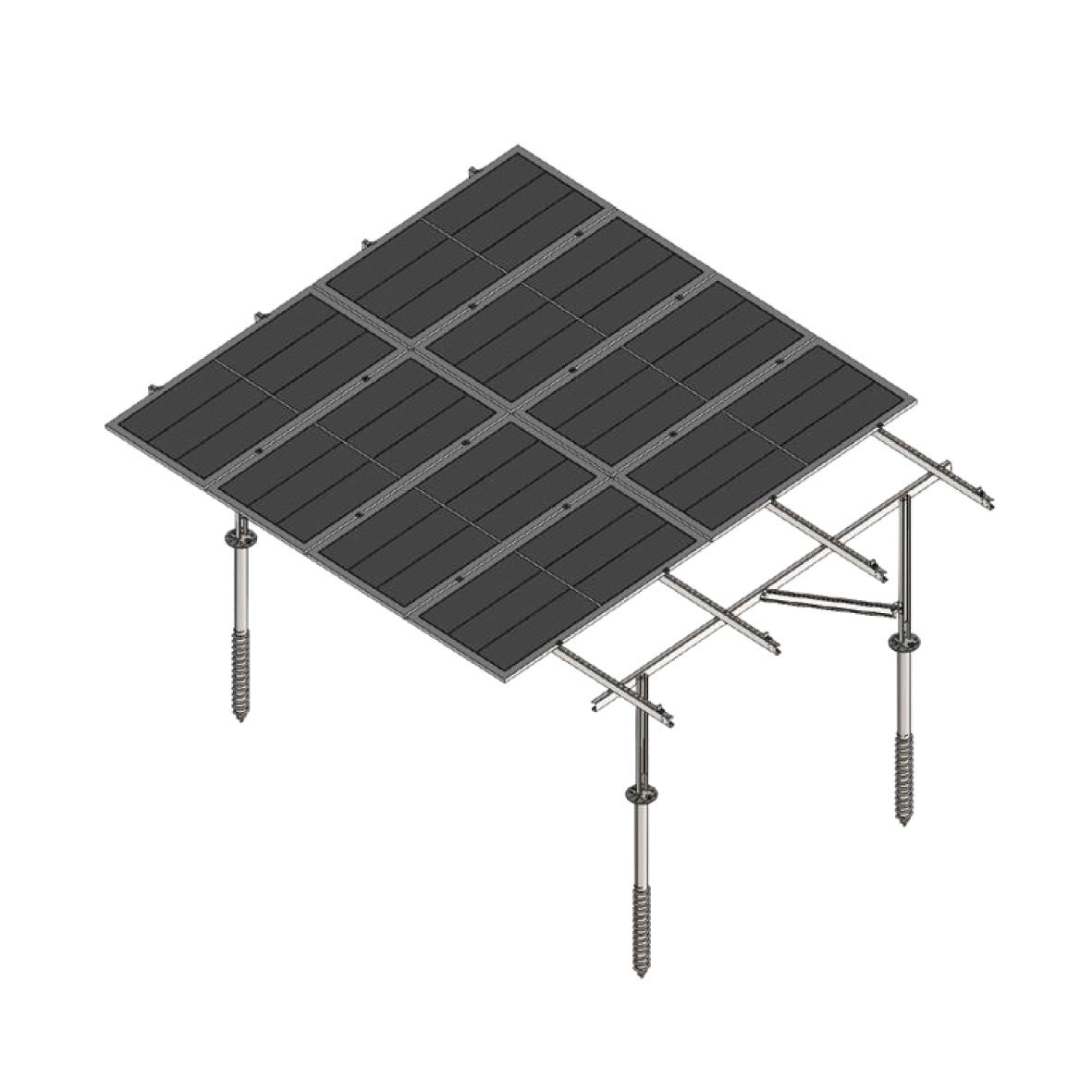
ZINC Aluminum Magnesium Double Leg Bracket
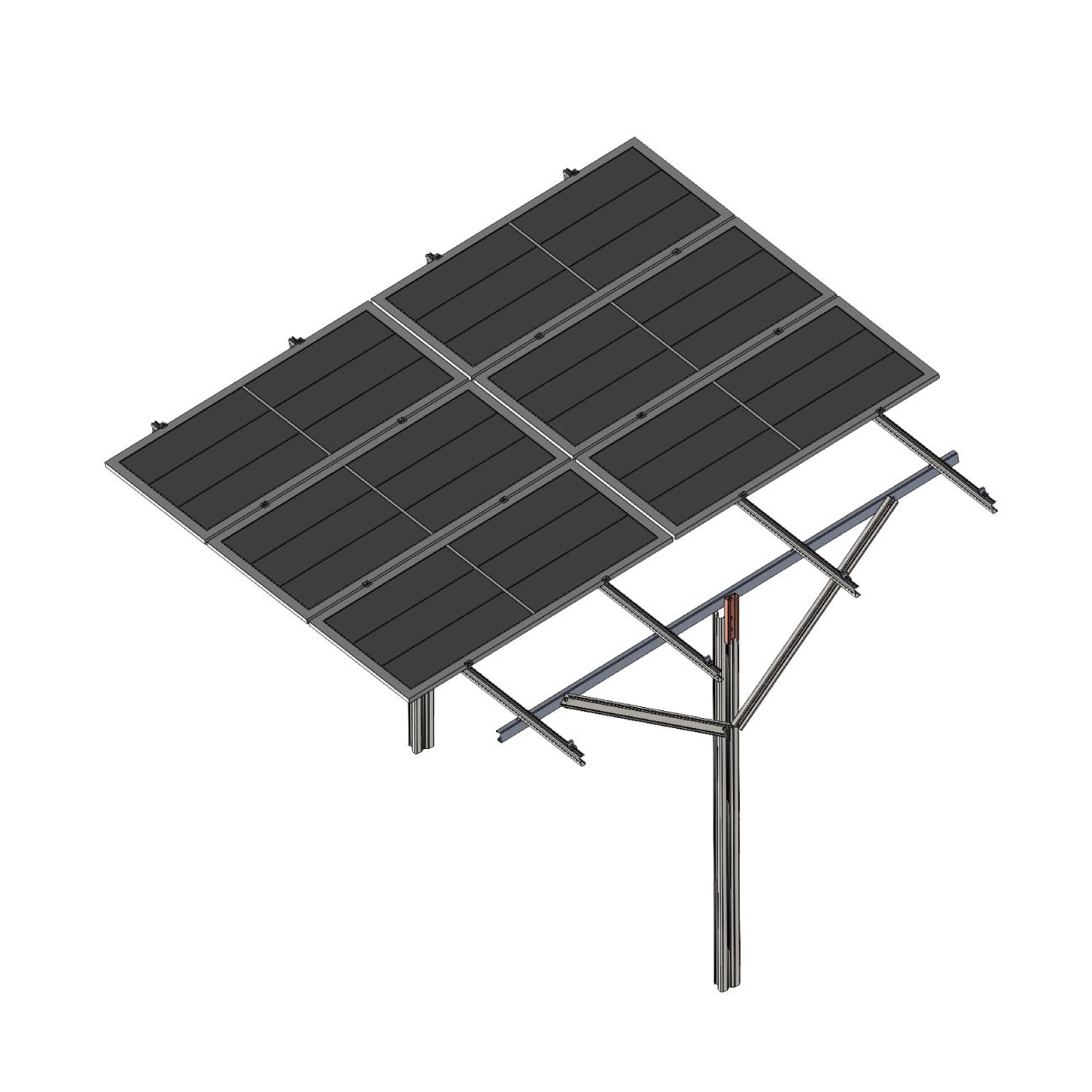
ZINC Aluminum Magnesium Single Leg Bracket
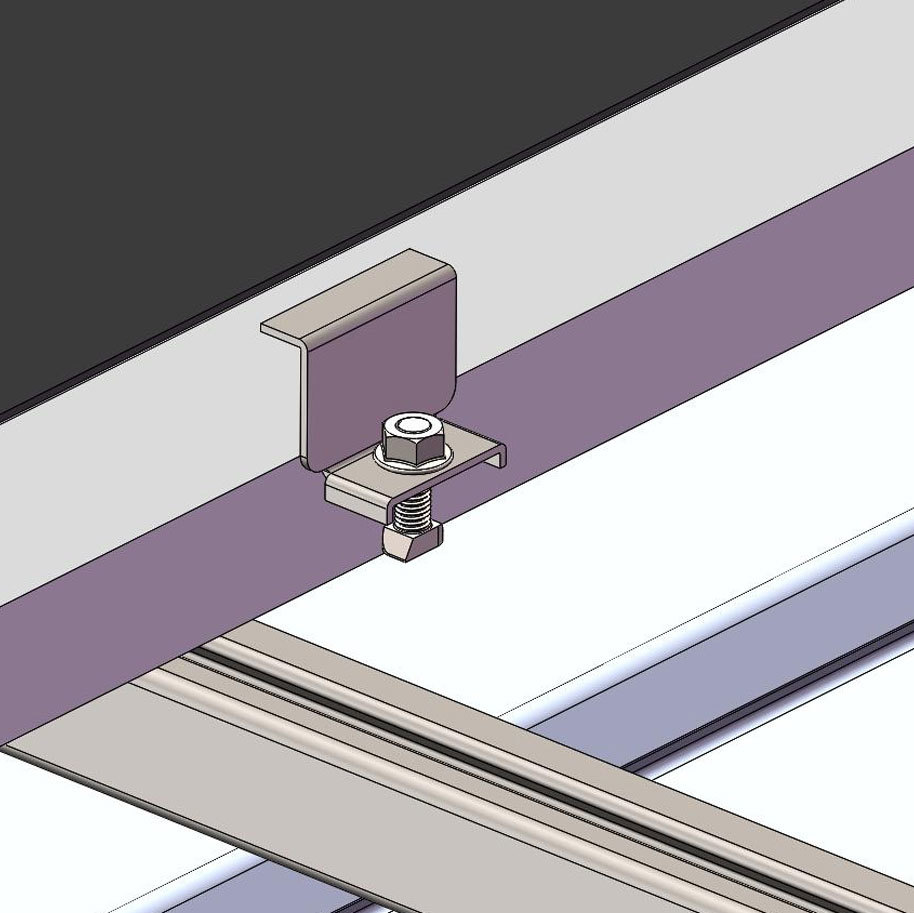
Explosion diagram of zinc aluminum magnesium under lateral pressure
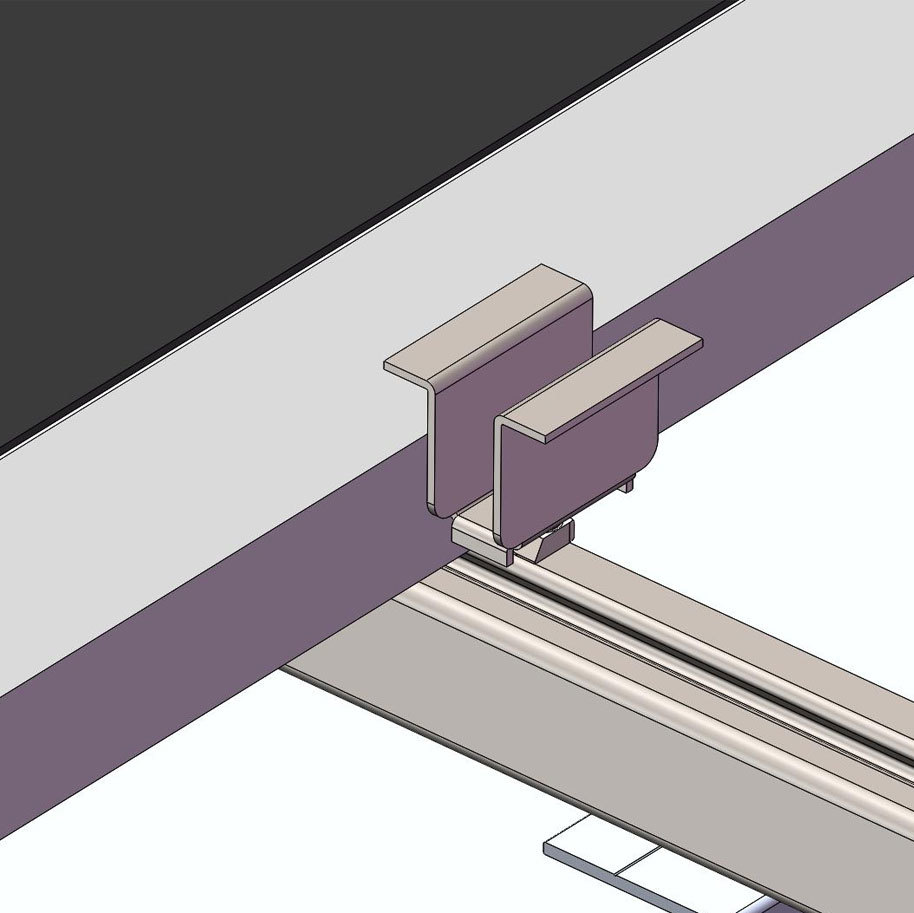
Zinc aluminum magnesium medium pressure explosion diagram
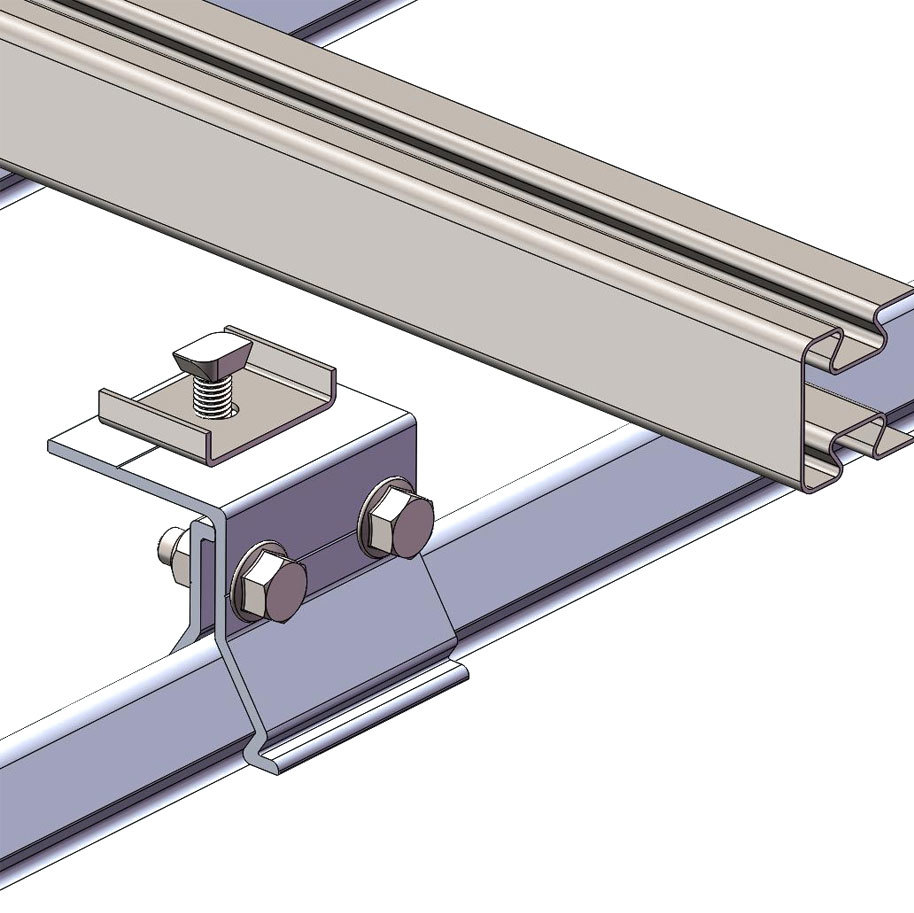
Explosion diagram of fixture components
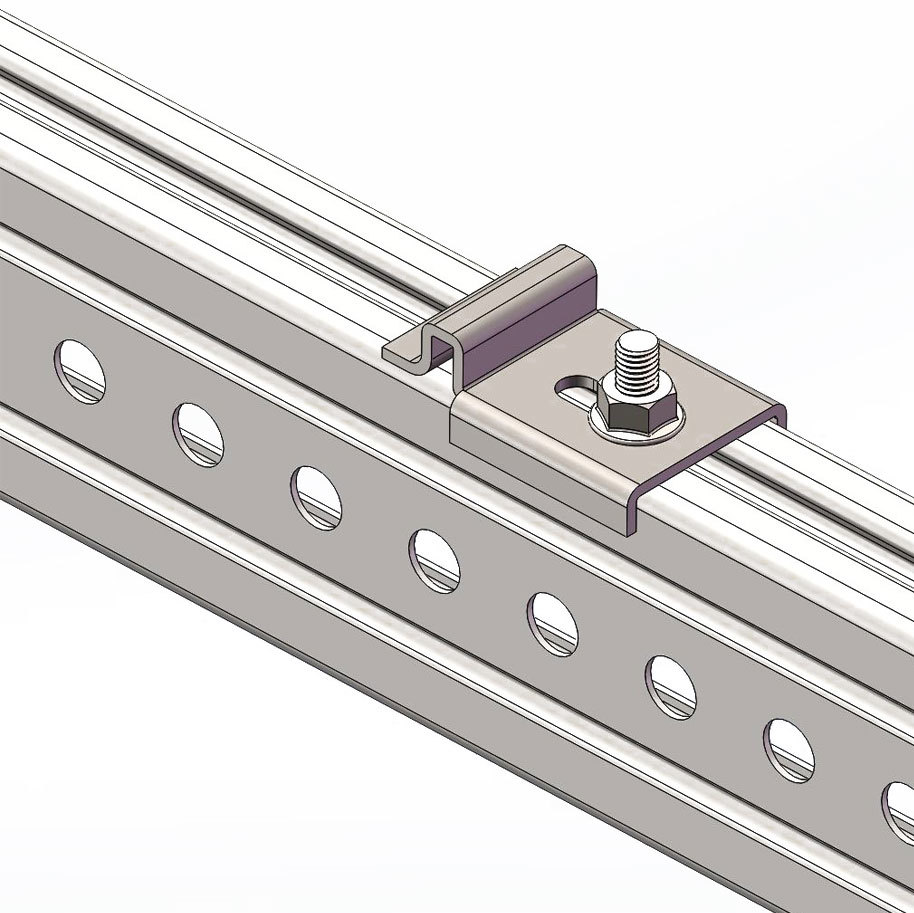
Lower pressure component
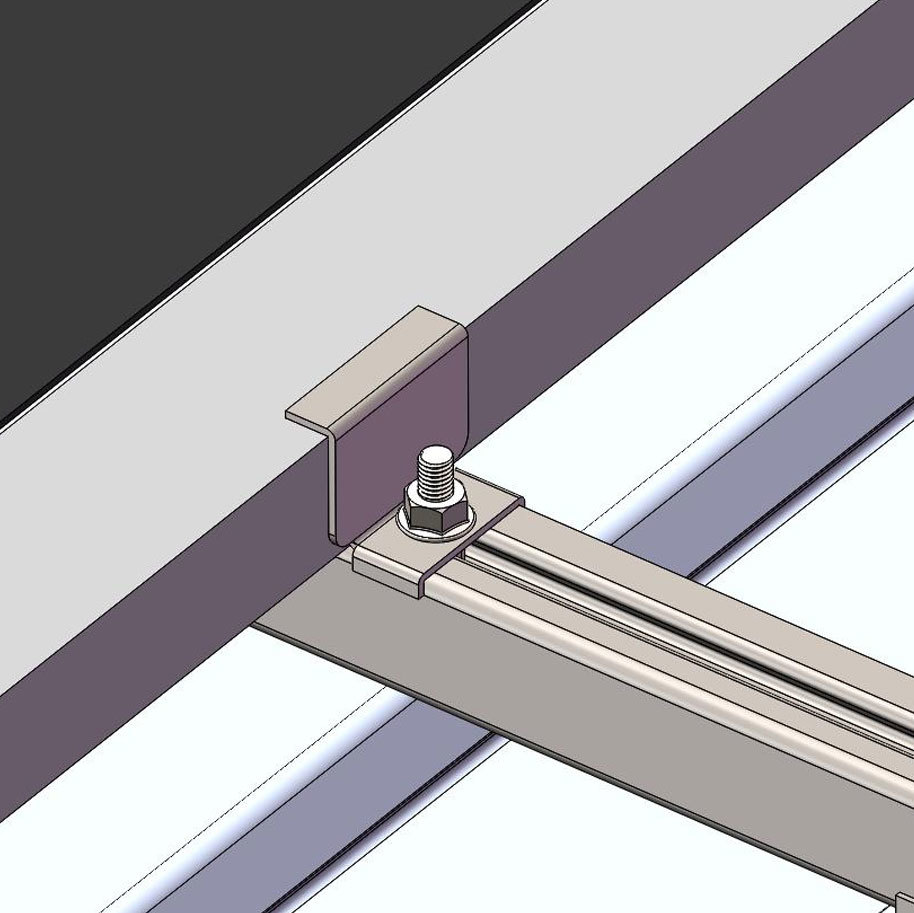
Zinc aluminum magnesium side pressure
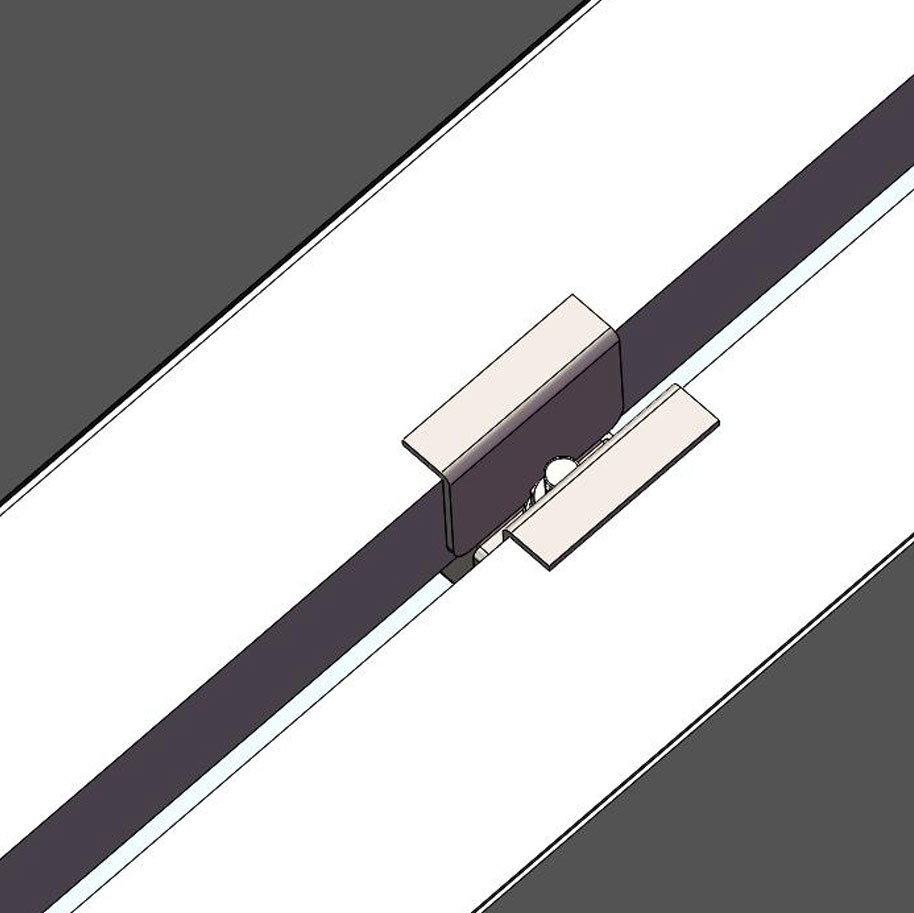
Zinc aluminum magnesium medium pressure
Zinc aluminum magnesium medium pressure
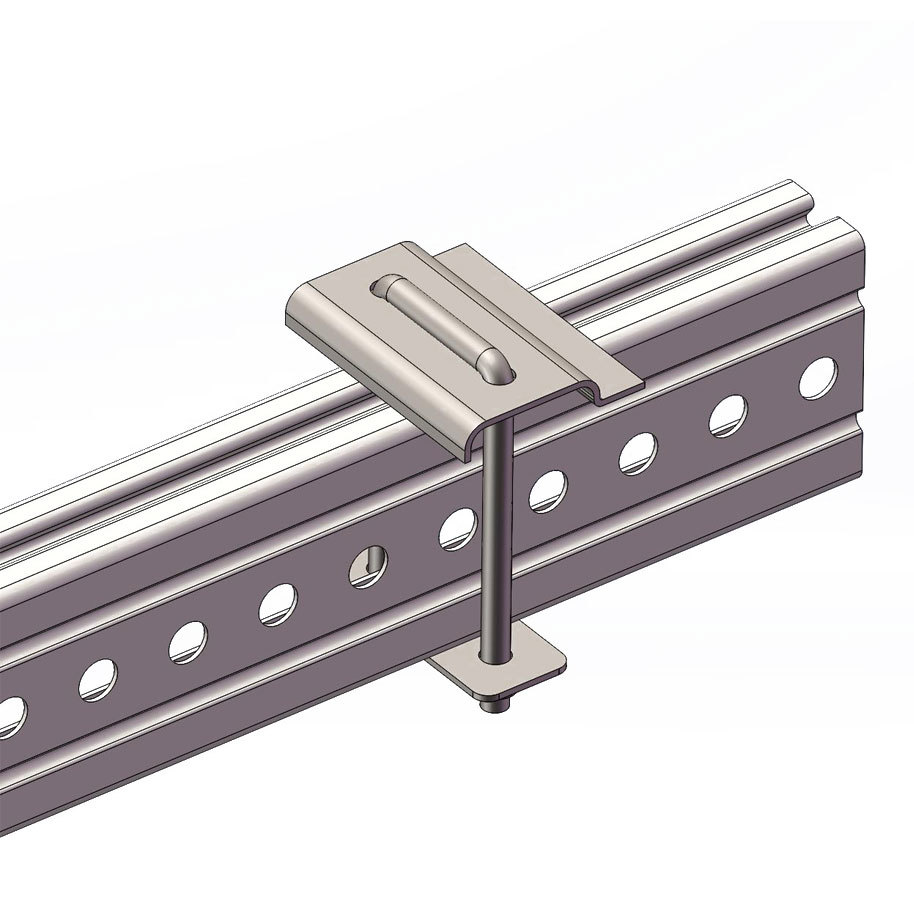
U-bolt assembly
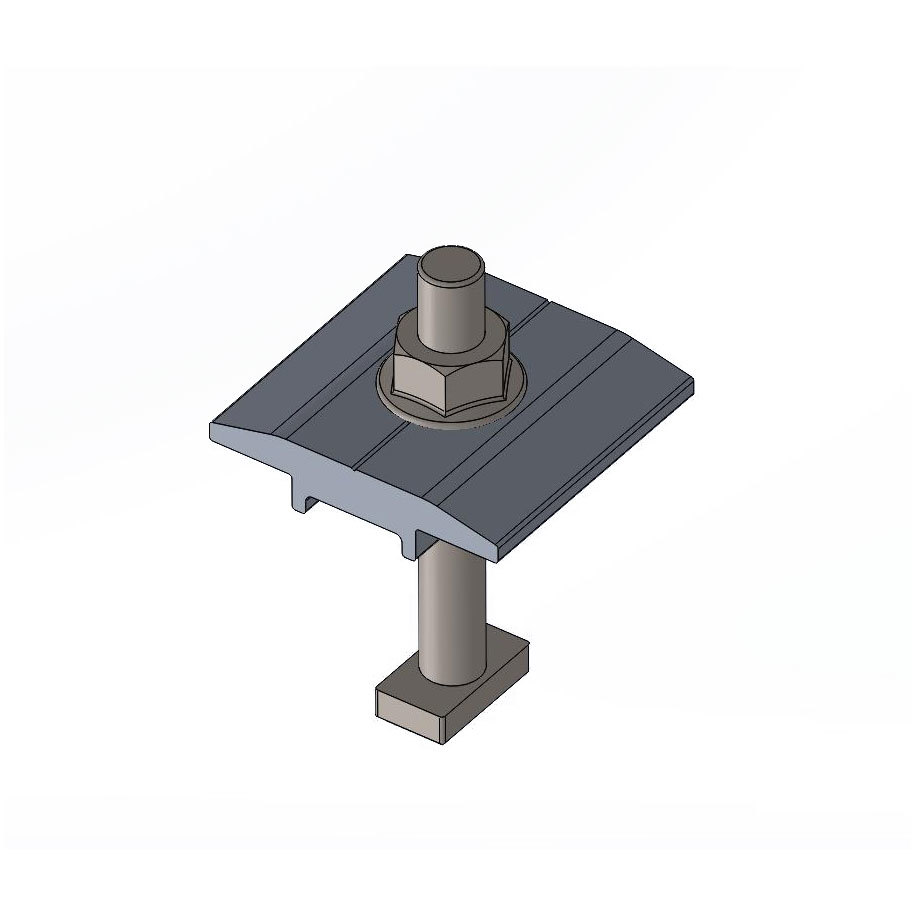
Medium voltage components
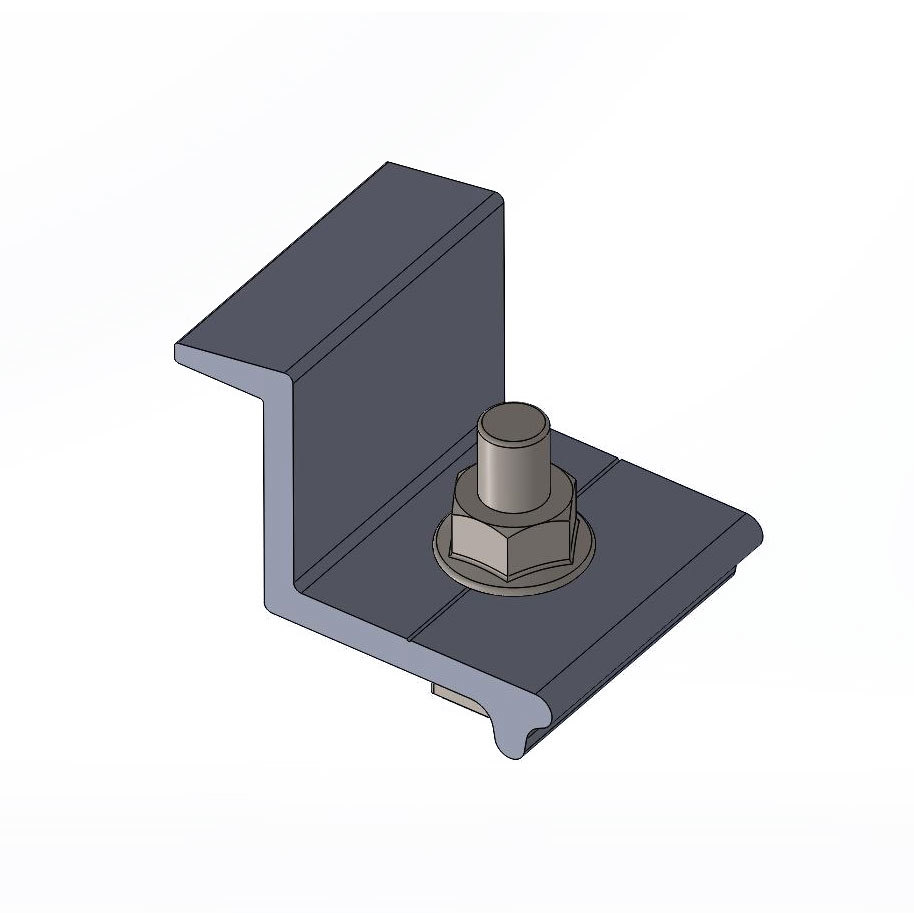
Side pressure component
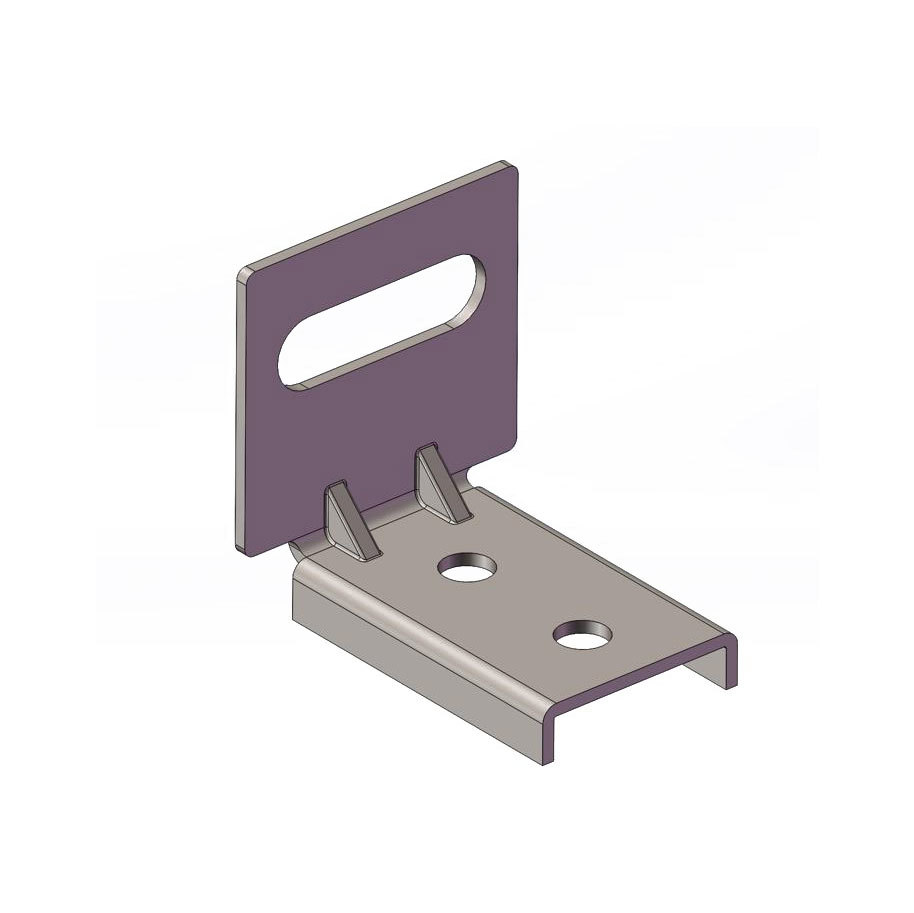
Horizontal and vertical rail connectors
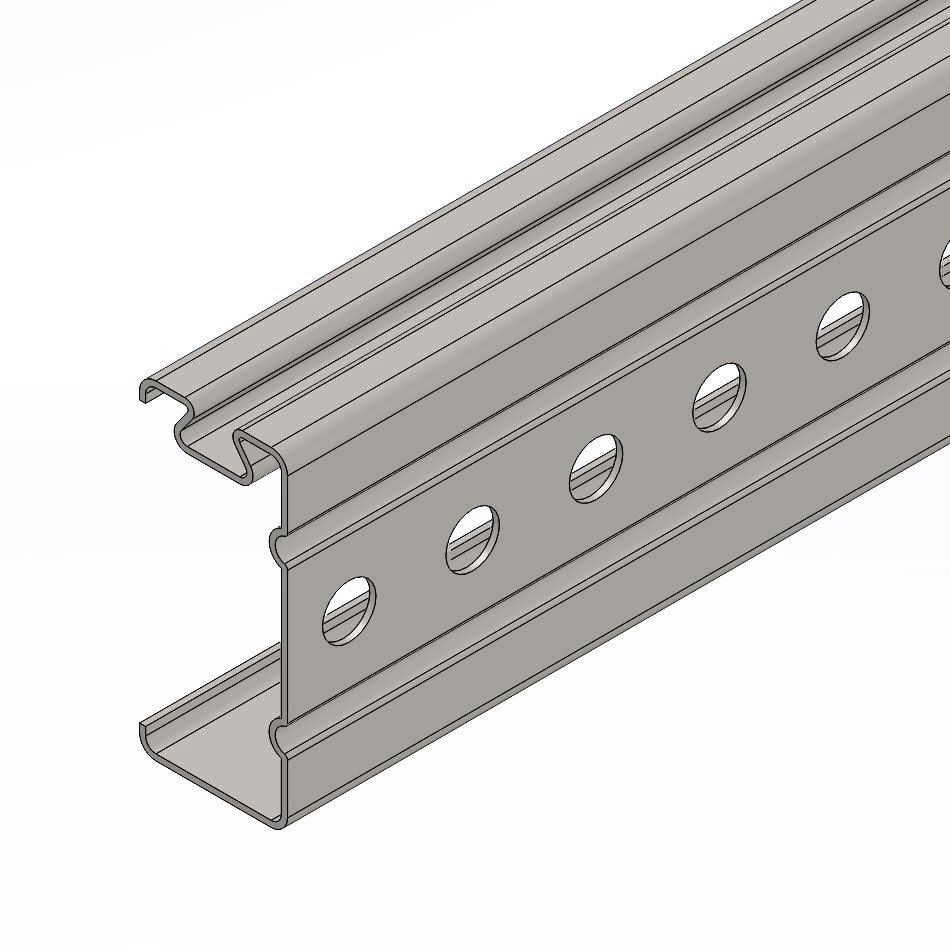
Slant support
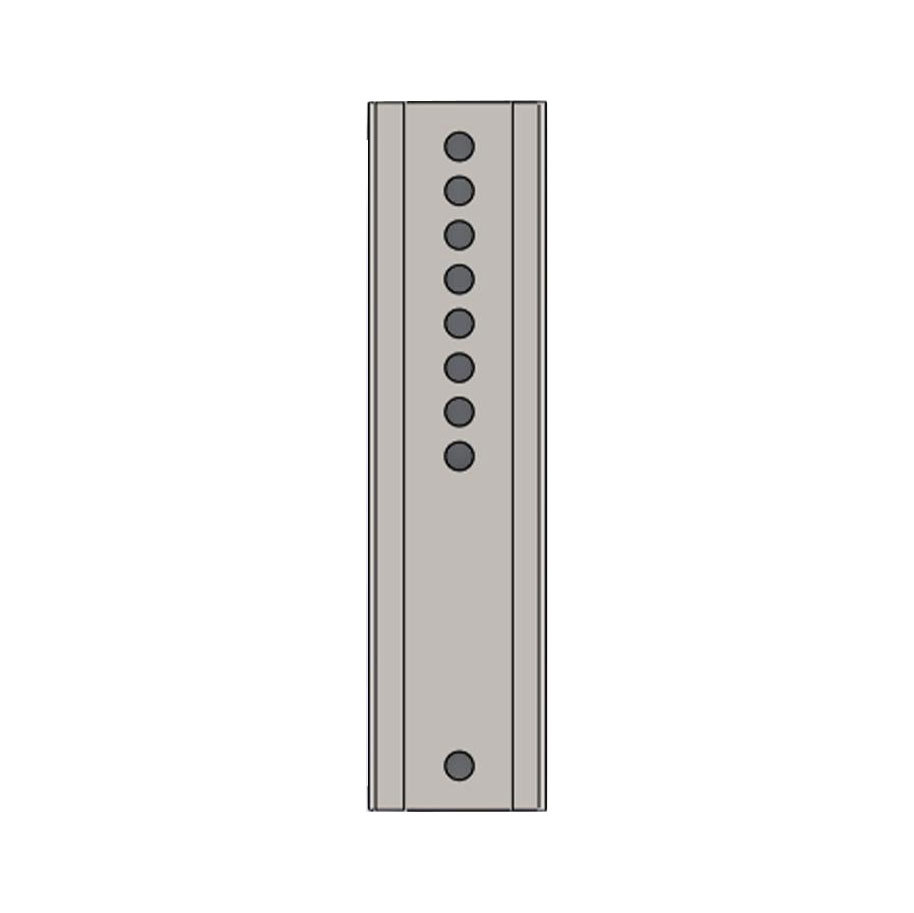
Column connectors
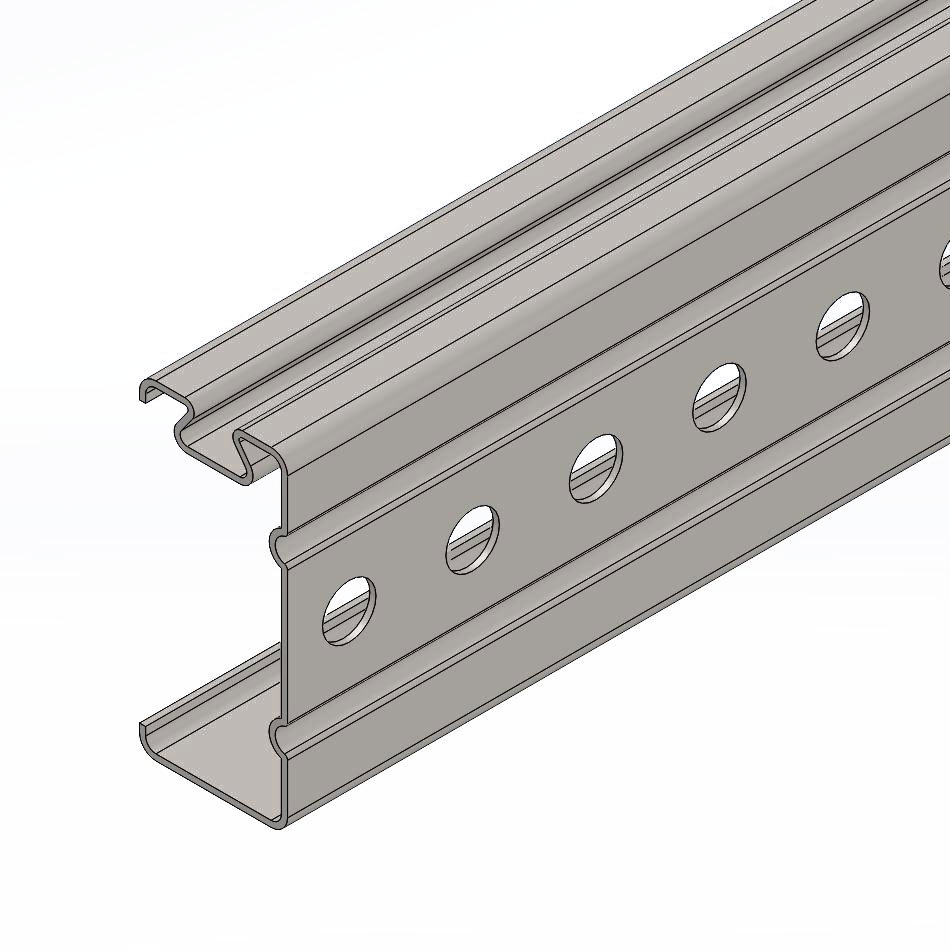
Longitudinal track
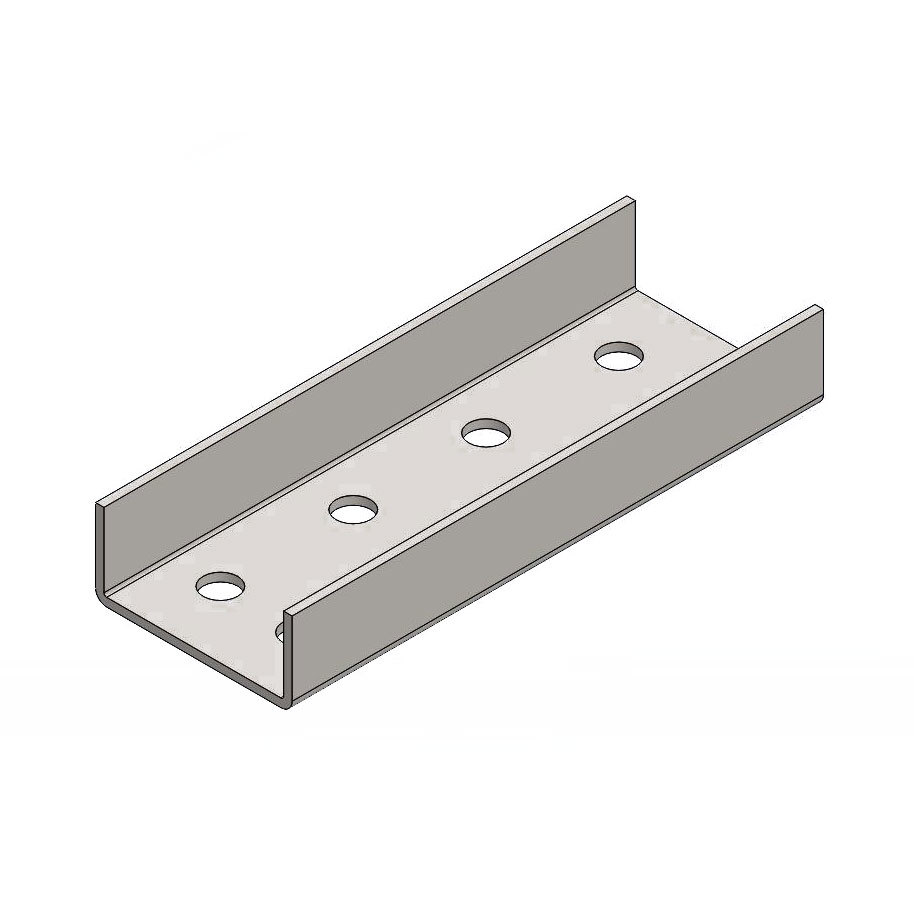
Horizontal rail connectors
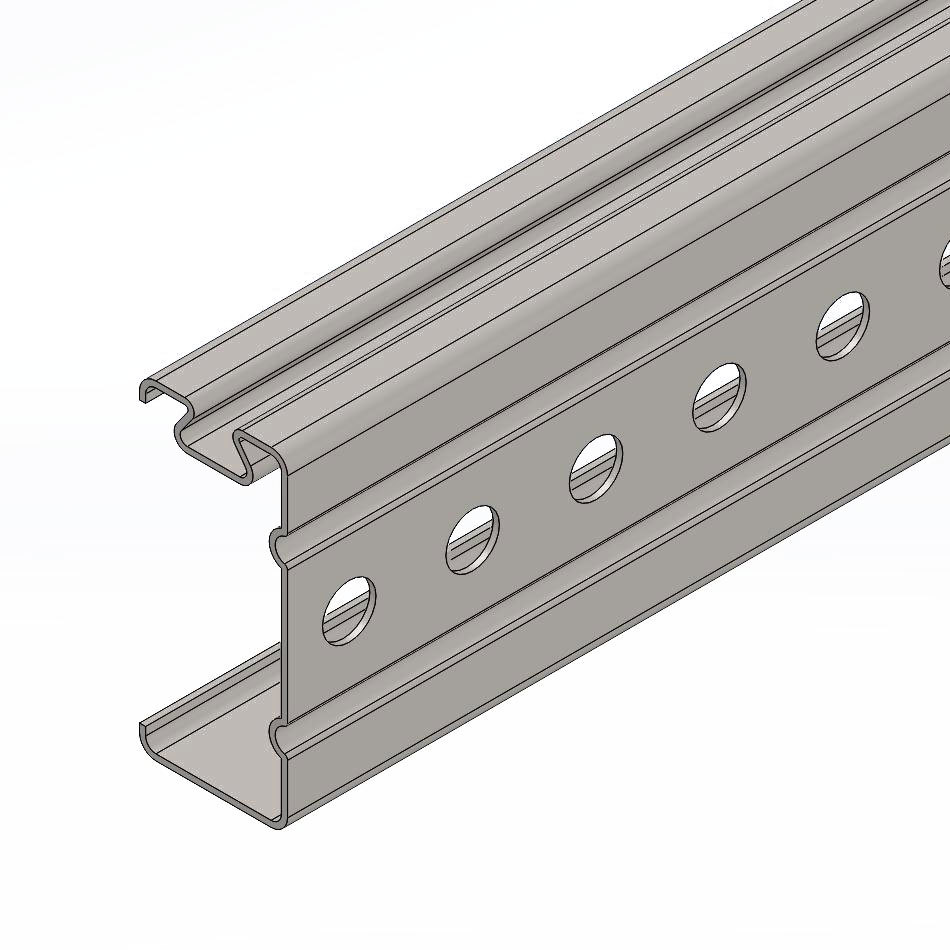
Horizontal track
Easy Install Steel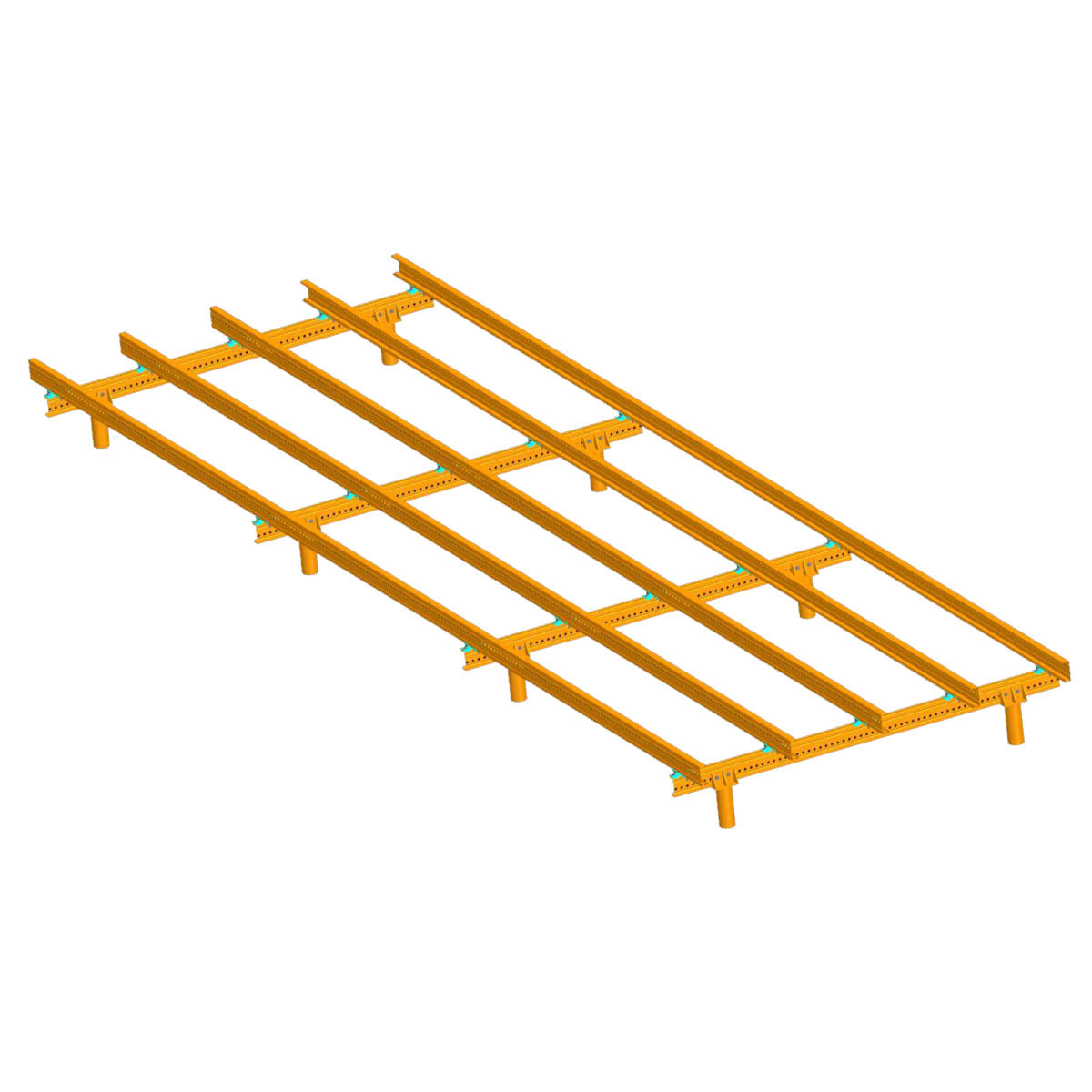
Haoheng Yi'an System

Easy Install Steel
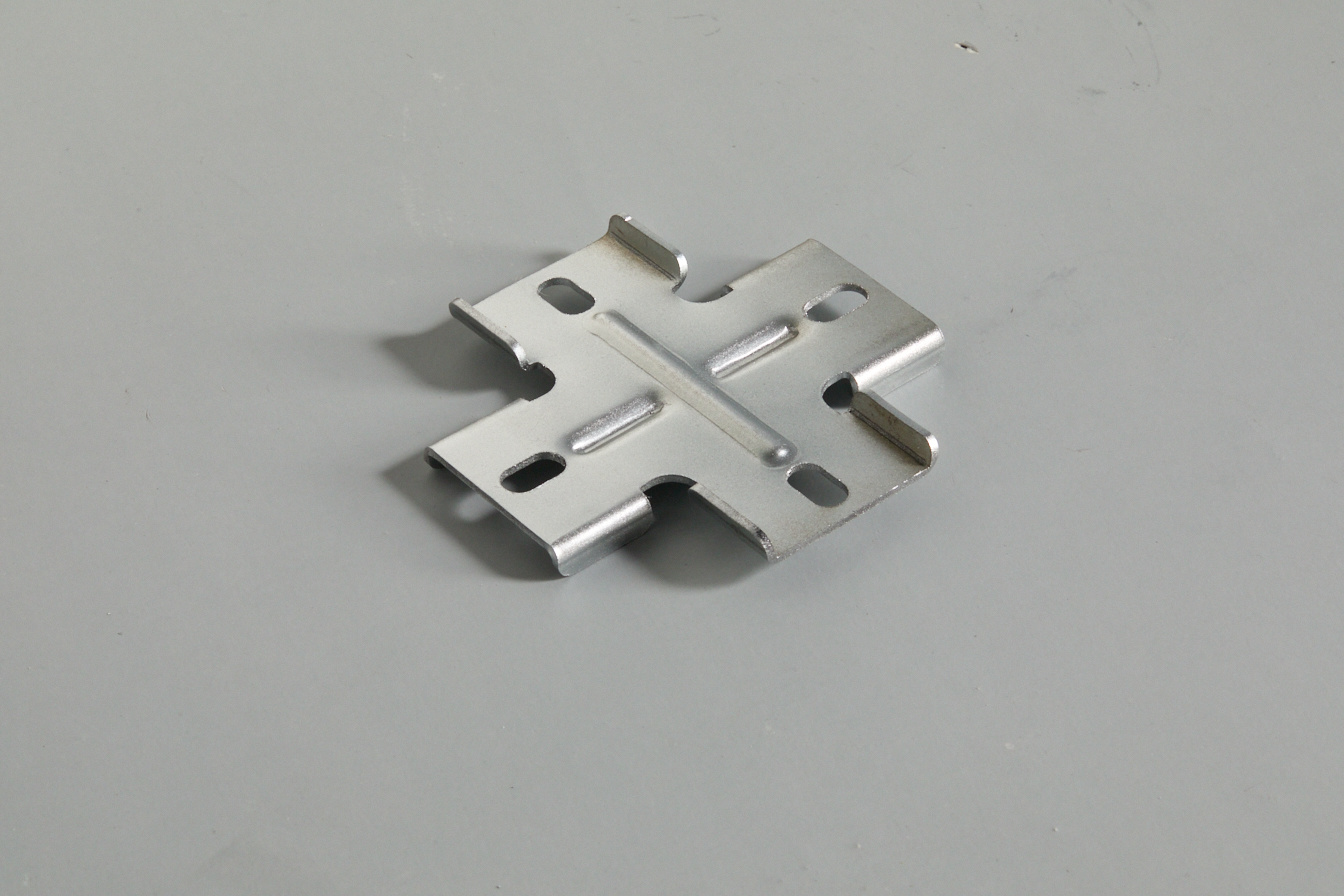
Cross connector
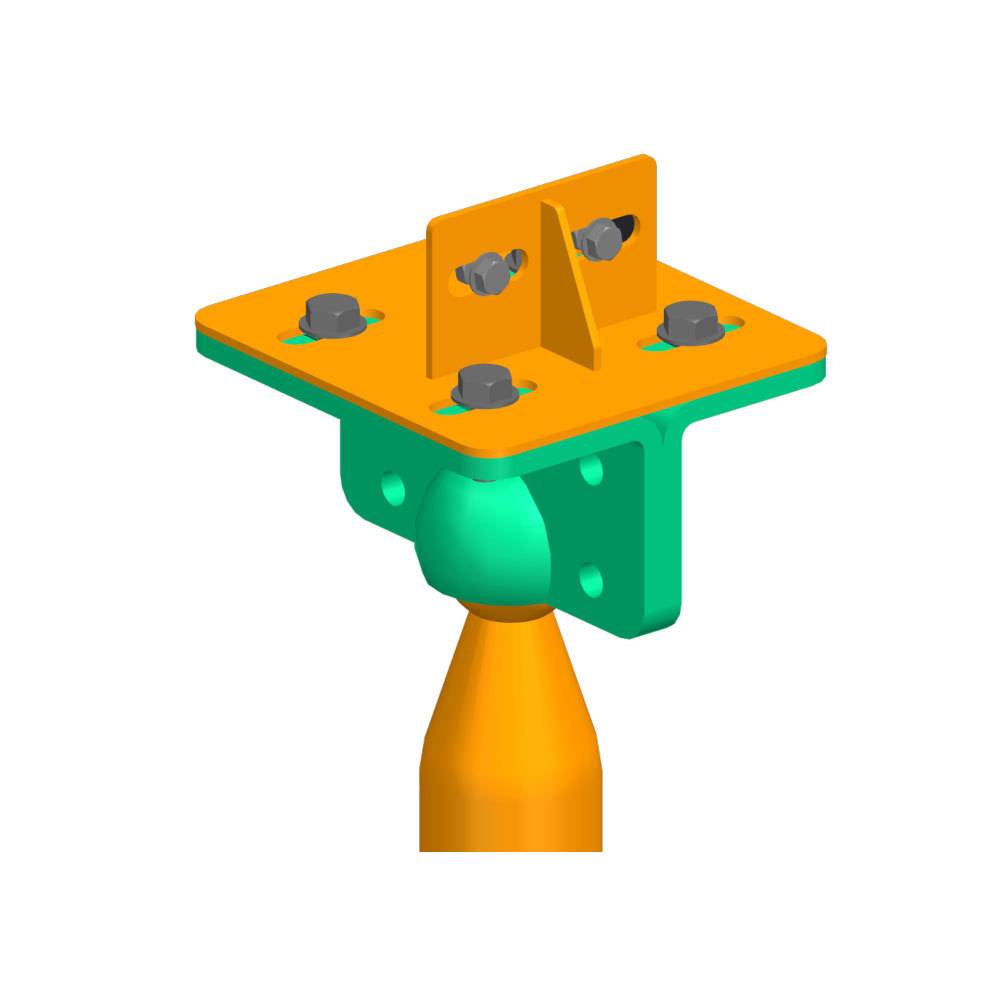
Universal connector for screw pile
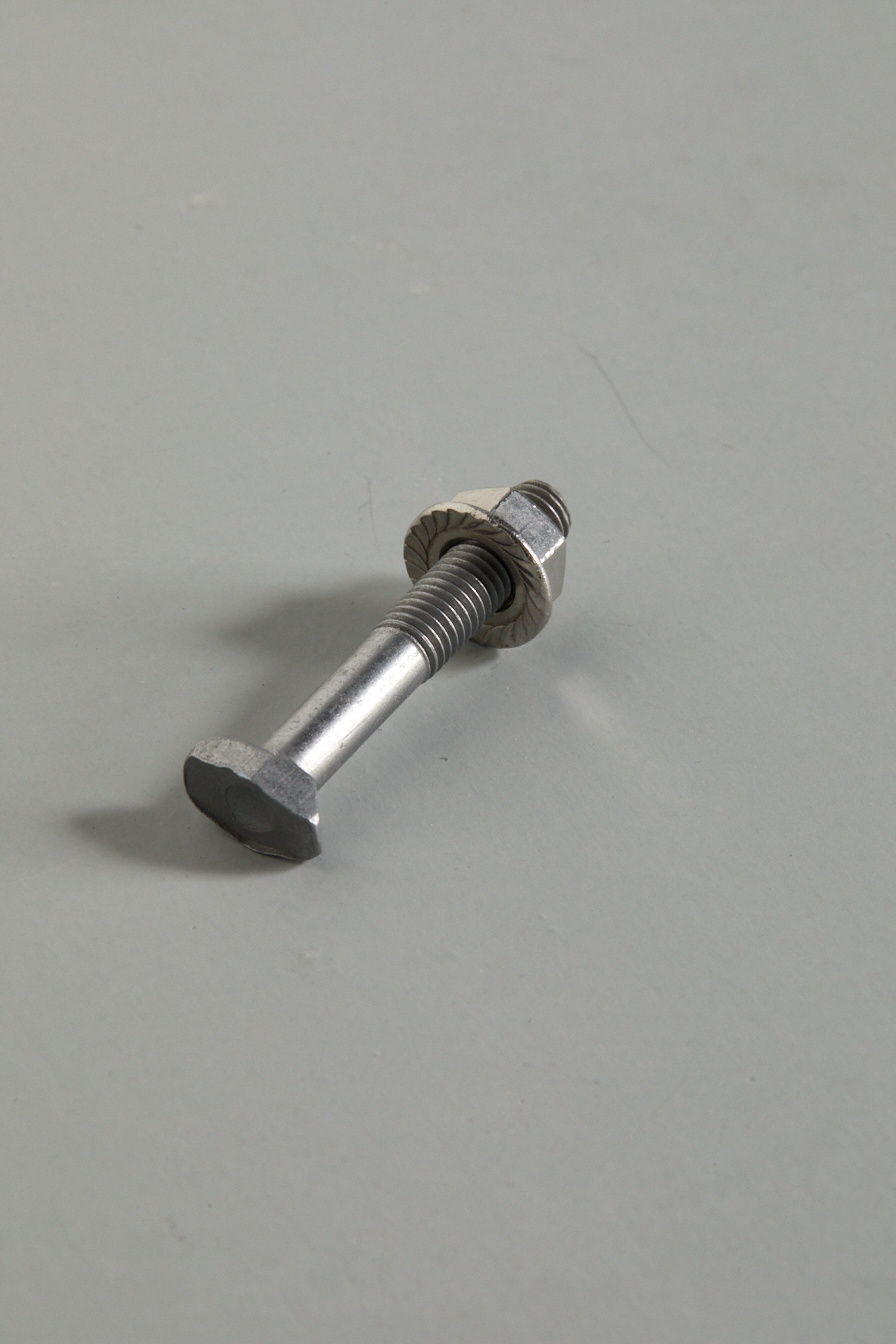
T-shaped dovetail bolt
Floor System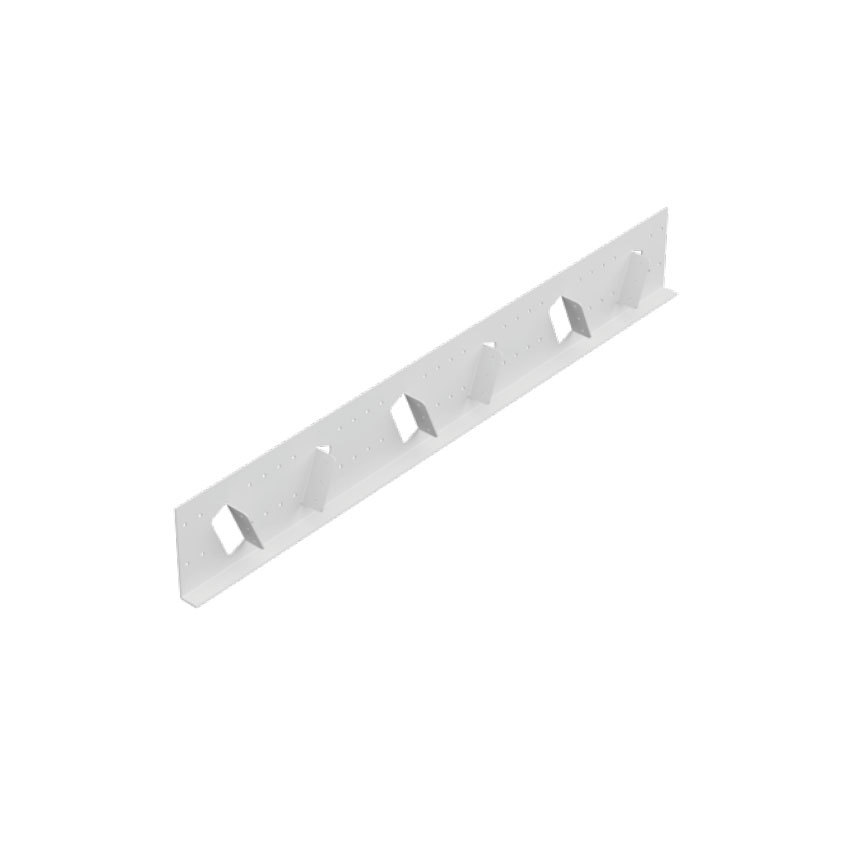
Ordinary steel structural connectors
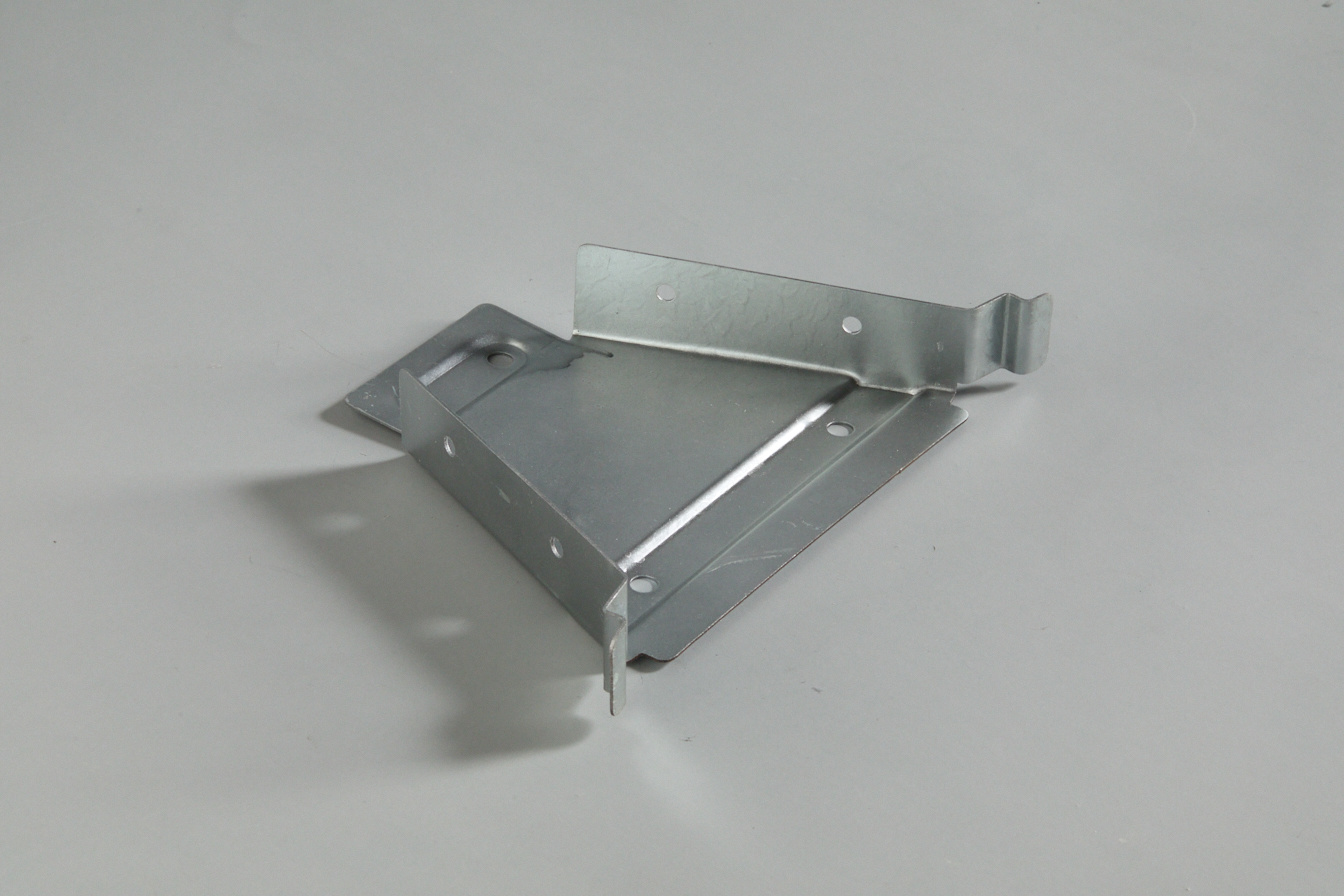
NEW BUILDING system connectors
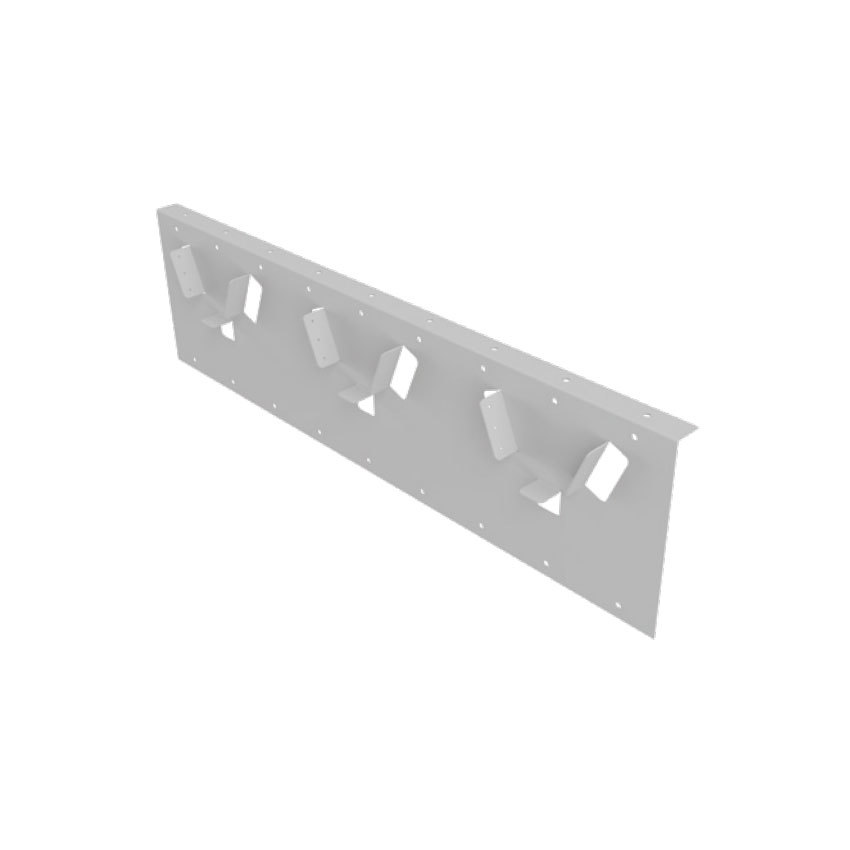
Cold formed thin-walled steel structural connectors
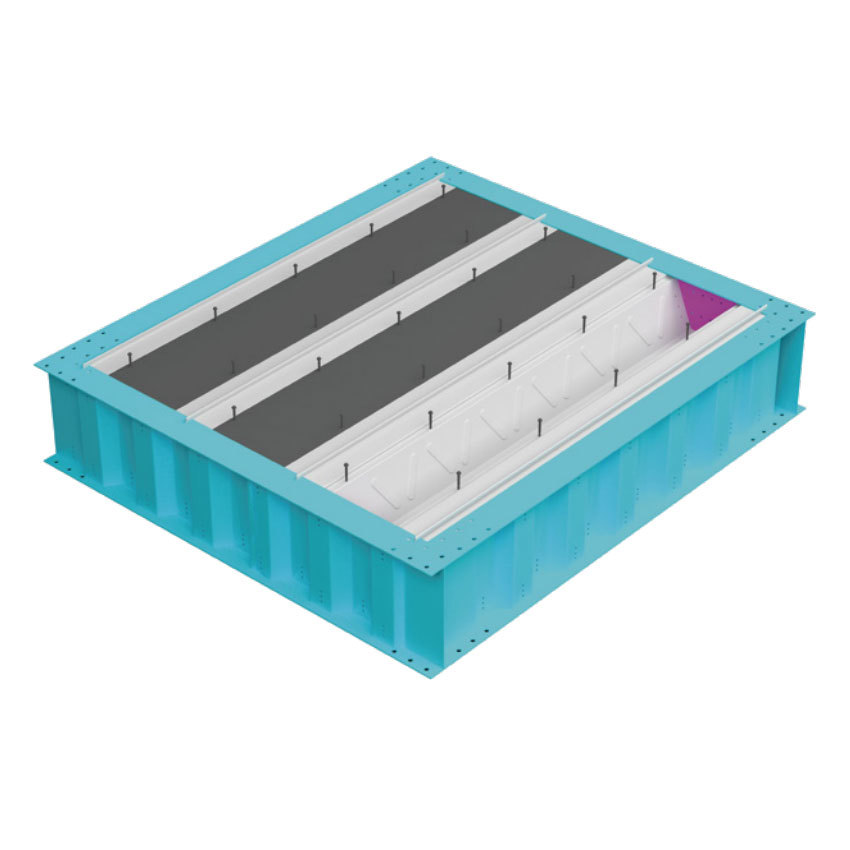
Corrugated I-beam+V-shaped floor beam
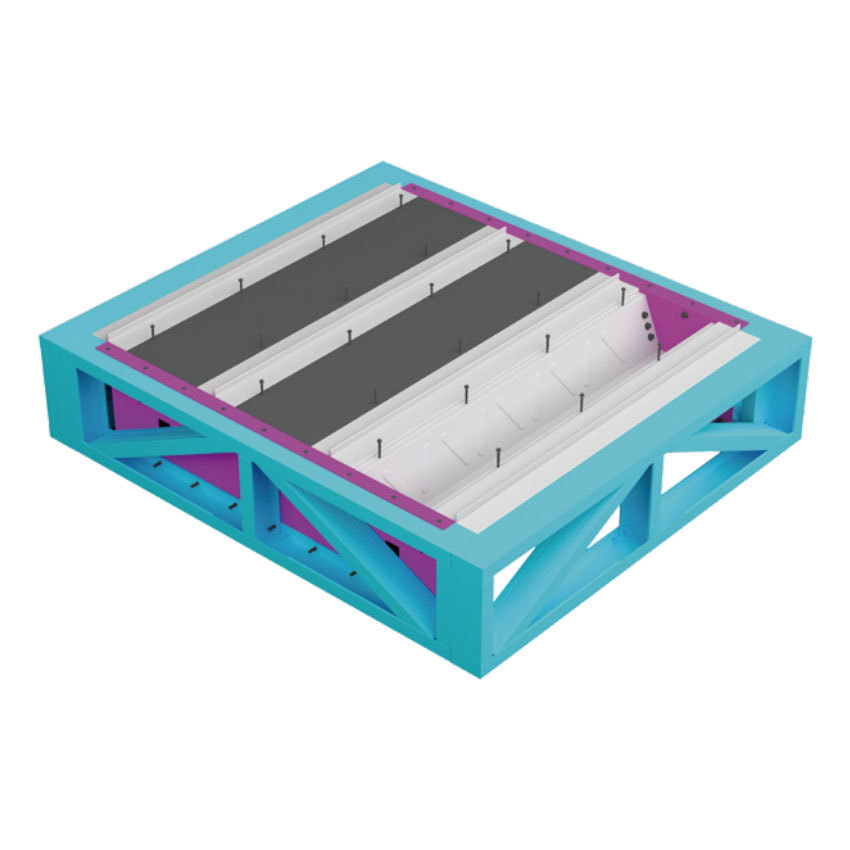
300 light steel truss+V-shaped floor beam

Steel wire gauze

Plate

Shear stud
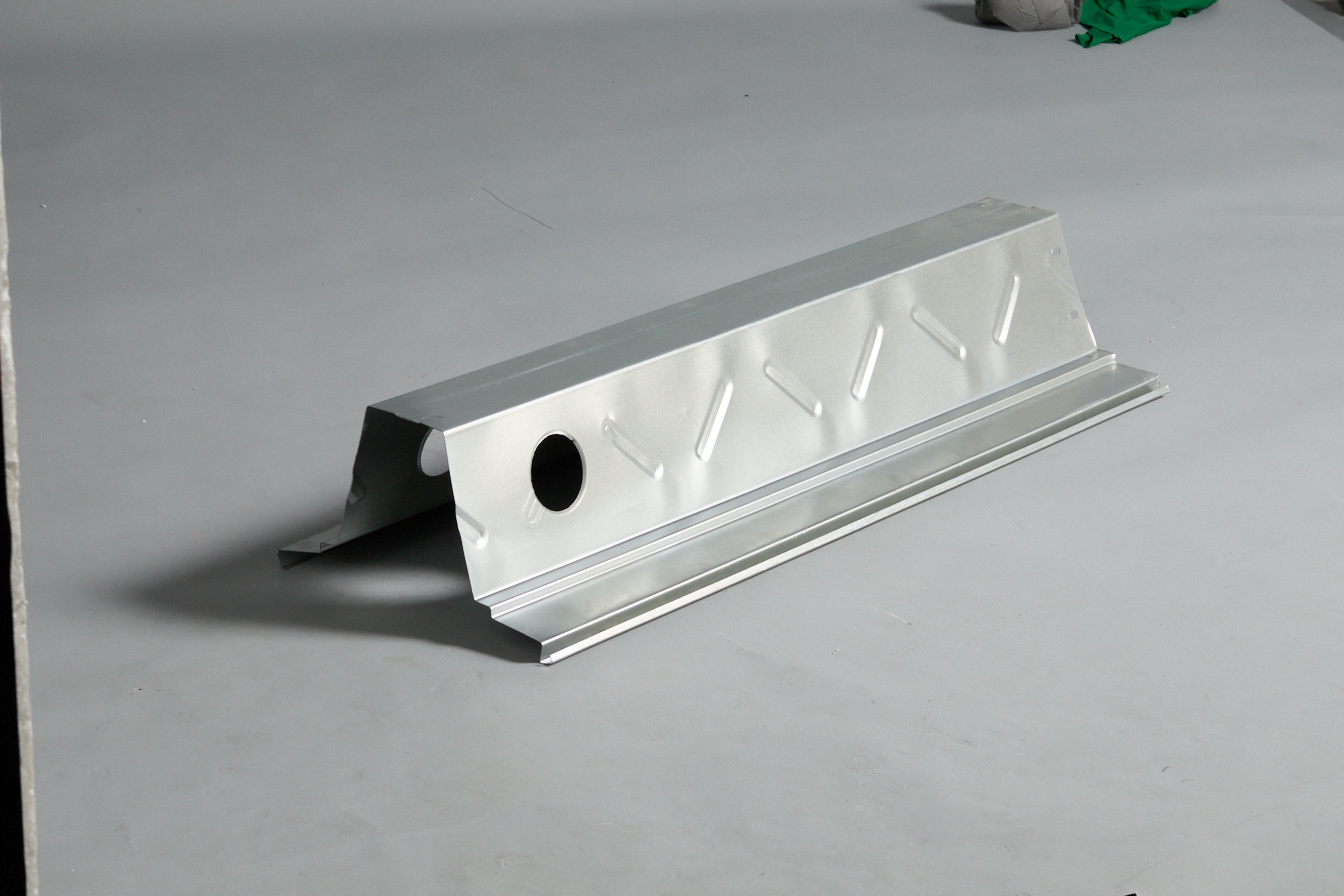
V-shaped floor beam
Magnesium stiffened wall panel
Turnkey Solution for Steel Buildings: 2026 Cost, Timeline & Selection Guide
Release Time:
2026-11-11
Source:
📋 Article Overview
This guide covers core turnkey solution definitions, value metrics, selection steps, common misconceptions, and real performance data for steel building projects, tailored for commercial project managers, facility owners, and construction stakeholders in 2026. All claims are grounded in verifiable project records and independent industry research.
What Is a Turnkey Solution for Steel Building Projects?
A turnkey solution is an end-to-end, single-responsibility delivery model where one partner manages every project phase from initial design to fully operational handover. The term references the simple client experience: once delivery is complete, you only need to turn a key to start using the structure, with no remaining assembly, permitting, or coordination tasks left to complete. At its core, the model eliminates the risk of finger-pointing between separate design, supply, and construction vendors. From 18 years of delivering steel building projects at Haoheng, we have found that 78% of project delays in traditional delivery stem from misalignment between disconnected vendors — a gap the turnkey model is built to solve.
Core Differences Between Turnkey Delivery and Traditional Fragmented Project Models
Traditional steel building procurement typically requires clients to coordinate separate structural engineers, steel fabricators, general contractors, permitting specialists, and foundation installation teams across 4–6 separate contracts. In practice, this model shifts 100% of coordination risk to the client, as no single party is accountable for gaps between vendor deliverables. Industry consensus from 2026 construction procurement research shows that fragmented delivery models generate an average of 3 coordination-related change orders for every 10,000 sq ft of steel building space, each adding an average of $12,000 in unplanned costs.

Image Source: unsplash
Core Scope Included in a Standard Turnkey Solution Contract
A no-exclusion turnkey solution for steel buildings covers six core service tiers: site assessment, structural engineering design aligned with local wind and snow load codes, material supply (steel frames, cladding, fasteners, insulation, accessories), foundation design and installation, on-site assembly, all required building permits and inspection coordination, and post-handover warranty coverage. From actual project delivery records, we have found that clients who choose turnkey delivery spend 60% less time on project coordination than clients managing fragmented vendor teams, freeing up internal resources to focus on core business operations rather than construction logistics.
| Performance Metric (2026 Benchmark) | Turnkey Solution Delivery | Traditional Multi-Vendor Delivery |
|---|---|---|
| Average project delay from contracted timeline | 6.8% | 32.4% |
| Average cost overrun vs. initial budget | 2.9% | 17.8% |
| Accountability for delivery gaps | Single dedicated project manager | No single accountable party |
| Permitting and inspection support | Included in fixed price | Separate fee per vendor |
| Structural warranty coverage | 25-year comprehensive coverage | 1–5 year fragmented vendor warranties |
| Client satisfaction score (1–100) | 92 | 61 |
The 2026 National Association of Steel Construction Industry benchmark report finds that turnkey delivery models reduce total project lifecycle risk by 58% for commercial steel structures, compared to traditional fragmented procurement.
Measurable Performance Benefits of Turnkey Solutions for 2026 Projects
The core value of a turnkey solution stems from its ability to consolidate cost, timeline, and risk into a single fixed contractual commitment, rather than spreading uncertainty across multiple vendors. Real-world project data from Haoheng’s 2025–2026 delivery portfolio shows that turnkey clients experience 42% fewer unplanned change orders than clients using traditional procurement, with an average of 11 days of saved timeline per 10,000 sq ft of building space.
Quantified Cost and Timeline Benefits From 2026 Industry Data
Practical testing across 120 comparable steel building projects in 2026 shows that turnkey solutions deliver a 12% lower total cost of ownership over the first 10 years of operation, even if the initial contracted price appears slightly higher than fragmented vendor quotes. This cost savings comes from reduced coordination overhead, fewer rework costs from misaligned vendor deliverables, and lower long-term maintenance costs from unified quality control across every project phase. For example, a 10,000 sq ft turnkey warehouse delivered in Texas in 2026 cost $182,000 in total, compared to an estimated $197,000 for the same scope via fragmented delivery, once coordination and change order costs were accounted for.
Risk Reduction Benefits of Single-Partner Turnkey Delivery
From case reviews of 270 steel building project disputes resolved between 2023 and 2026, 89% of claims stemmed from gaps between vendor responsibilities — a risk entirely eliminated by a true turnkey model. Key risk reductions include: no liability for foundation misalignment with structural specs, no liability for permitting delays caused by incomplete design submissions, and no liability for assembly defects from mismatched material supply and installation teams. It is important to note that these benefits only apply when the turnkey contract explicitly lists every scope item as included, with no hidden exclusions for permitting, foundation work, or accessory components.
Step-by-Step Process to Select and Launch a Turnkey Solution Project
A reliable turnkey solution selection process follows a structured, verifiable workflow that eliminates vague commitments and ensures alignment between client needs and provider capabilities. We recommend following this 5-step process based on 18 years of supporting client project launches, to avoid common pitfalls of selecting low-quality turnkey providers that cut corners on scope.
- Verify end-to-end inclusions in the fixed price contract, to confirm no hidden fees for foundation work, permitting, or assembly are listed as optional add-ons.
- Review case studies of identical scope projects delivered in the last 12 months, including client references and on-site photos of completed handover events.
- Confirm single-point accountability for all project phases, with a named dedicated project manager assigned to your account from contract signing to handover.
- Validate warranty coverage terms, to ensure the structural warranty is backed directly by the turnkey provider, not a third-party material manufacturer with no direct accountability for installation.
- Assess post-handover support response times for urgent maintenance needs, to confirm the provider offers on-site support within 48 hours for structural defects covered under warranty.
How Much Does a Turnkey Solution Cost for a Standard 10,000 sq ft Steel Warehouse?
2026 data shows the average turnkey solution cost for a 10,000 sq ft clear-span steel warehouse ranges from $175,000 to $220,000, depending on location, cladding material, insulation requirements, and accessory selections (overhead doors, windows, interior partitions). This price includes all design, material, foundation, assembly, and permitting costs, with no additional hidden fees for standard code-compliant scopes. Clients should be wary of quotes priced below $150,000 for this scope, as these typically exclude critical inclusions like foundation work or assembly, and are not true turnkey offers.
What Is the Typical Timeline for a Turnkey Steel Building Delivery?
Standard turnkey solution timelines for commercial steel buildings range from 8–16 weeks total, from contract signing to fully operational handover. For a 10,000 sq ft warehouse, the timeline breaks down to: 2 weeks for site assessment and final design, 4–6 weeks for steel fabrication and material delivery, 1 week for foundation installation, 2 weeks for on-site assembly, and 1–2 weeks for permitting and final inspection. Real-world delivery records show that turnkey providers meet this timeline 93% of the time, compared to a 68% on-time rate for fragmented delivery models.
Common Misconceptions About Turnkey Solution Delivery
Many project stakeholders hold incorrect assumptions about turnkey solutions that lead them to select higher-risk delivery models, even when the turnkey option is more cost-effective and reliable. We address the most widespread misconceptions based on client feedback collected across 2024–2026 project engagements, to help teams make fully informed procurement decisions.
Is a Turnkey Solution Always More Expensive Than Self-Managed Construction?
This is one of the most persistent and costly misconceptions about turnkey delivery. While the upfront contracted price of a turnkey solution may appear 5–10% higher than a sum of individual vendor quotes, the total cost of self-managed construction is almost always higher when coordination time, change order costs, and defect repair costs are included. Actual client cost tracking shows that self-managed projects end up 14% more expensive on average than equivalent turnkey projects, due to unplanned costs that are not accounted for in initial fragmented vendor quotes.
What Should Be Included in a No-Exclusion Turnkey Solution Contract?
A legitimate turnkey contract must explicitly list every scope item as included, with no fine print exclusions for critical work. Key required inclusions are: full site soil testing, wind and snow load engineering design, all steel frame and cladding materials, foundation design and installation, on-site assembly and crane rental, all building permit application fees, local inspection coordination, and a written warranty covering structural defects, cladding leaks, and assembly workmanship for a minimum of 10 years. Any contract that lists these items as optional add-ons is not a true turnkey offer, and shifts coordination risk back to the client.
Real-World Turnkey Solution Case Study from Haoheng Project Delivery
From actual on-site project records, Haoheng delivered a 15,000 sq ft agricultural equipment storage facility in central Ohio in early 2026 under a fixed-price turnkey contract. The client initially requested quotes from four fragmented vendor teams, which totaled $271,000 in combined cost, plus an estimated 190 hours of internal coordination time across 6 months of delivery. The Haoheng turnkey contract was priced at $258,000, with a 12-week delivery timeline. The project was completed 11 days ahead of schedule, 2.1% under the fixed contracted price, and with zero post-handover punch list items — a result that would be highly unlikely under a traditional multi-vendor model.
Client Outcome and Post-Handover Performance
Six months after handover, the client reported zero structural defects, no unplanned repair costs, and a total time investment of 12 hours for project coordination — 94% less time than initially estimated for fragmented delivery. The client noted that the single dedicated project manager resolved all design, permitting, and installation questions without requiring direct outreach to separate vendors, allowing their internal team to focus on farm operations rather than construction logistics. This case aligns with the broader industry data that turnkey solutions deliver better outcomes for clients who prioritize predictable cost and timeline delivery.
Limitations of Turnkey Solutions to Consider Before Signing a Contract
To maintain transparent, balanced guidance, we also note key limitations of turnkey delivery models. Turnkey solutions are not a universal fit for highly experimental, unproven design concepts, where iterative collaborative design changes are expected from the client throughout the build process. For these niche use cases, a hybrid delivery model may deliver better outcomes than a strict fixed-scope turnkey contract. Additionally, turnkey solutions require careful vetting of provider experience, as low-quality providers may cut corners on material quality or scope to deliver low-priced offers, erasing the core value of the turnkey model.
Key Contract Clauses to Negotiate for Turnkey Solution Agreements
Even with a reputable turnkey provider, specific contract clauses are required to protect client interests and ensure the deliverable matches expectations. Based on 18 years of contract negotiation experience, these clauses are non-negotiable for a low-risk turnkey project, and prevent scope creep or delivery gaps.
Fixed Price Protection Clause
A valid fixed price clause guarantees that the contracted price will not increase due to material cost fluctuations, labor cost changes, or minor scope adjustments identified during site assessment, unless the client requests a formal scope change that is documented in a signed contract amendment. In practice, this clause eliminates the unplanned cost overruns that impact 82% of traditional construction projects, providing full budget certainty from contract signing to handover.
Warranty Accountability Clause
This clause requires the turnkey provider to take full accountability for all warranty claims, regardless of whether the defect stems from a material supplier, subcontractor, or installation team. This eliminates the common scenario where clients are bounced between vendors to resolve defects, and ensures a single point of contact for all post-handover support needs across the full warranty period.
Common Questions About Turnkey Solutions
Q: Can a turnkey solution be customized for unique site requirements?
A: Yes, reputable turnkey providers tailor every design to local soil conditions, wind load requirements, and functional needs, with fixed price contracts that lock in costs before construction begins.
Q: Do turnkey solution providers handle all required construction permits?
A: Full-scope turnkey models include end-to-end permitting support, with the provider taking accountability for meeting local building code and inspection requirements across every project phase.
Q: How does a turnkey solution reduce long-term ownership costs?
A: A unified delivery model eliminates misalignment defects that cause premature wear, and bundled warranties reduce unexpected repair costs by an average of 35% over a structure’s first 10 years of operation.
Q: Is a turnkey solution suitable for small-scale steel building projects?
A: Most turnkey providers support projects ranging from 1,000 sq ft residential accessory structures to 100,000 sq ft industrial facilities, with scaled pricing that maintains the same single-accountability benefit for smaller scopes.
This article was generated by AI and is for reference only.
Previous Page
Previous Page

HaoHeng Group
Address: Room 1808, Block A, Vanke Cloud City, Jiemei District, Xiamen City, Fujian Province
Business cooperation:
Copyright © HaoHeng (FuJian) Building Materials Technology Co, Ltd. All rights reserved