

-

 Pakistan
Marketing Service Outlets
 Papua New Guinea
Marketing Service Outlets
 Egypt
Marketing Service Outlets
 Australia
Marketing Service Outlets
 Brazil
Marketing Service Outlets
 Colombia
Marketing Service Outlets
 Russia
Marketing Service Outlets
 Germany
Marketing Service Outlets
 Poland
Marketing Service Outlets
 the Philippines
Marketing Service Outlets
 Kazakhstan
Marketing Service Outlets
 Malaysia
Marketing Service Outlets
 America
Marketing Service Outlets
 Kyrgyzstan
Marketing Service Outlets
 Canada
Marketing Service Outlets
 Peru
Marketing Service Outlets
 Nigeria
Marketing Service Outlets
 Morocco
Marketing Service Outlets
 South Africa
Marketing Service Outlets
 Japan
Marketing Service Outlets
 Slovakia
Marketing Service Outlets
 New Zealand
Marketing Service Outlets
 Hungary
Marketing Service Outlets
 Thailand
Marketing Service Outlets
 Spain
Marketing Service Outlets
 Indonesia
Marketing Service Outlets
 Italy
Marketing Service Outlets
 Vietnam
Marketing Service Outlets
Steel Pipe ColumnSteel Pipe Column ConnectorsMain Beam | Secondary BeamPrefabricated StairsRound Pipe PileFlat Steel PileGroup PileCap PileNew Building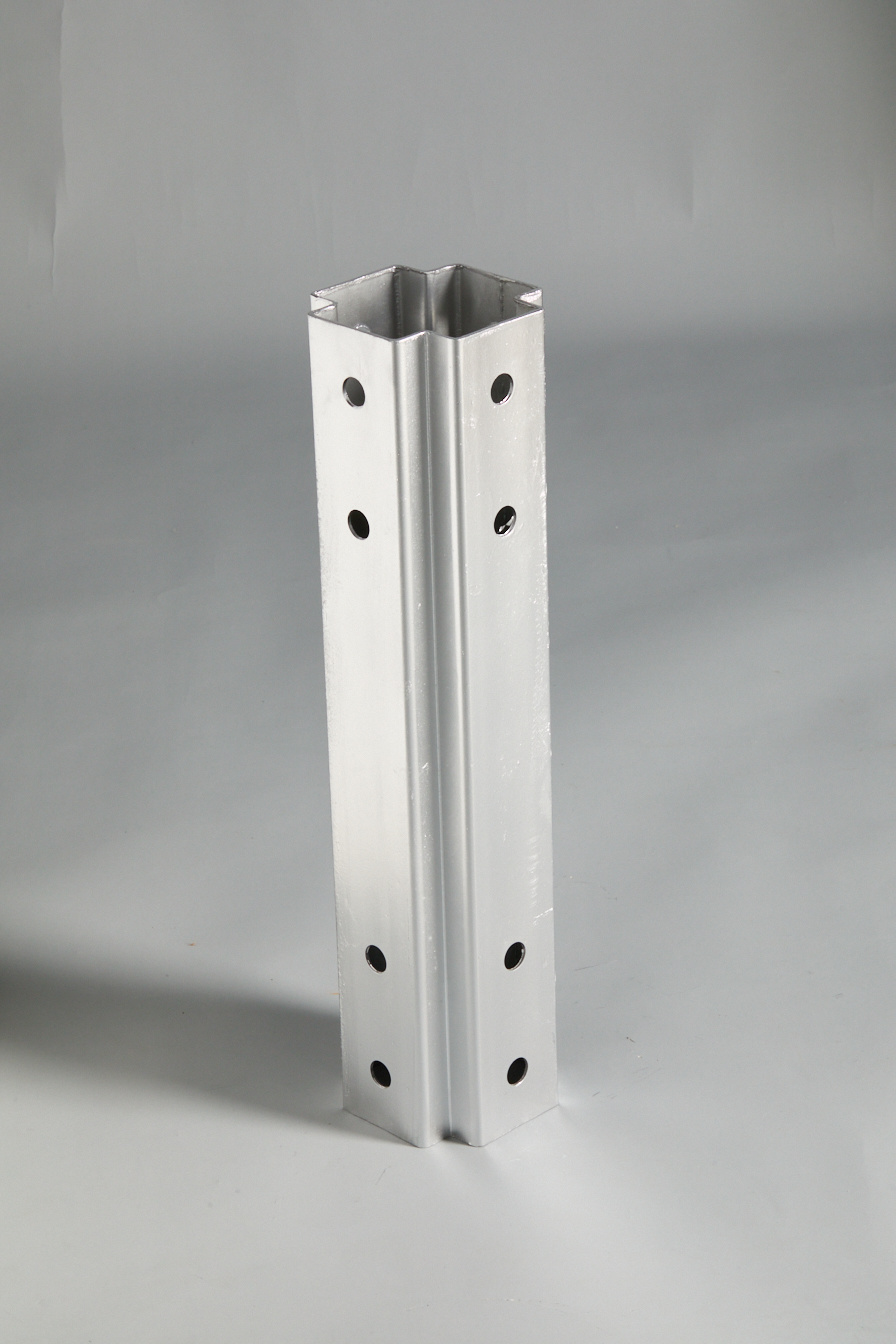
Cross column

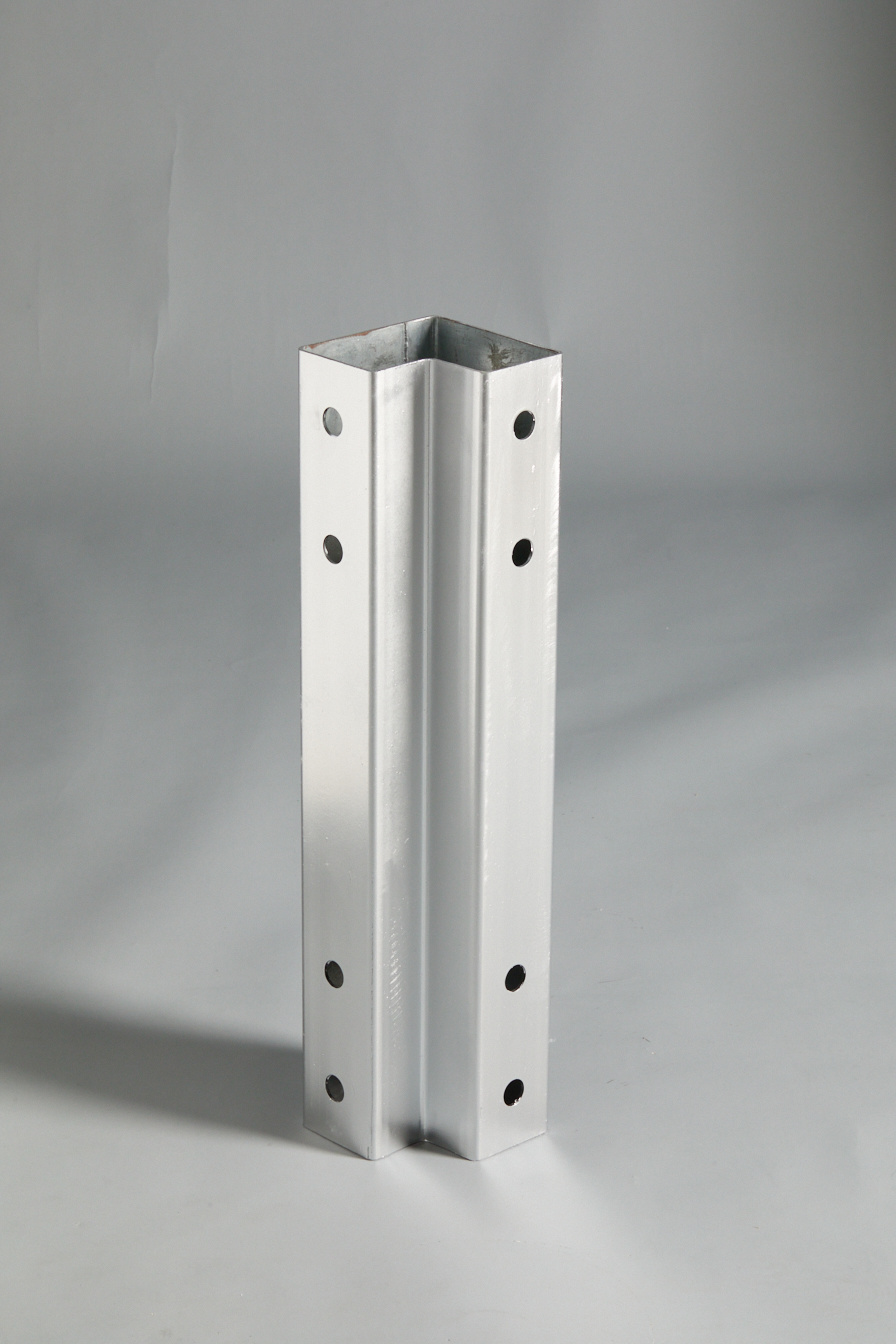
L-shaped column
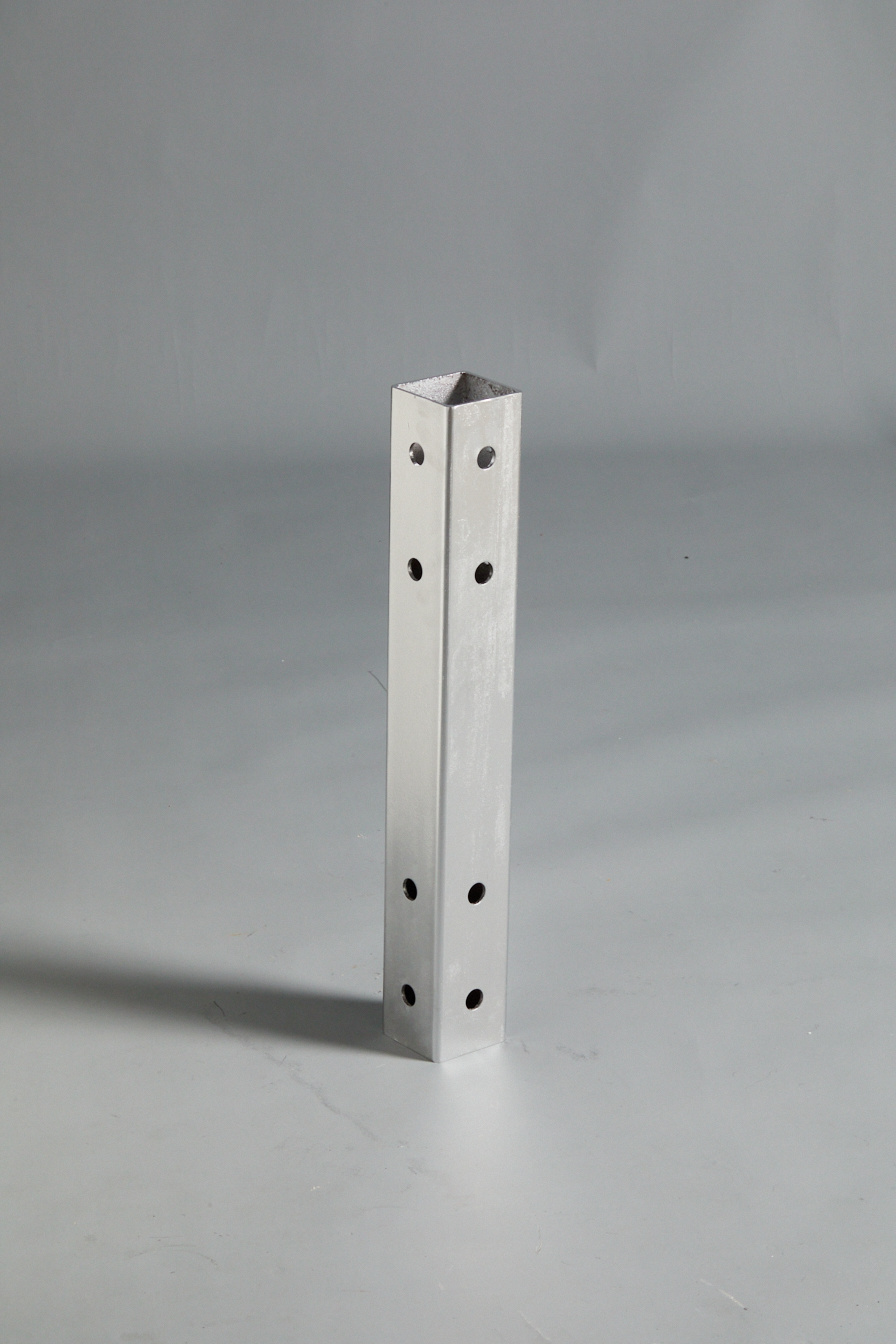
Square tube column

T-shaped column
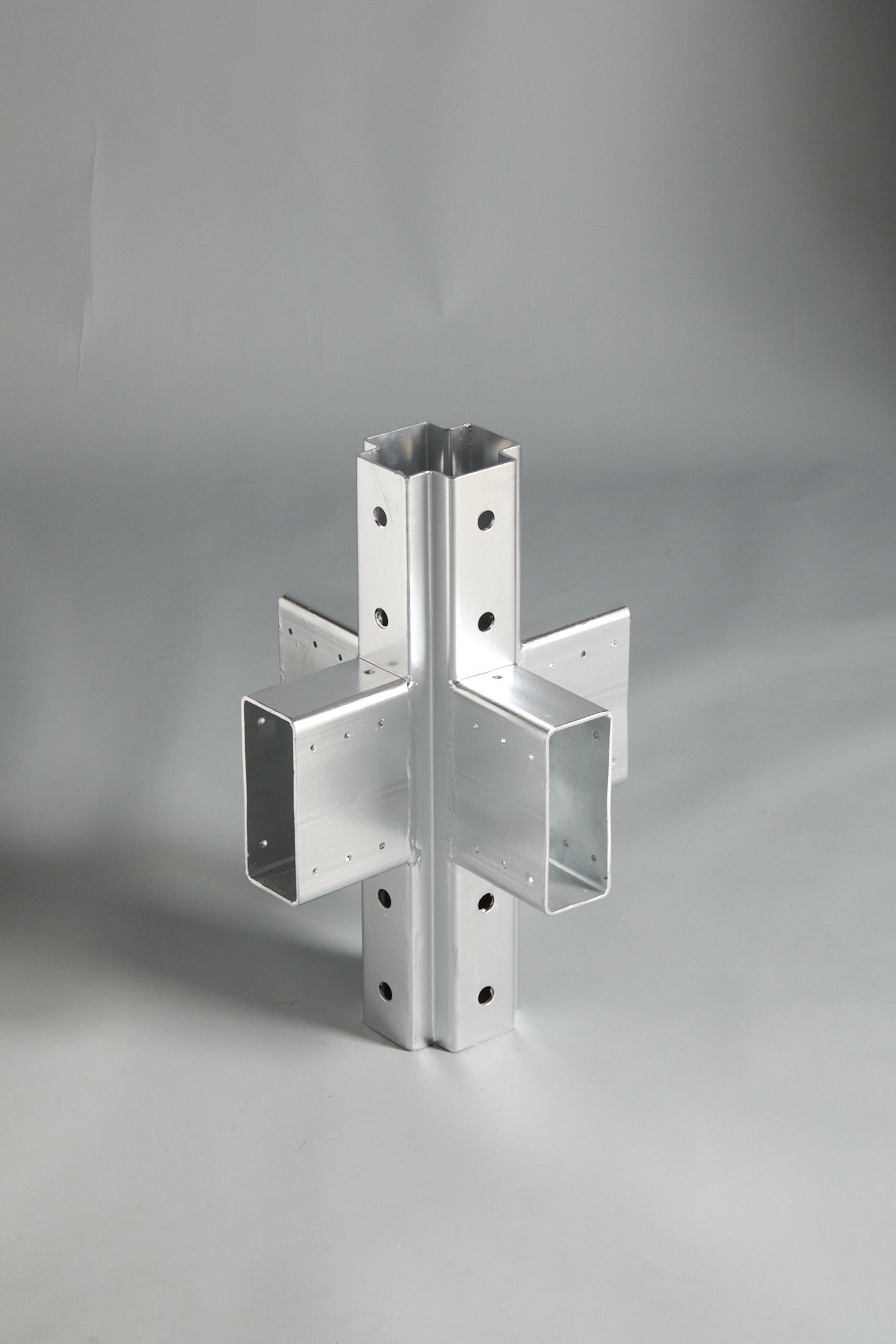
Cross column connector

L-shaped column connector

T-shaped column connector
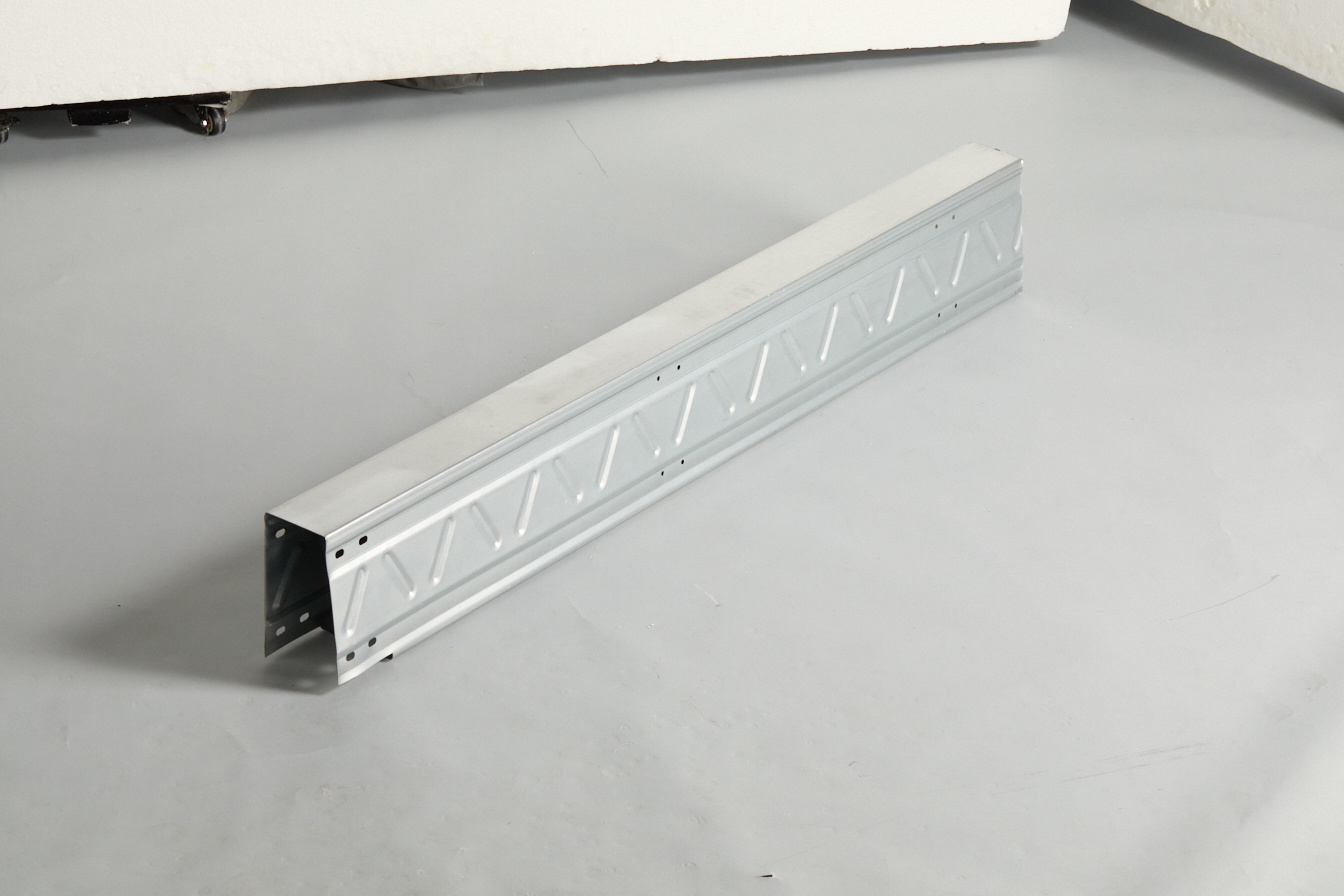
195 inner flipped edge - eight shaped reinforcing rib
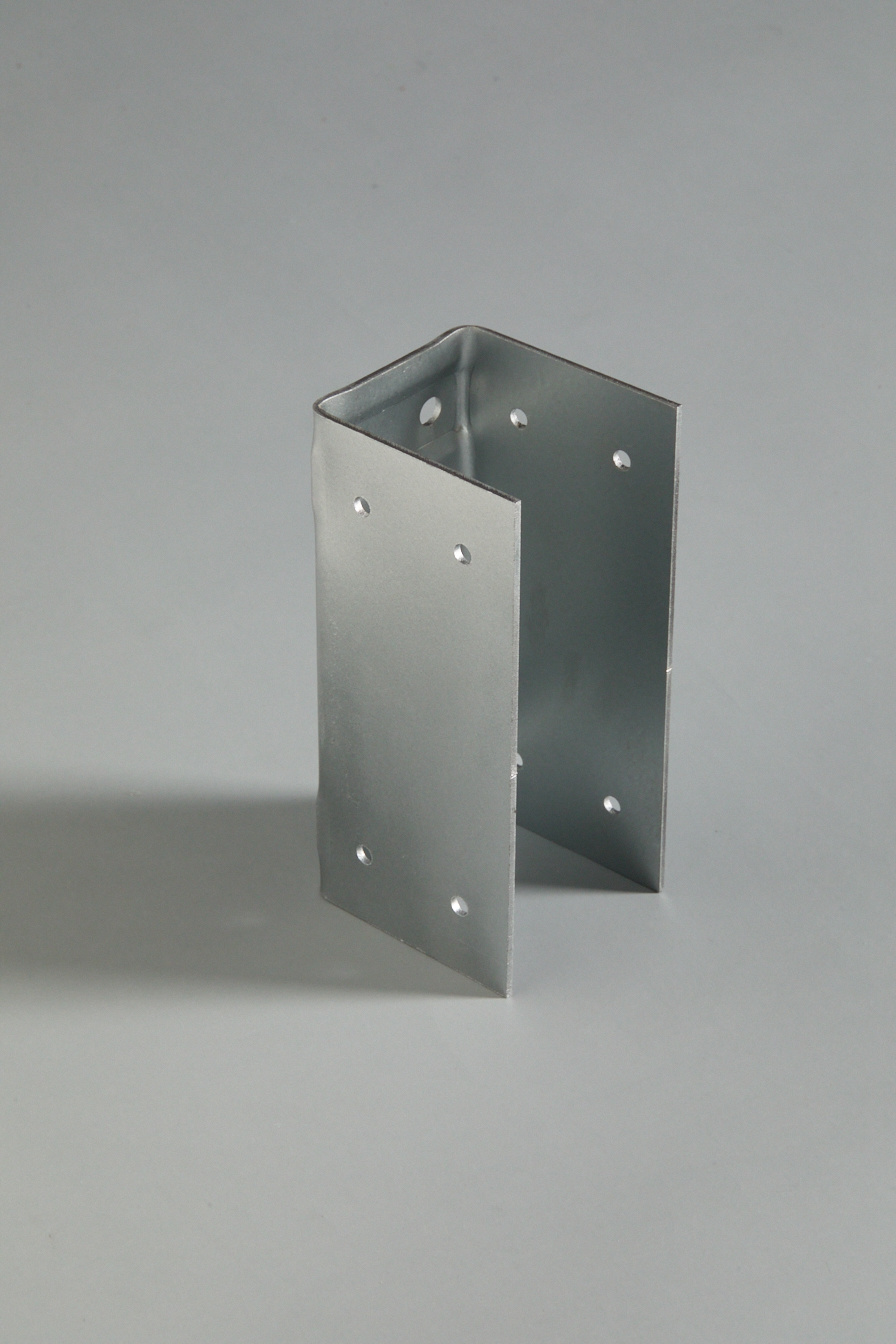
Frame small U connector
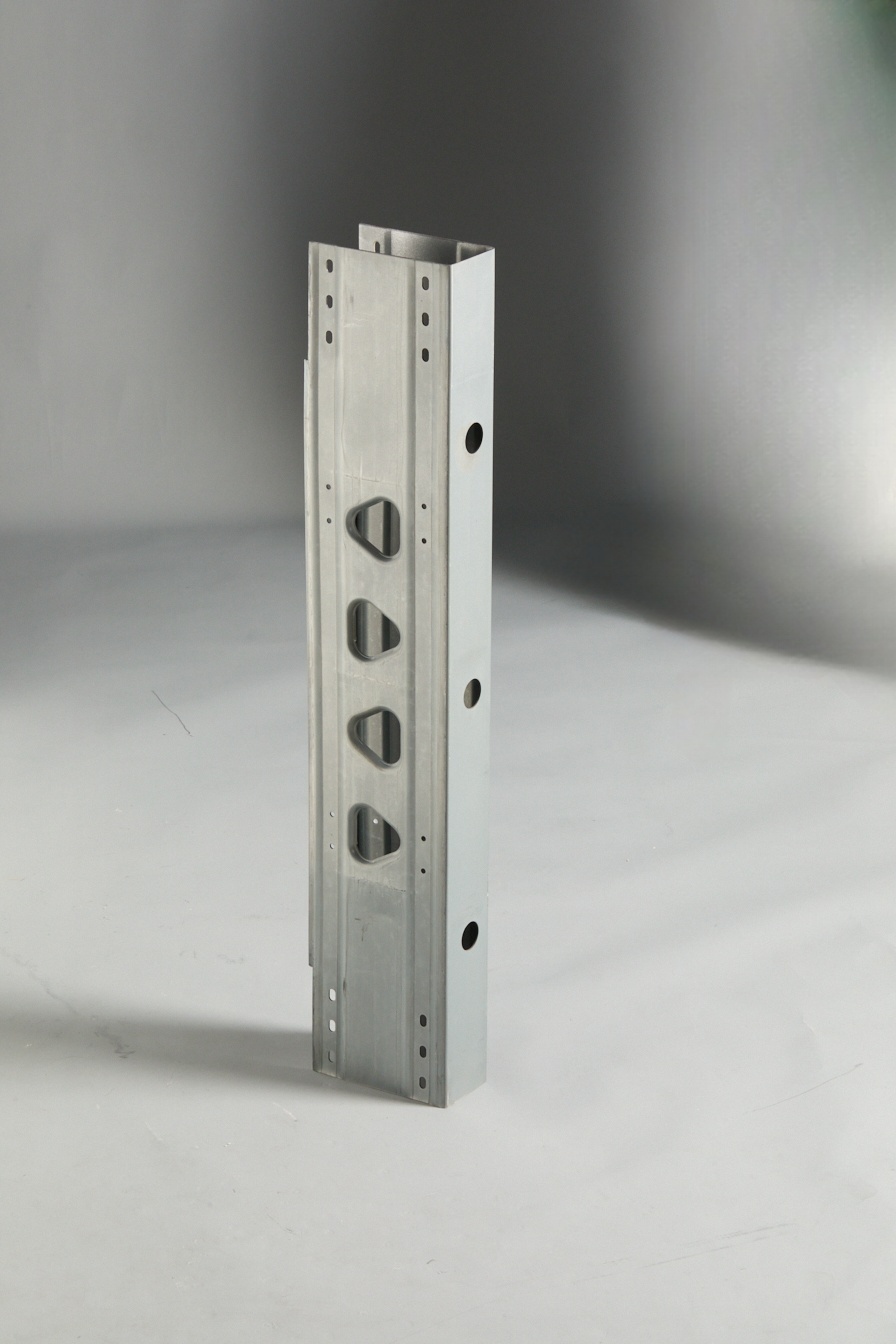
195 Inverted Edge - Triangle Reinforcement
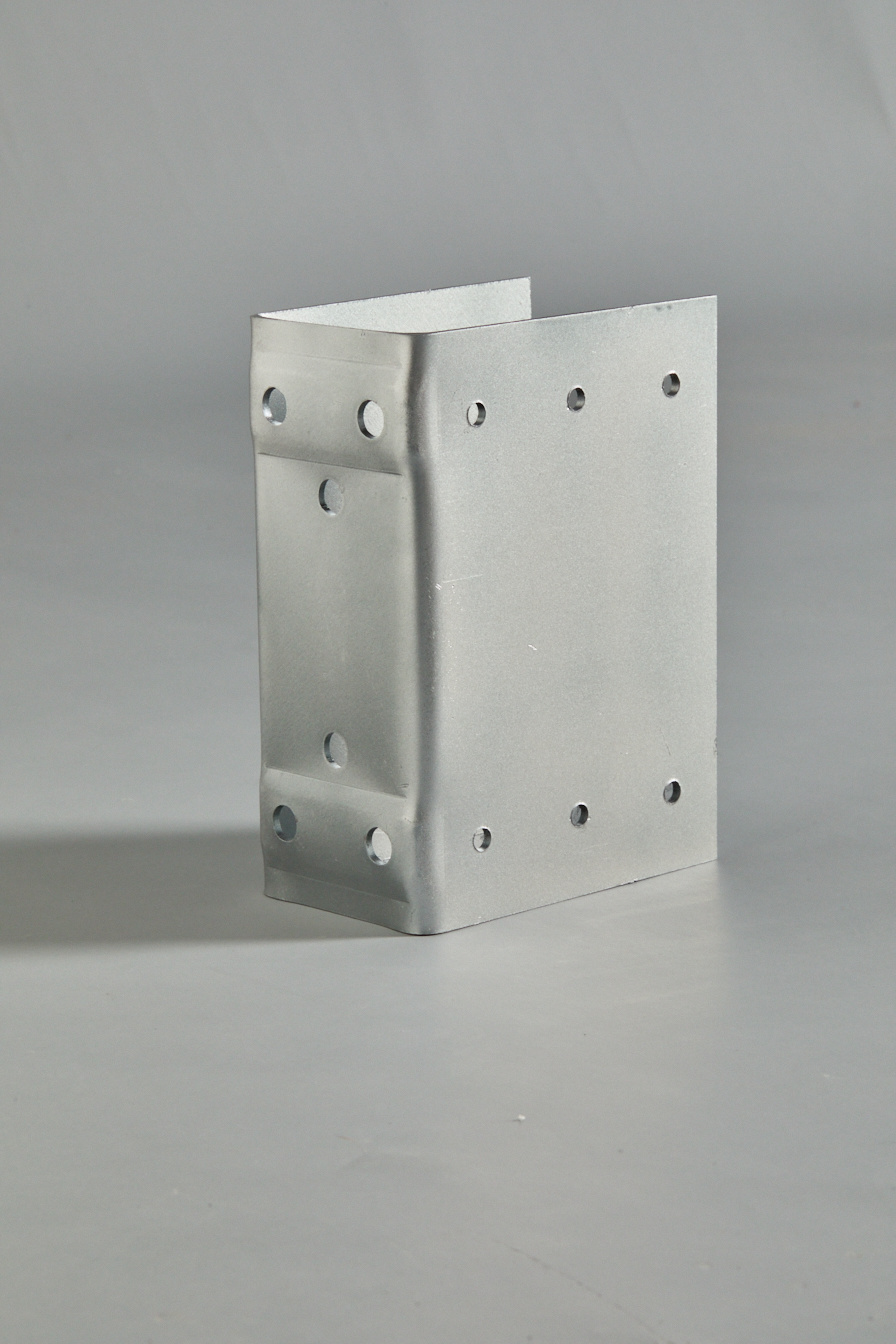
Frame large U connector
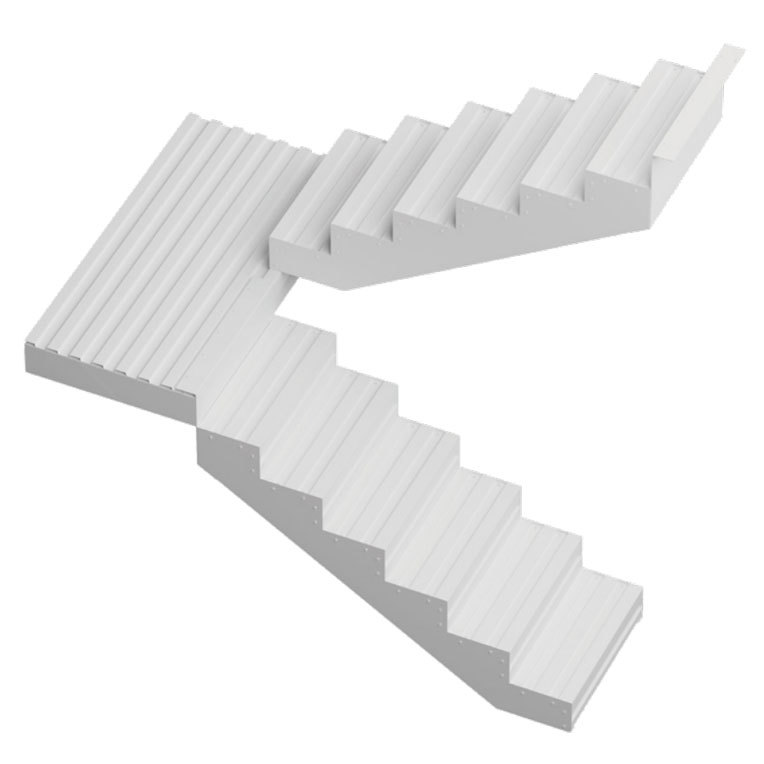
Prefabricated stairs
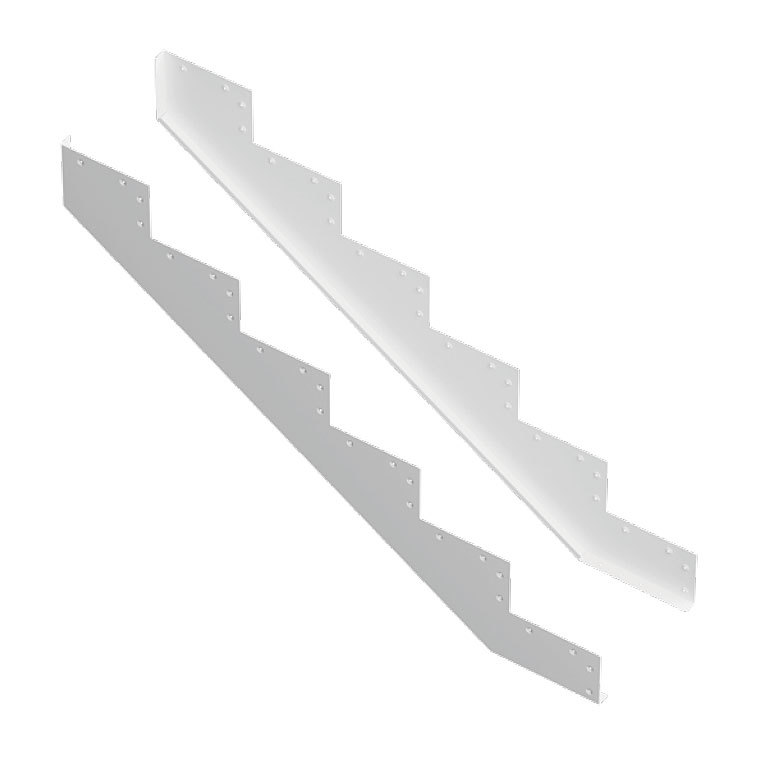
Staircase side panels
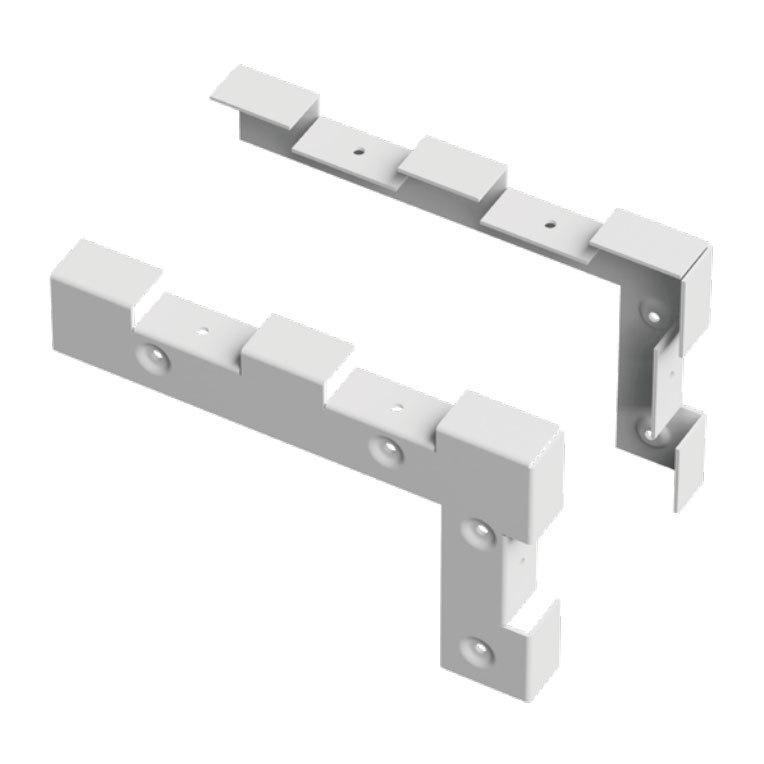
Staircase angle steel
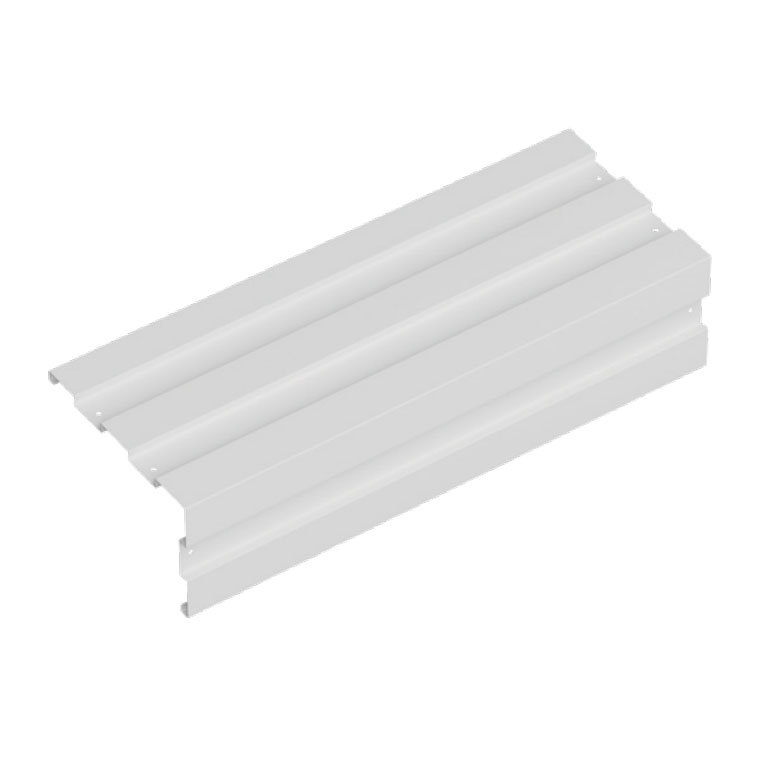
Stair steps
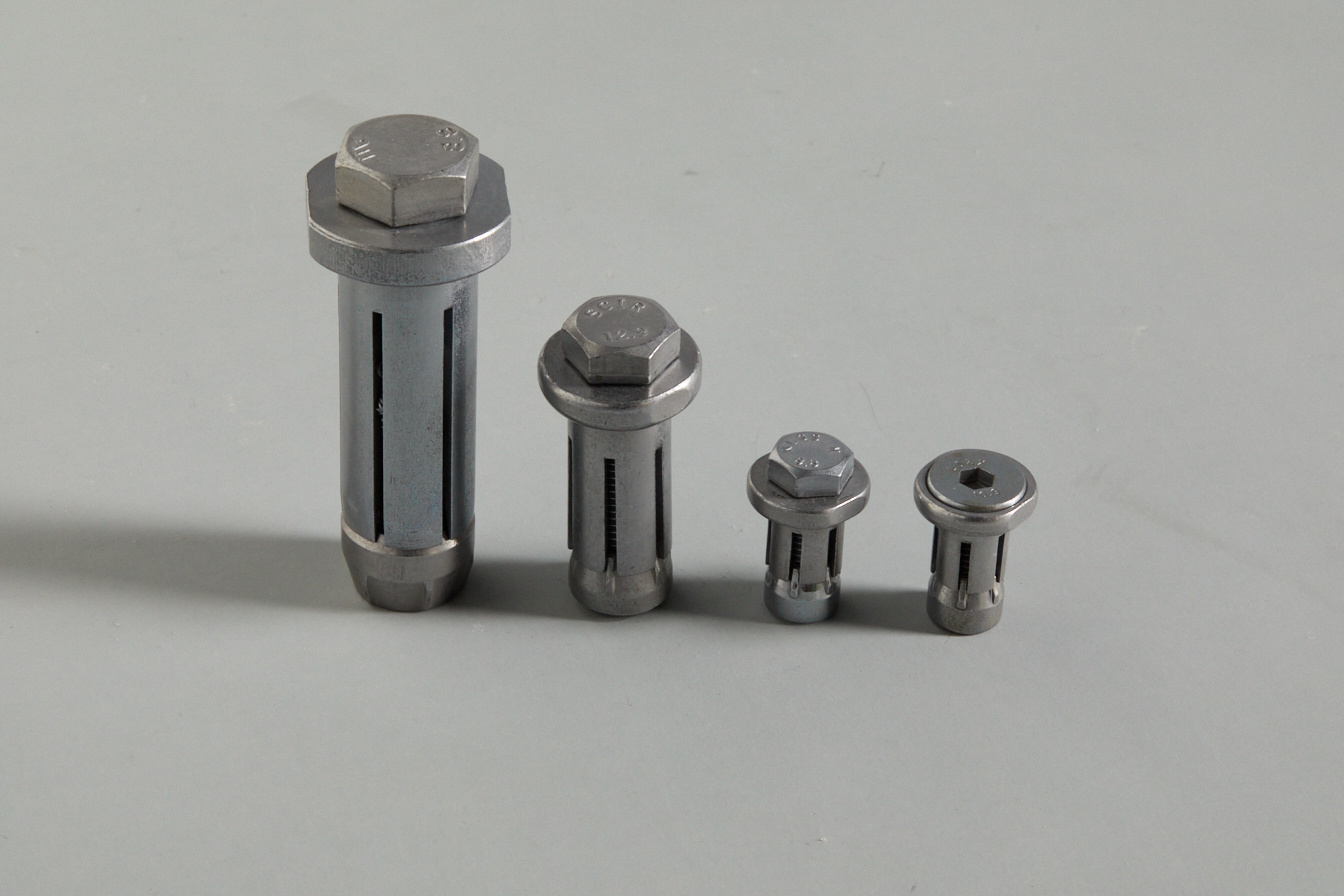
One-Way Bolt
Helical Pile System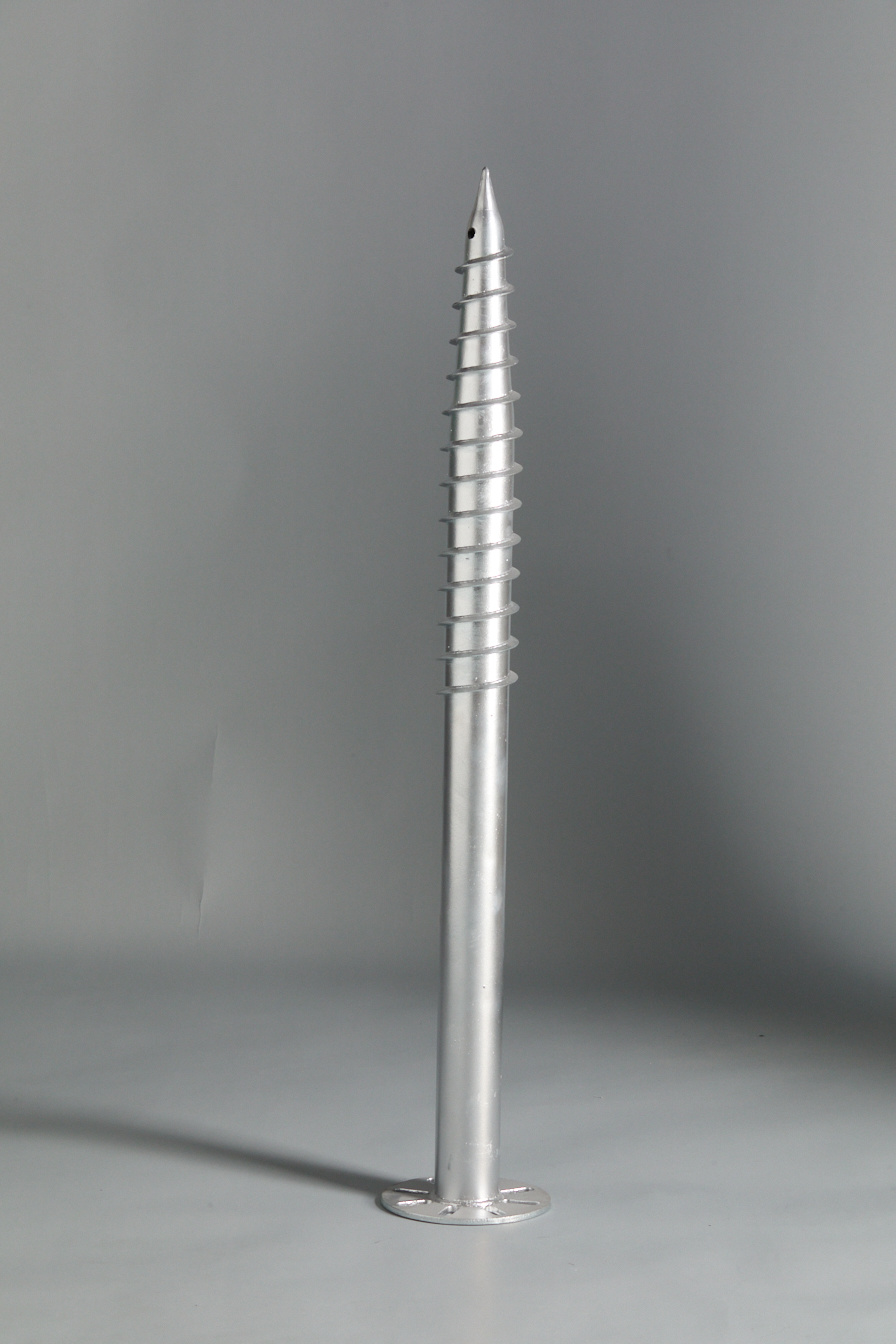
Round Pipe Screw Pile| Reliable Helical Pile Manufacturer| Patented Foundation Solution
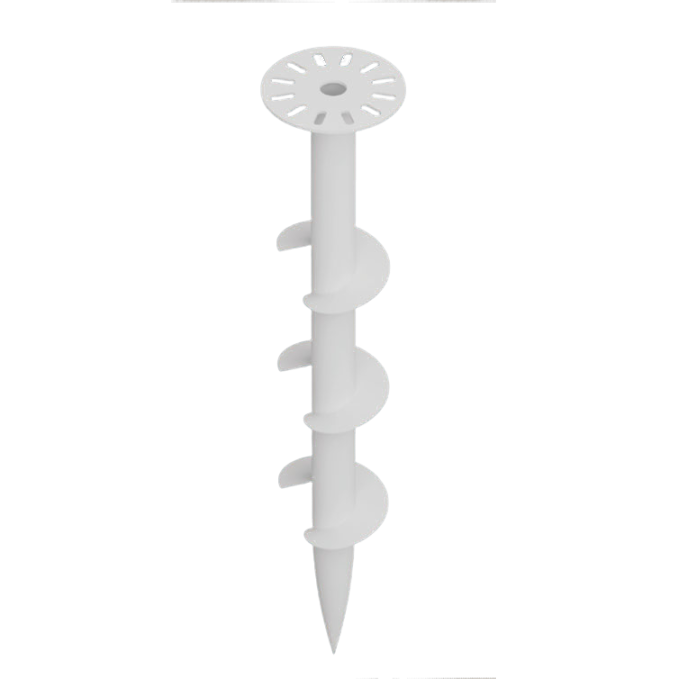
Screw Pile - 3 Blades - Round Pipe Pile
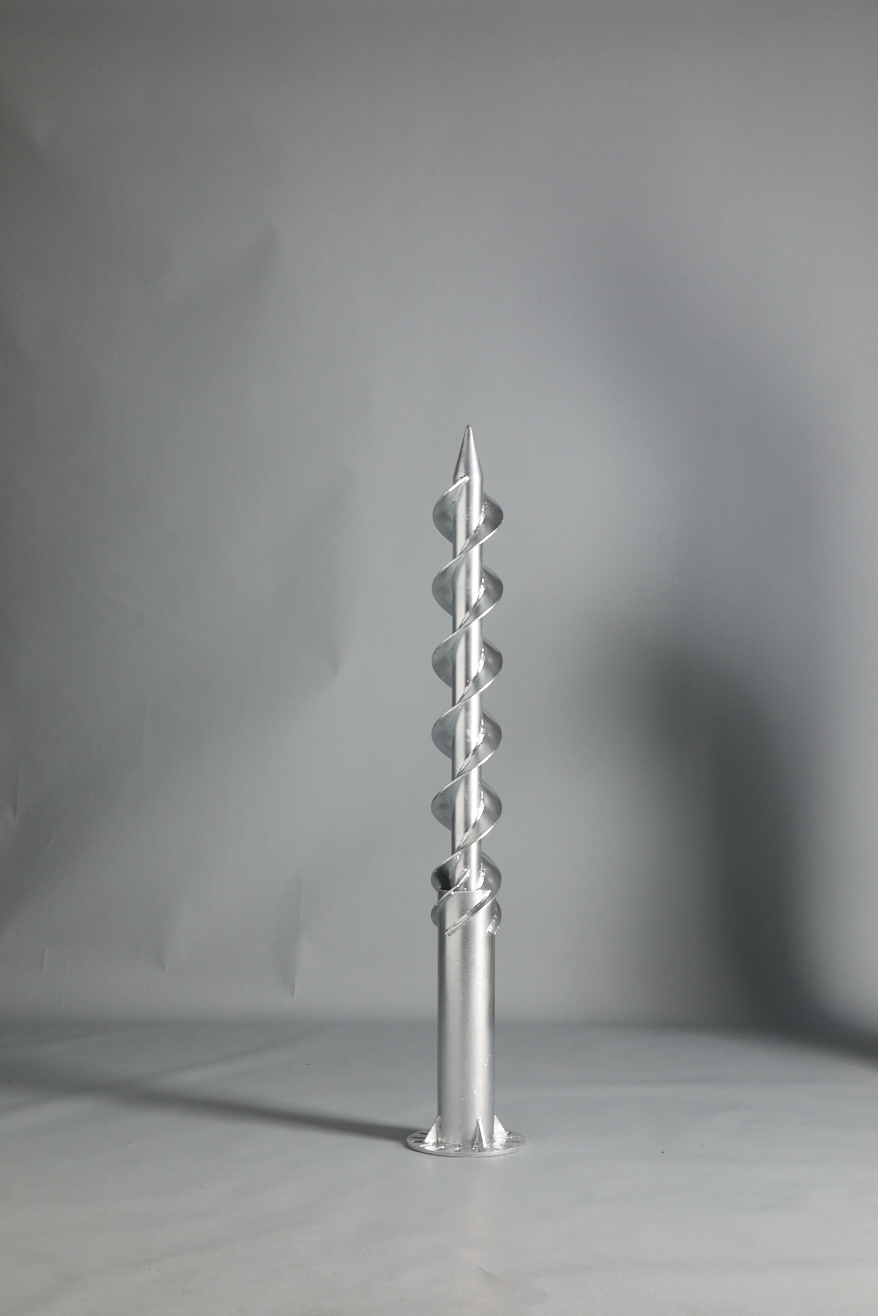
Double-Helix Screw Pile | Patented Foundation Solution
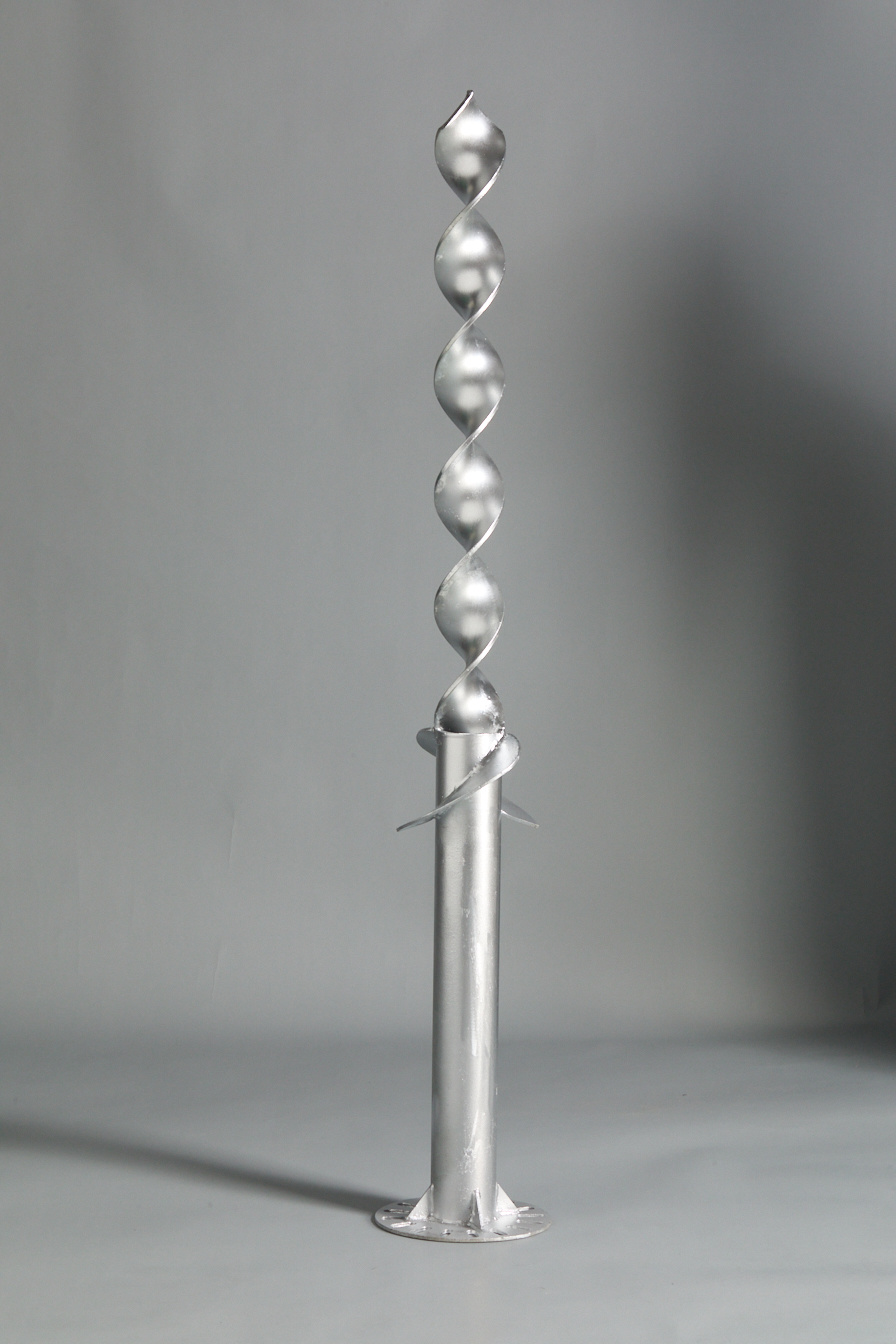
Screw Pile - Large Blade Flat Steel Pile
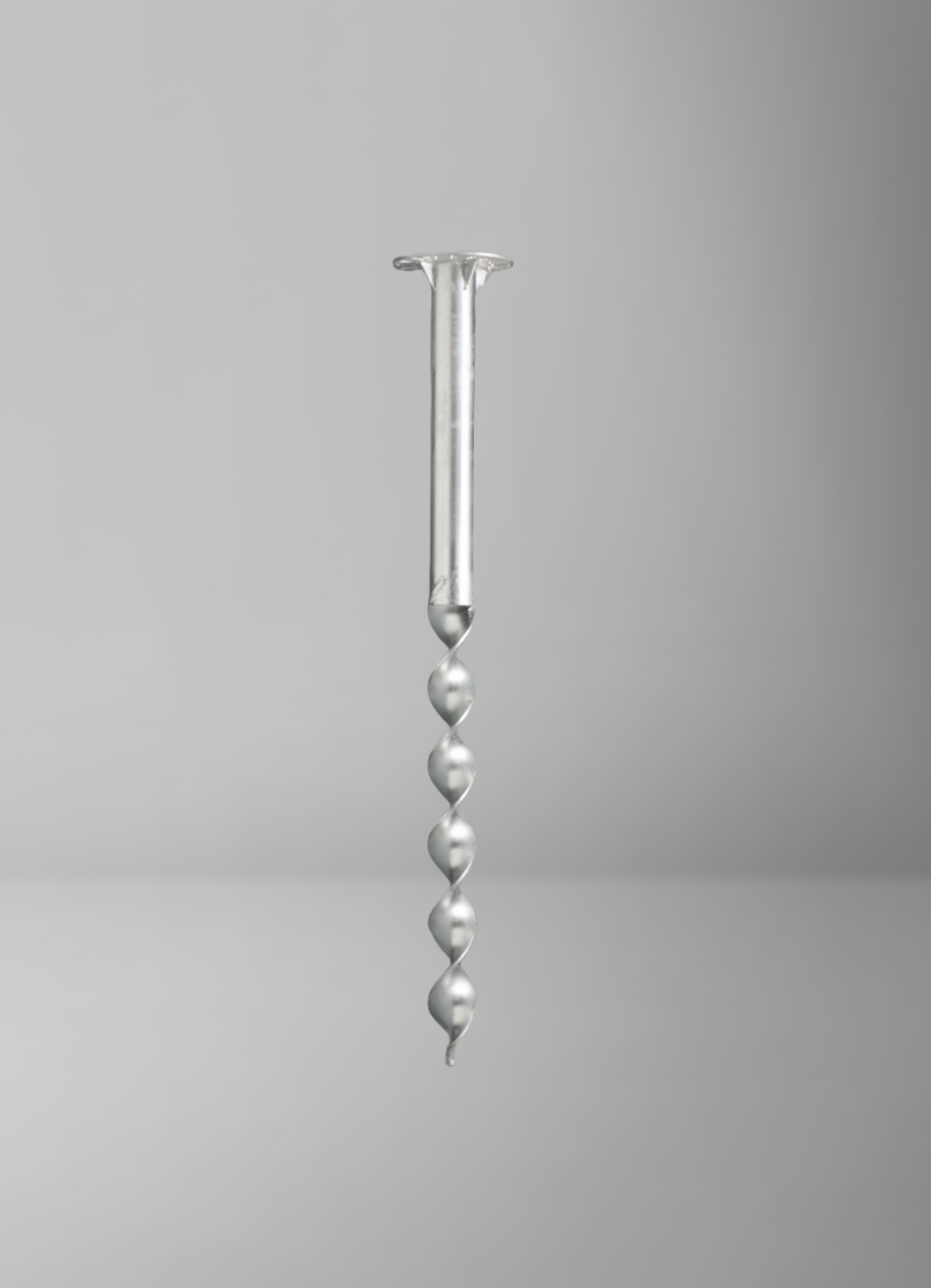
Flat Steel Screw Pile| Reliable Helical Pile Manufacturer| Patented Foundation Solution
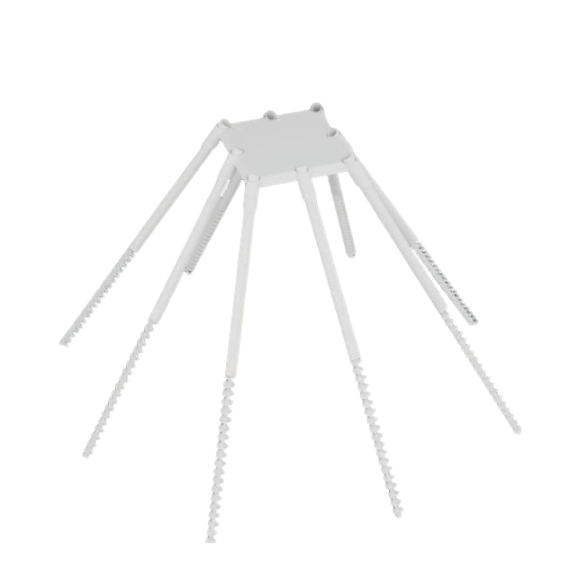
Eight-Pile Group Screw Piles| Reliable Helical Pile Manufacturer| Patented Foundation Solution
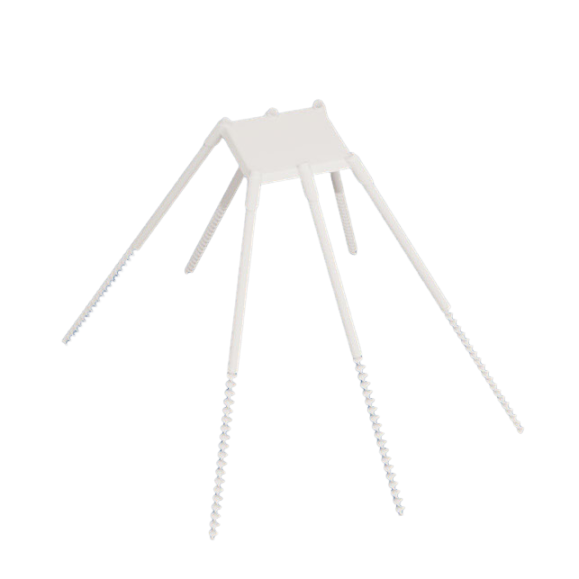
Six-Pile Group Screw Piles| Reliable Helical Pile Manufacturer| Patented Foundation Solution
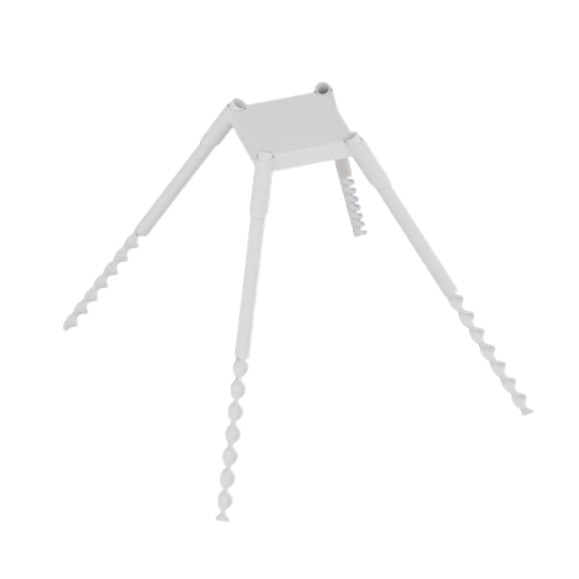
Four-Pile Group Screw Piles| Reliable Helical Pile Manufacturer| Patented Foundation Solution
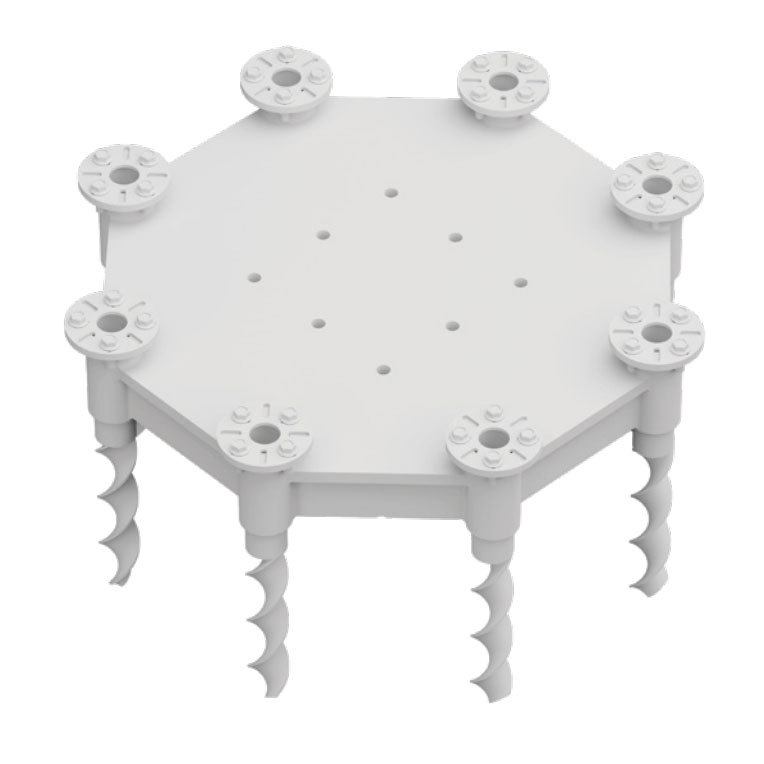
Eight-Pile Cap Screw Pile | Reliable Helical Pile Manufacturer| Patented Foundation Solution
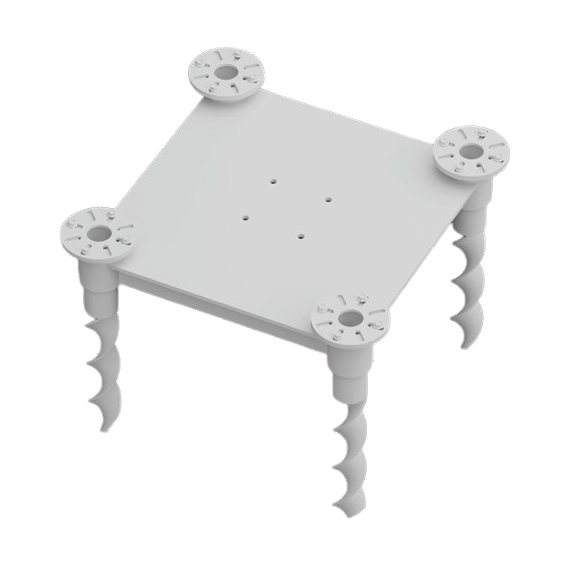
Four-Pile Cap Screw Pile | Reliable Helical Pile Manufacturer| Patented Foundation Solution
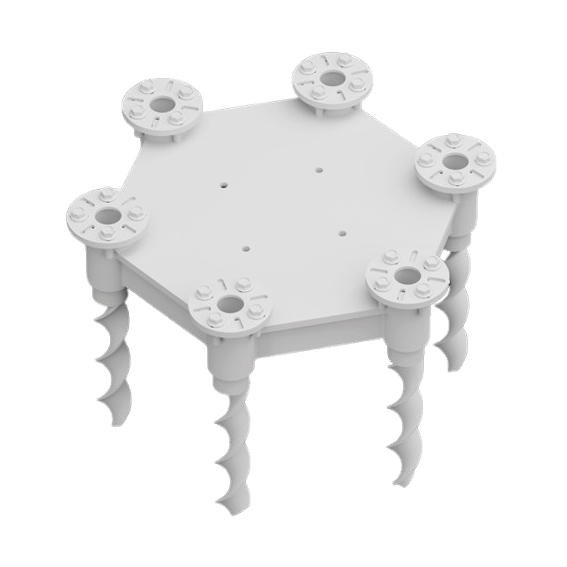
Six-Pile Cap Screw Pile | Reliable Helical Pile Manufacturer| Patented Foundation Solution
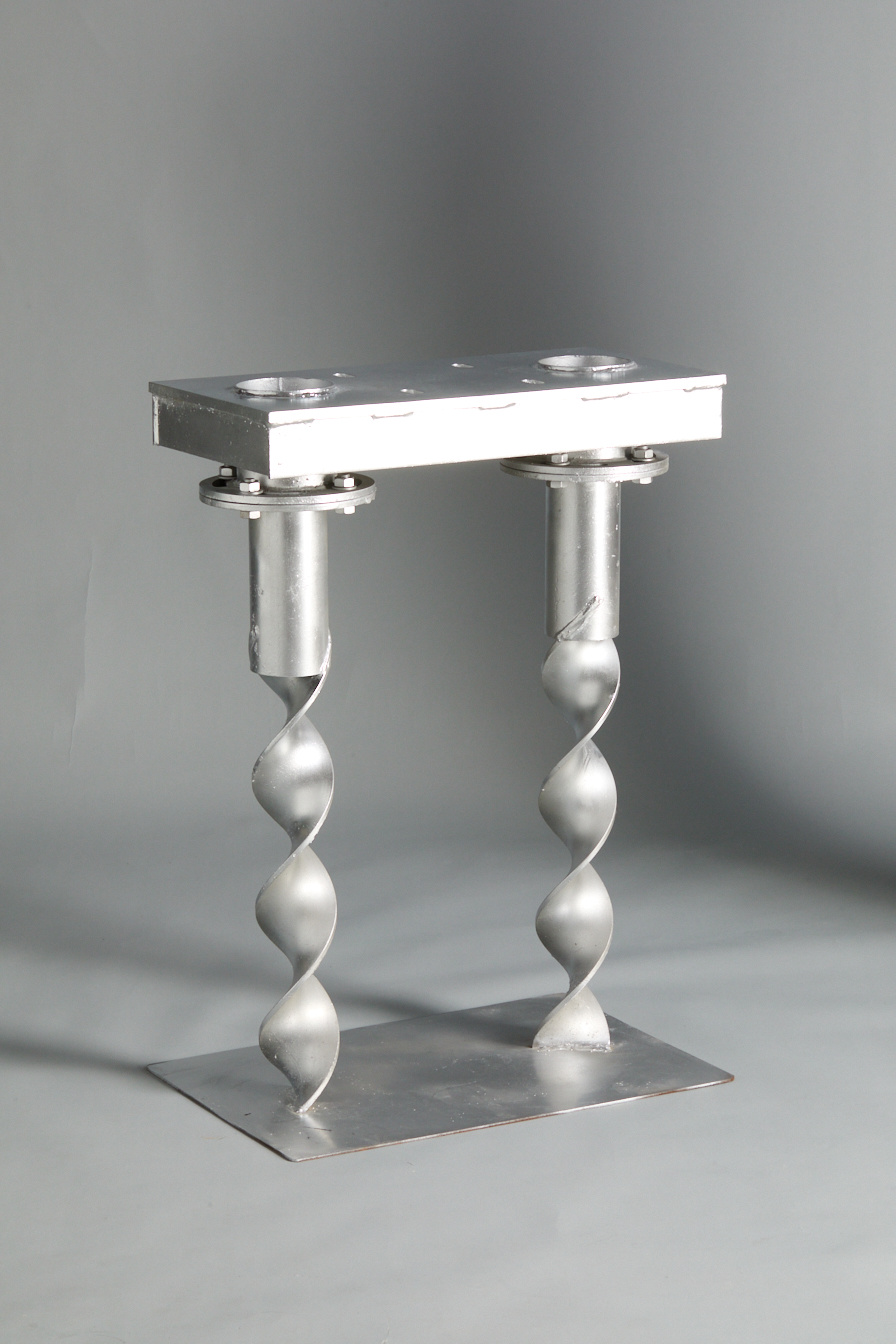
Two-Pile Cap Screw Pile | Reliable Helical Pile Manufacturer| Patented Foundation Solution
Steel Platform System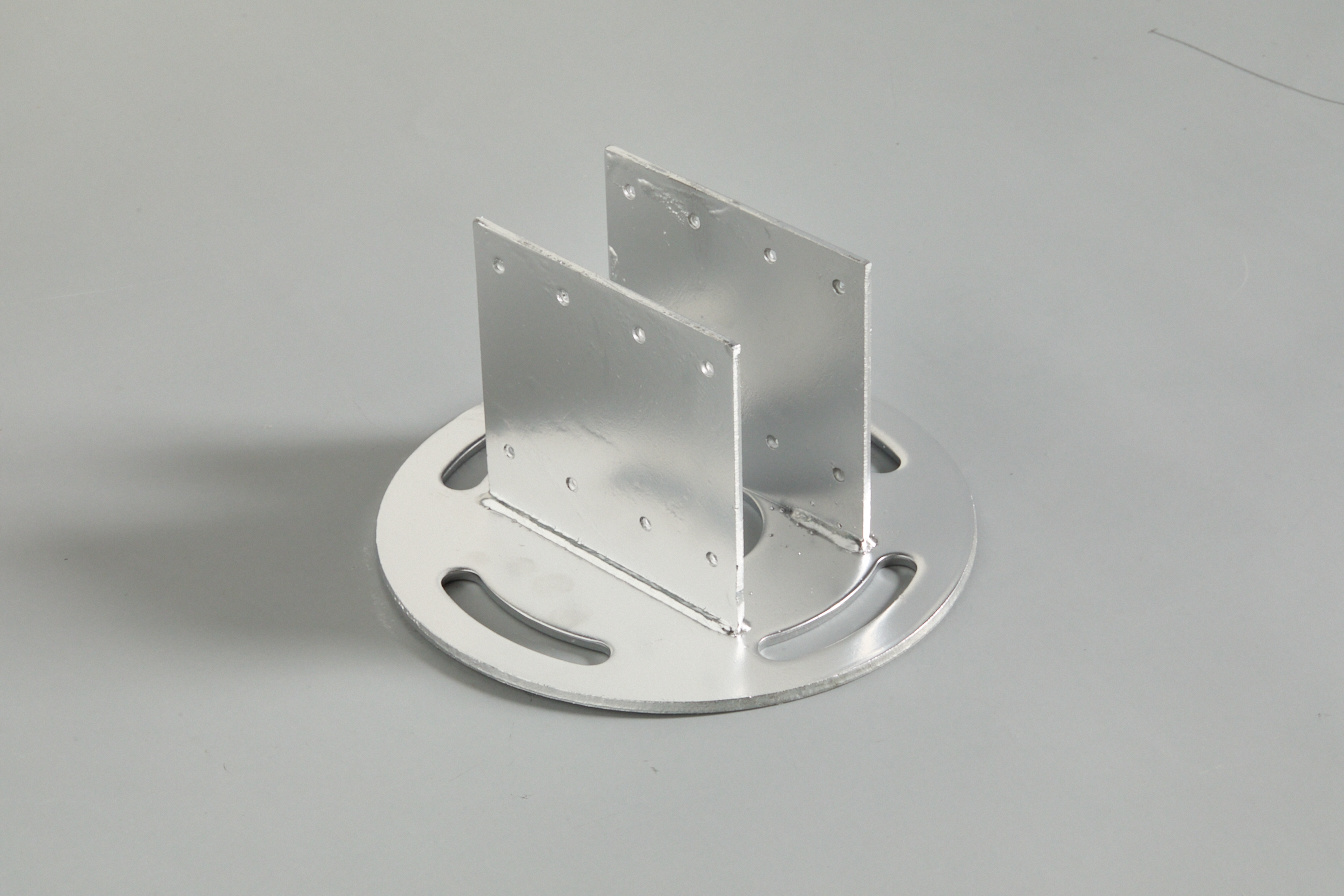
Spiral pile connectors
Small U connector
Large U connector
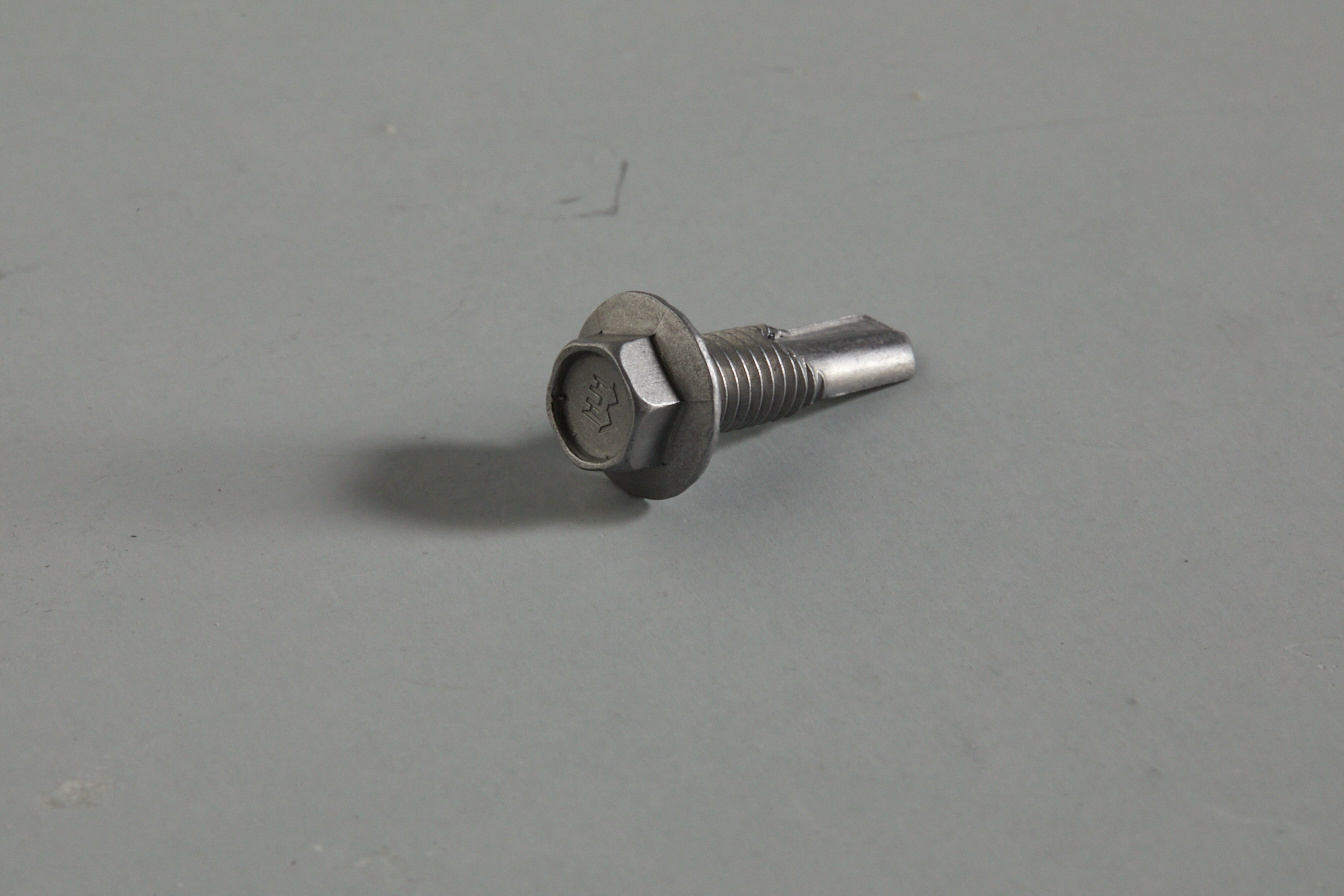
Hexagonal flange self drilling and self tapping screws
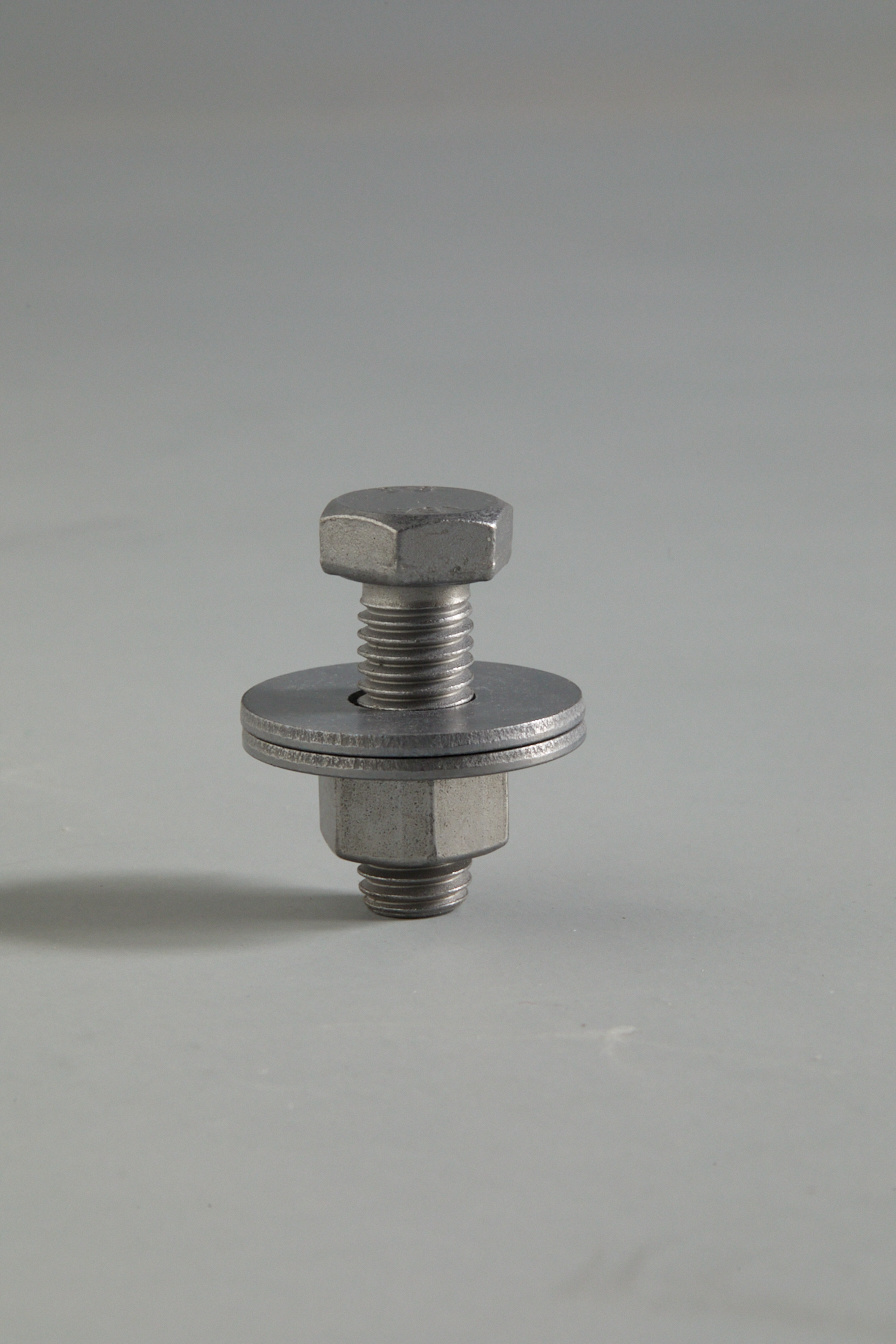
Tightening Bolts
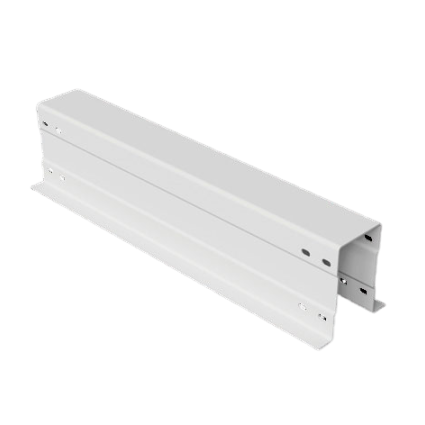
Secondary Beam
Steel Platform - Main Beam
Modular building
Modular building
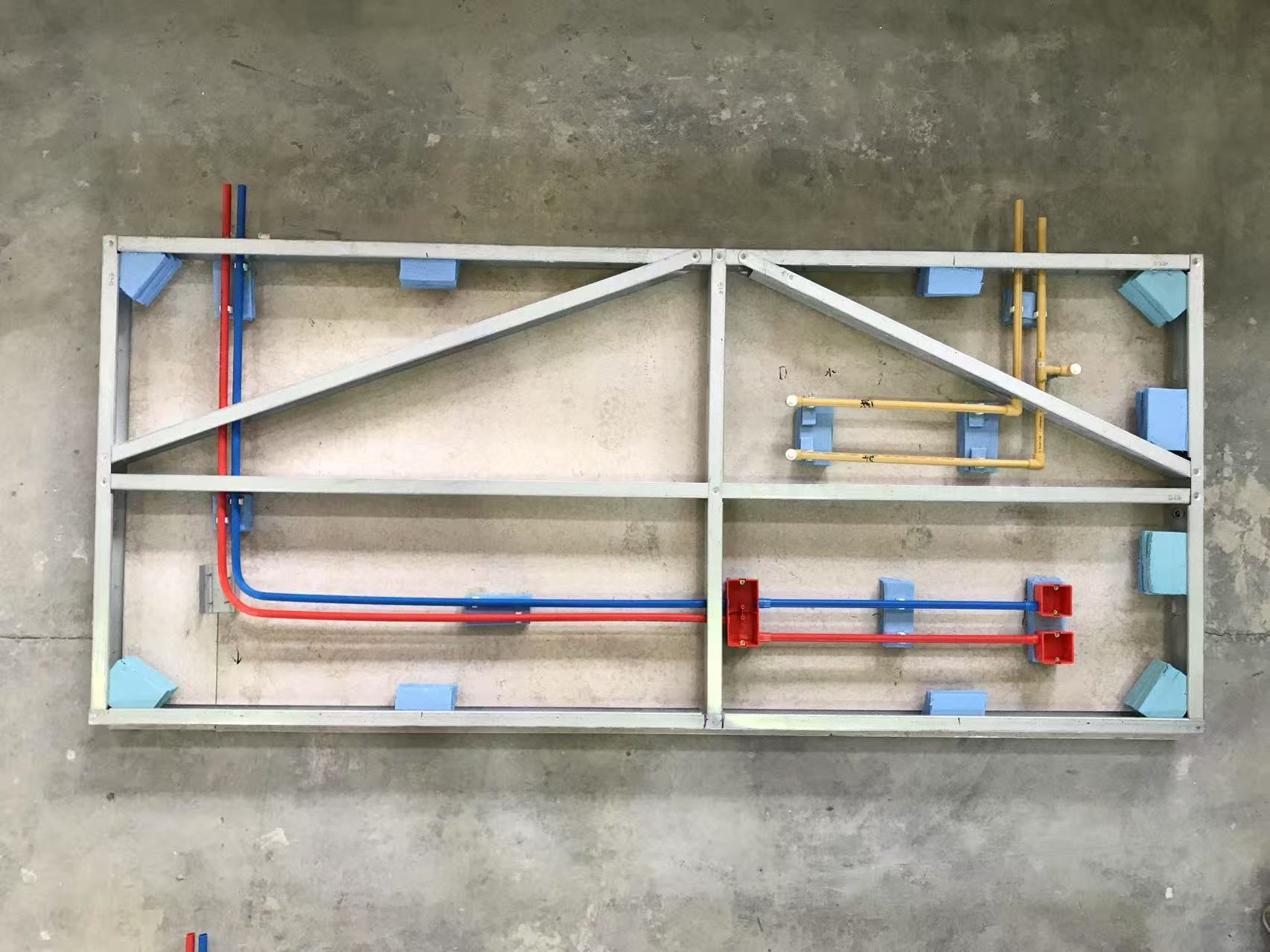
Layout Diagram of Electrical and Plumbing Pipelines for Magnesium-Based Grouted Walls

Performance Testing of Magnesium-Based Walls
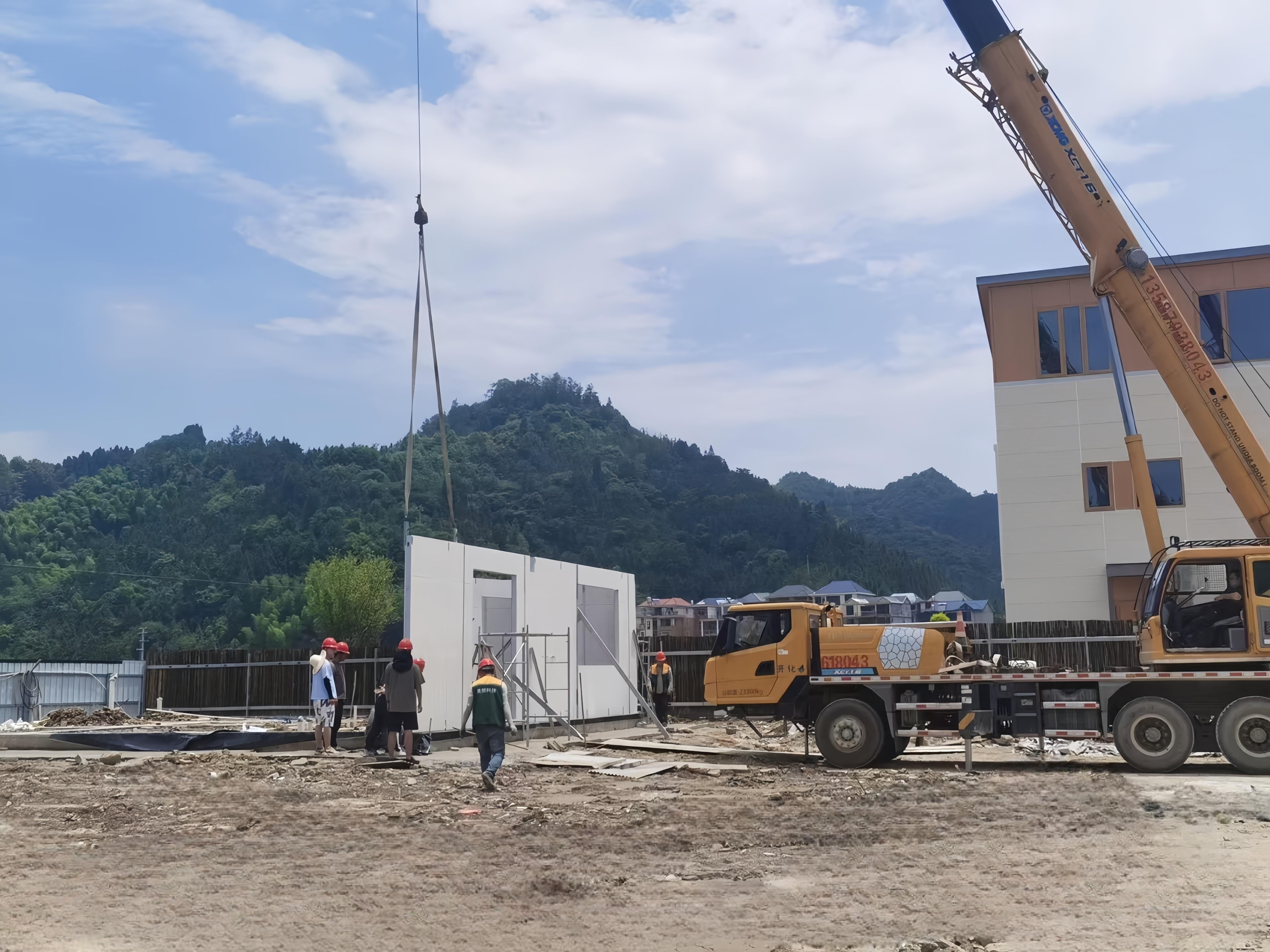
Construction Process of Modular Walls
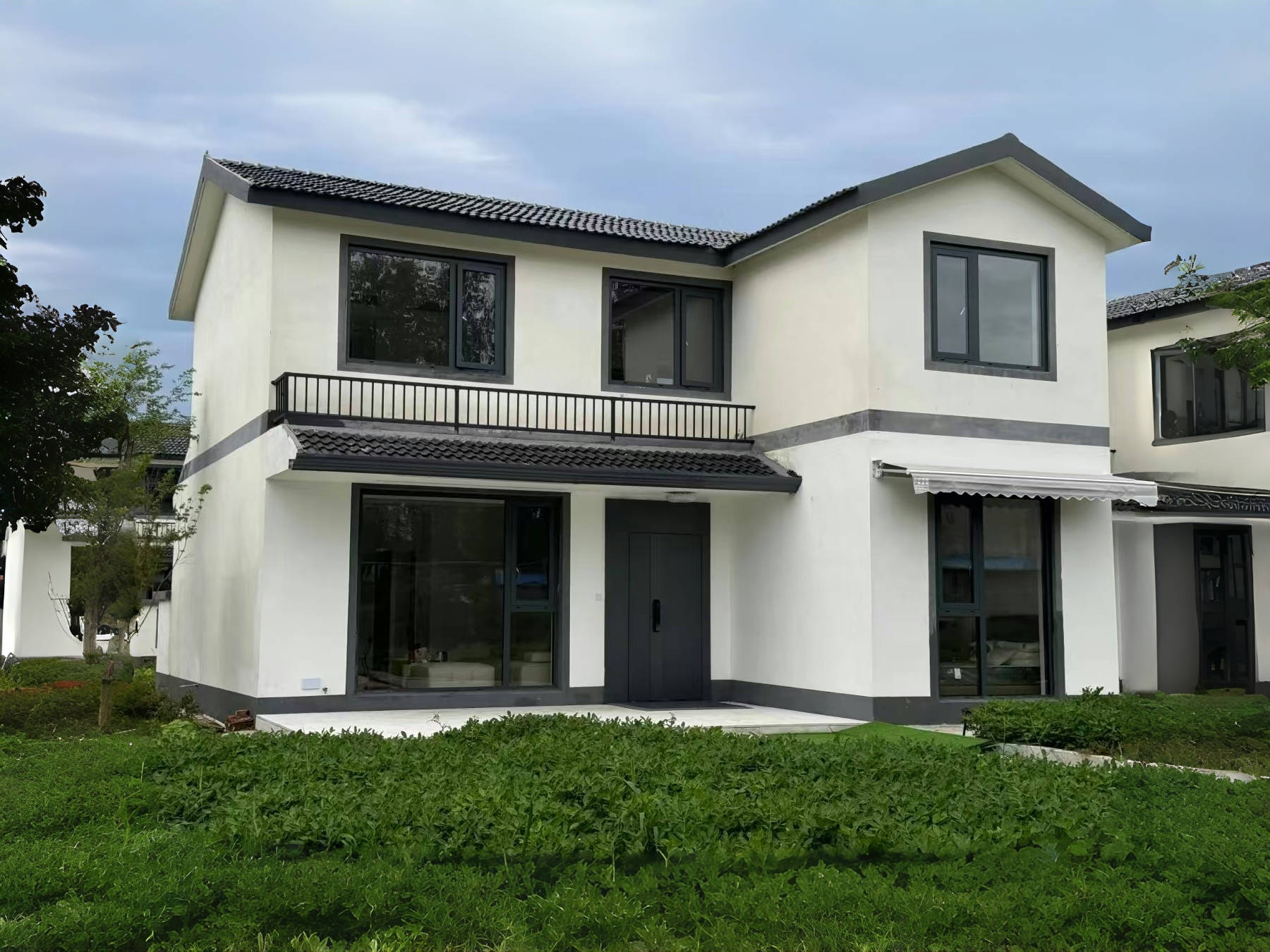
Cases of Modular Buildings
Bracket Roof Integrated Panel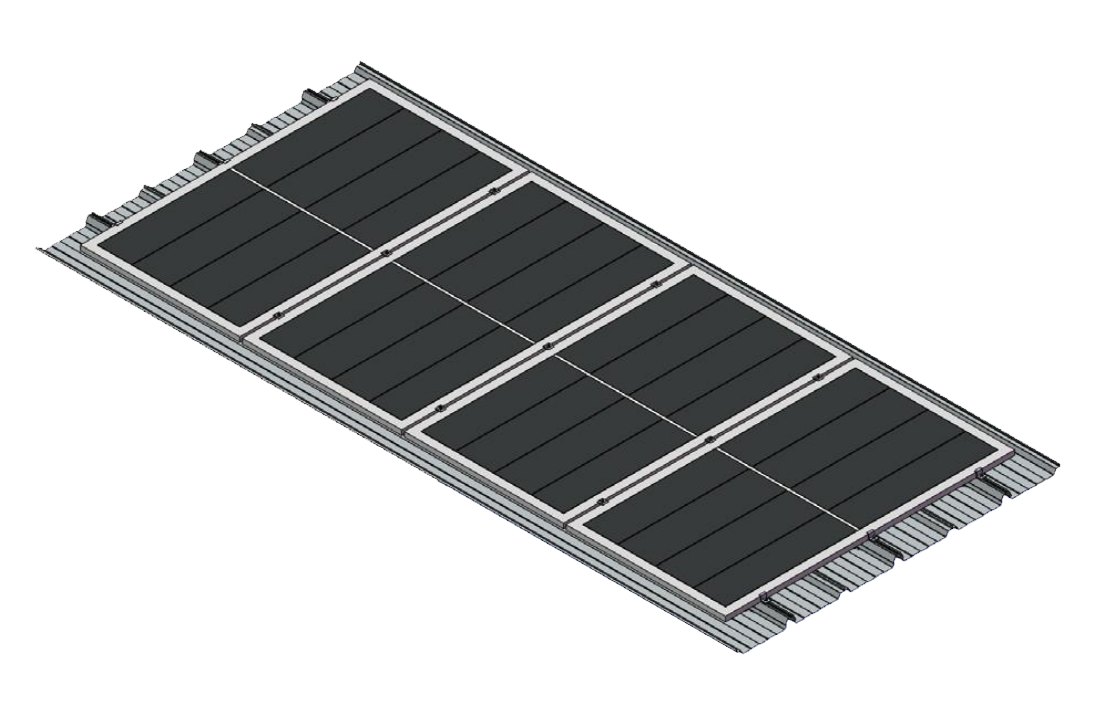
BIPV Bracket Roof Integrated Panel
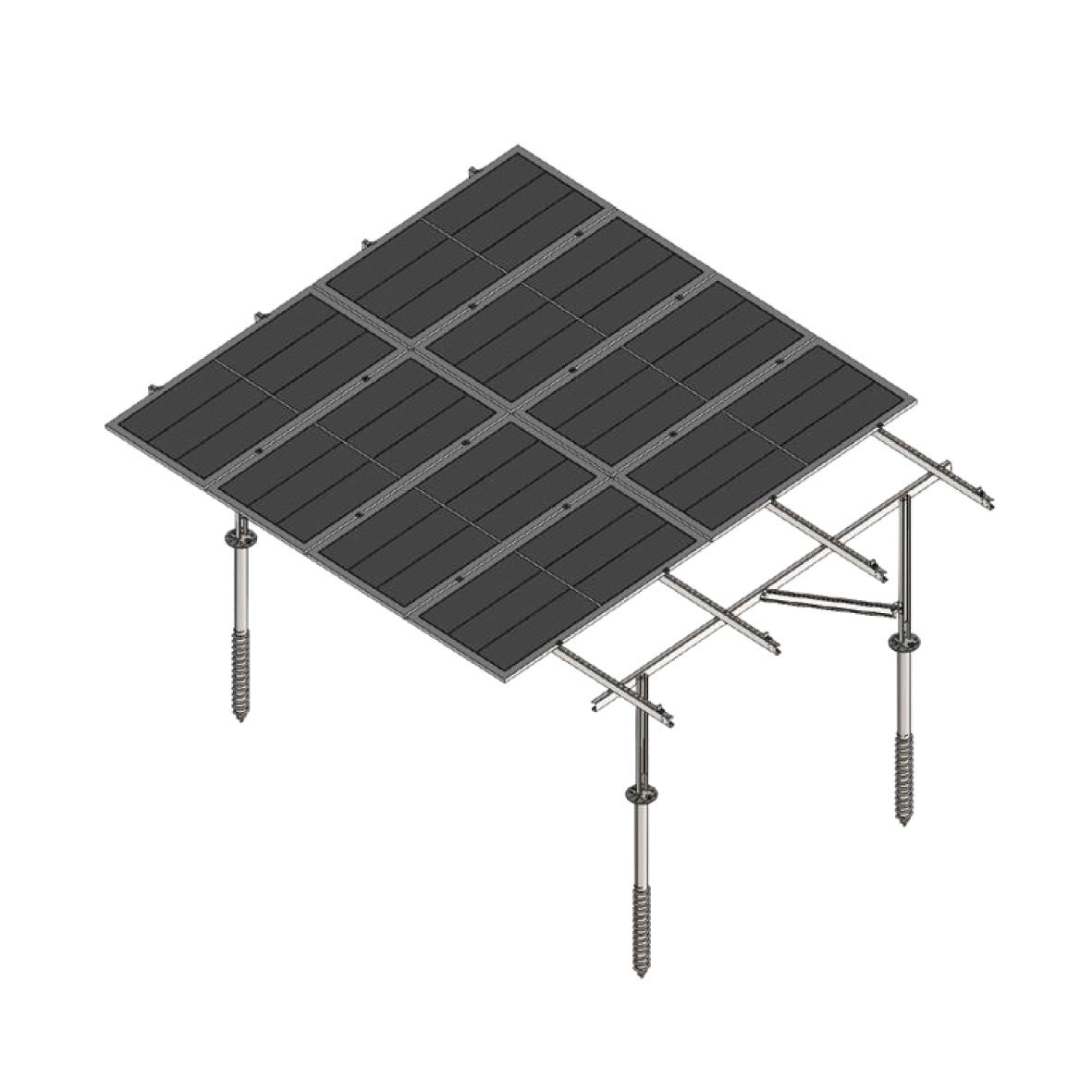
ZINC Aluminum Magnesium Double Leg Bracket
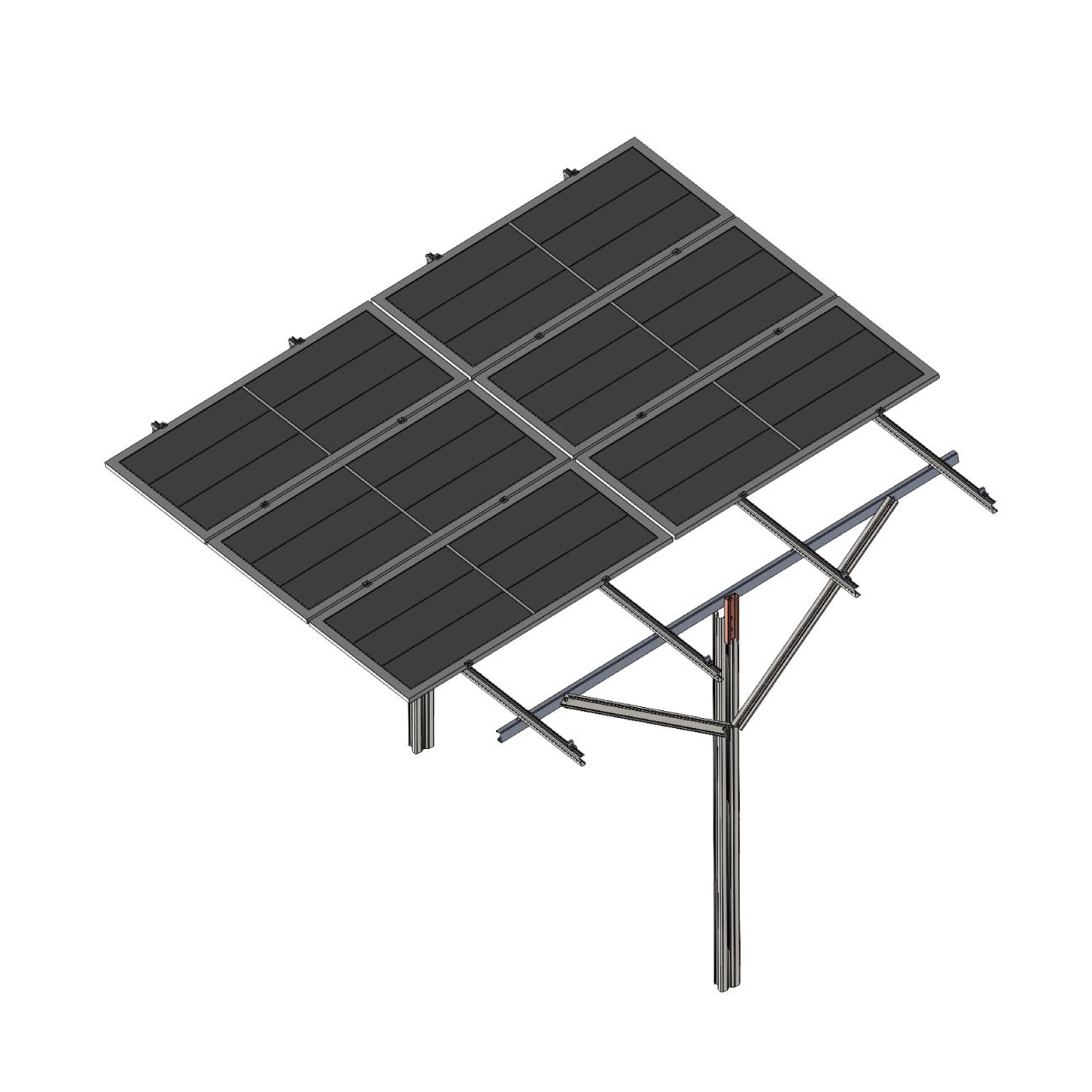
ZINC Aluminum Magnesium Single Leg Bracket
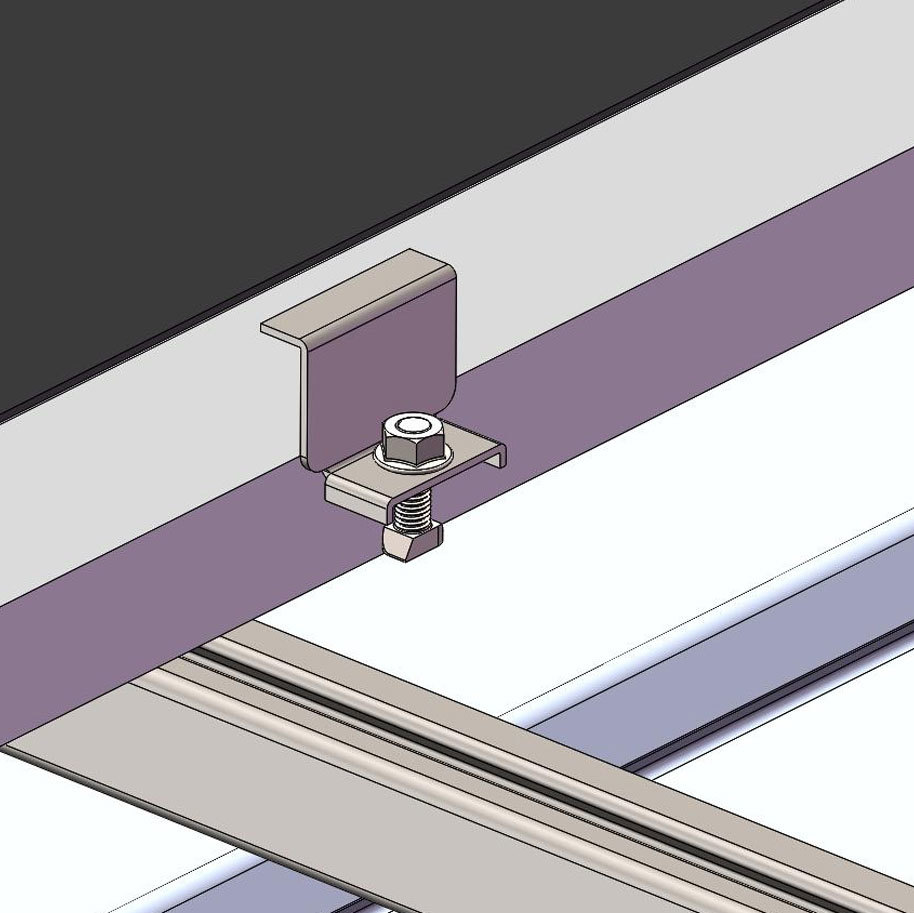
Explosion diagram of zinc aluminum magnesium under lateral pressure
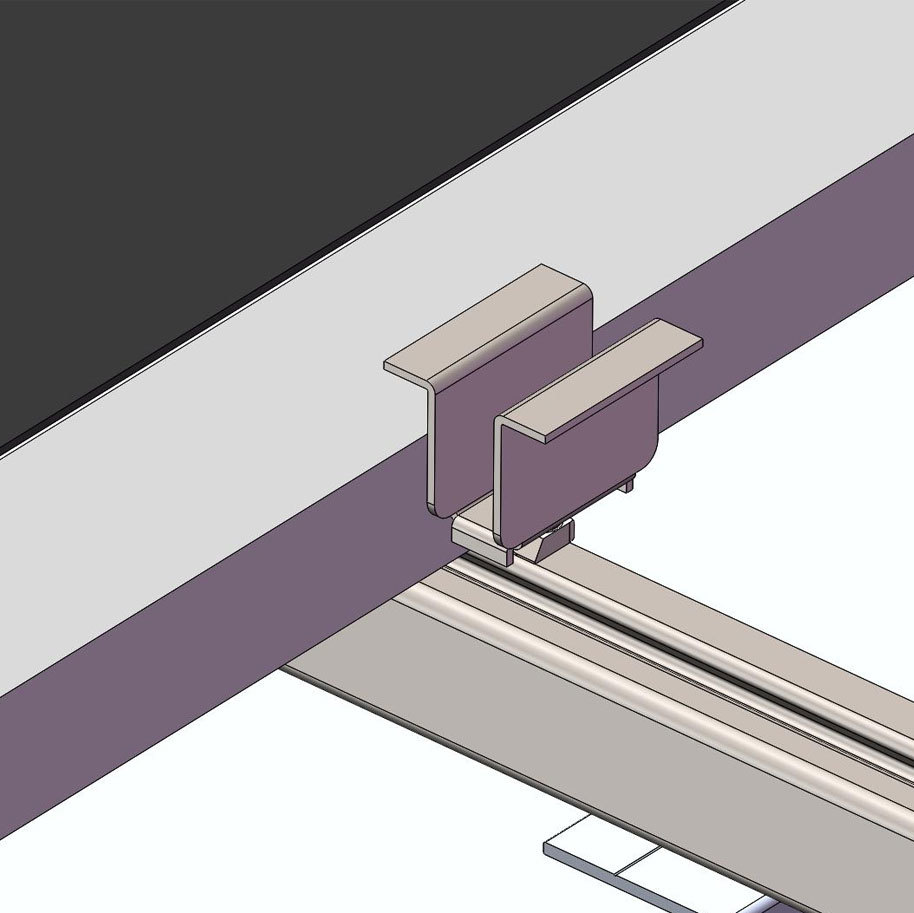
Zinc aluminum magnesium medium pressure explosion diagram
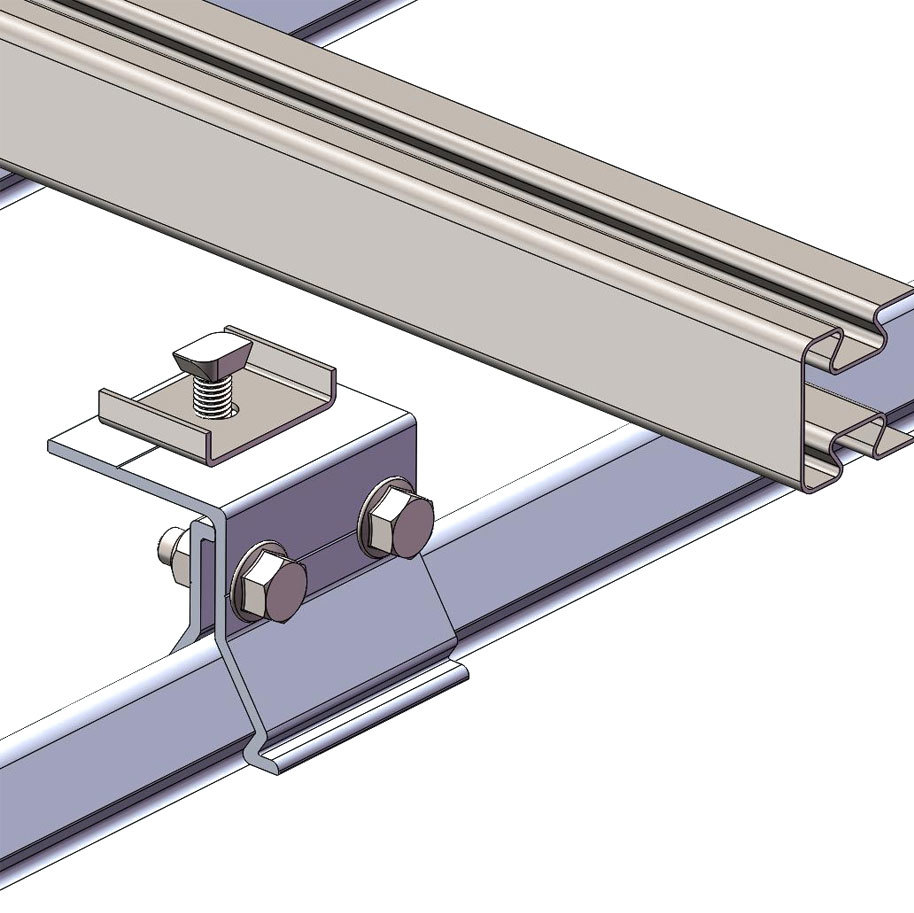
Explosion diagram of fixture components
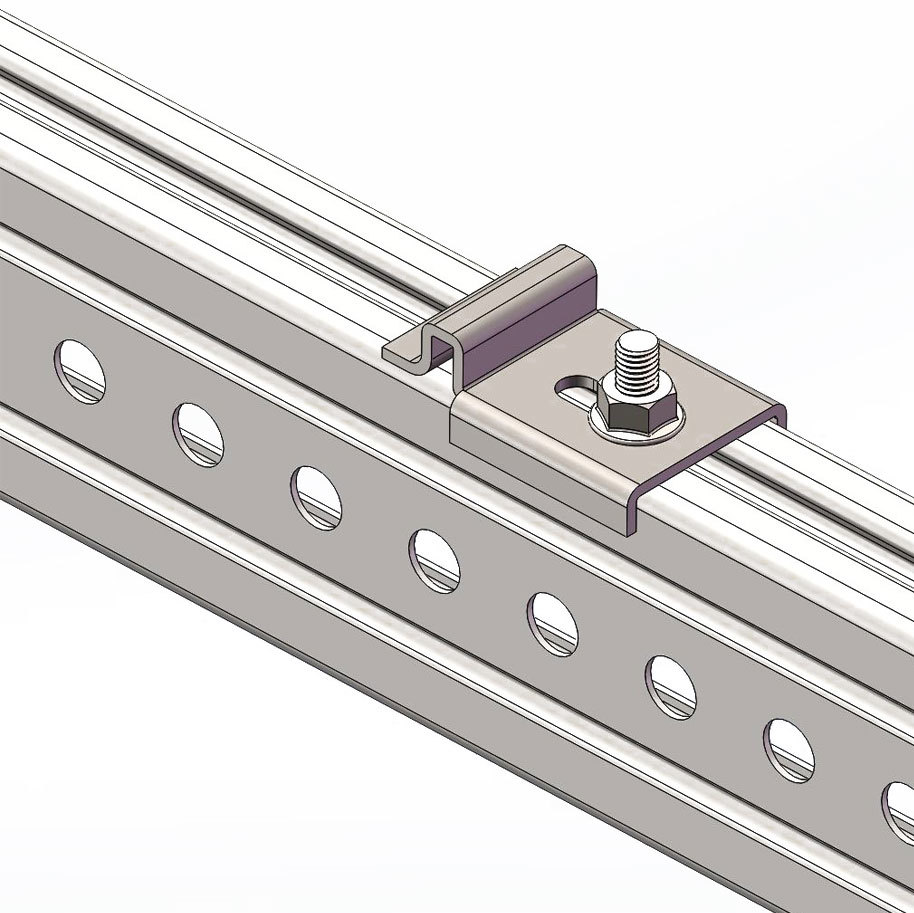
Lower pressure component
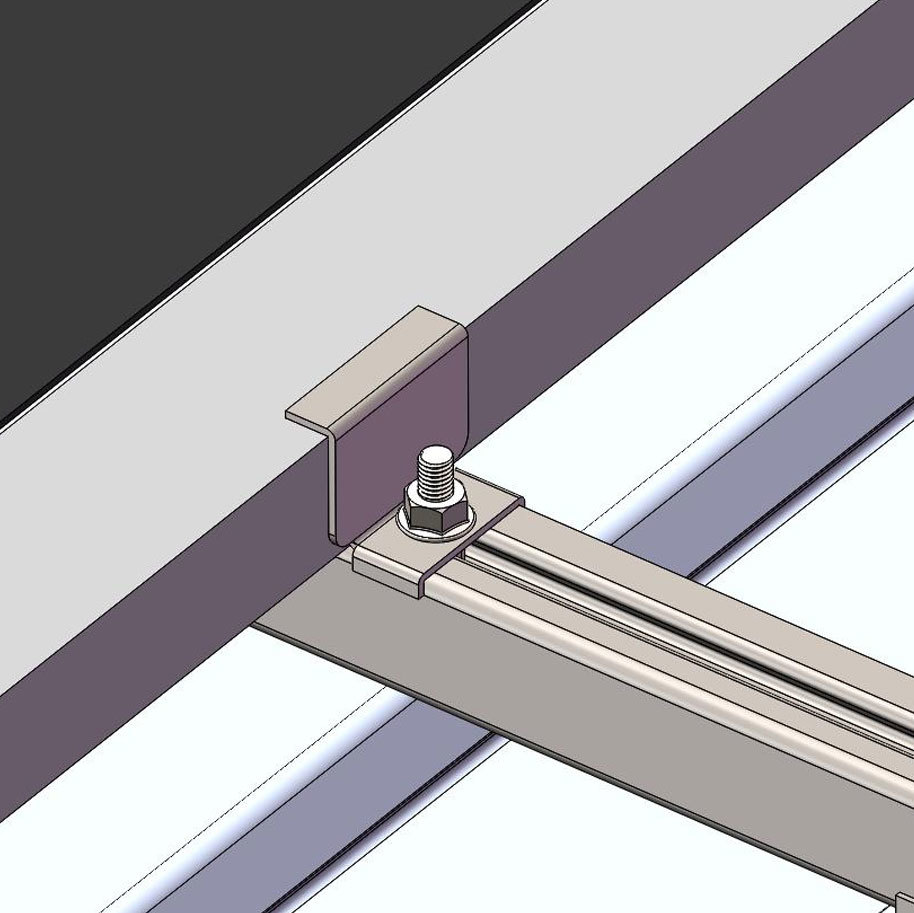
Zinc aluminum magnesium side pressure
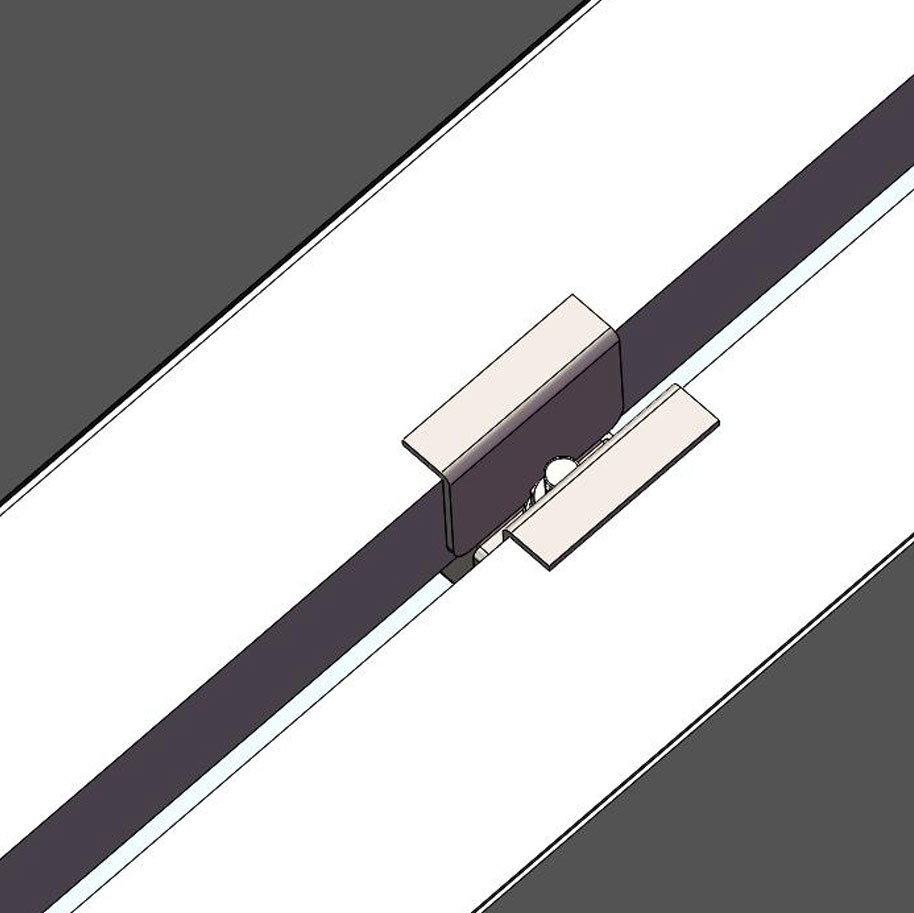
Zinc aluminum magnesium medium pressure
Zinc aluminum magnesium medium pressure
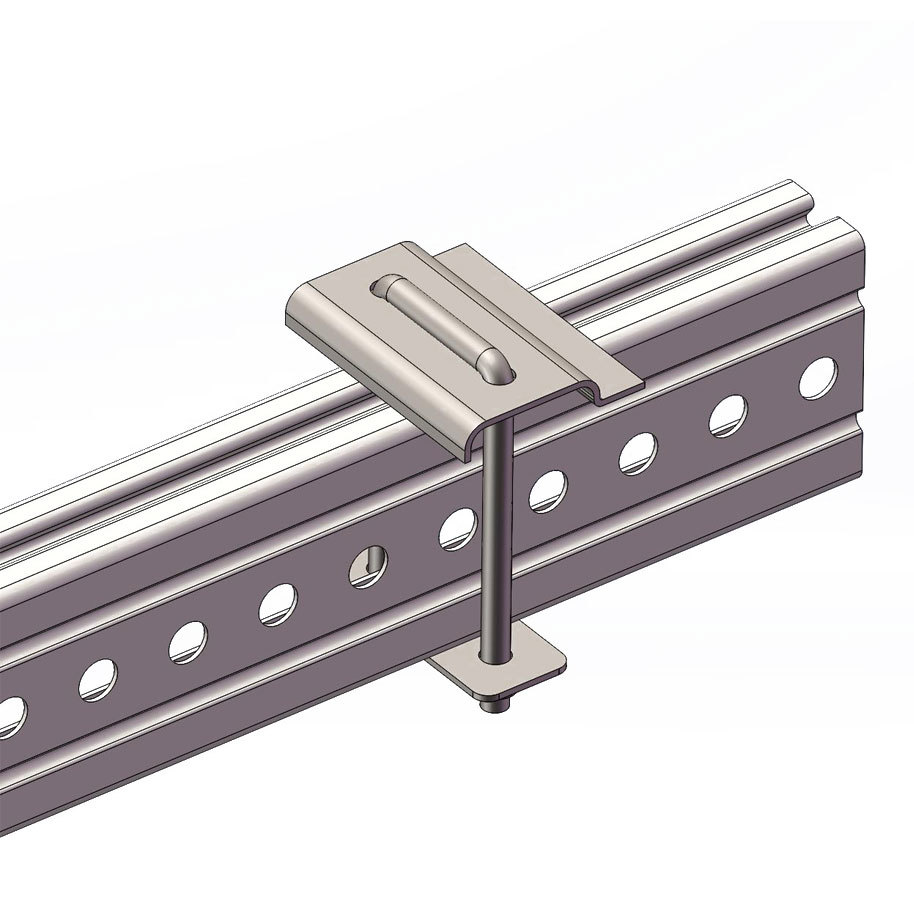
U-bolt assembly
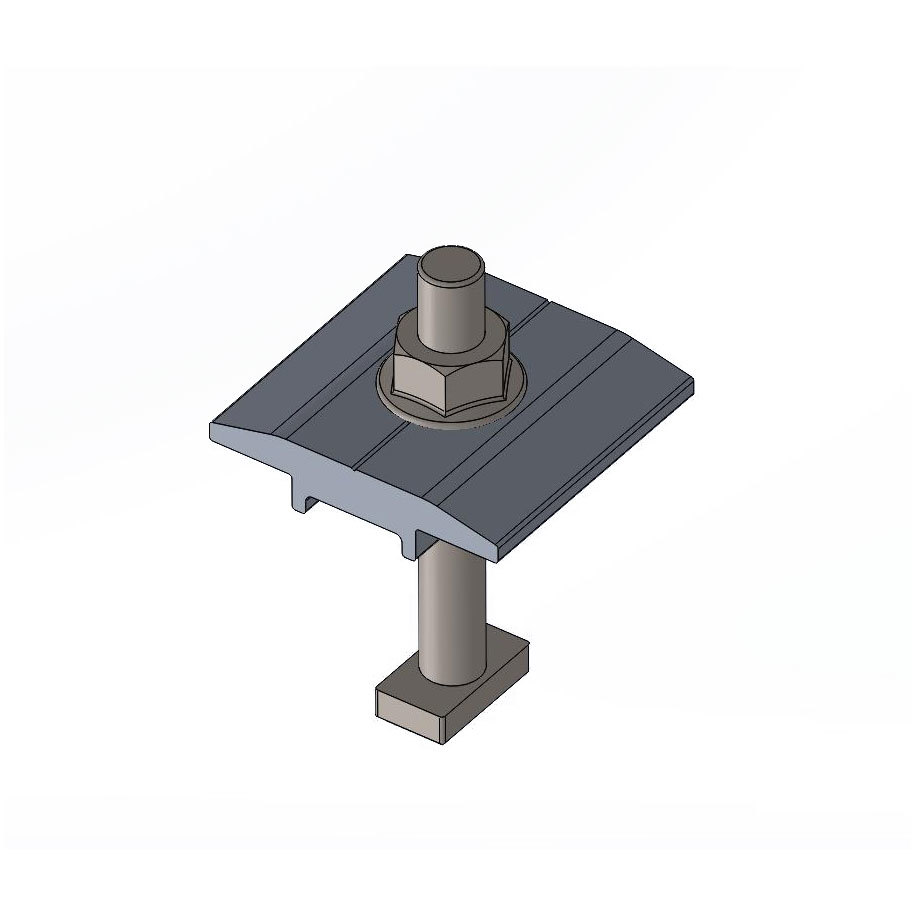
Medium voltage components
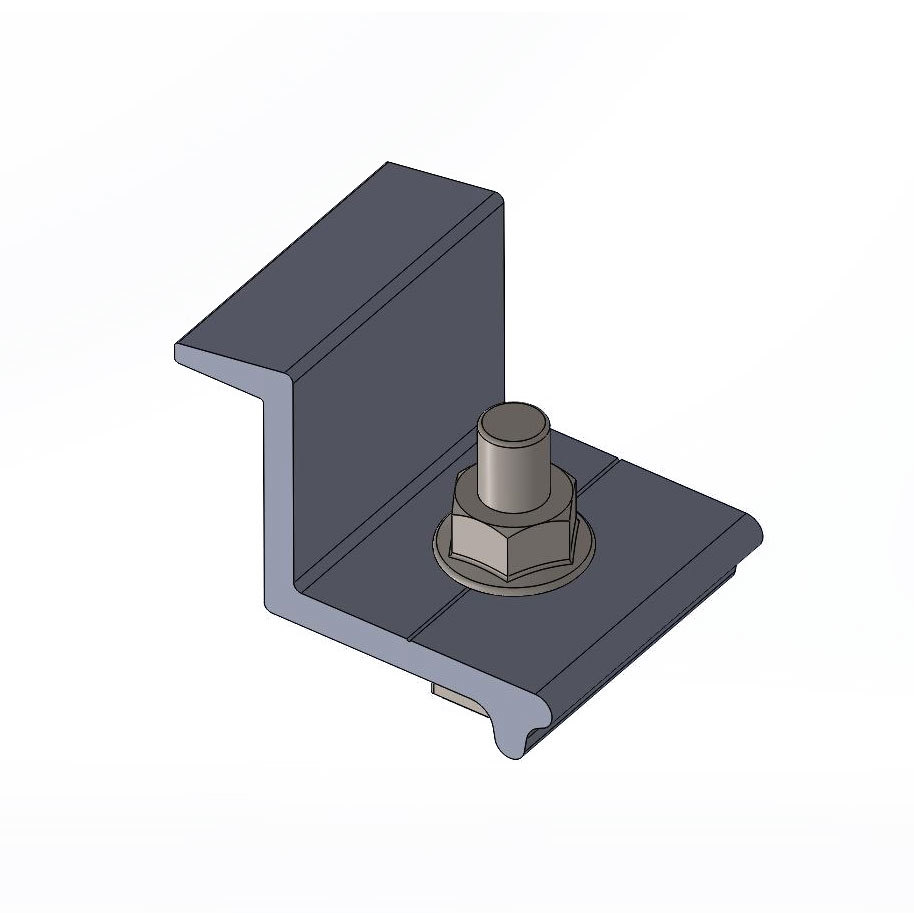
Side pressure component
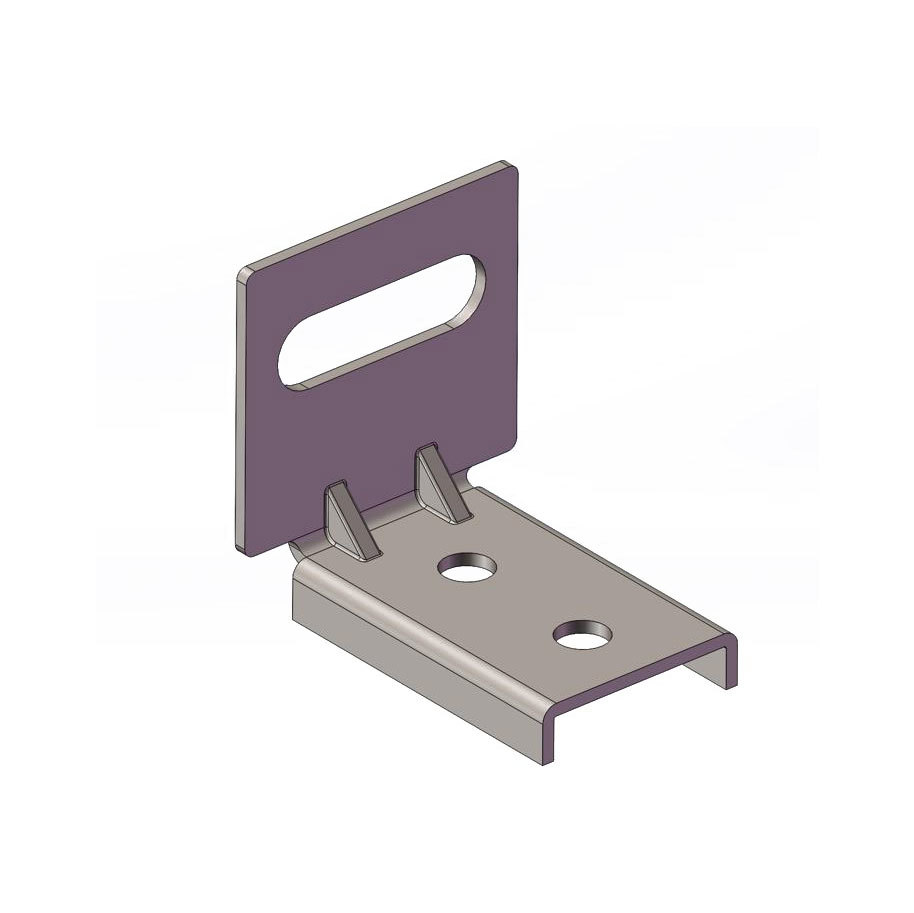
Horizontal and vertical rail connectors
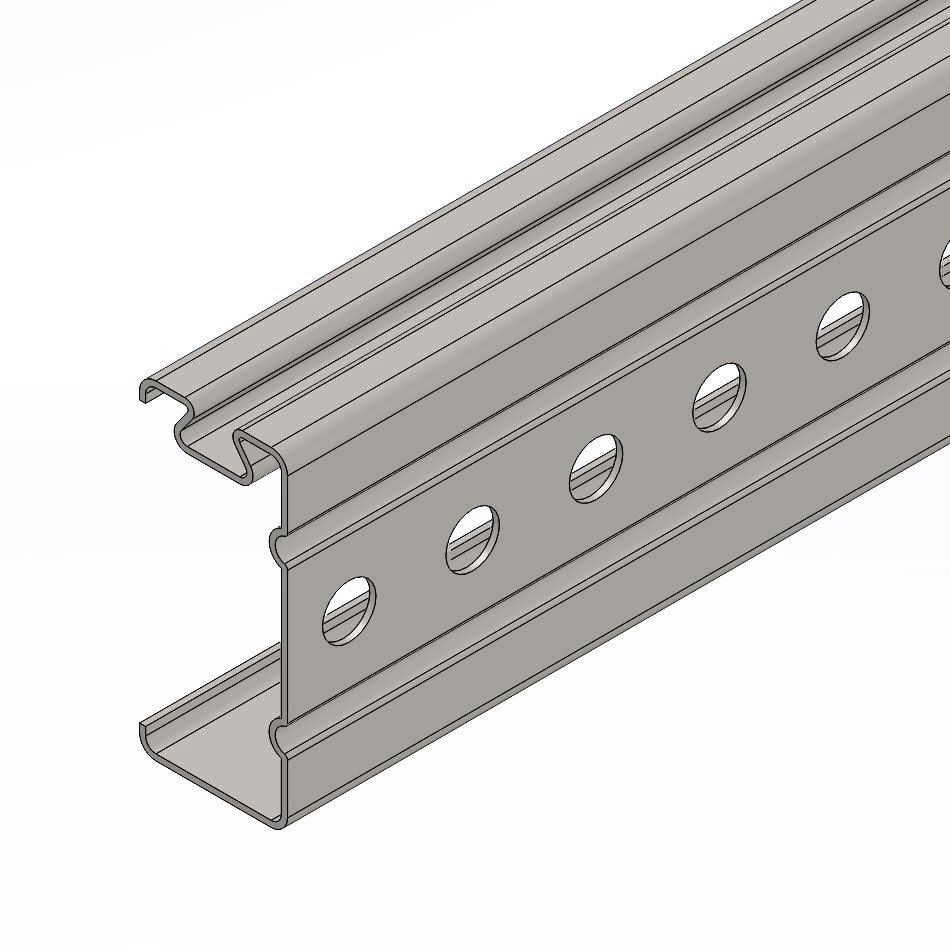
Slant support
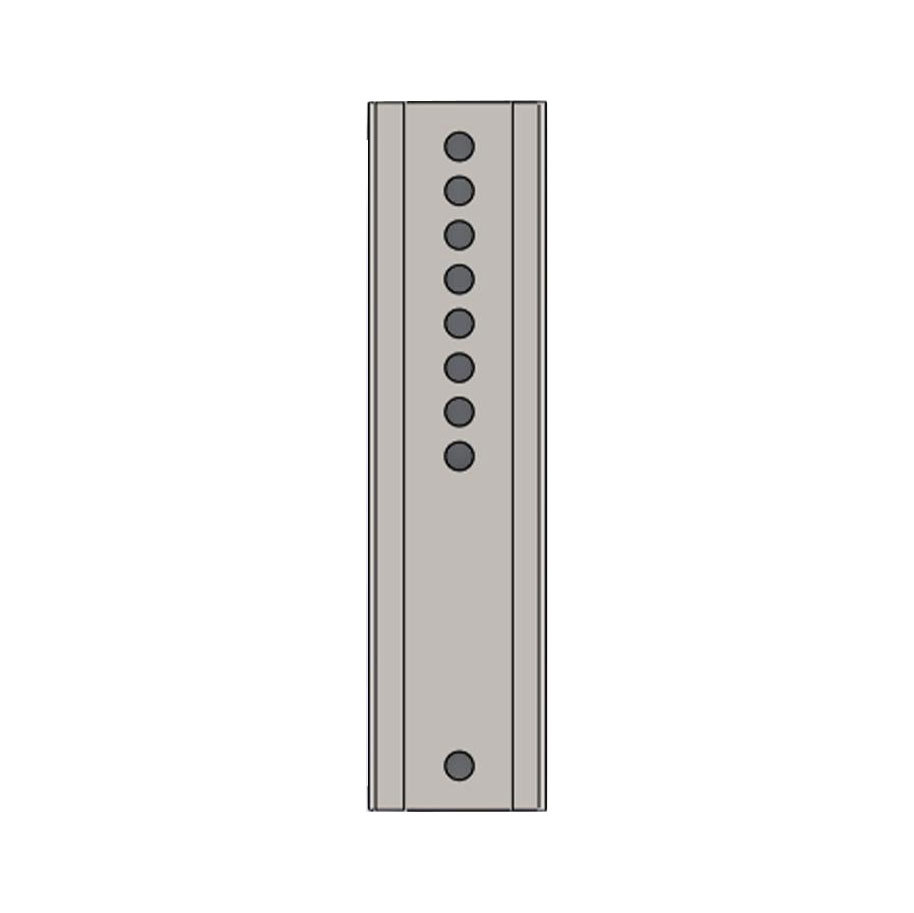
Column connectors
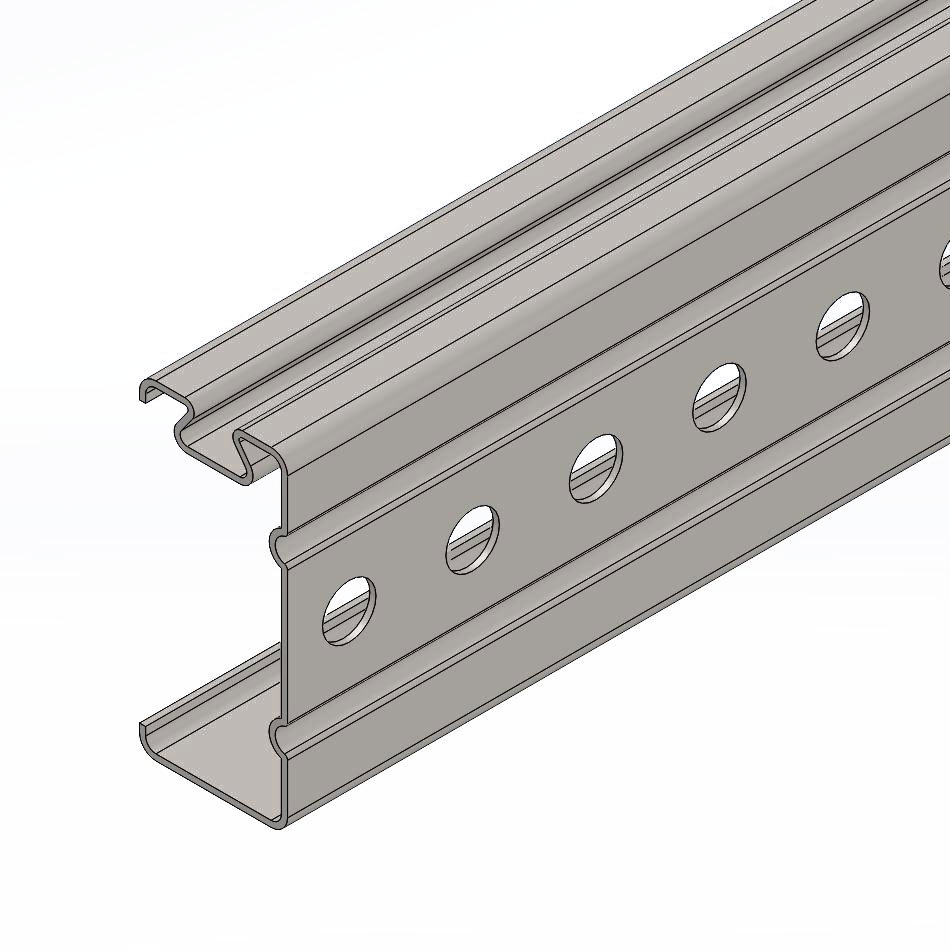
Longitudinal track
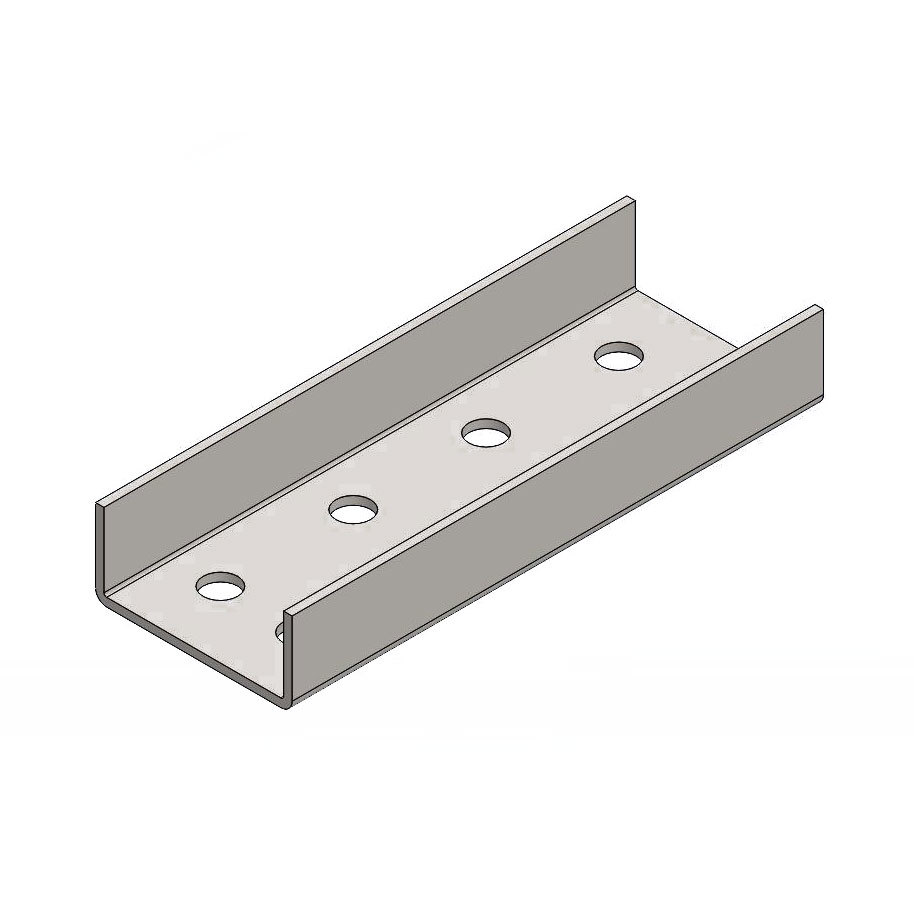
Horizontal rail connectors
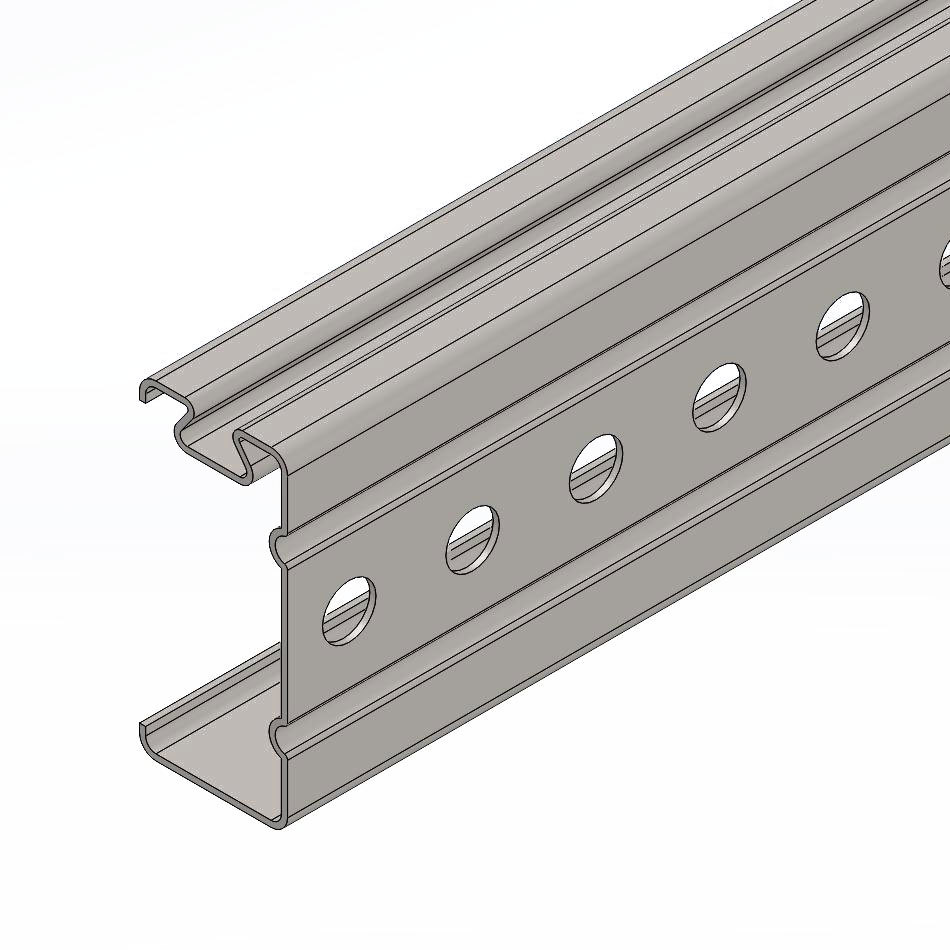
Horizontal track
Easy Install Steel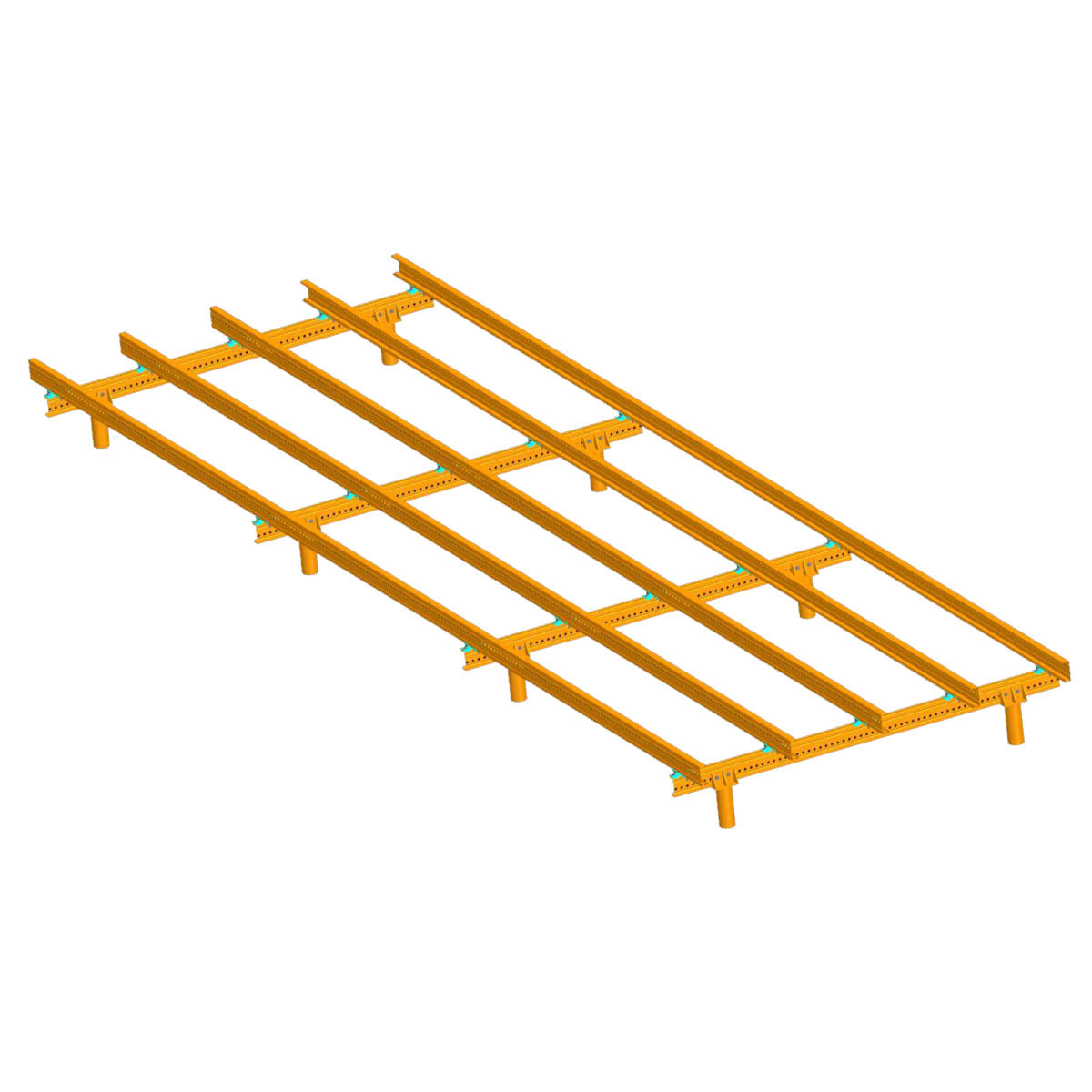
Haoheng Yi'an System

Easy Install Steel
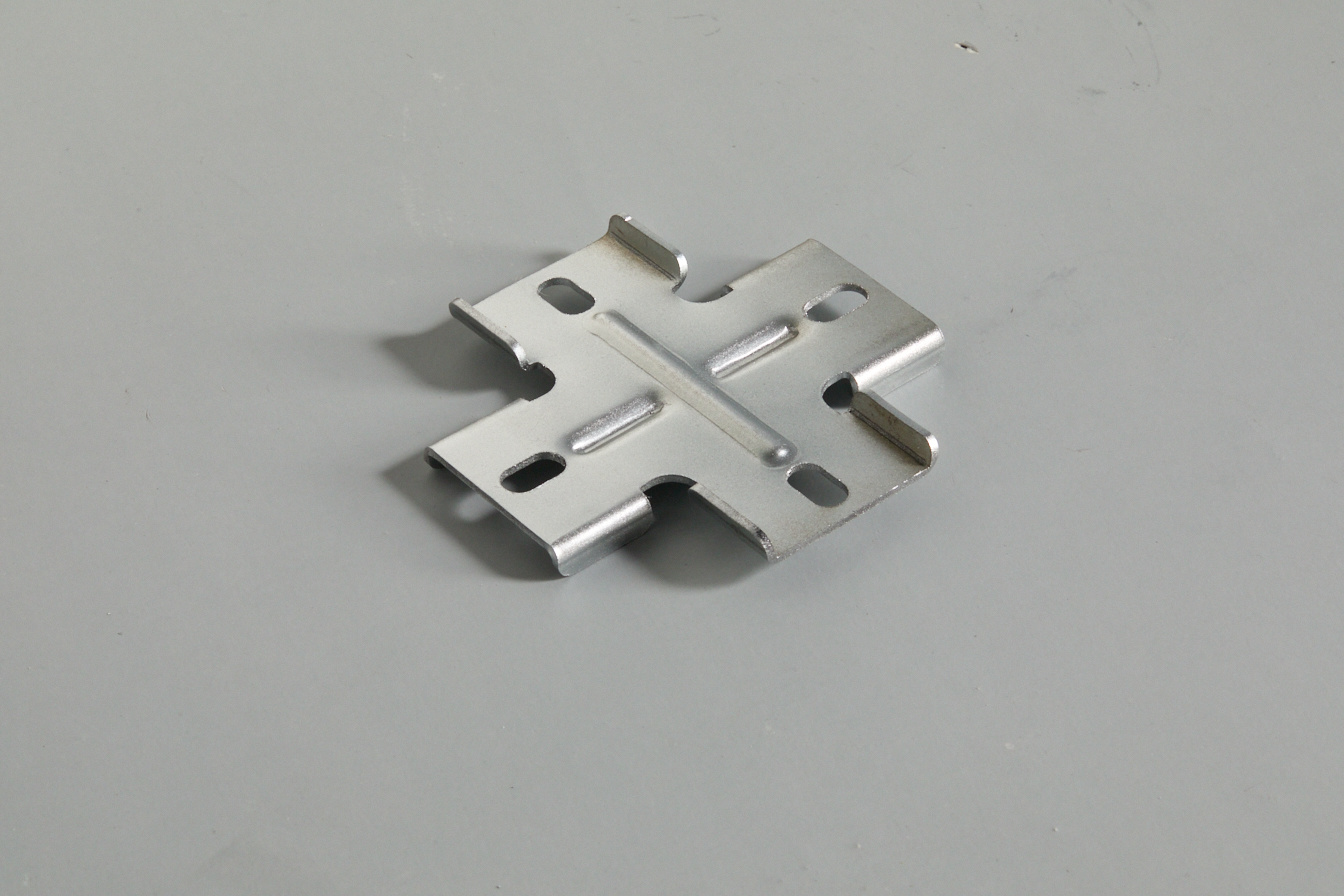
Cross connector
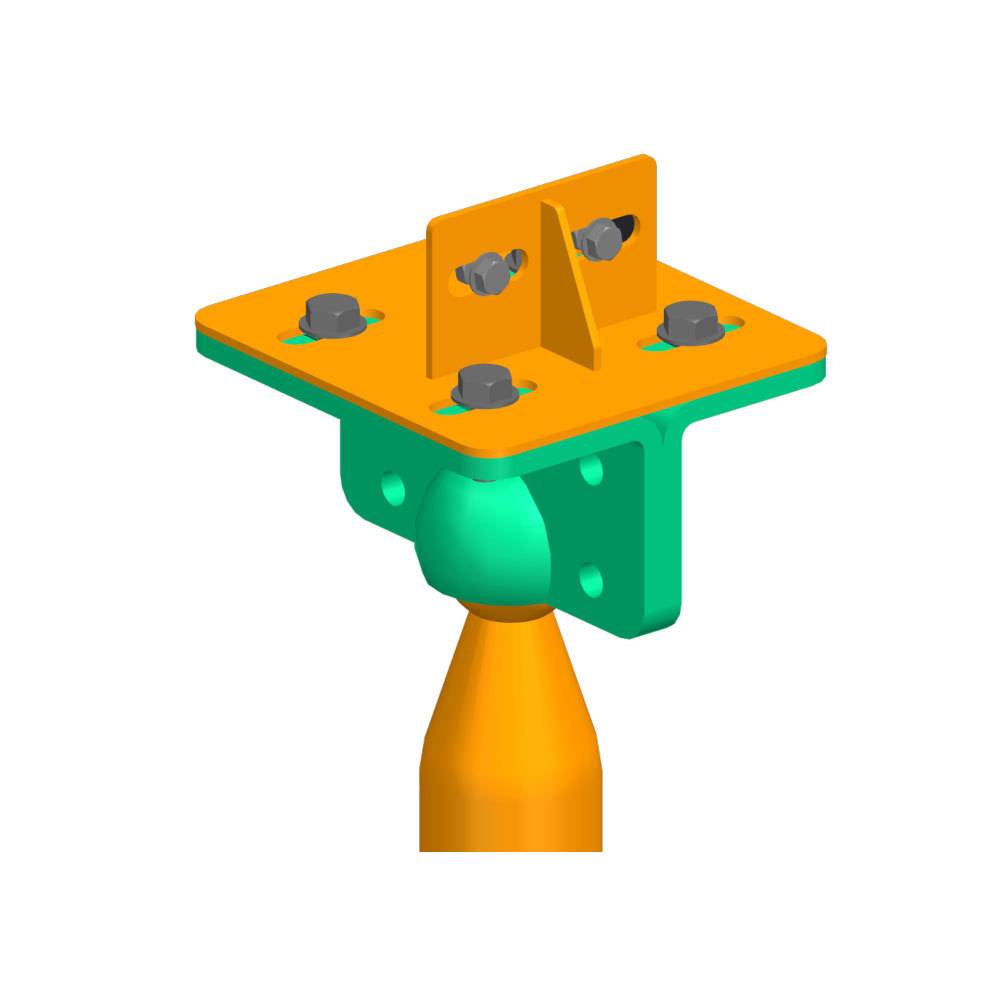
Universal connector for screw pile
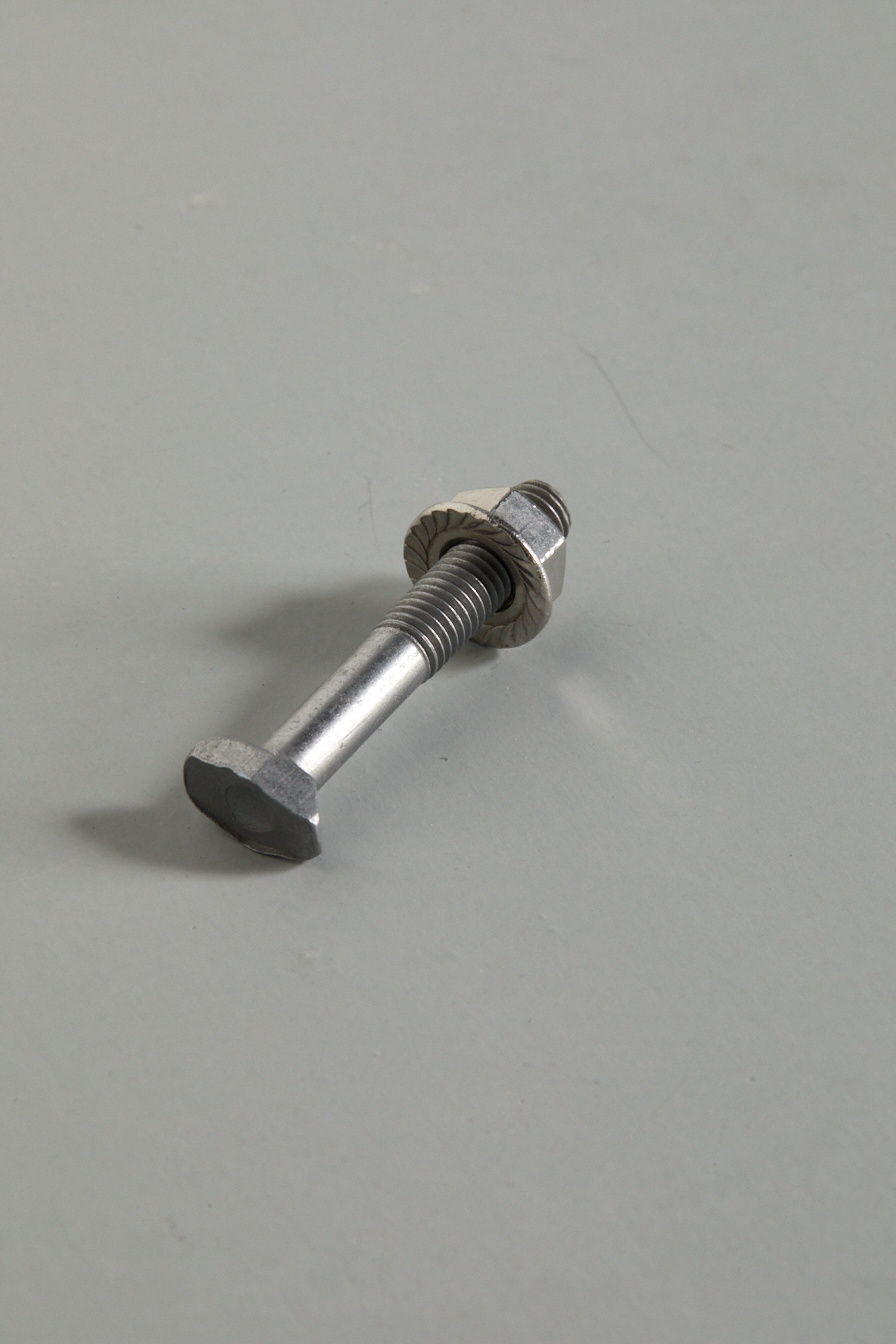
T-shaped dovetail bolt
Floor System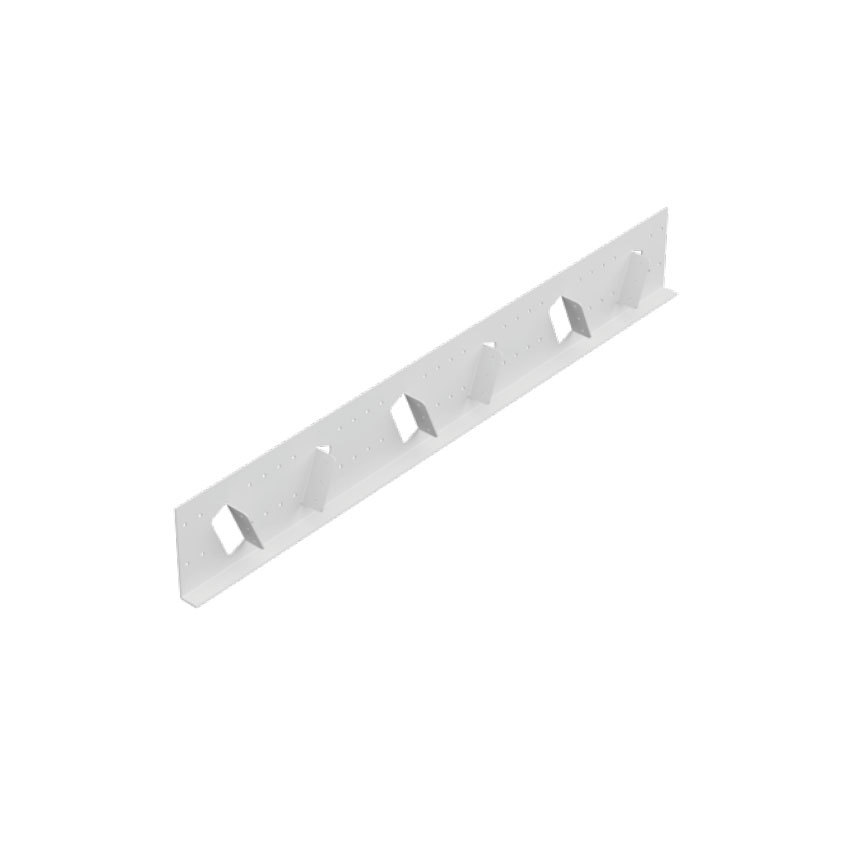
Ordinary steel structural connectors
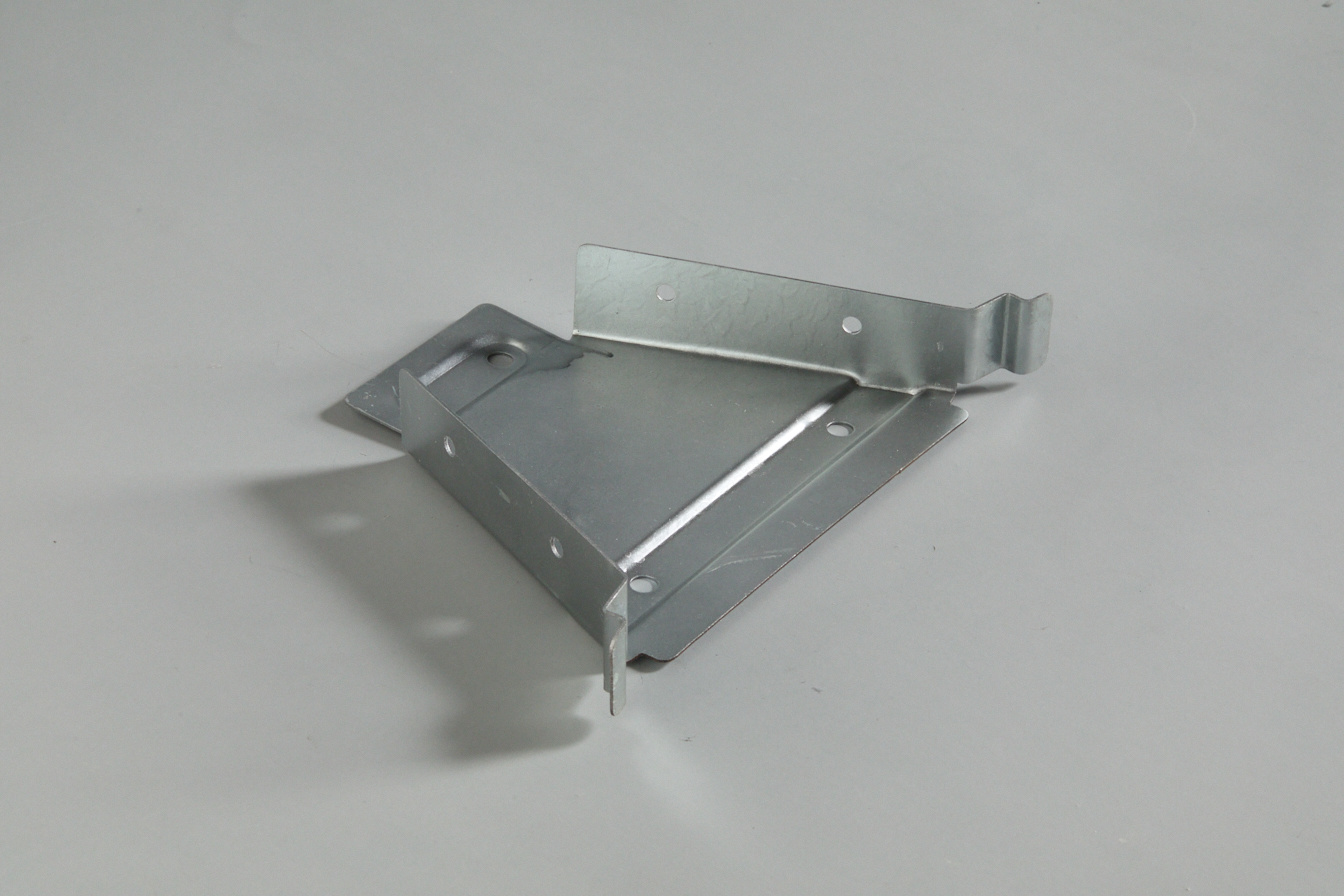
NEW BUILDING system connectors
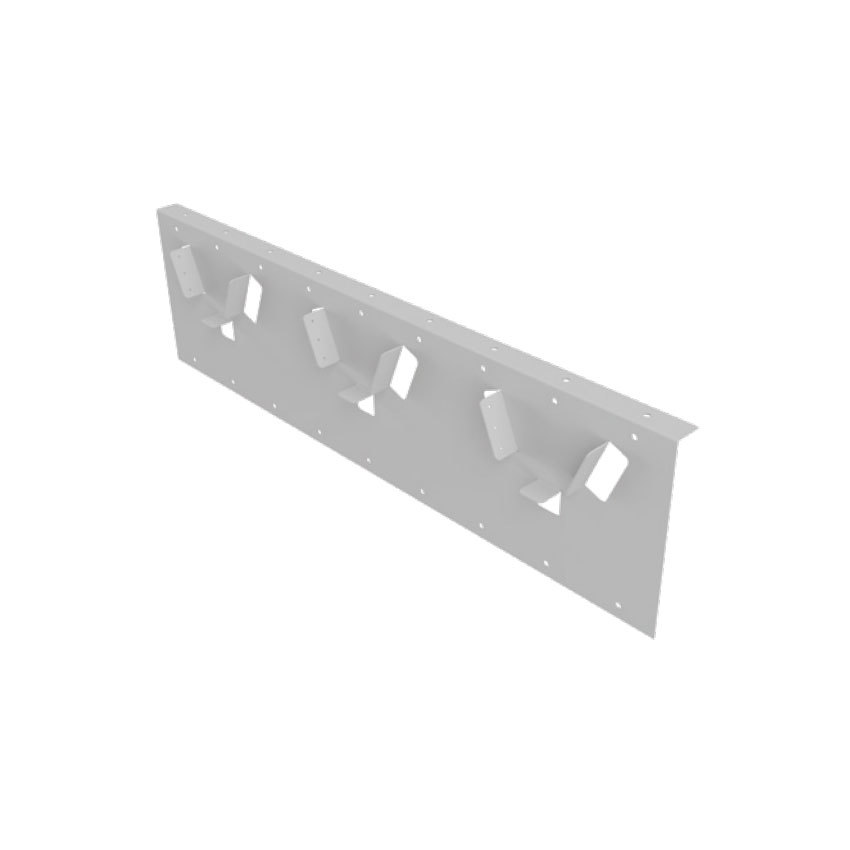
Cold formed thin-walled steel structural connectors
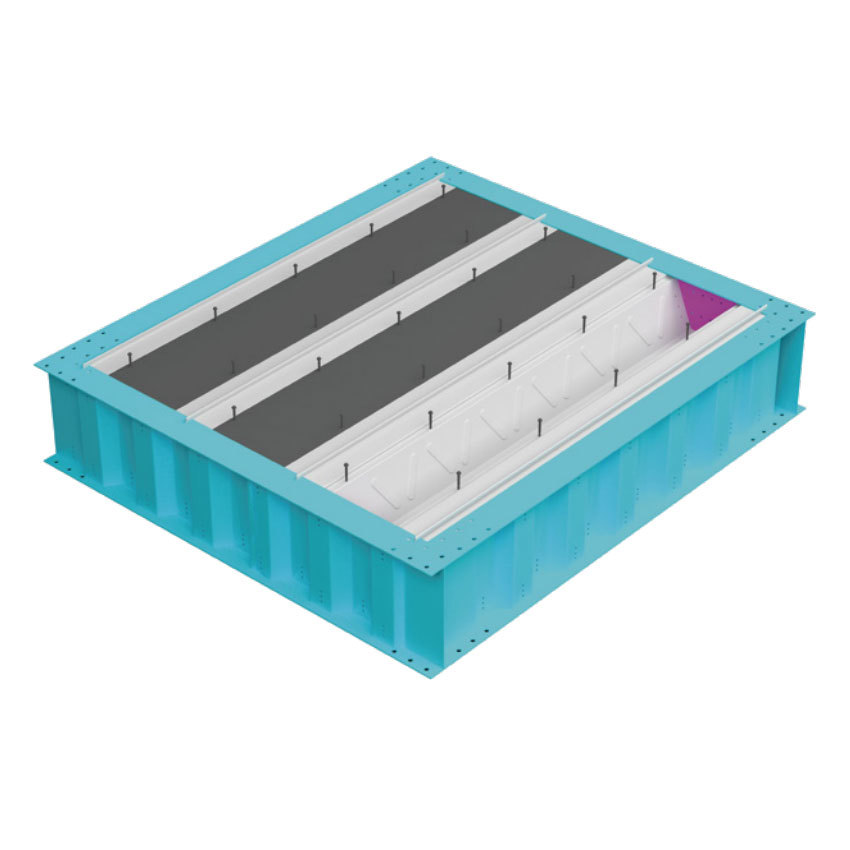
Corrugated I-beam+V-shaped floor beam
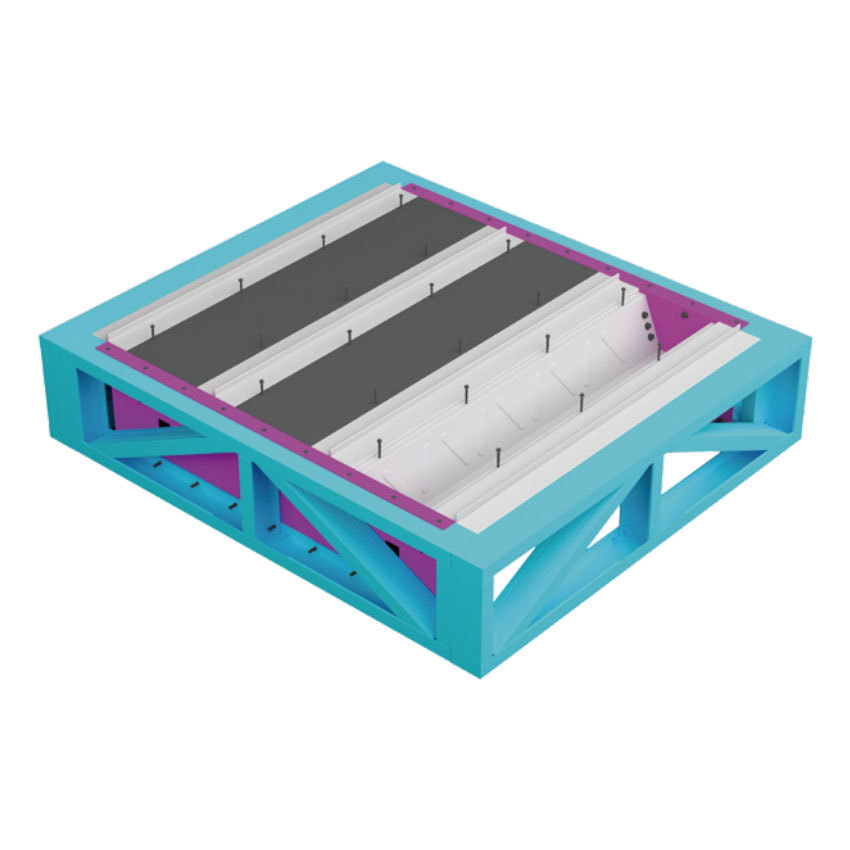
300 light steel truss+V-shaped floor beam

Steel wire gauze
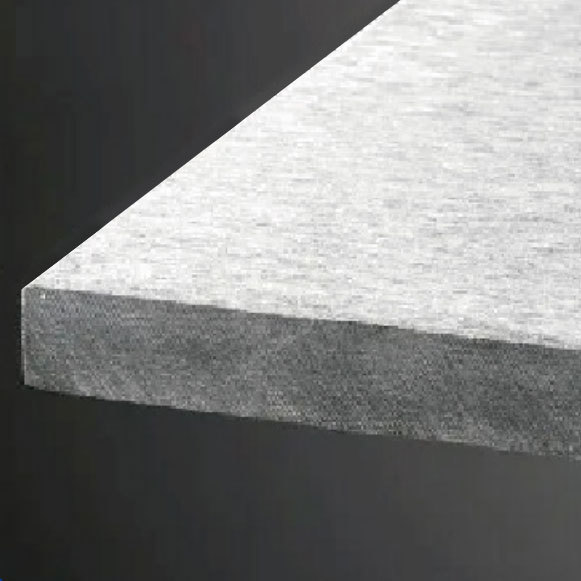
Plate
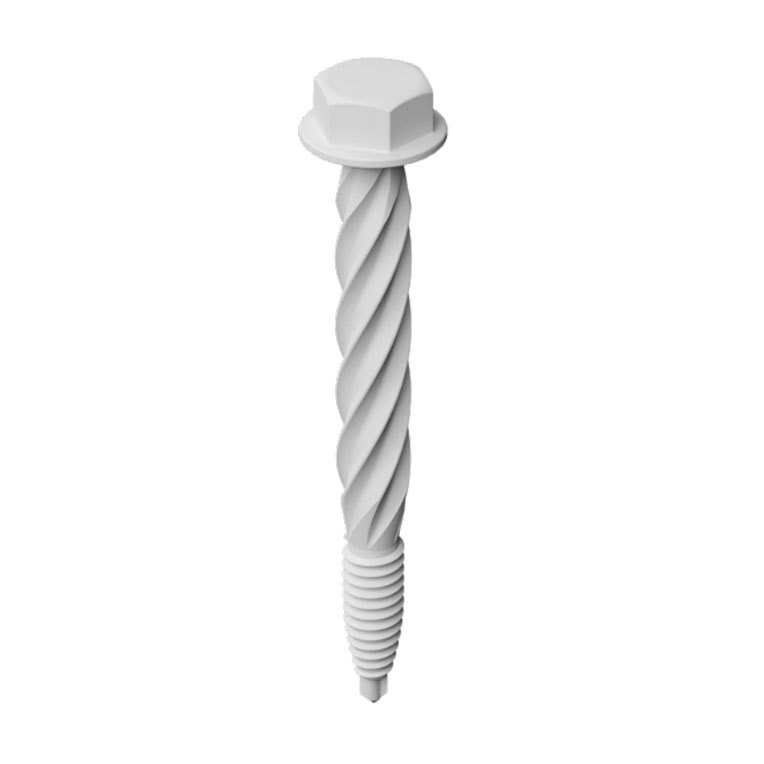
Shear stud
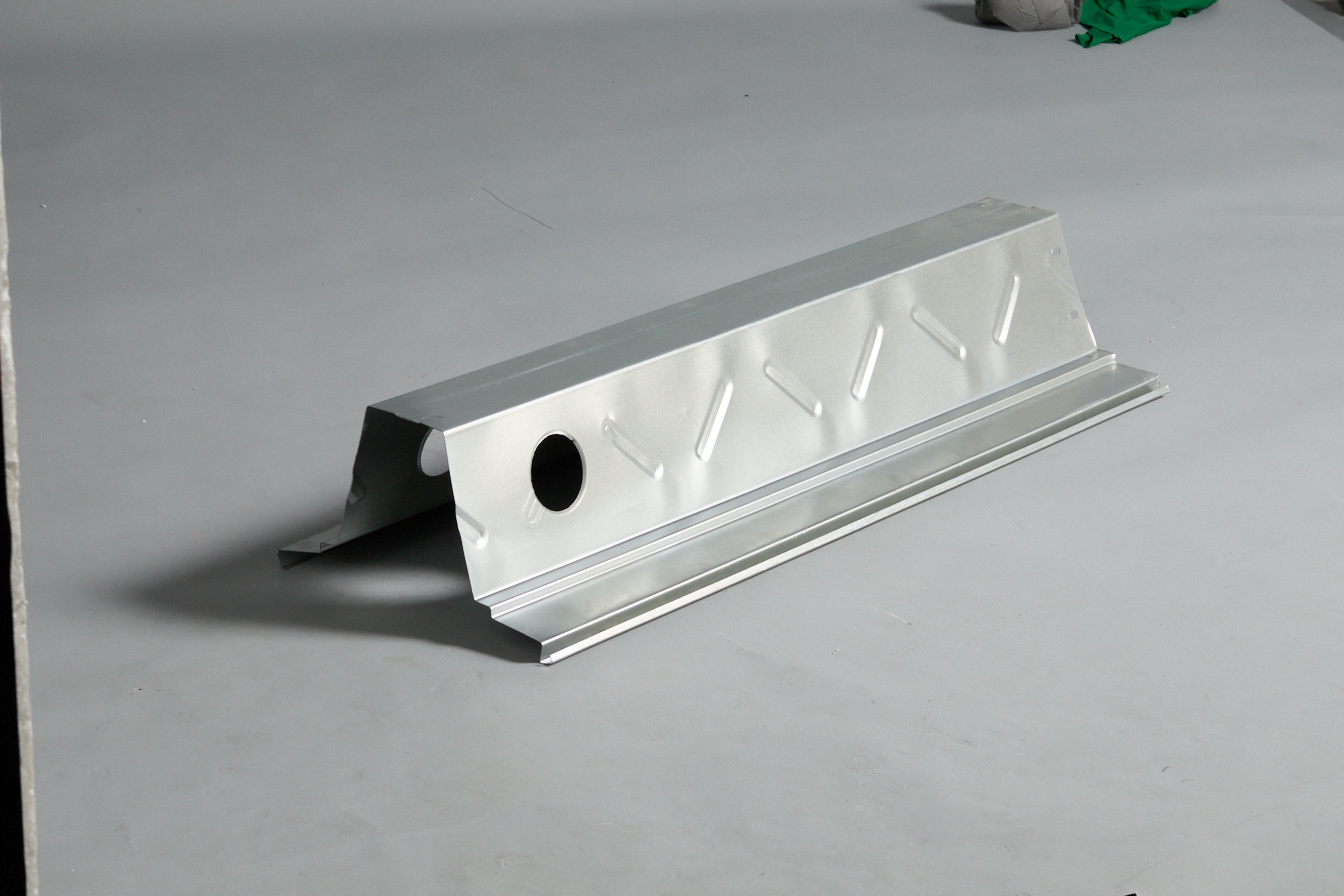
V-shaped floor beam
Magnesium stiffened wall panel
Magnesium-based Foam Composite: 2026 Guide to Performance, Manufacturing & Industrial Applications
Release Time:
2026-11-26
Source:
📋 Article Overview
This guide covers core definitions, performance metrics, manufacturing processes, application scenarios, selection criteria and common FAQs for magnesium-based foam composite, with practical insights from 2026 industry production data and on-site deployment cases.
What Is Magnesium-based Foam Composite? Core Definition and Key Properties
Magnesium-based foam composite is a porous, ultra-light structural material made by embedding alloyed magnesium foam cores with reinforcing ceramic or polymer face sheets. In practice, material developers refine the pore size, distribution and alloy composition to balance low density, high energy absorption and corrosion resistance for demanding industrial environments. Recent 2026 material research from the International Journal of Lightweight Metals confirms that this composite delivers a unique combination of stiffness-to-weight ratio unmatched by single-component aluminum foam or unreinforced magnesium materials.
Core Physical and Mechanical Properties
From our lab and production line testing at Haoheng, we have documented consistent property ranges for high-grade magnesium-based foam composite: density between 0.4 g/cm³ and 1.2 g/cm³, compressive strength ranging from 15 MPa to 70 MPa, and energy absorption capacity of 20 MJ/m³ to 60 MJ/m³. Unlike solid magnesium alloy, the porous internal structure dissipates impact energy gradually without catastrophic brittle failure, making it ideal for crash protection systems. Long-term cyclic testing shows that the material retains 90% of its original strength after 1 million repeated low-impact load cycles, outperforming equivalent polymer foam by 4 times.
How It Differs From Conventional Foam Composite Materials
Unlike single-component foam materials, the bonded face-sheet structure of magnesium-based foam composite adds surface stiffness, reducing the risk of core damage during handling and installation. To support objective comparison, we compiled verified performance data from 2026 material test reports for direct side-by-side evaluation:
| Comparison Dimension | Magnesium-based Foam Composite | Conventional Aluminum Foam | Closed-cell Polymer Foam |
|---|---|---|---|
| Typical Density Range | 0.4–1.2 g/cm³ | 0.6–1.8 g/cm³ | 0.05–0.3 g/cm³ |
| Compressive Strength Range | 15–70 MPa | 10–50 MPa | 0.1–5 MPa |
| Energy Absorption Capacity | 20–60 MJ/m³ | 15–45 MJ/m³ | 1–10 MJ/m³ |
| Corrosion Resistance (coated) | Good (1000hr+ salt spray rating) | Excellent | Very Excellent |
| Relative Cost (index 100) | 100 | 85 | 30 |

Image Source: unsplash
Standard Manufacturing Process for Magnesium-based Foam Composite
High-quality magnesium-based foam composite is produced through a controlled 4-step workflow that minimizes pore defects and ensures consistent mechanical performance. From production case records at Haoheng, following this standardized process reduces material defect rates by 38% compared to unoptimized small-batch manufacturing.
- Magnesium alloy melt preparation: High-purity magnesium is alloyed with trace aluminum, zinc and manganese to improve strength, then heated to 680–720°C in a protective inert gas atmosphere to prevent oxidation.
- Pore foaming: A titanium hydride foaming agent is injected into the molten alloy, and pressure is regulated to generate uniform, connected or closed-cell pores across the melt volume.
- Composite lamination: The solidified magnesium foam core is bonded to thin face sheets of carbon fiber reinforced polymer or galvanized steel using high-temperature structural adhesive, with controlled pressure to avoid core collapse.
- Surface treatment: The finished composite block is coated with a magnesium conversion layer and epoxy topcoat to improve corrosion resistance, then cut to custom dimensions for end users.
Common Manufacturing Defects to Avoid
Actual production data shows that the most frequent defects in magnesium-based foam composite are uneven pore size distribution, surface oxidation and delamination between core and face sheets. Industry consensus is that maintaining consistent inert gas protection during melt processing reduces oxidation-related scrap rates by more than 50%. Delamination defects are most often caused by insufficient surface cleaning of the foam core before lamination, which can be eliminated by adding an industrial plasma cleaning step before adhesive application.
Quality Control Benchmarks for 2026
In 2026, leading material manufacturers follow ISO 22716 quality standards for porous metal composites, requiring random sample testing of density, compressive strength and salt spray corrosion resistance for every production batch. Our internal testing protocols at Haoheng require minimum 1000 hours of salt spray resistance for all coated magnesium-based foam composite products before shipment, with random tensile testing of the bond between core and face sheets to ensure no delamination under 20 MPa of applied load.
Core Industrial Applications of Magnesium-based Foam Composite in 2026
Magnesium-based foam composite’s unique balance of light weight and high impact absorption makes it suitable for three high-growth industrial sectors, where replacing conventional materials delivers measurable performance gains. From real-world deployment cases, components made from this material reduce total system weight by 35–60% compared to equivalent steel or aluminum assemblies.
Automotive Crash Protection and Lightweight Structures
In practice, automotive engineers use magnesium-based foam composite as core material for front crash boxes, door impact beams and battery pack thermal barriers. Recent 2026 automotive industry testing shows that components made from this composite absorb 25% more crash energy than equivalent aluminum foam parts, while cutting assembly weight by 20% to help meet electric vehicle range targets. OEM field data shows that battery pack thermal barriers made from this composite reduce heat propagation speed during thermal runaway events by 40%, meeting the latest 2026 EV safety standards for passenger protection.
Aerospace Interior and Cabin Sound Damping
Study data from commercial aircraft material suppliers confirms that magnesium-based foam composite panels deliver twice the sound damping performance of conventional aluminum honeycomb panels, with 30% lower density. This makes it ideal for cabin wall panels, cargo floor supports and overhead bin structures, where reducing aircraft weight directly cuts fuel consumption over the service life of the plane. For a typical narrow-body commercial aircraft, replacing all interior structural panels with this composite delivers an estimated $120,000 in annual fuel cost savings per aircraft.
Construction and Structural Seismic Protection
From seismic retrofit project records, magnesium-based foam composite is used as core material for energy-dissipating structural dampers in high-seismic-risk regions. These dampers absorb the kinetic energy of earthquake movement without permanent structural damage, reducing repair costs after seismic events by an estimated 40% compared to conventional steel damper systems. The material also delivers 30% better thermal insulation than solid aluminum panels, making it suitable for insulated wall core applications in low-carbon building design.
Performance Tradeoffs and Limitations of Magnesium-based Foam Composite
While magnesium-based foam composite delivers exceptional lightweight and energy absorption benefits, it has clear limitations that must be accounted for in design to avoid performance failures. Trustworthy material evaluation requires balancing these tradeoffs against application requirements, rather than overstating the material’s universal suitability.
Corrosion Resistance Requirements
Uncoated magnesium-based foam composite is susceptible to galvanic corrosion when exposed to high humidity, salt spray or acidic environments. Our long-term exposure testing shows that uncoated samples lose 30% of their compressive strength after 30 days of continuous salt spray exposure, while properly coated samples maintain 95% of their strength after 1000 hours of testing. This means that outdoor or high-moisture applications require mandatory surface coating, which adds 10–15% to total component cost. Designers must also avoid direct contact with dissimilar metals such as bare copper or carbon steel without insulating gaskets to prevent galvanic corrosion at connection points.
Temperature Operating Limits
The magnesium alloy core in this composite begins to soften at temperatures above 180°C, which limits its use in high-temperature environments such as near engine exhaust systems. Industry data shows that for continuous operation at temperatures above 200°C, aluminum foam or ceramic matrix composites are more suitable alternatives, even though they are heavier. The material is also not recommended for applications exposed to long-term open flame without additional fire-retardant ceramic face sheets, as the magnesium core can support combustion at temperatures above 450°C.
How to Select the Right Magnesium-based Foam Composite for Your Project
Selecting the optimal magnesium-based foam composite variant requires matching core properties, pore structure and surface treatment to your specific application load, environment and cost budget. From project consulting experience at Haoheng, following a structured selection process reduces post-deployment performance issues by 60%.
Key Selection Criteria to Evaluate
Start by defining your required compressive strength target, then match the appropriate density range (lower density for non-structural insulation, higher density for load-bearing impact components). Next, evaluate the required corrosion protection level based on your operating environment, and select the appropriate face sheet material to match your structural stiffness requirements. For acoustic insulation applications, prioritize smaller pore sizes to improve sound wave absorption, while for impact energy absorption applications, prioritize mid-sized 1–3 mm pores for maximum energy dissipation efficiency.
Cost vs Performance Tradeoff Guidance
Recent 2026 supply chain data shows that magnesium-based foam composite costs approximately 15–20% more than equivalent aluminum foam components, but delivers 25% higher energy absorption and lower weight. For applications where weight reduction is a high priority for end-user value (such as electric vehicle components, aerospace parts), the upfront cost premium delivers strong long-term return on investment through improved fuel efficiency or extended product range. For non-weight-critical applications such as static thermal insulation, conventional polymer foam remains a more cost-effective option with sufficient performance for most use cases.
Industry consensus from the 2026 Global Lightweight Materials Summit notes that global adoption of magnesium-based foam composite is growing at 12% annually, driven primarily by electric vehicle lightweighting targets and seismic construction retrofit demand.
Common Practical Questions About Magnesium-based Foam Composite
Q: What pore size is optimal for impact absorption applications?
Actual testing shows that 1–3 mm pore size delivers the highest energy absorption efficiency for most impact protection use cases, as smaller pores increase material brittleness and larger pores reduce compressive strength.
Q: Can magnesium-based foam composite be used for outdoor load-bearing structures?
Yes, with proper epoxy coating and regular maintenance, the material can be used for outdoor non-structural cladding and temporary load-bearing supports, though it is not recommended for permanent high-load structural outdoor use without scheduled corrosion monitoring.
Q: How much weight reduction can be expected when switching from steel to this composite?
From measured case data, replacing equivalent solid steel structural components with magnesium-based foam composite delivers 60–70% weight reduction, while maintaining sufficient stiffness for non-primary structural applications.
Frequently Asked Questions About Magnesium-based Foam Composite
Q: Is magnesium-based foam composite fire resistant?
A: High-grade magnesium-based foam composite with ceramic face sheets meets Class B1 fire resistance standards, with a flame spread index below 25. Without fire-retardant coatings, the core may ignite at temperatures above 450°C.
Q: What is the typical lead time for custom magnesium-based foam composite parts?
A: For standard custom cut dimensions, most manufacturers deliver finished parts within 2–3 weeks. For high-volume production runs of 1000+ components, lead times extend to 4–6 weeks to optimize production efficiency.
Q: Can magnesium-based foam composite be recycled at end of life?
A: Yes, magnesium alloy cores in the composite can be fully recycled, with 92% material recovery rate during standard magnesium recycling processes. Face sheet materials may require separation before recycling for highest efficiency.
Q: How does the price of magnesium-based foam composite compare to carbon fiber composite parts?
A: Magnesium-based foam composite costs approximately 60% less than equivalent solid carbon fiber structural panels, while delivering similar impact energy absorption performance for most structural applications.
This article was generated by AI and is for reference only.
Previous Page
Previous Page
Related Information

HaoHeng Group
Address: Room 1808, Block A, Vanke Cloud City, Jiemei District, Xiamen City, Fujian Province
Business cooperation:
Copyright © HaoHeng (FuJian) Building Materials Technology Co, Ltd. All rights reserved