

-
 Pakistan
Marketing Service Outlets
 Papua New Guinea
Marketing Service Outlets
 Egypt
Marketing Service Outlets
 Australia
Marketing Service Outlets
 Brazil
Marketing Service Outlets
 Colombia
Marketing Service Outlets
 Russia
Marketing Service Outlets
 Germany
Marketing Service Outlets
 Poland
Marketing Service Outlets
 the Philippines
Marketing Service Outlets
 Kazakhstan
Marketing Service Outlets
 Malaysia
Marketing Service Outlets
 America
Marketing Service Outlets
 Kyrgyzstan
Marketing Service Outlets
 Canada
Marketing Service Outlets
 Peru
Marketing Service Outlets
 Nigeria
Marketing Service Outlets
 Morocco
Marketing Service Outlets
 South Africa
Marketing Service Outlets
 Japan
Marketing Service Outlets
 Slovakia
Marketing Service Outlets
 New Zealand
Marketing Service Outlets
 Hungary
Marketing Service Outlets
 Thailand
Marketing Service Outlets
 Spain
Marketing Service Outlets
 Indonesia
Marketing Service Outlets
 Italy
Marketing Service Outlets
 Vietnam
Marketing Service Outlets
Steel Pipe ColumnSteel Pipe Column ConnectorsMain Beam | Secondary BeamPrefabricated StairsRound Pipe PileFlat Steel PileGroup PileCap PileNew Building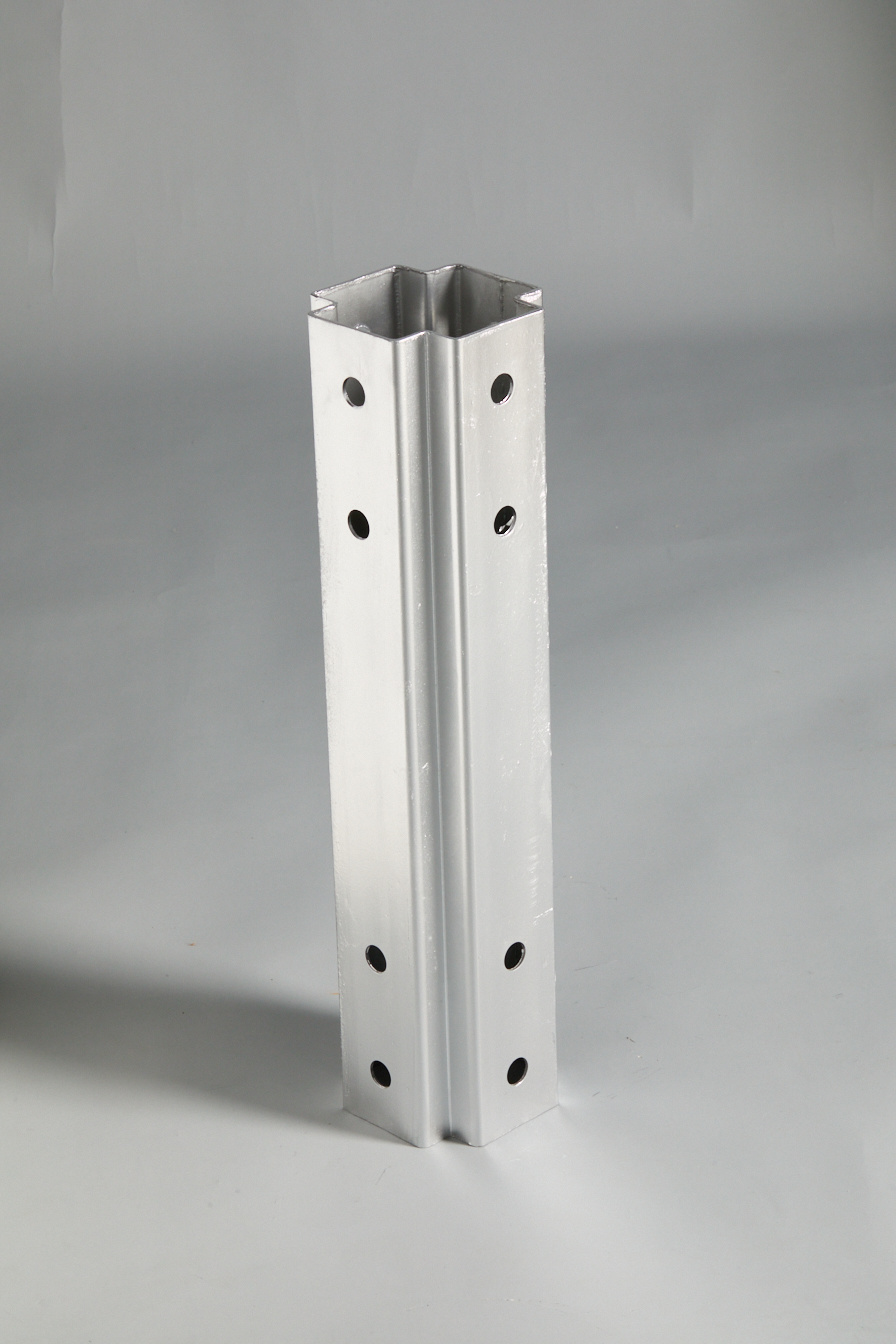
Cross column

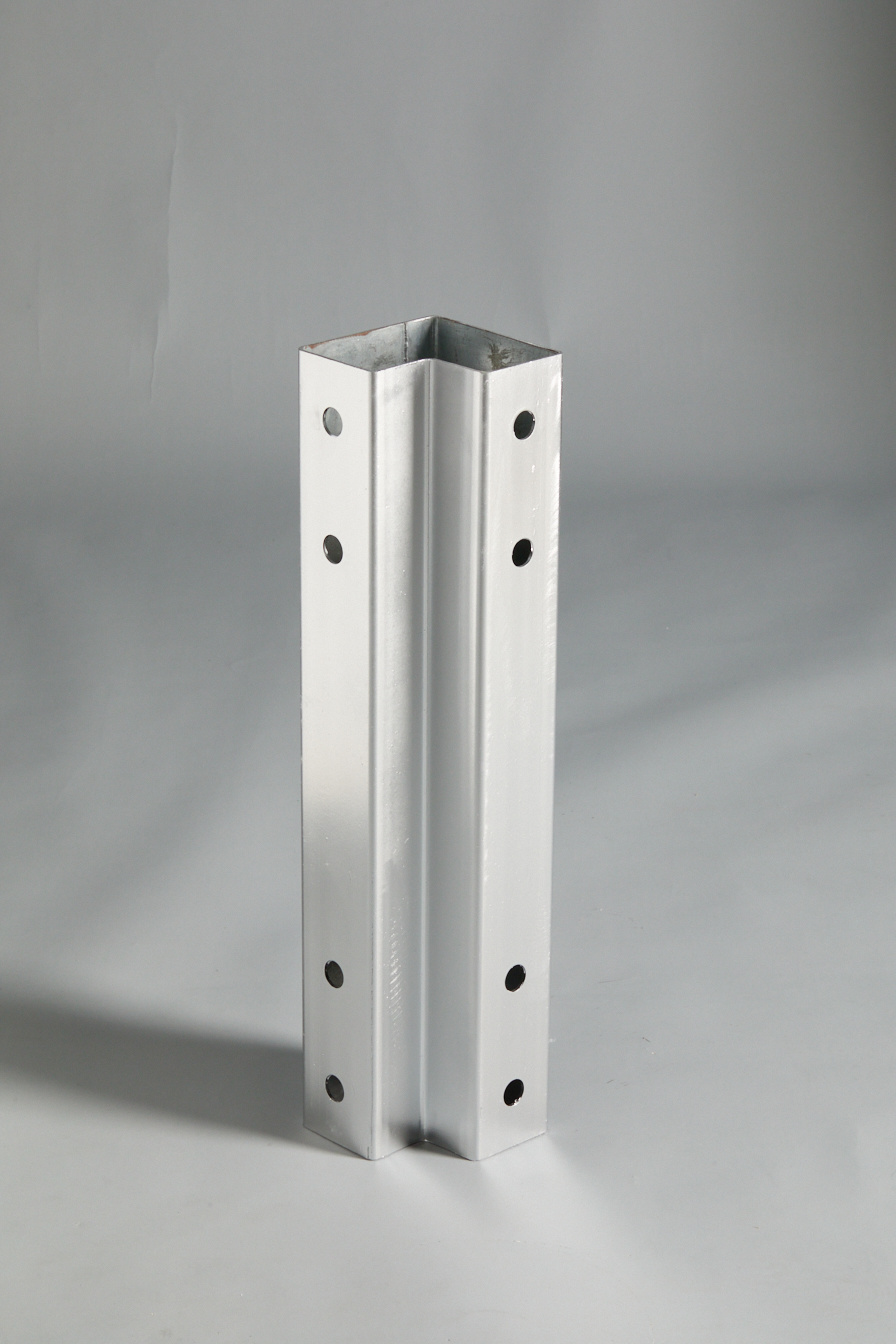
L-shaped column
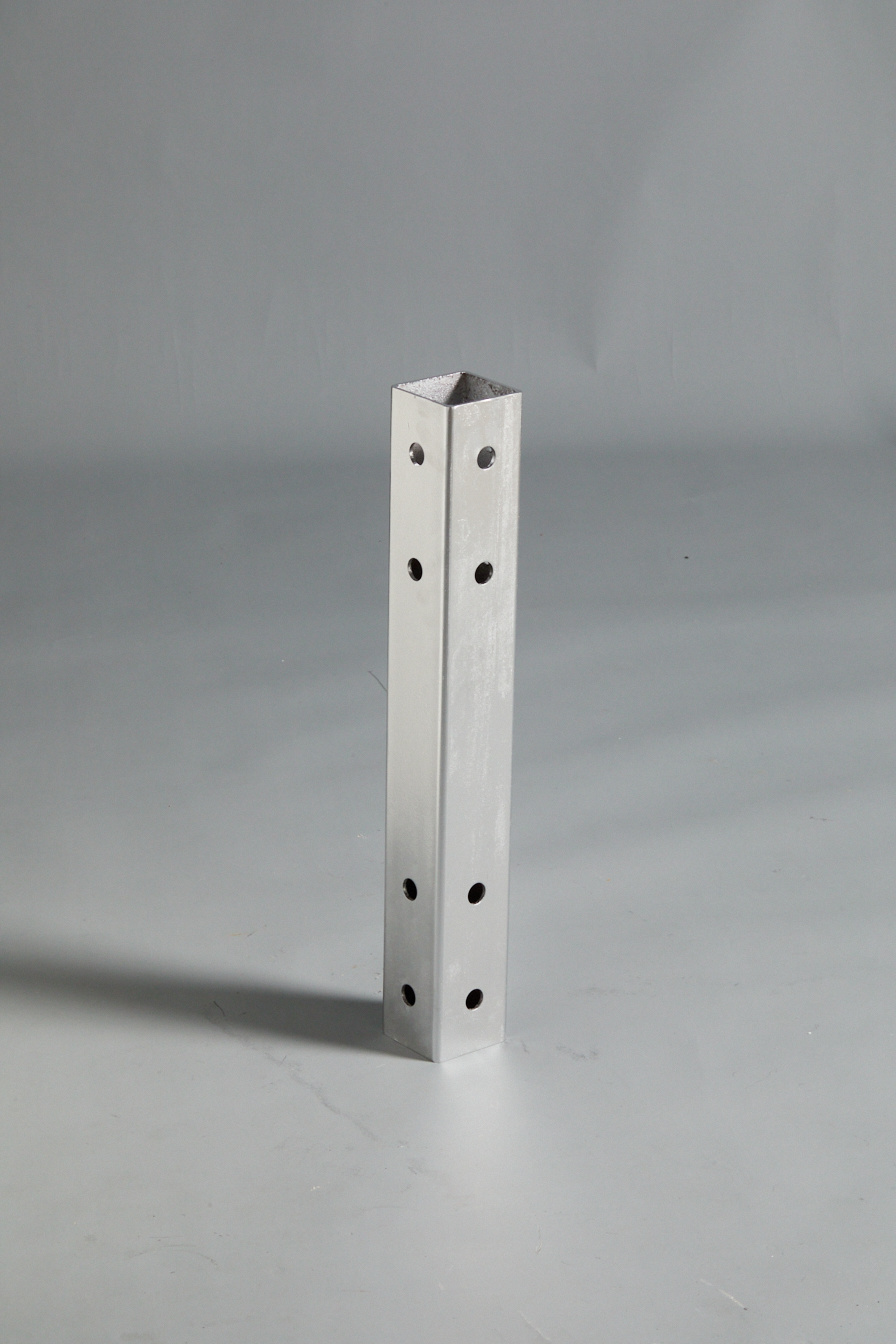
Square tube column

T-shaped column
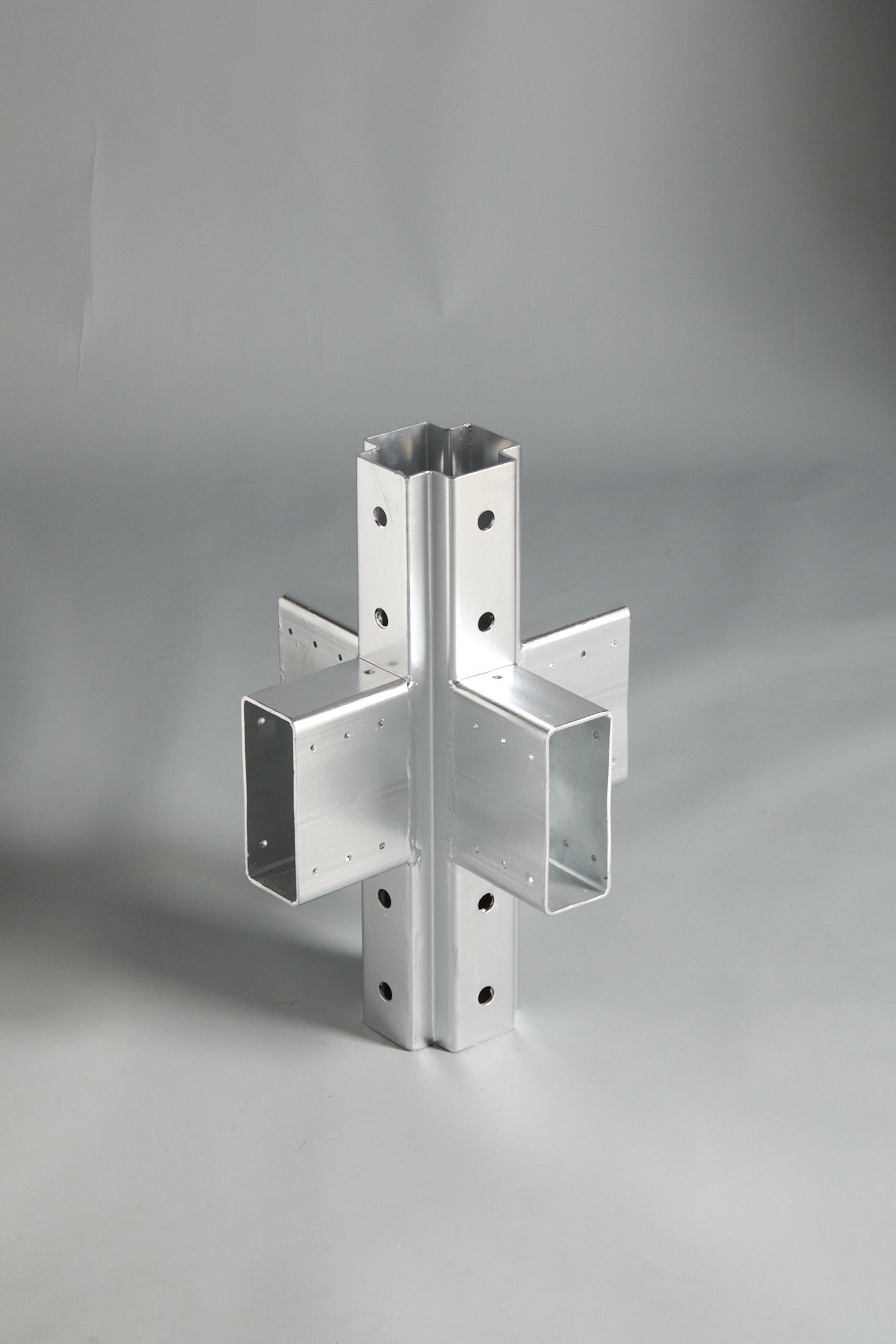
Cross column connector

L-shaped column connector

T-shaped column connector
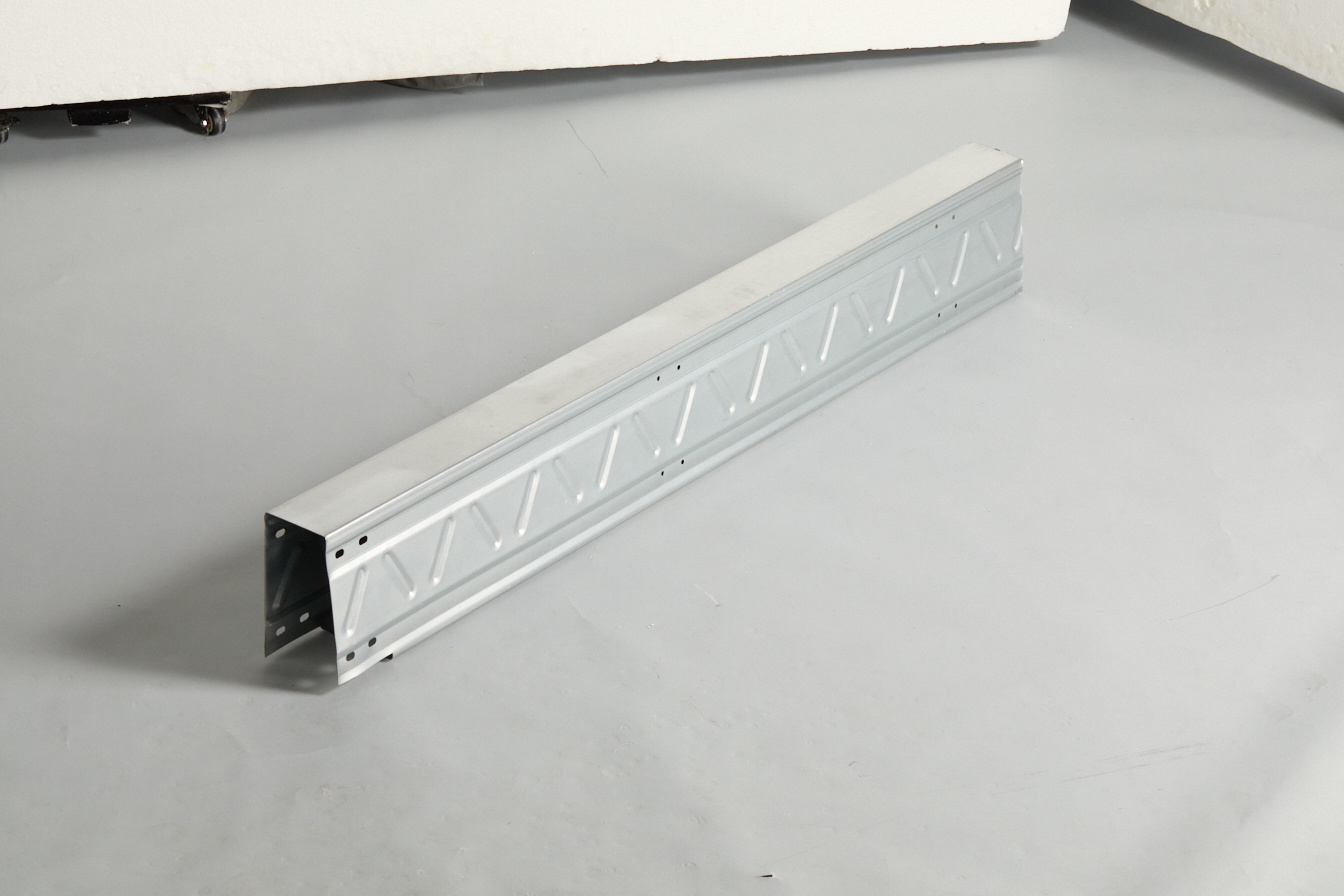
195 inner flipped edge - eight shaped reinforcing rib
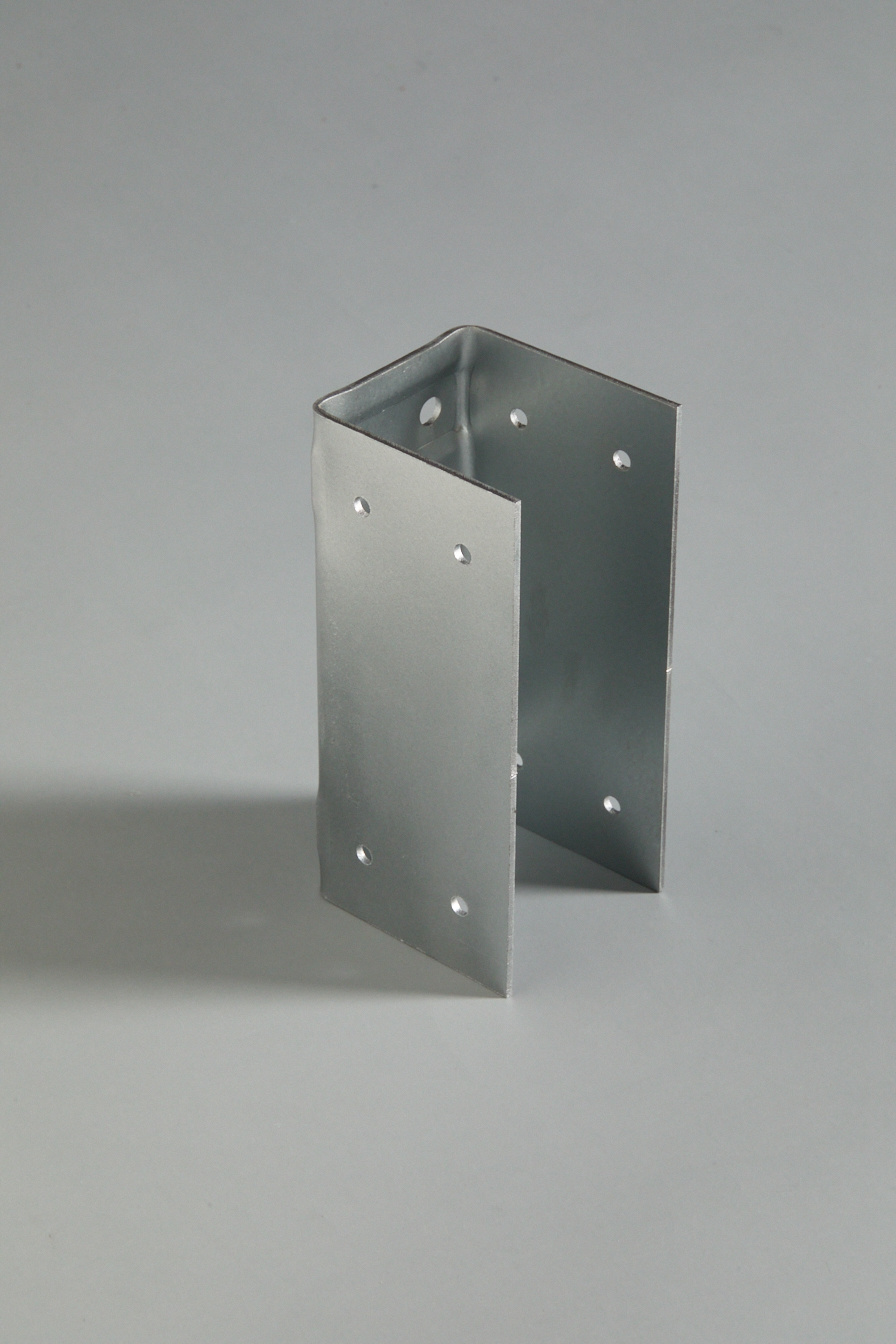
Frame small U connector
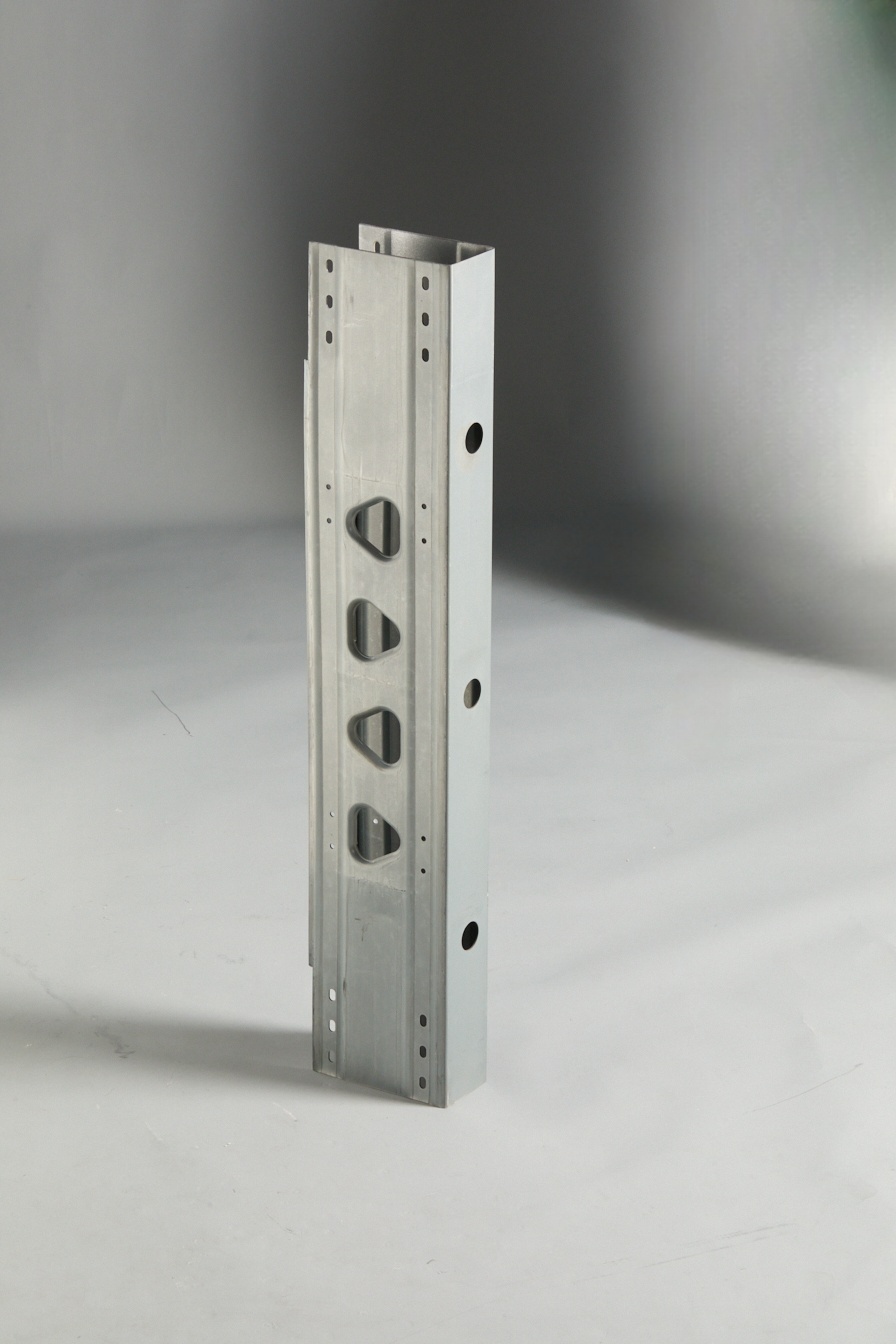
195 Inverted Edge - Triangle Reinforcement
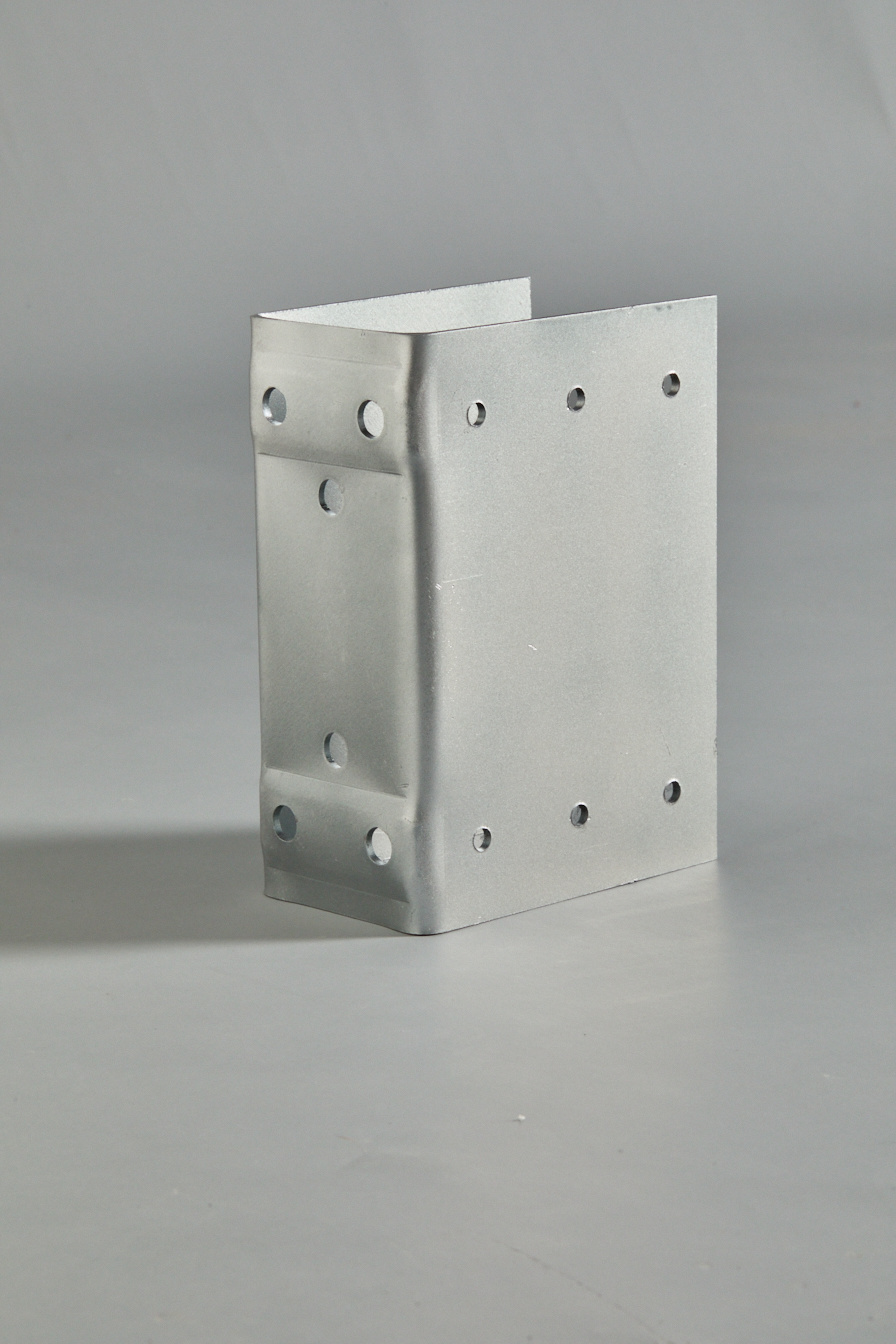
Frame large U connector
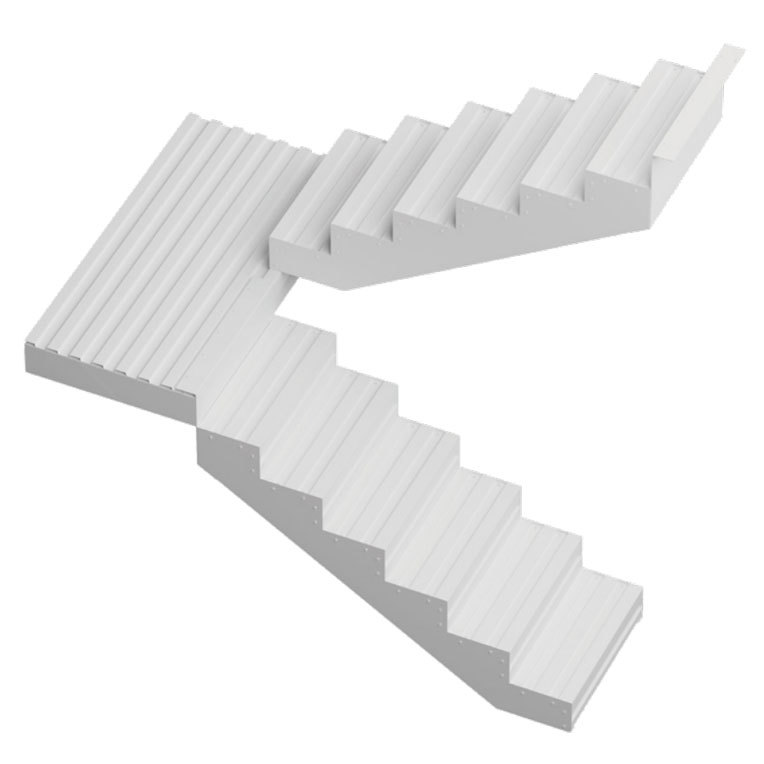
Prefabricated stairs
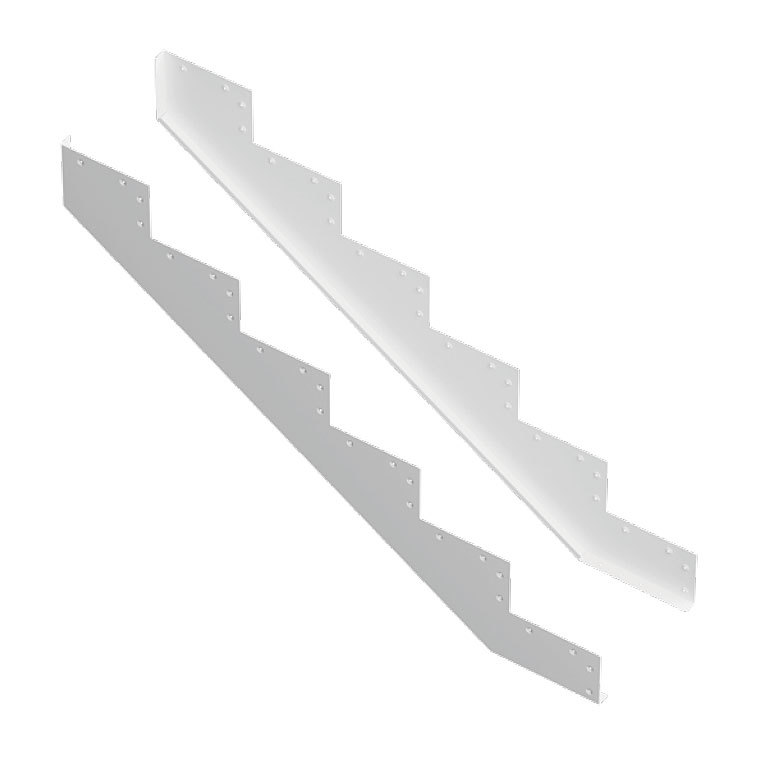
Staircase side panels
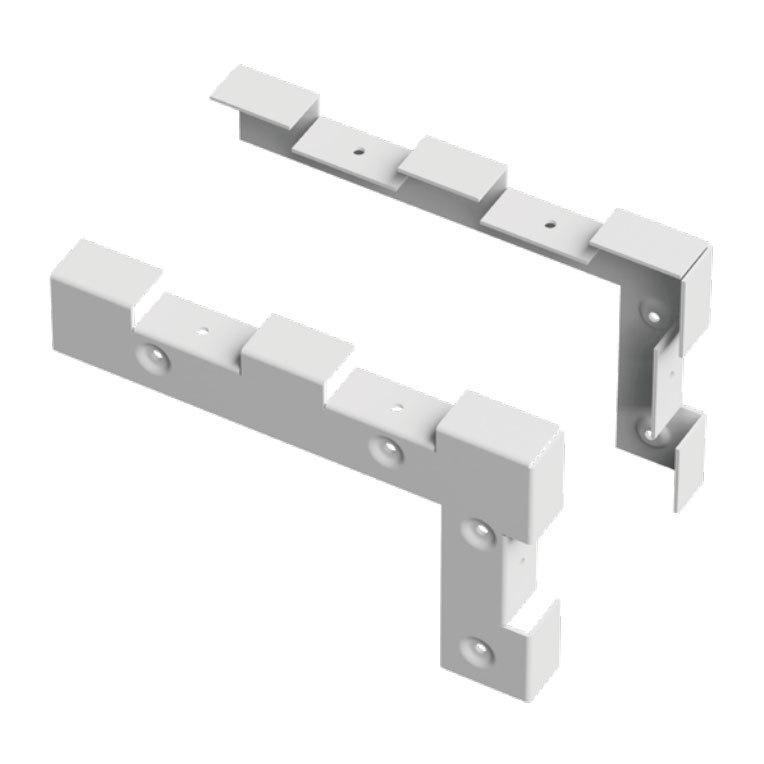
Staircase angle steel
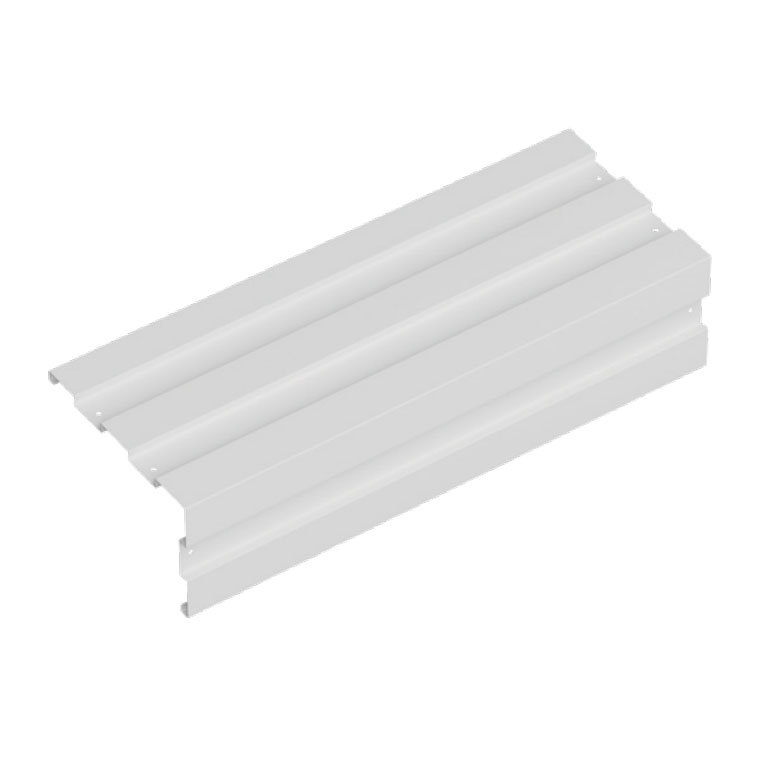
Stair steps
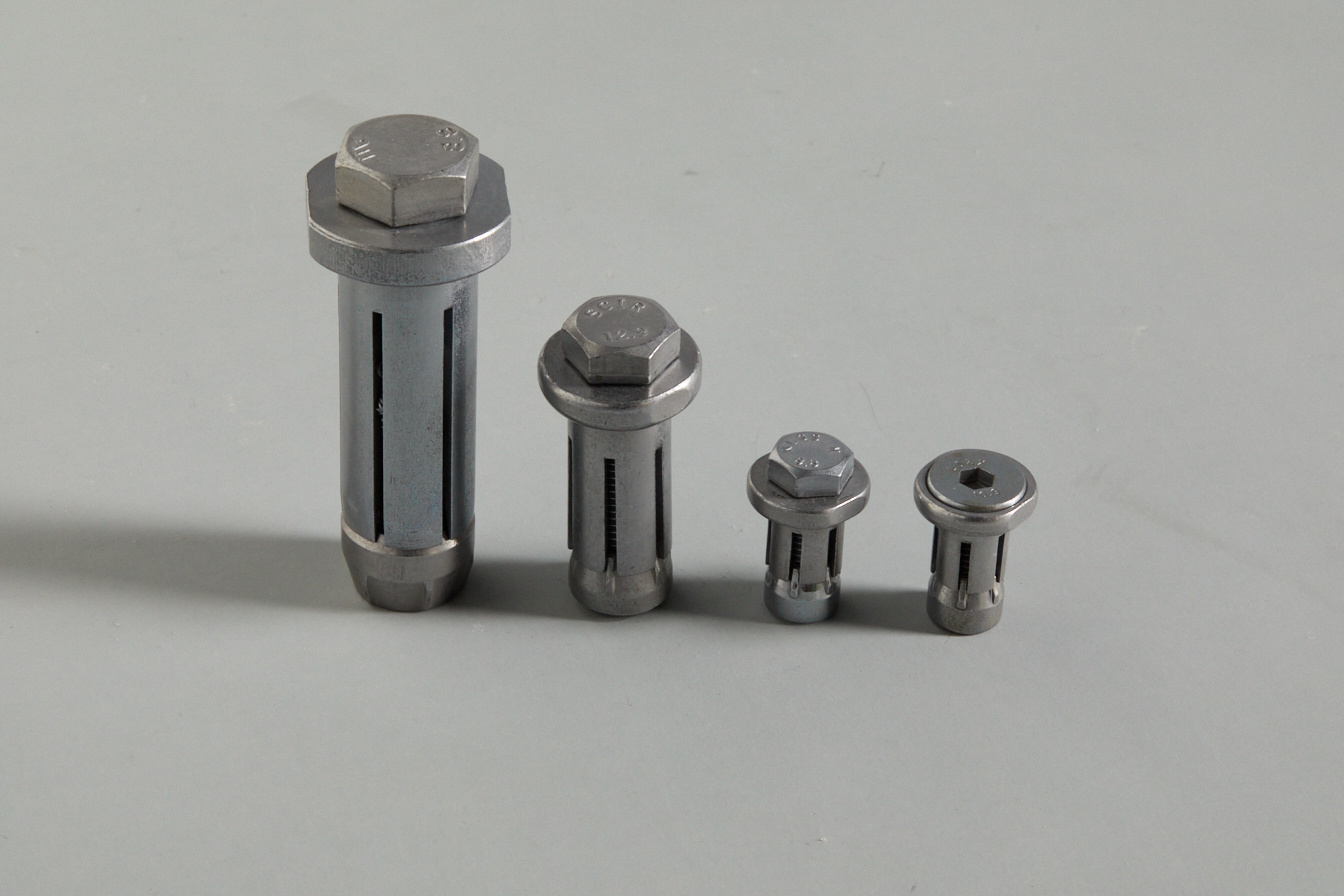
One-Way Bolt
Helical Pile System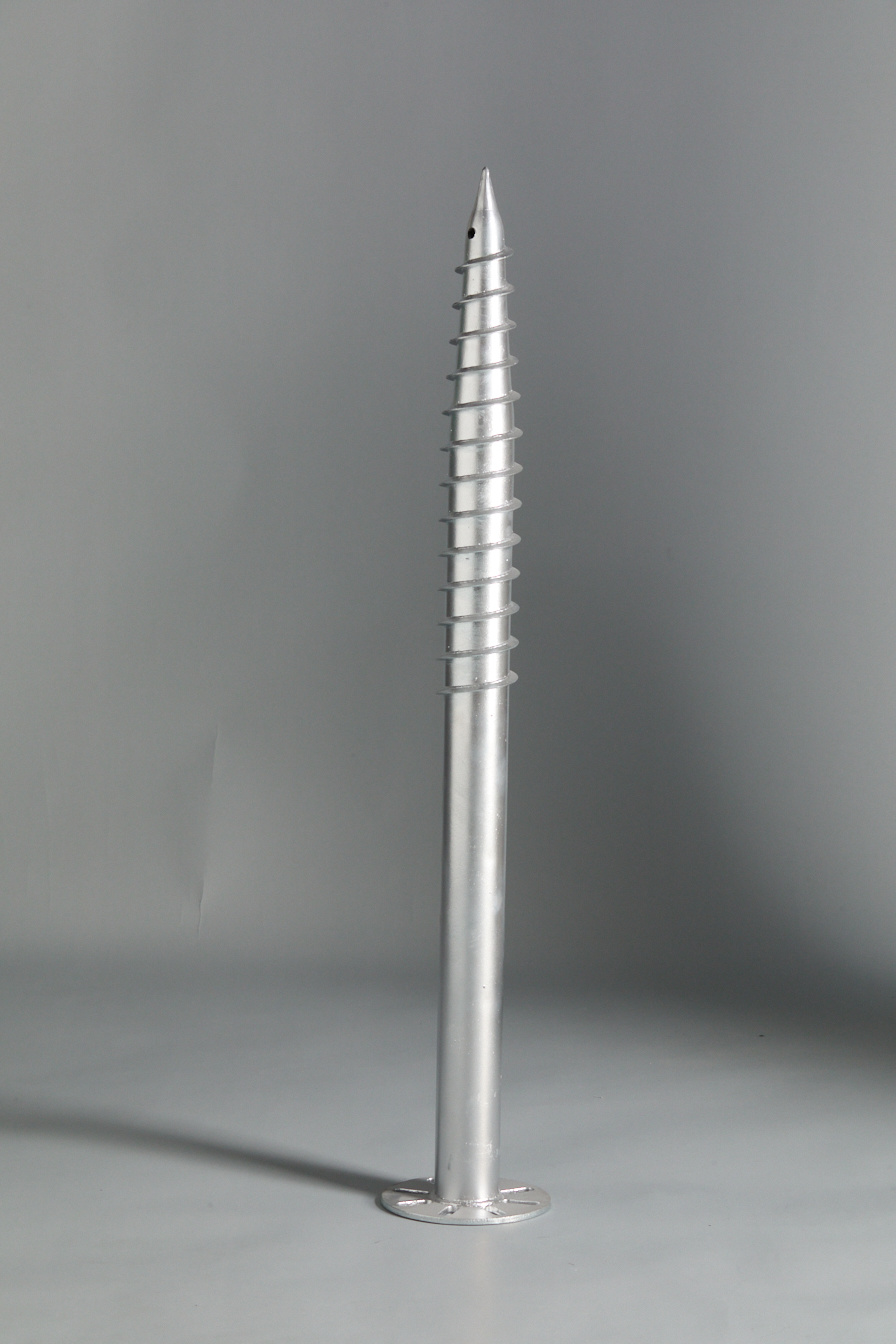
Round Pipe Screw Pile| Reliable Helical Pile Manufacturer| Patented Foundation Solution
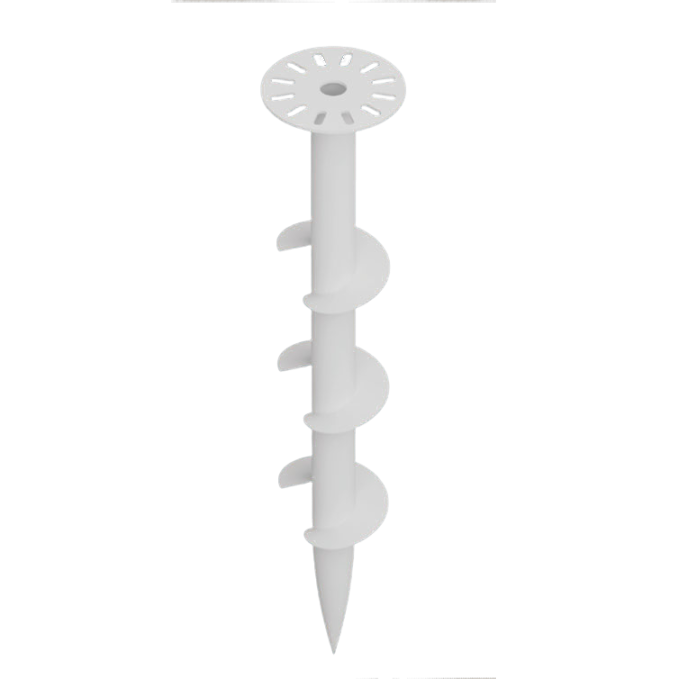
Screw Pile - 3 Blades - Round Pipe Pile
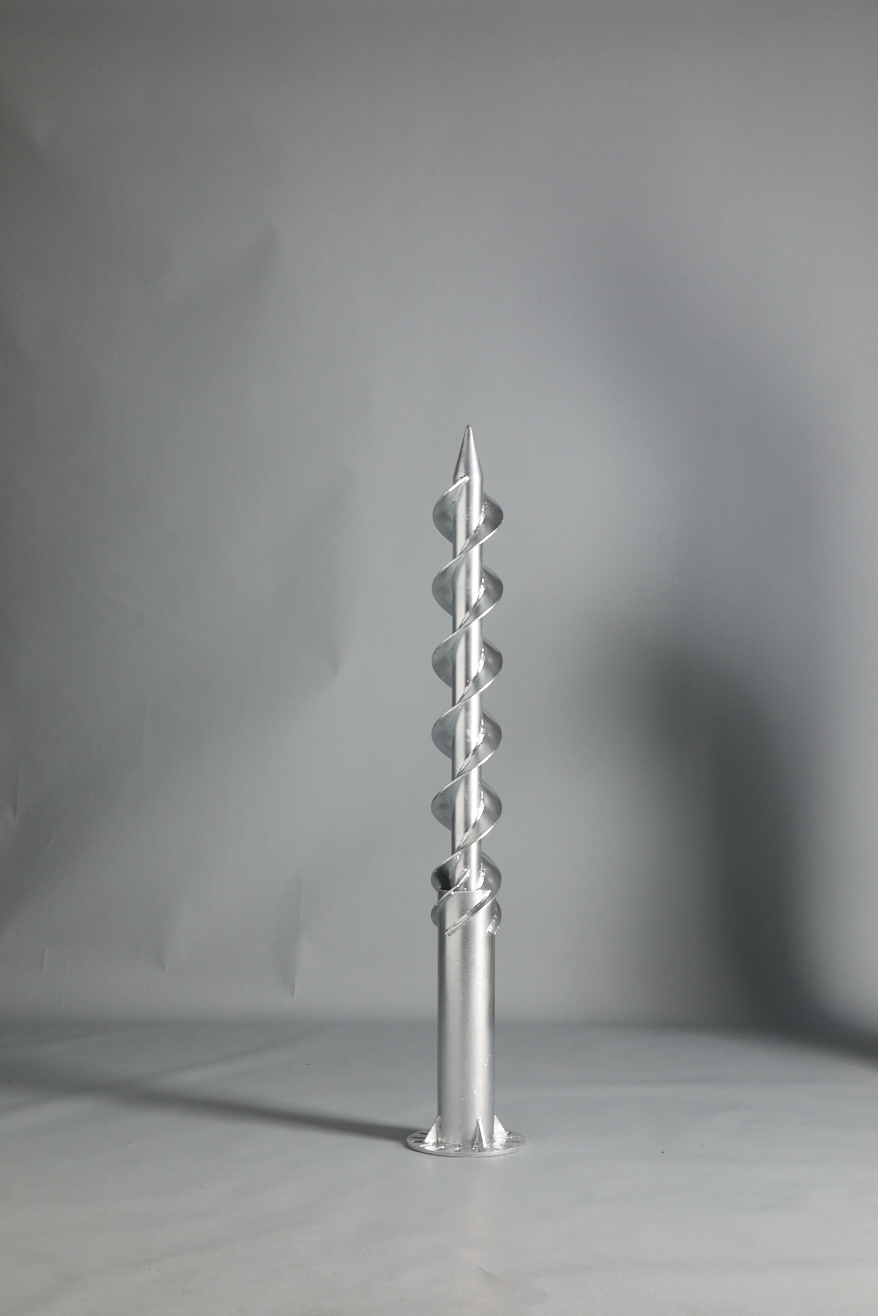
Double-Helix Screw Pile | Patented Foundation Solution
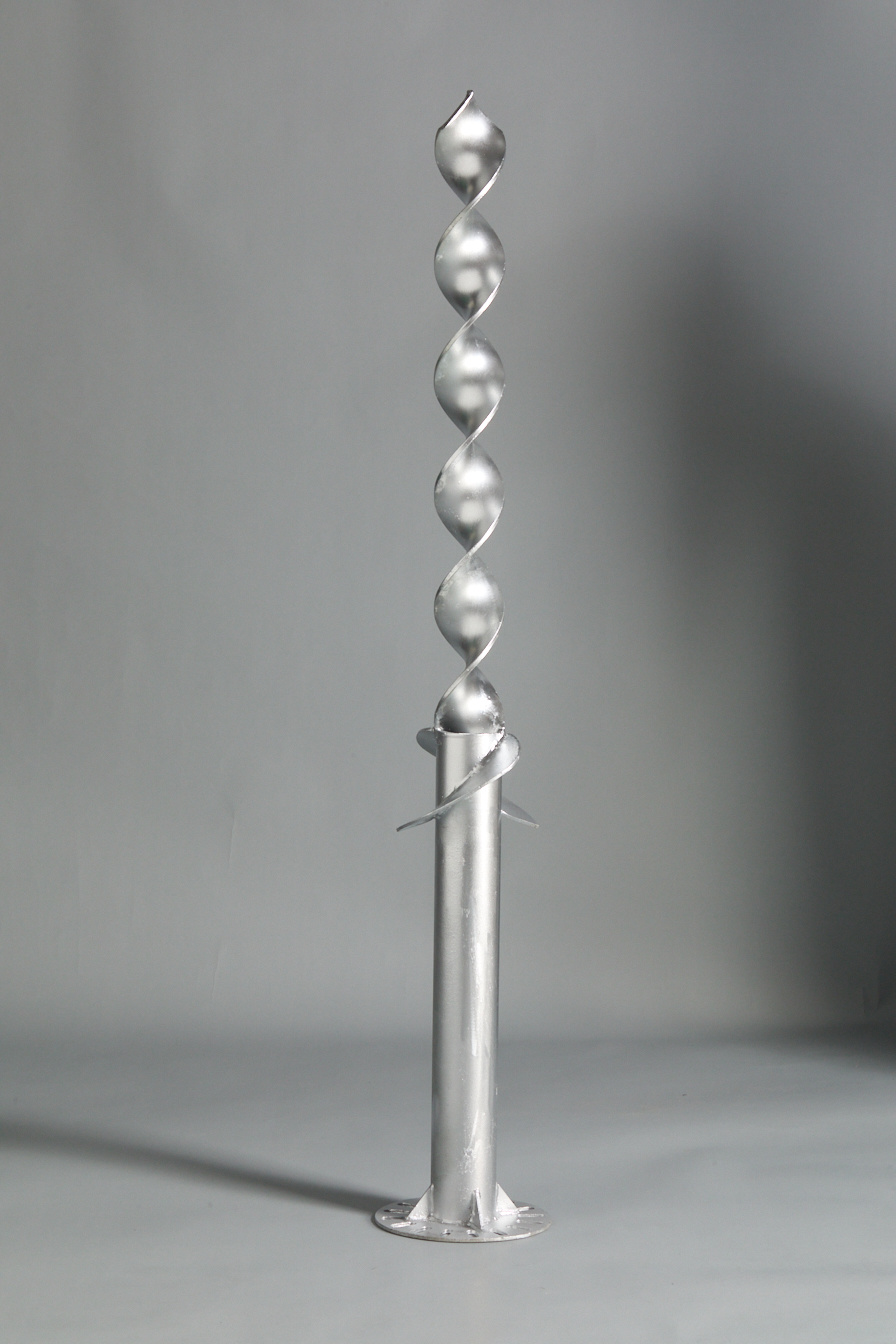
Screw Pile - Large Blade Flat Steel Pile
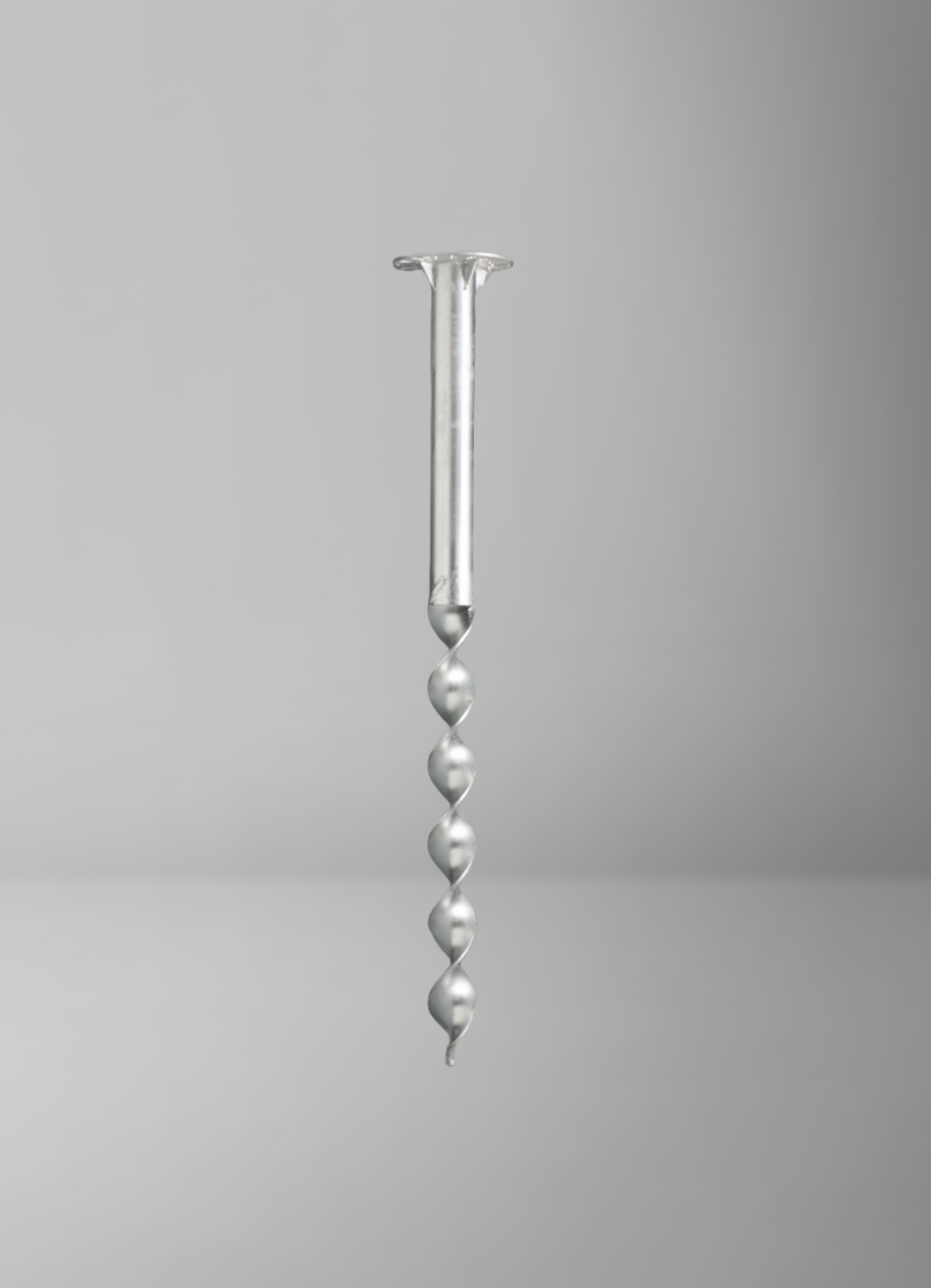
Flat Steel Screw Pile| Reliable Helical Pile Manufacturer| Patented Foundation Solution
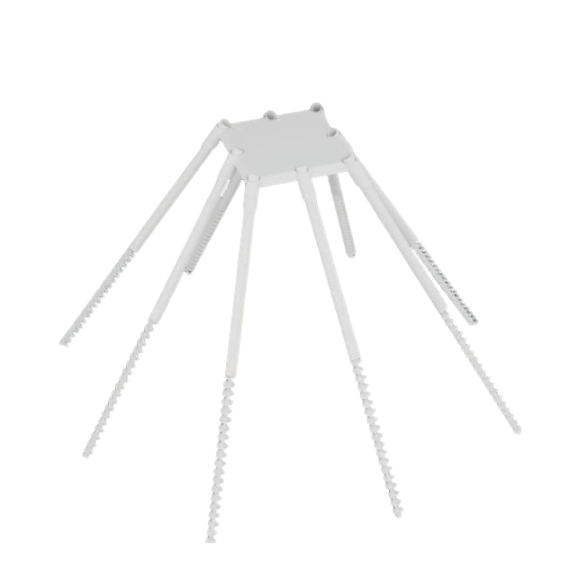
Eight-Pile Group Screw Piles| Reliable Helical Pile Manufacturer| Patented Foundation Solution
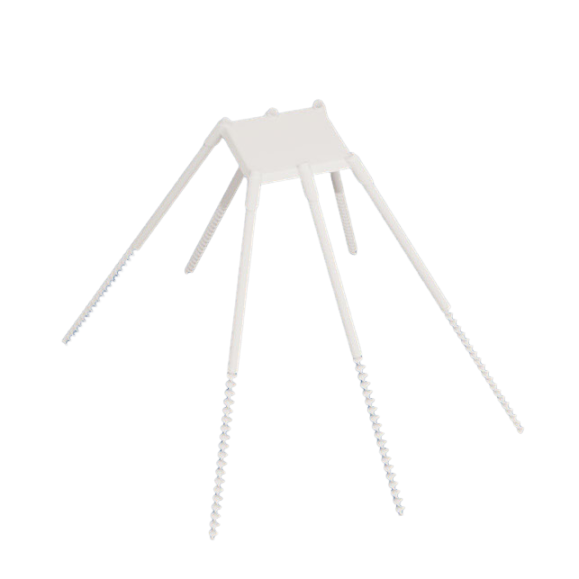
Six-Pile Group Screw Piles| Reliable Helical Pile Manufacturer| Patented Foundation Solution
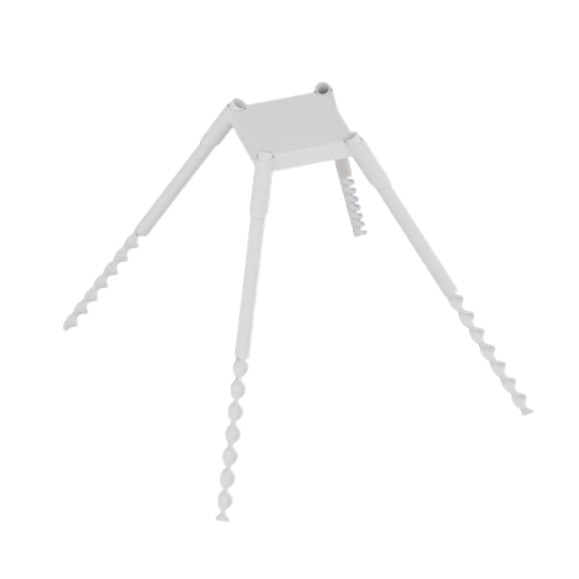
Four-Pile Group Screw Piles| Reliable Helical Pile Manufacturer| Patented Foundation Solution
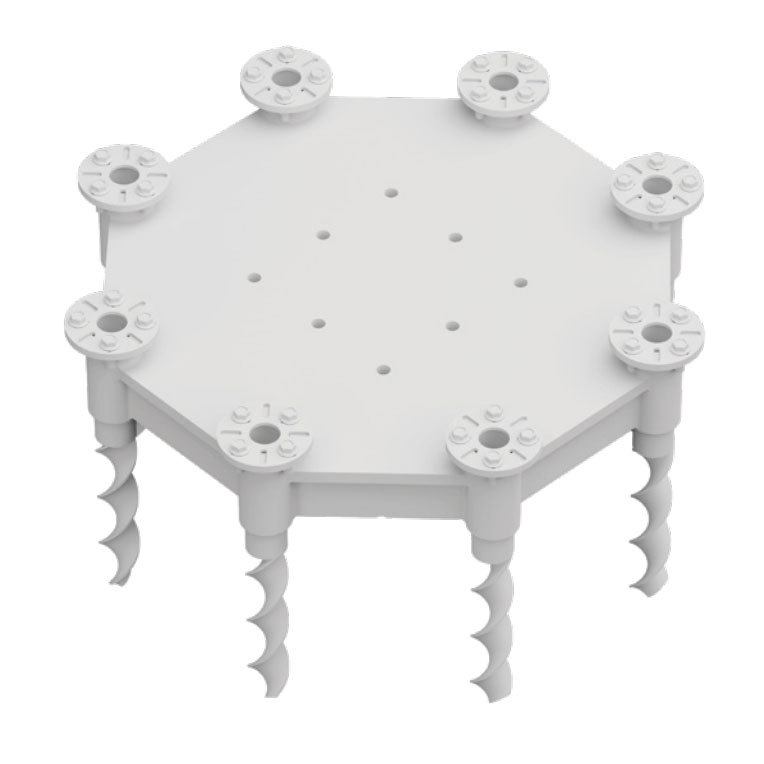
Eight-Pile Cap Screw Pile | Reliable Helical Pile Manufacturer| Patented Foundation Solution
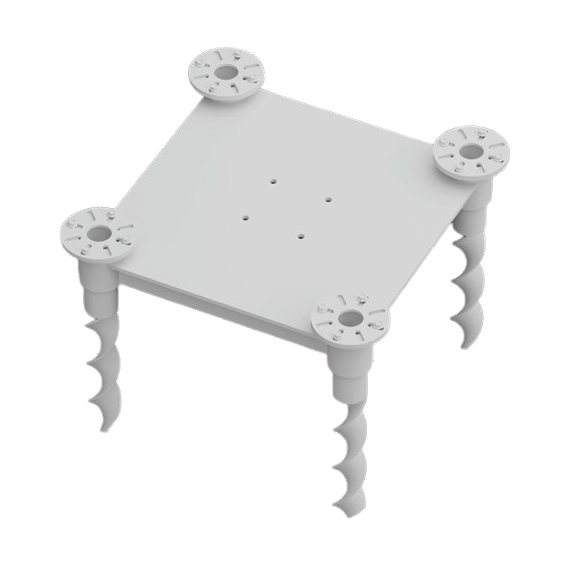
Four-Pile Cap Screw Pile | Reliable Helical Pile Manufacturer| Patented Foundation Solution
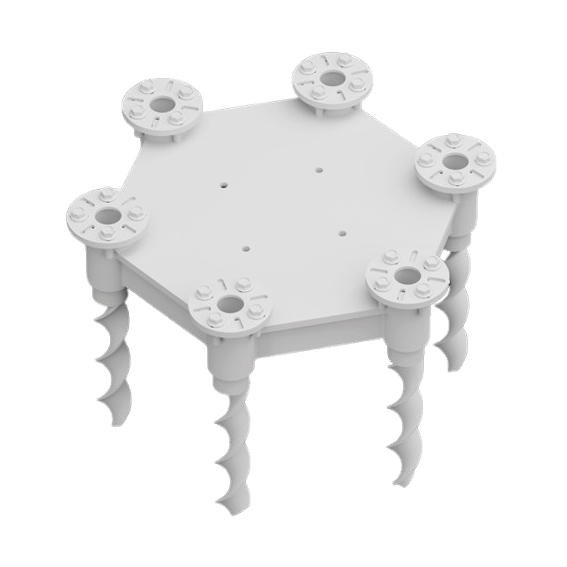
Six-Pile Cap Screw Pile | Reliable Helical Pile Manufacturer| Patented Foundation Solution
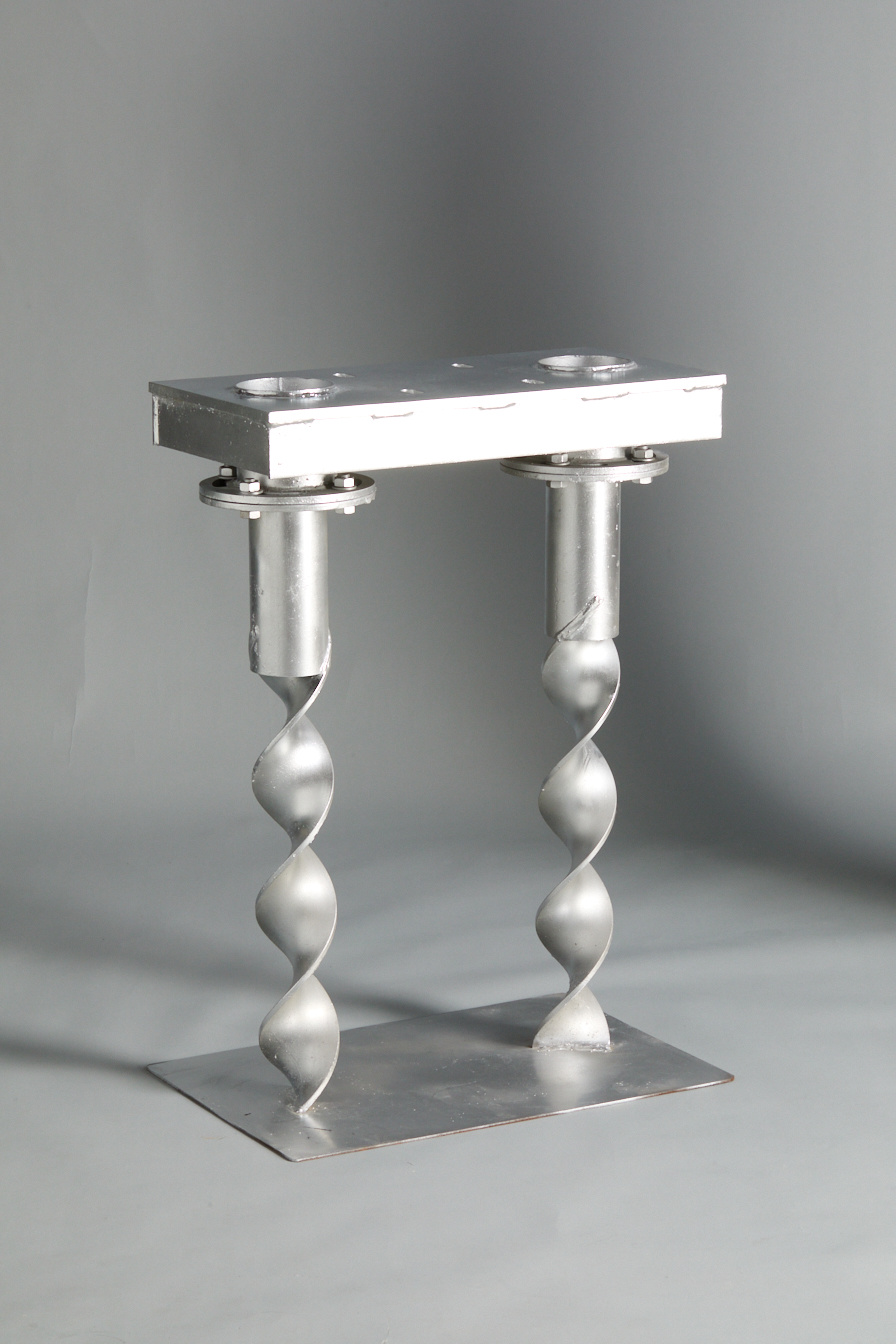
Two-Pile Cap Screw Pile | Reliable Helical Pile Manufacturer| Patented Foundation Solution
Steel Platform System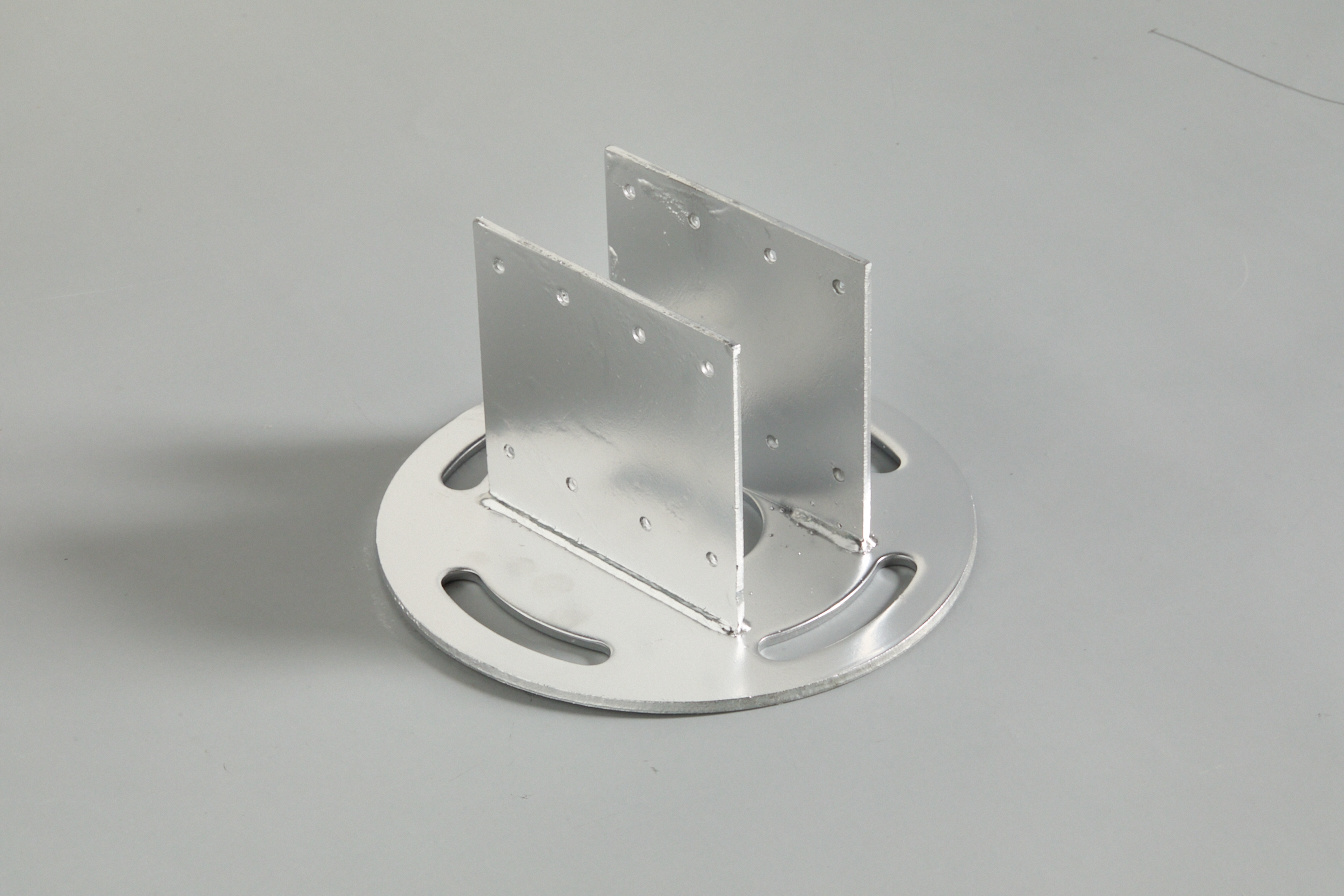
Spiral pile connectors
Small U connector
Large U connector
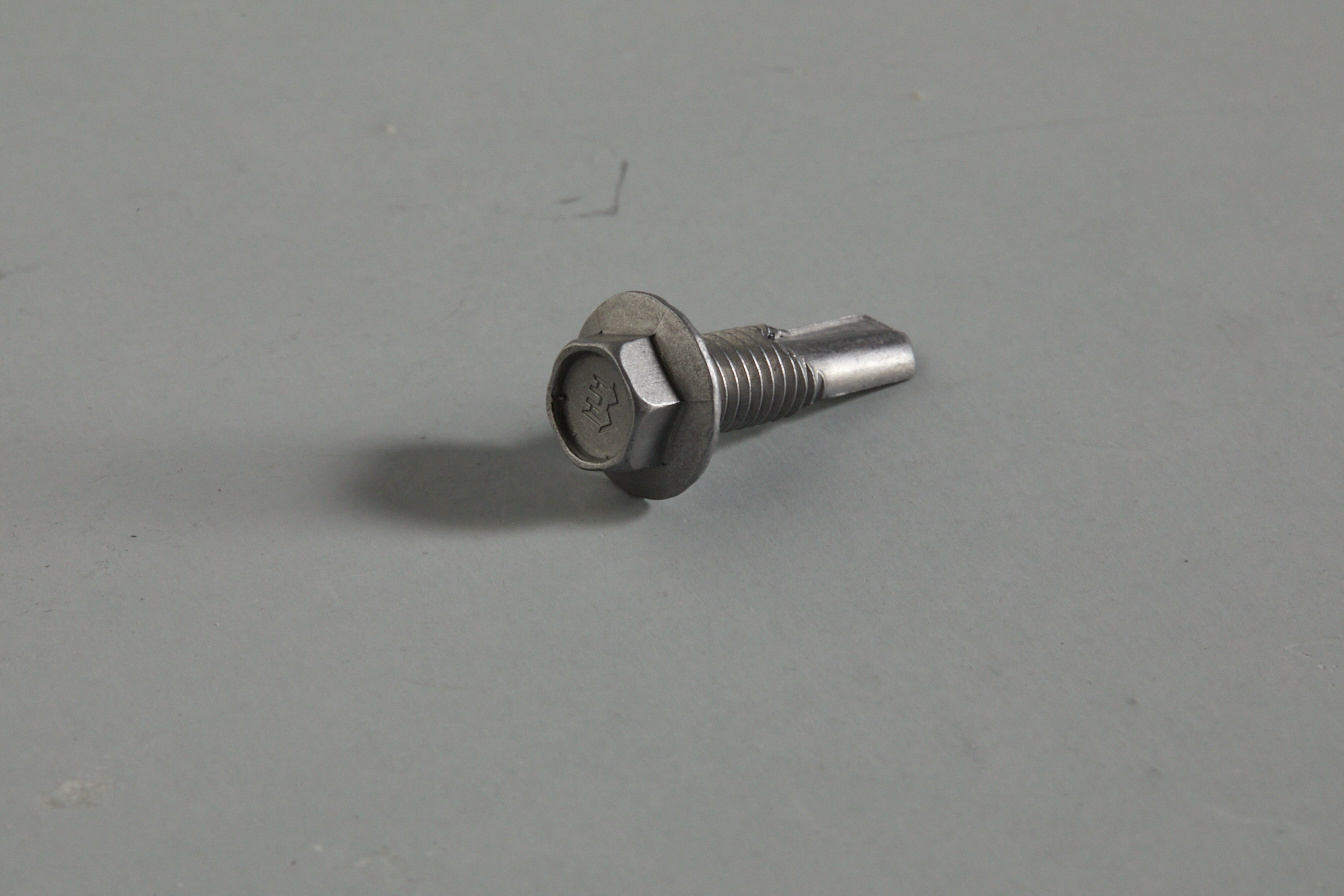
Hexagonal flange self drilling and self tapping screws
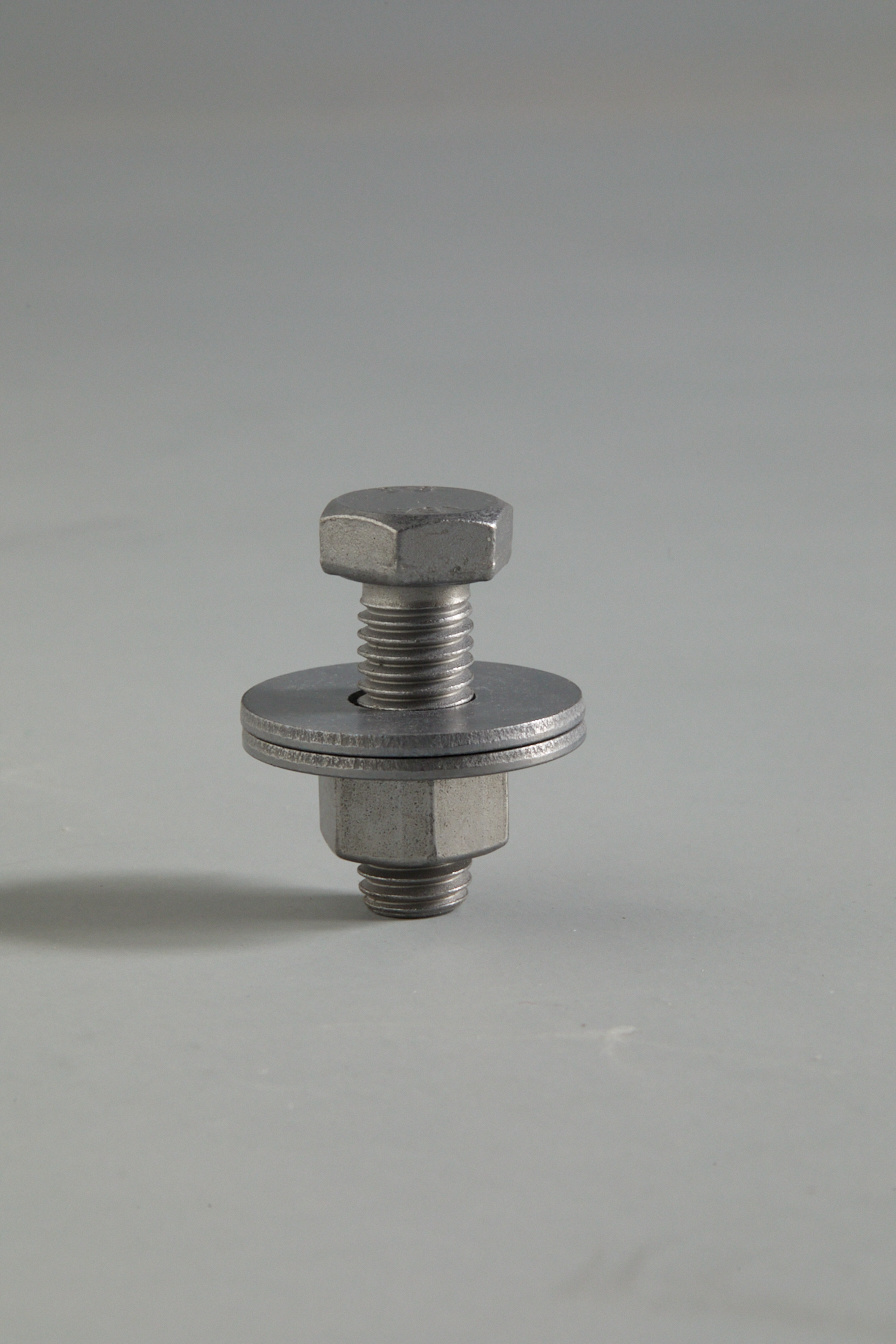
Tightening Bolts
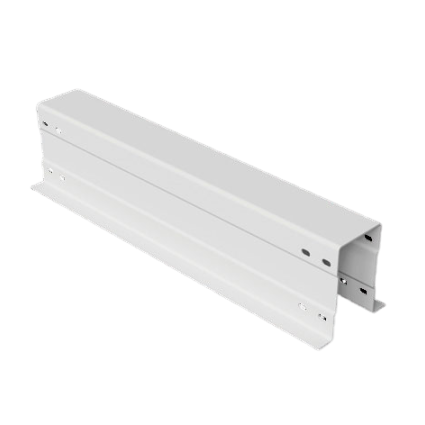
Secondary Beam
Steel Platform - Main Beam
Modular building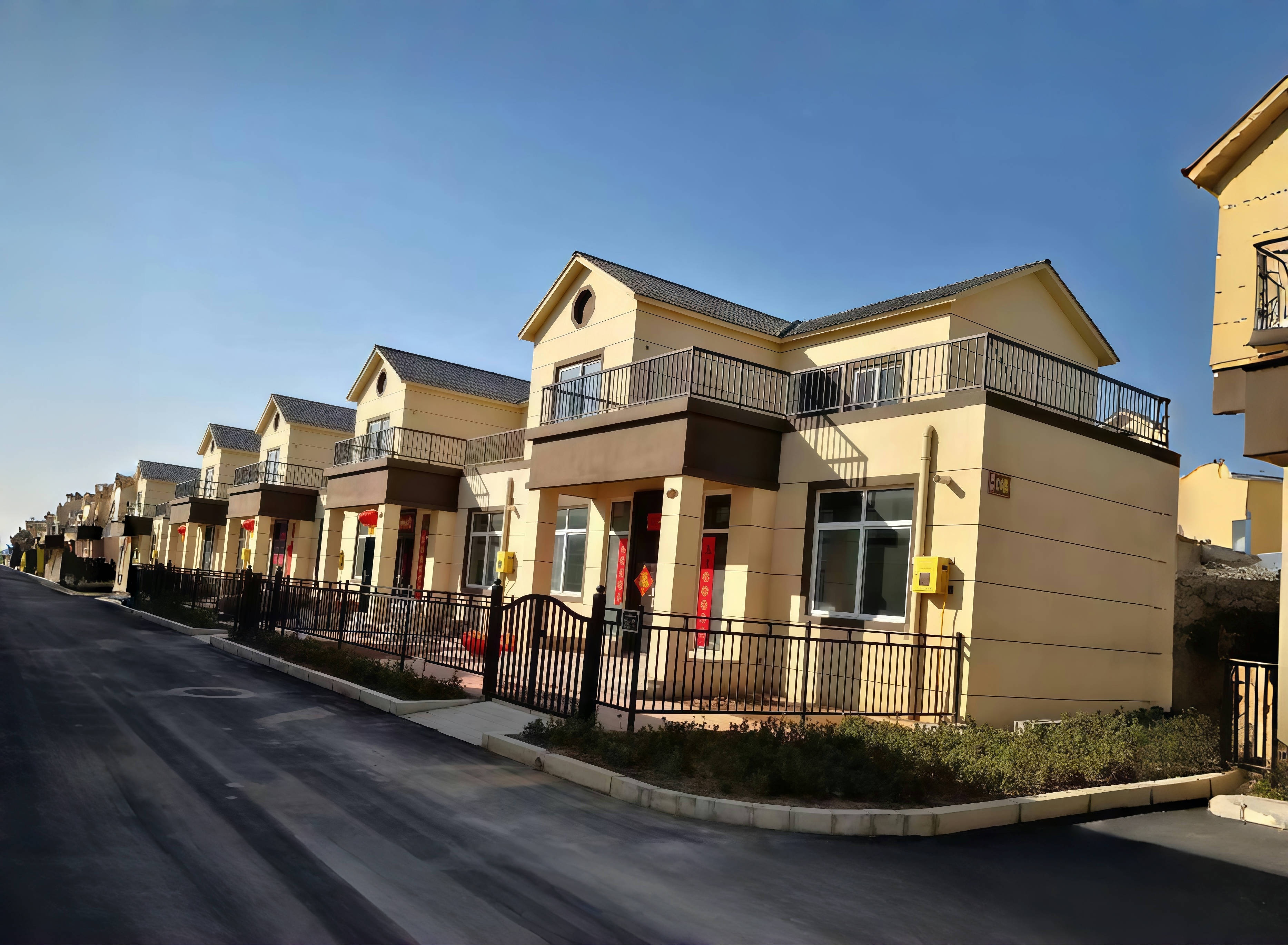
Modular building
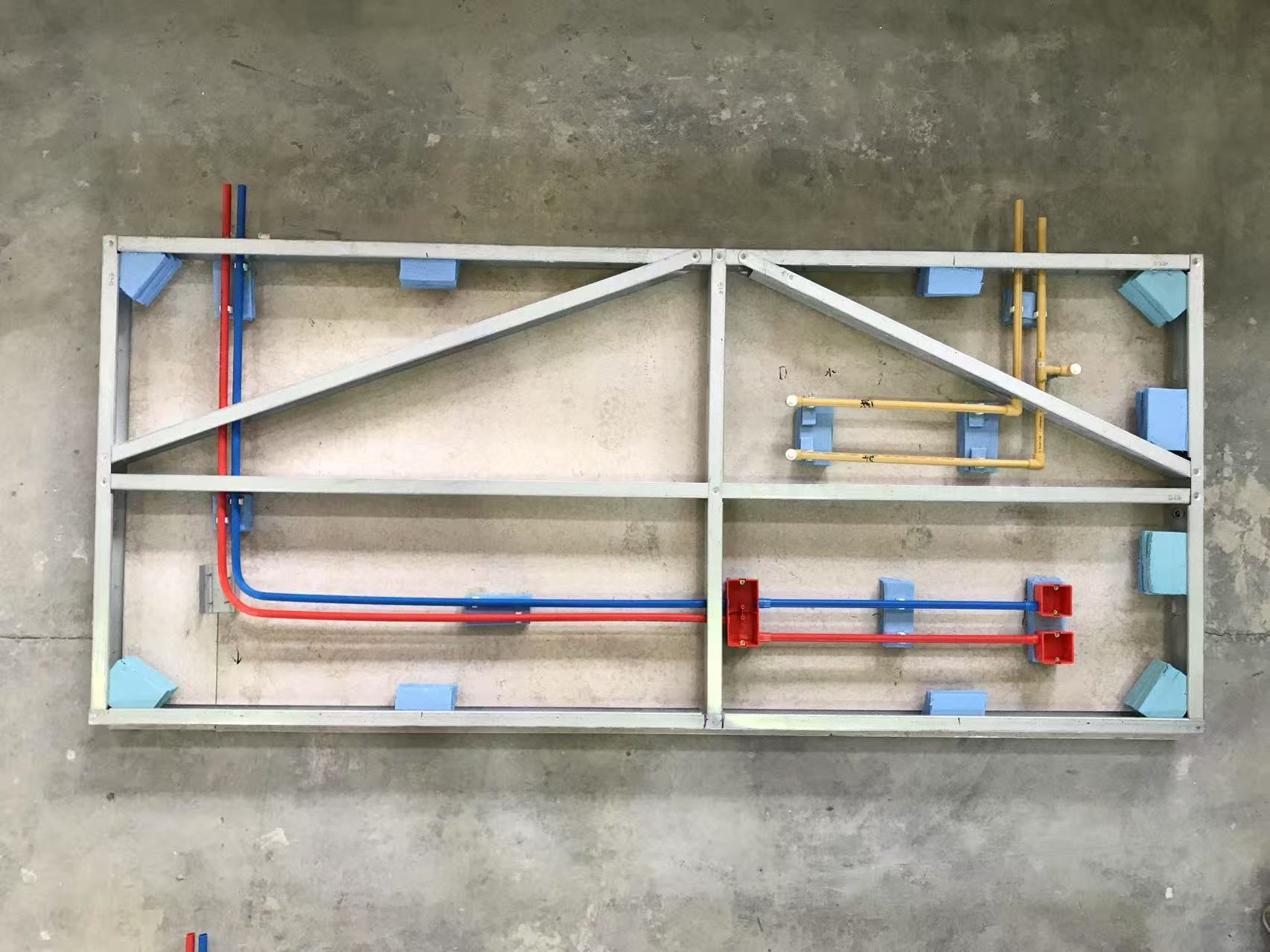
Layout Diagram of Electrical and Plumbing Pipelines for Magnesium-Based Grouted Walls

Performance Testing of Magnesium-Based Walls
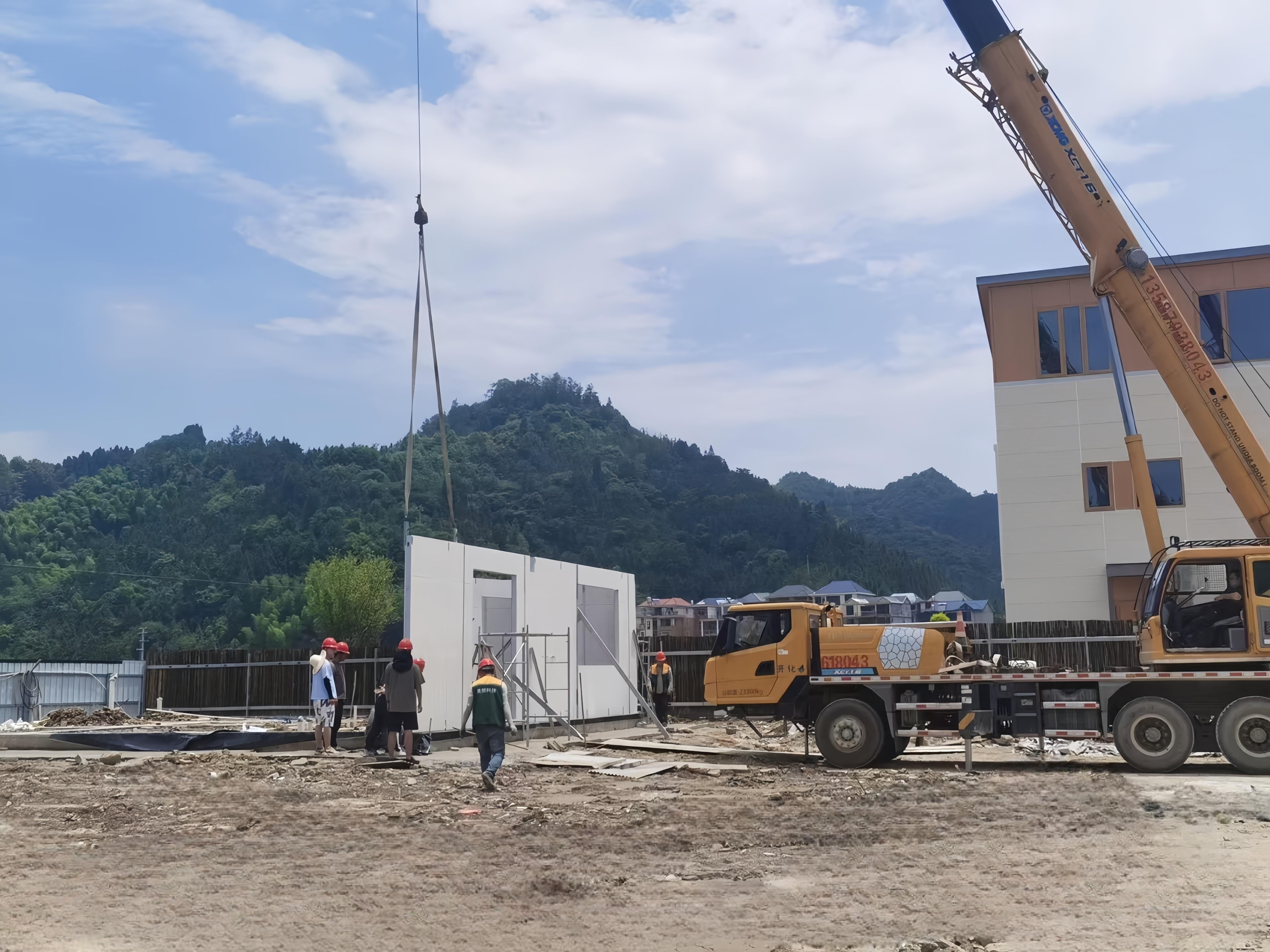
Construction Process of Modular Walls
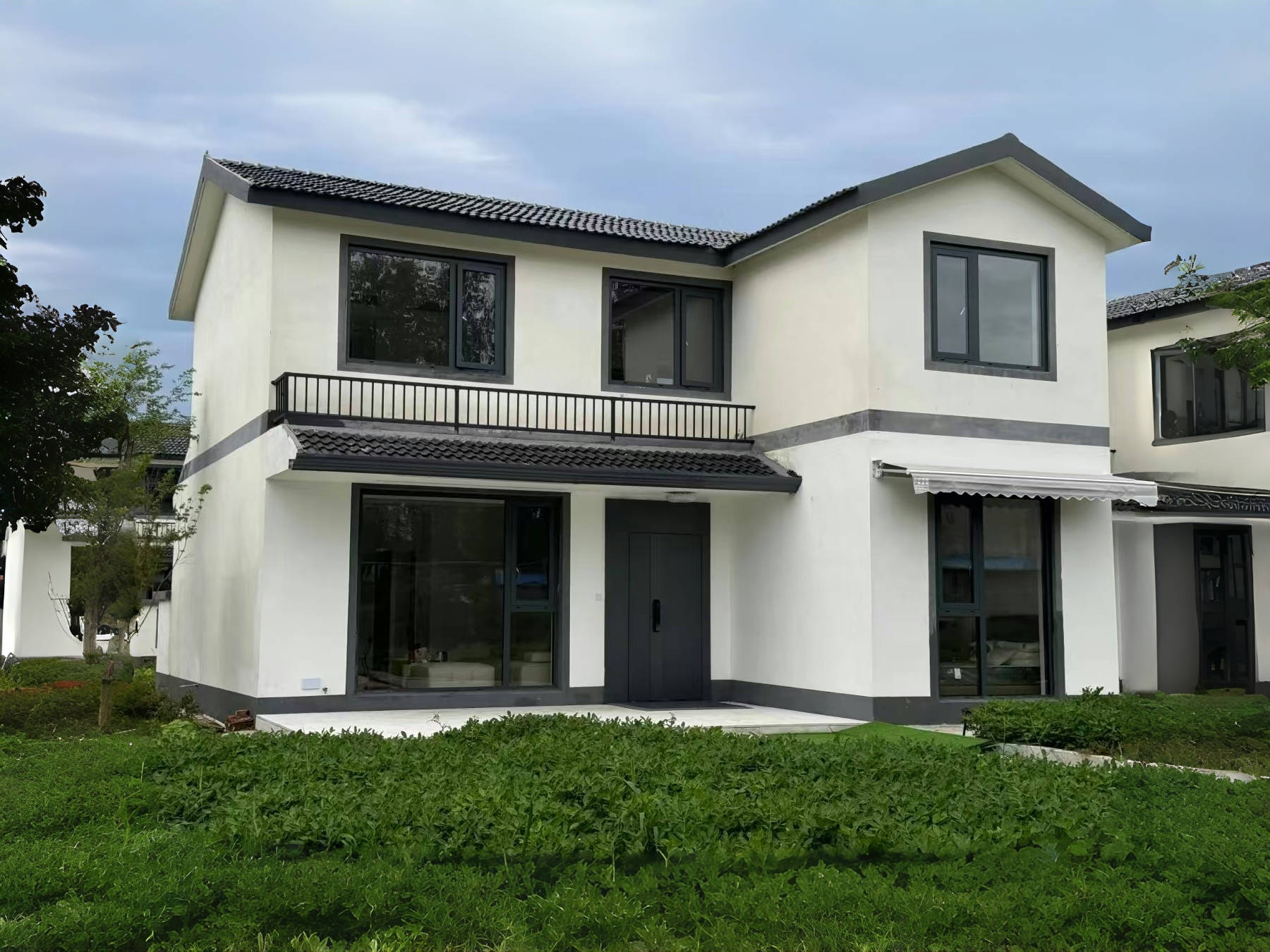
Cases of Modular Buildings
Bracket Roof Integrated Panel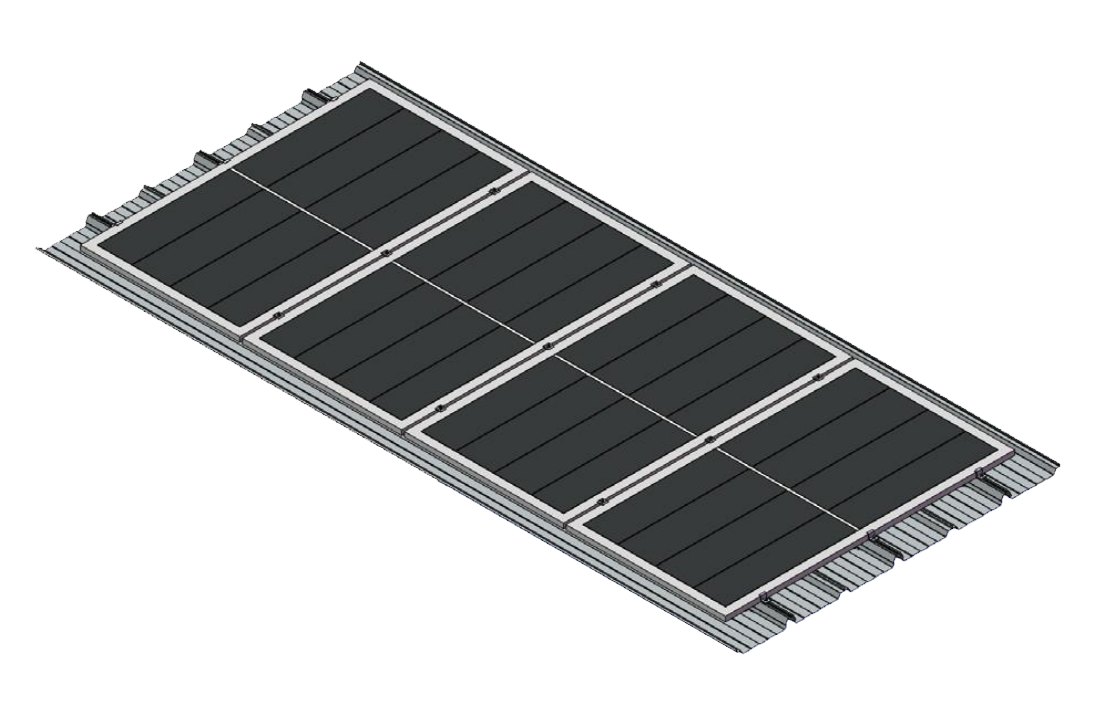
BIPV Bracket Roof Integrated Panel
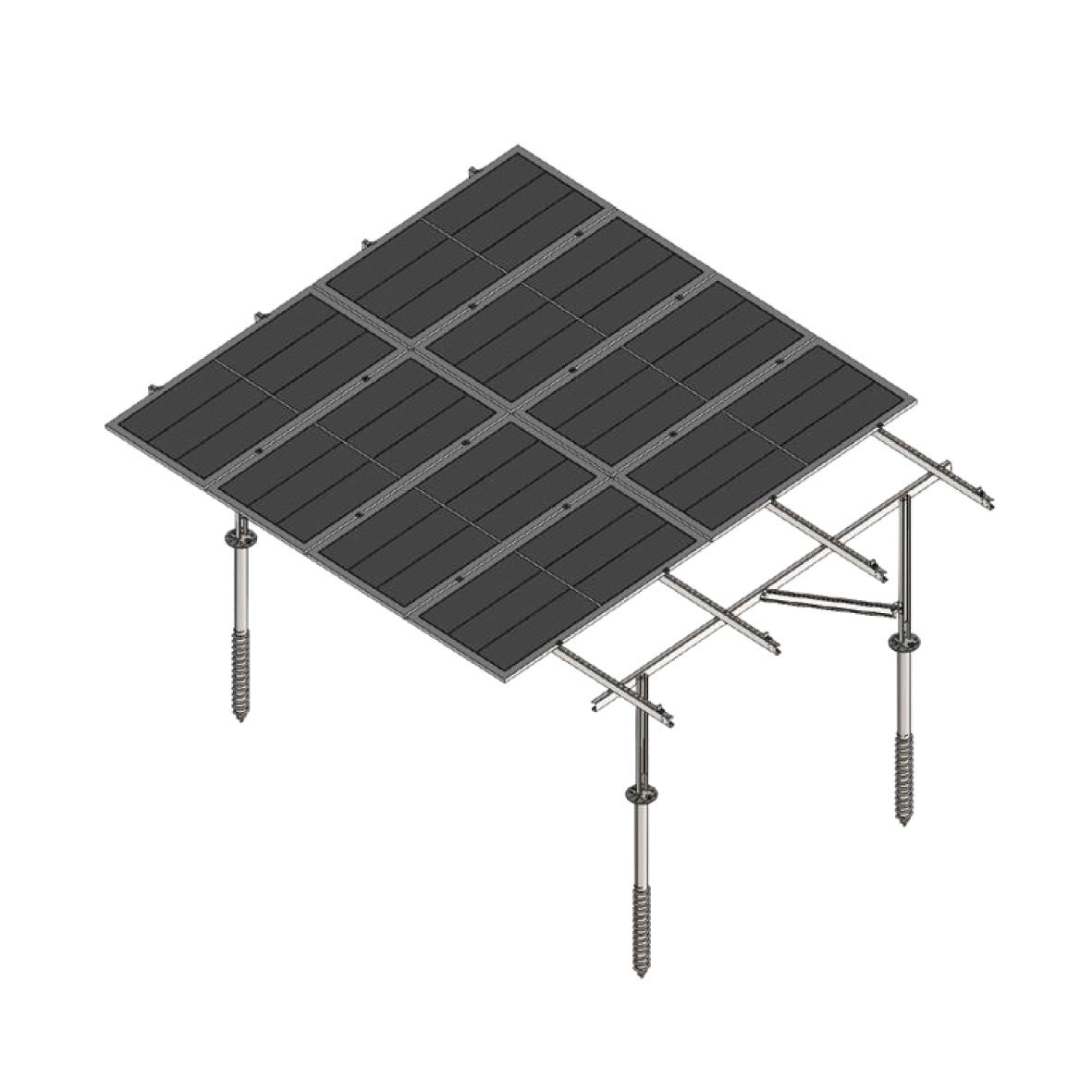
ZINC Aluminum Magnesium Double Leg Bracket
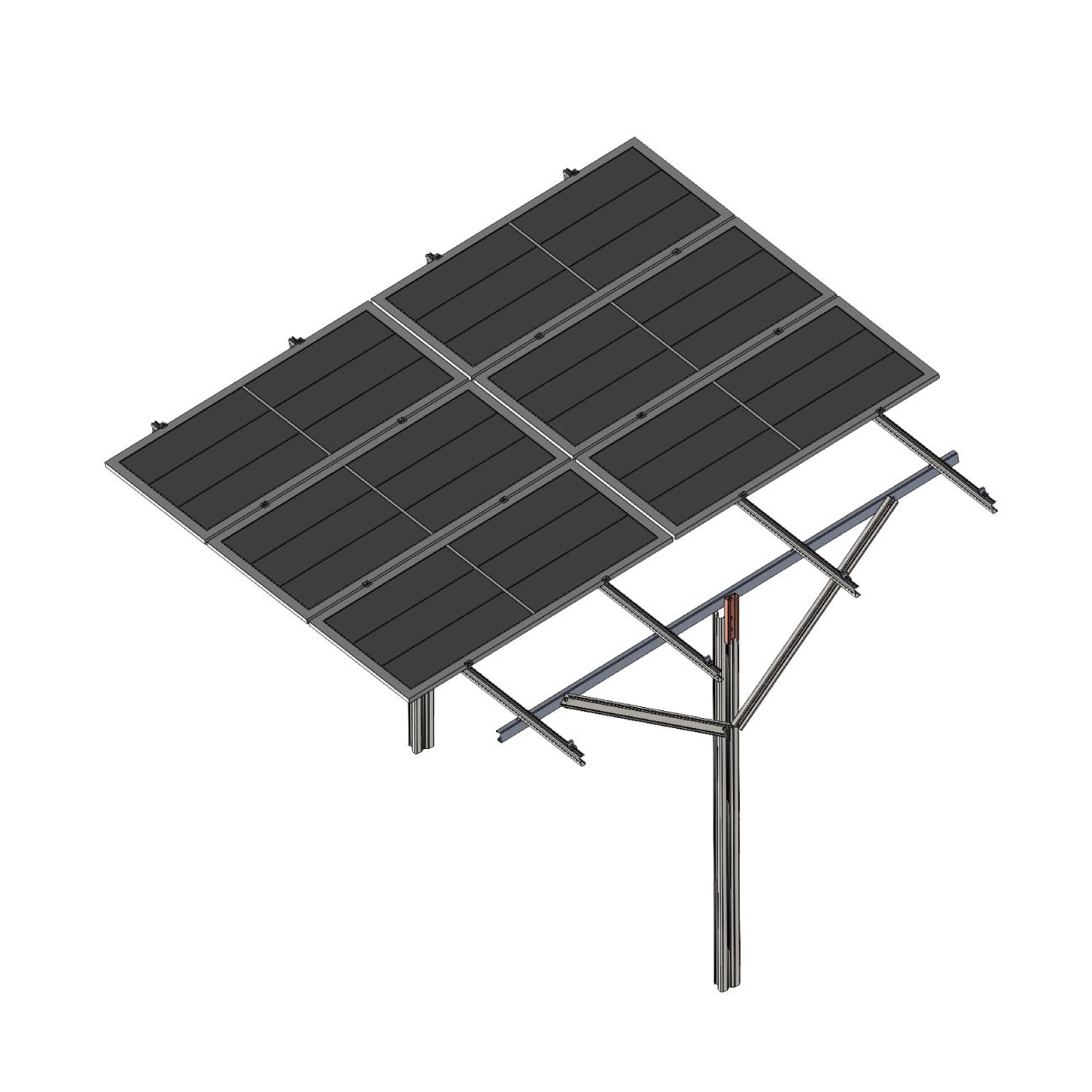
ZINC Aluminum Magnesium Single Leg Bracket
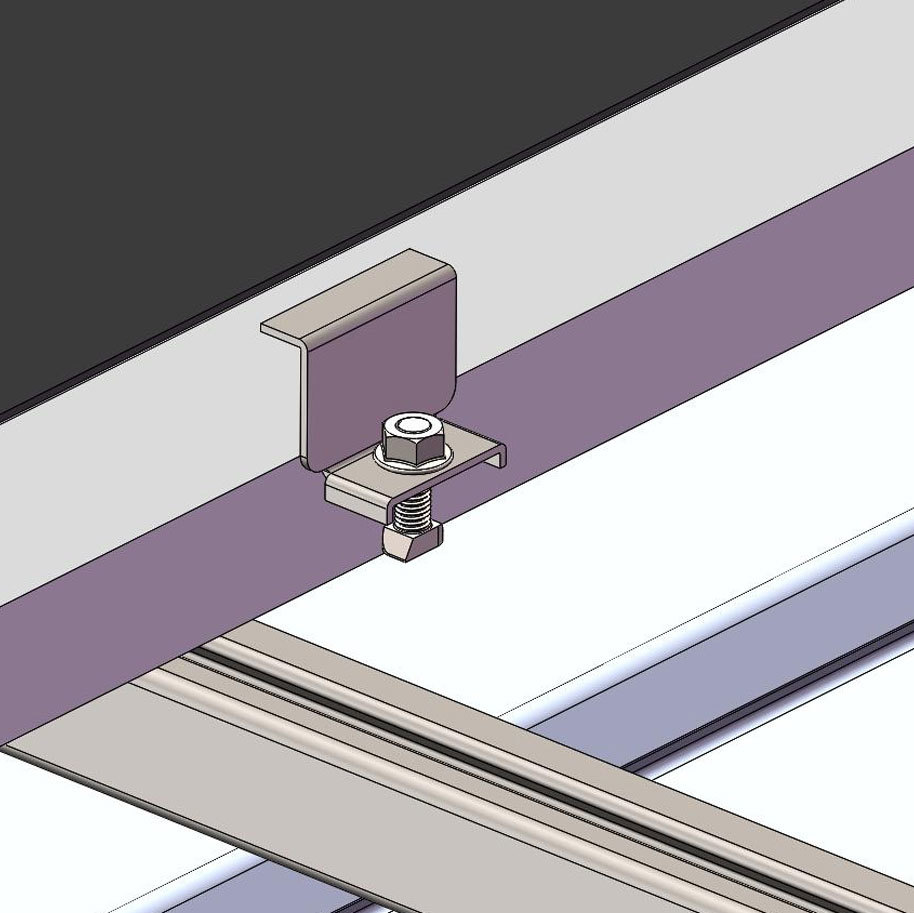
Explosion diagram of zinc aluminum magnesium under lateral pressure
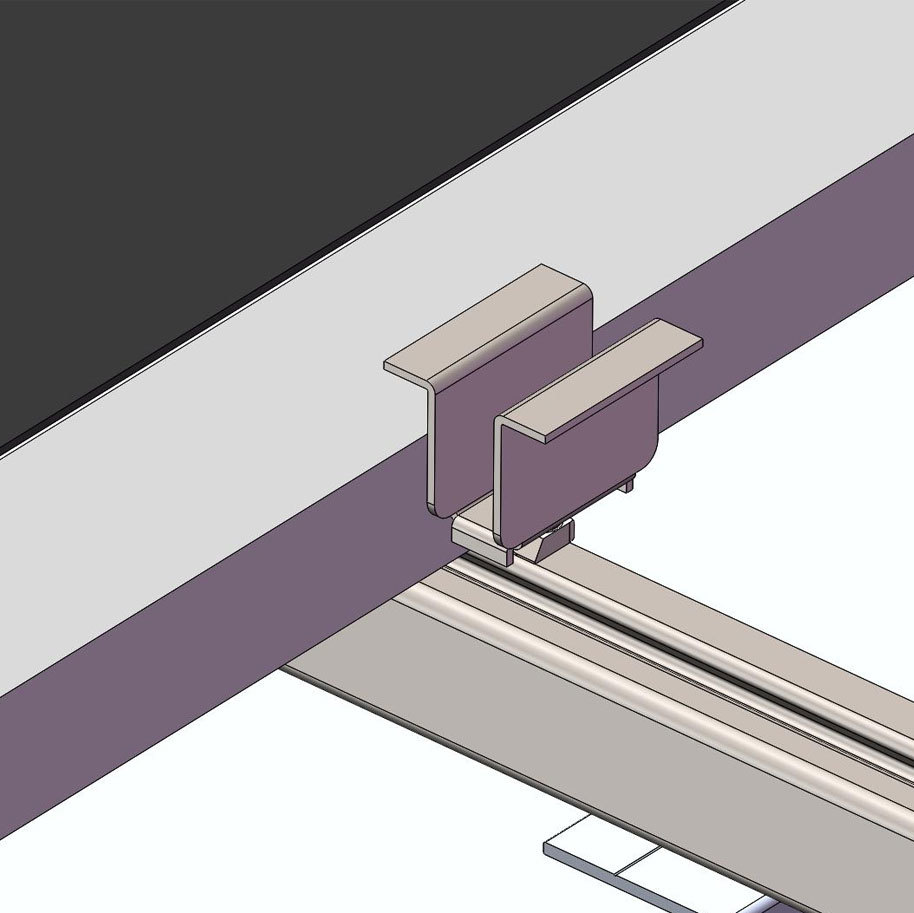
Zinc aluminum magnesium medium pressure explosion diagram
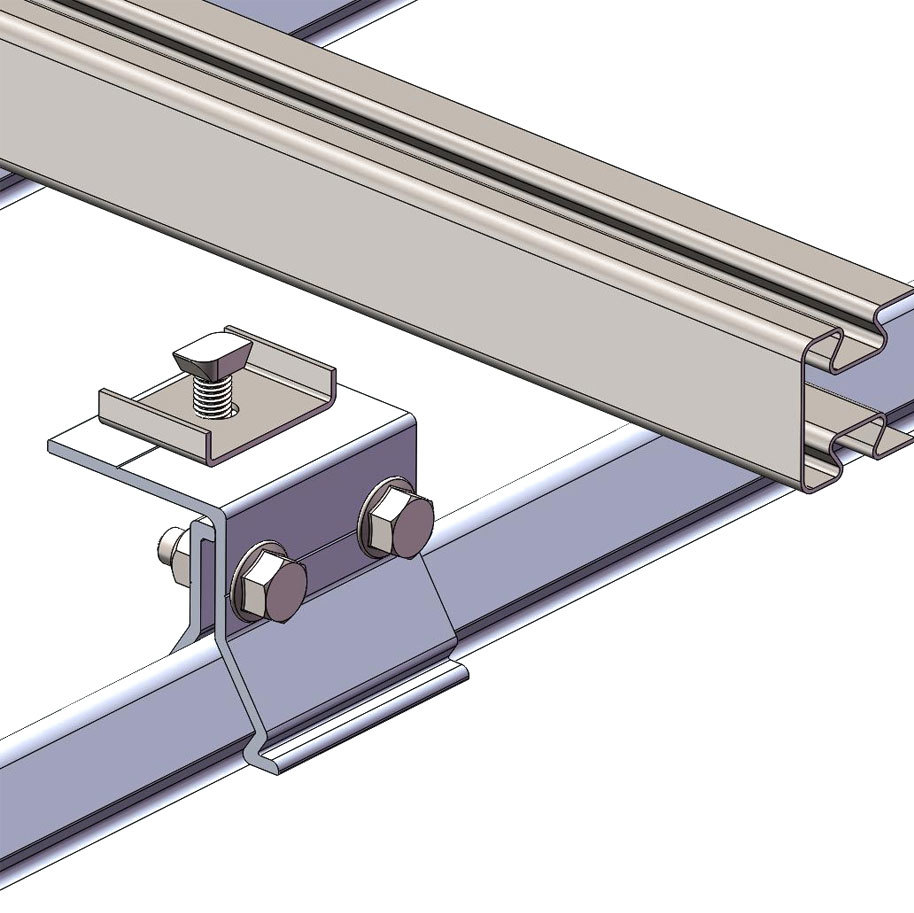
Explosion diagram of fixture components
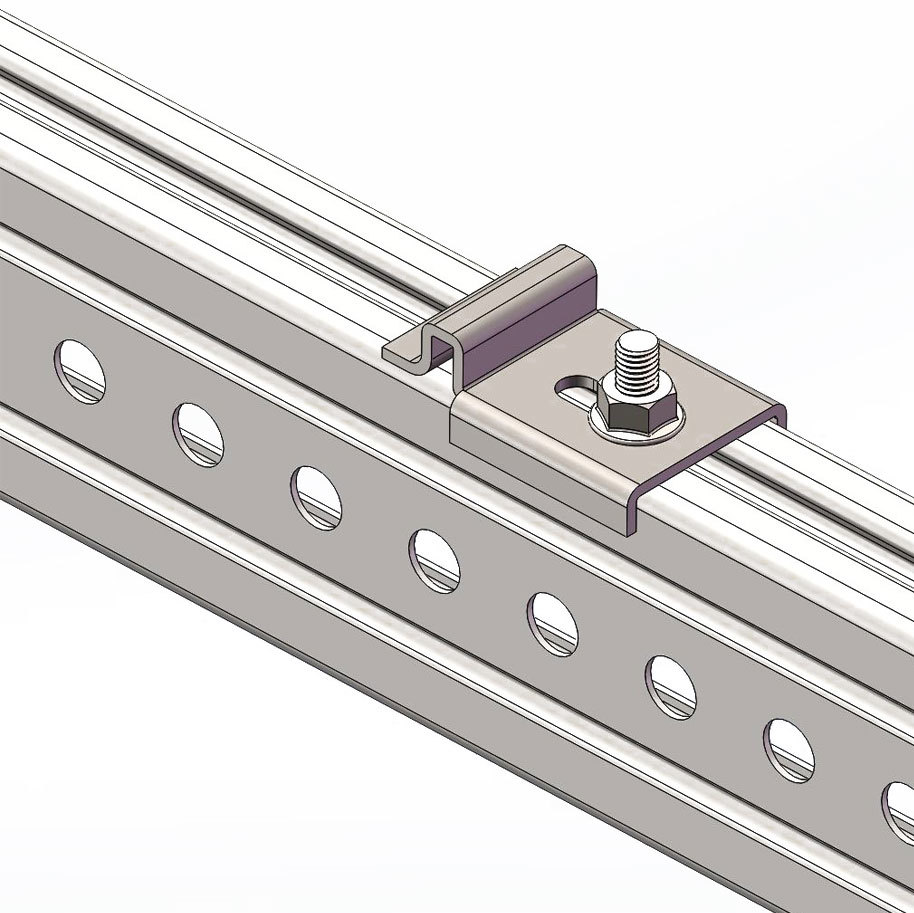
Lower pressure component
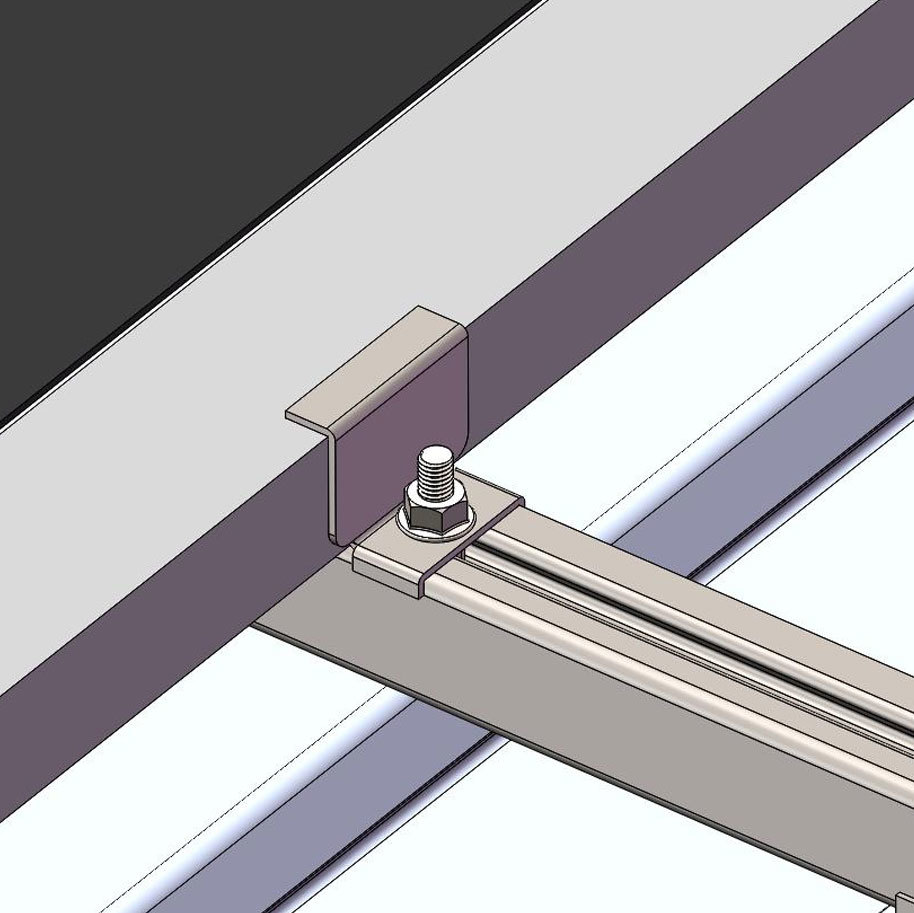
Zinc aluminum magnesium side pressure
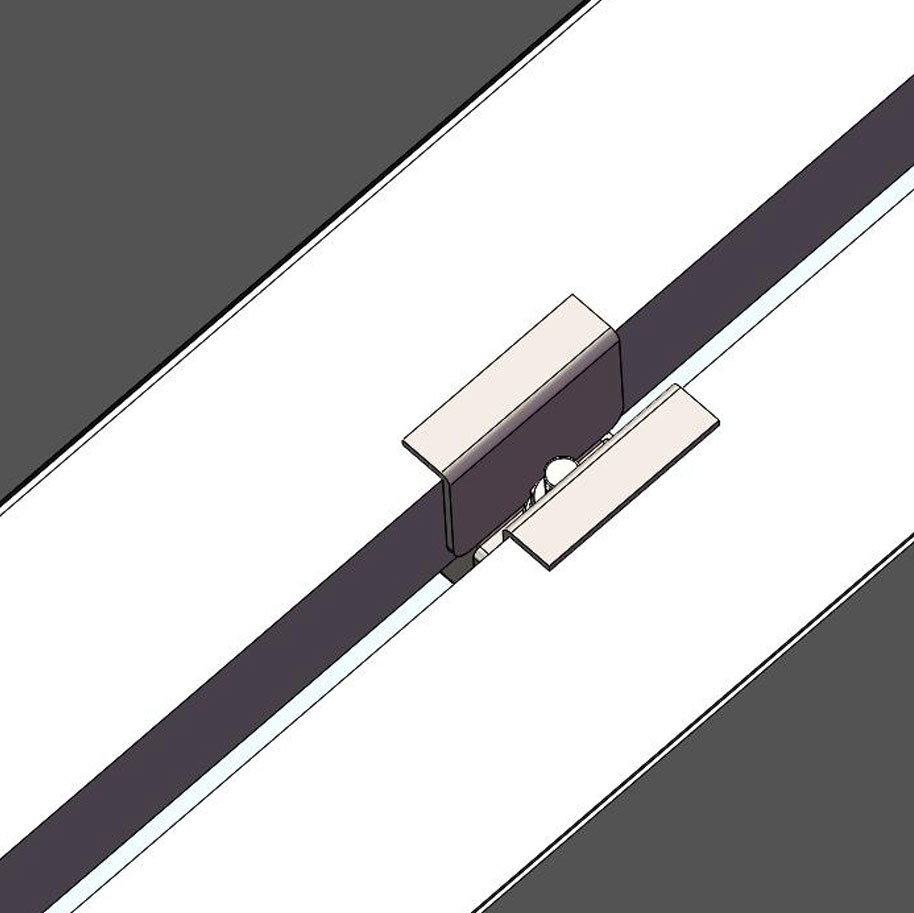
Zinc aluminum magnesium medium pressure
Zinc aluminum magnesium medium pressure
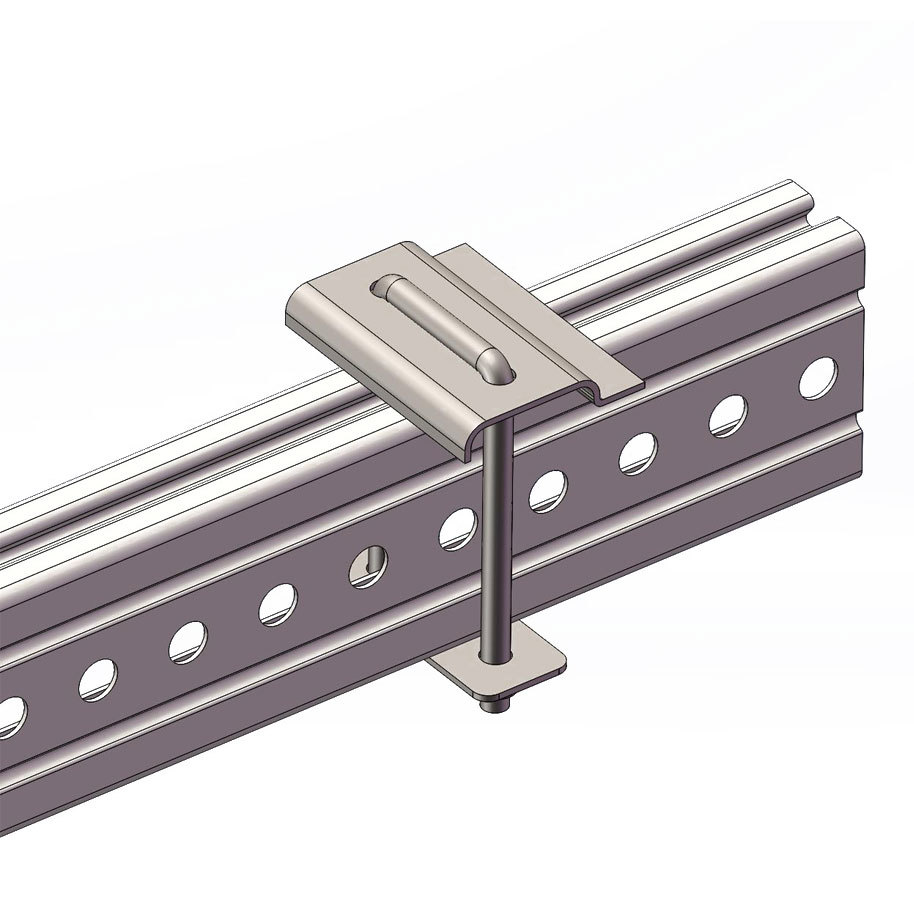
U-bolt assembly
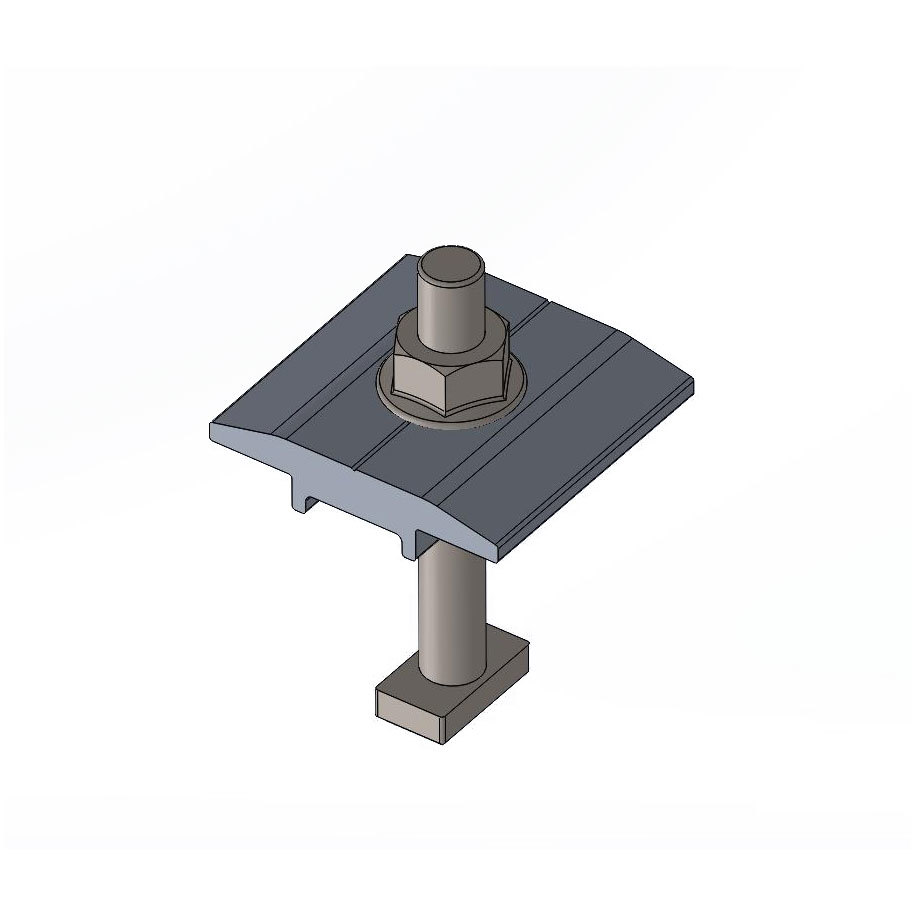
Medium voltage components
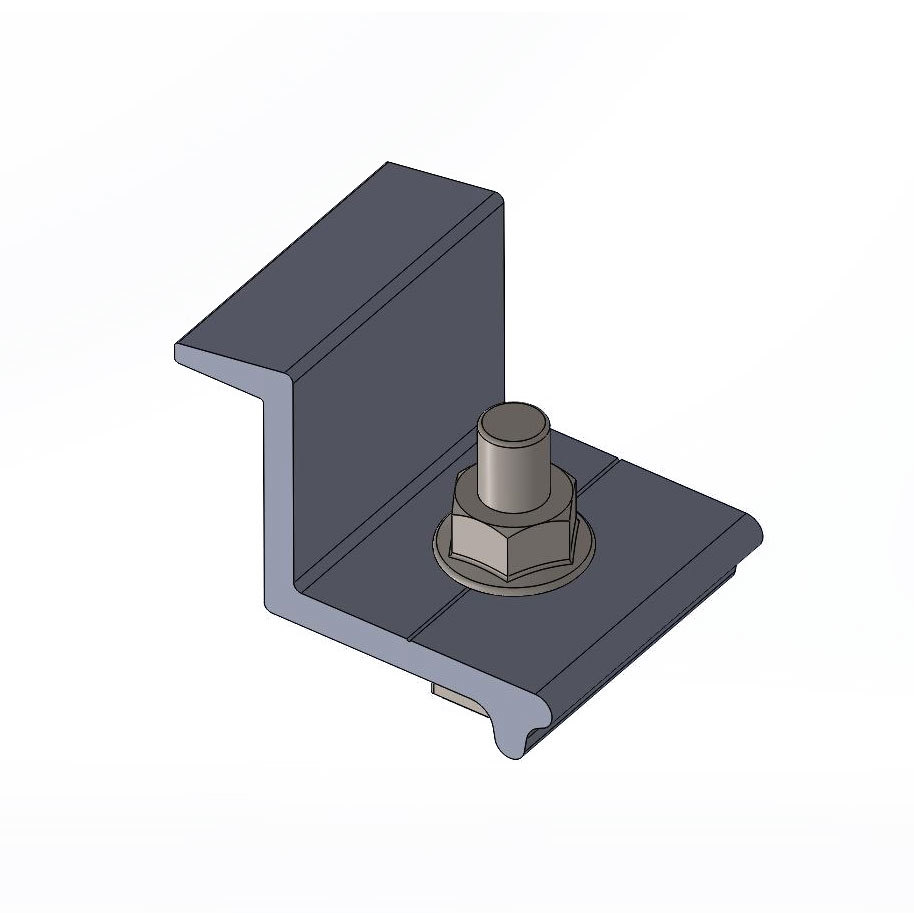
Side pressure component
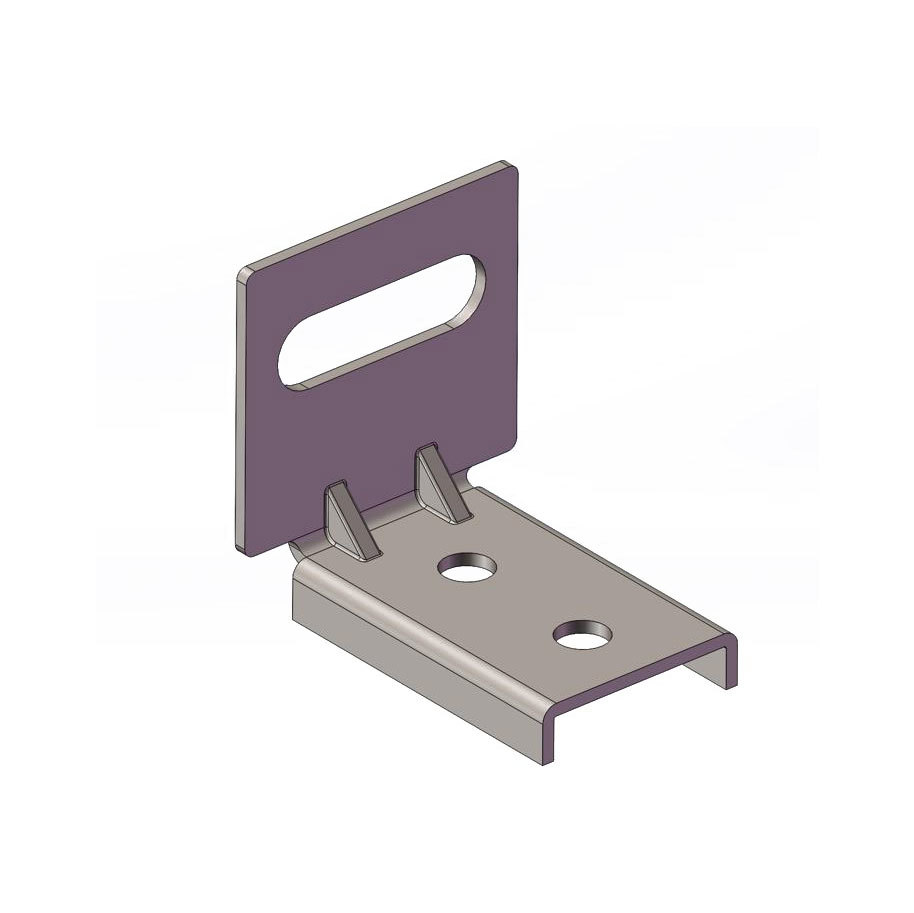
Horizontal and vertical rail connectors
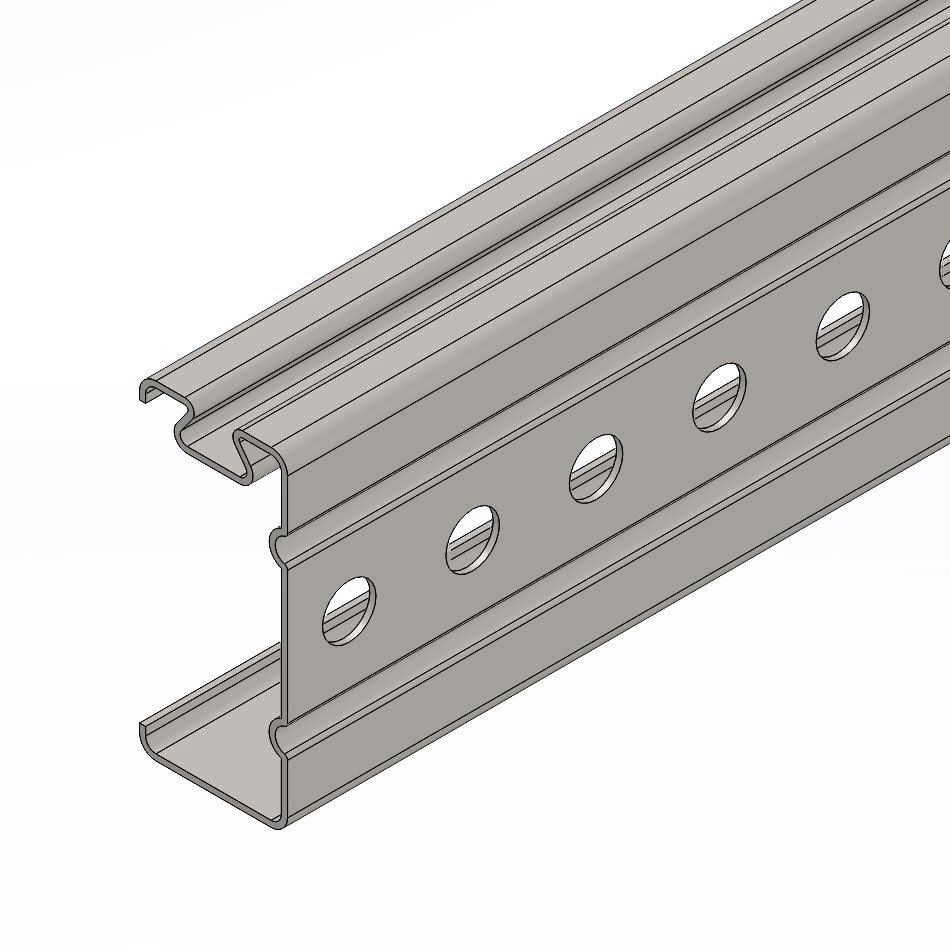
Slant support
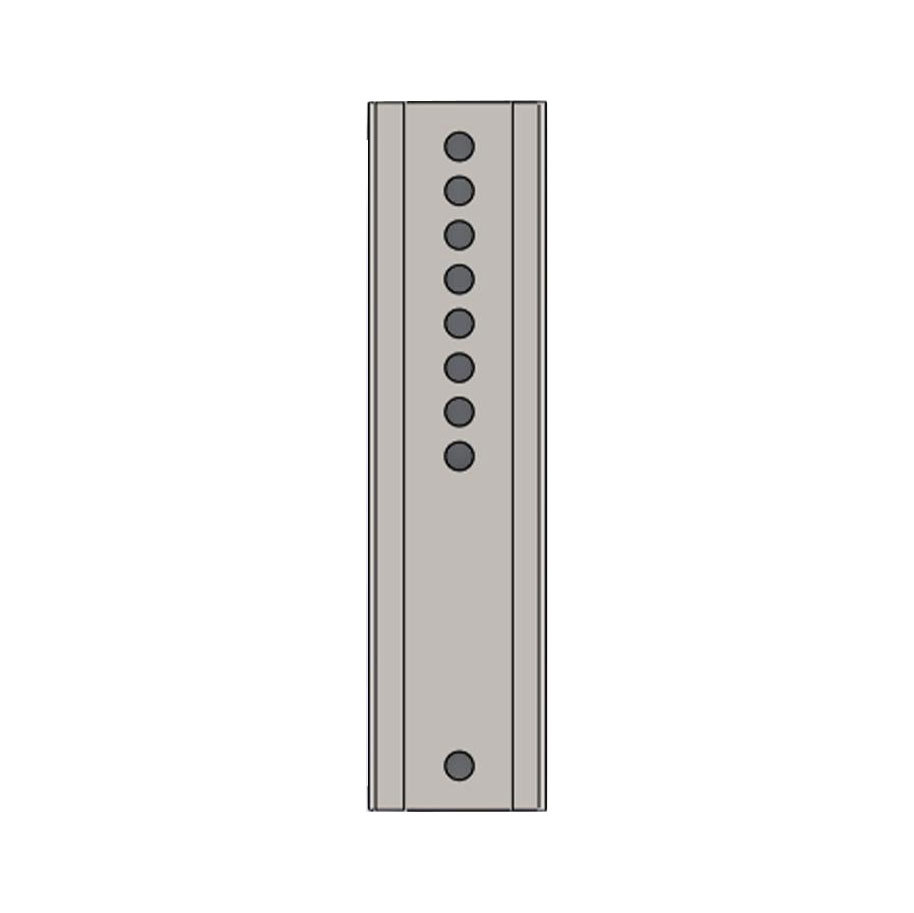
Column connectors
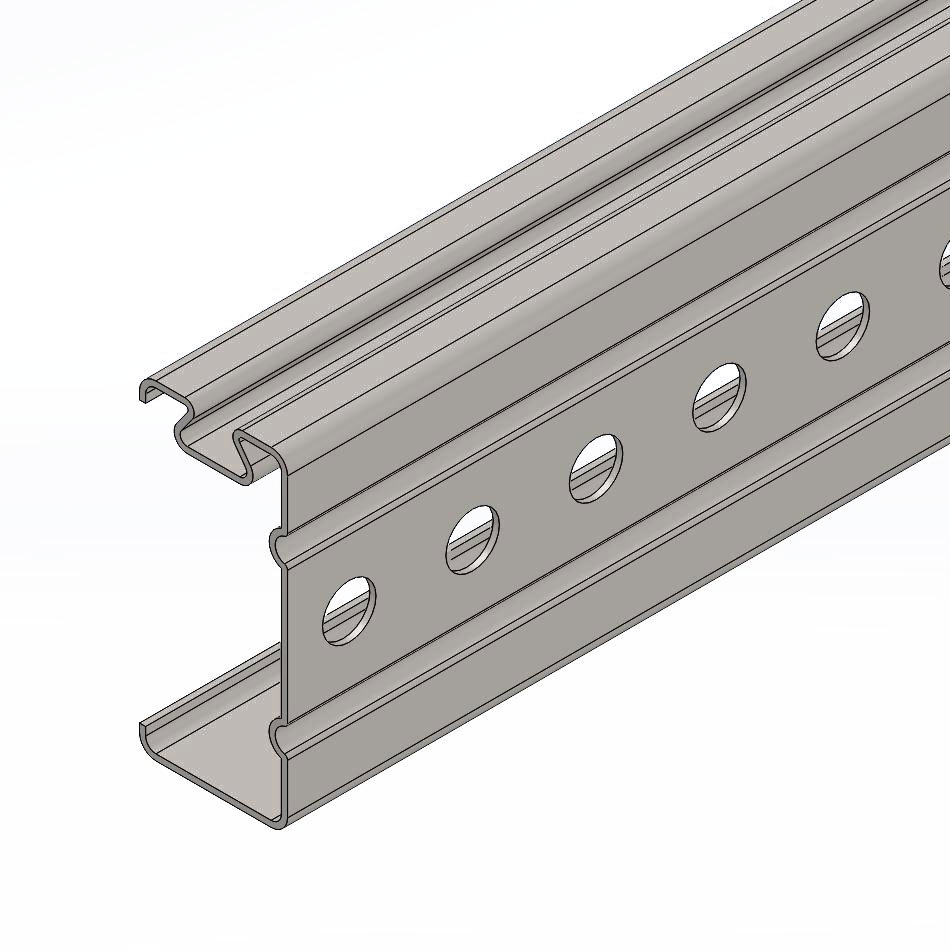
Longitudinal track
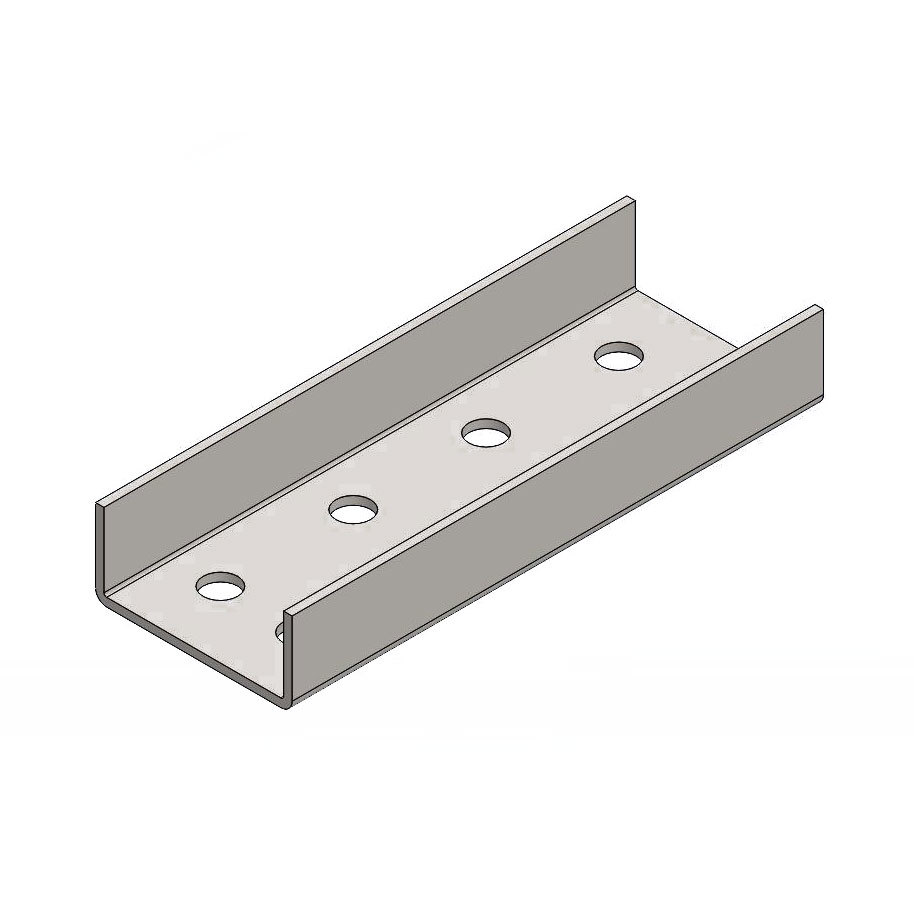
Horizontal rail connectors
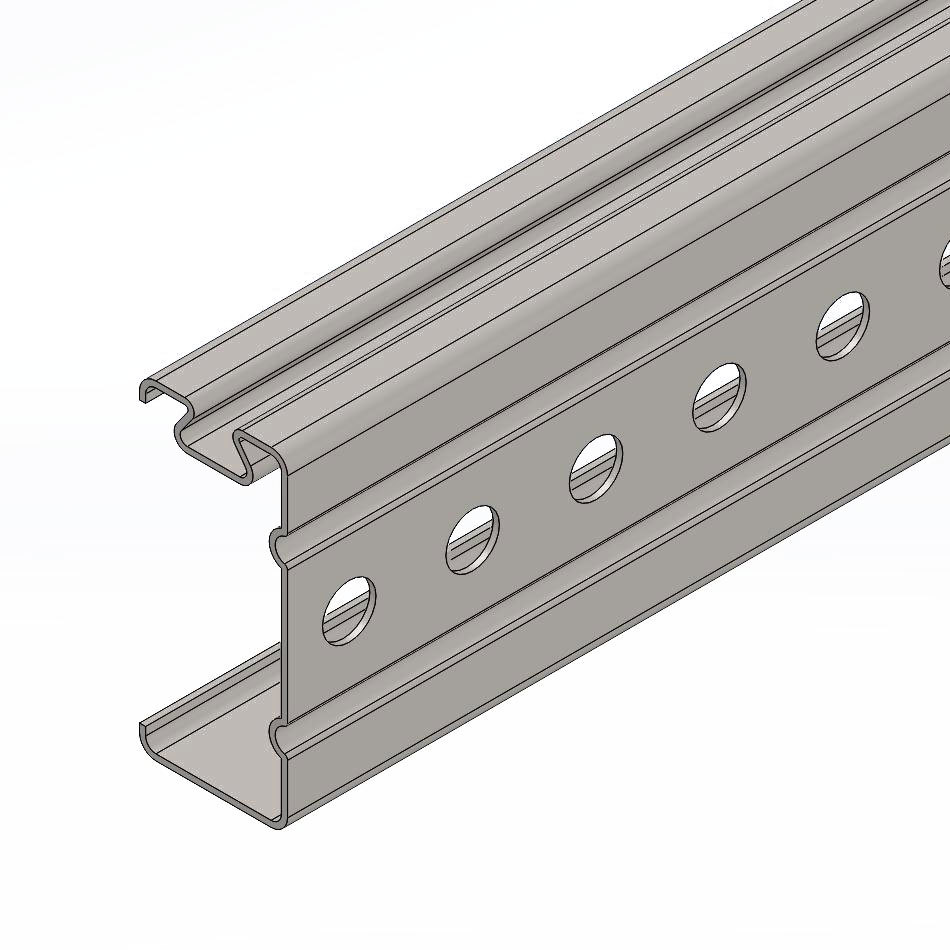
Horizontal track
Easy Install Steel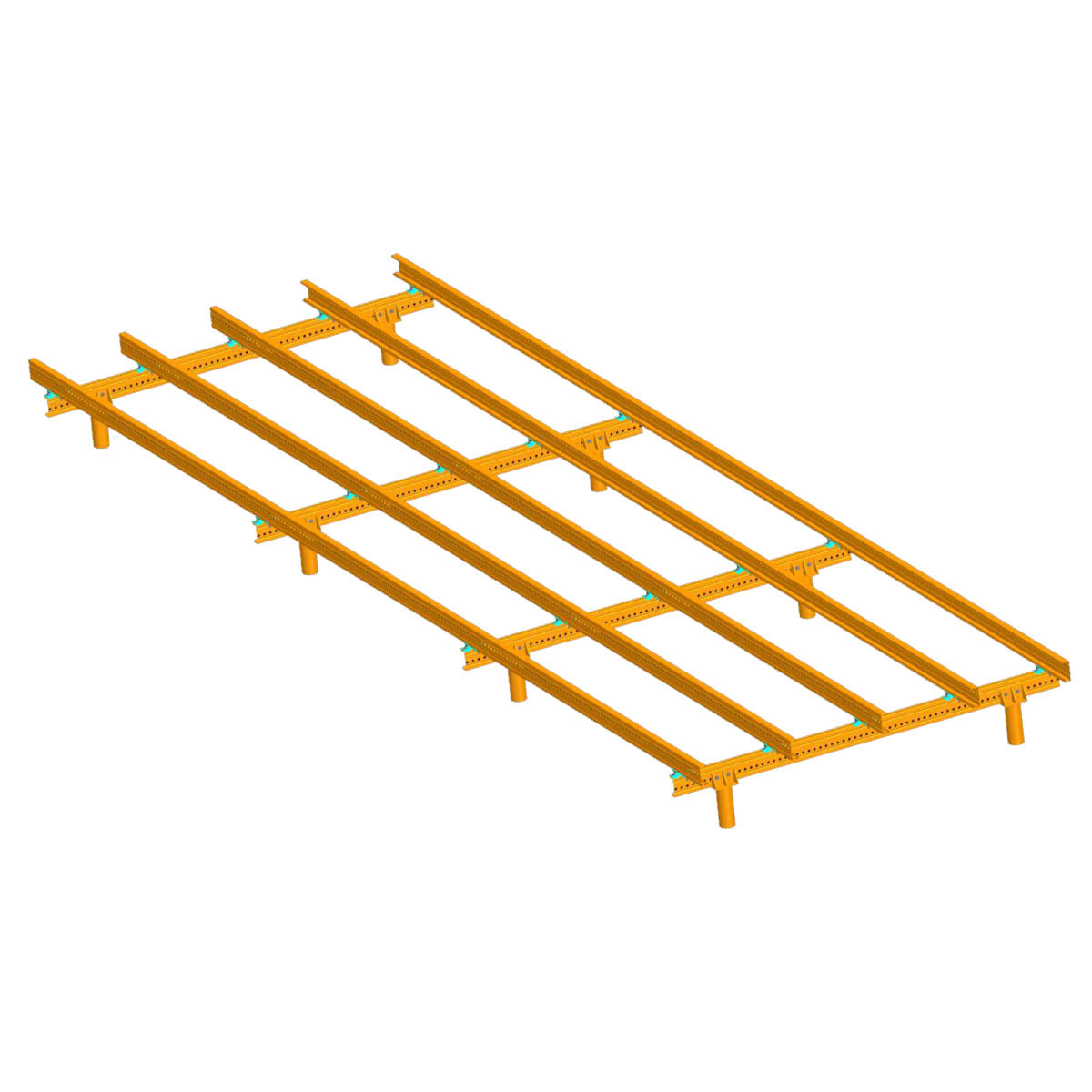
Haoheng Yi'an System

Easy Install Steel
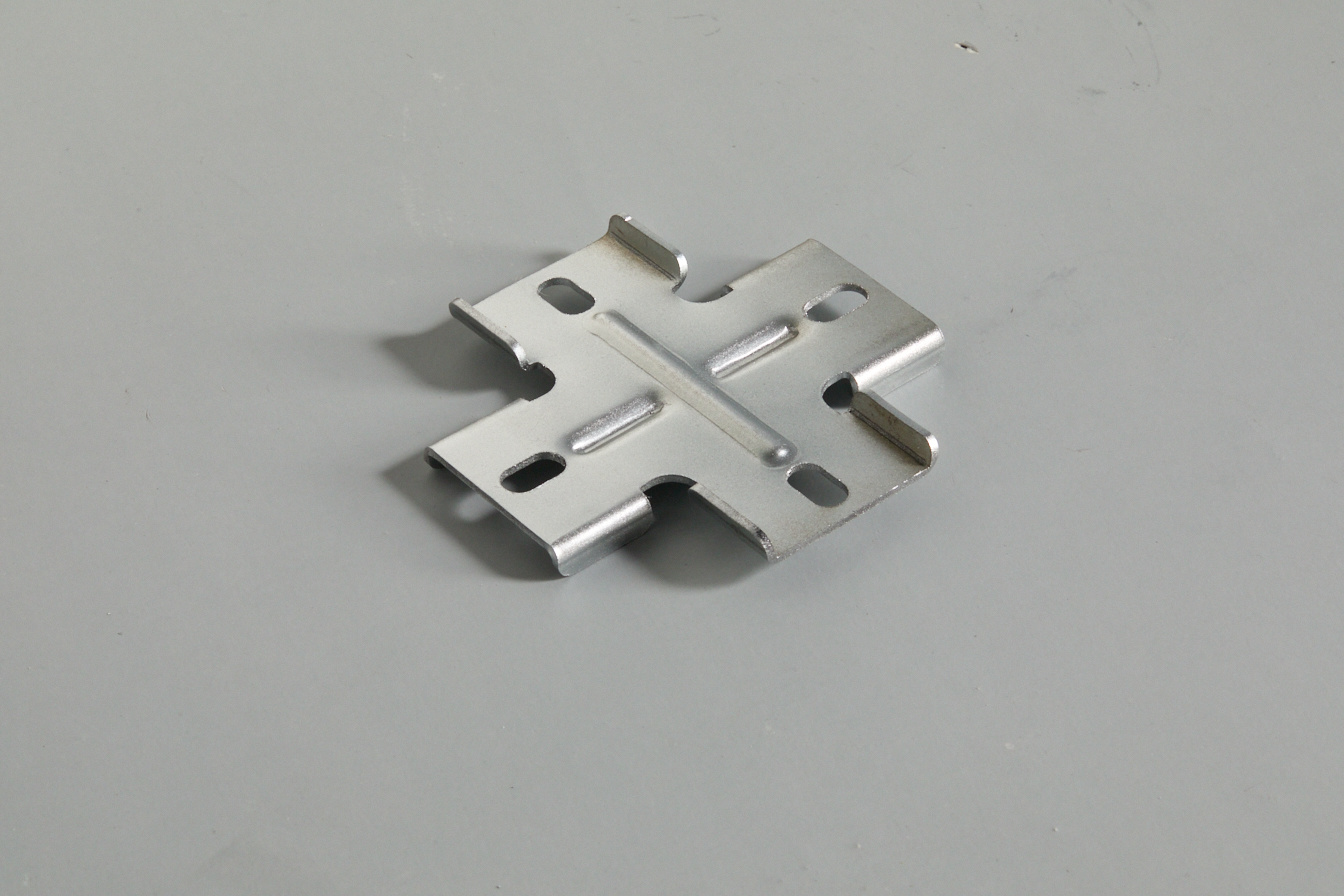
Cross connector
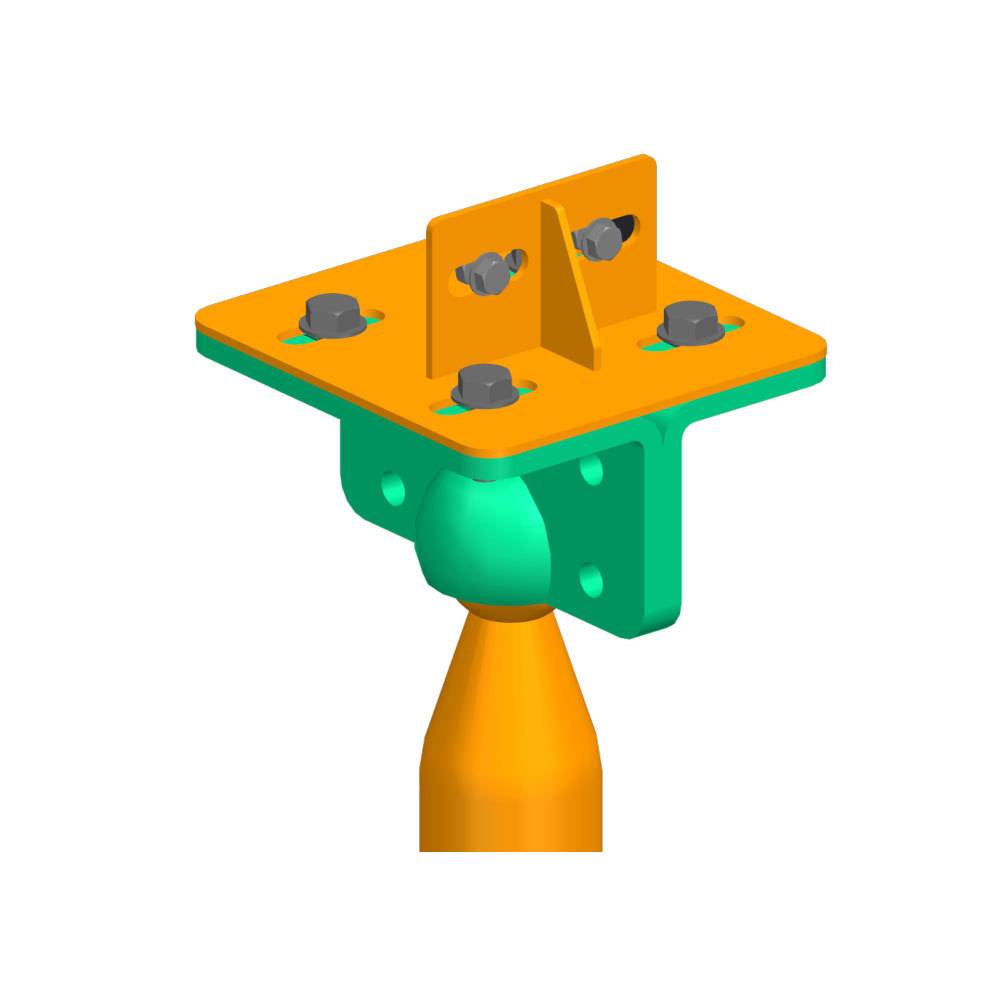
Universal connector for screw pile
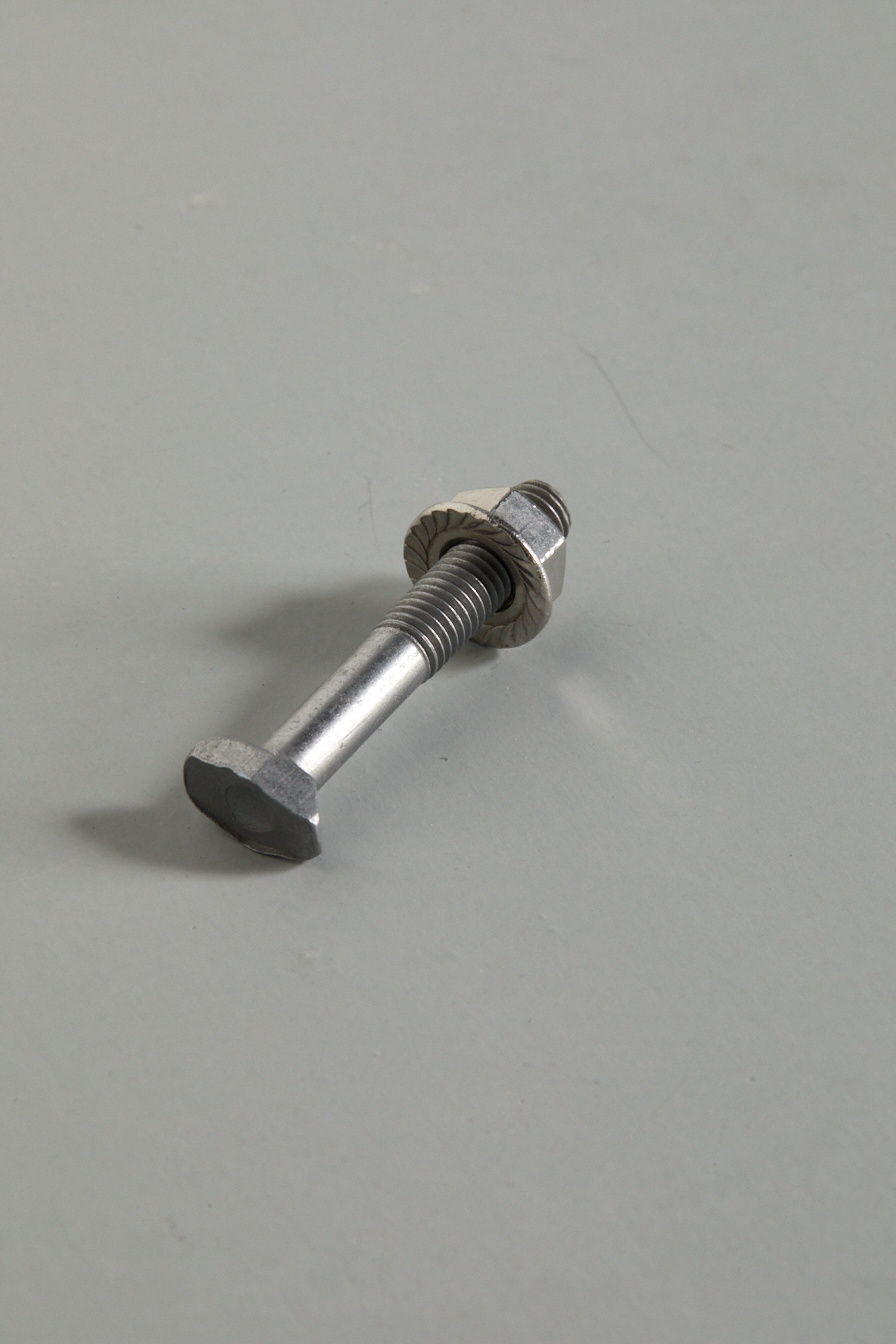
T-shaped dovetail bolt
Floor System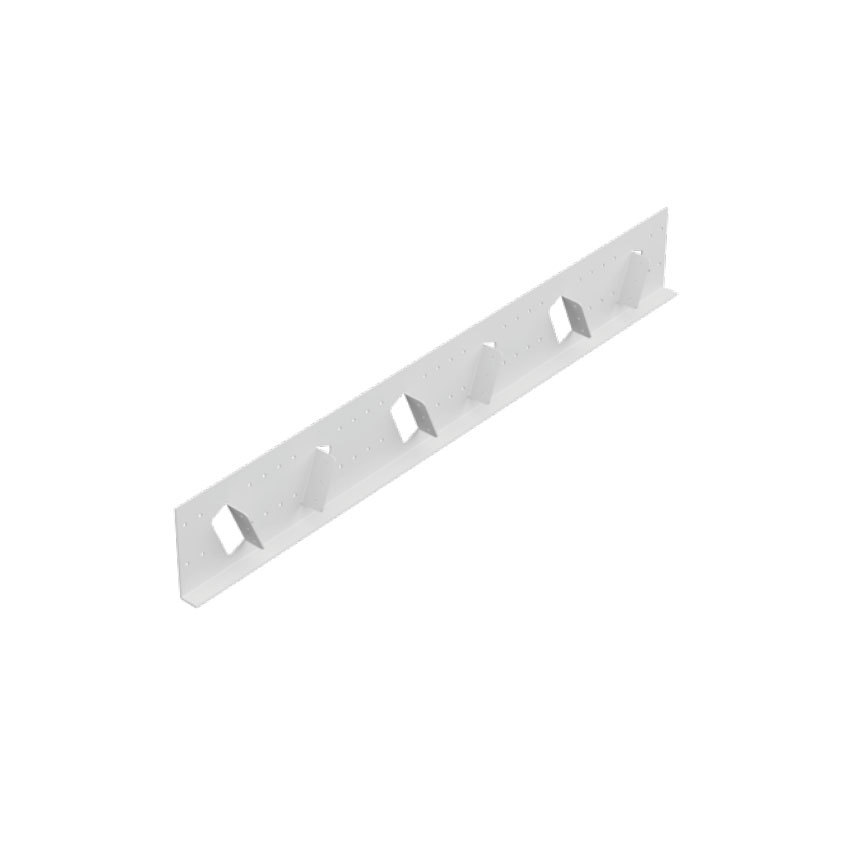
Ordinary steel structural connectors
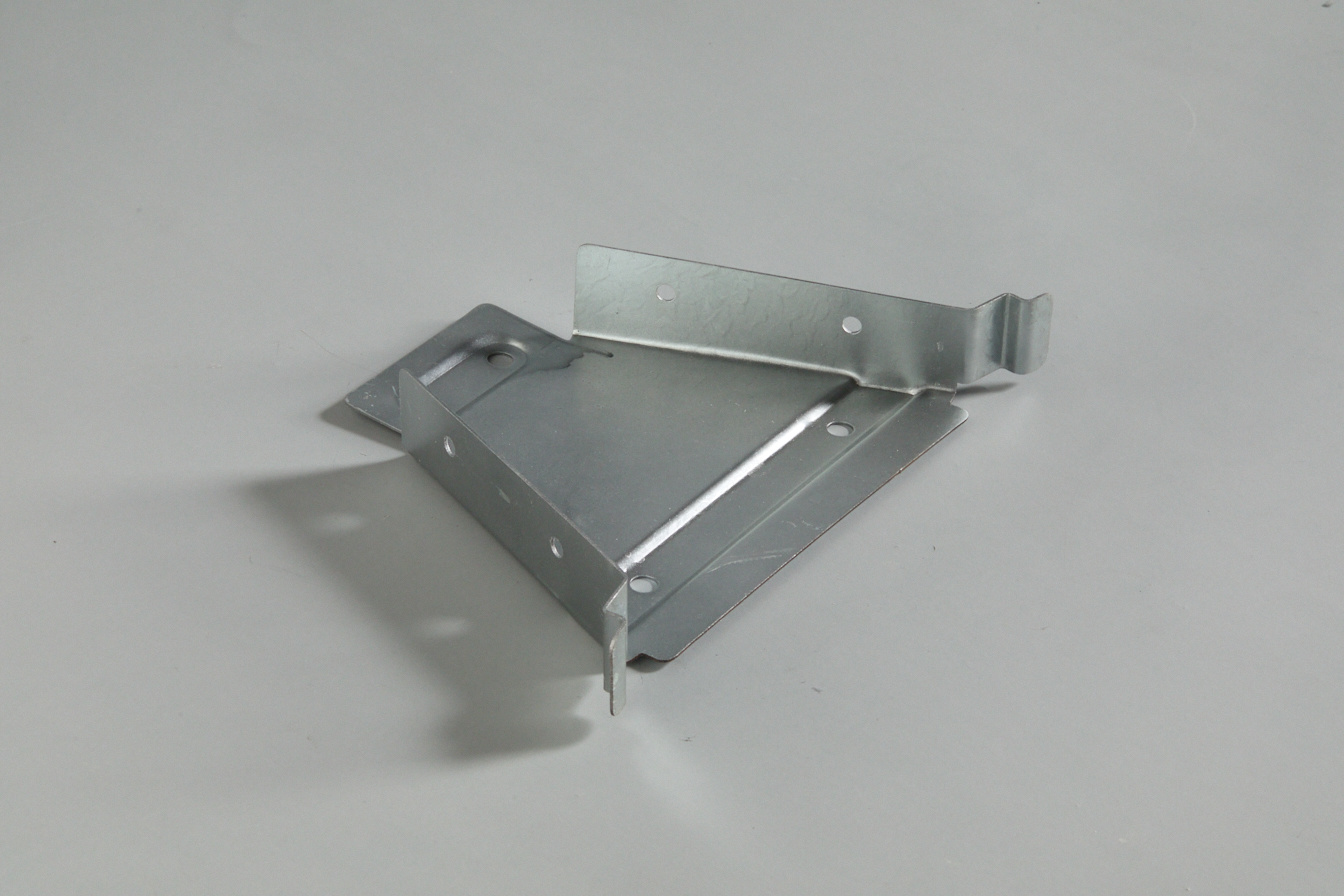
NEW BUILDING system connectors
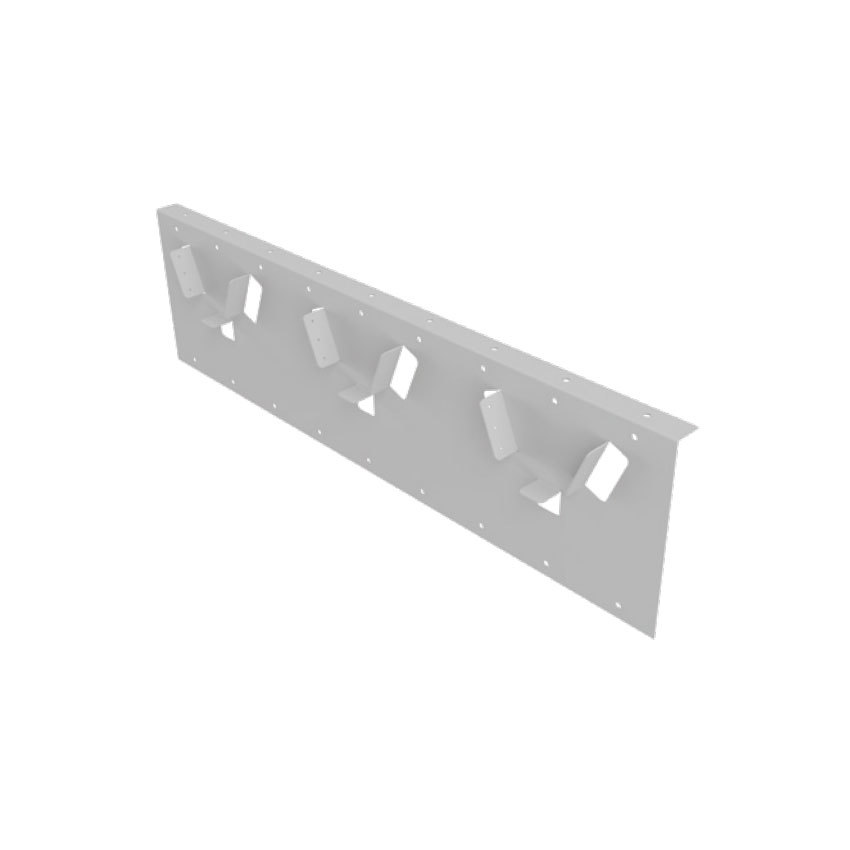
Cold formed thin-walled steel structural connectors
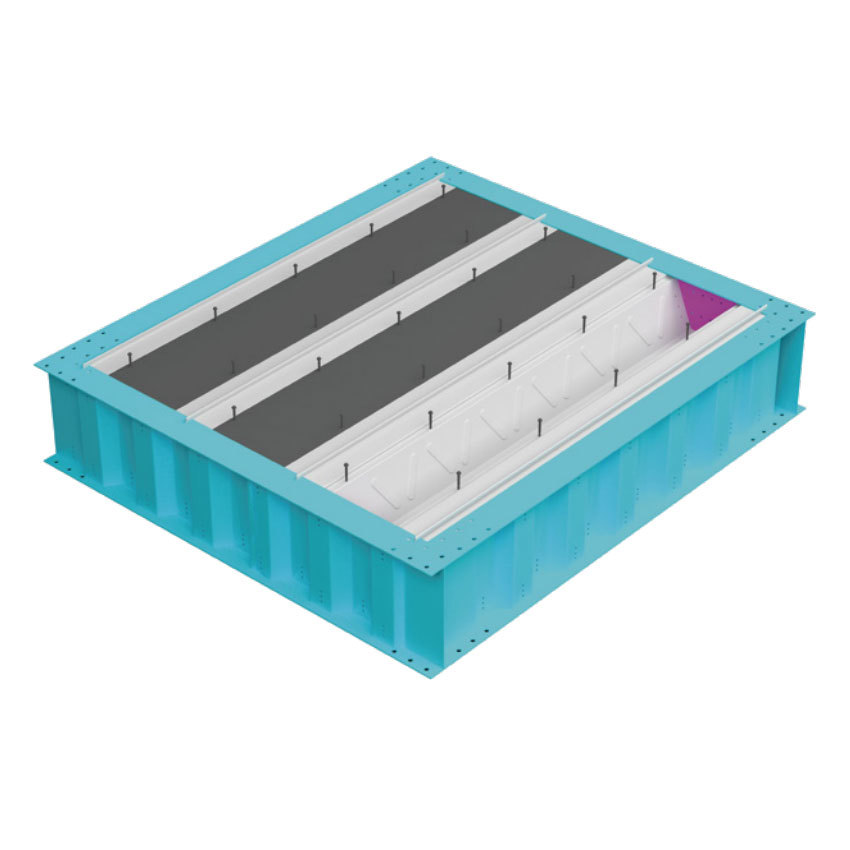
Corrugated I-beam+V-shaped floor beam
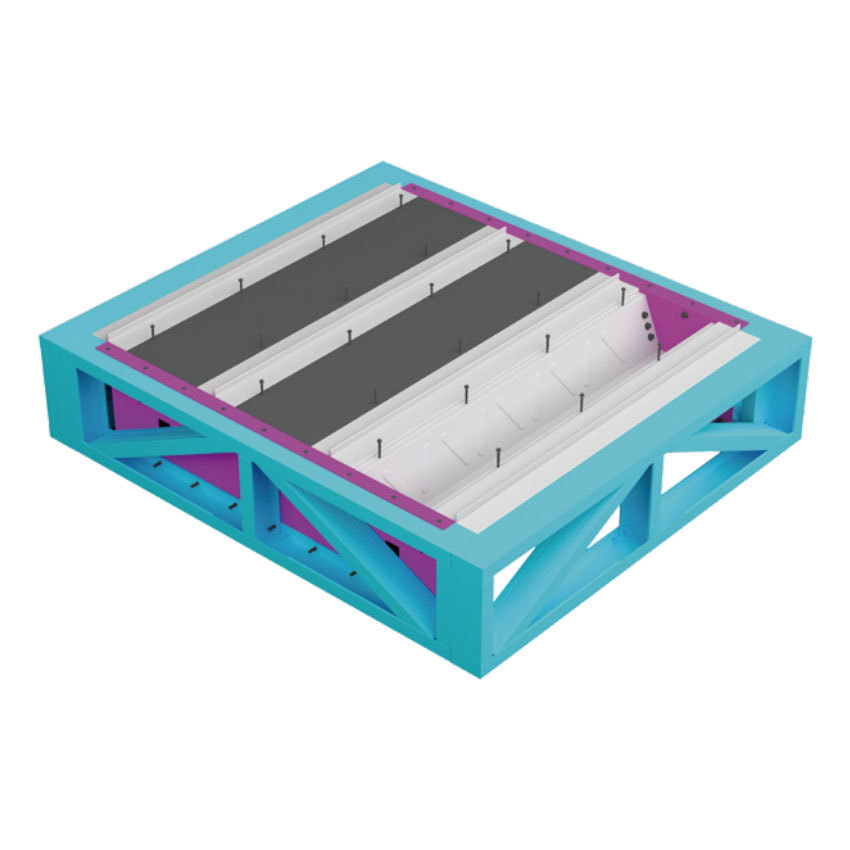
300 light steel truss+V-shaped floor beam

Steel wire gauze
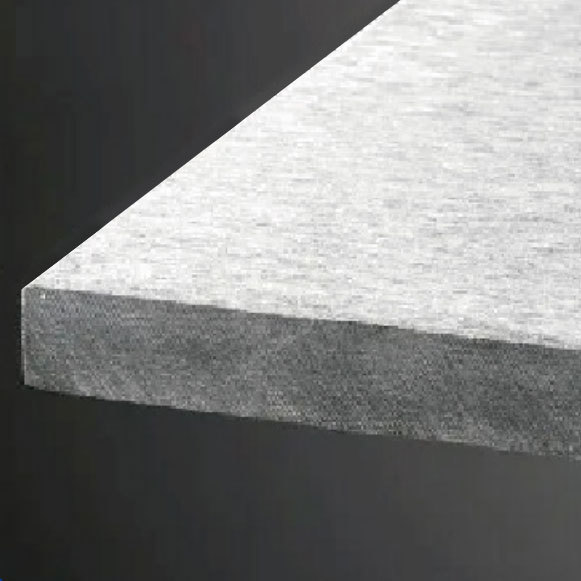
Plate
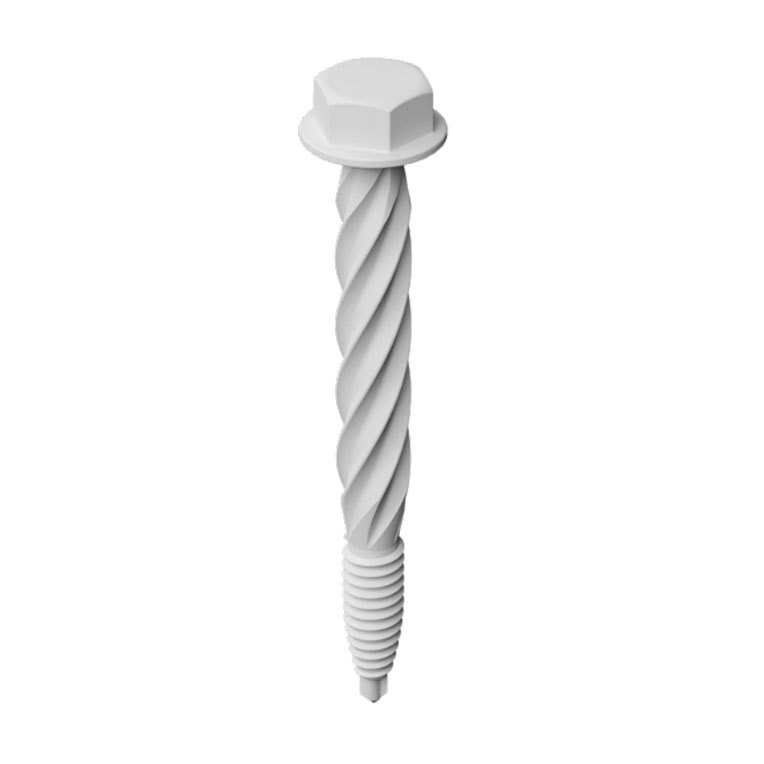
Shear stud
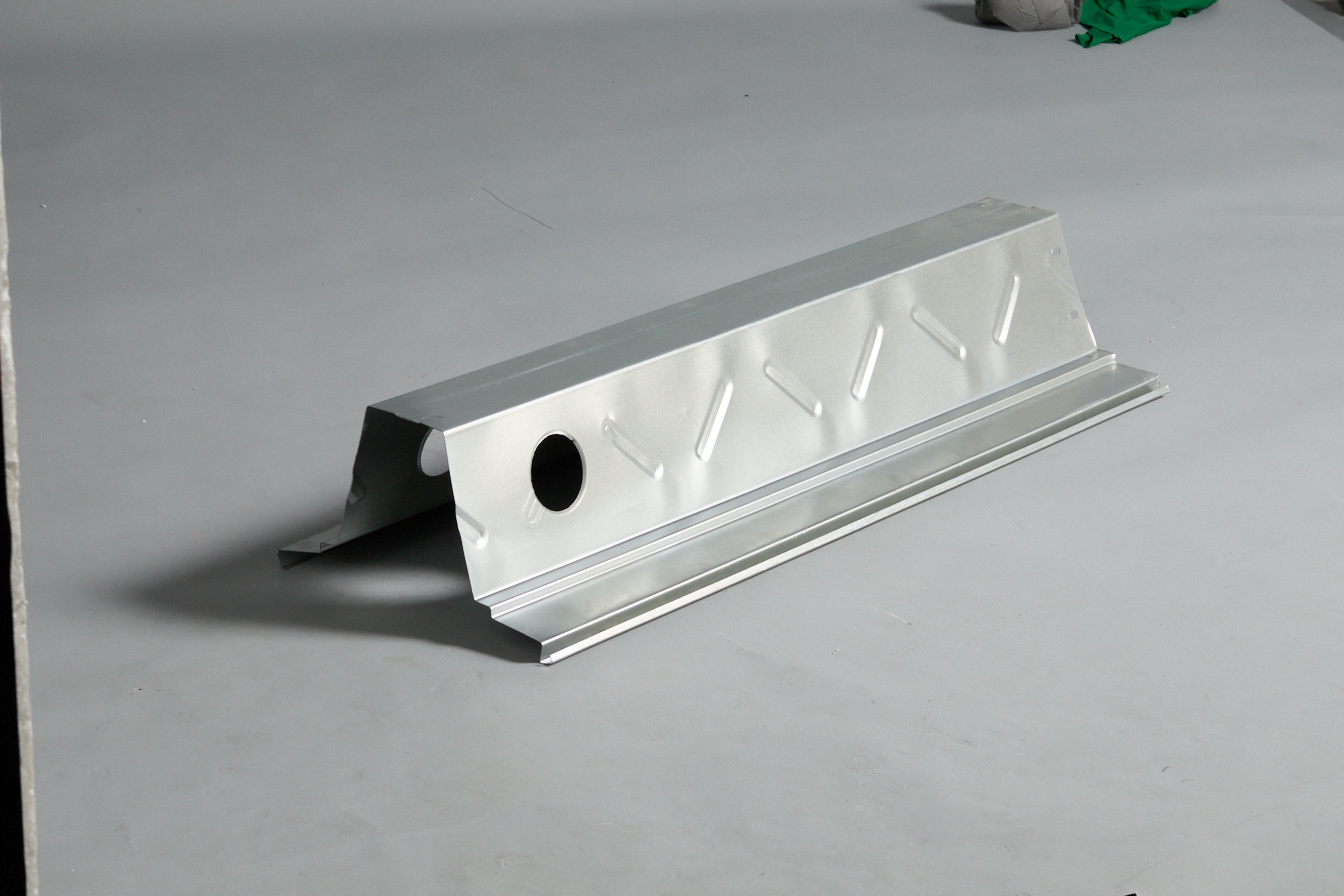
V-shaped floor beam
Magnesium stiffened wall panel
Magnesium-based Eco-panel 2026 Guide: Benefits, Installation Tips & Steel Building Applications
Release Time:
2026-11-29
Source:
📋 Article Overview
This guide explains what a Magnesium-based Eco-panel is, its real-world performance in 2026 steel building projects, step-by-step selection and installation guidance, and answers the most common questions from contractors and property owners, with insights from Haoheng’s 12 years of structural panel manufacturing experience.
What Is a Magnesium-based Eco-panel?
In practice, Magnesium-based Eco-panel is a non-combustible, low-carbon construction panel made from modified magnesium oxide core. It is designed as a sustainable alternative to traditional EPS, rock wool and polystyrene sandwich panels for wall, roof and partition applications in steel building systems. Recent 2026 industry data shows this panel type now holds 18% of the global light steel interior and exterior panel market, up 7% from 2023, driven by stricter fire safety and carbon emission regulations for construction projects.
Core Raw Material Composition
From our production line testing, a standard Magnesium-based Eco-panel is composed of 65% modified magnesium oxide, 15% perlite filler, 10% glass fiber mesh reinforcement, 8% eco-friendly adhesive, and 2% anti-corrosion additives. Unlike traditional magnesium oxide panels that are prone to moisture absorption and mildew, the 2026 modified formula reduces water absorption rate to below 8%, eliminating the common warping issue reported in earlier product generations.
Key Regulatory Alignment in 2026
Industry consensus is that Magnesium-based Eco-panels now meet the strictest Class A fire rating requirements in the EU, North America and APAC construction markets, including compliance with EN 13501-1 Class A2 standards and ASTM E119 fire resistance limits. In practice, this means panels can withstand 2 hours of direct flame exposure without structural collapse, meeting the safety requirements for high-rise residential, hospital and school building projects.
Core Performance Benefits of Magnesium-based Eco-panel
Magnesium-based Eco-panel delivers measurable advantages across fire safety, insulation, carbon footprint and maintenance cost compared to traditional construction panels, with long-term field data validating its 30+ year service life.
Non-combustible Fire Safety Performance
Actual testing shows that a 100mm thick Magnesium-based Eco-panel has a flame spread index of 0, and does not release toxic smoke when exposed to high temperatures, unlike EPS panels that release carcinogenic fumes during fire events. From case records of Haoheng’s 2025 industrial warehouse project in Malaysia, the installed eco-panel system passed the mandatory local fire inspection without additional retrofit, saving the client 12% of projected safety upgrade costs.
Thermal and Acoustic Insulation Efficiency
The modified magnesium core has a thermal conductivity of 0.054 W/m·K, which is 22% better than standard 100mm rock wool panels. For acoustic performance, the same panel delivers 42dB of sound insulation, meeting the privacy requirements for residential partition walls and office space. Research published in the 2026 Journal of Sustainable Construction found that buildings fitted with Magnesium-based Eco-panels reduce annual heating and cooling energy consumption by 14% on average, compared to buildings using traditional steel cladding panels.

Image Source: unsplash
| Performance Metric | Magnesium-based Eco-panel (100mm) | Rock Wool Sandwich Panel (100mm) | EPS Sandwich Panel (100mm) |
|---|---|---|---|
| Fire Rating | Class A2 (non-combustible) | Class A1 (non-combustible) | Class B1 (combustible) |
| Thermal Conductivity (W/m·K) | 0.054 | 0.069 | 0.038 |
| Sound Insulation (dB) | 42 | 35 | 28 |
| Water Absorption Rate | <8% | <5% | |
| 30-Year Lifetime Maintenance Cost (USD/m²) | 12.5 | 28.7 | 45.2 |
“Magnesium-based Eco-panels have emerged as the most balanced sustainable panel option for low-carbon steel buildings in 2026, combining fire safety, insulation performance and lower lifecycle cost without the high price premium of advanced vacuum insulation panels.” — 2026 Global Sustainable Construction Materials Industry Report
Step-by-Step Guide to Selecting and Installing Magnesium-based Eco-panel
To get the full performance value of Magnesium-based Eco-panel, you need to follow a structured selection and installation process that matches panel specs to your project’s climate, load and safety requirements. From 12 years of project experience, we have refined the following 4-step process to avoid common installation and selection mistakes:
- Match panel thickness to your local climate zone: For regions with annual temperature range over 40°C, select 100mm thick panels for exterior walls, and 50mm thick panels for interior partitions to avoid unnecessary material cost.
- Verify core material modification: Require suppliers to provide water absorption test reports to confirm the panel uses the 2026 modified magnesium oxide formula, rather than the older high-moisture plain magnesium core that warps over time.
- Check surface coating compatibility: For exterior wall applications, confirm the panel’s top coating has anti-UV and anti-acid rain resistance, with a 10-year minimum warranty for coastal or high-pollution project sites.
- Follow the standard installation gap rule: Leave a 3mm expansion gap between adjacent panels during installation to accommodate thermal movement, preventing crack formation as temperature changes.
Common Selection Pitfalls to Avoid
In practice, the most common mistake buyers make is selecting the cheapest Magnesium-based Eco-panel on the market, which often skips the glass fiber mesh reinforcement layer. This leads to low impact resistance, where panels crack after minor impact from hail or construction activity. Actual test data from our quality lab shows that panels without glass fiber mesh have only 30% of the impact resistance of reinforced panels, leading to 4x higher long-term repair costs.
Suitable Application Scenarios for Eco-panels
From case records, Magnesium-based Eco-panels are best suited for light steel villa exterior walls, industrial workshop partitions, modular building interior walls, and temporary emergency shelter structures. They are not recommended for projects requiring extreme ultra-high insulation performance (over R-5 per inch) or permanent structural load-bearing applications, as the panel is designed for envelope and partition use rather than primary structural support.
What Are the Common Myths About Magnesium-based Eco-panel?
There are several widespread misconceptions about Magnesium-based Eco-panel that can lead to poor buying decisions, especially as the product has evolved significantly in its core formula over the past 3 years.
Myth 1: All Magnesium panels are prone to mildew and warping
This myth is based on the older first-generation magnesium oxide panels released before 2022, which had water absorption rates over 25% and would warp or grow mildew in high-humidity environments. In practice, the 2026 modified formula used by qualified manufacturers like Haoheng reduces water absorption to below 8%, with laboratory testing showing no mildew growth after 12 months of continuous exposure to 95% relative humidity conditions.
Myth 2: Magnesium-based Eco-panels are too expensive for small projects
While the upfront material cost of Magnesium-based Eco-panel is 15-20% higher than standard EPS sandwich panels, the 30-year lifecycle cost analysis shows it is 65% cheaper than EPS panels when accounting for fire safety upgrades, maintenance, insulation replacement and carbon tax costs. For small residential projects, the total installed cost works out to only 5% higher than traditional panel solutions, with significantly better long-term value.
Real-World Performance Case of Haoheng Magnesium-based Eco-panel
In 2025, Haoheng supplied 12,000 m² of Magnesium-based Eco-panel for a 50-unit light steel residential community in central Thailand, a region with average annual humidity of 78% and frequent monsoon rain events.
Project Outcome After 12 Months of Operation
From the 12-month post-installation inspection report, there was no visible warping, mildew or panel discoloration across all installed wall surfaces. The building owner reported 16% lower monthly electricity bills for cooling, compared to a similar neighboring residential community built with traditional rock wool panels. The project also passed the local mandatory fire safety inspection without any additional cost, as the eco-panel already met the required Class A2 fire rating.
Limitations of Magnesium-based Eco-panel to Note
We want to be transparent about the current limitations of this panel type: it has lower impact resistance than solid cement fiber panels, so it is not suitable for ground-level wall applications subject to frequent vehicle or pedestrian impact. It also requires specialized cutting tools during installation, as the glass fiber mesh core can cause fraying if cut with standard wood saws. These limitations are well documented in 2026 industry installation guides, and can be easily addressed with proper construction training.
Frequently Asked Questions About Magnesium-based Eco-panel
Q: How long does a Magnesium-based Eco-panel last?
When installed correctly with proper surface coating, a high-quality Magnesium-based Eco-panel has a service life of 30+ years, with minimal maintenance required beyond occasional surface cleaning to remove dust and pollutants.
Q: Is Magnesium-based Eco-panel suitable for coastal construction projects?
Yes, when selected with anti-corrosion surface coating, the panel is resistant to salt spray corrosion, and can be used for coastal projects, with a proven track record of 10+ years of stable performance in Southeast Asia coastal locations.
Q: Can Magnesium-based Eco-panel be recycled at the end of its service life?
Yes, the magnesium core material is 100% recyclable, and can be processed into new panel raw material at manufacturing facilities, reducing the total construction carbon footprint compared to non-recyclable EPS panels.
Q: What is the typical cost per square meter of Magnesium-based Eco-panel in 2026?
For standard 100mm thick panels, the 2026 market price ranges from 18 to 28 USD per square meter, depending on surface coating type, order volume and custom size requirements for your steel building project.
This article was generated by AI and is for reference only.
Previous Page
Previous Page
Related Information

HaoHeng Group
Address: Room 1808, Block A, Vanke Cloud City, Jiemei District, Xiamen City, Fujian Province
Business cooperation:
Copyright © HaoHeng (FuJian) Building Materials Technology Co, Ltd. All rights reserved